The story
History
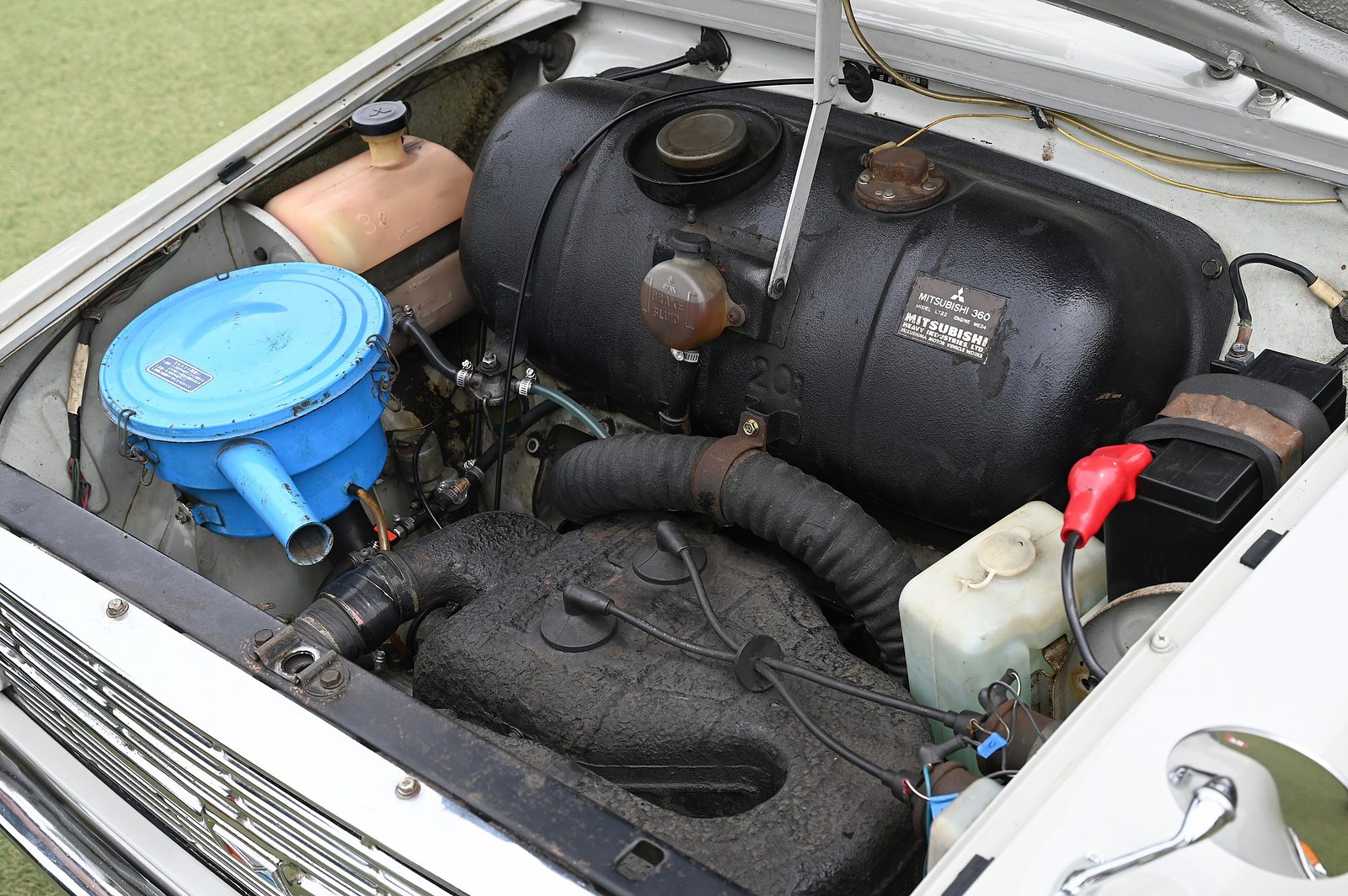
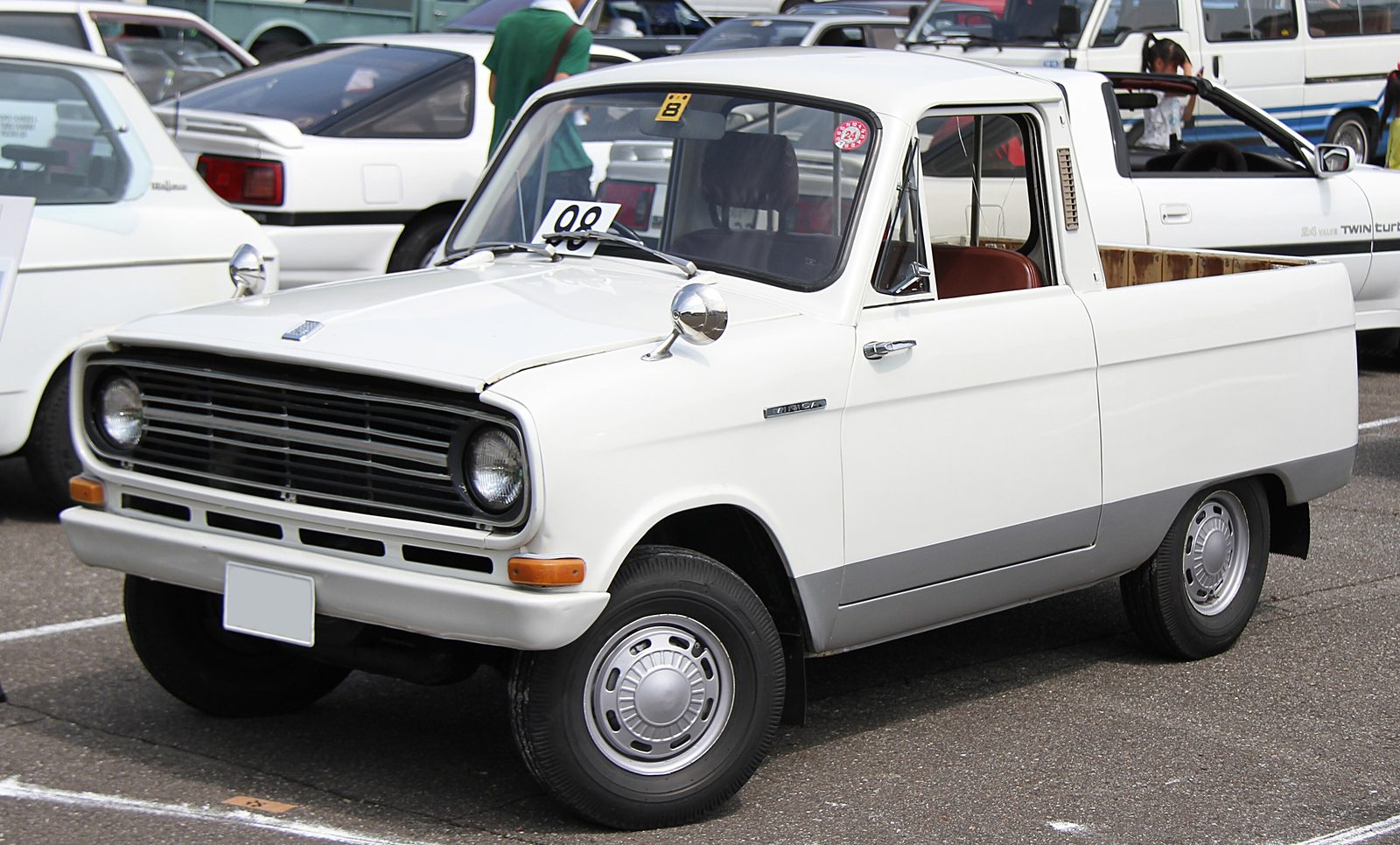
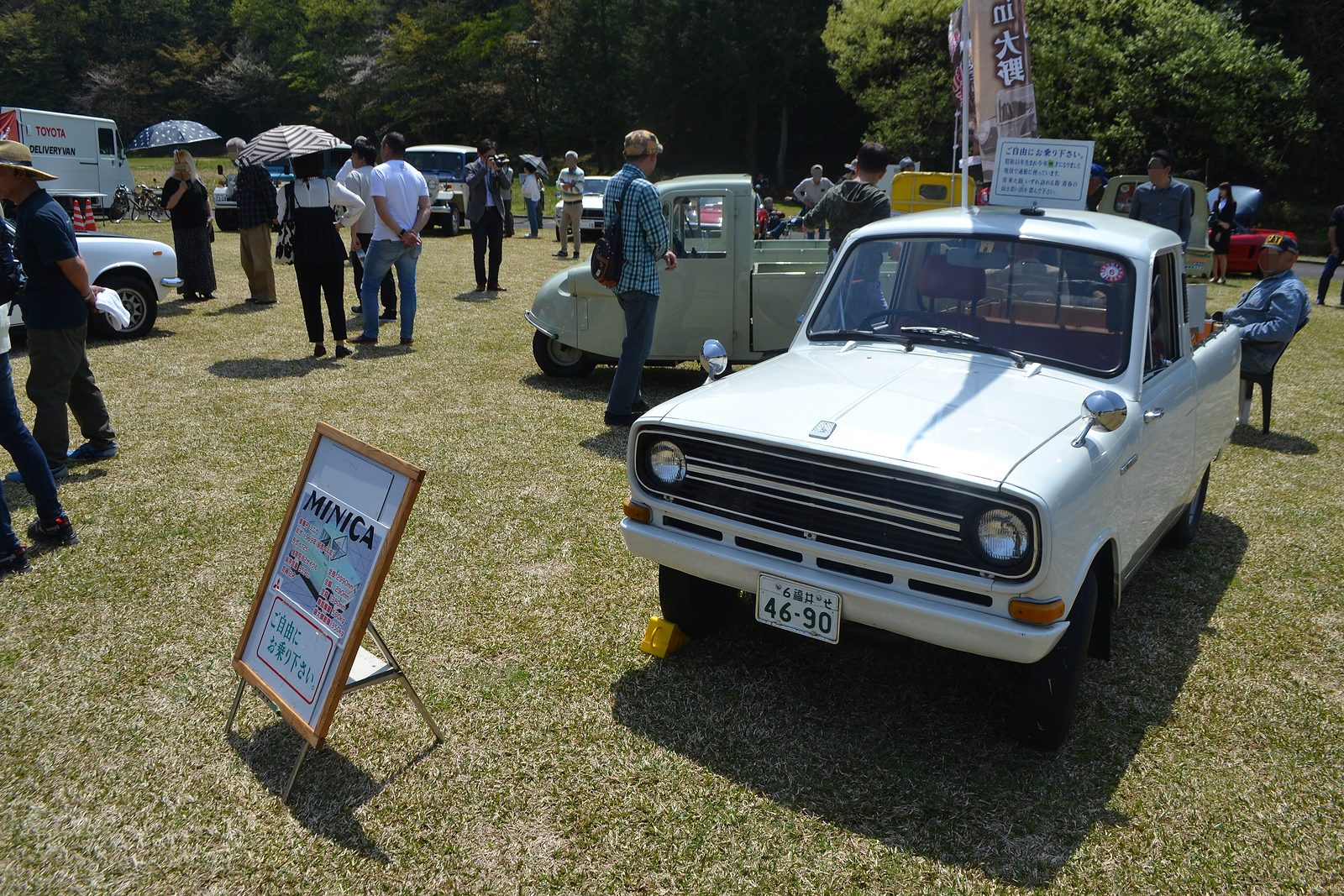
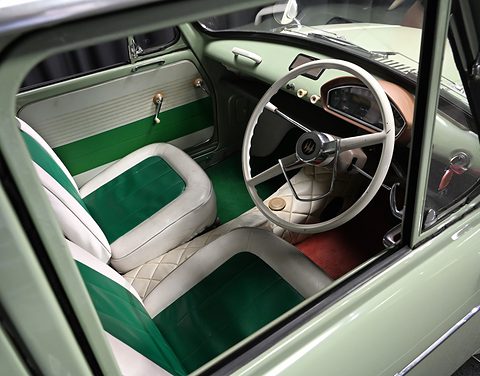
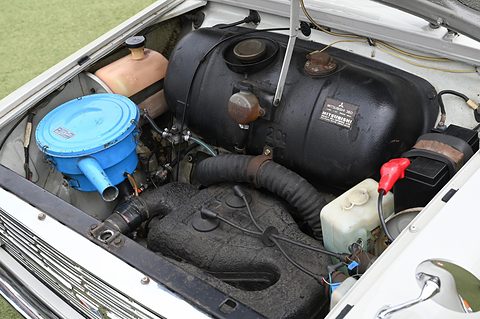
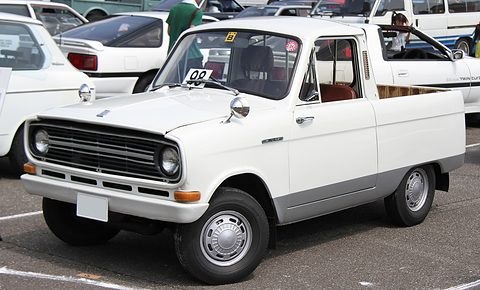
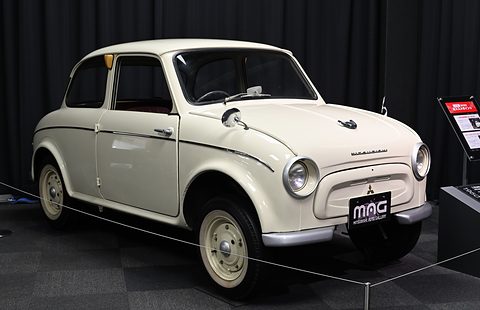
Its starting point was the Mitsubishi 360 of April 1961, a light kei van from the Mizushima works at Kurashiki with an air-cooled two-stroke twin, the ME21, in front. Its layout became a pattern for the bonnet vans of the class, and it sold so well that Mitsubishi gave up its three-wheelers, the Mitsubishi Leo among them, in 1962.source 2source 3
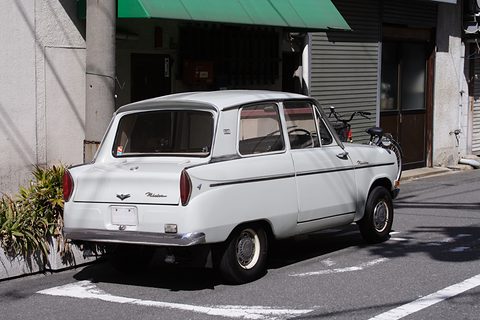
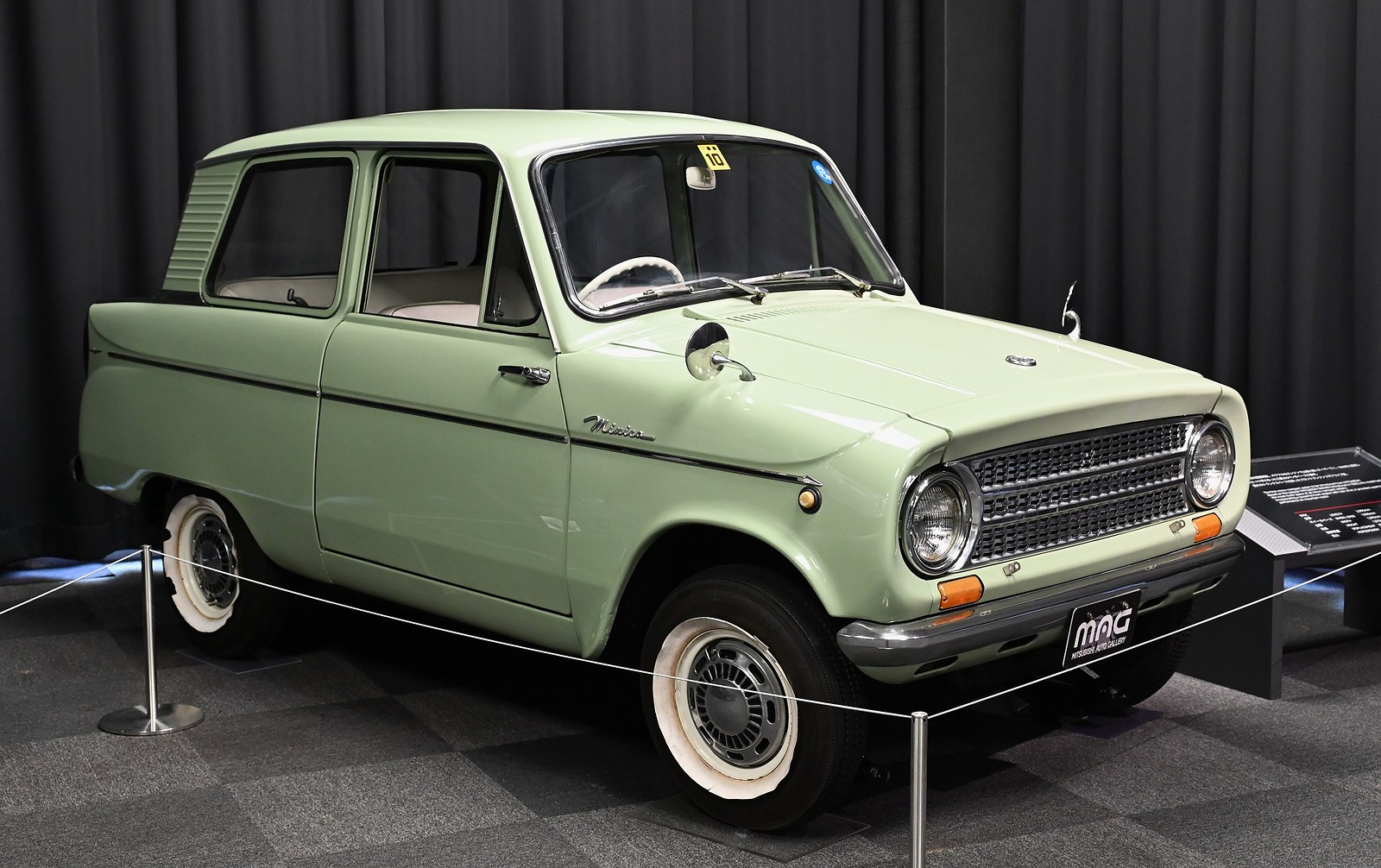
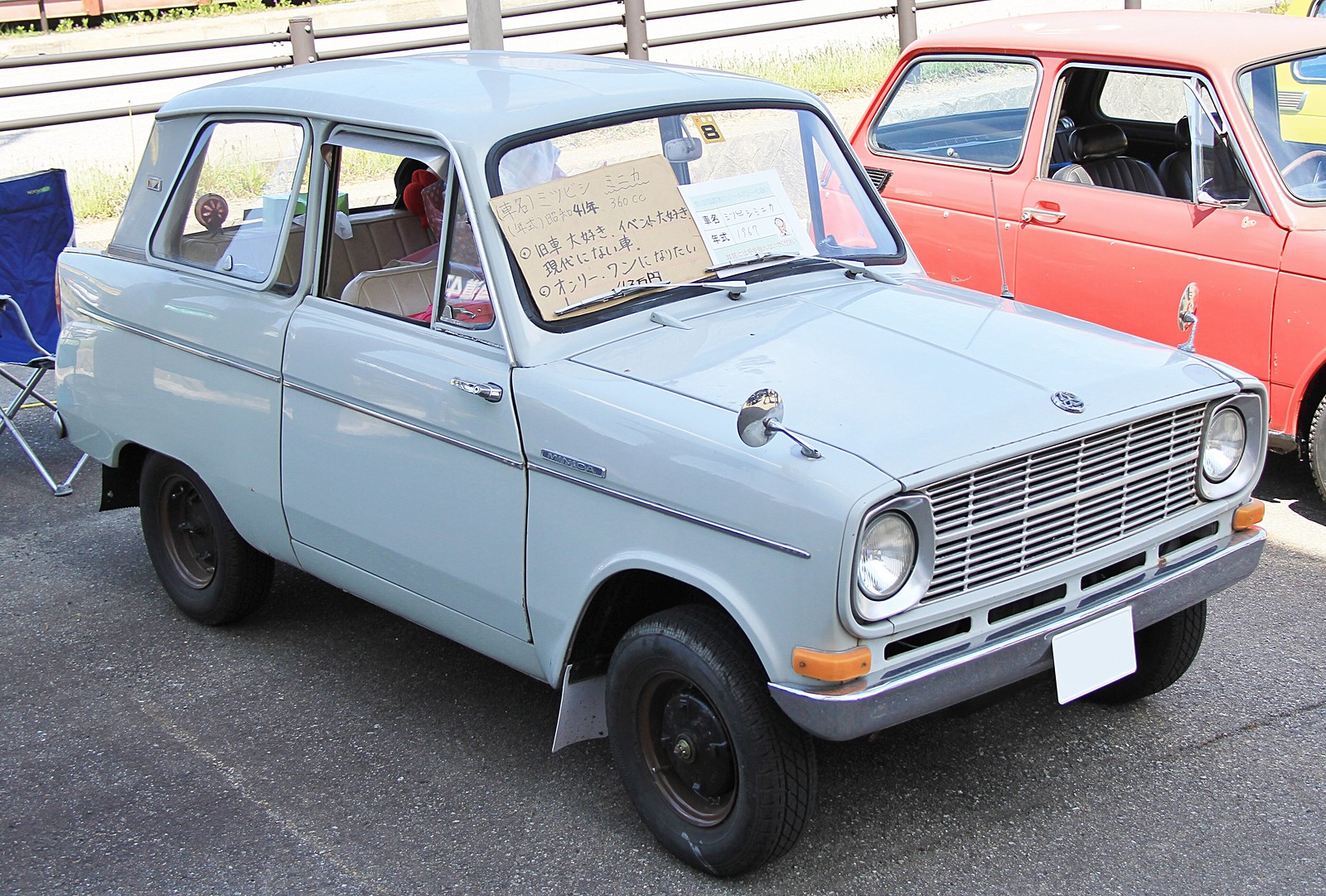
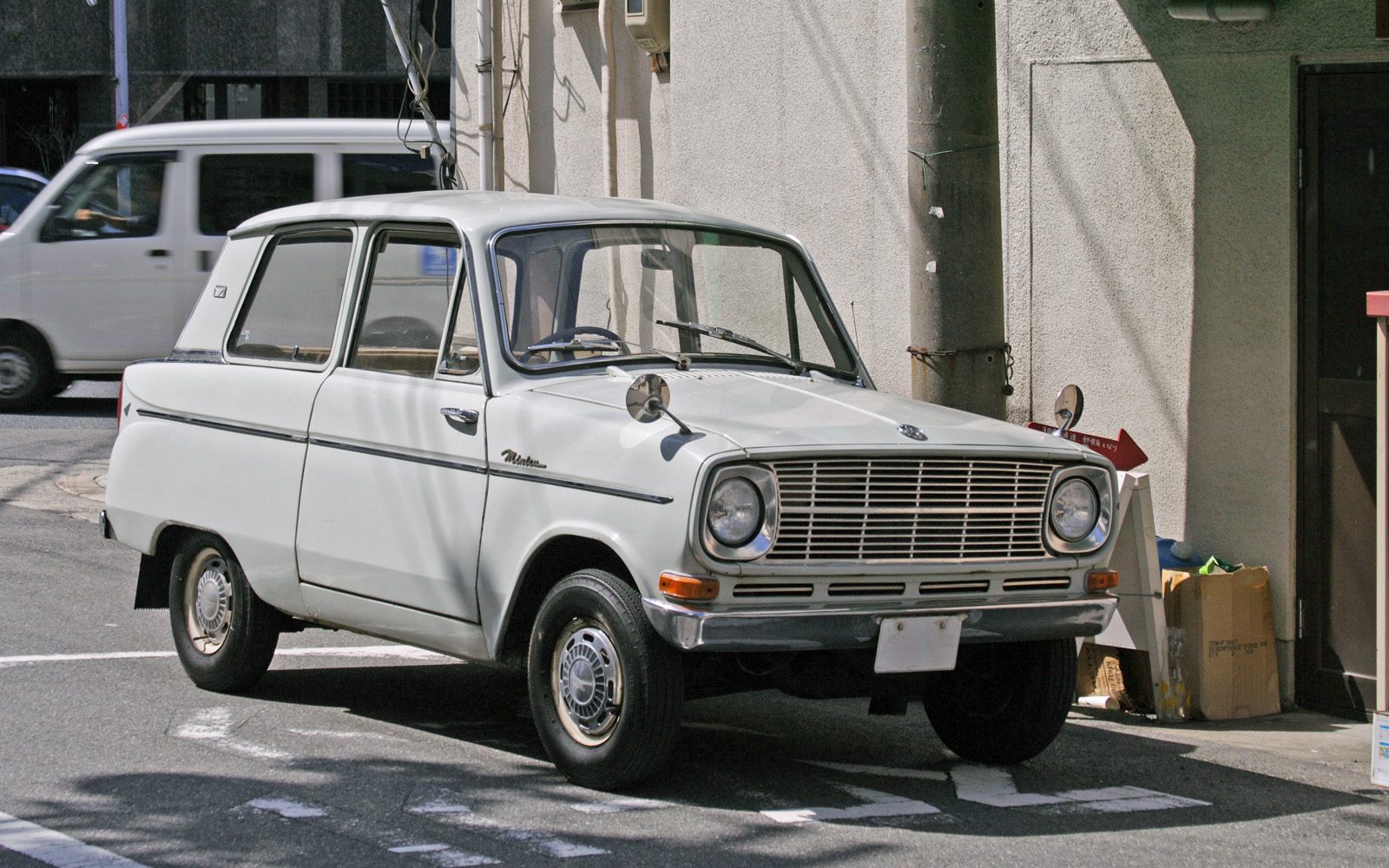
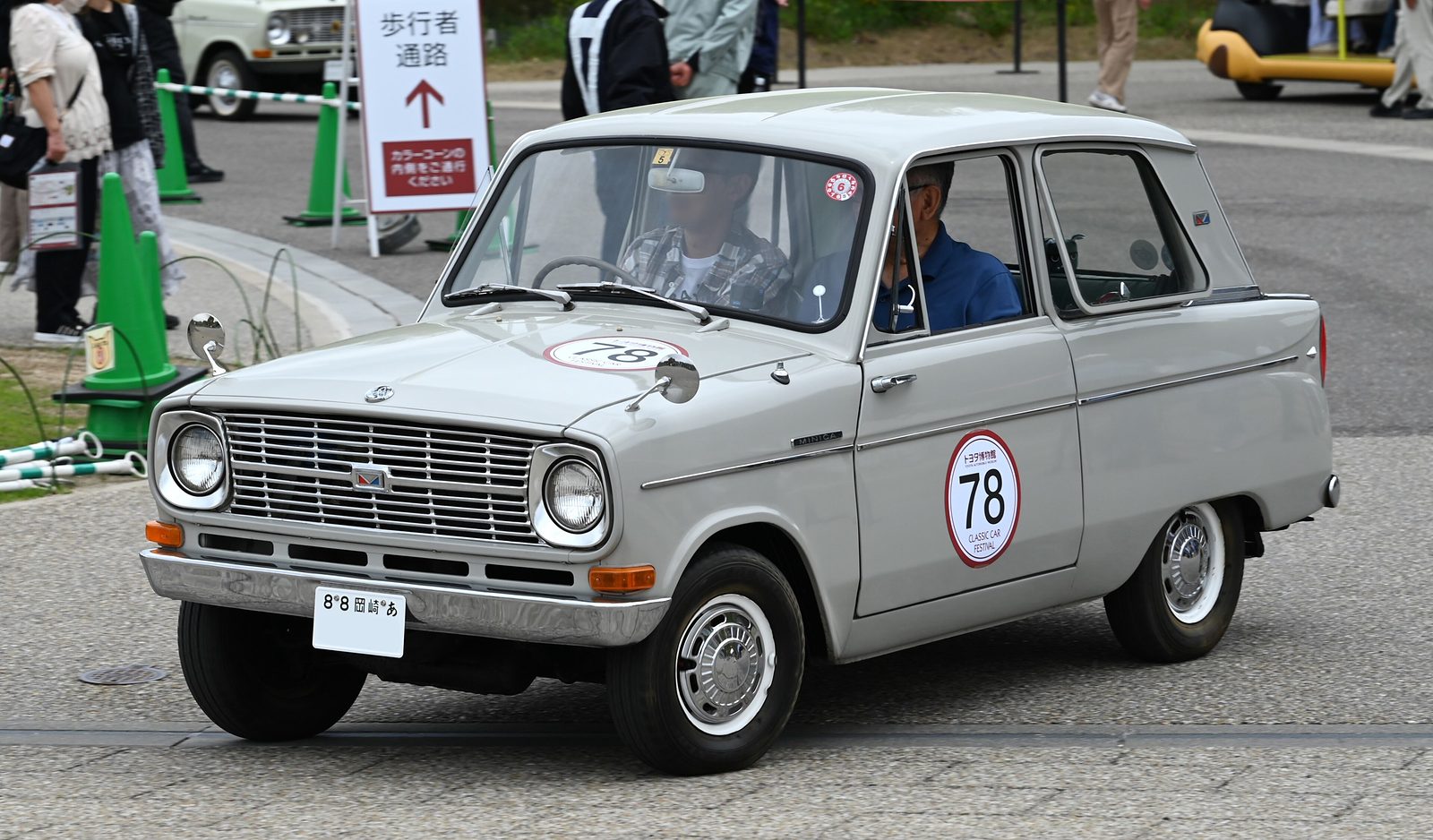
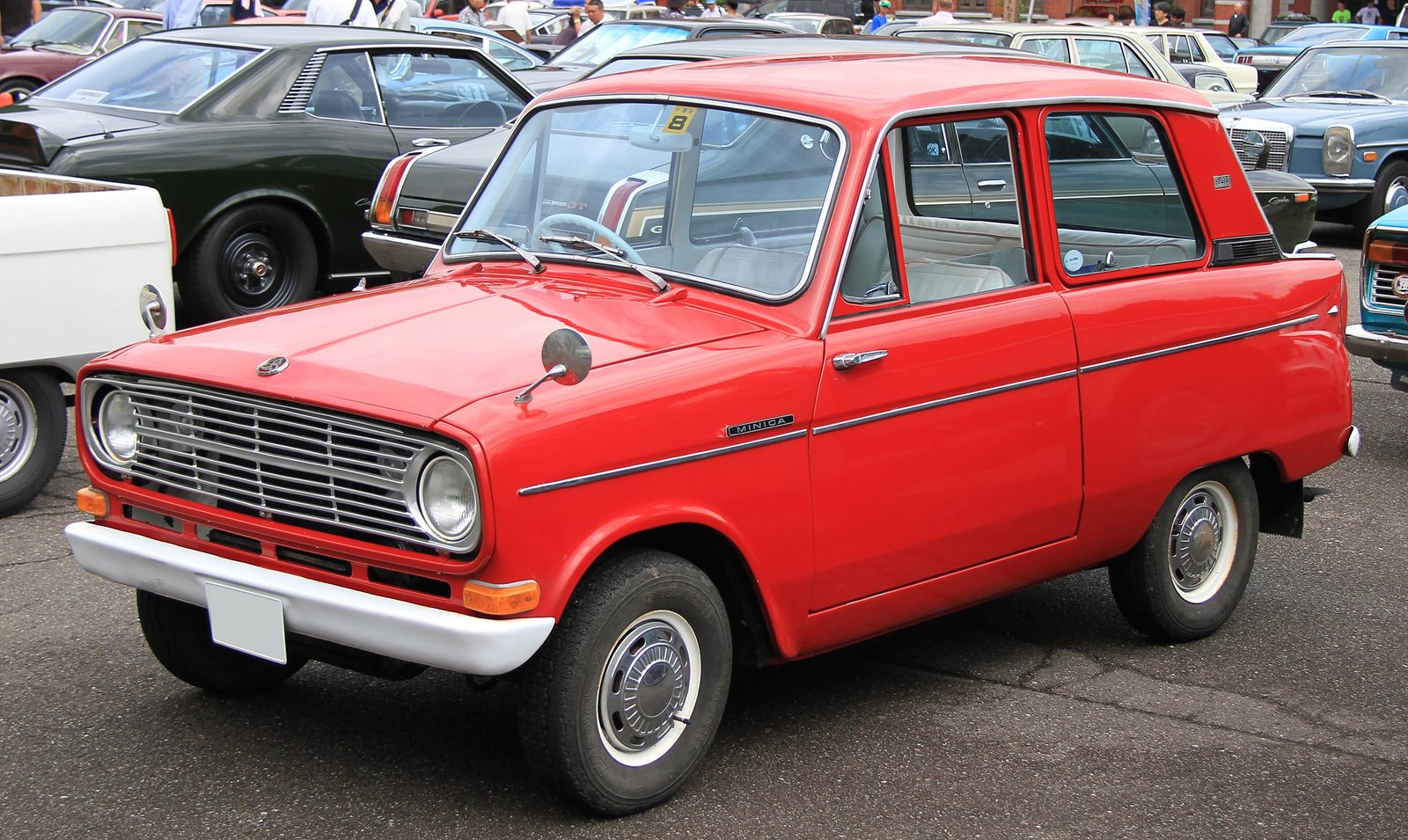
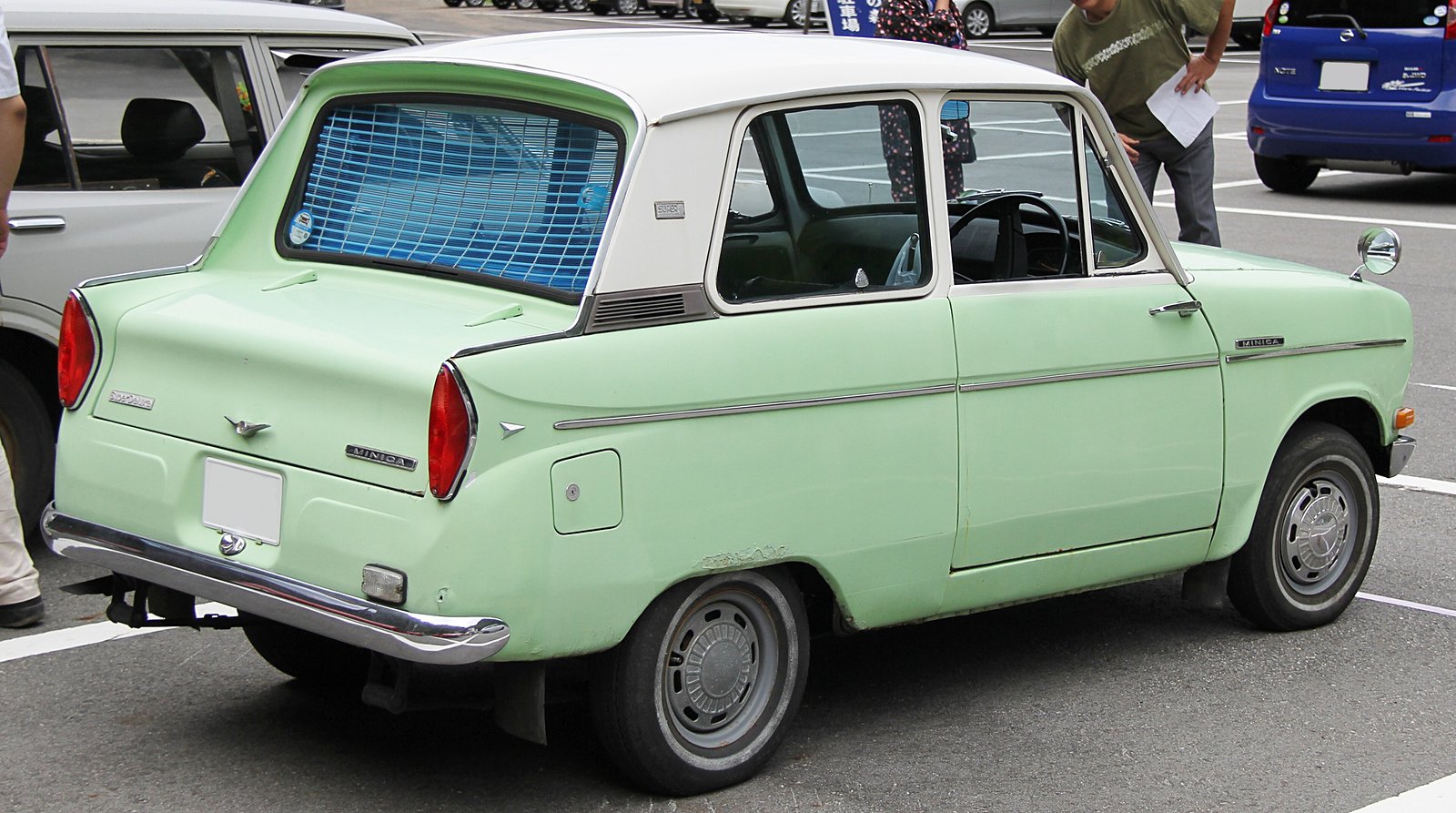
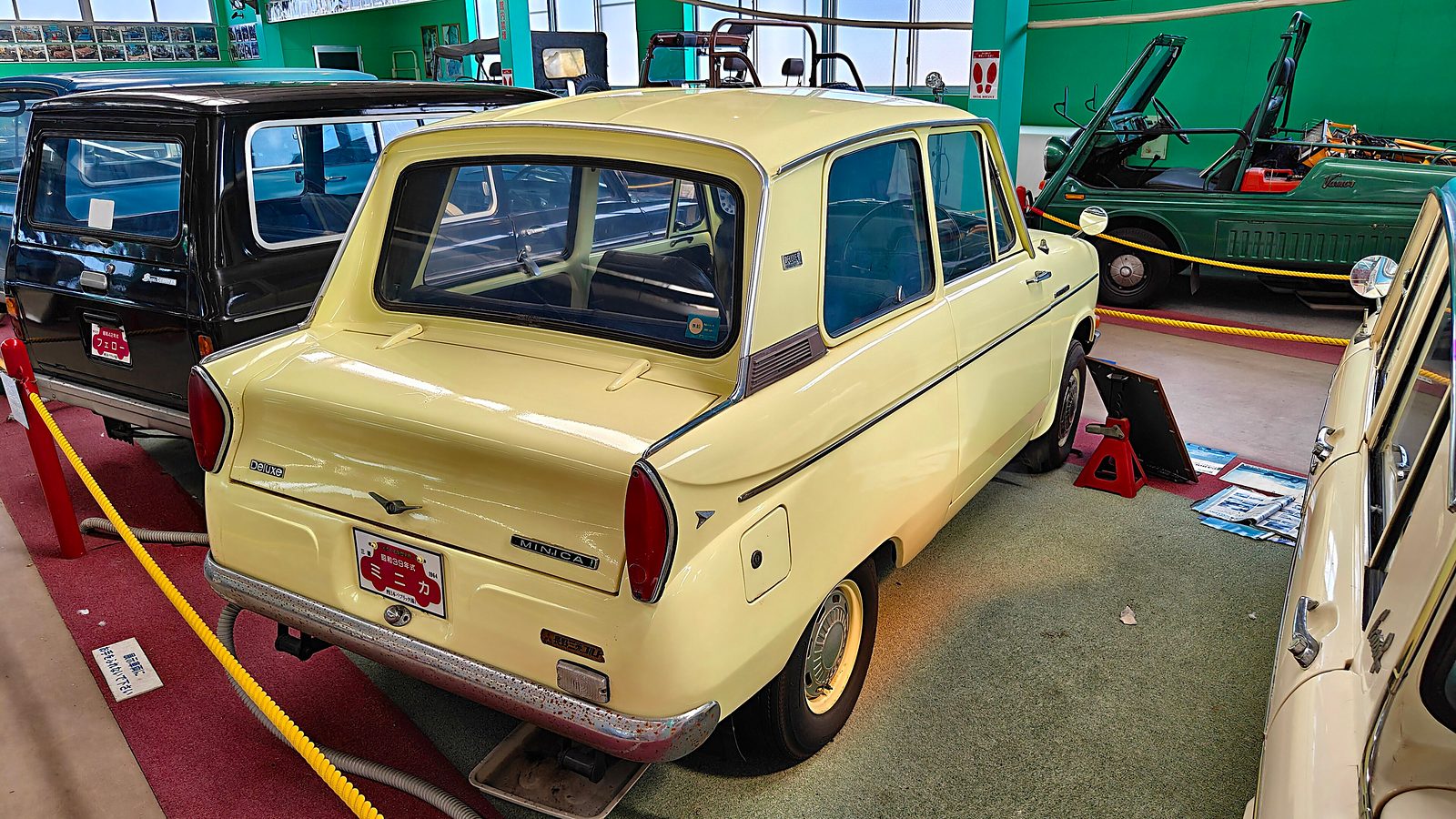
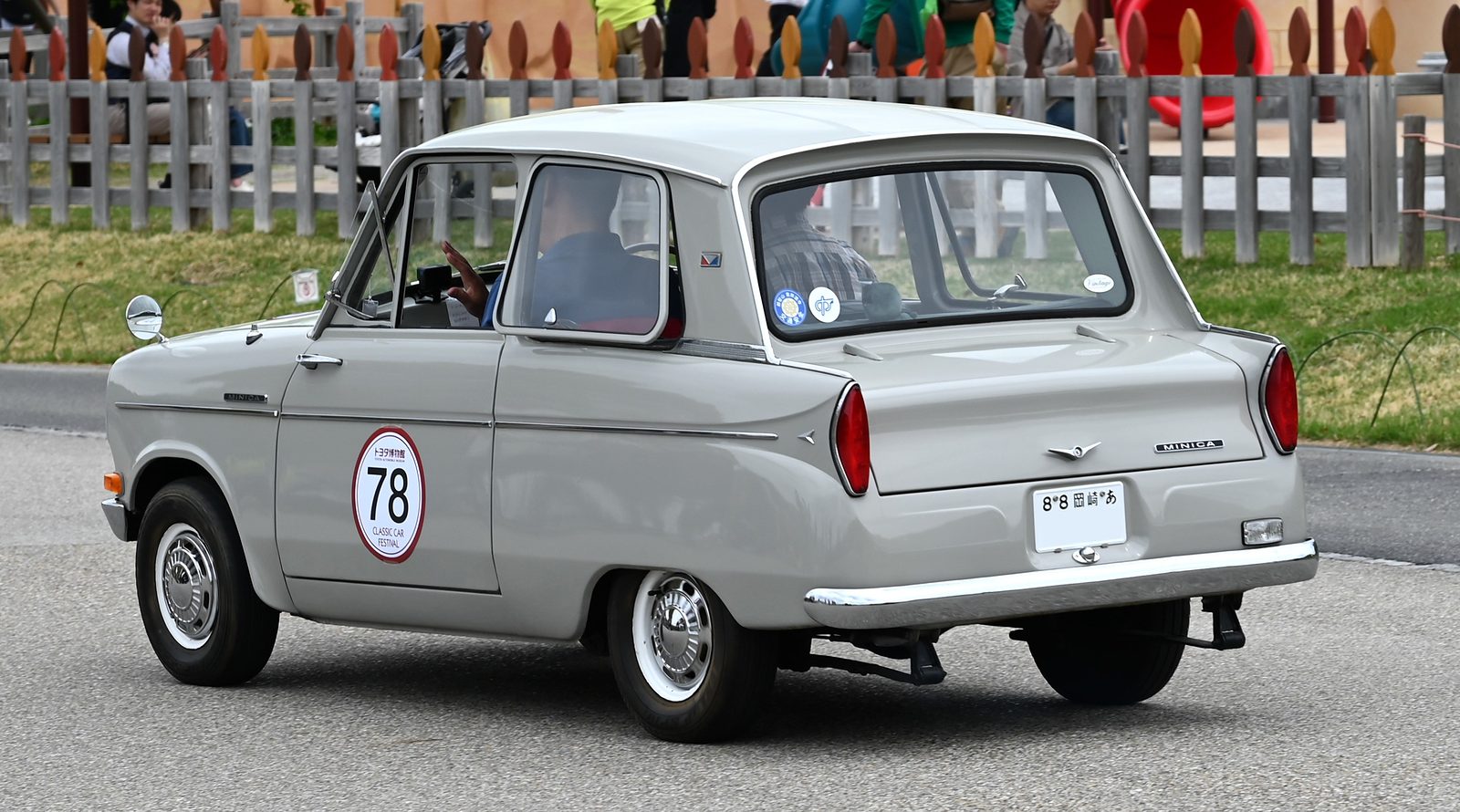
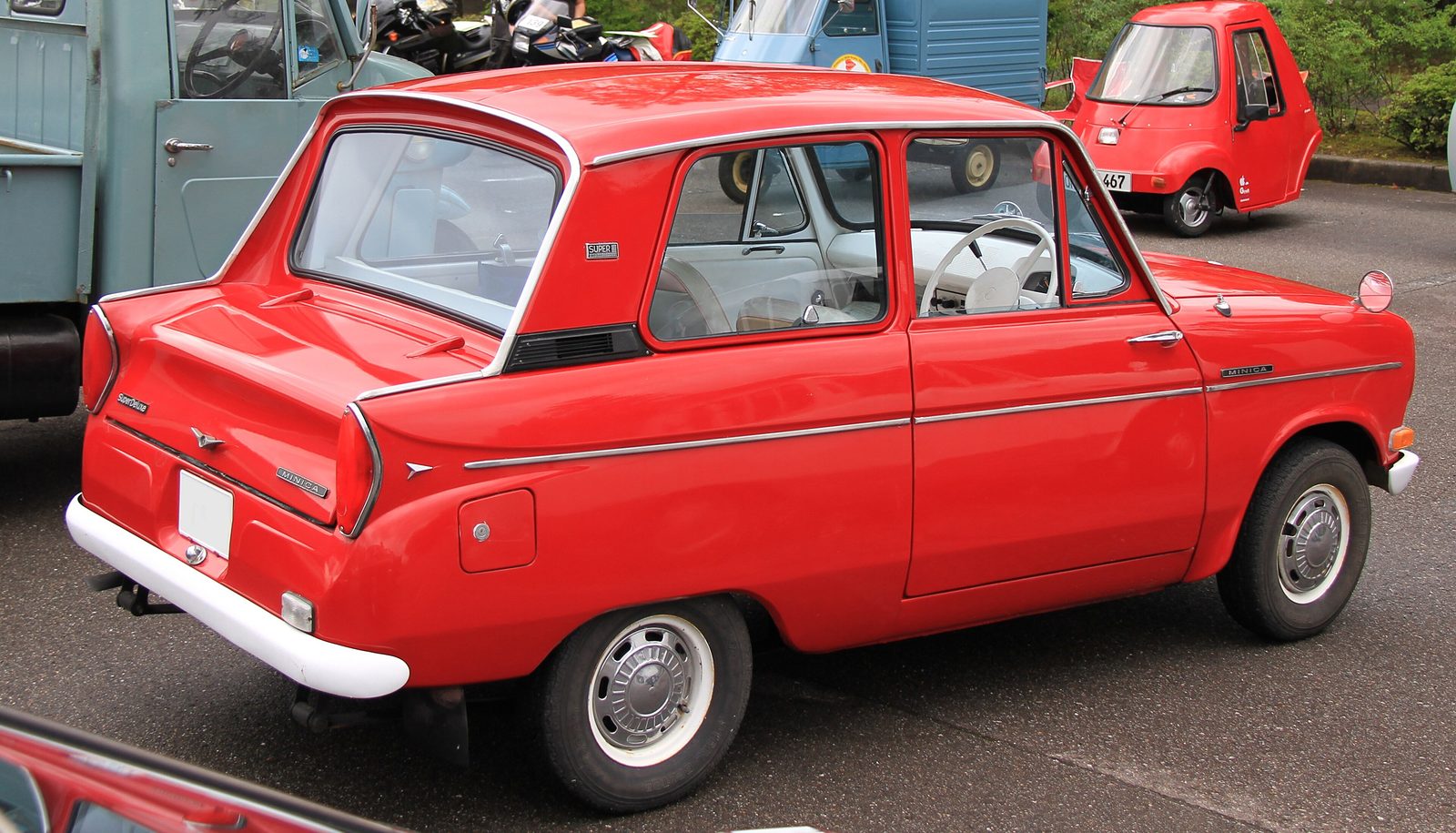
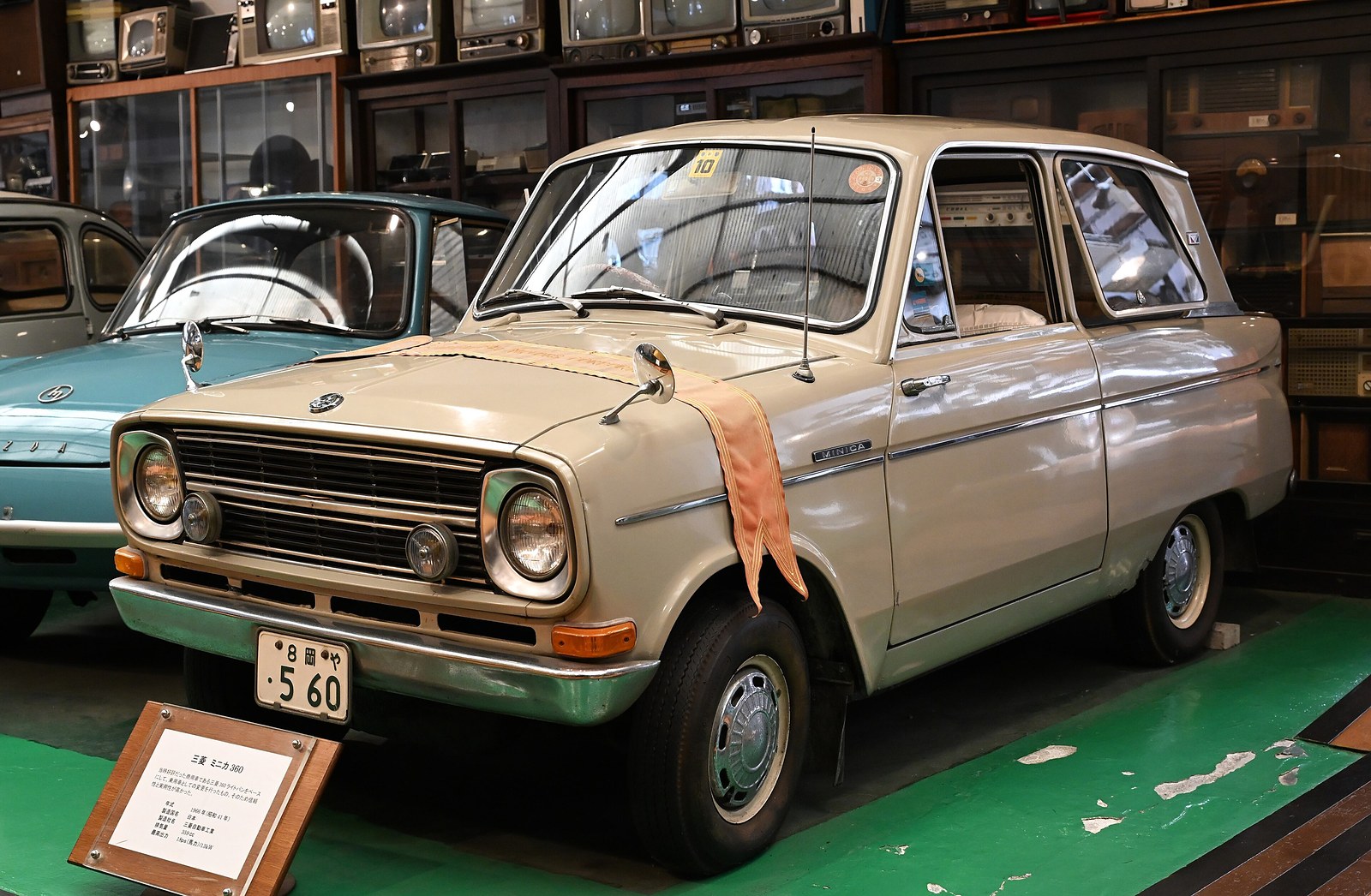
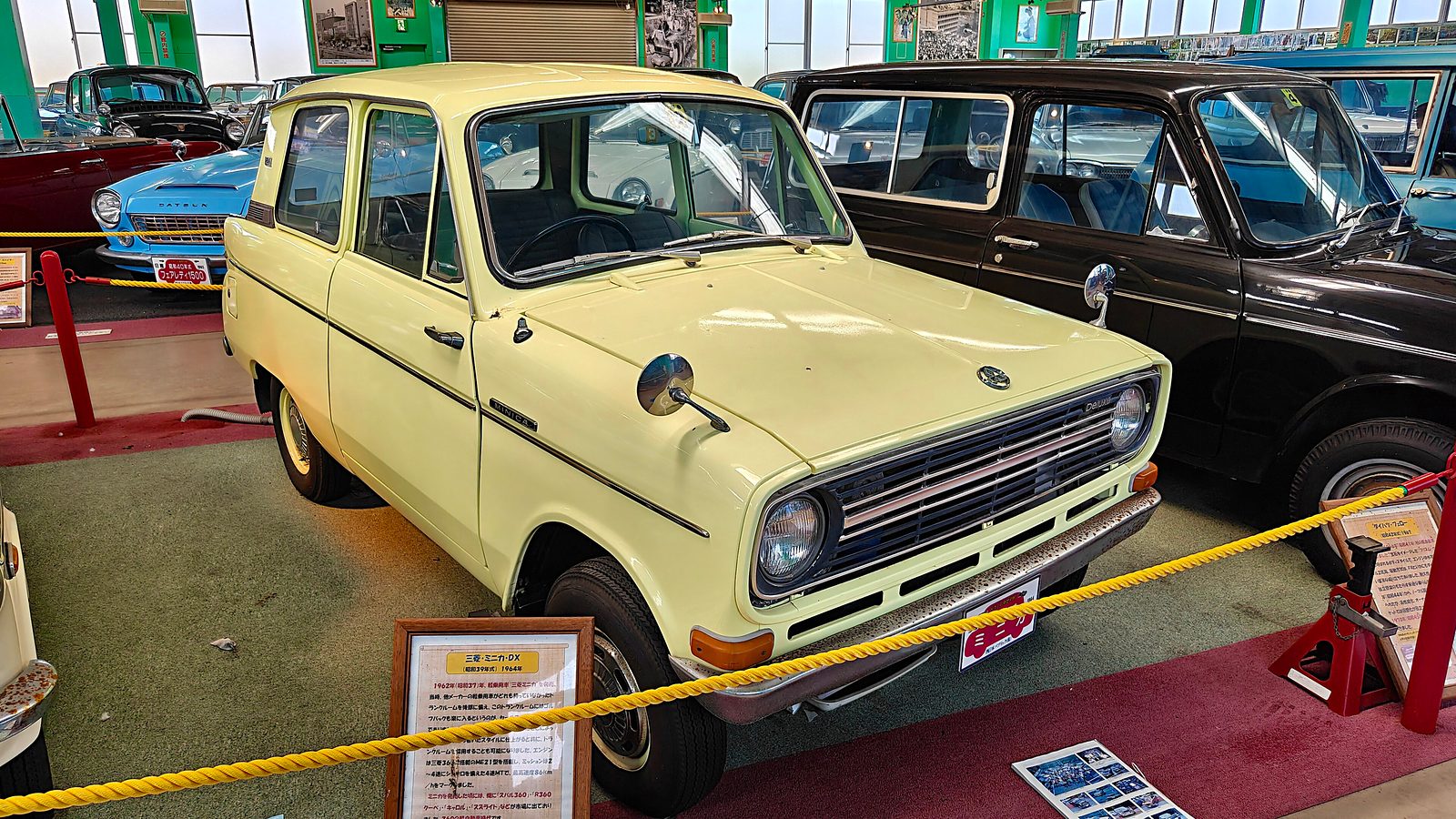
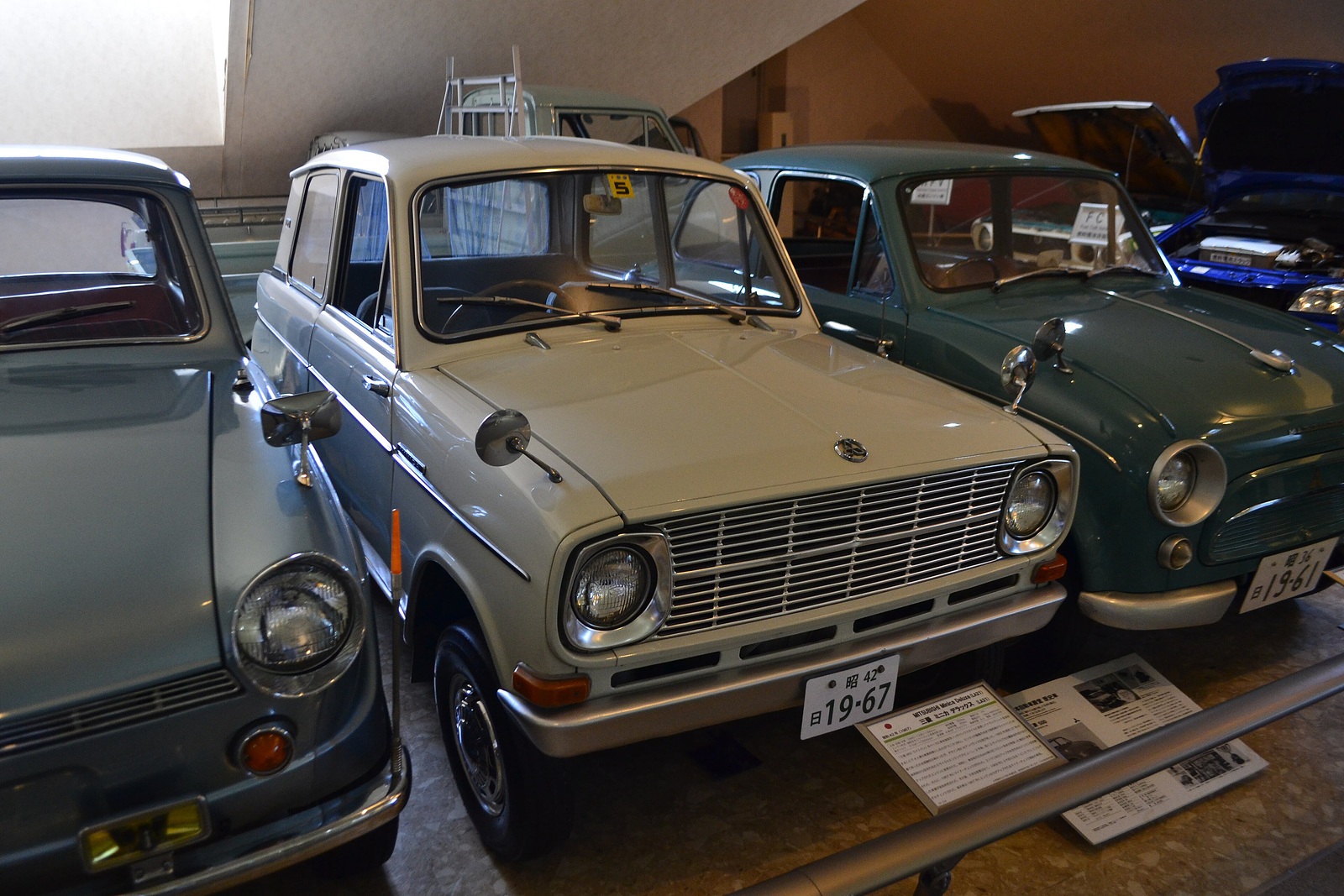
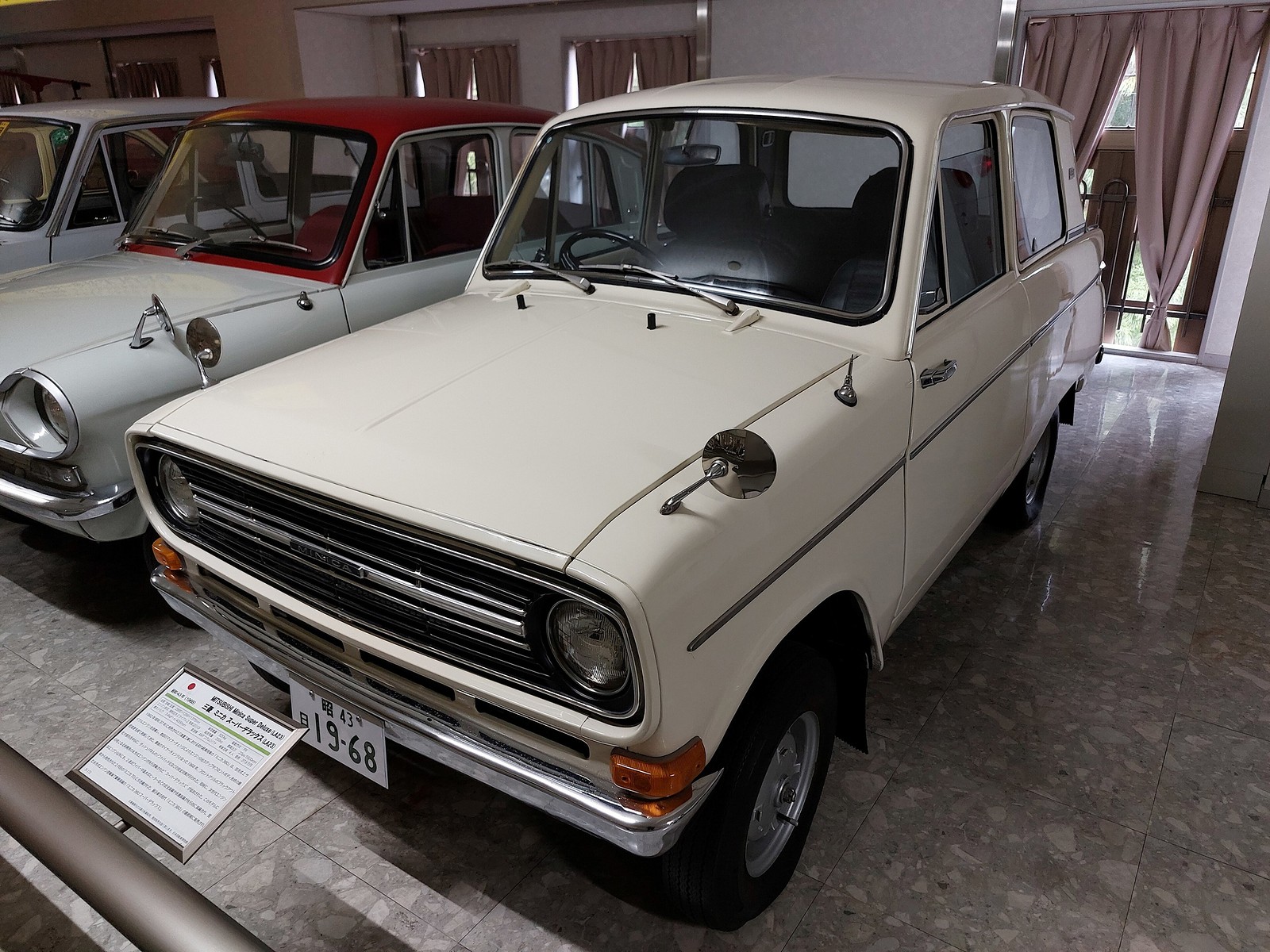
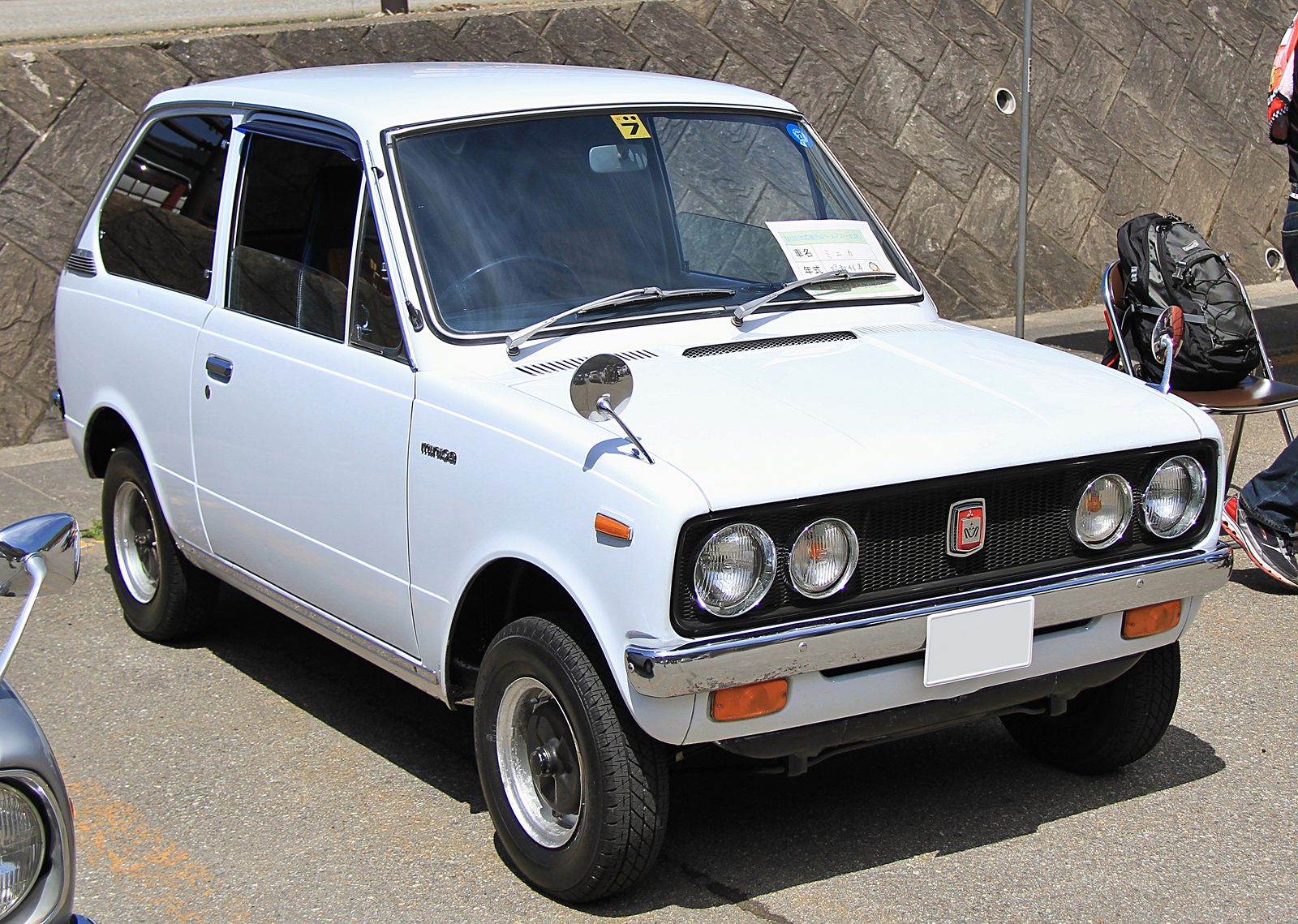
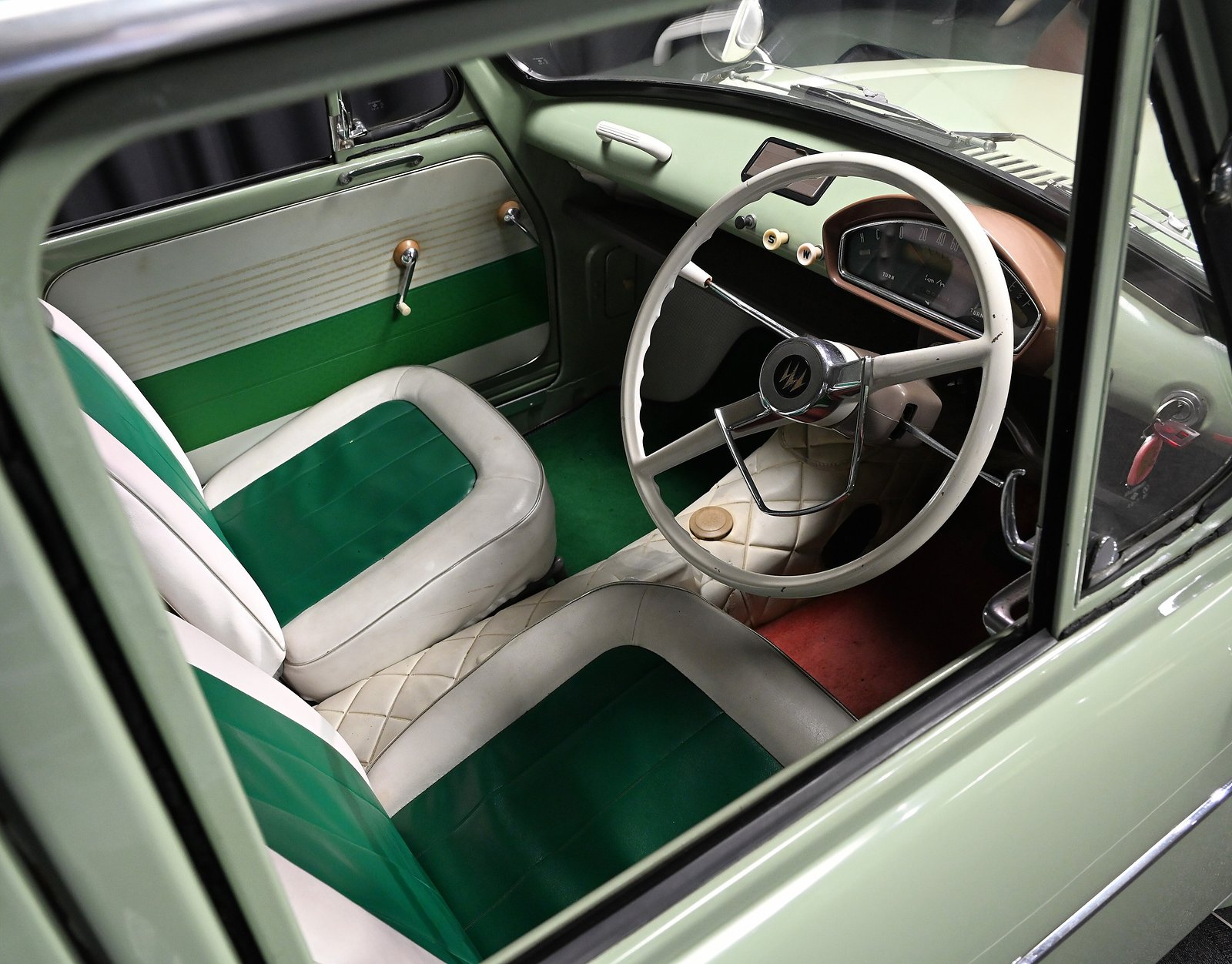
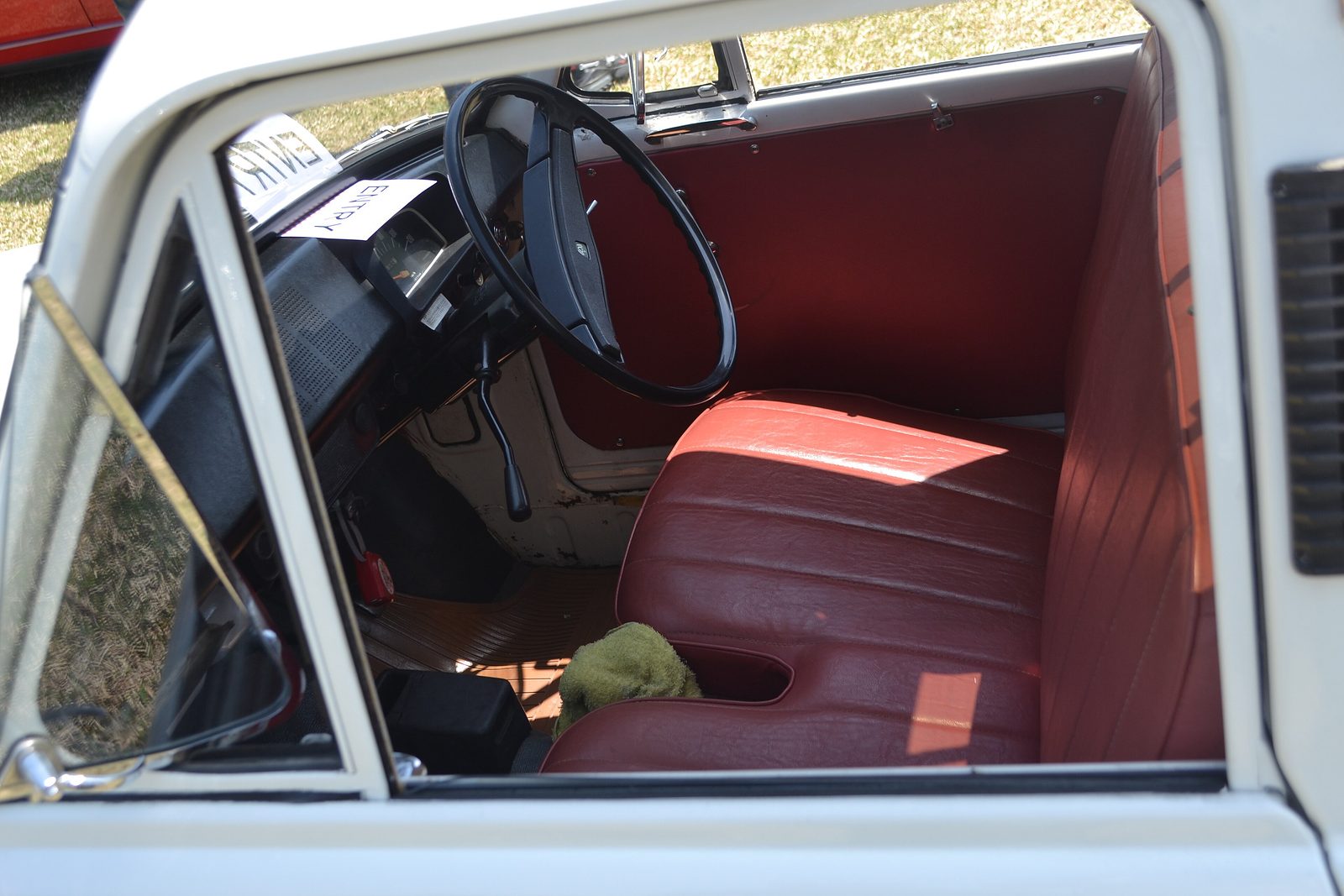
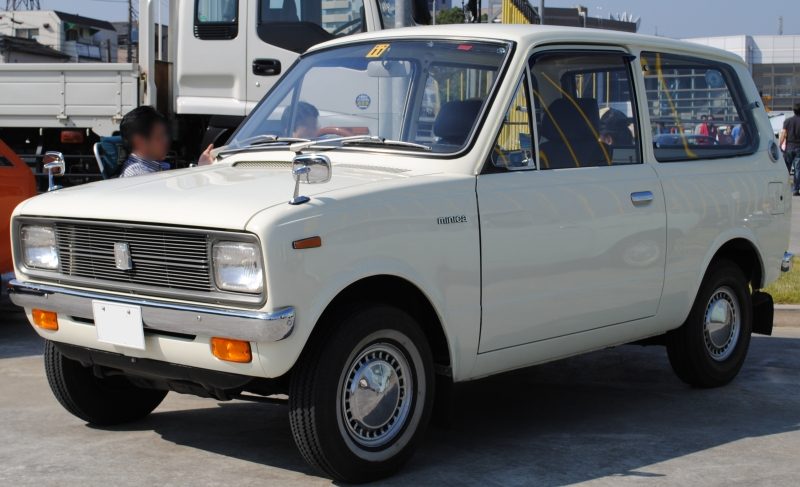
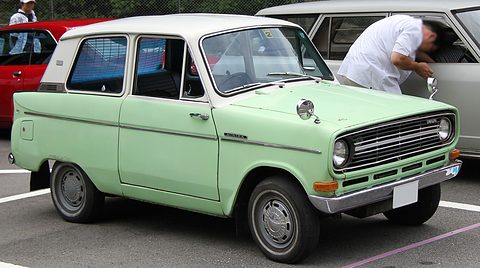
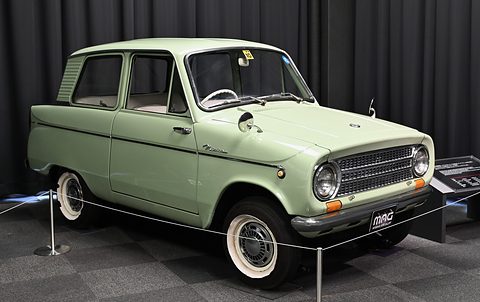
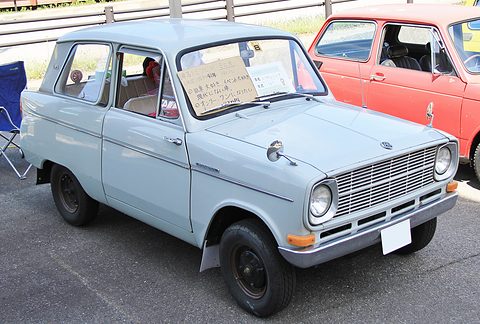
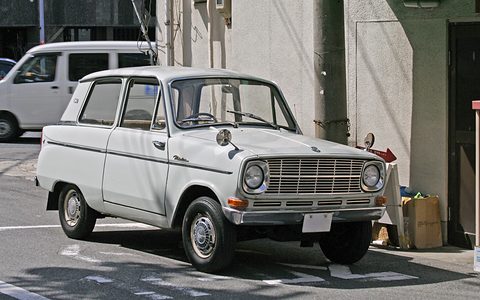
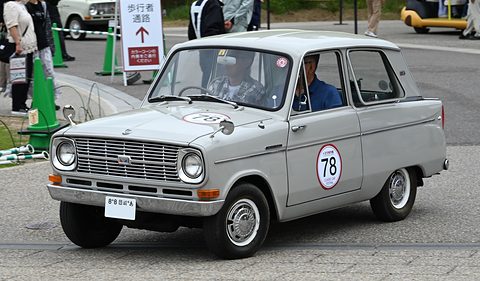
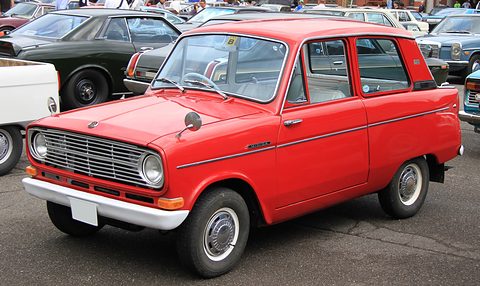
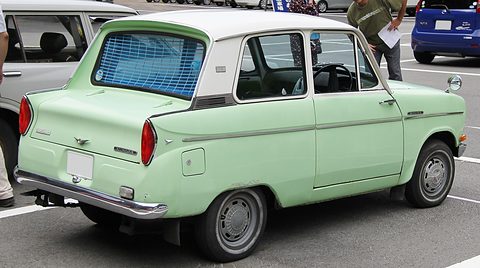
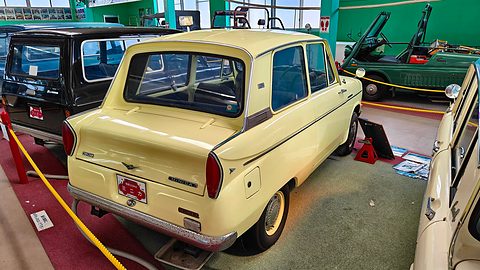
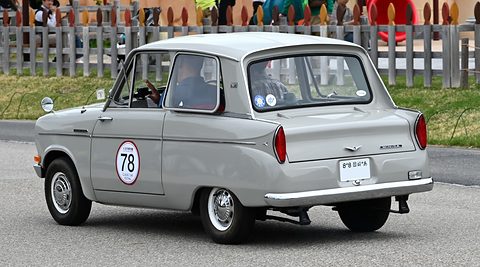
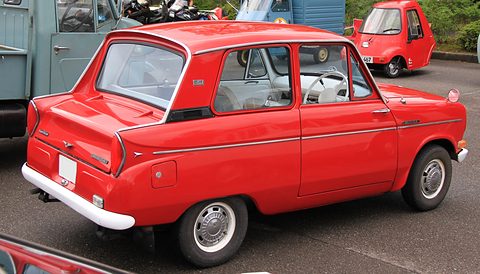
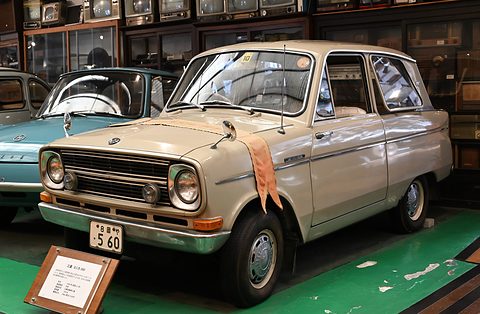
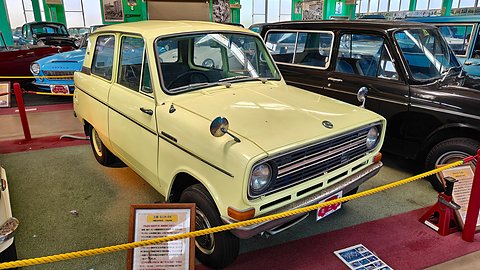
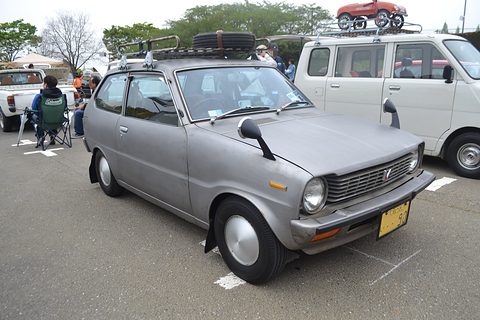
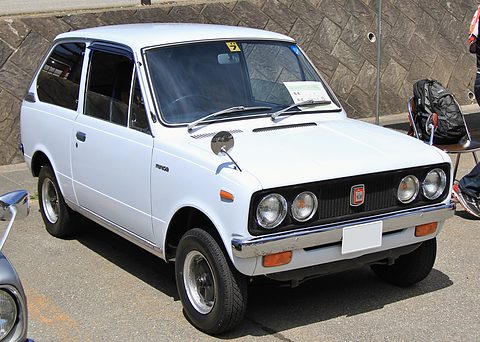
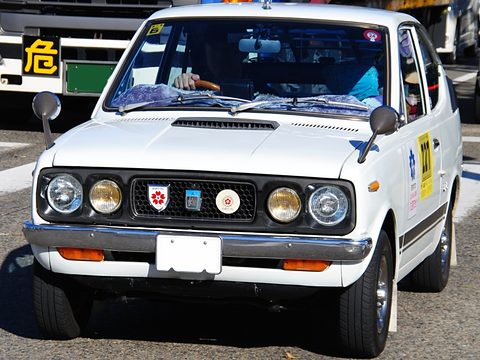
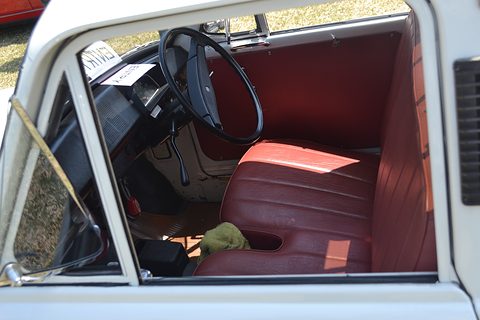
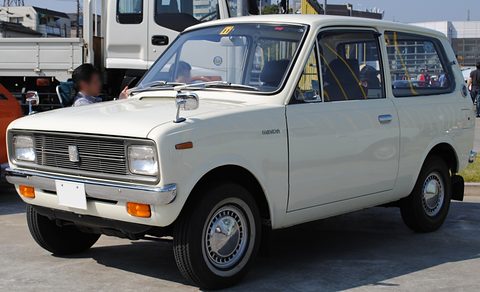
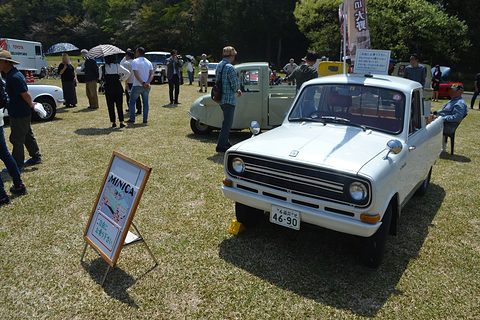
The Minica followed in October 1962. It took the 360’s front end and centre section and added a notchback tail with an upright rear window, which left headroom for the people in the back; Mitsubishi notes its rear-hinged doors.source 1source 2 With 17 PS from the ME21, a four-speed column change and a transverse leaf spring at the front, it was a conservative car, solid and dependable if a little rustic.source 1source 3 Having its engine at the front and its drive at the back set it apart in a class of rear-engined or front-wheel-drive cars, gave it the biggest boot of any of them, and, Mitsubishi says, a good balance on the road.source 1source 2
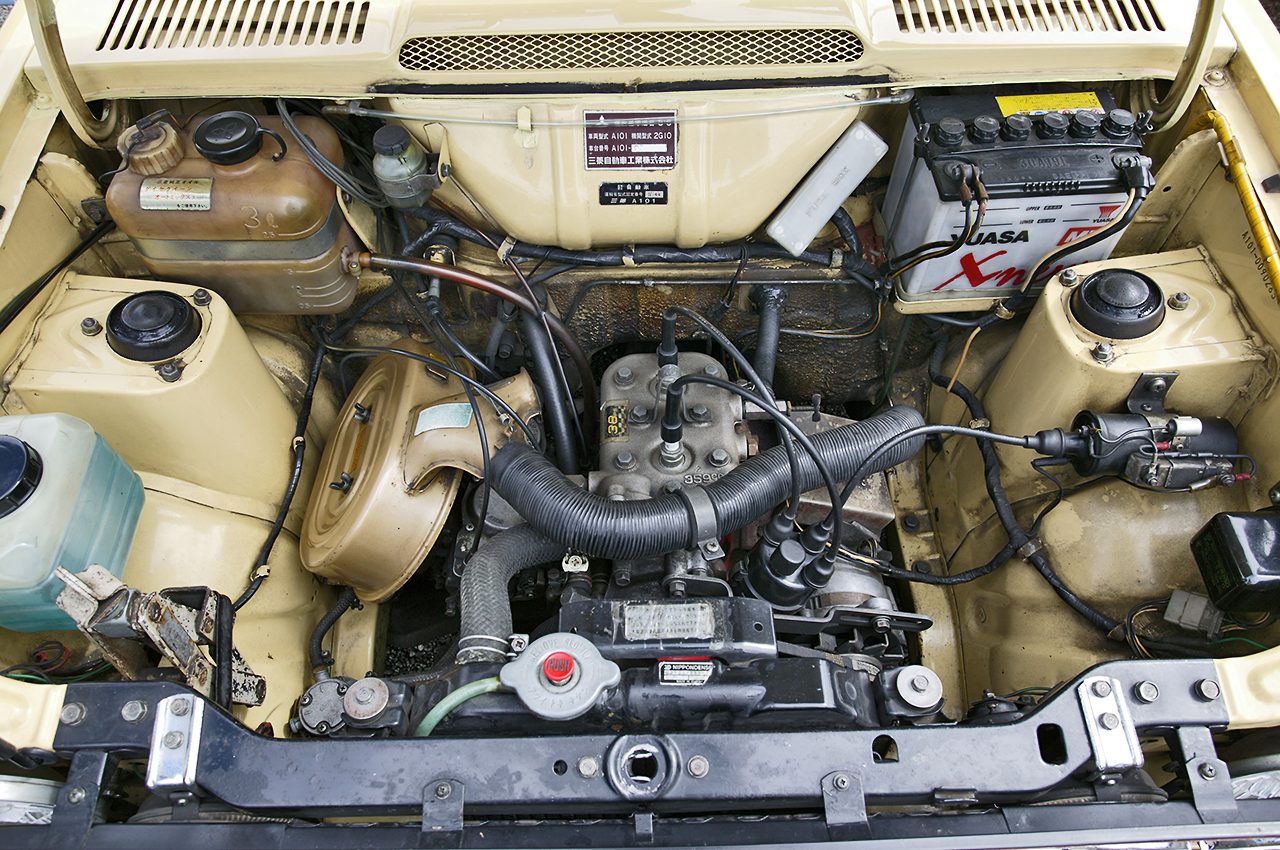
The engine grew in steps. In November 1964 the ME24 brought reed valves and separate lubrication, with its oil in a 3-litre tank, for 18 PS; in May 1967 the ME24D gave 21 PS; and in October 1968 a Super Deluxe arrived with a water-cooled two-stroke, the 2G10, of 23 PS. The first generation made 162,575.source 1
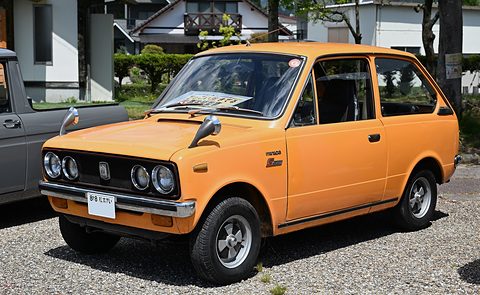
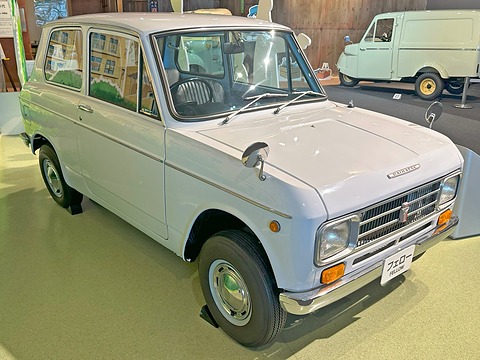
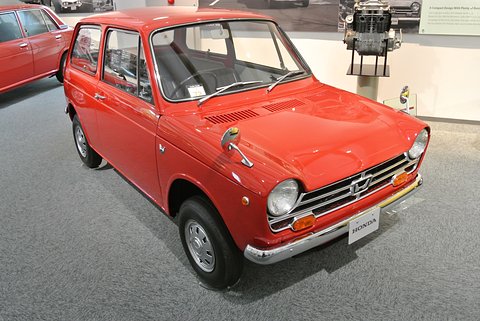
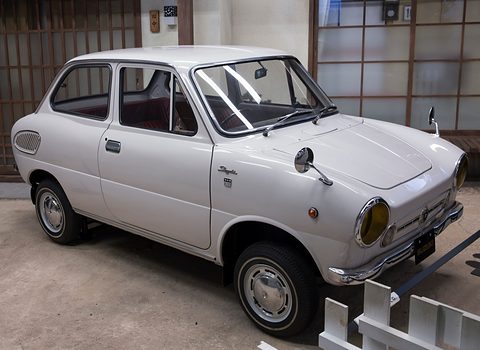
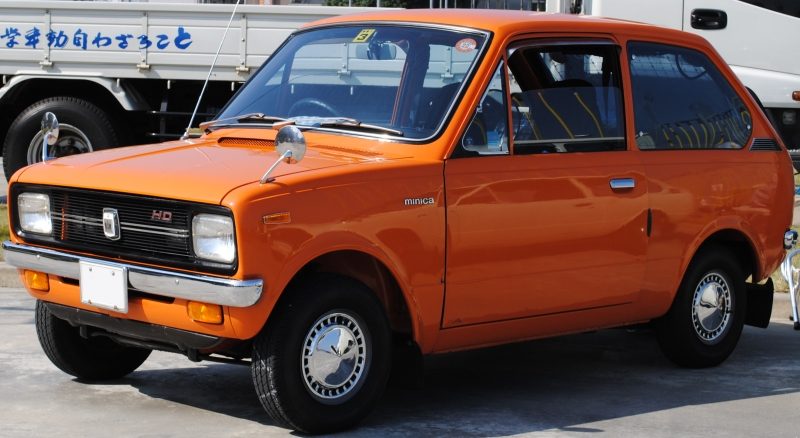
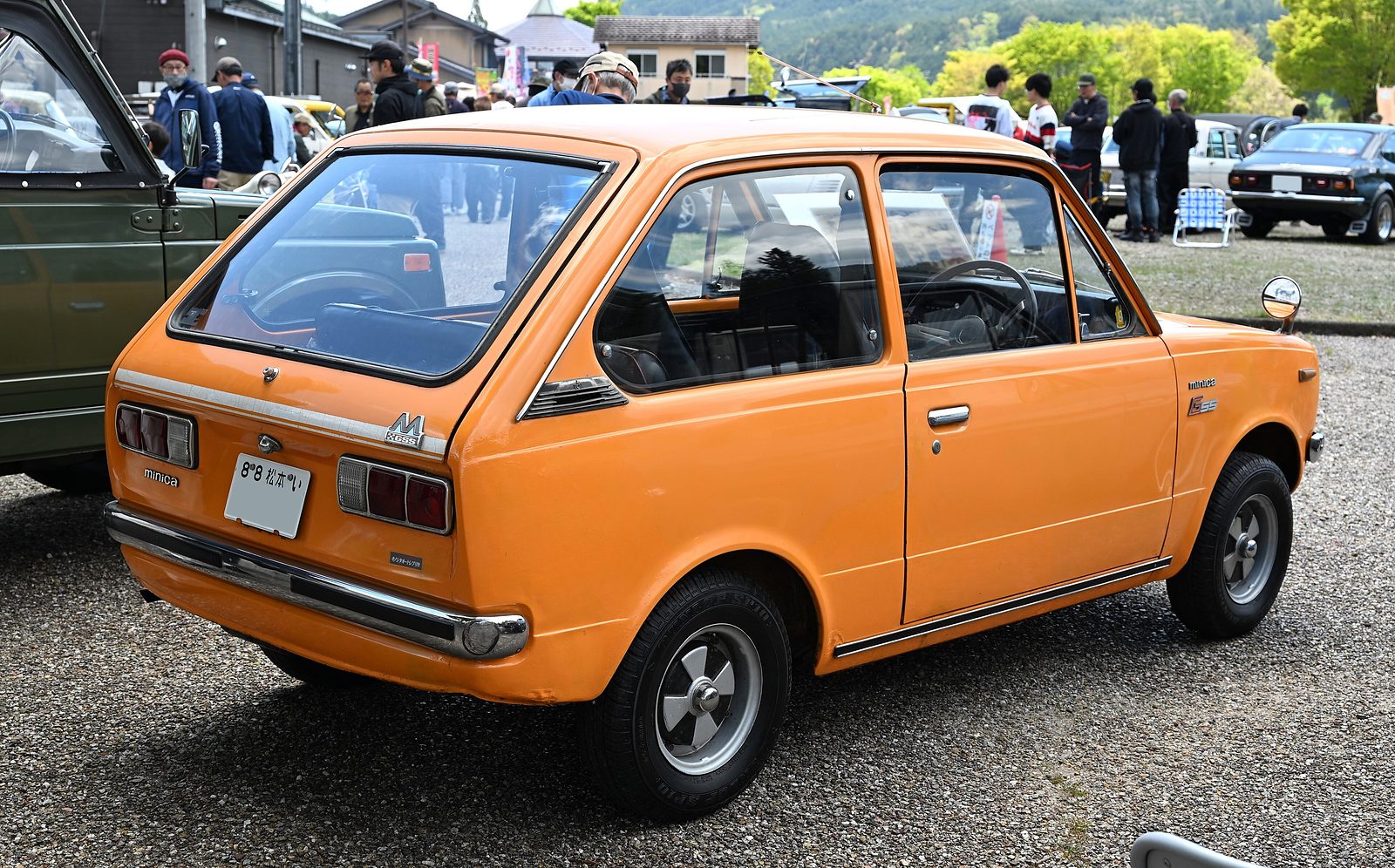
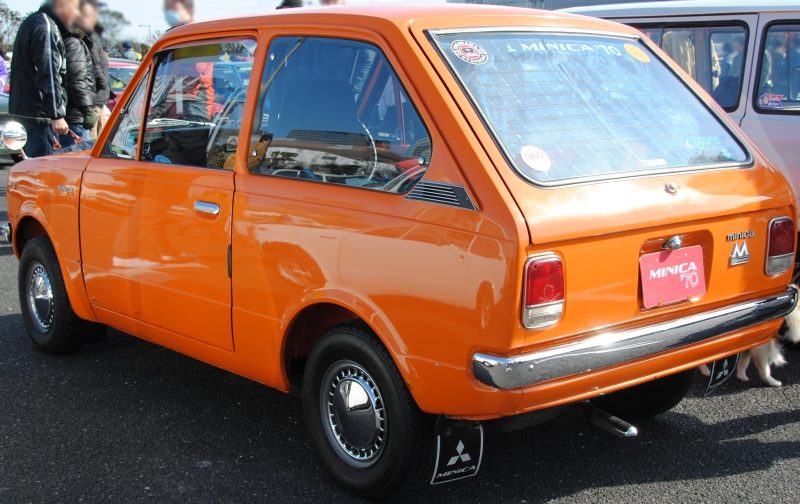
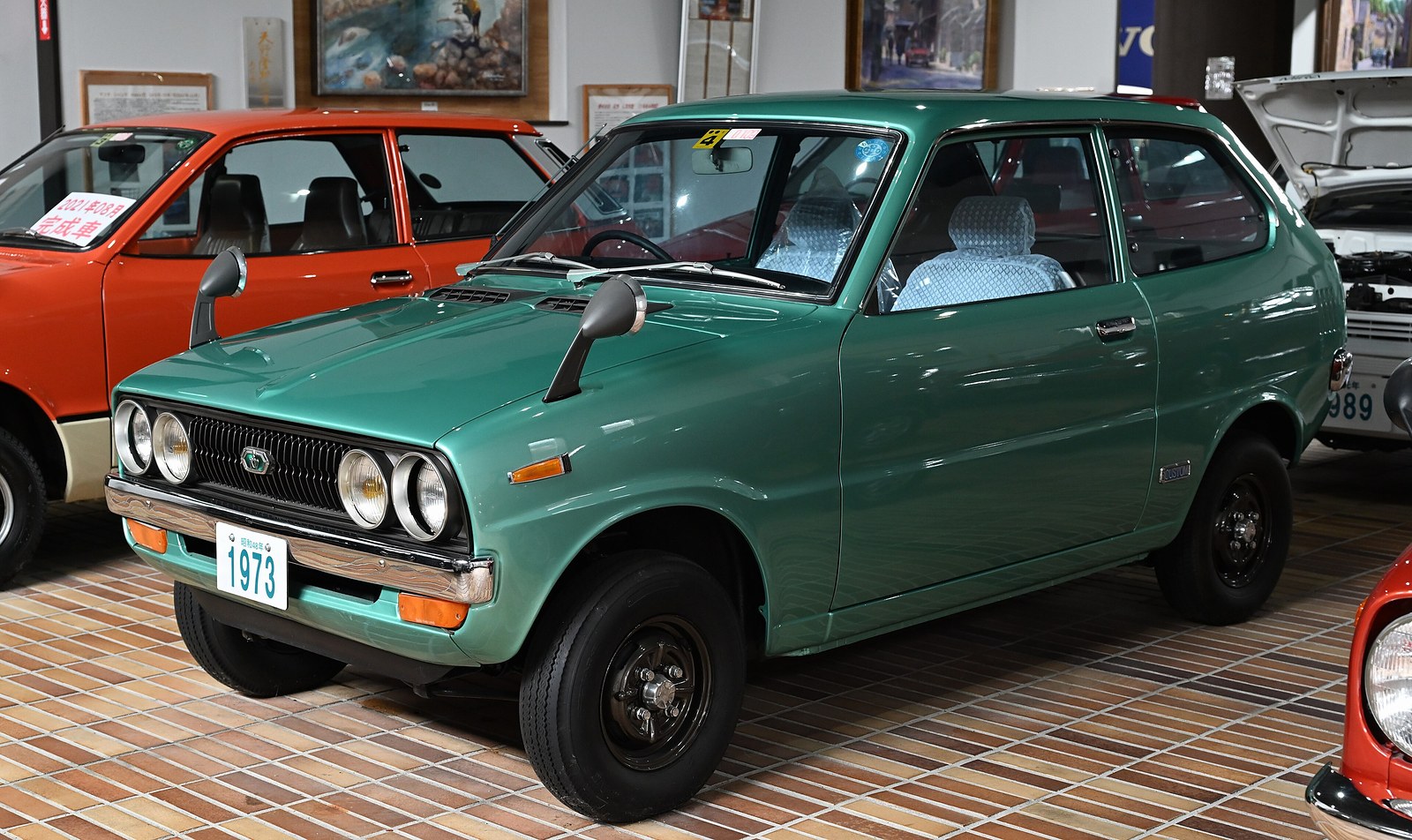
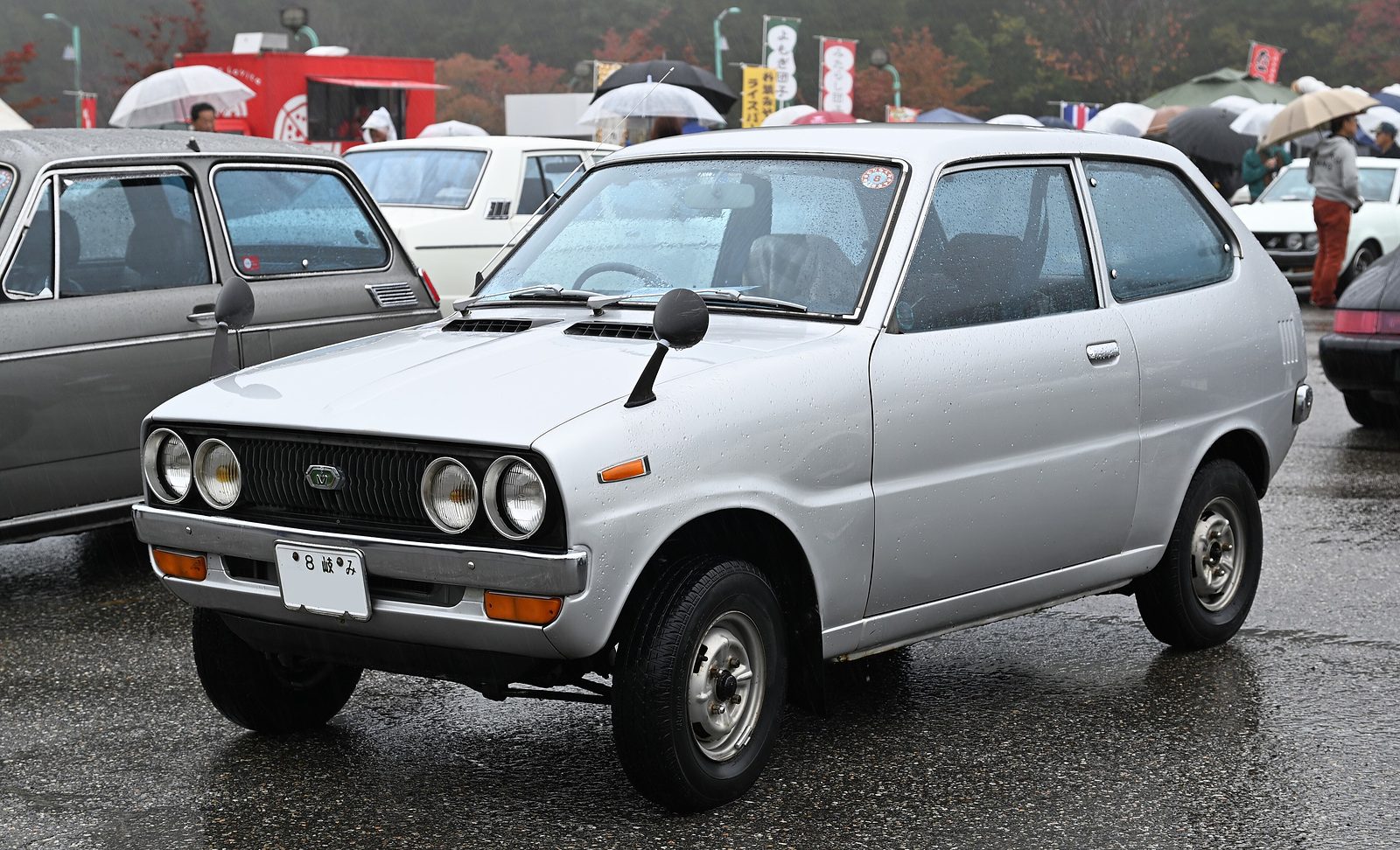
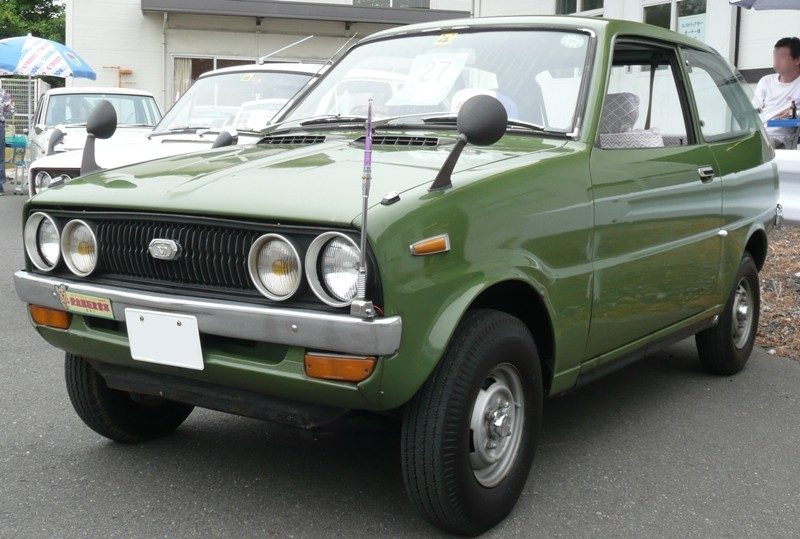
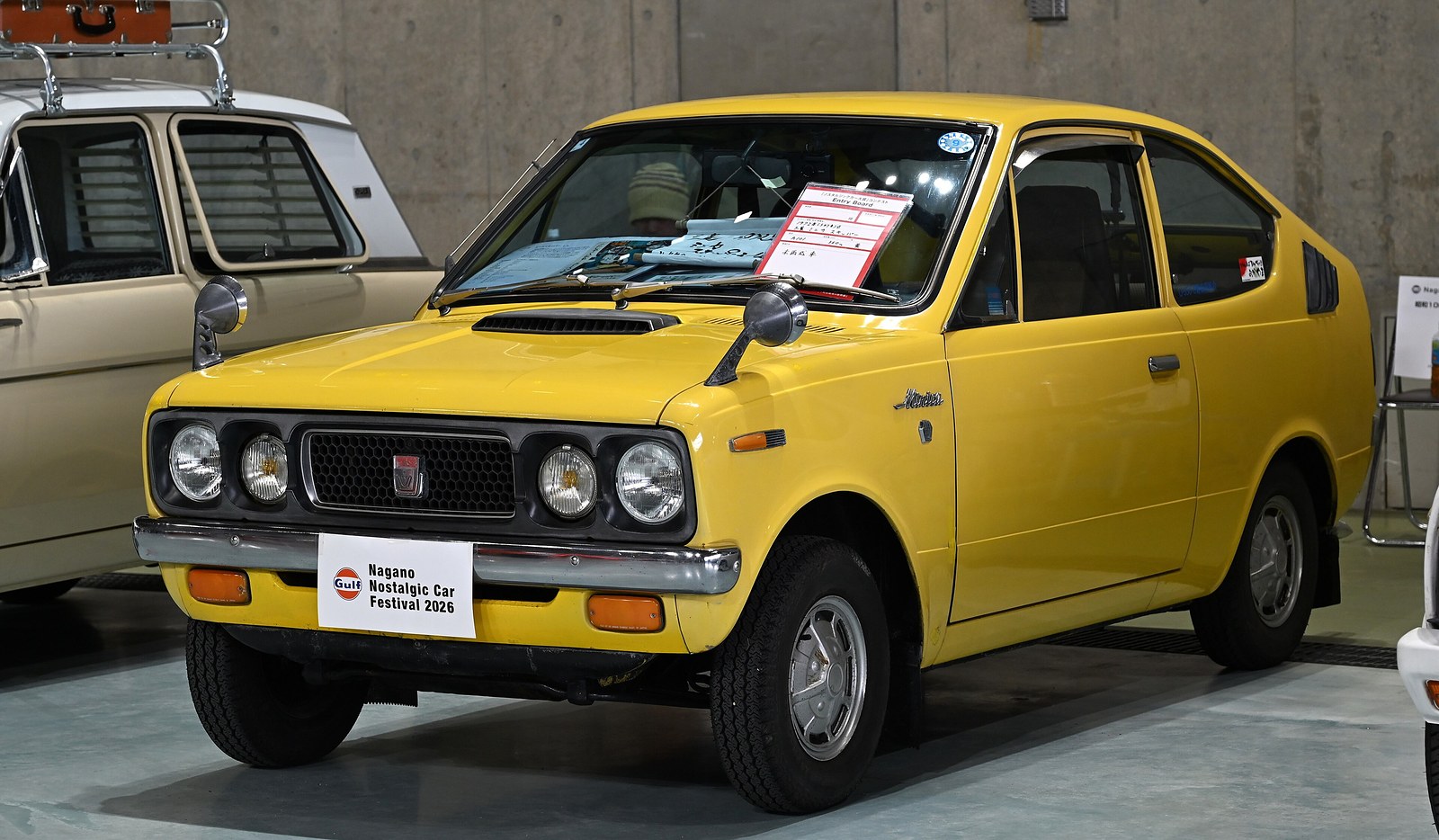
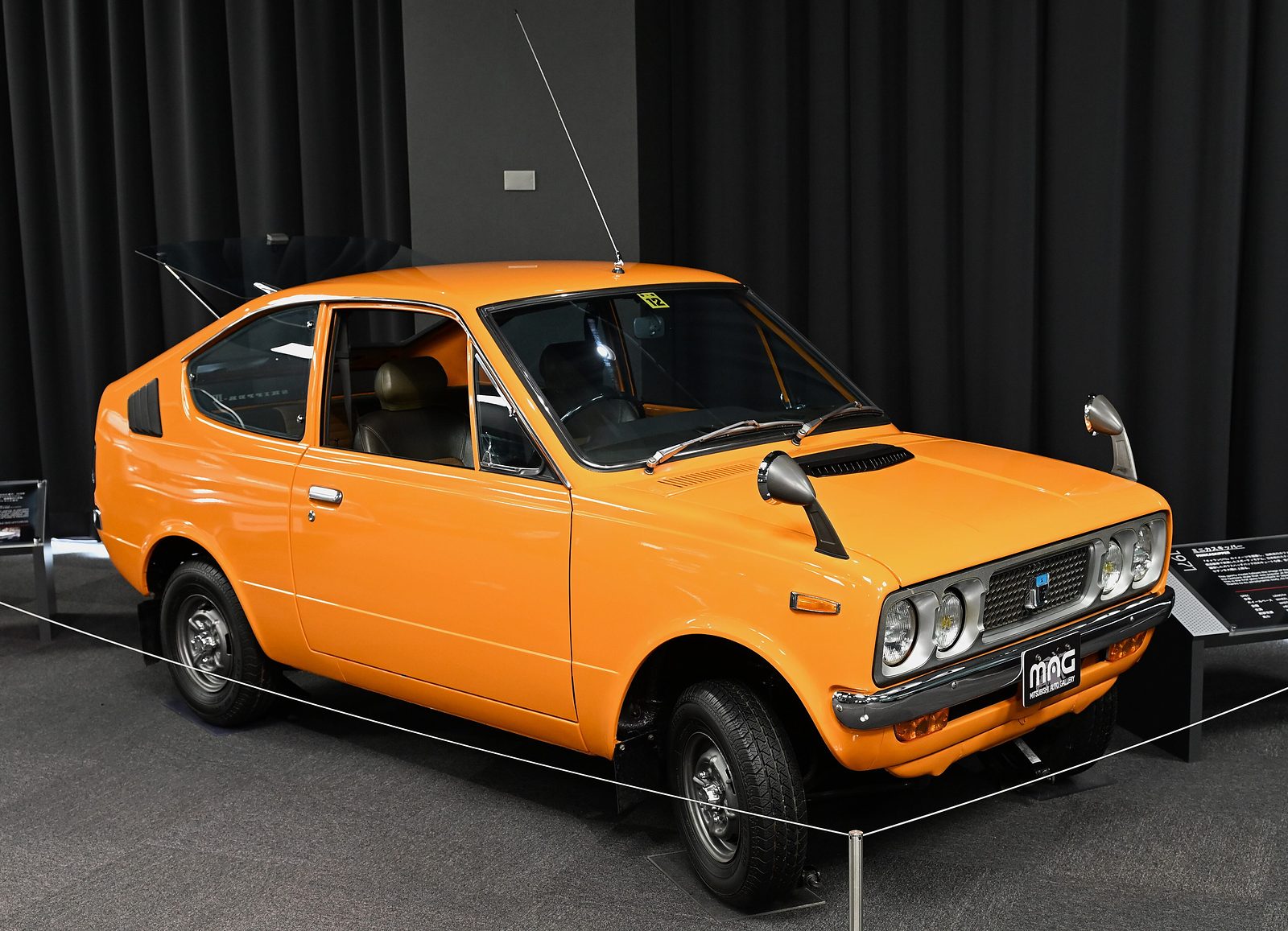
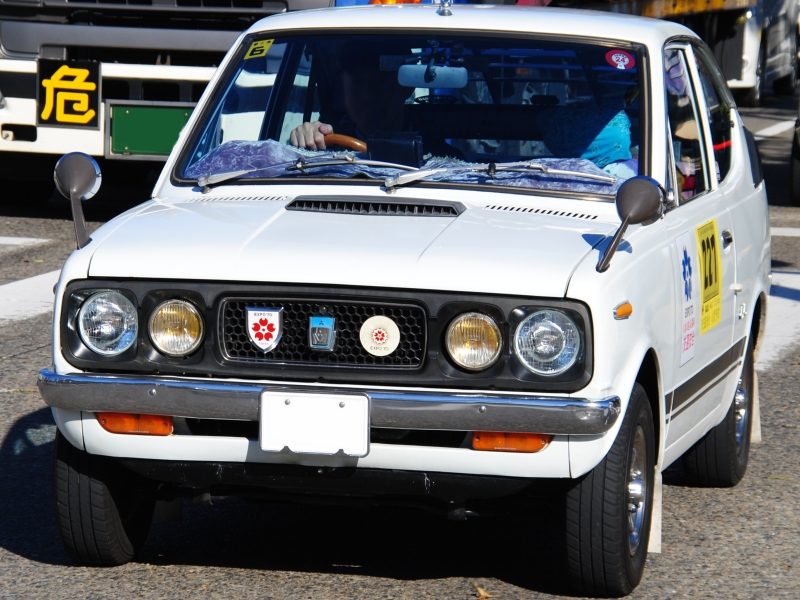
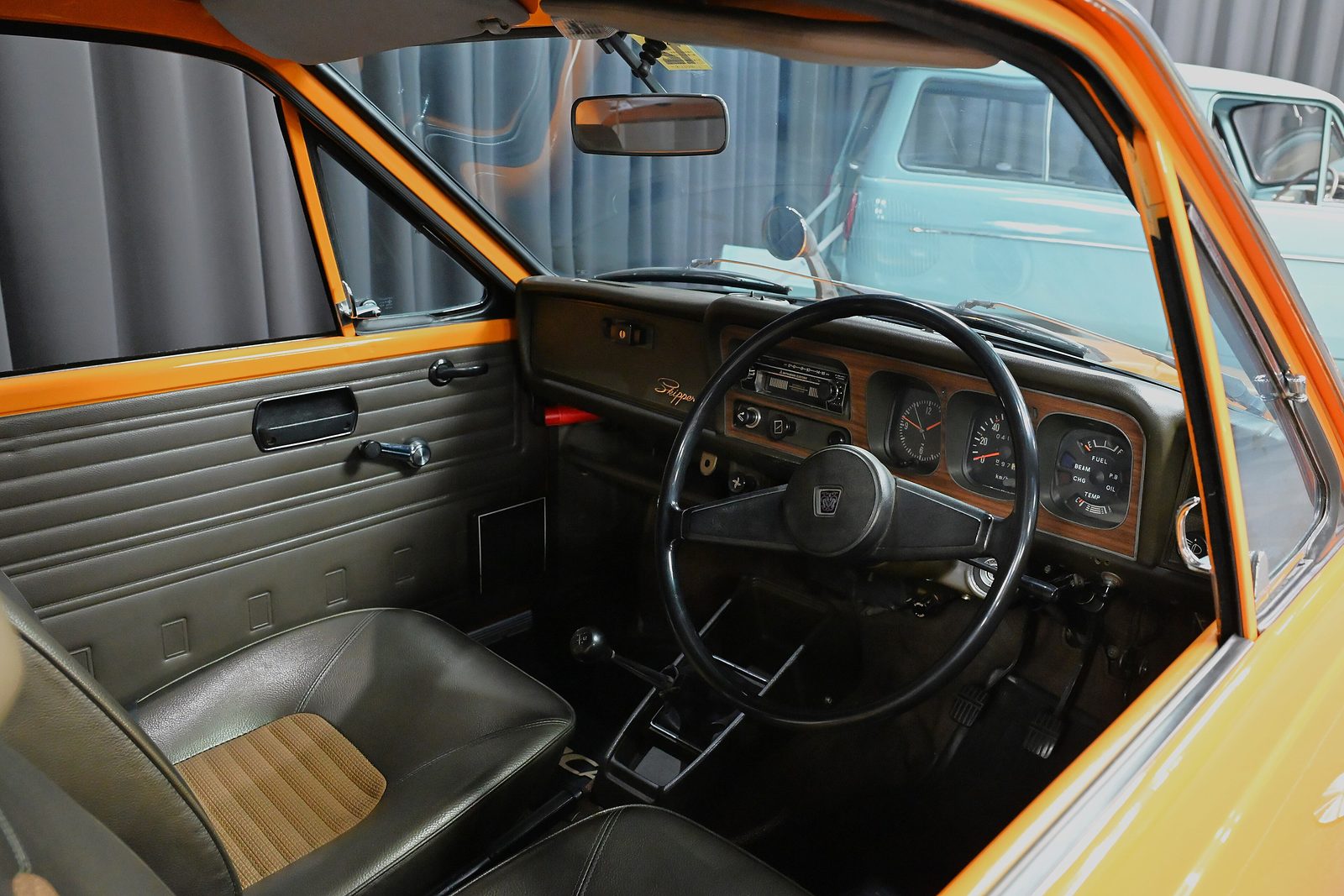
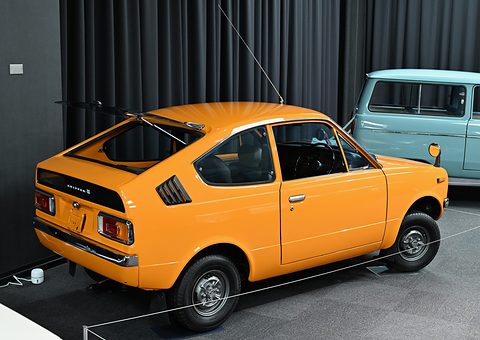
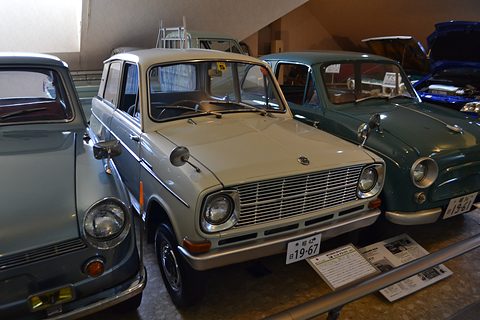
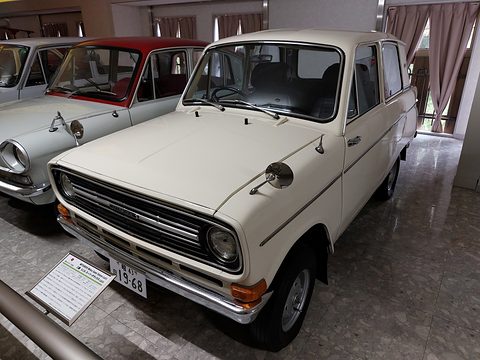
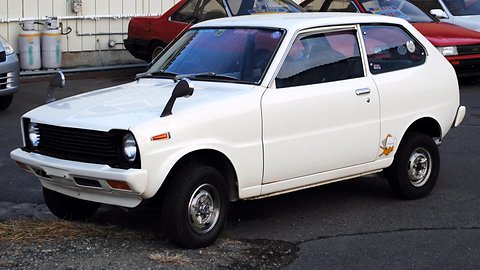
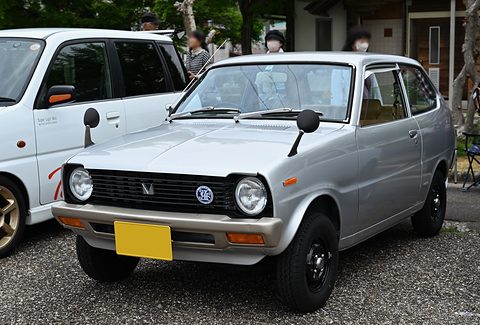
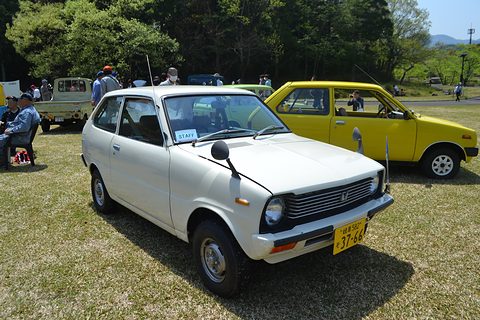
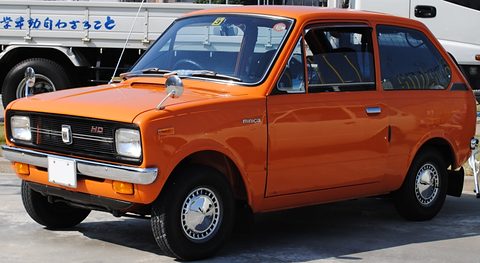
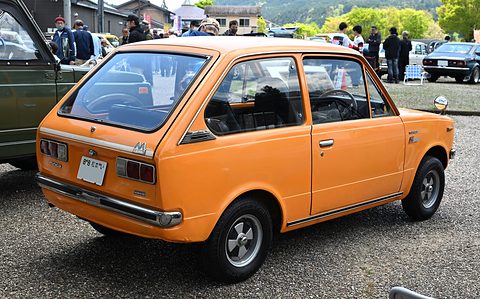
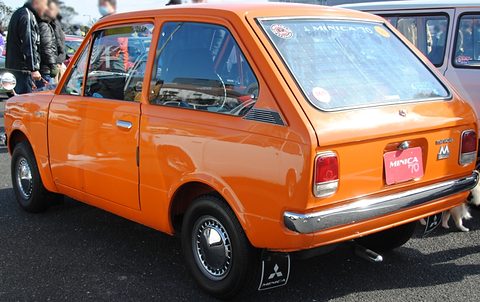
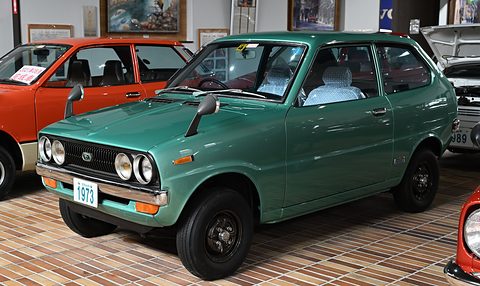
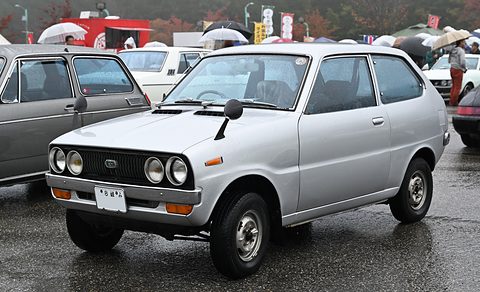
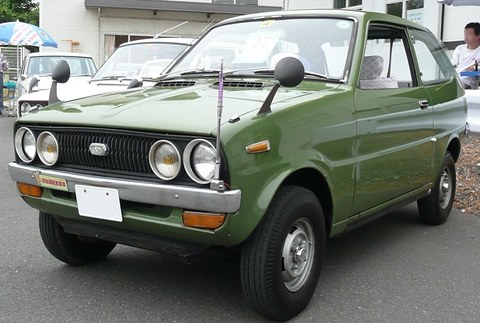
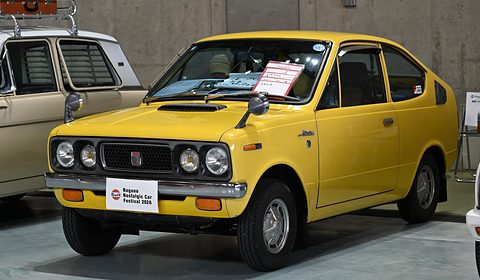
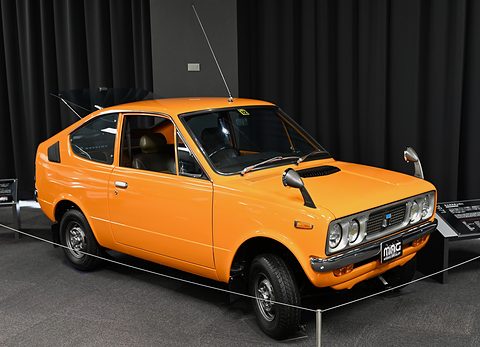
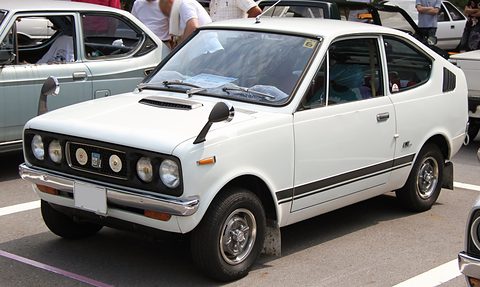
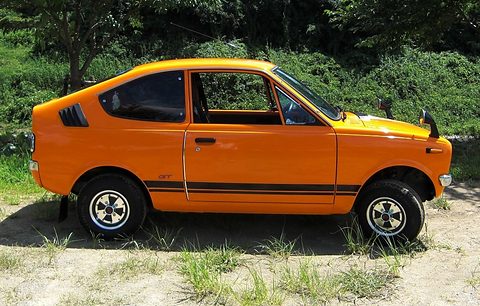
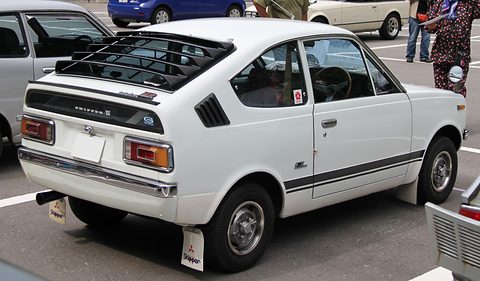
The Minica 70, in three colours
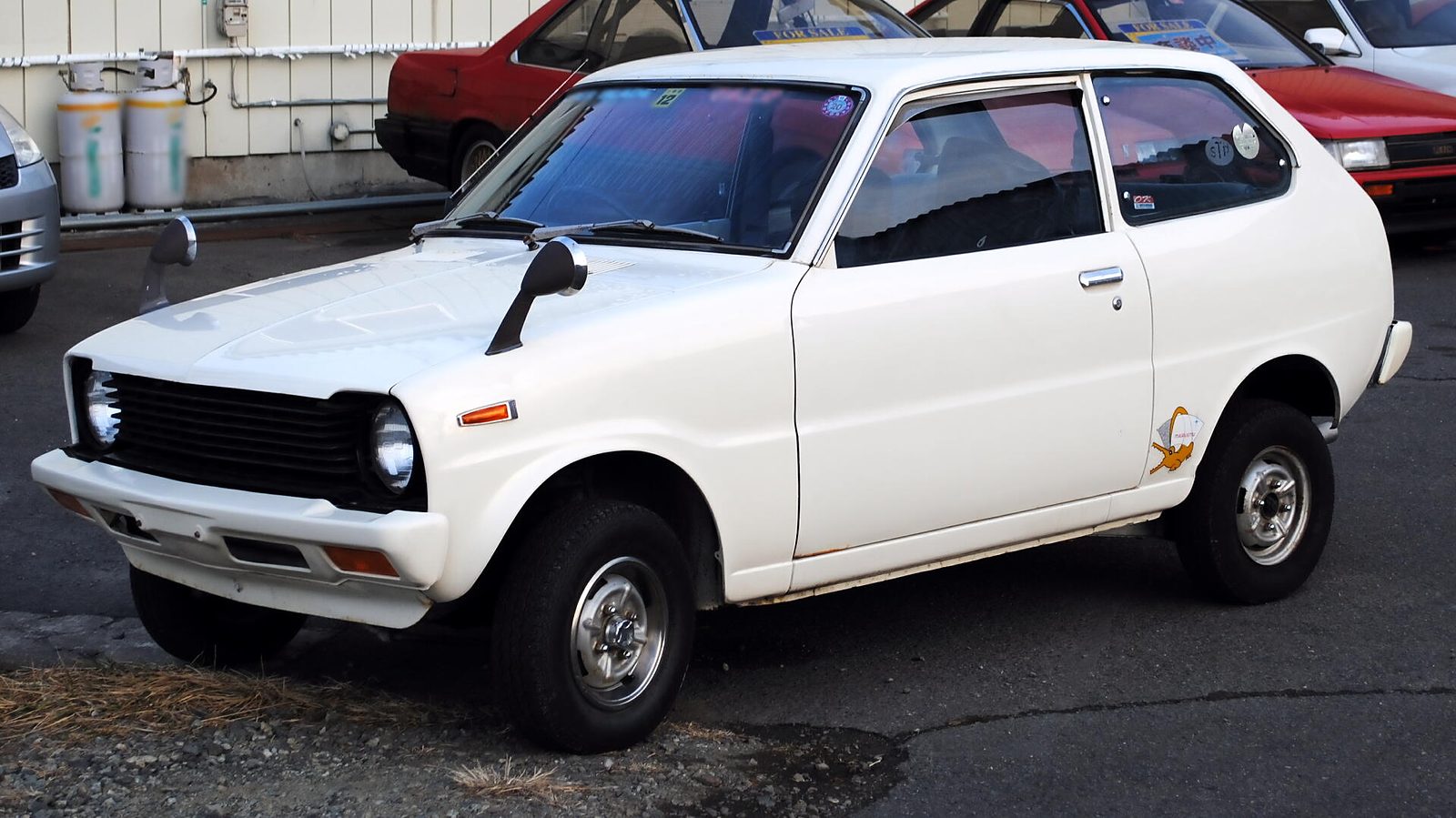
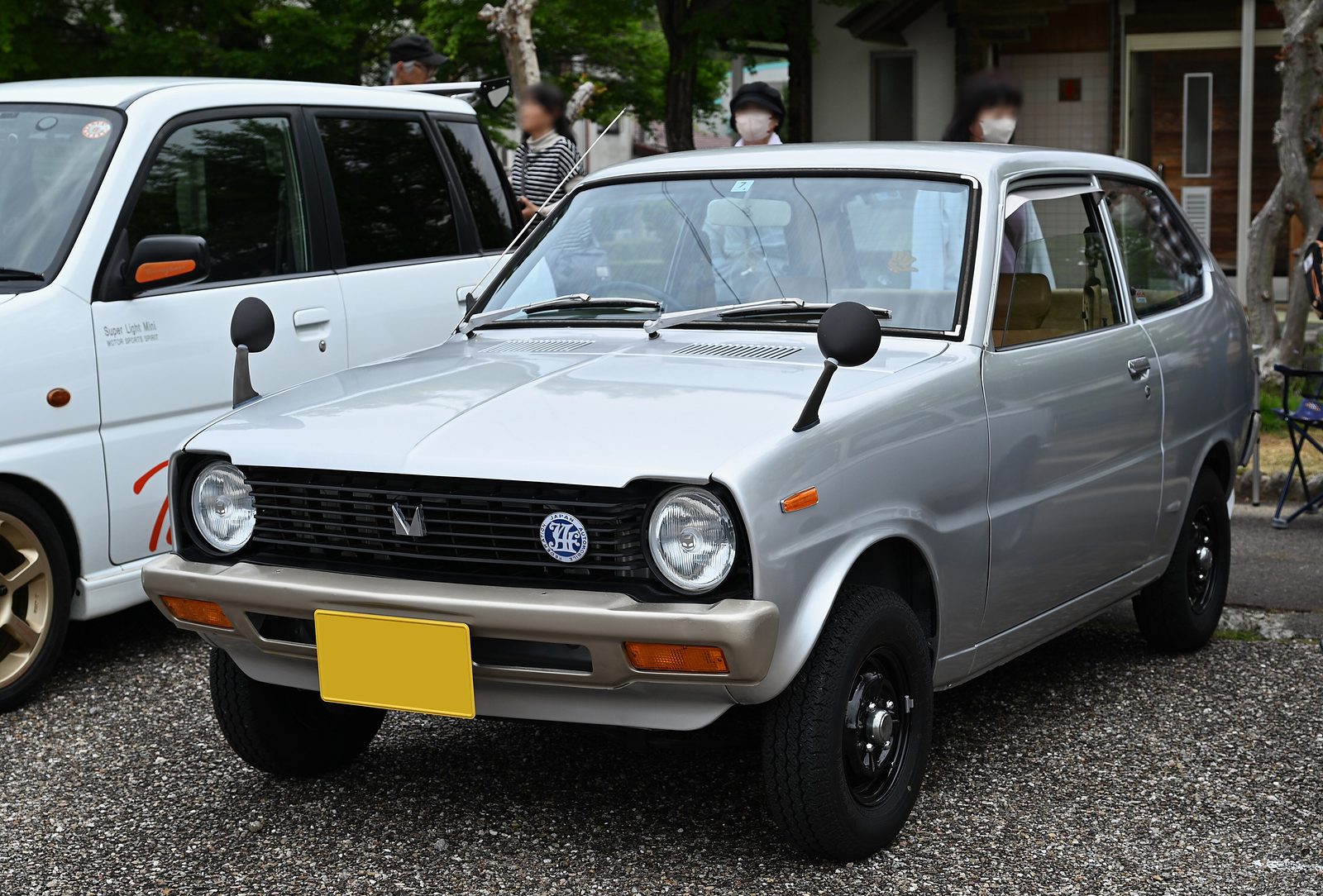
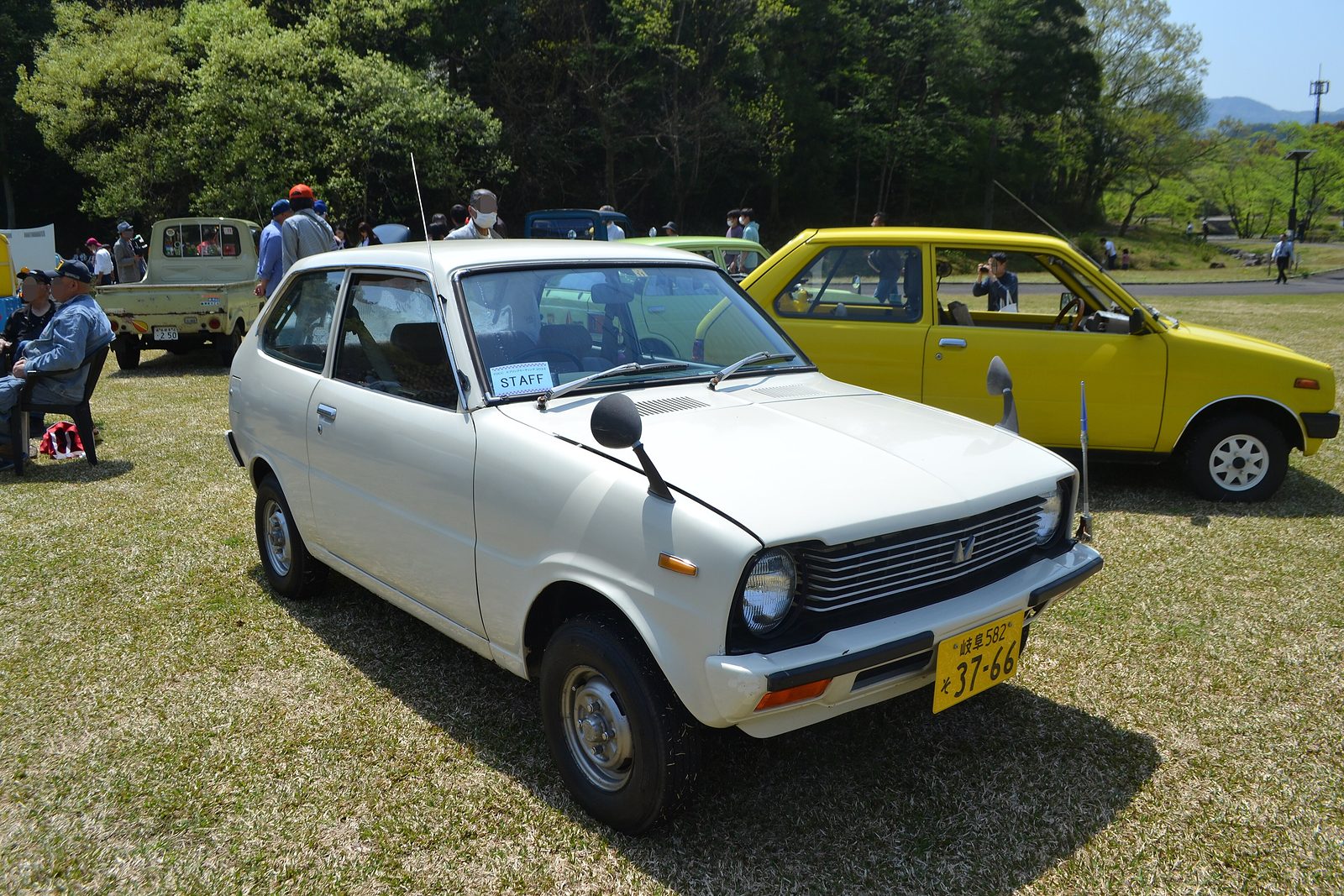
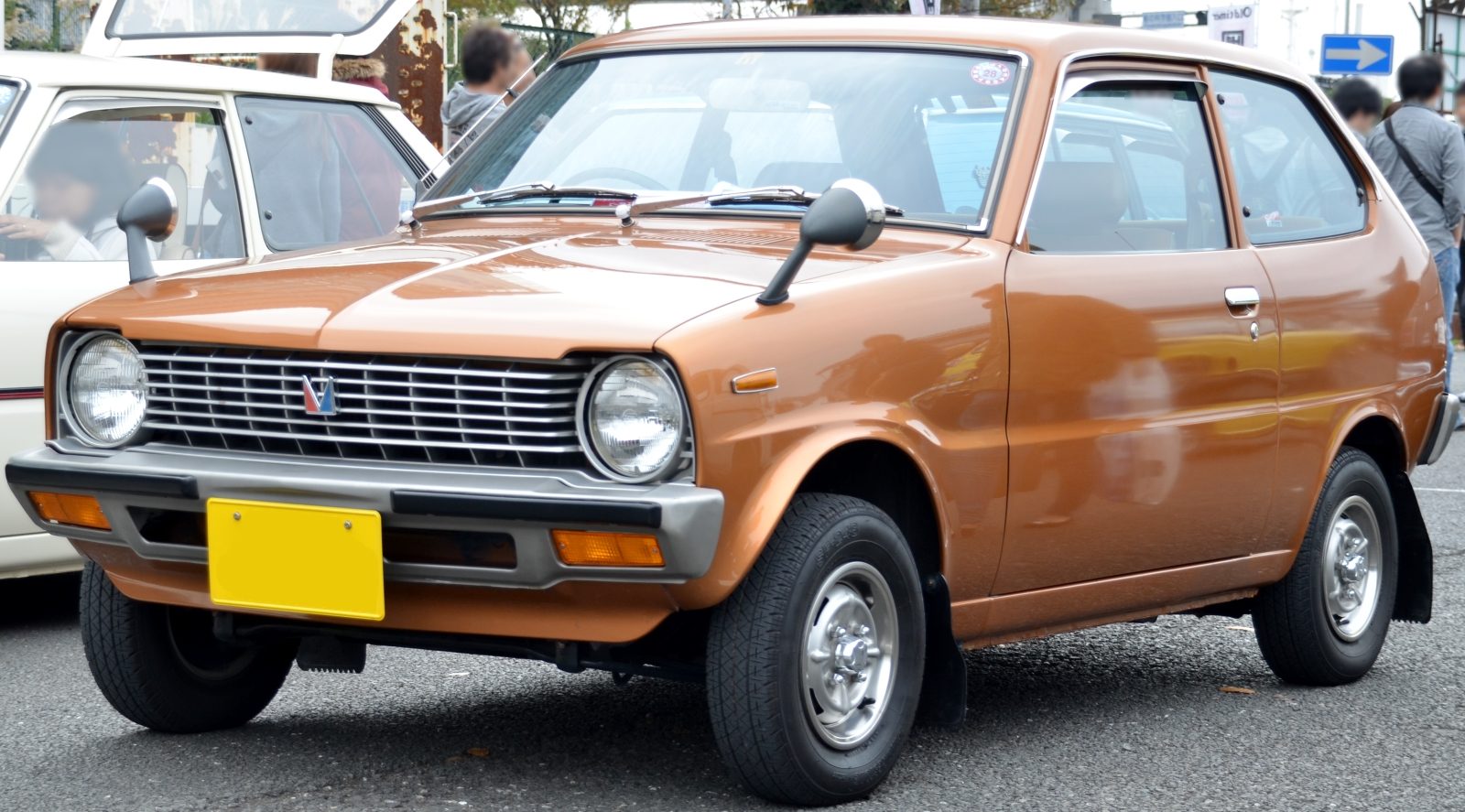
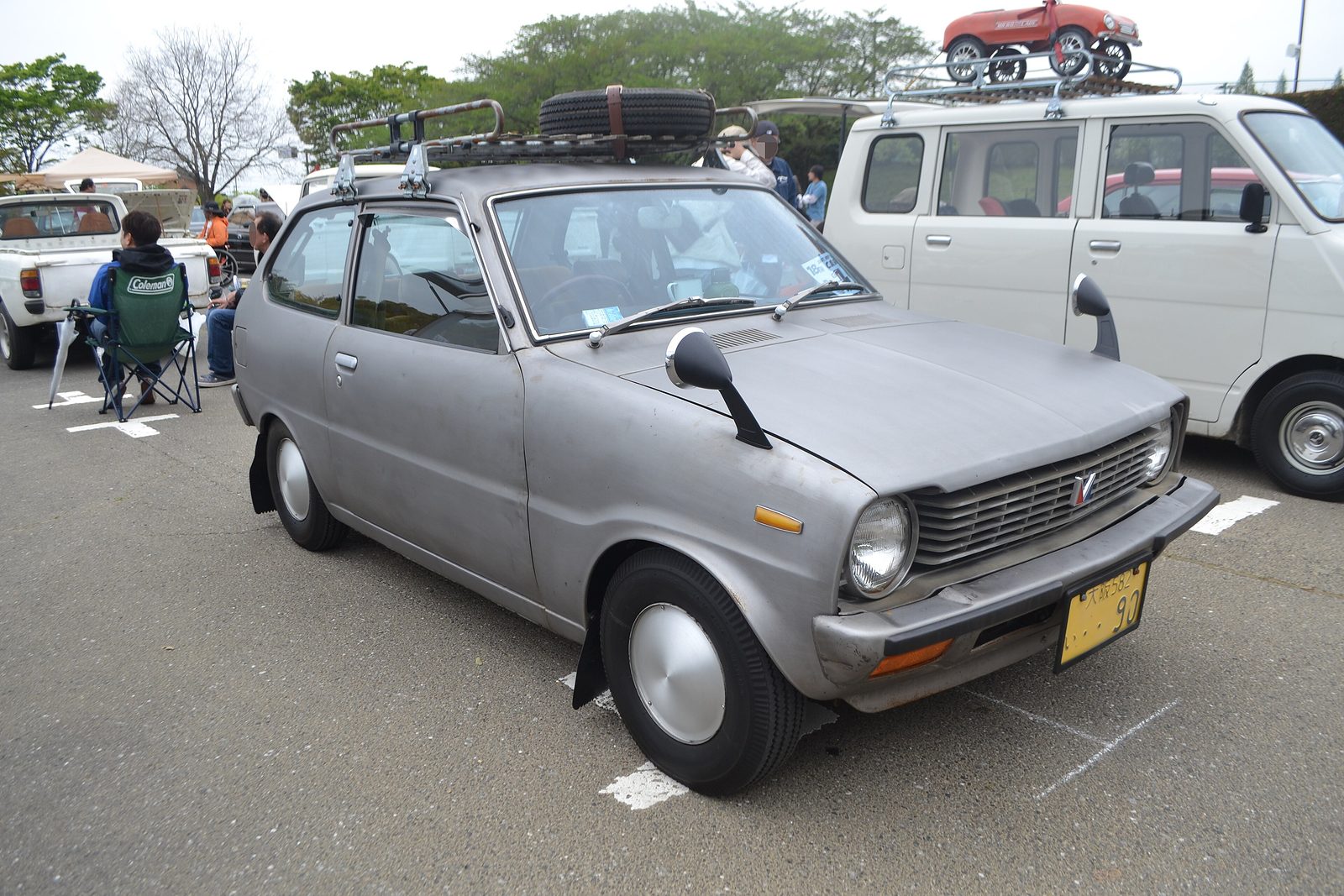
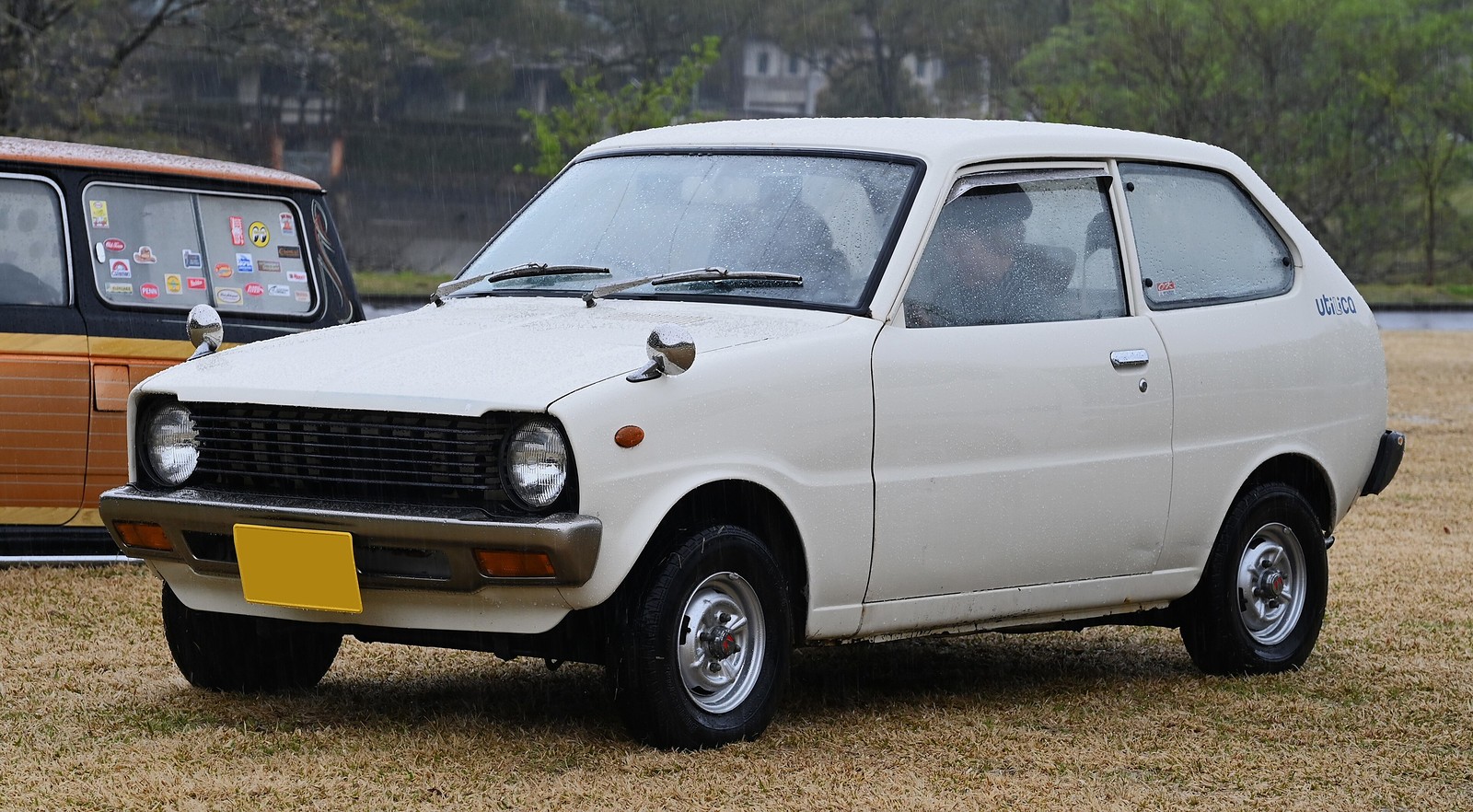
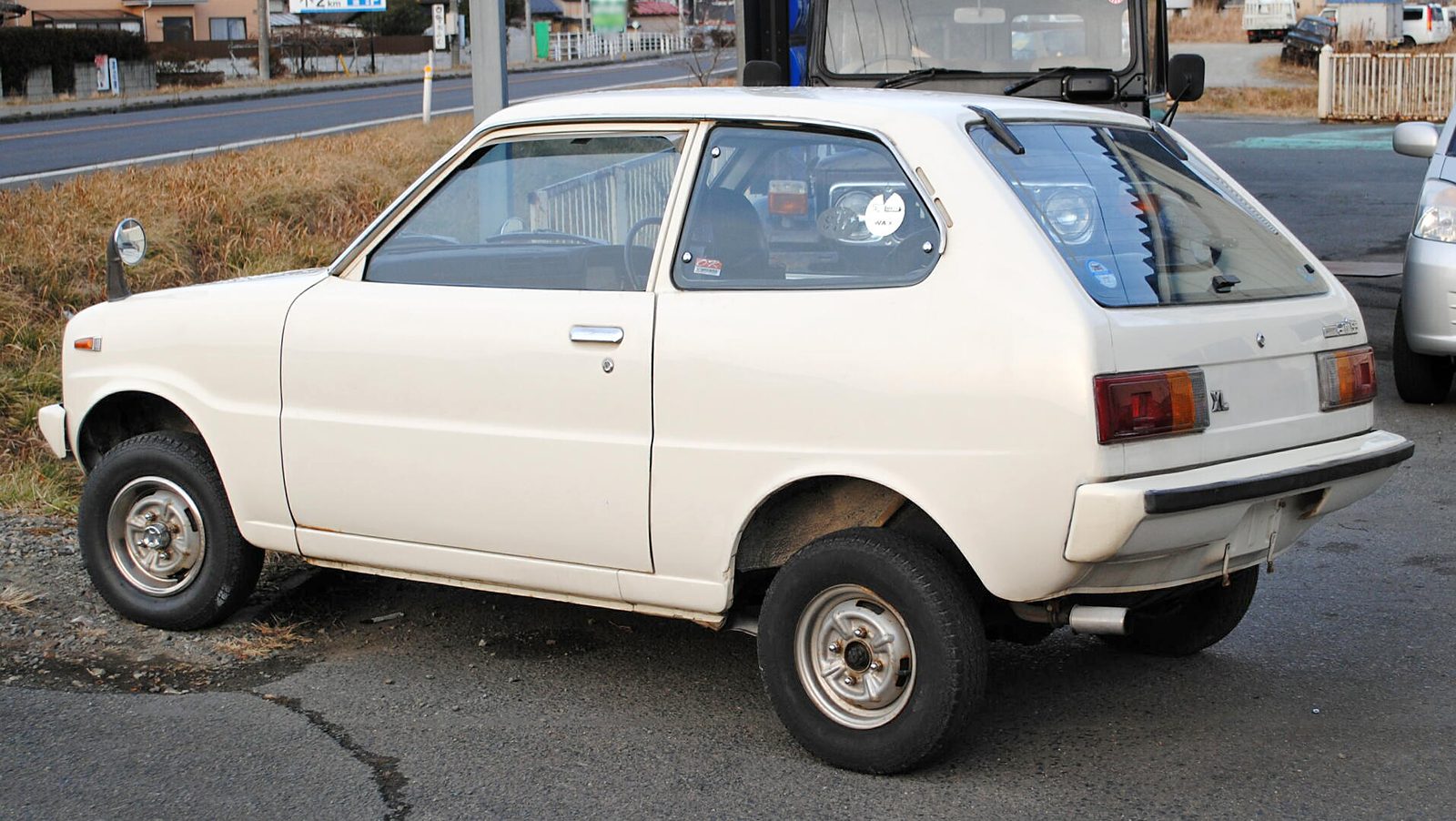
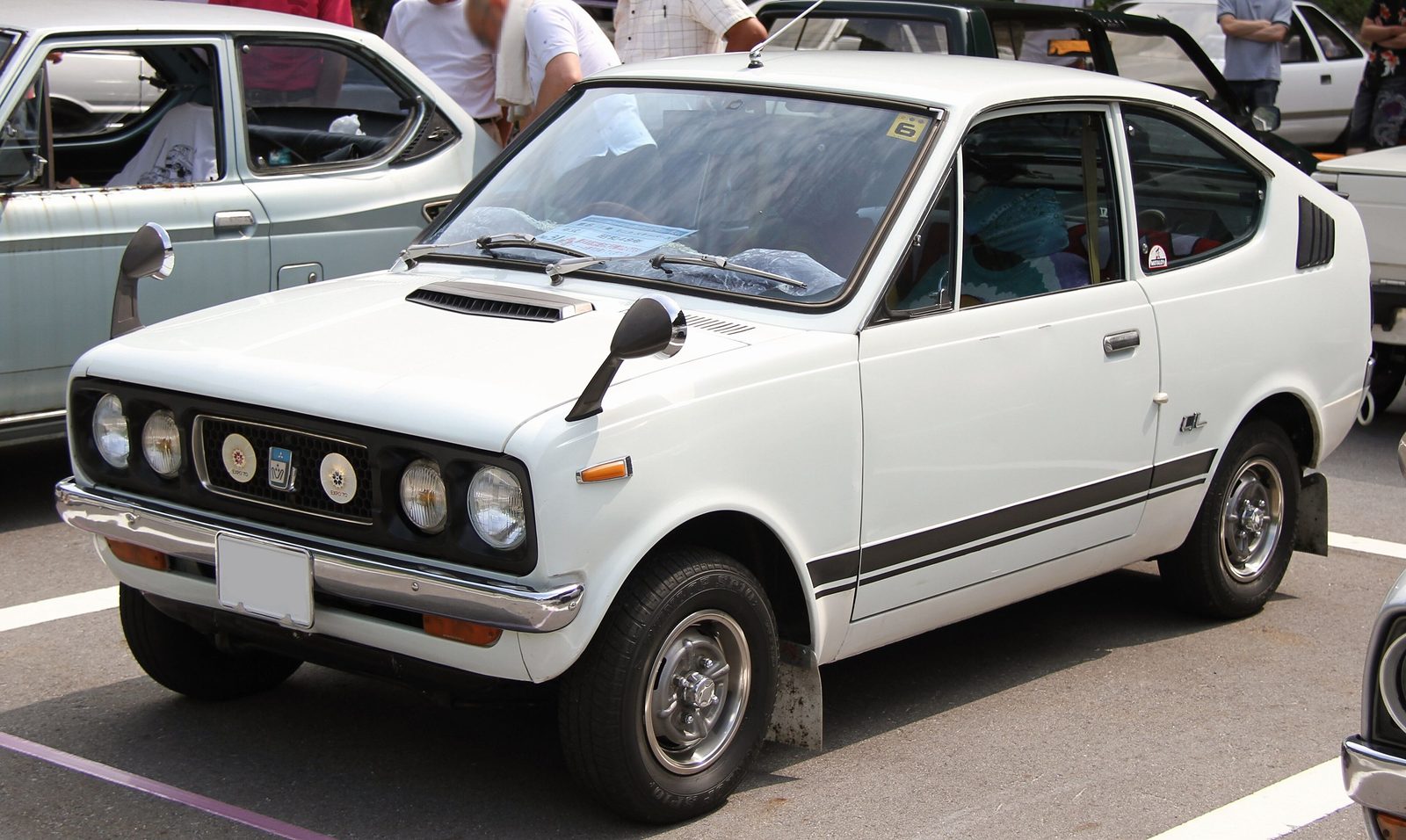
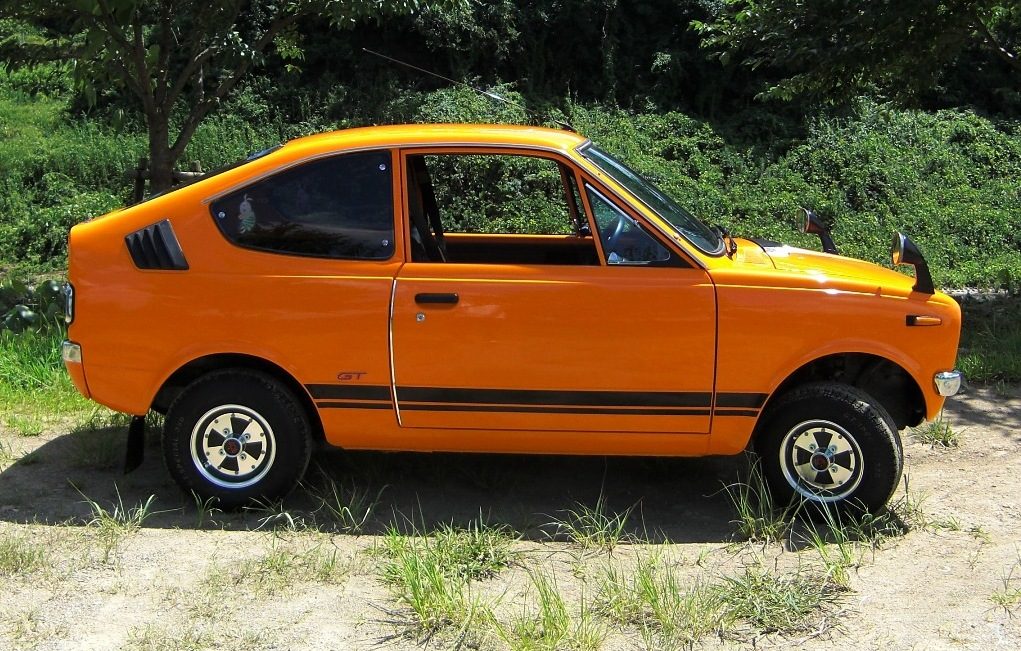
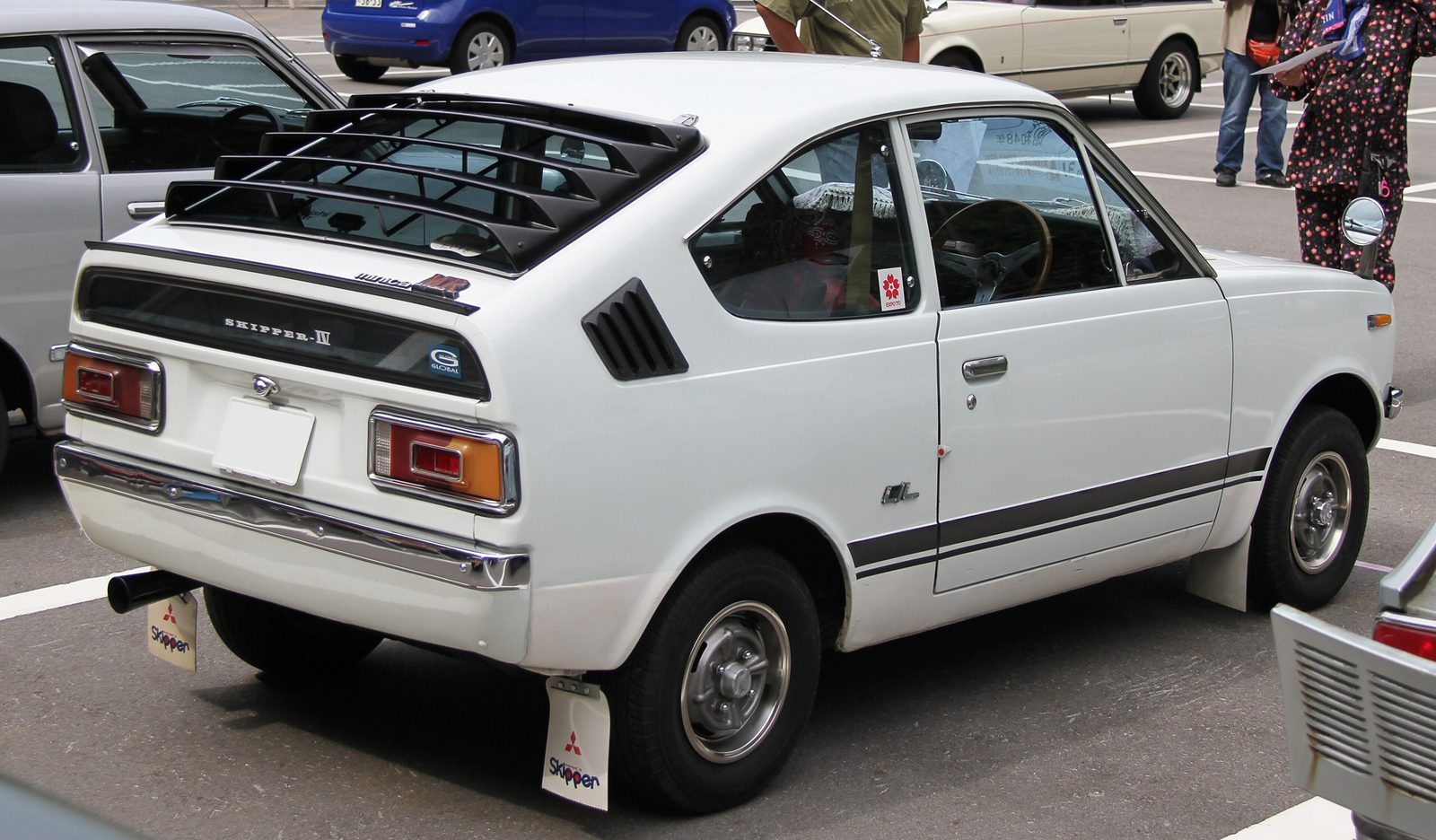
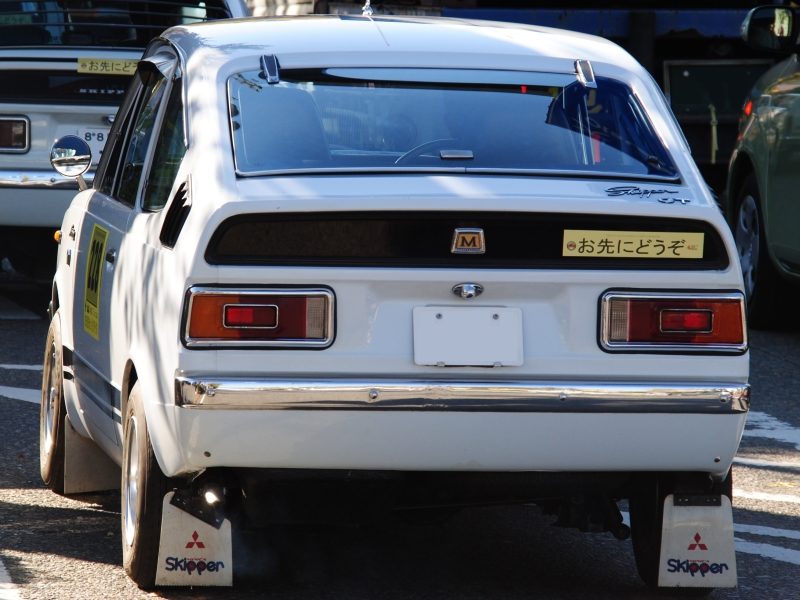
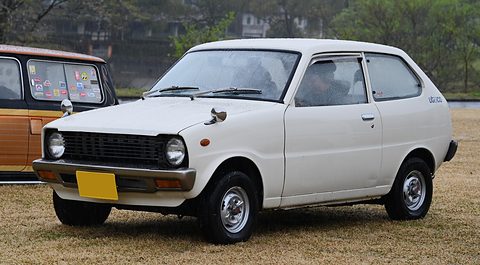
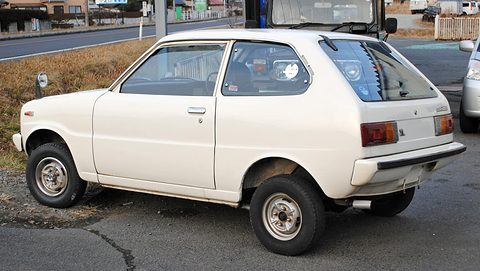
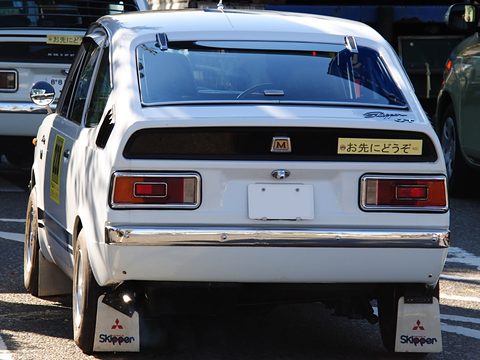
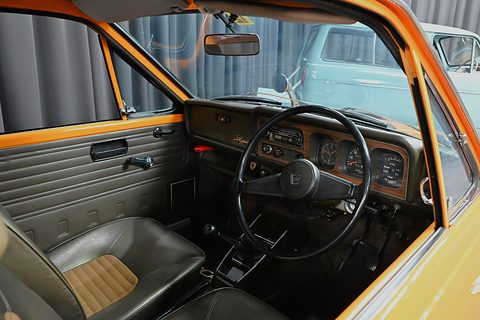
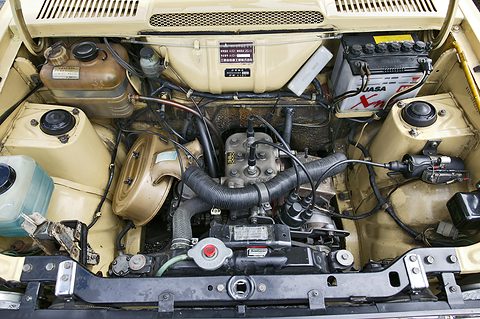
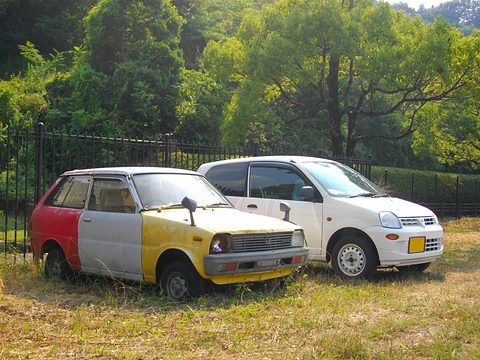
In July 1969 came the Minica 70: a three-door with a tailgate and a folding rear seat, a lesson learnt from Mitsubishi’s Colt 1000F, and the first three-door in its class. It had struts at the front and a rigid axle on five links at the back.source 1source 2 Its engines were sold by colour: the air-cooled Yellow of 26 PS, the water-cooled Red of 28 PS, and the twin-carburettor Gold of 38 PS.source 1 In December 1969 came the sporting GSS and SS and the Minica Van, and ten electric Minica vans were built for the Tokyo Electric Power Company. The car was renamed with each model year, 70, 71, 72 and 73, and the second generation, the Skipper included, made 450,986.source 1source 2 In June 1970 its maker became Mitsubishi Motors.source 4
Four-strokes, then a turbo
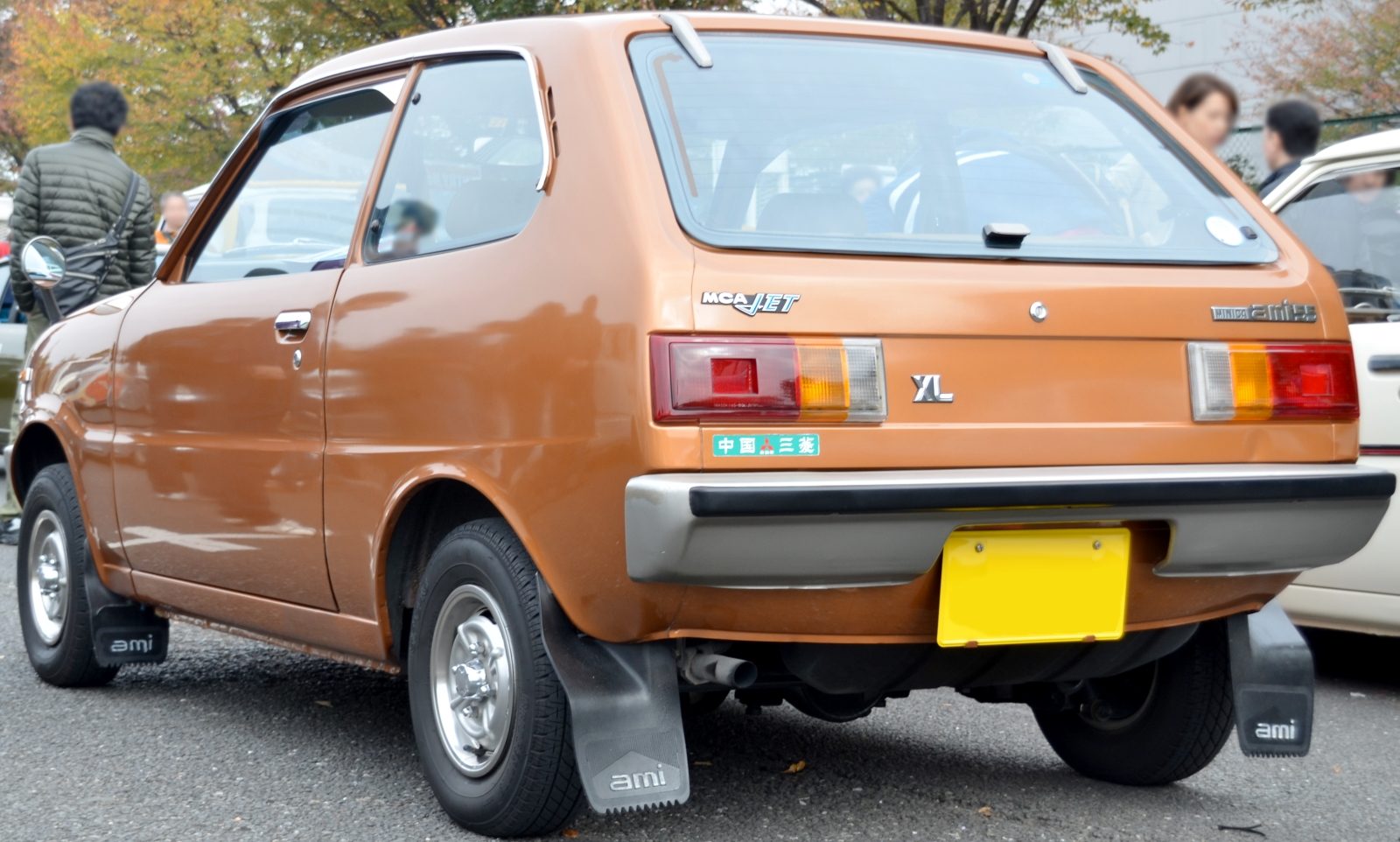
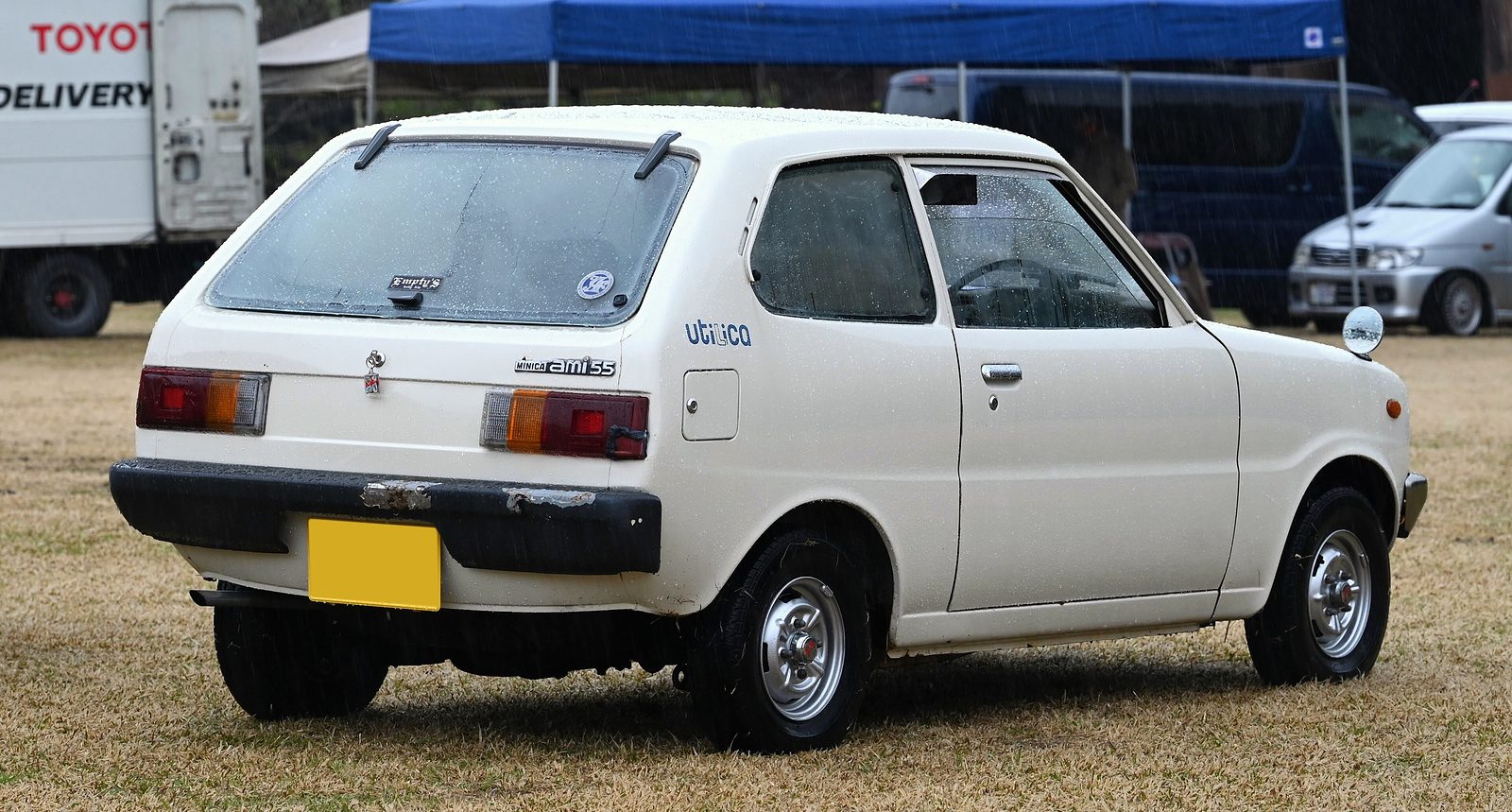
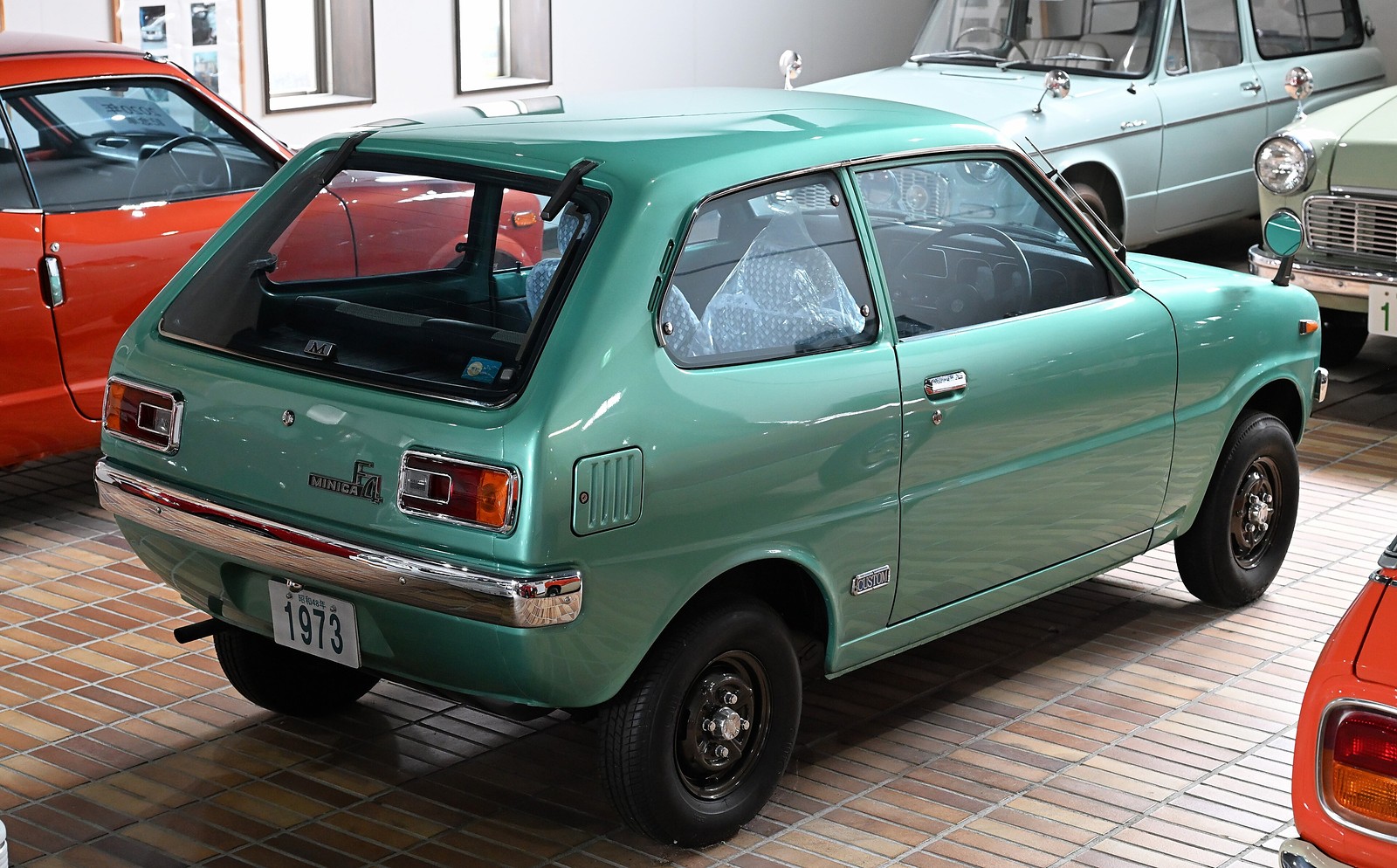
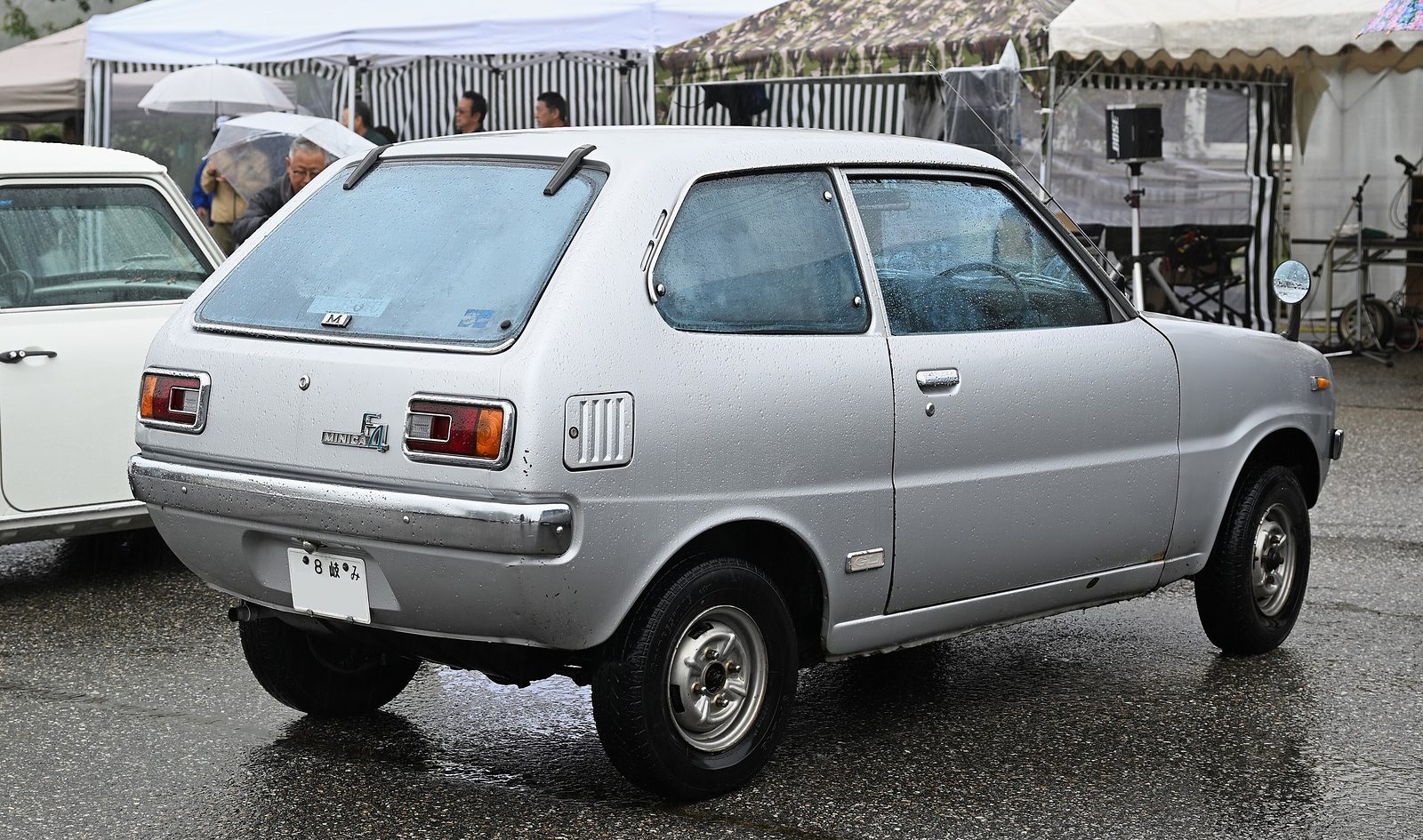
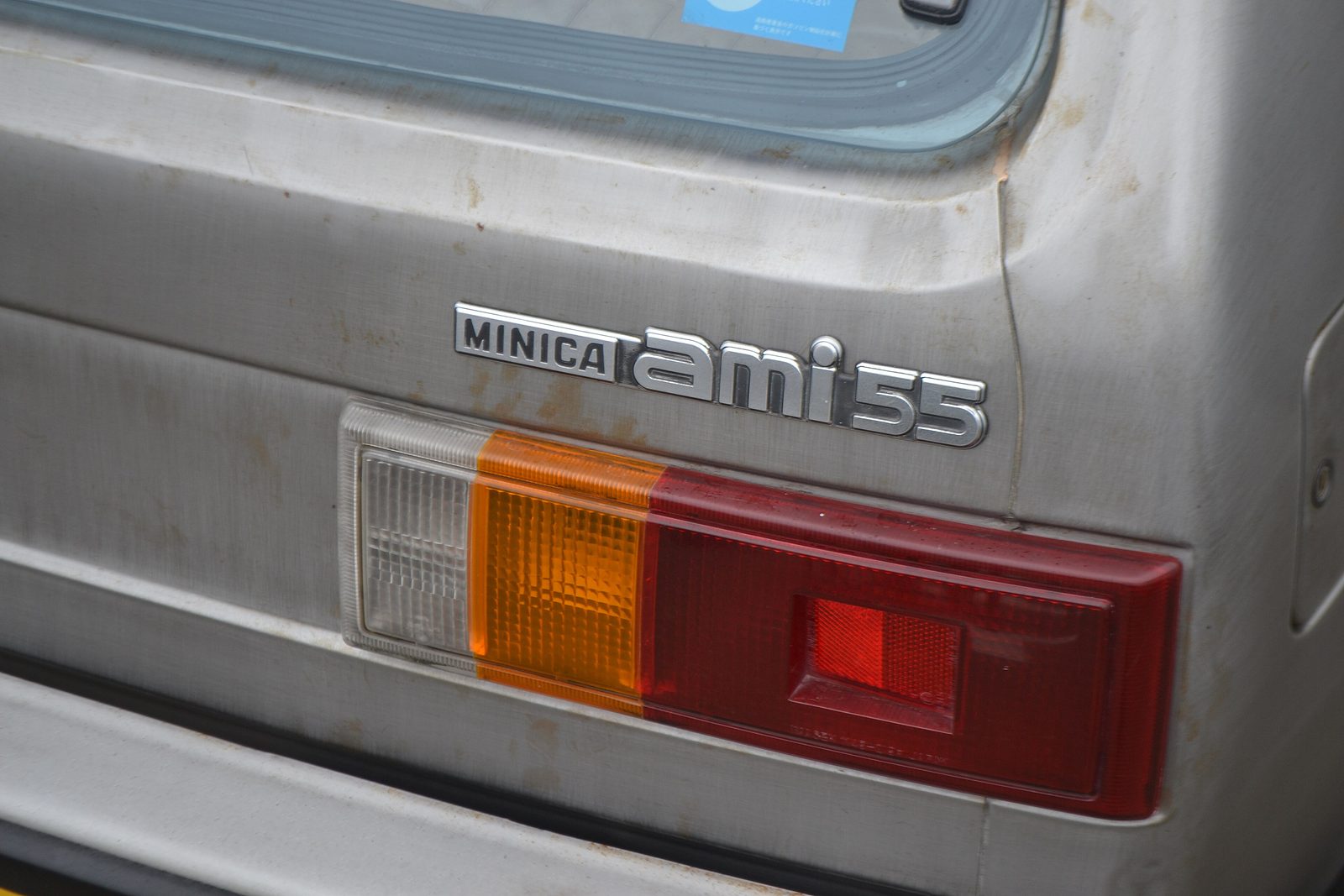
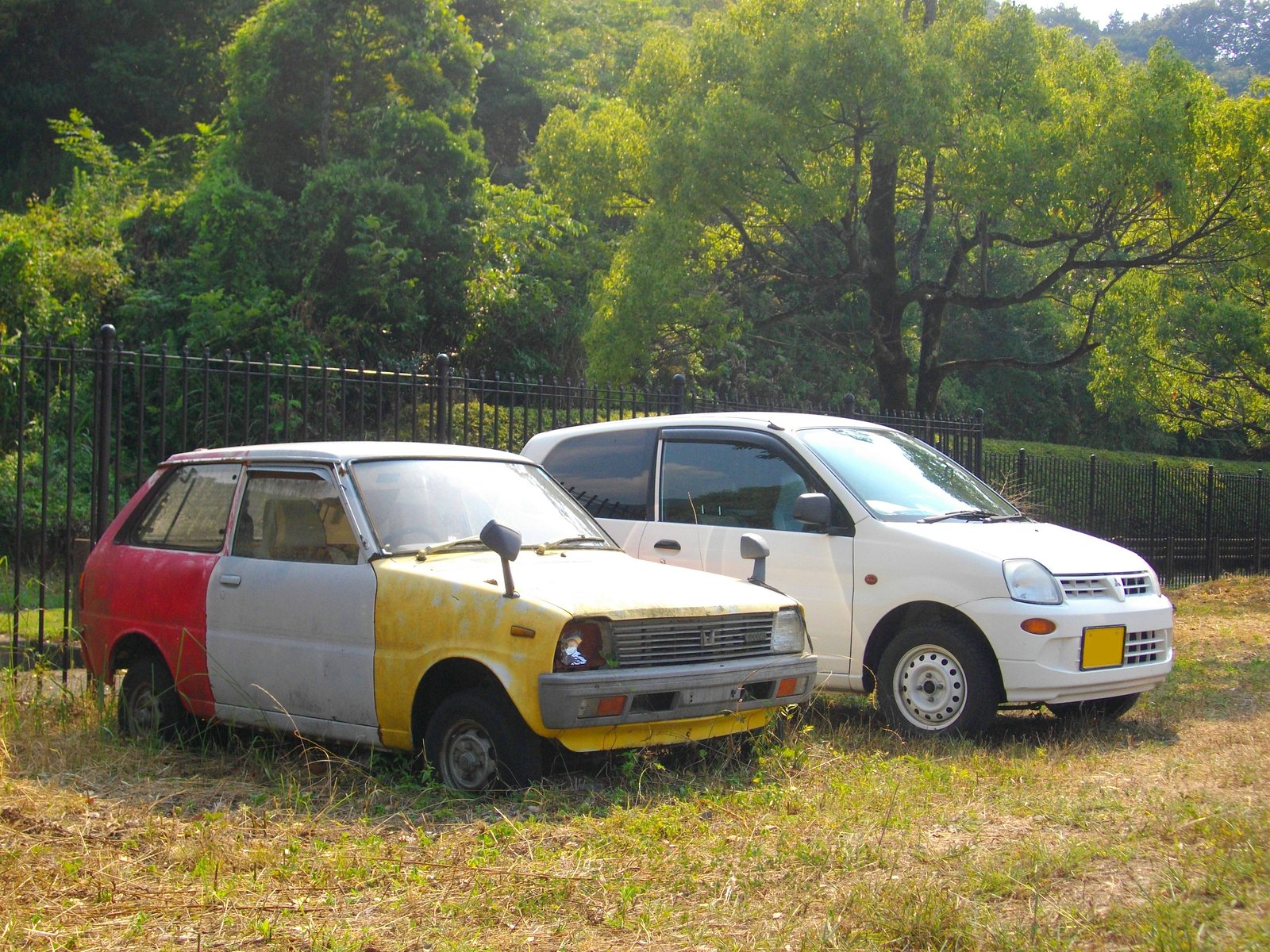
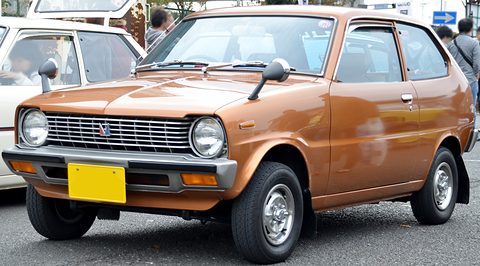
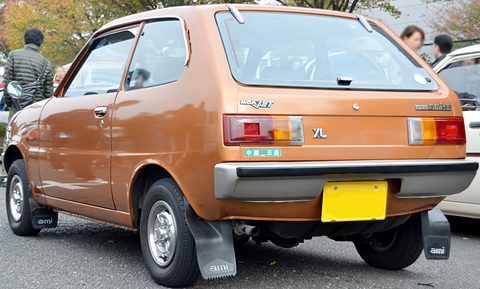
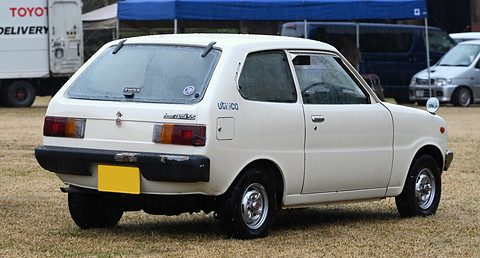
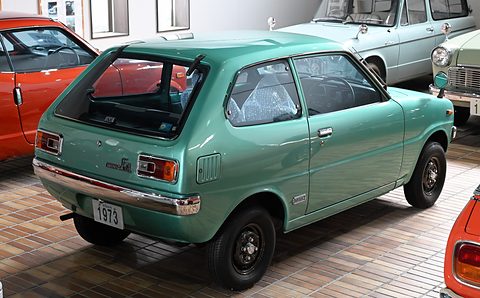
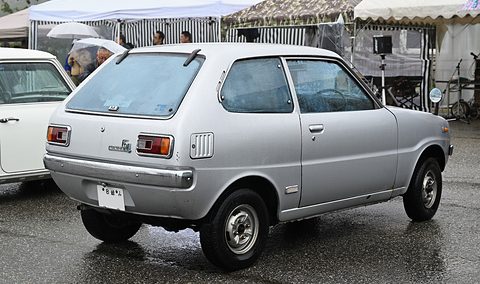
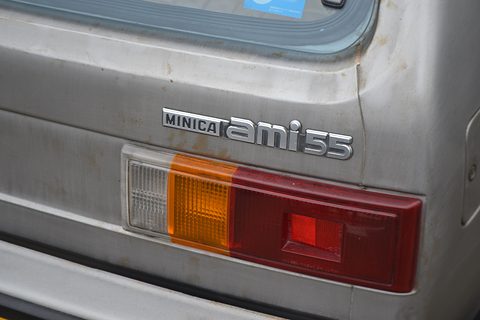
The F4 of October 1972 had a rounder body, a glass tailgate and four-stroke engines, the 2G21 Vulcan of 32 or 36 PS, with Mitsubishi’s Clean Air system. In December 1974 a balancer shaft arrived, as the Vulcan S.source 1source 2 When the kei rules allowed 550 cc from 1976, Mitsubishi’s interim answer, in April, was the Minica 5 with a 471 cc engine.source 1 The Ami 55 of June 1977 was 10 cm wider and 3,175 mm (125 in) long, with a 546 cc engine of 31 PS, and the Ami L of September 1981 used the full 3,195 mm.source 1source 2
Mitsubishi’s history calls the Ami L, with its two-speed semi-automatic, the first kei car with an automatic. It was not: the Mazda R360 Coupe had offered one in 1960.source 2source 5 The first that is not in dispute came in March 1983: the Ami L Turbo, with 39 PS gross from its turbocharged 546 cc twin, was the first kei car with a turbocharger.source 1source 2
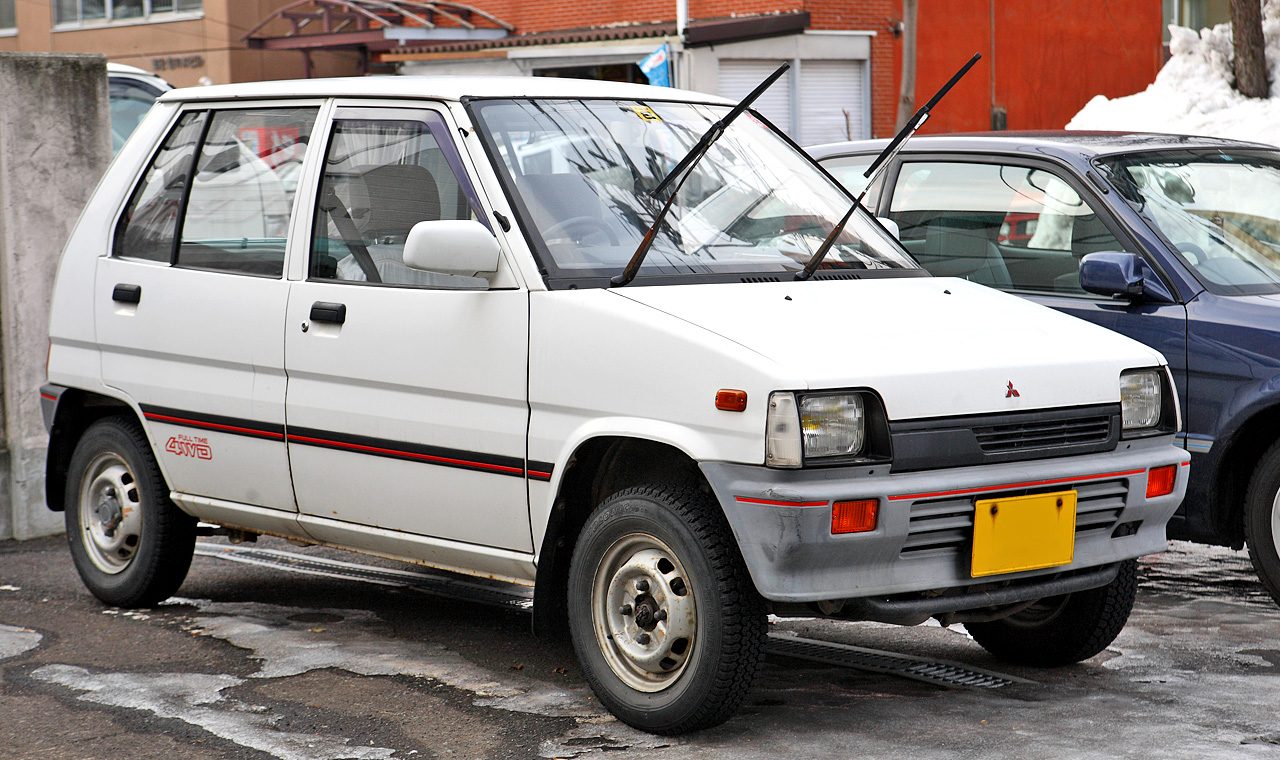
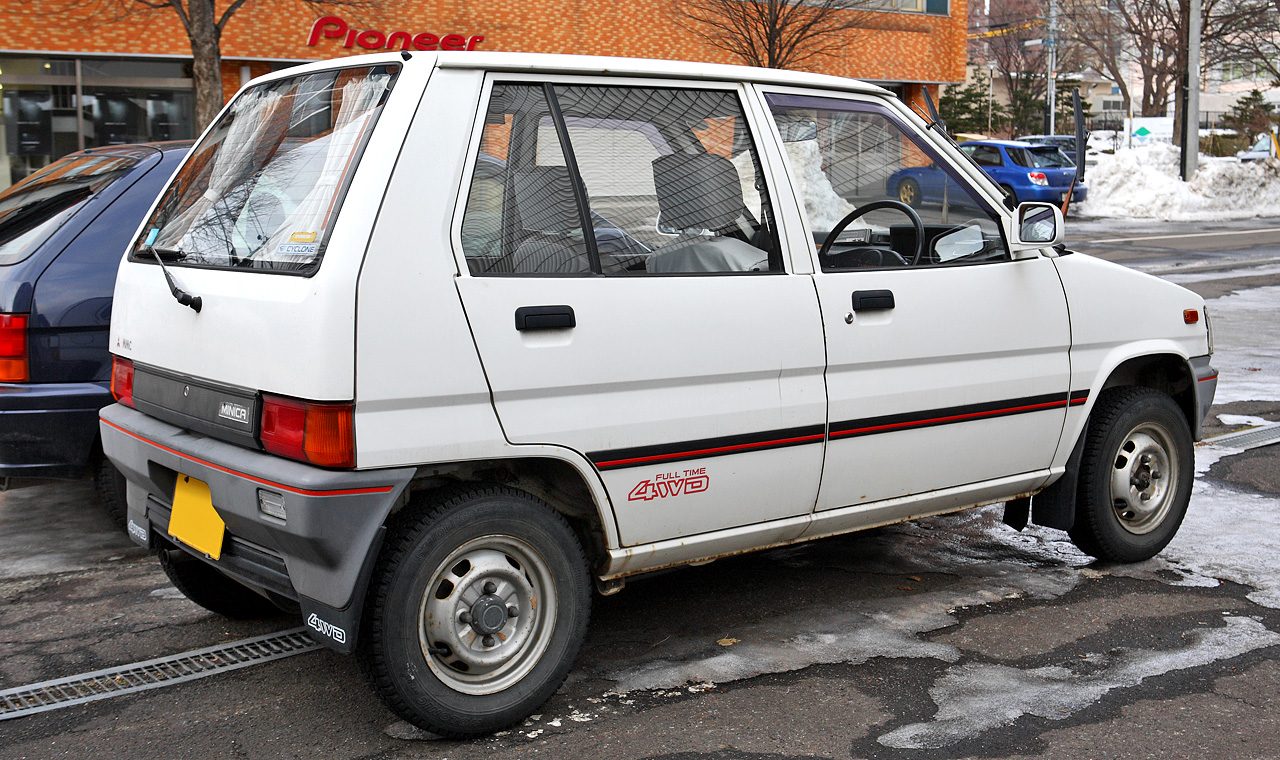
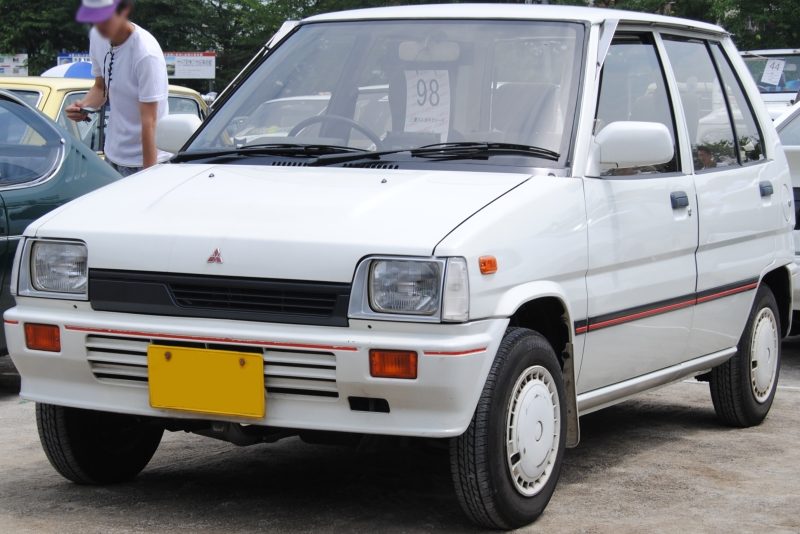
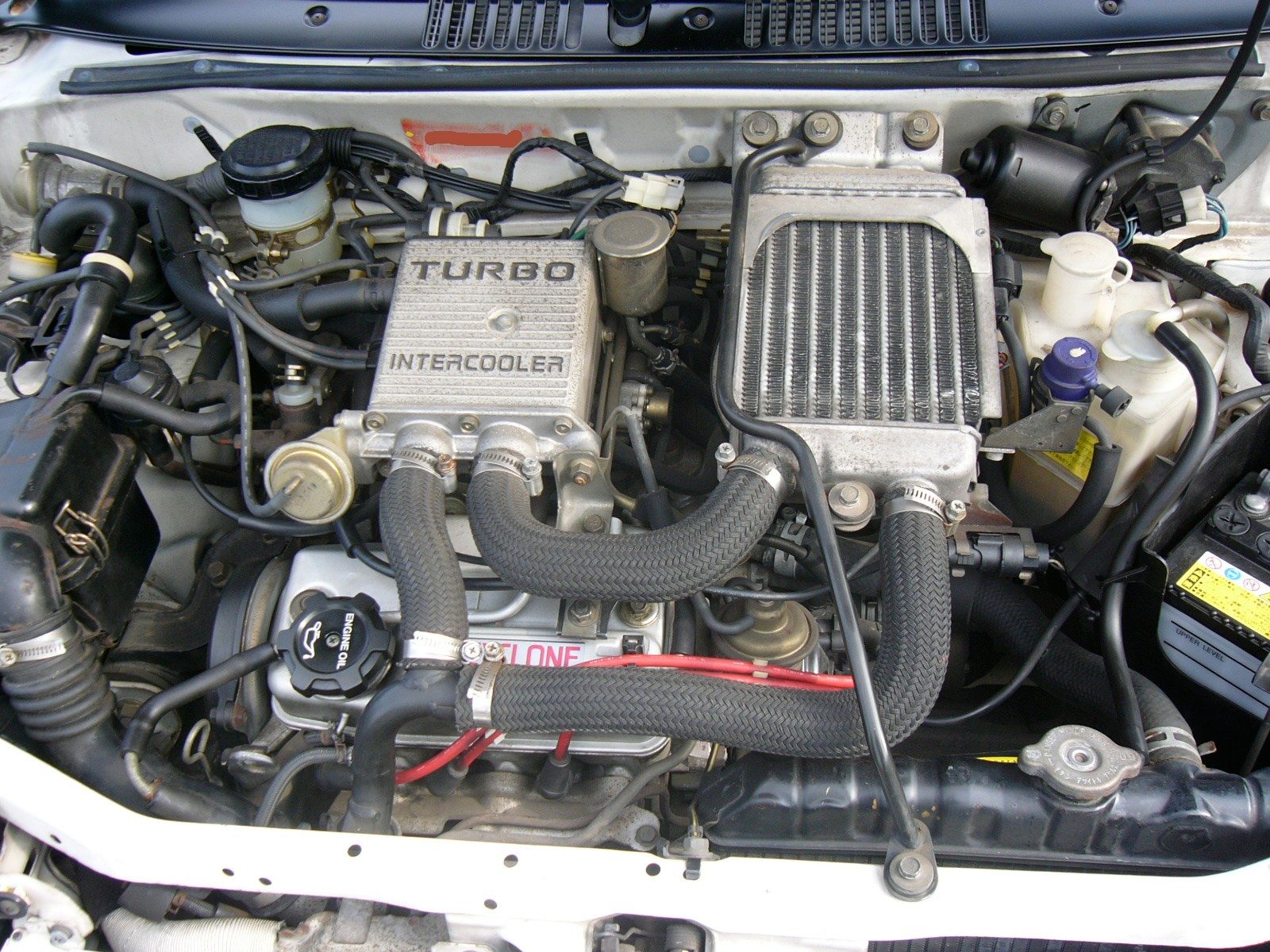
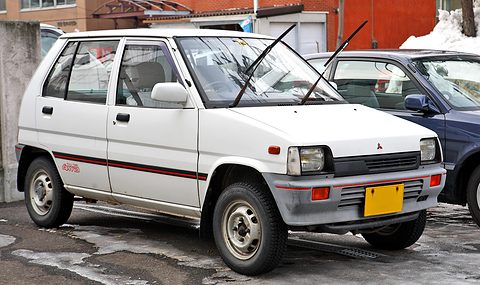
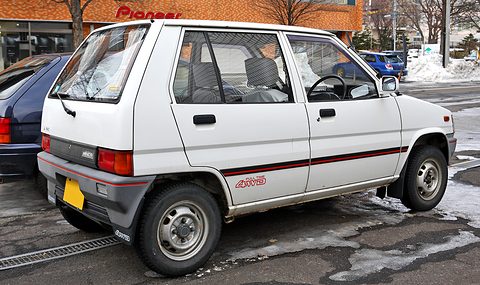
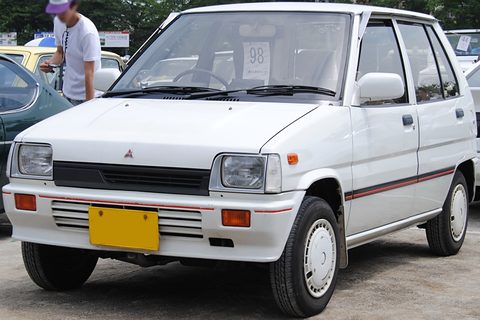
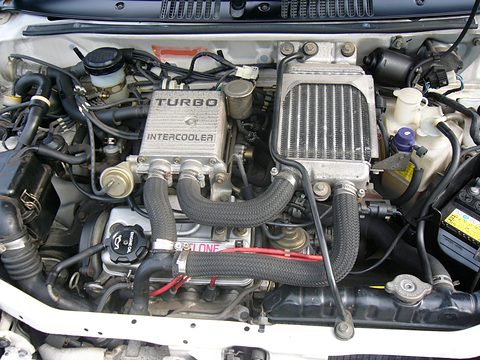
In February 1984 the Minica went to front-wheel drive and five doors, with an intercooled turbo of 42 PS gross, the first intercooler on a kei car.source 1
ライバルはリッターカー。
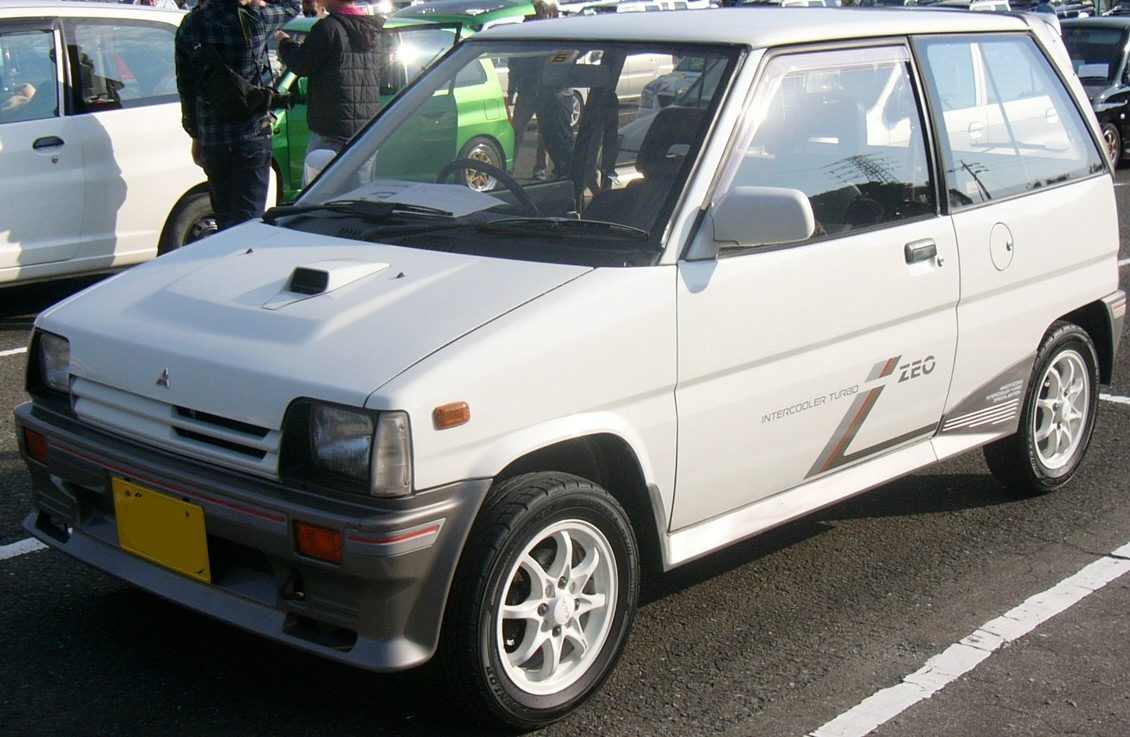
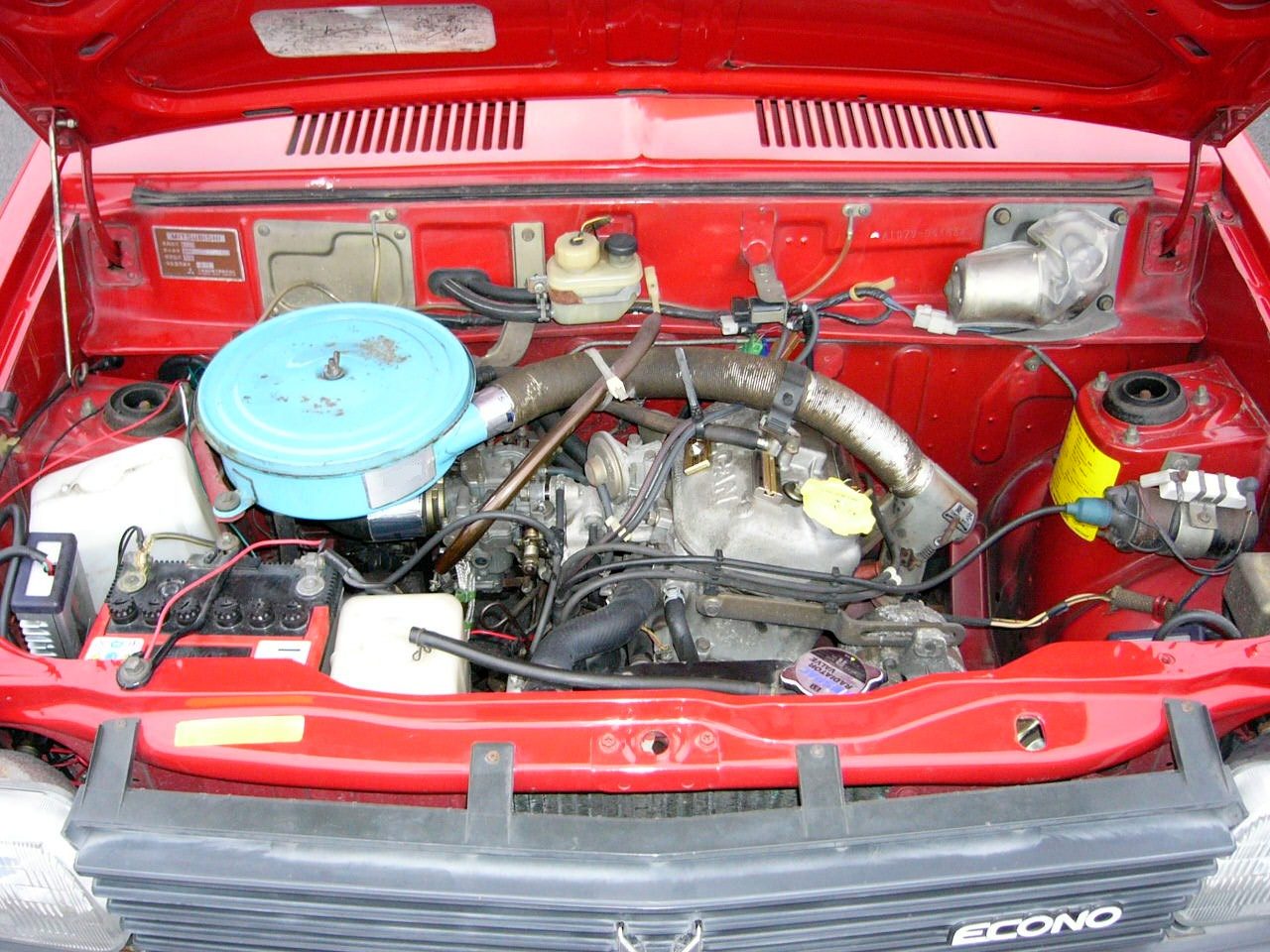
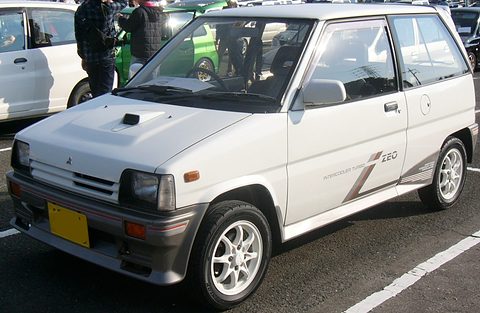
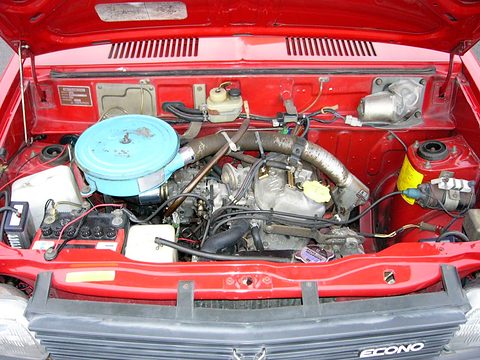
A part-time four-wheel-drive Econo followed in August 1985, and the Skyjack, an open-topped turbo of which 500 were built, in April 1986. A three-cylinder engine came in January 1987 and the 50 PS ZEO turbo in January 1988. The fifth generation made 824,237, and Taiwan built an 800 cc version, the Towny.source 1 The sixth generation of January 1989 brought the Dangan, a turbo with five valves a cylinder and 64 PS, which Japanese Wikipedia calls the first five-valve production engine in a Japanese car. The engines grew to 660 cc soon after, and this page stops there.source 1
The faces in the advertisements included Kishibe Shirō for the F4, Kaku Chikako for the Econo of 1986–88, and Asano Atsuko in 1989.source 1