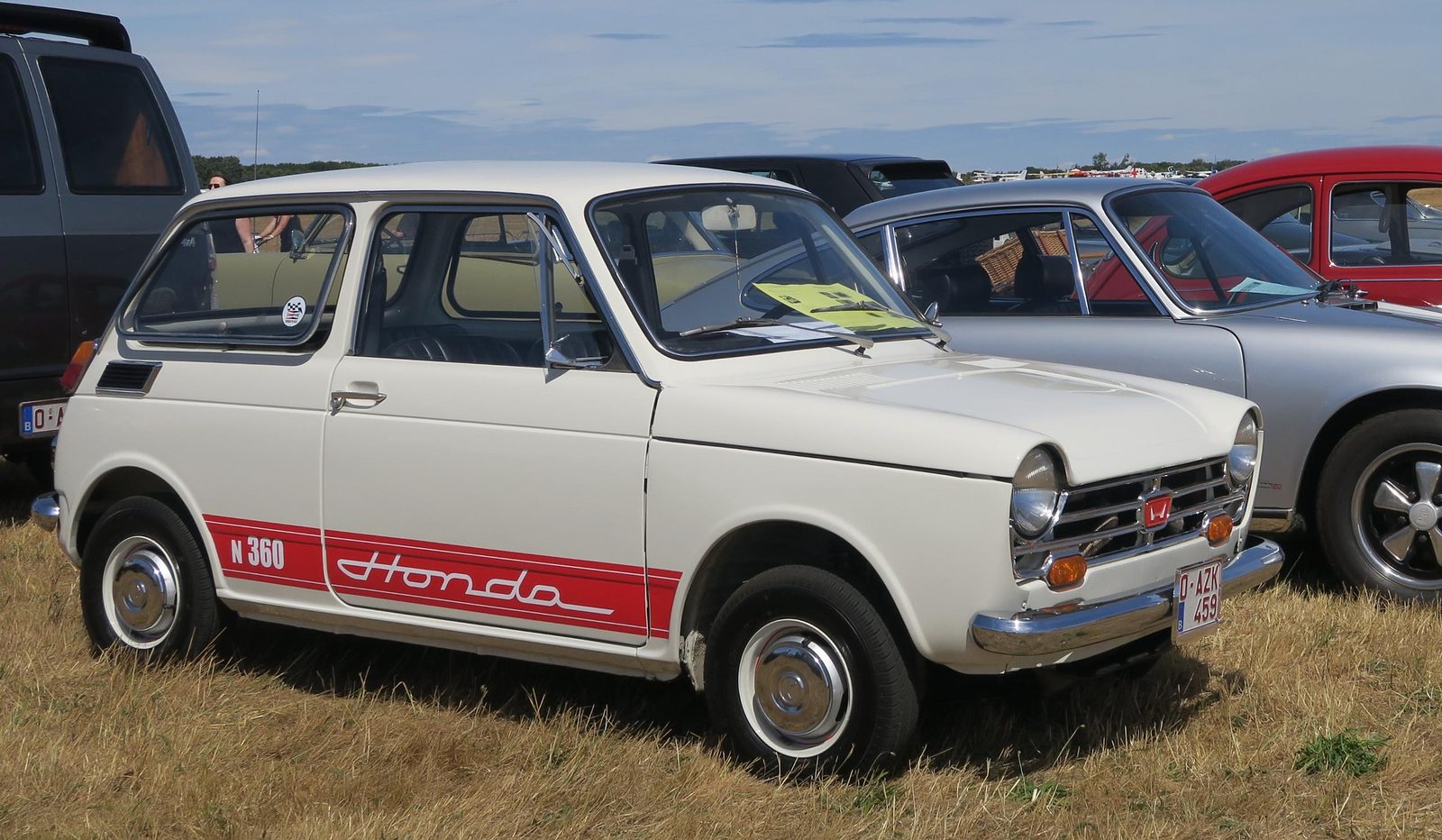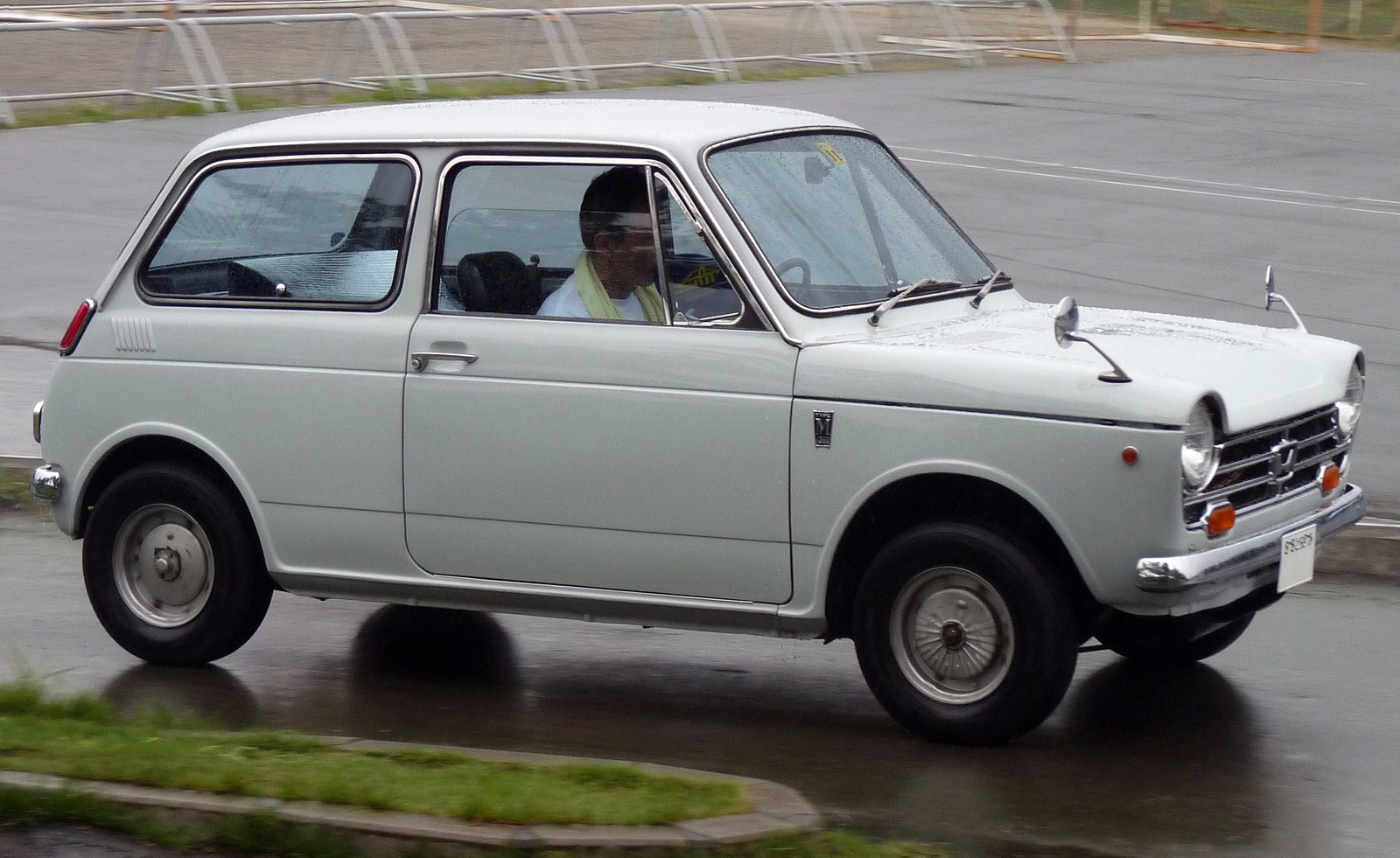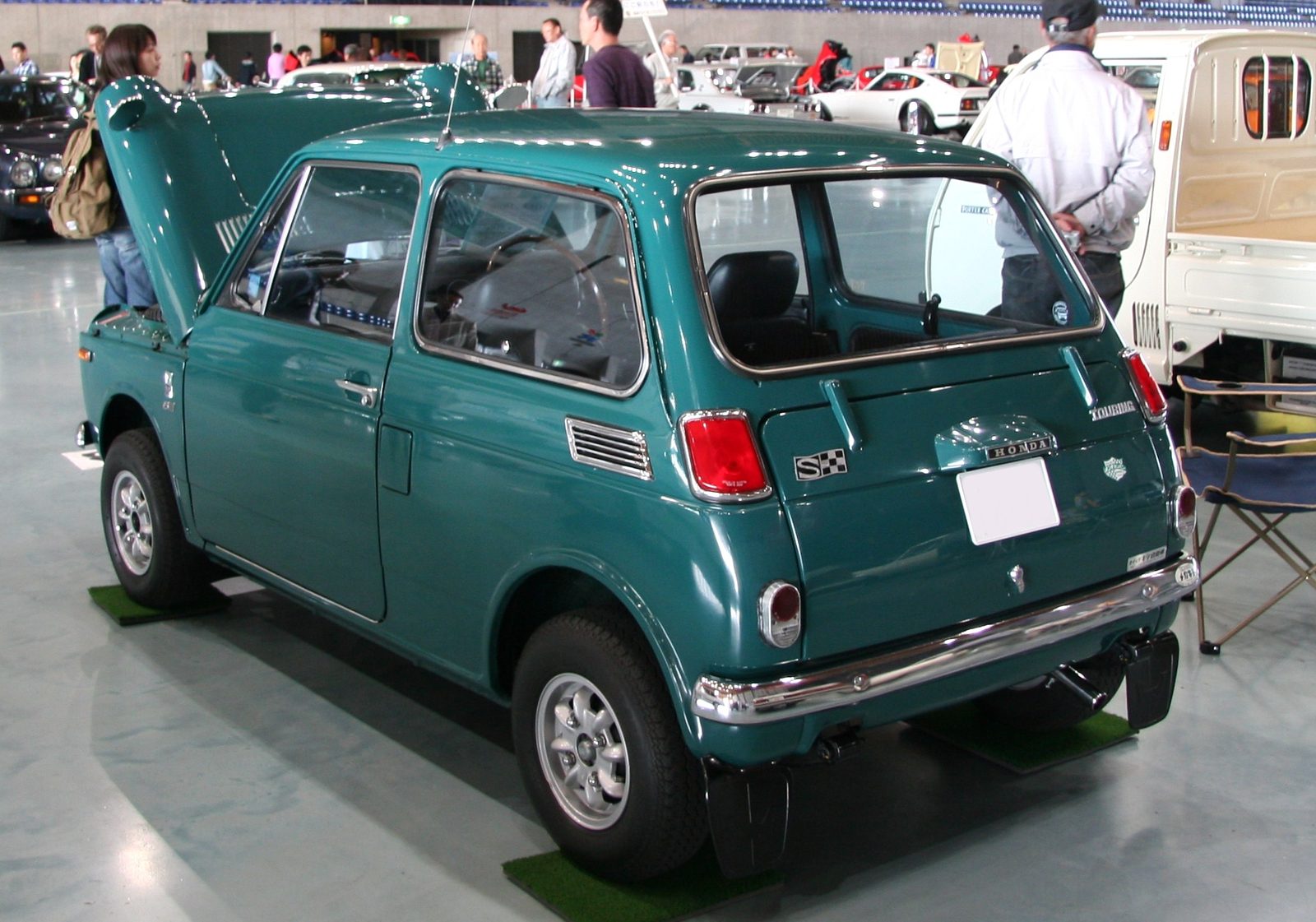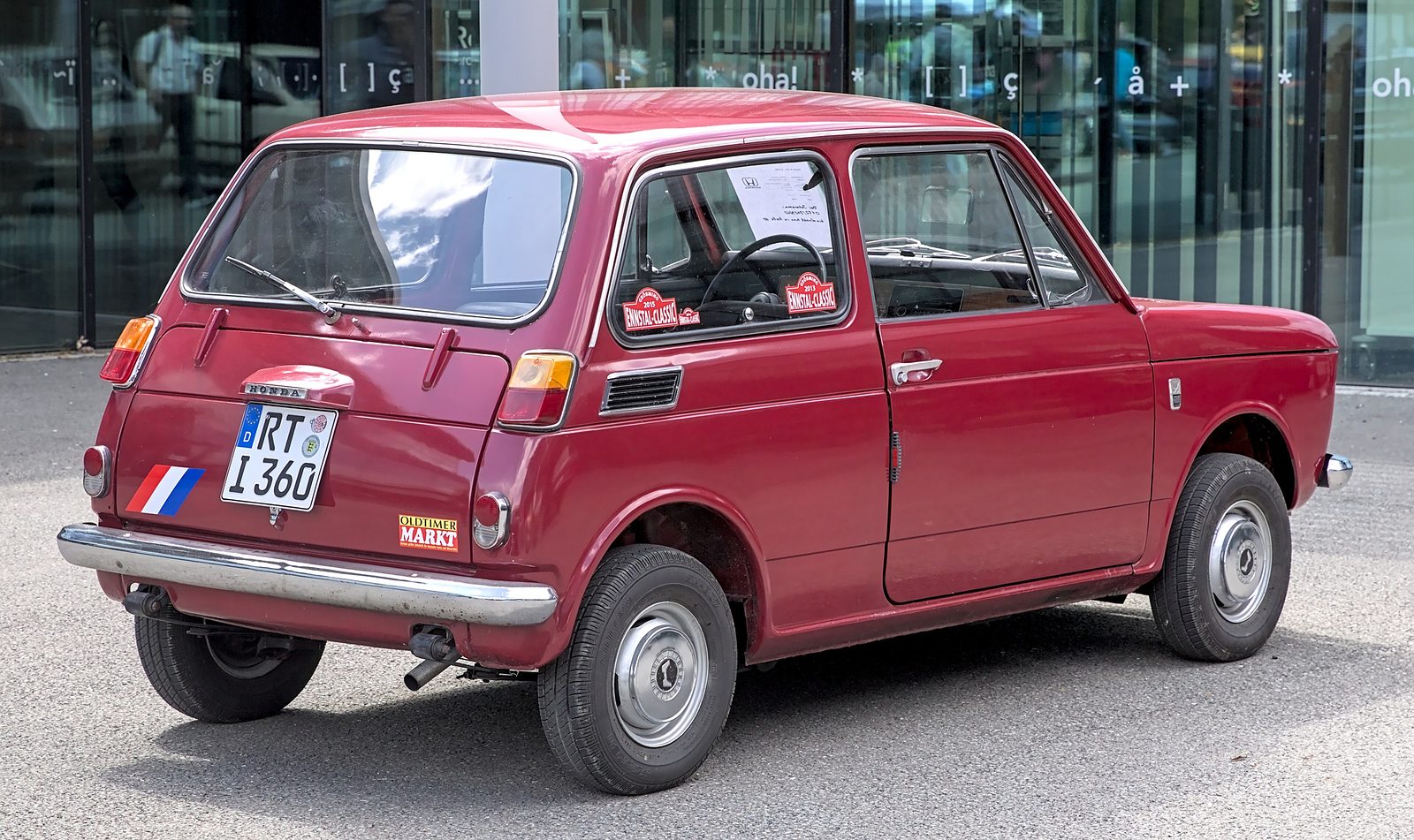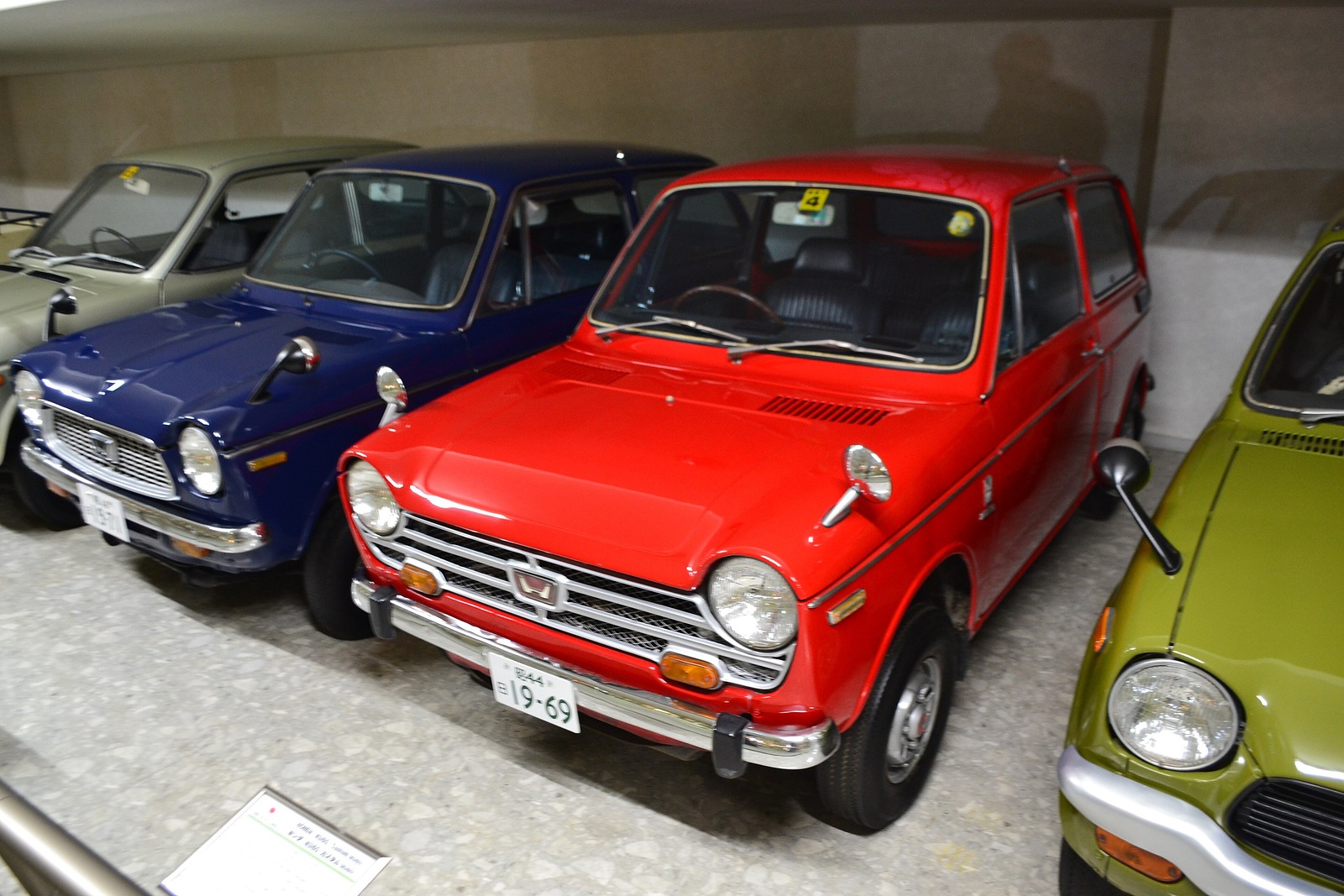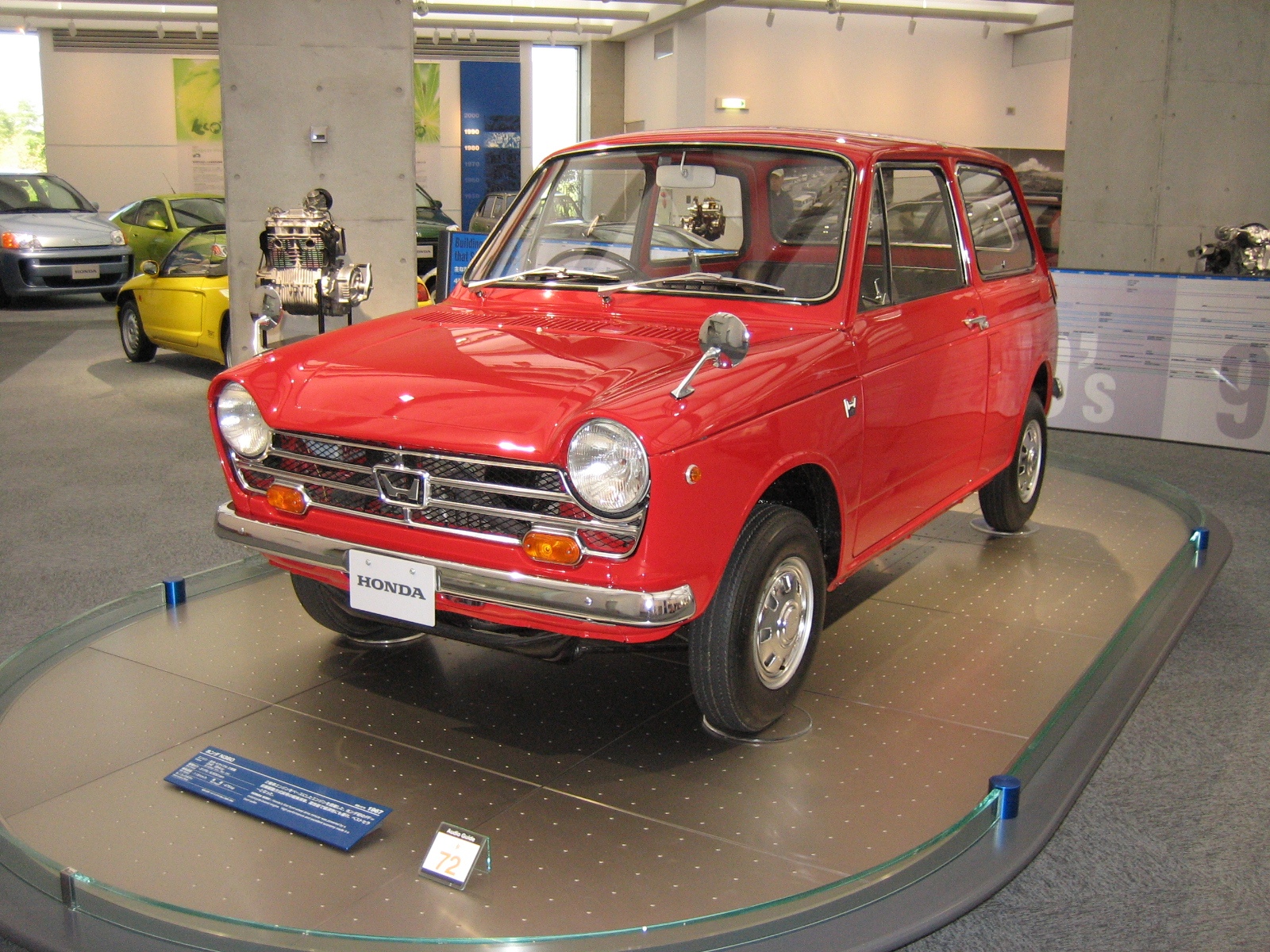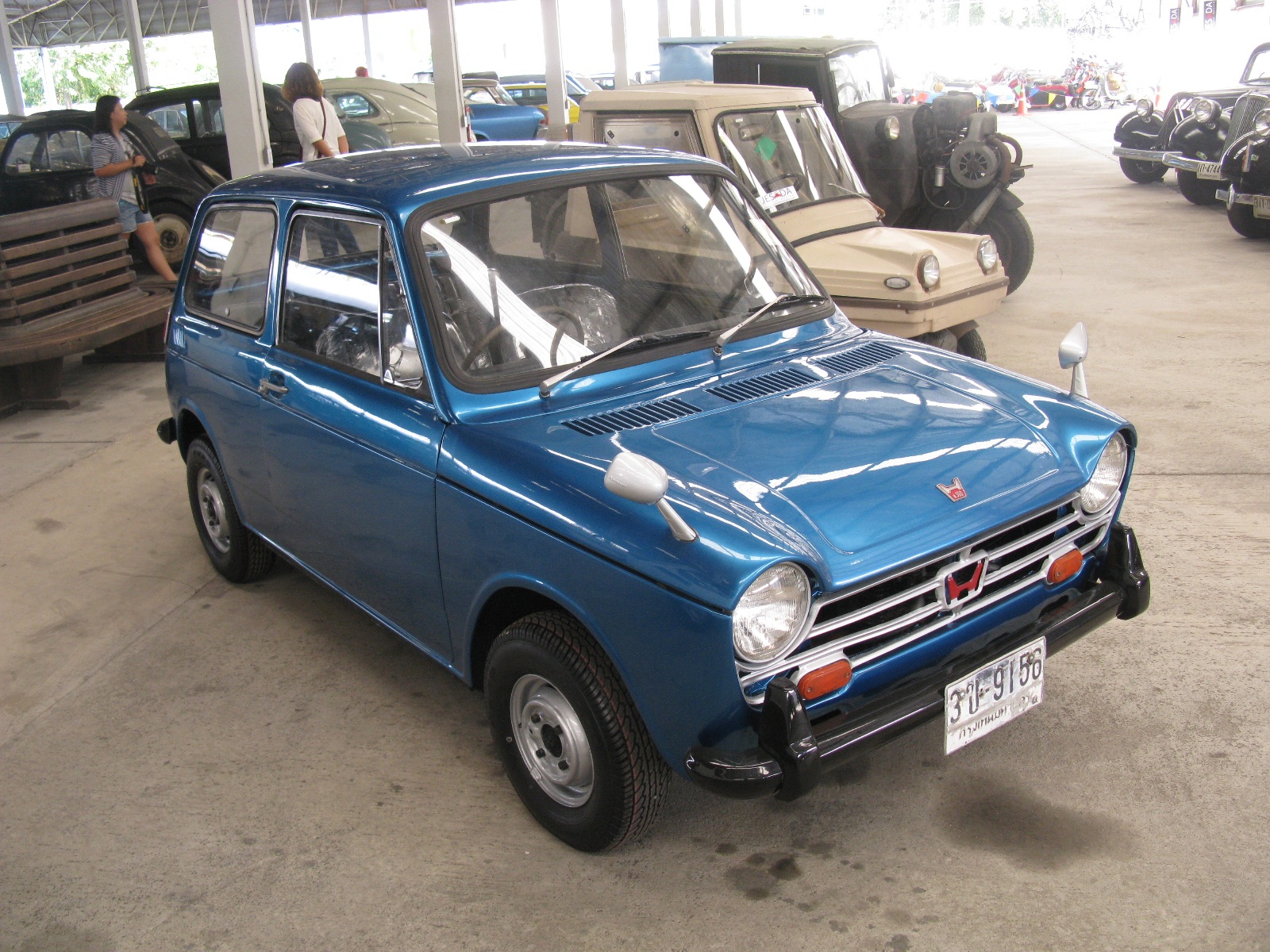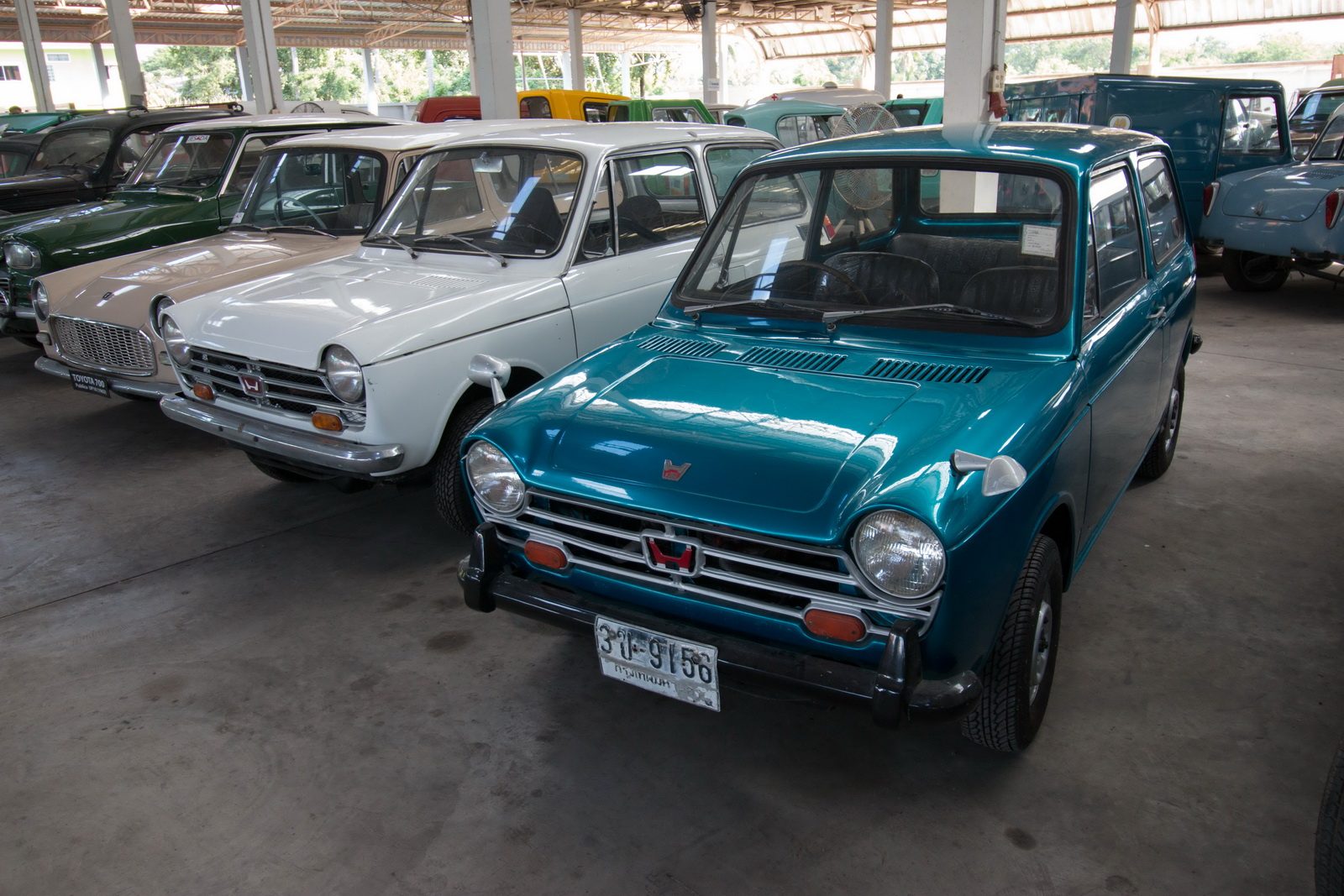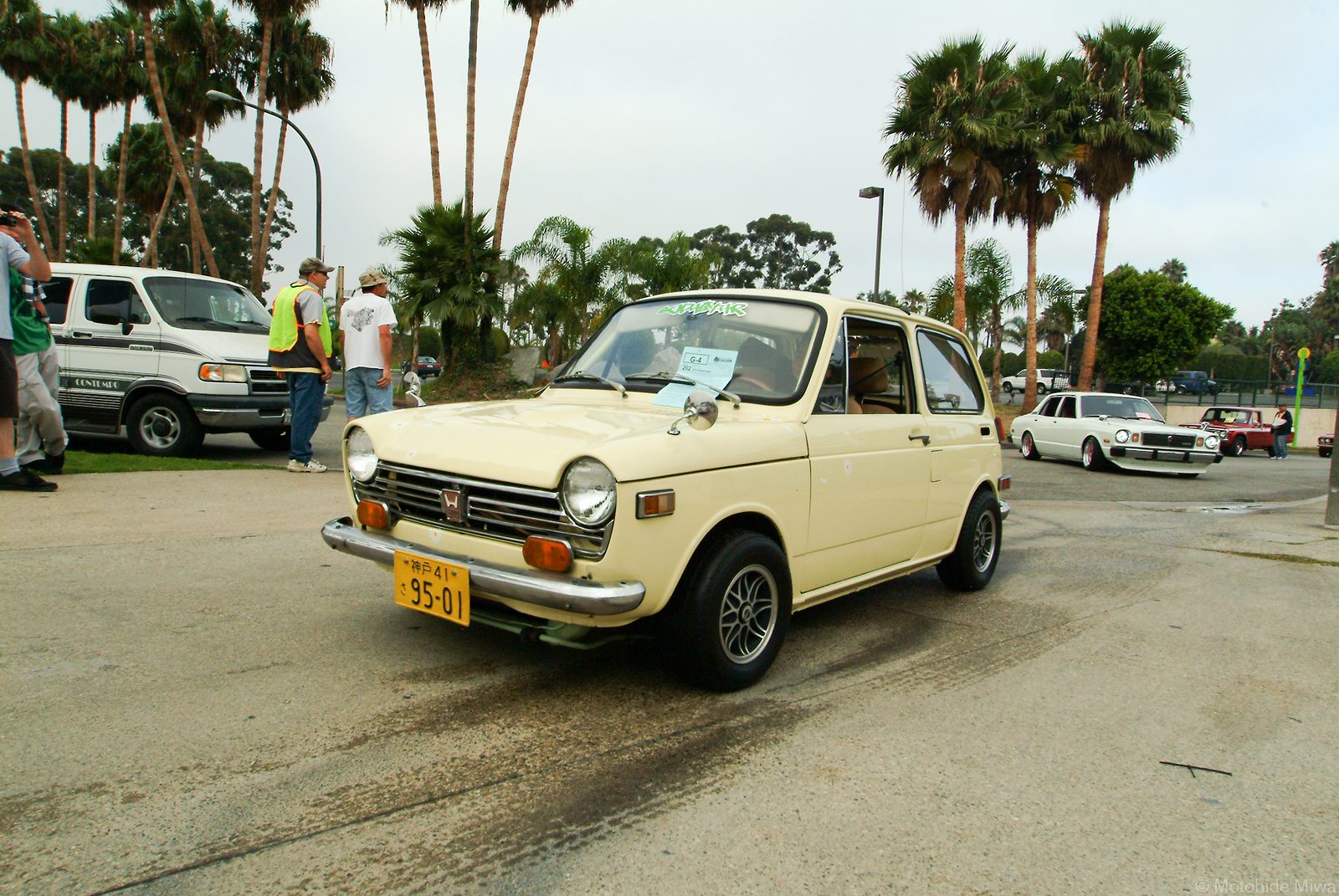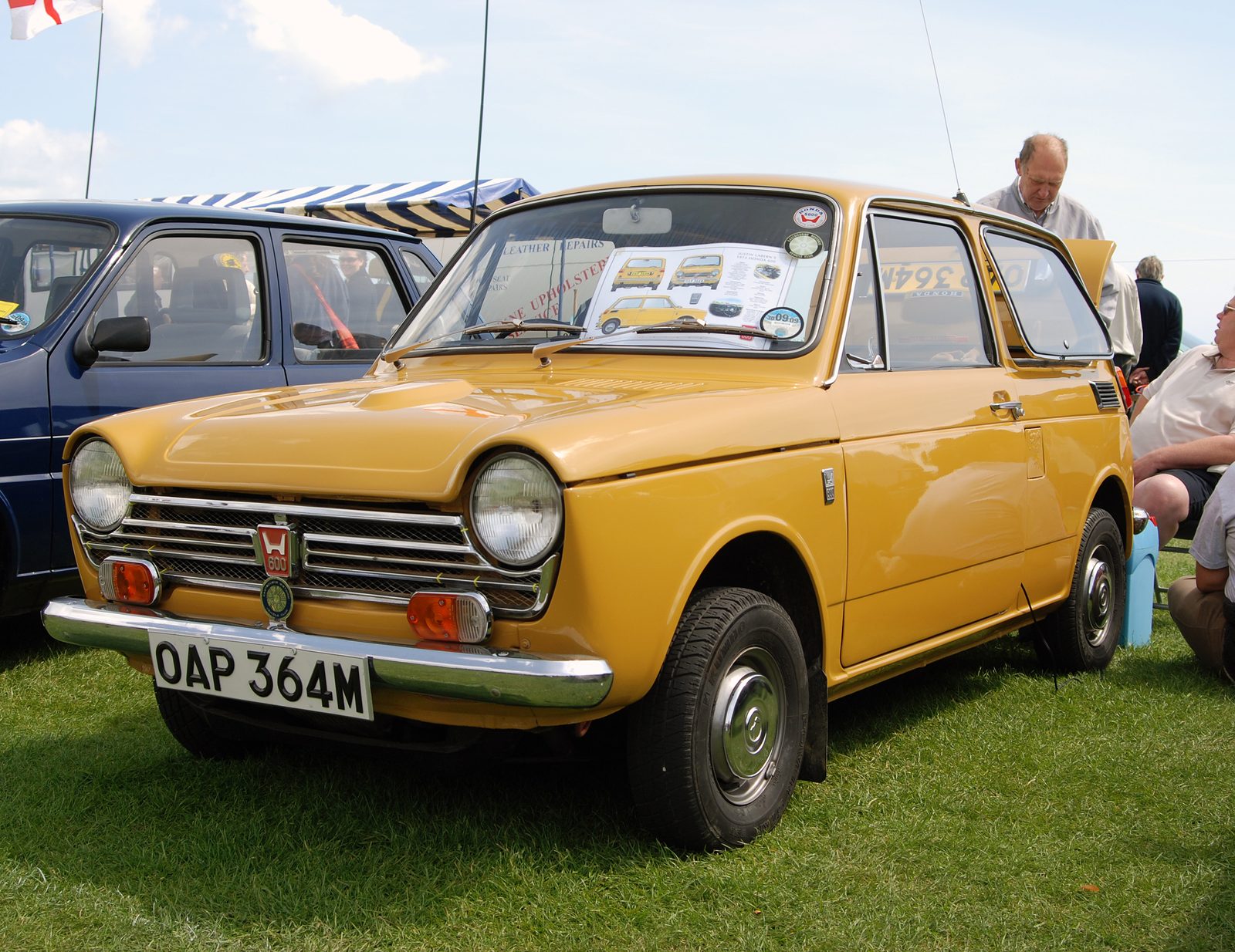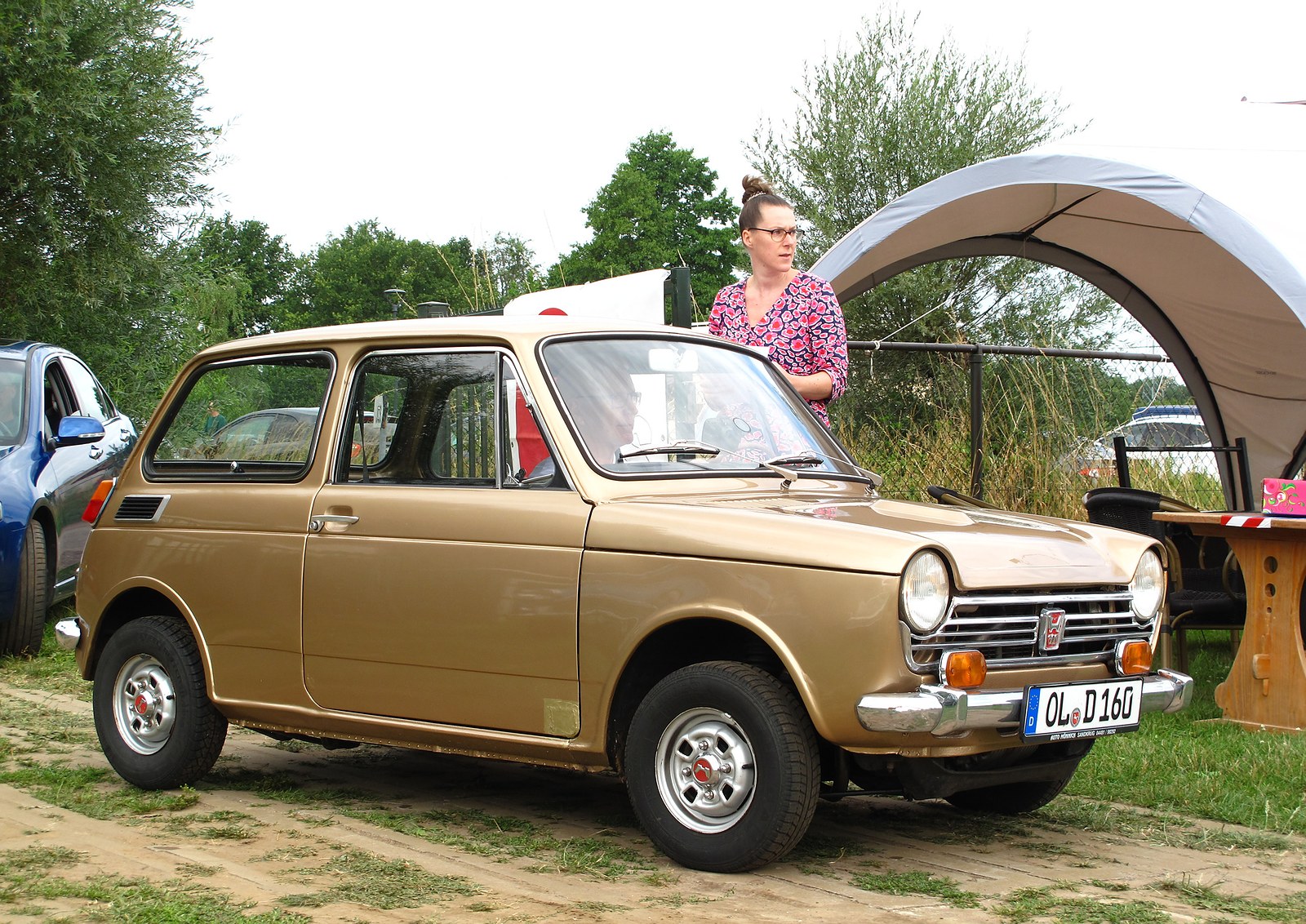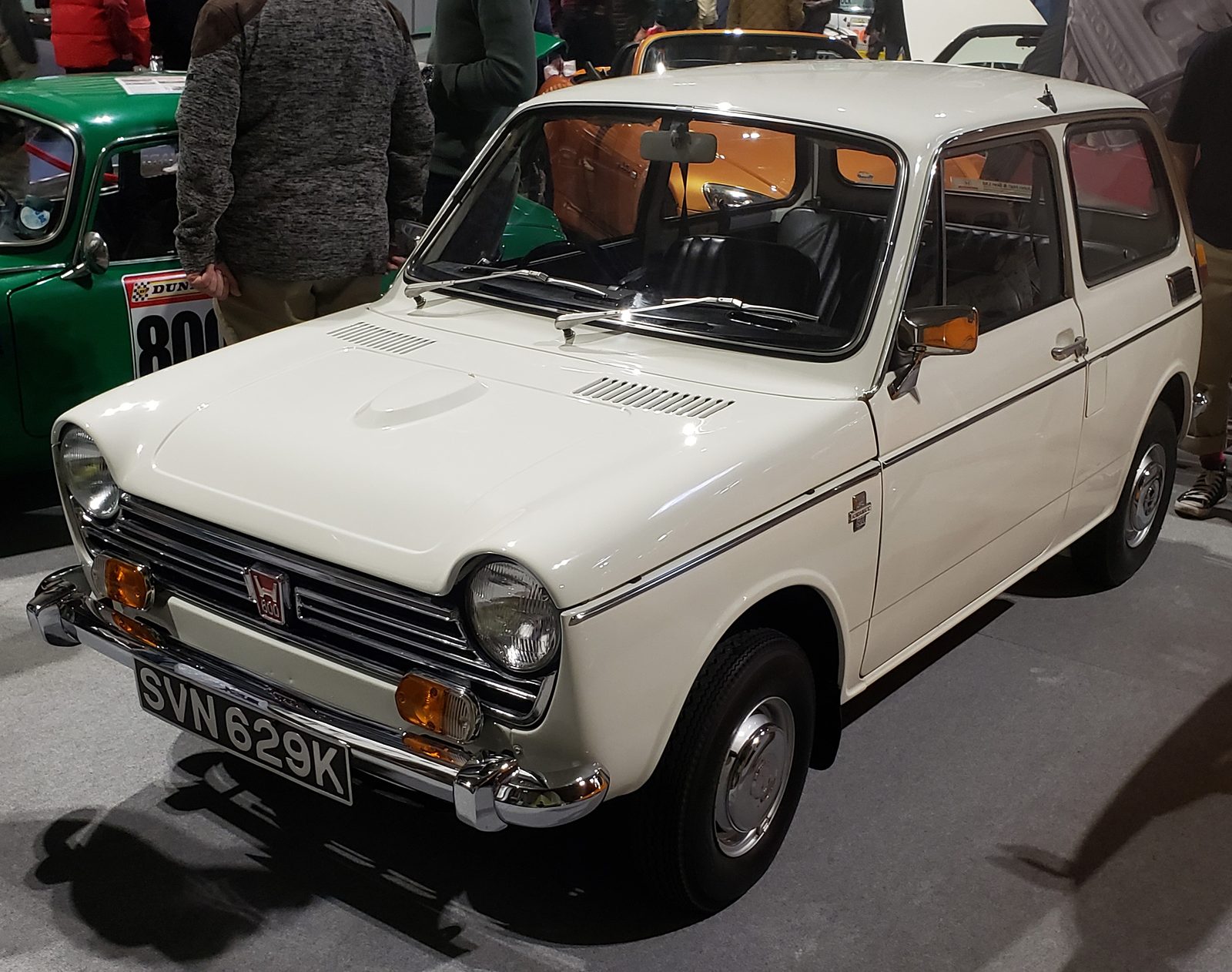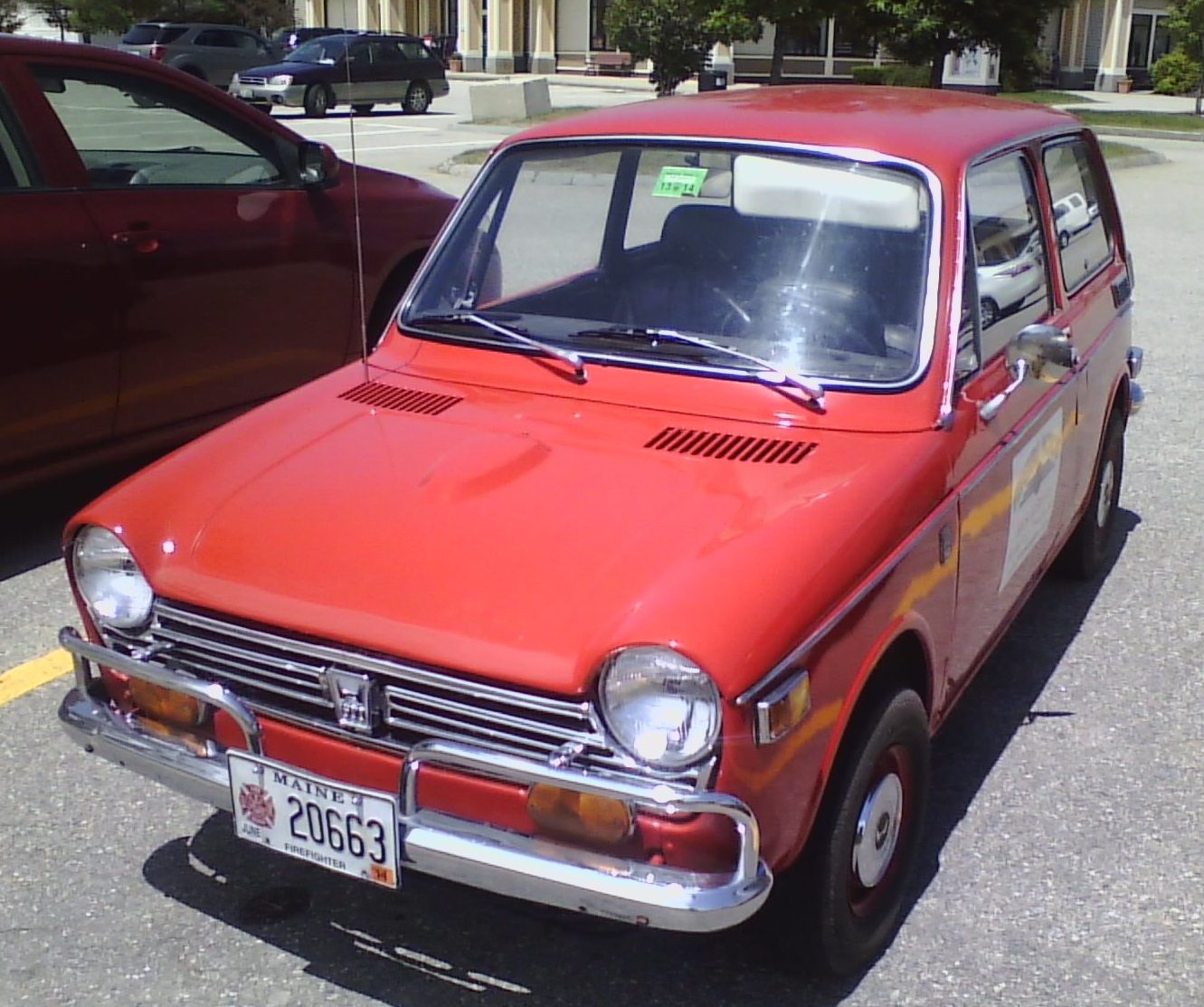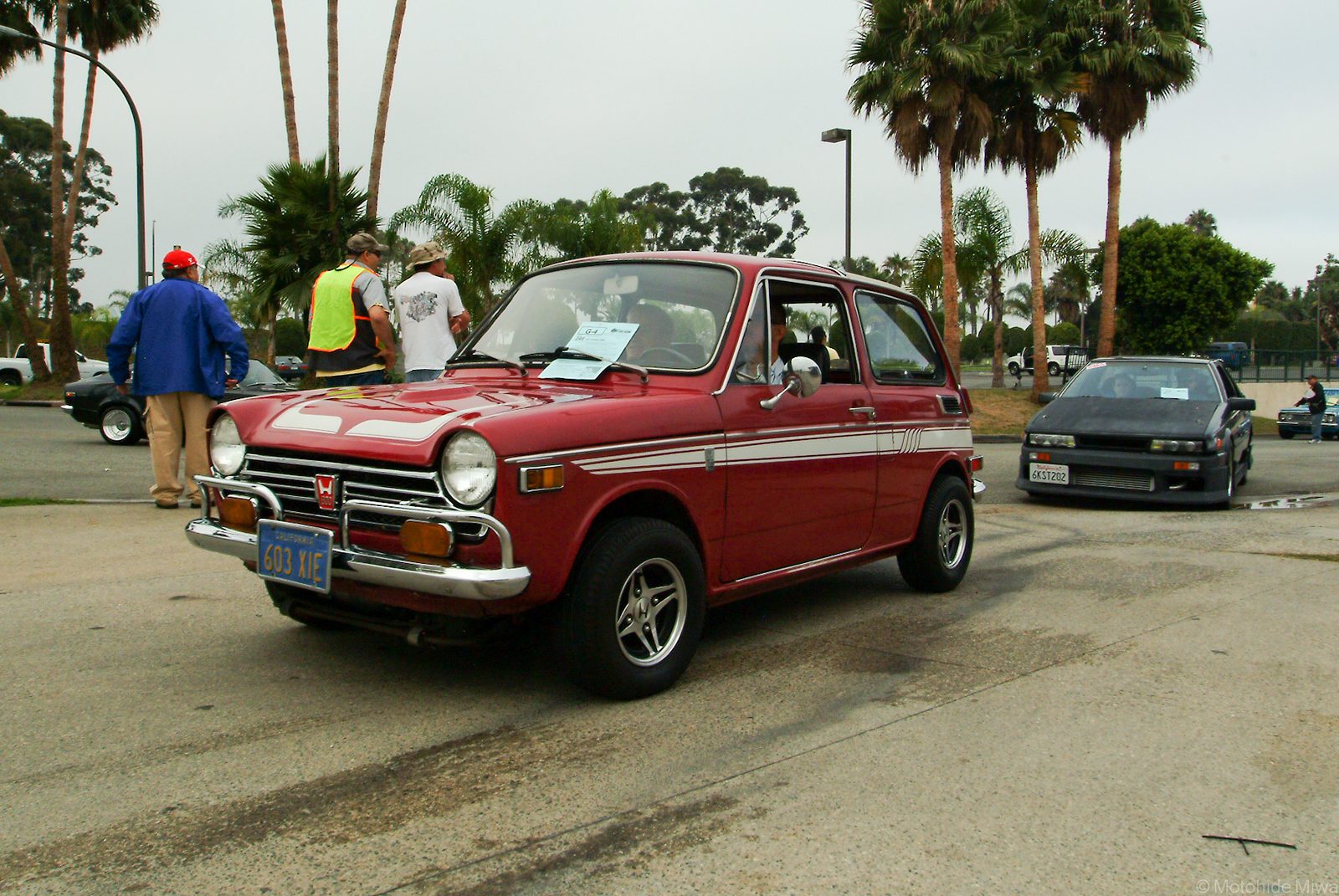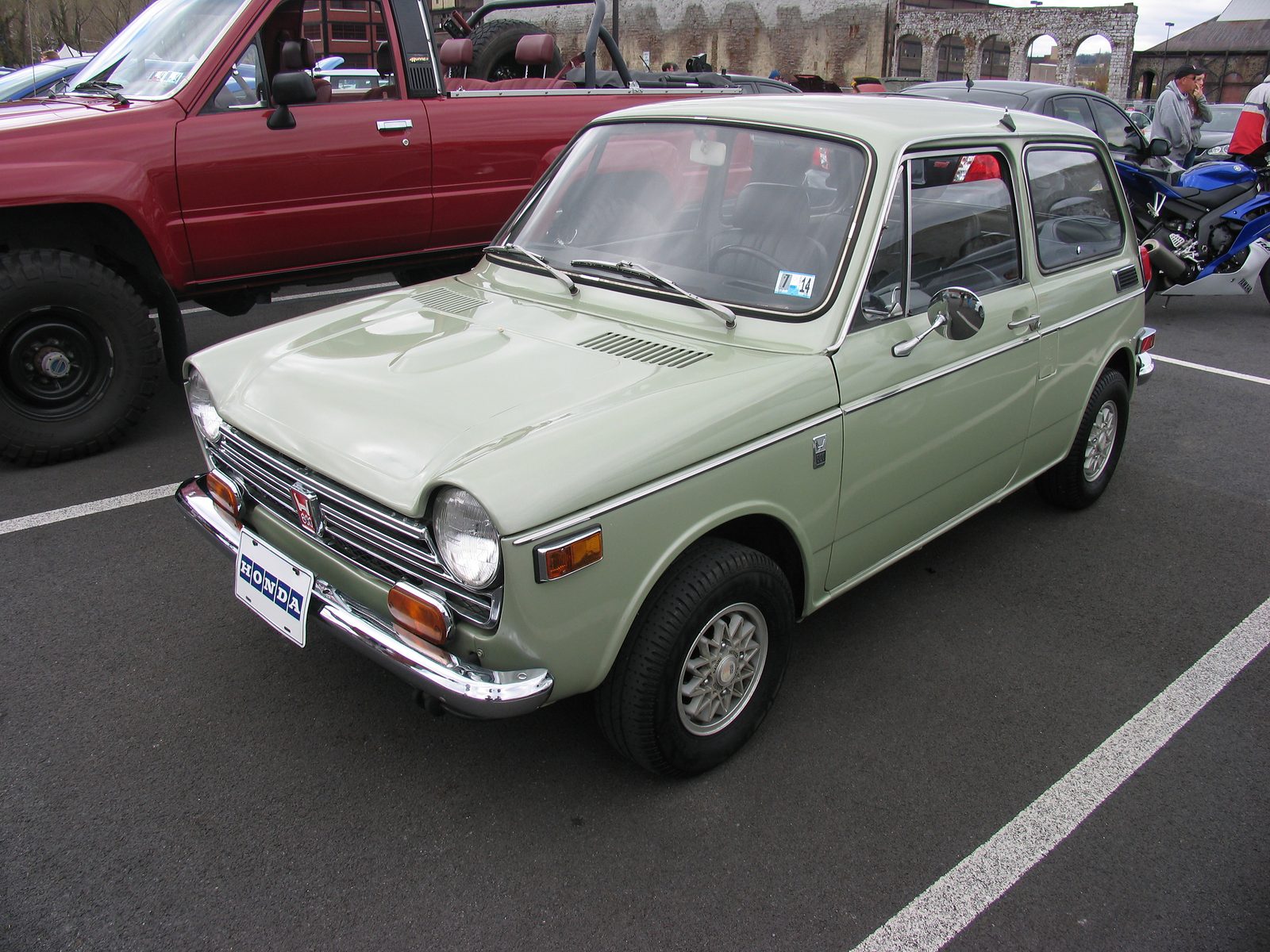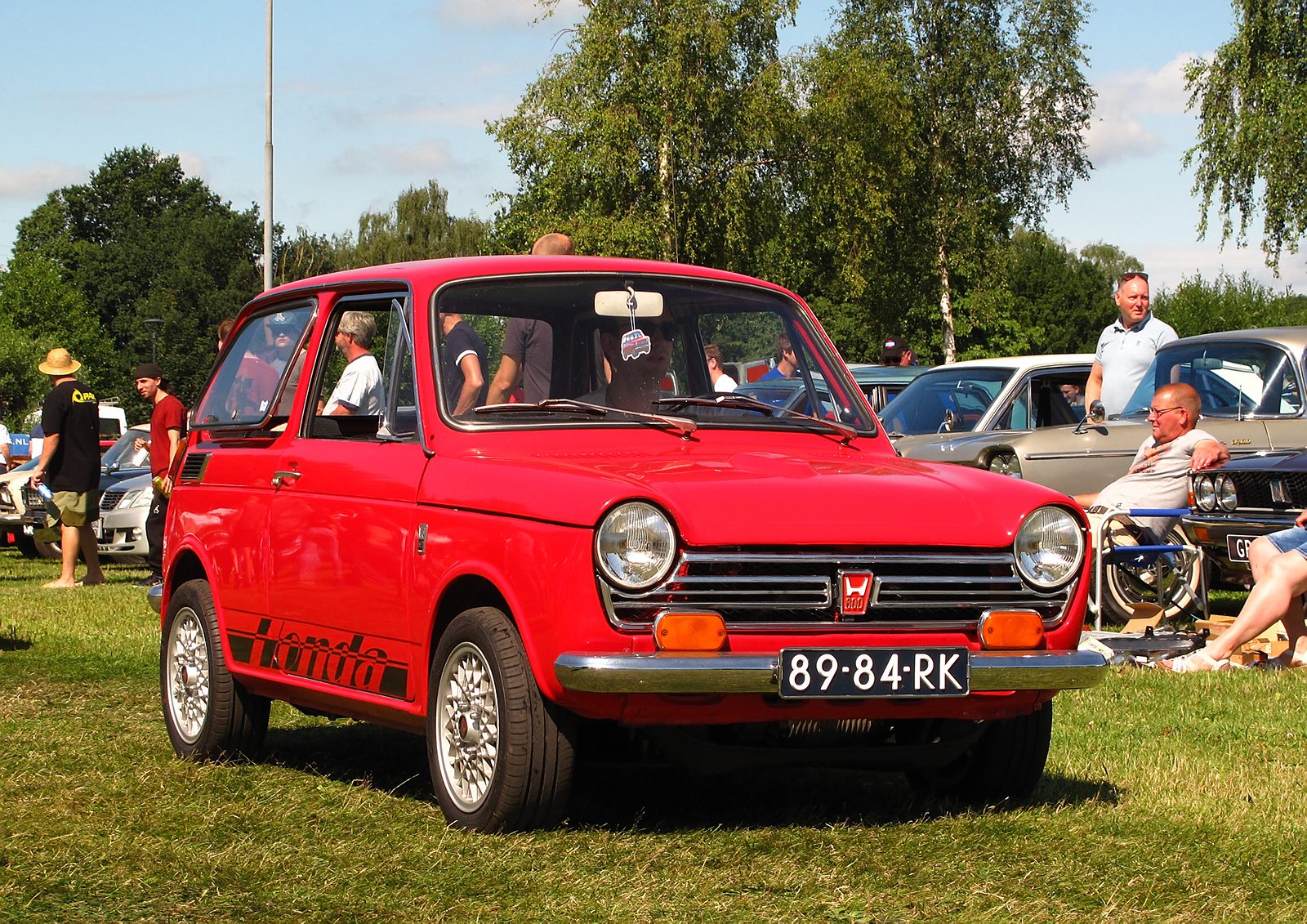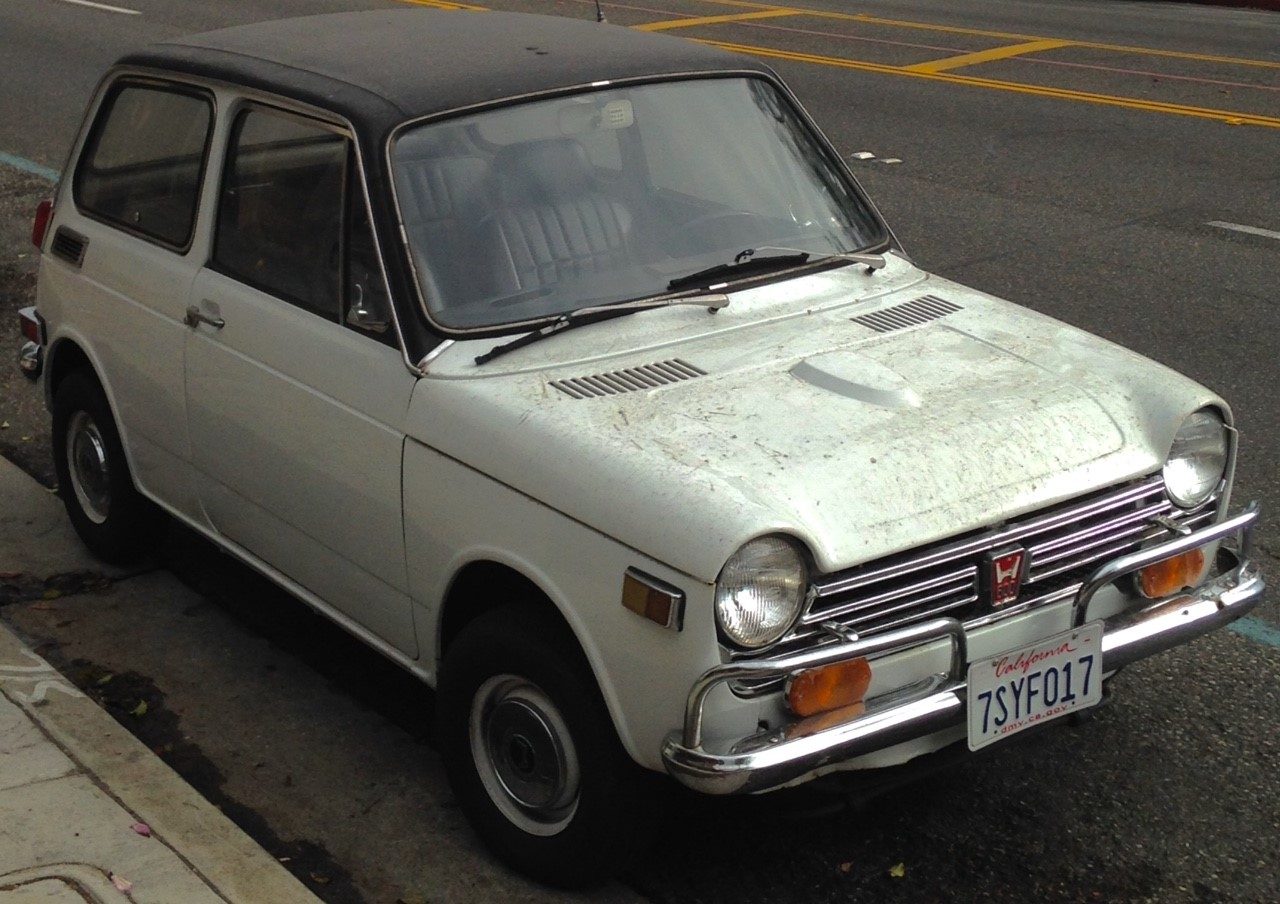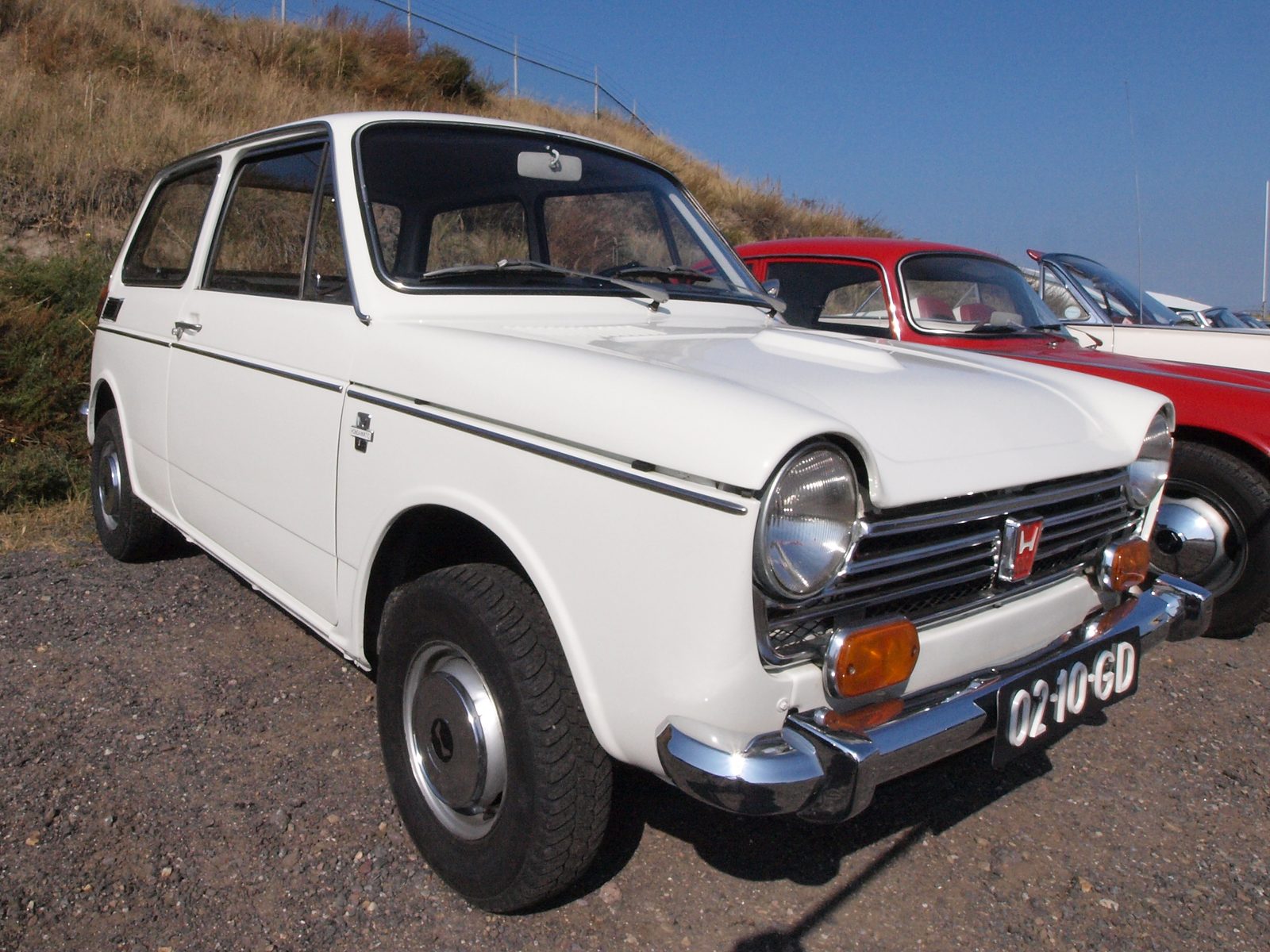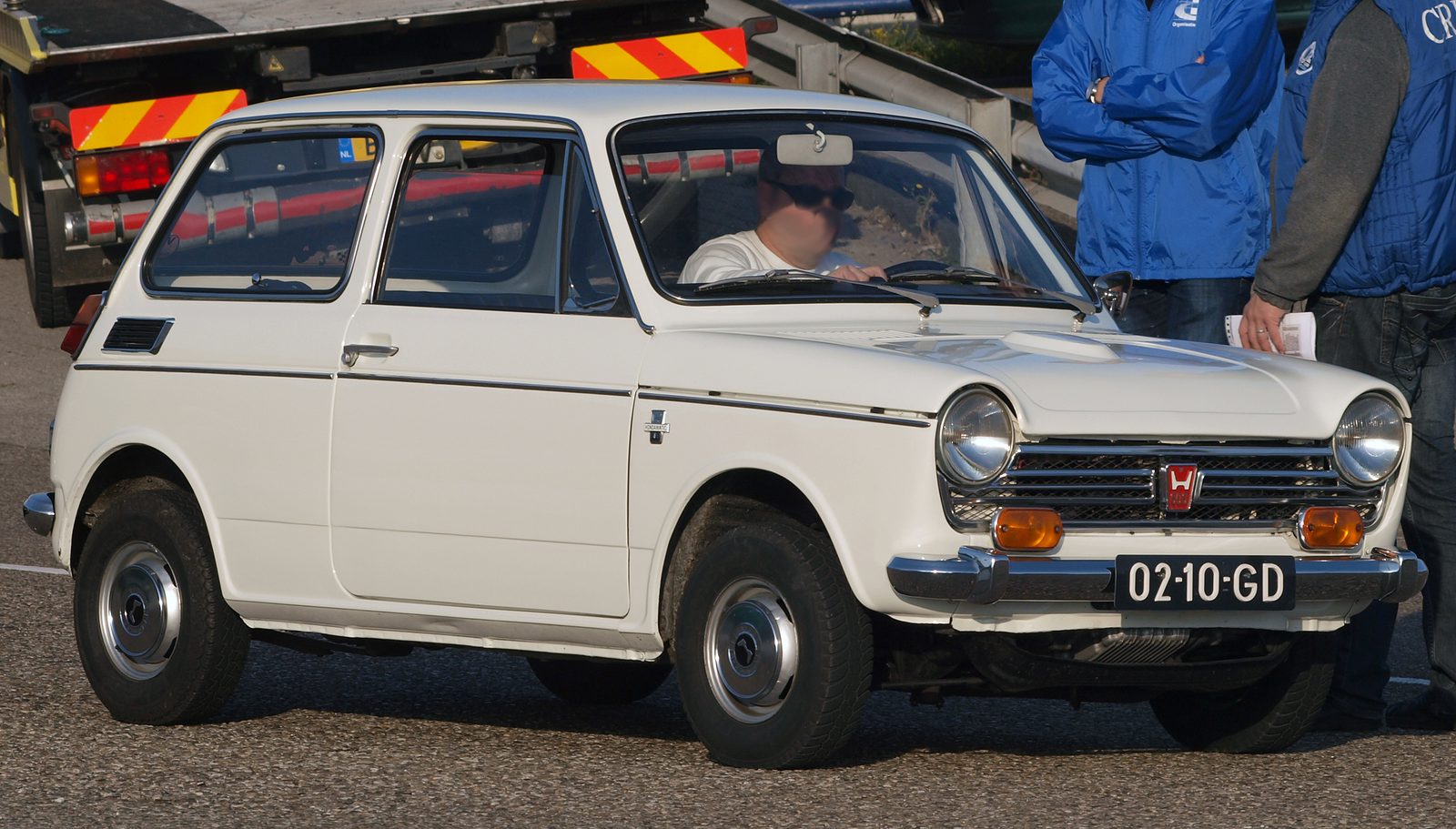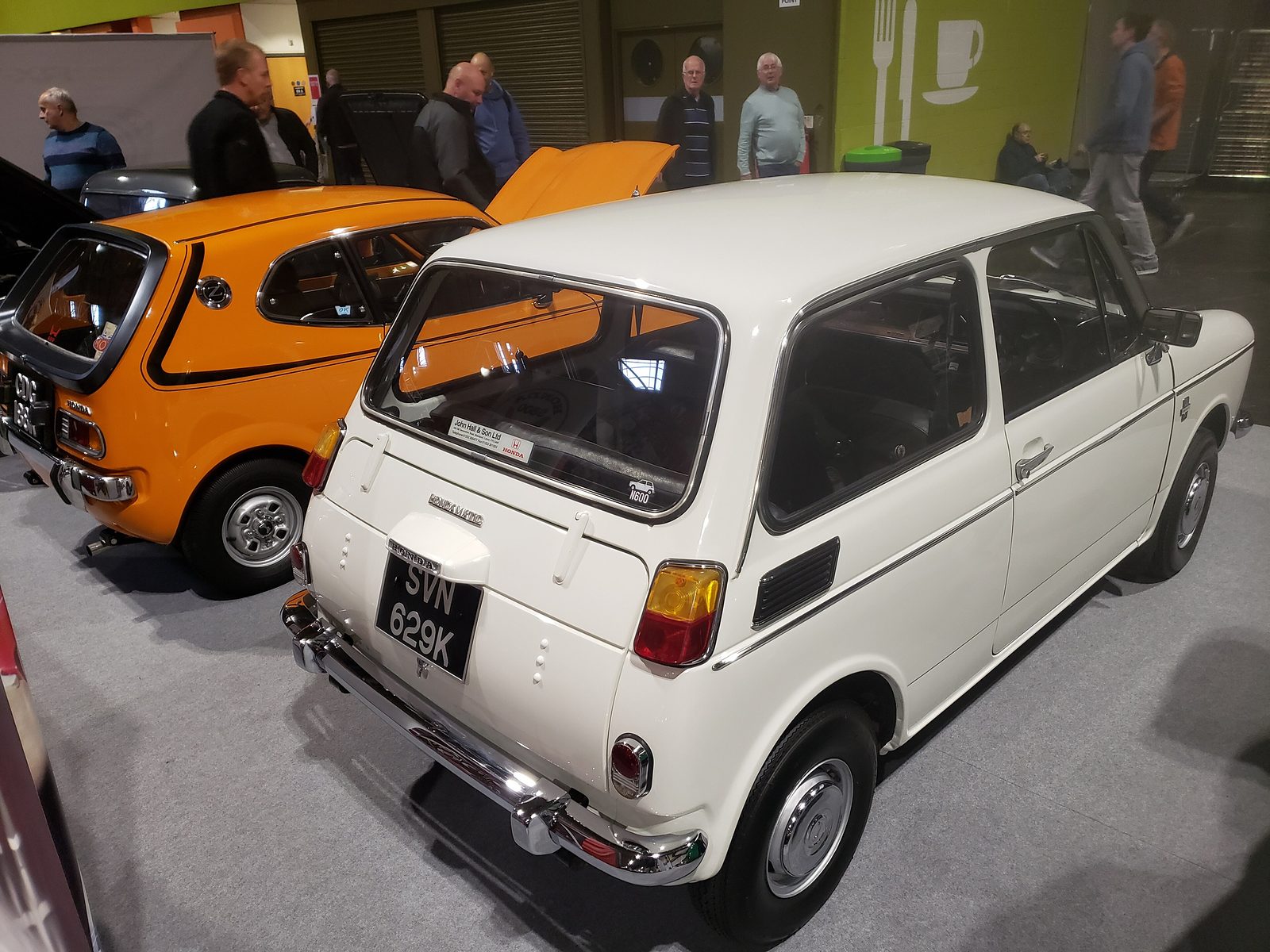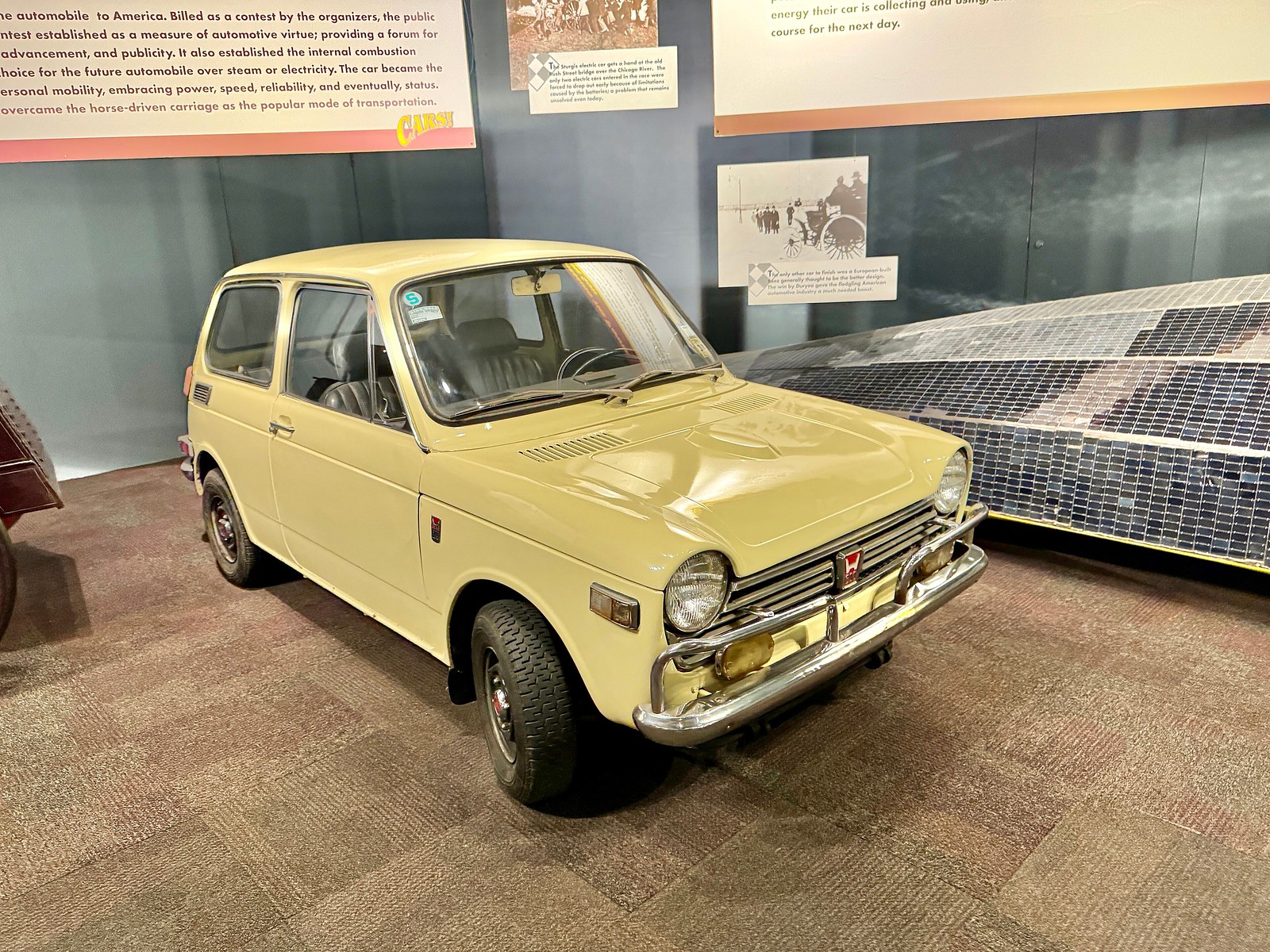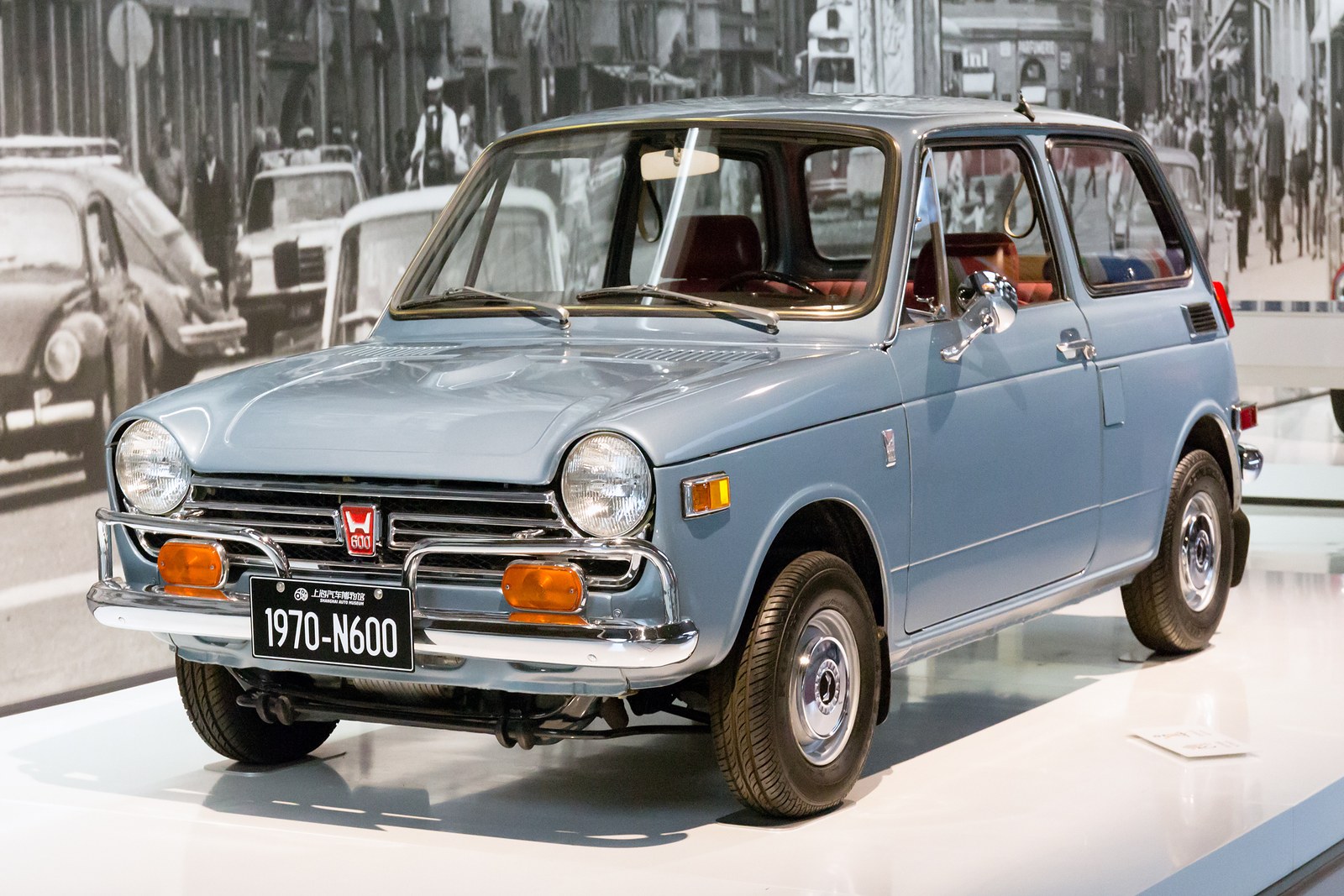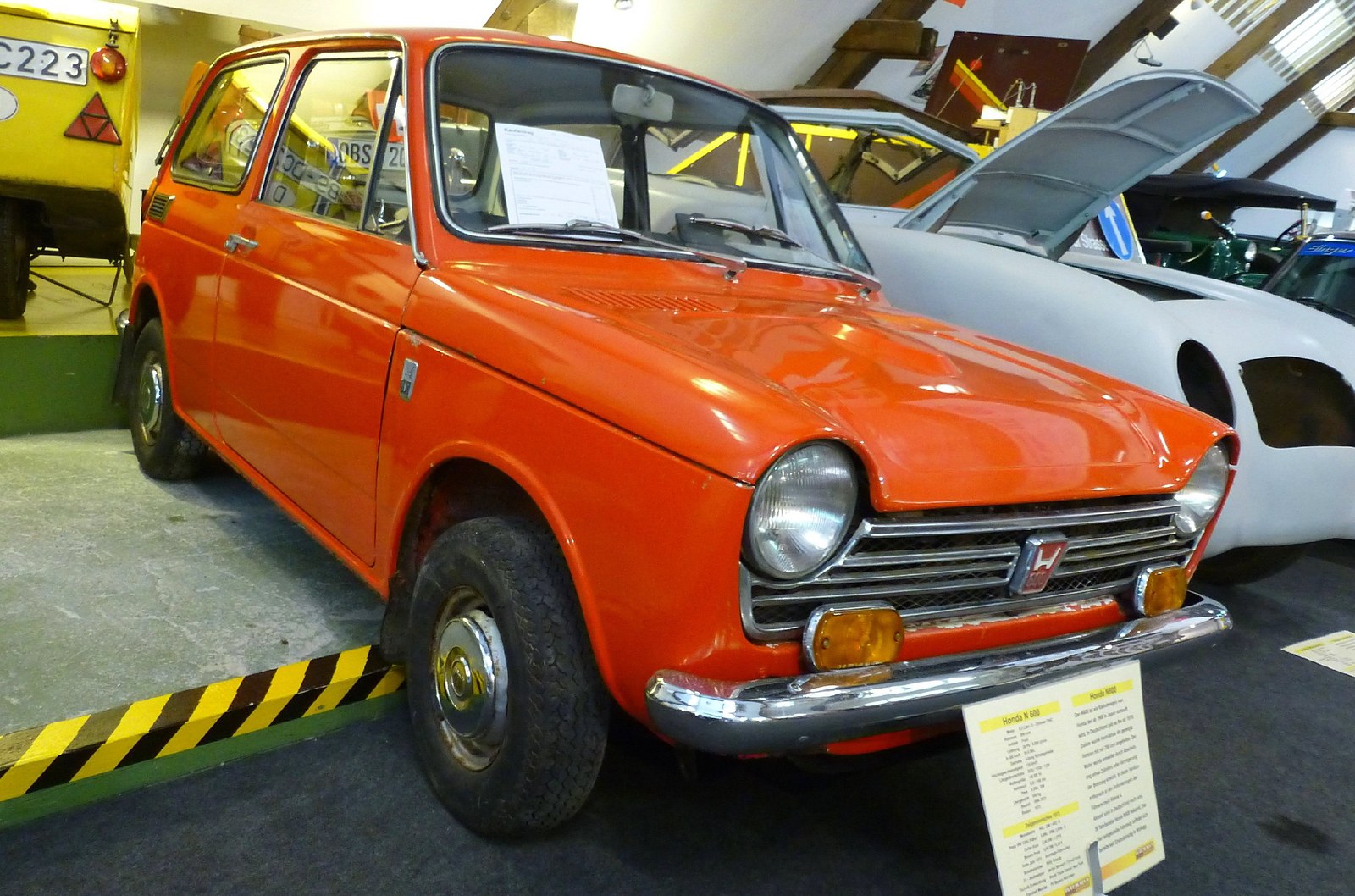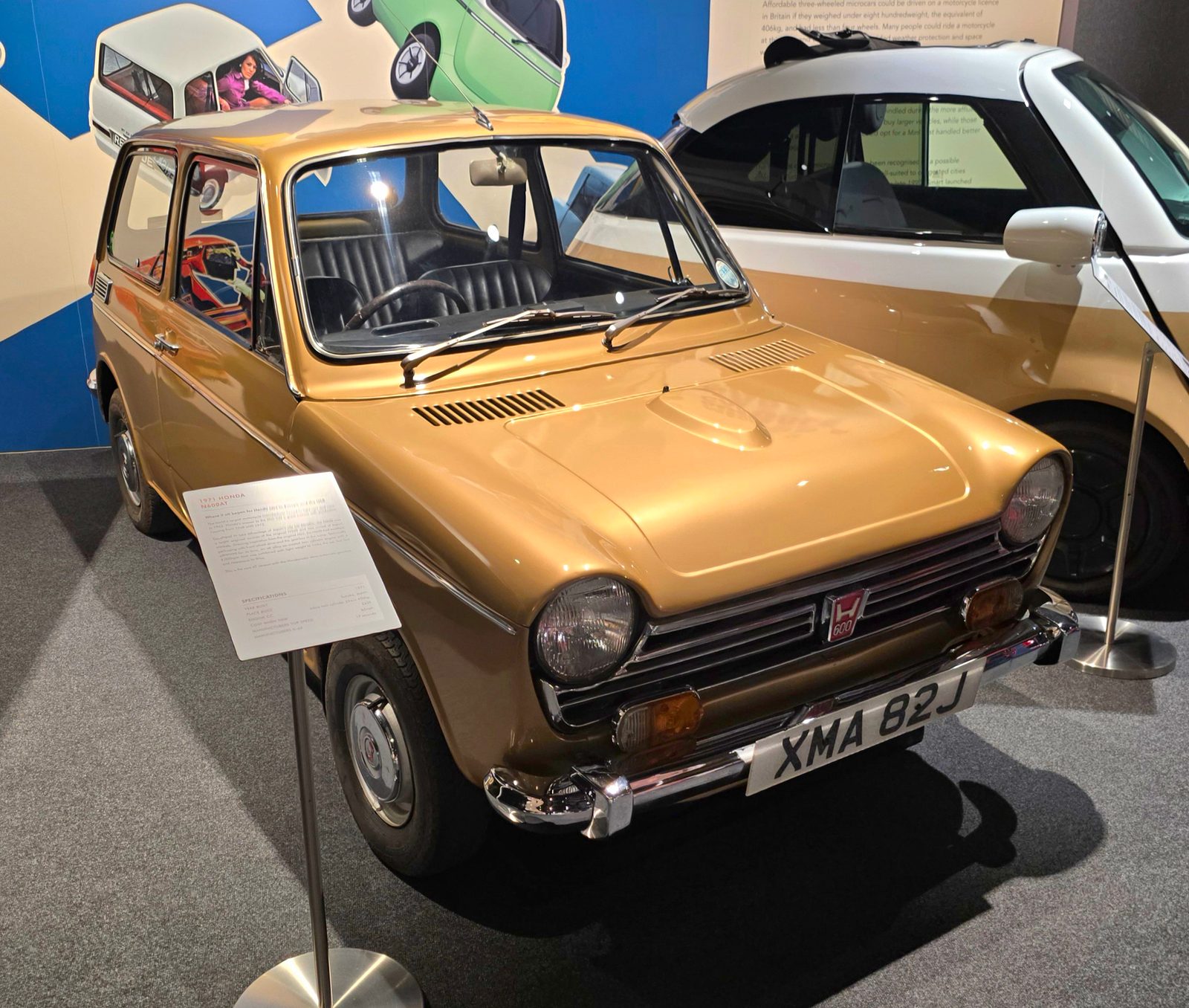
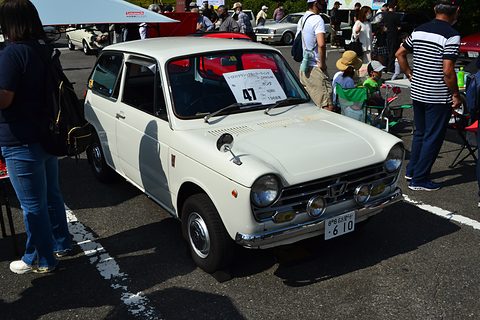
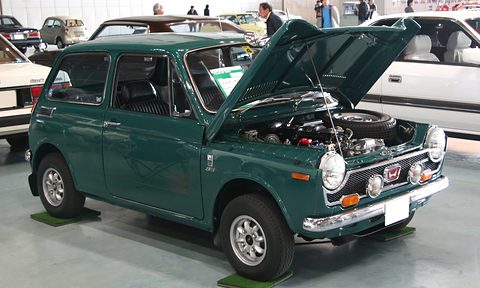
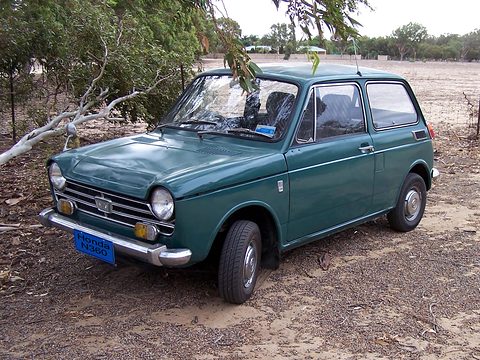
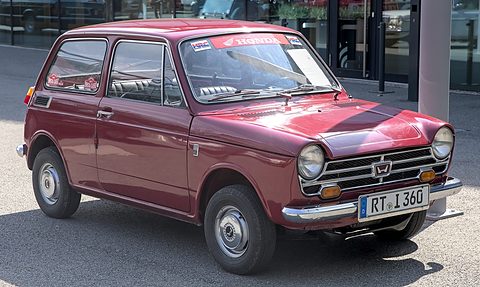
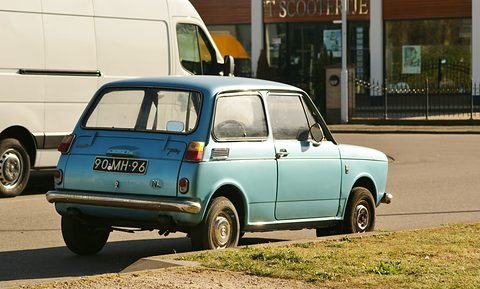
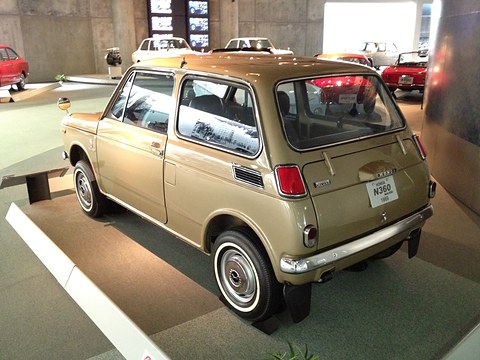
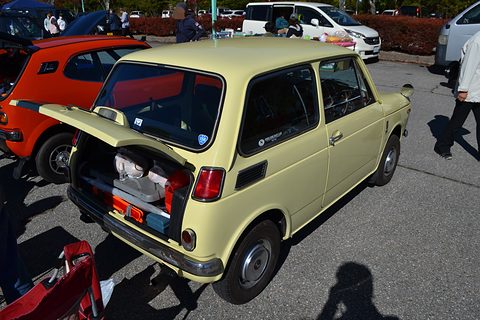
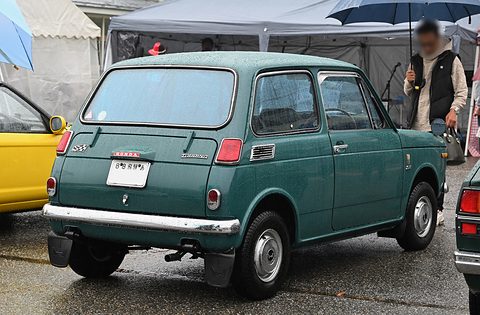
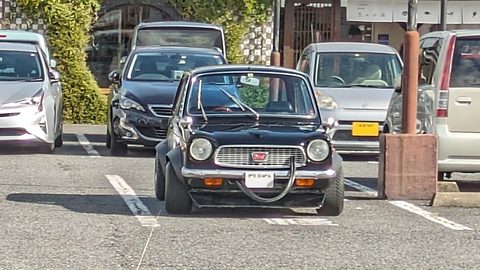
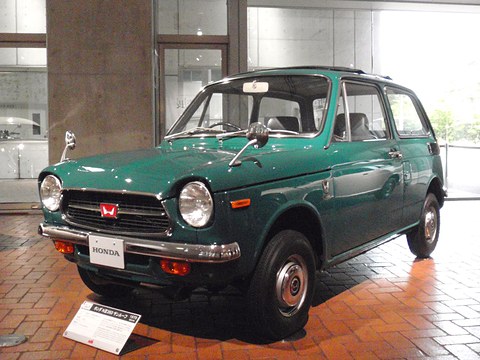
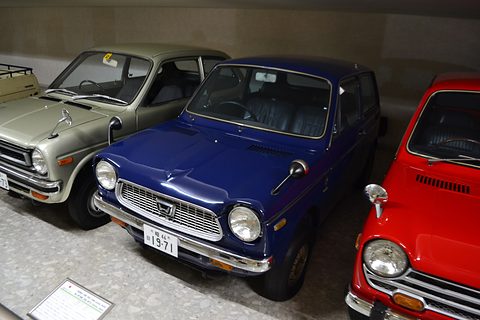
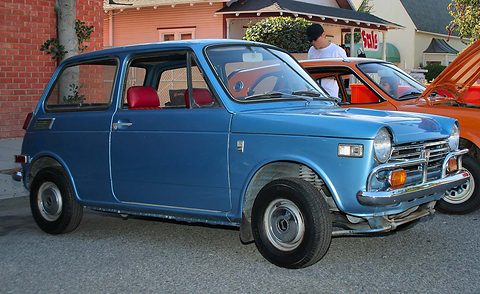
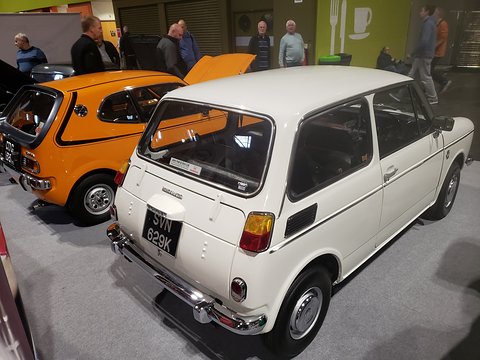
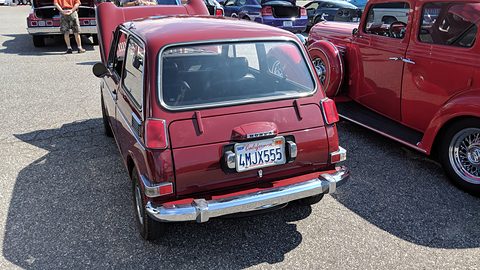
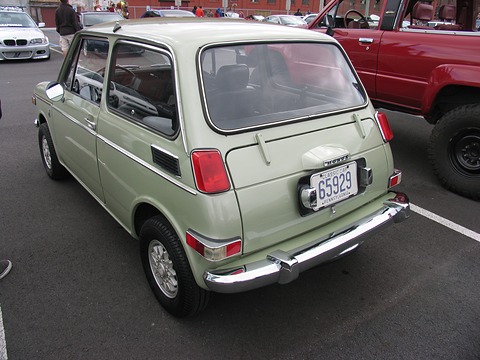
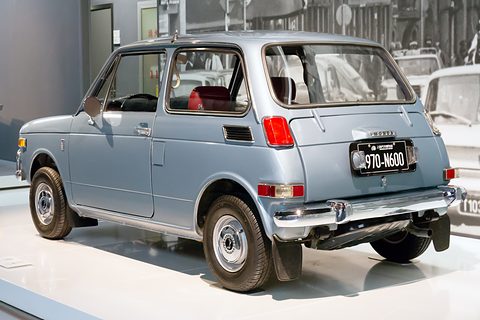
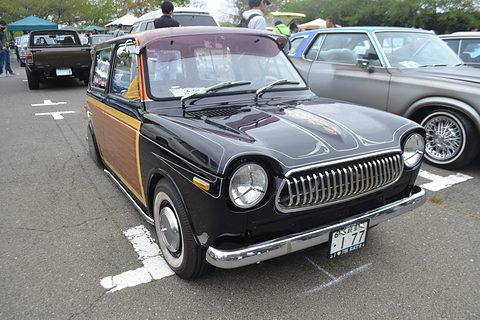
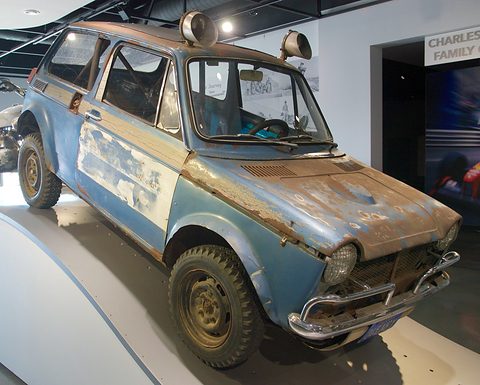
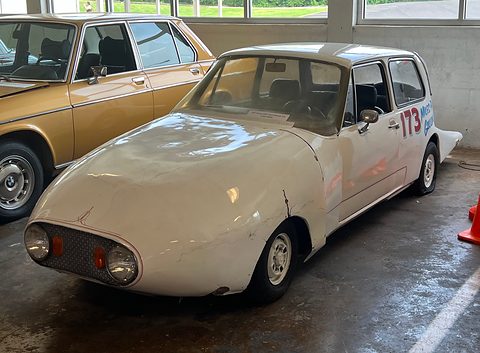
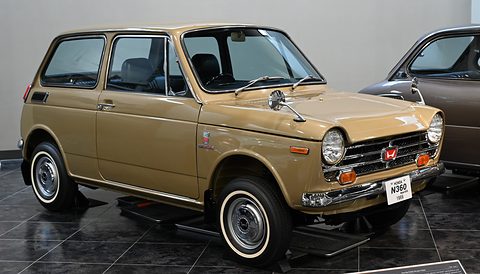
The story
History
Honda Sōichirō argued the point in his company’s newsletter before he built the car. In February 1958, answering the Ministry of International Trade and Industry’s plan for a people’s car, he wrote that a car could not shrink below the size its passengers needed, since people could not be made any smaller.source 1 A year later he went further.source 1
The many mini cars that have been produced so far in Japan are by no means appropriate for domestic roads. I say this because these cars lack sufficient horsepower. Horsepower controls the driver’s emotions.
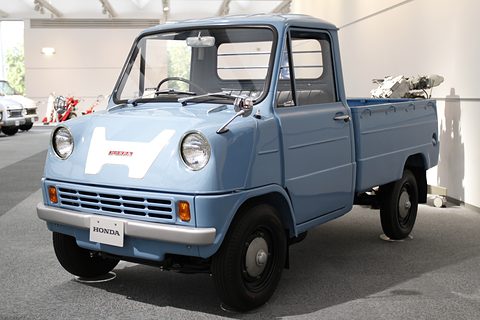
Honda’s Third Research Section built a prototype, the XA170, with a 360 cc air-cooled V4, front-wheel drive, double wishbones all round and a semi-monocoque floor; Nakajima Motoo, who ran car development, later called it the car most closely related to the N360.source 1 Honda’s first cars, in 1963, were the Honda T360 truck and the S500 sports car, and Honda showed an N800 hardtop prototype at the Tokyo Motor Show of 1965.source 1source 2 But the 1,000 cc family-car market would have meant a war that Honda, a latecomer, could not fund. The kei class let it fight with technology it already had.source 1
Sugiura Hideo, assistant general manager of the research centre, proposed designing the car from the cabin outward. After New Year 1966 he and Shirai Takao, the senior managing director for research, gave the go-ahead for production development.source 1 Nakajima worked from conversations with Honda rather than written instructions. The brief, as Honda recounts it, was a reasonable price above all; easy driving; room for more speed and power; safety on the expressways; comfort over long distances; and, later, modern styling.source 1
Cabin first
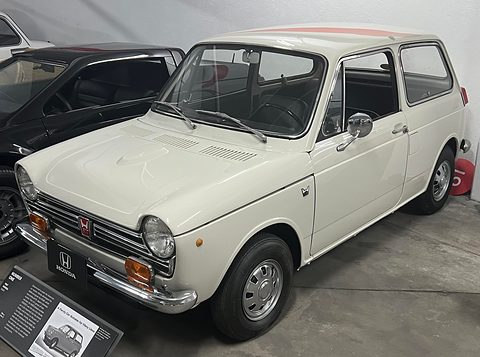
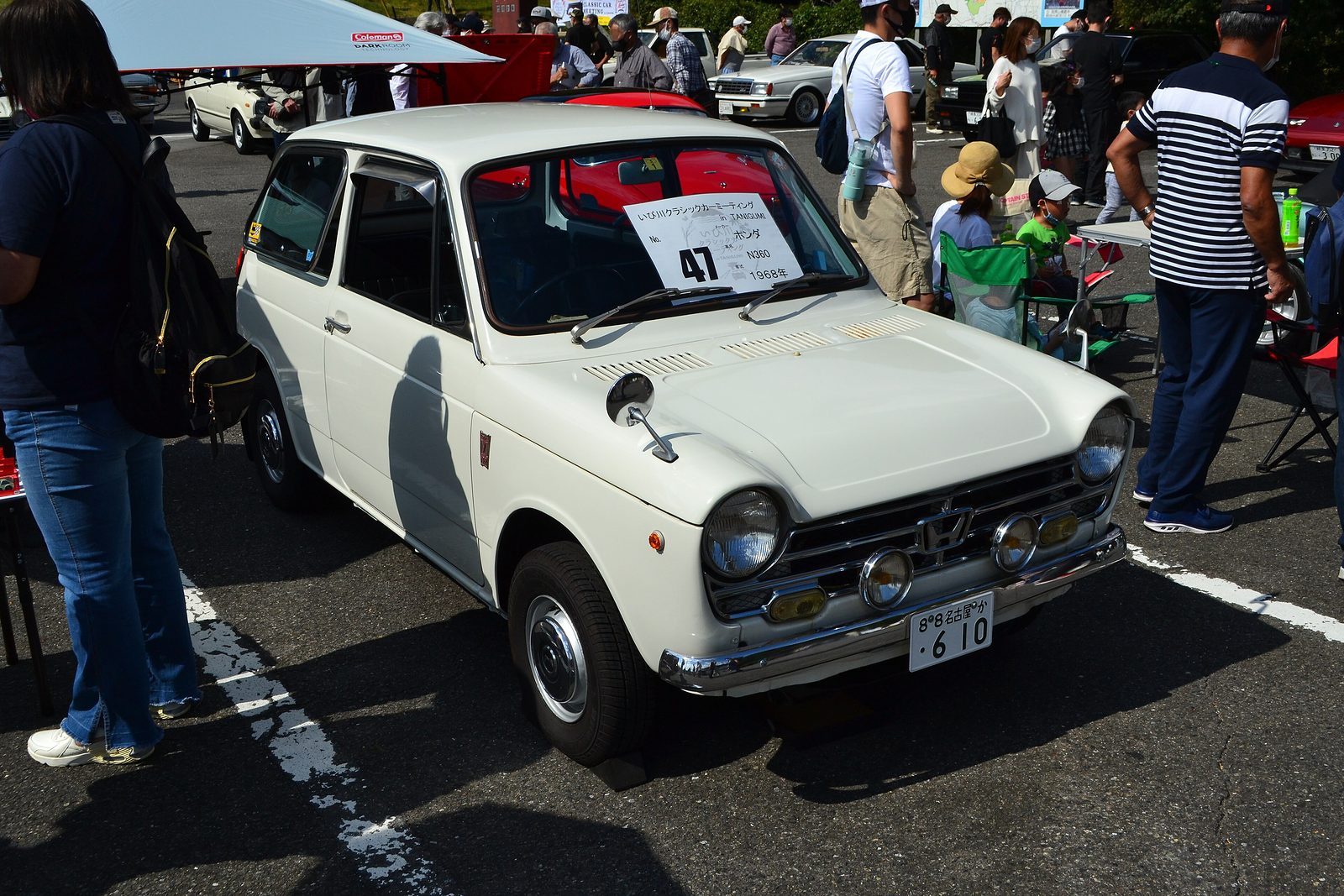
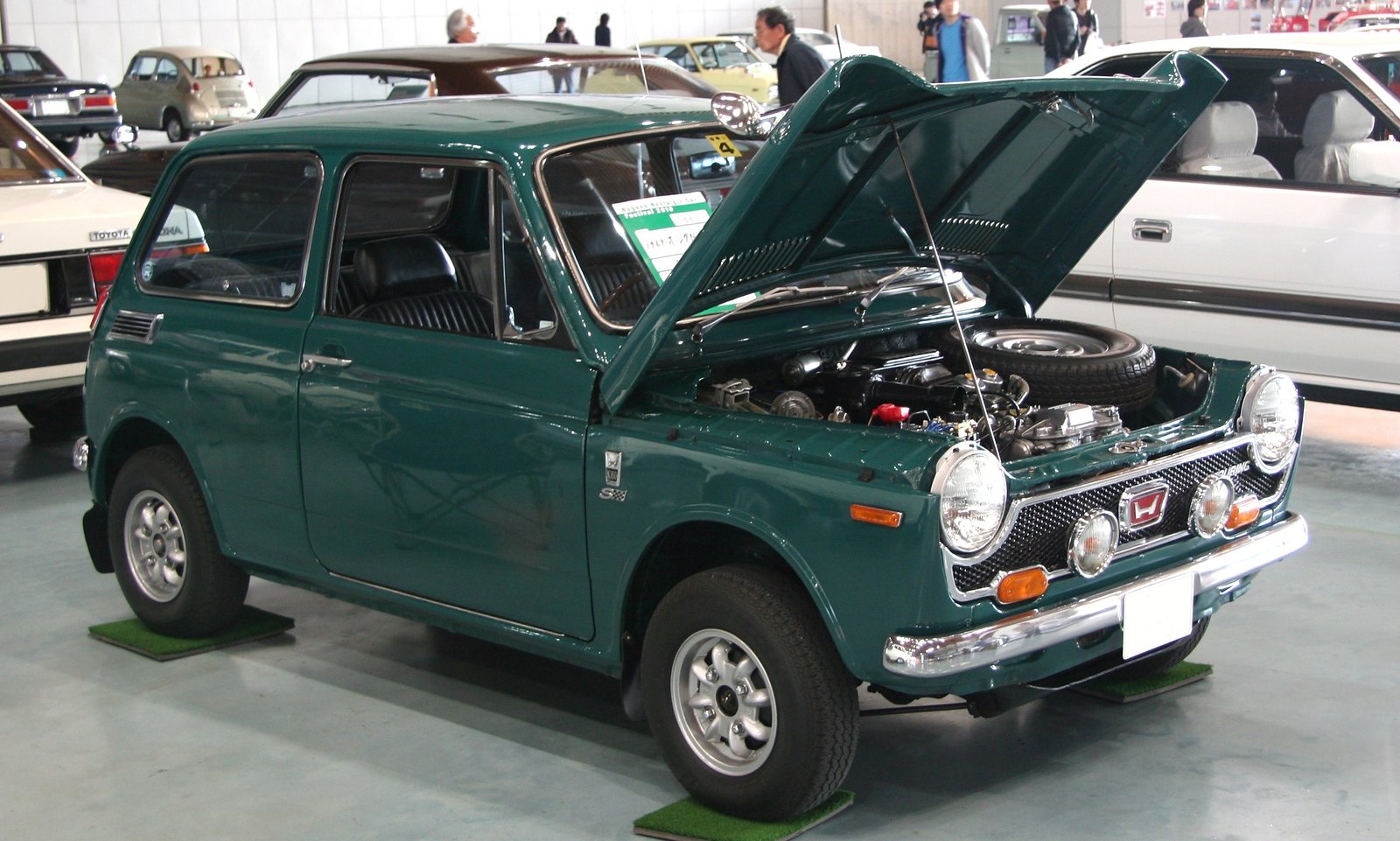
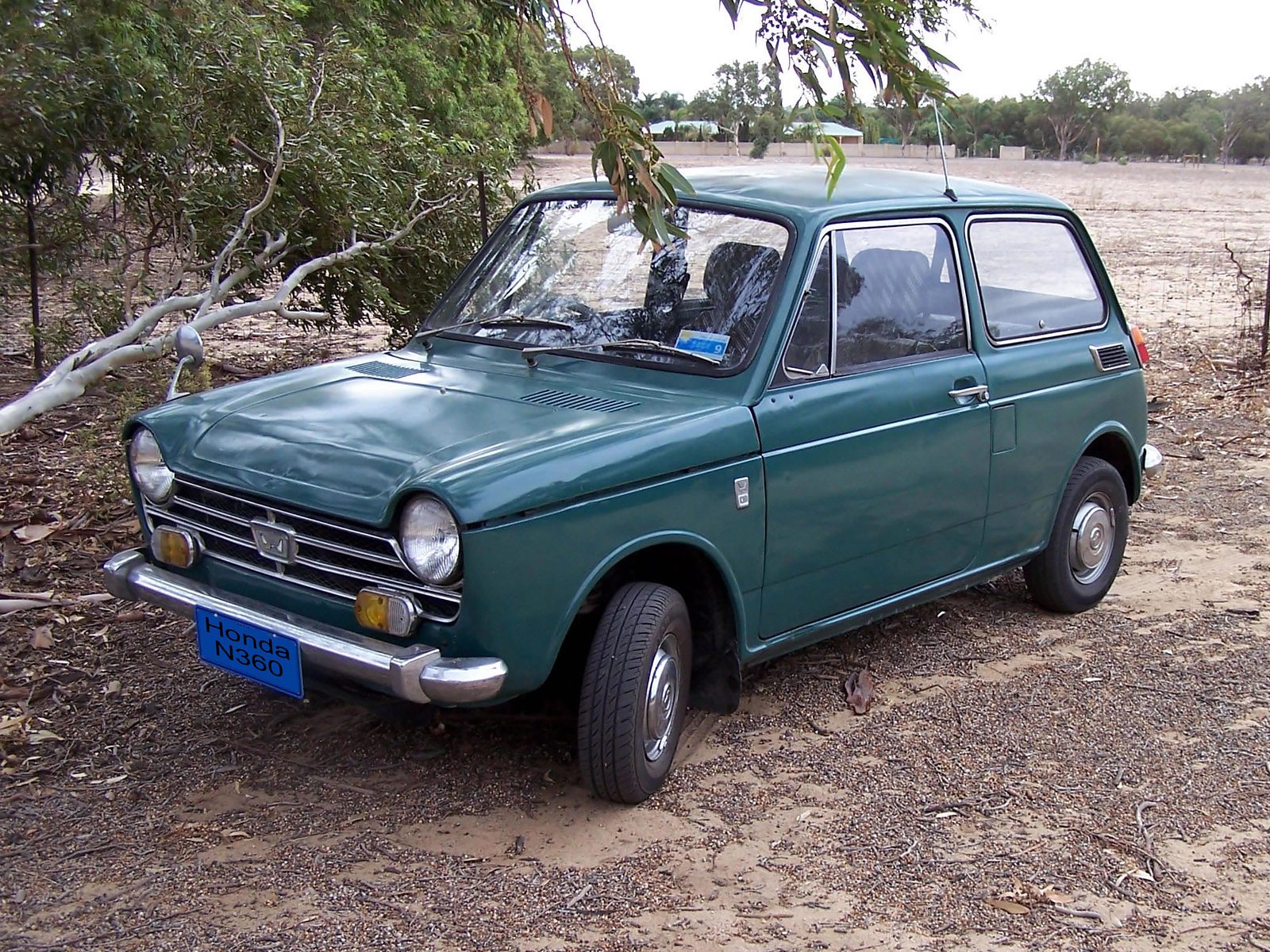
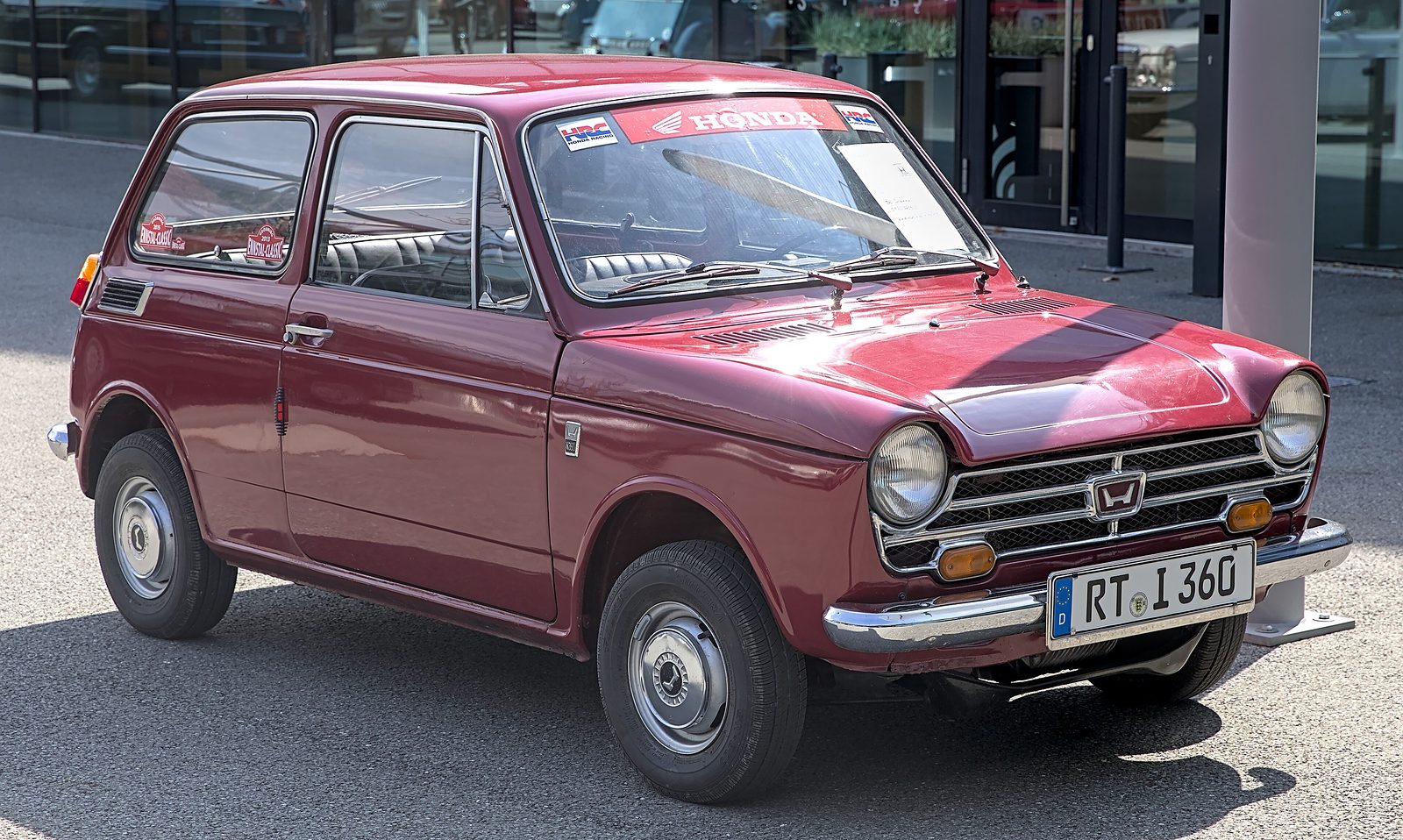
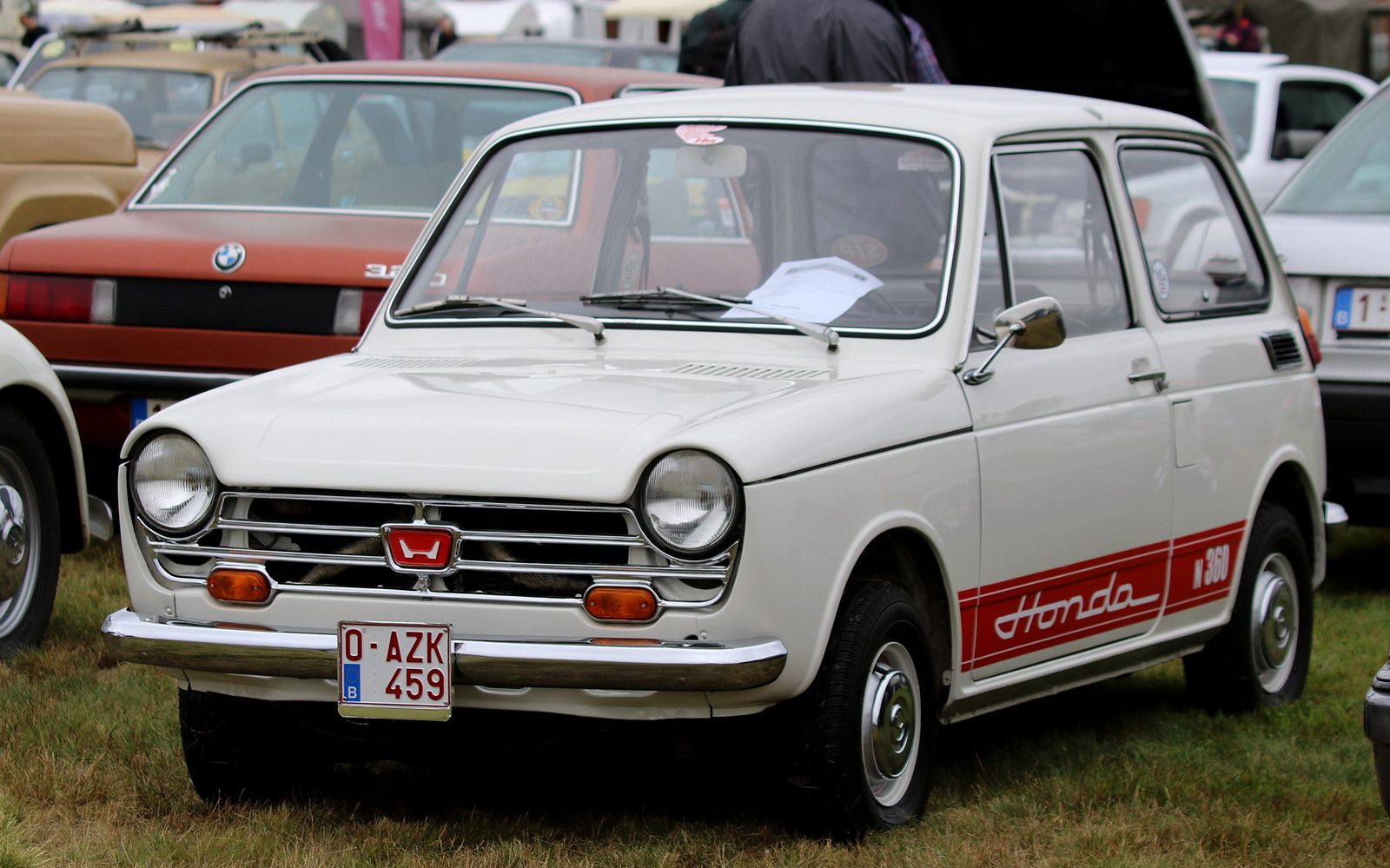
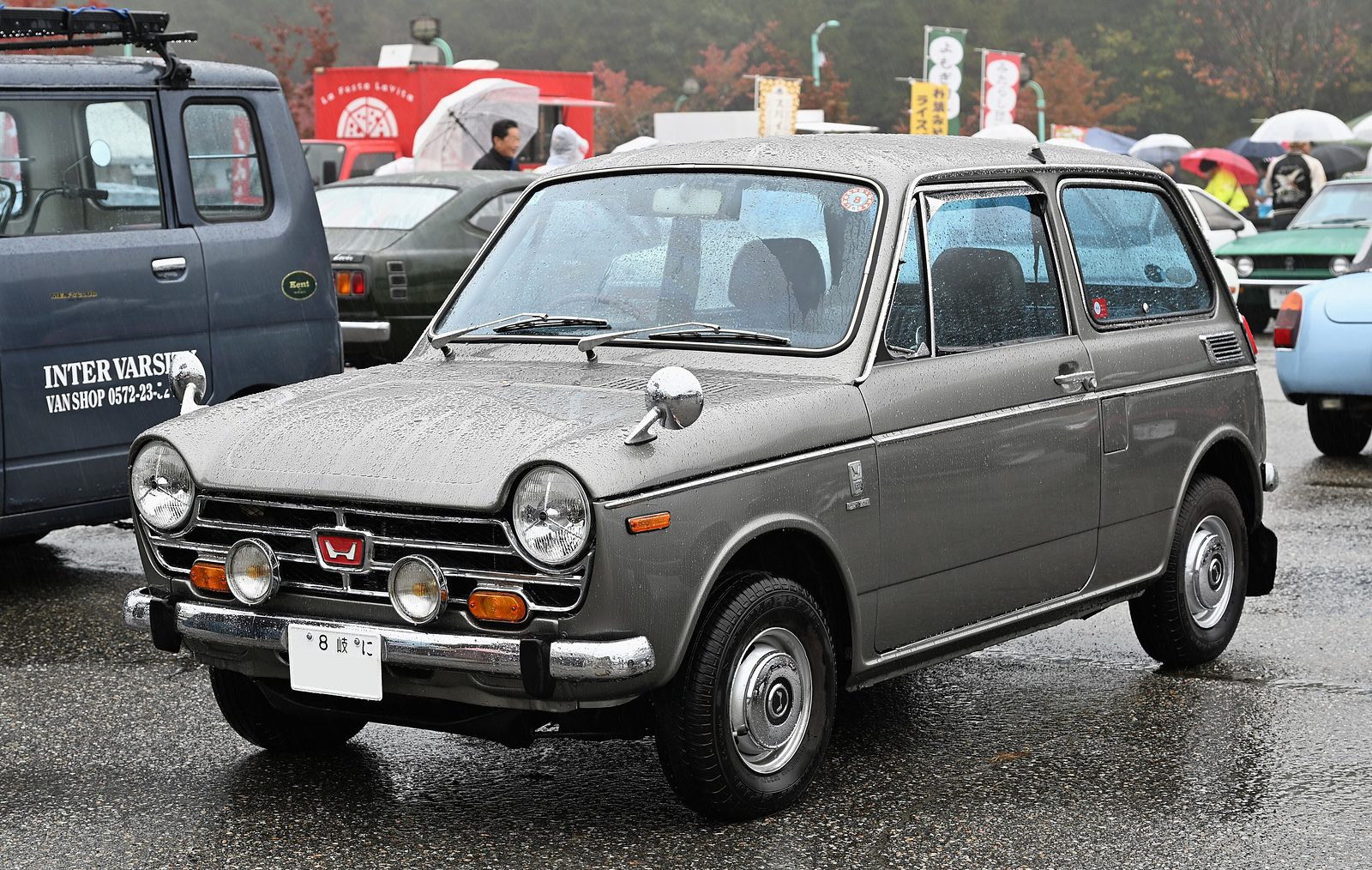
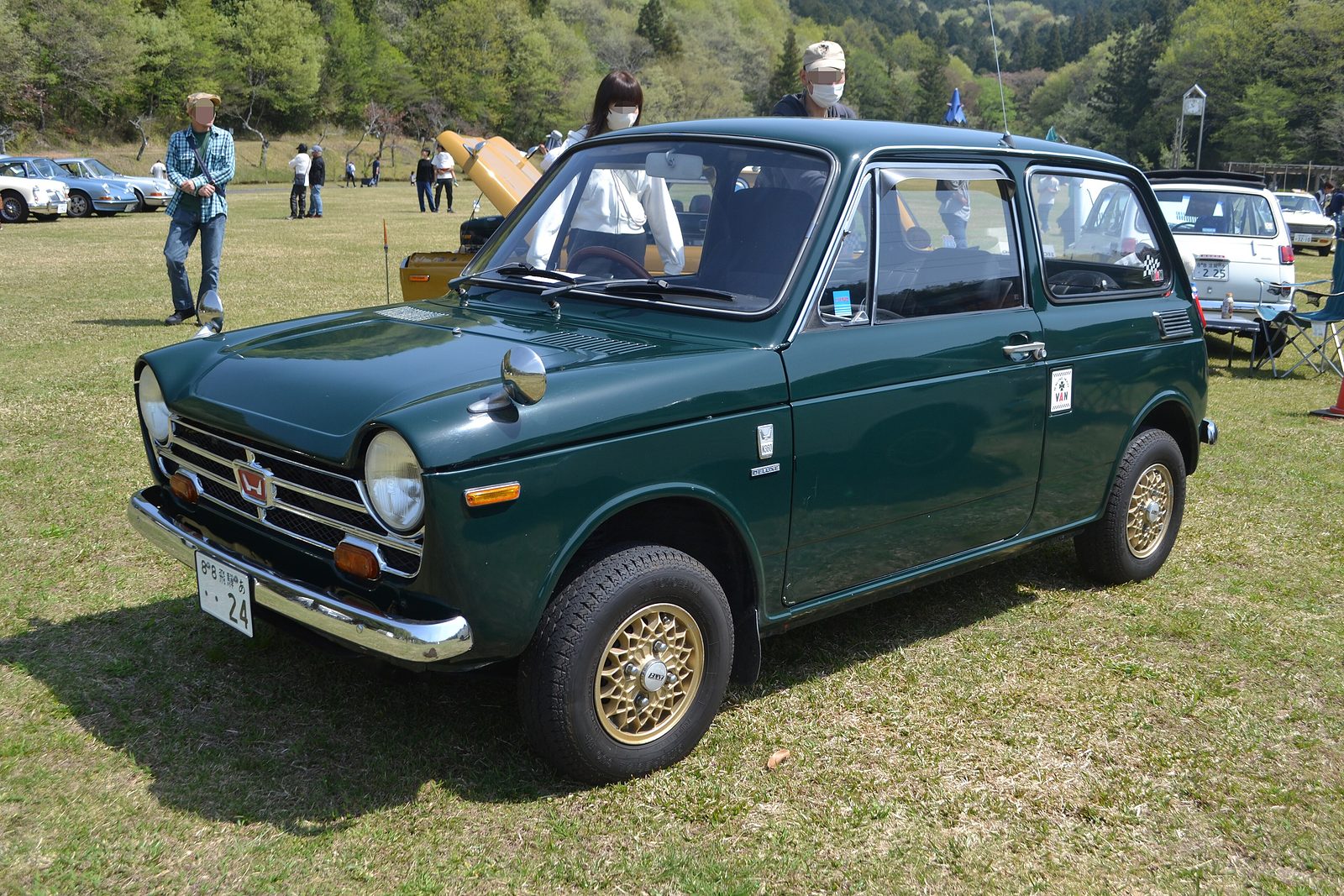
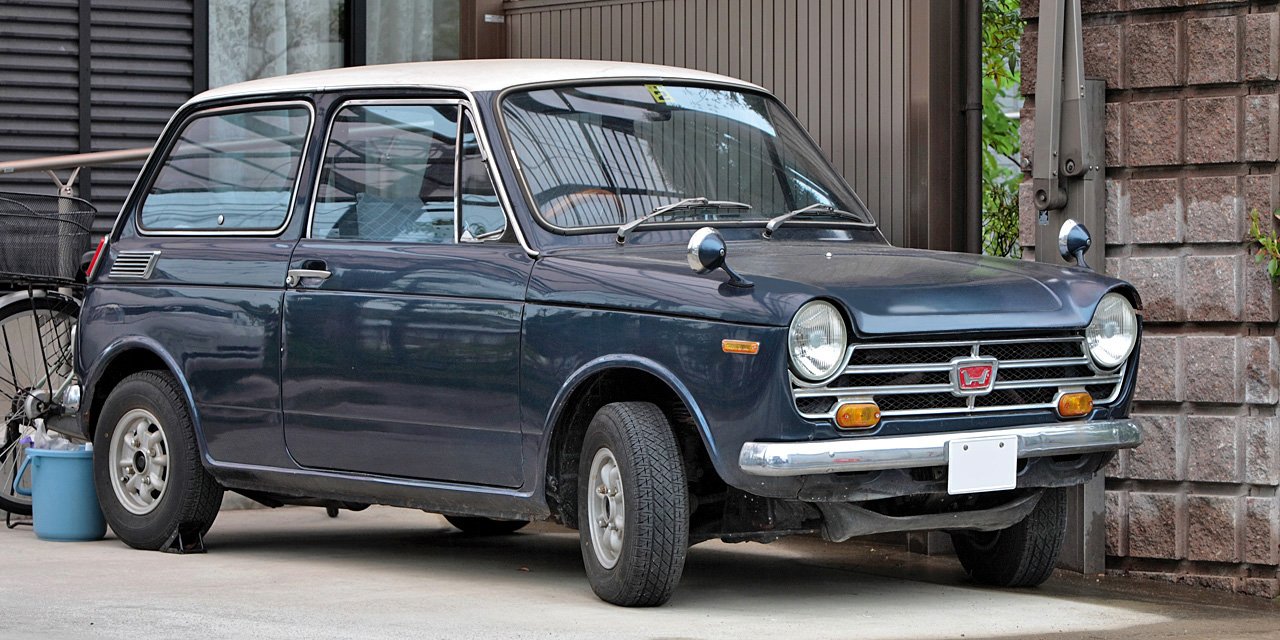
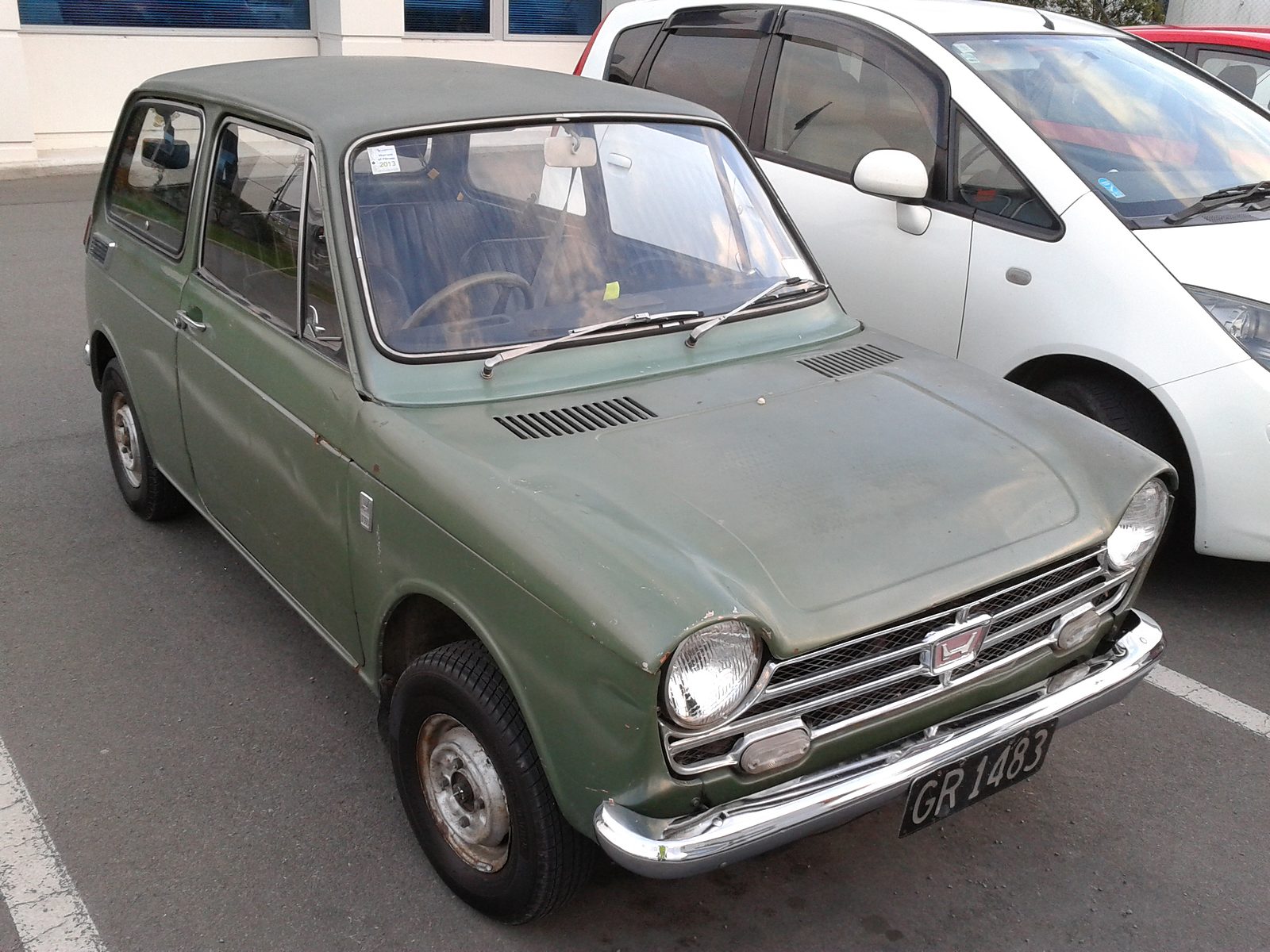
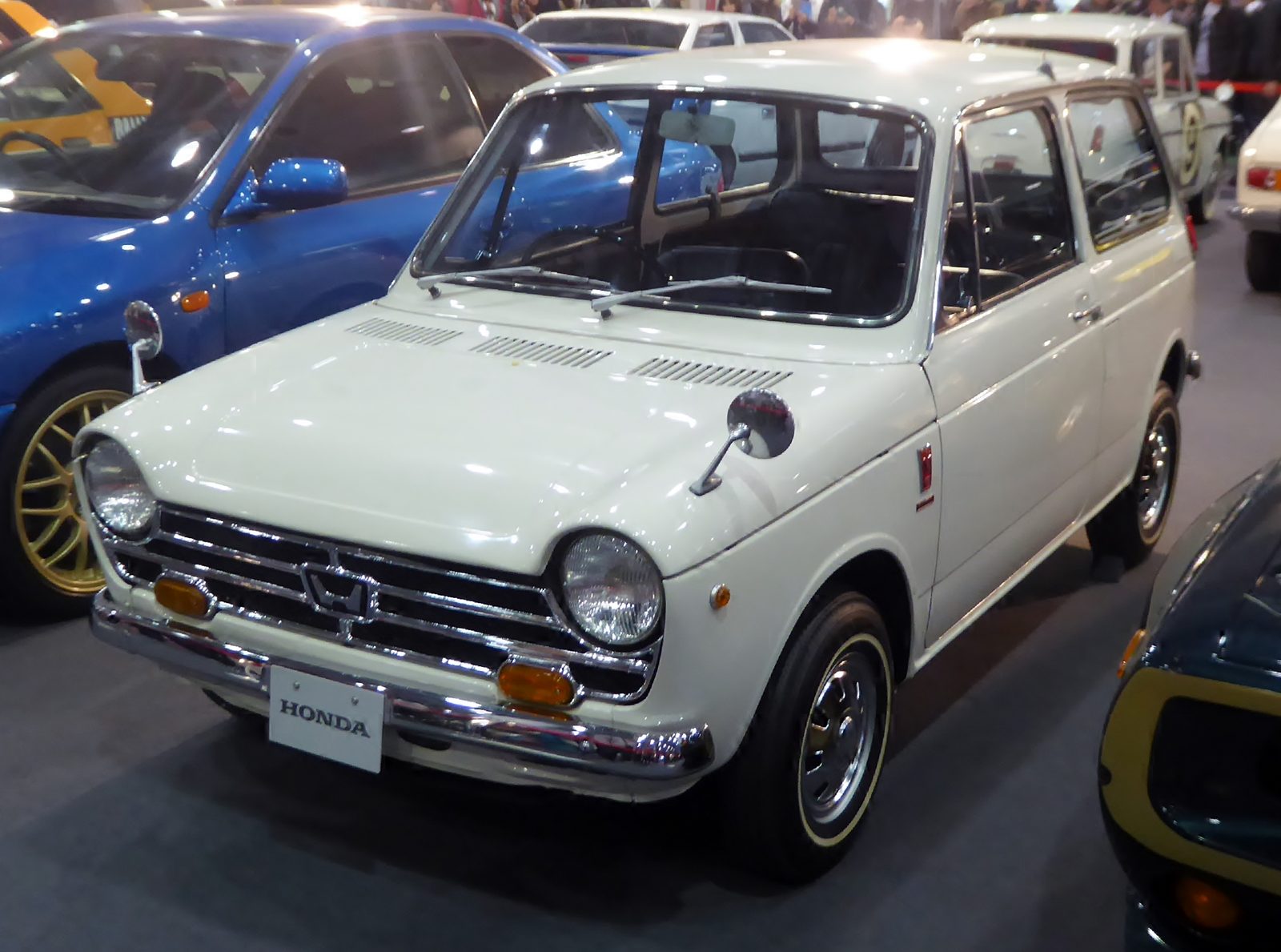
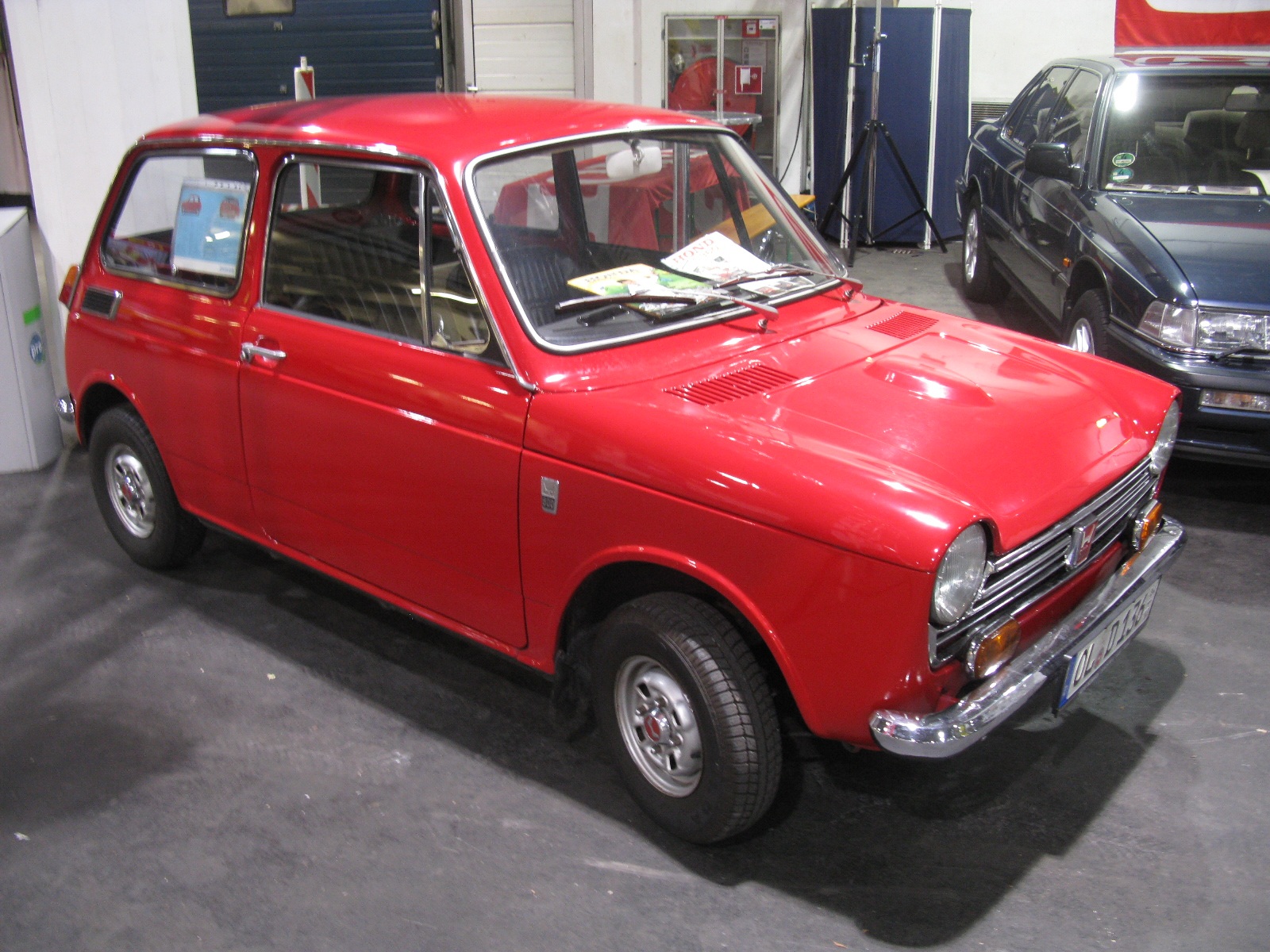
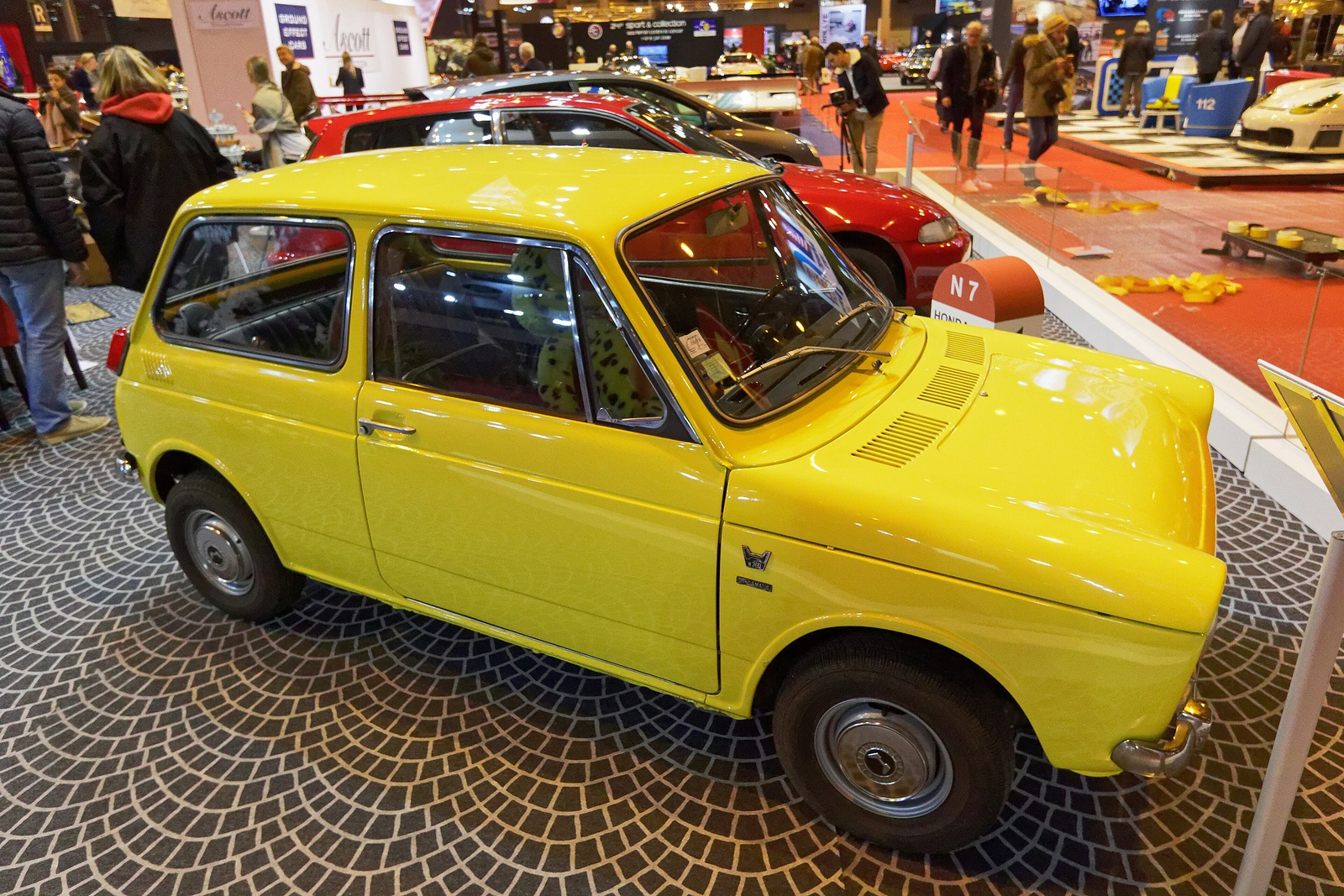
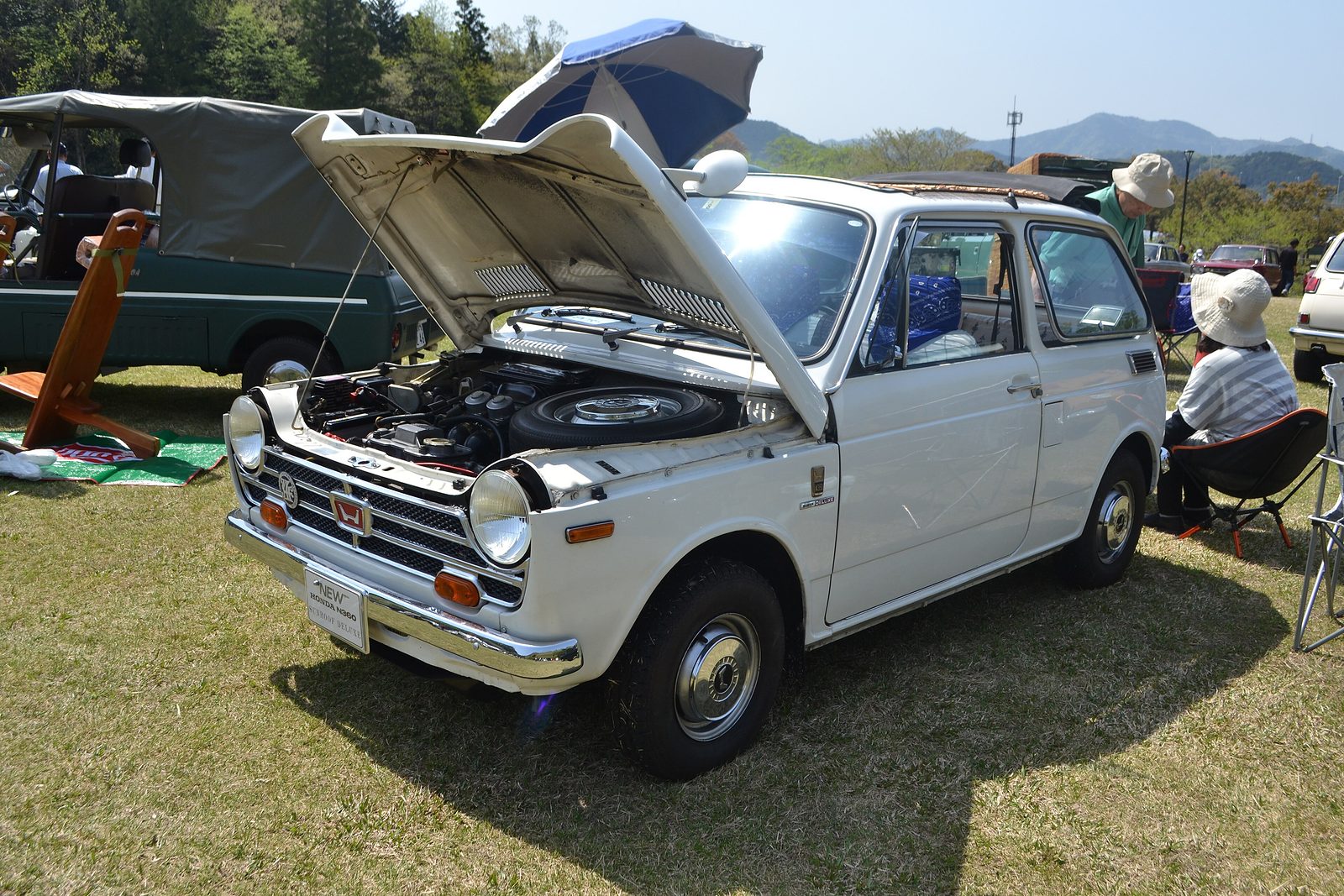
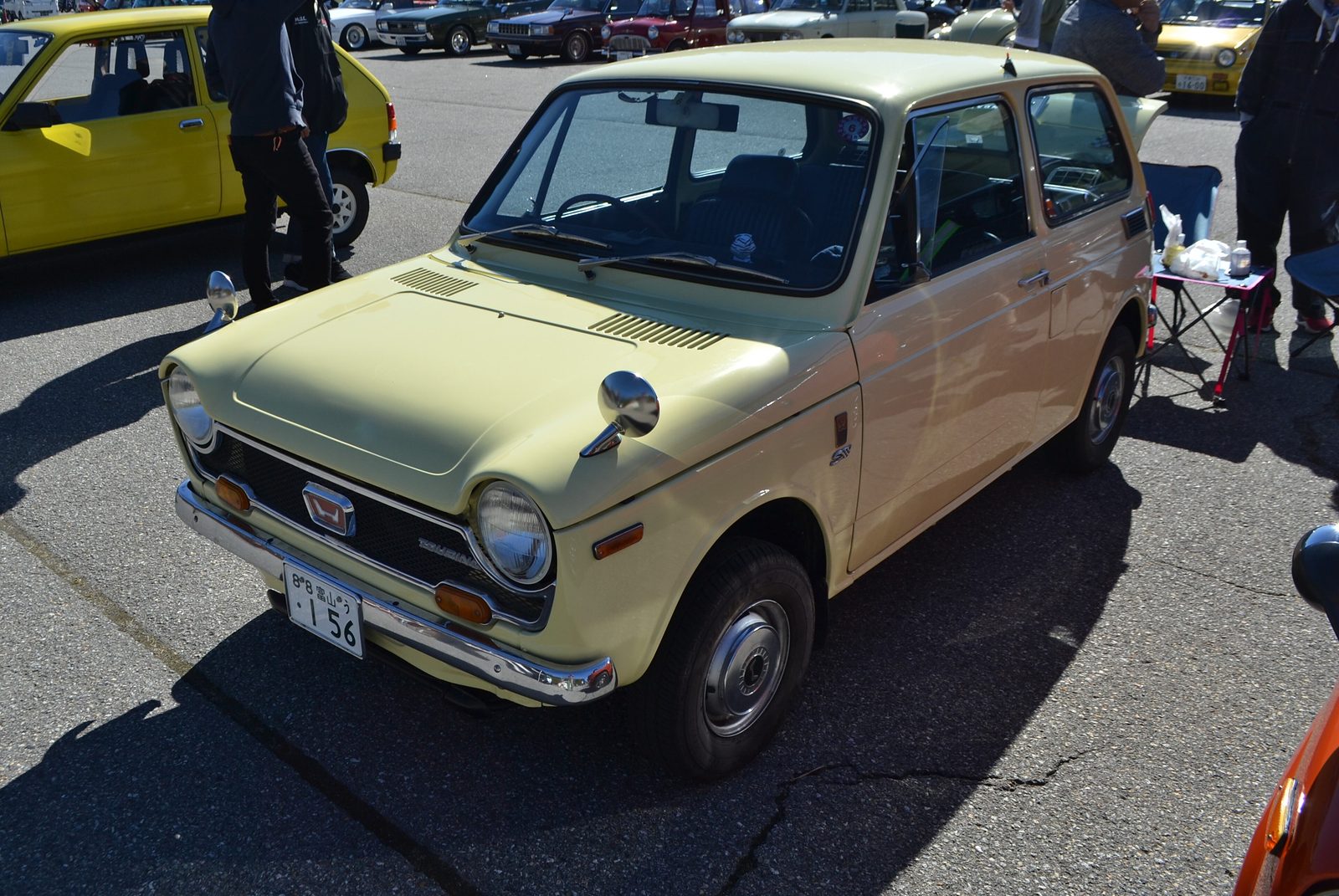
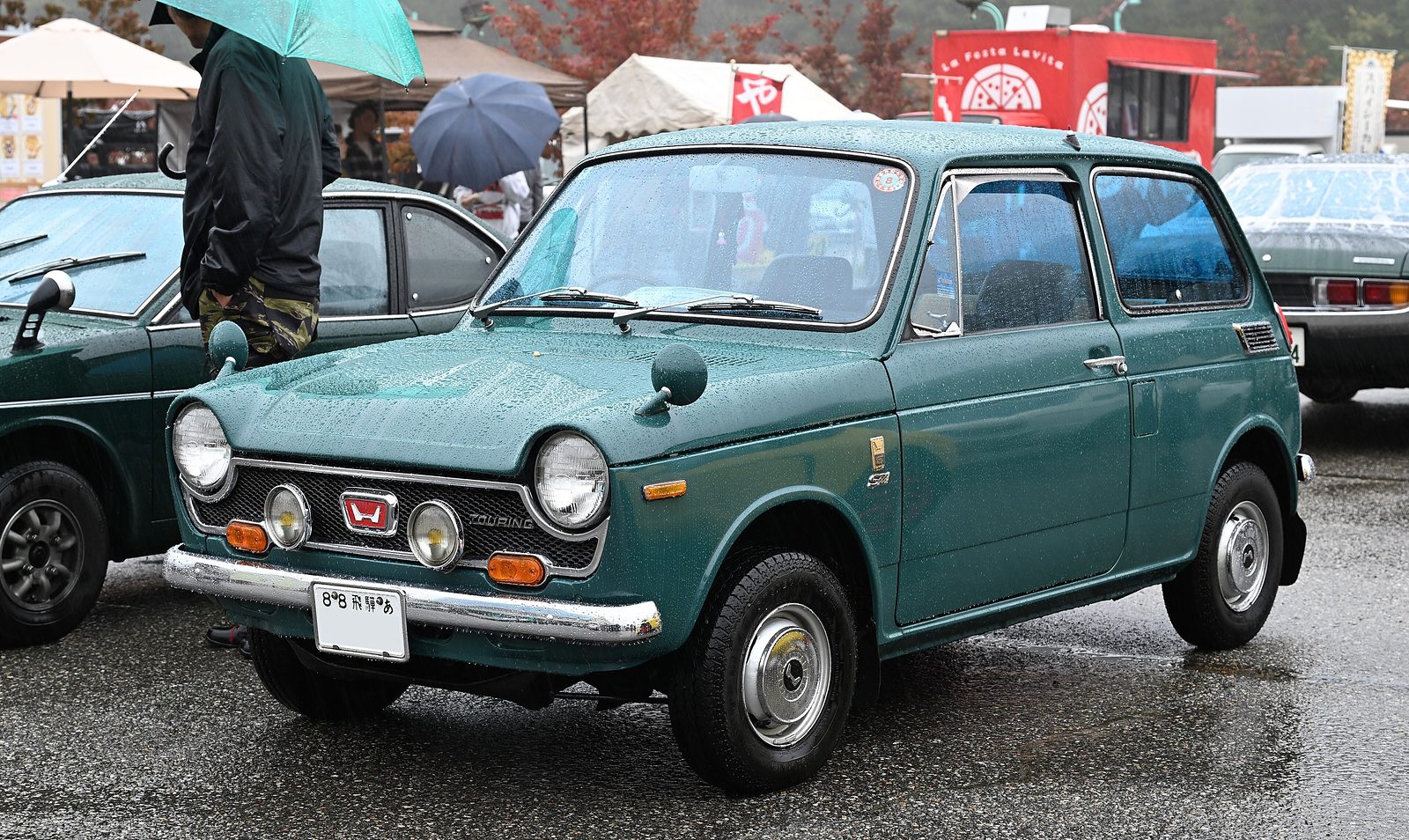
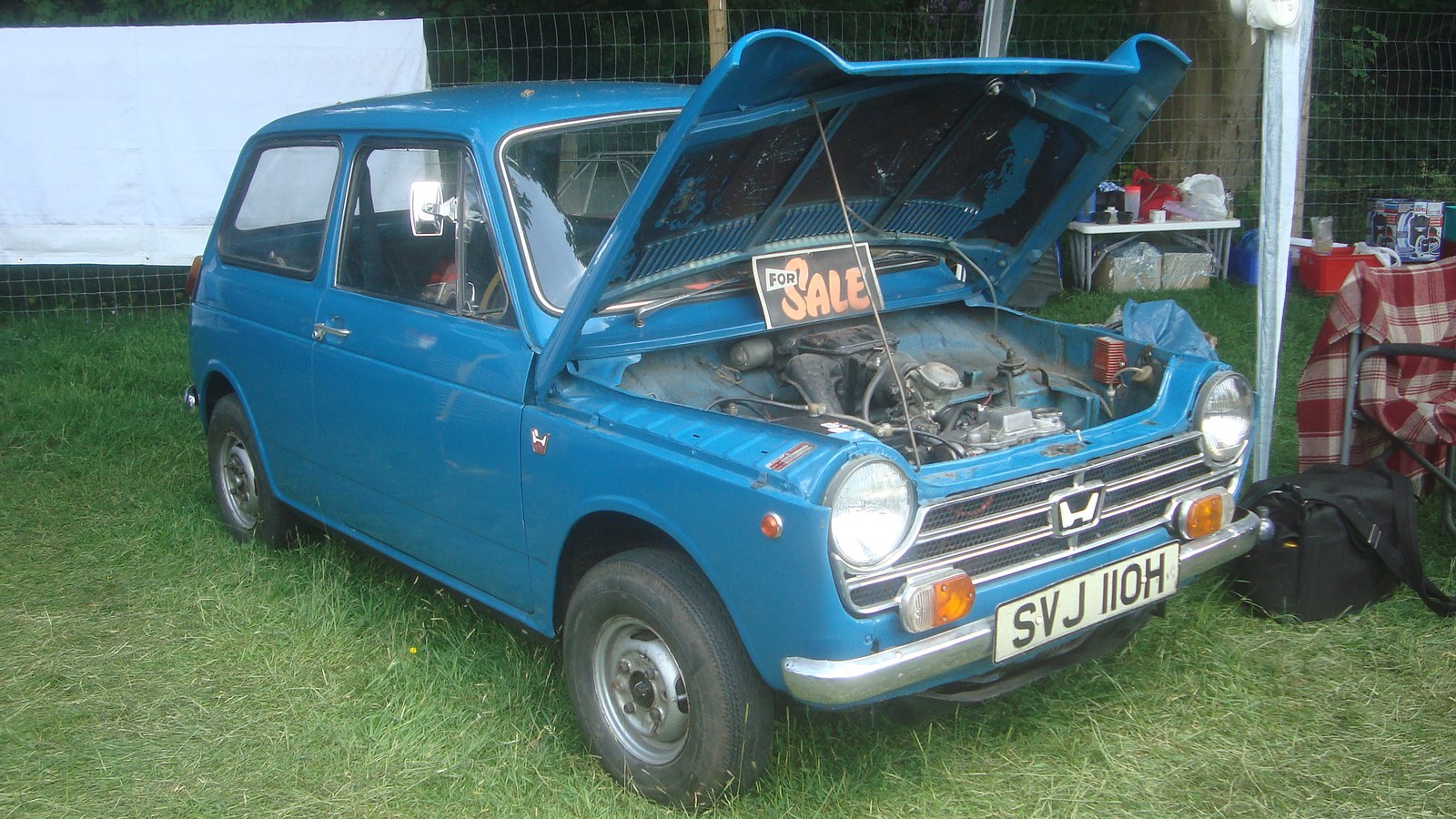
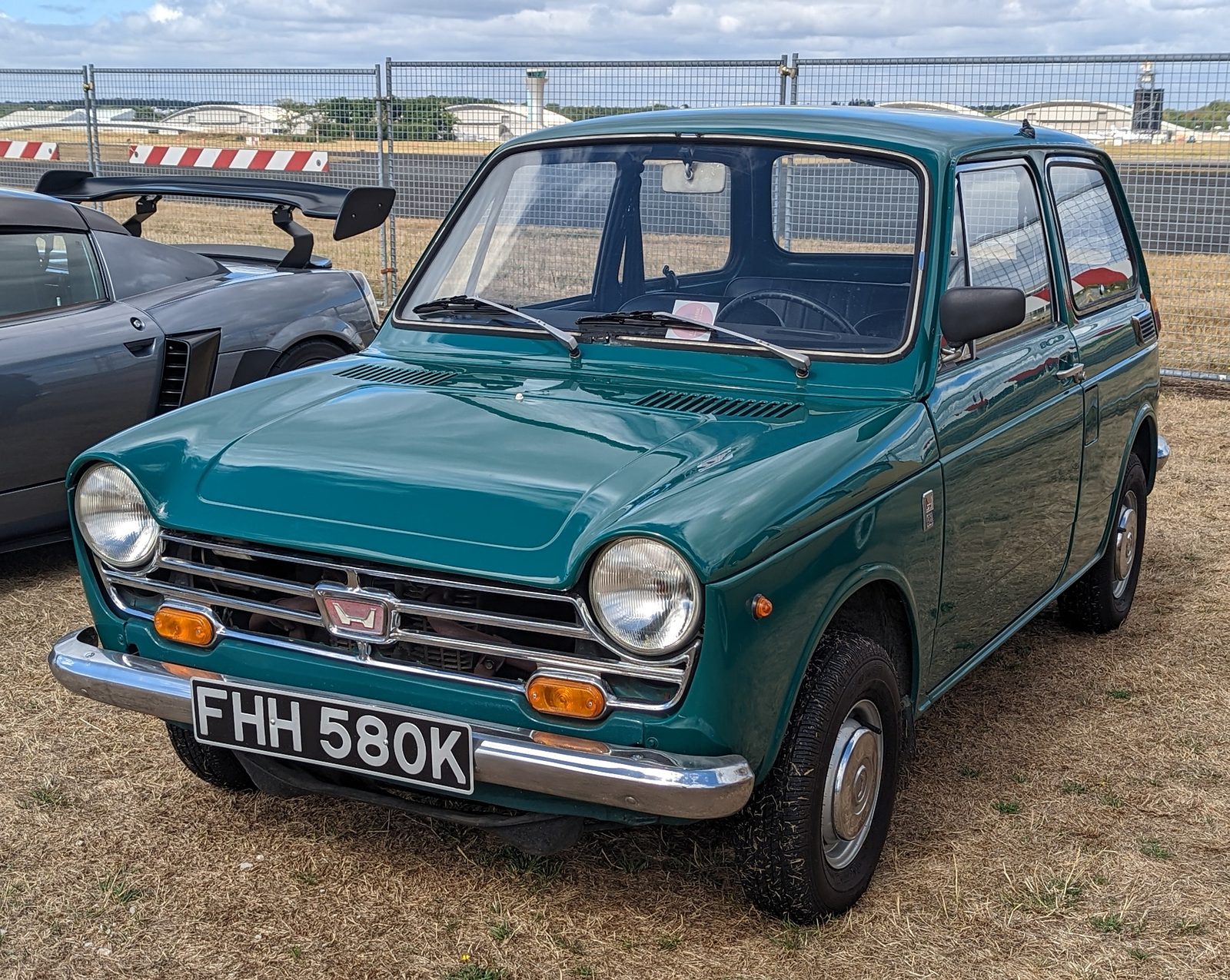
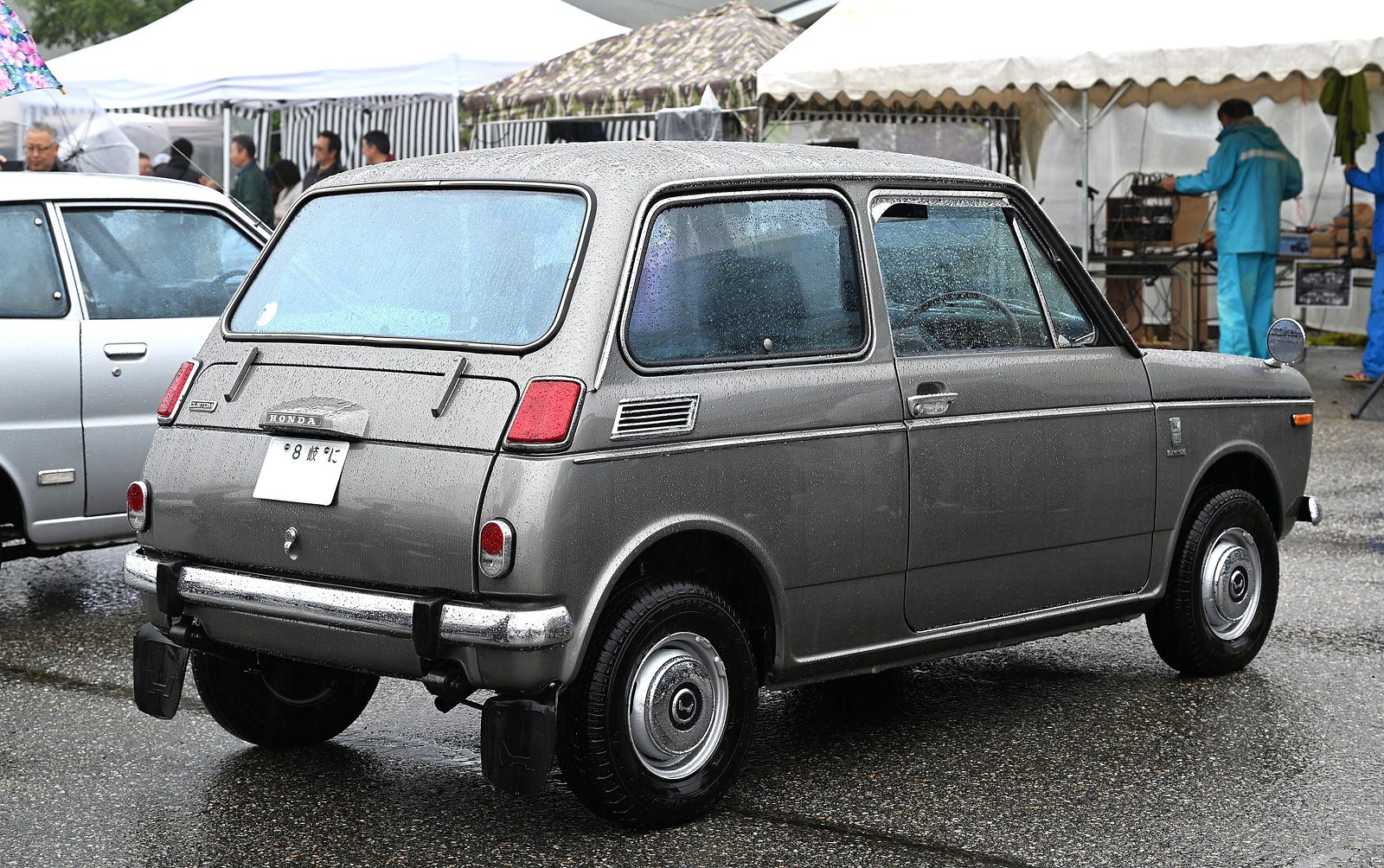
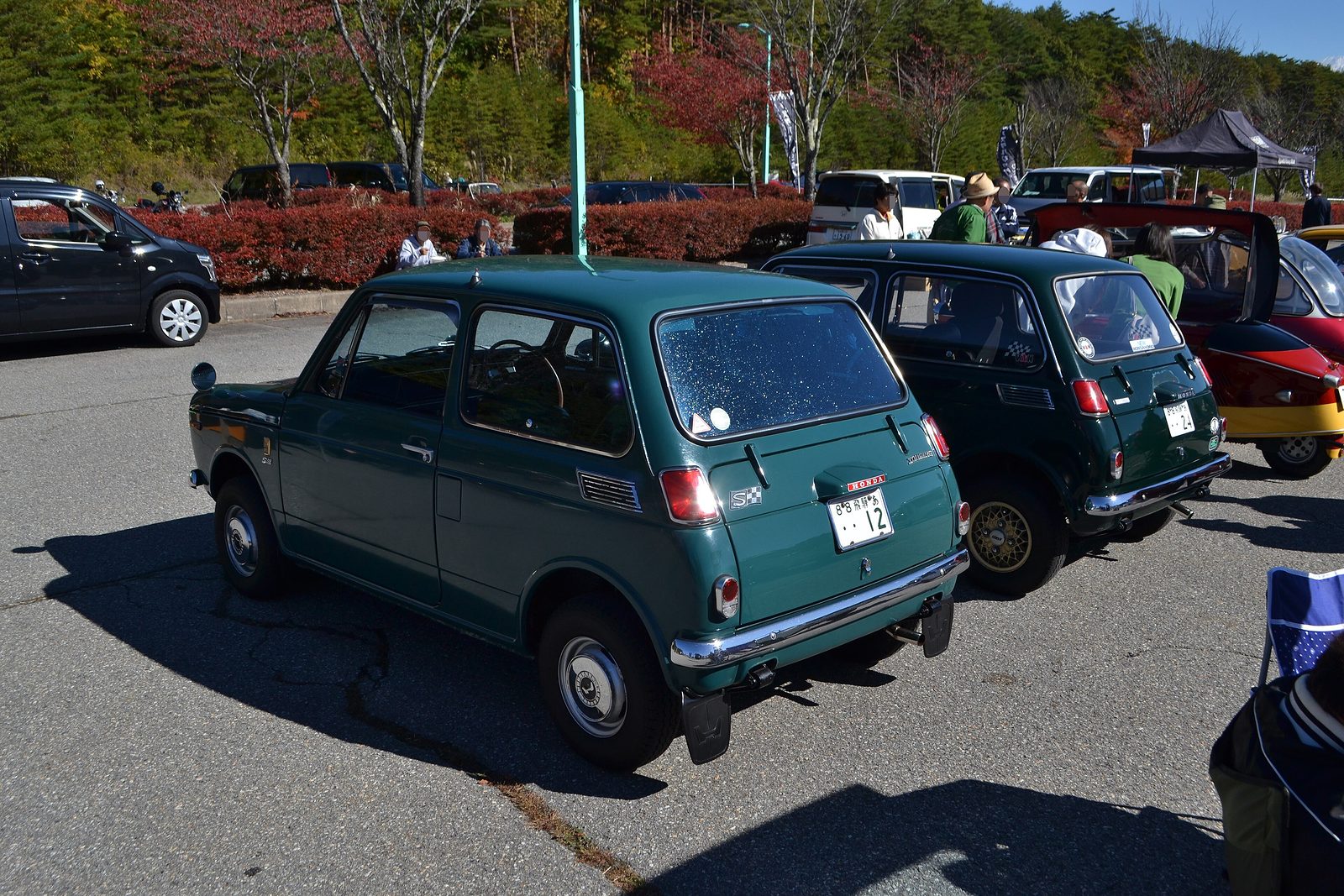
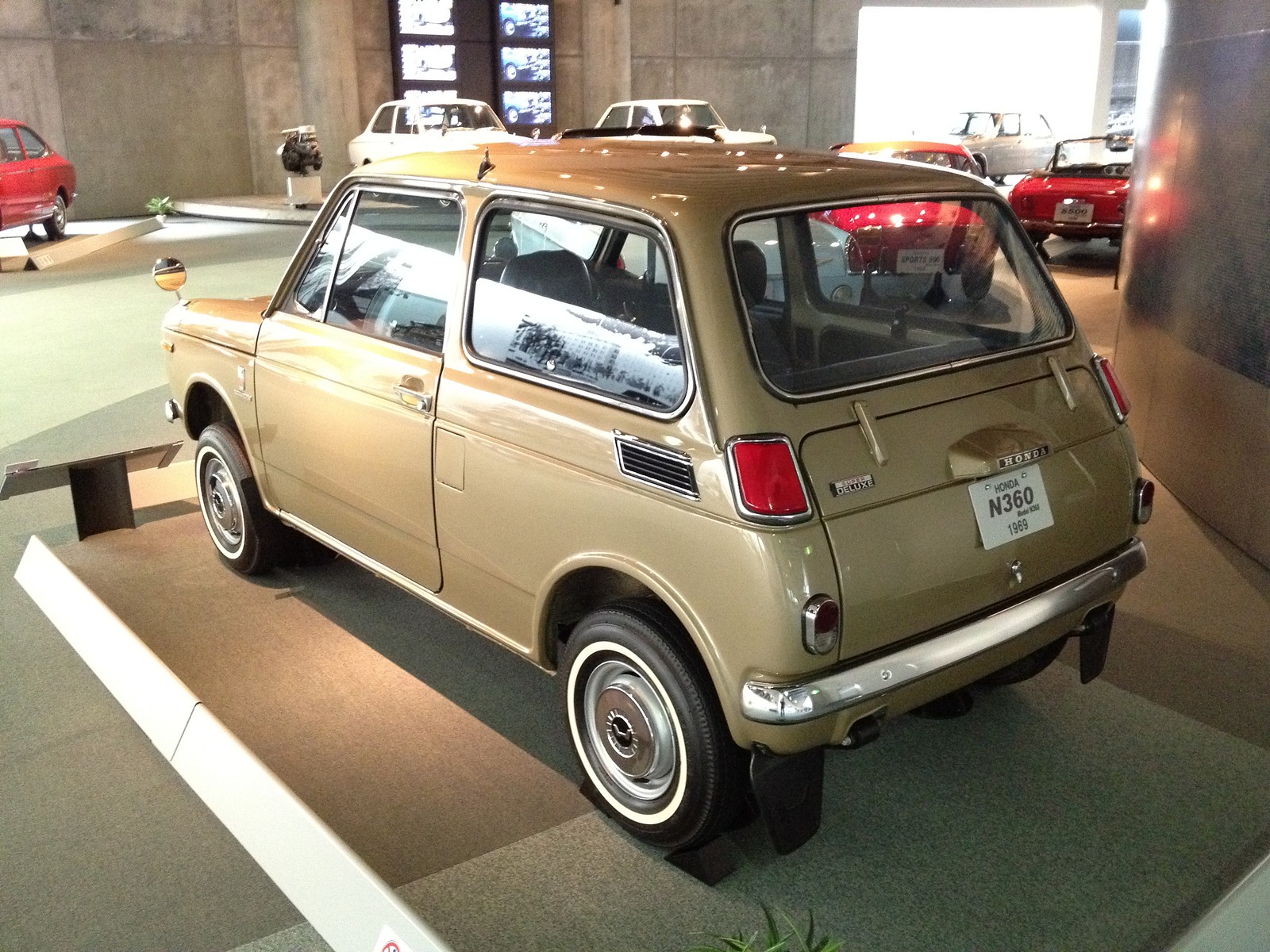
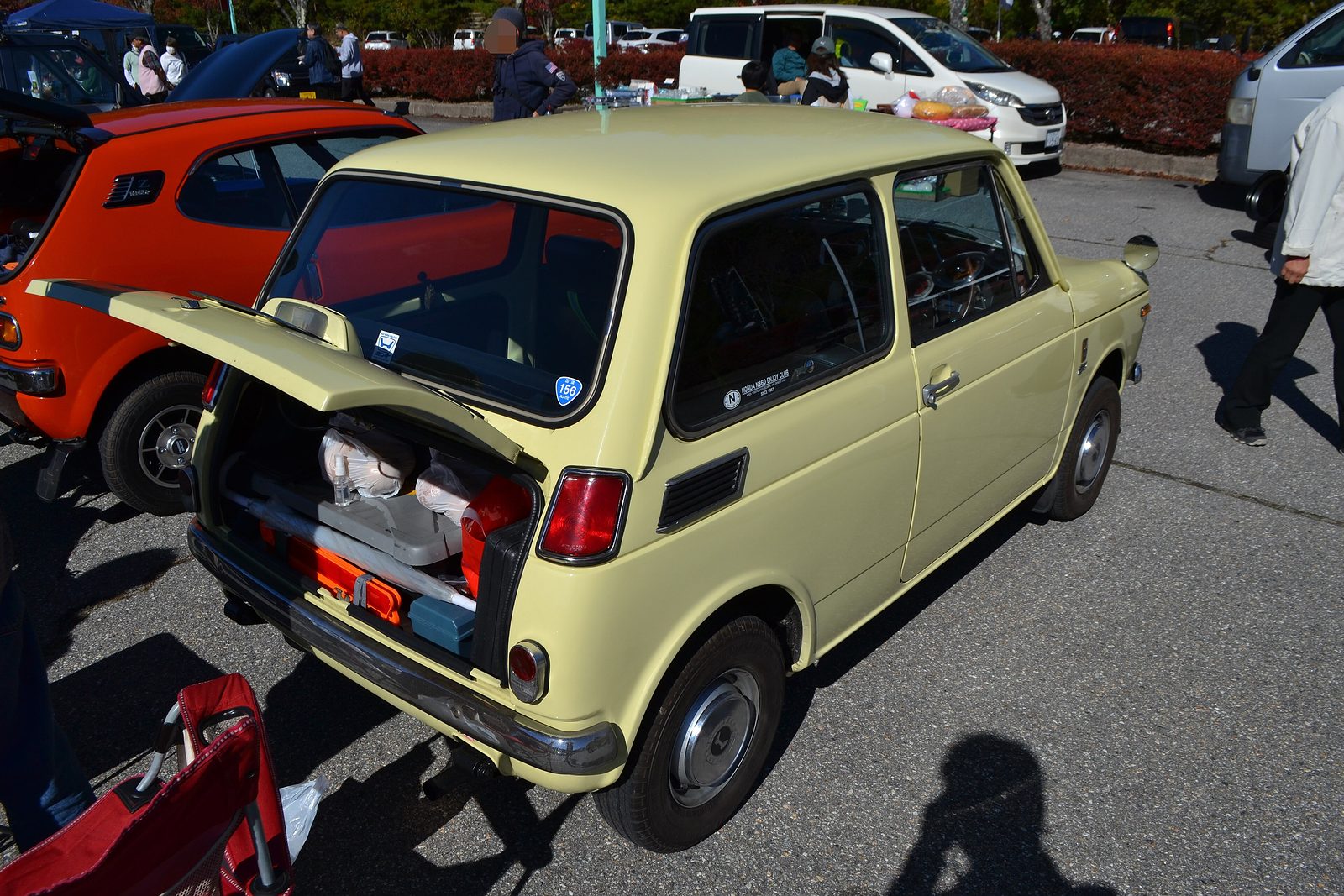
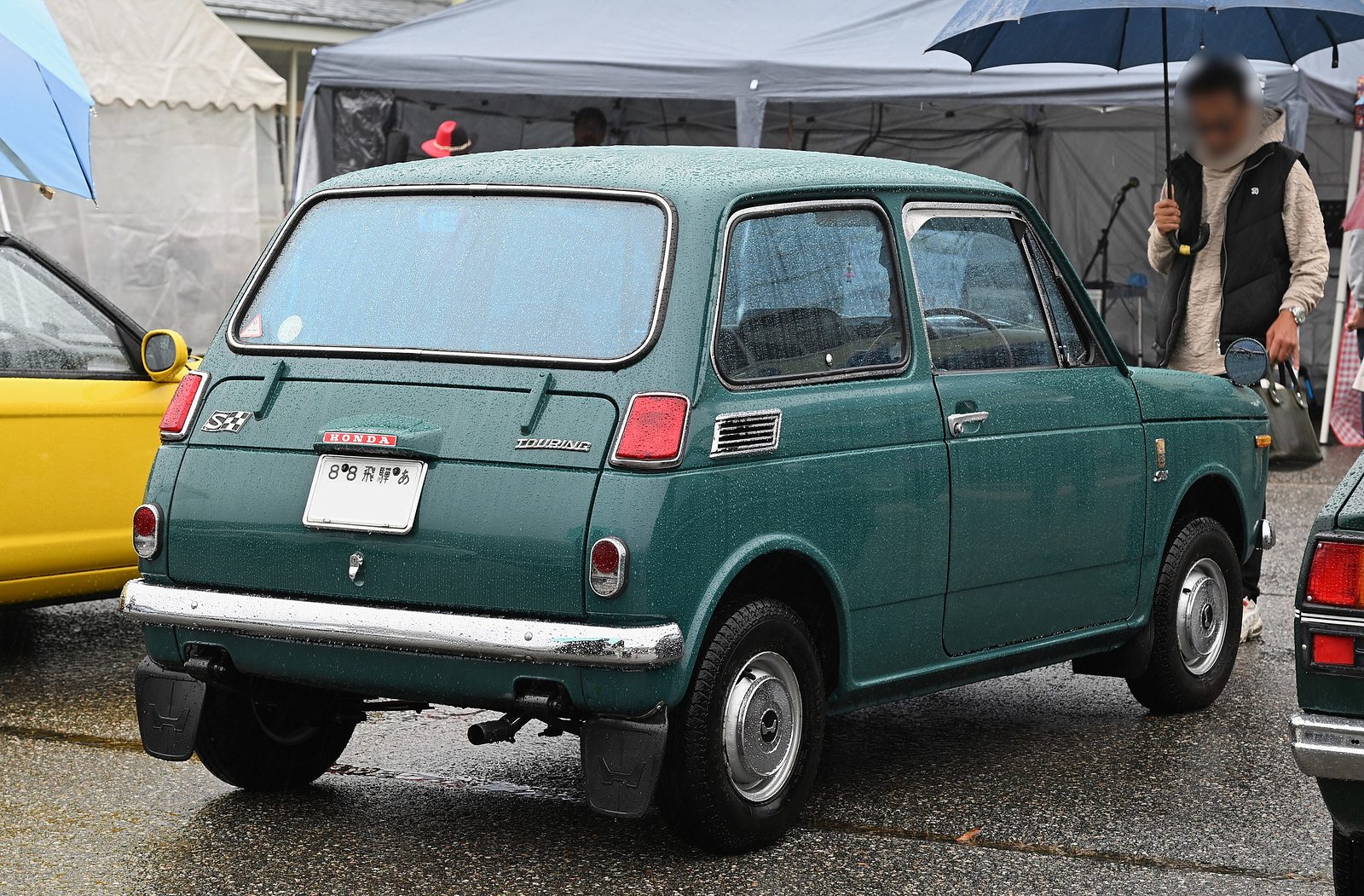
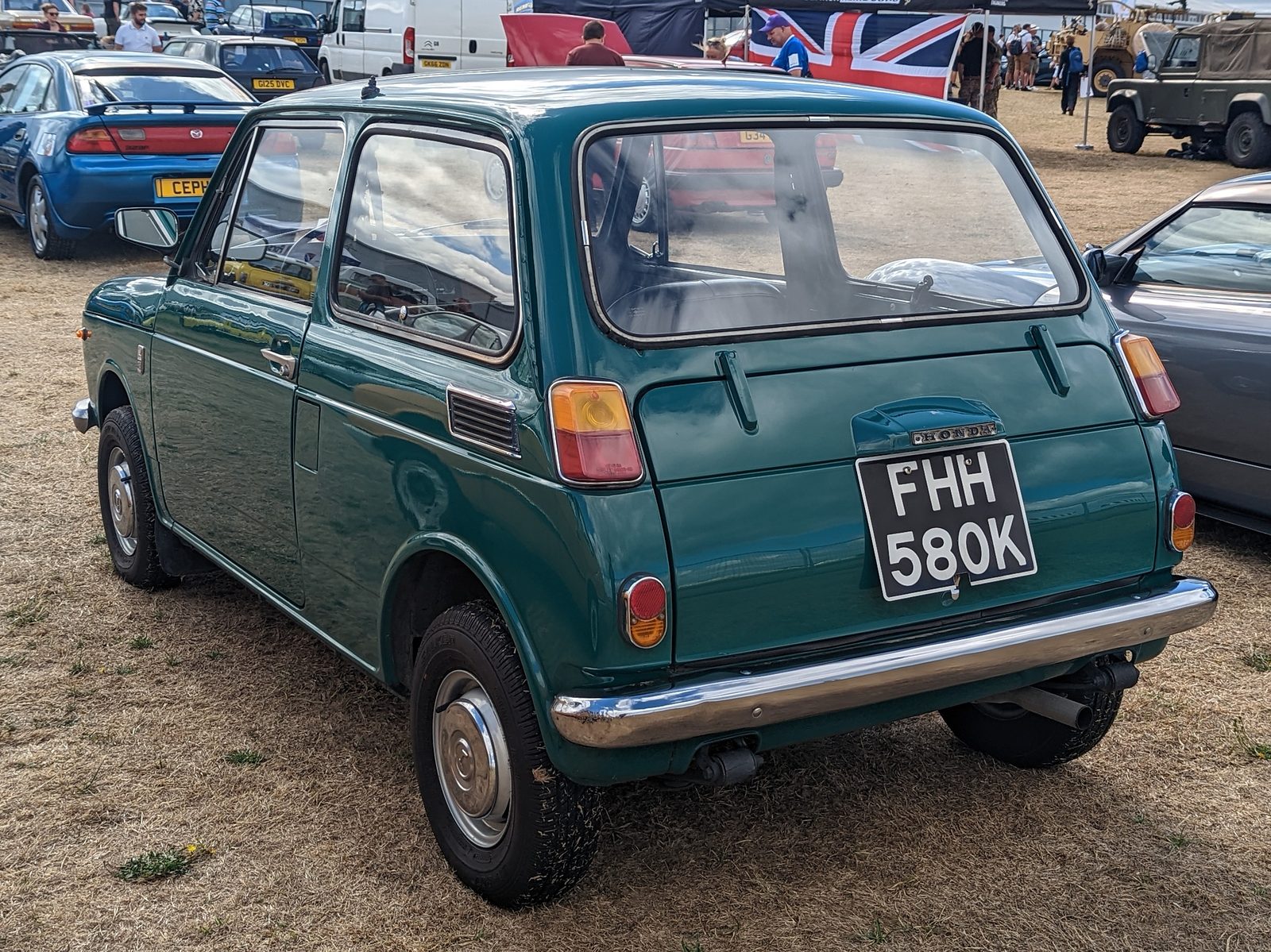
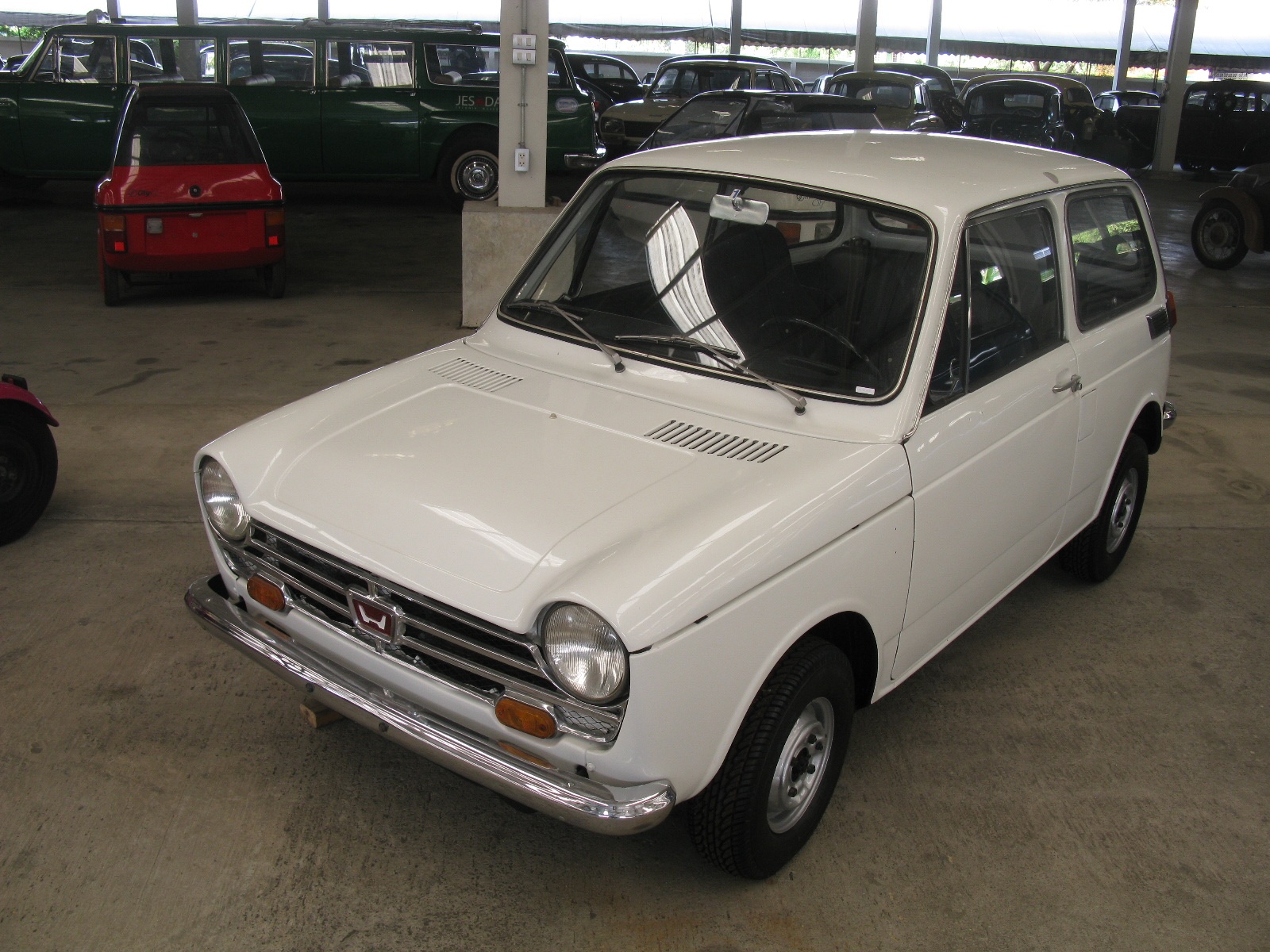
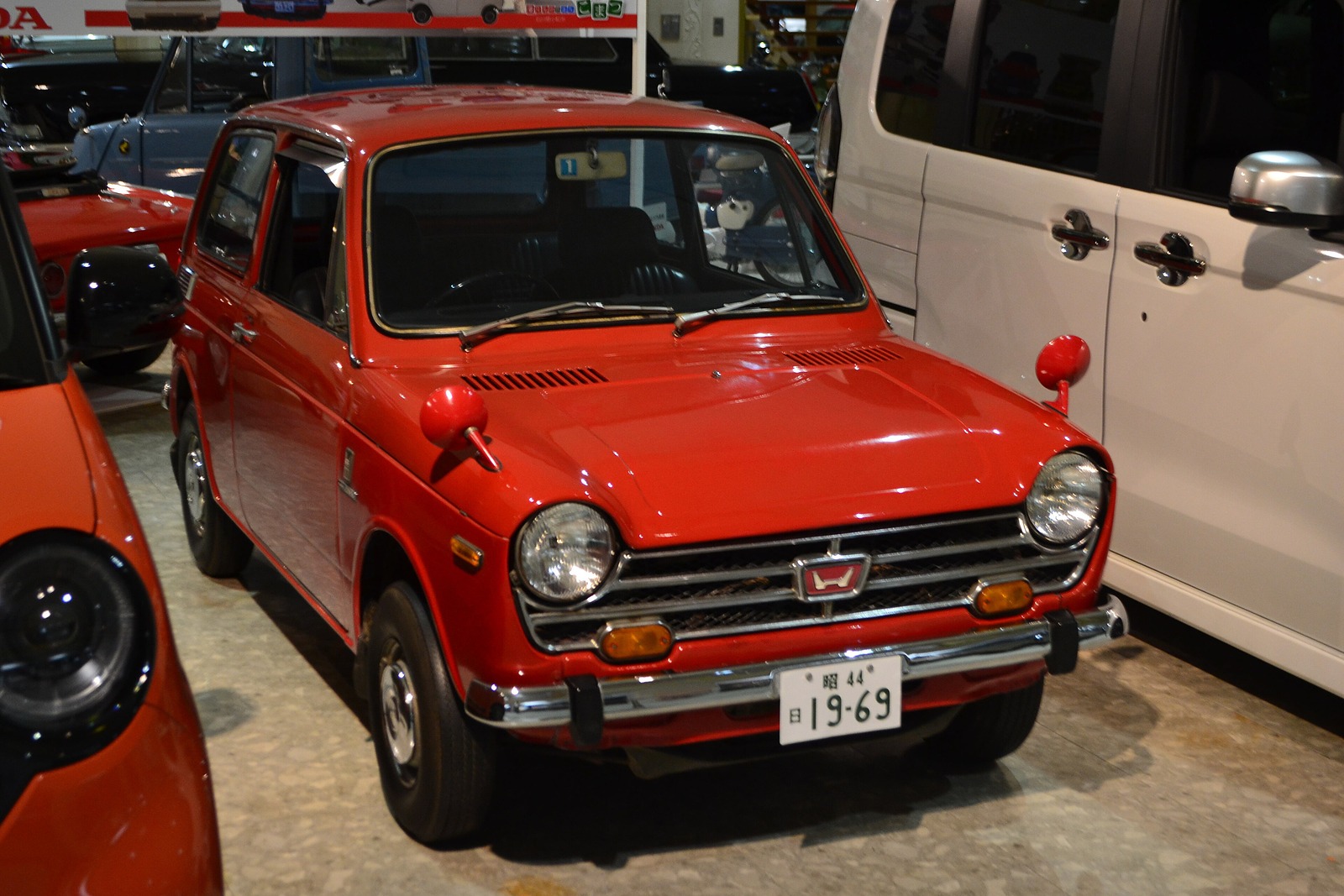
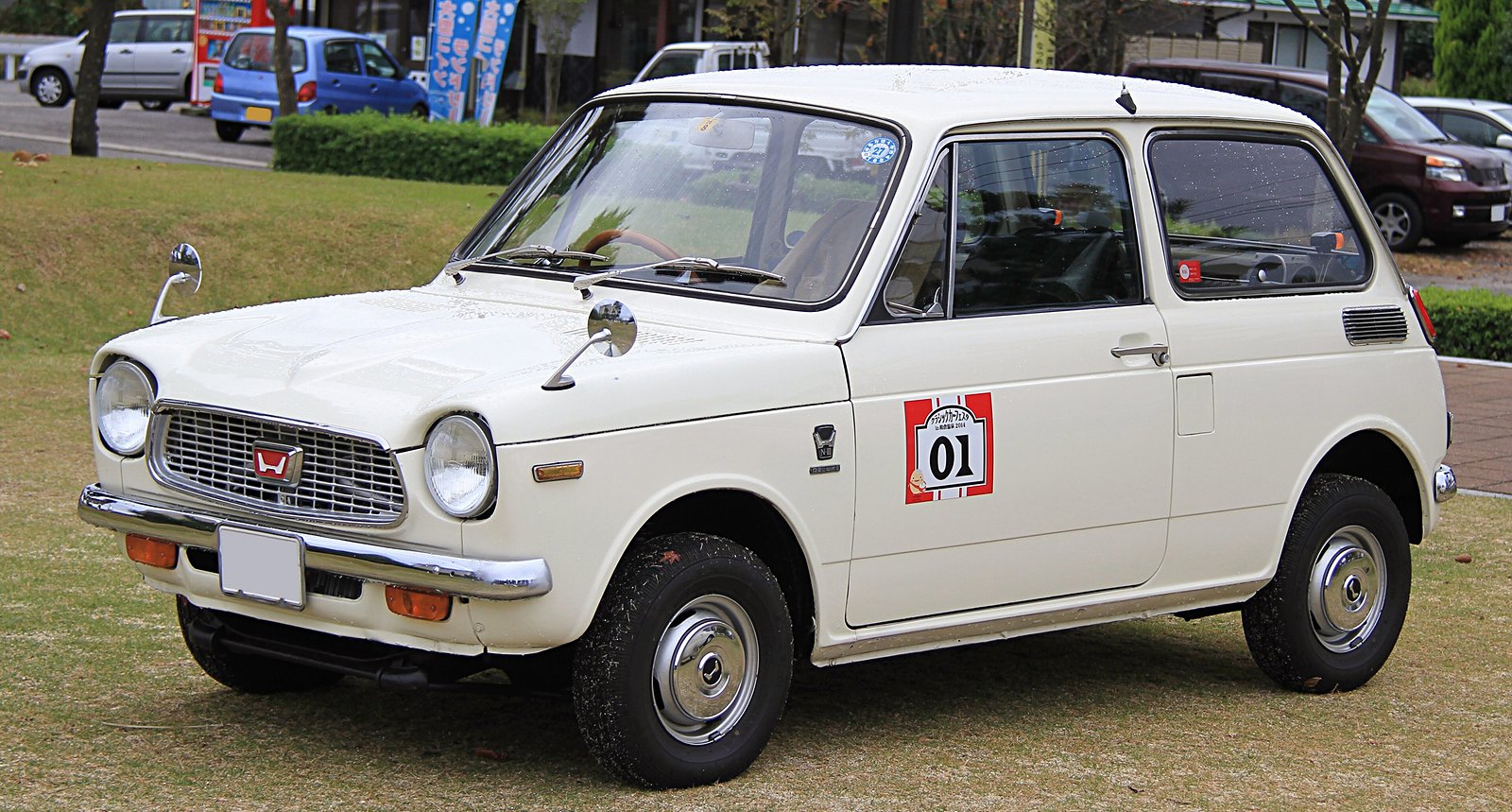
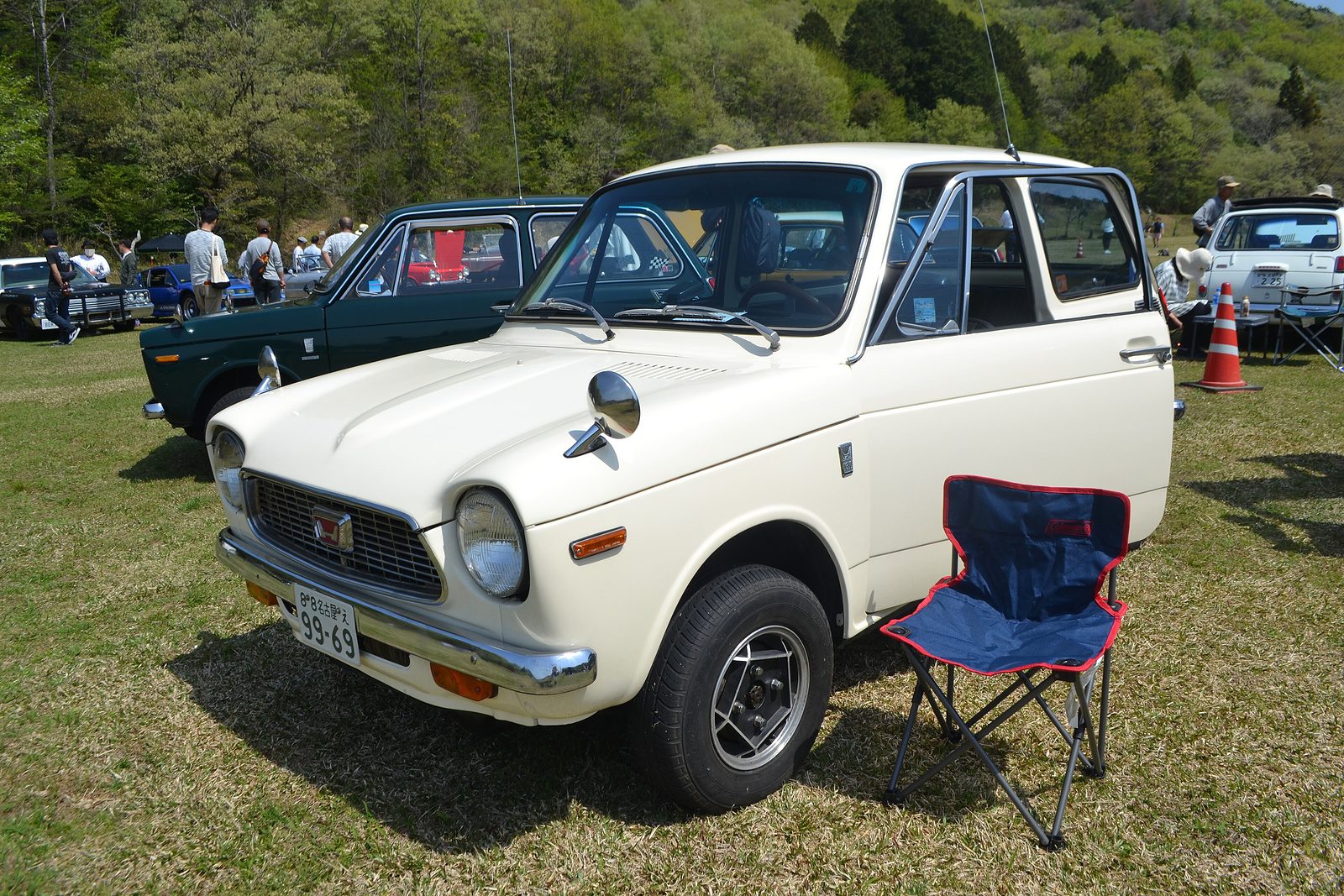
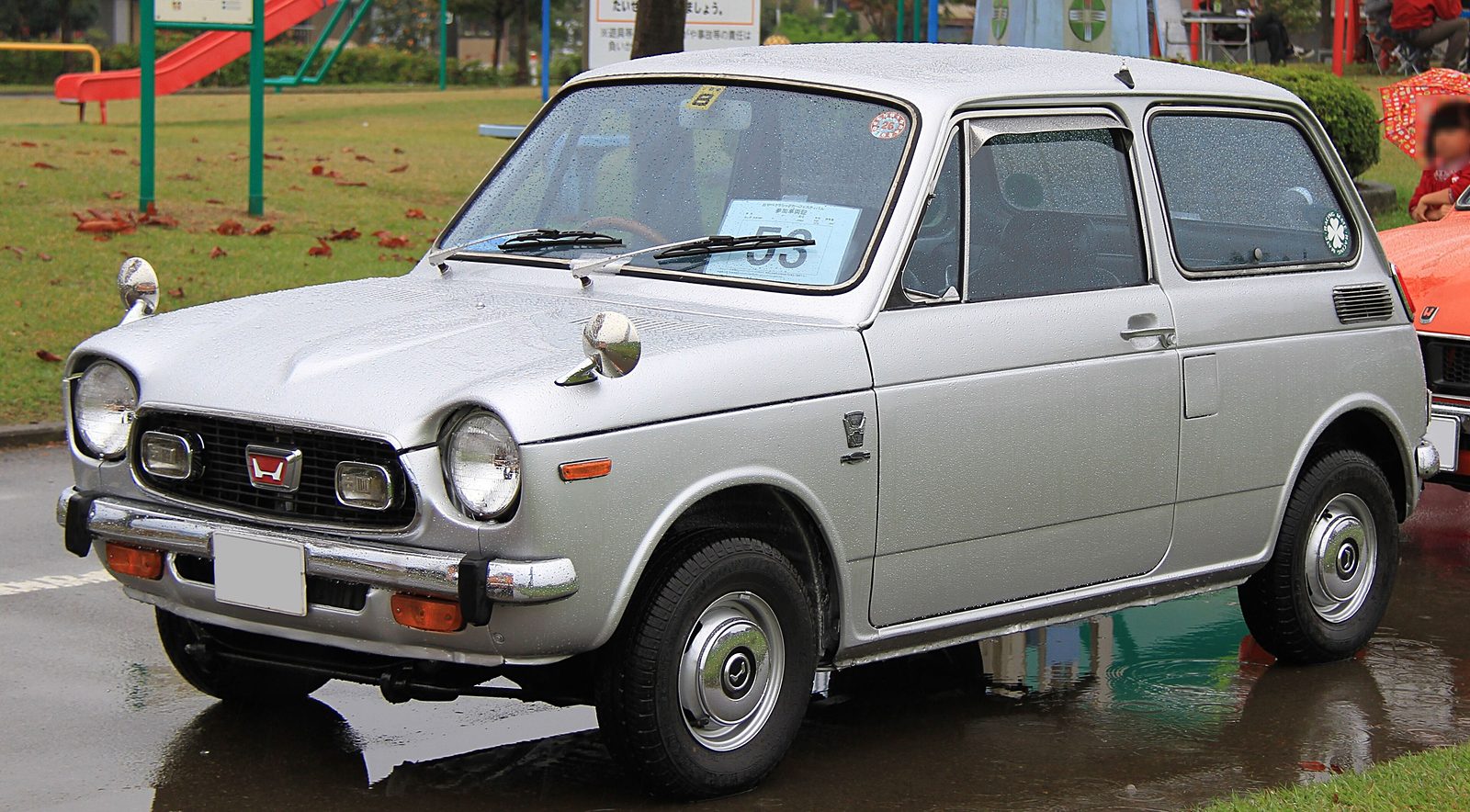
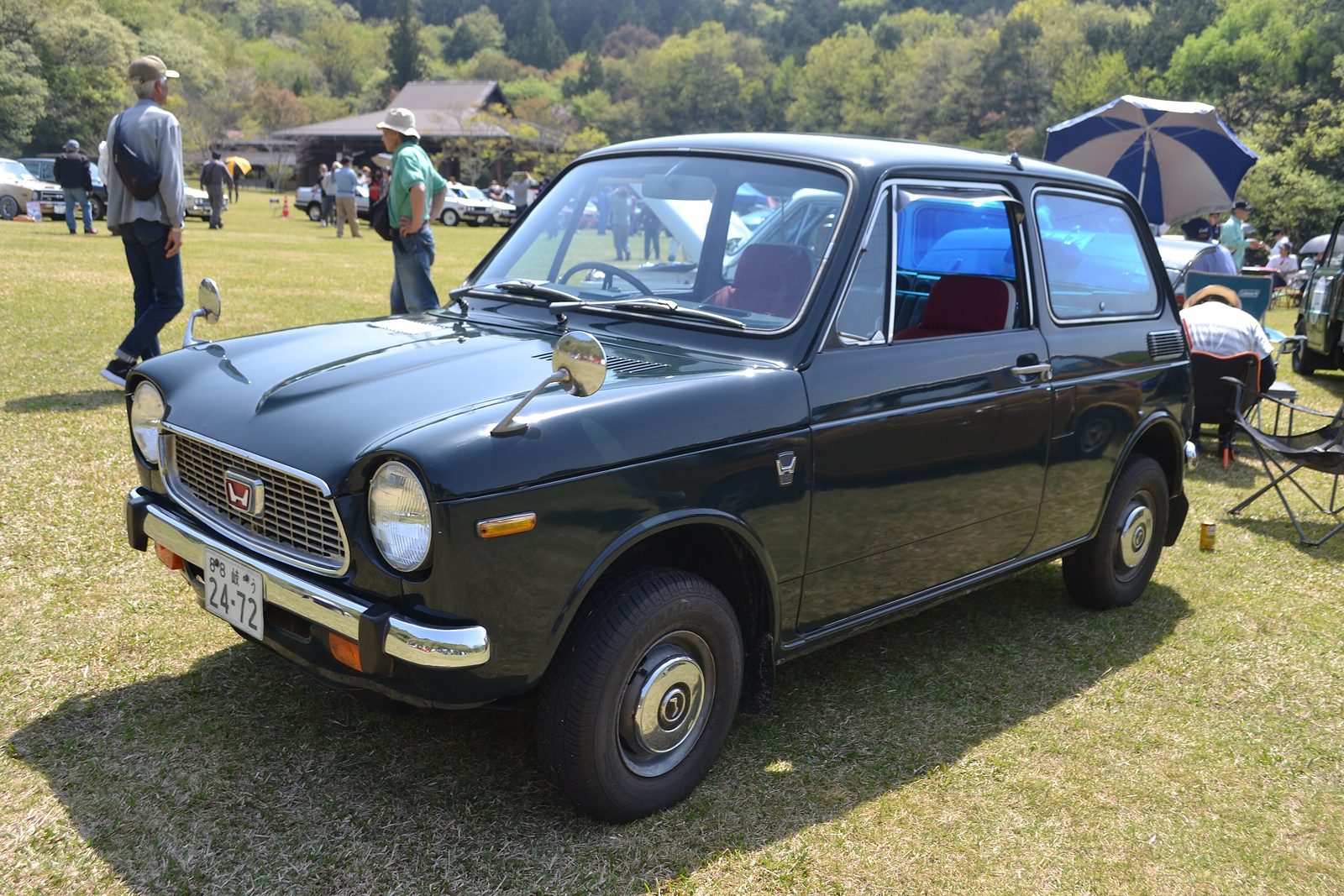
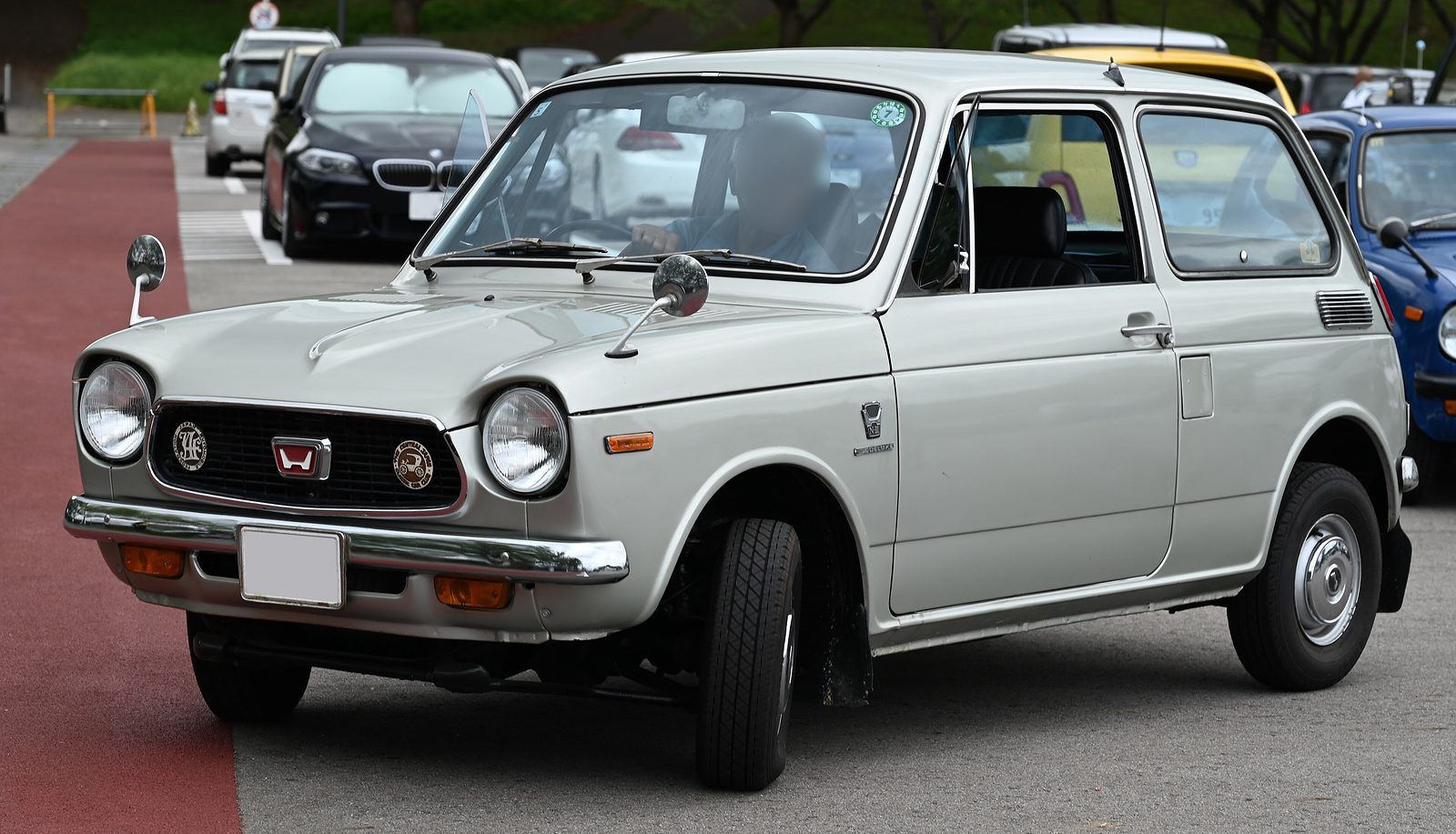
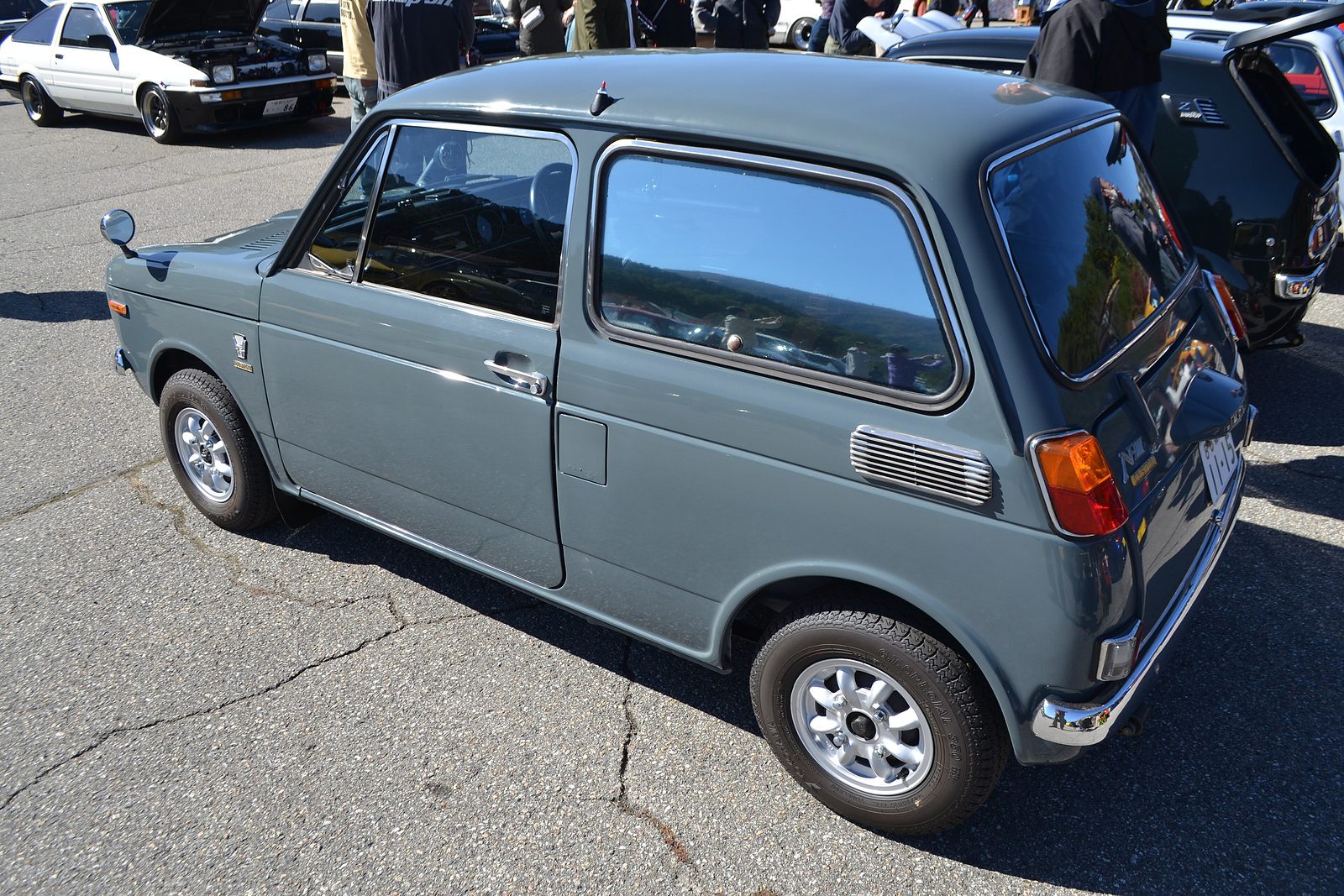
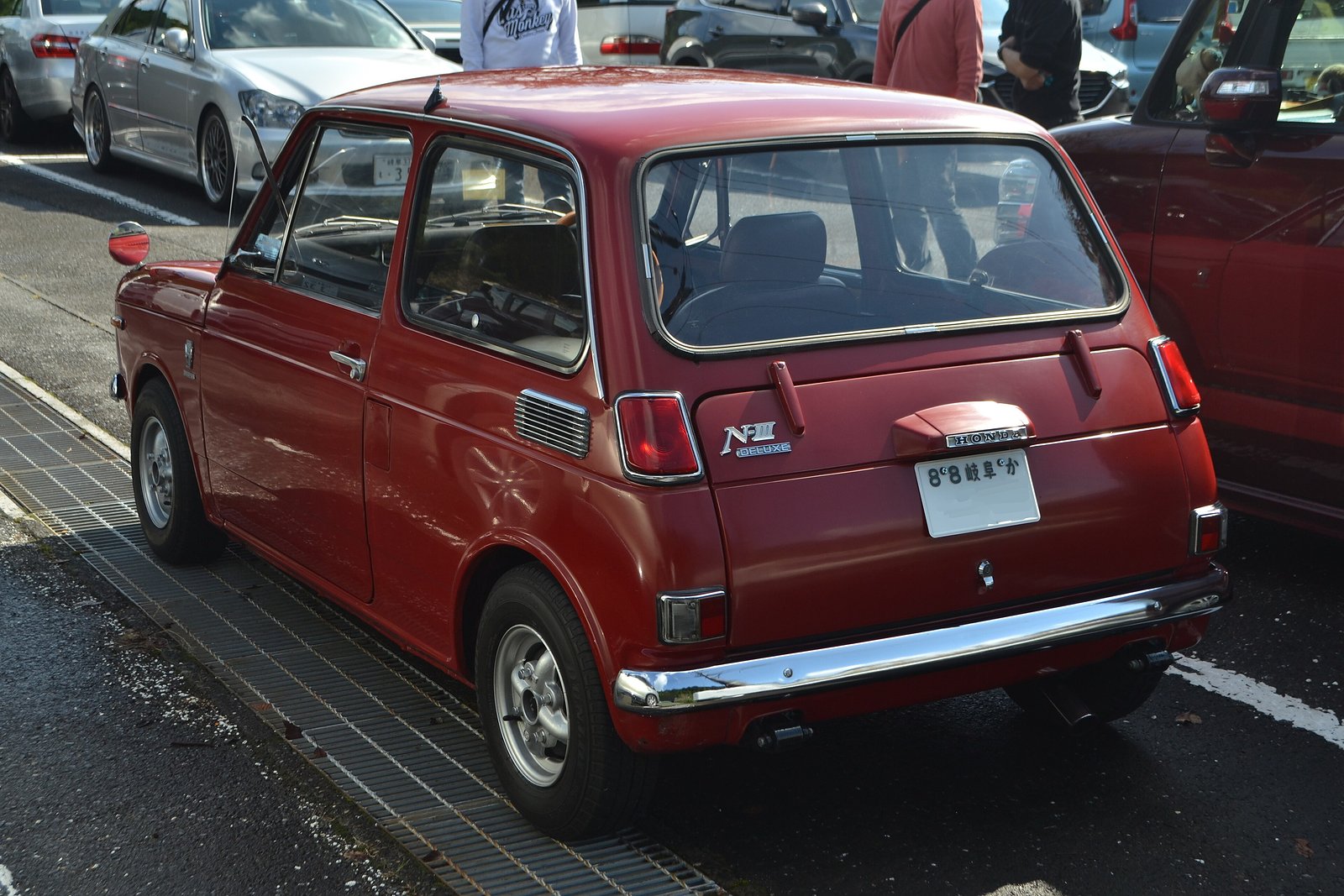
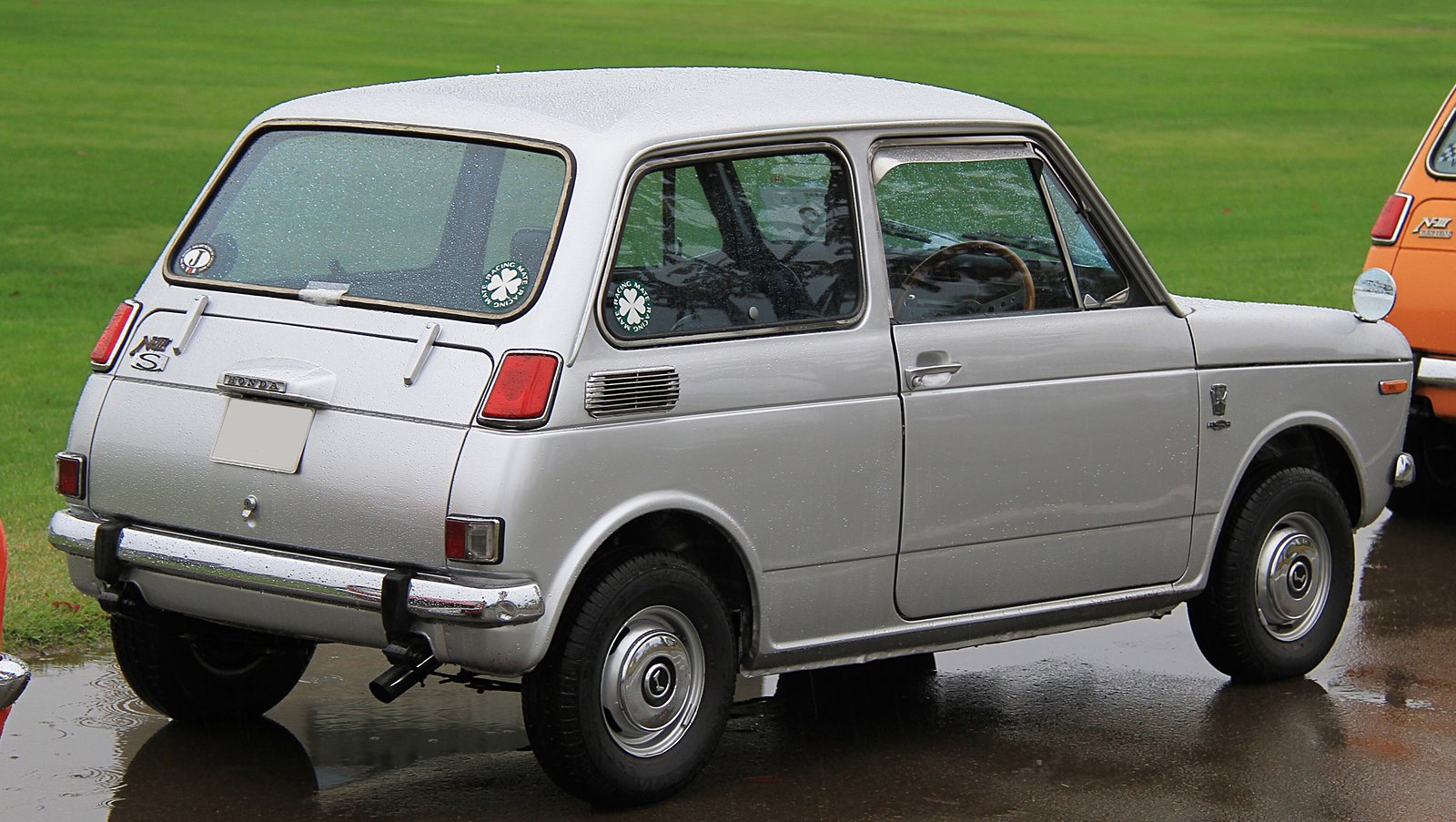
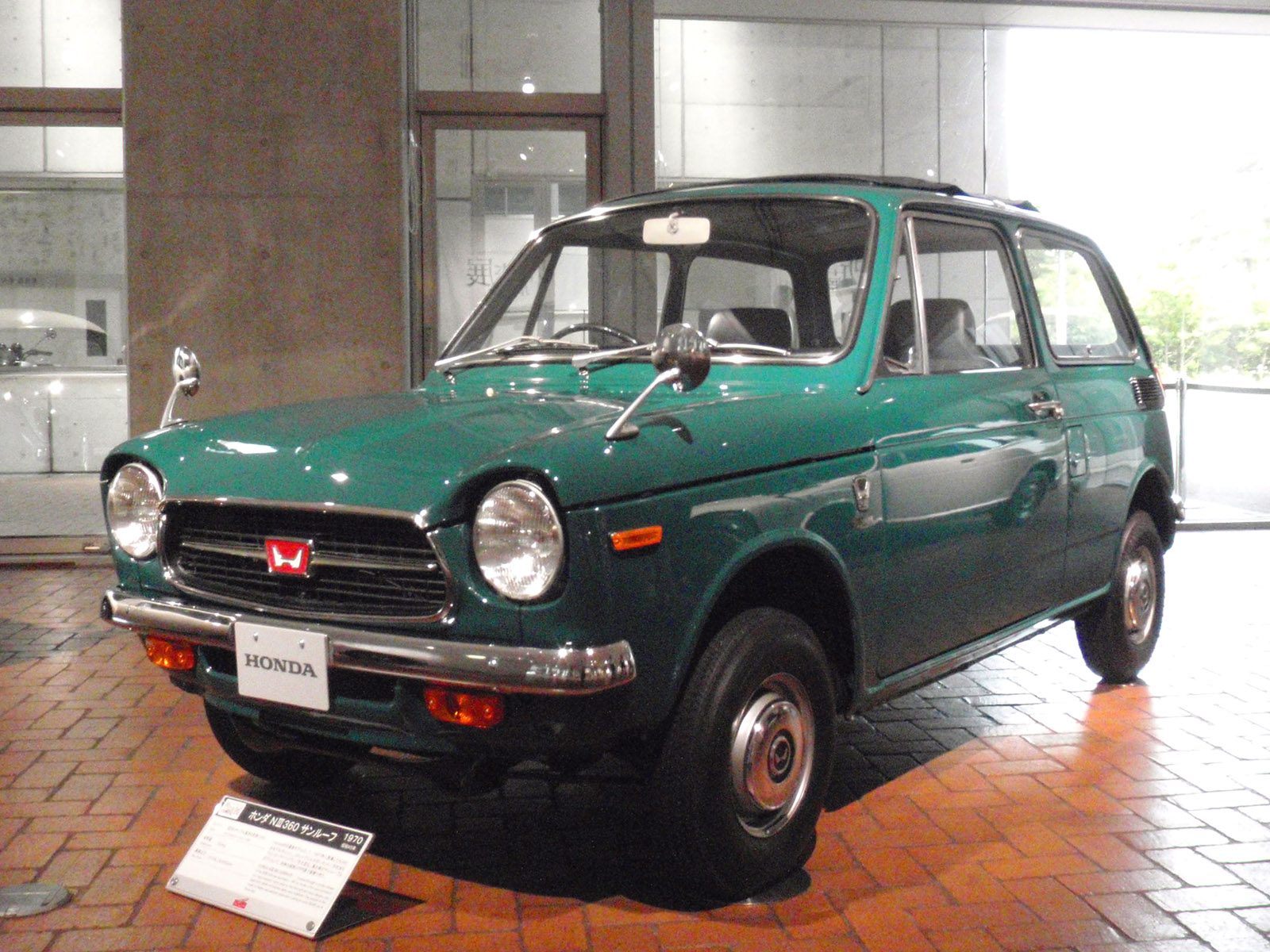
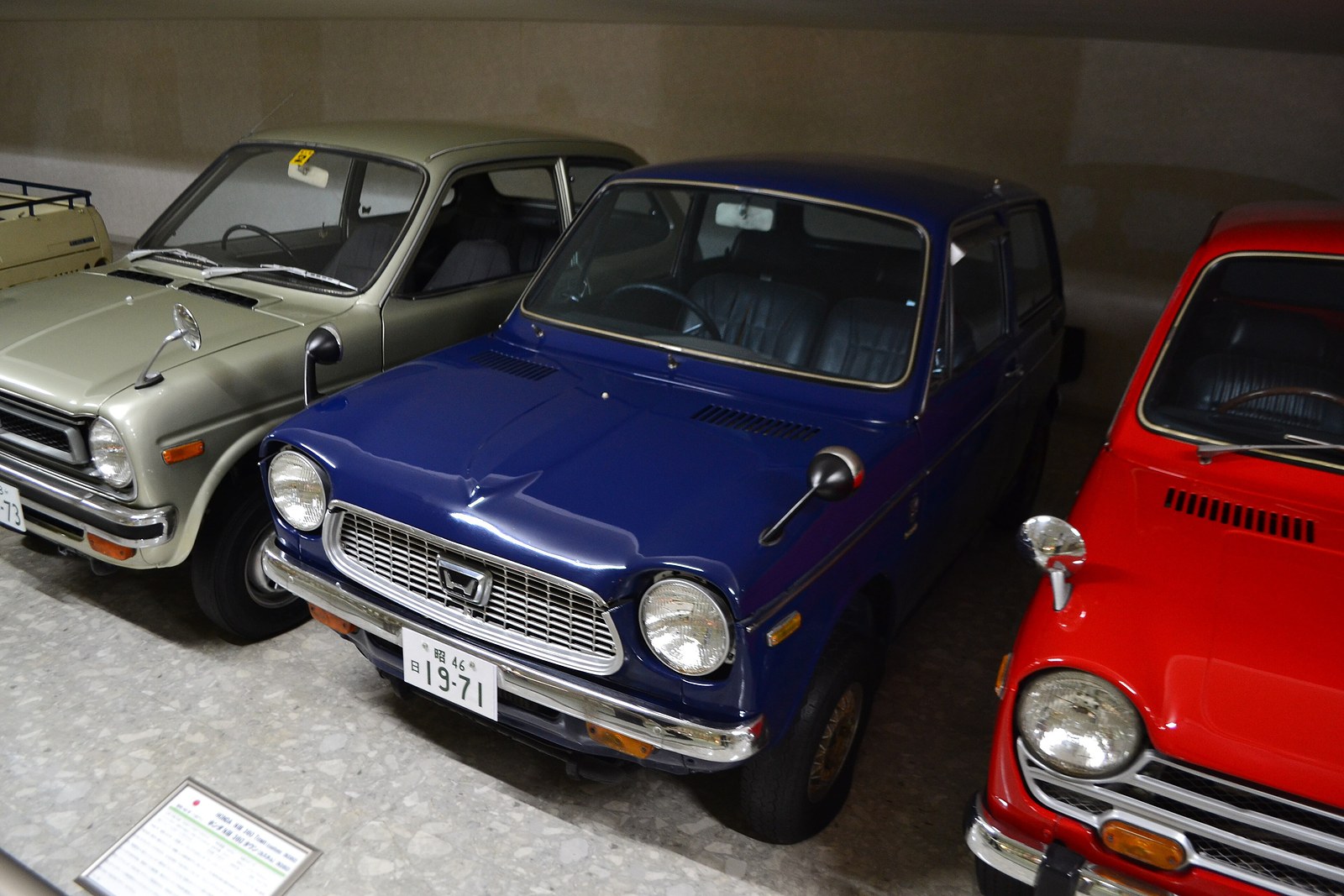
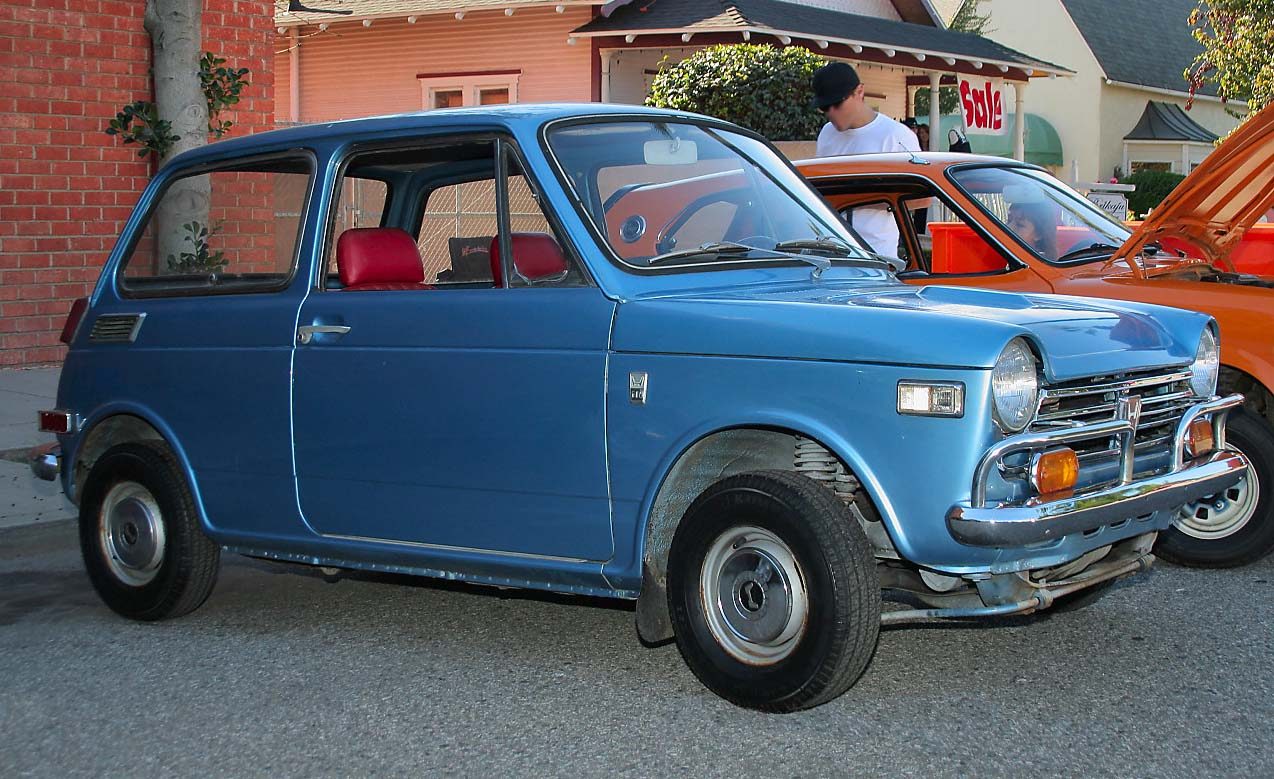
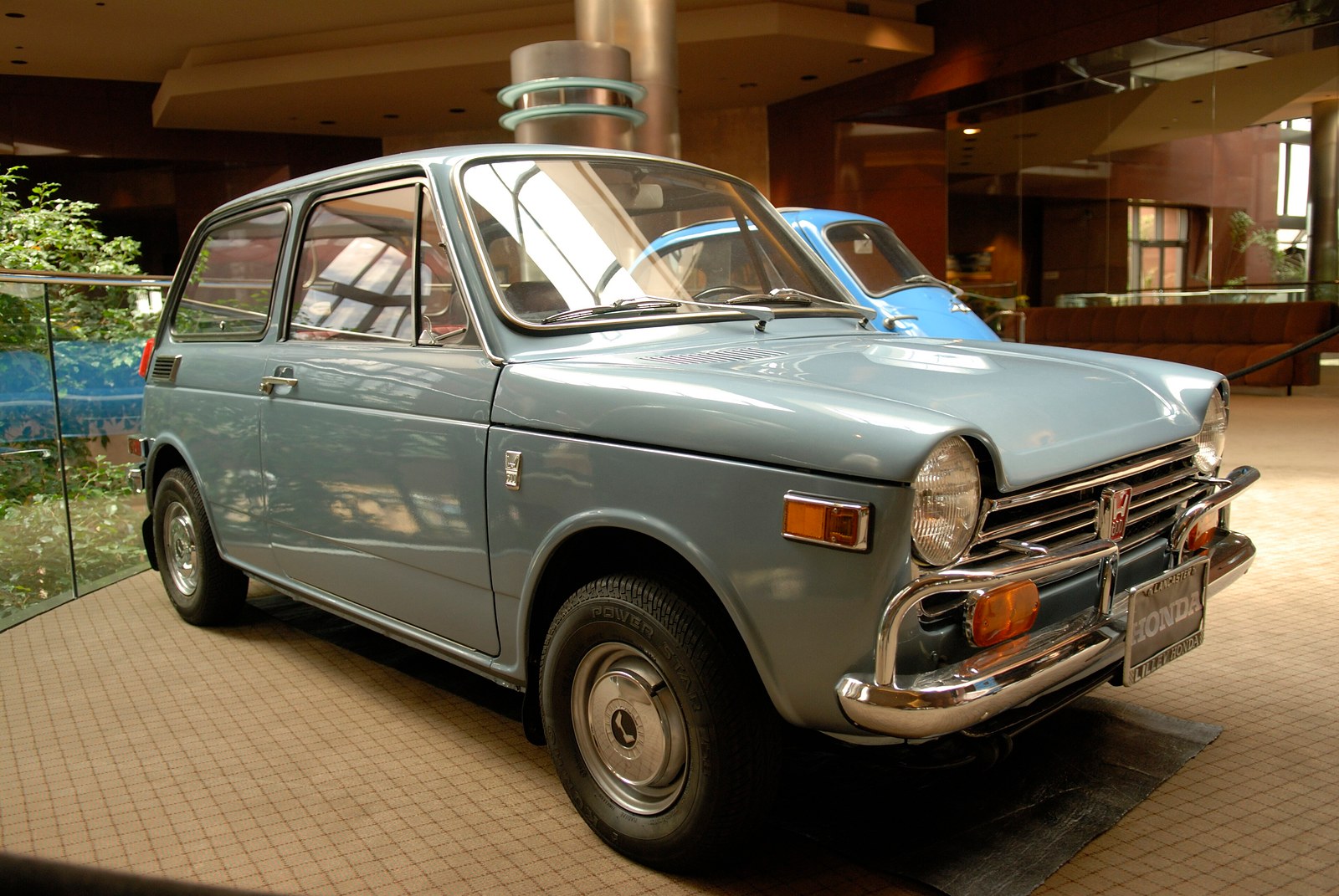
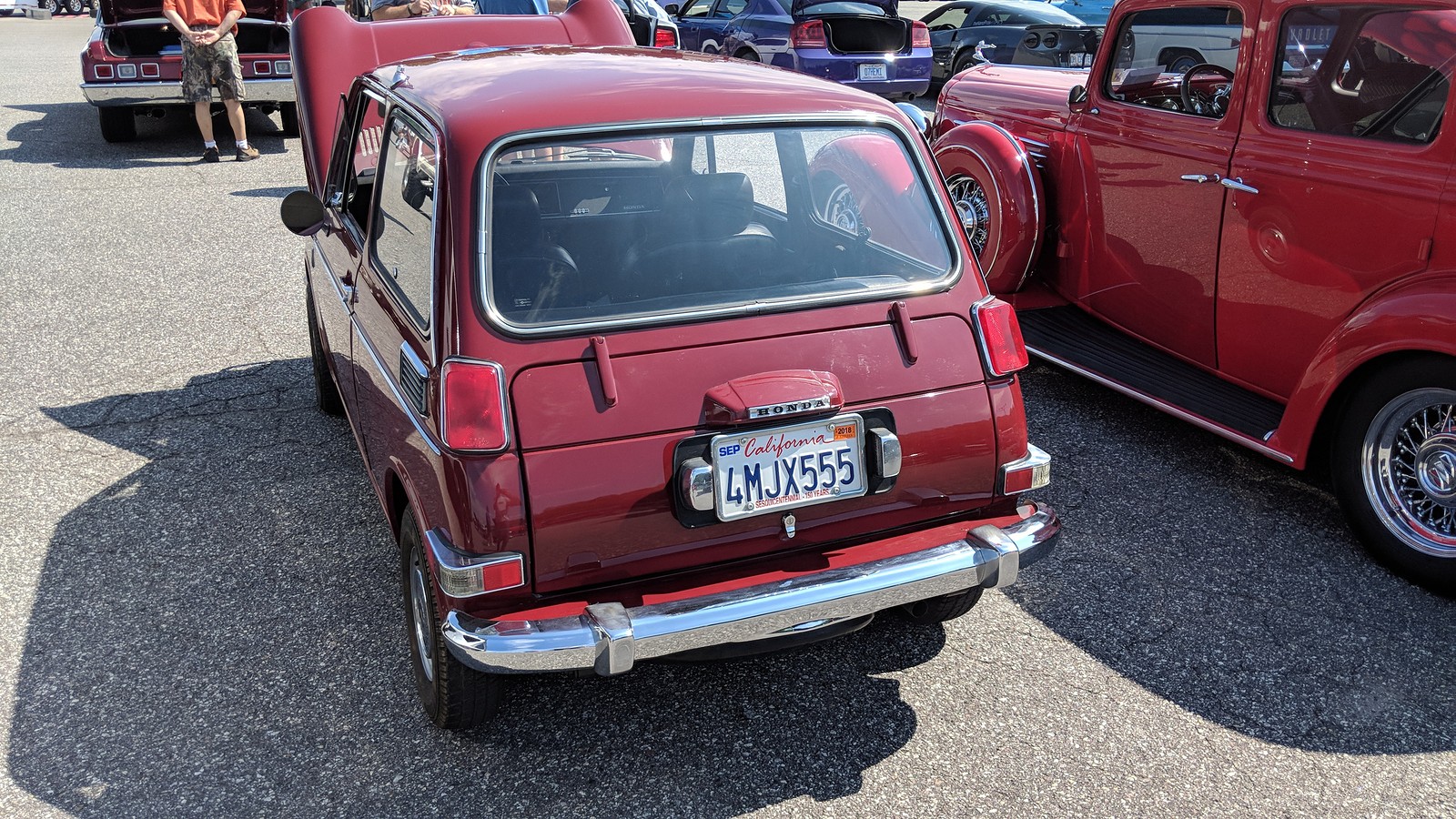
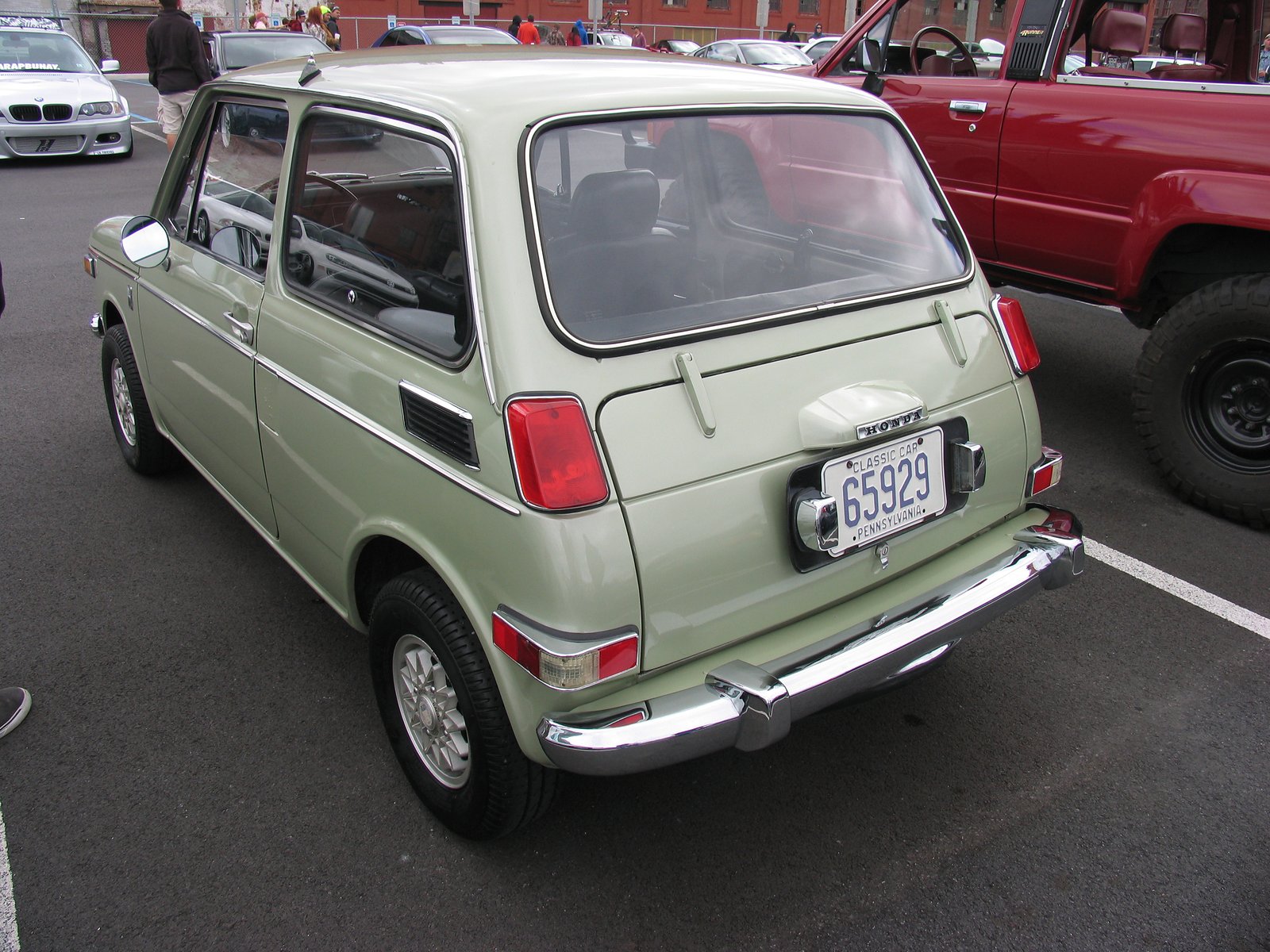
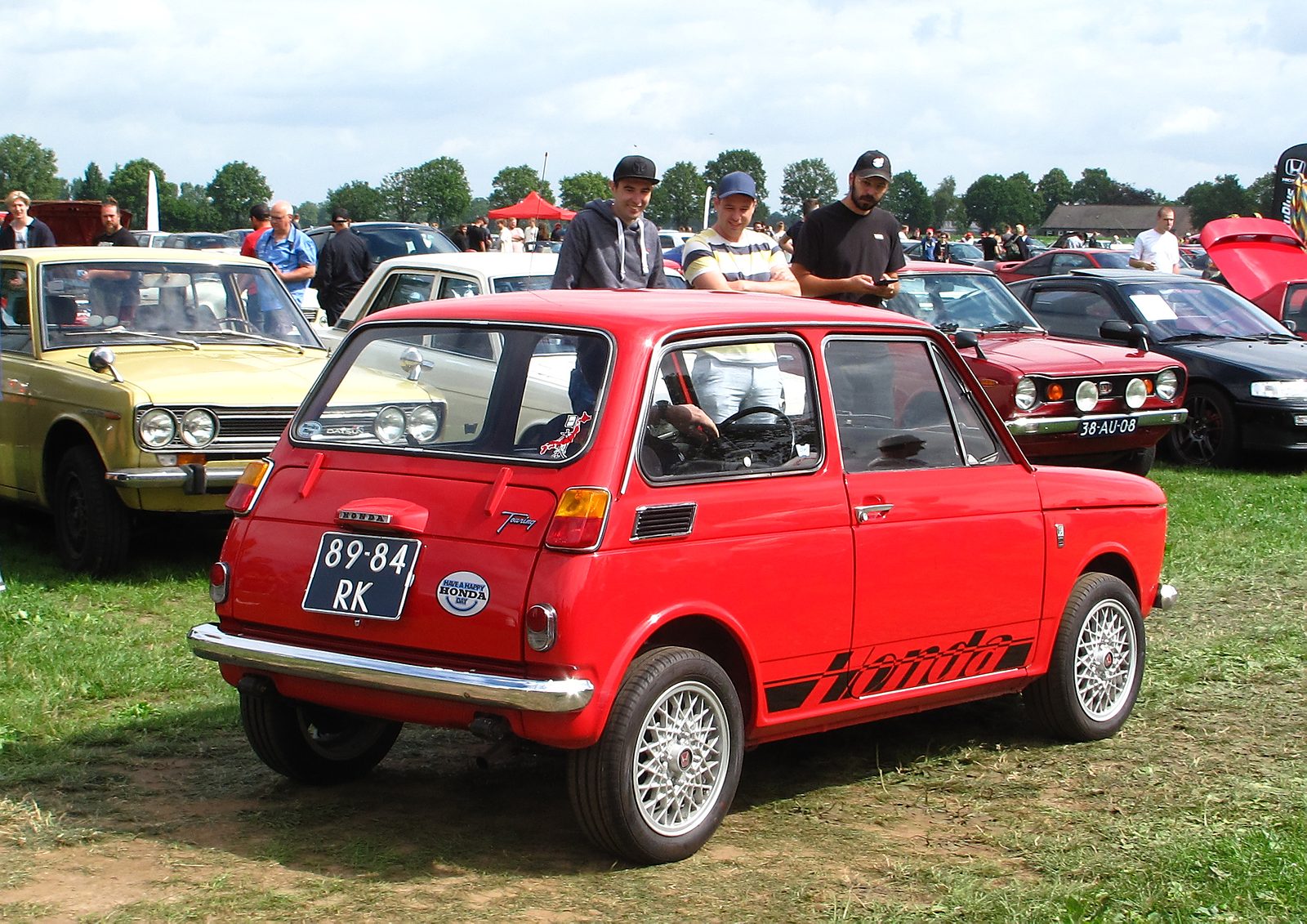
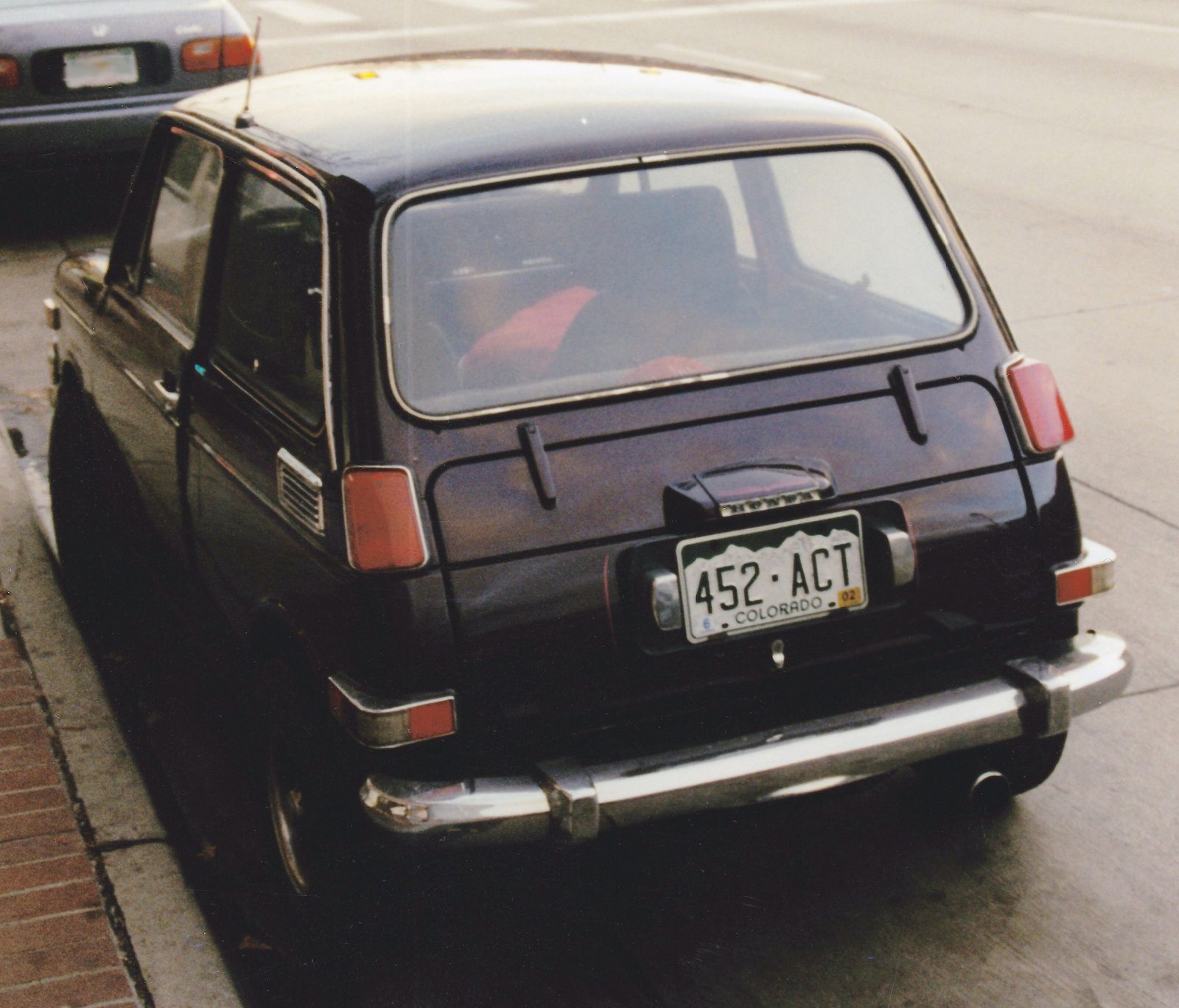
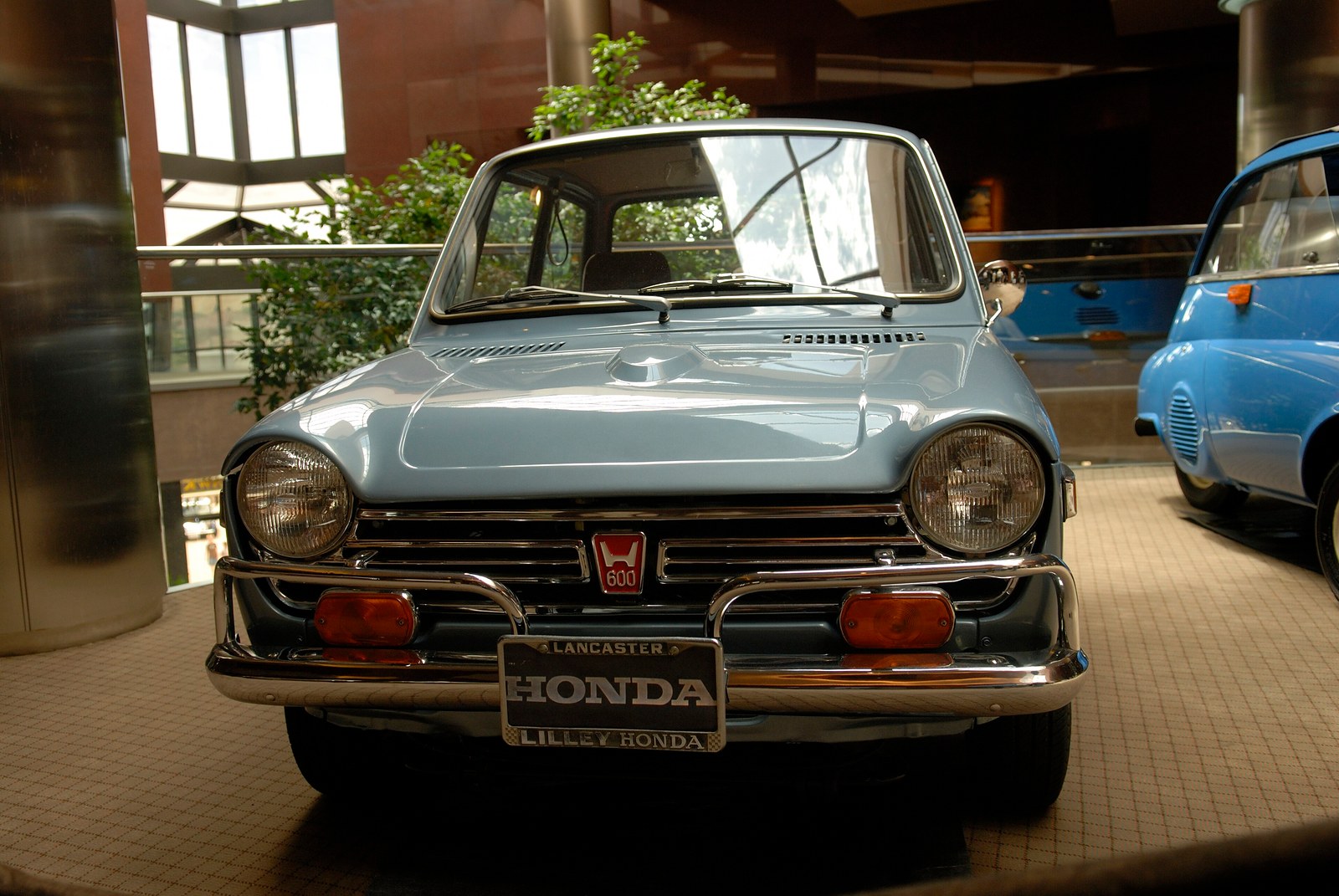
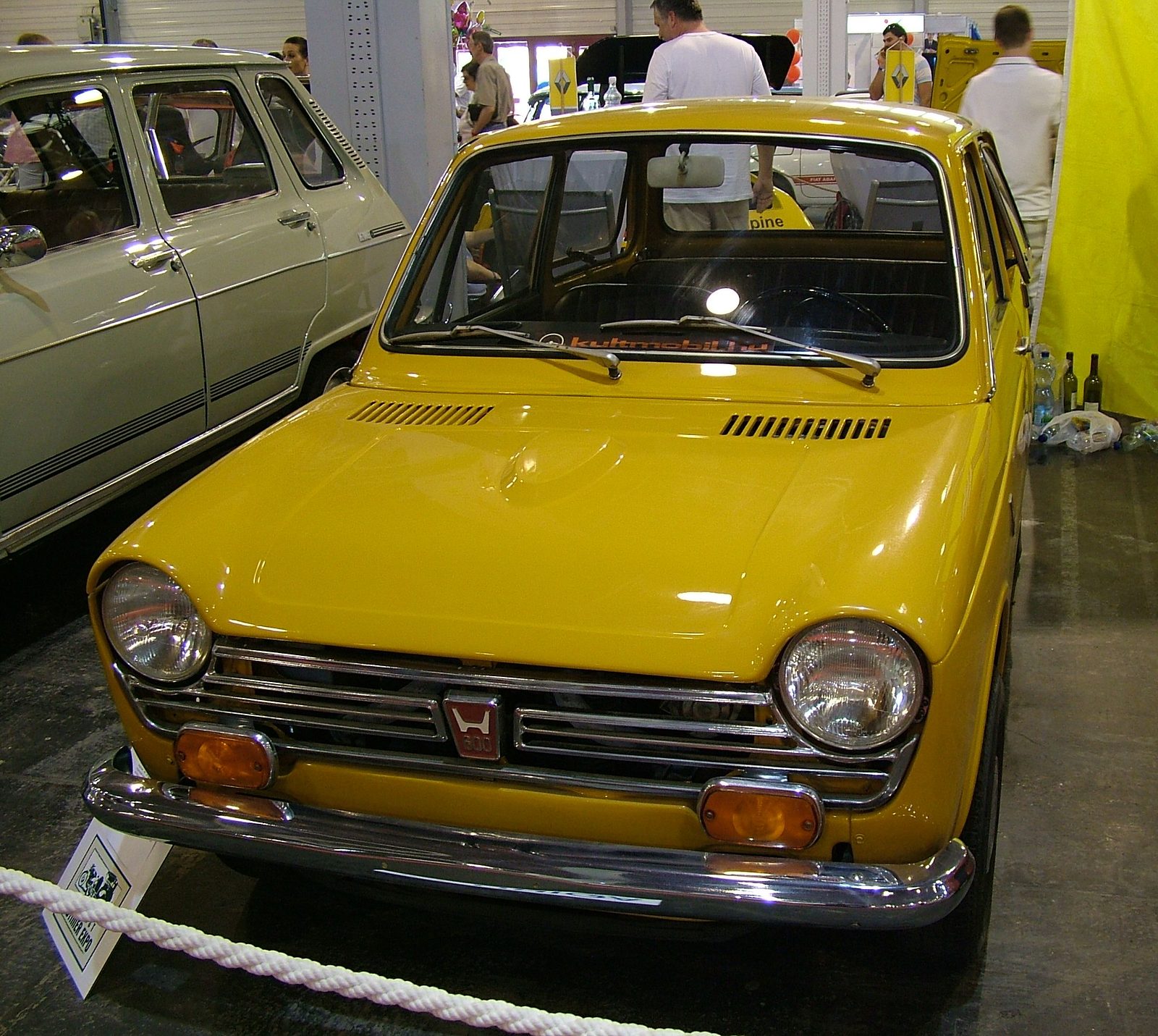
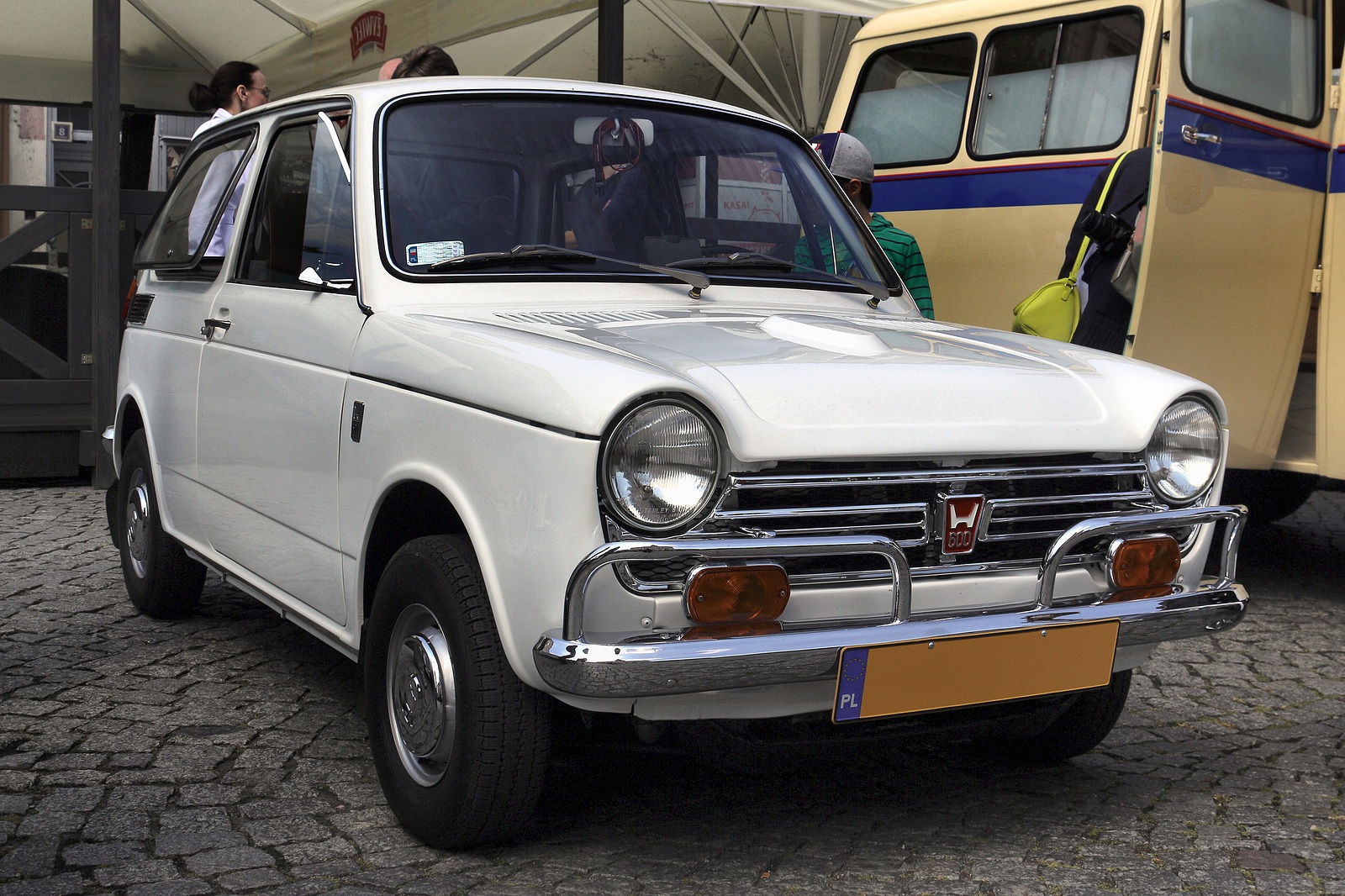
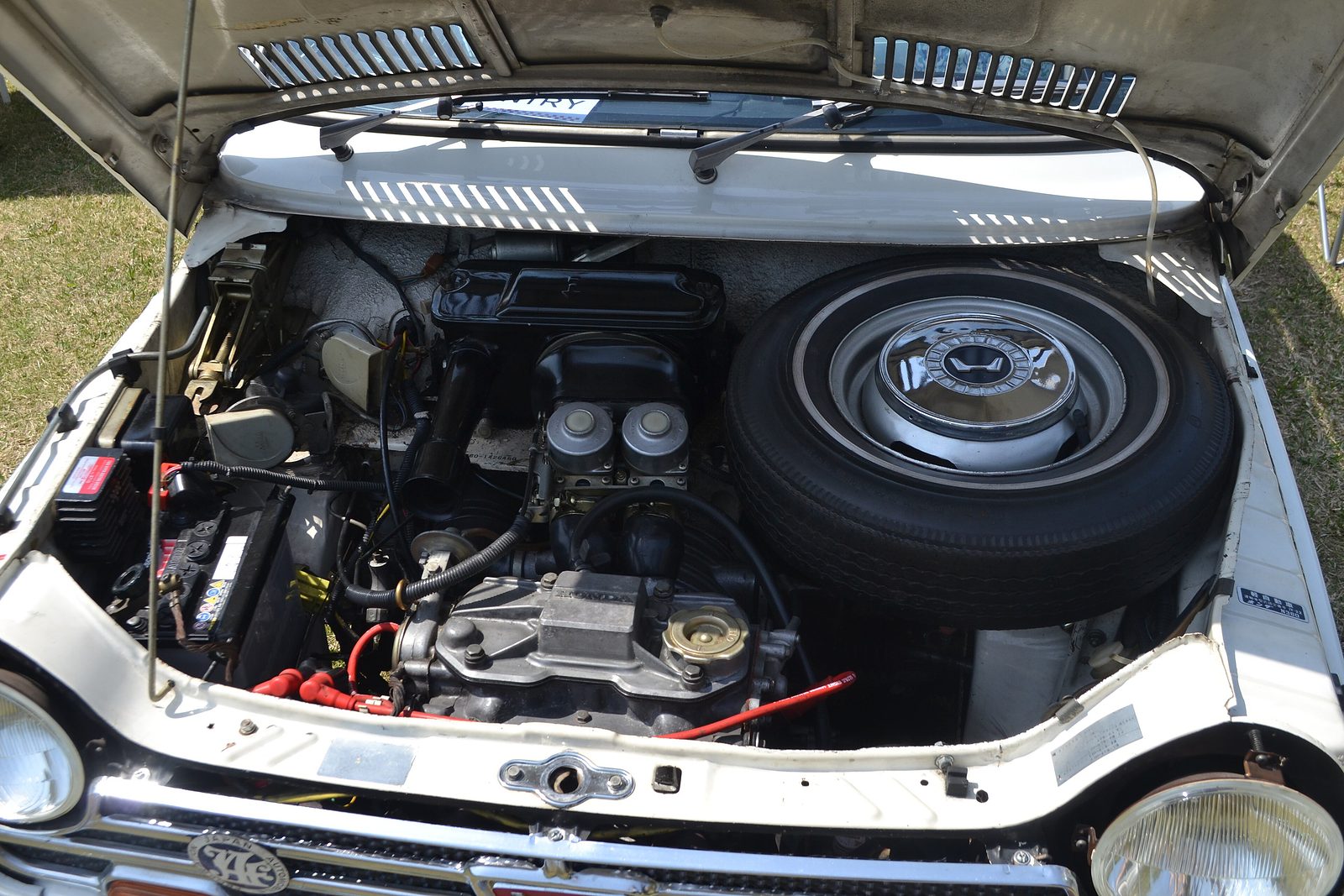
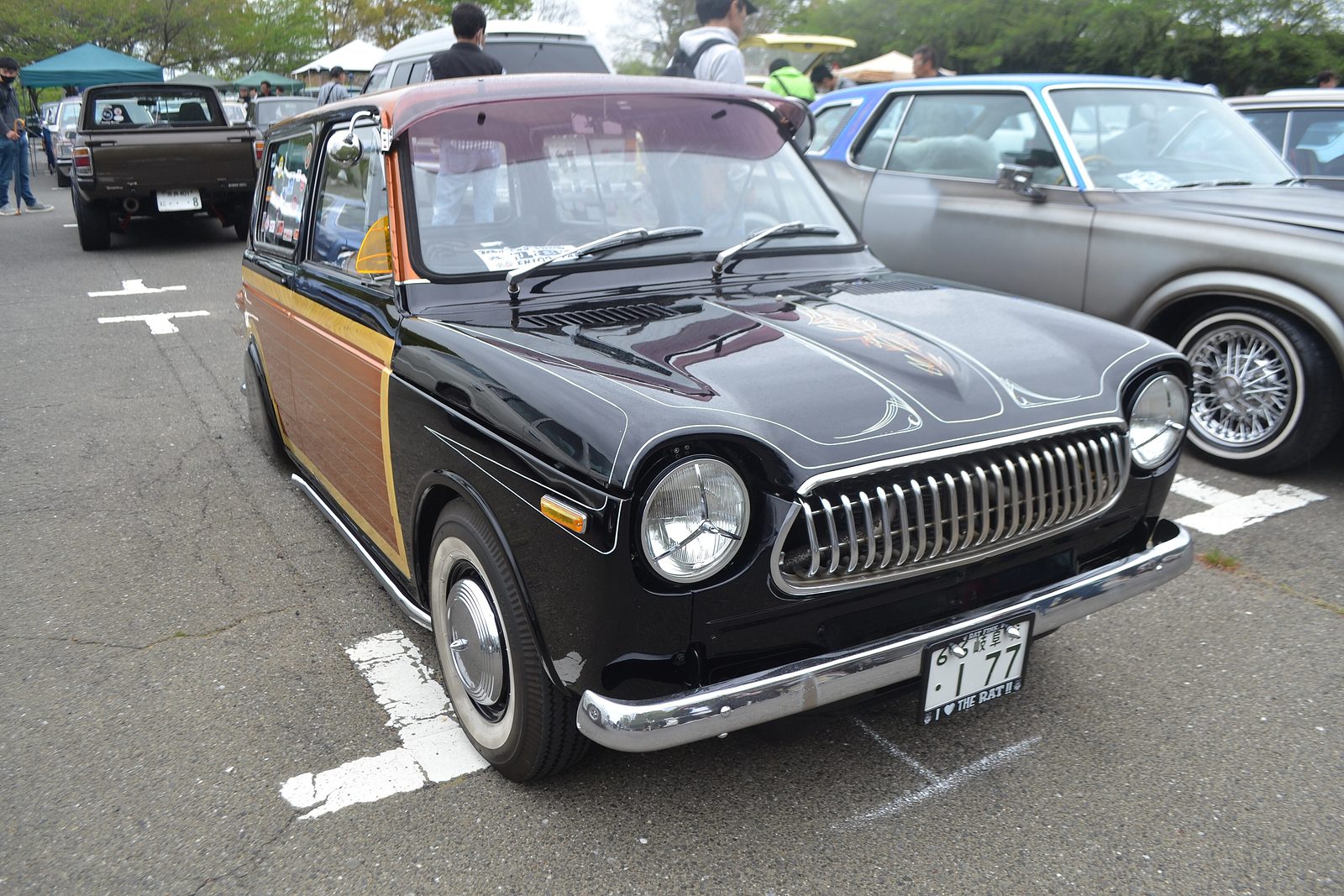
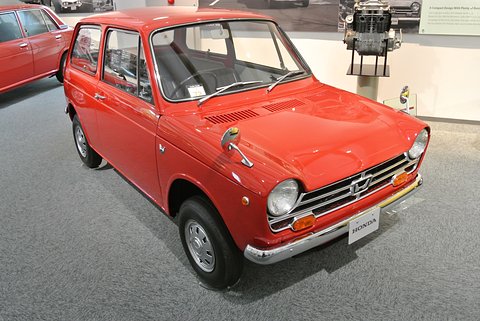
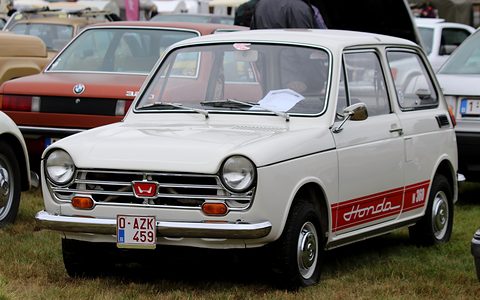
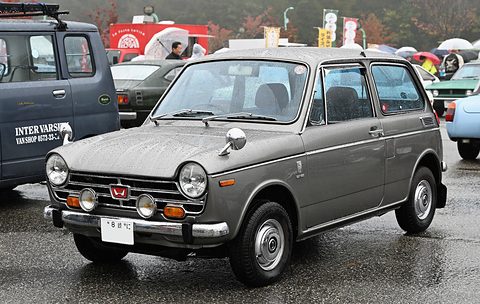
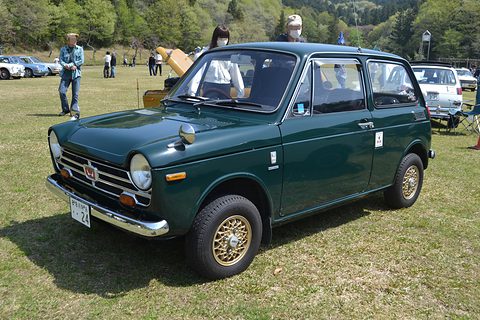
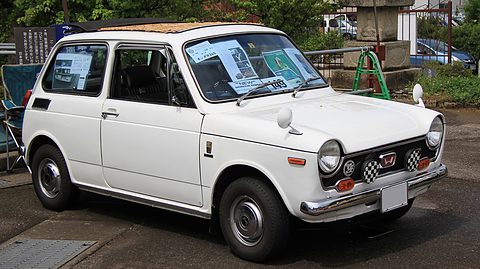
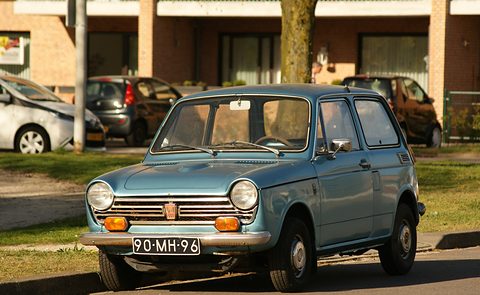
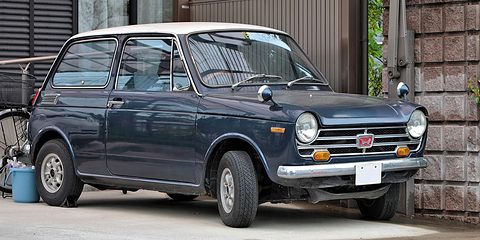
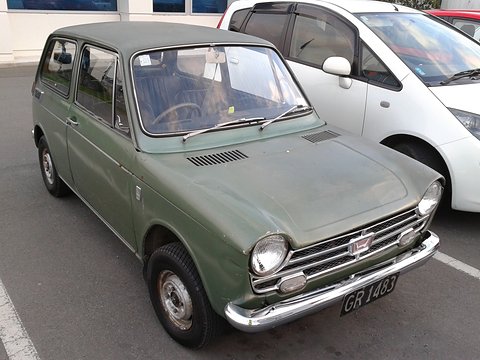
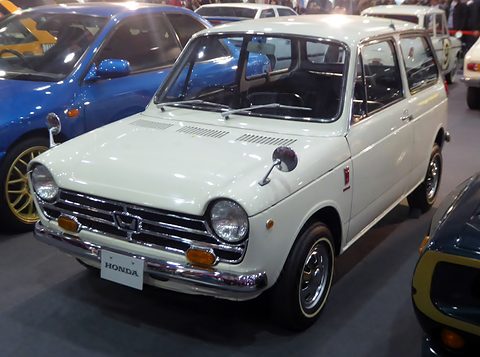
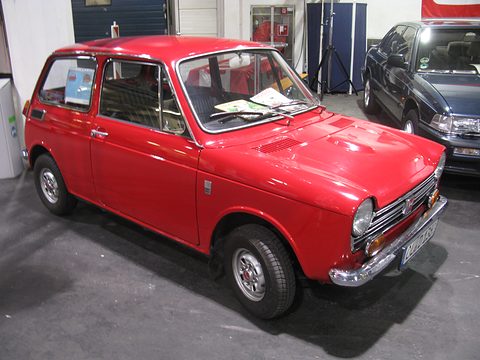
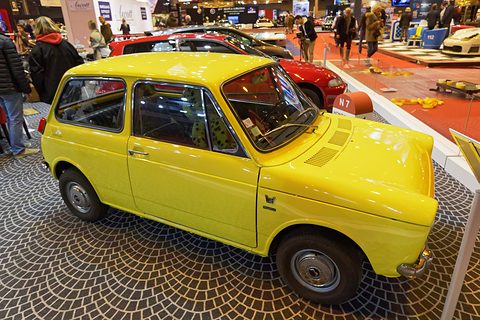
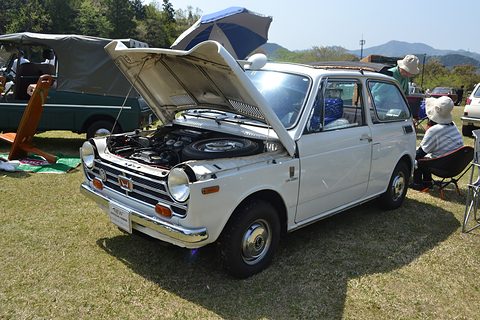
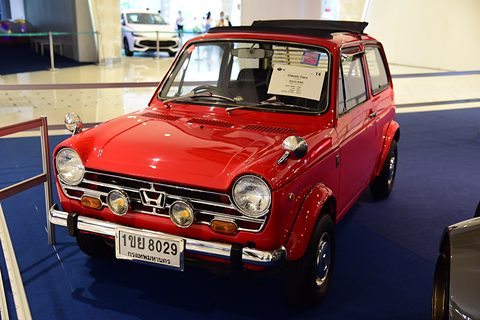
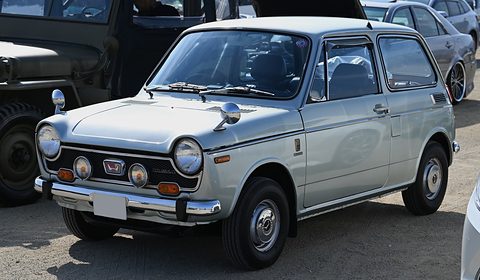
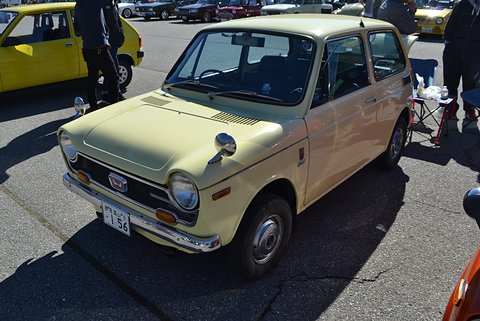
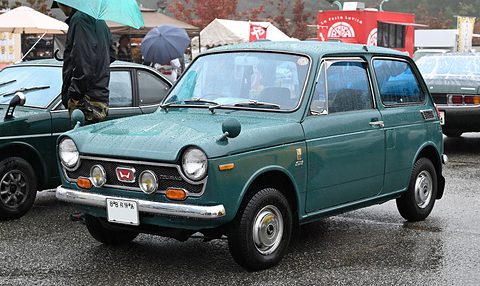
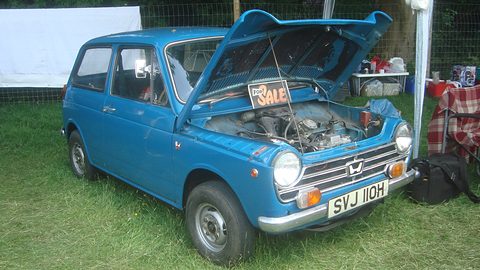
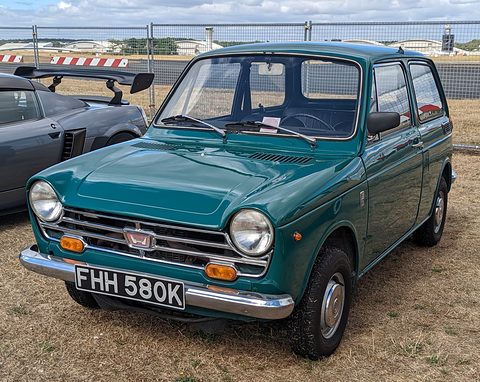
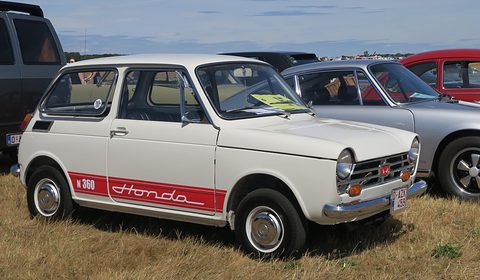
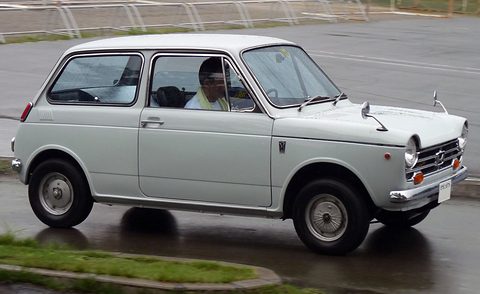
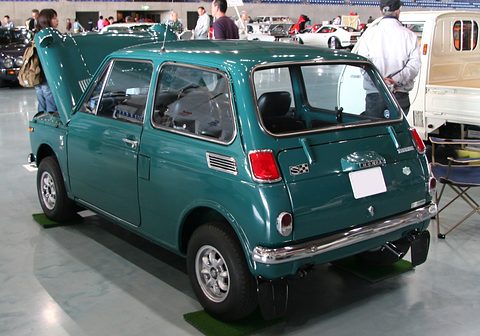
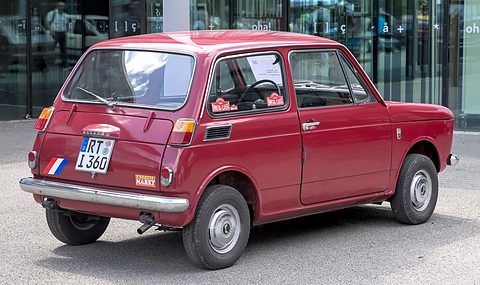
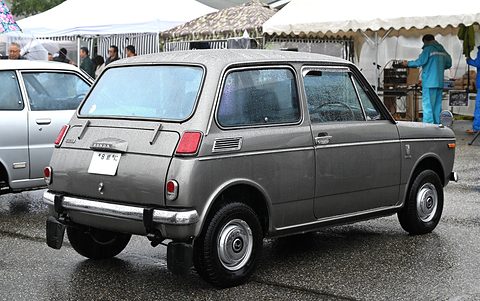
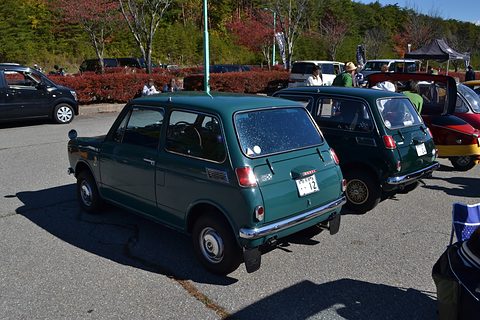
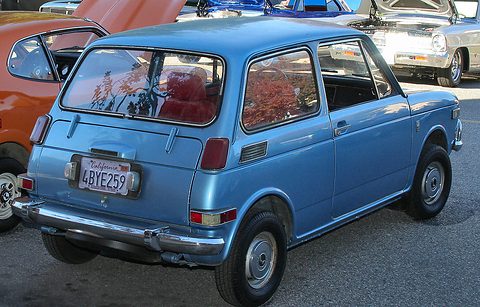
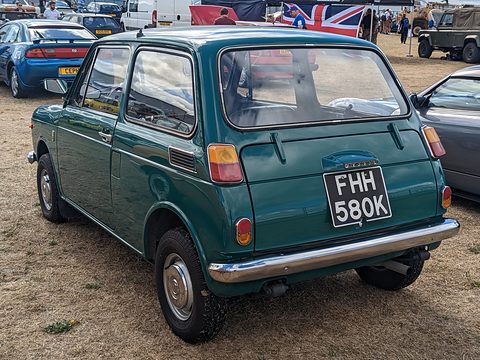
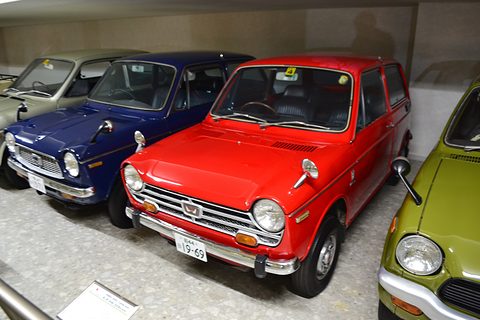
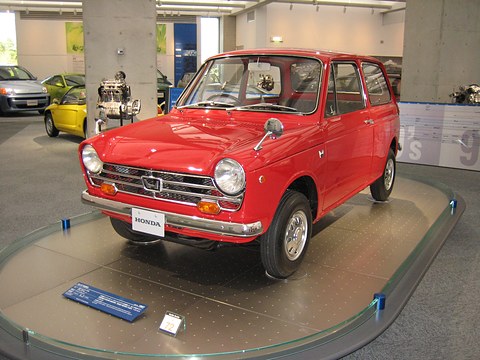
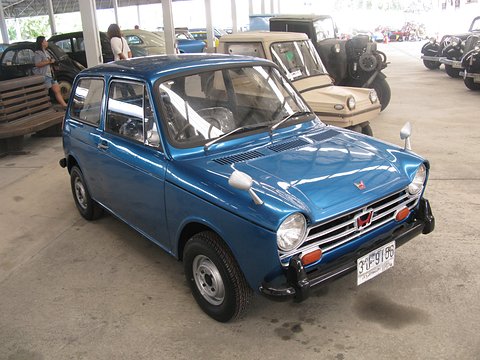
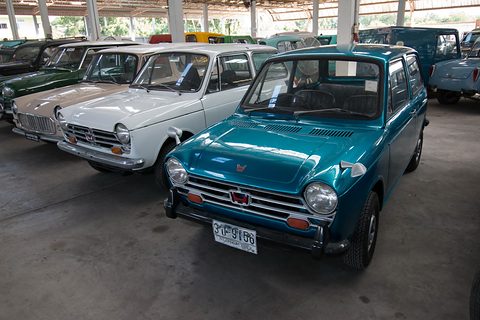
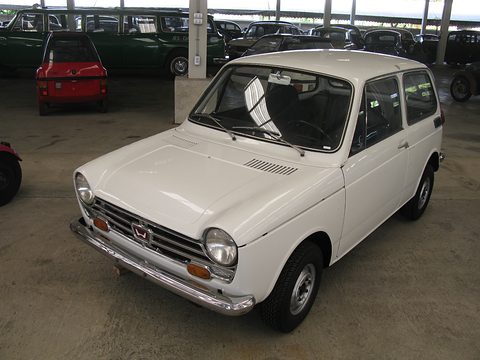
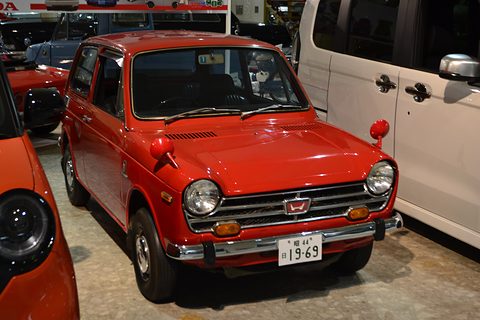
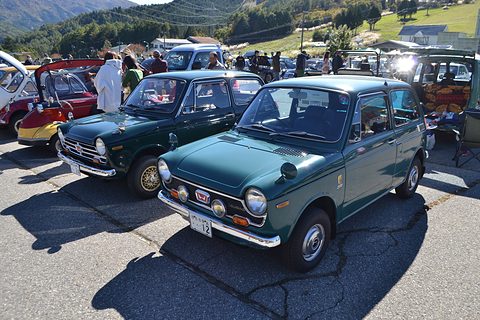
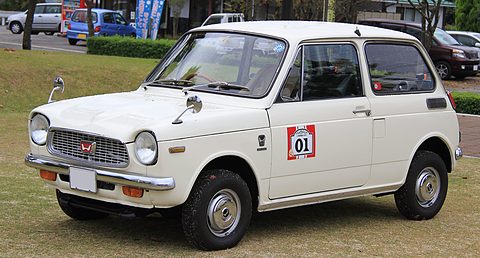
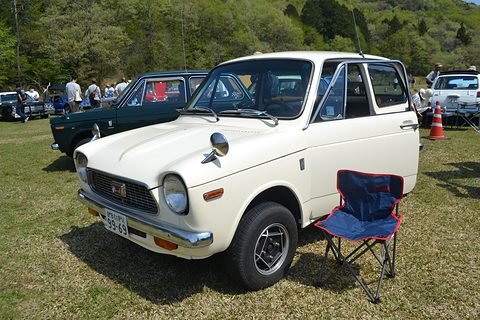
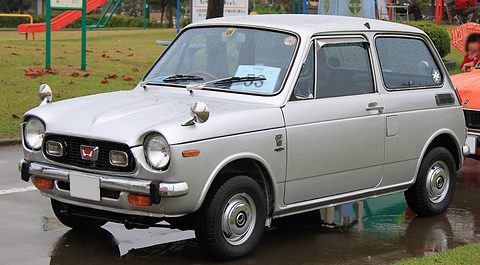
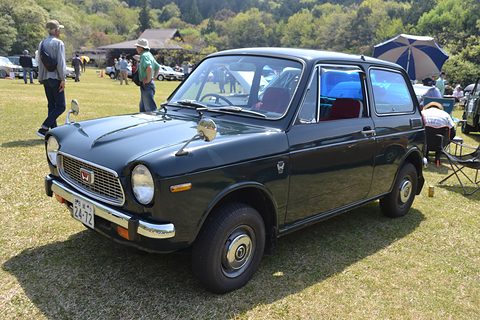
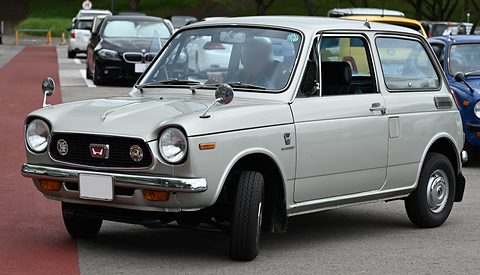
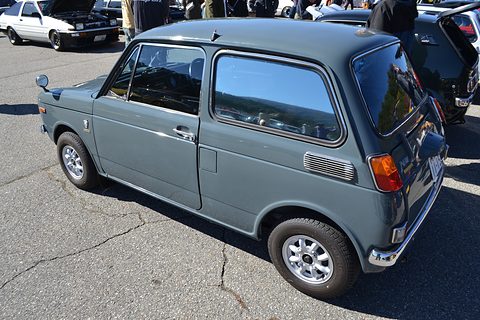
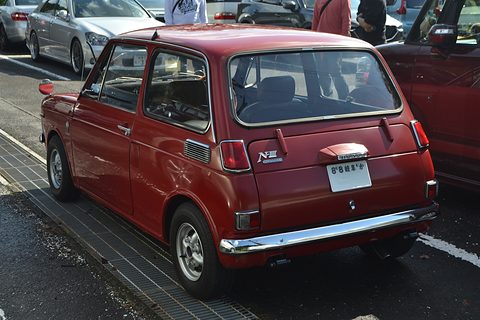
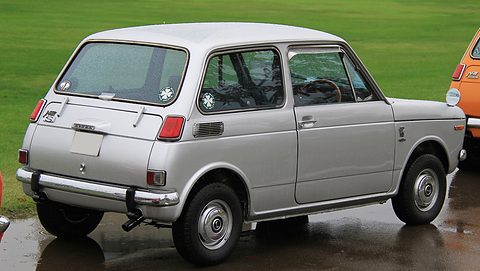
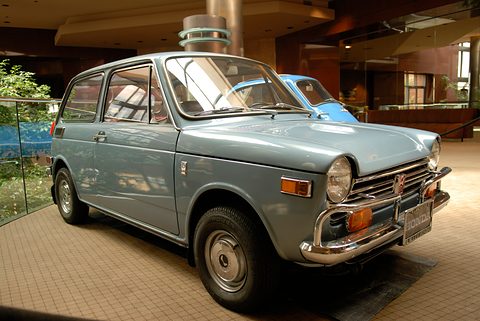
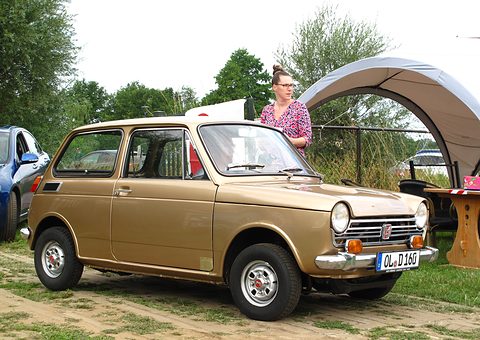
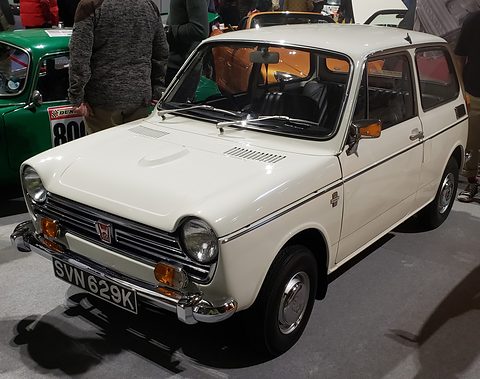
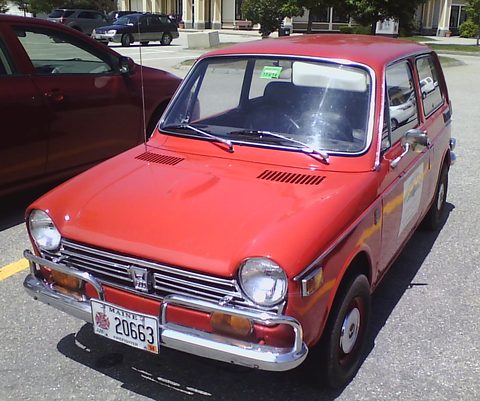
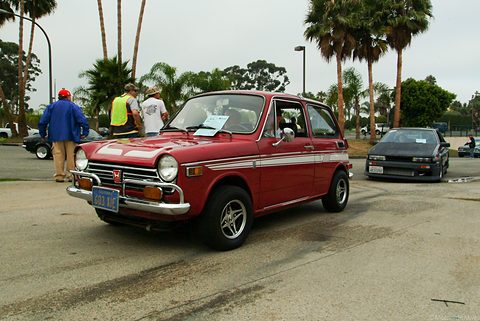
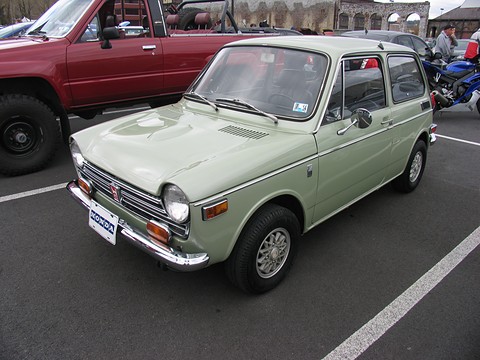
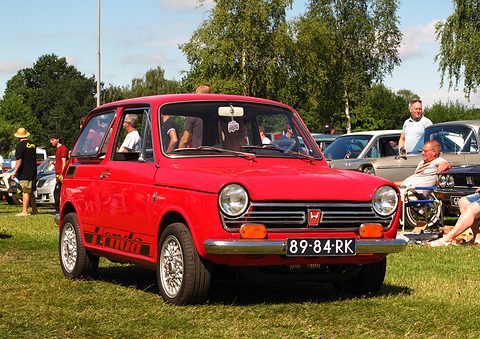
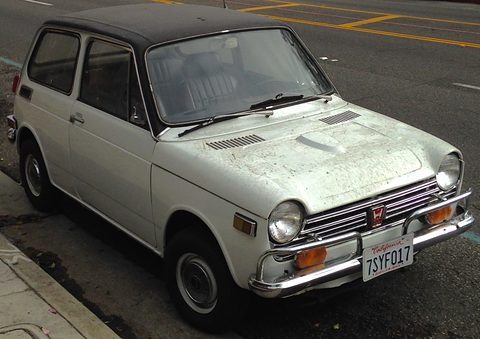
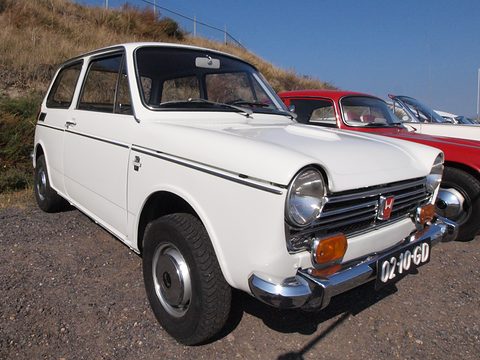
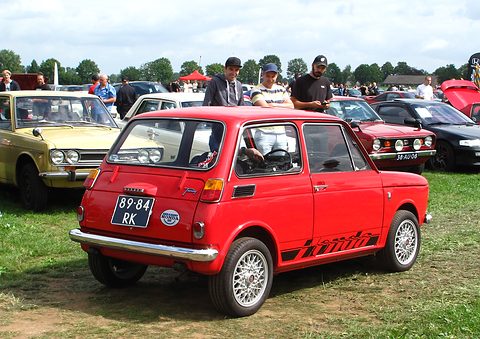
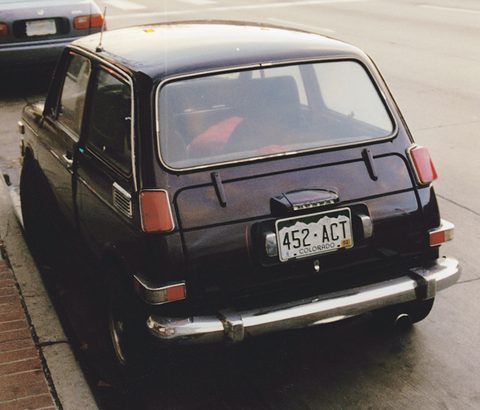
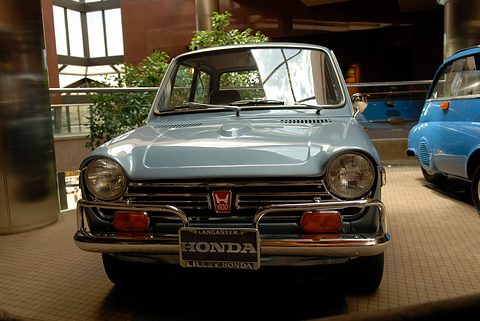
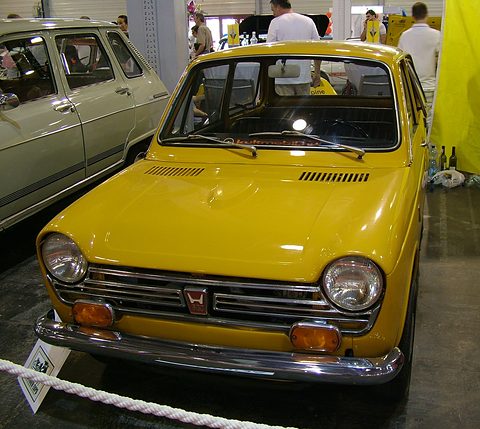
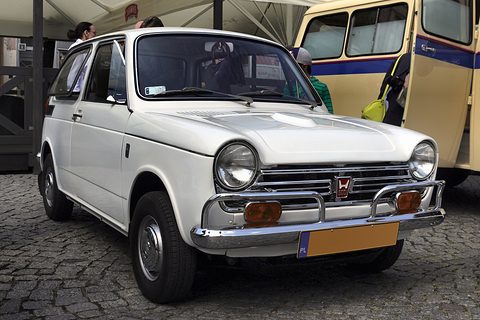
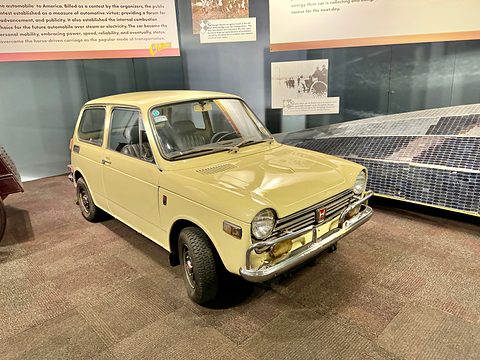
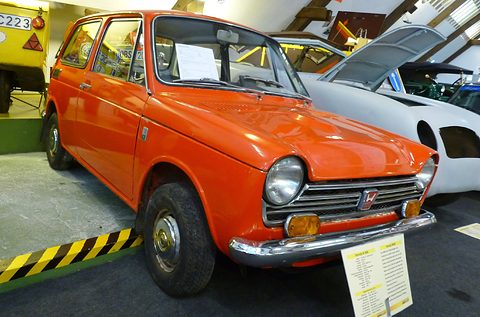
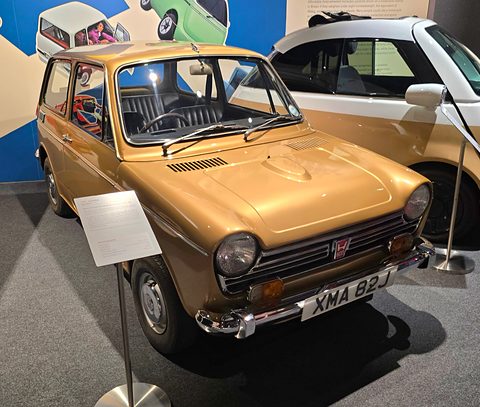
Honda called the principle Utility Minimum: the smallest possible engine bay and the largest possible cabin. It became the company’s philosophy of man maximum, machine minimum.source 1source 2 The British Mini’s influence is plain, from the front-wheel drive and the two-box shape to the small wheels at the corners and the boot lid; the boot opened straight through to the cabin.source 3
I am sure the Austin Mini was an important source of inspiration for developing the design and body layout of the light vehicle N 360.
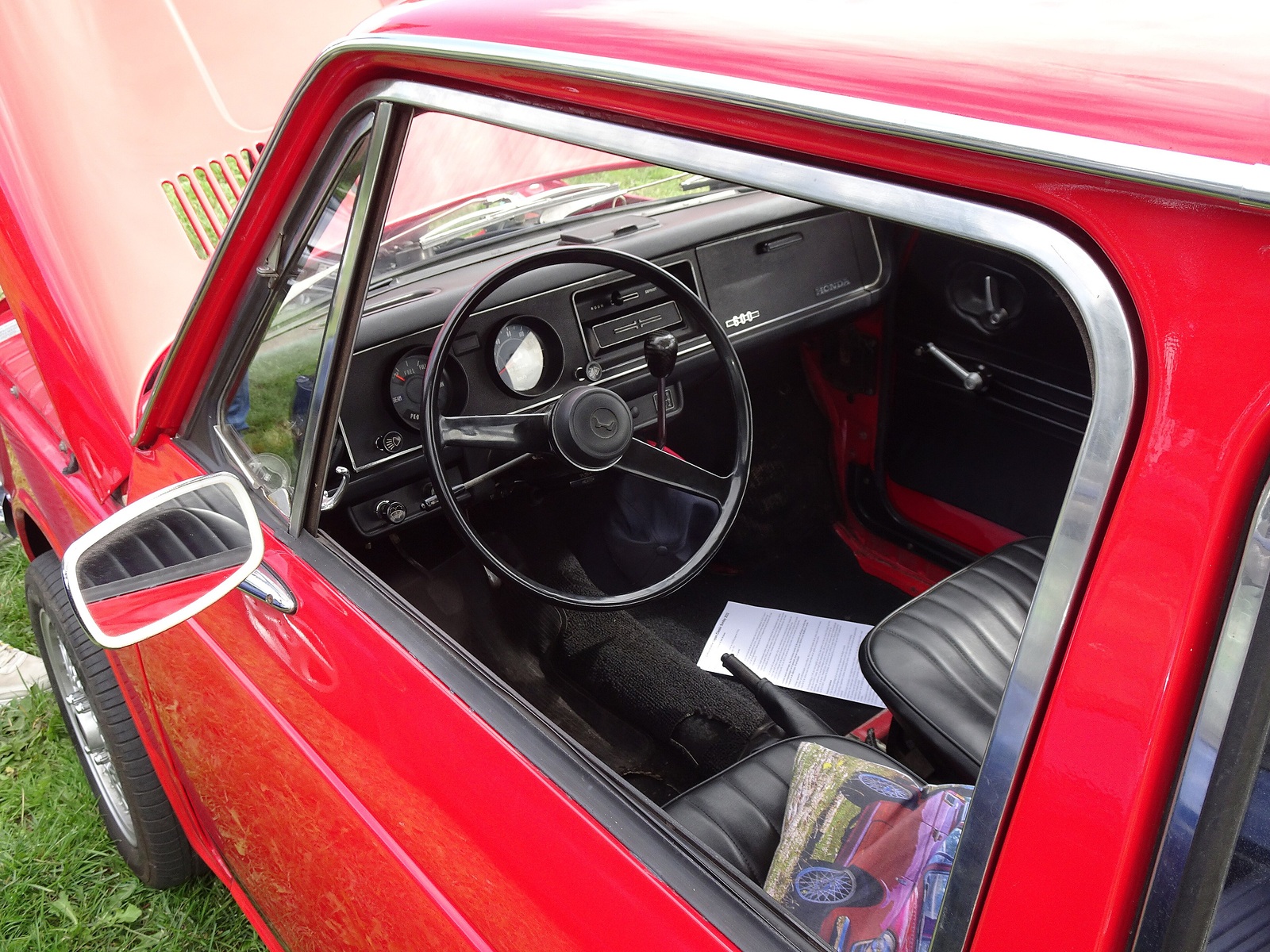
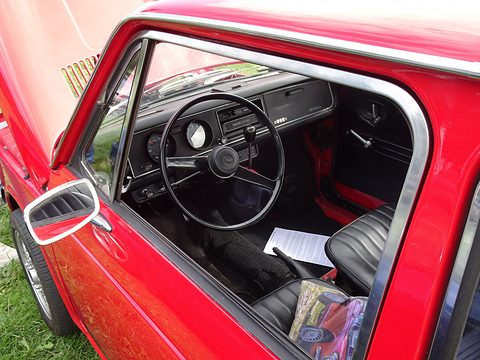
Inside, the early speedometer was a plain dial like a tester’s, the gear lever came straight out of the dashboard, and the steering column rose from the middle of the floor, so that the car could be built with the wheel on either side.source 3 Honda himself had the last word on the shape. By Honda’s own account the dies were already being cut from the finished clay model when he saw the prototype at Sayama, decided it looked wrong around the rear pillar, went to the casting shop and reshaped the clay with a plane; remaking the die cost ¥8 million.source 1 Japanese Wikipedia tells it differently, with Honda in the design studio almost daily and the roof the part he wanted shaved.source 3
A motorcycle twin
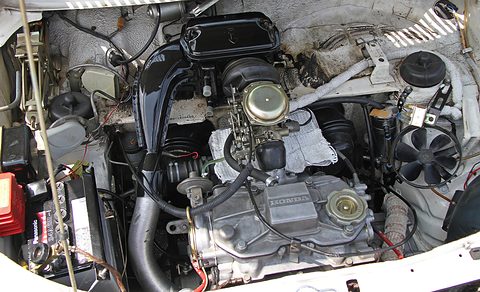
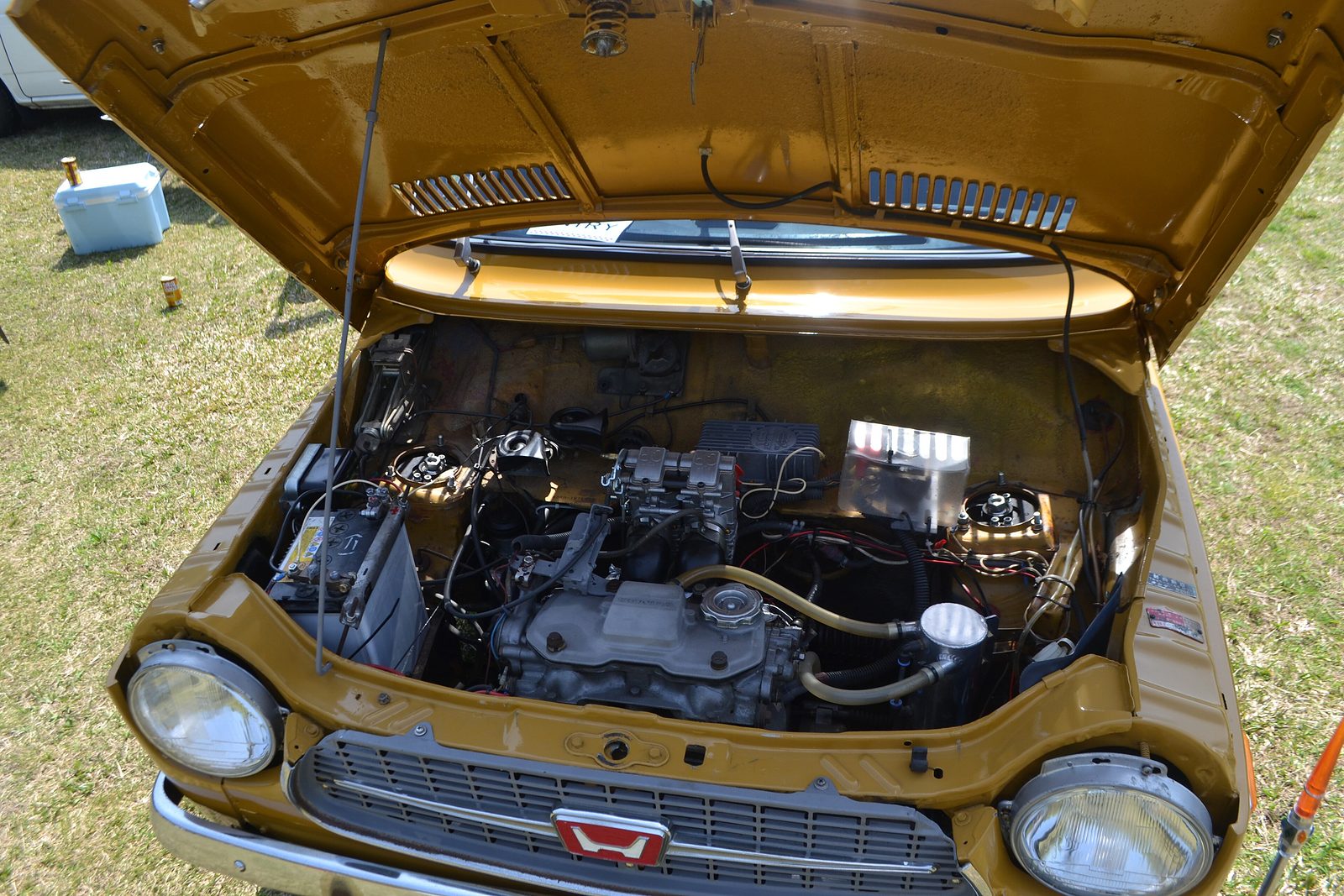
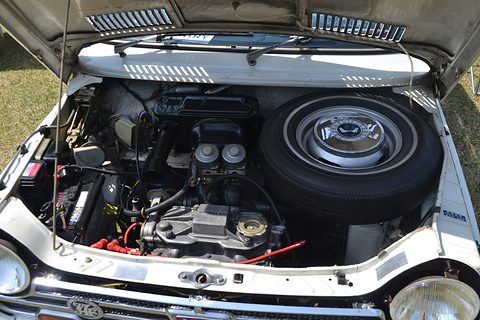
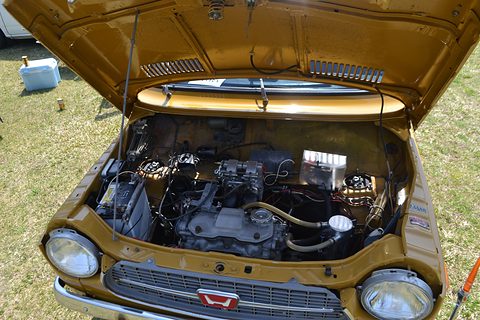
The engine came from the air-cooled twin of the Dream CB450 motorcycle: 354 cc, fan-cooled, with a single overhead camshaft driven by a chain between the cylinders, giving 31 PS (23 kW) at 8,500 rpm.source 5source 3source 6 Rival kei cars had two-strokes of little more than 20 PS.source 5source 3 Unlike Honda’s motorcycle twins, it had a 360-degree crankshaft, both pistons rising together, which needed no distributor but shook more, and the gearbox lived in the sump, as on the Mini.source 6 Honda kept the work on noise and vibration basic, and the heater, which used air warmed by the engine, let the smell of fuel and oil into the cabin.source 3 The car reached 115 km/h (71 mph), the highest speed in the class.source 5source 3
¥313,000
On 21 October 1966 nearly 100 journalists drove the N360 and the LN360 van at the Haneda Tokyu Hotel, and said it pulled away like a sports car.source 1 Five days later it shared the 13th Tokyo Motor Show, which drew a record 1.5 million visitors, with Toyota’s Corolla, and the two were its stars.source 1source 4 On 15 December Honda announced the price in full-page advertisements in 20 newspapers: ¥313,000 at the Sayama works, ¥315,000 delivered in Tokyo, when rivals cost about ¥350,000 to ¥450,000.source 1source 3 Honda cut out the wholesale agents and sold it through its motorcycle dealers.source 3 The launch, planned for February, slipped to 6 March 1967.source 1source 4
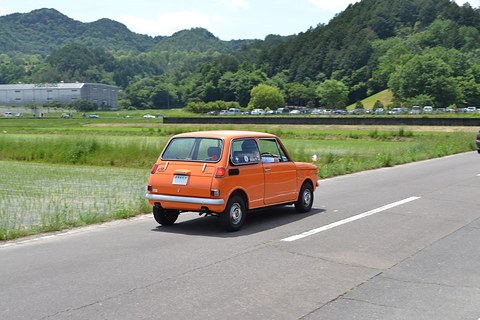
Kei passenger cars had been selling fewer than 10,000 a month. In March 1967 the class sold 16,000, in April 17,000 and in May more than 18,000, when 5,570 N360s were registered and Honda led the industry.source 1 By 6 June there were 22,500 orders.source 1 Within weeks buyers had a name for it, Enu-koro, the little N puppy.source 1source 3 The LN360 van followed in June and the TN360 truck that autumn, and each led its category within three months.source 1 The N360 led Japan’s kei sales for three years.source 3
At the time in Japan, mini cars start at 370,000 yen but we’ve priced ours at ¥313,000.
The horsepower war
Its 31 PS set off what the Japanese call the bariki kyōsō, the horsepower race, which ran until the oil crisis and took 360 cc cars to between 36 and 40 PS; Daihatsu’s Fellow Max SS reached 40 PS in 1970.source 3source 7 Japanese Wikipedia says the 40 PS engines that rival makers built lacked usable pull at low speed.source 3
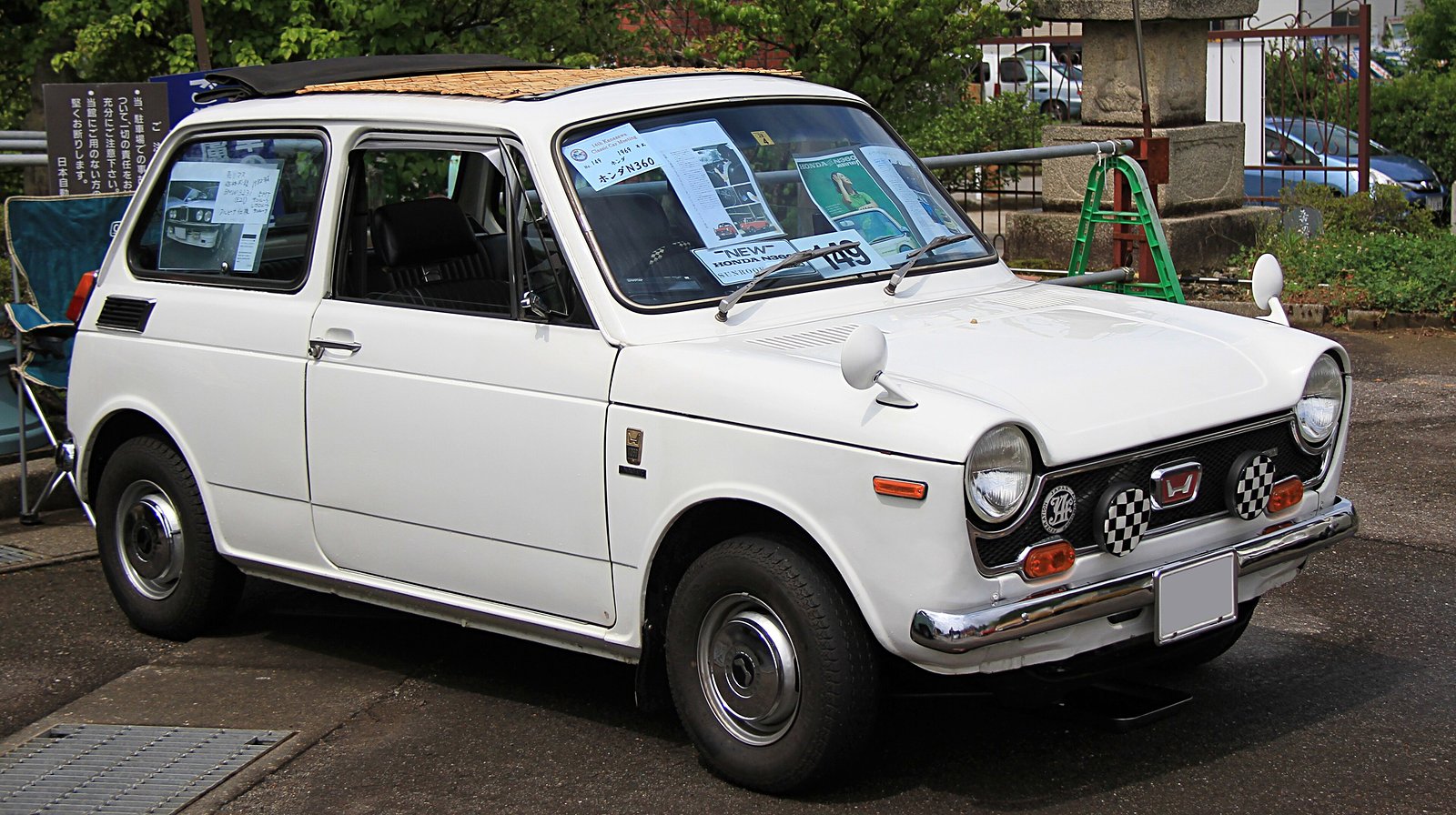
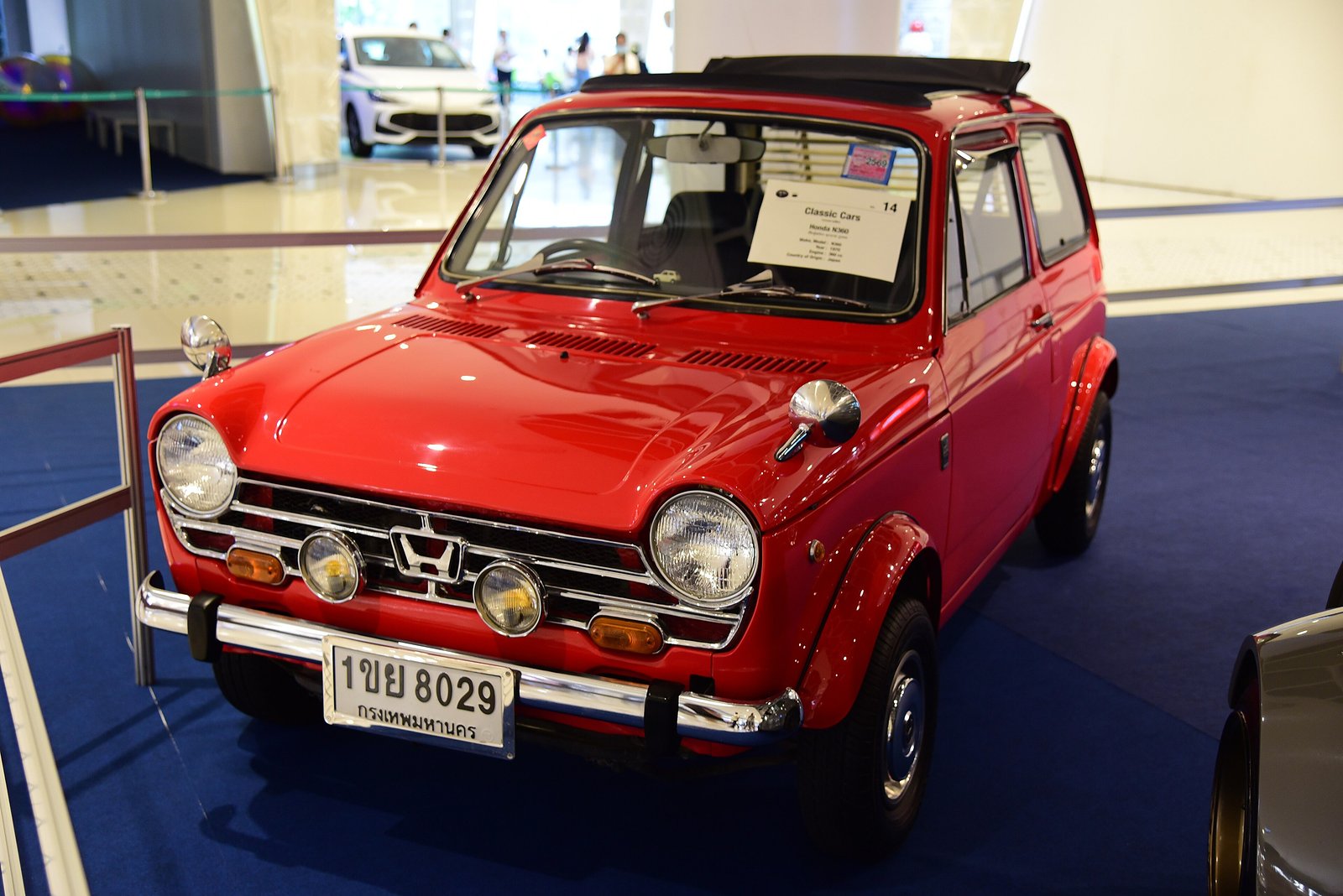
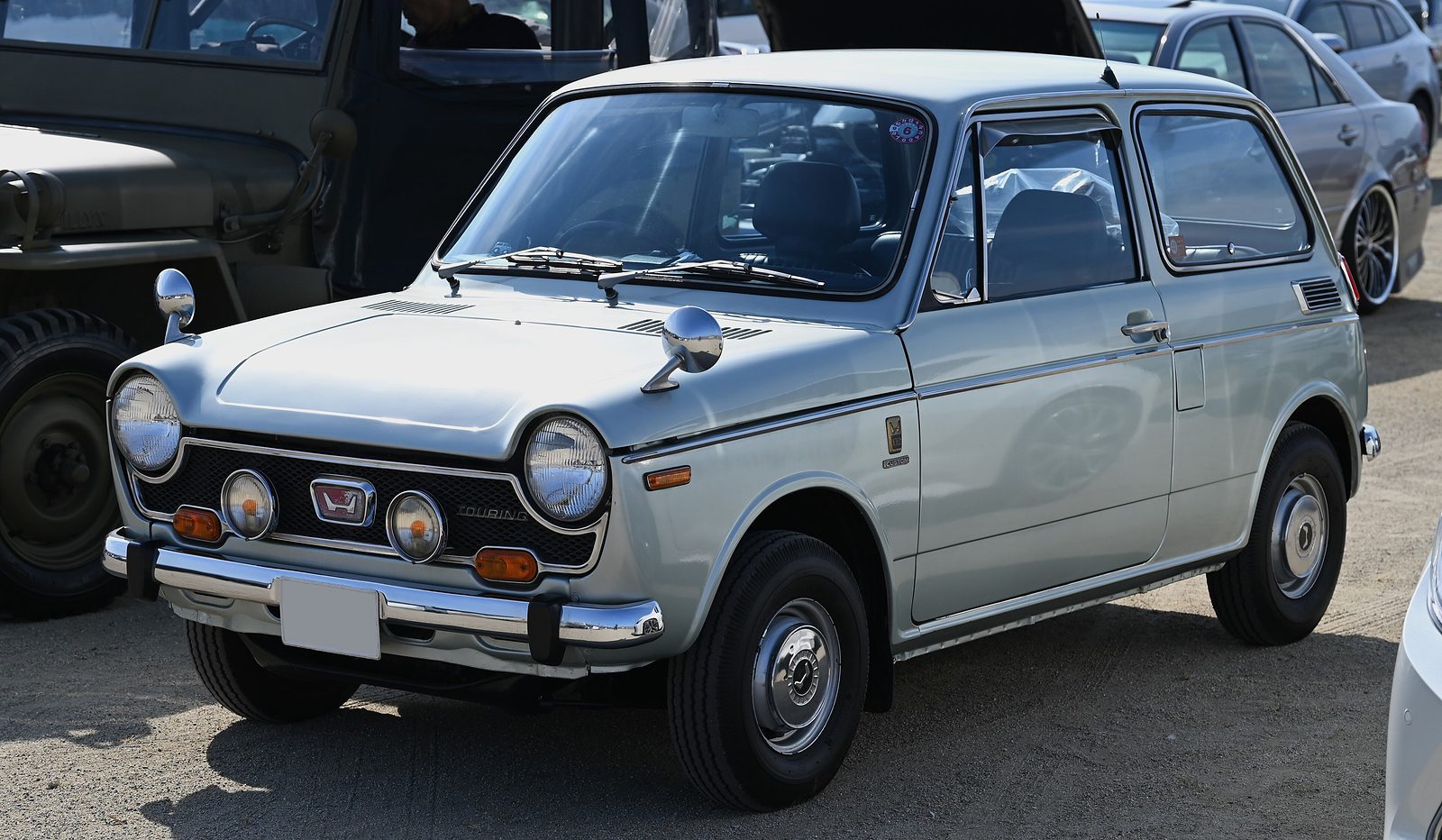
The N360 kept moving. In 1968 came the Hondamatic N360 AT, Honda’s first automatic, a true three-speed with its selector on the column, good for 110 km/h; Japanese Wikipedia dates it April, English Wikipedia August.source 3source 6 English Wikipedia and the Lane museum call it the first automatic kei car, but it was not: JSAE credits the Mazda R360 Coupe of 1960 with the first torque-converter automatic in a kei passenger car.source 6source 8source 9 In July came a canvas sunroof, and in the autumn twin carburettors gave the T, TS, TM and TG 36 PS at 9,000 rpm and 120 km/h.source 3source 6 The N II of January 1969 covered most of the dashboard with a panel, and by April 500,000 N-series vehicles had been registered in Japan, 26 months after the launch.source 1source 3 The N III 360 of January 1970 was restyled outside and at last had synchromesh on every gear, and that September an N III Town was tuned down to 27 PS at 7,000 rpm for pull in town, while the N series passed a million built.source 1source 3source 6
Abroad
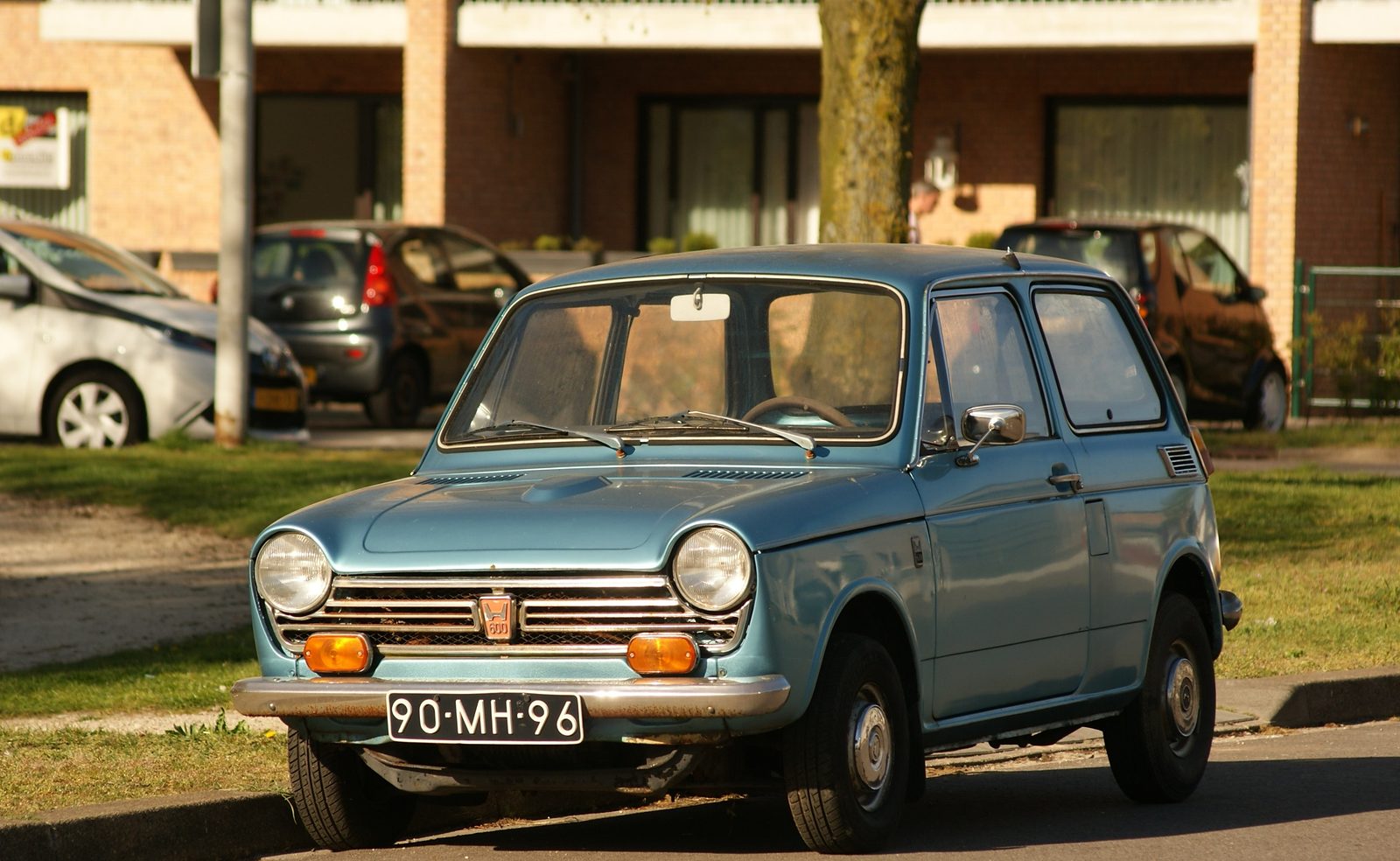
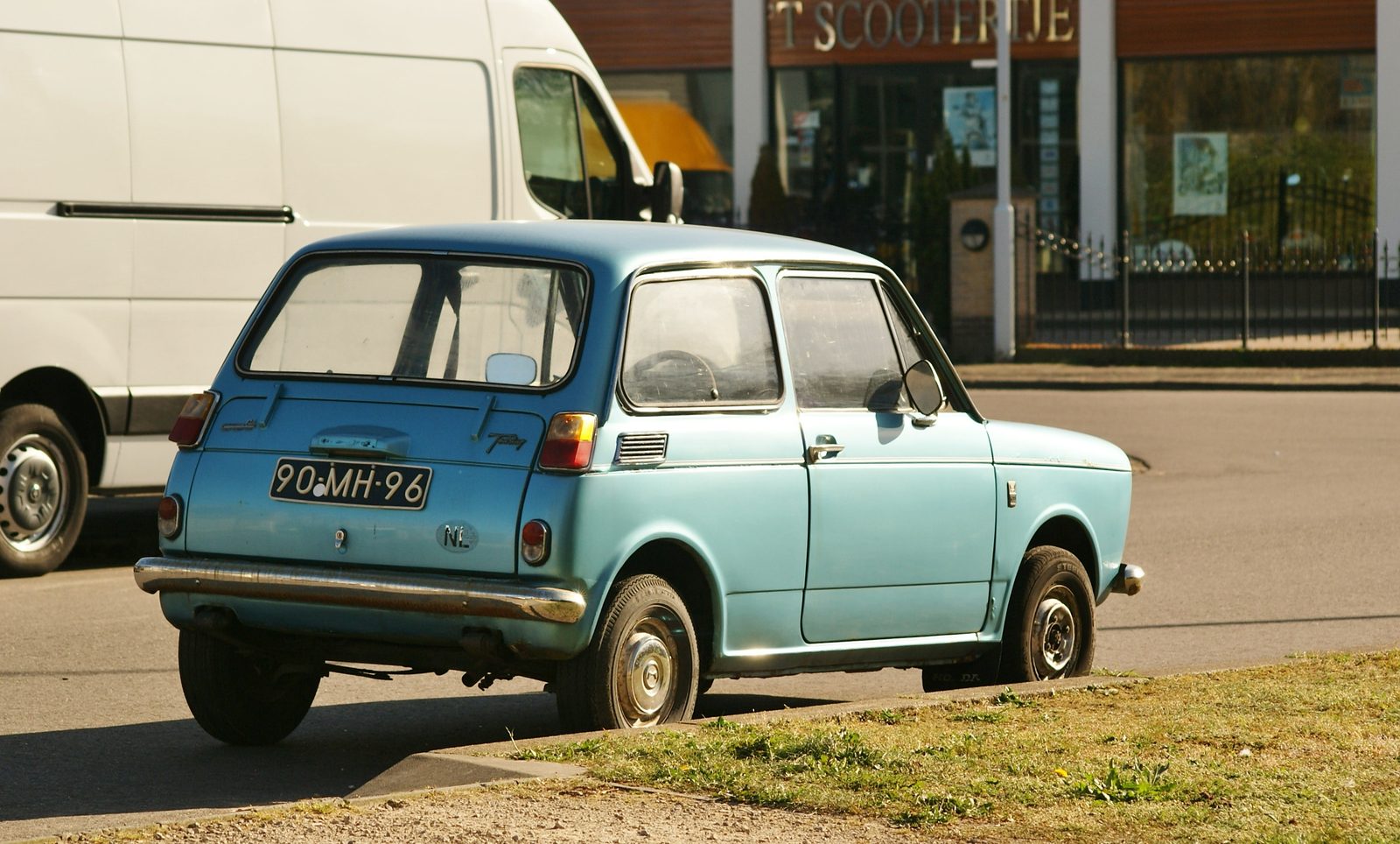
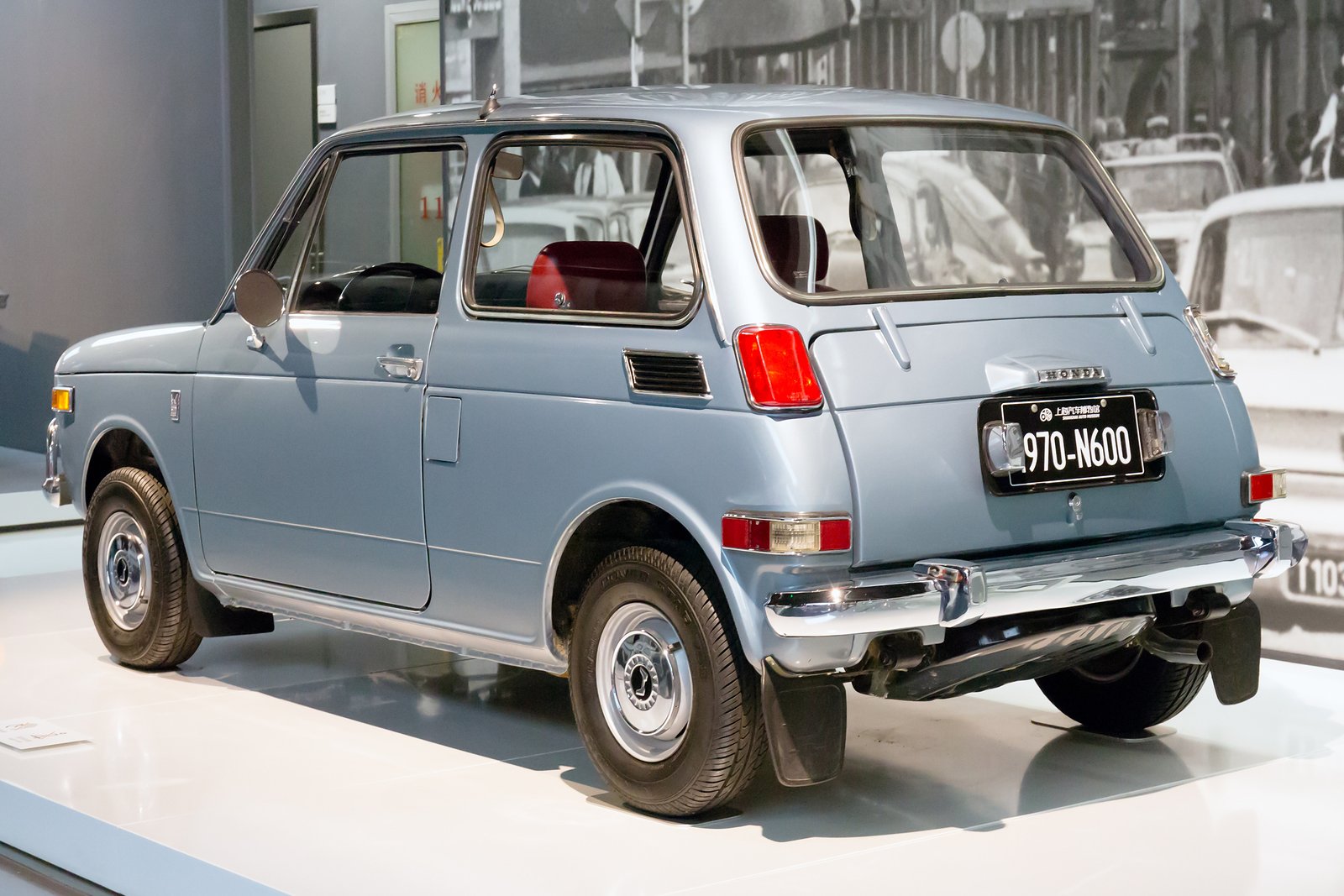
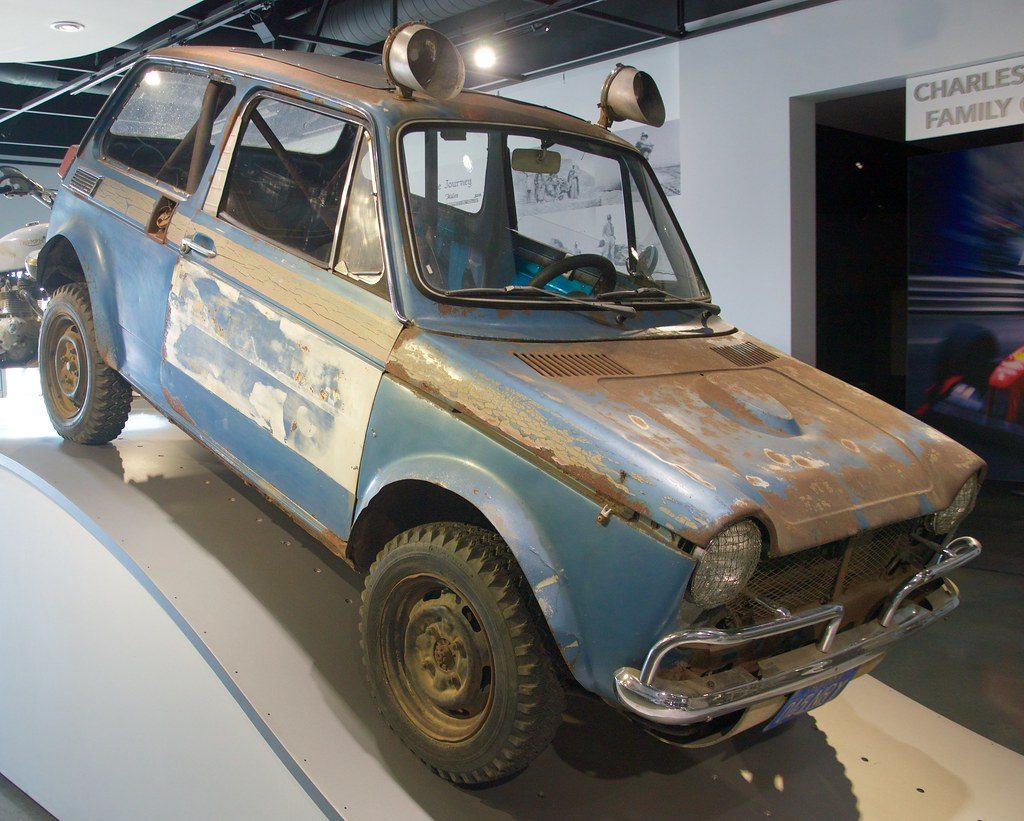
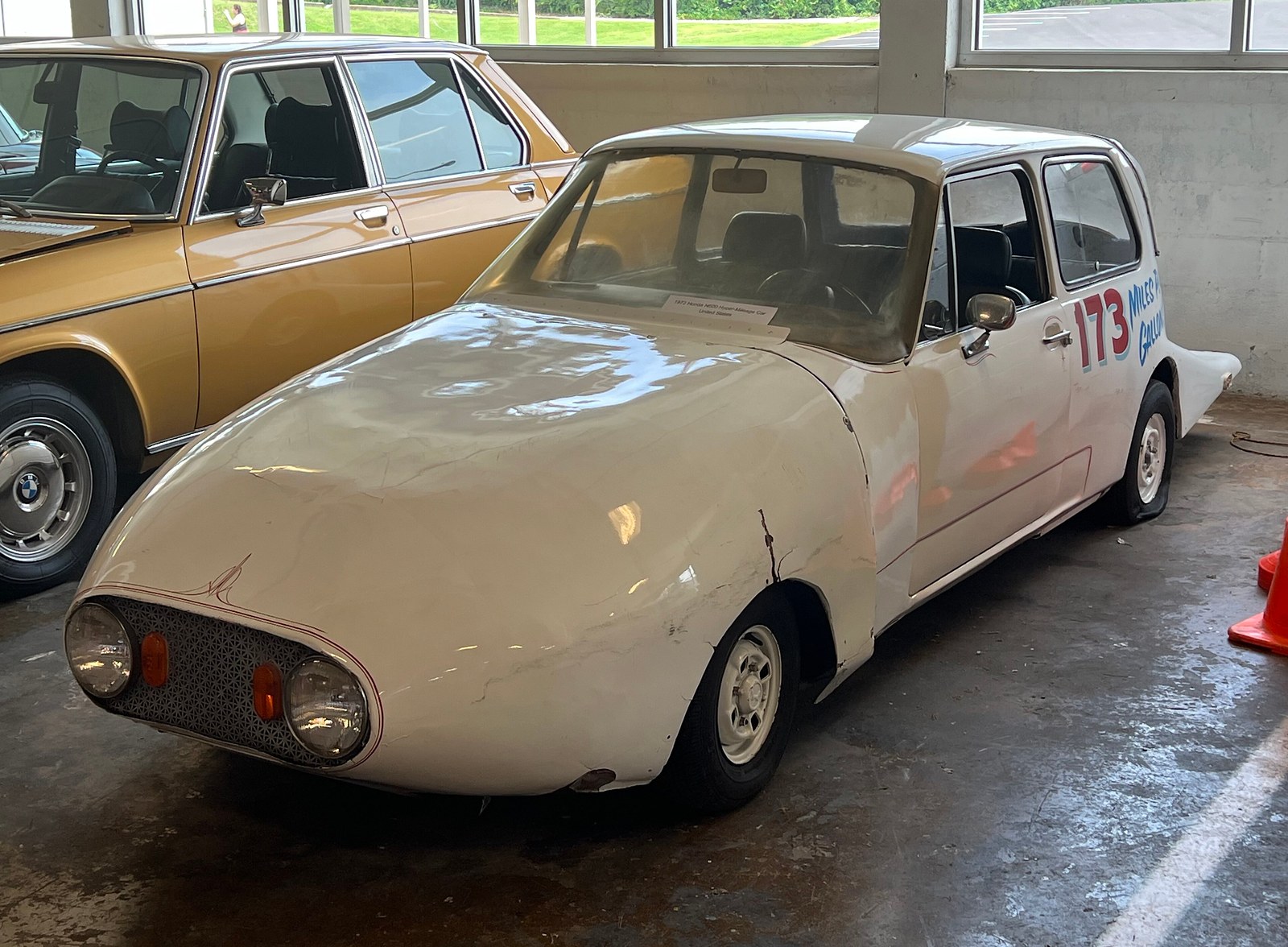
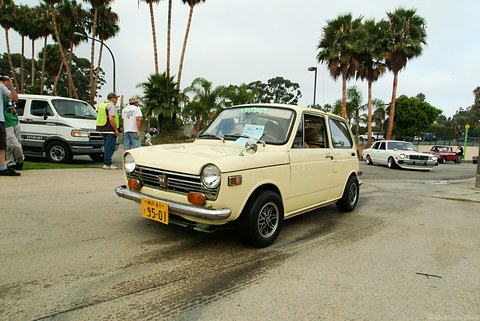
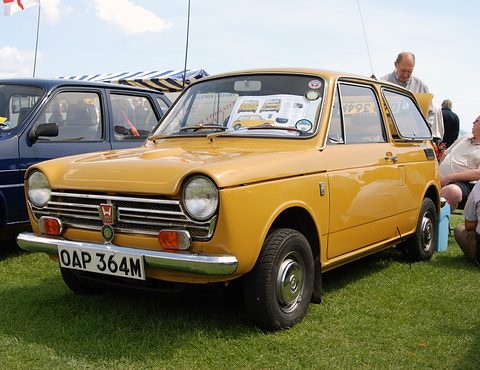
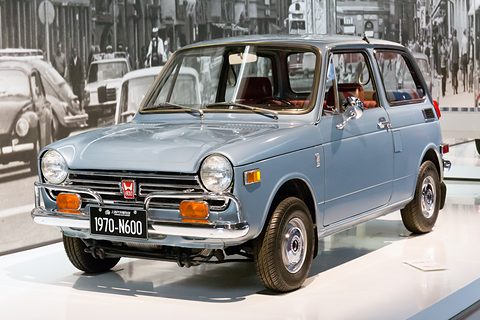
For some export markets Honda bored the engine out to 401 cc, the N400, and for others it built a 598 cc version, the N600.source 6 In Britain the N600 cost £589 with tax in November 1968, when a Mini 850 cost £561. Motor timed it at 124 km/h (77.1 mph), with 0–60 mph in 19 seconds, was impressed to find the performance of an 1,100 cc car from 600 cc, and found it easy to drive and park, quite well equipped and very noisy when worked hard.source 6 Autocar had timed an N360 that May at 116 km/h (72 mph), with 0–60 mph in 29.3 seconds and 39.4 mpg.source 6 France took 4,717 N360s in 1968, and Australia knew the car as the Honda Scamp.source 10
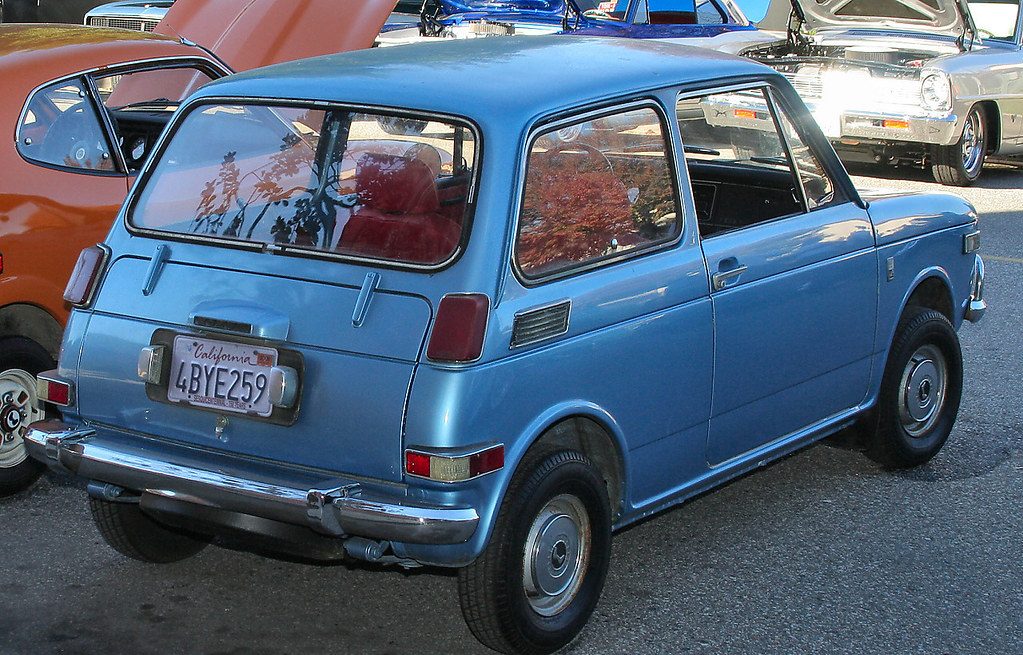
The N600 was the first Honda car sold officially in the United States, in Hawaii from 1969 and on the mainland from 1970, as the 600 Sedan, with front disc brakes and a servo; about 25,000 were sold before American sales stopped in 1972.source 6source 10source 8source 11 In Taiwan, Sanyang assembled it from 1969 as the Fu Gui, meaning wealth, the first Hondas assembled outside Japan.source 6source 2 At home Honda sold the bigger engine as the N600E from July 1968, registered as an ordinary car, and about 1,500 were sold.source 3source 6
As long as we are handling a mode of transportation, I want you to be responsible. If you can’t be responsible, I want you to quit right now.
The defect-car affair
From 1969 Japan had its own campaigns against defective cars, following the one Ralph Nader led in America.source 3 Japanese makers published defect lists in June 1969, and a system for reporting recalls began that September.source 12 In 1970 the Japan Automobile Users’ Union was founded, in April by Driven to Write’s date or May by Japanese Wikipedia’s, to test cars and press makers on behalf of victims.source 13source 12 It alleged that the N360, then Japan’s best-selling kei car, had a serious defect in its stability, and sought a retrial for an N360 driver convicted after a crash in February 1968, arguing that the car, not the driver, was at fault.source 3source 13 That year the family of a driver killed in an N360 filed a complaint with the Tokyo prosecutors accusing Honda Sōichirō himself of murder by mihitsu no koi, a kind of wilful negligence. He was not prosecuted.source 3source 13 By Driven to Write’s account the union pursued ¥80 million from Honda in June 1970 for the family of a driver killed in Nara Prefecture, and sales dropped at once.source 12
The union’s complaint came before the transport committee of the House of Representatives on 10 September 1970, and the Minister of Transport spoke of limiting kei cars to 80 km/h and bringing them into the vehicle inspection system.source 3 On 20 November the National Police Agency sent the ministry seven accidents that could not be put down to the driver: all with three or four people aboard, the car weaving under acceleration or downhill, then rolling over or leaving its lane. Japanese Wikipedia notes that no speeds were given, and that some cases suggested other causes, such as aquaplaning.source 3 The ministry said repeatedly that, on Honda’s data, there appeared to be no defect.source 3 Later Nakamura Yoshio, one of the car’s engineers, did not deny an instability in which yaw and roll combined; the court’s expert, from the University of Tokyo, put the real problem elsewhere: the law assumed kei cars would travel at about 60 km/h, and had not foreseen one that easily passed 100 km/h.source 3
Then the case turned. On 2 November 1971 prosecutors arrested the union’s executive director, Matsuda Fumio, a former Nissan employee, and its lawyer, Abe Haruo, a former prosecutor, for attempted extortion.source 3source 13source 12 The charges against Honda were an attempt to extort ¥1.6 billion for what the union called 192 victims of the N360, when the union held powers of attorney for only 64, and the ¥80 million for a bereaved family.source 13 In August 1977 the Tokyo District Court gave Abe three years and Matsuda two. On 25 April 1980 the Tokyo High Court acquitted them on the ¥80 million count, as a consumer’s legitimate pursuit of his rights, upheld six others and suspended the sentences; Driven to Write dates the appeal to 1982. The Supreme Court dismissed their appeal on 23 January 1987.source 3source 13source 12 No source read has Nader speaking of the N360; when he visited Japan in January 1971, Honda Sōichirō was the only head of a car company who met him.source 12
The damage was done. The N360 lost its lead, and Honda’s output in 1971 was 215,256, down 61,628 on the record of 1970.source 3source 12 Kei cars were held to 80 km/h on expressways until September 2000, and came under the inspection regime, which Japanese Wikipedia links to the affair.source 3source 13 Honda answered with inspection campaigns for its customers from 1970, an office to promote safe driving that October, a place in the Experimental Safety Vehicle project in May 1971 and a traffic safety academy in 1974.source 1
Market-in
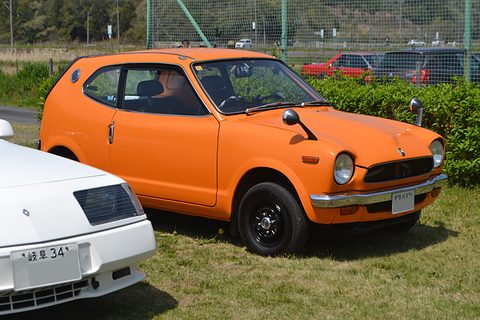
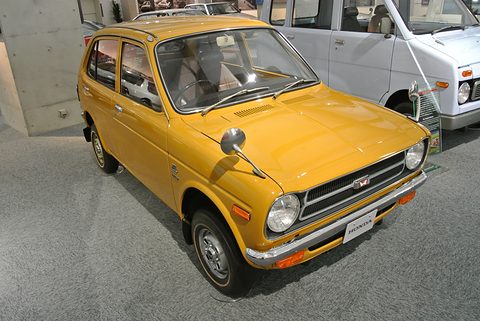
In June 1971 Honda launched the Honda Life, with a water-cooled engine, the first Honda designed by what it called the market-in approach rather than product-out.source 1source 3 The N III ended in June 1972.source 6 Honda kept the Honda Z coupé, the Life and its Step Van for two more years, then left kei passenger cars in 1974, until the Honda Today.source 1source 3 Japanese Wikipedia judges that the N360 forced the whole class to raise its game, but that its peaky motorcycle engine, air-cooled noise and dog gearbox lacked a passenger car’s refinement, and that with the failure of the Honda 1300 it helped push Honda Sōichirō towards retirement.source 3 JSAE names it a landmark of Japanese car engineering, and Honda’s N-One of 2012 was styled in its memory.source 5source 6source 8