microcarfan
  • Kei car
  • Japan
  • Four wheels
  • Front-wheel drive

Suzuki Suzulight

Also known as Suzulight SS, SL, SP and SD, Suzulight TL, Suzulight Fronte

Before Suzuki built a car, it built looms. To learn how, it bought a Volkswagen, a Renault 4CV, a Citroën 2CV and a Lloyd, drove them and took them apart, and copied the one a loom maker’s machines could make.

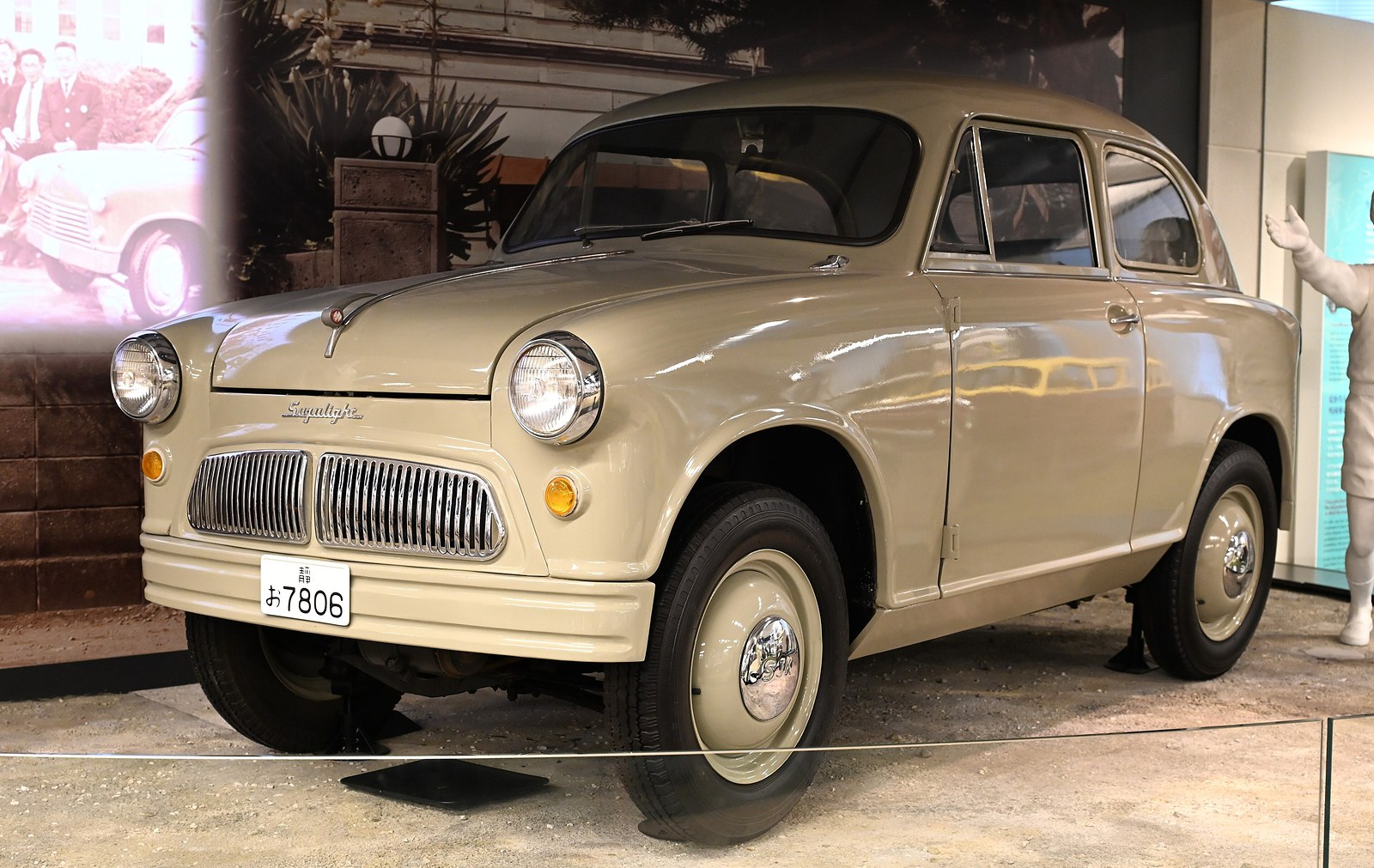
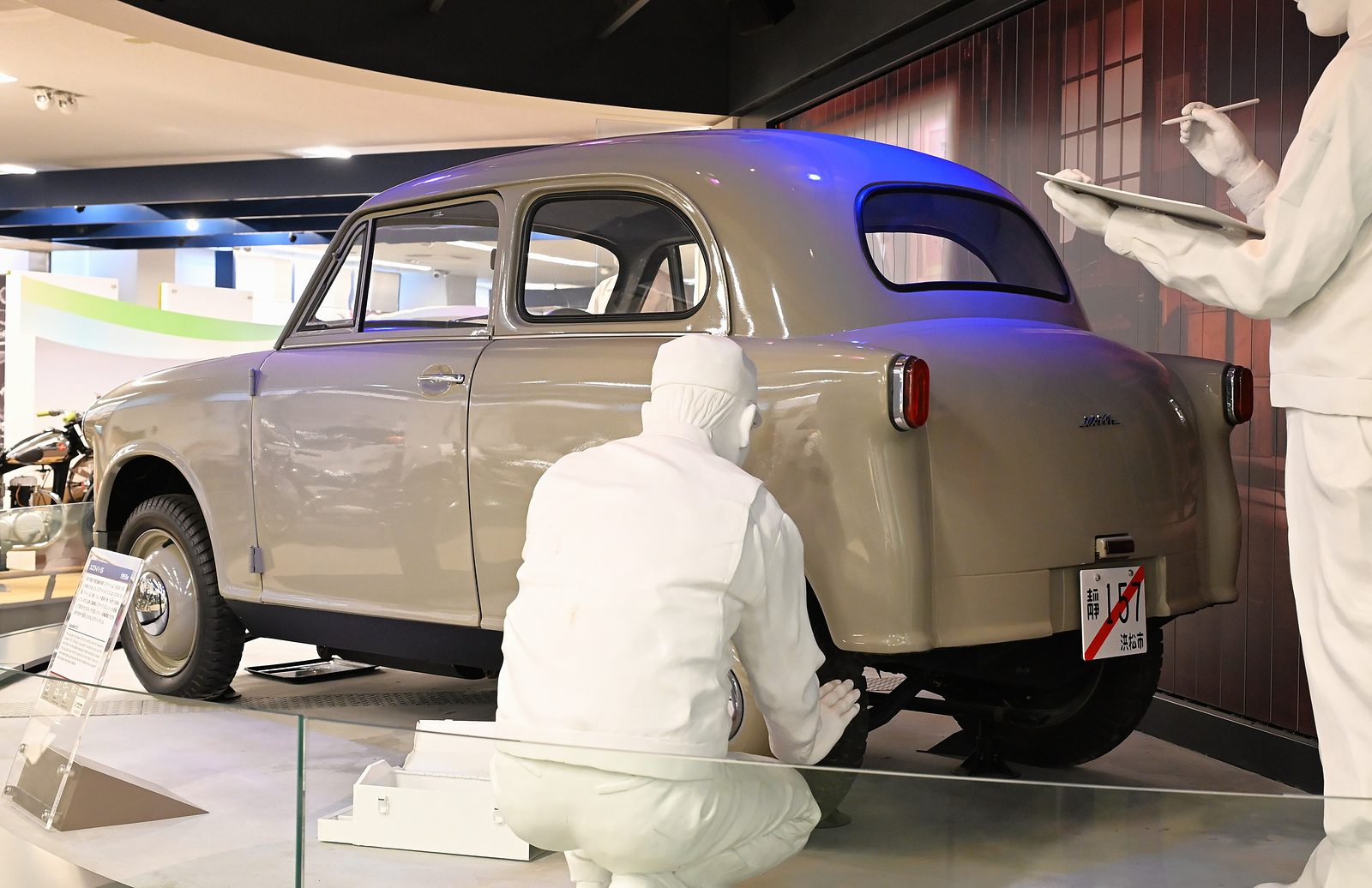
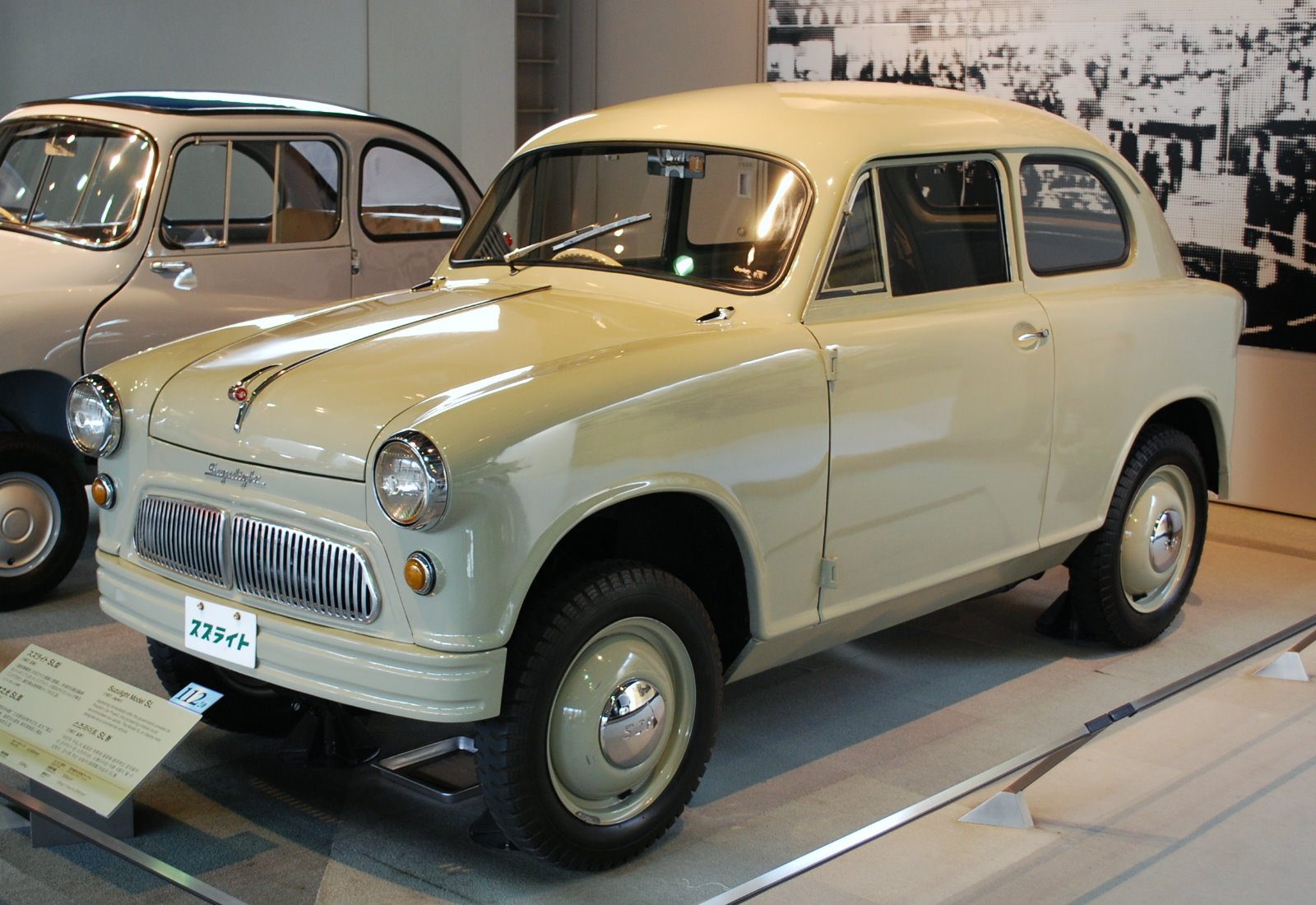
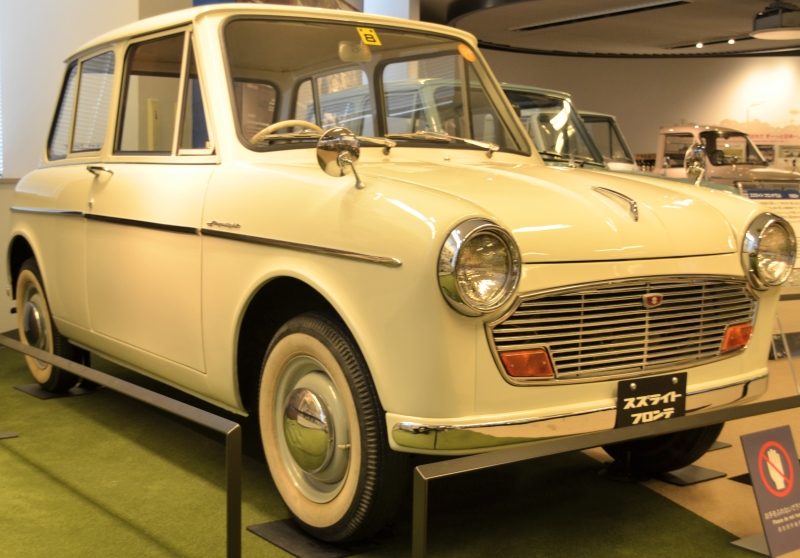
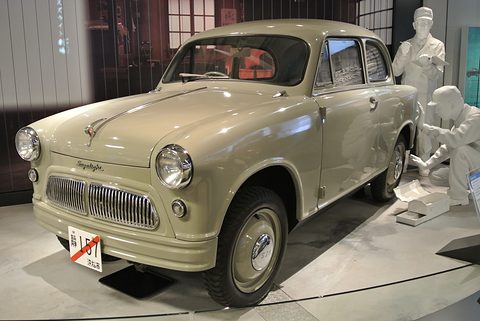
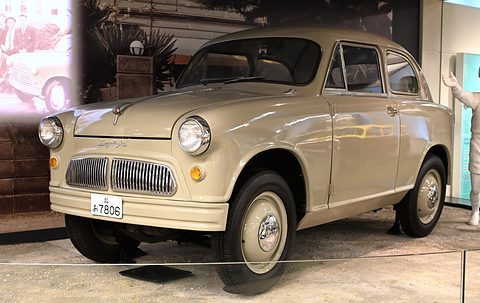
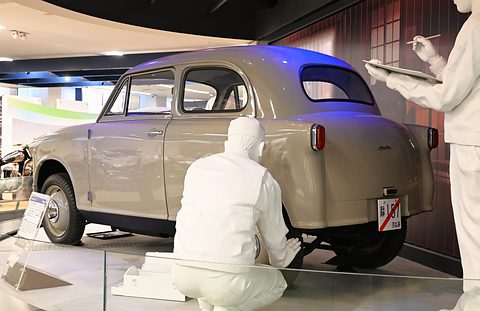
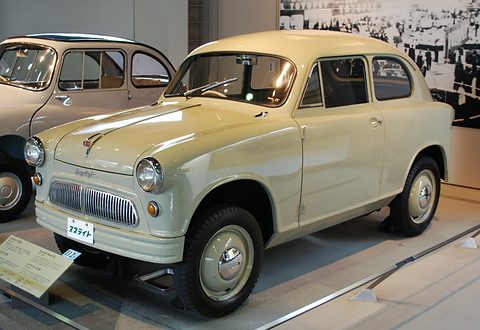
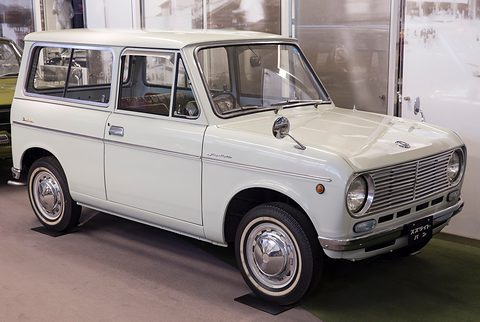
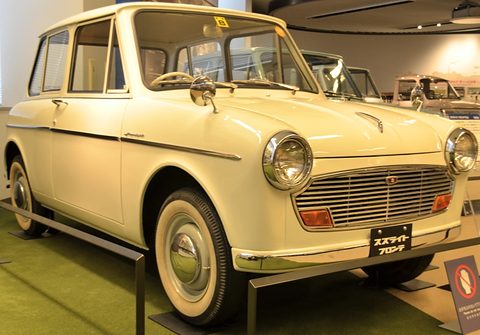
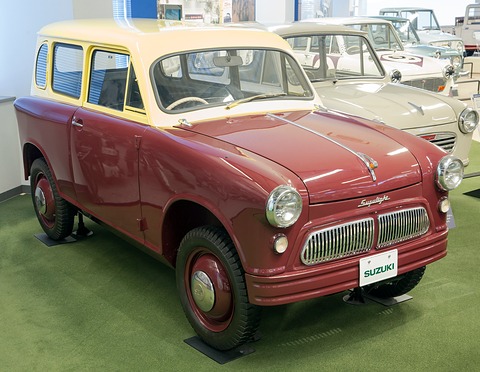
Cream two-door small saloon with a split barred grille and round headlamps beside white factory-worker figures.
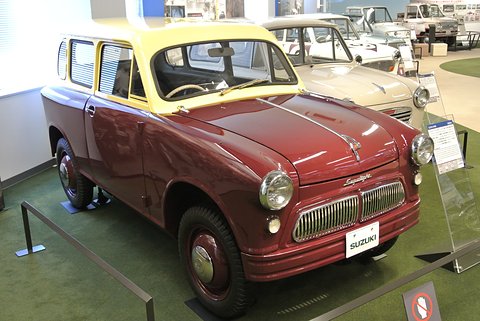
The 1955 Suzulight SS saloon in the Suzuki History Museum, Hamamatsu, in 2014.Photo: Rainmaker47, CC BY-SA 3.0, via Wikimedia Commons

At a glance

The spec plate

Suzuki Suzulight

SS saloon · Hamamatsu

Built
1955–⁠1968On sale from October 1955; the name ended with the last vans in December 1968
Country
JapanSuzuki Jidōsha Kōgyō, Hamamatsu, Shizuoka
Maker
Suzuki Jidōsha KōgyōThe loom maker Suzuki Shiki Shokki, renamed in June 1954; now Suzuki Motor Corporation
Engine
360 cc air-cooled two-stroke twinAcross the front; the TL’s T-type of 1959 gave 21 PS
Power
15.1 PS11.1 kW at 3,800 rpm; 18 PS from April 1956
Length
2,990 mm1,295 mm wide, 1,400 mm high
Weight
520 kgThe SS saloon by Suzuki’s figure; 540 kg by JSAE’s
Seats
4The rear seat fit only for children; three in the SL van
Wheels
4Engine across the front, driving the front wheels
Price new
¥420,000The SS saloon, Tokyo, 1955; the SL van ¥390,000
Production
43 saloonsBy one British book; no total for the Suzulight family has been found
Survives
YesAn SS at Suzuki, kept running; an SL at the Toyota Automobile Museum

Not yet recordedtop speed.

How big is it?

True proportion

2.99 m

It is 20 mm longer than a Fiat 500, about 1.7 adults laid end to end.

  • 1.29 m wide
  • 520 kg: about seven adults
  • The same length as a Subaru 360
  • A 2,000 mm wheelbase on 16-inch wheels
Drawn at true proportion. The track is 3.6 metres long; the adult stands at the same scale. The Peel P50 is the smallest production car, on every page for comparison.

The story

History

Suzuki Michio founded Suzuki Shiki Shokki in 1909 to make looms. In 1936 the firm studied the Austin Seven and built a few prototypes of its own, until the war stopped the plan. After the war the demand for looms fell away, and Suzuki turned to engines for bicycles, the Power Free of 1952 and the Diamond Free, then to the 90 cc Colleda motorcycle in 1954. That June it became Suzuki Jidōsha Kōgyō, the Suzuki Motor Company.source 1

Suzuki Michio wanted a car. His son-in-law Shunzō, the managing director, and others thought it too soon.source 1 Research began in January 1954, by Suzuki’s own date.source 2 Three young engineers were chosen from the production side, men who knew how looms were designed but not motorcycles: Inagawa Seiichi, Suzuki Hiroshi and Shima Kenji. A board member, Suzuki Saburō, who had worked on the pre-war Austin study, backed them.source 1 Inagawa led the development, and later became Suzuki’s chairman.source 1

Four cars taken apart

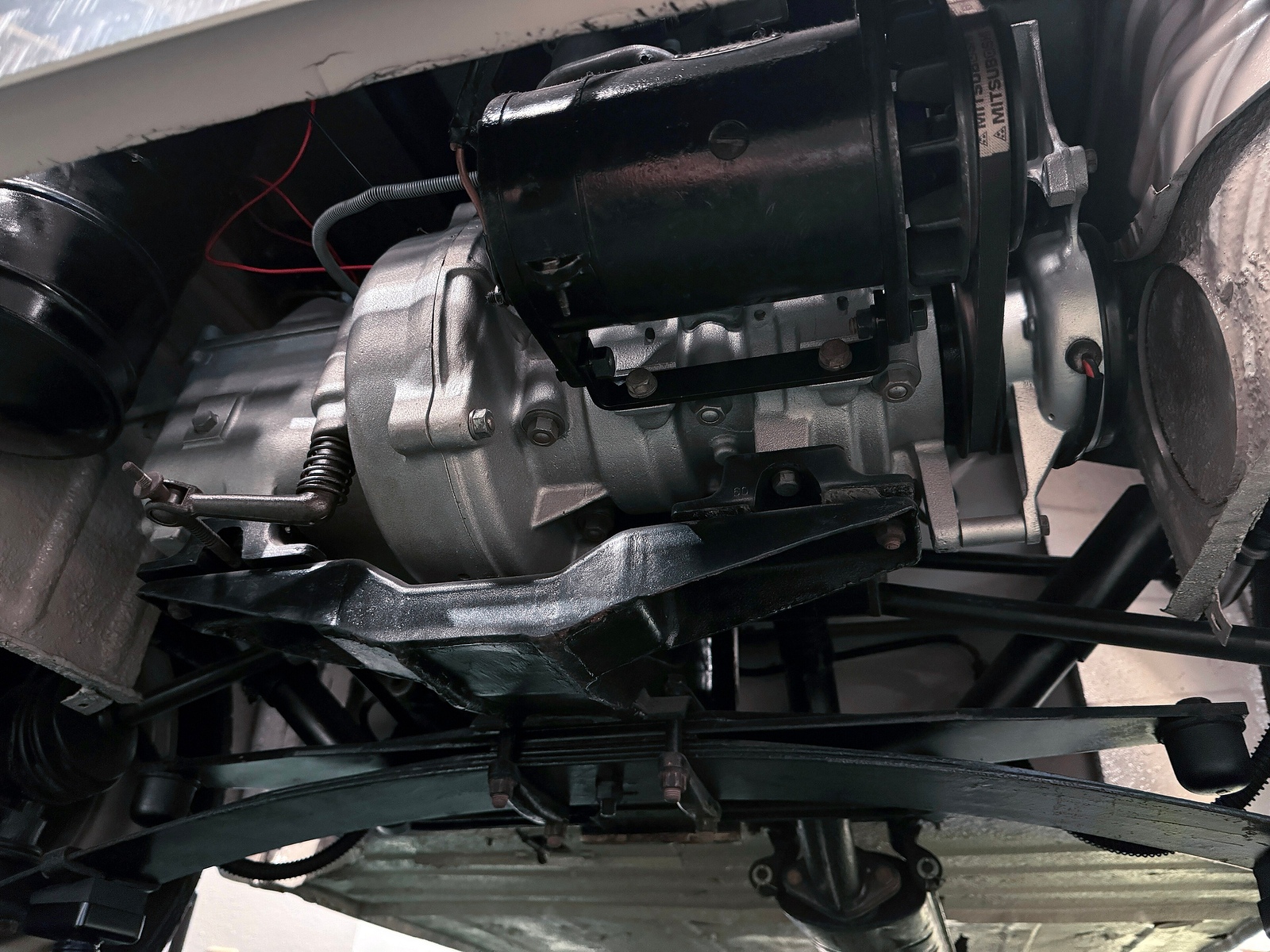
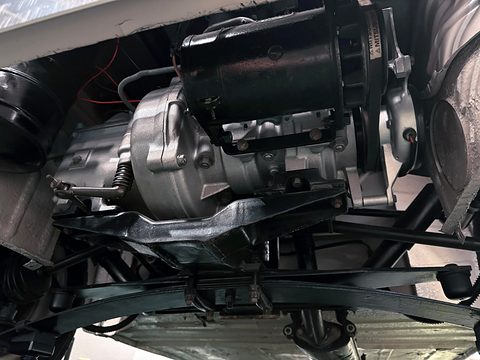
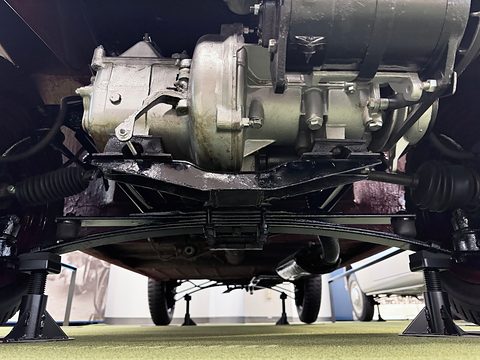
From February 1954 the company bought a Volkswagen Beetle, a Renault 4CV, a Lloyd LP400 and a Citroën 2CV, drove them and took them apart. Four-stroke engines and in-line layouts were out, because Suzuki had no machines to grind camshafts or cut hypoid gears, and a monocoque body was beyond it. What remained was the Lloyd: a two-stroke twin, set across the car so that it needed no special gears, a simple backbone frame, and front-wheel drive, which left room for a load space in a van.source 1

The engine was drawn from March 1954, from a prototype based on the Lloyd’s.source 3 It was planned at 240 cc, then the limit for two-strokes in the kei class, with a Lloyd-style fan. Suzuki’s foundry could not cast the twin block, so the early blocks came from Naka-Nihon Jūkōgyō in Nagoya, and the pistons were bought in too. In October 1954 the authorities decided that two-strokes would be allowed 360 cc from April 1955, and the engine grew.source 1 The Lloyd’s L-shaped drive joints were copied, with rubber boots that were new in Japan; keyed drive shafts broke and were replaced by splined ones.source 1

The night run to Tokyo

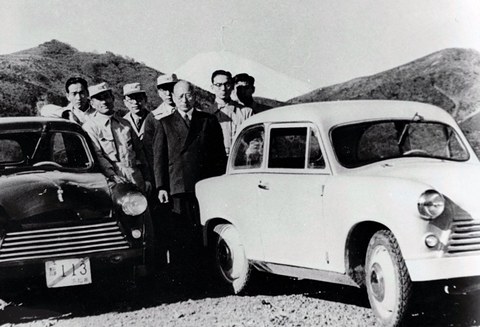
Prototype No. 1 was completed on 1 September 1954 and No. 2 on 25 October, by Suzuki’s account; Japanese Wikipedia has both ready in September. Both were left-hand drive and very like the Lloyd.source 1source 2 On 25 October the team set off from Suzuki Michio’s house in Hamamatsu at two in the morning, in both prototypes, with Michio following in a Volkswagen. No. 2, driven by Suzuki Saburō, seized on the climb over the Hakone pass; Inagawa blamed him for labouring it in low gears. Inagawa and a colleague got out, the luggage came off, and the car climbed with its silencer removed.source 1 At eleven at night they reached the Shibaura works of the importer Yanase. Yanase Jirō drove a prototype round the streets until after midnight, and his verdict was largely favourable.source 1
Black-and-white photograph of a group of men in coats standing between a dark and a light small saloon, a snow-capped peak behind.
Plate I · 1954 Suzuki’s development team with two Suzulight prototypes on a mountain road test in 1954.Photo: Suzuki Motor Corporation, Public domain, via Wikimedia Commons

A third prototype, with Suzuki’s own two-stroke, followed in April 1955. Van and pickup bodies were added, and the cars went over to right-hand drive.source 1 On 20 July 1955 the saloon, van and truck were approved, the 23rd kei type approval.source 1source 4

October 1955

The Suzulight went on sale in October 1955 as the SS saloon, the SL light van and the SP pickup, at ¥420,000, ¥390,000 and ¥370,000 in Tokyo; the SD delivery van followed in November.source 1source 2source 4 The name joined Suzu, for Suzuki, to “light”, meaning both light in weight and light as in hope.source 5source 2 It was the first serious four-wheeled kei passenger car, in JSAE’s words, and by Suzuki’s and JSAE’s count Japan’s first front-wheel-drive car; English Wikipedia gives that title to the pre-war Tsukuba, built in small numbers, so the Suzulight was the first built in series.source 5source 2source 4 At first Suzuki made three or four a month, and about 30 a month by February 1956.source 4

A rival’s history was less kind. As Japanese Wikipedia’s history of the Subaru 360 tells it, the Suzulight was in essence a Lloyd scaled down to kei limits, a four-seater whose rear seat suited only children, heavy at 520 kg and slow to accelerate, and its Lloyd-type joints were its main weakness on the road.source 6 The coil-and-wishbone suspension could not cope with Japan’s roads, and leaf springs replaced it within months: at the front from February 1956, all round from July (April, by English Wikipedia).source 1source 4 In April 1956 power rose from 15.1 to 18 PS, and that November the 16-inch tyres gave way to 14-inch ones.source 1source 4 Suzuki Michio retired as president in February 1957, aged 70, and Shunzō succeeded him.source 1

The van that beat the tax

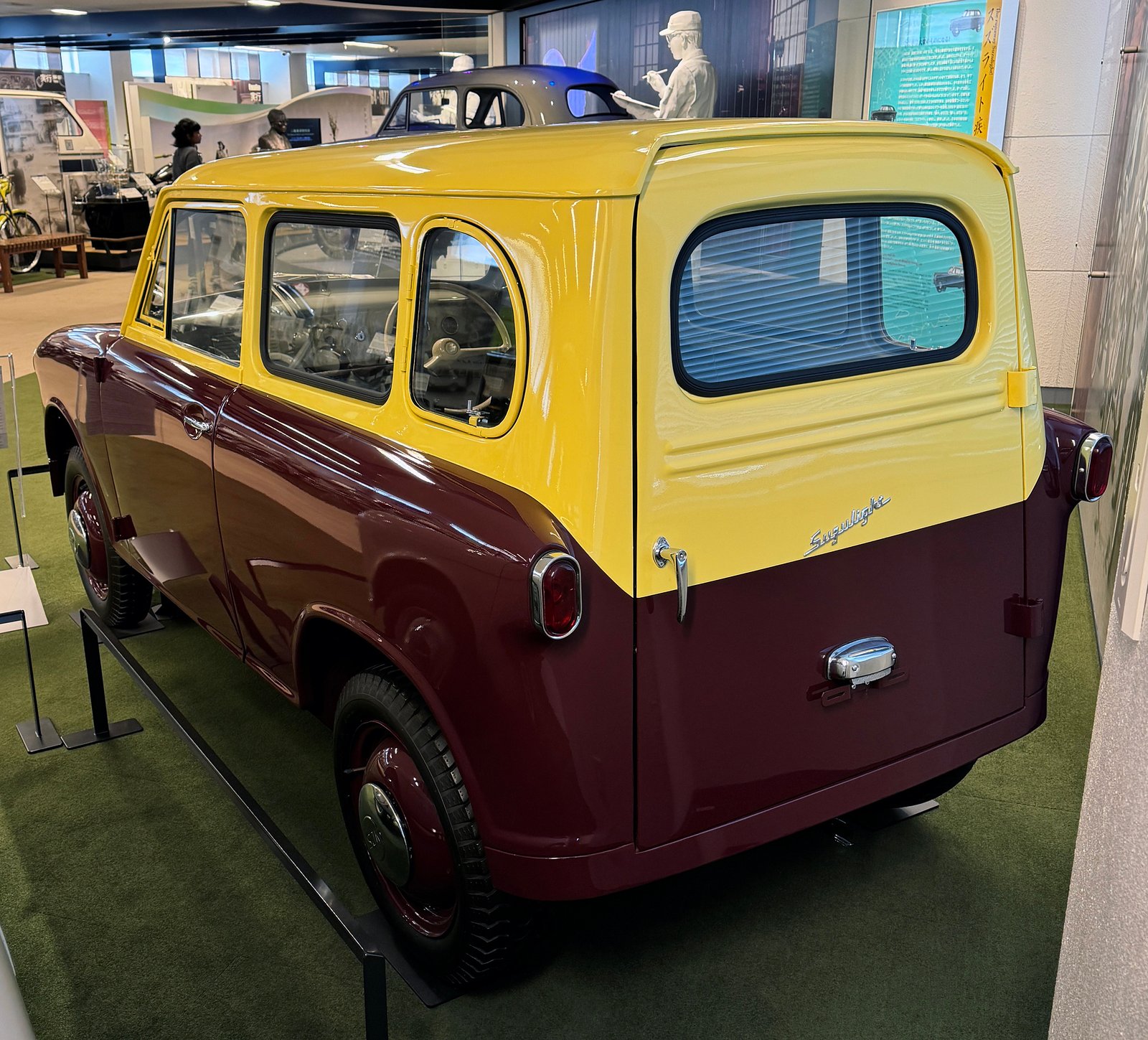
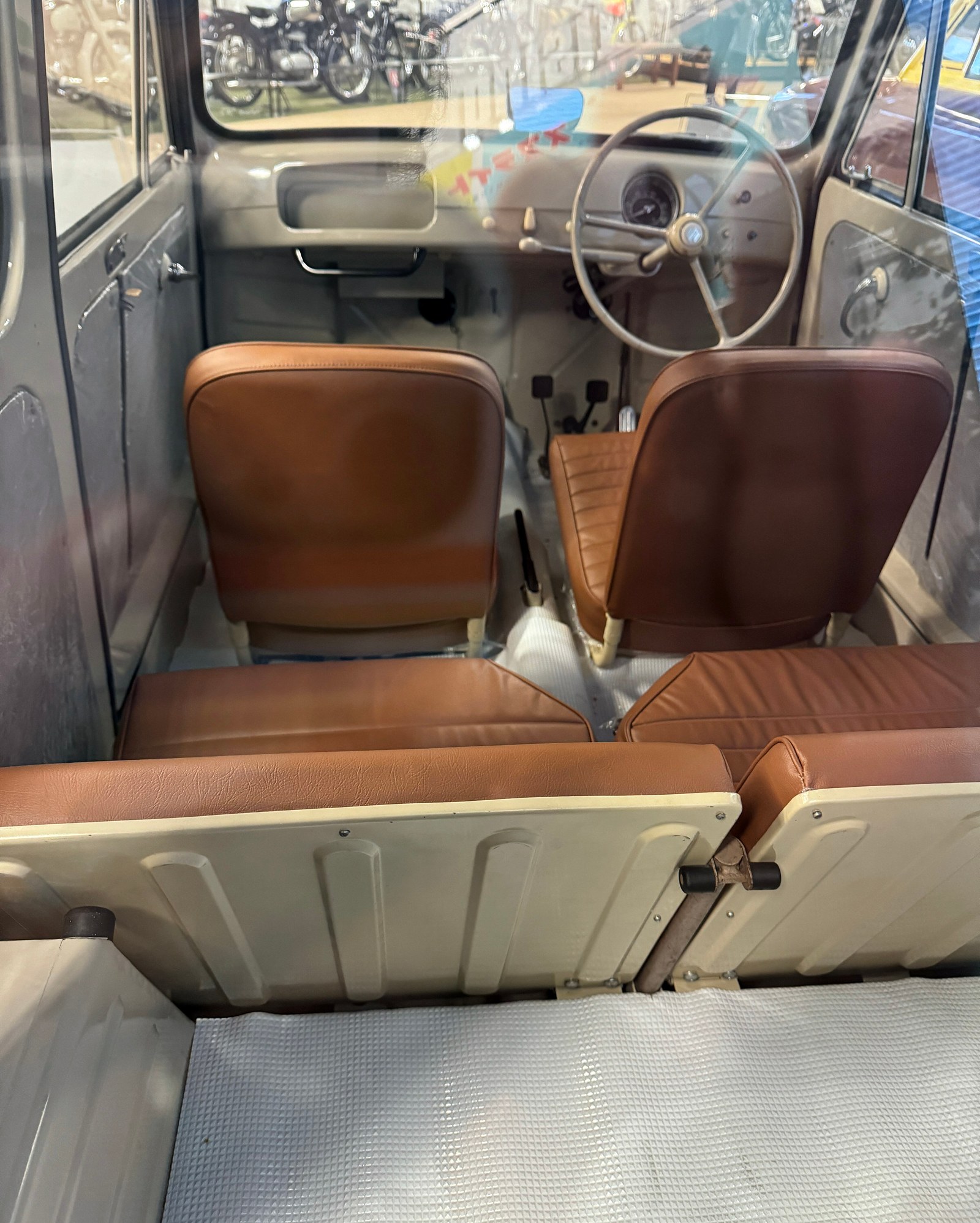
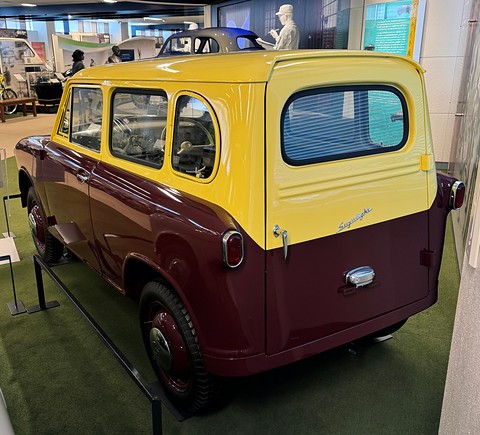
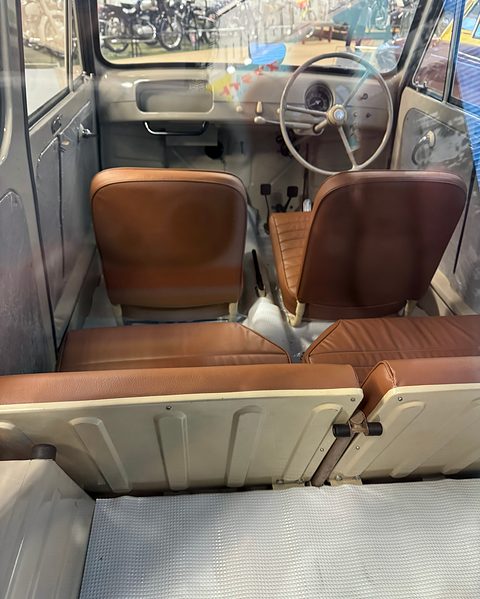
In January 1958 a new commodity tax of 15 per cent on passenger cars made the saloon unsaleable, and the Suzulight became a van only. The SL escaped the tax: Suzuki says it was designed to, with a load floor of a square metre for 200 kg and a folding seat for a third person.source 1source 2source 4 A final version with two-tone paint came in October 1958; production ended in January 1959, and sales that July.source 1source 2

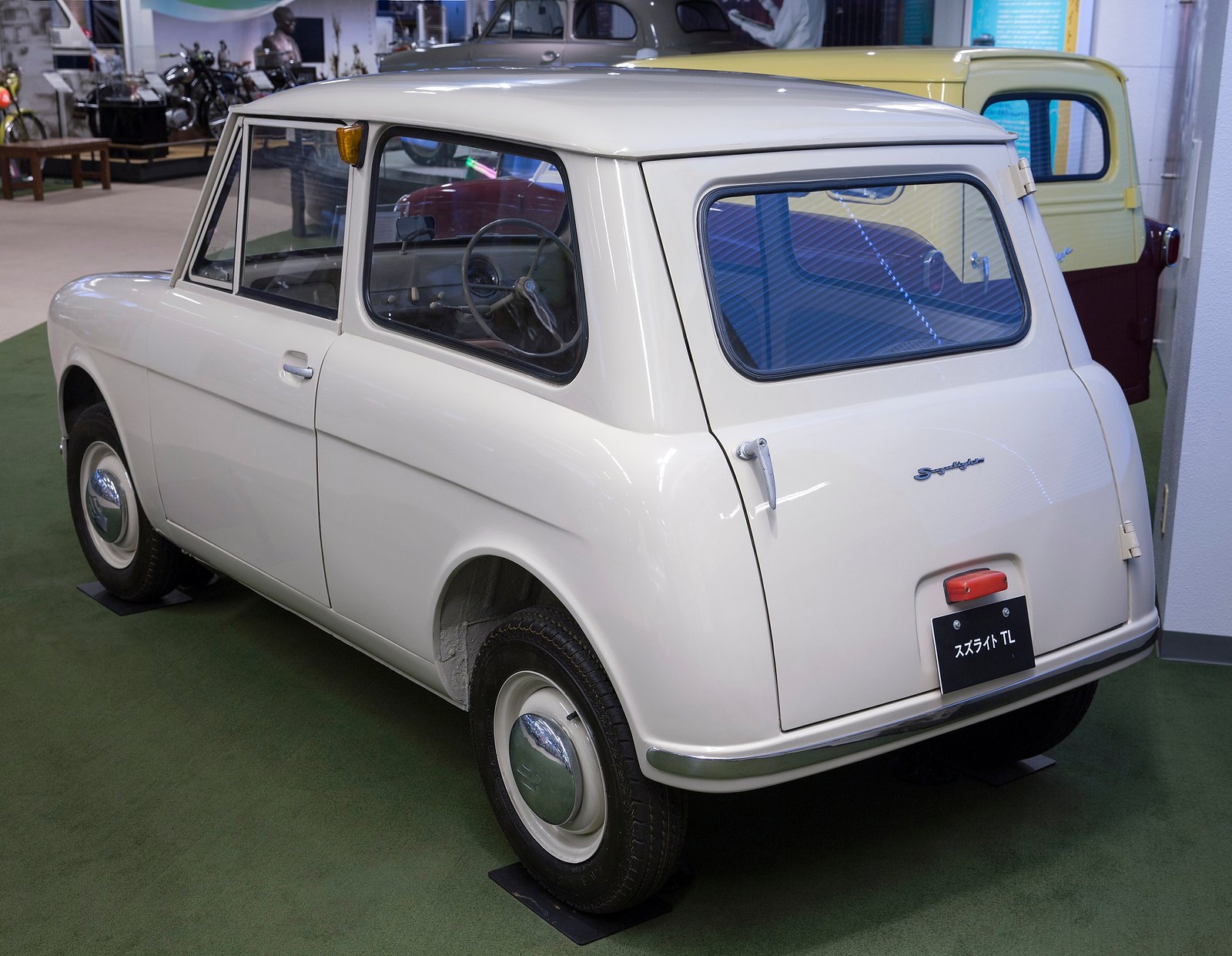
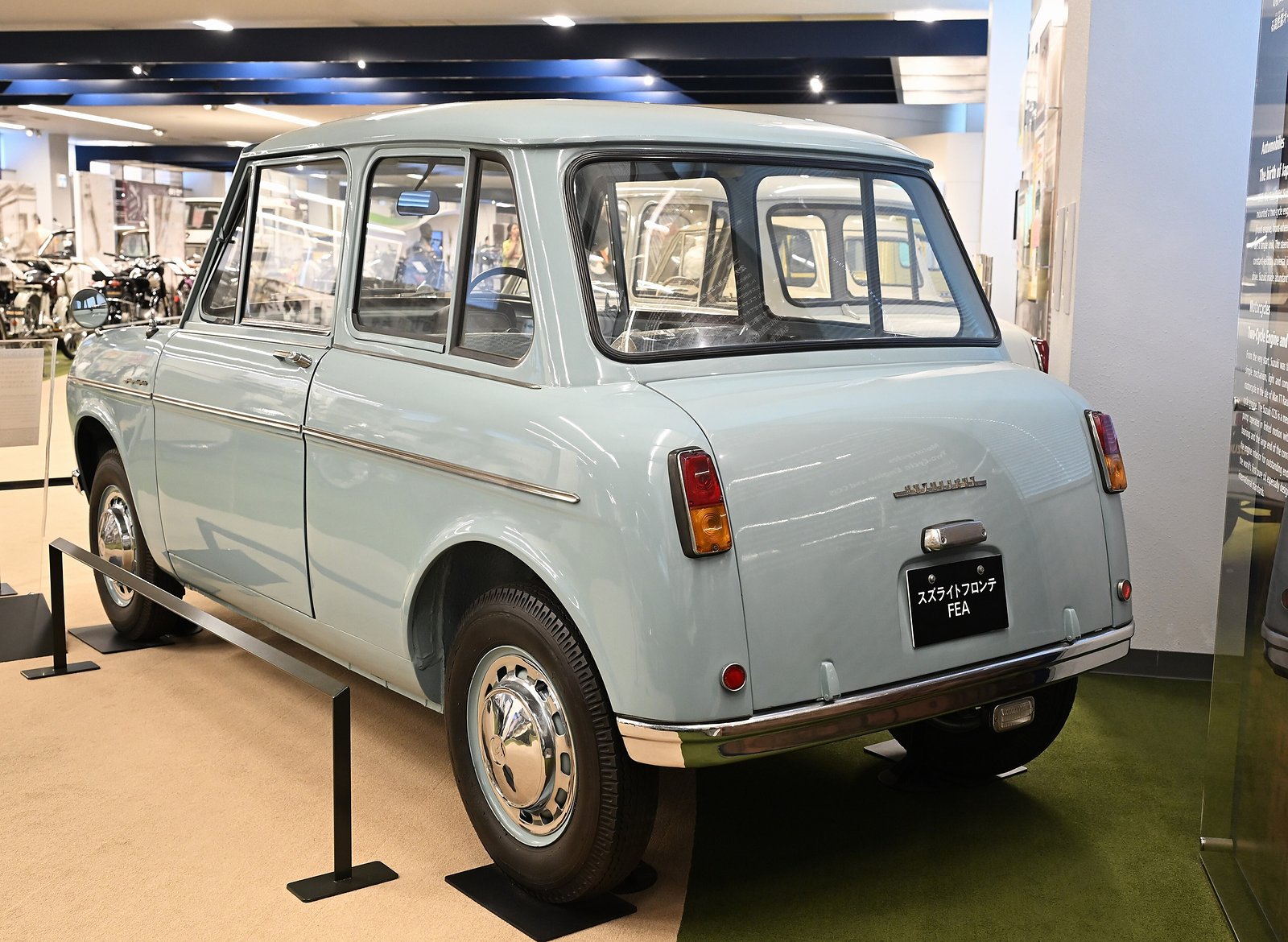
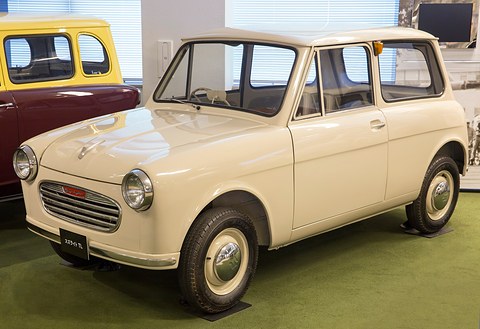
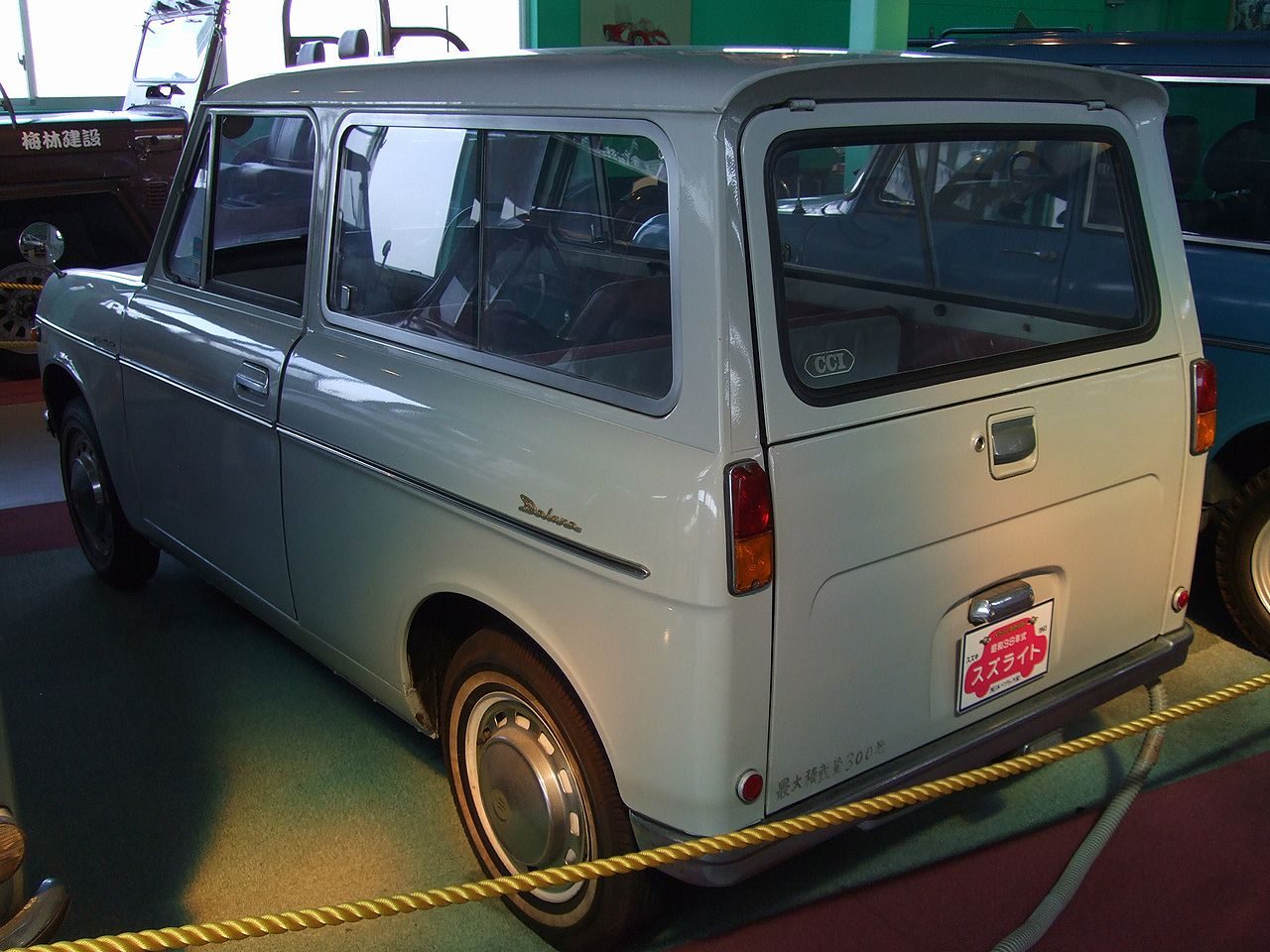
The new TL of July 1959 was a van too, for the same tax reason: lower, boxy, on 12-inch wheels, with a curved windscreen. It looked like a Mini, but its development had begun in August 1957, before the Mini’s.source 1source 2 It made Suzuki a volume maker: 200 a month by December 1959 and 5,824 in 1960, though Typhoon Vera destroyed the assembly plant on 26 November 1959 and a new line took four months.source 2source 4 The TL III of October 1961 had a fully synchronised four-speed gearbox, and the Suzulight Fronte TLA of March 1962 was the TL as a passenger car.source 1source 2source 4 The FE van of 1963 brought a new engine and Selmix automatic oil mixing, and the FE II of 1965 separate lubrication and 22 PS.source 2source 4 Saloon sales ended in 1967 and van sales in December 1968, after 13 years; the passenger line went on as the Suzuki Fronte, and the Carry name began on the Suzulight Carry of 1961.source 1source 2source 4
Underside view of a small engine and gearbox mounted crosswise above a leaf spring, with drive-shaft gaiters to each side.
The Lloyd recipe from below: the Suzulight’s transverse two-stroke twin and front-wheel drive on a display chassis at the Suzuki History Museum.Photo: Mr.choppers, CC BY-SA 3.0, via Wikimedia Commons
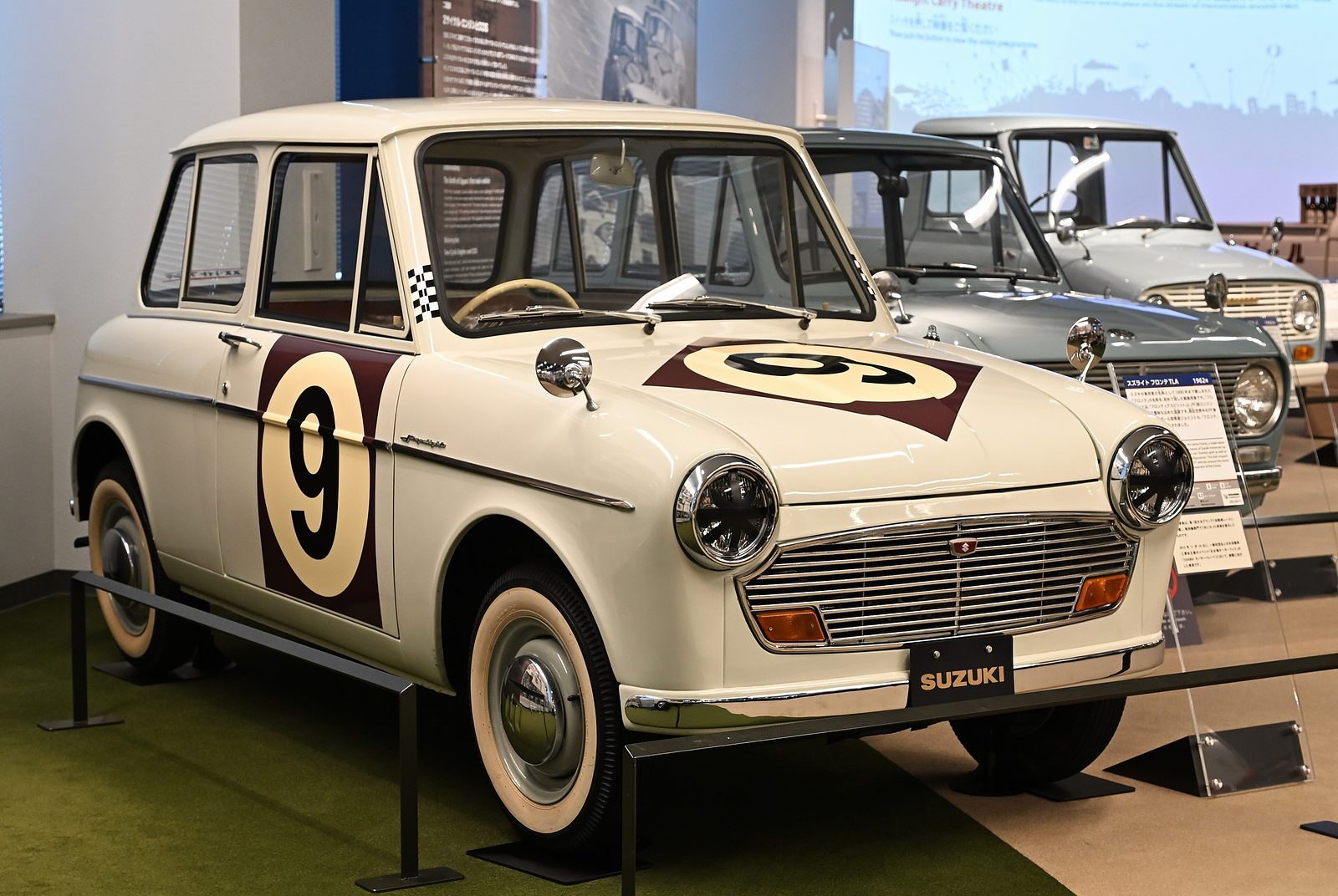
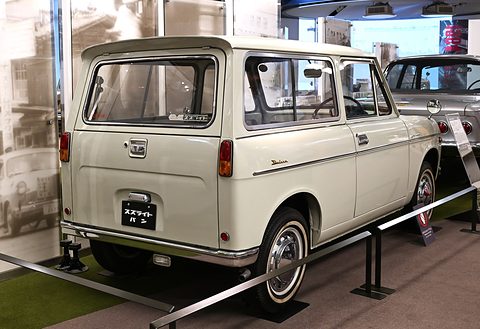
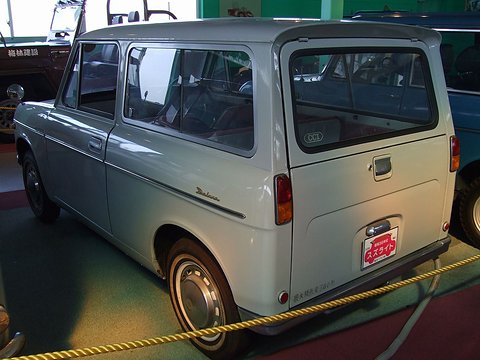
Cream boxy small van with round headlamps, a horizontal-bar grille and wheel covers, on green carpet.
A Suzulight TL-II van of 1960 at the Suzuki History Museum, Hamamatsu, in 2024.Photo: Mr.choppers, CC BY-SA 3.0, via Wikimedia Commons

Pictures

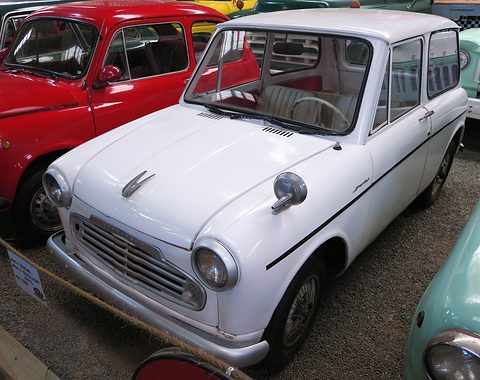
More photographs, old and new

Variants

Three series in 13 years

The Suzulight family, 1955–⁠68
VariantYearsWhat differsHow many
SS saloonFrom 1955Two doors, four seats; ¥420,000. When it ended is told three ways: April 1956, December 1957 or January 195843, by one book
SL light van1955–⁠59Rear door, a 1 m² load floor for 200 kg and a folding third seat; free of the 1958 commodity tax; ¥390,000Not found
SP pickupFrom 1955Open load bed under a roll-up cover; ¥370,00030 to 50
SD delivery van1955–⁠57A taller van body with more roomNot found
TL, TL II, TL III1959–⁠63A new, lower, boxy van on 12-inch wheels; 21 PS; a synchronised four-speed gearbox from the TL III5,824 in 1960
Fronte TLA1962–⁠63The TL as a passenger car, with softer springs and better trimNot found
FE, FE II vans1963–⁠68The new 359 cc FE engine with Selmix automatic oil mixing; separate lubrication (CCI) and 22 PS on the FE IINot found

Specification

The SS saloon of 1955 unless noted

Engine and drive

Engine and drive
EngineL-type two-stroke in-line twin, fan-cooled, across the frontsource 5source 3
Capacity359 cc (58.9 × 66.0 mm)source 5360 cc and 59 × 66 mm in Suzuki’s figures
Power15.1 PS at 3,800 rpm (11.1 kW)source 5source 218 PS from April 1956
Torque3.2 kgf·m at 2,800 rpmsource 1
GearboxThree speeds, column changesource 1source 5
Final driveTo the front wheels, through L-shaped joints copied from the Lloydsource 1source 5

Body and chassis

Body and chassis
ChassisA backbone with a central tube, after the Lloydsource 4Suzuki calls it a backbone-type monocoque, JSAE a steel monocoque
SuspensionIndependent all round: wishbones and coil springs at first, transverse leaf springs from 1956source 1source 4
SteeringRack and pinionsource 4
BrakesDrums on all four wheelssource 5source 4
Tyres4.00-16; 4.50-14 from November 1956source 1source 4
EquipmentA heater using air from the engine, and screen washerssource 1source 5

Dimensions

Dimensions
Length2,990 mm (118 in)source 5source 2
Width1,295 mmsource 51,298 mm in Suzuki’s figures
Height1,400 mmsource 5
Wheelbase2,000 mmsource 5source 22,050 mm on the TL
Weight520 kg (1,146 lb)source 1source 2540 kg by JSAE; 530 kg for the Toyota museum’s SL; 490 kg for the TL
Fuel tank18 litressource 5

Performance and running

Performance and running
Price new¥420,000 saloon, ¥390,000 van, ¥370,000 pickup (Tokyo, 1955)source 2source 4The TL ¥385,000 ex-works in 1959

How many were built?

Fragments only

Total not knownNo production total for the Suzulight name, 1955–⁠68, has been found. The figures that survive are fragments, most of them from English Wikipedia, which cites Suzuki histories and a British book.

  1. 5,824TL vans built in 1960One source

    Suzuki’s own digital librarysource 2

  2. 1,115Suzuki commercial vehicles in 1959, mostly TLsOne source

    English Wikipediasource 4

  3. 454first-series vans in 1958One source

    English Wikipediasource 4

  4. 385first-series vans in 1957One source

    English Wikipediasource 4

  5. 101first-series vans in 1956One source

    English Wikipediasource 4

  6. 30 to 50SP pickupsOne source

    English Wikipedia, citing Ozeki’s Suzuki Storysource 4

  7. 43SS saloonsOne source

    English Wikipedia, citing Chris Rees, Microcar Mania (1995)source 4

  • Two sources agreetwo good sources give the figure
  • One sourcea good source, alone
  • Unconfirmeda lead only, not yet checked

Famous for

Three points

  1. Front-wheel drive first

    Japan’s first front-wheel-drive car, by Suzuki’s and JSAE’s reckoning; strictly the first built in series, since the pre-war Tsukuba came before it in small numbers.source 5source 2source 4
  2. A Lloyd, studied and copied

    Chosen from four foreign cars because a loom maker’s machines could make it.source 1

  3. Suzuki’s first car

    The start of Suzuki as a carmaker, and of the Fronte and the Carry.source 1source 4

Racing and records

The first Japanese Grands Prix

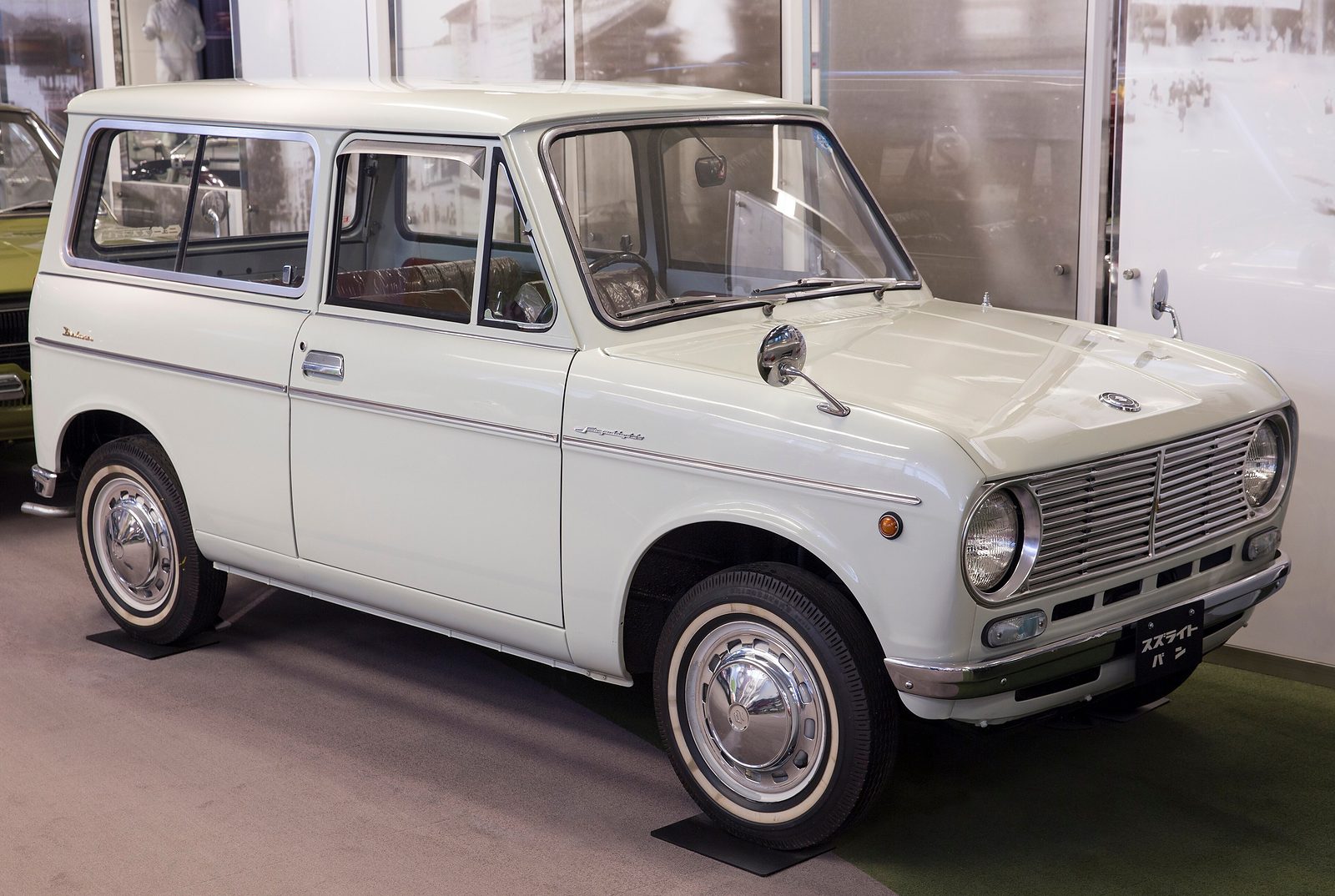
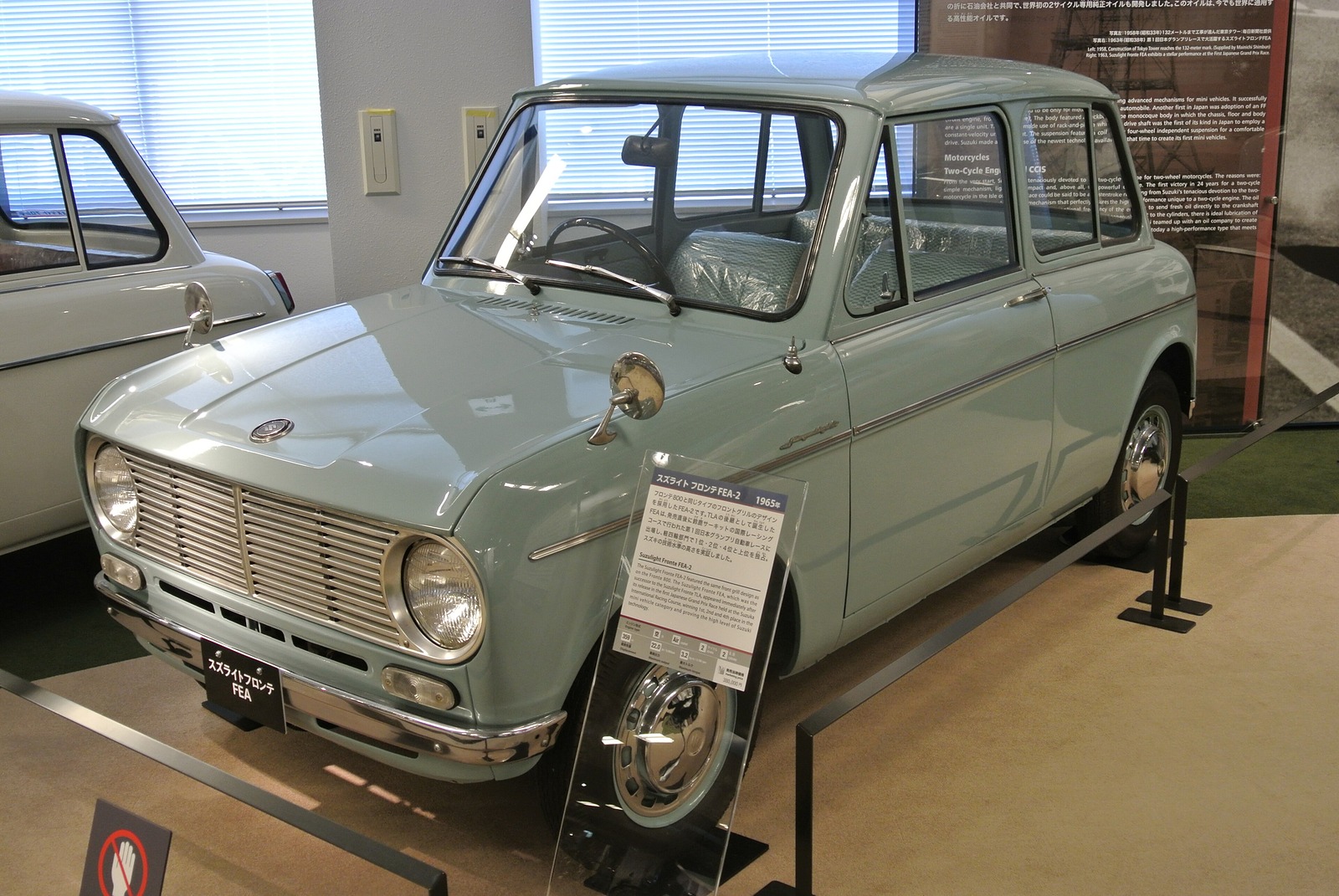
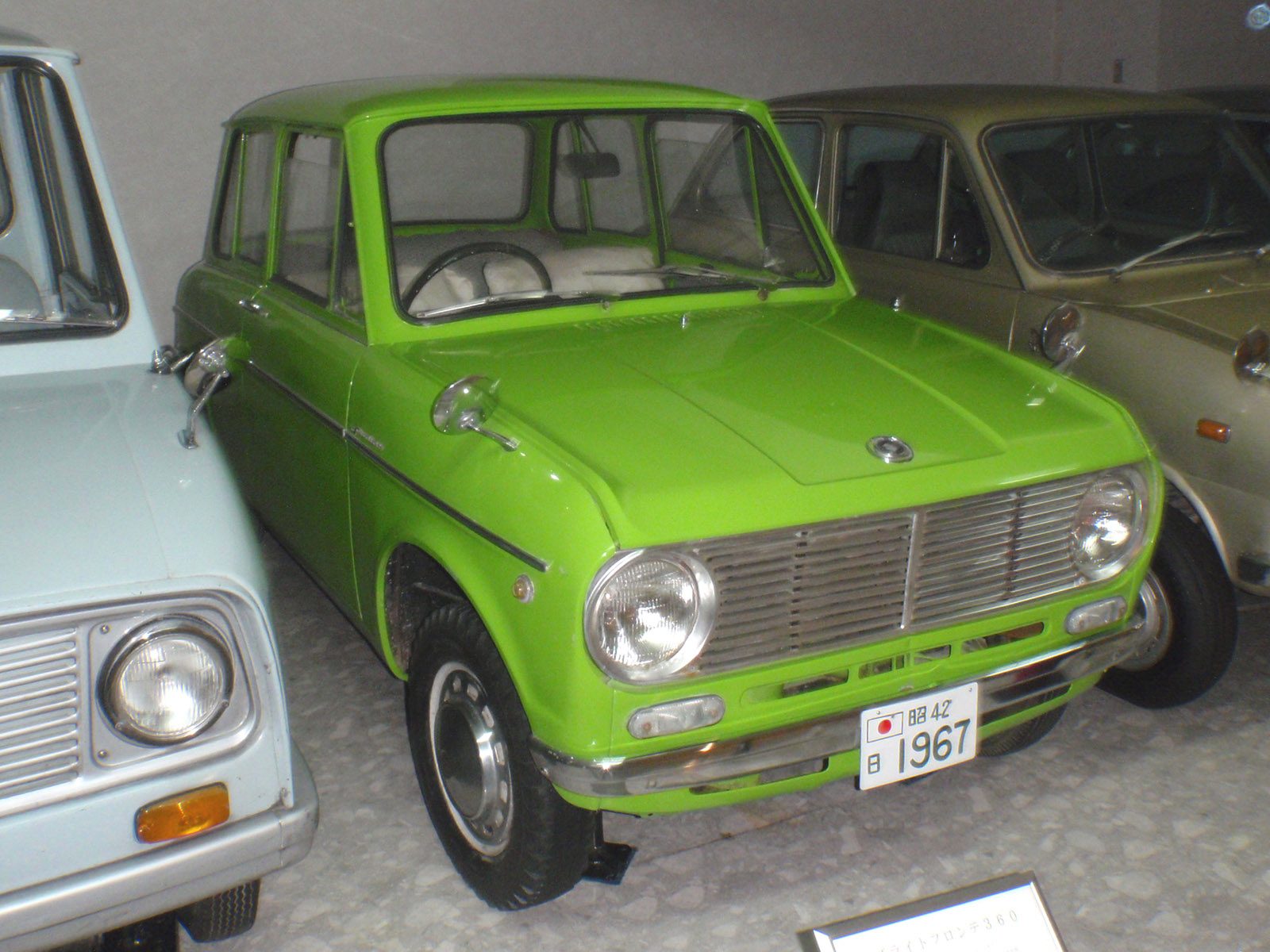
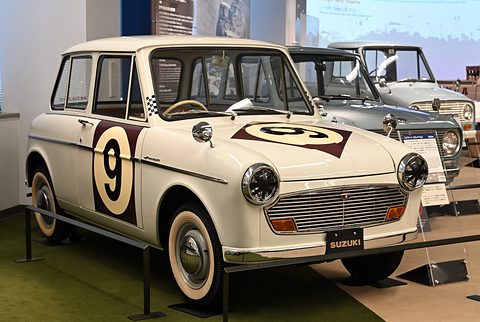
The Suzulight Fronte carried the name to the first two Japanese Grands Prix at Suzuka, in the class for cars of 400 cc and under (more in racing and rallying).

1963
Tuned Suzulight Fronte FEA works cars, well practised on Suzuki’s new test track, finished first and second, by Japanese Wikipedia’s account; no second source has confirmed it.source 6
1964
Subaru 360s took the first two places, ahead of the Suzulight 360s.source 7

Survivors and collecting

Today

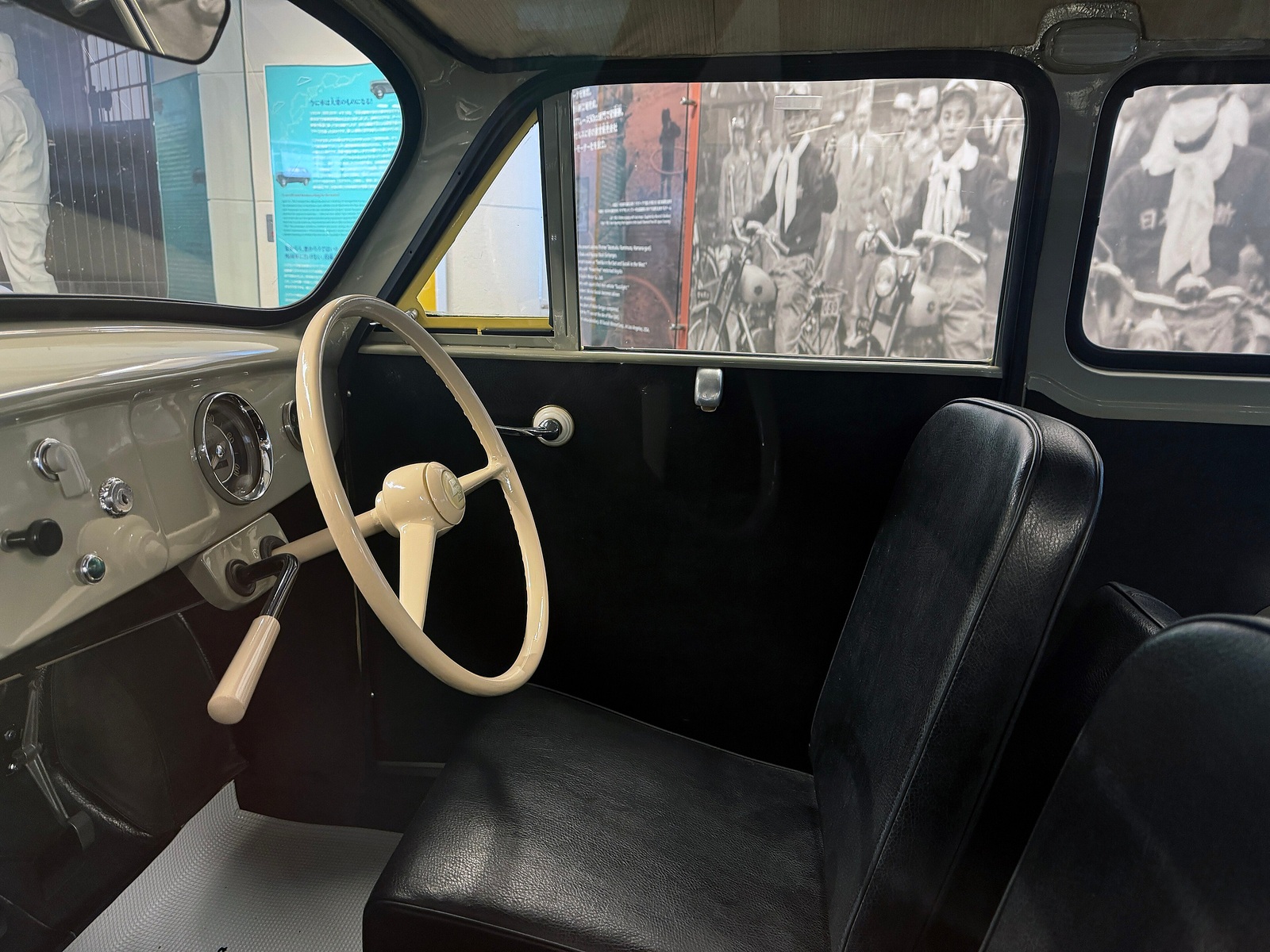
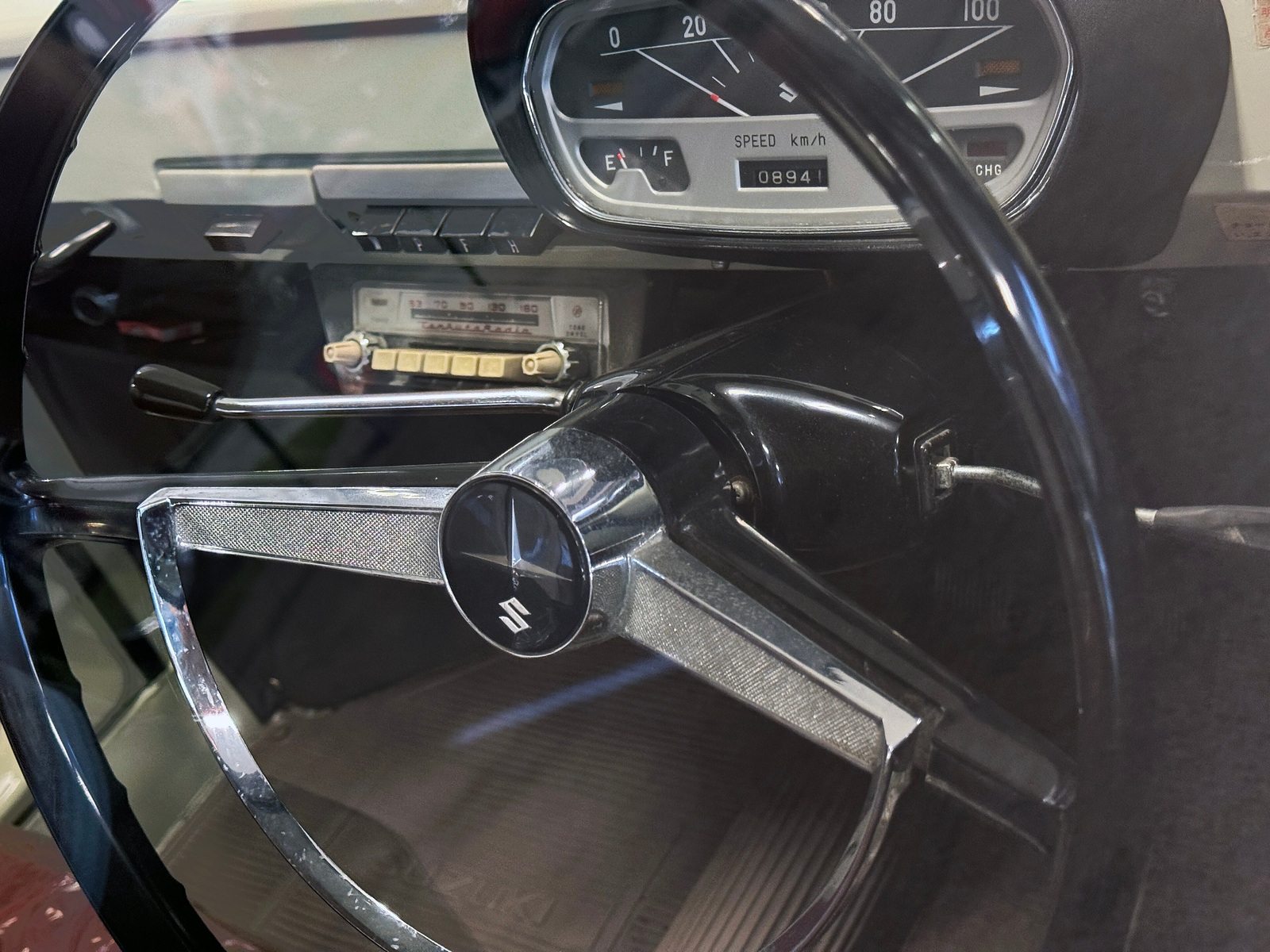
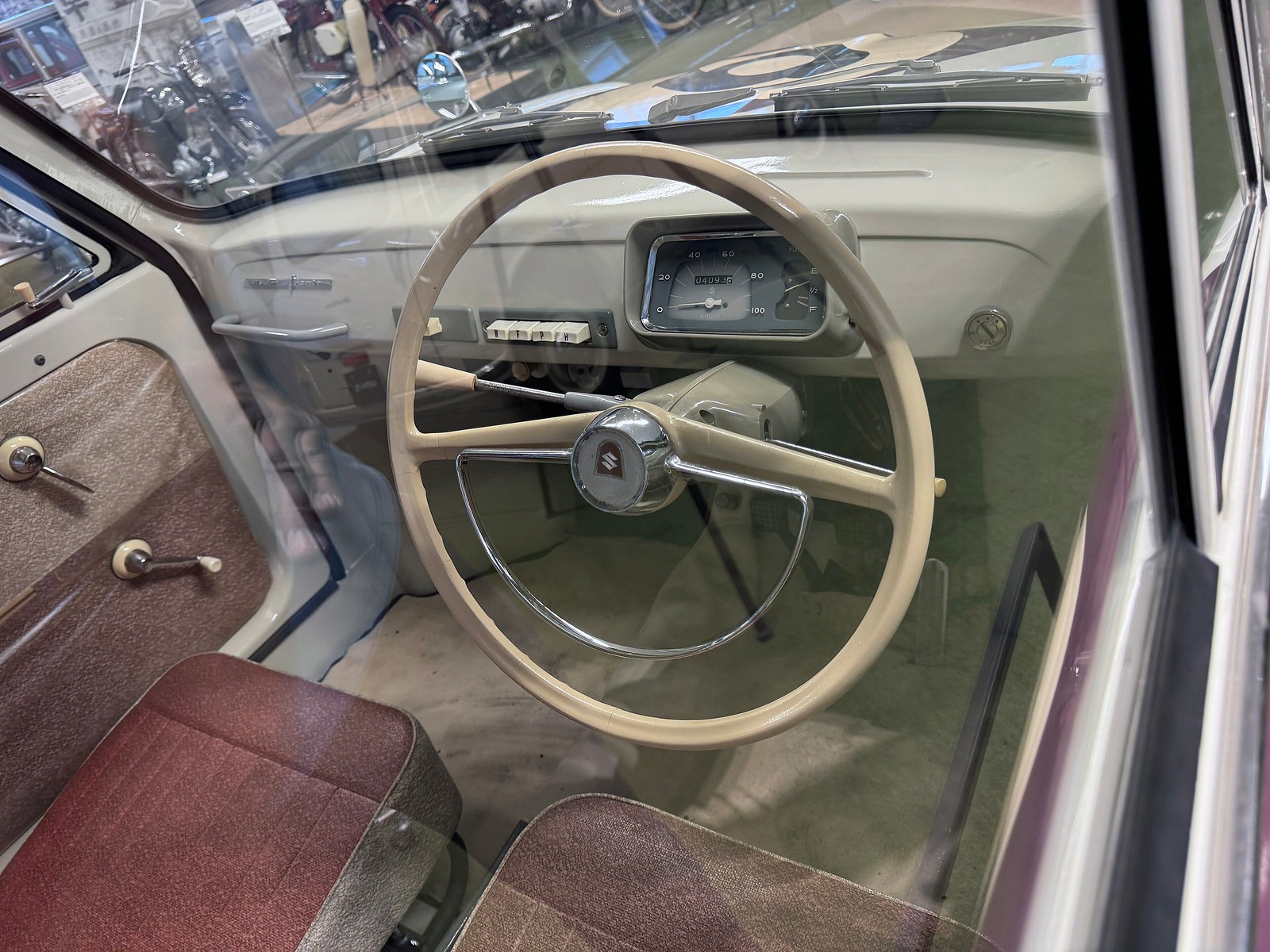
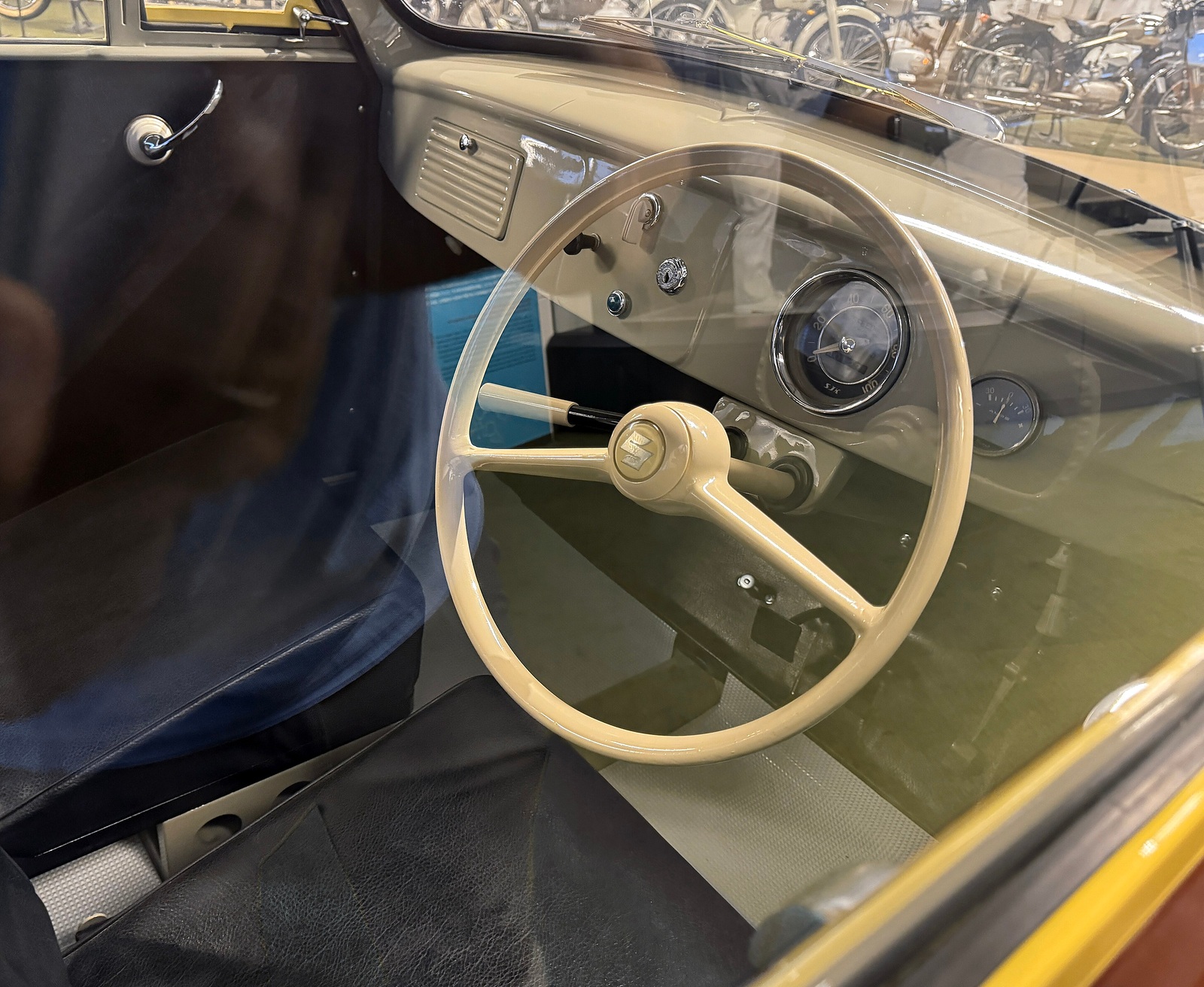
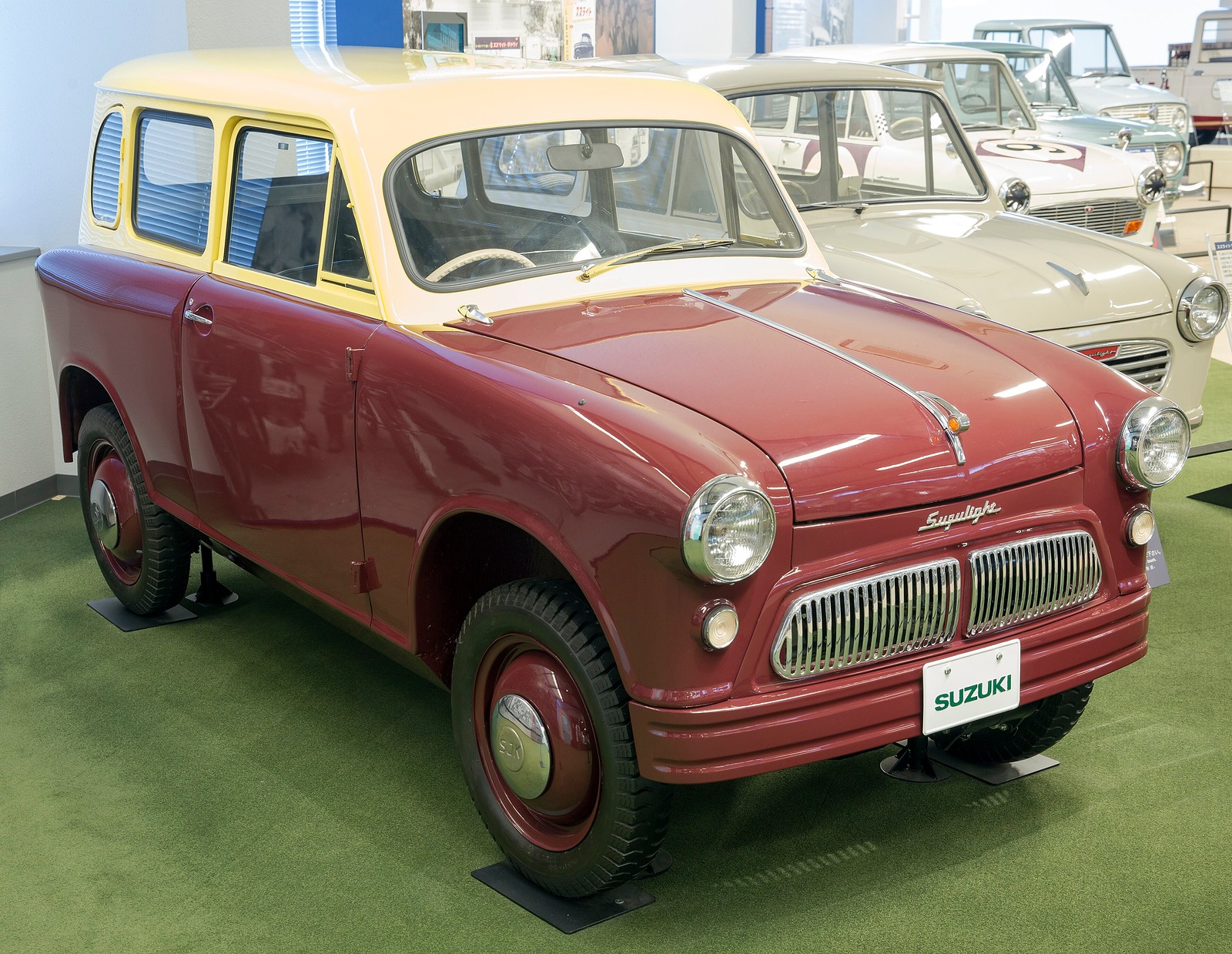
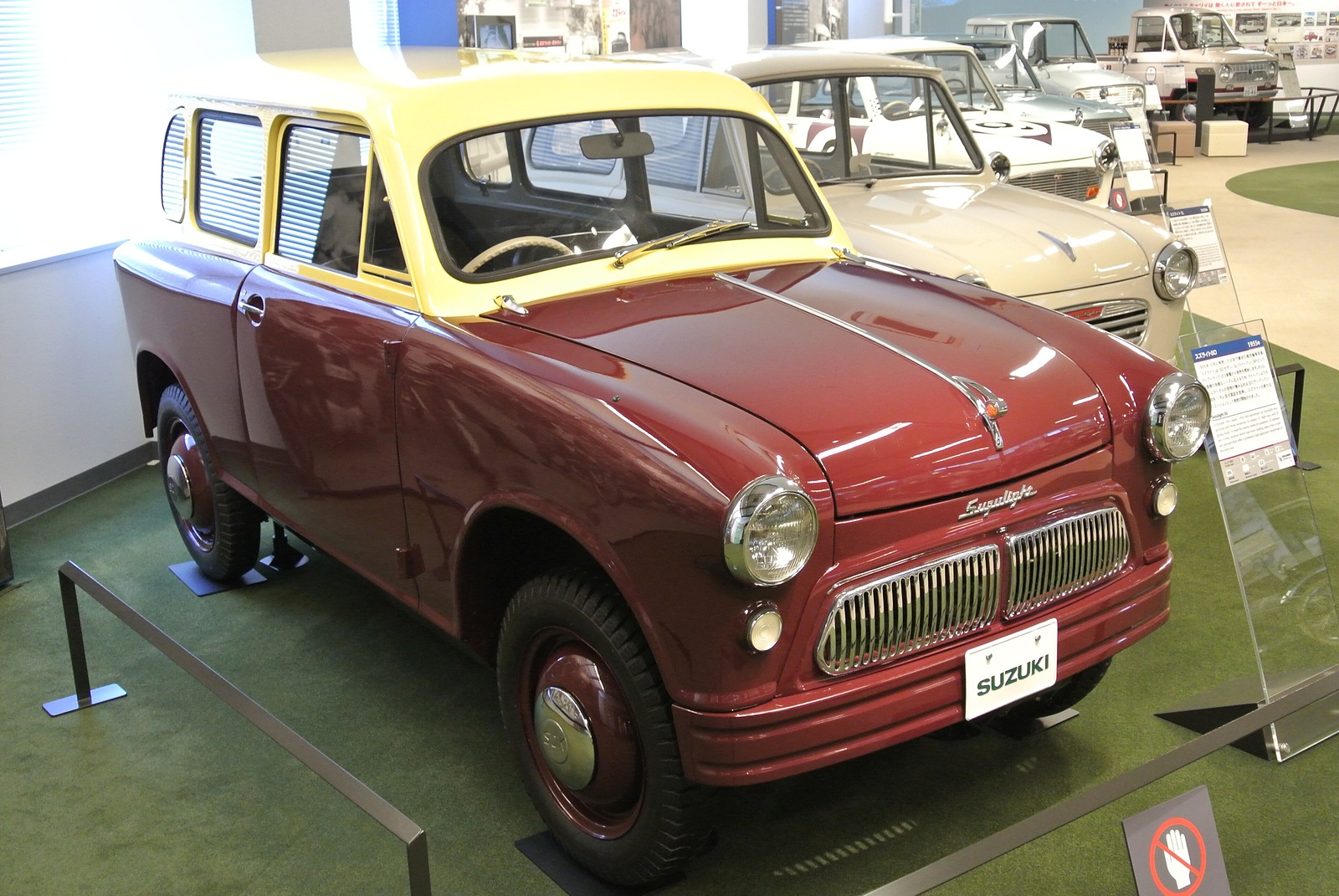
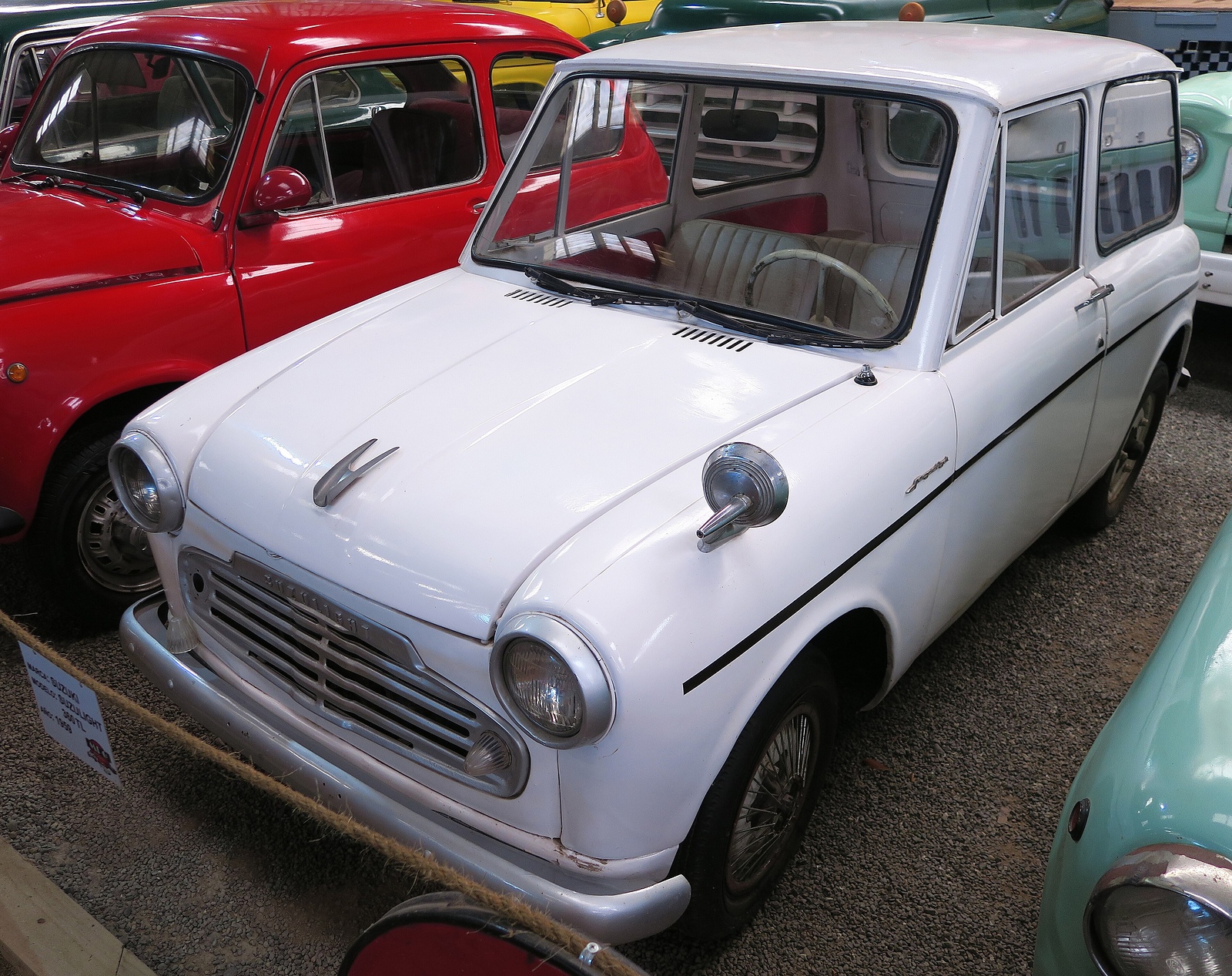
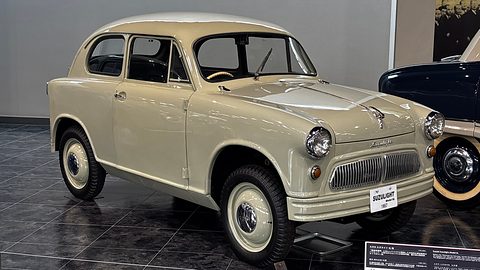
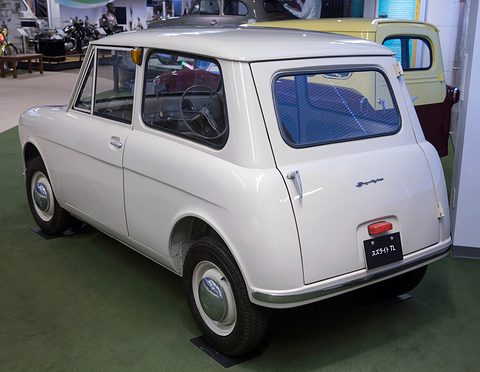
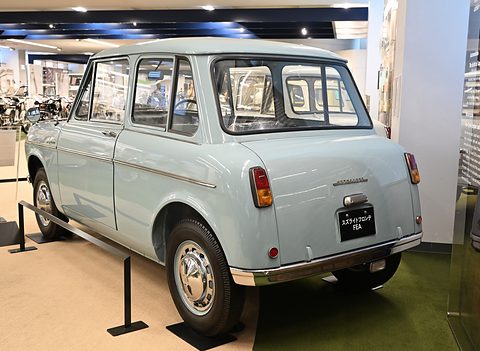
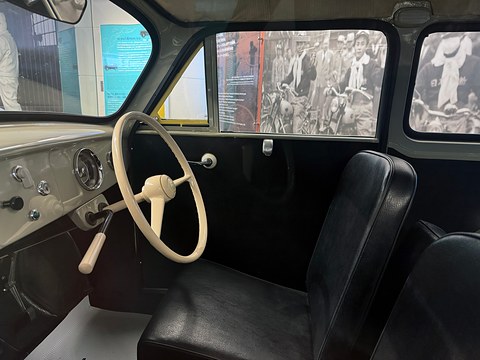
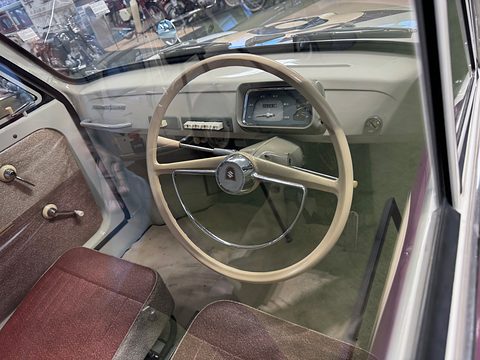
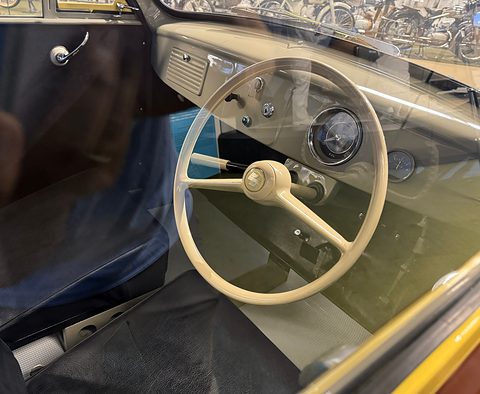
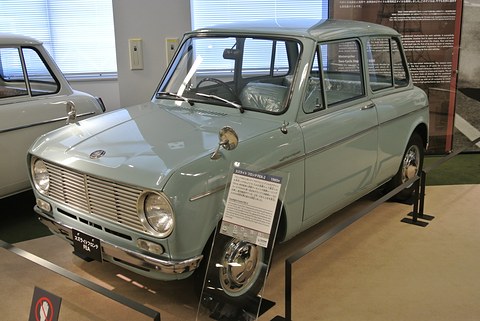
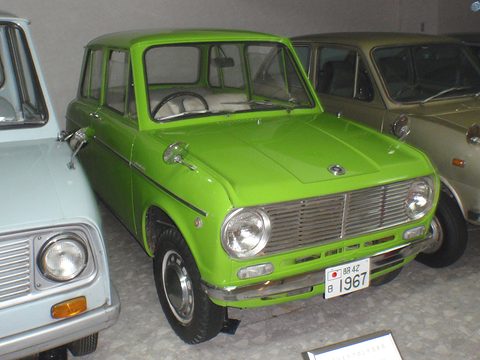
The SS saloon that JSAE lists among its landmarks belongs to Suzuki in Hamamatsu, which keeps it in running order; the photographs on this page show the Suzuki History Museum’s cars, the SS among them.source 5 The Toyota Automobile Museum shows an SL van, and SD and TL vans survive too.source 8source 1 In 2008, the year Inagawa entered the Japan Automotive Hall of Fame, the Suzulight became one of its Historic Cars, and it became Mechanical Engineering Heritage No. 132 in 2025.source 9source 1 No club, auction result or count of survivors has been found.

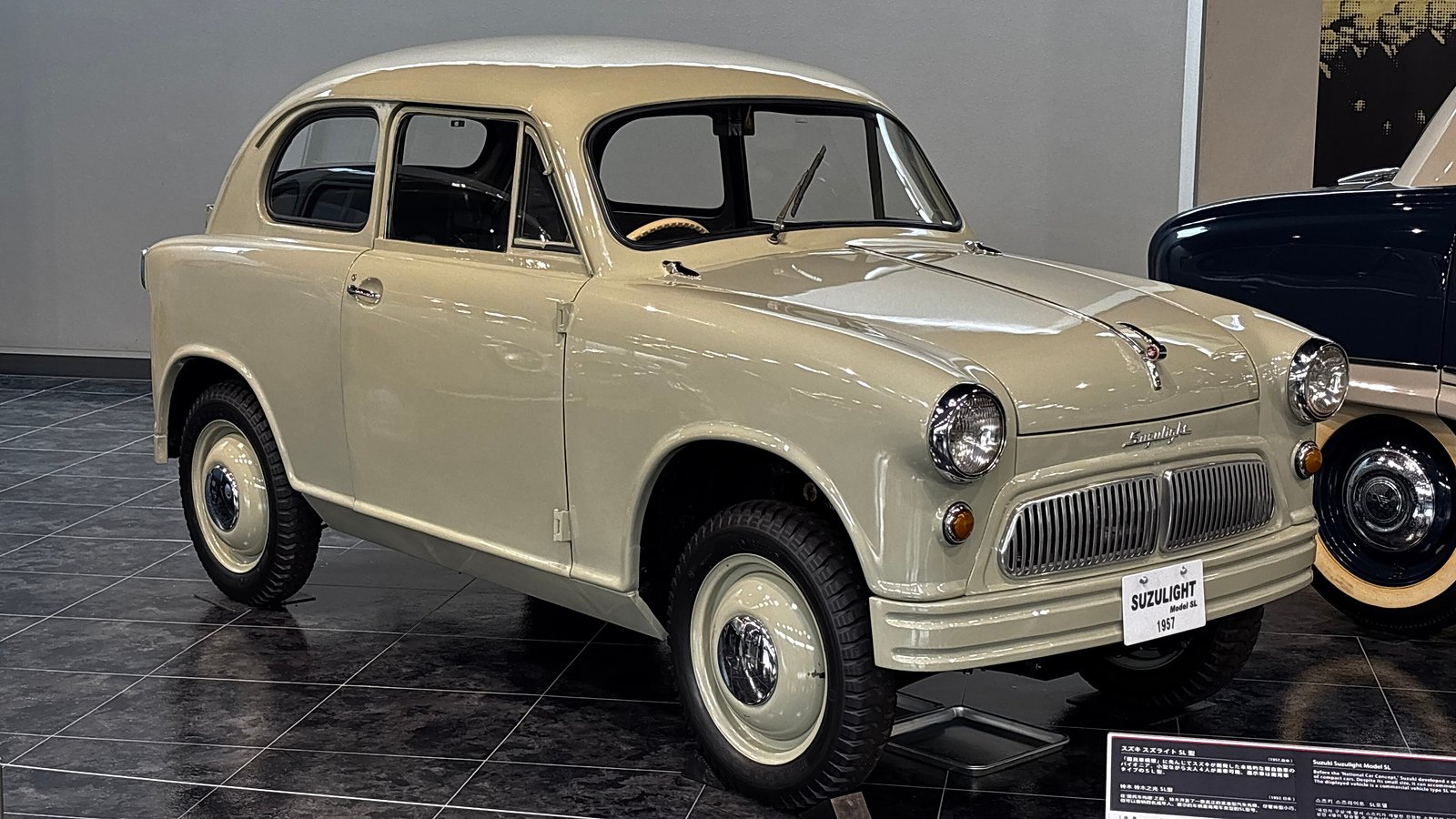
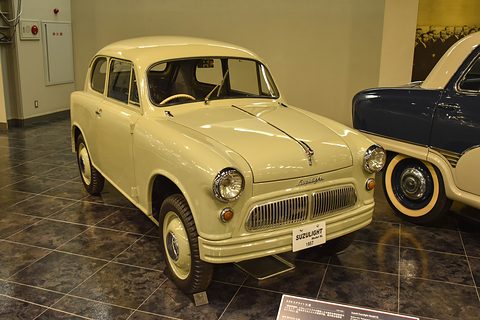
Cream small two-door car with a split chrome grille and round headlamps on a polished dark floor.
The Toyota Automobile Museum’s Suzulight SL light van in 2025.Photo: Coolalabright, CC BY 4.0, via Wikimedia Commons

Sources

Numbered as in the text

The development story rests on Japanese Wikipedia, which draws on Iwatate Kikuo’s articles and Suzuki and Hall of Fame material, and on Suzuki’s own digital library. No period road test, total production figure or auction result was found. Sources are given as plain text; the links are on the Credits page.

  1. Japanese Wikipedia, Suzuki Suzulight, read in full on 7 October 2026. It cites Kokusansha 100-nen no kiseki, Iwatate Kikuo’s articles in Old-timer 79–80 (2004), the Japan Automotive Hall of Fame’s 2008 press release and 360cc kei-jidōsha no subete.
  2. Suzuki Motor Corporation, Suzuki Digital Library, “Suzulight” (the SS, SL, SP, SD, TL, FE and FE II), read in full.
  3. Suzuki Motor Corporation, Suzuki Digital Library, the Suzulight L and T engines, read in full.
  4. English Wikipedia, Suzuki Suzulight, read in full. Used as a lead; it cites Chris Rees, Microcar Mania (1995), Ozeki’s Suzuki Story, suzukiklassiekers.nl and a Senshu University paper.
  5. Society of Automotive Engineers of Japan (JSAE), Landmarks of Japanese Automotive Technology, item 1-17, “Suzulight SS”, read in full.
  6. Japanese Wikipedia, Subaru 360, its section on the kei cars before Subaru (citing Katsuragi Yōji, Tentōmushi ga hashitta hi, p. 52) and its motor-sport section, read in full.
  7. Subaru Museum, the Subaru 360 story, read in full.
  8. Toyota Automobile Museum, collection record 201, “Suzuki Suzulight Model SL”, read in full.
  9. Japan Automotive Hall of Fame, list of Historic Cars (“SUZUKI SUZULIGHT”, 2008), list read.