The story
History
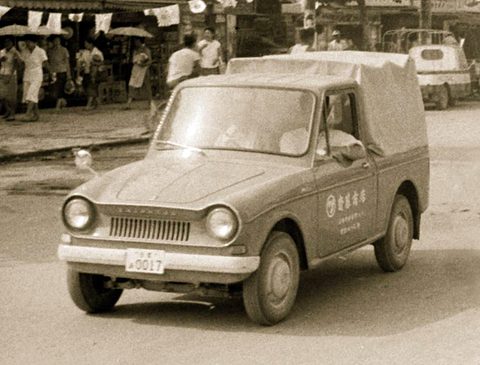
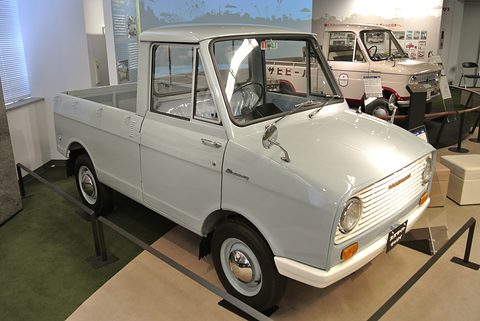
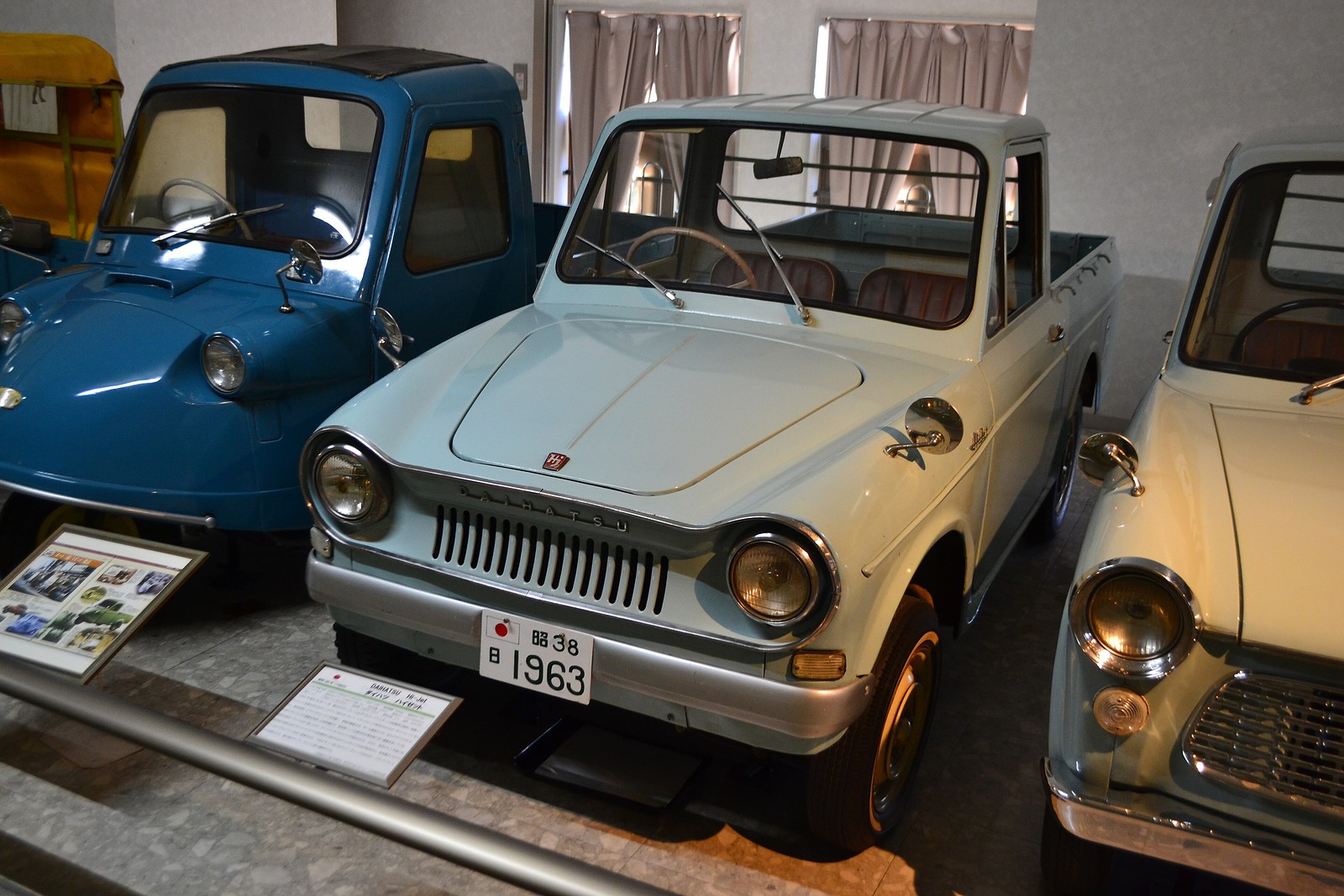
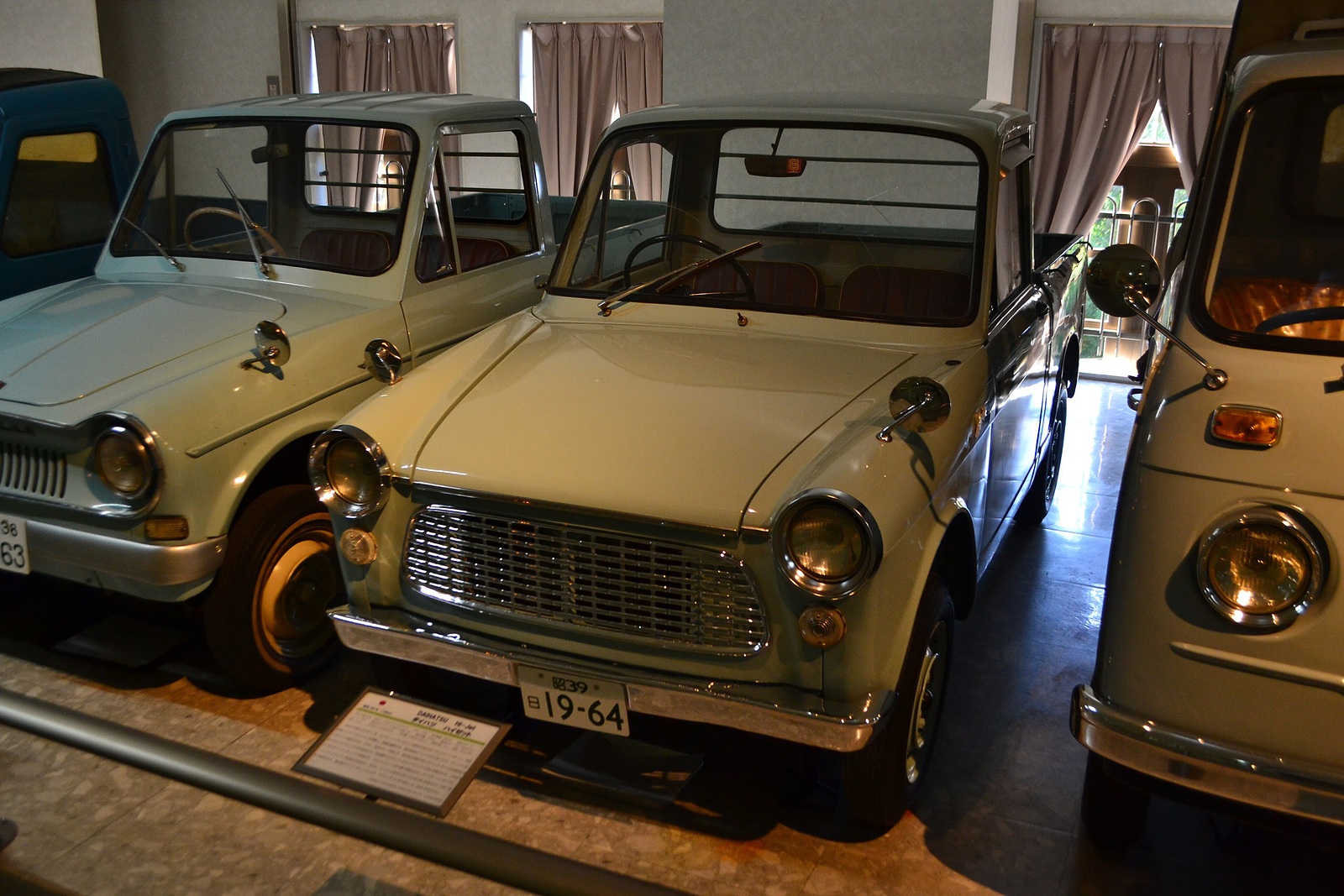
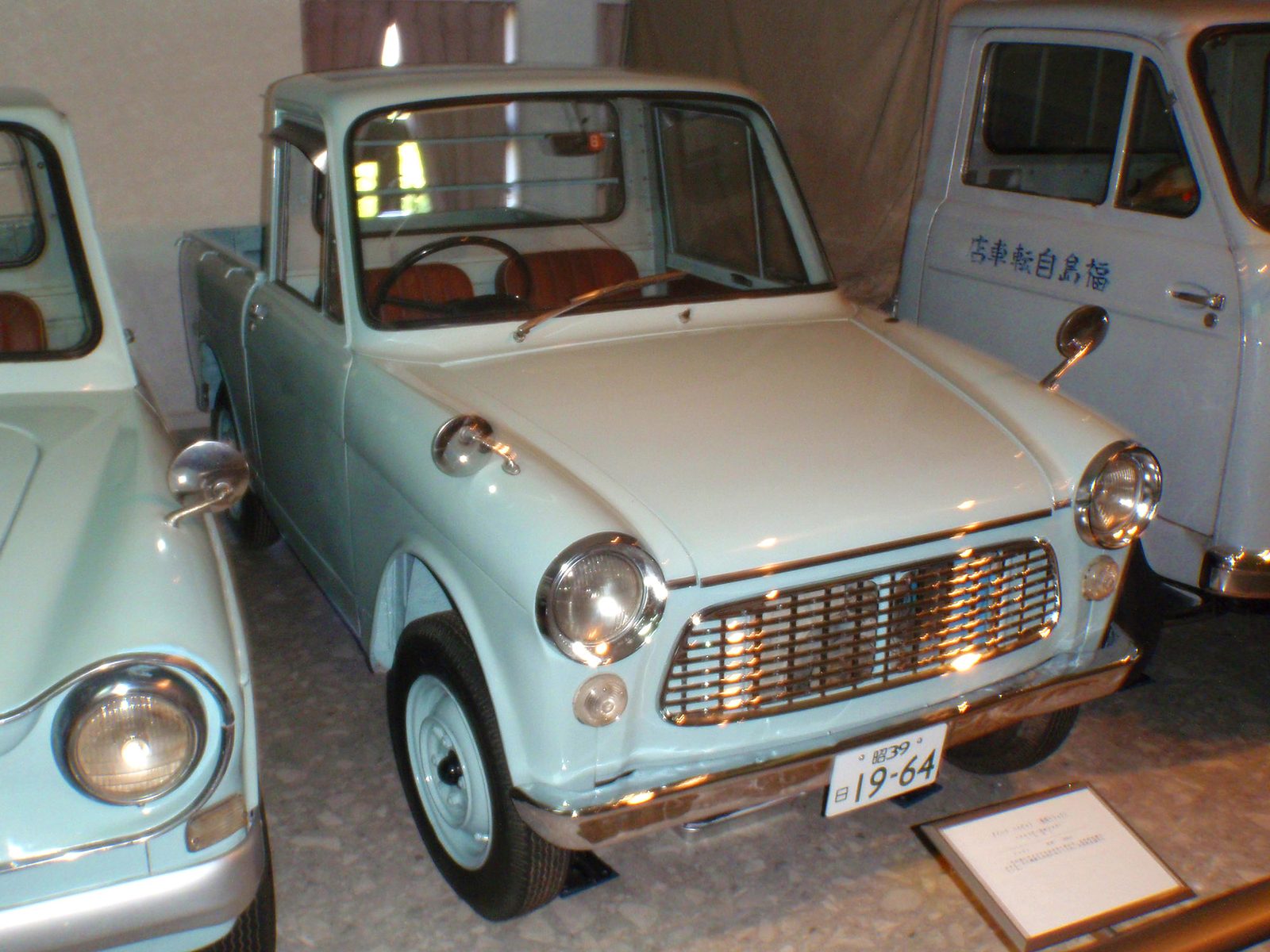
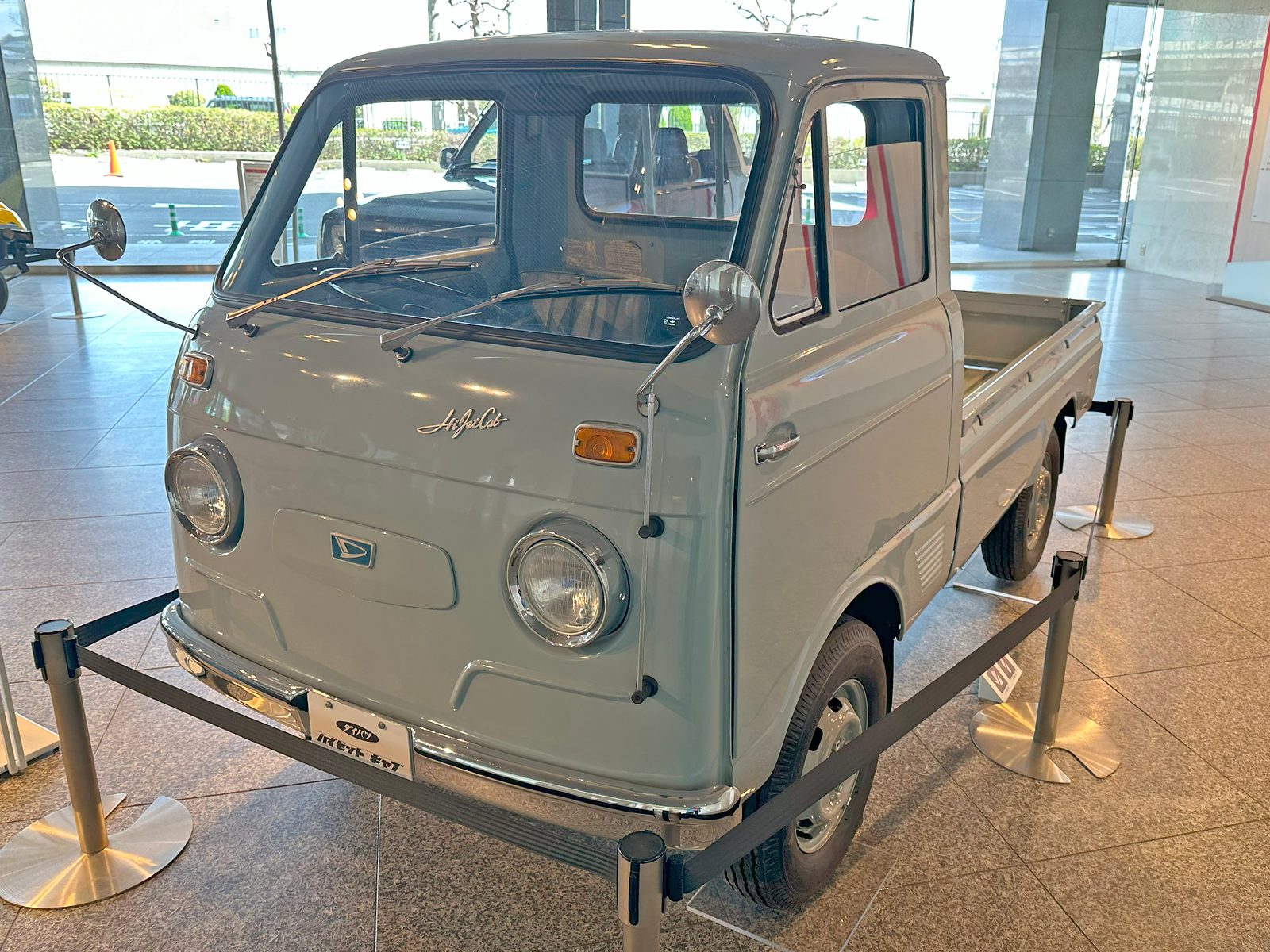
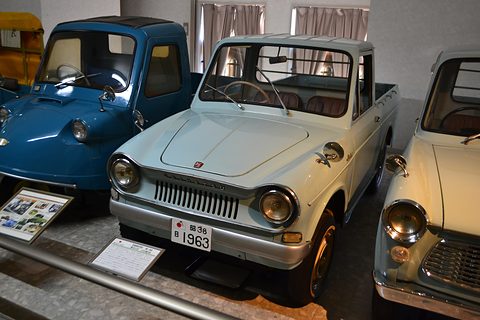
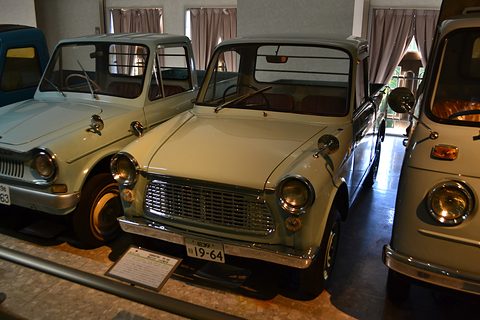
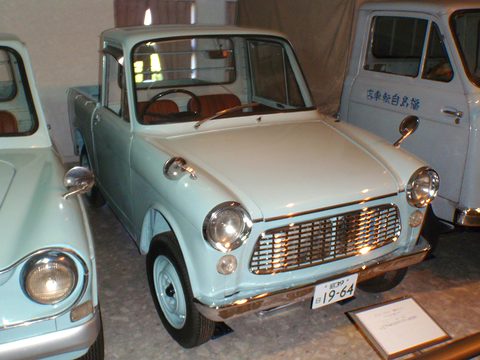
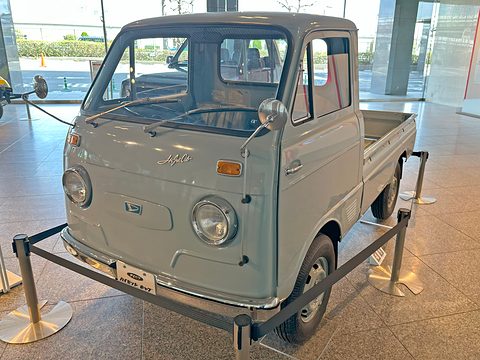
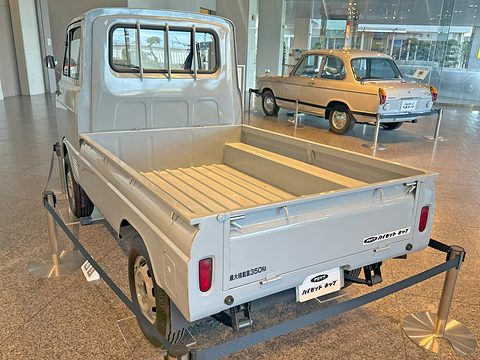
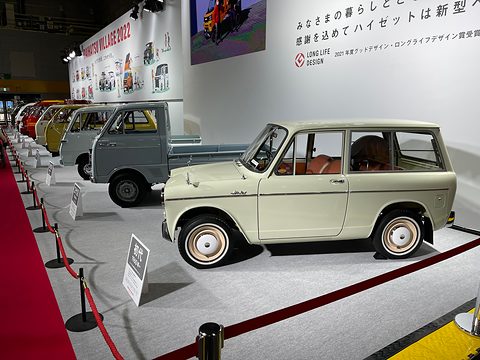
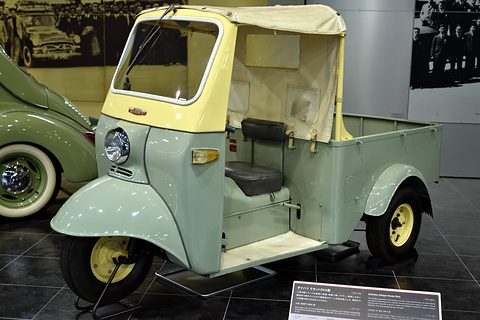
Daihatsu, founded in 1907, led Japan’s market for three-wheeled trucks, and its Daihatsu Midget of 1957 was a great hit with small shopkeepers. Four wheels promised more stability and comfort than sitting astride a three-wheeler’s engine.source 1 The name Hijet was coined to suggest more performance than the Midget’s; its likeness to Toyota’s HiAce and Hilux is a coincidence, for the name is two decades older than Toyota’s control of Daihatsu.source 2 The Hijet truck went on sale in November 1960, Daihatsu’s first four-wheeled kei vehicle, built within the 360 cc rules for kei cars.source 2source 1source 3 The JSAE lists it as landmark 3-17 of Japanese automotive technology, one of the vehicles that moved Japan’s small loads from three wheels to four.source 4
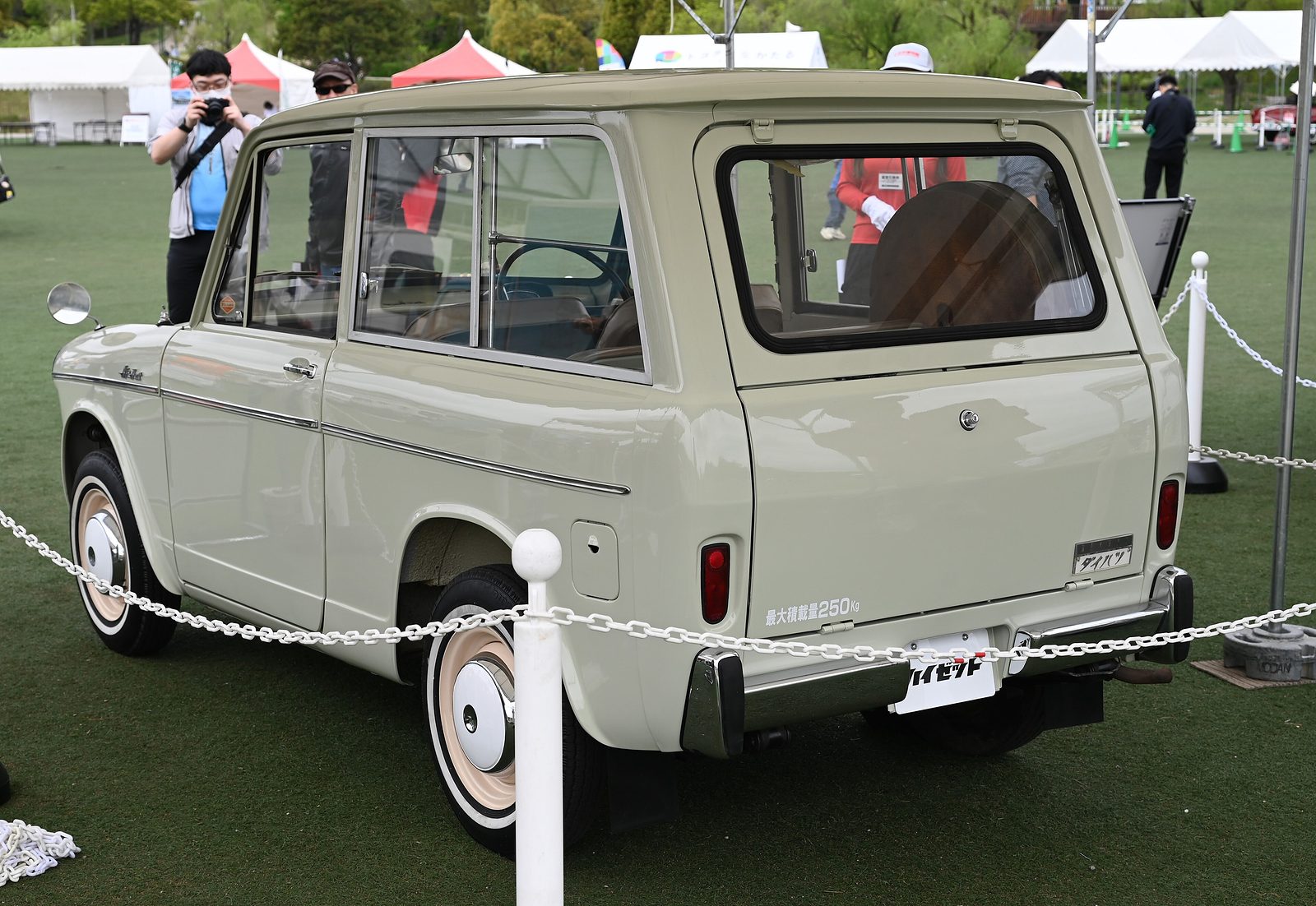
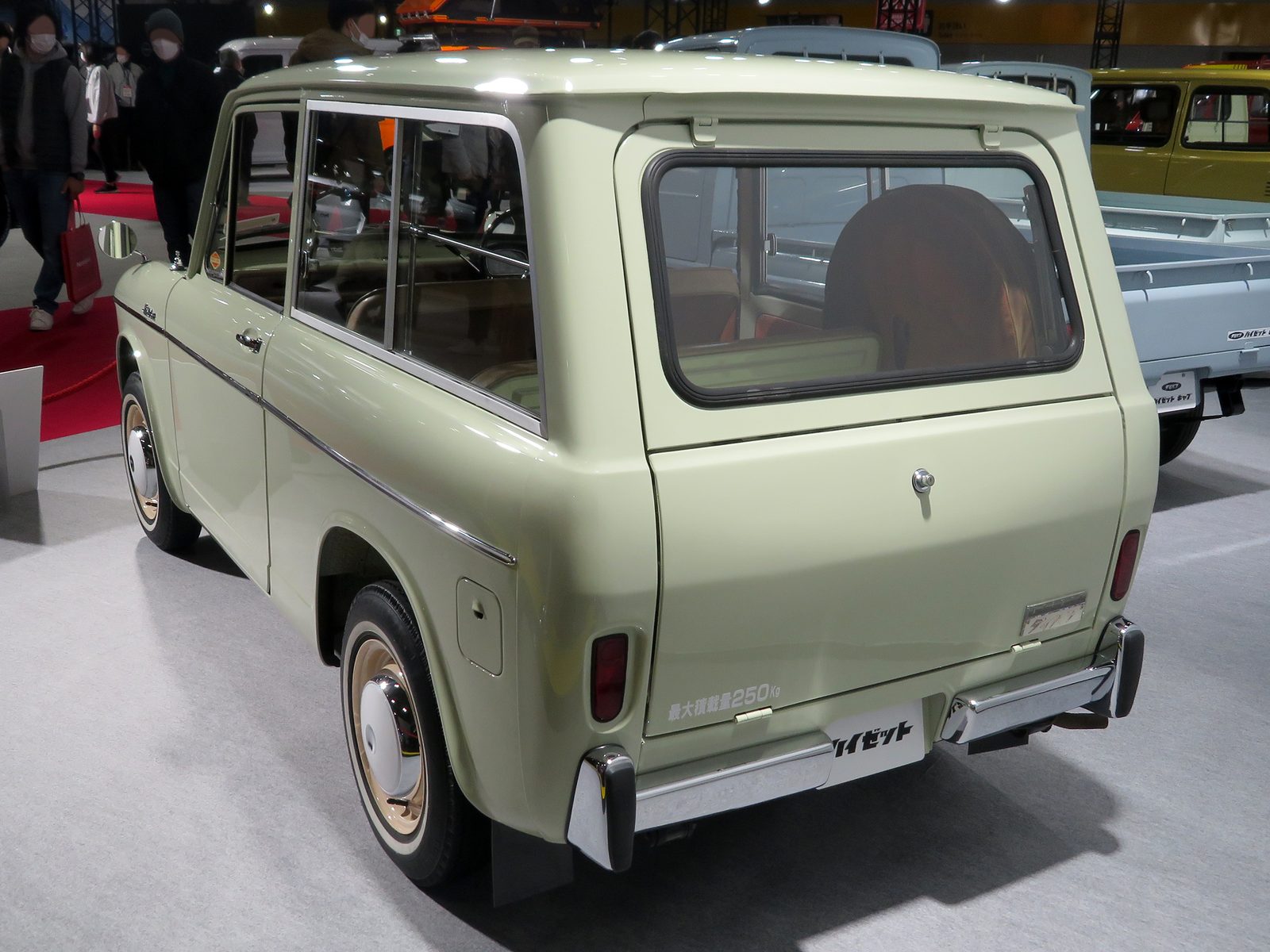
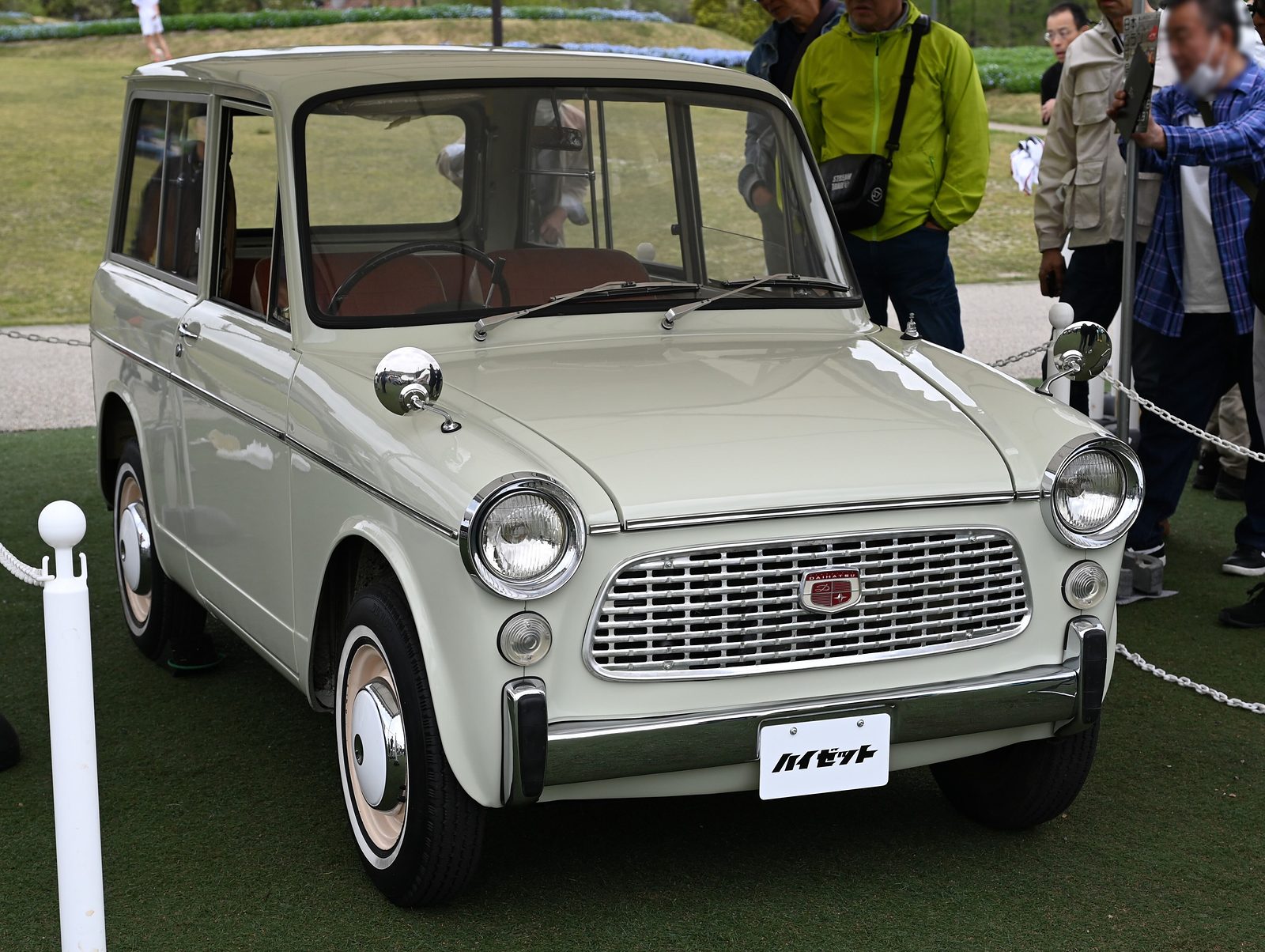
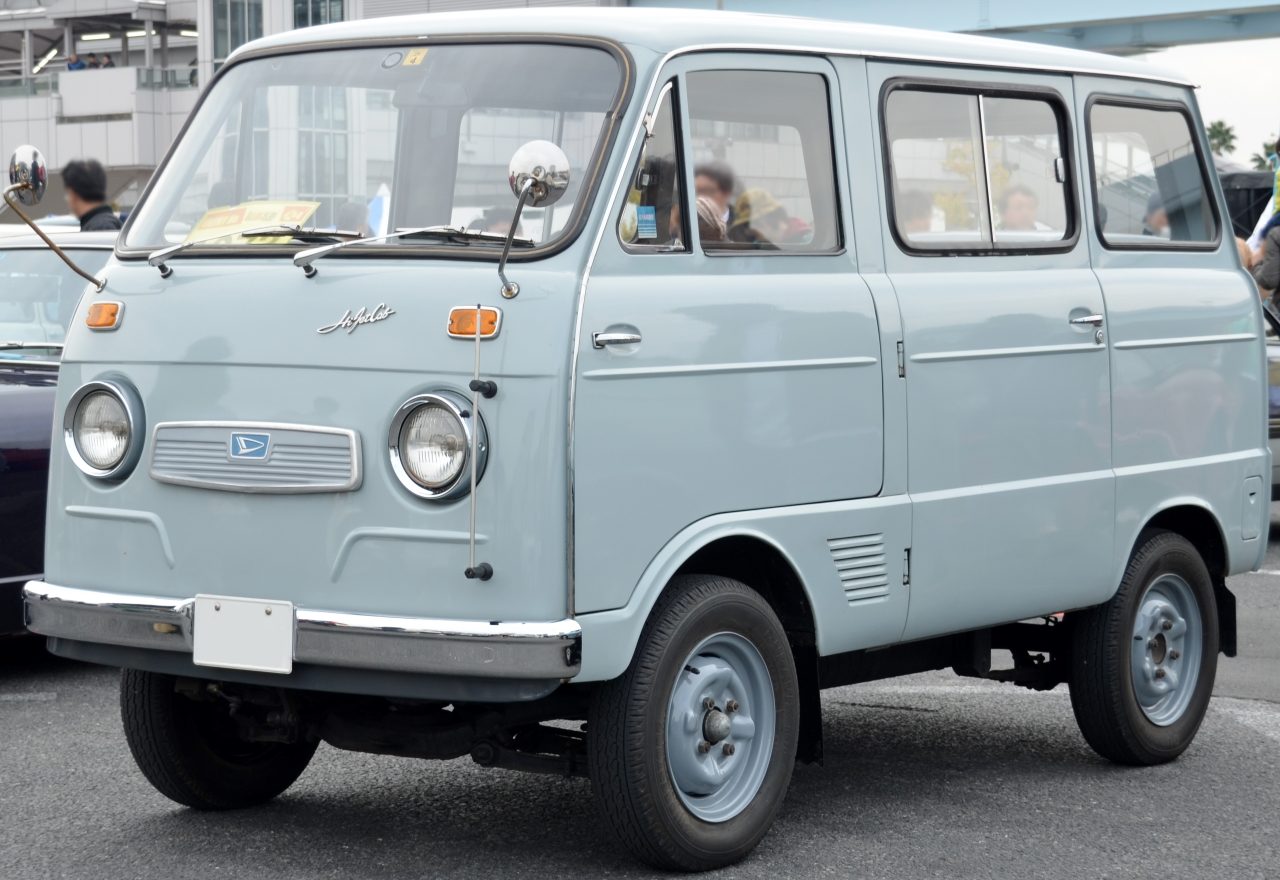
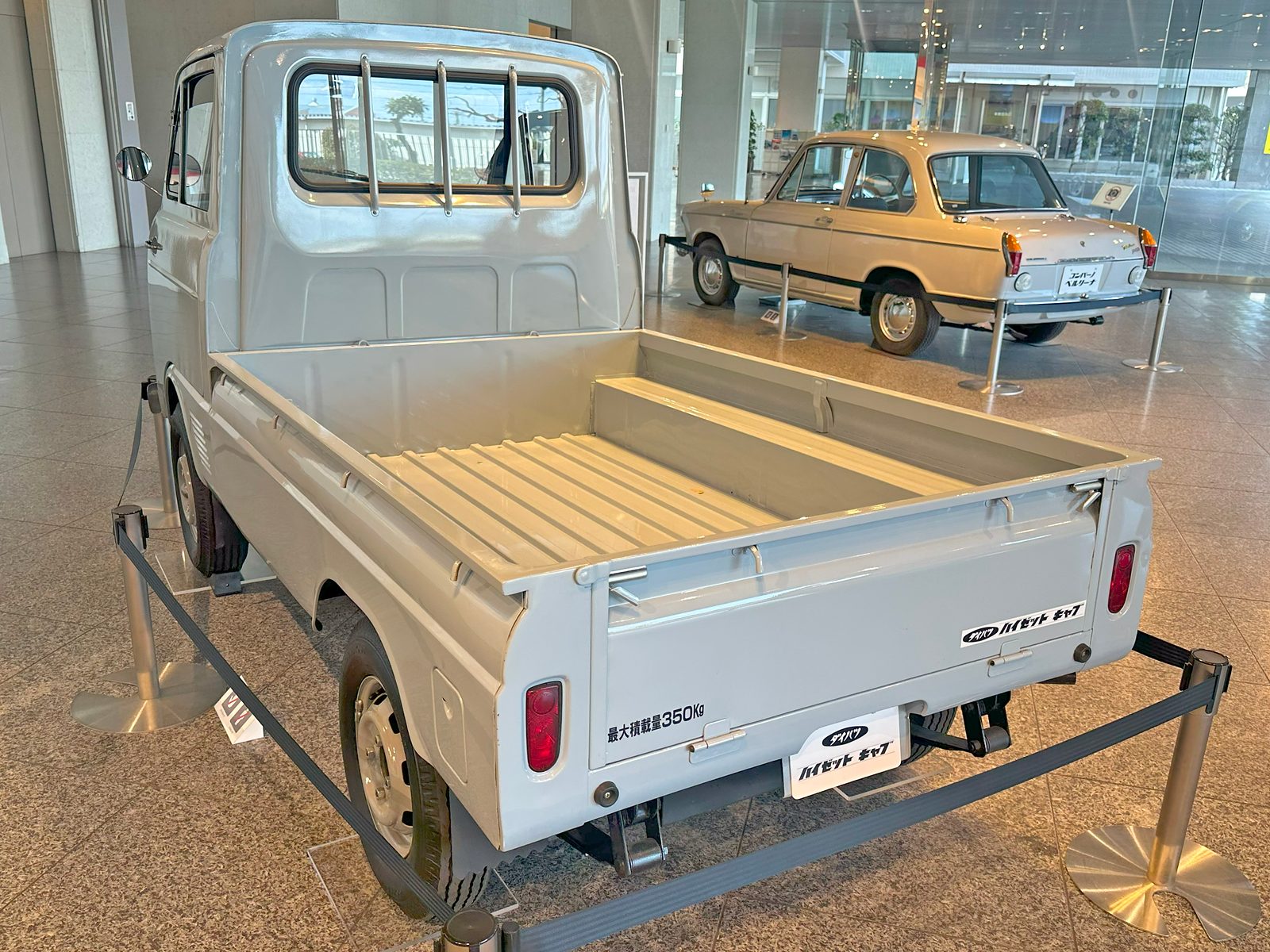
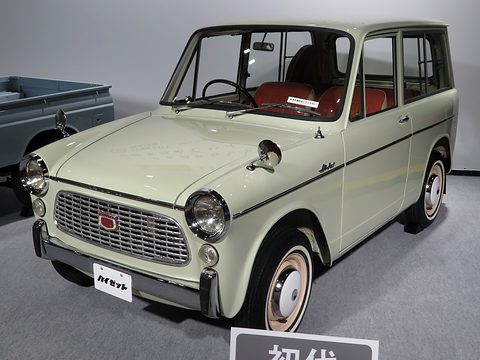
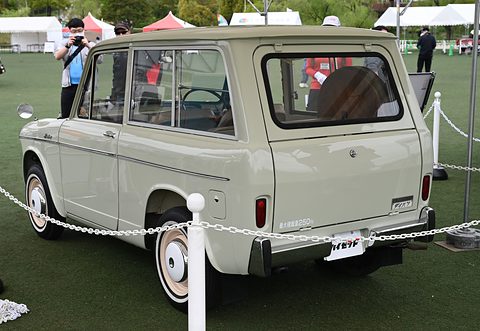
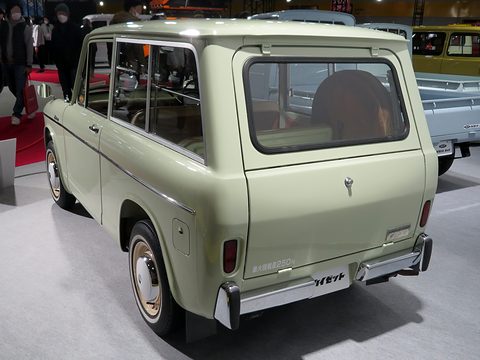
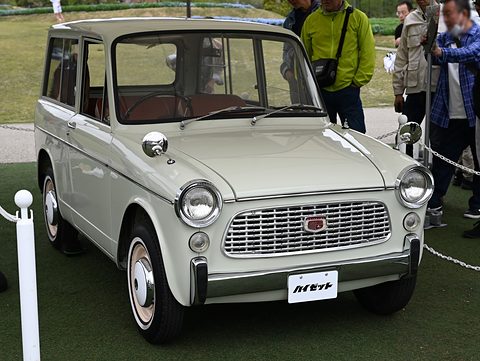
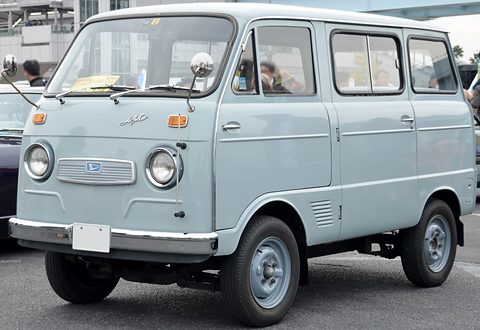
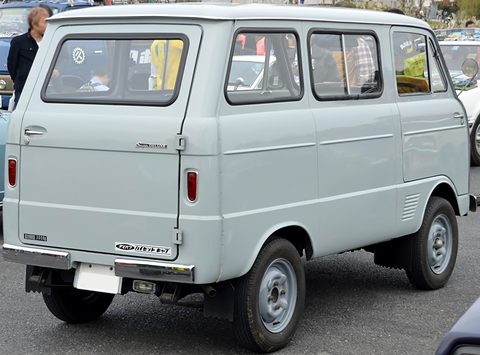
The L35 looked like a small pick-up, with a bonnet and its engine in front, ahead of the driver.source 2source 4 That engine was a 356 cc air-cooled two-stroke twin of 17 PS, with three synchromesh gears; the truck was 2,990 mm (118 in) long, weighed 540 kg (1,190 lb), carried 350 kg (772 lb), and its top speed was 75 km/h (47 mph).source 4 A light van followed in 1961, which Daihatsu sold as a new family car linking business and leisure.source 1 In 1962 the Hijet introduced Daihatsu’s Oil-Matic, a separate lubrication system for two-strokes that Daihatsu claims as a world first, developed from the L35’s own, and it spread widely.source 1source 4
The motoring journalist Hideaki Kataoka remembers his family’s first-generation light van delivering meat and ham.source 1
ハイゼットは荷物をたくさん積んでも力強い走りを見せたのが印象に残っています。
Cab-over
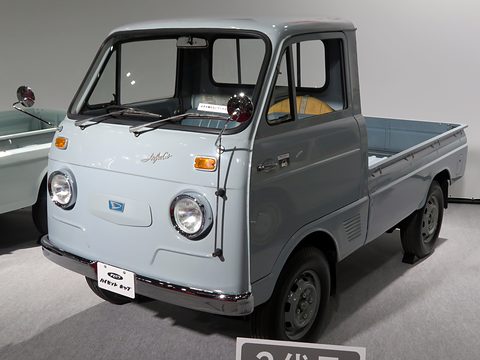
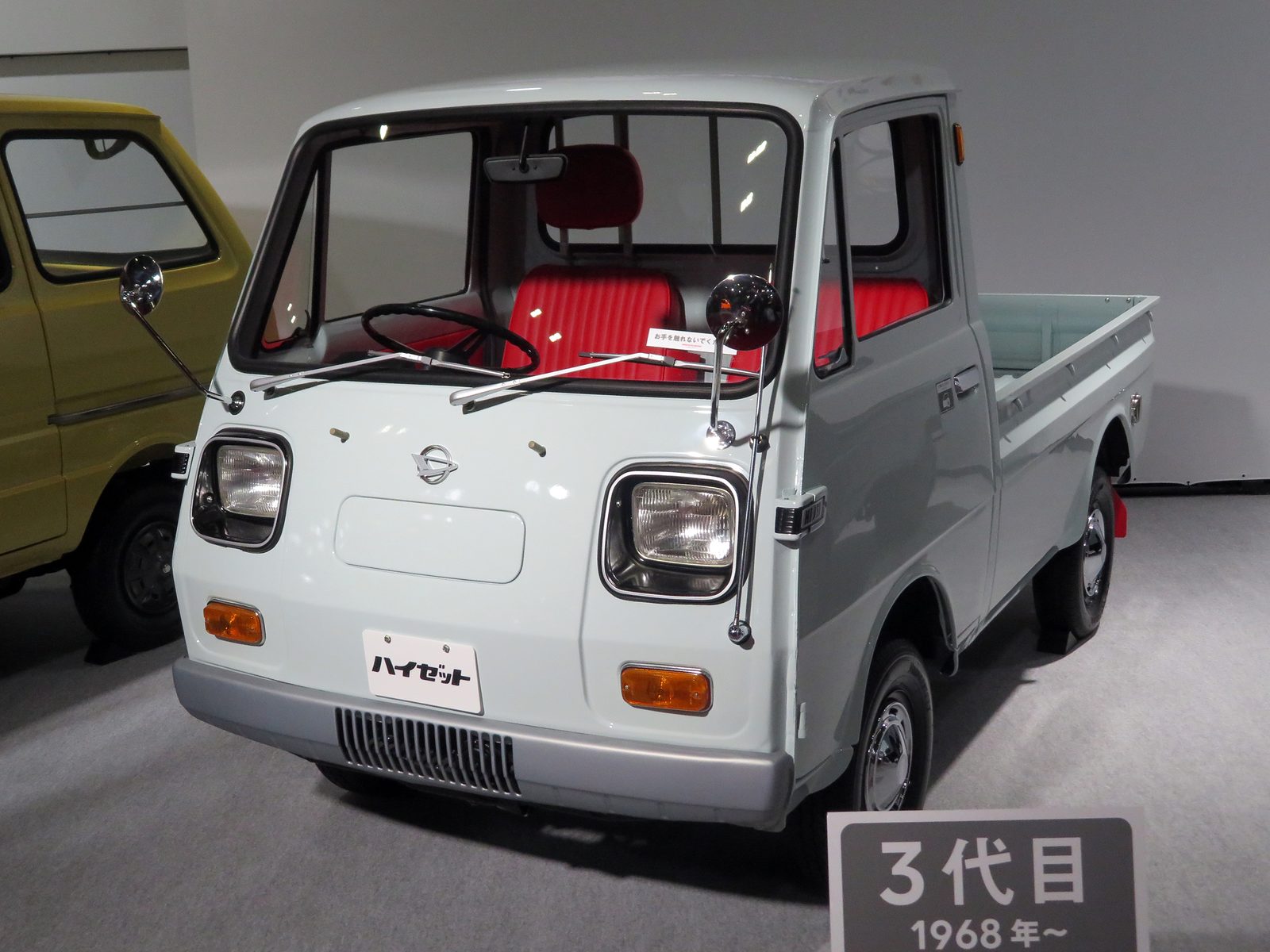
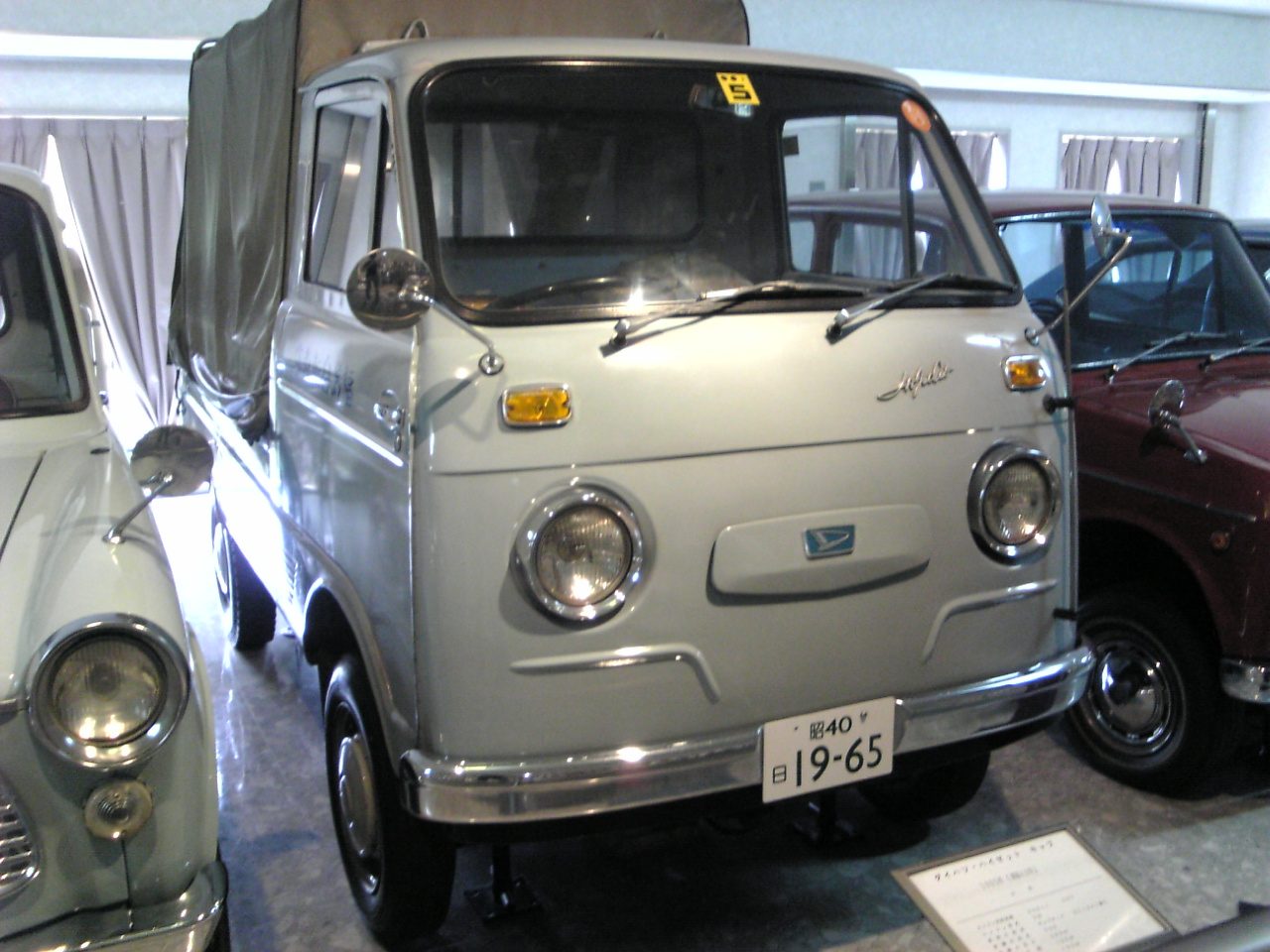
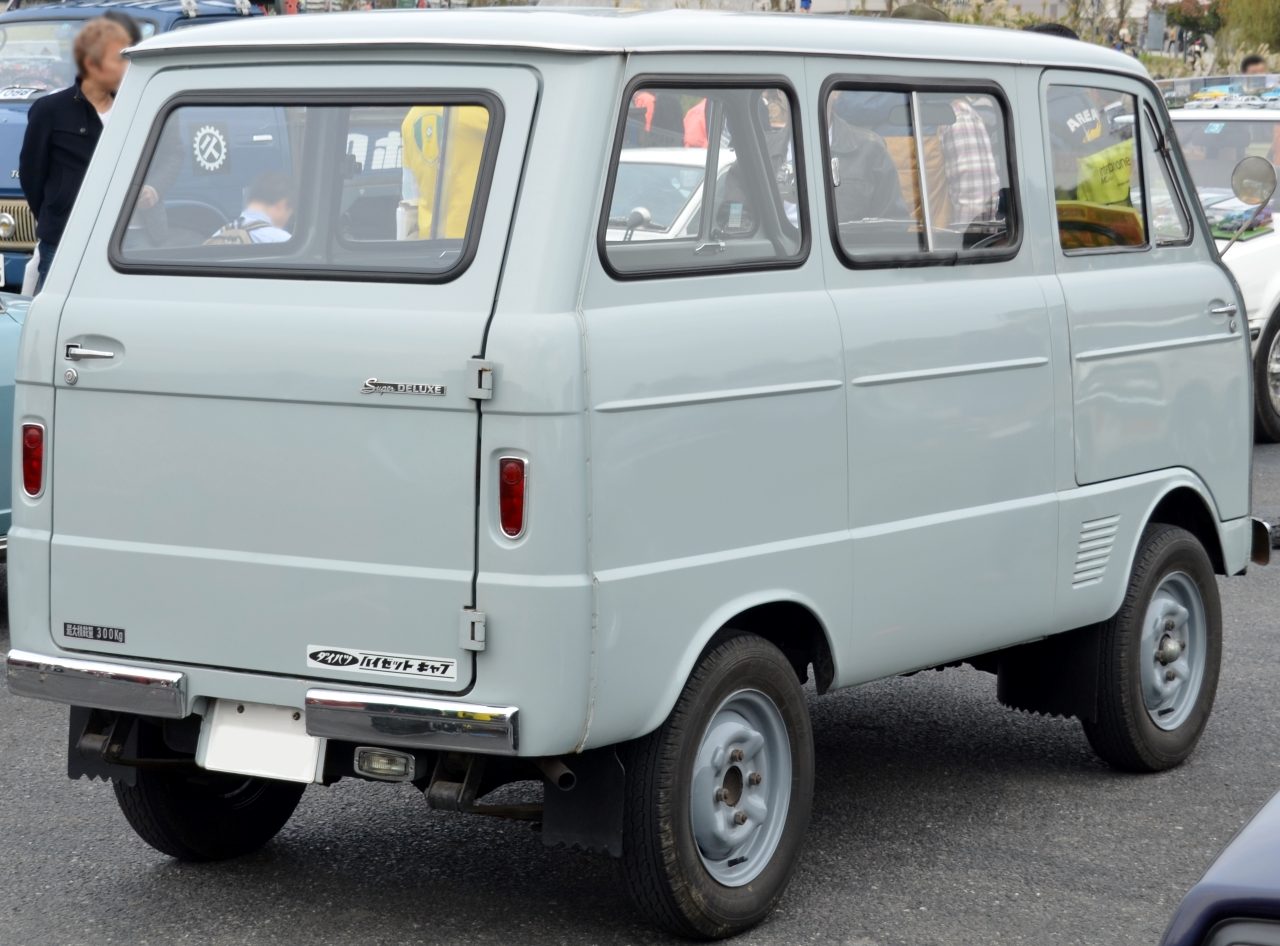
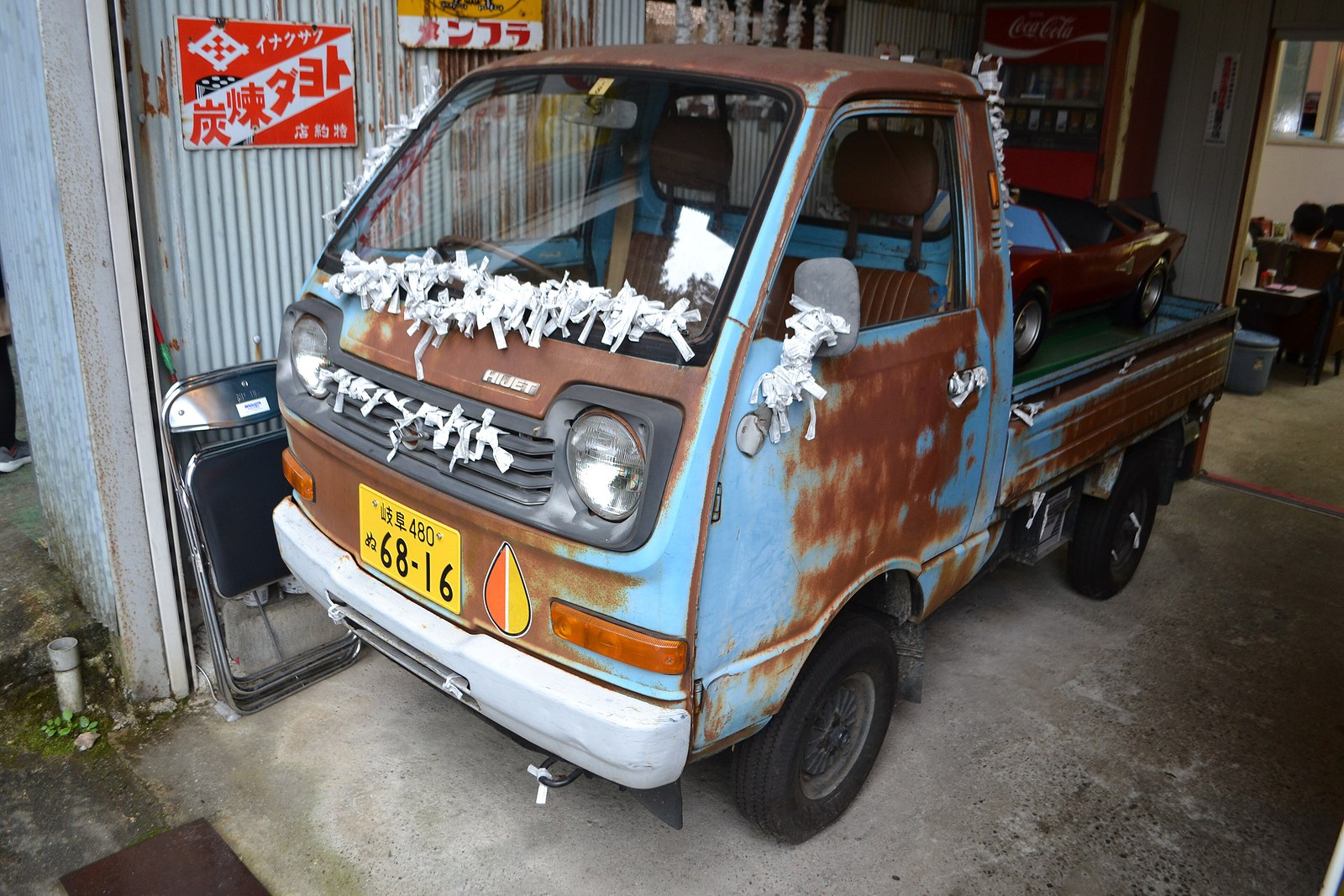
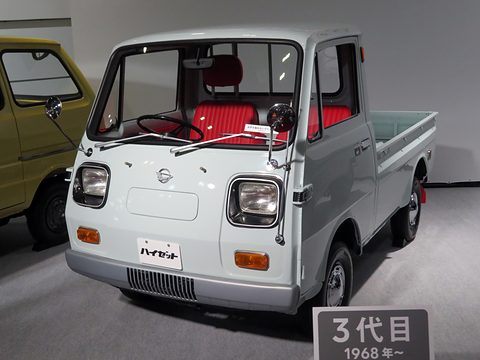
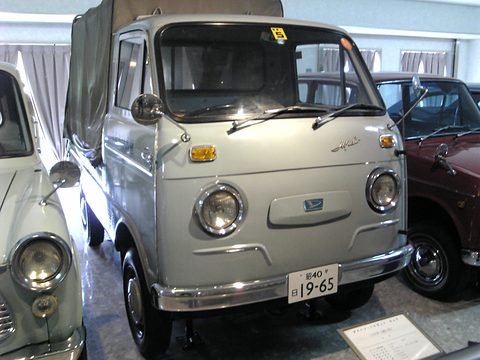
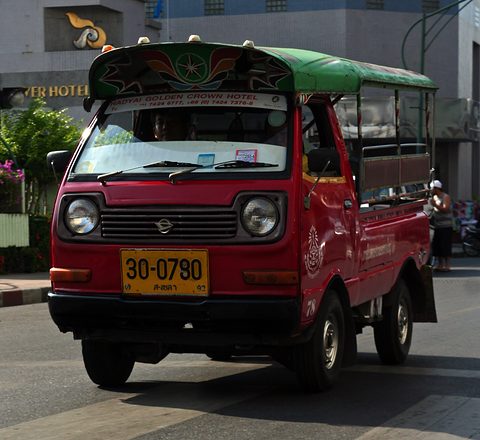
Buyers wanted a full-length load bed, so in April 1964 Daihatsu added the Hijet Cab, with the engine under the seat to make the most of both bed and cab.source 2source 1source 3 Kataoka’s family moved on to one and were astonished at how much it held.source 1 The Cab Van of 1965 had 21 PS and, with two aboard, carried 300 kg in the largest load space of its class.source 1 In May 1968 came a water-cooled two-stroke of 23 PS, a wider cab and, on the van, independent suspension for a ride like a car’s.source 2source 1source 3 Electric Hijets were built too, and at the Osaka Expo of 1970 electric sightseeing vehicles ran on Hijet van chassis.source 1
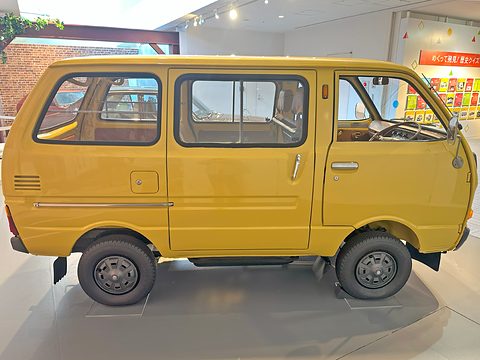
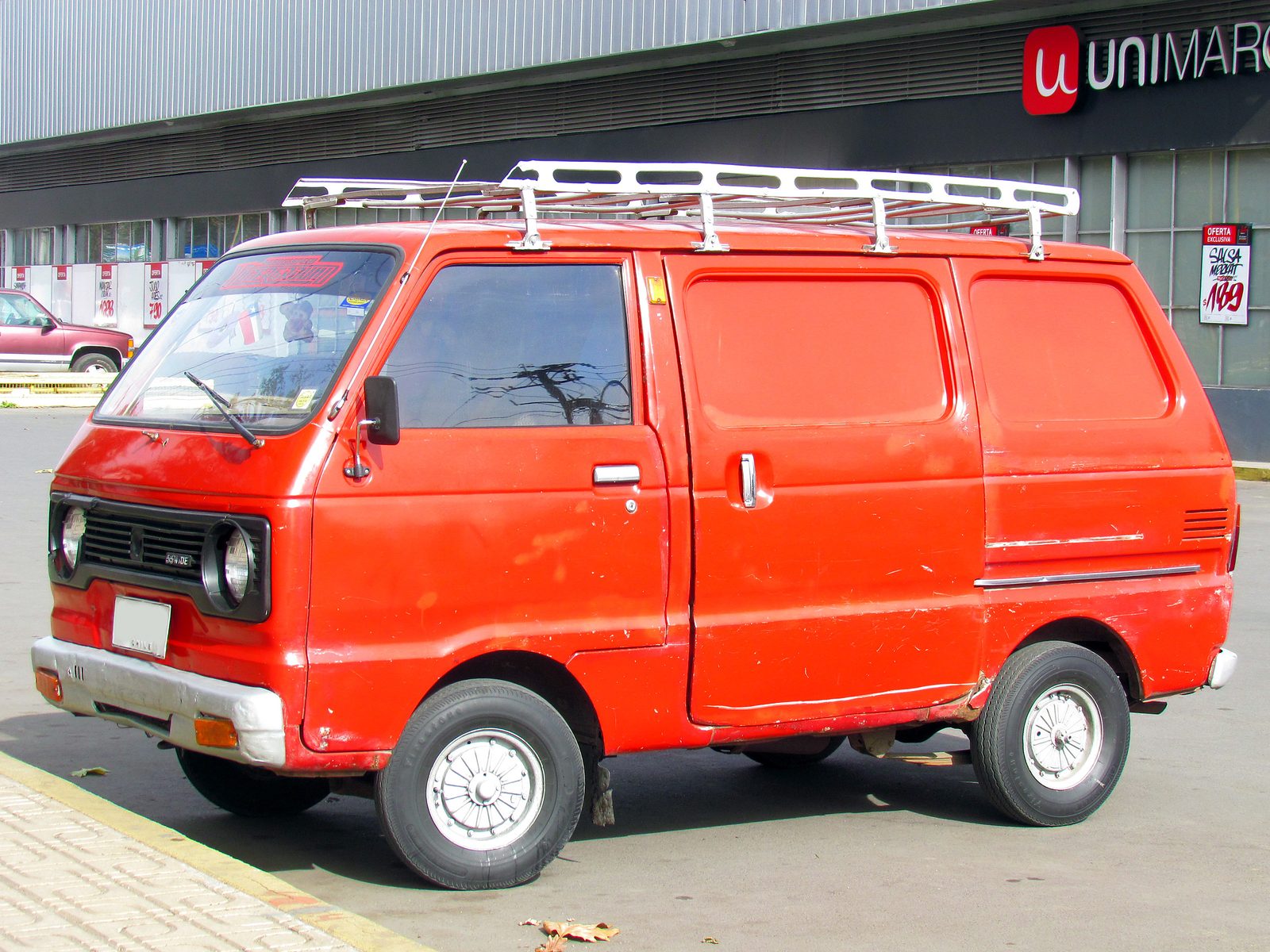
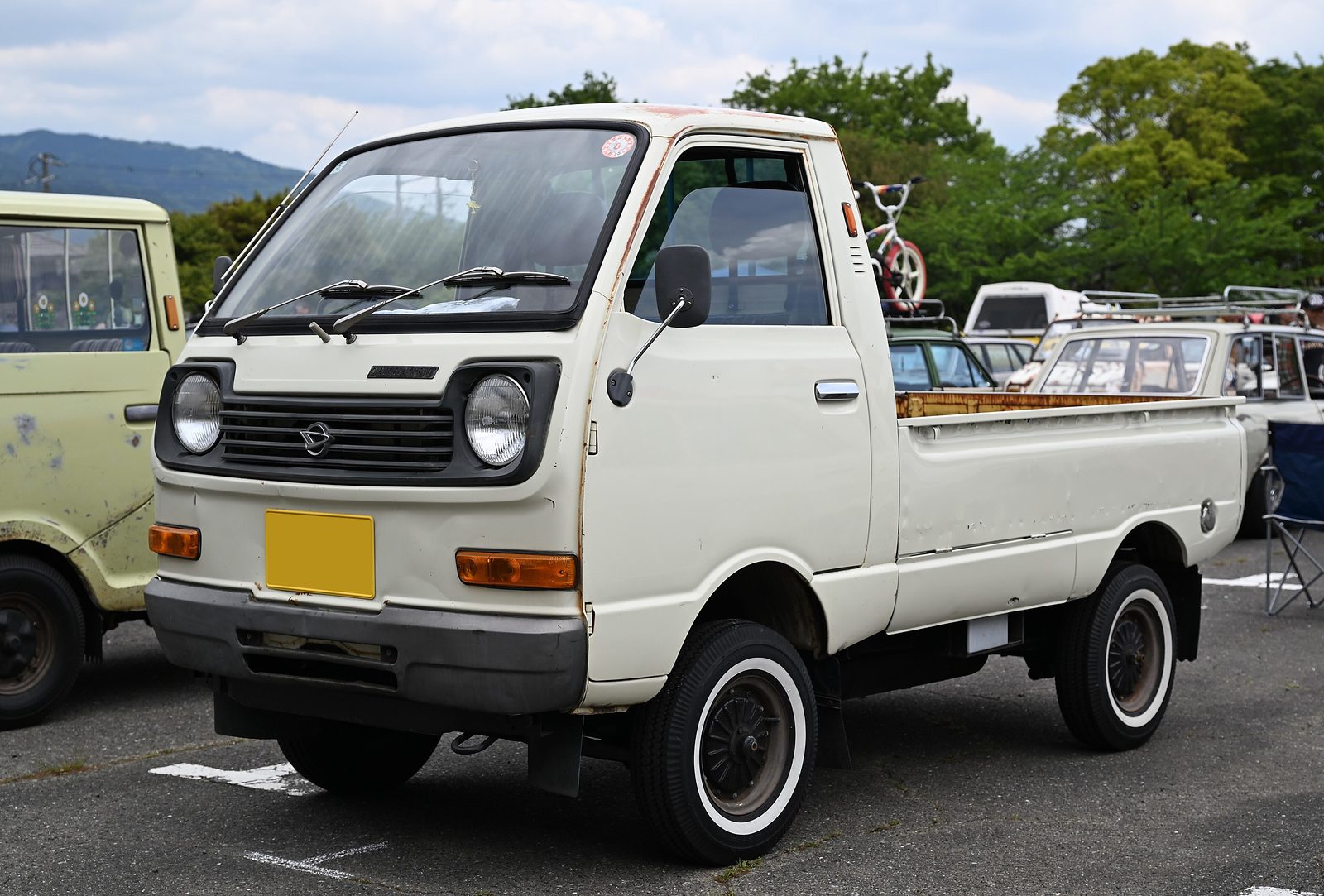
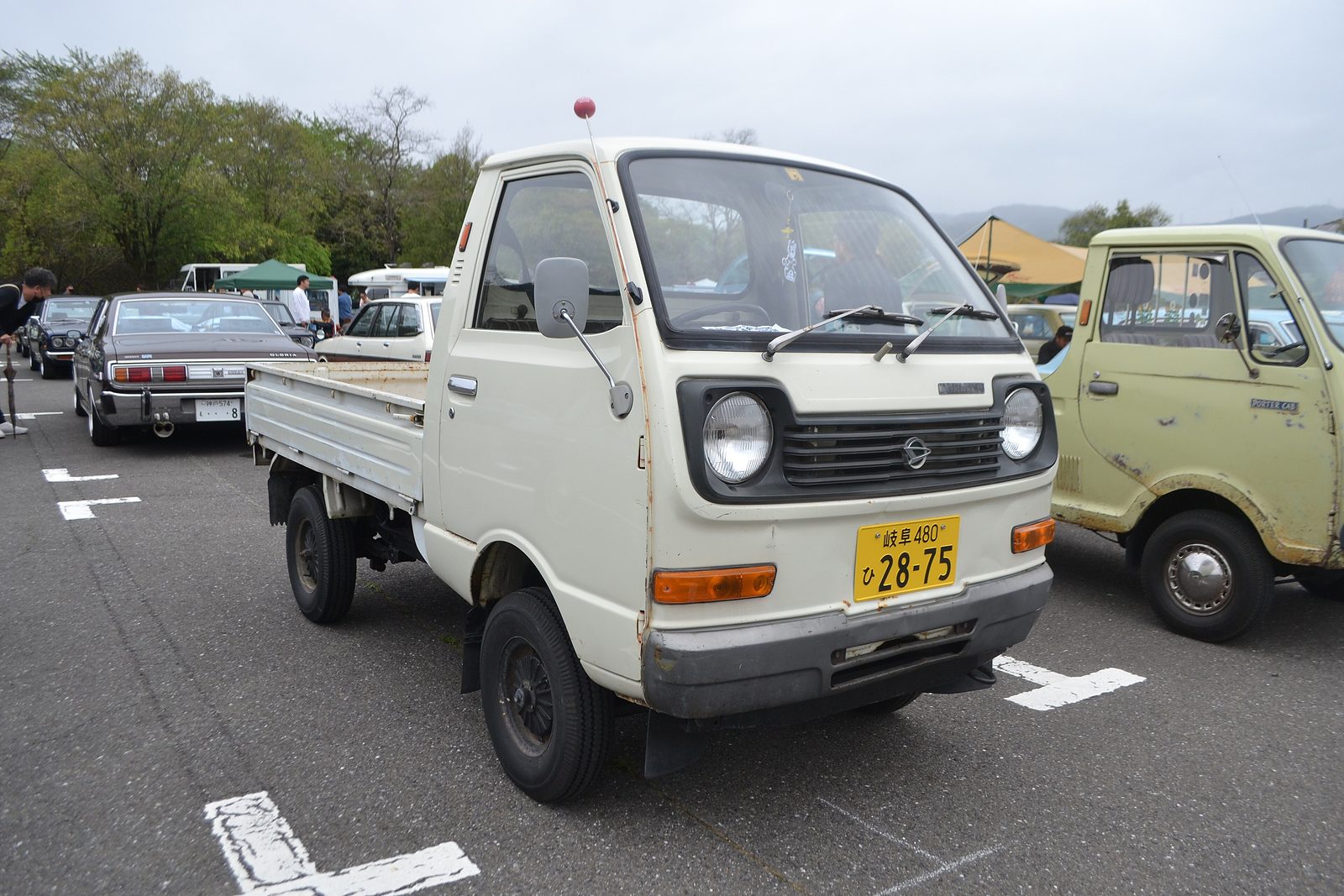
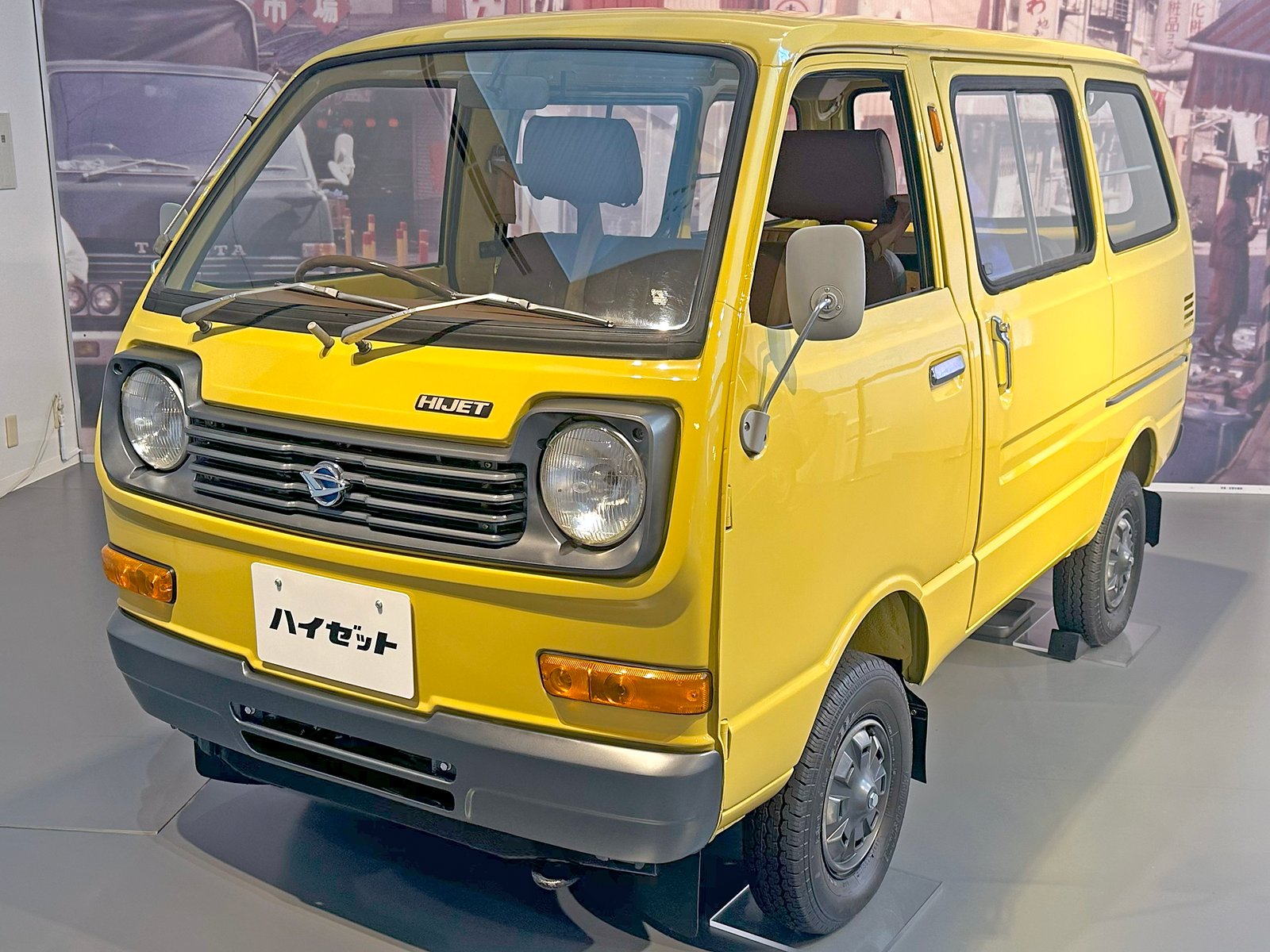
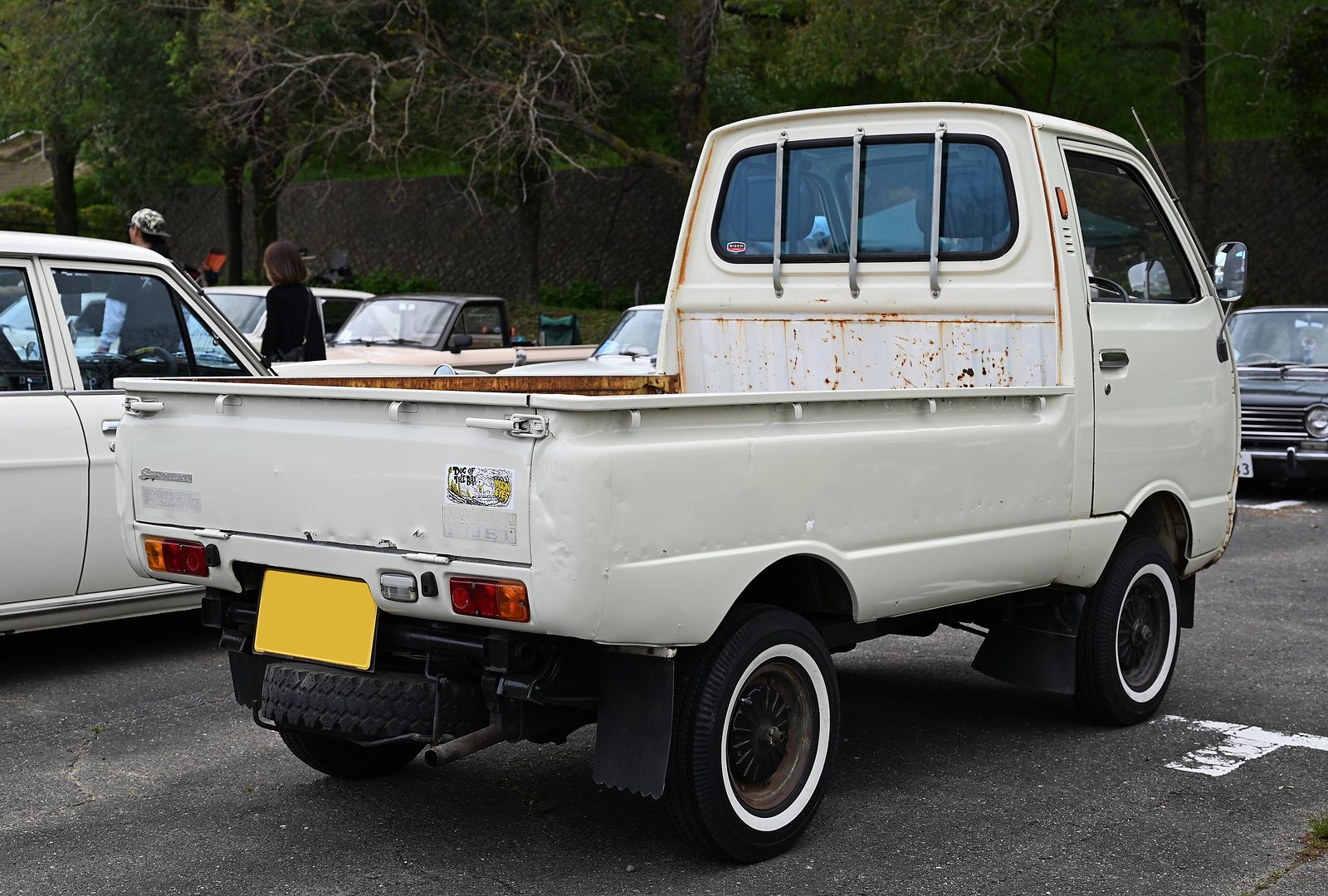
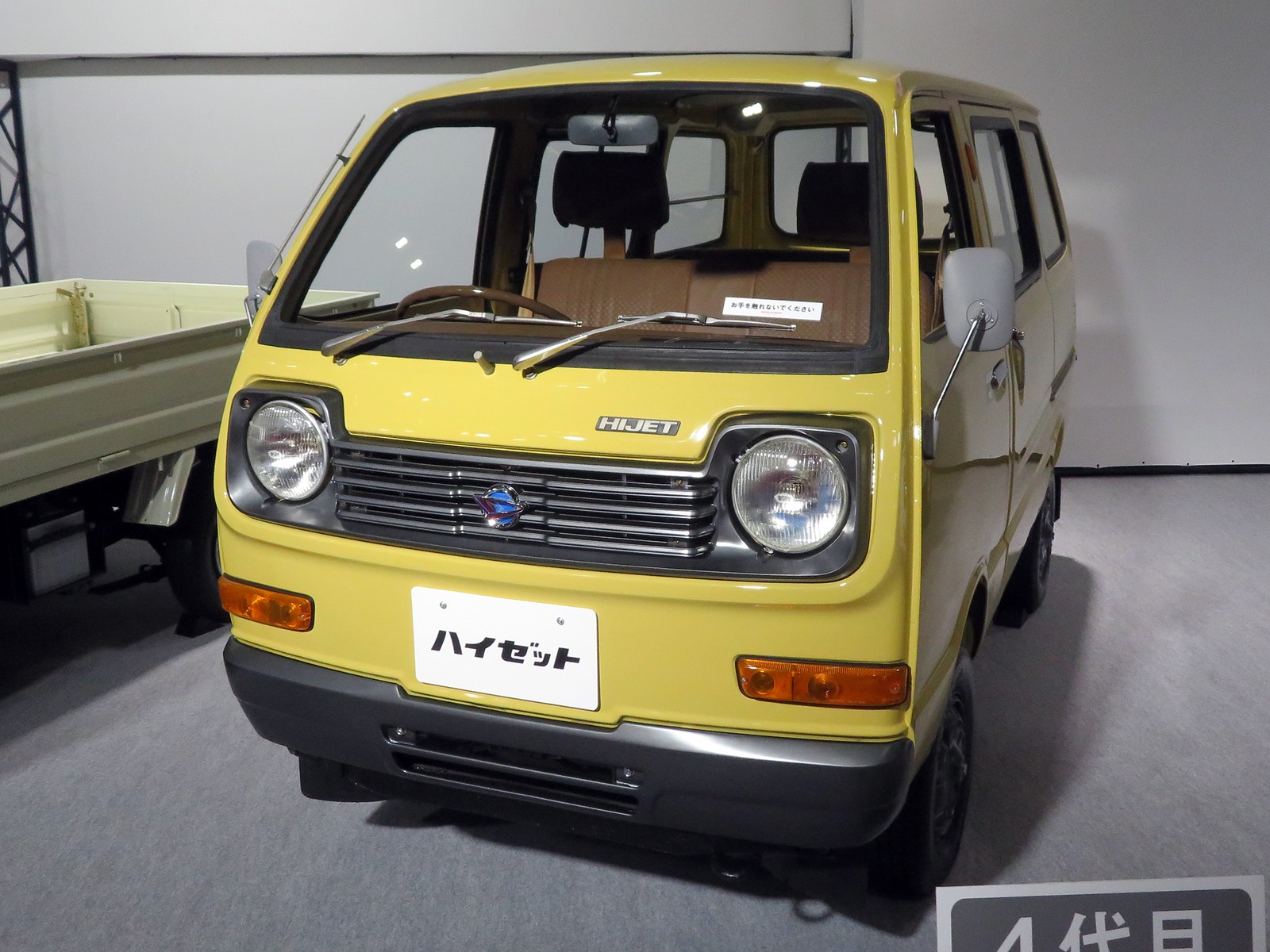
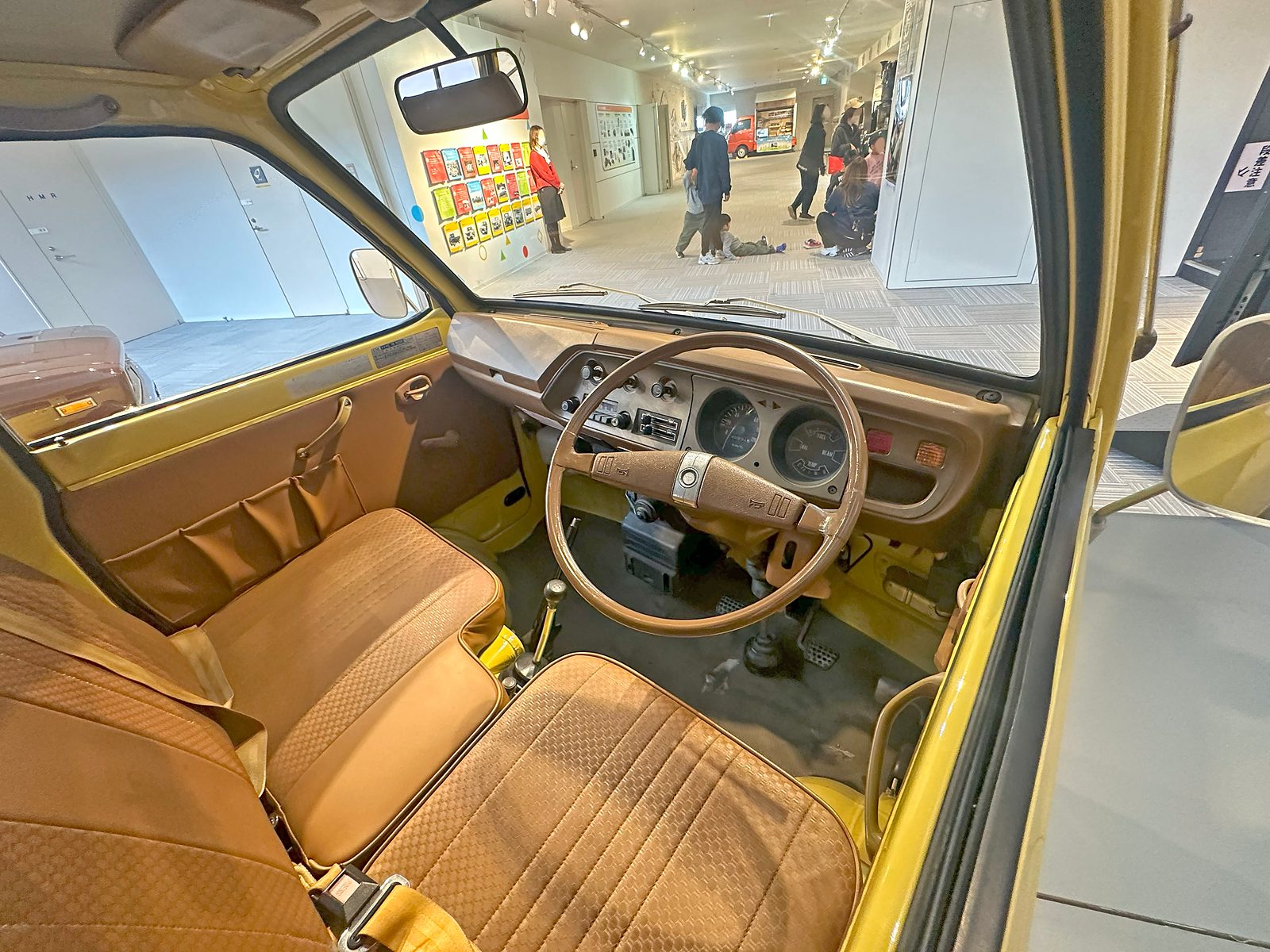
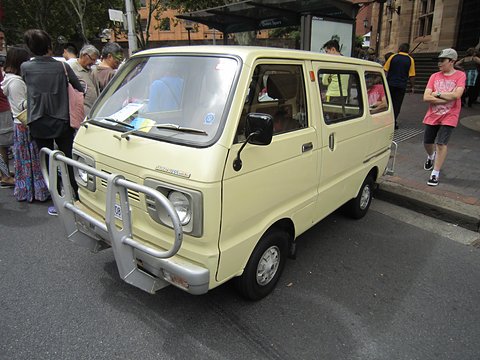
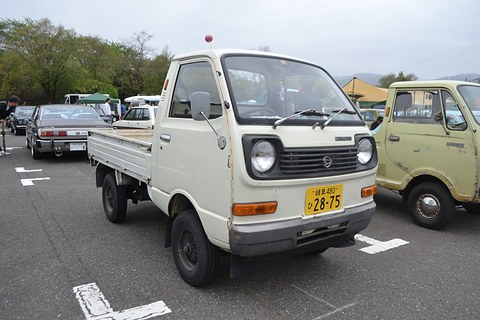
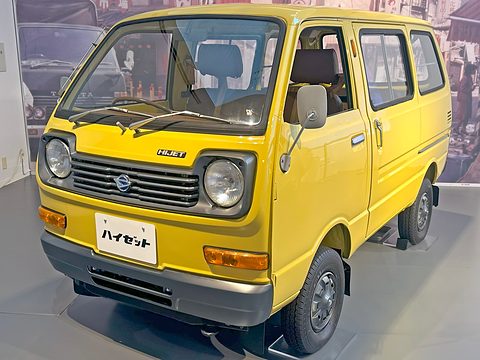
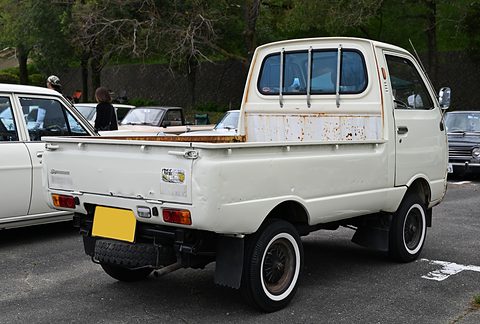
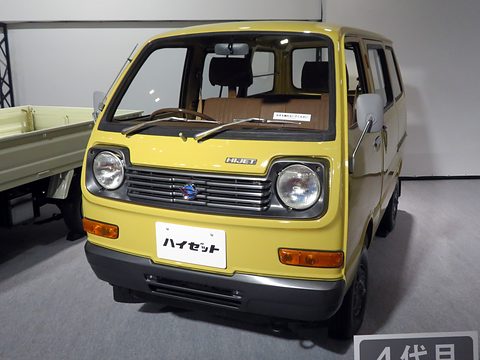
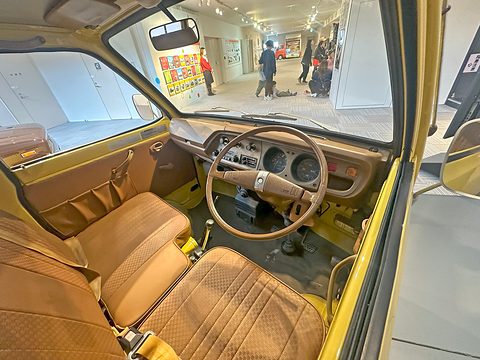
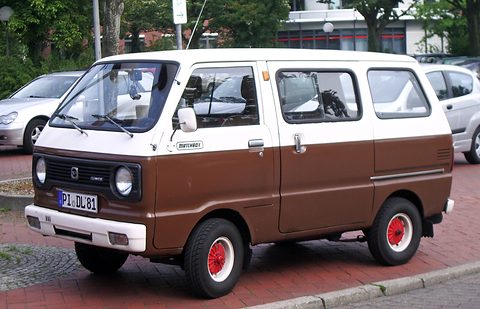
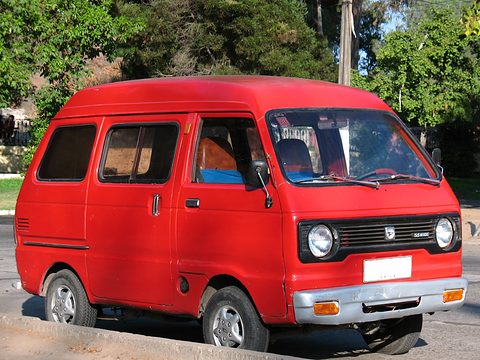
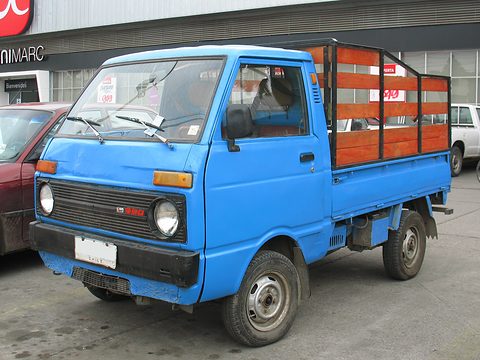
By September 1971 more than 500,000 had been sold, and a new rounded Hijet arrived, with yellow as its colour.source 1 In February 1972 its van became the Hijet Slide Van, the first micro van of the kei class with sliding doors: one on each side and a top-hinged tailgate, five doors in all, round the largest load area in its class.source 2source 1source 3
550 cc and after
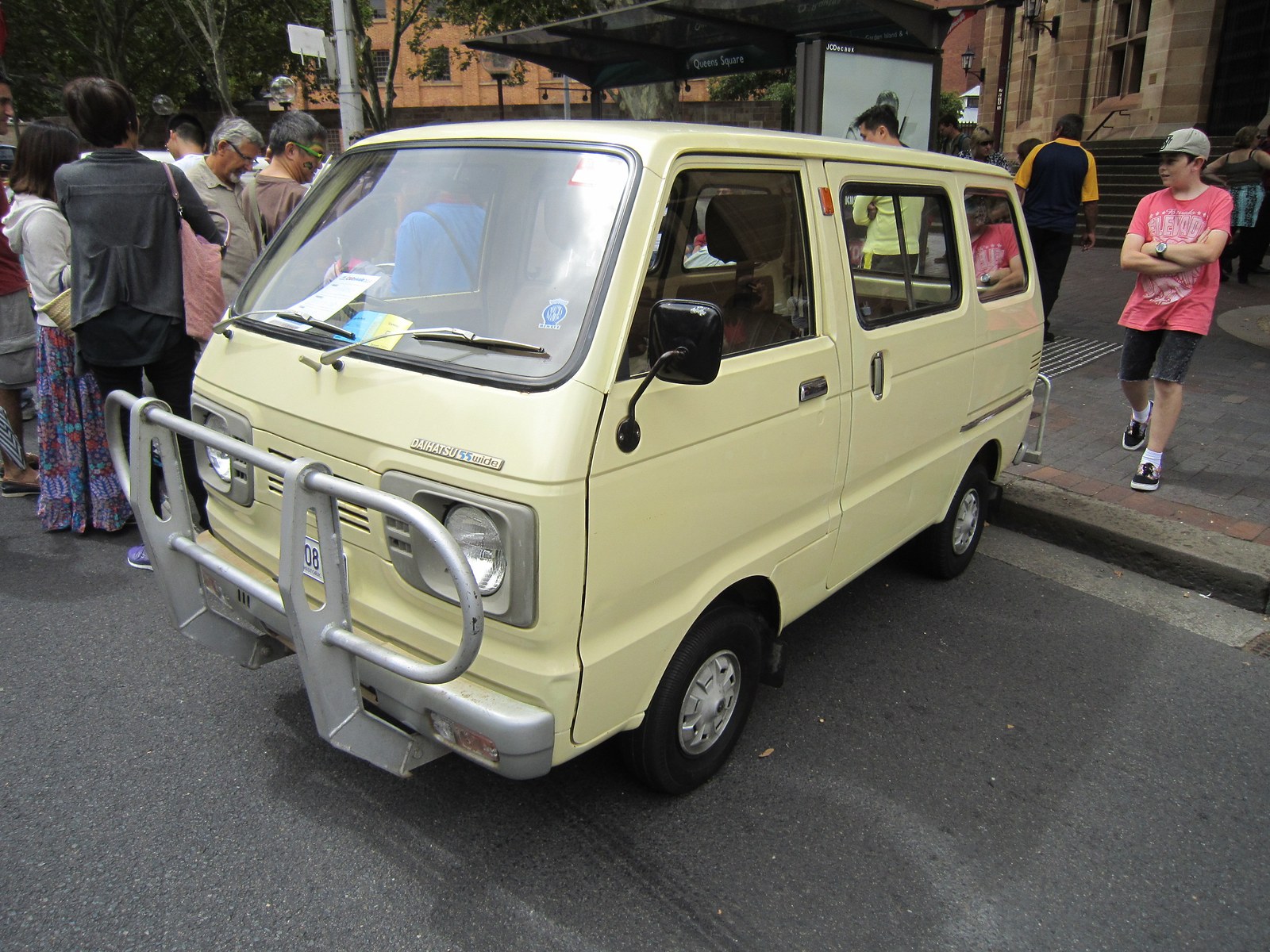
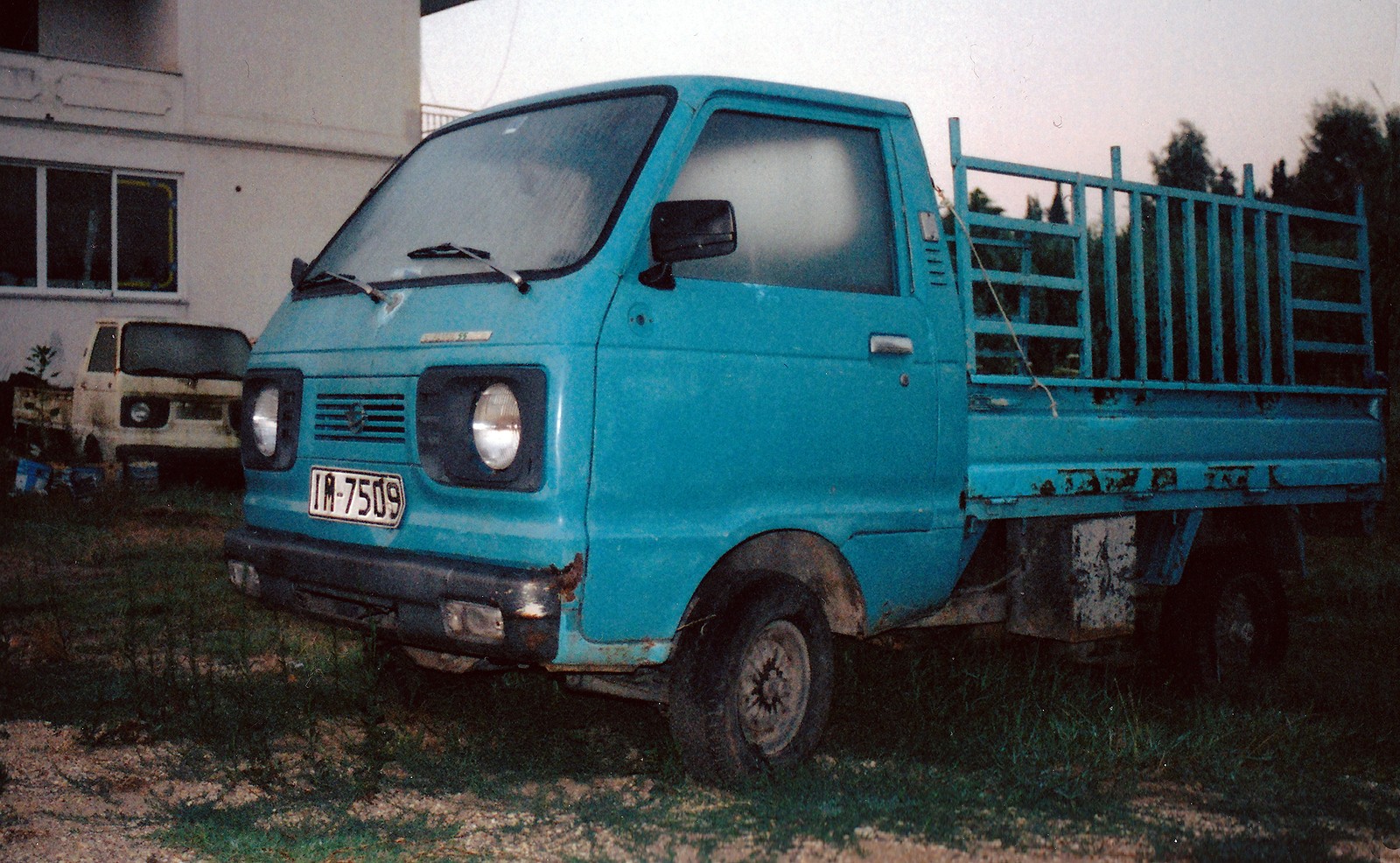
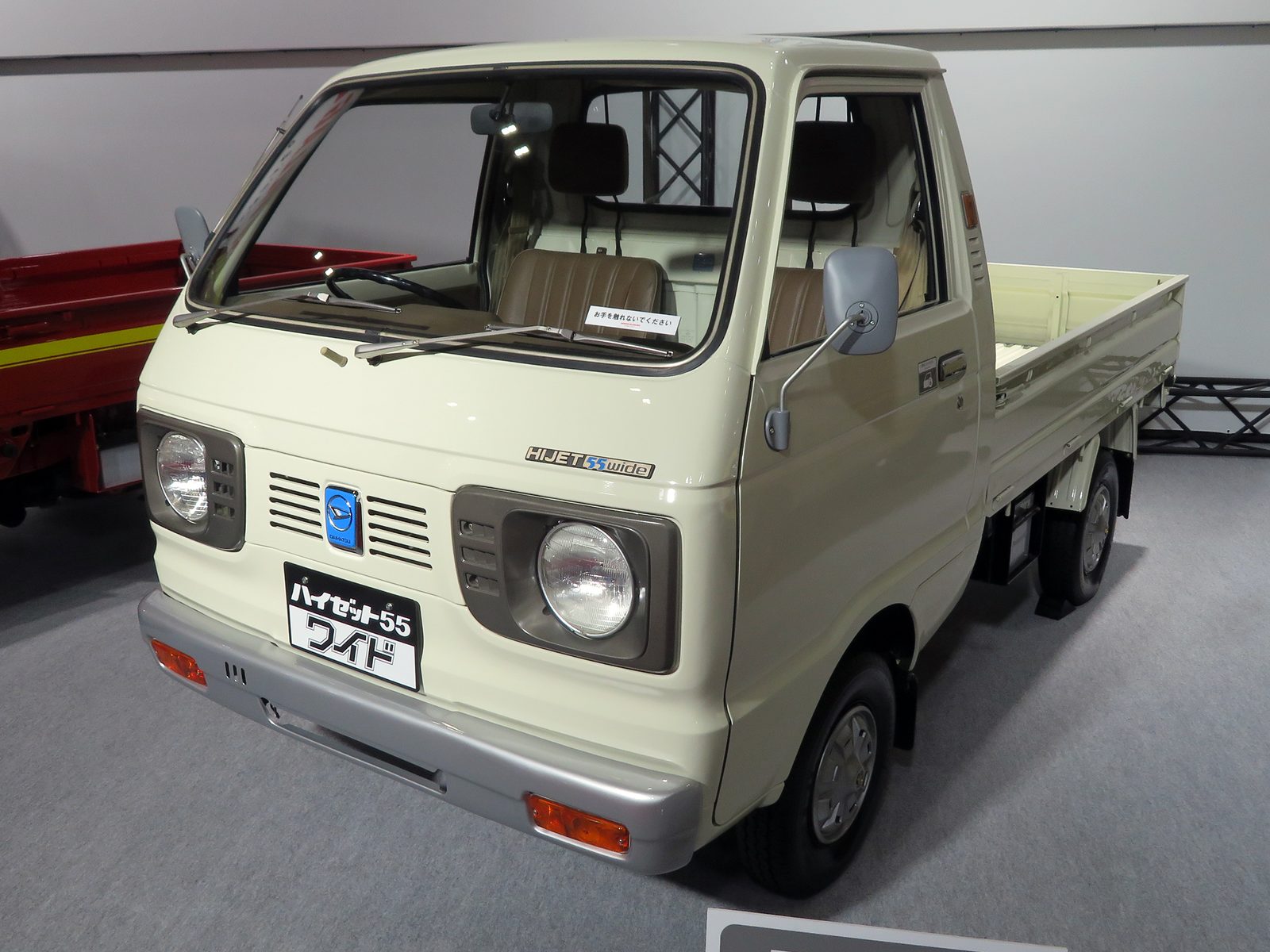
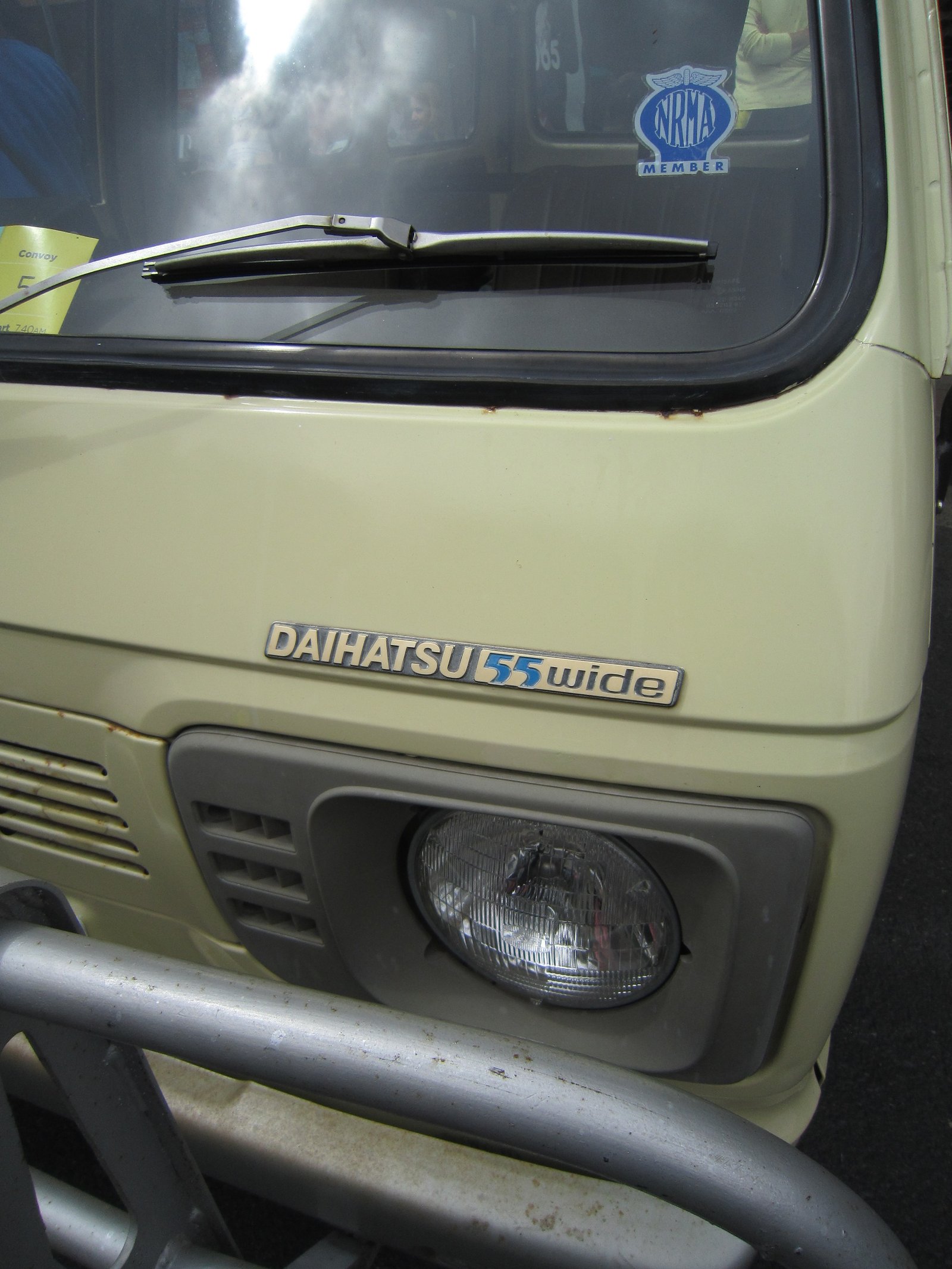
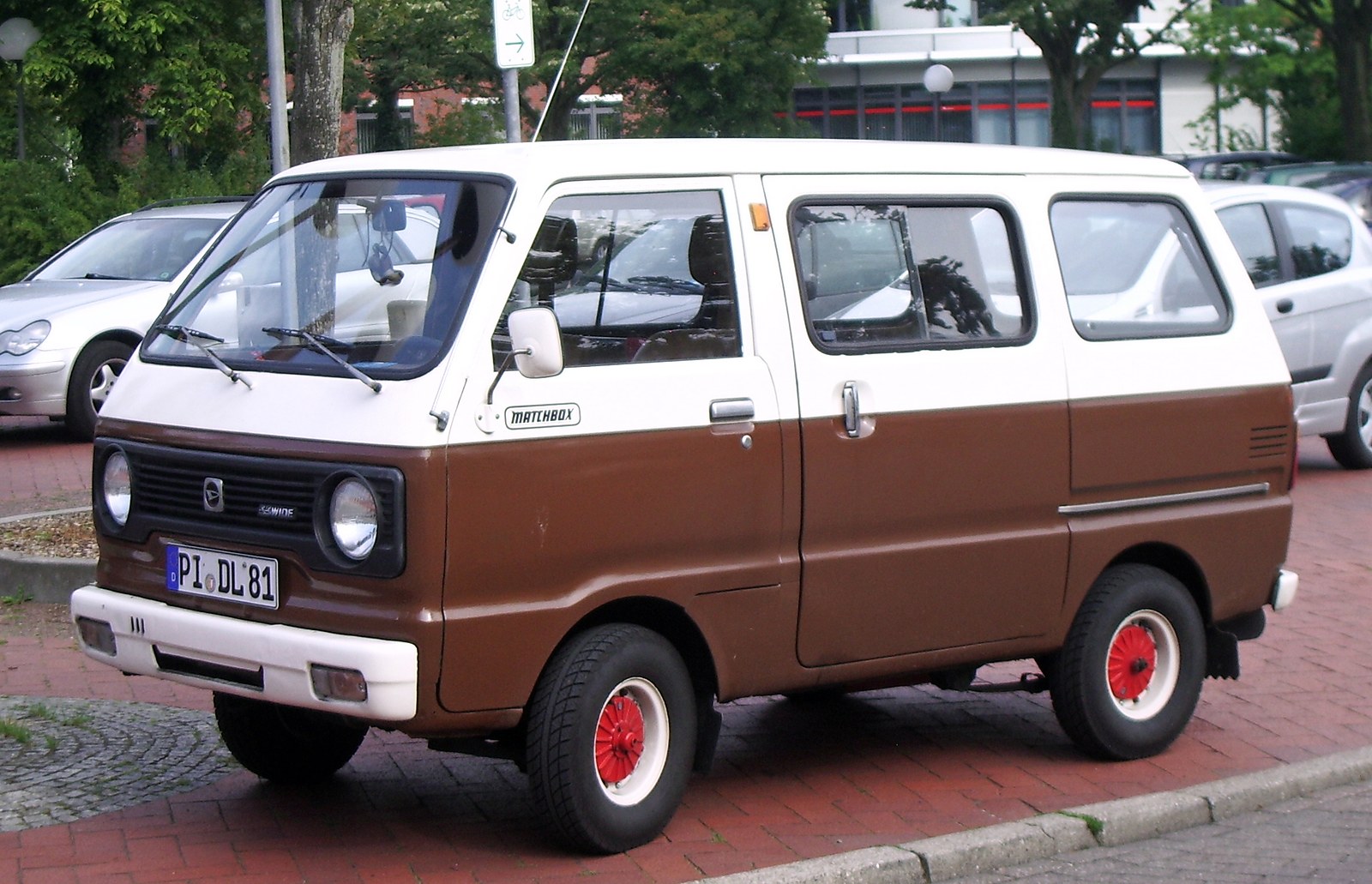
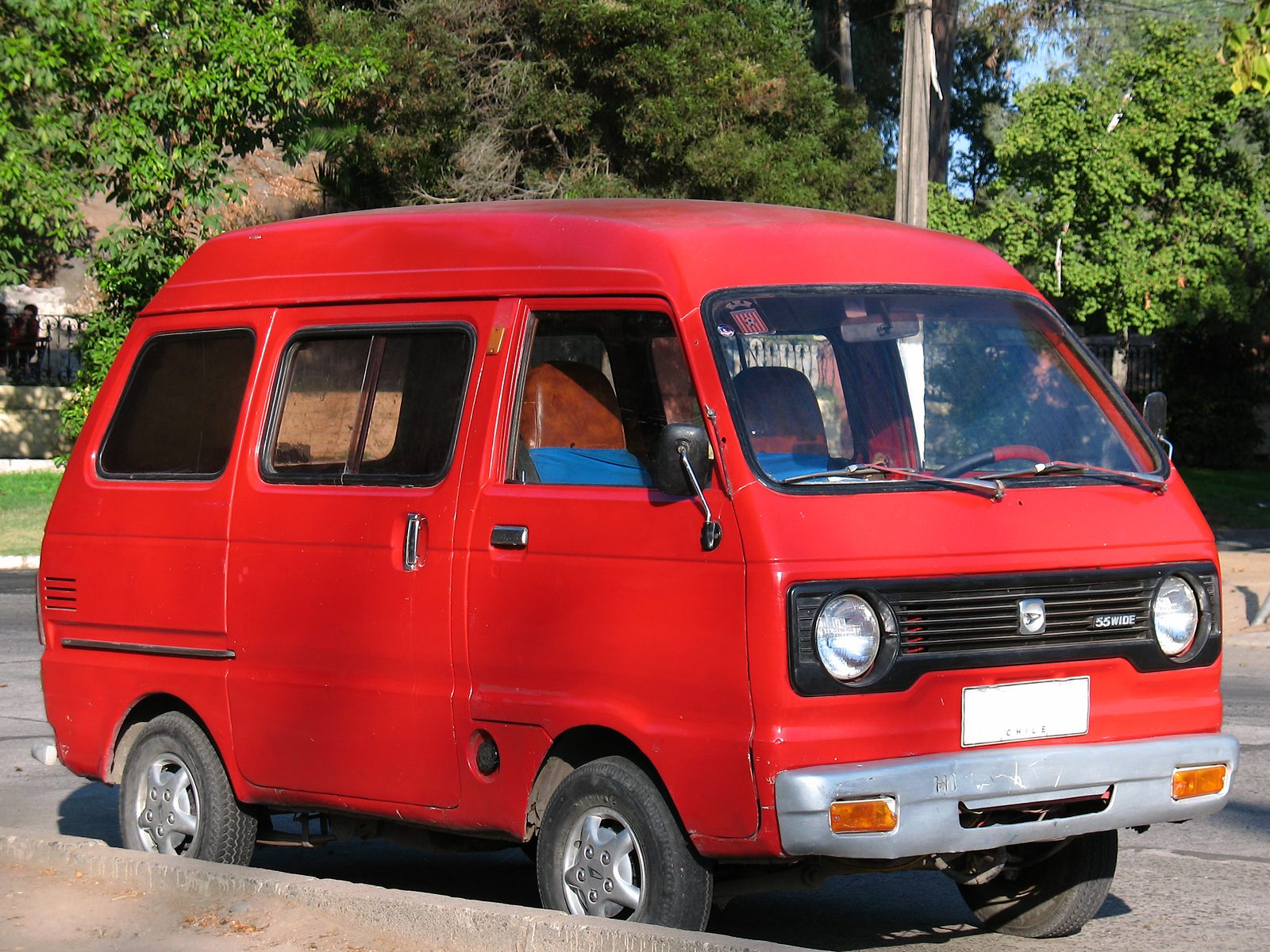
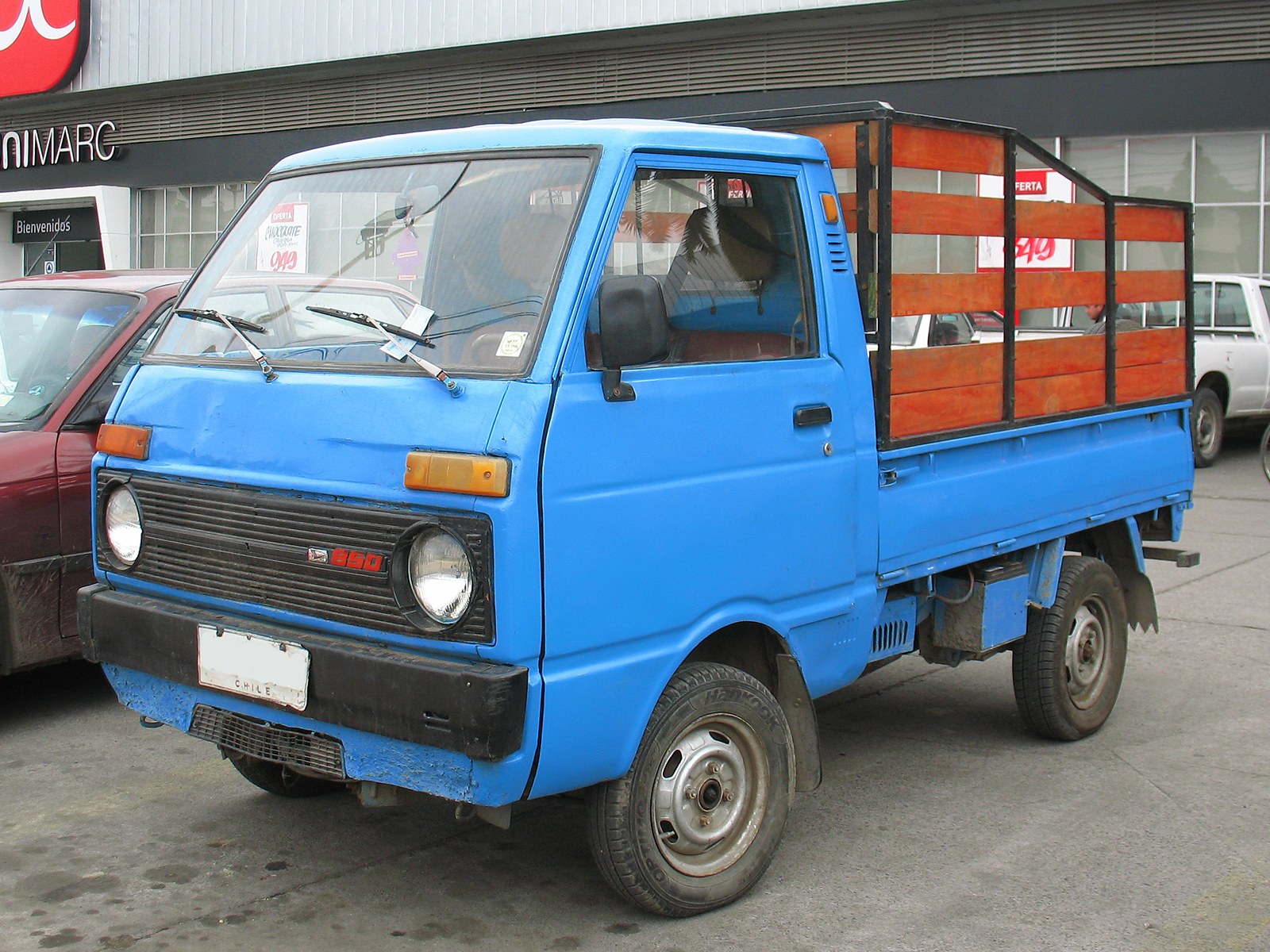
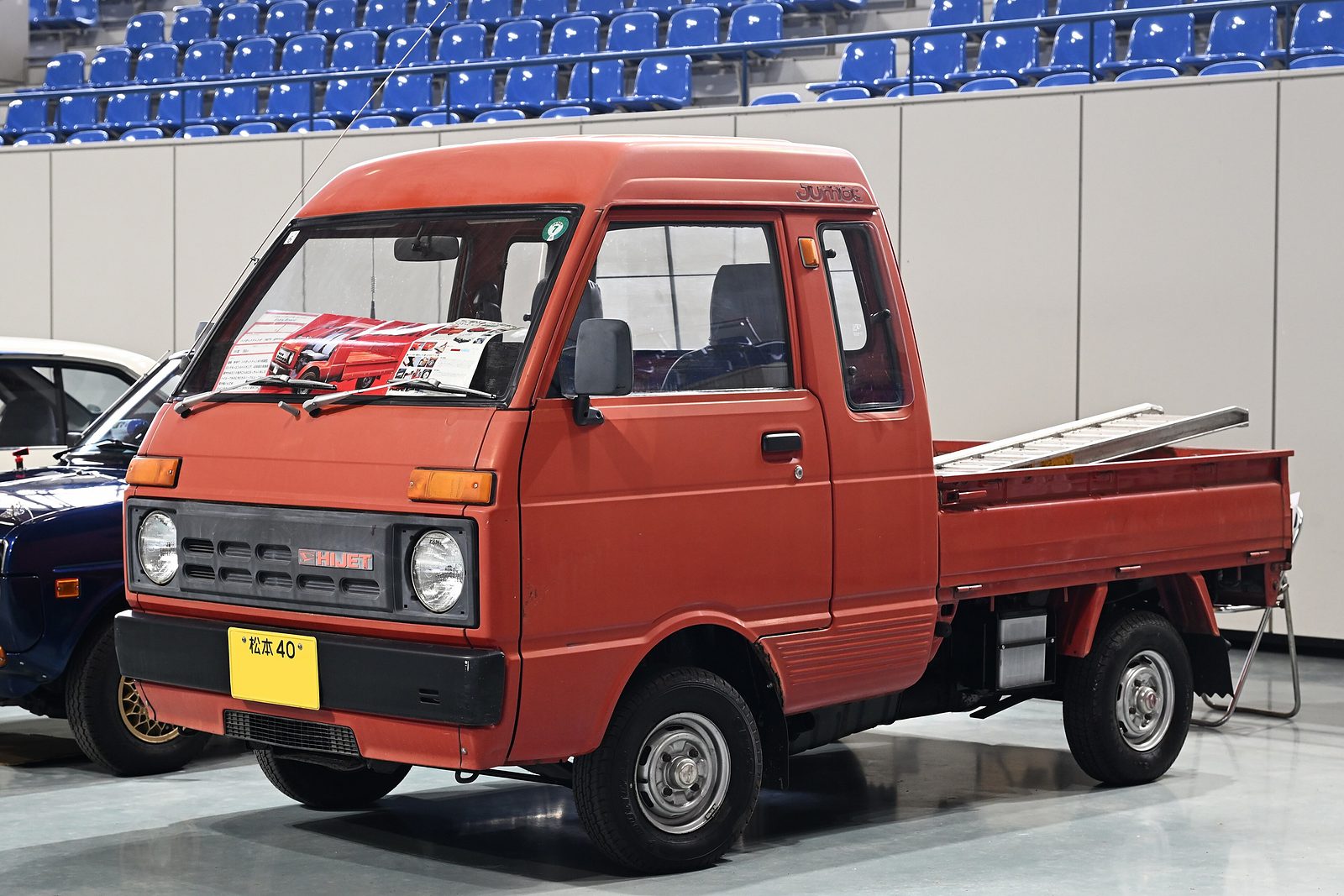
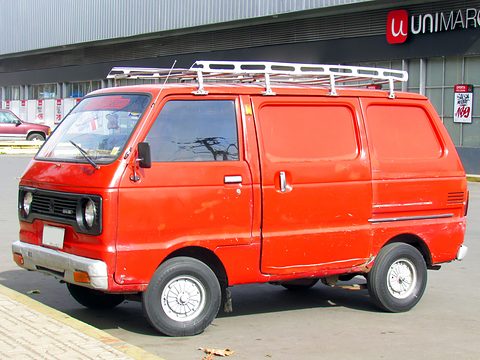
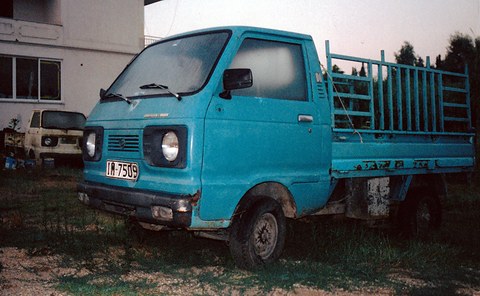
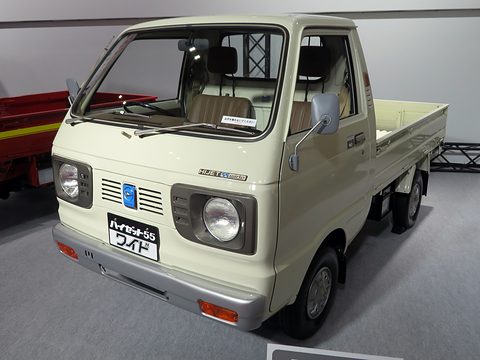
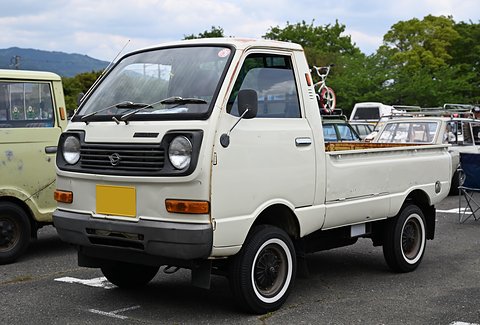
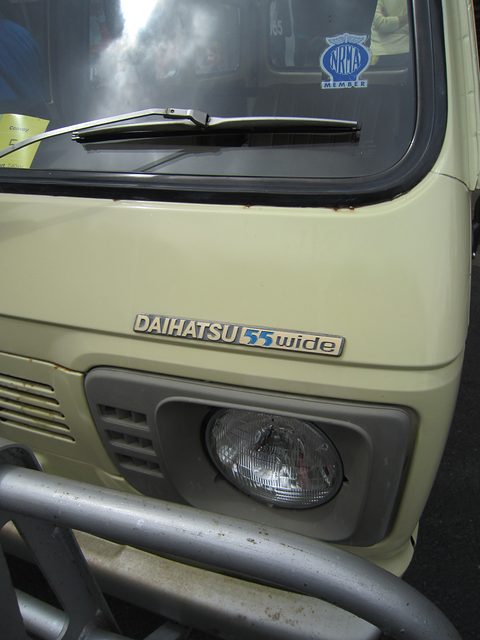
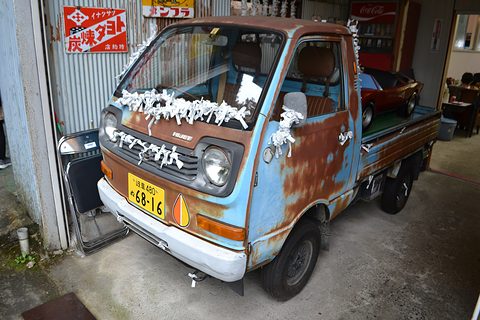
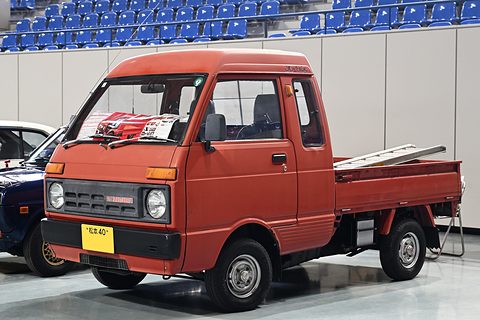
New kei rules let the trucks grow in 1976. Daihatsu fitted a four-stroke 550 cc engine, and in April 1977 brought out the wider Hijet 55 Wide, or “Go-Go” Wide, with a low-emission 547 cc twin of 28 PS and about 20 per cent more load space in the van; the 55 Wide measured 3,195 mm (126 in).source 2source 1source 3 The two-millionth Hijet, built in 1980, was one of them.source 2 The next generation of 1981 brought the Atrai passenger version and a high-roof van whose rear door opened right up to the roof, a first in Japan; four-wheel drive and a farm model, the Climber, followed in 1982, and the long-cabbed Jumbo in 1983.source 2source 1 In 1986 came a three-cylinder engine, in 1987 a supercharger, and in 1990 the 660 cc rules.source 2source 1
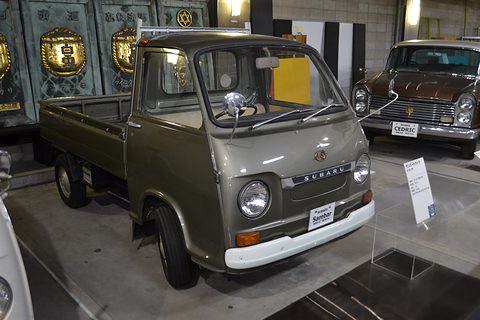
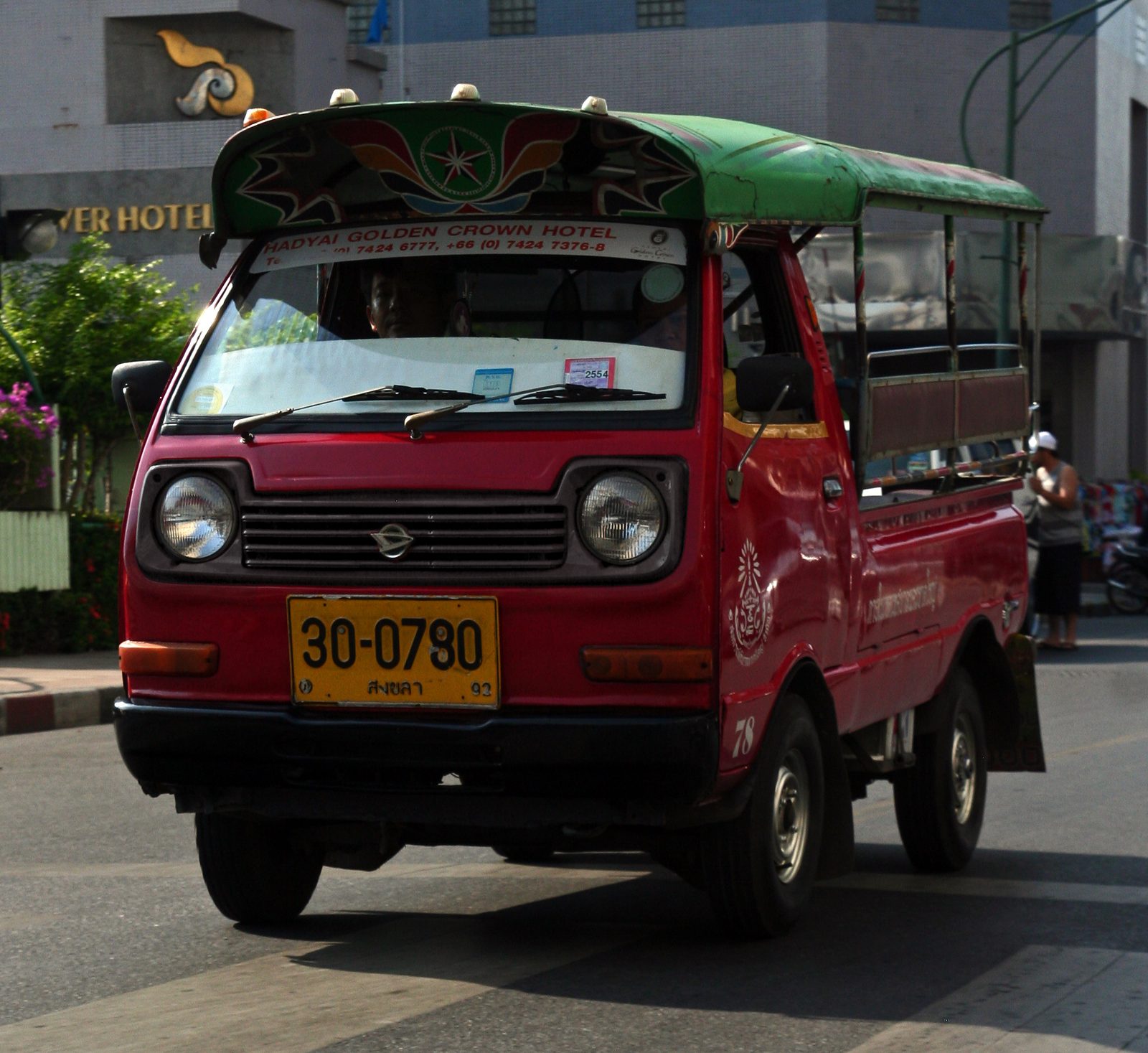
Abroad the Hijet was assembled in Indonesia, China and South Korea, and in Italy Piaggio built it as the Porter (see built under licence).source 2source 1 At home it kept changing. In 1999 the van went semi-cab-over with a Giugiaro design, while the truck stayed a full cab-over; in 2010 the Hijet truck took first place in its market back from the Suzuki Carry after 39 years; and from 2012 Subaru’s Subaru Sambar has been a Hijet with Subaru badges, as is Toyota’s Pixis.source 1source 3source 5source 2 It is Japan’s oldest kei model name still in use.source 1source 4source 3