microcarfan
  • Microcar utility
  • Japan
  • Four wheels
  • No doors

Honda Vamos

Also known as Vamos Honda, バモスホンダ, Vamos 2, Vamos 4, Vamos Full Horo

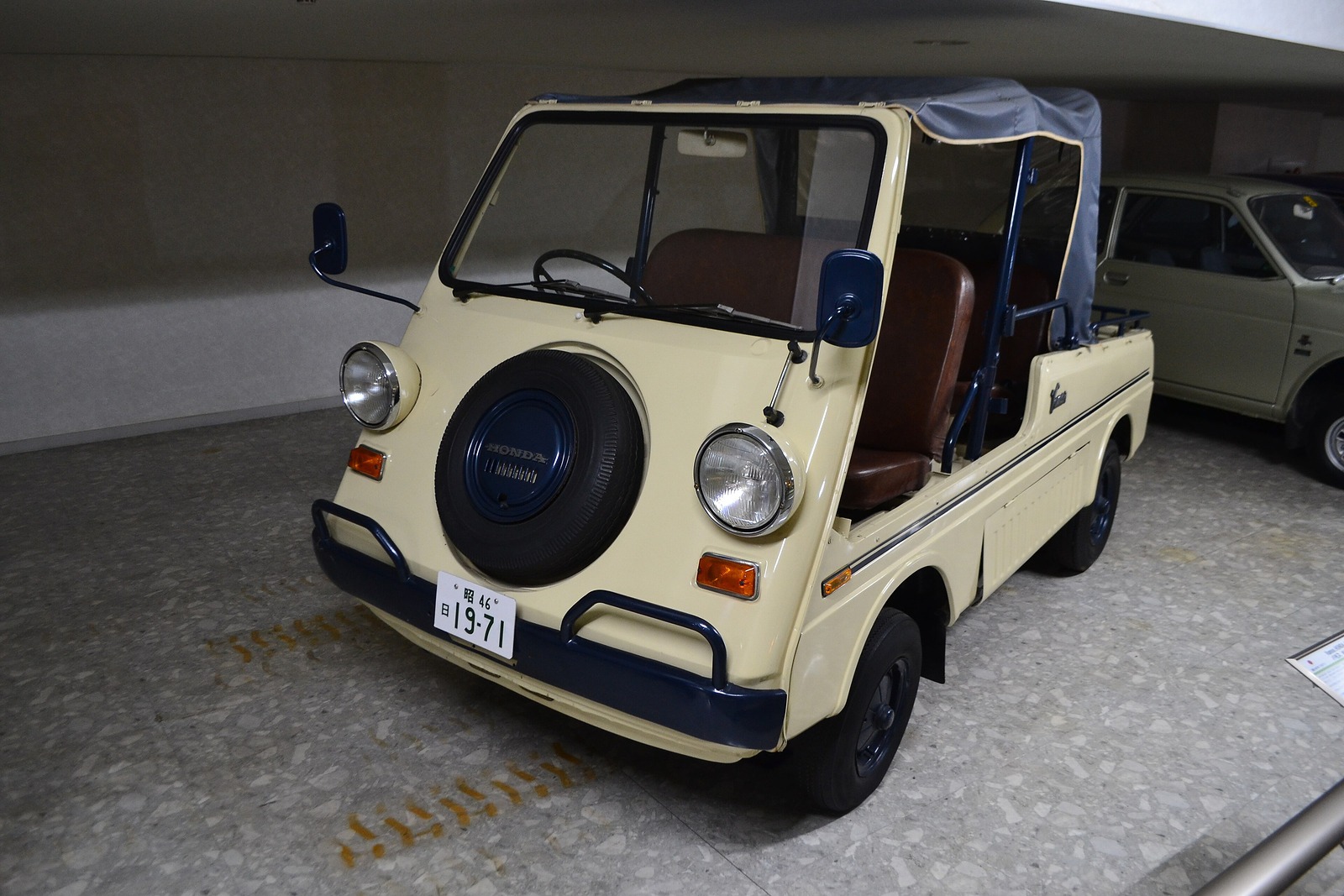
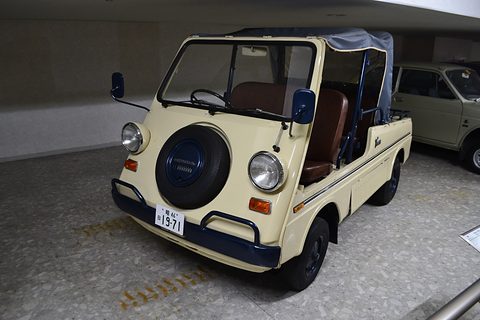
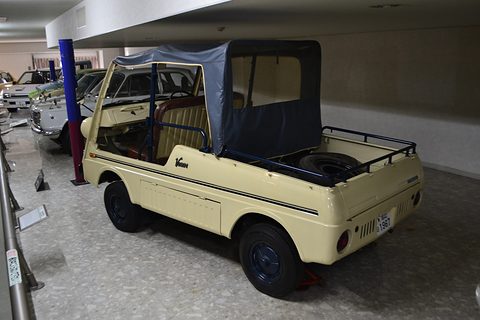
Honda’s open kei utility of 1970 had no doors at all. Tubular rails kept its passengers in, the dashboard was made to shrug off rain and dust, and the spare wheel sat on the nose, where Honda said it would take the shock of a collision.

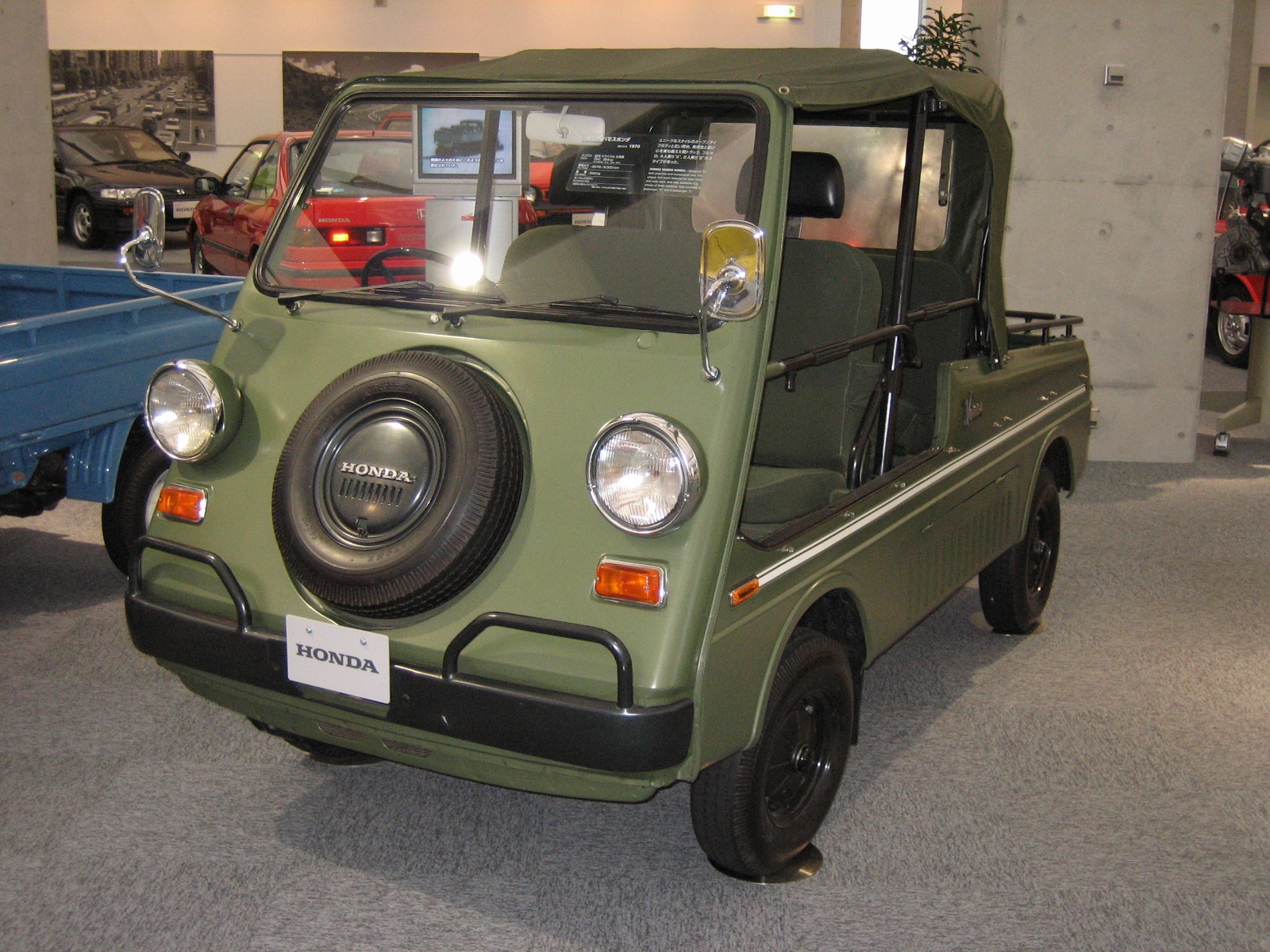
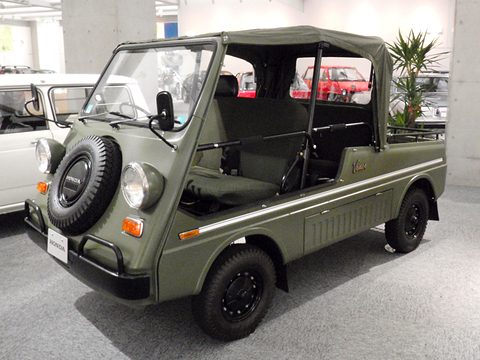
Olive green doorless small utility seen from the front left, its open side with a guard rail and bench seats, a palm behind.
An olive Honda Vamos from the left front quarter at the Honda Collection Hall, Twin Ring Motegi, in 2009.Photo: Kzaral, CC BY 2.0, via Wikimedia Commons

At a glance

The spec plate

Honda Vamos

TN360 type · Vamos Honda

Built
1970–⁠1973Announced on 1 November 1970; production and sales ended in March 1973
Country
Japan
Maker
Honda Motor
Engine
354 cc air-cooled OHC twinThe TN360 truck’s, laid flat and across the car under the floor
Power
30 PS22 kW, at 8,000 rpm
Length
2,995 mm1,295 mm wide, 1,655 mm high
Weight
540 kg
Seats
2 or 4Benches front and rear on the Vamos 4 and Full Horo
Wheels
4Engine under the floor ahead of the rear axle, driving the rear wheels; no four-wheel drive
Price new
¥321,000The Vamos 2 in 1970; ¥351,000 for the Vamos 4, ¥369,000 for the Full Horo
Production
About 2,500

Not yet recordedtop speed.

How big is it?

True proportion

3.00 m

It is 25 mm longer than a Fiat 500, about 1.7 adults laid end to end.

  • 1.29 m wide
  • 540 kg: about seven adults
  • No doors: tubular rails at the sides insteadsource 1
  • Wheelbase 1,780 mm (70 in)source 2
Drawn at true proportion. The track is 3.6 metres long; the adult stands at the same scale. The Peel P50 is the smallest production car, on every page for comparison.

The story

History

Its proper name was Vamos Honda (バモスホンダ), the model before the maker, a pattern Honda had used for motorcycles such as the Dax Honda and the Chaly Honda but on no other car. Vamos is Spanish for “Let’s go!”source 1 It came out of the leisure-car boom of around 1970, when Honda’s small range held the Honda N360 saloon and the TN360 truck.source 1 The truck supplied the parts. Announced on 1 November 1970 as a multipurpose vehicle, the Vamos was registered as a kei truck, so it belongs among the working micro-vans. It took everything mechanical from the TN360: the air-cooled twin laid flat and across the car under the floor, ahead of the rear axle; the transaxle; MacPherson struts in front and a De Dion axle behind; and the brakes.source 1 The engine was a 354 cc overhead-cam twin of 30 PS (22 kW) at 8,000 rpm, with four speeds, driving the rear wheels.source 2source 3

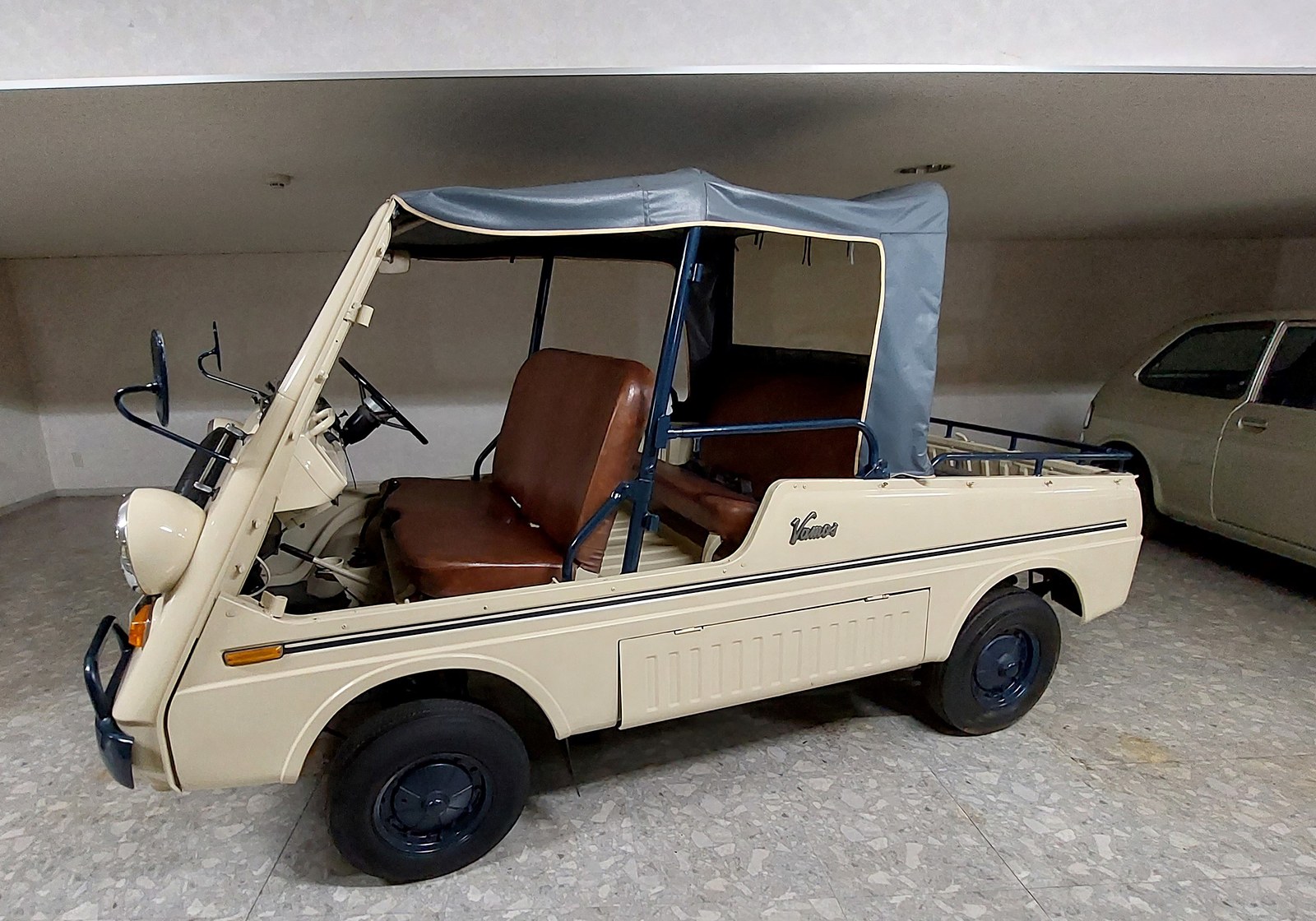
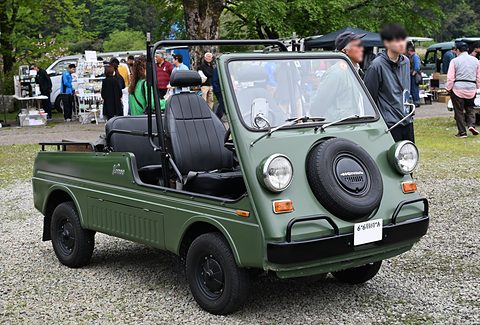
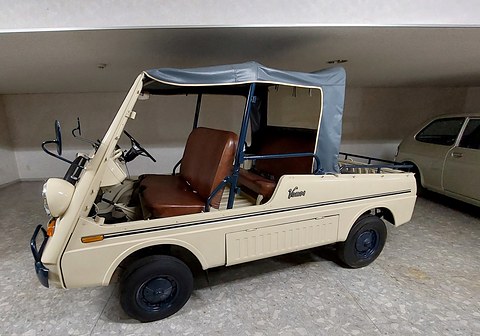
On top went a body like no other truck’s. The Toyota Automobile Museum describes it as a wholly new style, with nothing but the windscreen to block the view, and its use left to whoever rode in it.source 2 There were no doors. Tubular guard rails, set above the occupants’ centre of gravity, stopped people falling out, and front and rear seats were benches with two-point belts. A canvas top, the horo, folded away.source 1source 2 Abroad, the Lane Motor Museum sets it beside the Citroën Méhari, the Mini Moke and Volkswagen’s Type 181.source 3

A wheel for a bumper

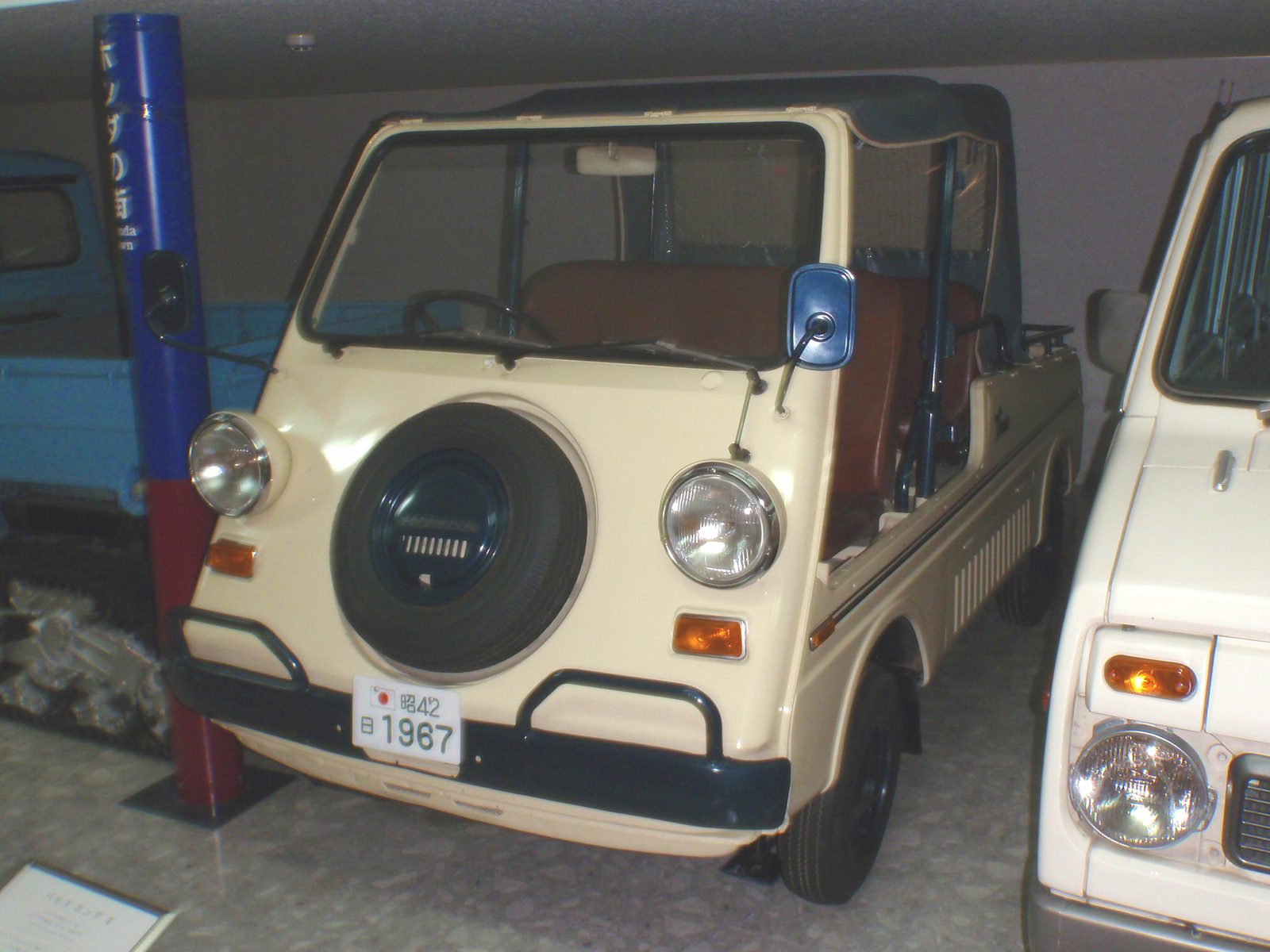
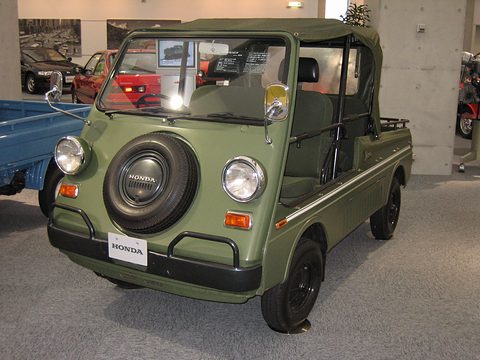
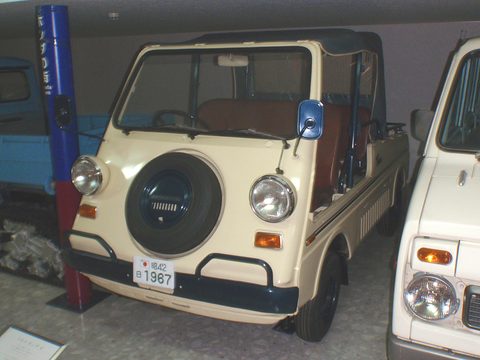
The spare wheel was mounted on the front panel. Honda’s stated reason was that it would absorb the shock in a collision; the idea is said to have come from the Volkswagen campers then popular in California.source 1source 2 Because the car was open, the instruments, switches and seats were made proof against dust and water, the steering locked itself when the key was taken out, and the glovebox locked too.source 1source 2source 3 Even the indicator tell-tale was Jeep-style: a single lamp marked “turn” rather than a pair of arrows.source 1

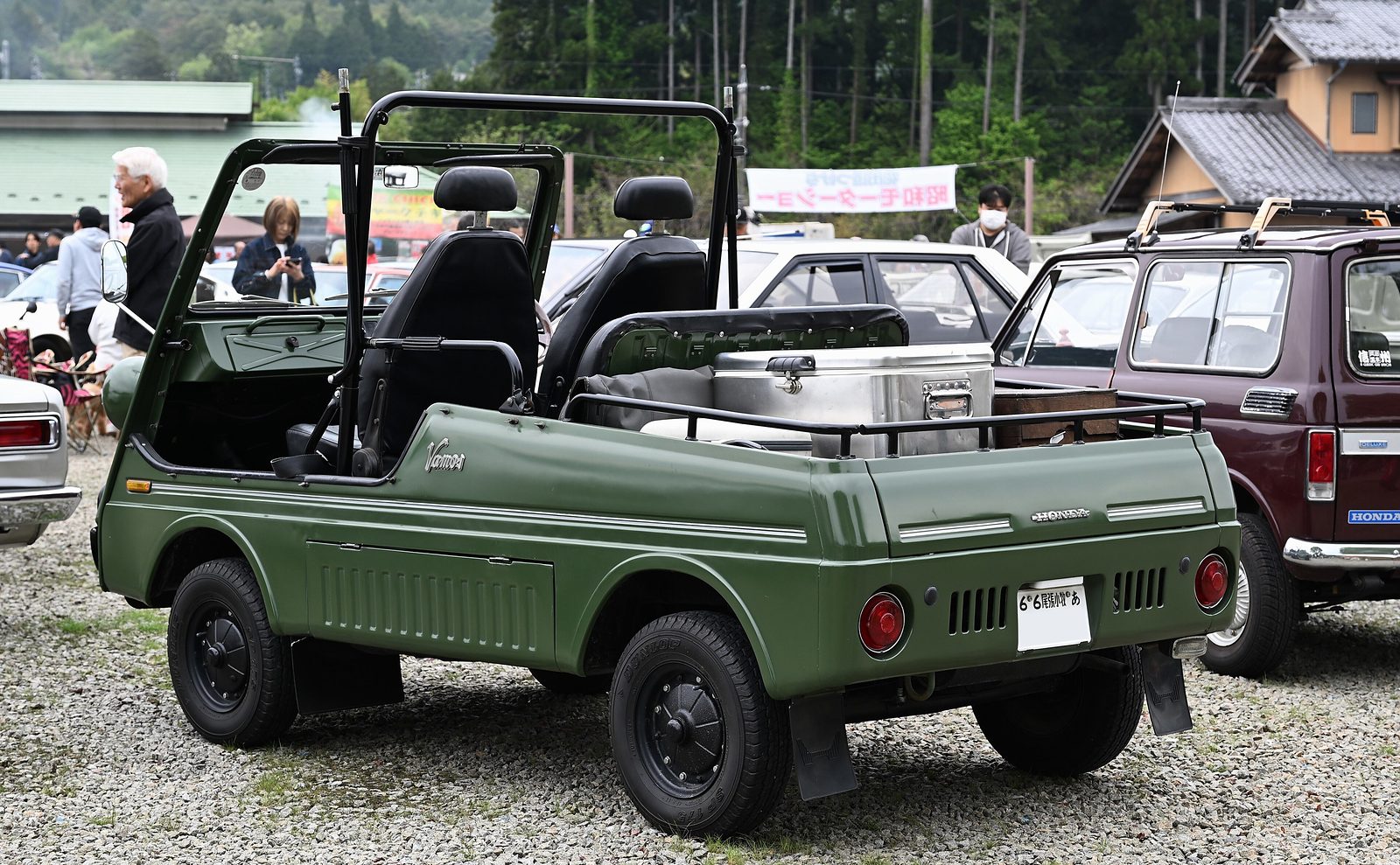
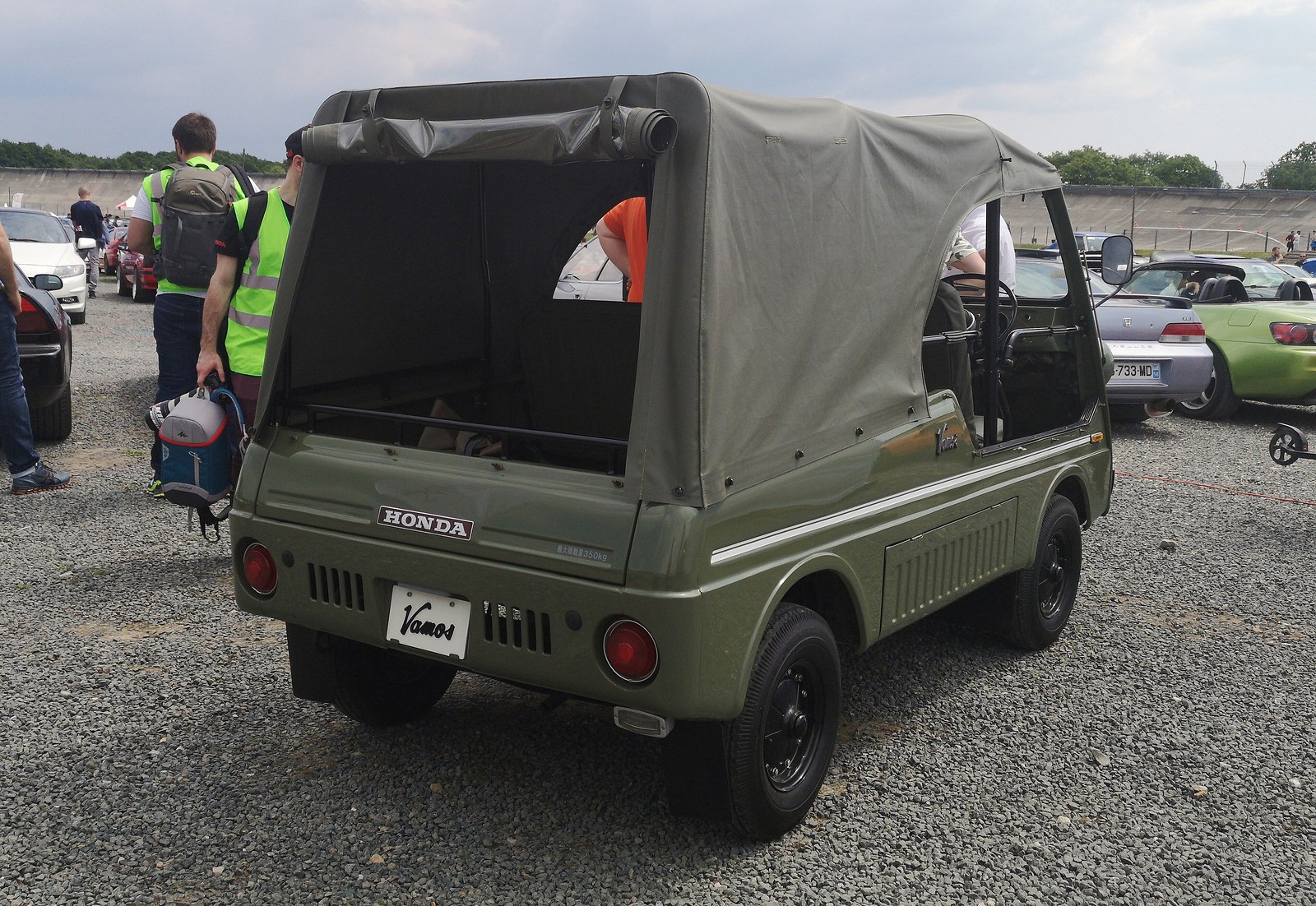
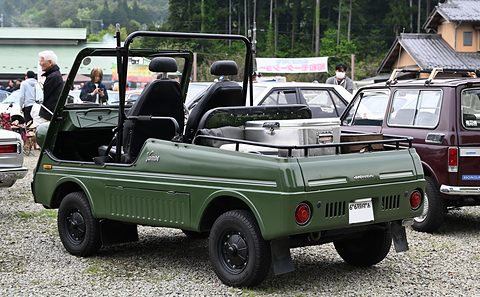
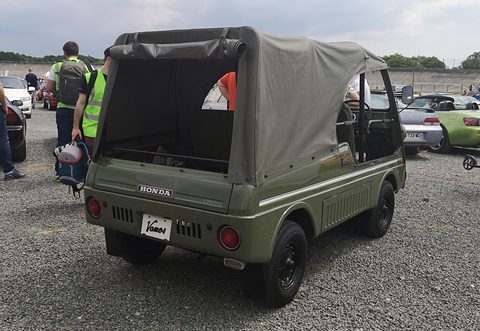
There were three versions. The Vamos 2, at ¥321,000, had two seats; the Vamos 4, at ¥351,000, had four; on both the top covered only the seats. The Vamos Full Horo, at ¥369,000, had four seats and a canvas that ran back over the load bed as well.source 1 The car weighed 540 kg (1,190 lb) and was 2,995 mm (118 in) long and 1,655 mm (65 in) high.source 2 The Lane Motor Museum gives a payload of 220 kg (about 440 lb).source 3

Treated as an oddity

Honda planned for 2,000 a month. About 2,500 were built in all, and stock was left over.source 1source 3 Japanese Wikipedia says the unusual body got it treated as an oddity, a chinsha, and that for all its off-road look it was never a serious off-roader: its wheels were 10-inch, and there was never a four-wheel-drive version.source 1 Production and sales stopped in March 1973, when the car could not meet Japan’s strengthened safety standards for road vehicles.source 1

Honda used the name again in June 1999, for a semi-cab-over kei van that ran until 2018. The two share the class, the name and a mid-mounted engine, inherited through Honda’s trucks, and nothing else.source 1
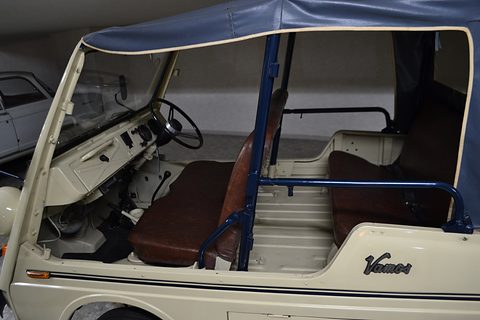
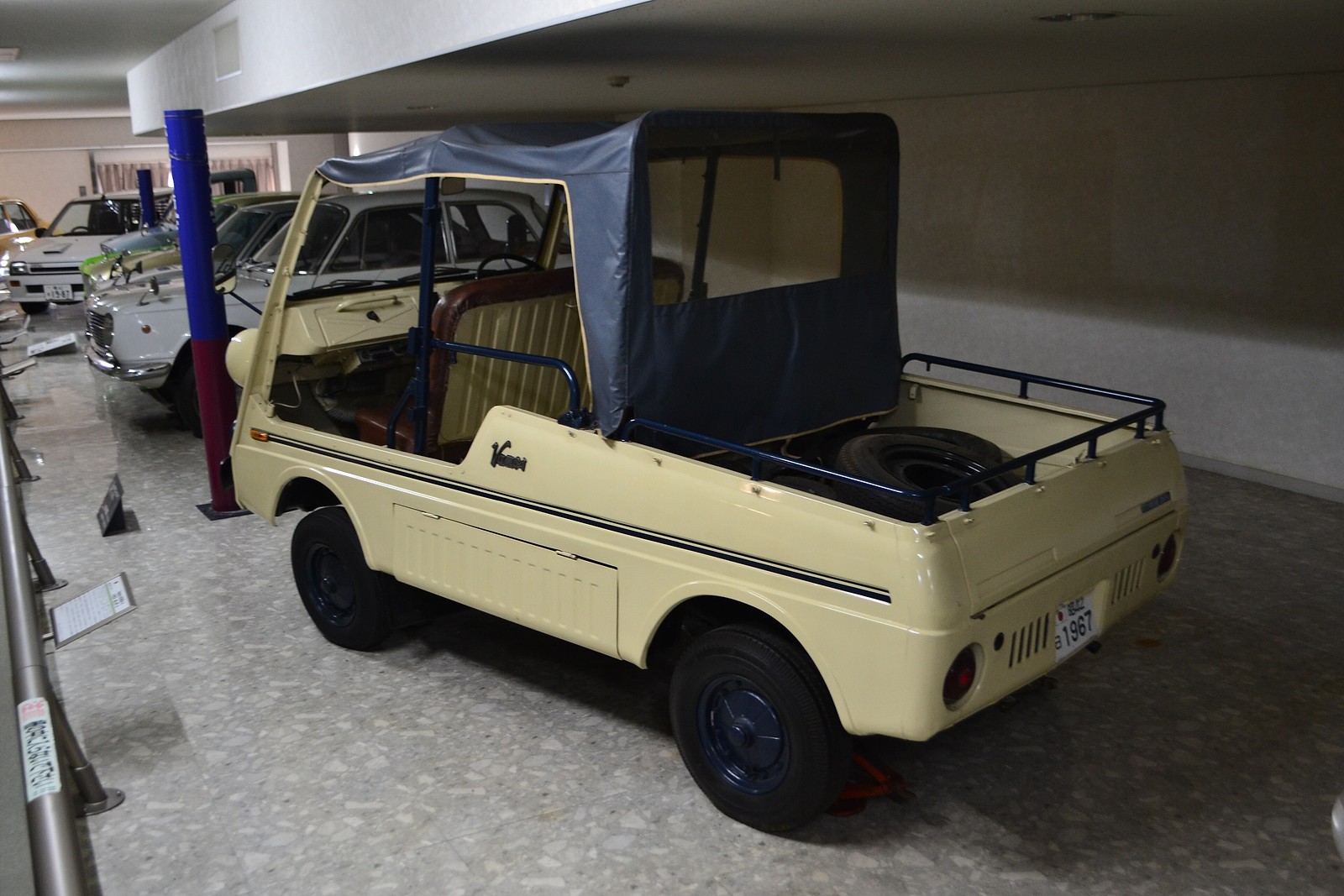
Doorless side of a cream small utility: brown front and rear bench seats, blue tubular guard rails and a simple dashboard under a navy top.
The open side of a cream Vamos 4: front and rear benches behind the blue guard rails, under a navy top.Photo: 先従隗始, CC0, via Wikimedia Commons
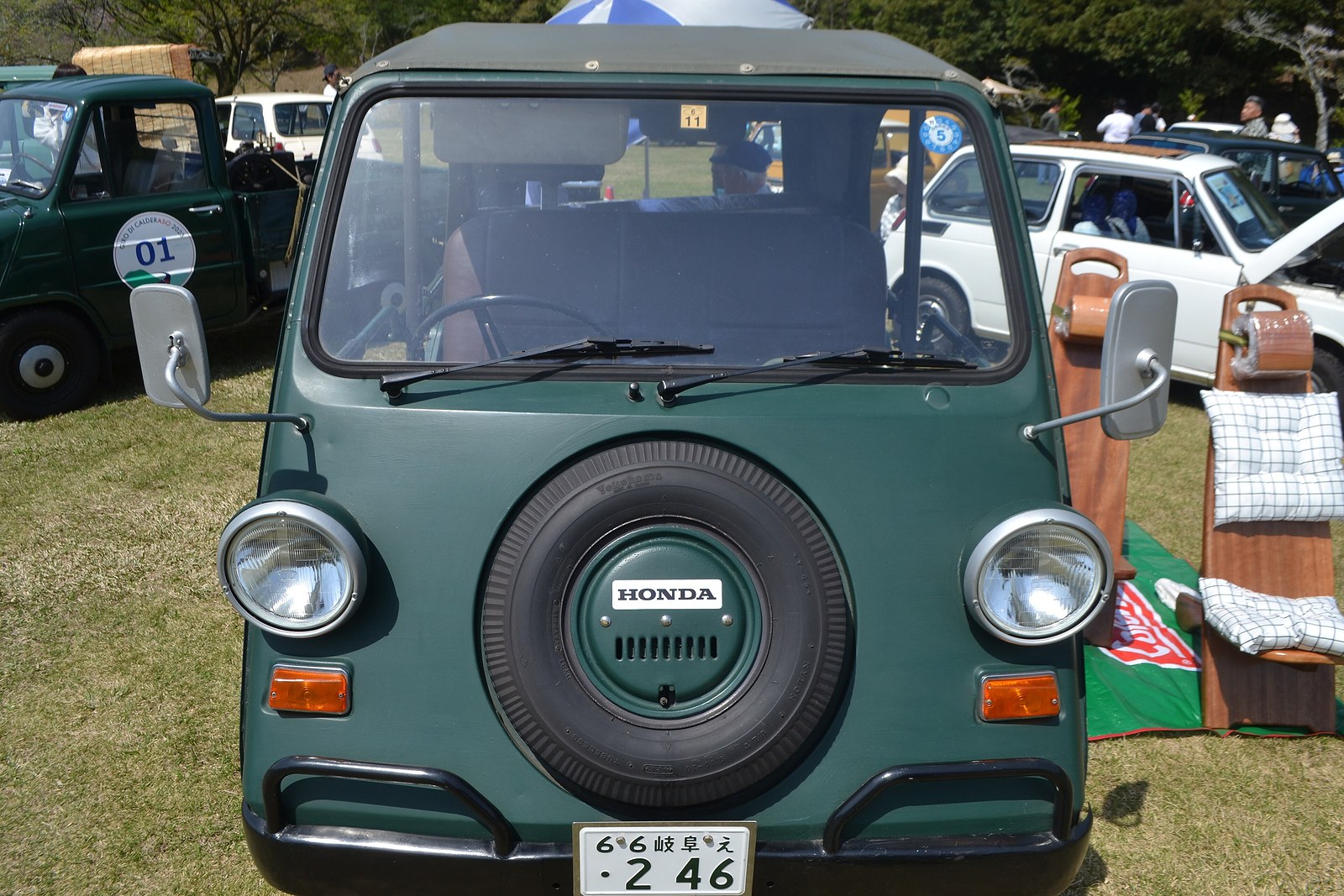
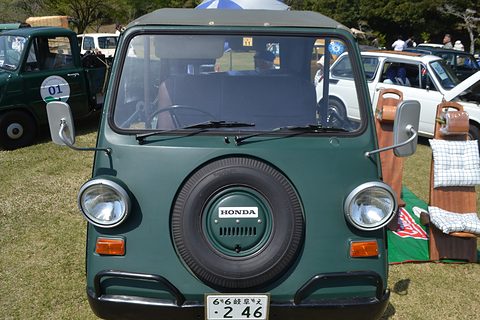
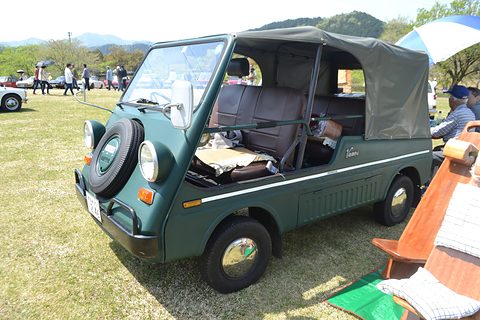
Dark green small utility with a full canvas top and a doorless side, parked on grass with deck chairs beside it and hills behind.
A green Vamos Full Horo, its canvas running back over the load bed, at a meeting in Gifu in 2024.Photo: 先従隗始, CC0, via Wikimedia Commons

Pictures

More photographs, old and new

Variants

Three versions

The Vamos range, 1970–⁠73
VariantYearsWhat differsHow many
Vamos 21970–⁠73Two seats; the top covers the seats only; ¥321,000Not found
Vamos 41970–⁠73Four seats; the top covers the seats only; ¥351,000Not found
Vamos Full Horo1970–⁠73Four seats; the canvas runs back over the load bed; ¥369,000Not found

Specification

The Vamos of 1970 (TN360 type)

Engine and drive

Engine and drive
EngineAir-cooled OHC in-line twin, laid horizontally and across the car under the floor, ahead of the rear axlesource 1source 2source 3
Capacity354 cc (21.6 cu in)source 2source 3
Power30 PS (22 kW) at 8,000 rpmsource 2source 3
GearboxFour-speed manual, in a transaxle from the TN360source 1source 3
DriveRear wheels; no four-wheel drive was offeredsource 1

Body and chassis

Body and chassis
BodyOpen and doorless, with a folding canvas top and tubular guard railssource 1source 2
Front suspensionMacPherson struts, from the TN360source 1
Rear suspensionDe Dion axle, from the TN360source 1
Wheels10-inchsource 1
SeatsBenches, with two-point beltssource 1

Dimensions

Dimensions
Length2,995 mm (118 in)source 2
Width1,295 mm (51 in)source 2
Height1,655 mm (65 in)source 2
Wheelbase1,780 mm (70 in)source 2
Weight540 kg (1,190 lb)source 2

Performance and running

Performance and running
Payload220 kg (about 440 lb)source 3
Top speedNot confirmedThe Lane Motor Museum gives 35 mph (56 km/h); no second source has been found, and the figure looks low for 30 PS.
Price¥321,000 to ¥369,000 in 1970source 1

How many were built?

One figure, twice

About 2,500 builtJapanese Wikipedia and the Lane Motor Museum both give about 2,500, a small fraction of the 2,000 a month Honda had planned for. The two agree, but they may not be independent of each other.

  1. about 2,500all versions, 1970–⁠73One source

    Japanese Wikipediasource 1

  2. 2,500number producedOne source

    the Lane Motor Museumsource 3

  • Two sources agreetwo good sources give the figure
  • One sourcea good source, alone
  • Unconfirmeda lead only, not yet checked

Famous for

Three points

  1. No doors

    Tubular rails, set above the occupants’ centre of gravity, did a door’s work.source 1source 2

  2. A wheel on the nose

    The spare wheel on the front panel was there, Honda said, to take the shock of a collision.source 1source 2

  3. Rainproof

    Instruments, switches and seats made proof against dust and water, for a car open to the weather.source 1source 2source 3

On screen

Confirmed appearances only

Japanese Wikipedia also records a modified Vamos as the “Rabbit Panda” of Tsuburaya’s Ultraman Taro; the year of the broadcast is not given in the sources read.source 1

Survivors and collecting

Today

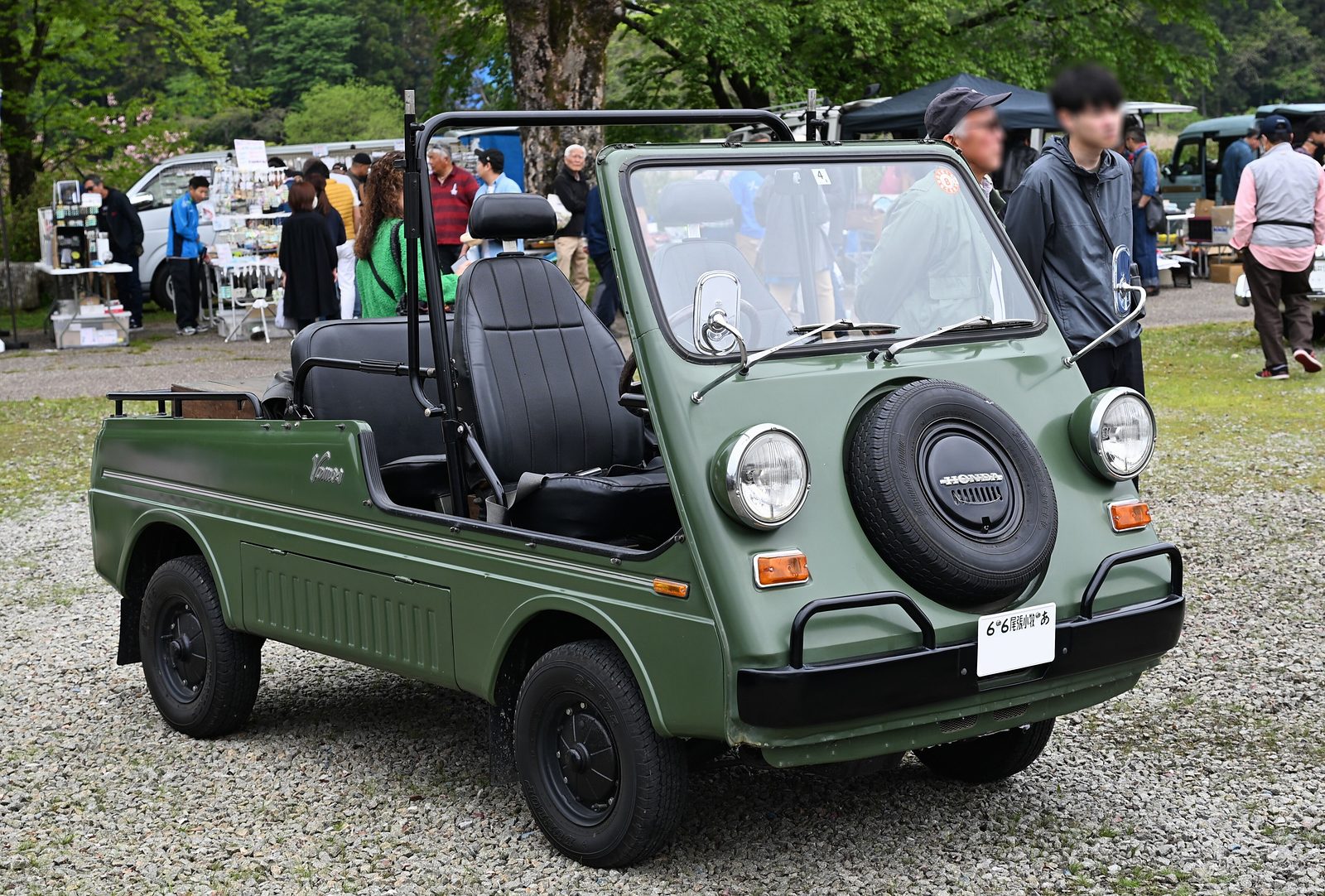
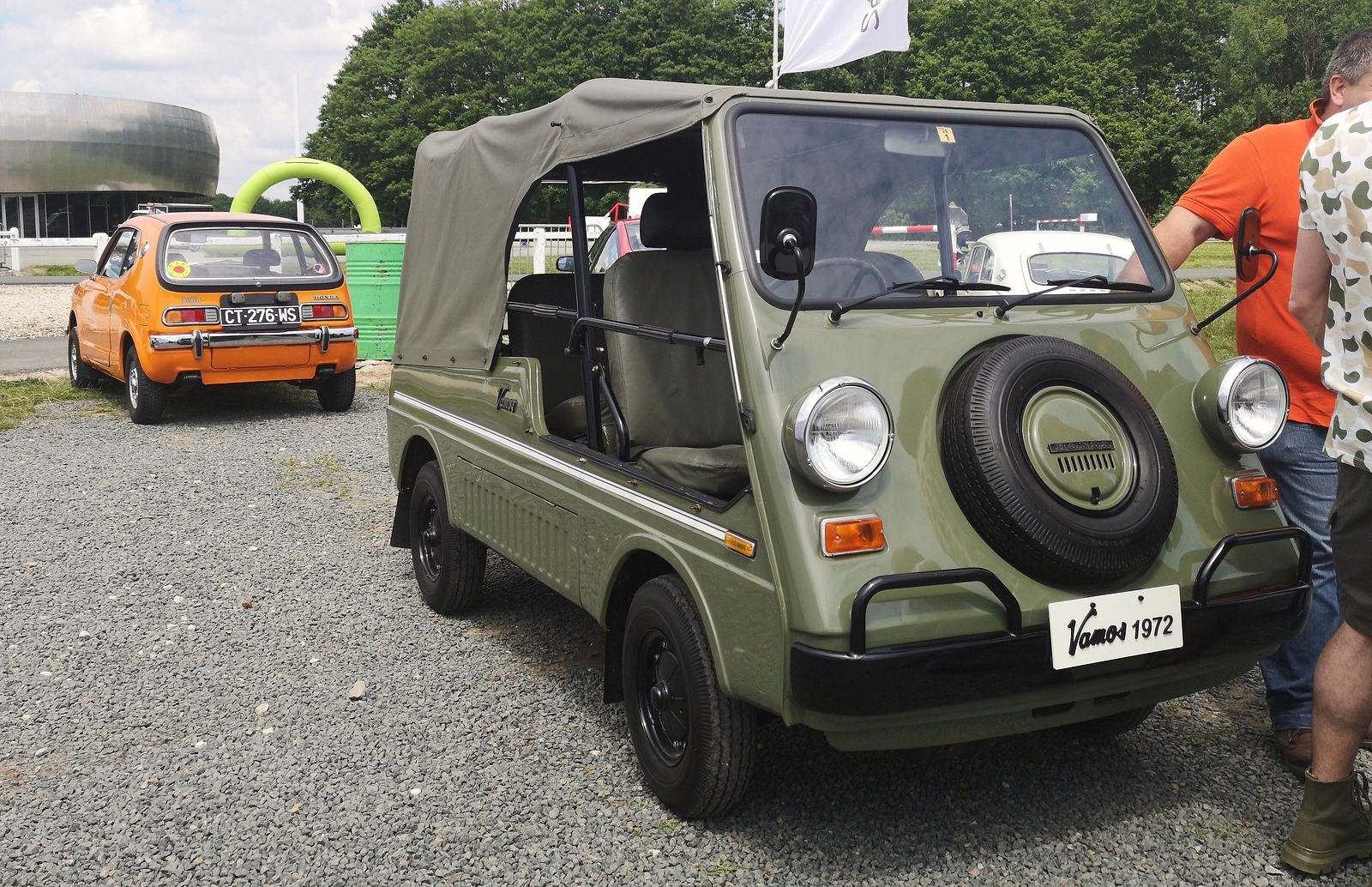
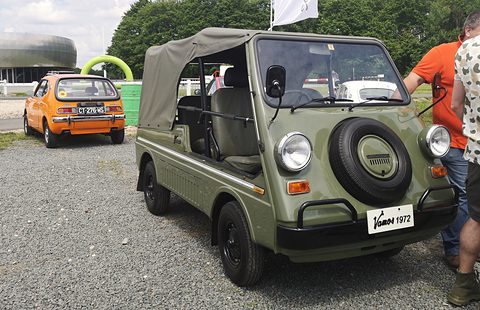
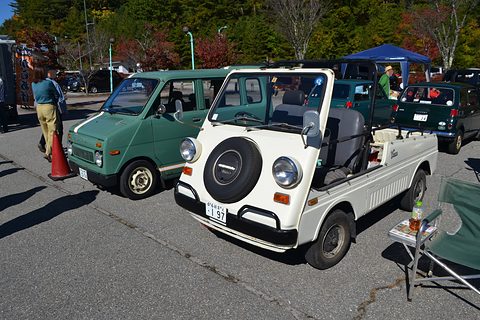
No survivor count, register or auction result has been found. Two museums hold one: the Toyota Automobile Museum at Nagakute keeps its Vamos Honda TN360 in the Motomachi ML building, and the Lane collection in Tennessee has a 1972 car, a Japan-only model with two-wheel drive.source 2source 3 The photographs on this page show further examples at Honda’s museum at Twin Ring Motegi and in Komatsu’s Motorcar Museum of Japan, and at meetings in Japan and at Montlhéry, in France.

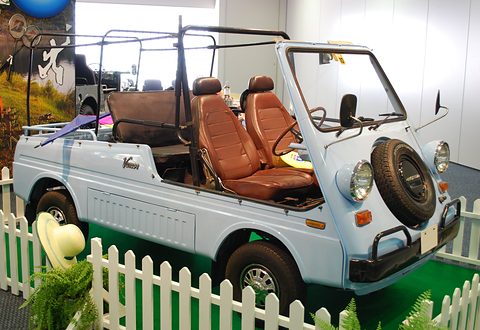
Pale blue doorless small utility with tan bucket seats, a nose-mounted spare wheel and bare top bows, behind a white picket fence.
A pale blue Vamos on display at the Toyota Automobile Museum in 2008, its top bows bare.Photo: Mytho88, CC BY-SA 3.0, via Wikimedia Commons

Sources

Numbered as in the text

Most of the history rests on one source, Japanese Wikipedia, whose own references are thin; the dimensions and the museums’ descriptions come from the Toyota Automobile Museum and the Lane Motor Museum. No period road test or Honda press release was read. Sources are given as plain text; the links are on the Credits page.

  1. Japanese Wikipedia, Honda Vamos (ホンダ・バモス), the first-generation section, read in full.
  2. Toyota Automobile Museum, collection database, record 22961, “Vamos Honda Model TN360”, read in full.
  3. Lane Motor Museum, “Honda Vamos – 1972”, collection page, read in full.
  4. Japanese Wikipedia, Honda Z (ホンダ・Z), read in full.