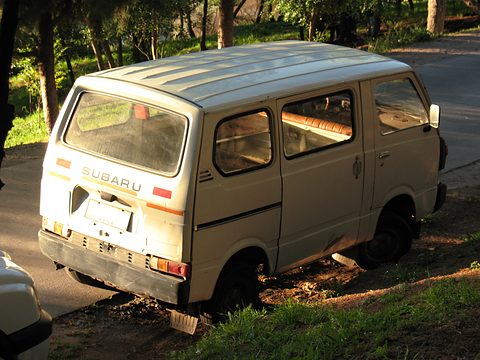
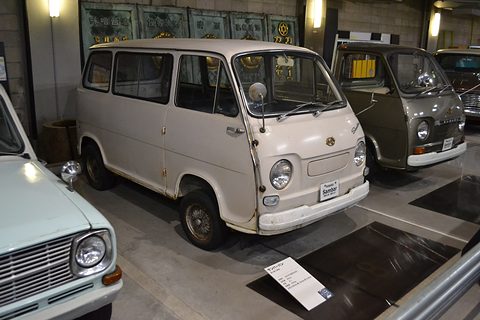
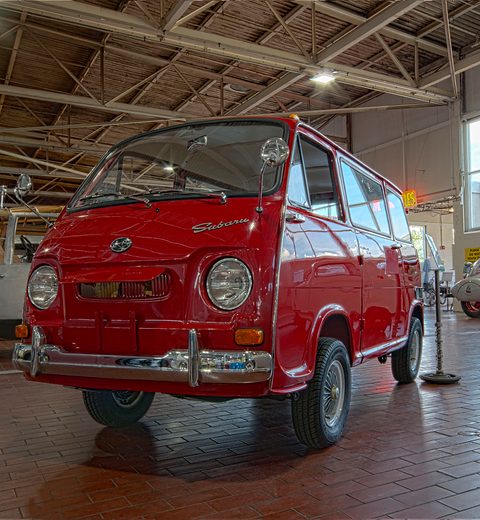
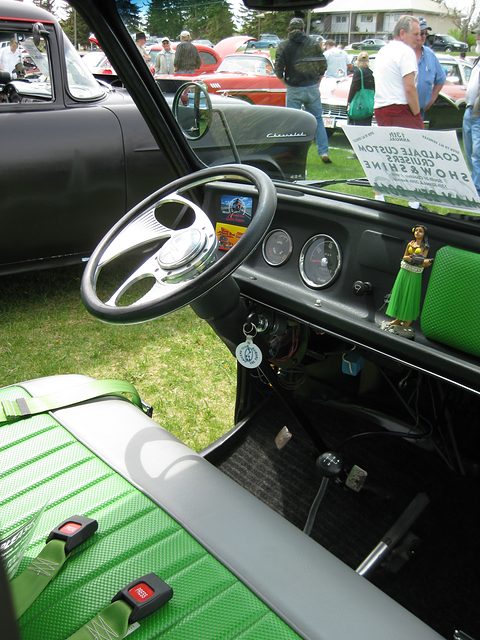
The story
History
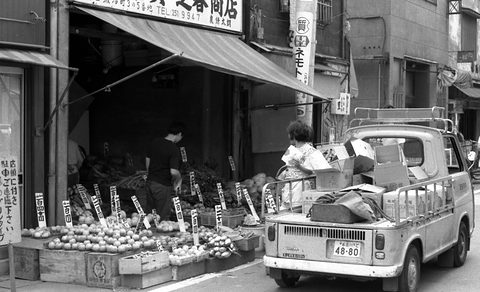
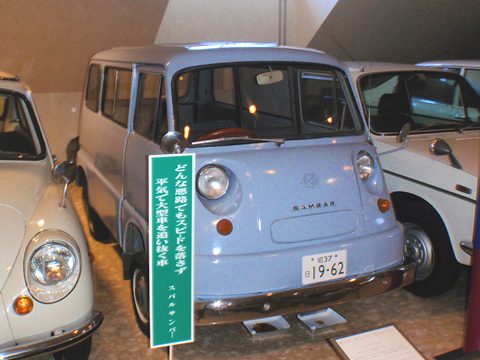
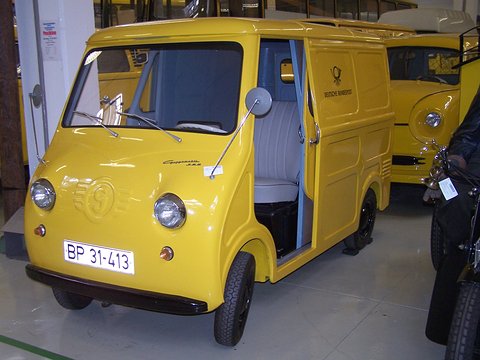
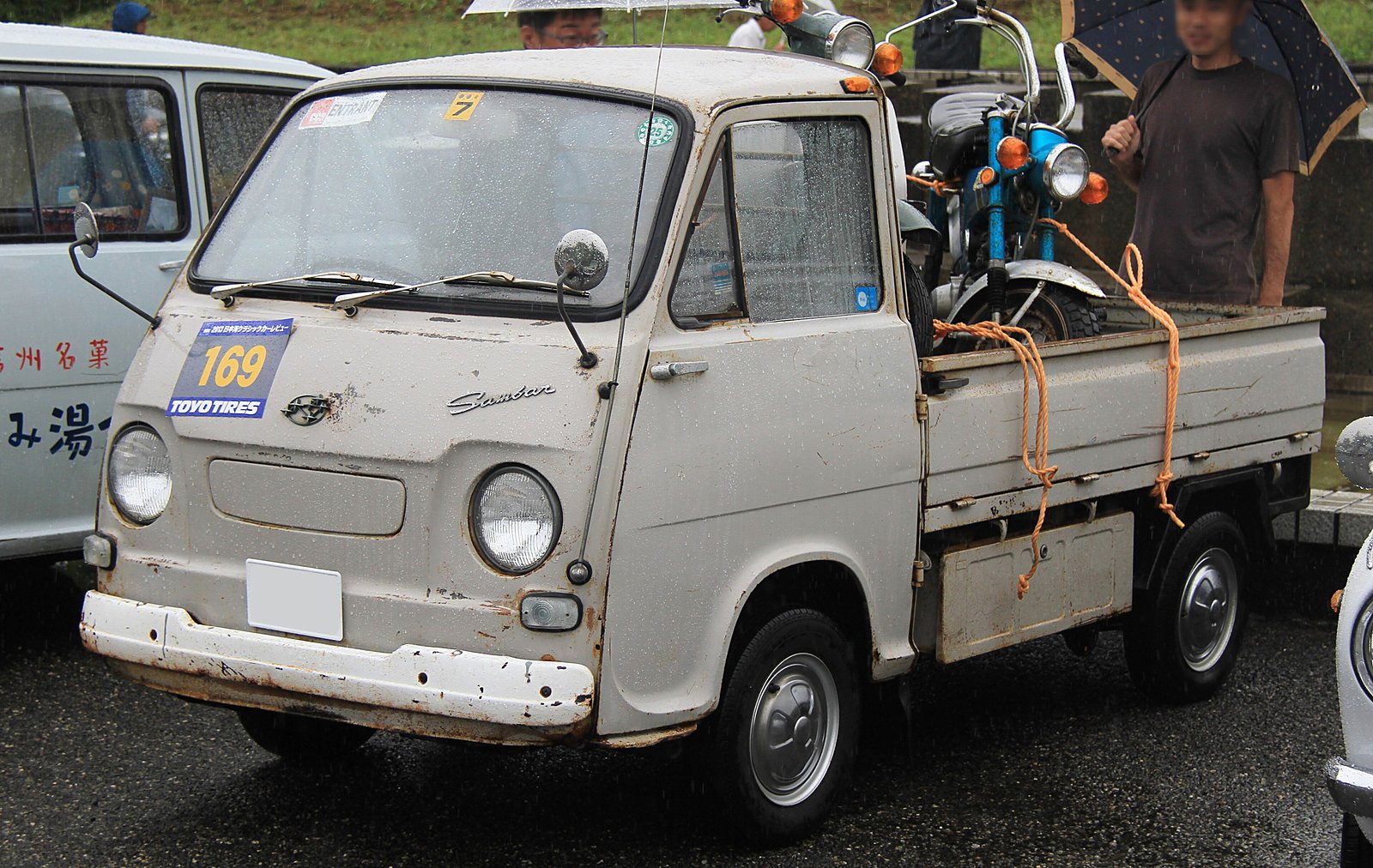
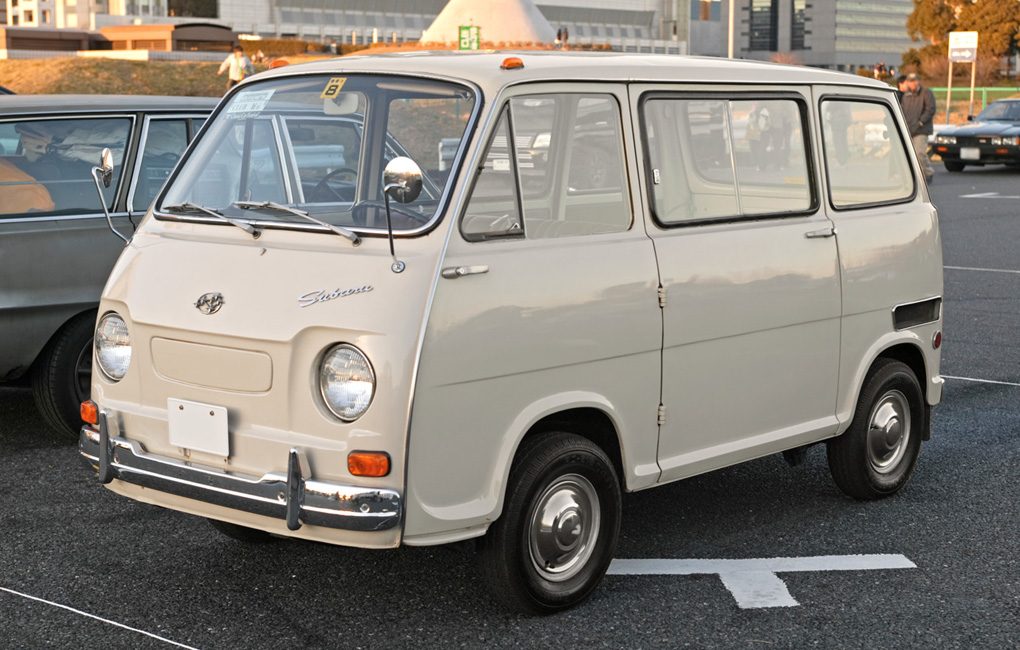
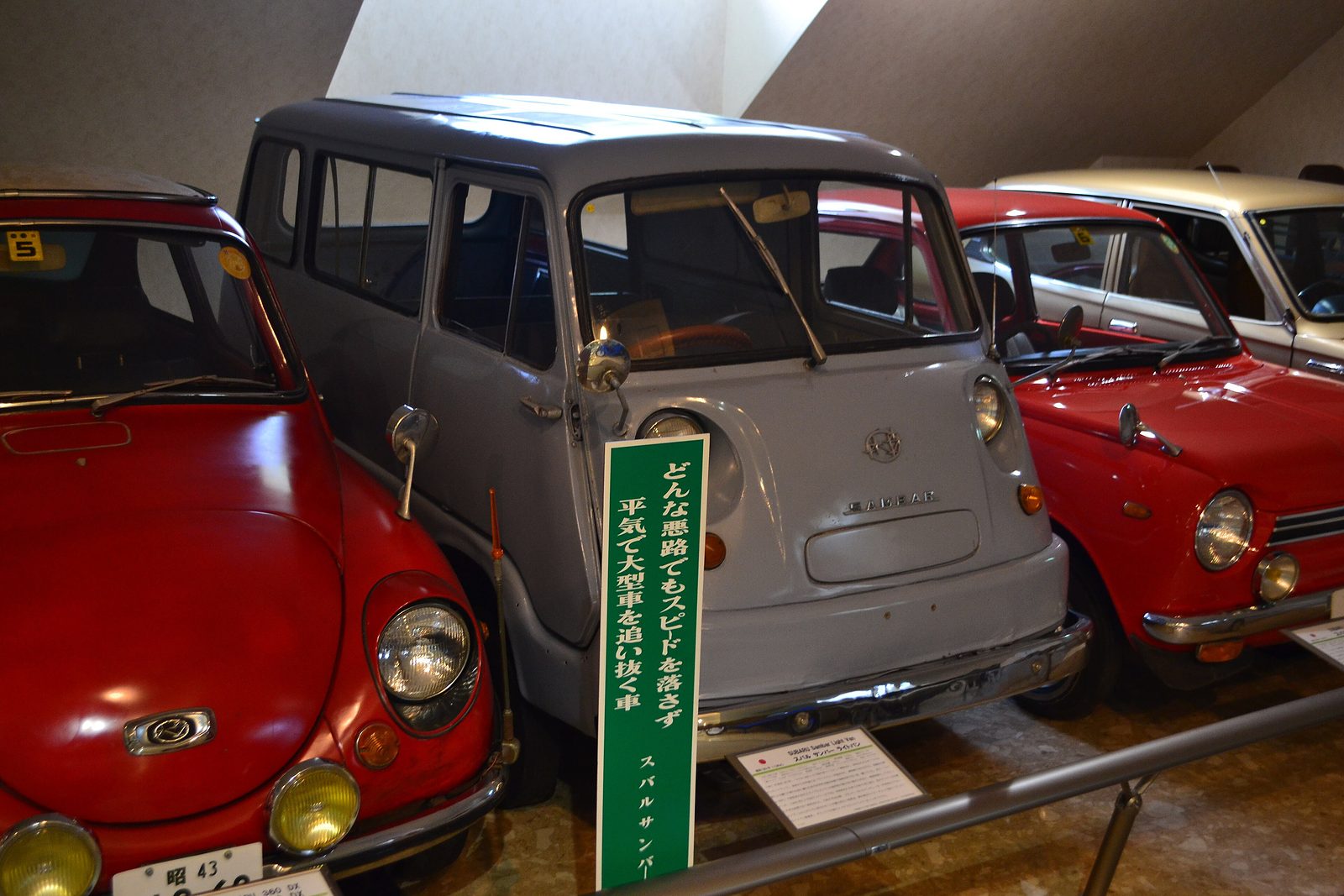
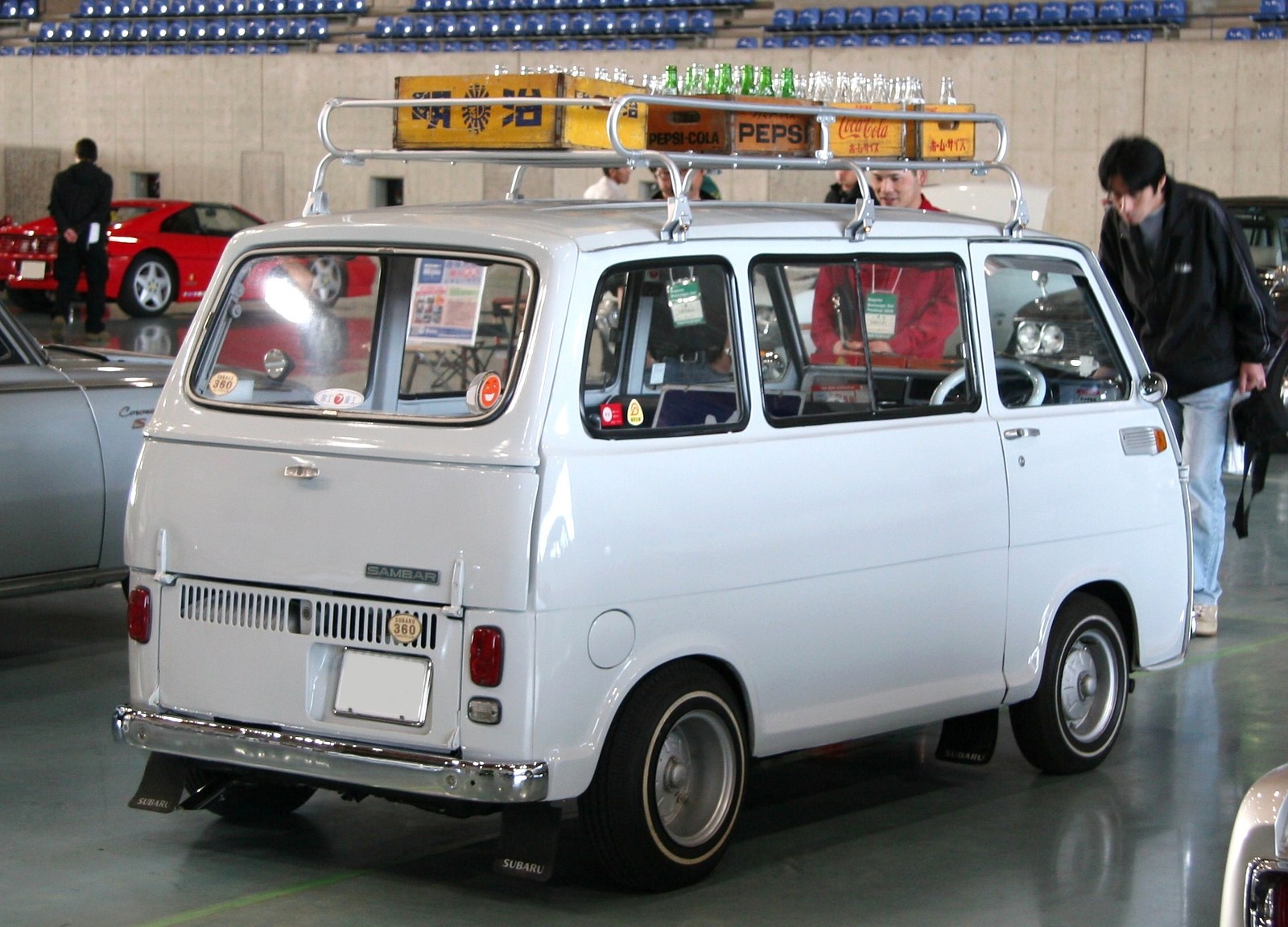
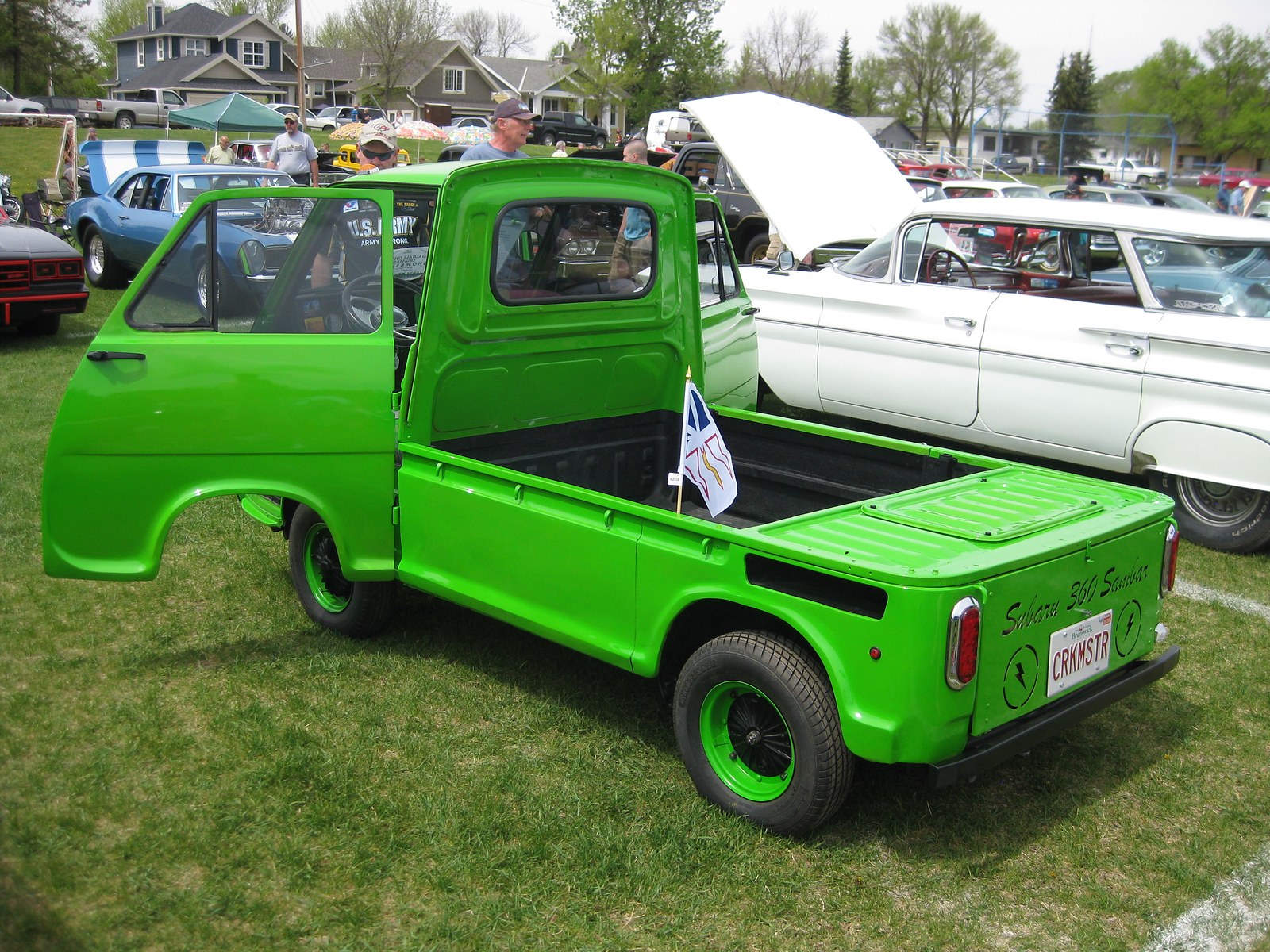
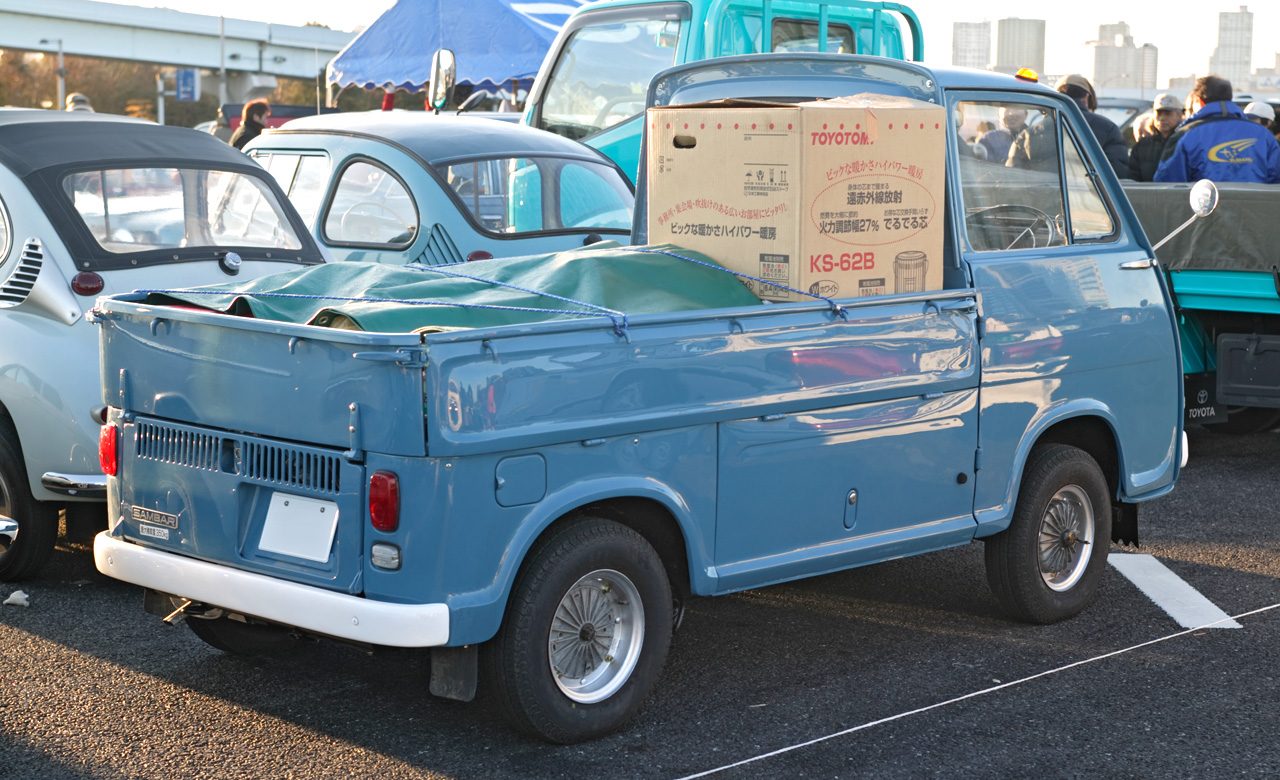
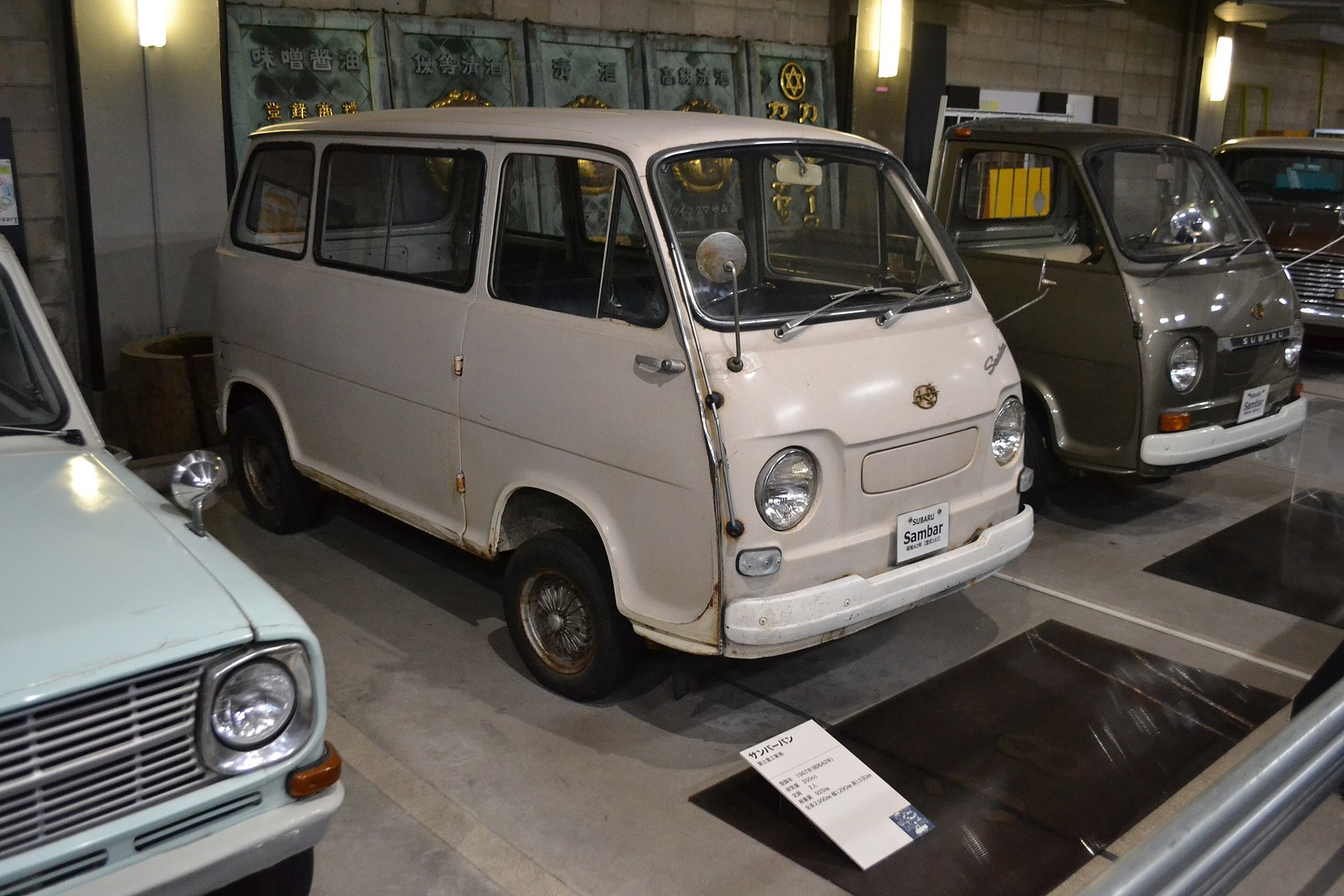
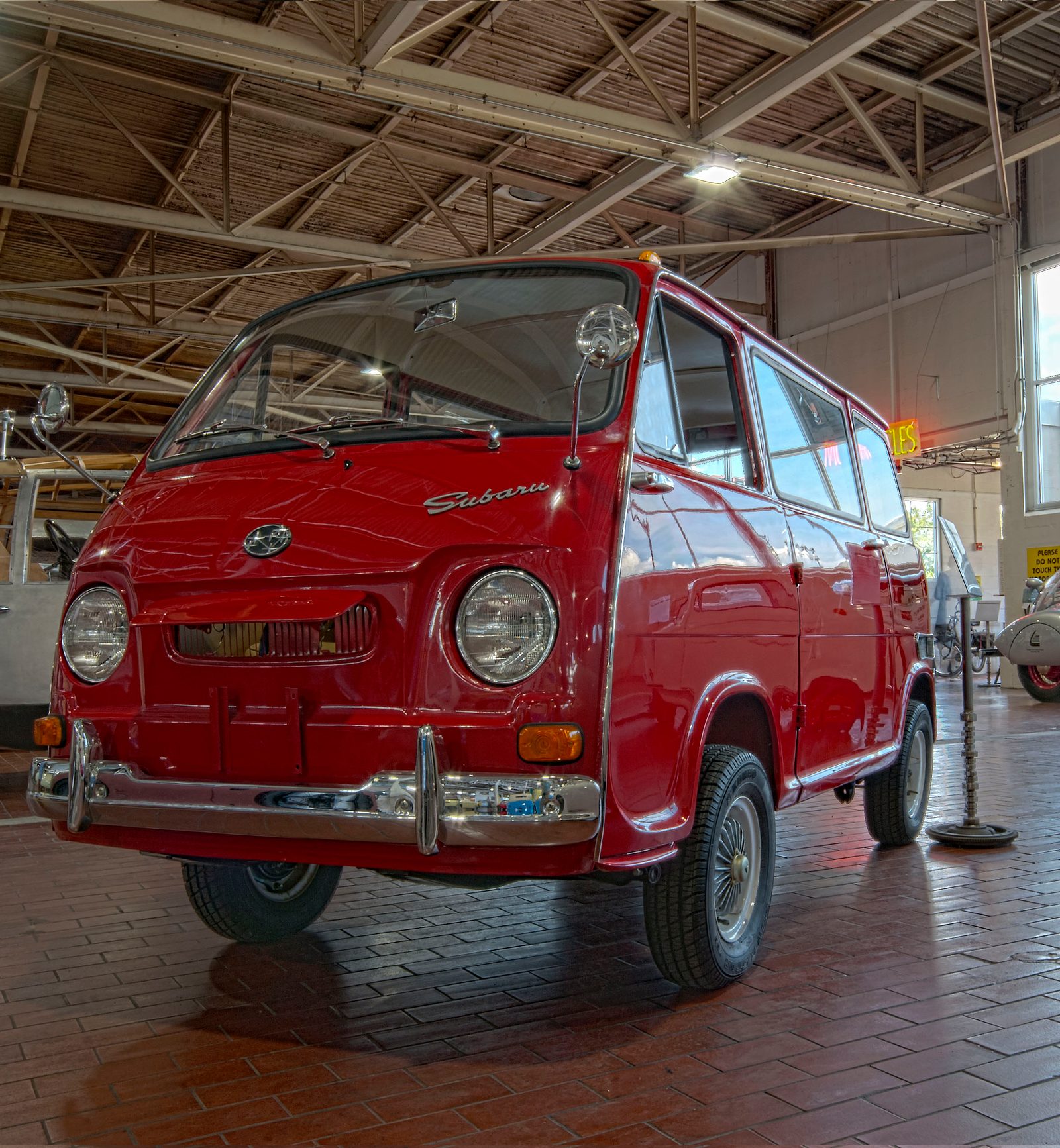
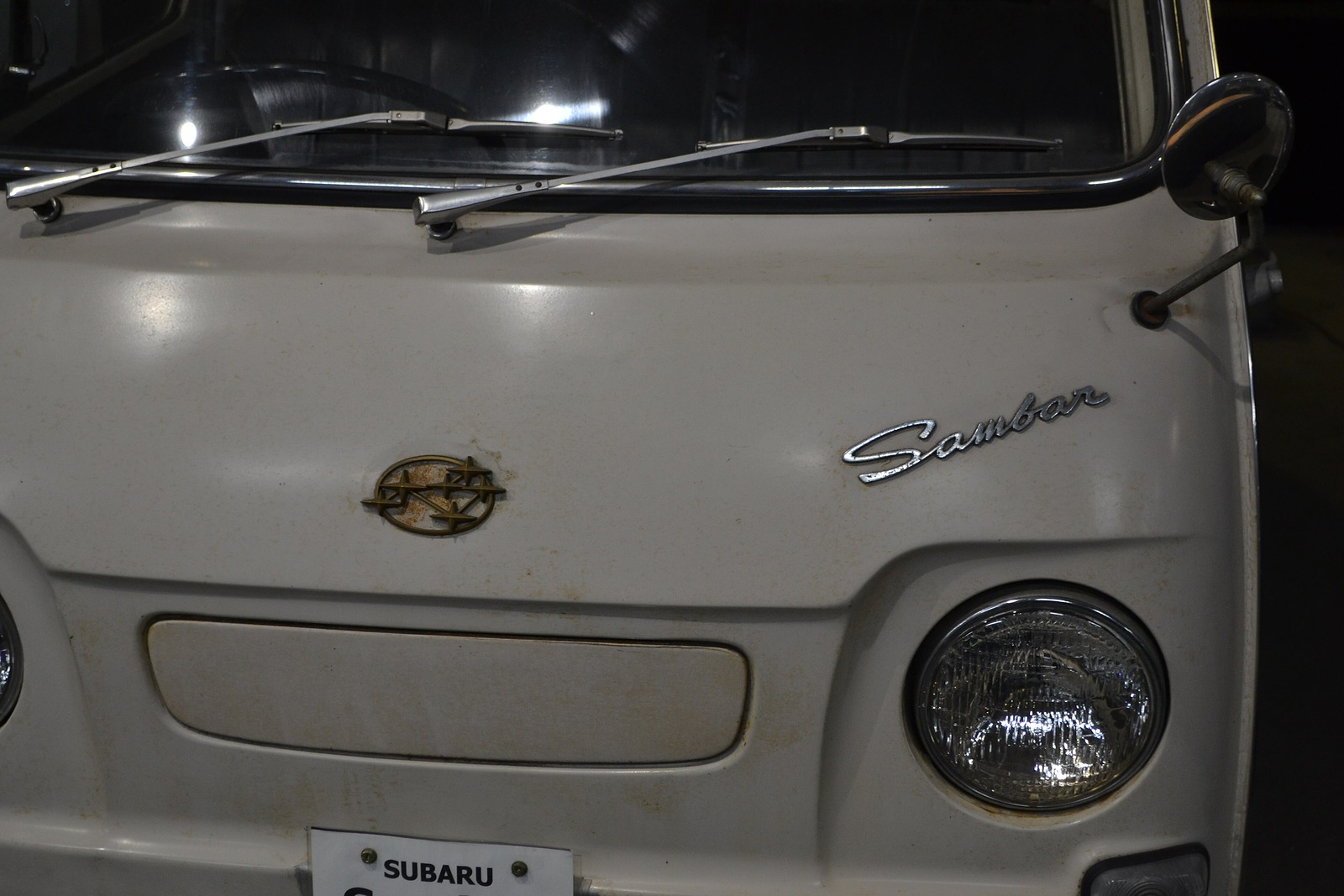
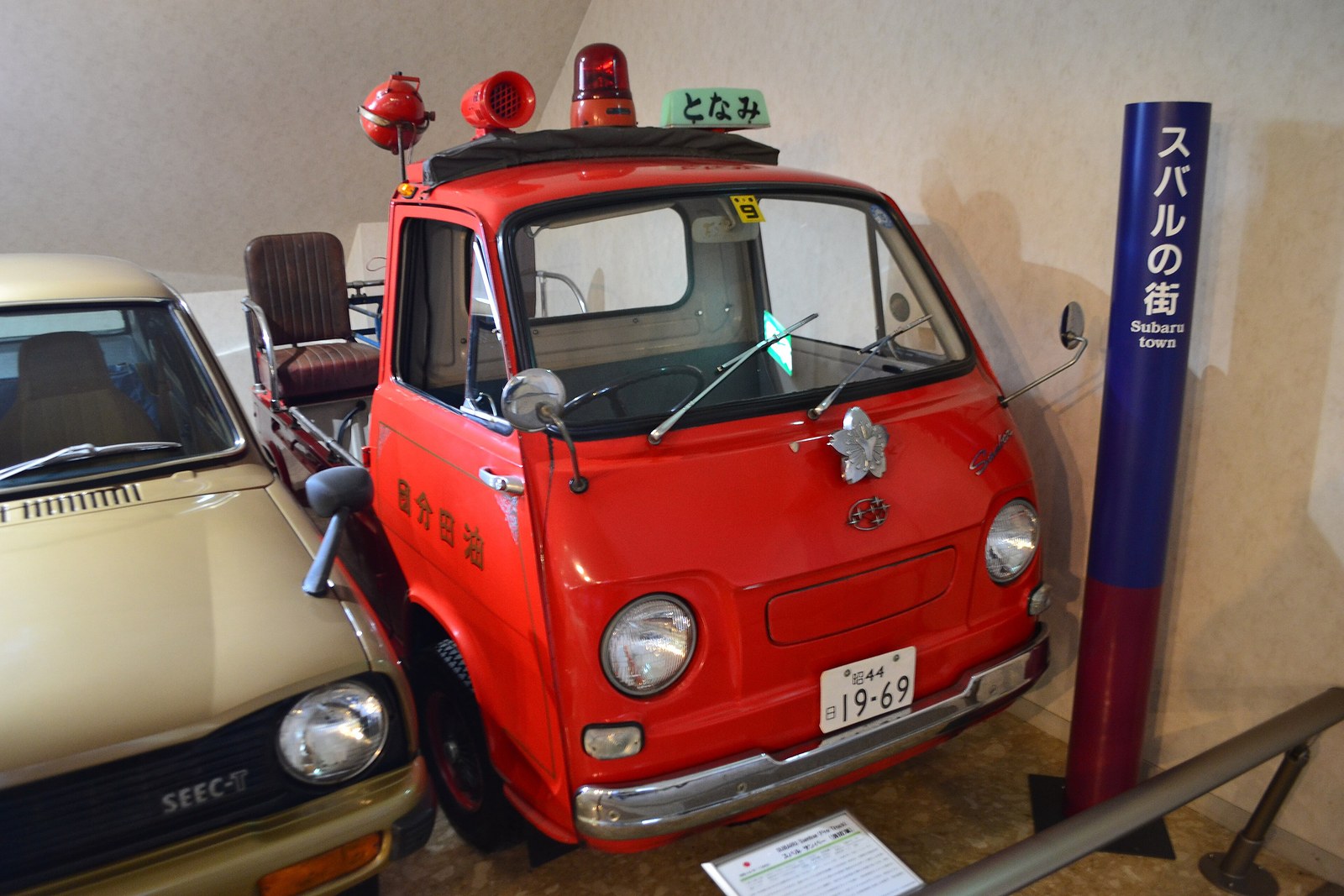
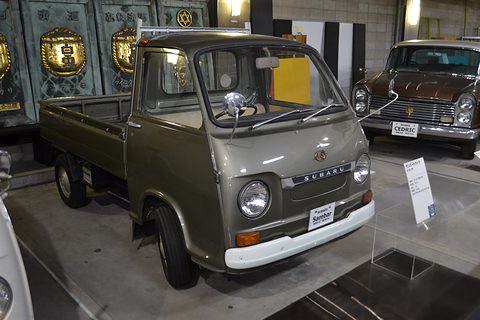
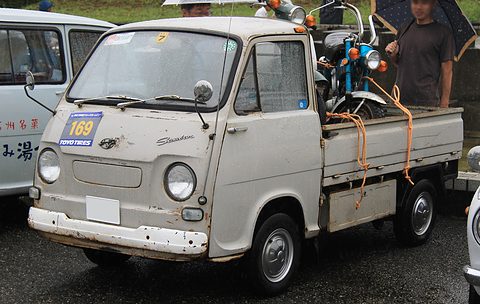
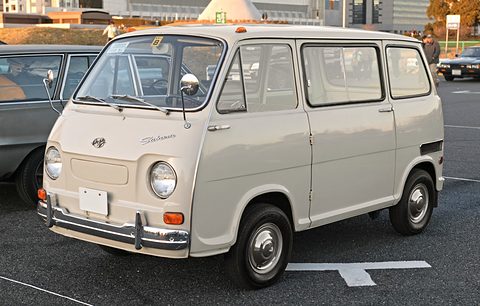
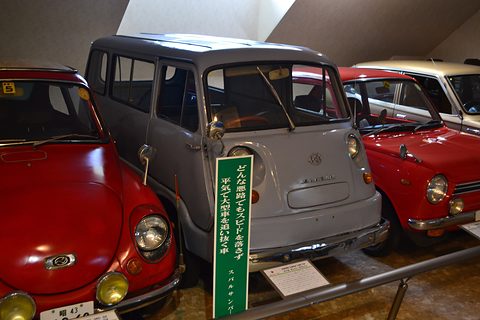
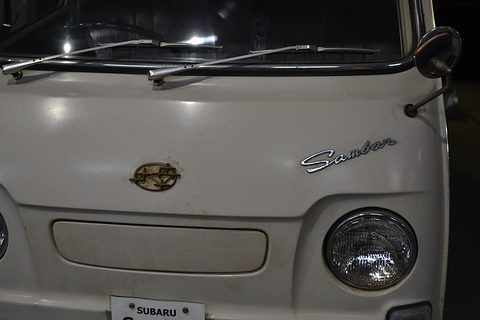
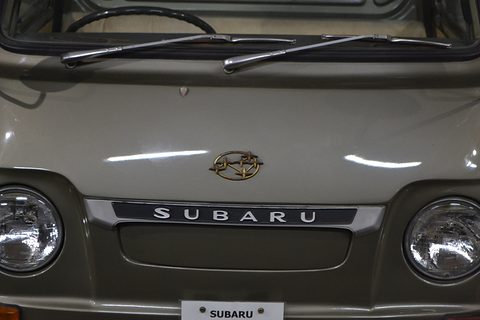
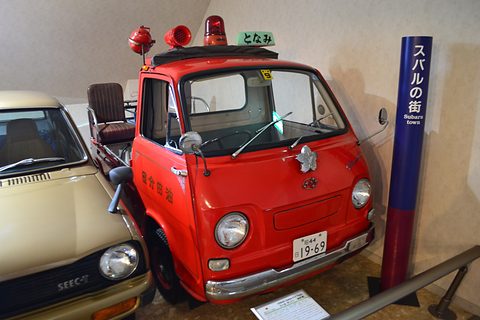
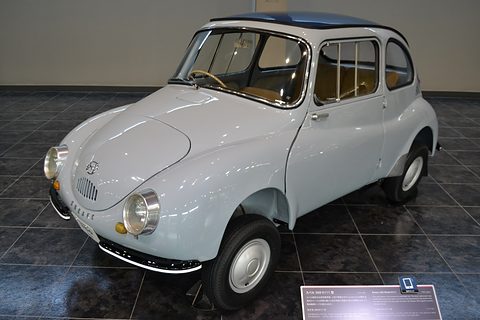
Fuji Heavy Industries began its second vehicle as soon as the Subaru 360 was finished, with the same chief engineer, Shinroku Momose.source 1 It used the 360’s air-cooled two-stroke twin at the back and its four independently sprung wheels, but under a cab-over body, with the driver above the front wheels and the load space behind. At the time most kei trucks still had bonnets.source 2source 3 It made its debut at the Tokyo Motor Show in October 1960 and went on sale on 1 February 1961, named after the sambar deer.source 1source 3 It was Japan’s second cab-over kei truck, after the Kurogane Baby, and far more successful.source 3source 1
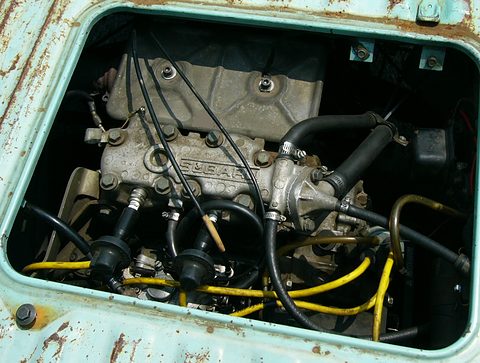
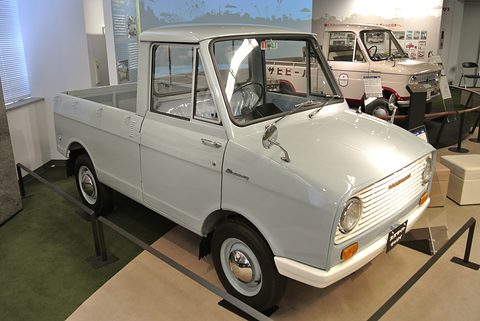
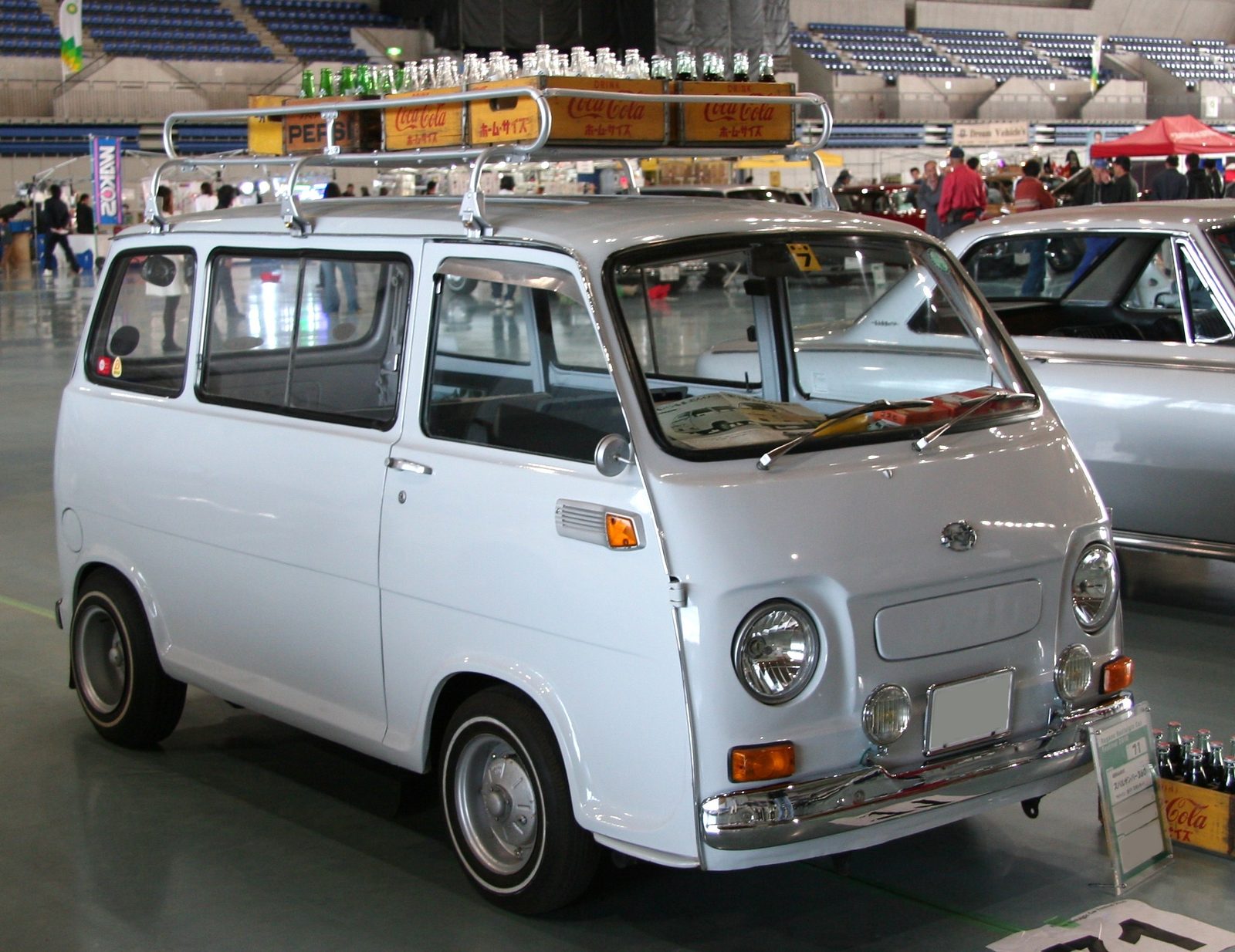
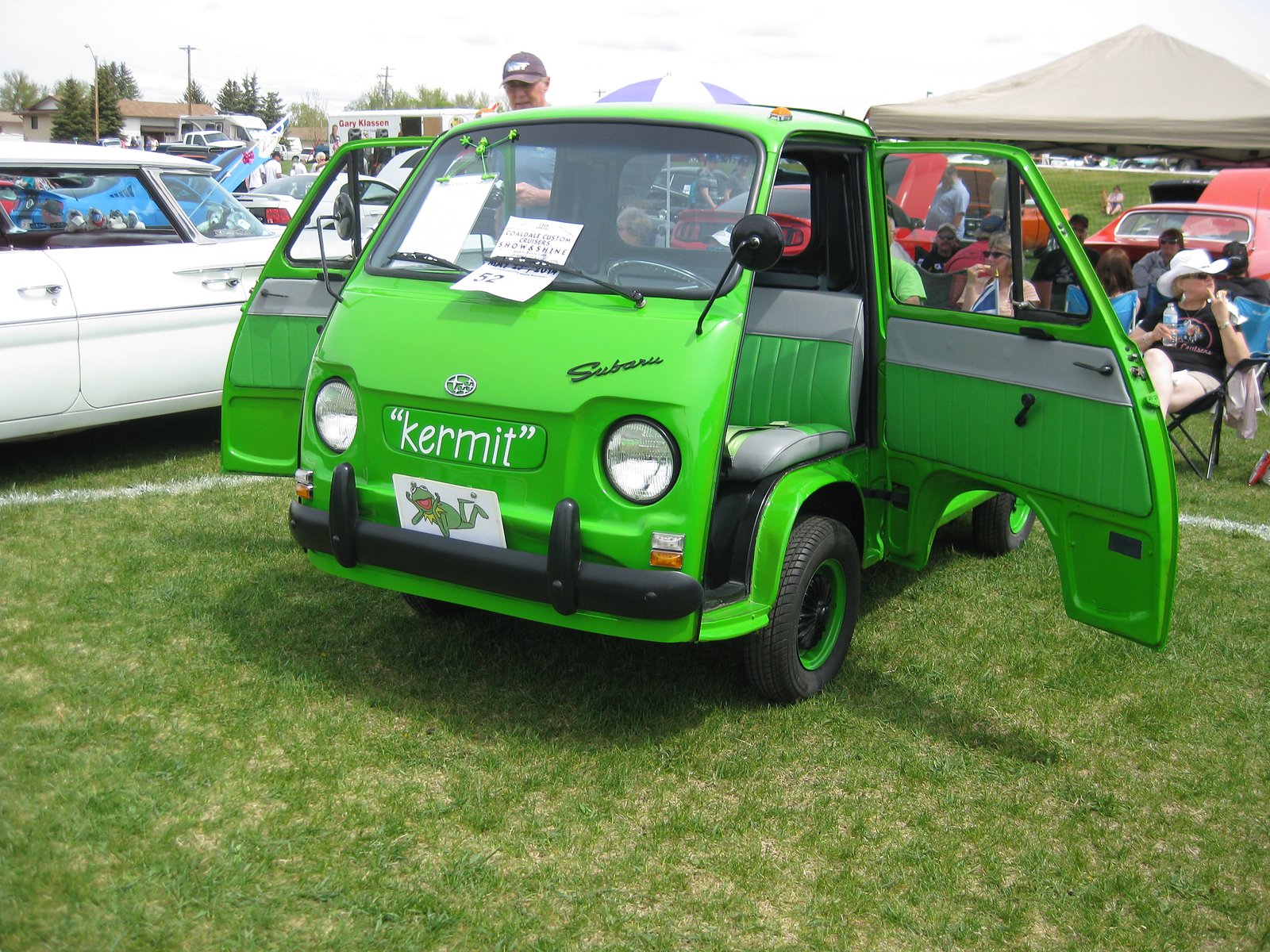
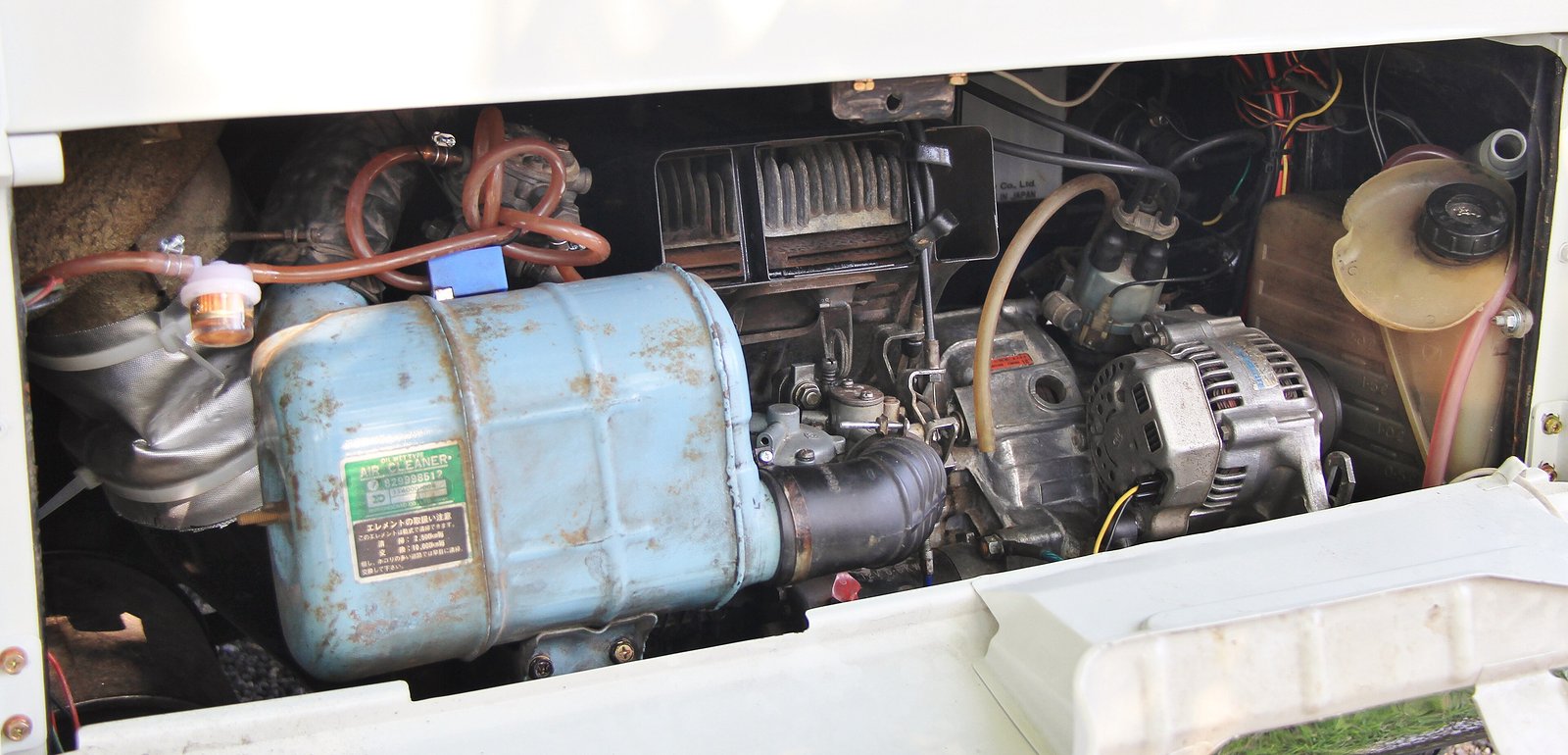
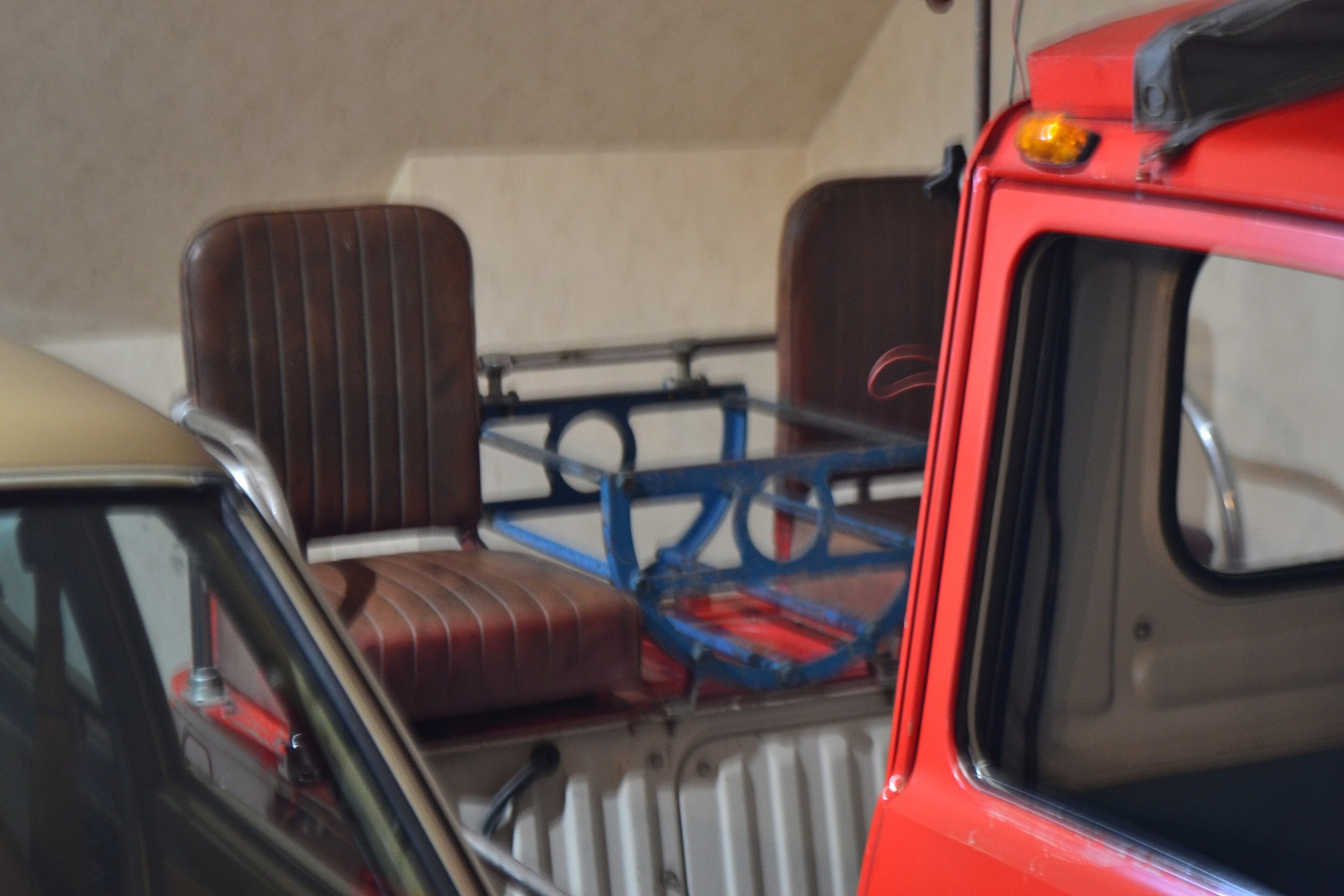
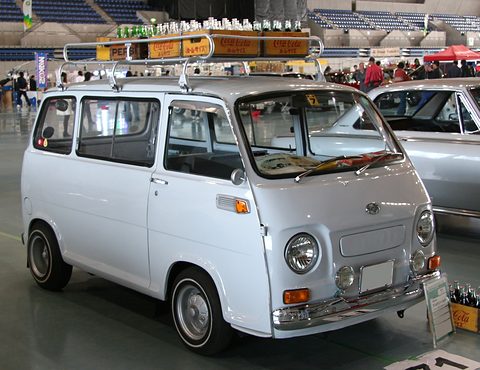
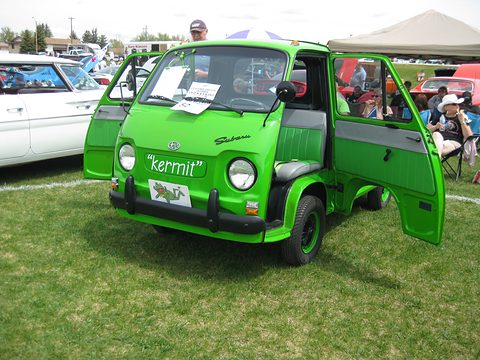
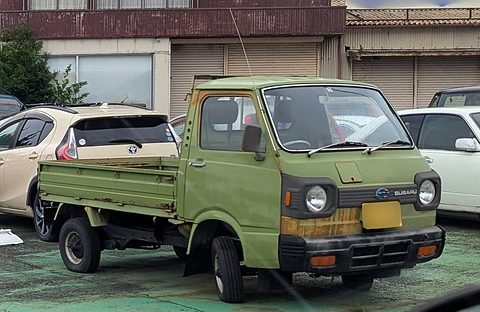
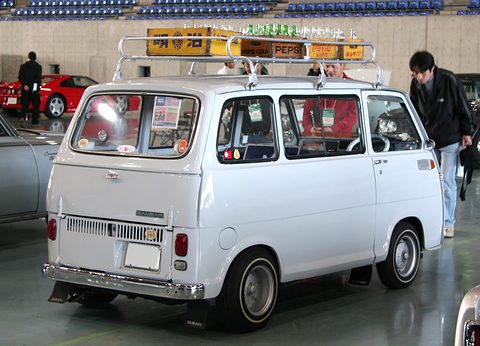
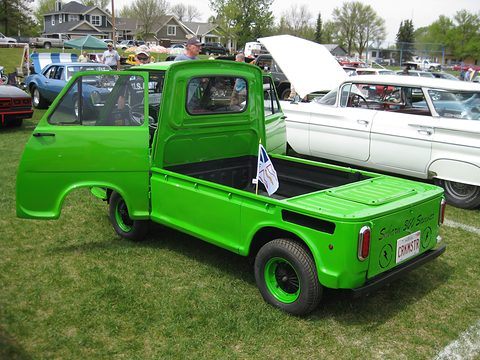
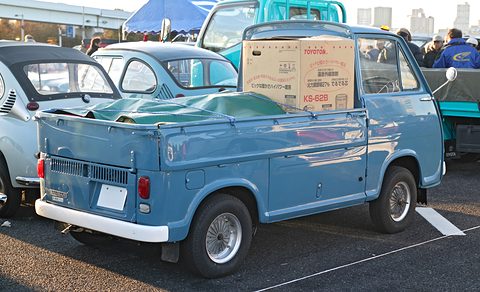
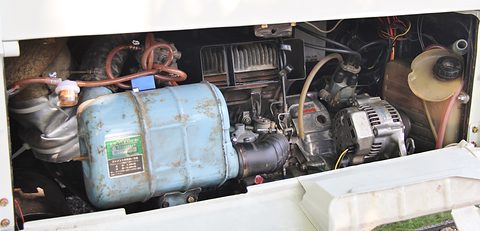
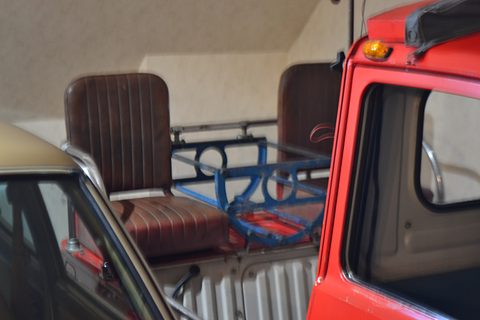
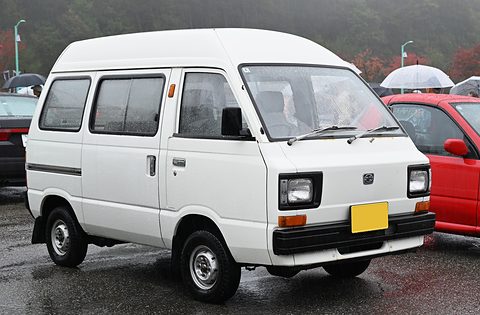
The K151 truck measured 2,990 mm (118 in) and weighed 395 kg (871 lb). Its 356 cc twin gave 18 PS through three forward gears and carried 350 kg (772 lb).source 2 The engine was reached through a hatch inside the vehicle.source 3 A crease line that ran from the bumper round the door cuts and wheel arches earned it the nickname “lip Sambar”, and its front doors, like the 360’s, were hinged at the back; it was styled by young designers working under Tatsuzō Sasaki, who had styled the 360.source 1source 3 First came a low-deck truck, then a three-door light van and a truck with a flat high deck over the engine, which became the standard.source 1 Its rivals had beam axles on leaf springs. The Sambar’s soft ride kept fragile loads whole, and the JSAE, which made it landmark 3-18 of Japanese automotive technology, records that the story went round that it did not break even when a tofu seller used it.source 2source 1
Water, four strokes, four-wheel drive
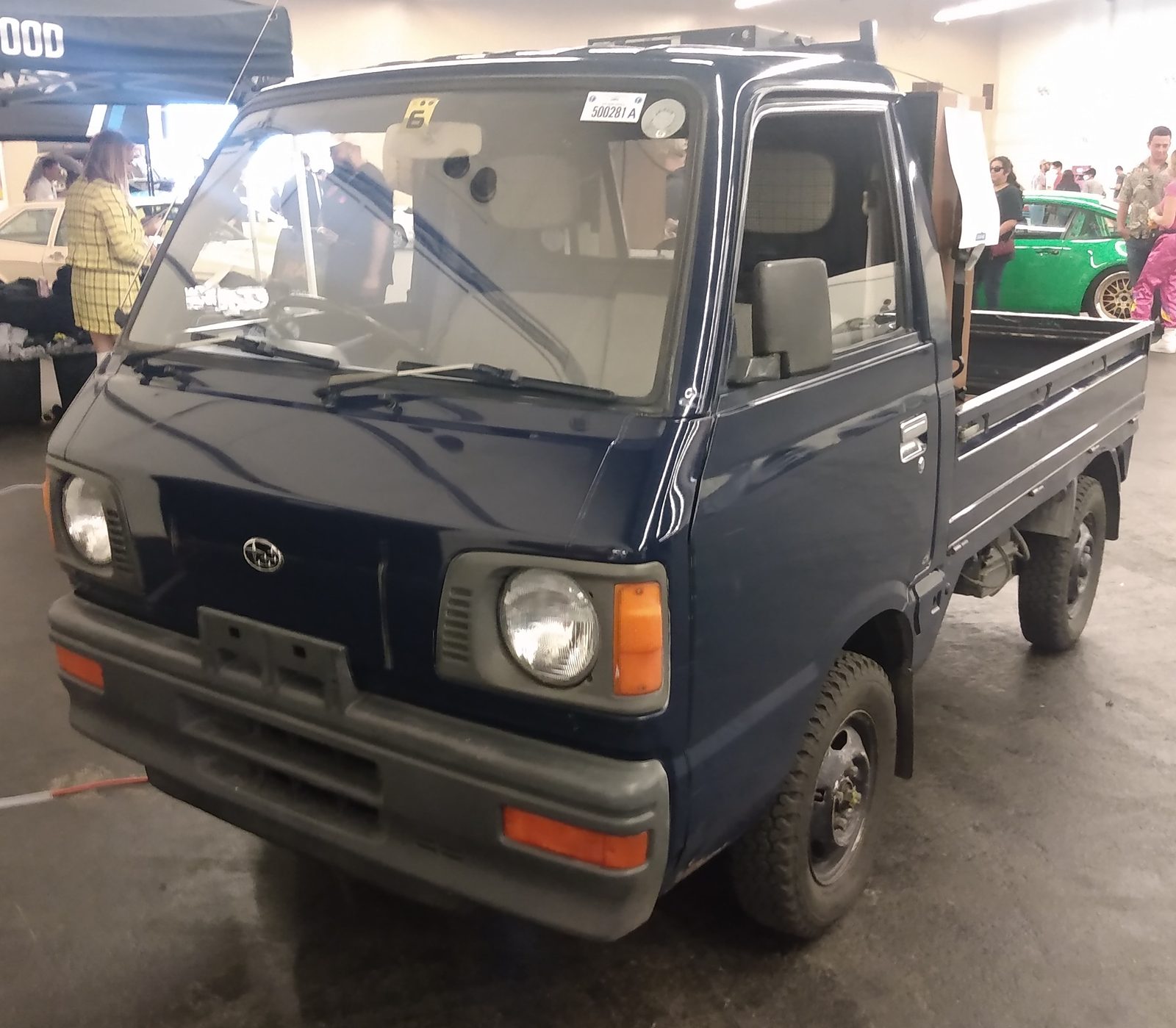
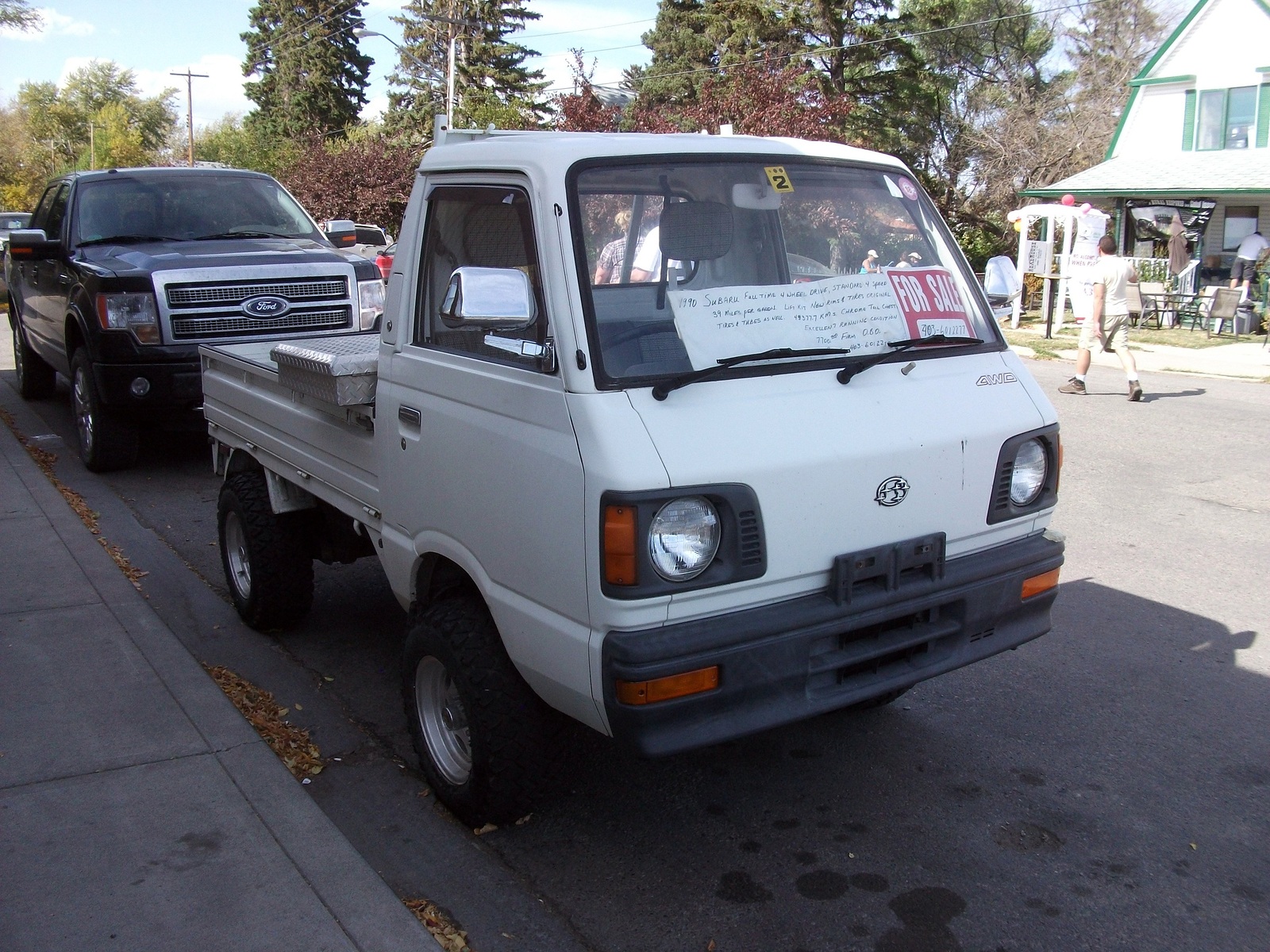
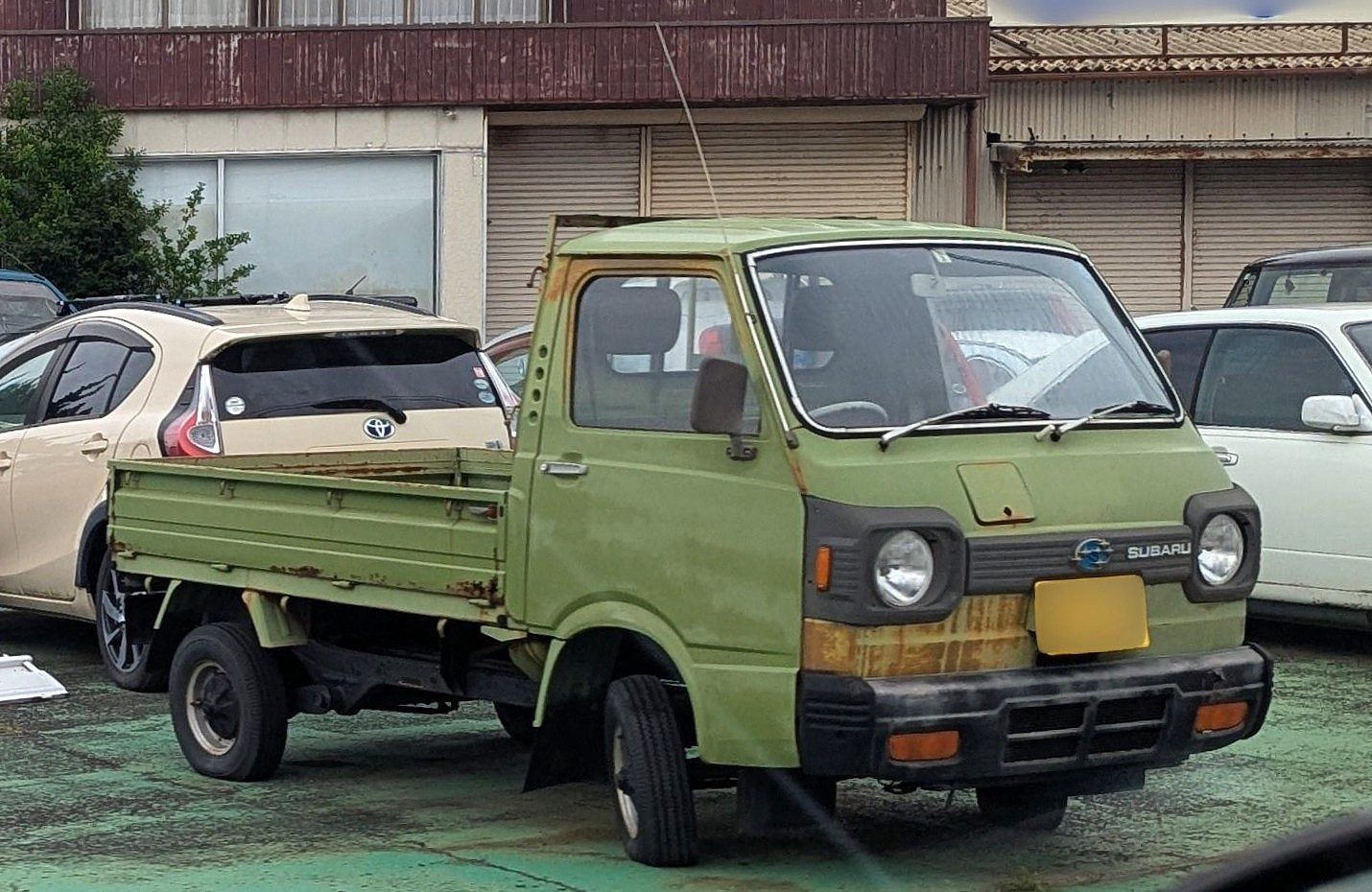
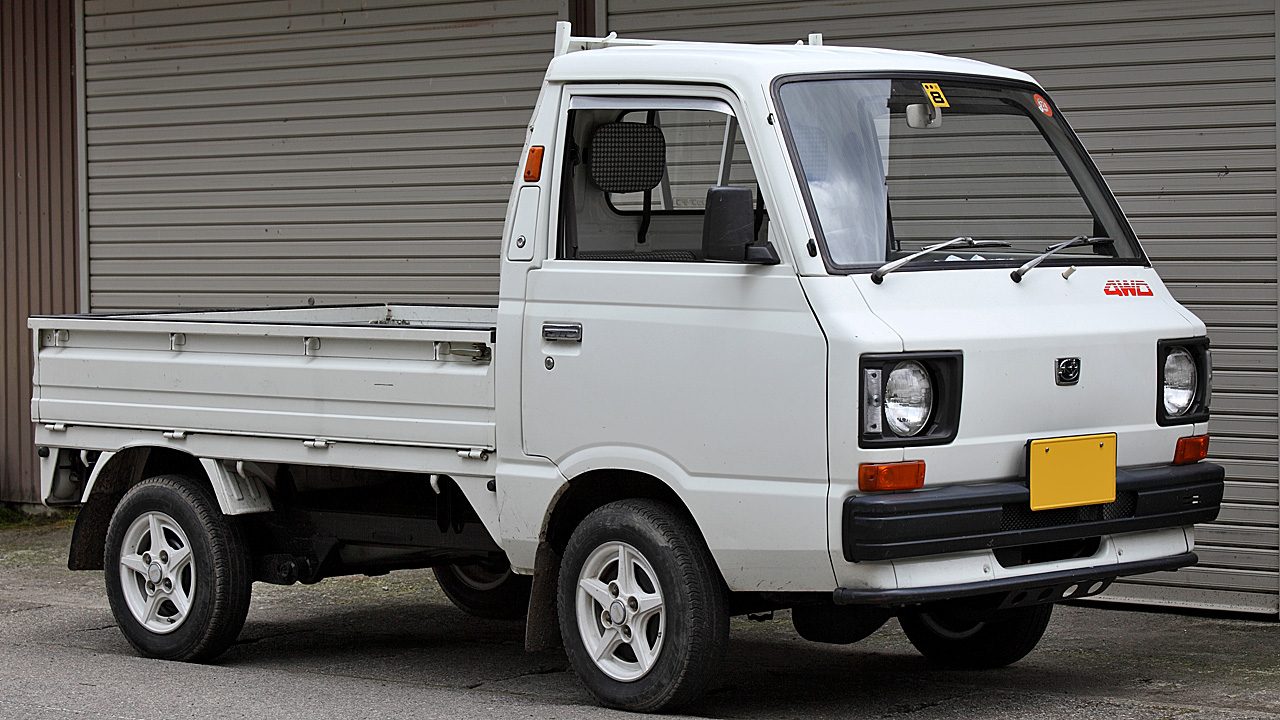
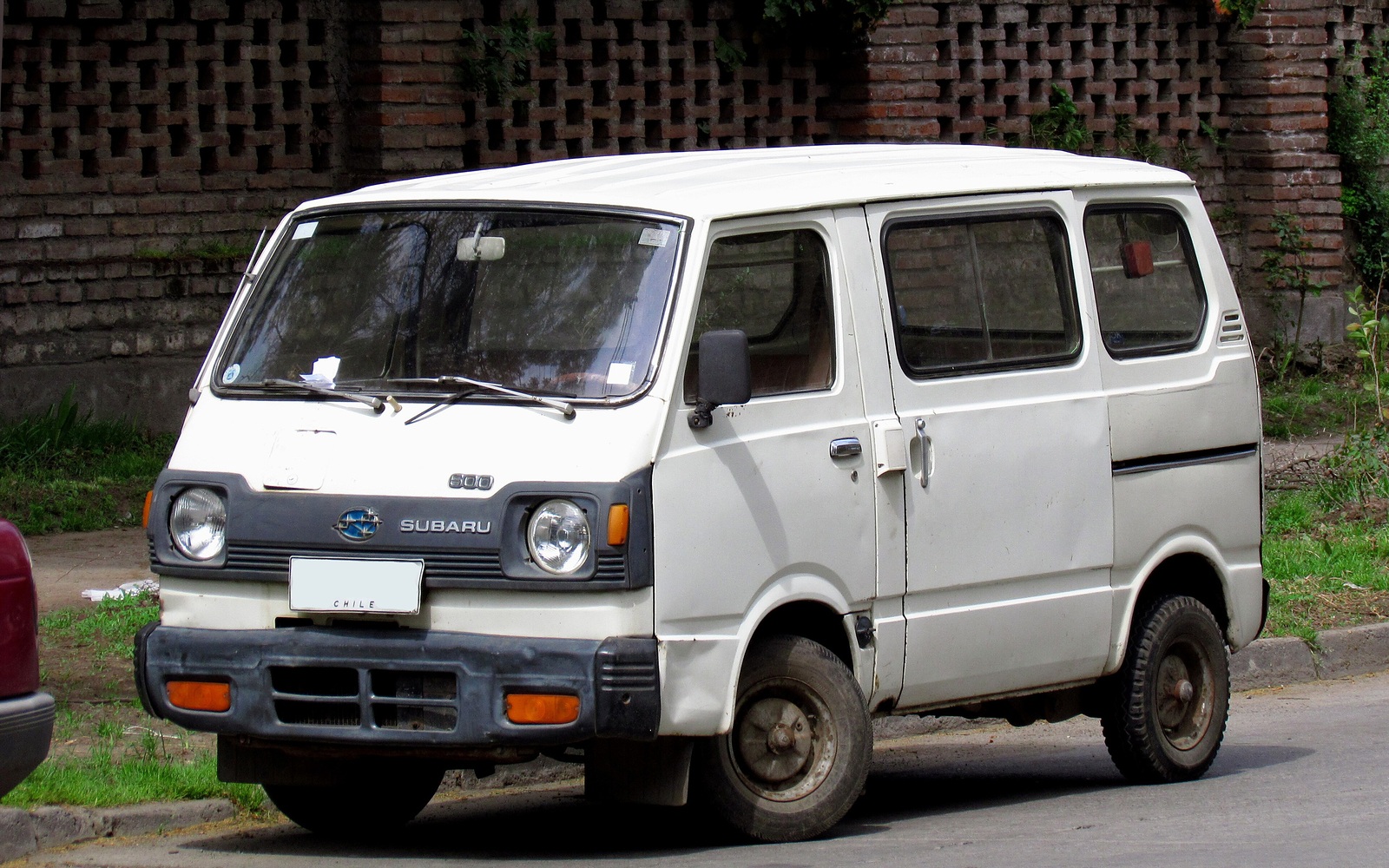
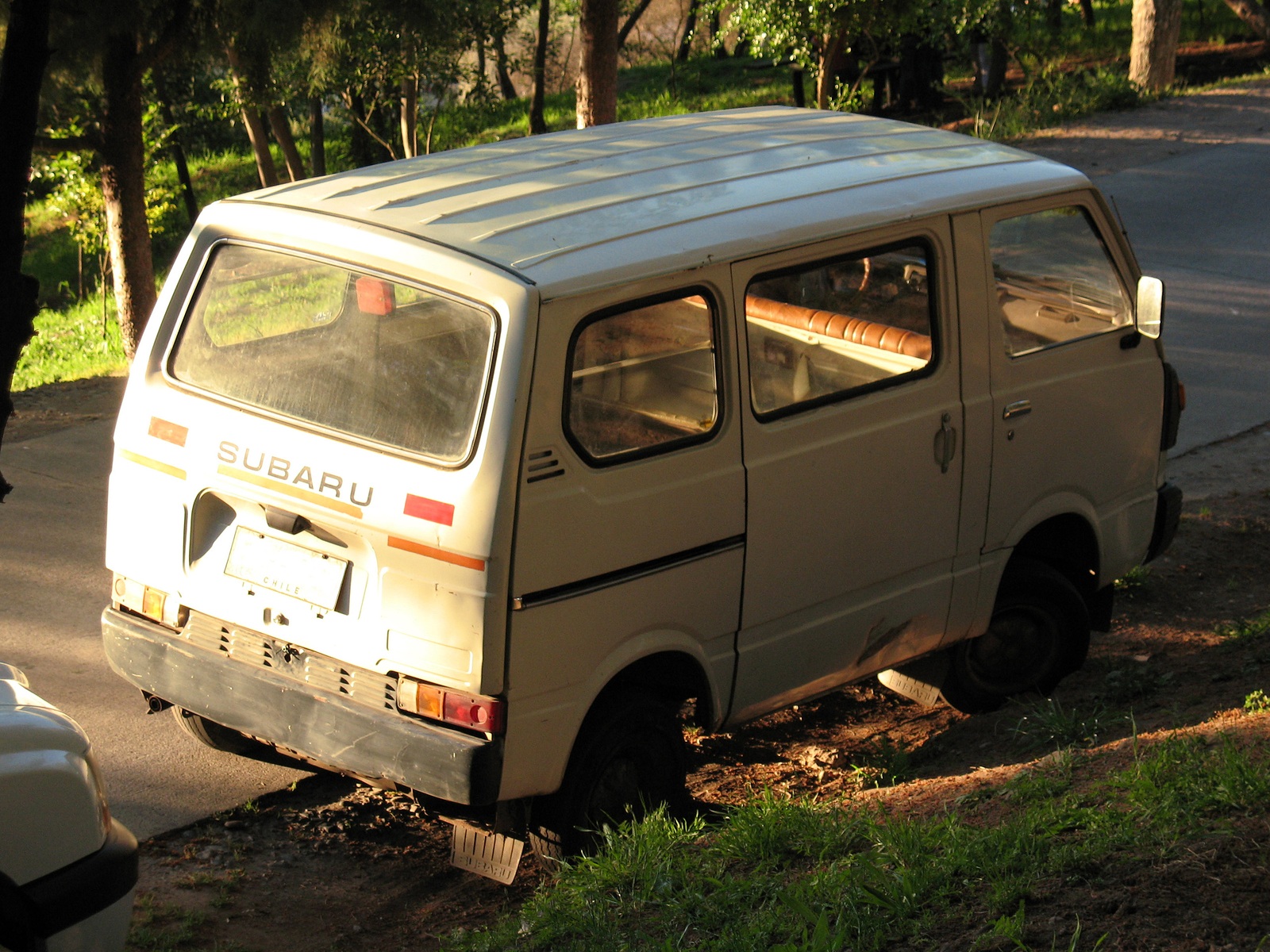
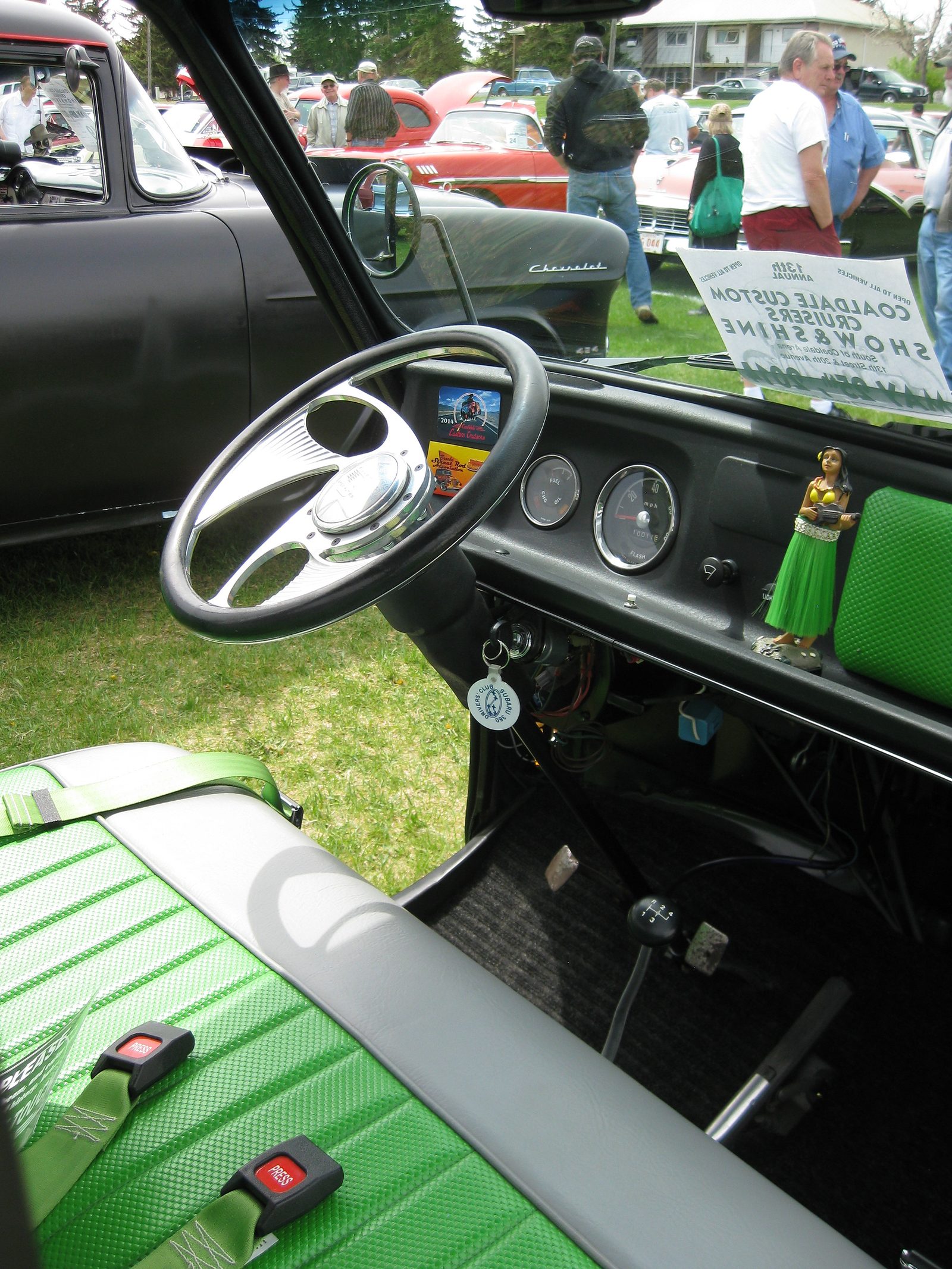
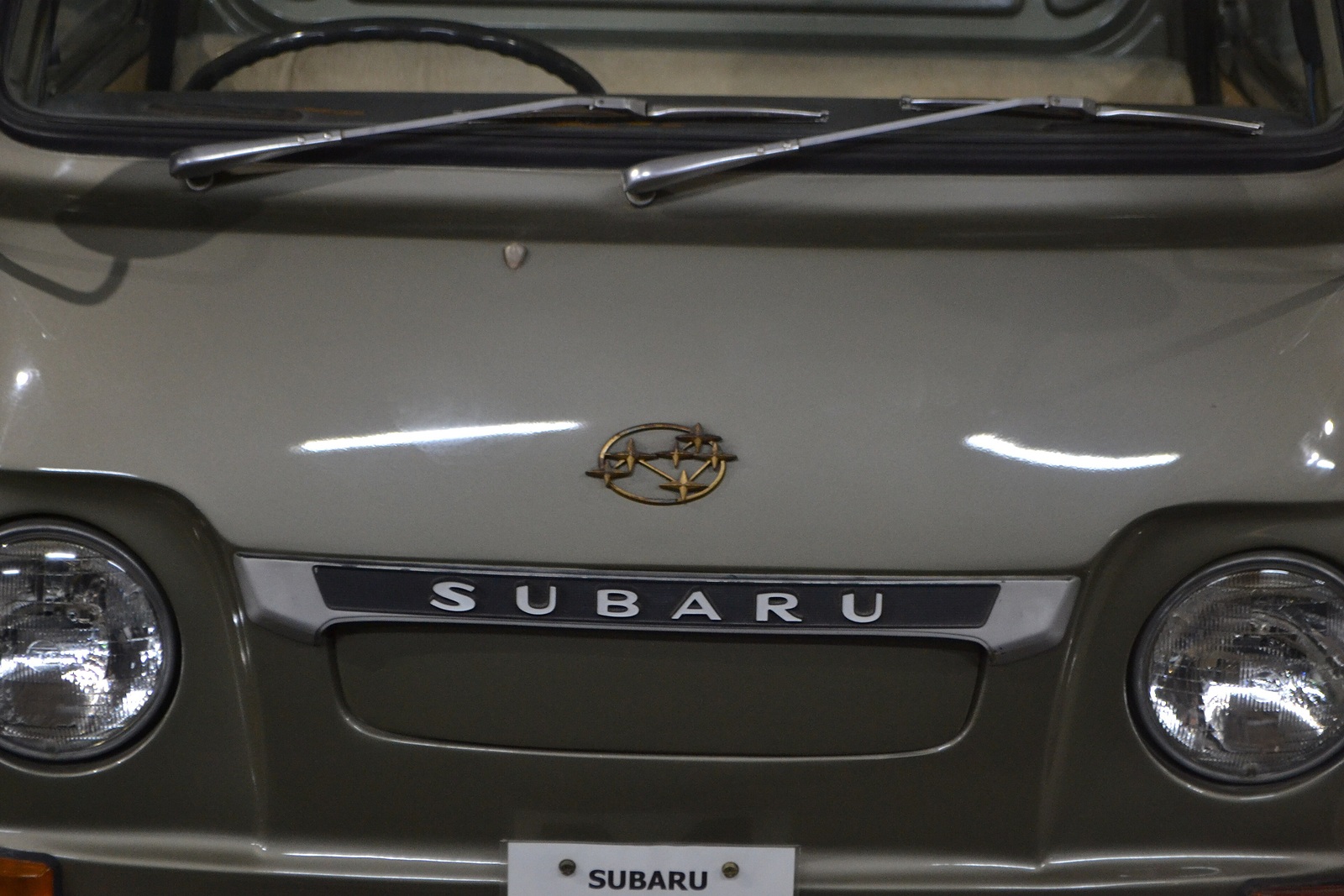
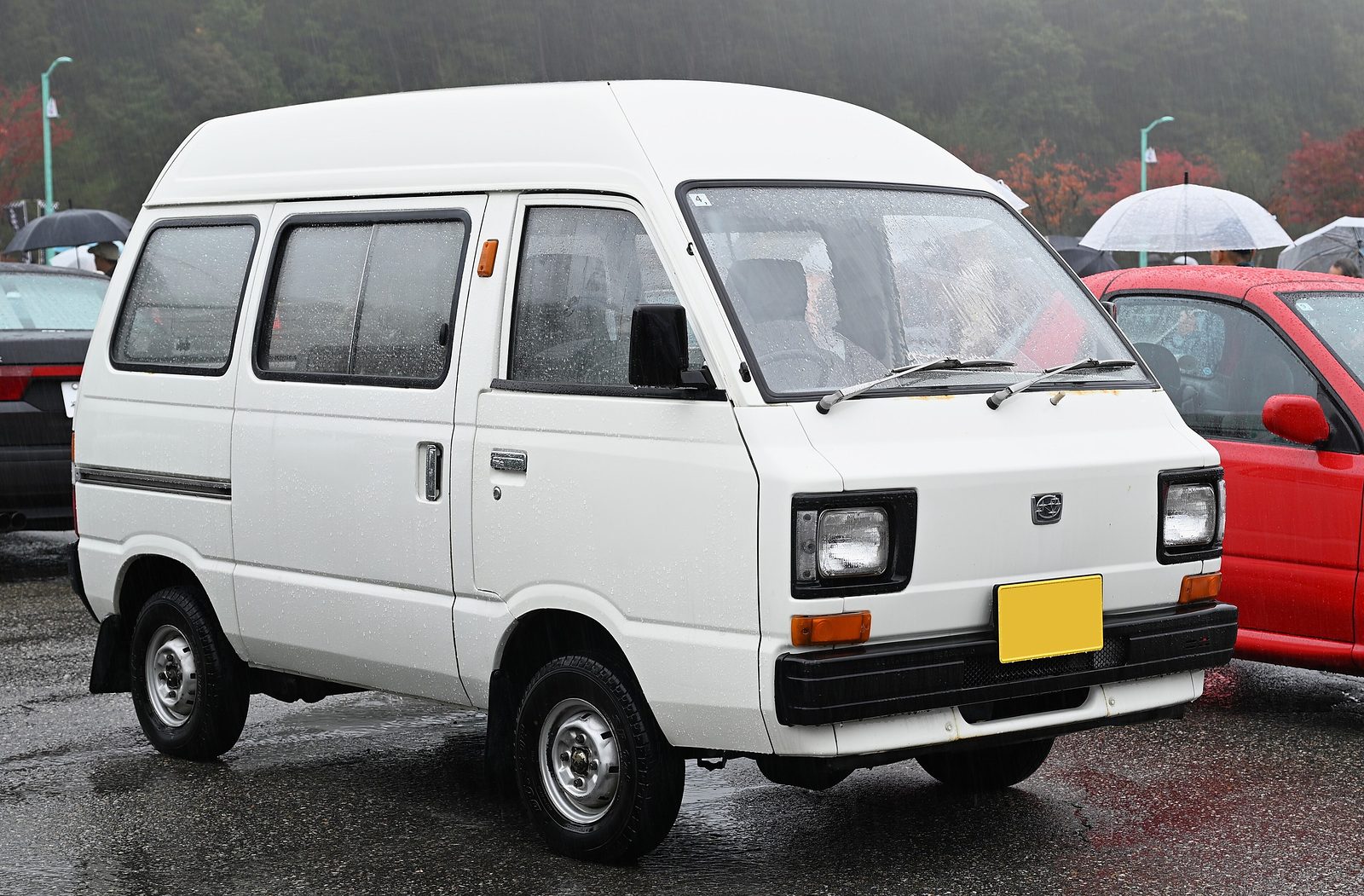
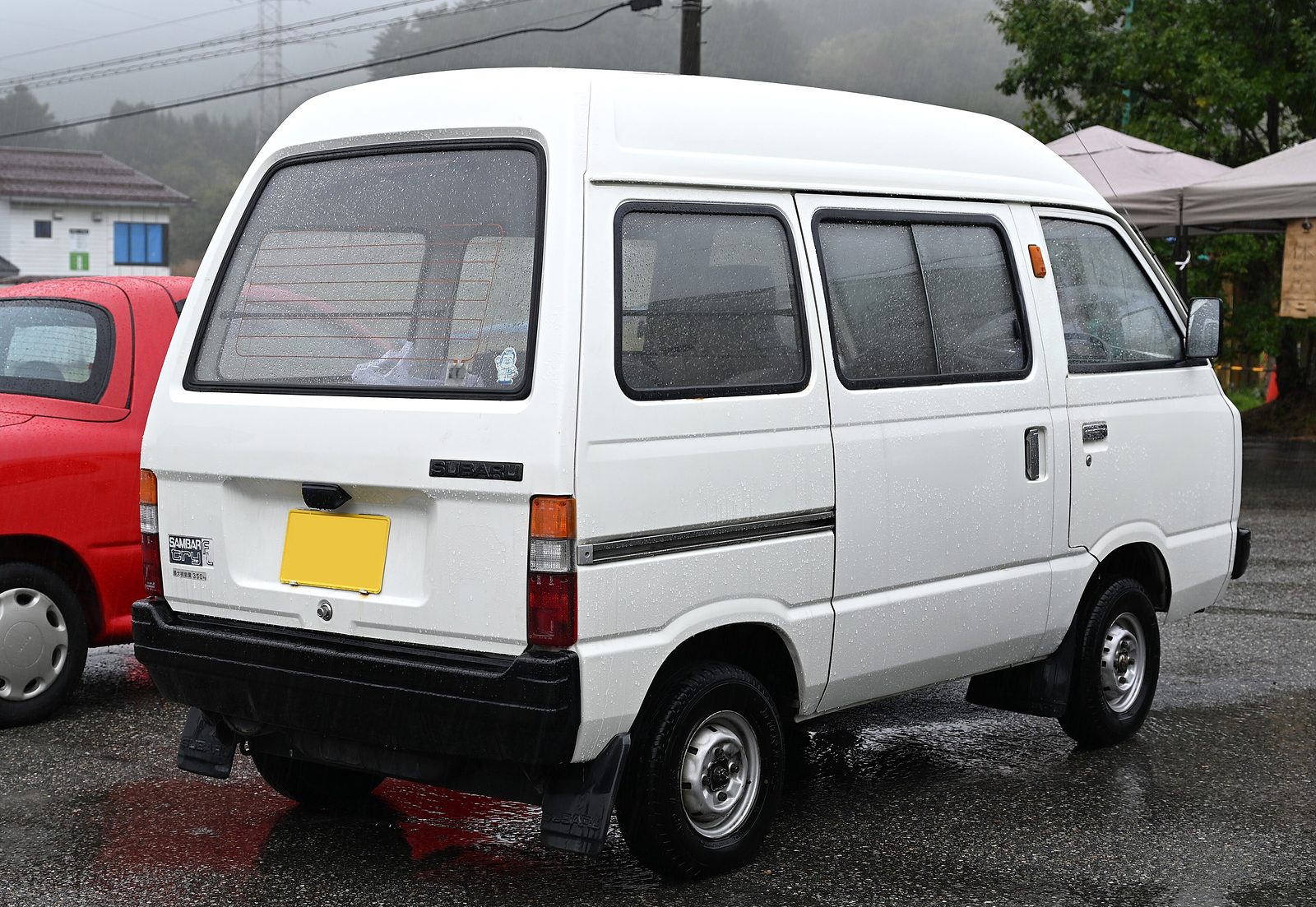
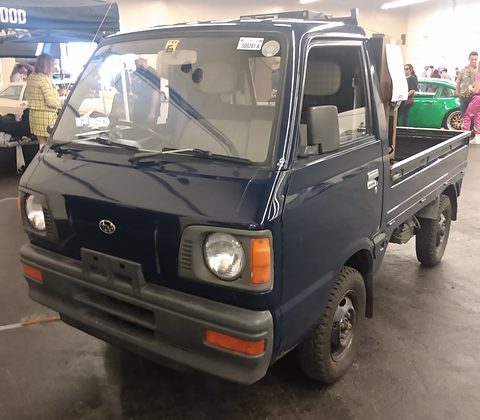
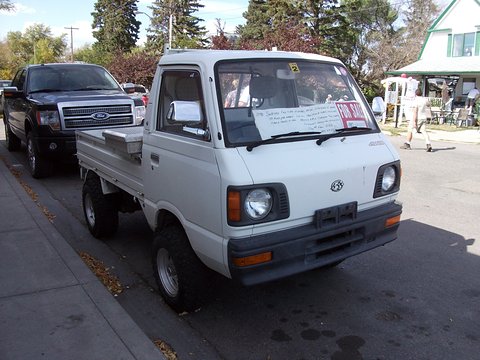
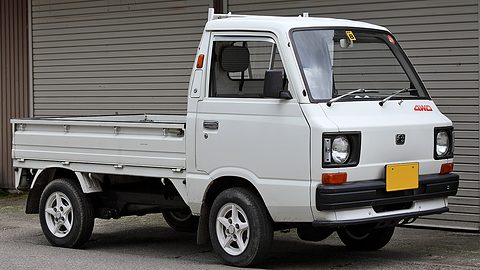
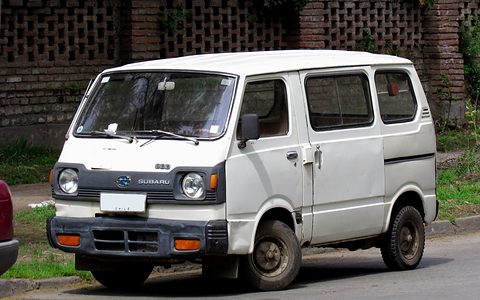
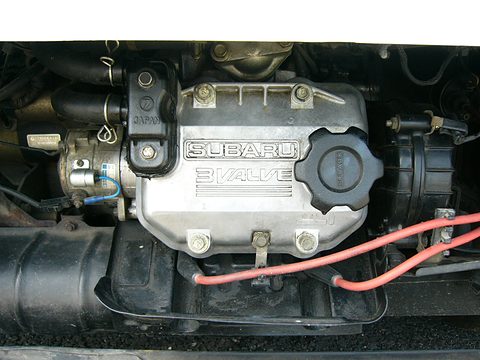
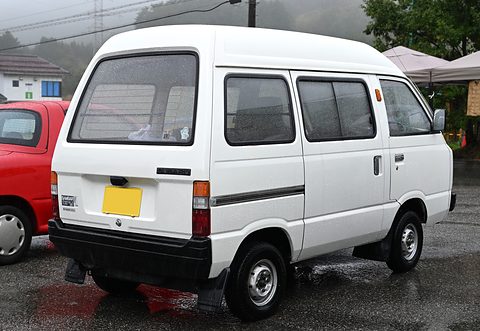
A new body came in 1966. In 1970 the Sambar took the Subaru R‑2’s reed-valve engine and padded dashboard, gained a dummy grille, and had its front doors hinged at the front.source 3source 1 In February 1973 the third generation, named the “Gōriki”, or Herculean, Sambar after its advertising, was water-cooled; in February 1976 a four-stroke twin replaced the two-stroke to meet the emission rules.source 3source 1 The kei rules then grew. A stop-gap “Sambar 5” of May 1976 had 490 cc in the old body with big bumpers, and in 1977 a wider body and 550 cc brought it fully within the new rules; abroad these were the Subaru 500 and 600.source 3source 1 In 1980 came part-time four-wheel drive, the first on a kei truck or kei cab-over van. Farmers welcomed it, and the rest of the class followed.source 3source 1
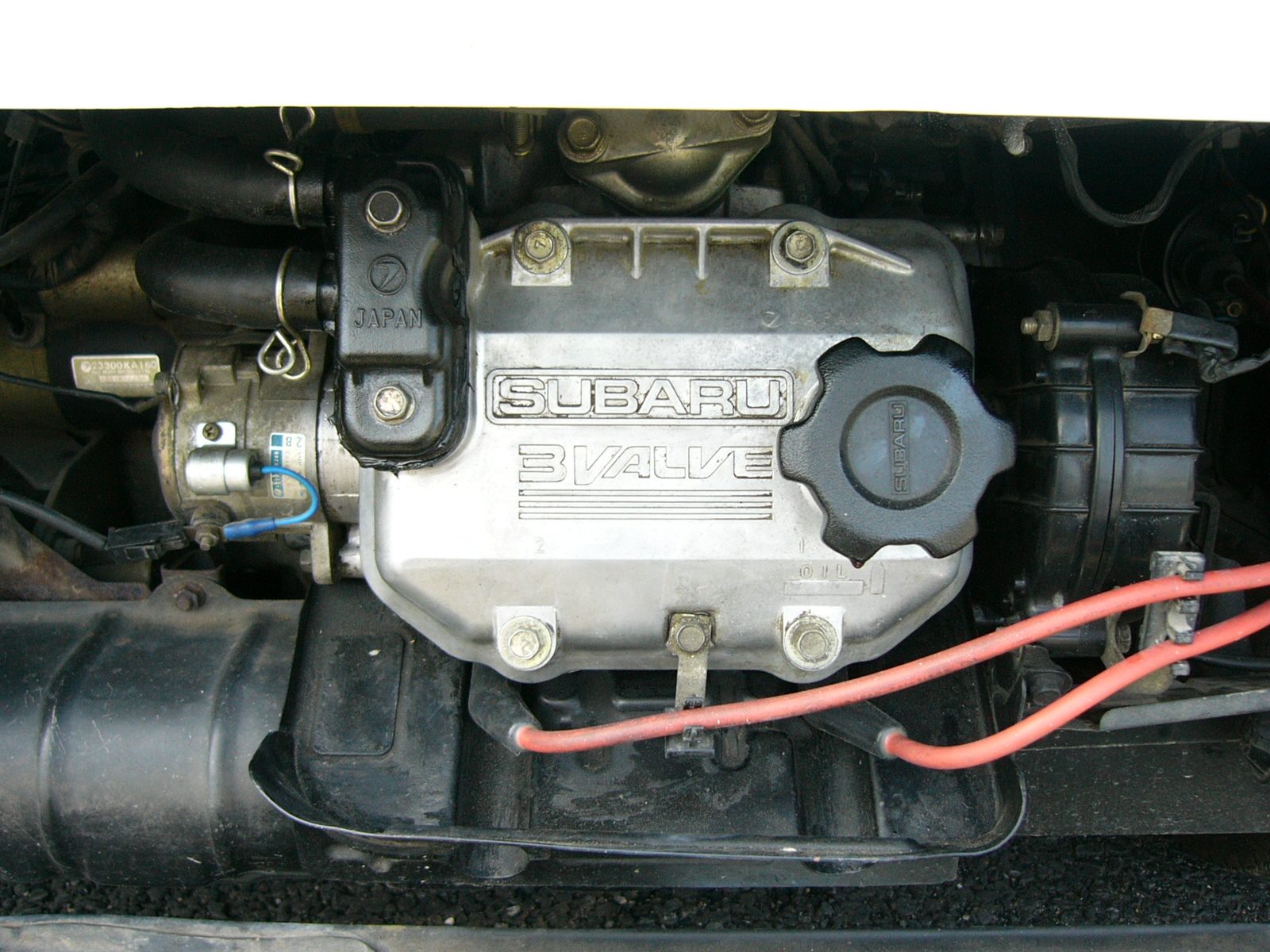
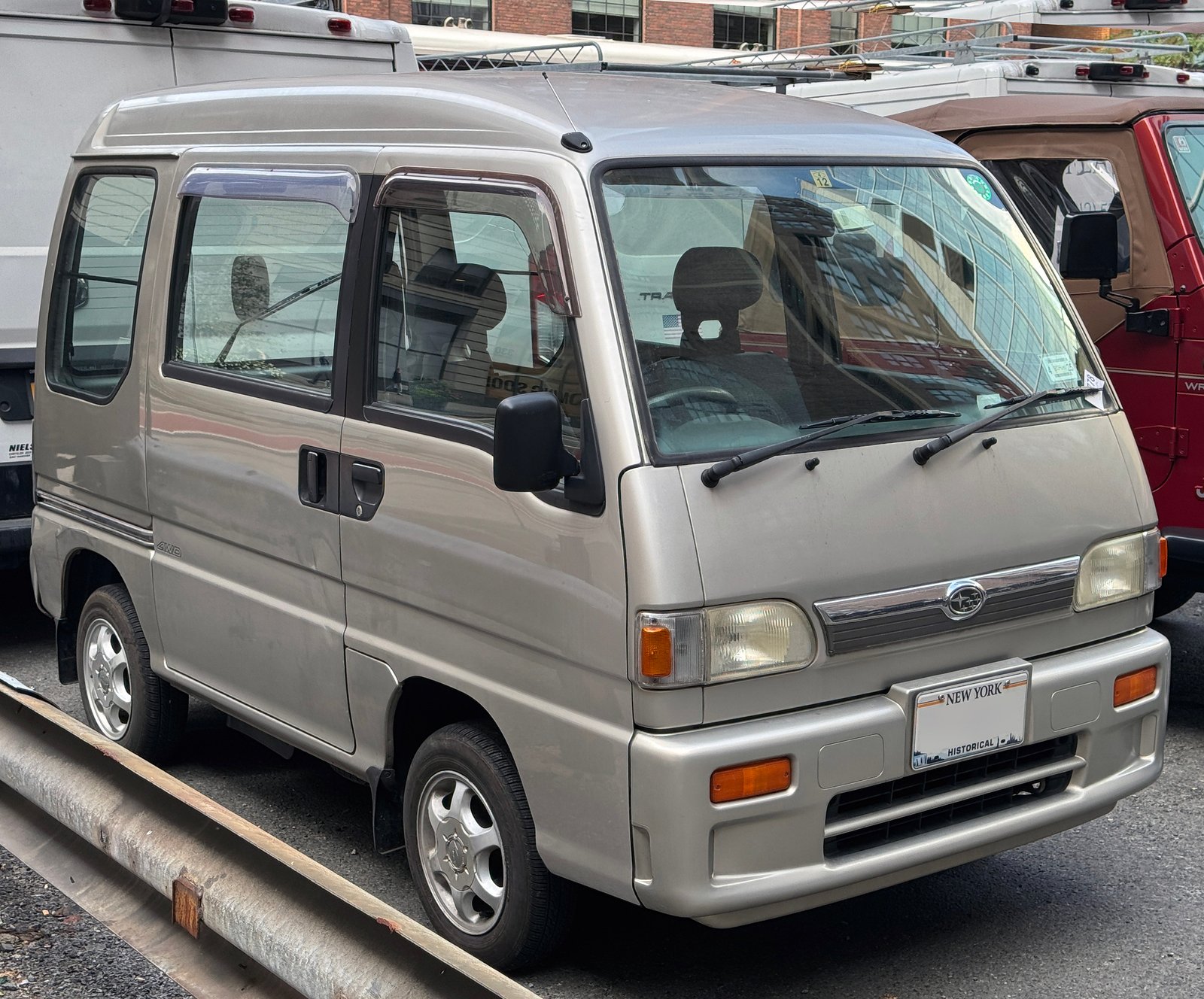
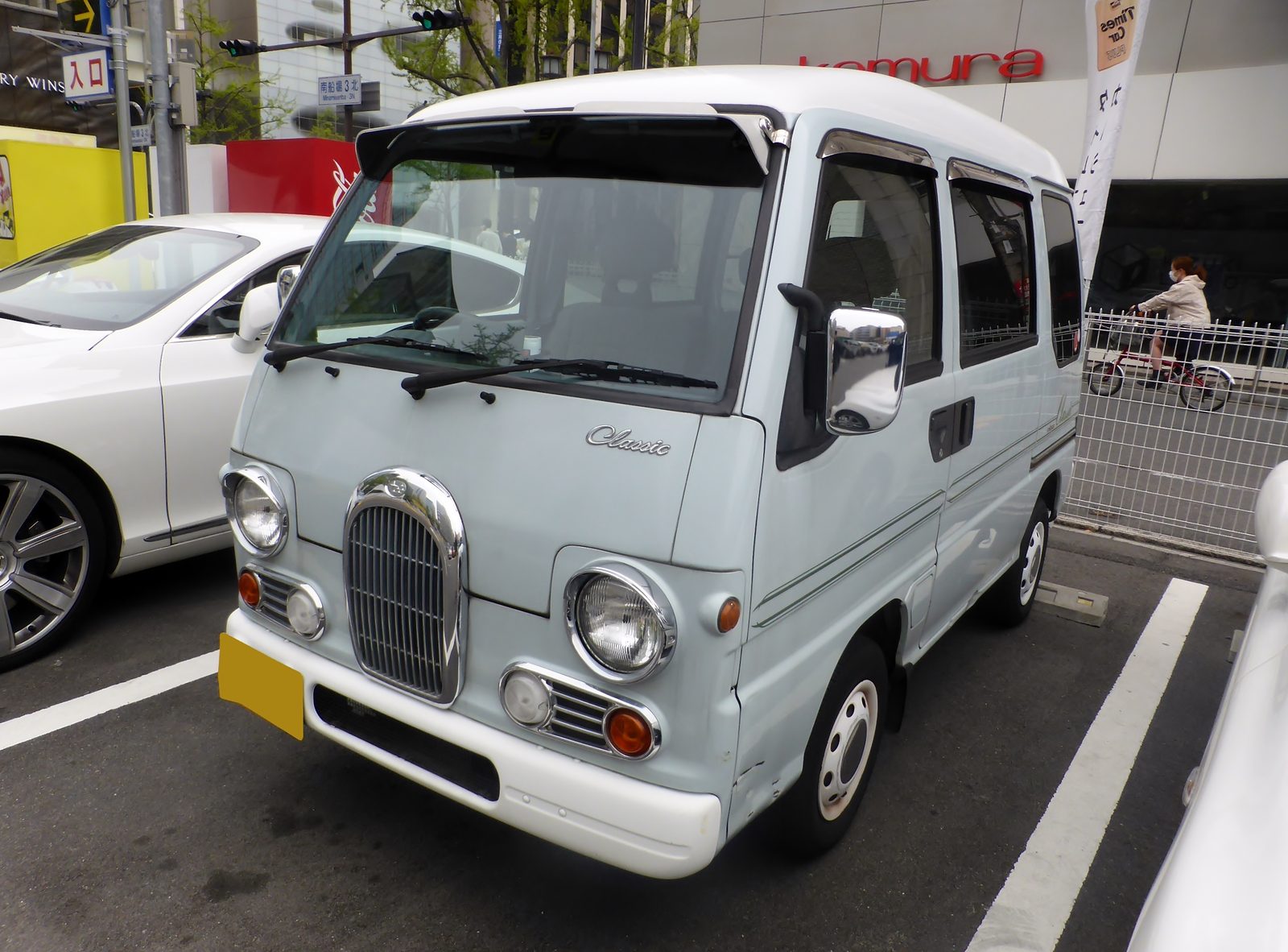
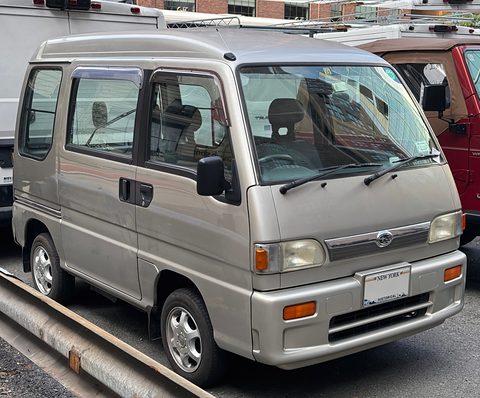
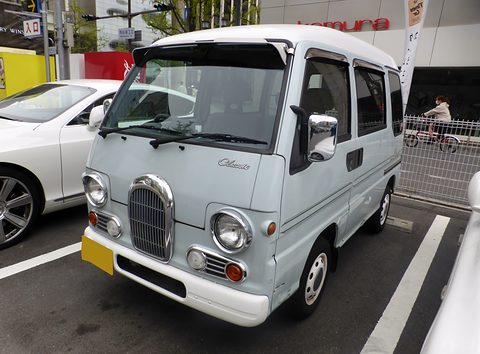
Through every Subaru generation the engine stayed at the back, under the load floor, driving the rear wheels. That and the independent suspension earned it its nickname, 農道のポルシェ, the Porsche of farm roads; J-CAST compared the layout with the Porsche 911’s.source 1source 4 The fourth generation of 1982 brought the Sambar Try passenger van; the fifth, in 1990, the 660 cc rules and a four-cylinder engine, with the retro Dias Classic and, from 1995, an electric Sambar; the sixth, in 1999, the wider kei body.source 3source 1 The national Akabō, or “red cap”, owner-driver delivery cooperative used Sambars almost exclusively, with specially strengthened engines.source 1source 5
The last Subaru
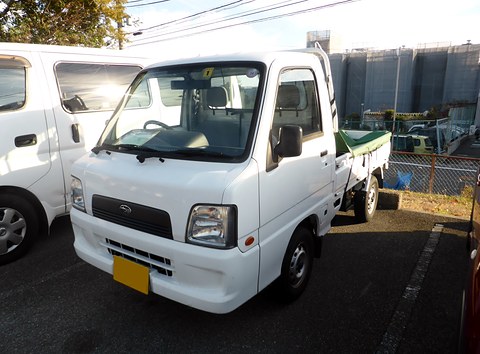
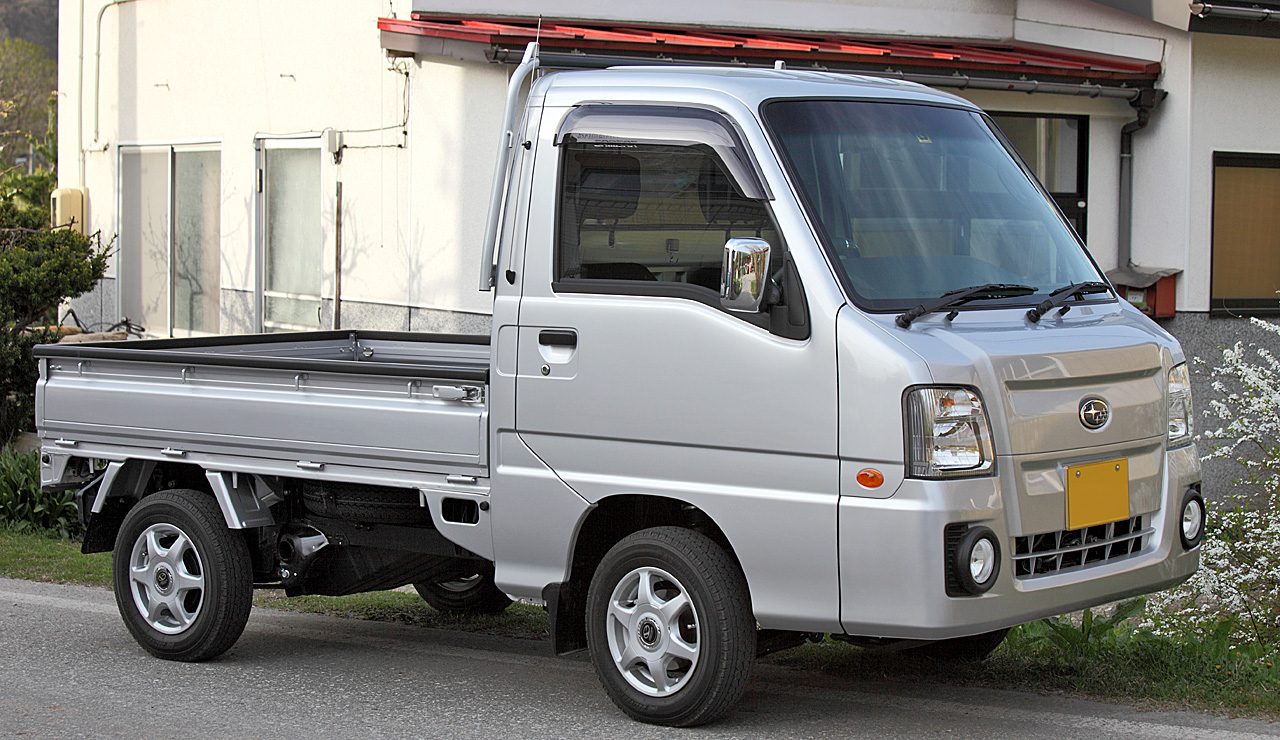
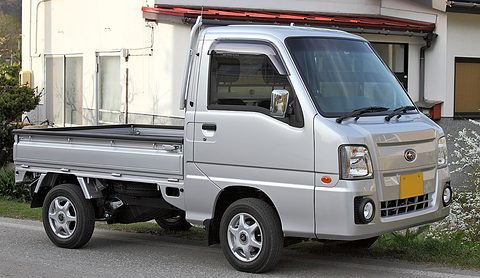
In April 2008, after Toyota took a stake in it, Fuji Heavy Industries said it would gradually leave the kei market and take kei models from Toyota’s subsidiary Daihatsu, to concentrate on its four-wheel-drive cars with flat-four engines.source 3source 4 Fans and the Akabō cooperative protested, and orders rose in the final months.source 5source 4 A 50th-anniversary “WR Blue Limited” edition of 1,000 trucks and vans, in July 2011, sold out.source 1source 4 The last Subaru-built Sambar came off the line on 29 February 2012, after a ceremony the day before. It ended 54 years of Subaru kei production that had begun with the 360 on 3 March 1958, and no other kei vehicle still had a rear engine and rear drive.source 1source 6source 3source 4 In about 51 years Subaru had built about 3.7 million Sambars.source 6
From 2 April 2012 the Sambar was a Daihatsu Hijet with Subaru badges, its engine under the seats.source 3source 1 Fuji Heavy Industries converted the Gunma line to build the Subaru BRZ and the Toyota 86.source 1