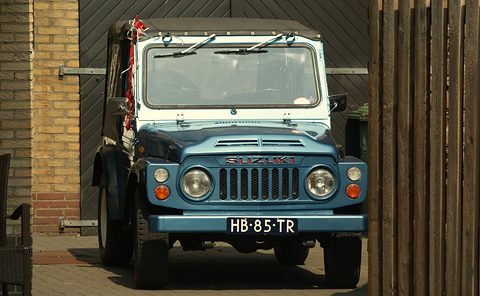
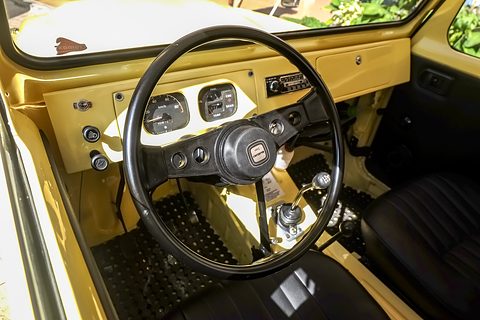
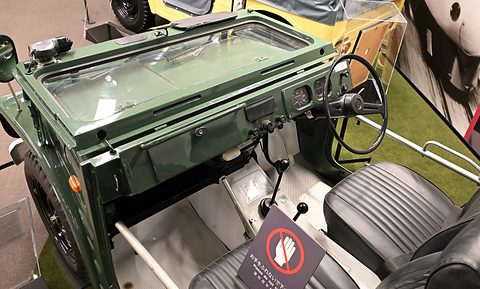
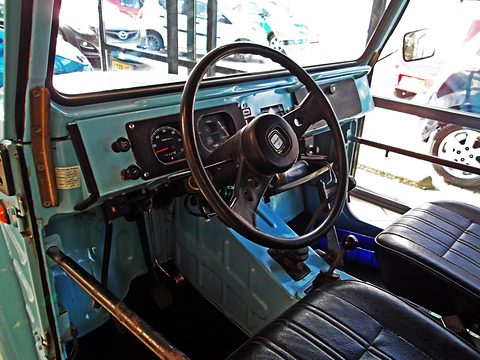
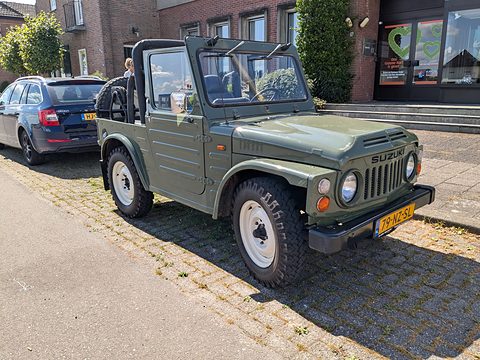
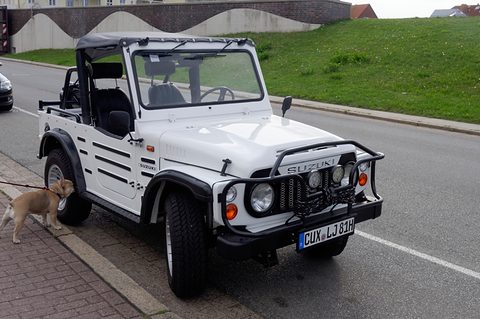
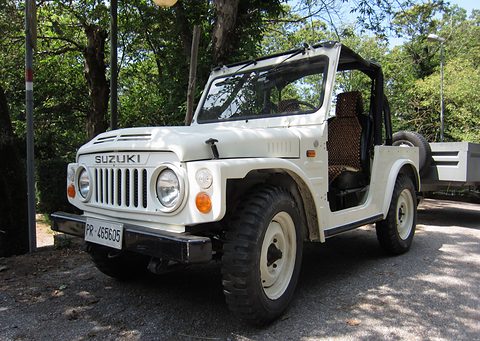
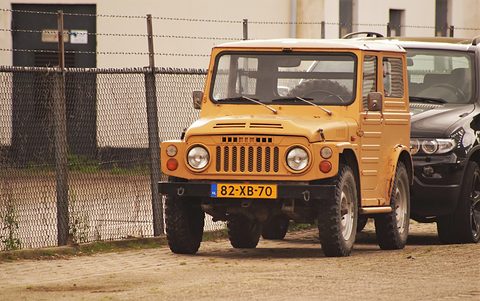
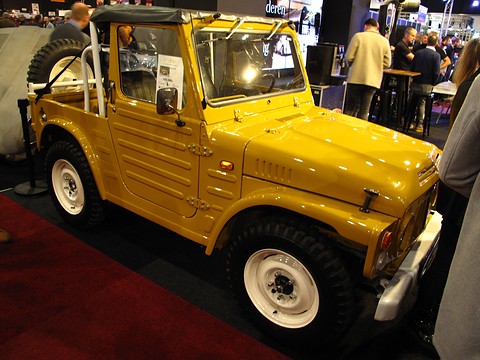
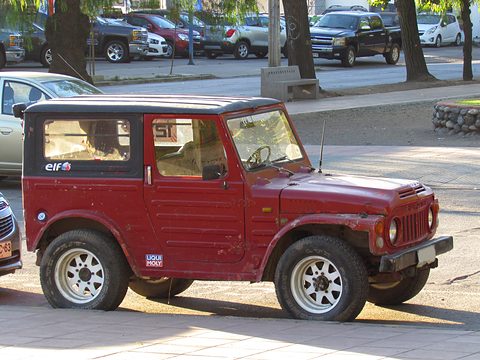
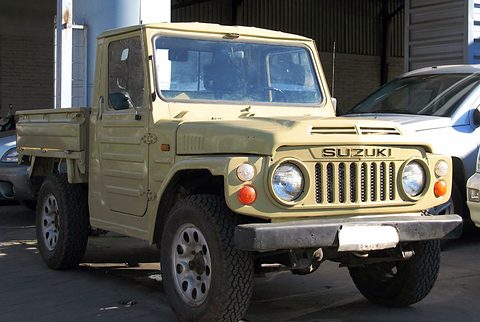
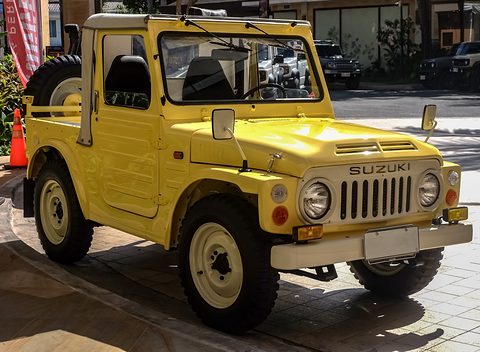
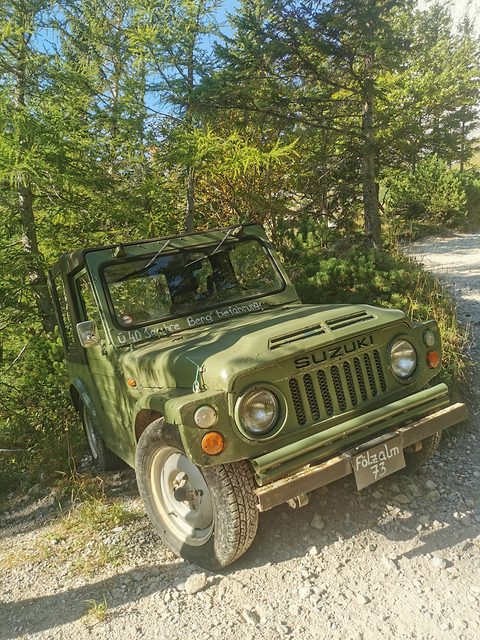
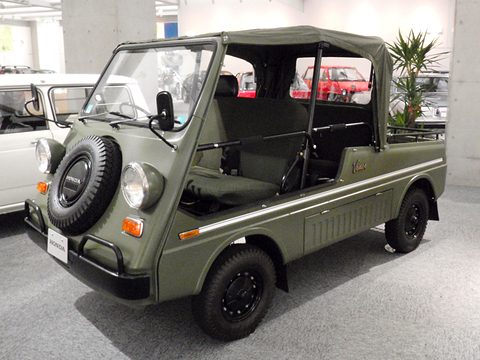
The story
History
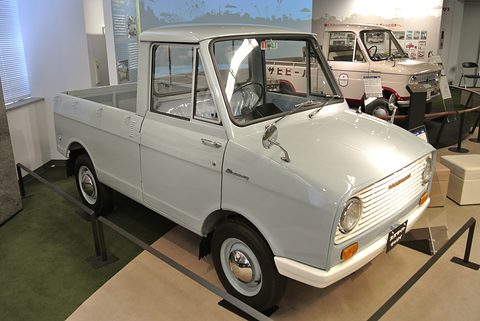
The design came from Hope Motor of Tokyo, whose founder, Ono Sadayoshi, built the Hope Star ON 4WD in 1967: a Jeep’s layout in kei size, with rigid axles at both ends, 16-inch wheels and a two-speed transfer box.source 3source 4 Hope could not build it in numbers. Ono offered it to Mitsubishi, which built Jeeps under licence and was not interested.source 3 Suzuki Osamu, later Suzuki’s long-serving chief, bought the manufacturing rights over opposition inside the company.source 2source 3 The two main sources give him different titles at the time, managing director in Suzuki’s account and head of Suzuki’s Tokyo sales company in Japanese Wikipedia’s, and he may have held both.source 2source 3 The price is said to have been about ¥12 million.source 3
もっと軽の特長が生かせるユニークな車を
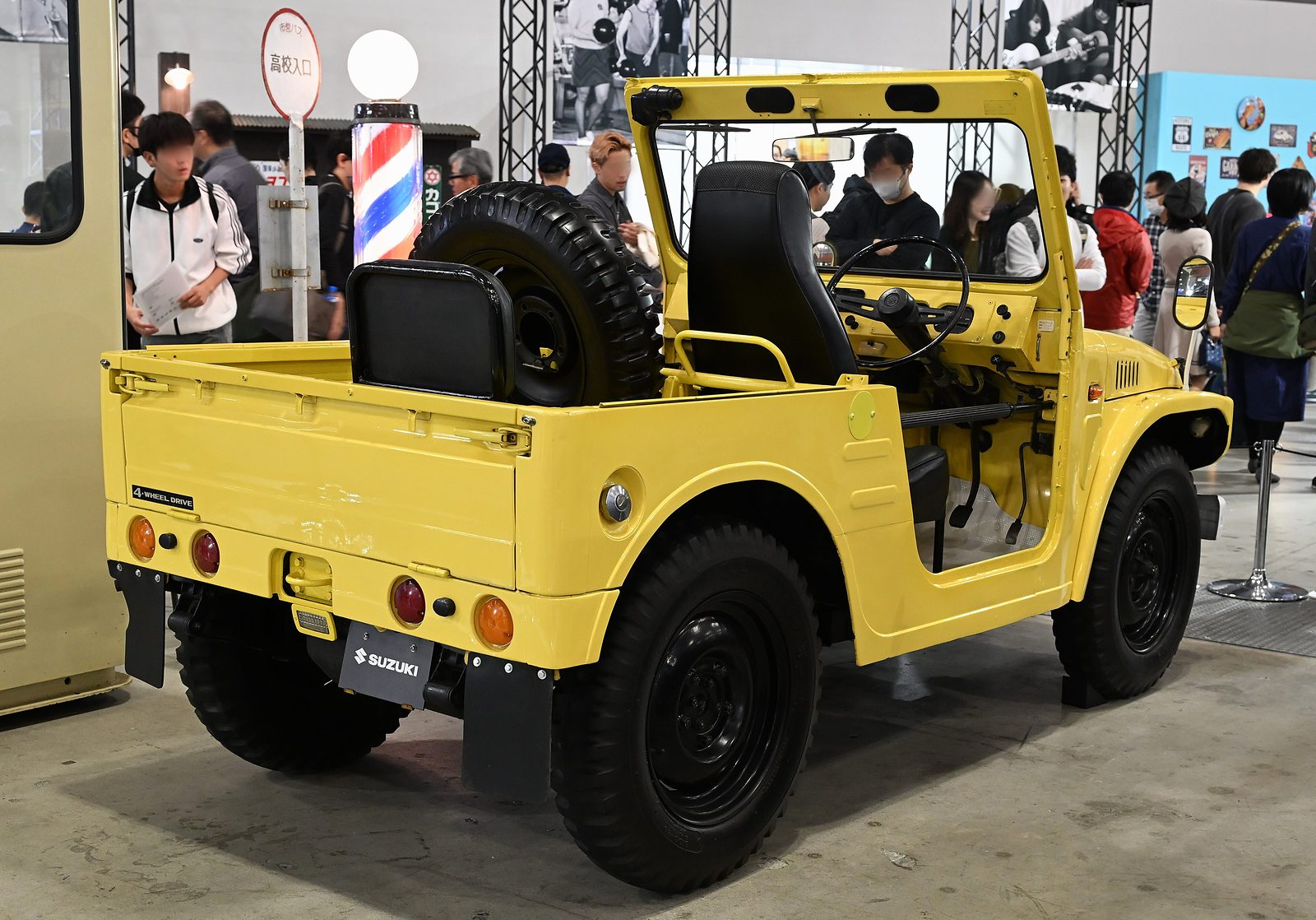
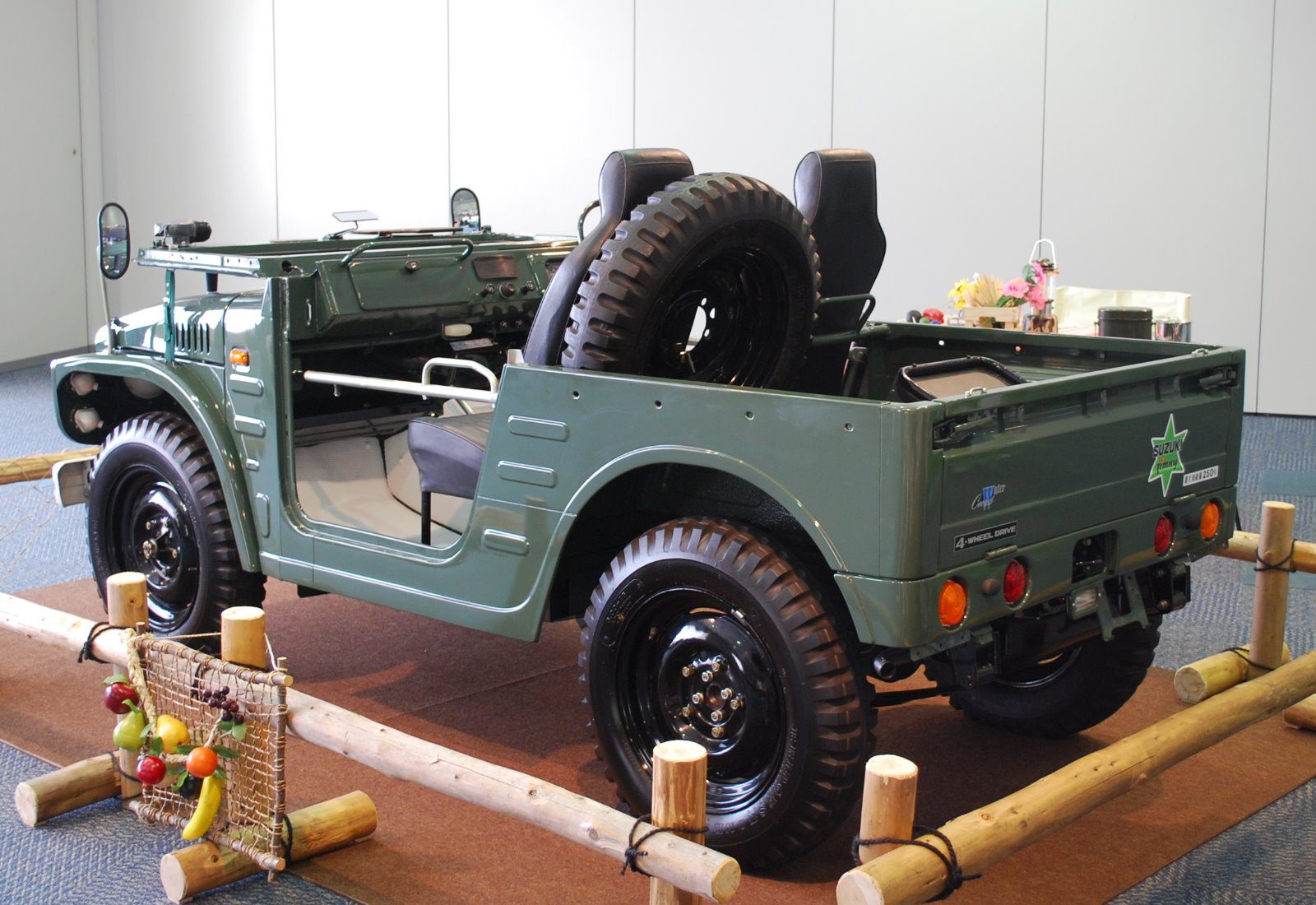
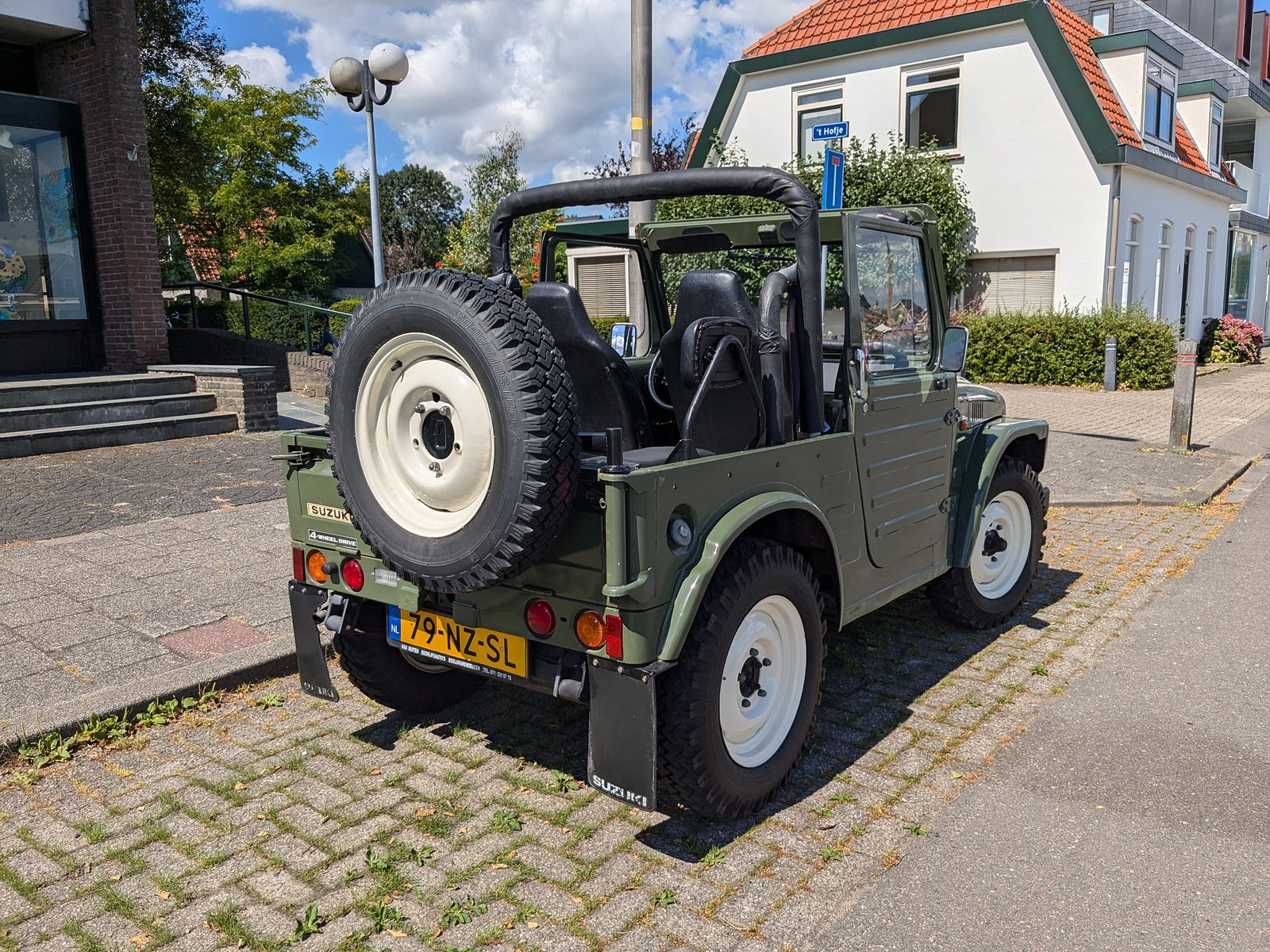
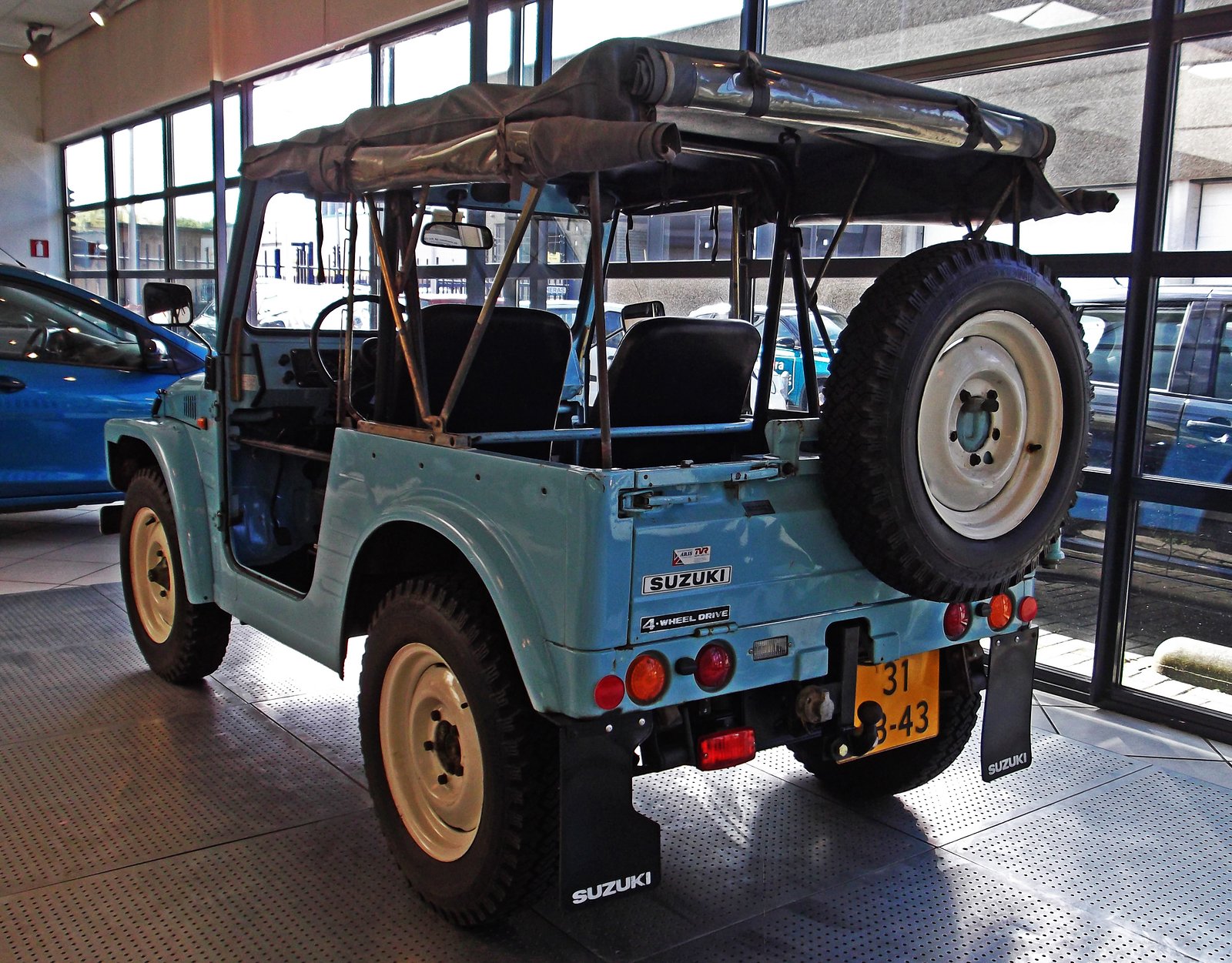
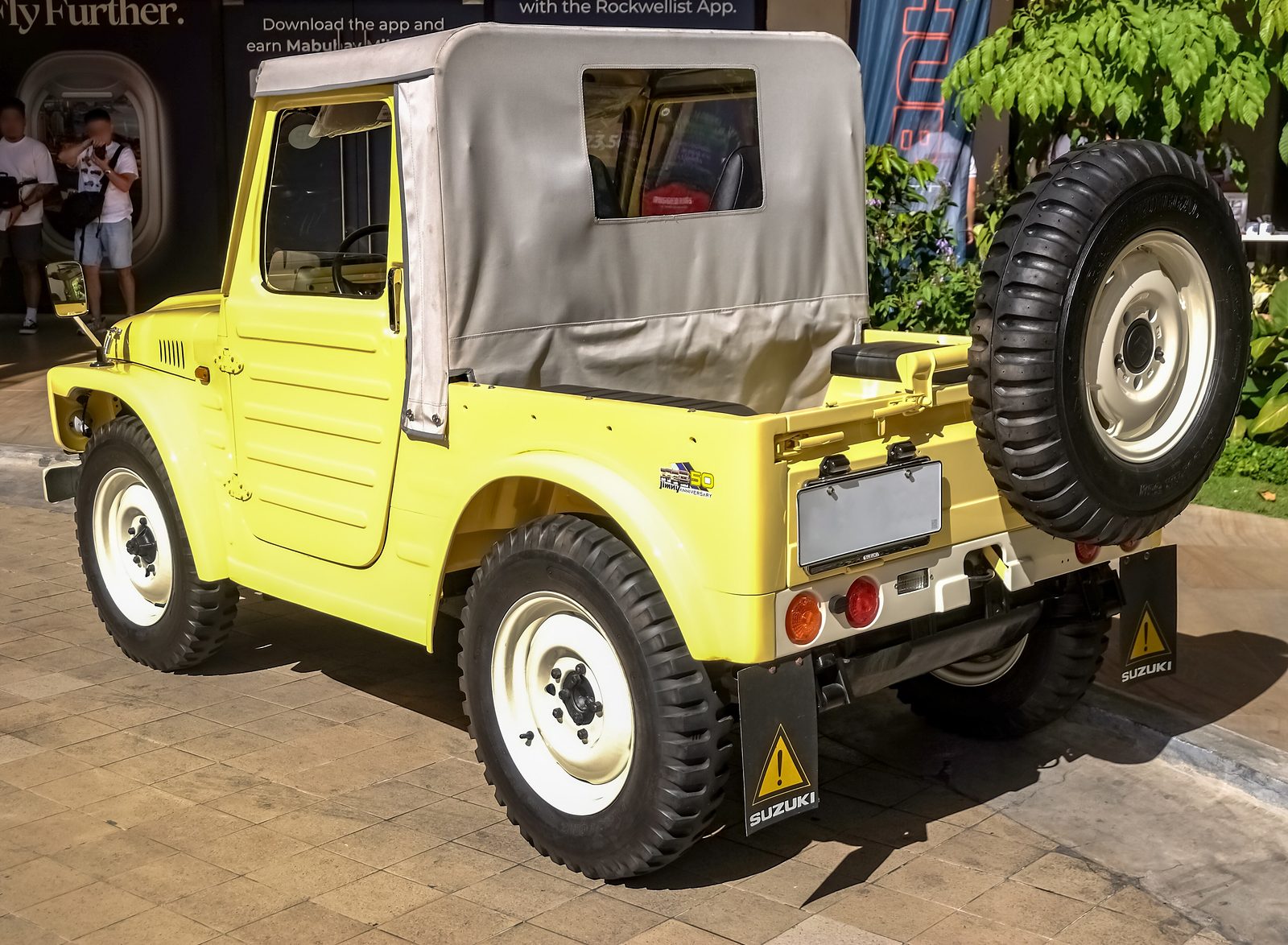
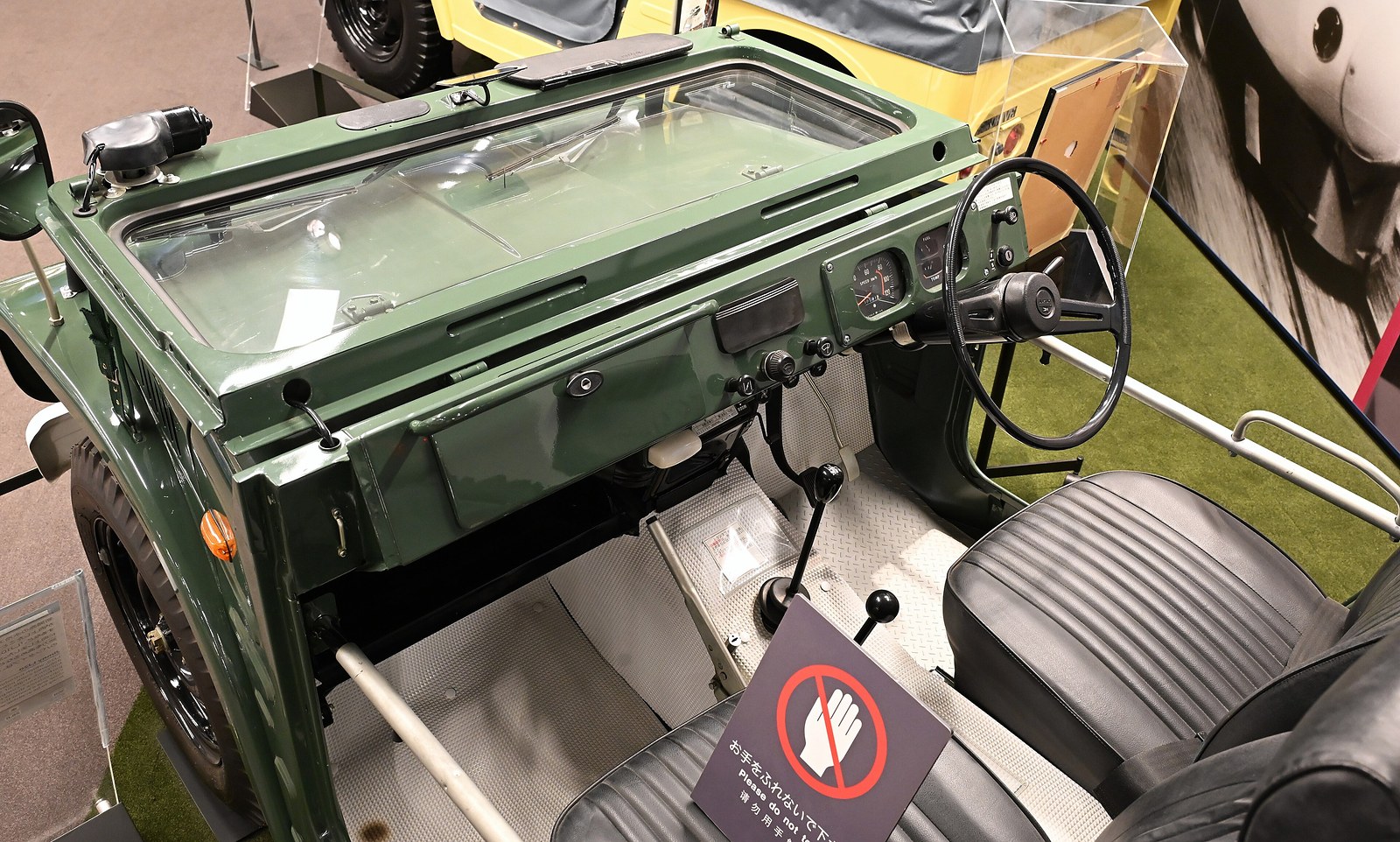
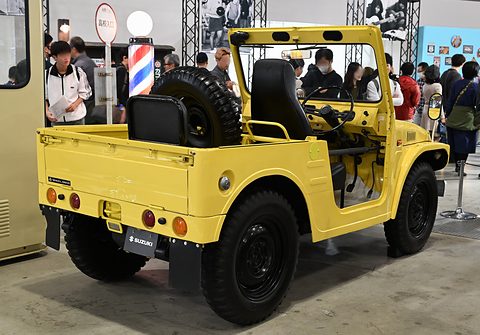
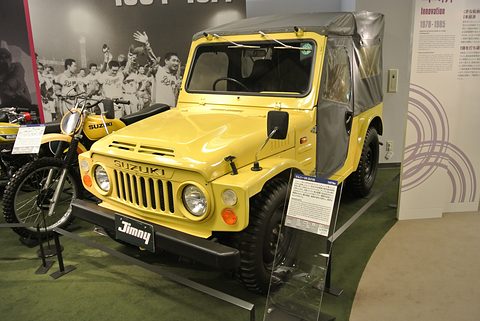
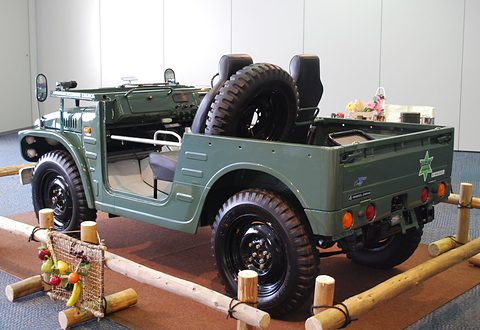
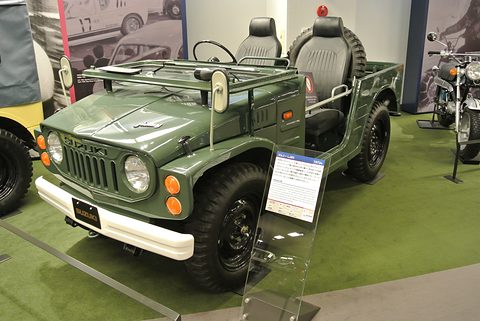
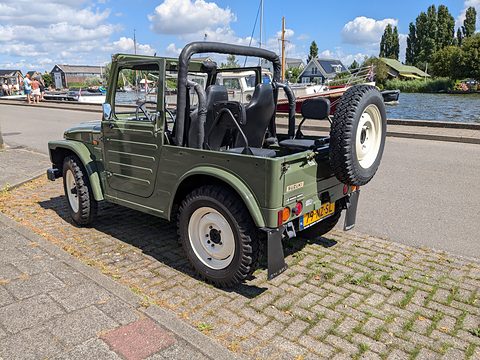
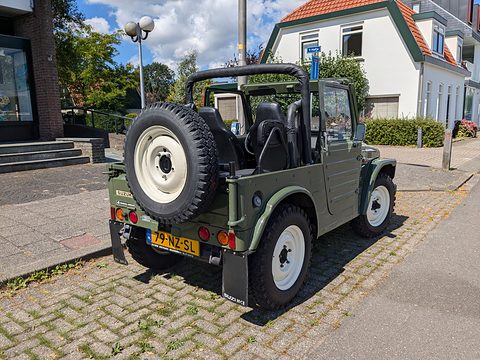
By Japanese Wikipedia’s account, executives mocked the purchase, one of them promising to walk round the company in a lantern parade if the thing sold.source 3 Suzuki re-engineered the ON for its own lines, with the engine and gearbox of its Carry truck, standard steel sections and existing Suzuki parts, and gave it sportier looks. A power take-off on the transfer box could drive a winch.source 3 To keep the car under 3 m (118 in) and inside the kei class, the spare wheel went inside the body, which left room for three seats rather than four.source 1
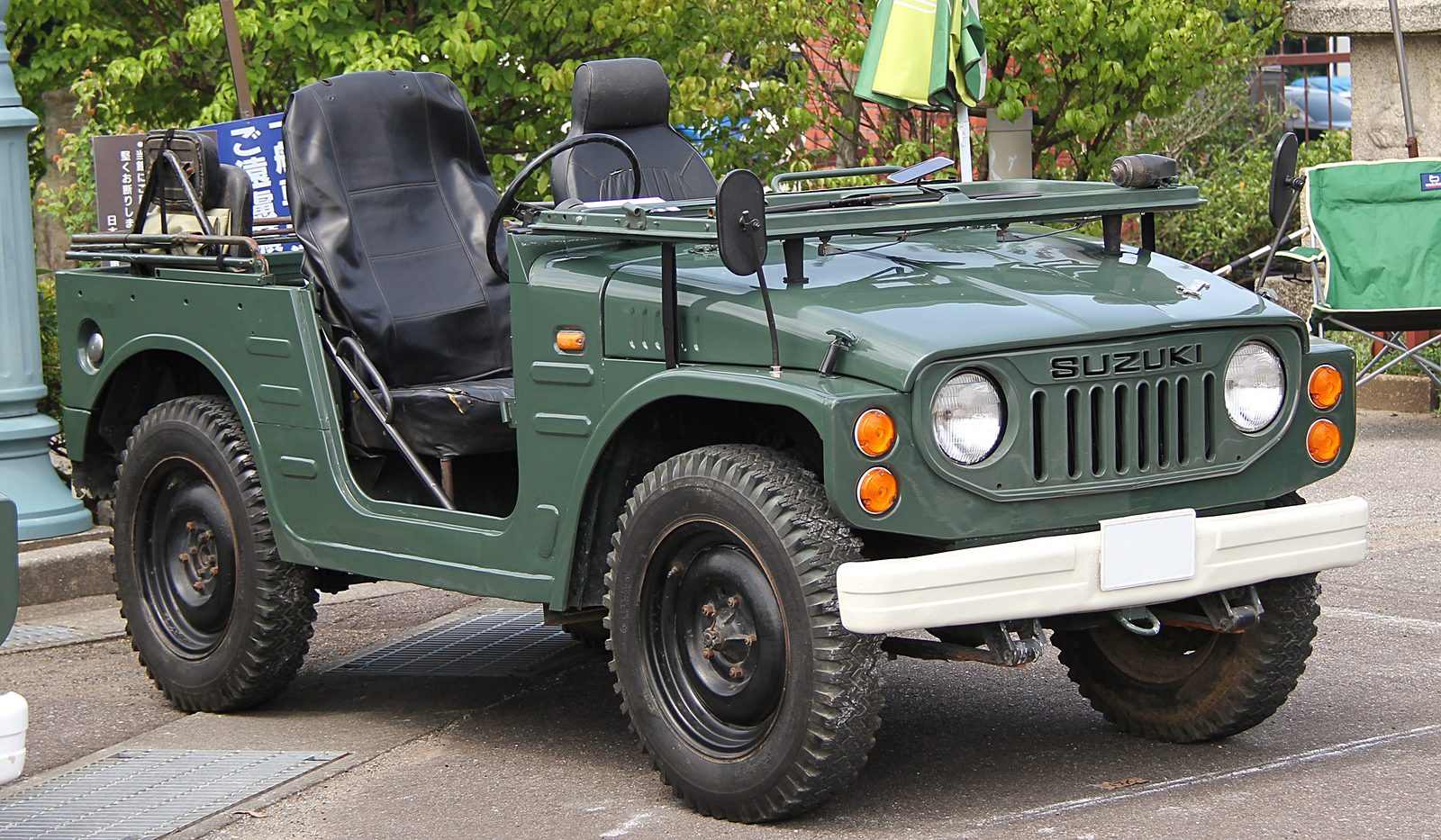
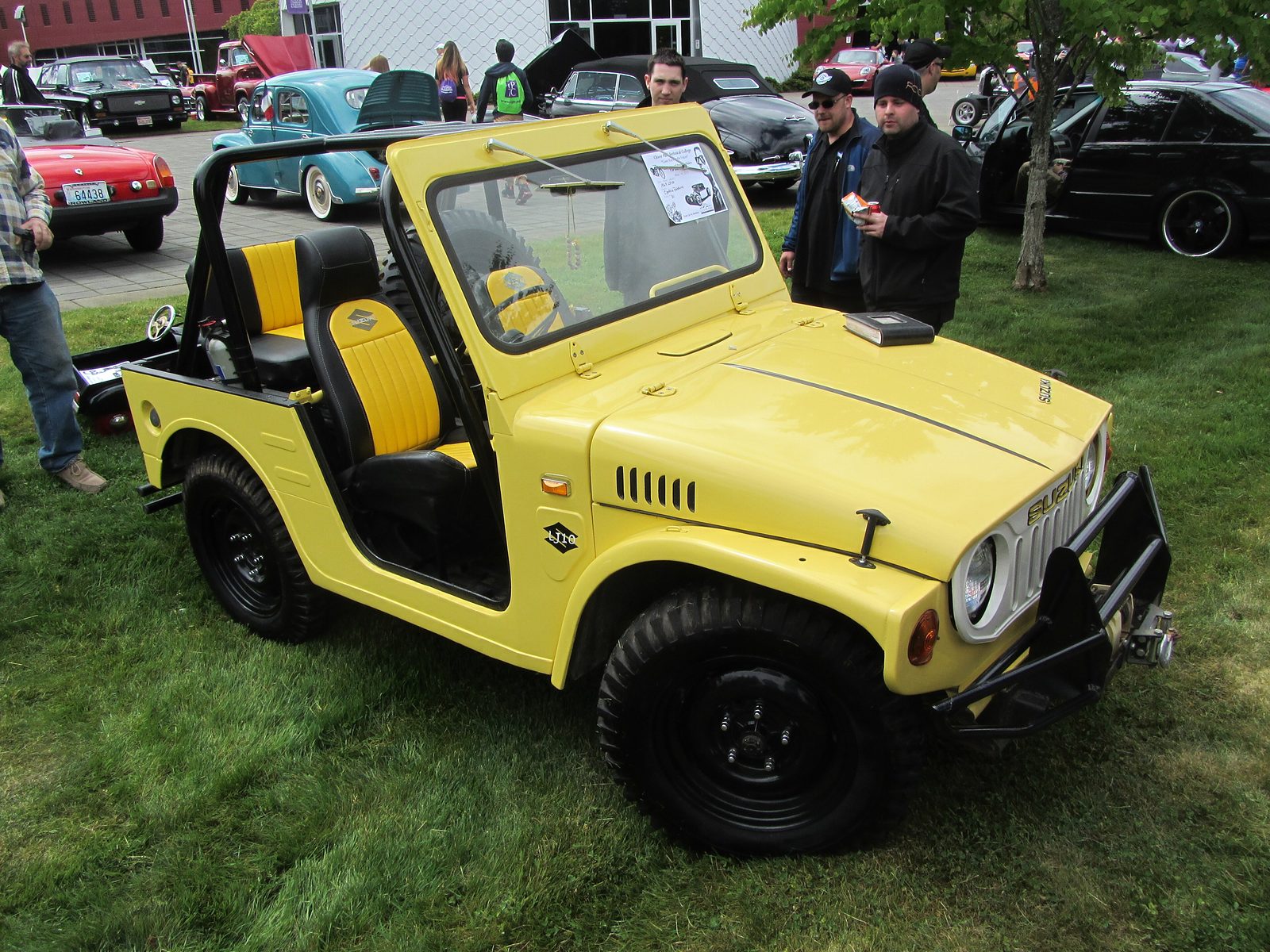
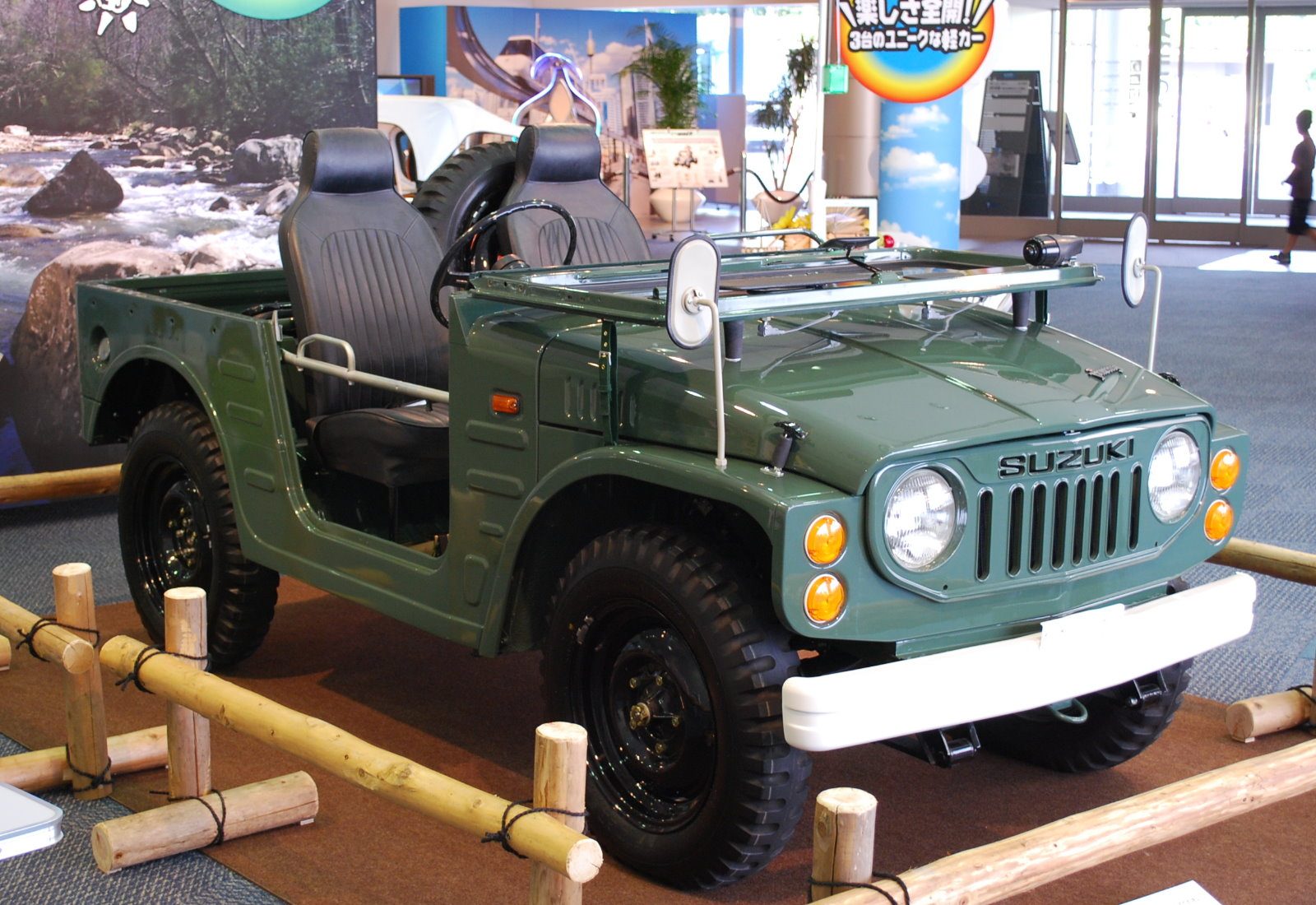
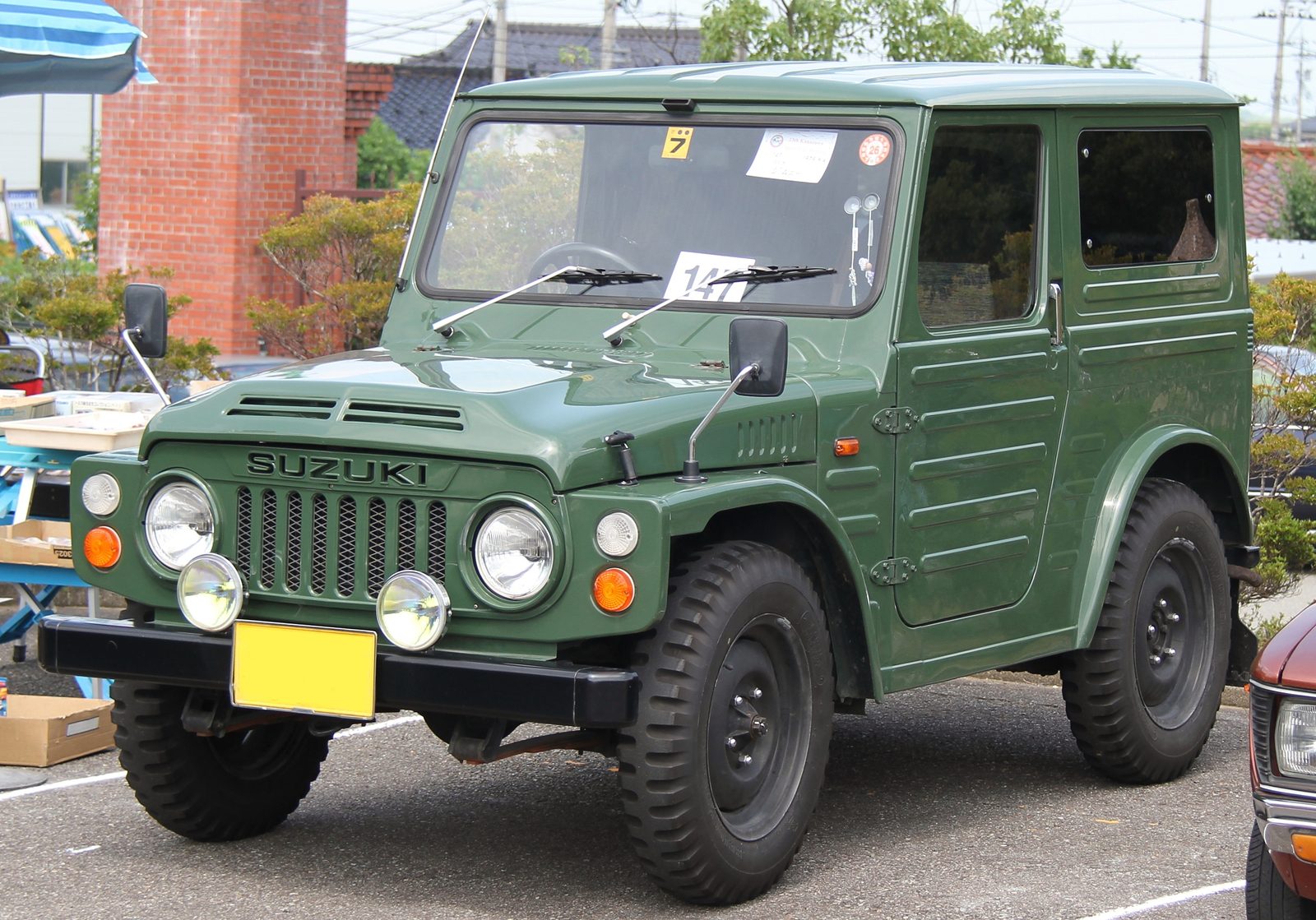
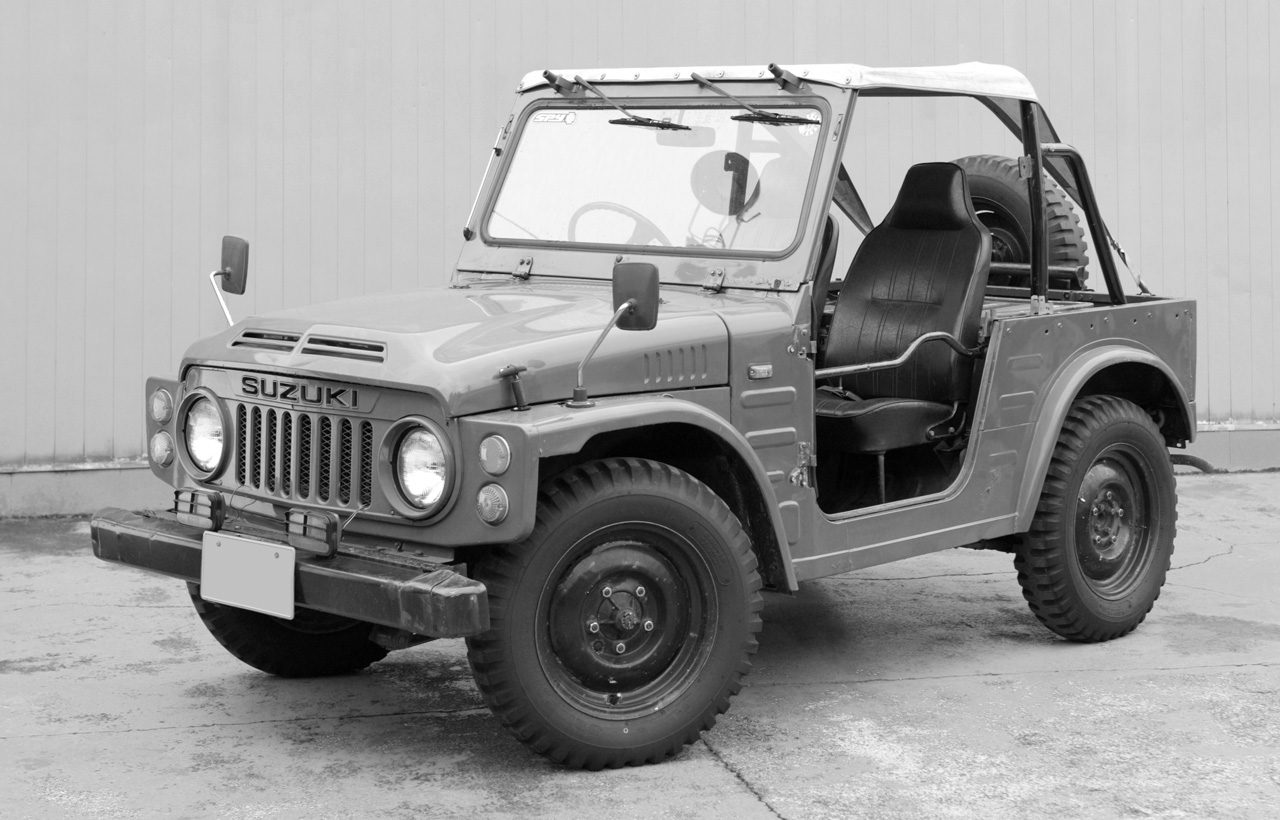
LJ10, 1970
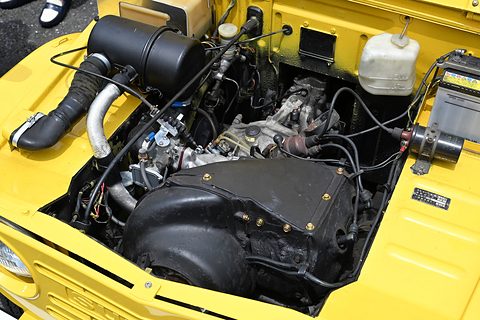
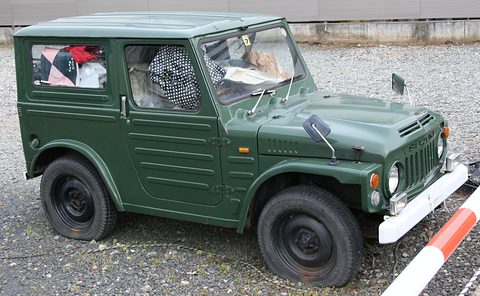
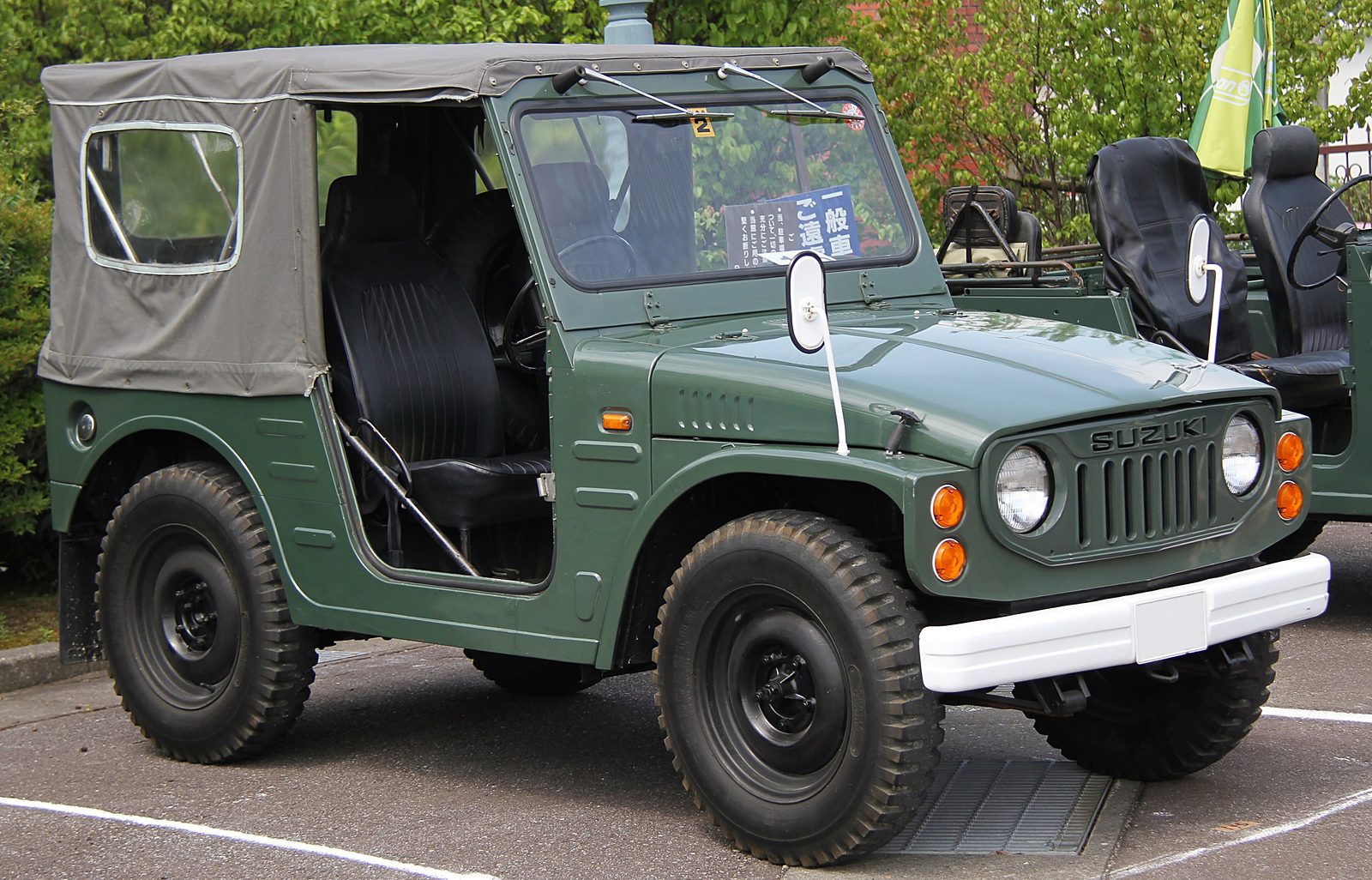
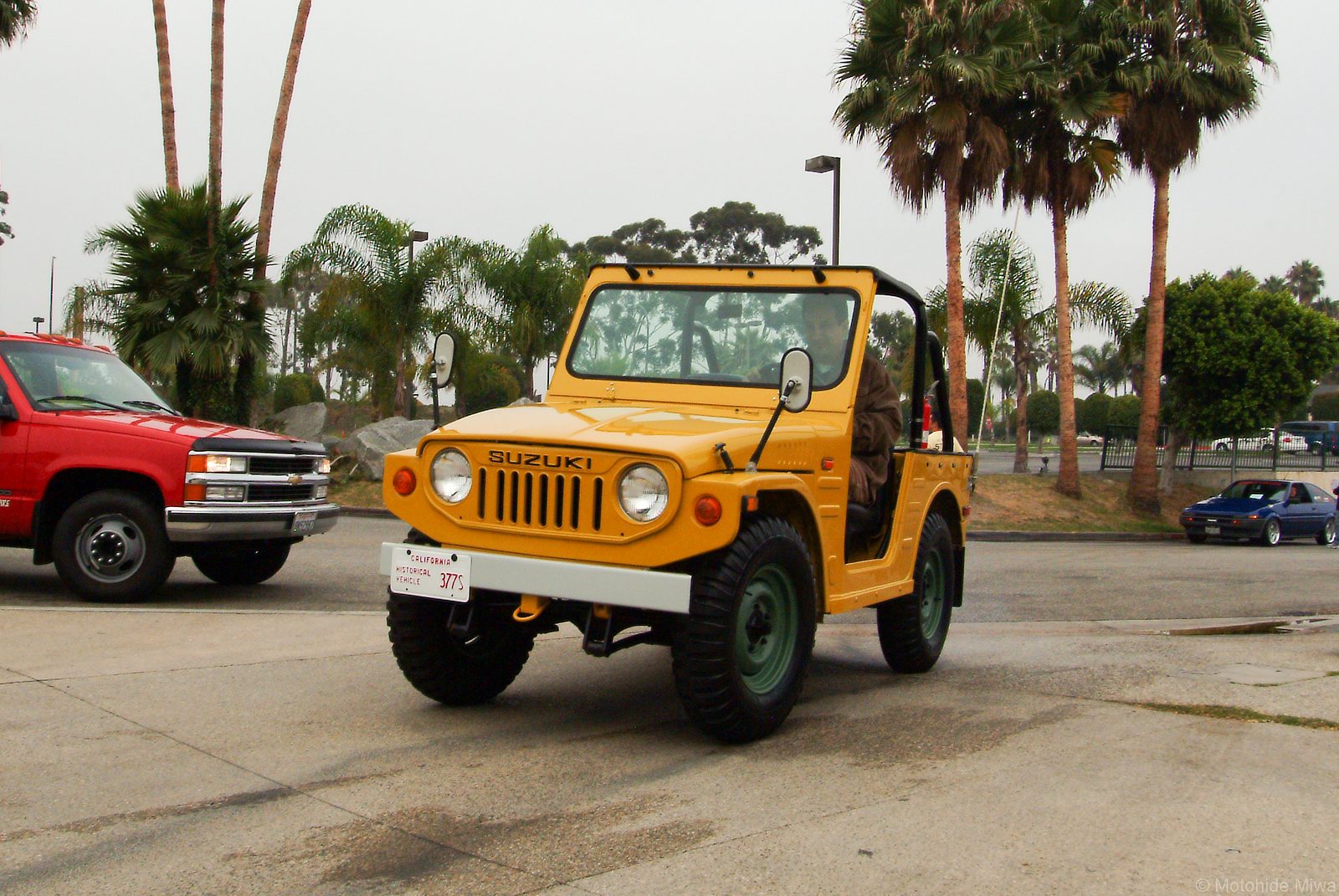
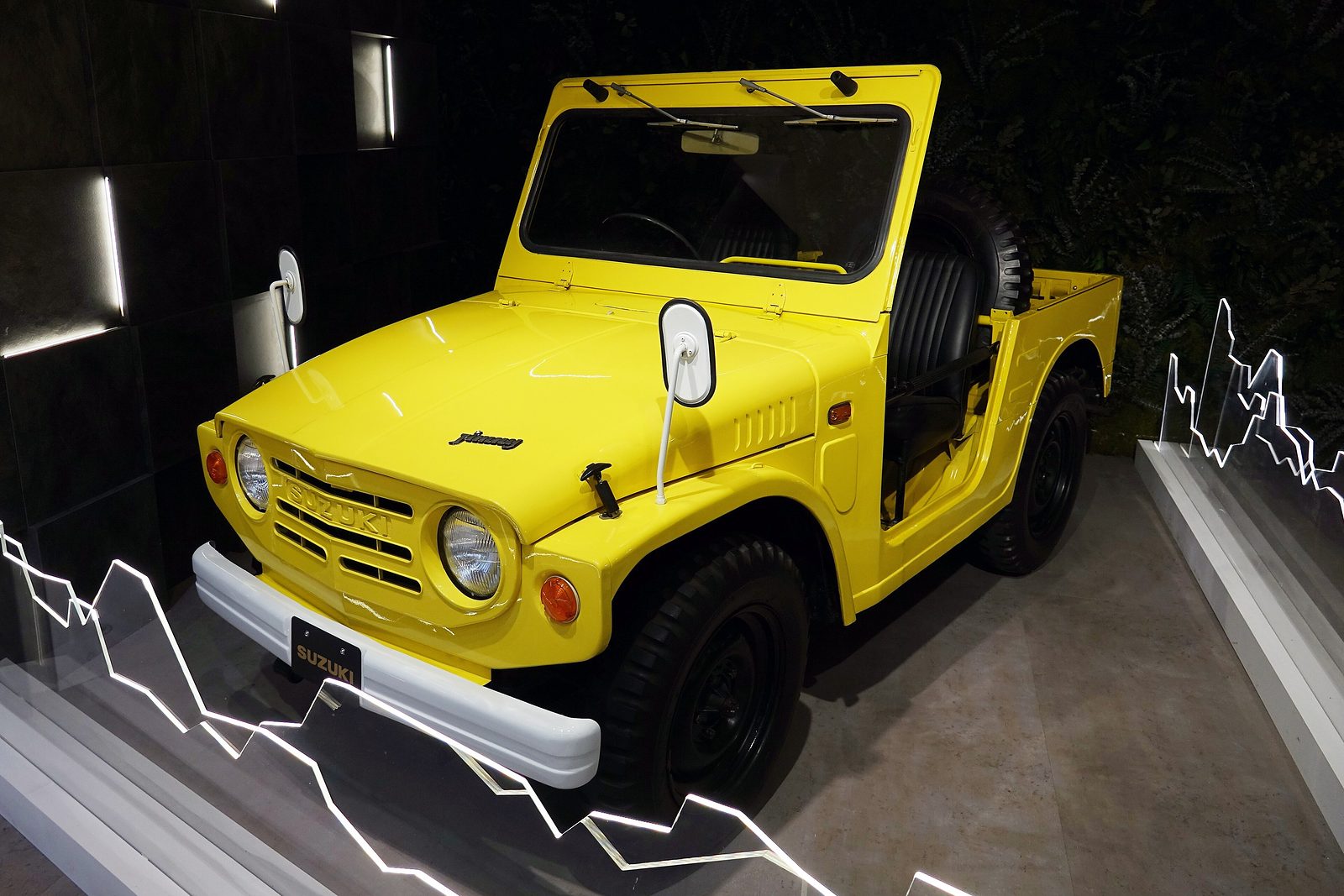
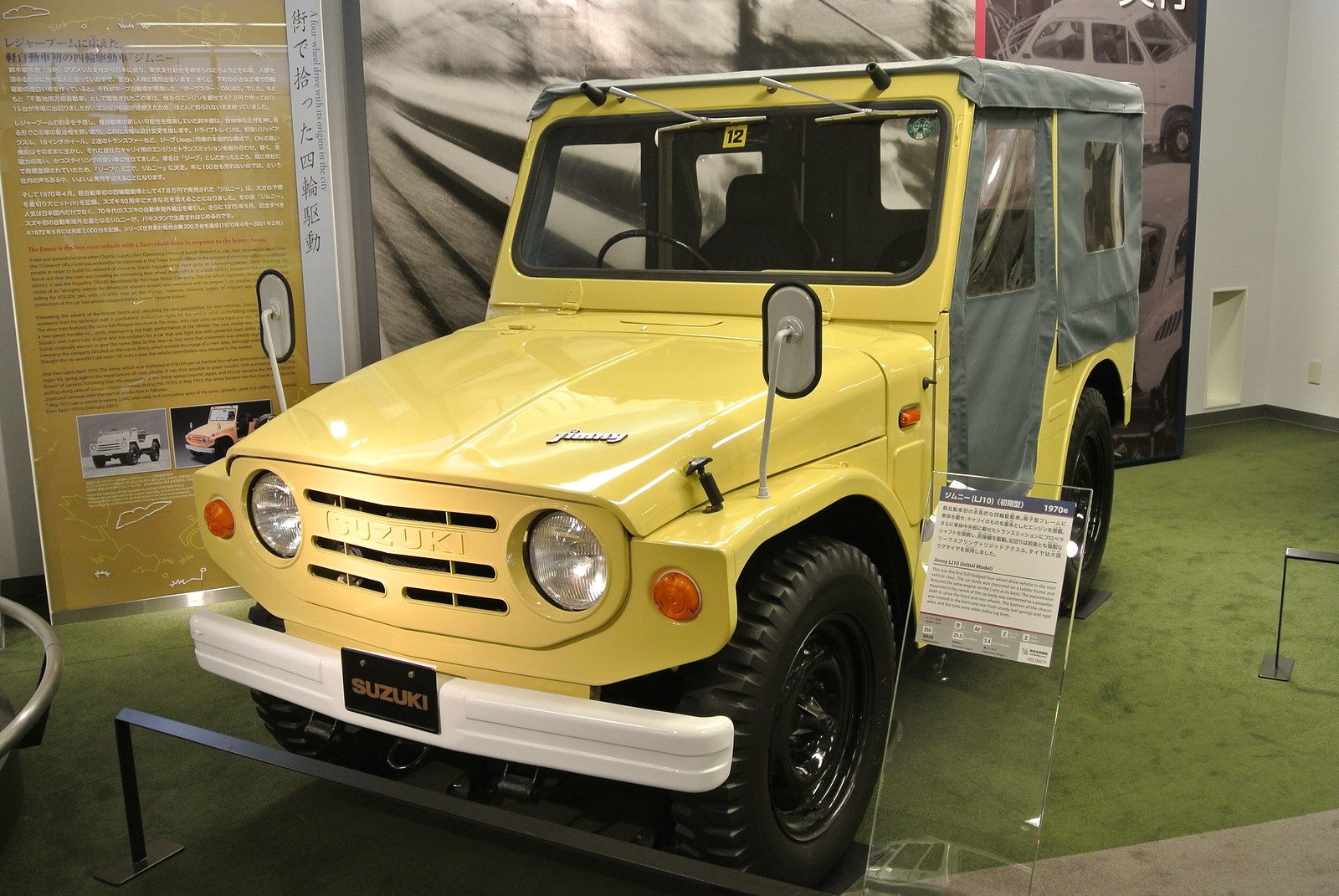
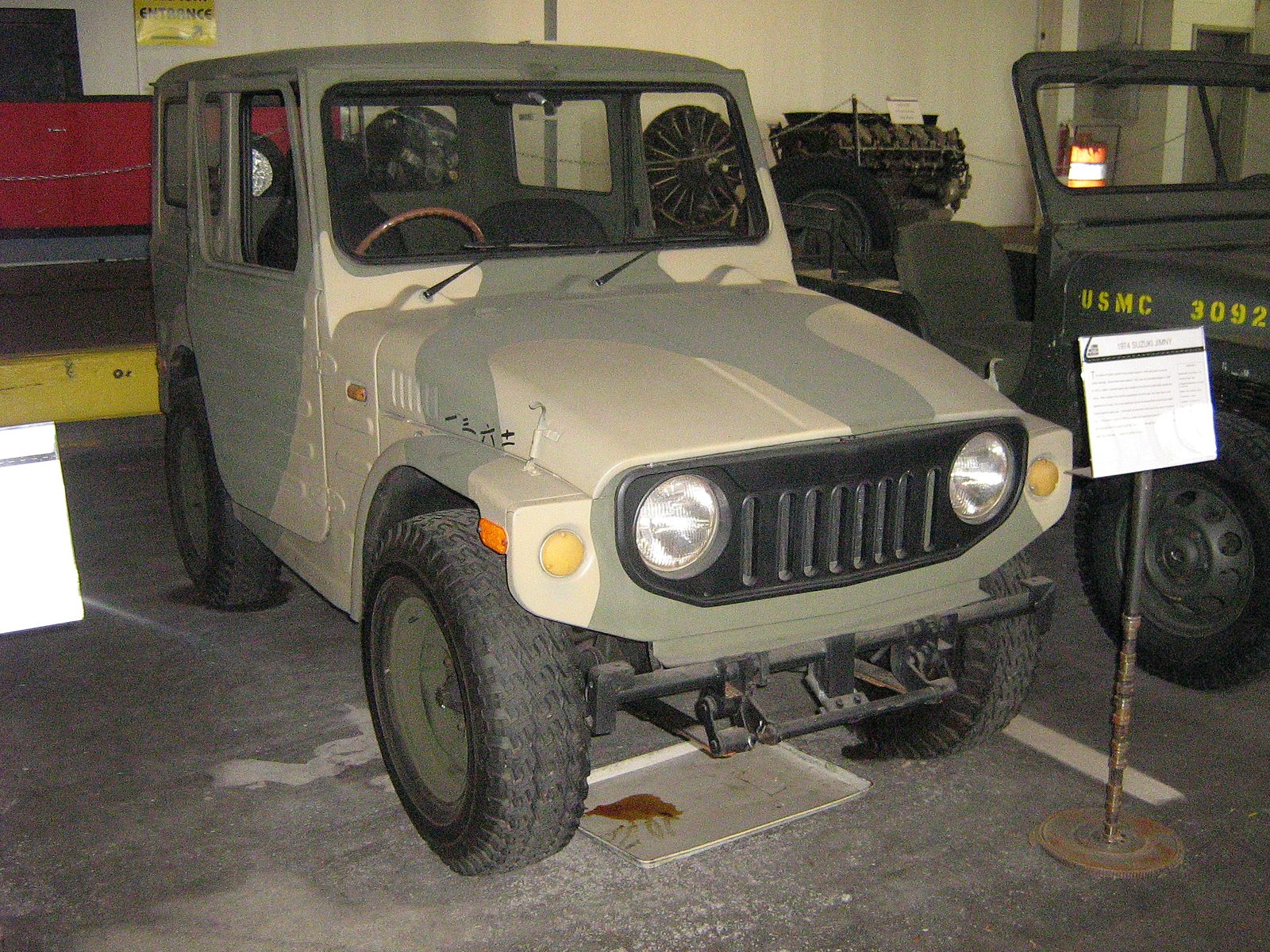
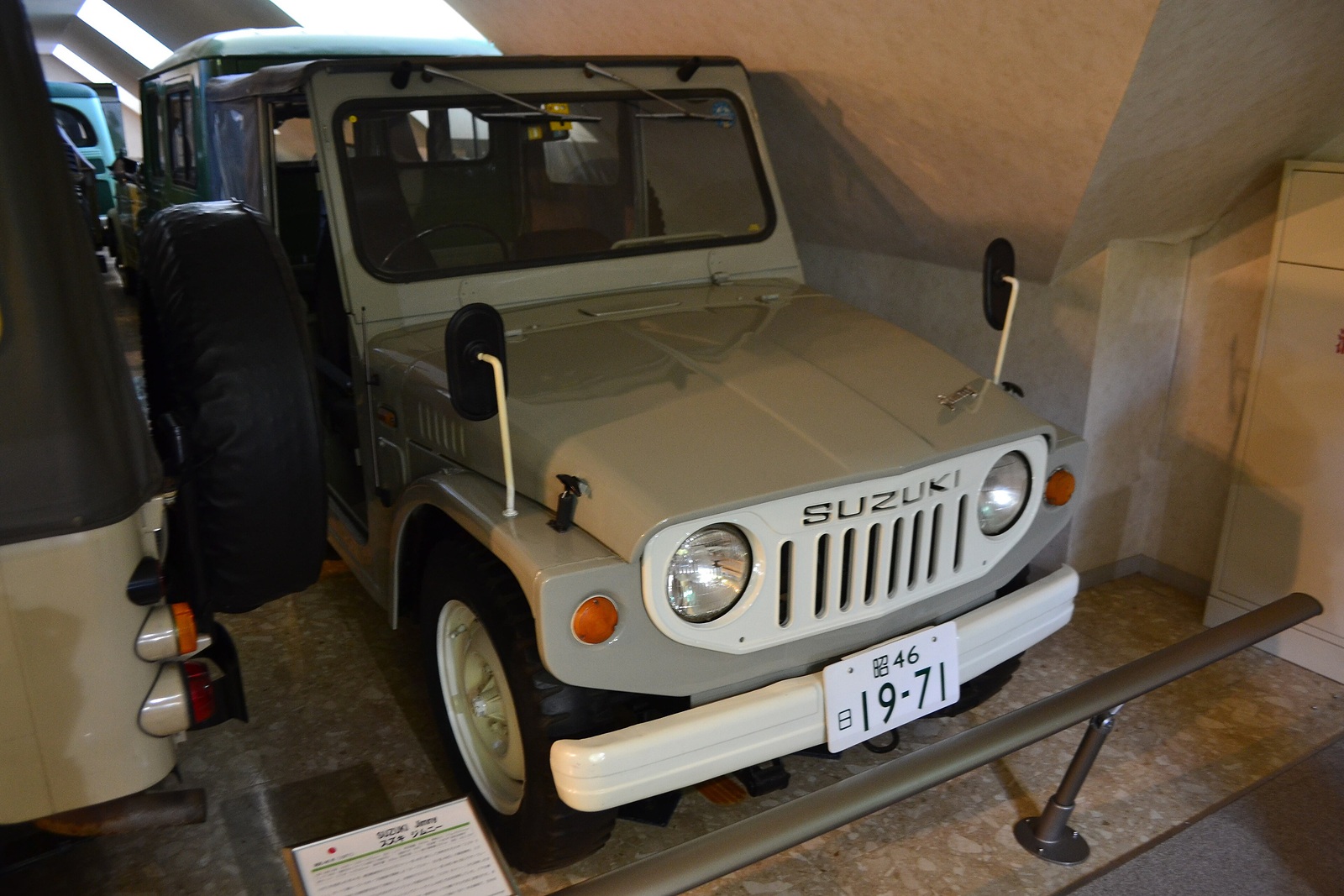
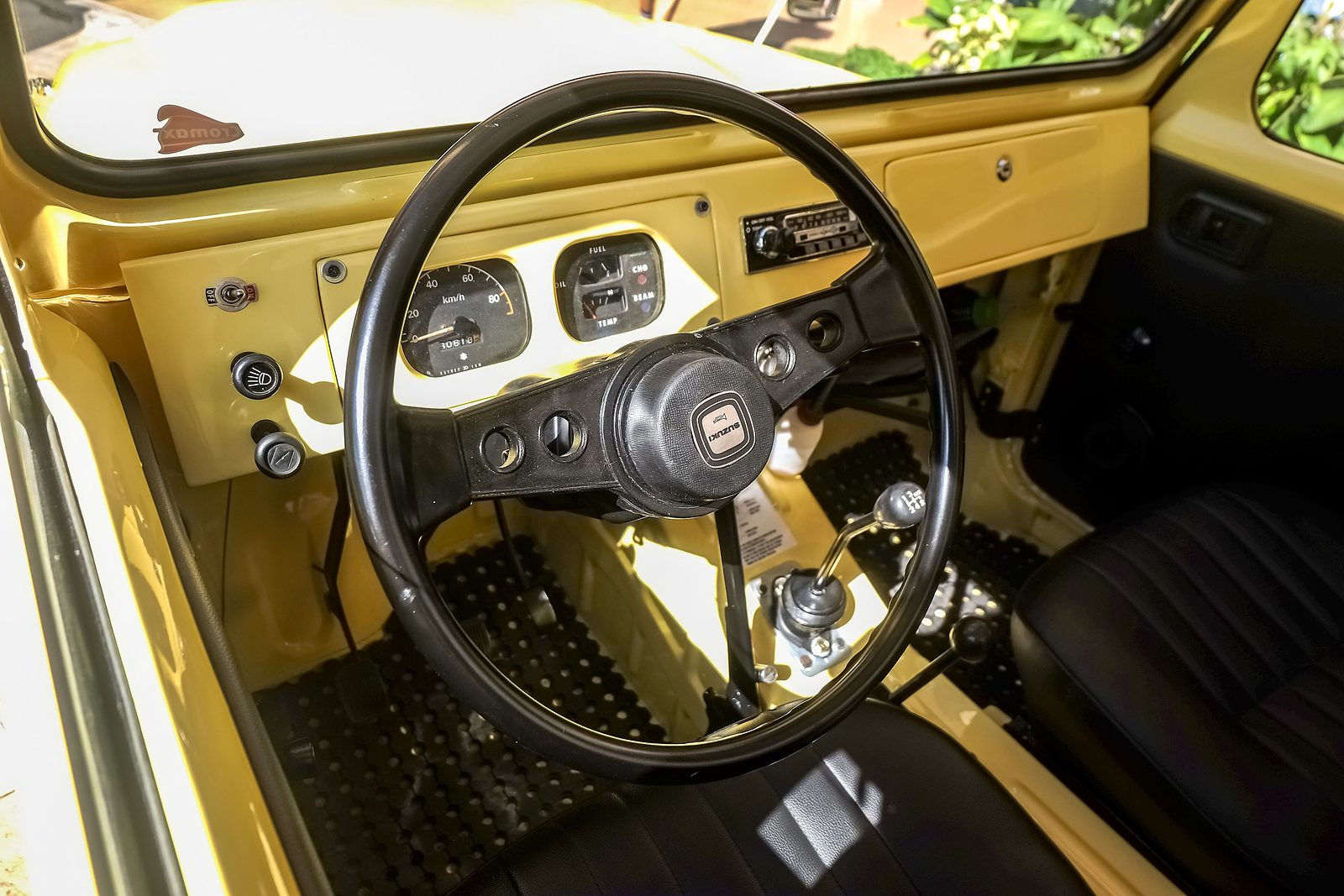
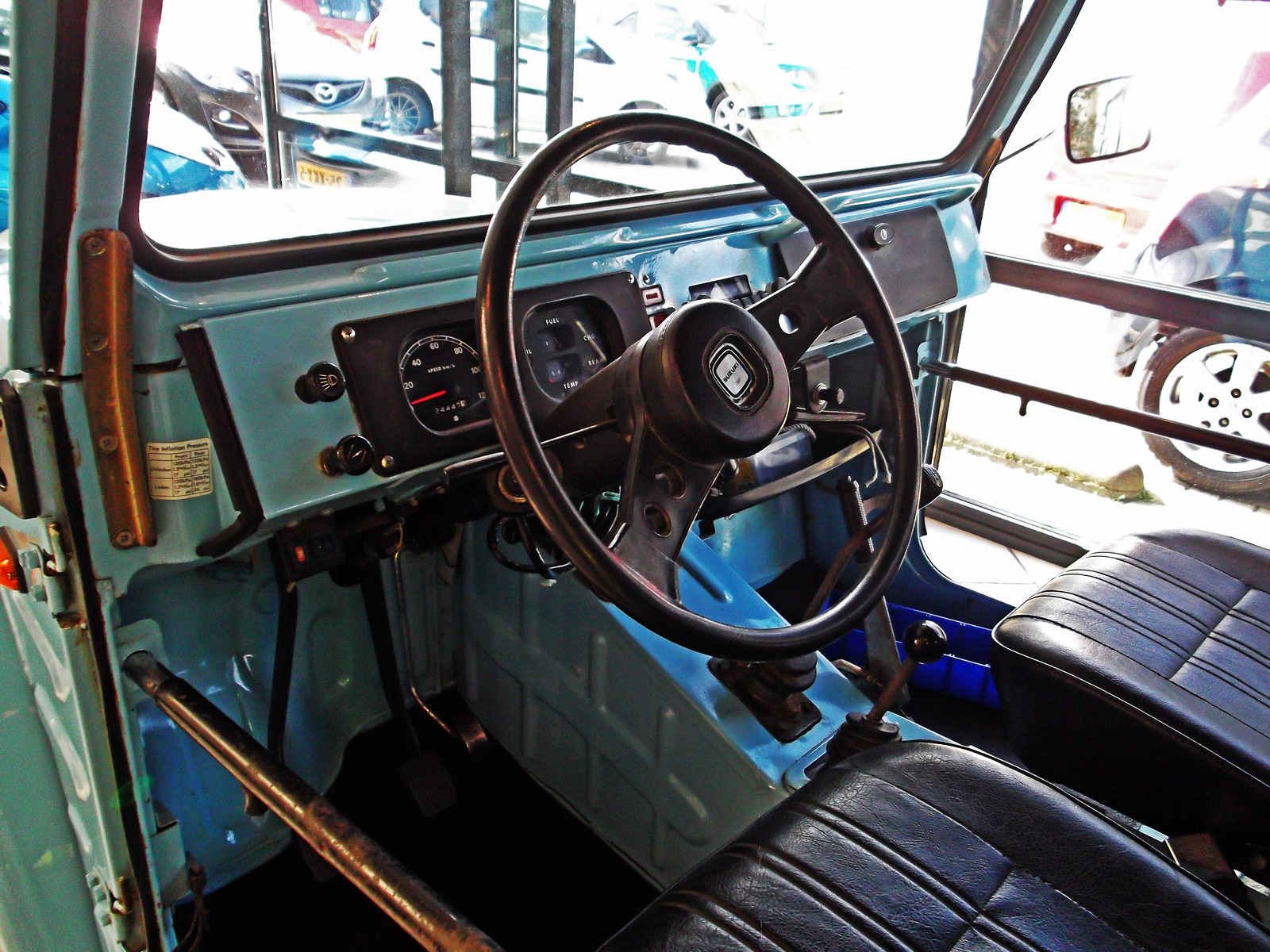
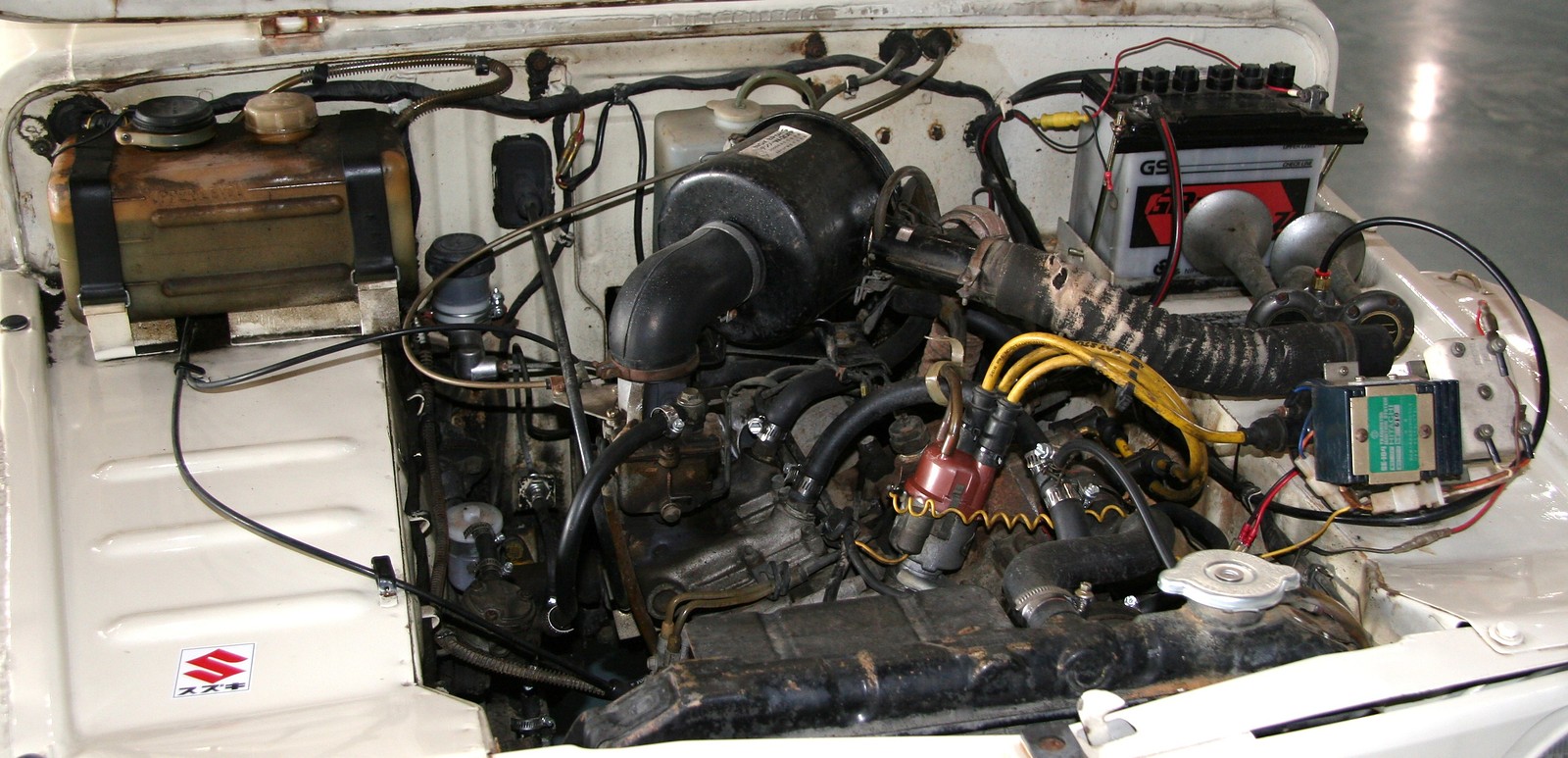
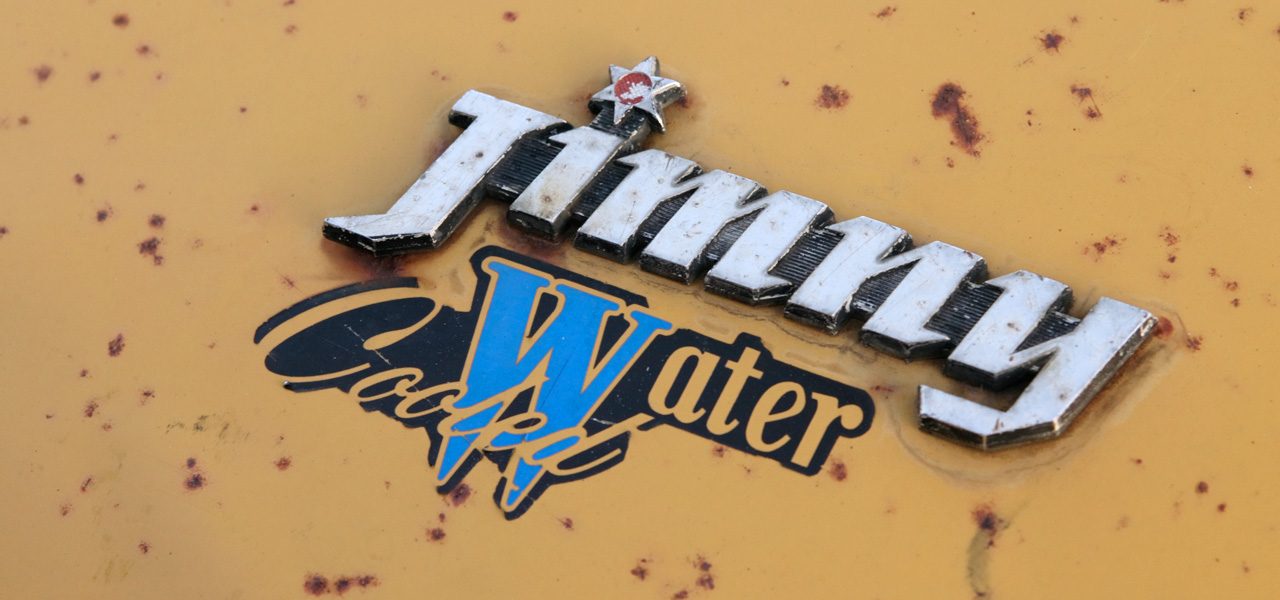
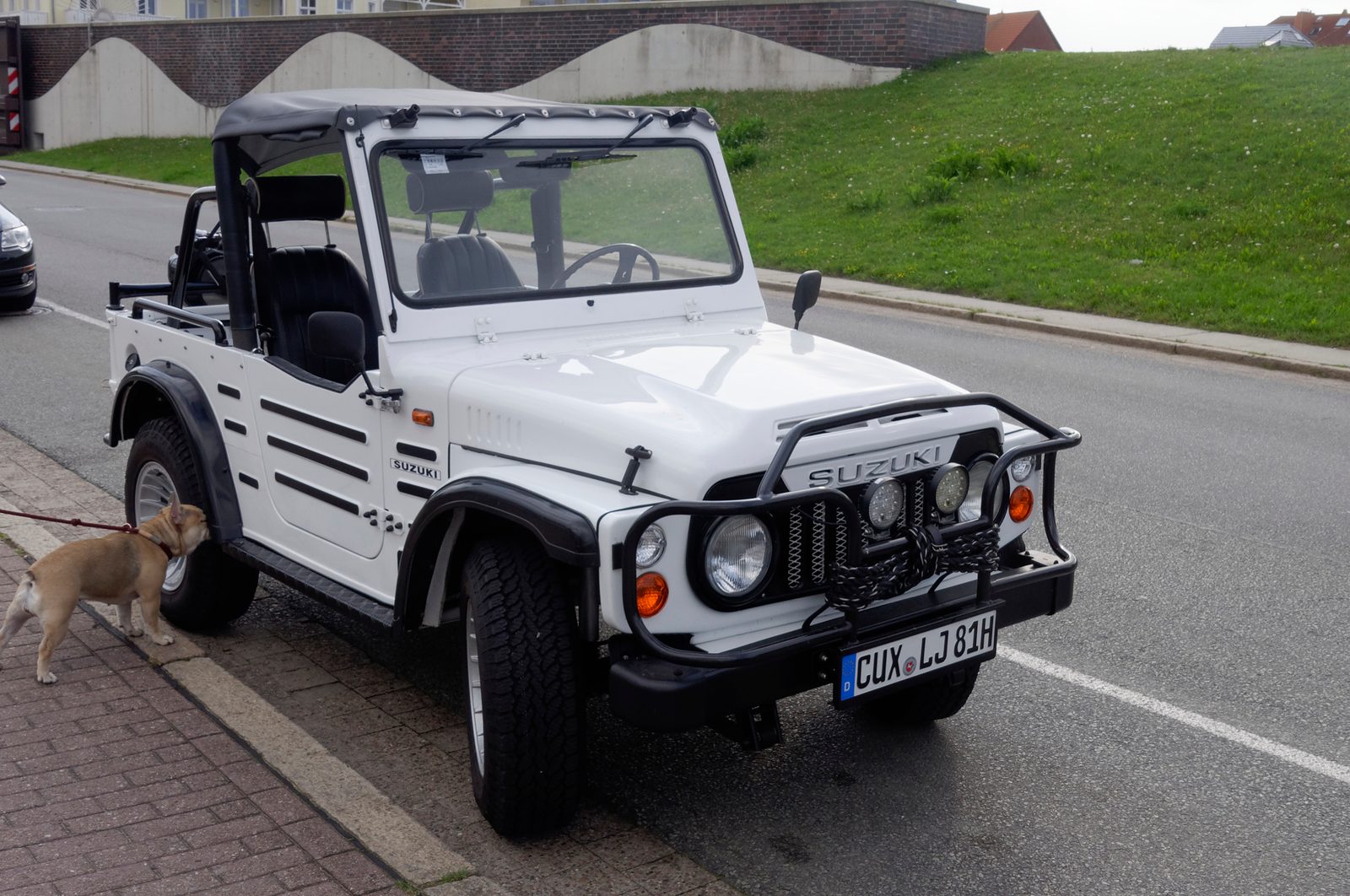
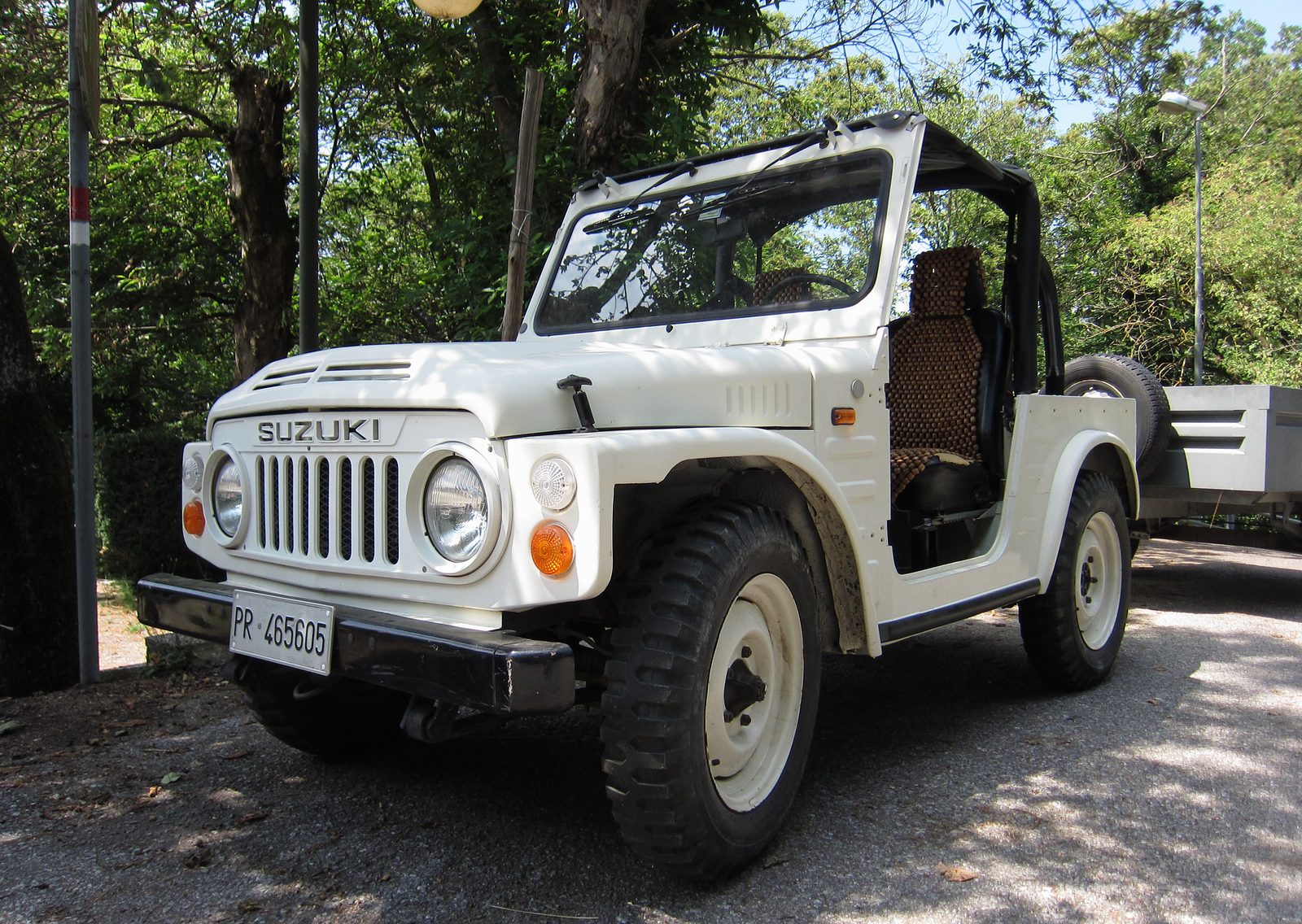
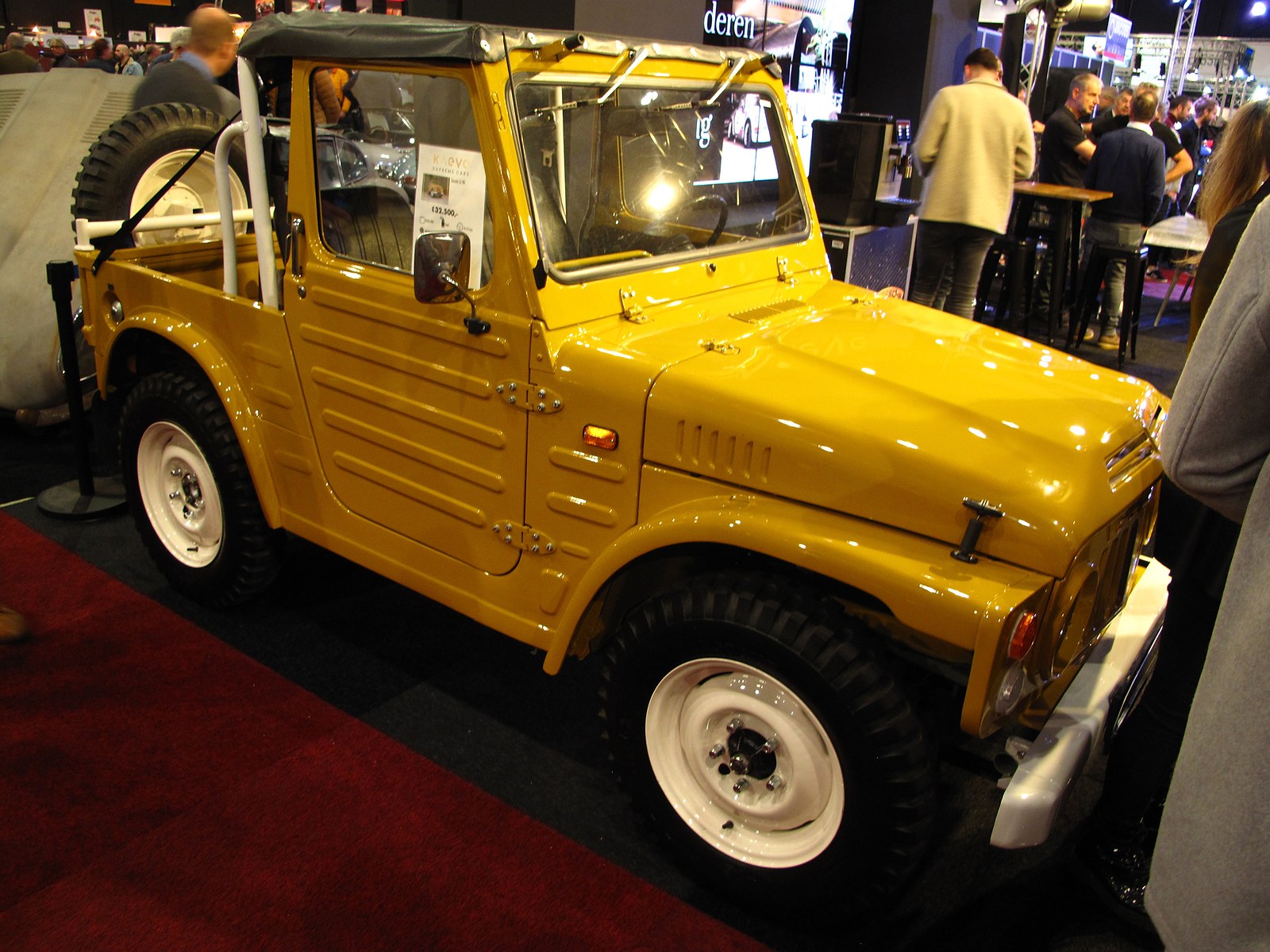
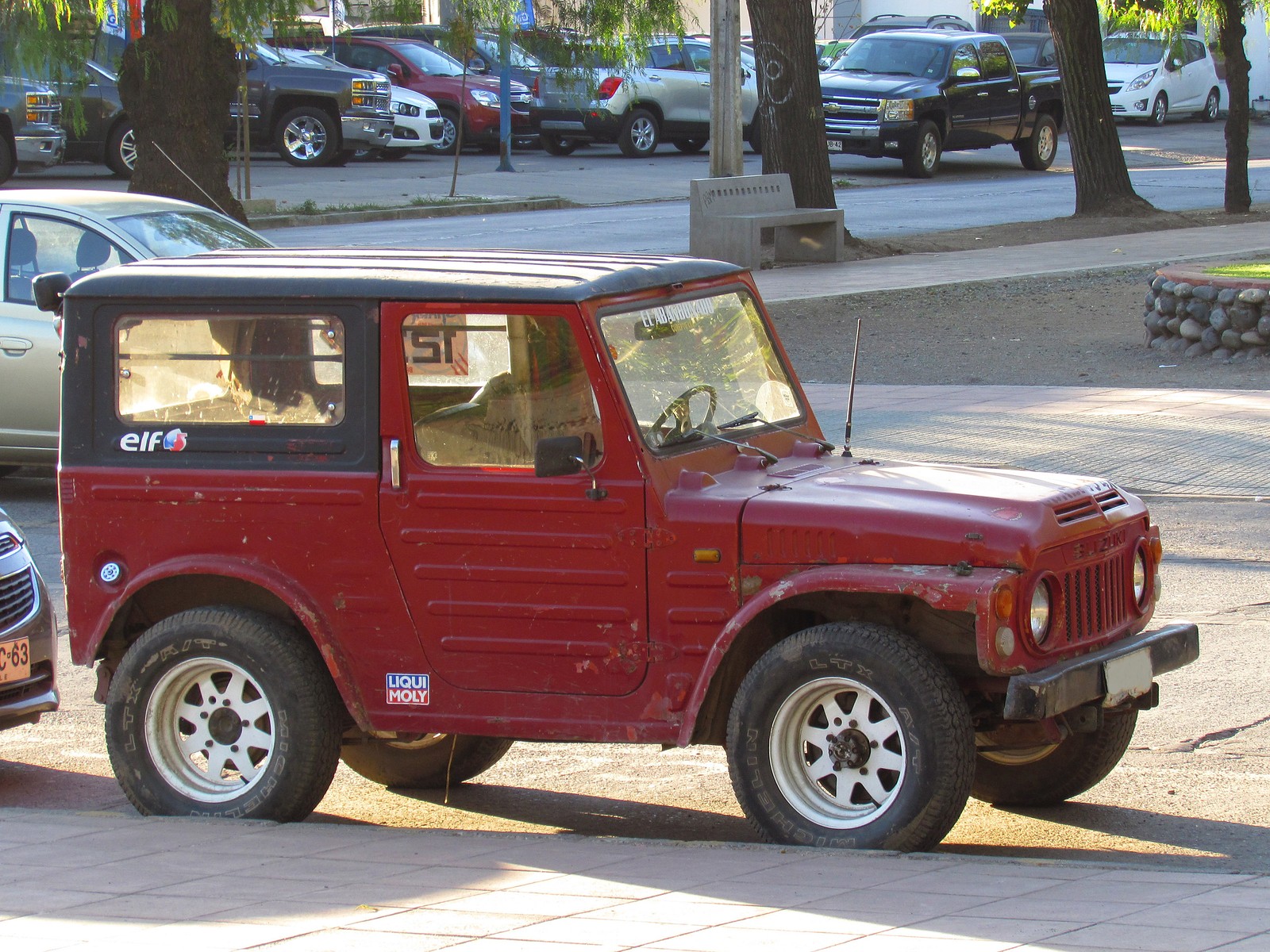
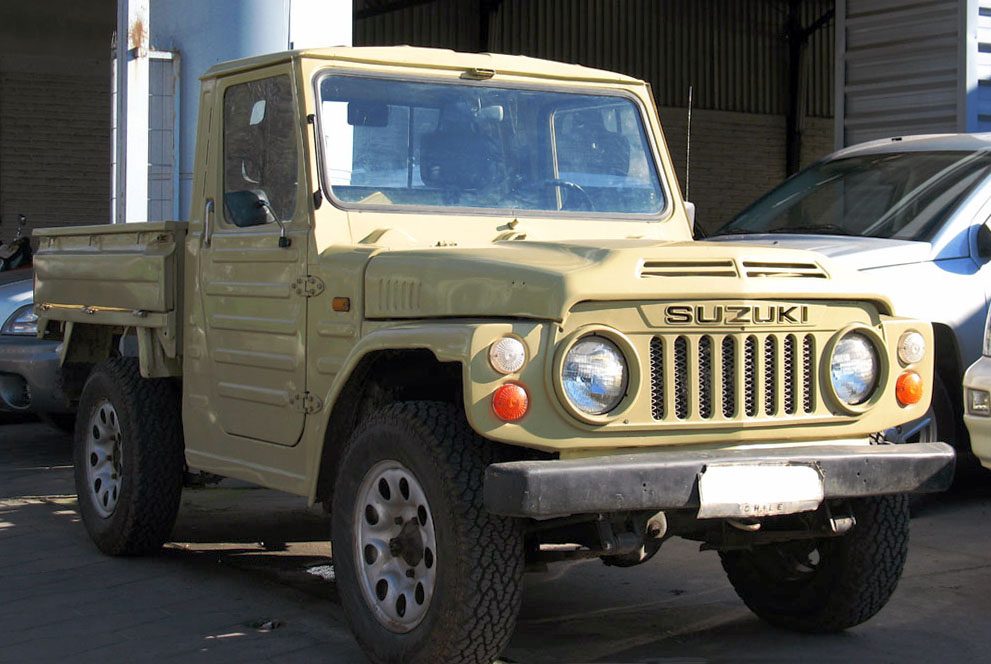
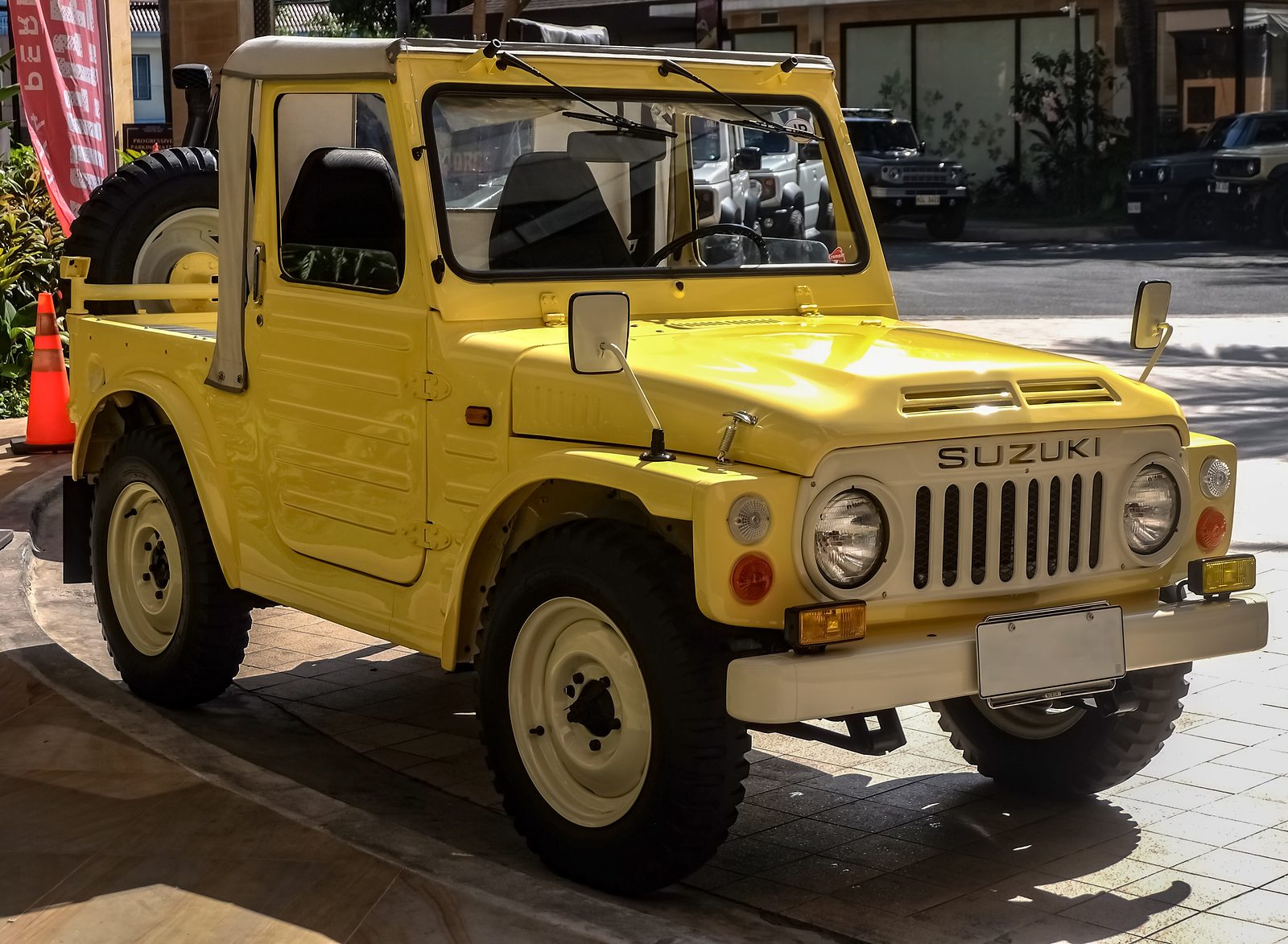
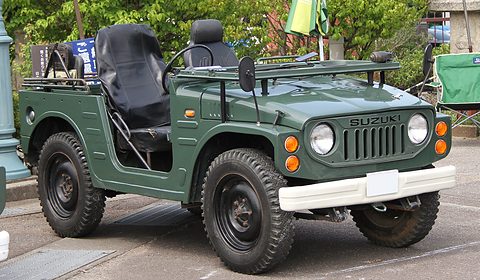
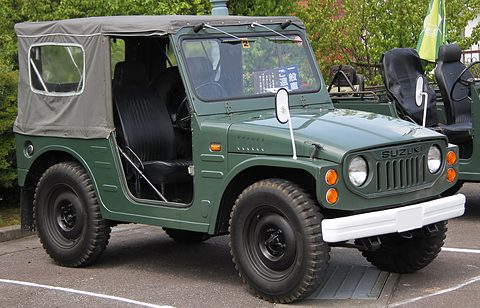
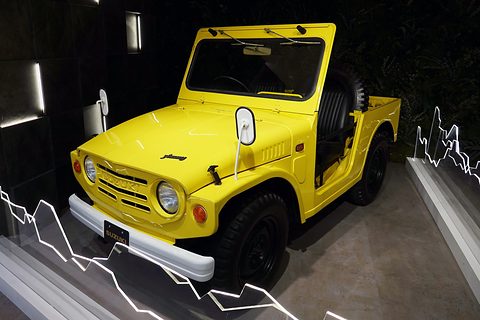
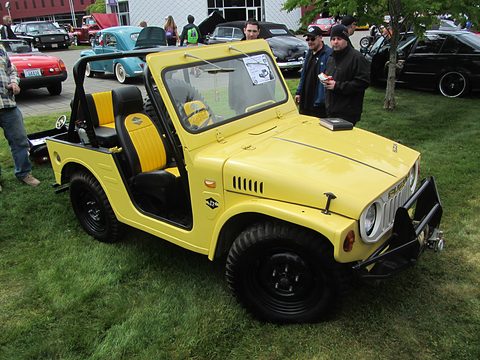
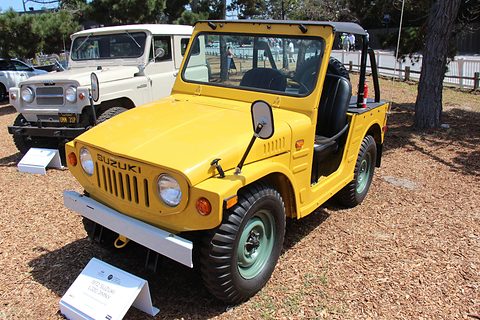
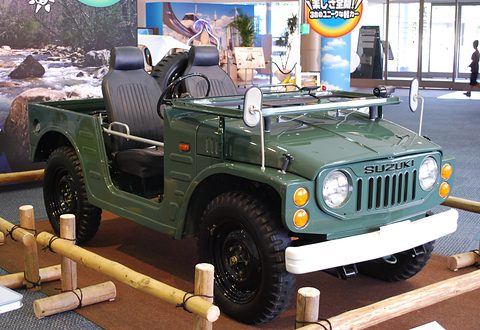
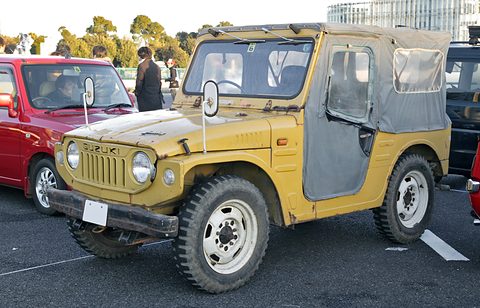
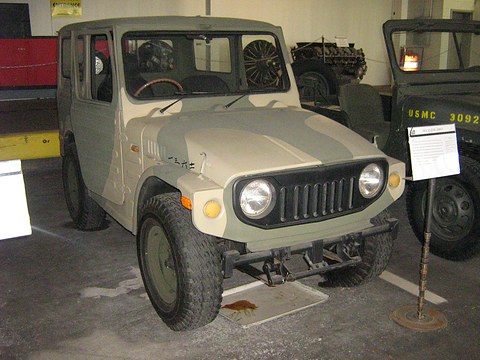
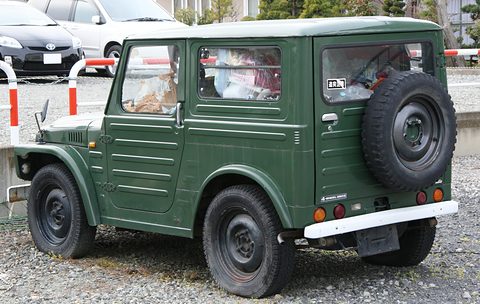
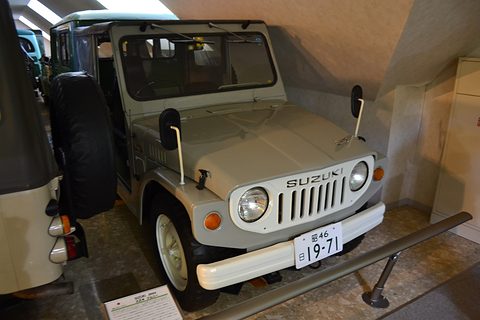
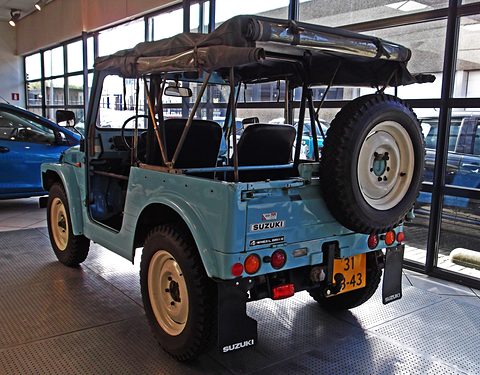
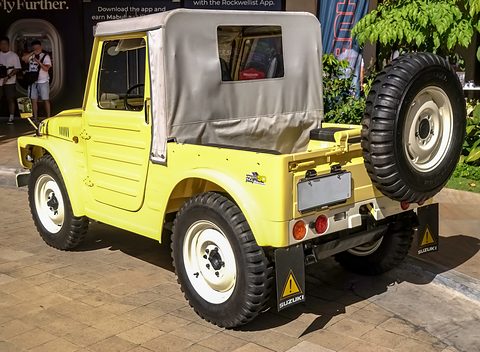
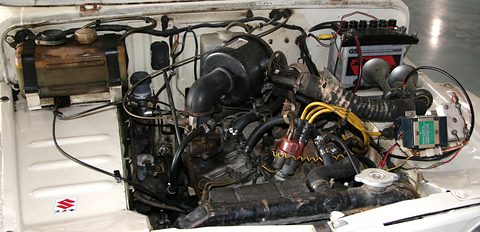
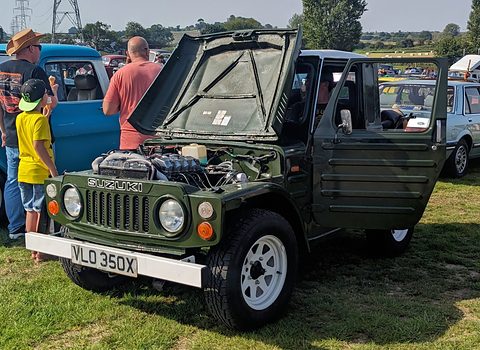
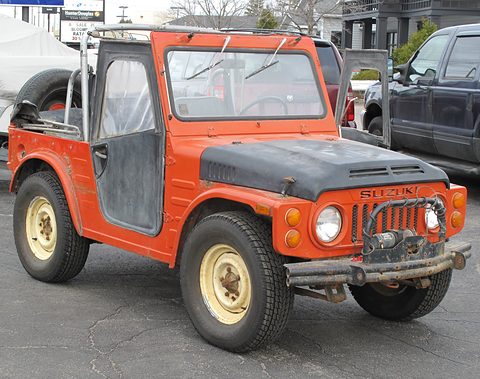
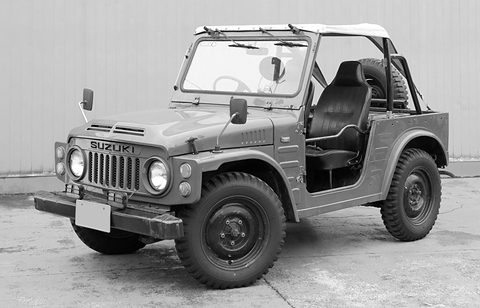
The Jimny LJ10 was launched in April 1970, the only true four-wheel drive in the kei class; Suzuki calls it the first mass-produced kei four-wheel drive.source 2source 3source 1 Its FB engine was an air-cooled two-stroke twin of 359 cc and 25 PS (18 kW) at 6,000 rpm, raised to 27 PS the next year. It had a ladder frame, leaf springs, four speeds and the two-speed transfer box, and it cost ¥482,000 in Tokyo.source 2source 1 At first production was subcontracted and done largely by hand, before it moved to a line of its own.source 1
Forestry offices and civil-engineering firms bought it as a working tool, and others as a leisure car.source 2 (Japan’s other small working vehicles are on our page of micro-vans.) Nearly 5,000 were sold at home in the first year, more than the Mitsubishi Jeep, and over 6,000 in 1971.source 1
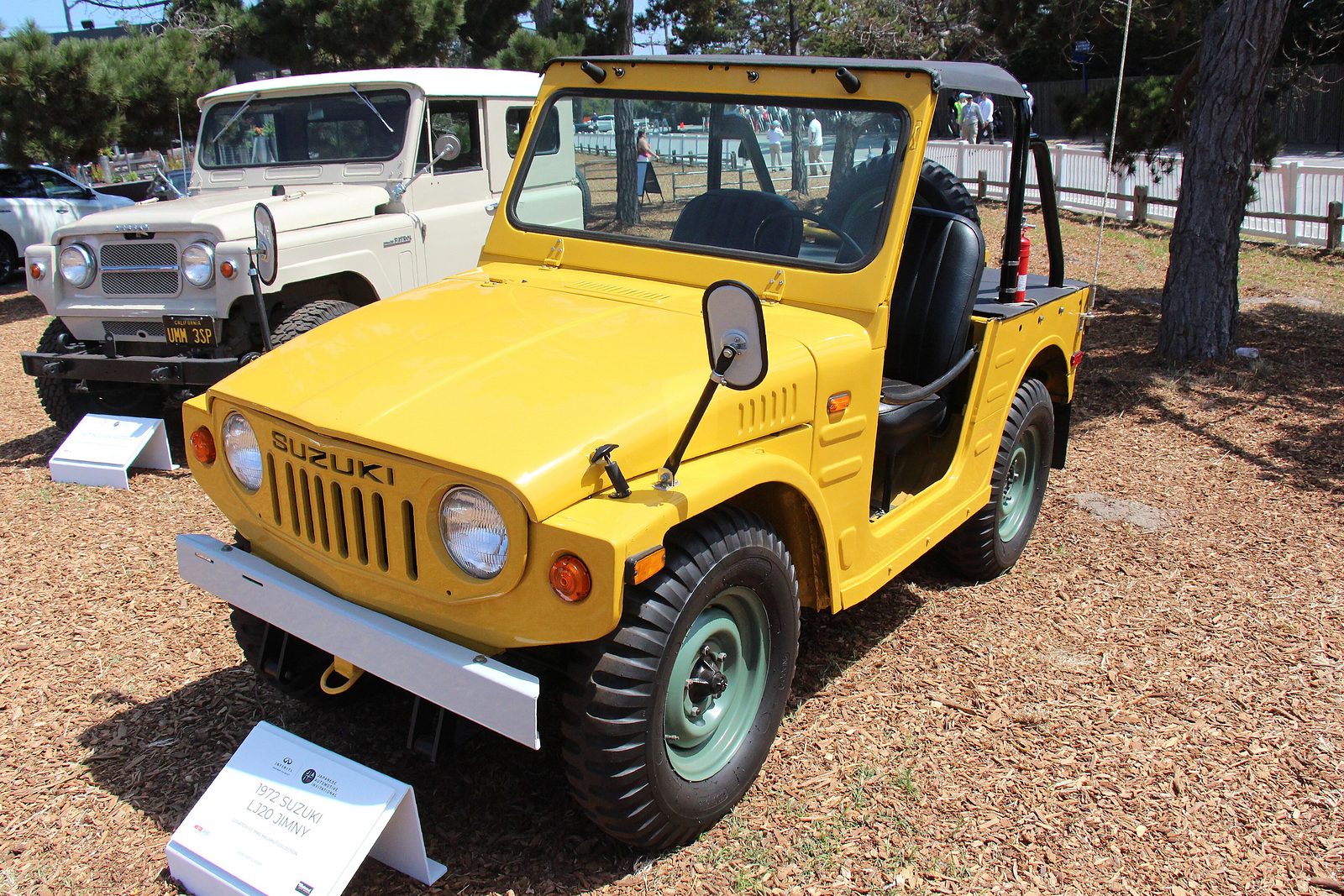
LJ20, 1972
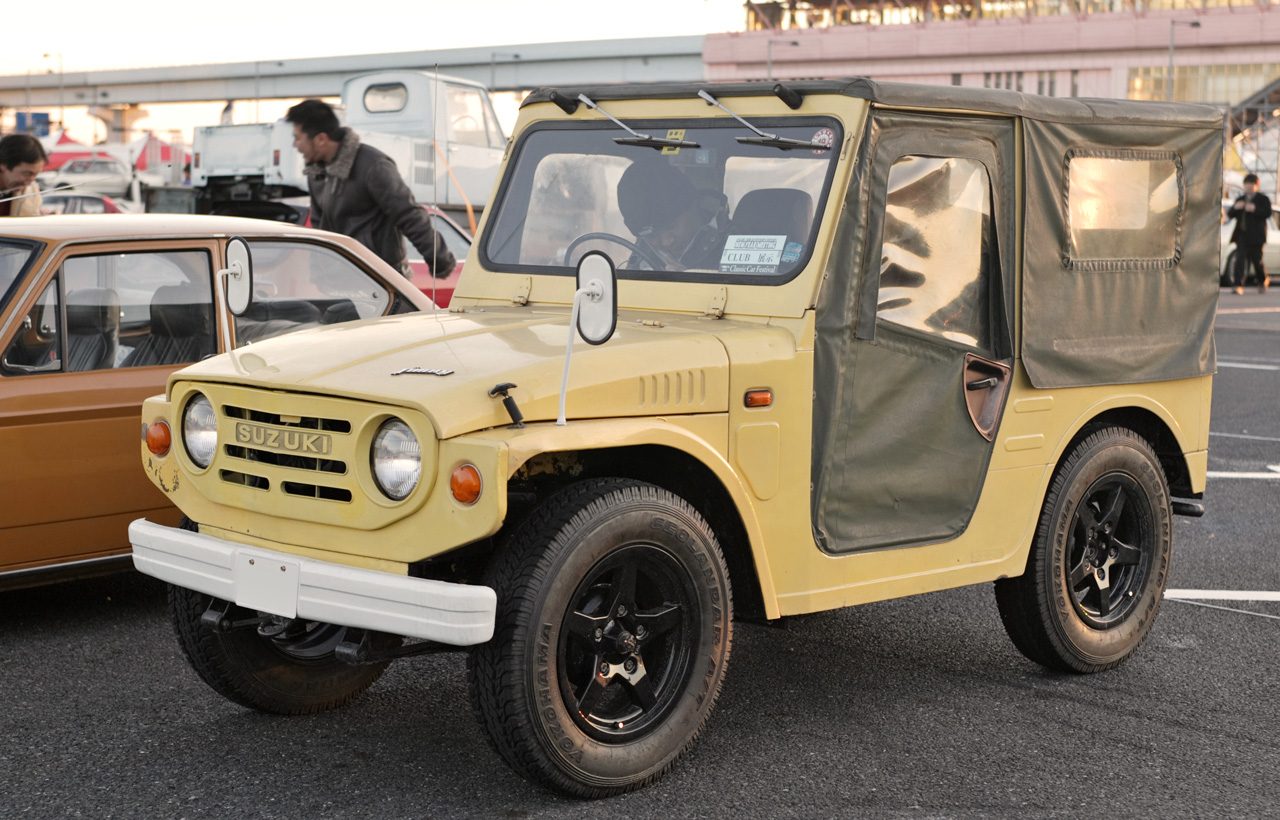
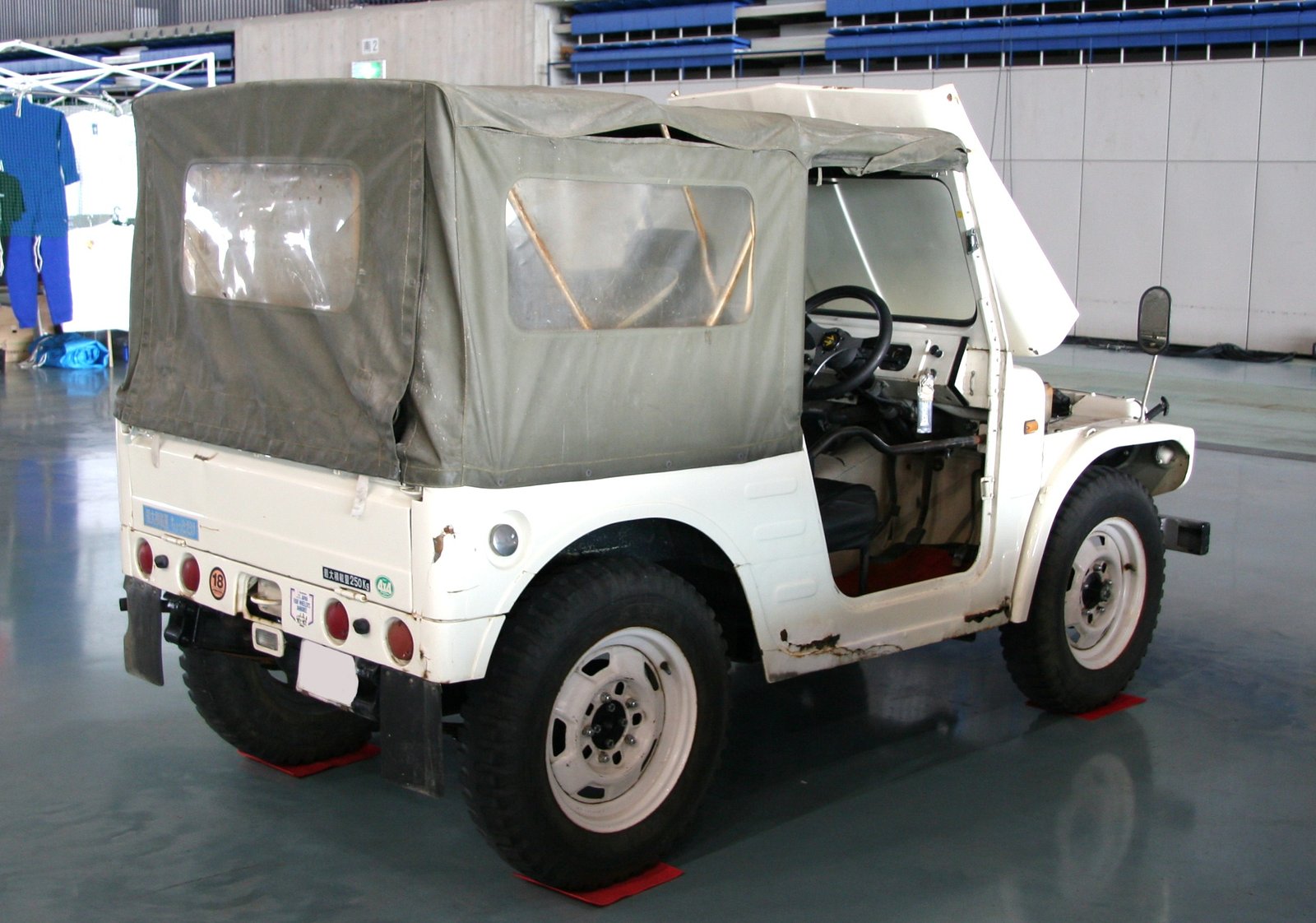
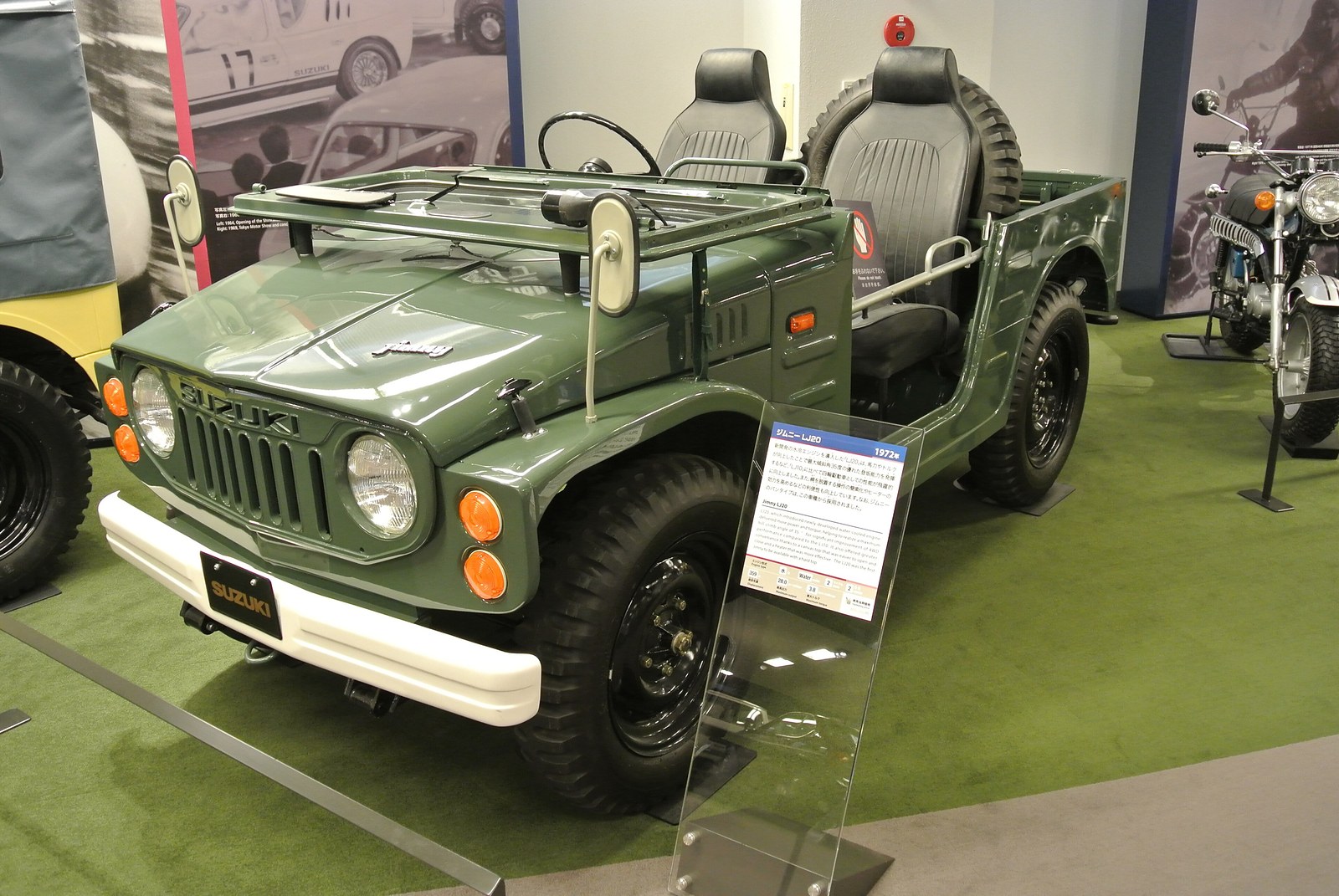
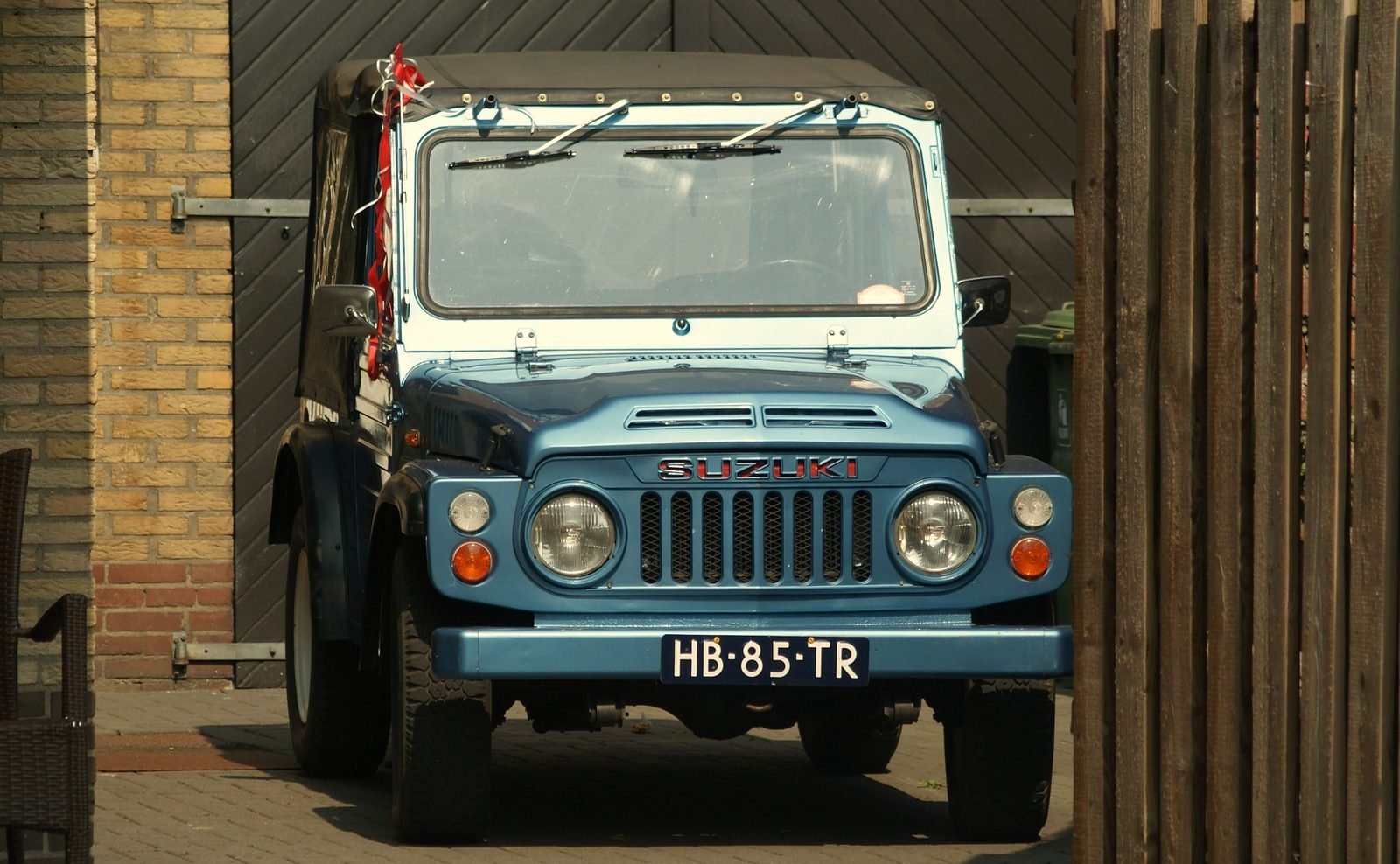
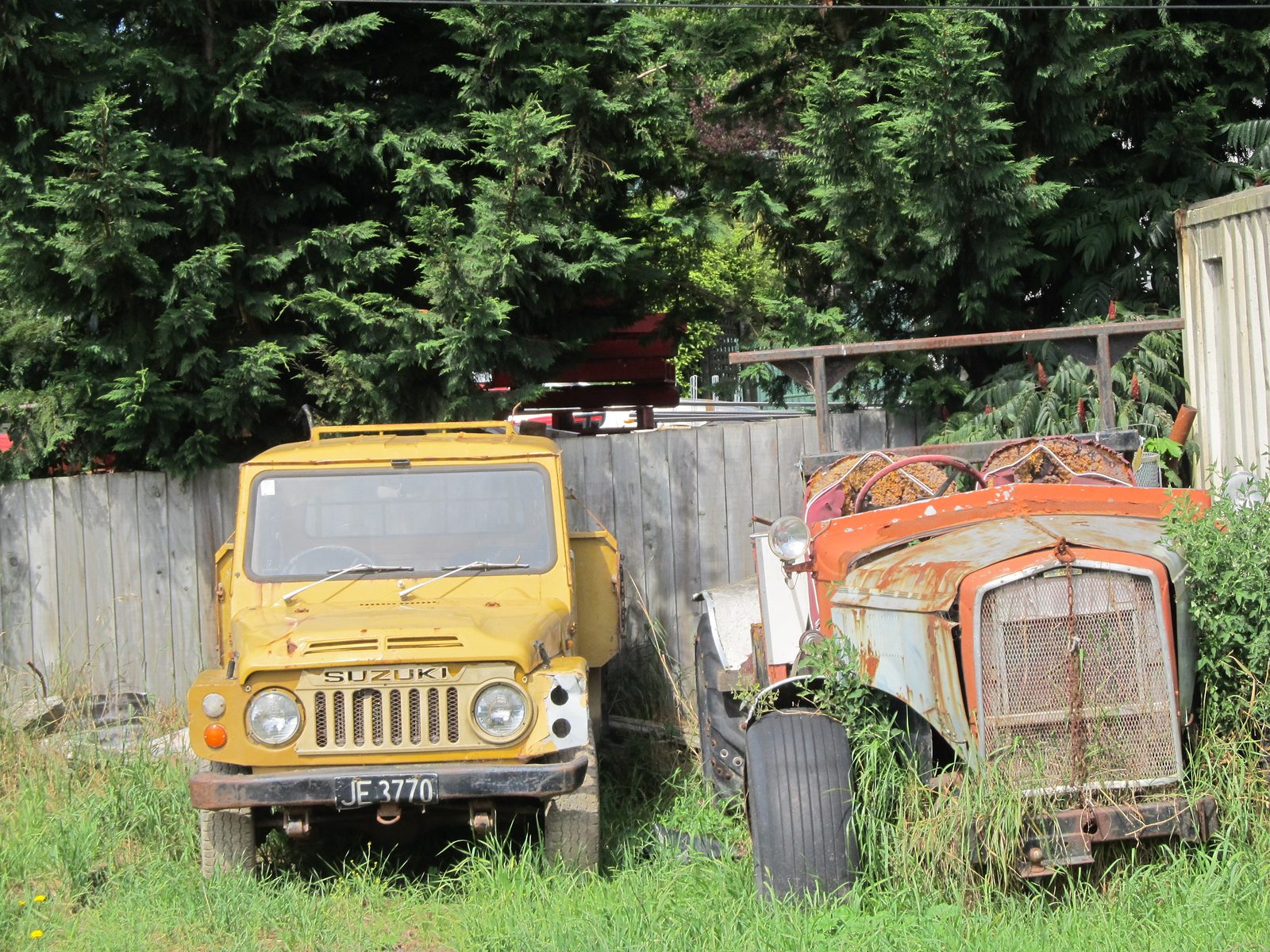
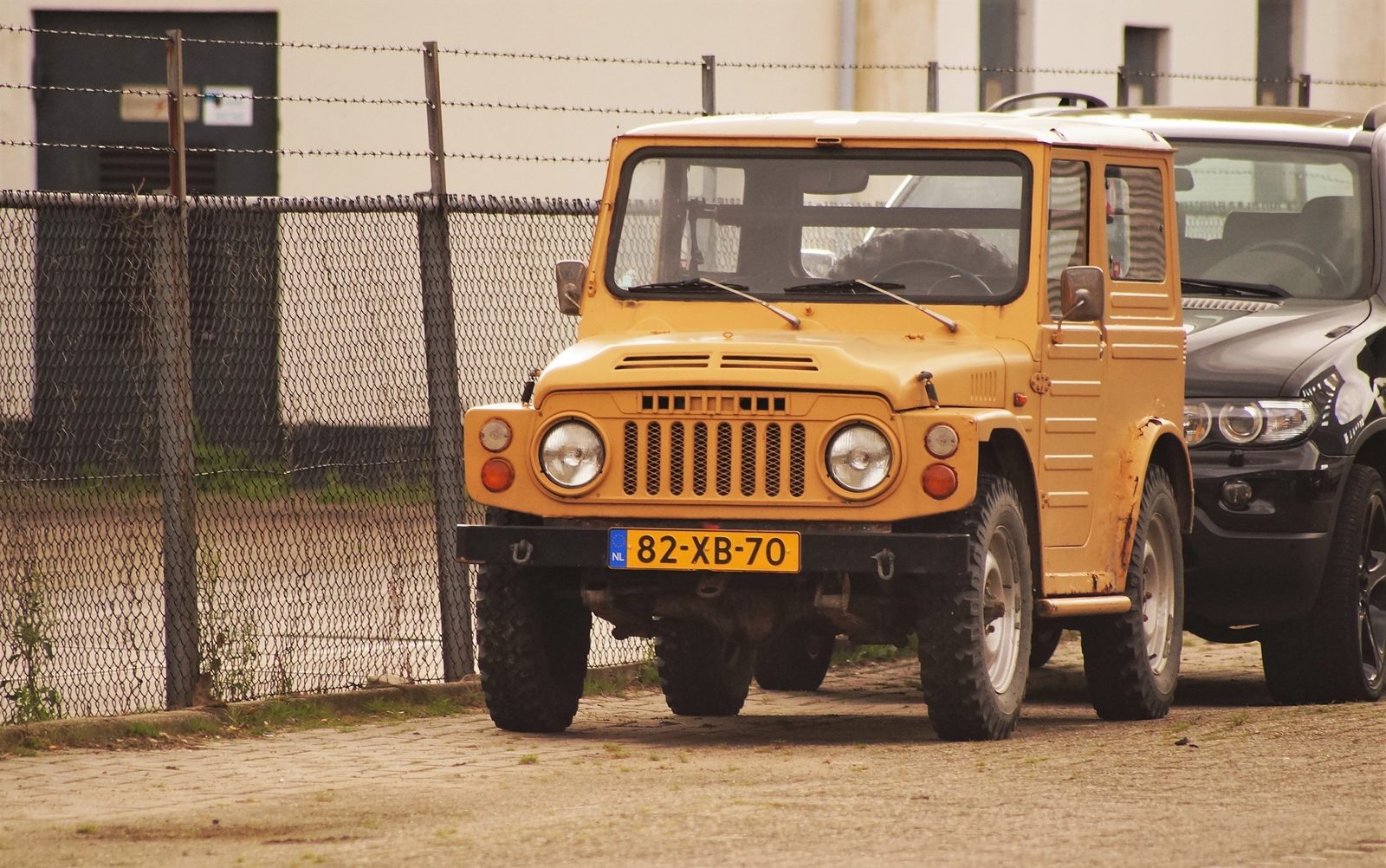
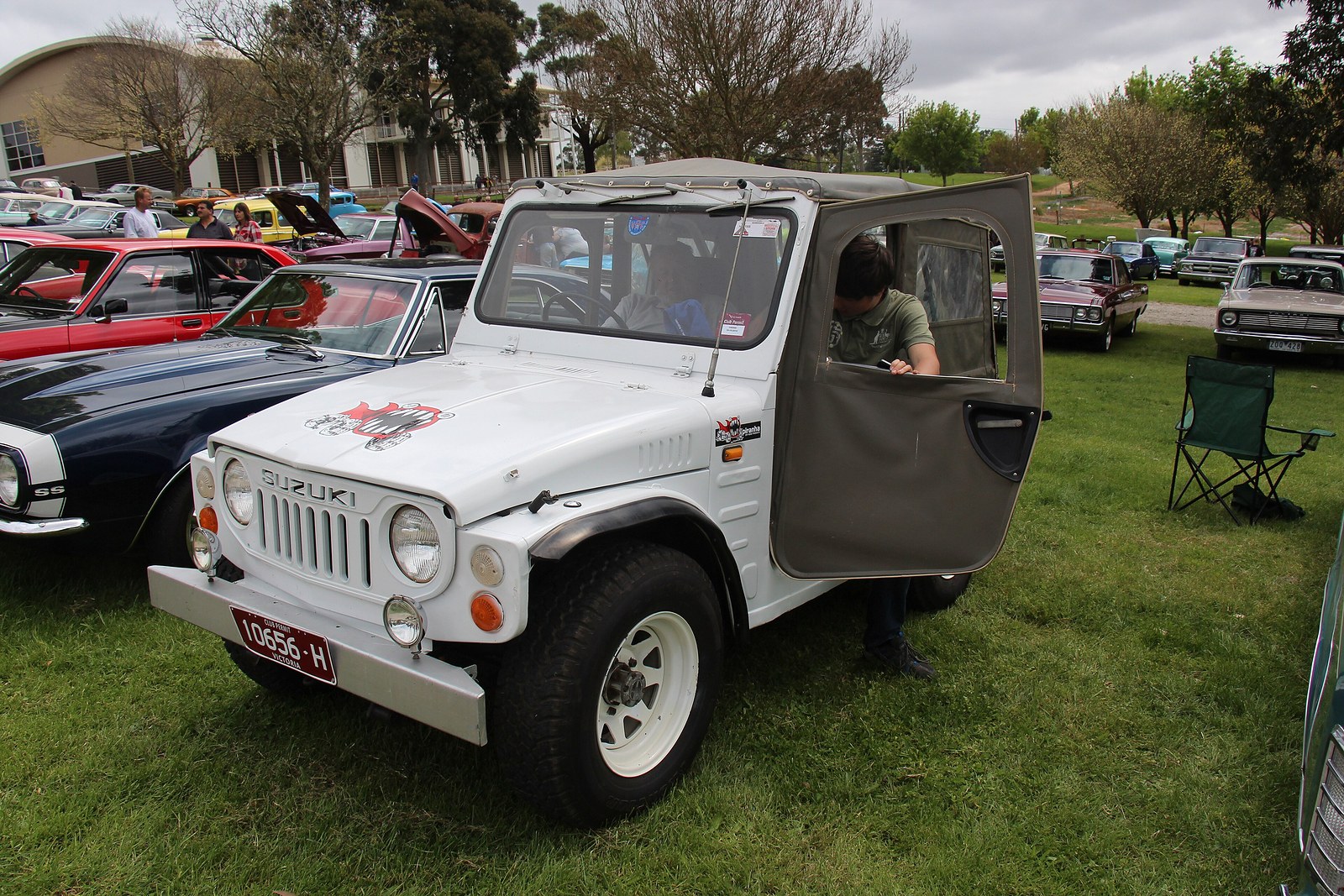
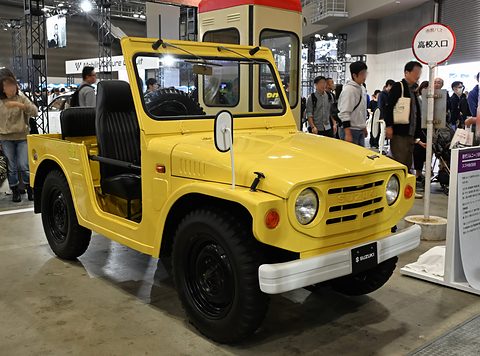
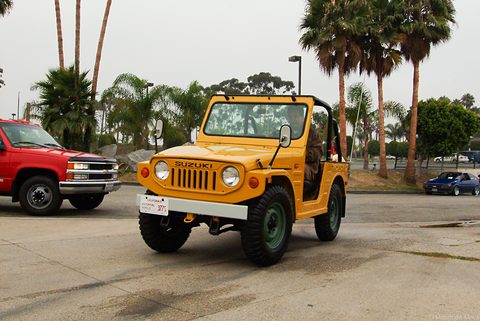
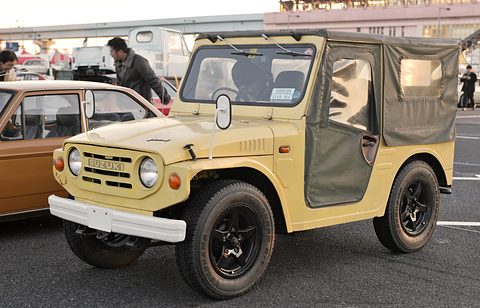
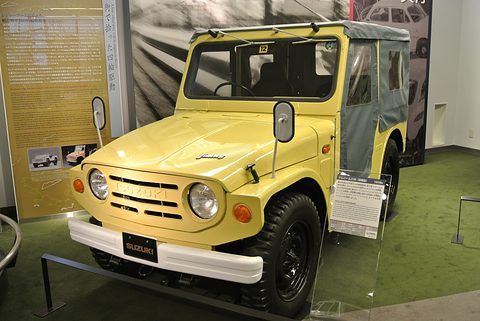
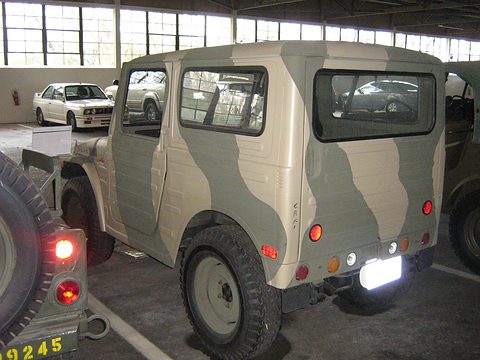
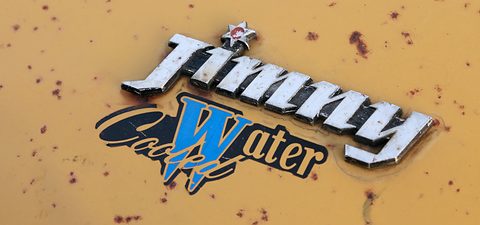
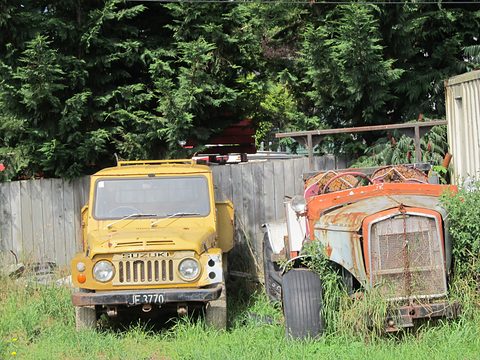
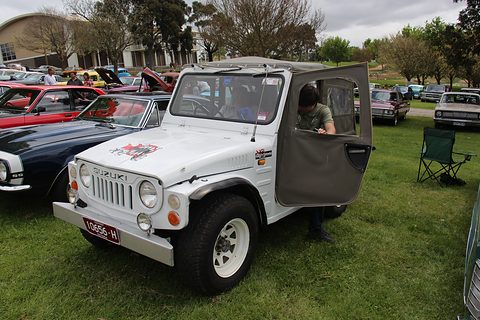
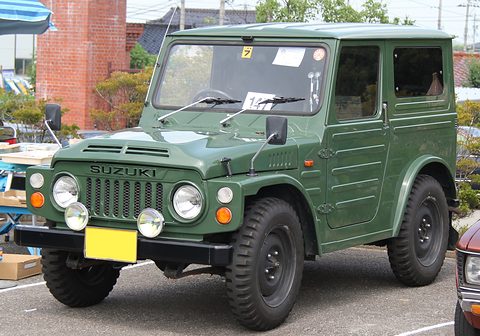
In May 1972 the LJ20 brought a water-cooled two-stroke twin, the L50, of 28 PS (21 kW), reached at 5,500 rpm, with a hot-water heater; the grille’s slots turned from horizontal to vertical, which is the easy way to tell the two apart. A full-steel van, the LJ20V, sold well in the snowy regions.source 2source 3source 1 That July came the Video Jimny, an LJ20 with a Sony 18-inch colour television and a U-matic video recorder, powered through the transfer box’s take-off. It went to the Tokyo Motor Show, and not one was sold.source 3
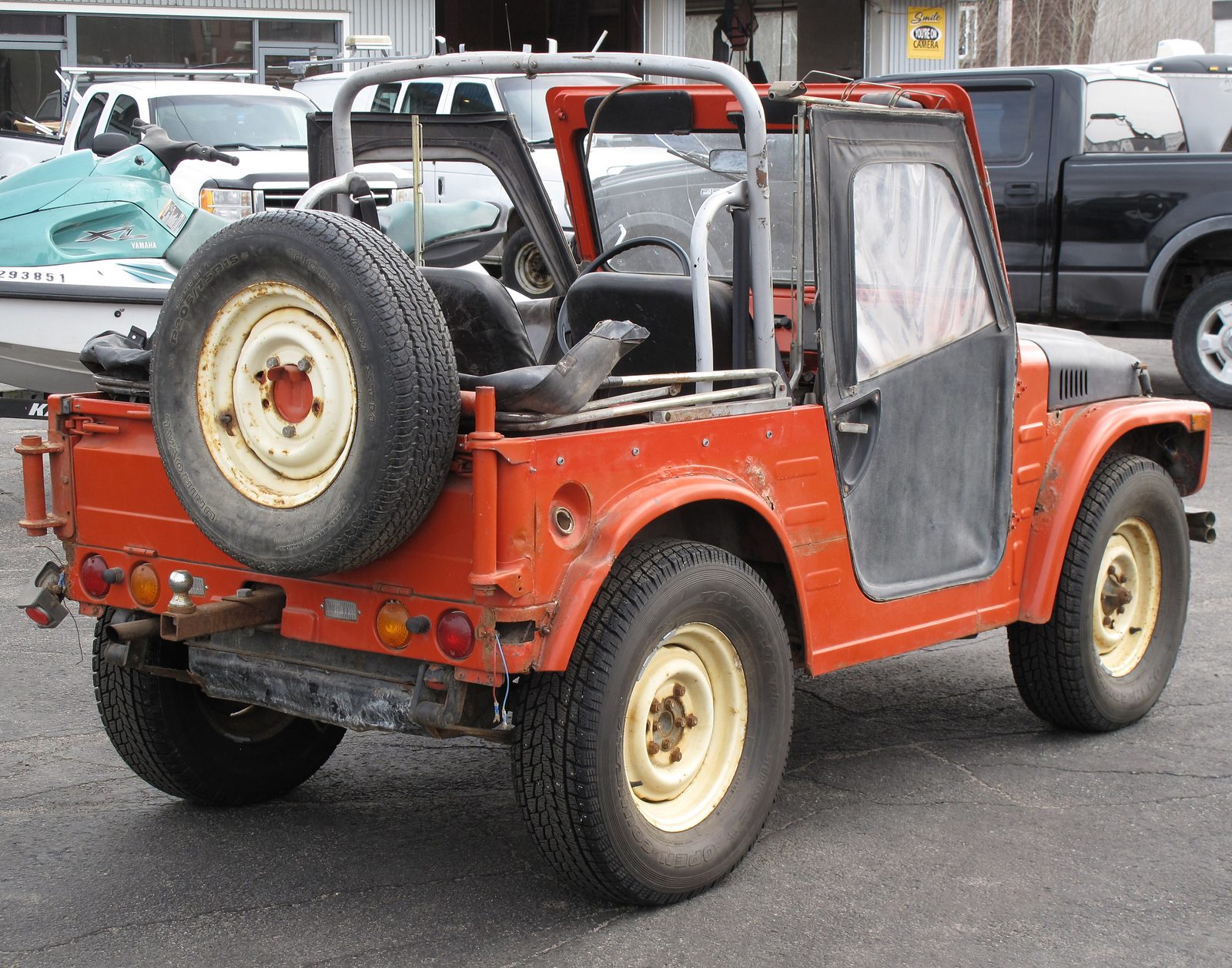
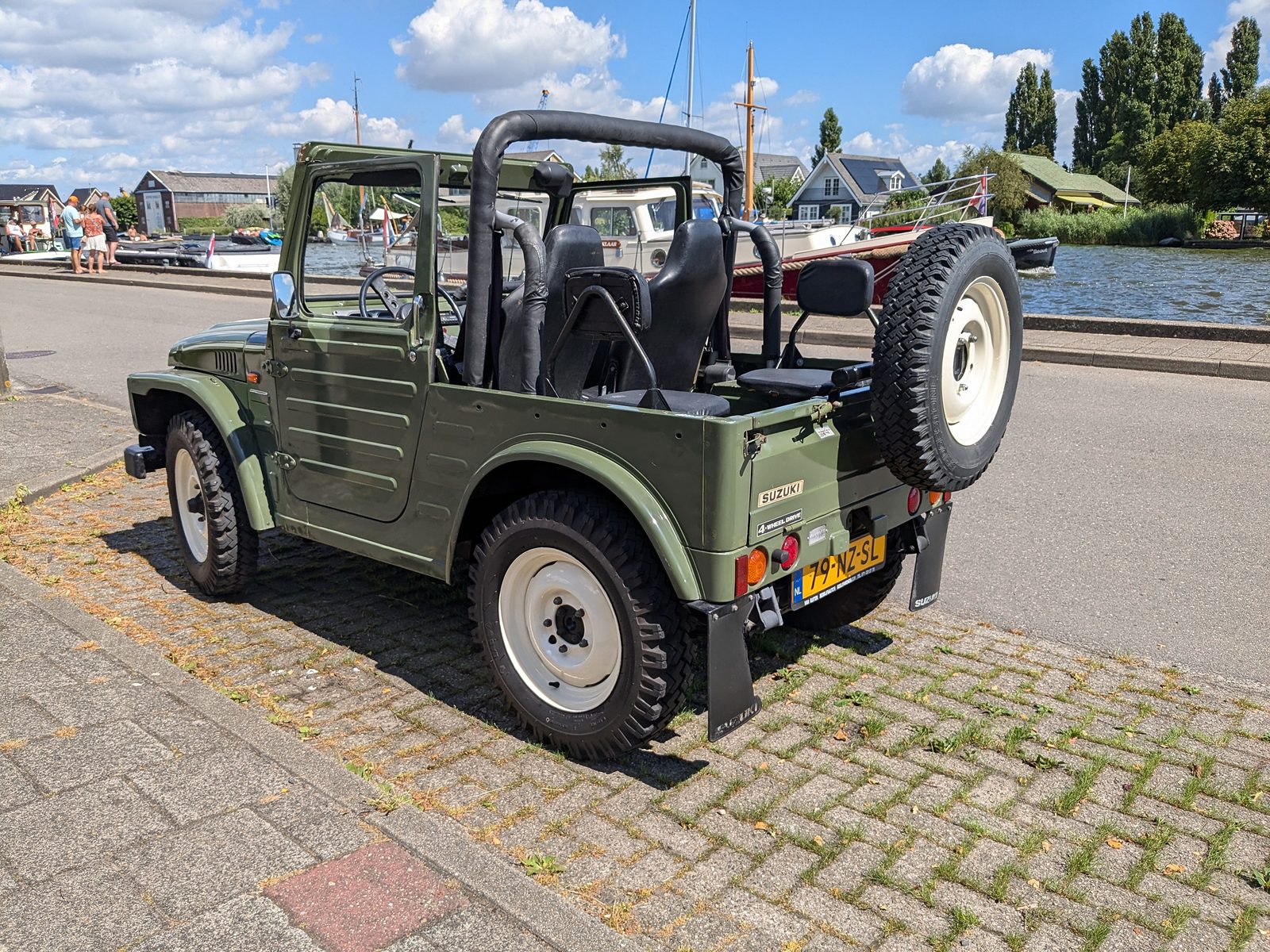
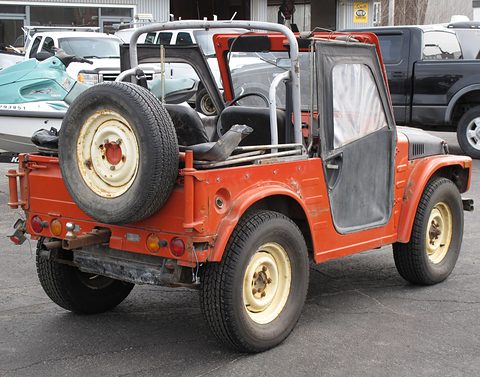
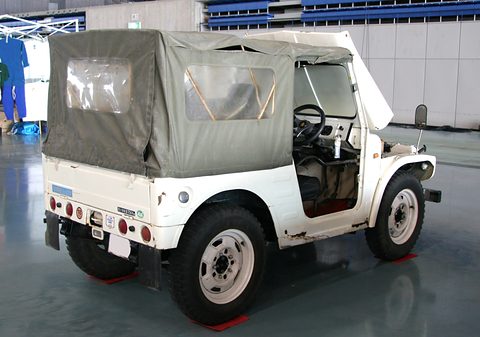
Exports began in 1974.source 2 Suzuki itself did not send Jimnys to the United States, where International Equipment Co. imported them as the Suzuki Brute.source 1 The four-seat LJ20F of February 1975 carried its spare outside, and the emission-controlled LJ20-3 of December that year was built for only about four months.source 2source 3
Jimny 55 and Jimny 8
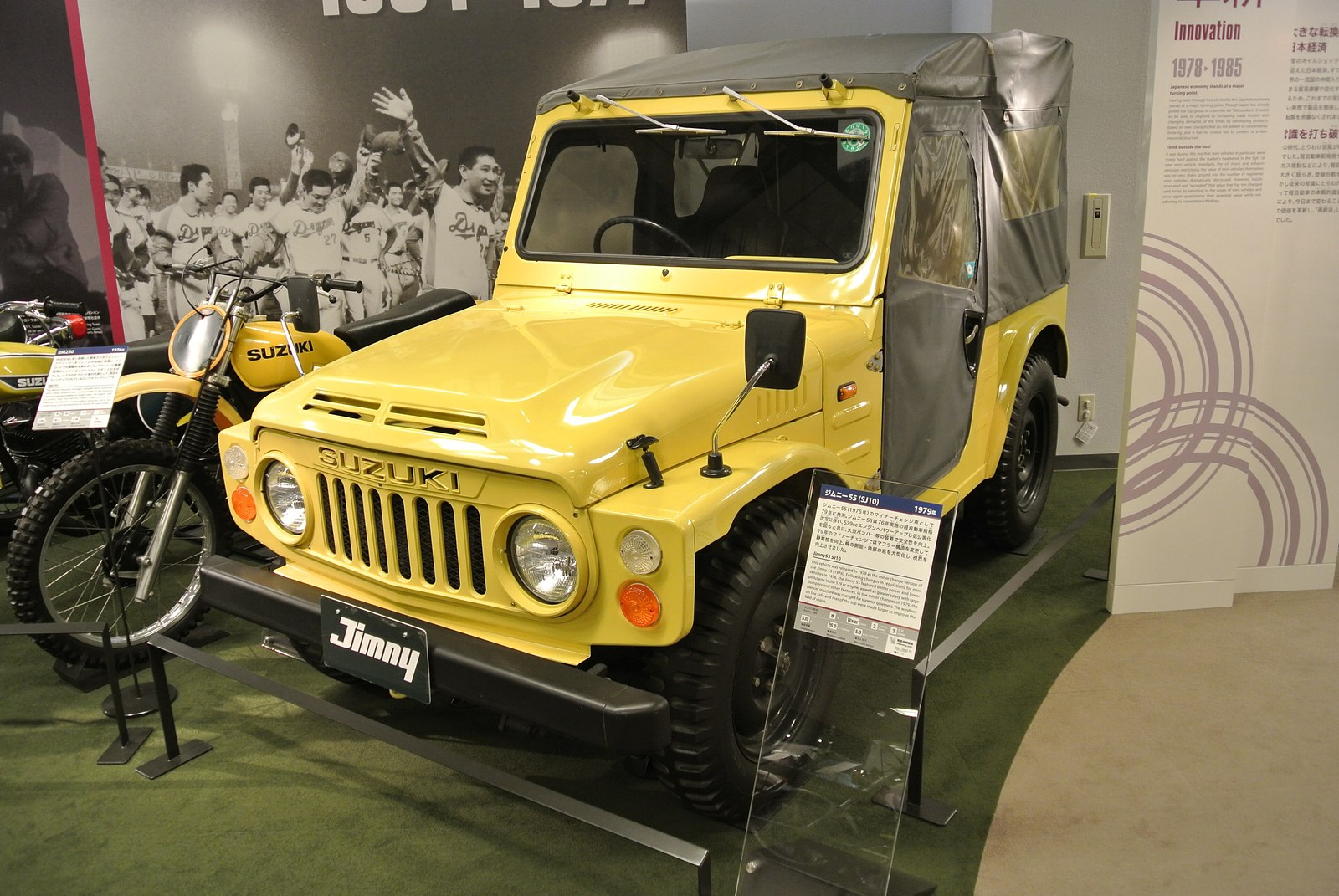
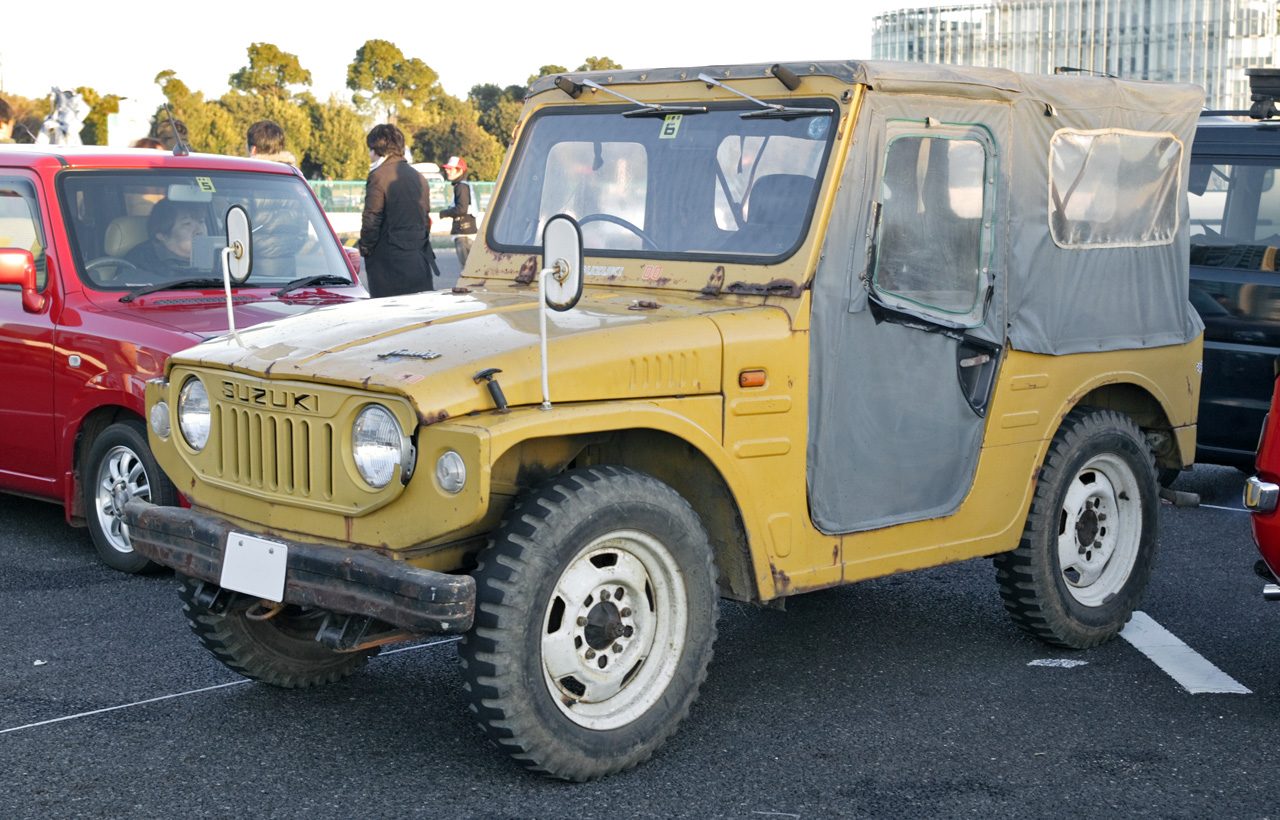
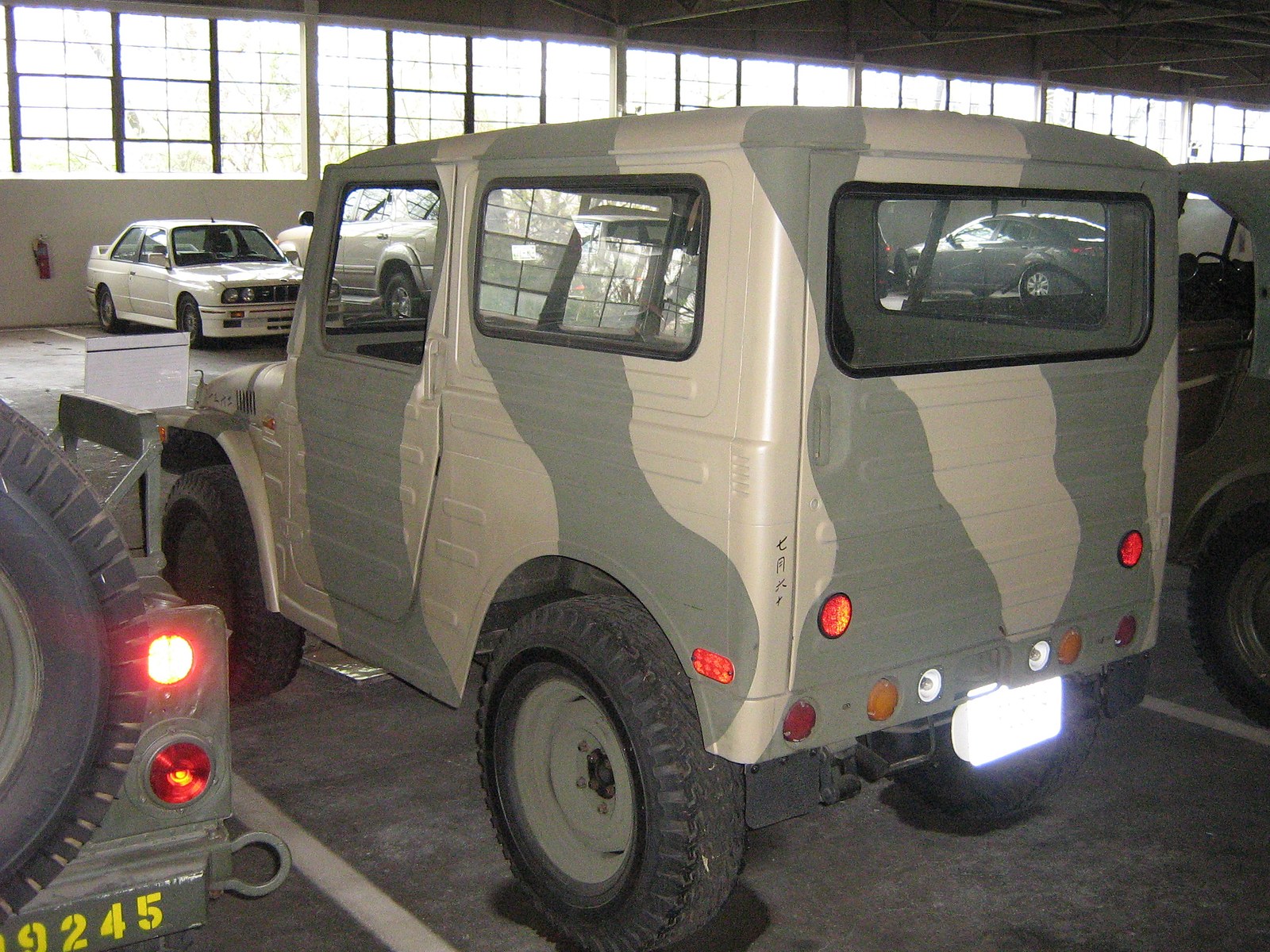
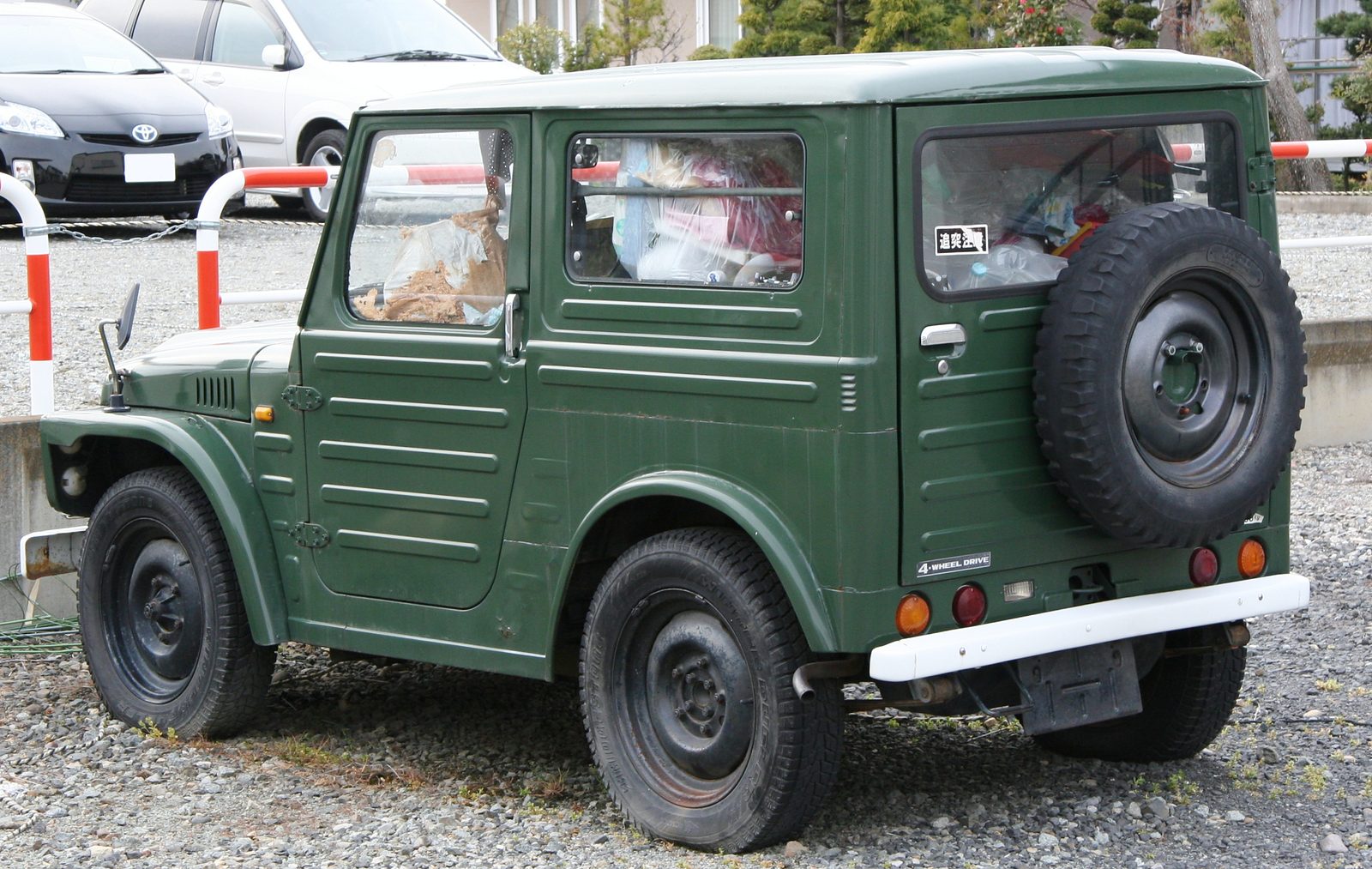
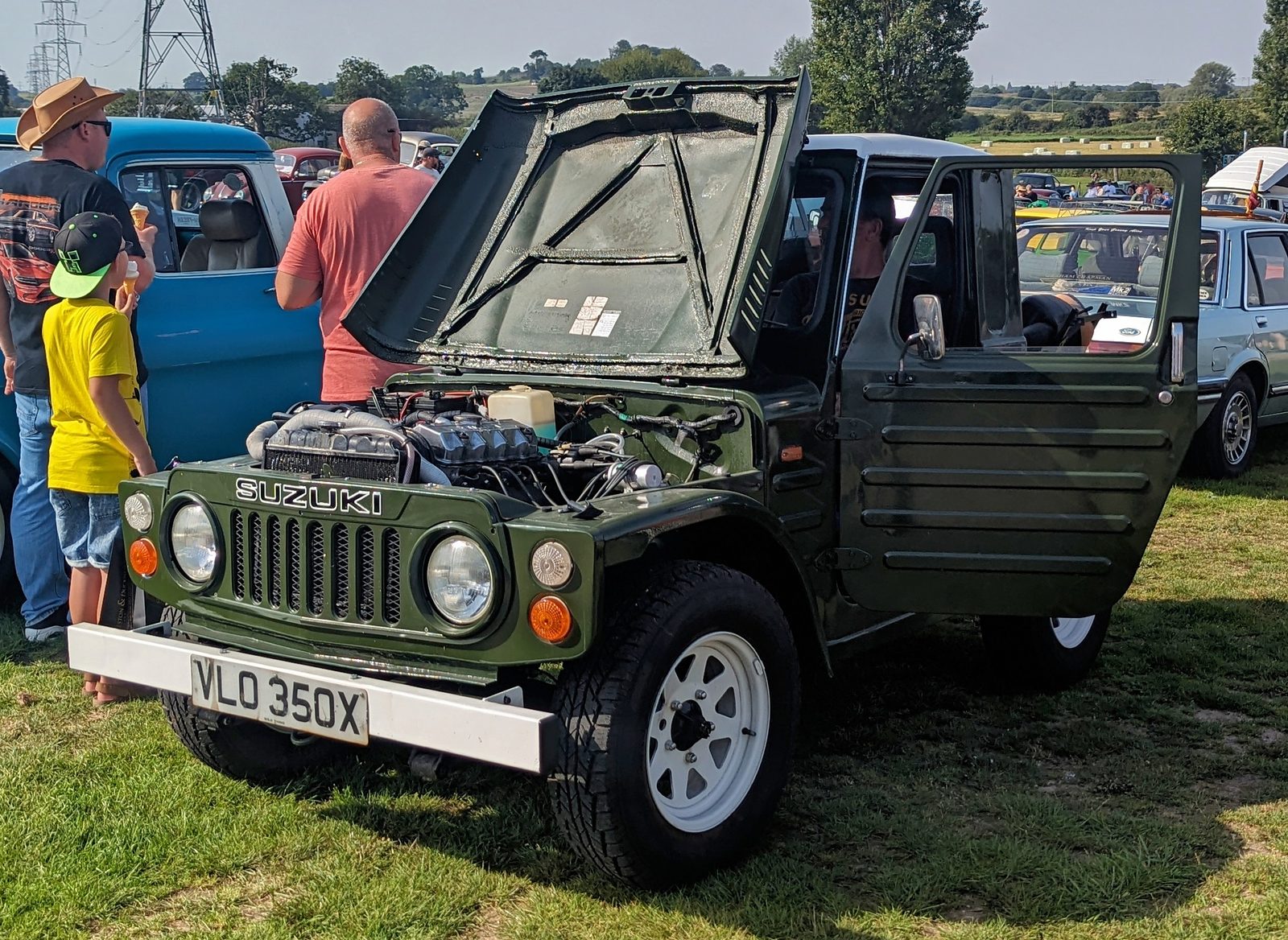
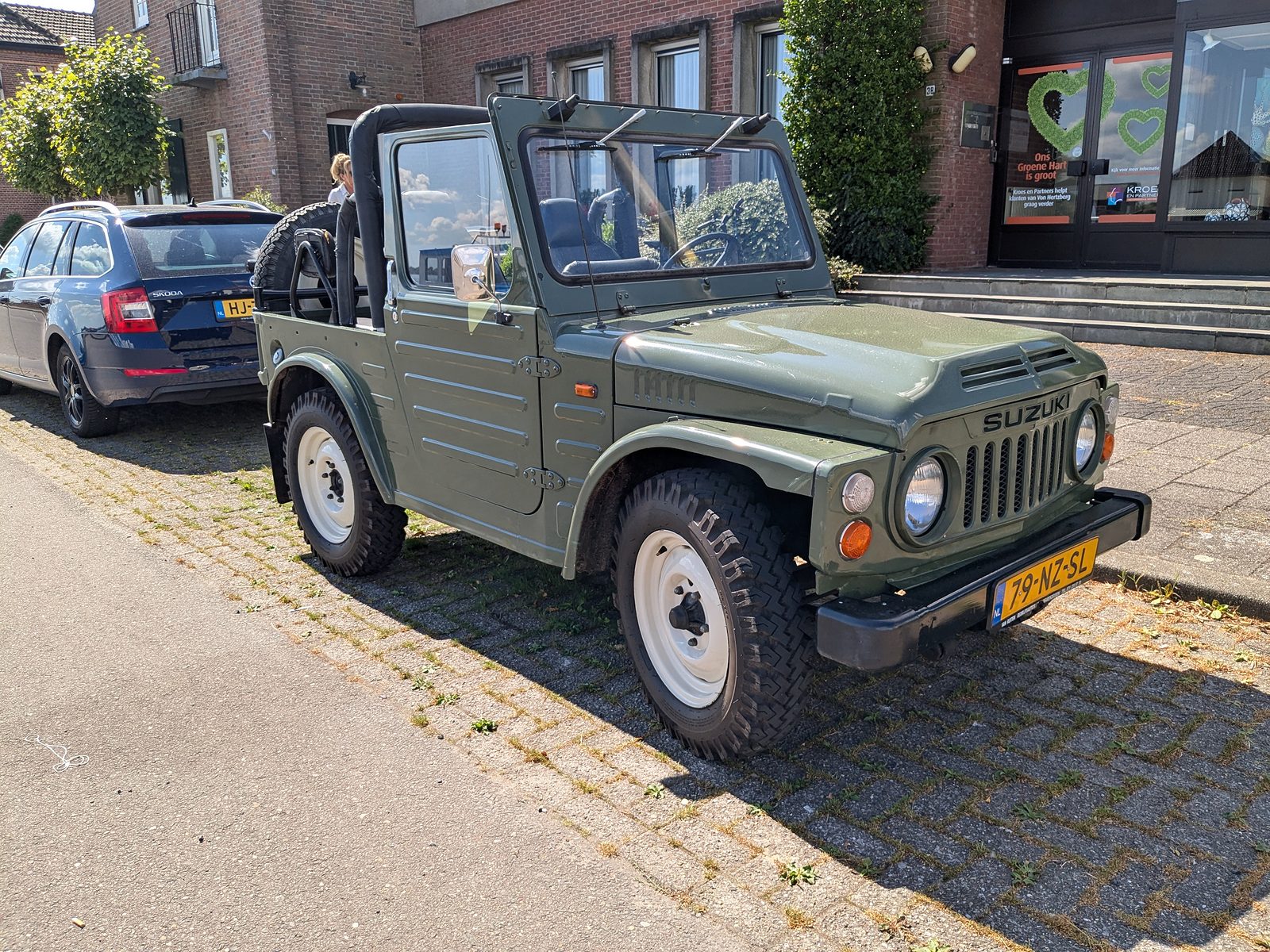
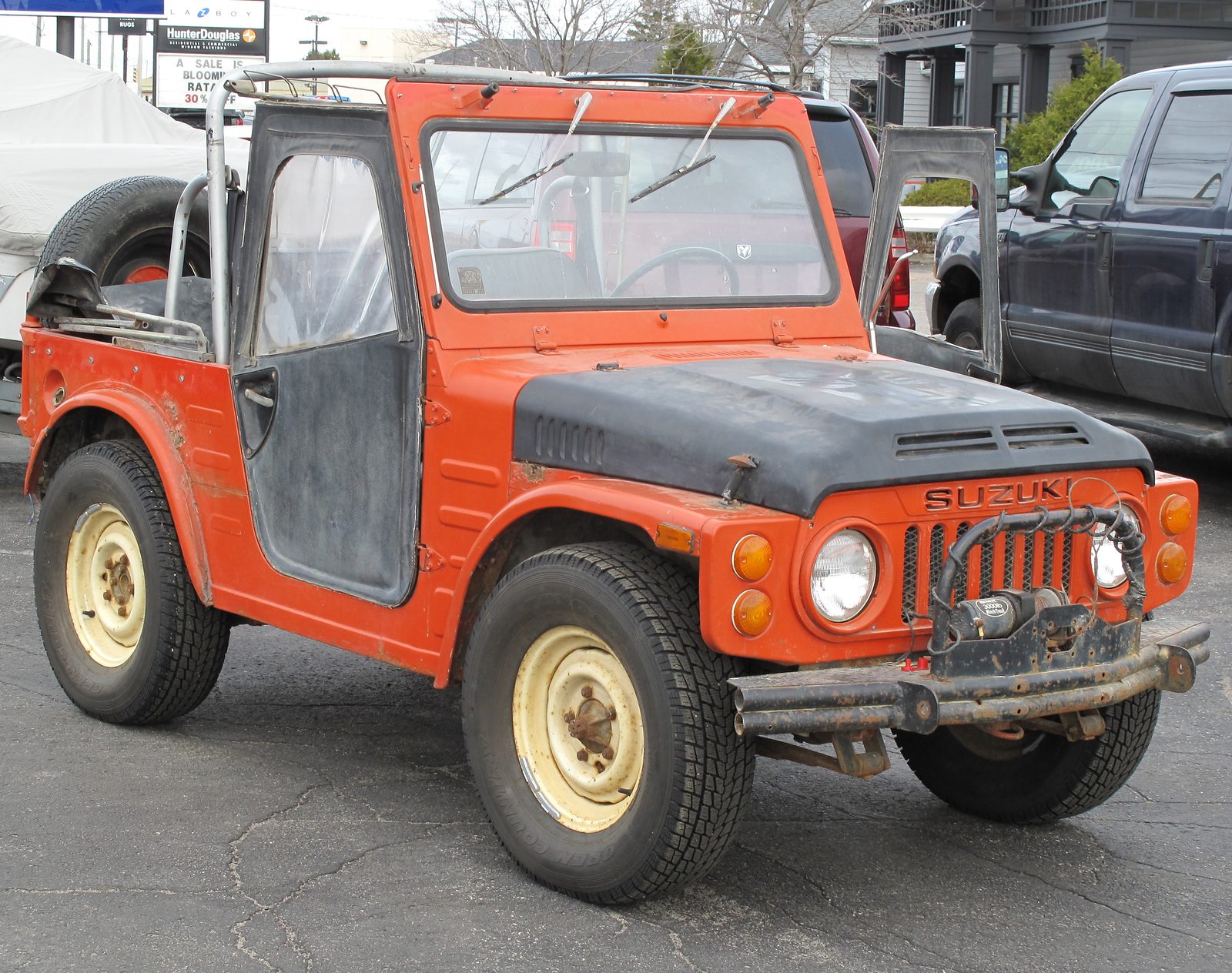
The 550 cc rules brought the SJ10 Jimny 55, pronounced “go-go”, in June 1976: a 539 cc water-cooled two-stroke three of 26 PS (19 kW). At first it kept the old body, 3,170 mm (125 in) long; in June 1977 its tracks grew by 100 mm and the fuel tank from 26 to 40 litres.source 2source 3 The Jimny 8 (SJ20) of July 1977 had the F8A, a 797 cc four-stroke four and Suzuki’s first four-stroke car engine. Too big for the kei class, it was registered as a small car; only 1,799 were registered in Japan, and abroad it was the LJ80.source 3source 1 Steel doors replaced canvas ones on the soft-top in November 1978, and the first generation ended in April 1981, with 98,750 registered in Japan.source 2source 3
The SJ30 that followed in May 1981 kept the two-stroke for its pulling power at low speed, and it was the last Japanese four-wheeler with a crankcase-compression two-stroke engine, sold until 1987. A turbocharged four-stroke came in 1986, and new generations in 1998 and 2018.source 2source 3 Through it all the Jimny has kept its ladder frame, its front engine and rear drive, its part-time four-wheel drive with a low range, and rigid axles.source 2