
microcarfan
  • Microcar utility
  • Several countries
  • 8 makers

Micro vans and utility microcars since 1990

Goupil’s smallest truck is 1.1 metres wide, narrow enough for a French old town, and Citroën’s Ami Cargo carries 260 litres where a passenger would sit. These are the micro vans built since 1990, nearly all of them electric.

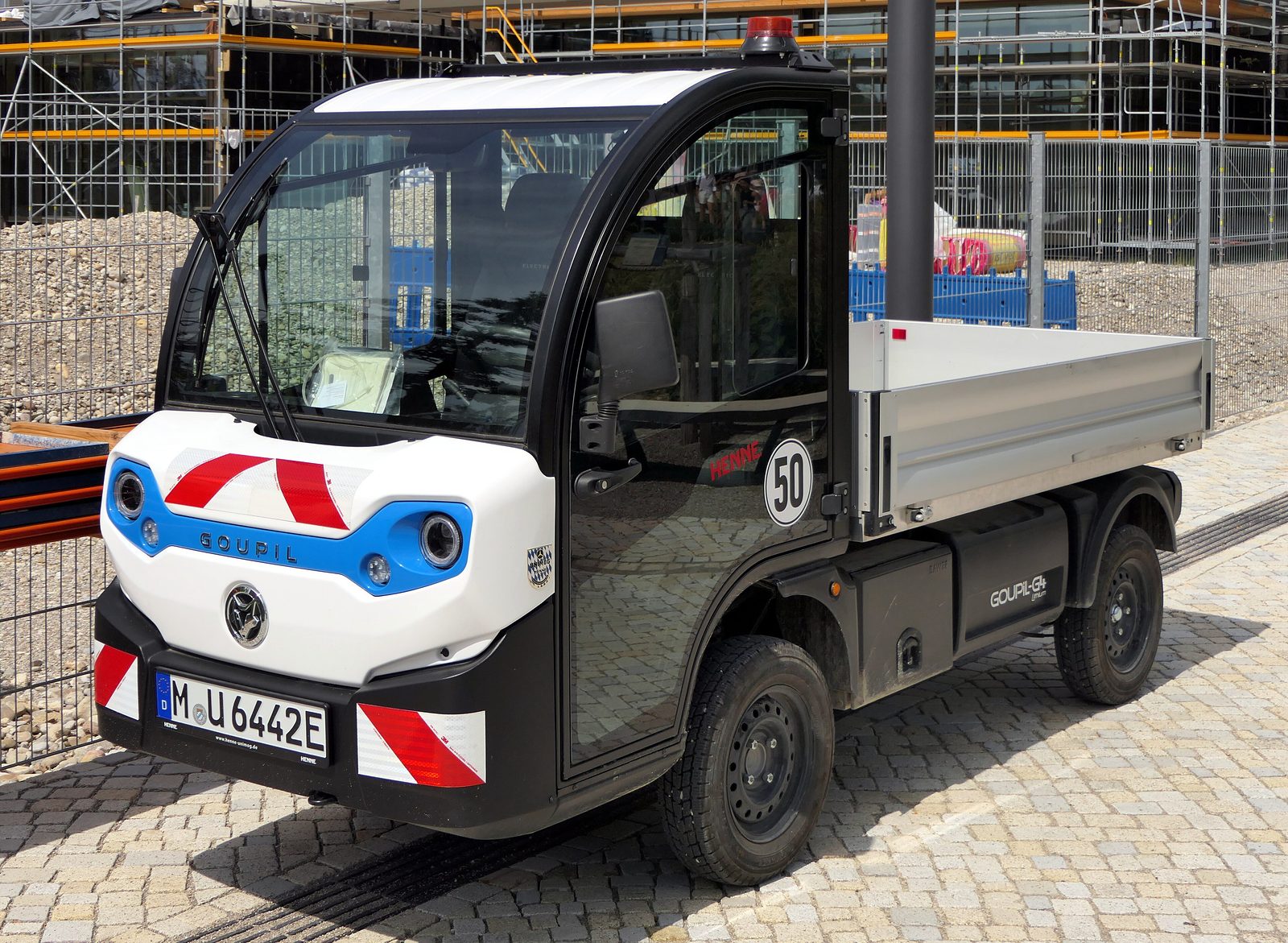
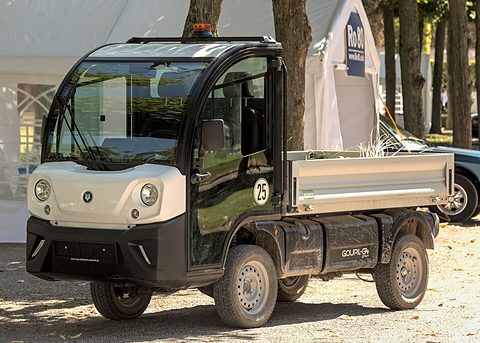
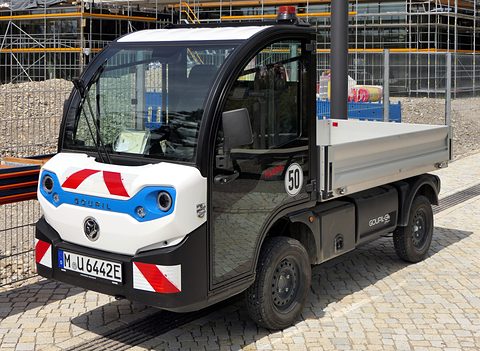
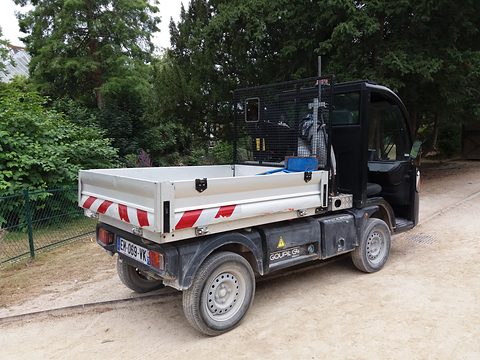
Black and white narrow electric utility truck with round lamps and an aluminium drop-side bed on gravel.
A black and white Goupil G4 drop-side at the Classic-Gala, Schwetzingen, Germany, in September 2022.Photo: Alexander Migl, CC BY-SA 4.0, via Wikimedia Commons

At a glance

The spec plate

Micro vans and utility microcars since 1990

8 makers · Europe and Japan

Built
1992–From Alkè, founded in 1992, to the Mobilize Bento, stopped in December 2025; most still built
Country
Several countriesFrance, Italy, Spain, Morocco and Japan
Engine
Electric motors, or a small dieselAmi Cargo 6 kW; Twizy Cargo 45 4 kW; the Mega Multitruck 600 a diesel
Seats
1 to 4One in the Twizy Cargo and the Ami Cargo; the Ape Calessino a driver and three passengers
Production
about 13,000 Minicab MiEVsBy December 2023; the only large count found
Top speed
80km/h80 km/hThe Twizy Cargo 45, 45 km/h

Not yet recordedpower and wheels and layout.

The story

History

Narrow electric load-carriers became the standard tool of French and Italian towns for streets too tight for an ordinary van.source 1source 2 Two firms founded in the 1990s, Alkè in Padua and Goupil in the Lot-et-Garonne, made them their business, and Aixam’s utility brand, Mega, joined them. Later the big makers took the passenger seat out of their two-seat electric quadricycles and put a box in its place: Renault in the Twizy, Citroën in the Ami and Renault again in its Mobilize Duo.source 3source 4source 5 In Japan, Mitsubishi made an electric version of its kei van.source 6 They range from the 2,320 mm (91 in) of the Twizy Cargo to the 4,800 mm (189 in) of Goupil’s largest, which puts some of them well beyond microcar size; they appear as a class (more in electric microcars). They are taken in the order the vehicles first appeared.
Alkè

1992– · a record on this page

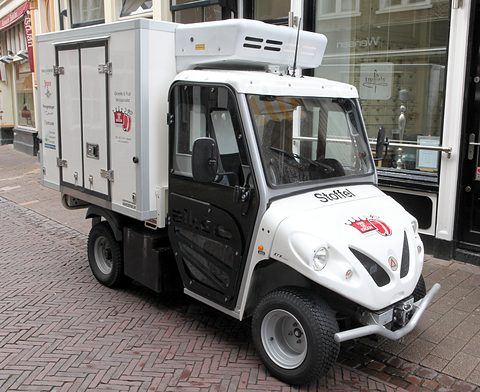
Achille Salvan founded Alkè in Padua in 1992, to build electric utility vehicles; it makes diesel trucks too.source 2 Its electric range today runs from the small ATX 340E and ATX 440S to the ATX 440M and ATX 480, with a double-cab ATX ED and explosion-proof ATEX versions.source 7 It sells through more than 30 dealers, with ePowerTrucks as its importer in Britain.source 2 In Utrecht an Alkè worked in the Cargohopper, a solar-powered scheme for deliveries in the city centre.source 2 No dimensions or production figures for its trucks have been found.

White small electric utility truck with a refrigerated box body and roof unit parked on brick paving.
An Alkè ATX 280E with an insulated box body in the Netherlands in August 2011.Photo: Joost J. Bakker, CC BY 2.0, via Wikimedia Commons

Goupil

1996– · a record on this page

Pascal Duclos and Thierry Zerbato founded Goupil Industrie in 1996 at Bourran, in the Lot-et-Garonne, to build narrow electric utility trucks.source 1source 8 Its G3 came in 2001, and its G5 in 2010, which Goupil called the first electric vehicle with a dual-mode plug-in hybrid option.source 8source 1 In 2010 its sales were about US$25 million, in 18 countries.source 1 The American firm Polaris Industries, which already built small electric vehicles under the GEM name, announced on 17 November 2011 that it would buy Goupil; the factory and its staff stayed at Bourran.source 1source 8

Joining Polaris presents us with the resources we require to grow into a stronger, more profitable business. Polaris and Goupil share similar values, as we both build upon a core of innovation and quality products.

Pascal Duclos, co-founder of Goupil, in Polaris’s release of 17 November 2011.source 1

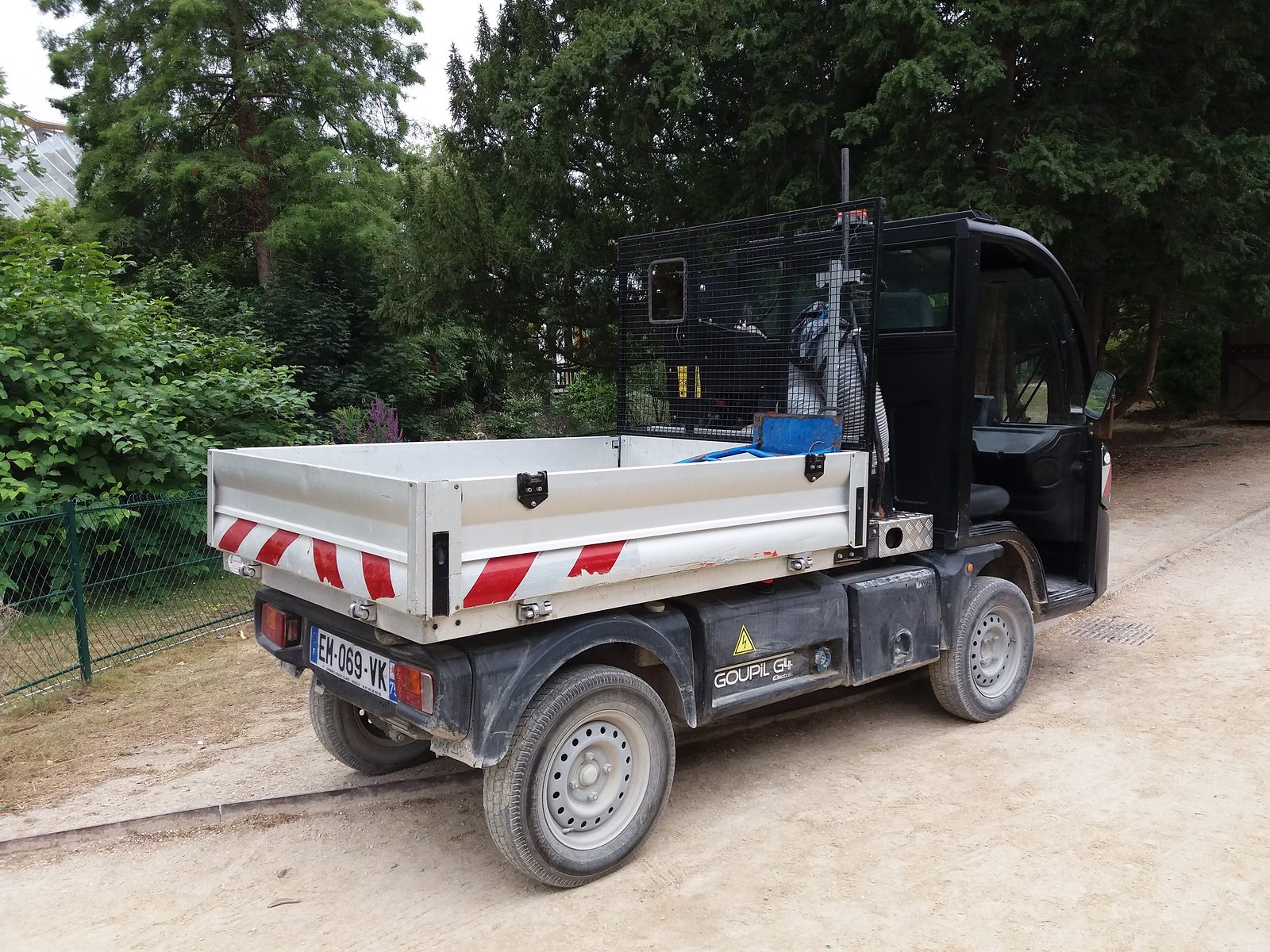
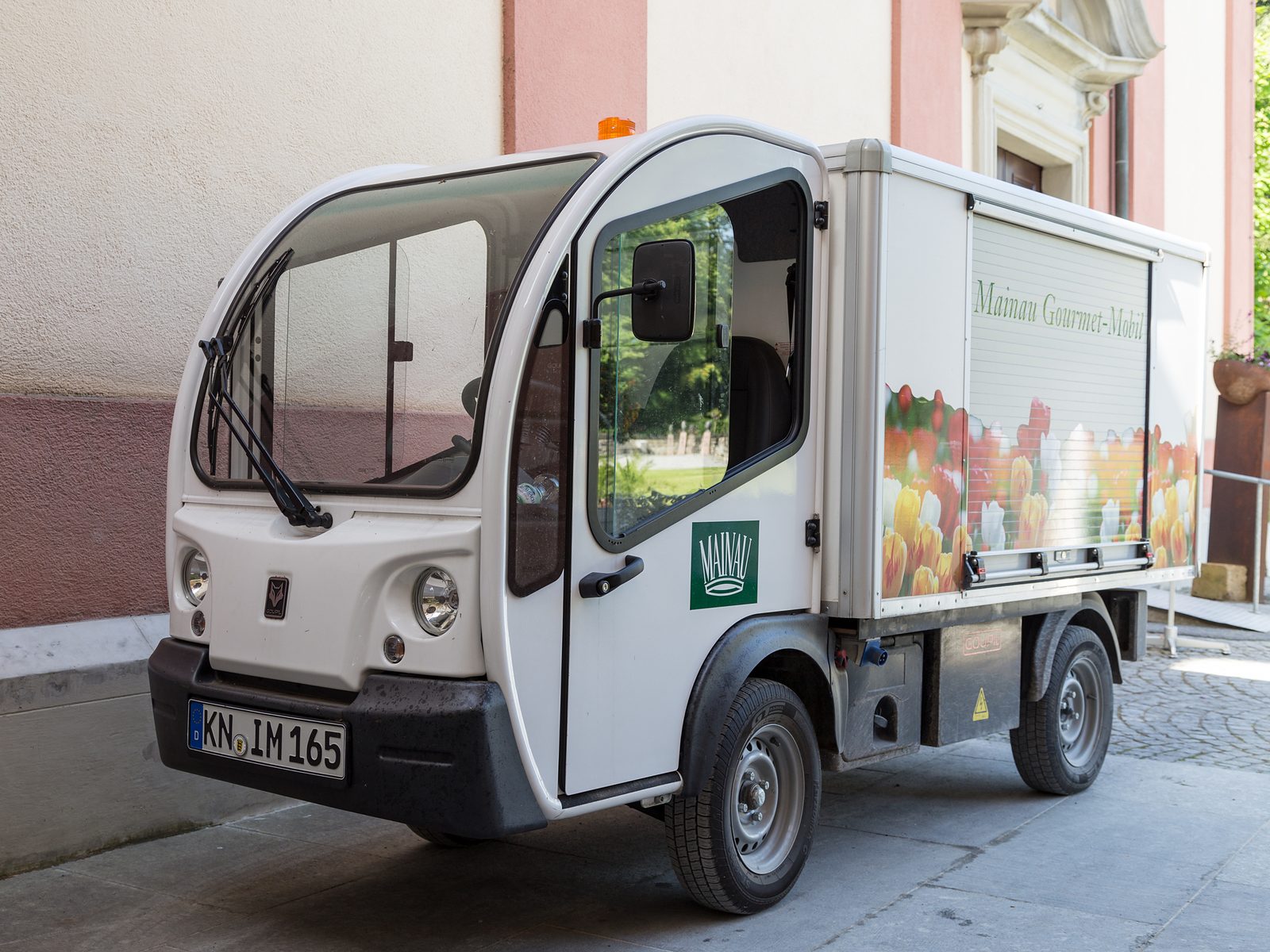
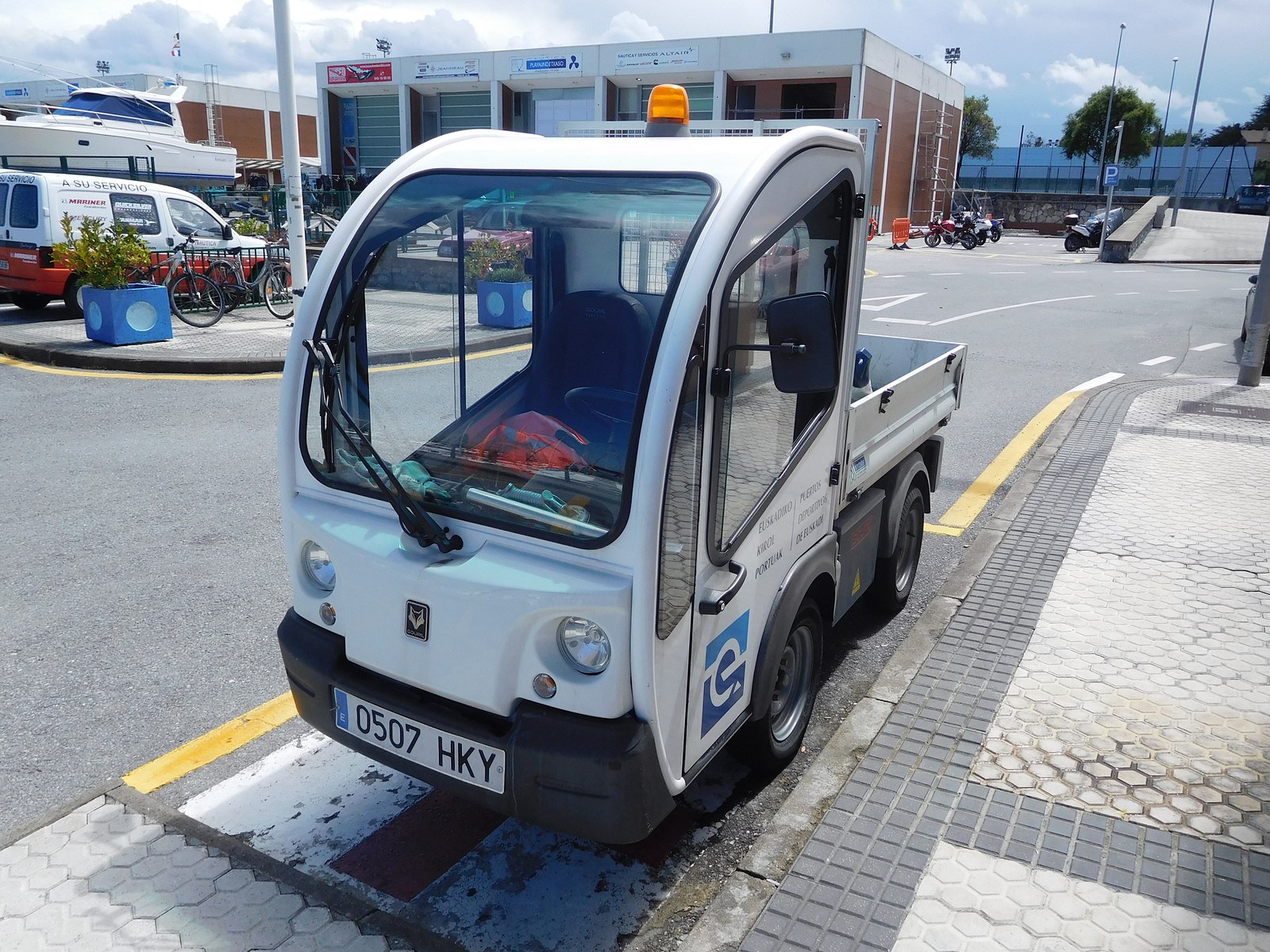
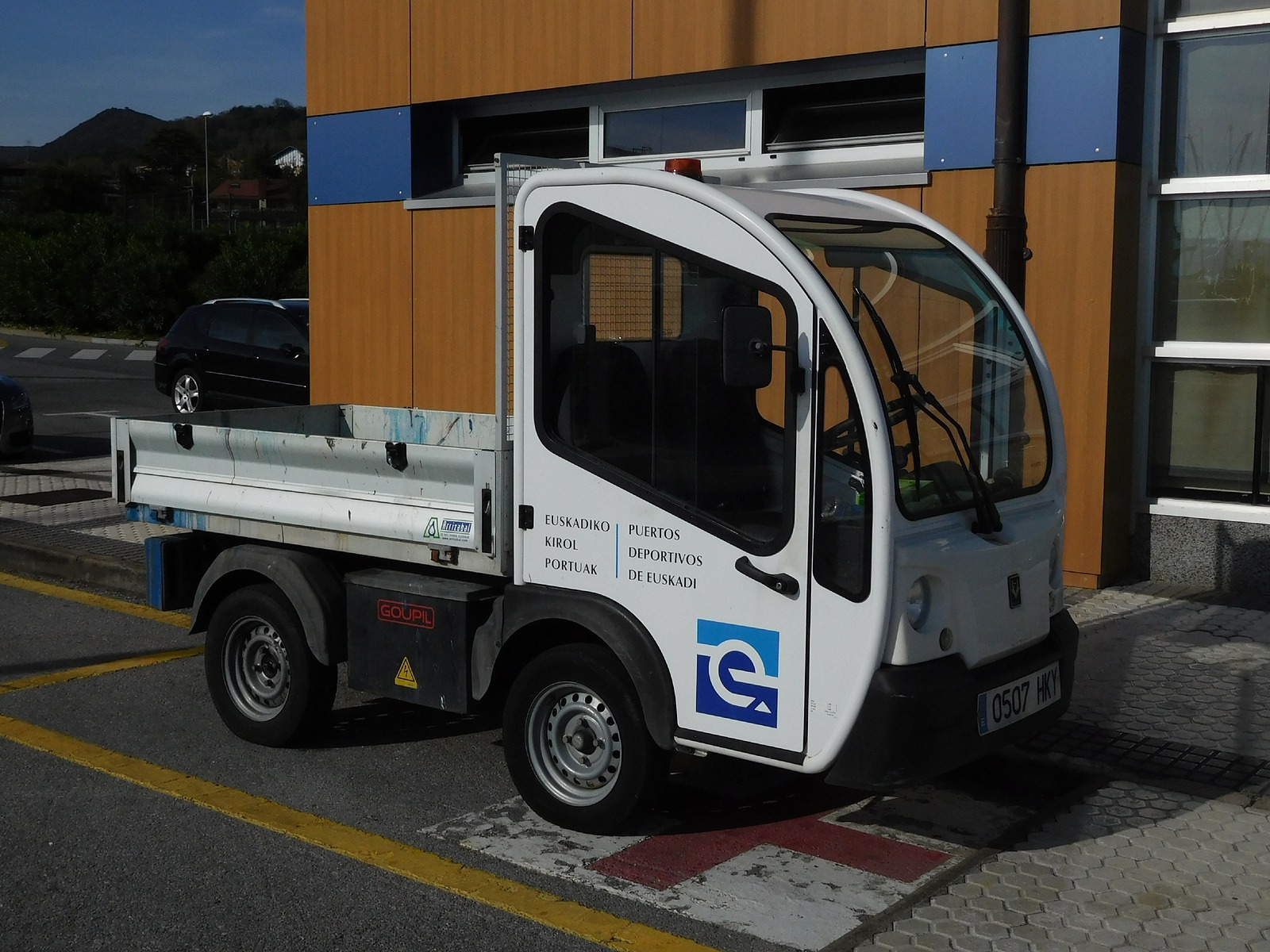
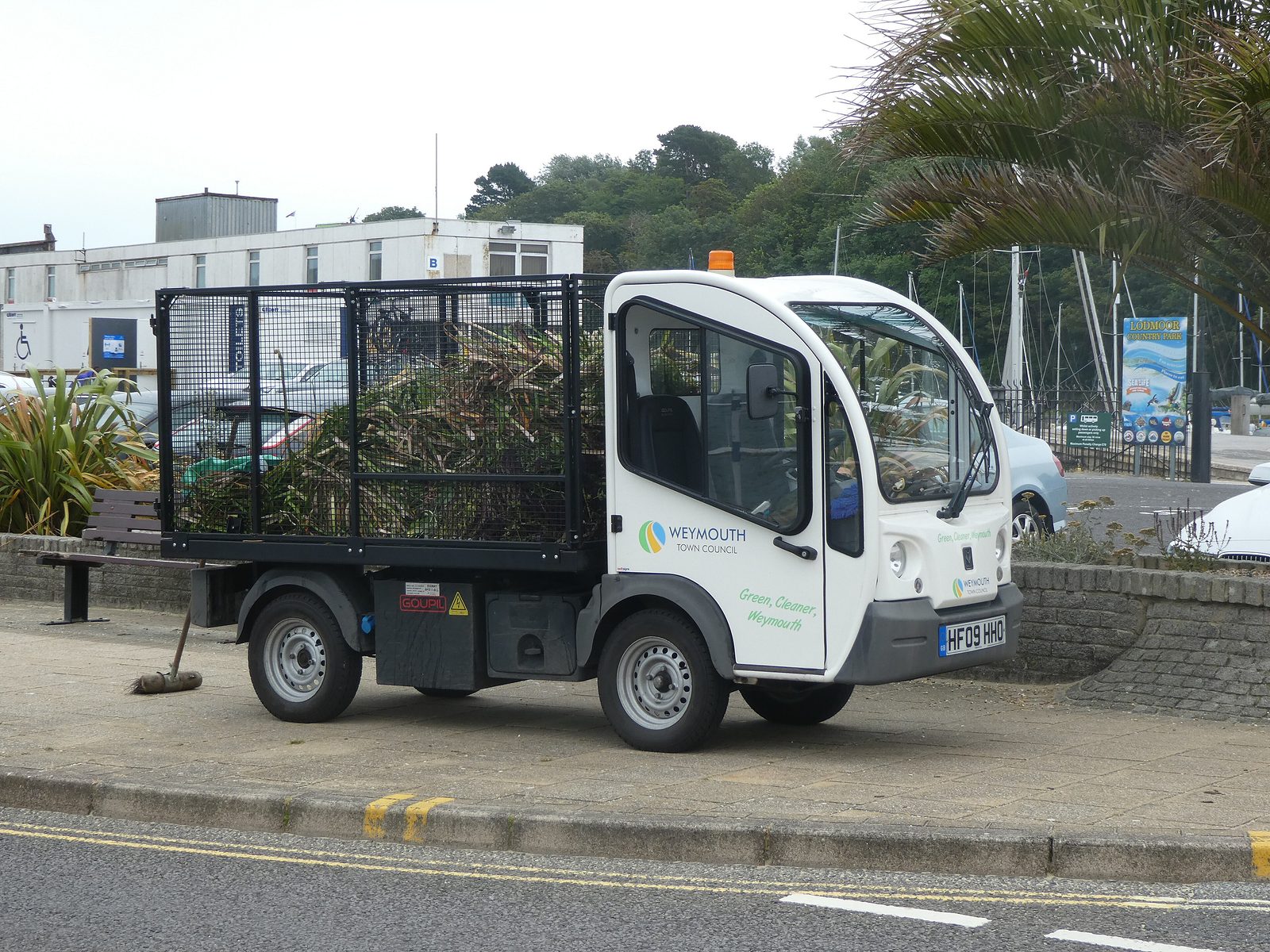
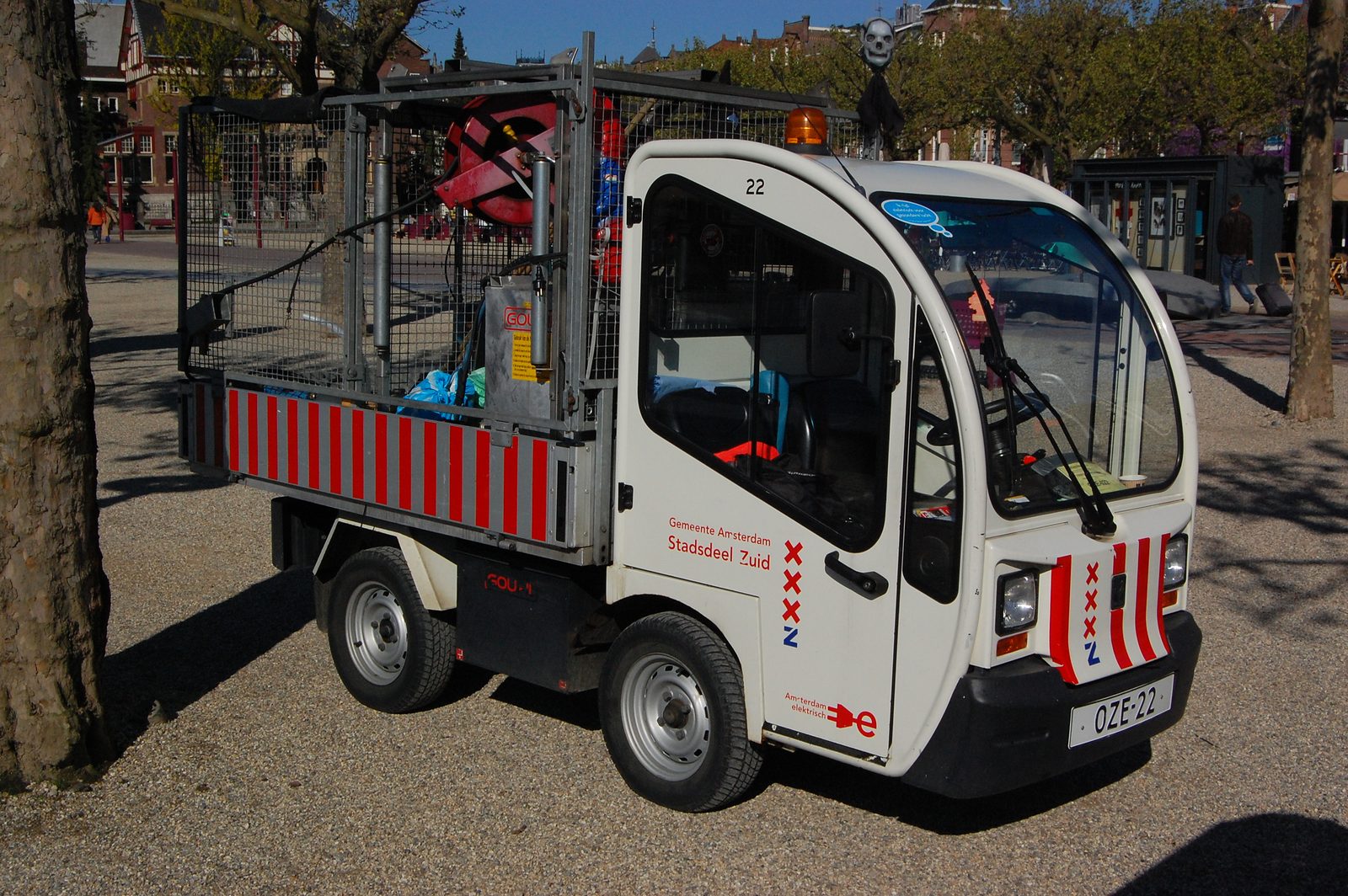
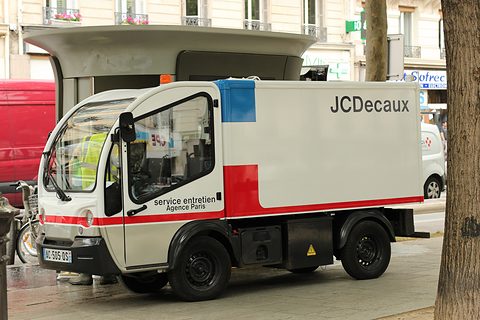
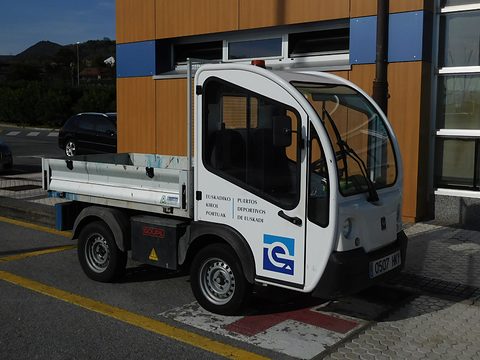
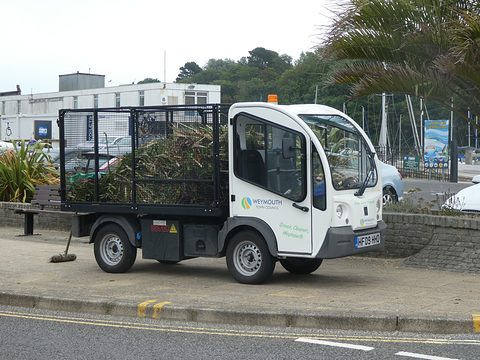
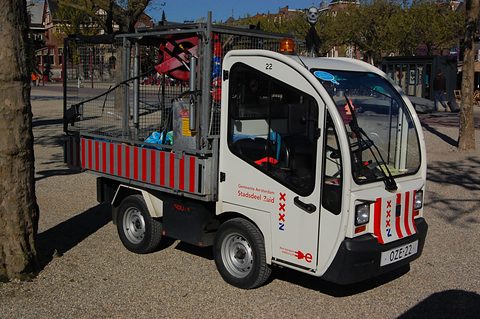
By the trade press’s account, the range today begins with the G2 of 2017, 3.20 m (10 ft 6 in) long and only 1.1 m (3 ft 7 in) wide, with a payload of 600 kg. The G4 of 2019, the best-seller, is 1.2 m wide and 3,600 or 4,150 mm long, and runs up to about 160 km (99 miles) on a charge; the G6 of 2020 is 1.70 m wide and 4.80 m long, and carries up to 1,200 kg.source 8 The photographs on this page show Goupils at work in Paris, Amsterdam, the Basque Country and Weymouth.

White and red narrow electric box van lettered JCDecaux parked under plane trees beside a street kiosk.
A JCDecaux Goupil G3 service van at work on the Boulevard Richard-Lenoir, Paris, in June 2012.Photo: Coyau, CC BY-SA 3.0, via Wikimedia Commons

Mega Multitruck and e-Worker

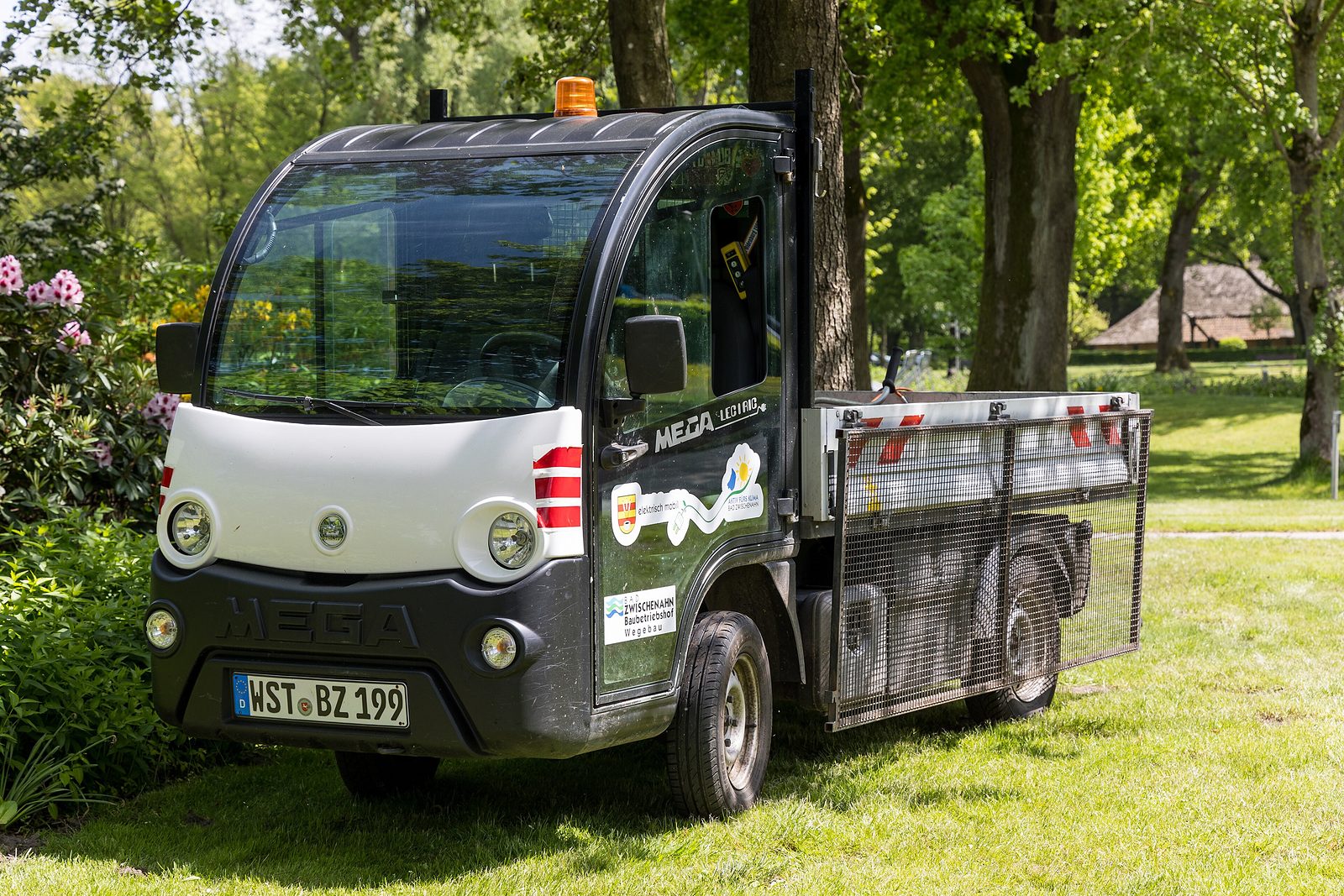
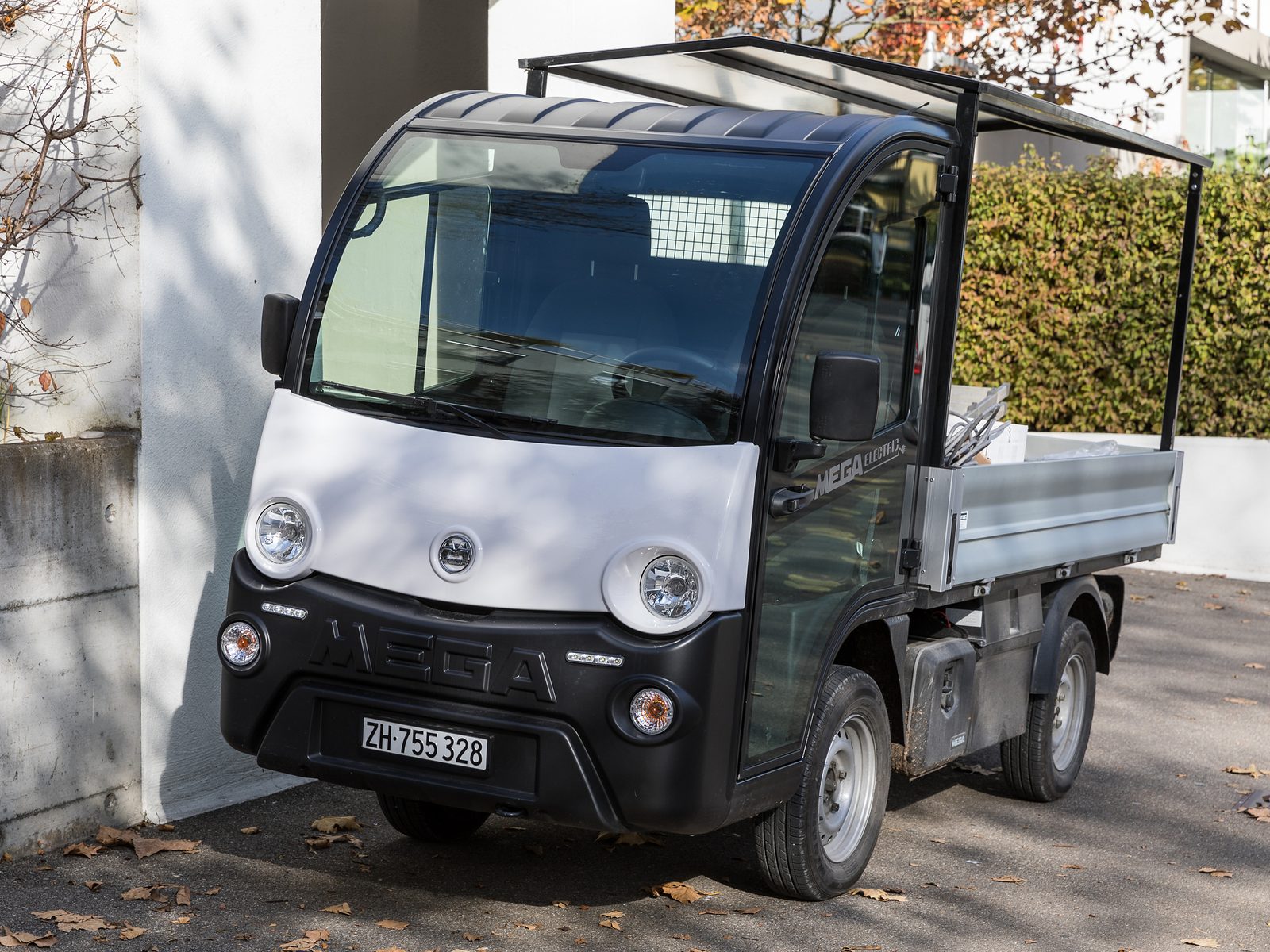
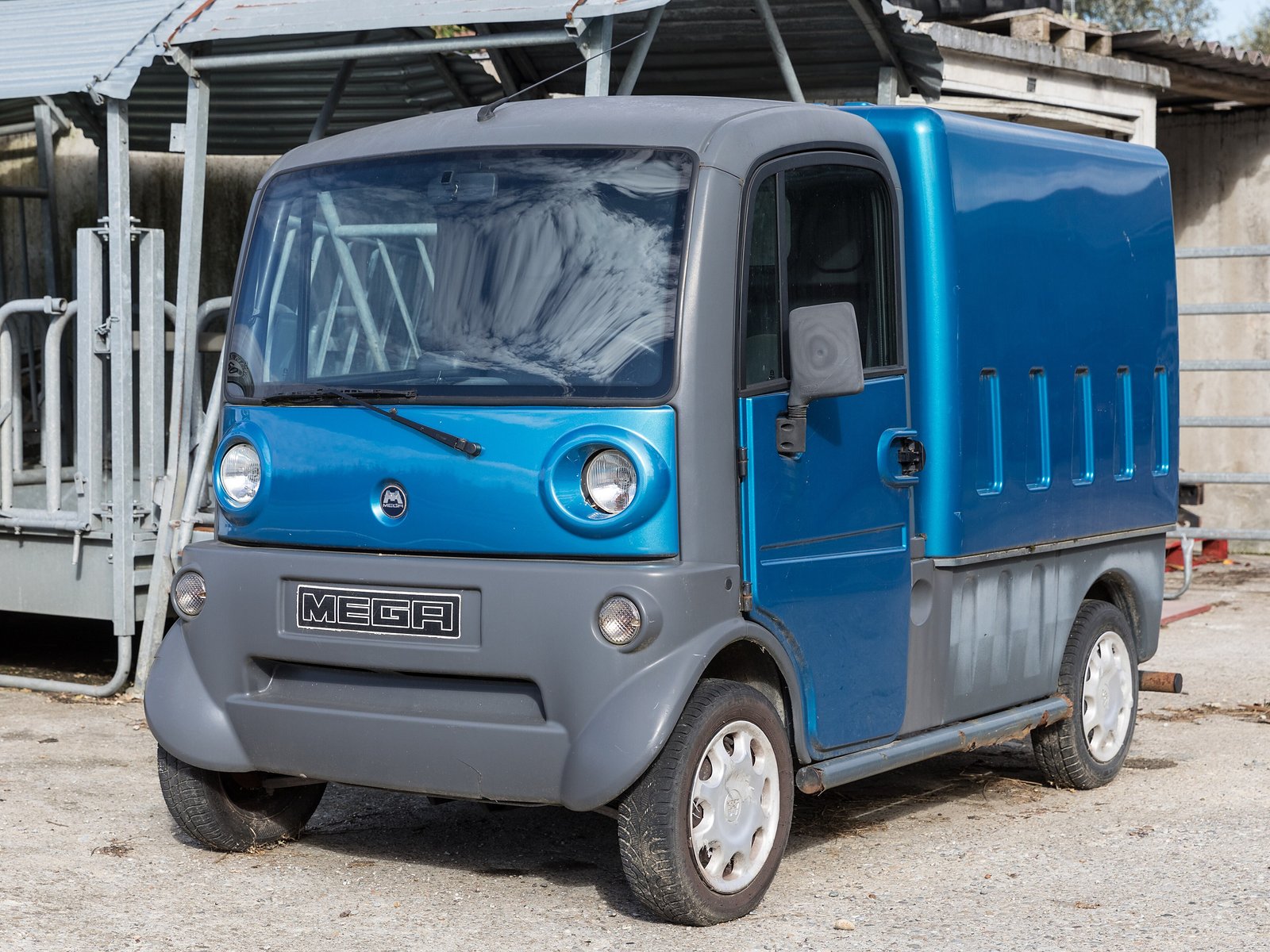
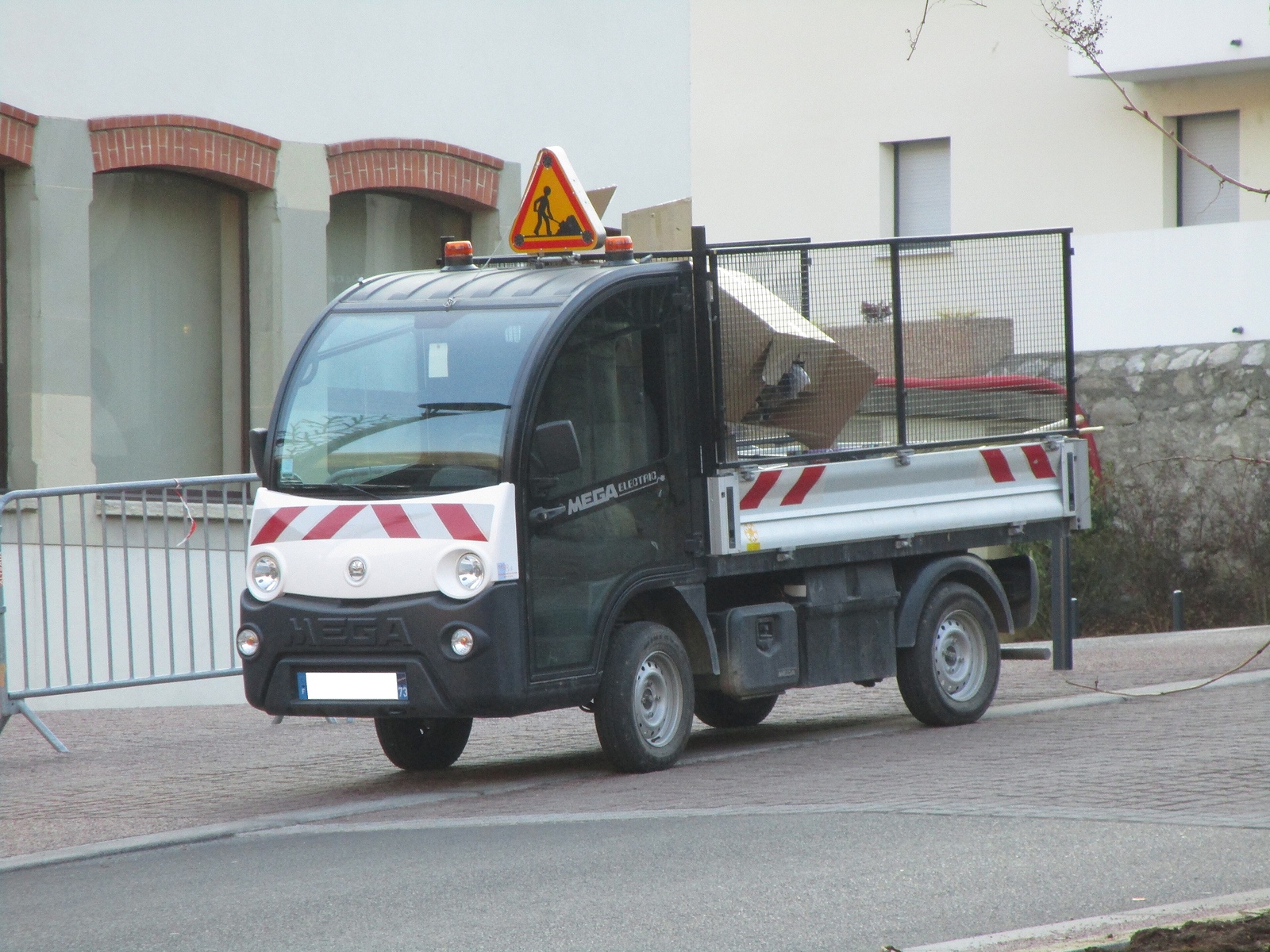
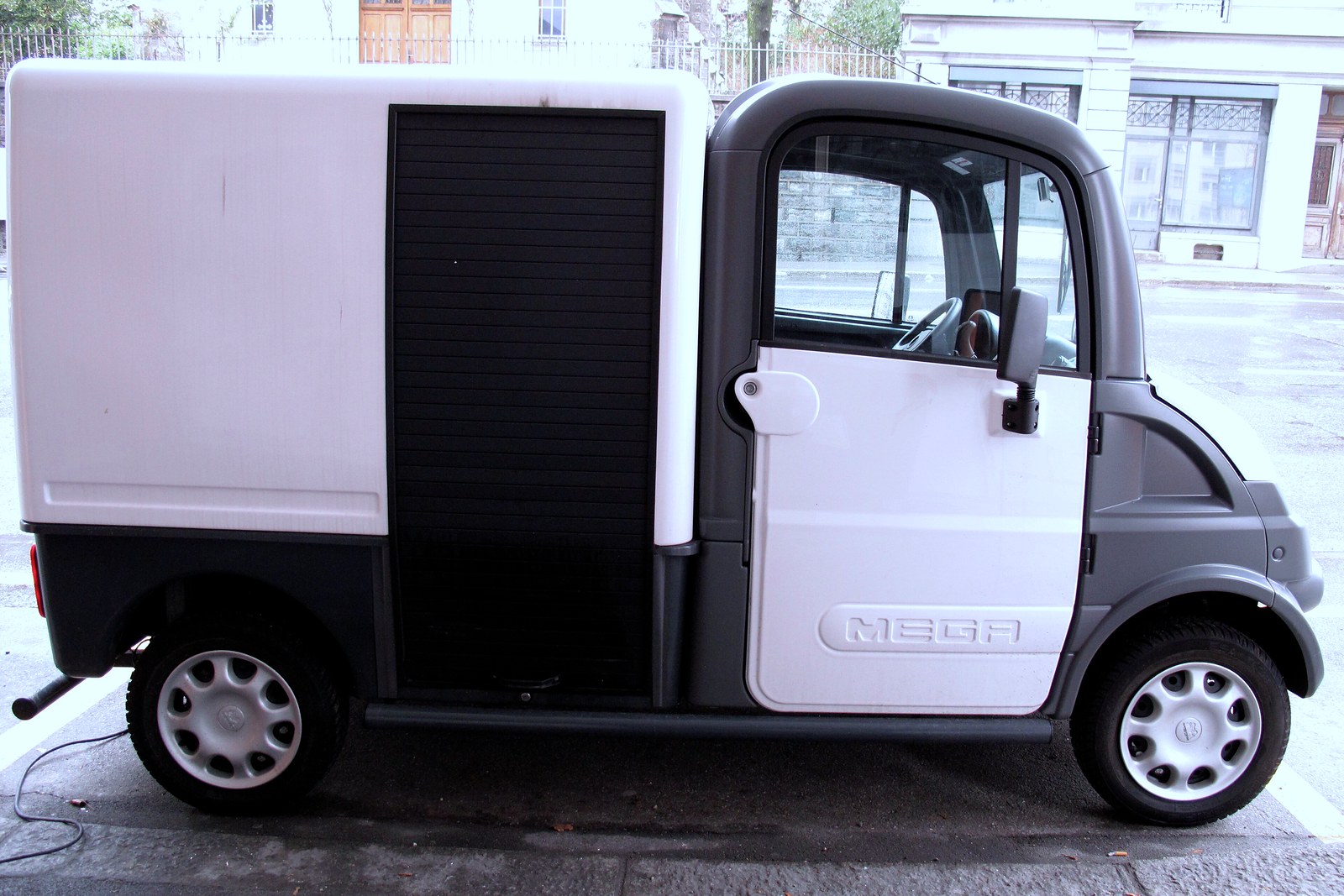
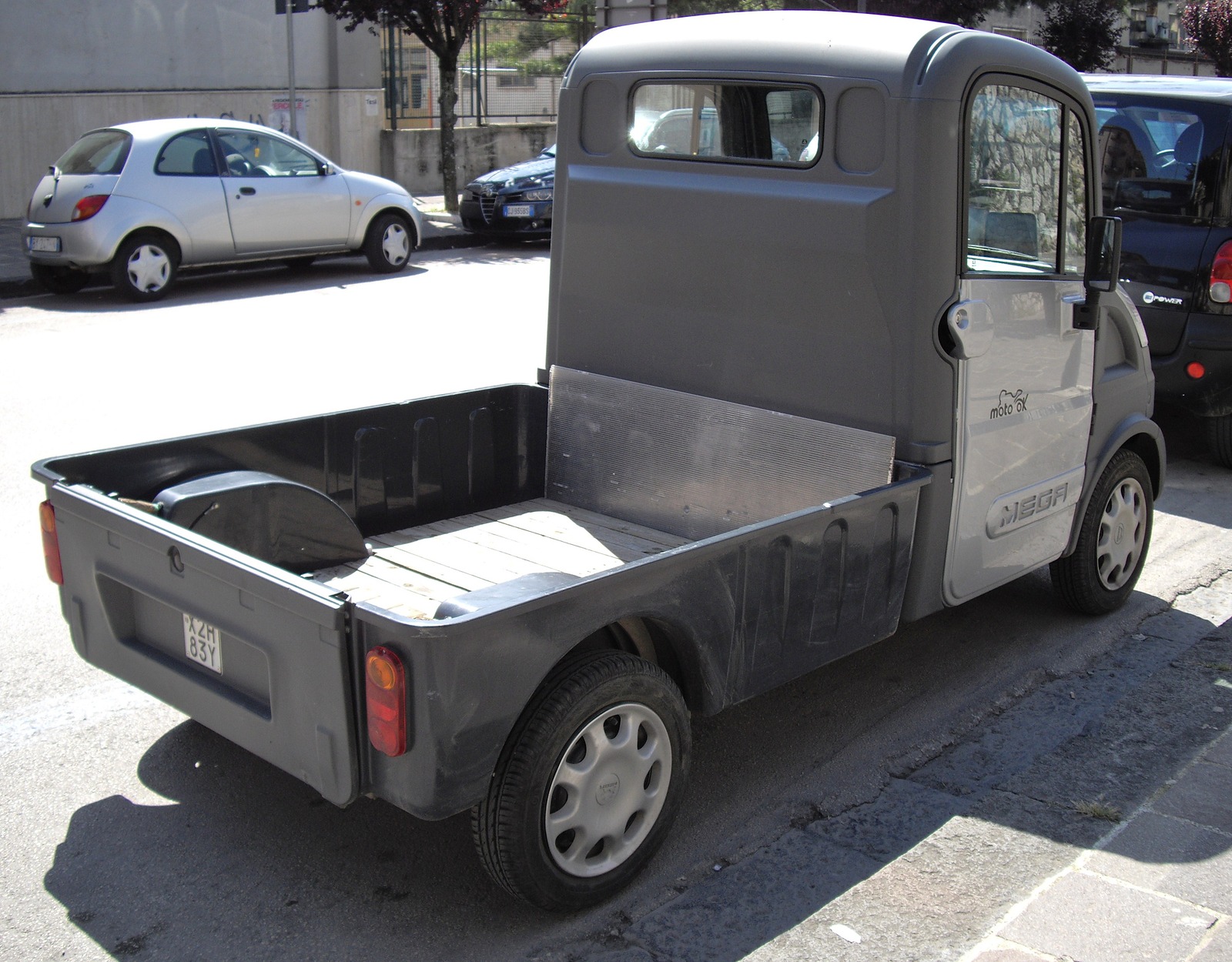
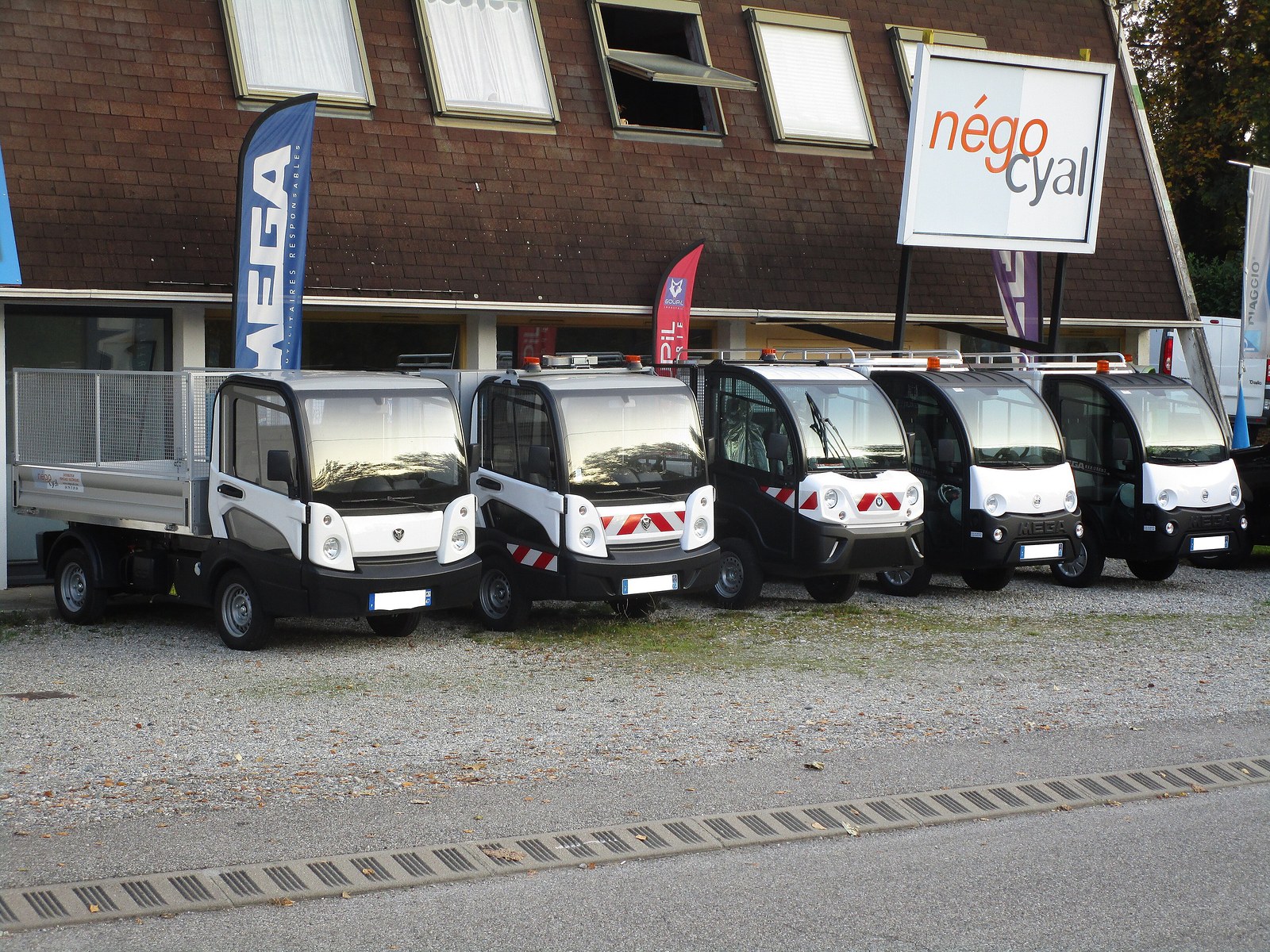
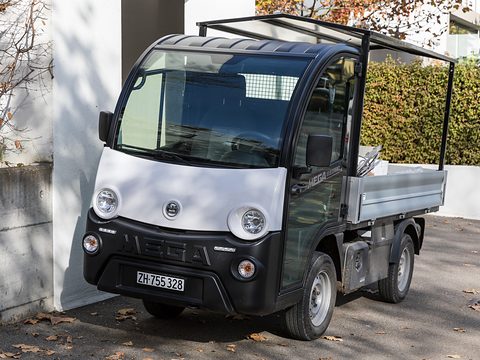
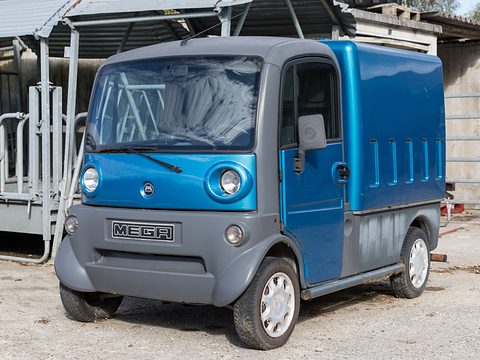
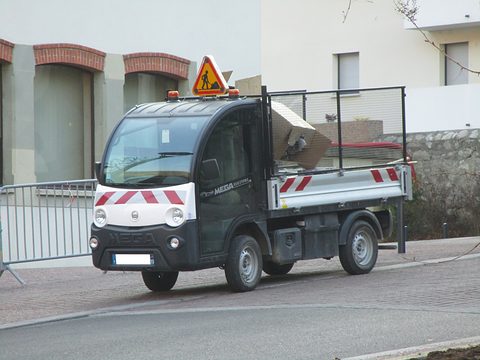
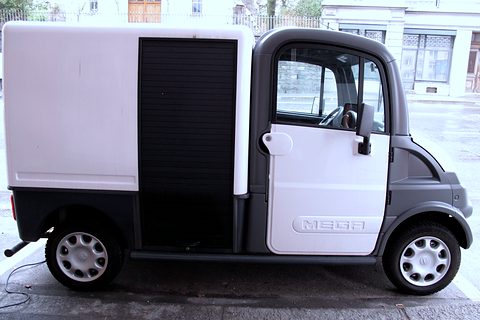
Mega began in 1992 as the sporting brand of the licence-free car maker Aixam, and became its brand of working vehicles: a diesel, the Multitruck, from 2003, and an electric, the e-Worker, from 2011, told more fully on the Aixam page under Mega.source 9 When Ransomes Jacobsen became Mega’s sole importer for Britain, about 2013, the e-Worker came on two wheelbases with a payload of 631–872 kg, up to 3.5 m³ of load space and battery packs giving up to 110 km; the Multitruck 600 diesel carried up to 500 kg.source 10 What Van? suggested them for refuse rounds and for campuses, hotels, leisure parks, military bases, airports and factories. Their dimensions have not been found.source 10

Piaggio Ape Calessino Electric

Piaggio’s Ape Calessino, the passenger version of its three-wheeled van, was revived in 2007 with a diesel,source 11 and in 2009 Piaggio offered it as the Ape Calessino Electric Lithium, with an electric motor and lithium batteries in place of the 422 cc diesel. It was finished in blue and white, with cream upholstery piped in blue, white-walled tyres on chrome wheels, and tropical-wood trim.source 12 English Wikipedia says 100 were built.source 11 It carried passengers rather than goods, and is the only three-wheeler among them.

Mitsubishi Minicab MiEV

2011– · a record on this page

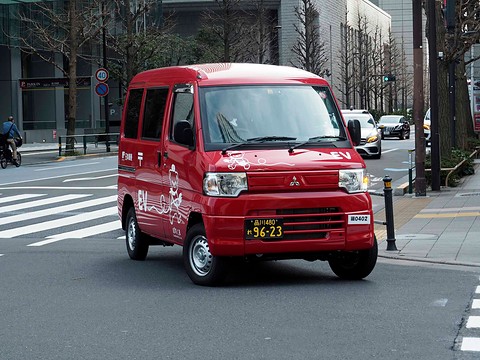
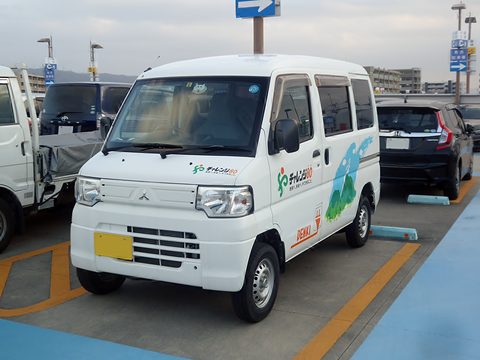
Mitsubishi tested the Minicab MiEV from October 2010 and launched it in Japan in December 2011, an electric version of the Minicab kei van, and later of the truck as well.source 6 About 13,000 Minicab MiEVs had been built by December 2023, when the van was renamed the Minicab EV, with a new motor and battery and a range of 180 km (112 miles); from the same month it was also assembled in Indonesia, at Cikarang.source 6

Red tall kei van with white cartoon bear graphics driving on a city street by a pedestrian crossing.
A Japan Post Minicab MiEV van in Ginza, Tokyo, in 2020.Photo: Comyu, CC BY-SA 4.0, via Wikimedia Commons

Renault Twizy Cargo

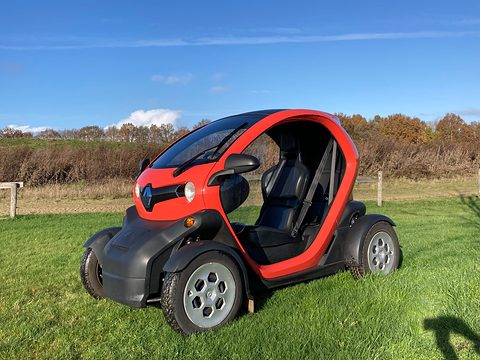
Renault announced the Twizy Cargo in June 2013: a Renault Twizy whose rear passenger seat gave way to a lockable box of 180 litres, for up to 75 kg.source 4 German Wikipedia gives 156 litres, and says it was sold until July 2019.source 13 The Cargo 45 had a 4 kW motor and was held to 45 km/h (28 mph); the Cargo 80 reached 80 km/h (50 mph).source 4

Citroën My Ami Cargo

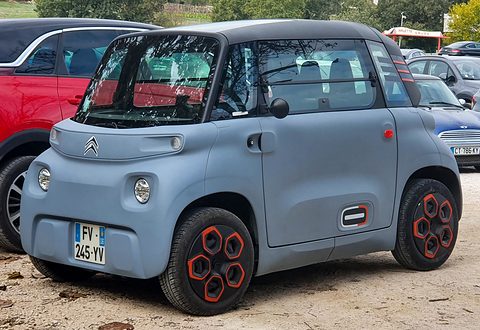
Citroën launched the My Ami Cargo in May 2021, a commercial version of the Citroën Ami for deliveries over the last mile, plumbers, electricians, locksmiths and local councils.source 3 It is 2.41 m (7 ft 11 in) long and 1.39 m wide. In place of the passenger seat is a moulded polypropylene module in seven parts, holding 260 litres and 140 kg, and with the Ami’s other spaces there are 400 litres in all. The battery and motor are the Ami’s, 5.5 kWh and 6 kW; it charges from a household socket in three hours and runs 75 km (47 miles).source 3

Small on the outside and big on the inside.

Citroën, launching the My Ami Cargo, May 2021.source 3

Mobilize Bento

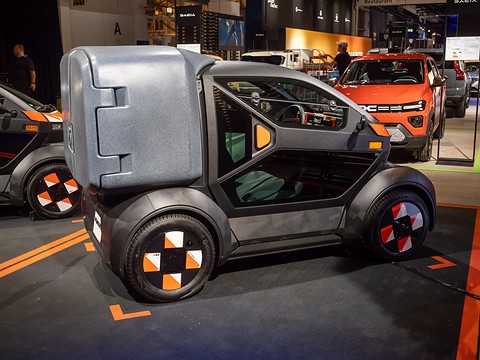
The Bento is the cargo version of the Mobilize Duo, the Twizy’s successor, built by Renault at Tangier, in Morocco, with about 1 m³ (35 cu ft) of load space; the Duo is 1,300 mm (51 in) wide and 2,430 mm (96 in) long.source 5 Both were announced for Britain in 2024, for sale in 2025. In December 2025 Renault stopped building the Duo, citing limited profitability, and cut 80 of Mobilize’s 450 jobs.source 5

Grey narrow two-seat electric car with a large cargo box behind the cabin and orange-patterned wheels on a stand.
A Mobilize Bento, its cargo box behind the cab, at Auto Zürich in November 2024.Photo: Matti Blume, CC BY-SA 4.0, via Wikimedia Commons

Pictures

More photographs, old and new

Variants

Eight makers, in order of appearance

The vehicles, with what they carry
VariantYearsWhat differsHow many
Alkè ATX1992–Electric utility trucks from PaduaNot found
Goupil G22017–3,200 mm long, 1.1 m wide; 600 kg payloadNot found
Goupil G42019–3,600 or 4,150 mm long, 1.2 m wide; the best-sellerNot found
Goupil G62020–4,800 mm long, 1.7 m wide; up to 1,200 kgNot found
Mega Multitruck 6002003–Diesel; up to 500 kgNot found
Mega e-Worker2011–Electric; 631–872 kg, up to 3.5 m³Not found
Ape Calessino Electric2009The passenger Ape, with lithium batteries100, by English Wikipediasource 11
Minicab MiEV2011–Electric kei van and truckAbout 13,000 by 2023source 6
Twizy Cargo 45 and 802013–⁠19A 180-litre box where the passenger satNot found
My Ami Cargo2021–2,410 mm long; a 260-litre module in place of the passenger seatNot found
Mobilize Bento2024–⁠25The Duo with about 1 m³ of load spaceNot found

How many were built?

What was counted

Few counts foundThese are working vehicles, and their makers publish little. The Minicab MiEV is the only one with a large count, about 13,000 by December 2023. Goupil’s sales were worth about US$25 million in 2010, but no number of vehicles has been found.

  1. about 13,000Mitsubishi Minicab MiEVs, December 2011 to December 2023One source

    English Wikipediasource 6

  2. 100Piaggio Ape Calessino Electrics, 2009Unconfirmed

    English Wikipediasource 11

  • Two sources agreetwo good sources give the figure
  • One sourcea good source, alone
  • Unconfirmeda lead only, not yet checked

Famous for

Three points

  1. Narrower than a car

    Goupil’s smallest truck is 1.1 m wide, made for old-town streets.

  2. A box for a passenger

    The Twizy Cargo and the Ami Cargo give the passenger’s place to the load.

  3. Solar deliveries

    In Utrecht an Alkè served the Cargohopper, a solar-powered delivery scheme.

Survivors and collecting

Today

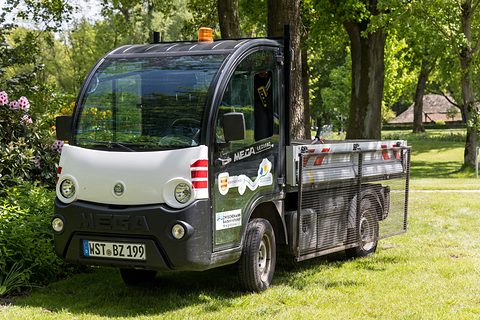
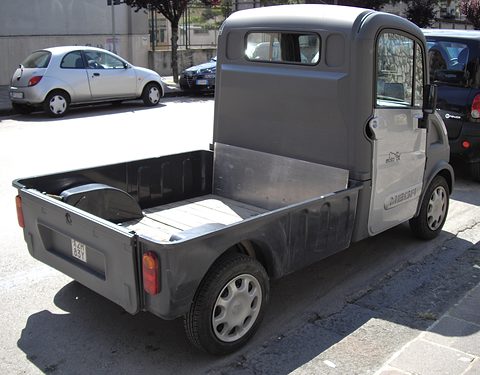
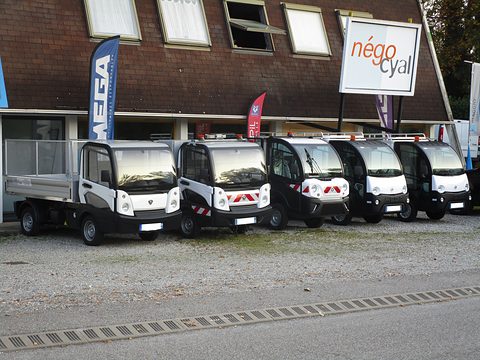
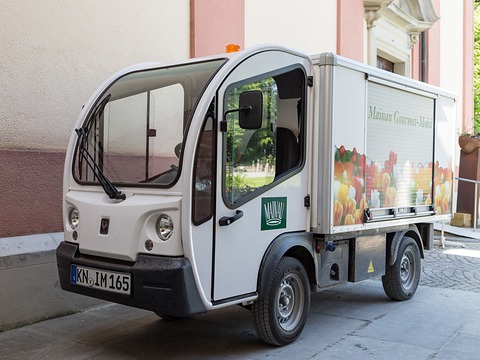
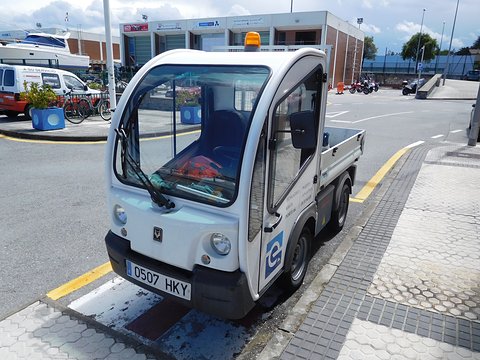
These are working vehicles, and no club, auction result or collectors’ market has been found for them. The photographs on this page show Goupils in Paris, Amsterdam, the Basque Country, Weymouth and Germany, e-Workers at Zürich Zoo and Bad Zwischenahn and Minicab MiEVs in Japan.

Sources

Numbered as in the text

Goupil’s models rest on trade-press articles that could be read only in search summaries, and no maker’s brochure was read for Goupil, Alkè or Mega. Sources are given as plain text; the links are on the Credits page.

  1. Polaris Industries, “Polaris to Acquire Goupil Industrie SA”, 17 November 2011, as republished by Dirt Trax Online.
  2. English Wikipedia, Alkè, read in full.
  3. Stellantis & You UK, “Citroen Launches MY AMI Cargo: Made For Business Users”, 14 May 2021, Citroën’s release, read in full.
  4. English Wikipedia, Renault Twizy, the section on the Twizy Cargo.
  5. English Wikipedia, Mobilize Duo, in part.
  6. English Wikipedia, Mitsubishi Minicab, the section on the Minicab MiEV.
  7. Alkè, the maker’s website, its list of models, 2026.
  8. Trade-press articles on Goupil, among them the Journal de l’Automobile, Fleet News (6 July 2023) and The Driven (9 September 2021), read only in search summaries.
  9. French Wikipedia, Mega (automobile), with the Aixam articles in French and German Wikipedia.
  10. What Van?, “Ransomes Jacobsen appointed as new UK importer for Mega trucks”, 2012 or 2013, read in summary.
  11. English Wikipedia, Piaggio Ape, its list of versions.
  12. Luc Gagné, “Piaggio Ape Calessino Electric Lithium: an electrifying Dolce Vita!”, Auto123, 28 August 2009, the first page.
  13. German Wikipedia, Renault Twizy, for the Cargo’s dates.