The story
History
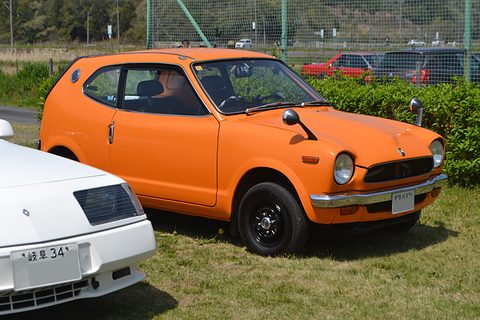
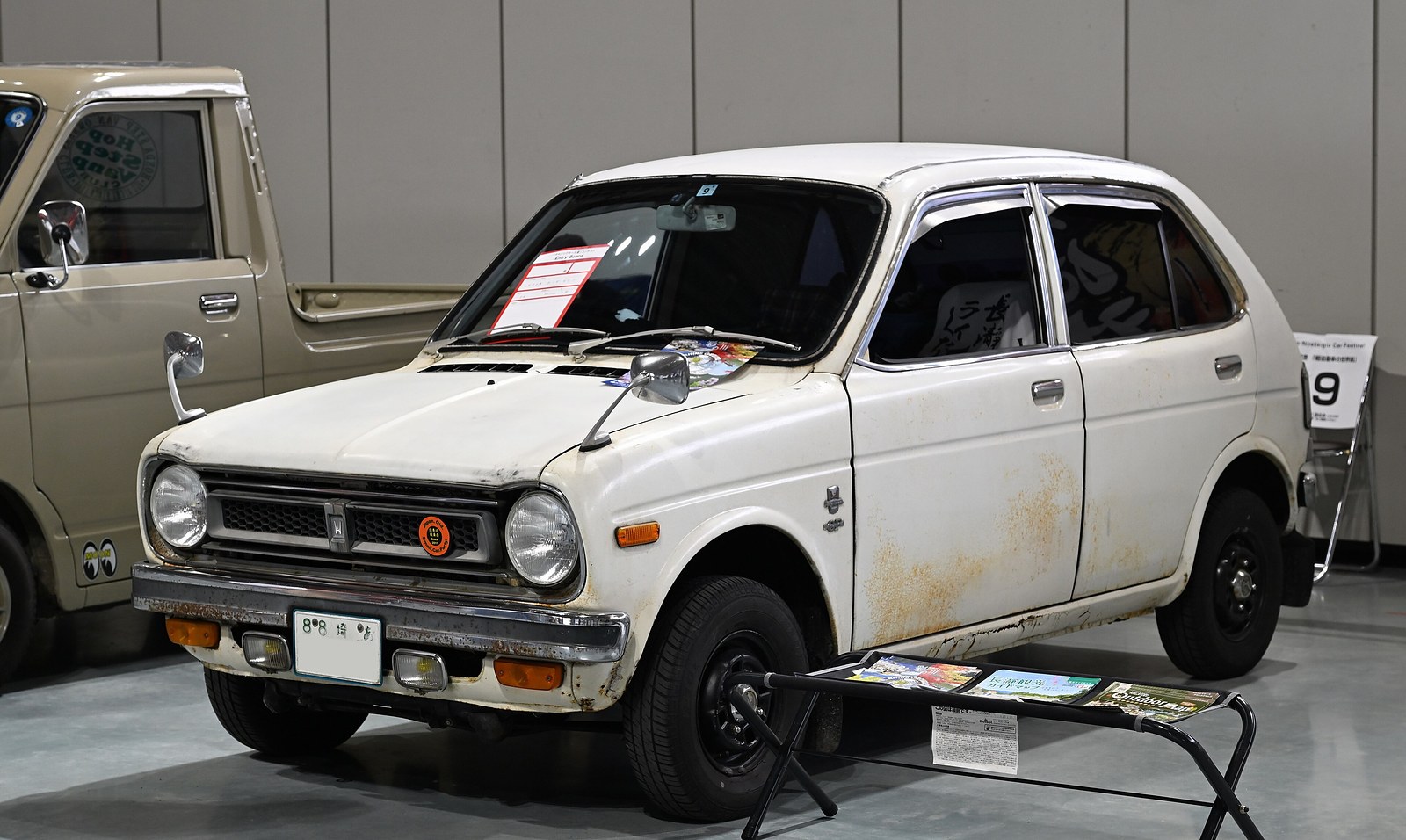
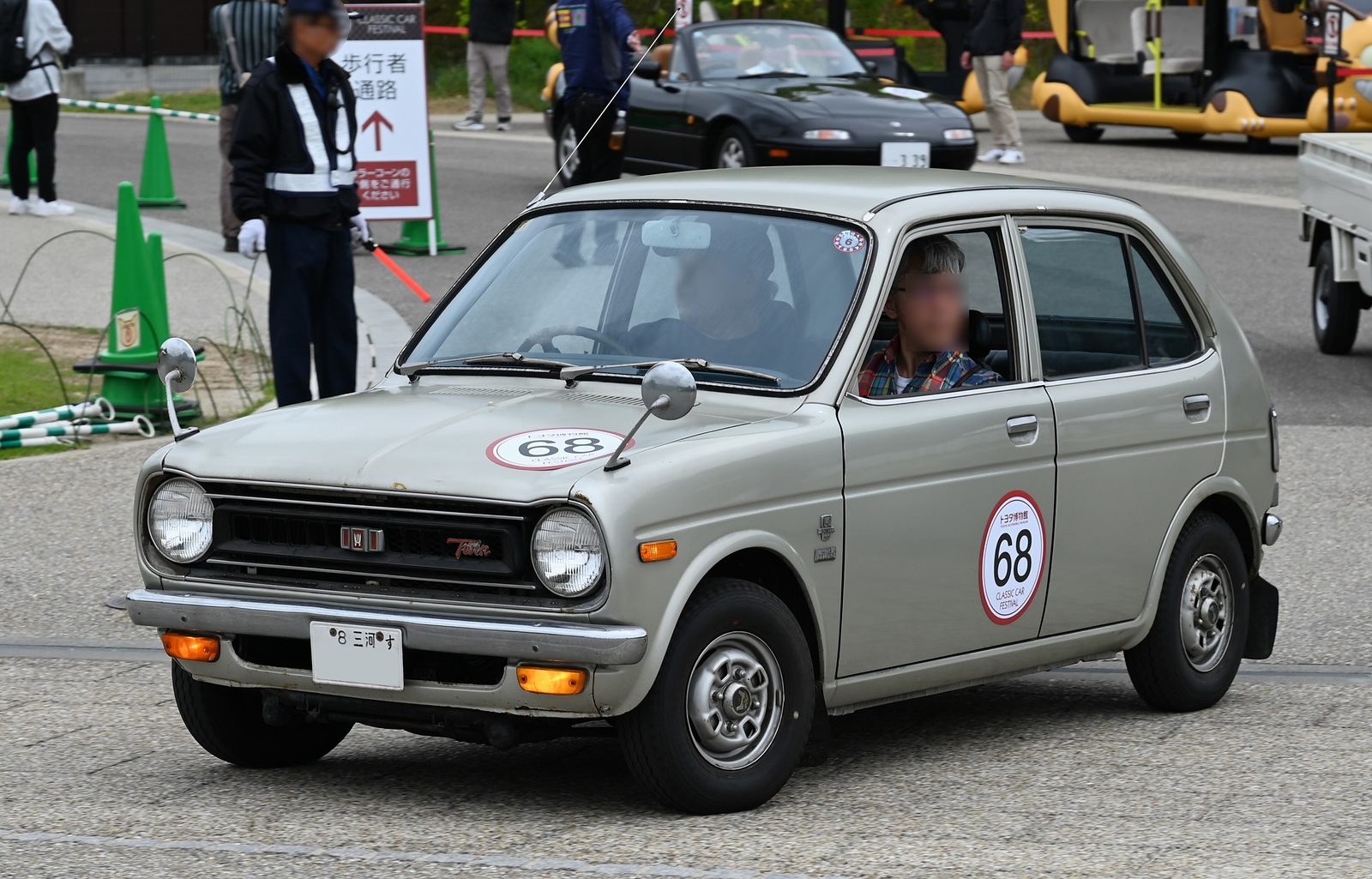
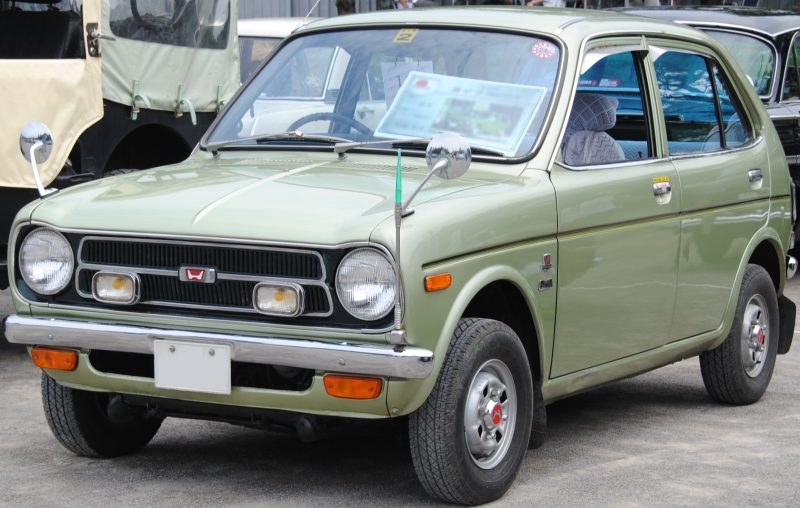
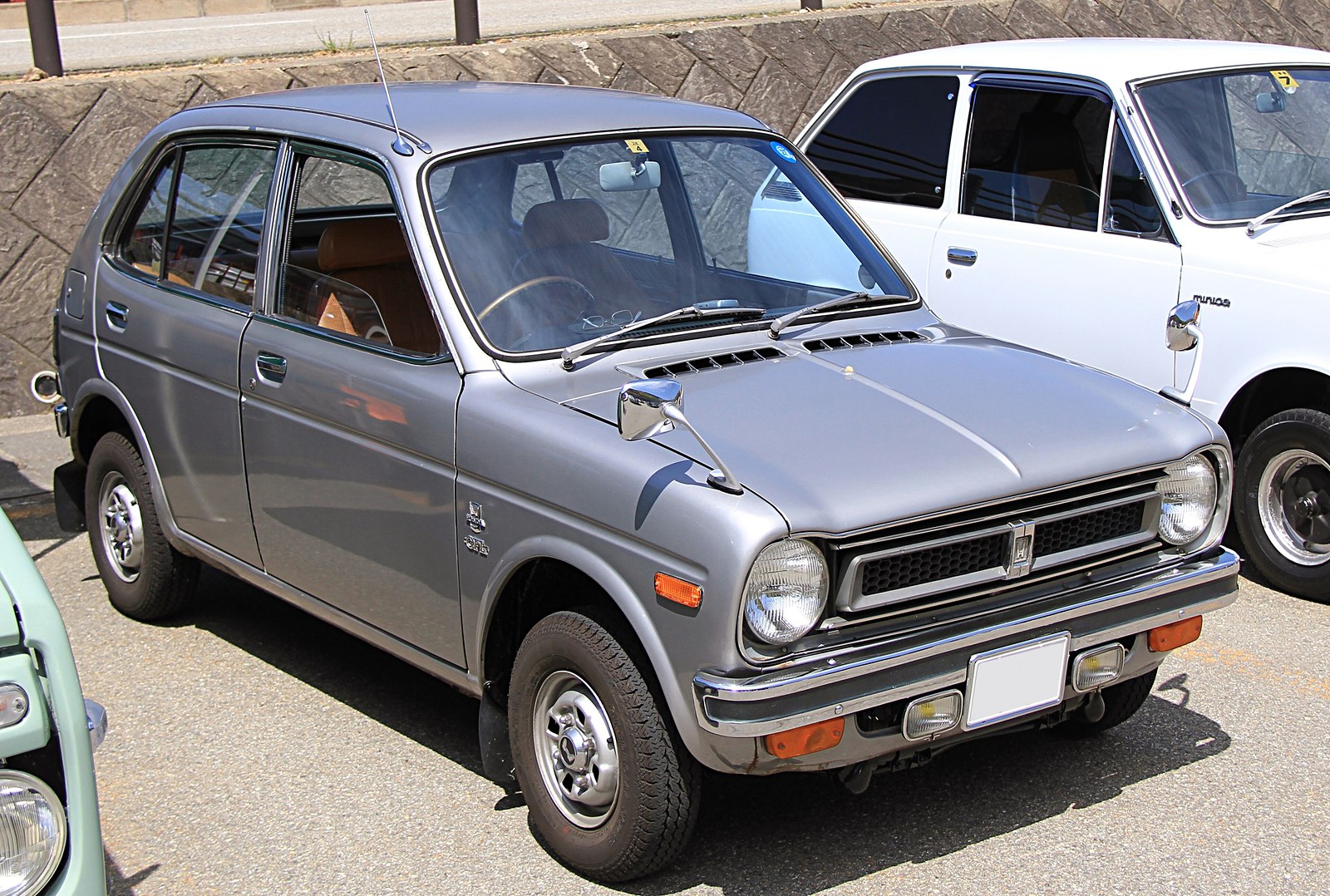
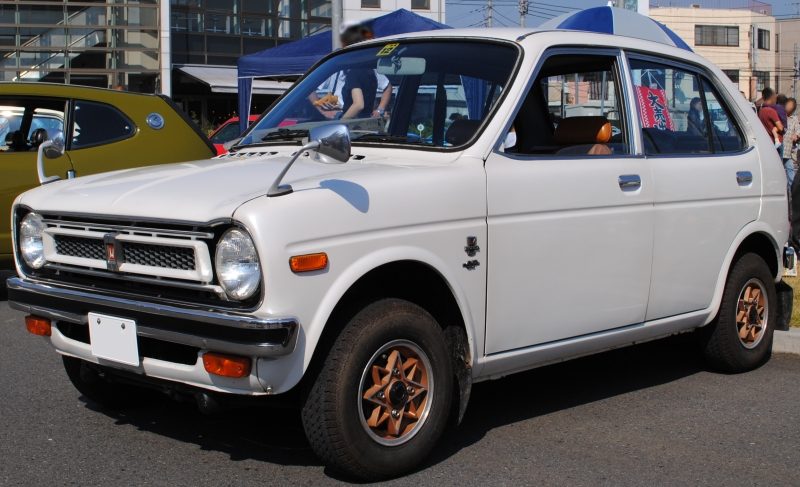
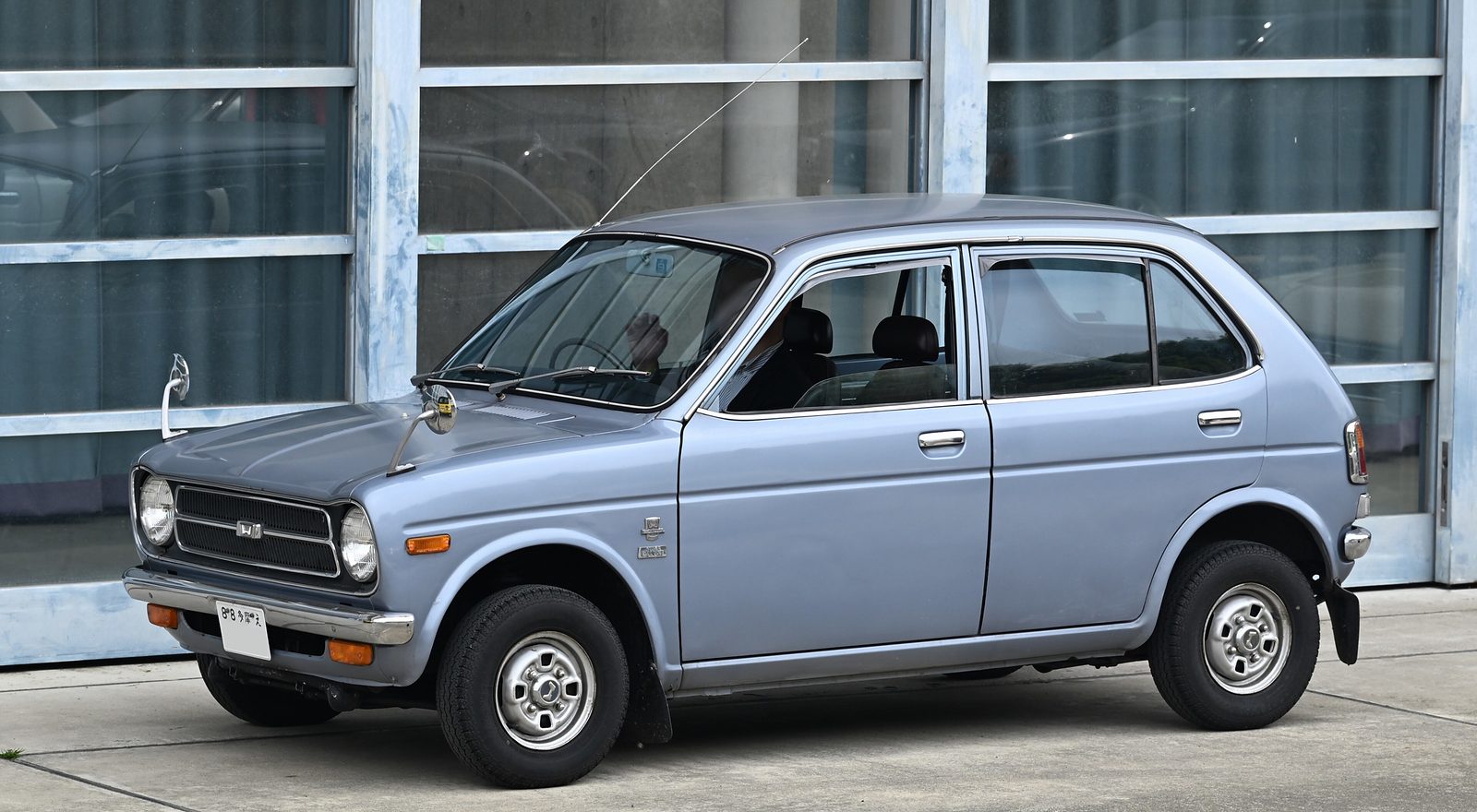
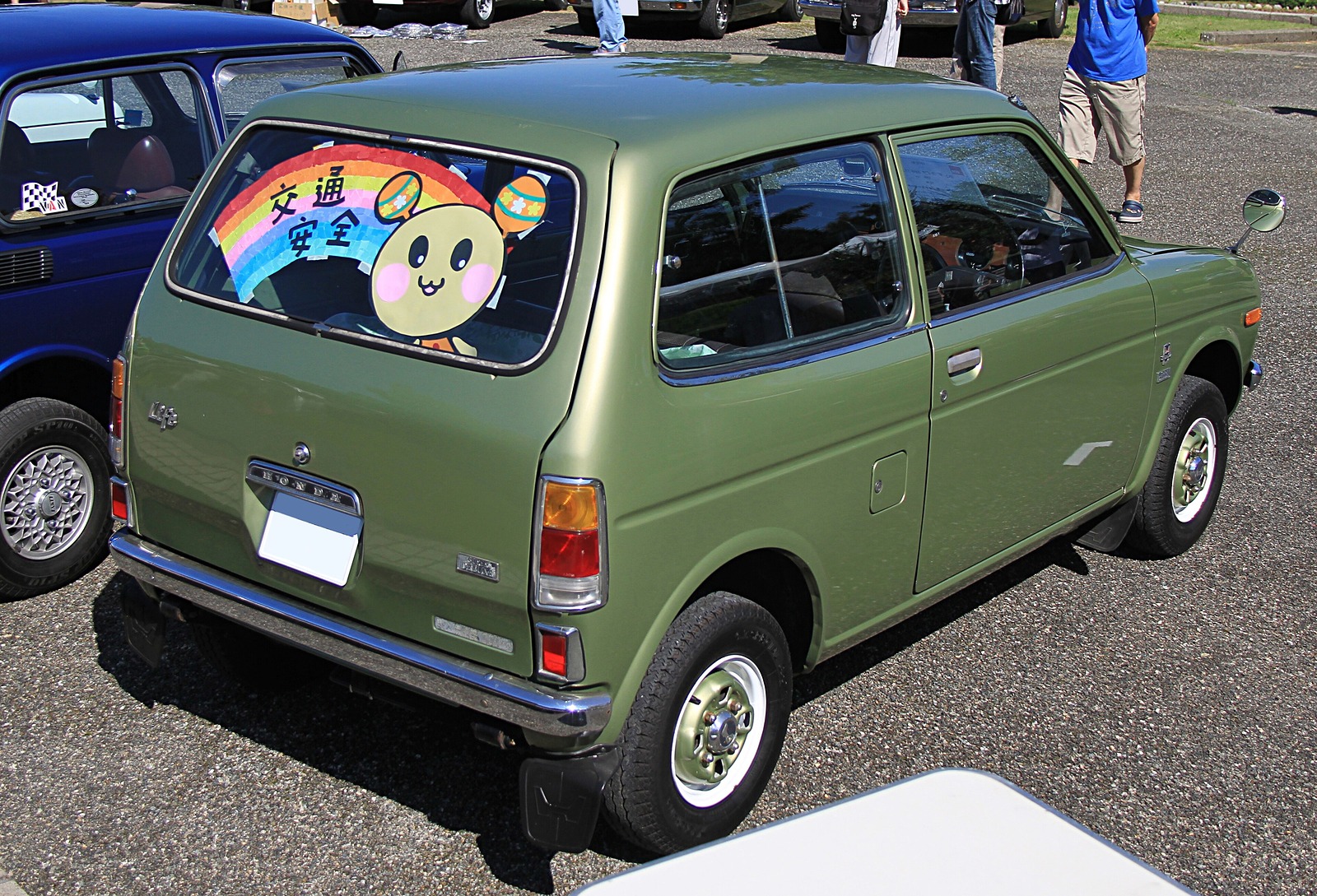
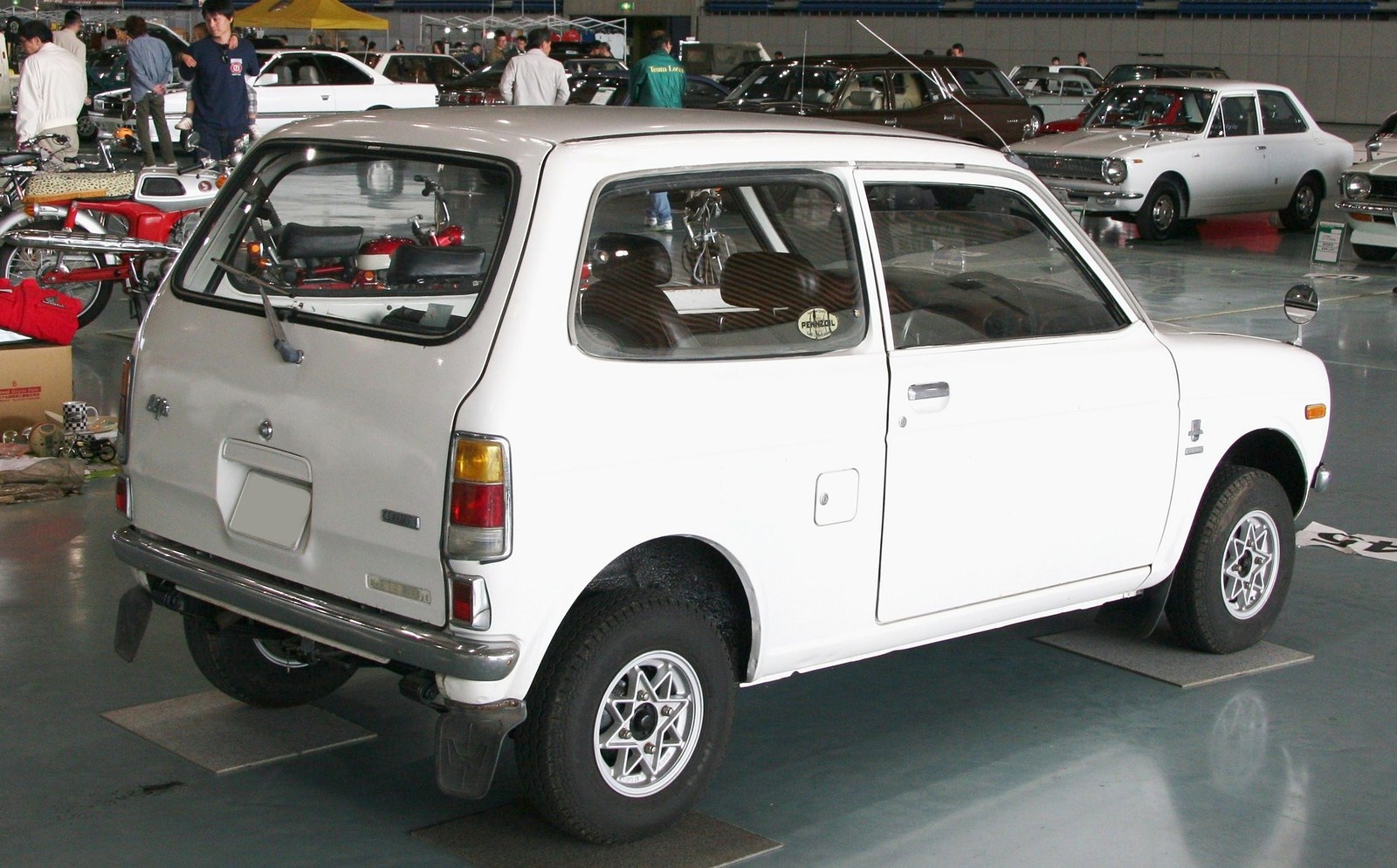
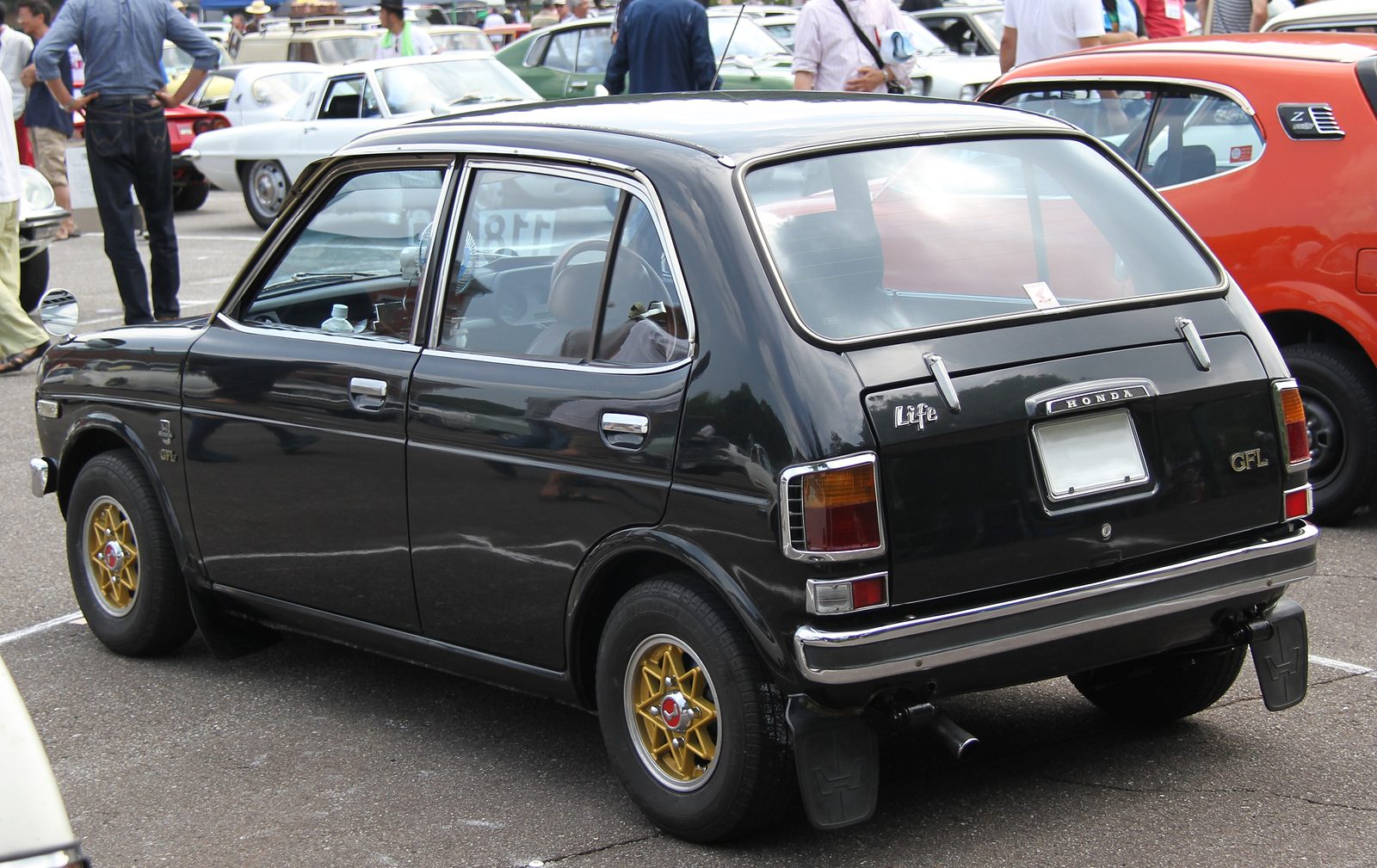
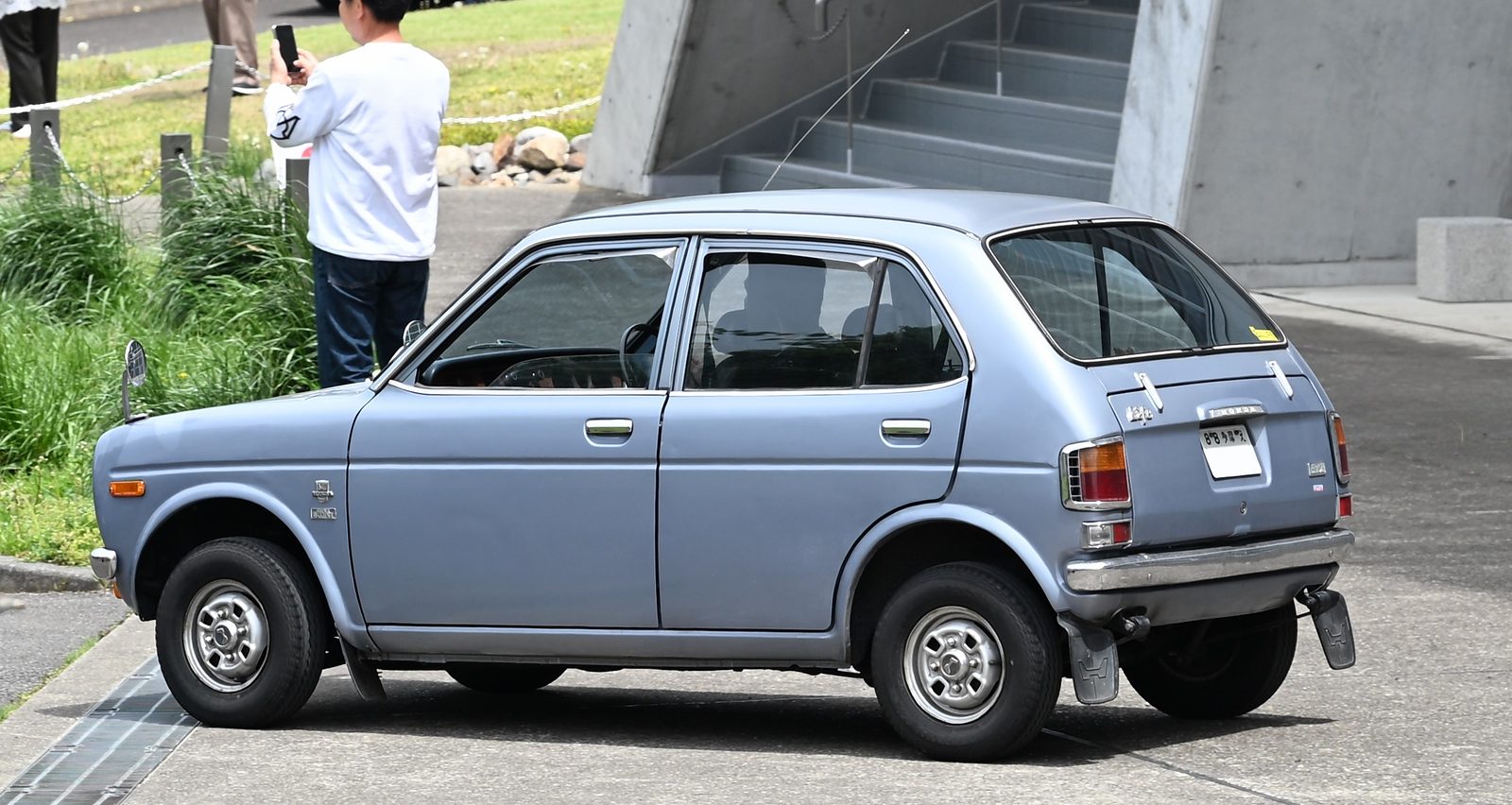
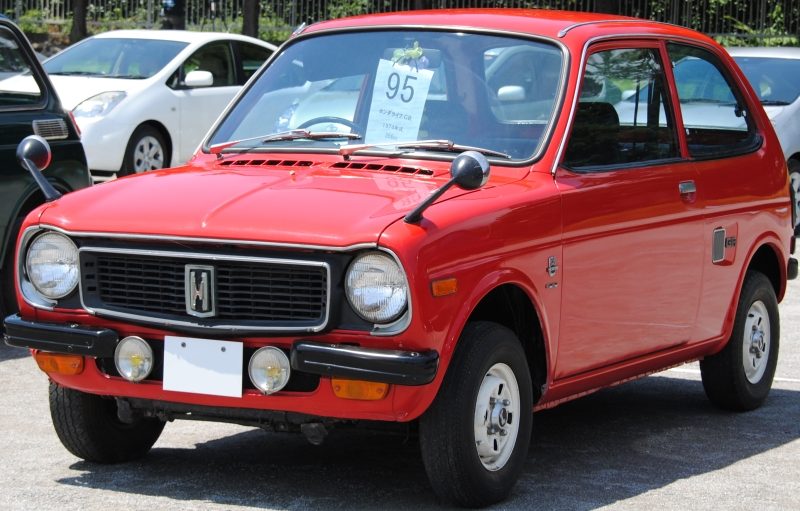
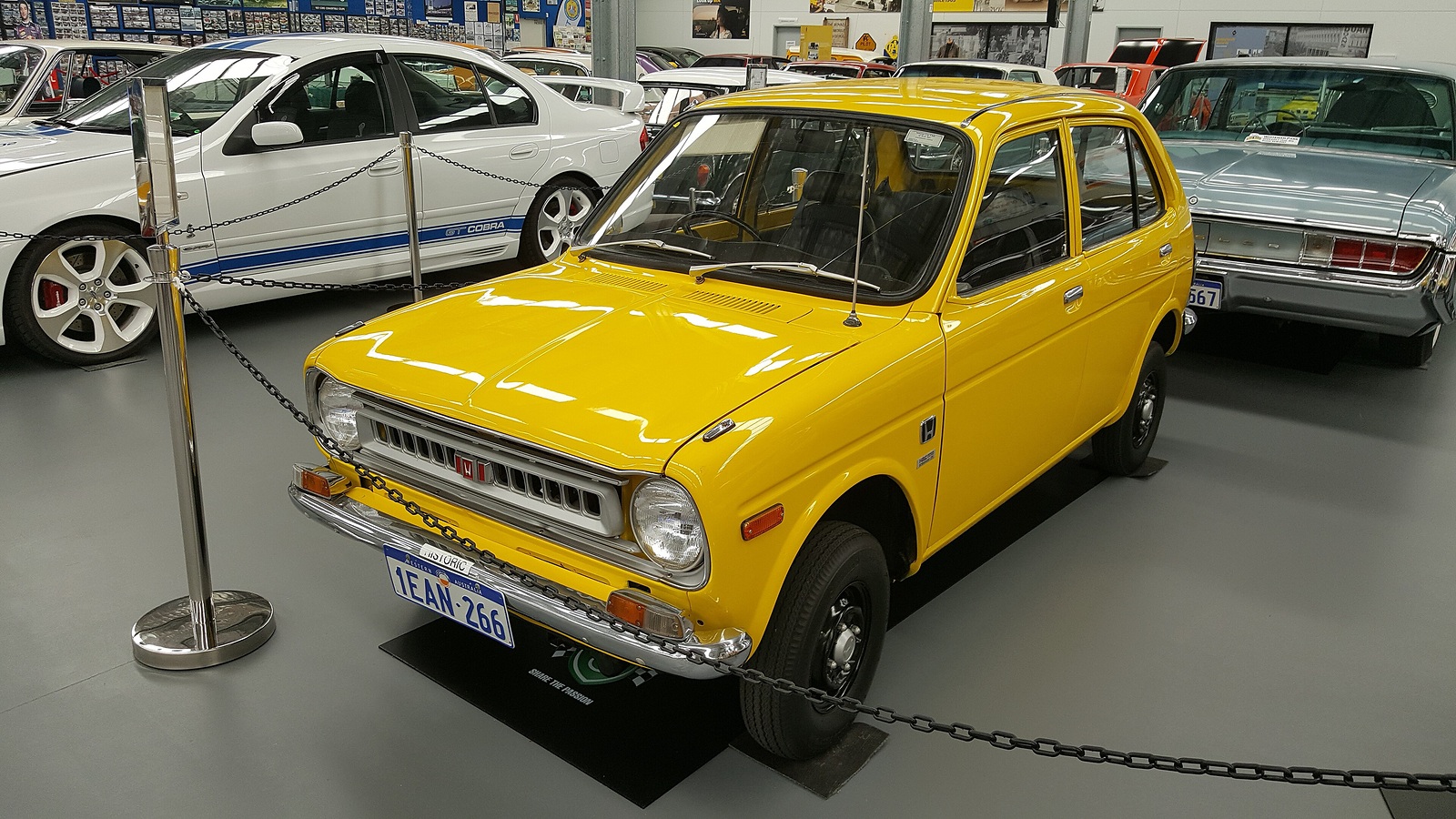
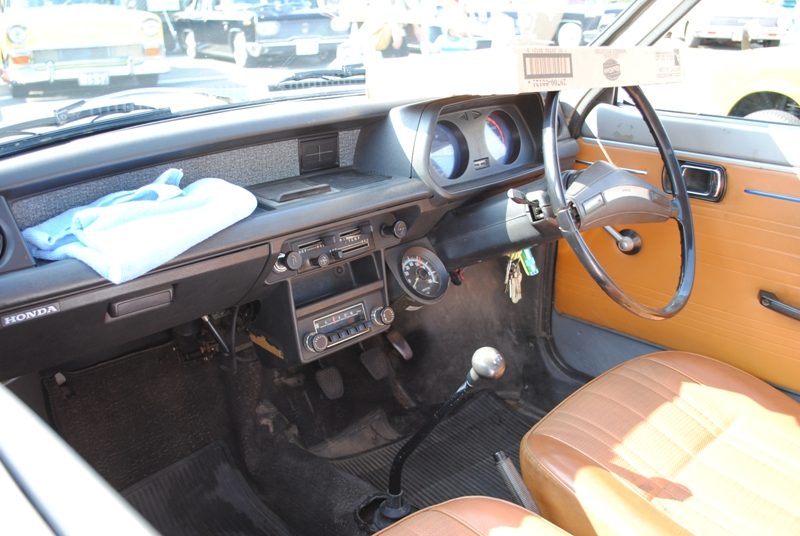
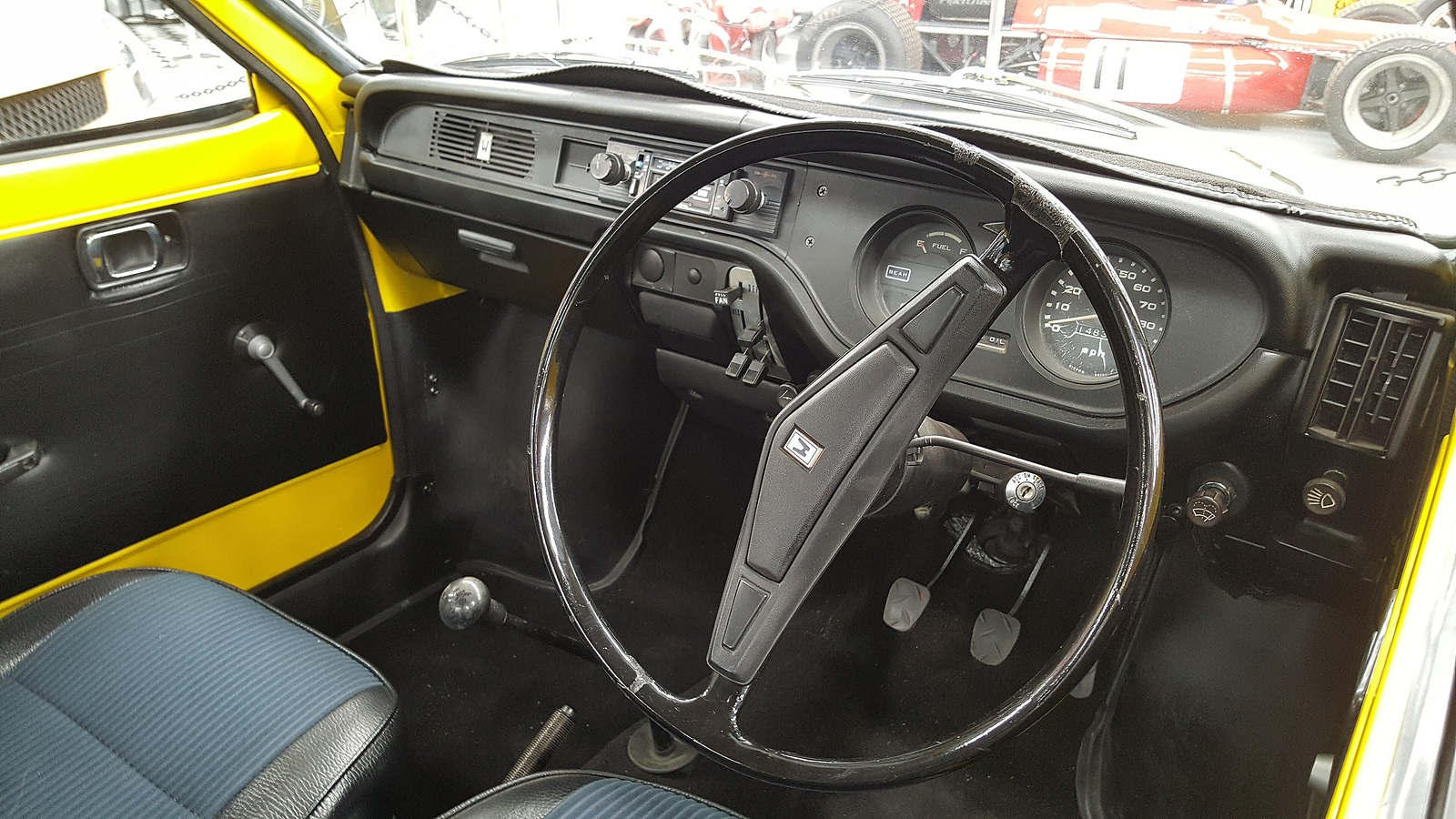
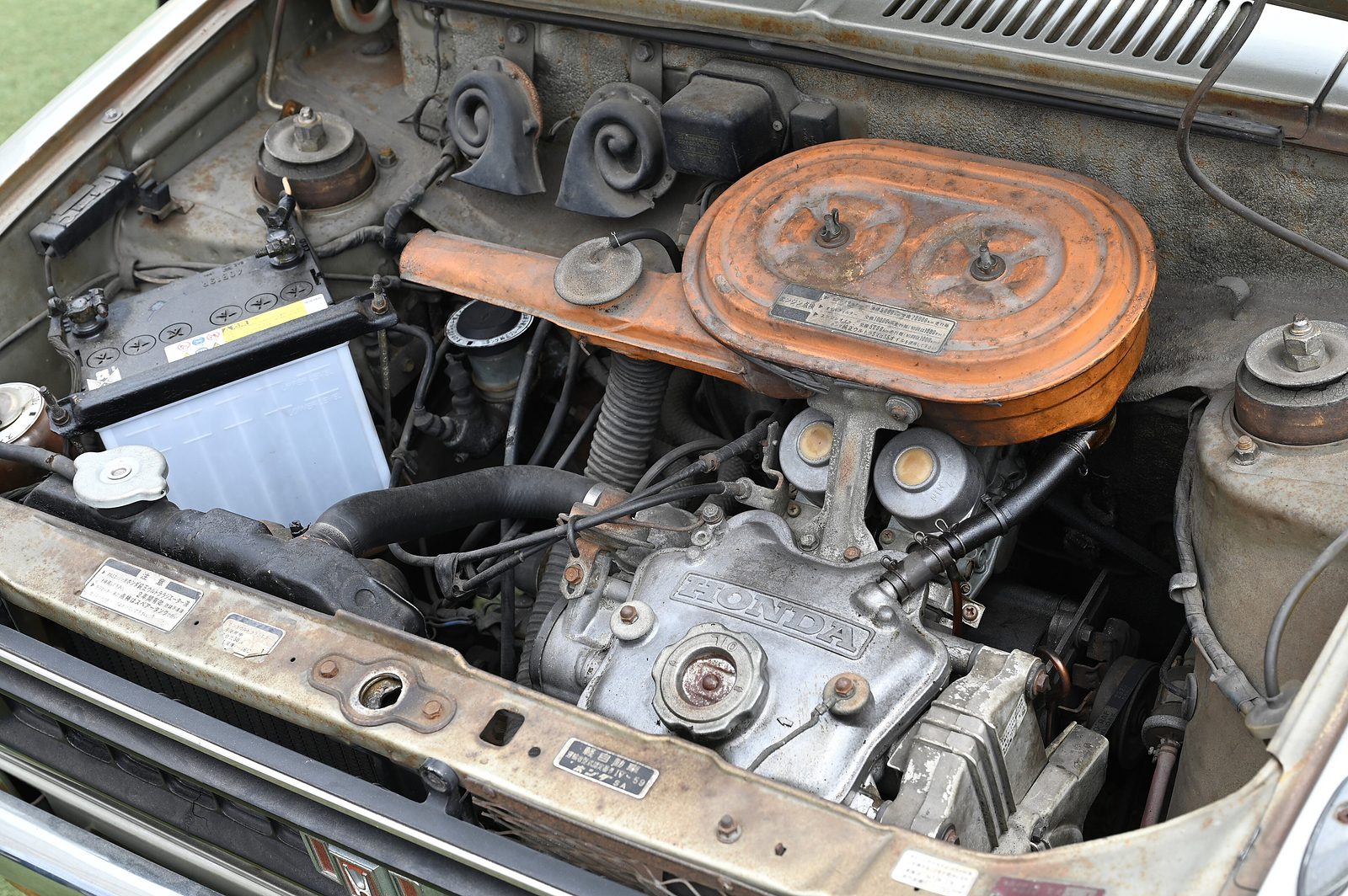
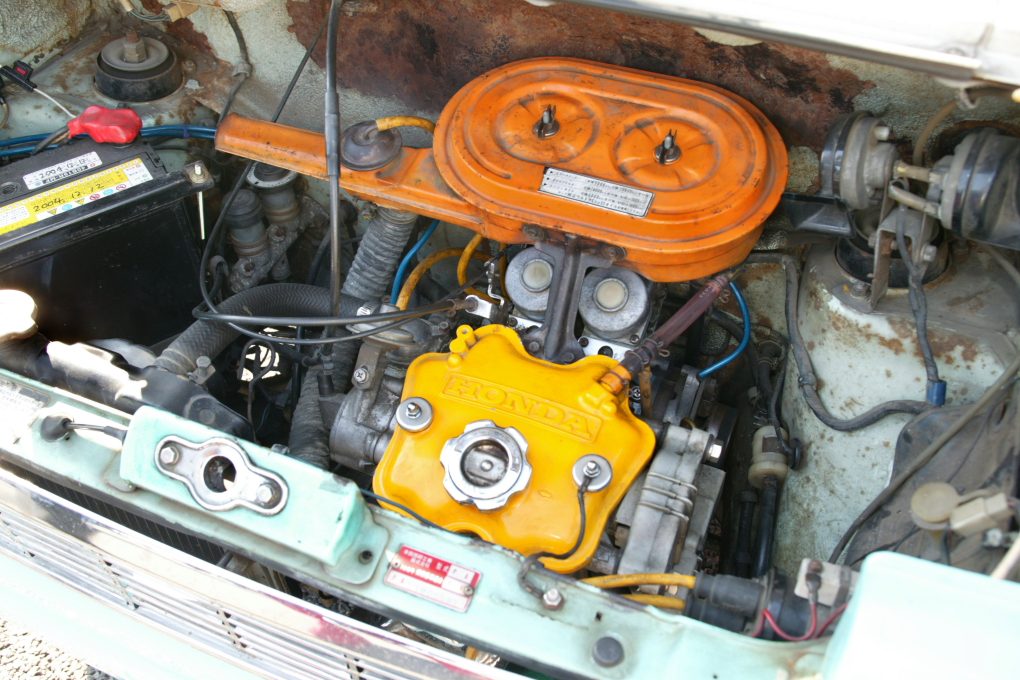
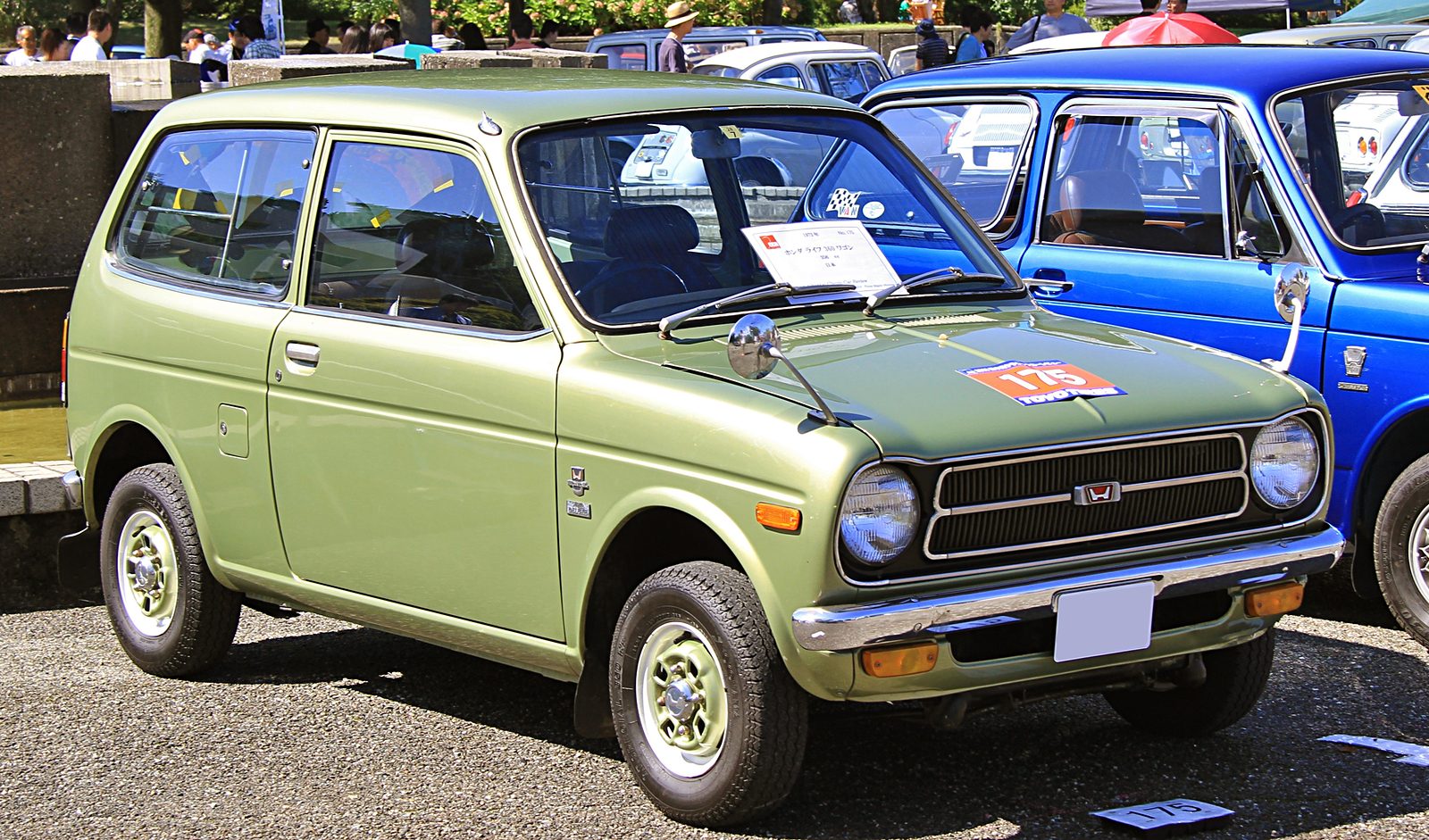
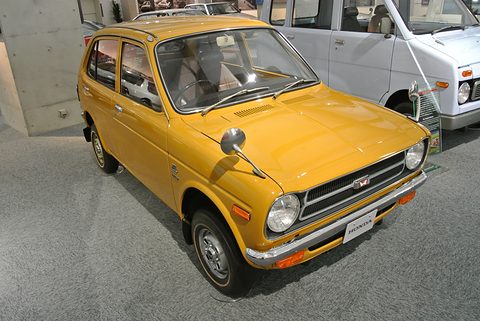
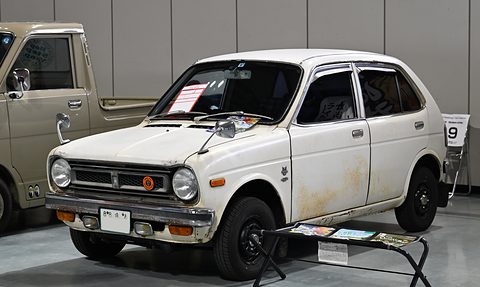
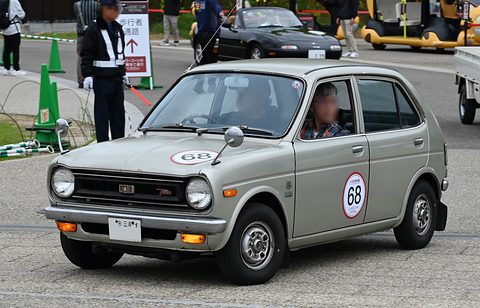
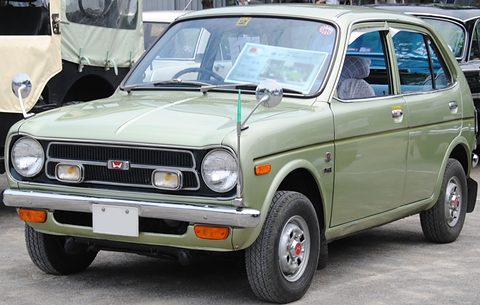
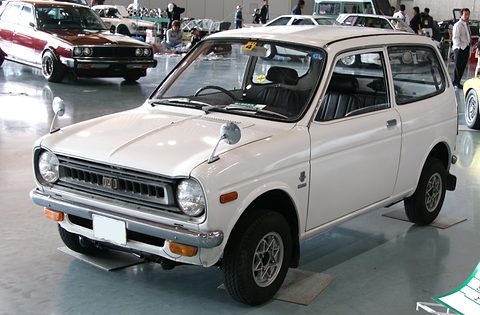
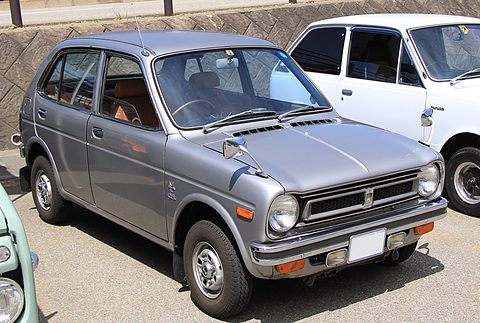
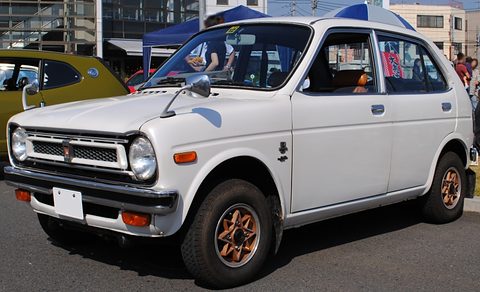
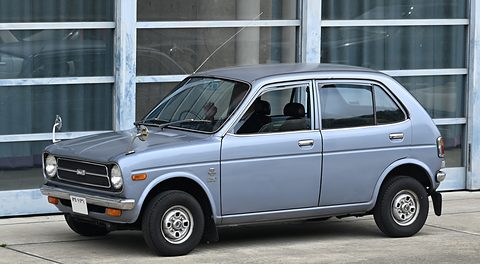
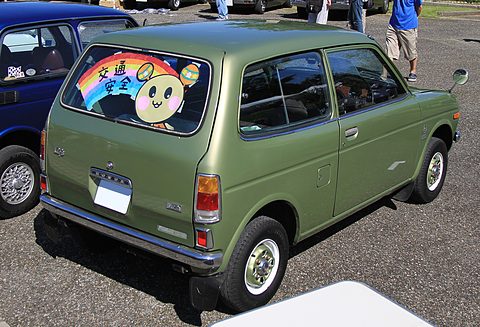
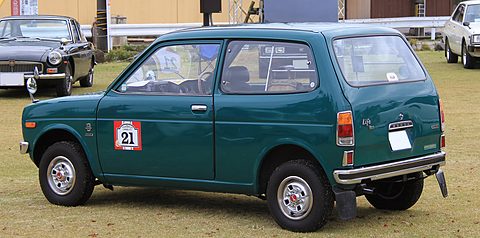
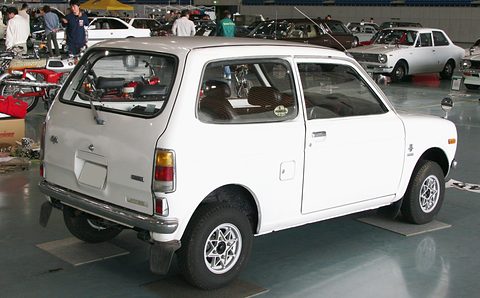
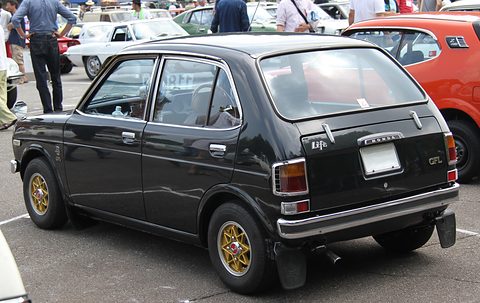
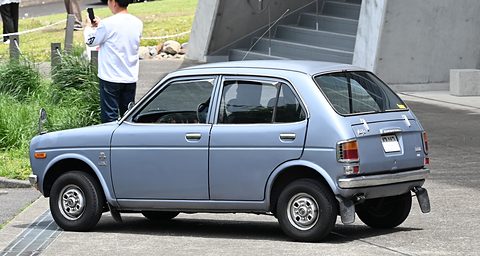
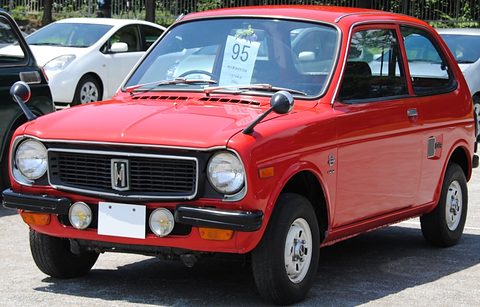
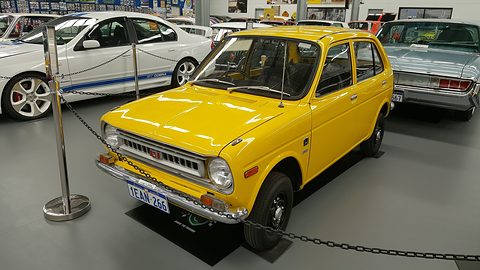
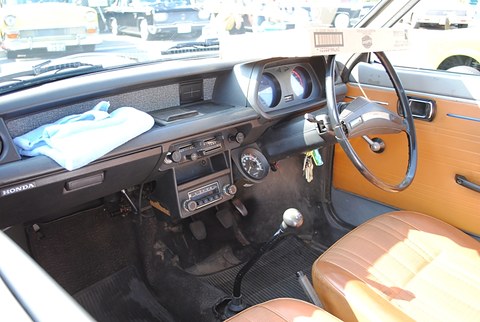
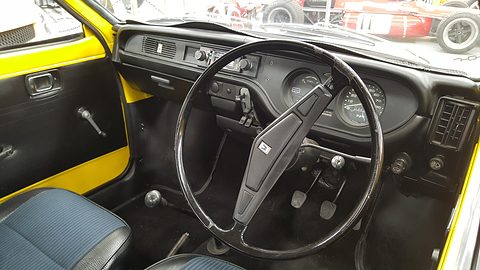
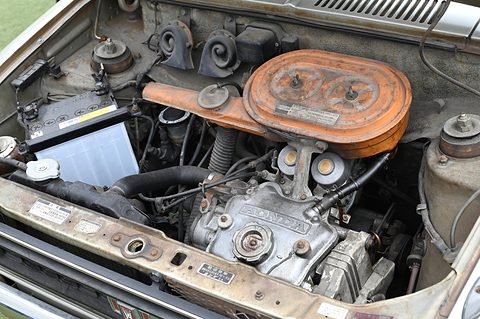
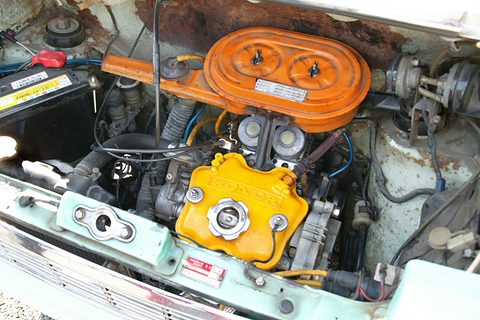
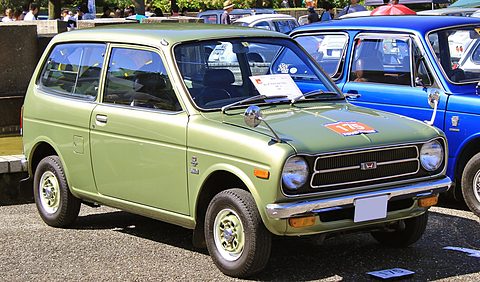
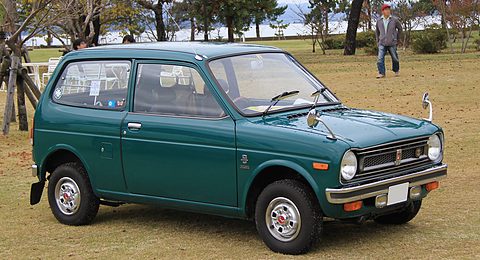
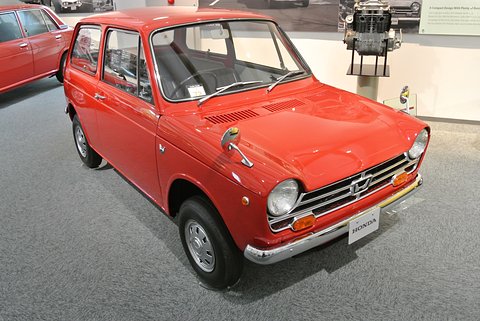
The Life was launched on 1 June 1971 to replace the Honda N360, and it was Honda’s first four-door kei car.source 2 It was meant as a family car with as much room as a one-litre car of its day.source 1 The engine was new: the EA, a water-cooled 356 cc twin with an overhead camshaft, whose 30 PS (22 kW) came at 8,000 rpm. Water cooling cured the N360’s weak heater and its smell of oil, and the gearbox now sat end-on to the engine, rather than in its sump.source 2source 1 Japanese Wikipedia calls the EA the first Japanese car engine with a timing belt; English Wikipedia says it shared the belt with the Civic.source 2source 1 Its balancer shaft was a patent of the Honda engineer Nakamura Yoshio from his time at Tōkyū Kurogane, the maker of the Kurogane Baby, and other makers followed with engines like it.source 2 The wheelbase was 2,080 mm (82 in), 80 mm longer than the N360’s.source 1
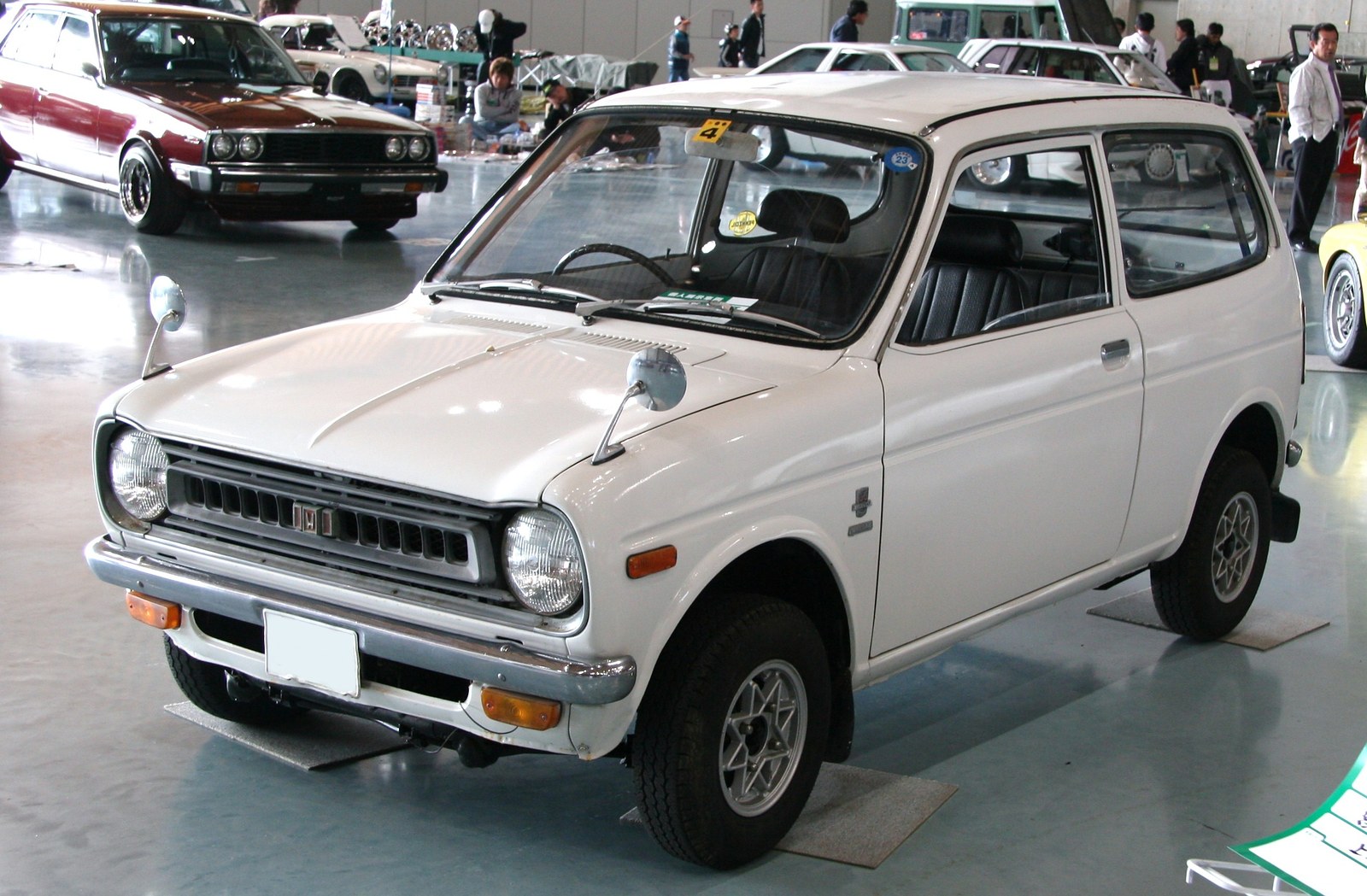
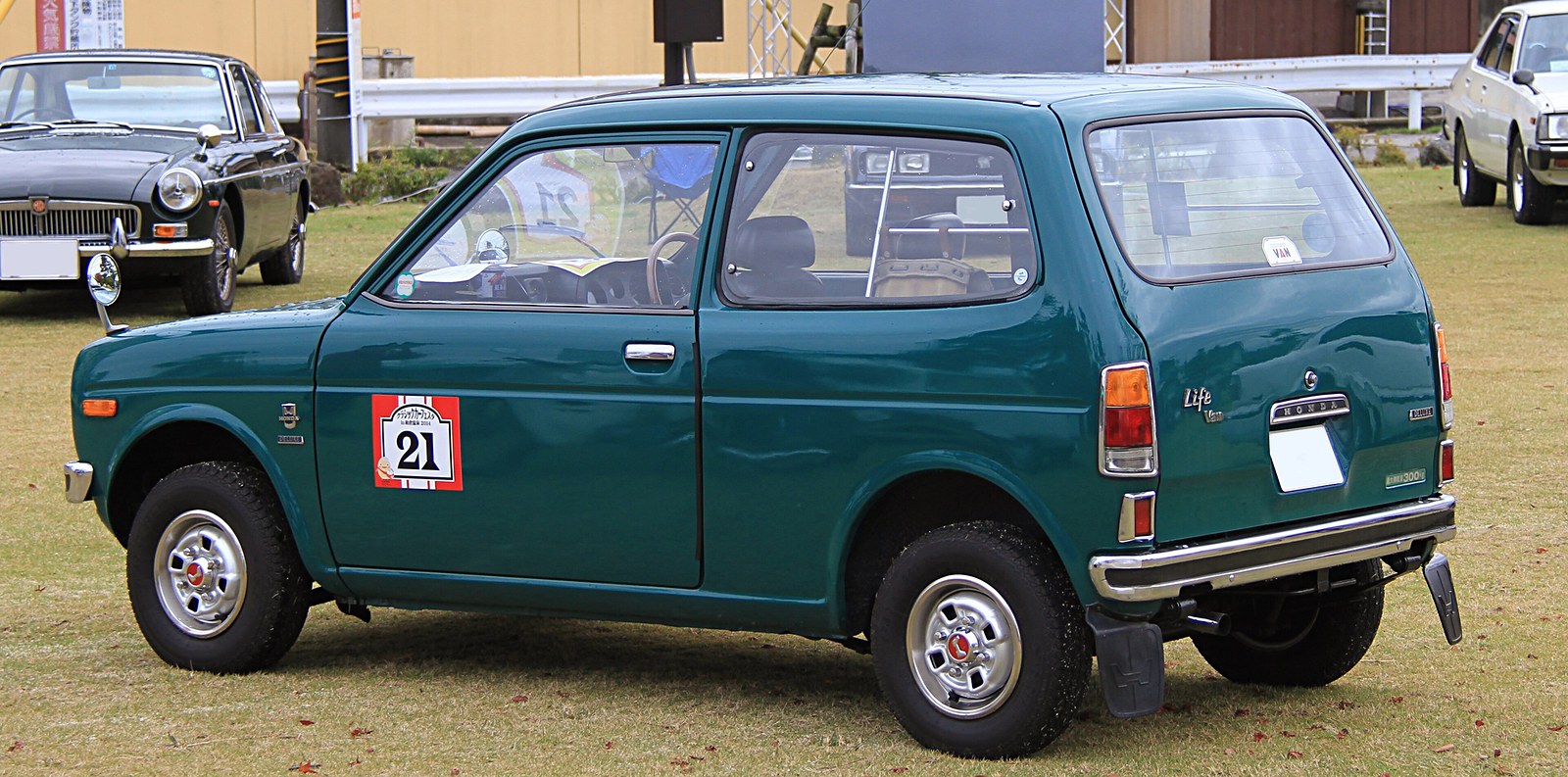
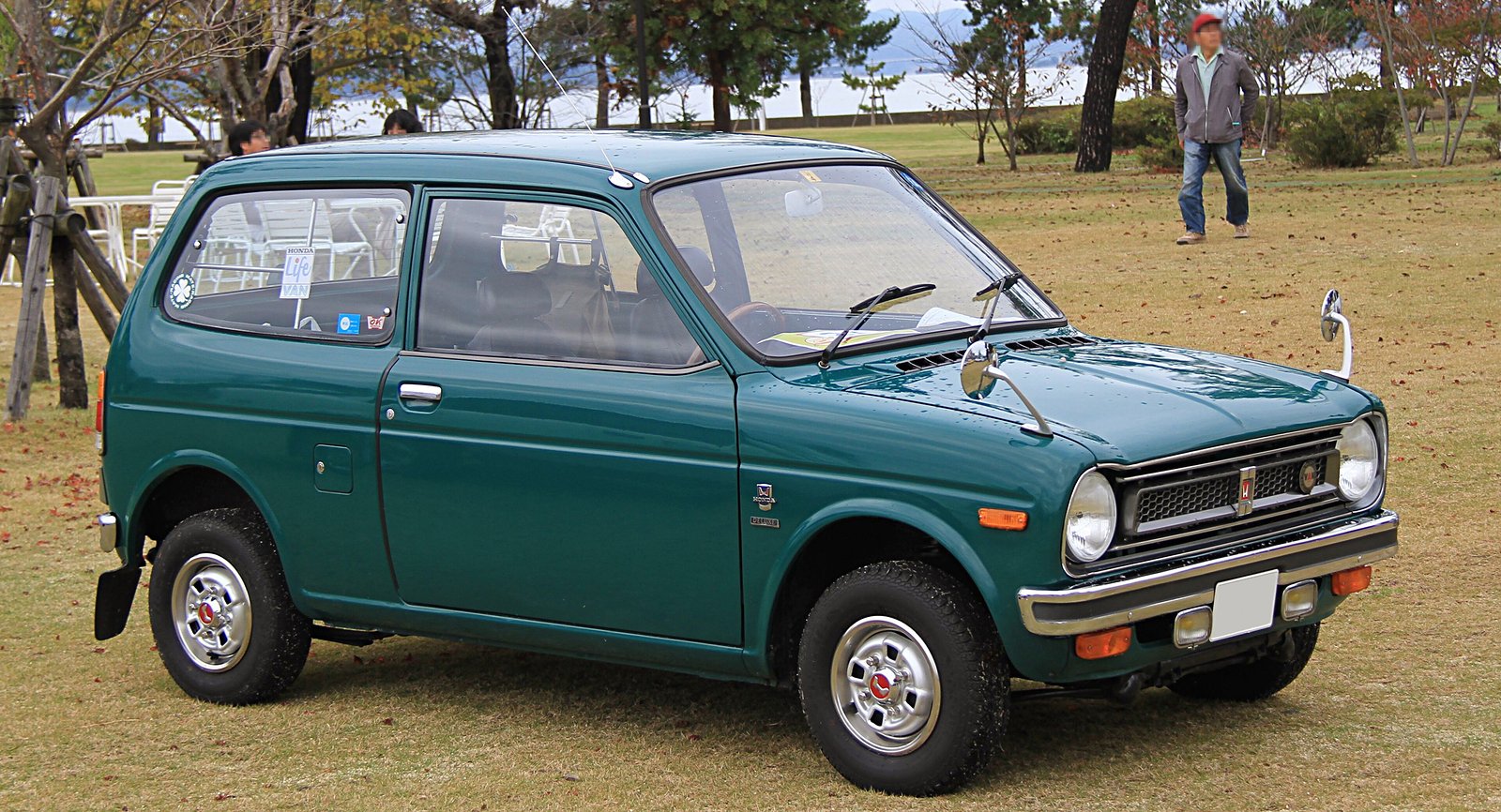
For town drivers there was the Life Town, at no extra cost: a low-compression engine of 21 PS with three speeds and a top speed of 90 km/h (56 mph).source 1 A three-speed automatic with a column shift followed in July 1971, then a light van in September and, in October, the Wagon, the van for private use.source 2source 1 The Touring of May 1972 had twin constant-velocity carburettors and 36 PS at 9,000 rpm, and its GS had a dog-leg five-speed gearbox and would reach 120 km/h (75 mph).source 2source 1 Honda’s release list adds a Life TWIN to the four-door range that August.source 3 English Wikipedia reports an unnamed period test that found the engine refined, as quiet and smooth as some fours, with 0–100 km/h in 34.9 seconds.source 1 Four-door Lifes went to Australia from the middle of 1972.source 1
The Step Van
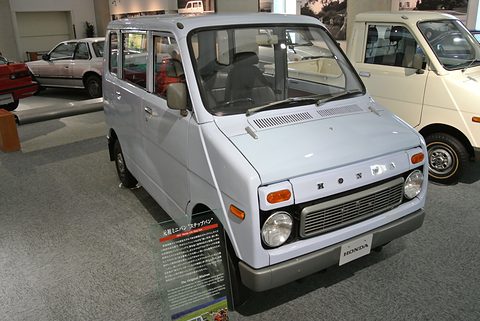
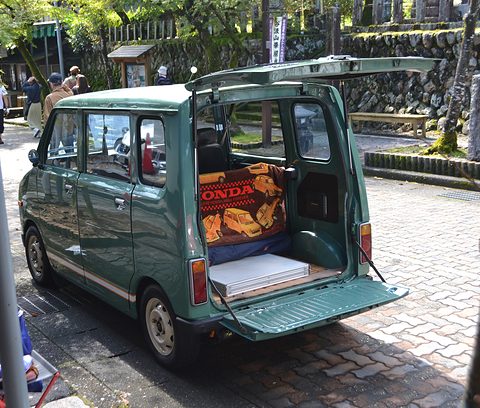
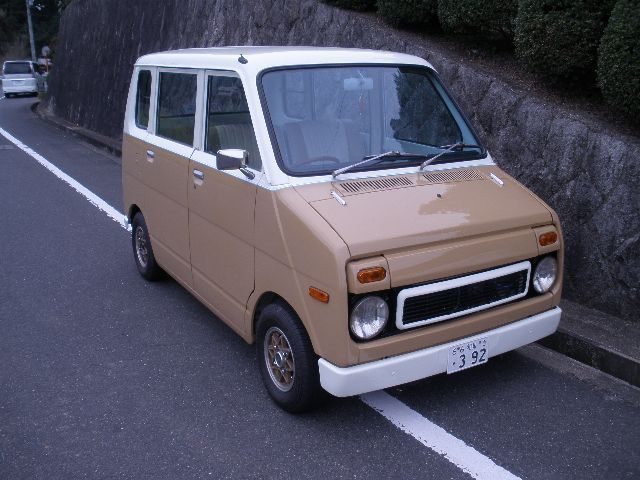
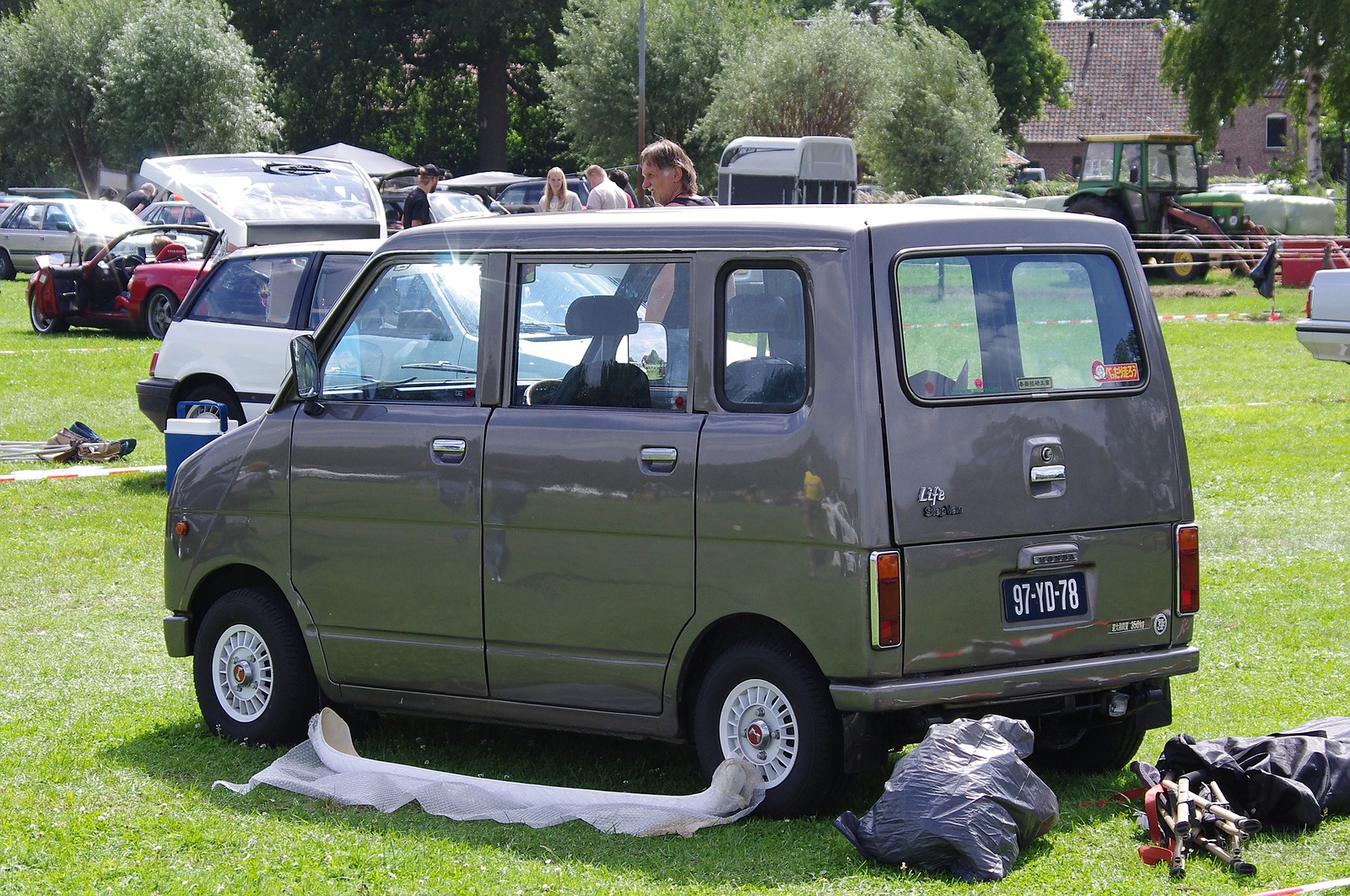
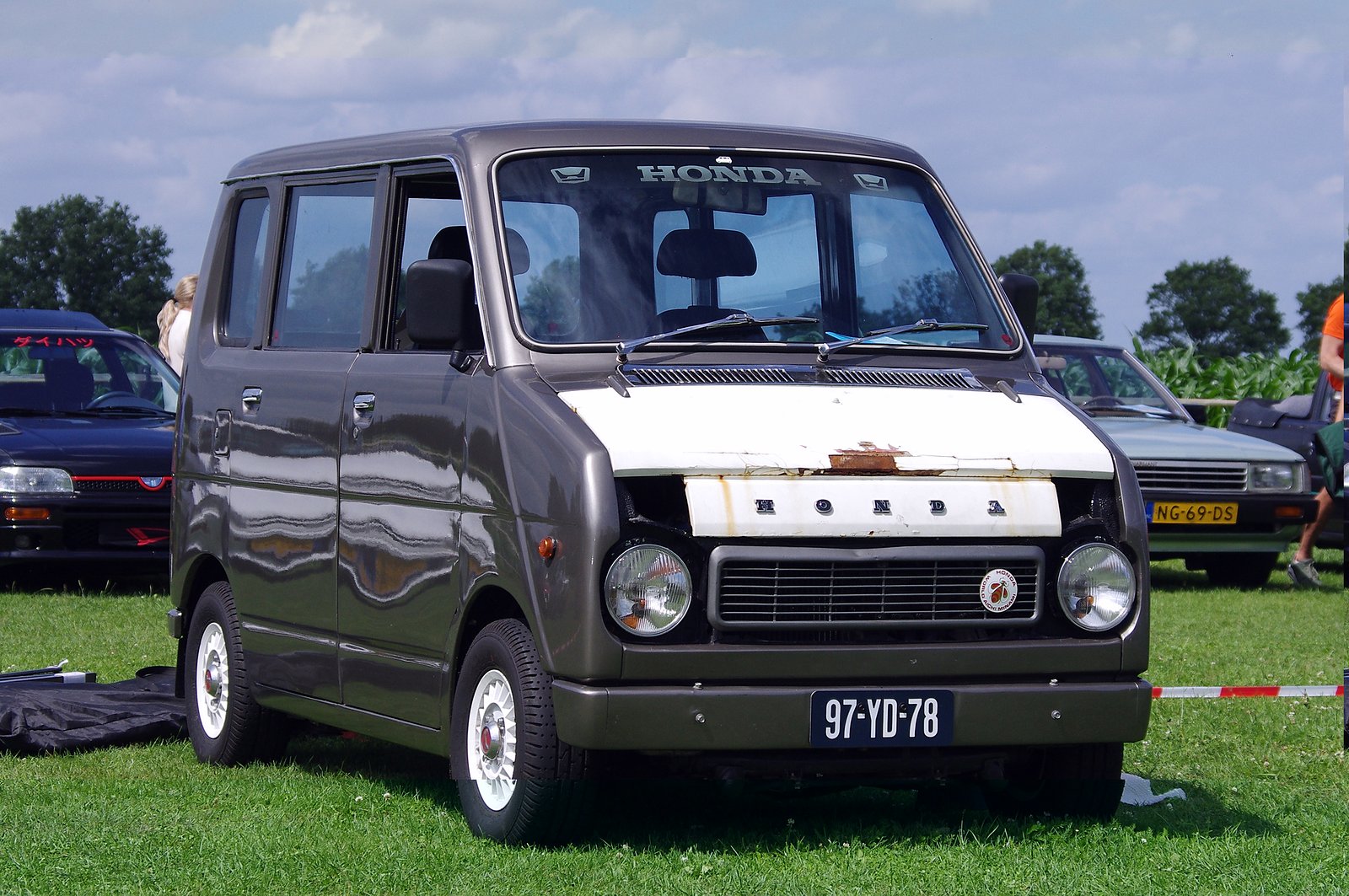
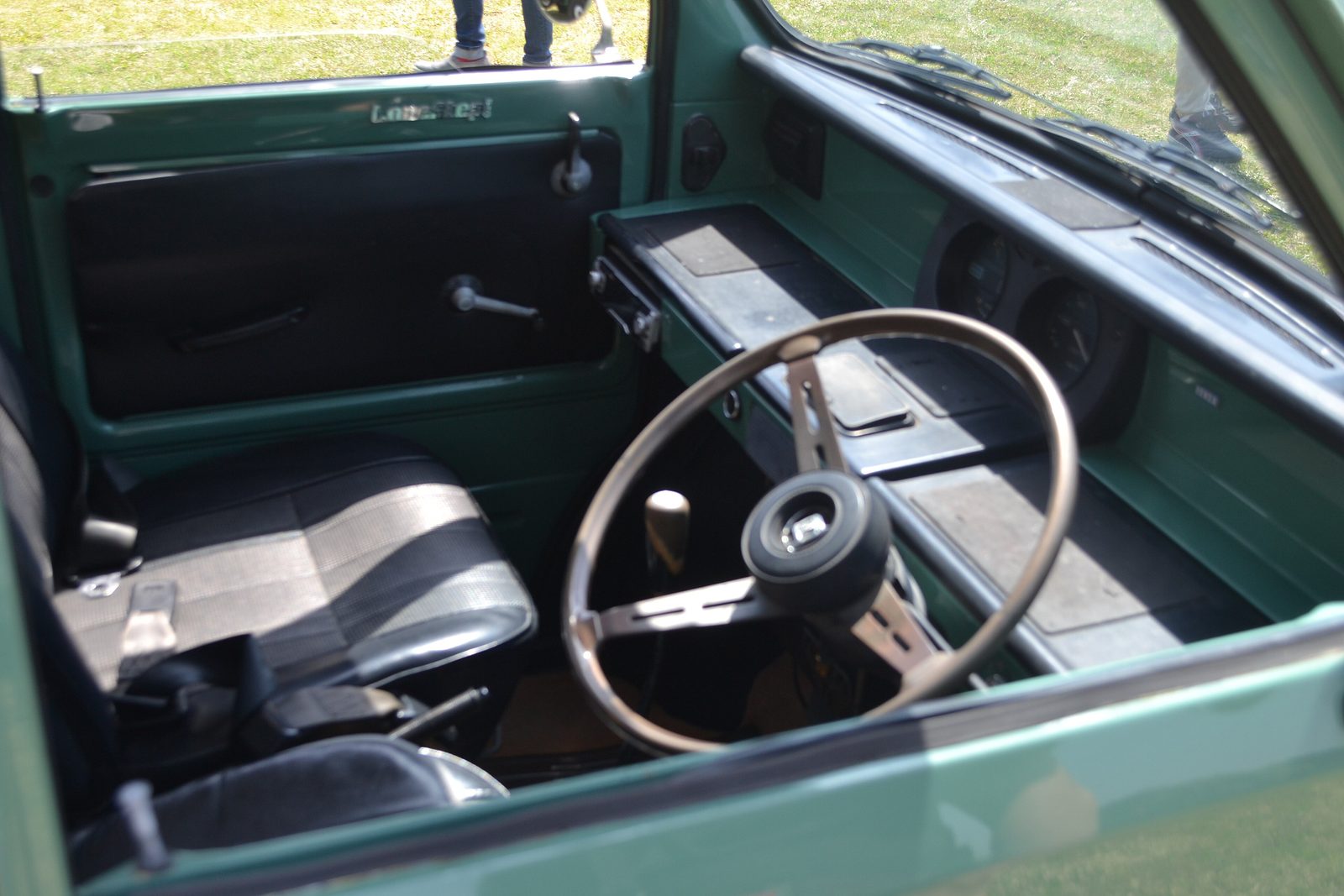
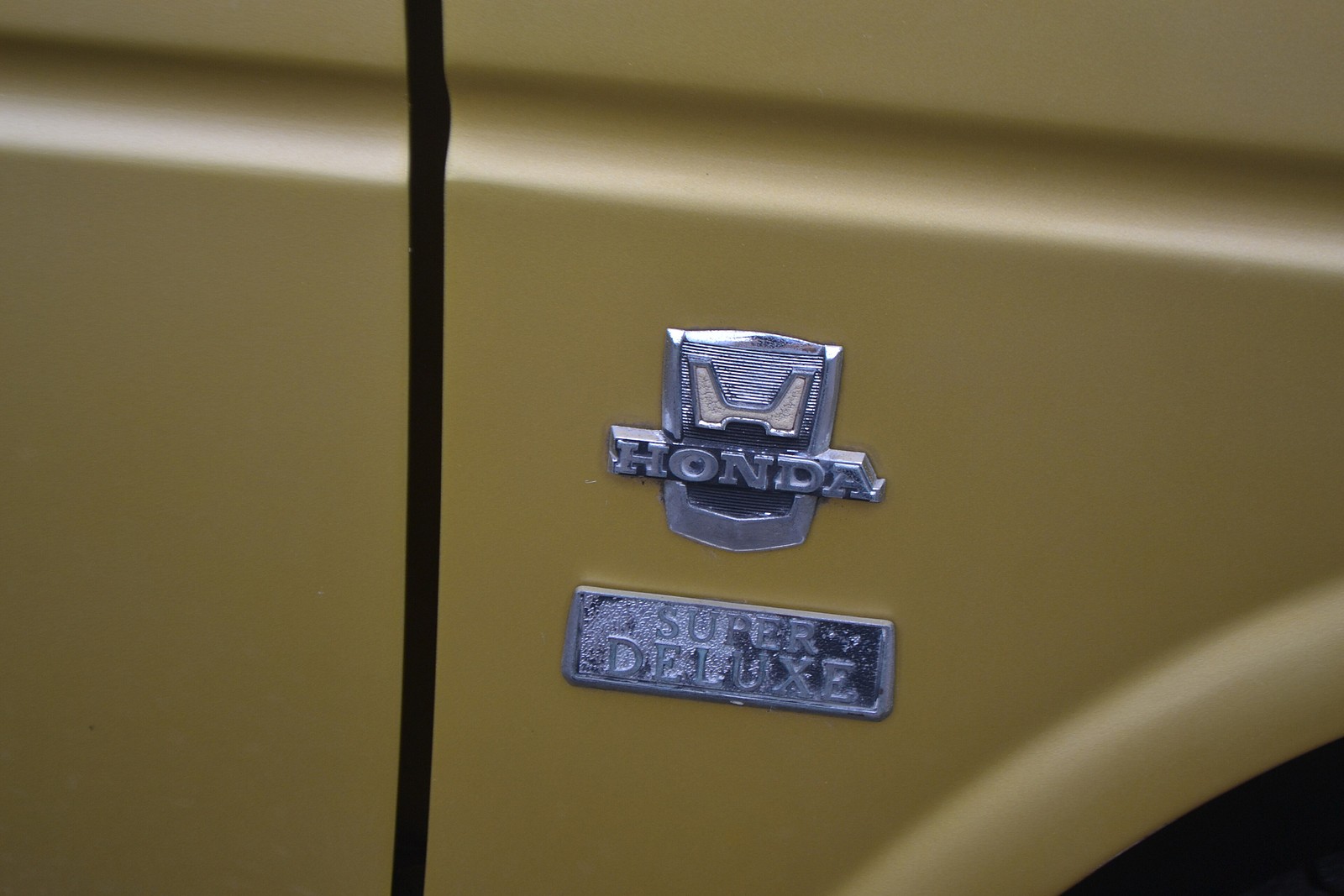
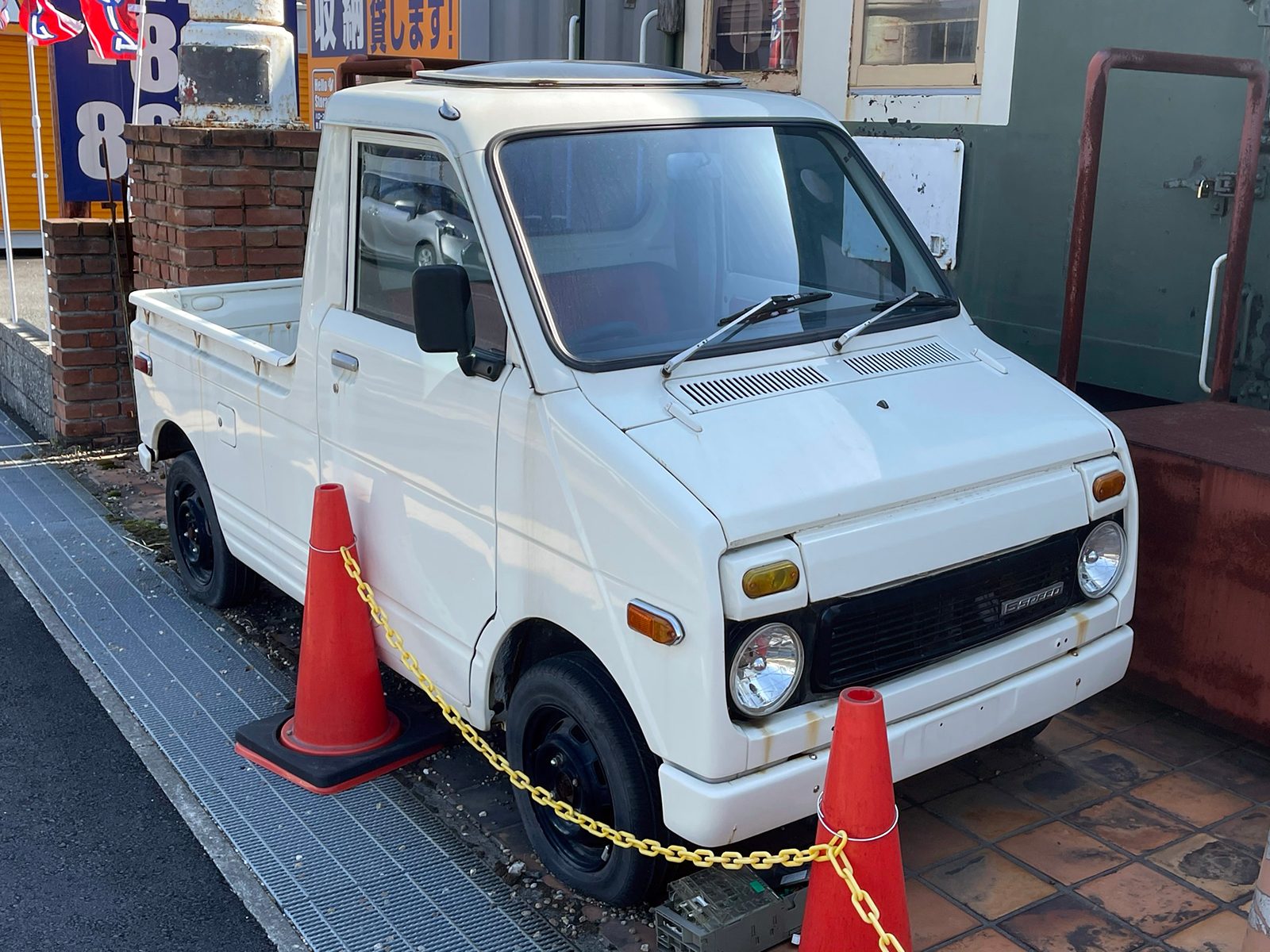
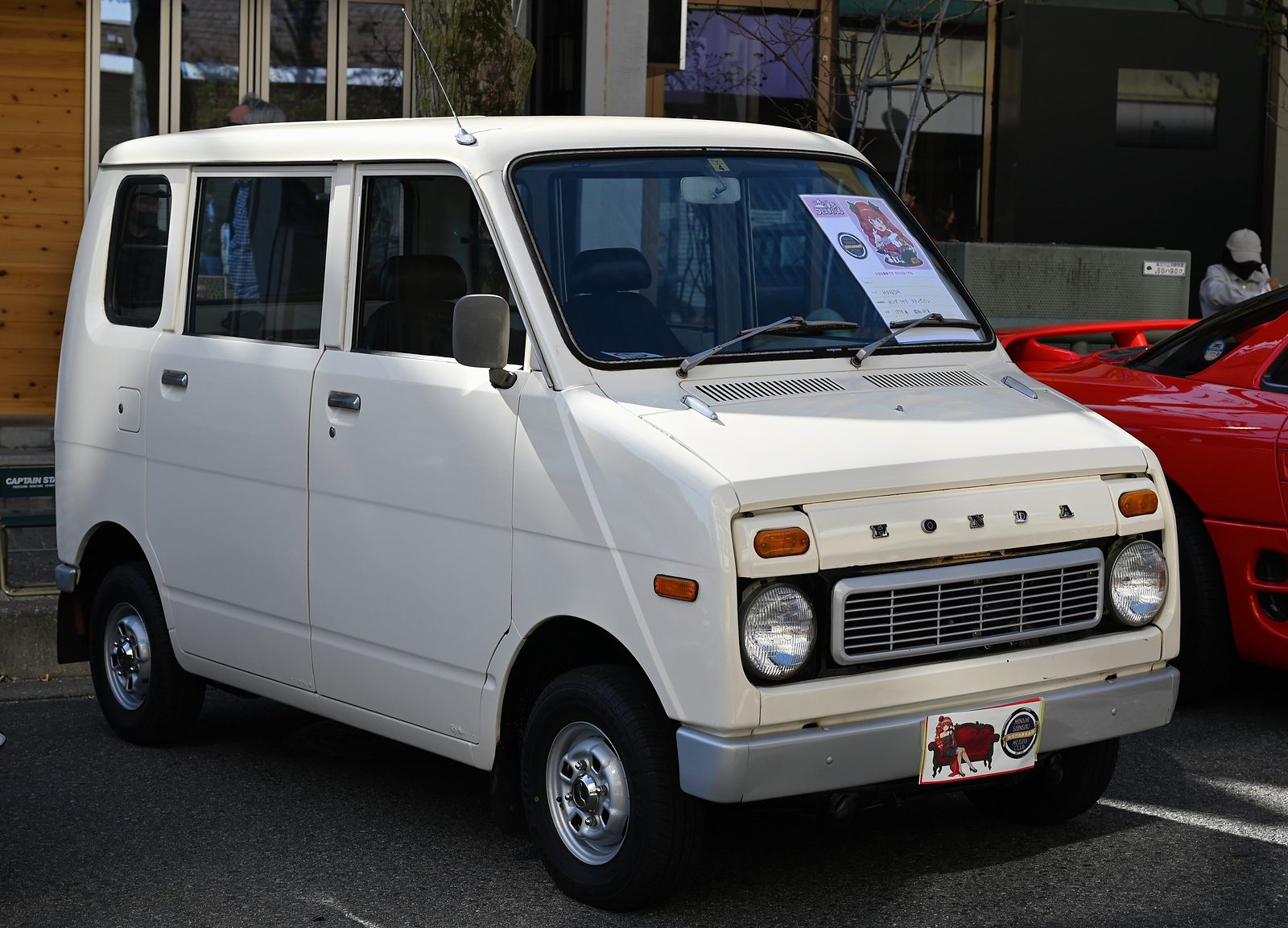
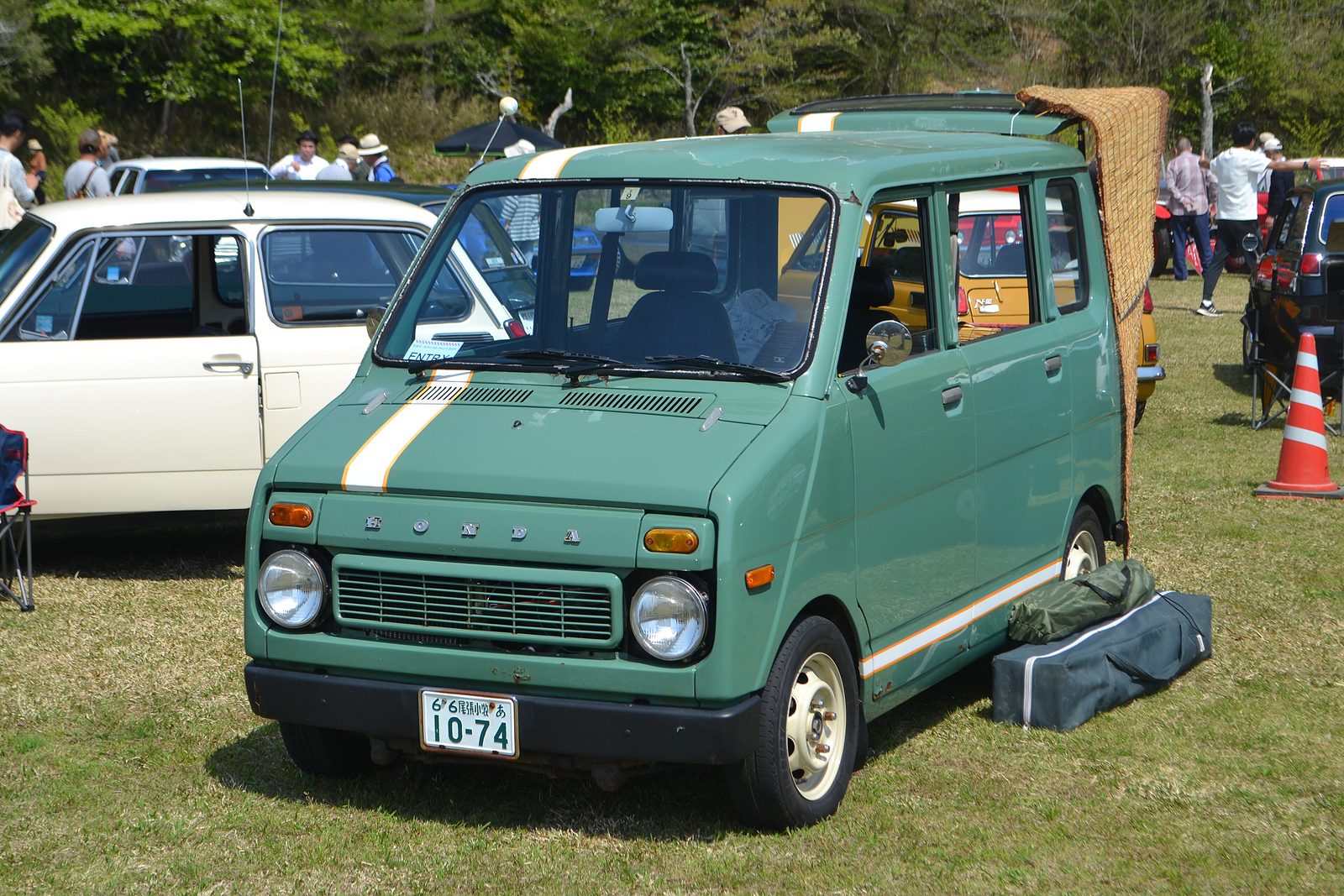
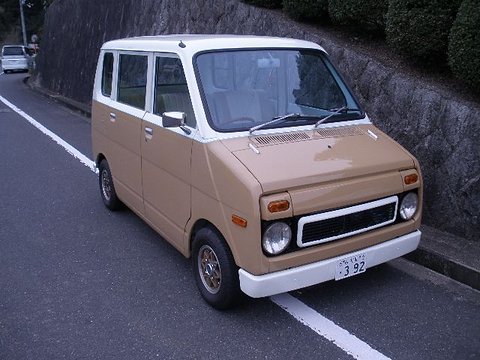
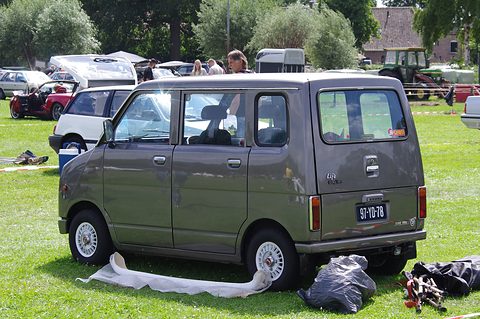
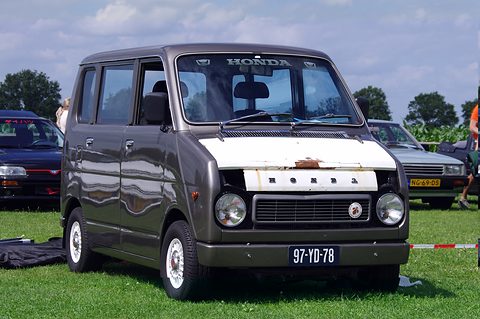
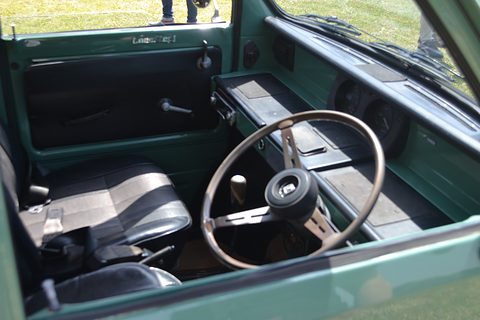
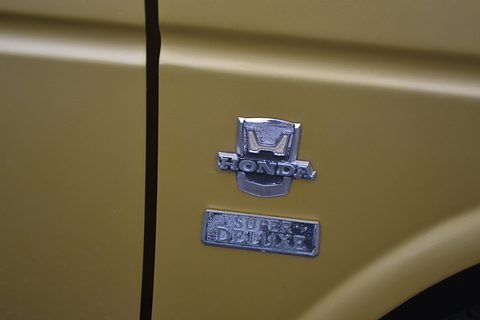
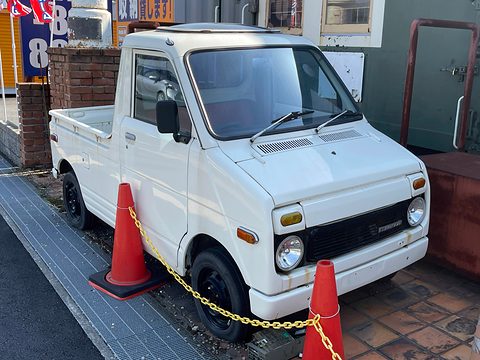
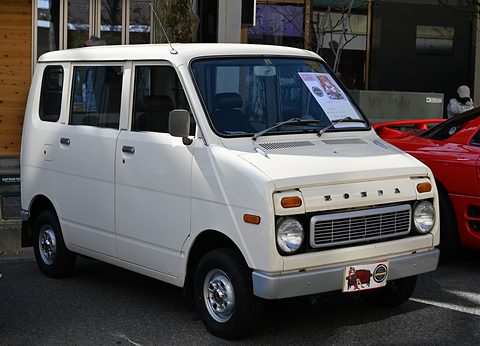
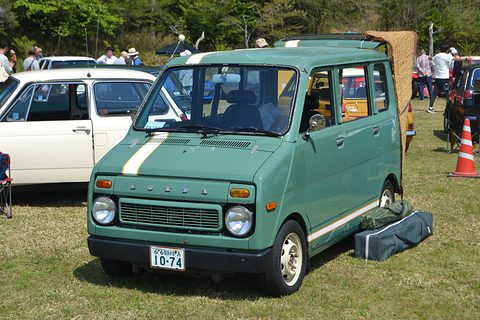
The Life Step Van went on sale on 20 September 1972. It kept a front engine and front-wheel drive, and behind them stood a tall semi-cab-over body on a flat, low floor, with three or five doors. It cost ¥376,000, or ¥403,000 as the Super DX, and came only with a four-speed manual gearbox.source 2source 1 It weighed 605 kg (1,330 lb) and carried 300 kg with two aboard or 200 kg with four. (Its working cousins are on our page of micro-vans.)source 1 The Lane Motor Museum lists its small kindnesses: a slot in the glovebox for posting cheques, a holder for a pen, and a glovebox lid that folds out as a desk.source 4
The Honda Life Step Van was Japan’s first microvan.
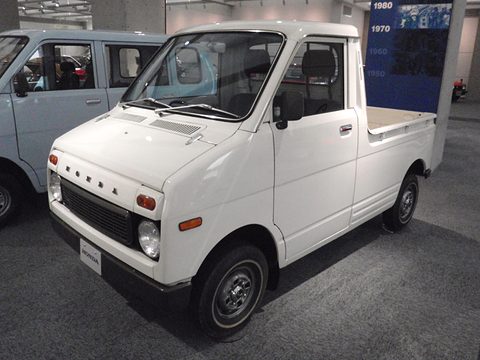
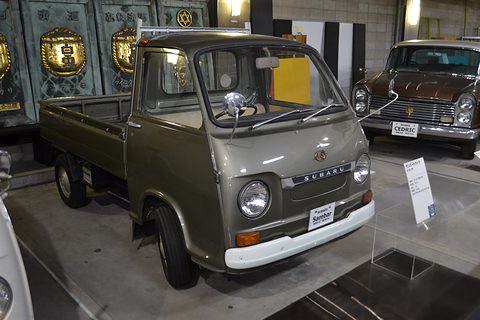
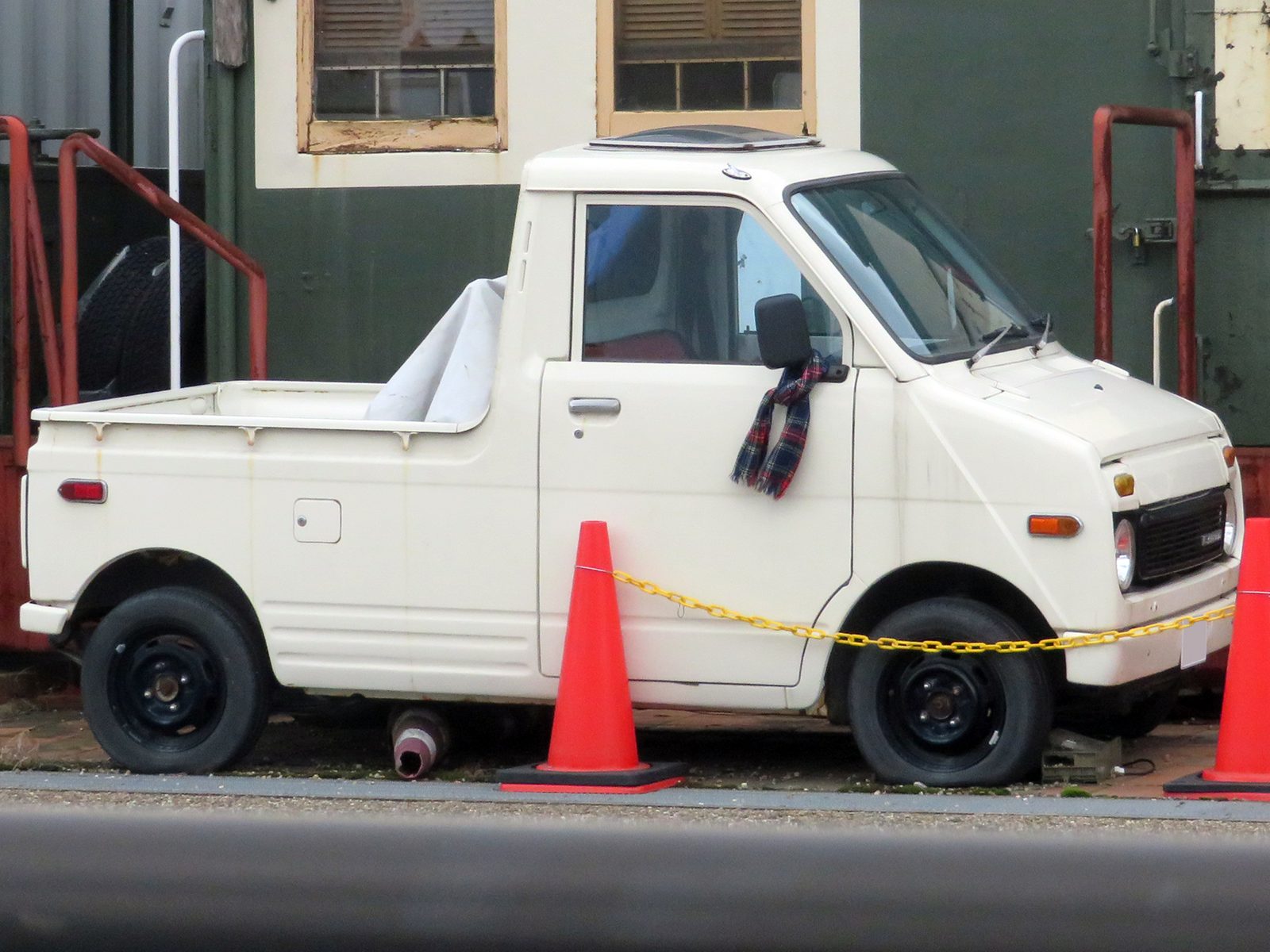
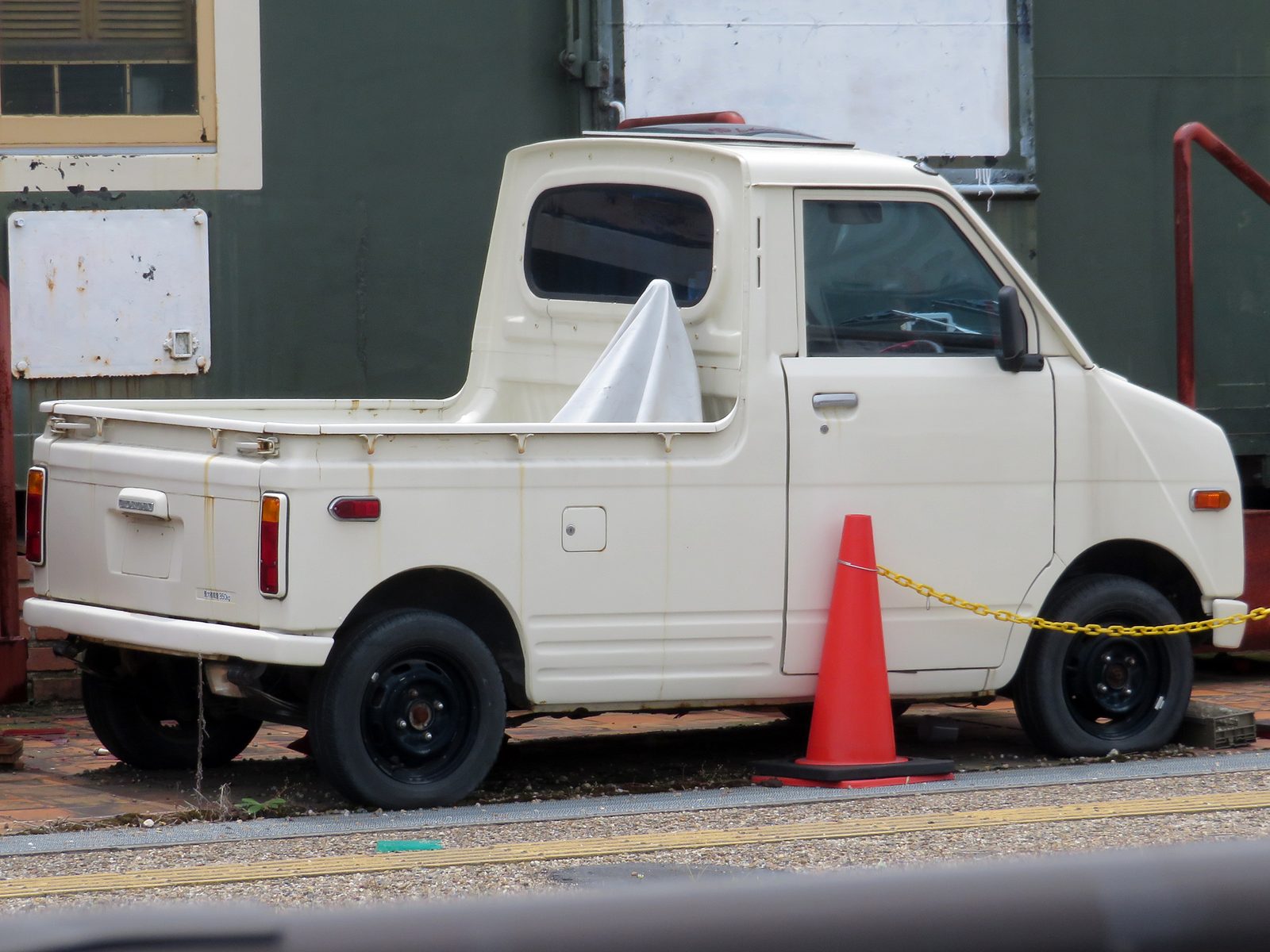
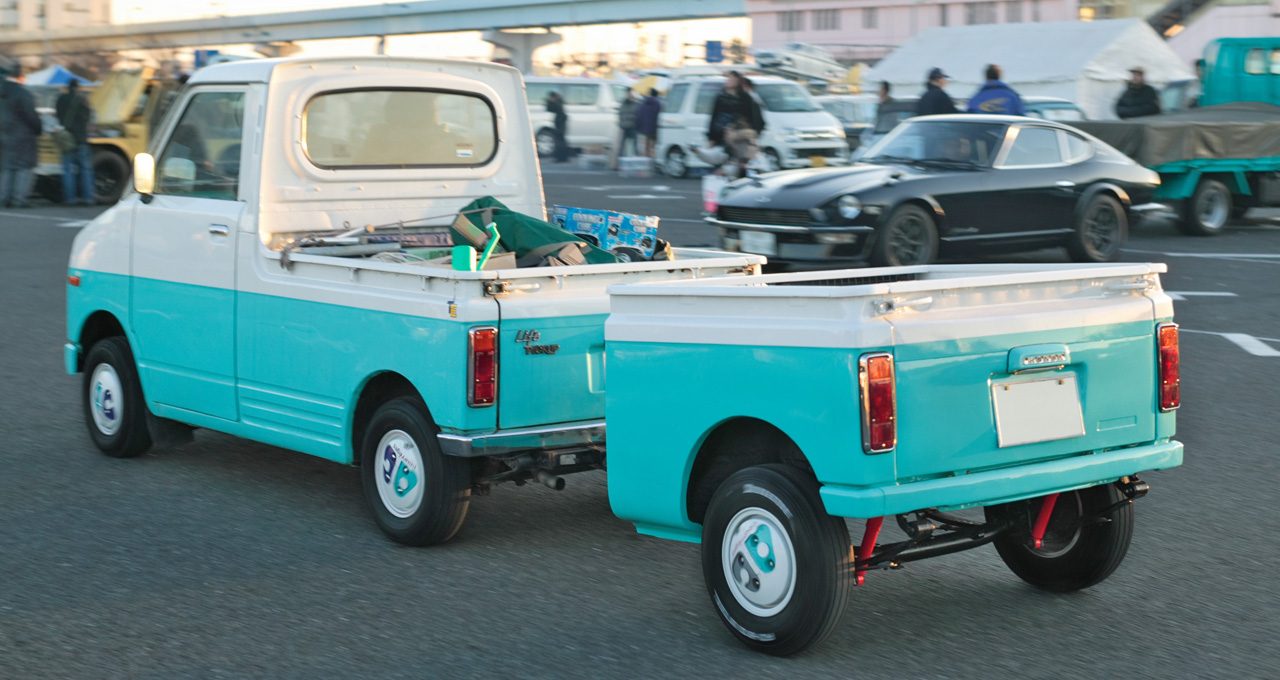
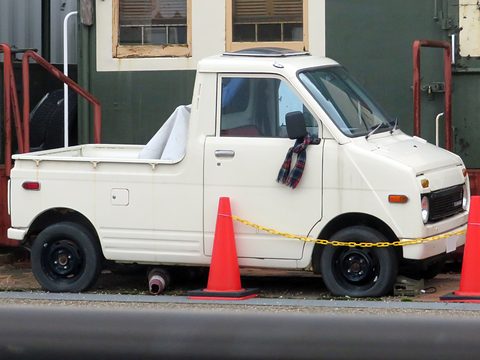
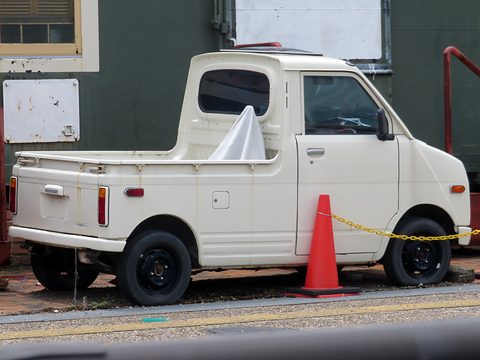
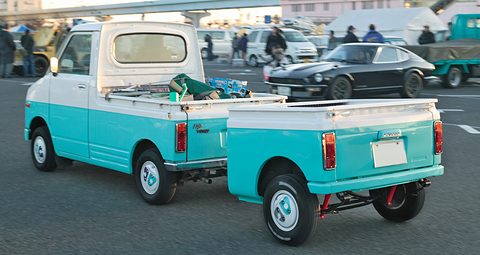
That depends on the definition, since cab-over kei vans such as the Subaru Sambar of 1961 came first. Japanese Wikipedia makes a claim that holds up better: the Step Van embodied the packaging of today’s kei tall wagons.source 2 In its own day it failed. Honda had planned for 2,000 a month, and only 17,165 were built.source 1source 4 The Life Pickup of 21 August 1973 did worse: no more than 1,132.source 2source 1
Given up for the Civic
In October 1974 Honda ended the Life, the Step Van and the Pickup, along with the Honda Z, so that its car plant could concentrate on the Civic, which sold all over the world.source 2source 1 Japanese Wikipedia adds other reasons: the kei market had shrunk since kei cars had become subject to roadworthiness inspections; the cheapest Life cost over ¥350,000, against about ¥400,000 for a Civic; and the two cost almost the same to build.source 2 By its count, 358,020 Lifes of all kinds had been registered by the month before sales ended, a figure it gives again, suspiciously, for the Life of 1997.source 2
The name came back in 1997, on a kei tall wagon billed as the Step Van reborn, and lasted until April 2014.source 2 The Step Van itself has a second life in the video games Gran Turismo 4, Gran Turismo for the PSP, Gran Turismo 5 and Gran Turismo 6.source 1