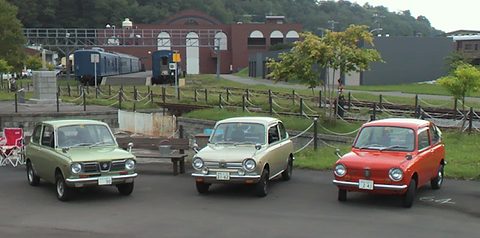
The story
History
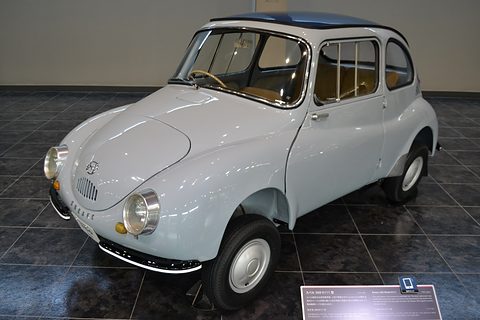
Fuji Heavy Industries had grown out of the aircraft maker Nakajima, and its Subaru 360 of 1958, a kei car, was the work of aircraft engineers (more in aircraft makers).source 1 It sold about 390,000 in 12 years, but by 1967–69 the cheaper and more powerful Honda N360 was outselling it, and so were the new Suzuki Fronte and Daihatsu Fellow.source 2source 1 Subaru’s answer kept what it knew: the engine behind the rear wheels, driving them, a light monocoque and the 360’s ideas on suspension.source 2source 1
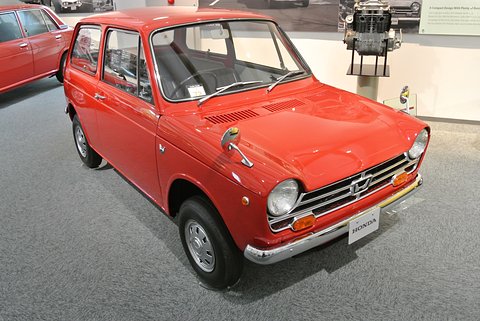
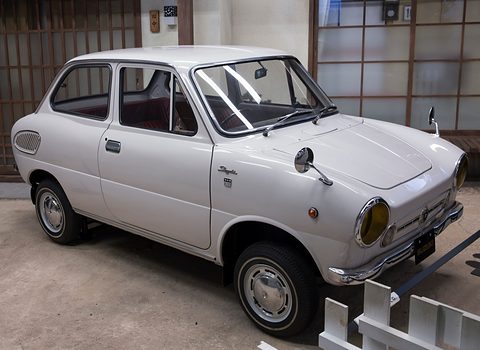
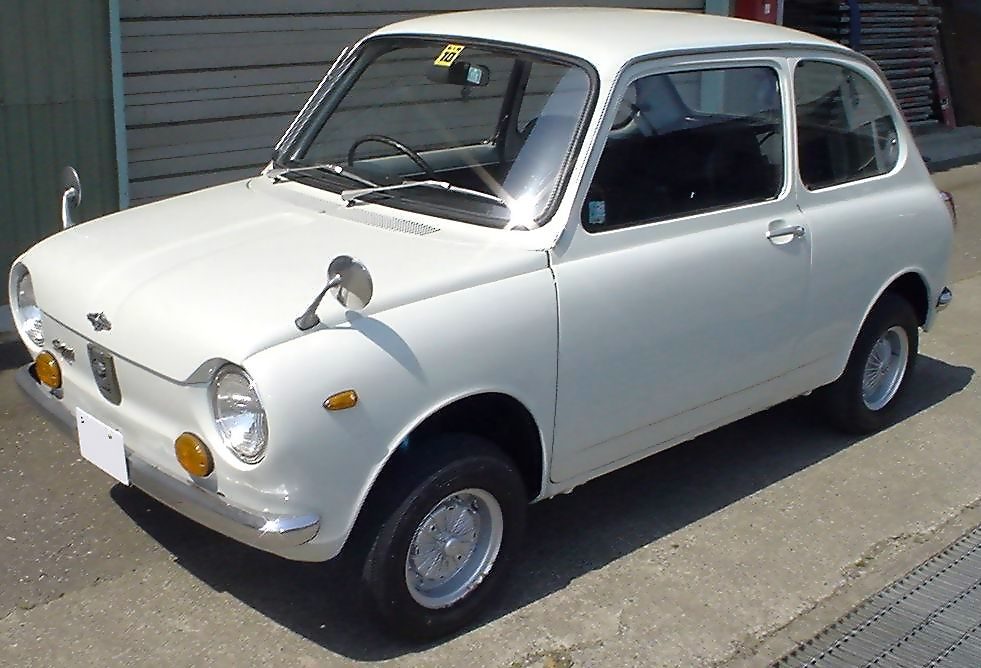
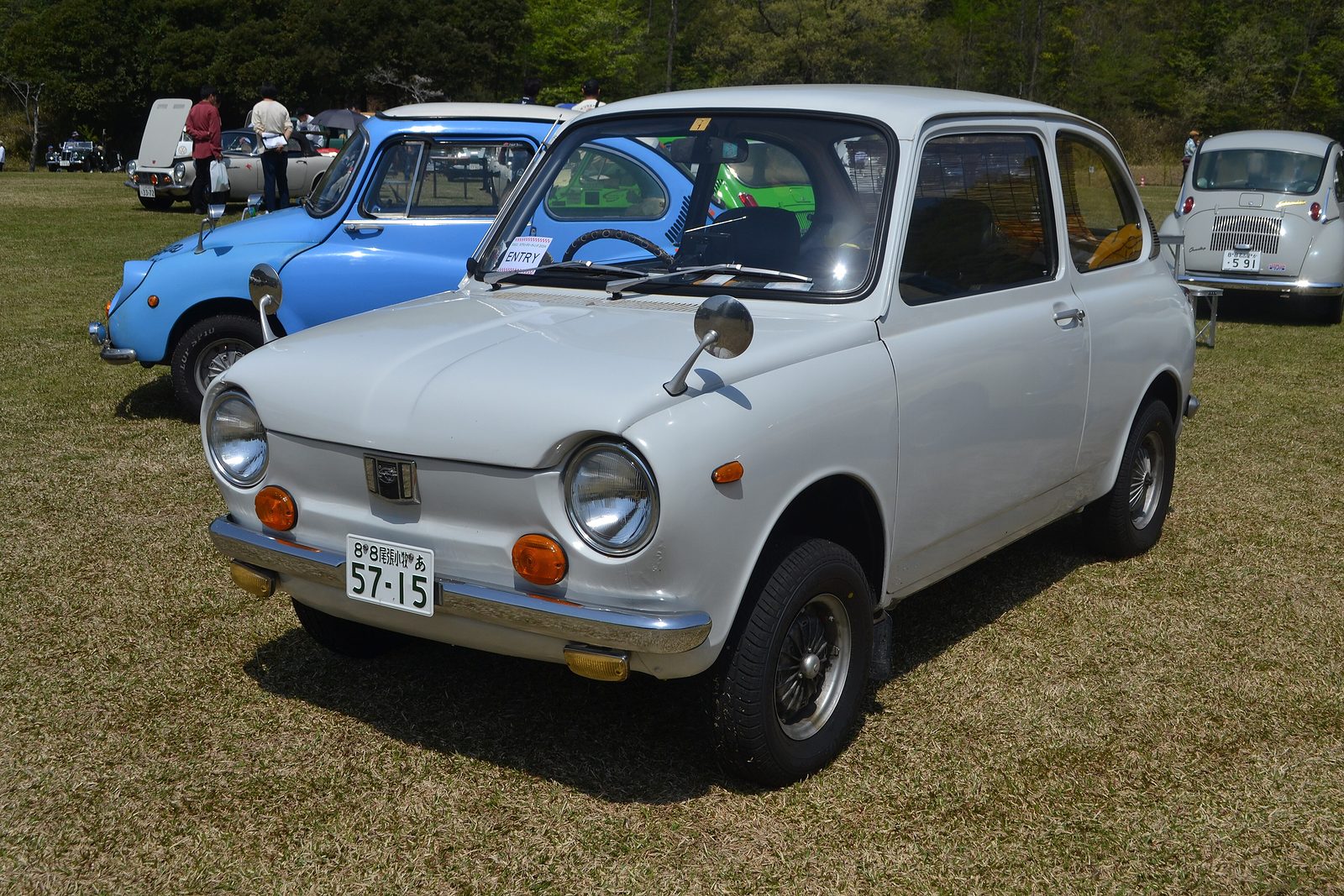
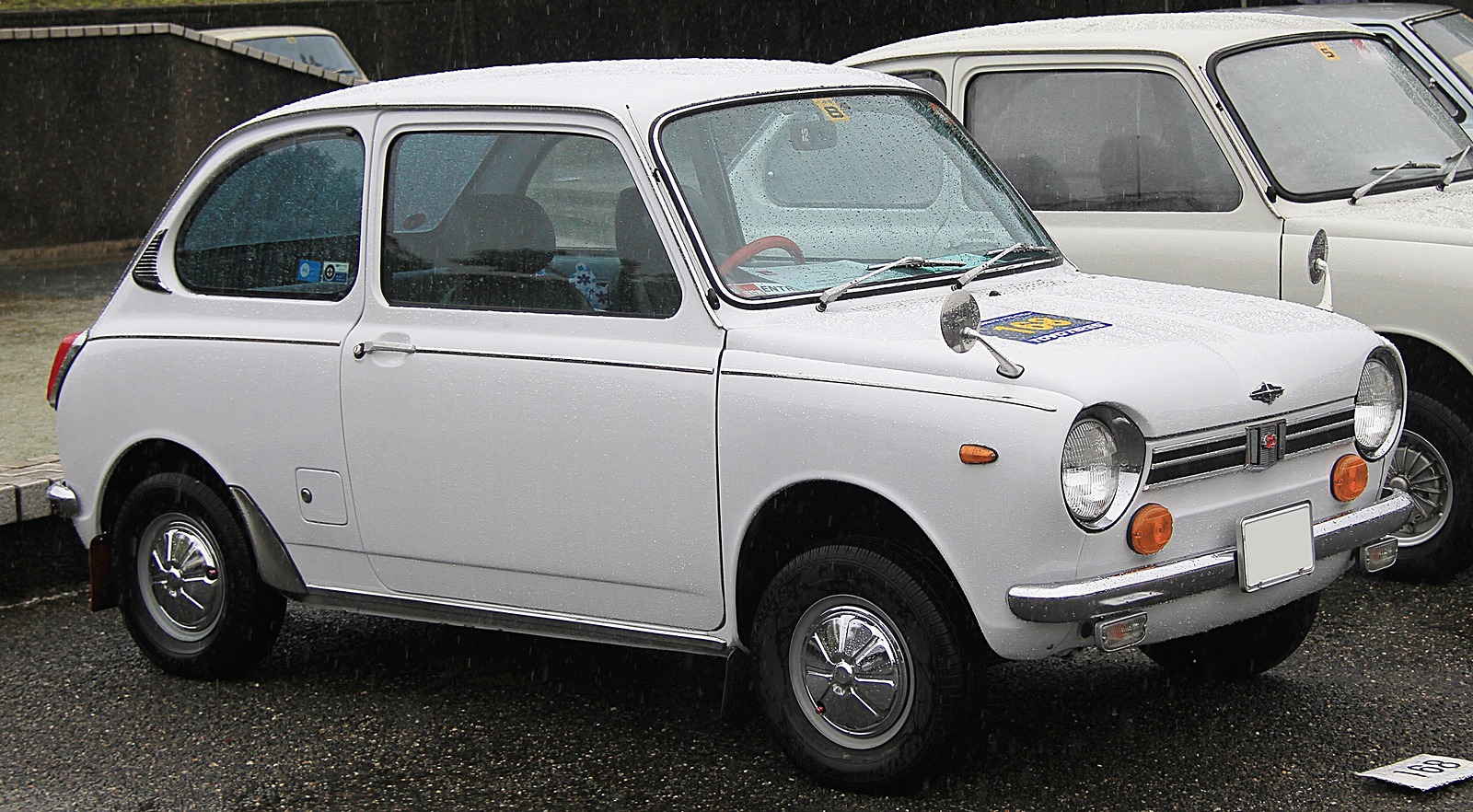
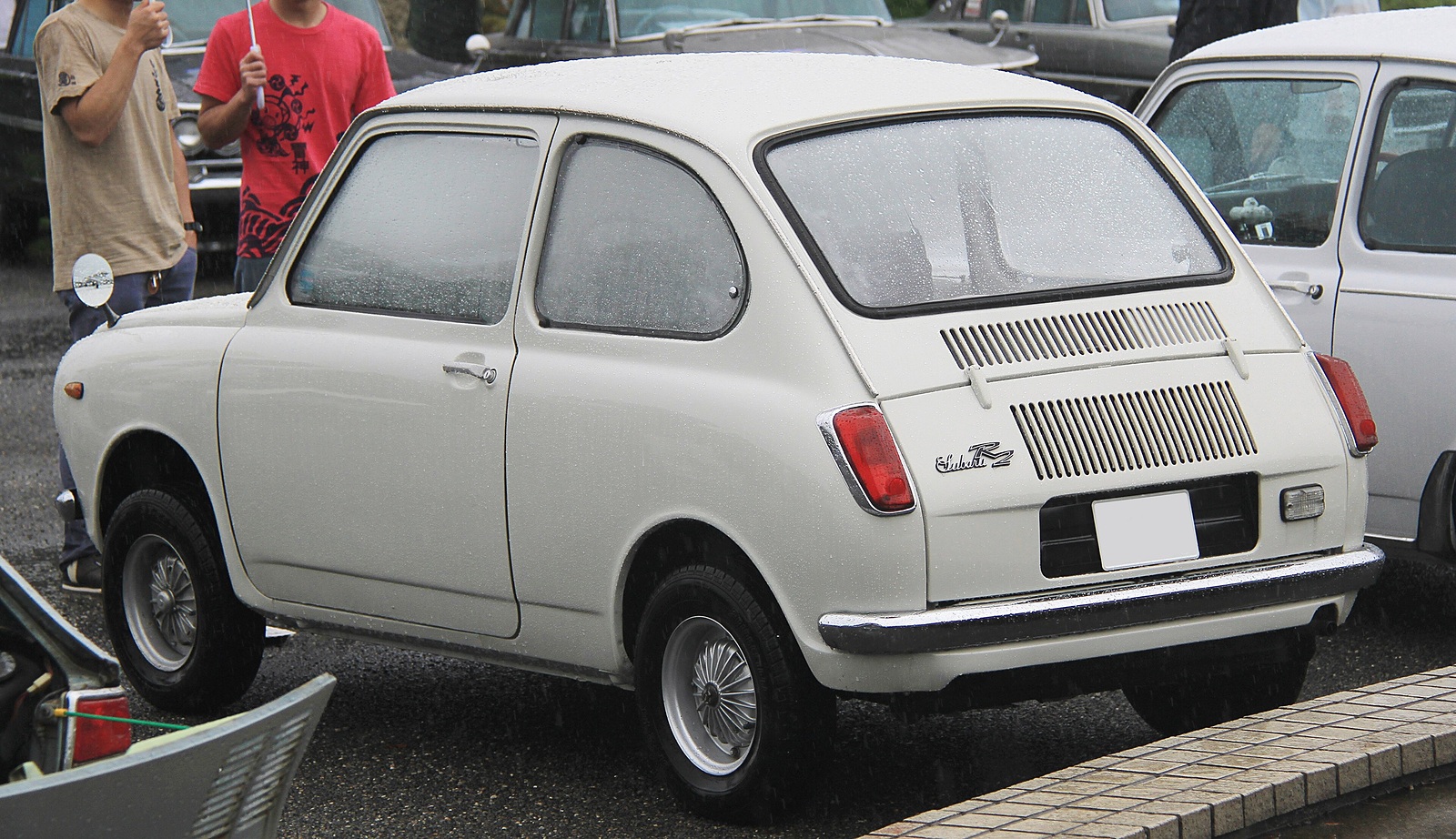
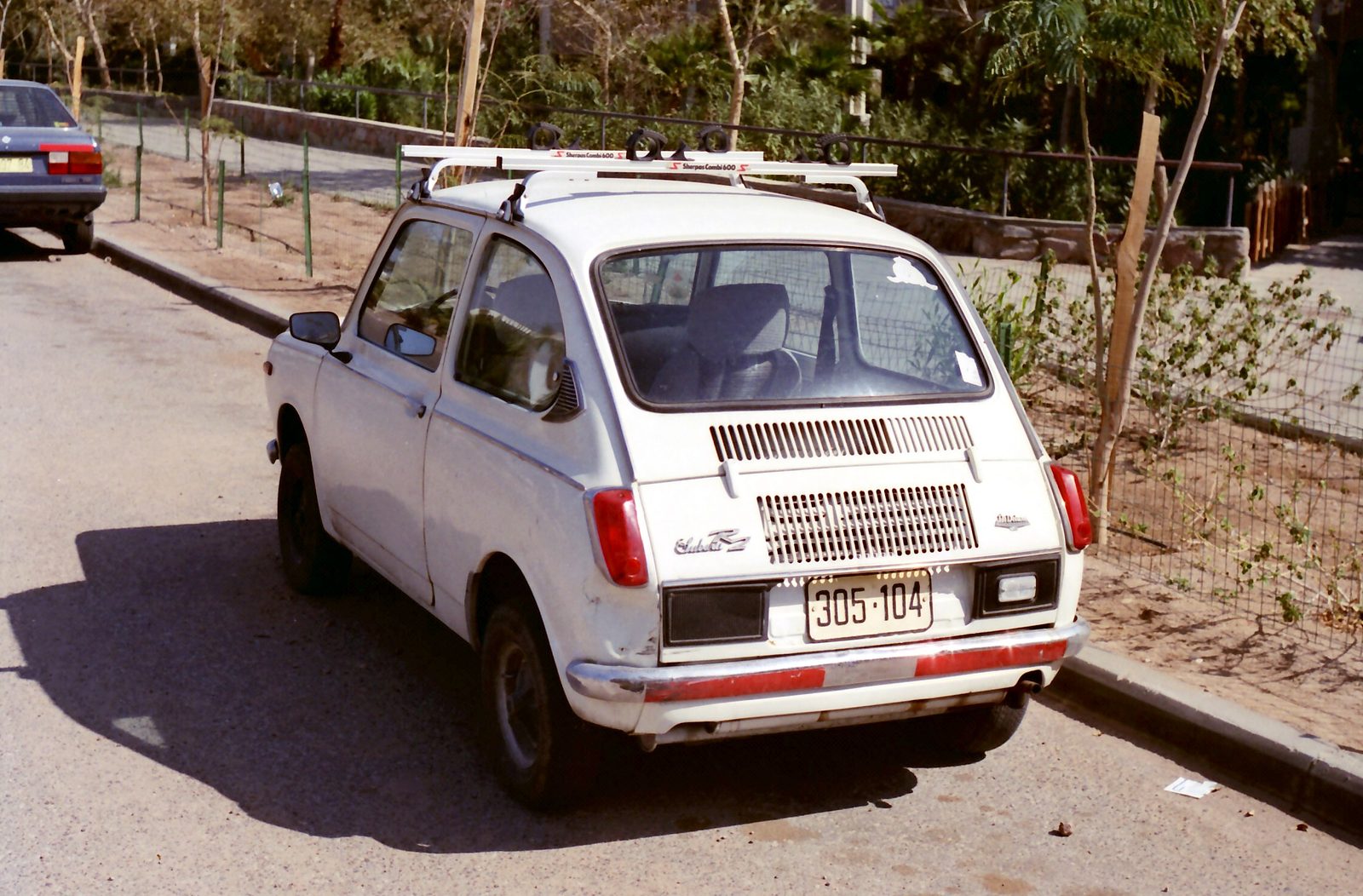
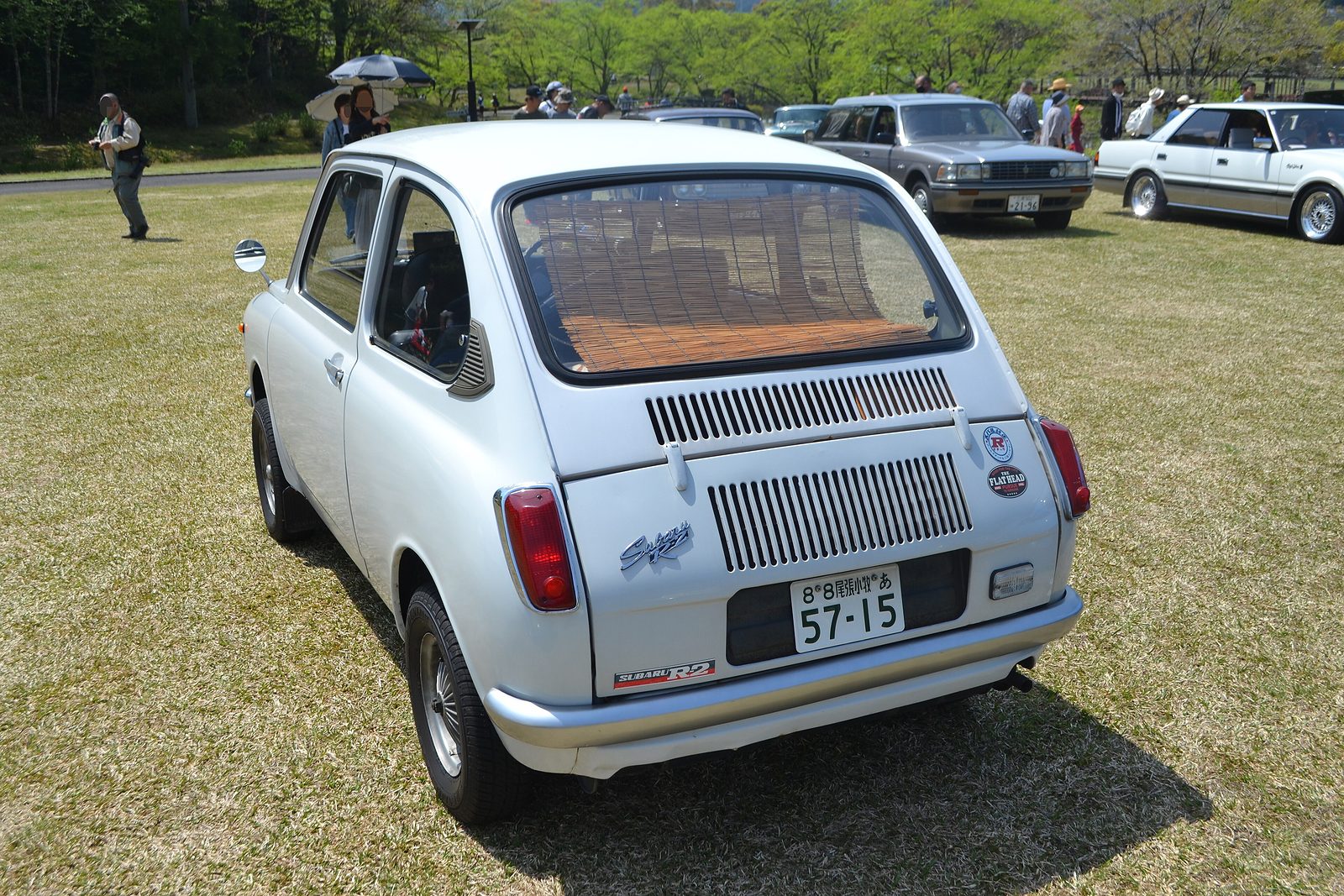
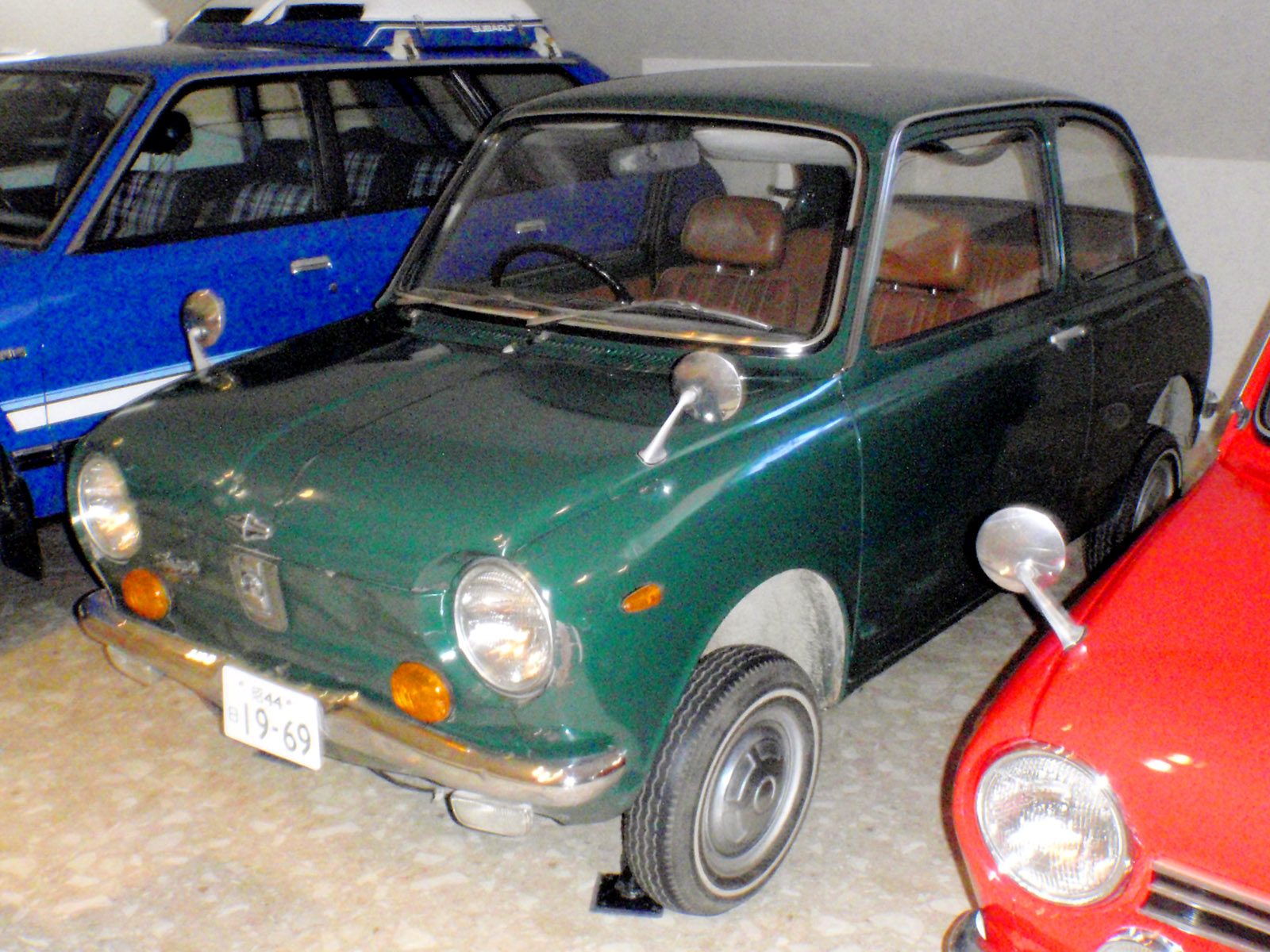
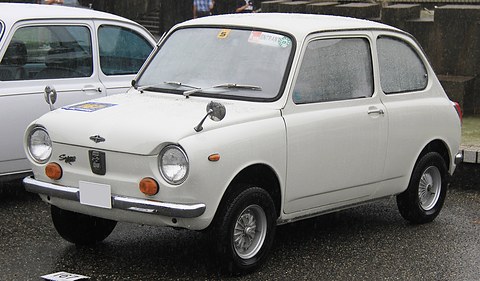
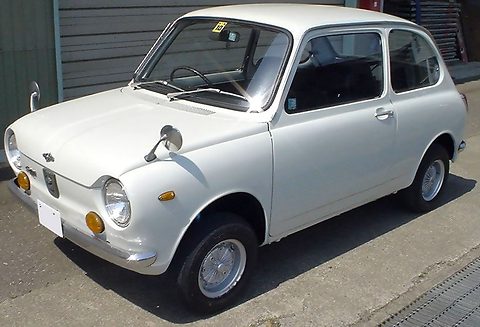
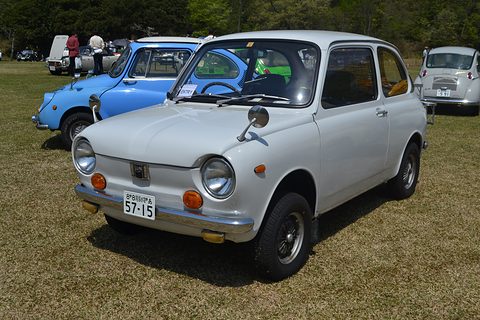
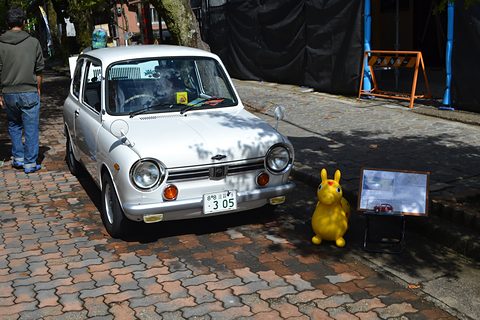
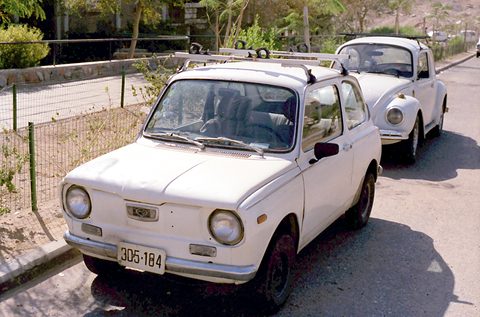
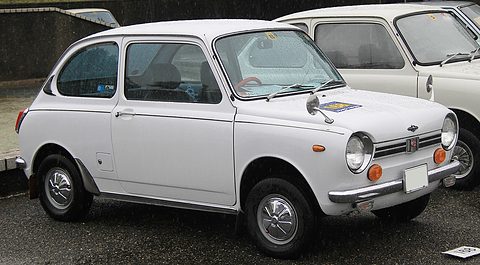
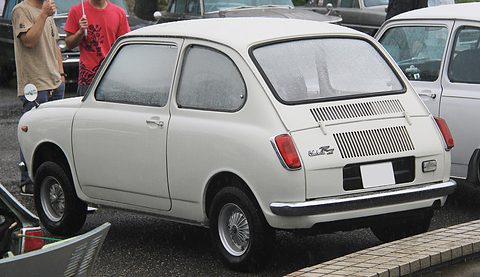
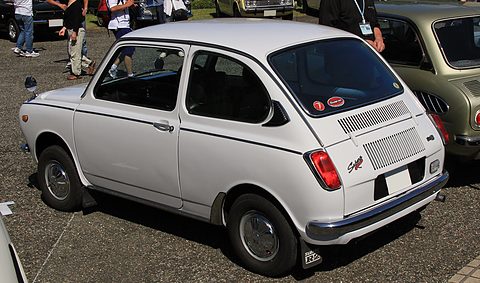
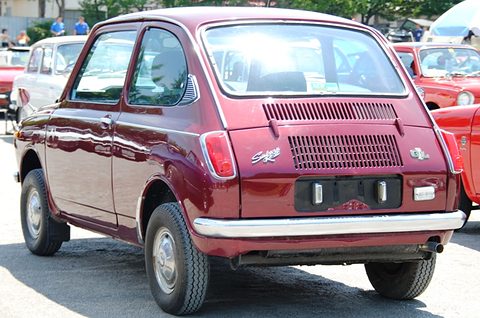
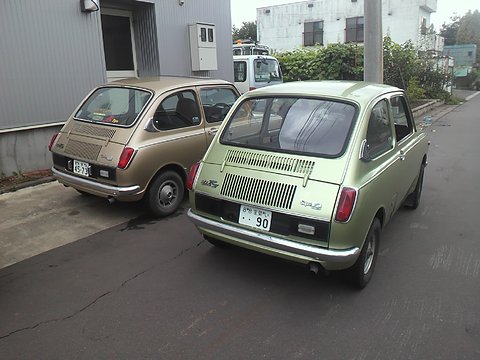
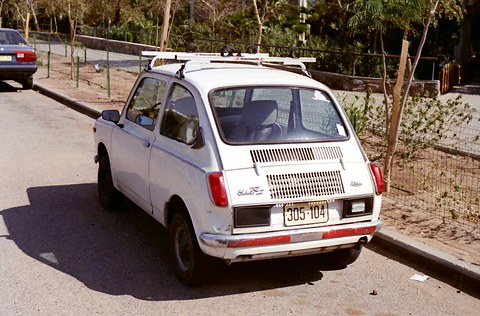
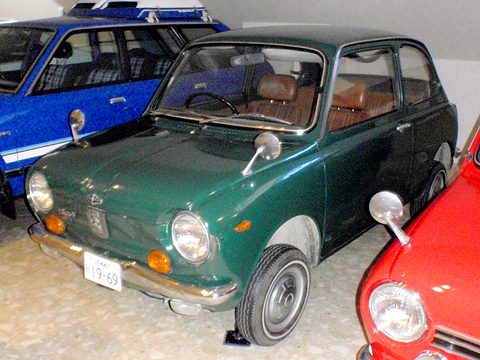
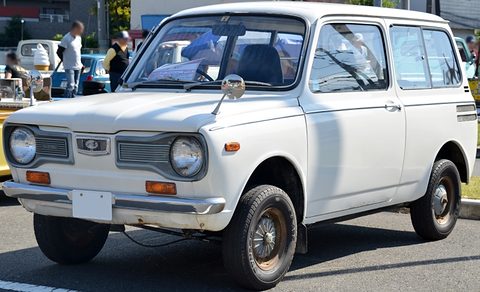
The rest was new. The body, designed in house, was a plain two-box shape, and from the windscreen pillars back it showed the influence of research cars built on the 360 since the early 1960s.source 2 The wheelbase grew by 120 mm (4.7 in), and the cabin grew much larger.source 2source 1source 3 One requirement was absolute: a boot big enough for a family holiday, and the R‑2 had 210 litres (7.4 cu ft) in its nose. The front had no quarter-lights, and the doors were about the size of the Subaru ff-1 two-door’s, so that four adults could get in easily.source 2
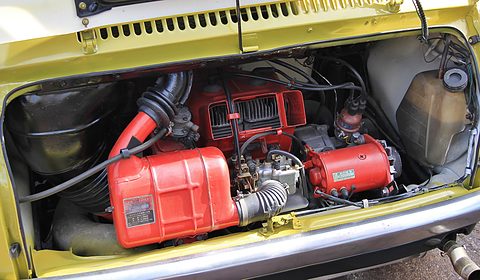
The engine, the EK33, was an air-cooled two-stroke twin with an aluminium-alloy cylinder block and reed valves, and gave 30 PS at 6,500 rpm, 5 PS more than the 360’s.source 2source 1 A new four-speed gearbox had synchromesh on every gear, where the 360’s three speeds had it only on second and third; the 360’s auxiliary overtop gear was dropped, but its two-pedal Autoclutch was kept as an option.source 2 Hard Mini was Subaru’s catchphrase: Japanese Wikipedia applies it to the whole range, Motor Fan to the SS alone.source 2source 1
English Wikipedia says the R‑2 was introduced on 8 February 1969 and took 25,000 orders in a month; Motor Fan says 26,000 in its first two weeks.source 4source 1 It went on sale on 15 August 1969, at ¥313,000, the N360’s price exactly.source 2source 1
The SS
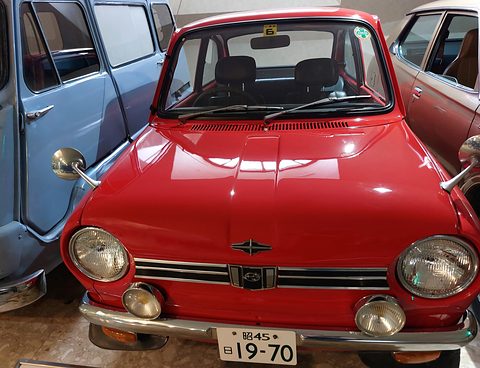
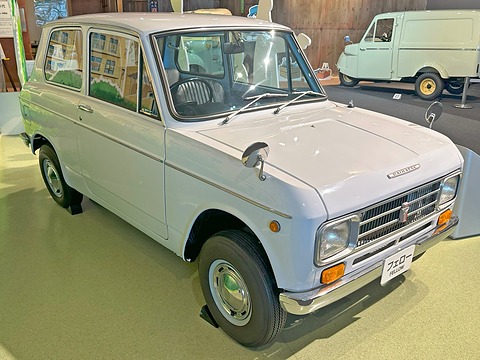
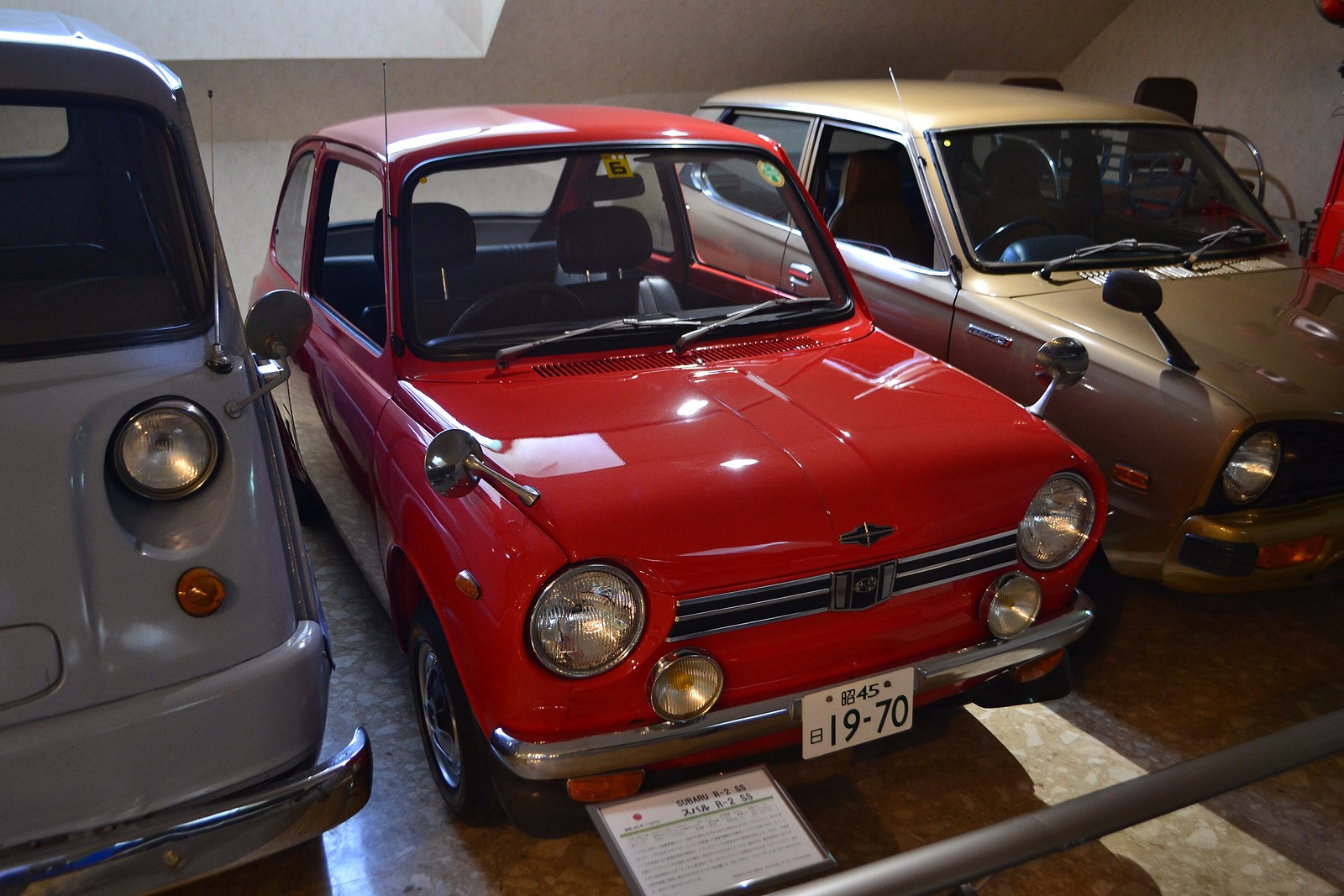
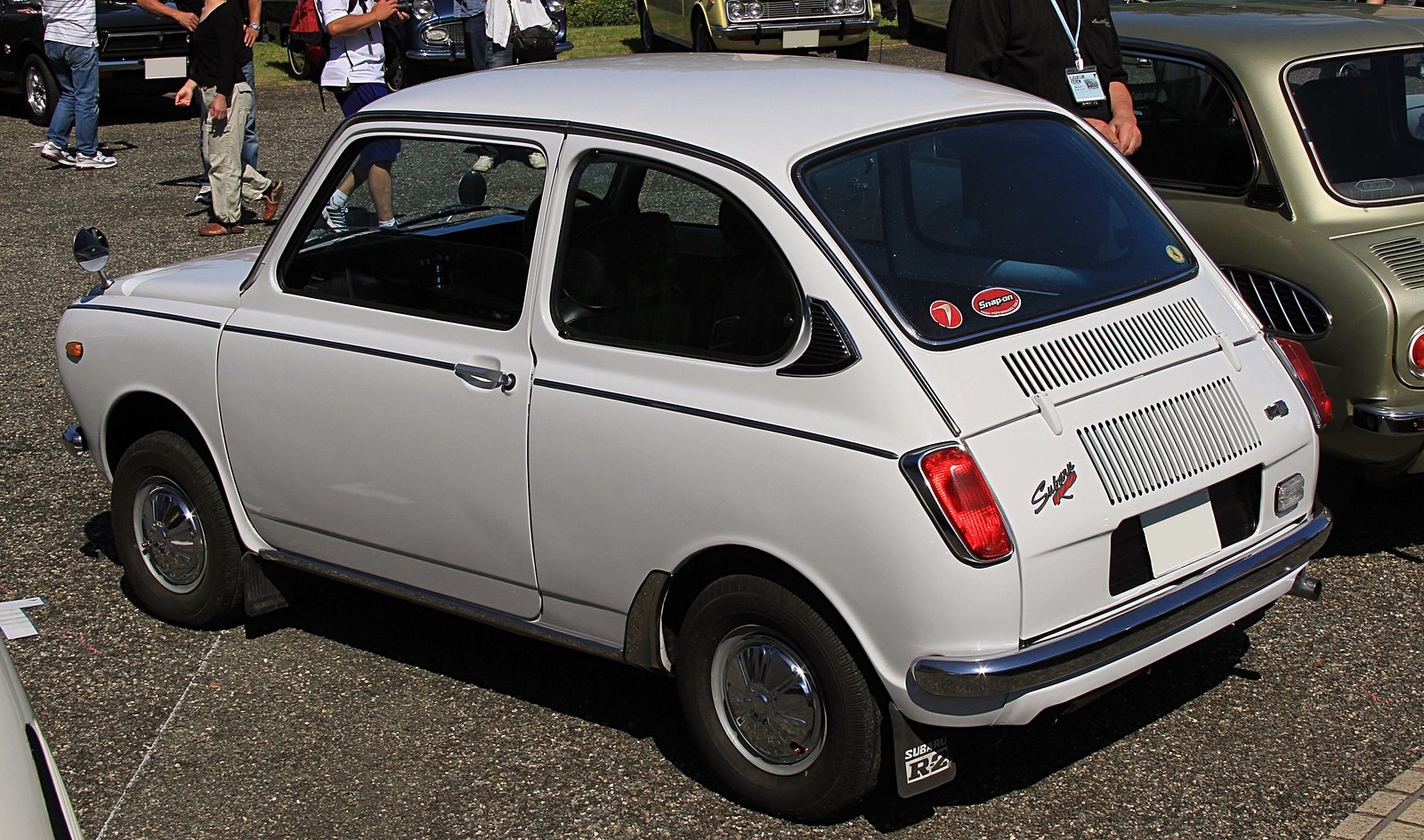
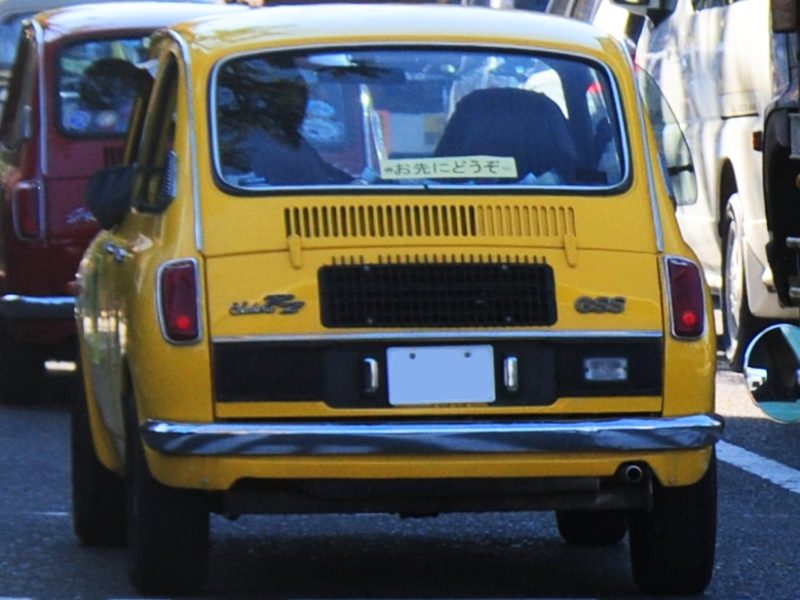
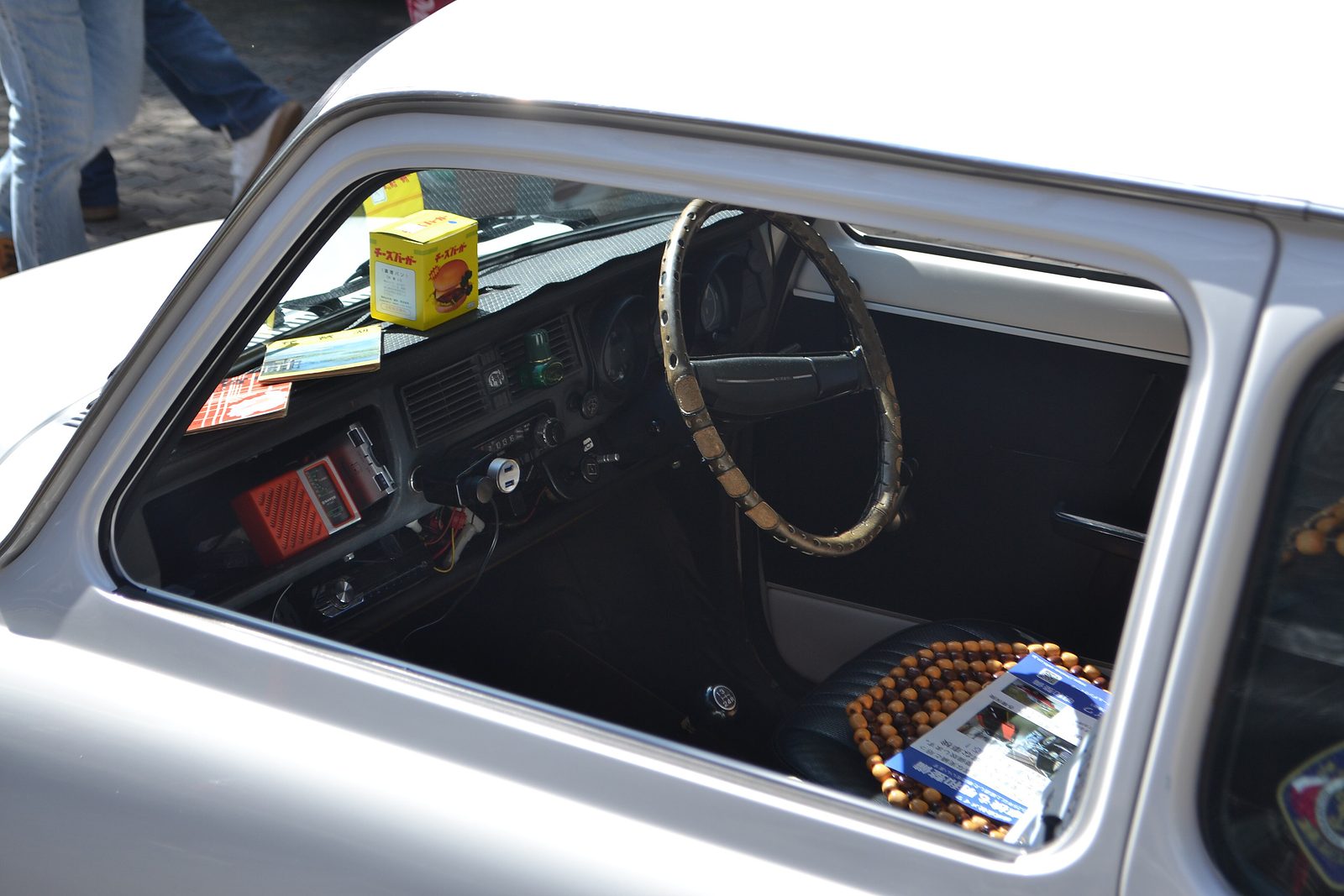
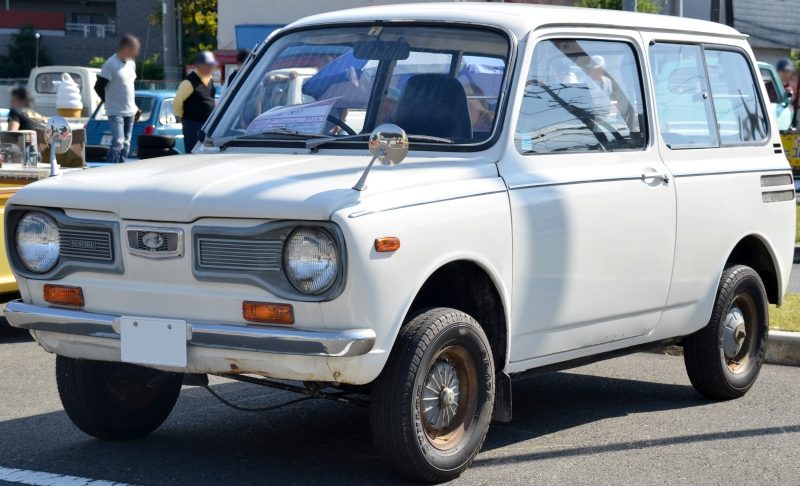
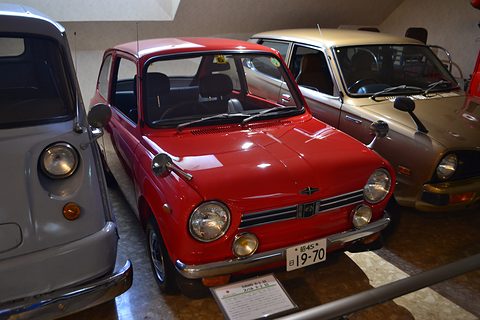
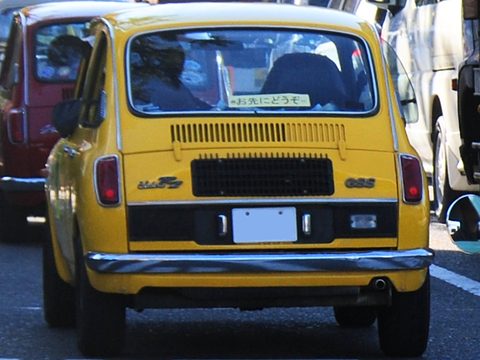
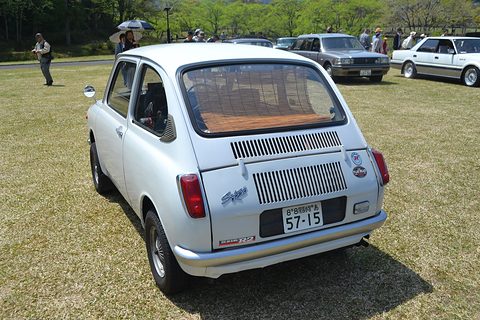
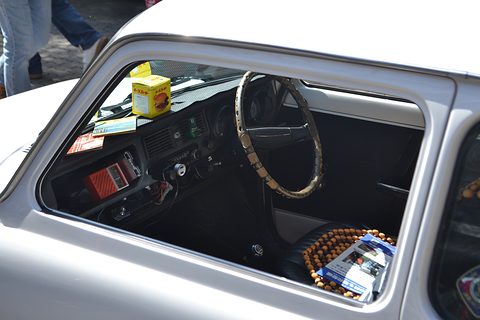
A van followed in February 1970, with 26 PS by English Wikipedia’s account.source 2source 4 On 18 April came the SS, with a Mikuni twin-choke carburettor (a Solex, Motor Fan says), a special exhaust and expansion chamber, and 36 PS at 7,000 rpm.source 2source 1 Its alloy cylinders were hard-chromed, its gear ratios its own, and it reached 120 km/h (75 mph) and covered the standing 400 m in 19.9 seconds. It wore bullet-shaped wing mirrors, a fin on the nose and fog lamps, and had a black three-dial panel and bucket seats.source 1 Keen drivers welcomed its light handling.source 1 A Sporty Deluxe with 32 PS came at the same time, and a luxury GL in October.source 2source 4
Within about a year, though, sales were slipping against strong rivals with front-wheel drive, however quickly Subaru updated the car.source 2source 1 English Wikipedia says its rear-engined handling was found less stable than theirs; Motor Fan suggests its looks were simply too plain.source 4source 1 In February 1971 the standard car got a dummy grille and 32 PS, and the SS left the catalogue.source 2
The zebra mask
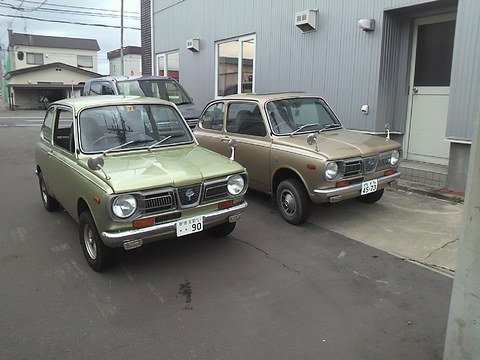
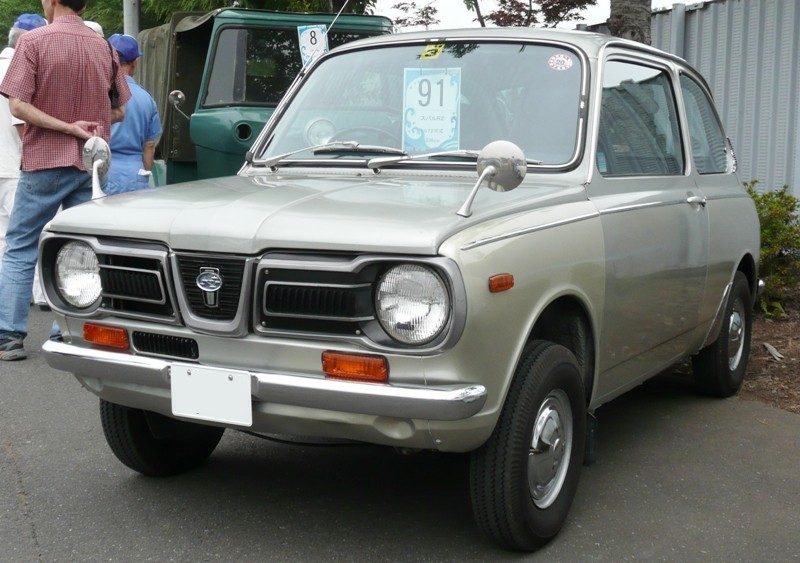
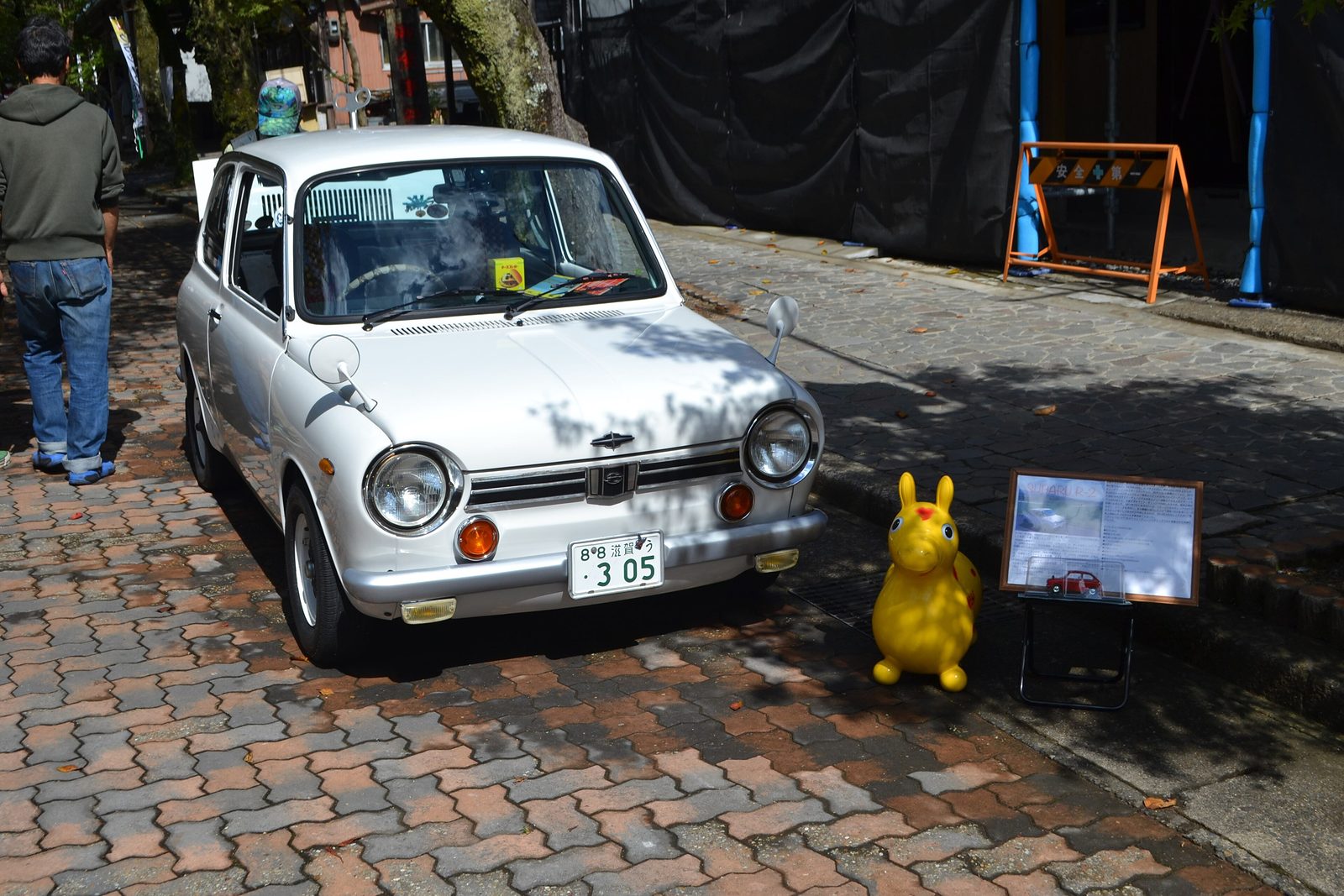
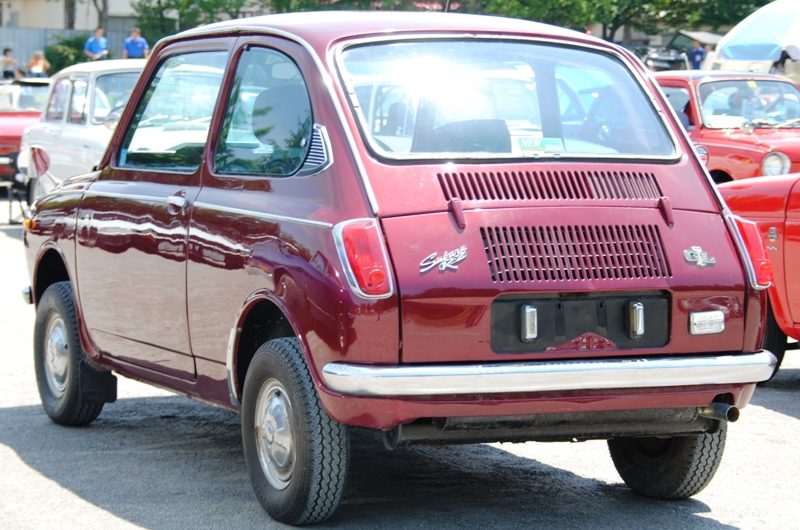
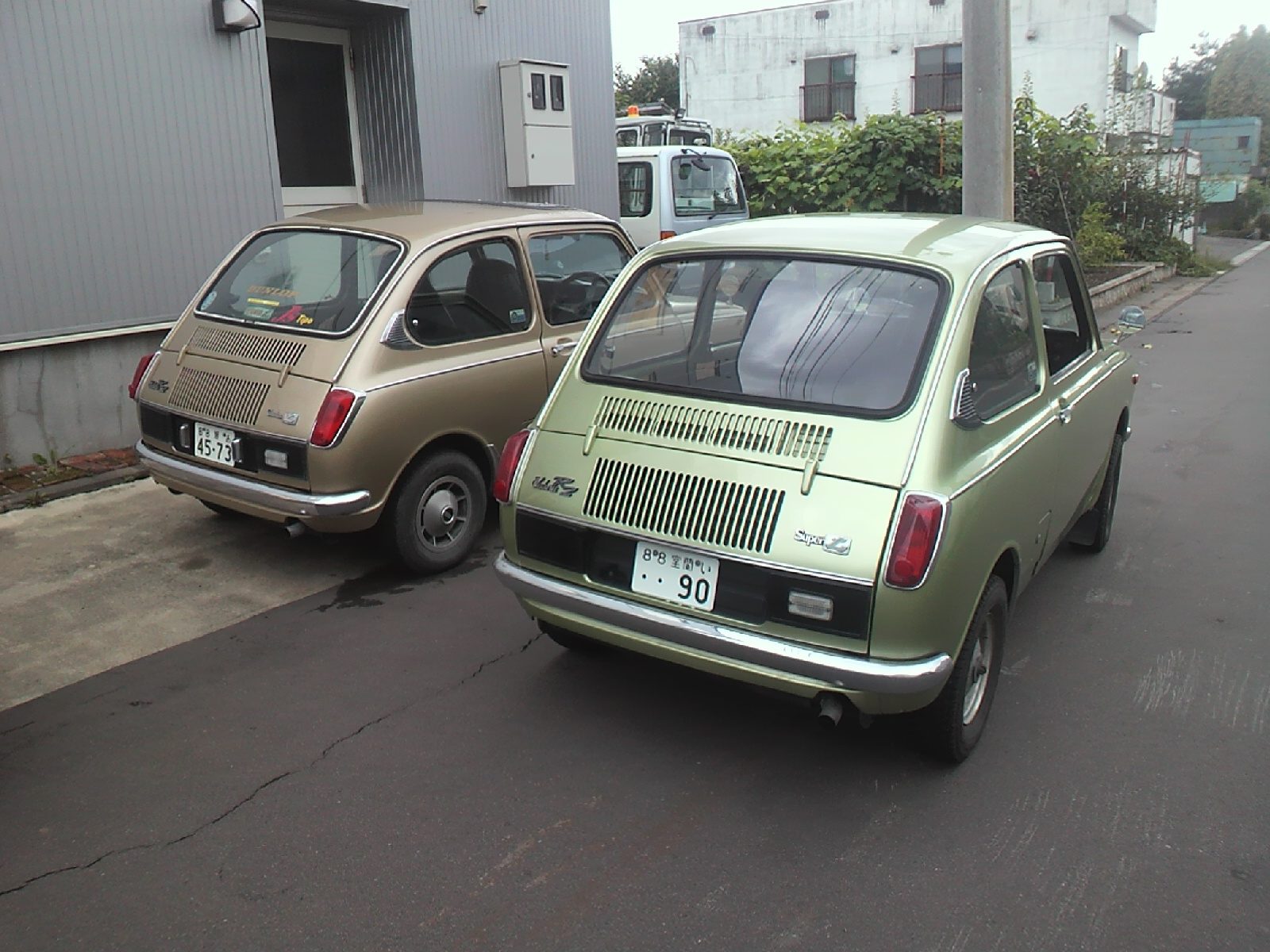
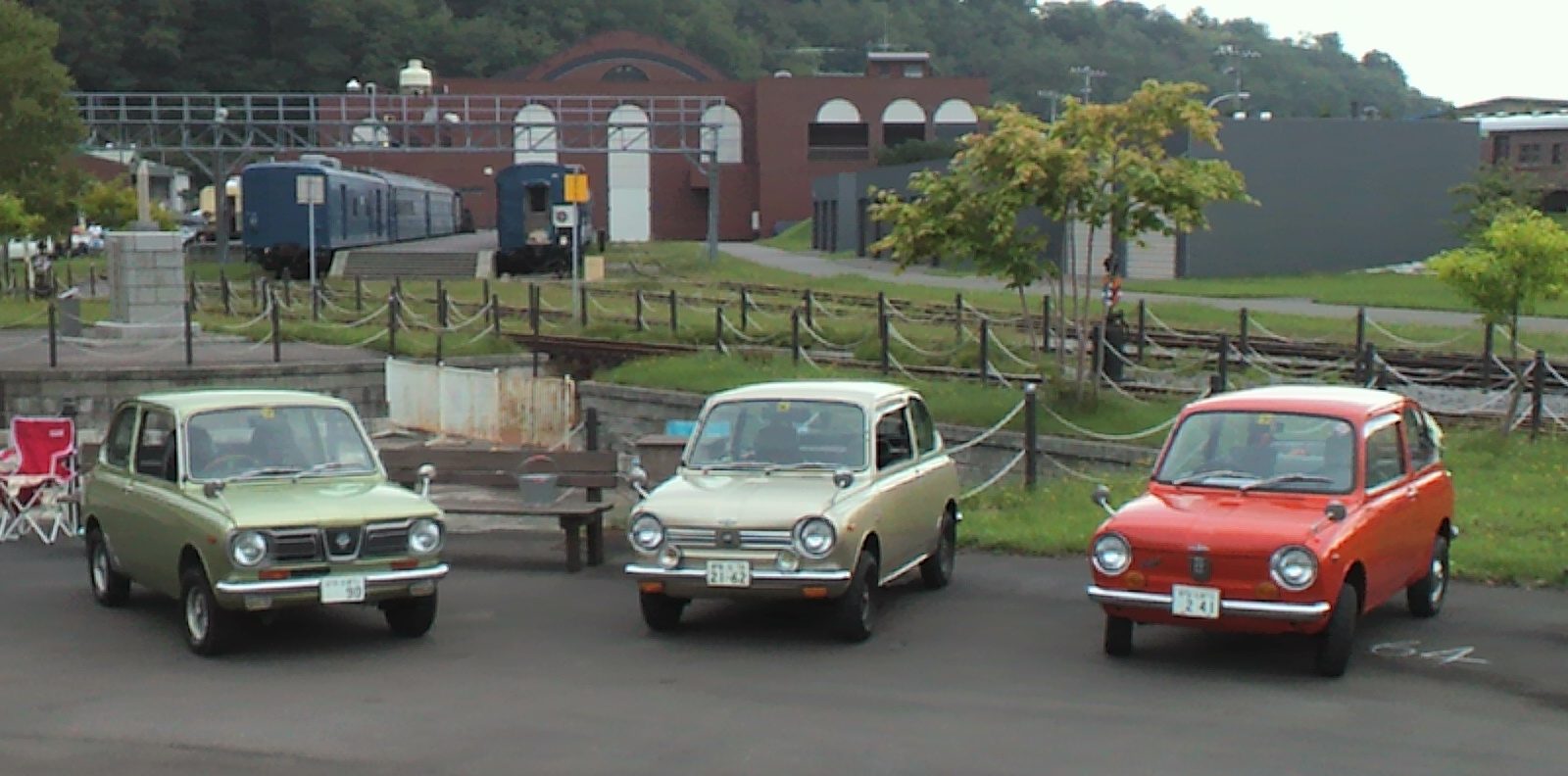
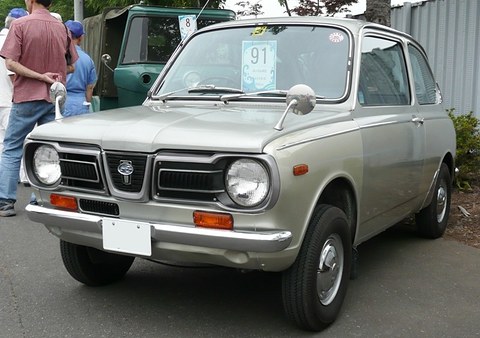
On 7 October 1971 the R‑2 changed again. It gained a new badge and a striped face known in Japan as the zebra mask, a dummy grille that English Wikipedia says echoed the new Leone, and the steering-wheel boss now said R‑2 instead of SUBARU.source 2source 4 The air-cooled sports model returned as the GSS, and beside it came the water-cooled L series, the L for liquid cooling and for luxury: the Super L and the Custom L.source 2 Their EK34 engine gave 32 PS at 6,000 rpm, 500 rpm lower than before, with a heated carburettor, an alternator and a separate starter, and a hot-water heater that warmed the cabin far better than the air-cooled cars could.source 2
But the R‑2 had not been designed for water cooling. The coolant pipes could not run through the cabin, so they went under the sills, where they corroded and were damaged, and the L series was sold for only nine months.source 2 On 15 July 1972 the water-cooled cars gave way to a new car, the Subaru Rex, which Motor Fan dates to August; air-cooled R‑2s were built until late December, and sold until February 1973.source 2source 1source 3 Japanese Wikipedia counts 289,555 R‑2s.source 2 In 2003 Subaru revived the name for a new R2.source 4