microcarfan
  • Kei car
  • Japan
  • Four wheels
  • Front-wheel drive

Daihatsu Fellow Max

Also known as ダイハツ・フェローMAX, L38, Max 360X (Australia), 360X (New Zealand), Daihatsu 360 (export), Fellow MAX 550, Max Cuore (1977–⁠79)

In July 1970 Daihatsu got 40 PS out of a 356 cc two-stroke twin, more than 112 PS per litre. No kei car of the 360 cc rules ever had more than the Fellow Max SS; it also wanted high-octane fuel, and it was loud.

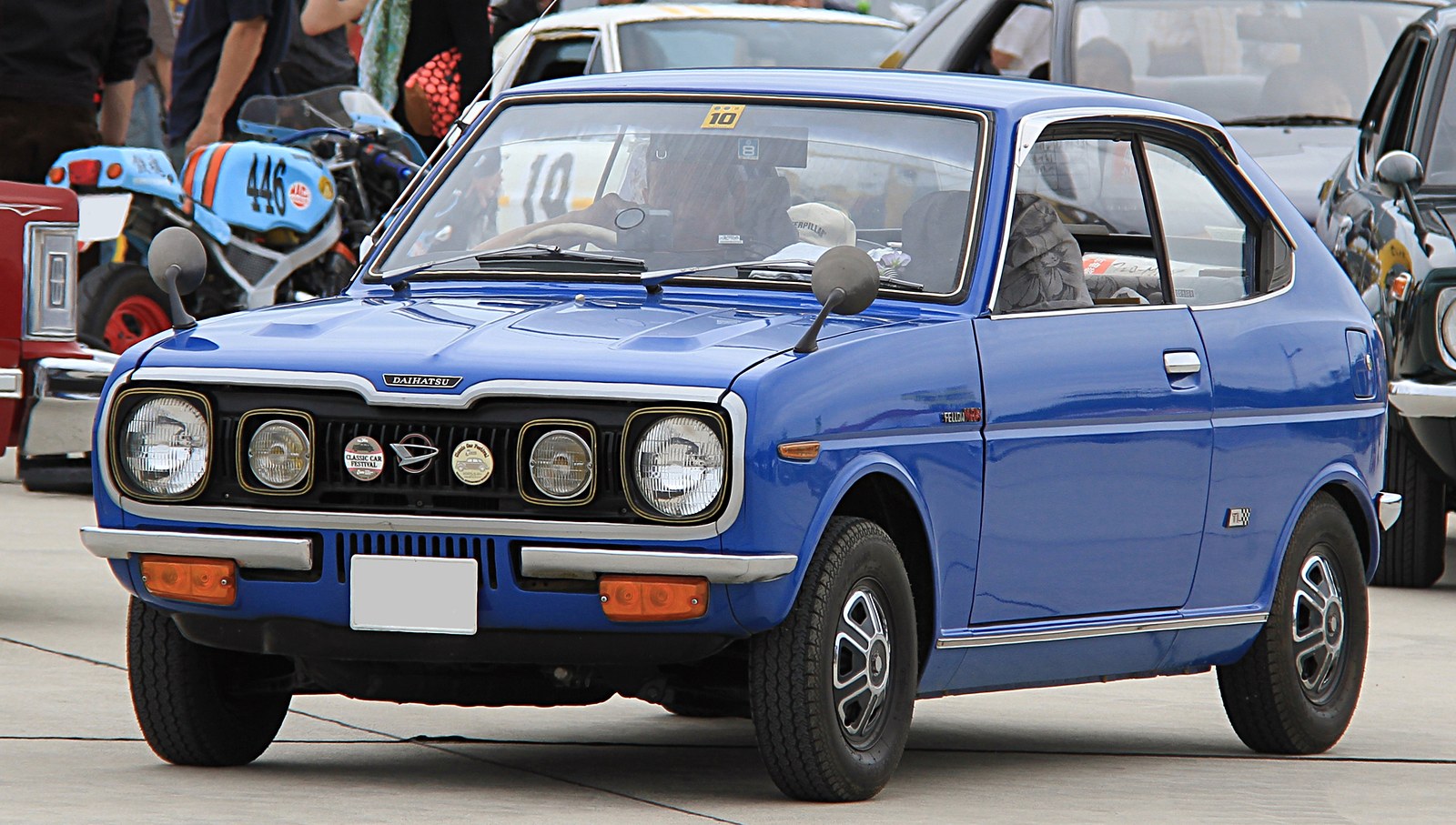
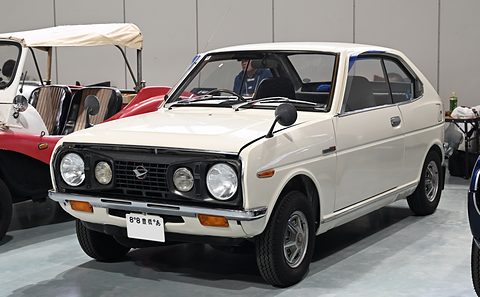
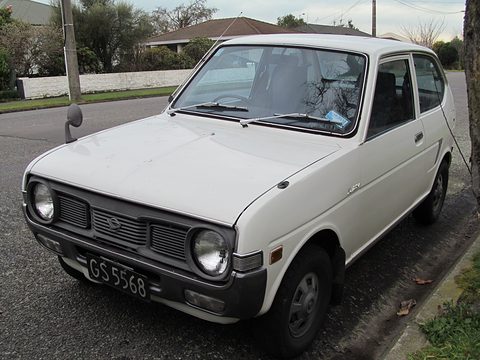
White two-door small saloon with four round headlamps in a black grille, a red buggy at left.
A white 1971 Daihatsu Fellow Max saloon with quad headlamps on display in 2026.Photo: TTTNIS, CC0, via Wikimedia Commons

At a glance

The spec plate

Daihatsu Fellow Max

L38 · 1970

Built
1970–⁠1977April 1970 to July 1977, when it became the Max Cuore; that car was renamed the Cuore in 1979
Country
Japan
Maker
Daihatsu KōgyōThe second-generation Fellow
Engine
360 cc water-cooled two-stroke twin (ZM)Compression 10:1; the SS’s ZM5 had twin carburettors and 11:1; a 547 cc four-stroke AB twin from 1976
Power
33 PS24 kW; 40 PS in the SS, cut to 37 PS in October 1972
Length
2,995 mm1,295 mm wide
Seats
4
Wheels
4Engine in front, driving the front wheels
Price new
¥350,000The Deluxe, 1970; the SS ¥398,000
Production
681,200The second-generation Fellow, 1970–⁠77, by Japanese Wikipedia
Top speed
115km/h115 km/h71 mph; the SS 120 km/h (75 mph)

Not yet recordedweight.

How big is it?

True proportion

3.00 m

It is 25 mm longer than a Fiat 500, about 1.7 adults laid end to end.

  • 1.29 m wide
  • A wheelbase of 2,090 mm, 100 mm longer than the Fellow’ssource 1
Drawn at true proportion. The track is 3.6 metres long; the adult stands at the same scale. The Peel P50 is the smallest production car, on every page for comparison.

The story

History

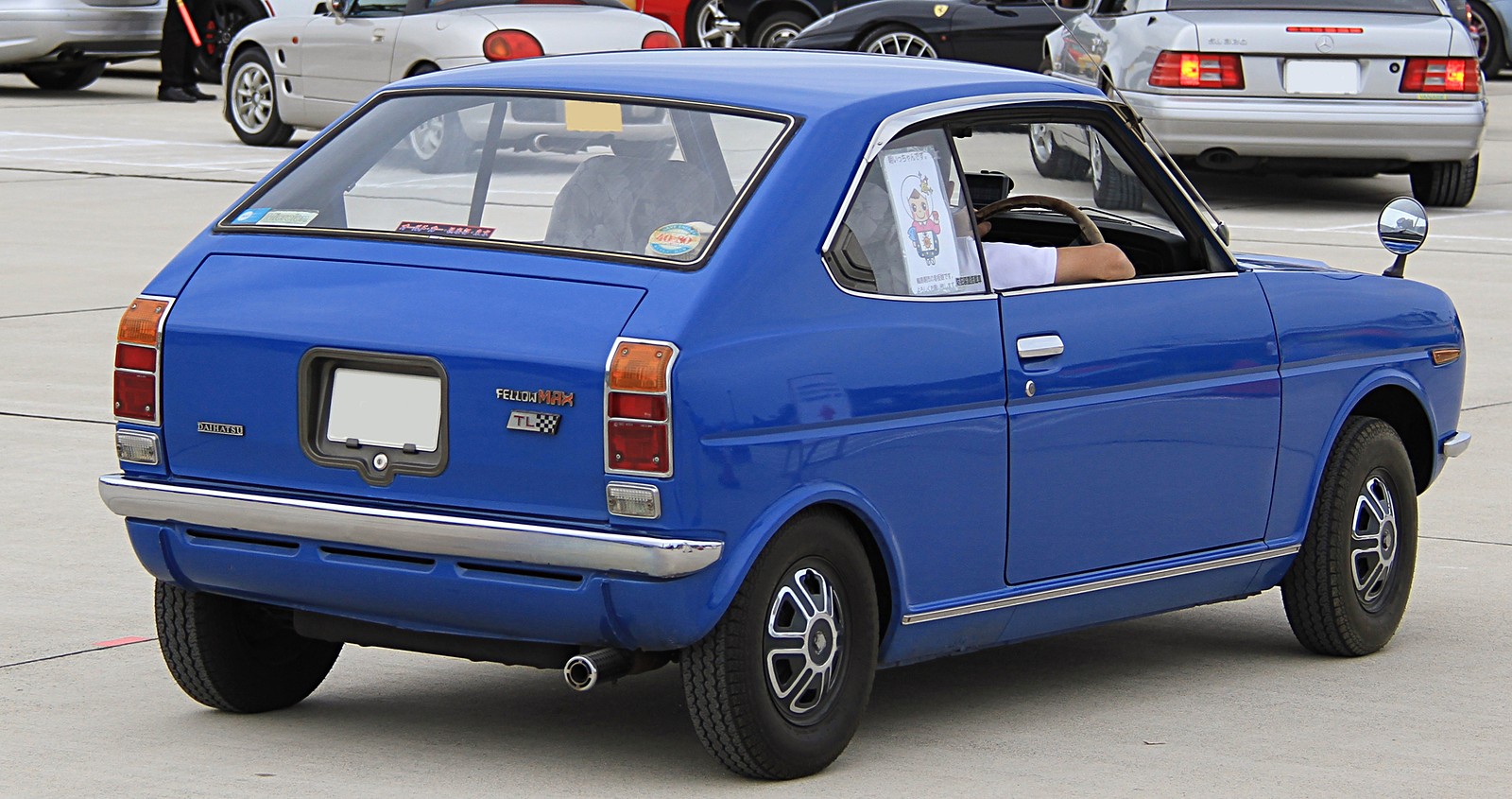
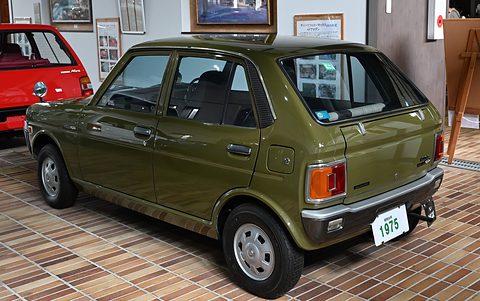
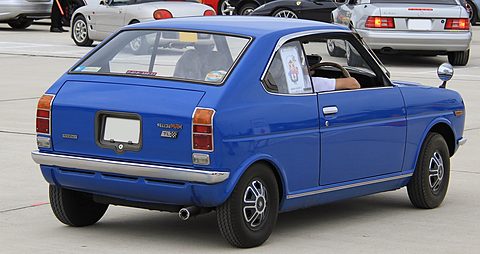
The Fellow Max replaced the rear-drive Daihatsu Fellow in April 1970, and it drove its front wheels. After Honda, Daihatsu was the only kei maker to adopt front-wheel drive, while the rest stayed with engines at the back or front-engined rear drive.source 2source 1source 3 It kept independent suspension at every wheel, now with struts in front and semi-trailing arms behind, more sophisticated than the leaf-sprung rigid axle under the Honda.source 2source 3 The body had a long nose and a cut-off Kamm tail, and the wheelbase was 100 mm longer than the Fellow’s, at 2,090 mm (82 in).source 1source 3 The ZM two-stroke twin had its compression raised to 10:1 and gave 33 PS, through a four-speed gearbox.source 1source 3 The Deluxe cost ¥350,000 and reached 115 km/h (71 mph), with a standing 400 m in 21.8 seconds: top-level figures for the class, by Motor Fan’s account.source 3 At first there were only the saloon and a van.source 2source 1

The 40 PS SS

The SS followed on 21 July 1970. Its ZM5 engine had twin carburettors and 11:1 compression, and gave 40 PS and 4.1 kgf·m; its top speed was 120 km/h (75 mph), and 400 m from rest took 19.8 seconds.source 1source 3 It had a wood-rimmed steering wheel in the Nardi style, a tachometer, sports wheels, a console and twin exhausts, and it cost ¥398,000, when a new graduate’s starting salary was about ¥37,000.source 3 The Mitsubishi Minica 70’s 38 PS had led the class; the SS was the first 360 cc kei car to reach 40 PS, and none of the 360 cc era went further.source 2source 3source 4 English Wikipedia calls the 40 PS an SAE figure; the Japanese sources give it without comment.source 1source 3 The power came high in the rev range and the band was narrow, the expansion chambers front and rear were noisy, and the engine needed high-octane fuel.source 1 (The race that led here is usually traced to the Honda N360 of 1967.)

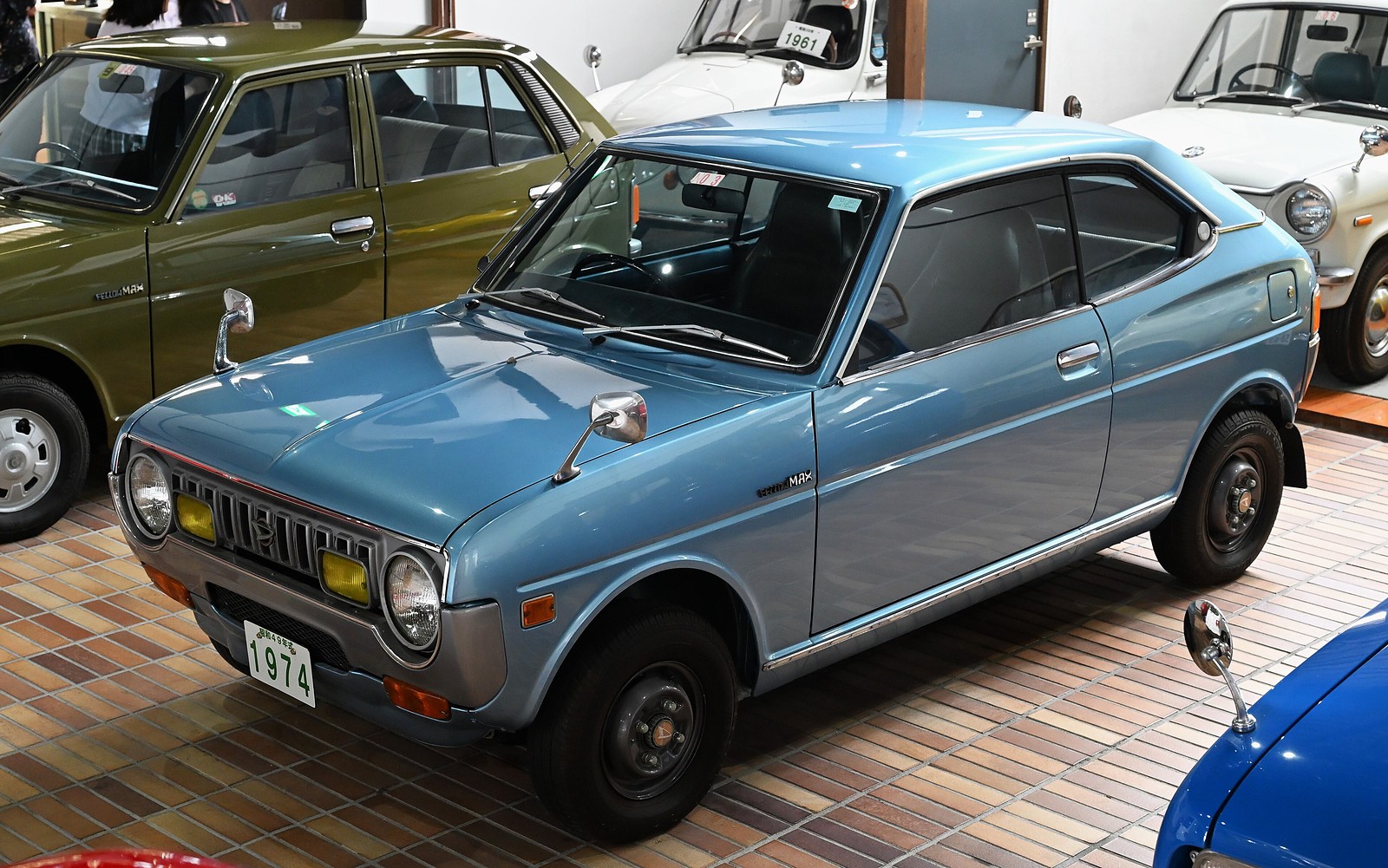
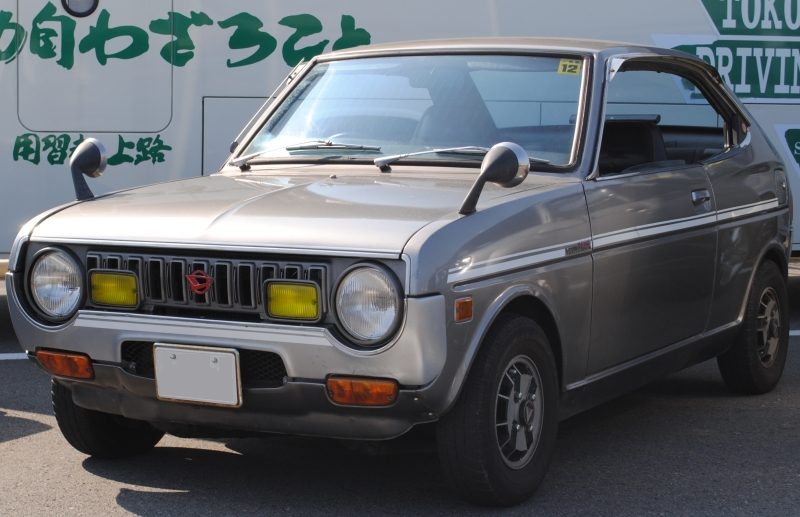
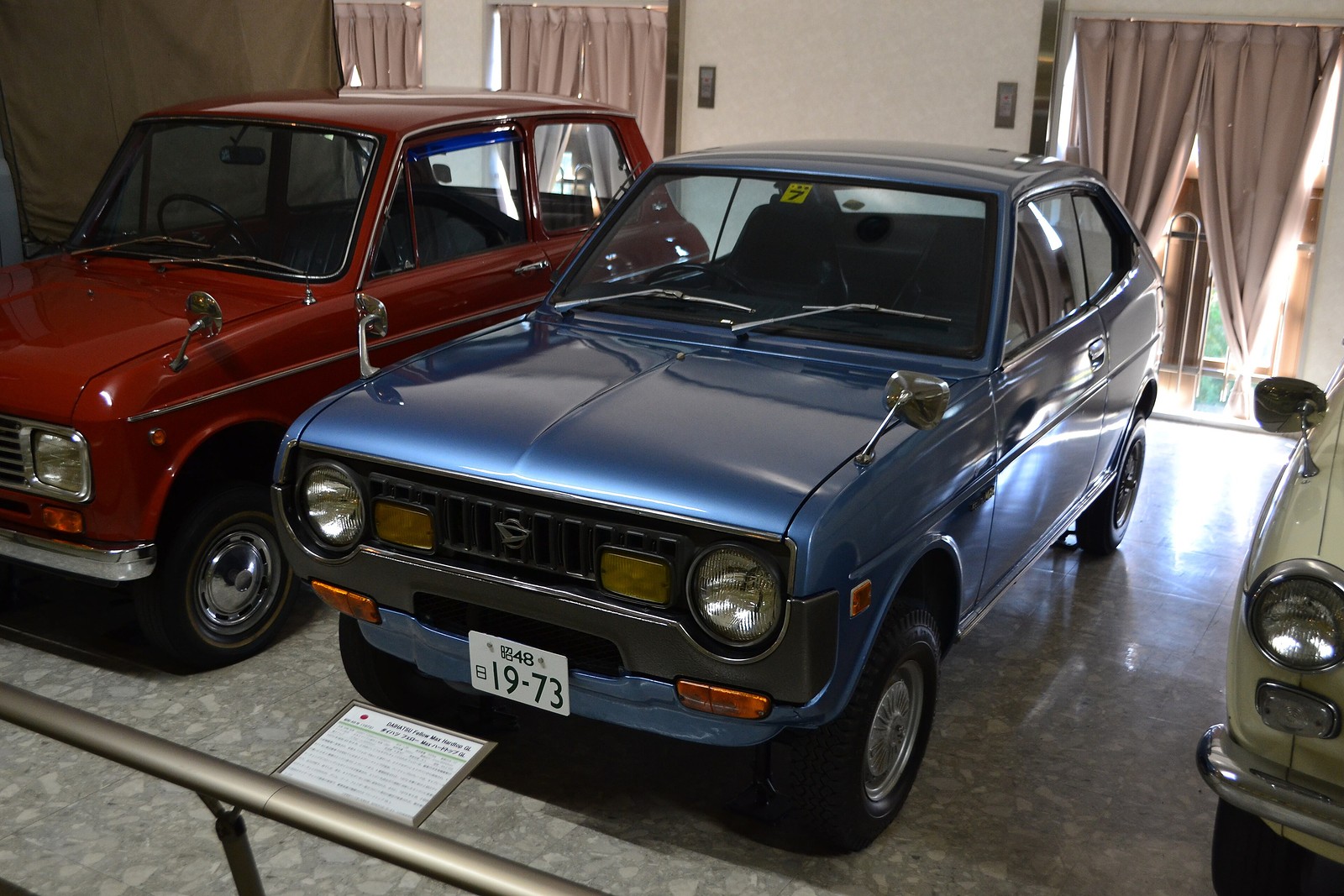
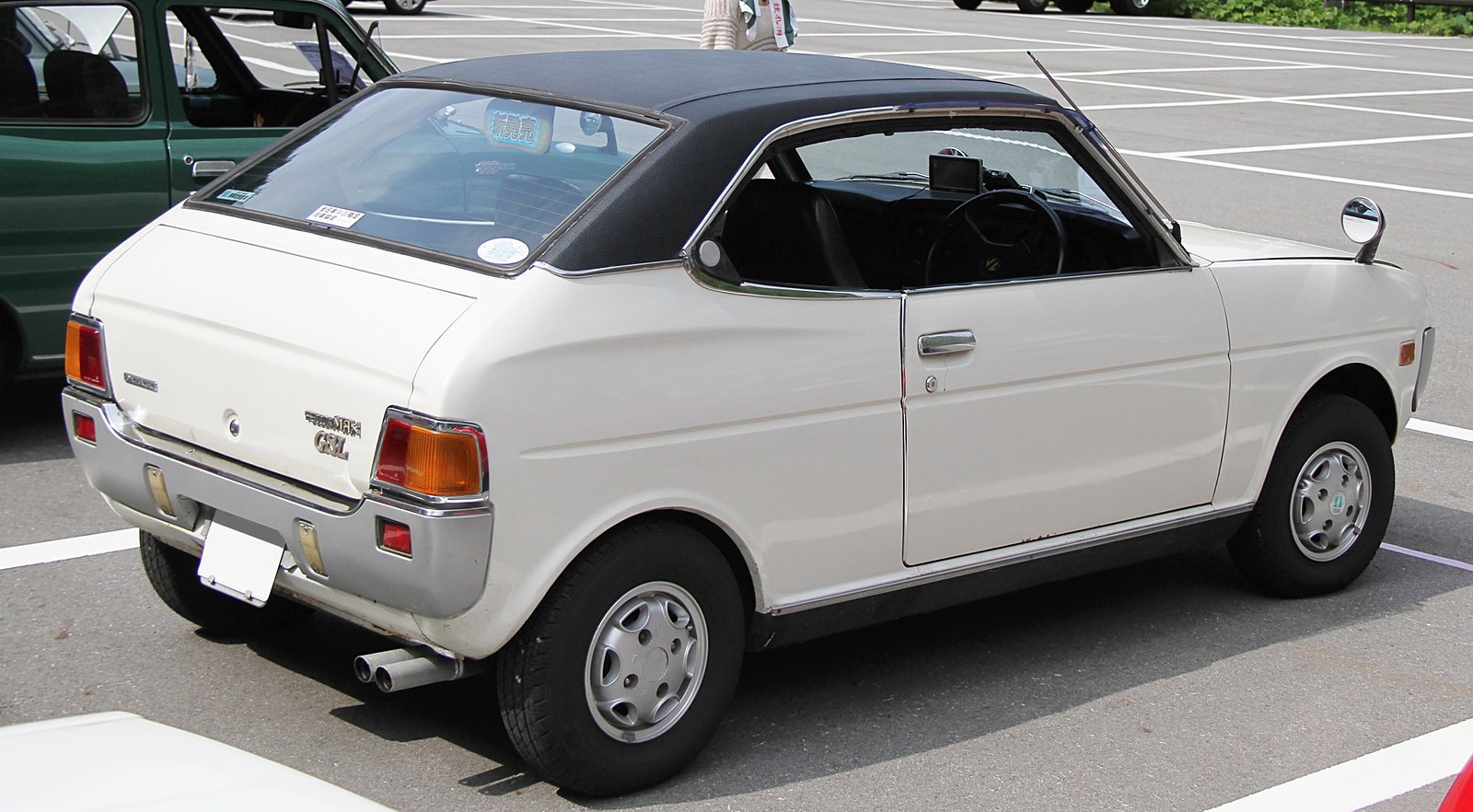
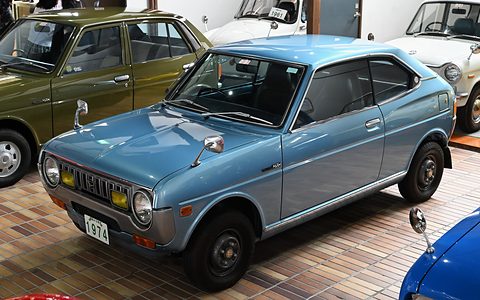
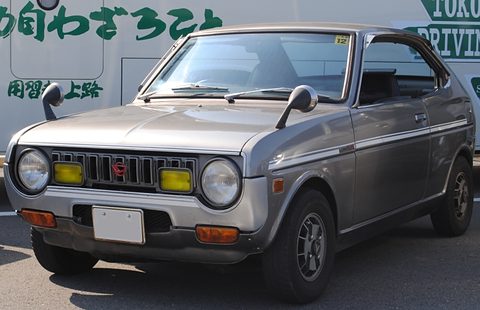
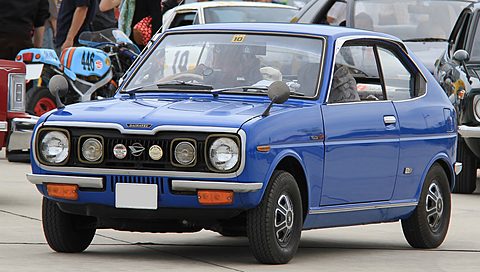
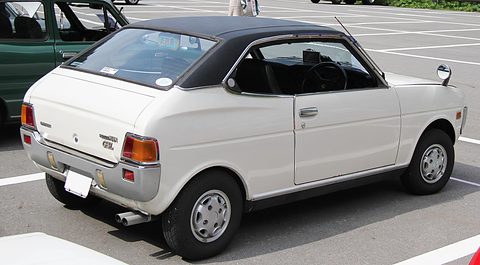
A Hi-Custom came that October, and a minor change in March 1971.source 2source 1 In August 1971 the Fellow Max Hardtop arrived: no pillar between the side windows, a lower roof and a more ornate front, with GXL and SL models on twin carburettors and GL and TL on one.source 2source 1 The twin-carburettor cars had front disc brakes as standard.source 2source 1 Motor Fan calls it the first kei hardtop, and says the Fellow Max became a hit.source 3source 5 A new dashboard, grille and bonnet followed in March 1972.source 2source 1

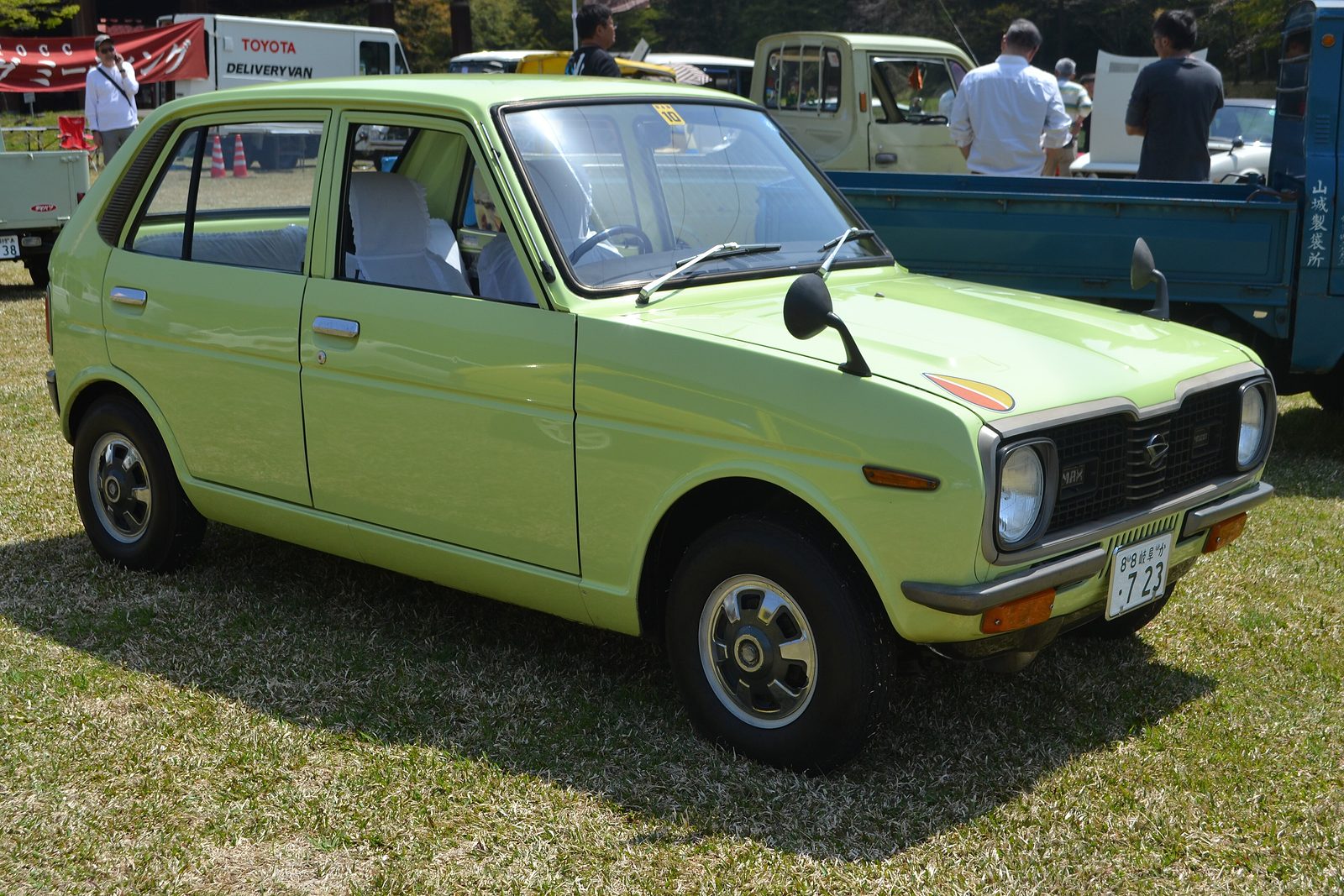
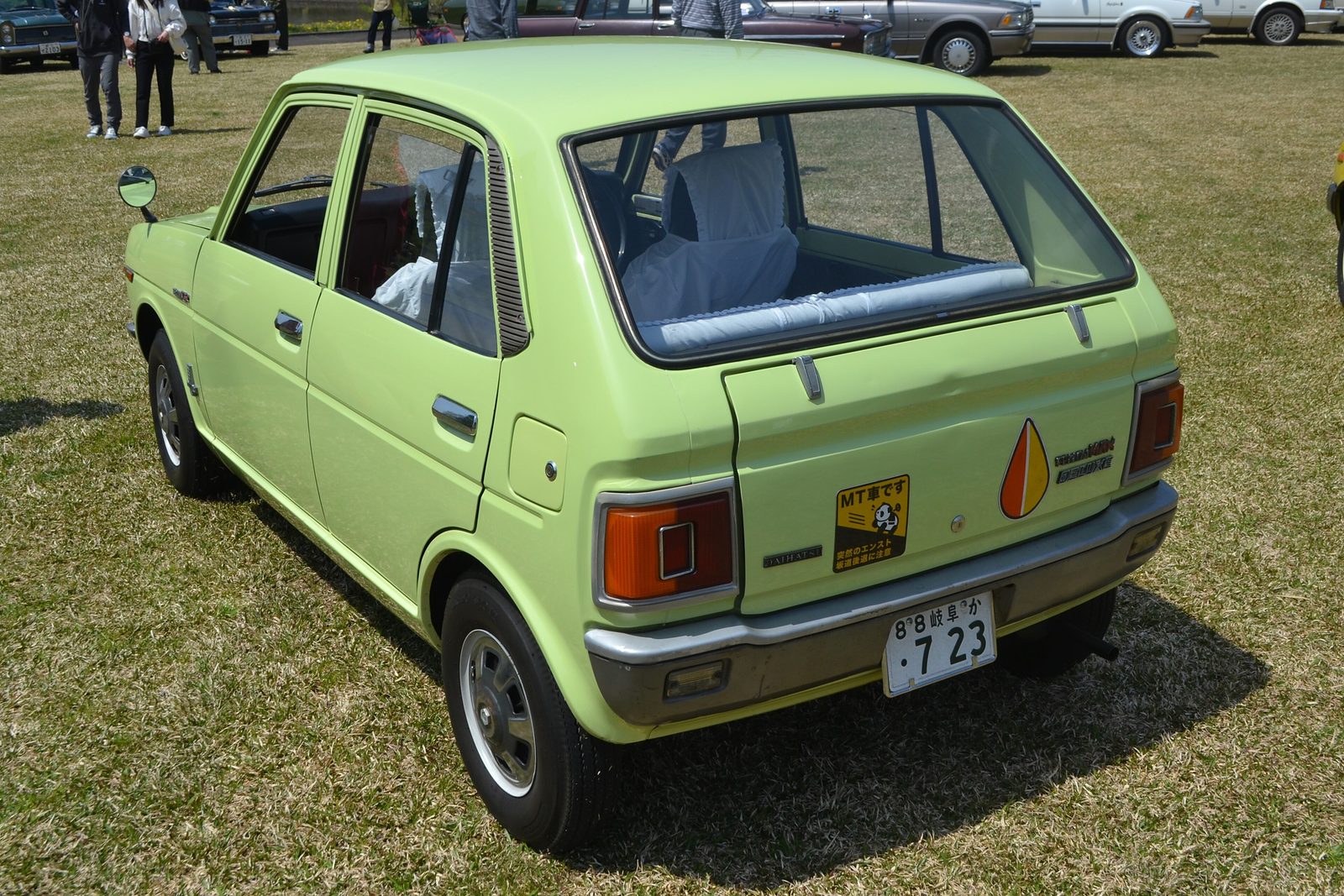
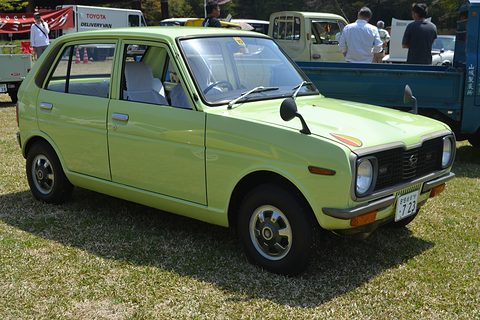
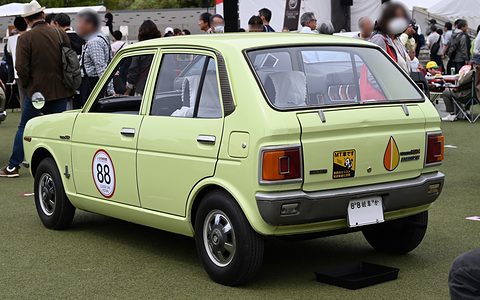
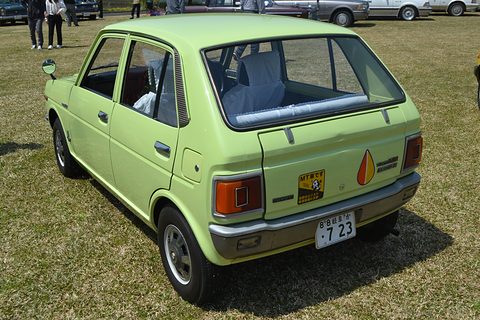
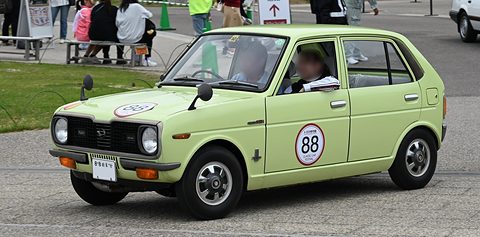
In October 1972 Daihatsu added a four-door saloon, the only four-door kei car on sale when it appeared.source 1 The same month every model was made to meet the 1973 emissions rules, and the power fell: 40 PS became 37, and 33 became 31.source 2source 1 A restyle in May 1973 gave the two-door the four-door’s rear and took away its Kamm tail.source 2source 1 In February 1975 the bumpers were changed to carry the larger kei number plates, and the twin-carburettor model was dropped, leaving every car with 31 PS.source 2source 1 As the power fell, Japanese Wikipedia says, buyers drifted to cars of a litre.source 2

The 550

When the kei rules allowed 550 cc in 1976, the Hardtop was dropped, and in May the Fellow MAX 550 arrived with a new four-stroke, the AB: a 547 cc twin with an overhead camshaft and balancer shafts, developed with Toyota’s help, giving 28 PS and 110 km/h and meeting the 1976 emissions rules. Longer bumpers made it 3,120 mm long.source 2source 1 The two-stroke stayed on sale beside it.source 2 From June 1977 Daihatsu supplied the AB to Suzuki as a stop-gap for its Suzuki Fronte 7-S.source 1source 6 In July 1977 the body was widened to 1,395 mm, within the new limit, and the Fellow name disappeared: the car became the Max Cuore, 3,160 mm long.source 2source 1 Honda had left kei passenger cars in 1974, so Daihatsu was now the only maker of a front-wheel-drive kei car.source 1 In March 1979 the Max Cuore was renamed the Cuore.source 1

Abroad it was usually the Daihatsu 360. In Australia, from early 1972, the two-door Max 360X with the 33 PS engine was the cheapest new car on sale, and Wheels timed one at 109 km/h (68 mph), with 0–60 mph in 33.2 seconds; New Zealand knew it as the 360X.source 1 Japanese Wikipedia counts 681,200 of the second-generation Fellow.source 2 Daihatsu revived the Max name on a kei wagon from 2001 to 2006.source 1
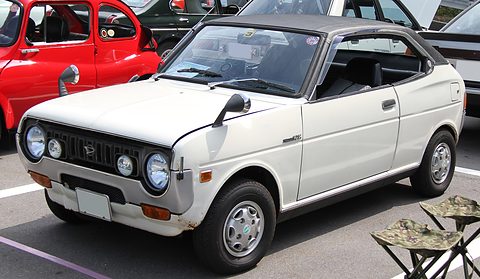
White coupé with a black roof, four round headlamps and wing mirrors, a camping stool beside it.
A white Fellow Max Hardtop GSL with a black vinyl roof at a meeting in Japan in 2013.Photo: TTTNIS, CC0, via Wikimedia Commons
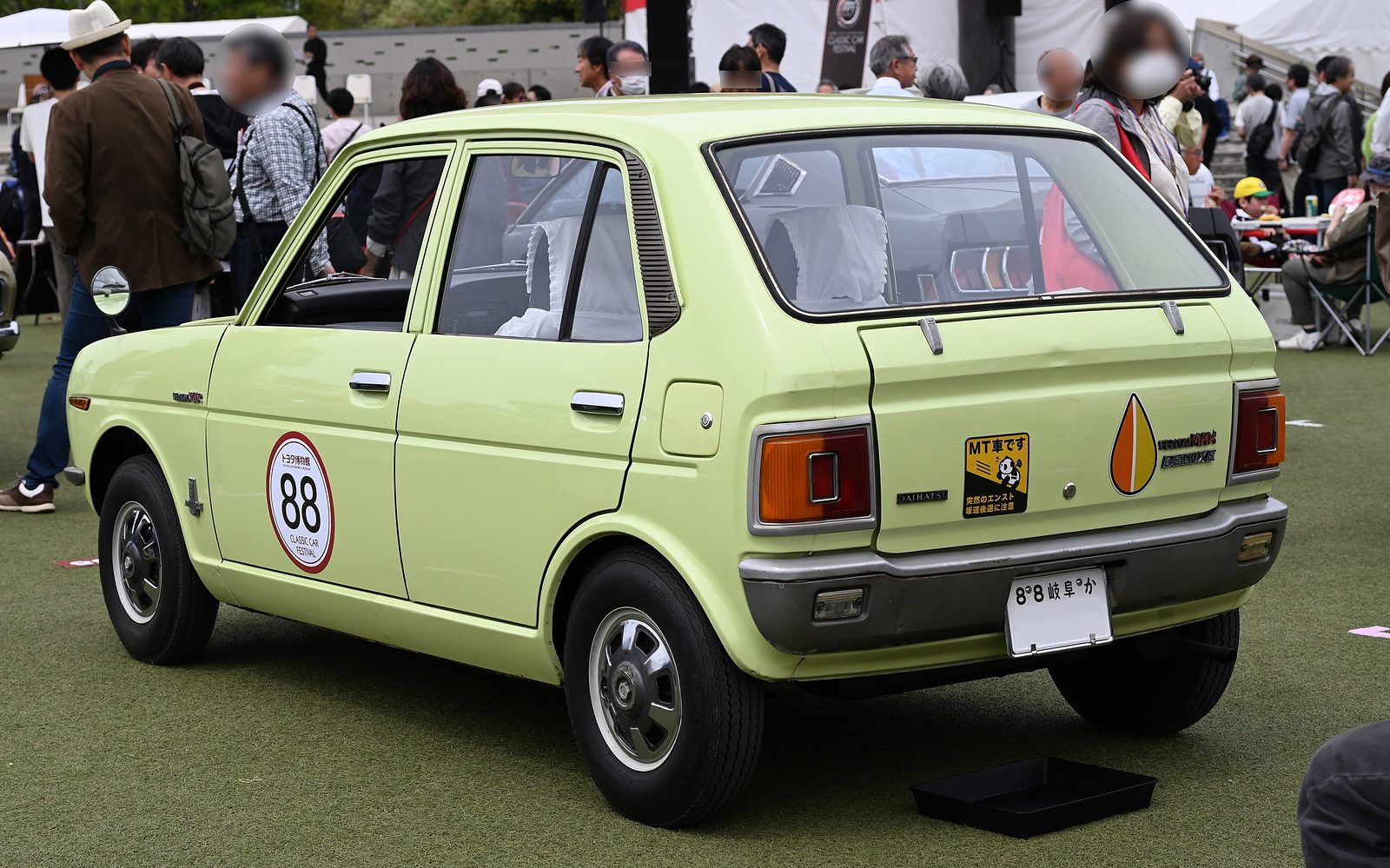
Lime-green four-door hatchback with a round number 88 on the door, passing a grassy area with spectators.
A lime-green 1973 Fellow Max four-door Deluxe, carrying rally number 88, at a classic car festival in 2025.Photo: TTTNIS, CC0, via Wikimedia Commons
White small four-door hatchback on grass with Dutch plates, visitors and cars behind.
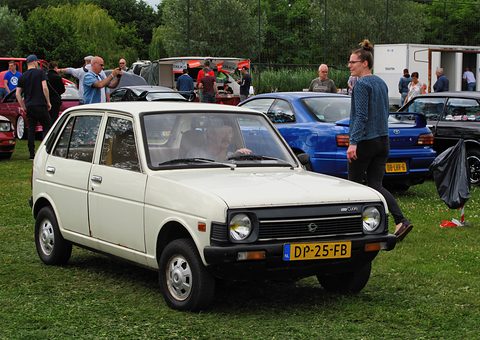
A white 1979 Max Cuore 550, the widened successor, at Japan Classic Sunday, Gemert, in 2019.Photo: Rutger van der Maar, CC BY 2.0, via Wikimedia Commons

Daihatsu Mira

1980–⁠1990 · a record on this page

The Mira was the Max Cuore’s successor in the 1980s, Daihatsu’s answer to the Suzuki Alto of 1979: a cheap three-door kei car registered as a commercial bonnet van, which escaped Japan’s commodity tax on passenger cars, and it became the range’s best seller.source 7source 8 It went on sale in June 1980 as the Mira Cuore, and JSAE, which counts it one of Japan’s 330 technical landmarks, says Daihatsu designed it for a decade of second cars and women drivers.source 9source 7source 8 Daihatsu’s own manual of 1980 gives a 547 cc twin of 29 PS at 6,000 rpm, driving the front wheels; two seats and a folding rear bench, with a payload of 200 kg (441 lb); 3,195 by 1,395 mm (126 by 55 in) and 535 kg (1,179 lb); and 105 km/h (65 mph).source 9 It was the AB twin, and English Wikipedia says its balancer shafts made it as smooth as a four.source 7

The name was shortened to Mira in May 1982, and in October 1983 came a Turbo of 41 PS (gross) and part-time four-wheel drive.source 7source 8 The L70 of August 1985 had a three-cylinder engine, still 547 cc, with a turbo. From that November the TR-XX, with aero parts, was Daihatsu’s hot kei car; it had fuel injection from October 1987, and 64 PS from October 1988.source 7source 8 Special editions were sold in 11 of the Parco fashion stores from 1985.source 7source 8 When the commodity tax was abolished on 1 April 1989, the Cuore became the Mira Sedan and the commercials the Mira Van, and in March 1990 the 660 cc rules brought a new generation.source 7source 8 Abroad it was the Cuore, the Domino and, in Australia, the Handivan.source 7source 8 No production total for 1980–⁠90 has been found; in 1991 the next Mira set Japan’s record for kei sales in a year, 286,975.source 8

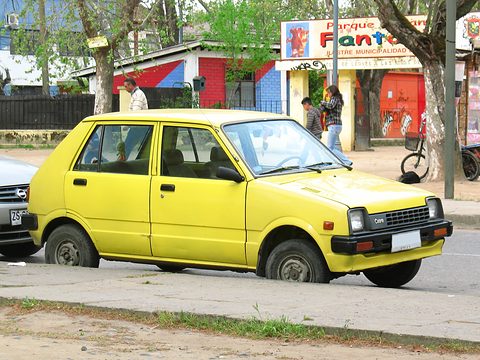
Yellow small four-door hatchback parked by a kerb in front of a colourful sign.
A yellow Daihatsu Cuore of the first Mira generation (L55, 1980–⁠85) in Chile in 2010.Photo: order_242, CC BY-SA 2.0, via Wikimedia Commons

Daihatsu Leeza

1986–⁠1993 · a record on this page

The Leeza was a small coupé on the Mira’s mechanicals, announced in November 1986 and on sale that December: Daihatsu’s reply to the Suzuki Cervo, which had had the kei speciality market to itself.source 10source 11source 12 Daihatsu called its shape the Aero Hemicycle, a half-round glasshouse over an oval face; it was 80 mm lower than the Mira, with a wheelbase 120 mm shorter, and it was aimed at young single women.source 11source 12 Most were sold as tax-favoured bonnet vans, so the rear seat was squeezed to leave the load floor the rules demanded, and the front seats gained room, approaching the Charade’s.source 10source 11 A British road test found it modern, airy and roomy in front, cramped behind, and a car for the city rather than the motorway.source 10

The turbo gave 50 PS, and the TR-ZZ of 1989 64 PS with fuel injection.source 10source 12 From August 1990 it had the new 660 cc engines, and with the commodity tax gone every Leeza was a passenger car.source 10source 11 The last was the Leeza Spider of November 1991, a turbocharged two-seat convertible whose roof was cut off half-built coupés by skilled workers; 380 were built.source 13 The Opti replaced the Leeza in January 1992, and sales ended in August 1993.source 10source 11 No total for the coupé has been found.

Pictures

More photographs, old and new

Variants

Seven years of the second Fellow

The Fellow Max range, 1970–⁠79
VariantYearsWhat differsHow many
Saloon (L38)1970–⁠77Two doors, front-wheel drive, a Kamm tail until 1973Part of 681,200
Van (L38V)1970–The three-door commercialPart of 681,200
SS and S1970–⁠75Twin carburettors and 11:1 compression, 40 PS; the saloon SS on one carburettor from March 1972; 37 PS from October 1972Part of 681,200
Hi-Custom1970–A luxury saloon with one carburettorPart of 681,200
Hardtop (L38GL)1971–⁠76Pillarless, with a lower roof; front discs on the twin-carburettor carsPart of 681,200
Four-door (L38F)1972–The only four-door kei car when it appearedPart of 681,200
Max 360X, 360X1972–The export two-door, 33 PSNot found
Fellow MAX 550 (L40)1976–⁠77The 547 cc four-stroke AB twin, 28 PS; longer bumpers, 3,120 mmProbably part of 681,200
Max Cuore (L45)1977–⁠79Widened to 1,395 mm, 3,160 mm long; the Fellow name droppedNot found

Specification

The Fellow Max of 1970 unless noted

Engine and drive

Engine and drive
EngineZM4 water-cooled two-stroke in-line twinsource 1
Compression10:1source 1source 3The SS 11:1
Power33 PS (24 kW)source 1source 3The SS 40 PS, an SAE figure by English Wikipedia; 31 and 37 PS from October 1972
Torque3.7 kgf·msource 3The SS 4.1 kgf·m
SS engineZM5, twin carburettors, expansion chambers front and rearsource 1
GearboxFour-speed manualsource 3
DriveFront wheelssource 2source 1source 3

Body and chassis

Body and chassis
BodyTwo-door saloon with a Kamm tail; van from launch, hardtop from 1971, four-door from 1972source 2source 1source 3
Front suspensionIndependent, strutssource 2source 3
Rear suspensionIndependent, semi-trailing armssource 2source 3
BrakesFront discs standard on the twin-carburettor hardtopssource 2source 1

Dimensions

Dimensions
Length2,995 mm (118 in)source 1The 550 of 1976 3,120 mm; the Max Cuore 3,160 mm
Width1,295 mmsource 1The 550 1,305 mm by English Wikipedia, unchanged by Japanese Wikipedia; the Max Cuore 1,395 mm
Wheelbase2,090 mmsource 1

Performance and price

Performance and price
Top speed115 km/h (71 mph)source 1source 3The SS 120 km/h; the 550 110 km/h
0–400 m21.8 secondssource 3The SS 19.8 seconds
Max 360X109 km/h (68 mph), 0–60 mph in 33.2 seconds, in a 1972 road test by Wheelssource 1
Price new¥350,000 for the Deluxe, ¥398,000 for the SS, 1970source 3

How many were built?

The one figure found

681,200 builtJapanese Wikipedia’s figure for the second-generation Fellow, 1970 to July 1977; it probably includes the 550s of 1976–⁠77, but does not say so, and Daihatsu’s own figure has not been found.

  1. 681,200second-generation Fellows, the Fellow Max, 1970–⁠77One source

    Japanese Wikipediasource 2

  • Two sources agreetwo good sources give the figure
  • One sourcea good source, alone
  • Unconfirmeda lead only, not yet checked

Famous for

Three points

  1. 40 PS

    The SS of 1970 was the most powerful 360 cc kei car: 40 PS from 356 cc, more than 112 PS per litre.source 2source 1source 3

  2. The first kei hardtop

    The pillarless Fellow Max Hardtop of August 1971.source 3source 5

  3. Four doors

    In October 1972, the only four-door kei car on sale.source 1
Survivors and collecting

Today

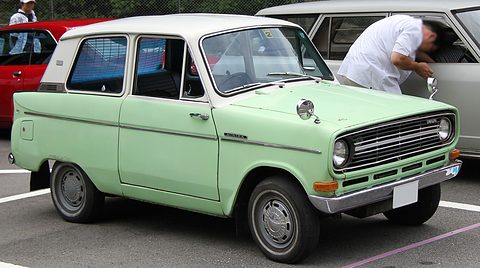
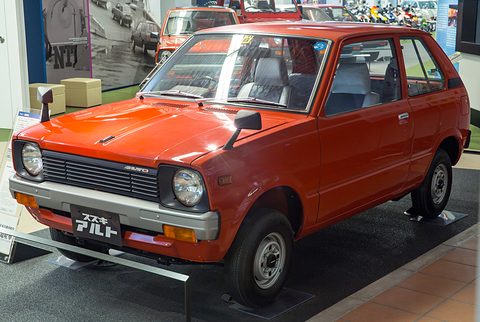
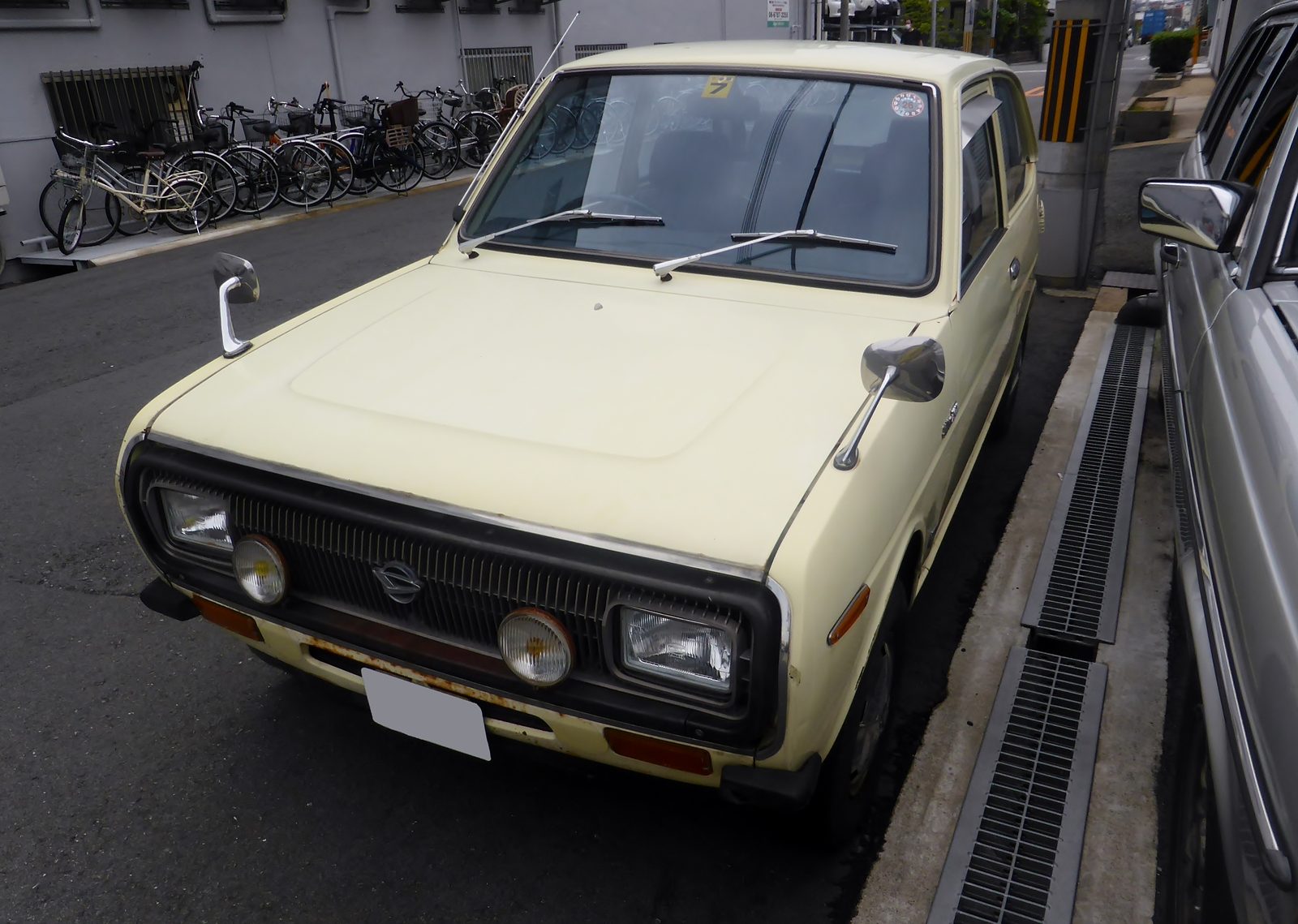
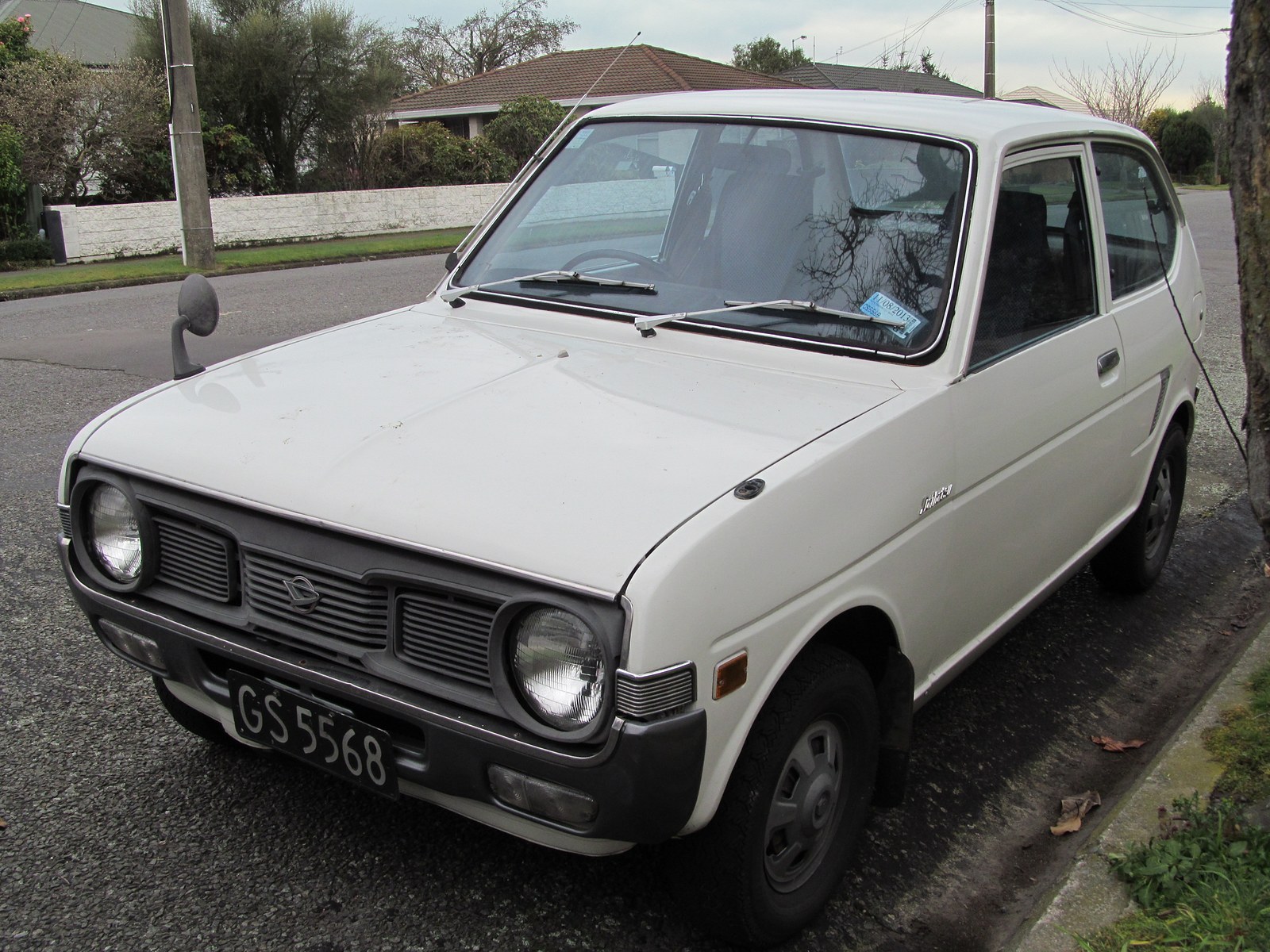
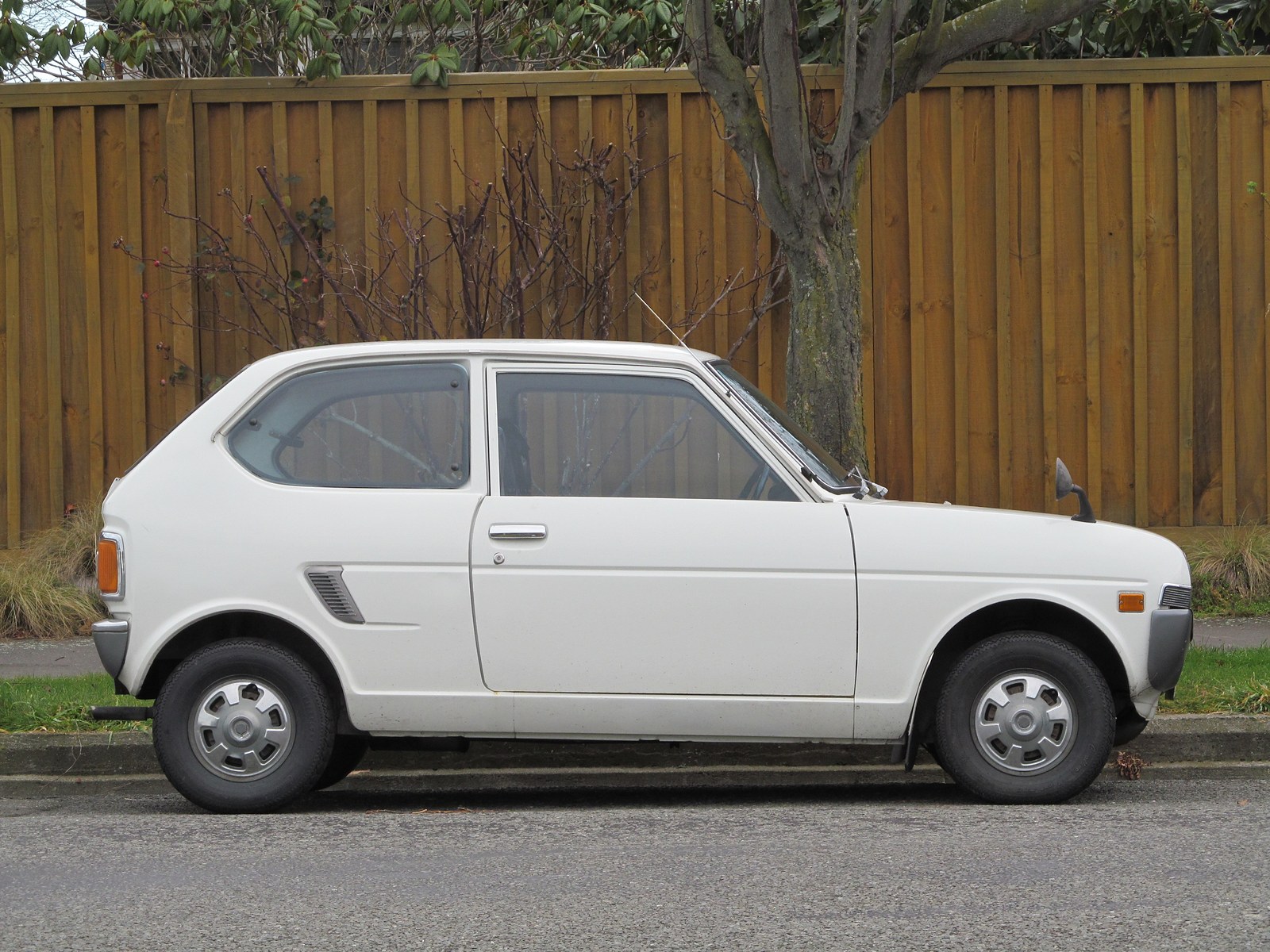
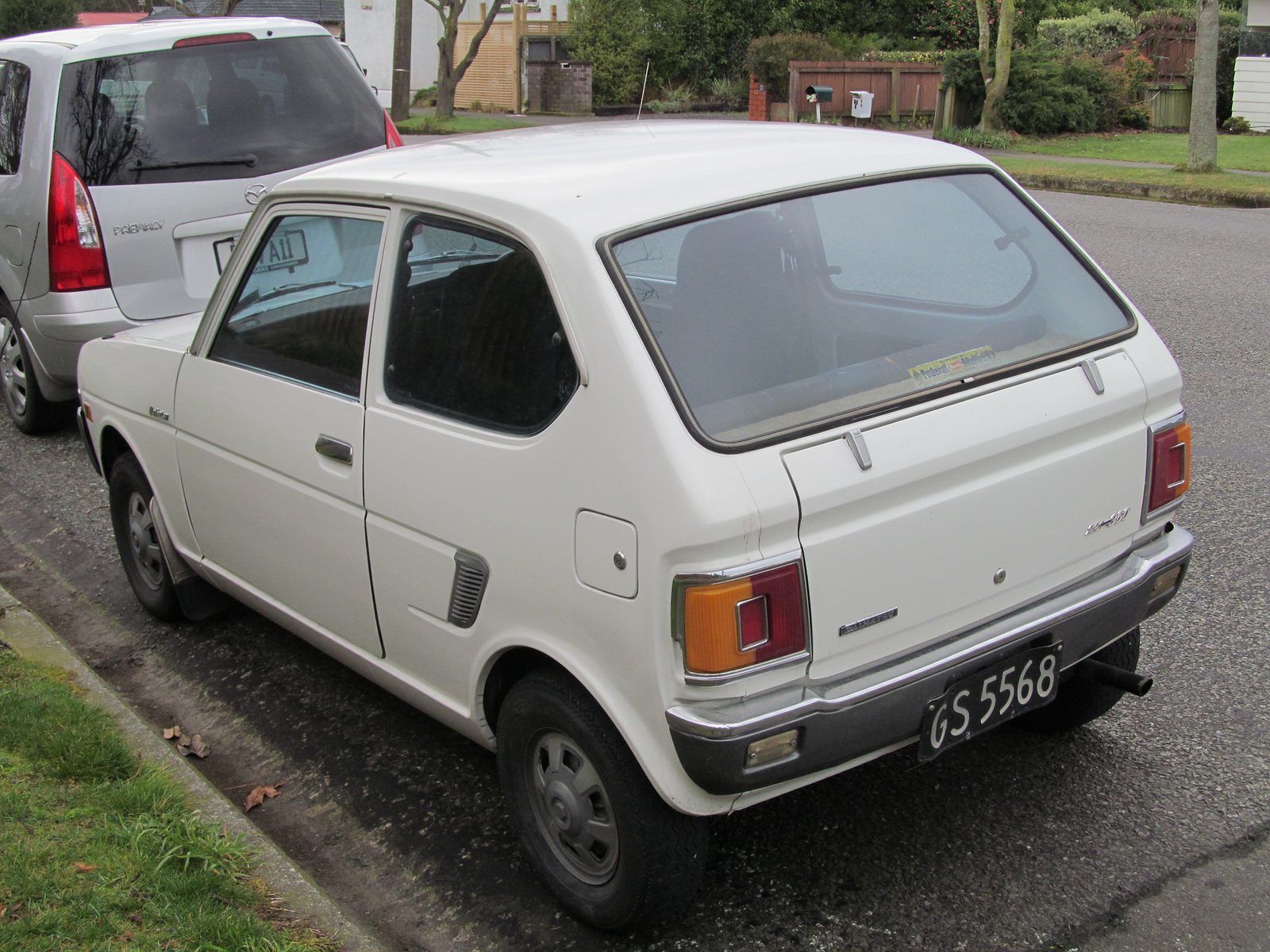
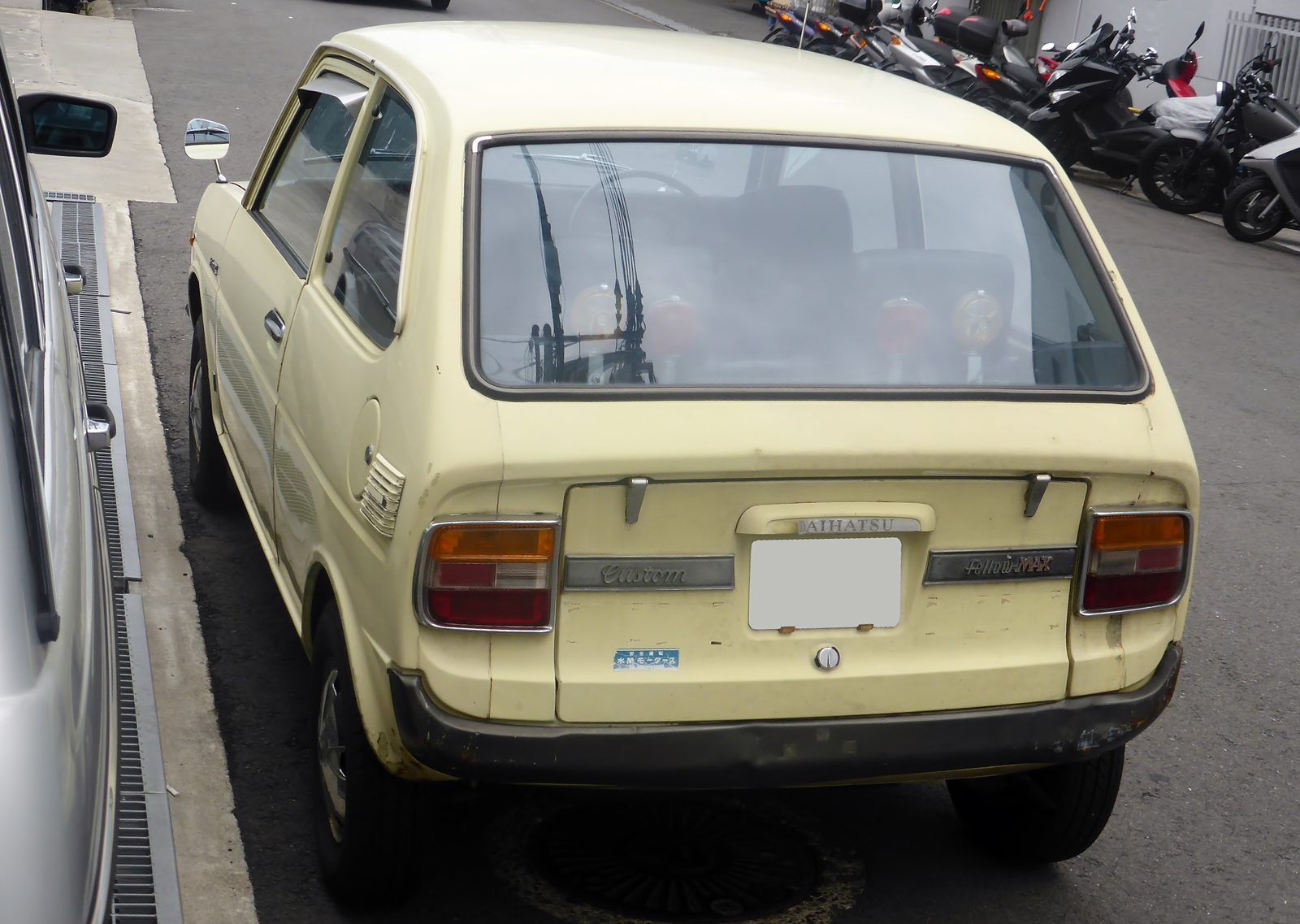
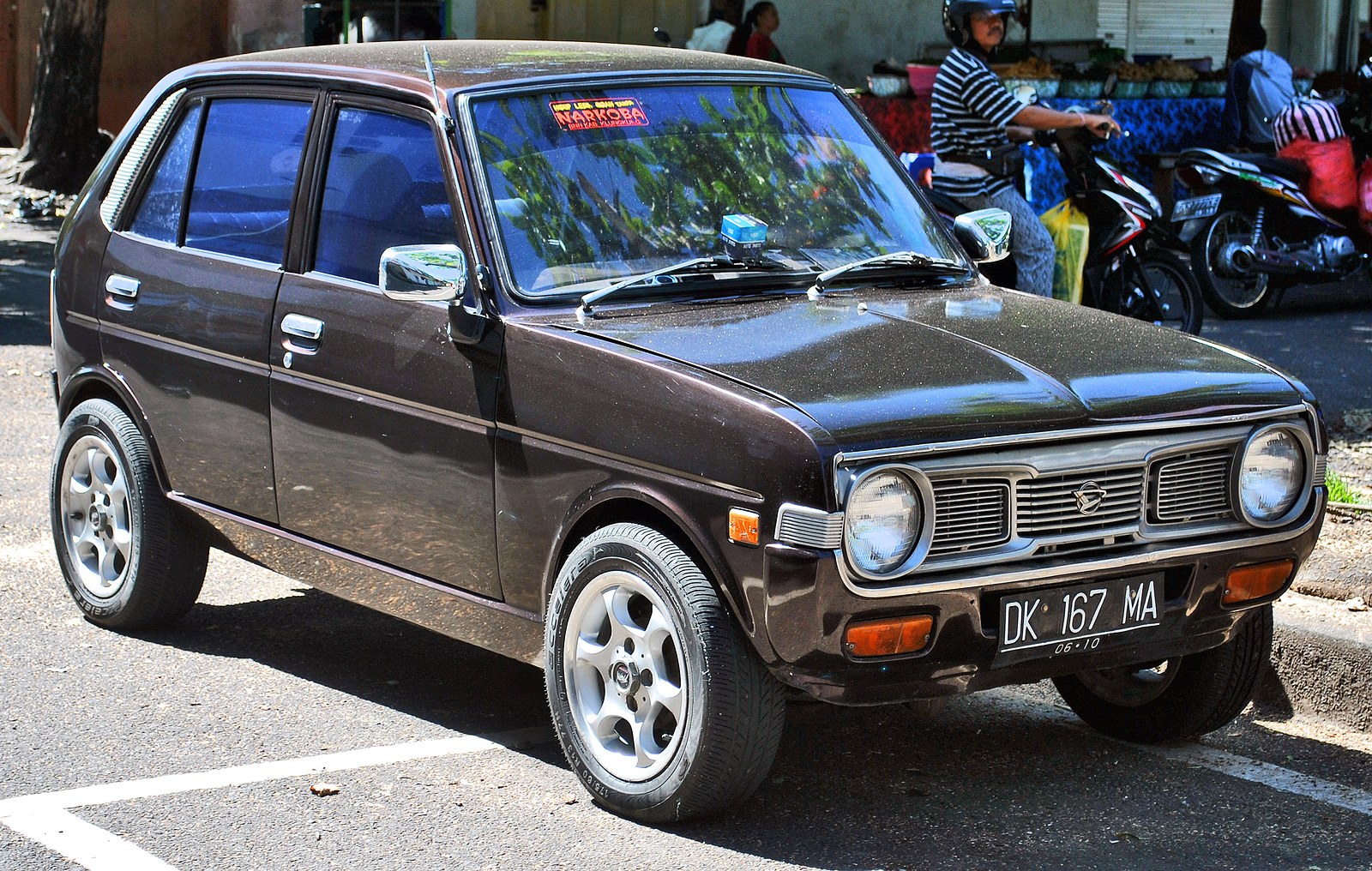
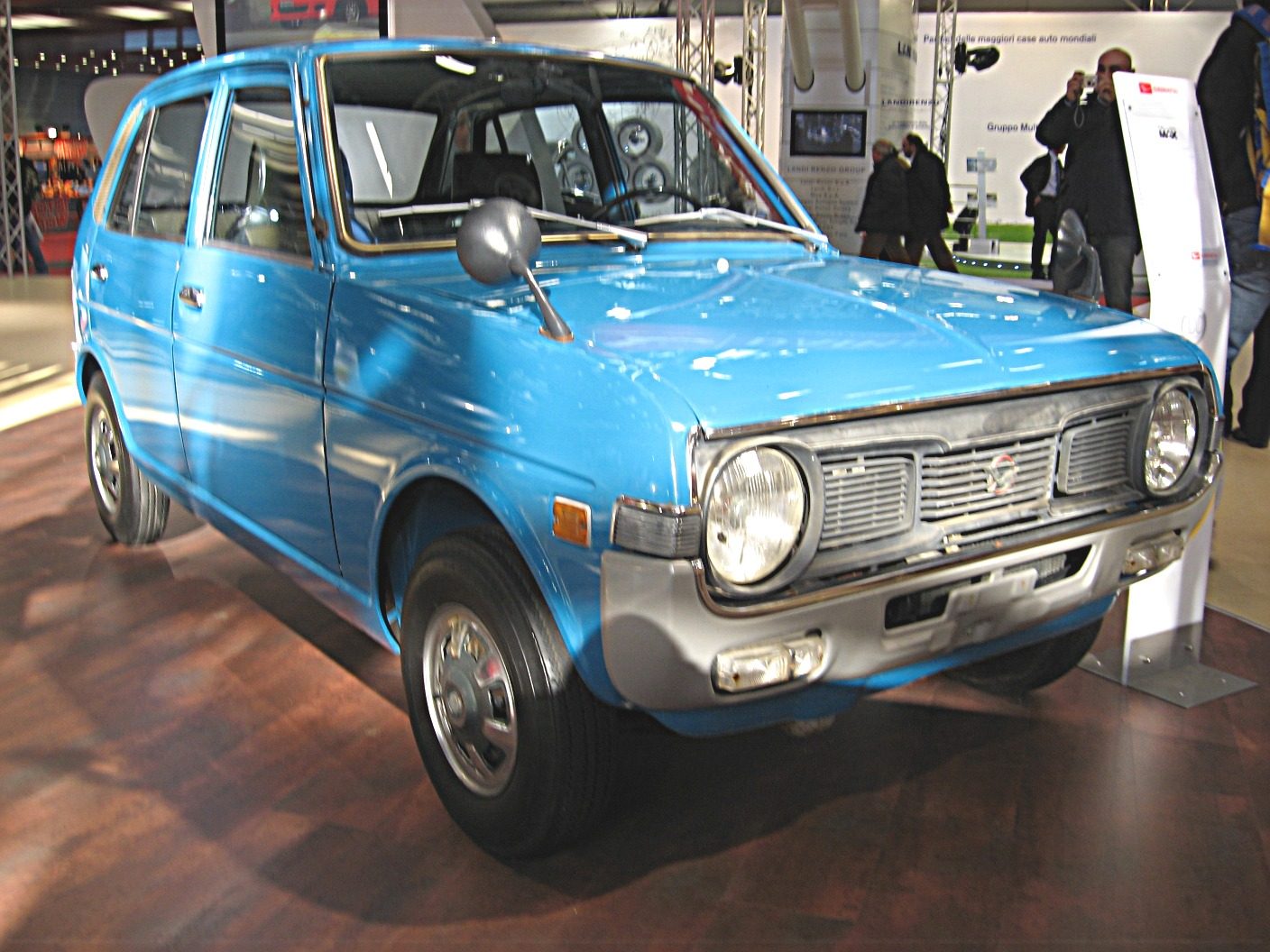
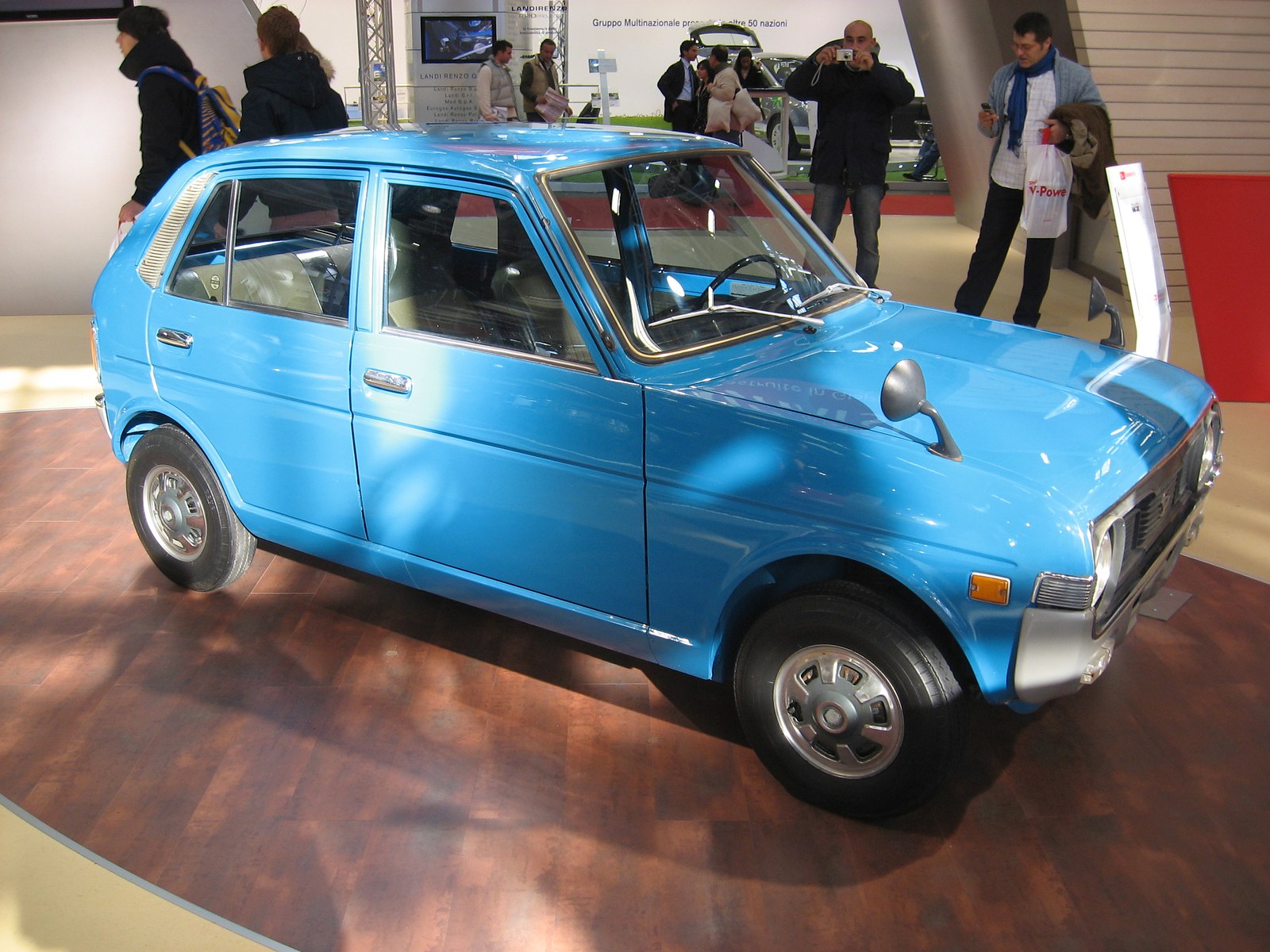
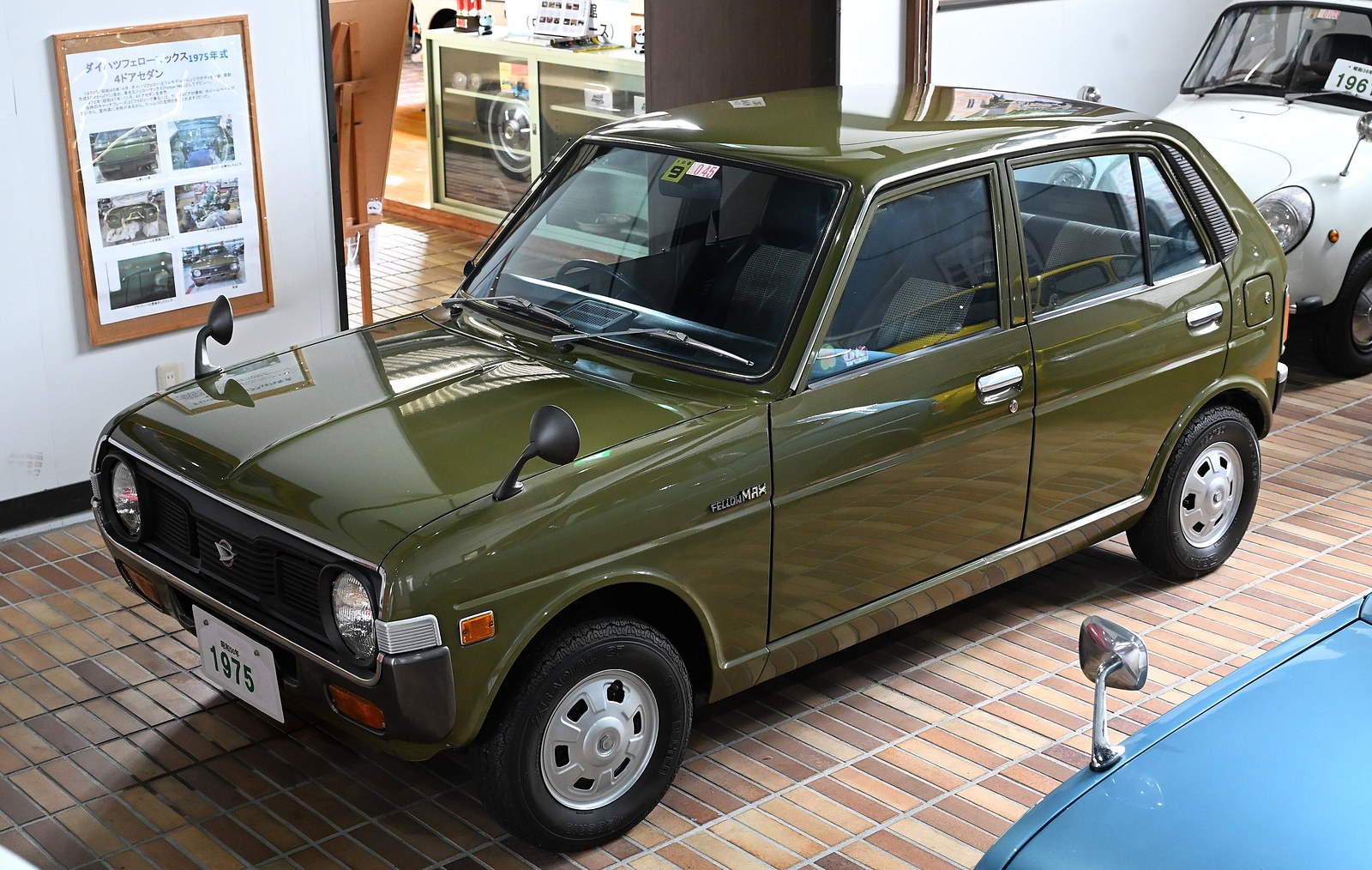
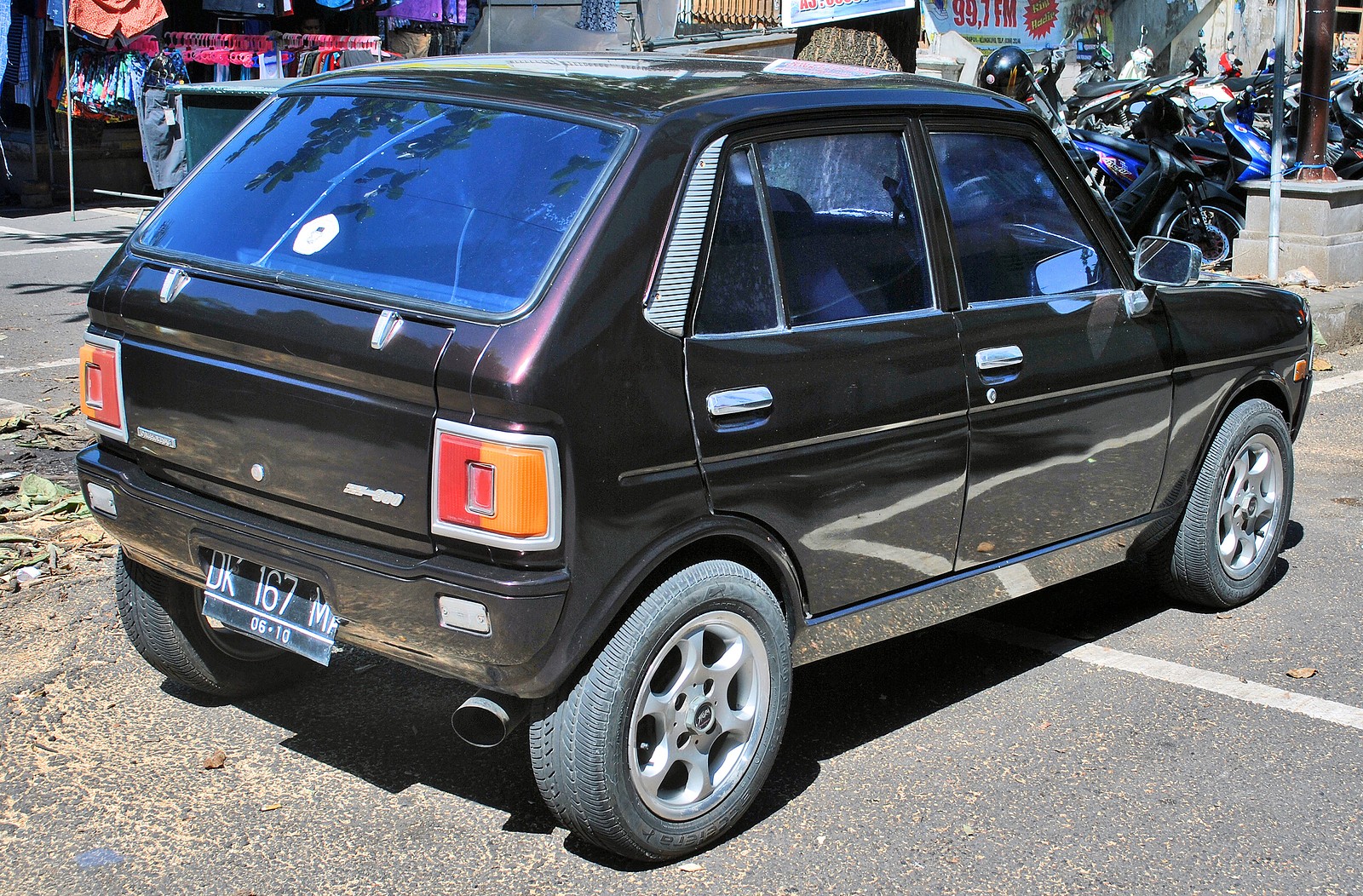
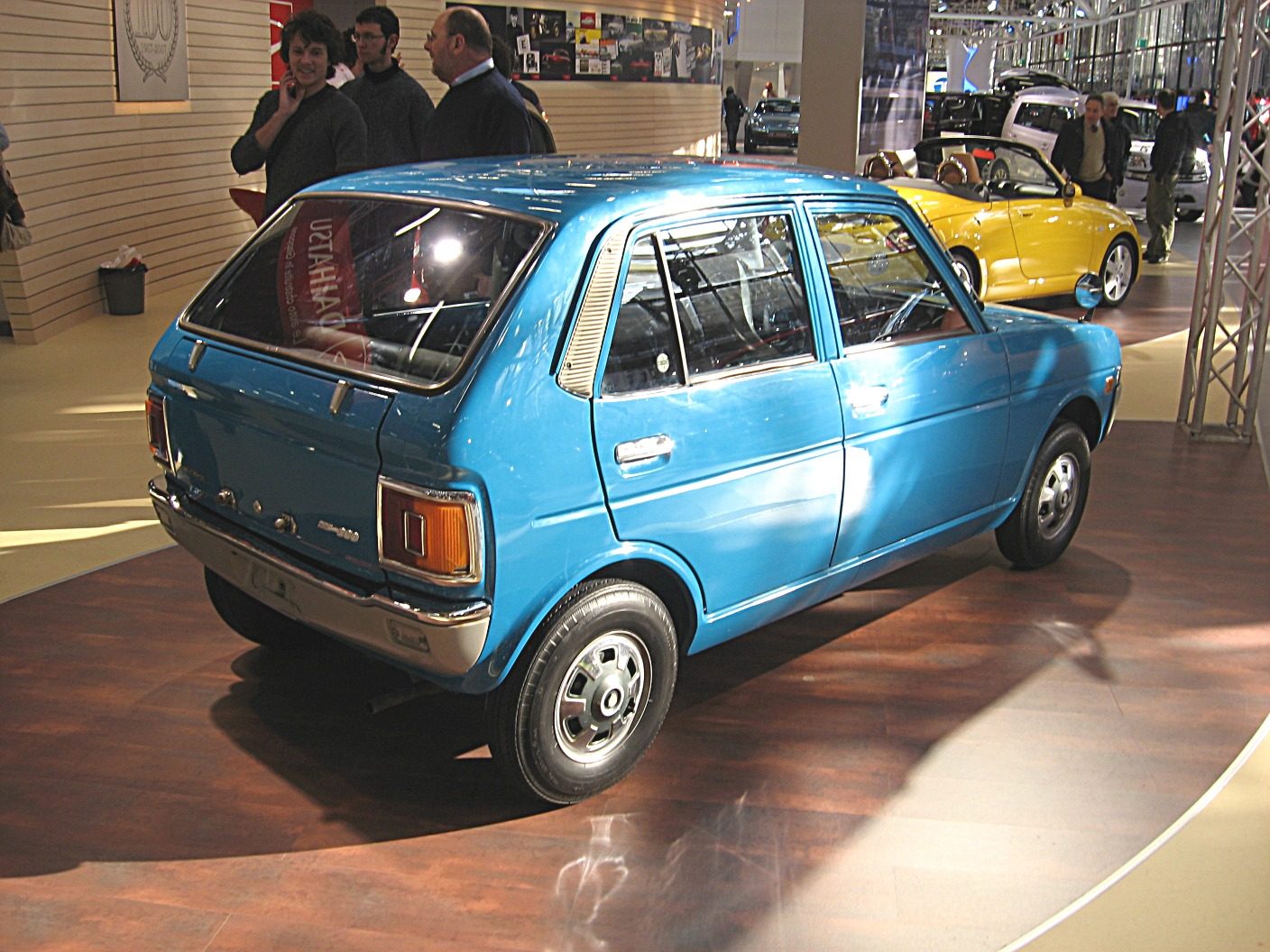
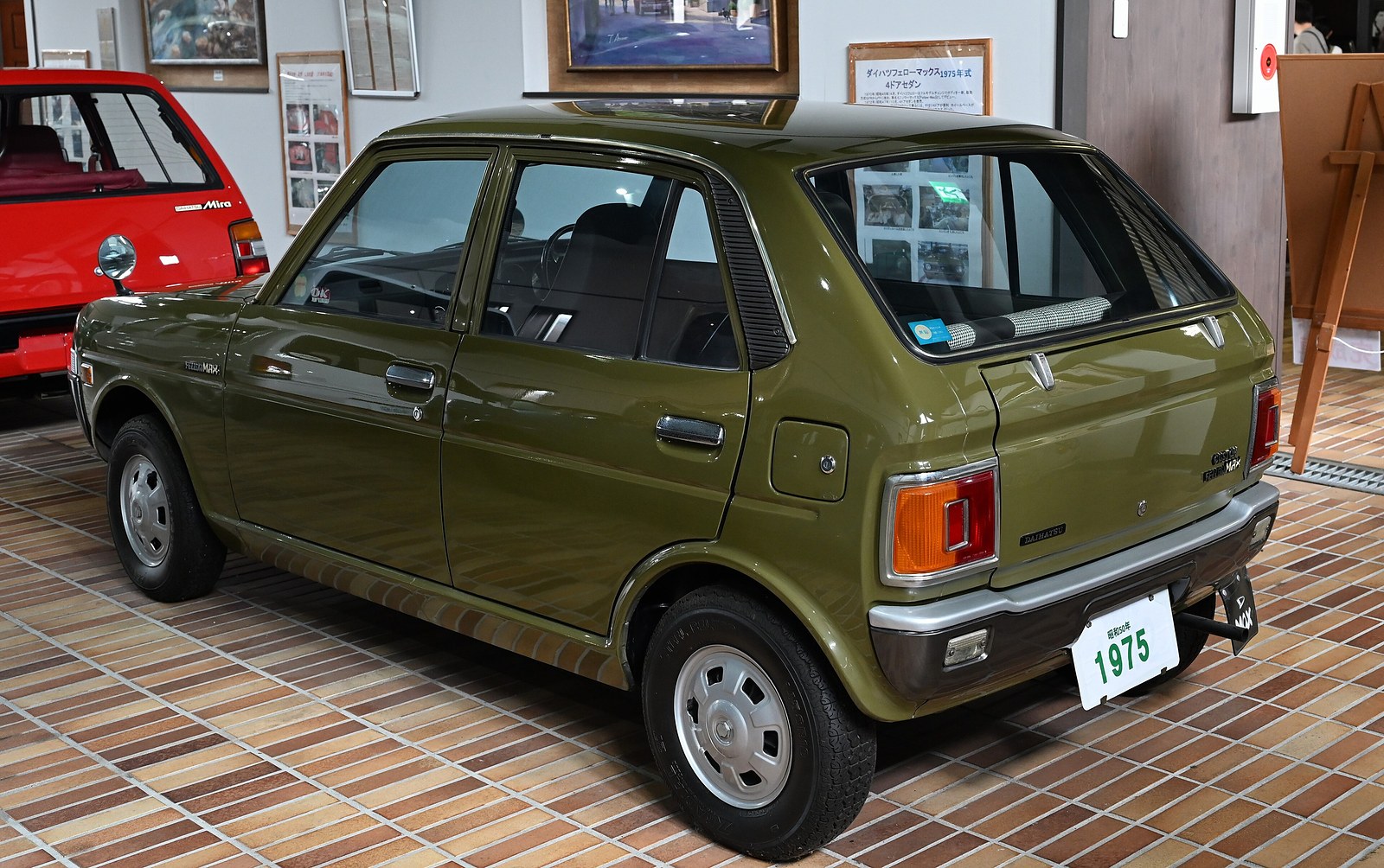
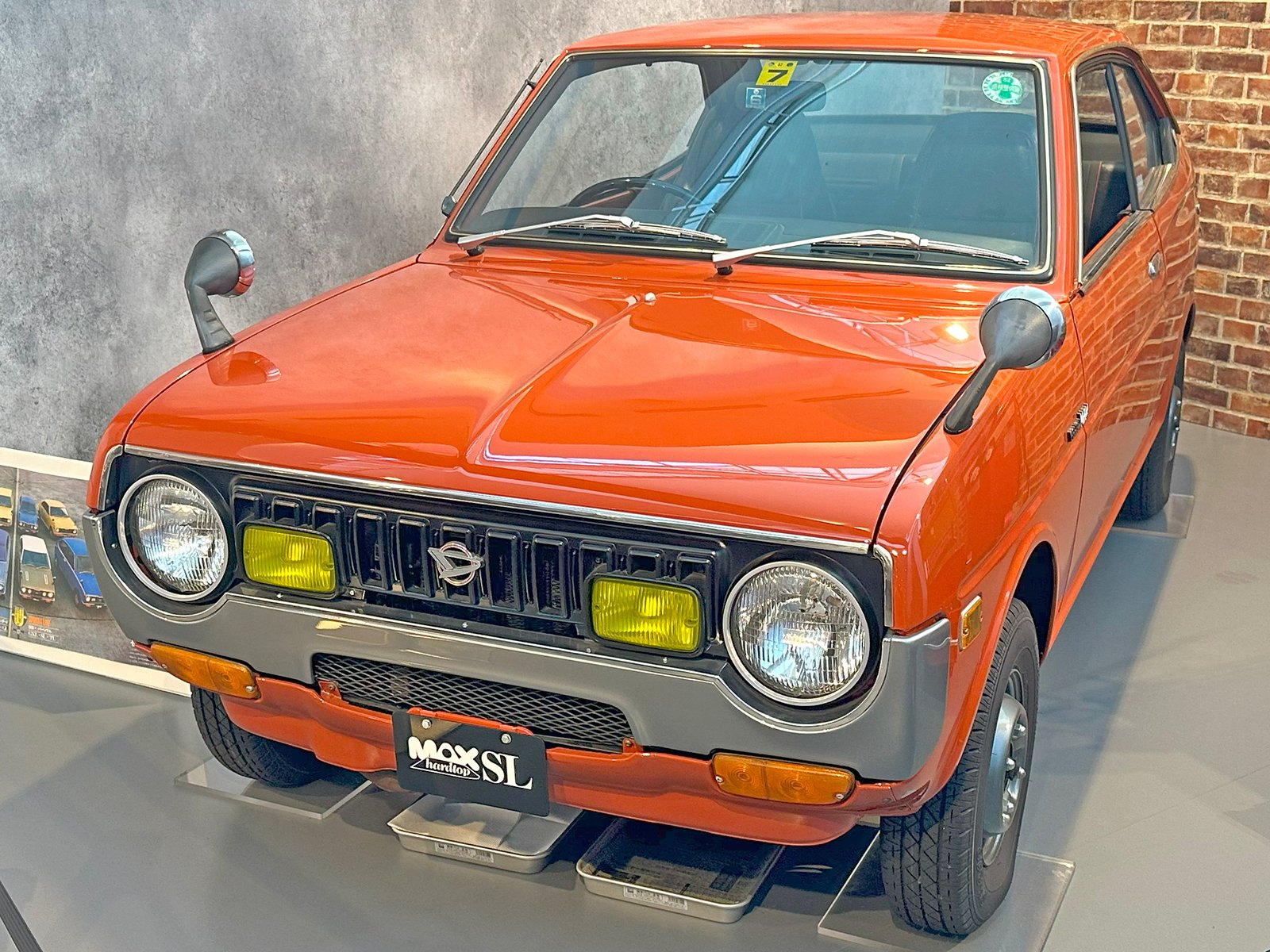
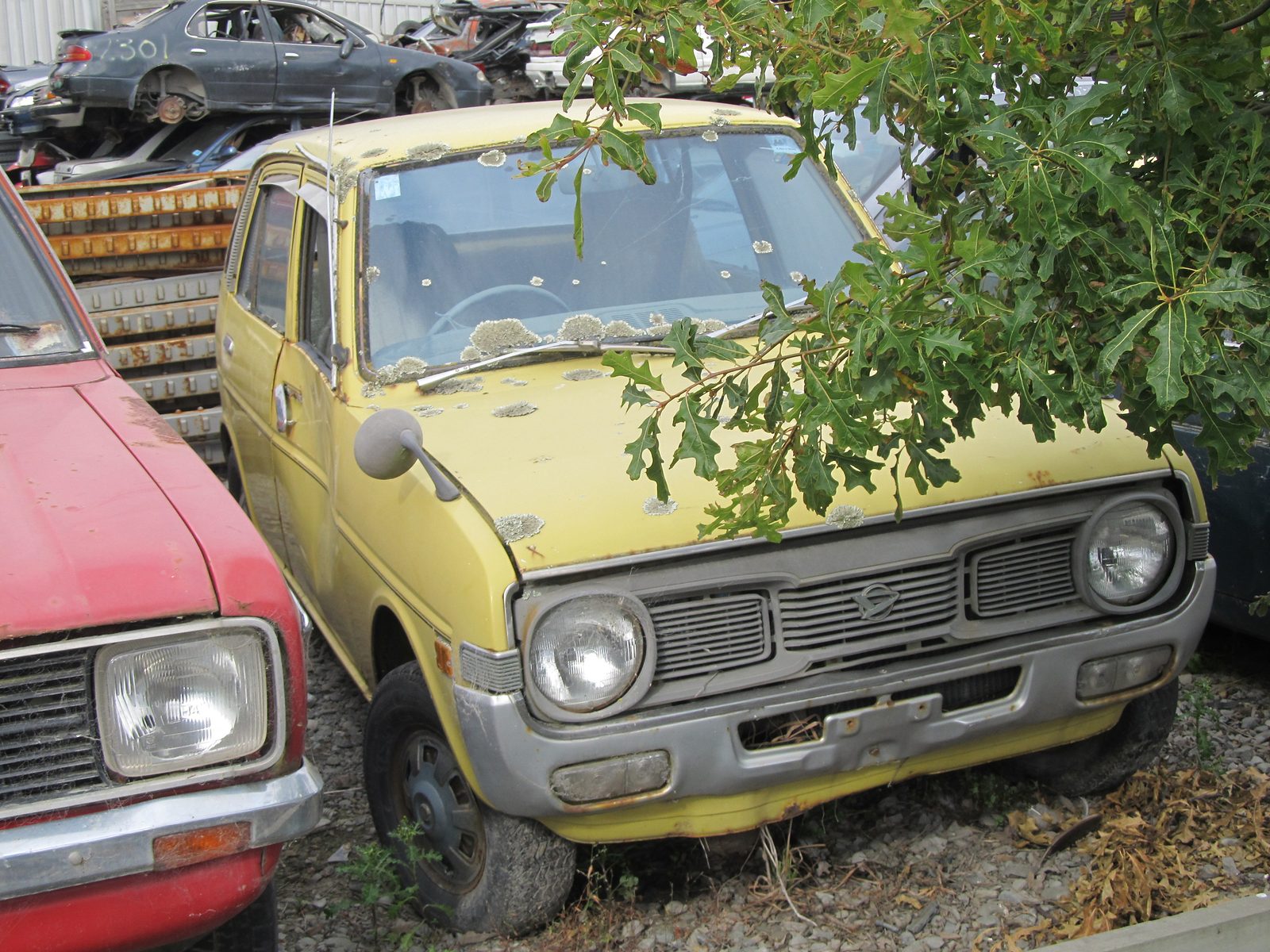
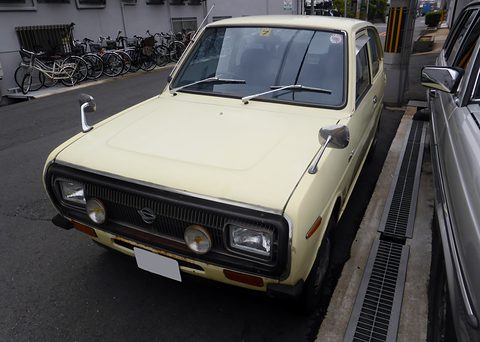
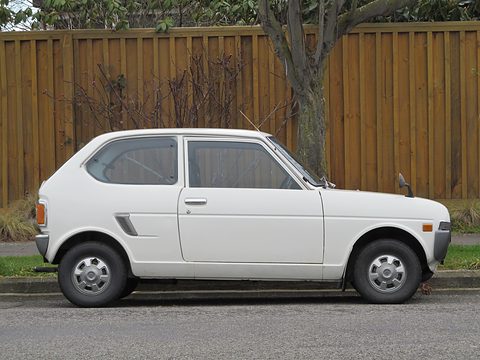
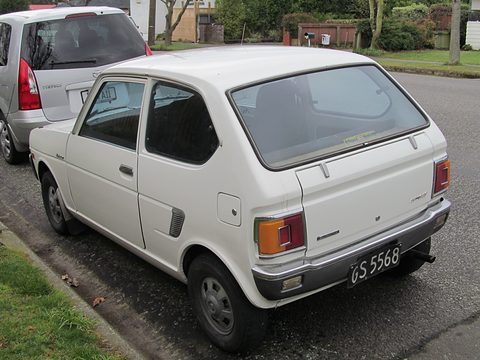
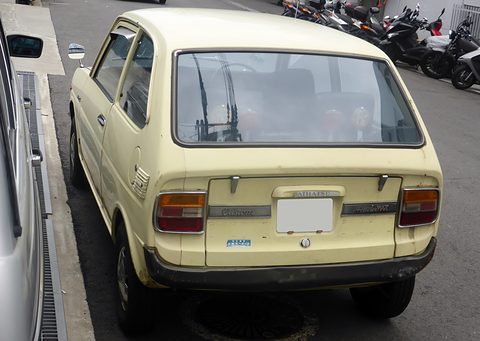
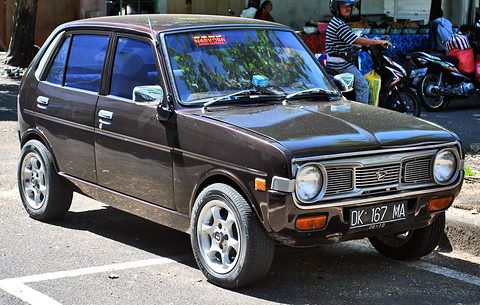
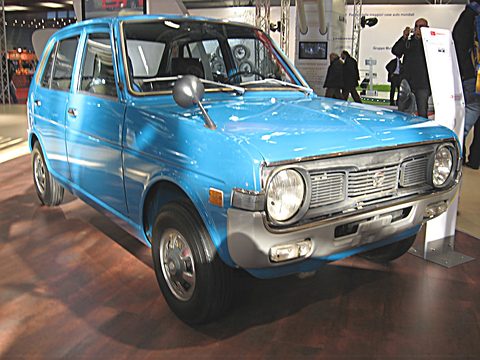
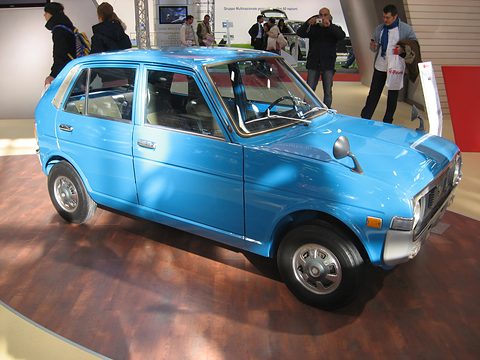
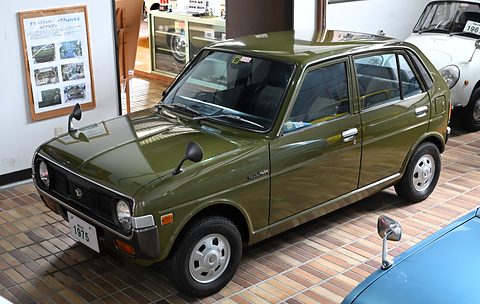
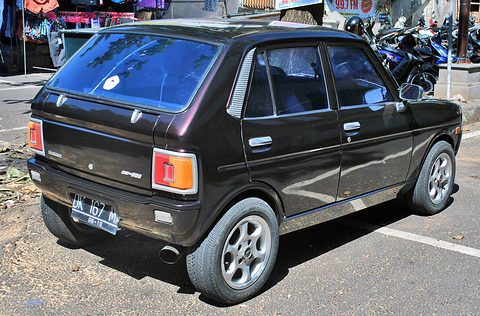
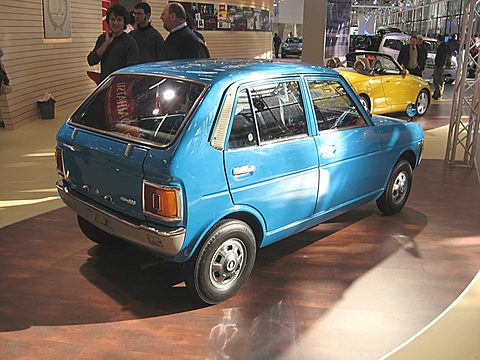
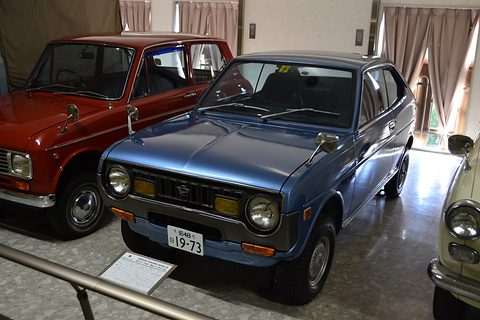
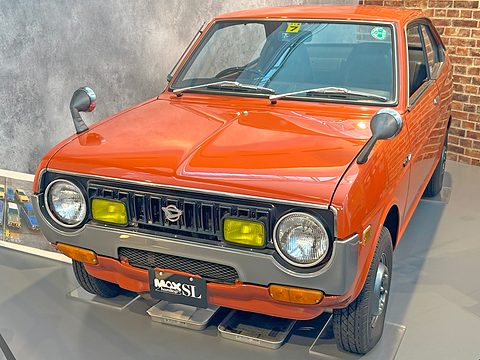
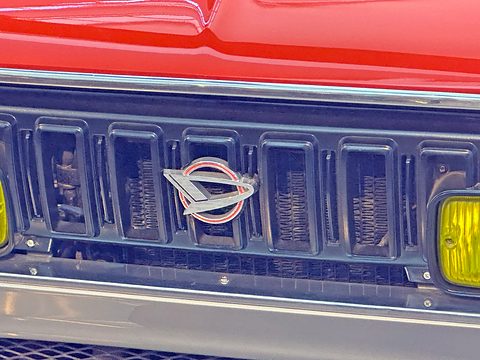
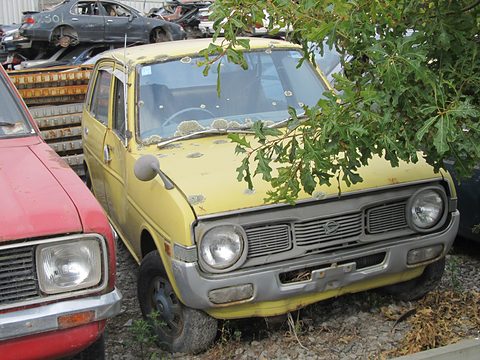
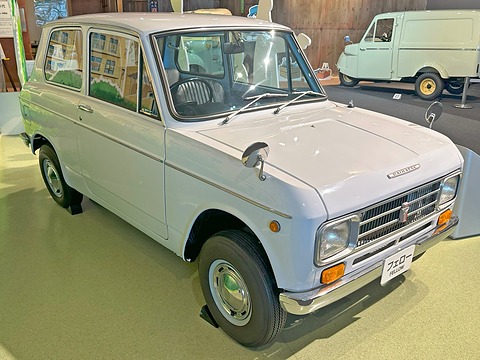
A restored one has run in the L2 class of the Daihatsu Challenge Cup, Japanese Wikipedia notes.source 2 No sale has been found, nor any count of survivors. The photographs here show them at Komatsu, at Daihatsu’s Ikeda museum, on Daihatsu’s stand at Bologna in 2007, and parked in New Zealand and on Bali.

Sources

Numbered as in the text

No Daihatsu history and no period Japanese road test was read. The Fellow Max’s story rests on the two Wikipedias and three Japanese magazine articles; the Leeza’s mostly on the Wikipedias. Sources are given as plain text; the links are on the Credits page.

  1. English Wikipedia, Daihatsu Fellow Max, read in full.
  2. Japanese Wikipedia, ダイハツ・フェロー (second generation, L38), read in full.
  3. Motor Fan, “Daihatsu’s strongest 40 PS sports model, the Fellow MAX SS, debuted in 1970 at ¥398,000” (in Japanese), read in full.
  4. webCG, “No. 285: the Alto Turbo RS has a history: tracing Suzuki’s high-performance kei cars (part 1)” (in Japanese), read in full.
  5. Motor Fan, “The Subaru R‑2, successor to the famous Subaru 360…” (in Japanese), 2025, read in full.
  6. Japanese Wikipedia, スズキ・フロンテ, read in full.
  7. English Wikipedia, Daihatsu Mira, the L55 and L70 sections read in full.
  8. Japanese Wikipedia, ダイハツ・ミラ, the first and second generations read in full.
  9. Society of Automotive Engineers of Japan (JSAE), Japanese Automotive Technology 330 Landmarks: Daihatsu Mira Cuore (in Japanese), read in full. It draws on Daihatsu’s Cuore new-model manual of 9 June 1980.
  10. English Wikipedia, Daihatsu Leeza, read in full.
  11. Japanese Wikipedia, ダイハツ・リーザ, read in full.
  12. GAZOO Meishakan (Toyota), “1988 Daihatsu Leeza Y” (in Japanese), read in the copy archived on 2 July 2002.
  13. Japanese Wikipedia, ダイハツ・リーザスパイダー, read in full.