The story
History
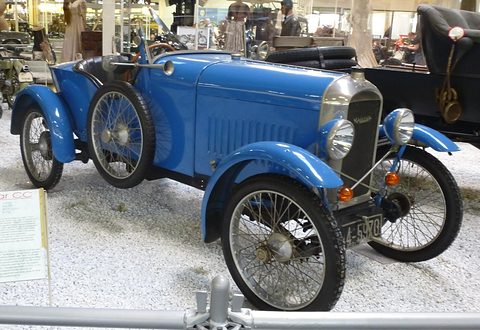
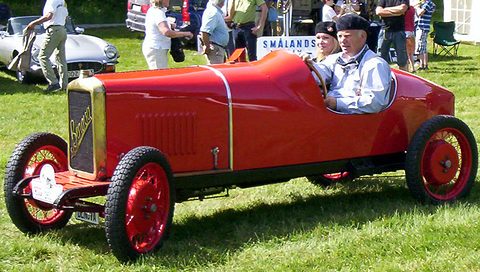
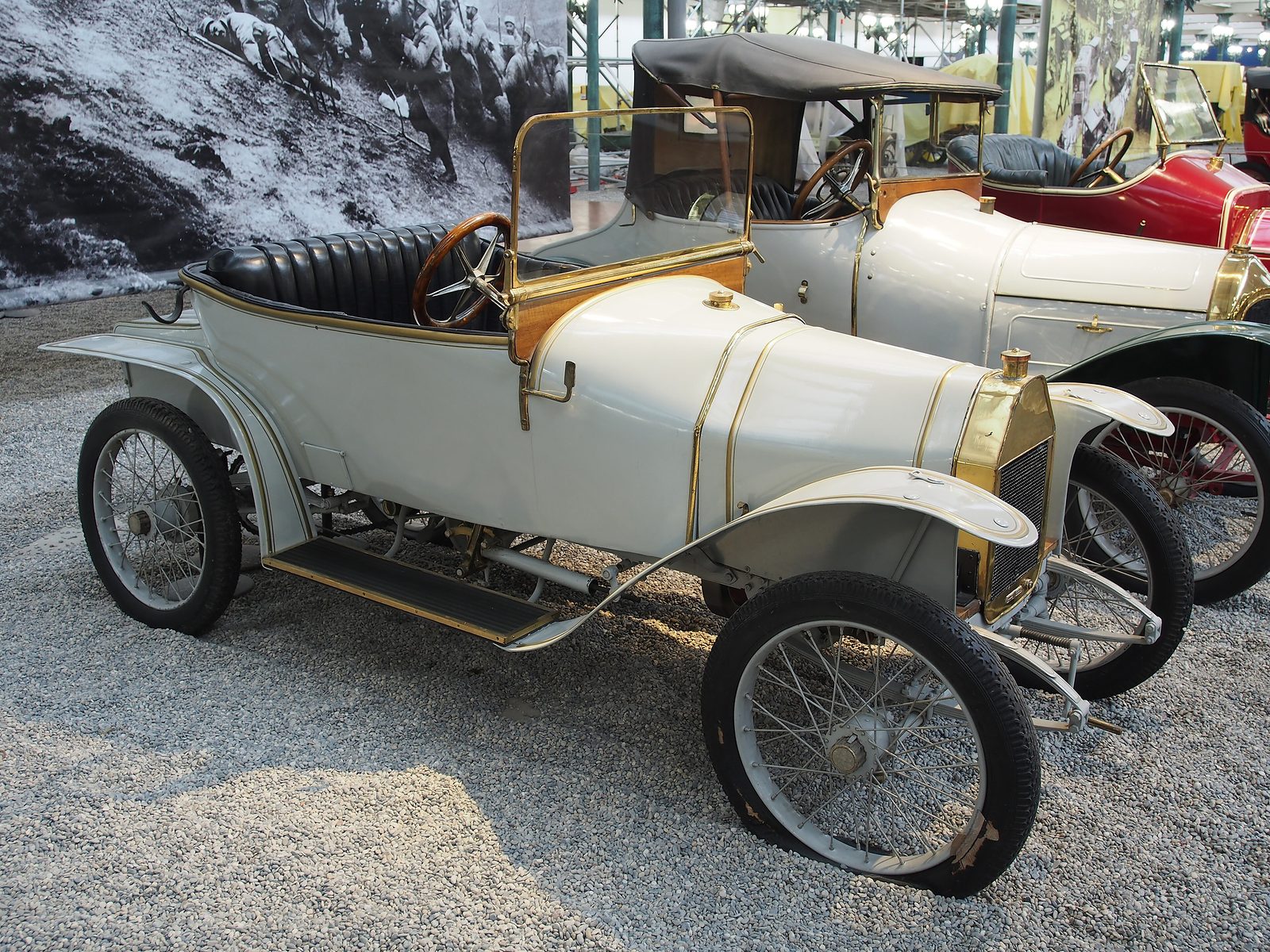
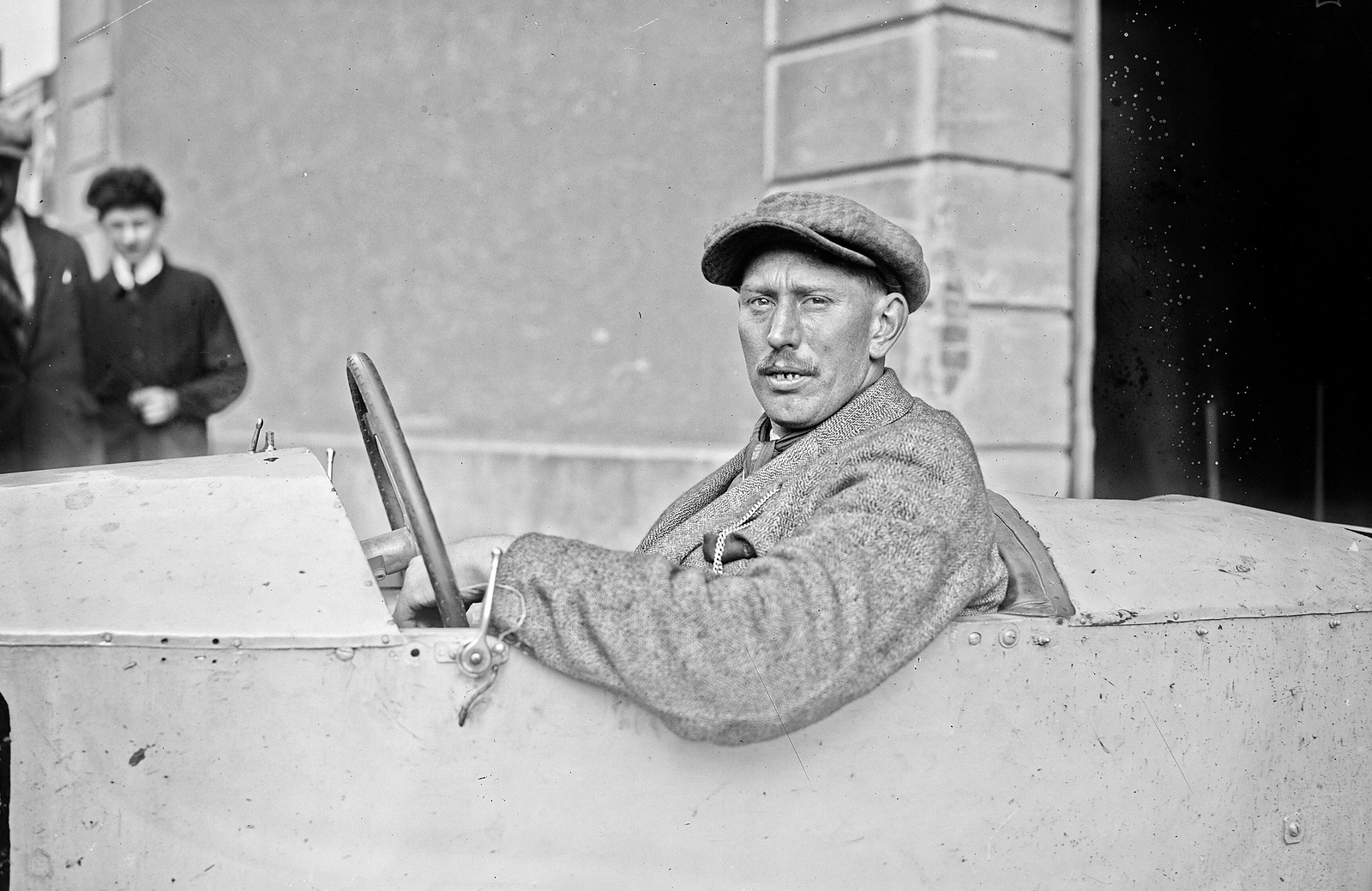
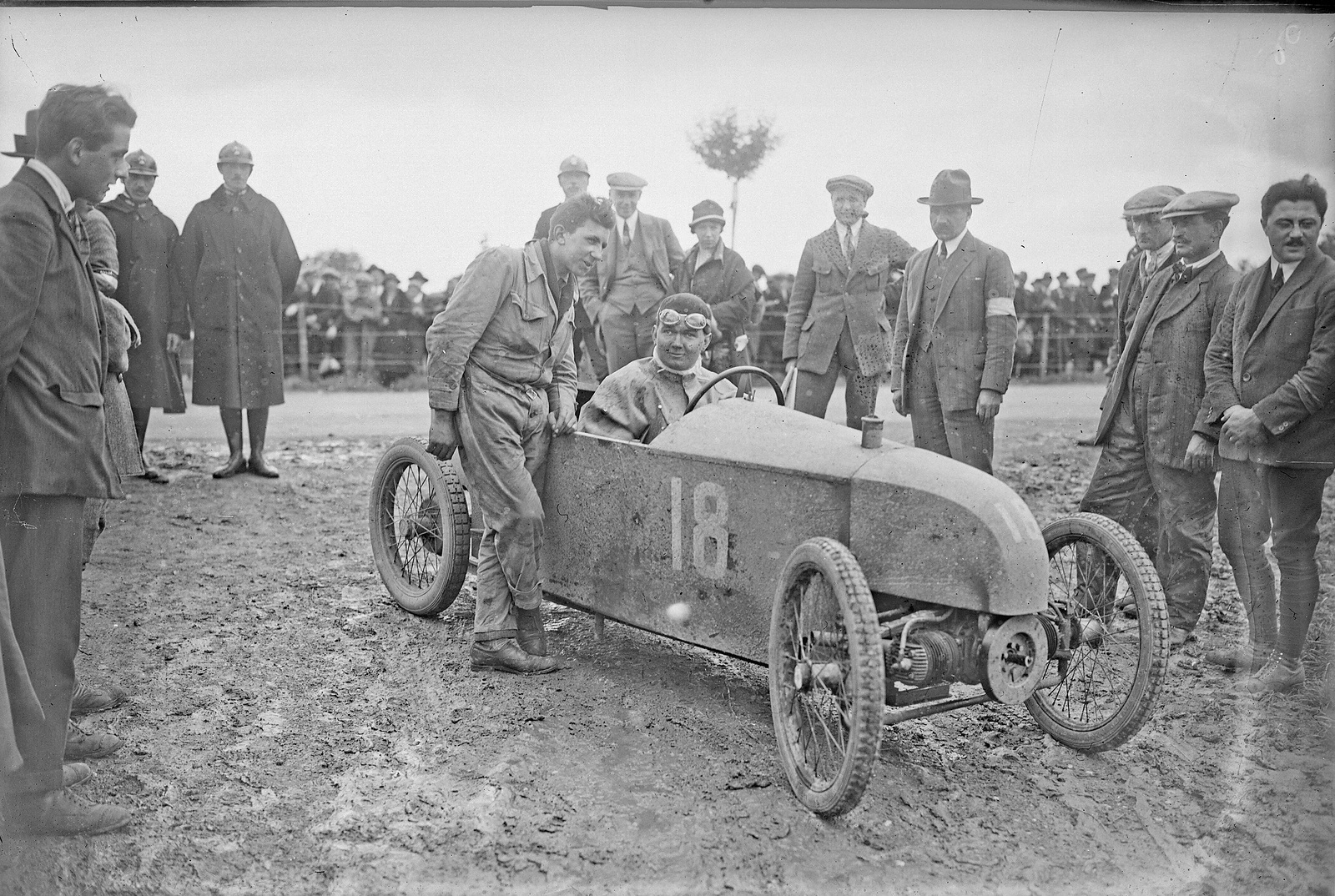
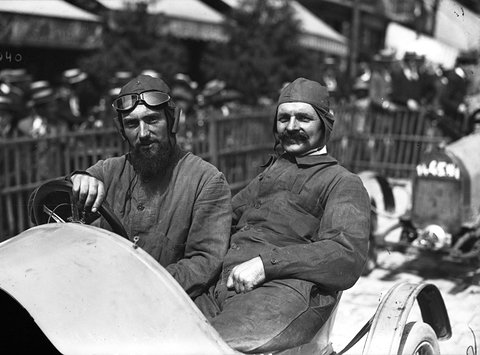
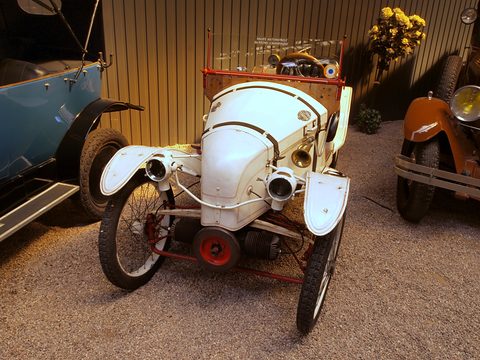
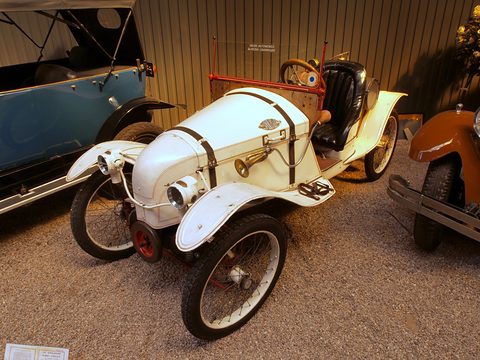
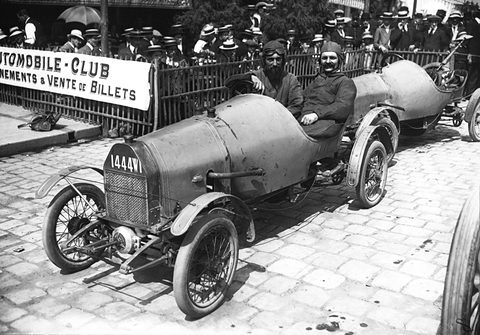
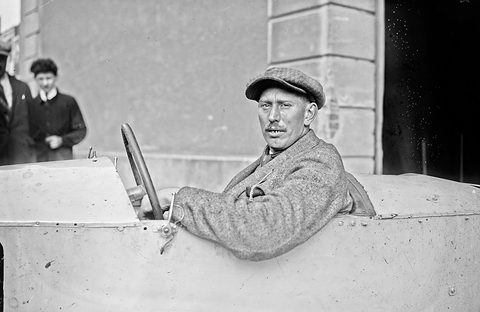
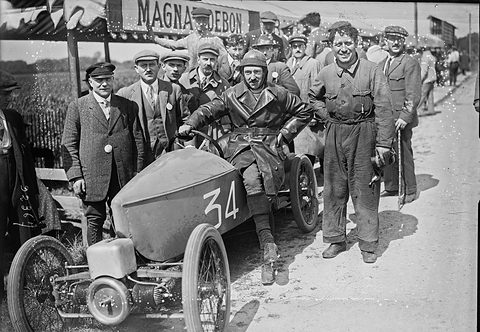
Marcel Violet trained as an engineer at the Arts et Métiers and flew in the First World War, and French Wikipedia calls him the father of the French cyclecar.source 1 He built his first car with a friend in 1908 and won the voiturette class at the Gaillon hill climb with it, though nobody else had entered. In 1909 he founded La Violette with Comte François de Chevigné, and the Violet-Bogey followed in 1913–14 and the Weler, or WV Major, in 1920–21.source 1 In a Major he won the second Grand Prix of the Union Motocycliste de France at Le Mans in 1920; in 1921 he was third at Boulogne and second in the same Grand Prix.source 1 Our page of the designers tells more of his career.
SIMA
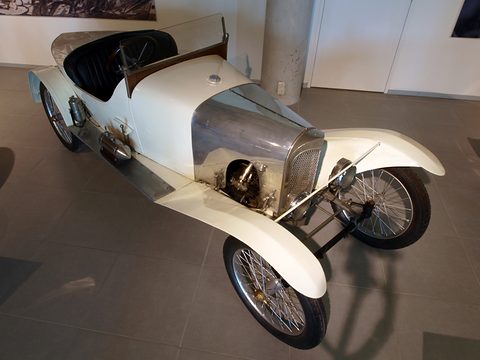
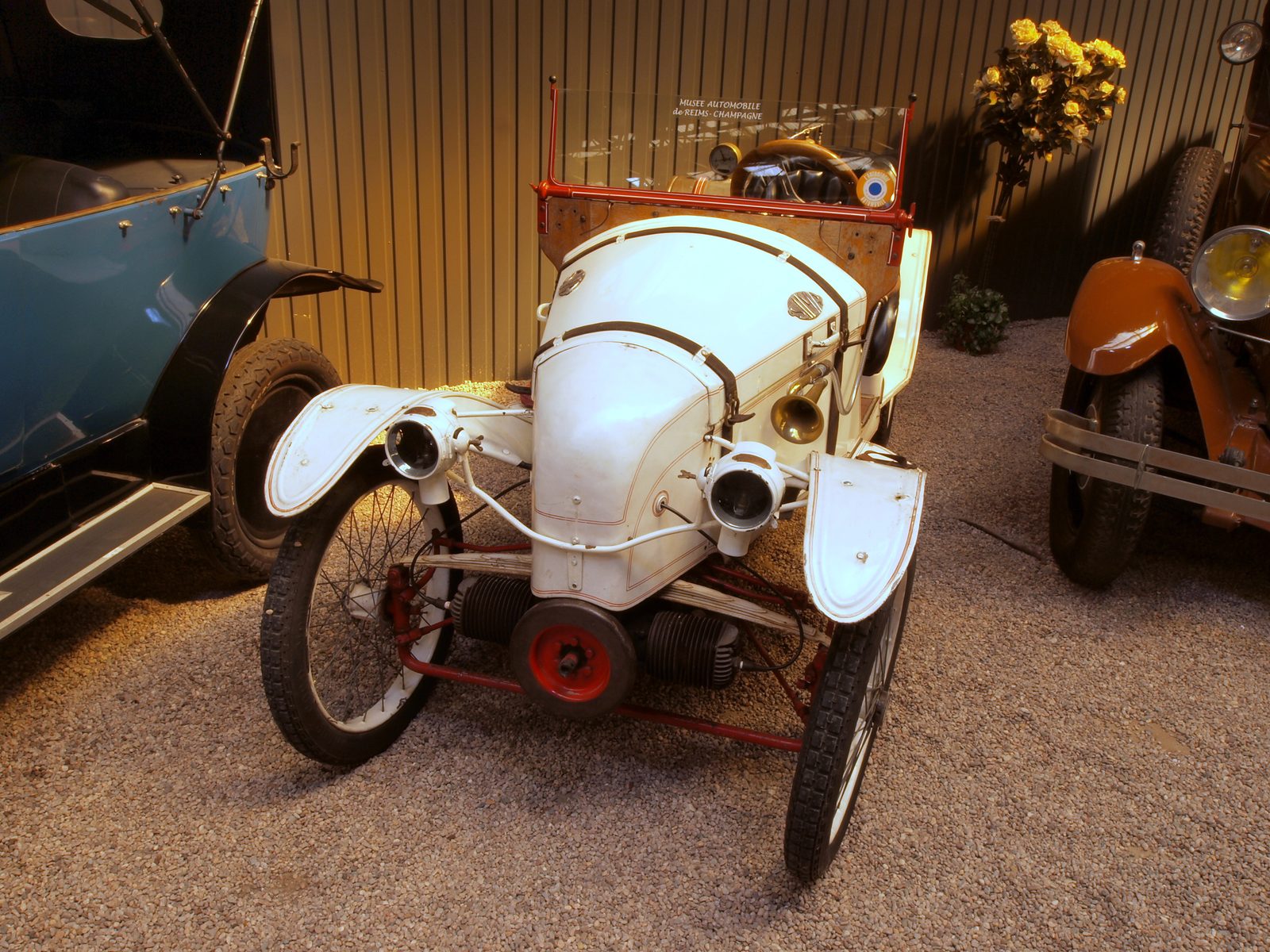
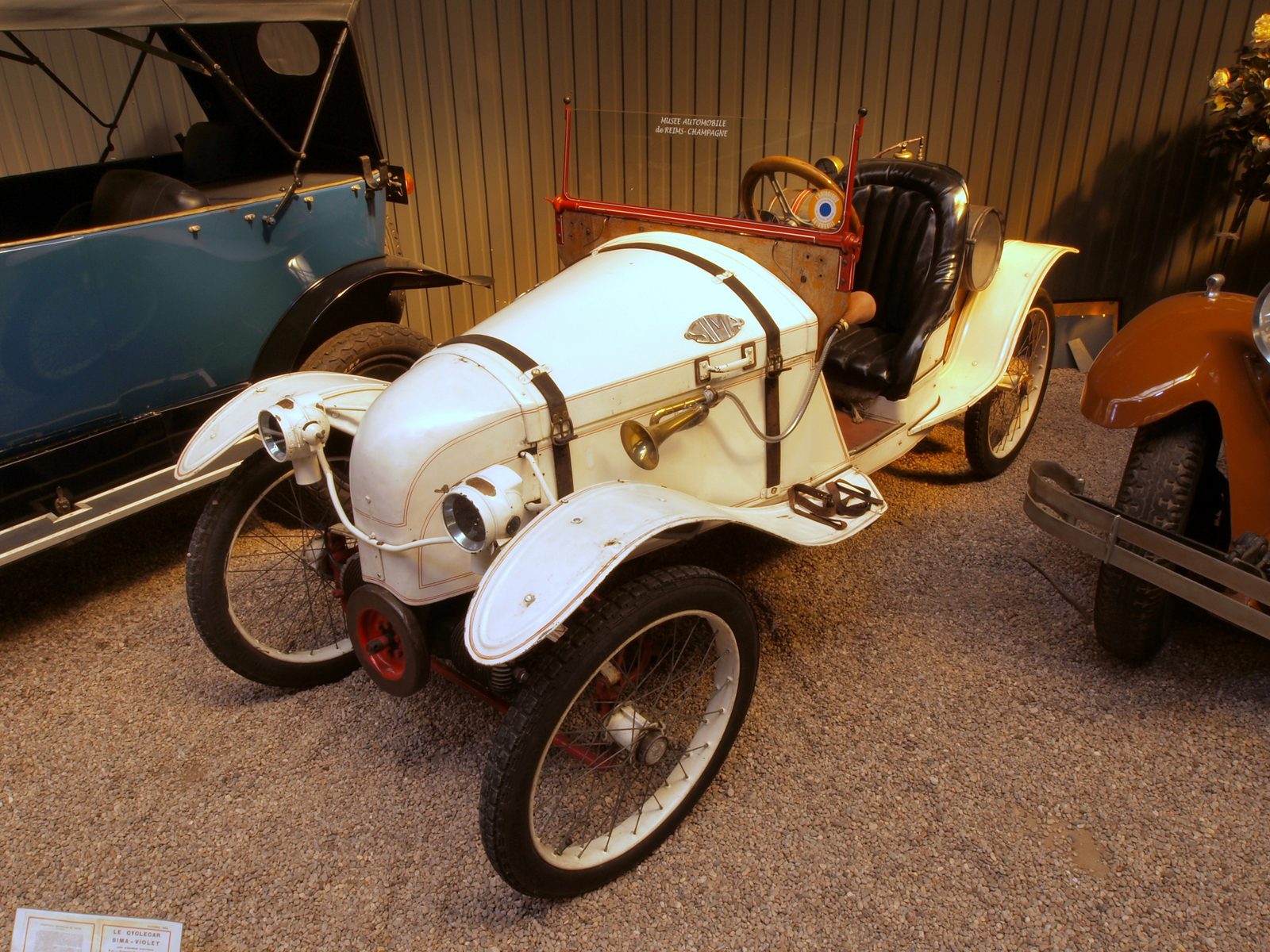
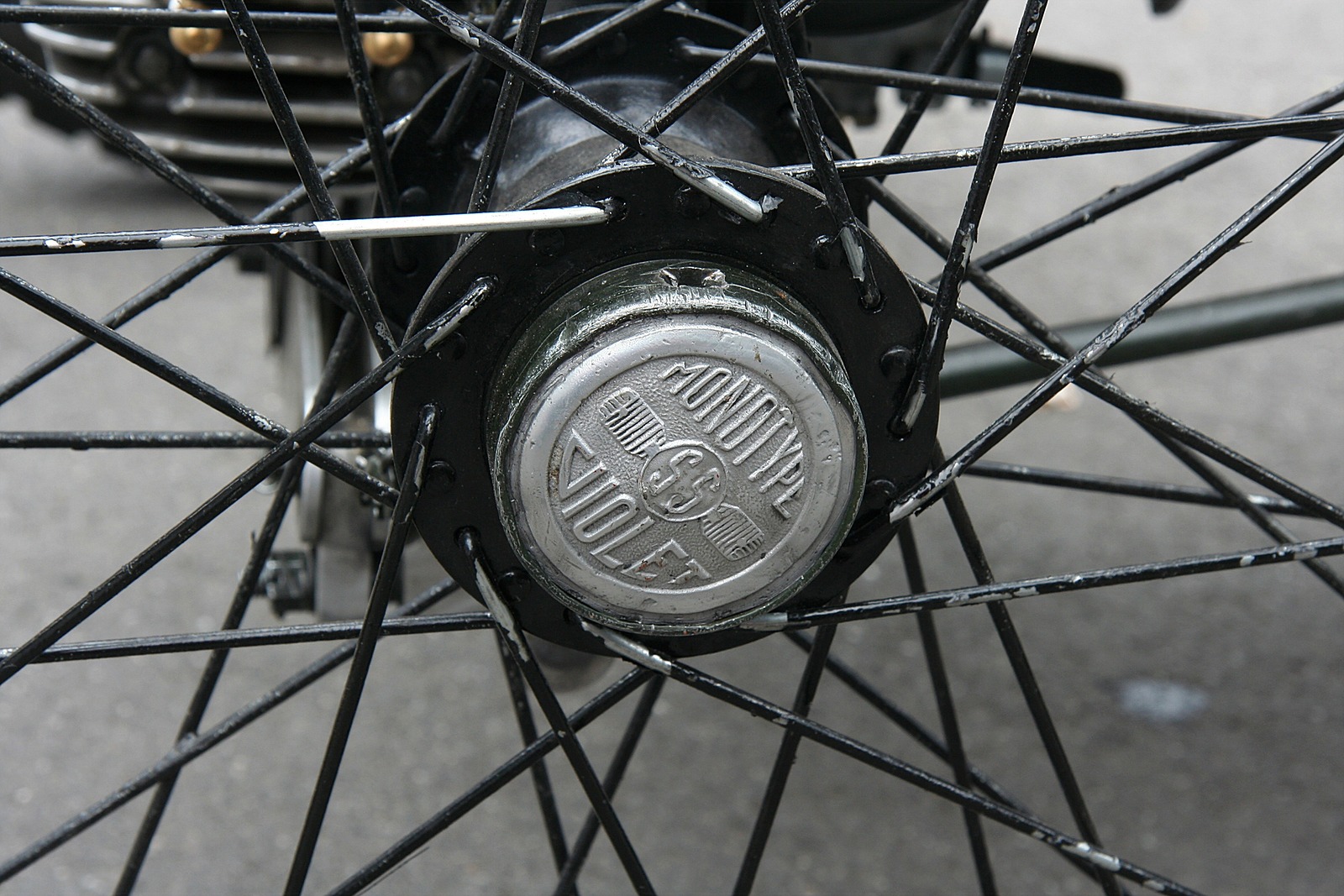
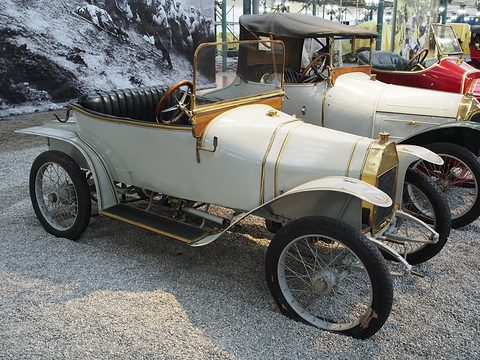
The Sima-Violet took its name from its maker, the Société Industrielle de Matériel Automobile, at Courbevoie, and from its designer.source 2source 3 Where the firm came from is not clear. German Wikipedia says SIMA was founded in 1924. The Lane Motor Museum says it began in 1912 as Sicam, made a small cyclecar and then 98 cc engines for bicycles in the early 1920s, and was reorganised as Sima-Violet in 1924. French Wikipedia says Violet protected his patents of the early 1920s through SICAM, at Pantin, which built his cyclecars.source 2source 3source 1 They may all be one business under different names.
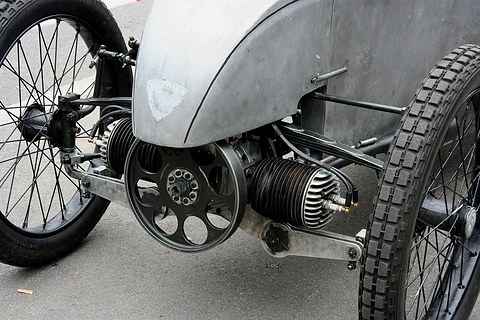
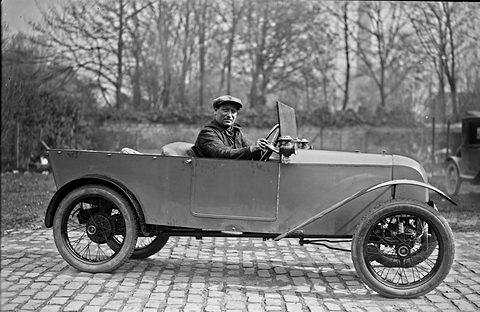
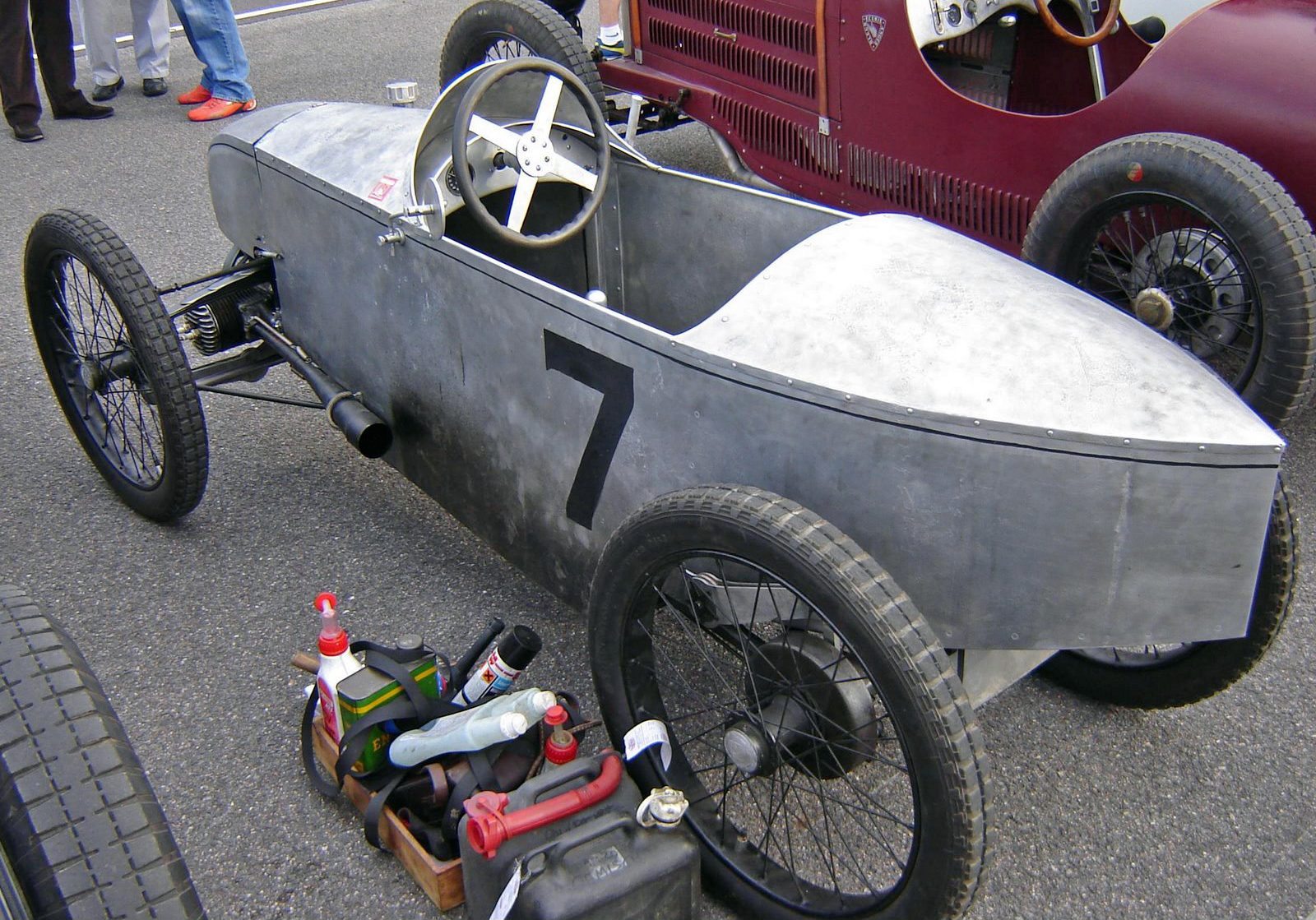
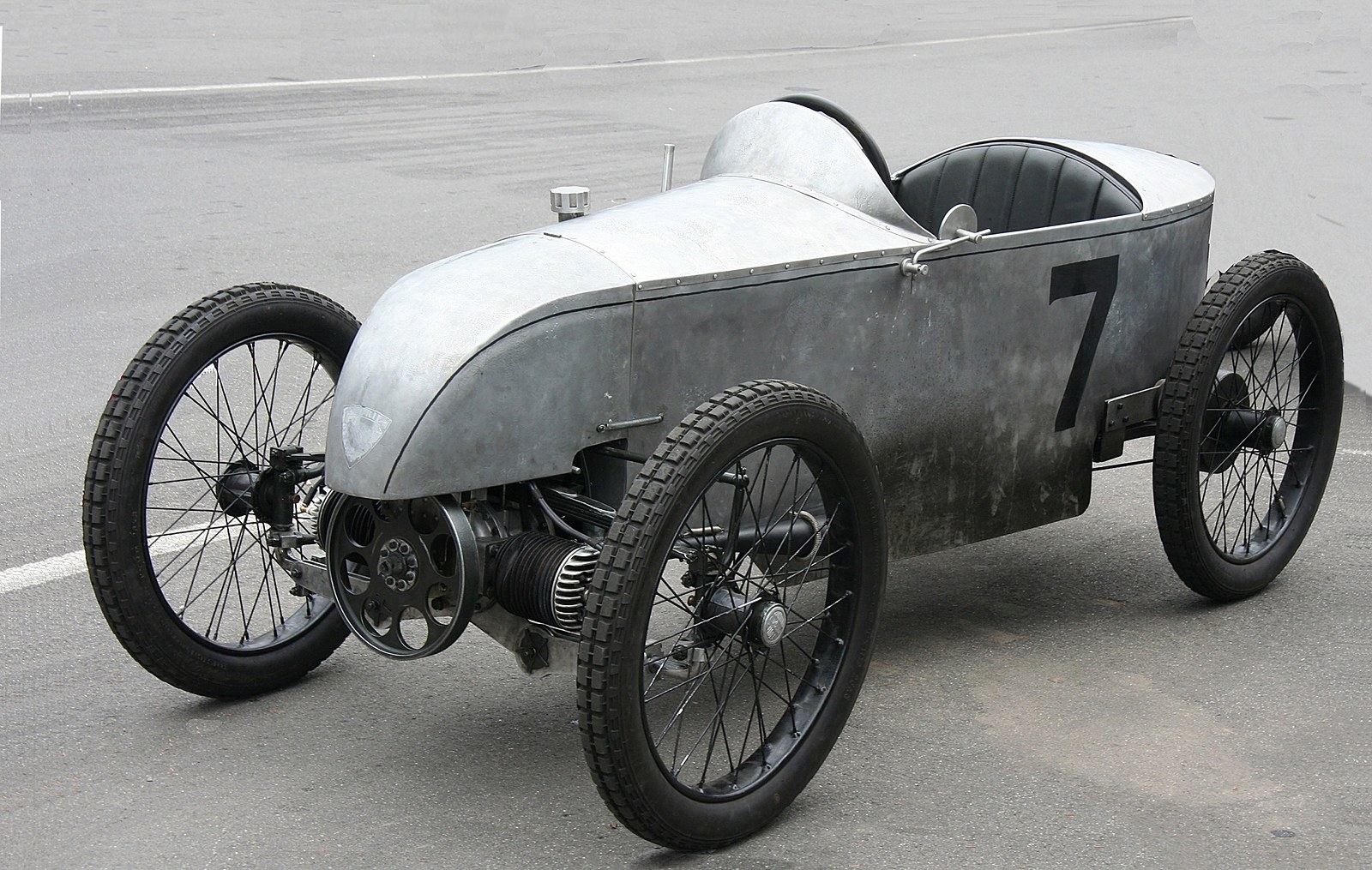
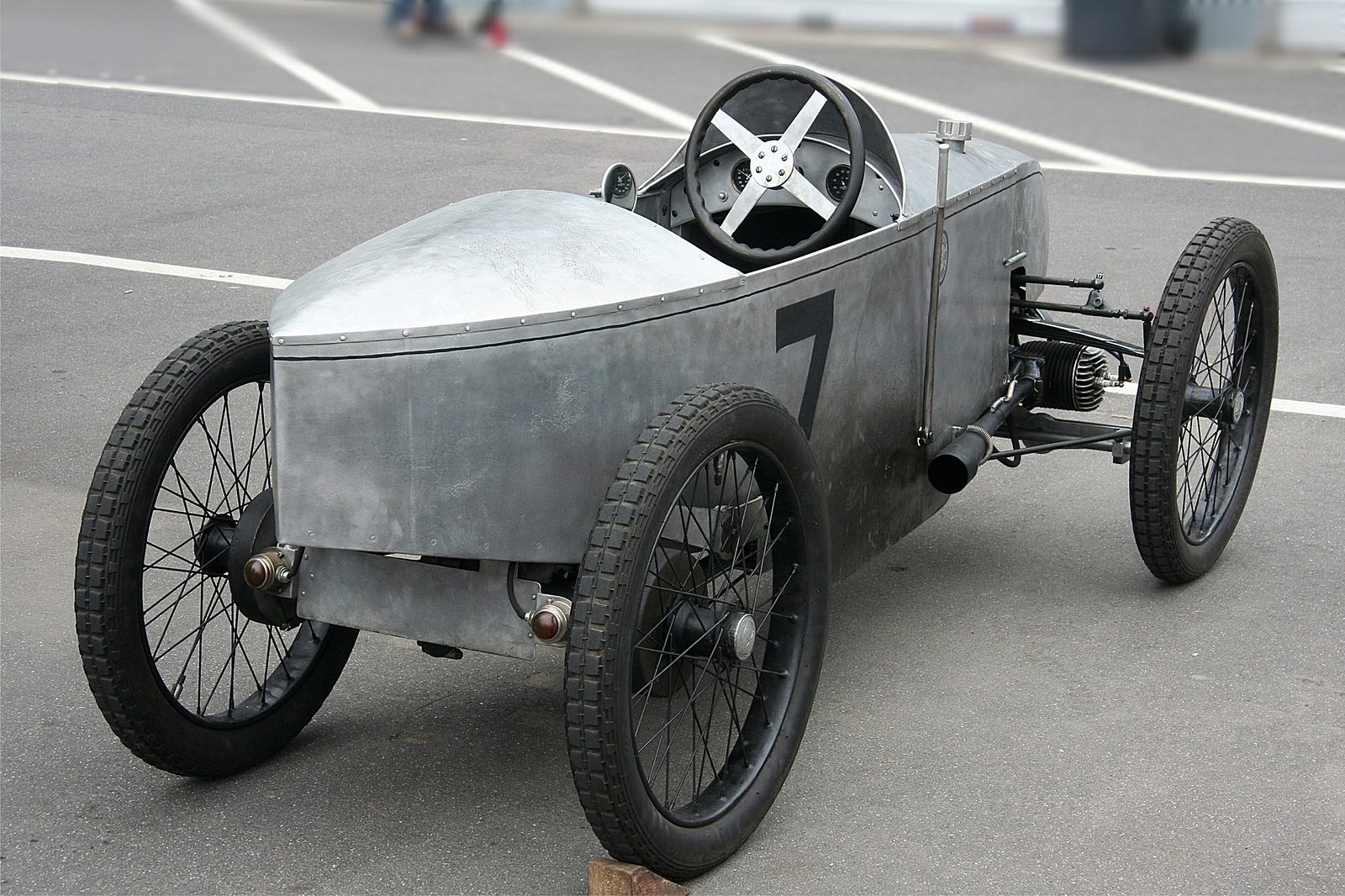
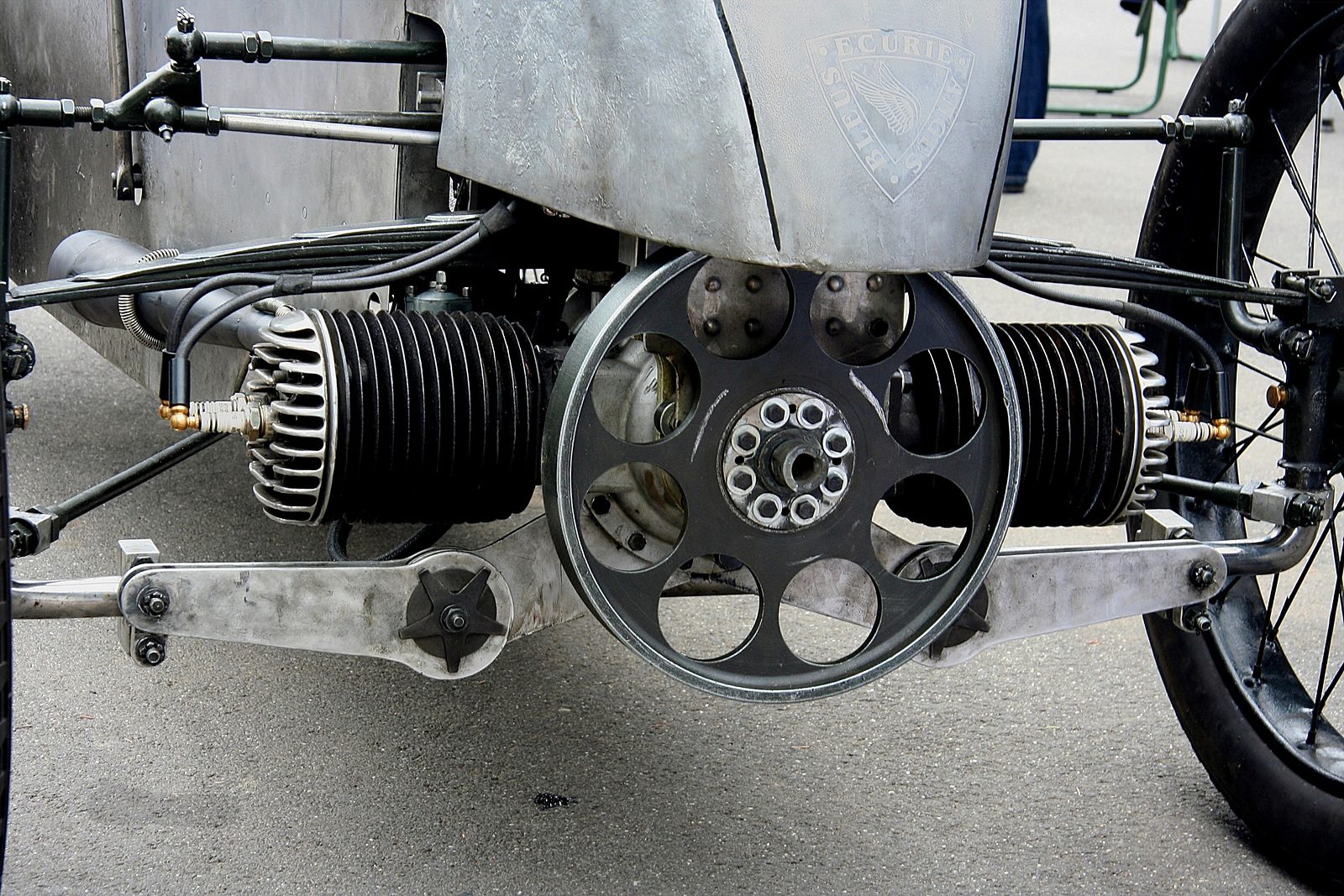
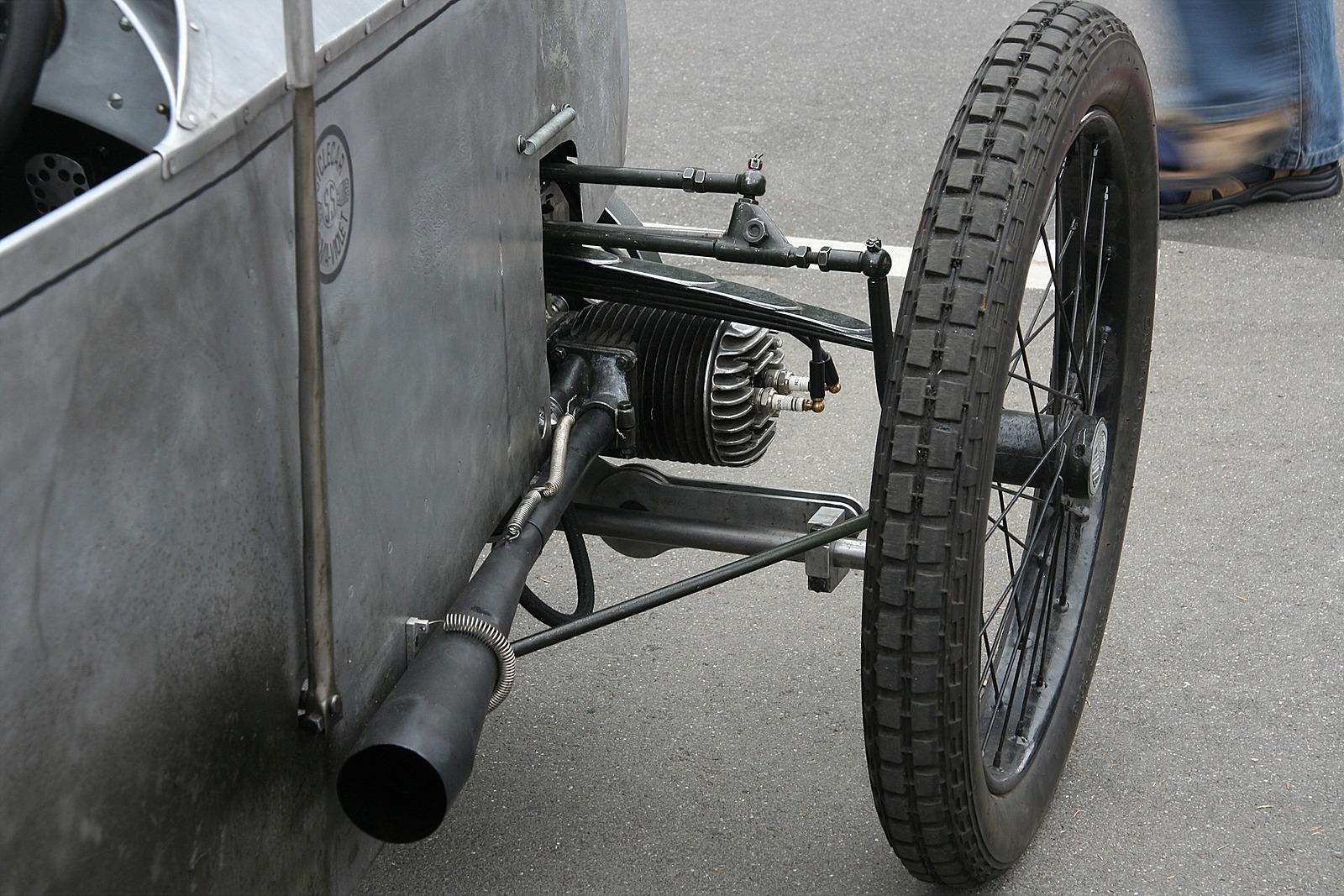
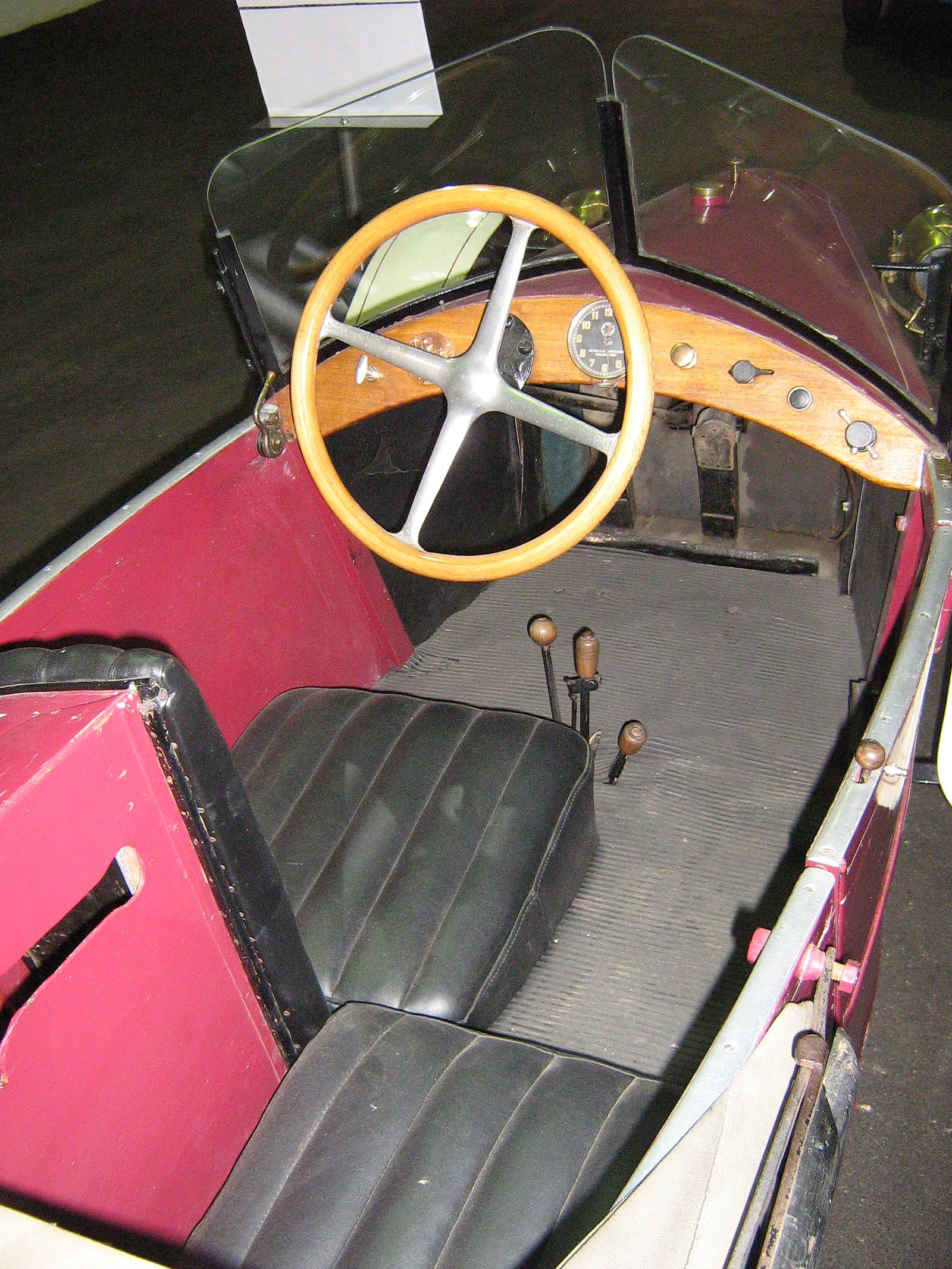
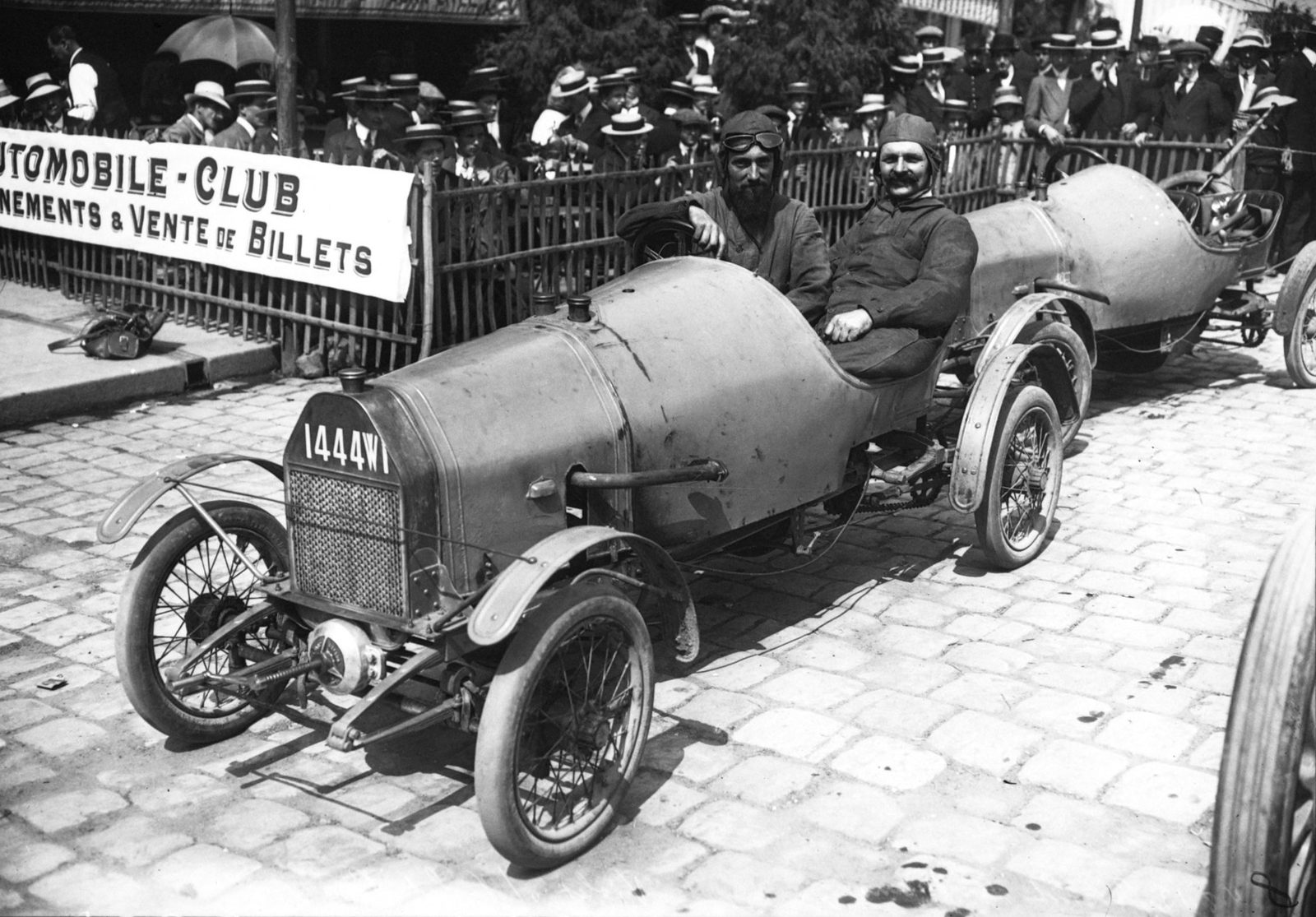
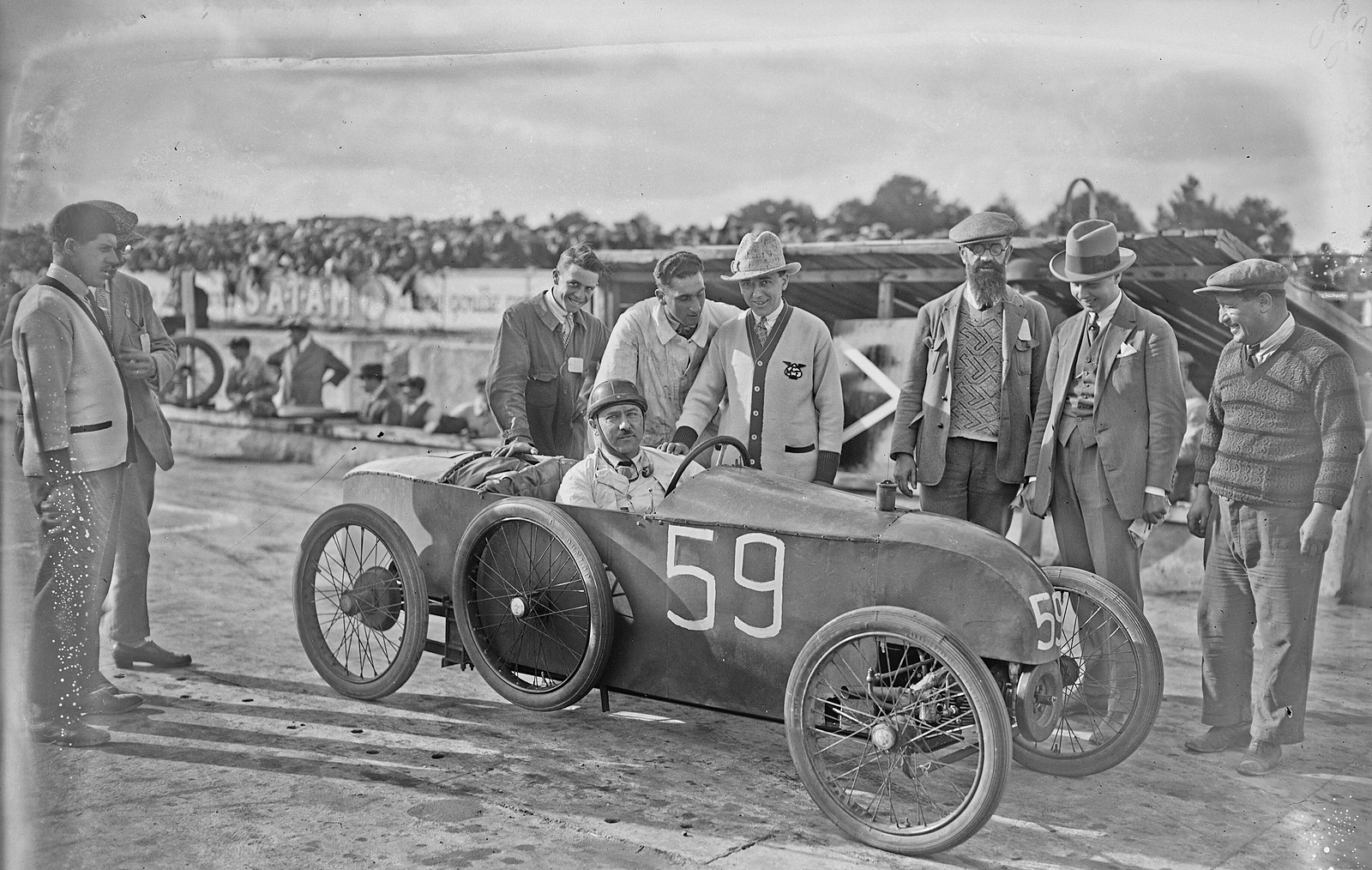
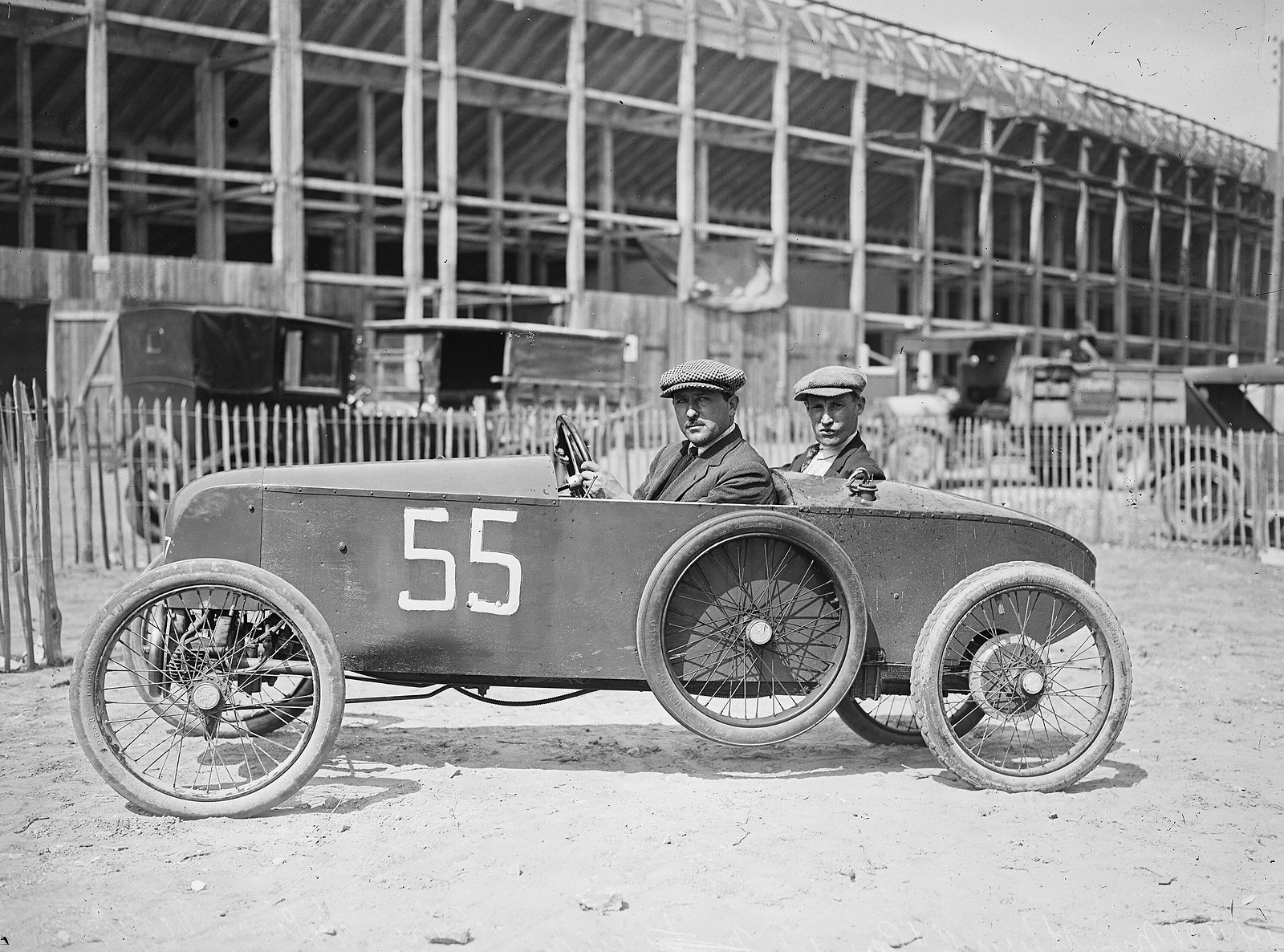
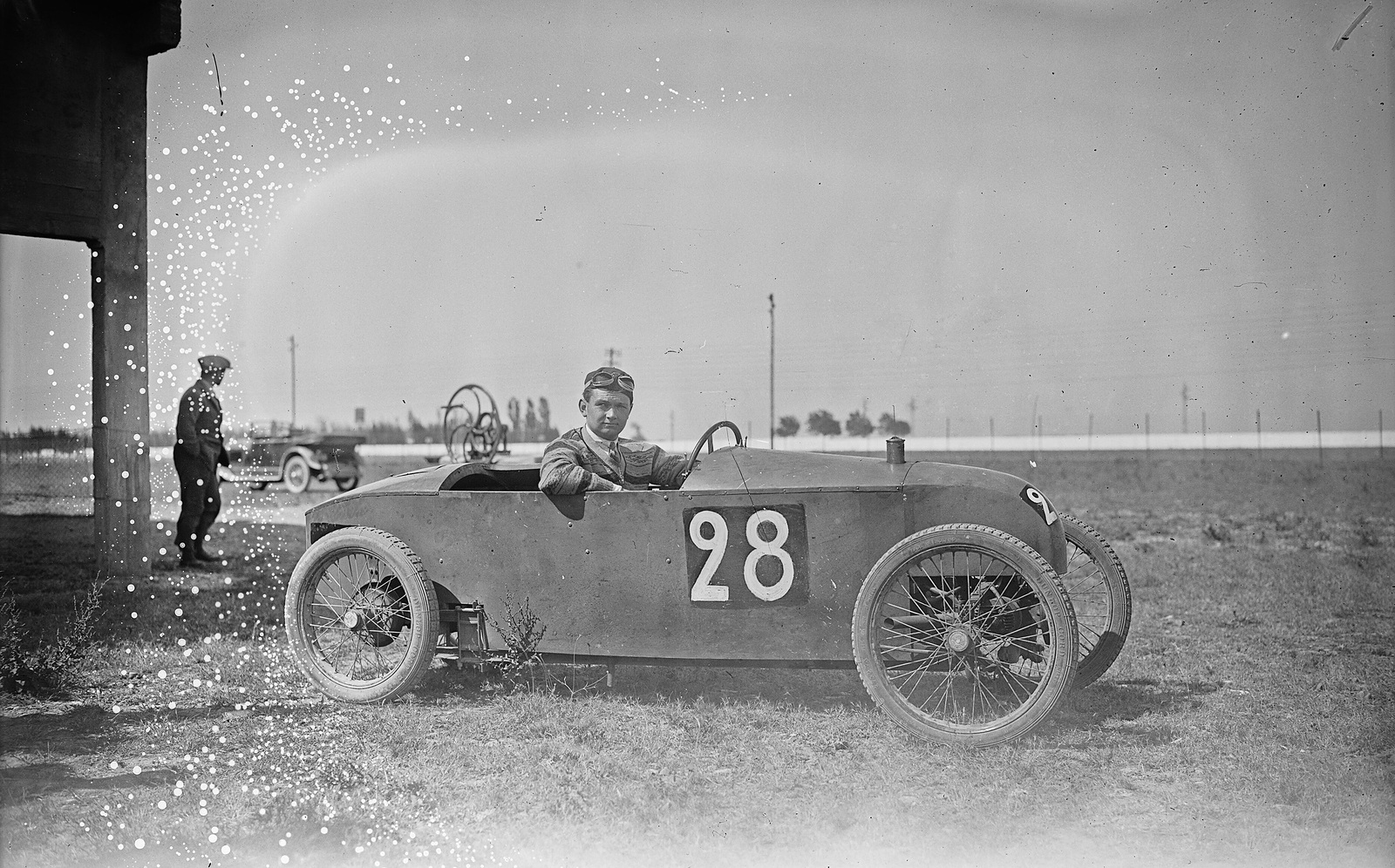
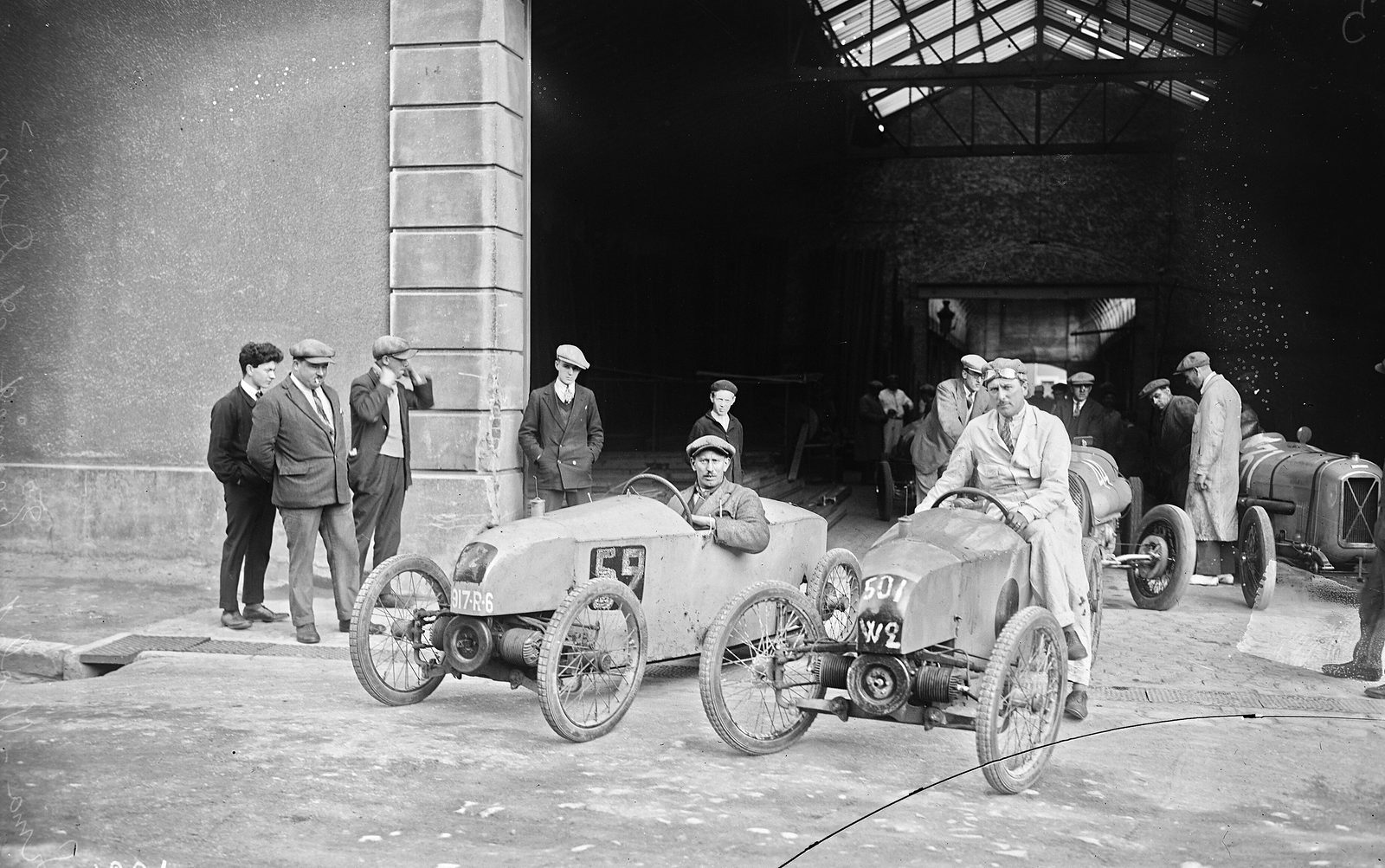
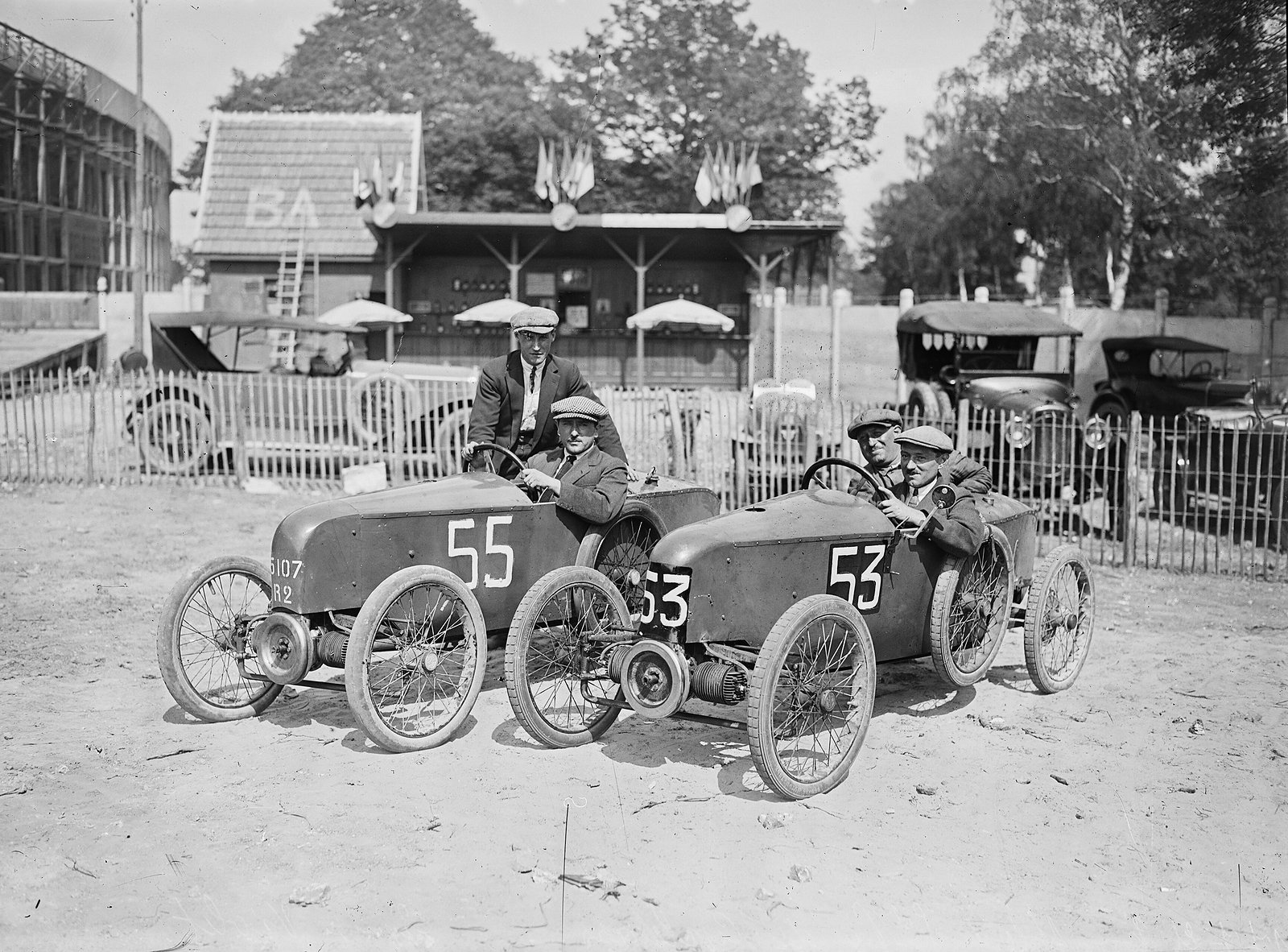
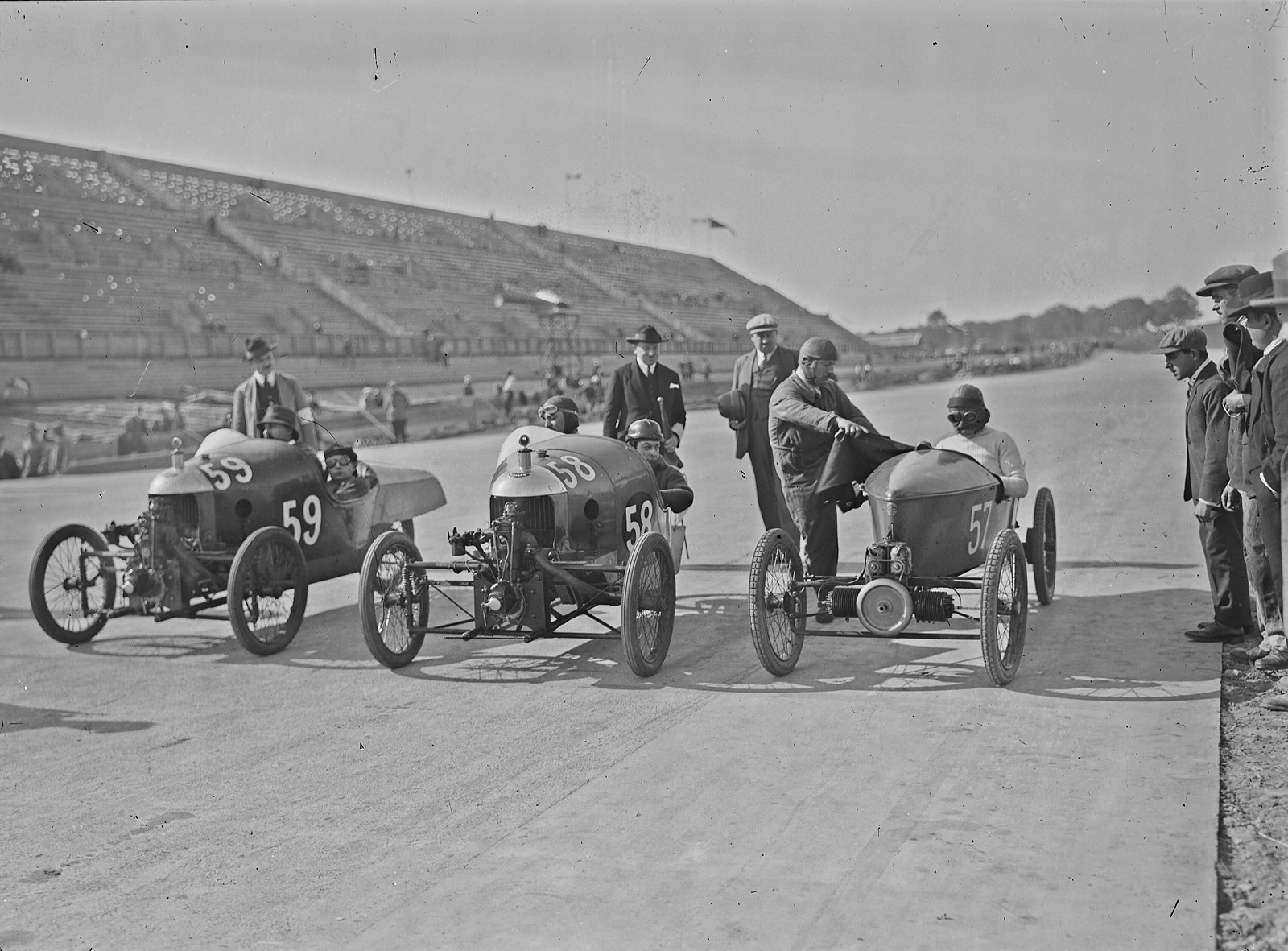
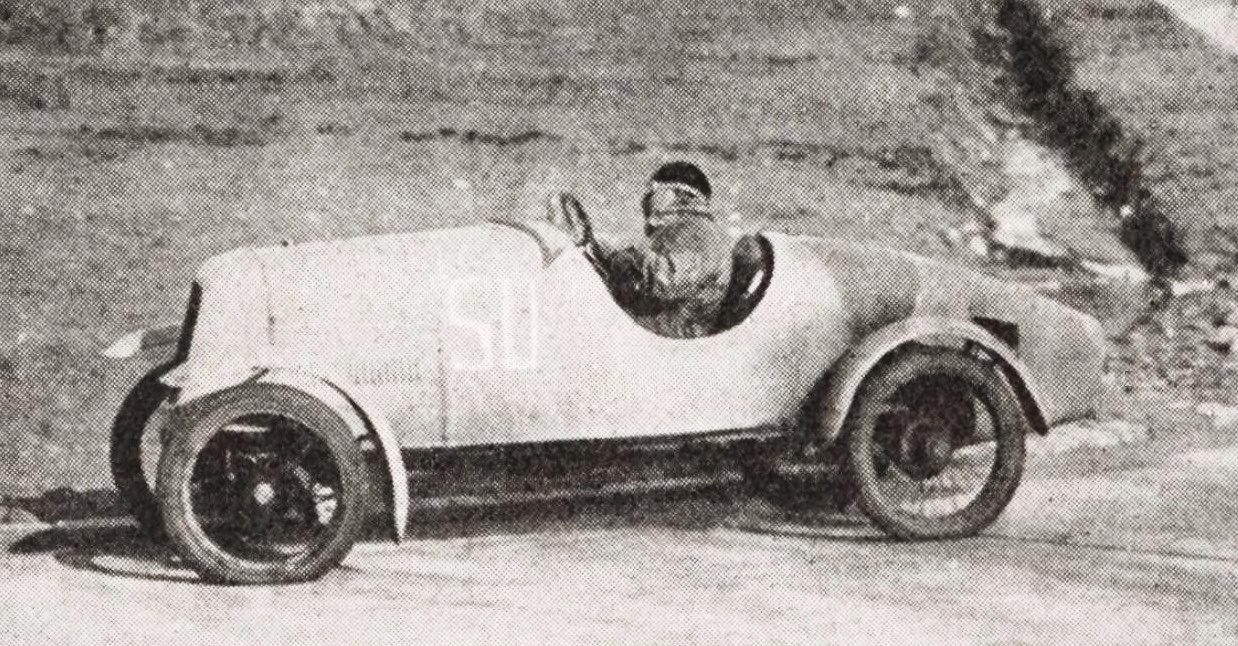
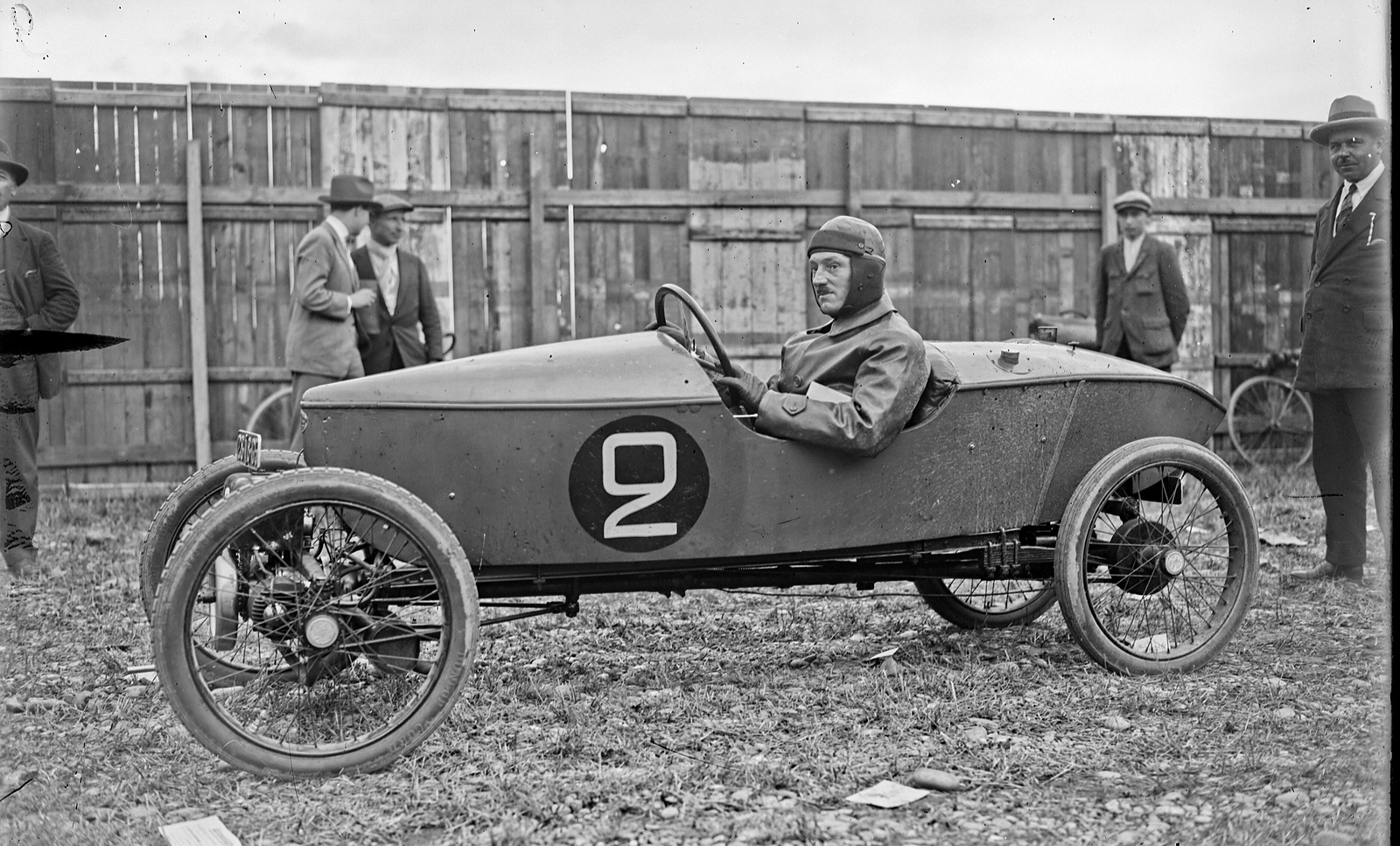
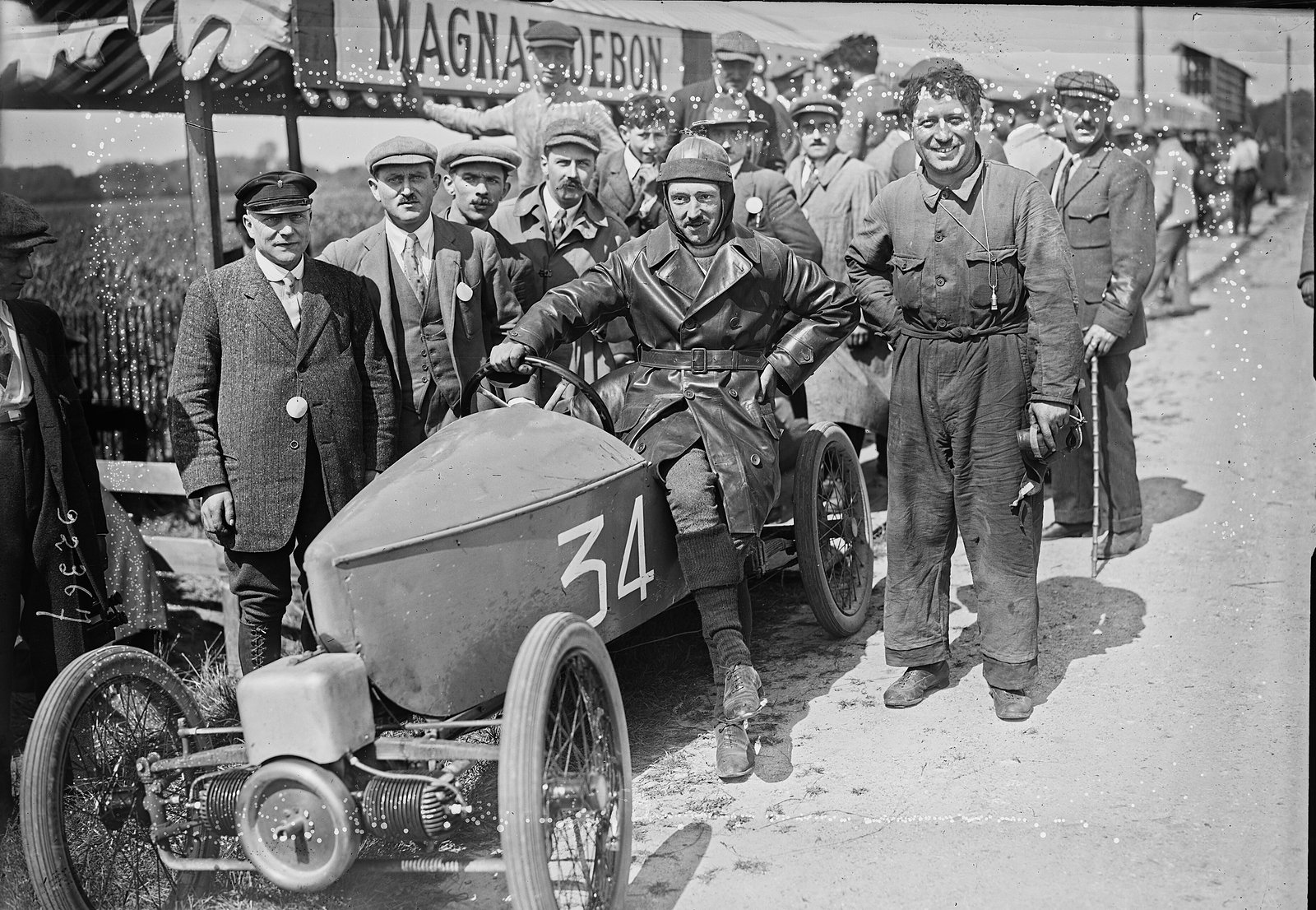
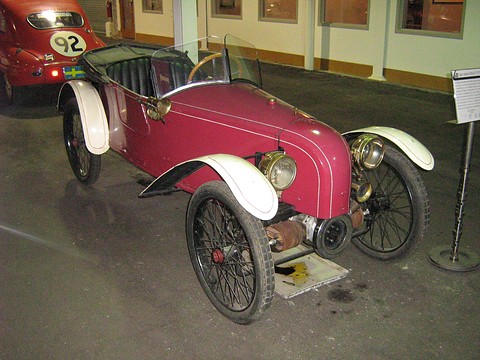
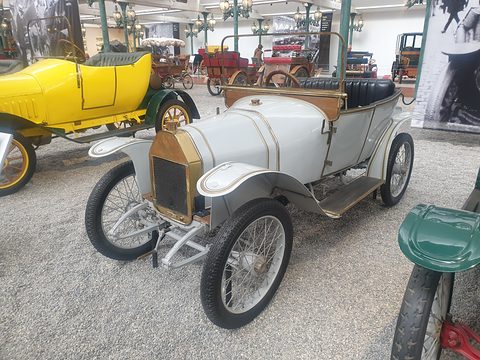
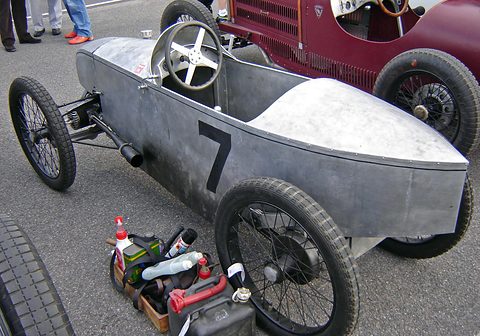
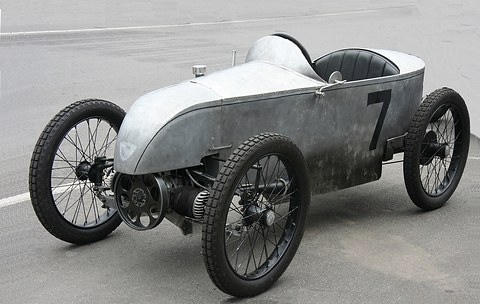
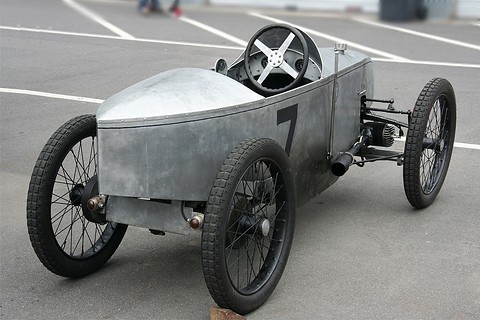
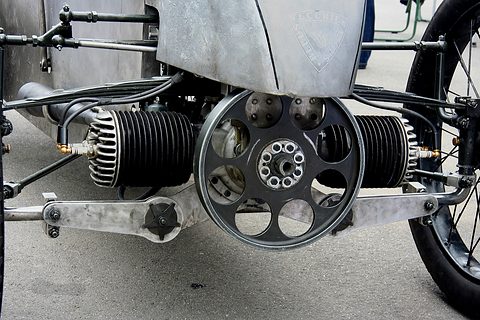
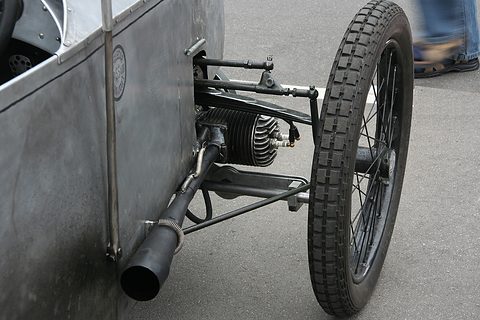
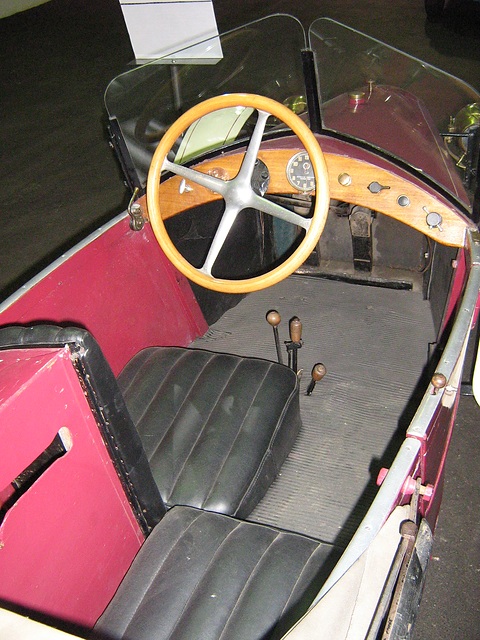
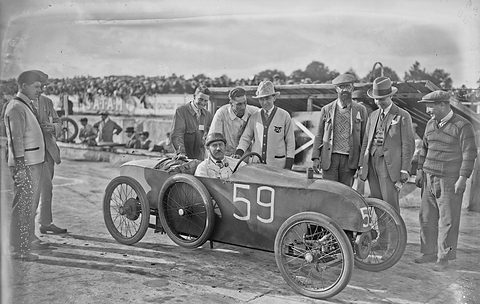
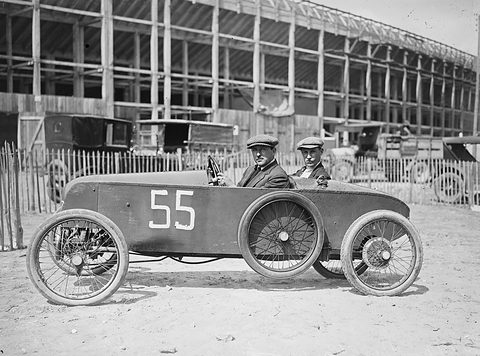
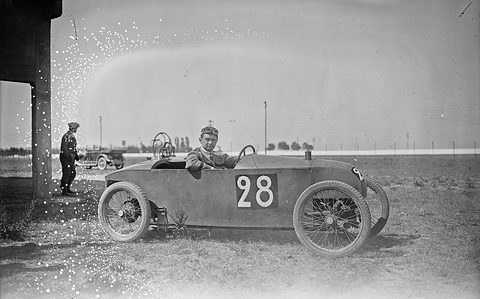
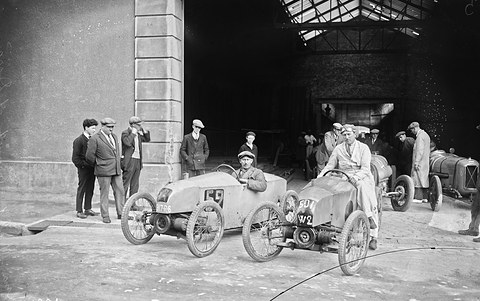
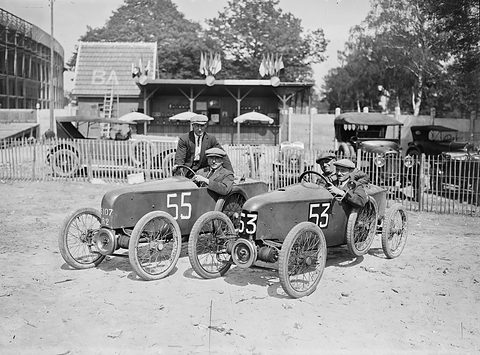
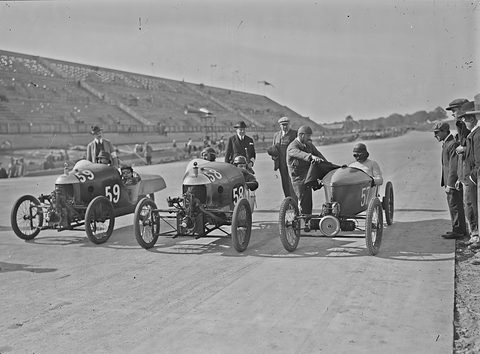
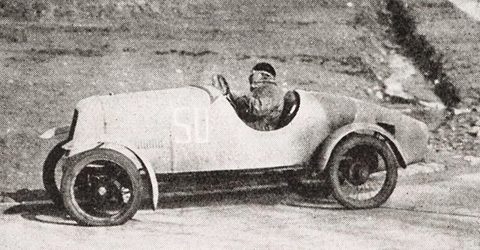
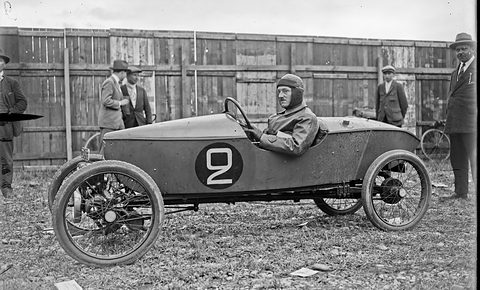
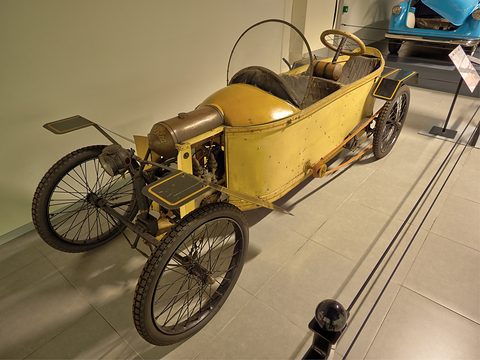
The car was a cyclecar of Violet’s own kind. Its engine was his air-cooled two-stroke flat twin of 497 cc, mounted at the front with its cylinders standing in the airstream to cool them; a two-speed gearbox built into the rear axle took its power to the back wheels.source 2source 3 The chassis was a central tube, a backbone, and the two-seat body was made of plywood, more streamlined than the cyclecars before it.source 2 The front axle hung on a transverse leaf spring with friction dampers, and only the rear wheels had brakes.source 3 The Lane museum gives 8 hp and a top speed of 72 km/h (45 mph); German Wikipedia gives 10 PS, and a speed of 110 km/h that was probably reached by a racing car.source 2source 3 A Polish magazine, Auto, described the car on 20 September 1926.source 3
The 1926 season
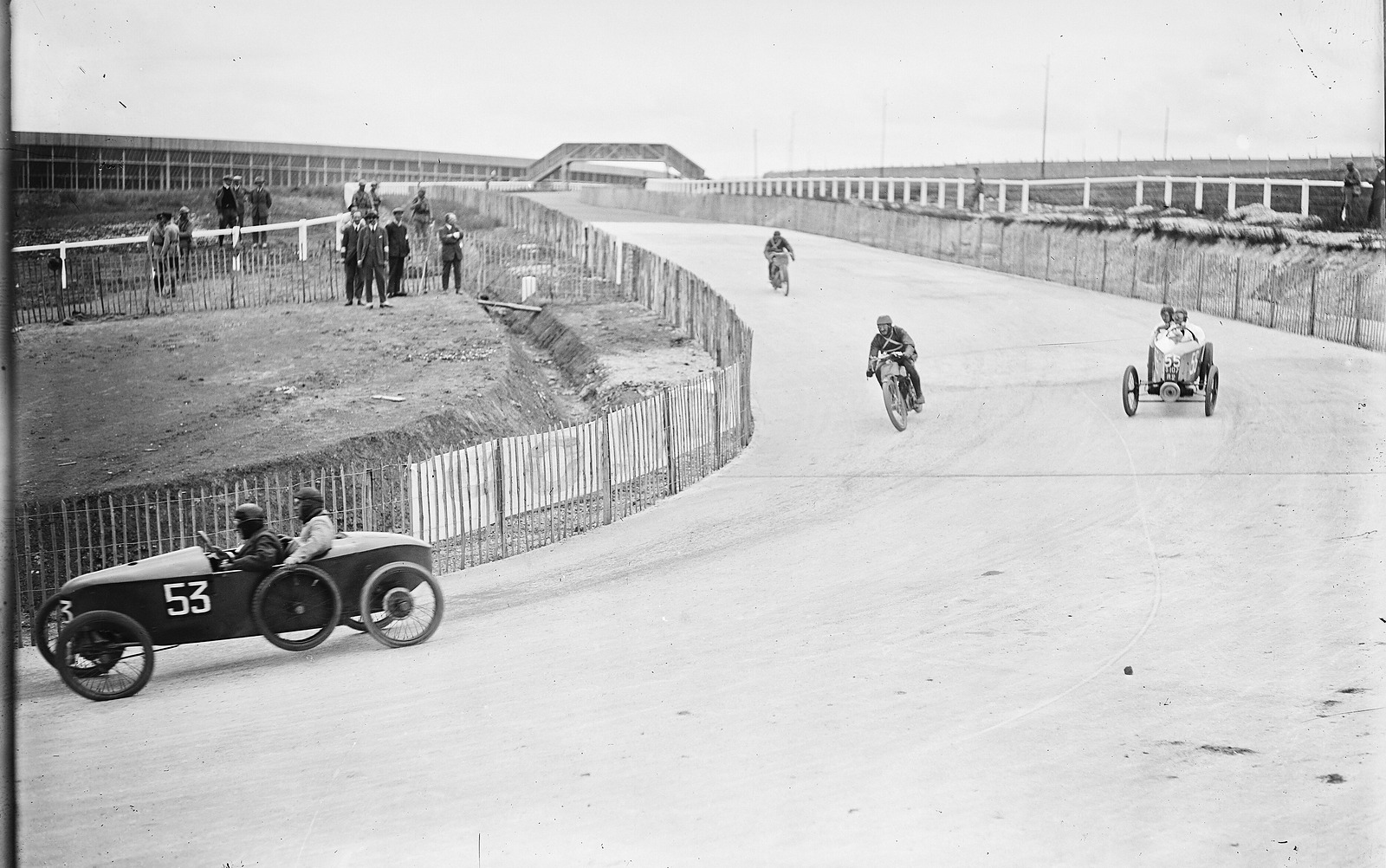
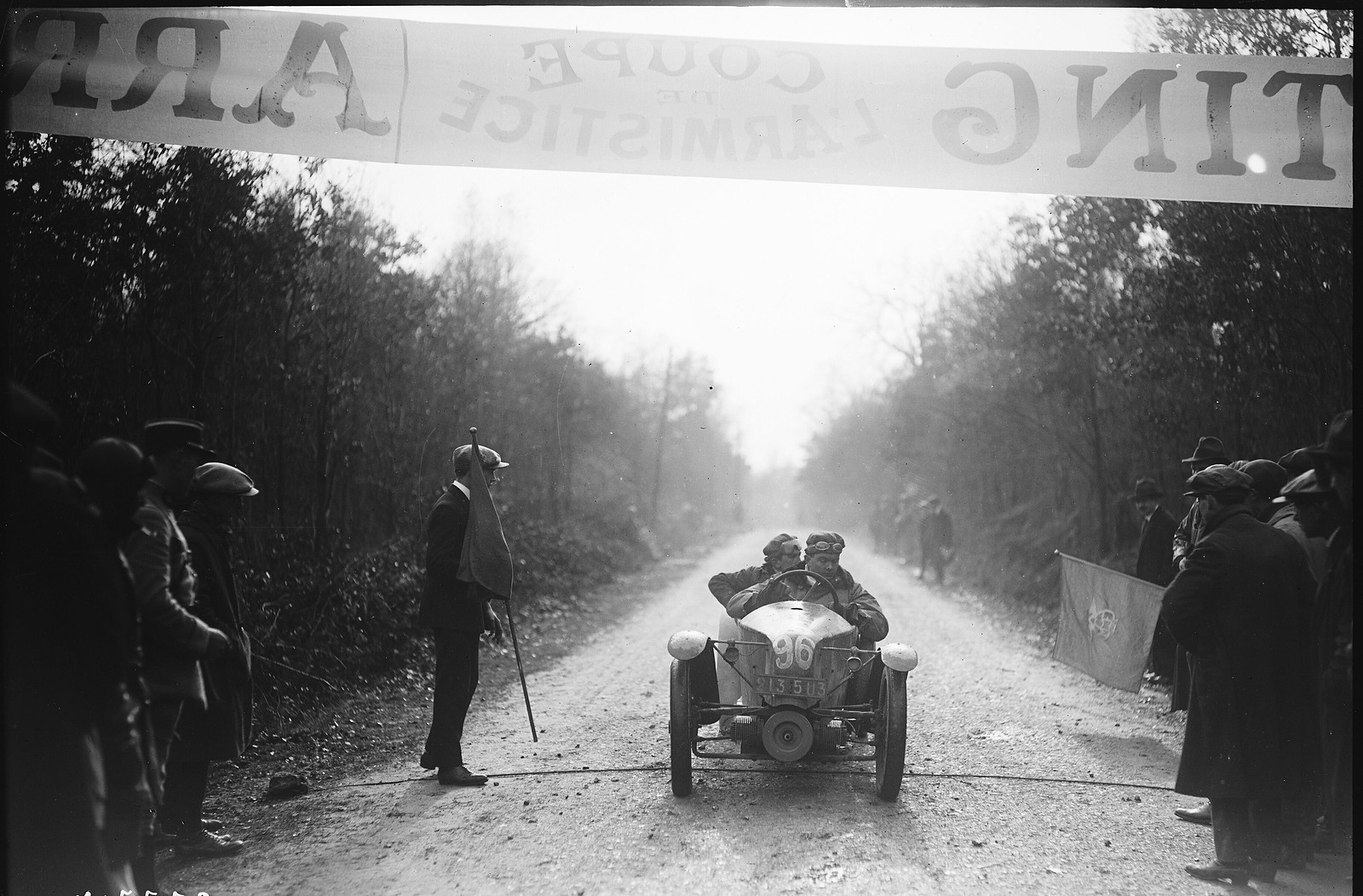
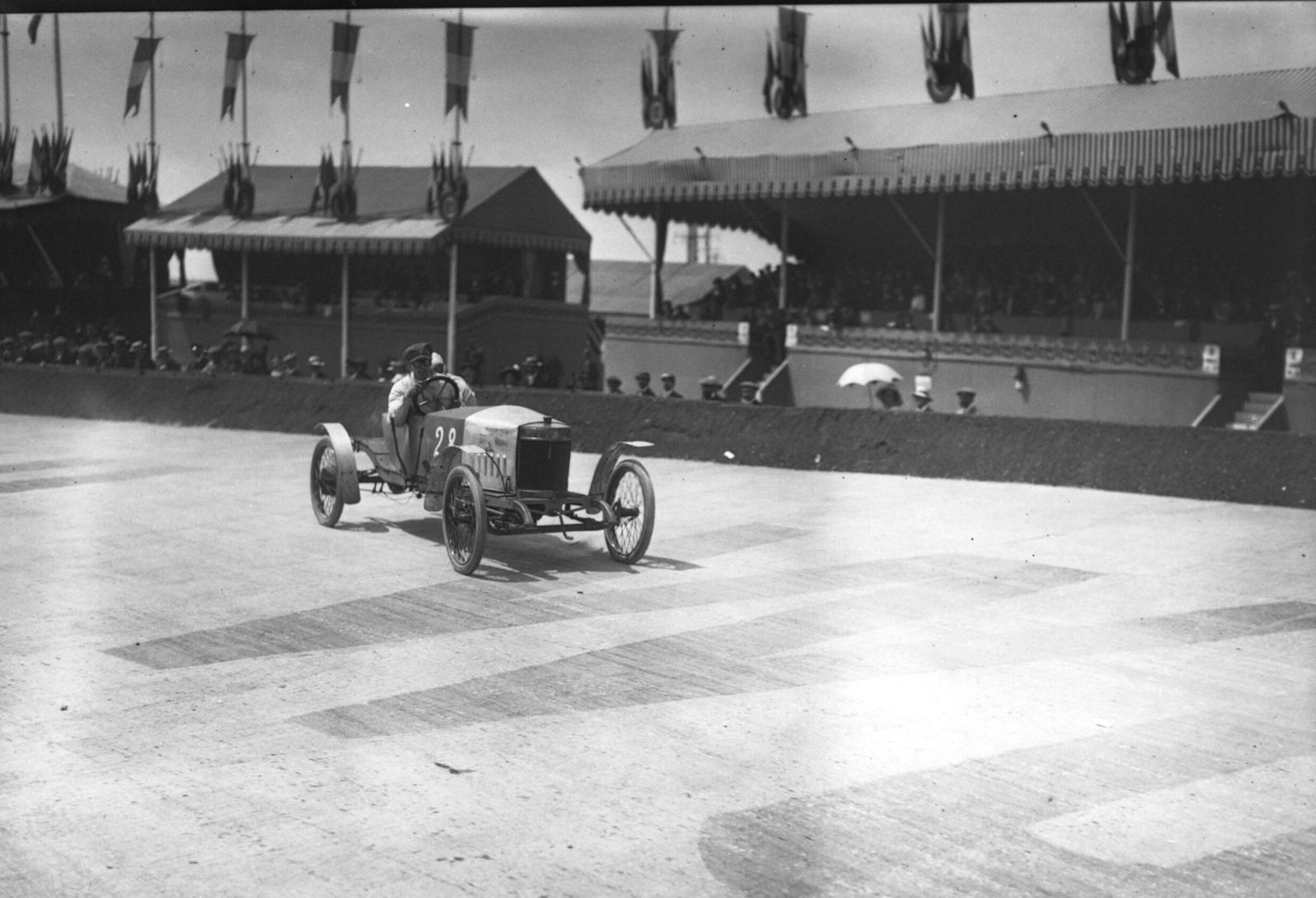
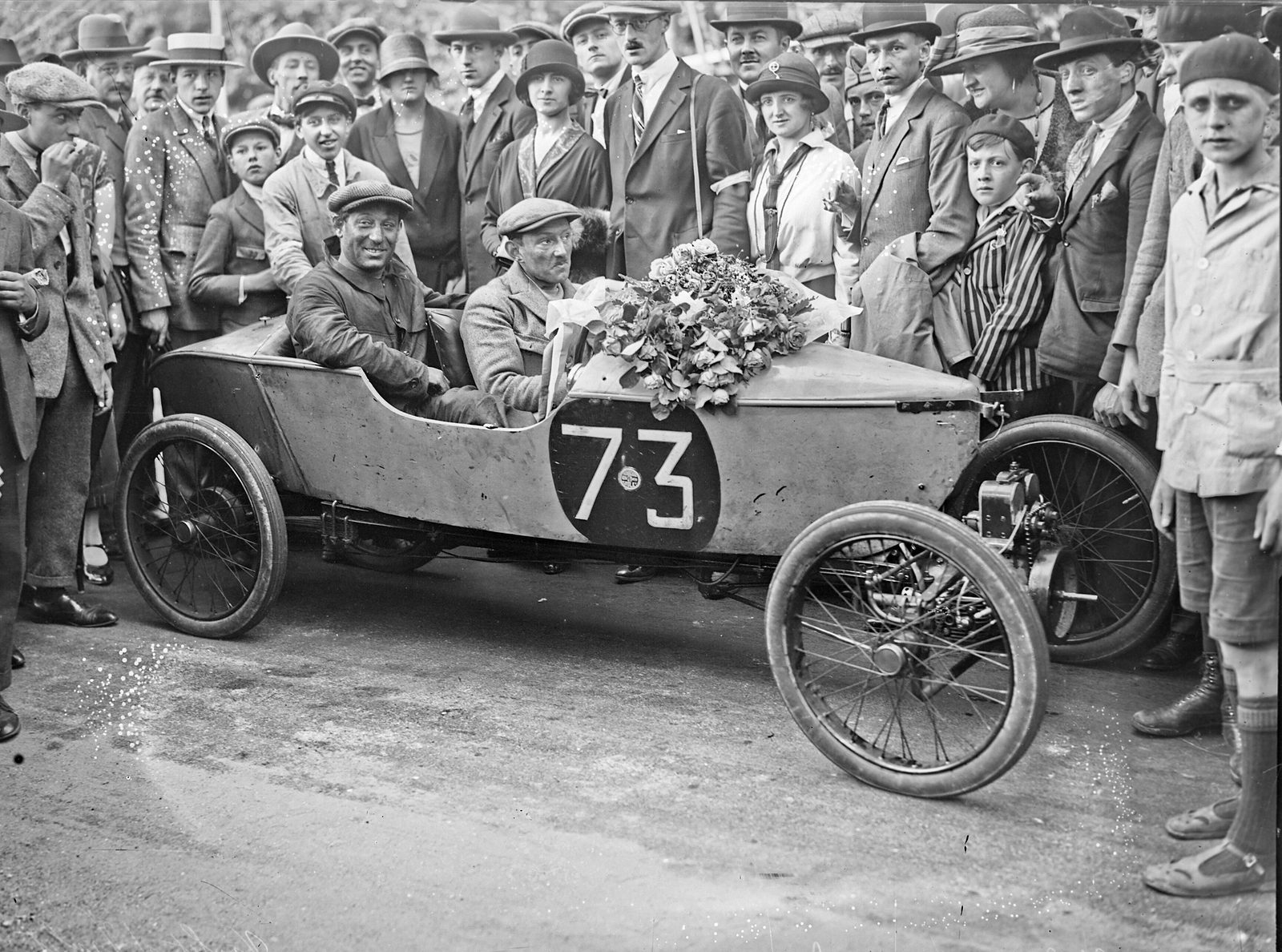
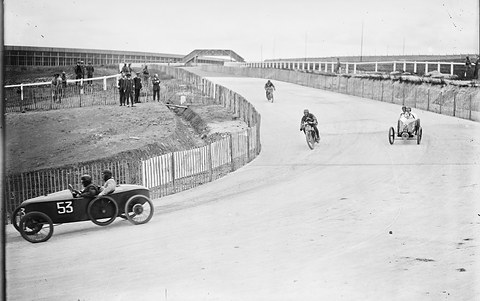
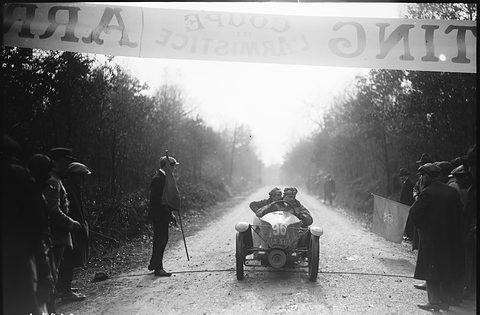
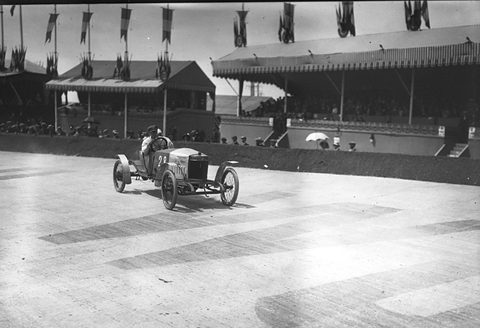
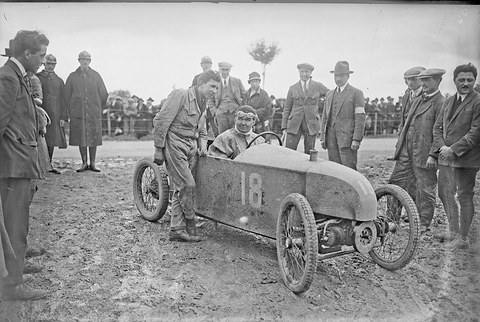
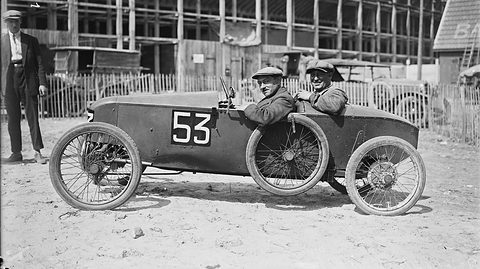
The cars raced, and 1926 was their year (more on our page of racing and rallying). It began badly. At the first Grand Prix d’Alsace, at Strasbourg on 30 May, Stanton and Maurice Benoist both failed to finish.source 4 At Miramas on 27 June, three Sima-Violet Grand Prix cars, Violet’s among them, were entered for the Grand Prix of the ACF and listed as not ready. In the cyclecar race the same day, though, Jack Enders won the 500 cc class, 32 laps in 2 h 17 min 36 s, and Stanton was second, both in Sima-Violets.source 1source 4 Four were entered for the European Grand Prix in July, and none appeared.source 4
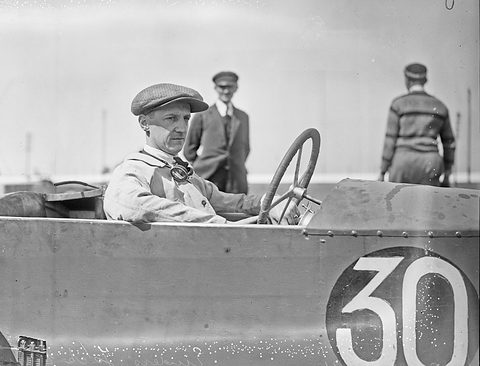
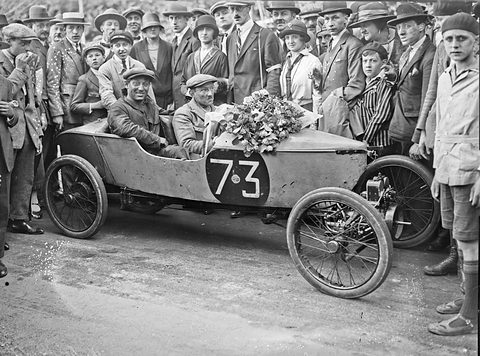
At the Grand Prix de la Marne, at Reims on 25 July, Violet was seventh overall and the first cyclecar home.source 1source 4 Then, at the Boulogne Grand Prix on 27 August, he finished third overall in 4 h 32 min 10 s, behind George Eyston’s Bugatti and Jourdan’s Salmson, with Choteau, Maurice Benoist and Stanton seventh, eighth and ninth in Sima-Violets.source 2source 1source 4 The Lane museum says the third place was taken in the 1.5-litre two-stroke flat four that Violet had built for Grand Prix racing.source 2 In 1927 he won the 750 cc class of the Bol d’Or in a Leroy-Violet, and his cars were still finishing in the late 1920s, Choteau seventh at Boulogne in 1928.source 1
After Sima
Production ended in 1929, and the firm was taken over by Sima-Standard.source 3 No source gives a production figure. Violet went on at once: he founded Sylla, later Galba, in 1929 and the Huascar in October 1930, and won the 1931 Bol d’Or outright on a Huascar. He designed the two-stroke twins for the Deguingand 5 CV of 1928 and the Vinot-Deguingand 4 CV, and the engine of the Simca Sevitame motorcycle in 1935.source 1