The story
History
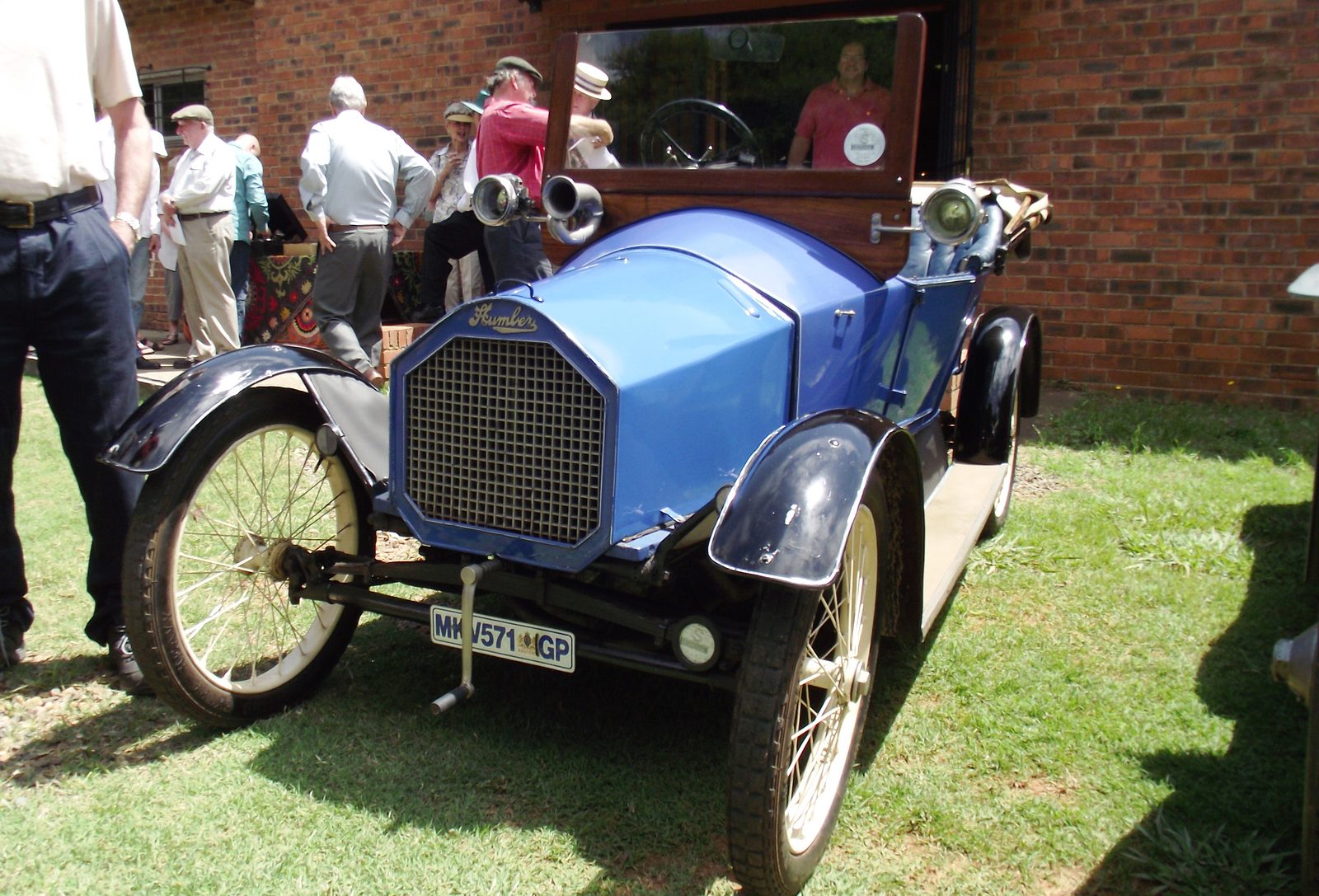
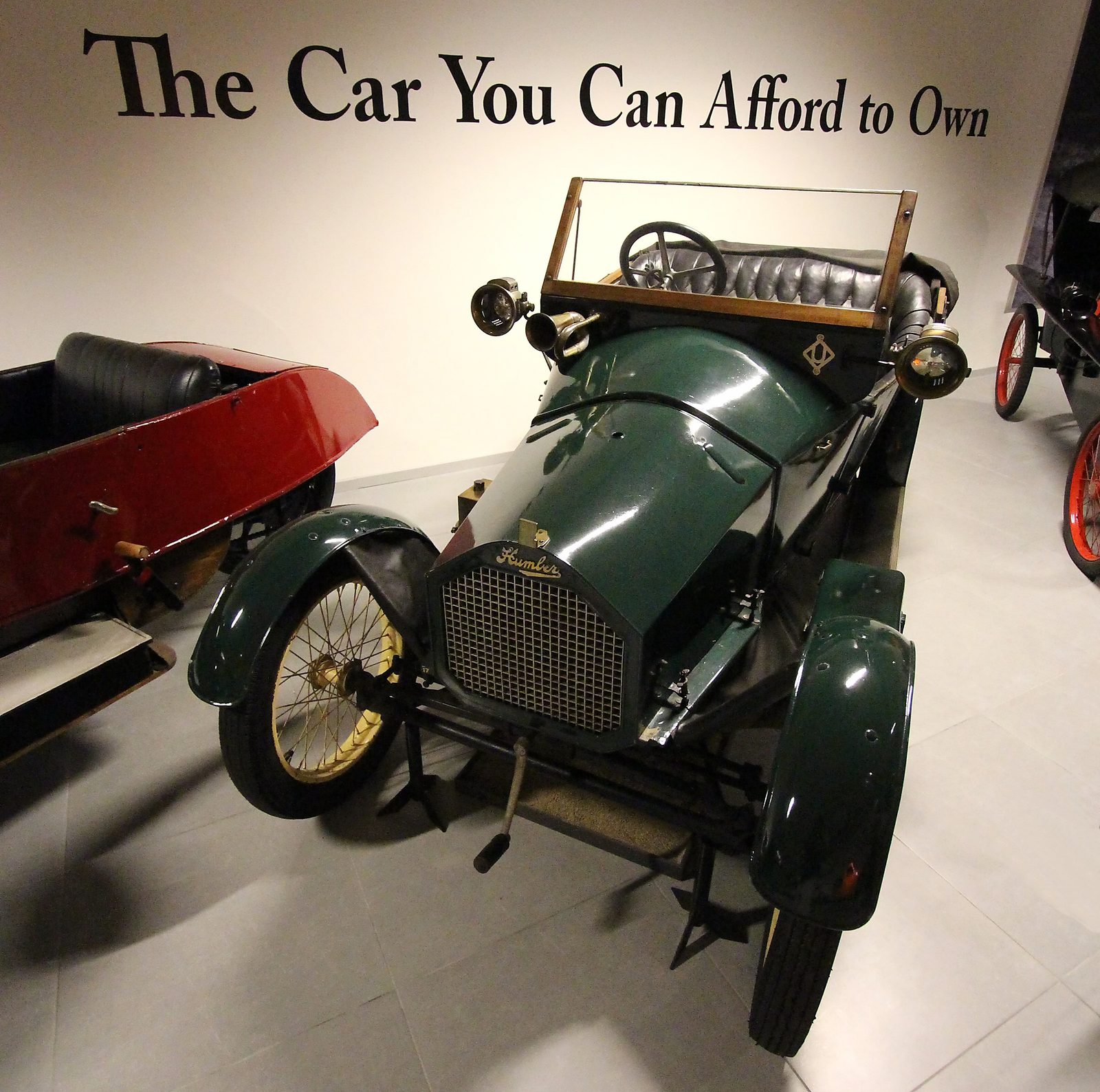
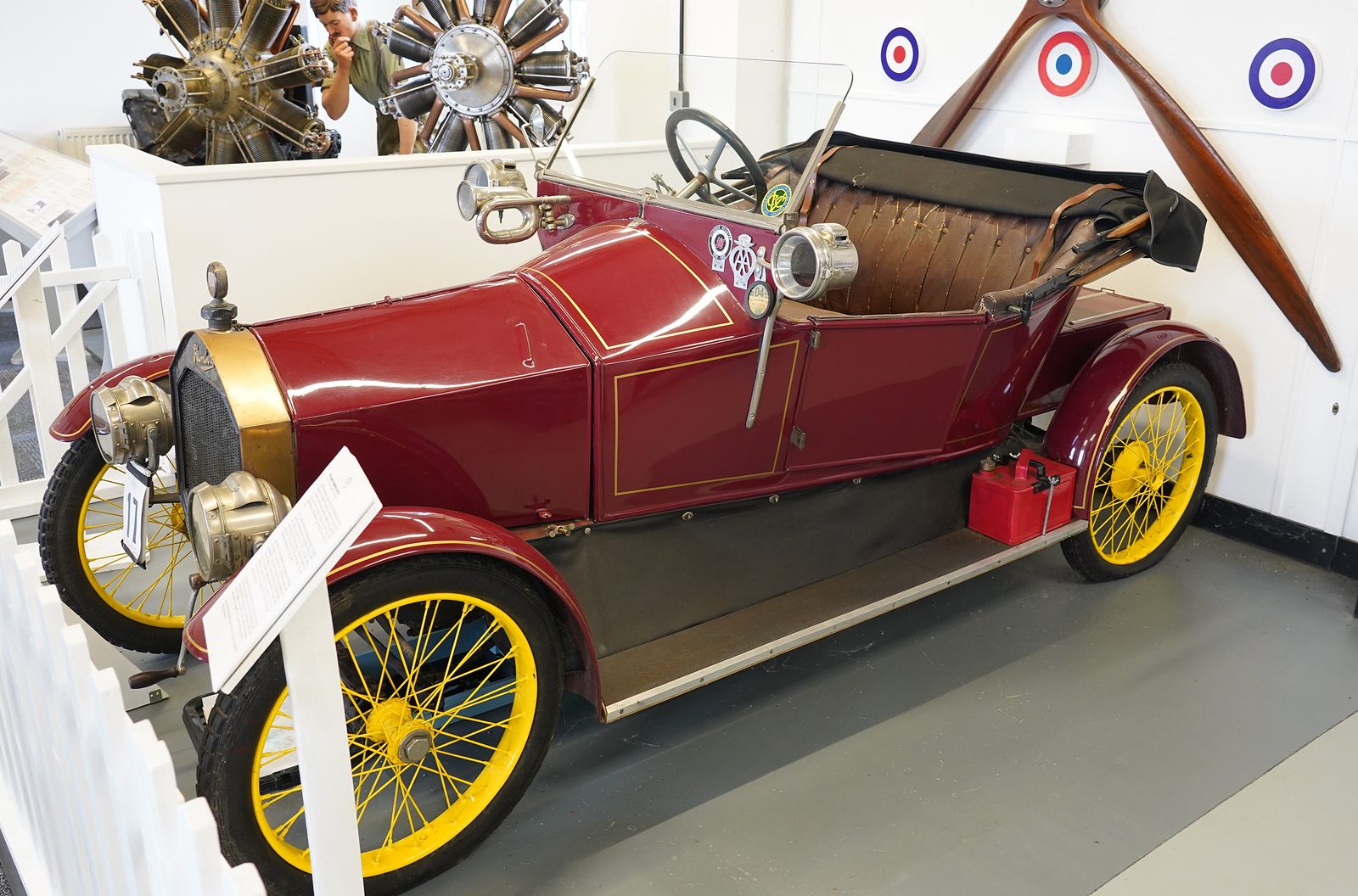
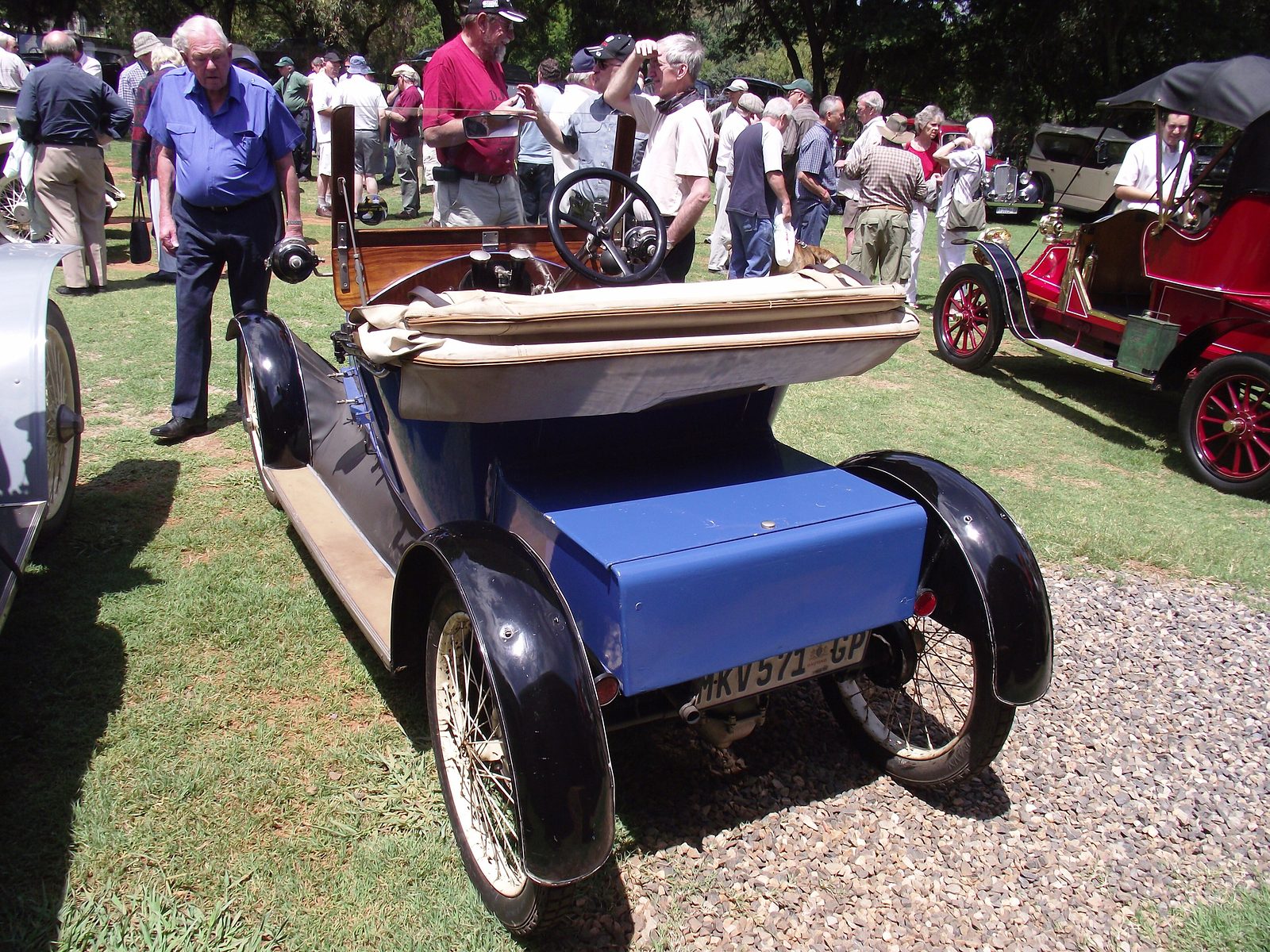
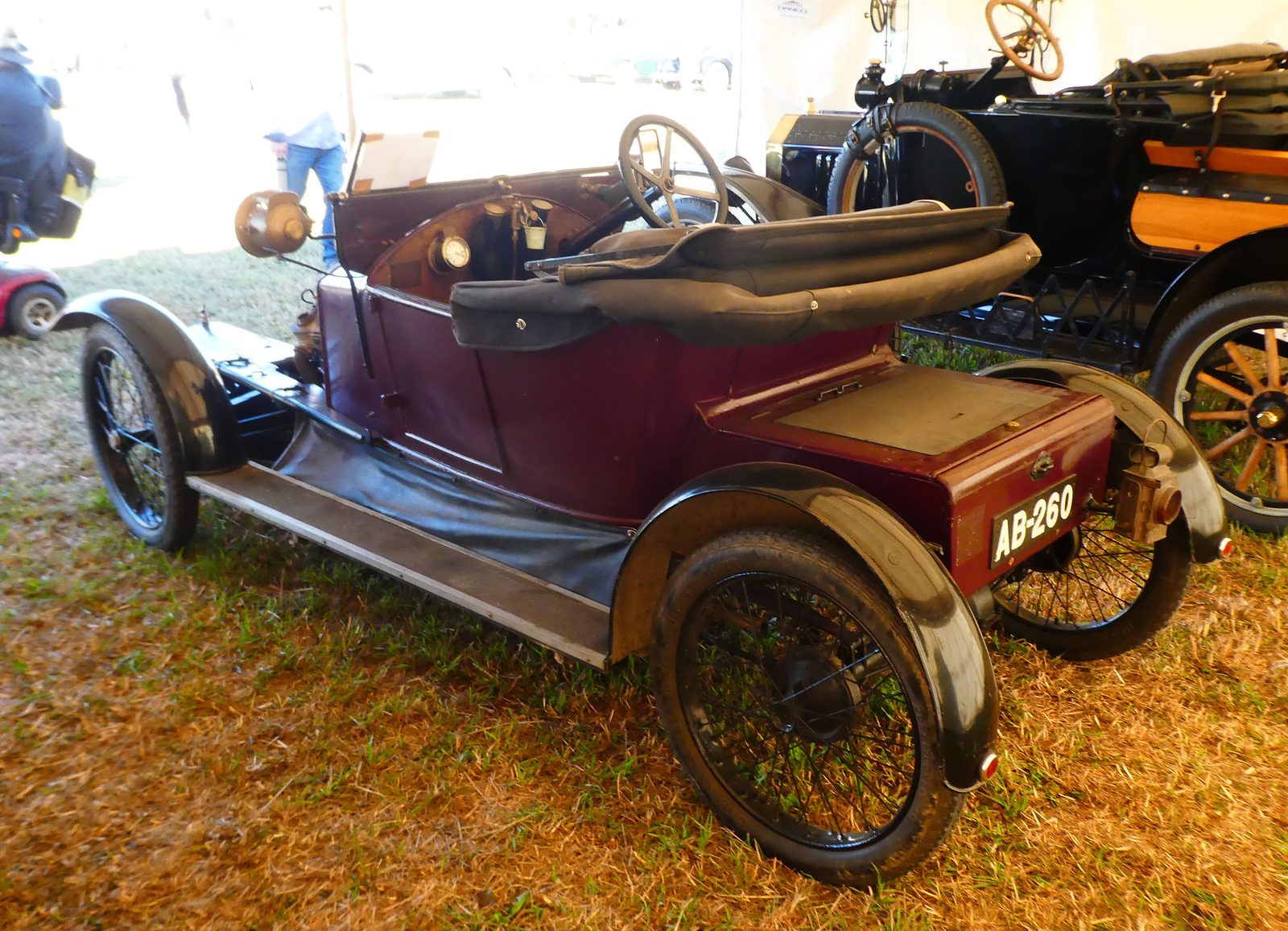
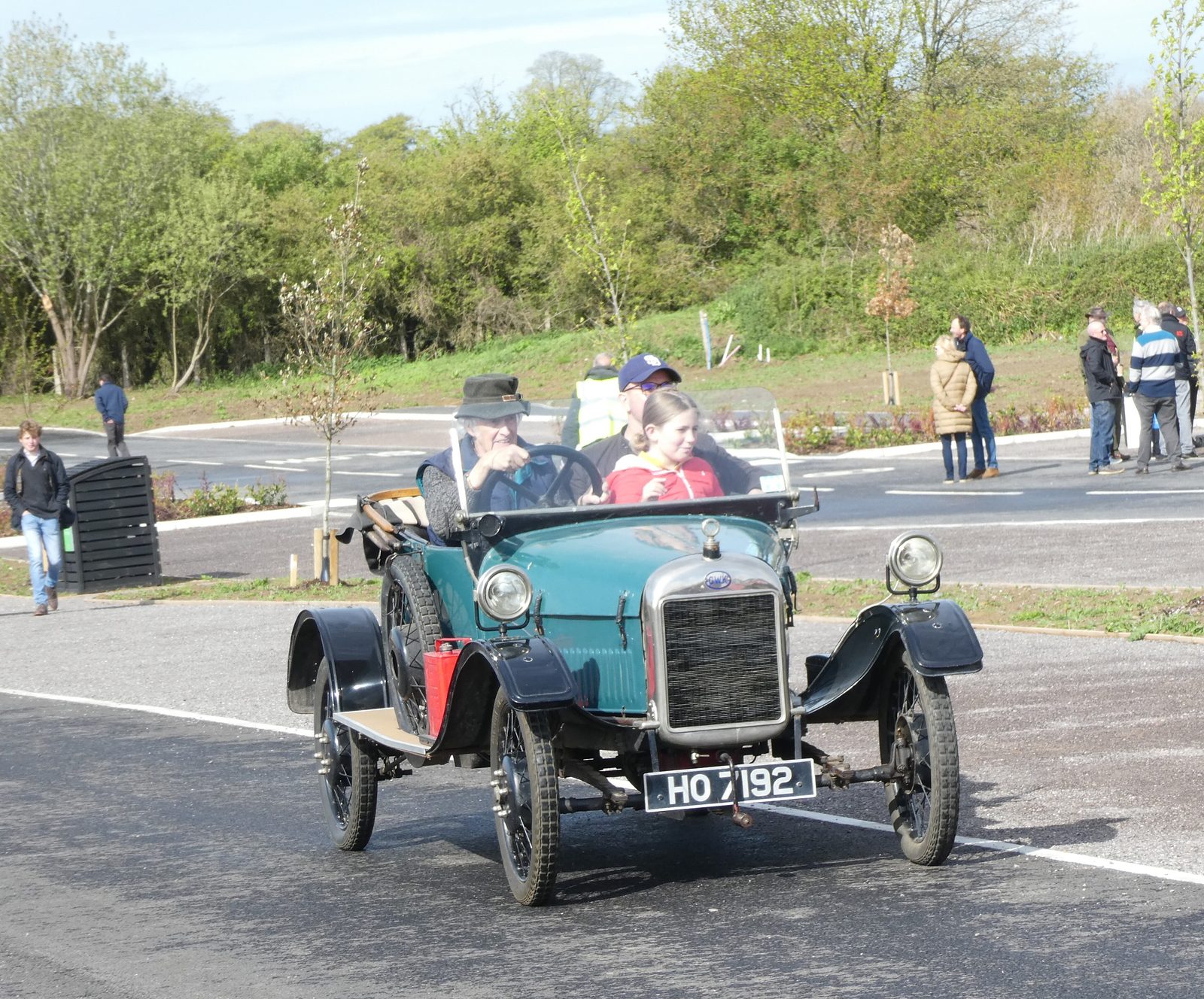
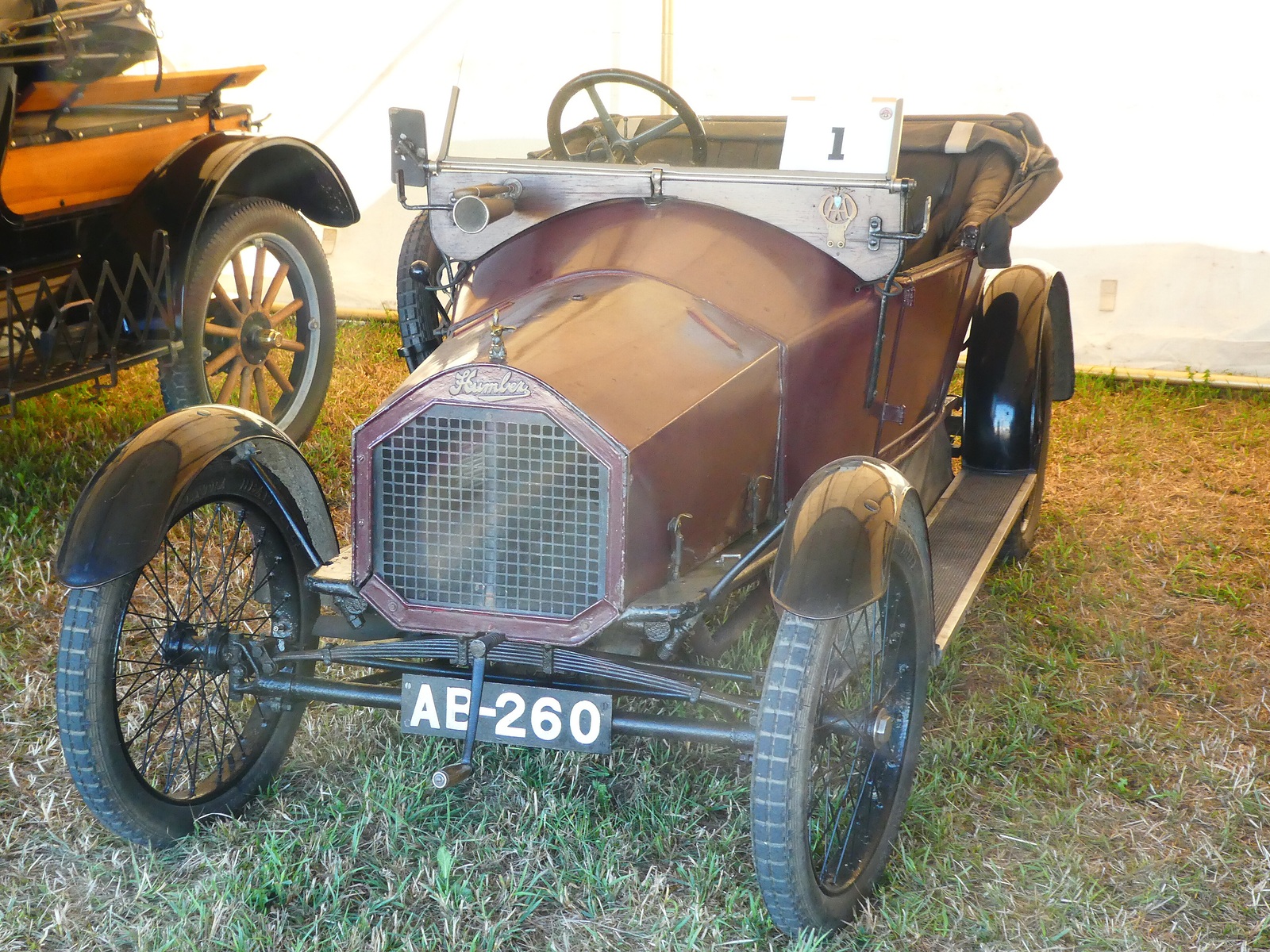
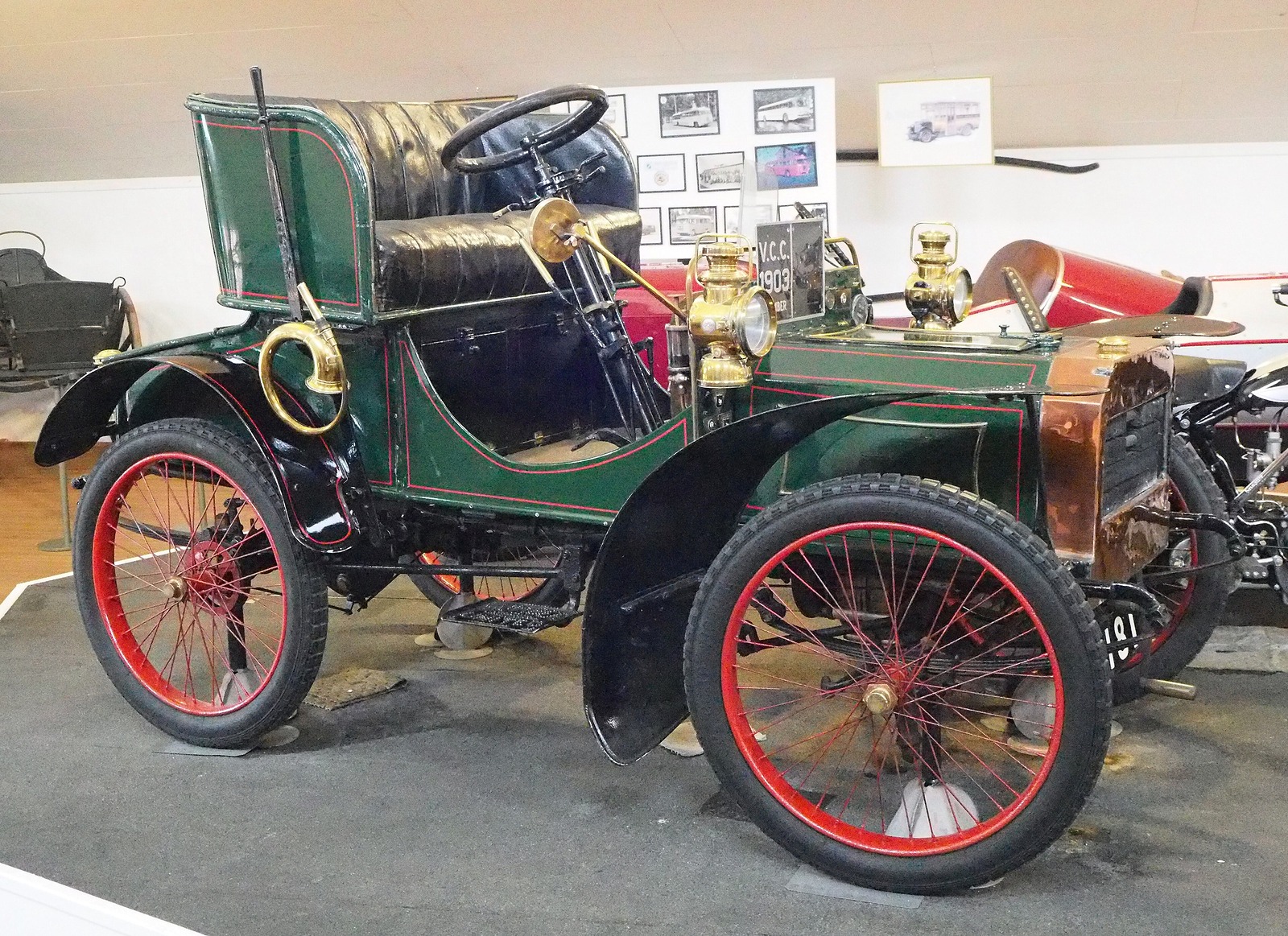
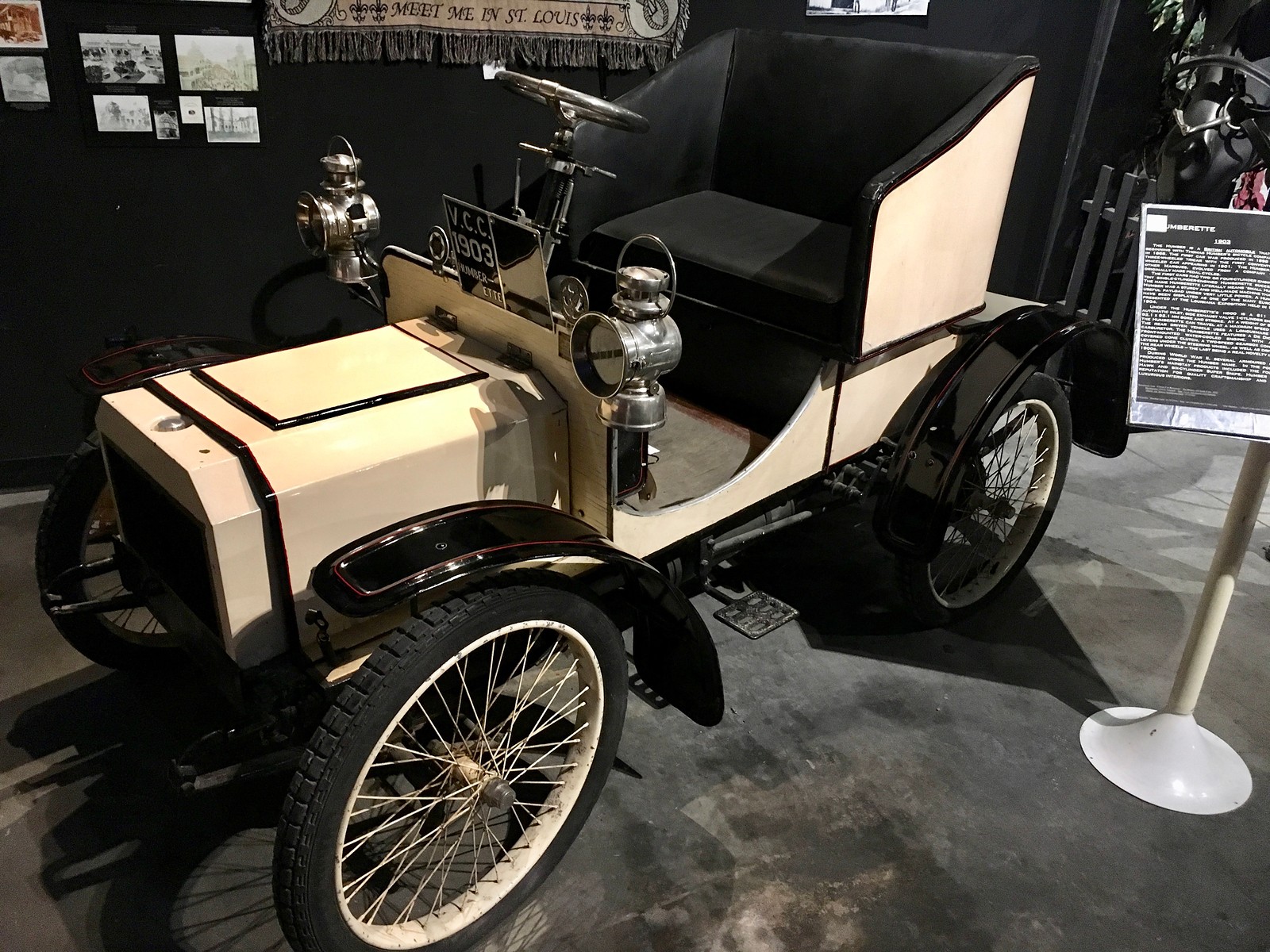
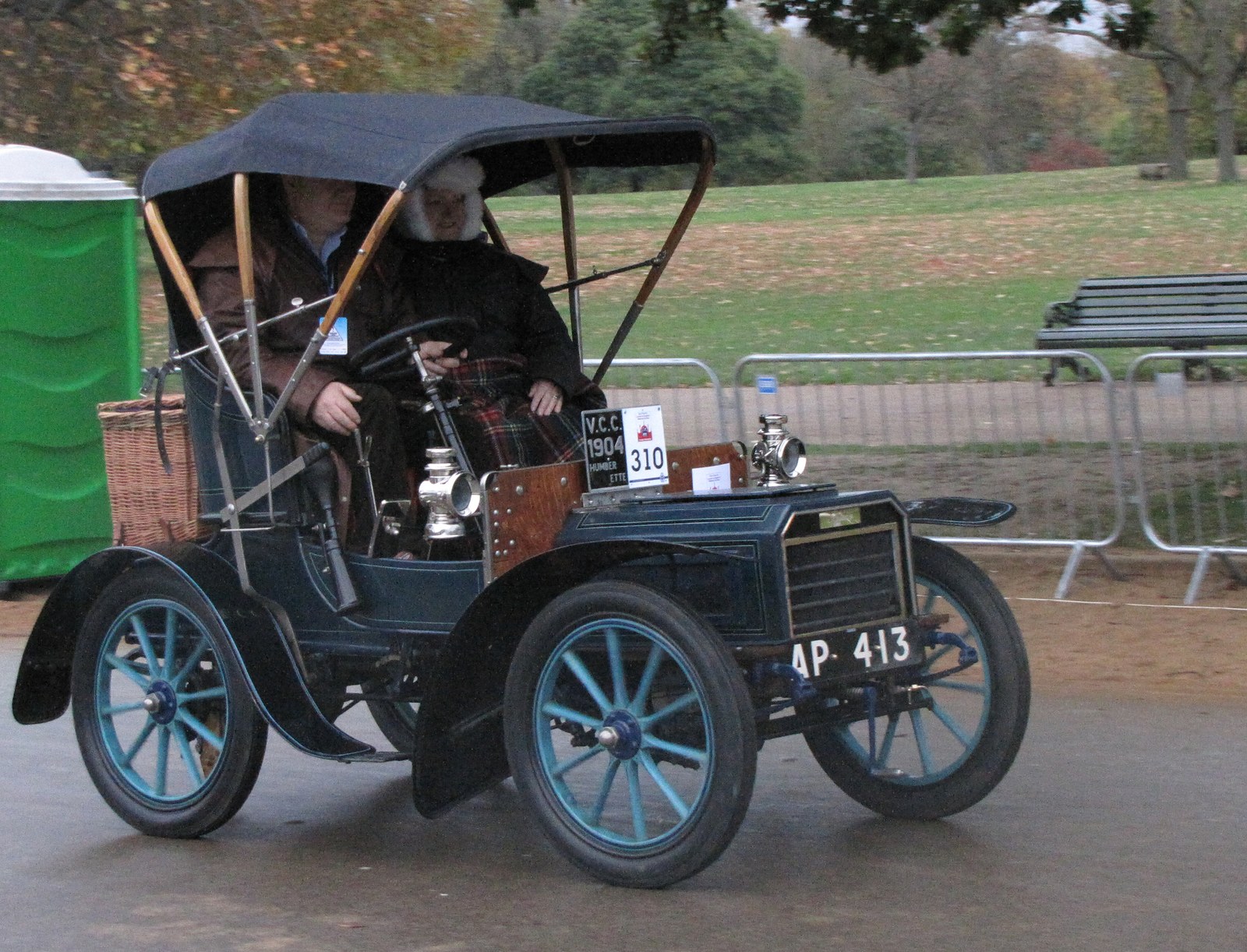
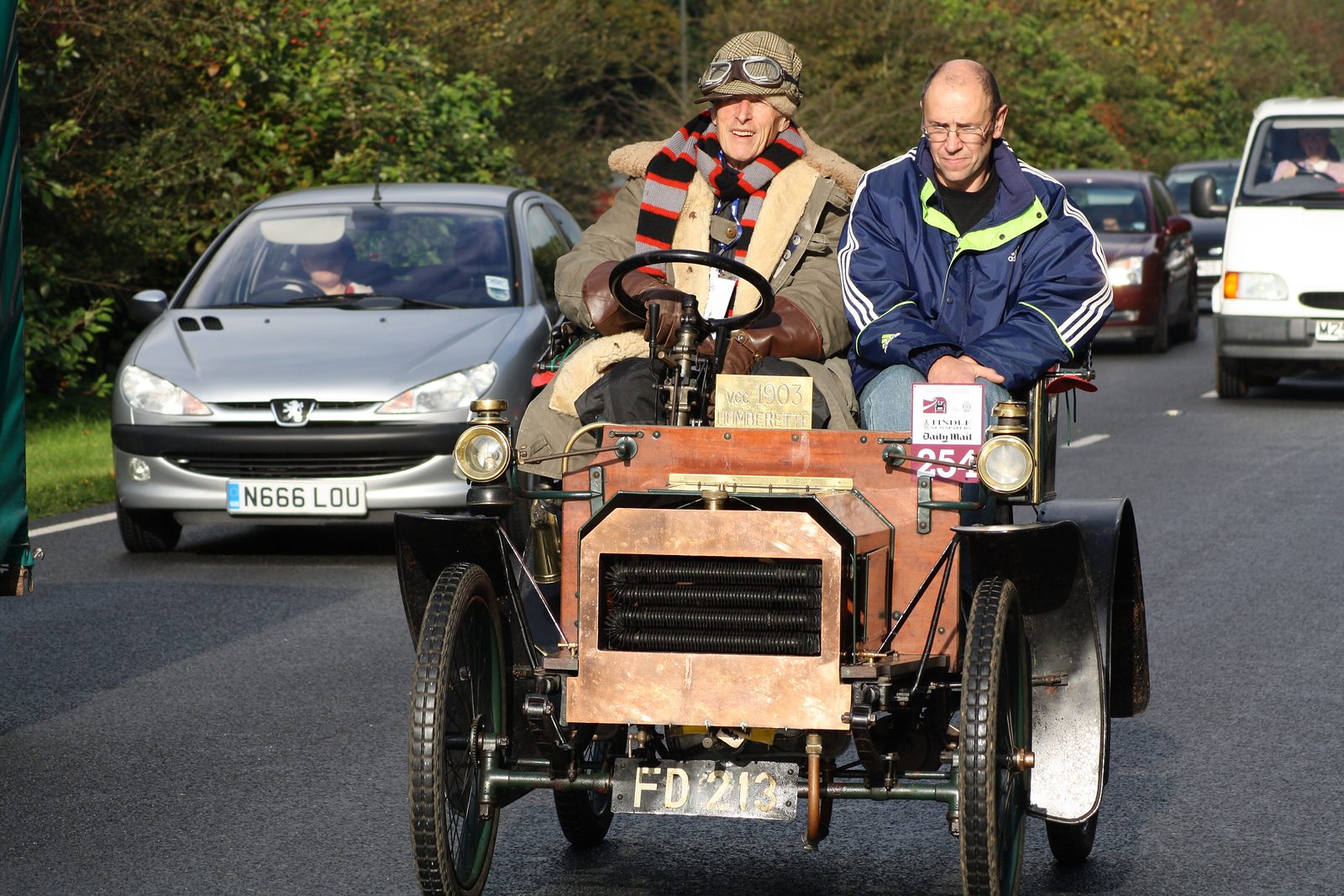
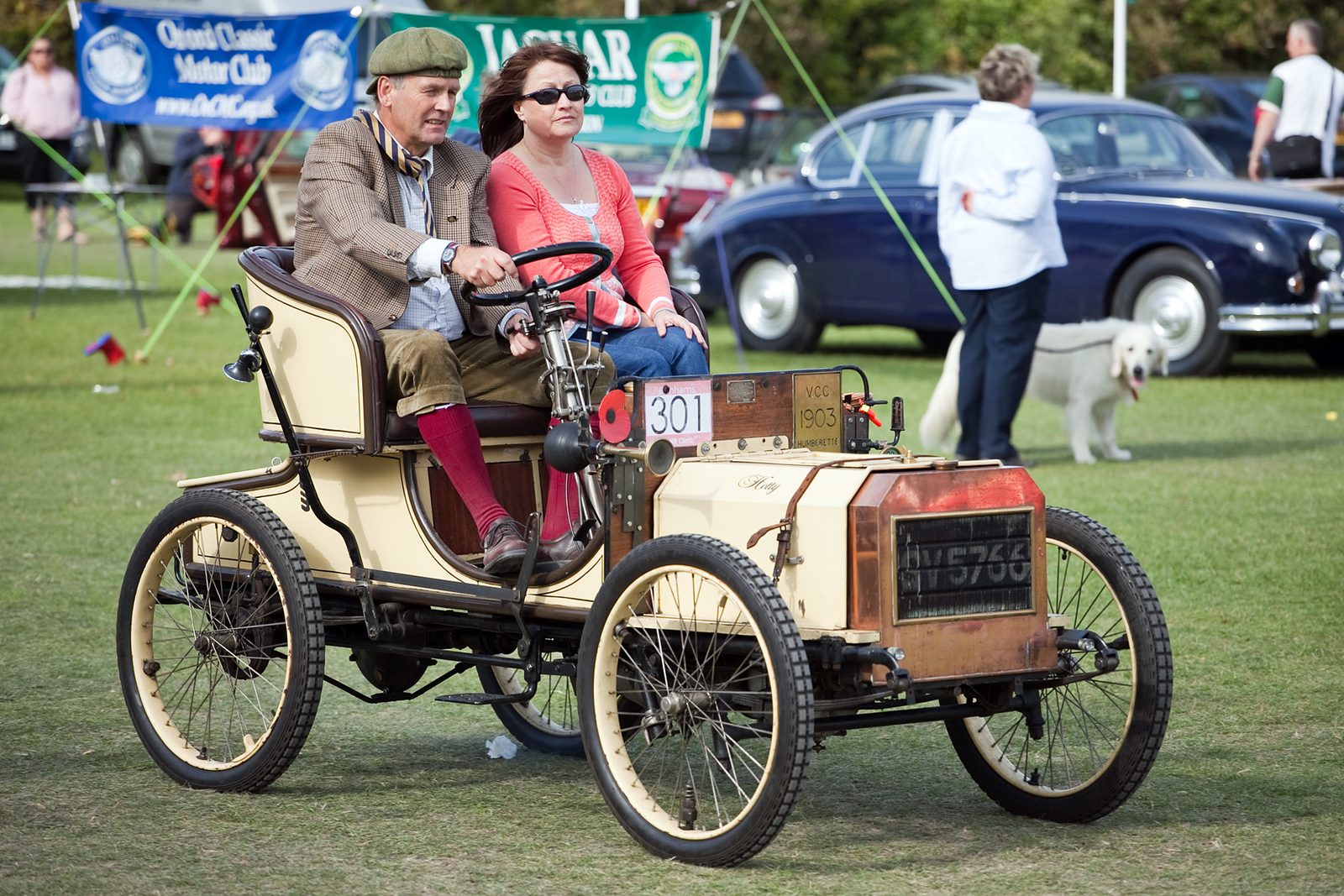
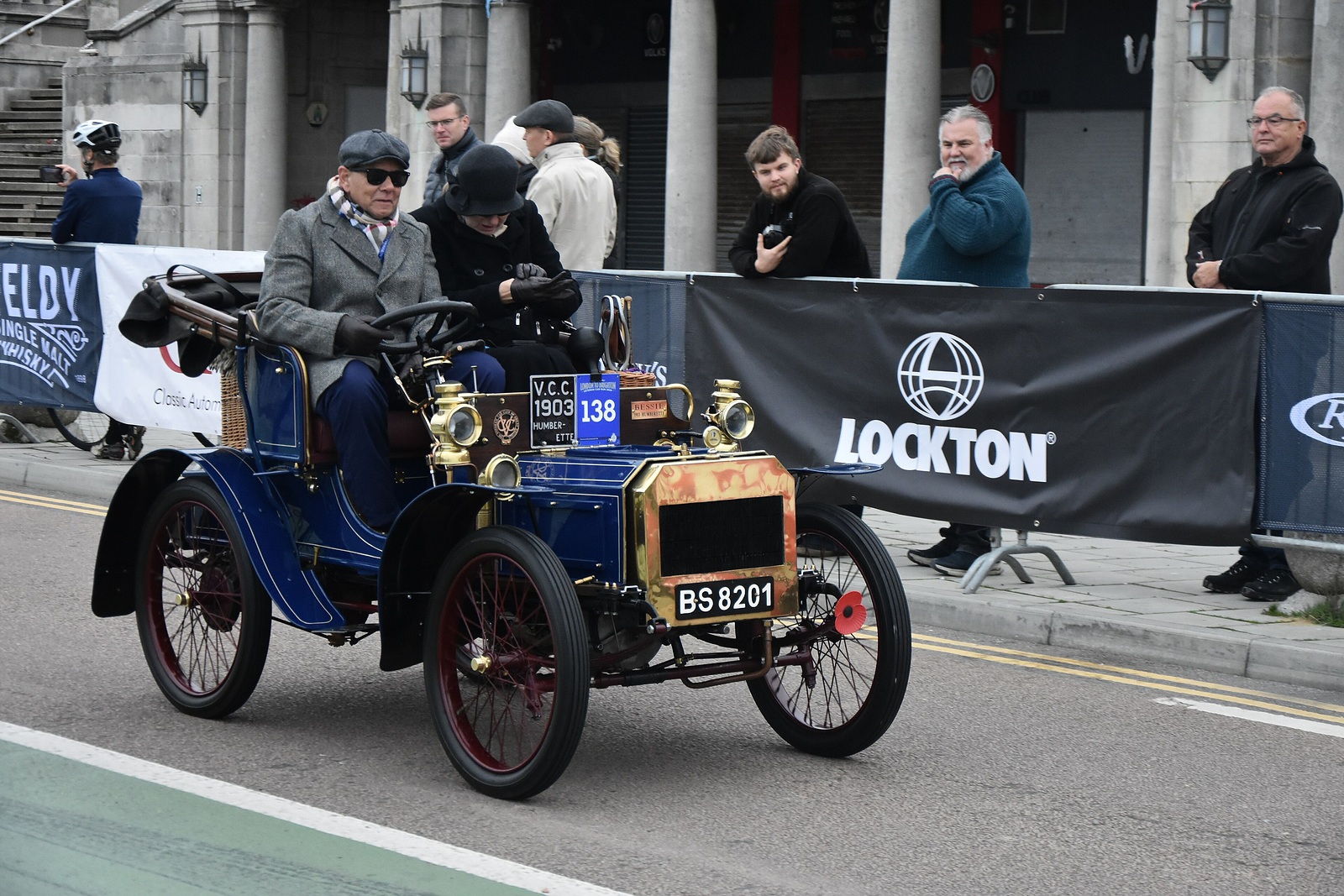
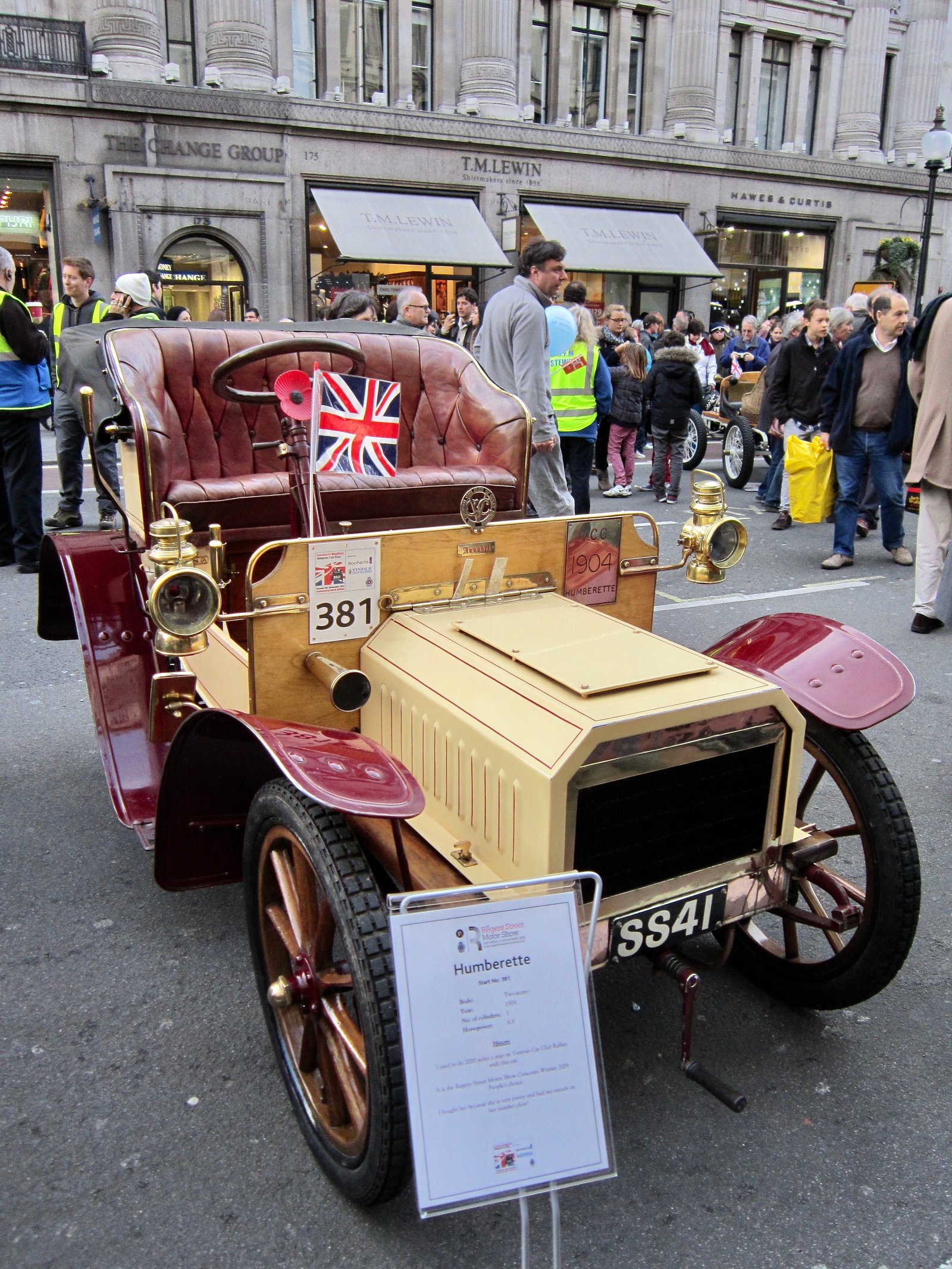
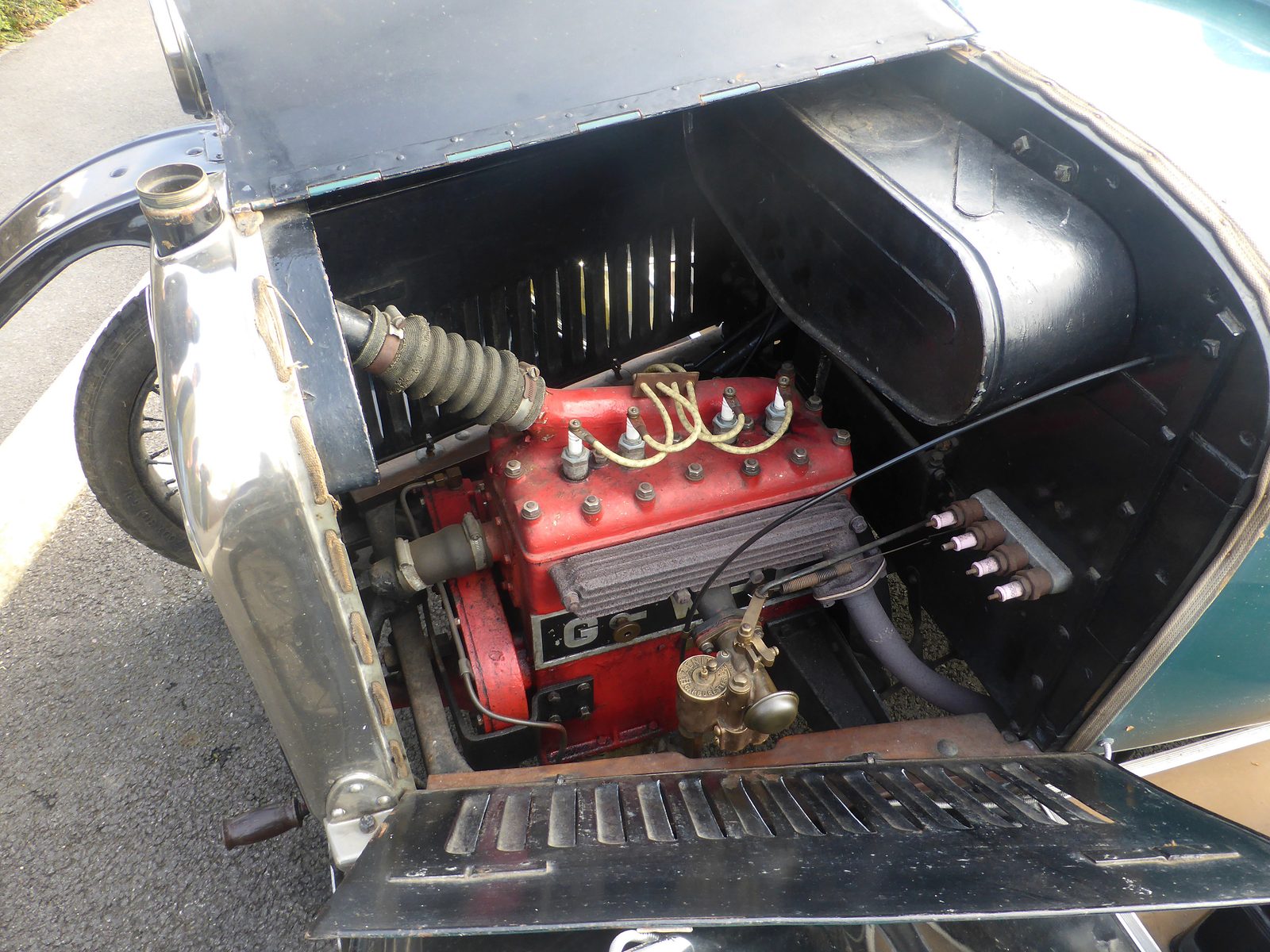
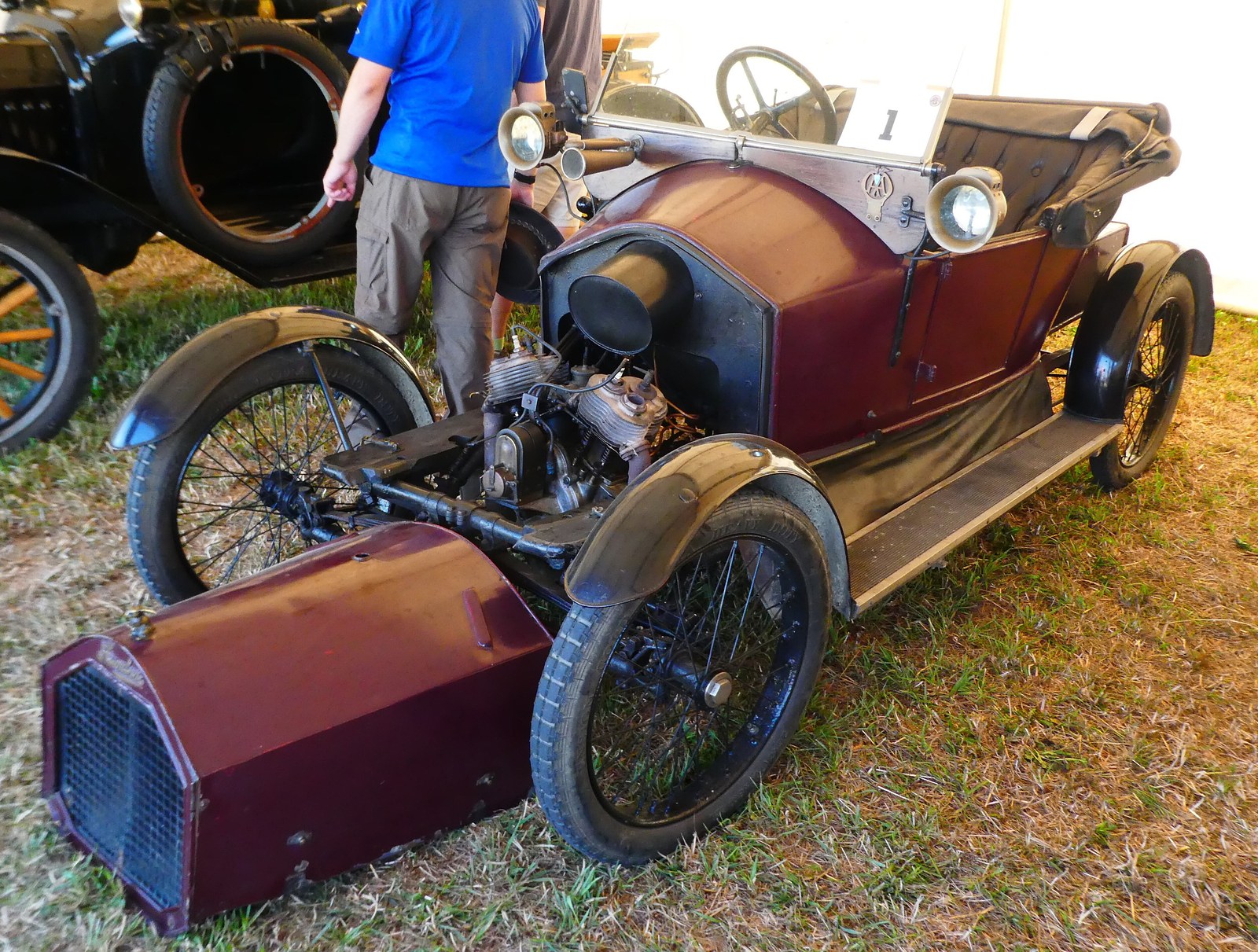
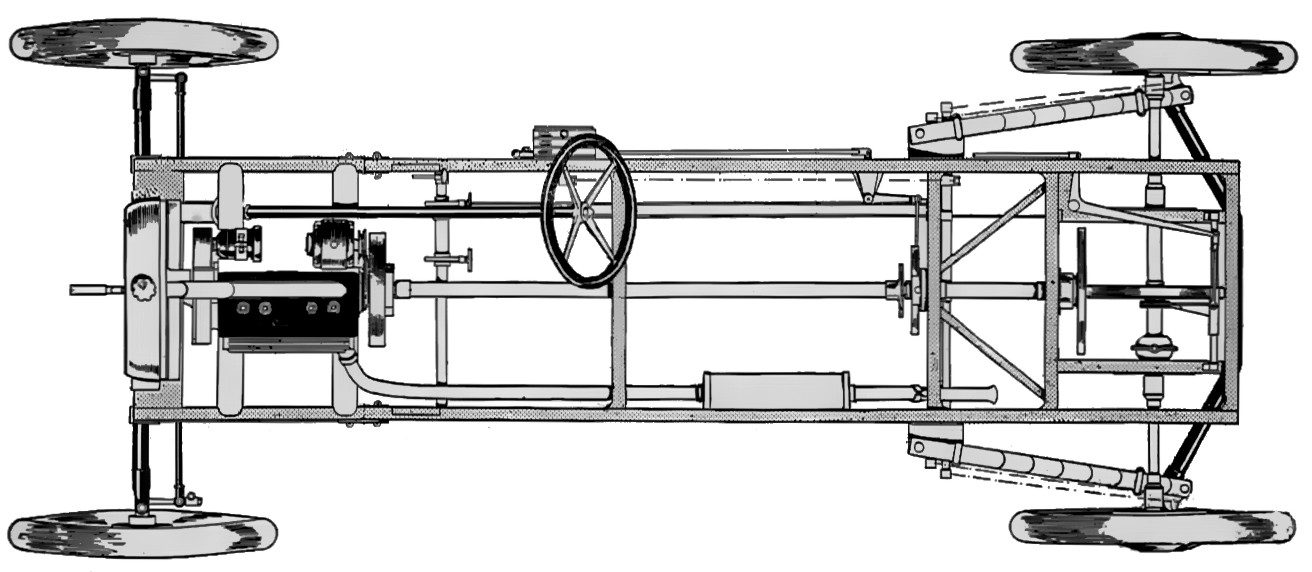
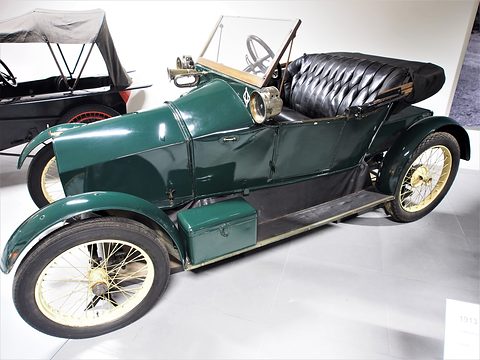
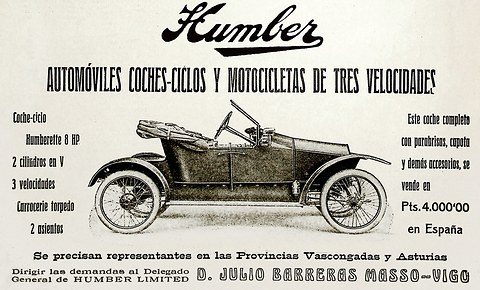
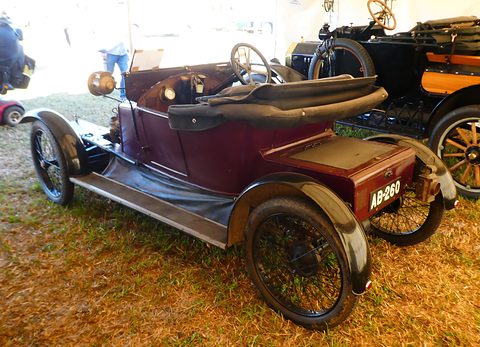
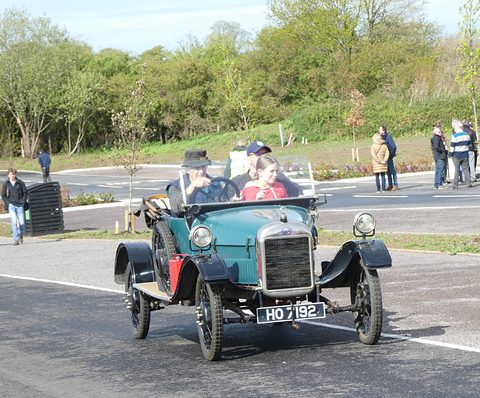
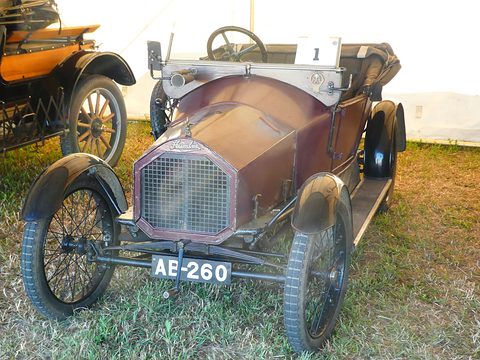
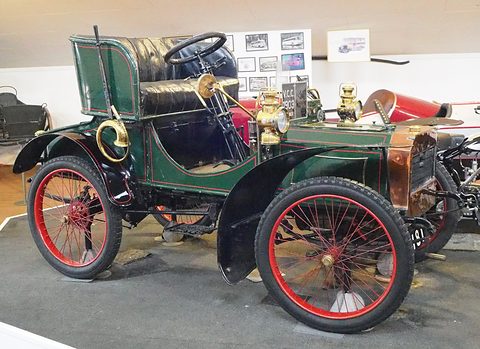
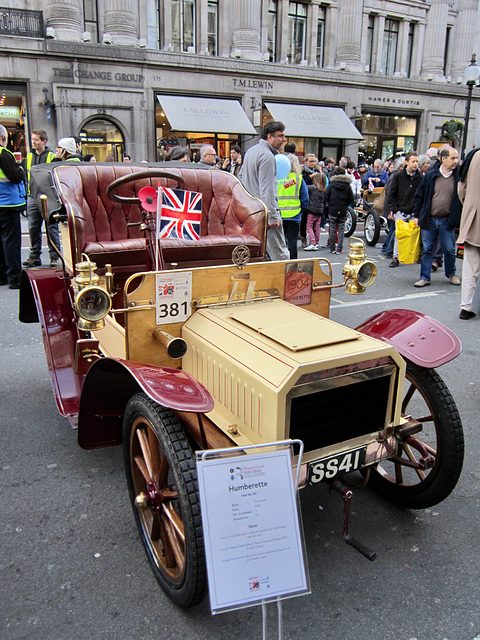
The first issue of The Cyclecar came out on 27 November 1912 and surveyed the cyclecars at the Motor Cycle and Cycle Car Show at Olympia. Its first editorial was titled “Rapid but sound progress”, and its list of the cyclecars at the show ran to about 33 makers, from Mead and Deakin, Rudge and Duo to Humberette, G.W.K., Singer, Morgan, the French Bédélia and the AC Sociable.source 1 Most of the engines were V-twins, with a few singles and a few water-cooled fours; the drive went by belt, chain, shaft or friction; and the driver steered by wheel, tiller or cable and bobbin. Prices ran from the single-seat Rollo at 70 guineas and the three-speed New Hudson sociable at 80 to the Singer at 185 guineas, or 240 with a coupé body.source 1 The claim, often repeated, that Britain had more than a hundred cyclecar makers by 1914 has not been verified; the Olympia list counts about a third of that.source 1
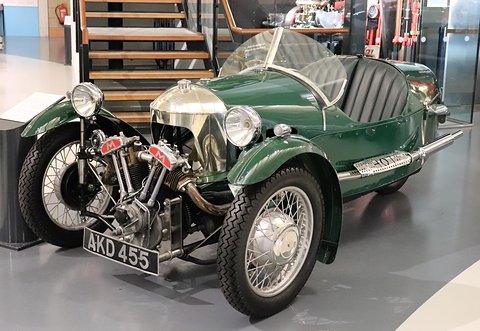
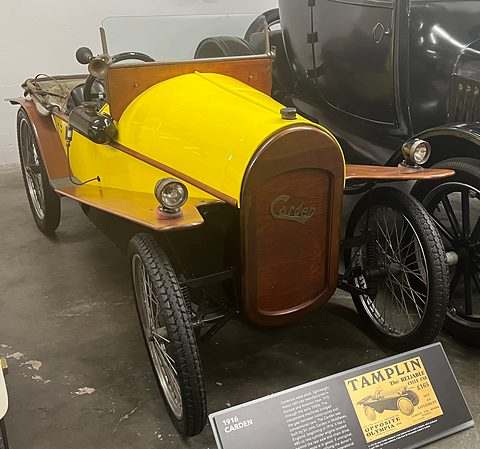
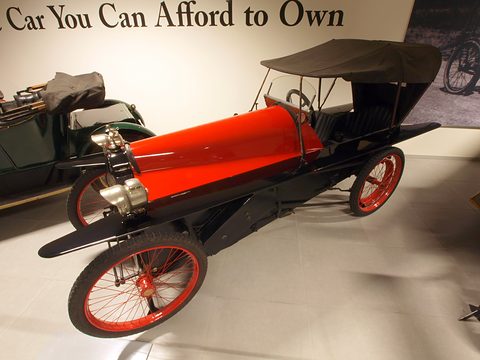
The Cyclecar Club was formed in 1912 too. It became the Junior Car Club in 1919 and, through the Brooklands Automobile Racing Club, the British Automobile Racing Club of today.source 2 It held its first open hill climb at South Harting on 28 June 1913,source 3 and one of its officials, the inventor Dr A. M. Low, took delivery of a single-seater that year.source 4 The best-known British makers have their own pages: the GN cyclecar, the Morgan Three-Wheeler, the Carden, the Tamplin and the Scott Sociable. Ten smaller ones follow, in the order they began.