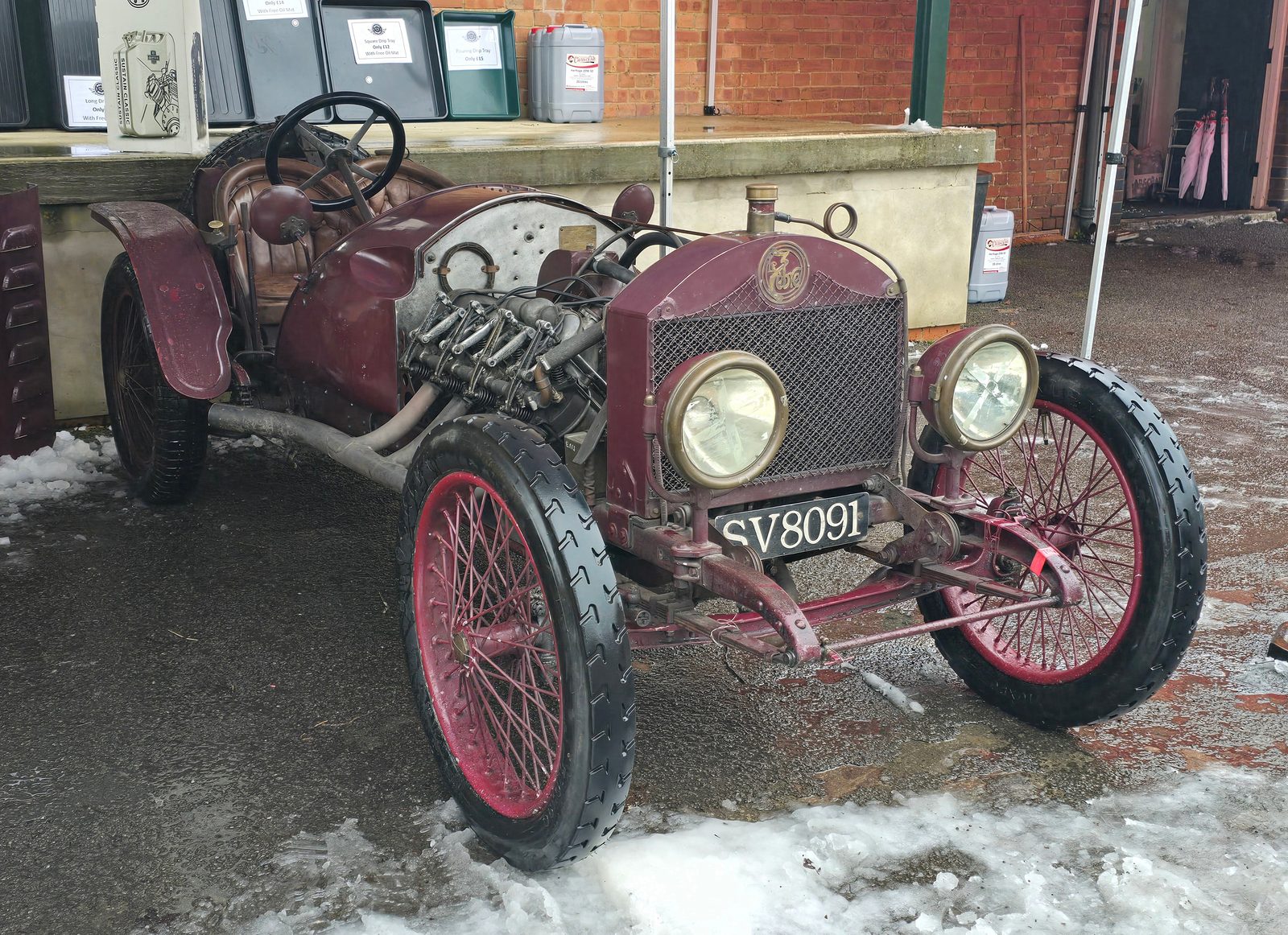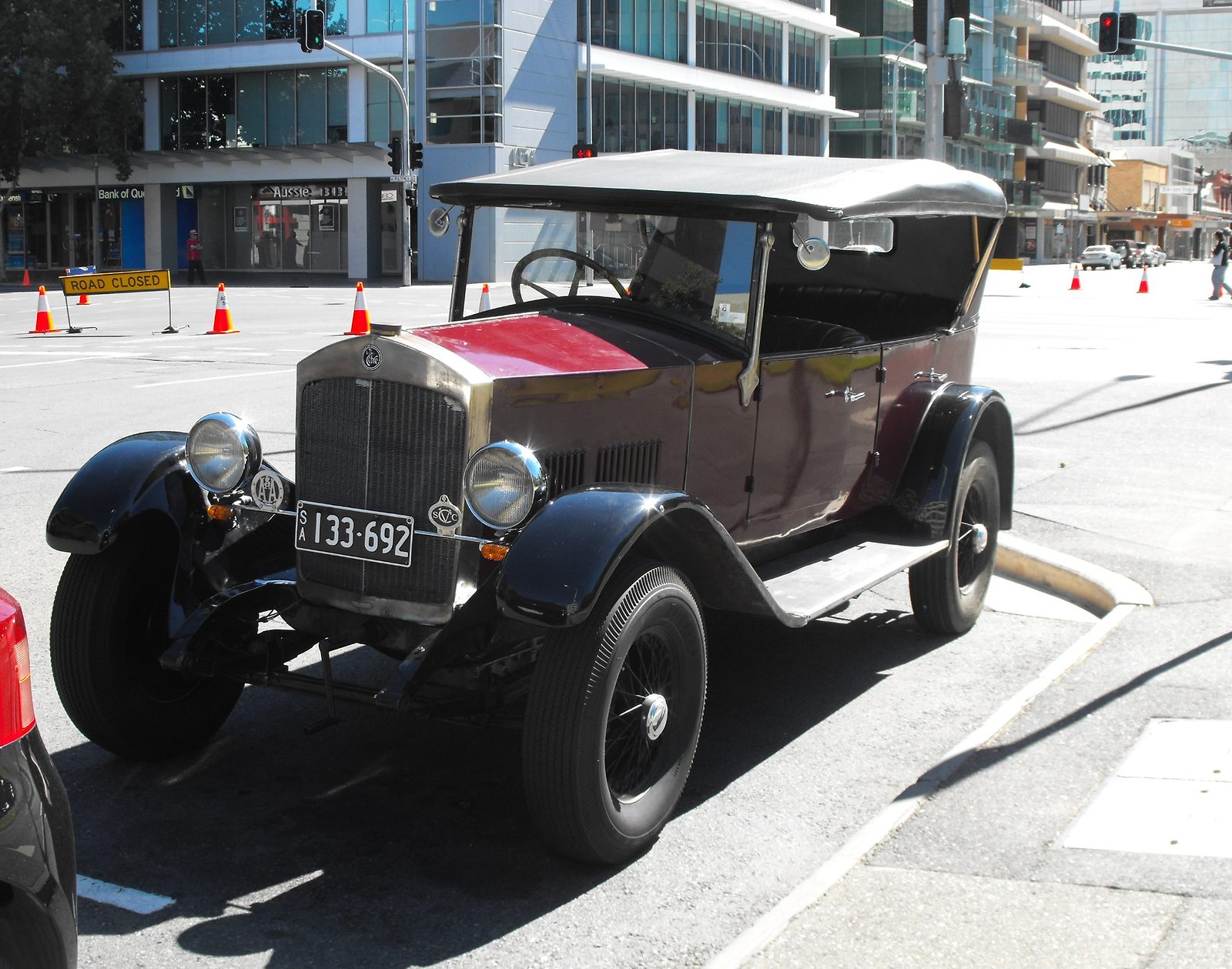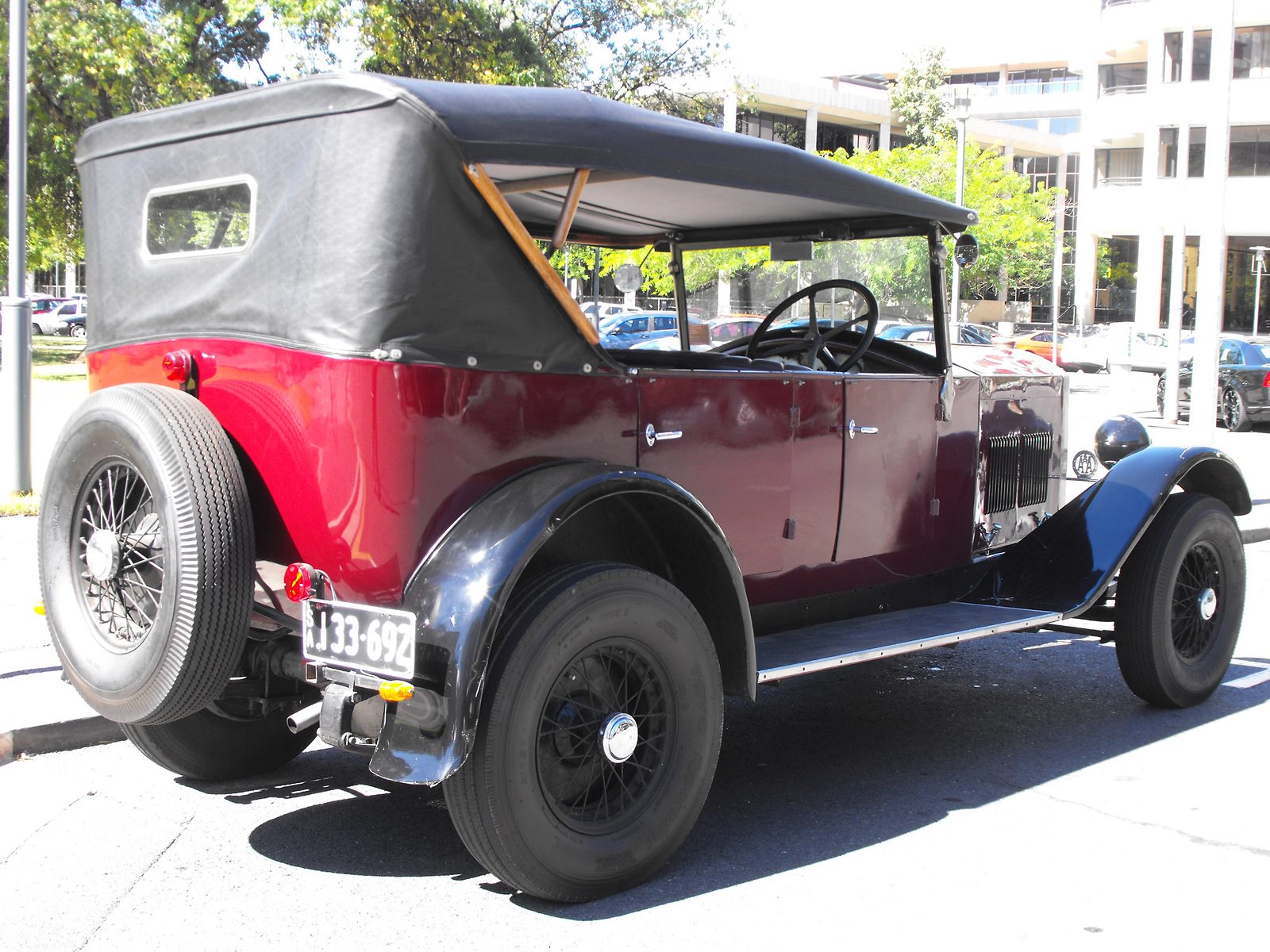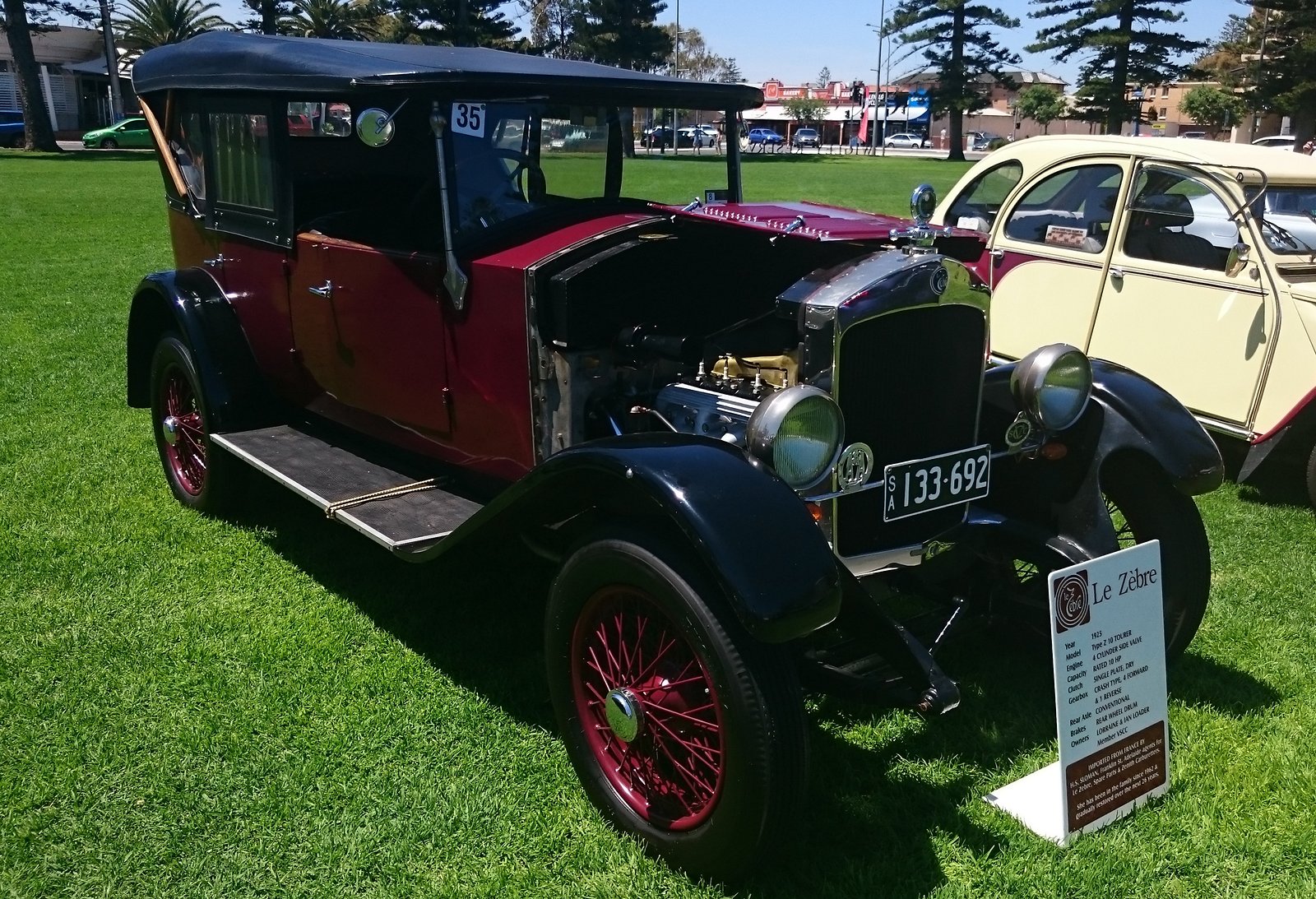
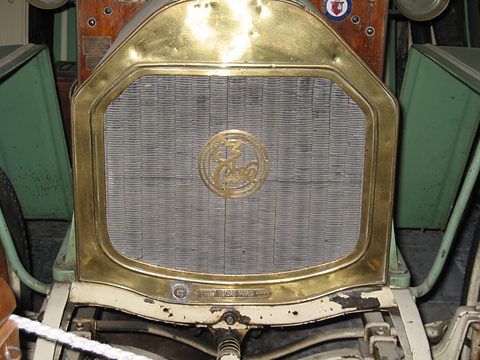
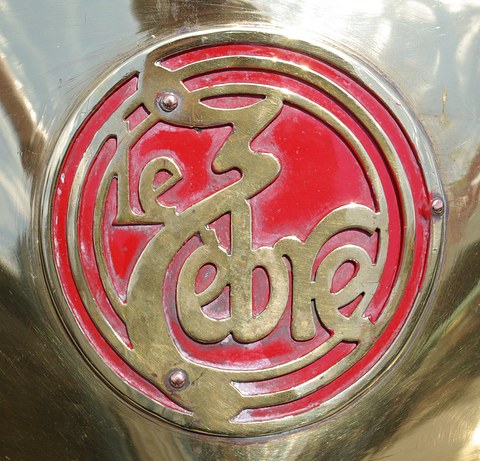
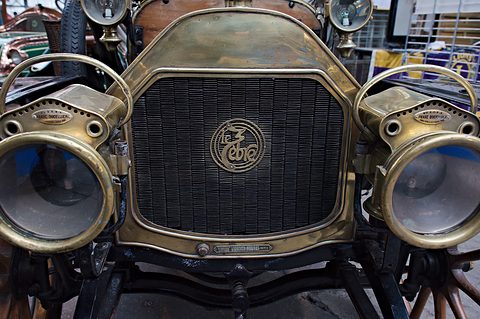
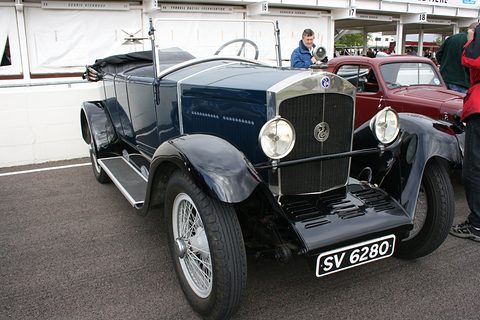
The story
History
Jules Salomon was the son of a café-owner in Cahors and a graduate of the École de commerce et d’industrie de Bordeaux. At his first job, with Rouart frères, Beau de Rochas taught him the basics of mechanics.source 1source 2source 3 He moved restlessly from firm to firm, staying, it is said, two hours at Delaunay-Belleville, before he settled at Georges Richard, the firm that became Unic in 1904–05.source 2 A salesman there, Jacques Bizet, was the son of Georges Bizet, the composer of Carmen. The two men shared a love of music, and Bizet, who dreamed of glory, asked Salomon to design a car that would carry his name.source 1source 2 Salomon has his own place among the designers of small cars.
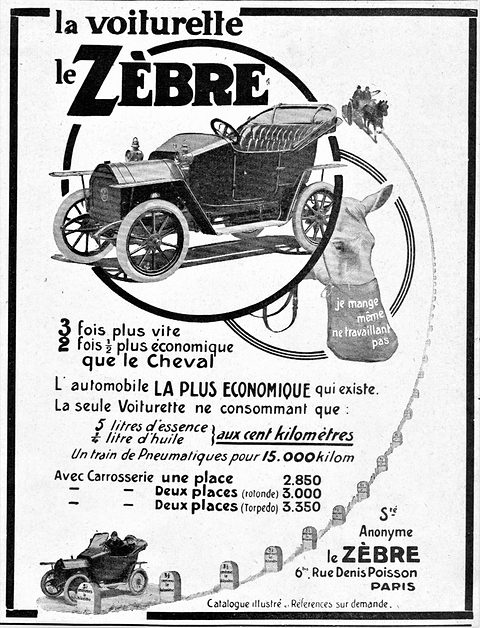
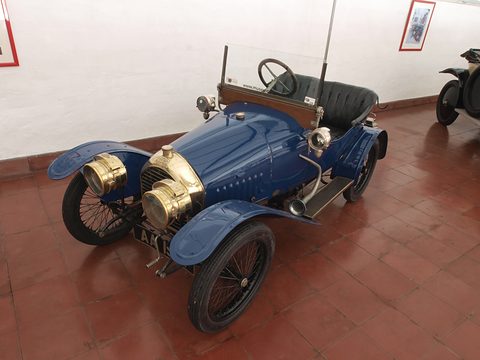
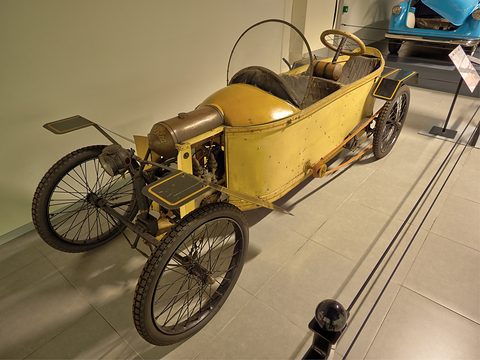
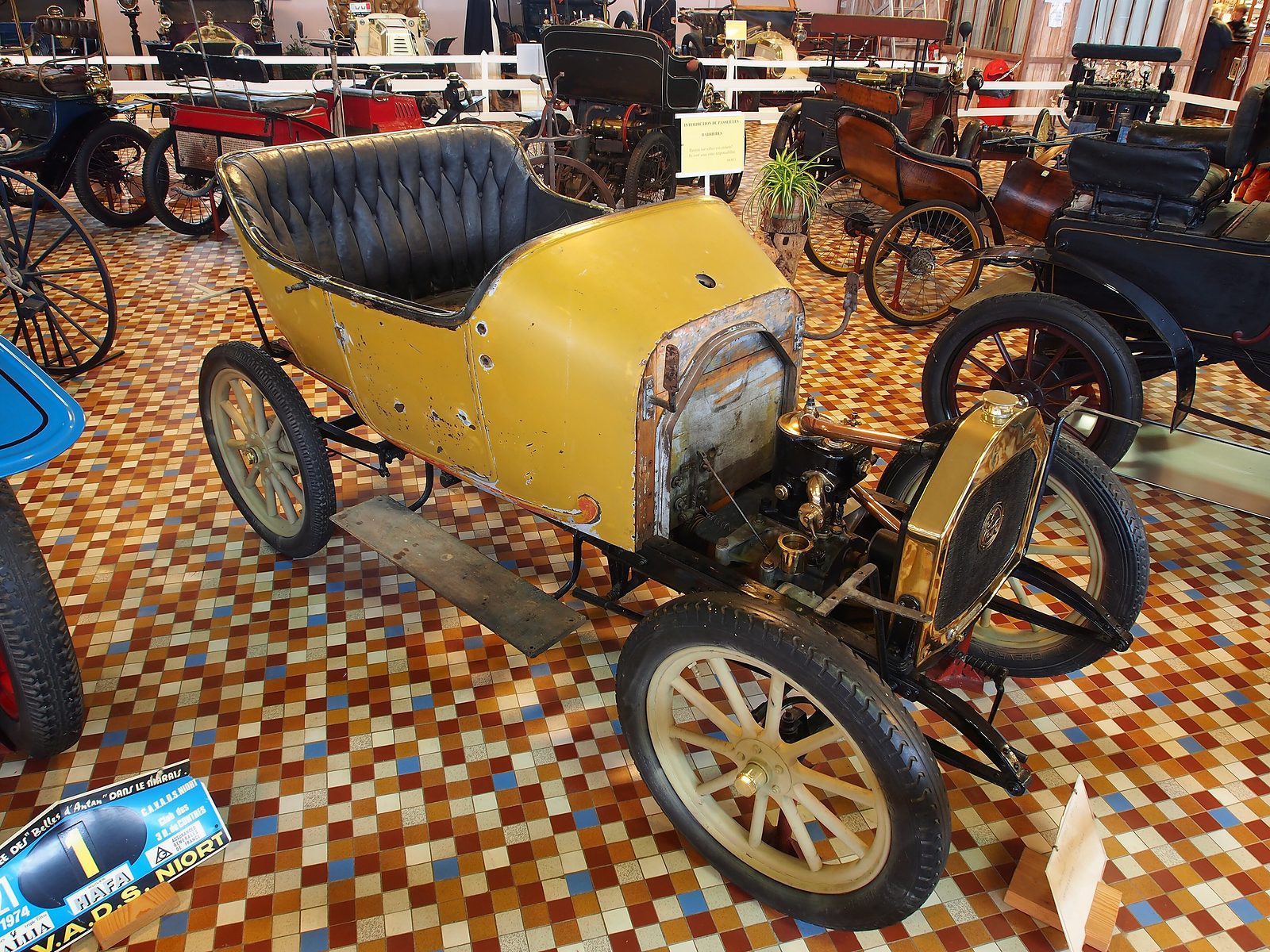
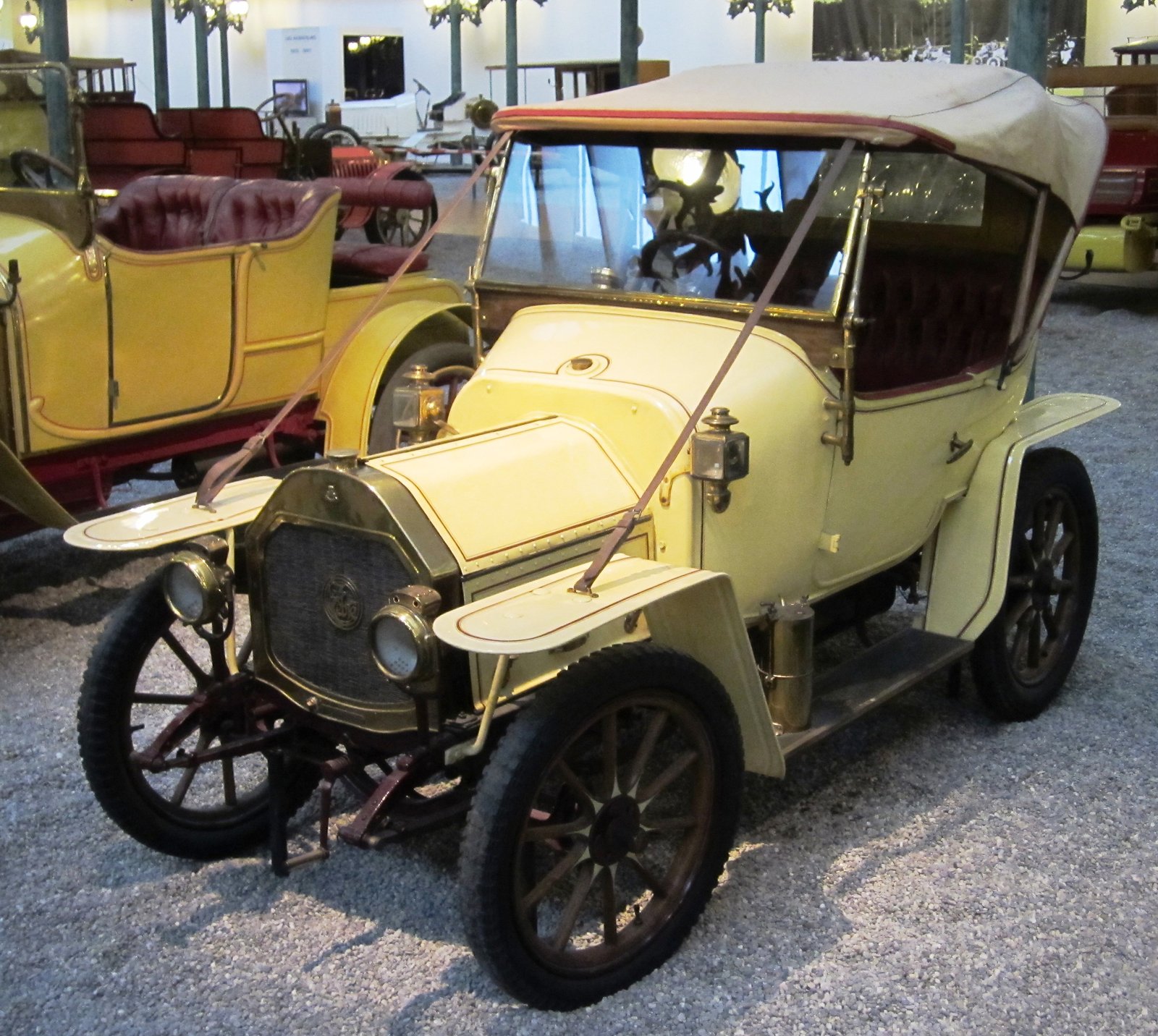
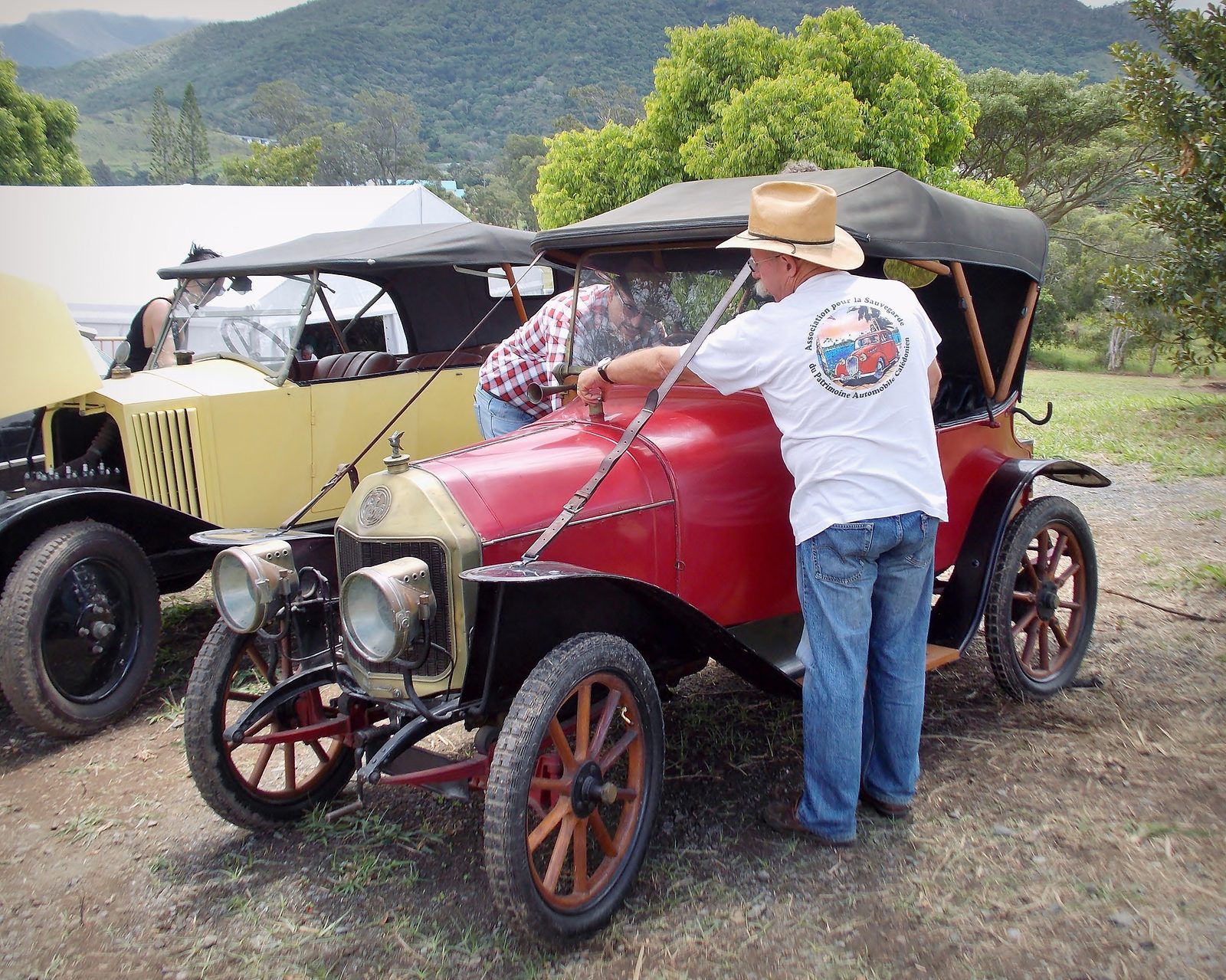
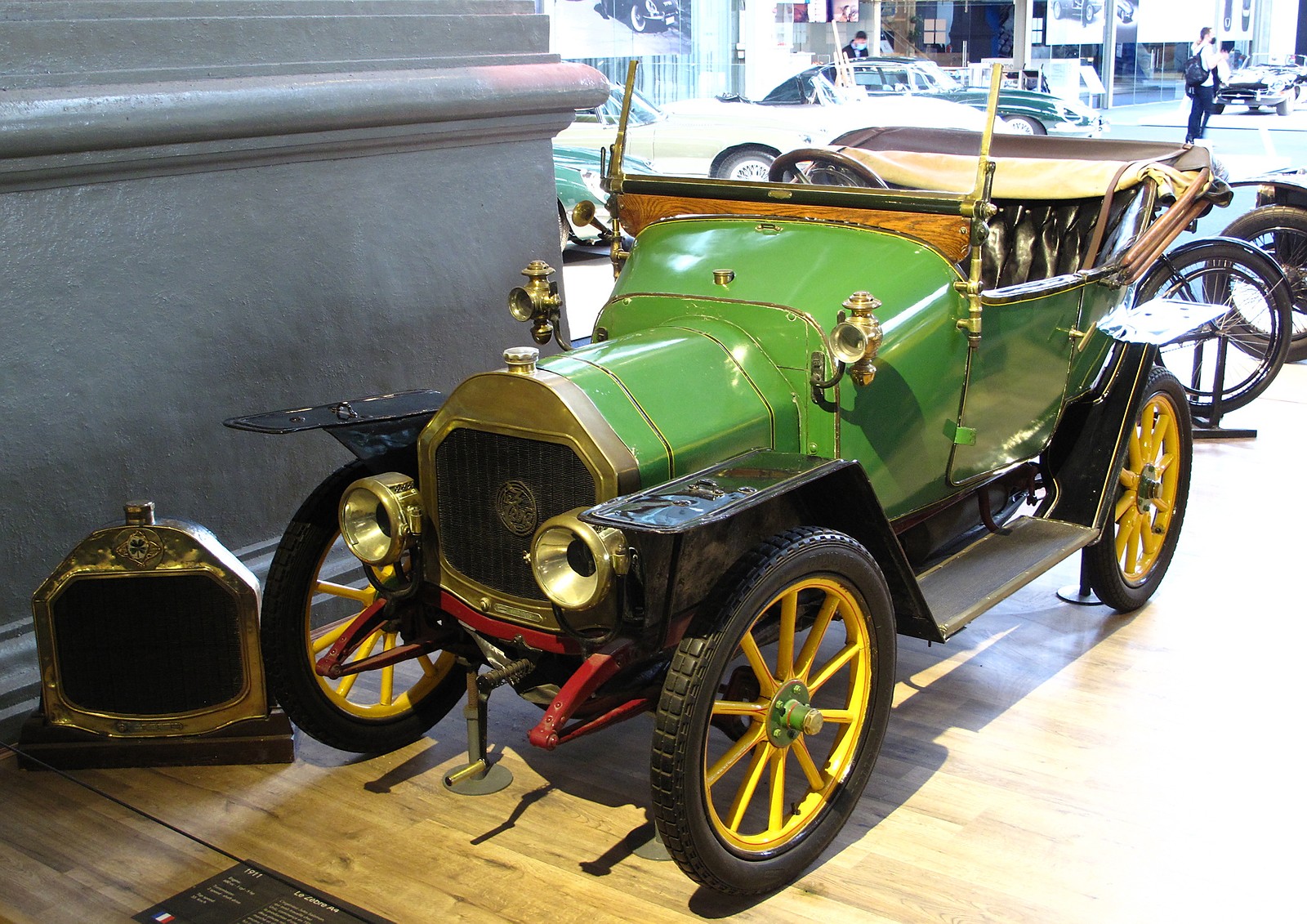
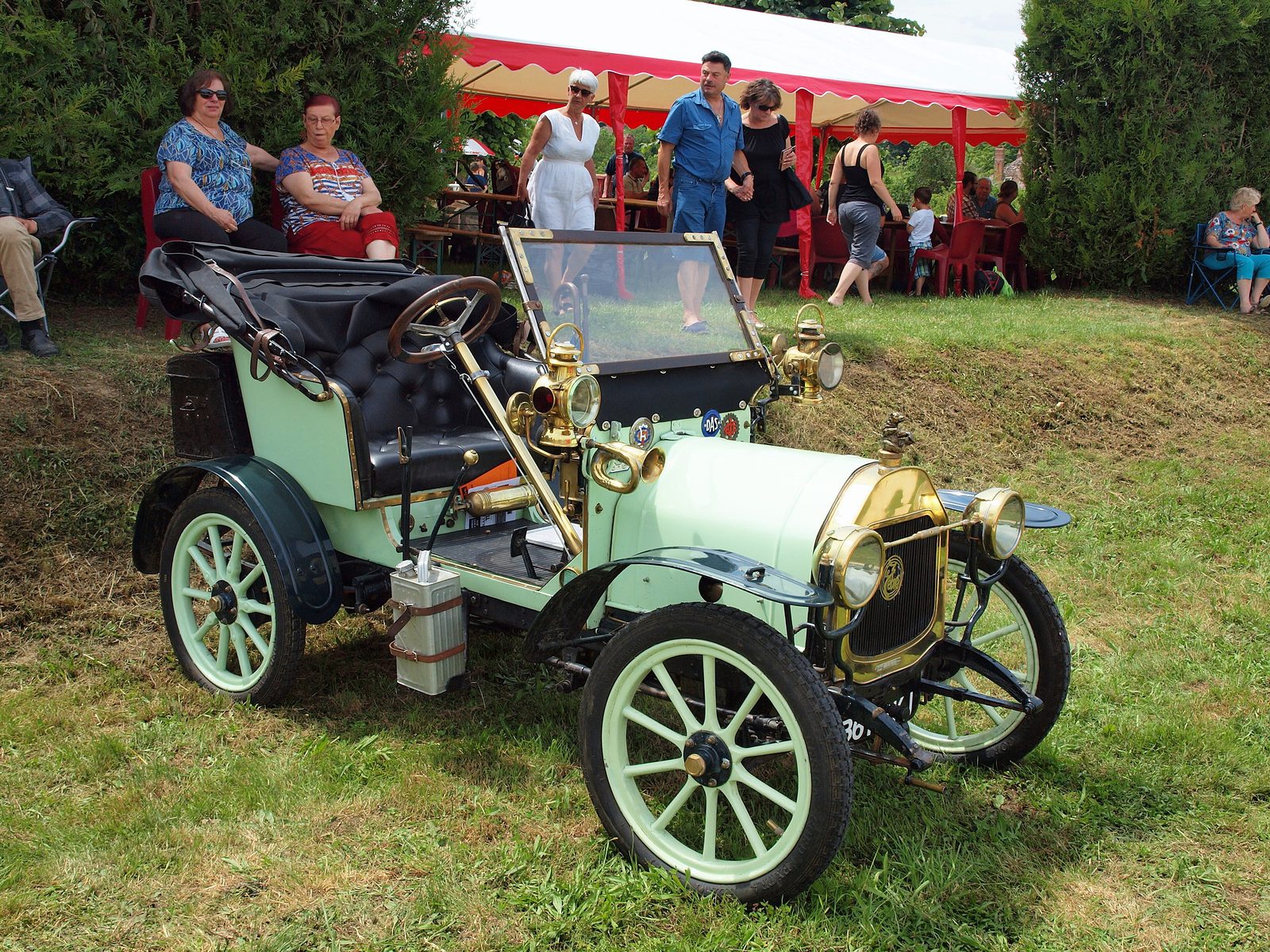
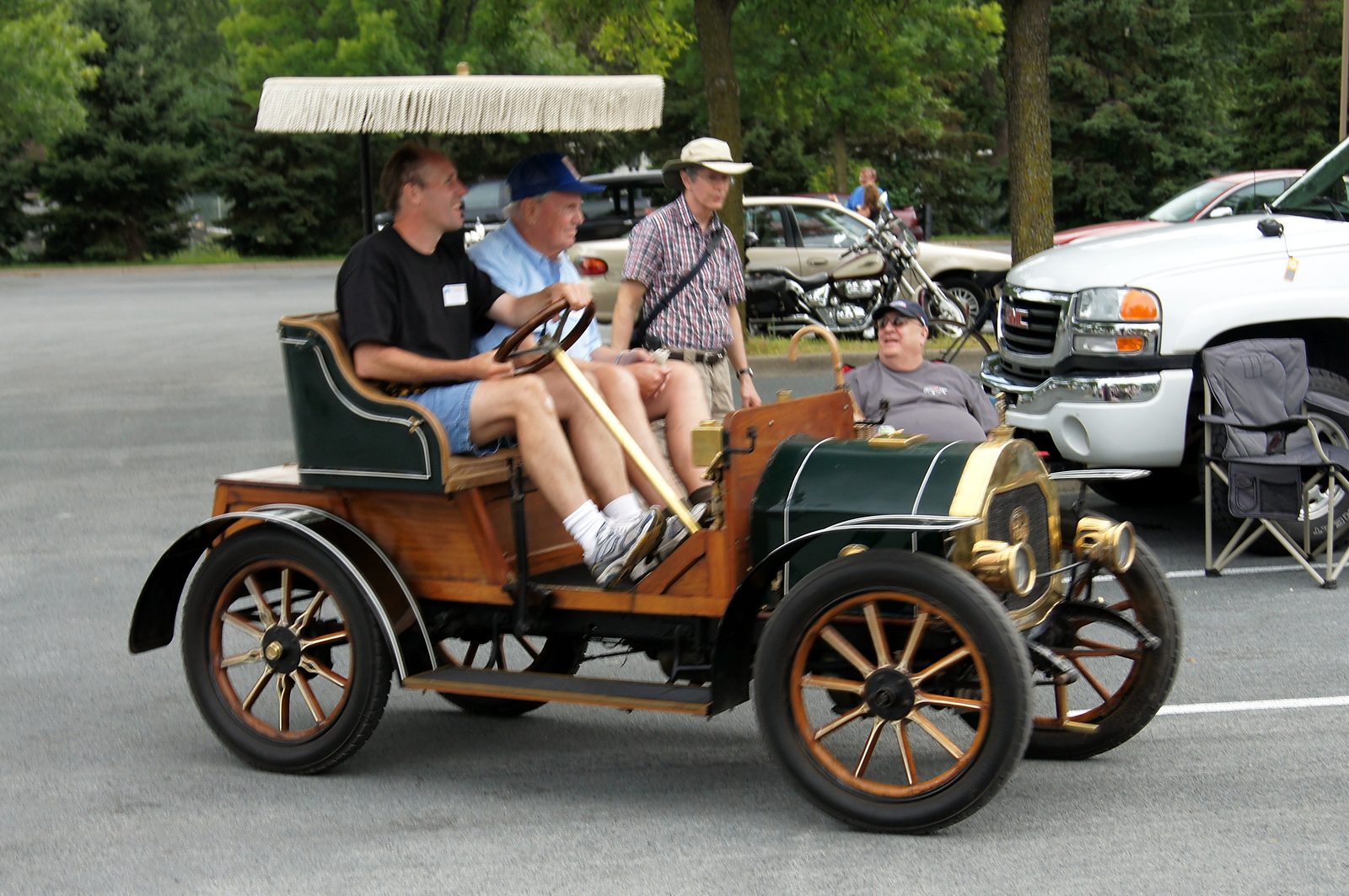
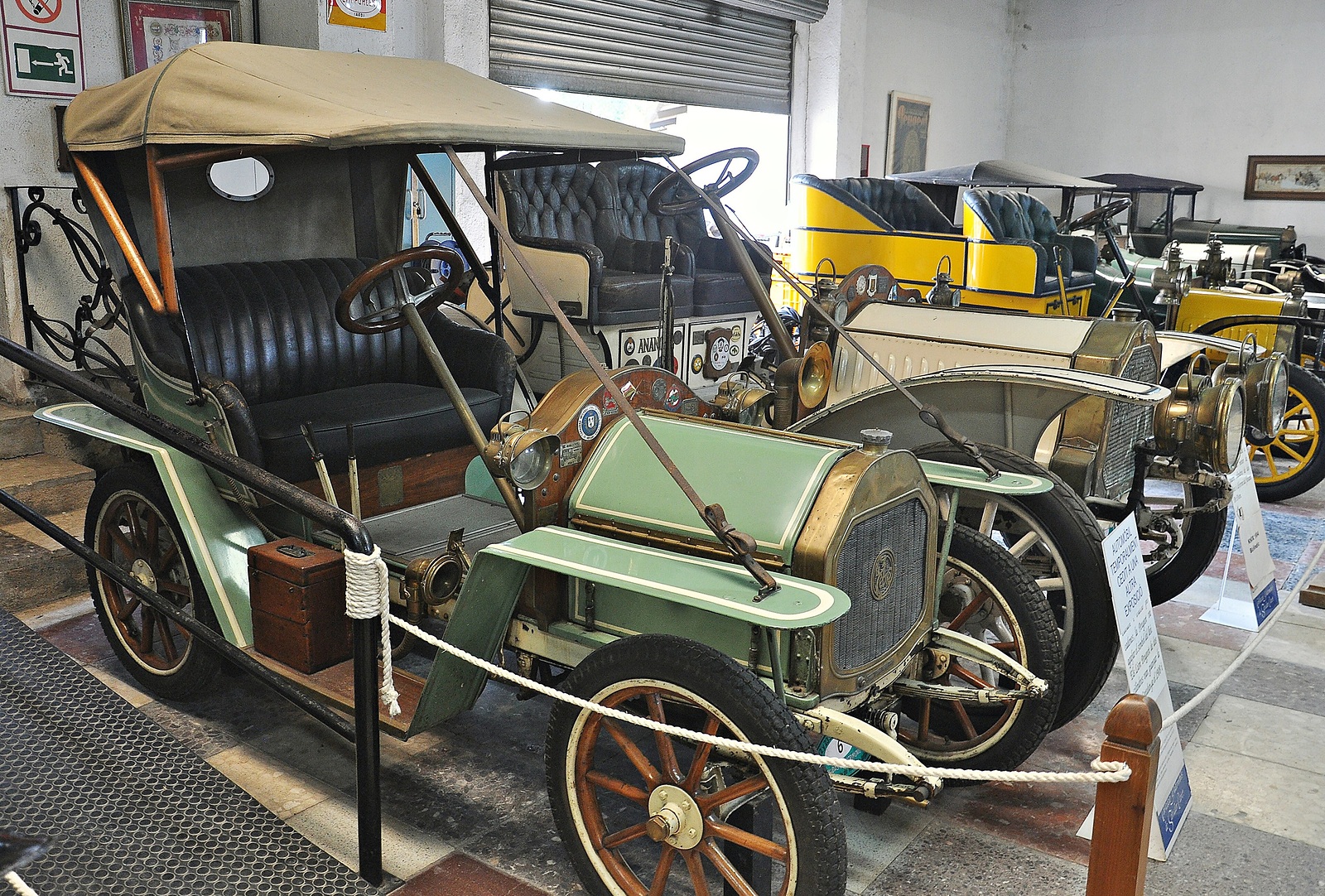
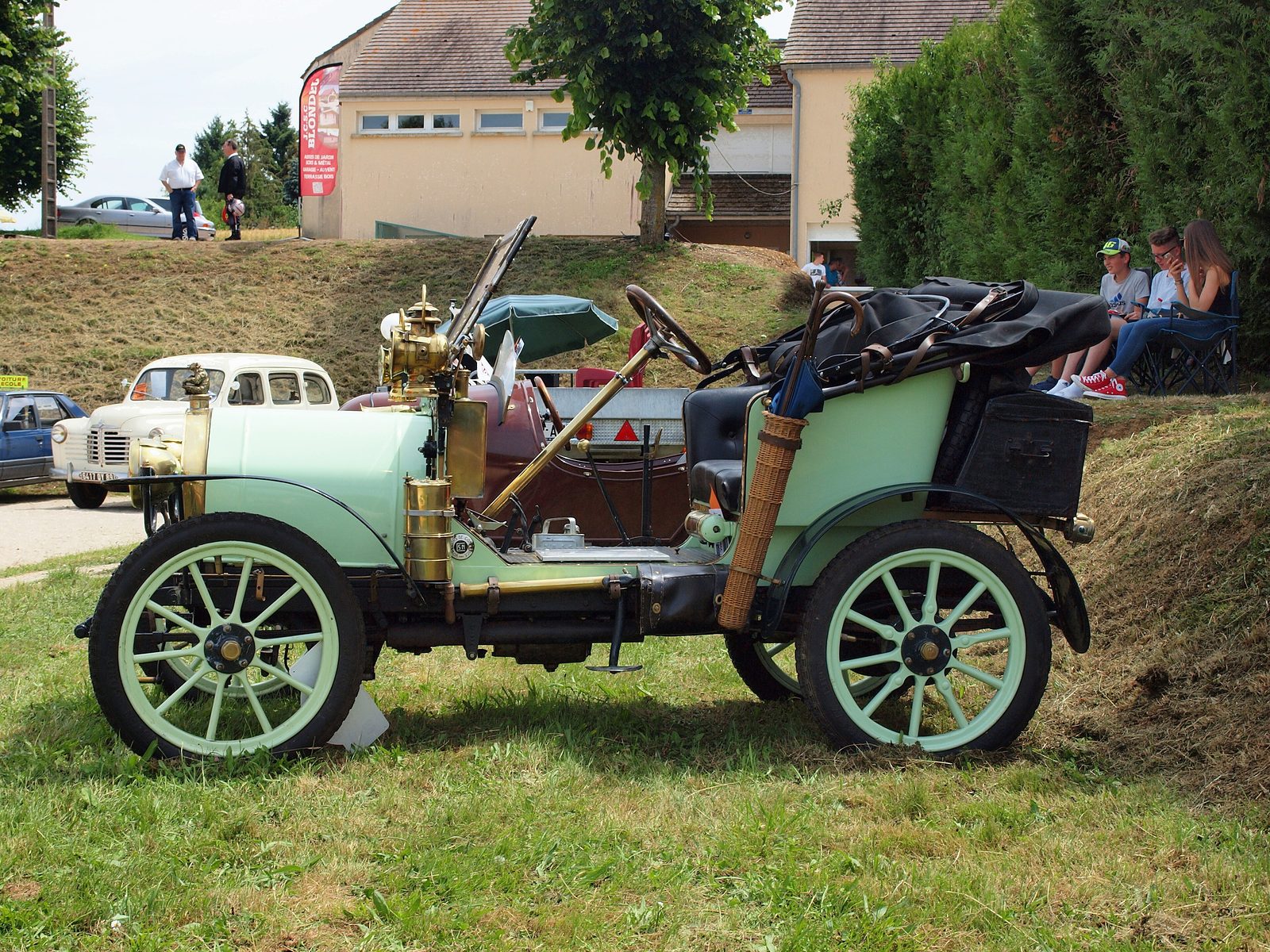
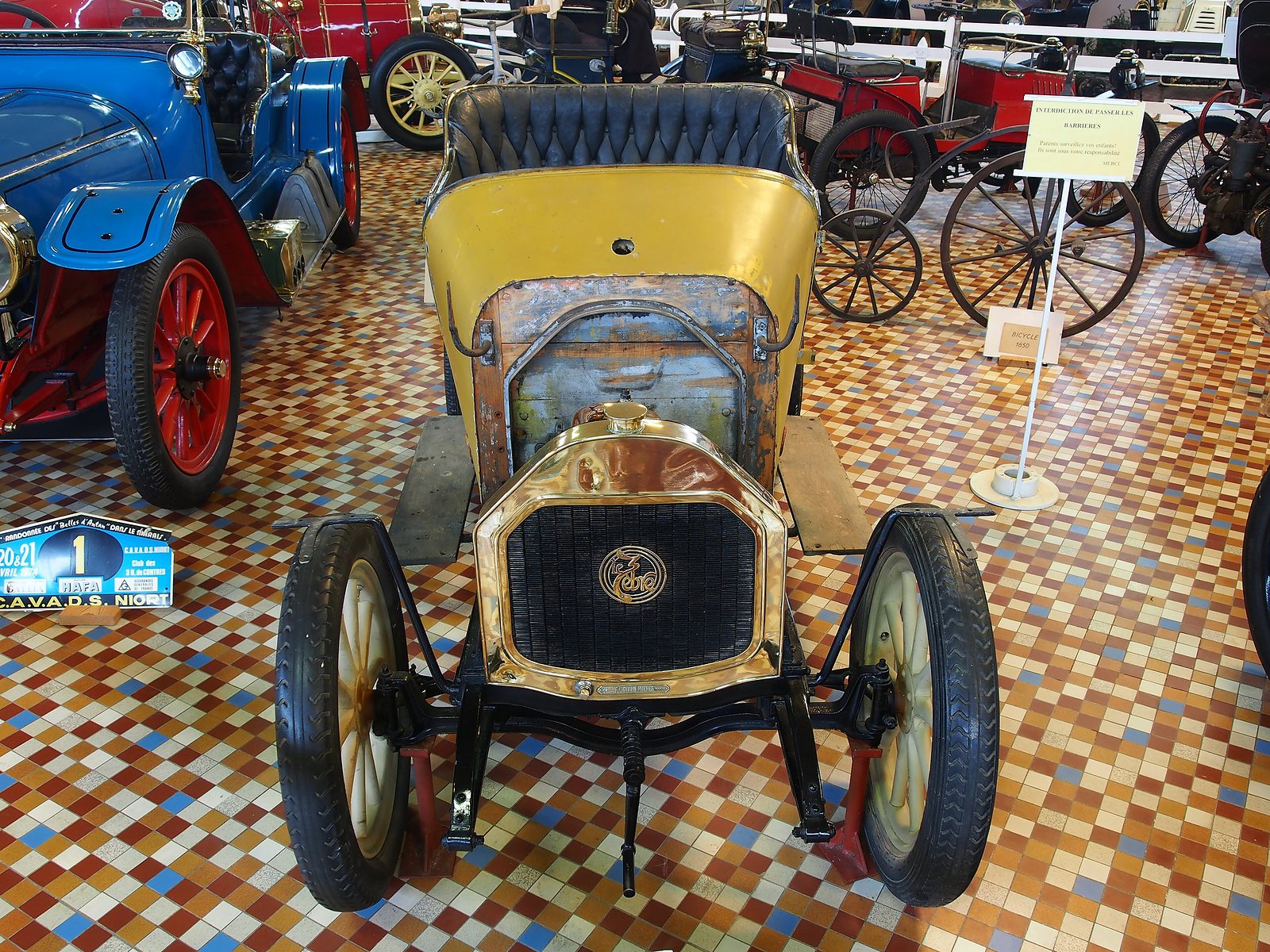
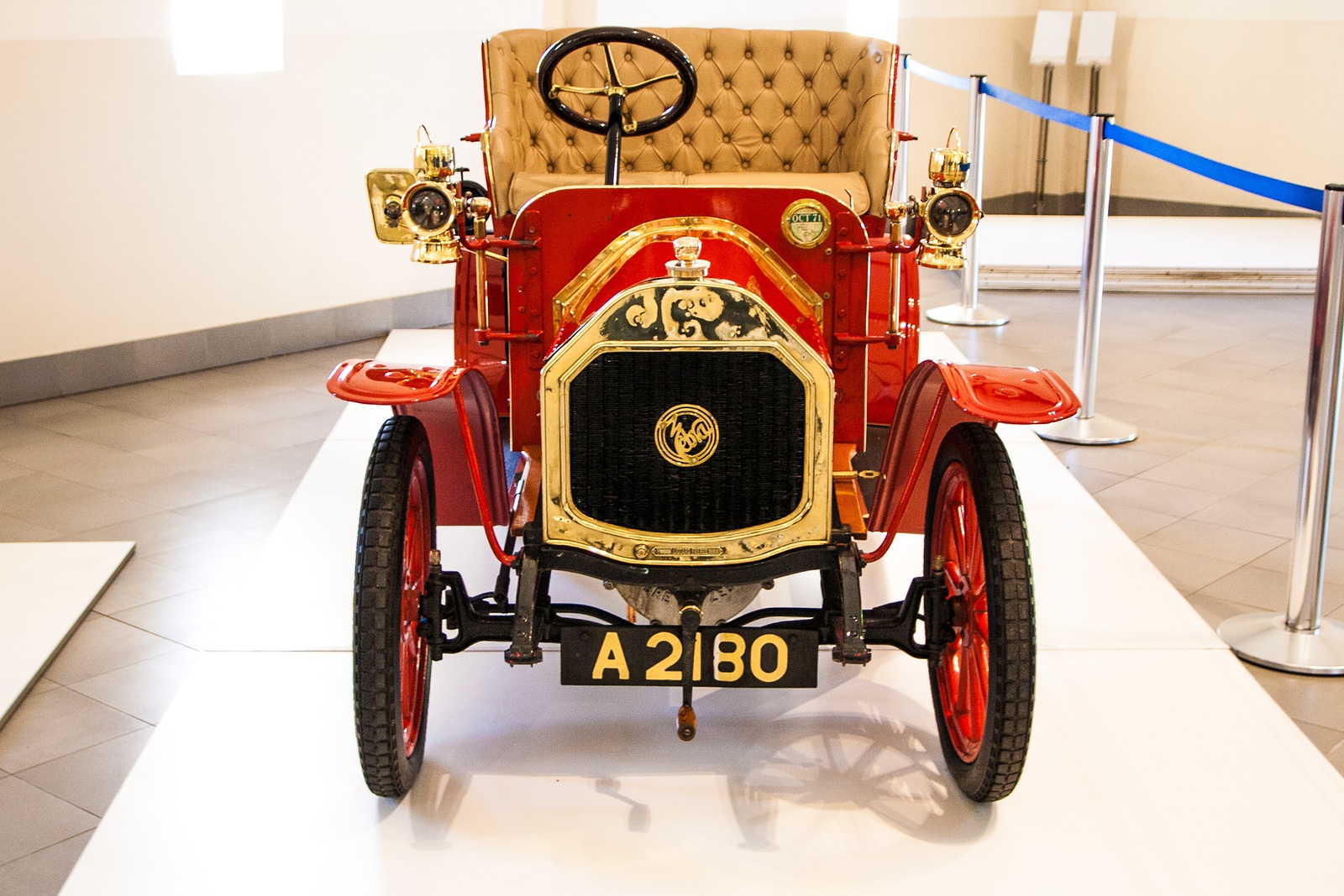
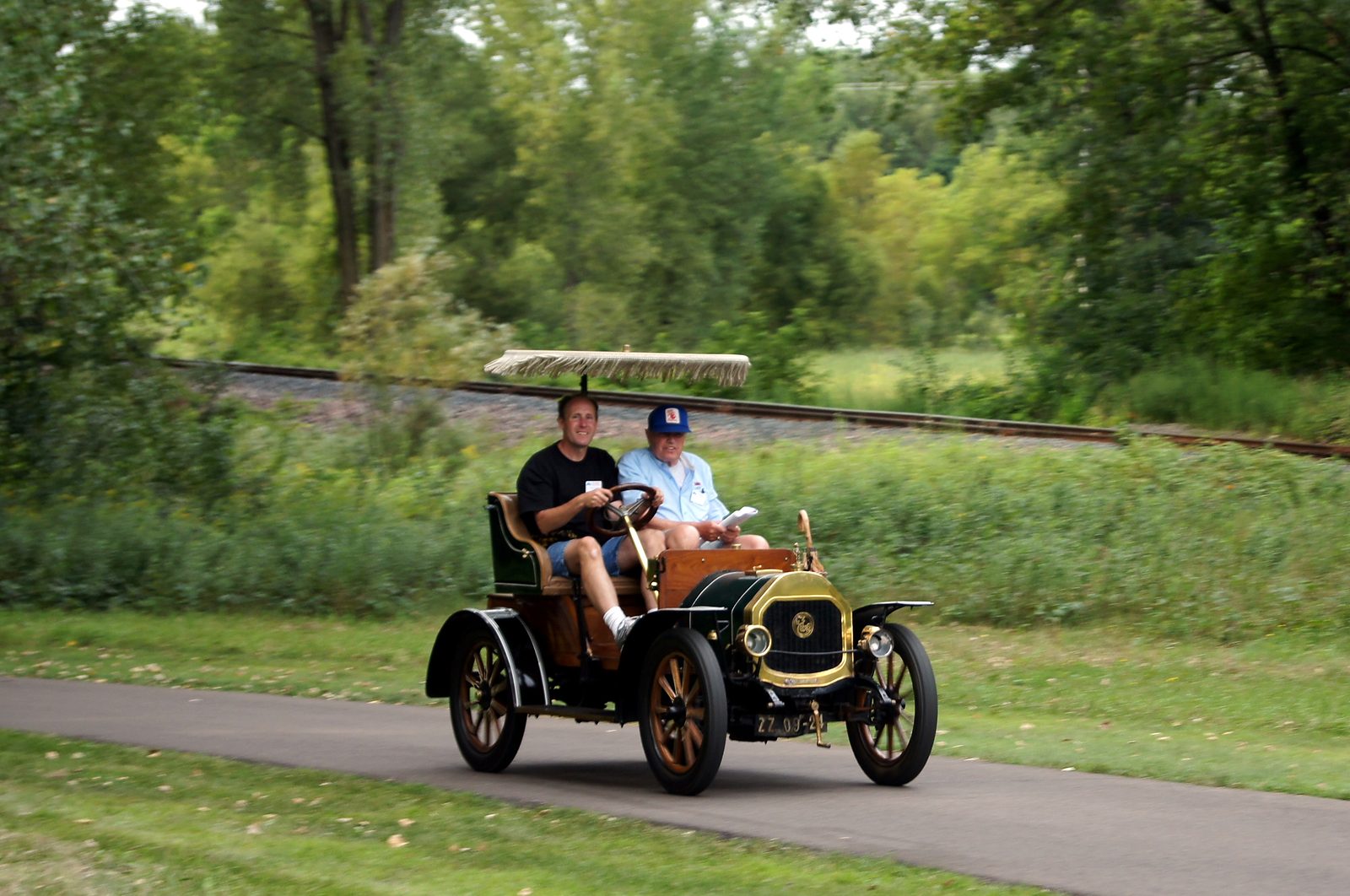
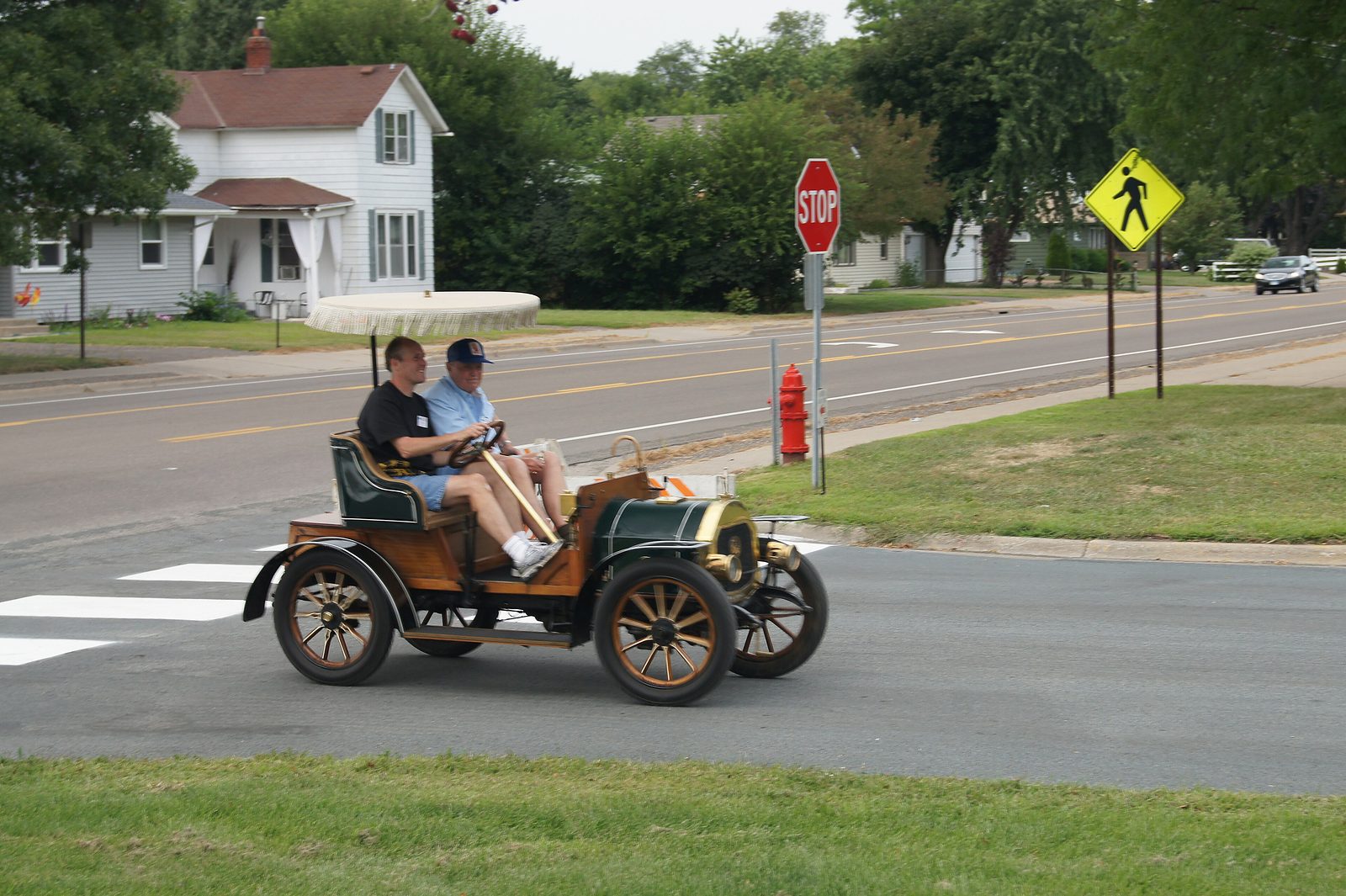
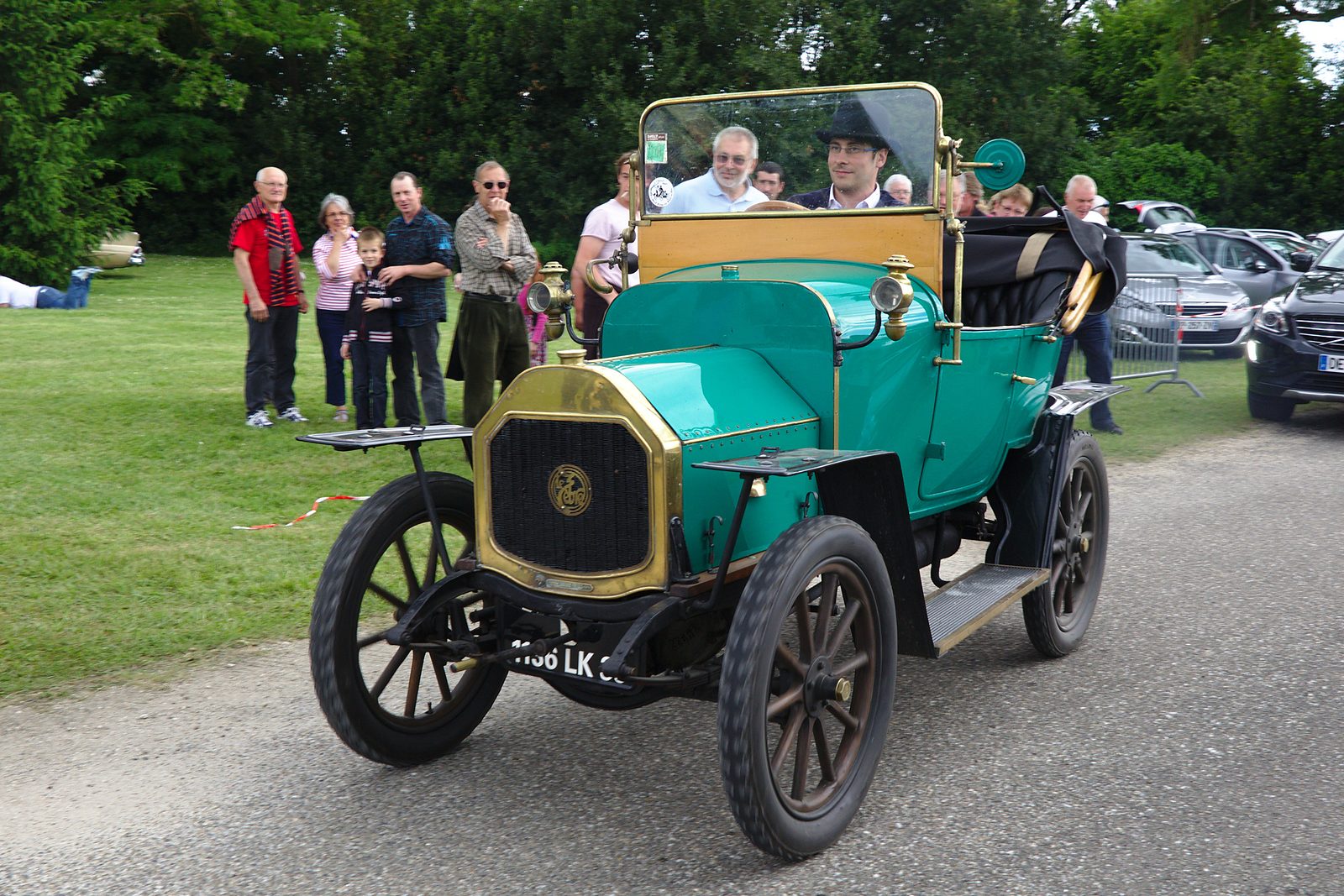
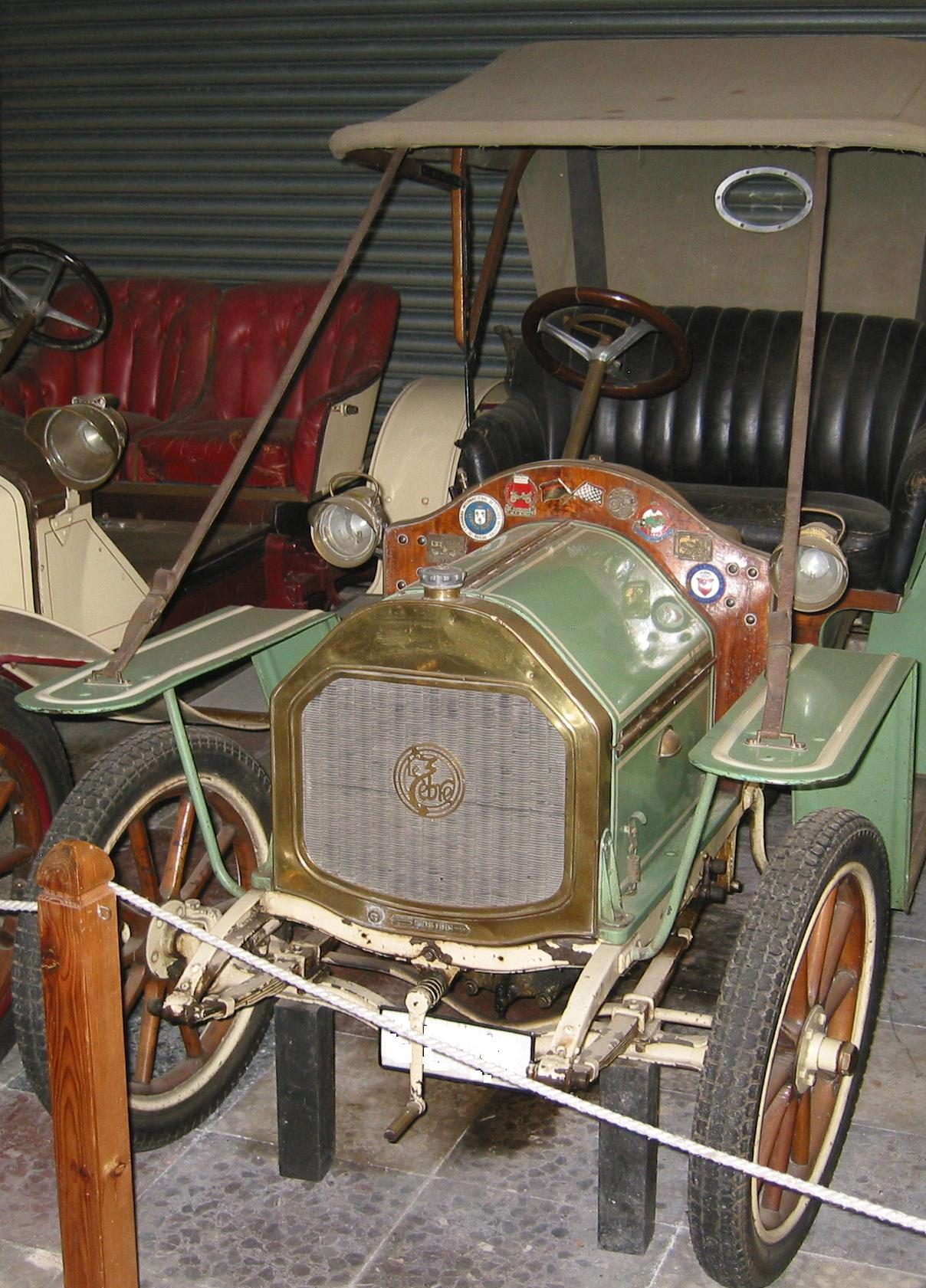
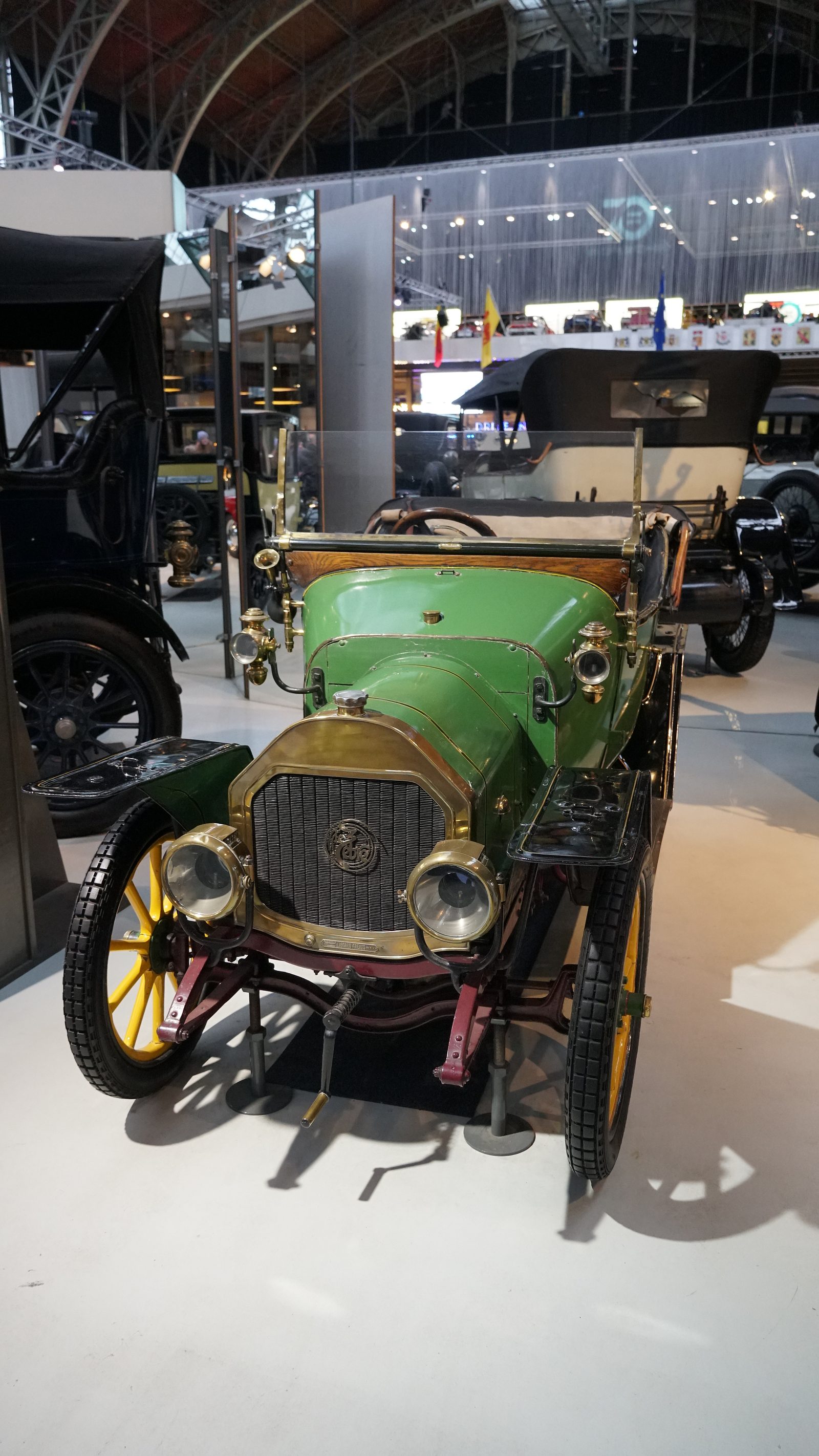
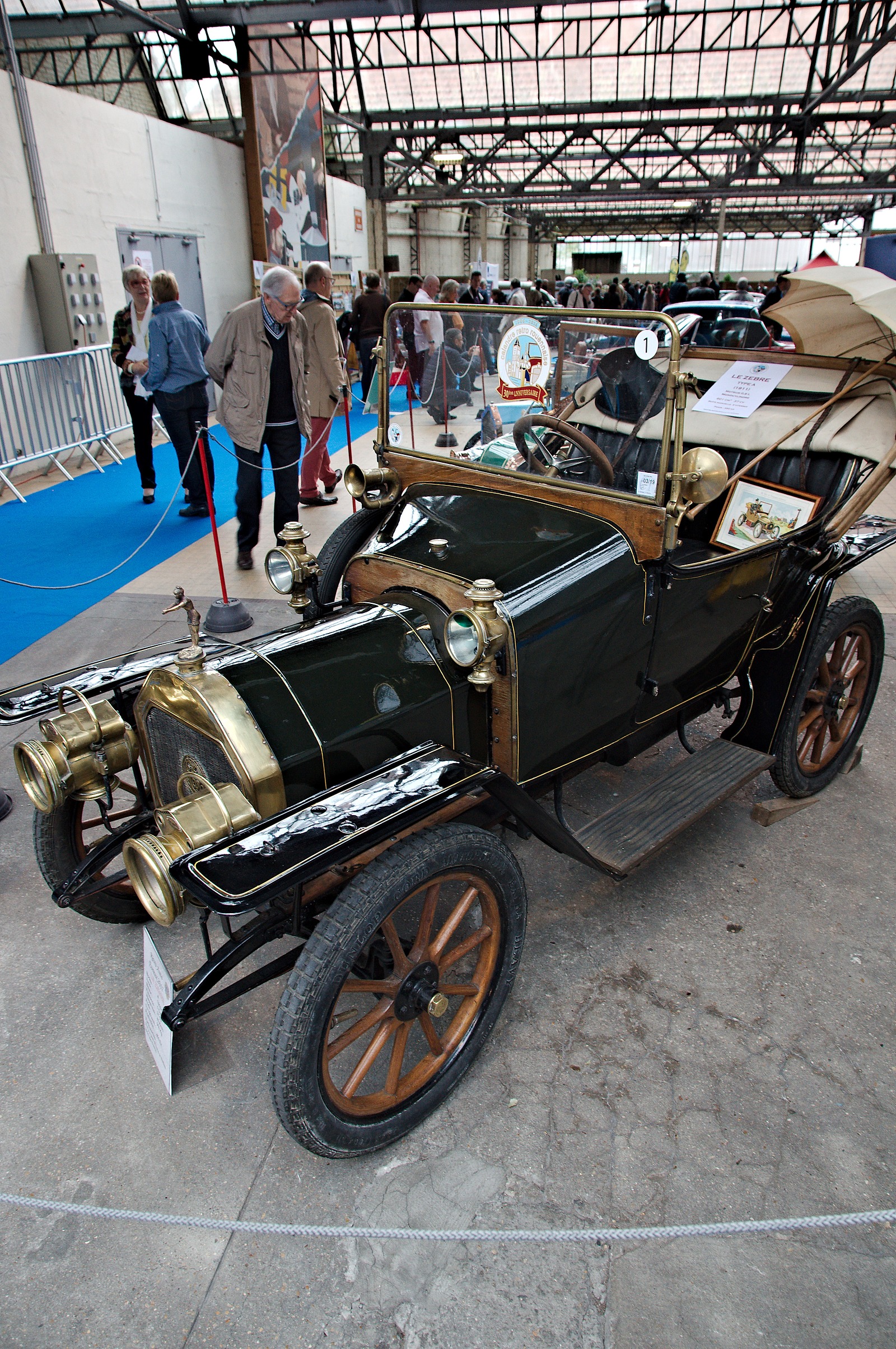
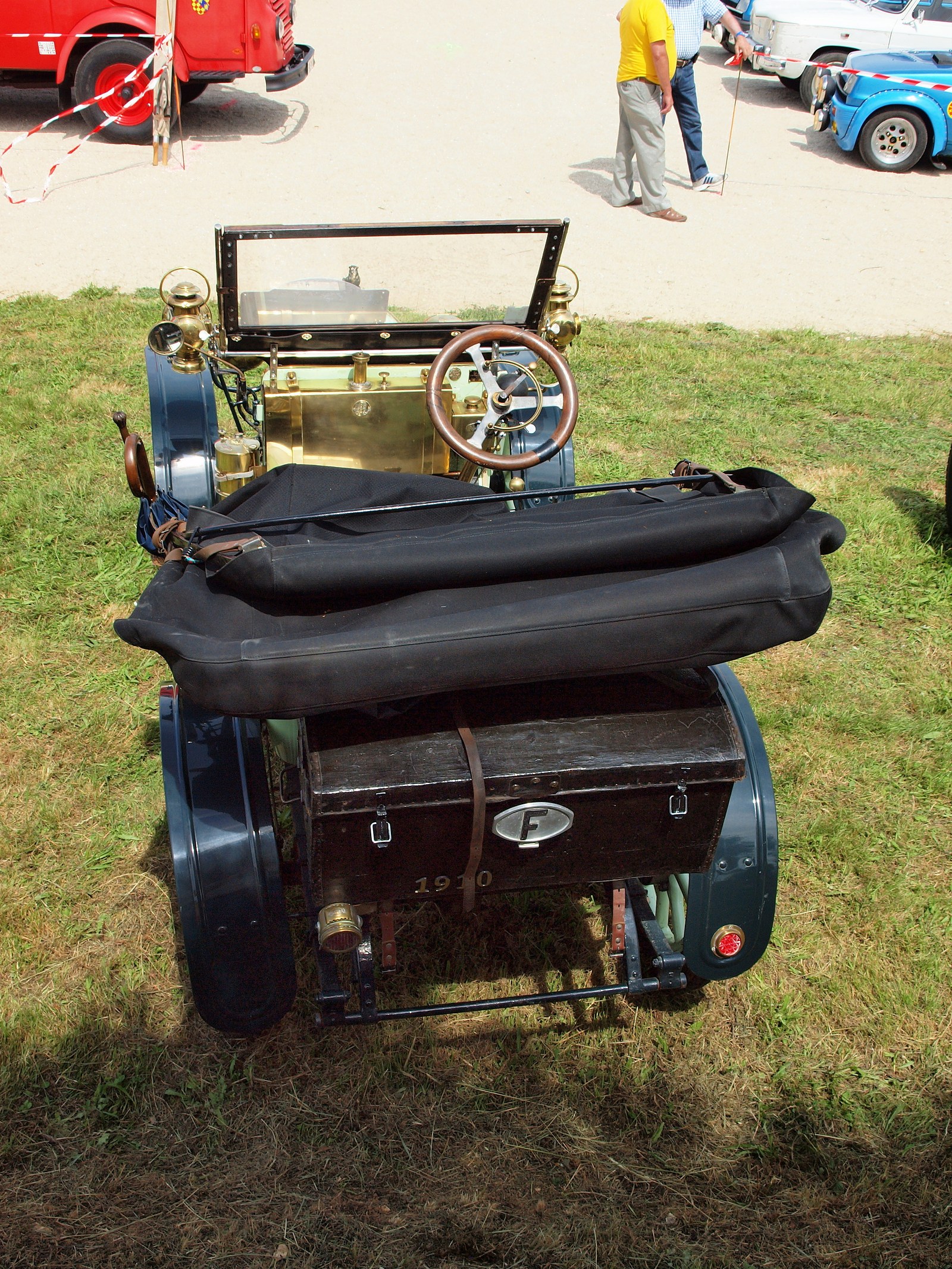
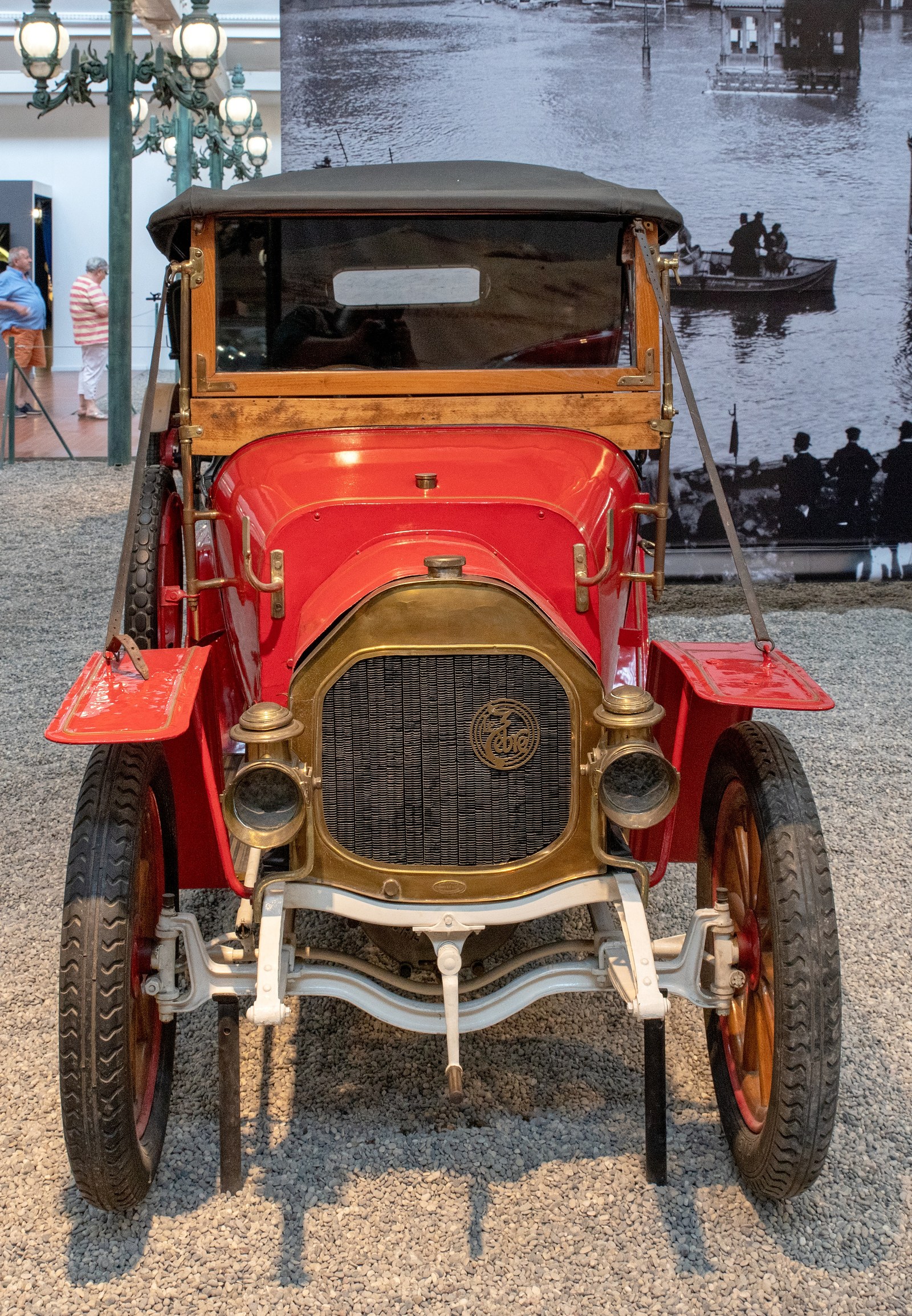
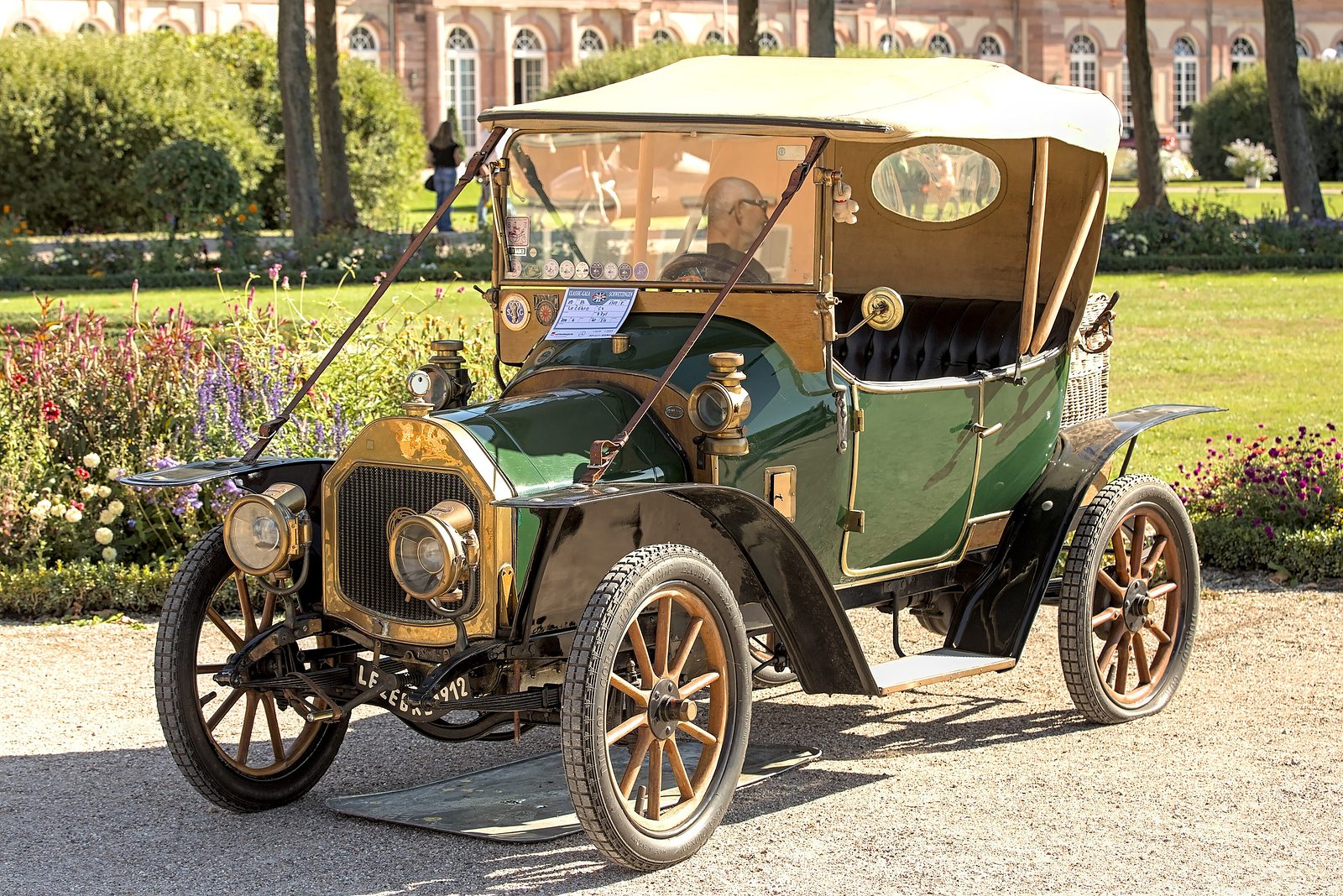
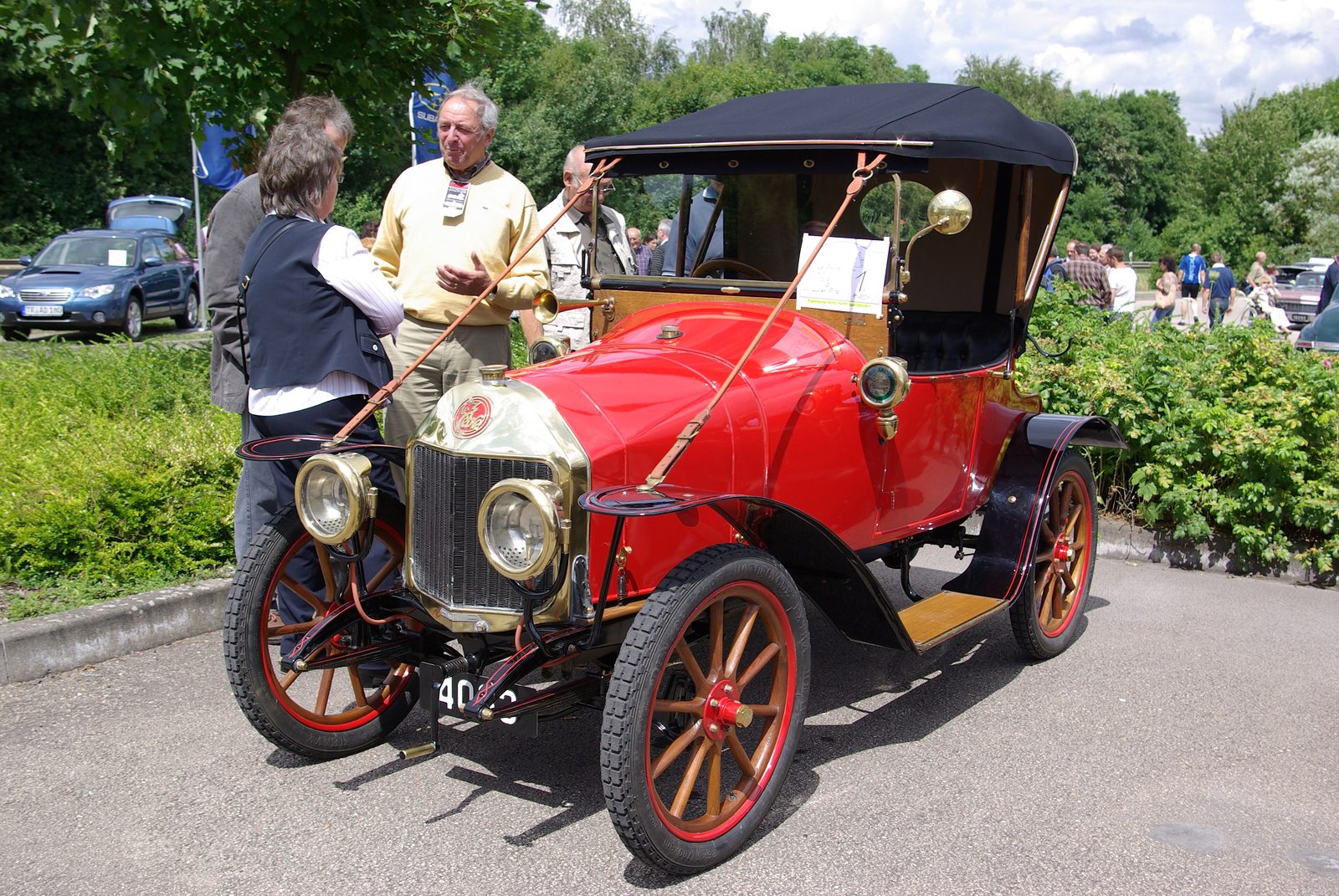
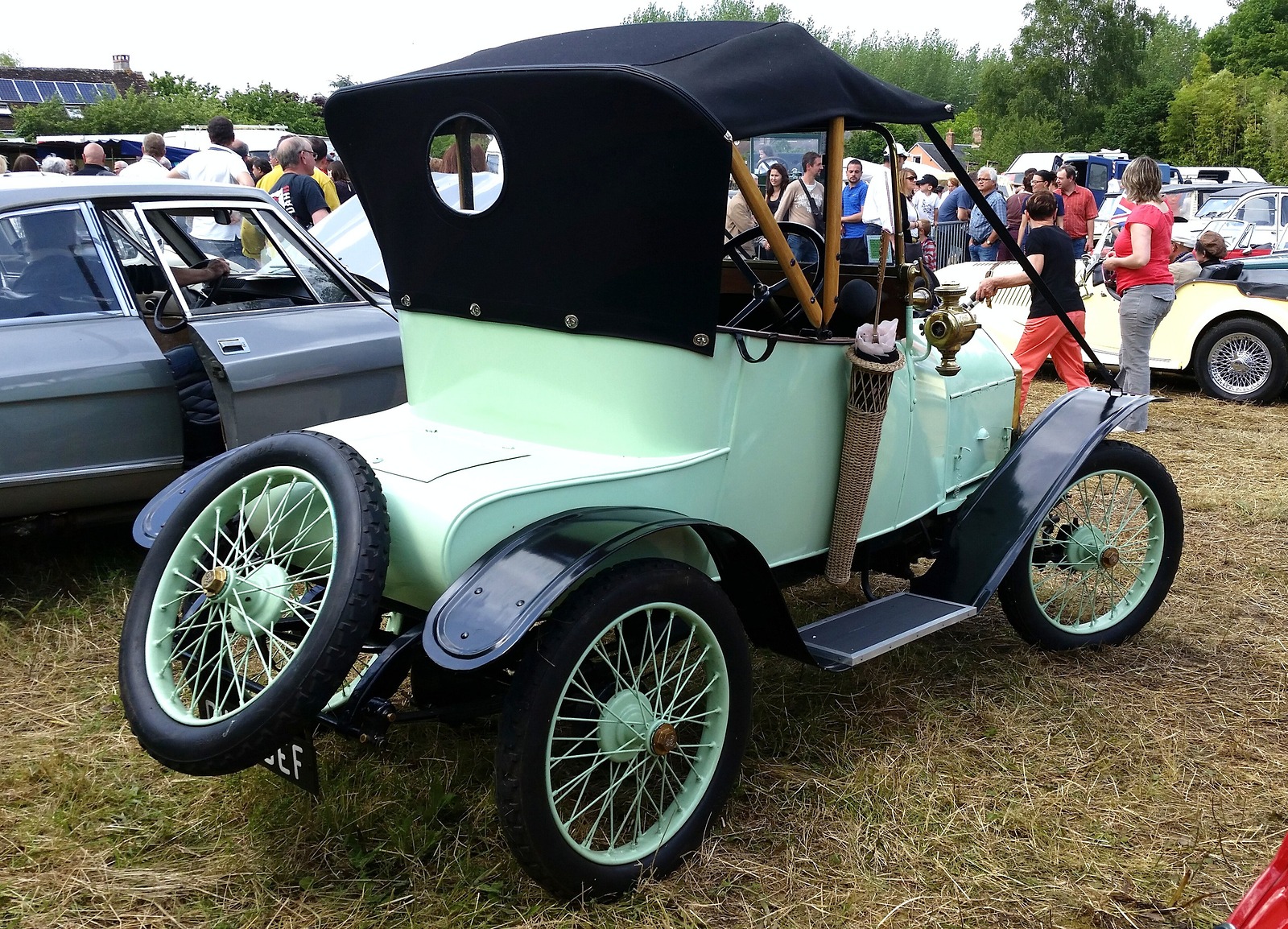
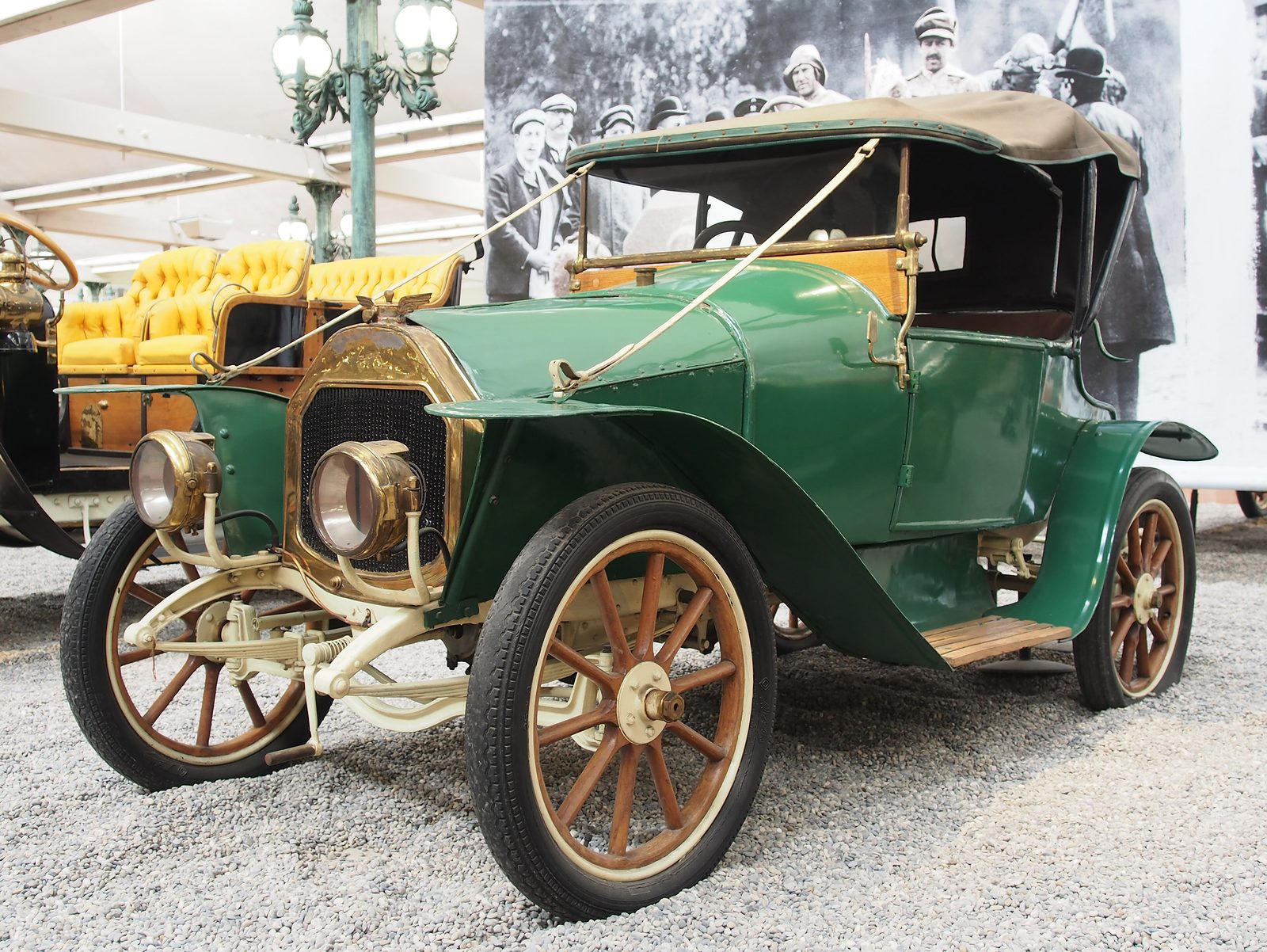
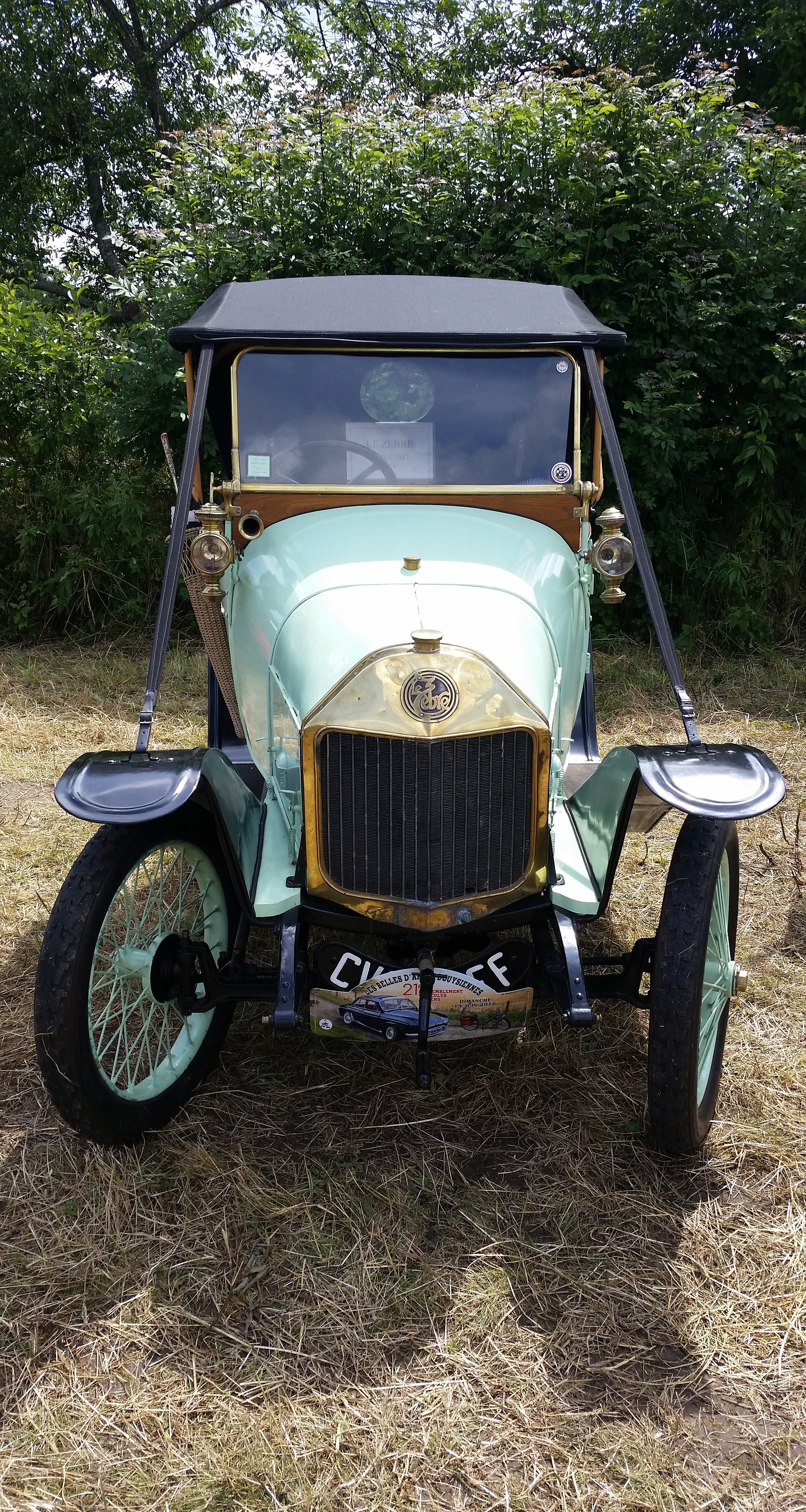
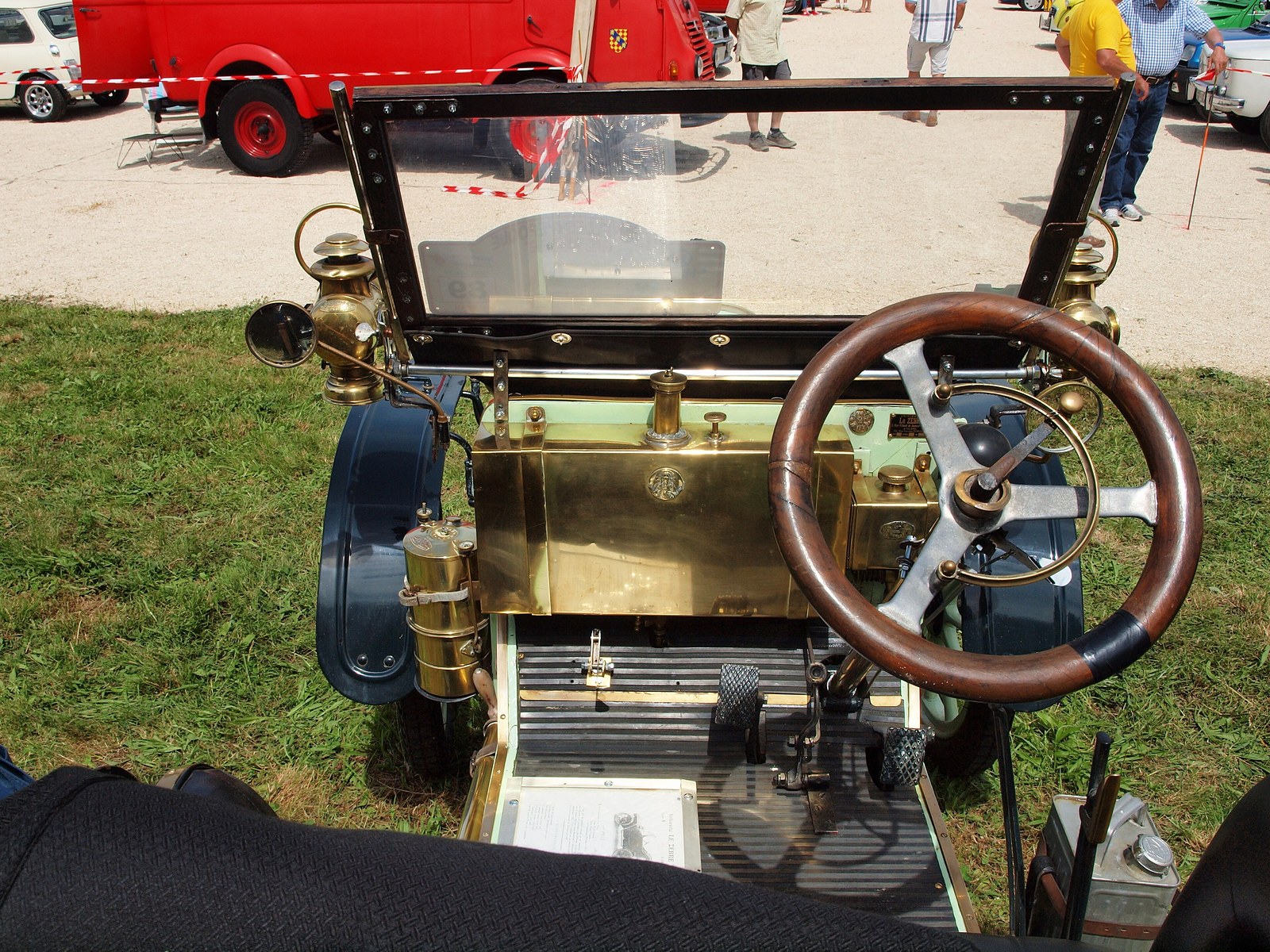
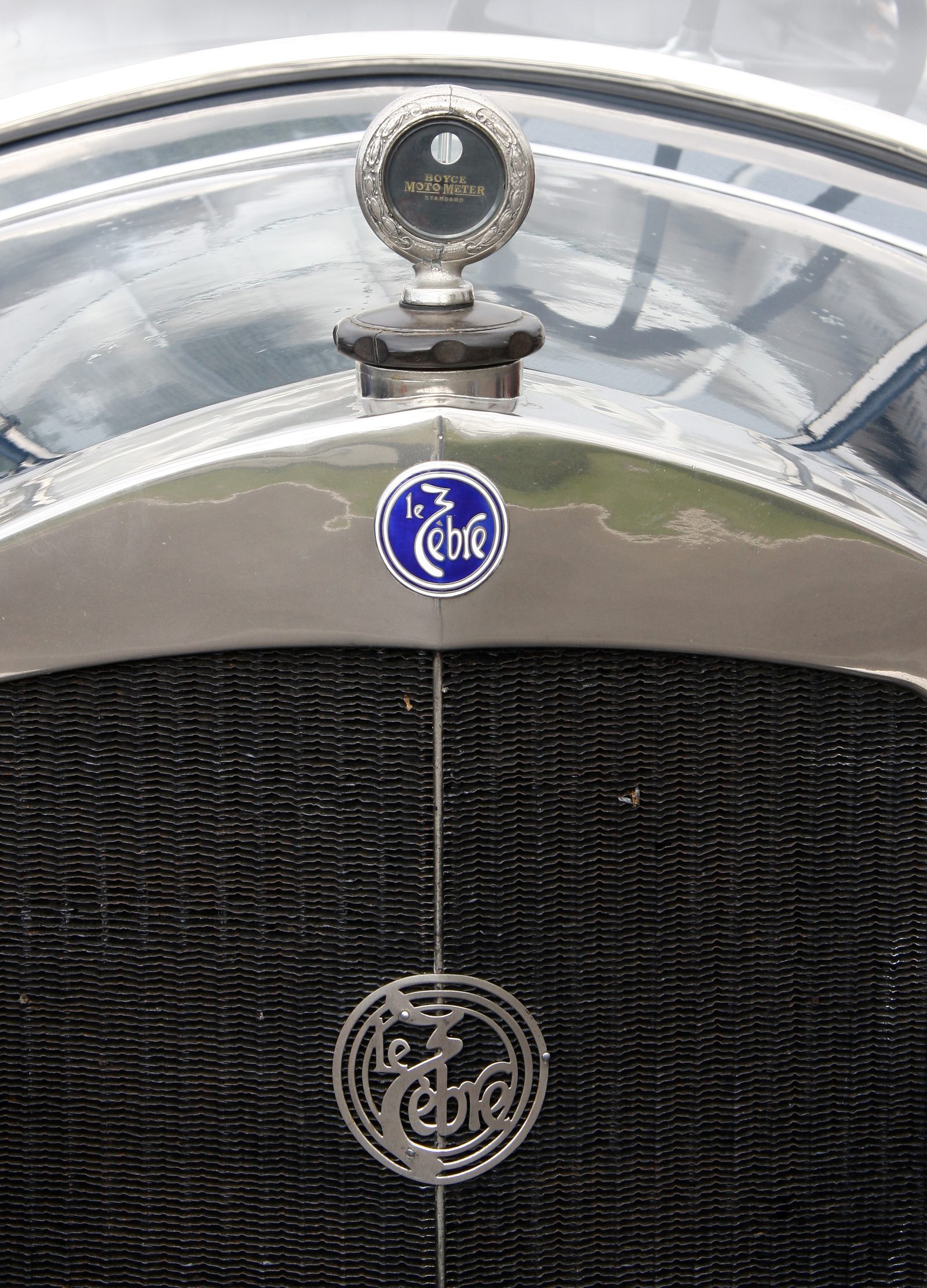
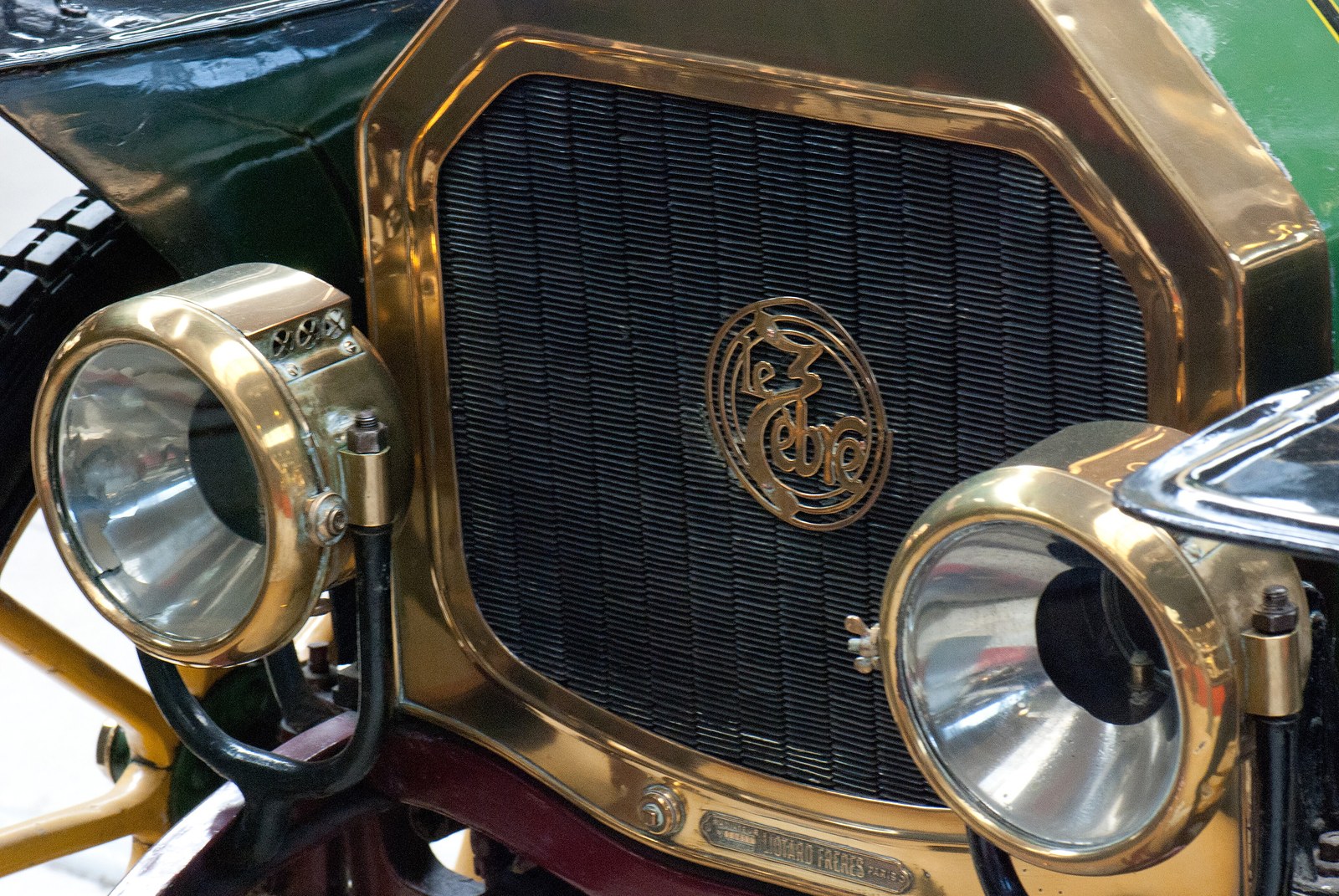
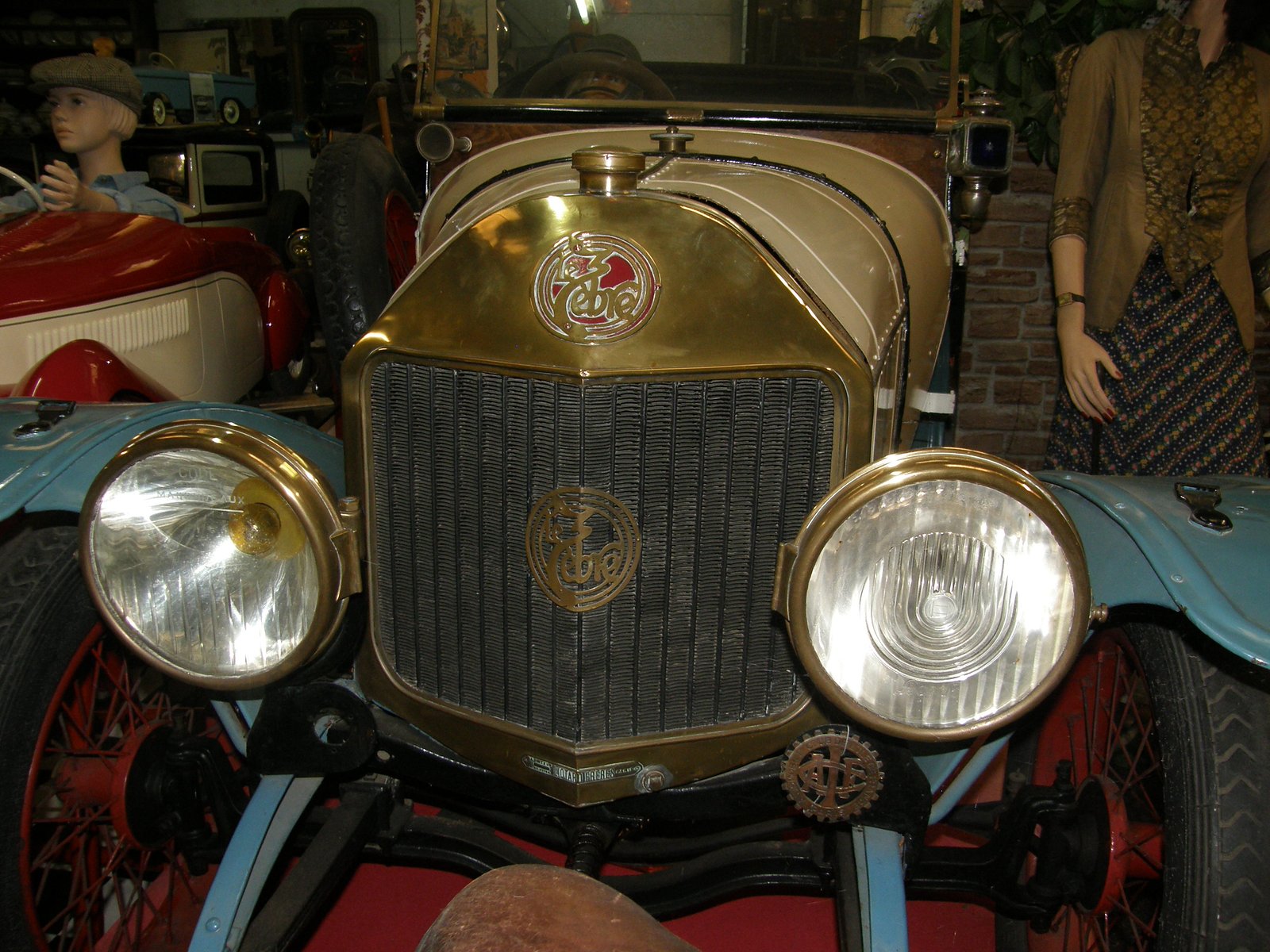
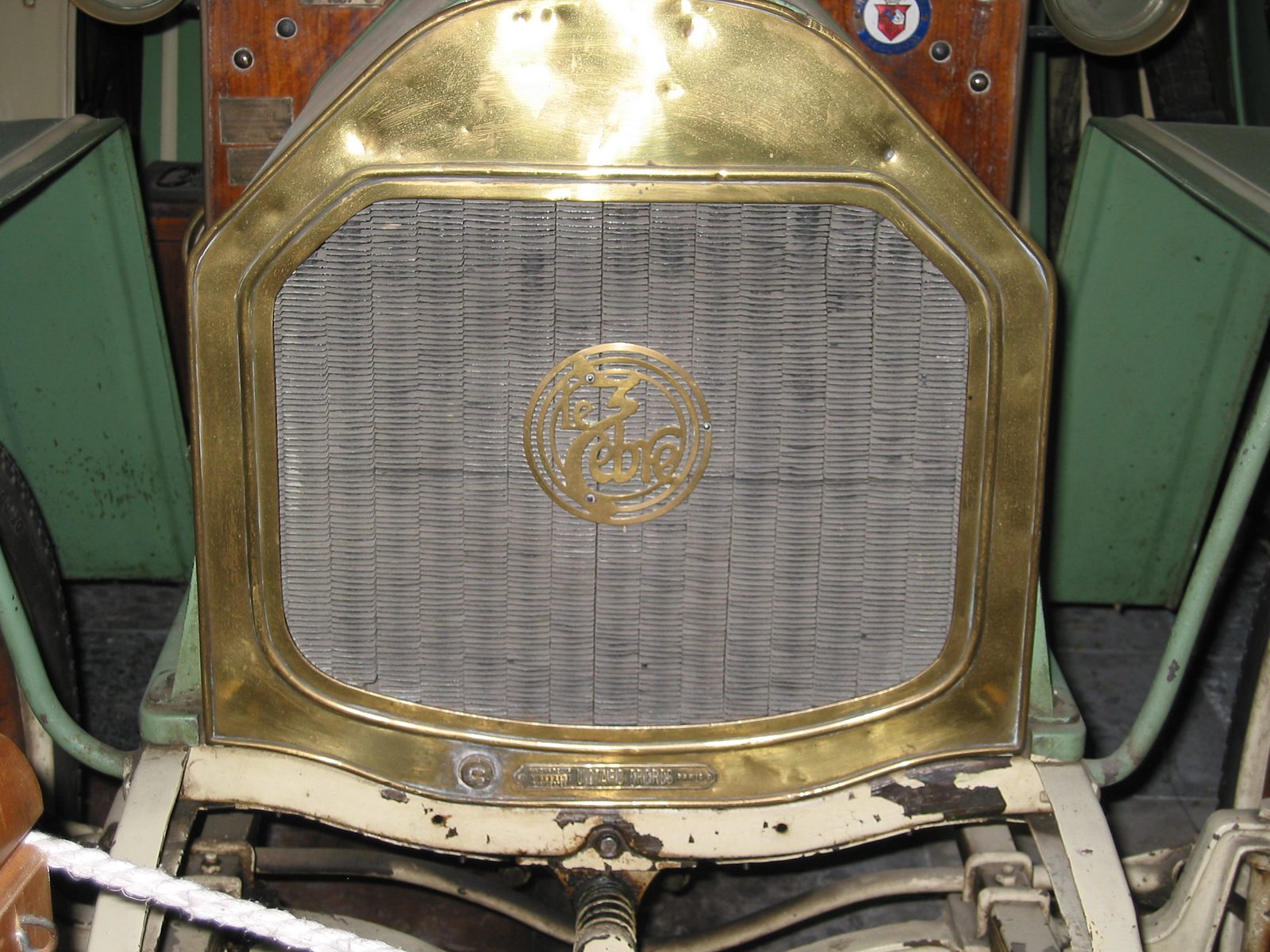
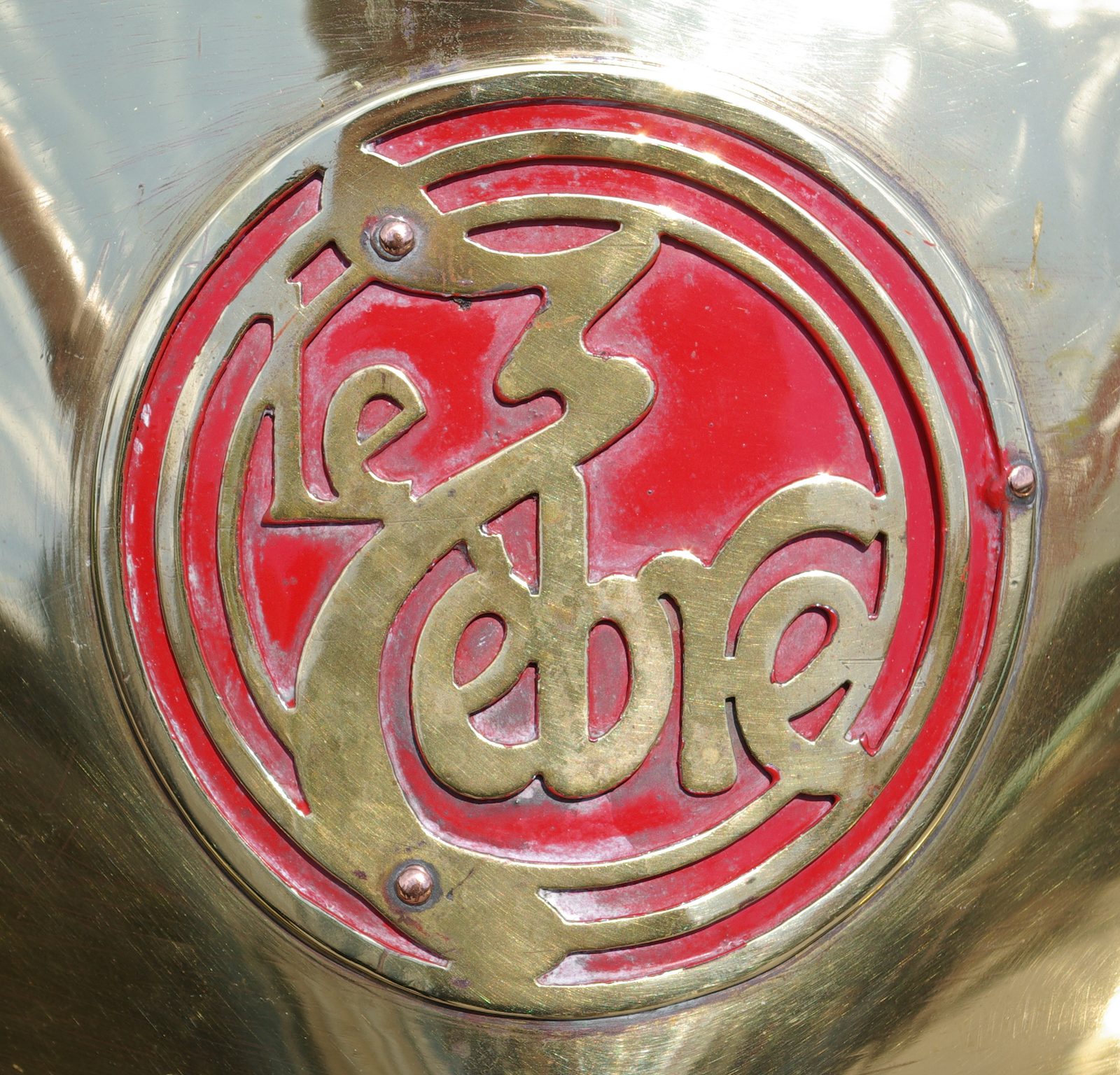
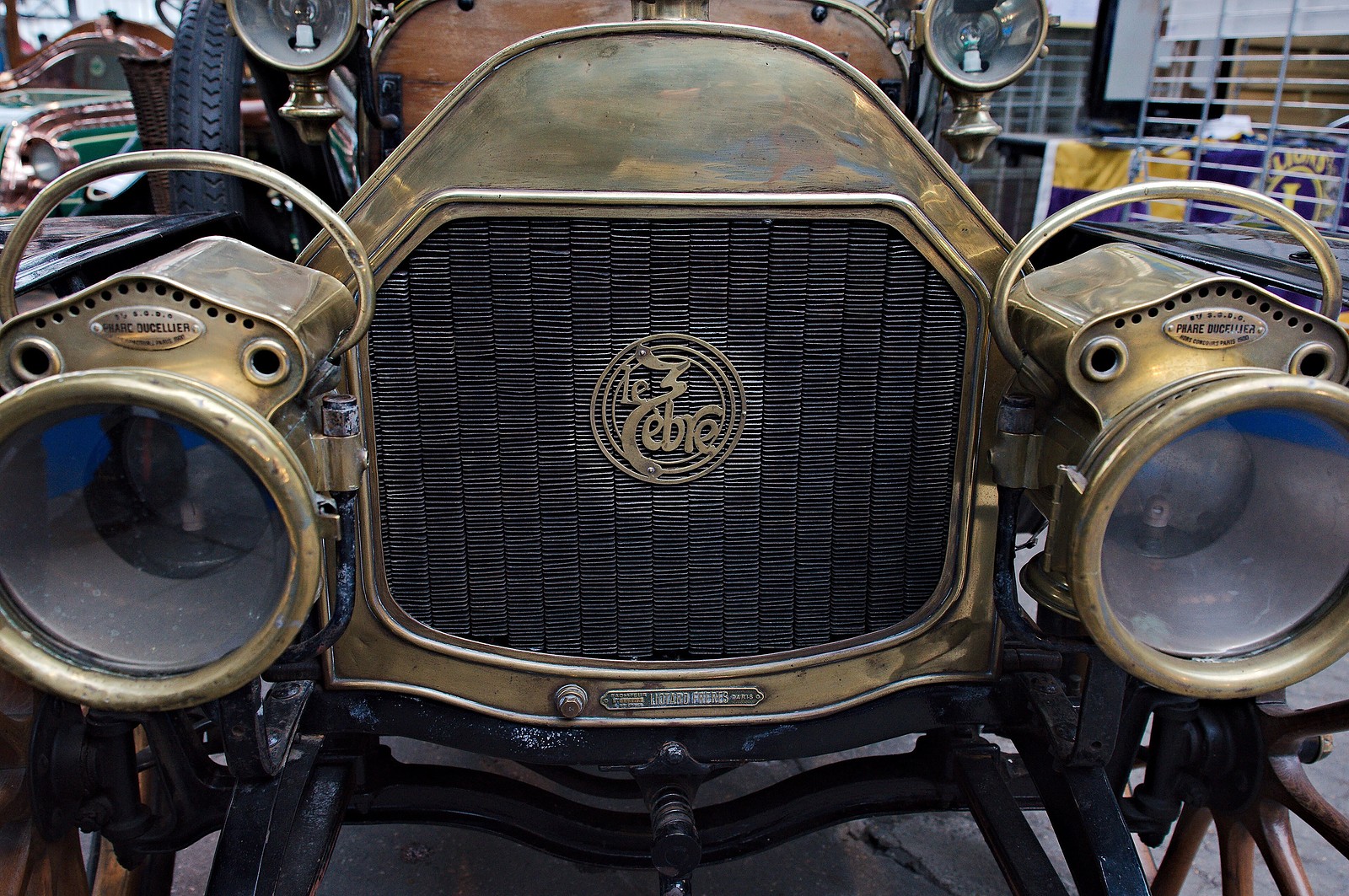
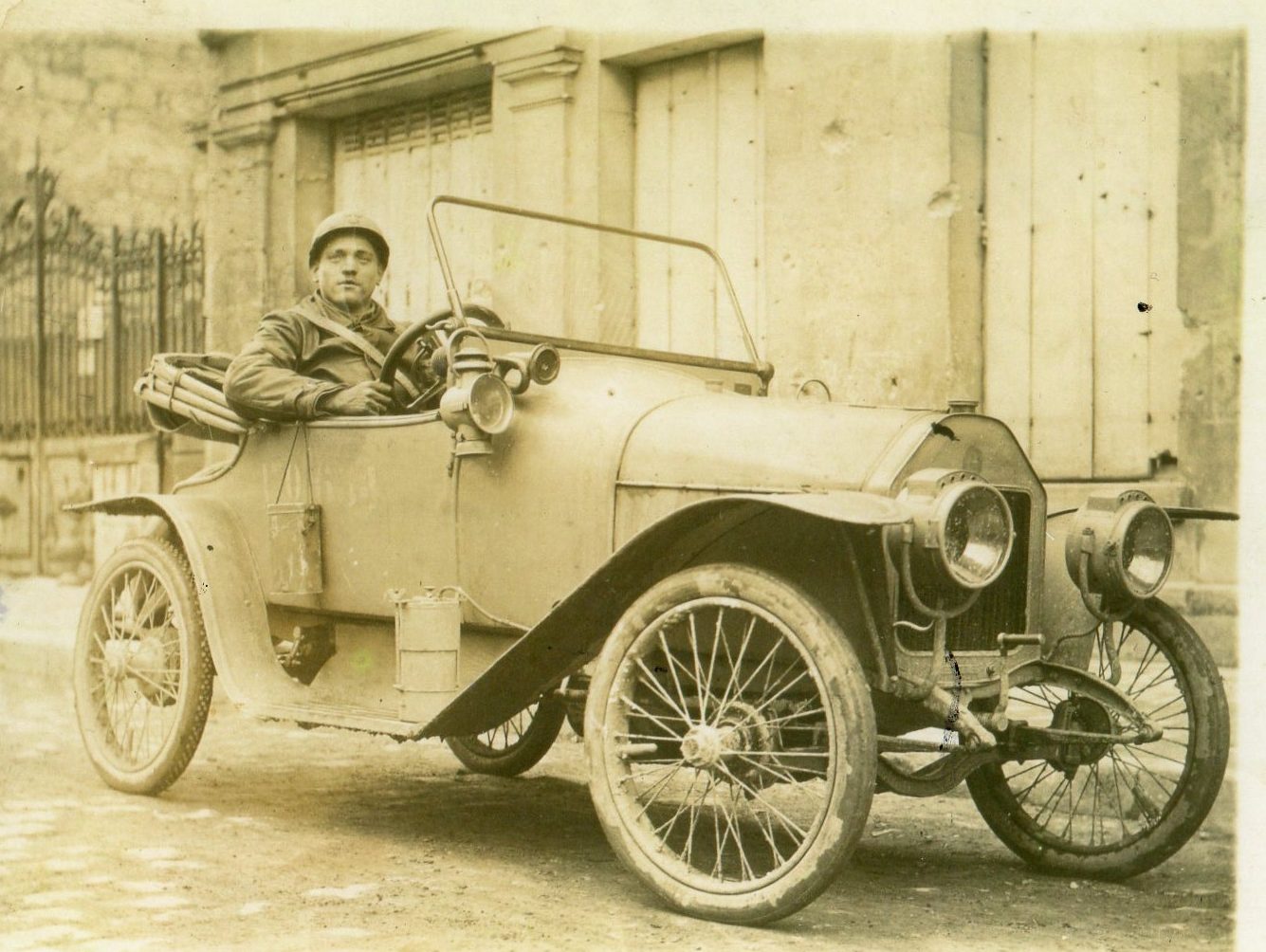
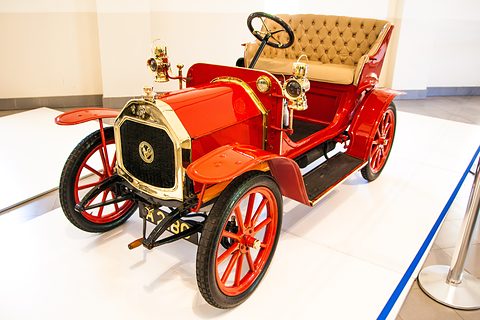
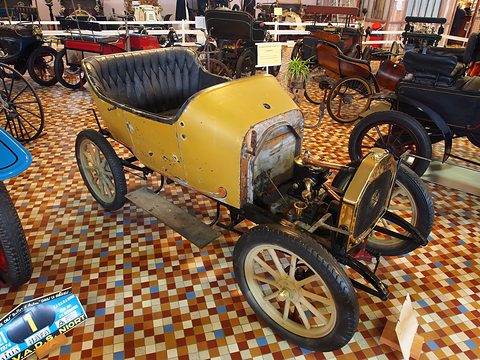
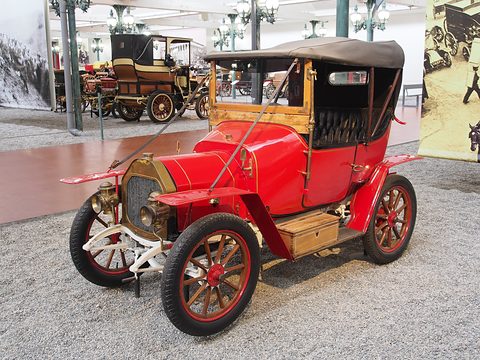
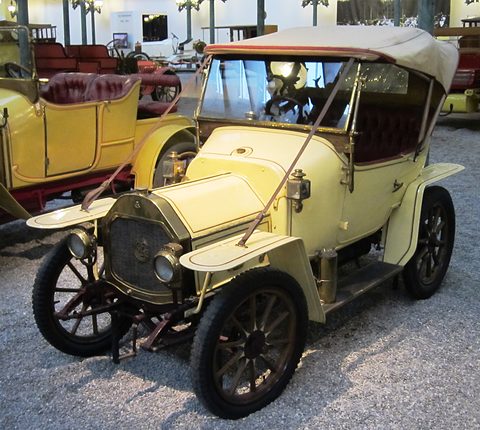
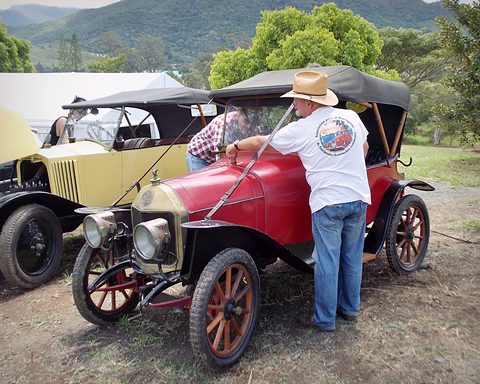
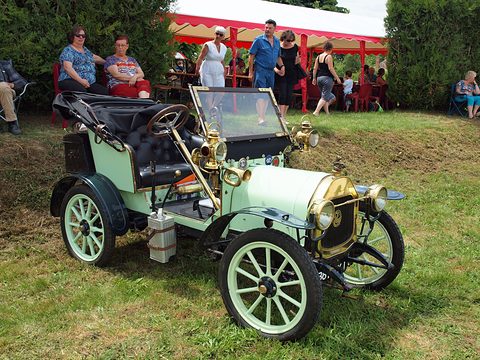
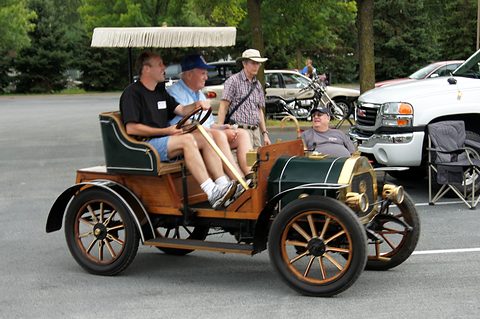
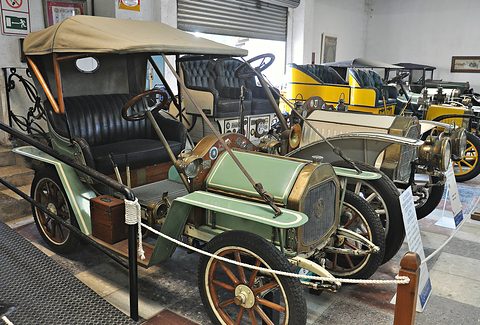
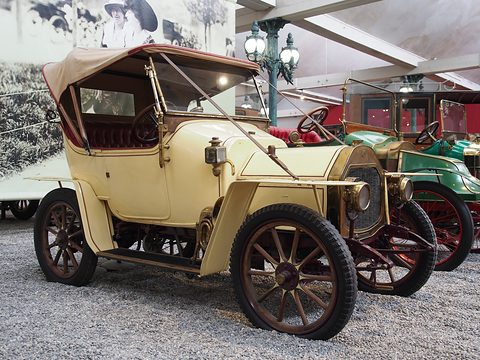
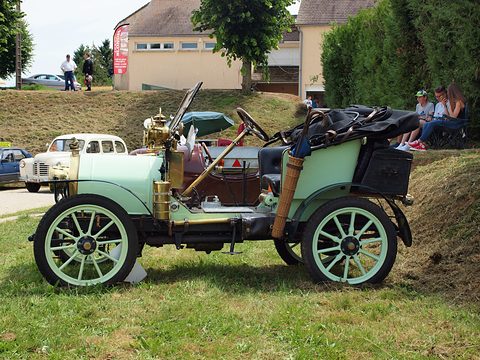
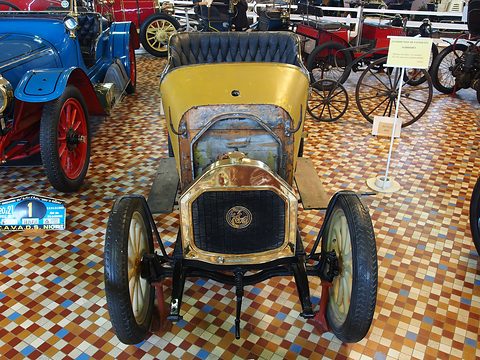
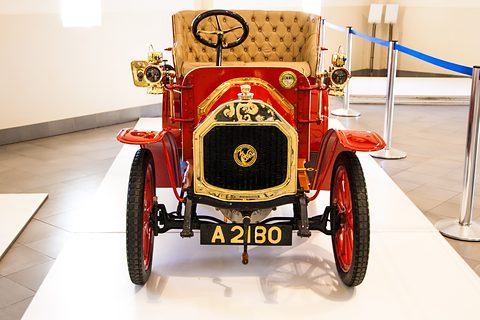
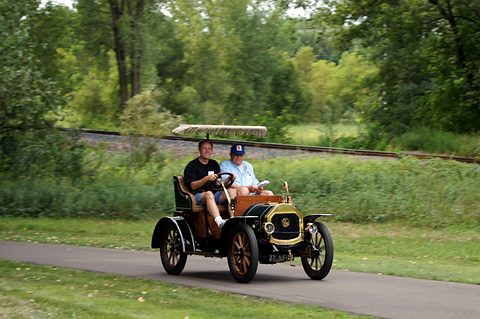
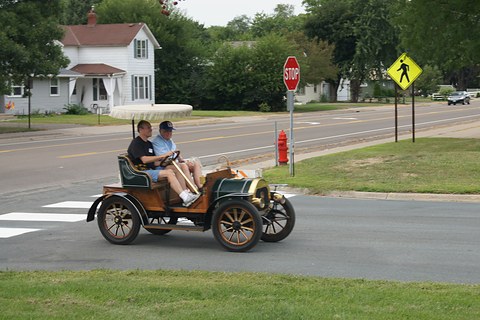
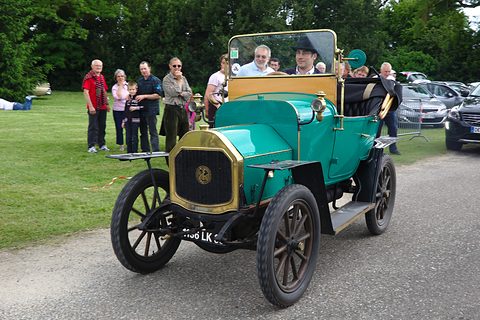
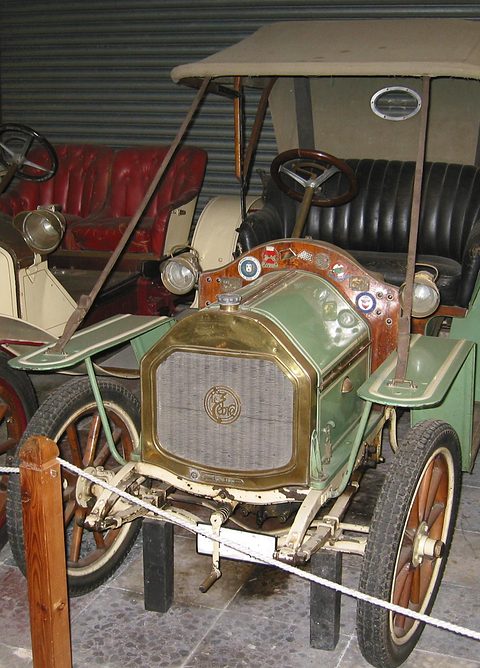
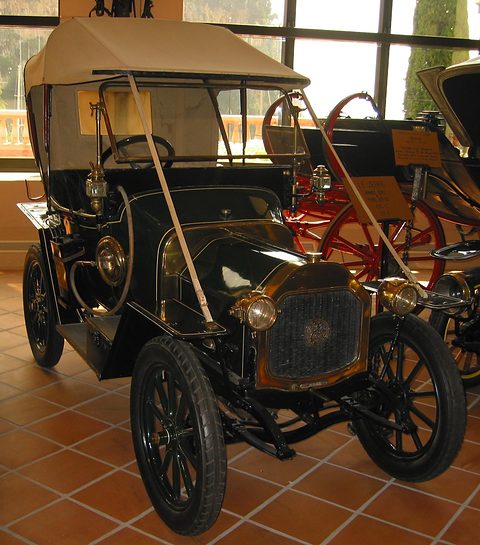
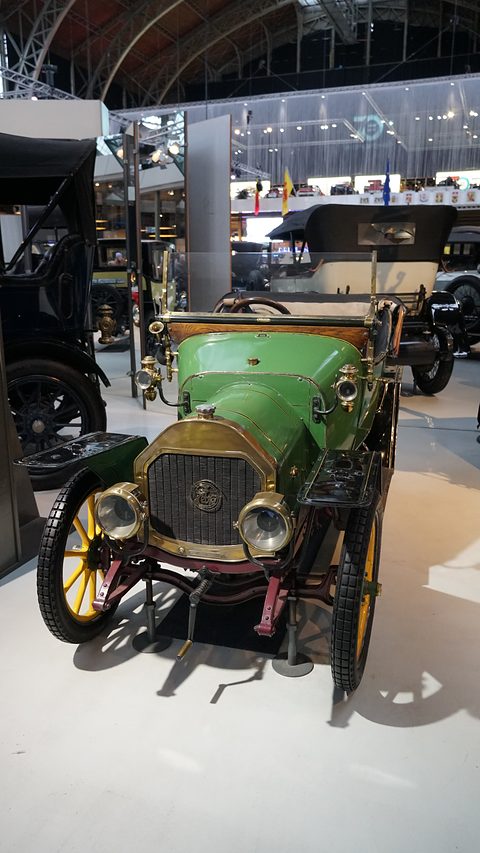
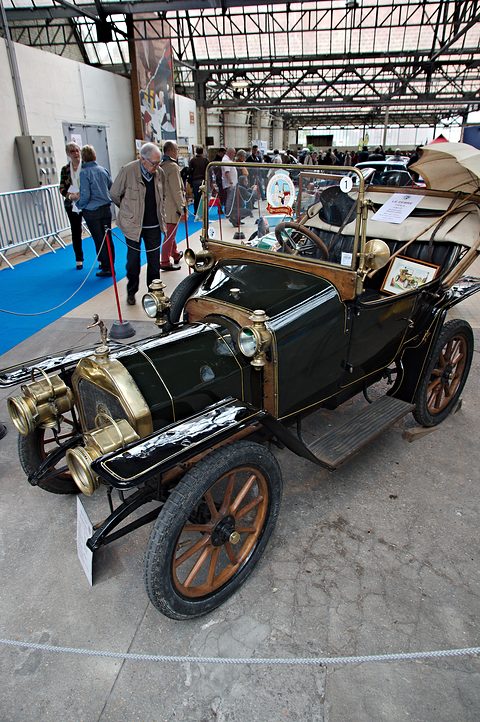
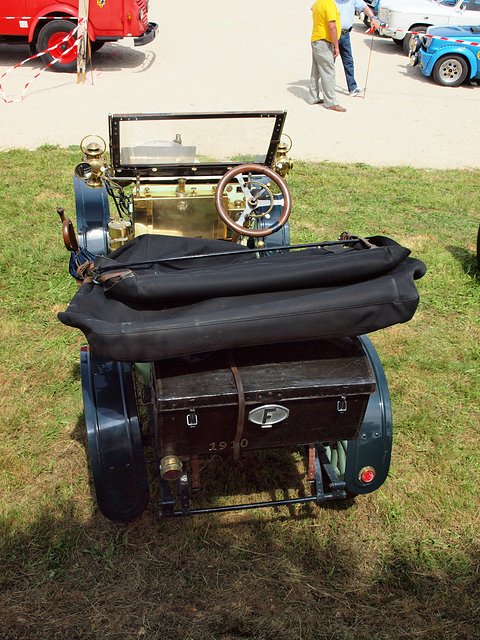
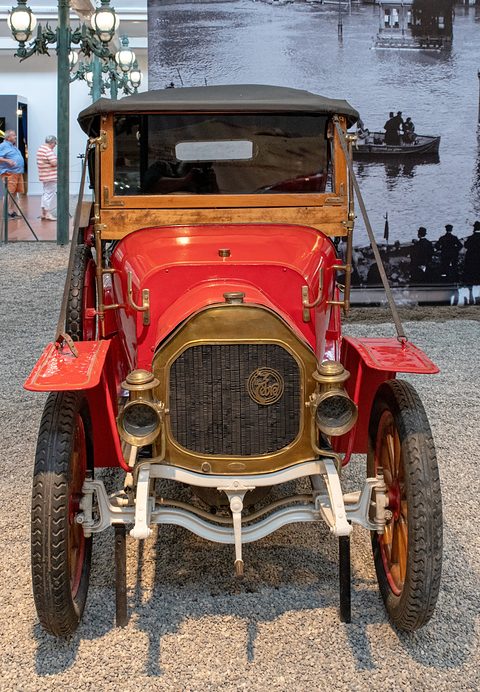
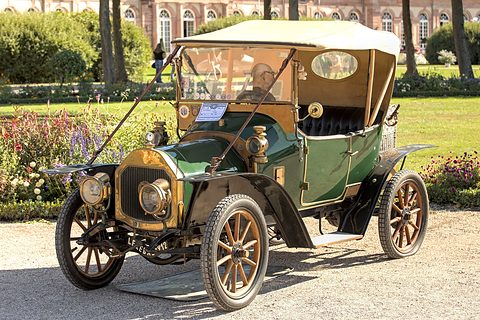
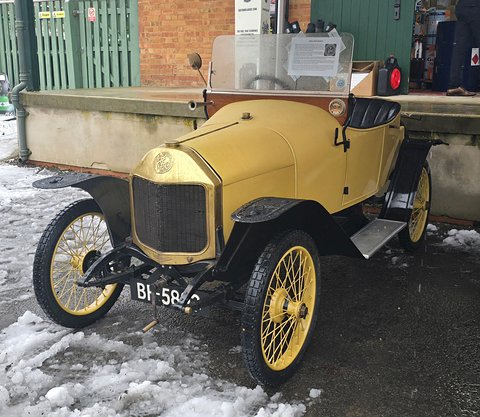
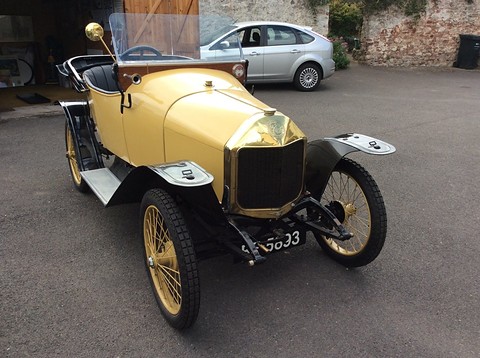
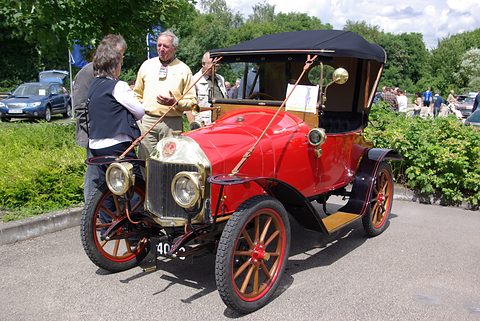
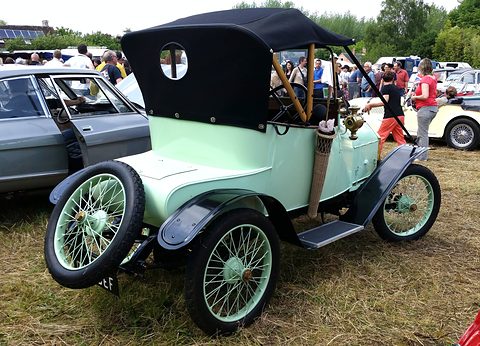
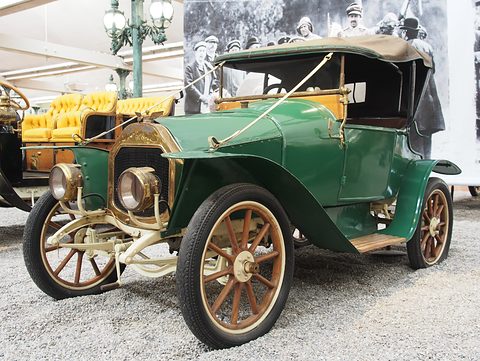
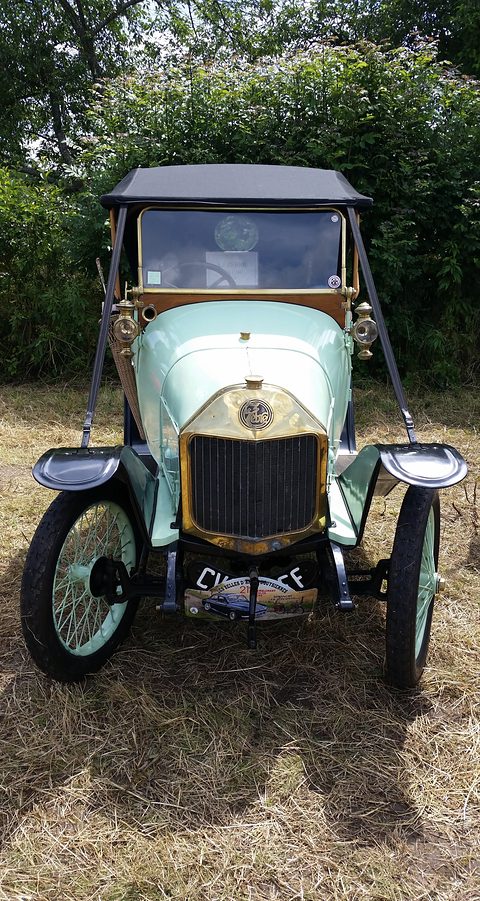
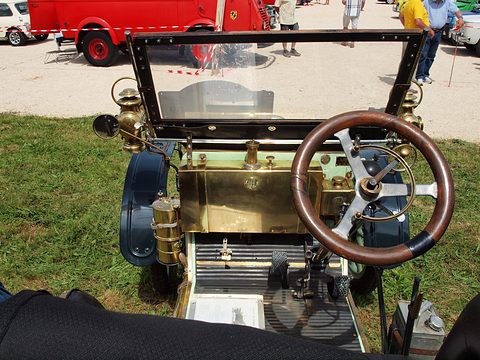
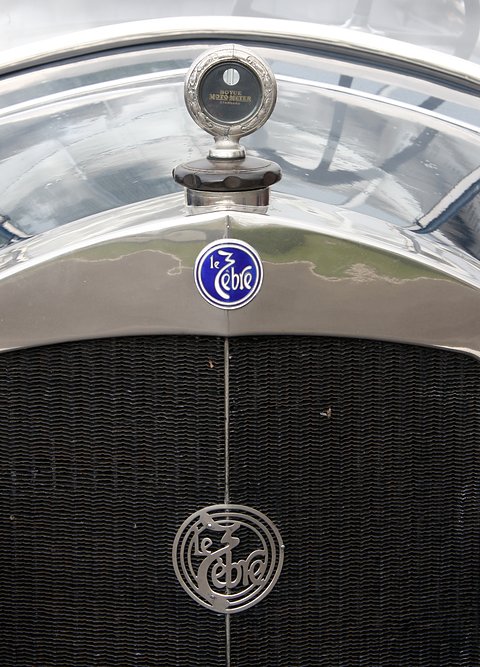
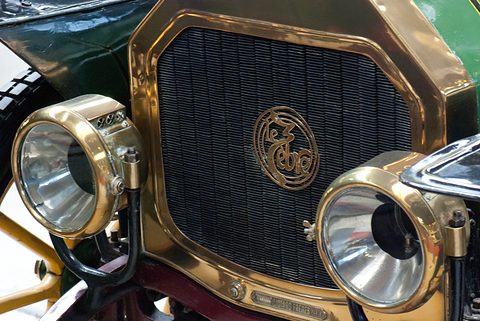
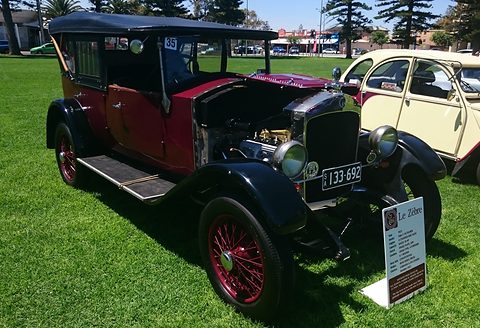
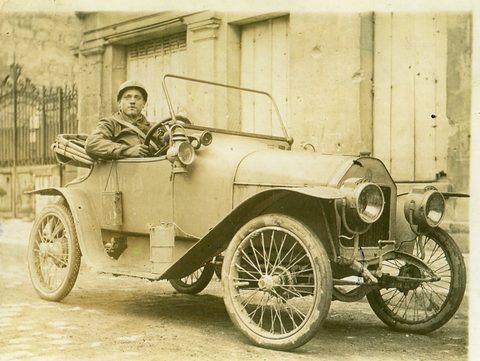
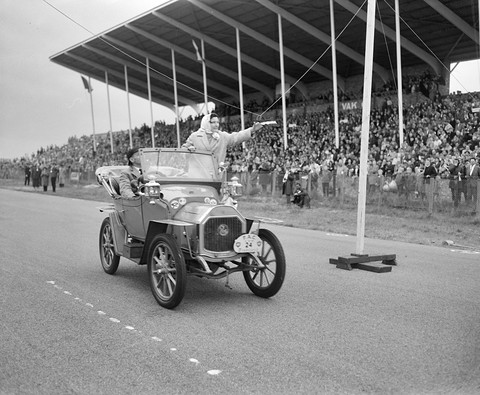
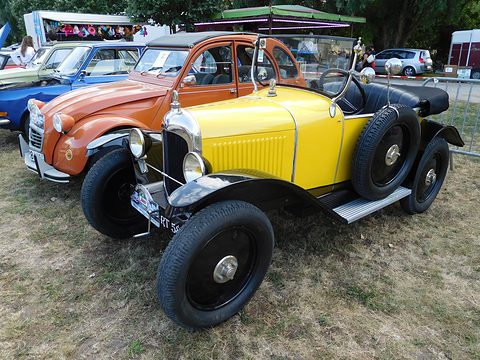
Salomon drew the Type A in 1909 while still working for Georges Richard, and more than a hundred were built that year in Unic’s own premises.source 2 It was a two-seater with a single cylinder of 601 cc in front, rated at 5 CV, two speeds and reverse, and a shaft to the rear wheels, and it weighed about 300 kg (661 lb).source 1source 3source 4 It was designed to be cheap to make, and it sold for under 3,000 francs, when a comparable rival cost about 4,000 F on average and a mid-range car 10,000 F.source 2source 1 The partners could not agree whose name to give it, and chose “Le Zèbre”, said to be the nickname of a clerk at Unic who ran fast and often.source 3source 2 English and French Wikipedia name Georges Richard as Salomon’s partner, with Bizet’s money; Gazoline and German Wikipedia name Salomon and Bizet, which is the better-supported account.source 1source 3source 2
In October 1909 the two left Unic and set up in the 17th arrondissement of Paris, as Bizet Constructions. Émile Akar and Joseph Lamy bought in, and Lamy became sales director.source 1source 3source 2 Omnia described the car on 1 January 1910, and its editor, Baudry de Saunier, the leading French motoring writer of the day, never stopped praising it.source 3source 2source 1 Some have filed it with the cyclecars, but with its shaft drive and a gearbox with reverse it was a small conventional car, as Gazoline insists.source 1source 2
La marque ne produit toujours que le monocylindre Type A qui, bien que de dimensions réduites, n’est pas un cyclecar comme le laissent entendre certains, mais bien une véritable voiture, aux performances très appréciables.
Four cylinders and a war
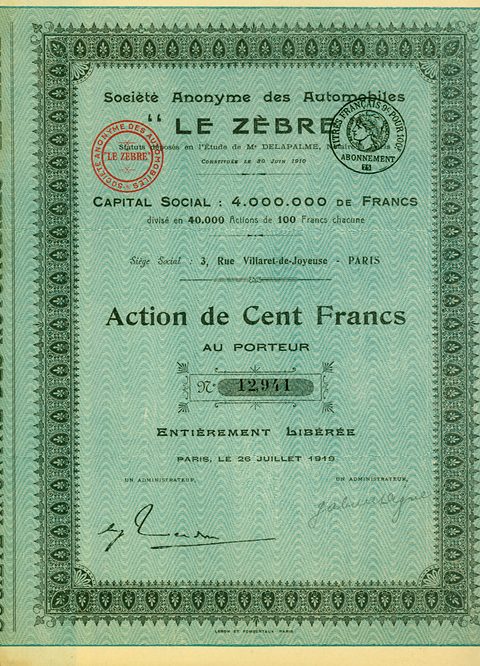
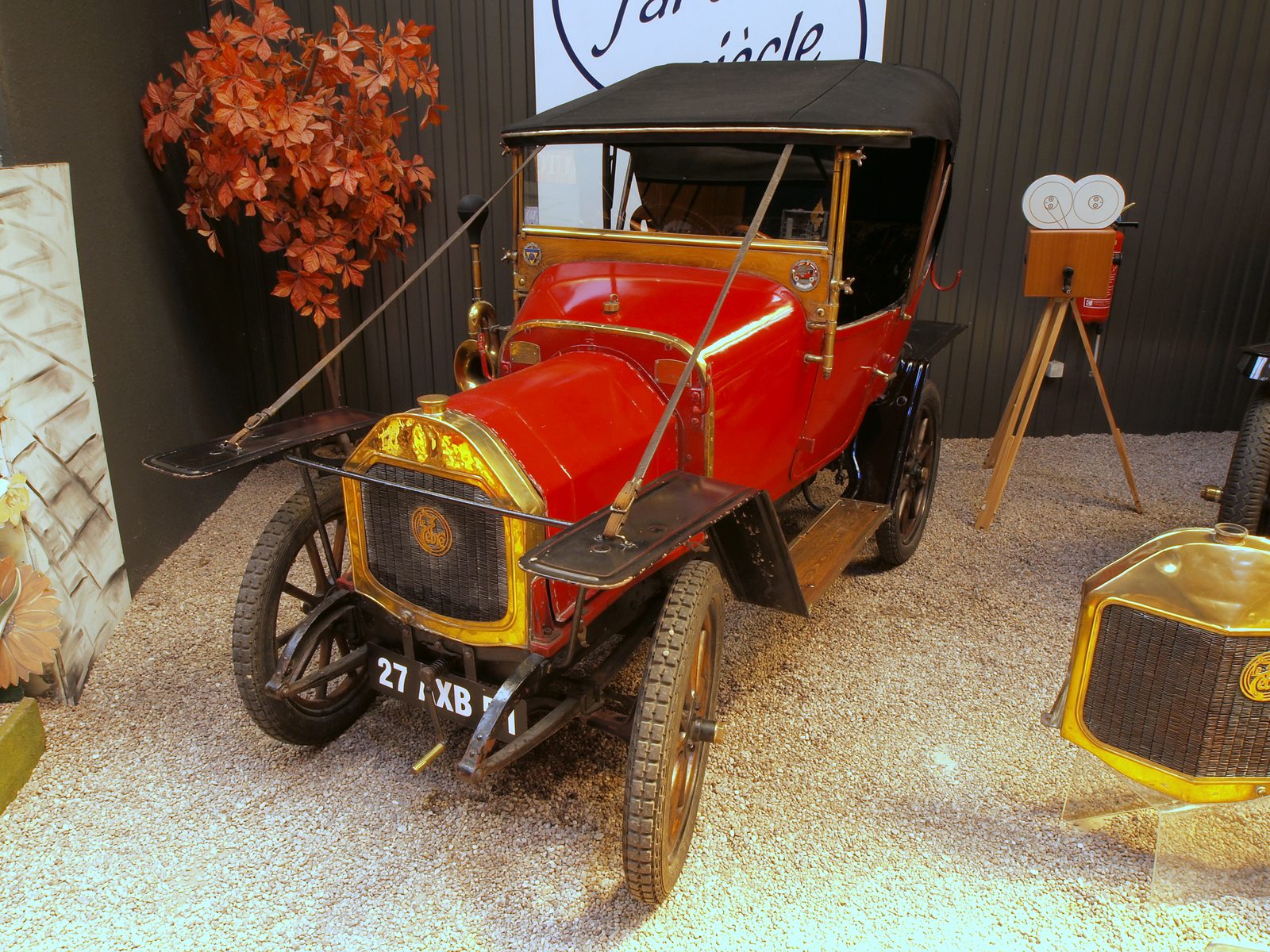
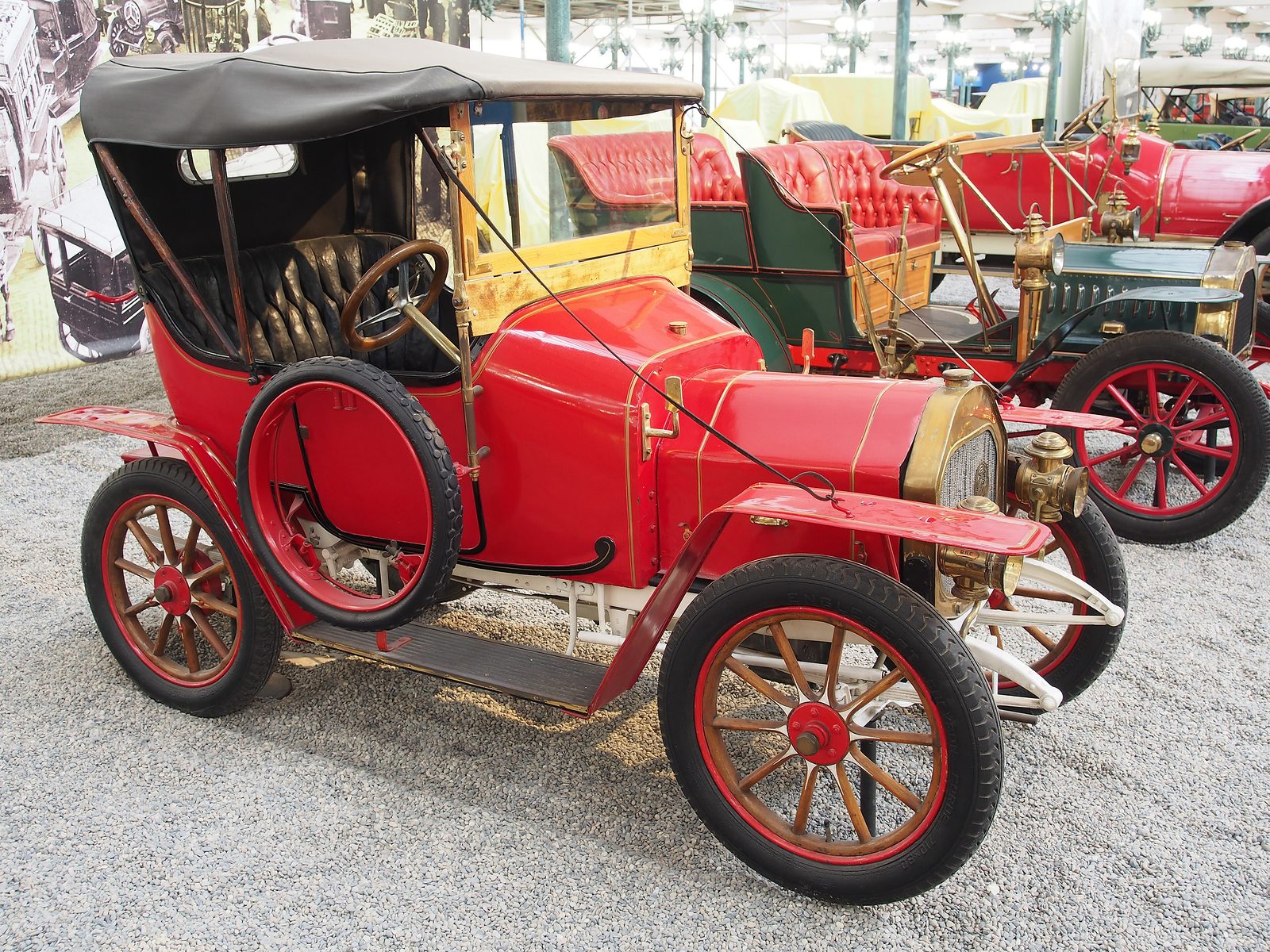
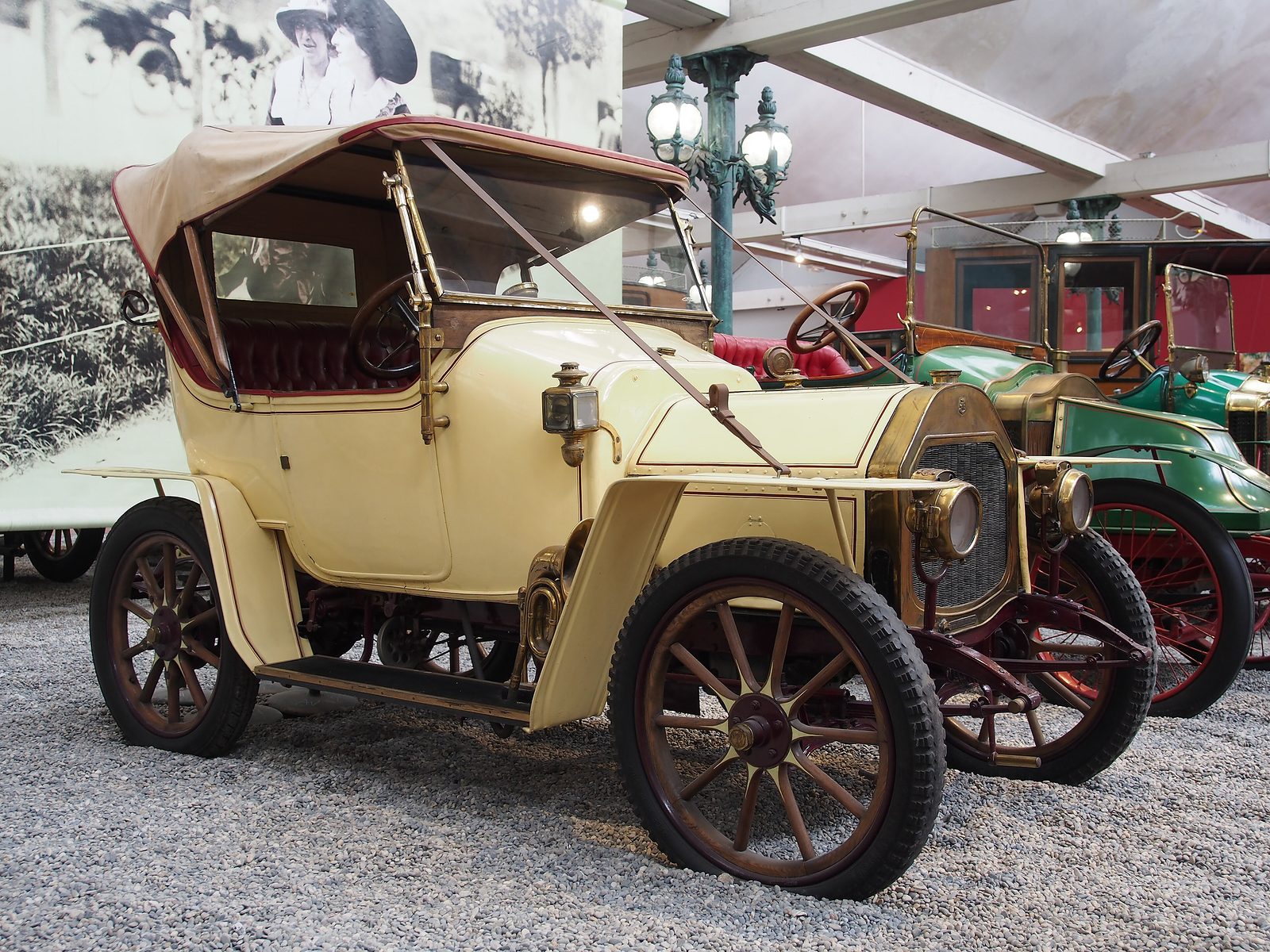
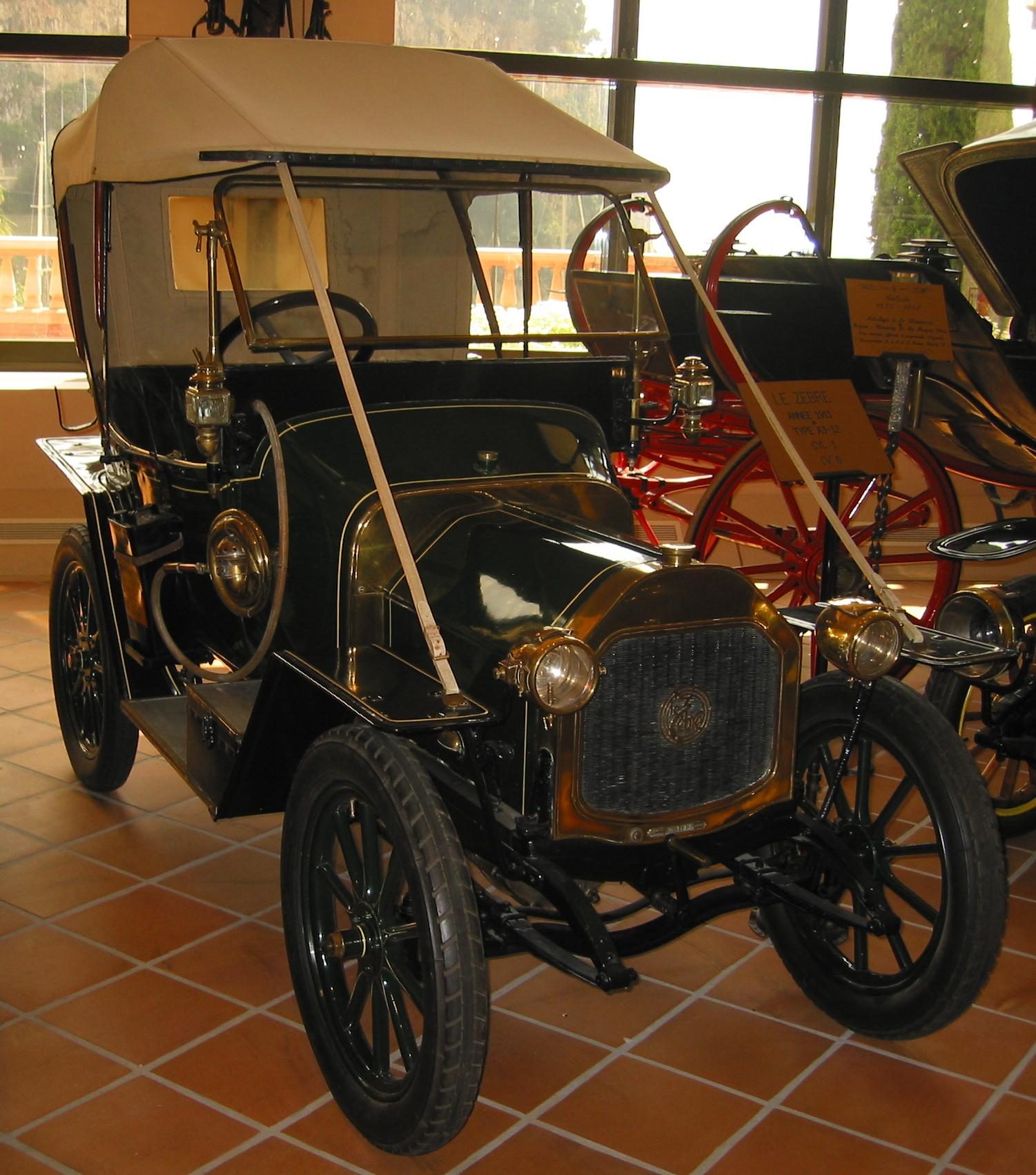
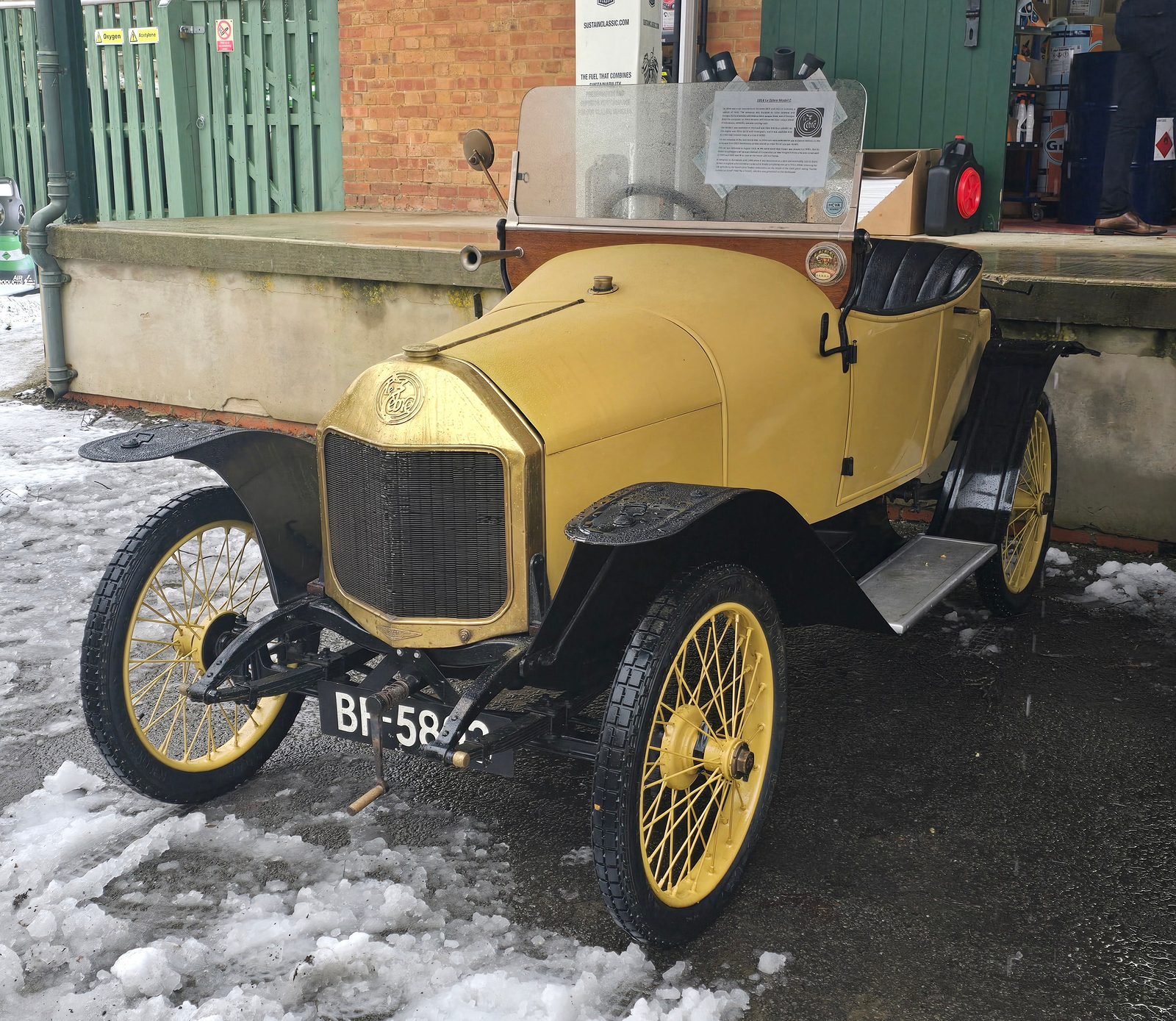
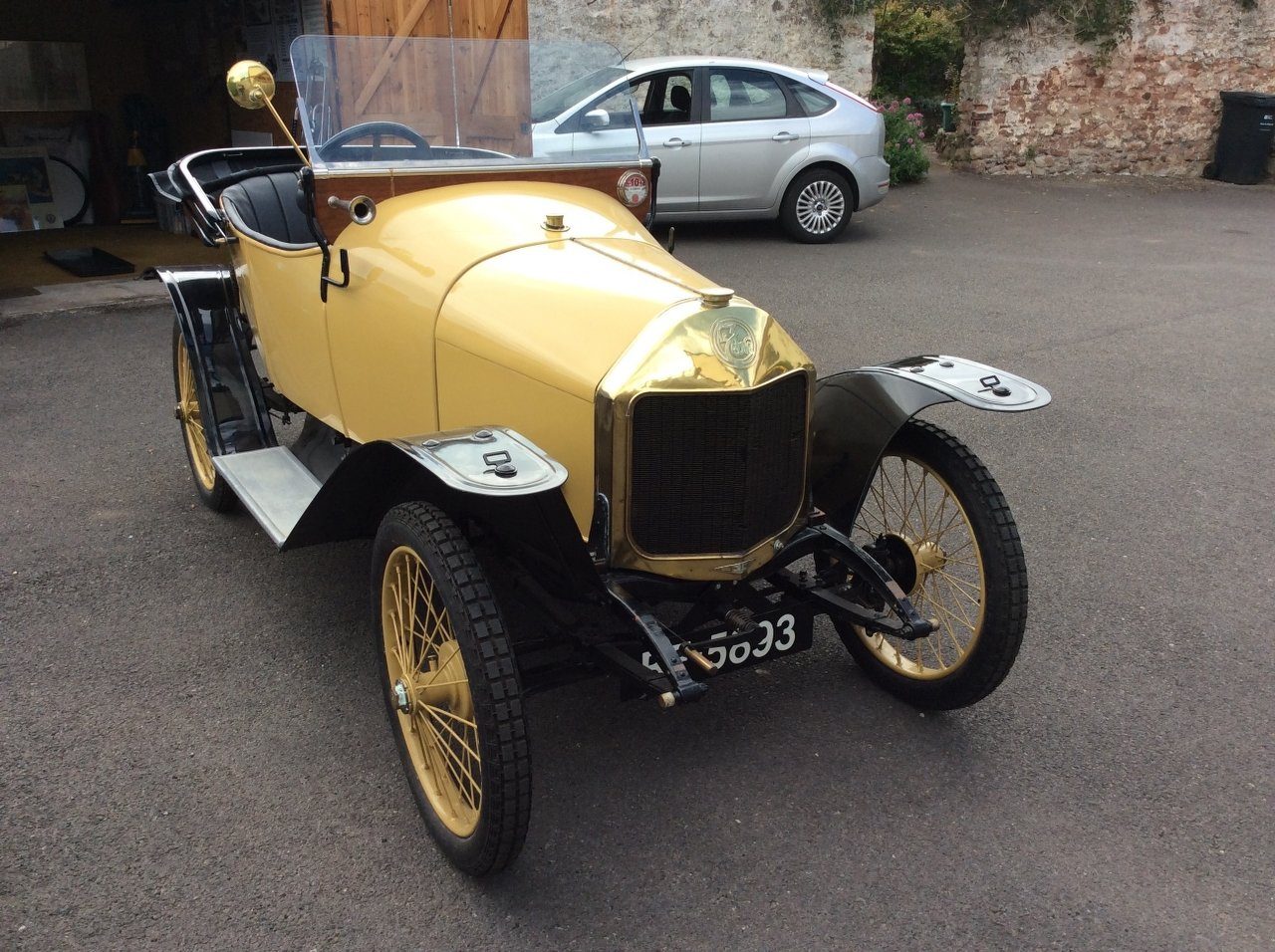
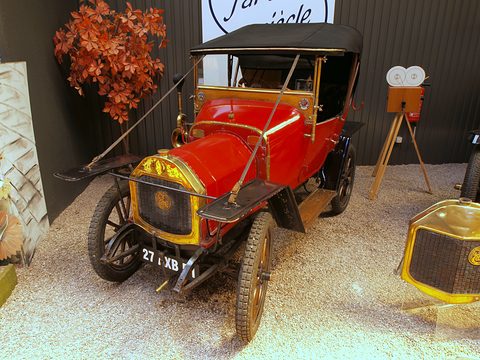
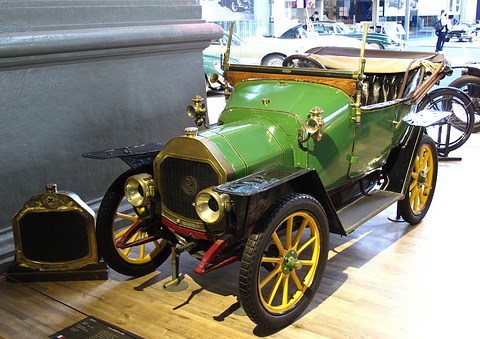
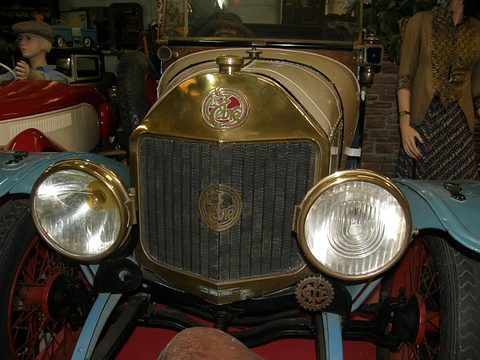
The company was incorporated in 1911 as the Société anonyme des Automobiles Le Zèbre.source 3source 2 In 1912 two four-cylinder models arrived: the Type B, a 1,743 cc four-seater at 6,000 F, and the Type C, a two-seat torpedo of 785 cc on a 200 cm (79 in) wheelbase, while the Type A carried on.source 1source 2 German Wikipedia gives the small fours as 785 and 942 cc.source 3 After several moves the firm settled at Suresnes.source 1source 2 In the war the little cars proved able to go anywhere, and from 1915 the War Ministry ordered 40 a month as liaison cars, with other military parts; Le Zèbre kept its staff while its rivals were turned over to shells.source 1source 2
The men who left
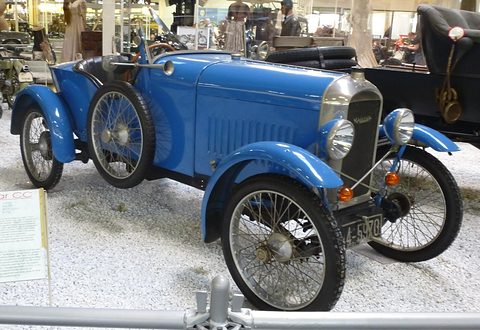
In 1917 Salomon and Bizet fell out; Gazoline sets Bizet’s dissolute life against Salomon’s rigour.source 2 Salomon went to André Citroën and designed the Citroën Type A of 1919 and then, with Edmond Moyet, the Citroën 5HP of 1922, which was, according to Gazoline, directly derived from Le Zèbre drawings. He later worked for Peugeot and Rosengart, and died at Suresnes in 1963.source 1source 2 In 1921 Moyet, Akar and Lamy left with André Morel, the former Berliet tester who sold Le Zèbres in the south, to found Amilcar, a name made from Akar’s and Lamy’s, and the maker of the Amilcar CC.source 1source 2 That same year Morel drove a Le Zèbre in the Limonest hill climb near Lyon, the only competition entry by the make that Gazoline knows of; the result is not recorded.source 2
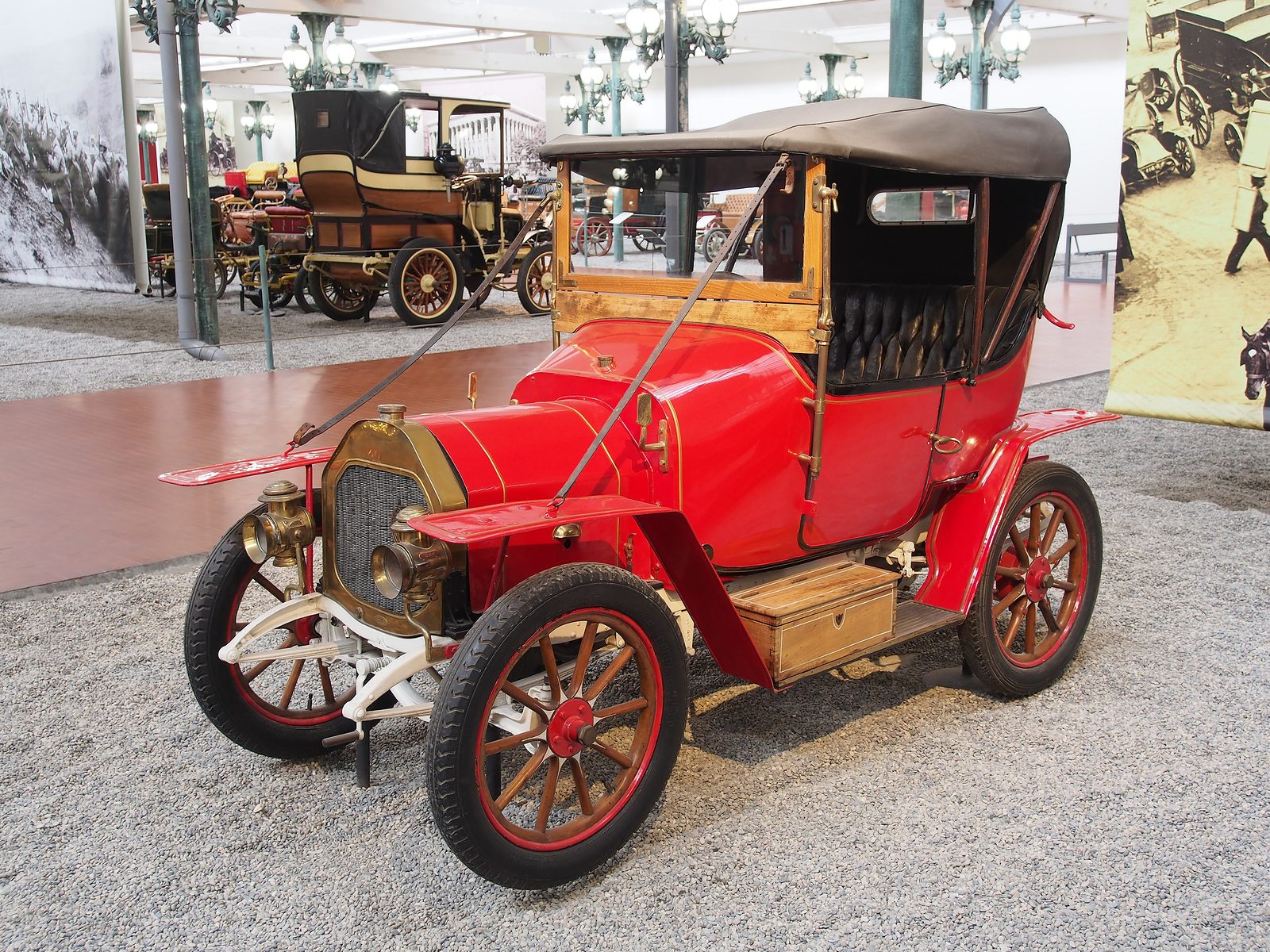
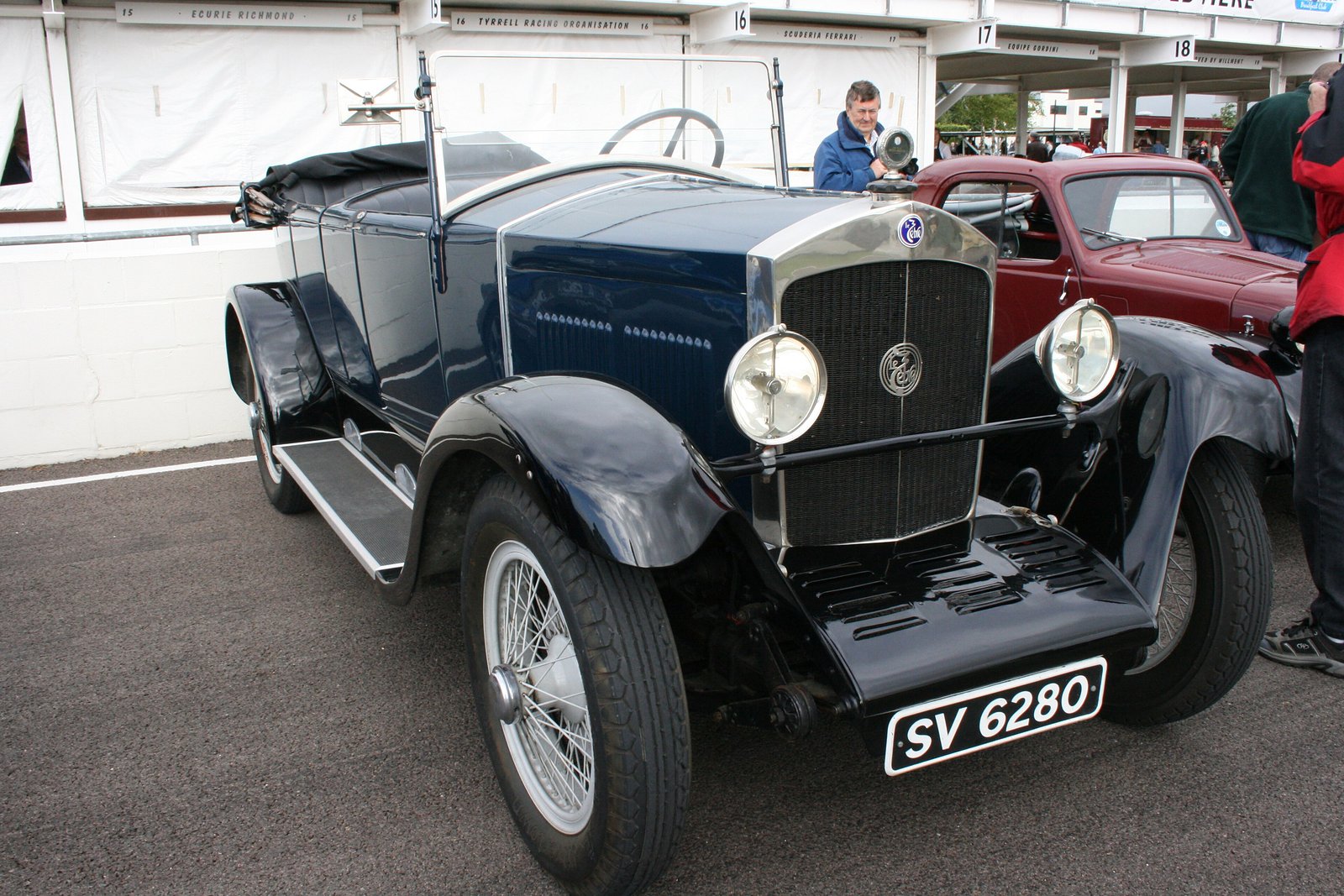
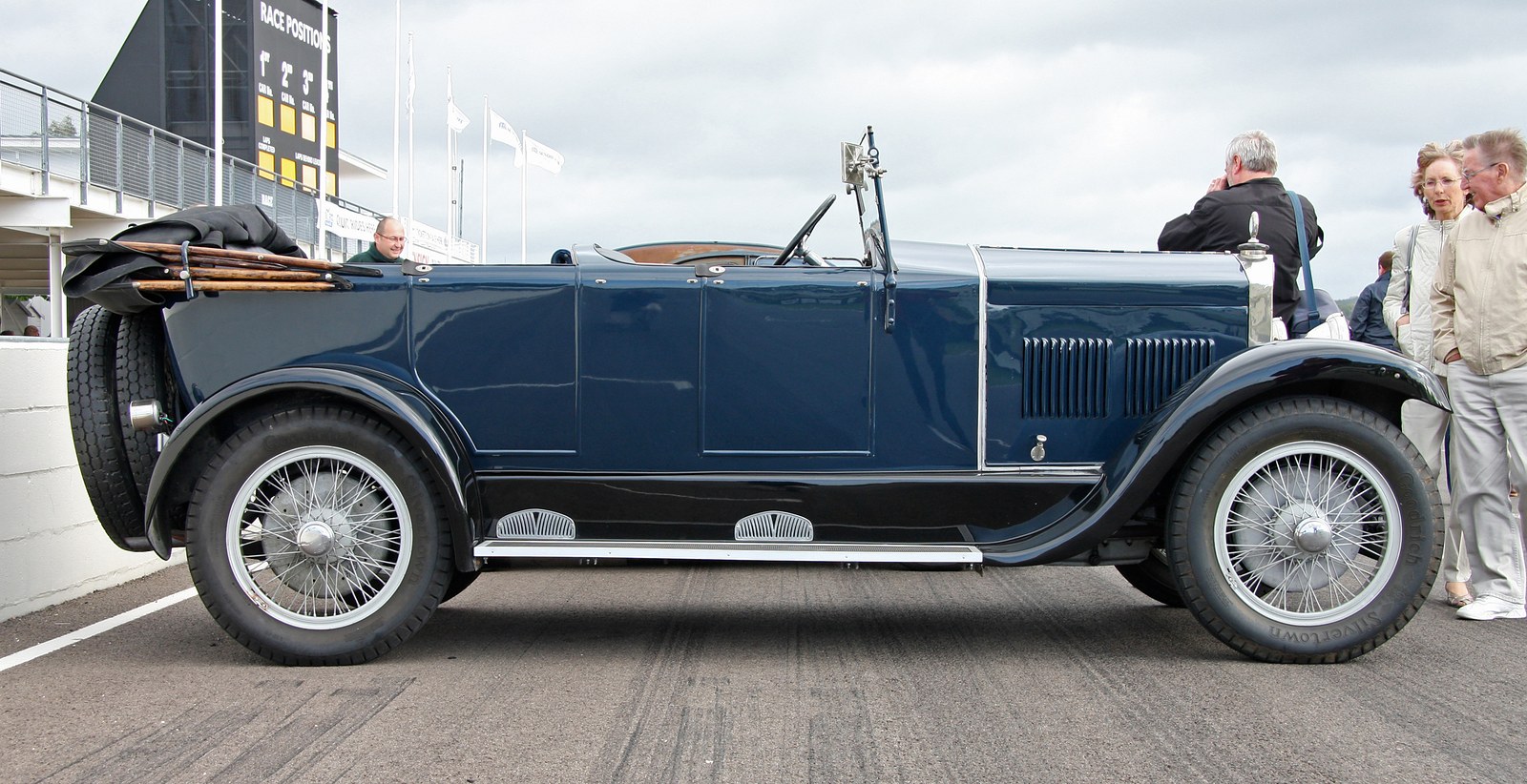
The firm lasted another decade. The four-cylinder Type D of 1919, 998 cc and 8 CV with four speeds, replaced the old range, but customers asked for the single, and the “eternal Type A” came back on the Type C chassis.source 1source 2 Early in 1923 only the Types A and D were catalogued, followed by the Type E, a sporting D, a 10 HP built under an Amilcar licence, and the Type C again.source 2 Harry Ricardo designed the 2-litre Type Z of late 1924, and only 550 were sold between 1925 and 1930. A Ricardo opposed-piston two-stroke diesel prototype stood on the stand at the 1931 Paris Salon, but the firm closed that year, and its liquidation dragged on until 1938.source 1source 3source 2