The story
History
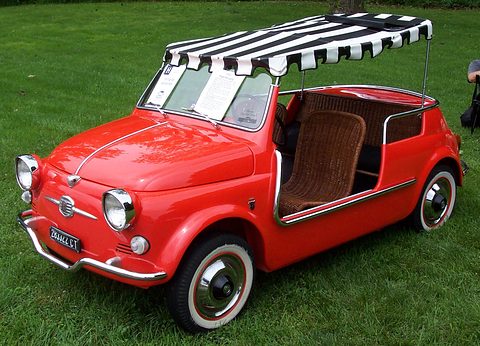
Alfredo Vignale had put open bodies on the 500 before. His “Spider Miki Mouse” stood at the Turin show of 1957, the year the car came out, and a “Minnie” followed in 1958 (more coachbuilt 500s).source 1 The Gamine began, by the account of Guus Beliën’s 2024 history of the car, with Osvaldo Geminiani, a Neapolitan who owned G.A.M. in Monte Carlo. He proposed an open two-seater on the 500 and placed the first orders.source 2 Below The Radar tells it differently, as Vignale’s own idea; the book-based account is the better documented.source 3
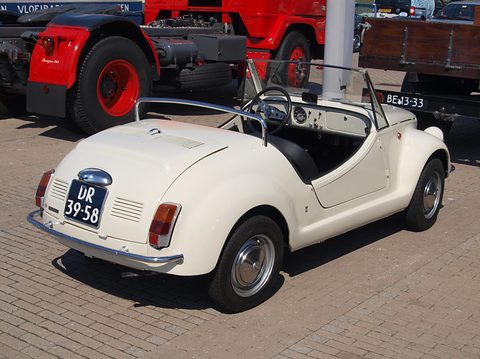
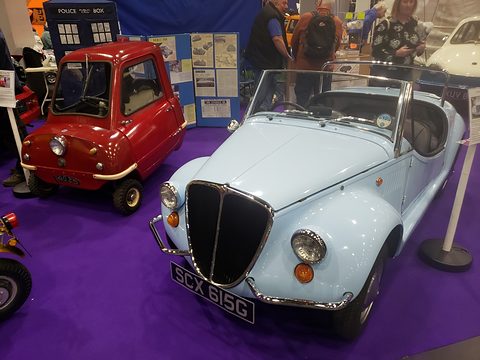
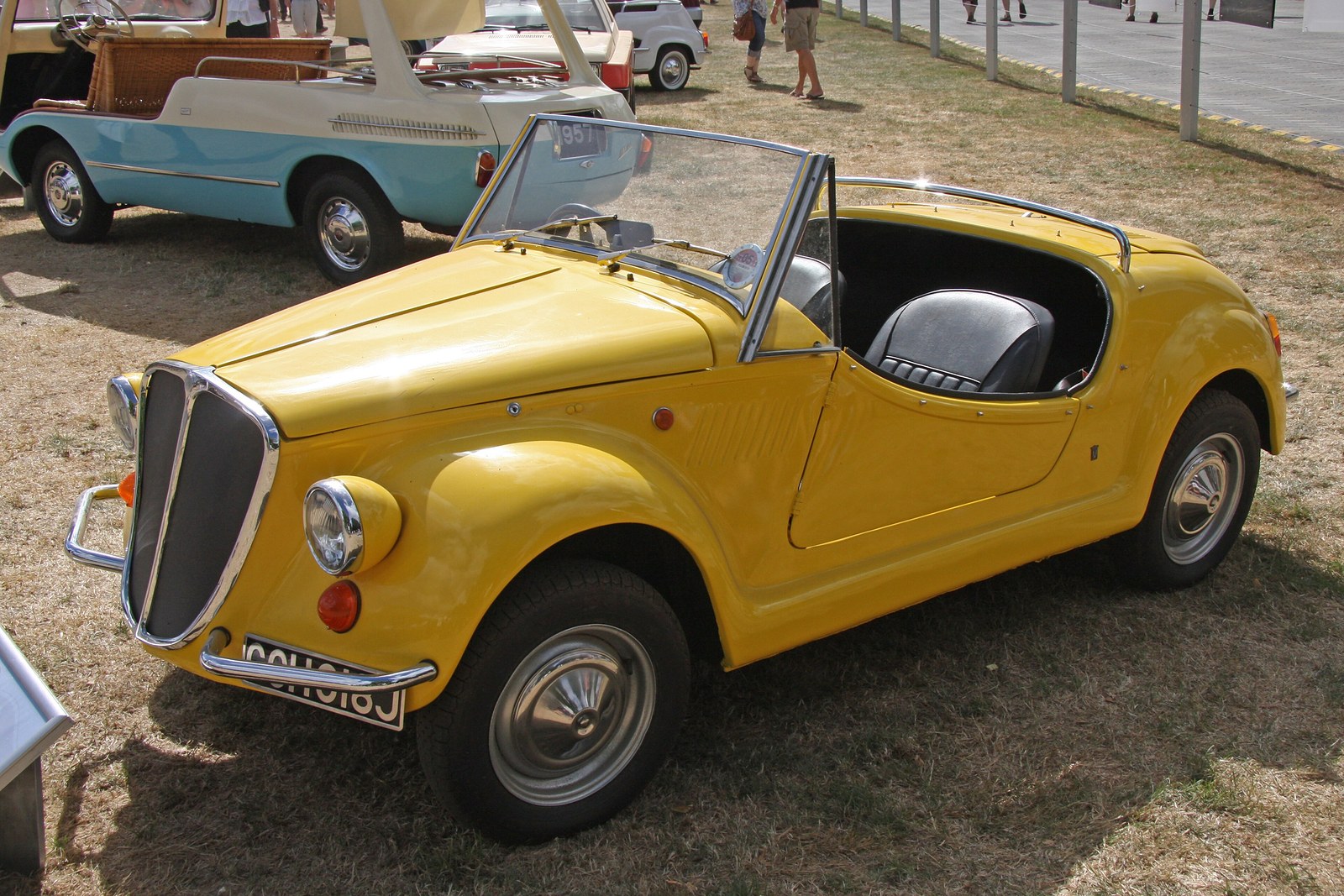
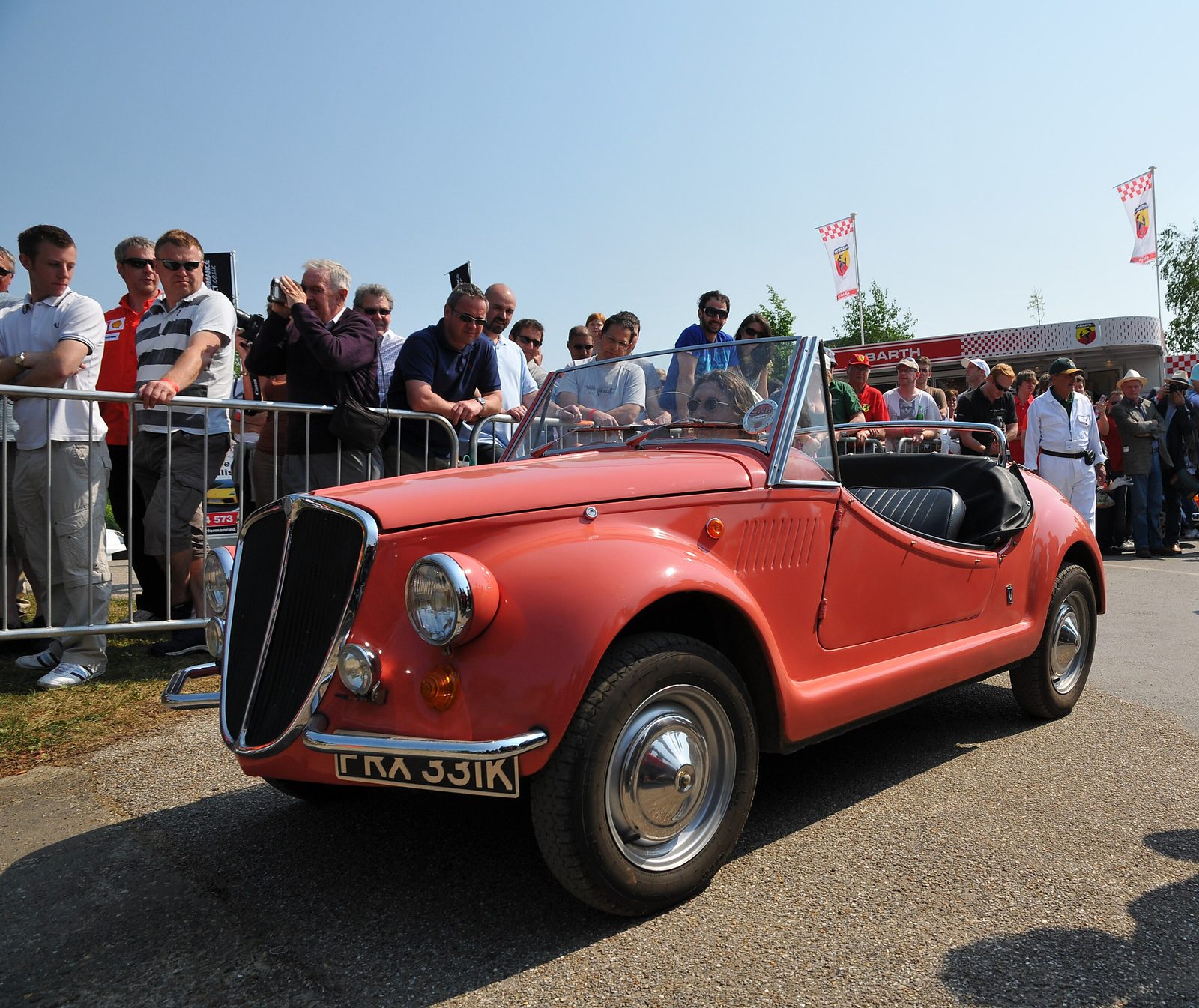
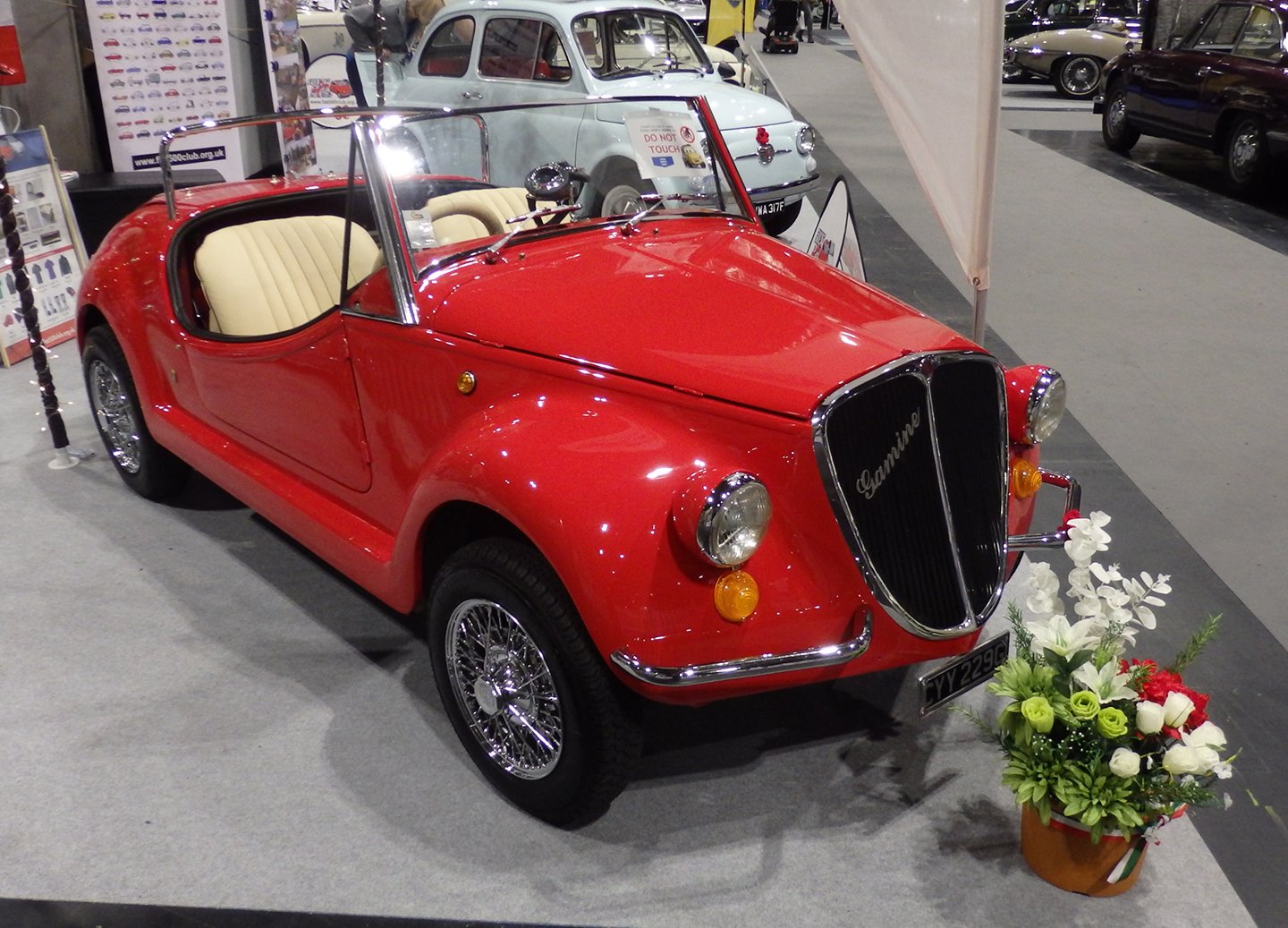
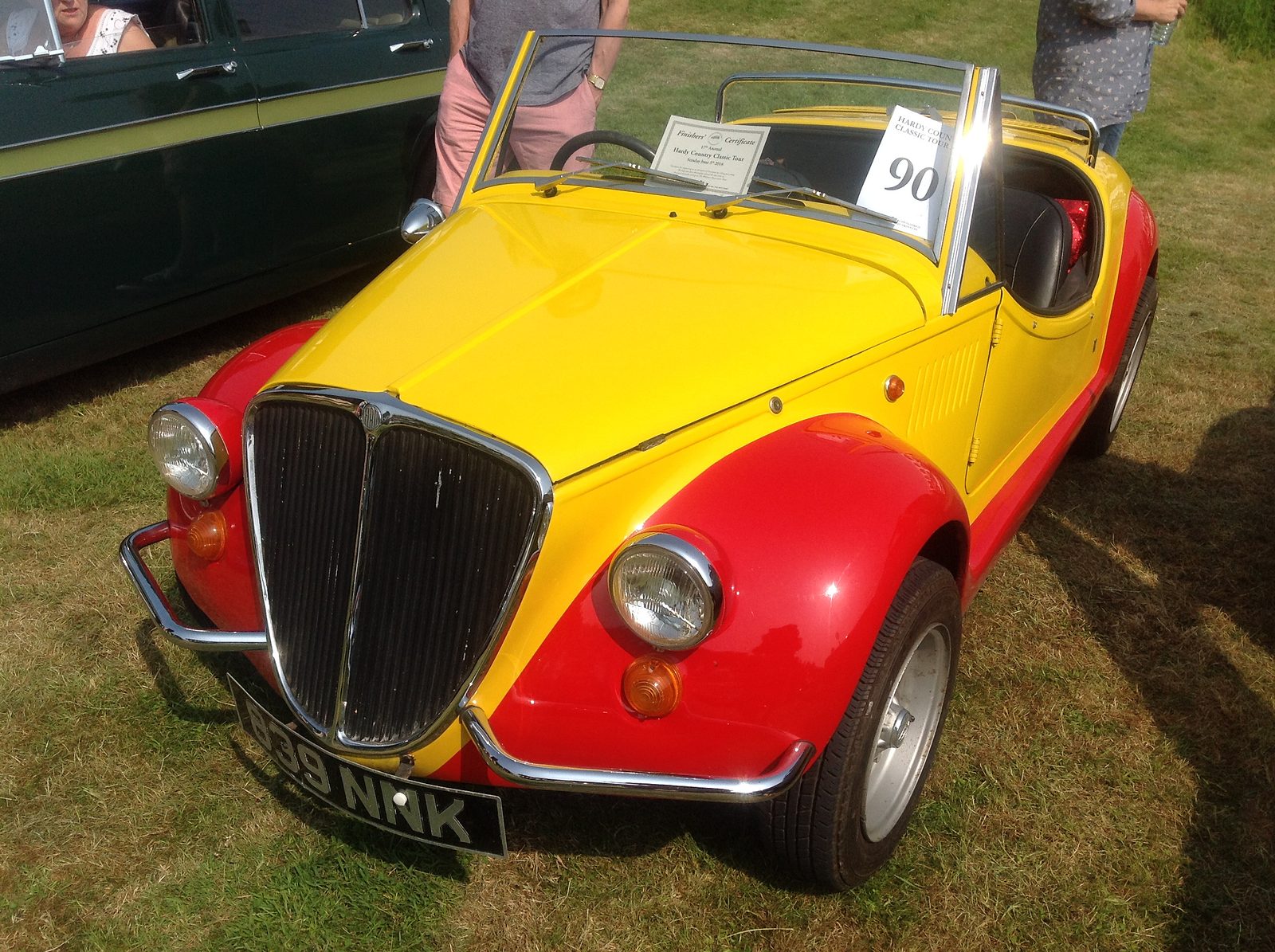
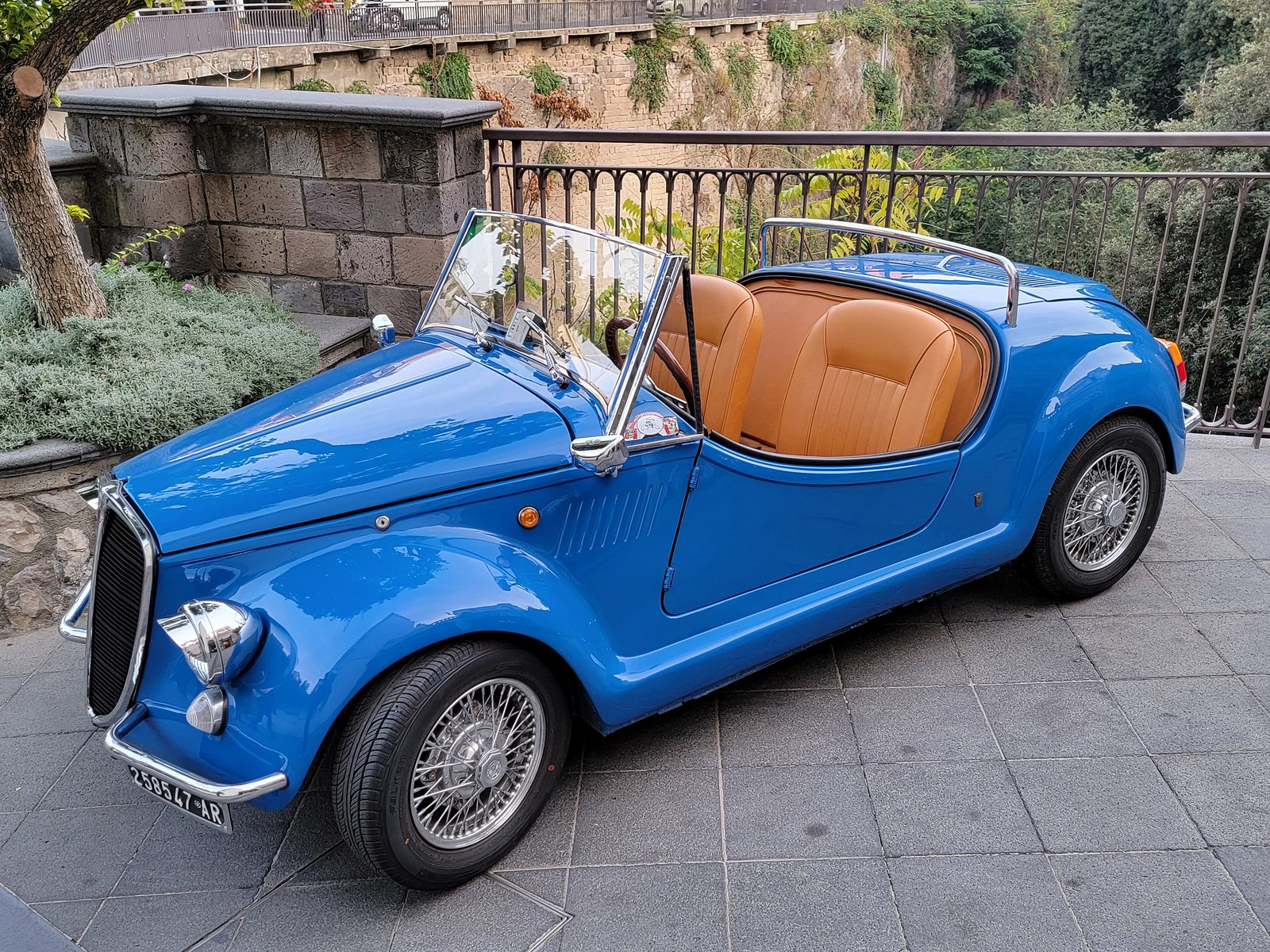
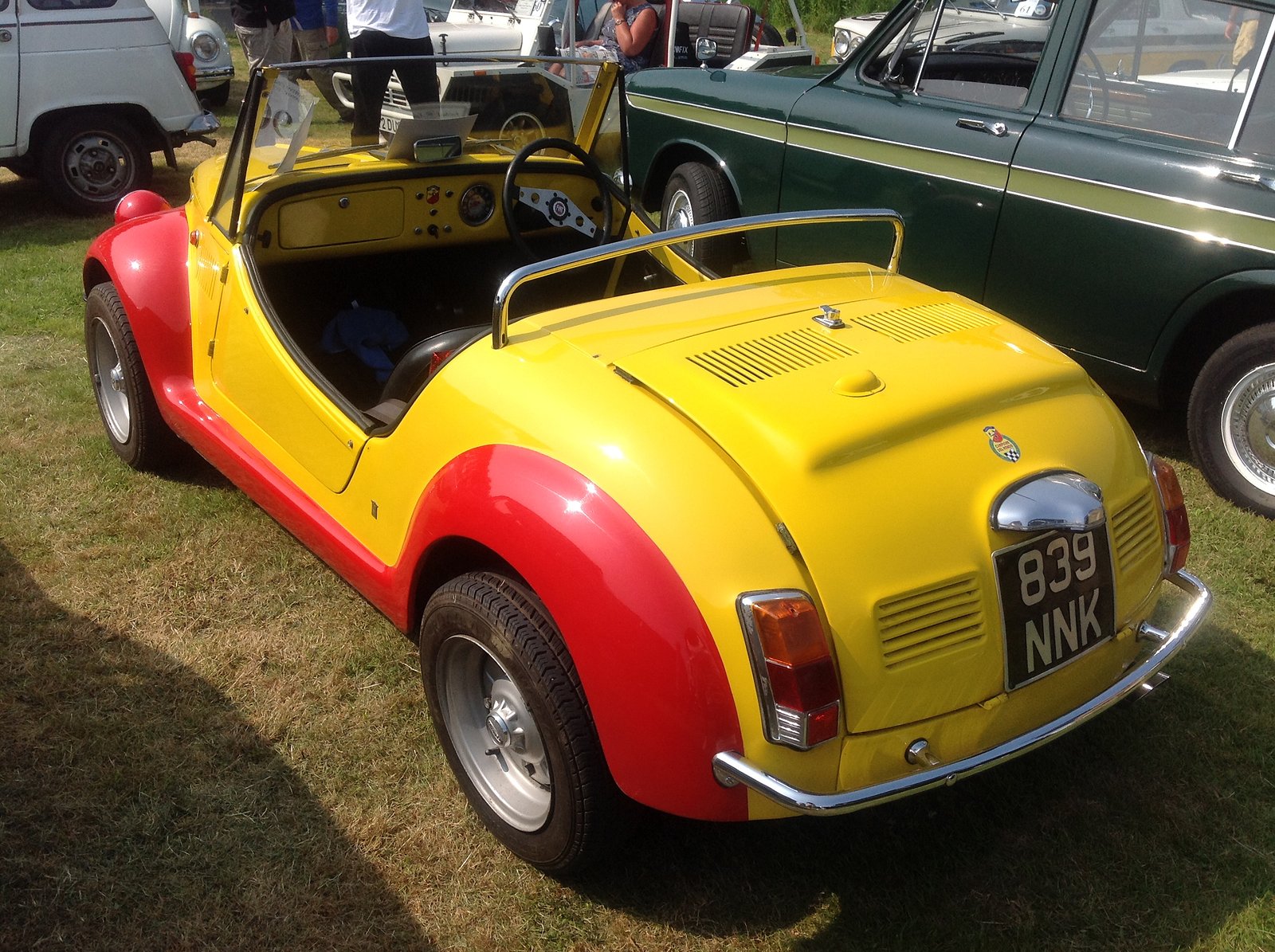
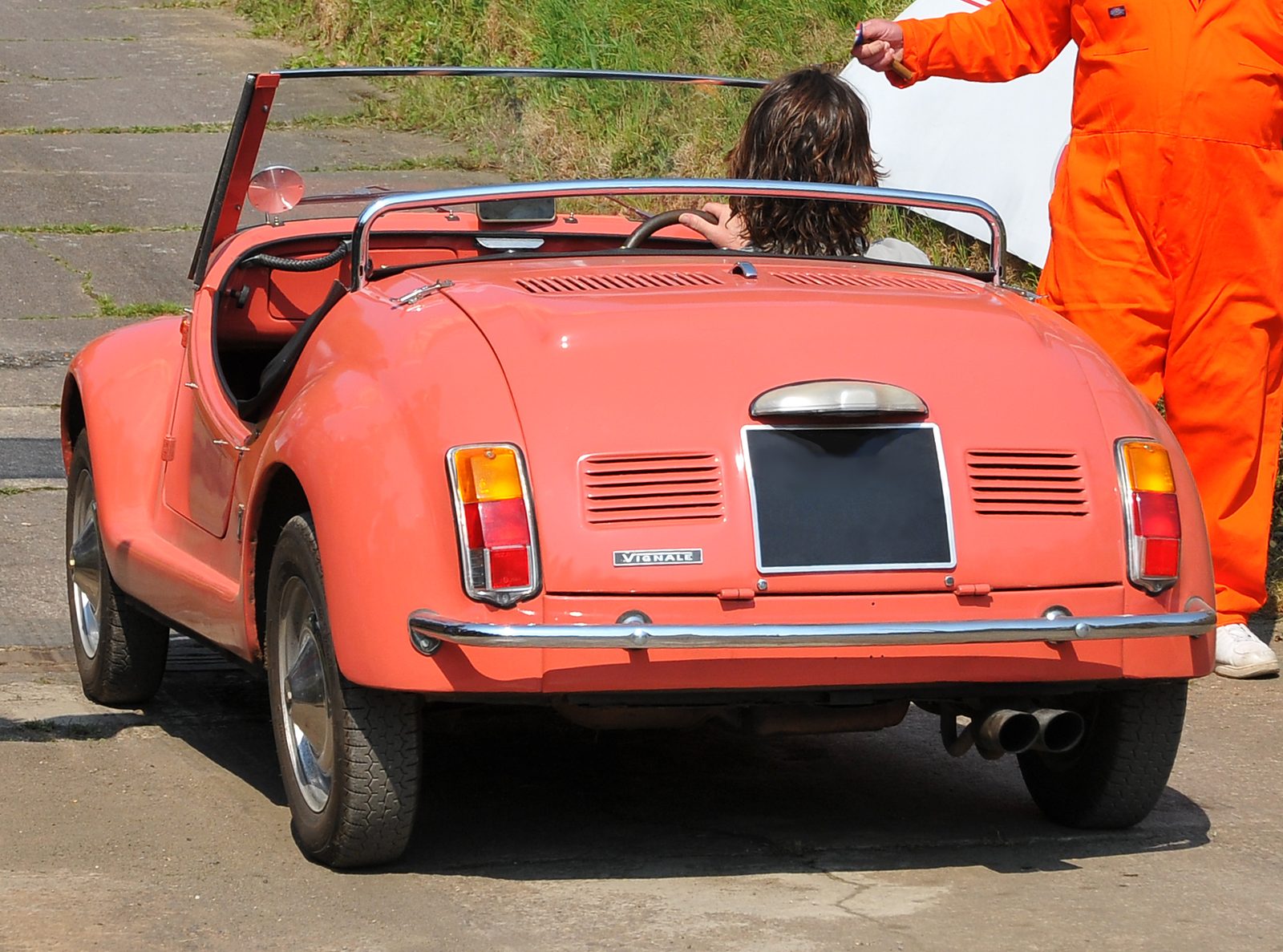
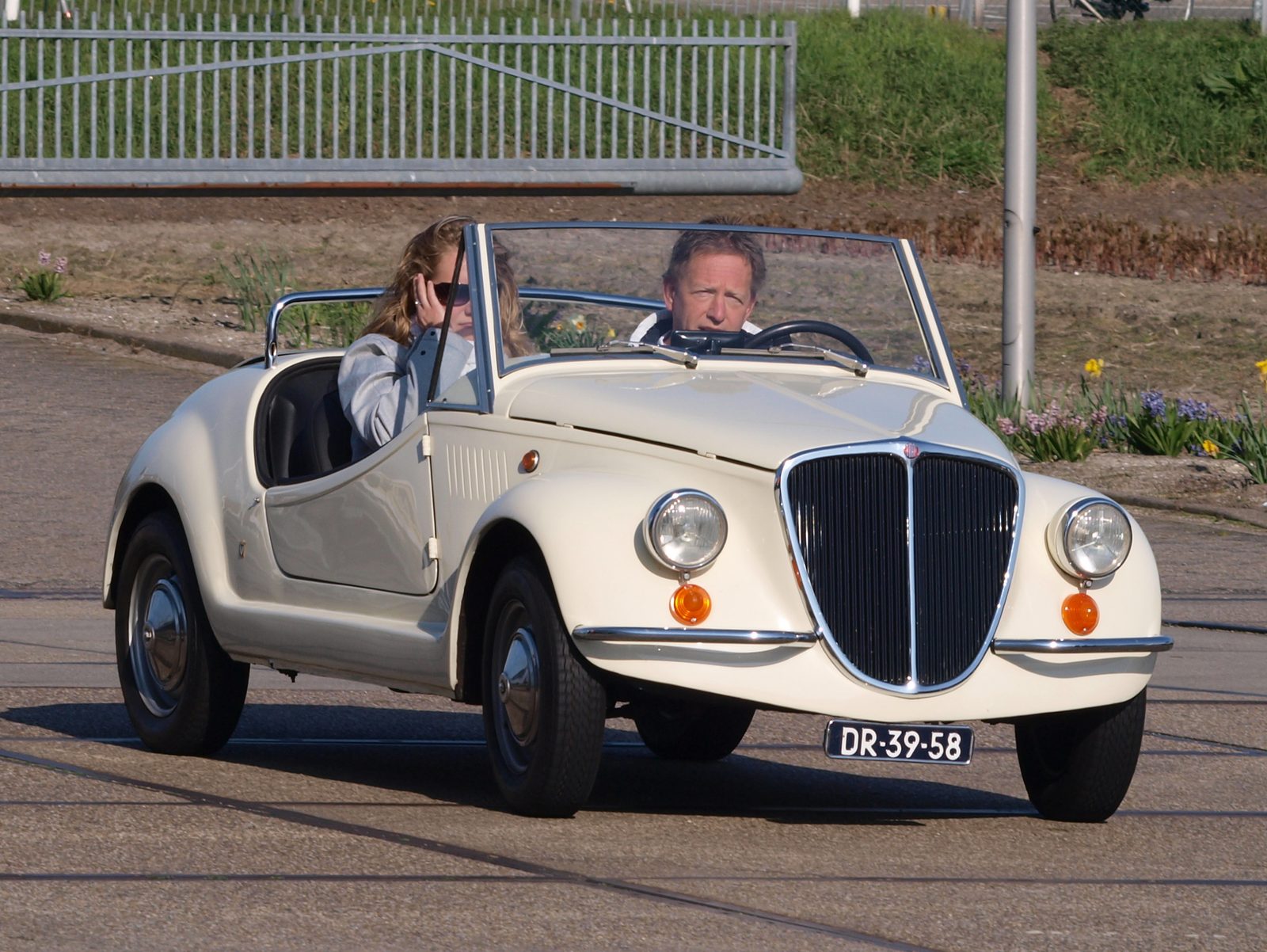
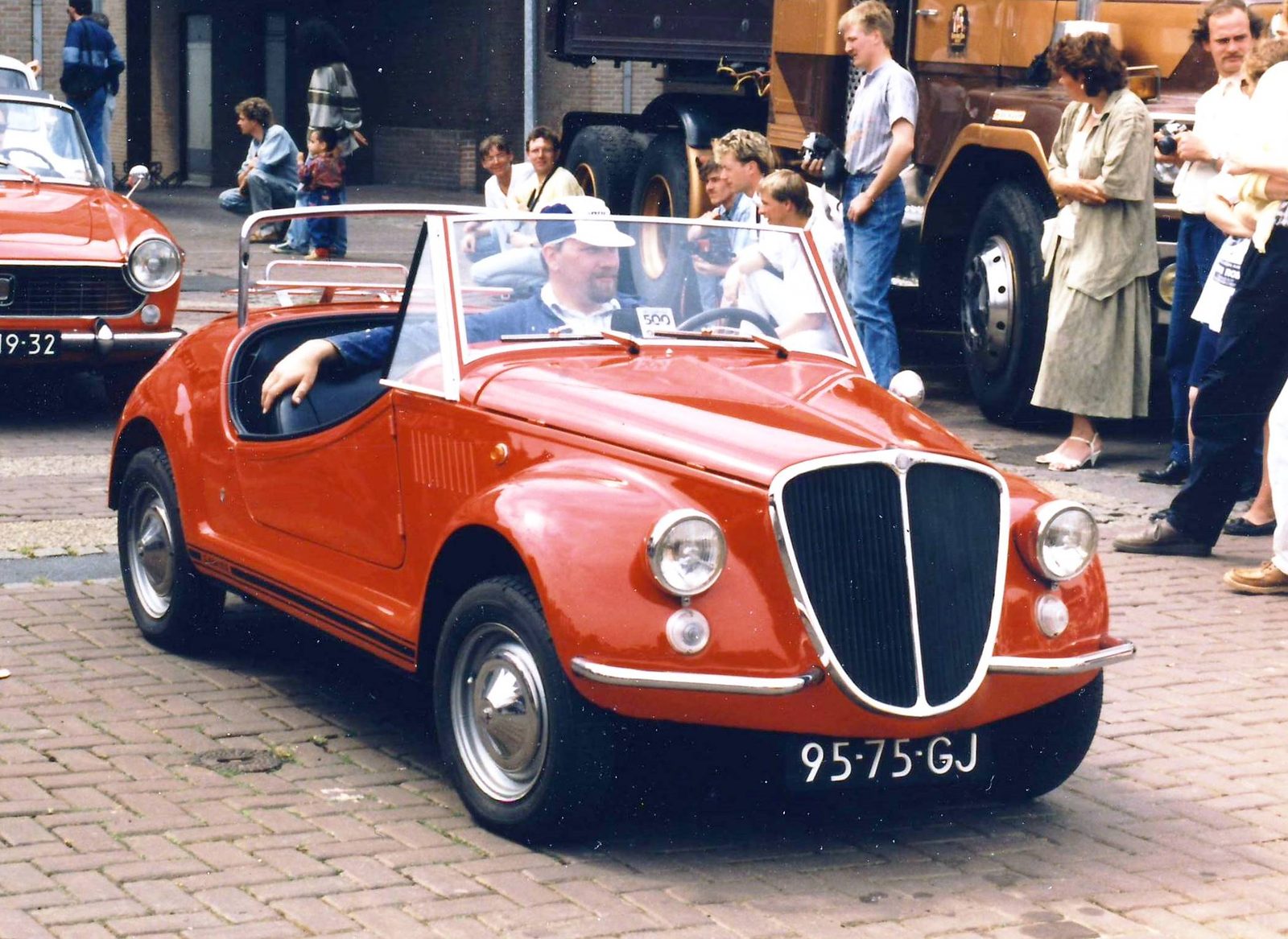
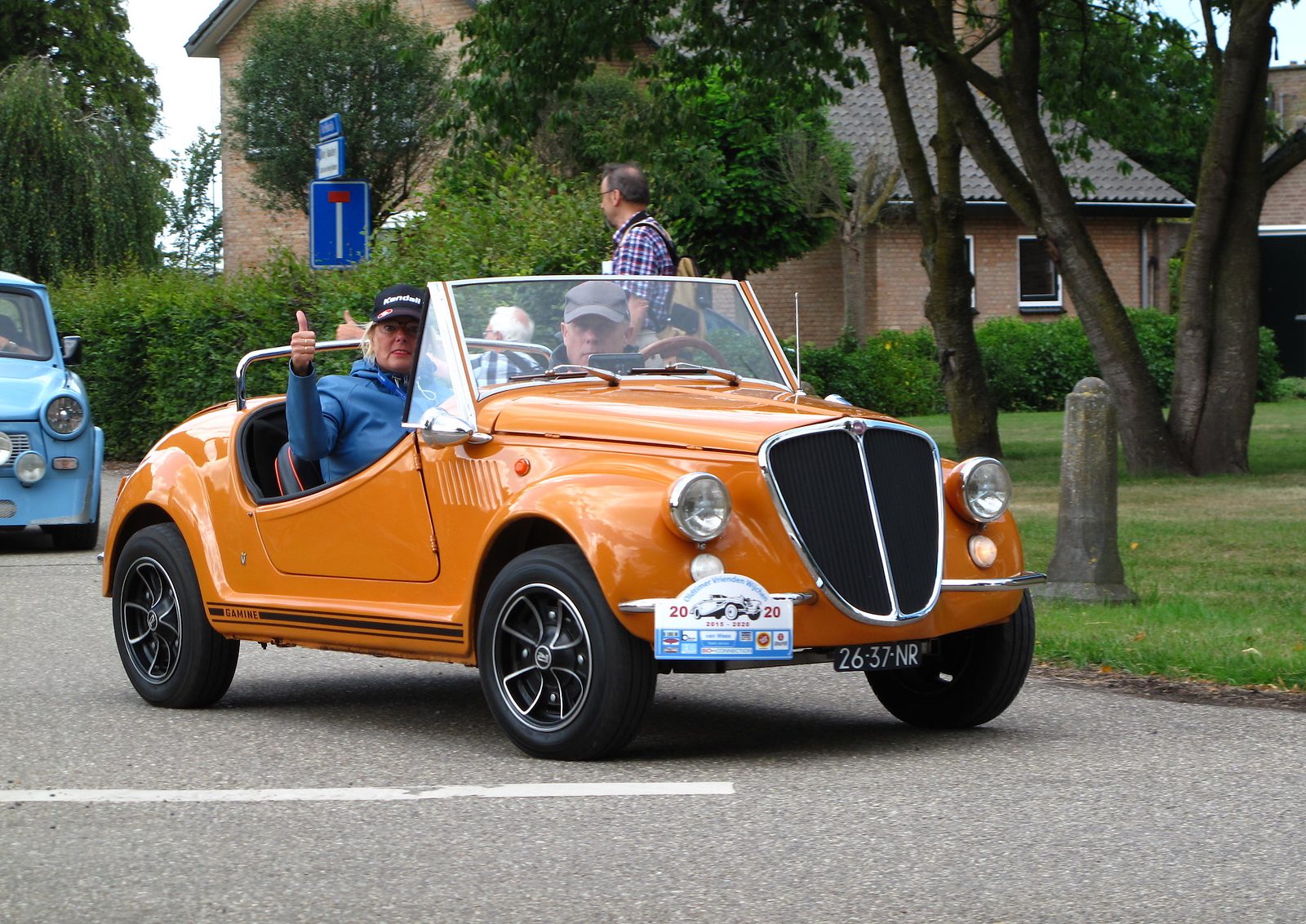
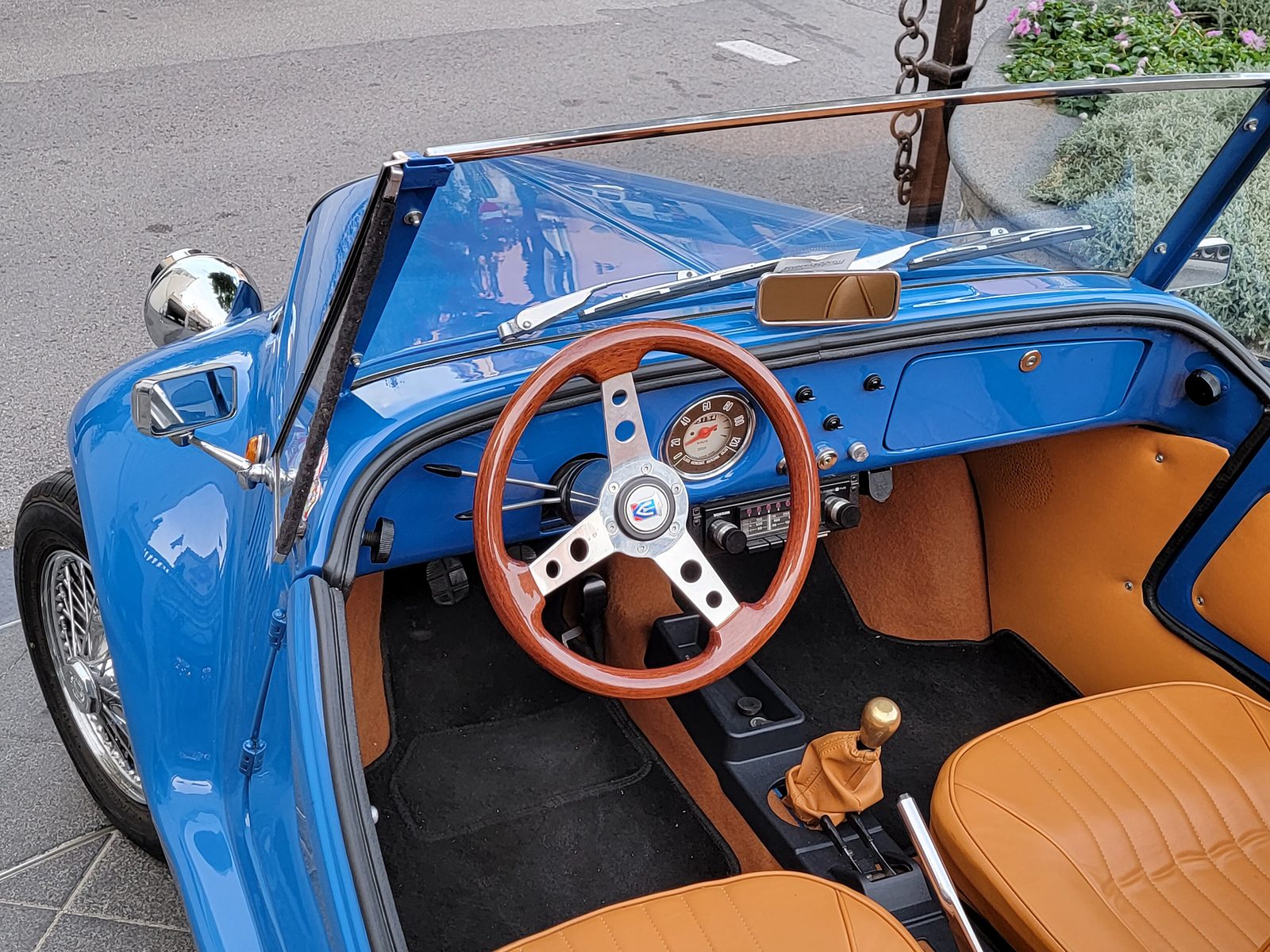
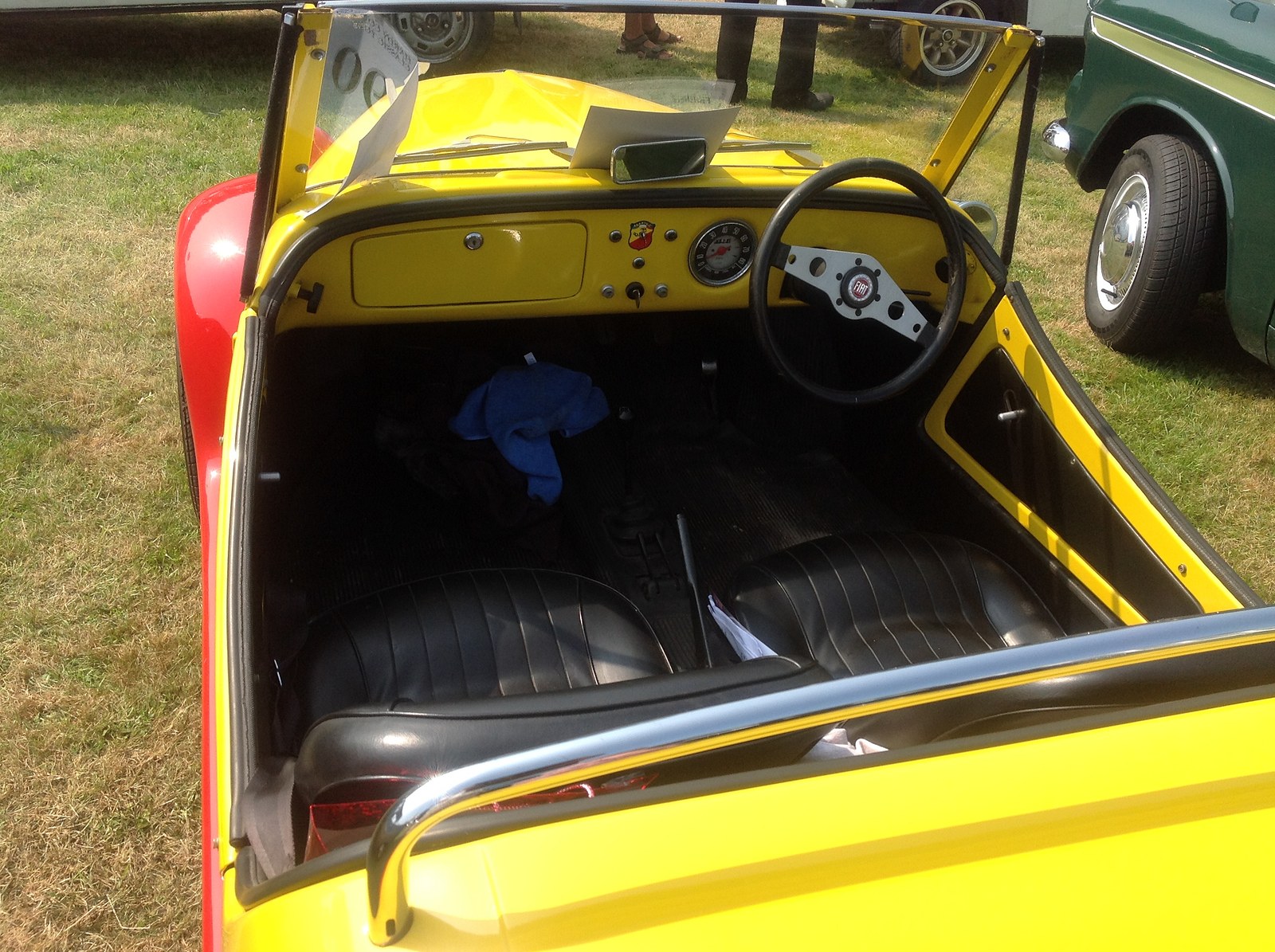
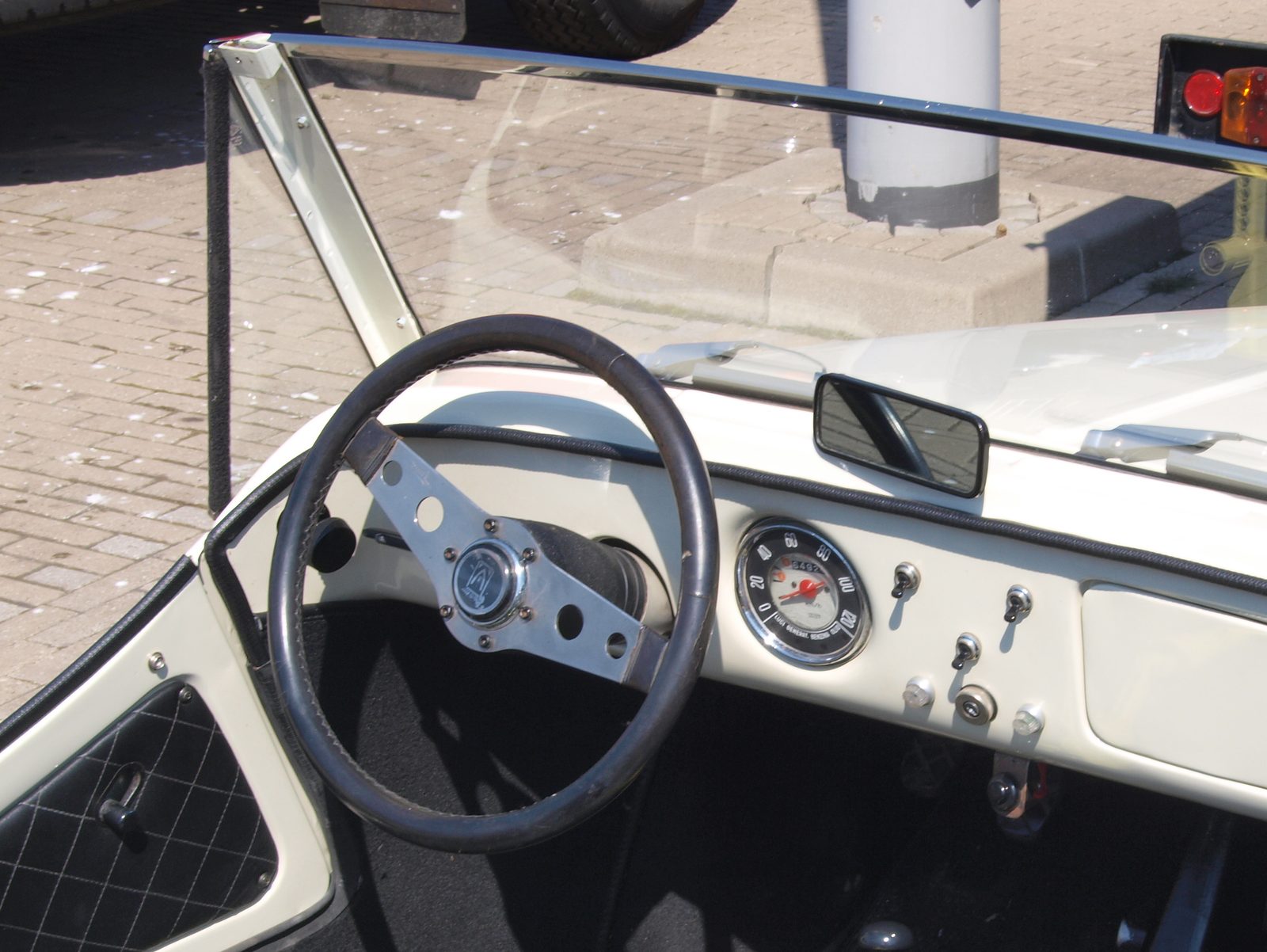
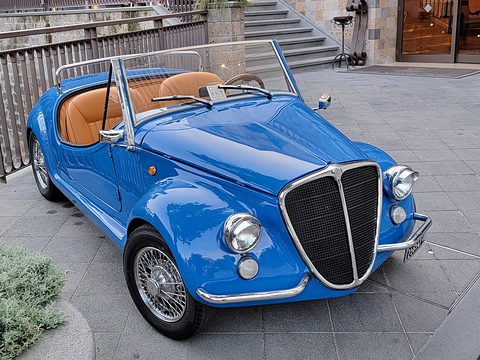
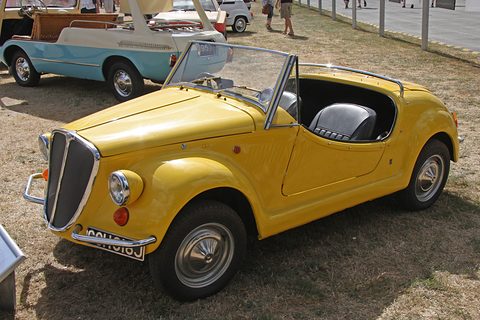
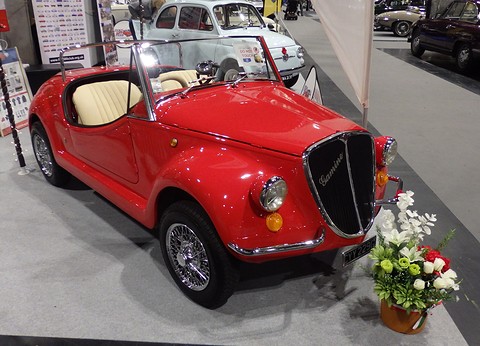
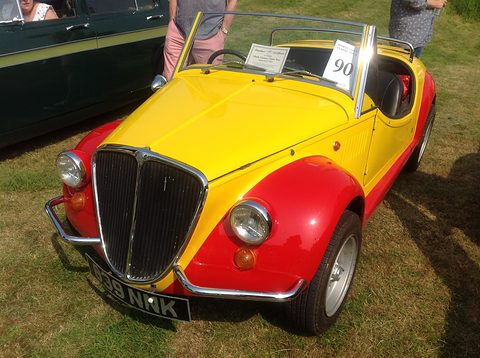
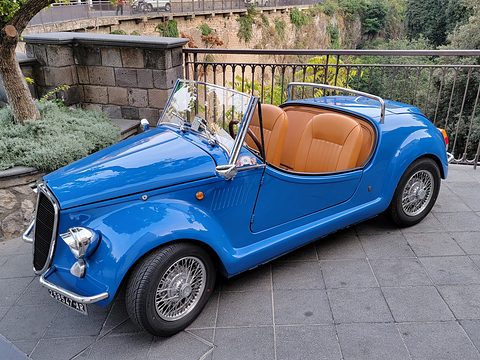
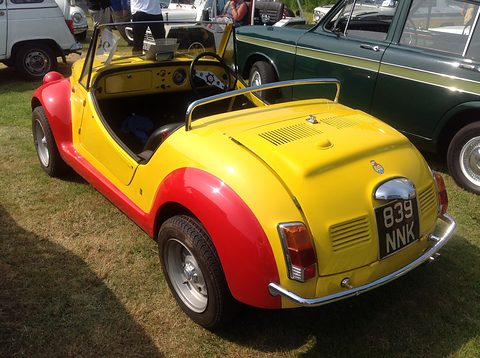
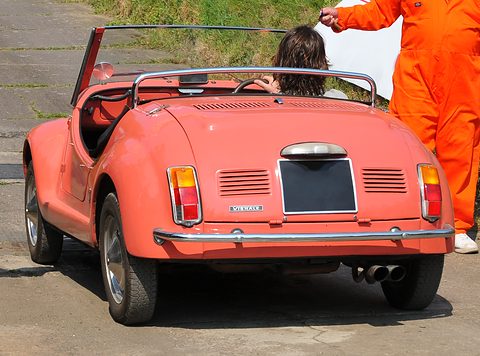
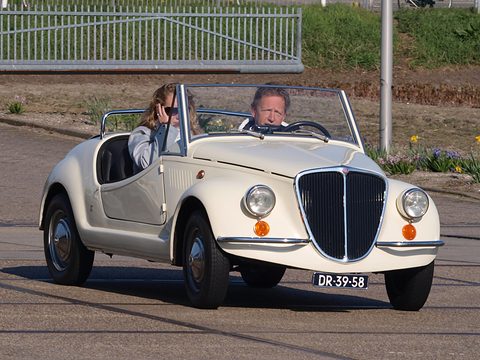
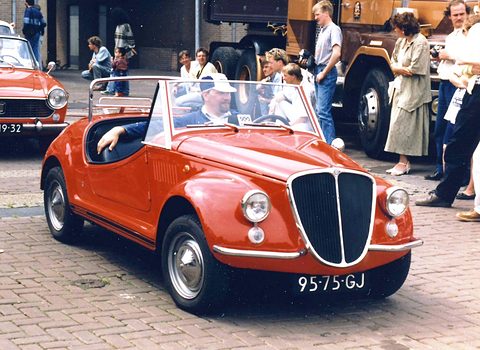
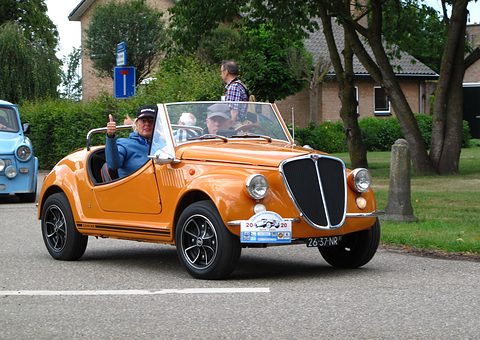
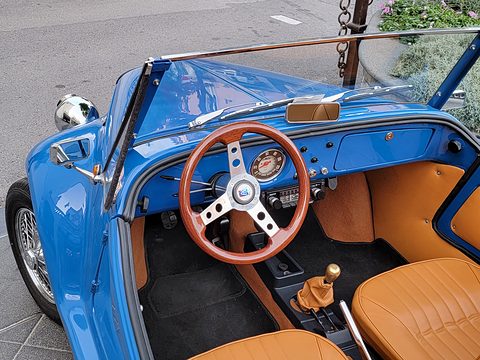
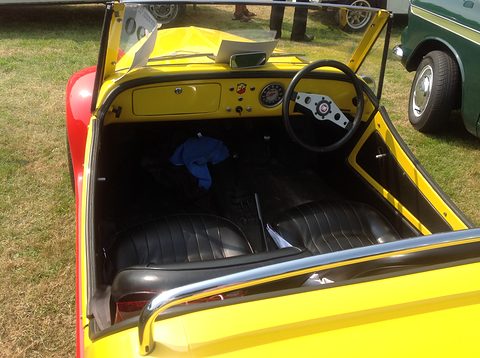
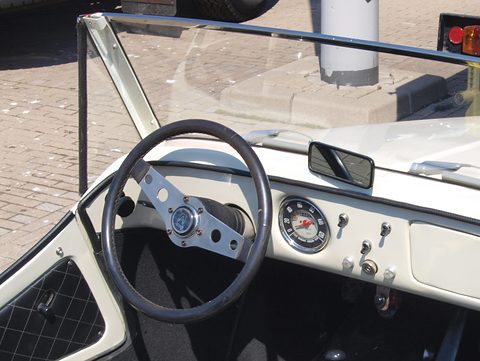
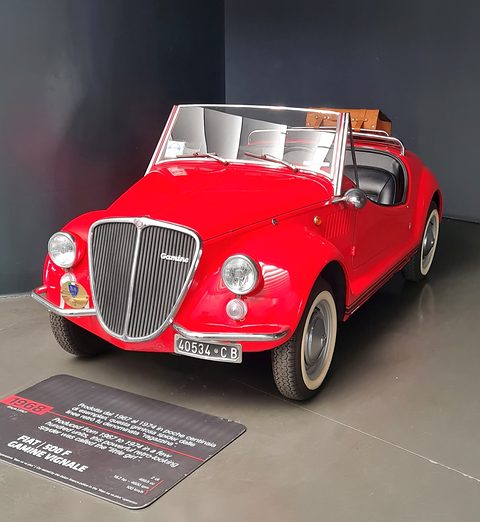
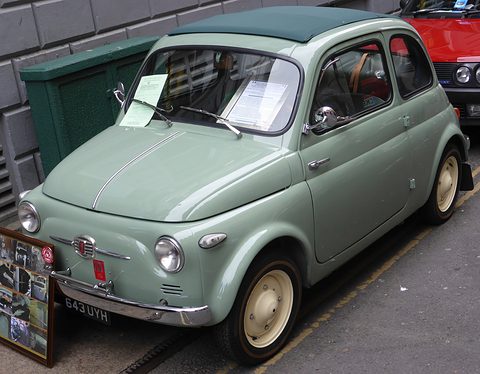
Vignale styled it in the image of the Fiat 508 Balilla Coppa d’Oro, a sporting Fiat of the 1930s, and built it on the floorpan and mechanicals of the 500 F.source 2 The engine was the 499.5 cc twin at 21.5 PS. English Wikipedia calls it the 500 F’s engine, and Below The Radar the 500 Sport’s; the power is the Sport’s rating.source 2source 3 There was only ever one engine, a soft top came as standard and a hardtop as an extra; cars with the hardtop are rare today.source 2 At 3,020 mm (9 ft 11 in) the Gamine is 50 mm longer than the Fiat, the length this site uses to mark out a microcar.source 2 It went into production in 1967.source 2source 4
Britain, and £251 extra
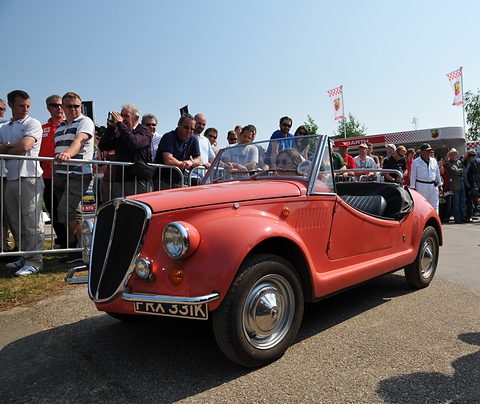
British buyers first saw it at the Earls Court show in October 1968. It cost £698 there, £251 more than an ordinary Fiat 500. The importer, Demetriou, sold about 800, some 200 of them in Britain and the rest in other countries that drive on the left.source 3 The official top speed was 97 km/h (60 mph), but when Motor tested one in the spring of 1969 it found otherwise.source 2source 3
Underneath it was a 500 F, so it should drive as one: a light car with about 21 PS and a gearbox without synchromesh.source 2 The sources do not even agree on its weight, 450 kg by English Wikipedia and 488 kg by the register, but either way it weighed less than half a tonne.source 2source 4
55mph is about the best it can manage on the level.
The end of Vignale
The Gamine never met its sales targets. Slow sales, and the bankruptcy of Geminiani’s G.A.M., drove Carrozzeria Vignale out of business, and in 1969 Alfredo Vignale had to sell it to De Tomaso, which went on to build the Pantera there.source 2source 3 Below The Radar says Vignale was killed in a road accident the day after he signed; Ford bought the business in 1973.source 3 The Gamine itself lasted until 1971.source 2source 4 When the firm was sold, its production records went too.source 4