The story
History
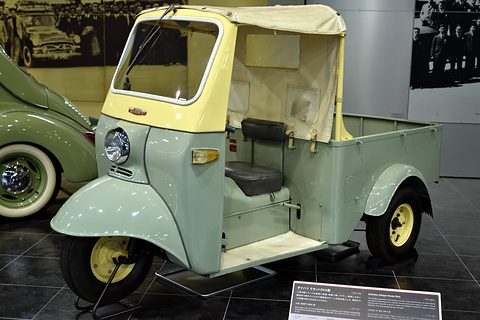
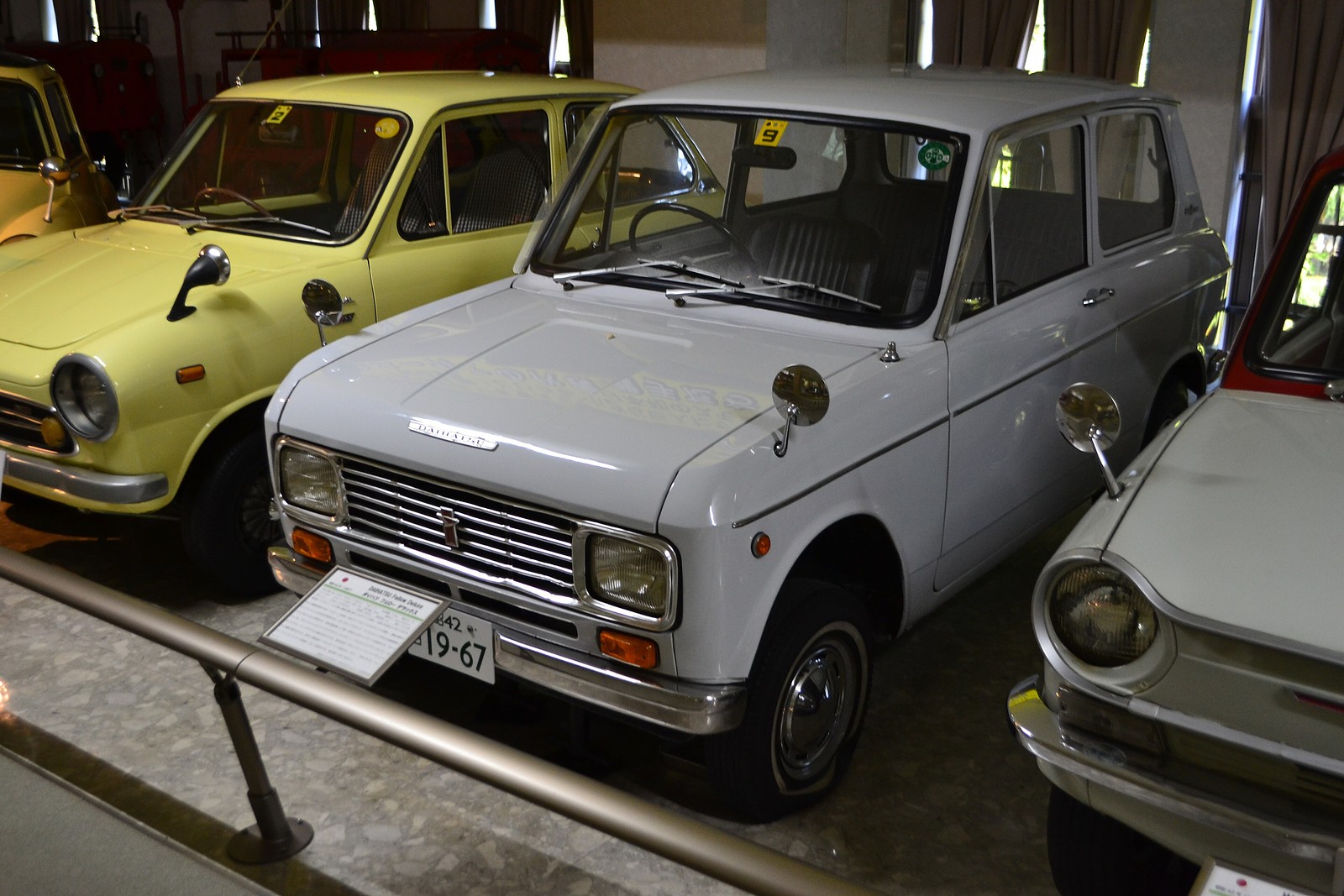
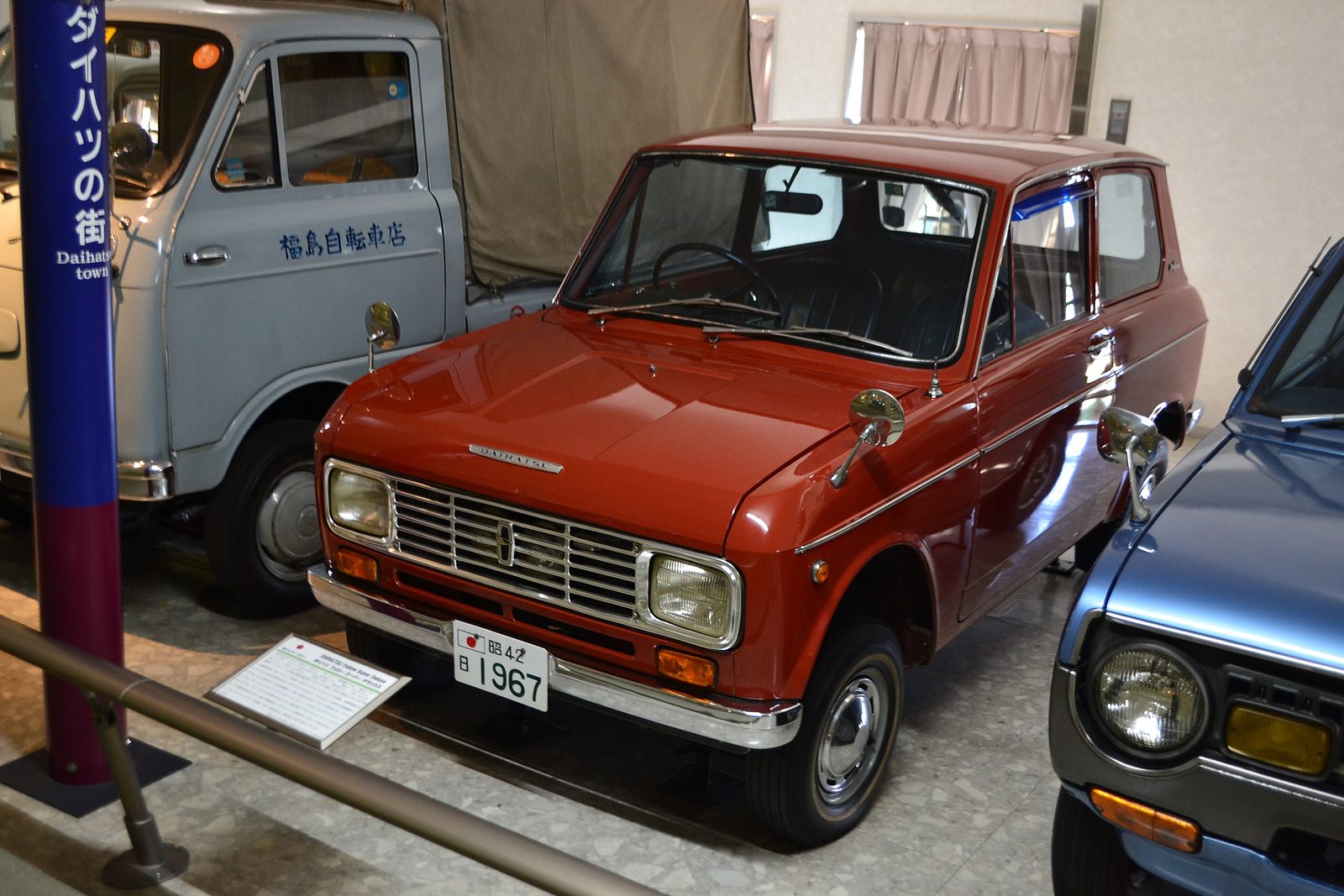
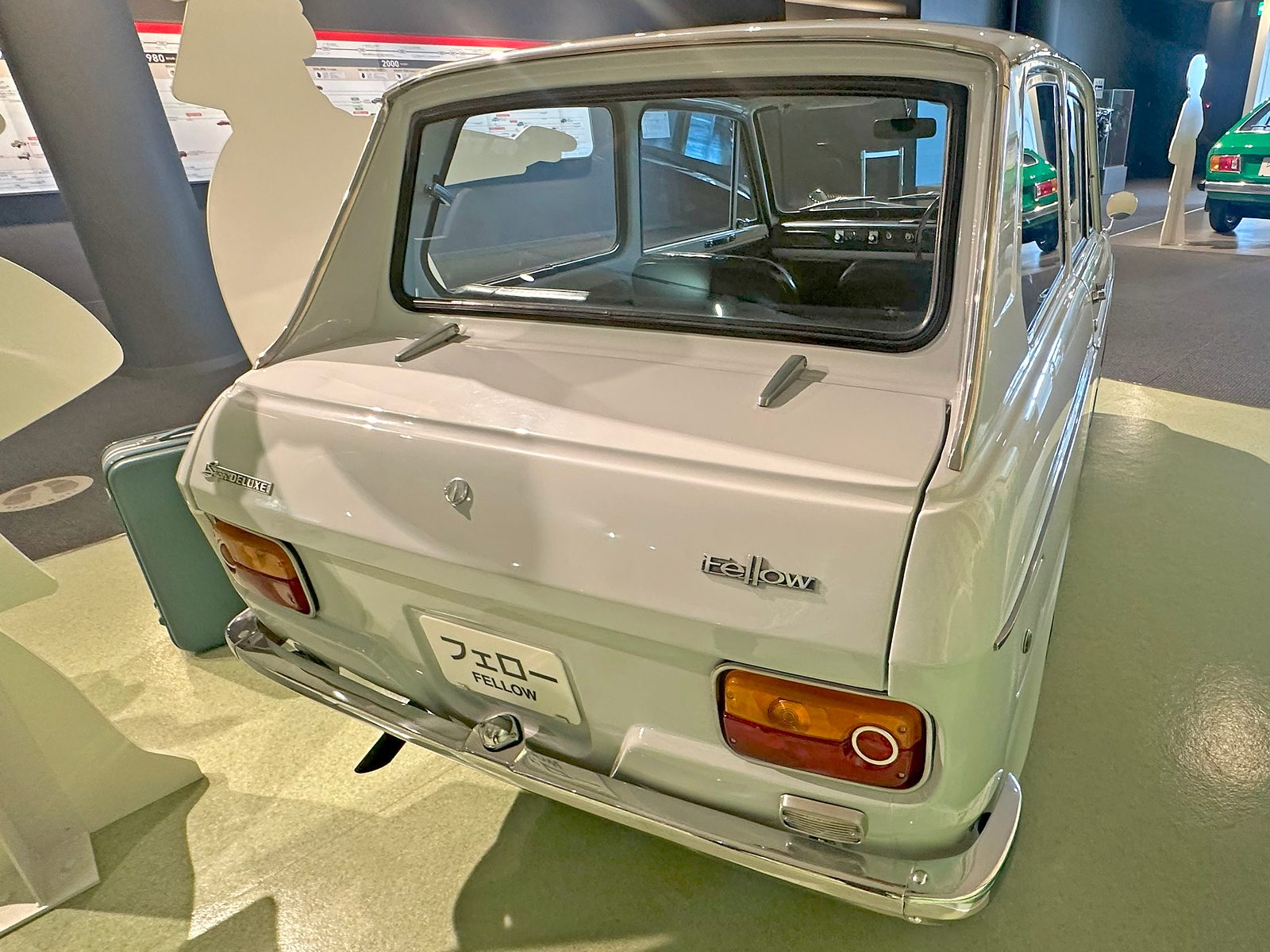
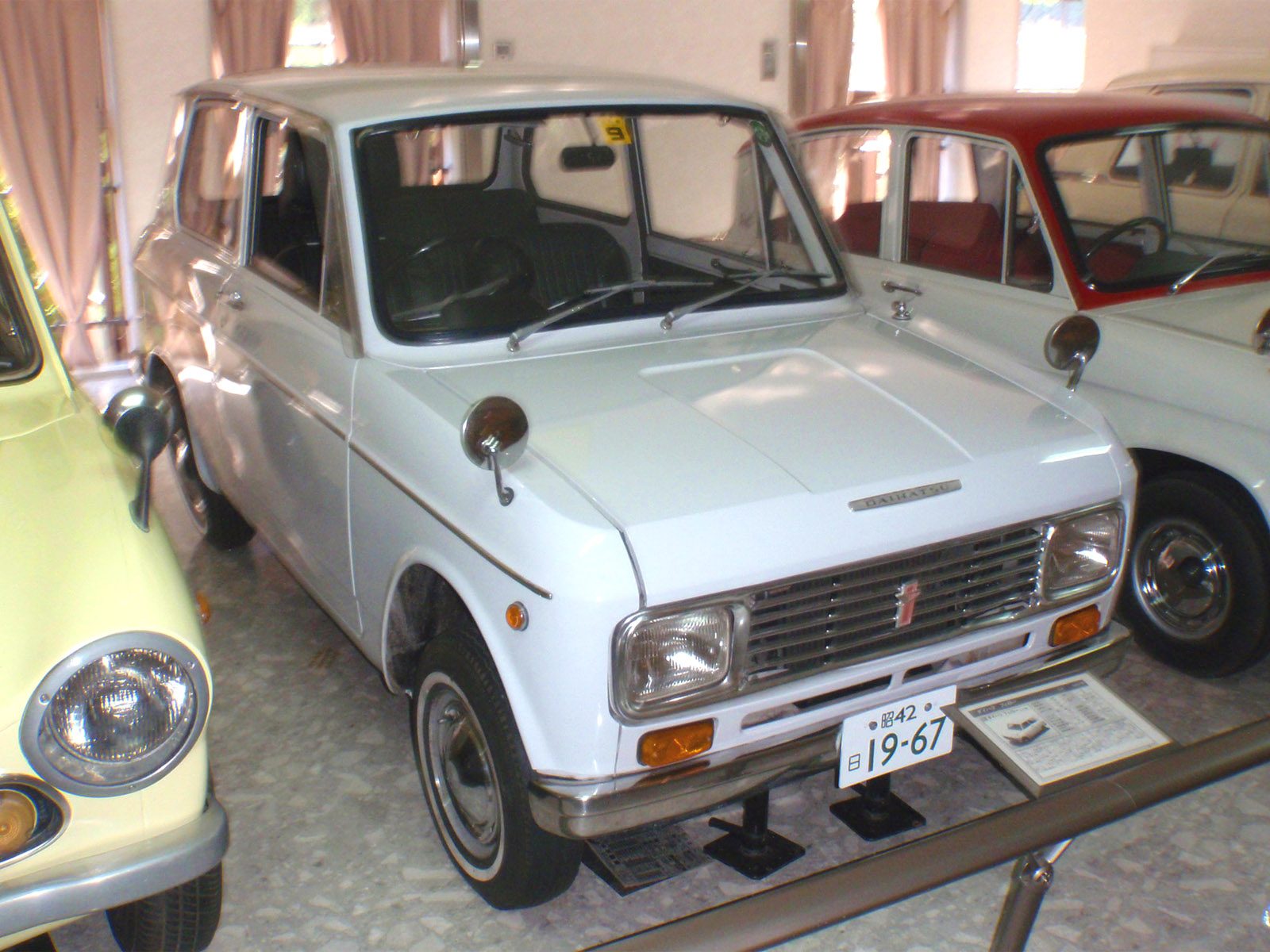
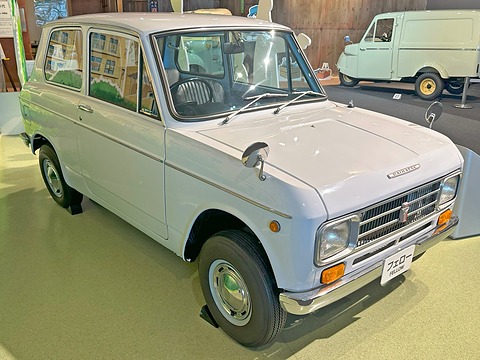
The Daihatsu Midget three-wheeler and the Hijet had made Daihatsu strong in light commercial vehicles, and the Fellow was its long-planned entry into the passenger-car side of the class.source 1source 2 It was introduced on 9 November 1966, in Super DeLuxe and DeLuxe trim.source 1source 3 (Japanese Wikipedia’s opening lines say April 1966, but its own history, and English Wikipedia, say November.) No price has been found.
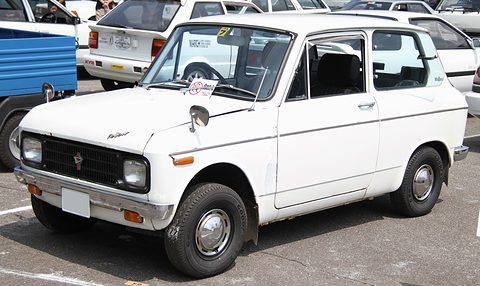
Daihatsu built it in the conventional way, with the engine in front, mounted lengthwise, driving the rear wheels, though that cost space inside.source 1 The engine was the ZM, a water-cooled two-stroke twin of 356 cc and 23 PS, with Daihatsu’s Oil-Matic separate lubrication.source 3source 2 Japanese Wikipedia says it was developed by water-cooling the Hijet’s air-cooled ZL; English Wikipedia says the ZM had already been seen in the Hijet.source 1source 3 Underneath, every wheel had its own coil spring: wishbones at the front and, at the back, a diagonal swing axle that in Japan only the Isuzu Bellett had used before, and no maker used after.source 1
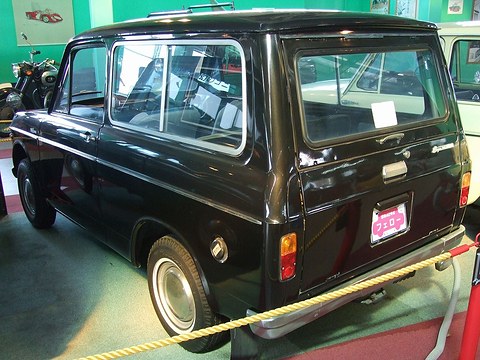
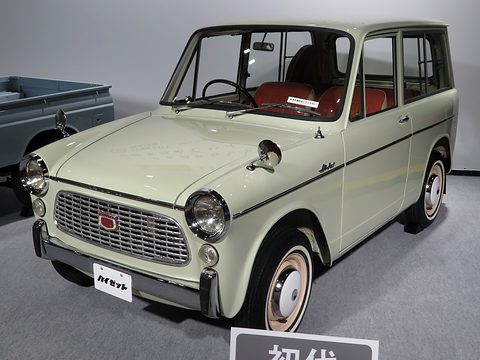
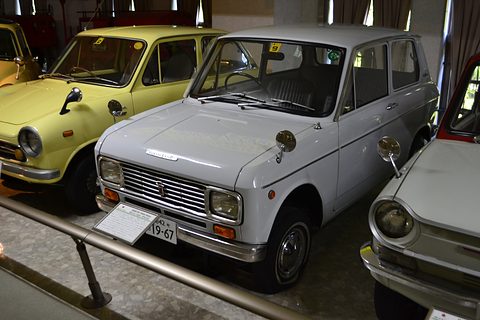
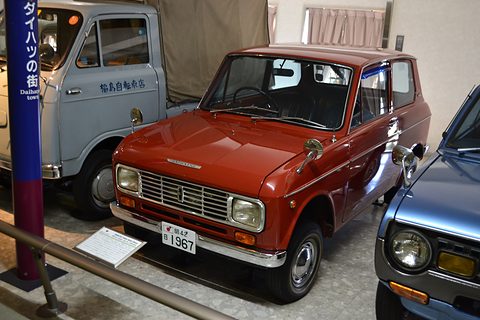
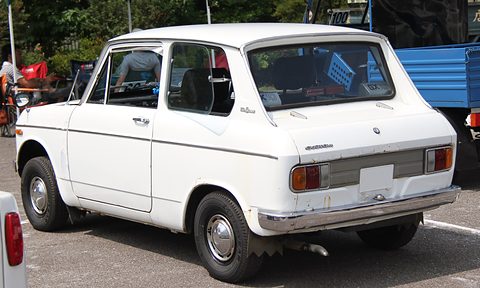
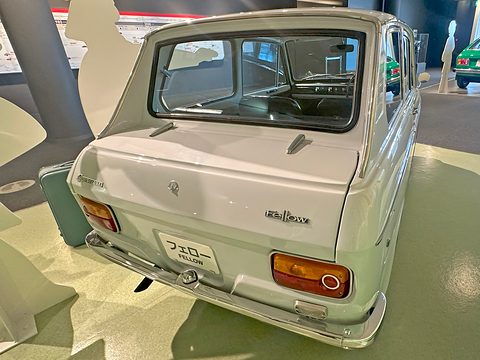
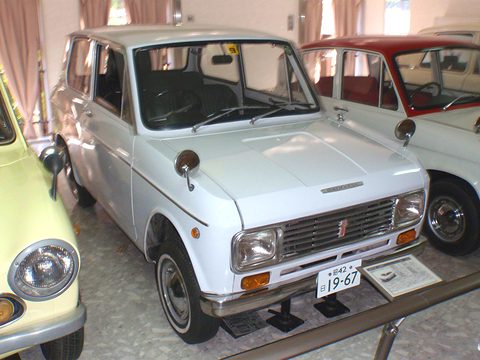
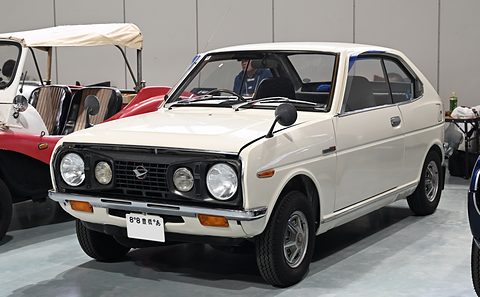
The body was square-cut, a so-called prism cut, with a large boot lid on hinges outside the panel, and the aim was a feel of quality and room for four adults.source 1 Its rectangular headlamps were a first for any Japanese car.source 1source 3source 2 Motor Fan says the independent suspension gave a good ride, and that the car was easy to drive and roomy, which helped its early sales.source 2 Then in March 1967 came the Honda N360, cheaper and more powerful, and it took the market.source 1source 2
The first kei SS
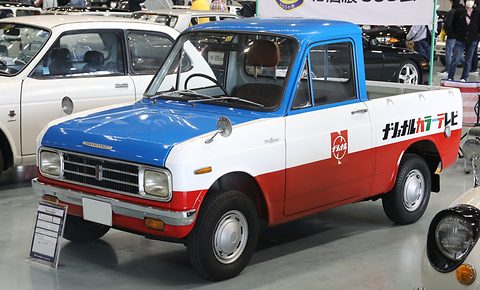
Daihatsu kept changing the car. A Standard trim came in February 1967, a panel van and a pickup in June, and in October a new dashboard and steering wheel.source 3 At the Tokyo Motor Show that October it showed the Fellow SS and the P‑5, a prototype in the style of a Le Mans racer with the SS engine.source 3 The SS went on sale in June 1968 with 32 PS, 115 km/h (71 mph) and a standing 400 m in 21.2 seconds.source 3 It was the first kei car to wear an SS badge.source 4
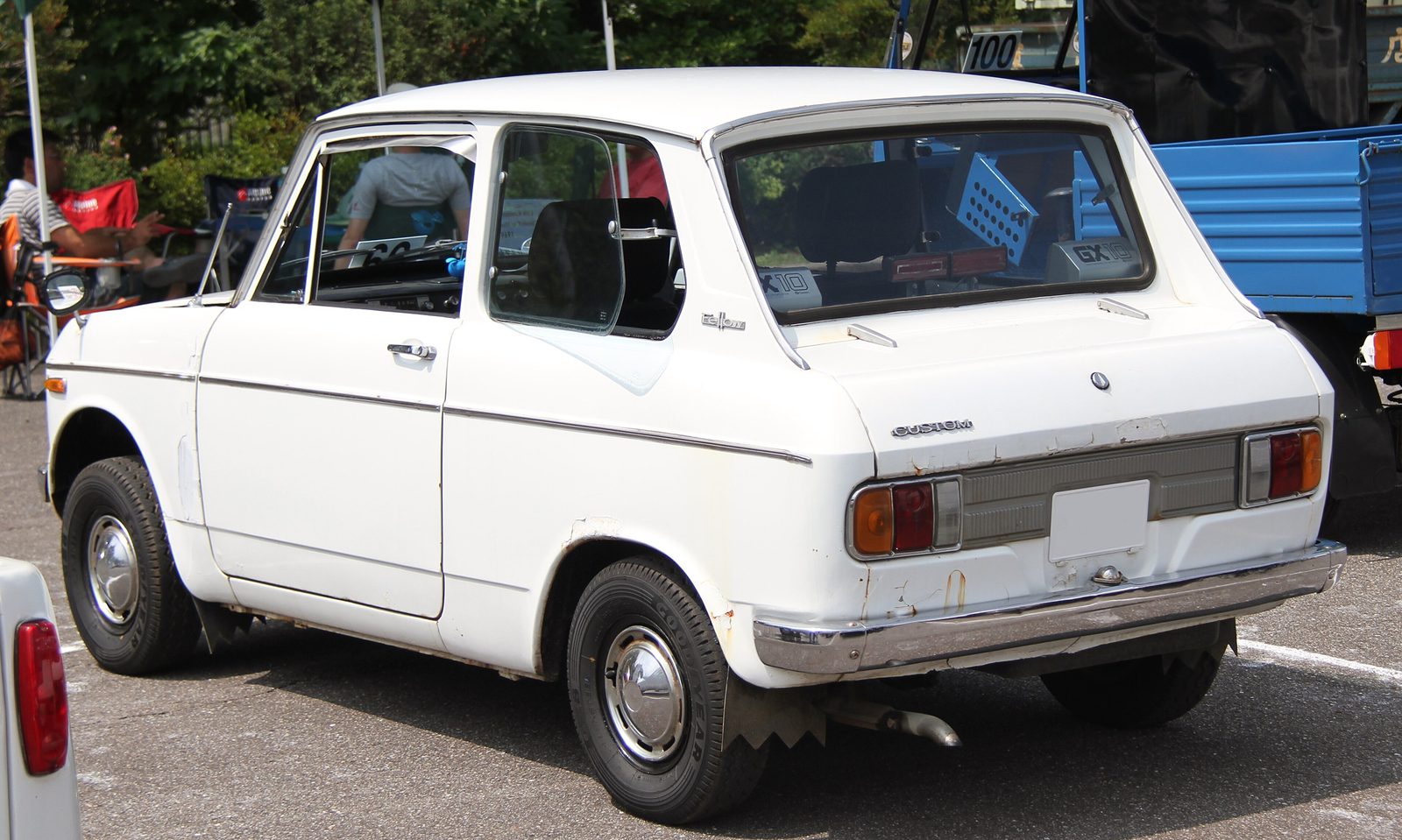
In July 1969 a facelift raised the front bumper, enlarged the tail lamps, took the base engine to 26 PS and added a top trim, the Custom; Japanese Wikipedia puts the bumper change a year earlier.source 1source 3 That September Daihatsu put an electric version on sale, the Fellow Van EV, of which no technical data have been found.source 3 The Fellow raised Daihatsu’s share of the class, but even the sporting versions never put it at the top.source 1source 2
The Buggy
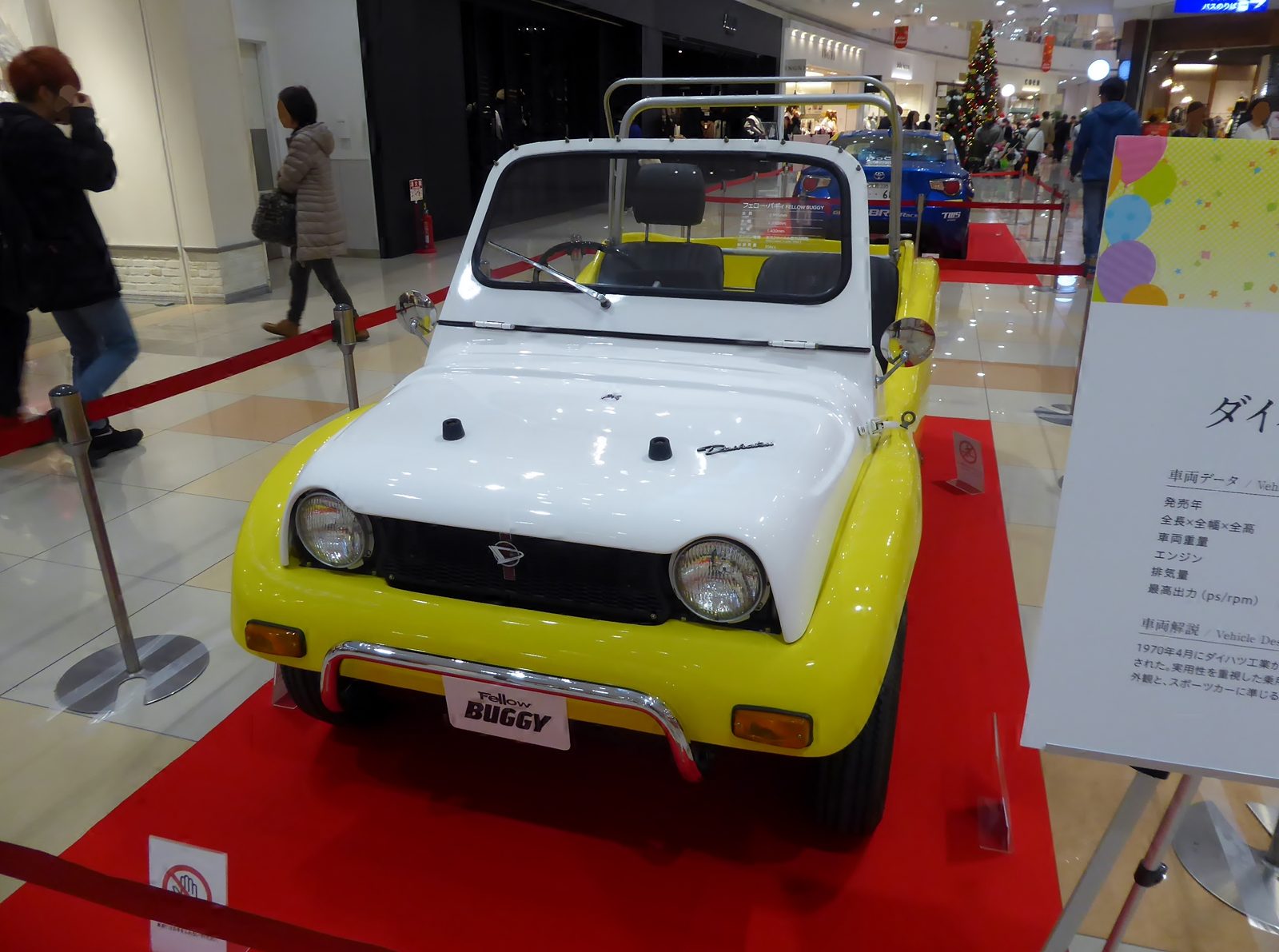
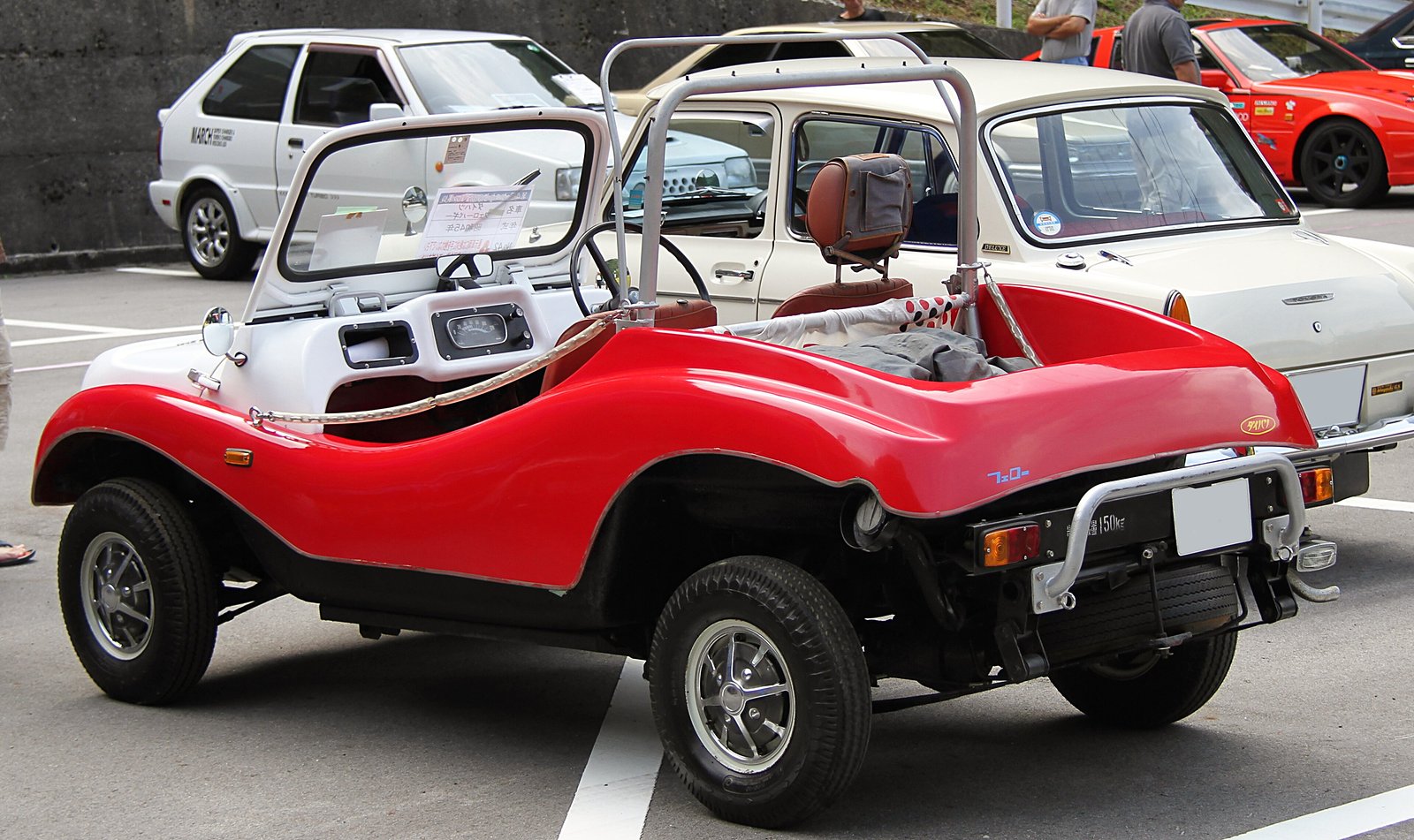
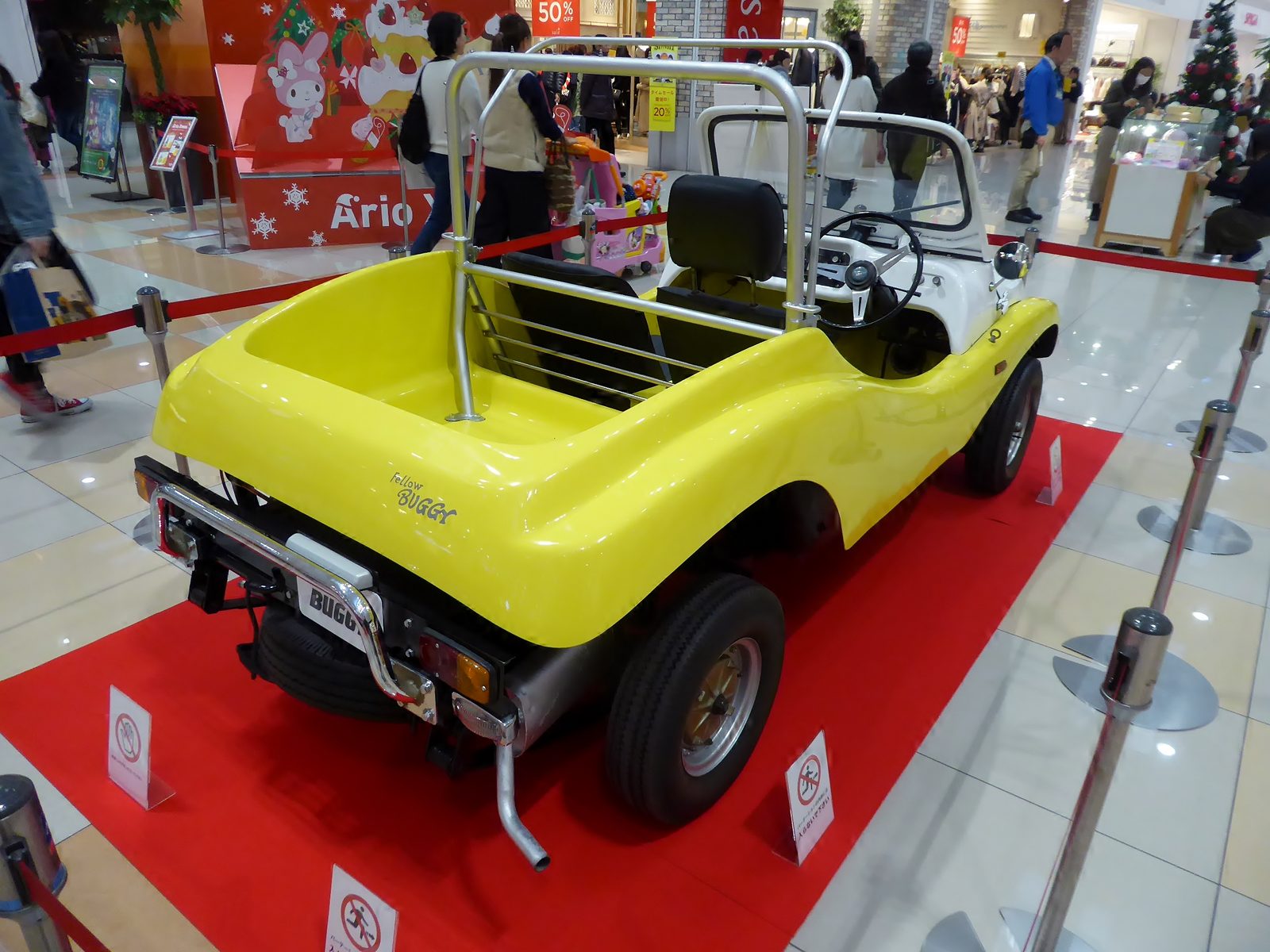
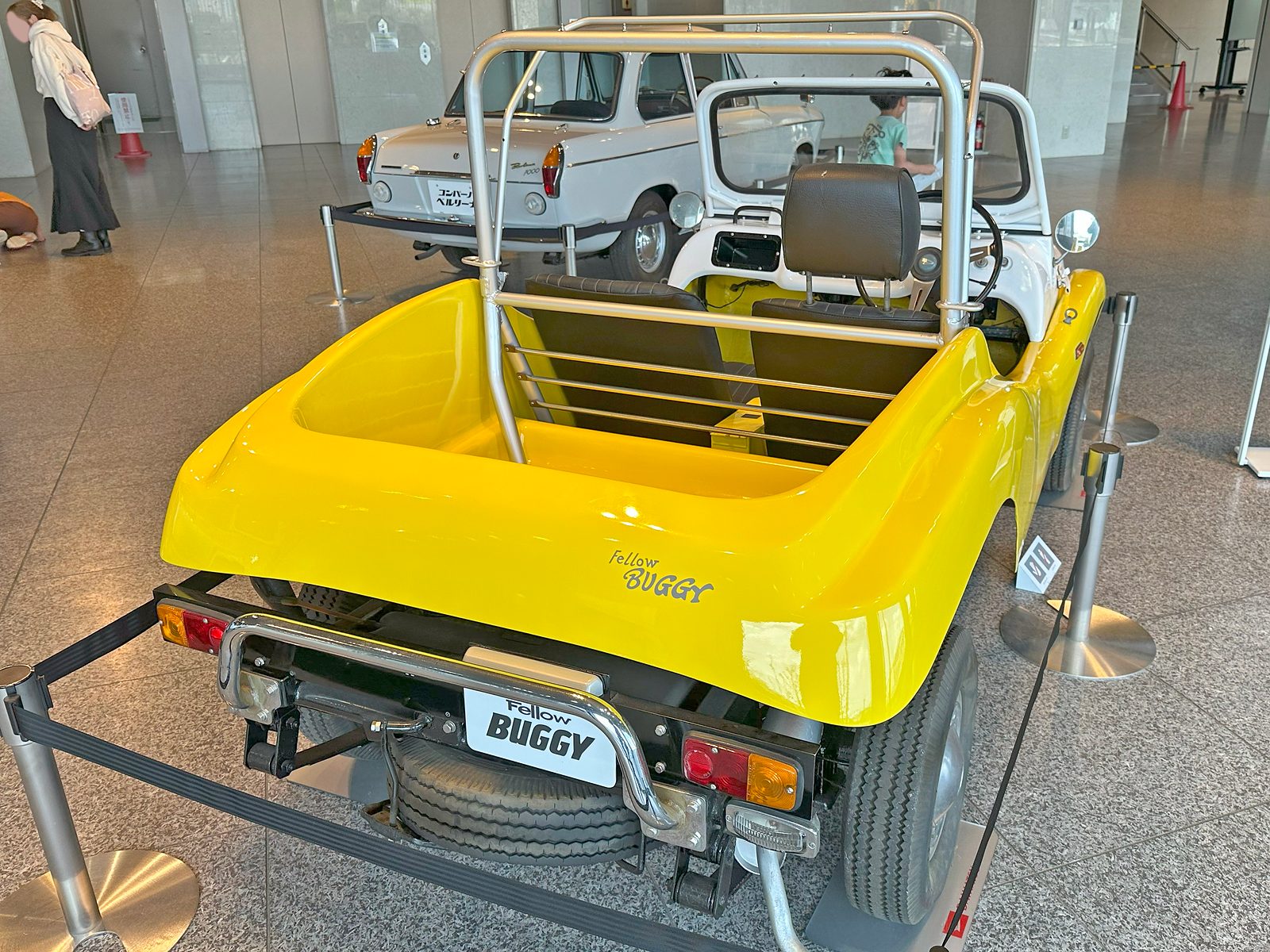
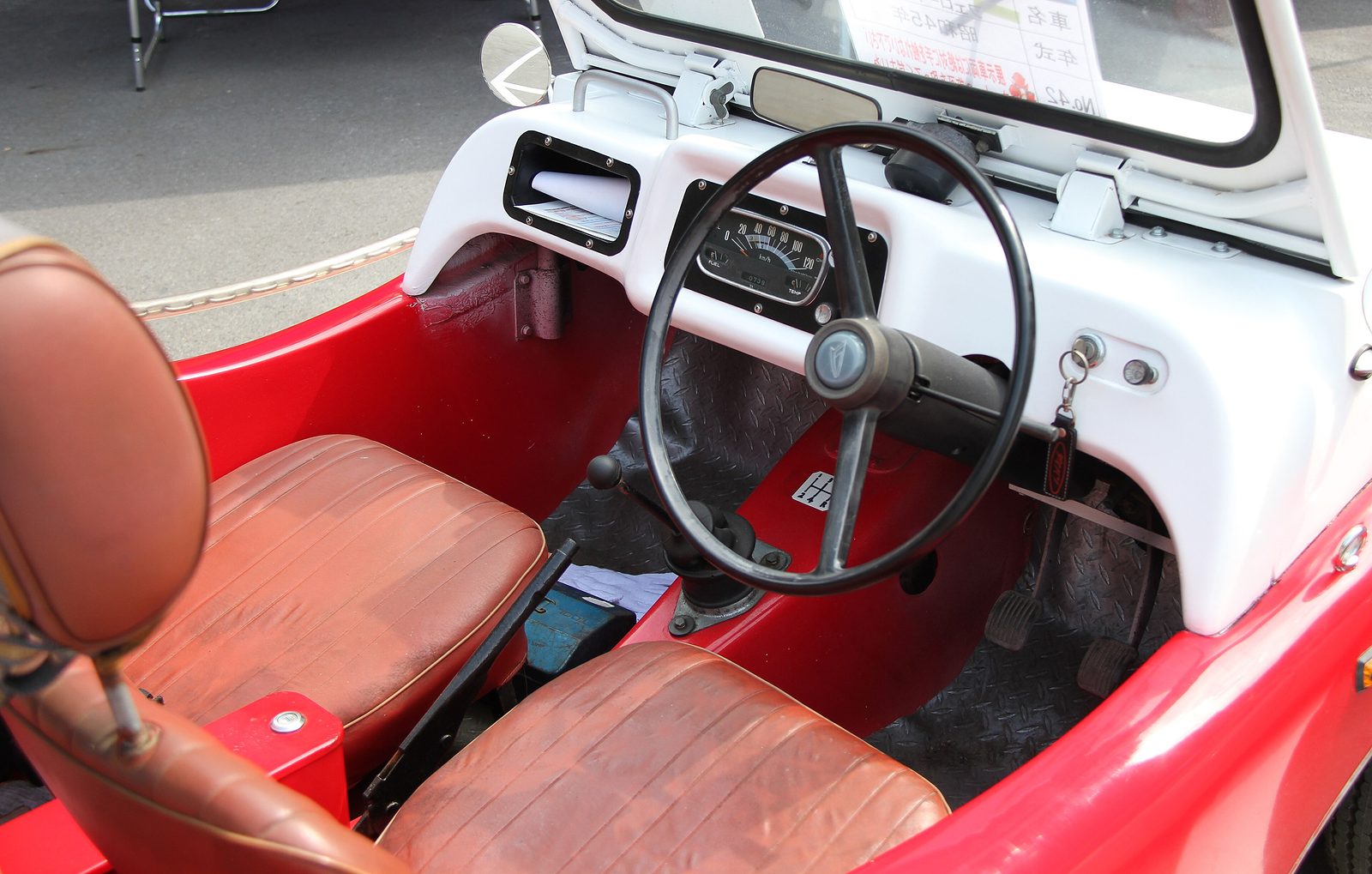
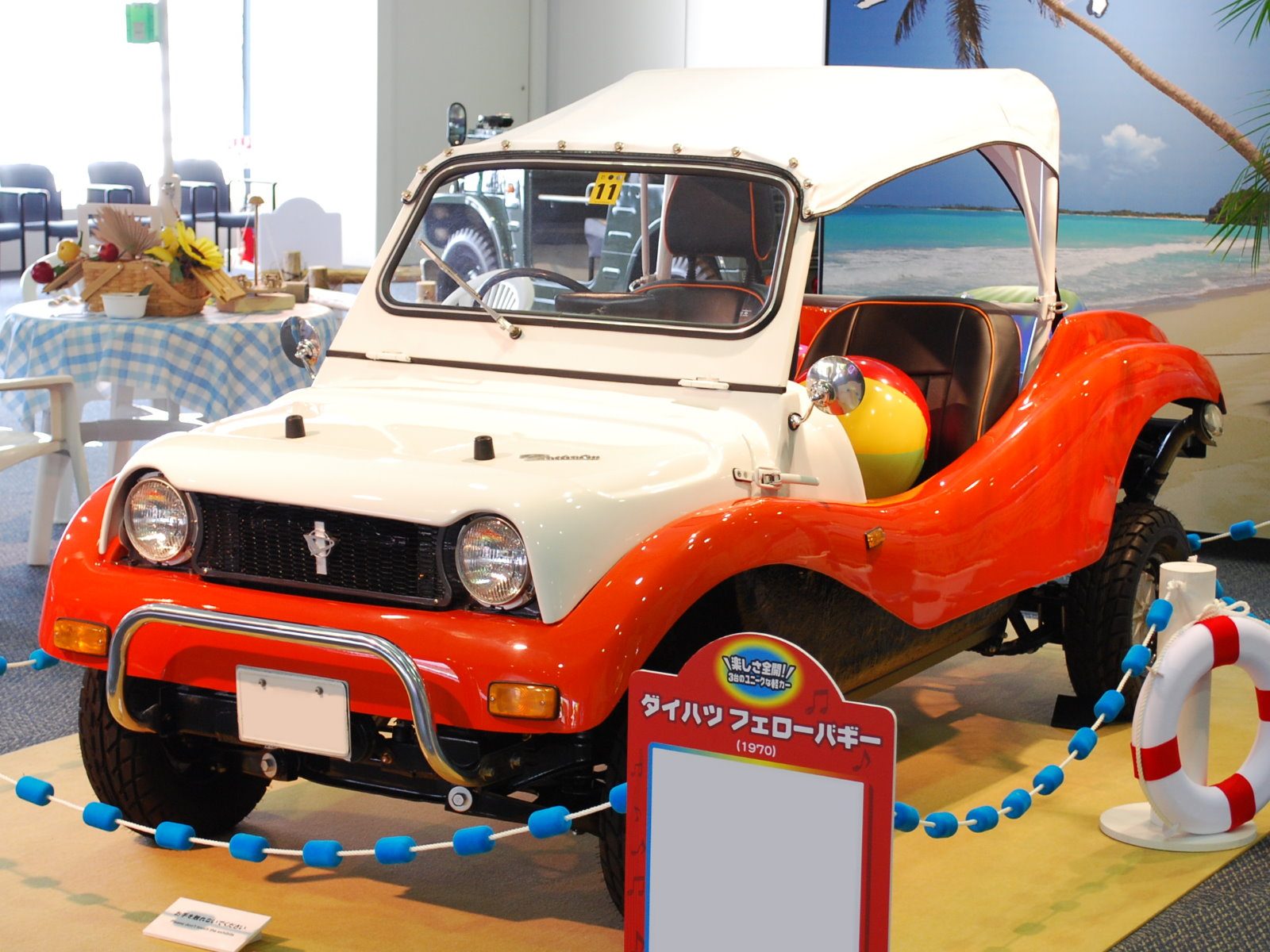
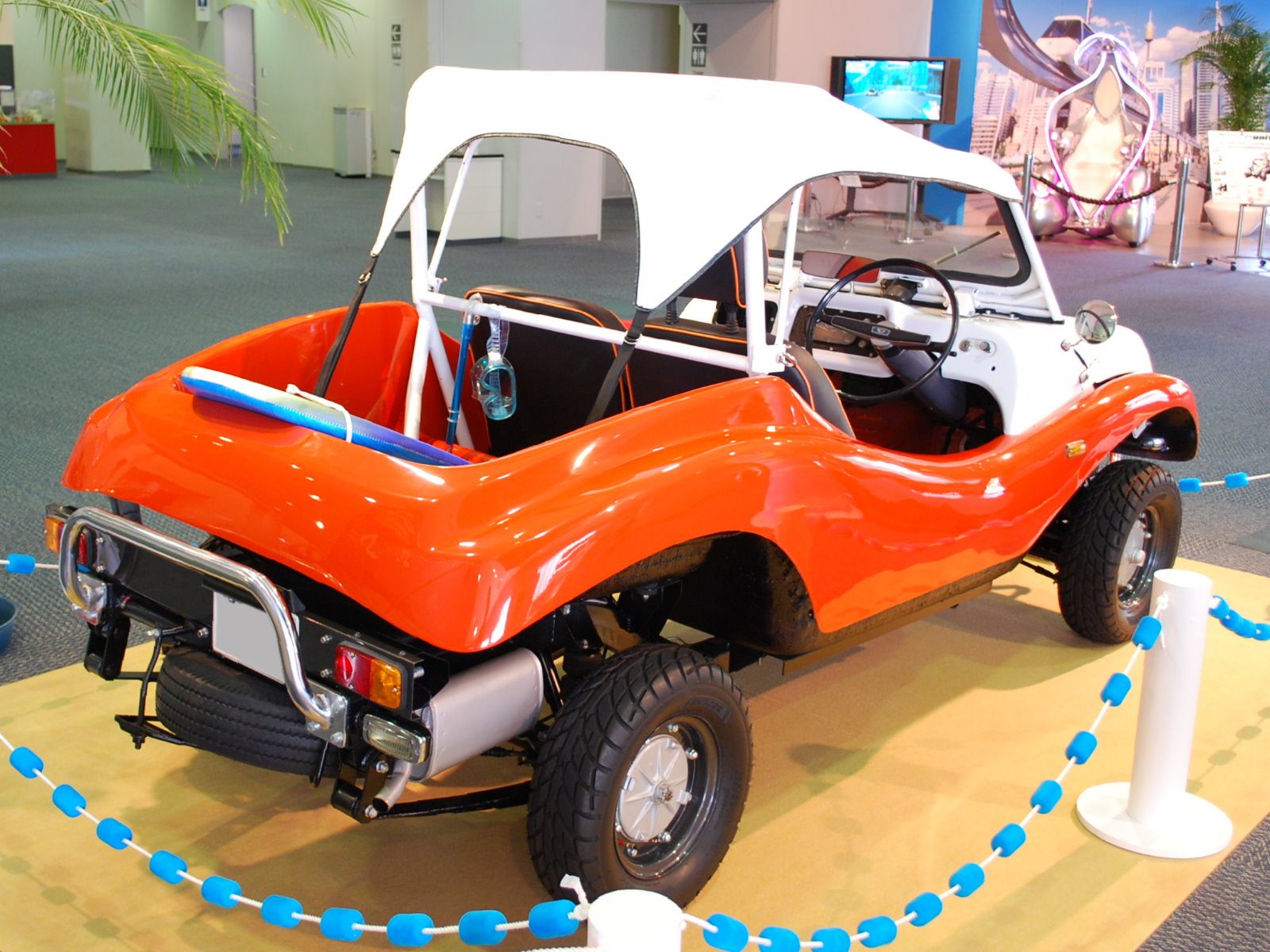
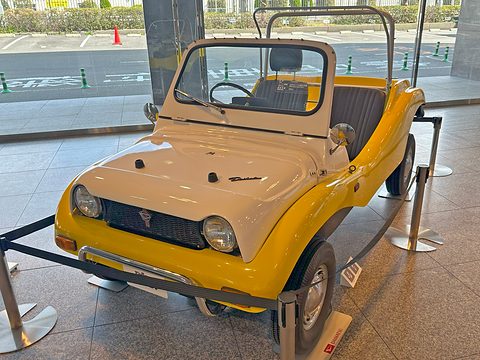
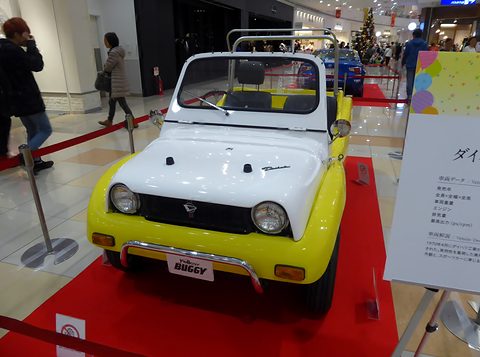
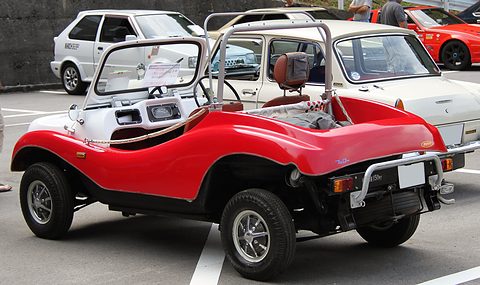
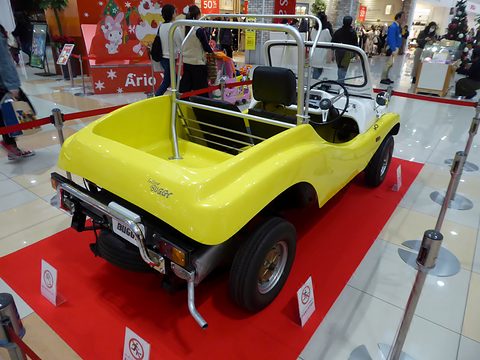
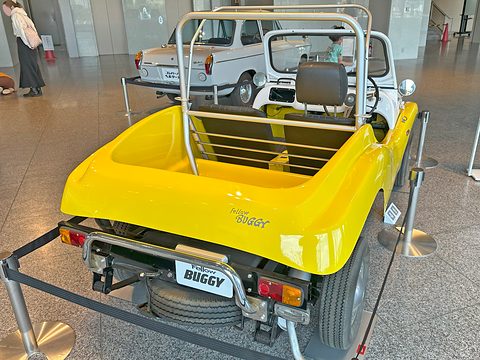
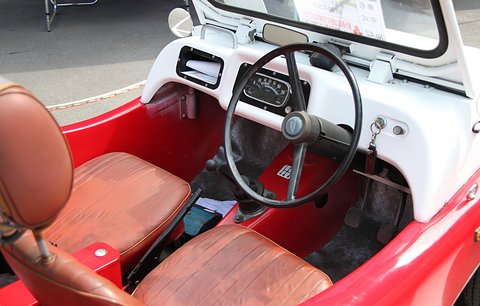
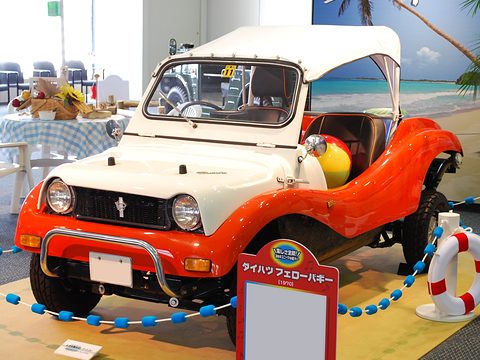
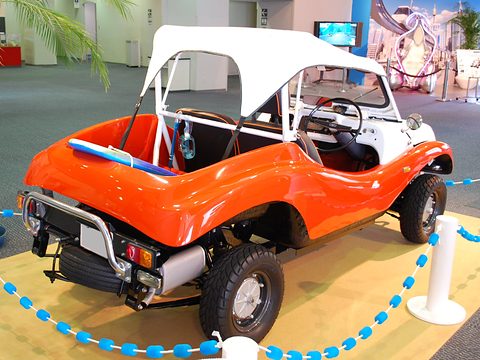
The last Fellow was the oddest. Announced on 1 April 1970, the Fellow Buggy put a doorless glass-fibre tub, a big roll bar and a guard over the grille on the underpinnings of the Hijet pickup. Only 100 were to be made, they were not sold in snowy Hokkaidō and Tōhoku, and the price was low for so short a run.source 1 English Wikipedia gives the Hijet’s S37 chassis and 26 PS engine, 440 kg (970 lb) and 95 km/h (59 mph), and says it was sold for a single model year.source 3
In April 1970 the saloon gave way to the Daihatsu Fellow Max, with front-wheel drive.source 1source 3source 2 Japanese Wikipedia counts 309,918 first-generation Fellows.source 1