microcarfan
  • Microcar utility
  • Italy
  • Four wheels
  • 4x4 from 1968

Ferves Ranger

Also known as Ferves Ranger 4x4, Ferves Cargo

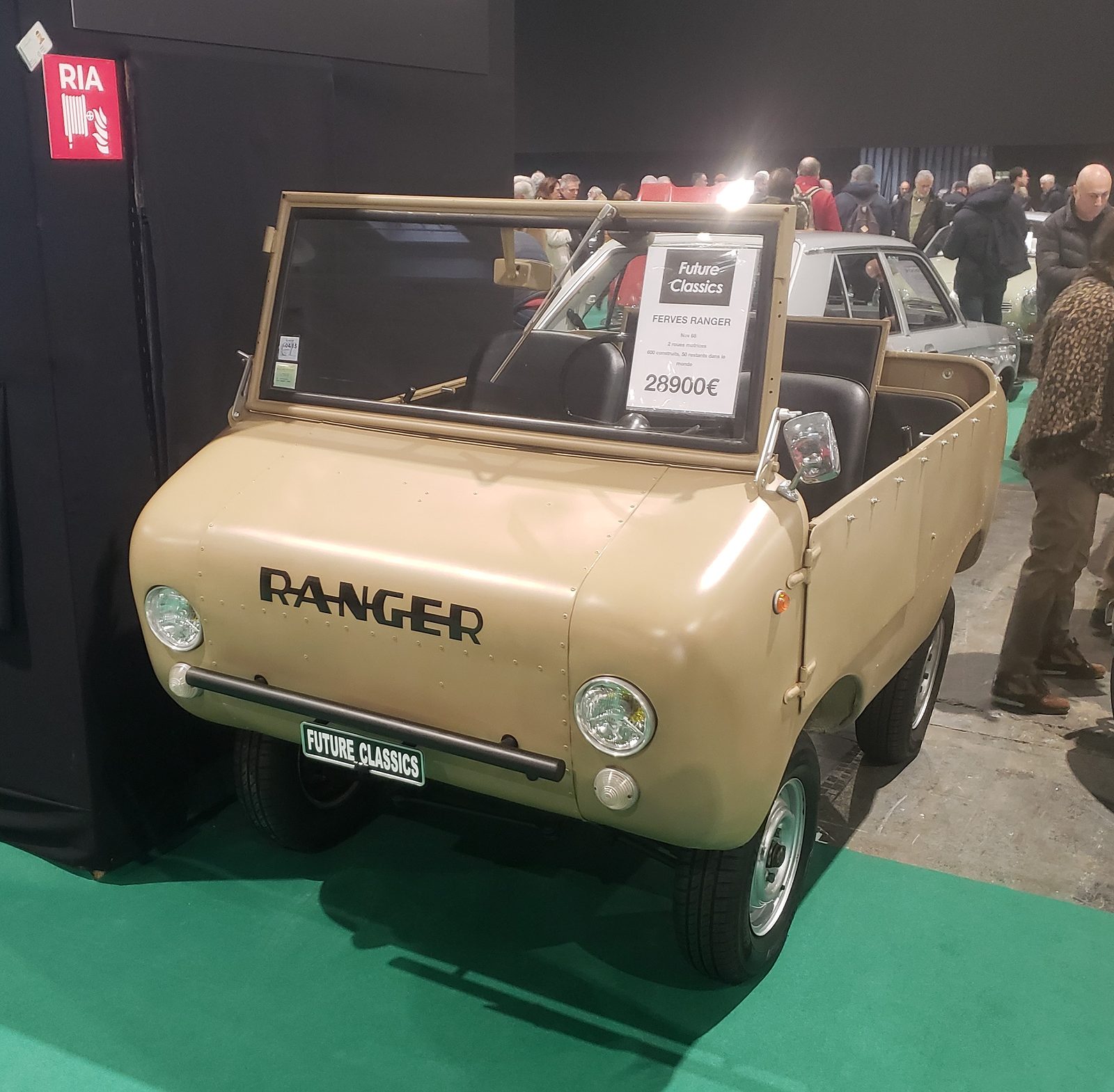
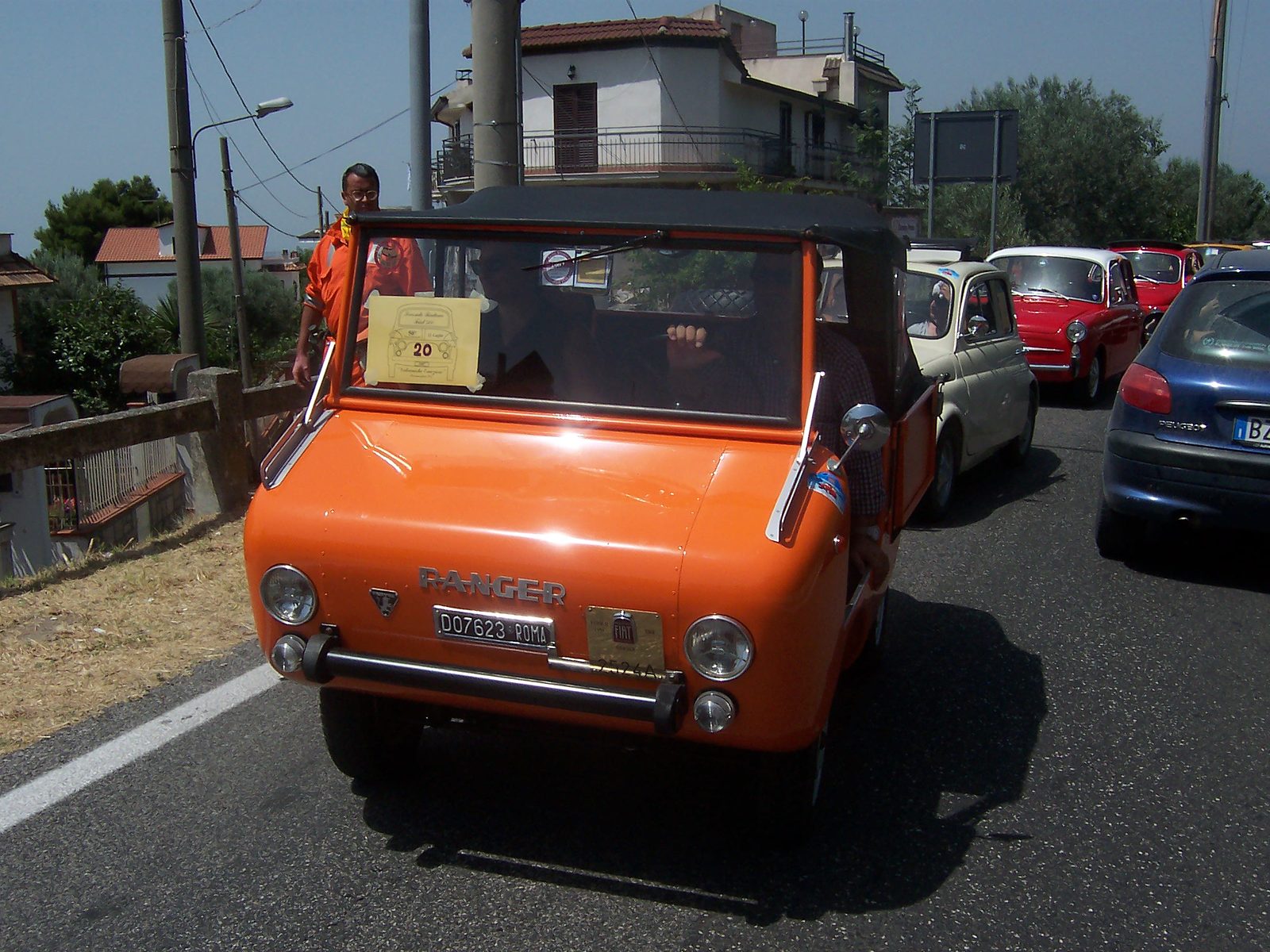
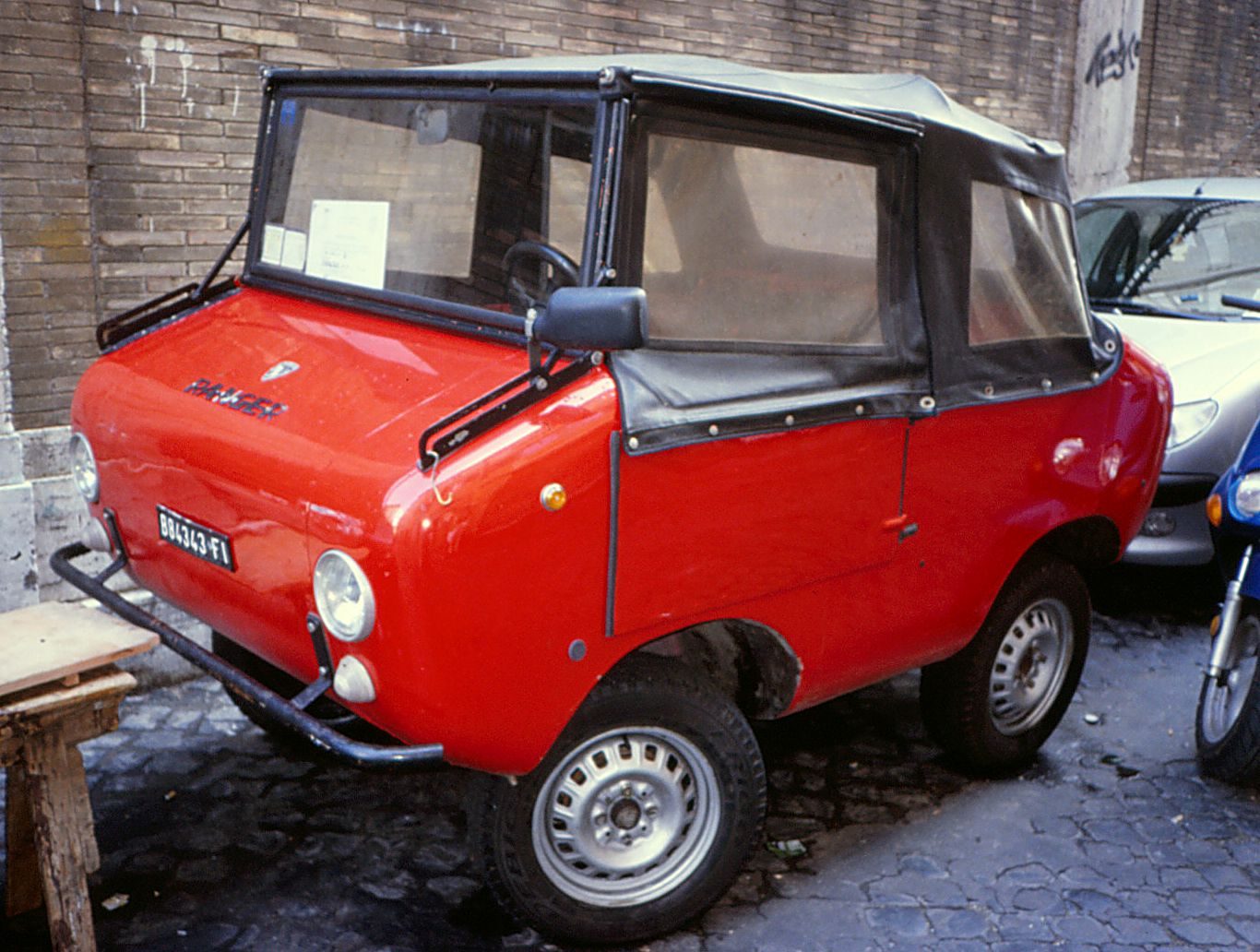
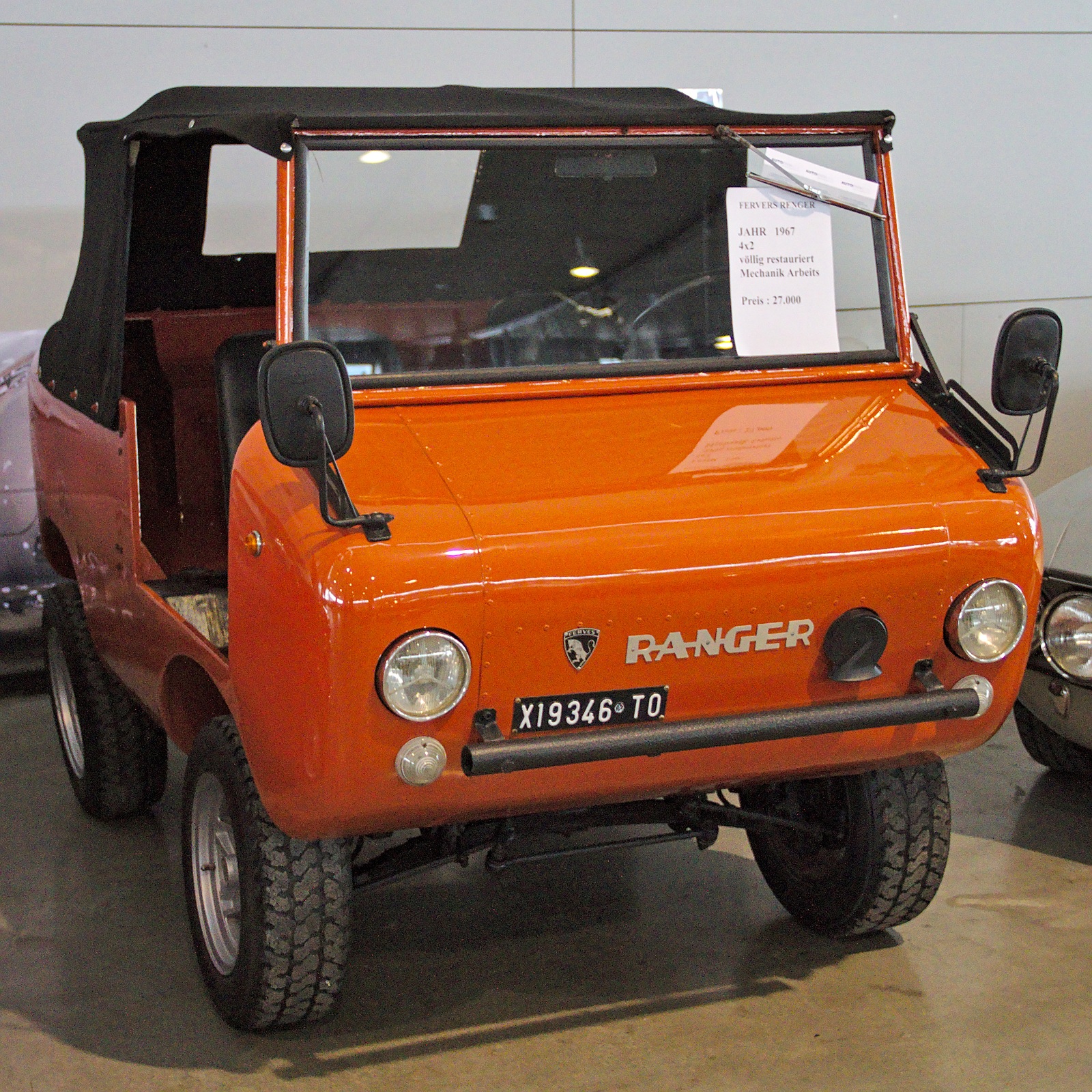
A jeep 2.63 metres (8 ft 8 in) long, with the windscreen folded flat on the bonnet and a Fiat 500 twin at the back. Its crawler gear was low enough to work at walking pace, and flat out it managed 70–80 km/h.

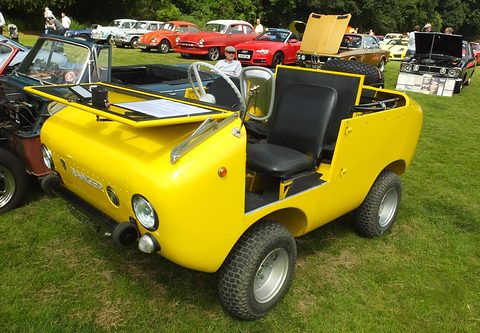
Yellow open miniature off-roader on grass with black seats and a folded-flat windscreen, classic cars on display behind.
A yellow 1967 Ferves Ranger from the front left at Chorleywood in 2016, showing its open four-seat cabin.Photo: PSParrot, CC BY 2.0, via Wikimedia Commons

At a glance

The spec plate

Ferves Ranger

Ranger 4x2 · Turin

Built
1966–⁠1971Shown at the Turin show in 1966; the 4x4 from 1968
Country
ItalyFerves S.r.l., Turin
Maker
Ferves S.r.l., TurinFerrari Veicoli Speciali: Carlo Ferrari’s firm, nothing to do with Maranello
Engine
499.5 cc Fiat 500 F air-cooled twinAt the back
Power
18 CV
Length
2,630 mm1,450 mm wide, 1,660 mm high
Weight
530 kgThe 4x2
Seats
4Open body; the Cargo carried up to 300 kg
Wheels
4Rear engine; rear-wheel drive, or selectable four-wheel drive from 1968
Production
about 600The only figure, from RM Sotheby’s
Survives
fewer than 50RM Sotheby’s, 2019
Top speed
80km/h80 km/h70–80 km/h (43–50 mph)

How big is it?

True proportion

2.63 m

It is 340 mm shorter than a Fiat 500, about 1.5 adults laid end to end, and twice the length of a Peel P50.

  • 1.45 m wide
  • 530 kg: about seven adults
  • 4x4: 2,830 mm on a wheelbase 220 mm longer
  • 1,660 mm tall: taller than it is wide
Drawn at true proportion. The track is 3.6 metres long; the adult stands at the same scale. The Peel P50 is the smallest production car, on every page for comparison.

The story

History

Ferves was a Turin firm founded by the designer and engineer Carlo Ferrari, and its name was made from his: Ferrari Veicoli Speciali, Ferrari special vehicles.source 1source 2 The company first exhibited at the Turin show in 1966, built cars until 1971, and the Ranger was the only one it made.source 3 It was presented as a vehicle for leisure and for work, in Normale and Cargo versions, and the original brochure credits its design to “ing. Ferrari”, the engineer behind the Samas Yeti, with off-road and farm work in mind.source 1source 2

It was not a 500 in disguise, though it is usually called one. The Ranger had its own frame of steel box section, clad in riveted steel panels, a windscreen that folded forward in the Jeep manner, and a canvas hood if you wanted one.source 1 The parts came from all over Fiat: the 500 F’s 499.5 cc engine of 18 CV and its steering box, the Fiat 600 D’s suspension and brakes.source 1 At 2,630 mm long it was shorter than the Fiat Nuova 500 itself, the yardstick this site uses for a microcar, and at 1,660 mm (5 ft 5 in) it was taller than it was wide.source 1 The 600 D parts gave it independent suspension on all four wheels, and the car RM Sotheby’s sold in 2019 had doors that lifted off.source 1source 2

Crawling, and a fourth driven wheel

The gearbox had four speeds, plus an extra crawler ratio for very low speeds, and the rear differential could be locked by hand.source 1source 3 Some two-wheel-drive cars had instead separate brakes for the left and right rear wheels, worked by levers beside the handbrake, to stop a wheel that was spinning.source 1 RM Sotheby’s says the gearing was low enough for work at walking pace; the top speed was only 70–80 km/h (43–50 mph).source 2source 1

In 1968 came the Ranger 4x4, with selectable four-wheel drive, front driveshafts from the Autobianchi Primula, a wheelbase stretched from 1,330 to 1,550 mm and a length of 2,830 mm.source 1 The Cargo was the working version, rated for up to 300 kg, and German sources mention a pick-up.source 1source 3 Production ended in 1971, after about 600 Rangers of all kinds.source 1source 2source 3 Quattroruote of November 1968 is listed among Italian Wikipedia’s sources but has not been read, and no price new has been found.source 1

Some lists date the Ranger from 1968, which is the year of the 4x4; the car itself was at the Turin show two years earlier.source 1source 3 The name has misled people too, but Ferves was Carlo Ferrari’s firm, and no source connects it with the Ferraris of Maranello.
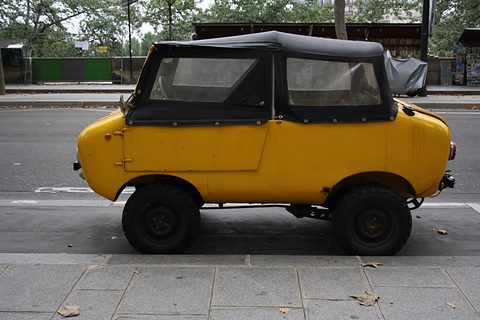
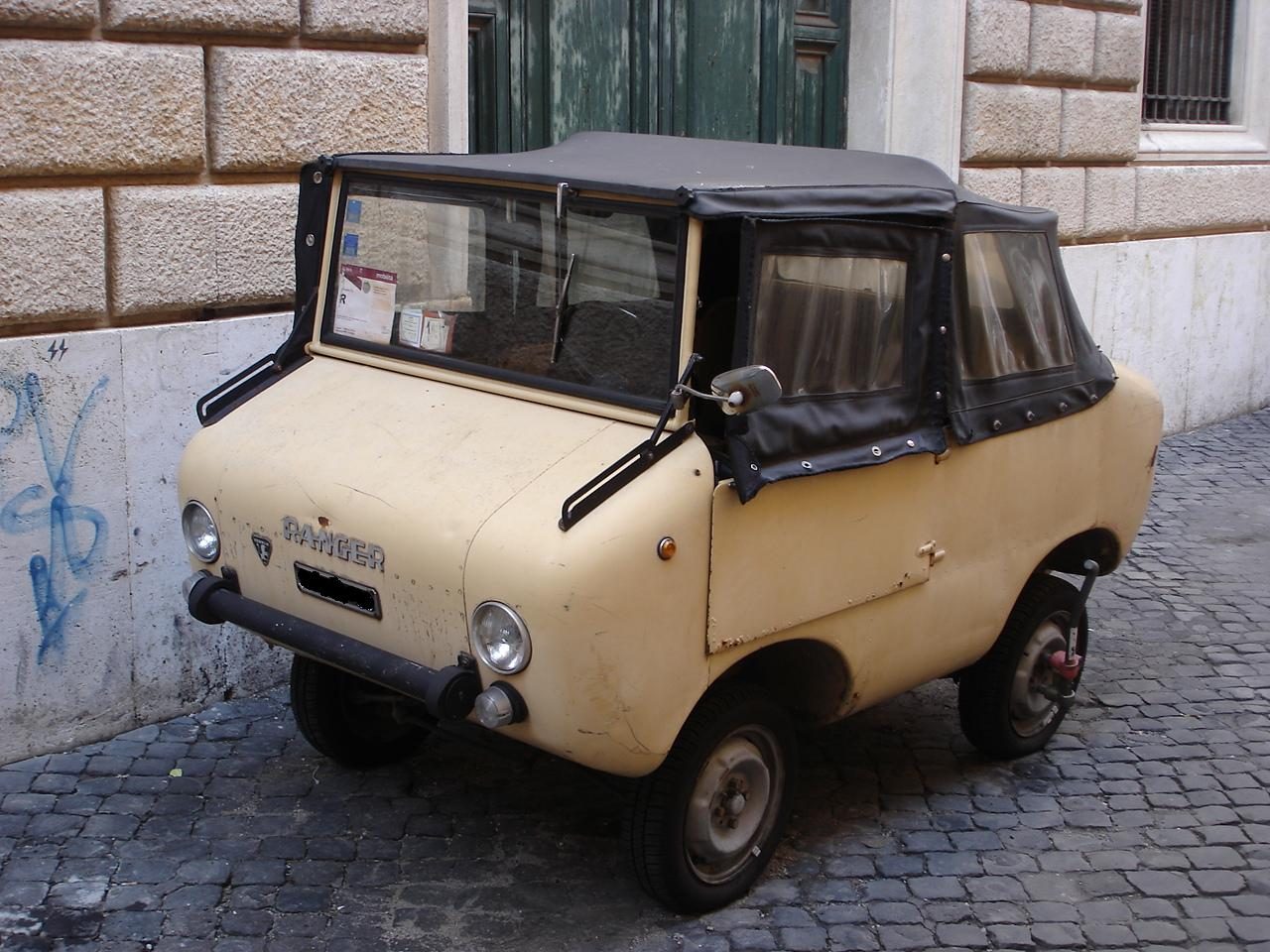
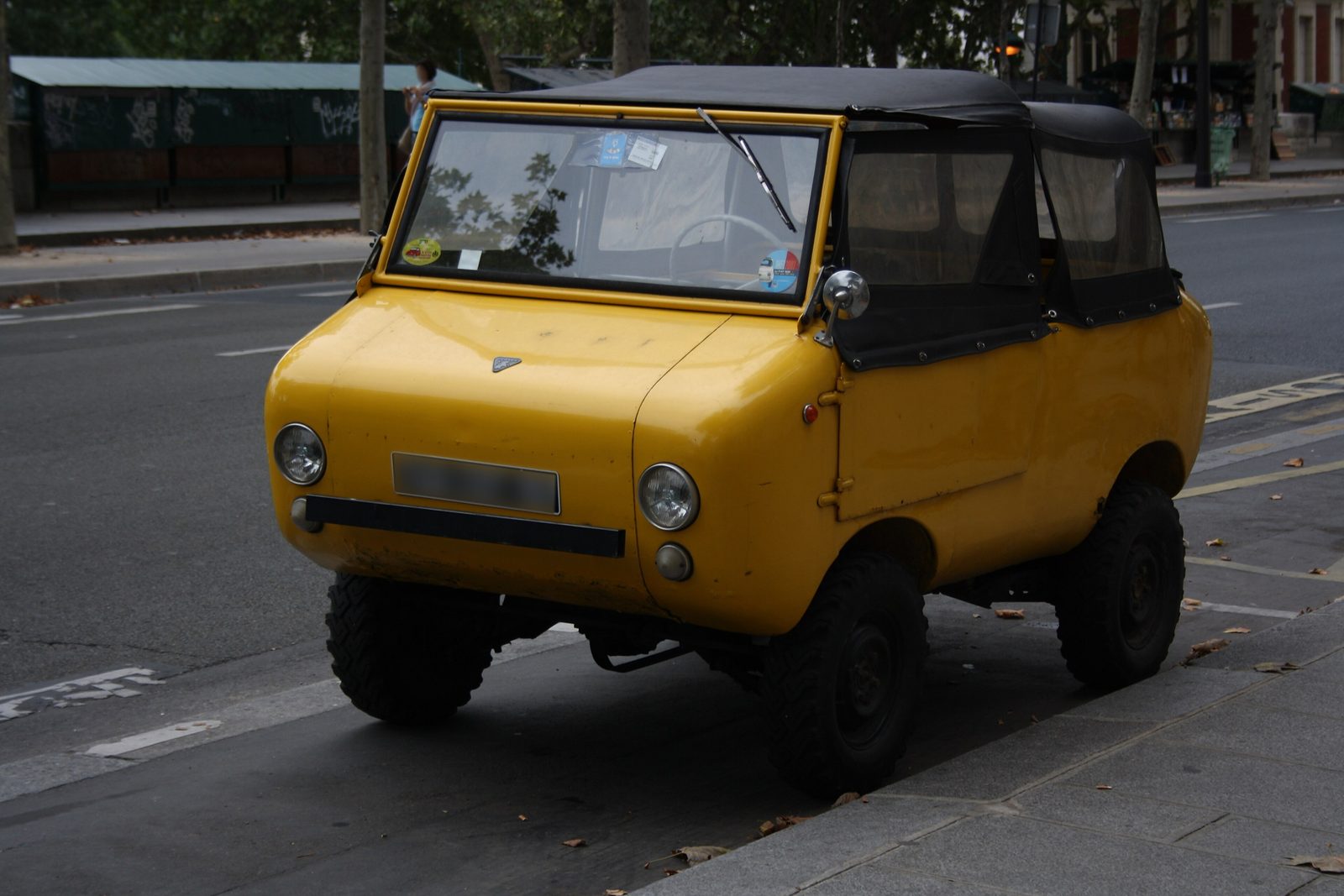
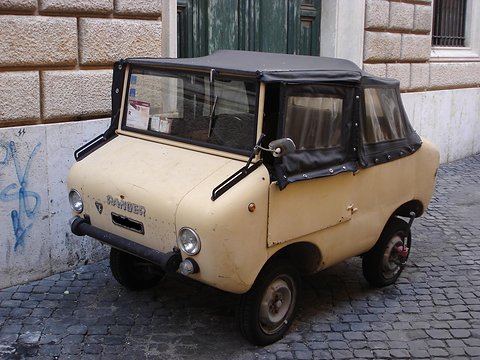
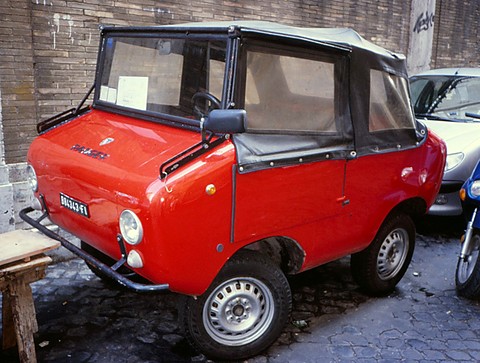
Side view of a mustard-yellow miniature off-roader with a black soft top, parked on a street lined with bookstalls.
A yellow Ranger in Paris in 2011, hood up: short wheelbase, tall tyres, and its height.Photo: Lionel Allorge, CC BY-SA 3.0, via Wikimedia Commons
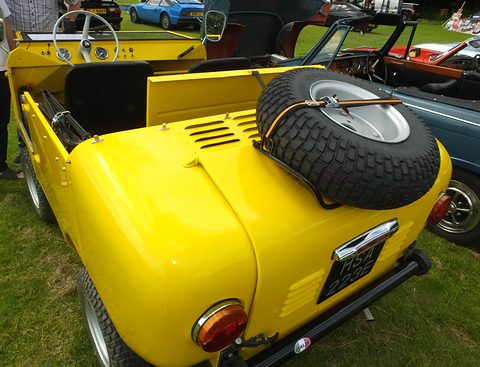
Yellow open miniature off-roader seen from above at the rear, a spare wheel on the engine lid and British plates.
The tail of a 1967 Ranger at Chorleywood in 2016: the spare wheel strapped on top of the engine lid.Photo: PSParrot, CC BY 2.0, via Wikimedia Commons
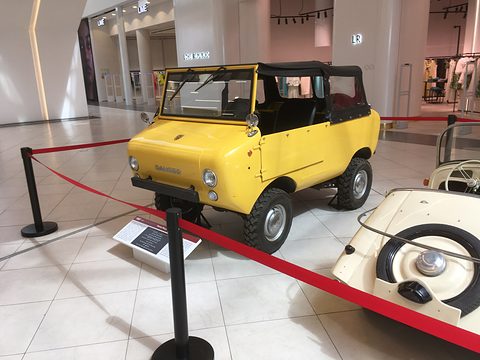
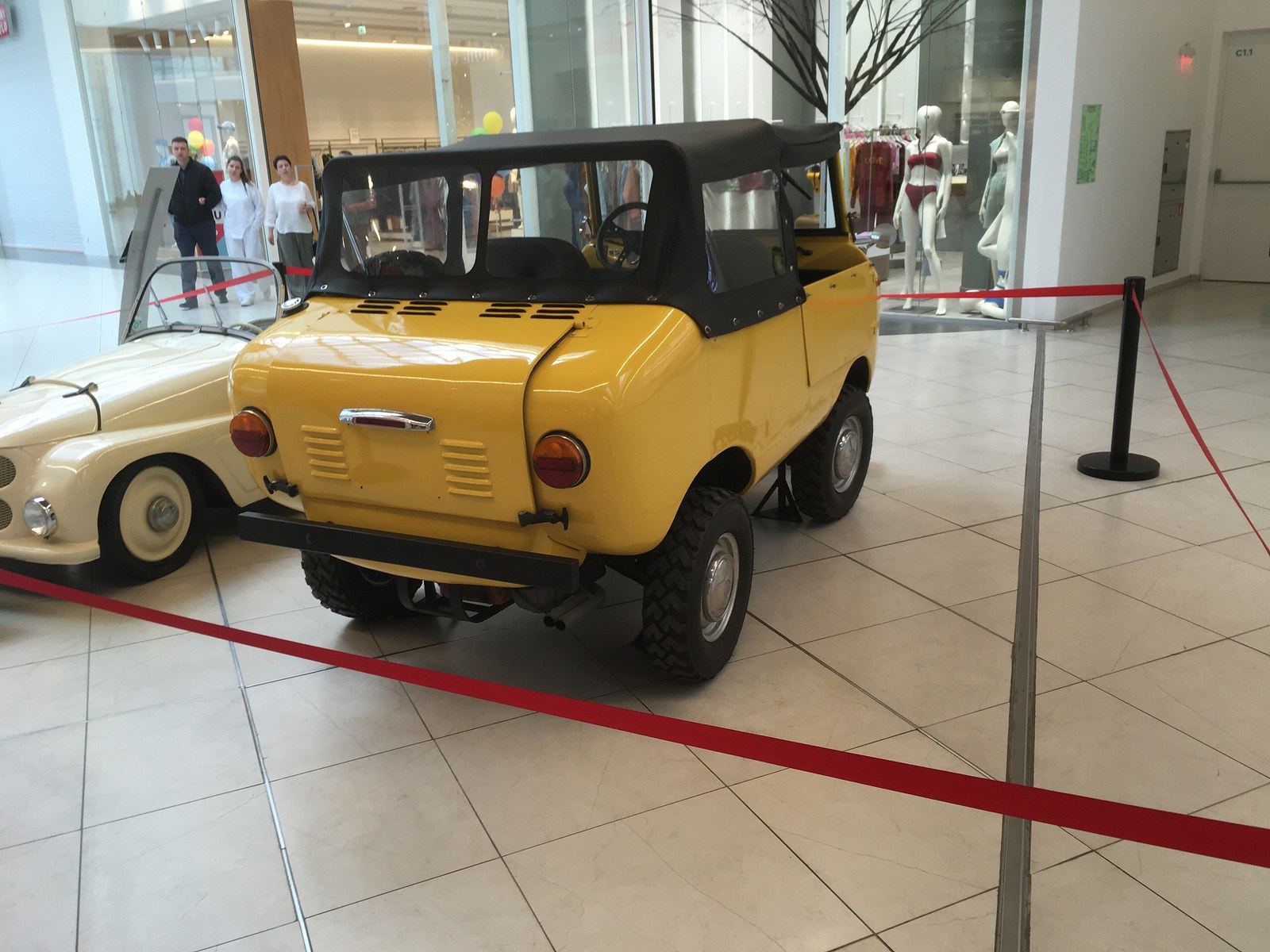
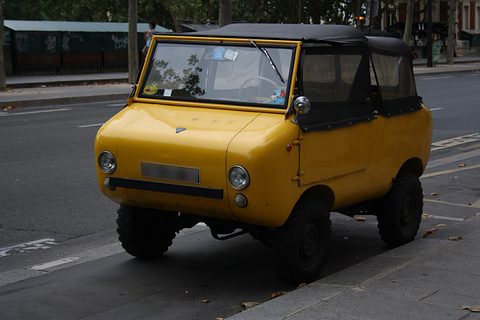
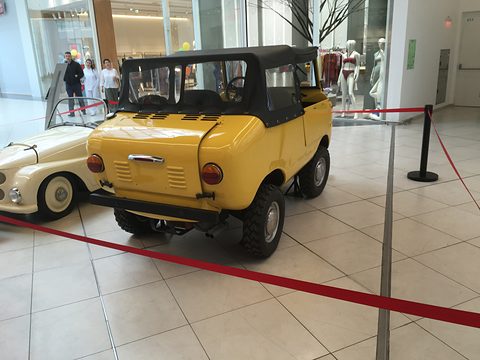
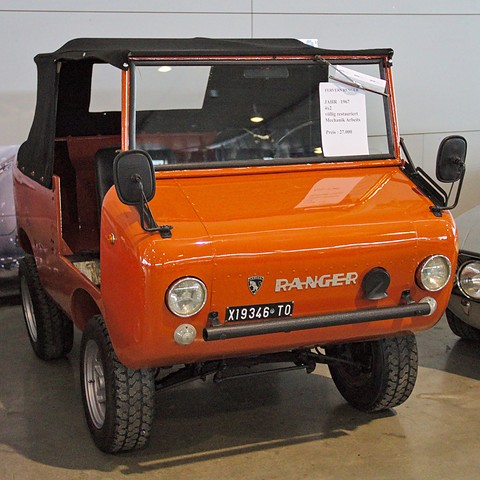
Yellow miniature off-roader with a black soft top and chunky tyres, seen from the front left inside a red-roped display.
A yellow Ranger 4x4 with its soft top, on display in Yekaterinburg in 2022.Photo: Wild Child, CC BY-SA 4.0, via Wikimedia Commons

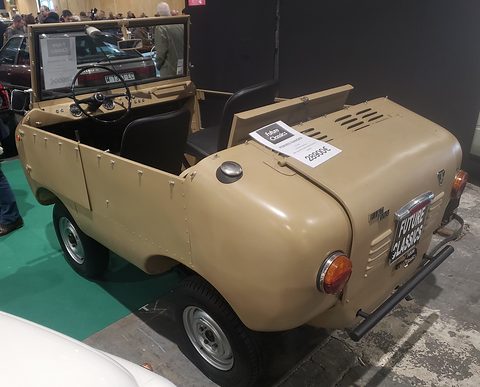
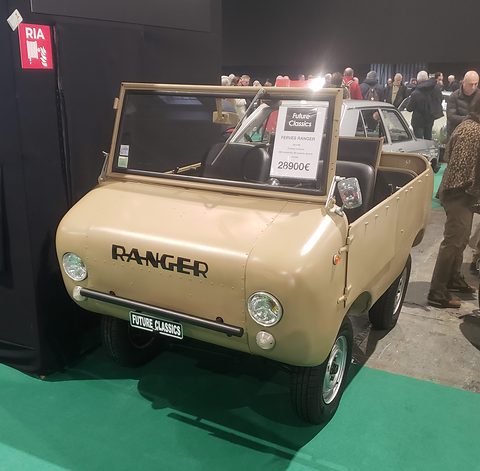
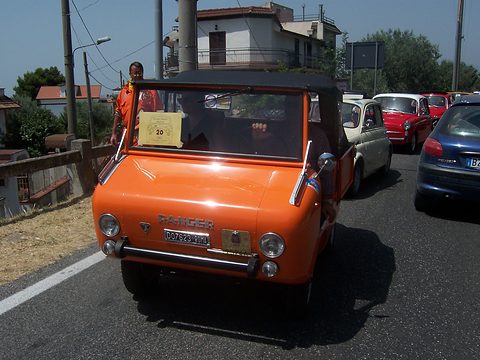
Pictures

More photographs, old and new

Variants

Two drives, two jobs

The Ranger family
VariantYearsWhat differsHow many
Ranger 4x2 (Normale)1966–⁠1971Rear-wheel drive; 1,330 mm wheelbase, 2,630 mm longIn the 600 or so
Ranger 4x41968–⁠1971Selectable four-wheel drive with Autobianchi Primula front driveshafts; 1,550 mm wheelbase, 2,830 mm longIn the 600 or so
Cargo1966–⁠1971Working version for up to 300 kg; German sources mention a pick-upIn the 600 or so

Specification

The Ranger 4x2, from Italian Wikipedia unless noted

Engine and drive

Engine and drive
EngineFiat 500 F air-cooled in-line twin, 499.5 cc, at the backsource 1source 3
Power and torque18 CV; 3.1 kgm at 3,000 rpmsource 1source 2source 3
GearboxFour speeds, an extra crawler ratio and reversesource 1source 3
DifferentialRear, locked by hand; some 4x2s instead had separate left and right brakes, worked by levers by the handbrakesource 1

Body and chassis

Body and chassis
ChassisSteel frame of rectangular sectionsource 1
BodyRiveted steel panels; windscreen folding forward; canvas hood optionalsource 1
SuspensionIndependent, coil springs all round, from the Fiat 600 Dsource 1source 2
BrakesDrums all roundsource 1
TyresSemperit 165-12source 1

Dimensions

Dimensions
Length2,630 mm; 4x4 2,830 mmsource 1
Width and height1,450 mm and 1,660 mmsource 1
Wheelbase1,330 mm; 4x4 1,550 mmsource 1
Weight530 kgsource 1

Performance and running

Performance and running
Top speed70–80 km/h (43–50 mph)source 1
Payload300 kg in the Cargosource 1
Price newNot found

How many were built?

The one figure

About 600 builtAbout 600, the figure in RM Sotheby’s 2019 catalogue. Italian Wikipedia gives the same number but marks it as needing a source, so the two may not be independent.

  1. about 600Rangers of all types, 1966–⁠71One source

    RM Sotheby’s; repeated, unsourced, by Italian Wikipediasource 2source 1

  • Two sources agreetwo good sources give the figure
  • One sourcea good source, alone
  • Unconfirmeda lead only, not yet checked

Famous for

Three points

  1. A 4x4 with a 500 engine

    From 1968 the Fiat’s 18 CV twin drove all four wheels.

  2. A crawler gear

    An extra low ratio and a locking differential, for farm work at walking pace.

  3. US$196,000

    The price a yellow 1967 Ranger made at Monterey in 2019.

Survivors and collecting

Today

Fewer than 50 Rangers are thought to survive.source 2 One of them, a yellow 1967 4x2, chassis FVS 0387, street-legal and with removable doors, was sold by RM Sotheby’s at Monterey on 16 August 2019 for US$196,000.source 1source 2

Sources

Numbered as in the text

Quattroruote of November 1968, listed in Italian Wikipedia’s bibliography, was not read; no price new and no other auction results were found. Sources are given as plain text; the links are on the Credits page.

  1. Italian Wikipedia, Ferves Ranger, read in full; it draws on the original brochure and lists Dizionario delle Auto 1970 and Quattroruote, November 1968.
  2. RM Sotheby’s, Monterey, 2019, “1967 Ferves Ranger”, read in summary.
  3. German Wikipedia, Ferves, read in full; it cites Linz and Schrader, Die Internationale Automobil-Enzyklopädie, and Georgano’s Beaulieu Encyclopedia.