microcarfan
  • Microcar
  • Japan
  • Four wheels
  • Over the yardstick

Mitsubishi 500

Also known as A10, 500 Super Deluxe (A11)

While its new small car was being drawn, Mitsubishi put a one-fifth model of it in a wind tunnel, the first Japanese car to be tested that way. The Mitsubishi 500 of 1960 was the company’s answer to the government’s call for a people’s car, drawn by engineers who had designed aircraft in the war.

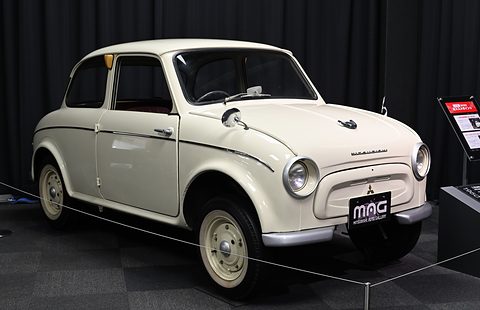
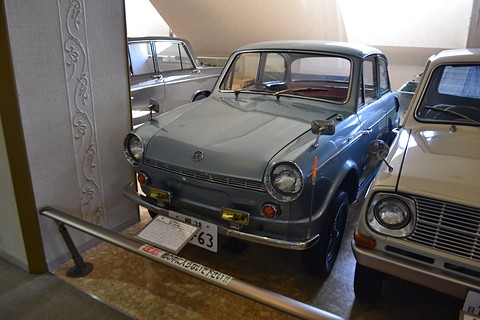
Cream rounded small saloon with a gallery number plate, against black drapes on a grey carpet.
A cream 1960 Mitsubishi 500 in the Mitsubishi Auto Gallery, Okazaki, in 2026.Photo: TTTNIS, CC0, via Wikimedia Commons

At a glance

The spec plate

Mitsubishi 500

A10 · Nagoya

Built
1960–⁠1962Shown in autumn 1959; on sale from April 1960; replaced by the Colt 600 in 1962
Country
JapanShin Mitsubishi Heavy Industries, Nagoya works
Maker
Shin Mitsubishi Heavy IndustriesDeveloped at its Nagoya works; now Mitsubishi Motors
Engine
493 cc air-cooled in-line twin, overhead valvesNE19A, at the back; the Super Deluxe of 1961 a 594 cc NE35A
Power
21 PS15 kW, at 5,000 rpm; the Super Deluxe 25 PS (18 kW)
Length
3,140 mm1,390 mm wide, 1,380 mm high
Weight
490 kg
Seats
4Mitsubishi gives five for the Super Deluxe
Wheels
4Engine at the back, driving the rear wheels
Price new
¥390,000April 1960
Production
13,289All 500s; the Colt 600 that followed, 13,739
Survives
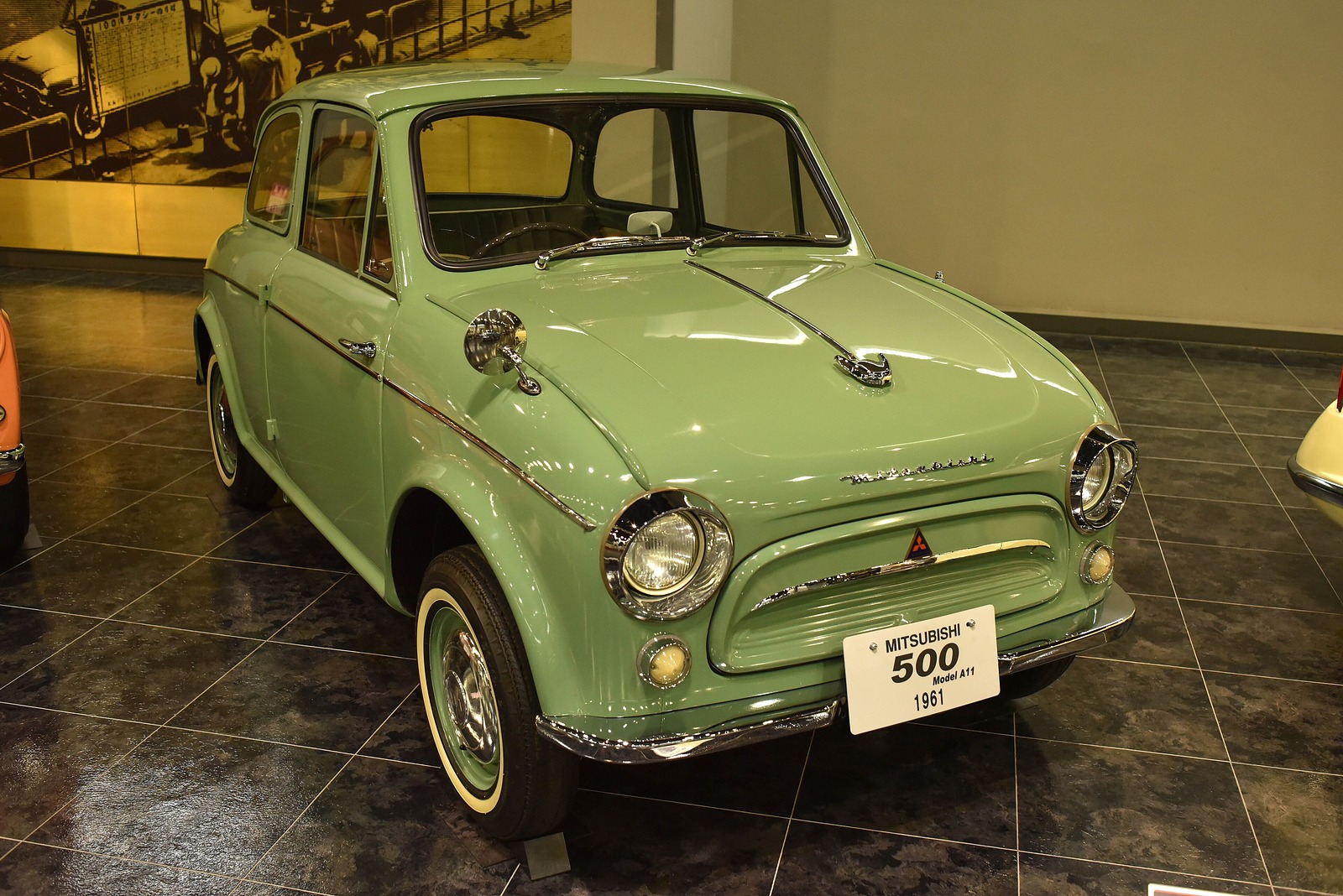
YesMitsubishi keeps an A10 in running order; the Toyota Automobile Museum shows an A11
Top speed
90km/h90 km/h

How big is it?

True proportion

3.14 m

It is 170 mm longer than a Fiat 500, about 1.8 adults laid end to end.

Drawn at true proportion. The track is 3.6 metres long; the adult stands at the same scale. The Peel P50 is the smallest production car, on every page for comparison.

The story

History

Mitsubishi had made cars before: the Model A of 1917, a copy of the Fiat Zero, and later Henry Js from Kaiser-Frazer and Jeeps, assembled from knocked-down kits.source 3 Its Nagoya aircraft works had turned to civilian products when the occupation authorities banned aircraft building (see aircraft makers).source 3 What set the 500 going, though, was the Ministry of International Trade and Industry’s people’s-car plan of 1955, which called for a cheap four-seater.source 3source 4

The engineers who designed it had designed aircraft during the war. They took European small cars as their models and studied European markets, and a one-fifth-scale model went into Japan’s first wind-tunnel test of a car.source 1source 3source 2 The press saw it in September 1959, and the next day’s newspapers, as the JSAE records them, hailed a new car under ¥400,000 as the opening of the people’s-car era, the first people’s-car candidate completed and a turning point in industrial history.source 1

After the Tokyo Motor Show that autumn, it went on sale in April 1960 at ¥390,000.source 1source 3source 4

A small car, not a kei car

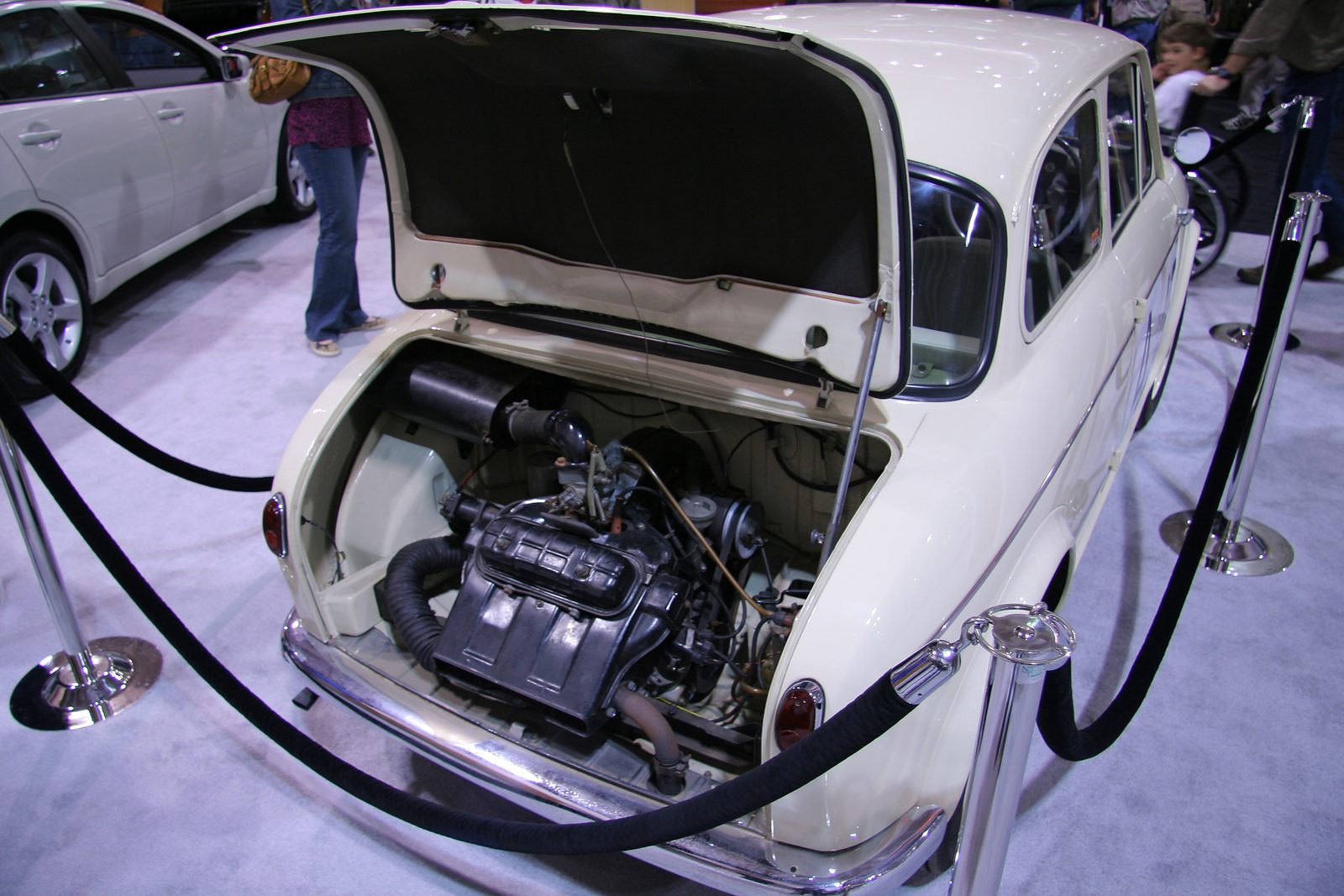
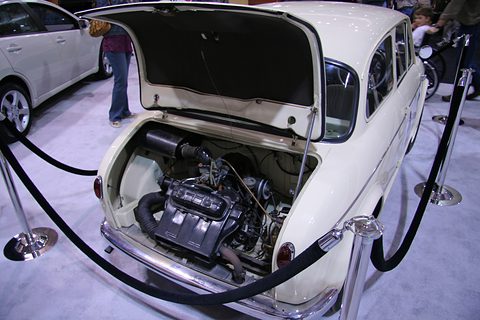
The 500 was a two-door saloon of unit construction with its engine at the back: an air-cooled in-line twin of 493 cc, the NE19A, with overhead valves and one downdraught Solex carburettor, giving 21 PS (15 kW) at 5,000 rpm through a three-speed gearbox.source 1source 3 Every wheel had a trailing arm and a coil spring; it steered by rack and pinion, and the spare wheel and fuel tank lived under the front bonnet.source 1source 3source 2 It weighed 490 kg (1,080 lb) and reached 90 km/h (56 mph).source 1source 3

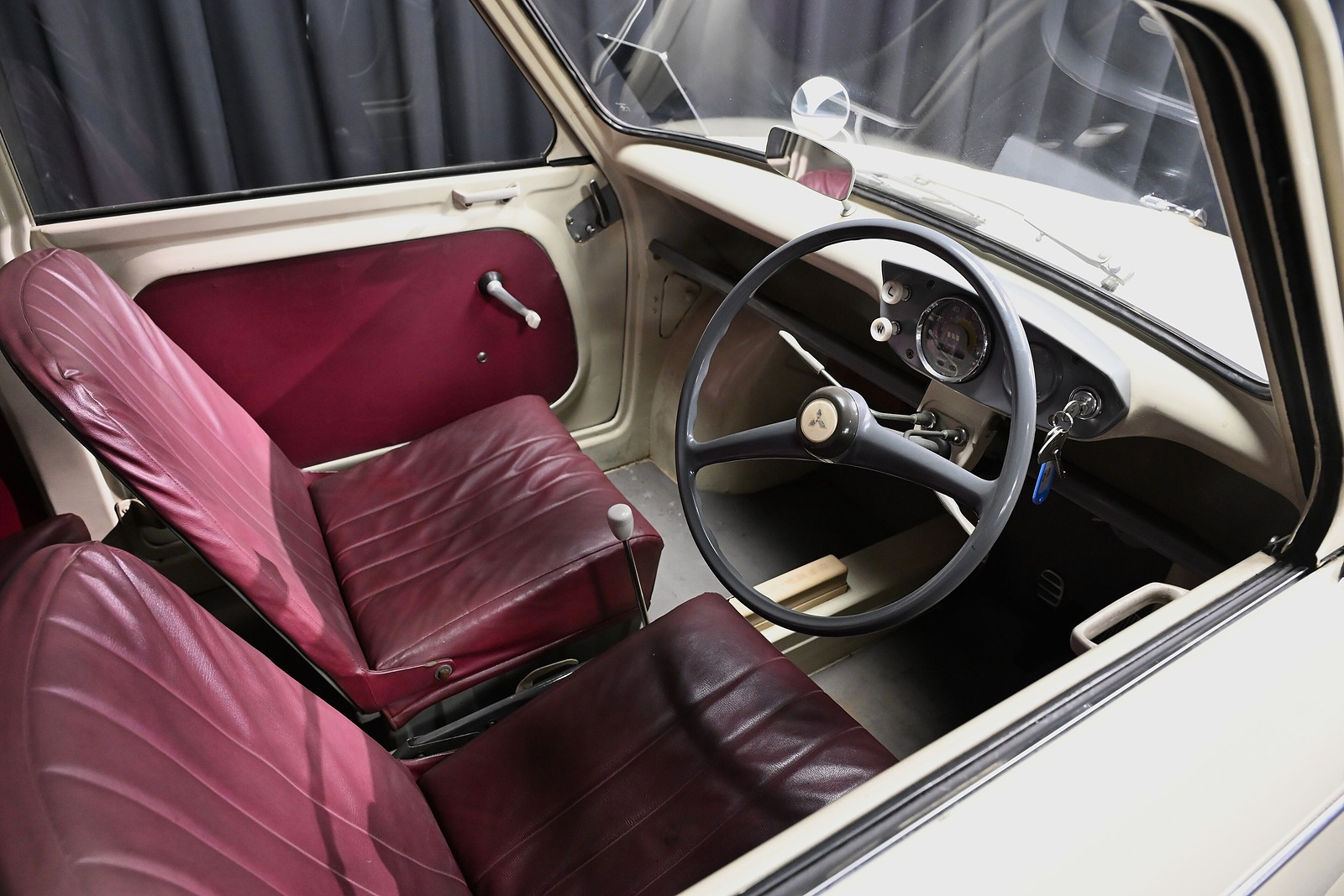
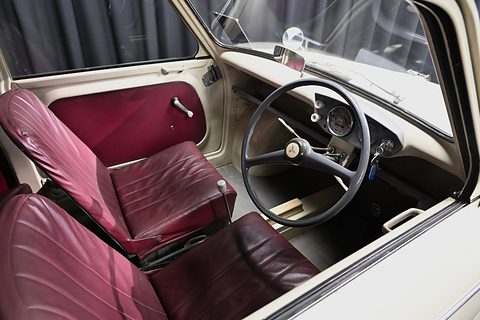
At 3,140 mm (124 in) long and 1,390 mm (55 in) wide, it was not one of Japan’s kei cars but a small car, 170 mm longer than a Fiat Nuova 500, and it belongs among microcars as Japan’s answer to the people’s-car plan (see what is a microcar?).source 1source 3source 2 The Toyota Automobile Museum judges that cost-cutting left it a plain interior, but that the engineering was practical and efficient.source 4

Quarter lights came with the DX in October 1960.source 3 In August 1961 the Super Deluxe, the A11, brought a 594 cc engine, the NE35A, with 25 PS (18 kW), and better trim; Mitsubishi says it seated five.source 3source 4source 2 The comedy band Hana Hajime and the Crazy Cats advertised the car.source 3

The Colt 600

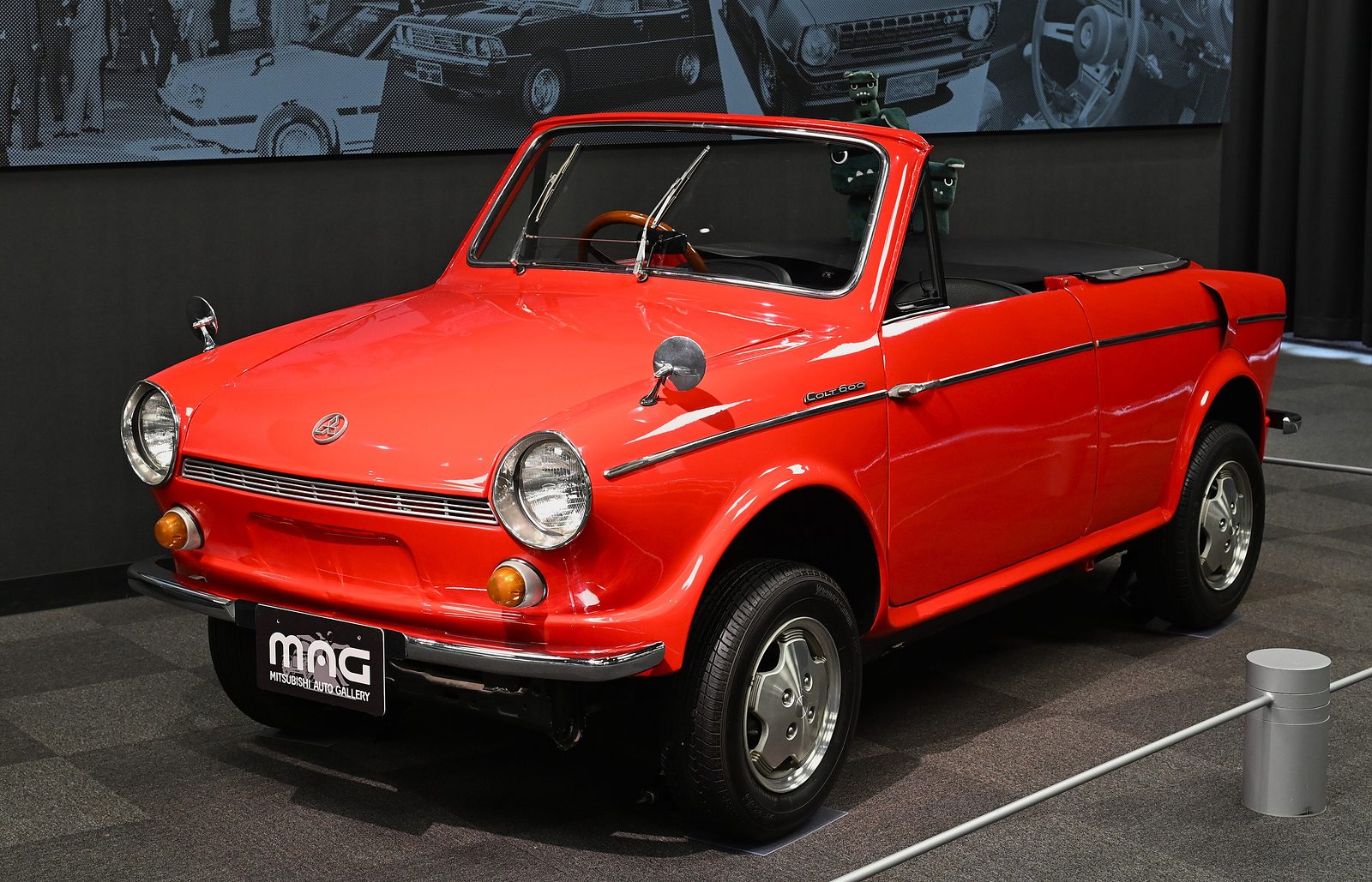
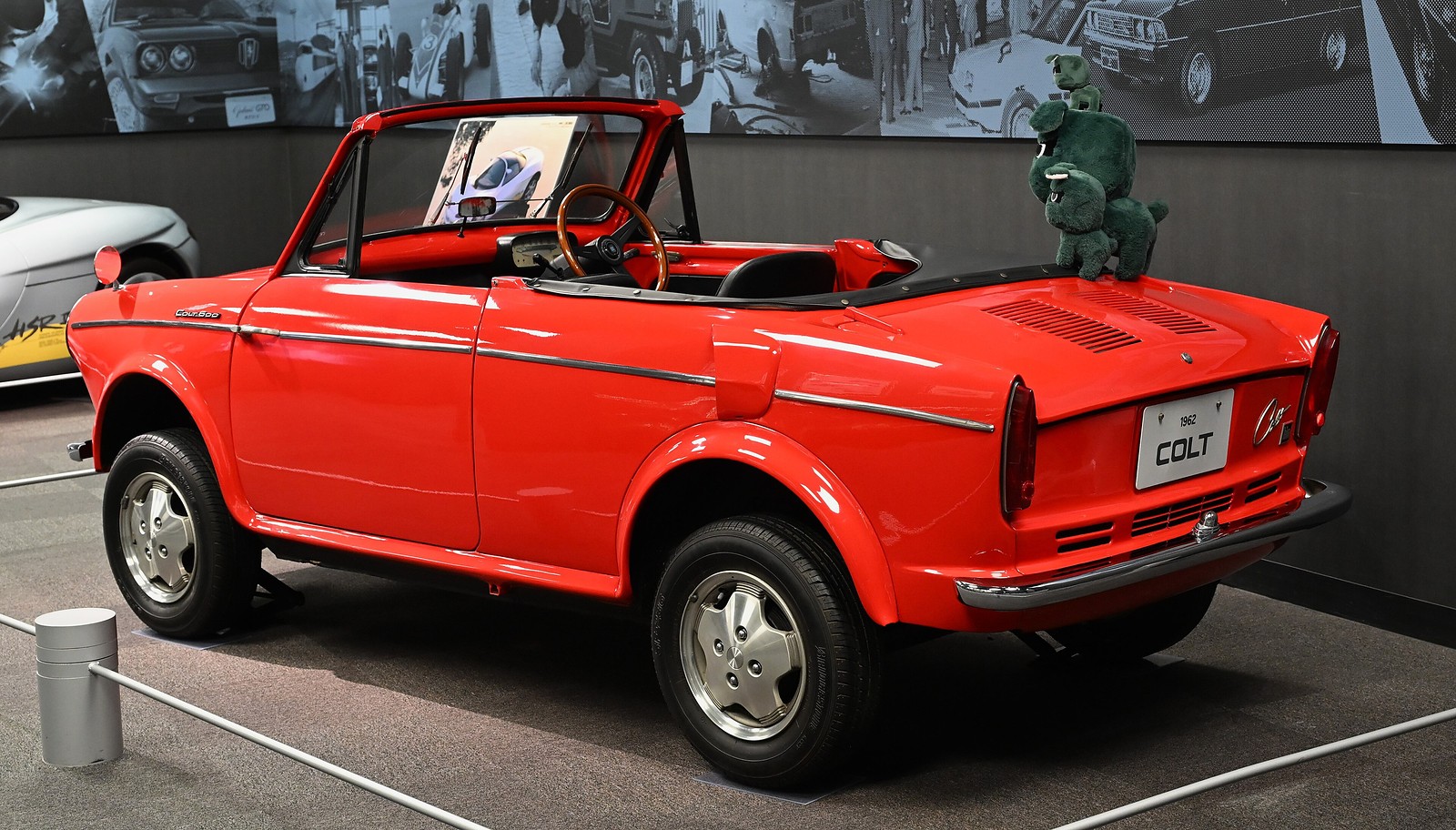
Sales were poor, and only 13,289 Mitsubishi 500s were built.source 3 In 1962 a heavy facelift turned the car into the Colt 600, with tail fins and an American look, and a column change with an ordinary H pattern in place of the 500’s unusual one; it was the first Mitsubishi to carry the Colt name. The Colt 600 made 13,739 in three years and gave way to the Colt 800 in 1965.source 3source 2
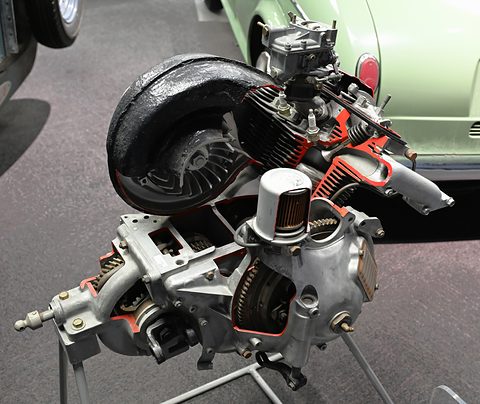
Cut-away small engine on a stand, its fan housing, cylinders and red-painted section faces exposed.
A sectioned NE19A, the 500’s air-cooled 493 cc twin, on display.Photo: TTTNIS, CC0, via Wikimedia Commons
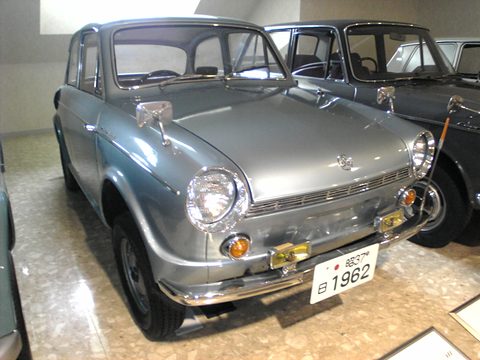
Silver-grey small saloon with chrome bumpers and amber lamps on a polished floor beside a black car.
A grey Colt 600 of 1962, the 500 restyled with tail fins, in the Mitsubishi Auto Gallery.Photo: Yones, Public domain, via Wikimedia Commons

Pictures

More photographs, old and new

Variants

The 500 and its successor

Mitsubishi’s first small cars, 1960–⁠65
VariantYearsWhat differsHow many
500 (A10)1960–⁠62The original: 493 cc, 21 PSIn 13,289
500 DXFrom 1960Quarter lights in the front windows, from October 1960In 13,289
500 Super Deluxe (A11)1961–⁠62594 cc NE35A, 25 PS, better trim; five seats by Mitsubishi’s accountIn 13,289
Colt 6001962–⁠65Restyled with tail fins, an ordinary H-pattern column change, 3,385 mm long; 594 cc, 25 PS13,739

Specification

The 500 A10 of 1960 unless noted

Engine and drive

Engine and drive
EngineNE19A, air-cooled in-line twin, overhead valves, one downdraught Solex carburettor with an accelerator pumpsource 1source 3
Capacity493 cc (70 × 64 mm)source 1source 3594 cc in the Super Deluxe
Power21 PS (15 kW) at 5,000 rpmsource 1source 325 PS (18 kW) at 4,800 rpm in the Super Deluxe
Torque3.4 kgm at 3,800 rpmsource 3
GearboxThree speedssource 1source 3

Body and chassis

Body and chassis
BodyTwo-door saloon, unit constructionsource 1source 2
SuspensionTrailing arms and coil springs, front and rearsource 1source 3
SteeringRack and pinionsource 1
BrakesHydraulic on all four wheels; handbrake on the rearsource 1
Tyres5.20-12source 1source 3

Dimensions

Dimensions
Length3,140 mm (124 in)source 1source 3source 23,160 mm for the Super Deluxe
Width1,390 mm (55 in)source 1source 3source 2
Height1,380 mm (54 in)source 1source 3source 2
Wheelbase2,065 mmsource 1source 3
Track1,180 mm front, 1,170 mm rearsource 1
Kerb weight490 kg (1,080 lb)source 1source 3530 kg for the Super Deluxe

Performance and running

Performance and running
Top speed90 km/h (56 mph)source 1source 3
Acceleration200 m from rest in 16.7 secondssource 1
Consumption30 km per litre at a steady 30 km/hsource 1
Fuel tank20 litressource 1source 3
Price new¥390,000 (1960)source 1source 4

How many were built?

The figures found

13,289 builtBoth figures come from Japanese Wikipedia; no production figure from Mitsubishi itself was found. The 500 sold poorly for a people’s car, and the restyled Colt 600 did only a little better.

  1. 13,739Colt 600s, 1962–⁠65, for comparisonOne source

    Japanese Wikipediasource 3

  2. 13,289all Mitsubishi 500s, A10 and A11, 1960–⁠62One source

    Japanese Wikipediasource 3

  • Two sources agreetwo good sources give the figure
  • One sourcea good source, alone
  • Unconfirmeda lead only, not yet checked

Famous for

Three points

  1. The wind tunnel

    A one-fifth model made it the first Japanese car tested in a wind tunnel.source 1source 2

  2. ¥390,000

    A real people’s-car candidate, priced under ¥400,000 in 1960.source 1source 4

  3. Mitsubishi’s first

    The company’s first car of its own design after the war.source 3source 2

Racing and records

The Super Deluxe went racing abroad. The results come from Mitsubishi’s own motor-sport history, by way of English Wikipedia (more in racing and rallying).source 5

1962
At the Macau Grand Prix’s touring-car race, cars based on the Super Deluxe took the first four places in the class up to 750 cc, Togawa Kazuo winning.source 5
1963
Mitsubishi credits its successor, the Colt 600, with a class win in the Malaysian Grand Prix, in the class up to 600 cc.source 2

Survivors and collecting

Today

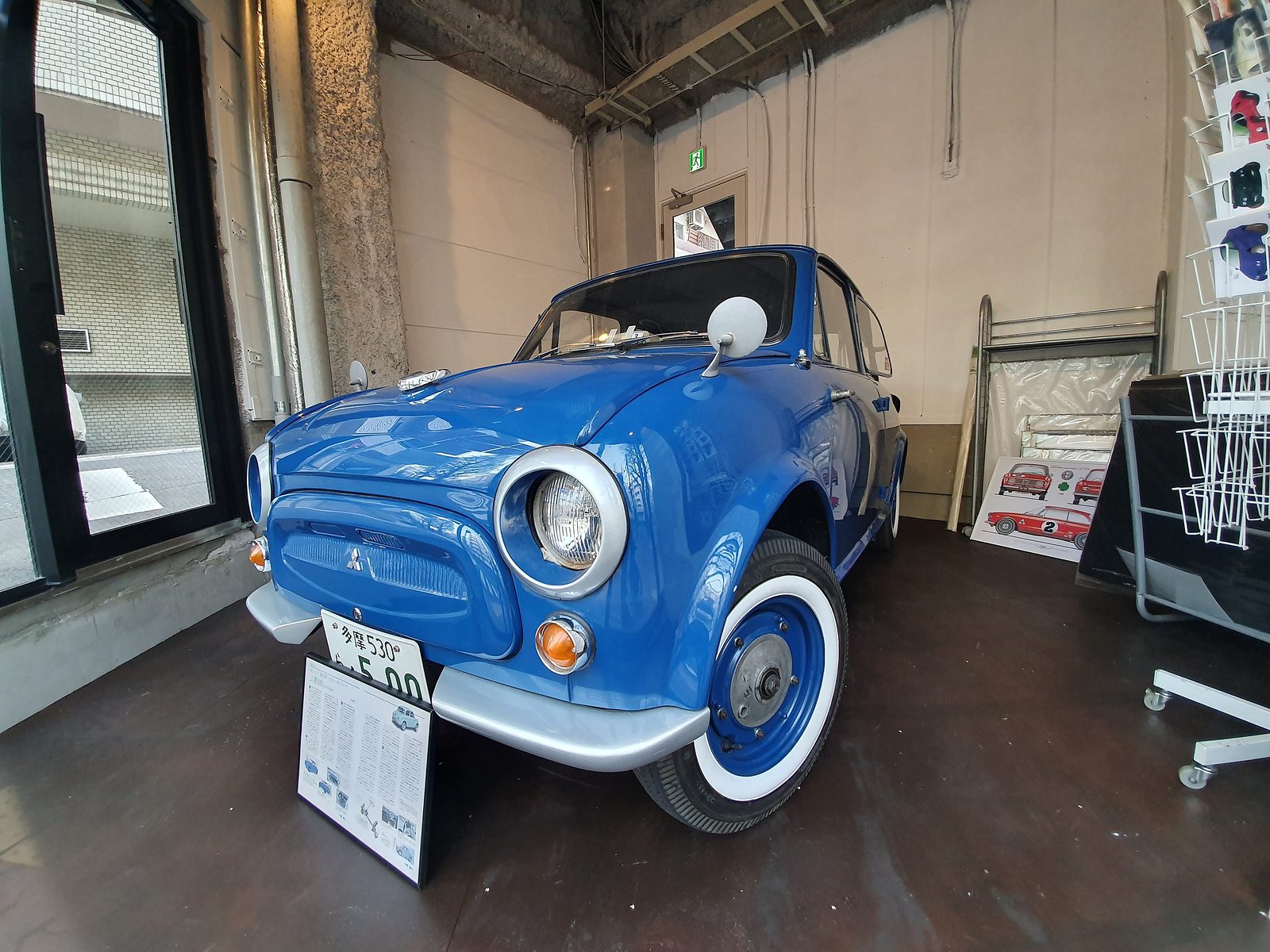
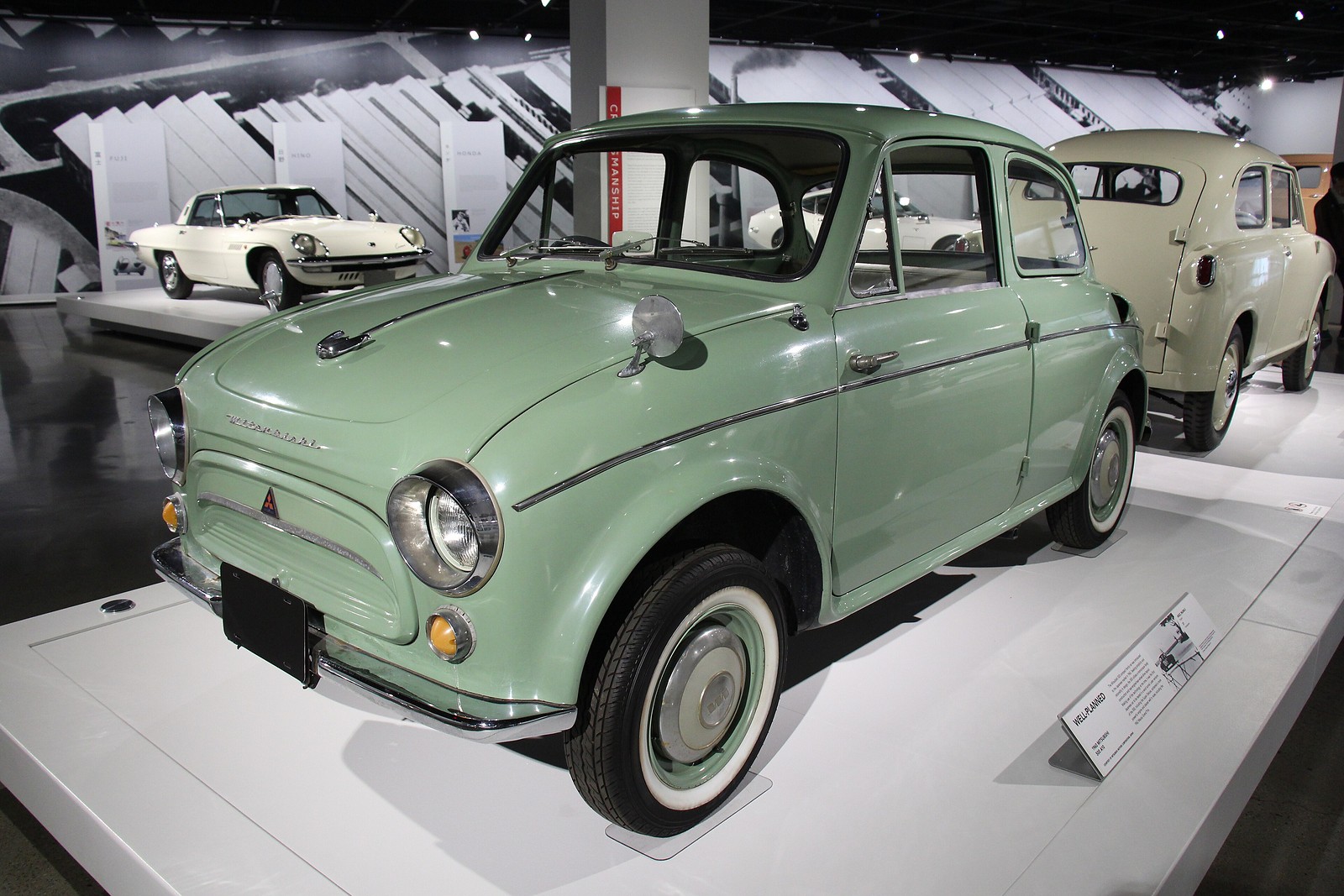
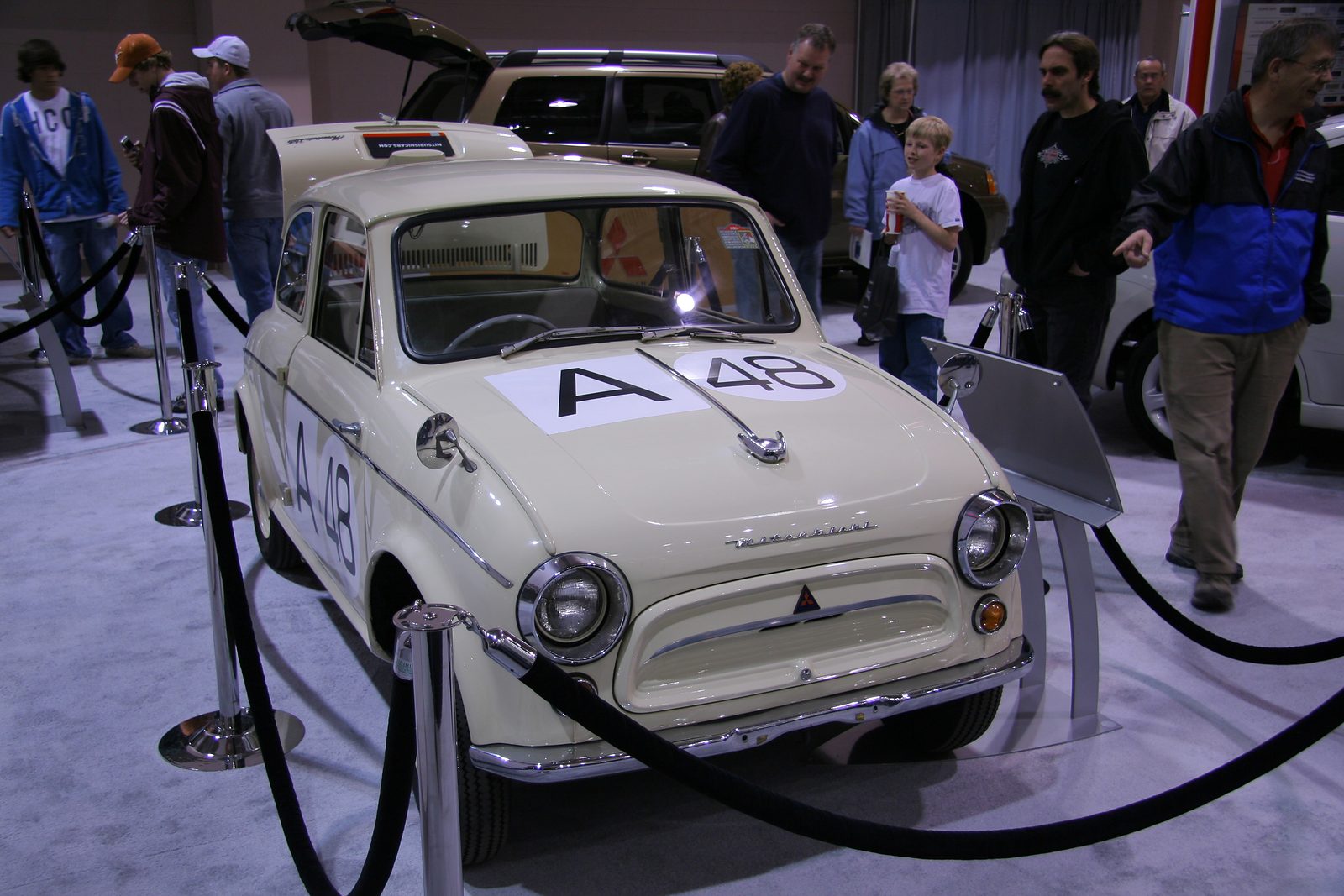
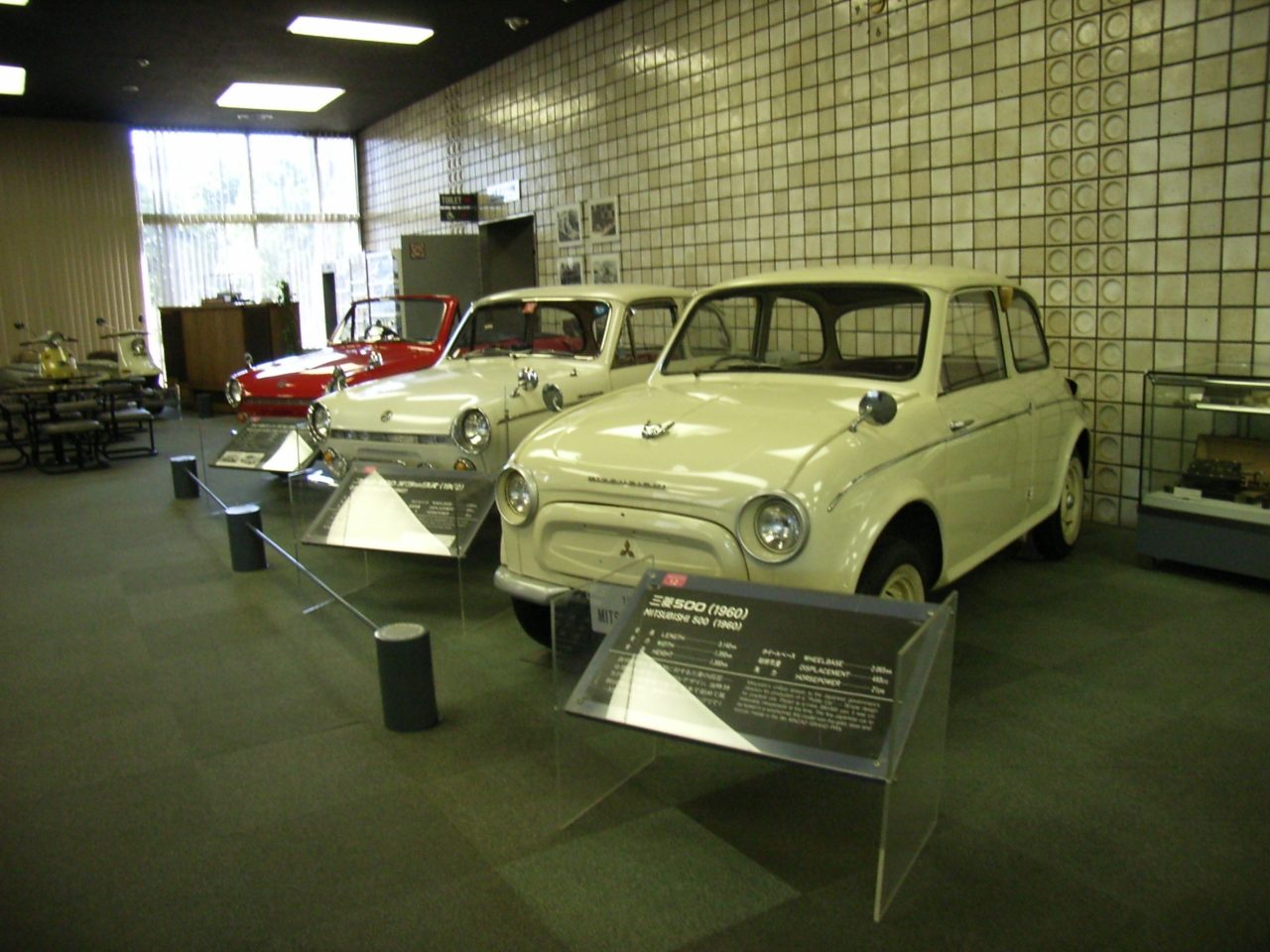
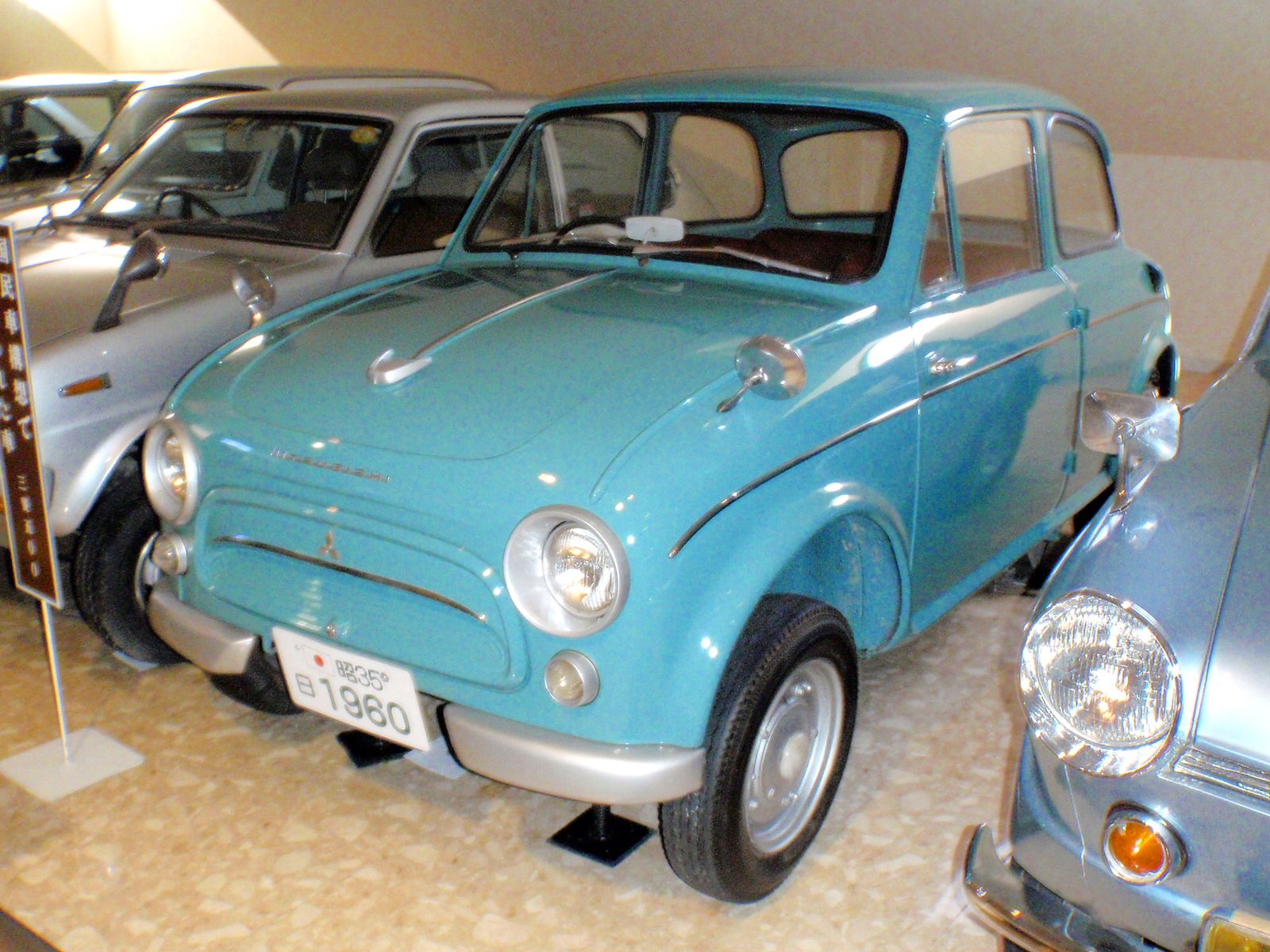
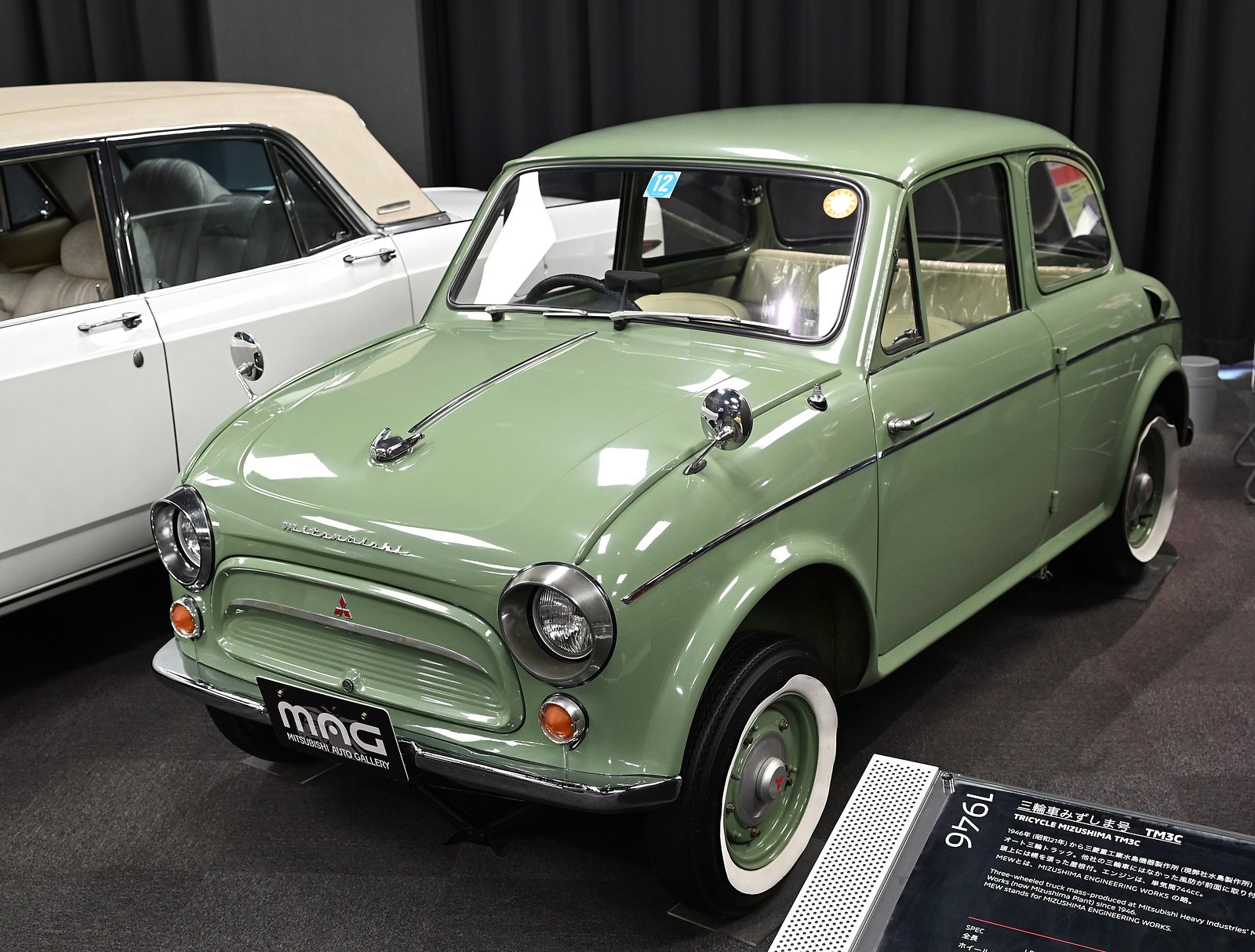
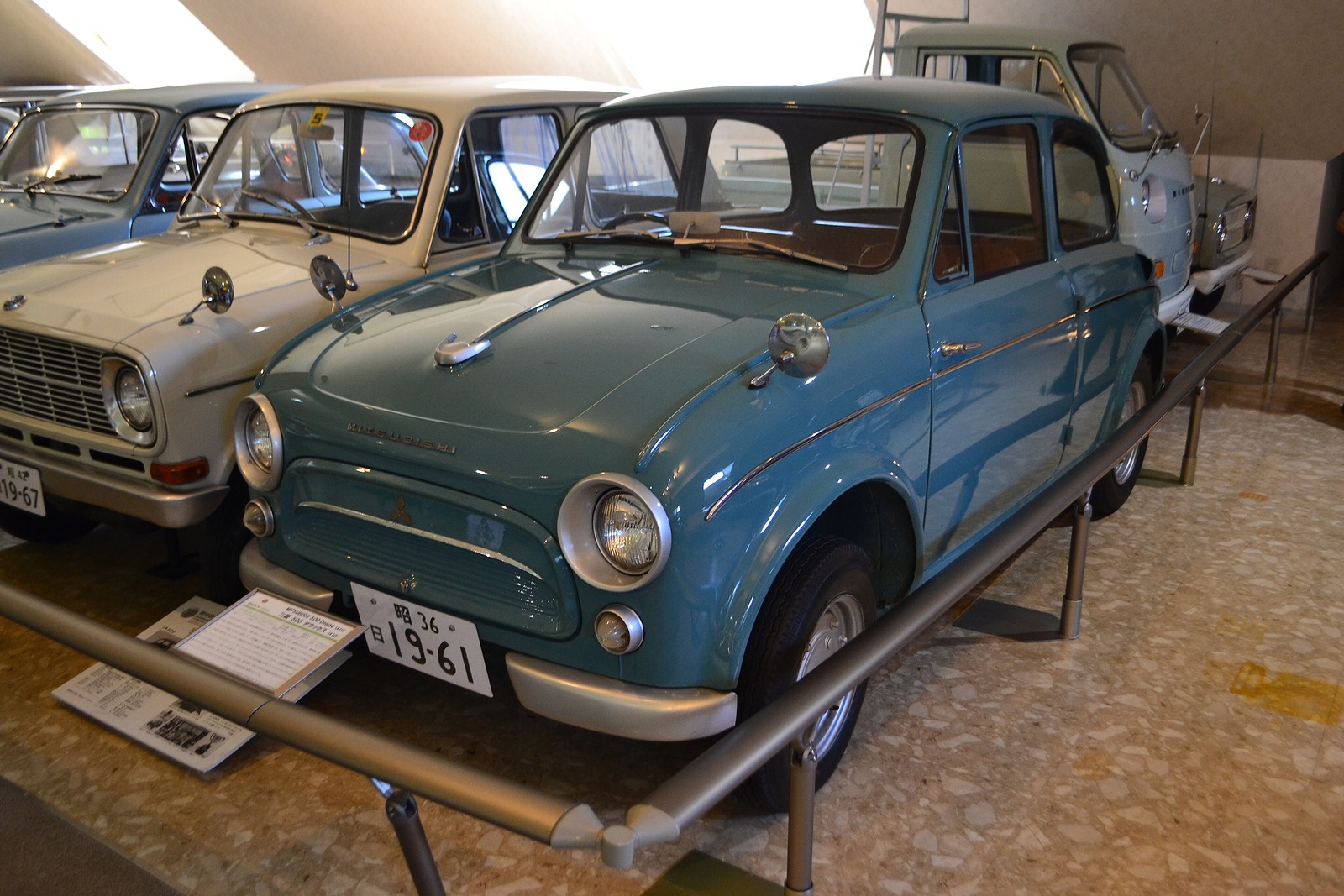
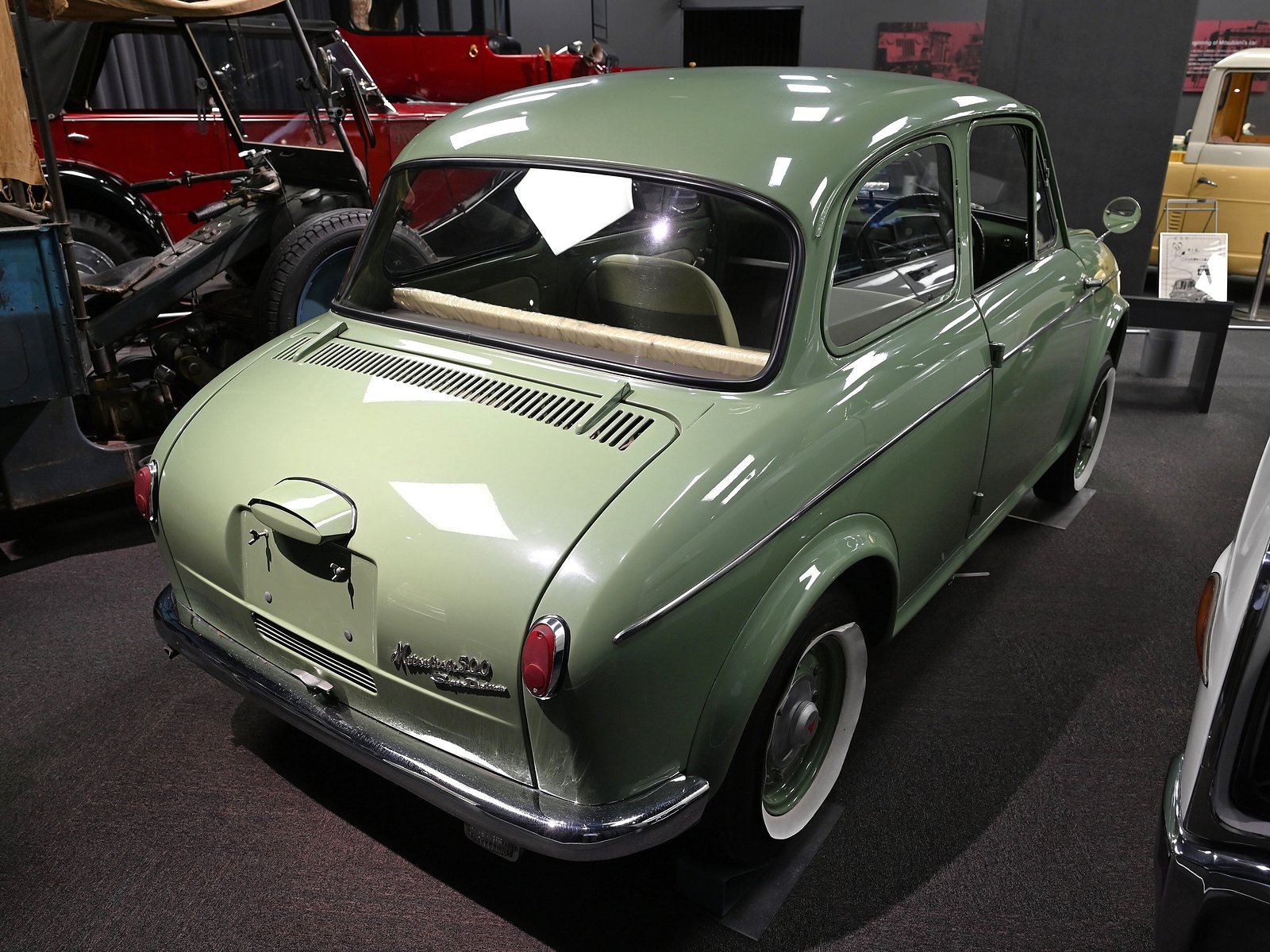
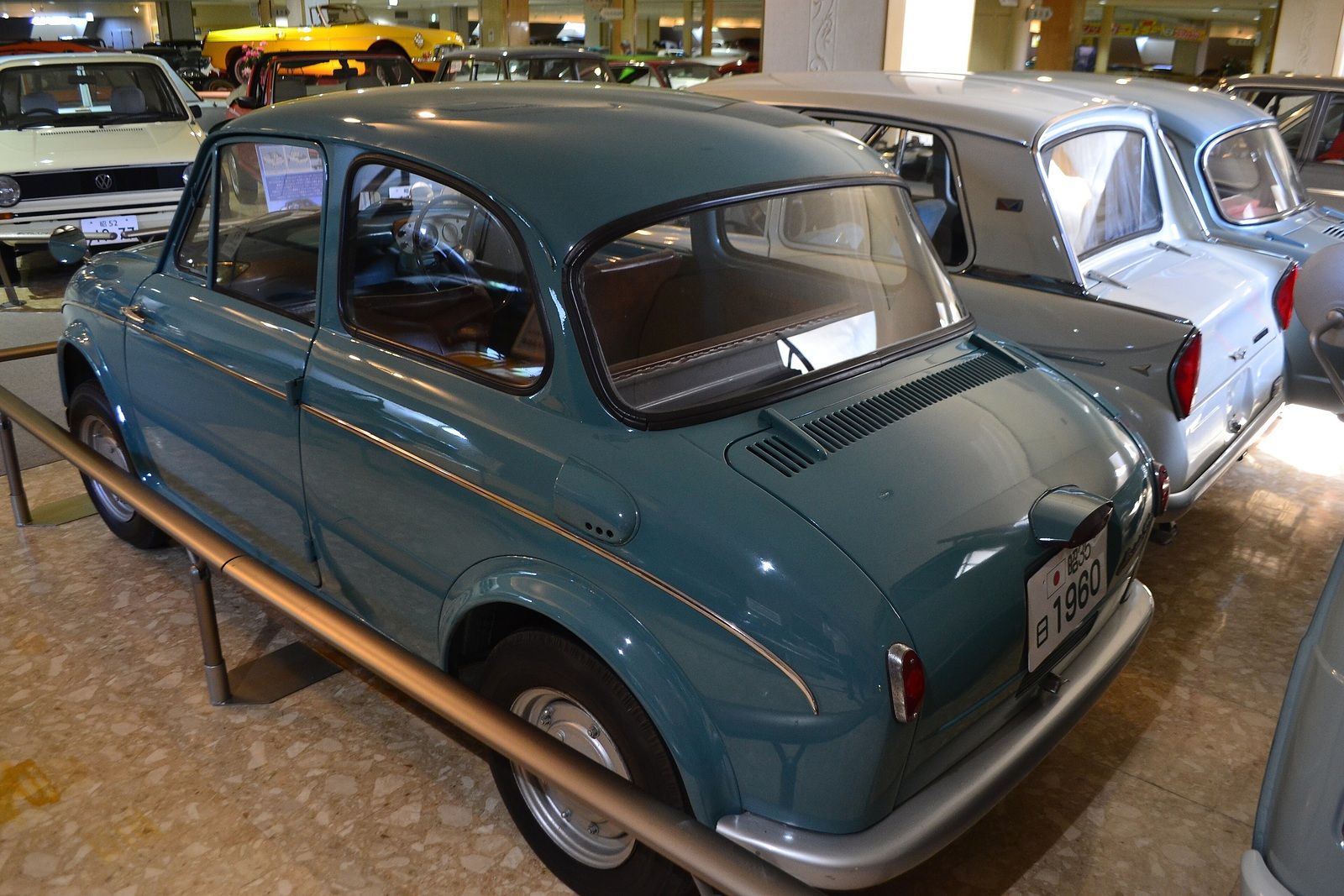
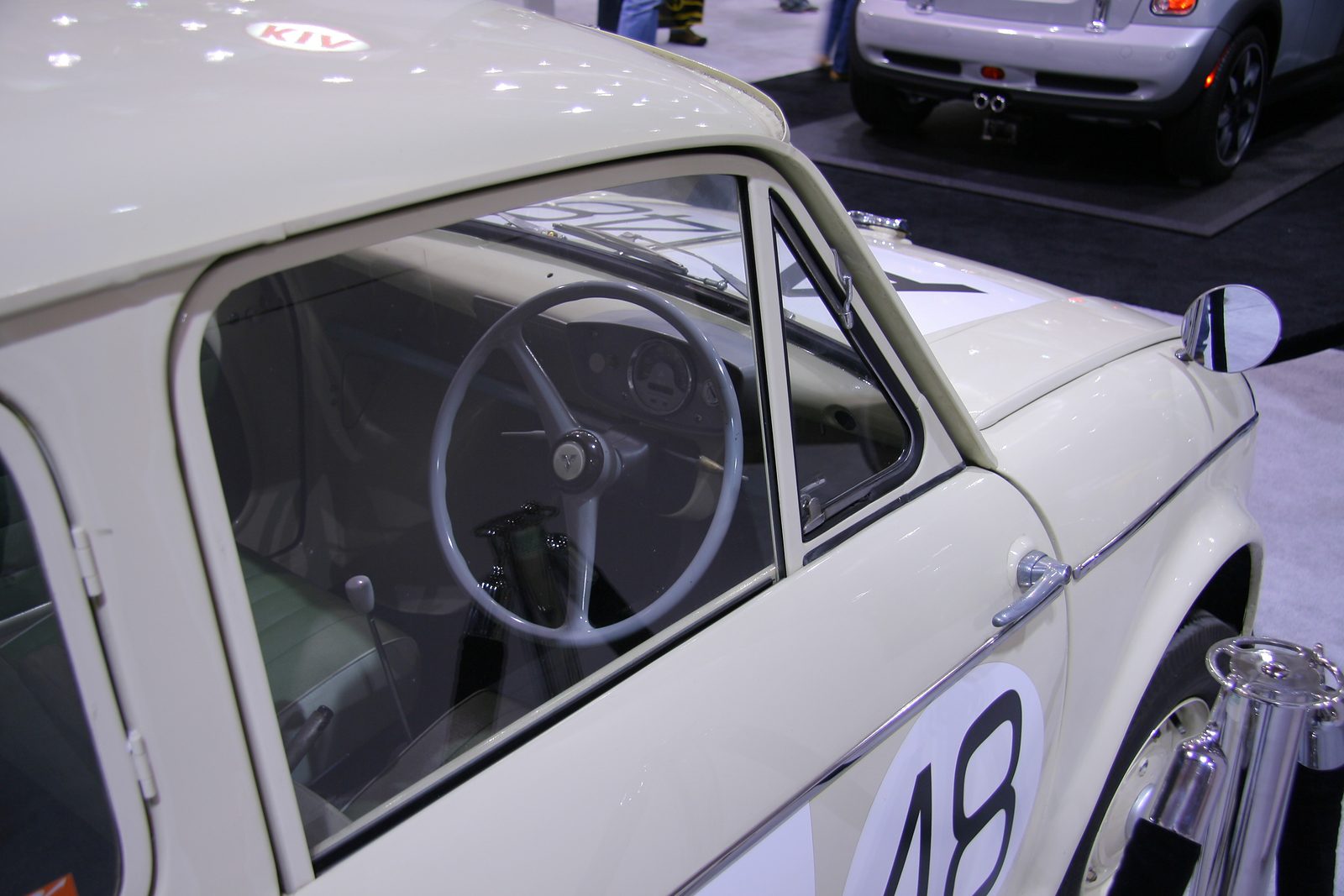
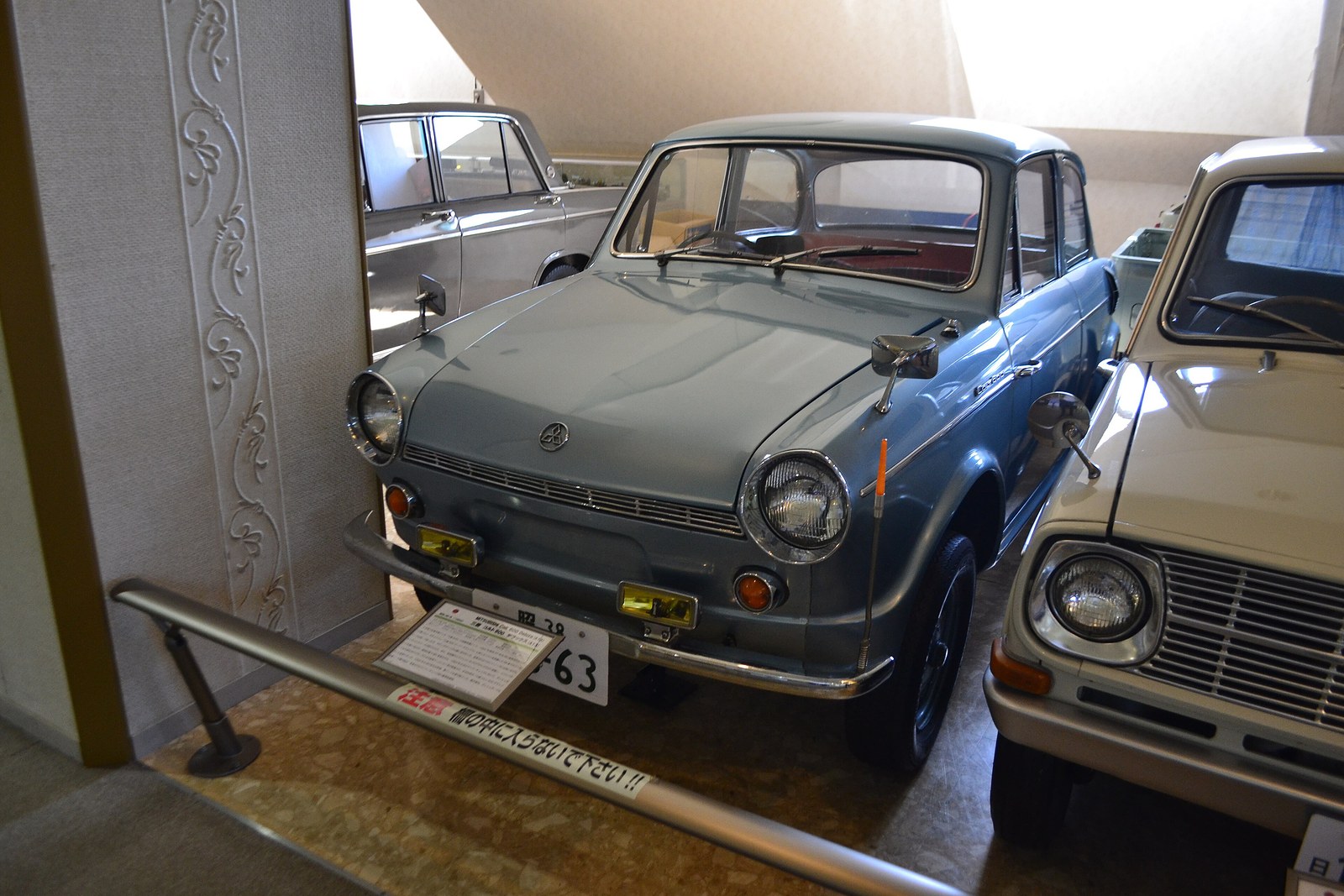
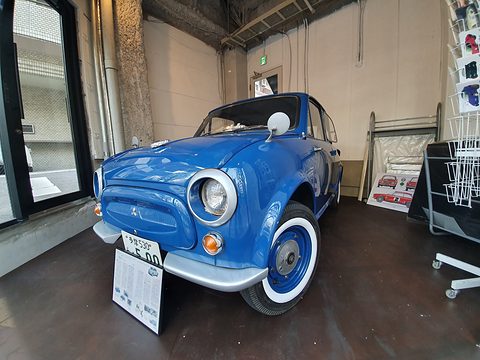
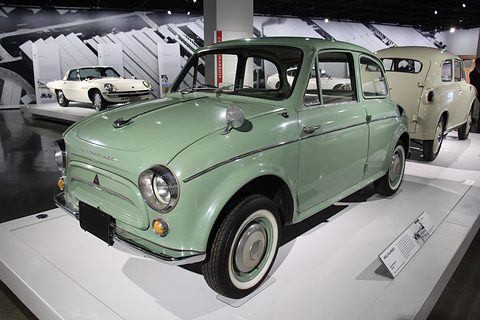
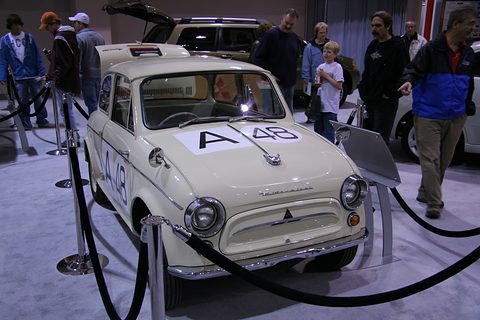
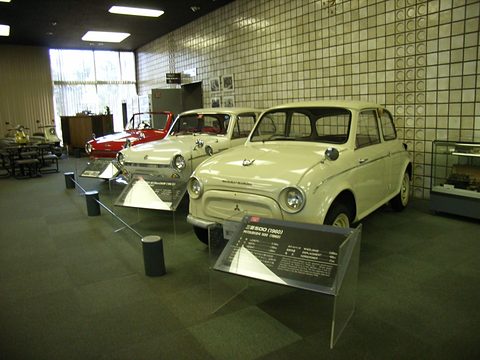
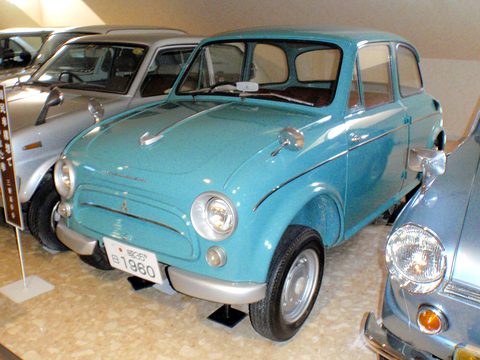
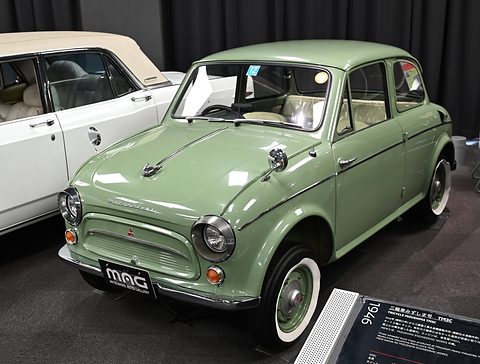
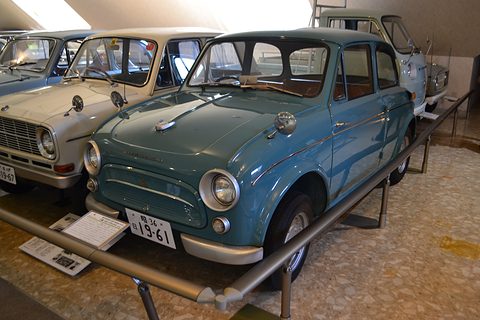
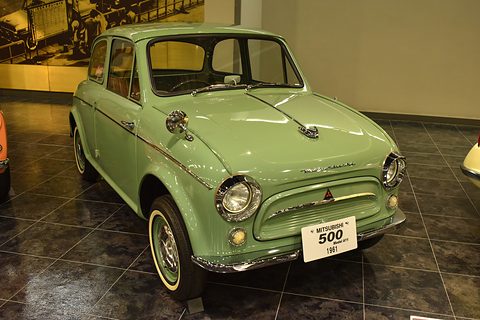
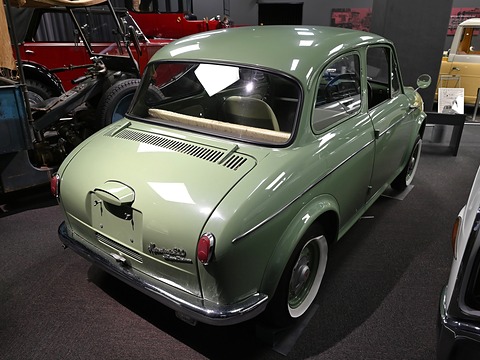
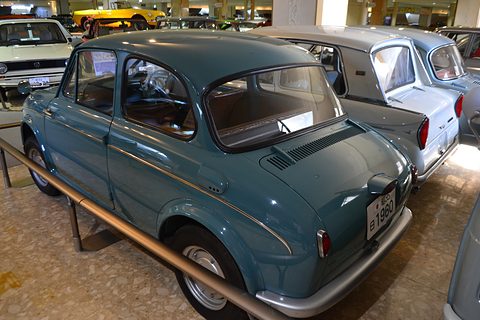
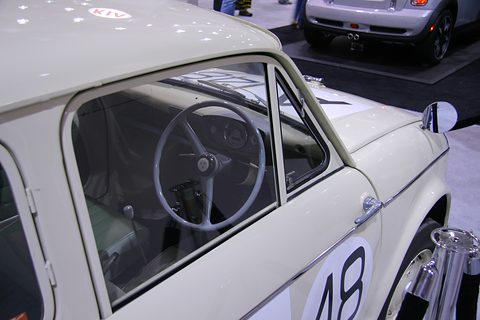
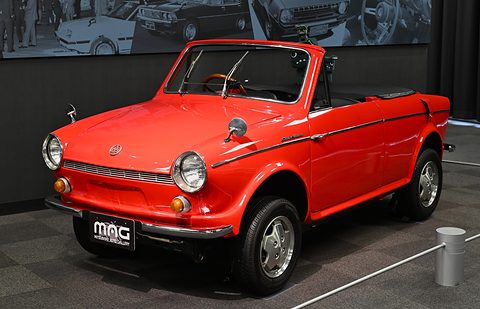
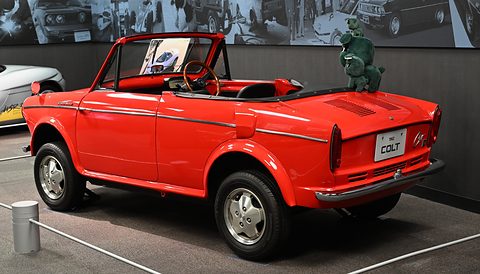
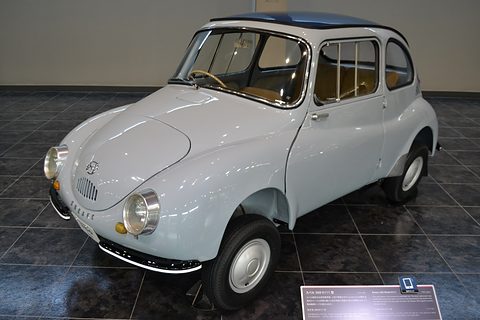
No count of surviving 500s has been found. Mitsubishi keeps an A10 in running order at its passenger-car technical centre in Okazaki, and a Super Deluxe is on show in the Toyota Automobile Museum at Nagakute.source 1source 4 English Wikipedia mentions one in private hands in Great Britain.source 5 The photographs on this page show others at Okazaki in the Mitsubishi Auto Gallery, in Komatsu’s Motorcar Museum of Japan, and in Los Angeles at the Petersen.

Sources

Numbered as in the text

The history rests mainly on the JSAE’s landmark record and Japanese Wikipedia, with the Toyota Automobile Museum and Mitsubishi’s own history for the Super Deluxe. No period road test was read, and the racing record comes through English Wikipedia from an archived Mitsubishi page that was not opened. Sources are given as plain text; the links are on the Credits page.

  1. JSAE (Society of Automotive Engineers of Japan), 330 Landmarks of Japanese Automotive Technology, 1-23: Mitsubishi 500 A10, read in full; its reference is Shin Mitsubishi Heavy Industries’ technical review, vol. 2, no. 1.
  2. Mitsubishi Motors, “Car History”, read in summary.
  3. Japanese Wikipedia, Mitsubishi 500, read in full.
  4. Toyota Automobile Museum, collection database, record 194 (Mitsubishi 500 A11), read in full.
  5. English Wikipedia, Mitsubishi 500, read as wikitext; its motorsport section cites Mitsubishi’s archived “A Glorious Heritage” page. Used as a lead.