The low-speed car that claimed to lead the field
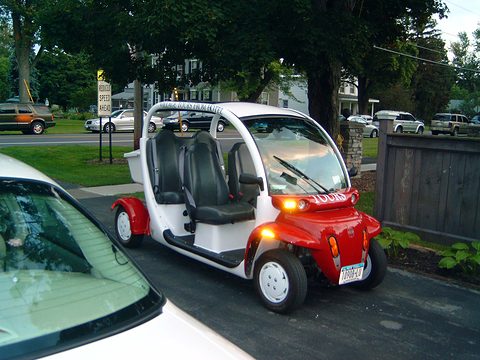
GEM (Global Electric Motorcars)
1998– · United States · length unknown
A three-wheeler from China sold as a motorcycle, a French licence-free body built in Quebec, a car you drive from your own wheelchair and Mexico’s presidential people’s car: eight attempts to sell electric microcars in the Americas, several of them over within a few years.
The spec plate
Electric microcars of the Americas since 1990
Eight makers · North and South America
Not yet recordedpower.
History
Most of these cars were built for one legal class. In the United States a low-speed vehicle must have safety belts, lights, wipers and safety glass; its speed is capped at 40 km/h (25 mph), and it is allowed on streets signed at 56 km/h (35 mph) or less.source 1 The class was created in the United States in 1998, and Canada followed in 2000, by the account of one of its makers and of the Vancouver Sun.source 2source 3 The GEM, by its own account, led that market, and the one-seat Corbin Sparrow, registered as a motorcycle, took a different road; both have their own pages.
The small makers below share a story: lead-acid batteries in the early cars, volumes in the hundreds, rules that changed under them, and short company lives. Three-wheelers such as the ZAP Xebra were registered as motorcycles in many states, and Canada at first kept its own low-speed cars off its roads.source 4source 5source 6 They are set out in the order in which their cars first appeared.
2001–2008 · a record on this page
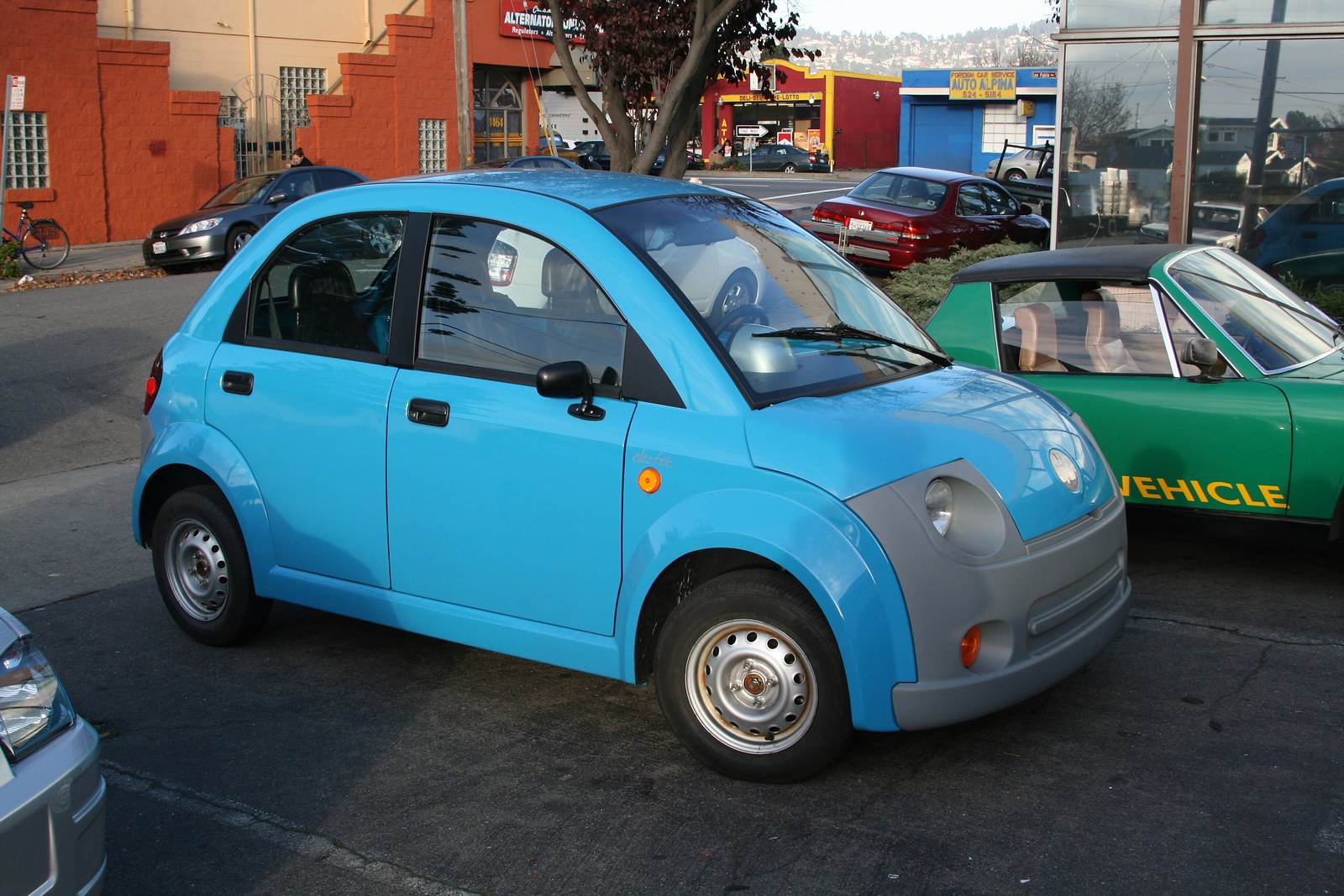
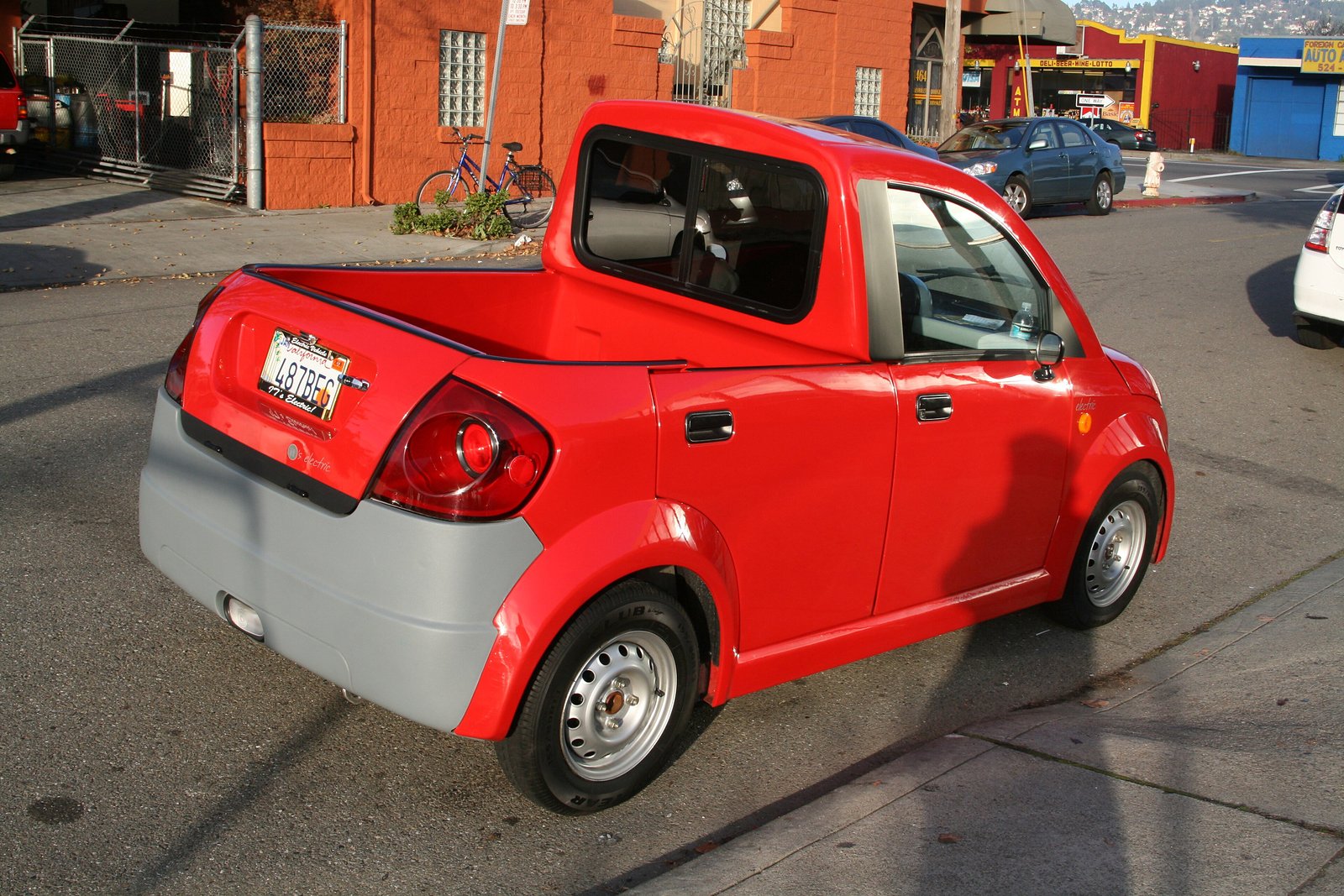
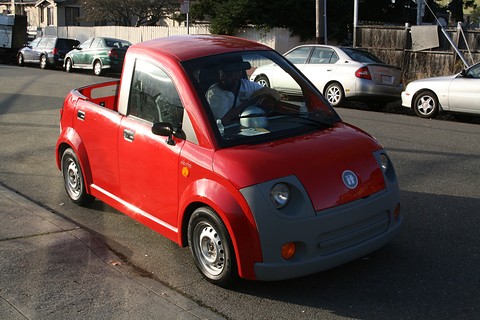
Dynasty Electric Car Corporation began designing its IT line in the autumn of 1999 at Delta, British Columbia, and built its first saloon in April 2001.source 2source 3 It was designed and built from scratch there, with Canadian parts: an aluminium underbody frame, an infusion-moulded glass-fibre body, independent suspension on all four wheels and a 72 V lead-acid pack, good for about 48 km (30 miles).source 3source 7 There was a four-door saloon, a two-door utility pickup, a van, an open Sport and a doorless Tropic.source 8source 7 As a low-speed vehicle it was held to 40 km/h, though it could do 70, and in 2008 it cost $15,000.source 3 English Wikipedia gives its length as 3,566 mm (140 in), well beyond this site’s size line.source 8
Most were sold around Seattle, in Washington State, where the law let them run at 55 km/h; British Columbia was the only province to license them, at 50 km/h. In December 2007 Transport Canada gave notice that low-speed vehicles would be confined to gated communities and campuses, and British Columbia followed in June 2008. That spring Danny Epp, the mechanical engineer behind the firm, had closed the plant at Delta and sold the company, its tooling and its engineering to a buyer in Pakistan, after about 200 cars. In July the Vancouver Sun found him with the last seven new cars in his driveway, waiting to be sold in the United States.source 3
They’ve made it absolutely useless for a consumer to buy one. You can’t sell a vehicle that is only allowed to go 40 km/h.
About 2013 Karakoram Motors of Karachi said it held the sole rights and had begun building the cars, as Pakistan’s first locally made electric passenger car, and the Dynasty website gave a Karachi address; no evidence has been found that any were built there.source 9source 7 English Wikipedia says a Dynasty dressed with dummy solar cells appeared in the Sci-Fi Channel series Eureka.source 8
2006–2009 · a record on this page
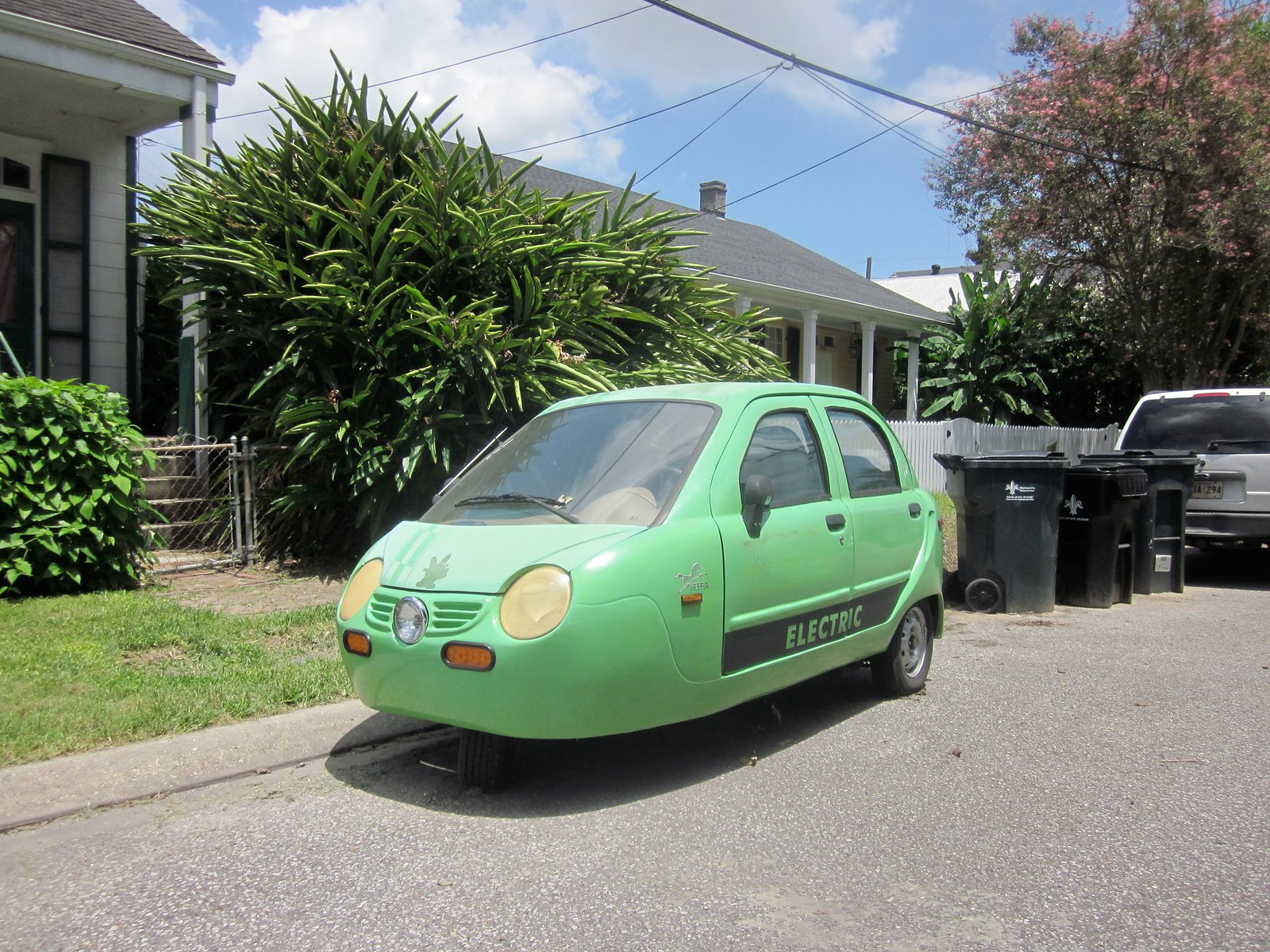
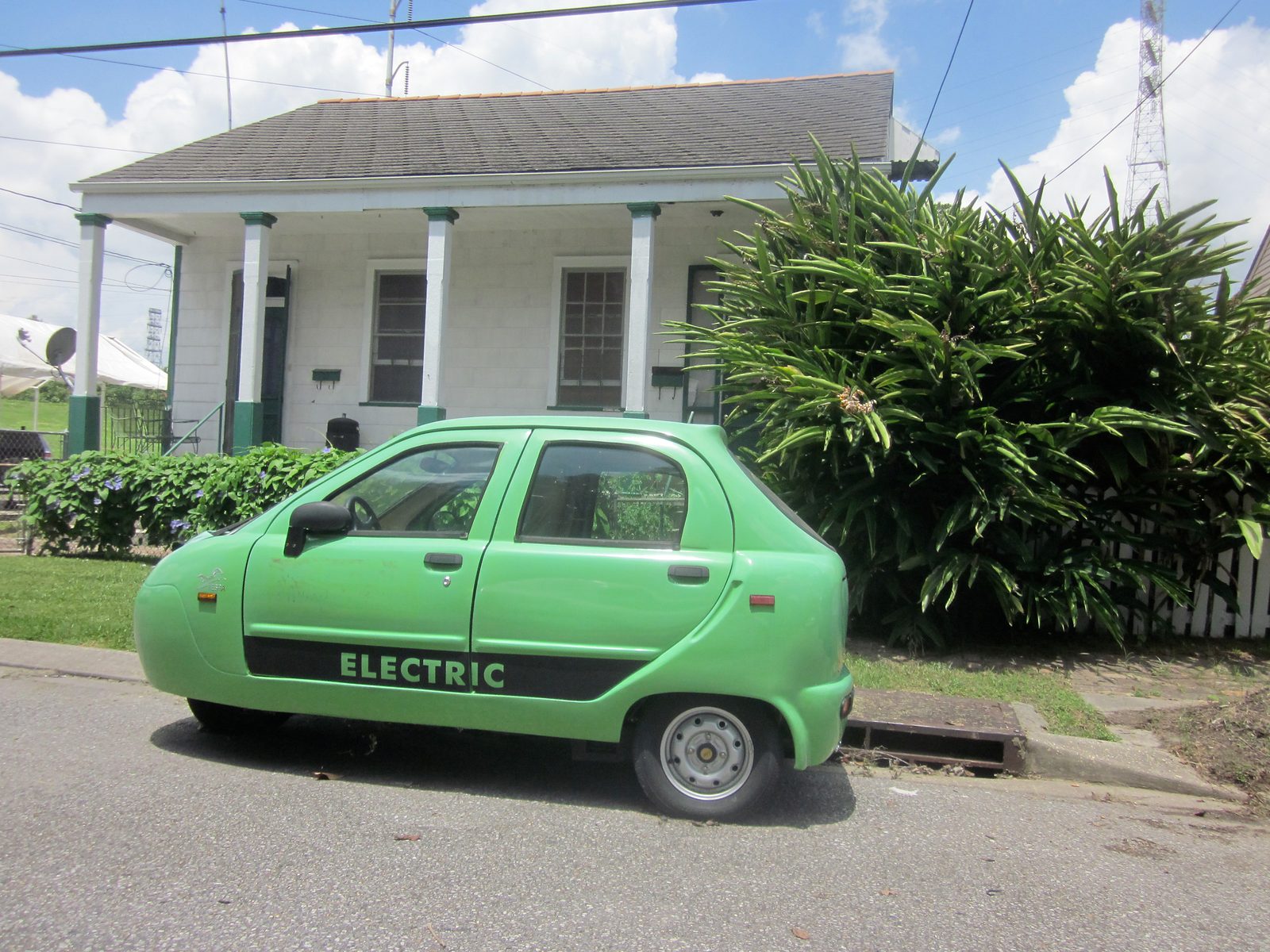
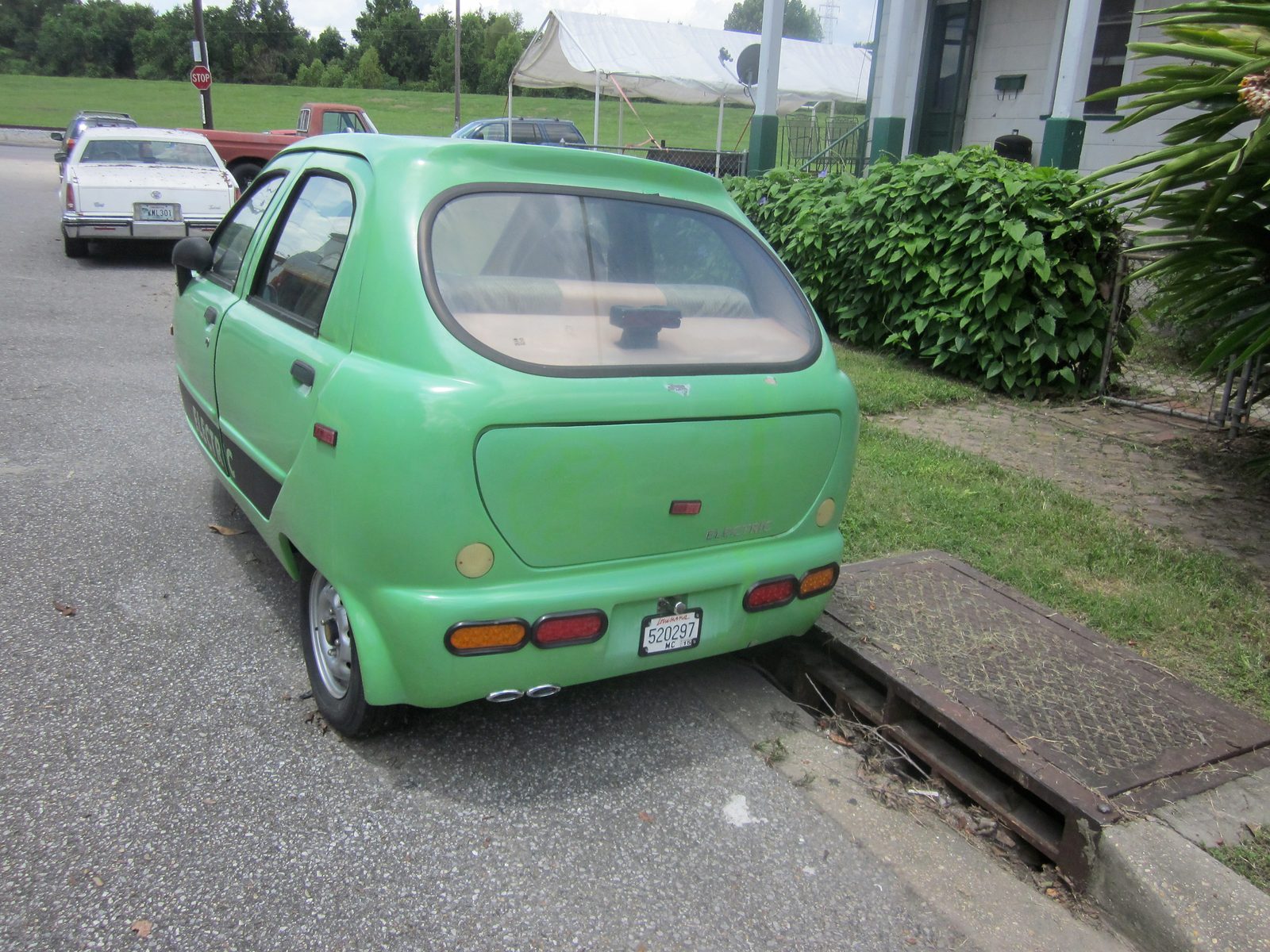
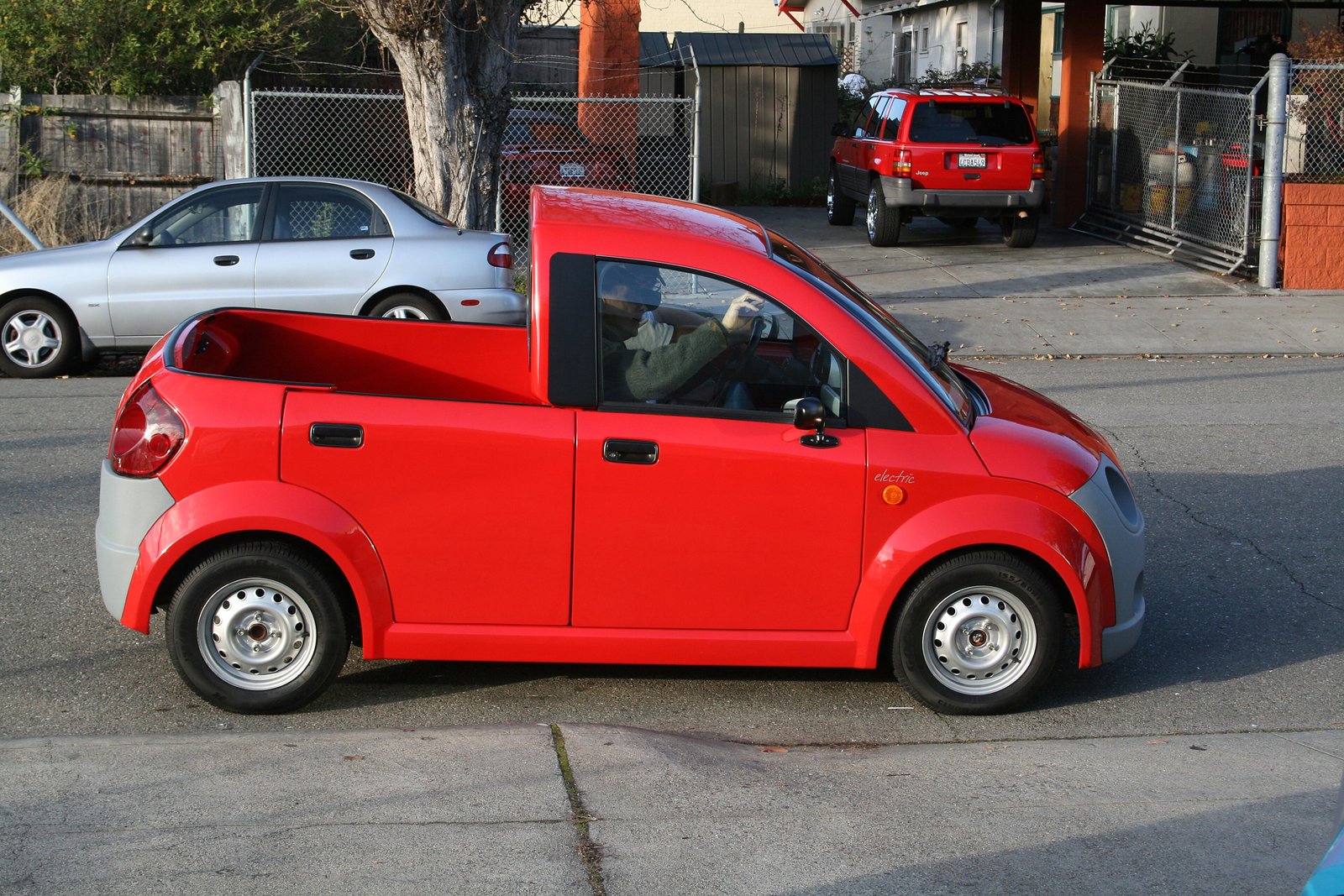
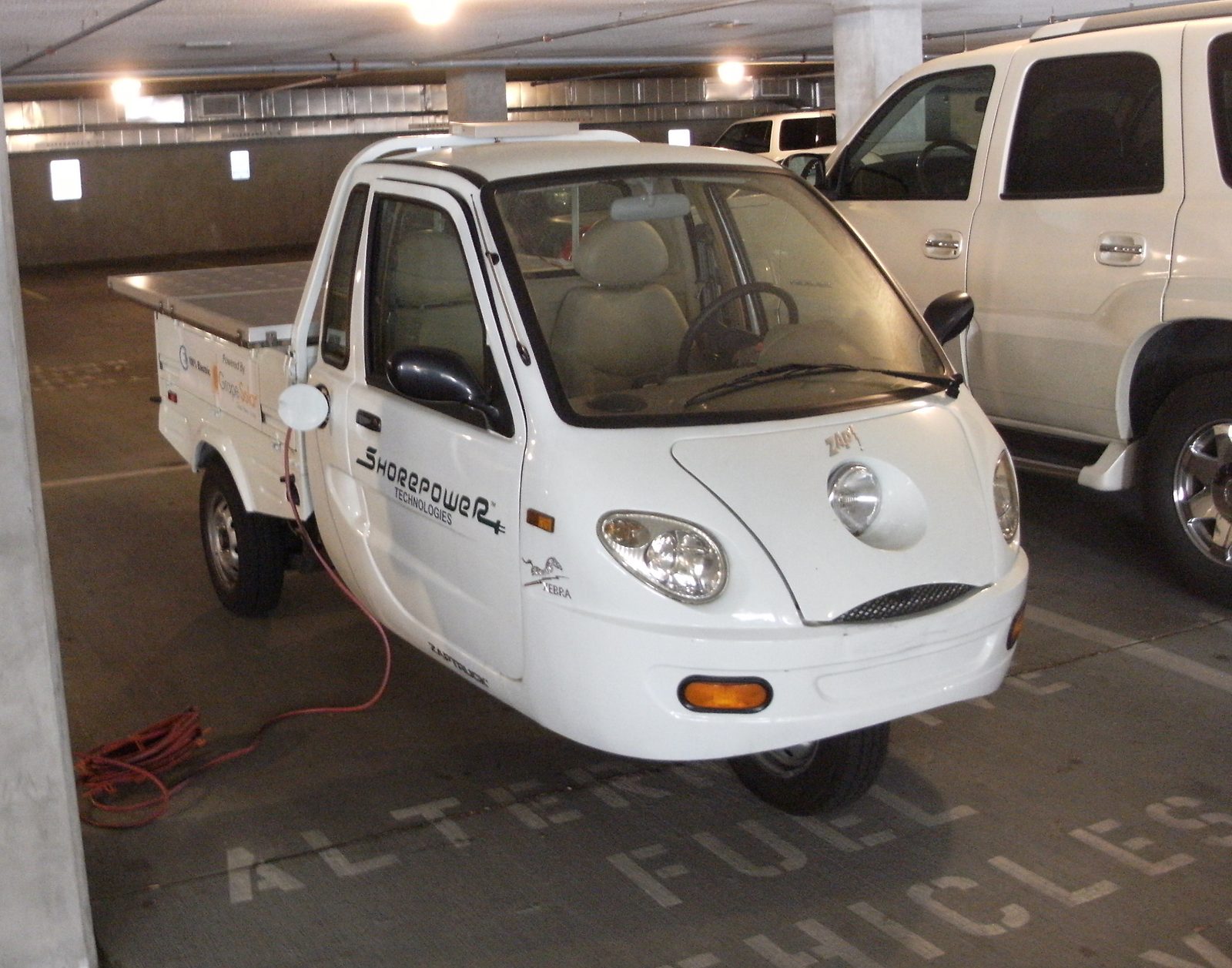
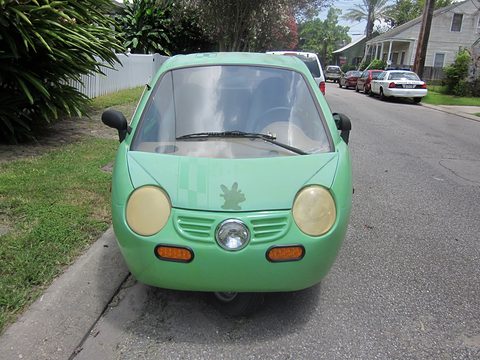
ZAP of Santa Rosa, California, sold the Xebra from 2006 to 2009, and billed it as the first production vehicle imported from China into the United States.source 10source 5source 11 Who built it is not settled: in August 2006 ZAP named Shandong Jindalu Vehicle of Dezhou, under a 10-year exclusive deal, but the recall notices name Qingqi Group Motorcycle, which by Consumer Guide’s account sold look-alikes in China for about US$3,000.source 12source 4source 5source 11 It ran on three wheels, the single one in front, as a three-wheeler with a glass-fibre body, and was legally a motorcycle in many states. The SD saloon had four doors and four seats, but a load limit of only 227 kg (500 lb); the PK was a two-seat pickup with a tipping bed, the Xero carried a solar panel, and the Safari had a canvas top.source 10source 13source 12source 5source 11 Six 12 V lead-acid batteries fed a 5 kW (6.7 hp) motor, and the top speed was governed to 65 km/h (40 mph).source 13source 5source 11
In August 2006 more than 500 had been ordered and about 100 delivered, the Chinese factory claimed it could build 1,000 a month, and the price was under US$10,000; ZAP aimed it at government and corporate fleets.source 12 Paul Niedermeyer of The Truth About Cars gave a pickup one star out of five in March 2008. He found a crudely finished glass-fibre body with huge panel gaps, the pedals set to the left of the steering column, 51–55 km/h (32–34 mph) flat out and under 32 km/h (20 mph) on a moderate hill.source 13
whines like a hairdryer about to expire
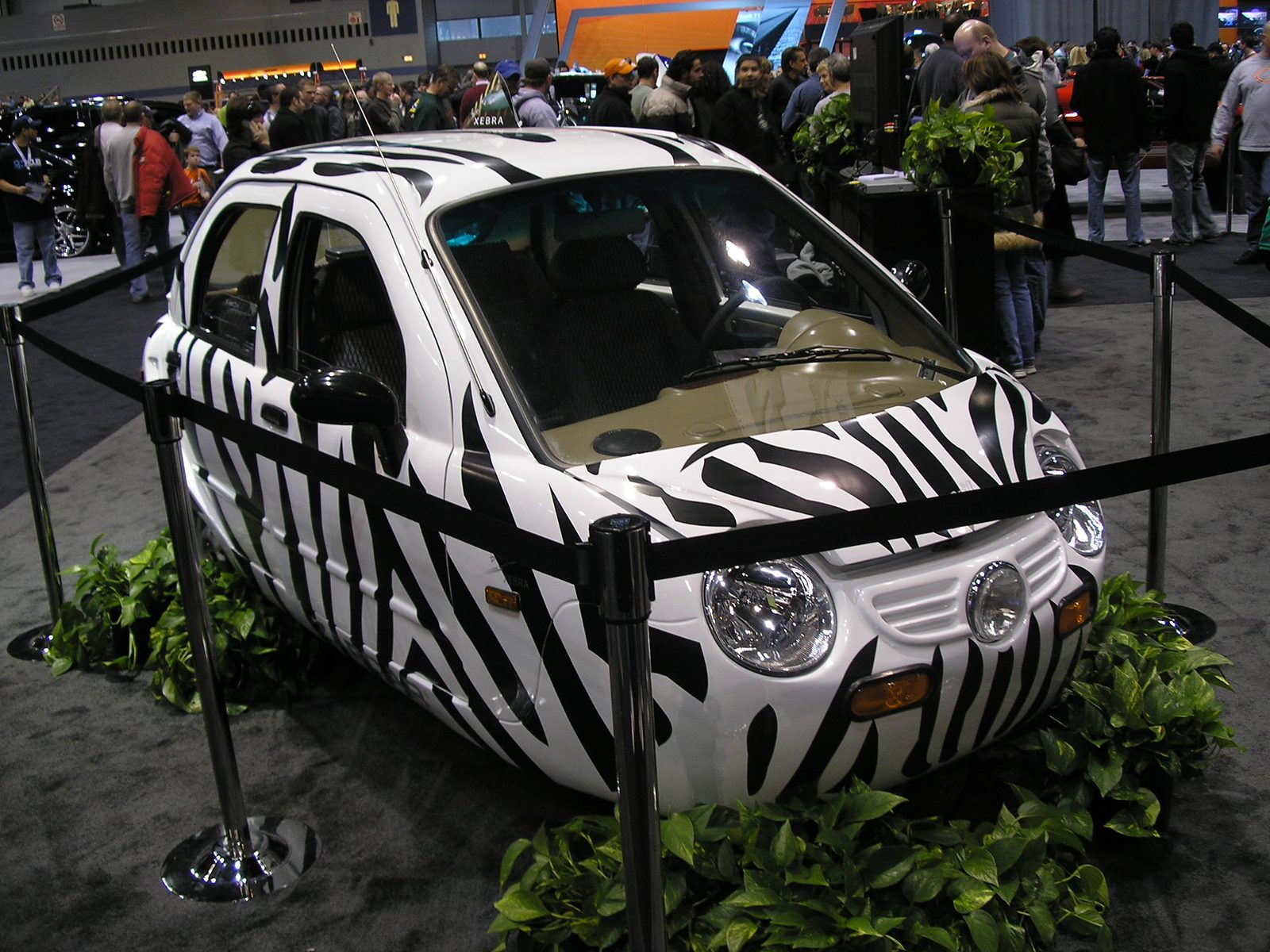
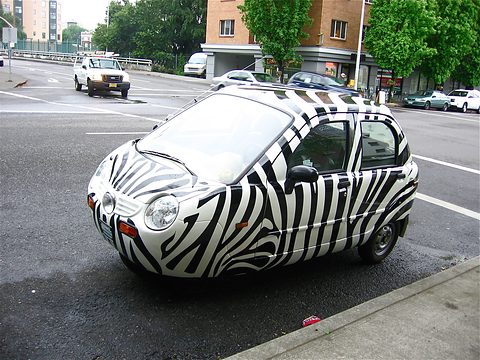
The 2008 cars could not stop within the distance the braking rule required. They were recalled in 2009 and again in June 2012, and in 2013 NHTSA ordered ZAP to buy them back and destroy or permanently disable them; in 2016, The Drive reports, owners complained that this still had not happened.source 4source 5source 11 Consumer Guide, citing NHTSA, puts the whole run at about 700.source 5 In 2021 The Drive found several still running, among them a saloon in the optional zebra-print paint at the Harmony Park Safari in Huntsville, Alabama.source 11
2006–2010 · a record on this page
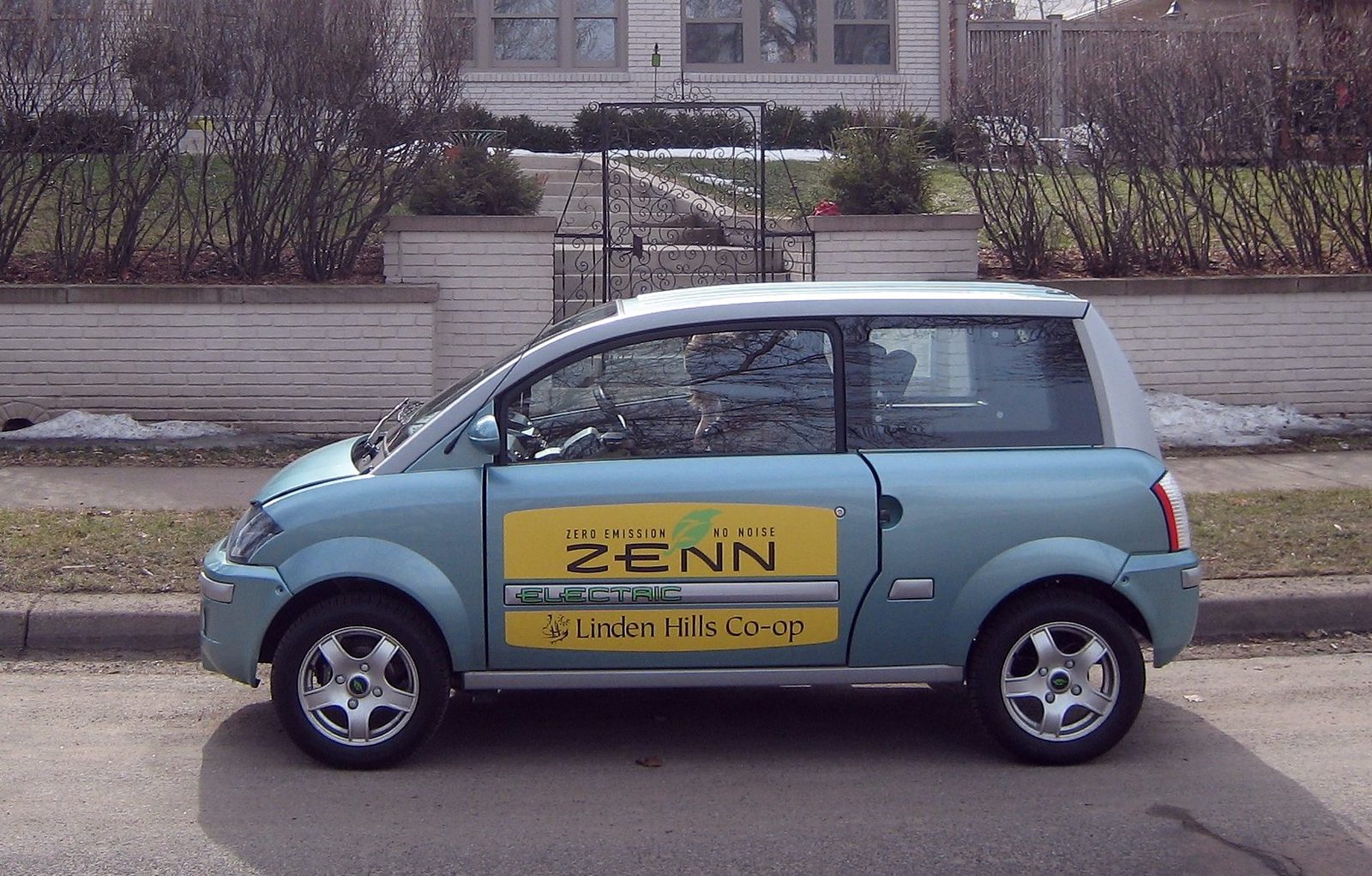
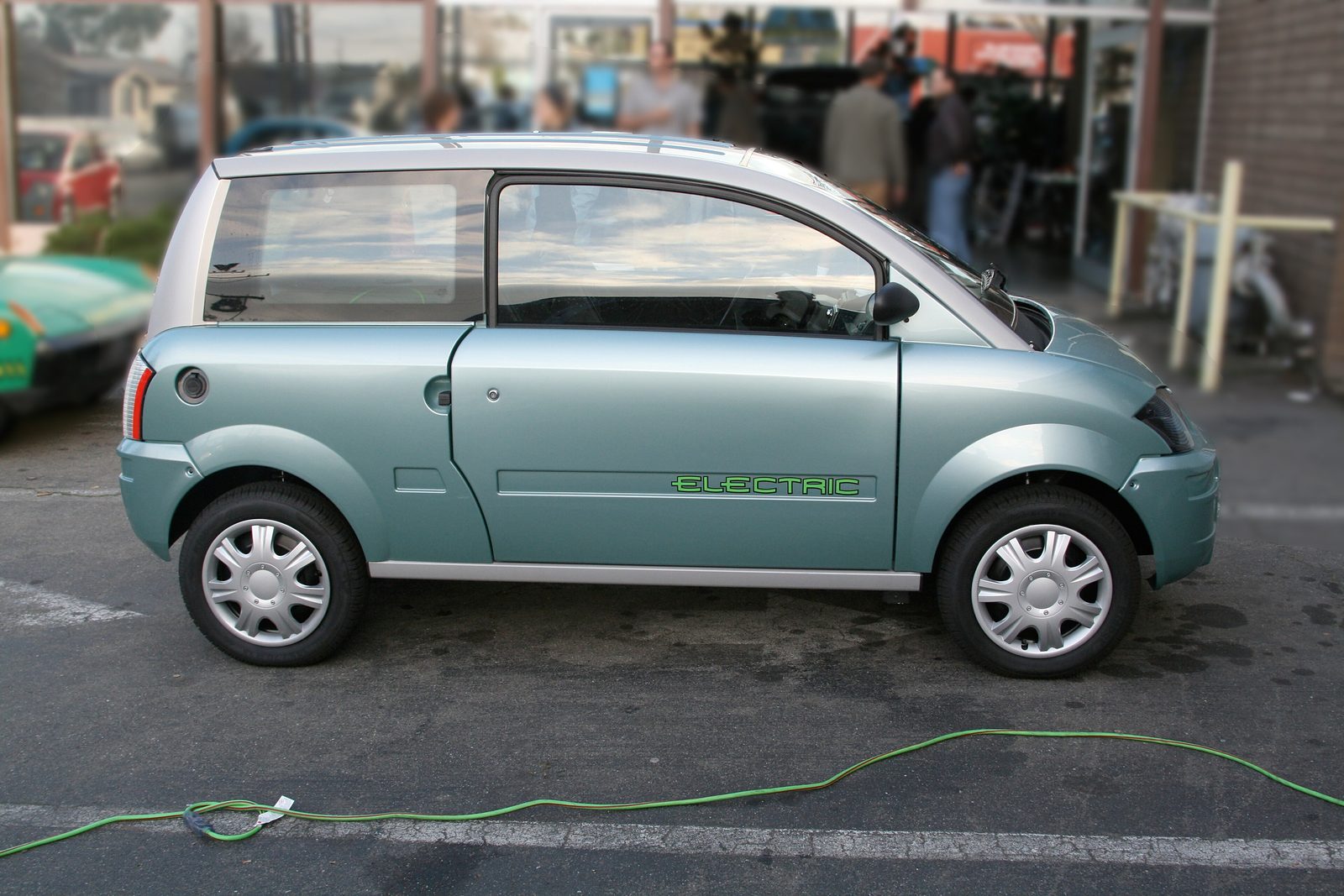
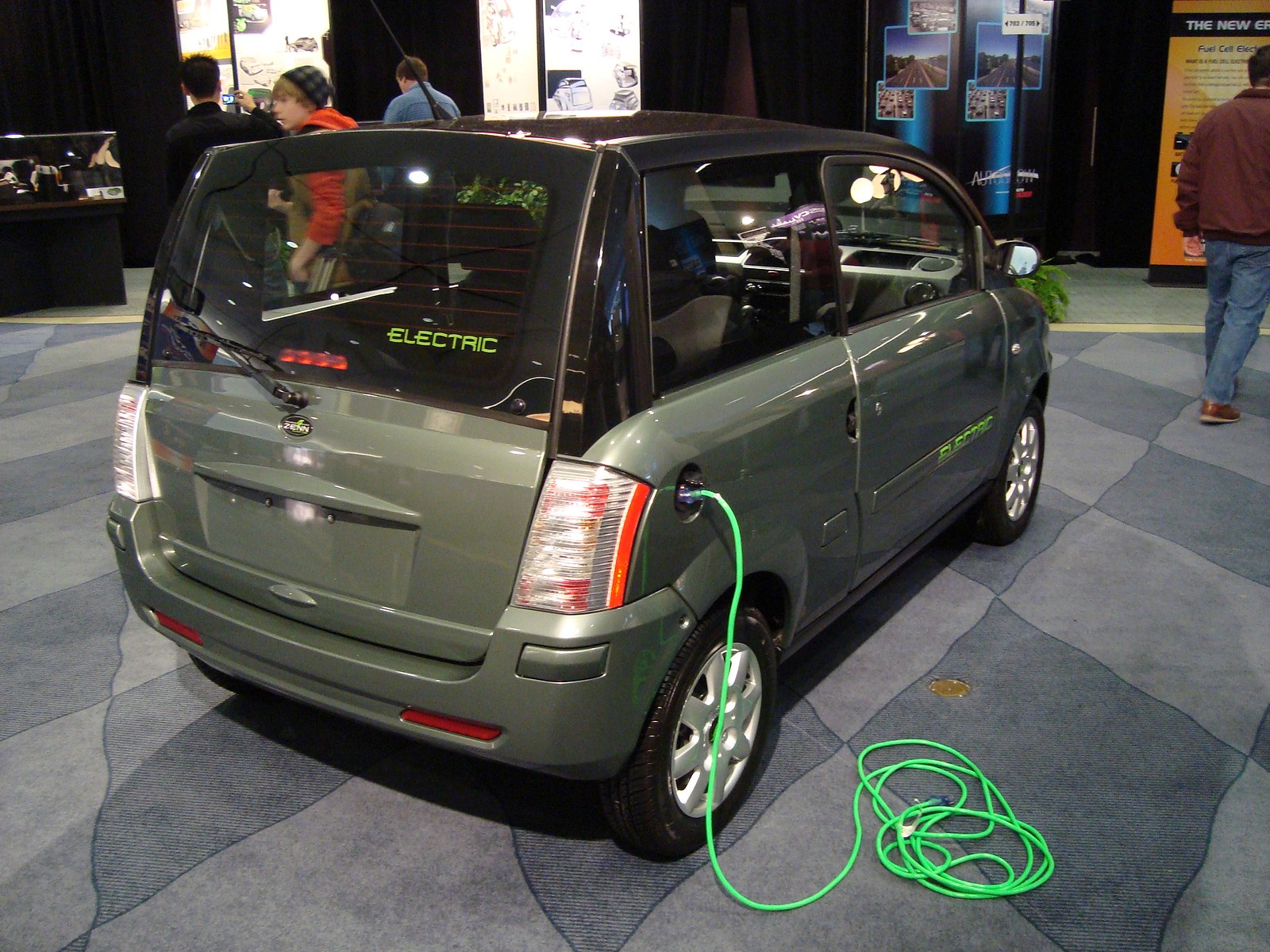
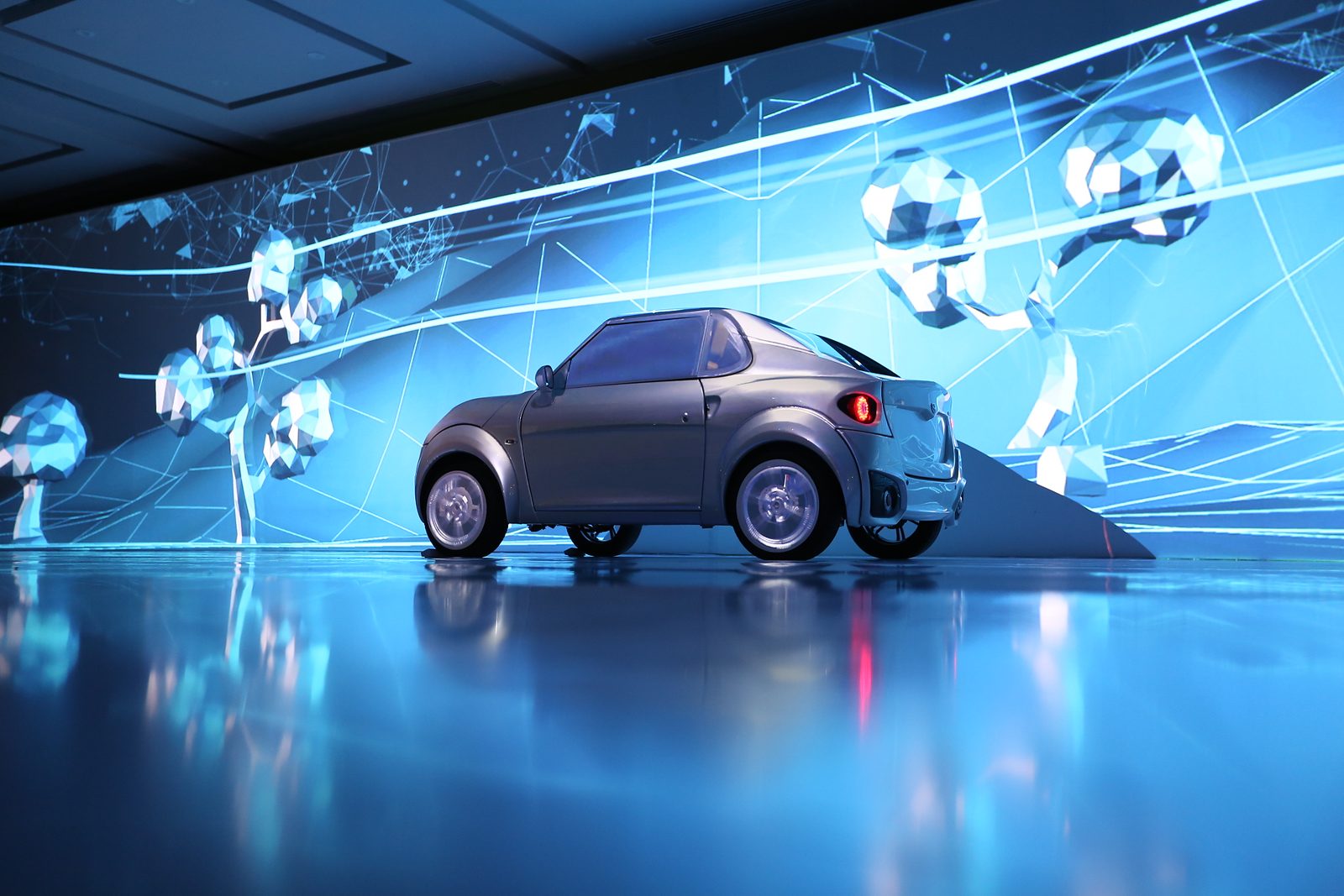
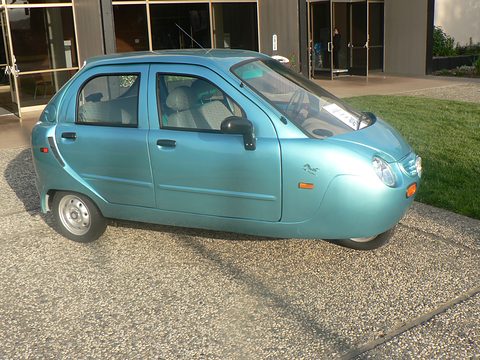
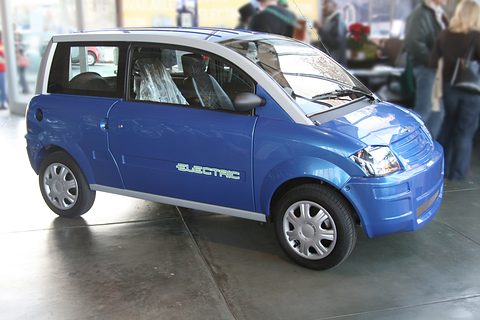
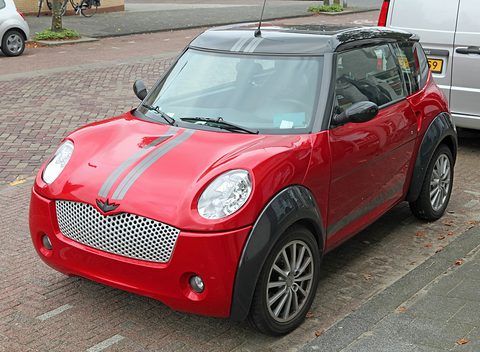
The name stood for “Zero Emission, No Noise”. ZENN Motor Company, of Toronto, under its chief executive Ian Clifford, built its car from 2006 to 2010 at Saint-Jérôme, north of Montreal, on the body and platform of the French Microcar MC2, licensed from Microcar’s parent, Bénéteau; the company called the MC2 its “host vehicle”.source 6source 14source 15 It was a two-seat, three-door low-speed vehicle governed to 40 km/h (25 mph), 3,100 mm (122 in) long and weighing 544 kg (1,200 lb), on lead-acid batteries.source 6source 15 At first Canadian federal rules kept it off Canadian roads, so it was sold first in the United States.source 6 It appeared on CBC’s Rick Mercer Report in November 2007.source 15
ZENN also put its hopes in EEStor, whose storage unit was to power a highway car, the cityZENN, at 125 km/h; it never arrived, though ZENN owned about 10.7 per cent of EEStor by 2009.source 6source 14 The credit crisis of 2008 cut sales from 67 cars in the quarter to June 2008 to 19 a year later: 246 in the financial year to September 2008, 94 in the next, with net losses of C$1.7–3.8 million a quarter. In 2009 the cityZENN and a four-seat car were dropped, the company turned to selling its drivetrain to others, and in December it named 2010 as the last model year.source 14 Parts and service ended on 30 June 2013.source 6source 15 English Wikipedia, citing CBC, gives about 500 in all.source 6
2014–? · a record on this page
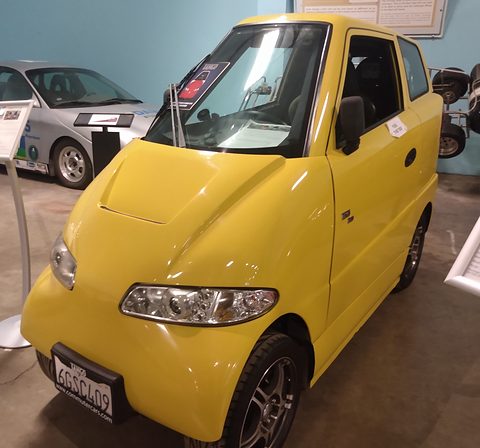
The Chairiot solo was built to be driven from the driver’s own wheelchair, not converted afterwards. The driver rolls in by a ramp through a powered rear door, locks the chair to a catch in the floor and drives off, all, the maker said, in under 40 seconds.source 16source 17 The controls are by hand: a steering wheel with a spinner knob and one lever for throttle and brake, with no pedals.source 16source 17 Chairiot Mobility, of Riverside, California, founded by Ralph Megna, had it made in China by Changzhou Greenland Vehicle, with further work done in Riverside.source 18 It was a low-speed vehicle, 2,220 mm (87 in) long, with two 3 kW hub motors in the rear wheels, AGM batteries, 40 km/h (25 mph), or 56 km/h (35 mph) where allowed, and up to 80 km (50 miles) on a charge.source 19source 18 The Press-Enterprise thought it looked somewhat like a Smart Fortwo.source 18
In September 2014 it was on test in Riverside, sold through an Omaha dealer in cars for disabled drivers and shown at a disability expo, at just under US$19,000, less than half the price of a converted van. Chairiot hoped to sell seven a month at first and 20 a month by mid-2015.source 18source 17 It belongs to the long story of the invalid carriage, and of disabled drivers’ independence.
Because of its price point, there is a whole new category of disabled wheelchair users who will not only have personal transportation but the freedom that comes with it.
Kenguru of Texas, which was developing a similar car, said it was considering a lawsuit, because the head of Changzhou Greenland had been its own manufacturing partner; Megna called Kenguru’s contract vague and unenforceable, and the outcome has not been found.source 18 In 2015 the car passed the National Mobility Equipment Dealers Association’s compliance review for the 2014 and 2015 model years.source 20 English Wikipedia ends its run in 2019; no other source confirms it, and no sales figure has been found.source 16
2015–2017 · a record on this page
Daniel Pavez, an industrial mechanic trained at the Universidad de Santiago, founded Voze EV in Santiago, and its first car, the Lüfke of 2014, was a single-seater steered by two levers like reins, with a tilting cabin and an Android tablet for a dashboard and key.source 21source 22 He learnt from it.
Con Lüfke hicimos un muy buen invento, pero no era tan bueno como producto.
The Sôki, whose name means “two” in the Selk’nam language, had a steering wheel, a key and a second seat, because users had asked for them. It was a two-seat electric three-wheeler, registered in Chile as a motorcycle, with a glass-fibre body on Voze’s own chassis, a motor equal to about 10 hp (7 kW), 60 km/h (37 mph) at most and 60 km (37 miles) on a removable battery charged from any socket in about three hours. Two grants from CORFO, Chile’s development agency, paid for its development.source 21source 23 It was presented outside the Quinta Normal town hall on 22 September 2015 at 8,250,000 Chilean pesos, with deliveries promised for March 2016; Pavez hoped to sell at least 35.source 21
Ten people wrote in. Asked for a deposit of half the price, all but one dropped out, and that one buyer paid. A last application to CORFO failed in 2016, a search for investors in Spain came to nothing, and keeping the project alive cost about 5 million pesos a month; in October 2017 the prototype was handed to the engineering faculty of the Universidad de Talca for its students.source 23 Which end of the car had its two wheels has not been found.
2017– · a record on this page
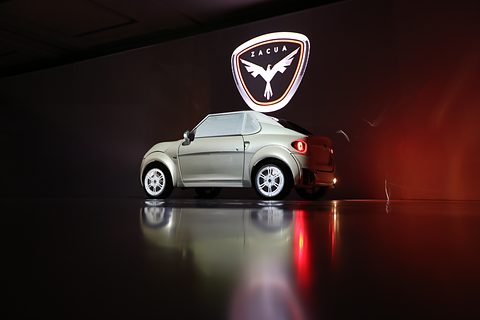
Zacua was presented in July 2017 as the first all-Mexican electric car brand, with two two-seat city cars.source 24source 25 The design came from the French maker Chatenet, the electric drive from Spain’s Dynamik Technological Alliance and the batteries from China.source 25source 26source 24 The MX3 is a two-door hatchback in two-tone paint, with round lamps and hidden door handles, and the MX2 a coupé with a sloping roof.source 25 The MX3 has a 34 kW (46 hp) motor and a 15.6 kWh battery for about 160 km (99 miles), weighs 685 kg (1,510 lb) and is 3,060–3,065 mm (121 in) long, just beyond this site’s size line; its top speed is given as 95 km/h (59 mph) by Electrive, 85 km/h by El Universal.source 25source 27source 26
The factory in the Parque Industrial Puebla 2000 opened on 6 May 2018: a plant costing 80 million Mexican pesos, with 35 jobs, all held by women, building one car a day, with 100 planned for the first year.source 26source 27 At the start 40 per cent of the parts were Mexican.source 26 The cars went on sale in the second half of 2018 at 550,000 pesos, about US$29,500, against the 460,000 announced in 2017.source 25source 26source 24 Plans to double production in 2019 and add a four-seater were announced; whether they came about, and what became of the firm, has not been found.source 27source 26
2019– · a record on this page
Sero Electric of Argentina began development in 2015 and raised about US$4 million.source 28 By August 2017 it had a saloon and two Cargo pick-ups, with a 48 V motor and lead-acid or lithium batteries, at about 140,000 Argentine pesos; the municipalities of San Isidro, Godoy Cruz and Morón used them, but they were not yet approved for public roads elsewhere.source 29 The Sedan was launched on 27 September 2019, built in the PITAM industrial park at Morón, in Buenos Aires province, at US$9,900 with lead-acid batteries or US$14,600 with lithium.source 30
It is 2,350 mm (93 in) long and weighs 450 kg (992 lb), with glass-fibre panels on an aluminium structure, a motor of 8 kW (10.8 hp) at peak, front discs and rear drums; its top speed is 45 km/h by most accounts, 50 km/h by the launch report.source 28source 30 To keep cost and weight down it has no airbags, ABS or stability control, only the inertia-reel belts the law required, and 80–85 per cent of it is made in Argentina.source 28source 30 From 2020 Brazil’s Movi Electric built it under its own name, as the Movi Sedan.source 28 No production total has been found.
Olinia is Mexico’s state-backed electric car. President Claudia Sheinbaum announced it on 2 October 2024, and it was formally presented on 6 January 2025 as part of “Plan México”, with 25 million Mexican pesos for development that year. The Tecnológico Nacional de México and the Instituto Politécnico Nacional do the research, under the coordinator Roberto Capuano Tripp. Three models are planned: a two-seat microcar, a four-seat car for the neighbourhood and a last-mile delivery van, at a target price of 90,000 to 150,000 pesos. It made its debut in June 2026, for the World Cup, with production near Puebla planned from early 2027. No specifications have been found.source 31
More photographs, old and new
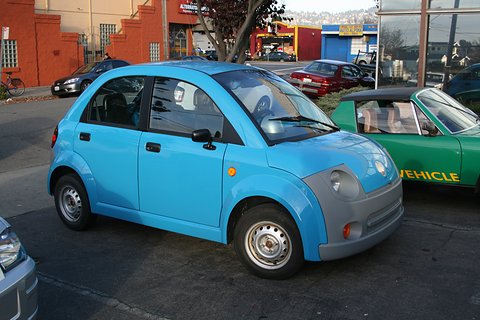
1 A blue Dynasty IT sedan neighbourhood electric vehicle in 2007.
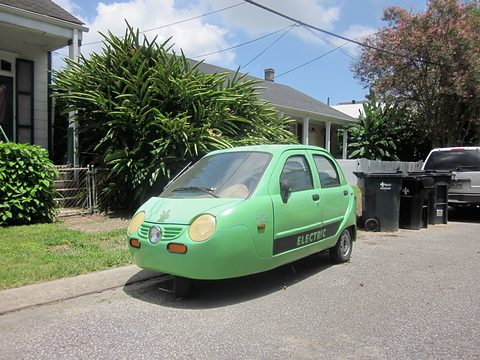
2 A green ZAP Xebra sedan parked outside a house on Jolliet Street, New Orleans, in July 2012.
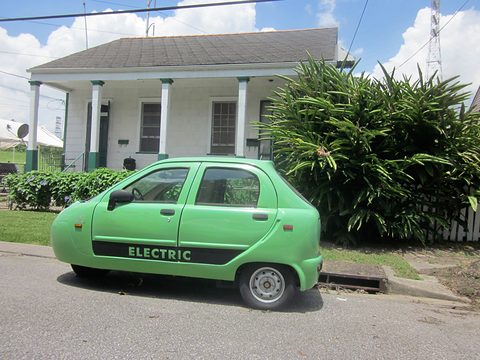
3 A green ZAP Xebra sedan in profile, with ELECTRIC lettering, on Jolliet Street, New Orleans, in July 2012.
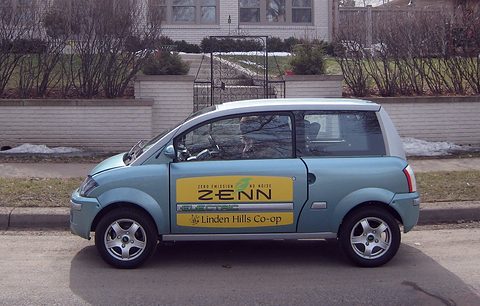
4 A light-blue ZENN low-speed car in dealer livery parked by a kerb in the United States in April 2008.
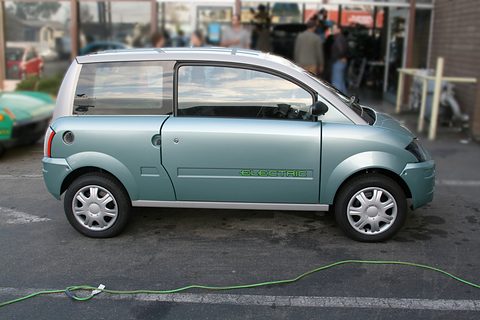
5 A mist-blue ZENN at the Green Motors launch in Berkeley, California, in 2007.
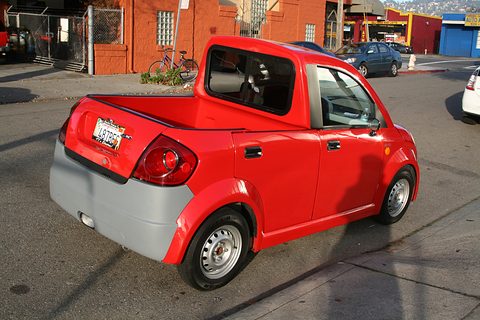
6 A red Dynasty IT utility pickup from the rear three-quarter in 2007.
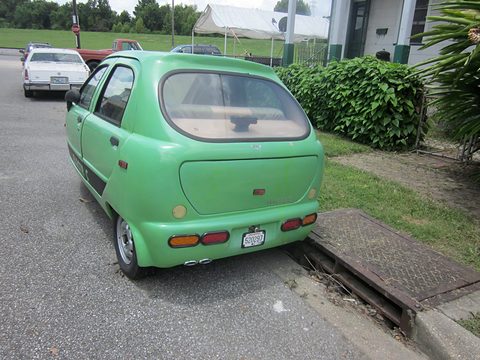
7 A green ZAP Xebra sedan from the rear three-quarter on Jolliet Street, New Orleans, in July 2012.
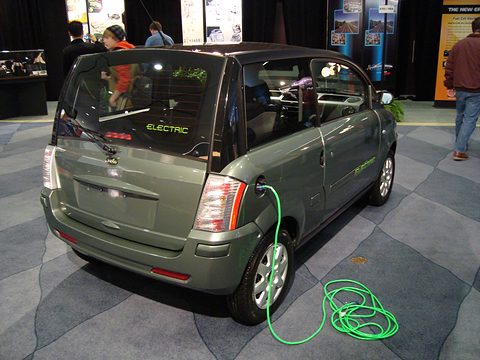
8 A green ZENN on charge at a show, rear three-quarter, in February 2009.

9 A Zacua MX2 on stage at its launch in Mexico City in 2017.
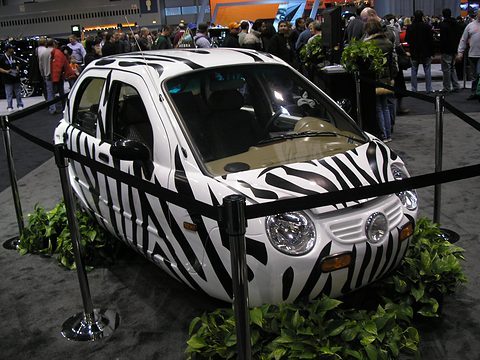
10 A ZAP Xebra in zebra livery on display at the Chicago Auto Show in February 2007.
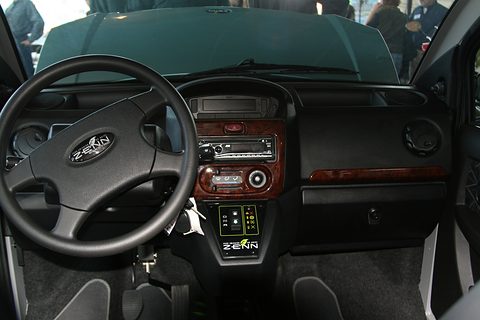
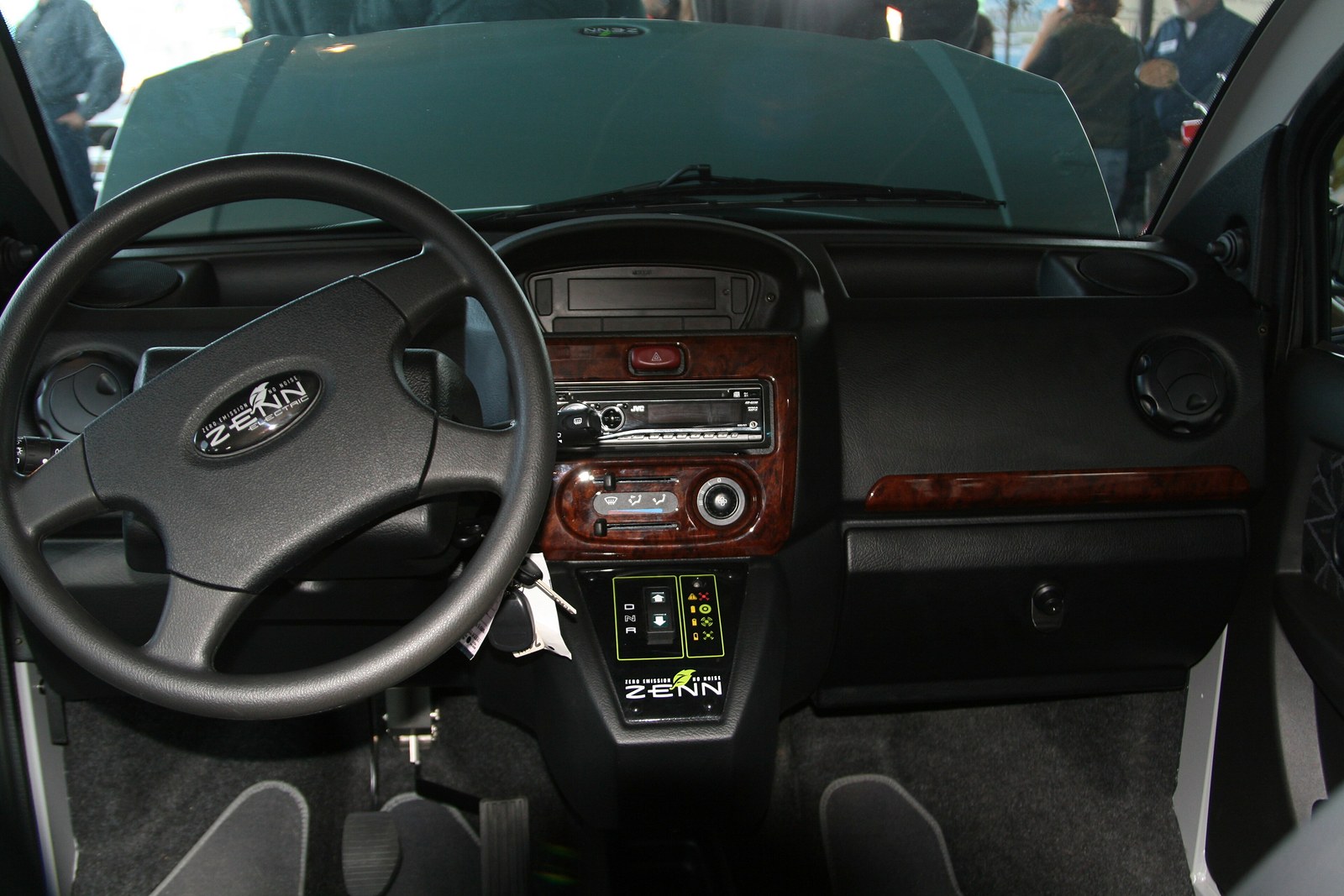
11 The dashboard and steering wheel of a ZENN at the Green Motors launch in Berkeley, California, in 2007.
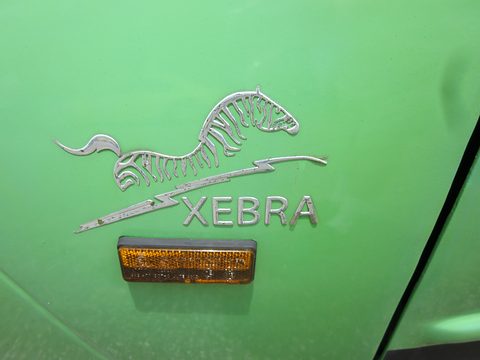
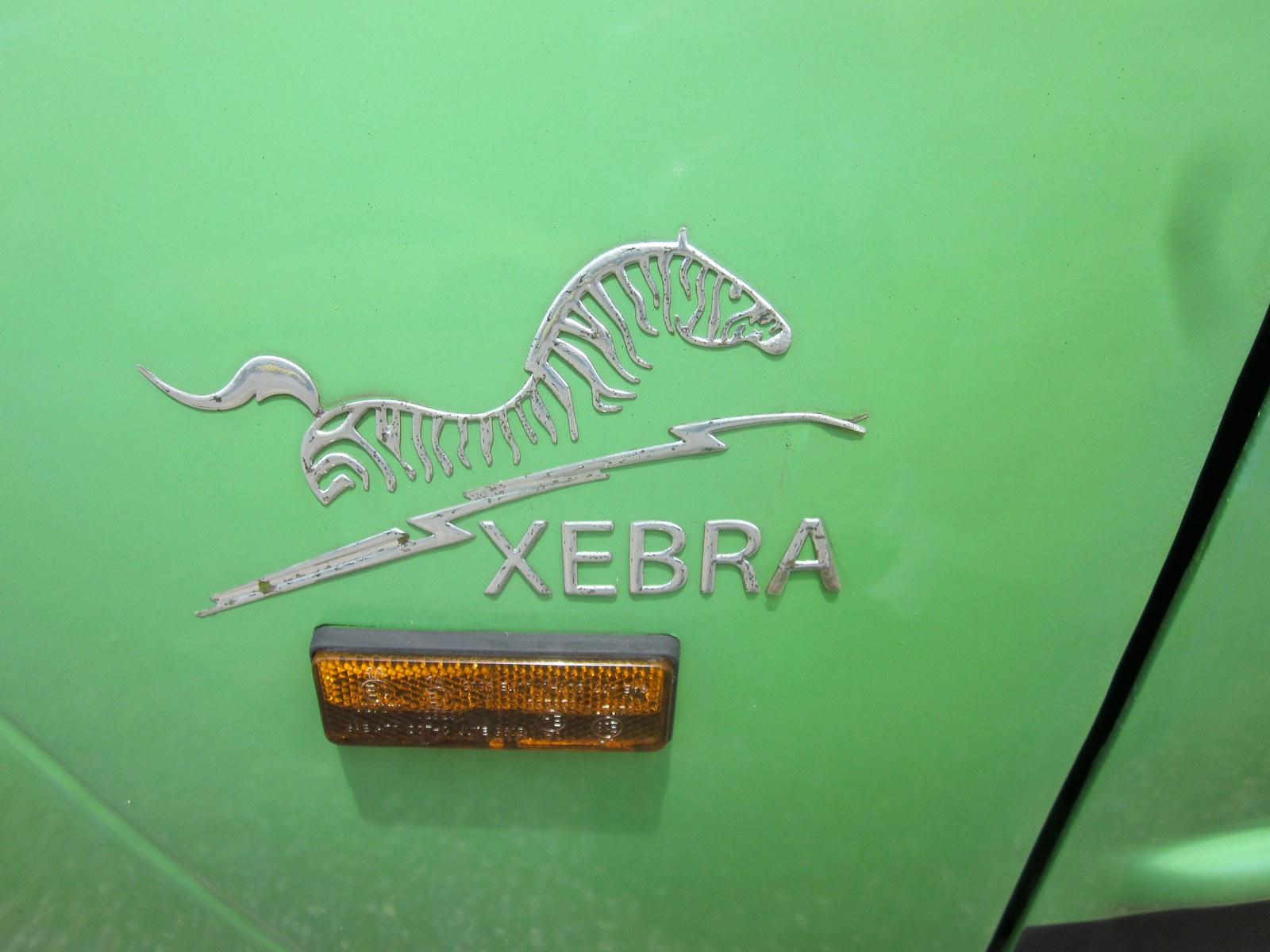
12 The zebra-and-lightning XEBRA badge on the flank of a green ZAP Xebra in New Orleans in July 2012.
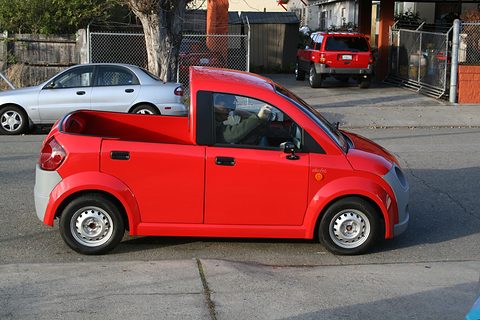
13 A red Dynasty IT utility pickup in profile in 2007.
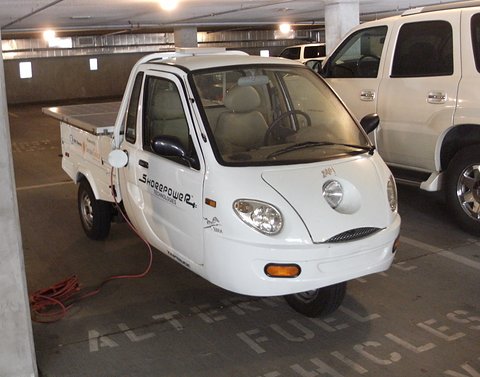
14 A white ZAP Xebra pickup with ‘All Electric’ lettering, charging in a car park in August 2010.
Eight makers, in date order
| Variant | Years | What differs | How many |
|---|---|---|---|
| Dynasty IT | 2001–08 | Delta, British Columbia; saloon, pickup, van and open versions | About 200 |
| ZAP Xebra | 2006–09 | Built in China, sold from Santa Rosa, California; three wheels, one at the front | About 700, by NHTSA via Consumer Guide |
| ZENN | 2006–10 | Toronto’s car, built in Quebec on the French Microcar MC2 body | 246 and 94 in the 2008 and 2009 financial years |
| Chairiot solo | 2014– | Riverside, California; one occupant, driven from a wheelchair | Not found |
| Sôki | 2015–17 | Santiago, Chile; a two-seat three-wheeler | One paying buyer recorded |
| Zacua MX3 and MX2 | 2018– | Puebla, Mexico, with Chatenet’s design and a women-only workforce | Not found |
| Sero Sedan | 2019– | Morón, Buenos Aires; 2.35 m long; Cargo pick-ups and vans too | Not found |
| Olinia | Planned 2027 | Mexico’s state-backed people’s electric car | Shown in June 2026; production planned for 2027 |
One table per car, from each one’s sources
| Motor | Brushed DC, 5 kW (6.7 hp)source 13source 5 |
|---|---|
| Batteries | Six 12 V lead-acid, 72 Vsource 10source 13 |
| Top speed | Governed to 65 km/h (40 mph)source 12source 551–55 km/h (32–34 mph) in The Truth About Cars’s test |
| Load limit | 227 kg (500 lb)source 12source 5 |
| Price | Under US$10,000 (2006); US$11,200 for the pickup (2008)source 12source 13 |
| Zacua MX3 | 34 kW (46 hp); 15.6 kWh; about 160 km; 685 kg; 3,060–3,065 mm longsource 25source 27Top speed 95 km/h by Electrive, 85 km/h by El Universal |
|---|---|
| Sero Sedan | 8 kW (10.8 hp) peak; 45 km/h; 2,350 × 1,320 × 1,560 mm; 450 kgsource 28source 3050 km/h at the 2019 launch |
| Sôki | About 10 hp (7 kW); 60 km/h (37 mph); 60 km a charge; about three hours to chargesource 21source 23 |
| Dynasty IT | 72 V lead-acid; 40 km/h as an LSV, capable of 70; about 48 km (30 miles) a chargesource 3source 7 |
Maker by maker
From one car to several hundred, where knownThe largest total, the ZAP Xebra’s, is disputed: about 700 by NHTSA’s figures as Consumer Guide gives them, below 1,500 by The Drive’s estimate, and no reliable total has been found. The Dynasty’s 200 comes from the Vancouver Sun, the ZENN’s yearly sales from the company’s own accounts, and the Sôki found one paying buyer. For the Zacua, the Sero and the Chairiot no total has been found.
below 1,500ZAP Xebras built, an estimateUnconfirmed
The Drivesource 11
about 700ZAP Xebras sold in the whole runOne source
Consumer Guide, citing NHTSA; other sources give 700 for the 2008 cars alonesource 5
more than 500Xebras ordered from China by August 2006One source
Green Car Congresssource 12
about 500ZENNs in allUnconfirmed
English Wikipedia, citing CBC, not readsource 6
246ZENNs sold in the year to September 2008One source
ZENN’s own accountssource 14
about 200Dynasty ITs built in CanadaOne source
Vancouver Sun, 2008source 3
94ZENNs sold in the year to September 2009One source
ZENN’s own accountssource 14
1Sôki sold to a paying buyerOne source
Emolsource 23
Three points
NHTSA ordered ZAP to buy back its 2008 Xebras and destroy or disable them, because they could not stop in time.
The Chairiot solo’s driver rolls in up a ramp and drives without leaving the chair.
The ZENN was built on the Microcar MC2’s body, at Saint-Jérôme, under licence.
Today
Neighbours and relations
The low-speed car that claimed to lead the field
1998– · United States · length unknown
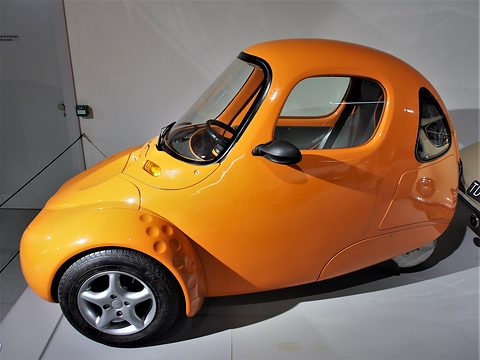
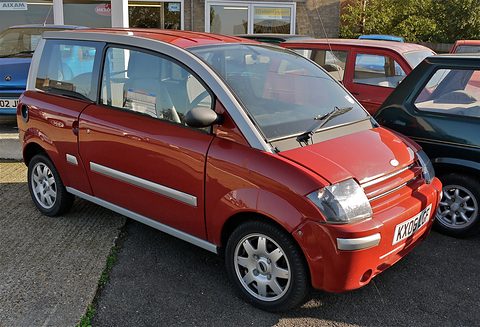
Numbered as in the text
Each maker’s section rests on its own few sources: English Wikipedia as a lead, with period reports and the makers’ own pages where they could be read. Olinia’s rests on English Wikipedia alone.