The story
History
A car below the Volkswagen Polo occupied many makers in the 1980s; Daimler-Benz had shown a front-wheel-drive city-car study, the NAFA, as early as 1981.source 1 The push that produced the Smart came from outside the industry. Nicolas Hayek, the founder of the Swatch group, wanted a “Swatch car”: small and cheap, with interchangeable bodywork in the manner of his watches, electric or hybrid drive, and even a plan to carry it on trains for long journeys.source 1 He is one of the designers who came to the microcar from another trade. He took the idea first to Volkswagen, which hesitated; the talks broke down, by one account when Ferdinand Piëch took charge at VW in 1993.source 2source 1source 3 Hayek turned to Mercedes-Benz. By March 1994 there were only two design studies.source 4source 1
That year Daimler-Benz and Hayek’s SMH founded Micro Compact Car AG at Biel, in Switzerland, as a joint subsidiary.source 2source 1 The usual explanation of the brand name is a blend of Swatch, Mercedes and ART; it is repeated everywhere, though no maker’s document stating it has been found.source 2source 1 A design study was shown at the Frankfurt IAA in 1995.source 4 Then the concept changed. MCC dropped the pared-down “reduced to the max” car and its electric or hybrid drive, and Hayek and leading members of the development team left.source 4 Hayek did not want to share the rising cost of development, and Daimler-Benz, which saw no future for electric or hybrid drive, would not take technologies such as electric motors in the wheel hubs.source 1 On 1 November 1998 he sold his shares to Daimler-Benz.source 1
Der heutige benzinbetriebene Smart ist ein Produkt aus dem Hause Daimler-Benz und hat nichts mit den Plänen des einstigen Swatch-Teams gemein.
So the common line that it was designed by Swatch and built by Mercedes is too simple. Hayek gave the idea and the early studies; the production car was engineered by MCC and Daimler-Benz, which had thrown out the Swatch team’s electric drive.source 4source 1
Smartville
The factory came first. It stands at Hambach, in the Moselle, close to the border with the Saarland; it opened in 1997 and was inaugurated on 27 October by President Jacques Chirac and Chancellor Helmut Kohl.source 5source 6source 7 It is shaped like a plus sign. Each arm holds a different stage of assembly, and the centre, the “market place”, is used for testing and rework. Magna built the bodies in white from parts sent from Sindelfingen, ThyssenKrupp delivered the whole rear drive unit, engine, gearbox and axle, into one of the arms, and parts arrived in the order they were needed, with no store; Smart’s own share of the work was only about 10 per cent.source 8source 4
The launch nearly went wrong. In the elk test early cars tipped over more than once; the battery that had first been planned for the floor was missing, and the centre of gravity was too high. Daimler held back deliveries by about six months and fitted “Trust Plus”, a simple stability system that worked only by cutting power and declutching, not by braking single wheels. Full ESP, braking the wheels, arrived with the update of 2003.source 4
The City-Coupé
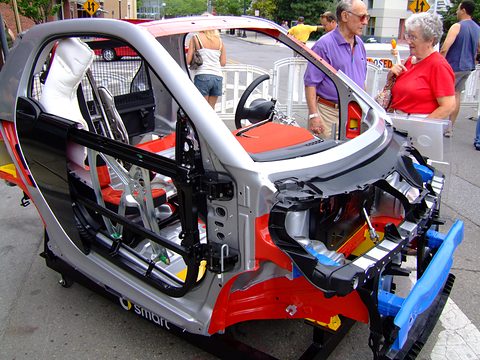
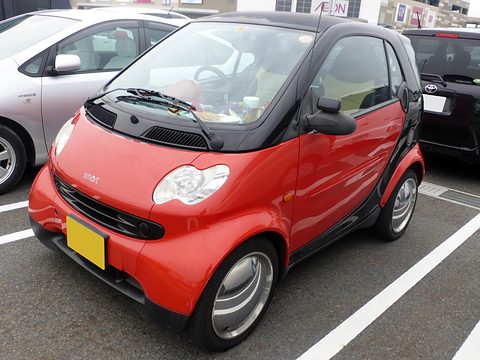
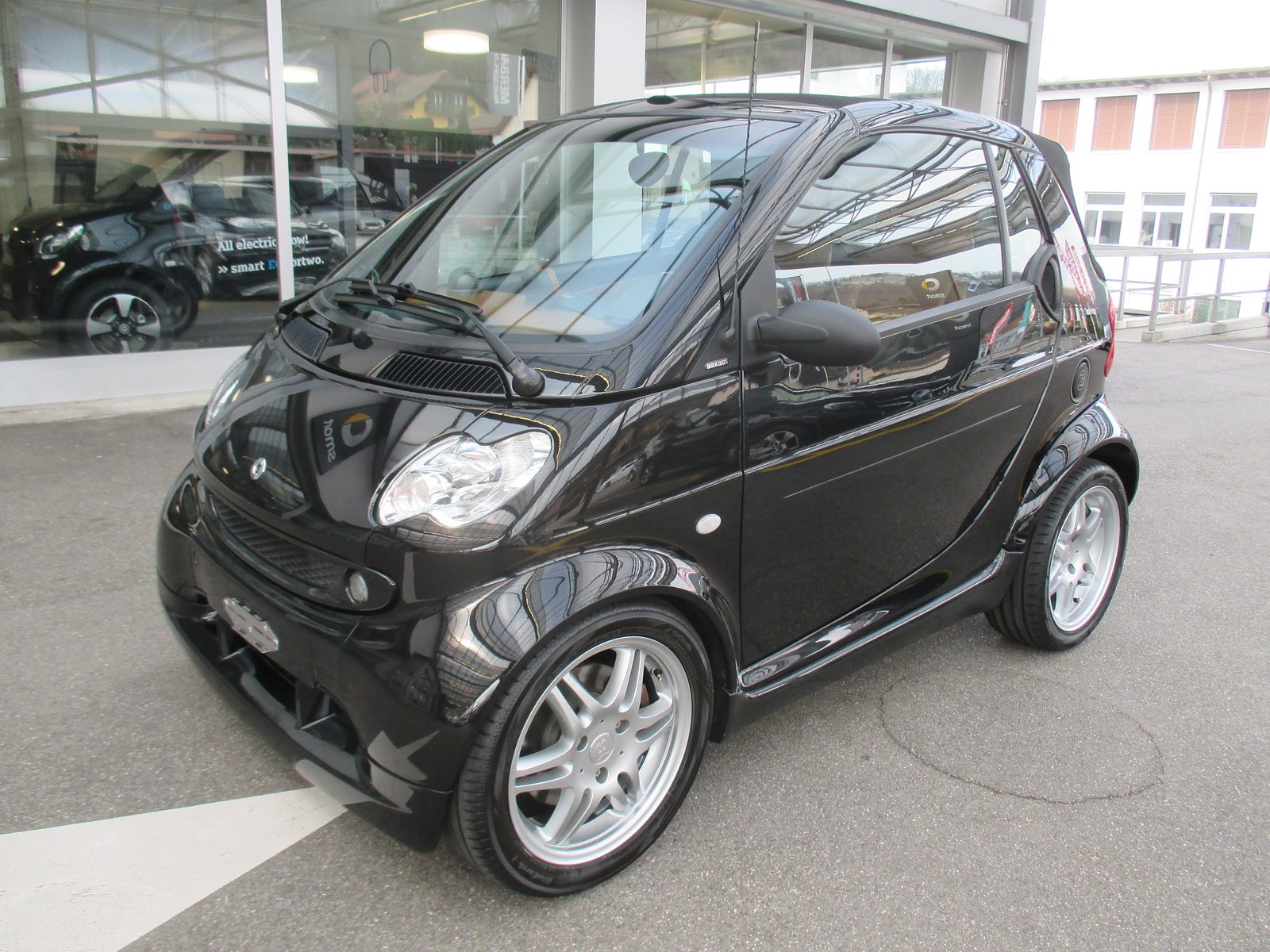
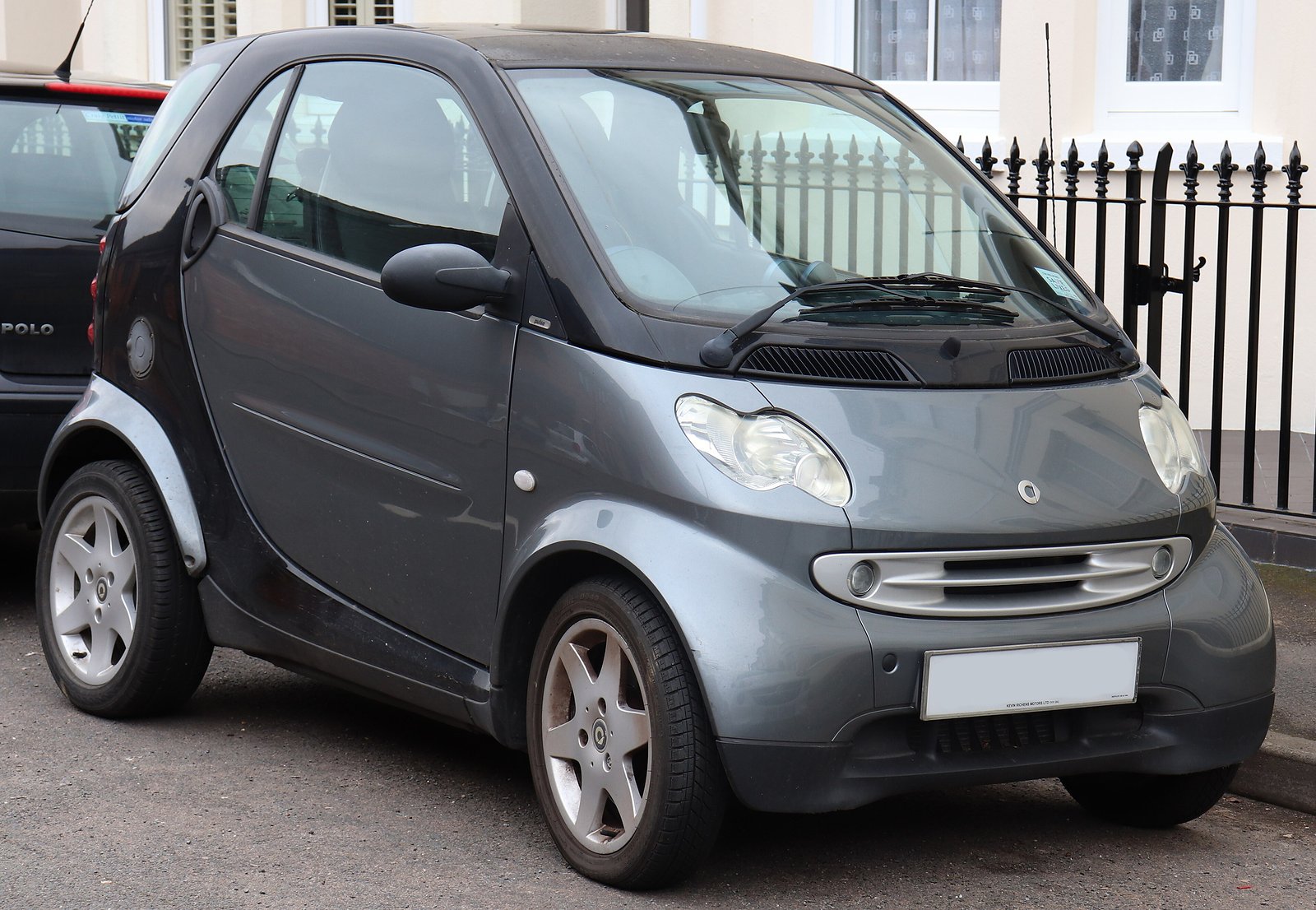
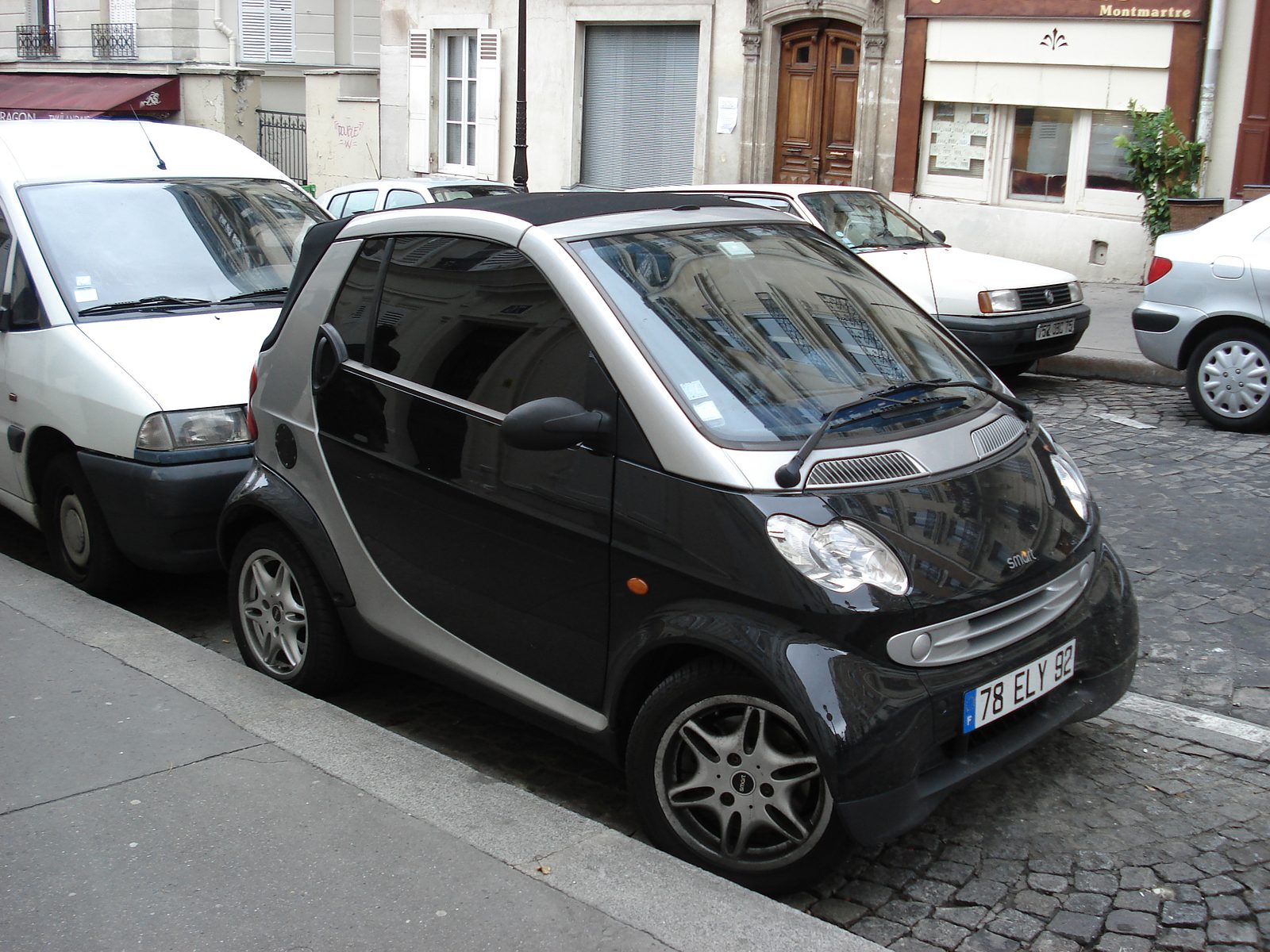
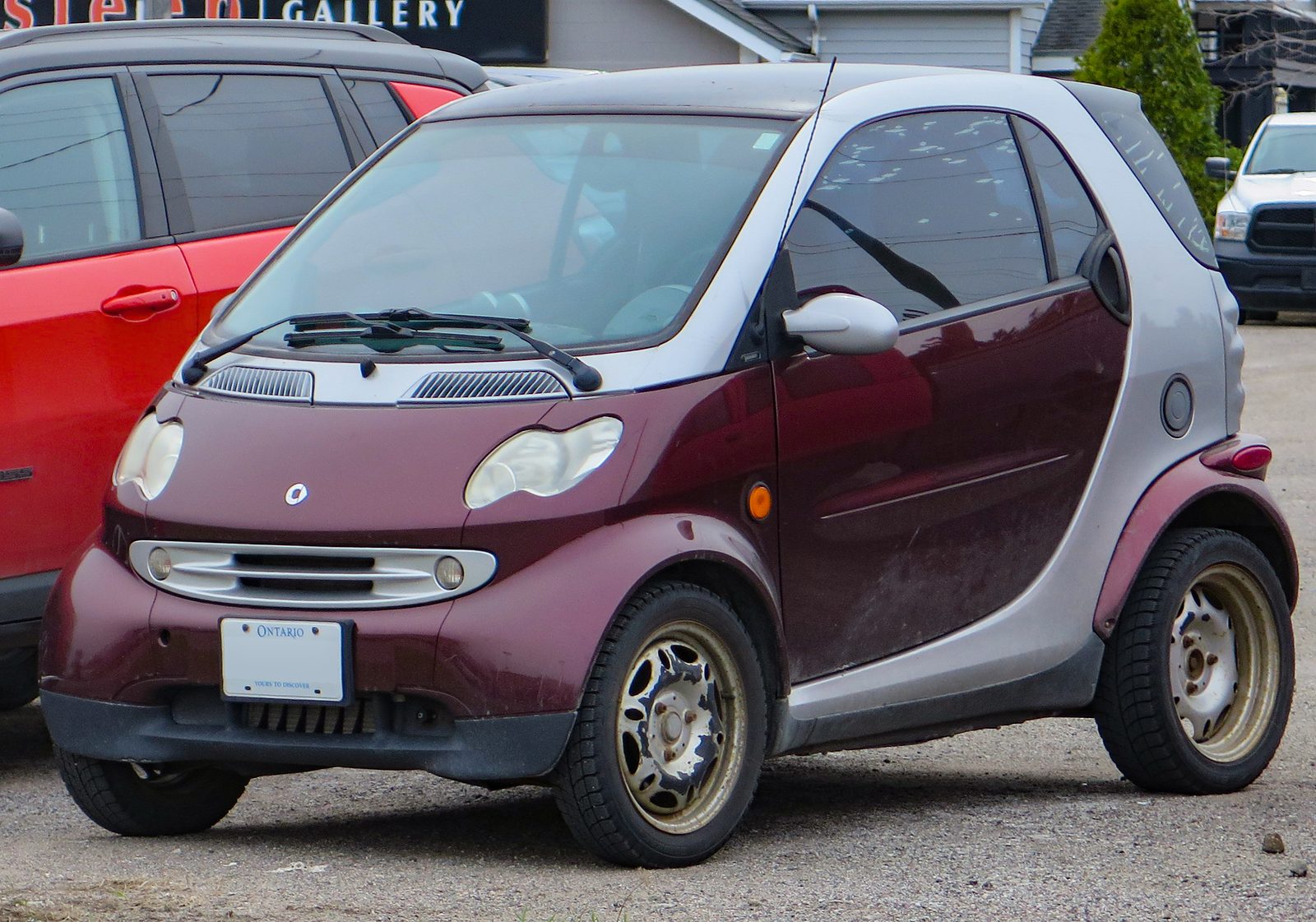
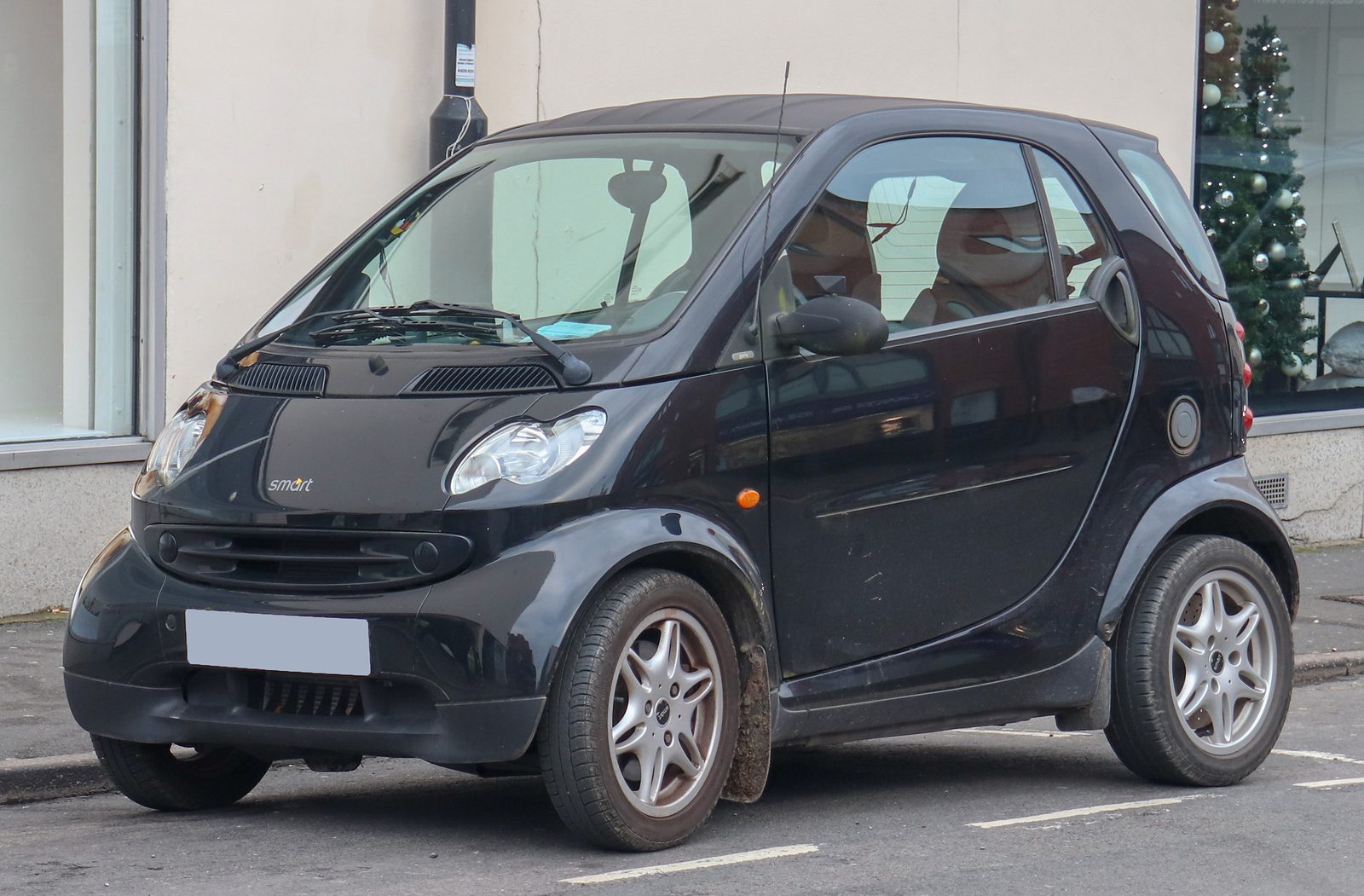
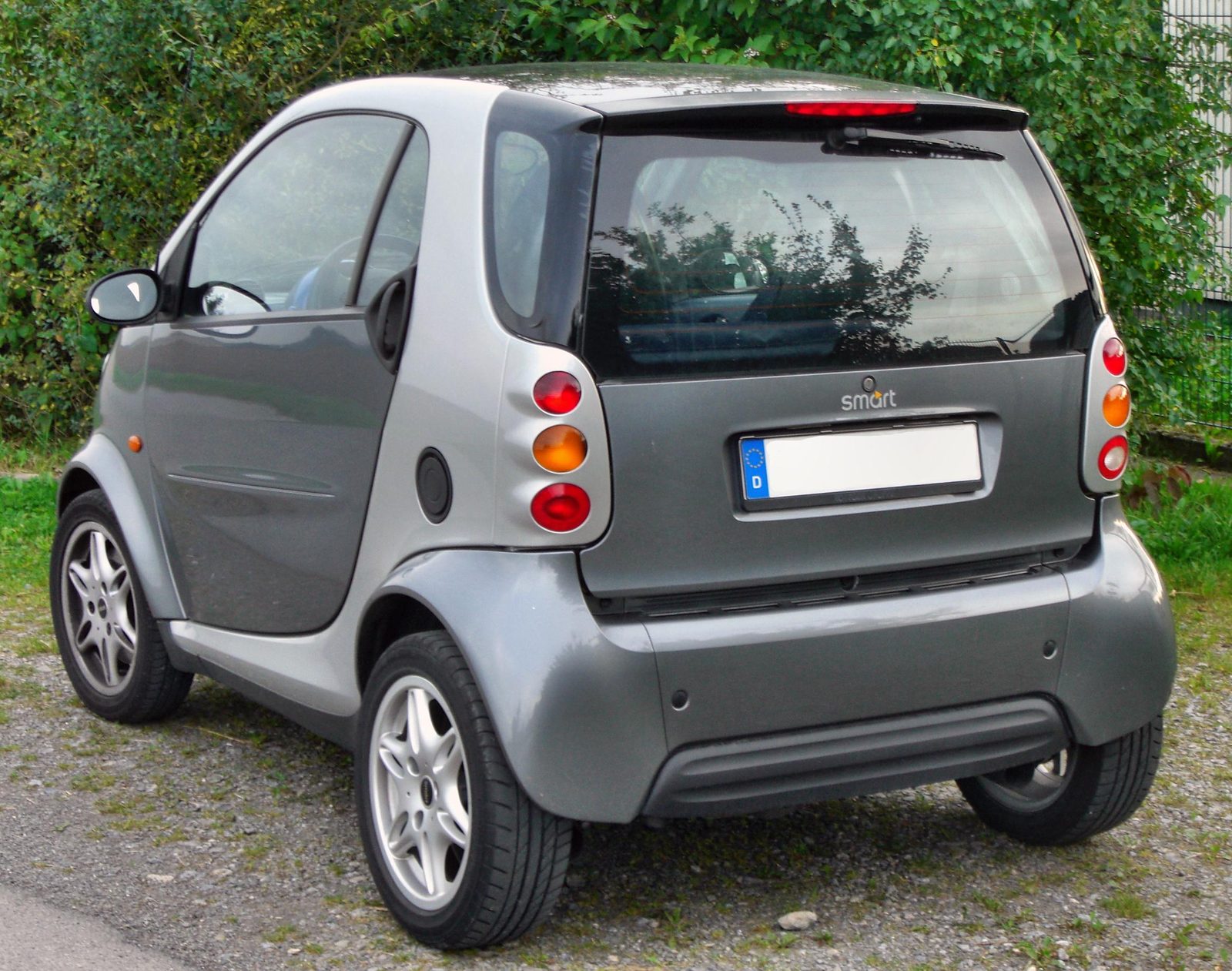
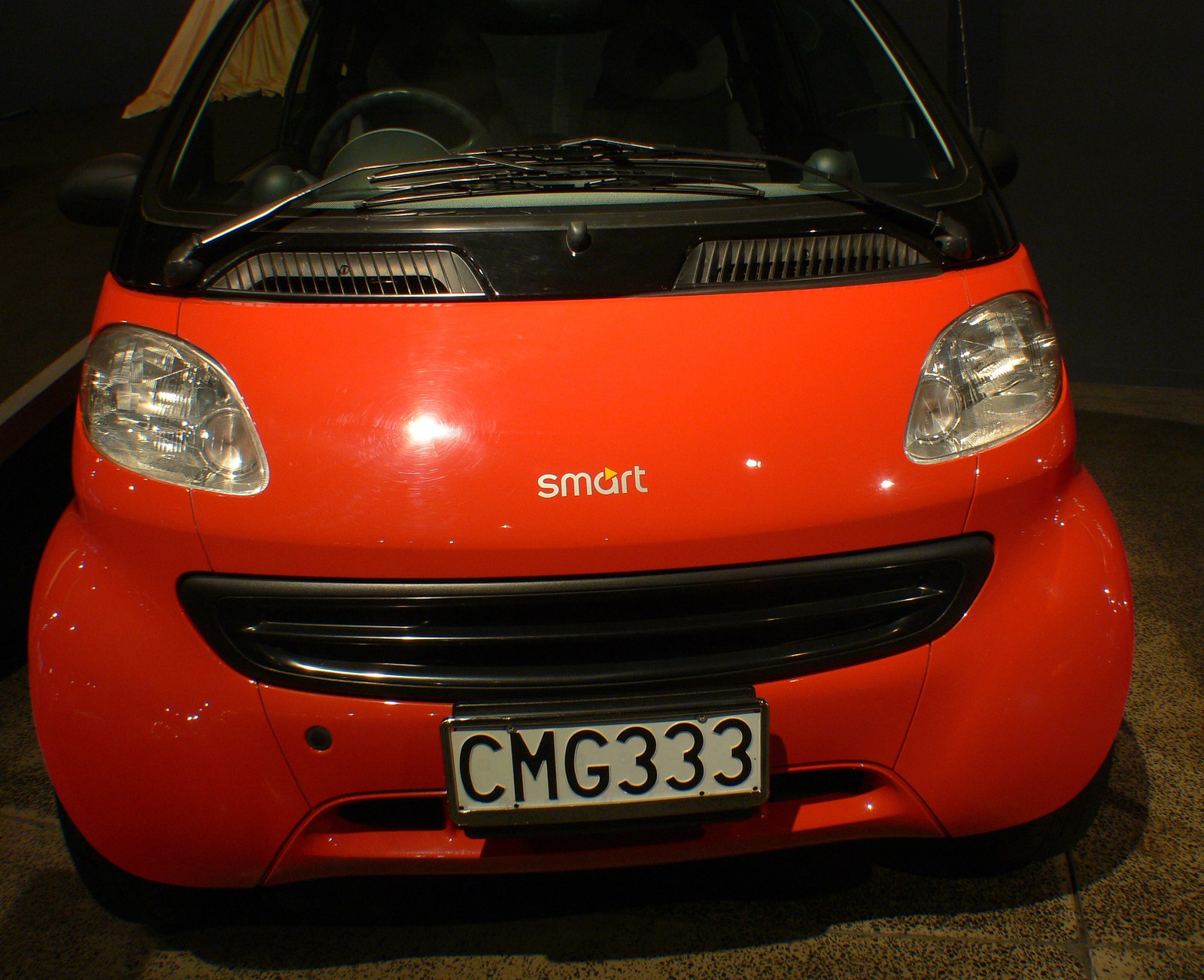
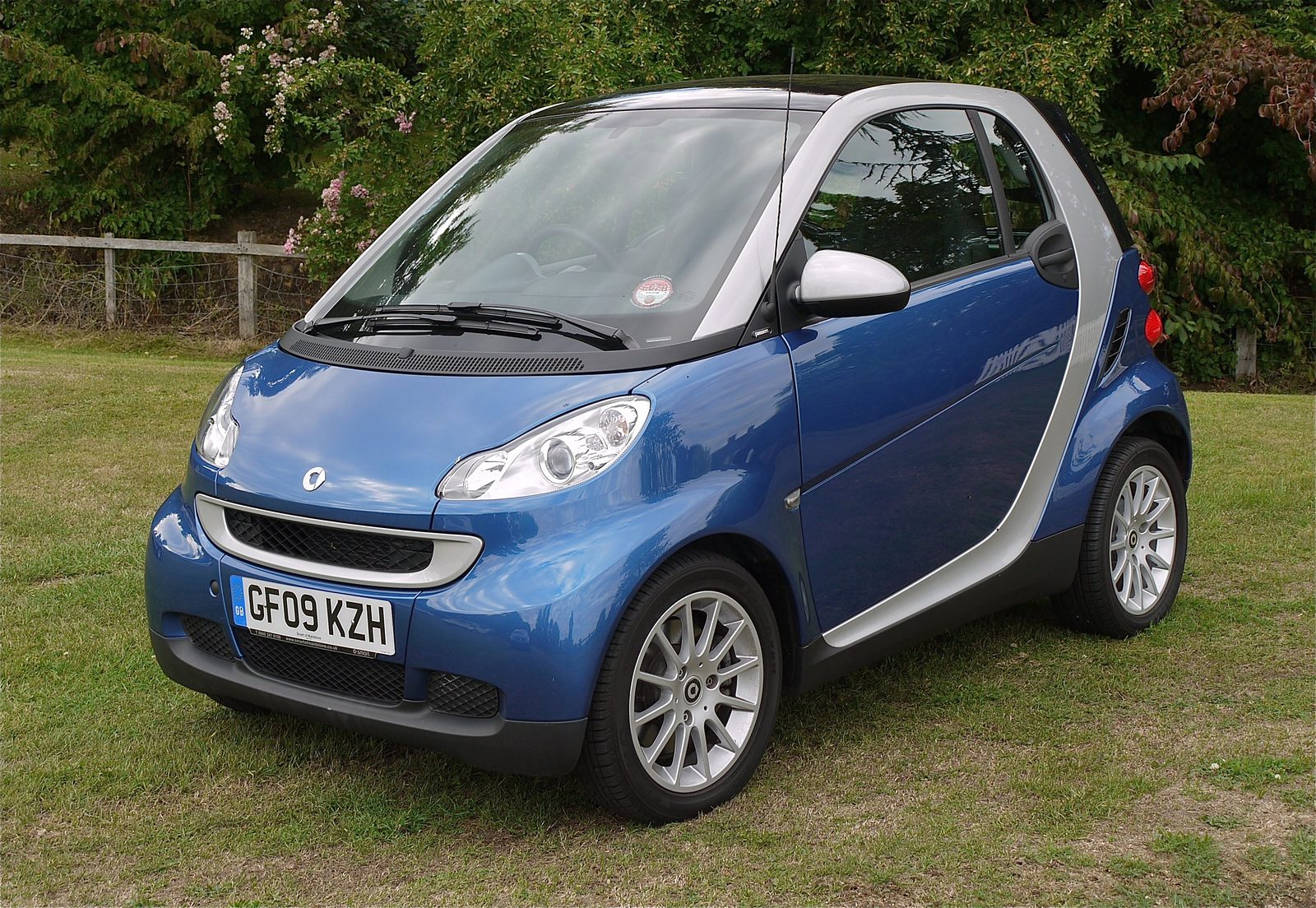
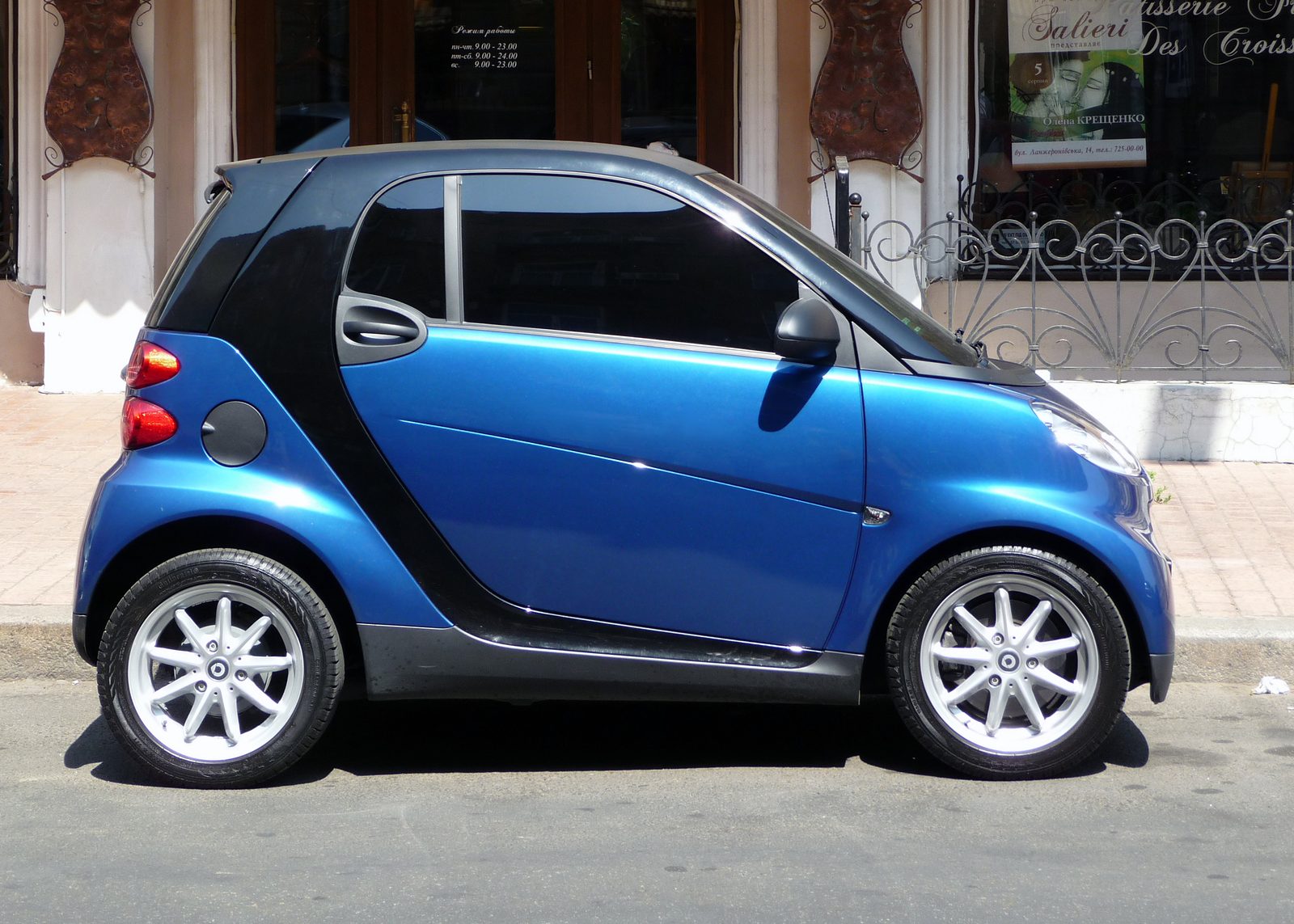
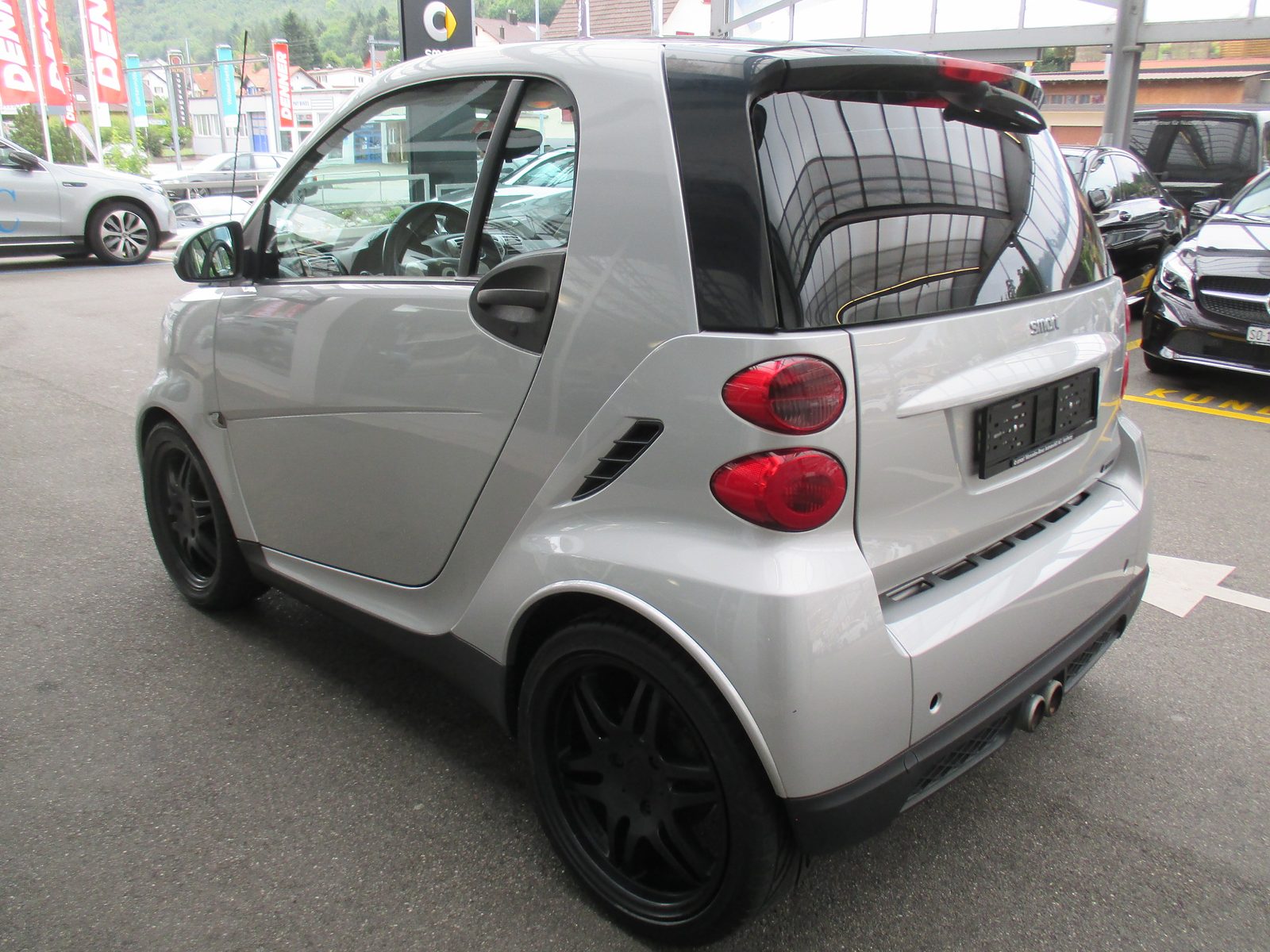
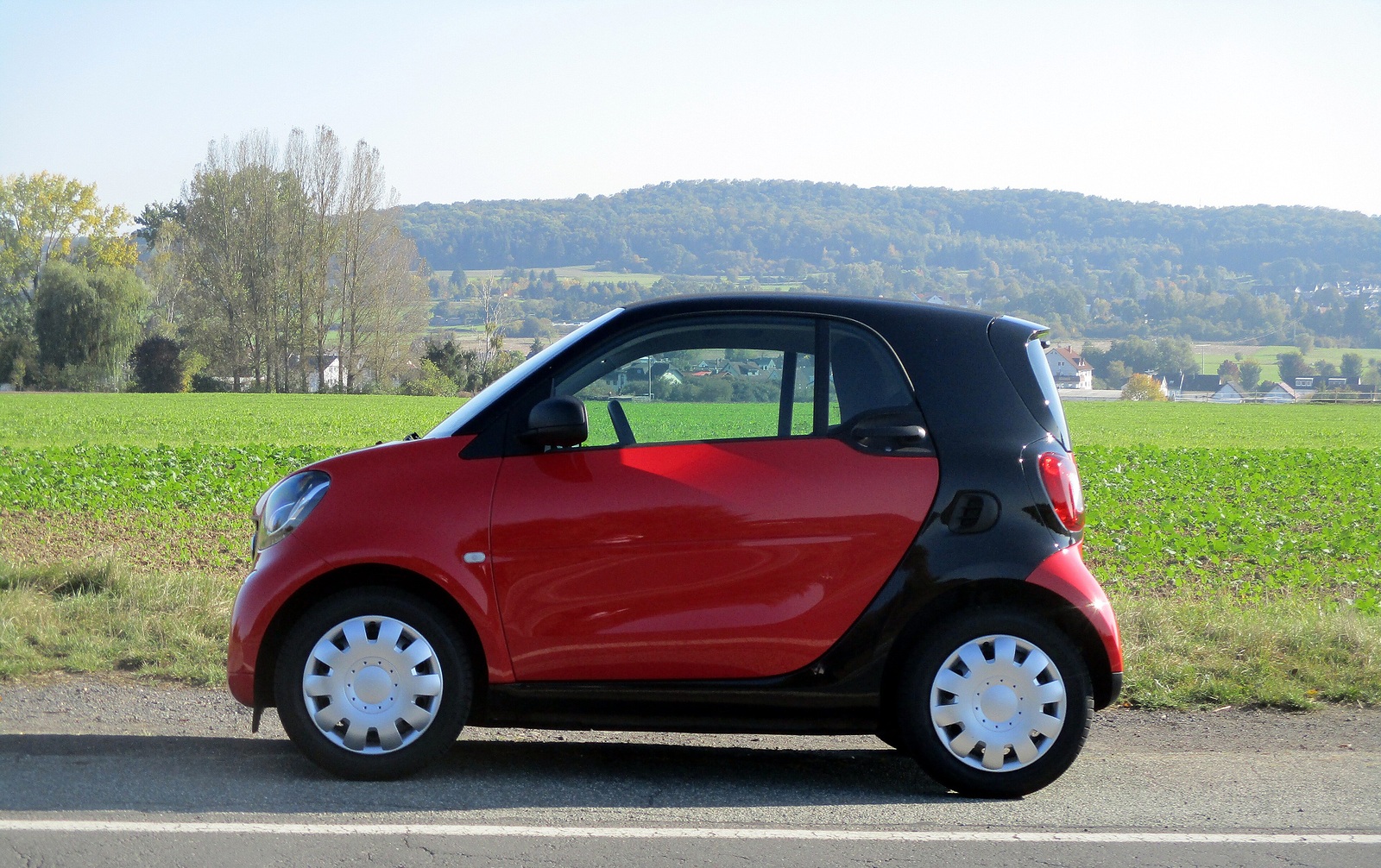
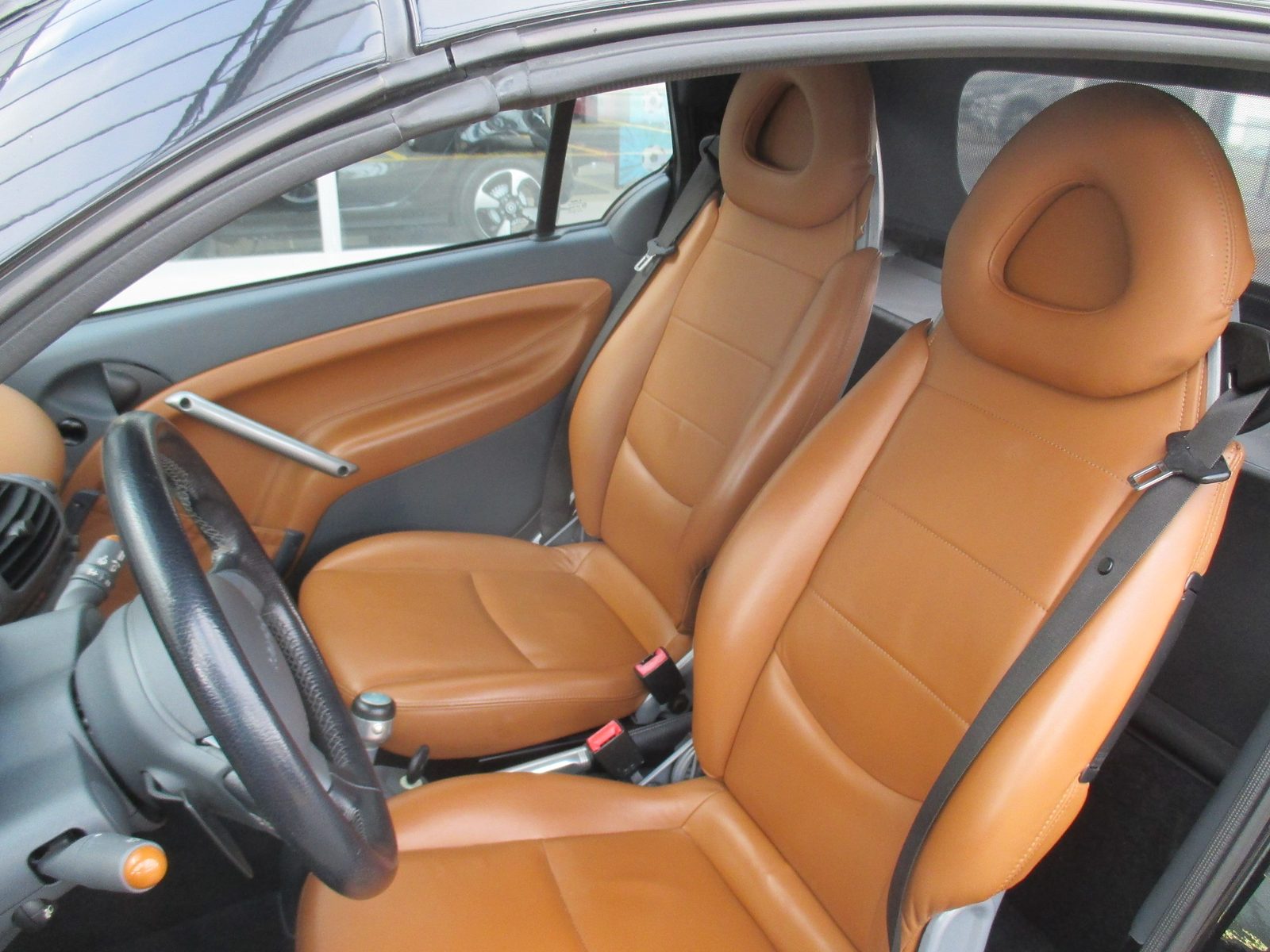
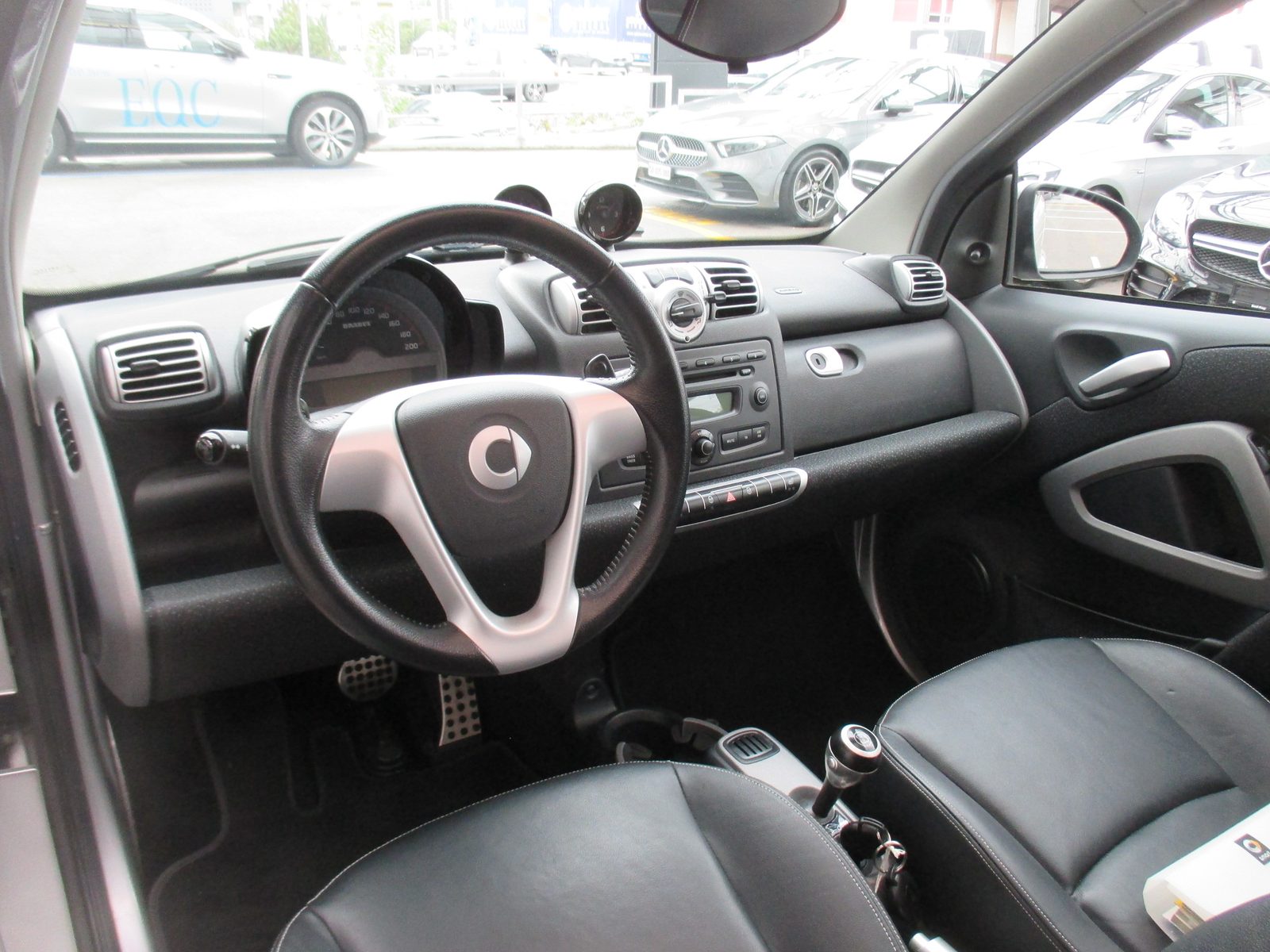
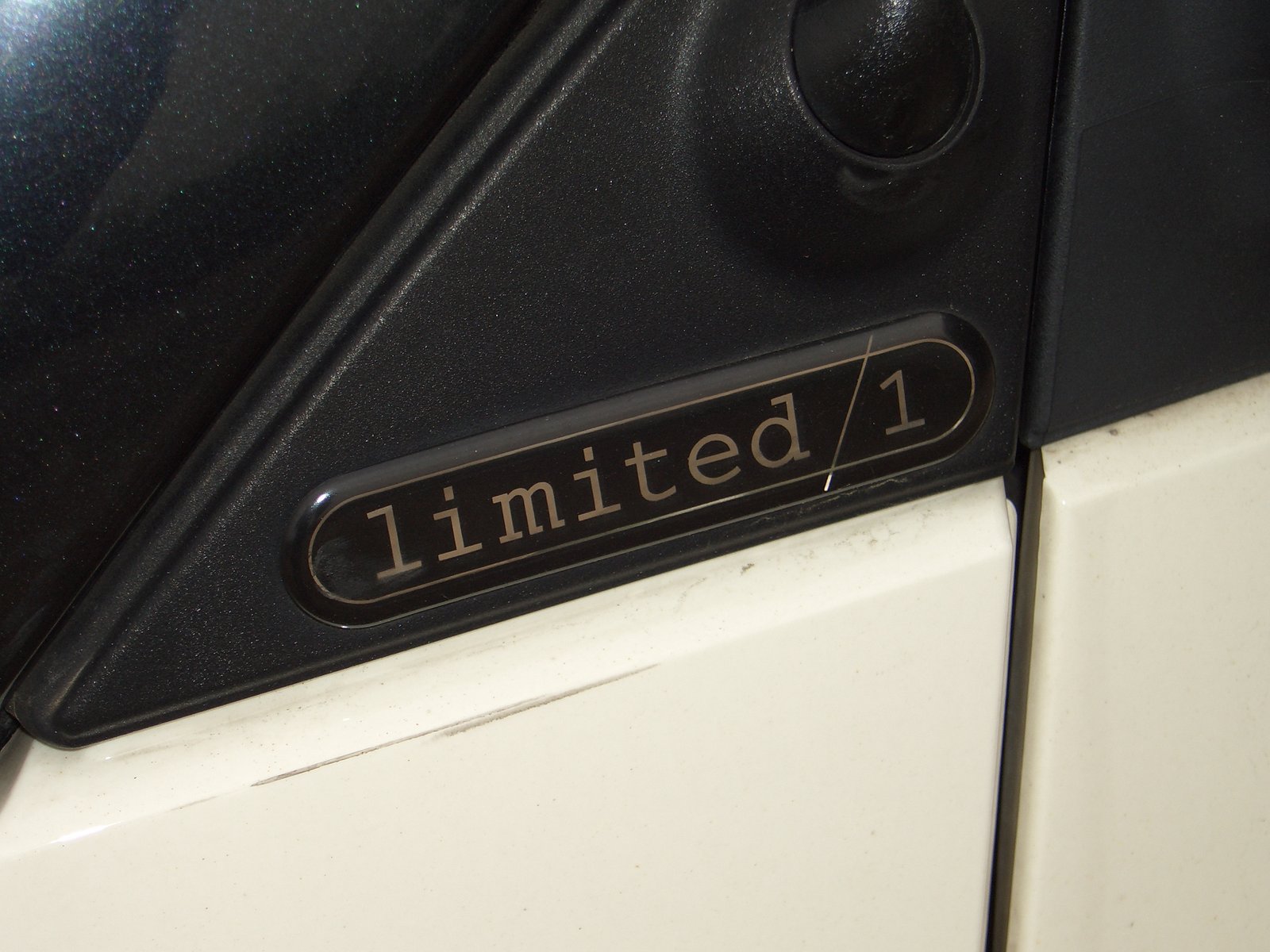
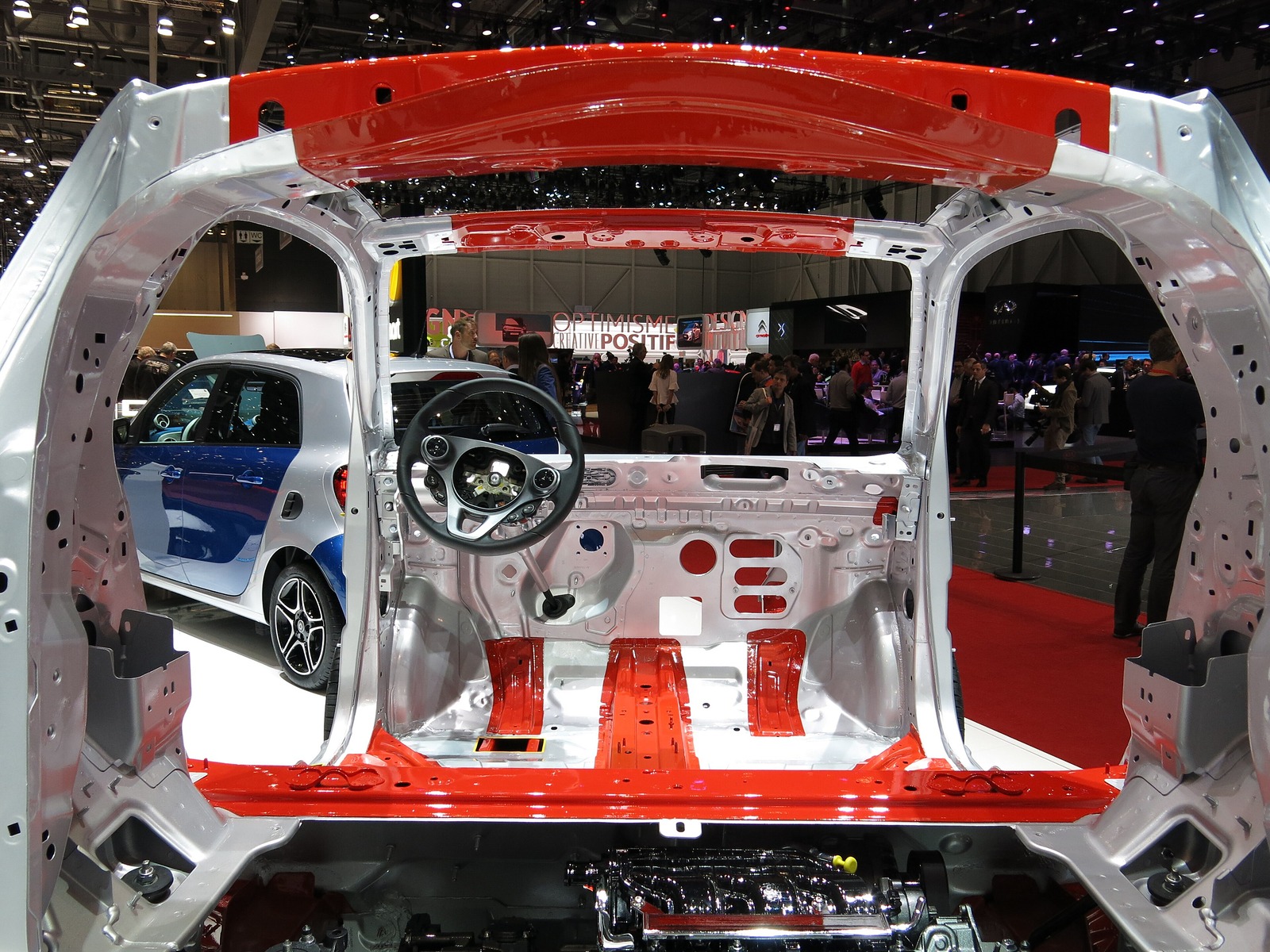
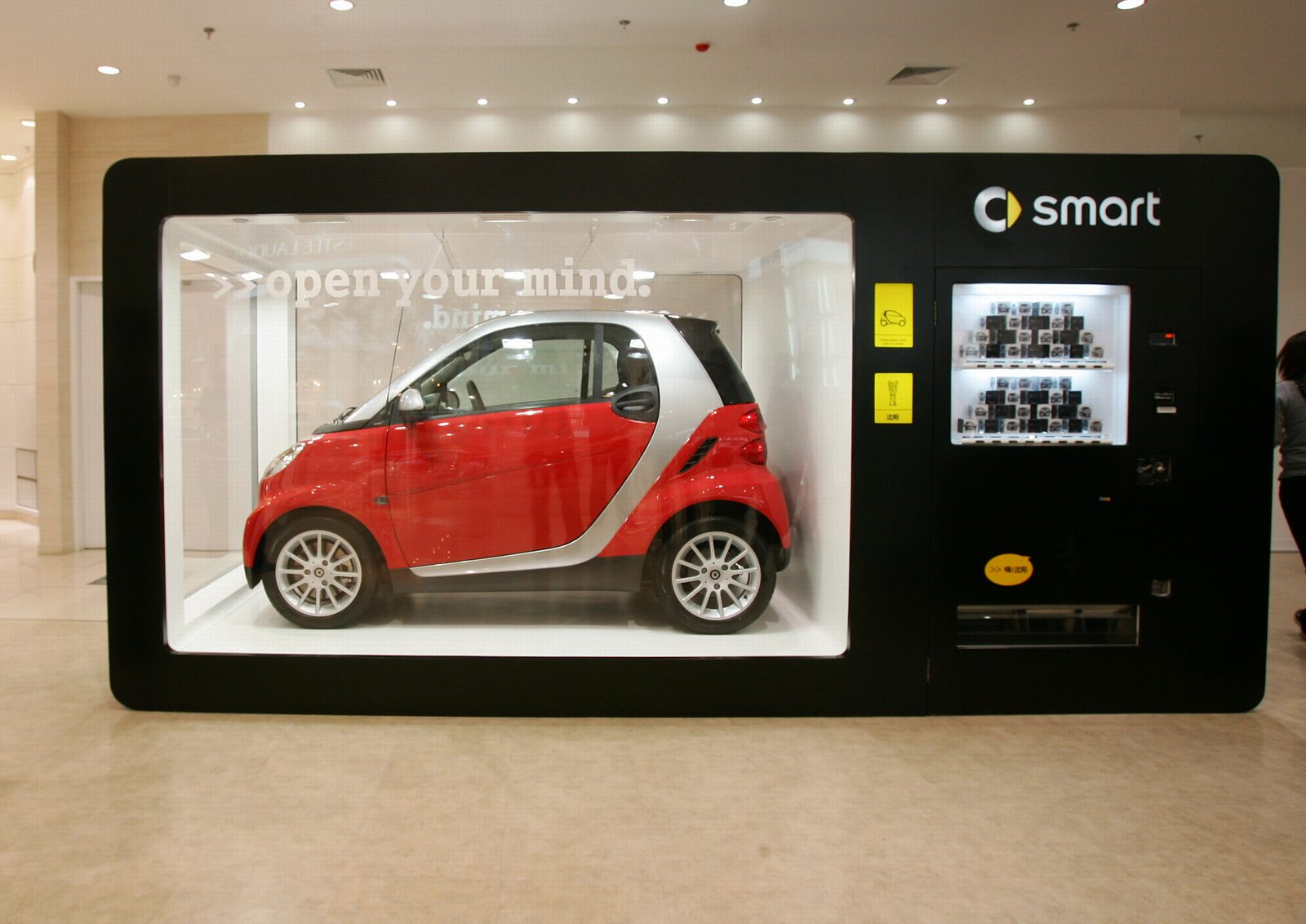
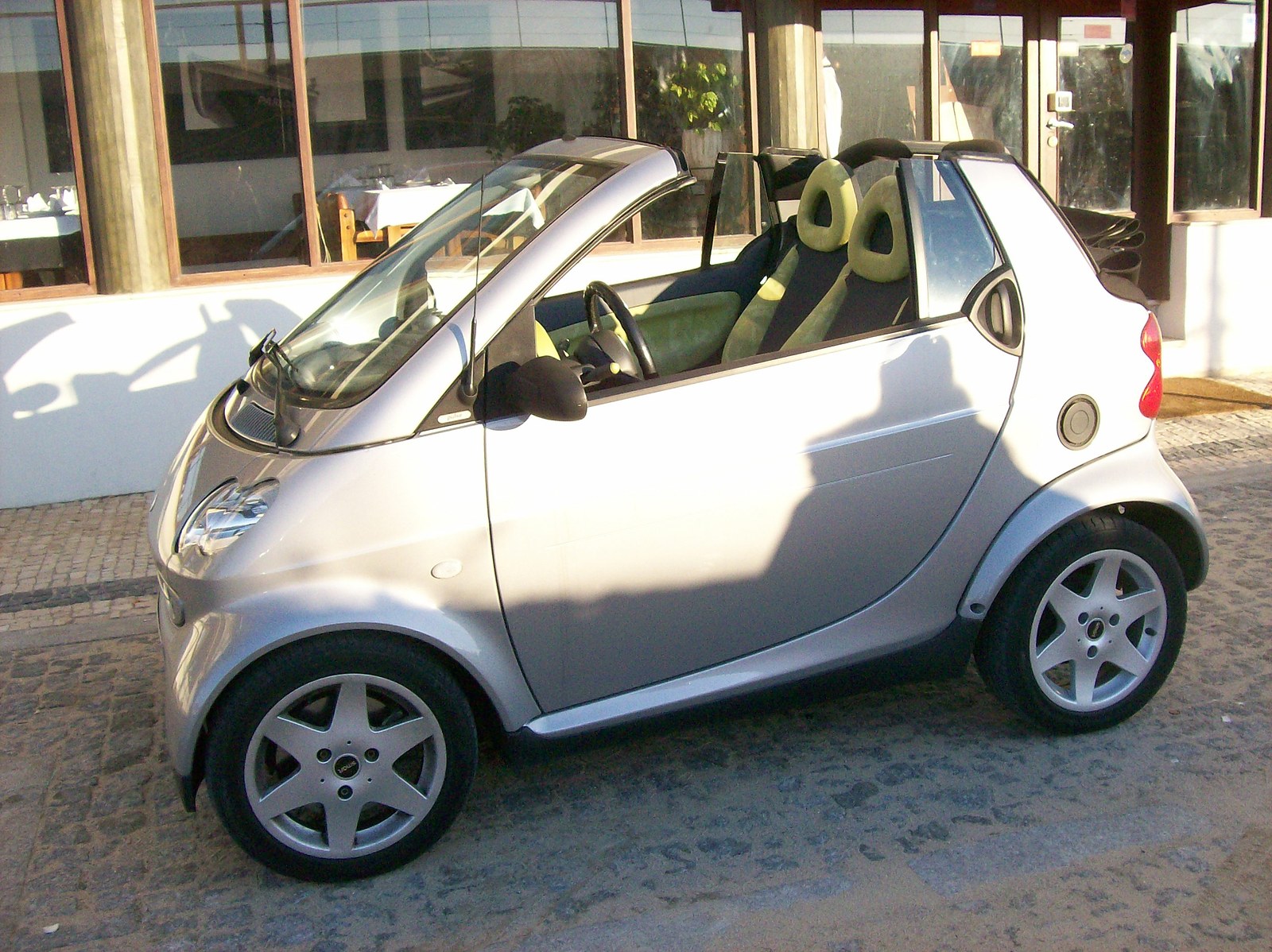
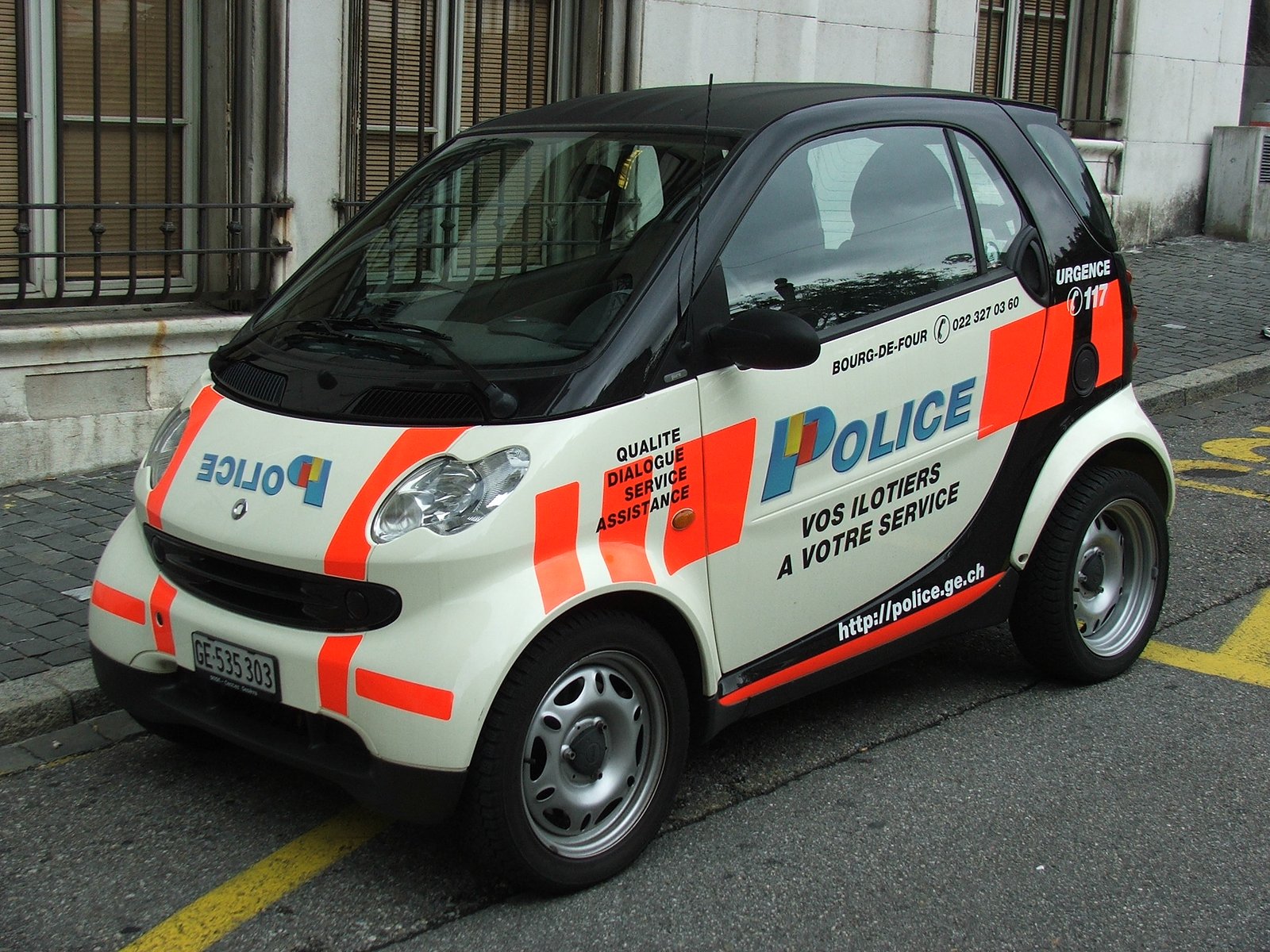
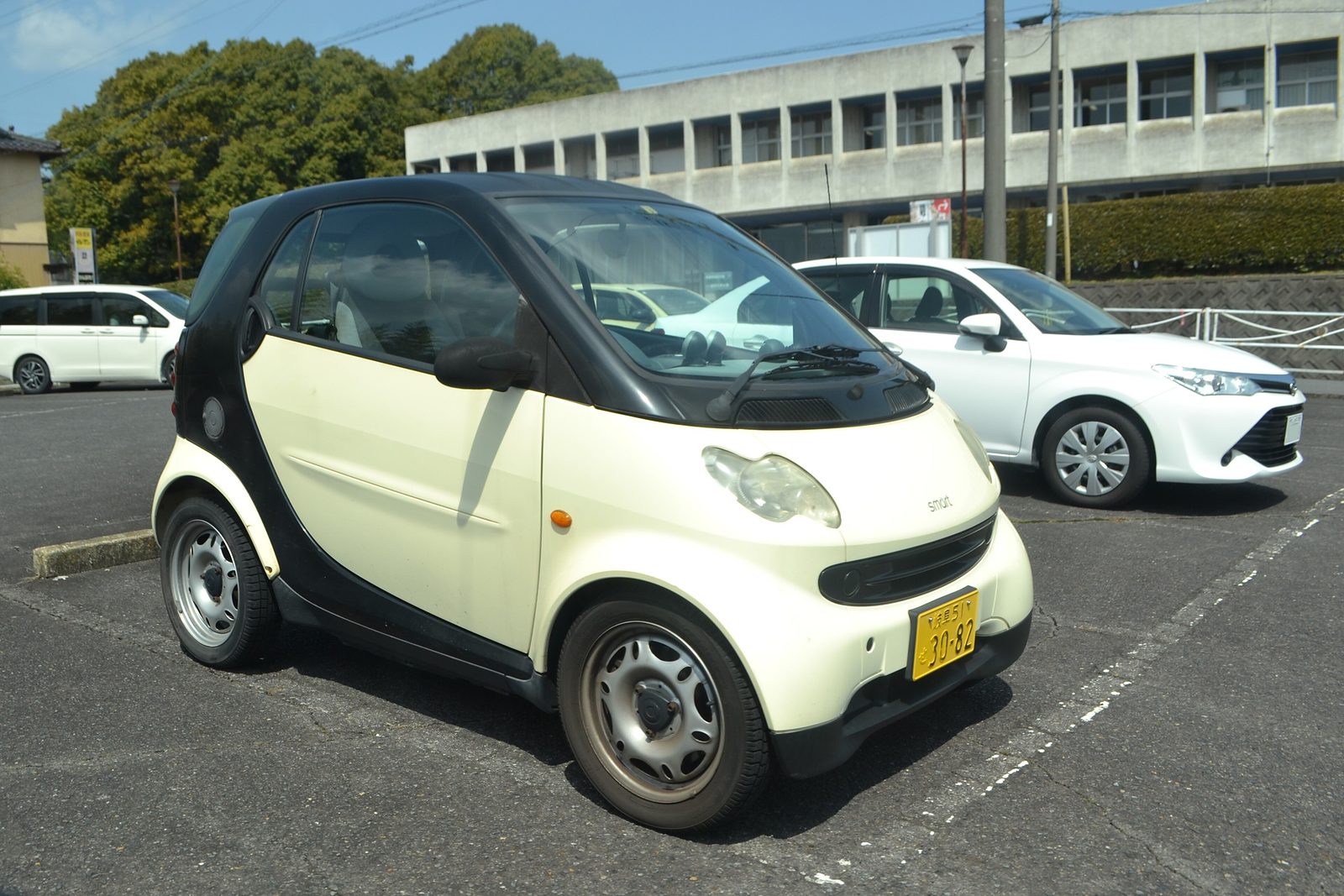
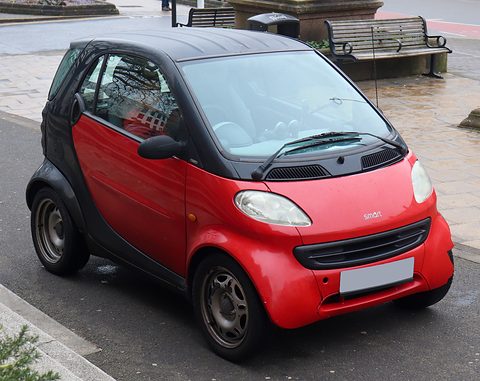
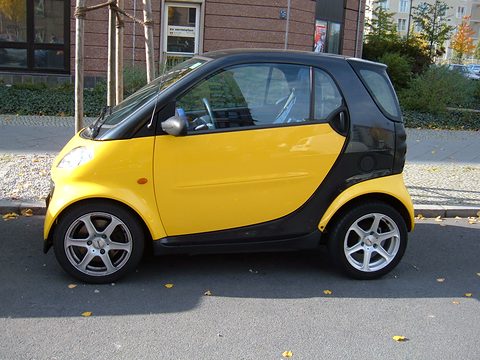
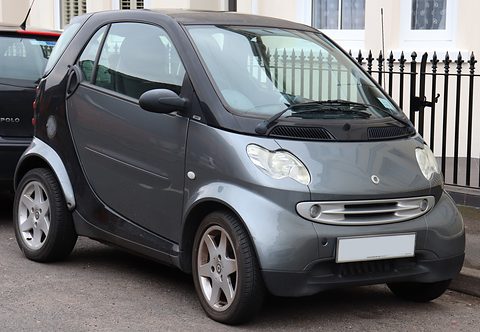
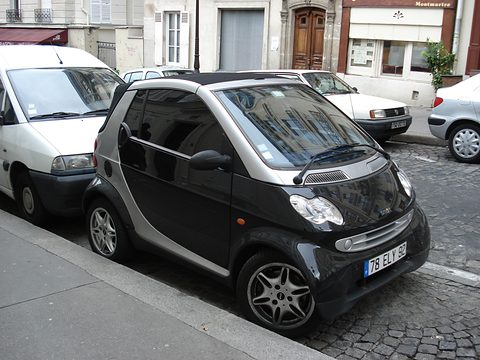
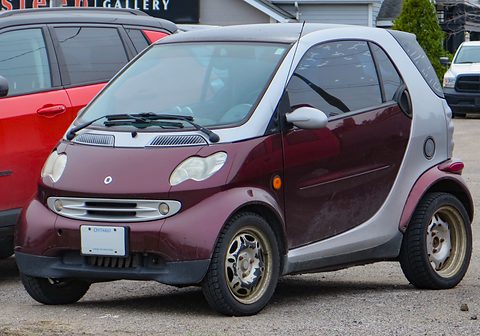
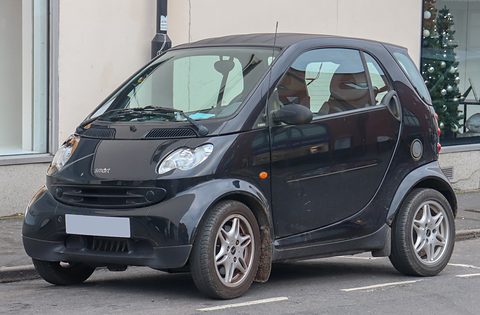
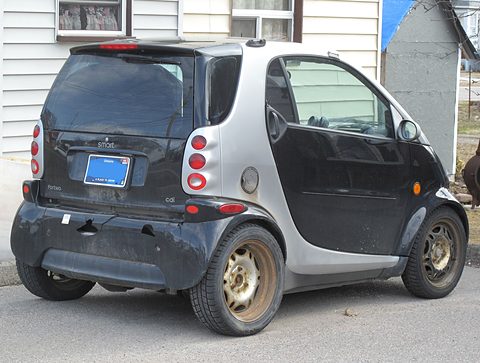
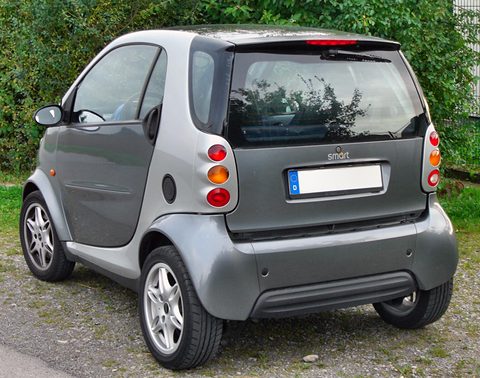
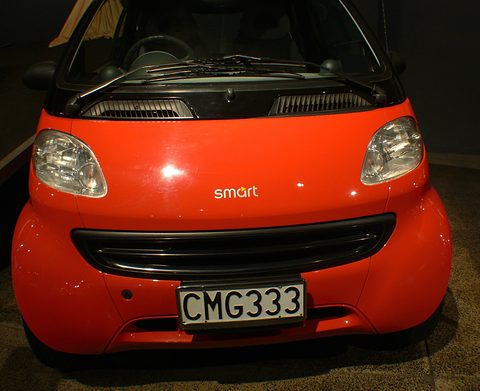
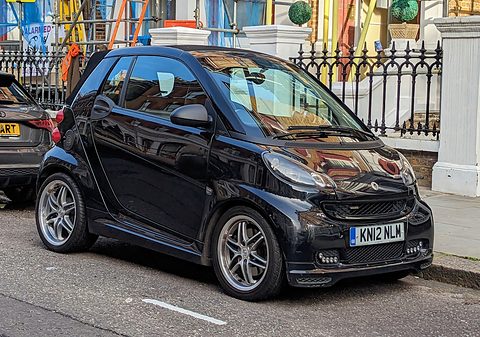
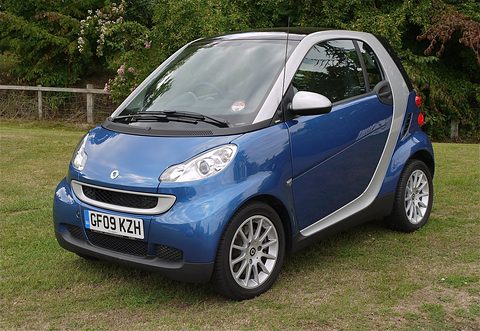
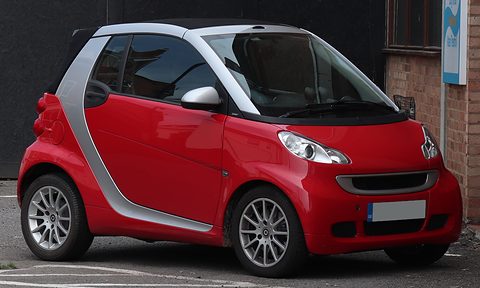
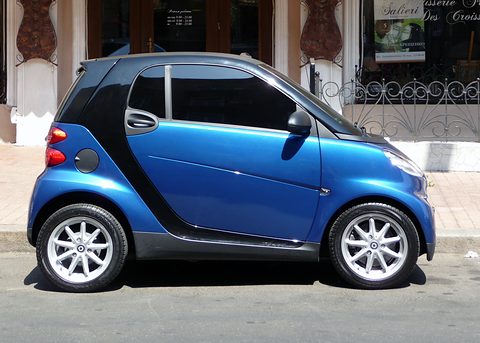
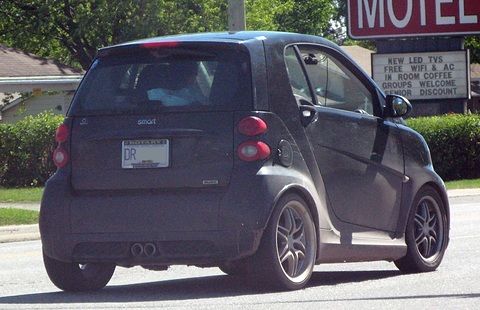
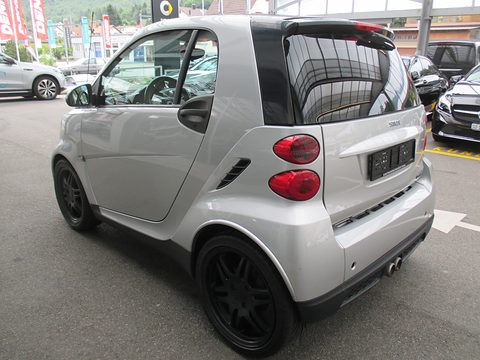
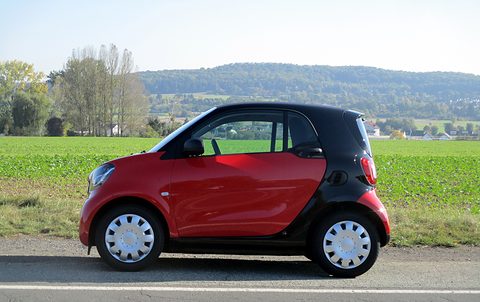
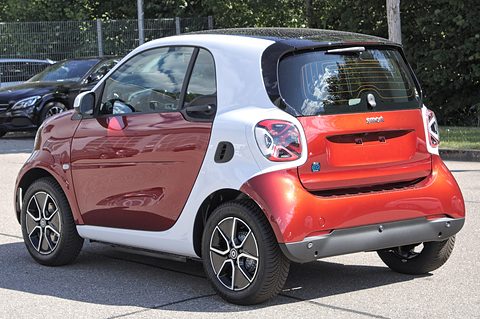
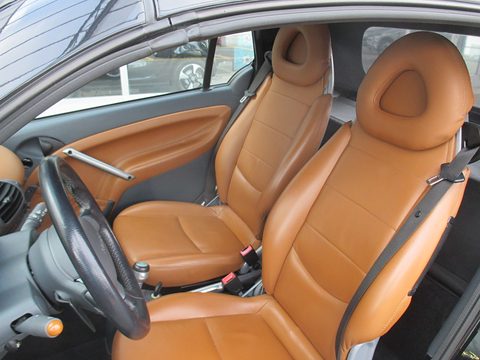
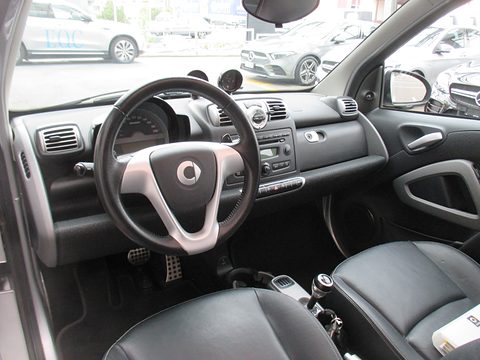
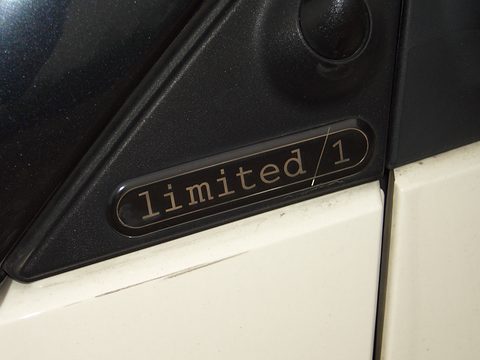
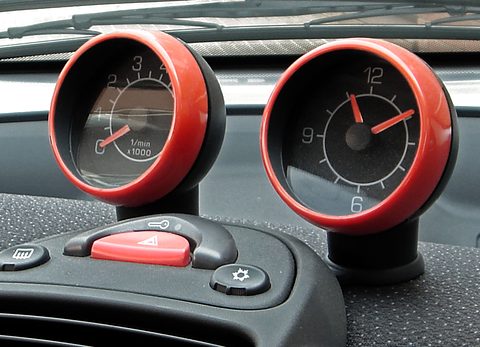
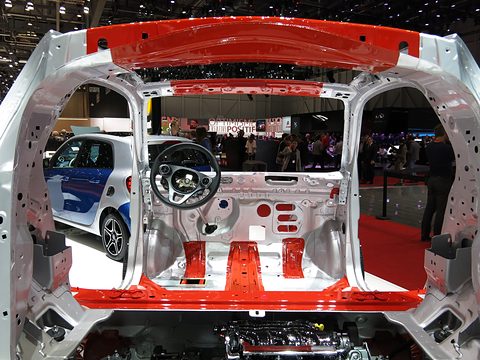
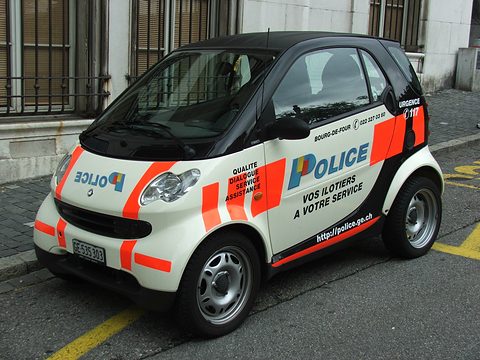
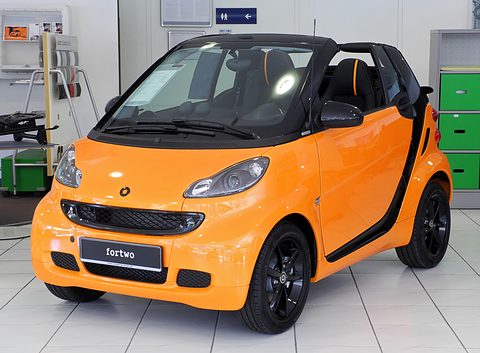
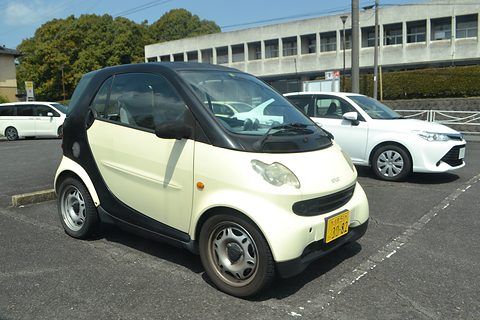
The car was shown at the Paris Motor Show in 1998 and went on sale in Europe that October as the smart City-Coupé, in pure and pulse trims.source 2source 4 It was 2,500 mm (98 in) long, well inside the Fiat Nuova 500’s 2,970 mm that this site takes as the measure of a microcar.source 2source 4 Its steel safety cell, the Tridion, was left on show in a contrasting colour, and the plastic panels between could be changed; the first brochure car was black with yellow panels.source 2source 4 A turbocharged 599 cc three-cylinder sat under the boot floor ahead of the rear axle, driving the rear wheels through a six-speed sequential gearbox with no clutch pedal, and the passenger seat was set 15 cm (6 in) behind the driver’s.source 2source 4 The launch edition, the Limited 1, ran to 7,500 cars, all left-hand drive, in black and white with a numbered plaque.source 2 A passion trim followed in 1999, and in November that year the glass-fibre leaf springs at the front gave way to coil springs.source 4
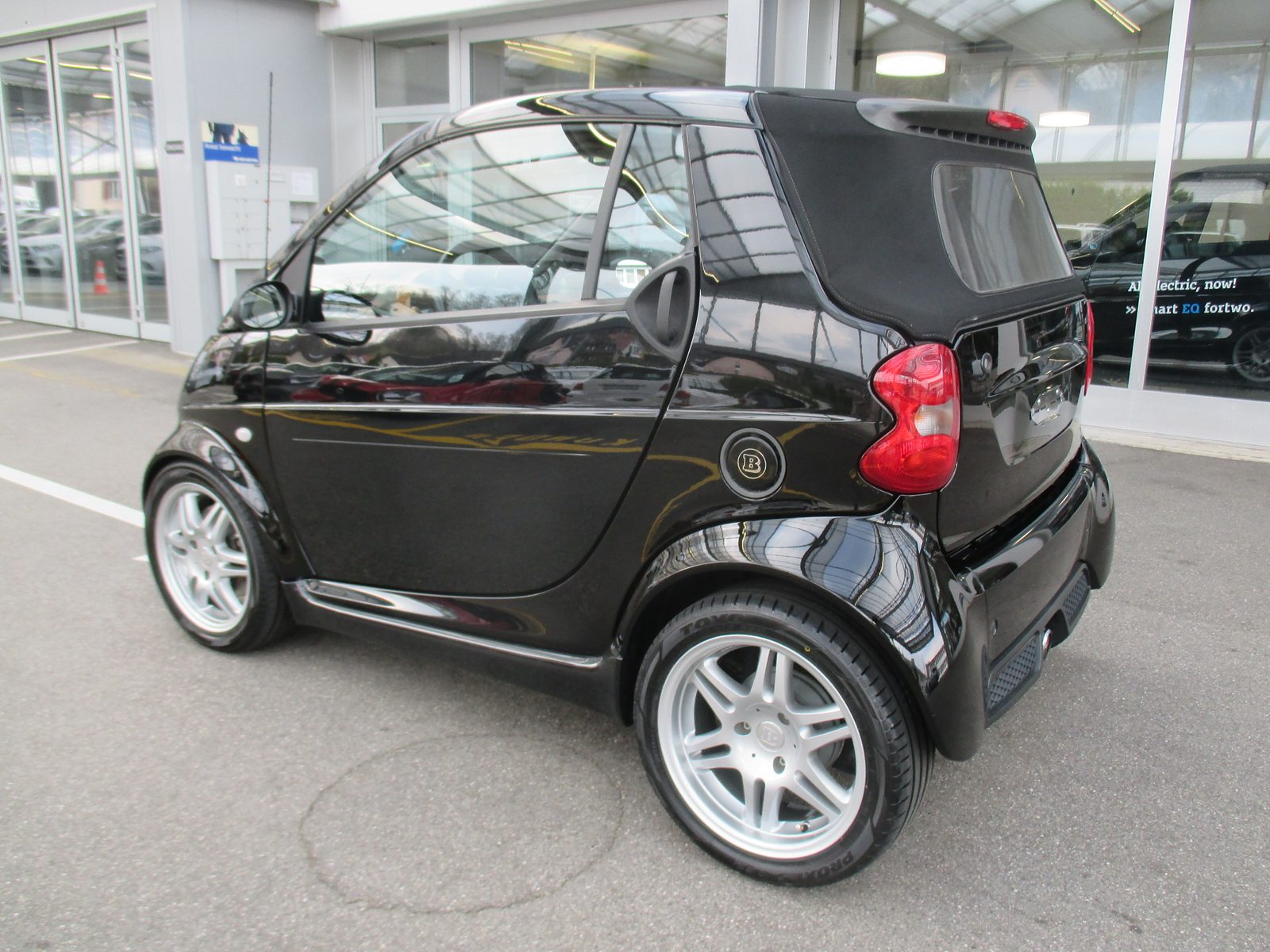
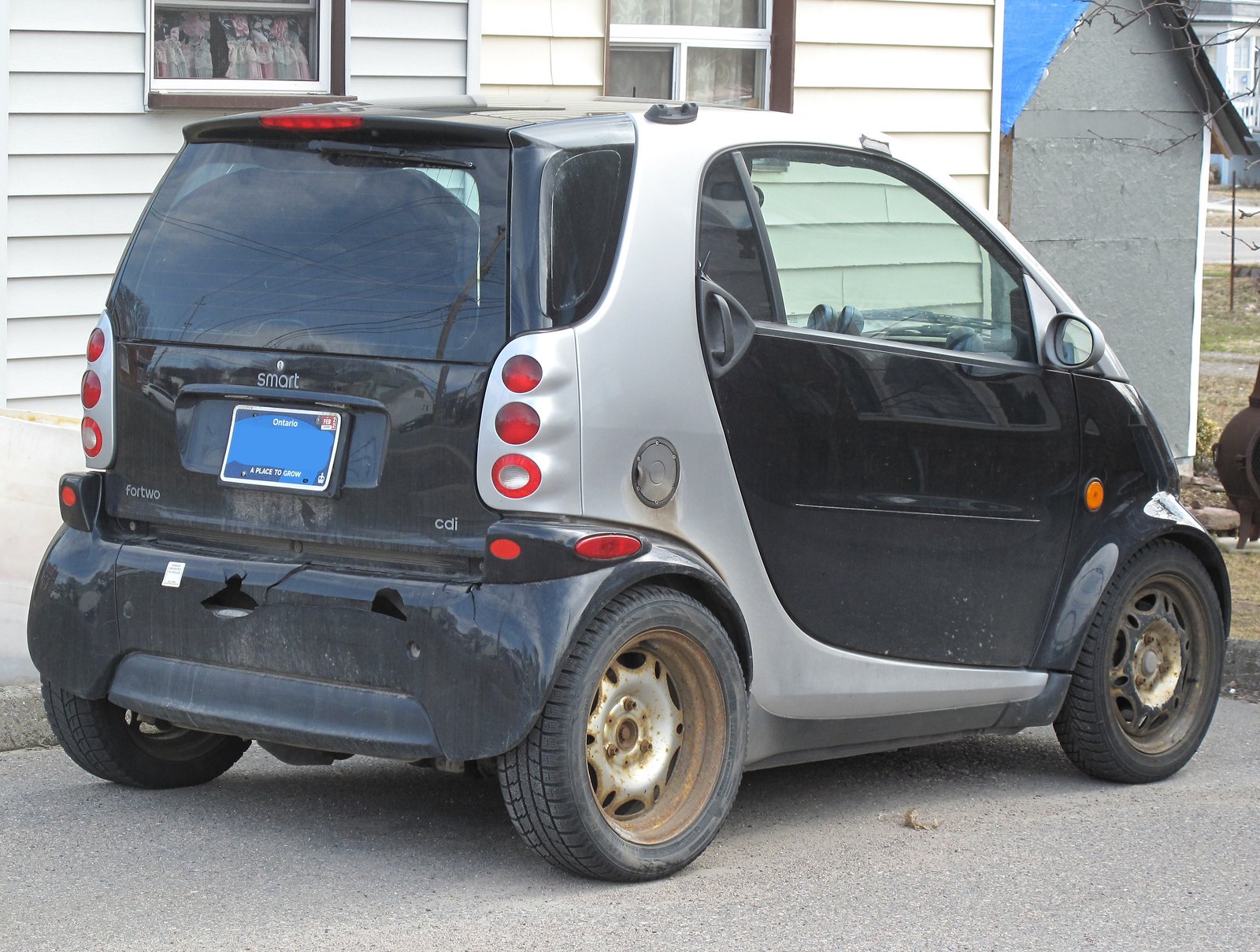
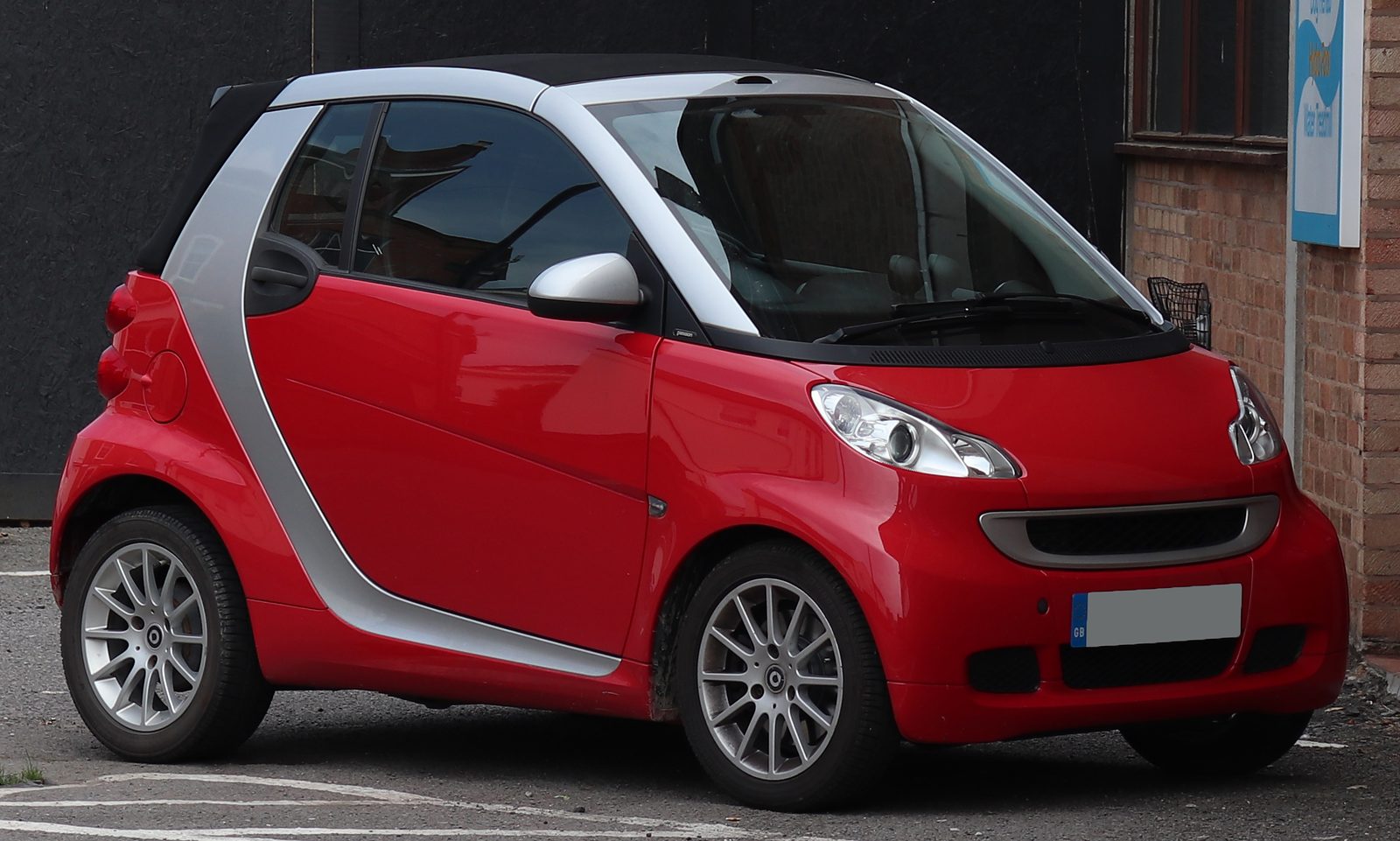
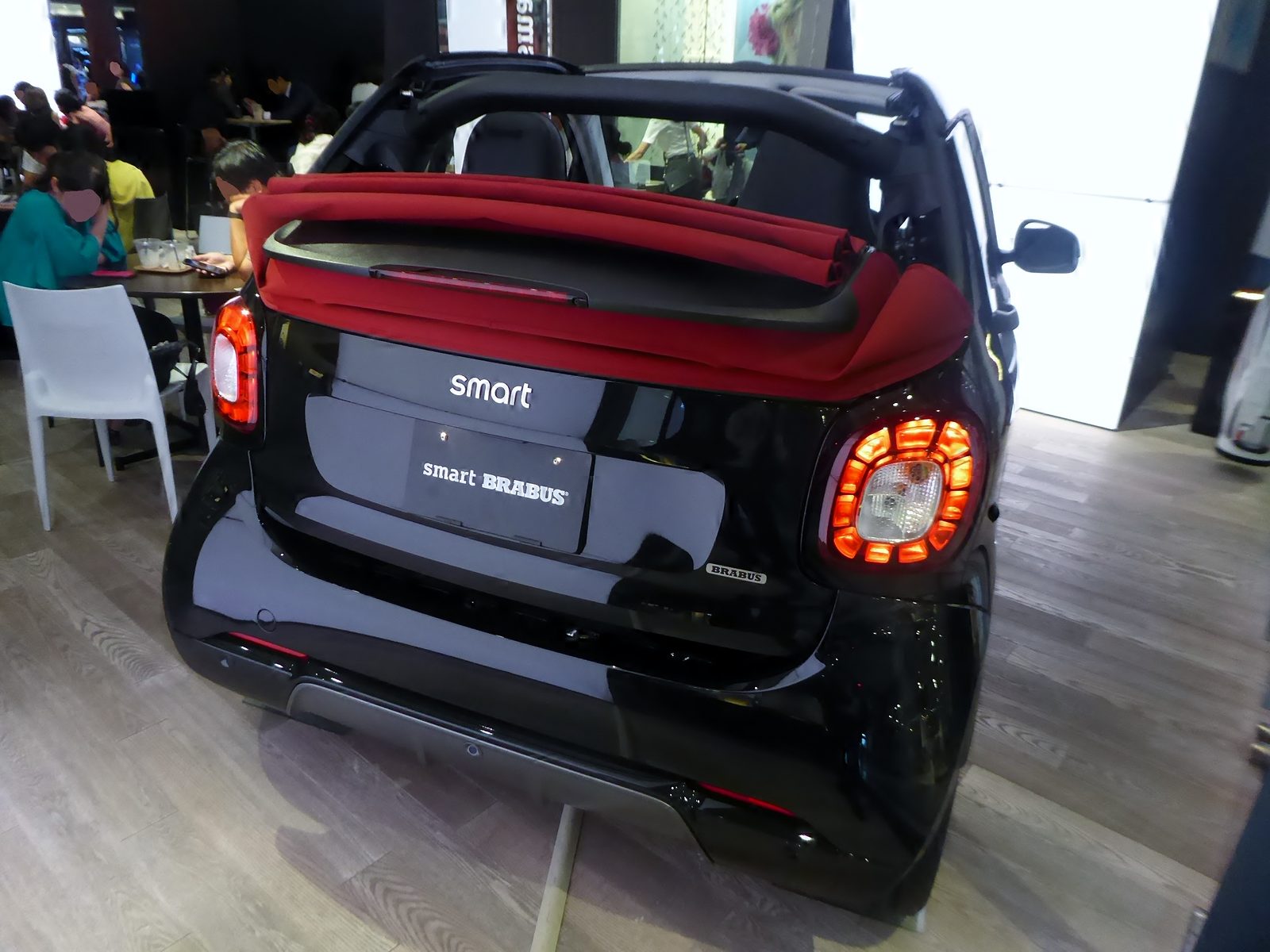
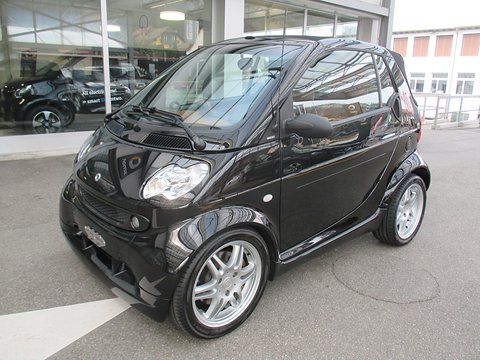
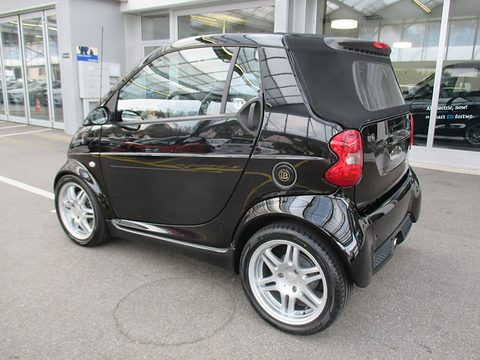
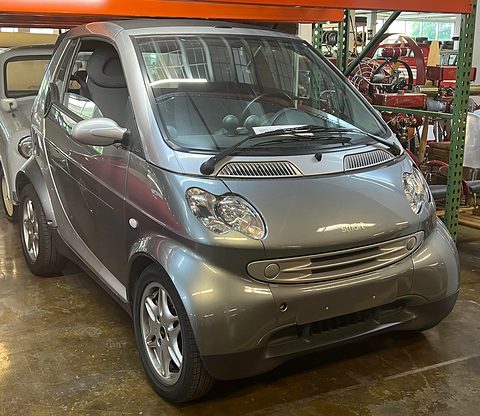
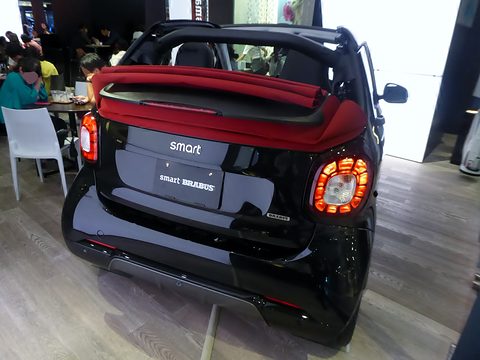
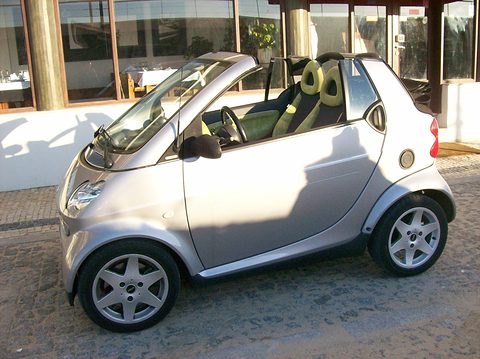
In January 2000 came the cdi, with a 799 cc common-rail diesel of 30 kW (41 PS). It was then the smallest common-rail diesel in series production, and at 88 g/km its CO2 was the lowest of any car with a combustion engine; the cdi cabrio was called the world’s only “3-litre” convertible, at 3 litres per 100 km.source 2source 4source 5 The cabrio itself, with an electric fabric roof and roof bars that stowed in the tailgate, arrived in March 2000.source 4 In October 2001 Smart narrowed the coupé to 1,470 mm (58 in), with a narrower track and slimmer tyres, to make the Smart K for Japan, one of very few foreign cars ever to qualify as a kei car; it was sold until November 2004.source 2 In 2002 the Crossblade did away with the roof, the windscreen and the doors, and had drains so it could go through a car wash; it cost €24,360, and 1,995 were built by German Wikipedia’s count, against an announced limit of 2,000.source 2source 4 Robbie Williams showed car No. 0001 on his 2002 tour, and it was sold on eBay for €51,049.99 for his charity.source 4 The same year a first-generation car entered the permanent collection of New York’s Museum of Modern Art.source 2
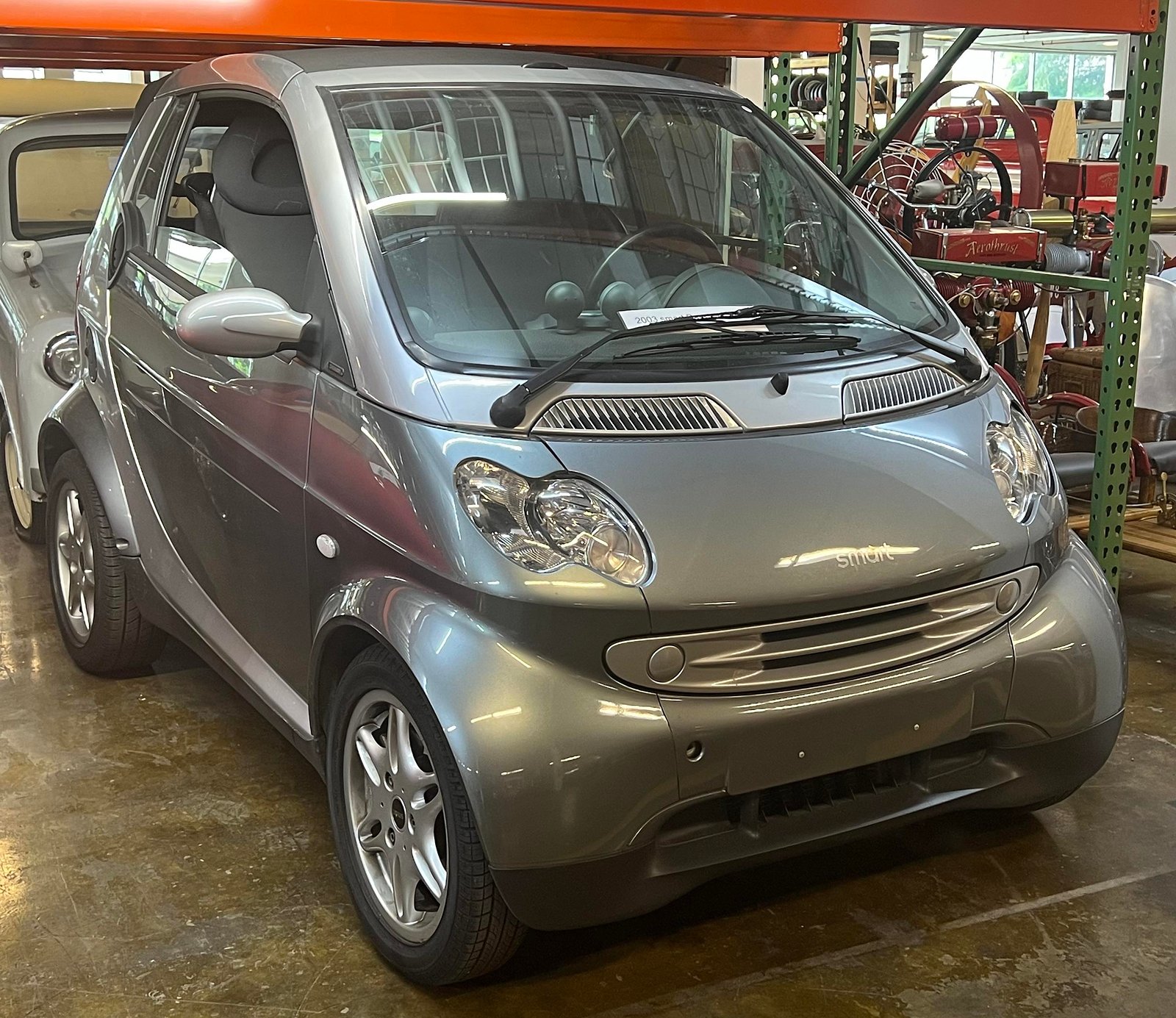
The engine grew to 698 cc in 2002 or January 2003, the sources differ, with full ESP and the body raised by 10 mm, and the 500,000th Fortwo was built at Hambach in 2003.source 2source 4source 8 Early in 2004, when the four-seat Forfour arrived, the City-Coupé was renamed the fortwo.source 2source 1 It could be parked nose-in to the kerb, two to a parallel space, and some German car parks marked out 3-metre bays for it; whether that was legal was disputed in Germany, and it was forbidden in Austria, New Zealand and California.source 2source 4
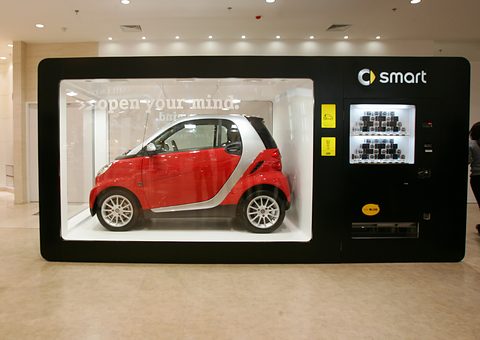
The money did not follow. In 2005–06 Smart was cut back: most of the 106 German Smart Centers, with their glass towers, closed; the Smart Roadster and the Forfour were dropped and the Formore SUV cancelled, and Mercedes paid about €1 billion in compensation to Mitsubishi and suppliers for ending the Forfour.source 1 Der Spiegel called Smart the biggest flop in Daimler’s recent history, with several hundred million euros lost.source 1 The glass towers had been Hayek’s idea: he pictured storage towers where cars could be bought on the spot.source 4
The 451
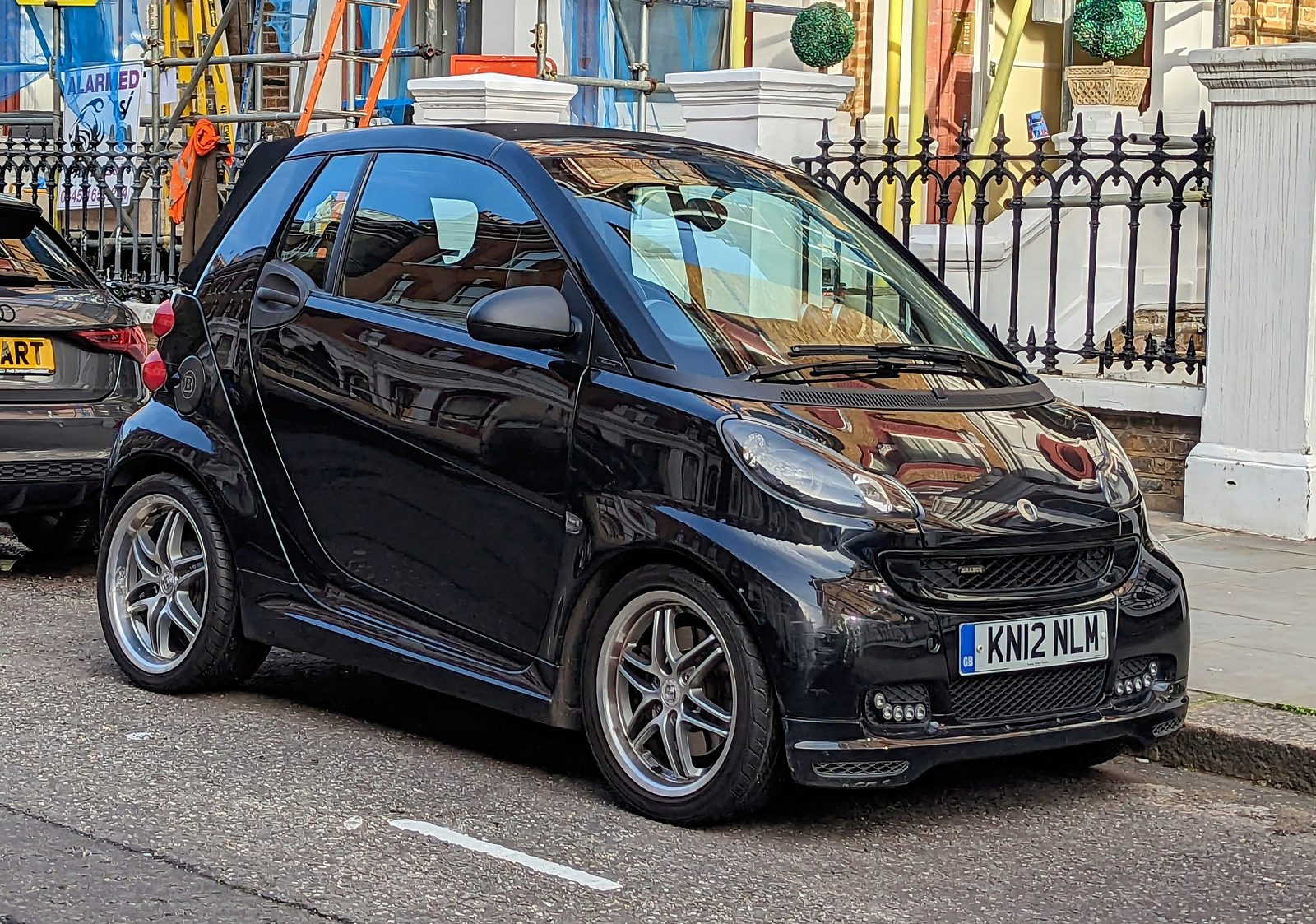
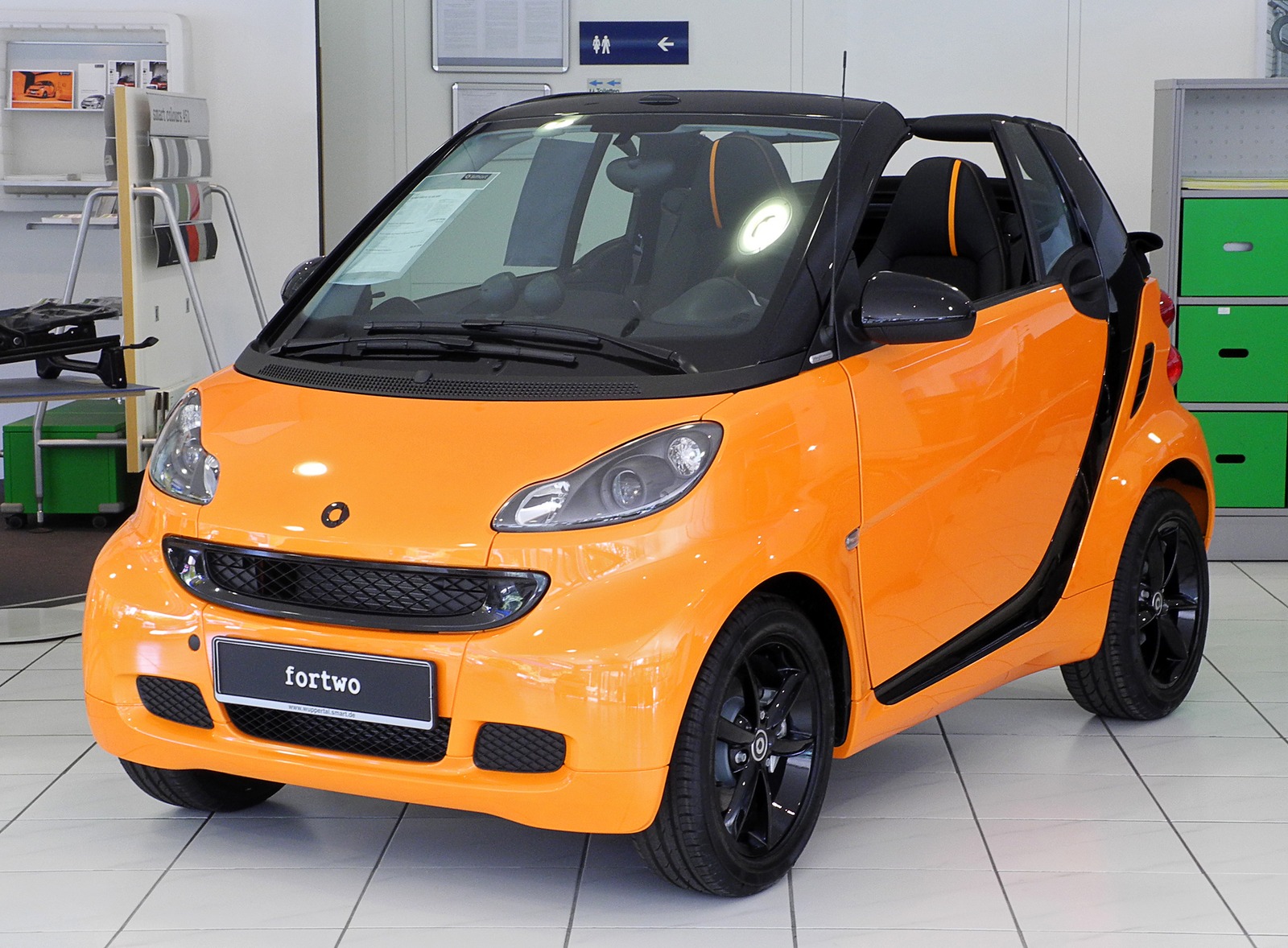
The second Fortwo, the 451, was presented in November 2006 and built from spring 2007, with about 90 per cent of its parts new.source 2source 4source 1 It was 2,690 mm (106 in) long, about 190–200 mm more than the first, mainly in bigger crash boxes front and rear to meet North American crash rules, which made nose-in parking impractical.source 2source 4source 1 It had a 999 cc Mitsubishi three-cylinder, with or without a turbo, and a five-speed automated gearbox; the “mhd”, or micro hybrid drive, of October 2007 was only a start-stop system, and its name was criticised as misleading.source 2source 4source 1 Smart USA, a Penske company, took $99 reservations from March 2007 and delivered from early 2008, and in the first eight months of that year more than 16,000 were sold in the United States, Smart’s third market after Italy and Germany.source 2source 1source 5 A Pure cost $11,990 there in 2009.source 2
Ken Gratton tested a pulse for carsales.com.au in May 2008. The gearbox was still inclined to ride the clutch and slur its changes, he wrote, and the very firm springs and dampers made it feel a little like a go-kart; it was harmless fun and practical, but it cost too much.source 9
And like a kart, the ride is abominable.
In American tests the IIHS rated it “Good” for front and side crashes, but NHTSA flagged a concern when the driver’s door came unlatched in its side test.source 2 On 3 September 2008 the millionth Fortwo, a silver 52 kW passion mhd, left the line at Hambach and was given to a non-profit organisation; the plant built 140,000 that year, with about 800 Smart staff and as many from the suppliers.source 5source 6
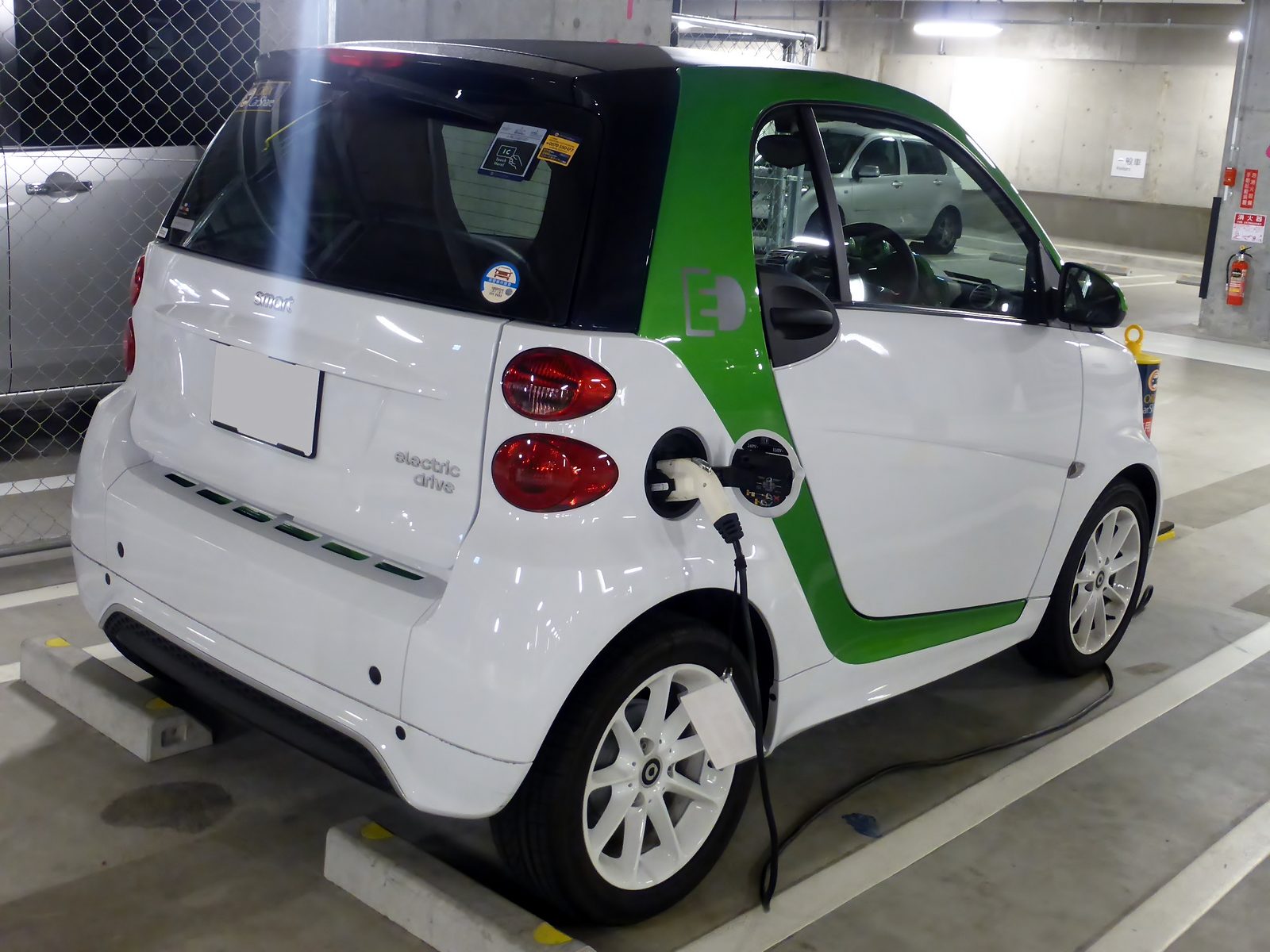
Avec la smart fortwo electric drive, la conduite sans émission devient réalité dans l’environnement urbain.
Electric
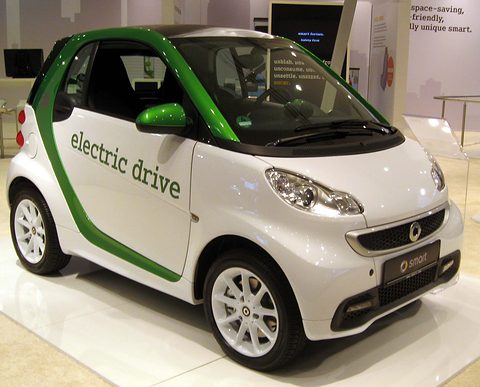
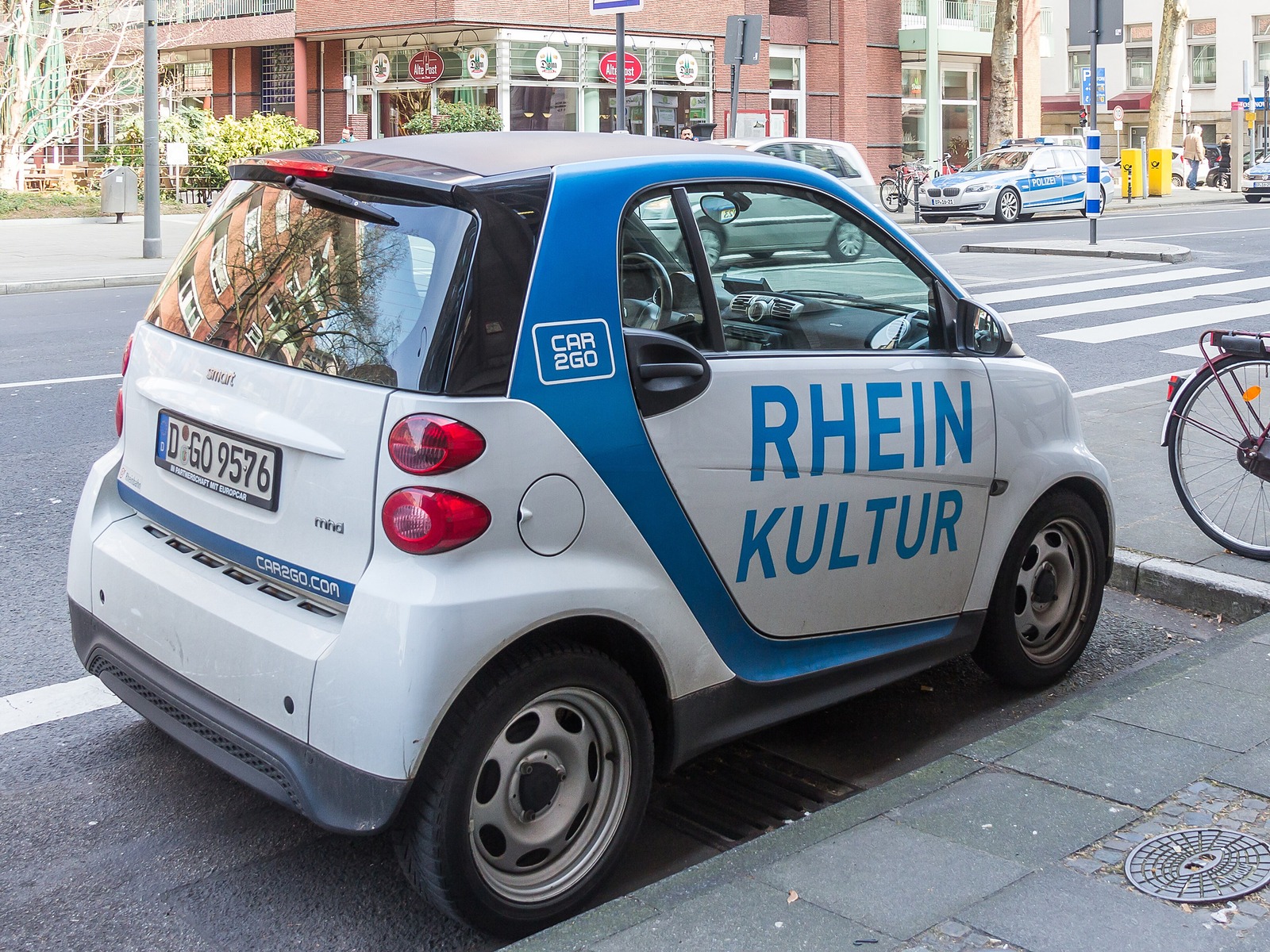
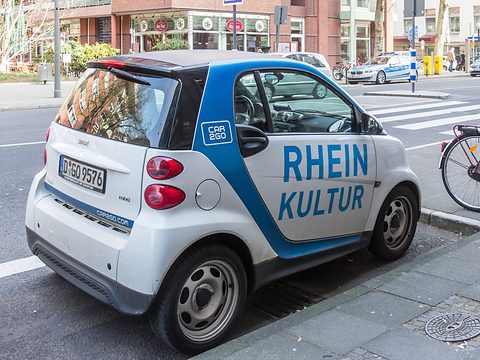
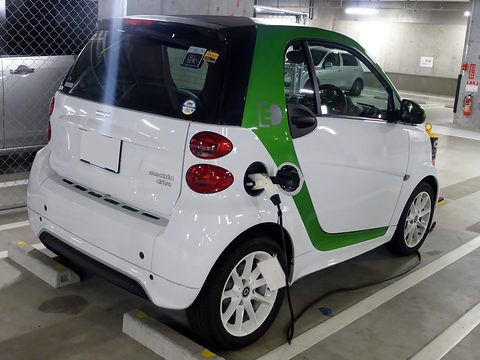
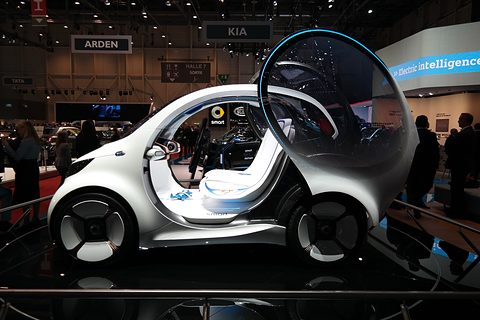
The Smart was one of the first electric cars from a major maker, an early chapter in the story of the electric microcars. In 2007 a hundred first-generation Fortwos with Zebra sodium–nickel chloride batteries went into a trial fleet in London.source 5source 6 In November 2009 Hambach began the second electric version, with a lithium-ion battery from Tesla, for leasing and for the car2go car-sharing scheme, not for sale; 1,000 were announced, and later accounts give about 2,000 or 2,100.source 6source 2source 4 car2go, built on the Fortwo, became for a time the world’s largest car-sharing service.source 2 The third version went on general sale in mid-2012, most buyers renting the battery for €65 a month, and it was dropped in August 2015, although it was then Germany’s second-best-selling electric car.source 4 A thousand used batteries from the second version were later combined into a 13 MWh storage plant at Lünen.source 4
The 453 and the end
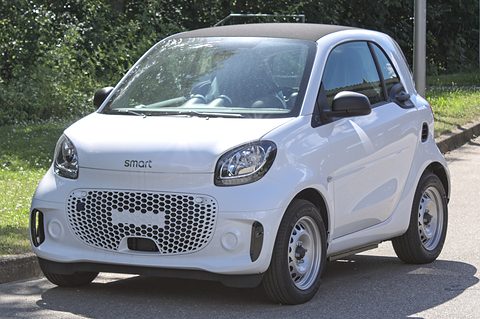
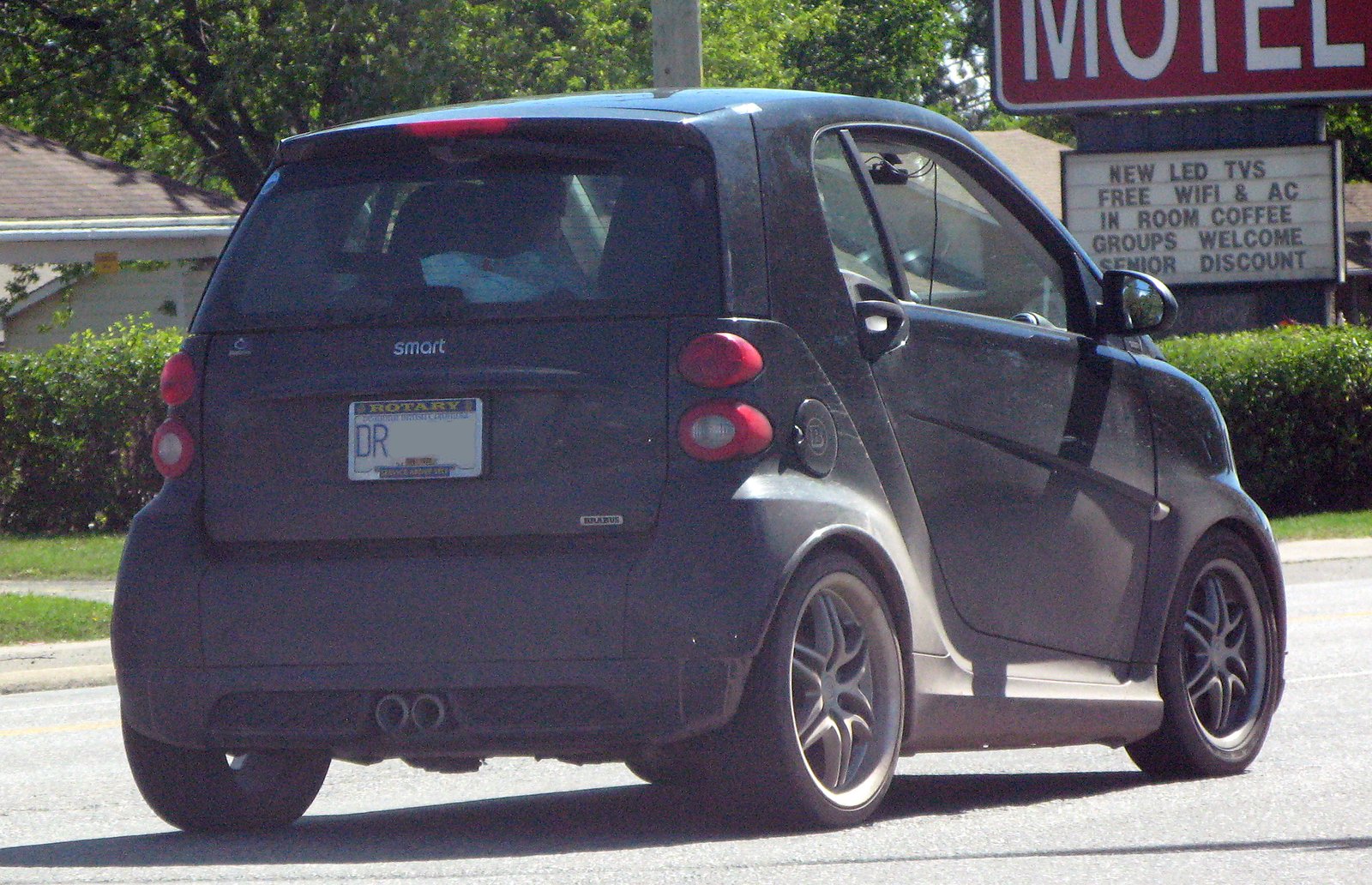
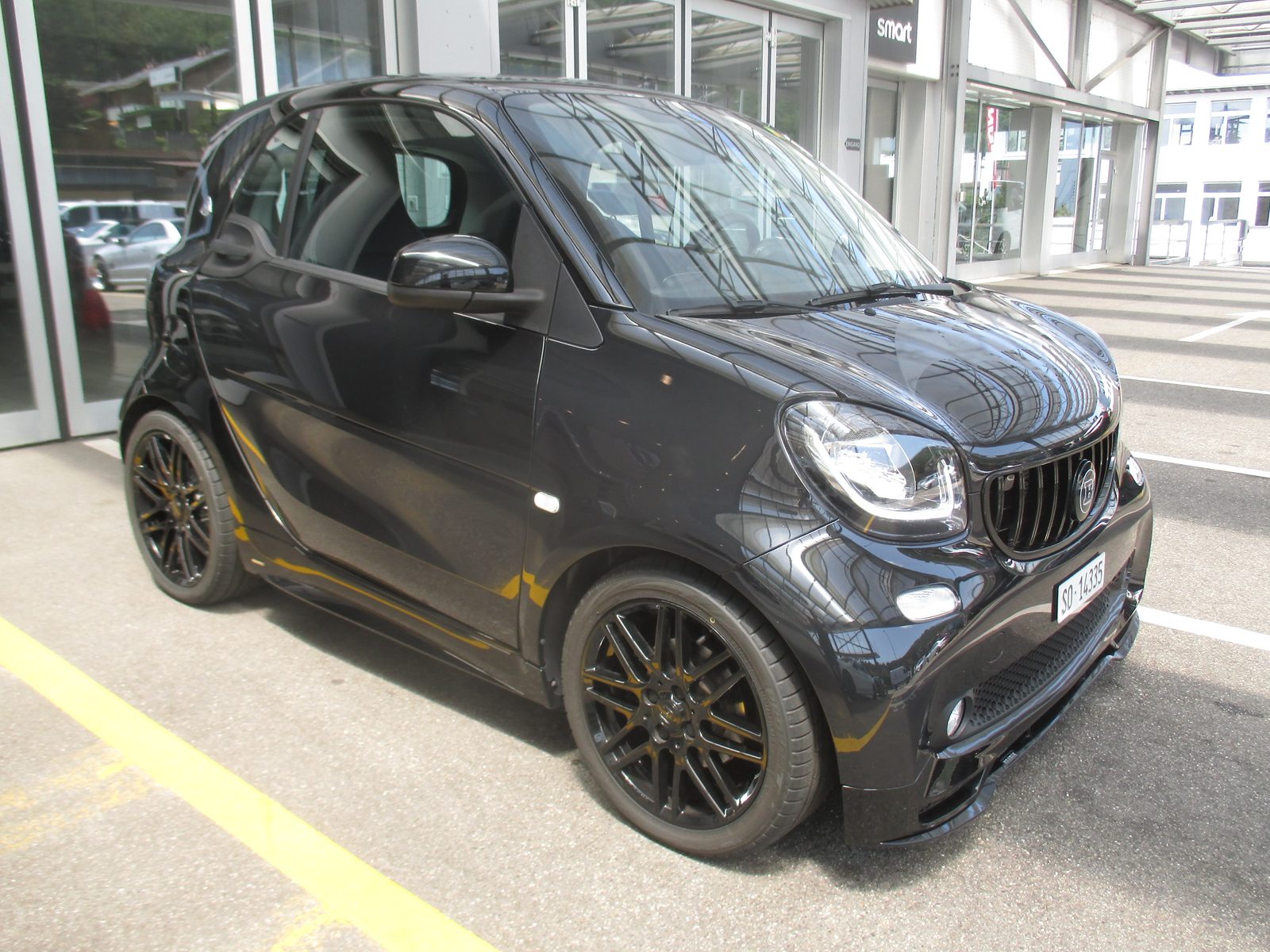
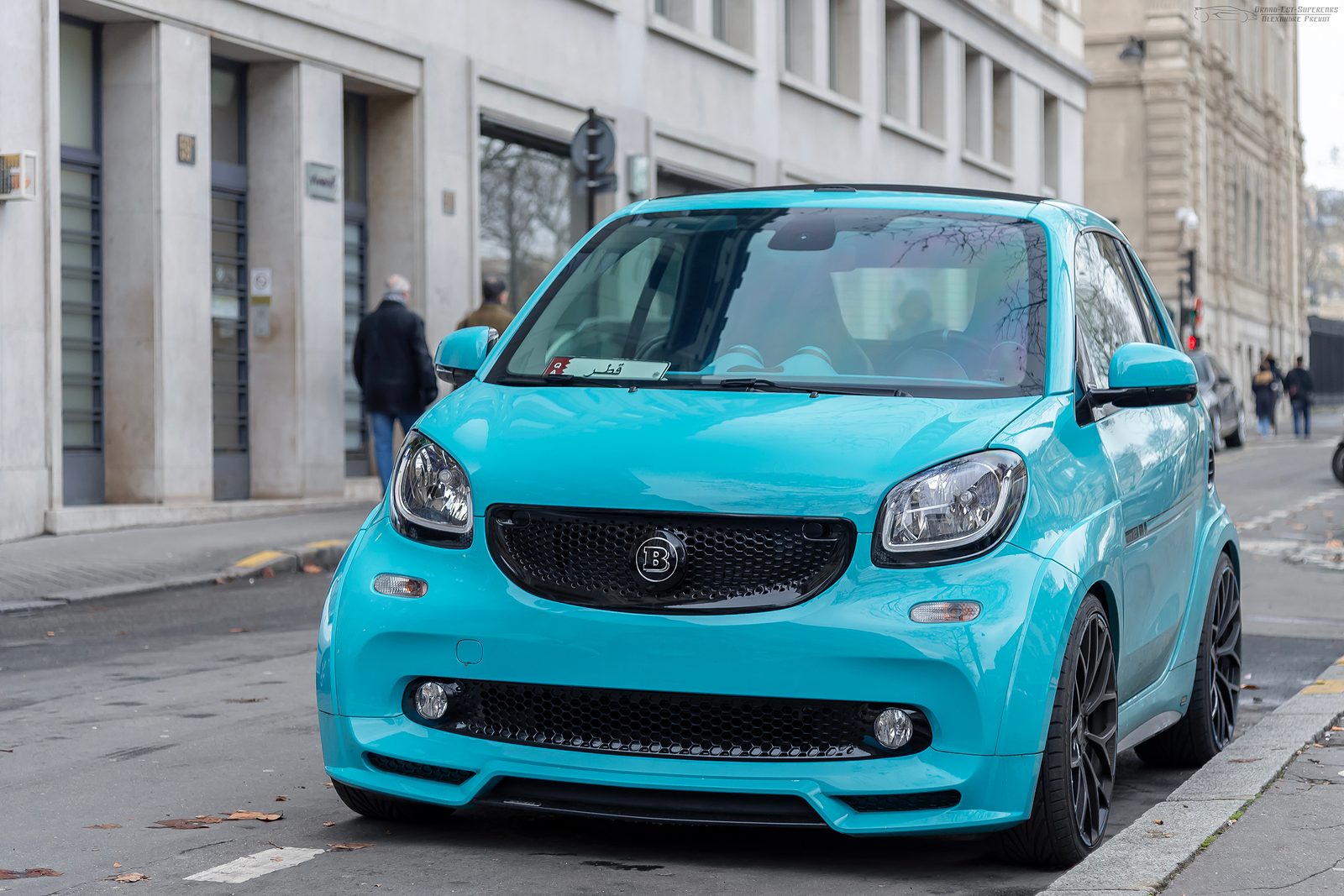
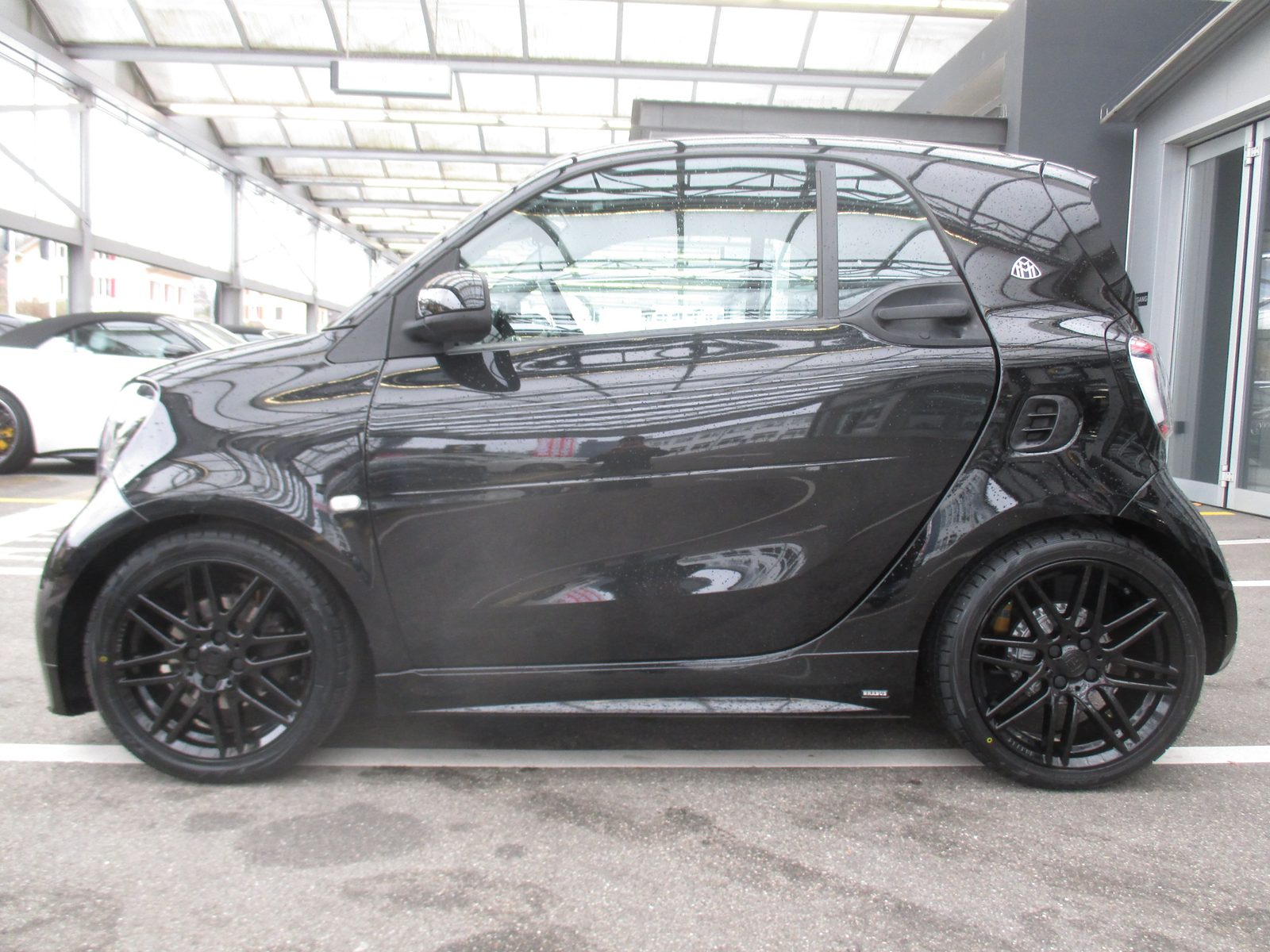
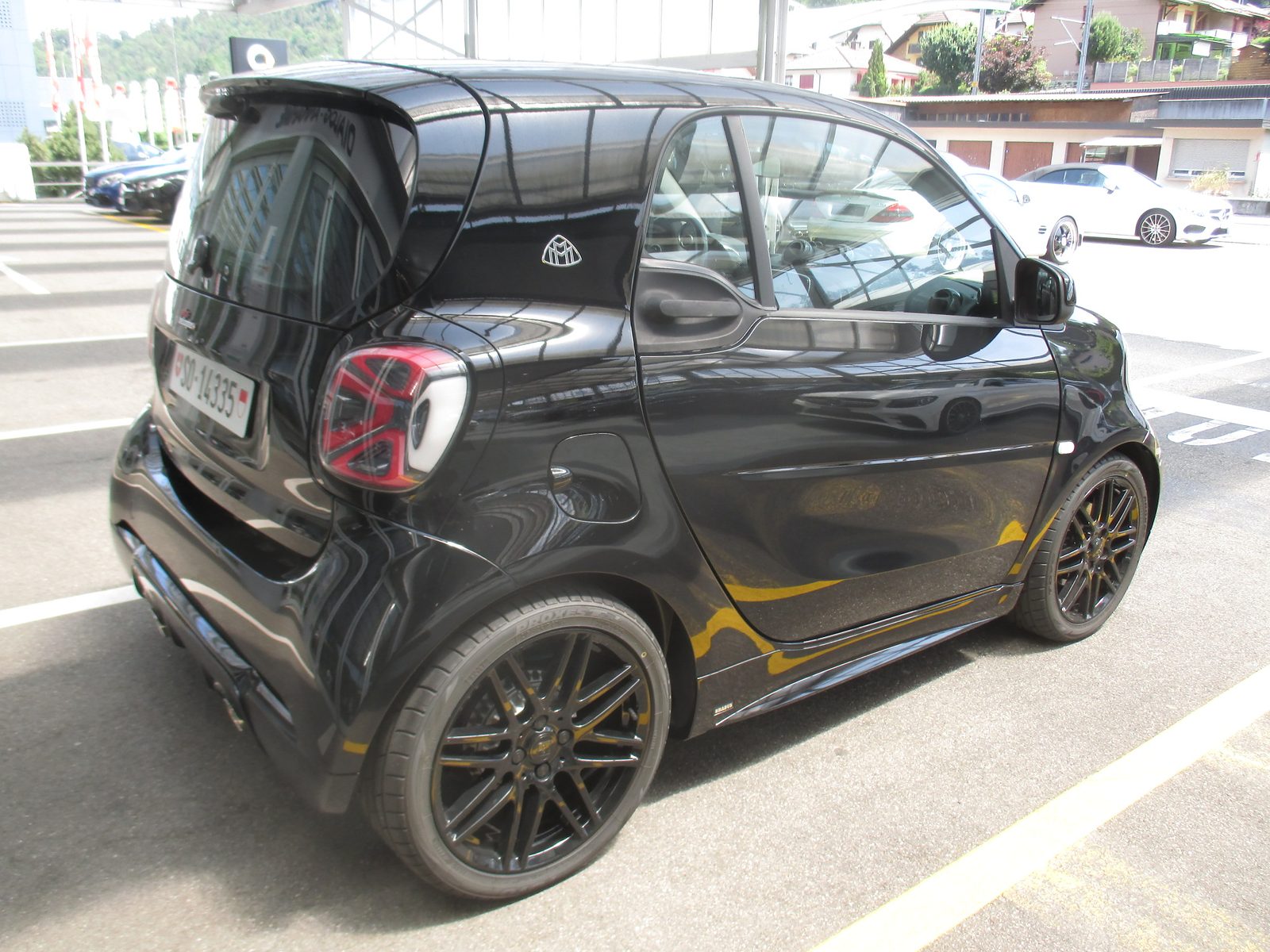
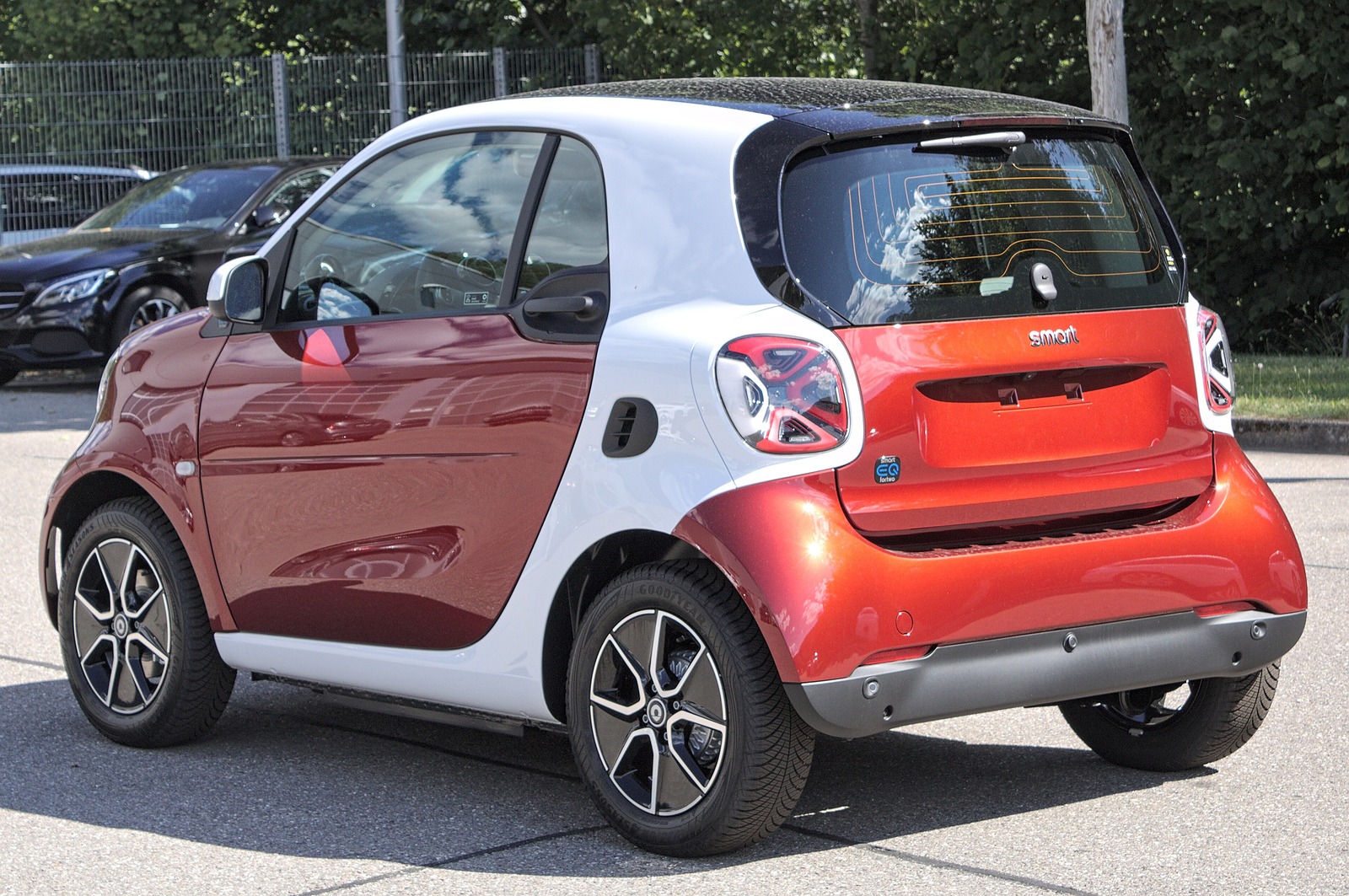
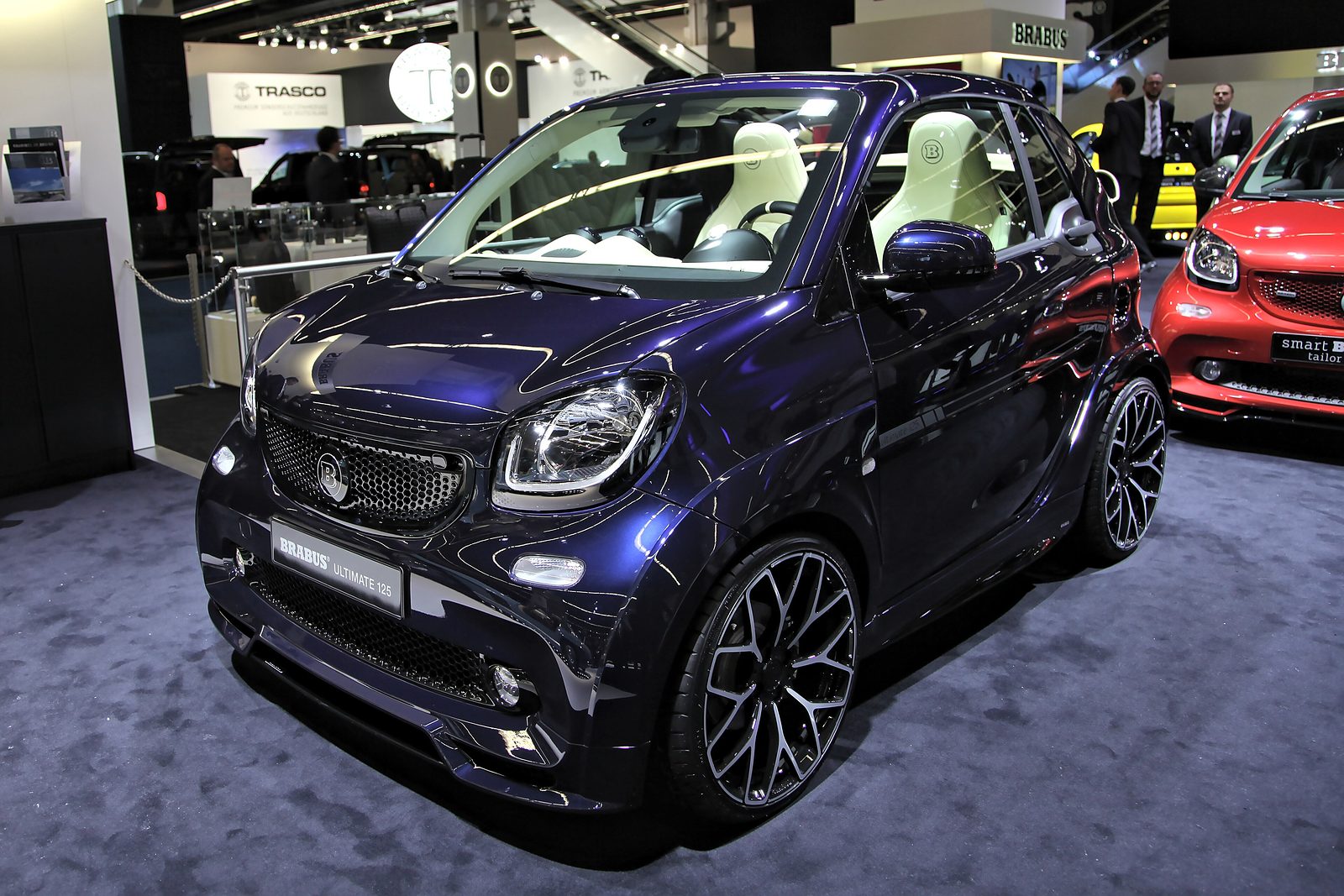
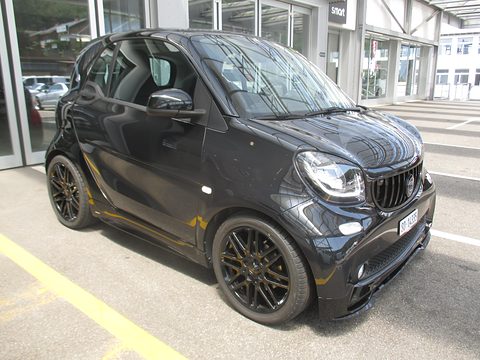
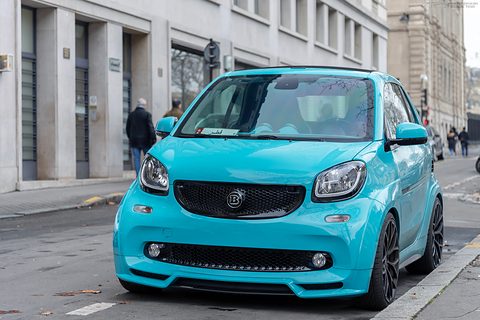
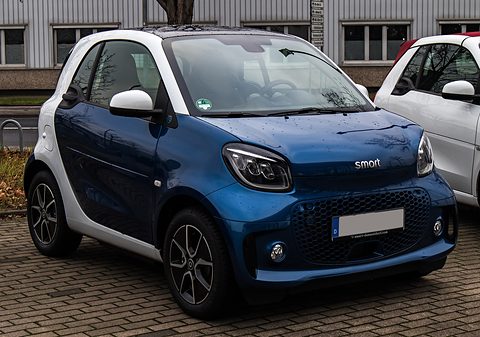
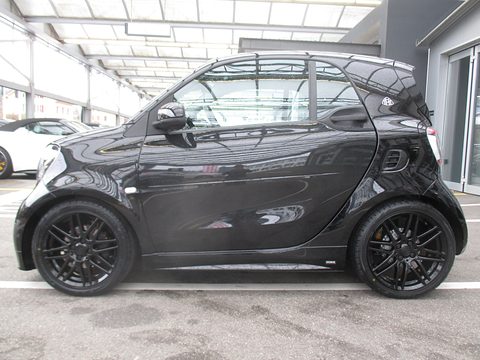
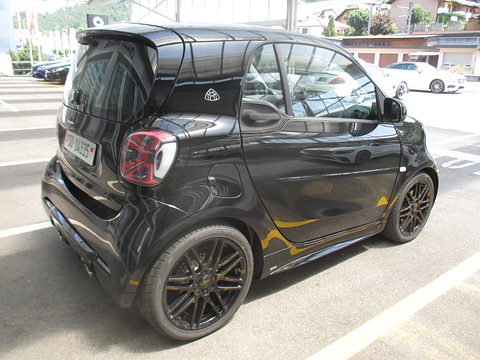
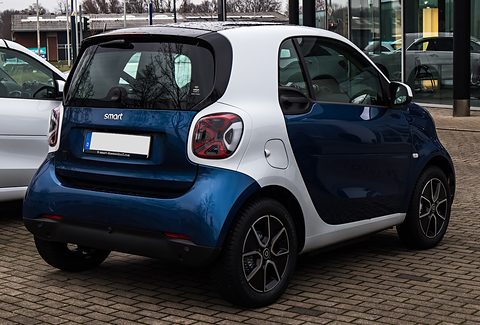
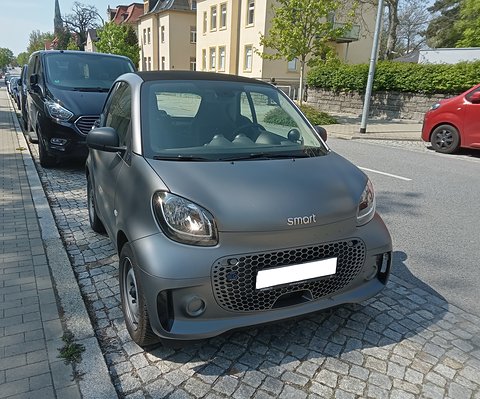
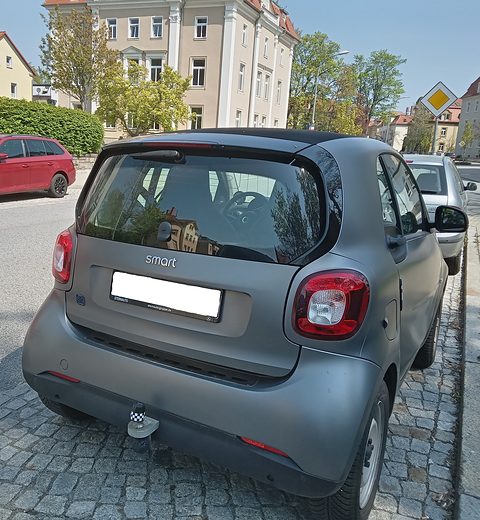
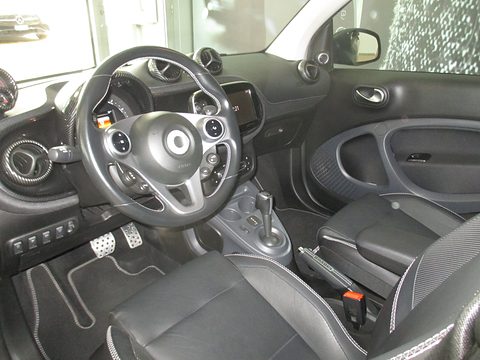
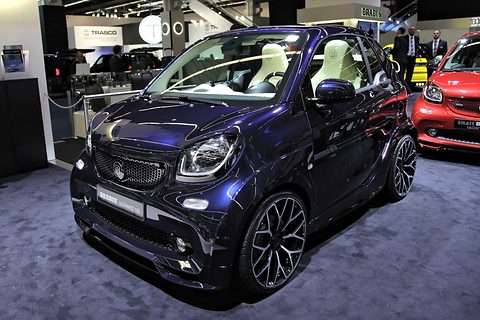
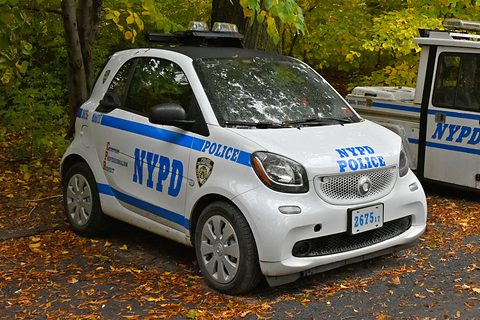
The third Fortwo, the 453, was designed under Kai Sieber with Michael Gebhardt and developed with Renault, whose Twingo shares its platform and engines. It was unveiled at the Tempodrom in Berlin on 16 July 2014 and went on sale in Germany on 22 November at an unchanged base price of €10,895; the Fortwo stayed at Hambach, while the Forfour was built at Novo Mesto in Slovenia.source 2source 4source 1 It was the same length but wider, 1,660 mm (65 in), and for the first time a Fortwo could be had with a conventional manual gearbox.source 2source 4 Brabus versions ran through every generation, up to the 92 kW (125 PS) Ultimate 125 of 2017, limited to 125 cars.source 4
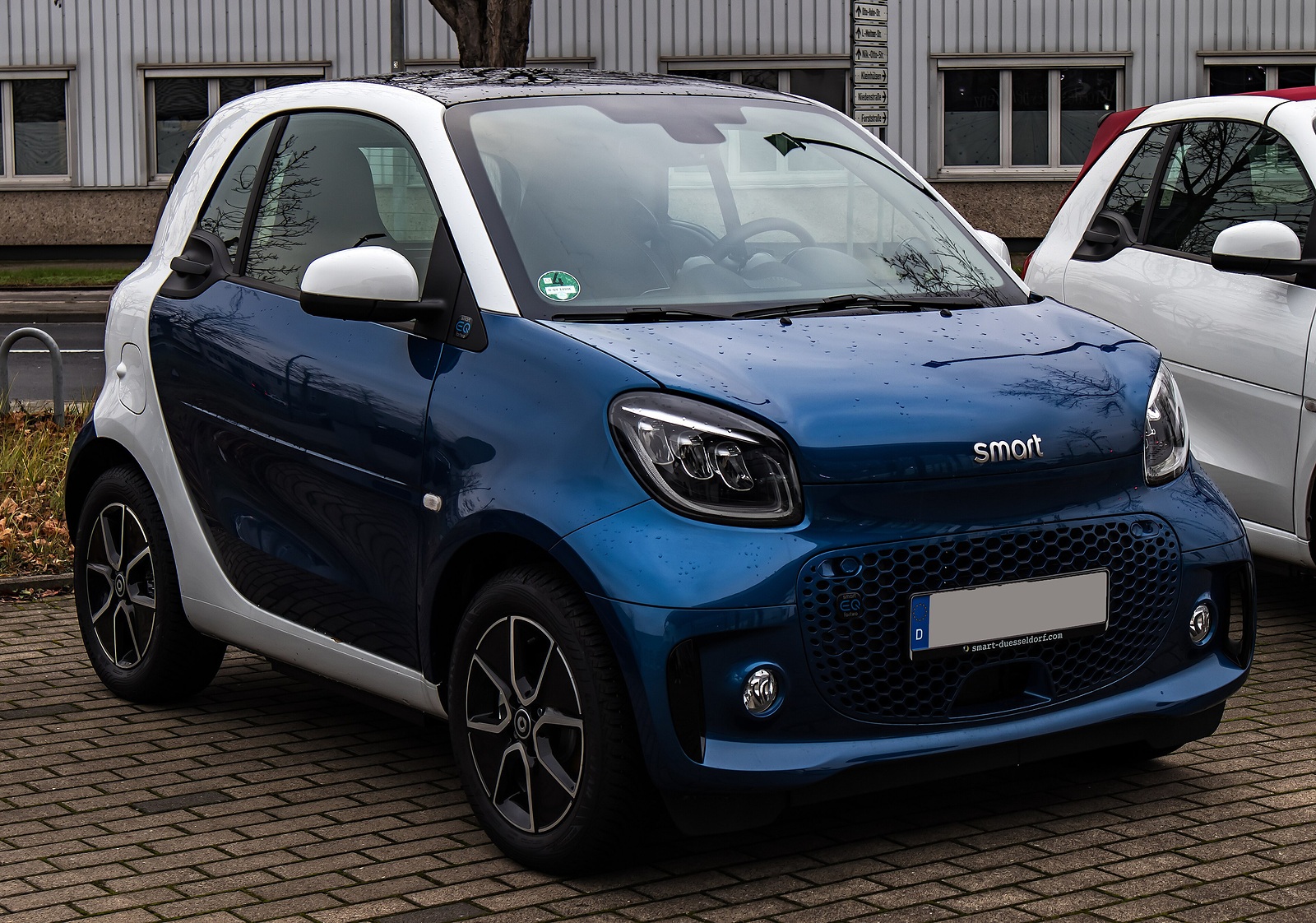
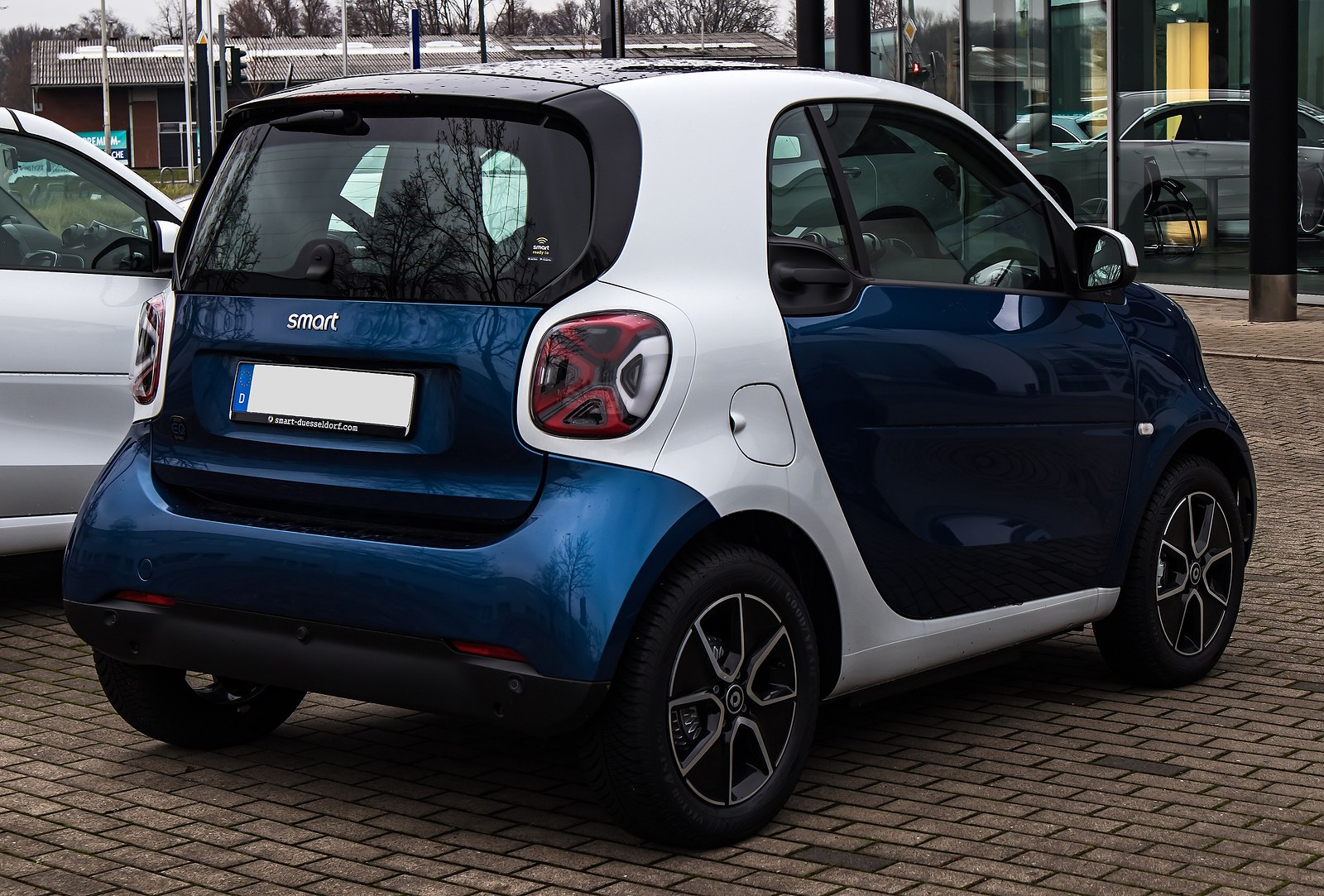
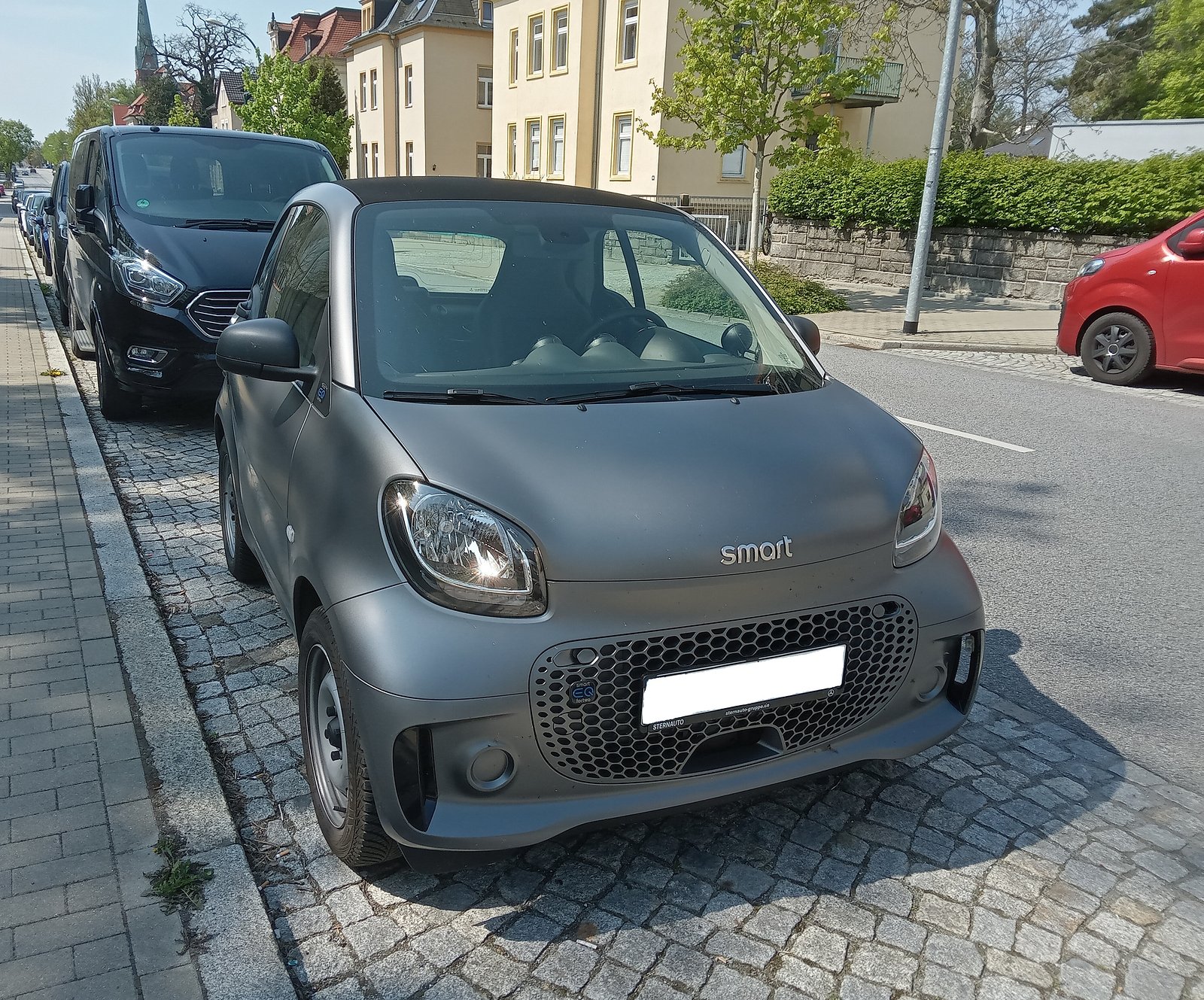
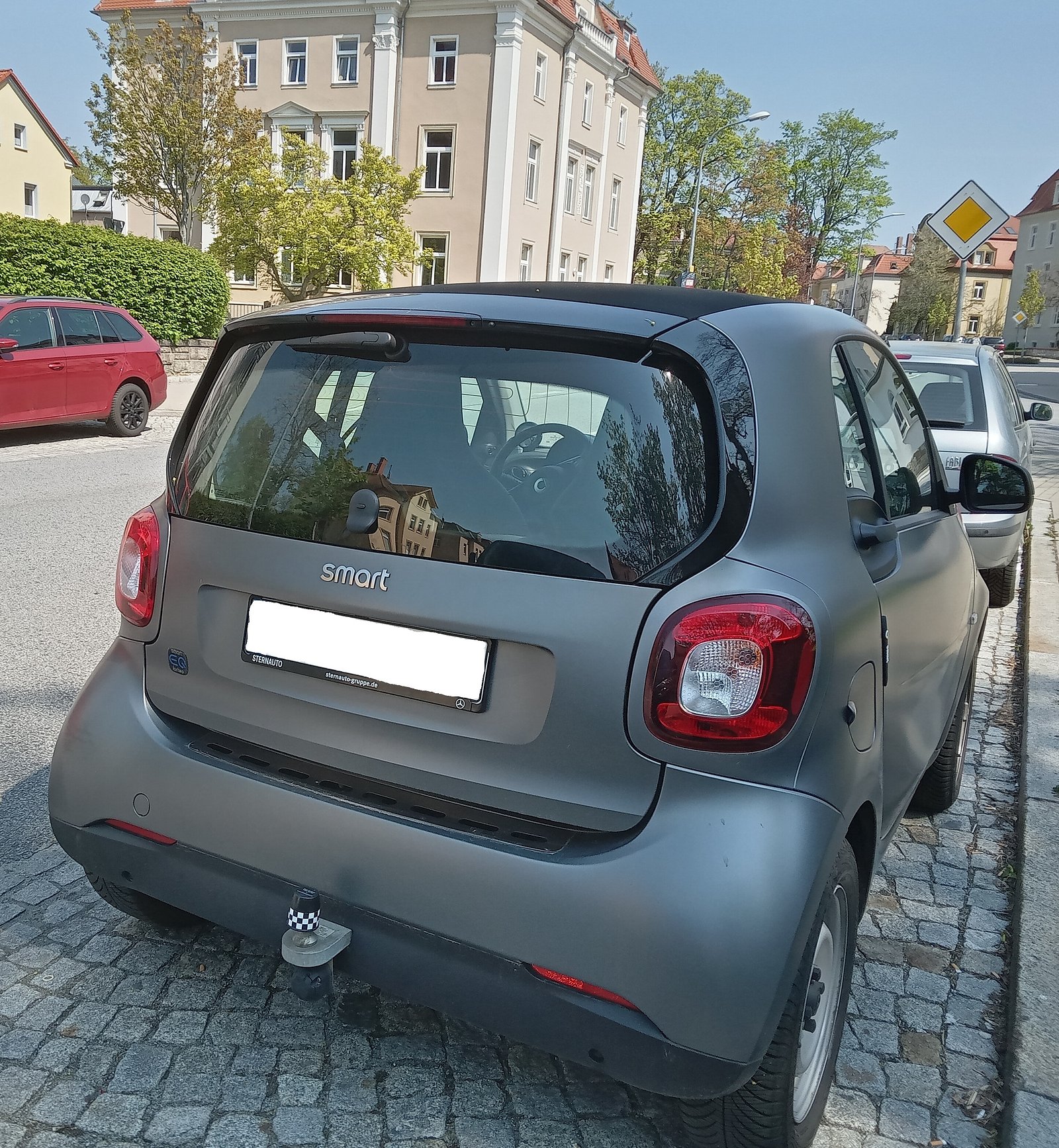
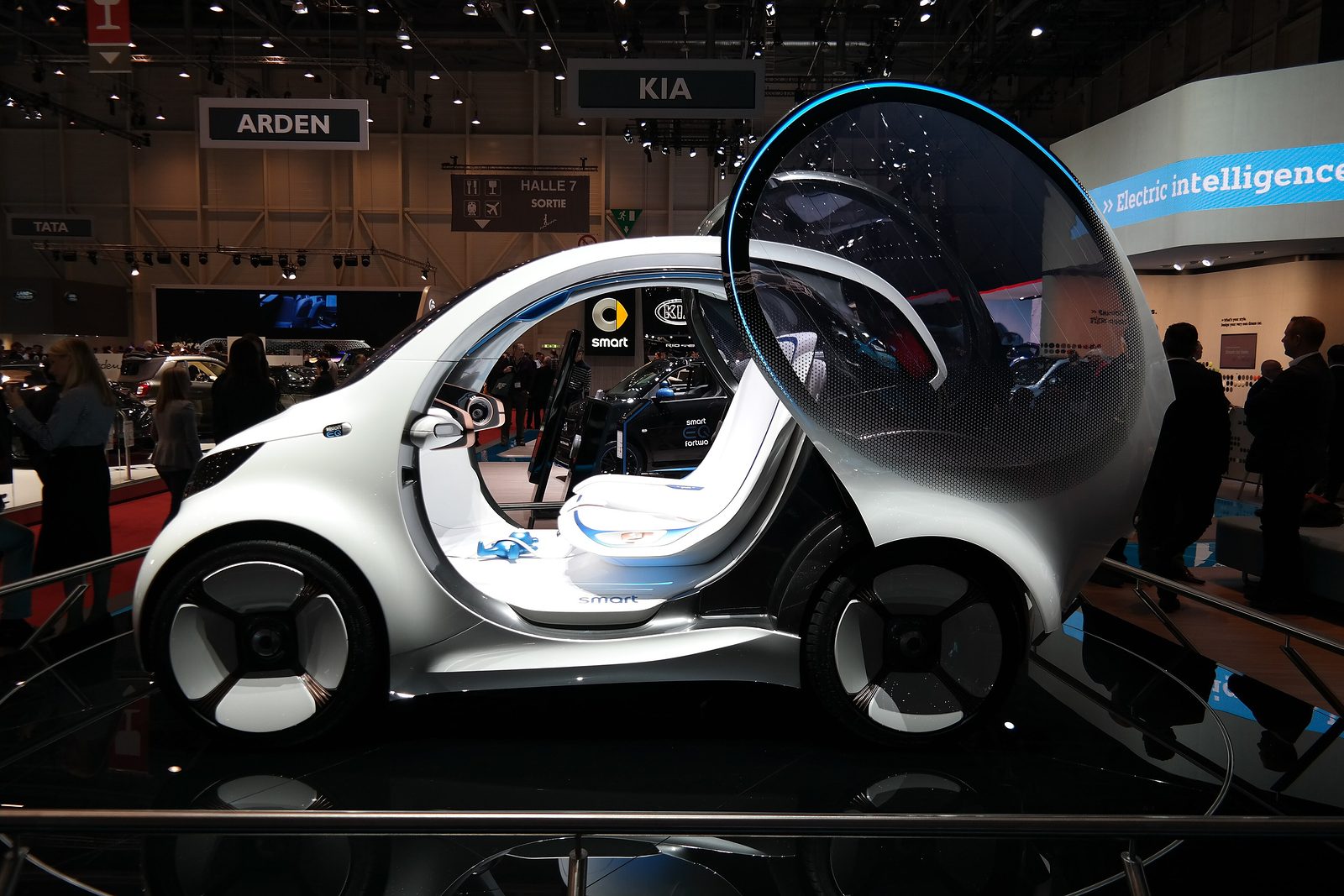
On 1 November 2017, the plant’s 20th birthday, around 2 million Fortwos had been built there.source 7 The electric cars became the smart EQ fortwo in March 2018. Petrol orders closed on 31 March 2019, and the car was electric-only from then on; sales in the United States and Canada ended in April 2019.source 2source 4 In 2019–20 Daimler and Geely set up a 50:50 joint venture for the brand, with future cars to be built in China, and in December 2020 Hambach was sold to Ineos, which agreed to go on building the EQ fortwo.source 1source 3source 8 Fewer than 20,000 were built in the last 12 months.source 3 The last, an EQ fortwo cabrio, was built at the end of March 2024: on the 28th by one account, the 29th by another.source 3source 10source 11 Hambach now builds the Ineos Grenadier, and smart sells larger electric cars made in China; a successor, the smart #2, was shown as a concept in Beijing in April 2026.source 4source 3source 8