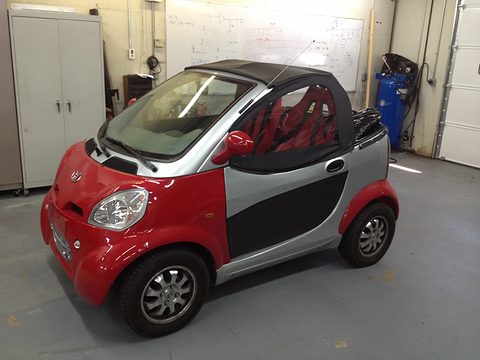
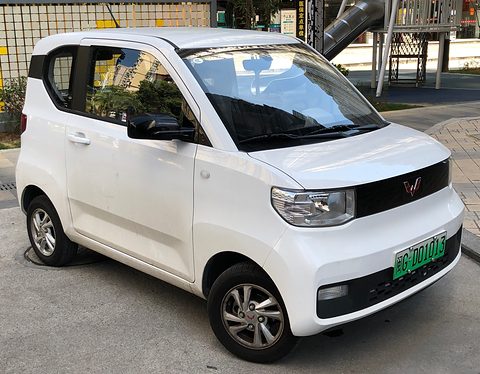
microcarfan
  • Electric microcar
  • China
  • 3 makers

Chinese low-speed electric vehicles

Also known as LSEV, Laotoule (“old folks’ joy”)

In eight months of 2016 the province of Shandong alone bought 330,000 small, slow electric cars, more than all the official new-energy vehicles sold in China in the same months. Their drivers were mostly old, often unlicensed, and their cars had a nickname: laotoule, “old folks’ joy”.

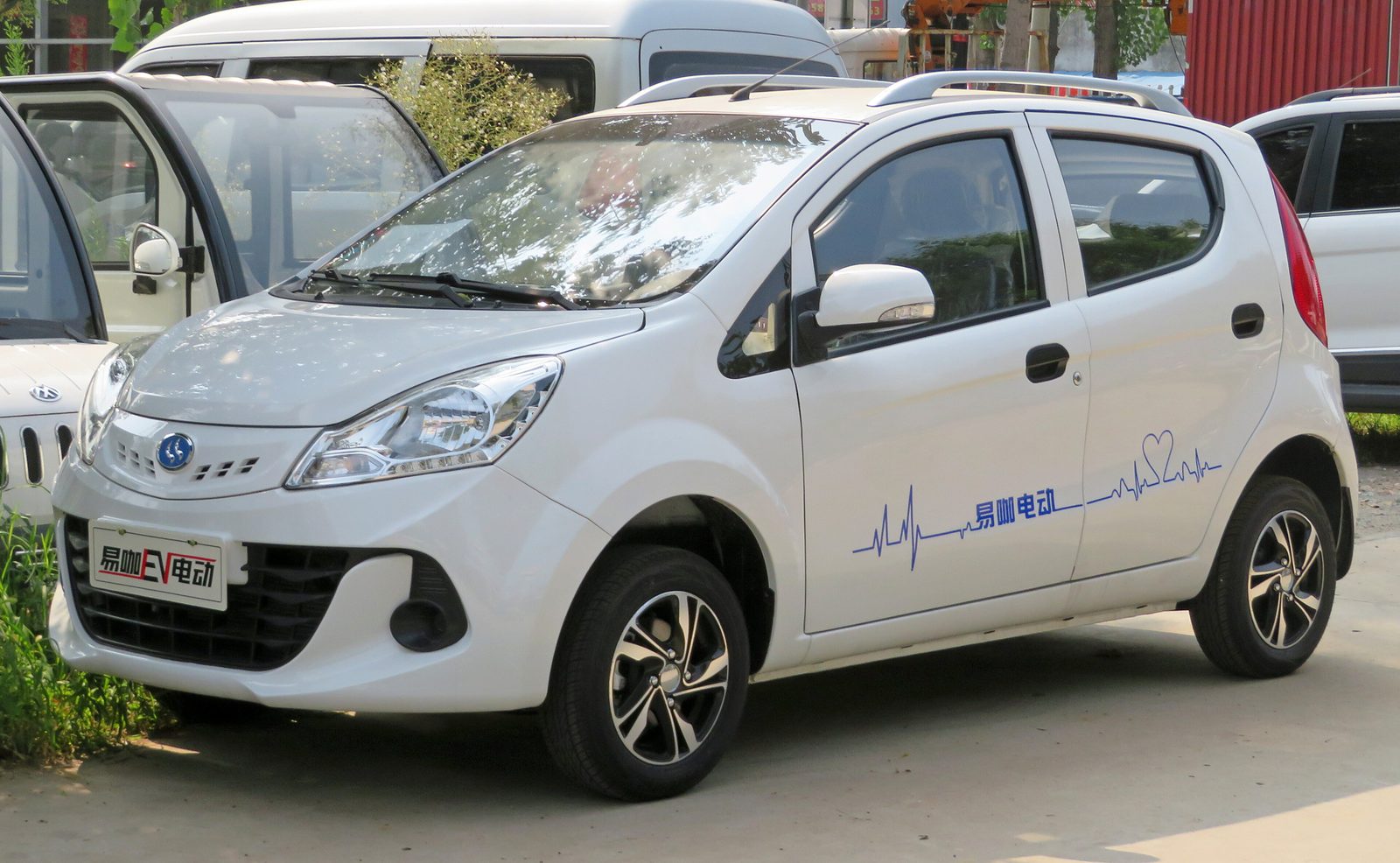
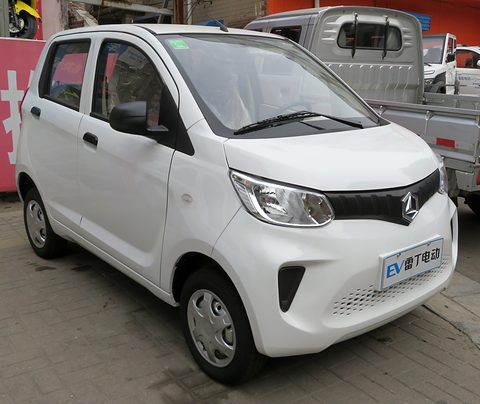
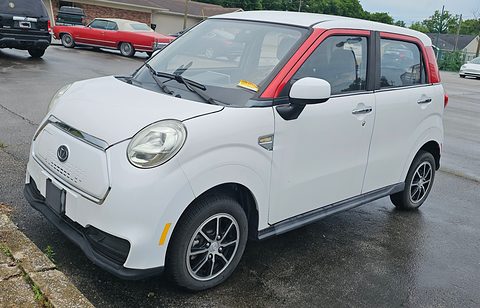
White small four-door hatchback with swept headlamps, a black grille and an EV plate on a pavement.
A white 2018 Levdeo (Leiding) D30 low-speed electric car, front three-quarter, in Luoyang, Henan, China, in August 2018.Photo: Kevauto, CC BY-SA 4.0, via Wikimedia Commons

At a glance

The spec plate

Chinese low-speed electric vehicles

Three makers · China

Built
2000–Grown from converted tricycles in the 1990s; still built
Country
ChinaSmall towns and the countryside, Shandong above all
Engine
Electric, mostly on lead-acid batteriesTianneng Power supplied about 55 per cent of the batteries in 2016
Seats
1 to 5
Wheels
4Three or four wheels, by maker
Price new
a few thousand yuanFor a basic car; the Rayttle E28 cost ¥36,000
Production
330,000Sold in Shandong alone, January to August 2016
Top speed
70km/h70 km/hBy automoto.it, 2026

Not yet recordedpower.

The story

History

They grew in the 1990s out of converted tricycles and tiny utility vehicles, and they were built for the small towns and the countryside, where a few thousand yuan bought a car with up to five seats and a top speed of up to about 70 km/h (43 mph).source 1 Most ran on lead-acid batteries.source 2 Their buyers were mostly older and poorer drivers, many without a driving licence, and the Chinese name that stuck, 老头乐, means “old folks’ joy”; another, 老年代步车, means a mobility car for the elderly.source 3source 2source 1 They are China’s grey-market branch of the electric microcar.

By 2016, by Bloomberg’s count, there were more than 100 makerssource 2, and Shandong was the heartland. Green Car Reports, drawing on Bloomberg, counted 330,000 sold there in the first eight months of 2016, against 245,000 official new-energy vehicles sold in the whole of China, and found that one battery maker, Tianneng Power, supplied about 55 per cent of their batteries.source 2 Vehicles with a top speed under 100 km/h were then outside national regulation, and rules for them were promised.source 2

The notice of 2018

On 2 November 2018 six ministries, led by the Ministry of Industry and Information Technology, issued a joint notice. It described the low-speed electric vehicle as a three- or four-wheeled electric vehicle, for passengers or goods, with a low speed, a short range and basic batteries and motors, and said that most were in substance motor vehicles, built and driven outside the approval system, with braking, steering and crash performance below the standards for motor vehicles. It blamed them for worse congestion and a fast rise in road accidents.source 3

升级一批、规范一批、淘汰一批

The joint notice of the Ministry of Industry and Information Technology and five other ministries, 2 November 2018. In English: “Upgrade some, regulate some, eliminate some.”source 3

The notice set out three stages: a census of the makers in November 2018, rectification in December and January, and then cuts in capacity. No new plants, capacity or models were to be allowed, local subsidies were to stop, and the cars already on the road were to be phased out by trade-in, buy-back or scrappage, while a national standard for four-wheeled low-speed vehicles was prepared.source 3 Whether the standard was ever published has not been found.

The cars did not go away. An Italian report of January 2026, drawing on Sixth Tone and China Daily, says that their sales more than doubled in recent years, that hundreds of deaths were reported in accidents in 2022–⁠23, and that Beijing has banned them and considered classing them as motor vehicles. They still have no airbags and weak frames, many are not registered, and some copy the looks of a Porsche, a Maserati or a Mini.source 1 Two makers, Kandi and Levdeo, grew into regular carmakers; they and Rayttle are described below.source 4source 5source 6
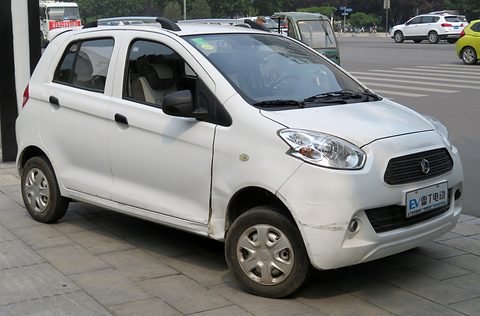
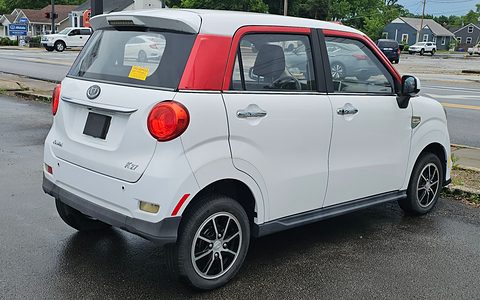
White small four-door hatchback with large headlamps and a chrome-trimmed grille parked on paving.
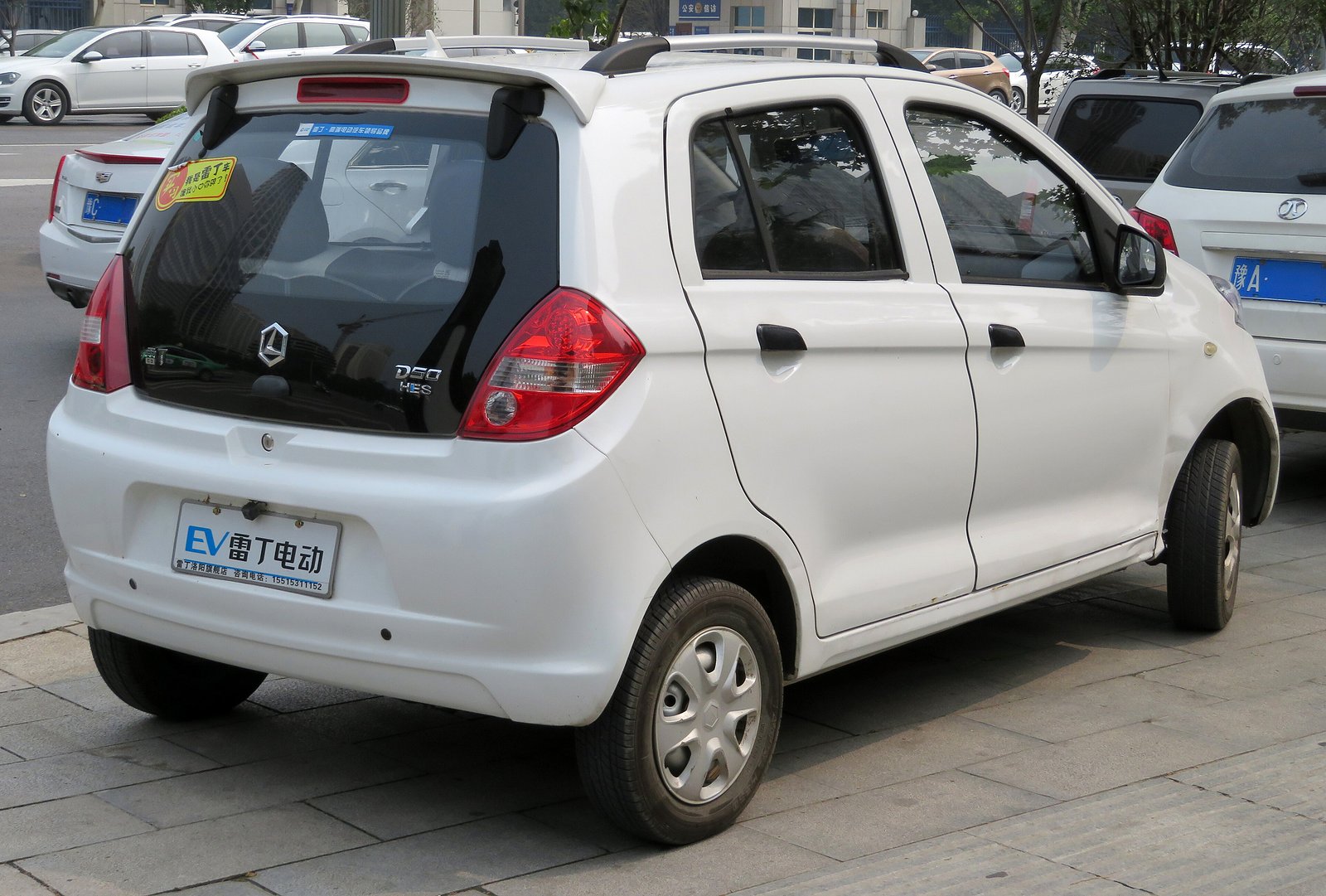
A white 2016 Levdeo D50 low-speed electric car on a pavement in Luoyang, Henan, in August 2018.Photo: Kevauto, CC BY-SA 4.0, via Wikimedia Commons

Kandi

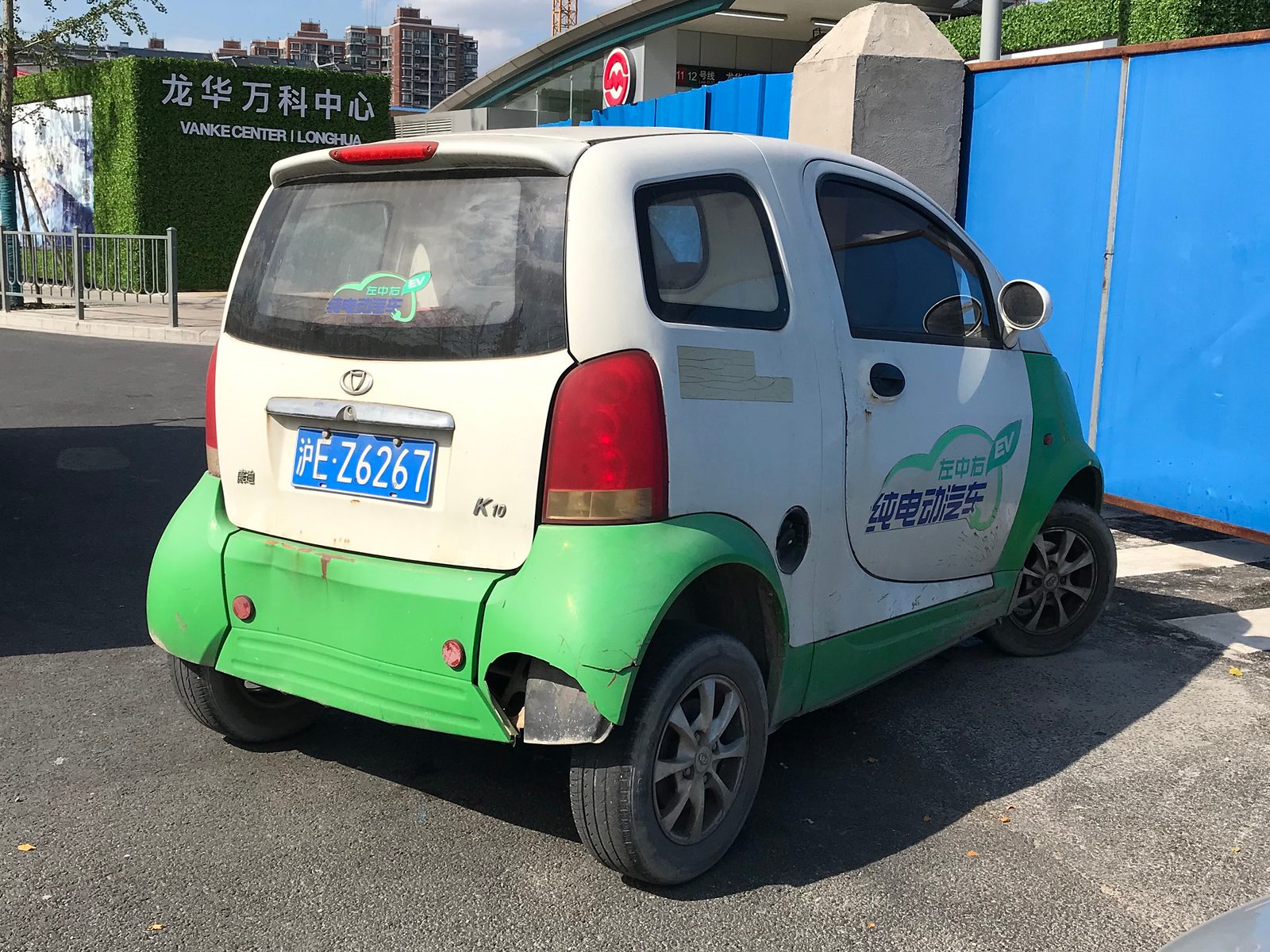
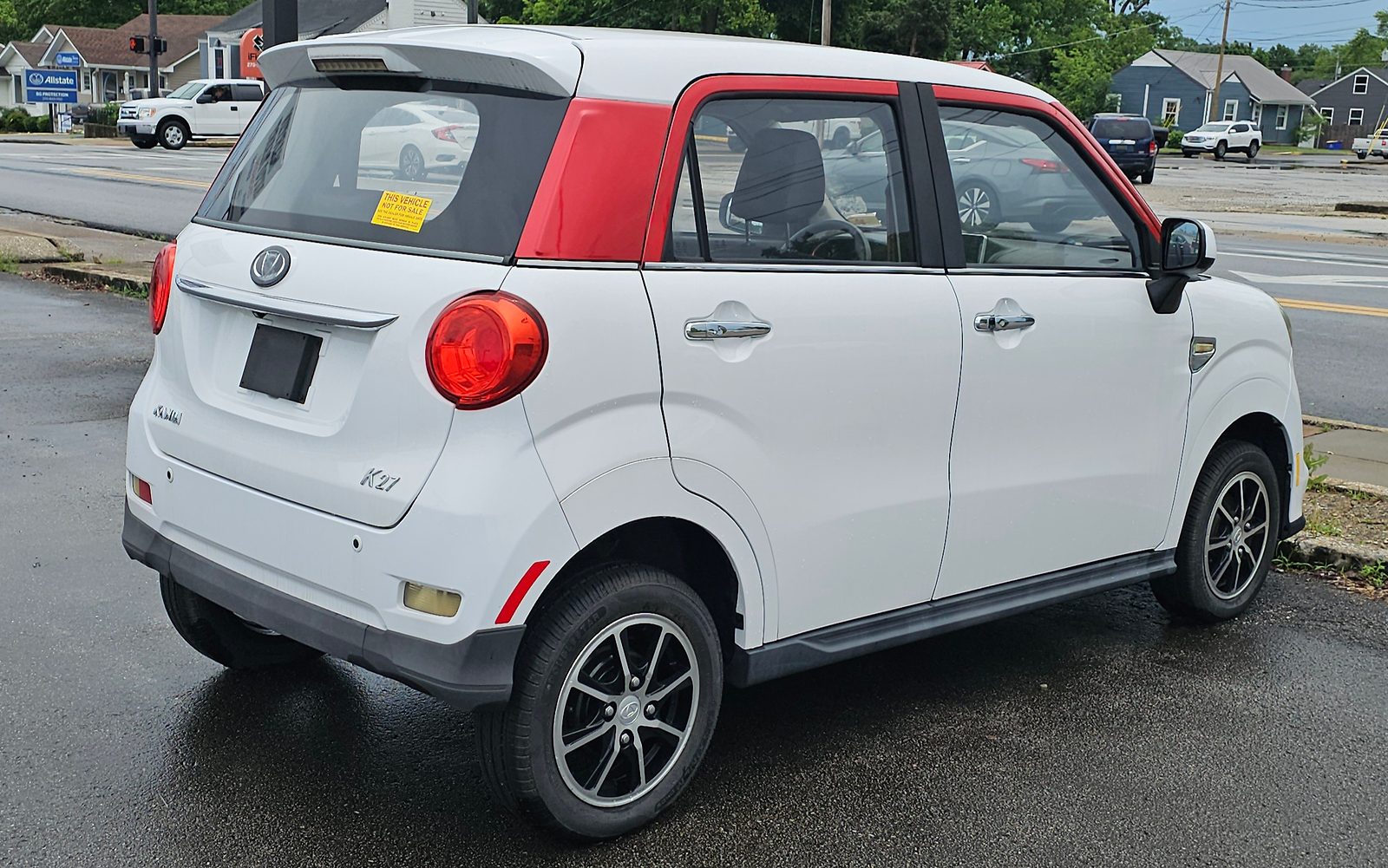
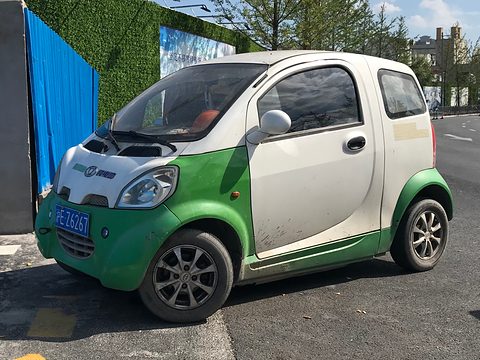
Hu Xiaoming founded Kandi Technologies in 2002 at Jinhua, in Zhejiang, and it is listed on NASDAQ.source 4 In July 2012 it agreed to supply 20,000 electric vehicles for a pilot leasing scheme in Hangzhou, and in 2013 it opened Kandi EV Car Share, whose cars were kept in automated multi-storey garages, “car vending machines”.source 4 It built 5,329 electric vehicles in the first half of 2014 and 16,376 in 2015, the second by the figures of the China Association of Automobile Manufacturers.source 4 Its models include the Kandi K12, K17, K23, K27 and K32. From July 2020 it sold the K27 and K23 in the Dallas–Fort Worth area of Texas, possibly for under US$10,000 after incentives.source 4 In November 2020 Hindenburg Research accused Kandi of faking at least 55 per cent of its sales, which Kandi denied.source 4

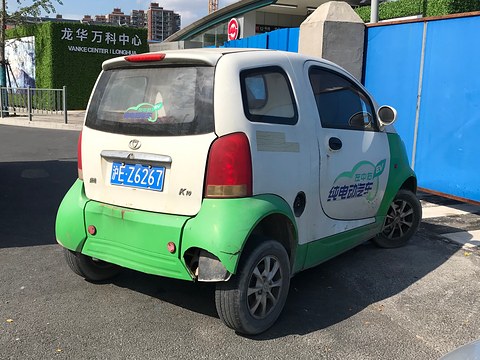
White two-door microcar with green lower panels and a blue Chinese plate parked by a blue hoarding.
A green and white Kandi K10, one of the company’s small electric cars, in China in August 2020.Photo: Jengtingchen, CC BY-SA 4.0, via Wikimedia Commons

Levdeo (Letin)

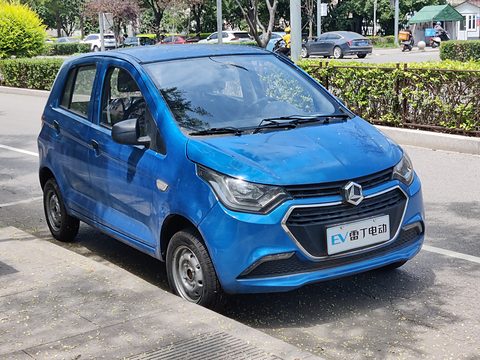
Li Guoxin began with an electric-bicycle business in 2002 and founded Levdeo in Shandong in 2008, building neighbourhood electric vehicles first.source 5 From 2019 it sold cars under the brand Letin, among them the Mengo city car of 2020–⁠23, and a Letin i3 city car from ¥62,800. It sold 6,878 cars from January to October 2022, raised 3.2 billion yuan that November, applied for bankruptcy in May 2023 and completed a reorganisation in April 2024.source 5

Blue small four-door hatchback with a chrome grille and EV plate parked on a pavement beside a hedge.
A blue Letin D70, from Levdeo’s later range, parked by a hedge in China in July 2022.Photo: Anonymousfox36, CC BY-SA 4.0, via Wikimedia Commons

Rayttle

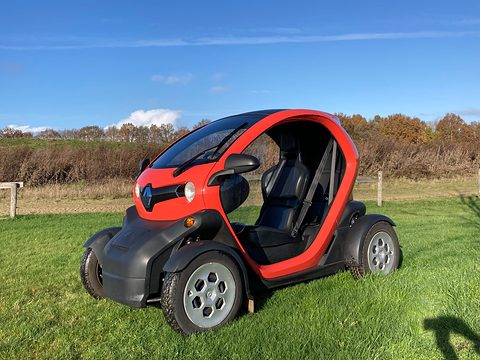
Rayttle was founded in Hangzhou in September 2014 to build low-speed and neighbourhood electric vehicles, and it is now listed as a former maker. Its E28, also called the E18, appeared in 2016: a two-door two-seater 2,650 mm (104 in) long and weighing 600 kg (1,323 lb), with a 9.9 kWh battery and a motor of 3.5 or 4 kW, for ¥36,000. It is described as an unlicensed copy of the Renault Twizy.source 6

Pictures

More photographs, old and new

Variants

The three makers

Makers researched, in order of founding
VariantYearsWhat differsHow many
KandiFounded 2002Jinhua, Zhejiang; listed on NASDAQ; Hangzhou’s car-share garages16,376 EVs in 2015
Levdeo (Letin)Founded 2008Shandong; began with neighbourhood electric vehicles6,878 sold, January–October 2022
RayttleFounded 2014Hangzhou; the E28, an unlicensed copy of the Renault TwizyNot found

Specification

Typical figures, and one car in detail

A typical laotoule

A typical laotoule
Top speedUp to about 70 km/h (43 mph)source 1
BatteriesMostly lead-acidsource 2
SeatsUp to fivesource 1
PriceA few thousand yuansource 1
SafetyNo airbags, weak frames, no registrationsource 1

Rayttle E28 (2016–)

Rayttle E28 (2016–)
Size2,650 × 1,240 × 1,510 mm; wheelbase 1,884 mmsource 6
Weight600 kg (1,323 lb)source 6
Battery9.9 kWhsource 6
Motor3.5 or 4 kWsource 6
Price¥36,000source 6

How many were built?

Every figure, with its source

Hundreds of thousands a yearNo national count has been found. Shandong alone sold 330,000 in eight months of 2016, by Bloomberg’s figures, and a figure of more than a million a year for the whole country is known only from a search summary.

  1. more than 1 millionlow-speed EVs a year, all China, by 2016Unconfirmed

    Green Car Reports, known only from a search summarysource 2

  2. 330,000sold in Shandong, January to August 2016One source

    Green Car Reports, citing Bloombergsource 2

  3. 16,376Kandi electric vehicles, 2015One source

    English Wikipedia, citing the China Association of Automobile Manufacturerssource 4

  4. 6,878Levdeo cars sold, January to October 2022One source

    English Wikipediasource 5

  5. 6,765Kandi electric vehicles, third quarter of 2017One source

    English Wikipediasource 4

  6. 5,329Kandi electric vehicles, first half of 2014One source

    English Wikipediasource 4

  • Two sources agreetwo good sources give the figure
  • One sourcea good source, alone
  • Unconfirmeda lead only, not yet checked

Famous for

Three points

  1. Bigger than the official market

    Shandong alone bought 330,000 in eight months of 2016, more than China’s 245,000 official new-energy vehicles.

  2. Old folks’ joy

    The nickname for cars bought by older drivers, many of them without a licence.

  3. Upgrade, regulate, eliminate

    The six ministries’ formula of 2018 for cleaning up the trade.

Survivors and collecting

Today

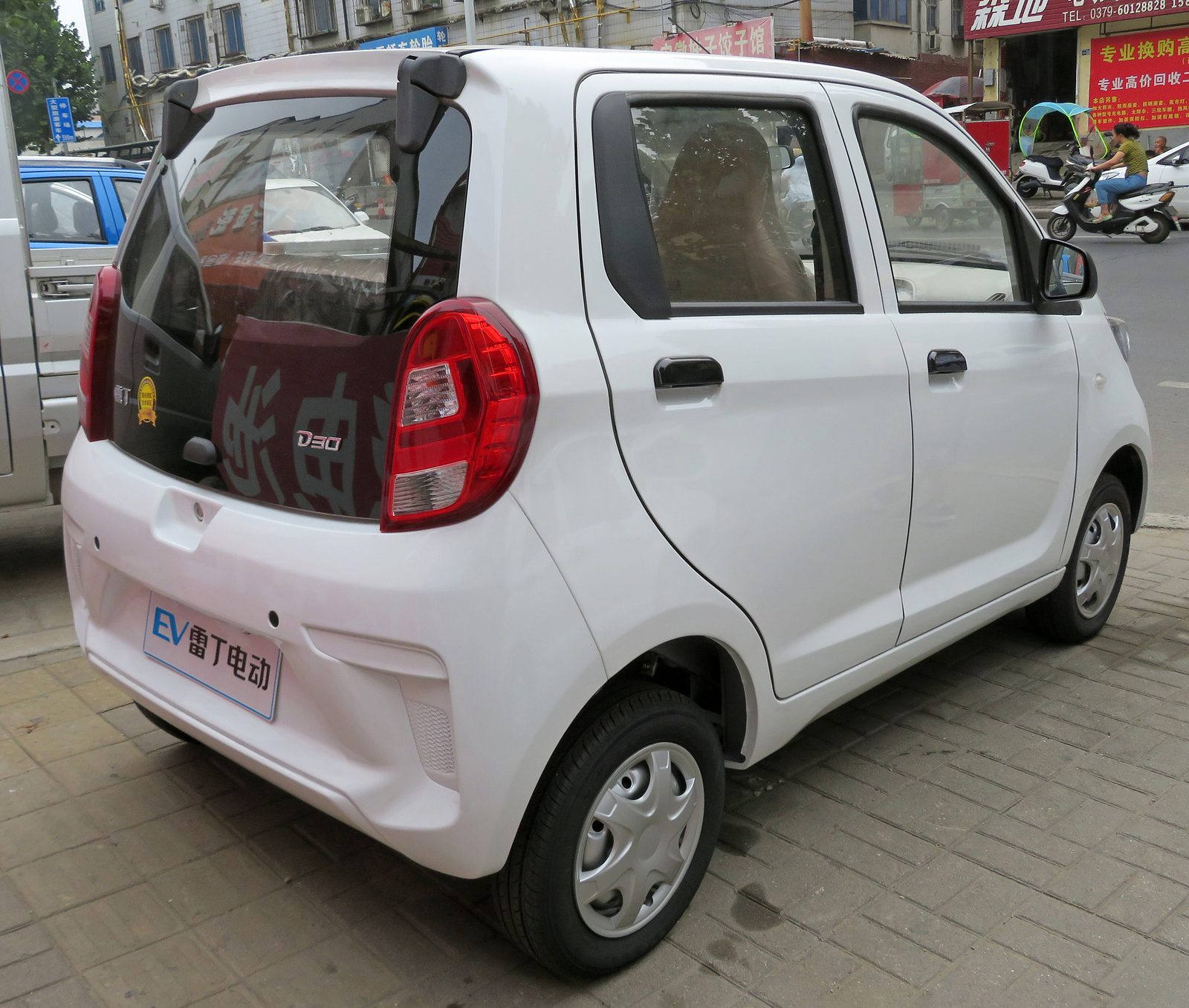
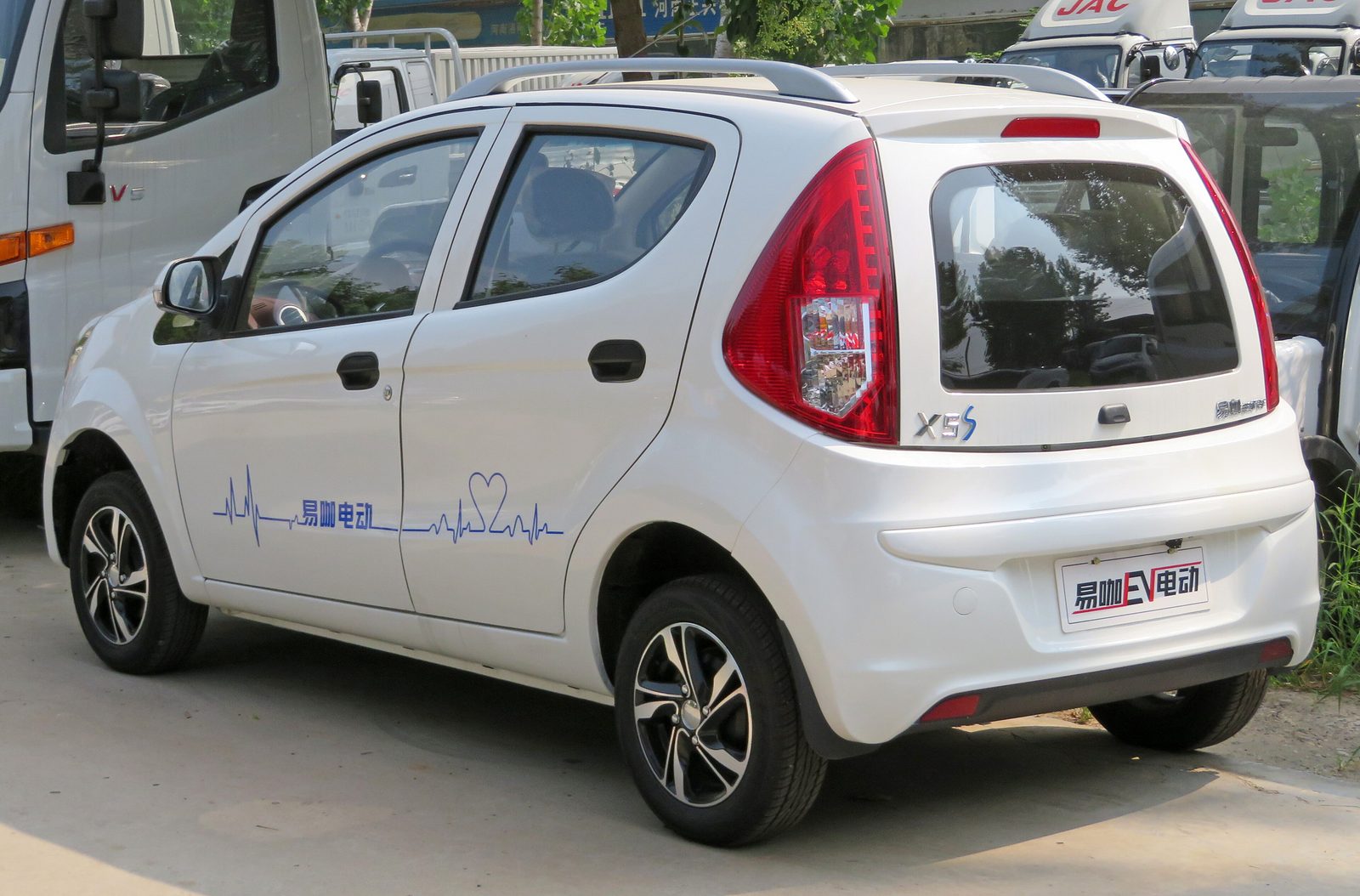
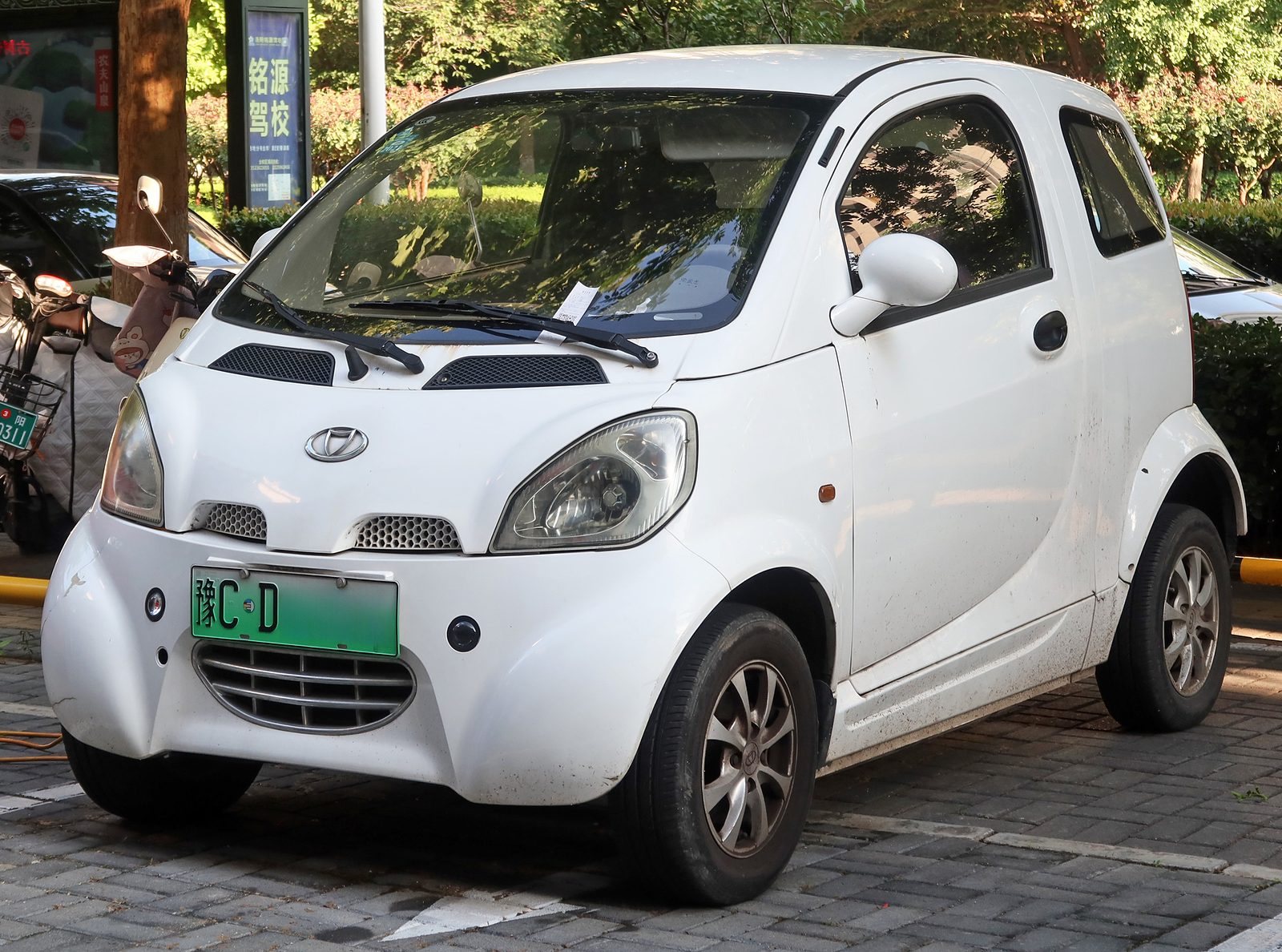
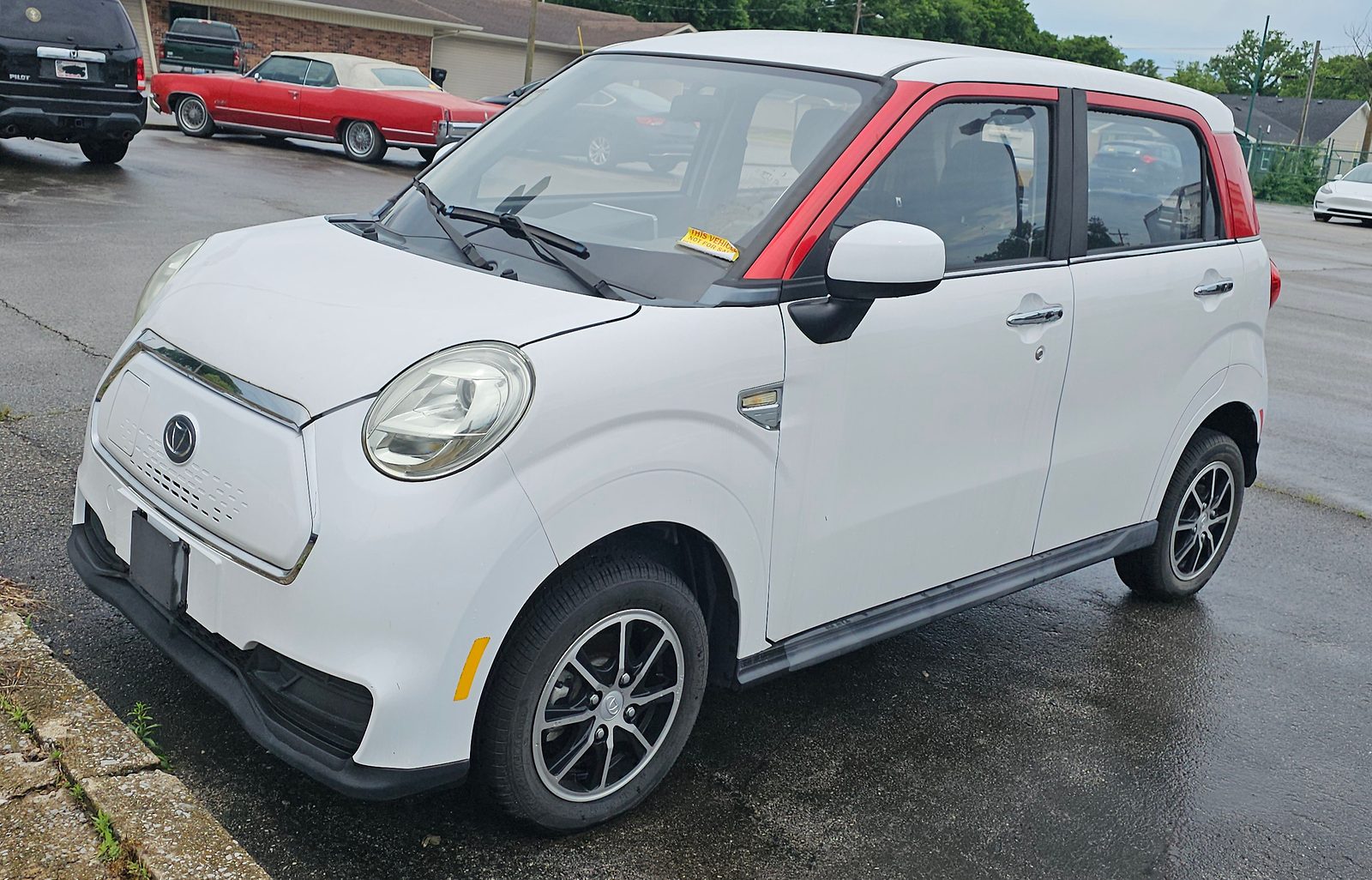
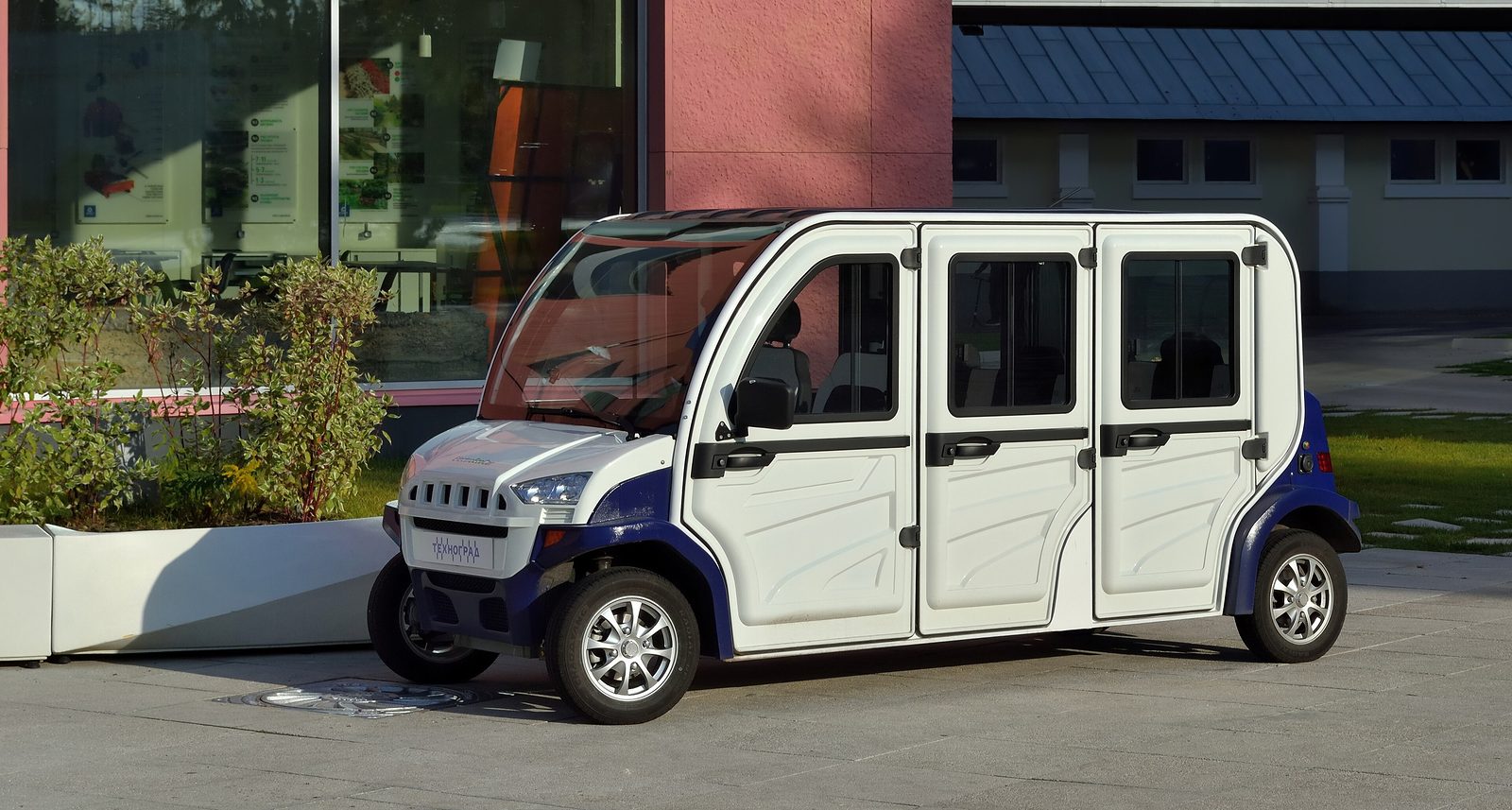
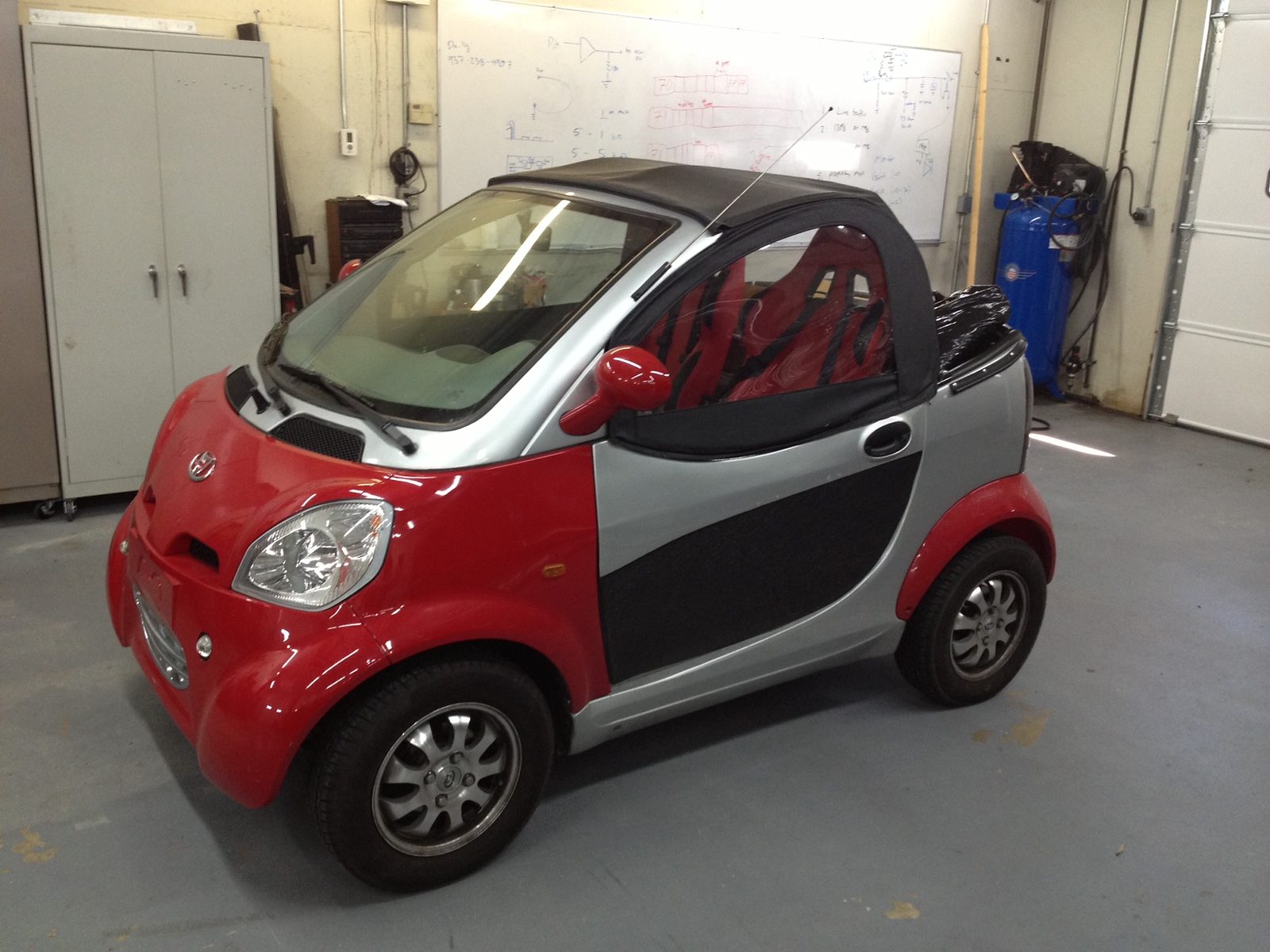
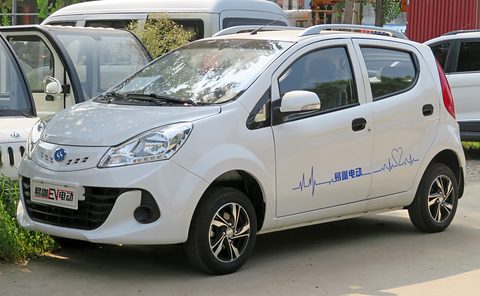
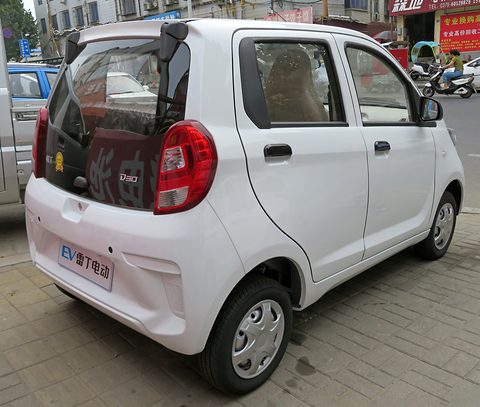
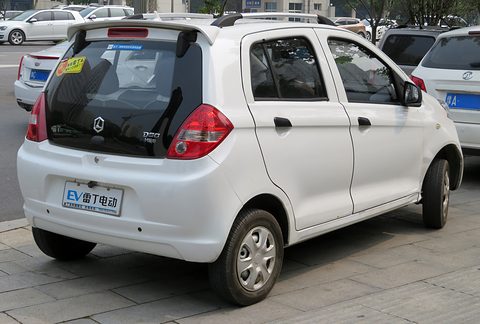
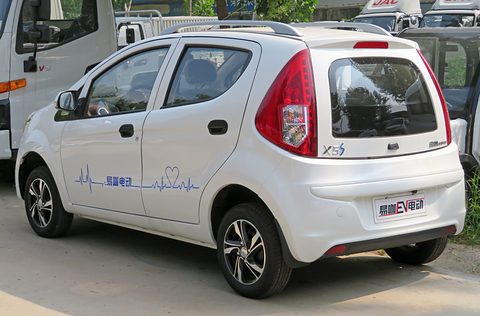
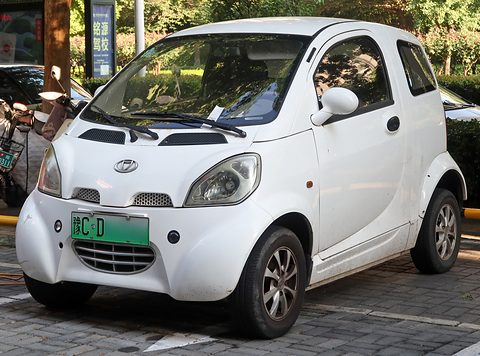
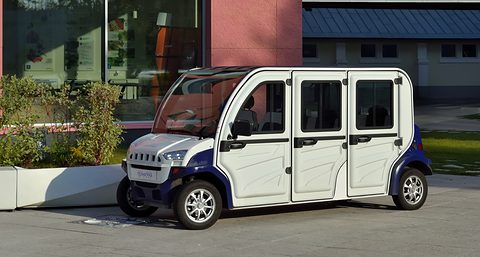
These are working cars, still built and still sold, and no collecting market or museum interest has been found. Among the photographs here are Levdeo, Kandi and Yika cars parked in Luoyang, Henan, in 2018 and 2023, and Kandis sold in the United States.

Sources

Numbered as in the text

The picture of the market rests on the 2018 government notice, one American trade report of 2016 drawing on Bloomberg, and one Italian report of 2026; the makers on English Wikipedia. Other makers await research from reliable sources.

  1. “Non solo Ev: ecco le auto che ‘minacciano’ la Cina. Pechino ha un problema con le laotoule”, automoto.it, 24 January 2026, citing Sixth Tone and China Daily.
  2. Stephen Edelstein, “China to regulate, rein in low-speed electric cars used in rural areas”, Green Car Reports (on Yahoo Autos), 7 November 2016, citing Bloomberg.
  3. Ministry of Industry and Information Technology and five other ministries, 关于加强低速电动车管理的通知 (Notice on strengthening the management of low-speed electric vehicles), 2 November 2018, published by the National Development and Reform Commission on 8 November 2018. Read in full.
  4. English Wikipedia, Kandi Technologies, read.
  5. English Wikipedia, Levdeo, read.
  6. English Wikipedia, Rayttle, read.