microcarfan
  • Electric microcar
  • India
  • Four wheels
  • Heavy quadricycle

REVA G-Wiz

Also known as REVA, REVAi, G-Wiz i, REVA L-ion

In 2007 about 750 of them were on London’s roads, averaging 16 km/h (10 mph) by their seller’s figures and paying no congestion charge, no road tax and, in Westminster, nothing to park or charge. That April the Department for Transport had crashed one into a barrier at 56 km/h (35 mph).

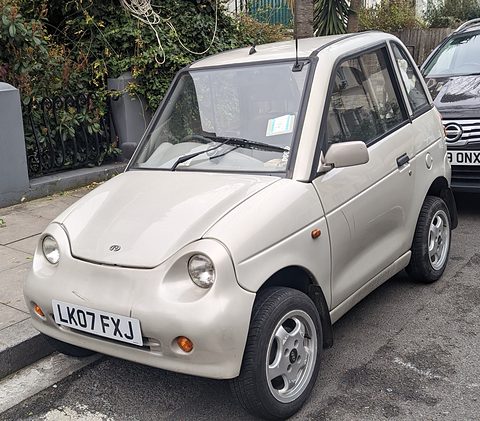
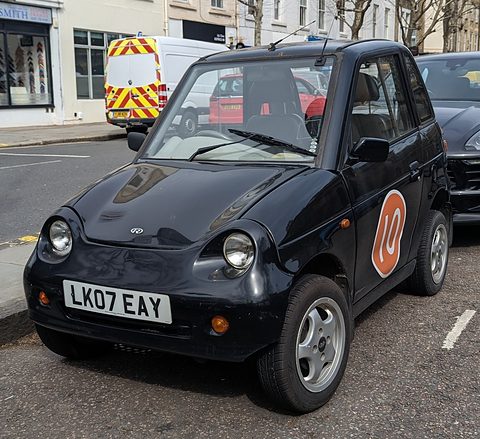
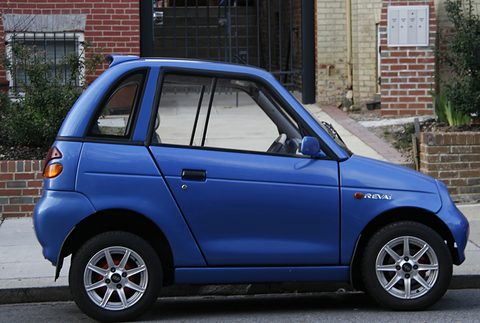
Cream tall two-door microcar with round headlamps and an LK07 plate at the kerb beside railings.
A cream 2007 REVA G-Wiz parked in a London street in February 2023.Photo: Calreyn88, CC BY-SA 4.0, via Wikimedia Commons

At a glance

The spec plate

REVA G-Wiz

REVA / G-Wiz · Bangalore

Built
2001–⁠2012Launched in India in 2001; in Britain as the G-Wiz from 2003 or 2004
Country
IndiaBangalore
Maker
Reva Electric Car CompanyChetan Maini’s company; Mahindra & Mahindra’s from 2010. Sold in Britain by GoinGreen
Engine
DC electric motor, eight 6 V lead-acid batteries48 V, under the front seats; an AC motor in the REVAi of 2008, lithium-ion in the L-ion of 2009
Power
4.8 kW6.4 hp rated, 13.1 kW at peak
Length
2,600 mm1,300 mm wide, 1,500 mm high
Weight
665 kgWith its batteries, by a British seller in 2007; the same figure is given for the REVAi
Seats
2 + 2Two adults in front, two children behind
Wheels
4
Price new
about £8,000London, 2007, as reported then; from £9,995 by English Wikipedia, undated
Production
about 4,600All versions, sold in 26 countries, by late 2013
Top speed
72km/h72 km/h45 mph; the REVAi 80 km/h (50 mph) with its boost switch

How big is it?

True proportion

2.60 m

It is 370 mm shorter than a Fiat 500, about 1.5 adults laid end to end.

  • 1.30 m wide
  • 665 kg: about nine adults
  • Two adults and two children
  • A heavy quadricycle in European law
Drawn at true proportion. The track is 3.6 metres long; the adult stands at the same scale. The Peel P50 is the smallest production car, on every page for comparison.

The story

History

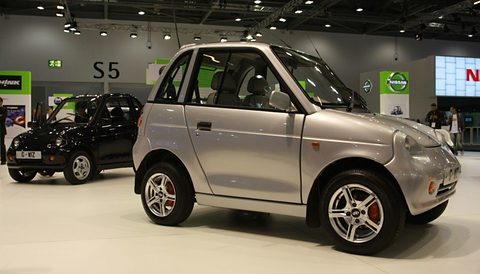
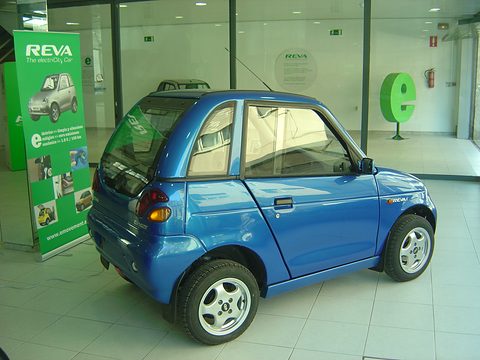
Chetan Maini founded the Reva Electric Car Company in Bangalore in 1994, as a joint venture between the Maini Group and the American firm Amerigon Electric Vehicle Technologies, to build an affordable small electric car. Curtis Instruments supplied the motor controller, Tudor India the batteries and Modular Power Systems the charger.source 1 The REVA went on sale in India in 2001, the country’s first production electric car and so the first of its electric microcars.source 2source 1 It was a three-door hatchback 2,600 mm (102 in) long, with seats for two adults and two children; its DC motor was rated at 4.8 kW (6.4 hp), with 13.1 kW at its peak, and eight 6 V lead-acid batteries under the front seats gave it 48 V. There was no strengthened chassis.source 2 In Europe it was a heavy quadricycle, and in the United States a neighbourhood electric vehicle held to 40 km/h (25 mph).source 2

London’s car

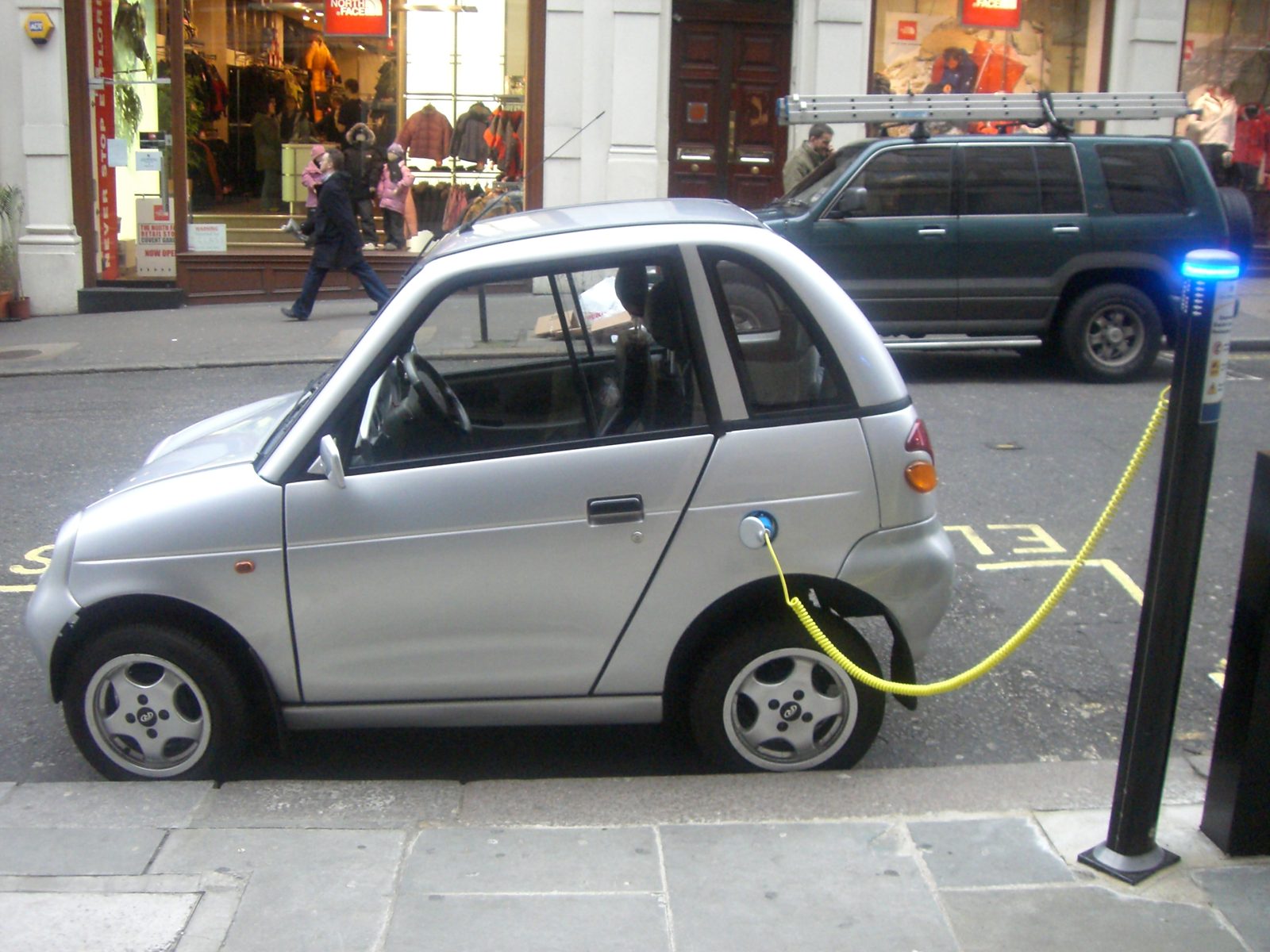
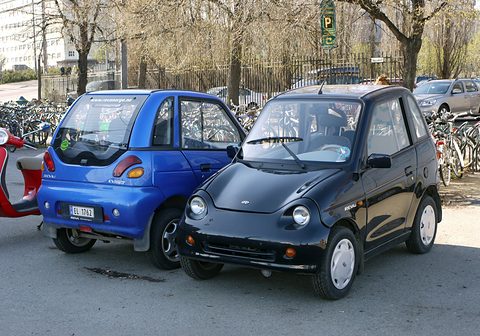
In Britain the importer GoinGreen sold it as the G-Wiz, under an agreement of 2004 by one account and from 2003 by another.source 1 In July 2004 The Independent reported that the businessman Archie Norman drove one in London.source 2 For some years it was Britain’s best-selling electric car, mostly in London, and the reason was money.source 2 As an electric car it paid no congestion charge and no road tax, and in Westminster it parked and charged for nothing.source 2source 3 In June 2006 Westminster City Council doubled its charging points to 48, and in December it opened charging points in the street in Covent Garden; that year GoinGreen sold 250 G-Wiz to Westminster drivers alone. By May 2007 there were about 750 on London’s roads, and GoinGreen’s data showed them averaging 16 km/h (10 mph); the paper that reported it put the price at about £8,000.source 3

The crash test

As a heavy quadricycle it did not have to pass the crash tests set for cars. On 24 April 2007 the Department for Transport tested one anyway, at 56 km/h (35 mph) into a deformable barrier, the normal test for a production car, and found “serious safety concerns”.source 2source 3 The roads minister, Stephen Ladyman, explained in May.

The safety regulations that govern this type of vehicle were designed at a time when it was thought they would cover four-wheeled motorcycles and some small, specialised commercial vehicles – not city run-abouts that resemble small cars.

Stephen Ladyman, roads minister, Department for Transport statement, May 2007, as reported in the West End Extra, 11 May 2007.source 3

GoinGreen answered in the same report.

The G-Wiz meets all regulatory requirements and has received Full EU Type Approval. Actual data from the 750 G-Wiz already on London’s roads show that the average speed driven is 10mph. The G-Wiz has an exemplary safety record with no reported serious injuries.

A GoinGreen spokesman, May 2007, in the West End Extra, 11 May 2007.source 3

Julian Wilford of another seller, the Nice Car Company, pointed out that the department had not said the G-Wiz had failed any test.source 4 Strictly, it had not: it met every rule for quadricycles, and did badly only against the standard for cars, which it was not required to meet.source 3source 4 Top Gear magazine had one crashed to Euro NCAP’s procedure at 64 km/h (40 mph), and the result predicted serious or life-threatening injuries.source 2 Critics found it underpowered, unsafe and ugly.source 2

REVAi and L-ion

In January 2008 came the REVAi, sold in Britain as the G-Wiz i. It had a three-phase AC motor of 13 kW at peak and a “boost” switch for 40 per cent more torque, and with it a top speed of 80 km/h (50 mph); the eight lead-acid batteries stayed, 270 kg of a car of 665 kg. It also had front disc brakes, a collapsible steering column and a chassis reinforced with the help of Lotus Engineering, crash-tested at 40 km/h by ARAI in India.source 2 Lotus helped with the safety changes; it did not design the car.source 2 In January 2009 the REVA L-ion brought lithium-ion batteries: 565 kg, about 120 km (75 miles) on a charge and six hours to recharge, or 90 per cent in an hour from an optional three-phase charger.source 2 In India the REVA cost ₹350,000; in Ireland €11,500, or €17,500 with lithium-ion.source 2

At the 2009 Frankfurt show REVA showed two concepts, the NXR and the NXG, and agreed a technical tie-up with General Motors India for an electric Spark. On 26 May 2010 Mahindra & Mahindra bought 55.2 per cent of the company, and GM pulled out.source 1 In October 2010 a G-Wiz driver was killed in a collision with a Škoda Octavia in London, and the government ordered an investigation into the safety of small electric vehicles.source 2 GoinGreen stopped keeping cars in stock in February 2011, British sales were over by the end of that year, and production ended in 2012.source 2source 1 About 4,600 had been sold by late 2013, in 26 countries; 55 per cent went to India, and 40 per cent of those to Bangalore.source 2
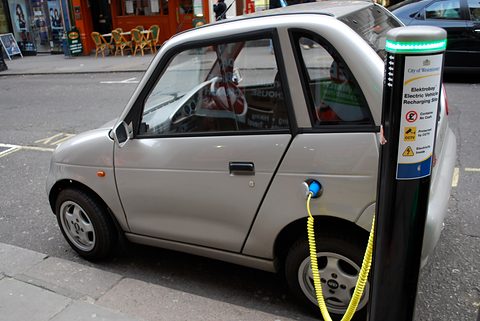
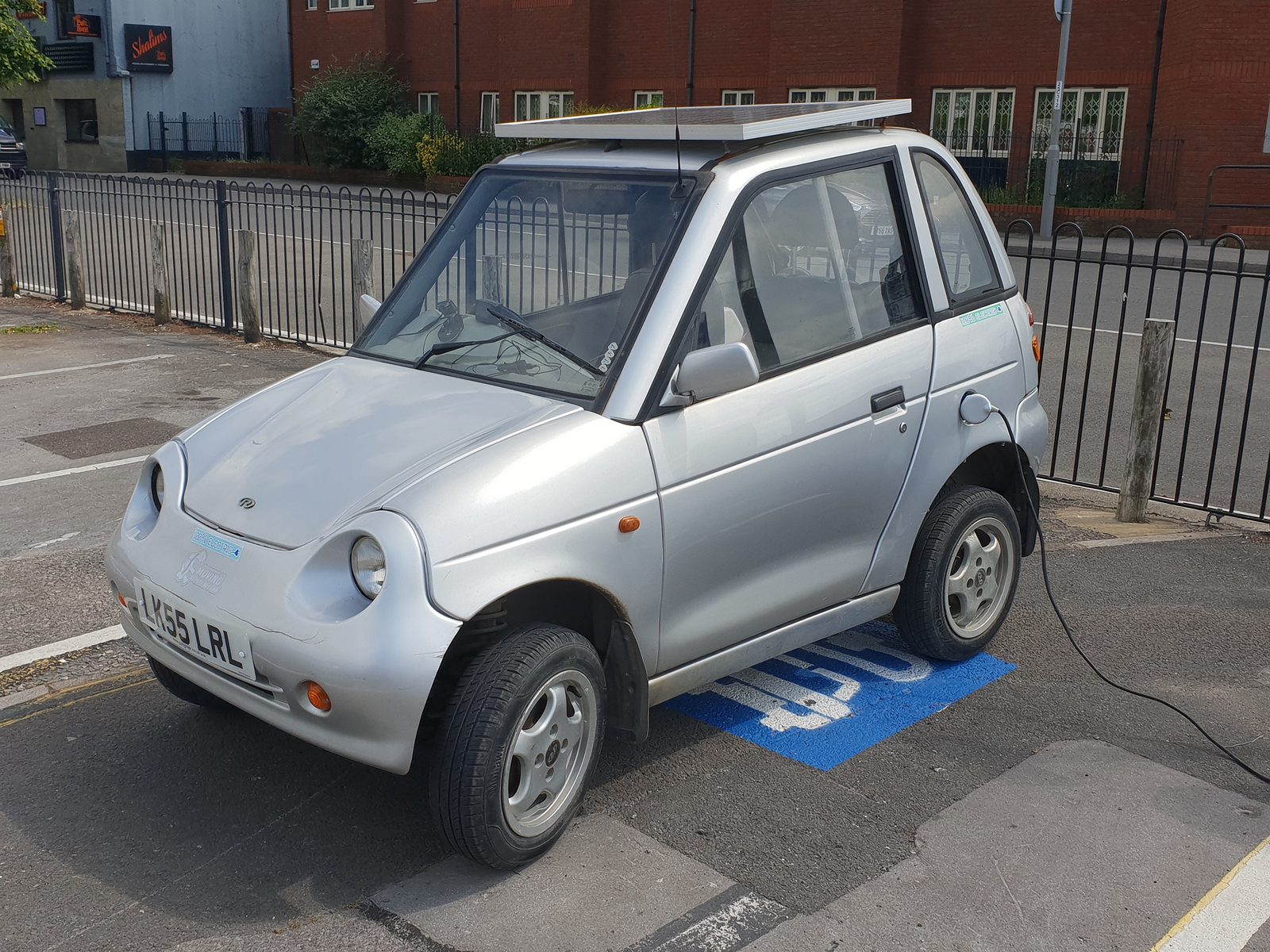
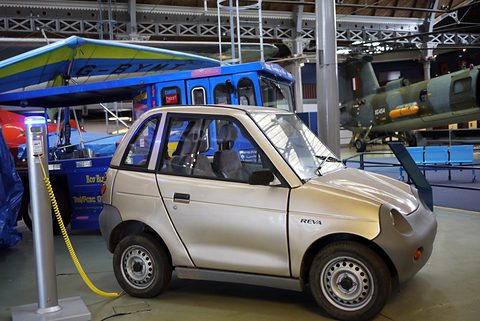
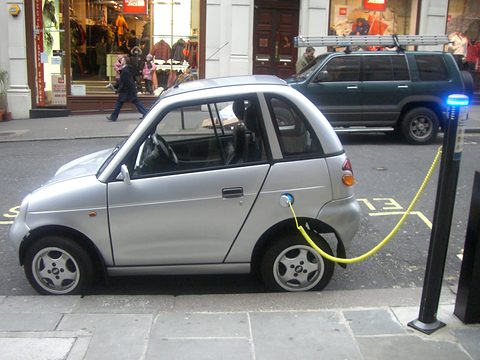
Silver microcar with a yellow cable running to a black Elektrobay charging post on a London pavement.
A G-Wiz plugged into a street charging post between Covent Garden and the Strand, London, in April 2008.Photo: Alan Trotter, CC BY 2.0, via Wikimedia Commons
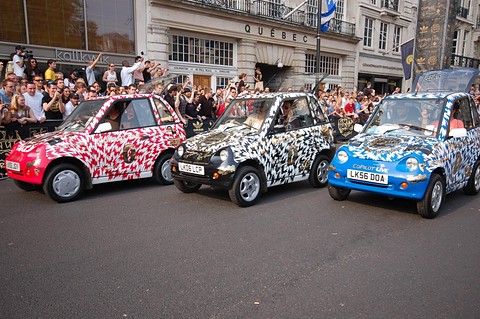
Three tall microcars in pink, zebra and blue graffiti liveries in a street lined with a crowd of spectators.
Three art-painted G-Wiz in Pall Mall, London, during the Gumball 3000 rally in April 2007, the month of the crash test.Photo: johnantoni, CC BY-SA 2.0, via Wikimedia Commons
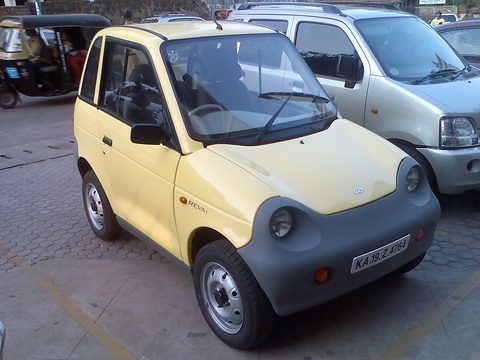
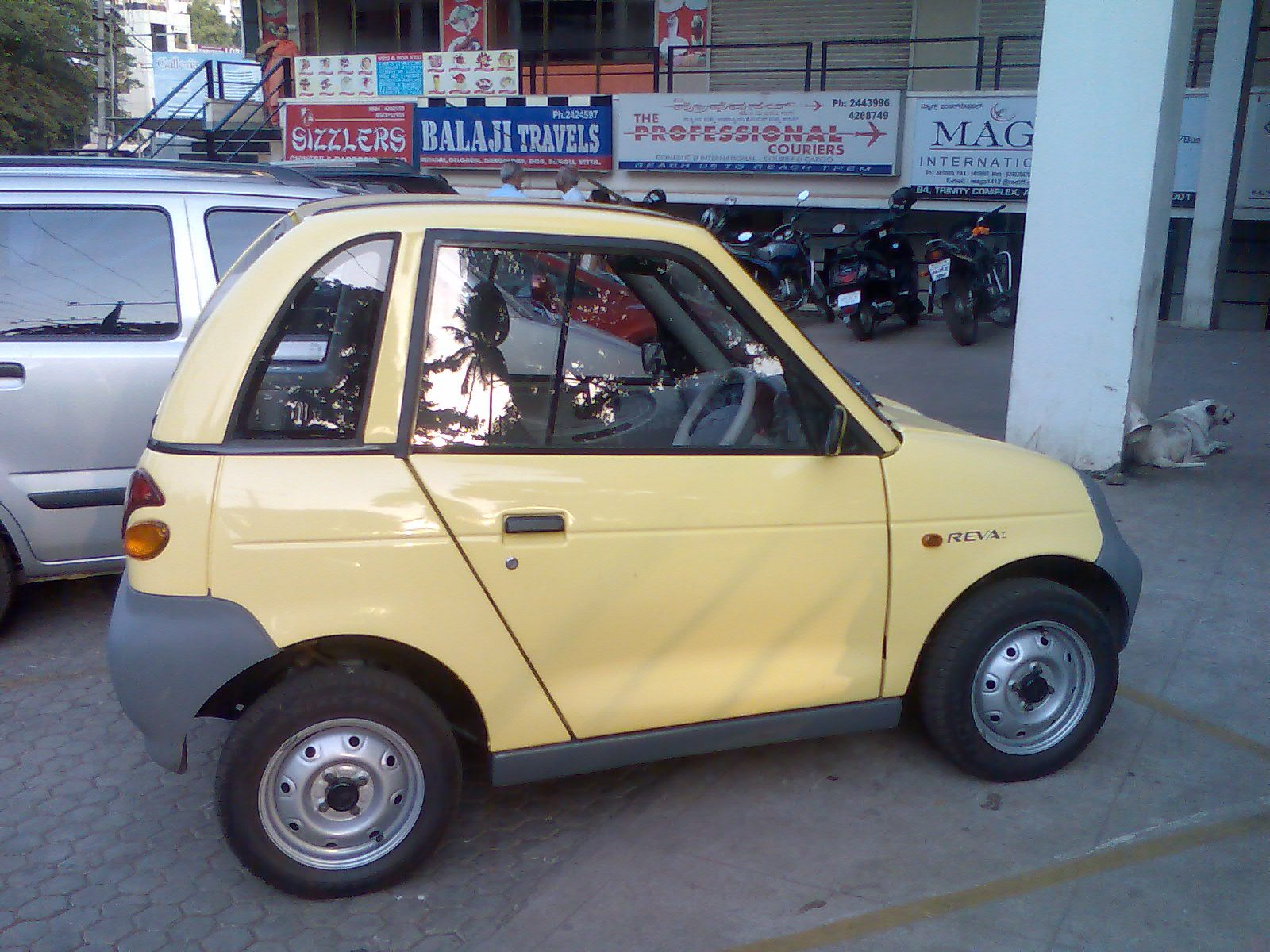
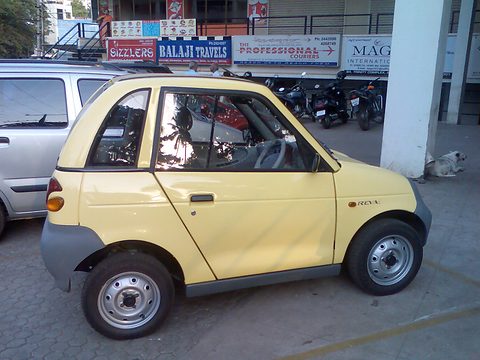
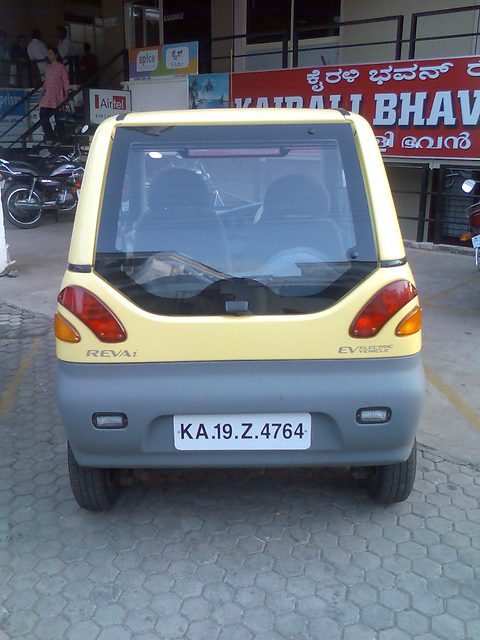
Pale-yellow microcar with grey lower panels and round lamps parked beside a silver hatchback, an auto-rickshaw behind.
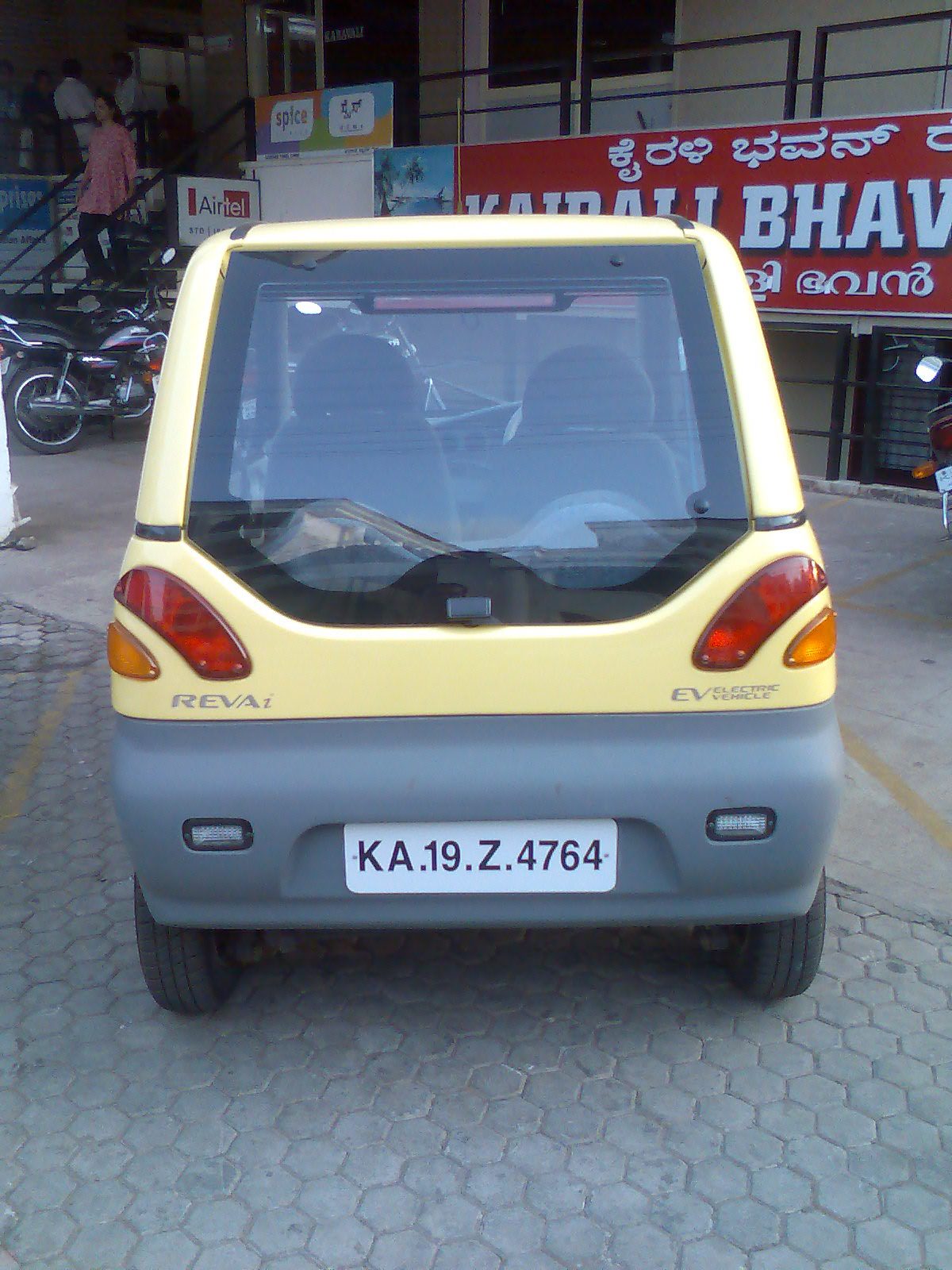
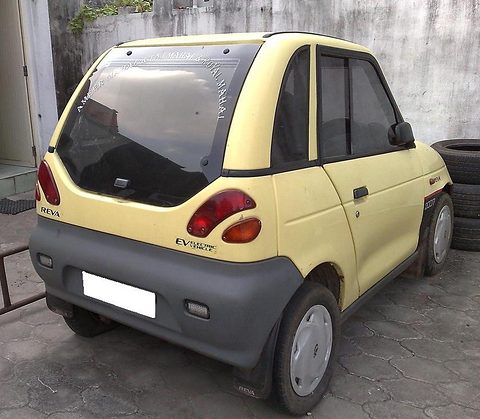
A pale-yellow Indian-market REVA with a Karnataka plate, in a car park in India in 2008.Photo: Premkudva, Public domain, via Wikimedia Commons

Mahindra e2o

2013–⁠2017 · a record on this page

The G-Wiz’s successor began as the Reva NXR, shown at the Frankfurt Motor Show in 2009 with solar panels on its roof. After Mahindra bought Reva in May 2010, production was planned for late that year; it slipped, and in January 2013 the car was renamed the e2o.source 5 It went on sale in India on 18 March 2013, at ₹5.96 lakh after Delhi’s subsidy, about US$11,000.source 5source 6 Mahindra had spent ₹100 crore on the car and a plant that could build 30,000 a year, and hoped for 400 to 500 sales a month.source 5 Green Car Reports noted that it cost more than four times as much as a Tata Nano.source 6

It was a different class of car: a three-door, four-seat hatchback 3,280 mm (129 in) long, beyond this site’s size line, with a 19 kW induction motor, lithium-ion batteries charged in about five hours, and a weight of 830 kg (1,830 lb).source 5source 6 A phone app could lock it, run the air conditioning and start the charge, and a function called REVive released a reserve of charge from afar.source 5source 7 Sales disappointed. In November 2013 Mahindra said only about 400 had been sold in eight months, Nepal and Sri Lanka included, and shelved further electric models for want of government support.source 8

Britain got it on 15 April 2016, sold online from £12,995 after the government grant, or £15,995 as the TechX, and serviced at owners’ homes by mobile vans; the British car had ABS, stability control and two airbags, a 42 bhp (31 kW) motor and a 13.9 kWh battery for a claimed 127 km (79 miles).source 7

The G-wiz was a quadracycle. This is a car which can be driven on highways and is a full M1-certified vehicle.

Arvind Mathew, head of Mahindra’s electric vehicles, at the British launch, as reported by Autocar, 15 April 2016.source 7

Retail sales in India stopped on 24 November 2016, with exports to continue, and the four-door e2o Plus took its place.source 9source 5 On 6 May 2017, after 13 months, Mahindra withdrew it from Britain, citing sales at an untenable level and Brexit trading conditions, and bought back the cars it had delivered at their full price.source 10 No production total has been found.

Pictures

More photographs, old and new

Variants

Three versions and a successor

REVA and G-Wiz models
VariantYearsWhat differsHow many
REVA / G-Wiz2001–⁠07DC motor of 4.8 kW; 48 V lead-acid; no strengthened chassisNot recorded separately
REVAi / G-Wiz i2008–⁠12AC motor and a boost switch; 80 km/h; front discs and a chassis reinforced with Lotus EngineeringNot recorded separately
REVA L-ion / G-Wiz L-ion2009–⁠12Lithium-ion batteries; 565 kg; about 120 km a chargeNot recorded separately
Mahindra e2o2013–⁠17Its larger successor, a four-seat car rather than a quadricycleAbout 400 by November 2013

Specification

The first REVA unless noted

Motor and batteries

Motor and batteries
MotorDC, 4.8 kW (6.4 hp) rated, 13.1 kW (17.6 hp) at peak; a 400 A Curtis controllersource 2source 1
BatteriesEight 6 V 200 Ah lead-acid in series, 48 V, under the front seatssource 2
REVAi (2008)Three-phase AC, 13 kW peak, 350 A controller; a boost switch for 40 per cent more torquesource 2
L-ion (2009)Lithium-ion; six hours to charge, or 90 per cent in an hour on a three-phase chargersource 2

Body and chassis

Body and chassis
BodyThree-door hatchback; two seats and two child seats that fold for luggagesource 2
ClassA heavy quadricycle (L7e) in Europe; a neighbourhood electric vehicle, limited to 25 mph, in the USsource 2
REVAi changesFront disc brakes, a collapsible steering column, a chassis reinforced with Lotus Engineeringsource 2

Dimensions

Dimensions
Length2,600 mm (102 in)source 2
Width1,300 mm (51 in)source 2
Height1,500 mm (59 in)source 2
Weight665 kg (1,466 lb) with batteriessource 4English Wikipedia gives 665 kg, 270 kg of it batteries, for the REVAi; the L-ion 565 kg
Payload270 kg of passengers and luggagesource 2

Performance and running

Performance and running
Top speed72 km/h (45 mph), as reported in 2007source 3REVAi 80 km/h (50 mph) with boost
RangeREVAi: 80 km (50 miles) nominal; about 120 km for the L-ionsource 2source 1Much less with fast driving, the heater or the air conditioning
Average London speed16 km/h (10 mph), by GoinGreen’s data, 2007source 3
Price newIndia ₹350,000; Ireland €11,500, or €17,500 for the Li-ionsource 2

How many were built?

Every figure, with its source

About 4,600 soldAbout 4,600 were sold worldwide by late 2013, in 26 countries, 55 per cent of them in India. It agrees with 4,000 by March 2011 and the end of production in 2012, though both figures come from Wikipedia and no figure from the maker was read.

  1. about 4,600sold worldwide by late 2013, in 26 countriesOne source

    English Wikipedia, REVAisource 2

  2. 4,000sold by mid-March 2011One source

    English Wikipedia, Mahindra Electricsource 1

  3. about 750G-Wiz on London’s roads, May 2007One source

    GoinGreen, in the West End Extrasource 3

  4. 250sold to Westminster drivers in 2006One source

    West End Extra, 2007source 3

  • Two sources agreetwo good sources give the figure
  • One sourcea good source, alone
  • Unconfirmeda lead only, not yet checked

Famous for

Three points

  1. The congestion-charge car

    No congestion charge, no road tax, and free parking and charging in Westminster.

  2. 35 mph, April 2007

    A Department for Transport test at the speed set for cars found serious safety concerns.

  3. Worst Car of 2007

    Named by BBC Top Gear, and blown up on the programme.

On screen

Confirmed appearances only

Survivors and collecting

Today

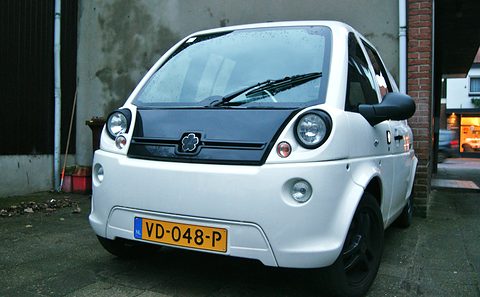
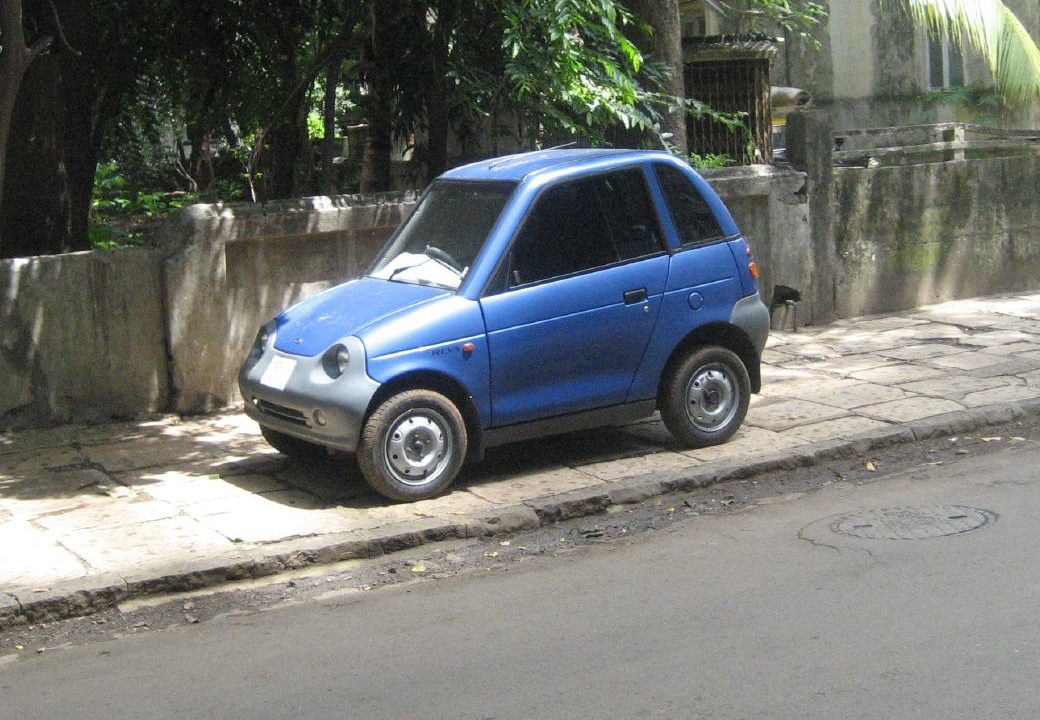
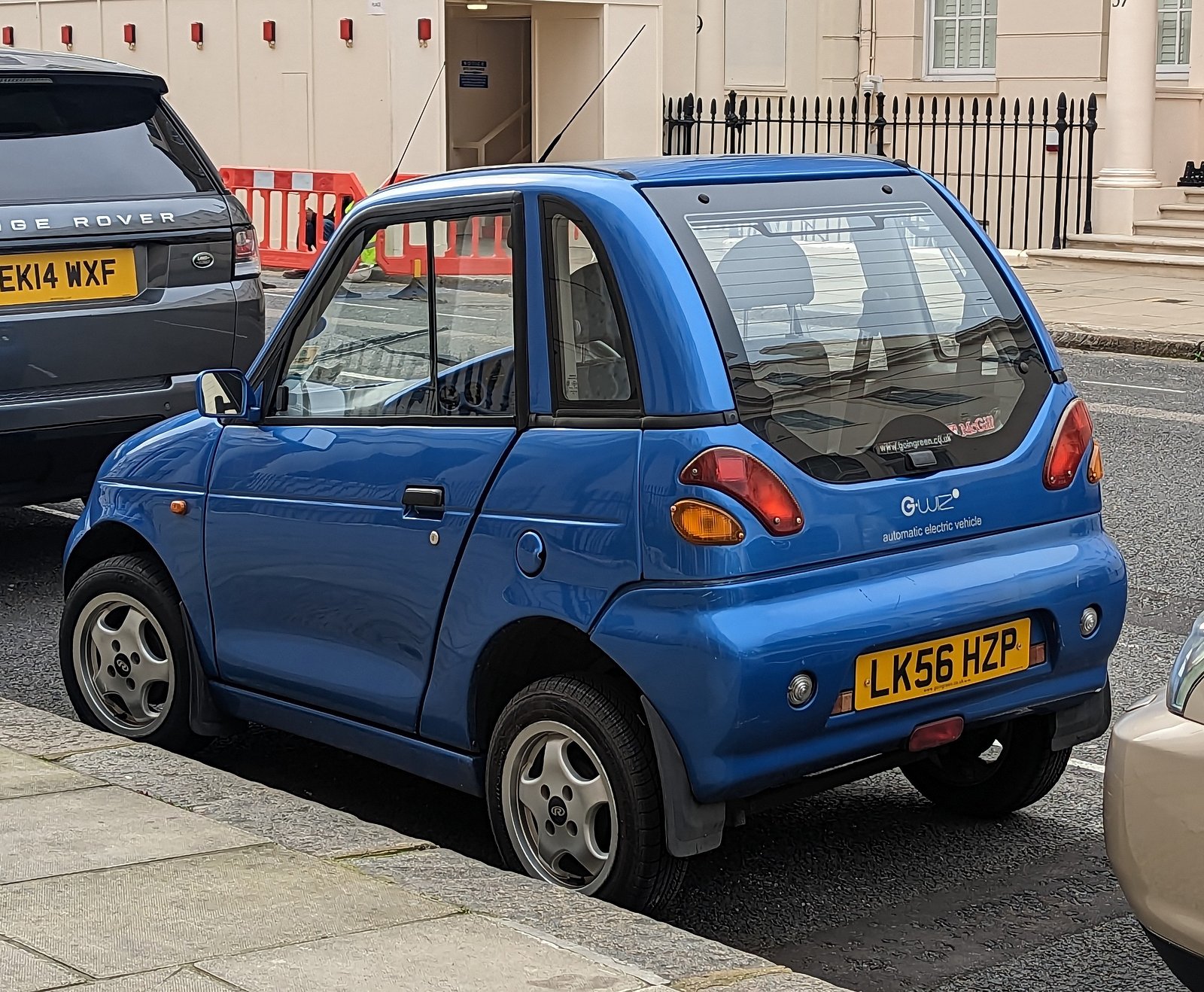
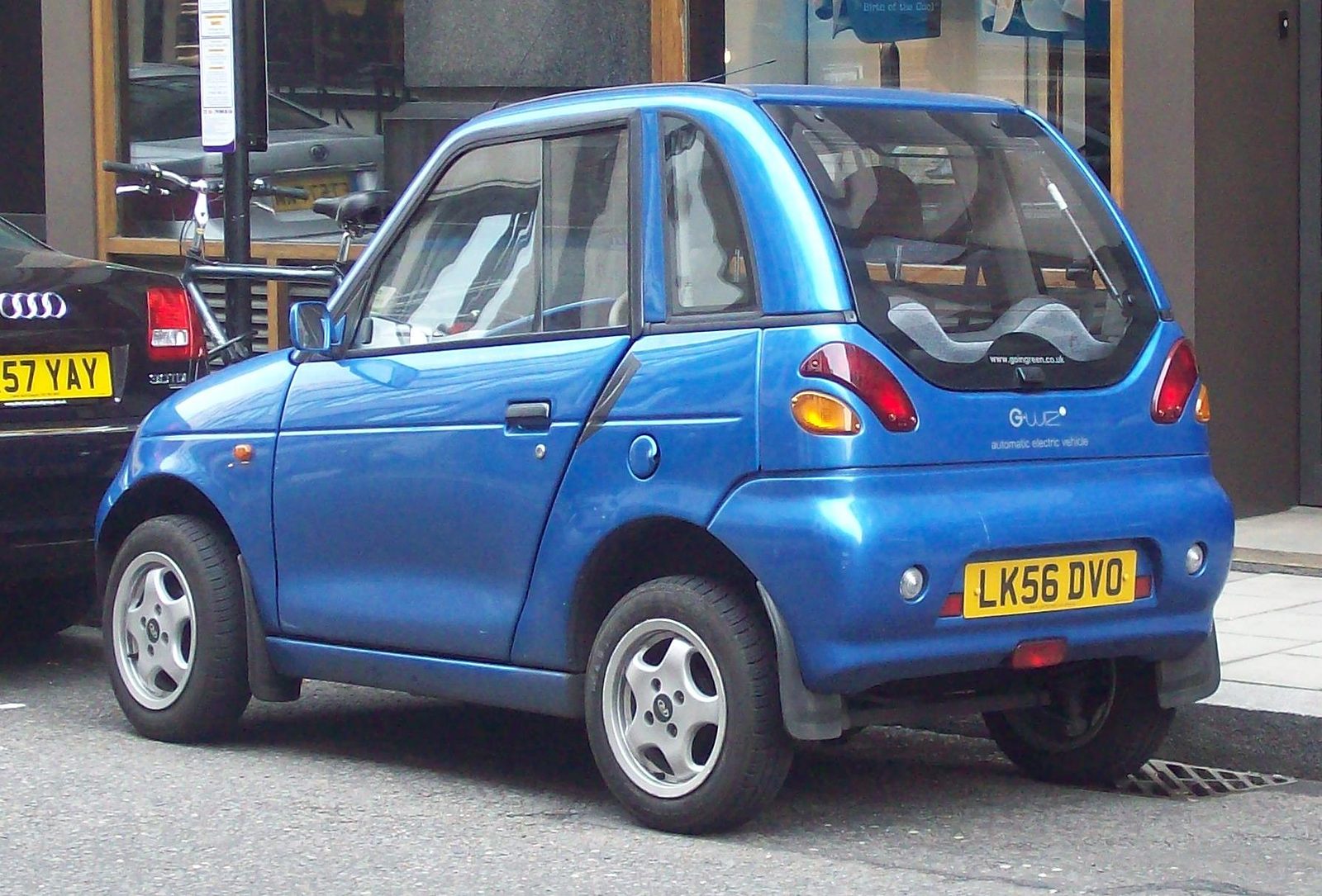
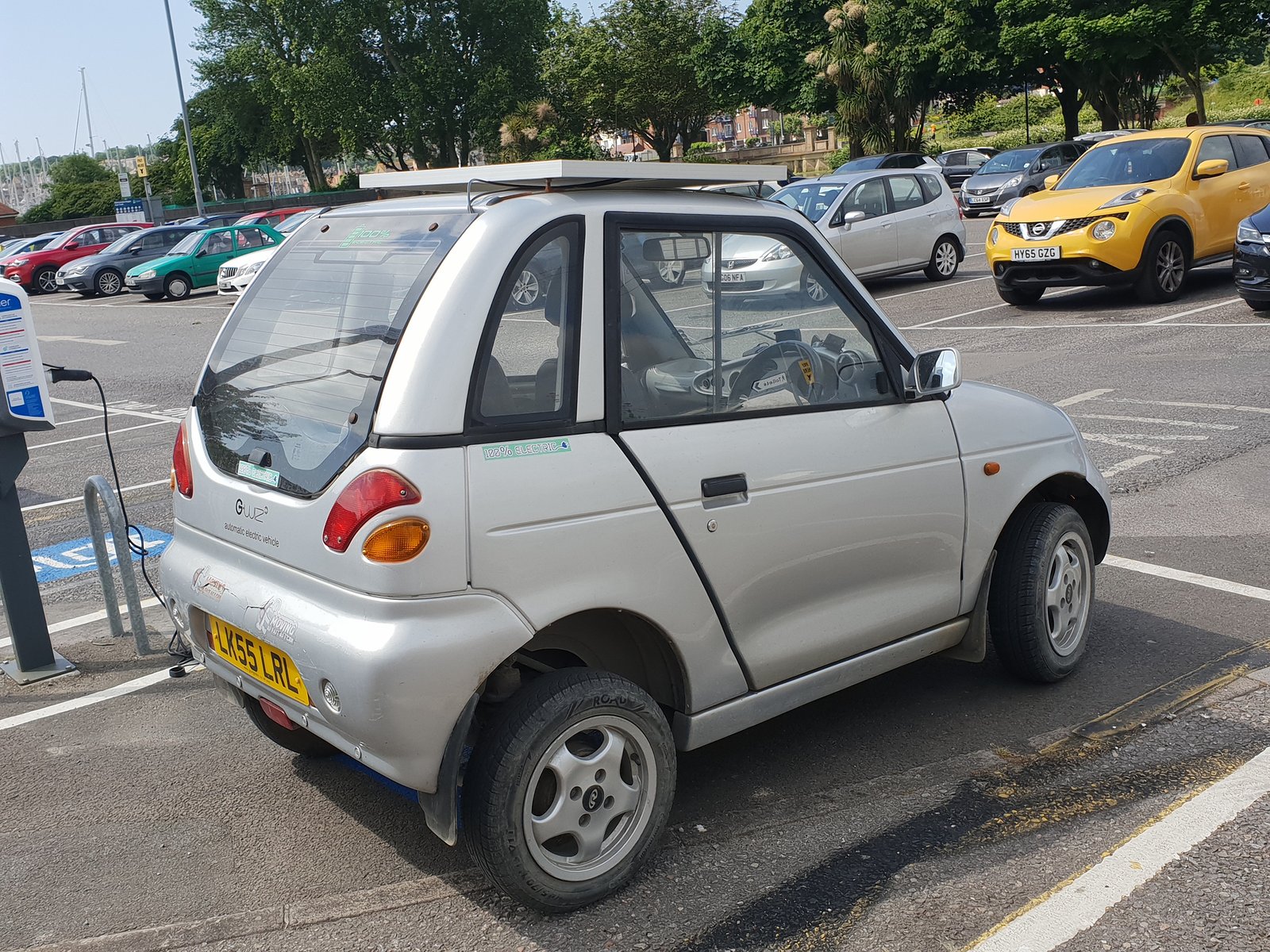
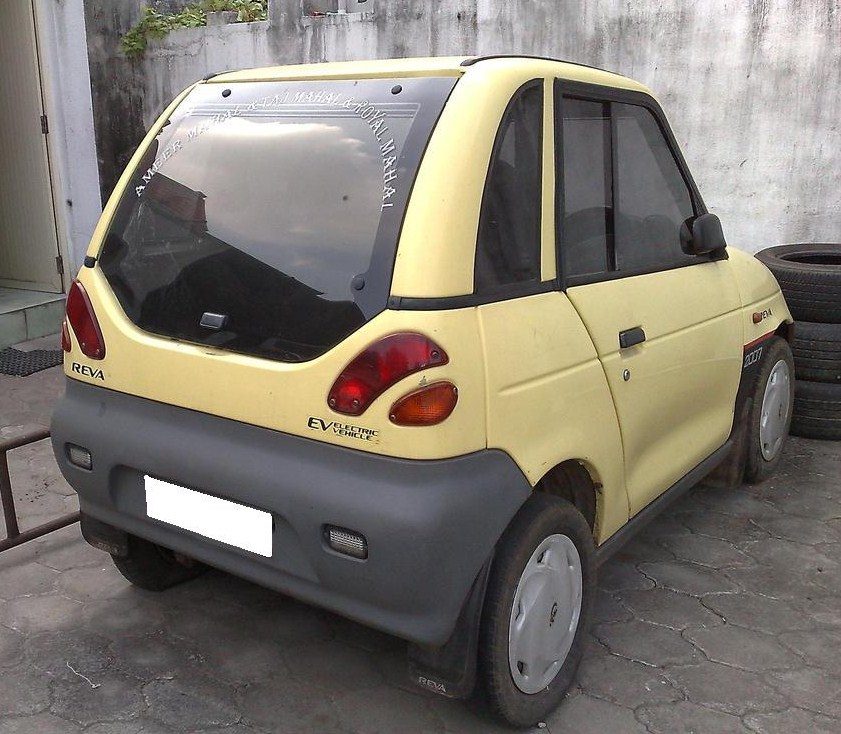
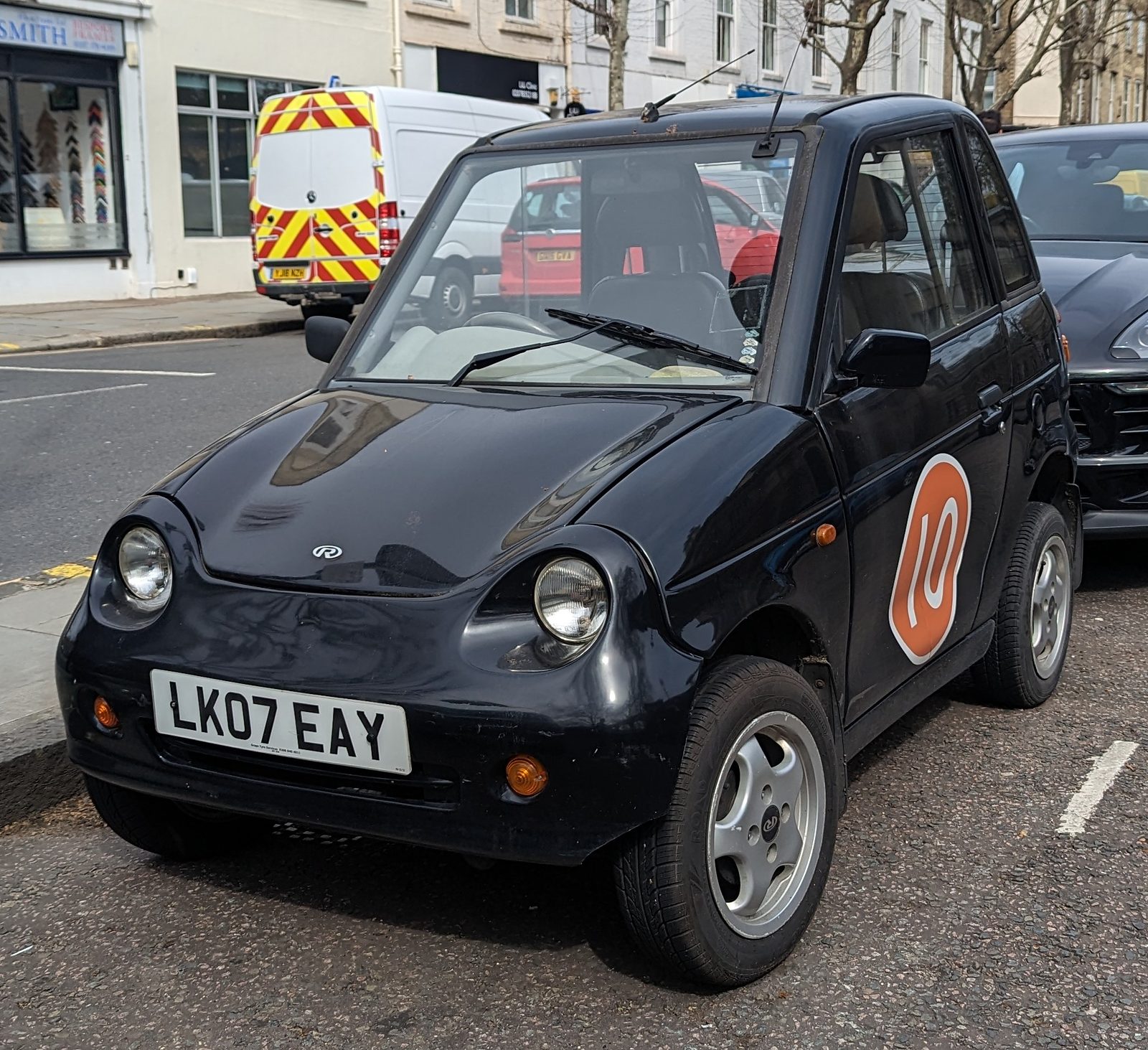
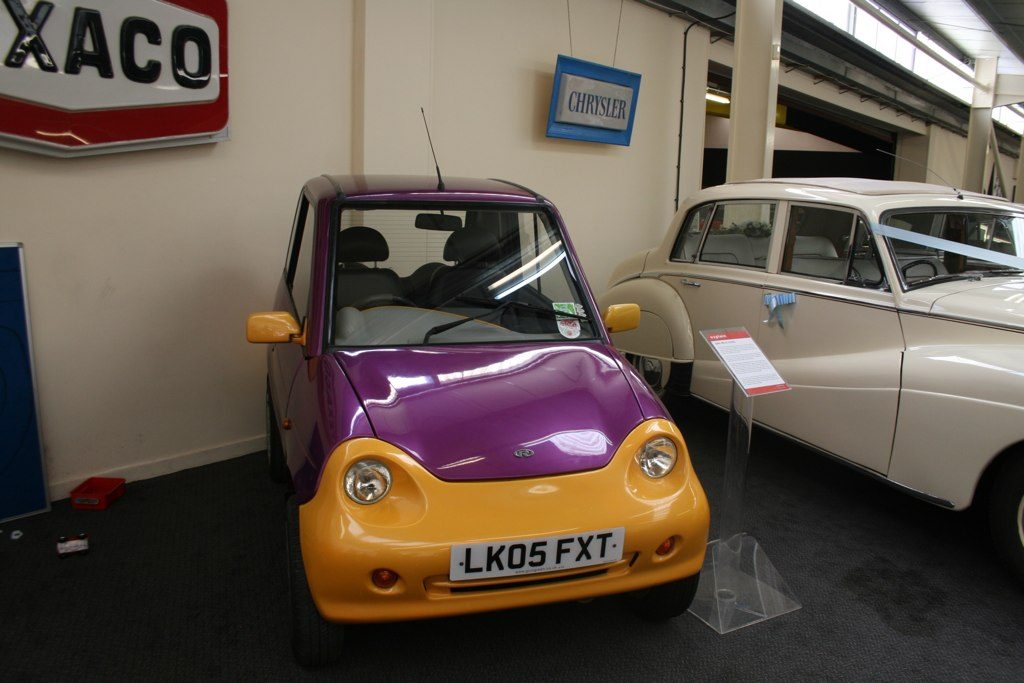
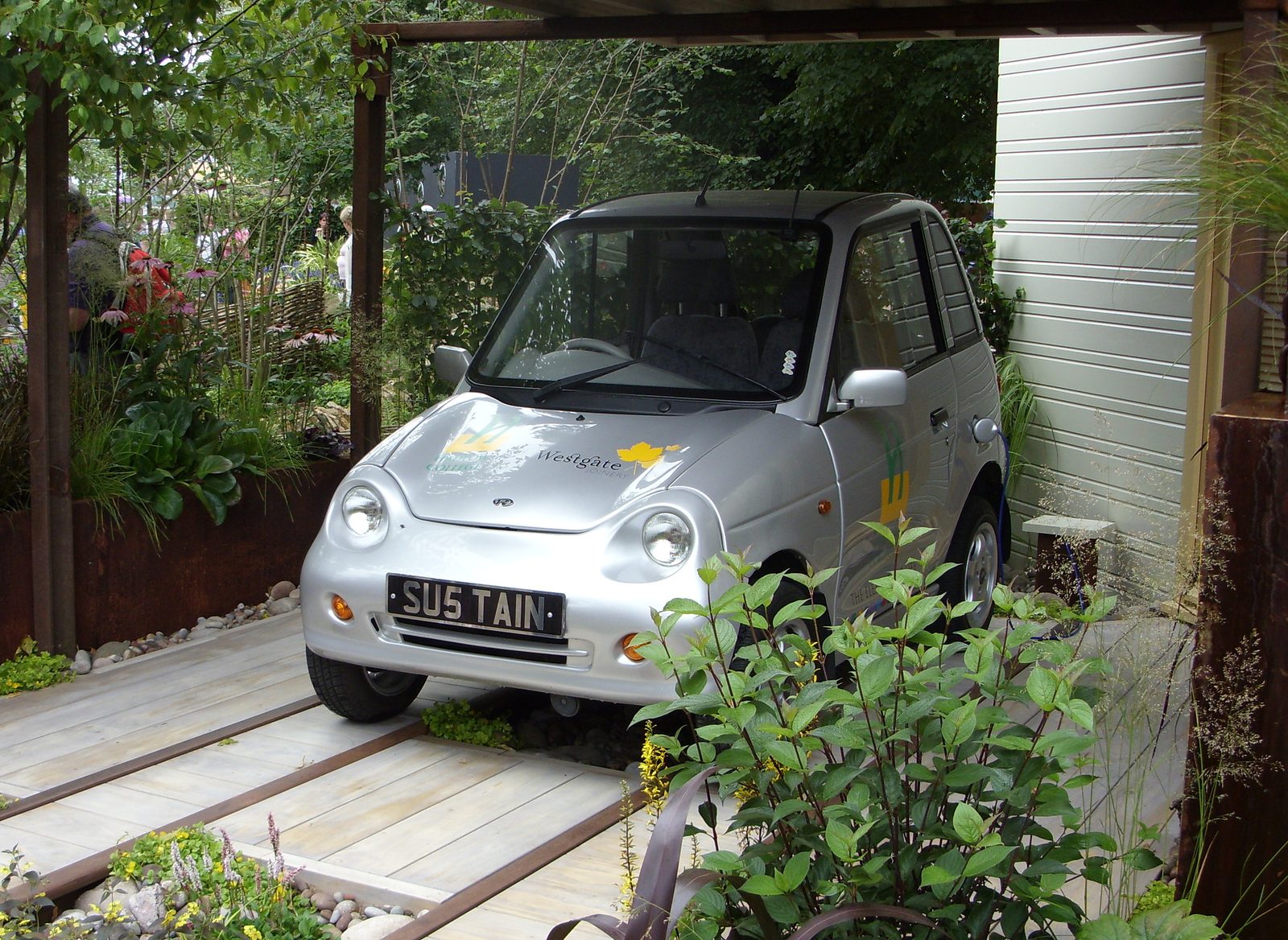
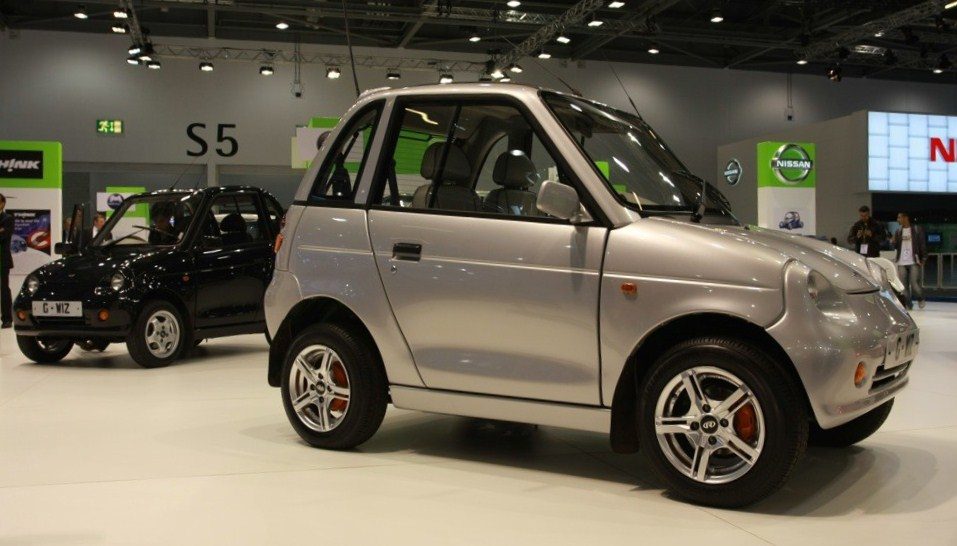
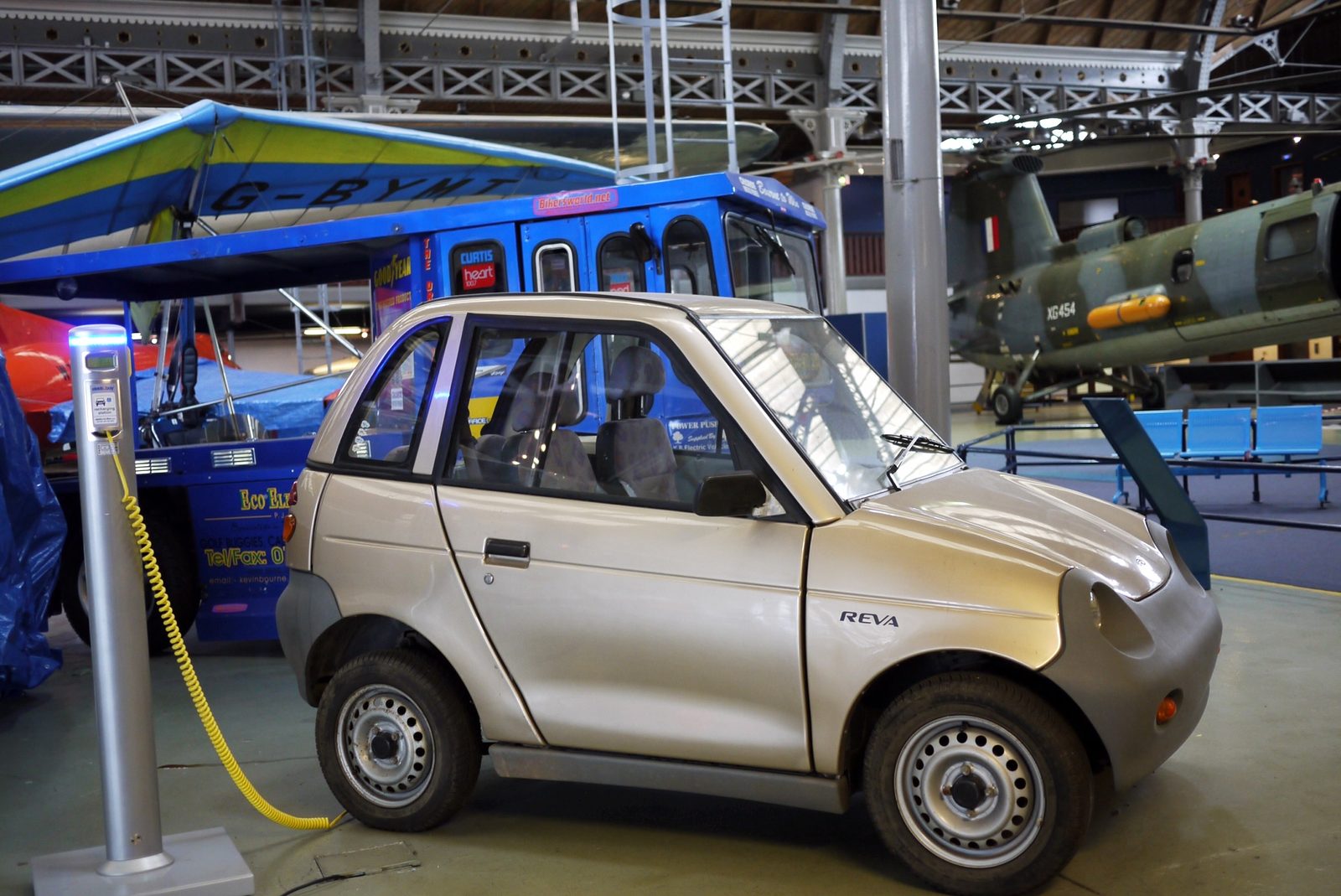
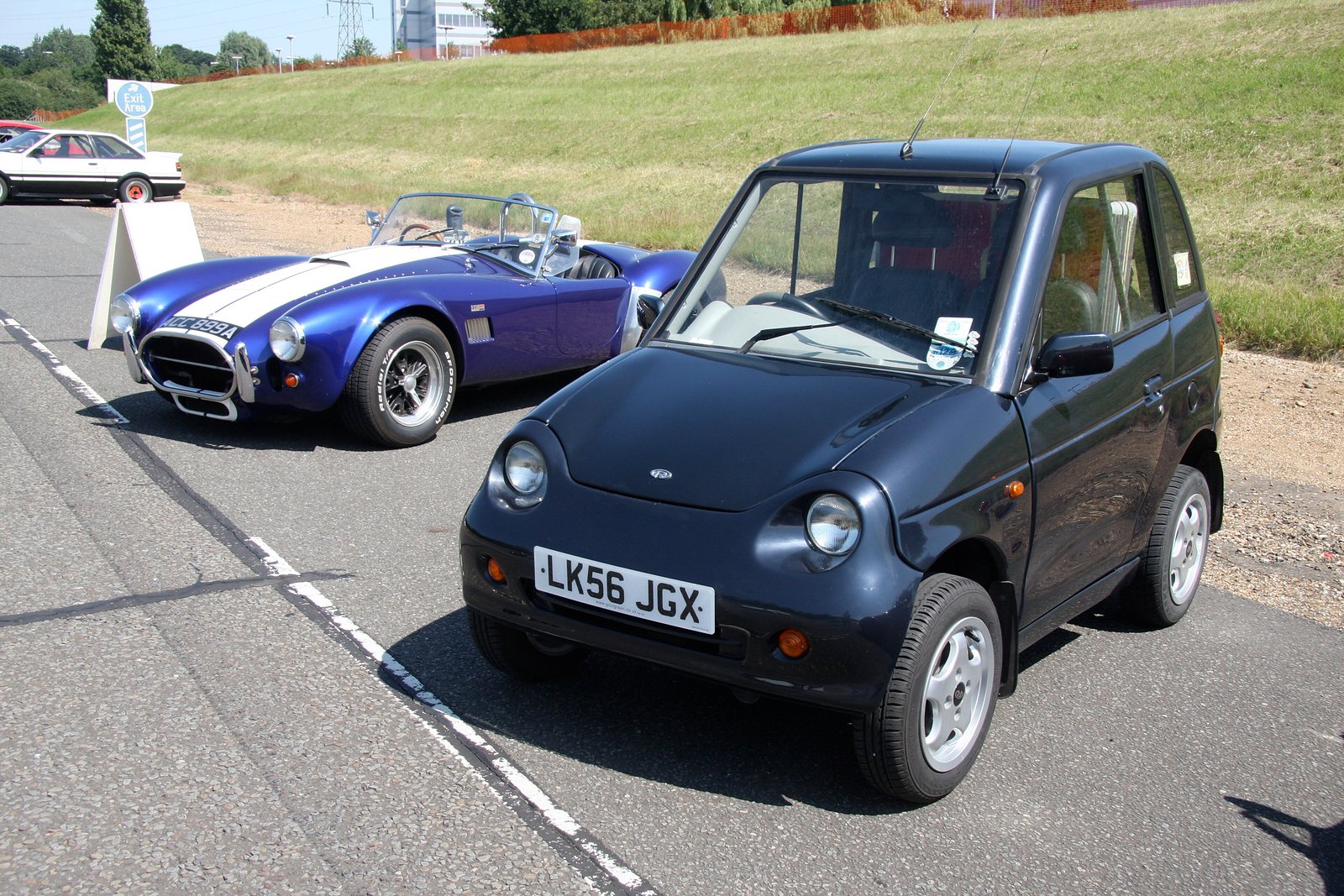
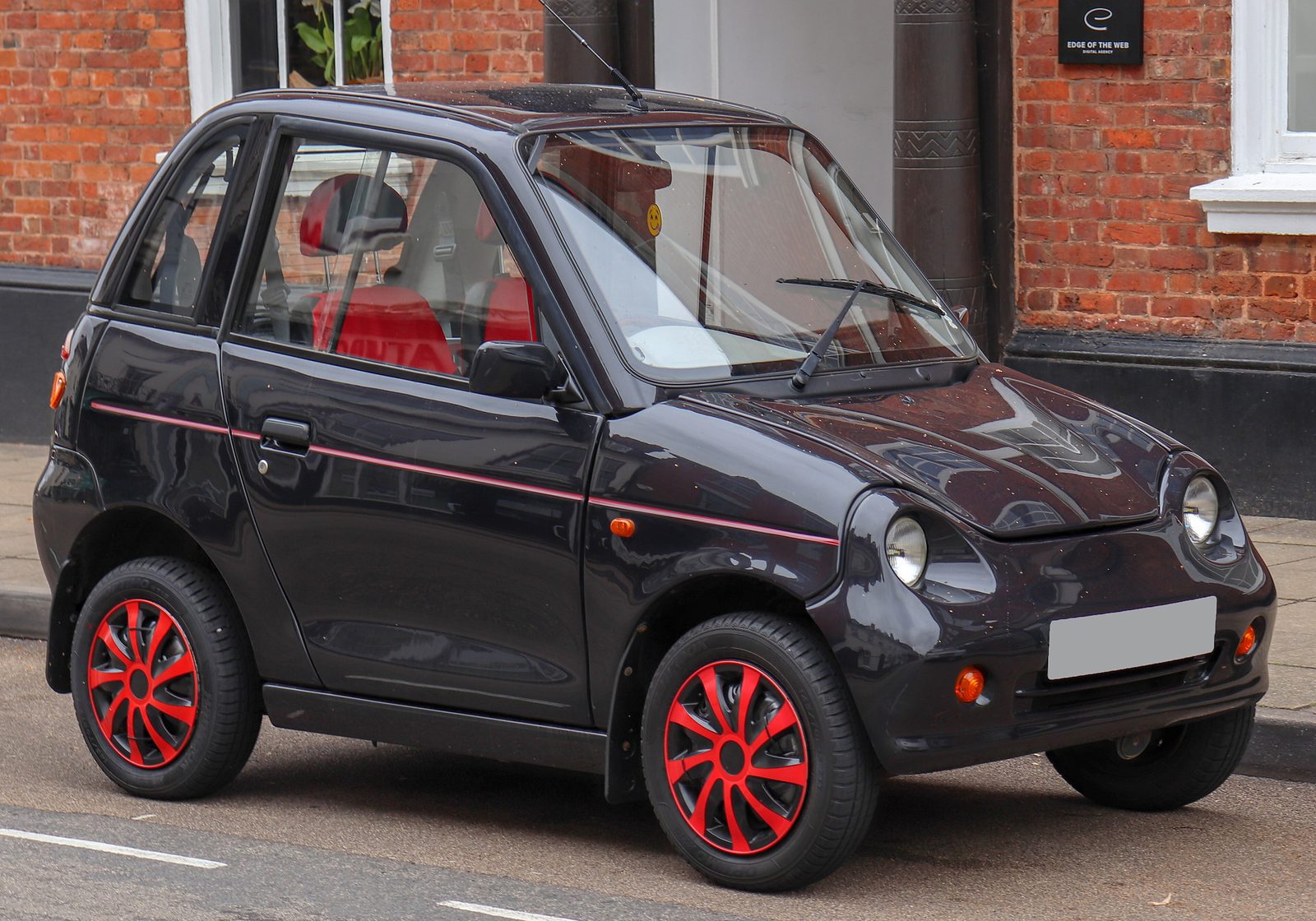
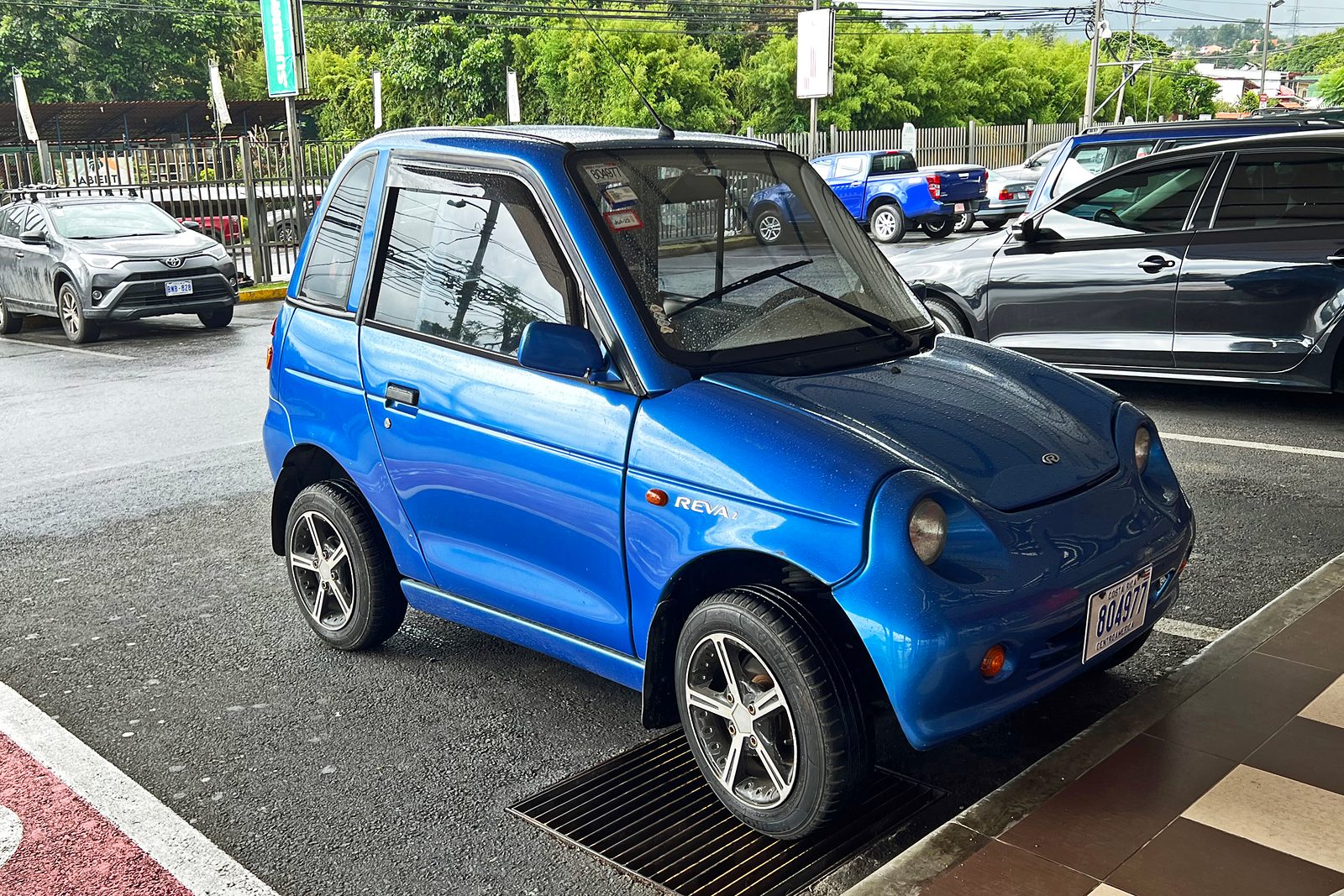
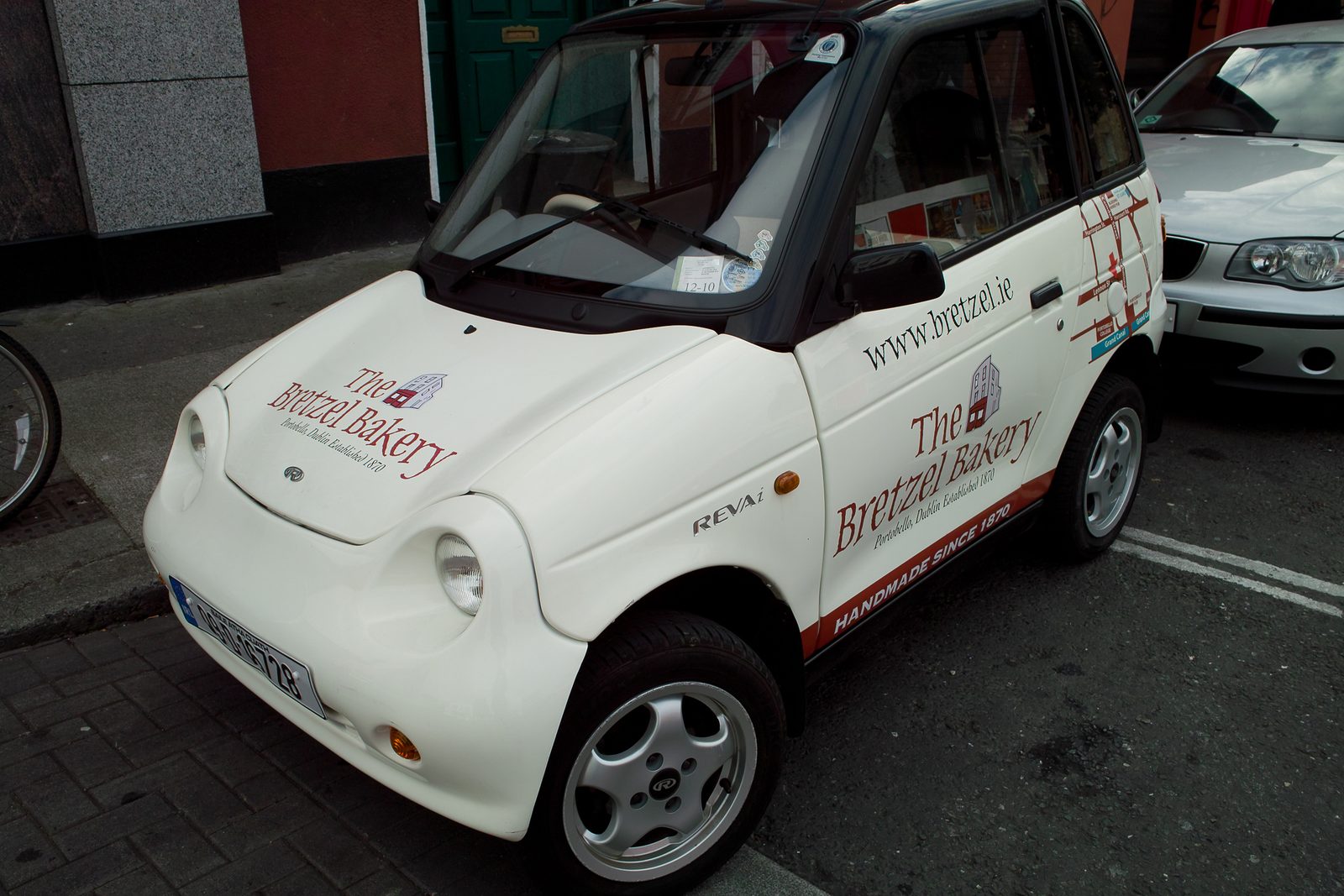
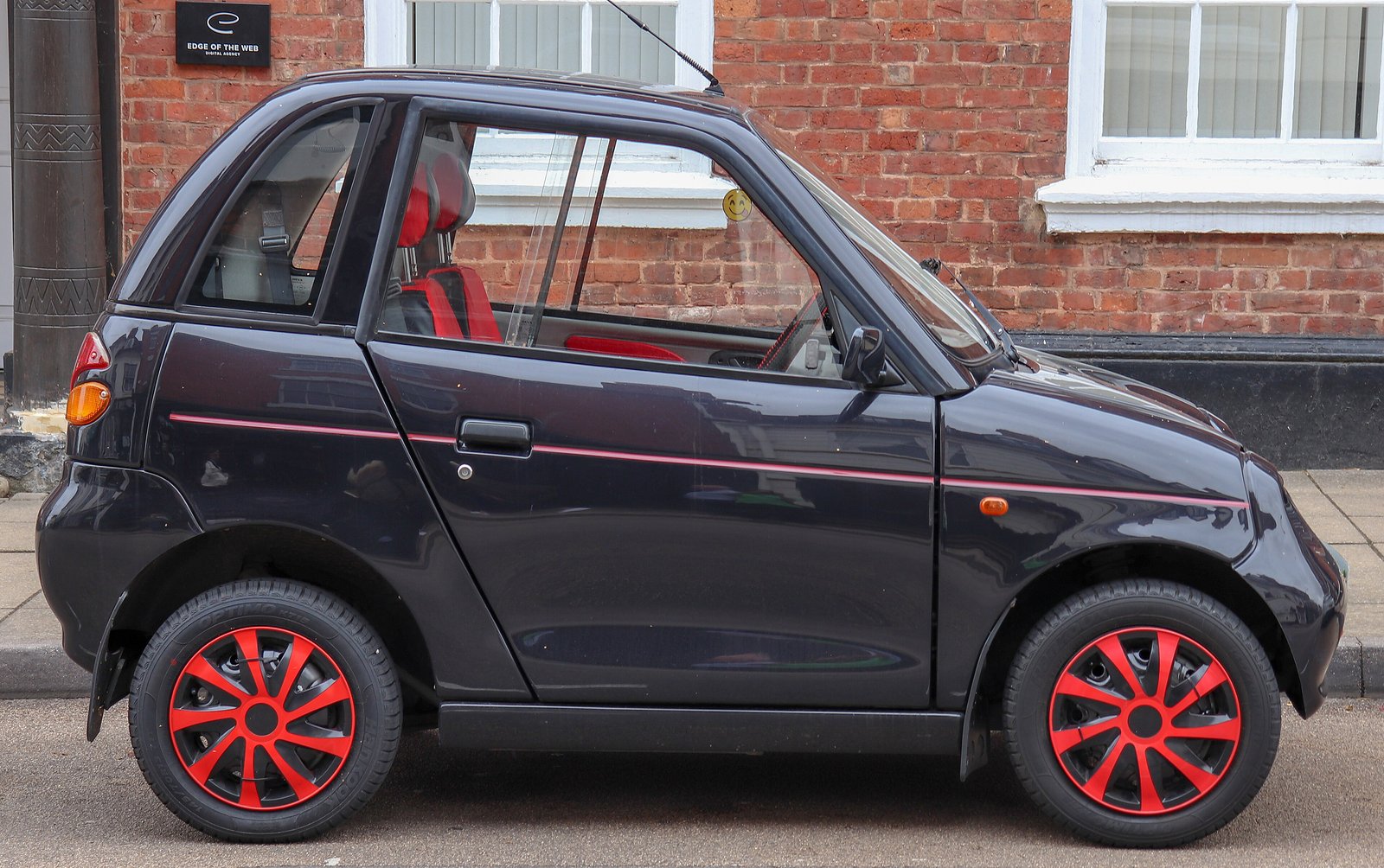
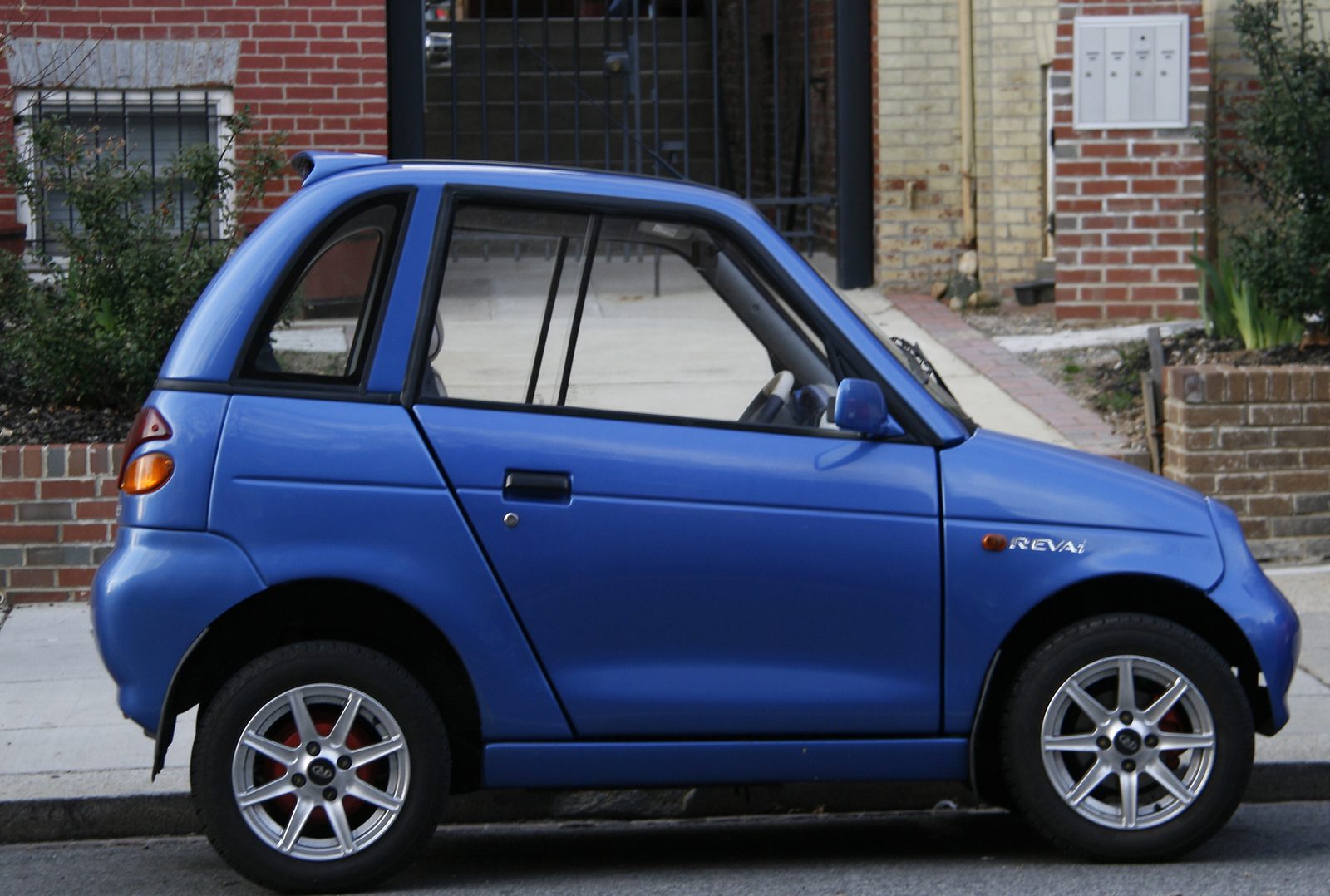
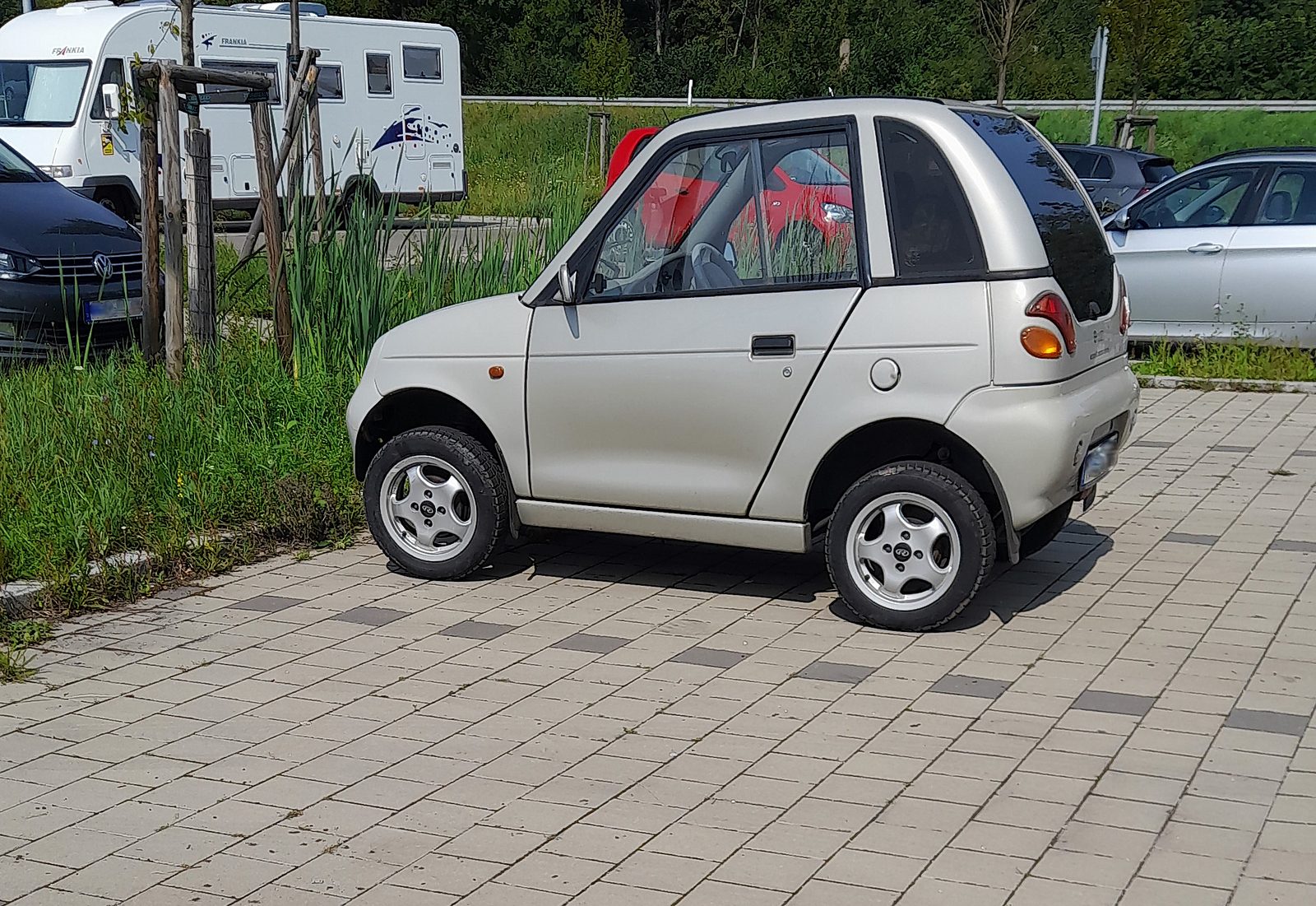
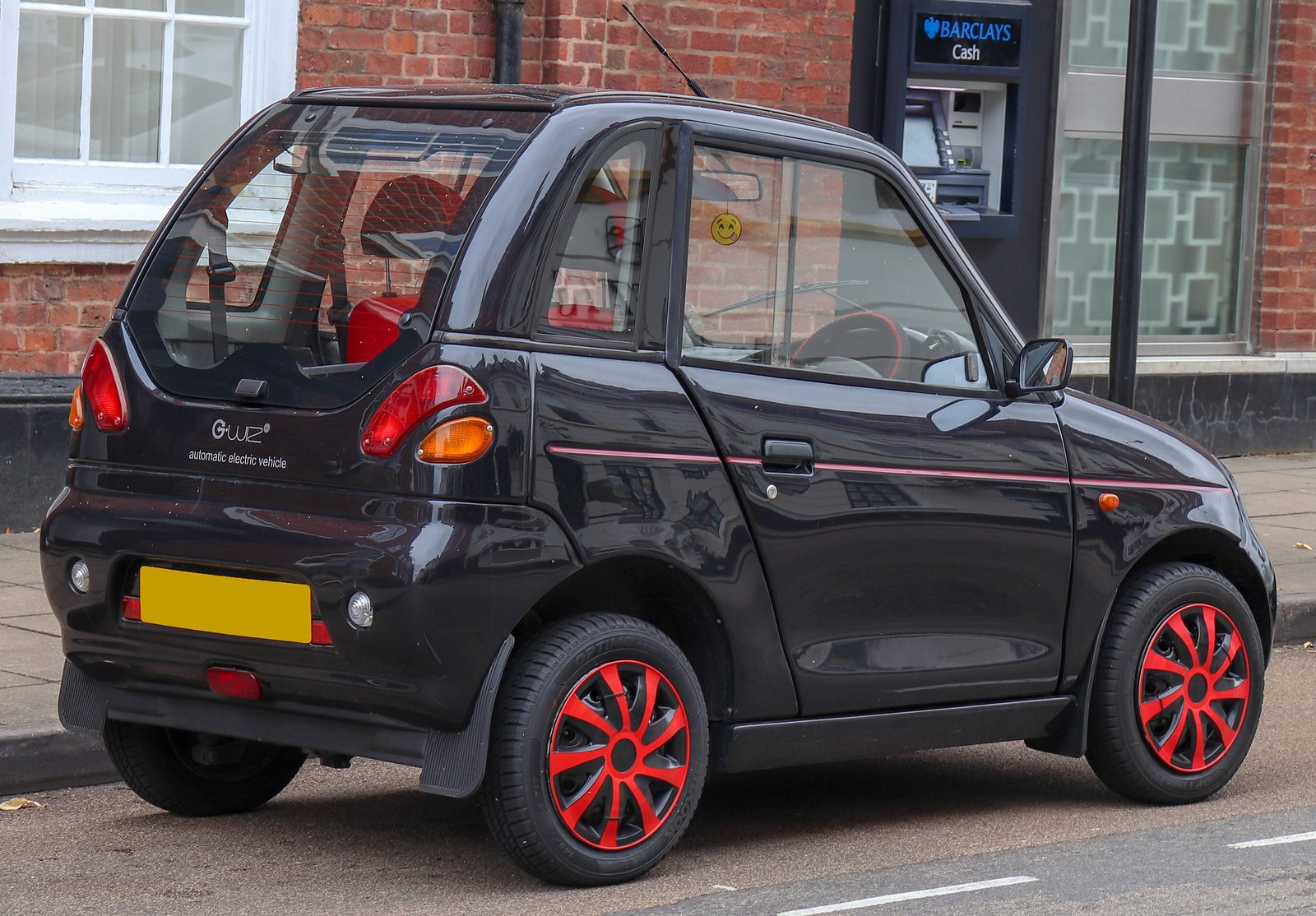
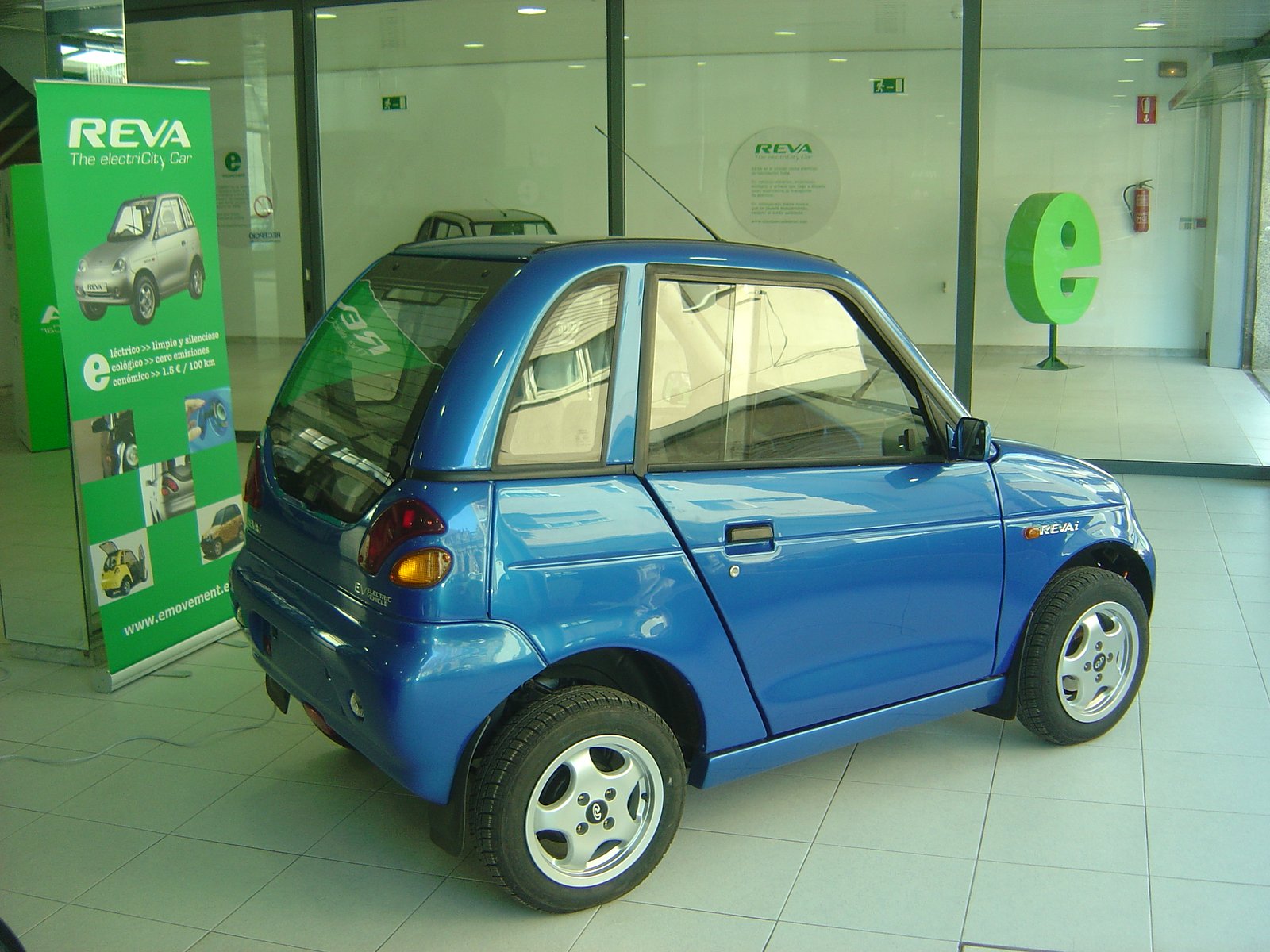
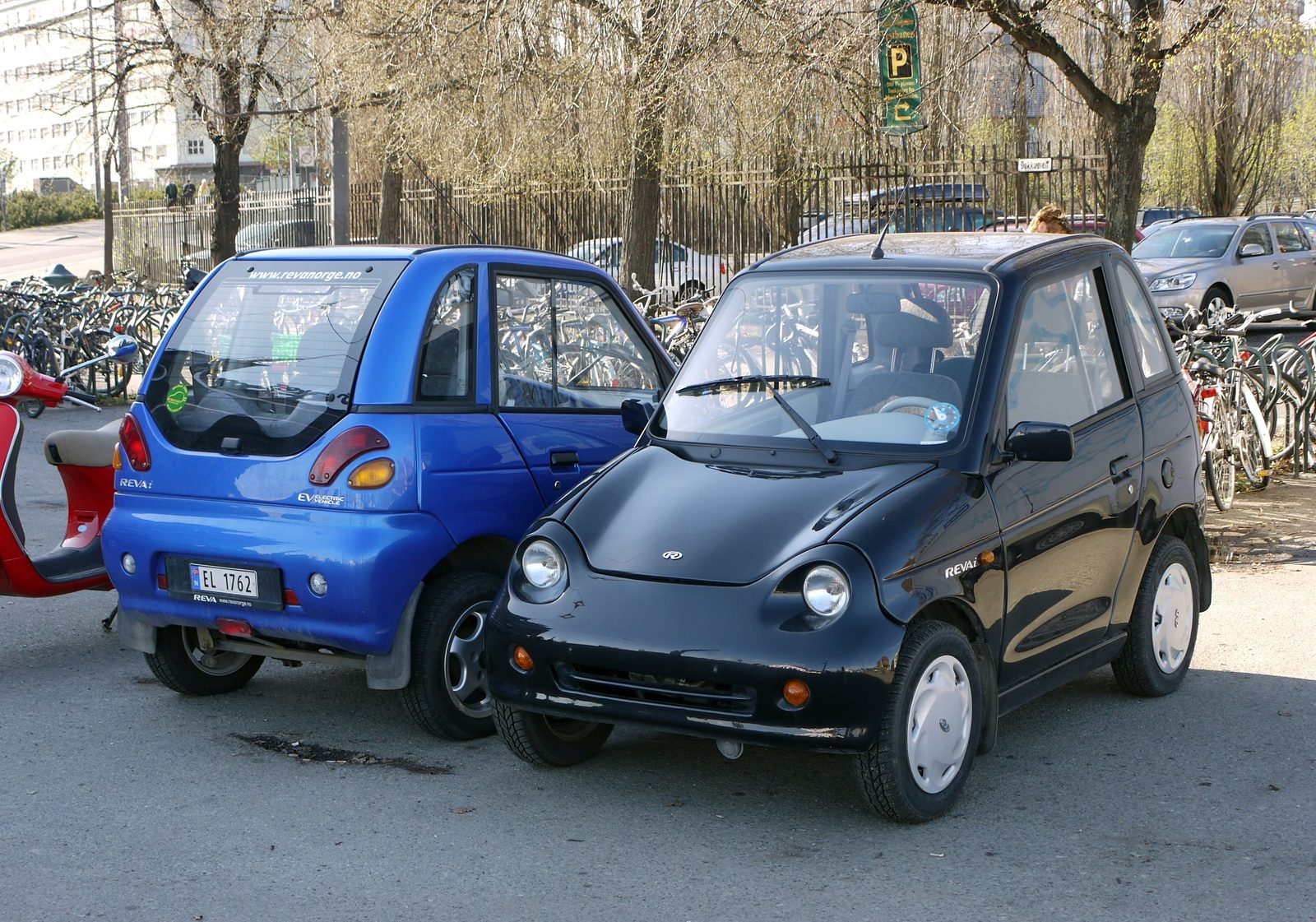
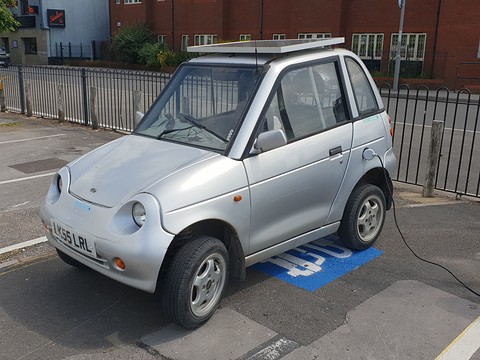
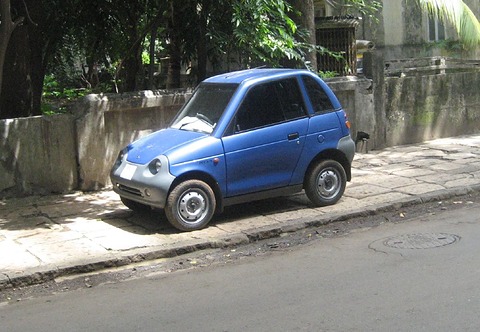
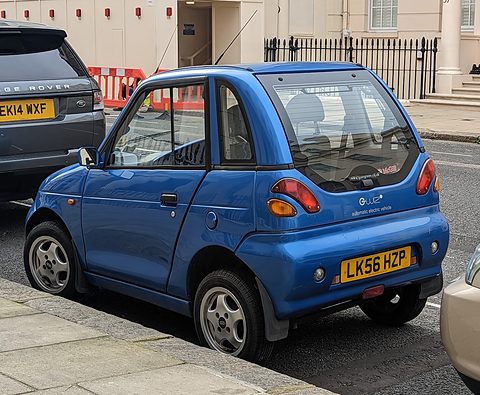
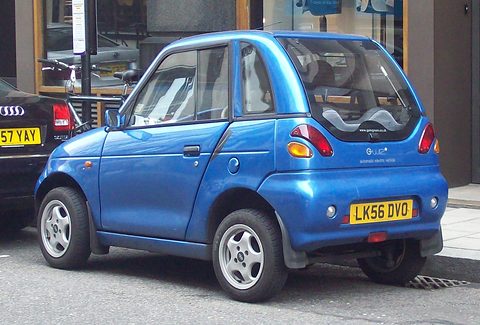
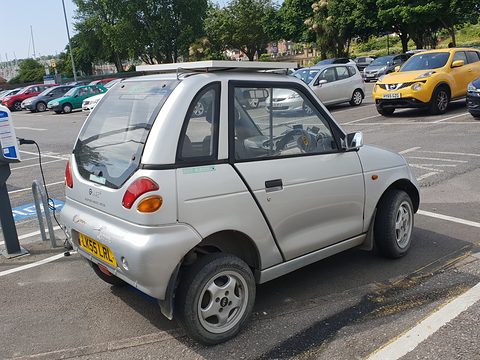
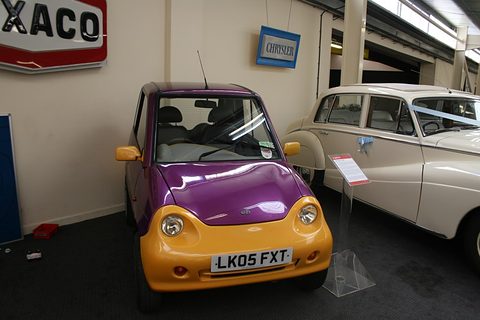
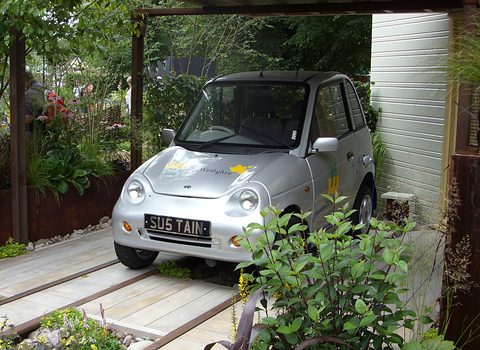
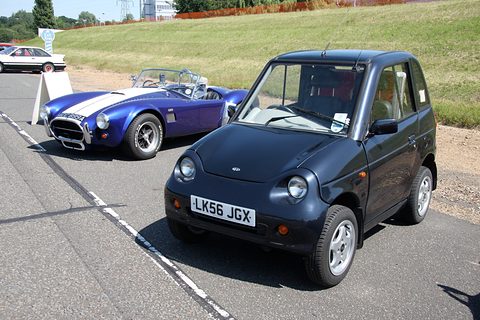
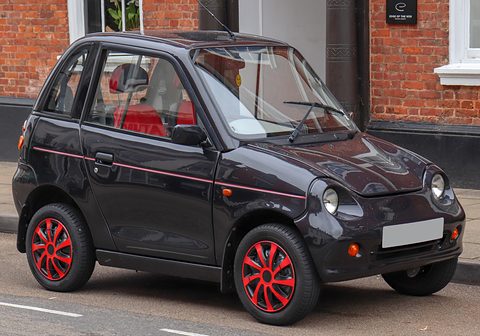
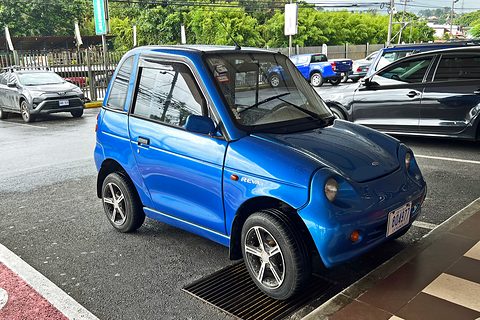
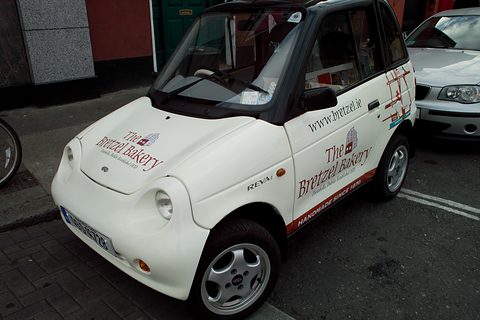
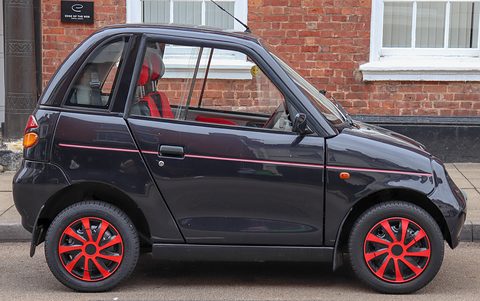
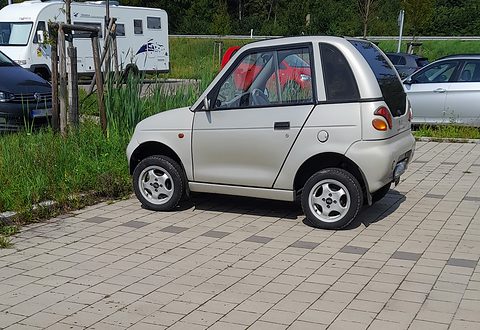
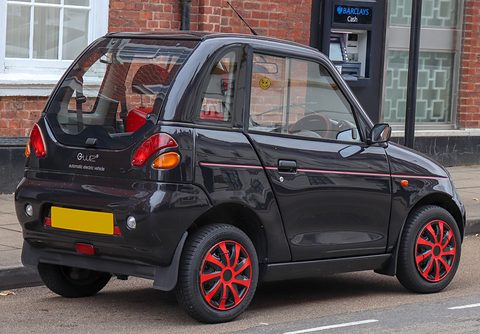
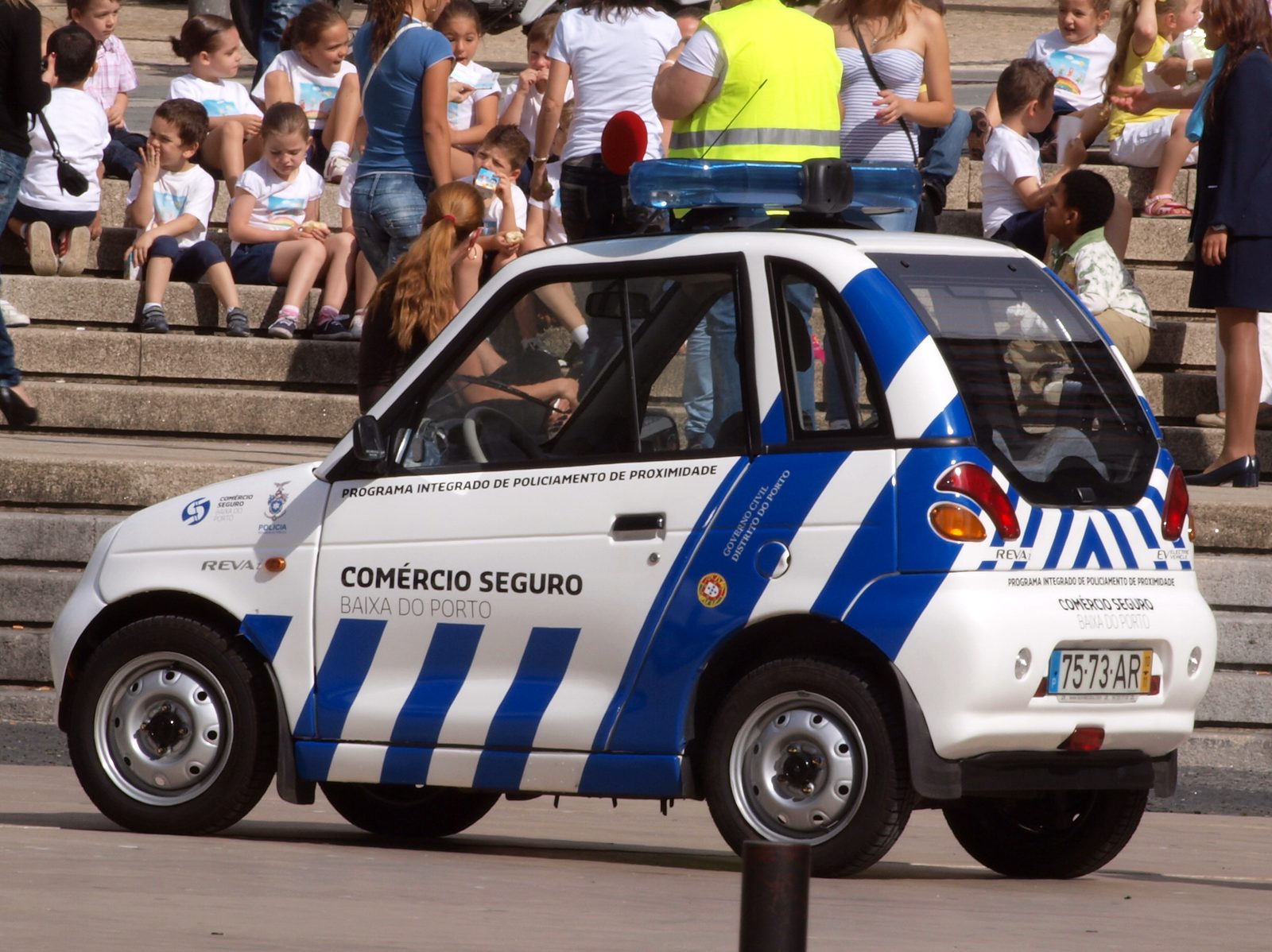
Survivors have not been counted, nor has any auction sale been found. There is an owners’ club, the REVA Electric Car Club.source 2 In October 2013 Top Gear magazine put the G-Wiz among the 13 worst cars of the previous 20 years.source 2 The photographs on this page show G-Wiz still parked in London streets in 2023, others in Warwick in 2018 and on charge in 2024, and one at the Haynes International Motor Museum, Sparkford, in 2013.
Sources

Numbered as in the text

The car’s history rests on two English Wikipedia articles; the crash test and the London years on two period reports of May 2007. The e2o’s section draws on its own sources. No period British road test was read.

  1. English Wikipedia, Mahindra Electric, read in full.
  2. English Wikipedia, REVAi, read in full.
  3. Tom Foot, “Green bubble cars safety fears”, West End Extra, 11 May 2007.
  4. greenmotor.co.uk, “G-Wiz drivers don’t believe Boris”, 11 May 2007, with the Nice Car Company’s statement.
  5. English Wikipedia, Mahindra e2o, read in full.
  6. Antony Ingram, “Mahindra E2O Electric Minicar Launches In India, Nee Reva NXR”, Green Car Reports, 18 March 2013.
  7. Rachel Burgess, “Mahindra e2o electric car launches in UK”, Autocar, 15 April 2016.
  8. “Govt support missing, M&M scales back plans for new electric vehicles”, Business Standard, 15 November 2013.
  9. Sameer Contractor, “Mahindra e2o Two-Door Officially Discontinued In India; Exports To Continue”, carandbike, 24 November 2016.
  10. Lawrence Allan, “Mahindra e2o electric city car pulled from UK sales”, Auto Express, 6 May 2017.