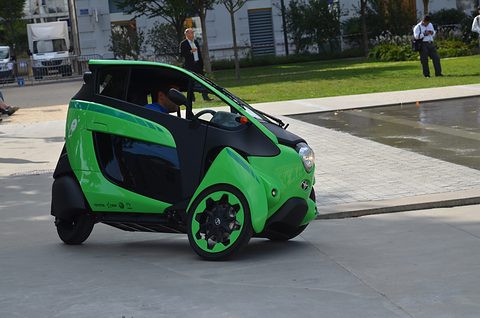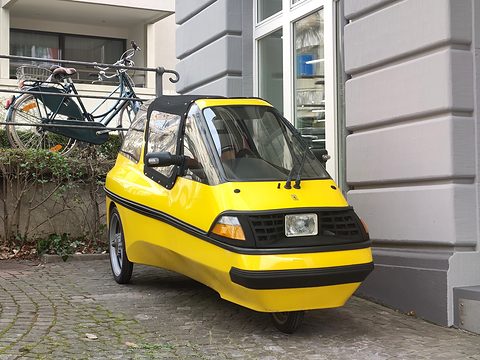
The story
History
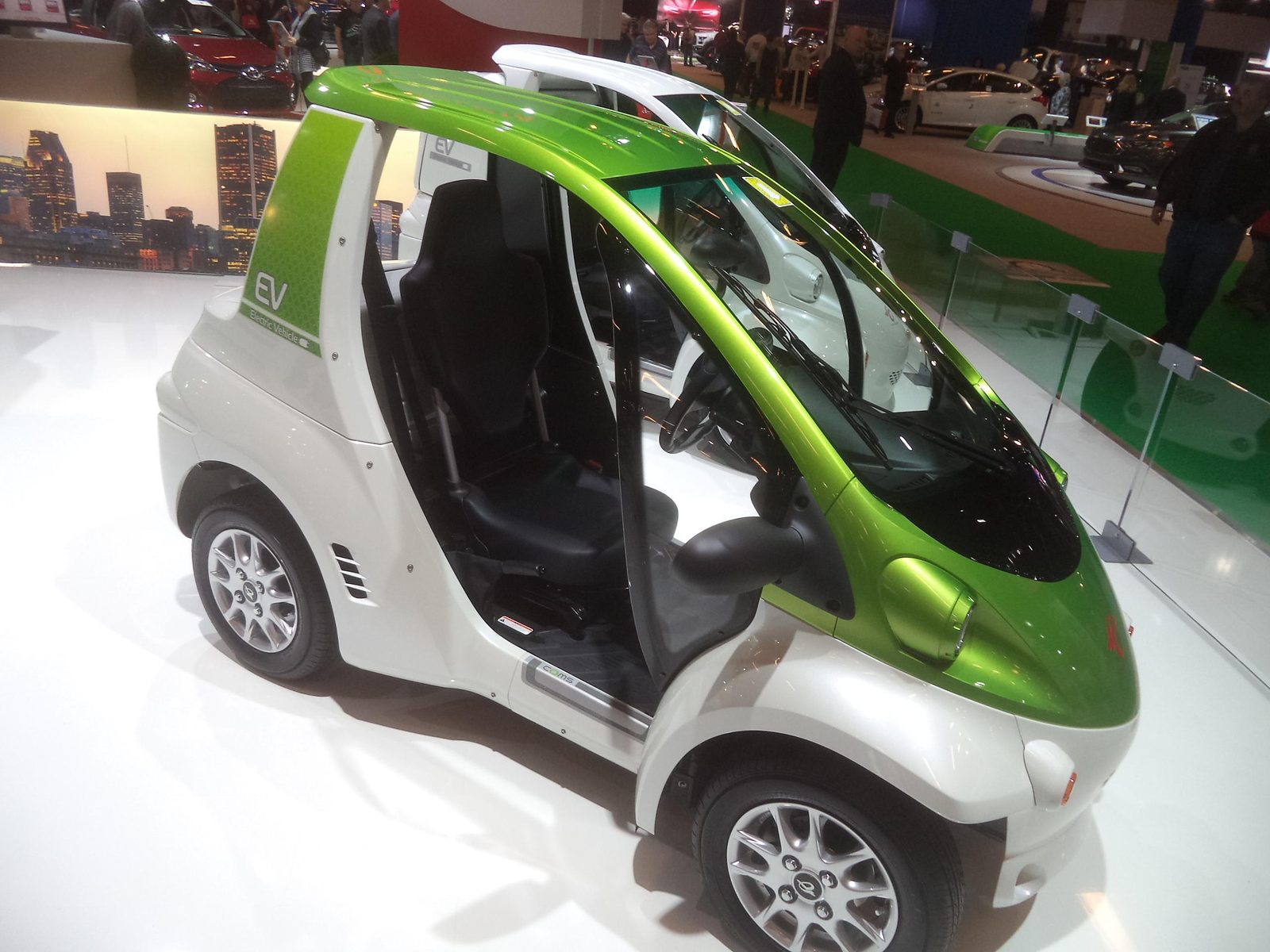
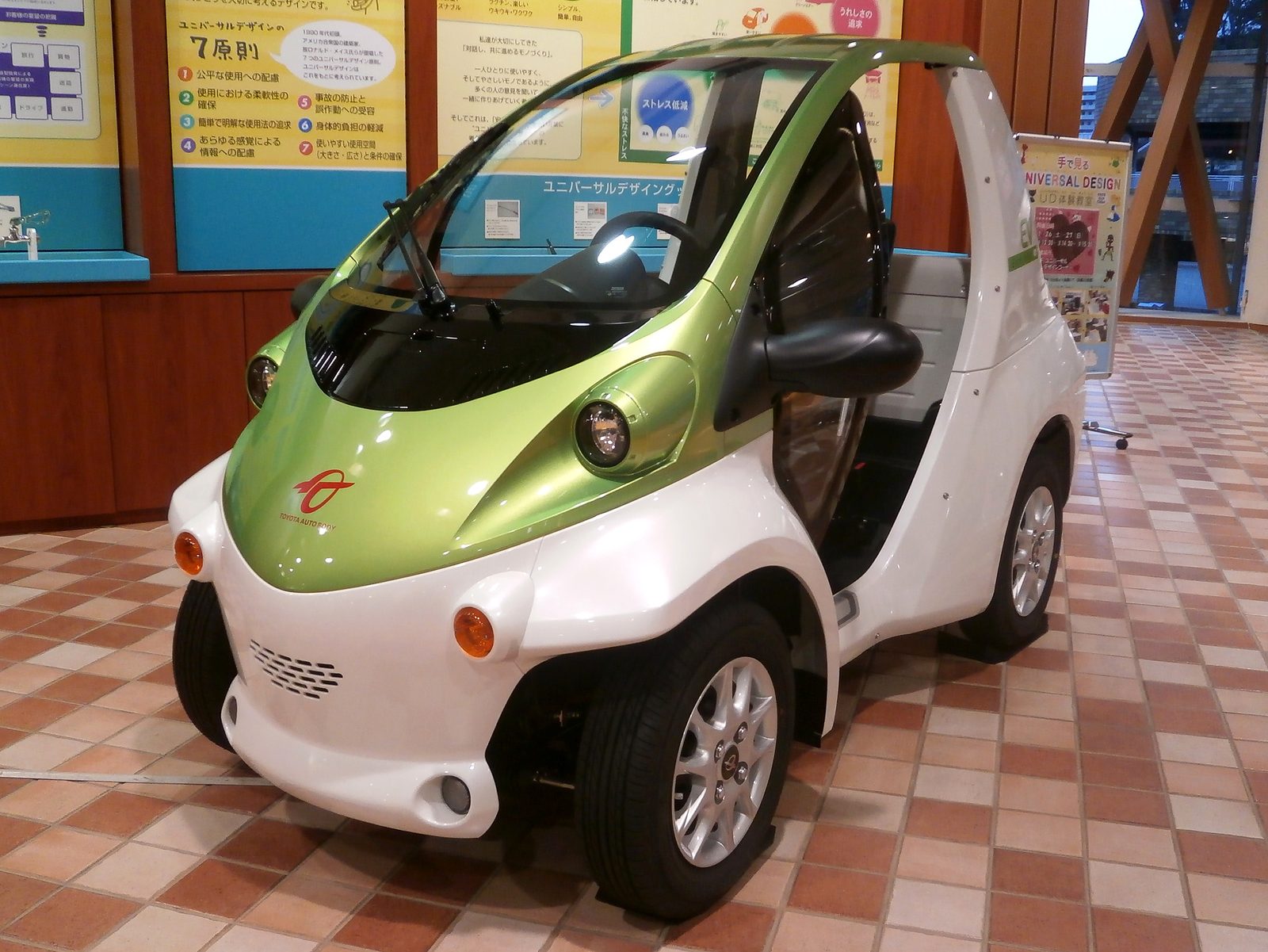
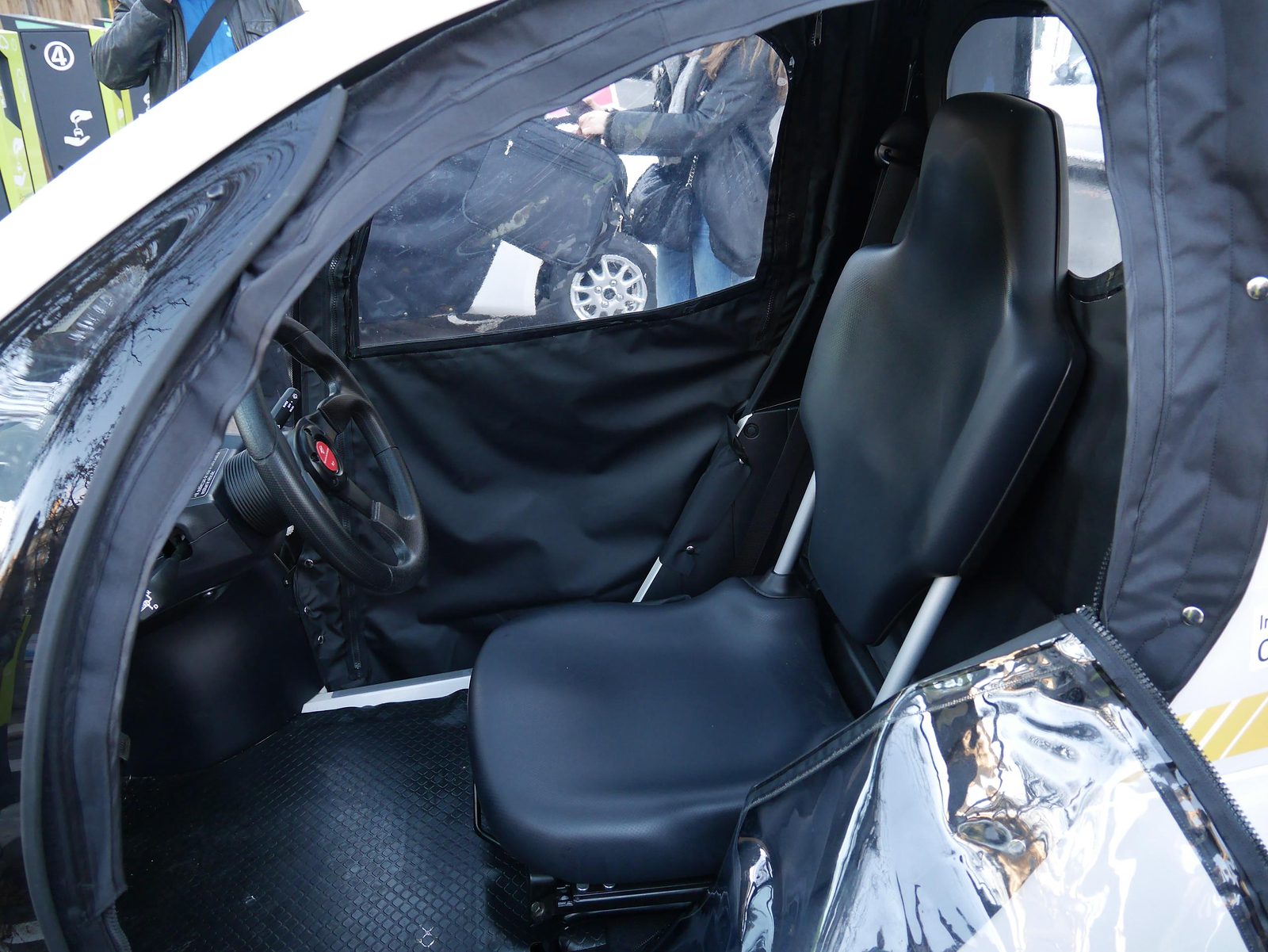
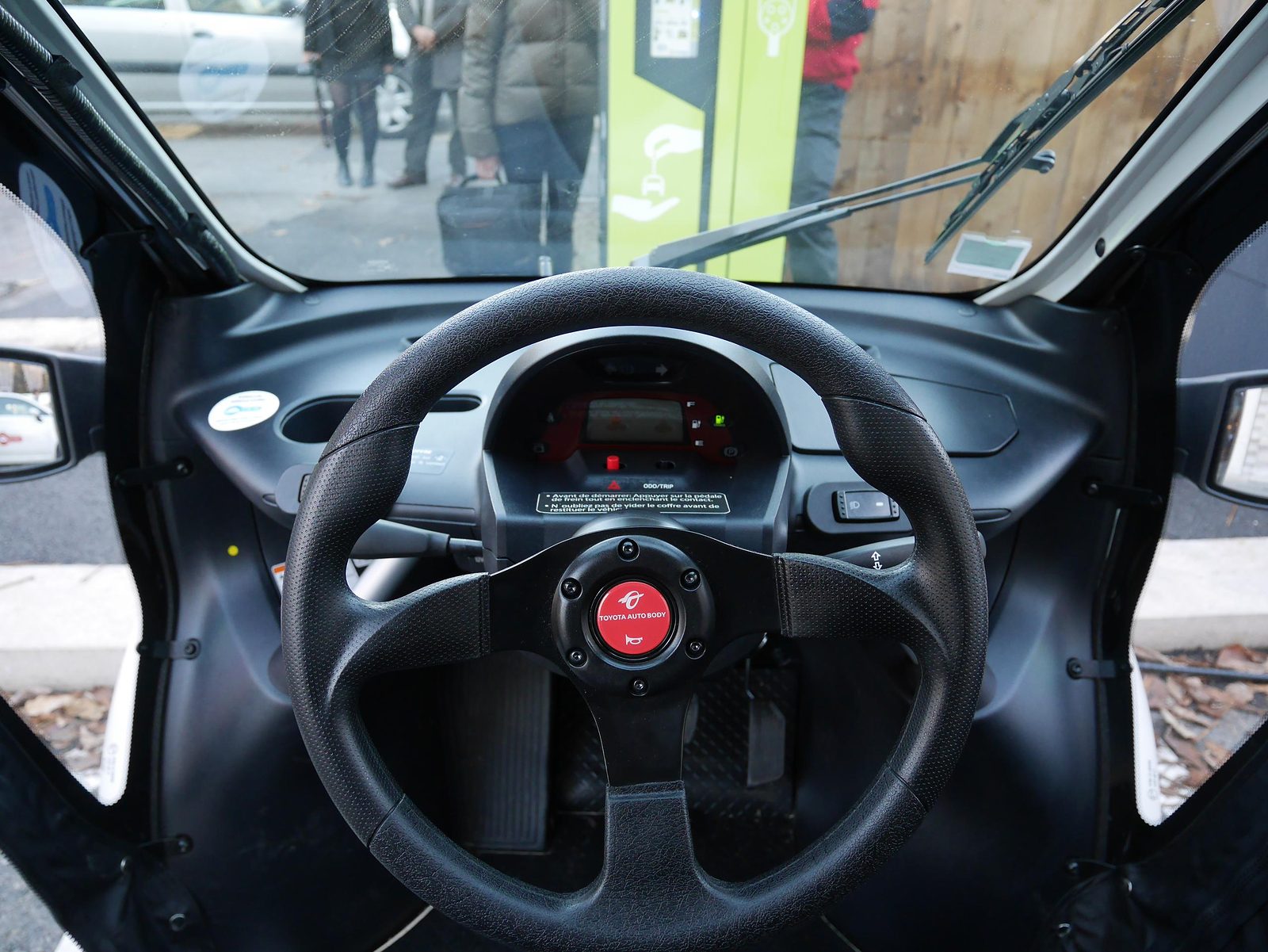
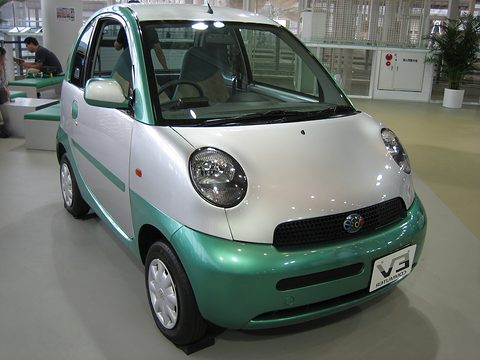
Toyota’s one-seat electric microcar takes its name from the initials of a Japanese phrase, Chotto Odekake Machimade Suisui, roughly “a quick, easy little trip into town”.source 1source 2 It belongs to the Japanese mini-car class of the Road Traffic Act: a single-seat vehicle with a rated output of no more than 0.6 kW, driven on an ordinary car licence and registered like a class-1 motorised bicycle, so that it needs neither a parking certificate nor the shaken roadworthiness inspection.source 3source 2
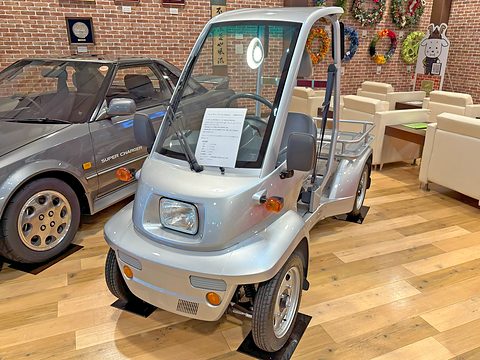
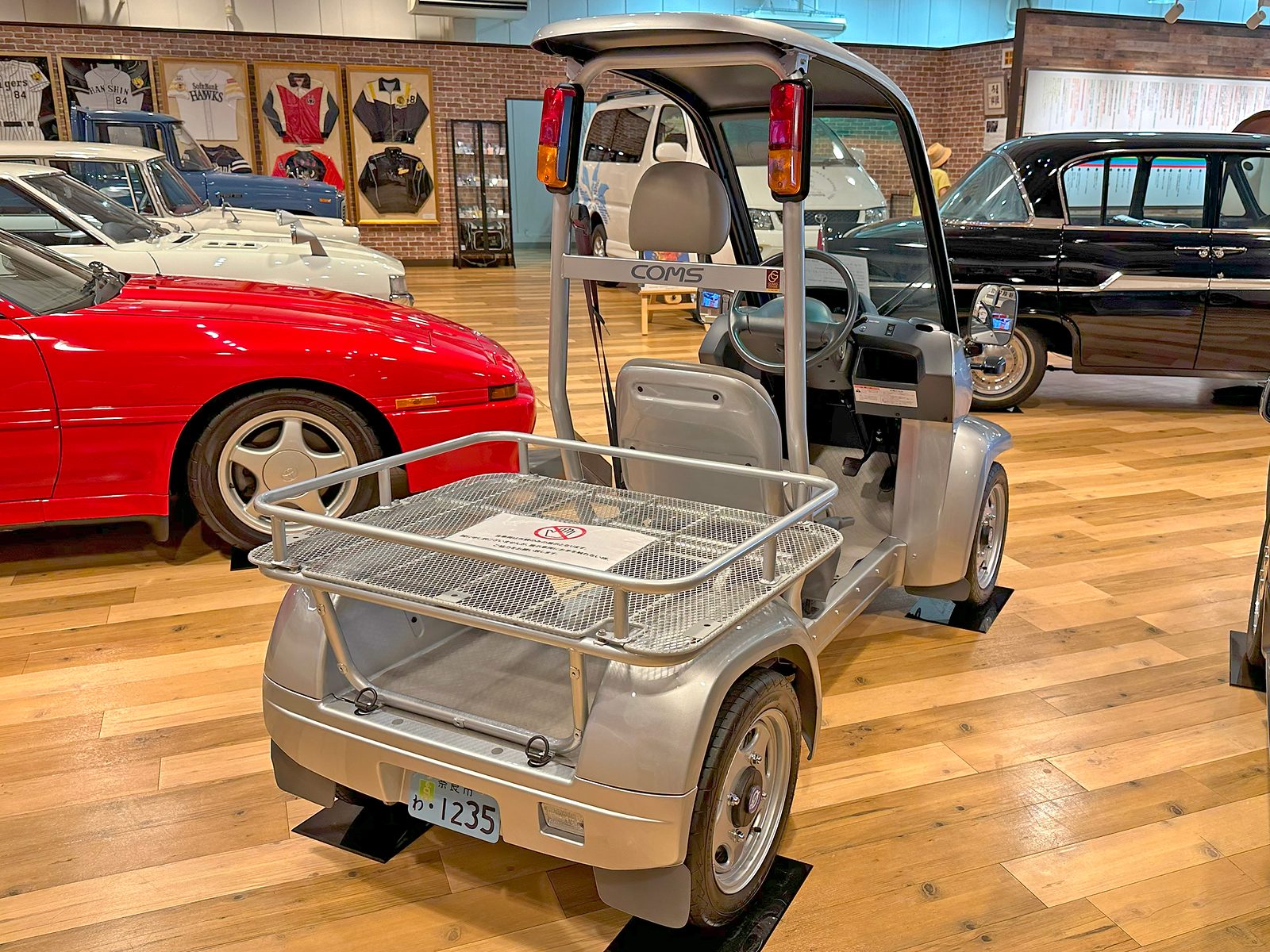
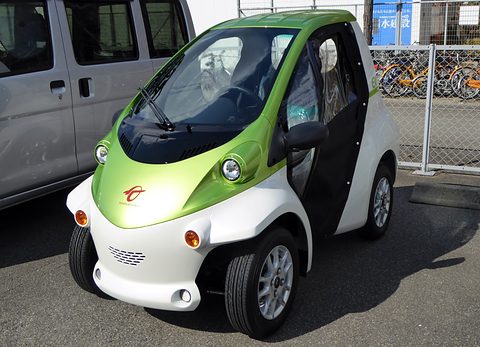
The first COMS was built by Araco, a body maker of the Toyota group, and went on sale as the Everyday COMS on 1 June 2000 by Japanese Wikipedia’s date, or in August by the launch report of 2012.source 3source 2 It had a resin body on an aluminium frame, two 2 kW motors in the wheels and lead-acid batteries; it reached 50 km/h (31 mph), ran 35 to 45 km (22–28 miles) on a charge, took 8–10 hours to recharge and weighed 270 kg (595 lb).source 1source 2 In October 2004 Araco’s vehicle business was merged into Toyota Auto Body.source 3 About 2,000 were sold before the first generation ended in May 2011.source 1source 2
The second COMS
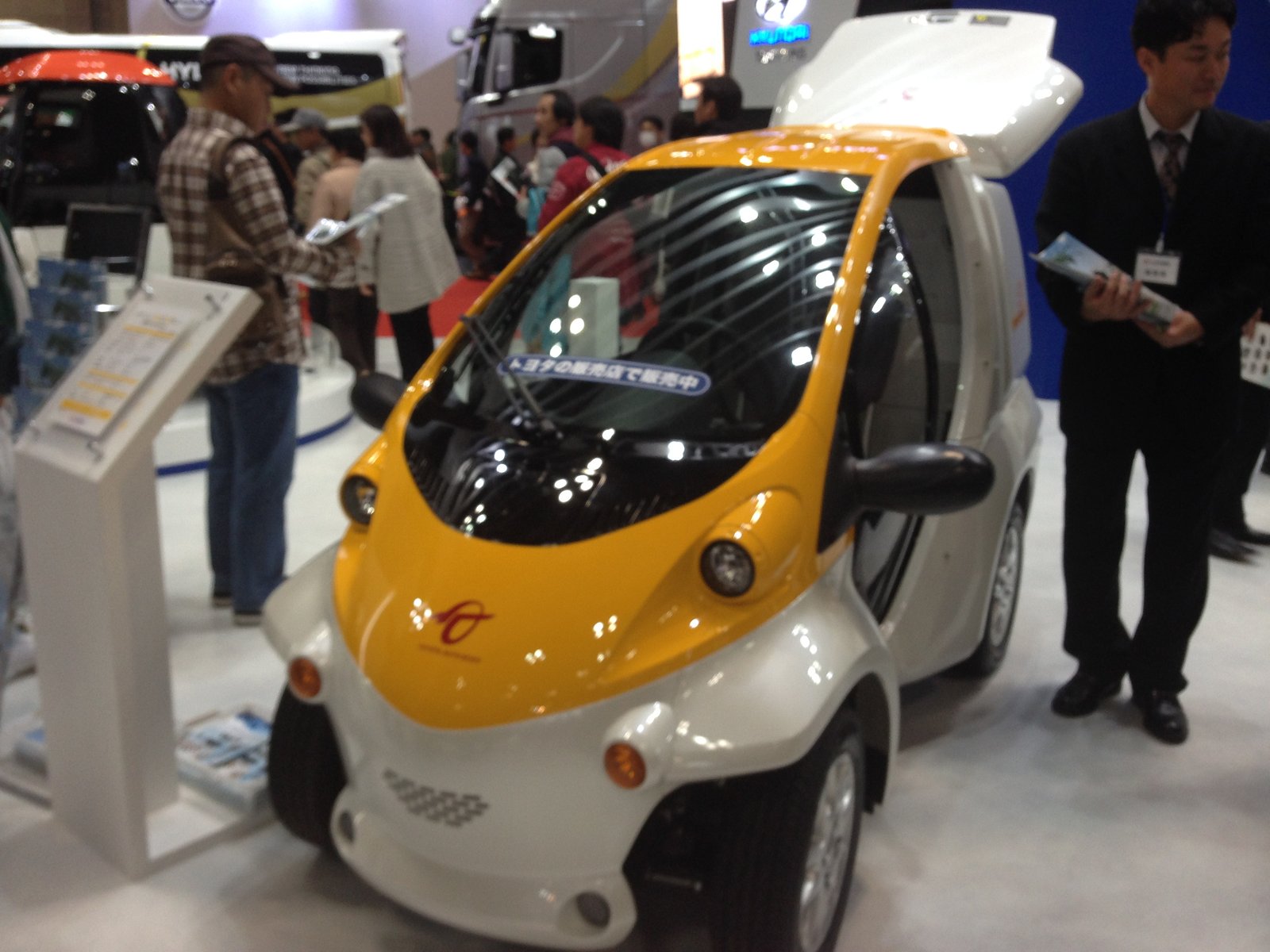
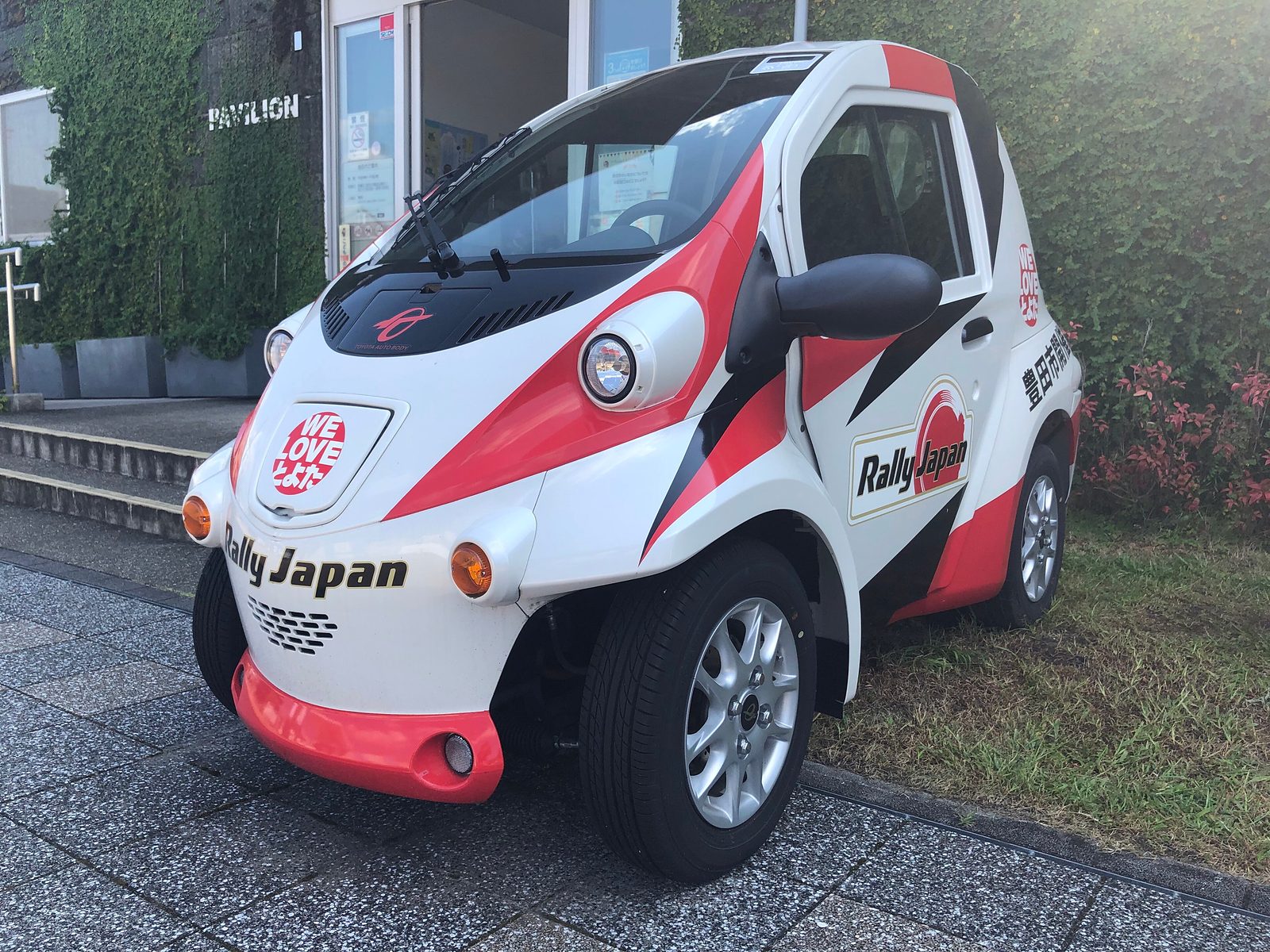
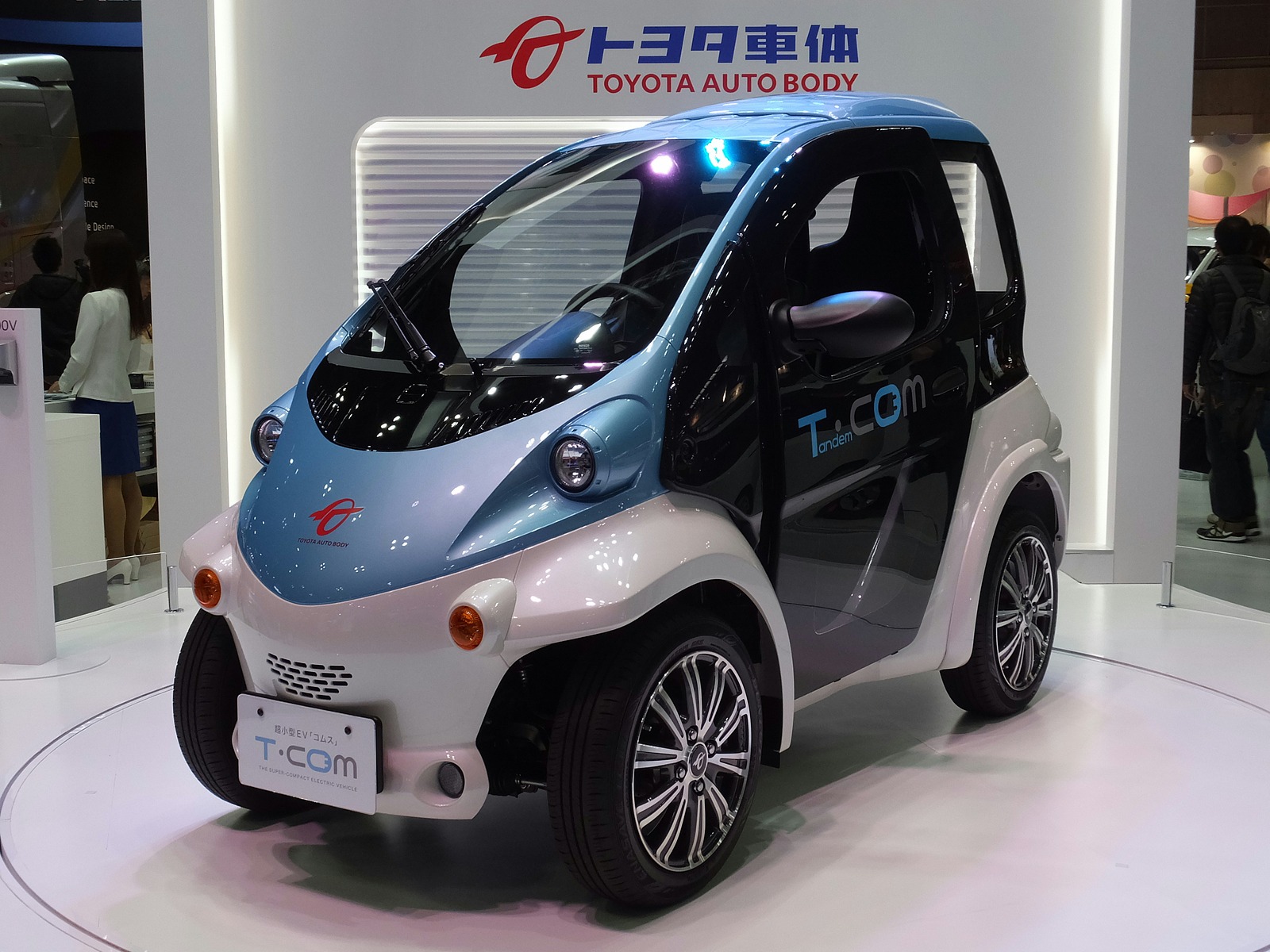
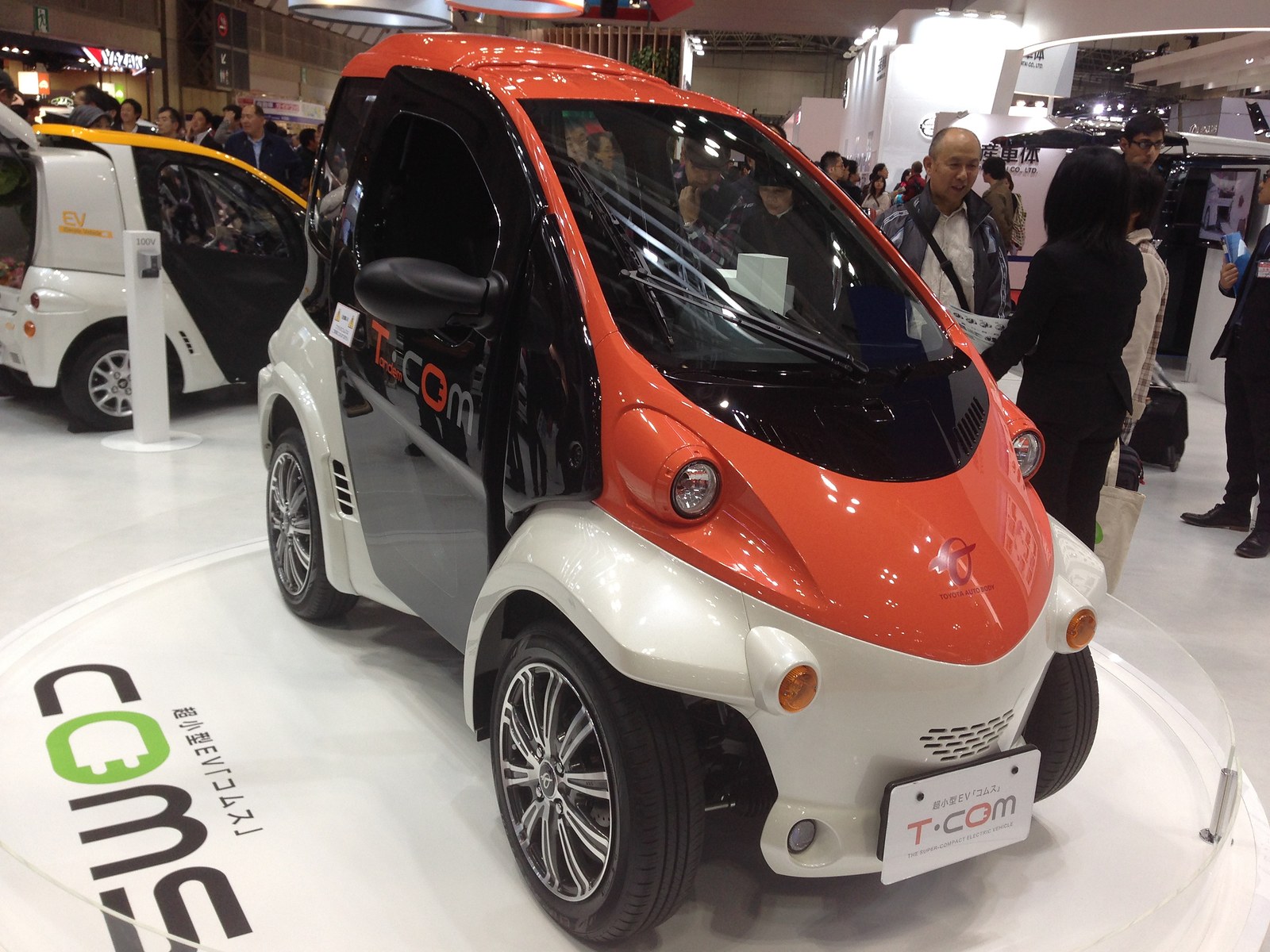
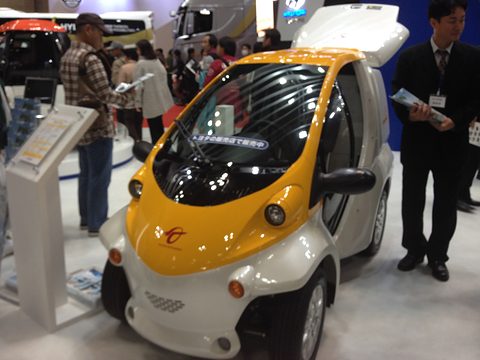
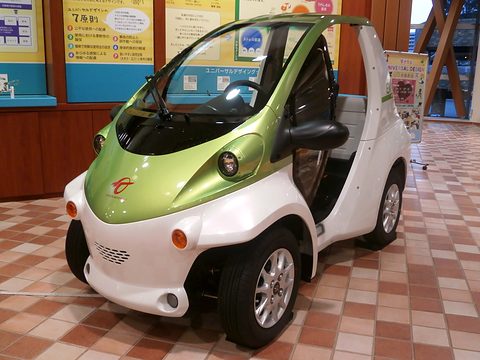
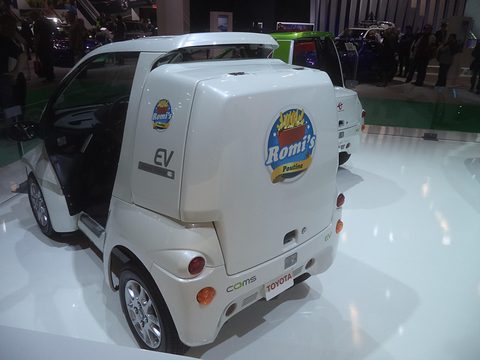
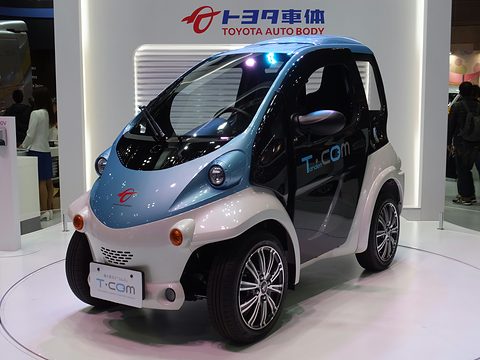
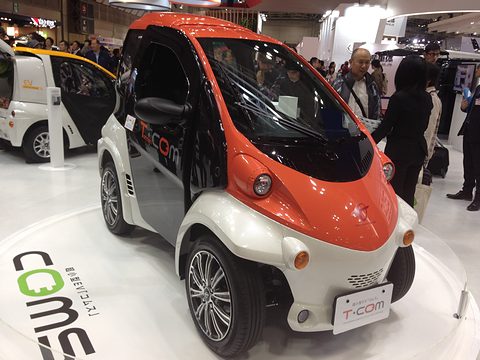
A show car for the second generation appeared at the Tokyo Motor Show in 2007, and after about four years of development Toyota Auto Body launched it on 2 July 2012.source 1source 3source 2 Its president, Takuji Amioka, presented it as the company’s own work.
これからの時代の近距離移動に適したEVとして、当社が独自に設計、製造したのが、この2代目コムスだ。
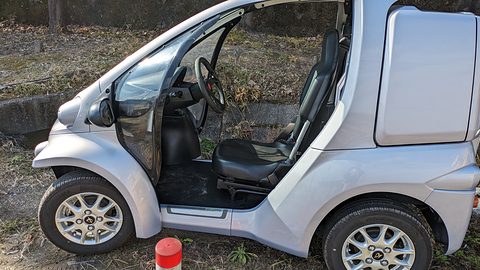
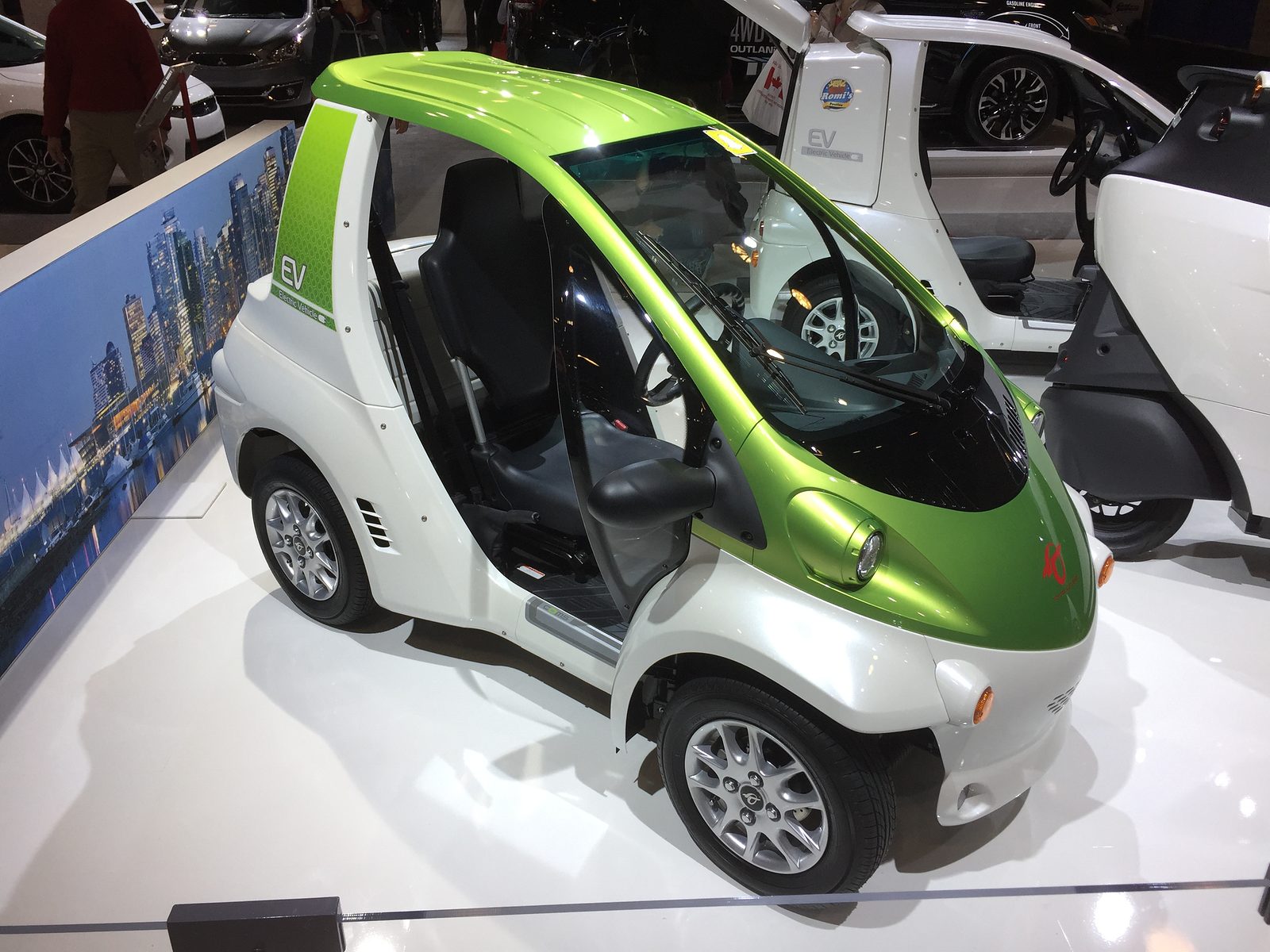
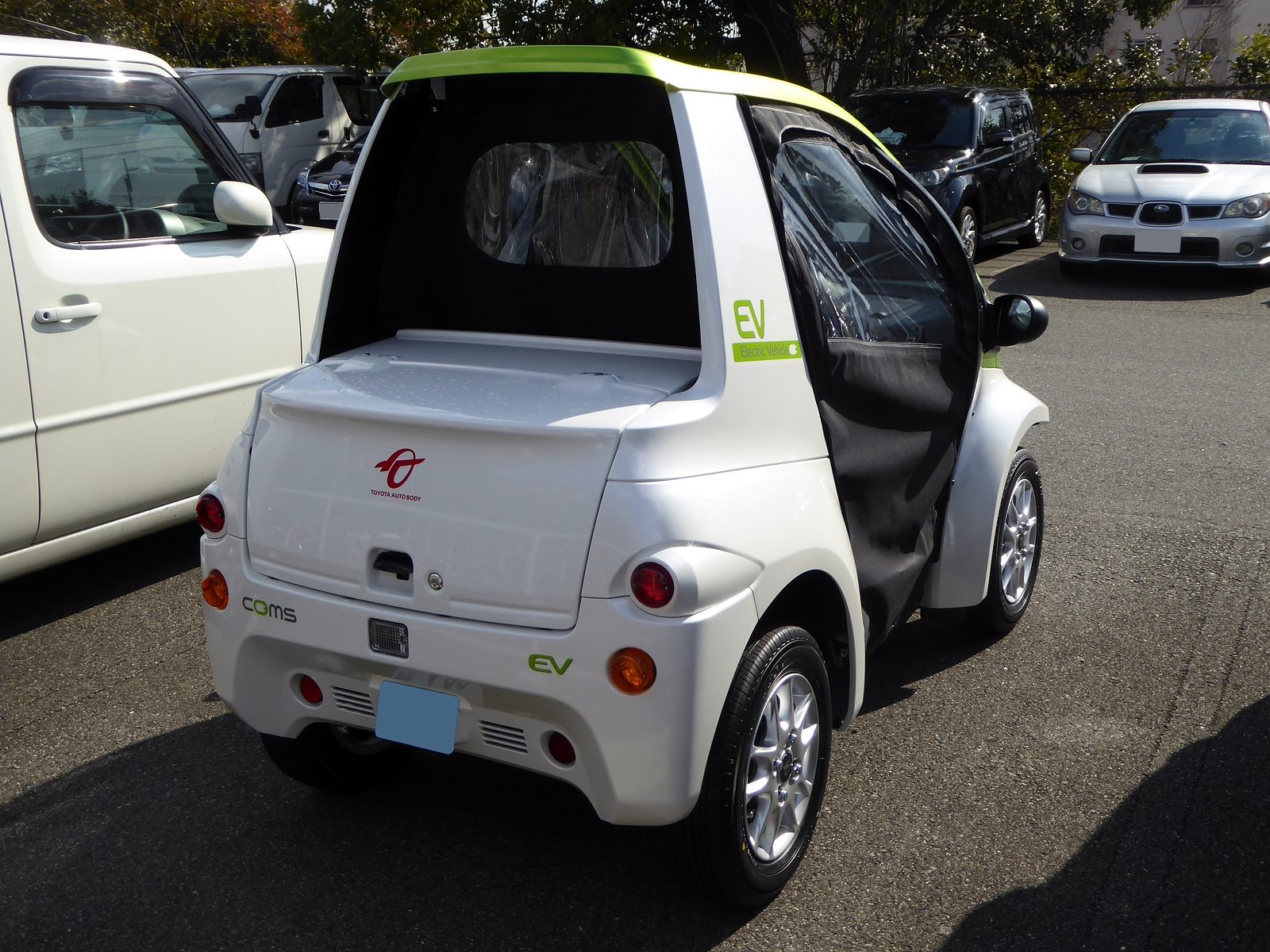
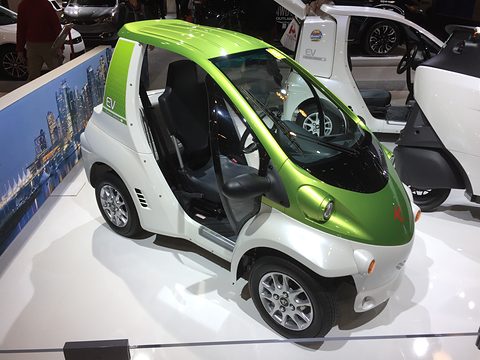
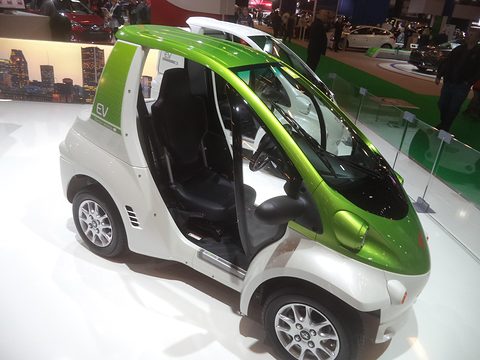
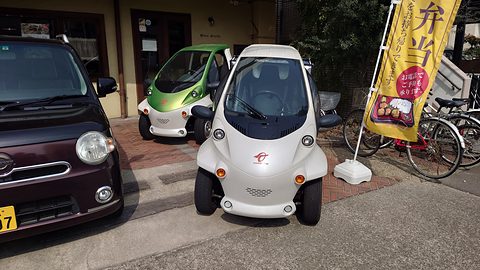
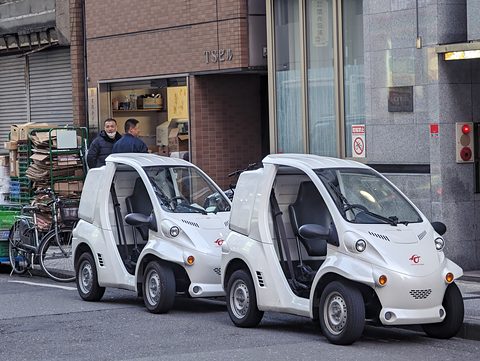
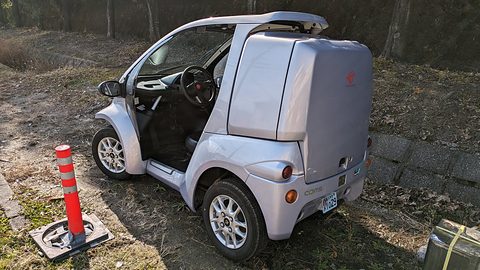
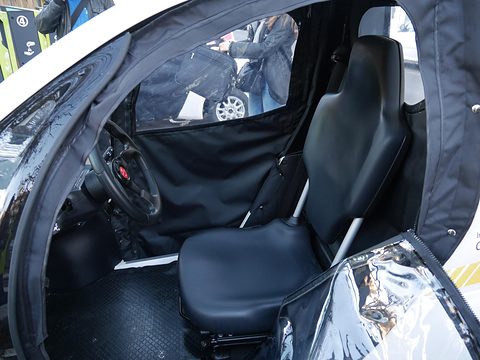
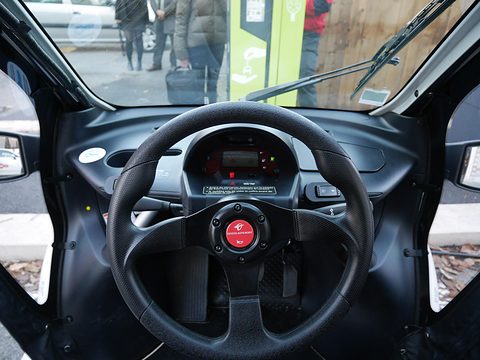
It is 2,395 mm (94 in) long, 1,095 mm (43 in) wide and 1,500 mm (59 in) high, on a steel ladder frame, and it weighs about 410 kg (904 lb).source 2source 3 The motor, developed with Yaskawa Electric, is rated at 0.59 kW to stay inside the mini-car rule, but gives 5 kW and 250 Nm at its peak; the top speed rose to 60 km/h (37 mph), 1.2 times the old car’s, and the range is about 50 km (31 miles).source 1source 2 It turns in a radius of 3.2 m, against 4.4 m for a typical kei car, and Toyota Auto Body pointed out that a COMS spends 77 per cent of its driving time below 32 km/h (20 mph).source 2 The law asks no crash test of a mini-car, so the company ran its own frontal test at 32 km/h.source 2
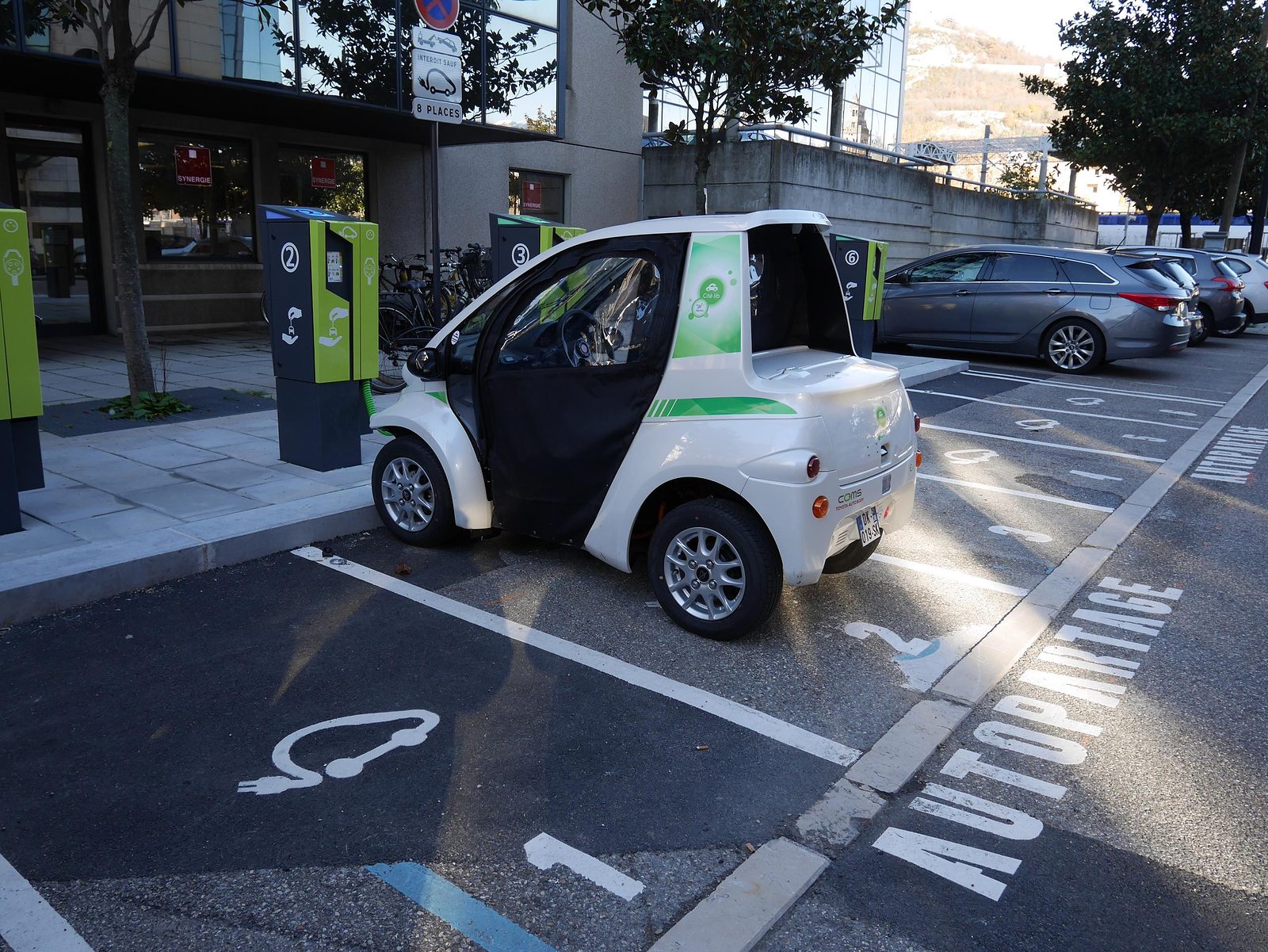
Some accounts give it lithium-ion batteries. The 2012 car has none: six Panasonic sealed lead-acid units under the floor, 5.2 kWh in all, charged in about six hours from a 100 V socket for about ¥120.source 2 The chief engineer explained why.
二次電池として鉛電池を採用したのも、低コストで信頼性が高いことによる。コスト低減を意識すると、高コストのリチウムイオン電池はまだ採用できない
Owners have since swapped the lead-acid batteries for lithium-ion to reach 100 to 200 km.source 3
On the delivery round
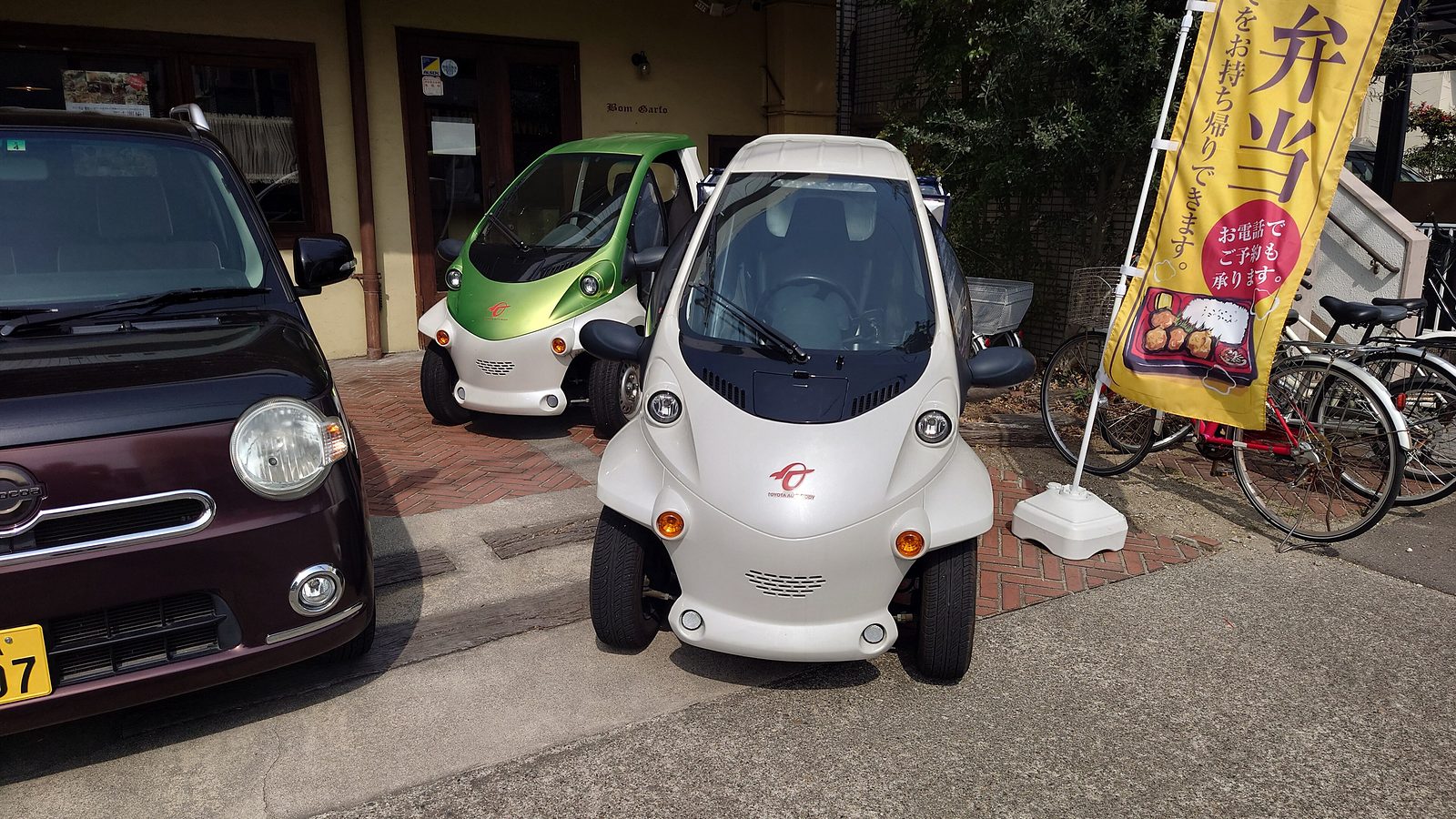
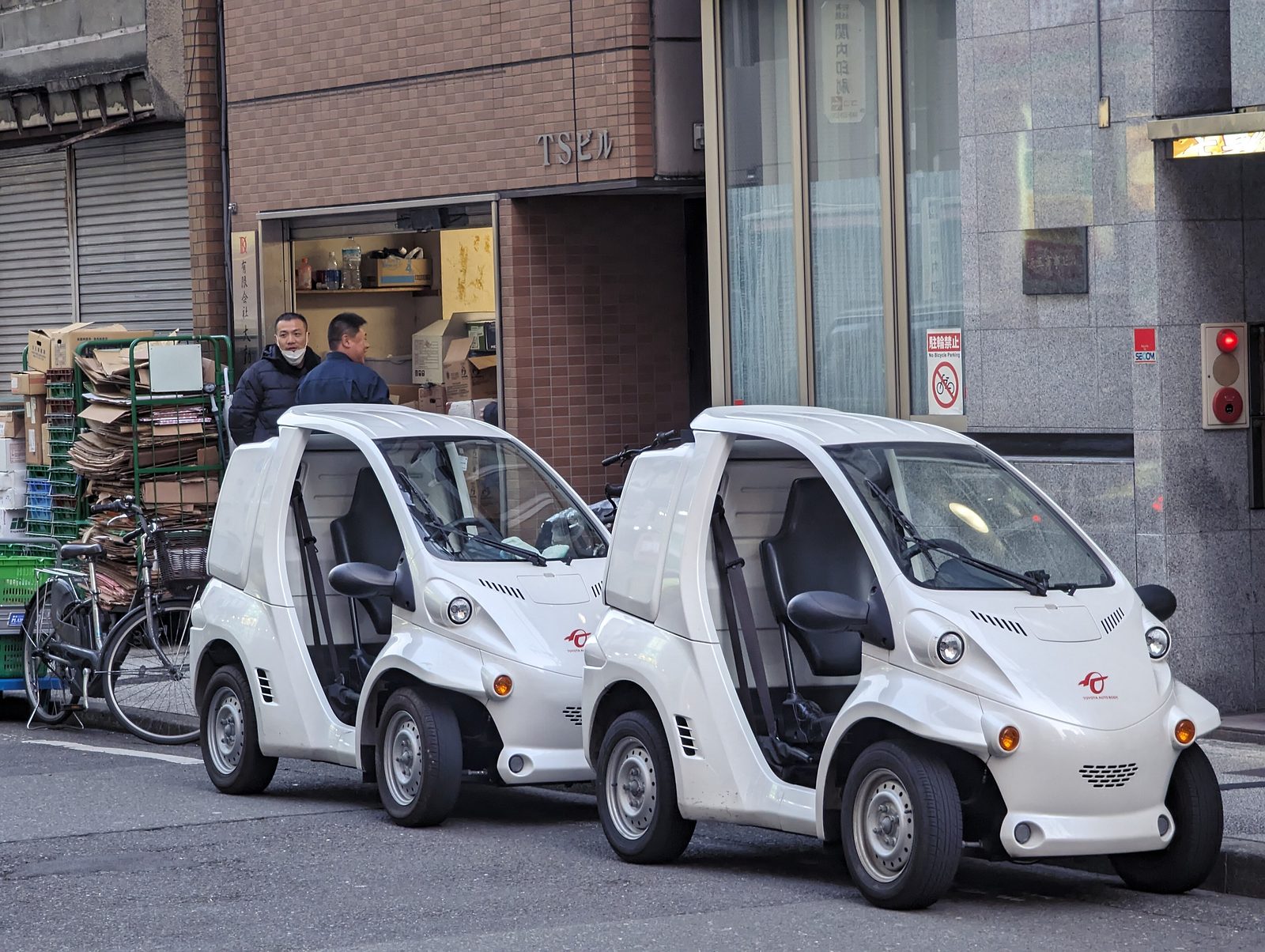
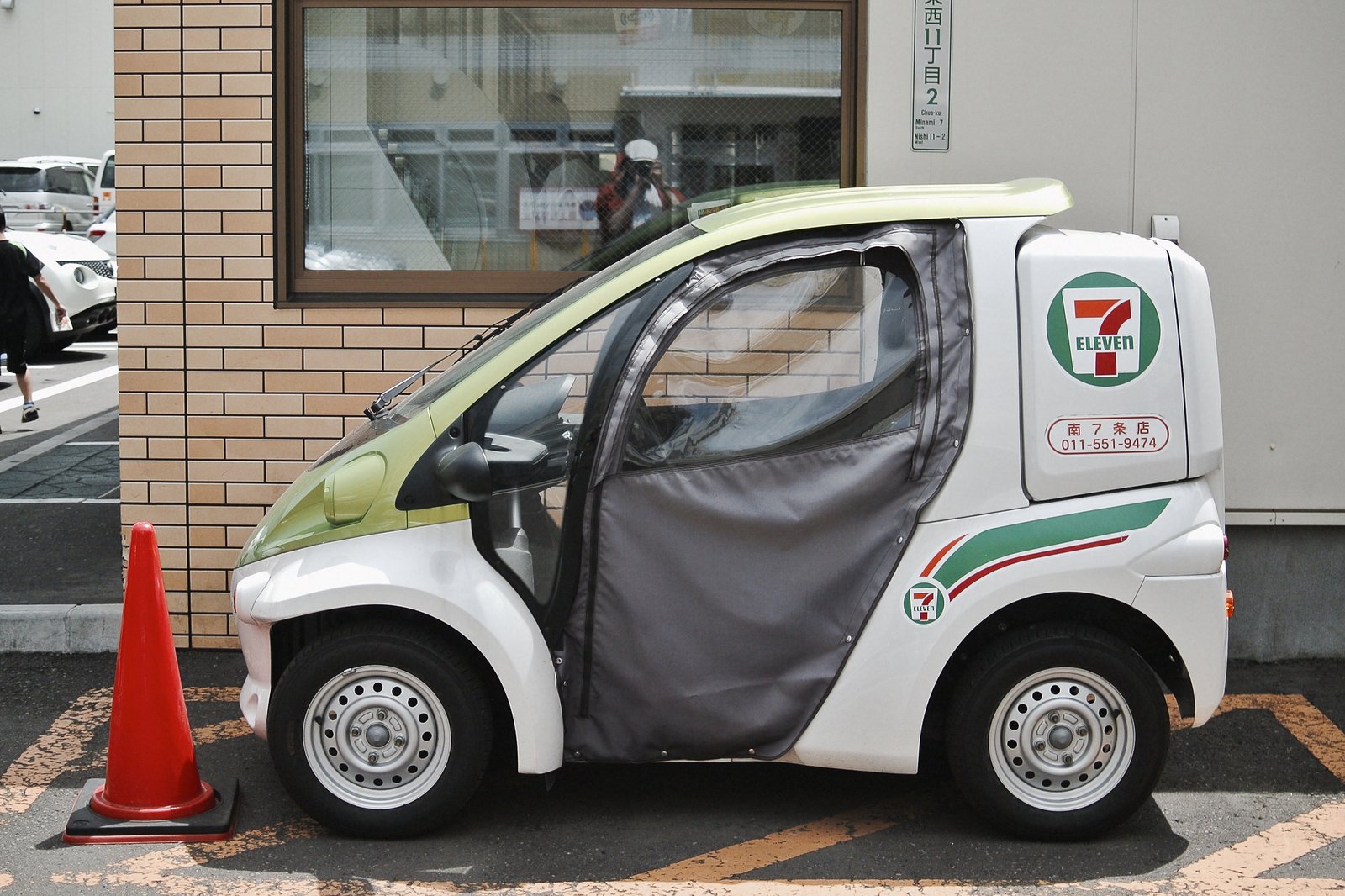
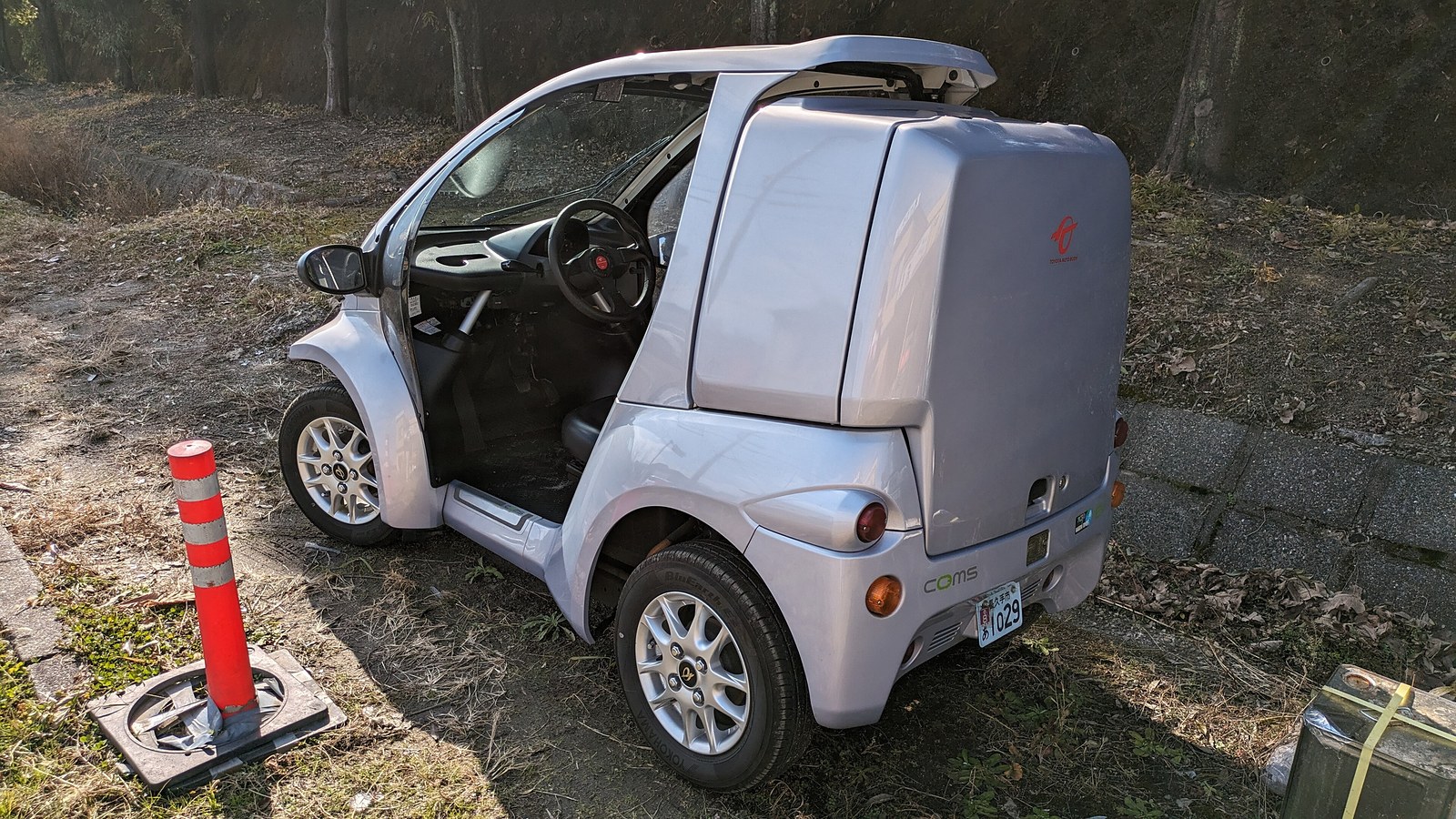
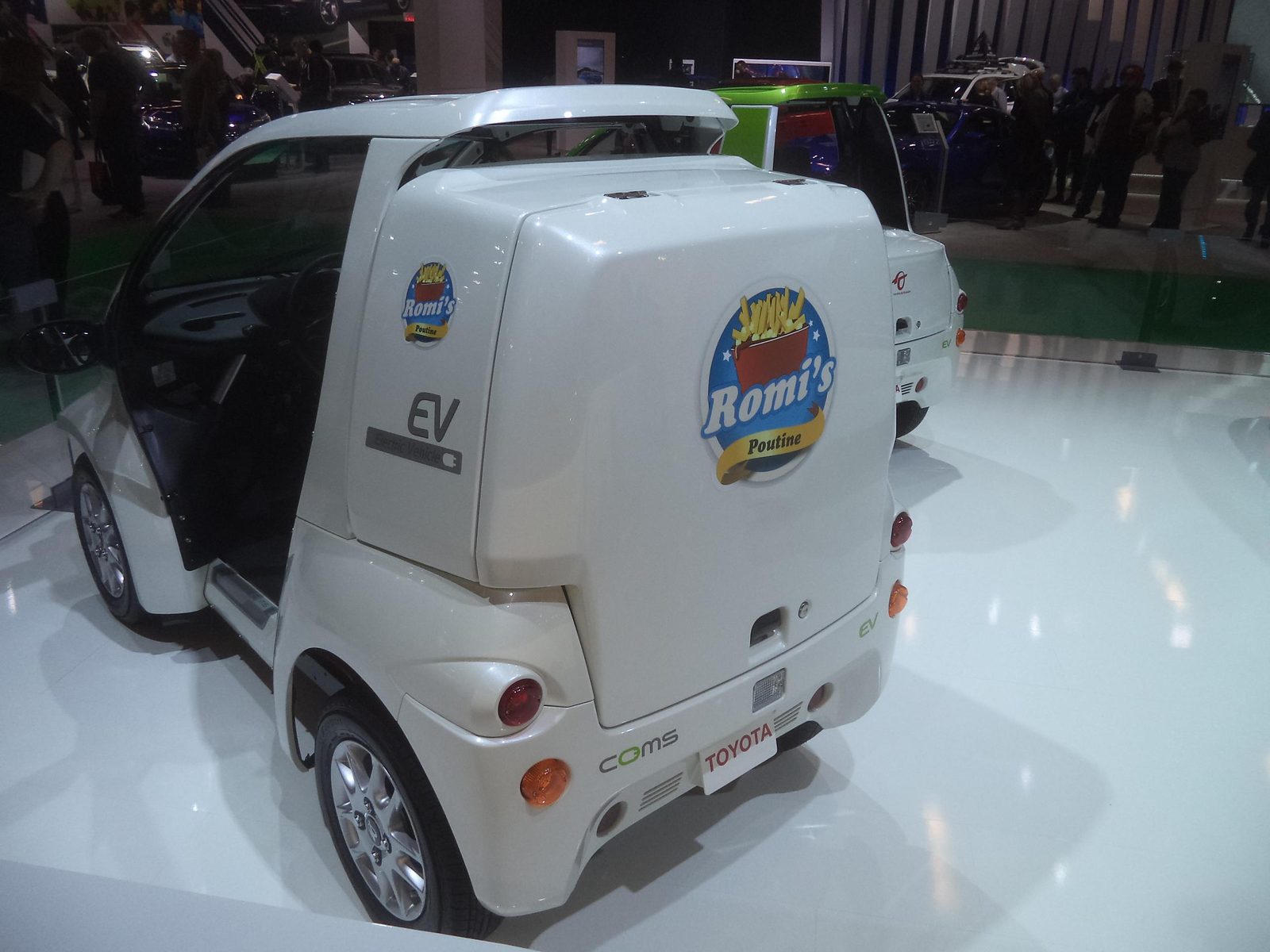
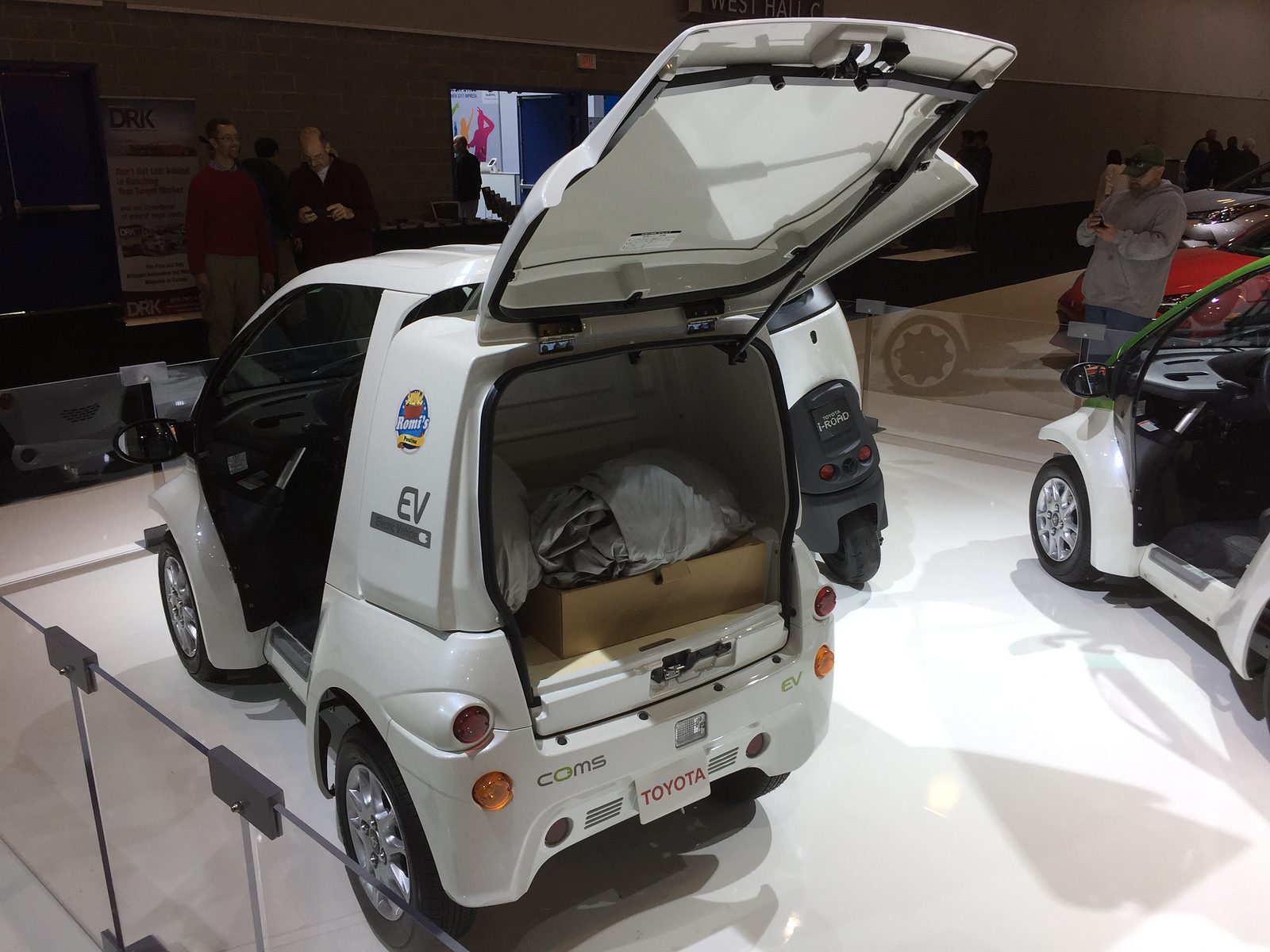
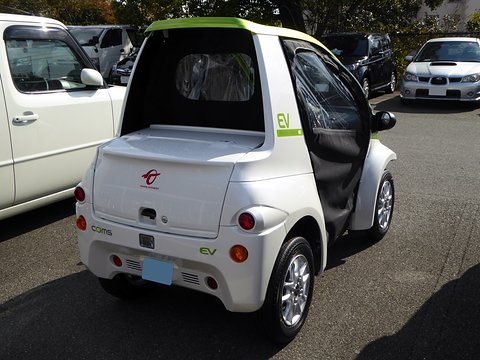
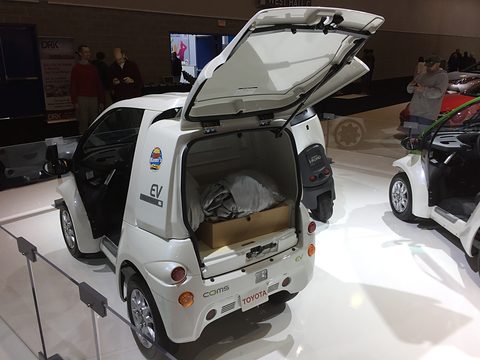
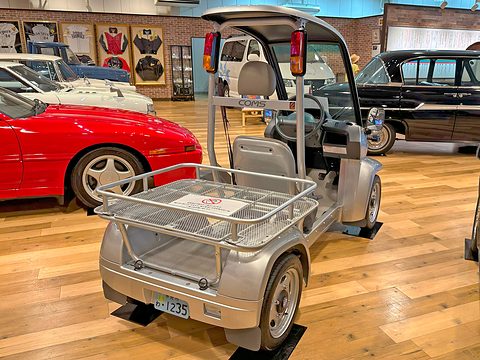
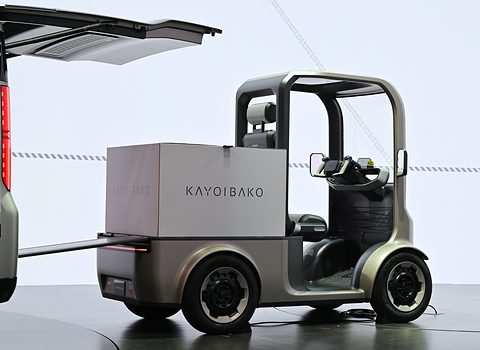
There were four bodies: the P·COM for personal use, with a lockable 150-litre box at the back, and the B·COM for business, as a Delivery with a 350-litre box, a Deck with an open load bed, or a bare Basic.source 3source 2 In July 2012 the P·COM cost ¥798,000 and the B·COMs ¥668,000 to ¥773,000; with a subsidy of up to ¥70,000 the cheapest came in under ¥600,000. It was sold through about half of Toyota’s Japanese dealers, 140 companies with 2,701 outlets, and about 500 had been ordered at the launch, against a target of 3,000 a year.source 2
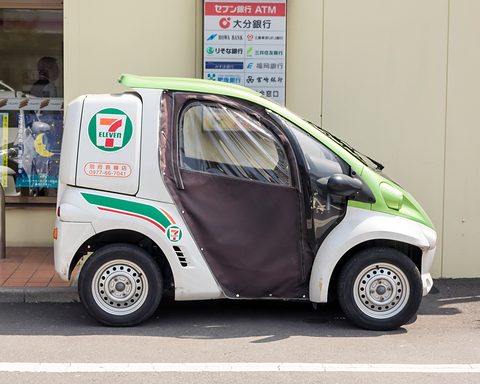
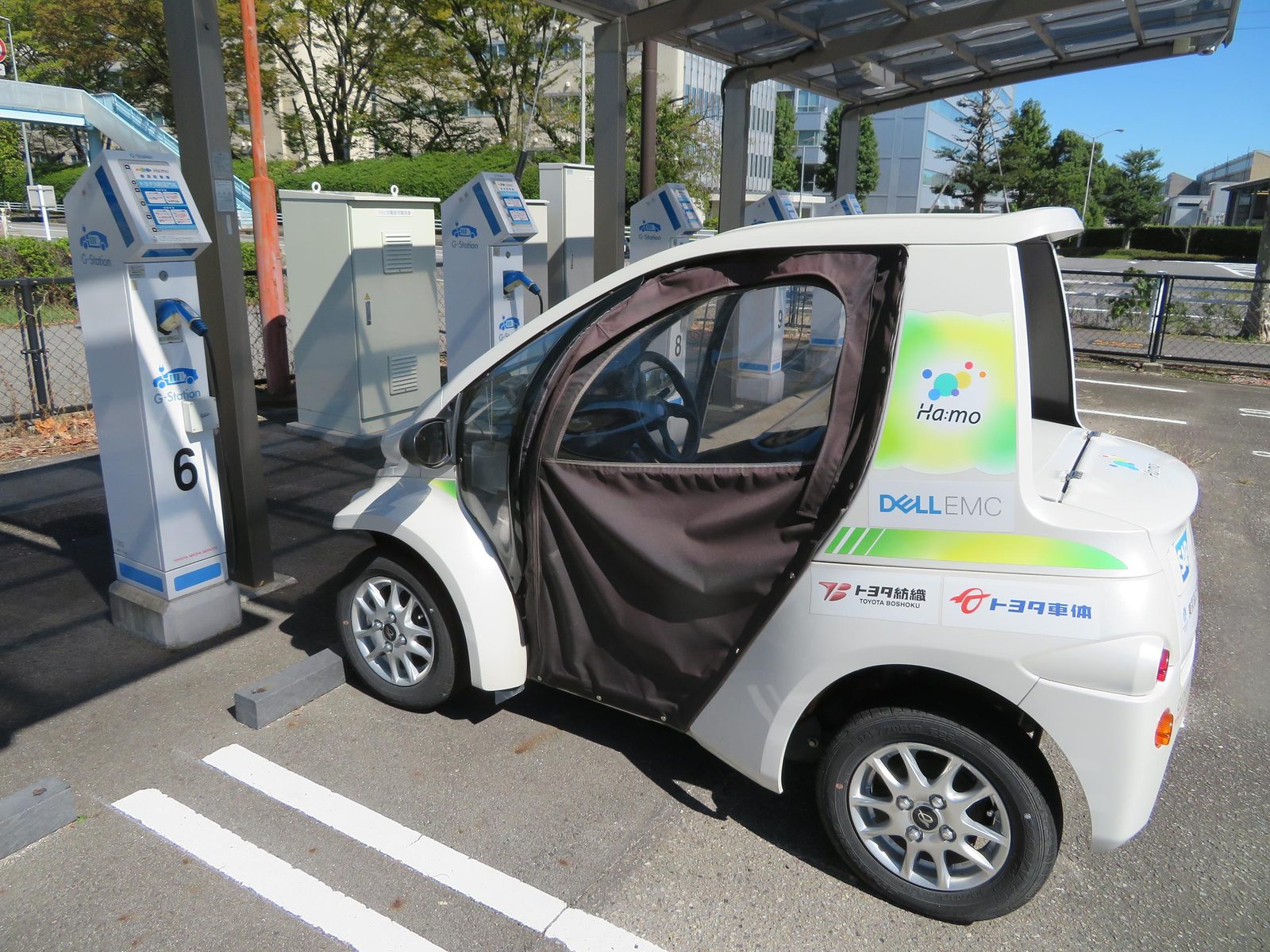
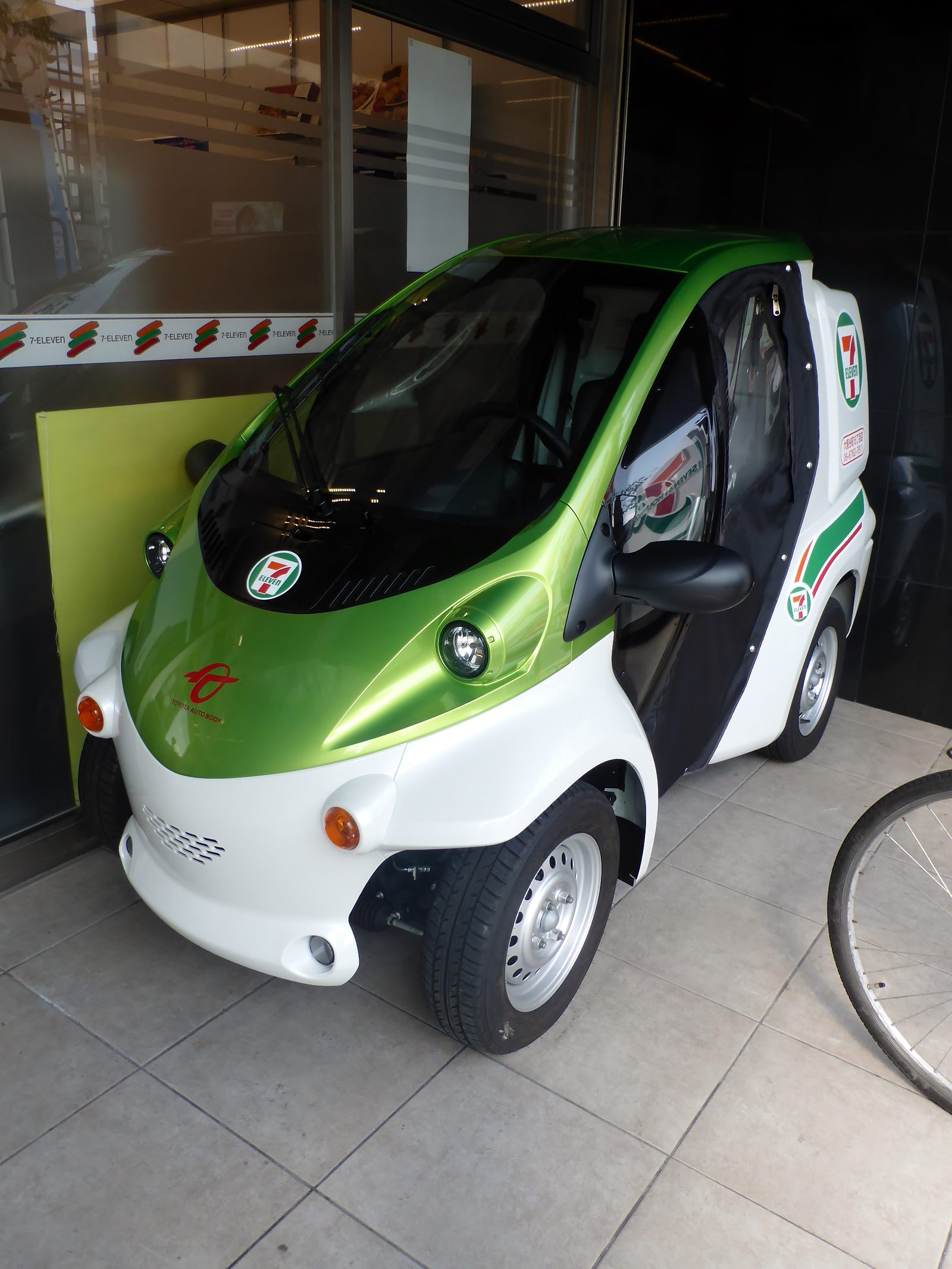
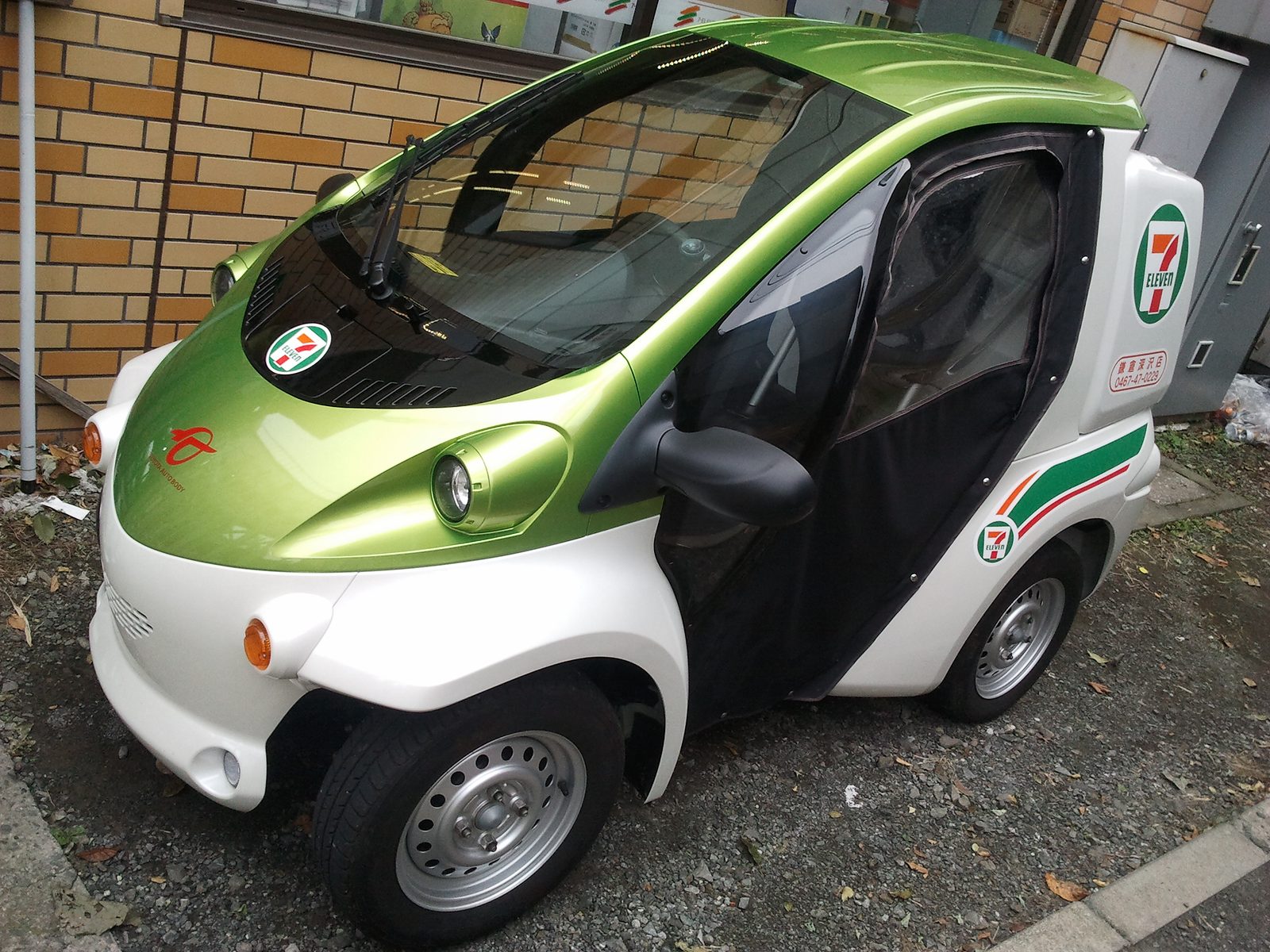
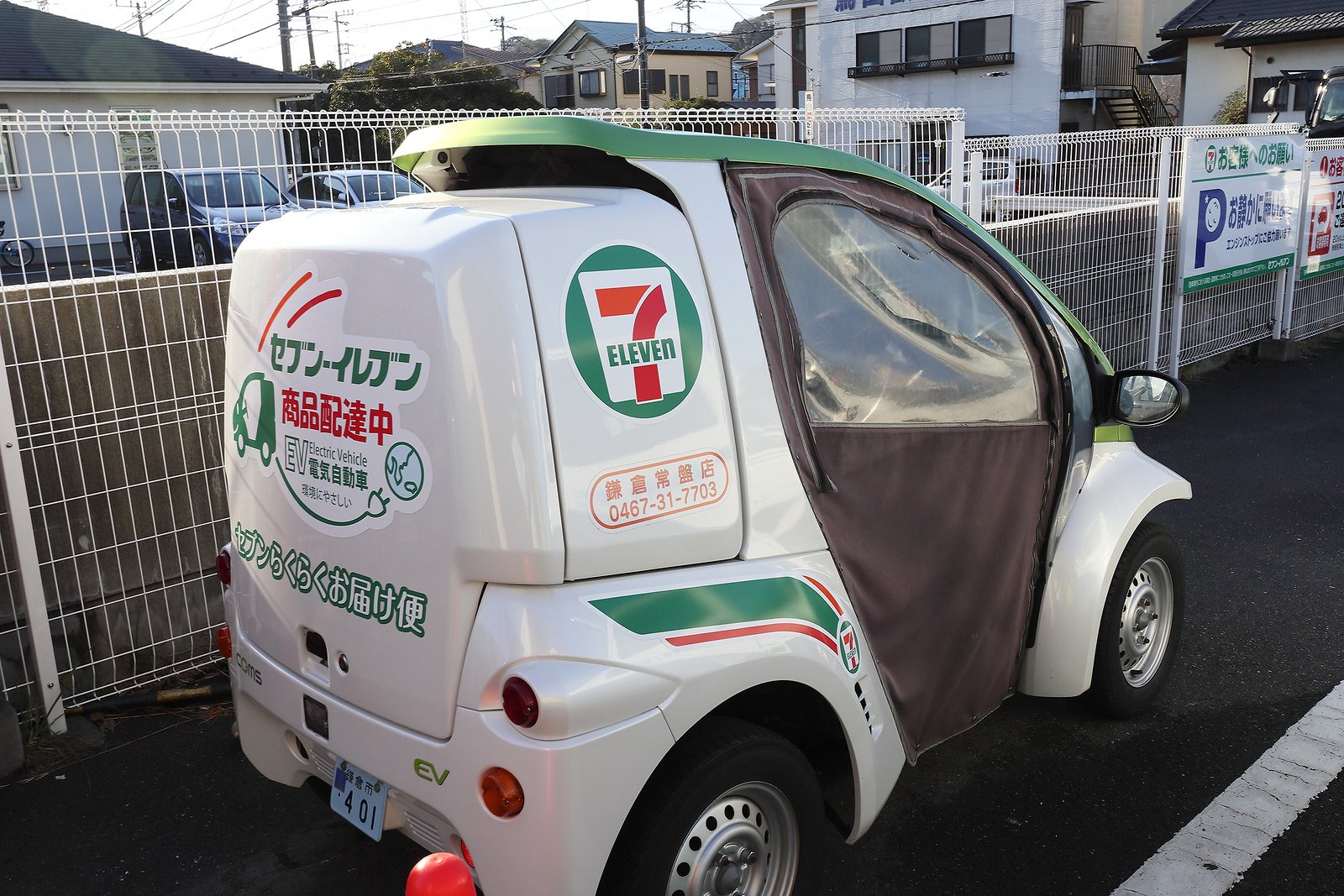
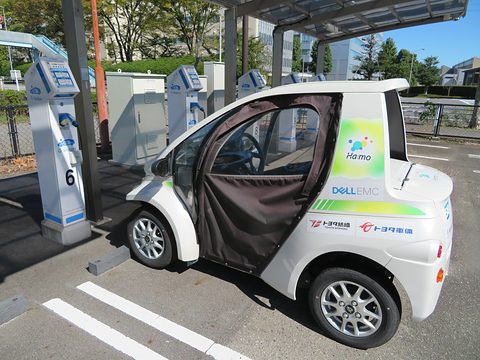
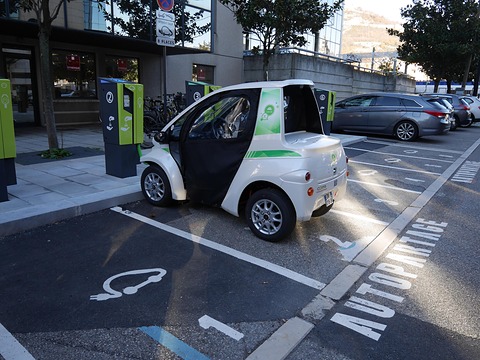
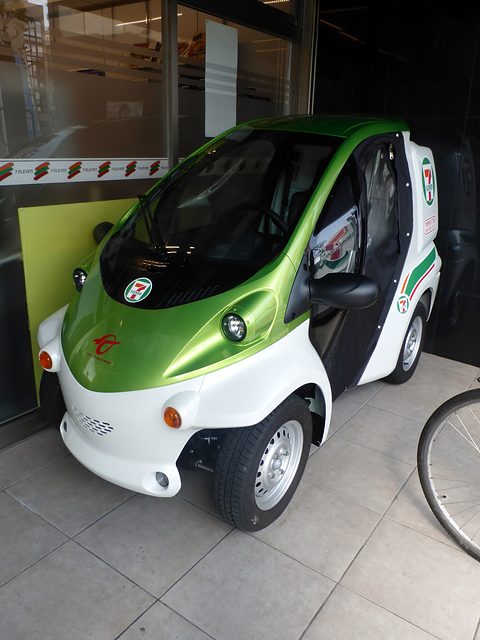
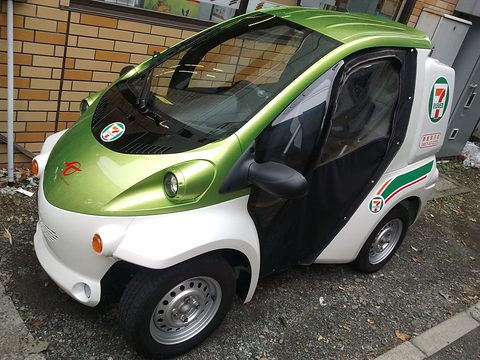
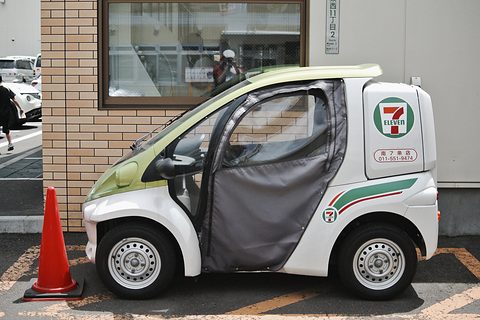
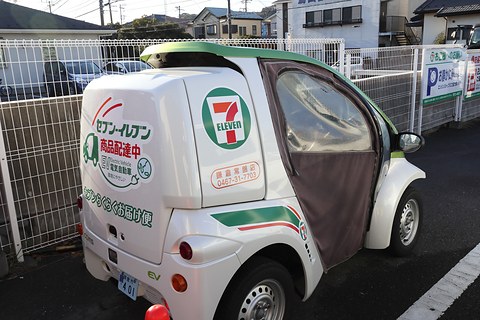
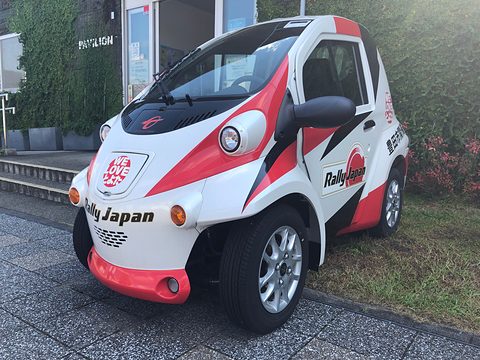
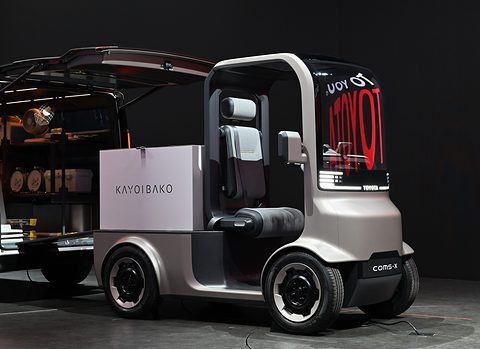
A large customer came with the launch. 7-Eleven Japan took the COMS for its Seven Rakuraku home-delivery service, planning 3,000 within one or two years, and Yakult also uses them to deliver to homes, which puts the B·COM among the micro-vans.source 3source 2 Abroad, the COMS was sold in Thailand as the CU Toyota Ha:mo and hired to tourists at Nusa Dua on Bali.source 1 About 9,500 of the second generation had been sold by March 2022, and in 2022 and 2023 Toyota Auto Body showed two concept studies built from it, the CN COMS for automated driving and the off-road Fun·COM Explorer.source 1