Small cars elsewhere in Europe
Cyclecars elsewhere: Austria, Poland, Scandinavia and beyond
1913–1939 · Several countries · 24 makers
Also known as Aero 500, Aero 10 HP, “Cinkač”, “Klingler”
Its only door was on the passenger’s side, it had no differential and it braked on the back wheels only, and its starter rang like a bell, which earned it the name Cinkač. Before it was even shown to the public, one had driven from Prague to Brest and back and won.
The spec plate
Aero 10
Aero 500 · Prague
True proportion
3.20 m
It is 230 mm longer than a Fiat 500, about 1.8 adults laid end to end.
History
Aero was a Prague aircraft maker, and from 1929 to 1951 it also built cars, at Vysočany (see our aircraft makers page).source 1 It did not start from nothing. The engineer Břetislav Novotný had designed the Omega prototype, which Zbrojovka Brno built as the Disk from 1924, and then went into partnership with František Kolanda in Prague. From 1926 they built the Enka, named from the sound of their initials, N and K: a 499 cc two-stroke single of 10 PS, with one door and brakes on the rear wheels only. German Wikipedia says about 65 were built before production ended in 1929; the Aero owners’ group says about 60, in 1928. Aero took the design over and made the Aero 10 from it.source 2source 3source 1
The Aero 10, also sold as the Aero 500, kept the Enka’s recipe. Its water-cooled single gave 10 PS at 2,700 rpm, and drove the rear wheels through three speeds and reverse, with no differential; the brakes, cable-operated, were on the rear wheels only.source 4source 3 Early cars had a single door, on the passenger’s side.source 3 There were roadsters for two or three, a four-seat sport, a four-seat saloon, an imitation cabriolet, and open and closed vans.source 4source 3 The car measured 3,200 mm (126 in), and the open version weighed 460 kg (1,014 lb). It did about 70 km/h (43 mph) and used some 5 litres per 100 km (56 mpg).source 4source 3 Czech Wikipedia calls it technically a vozítko, a “little car”, that looked and behaved like a grown-up one.source 1 The starter’s ringing gave it its nicknames: Cinkač or Cililink in Czech, Klingler in German.source 4source 3
It was shown at the Prague motor show in October 1929.source 4 At 18,000 Kč it cost the same as a motorcycle and sidecar.source 1 The roadster cost 18,800 Kč in 1931 and 16,600 Kč in 1934.source 3
Aero sold the car by driving it a long way (see racing and rallying). Before the show, Bohumil Turek and Antonín Nahodil drove the Prague–Paris–Brest–Prague star rally, 3,613 km (2,245 miles), and then Prague–Hamburg–Prague, 1,300 km more: 184 hours 35 minutes in all, at an average of 26.6 km/h (16.5 mph), and they won outright. Turek became head of Aero’s test department.source 4 In 1930 he drove the ADAC run from Berlin by way of Prague to Manzanares, in Spain, and back, averaging 48.8 km/h (30.3 mph), and won the small-car class; that year a works team took the make prize in the star rally to the Prague show, with the car that had been to Spain among them.source 4 In 1931, on the ADAC’s Berlin–Manzanares–Berlin, Turek won outright, ahead of Hans Stuck’s Mercedes-Benz, though whether he drove an Aero 10 or its new successor is not recorded.source 4 In 1932 the journalist František Alexander Elstner took one with two passengers more than 3,300 km (2,050 miles) to Albania and back, by way of Austria and Dalmatia.source 4
The Aero 662, or Aero 18, of 1931–34 put a 662 cc twin of 18 PS into the Aero 10’s chassis and body, and from about late 1931 it had a door for the driver too; the Aero 1000, or Aero 20, followed in 1933.source 1source 3 The Aero 10 itself ended in 1932, or in 1933 by Czech Wikipedia; about 1,360 were made.source 4source 1source 3 Aero was nationalised in the autumn of 1945 and its own car-making ended; from 1947 to 1951 it built the Jawa-designed Aero Minor II.source 1
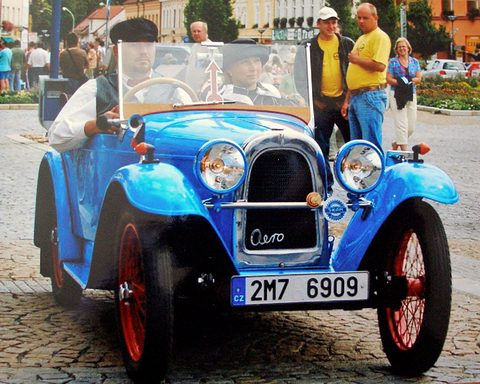
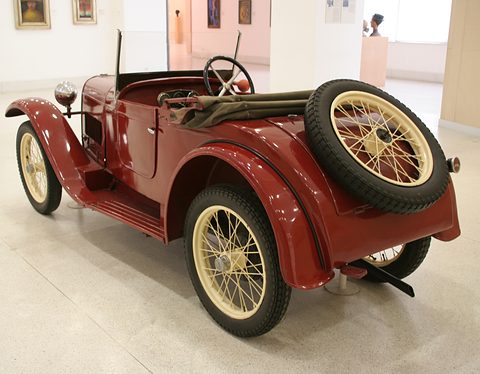
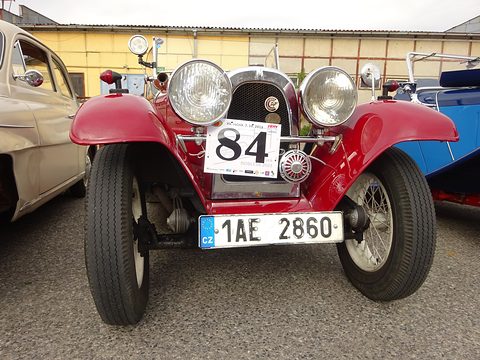
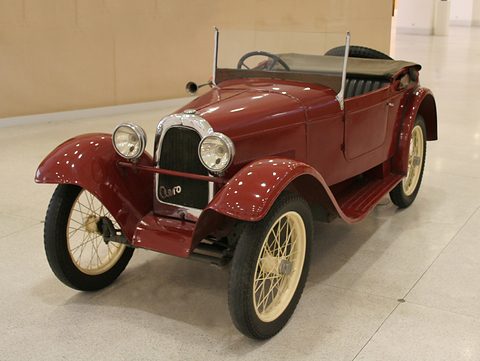
More photographs, old and new
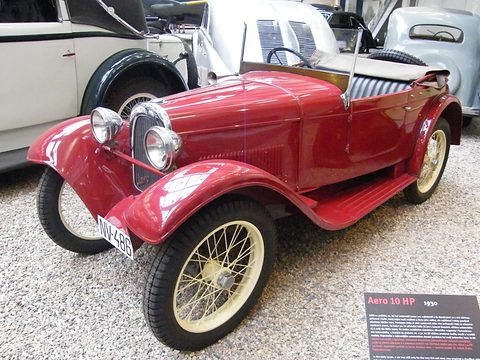
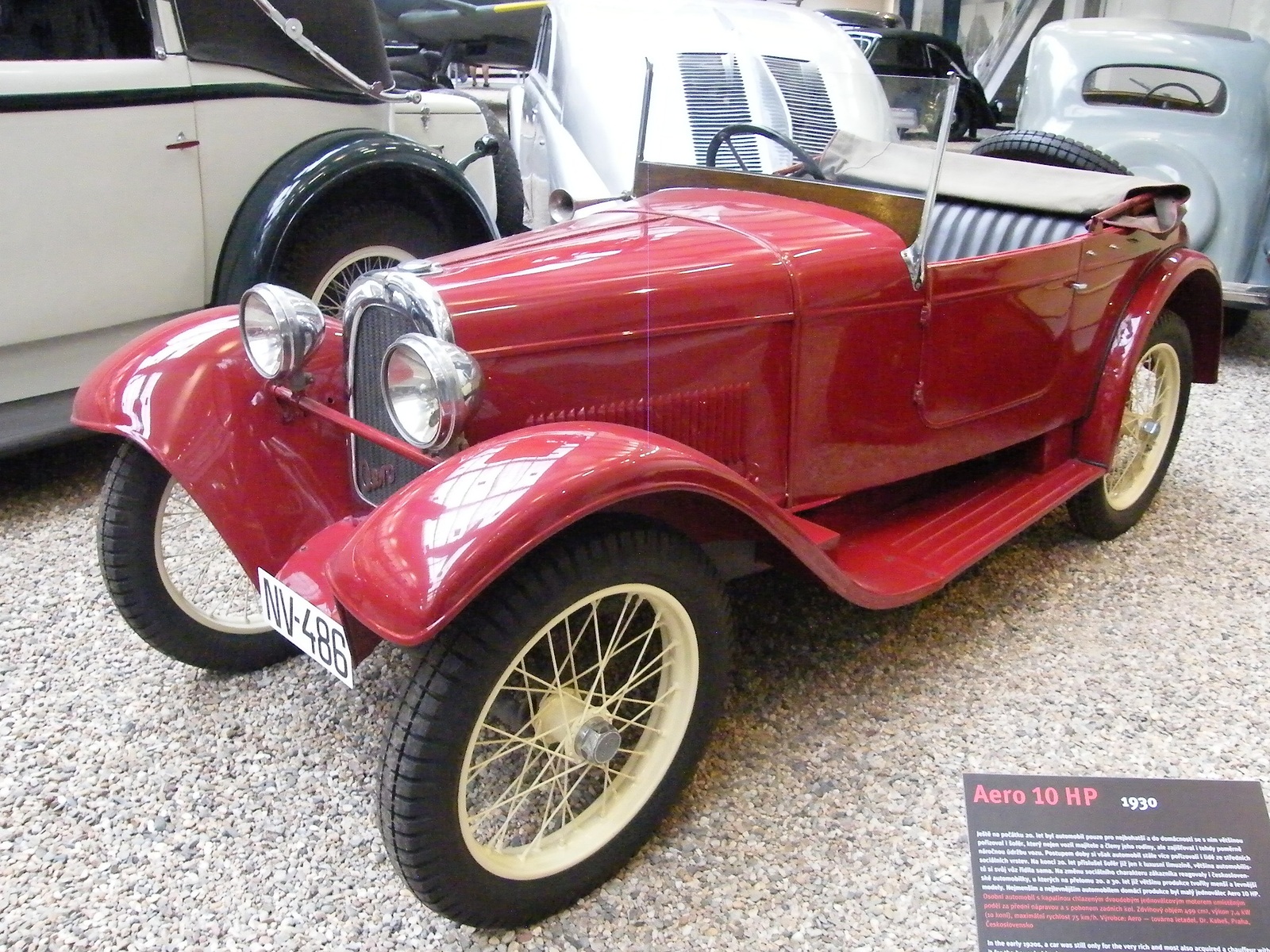
1 Red Aero 10 HP roadster of 1930 in a museum in May 2016.
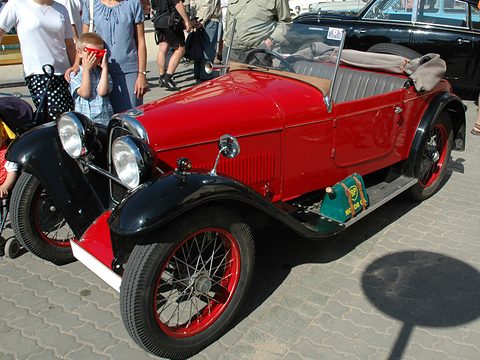
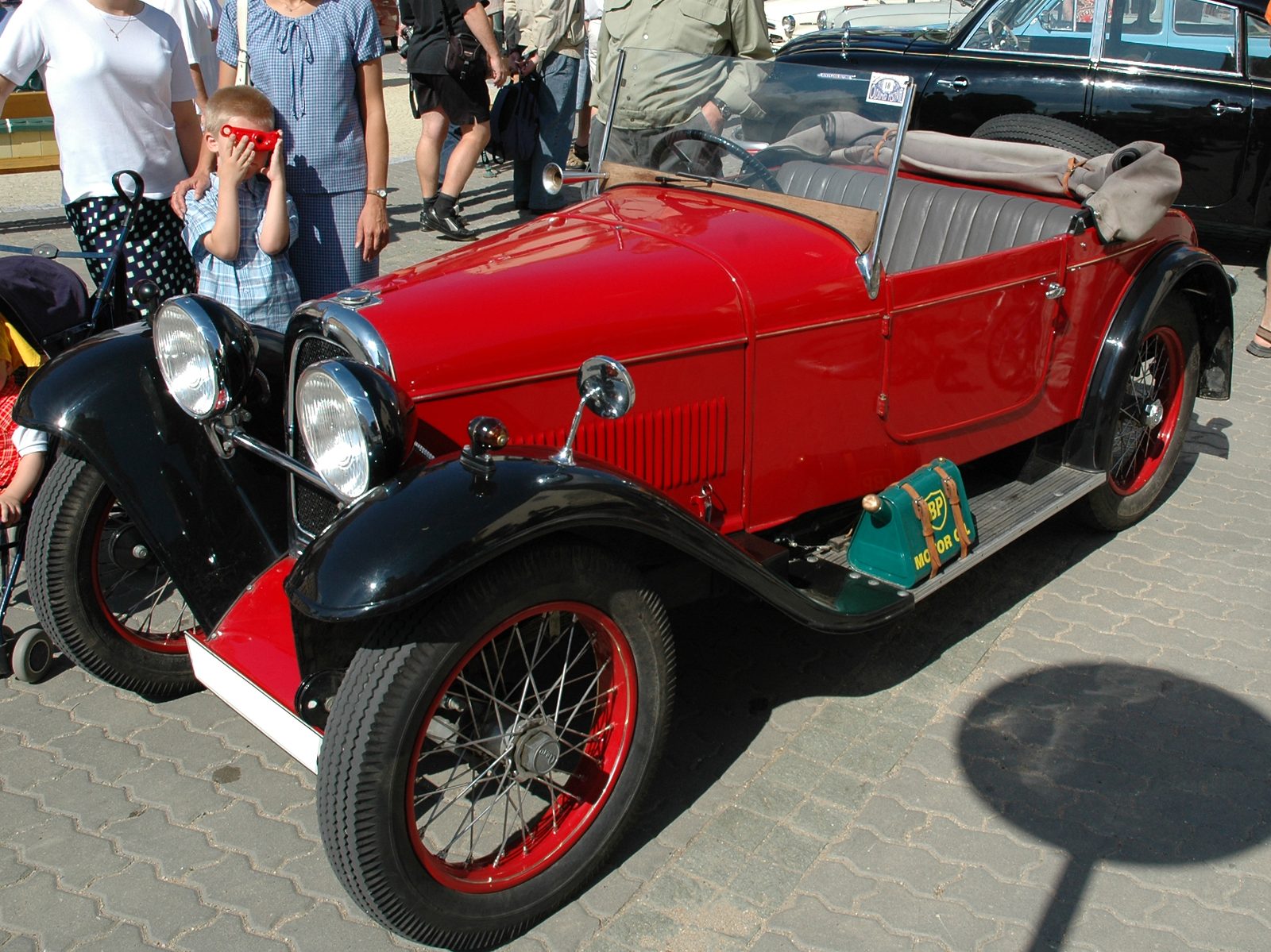
2 Red and black Aero 10 roadster at a veteran car meeting in August 2005.
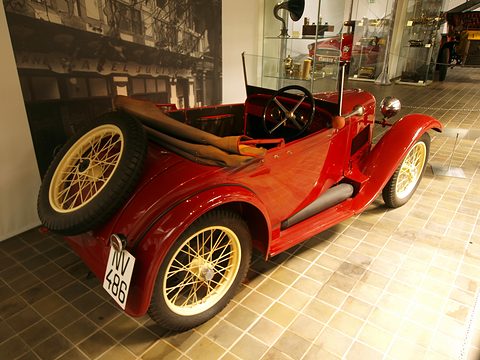
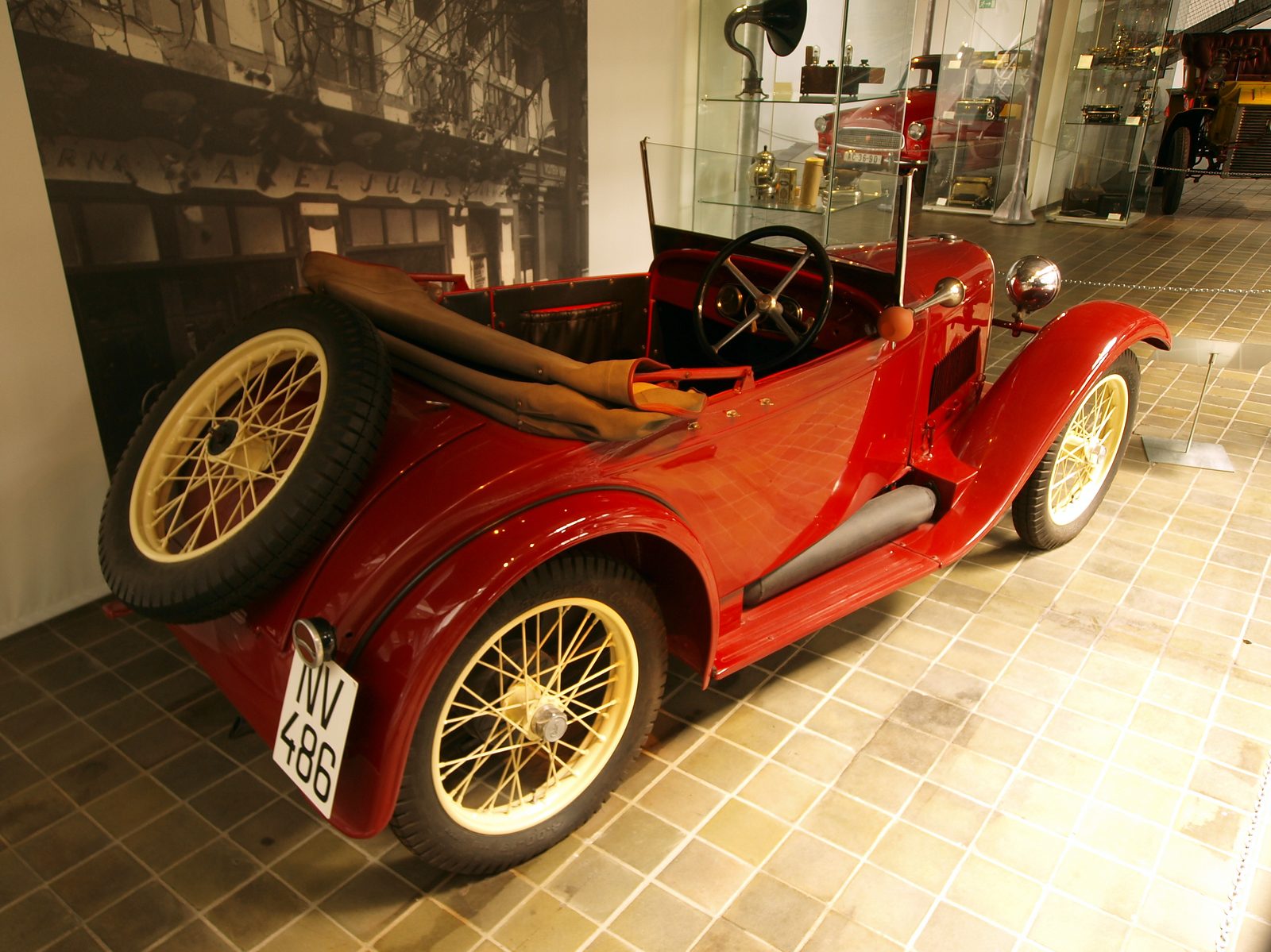
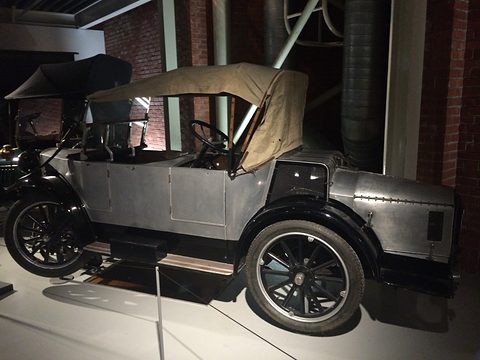
3 Red Aero 10 HP roadster of 1930 at the National Technical Museum, Prague, in June 2012.
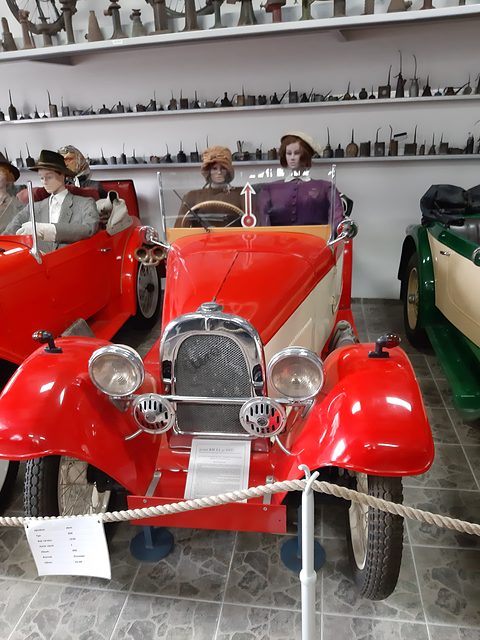
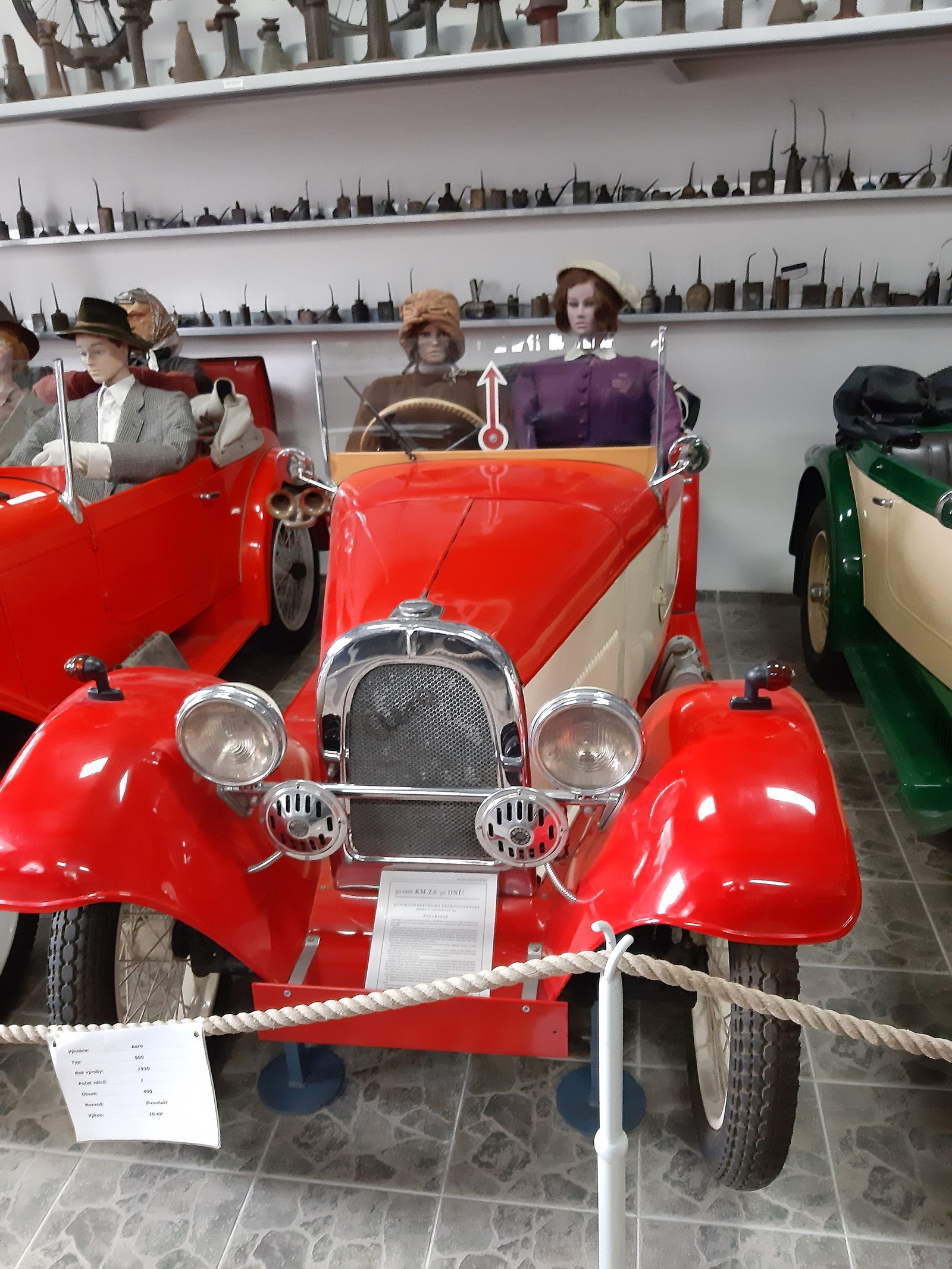
4 Red Aero 500 of 1930 among costumed figures in a museum in the Czech Republic in August 2021.
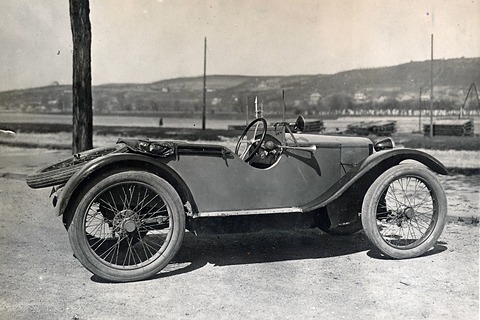
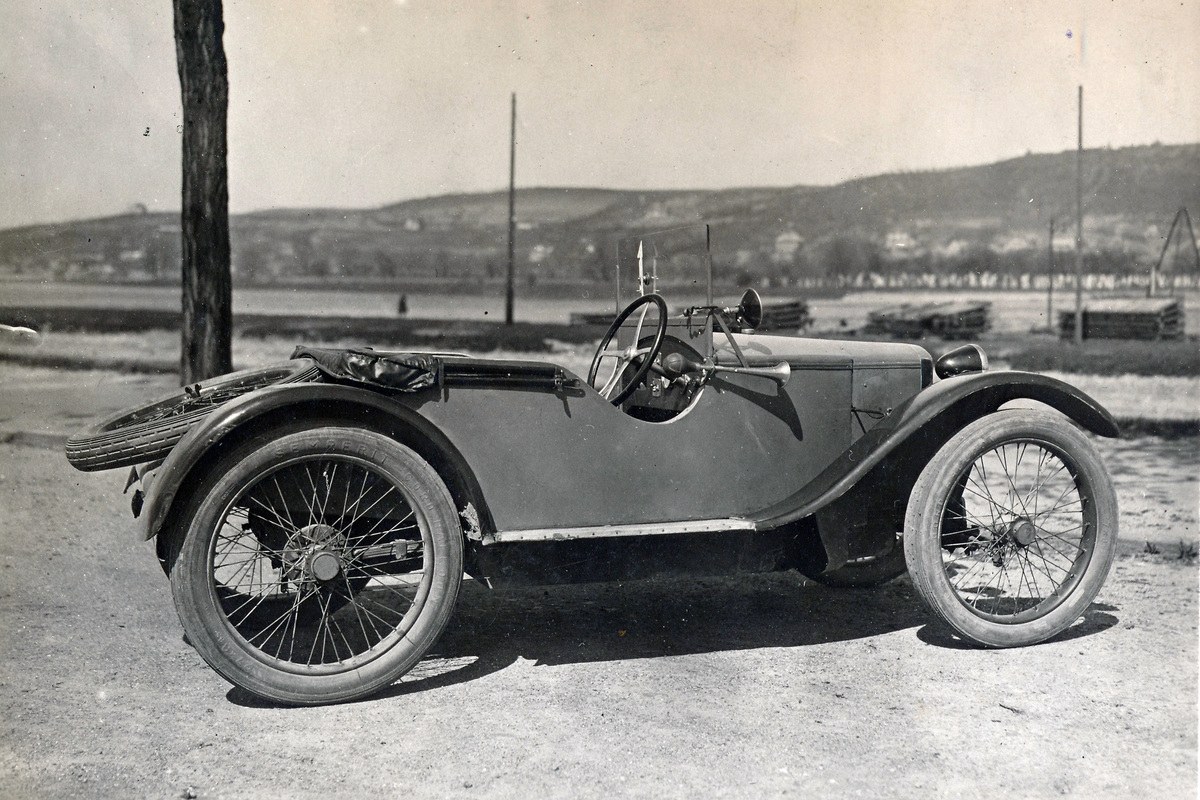
5 Enka prototype of 1927, the doorless forerunner of the Aero 10, in a works photograph.
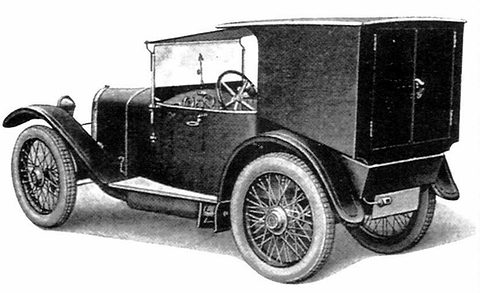
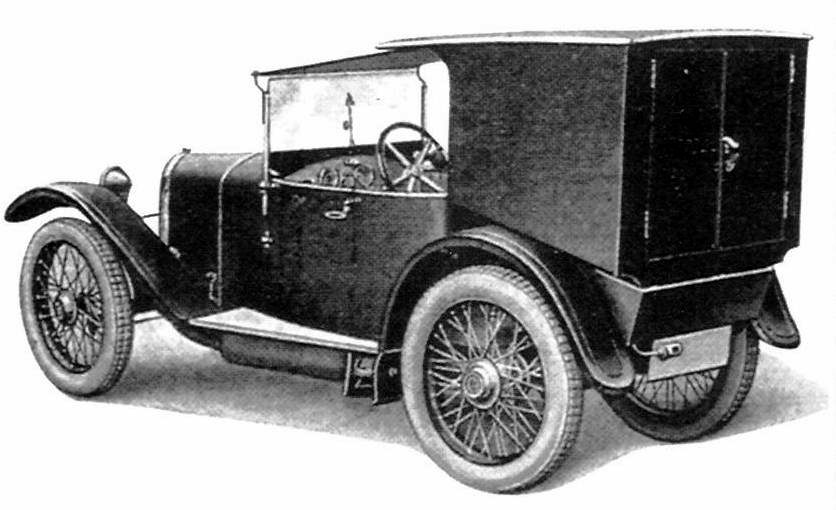
6 Enka closed van of the late 1920s, a forerunner of the Aero 10, in a works illustration.
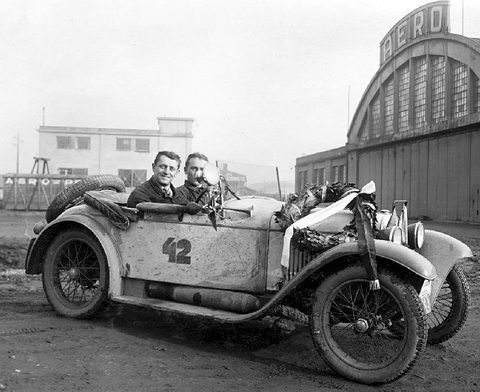
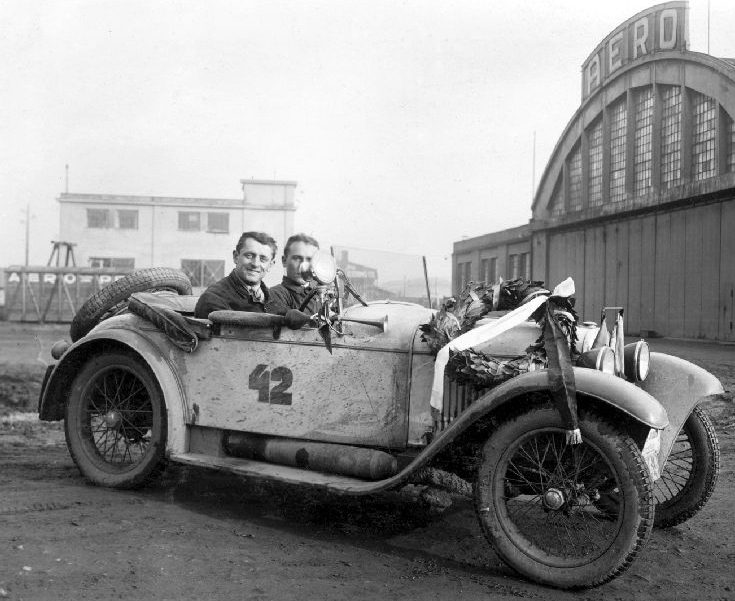
7 Bohumil Turek in his Aero 500, number 42, outside the Aero works, November 1929.
From the Enka to the Aero 18
| Variant | Years | What differs | How many |
|---|---|---|---|
| Enka | 1926–29 | Novotný and Kolanda’s original: the same 499 cc two-stroke, one door, rear brakes only | About 60, or about 65 |
| Aero 10 (Aero 500) | 1929–32 | Roadster, four-seat sport, saloon and imitation cabriolet; one door, on the passenger’s side | 1,360 or 1,359, all bodies |
| Aero 10 van and pick-up | 1929–32 | Open and closed delivery bodies | In the total |
| Aero 662 (Aero 18) | 1931–34 | A 662 cc twin of 18 PS on the same chassis; a driver’s door from about late 1931 | 2,345 plus 280 and 40, 2,343 or 2,615, by source |
From the Aero owners’ group and German Wikipedia
Every figure, with its source
About 1,360 built1,360 or 1,359, all bodies together: the same count, from the Aero owners’ group’s records, rounded or listed differently.
Three points
Aero of Prague began making cars in 1929 with this small two-stroke, developed from the Enka.
Its starter’s bell-like ring gave it the nicknames Cinkač and Klingler.
Prague to Brest and back, Berlin to Manzanares and back, and Prague to Albania, on 499 cc.
1929–32
Results from long-distance rallies, by German Wikipedia’s account.
Today
No survivor count has been found. Aero-IG, the owners’ group, keeps the type data and a list of market prices.source 3
Contemporaries and aircraft-works cars
Small cars elsewhere in Europe
1913–1939 · Several countries · 24 makers
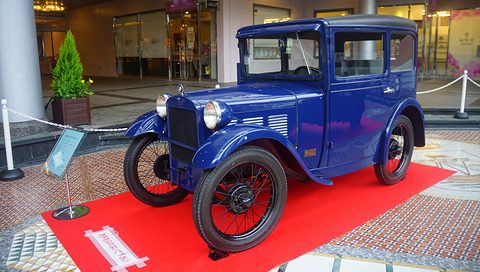
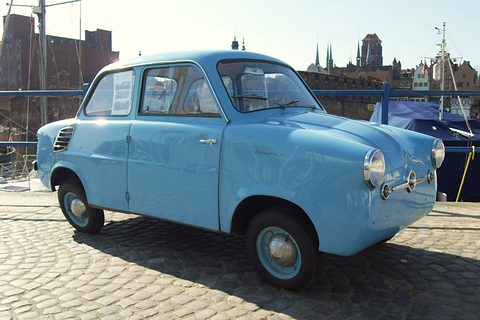
Numbered as in the text
The figures go back to the Aero owners’ group, which the Wikipedias cite; the rally results rest on German Wikipedia alone. No period road test was found, and no count of survivors. Sources are given as plain text; the links are on the Credits page.