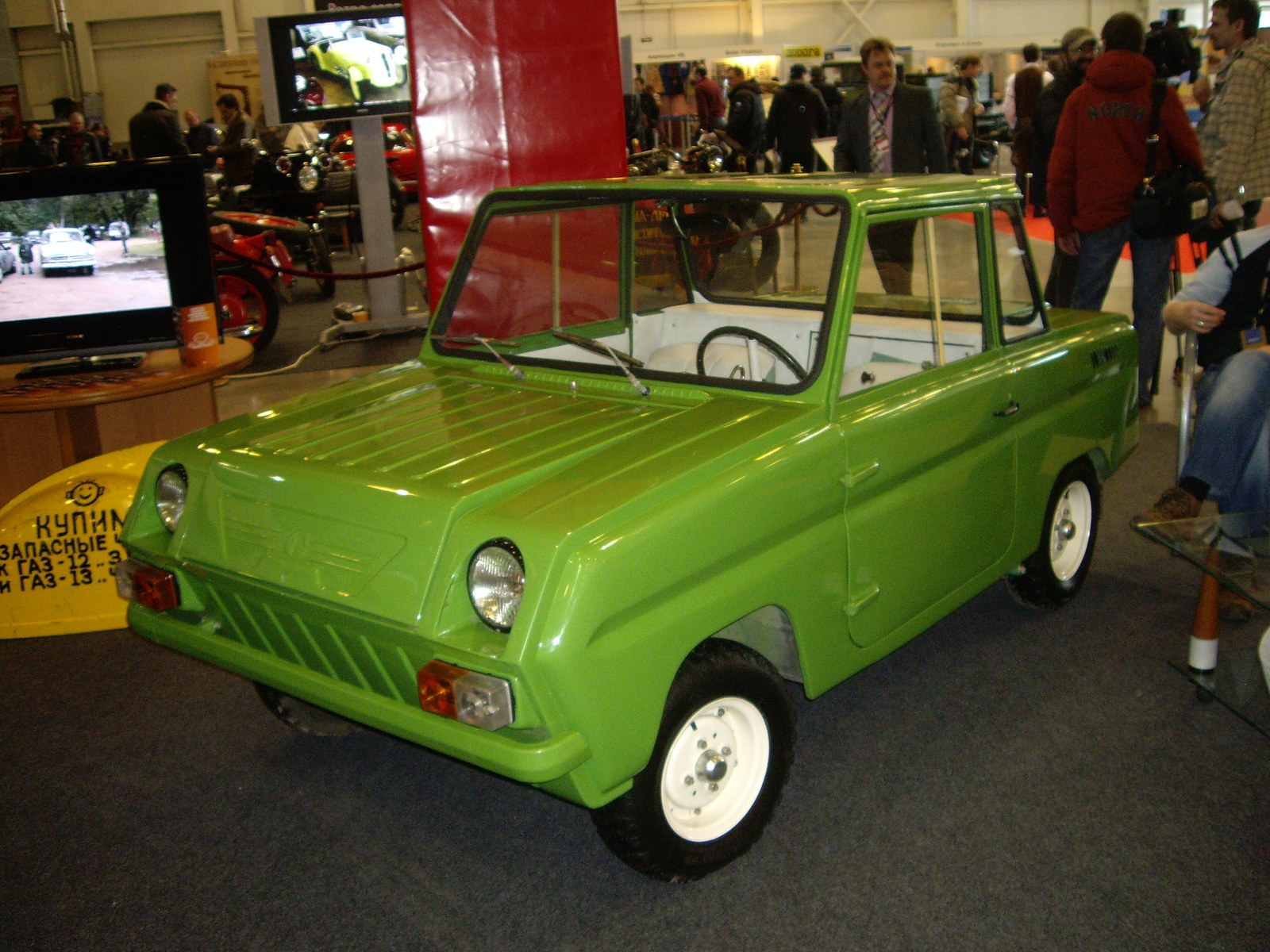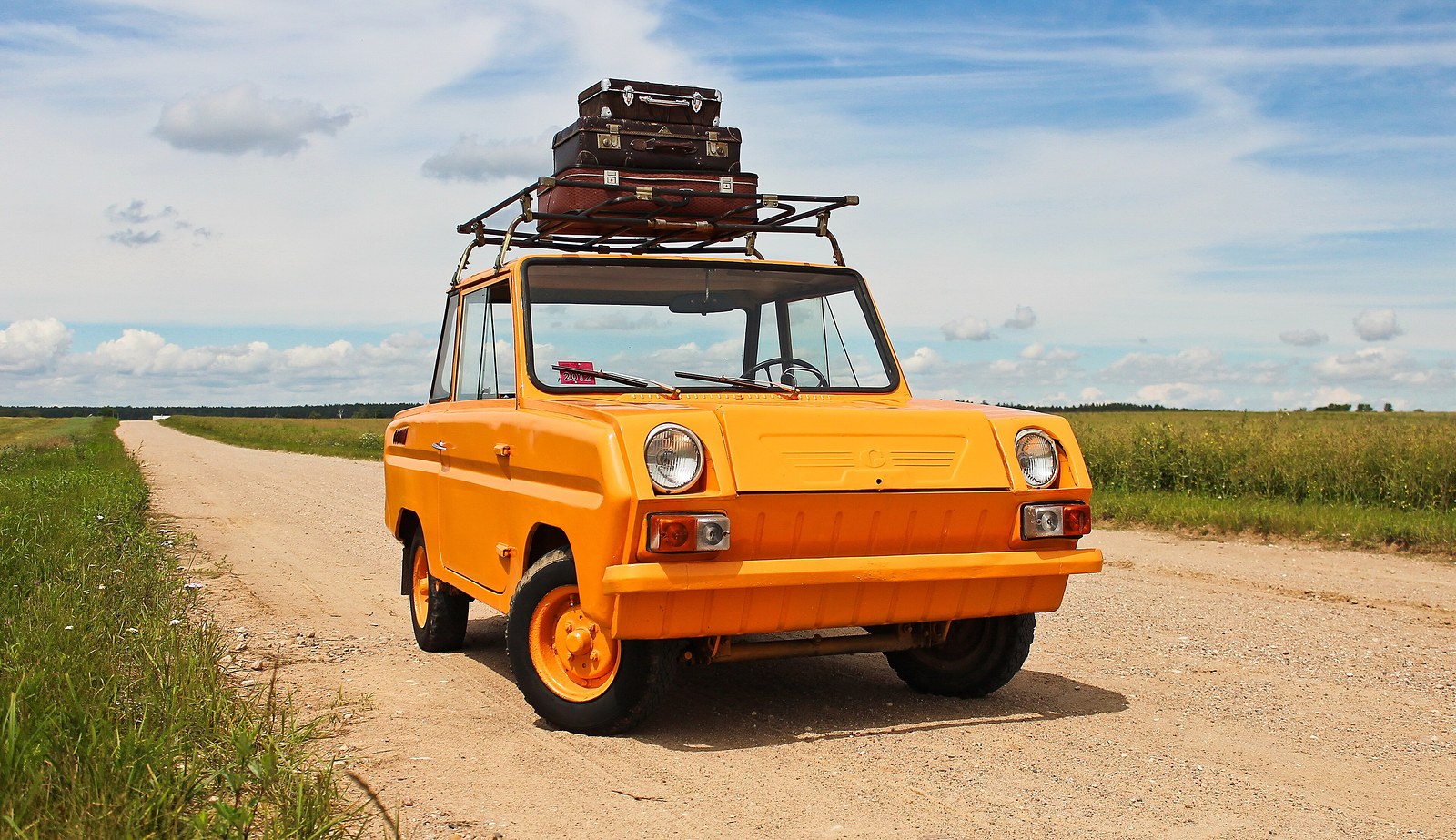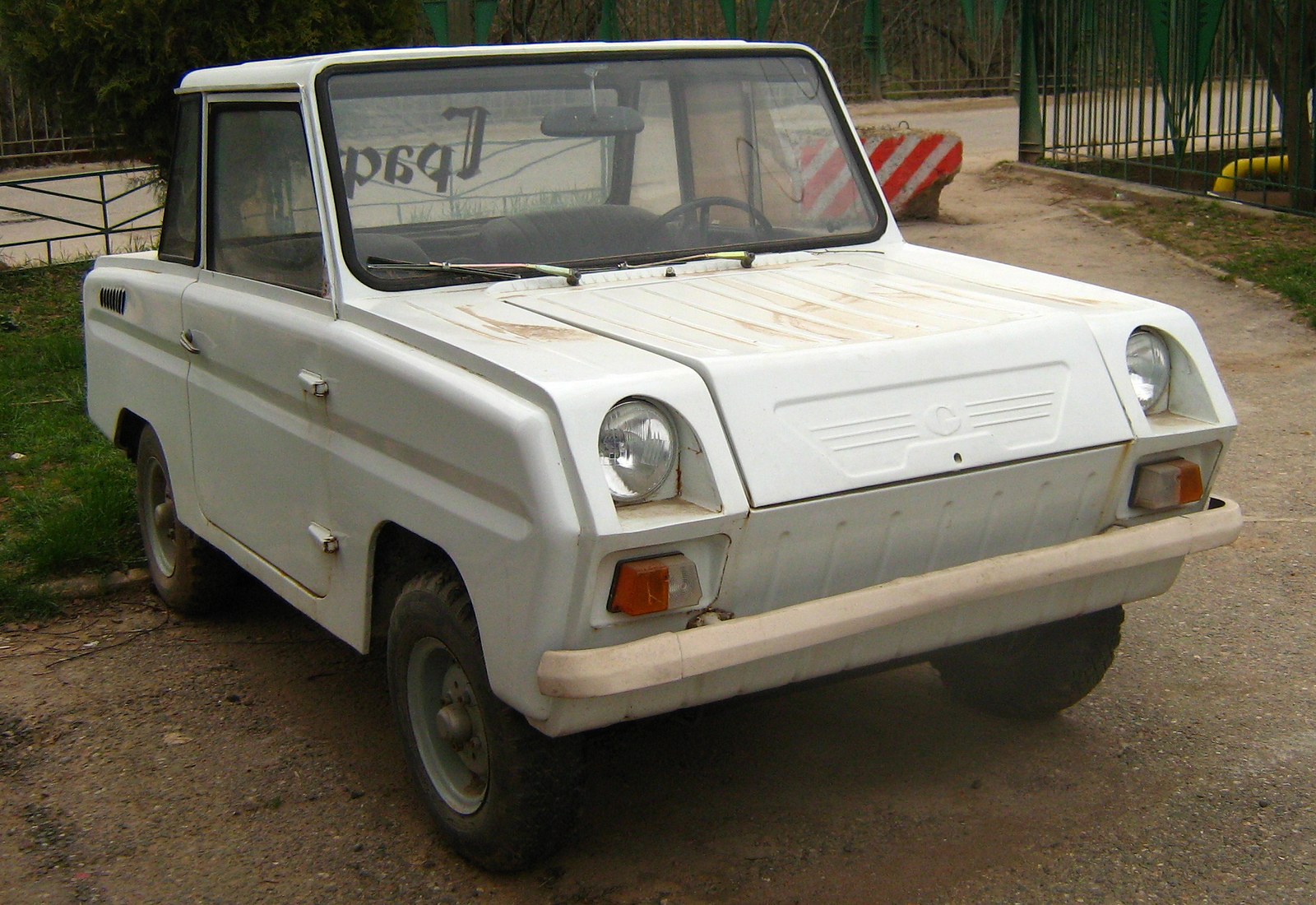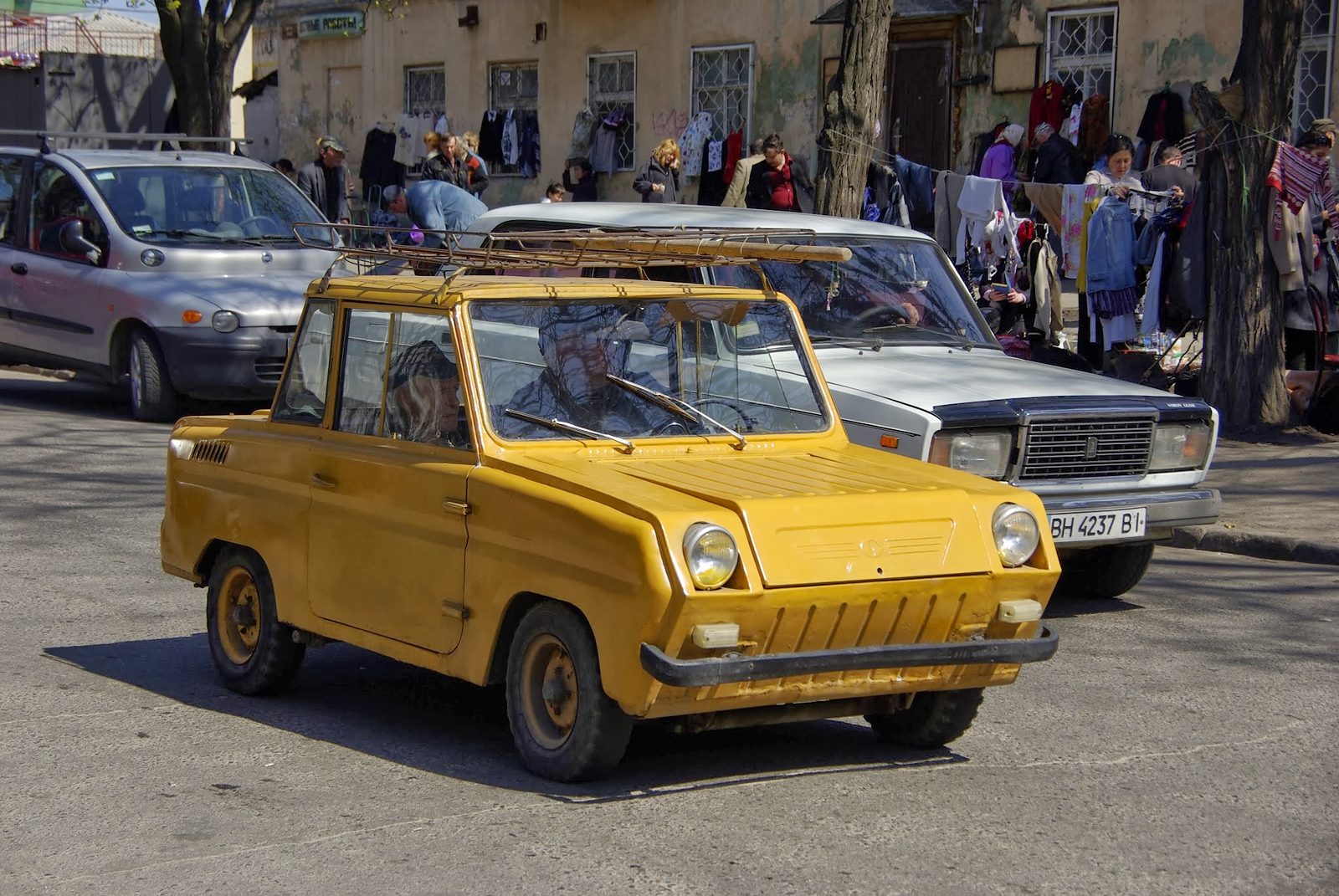
The story
History
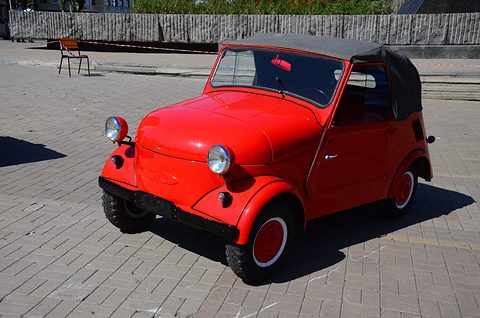
From 1958 NAMI and the Serpukhov works drew one closed successor after another to their open invalid carriage, the SMZ S‑3A. But closed bodies had to be stamped, and the works had no presses heavy enough; a real chance of re-equipping it came only in about 1964.source 1
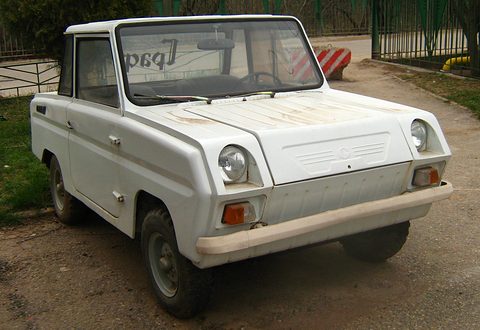
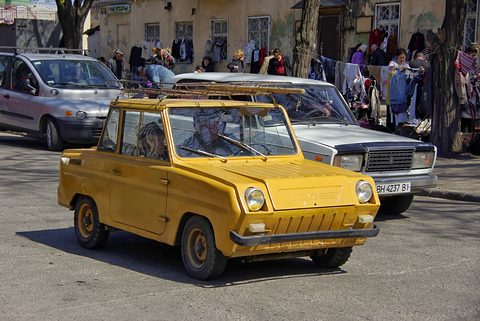
Its shape came from a rural pick-up. In 1964 Erik Sabo and Eduard Molchanov, of the Special Art and Design Bureau of the Moscow sovnarkhoz, had drawn the “Shustrik”, a light rural pick-up with a front-mounted Zaporozhets engine and a simple body made for a plant with limited means. When the sovnarkhoz system was reorganised the project was dropped, its drawings passed to Serpukhov, and the works’ stylists, with NAMI specialists, based the new carriage on it.source 1source 2 The starting point inside was a new engine from Izhevsk, the IZh-Planeta 2. Glass fibre was considered for the body and rejected.source 2source 3
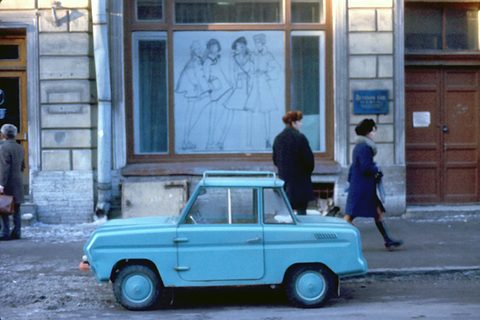
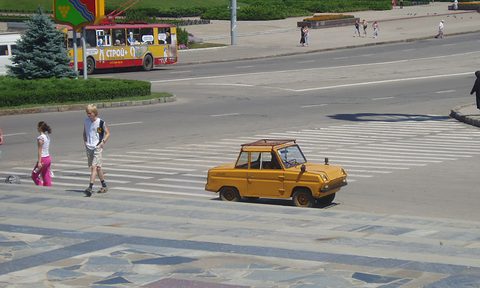
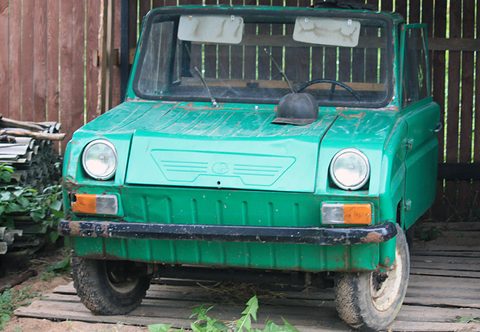
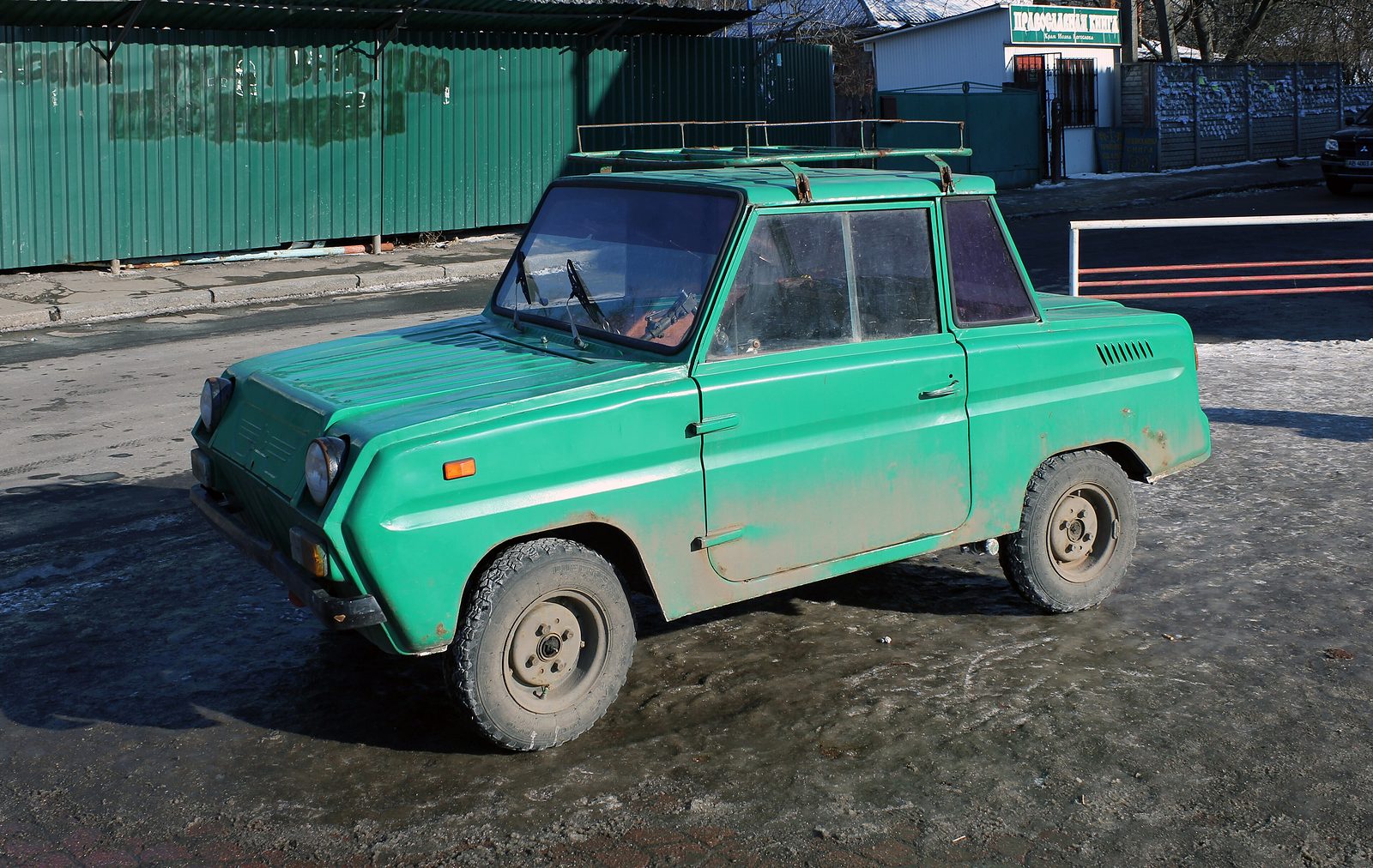
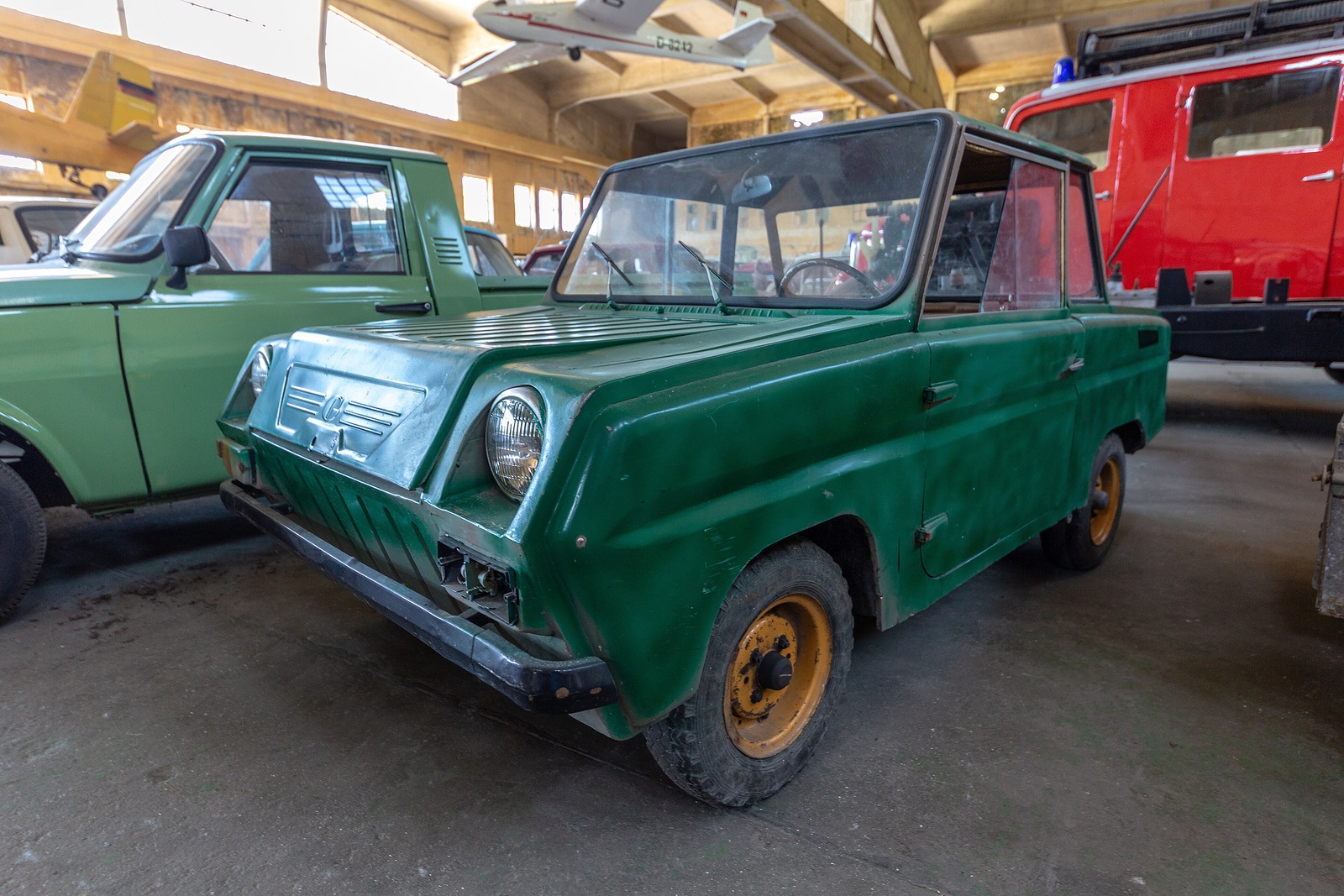
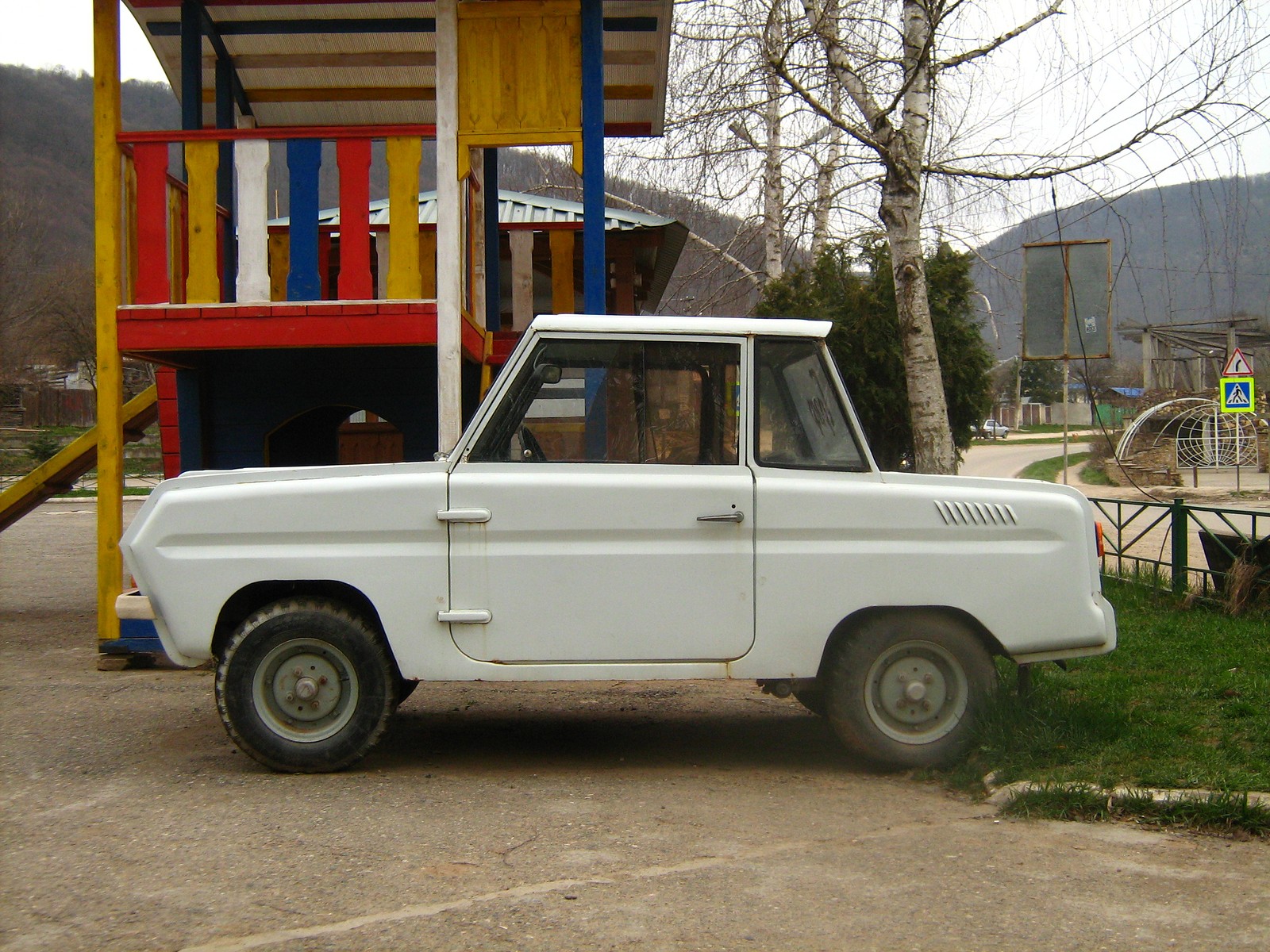
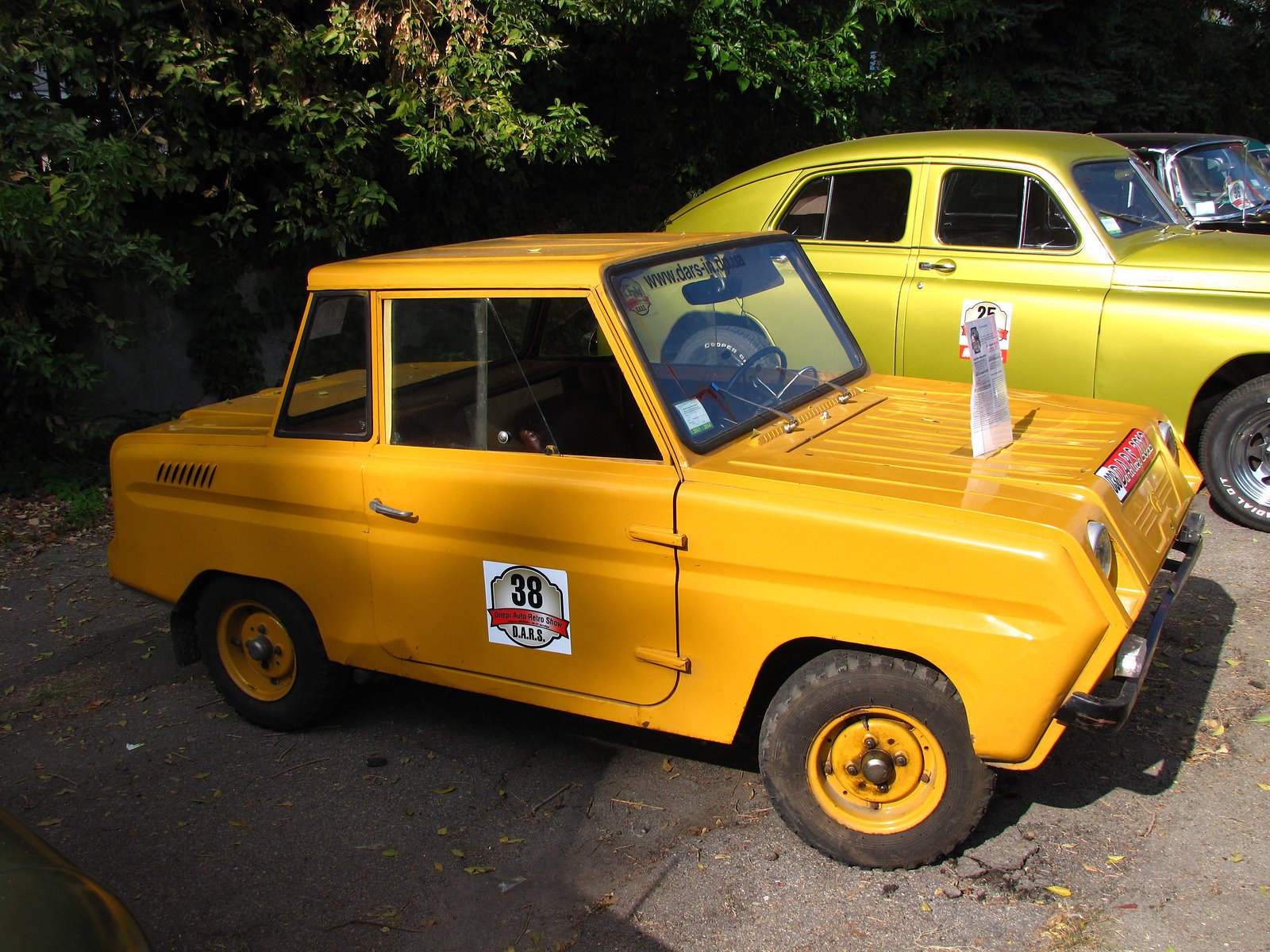
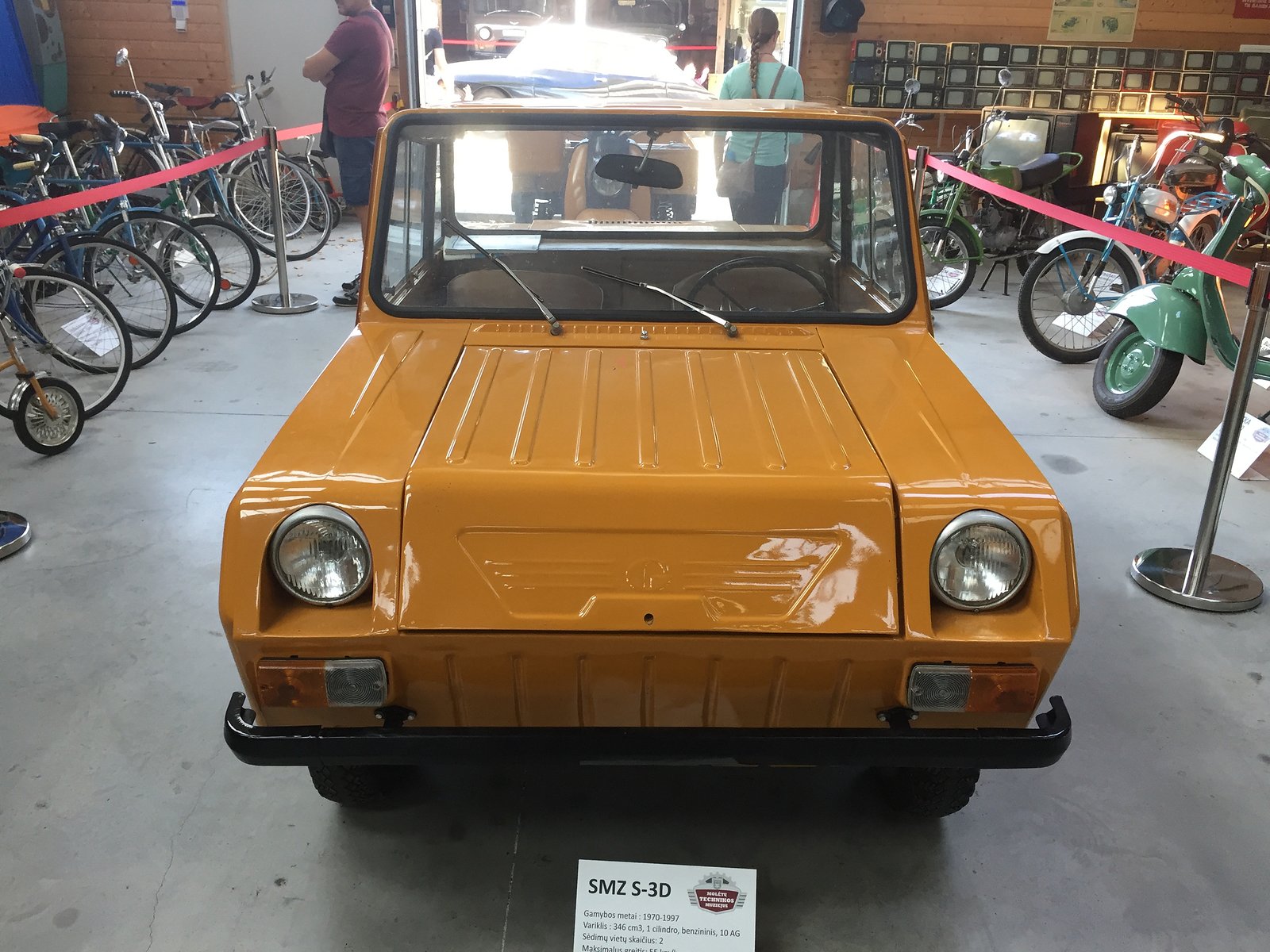
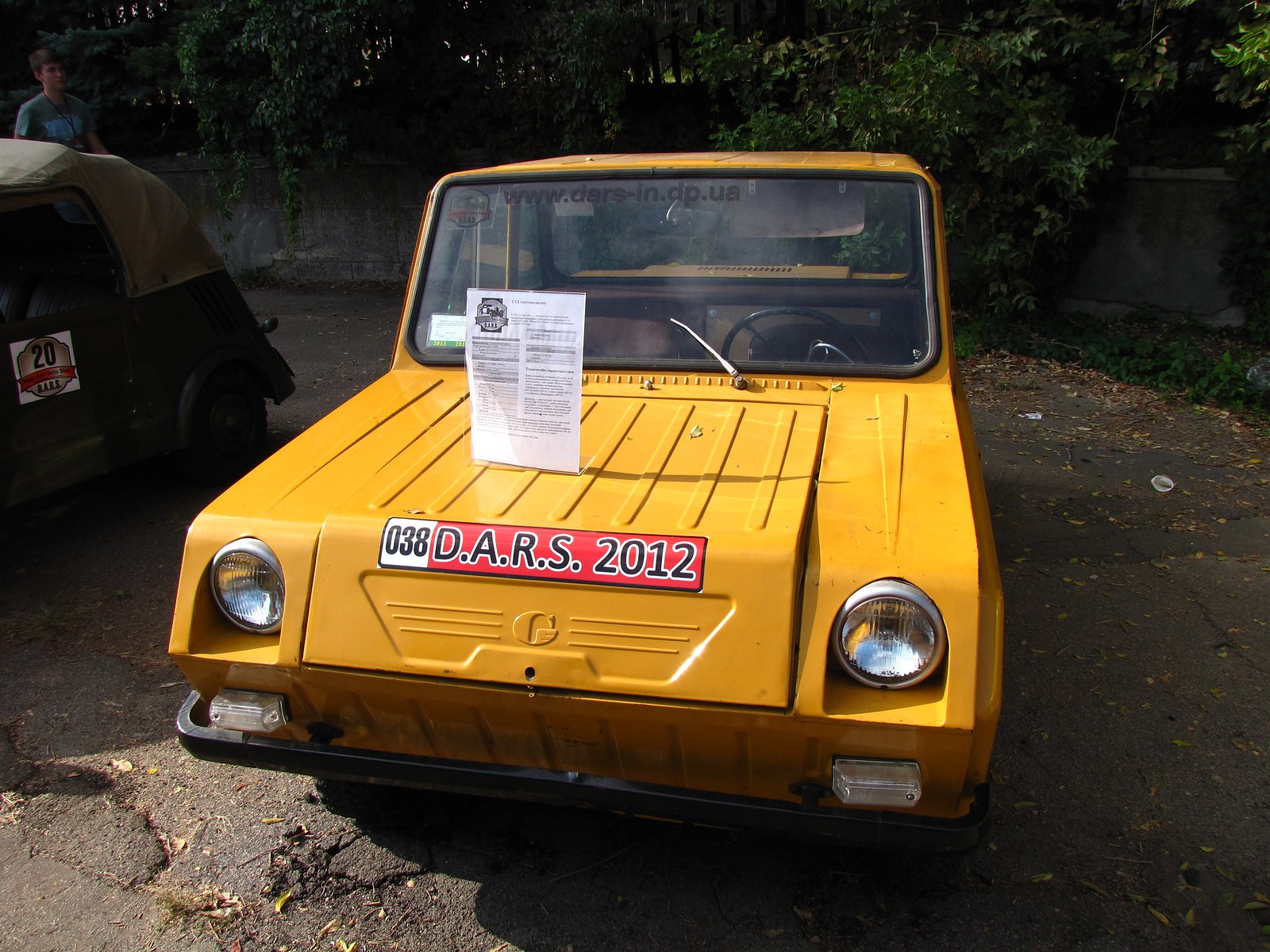
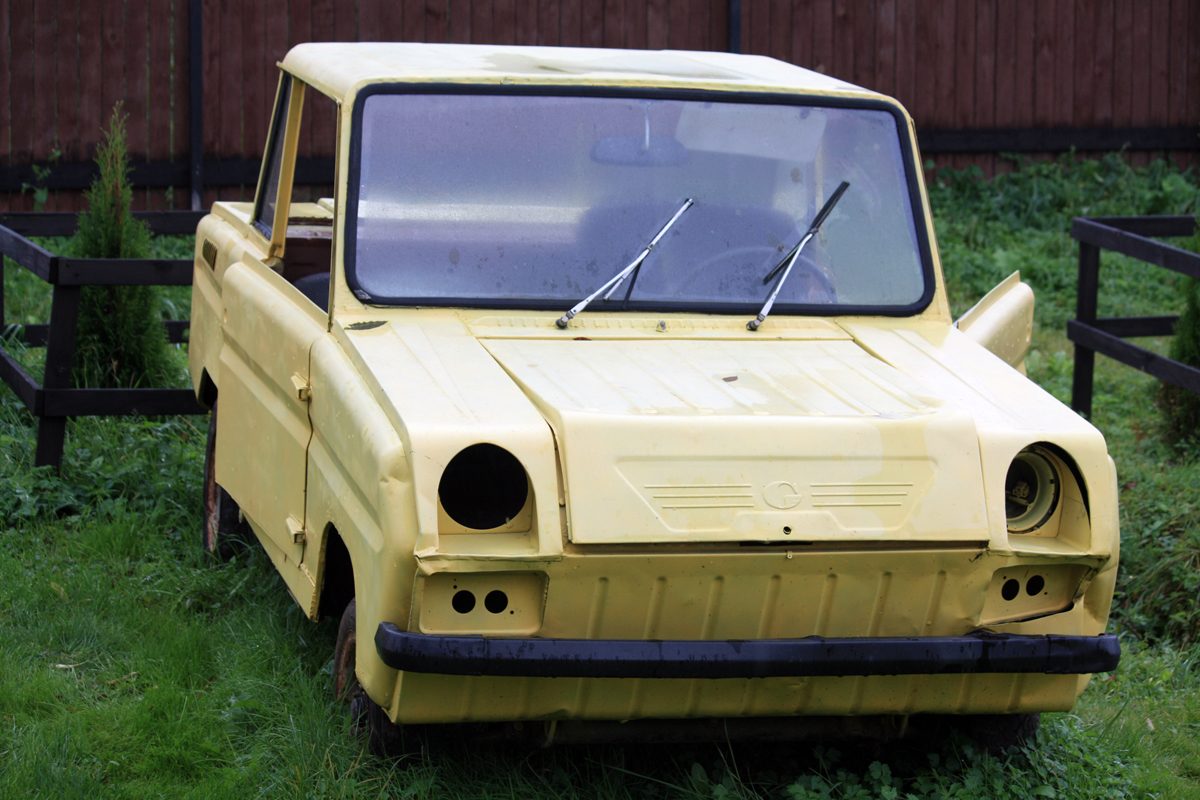
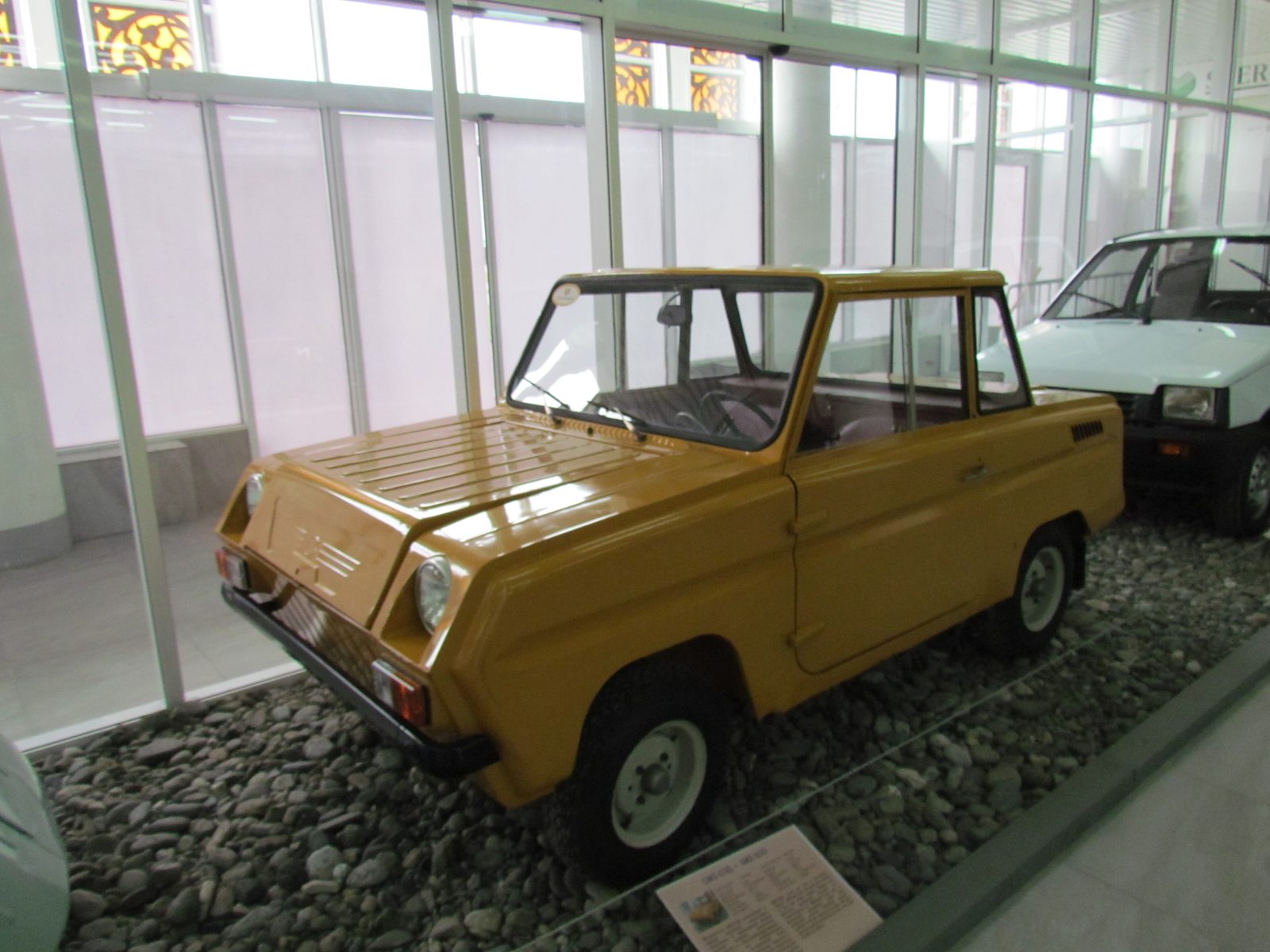
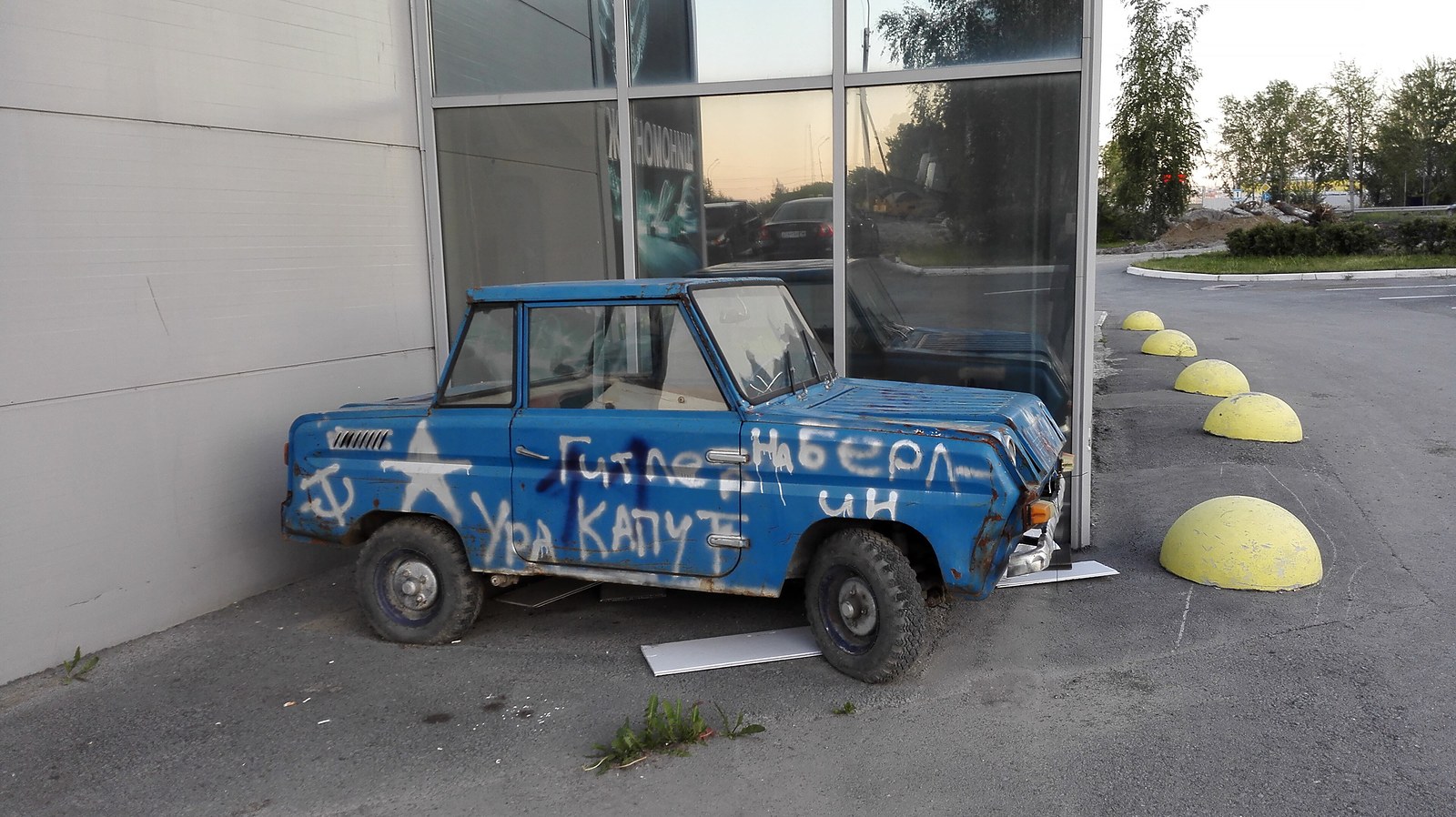
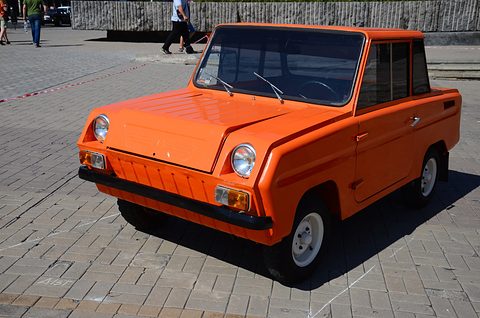
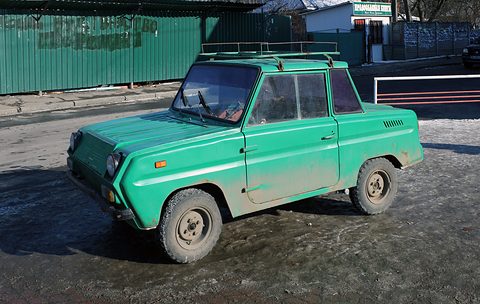
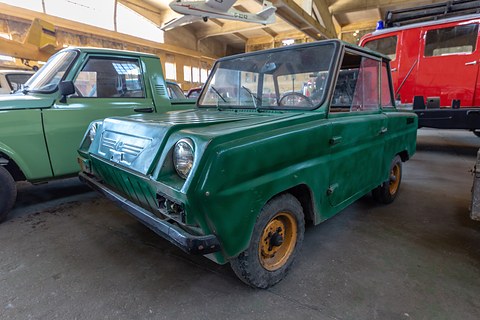
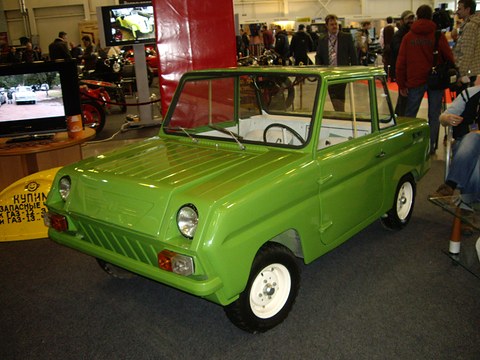
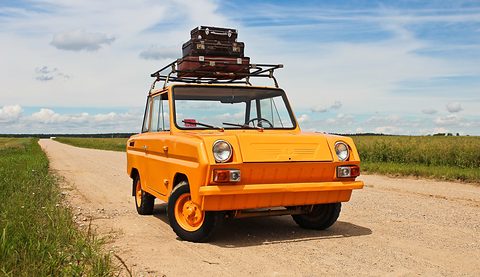
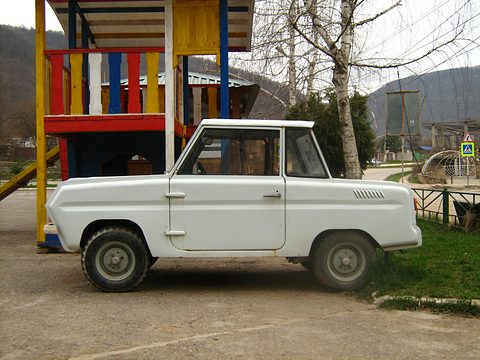
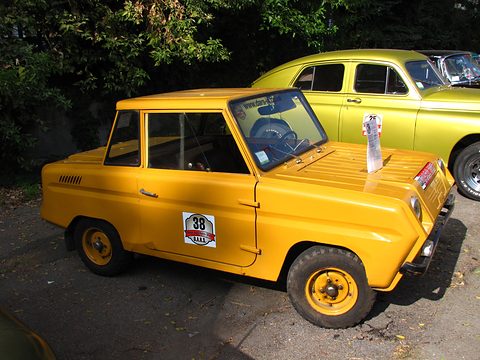
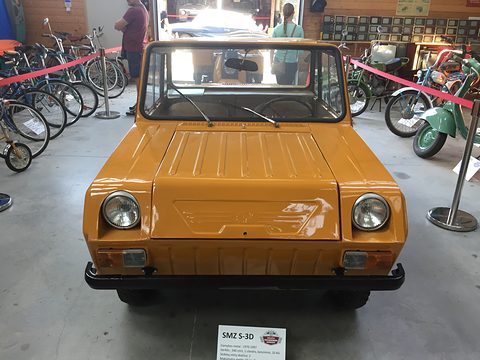
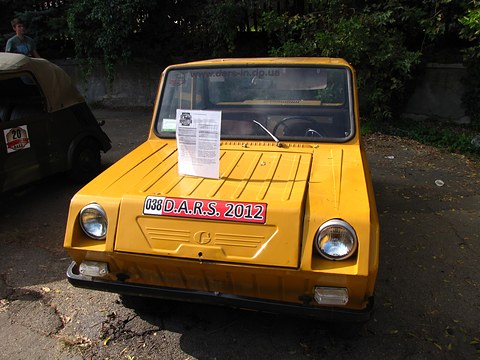
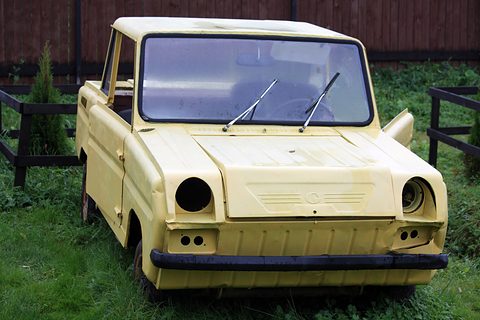
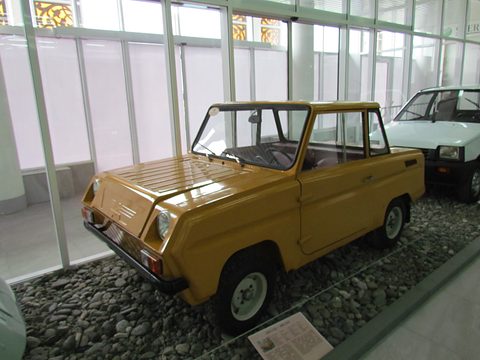
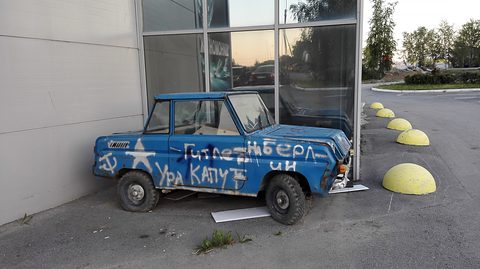
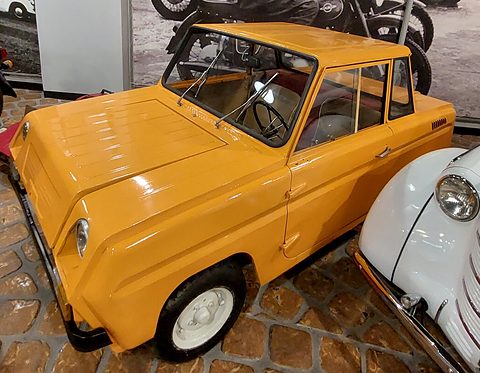
Preparation for production began in 1967. In place of a body hand-built on a tube frame came a stamped steel monocoque welded on a mechanised line, meant to give more comfort and more cars.source 1 The S‑3D went into production in July 1970.source 1 It had a closed two-door steel body, hydraulic brakes on all four wheels, applied by a hand lever, a petrol-burning heater and 12-volt electrics.source 1source 4source 2 The motorcycle heart stayed: the 346 cc Planeta, derated to 12 hp.source 1source 3 For a car of about 500 kg (1,100 lb) that was frankly weak, kolesa.ru says, and in the autumn of 1971, after only 18 months, the 14 hp IZh-Planeta 3 replaced it.source 3
Driving it by hand
The clutch was worked by hand, and the four-speed sequential gearbox by a car-like lever that sprang back to the centre, with neutral between first and second and a lamp to show it.source 1source 2 Reverse was a separate gear in the final drive, on its own lever, so any of the four gears could be used backwards, geared down 1.84 to 1.source 1 There was an electric starter, and a kick-start worked by a big lever under the dashboard.source 1source 2
It was loud and very slow. With two people aboard it could barely reach 55 km/h (34 mph). Its owners came to know the two-stroke’s thirst and noise, the fumes that found their way into the cabin, and frosty mornings when condensation froze in the fuel pump and the engine died.source 3source 2 The thin steel dented easily, the roof drummed with the engine, and the car was harder to get into than the taller S‑3A; Za Rulyom remembers a gearbox with an eternally jumping-out gear.source 1source 4 But an owner had no water to drain at night, unlike the many Soviet drivers who ran on water instead of antifreeze.source 3
Its drivers
Disabled people of group I, war veterans among them, received one free for five years, with one free overhaul at two and a half years, and drivers with one arm and one leg had a version of their own, the S‑3E.source 1source 2source 3 Others, such as disabled people of group III, could buy one after a long wait for about 20 per cent of its price: some 220 of the 1,100 roubles it cost by the late 1980s.source 1source 3 For these drivers the closed steel body and the petrol heater were new in a Serpukhov carriage, and the air-cooled engine started easily in frost.source 1source 4source 3 English Wikipedia says that for all its noise and smoke the car was very popular with disabled drivers.source 5
The licence it needed is described in different ways: category A, for motorcycles, with a special endorsement, by two accounts, or a separate category for the motor carriage alone, by a third, which adds that former car drivers had all their categories struck out and “motokolyaska” written in.source 1source 2source 3 The practice may well have varied. On the road its drivers were left alone: the traffic police, by two accounts, never stopped them.source 4source 3
Output passed 20,000 carriages a year in the mid-1970s.source 4source 3 In 1984 production stopped because the car no longer met new Soviet standards; it came back in 1986 with modern lights and a dual-circuit brake system.source 4 The first cars had round tail lamps of the UAZ type, the later ones bigger lamps from lorries and farm machinery.source 3 The works tried a Zaporozhets engine in the tail, but its 30 hp was too much for the car, and built an estate that stayed a prototype.source 4
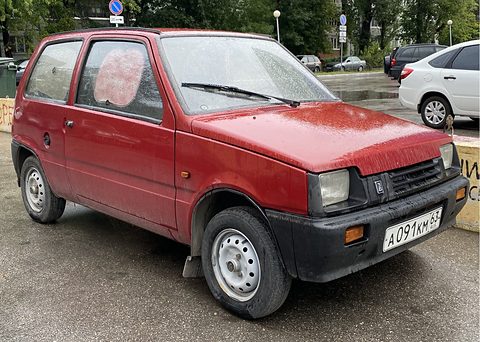
After the Soviet Union fell, the carriages began to be sold to anyone, because, as Za Rulyom puts it, the state had no time for social security; that made it, formally, the cheapest Soviet car.source 4source 6 In its last years it was built beside the VAZ-1111 Oka, whose launch at Serpukhov was slow and painful, and Russian Wikipedia names the Oka’s hand-controlled versions as its successors.source 4source 1 The last 300 S‑3Ds left the works in the autumn of 1997.source 1
«Какими теперь вспоминаются серпуховские мотоколяски? Смешными и убогими? Конечно!»
He compares their story with the Trabant’s: mocked now, but needed, and not the worst of what might have been.source 4