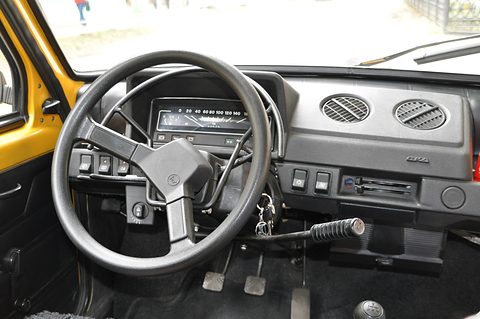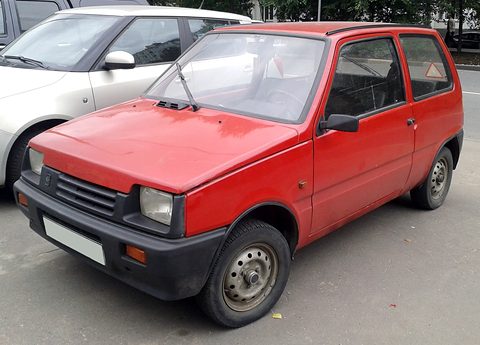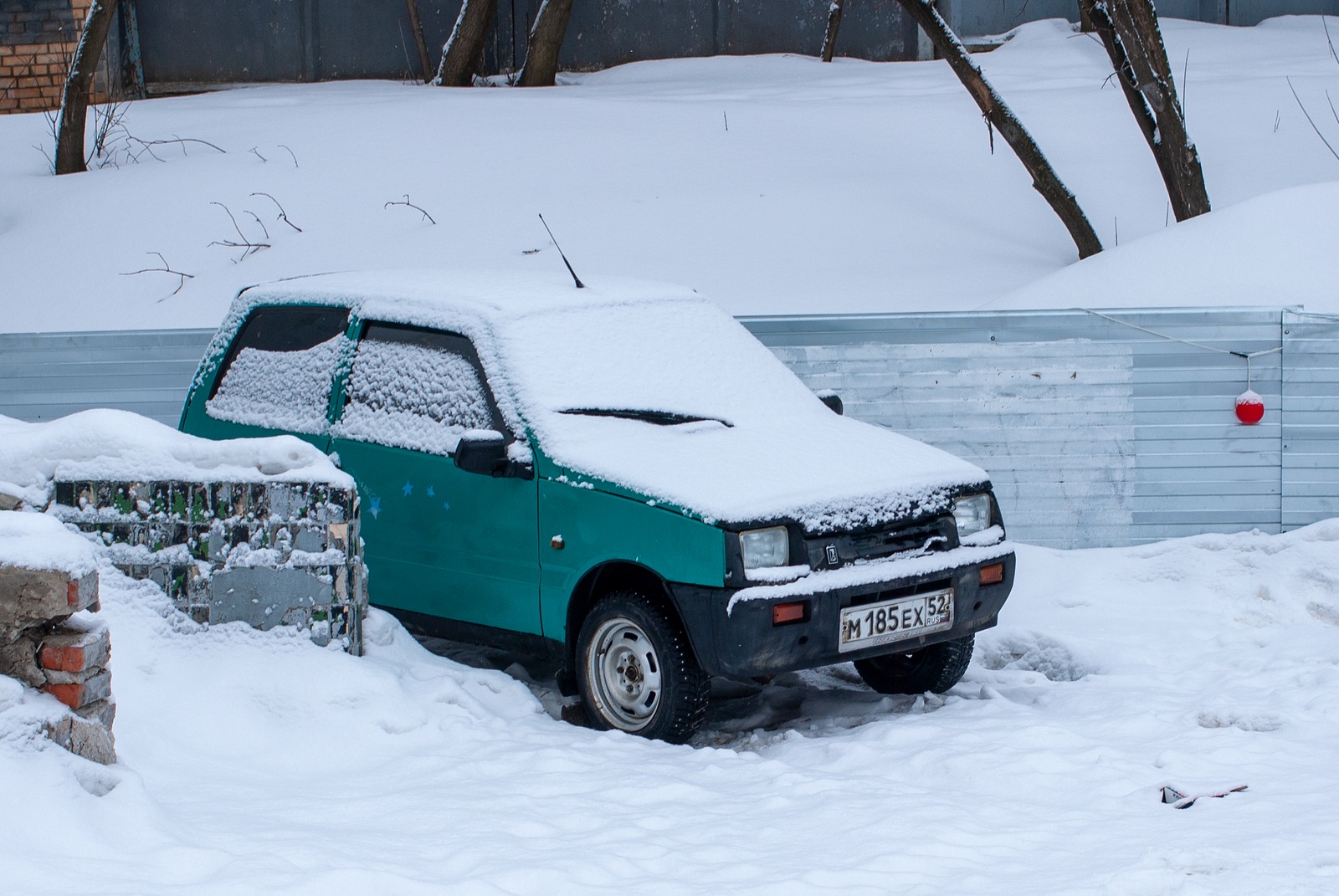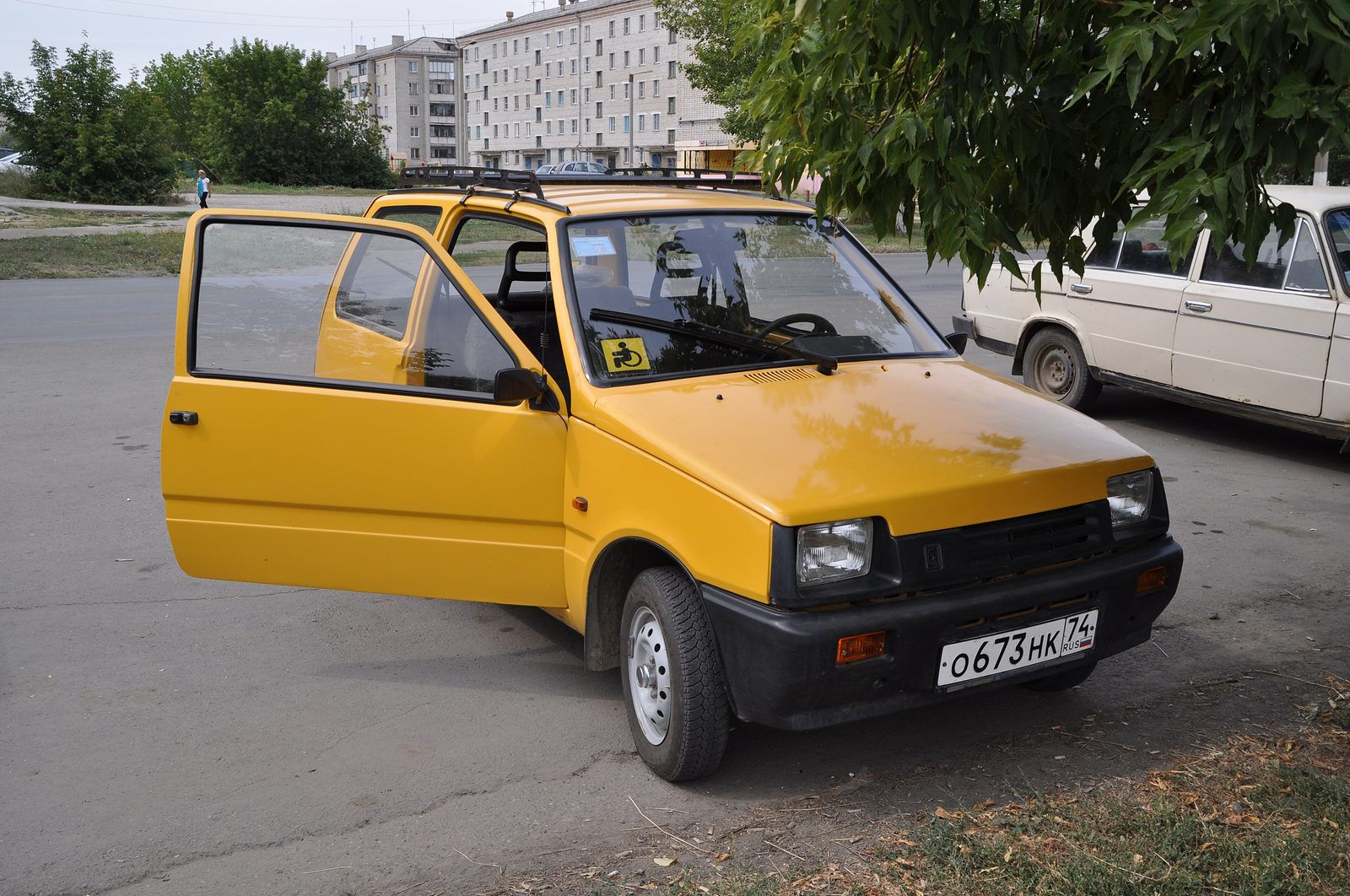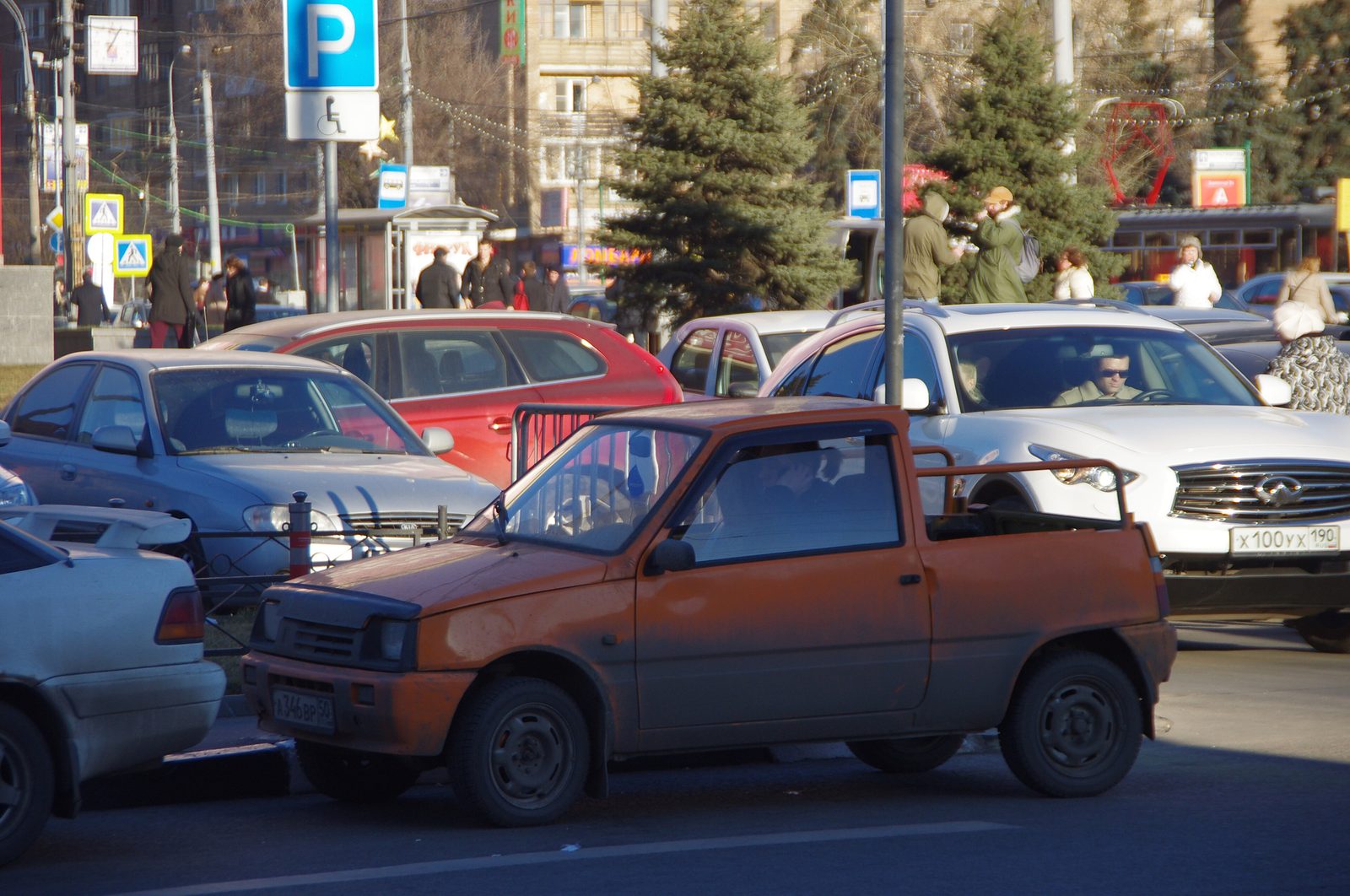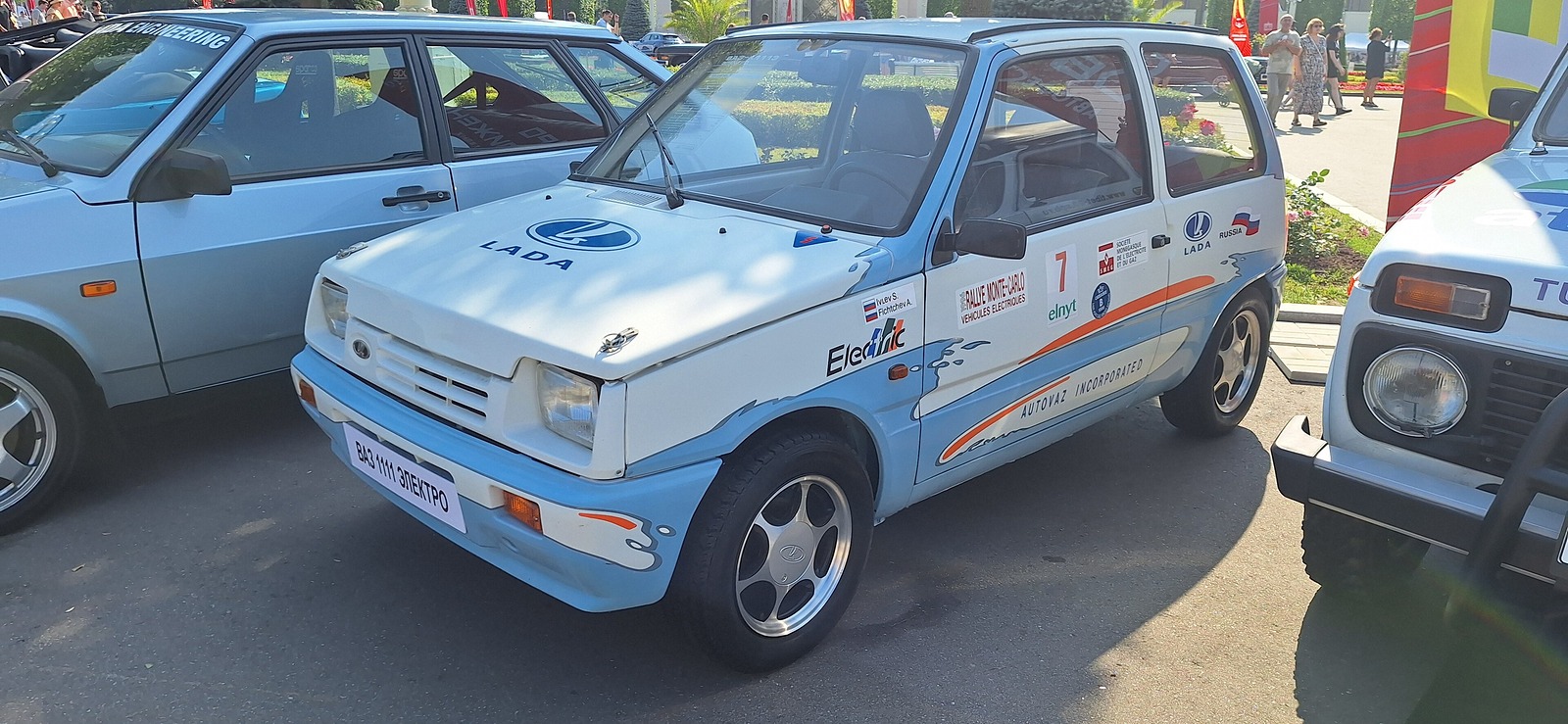
The story
History
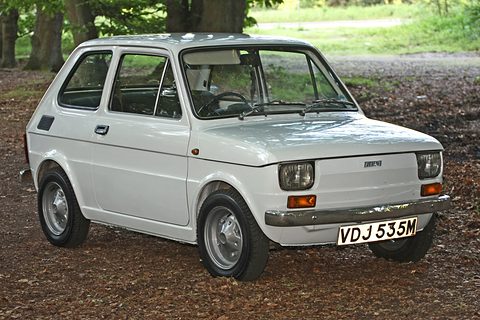
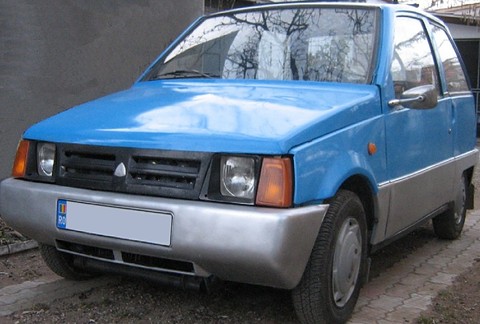
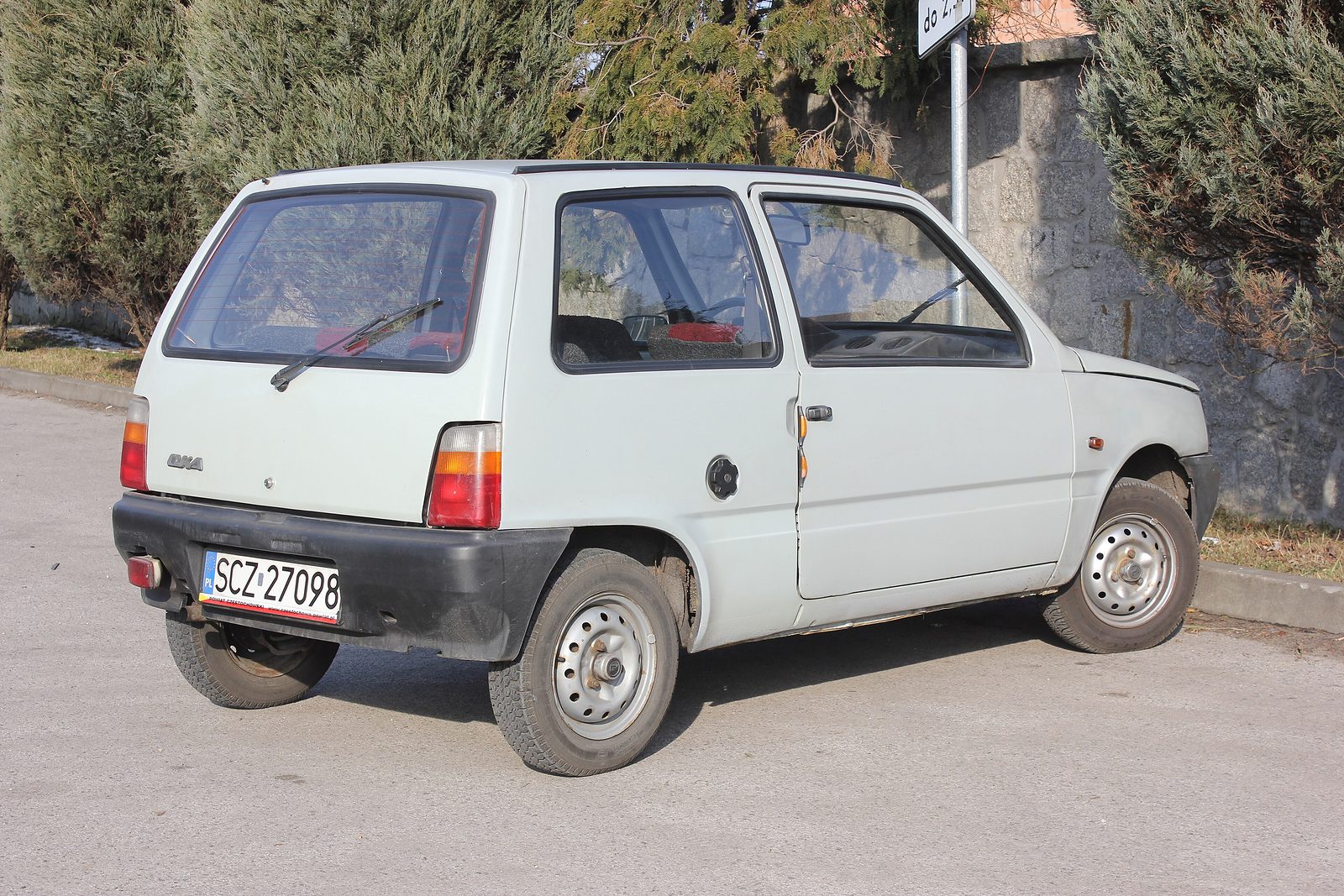
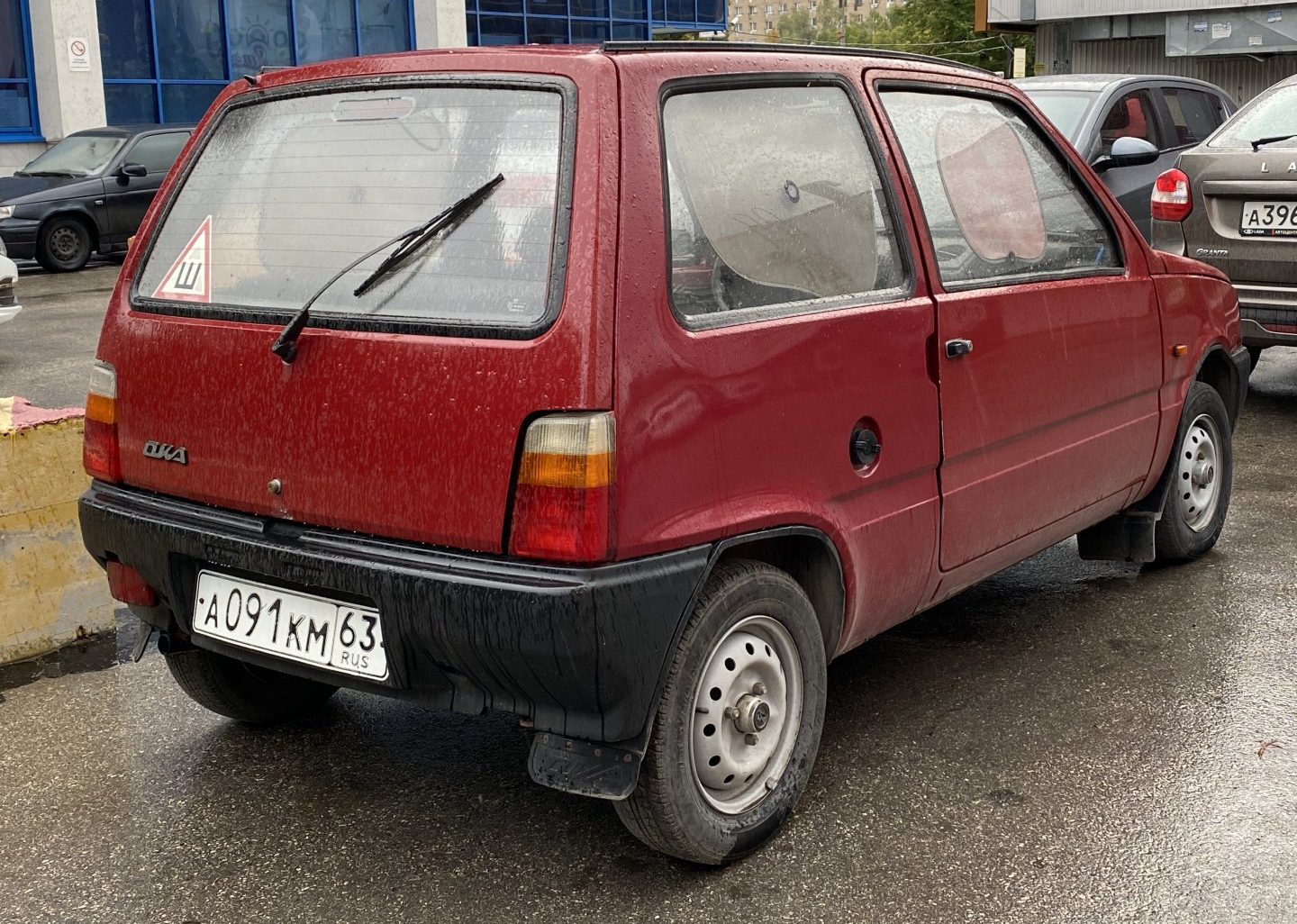
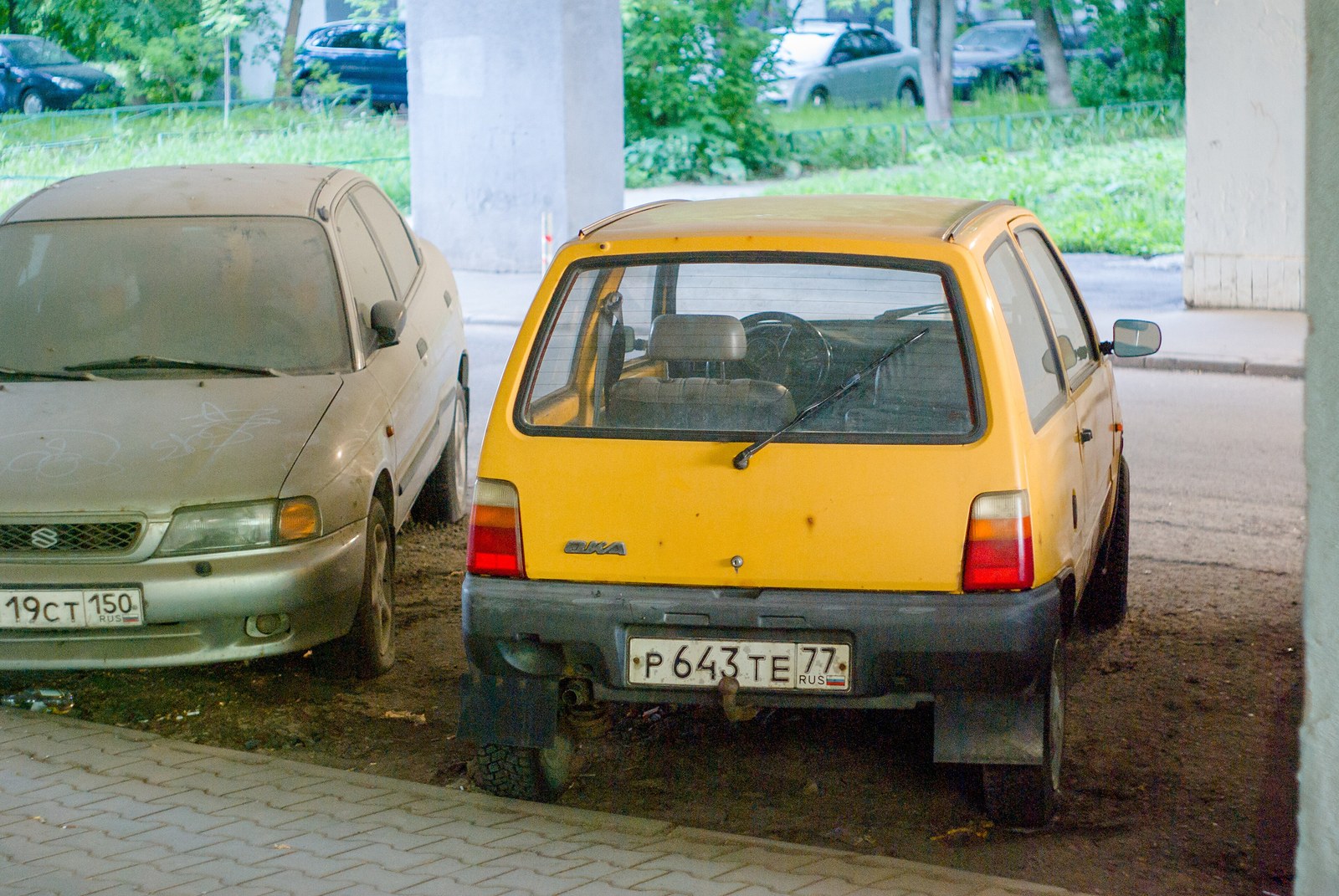
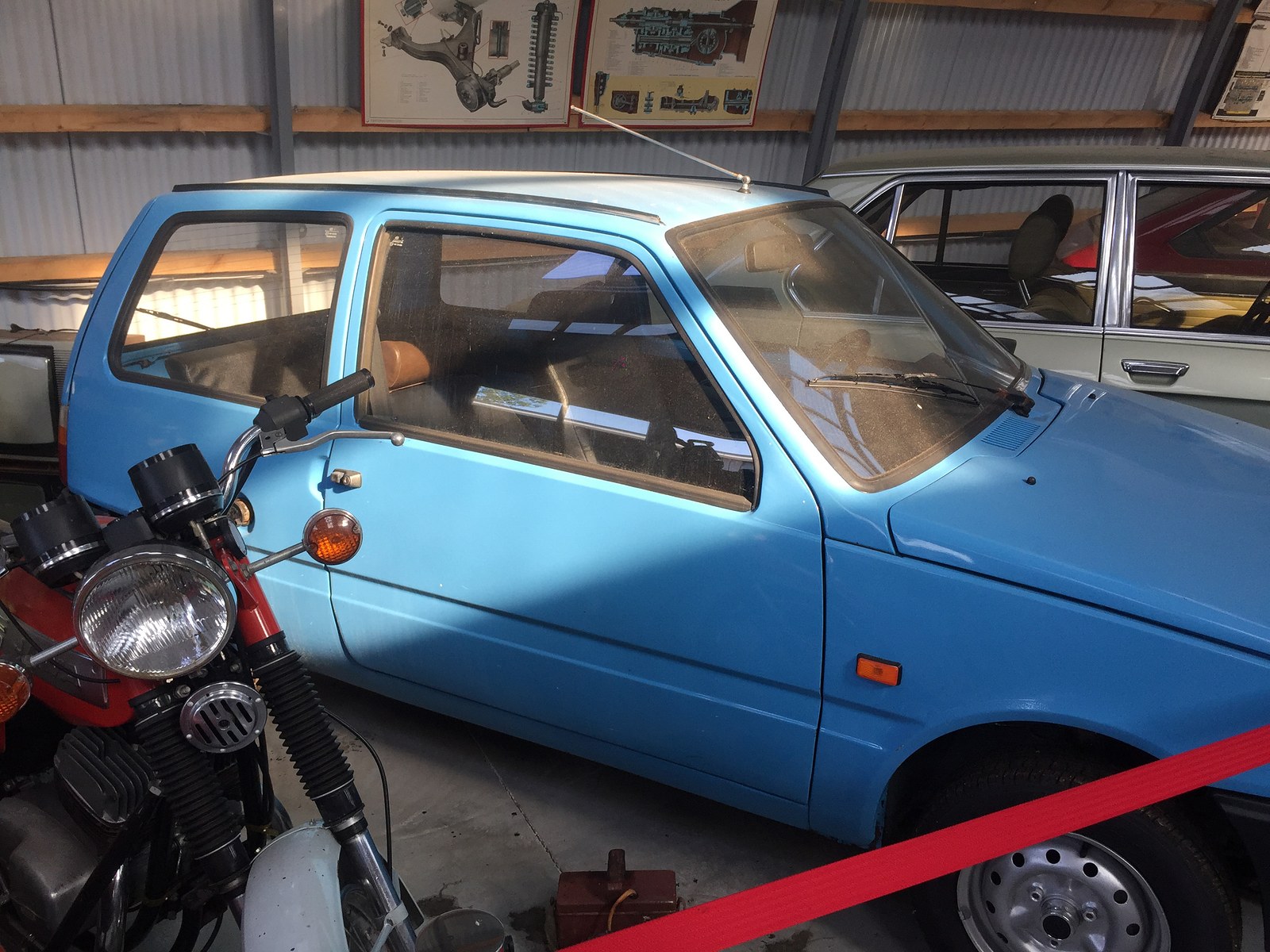
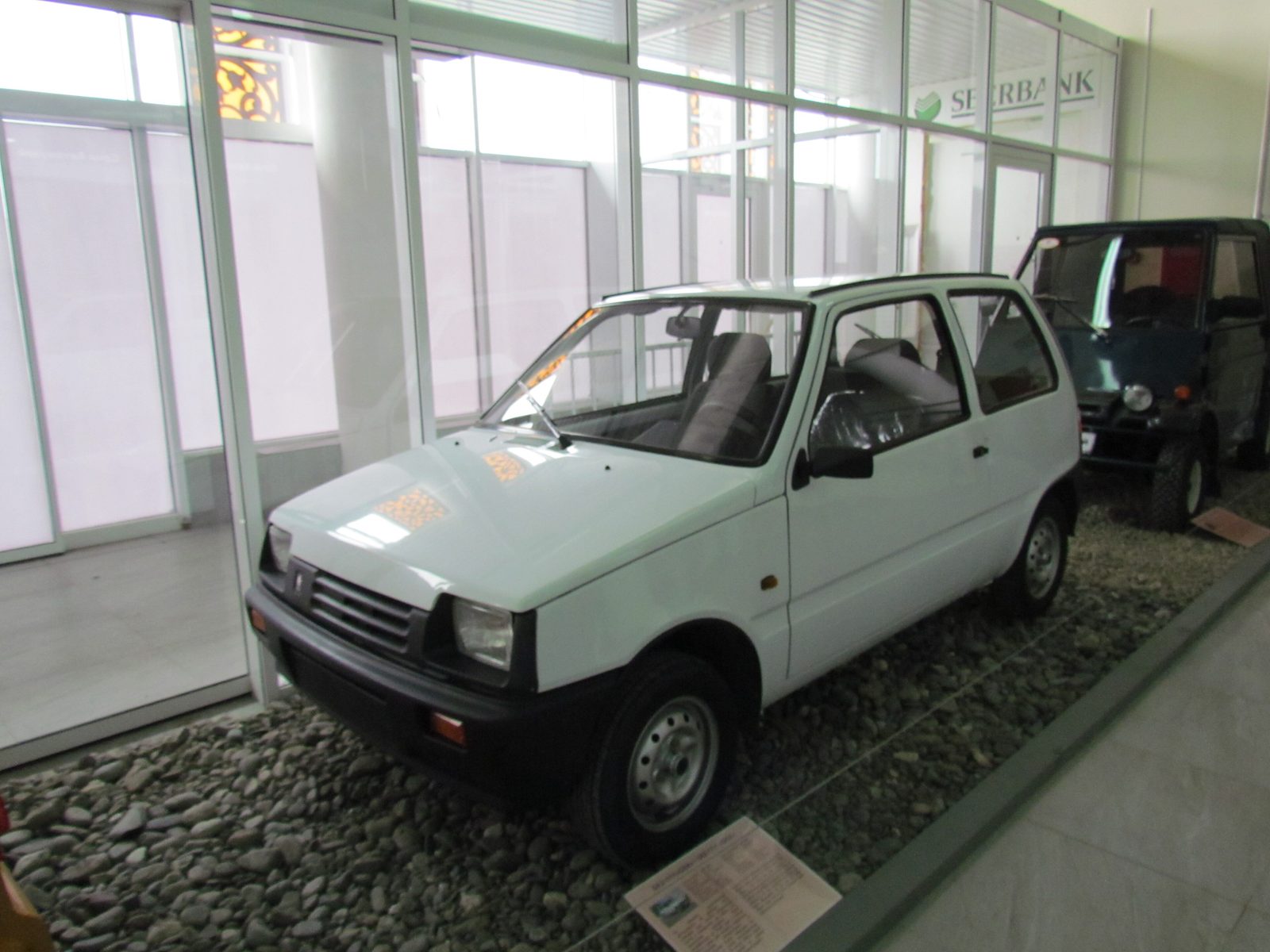
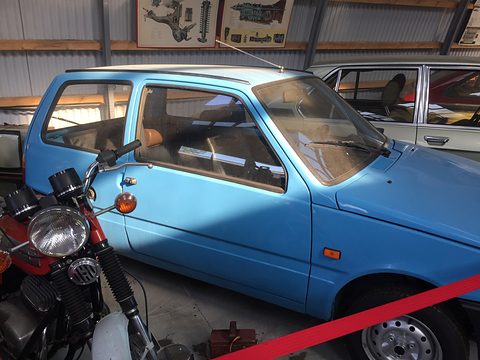
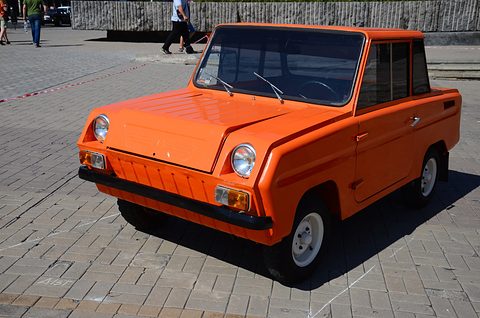
Serpukhov wanted something modern to replace its SMZ S‑3D carriage, and with the ministry’s backing its design bureau and NAMI built a series of prototypes. The NAMI-0231 of 1981 was the first Soviet front-drive car in its class; the Serpukhov-built SMZ-1101 was the first to carry the name Oka, unofficially, after the river on which Serpukhov stands.source 1source 2source 3source 4 NAMI had already studied the Fiat 126, and built a NAMI-0219 with the Fiat’s 650 cc twin moved to the front; Polish Fiat engines were planned for the new car, until the Solidarity crisis of 1980–81 in Poland ruled them out.source 1
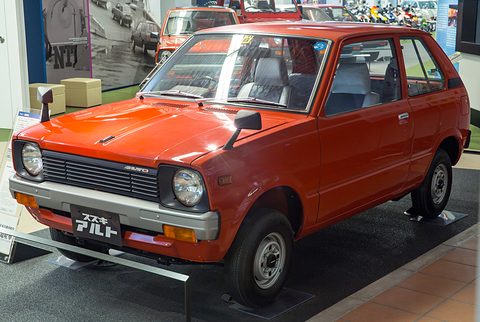
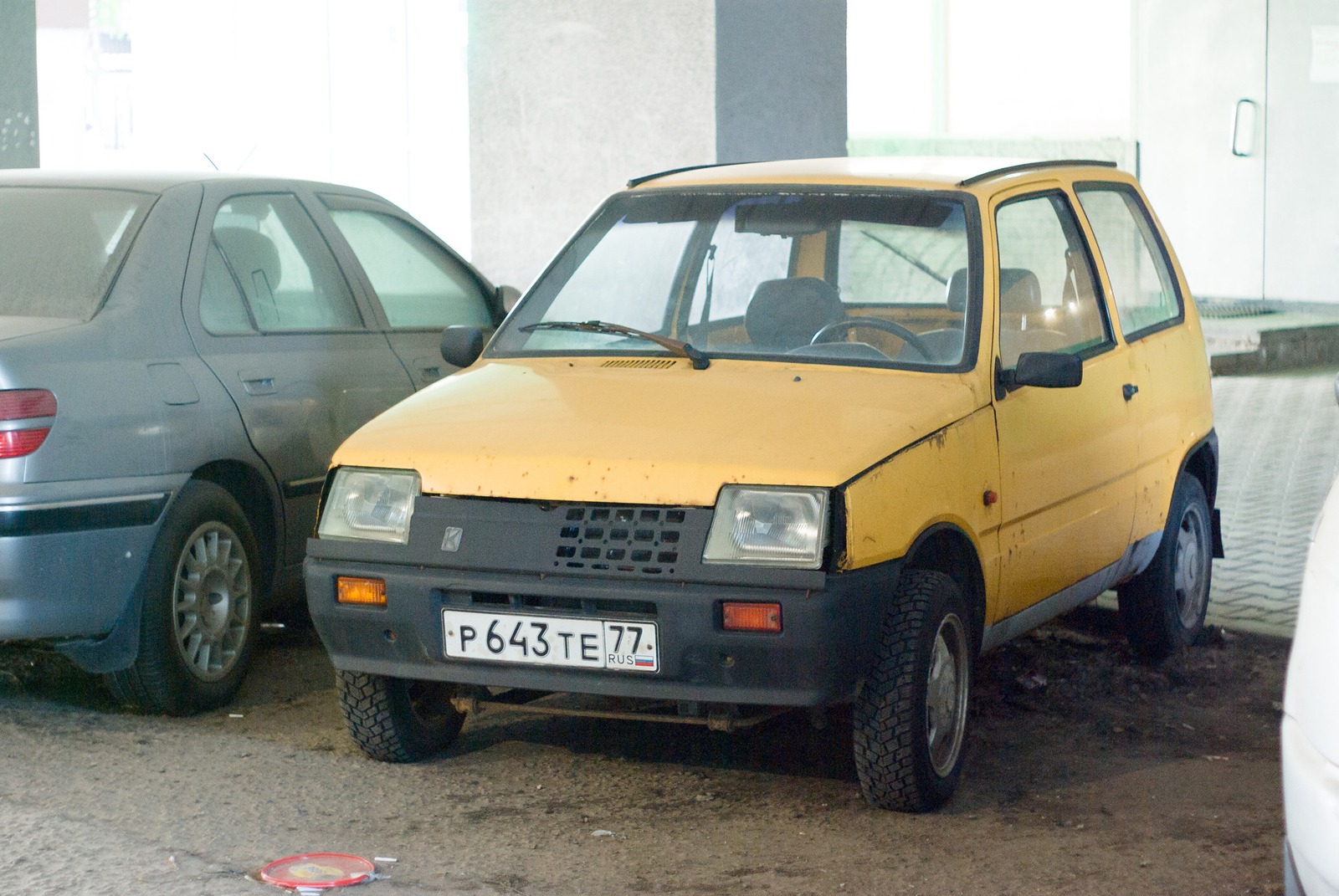
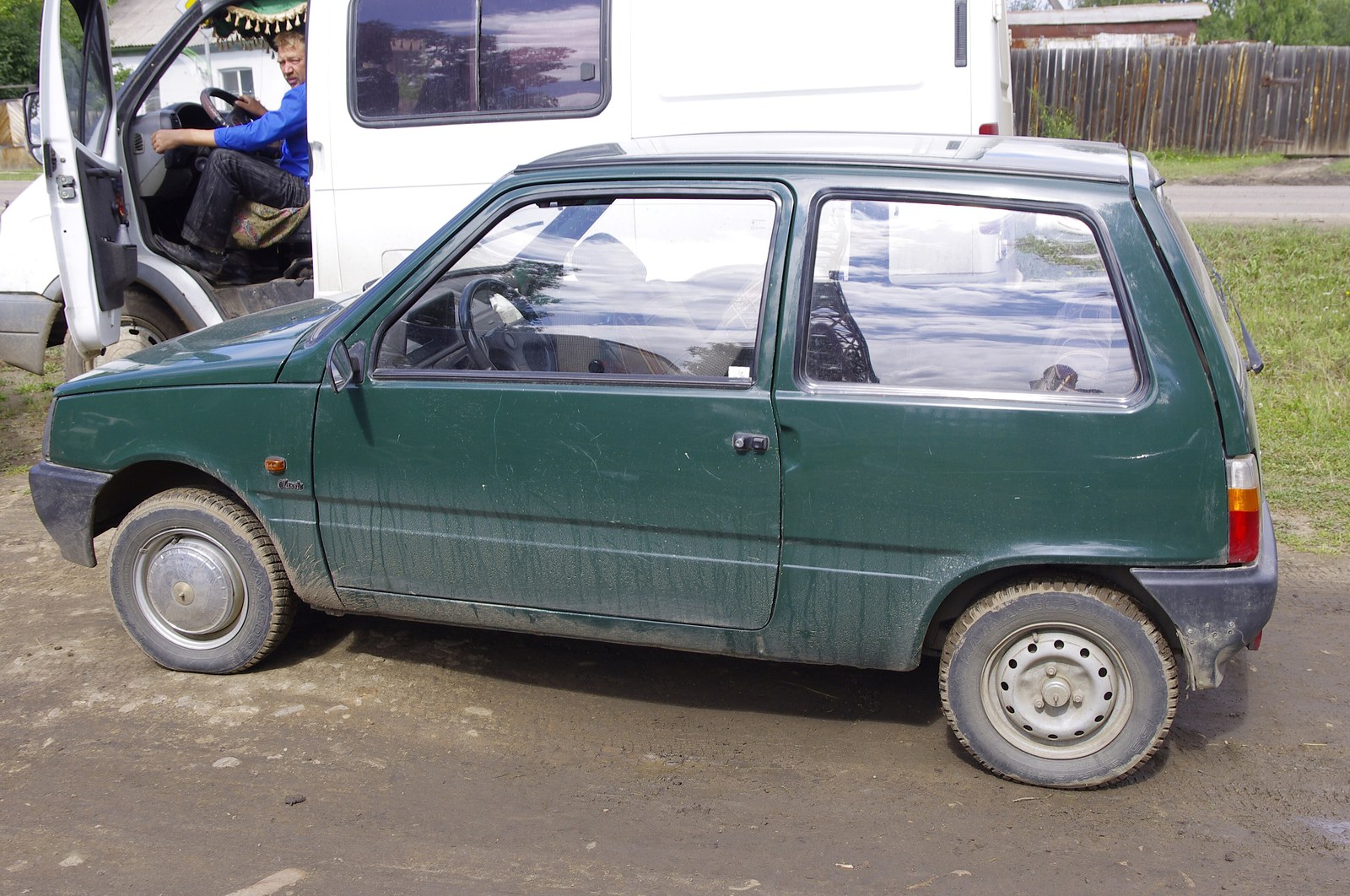
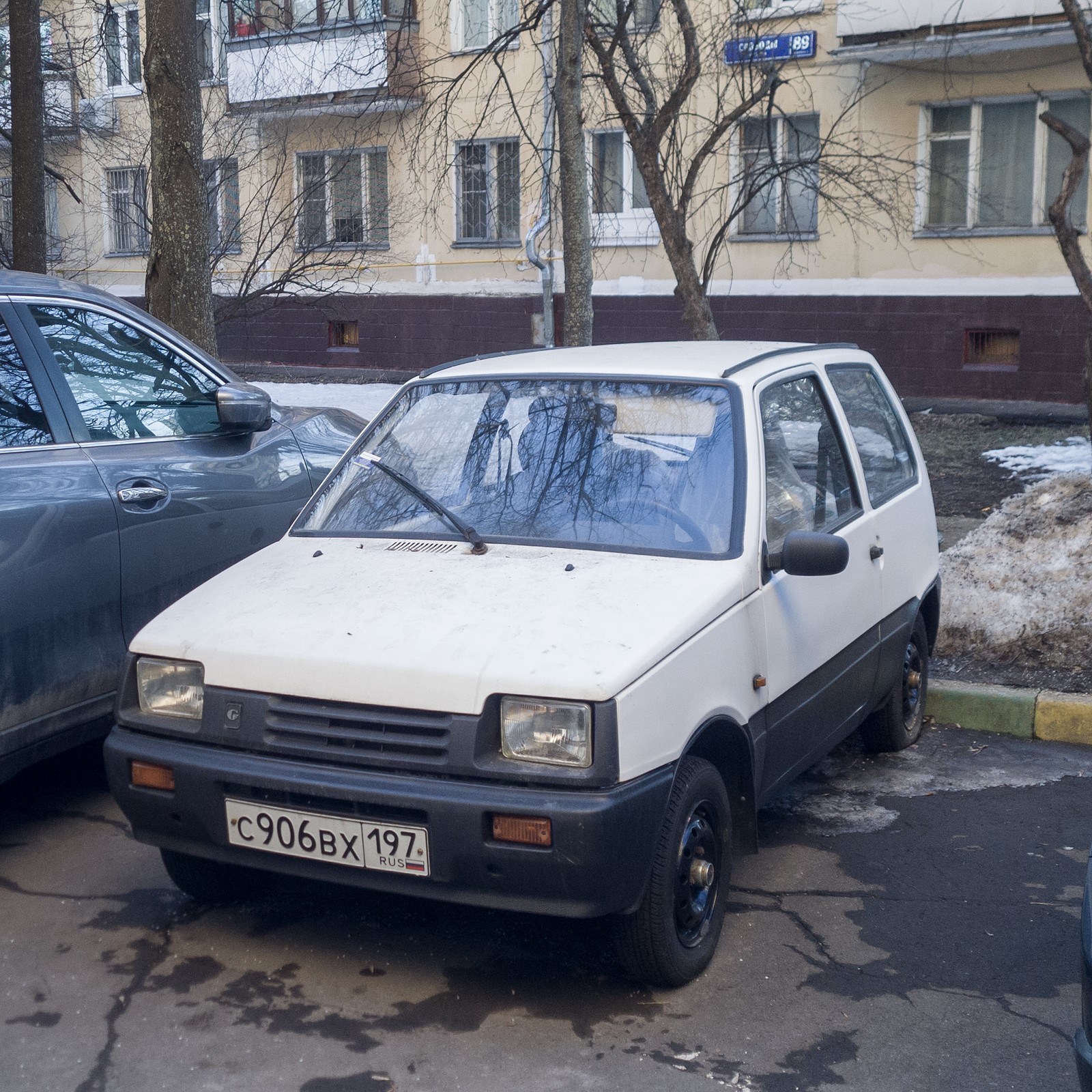
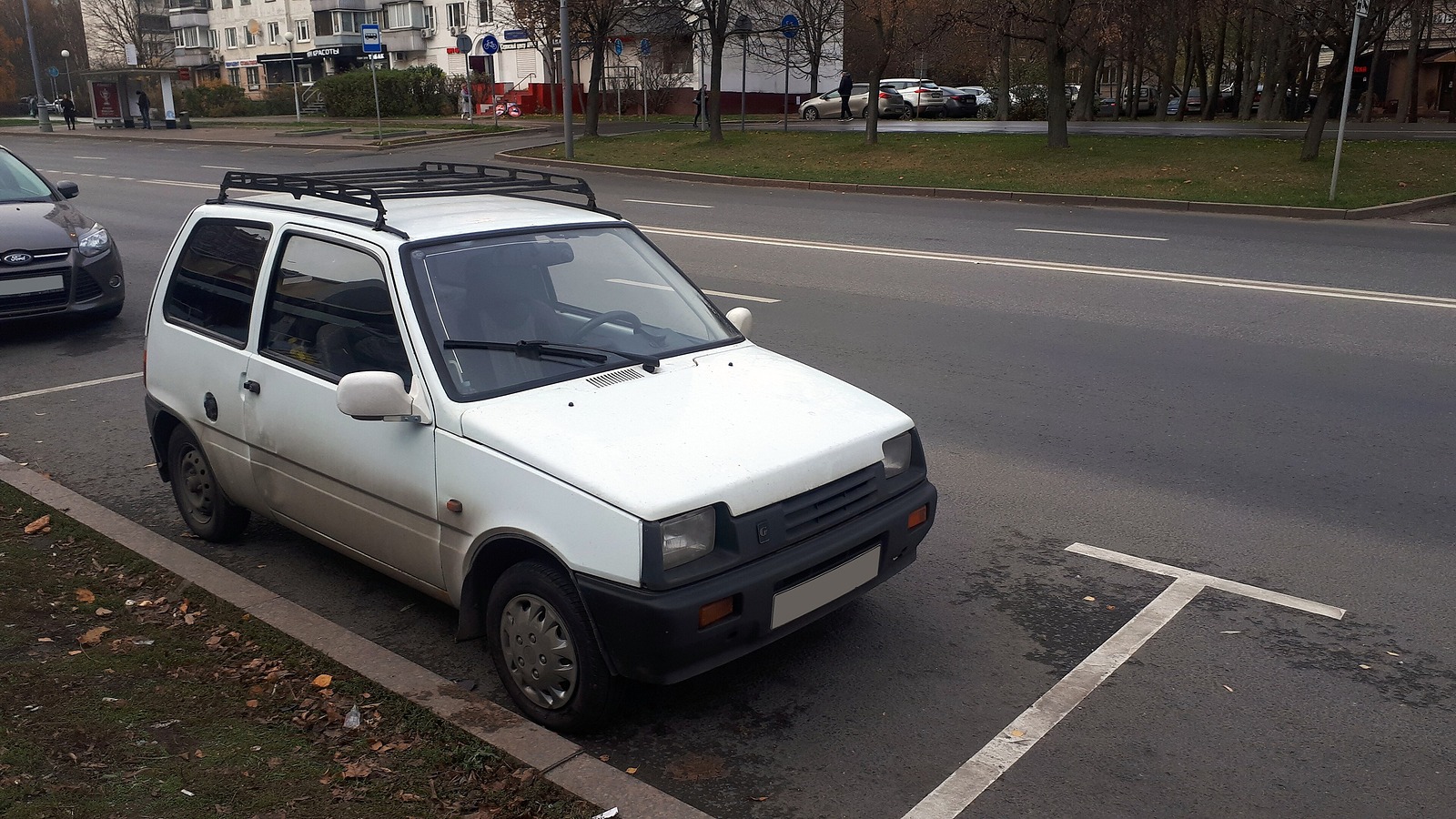
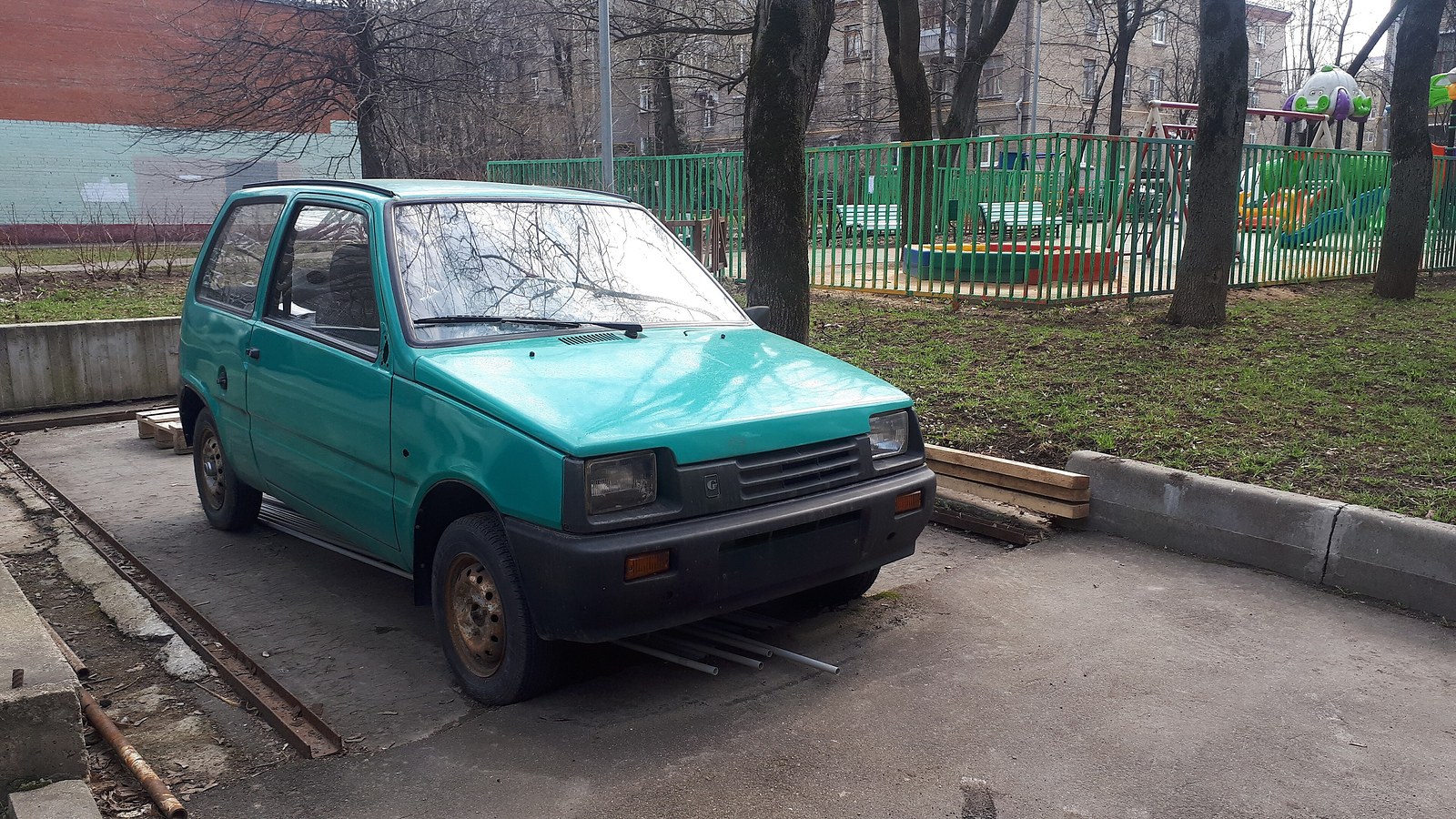
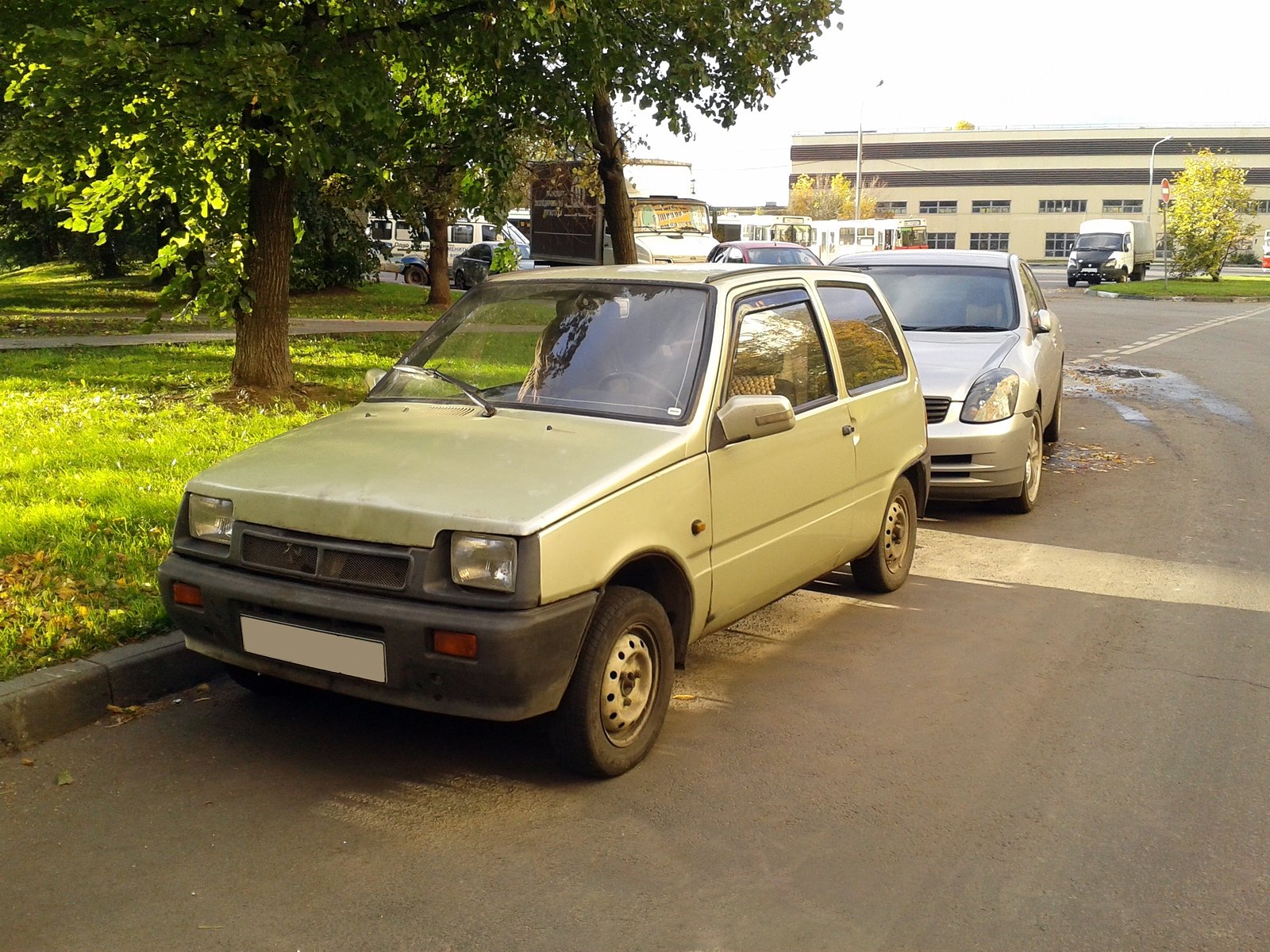
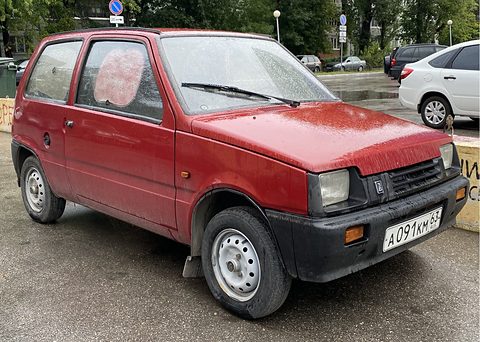
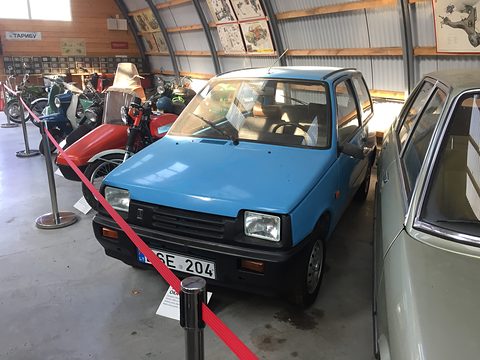
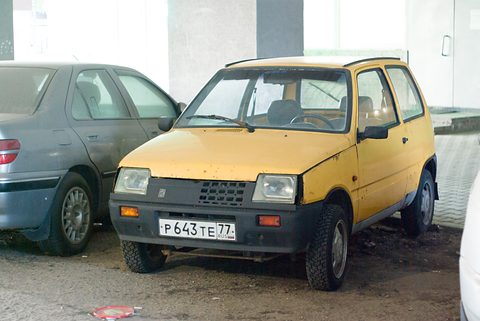
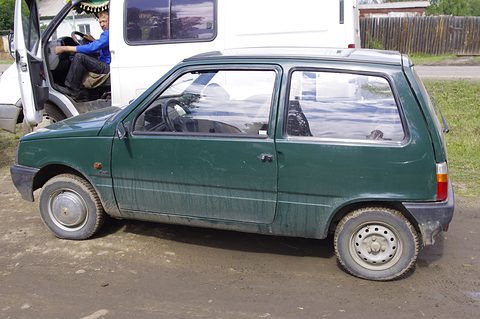
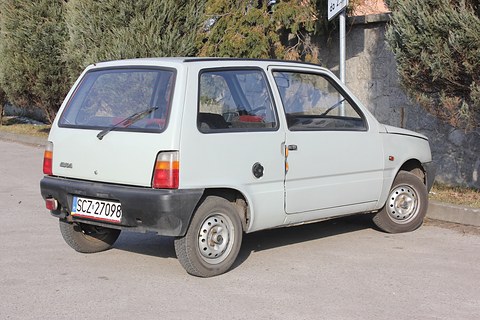
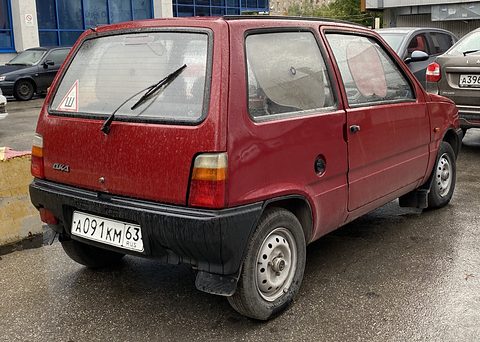
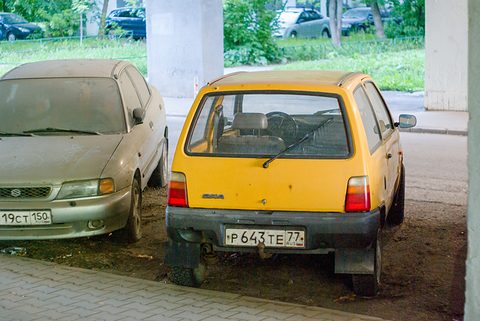
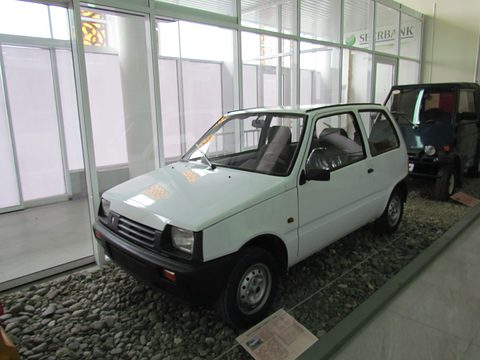
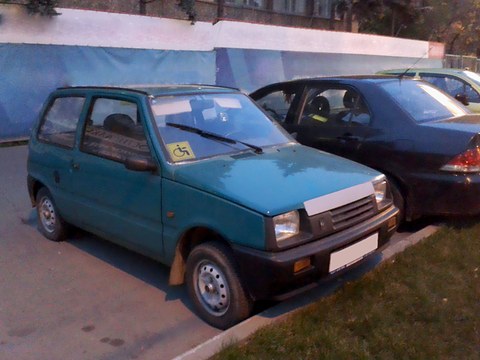
In the spring of 1983 the minister for the motor industry, Viktor Polyakov, a former director-general of VAZ, brought AvtoVAZ into the project.source 1source 2 The Serpukhov designers arrived with their SMZ-1101; VAZ judged it unfit for mass production and started again, with Serpukhov engineers seconded to look after the hand controls. The brief was a closed two-door, four-seat car up to 3.3 m long, weighing about 650 kg, with a two-cylinder four-stroke engine and front-wheel drive. Resolution No. 575 named the three works that would build it.source 2 The model was the Daihatsu Cuore of 1980, and the result was a hatchback the size of a Japanese kei car; its exterior was drawn by Yuri Vereshchagin.source 1source 2source 3source 4
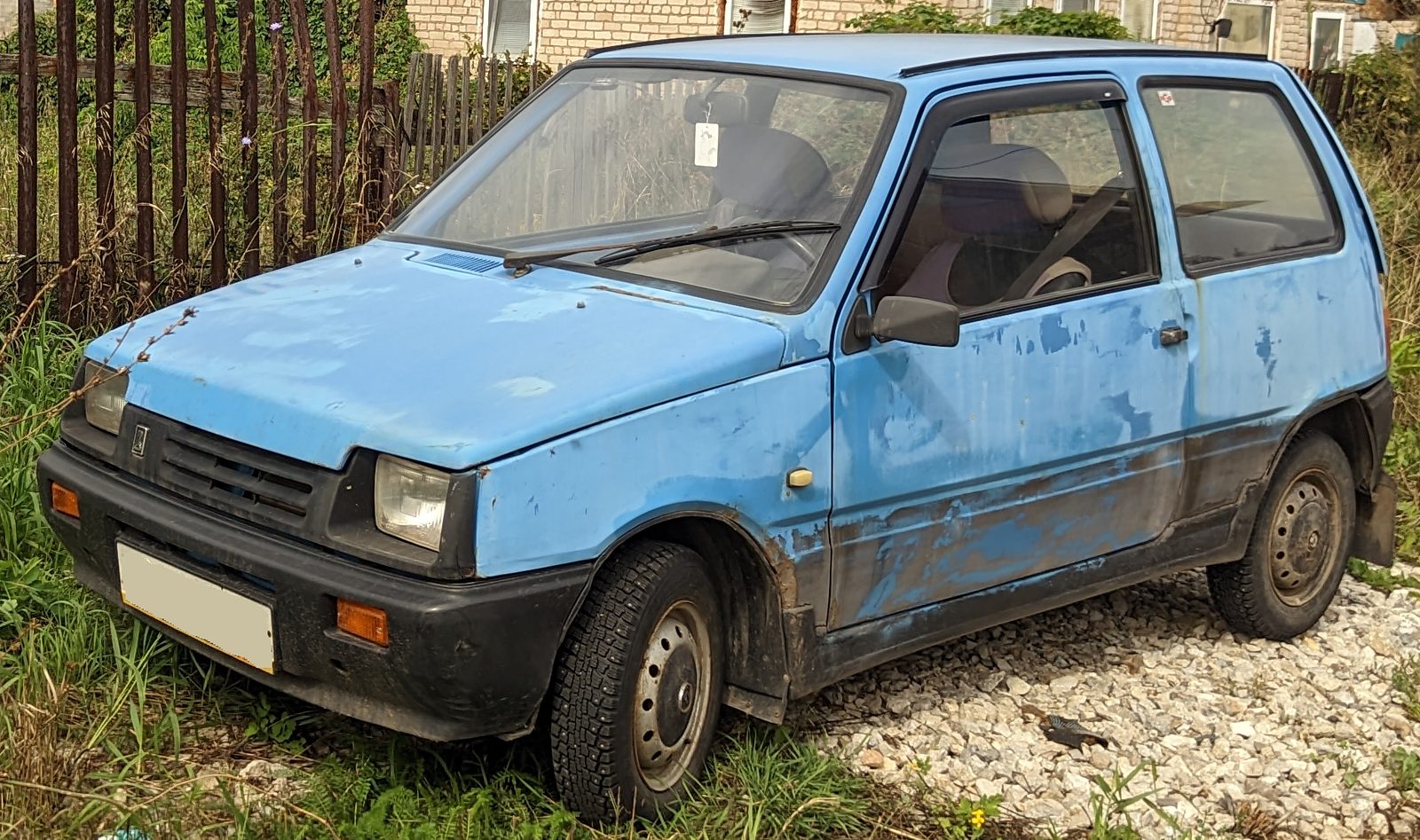
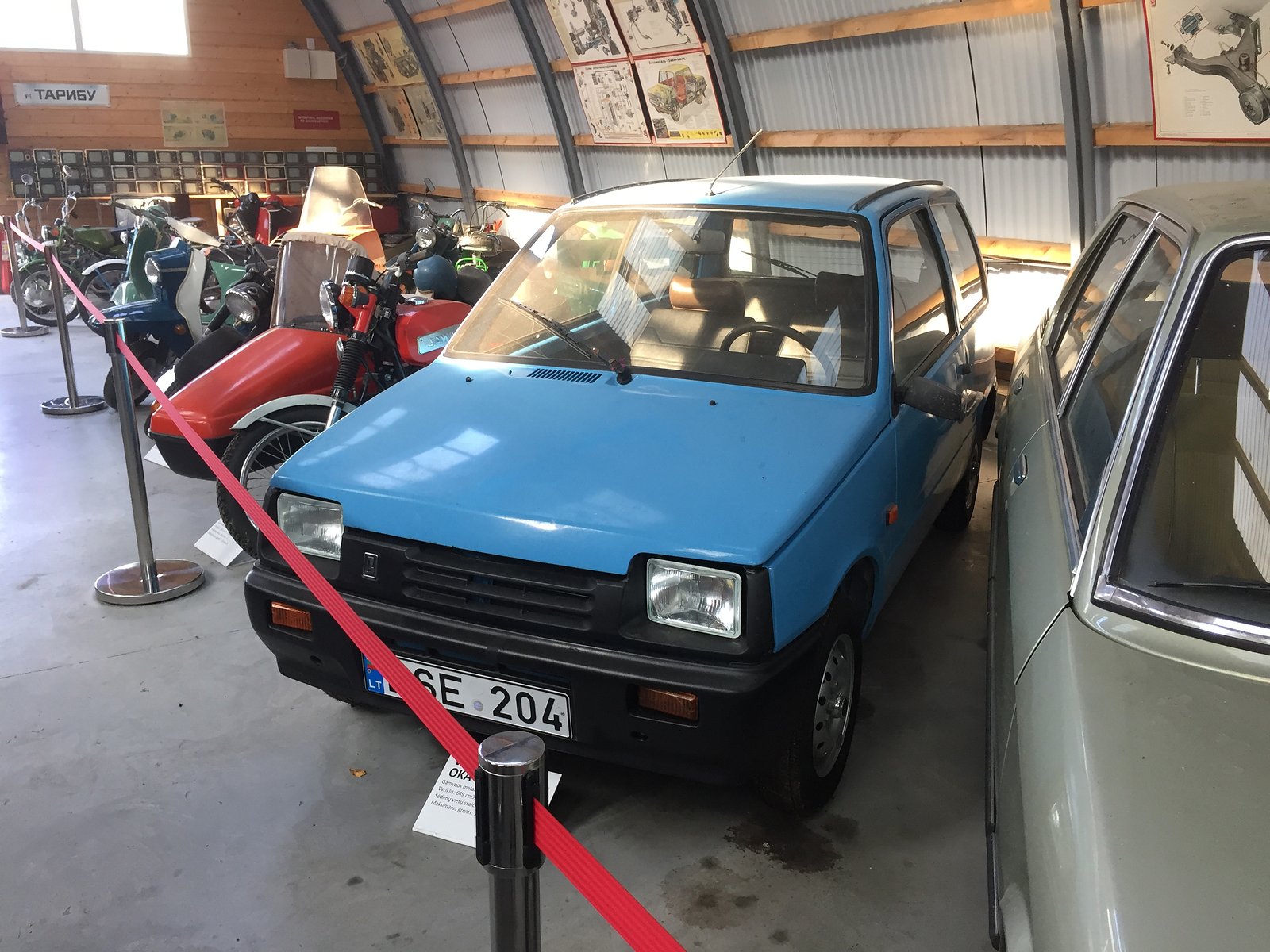
VAZ designed a twin from a clean sheet, the VAZ-111, in 0.65 and 0.75 litre sizes; the first was assembled in January 1984.source 1 But to save time and money the ministry ordered as much as possible to come from the VAZ-2108, the Samara, whose engine was ready for production. The Oka’s engine became the 2108’s with cylinders one and four taken away: 649 cc and 29 hp at 5,600 rpm, with a four-speed gearbox.source 1source 2 The first prototypes, in the spring of 1984, had a Suzuki-style rear suspension and proved very unstable, prone to rolling over even at modest speeds. The 1985 cars had a wheelbase 100 mm (4 in) longer, the 2108’s rear beam, developed partly with Porsche, and MacPherson struts at the front.source 1source 2 In 1987 the state commission accepted the VAZ-1111.source 1
Three works, never enough
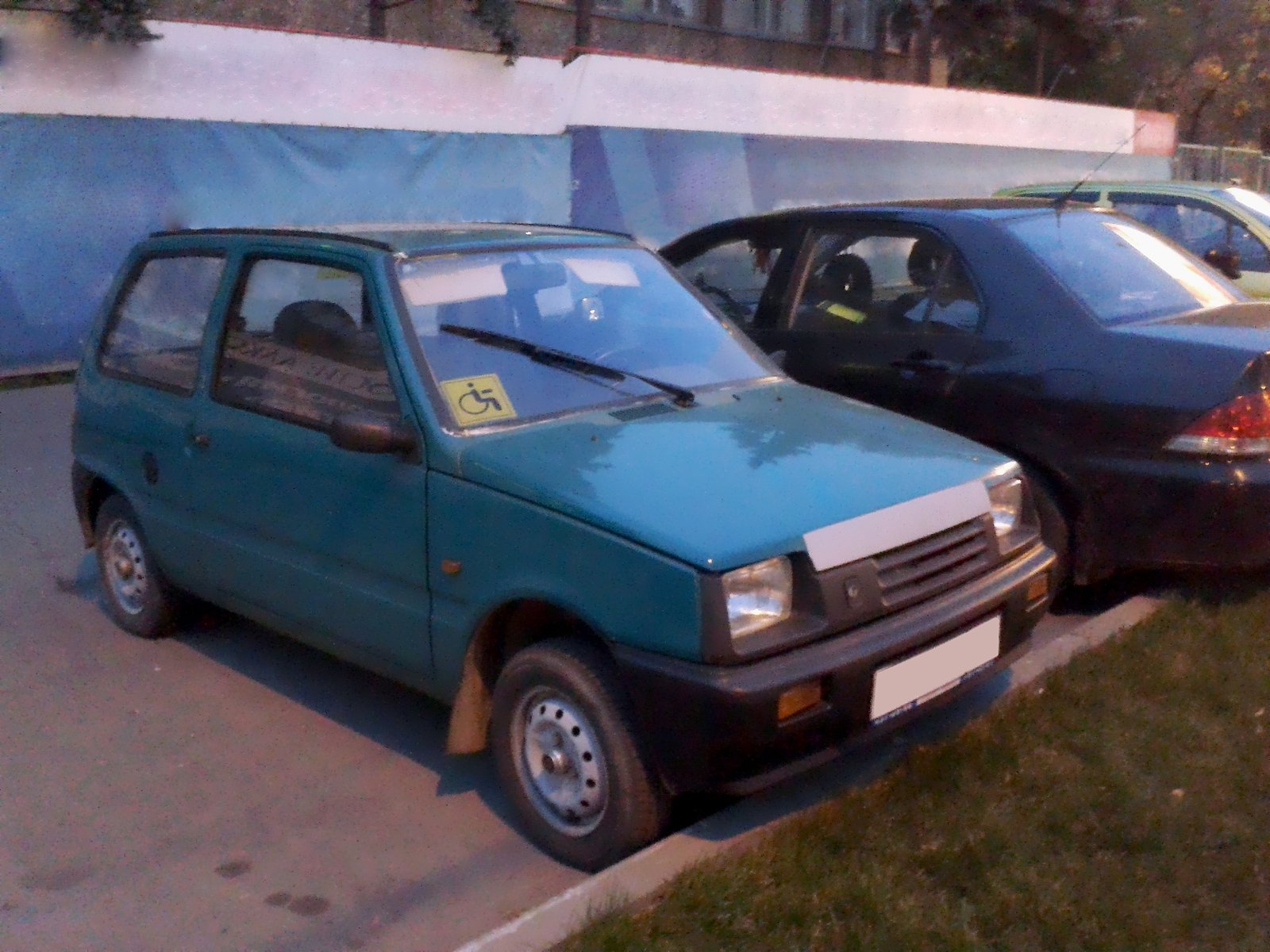
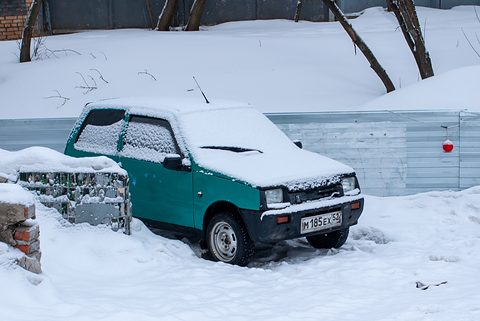
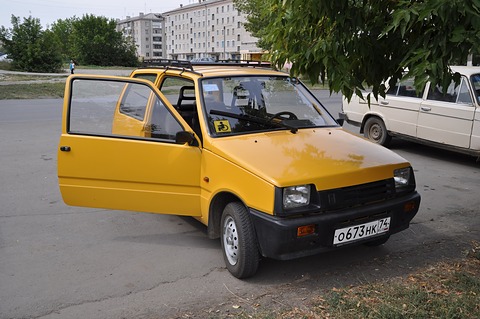
The plan was 50,000 a year: 20,000 each at VAZ in Tolyatti and KamAZ in Naberezhnye Chelny, and 10,000 hand-controlled cars at Serpukhov. The unfinished Kama tractor works at Yelabuga was to be converted to build 900,000 a year, with a high-speed tram to Naberezhnye Chelny; it never happened.source 1source 2source 3 KamAZ started first, at the end of 1987, and built only 129 in 1988, briefly calling them Kama. VAZ built 300 saleable cars that year in a separate building, No. 62, never on its main line.source 1source 3 Serpukhov joined the AvtoVAZ association to build the cars for disabled drivers, and was renamed SeAZ; kolesa.ru says it made about a hundred hand-controlled Okas in 1989.source 1source 2 They came in versions for drivers with no legs, with one leg, or with one leg and one arm.source 3
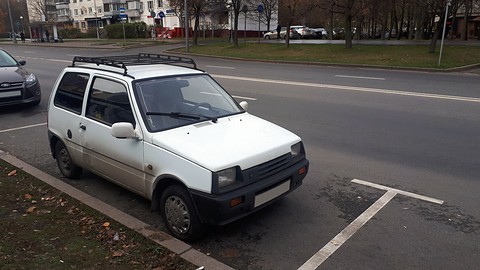
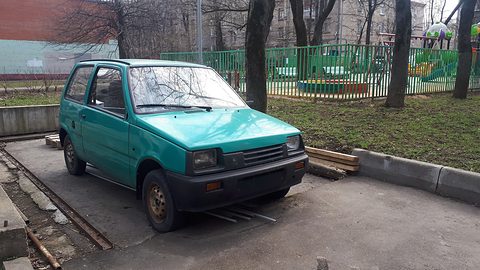
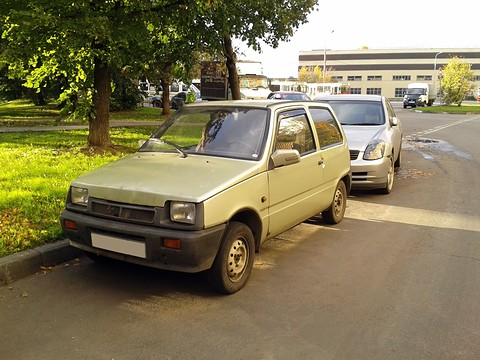
In 1989 an Oka cost 3,500 roubles, the price of a 30 hp Zaporozhets, by Za Rulyom’s account; kolesa.ru says about 2,500.source 1source 2 Demand in the early 1990s may have run to 100,000 or 150,000 a year, but no works could expand.source 1 Assembly began at Grodno in Belarus in December 1994.source 3 In February 1995 VAZ gave up after building 19,551 and sent its tooling to Serpukhov, which disposes of English Wikipedia’s claim that VAZ built none.source 1source 3source 4 In 1996 the VAZ-11113 brought a 749 cc engine, half of the 1.5 litre, and on 21 August 1997 the 50,000th Oka left the line at Naberezhnye Chelny.source 1source 3
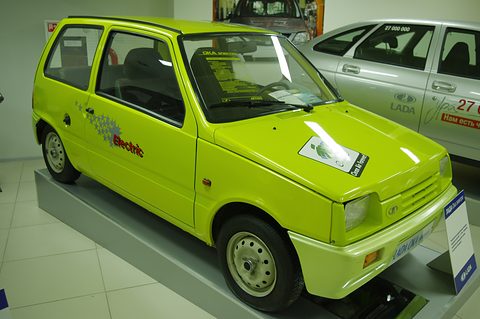
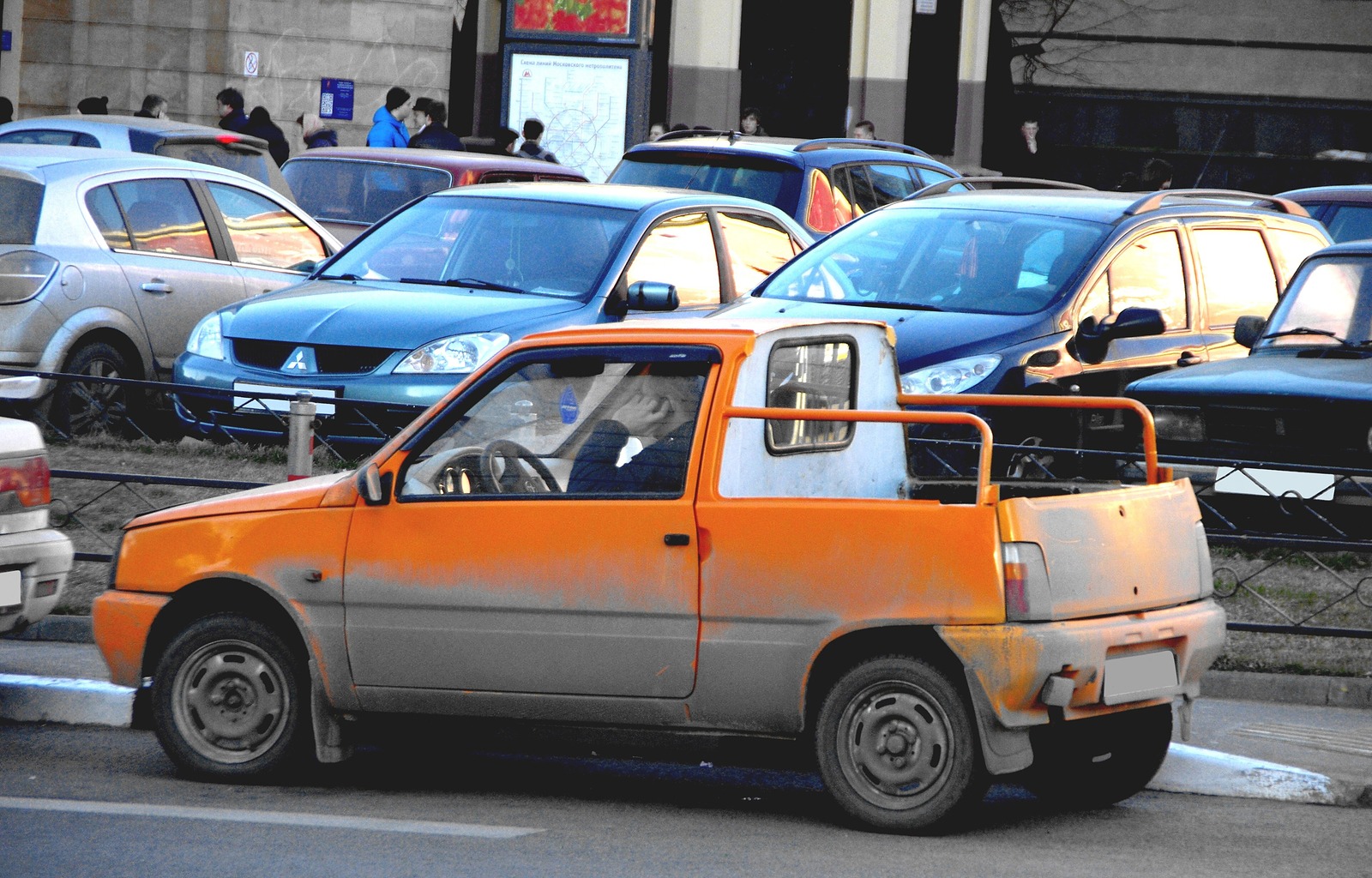
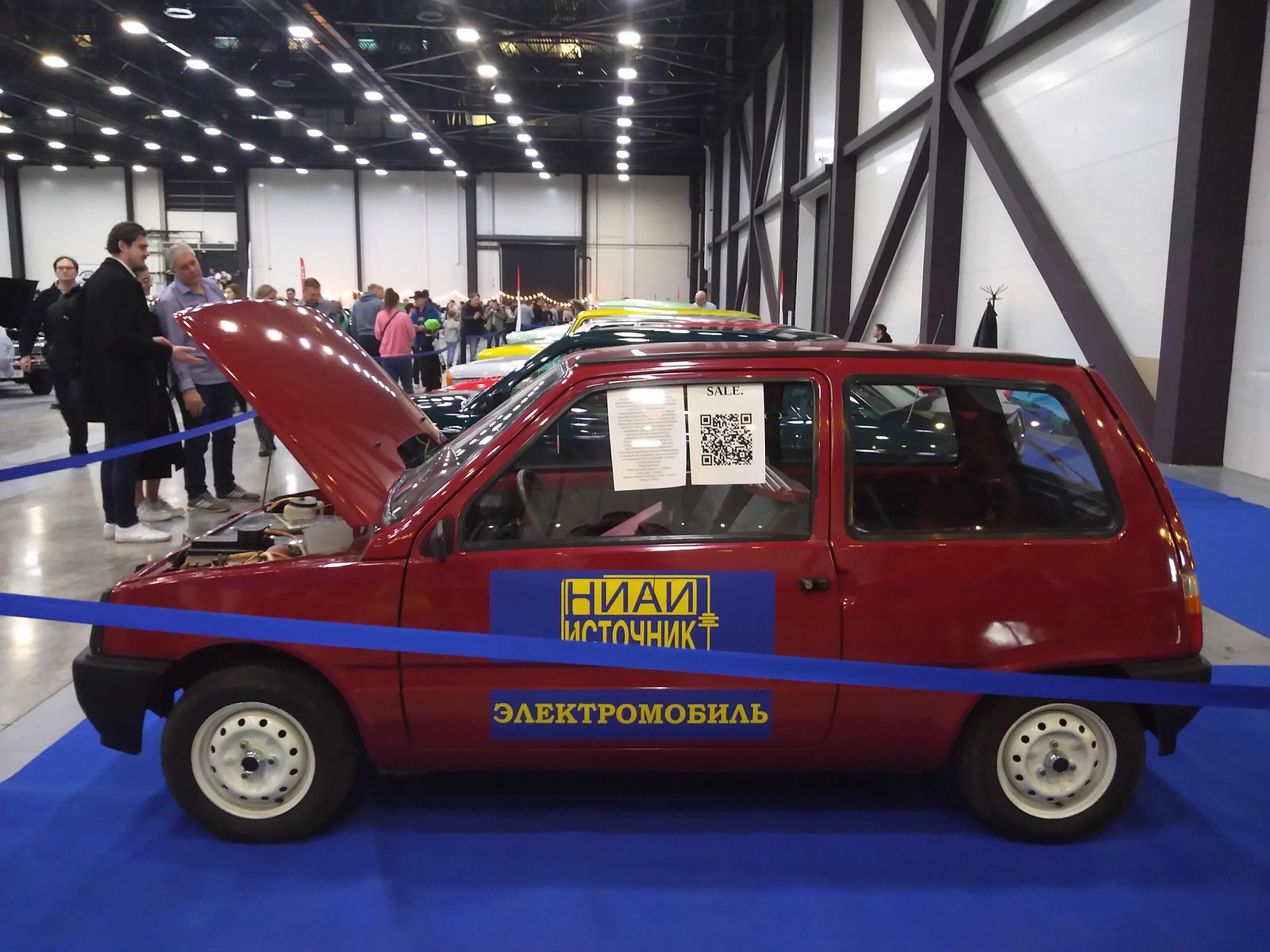
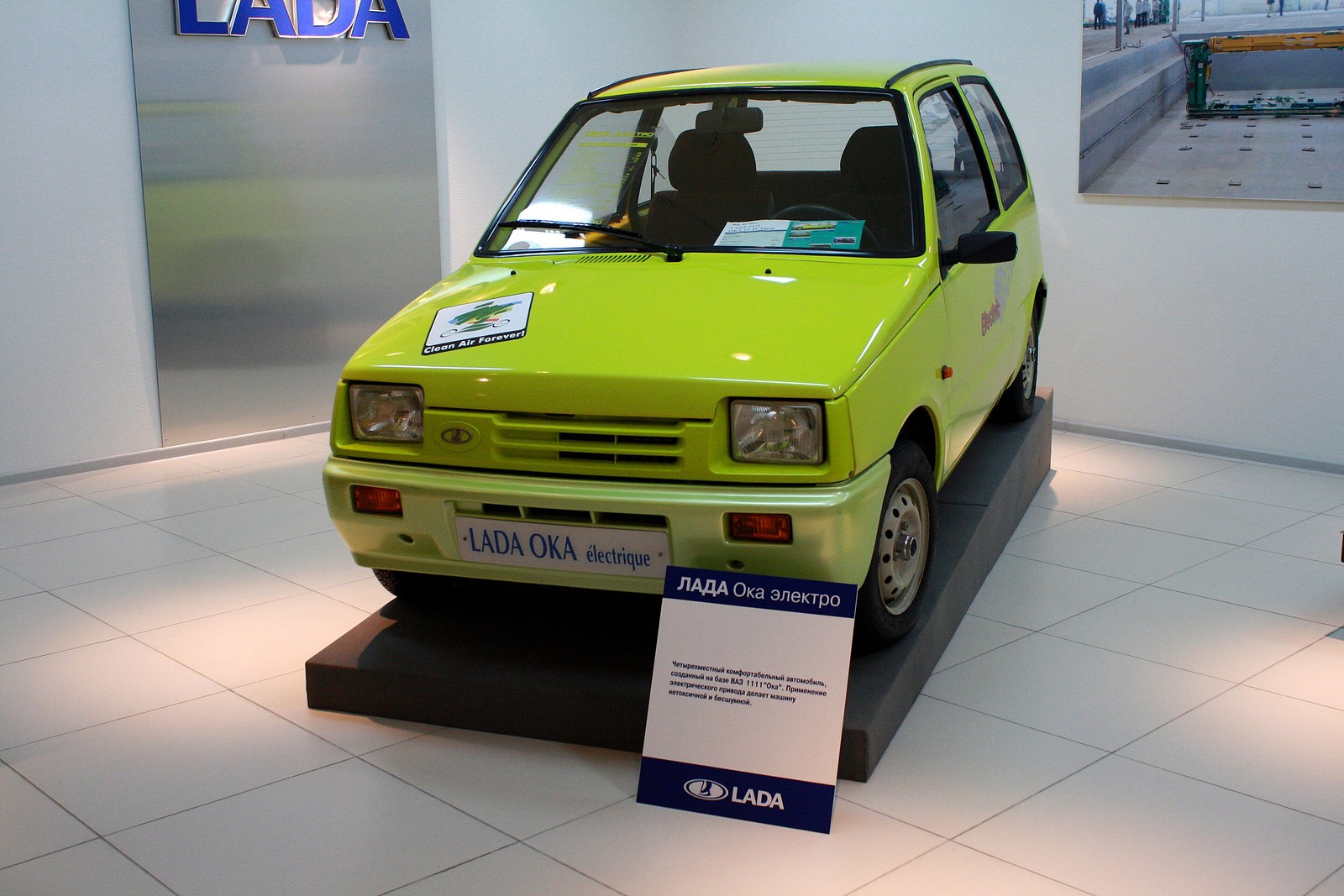
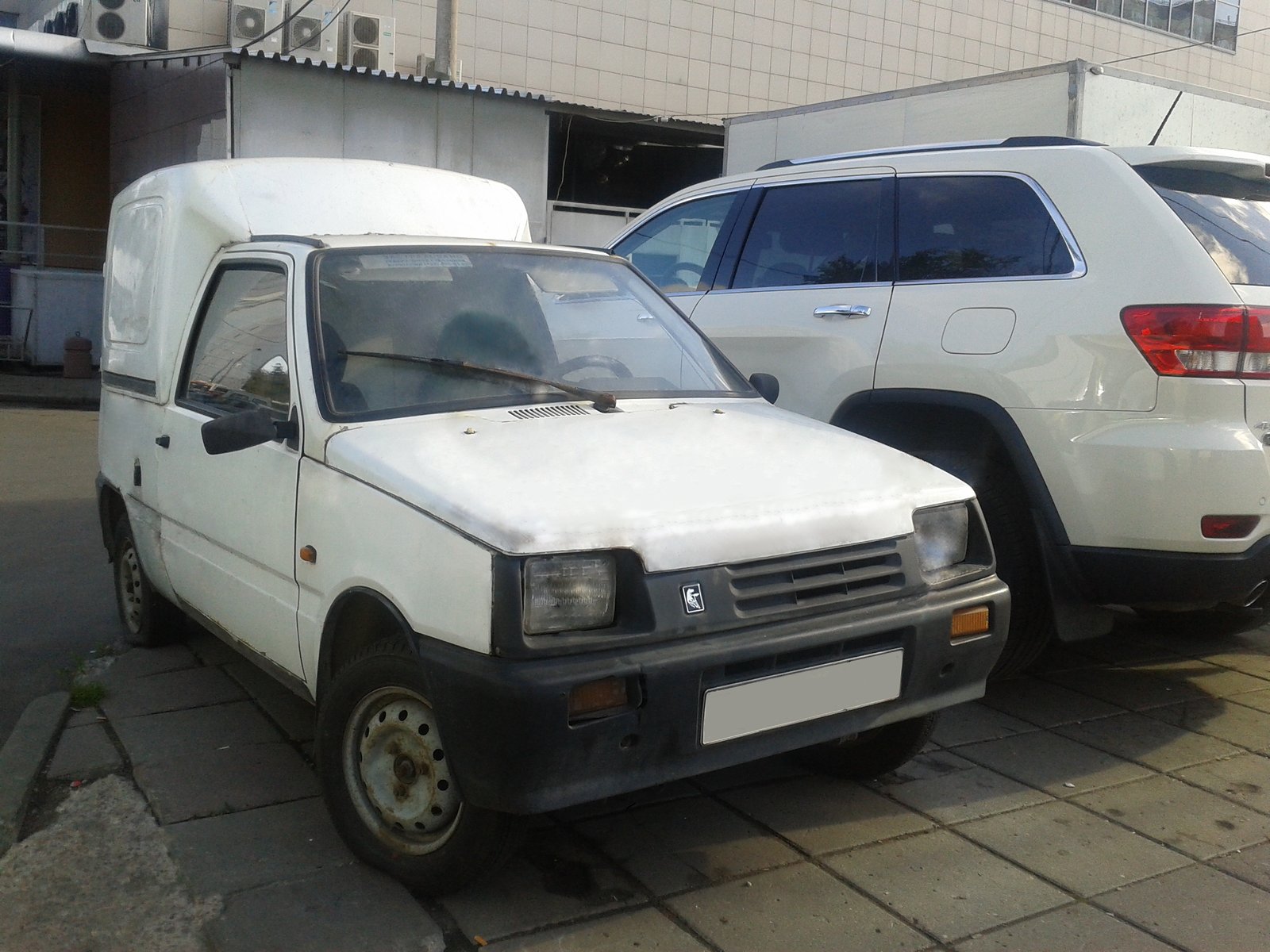
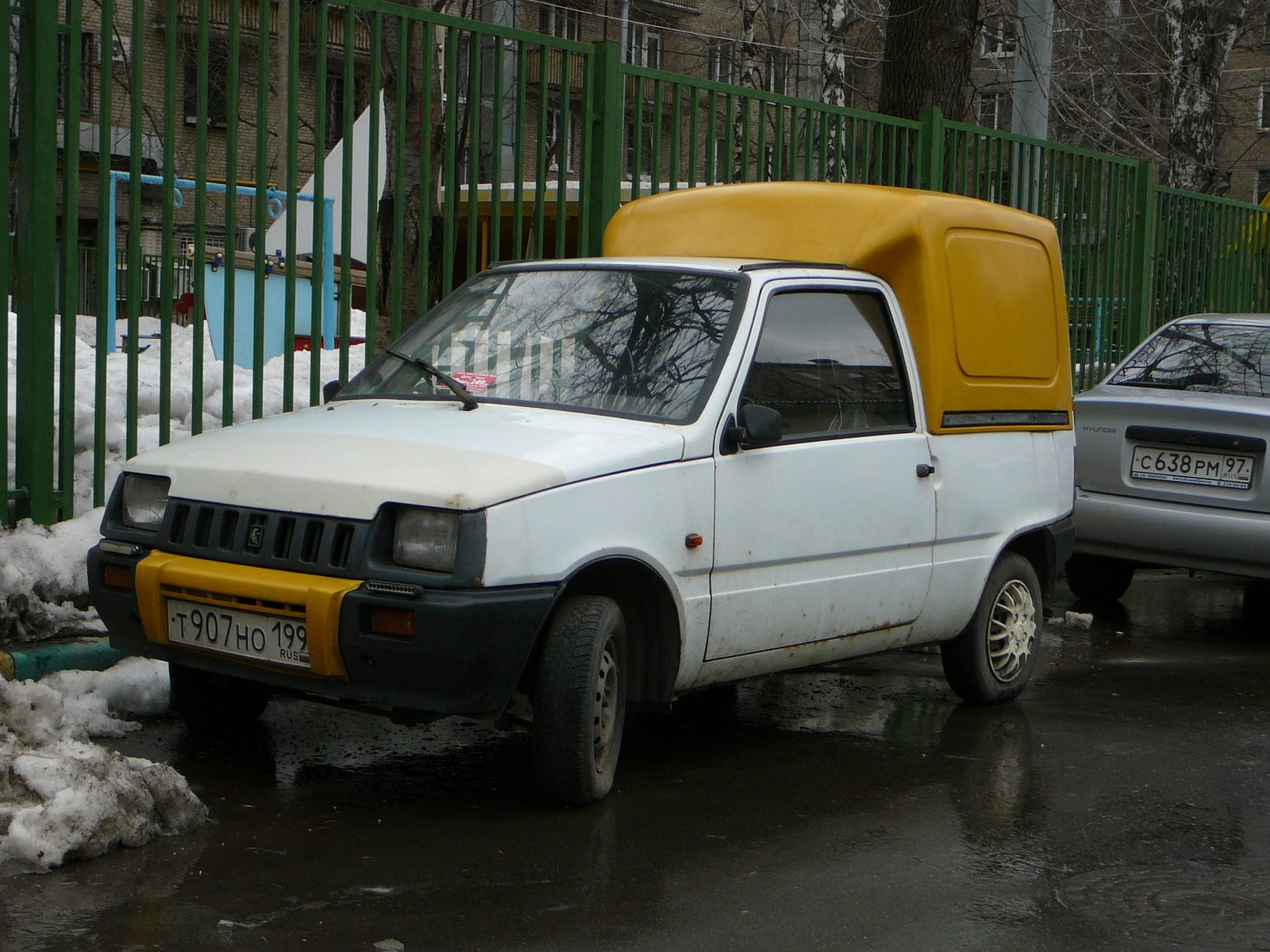
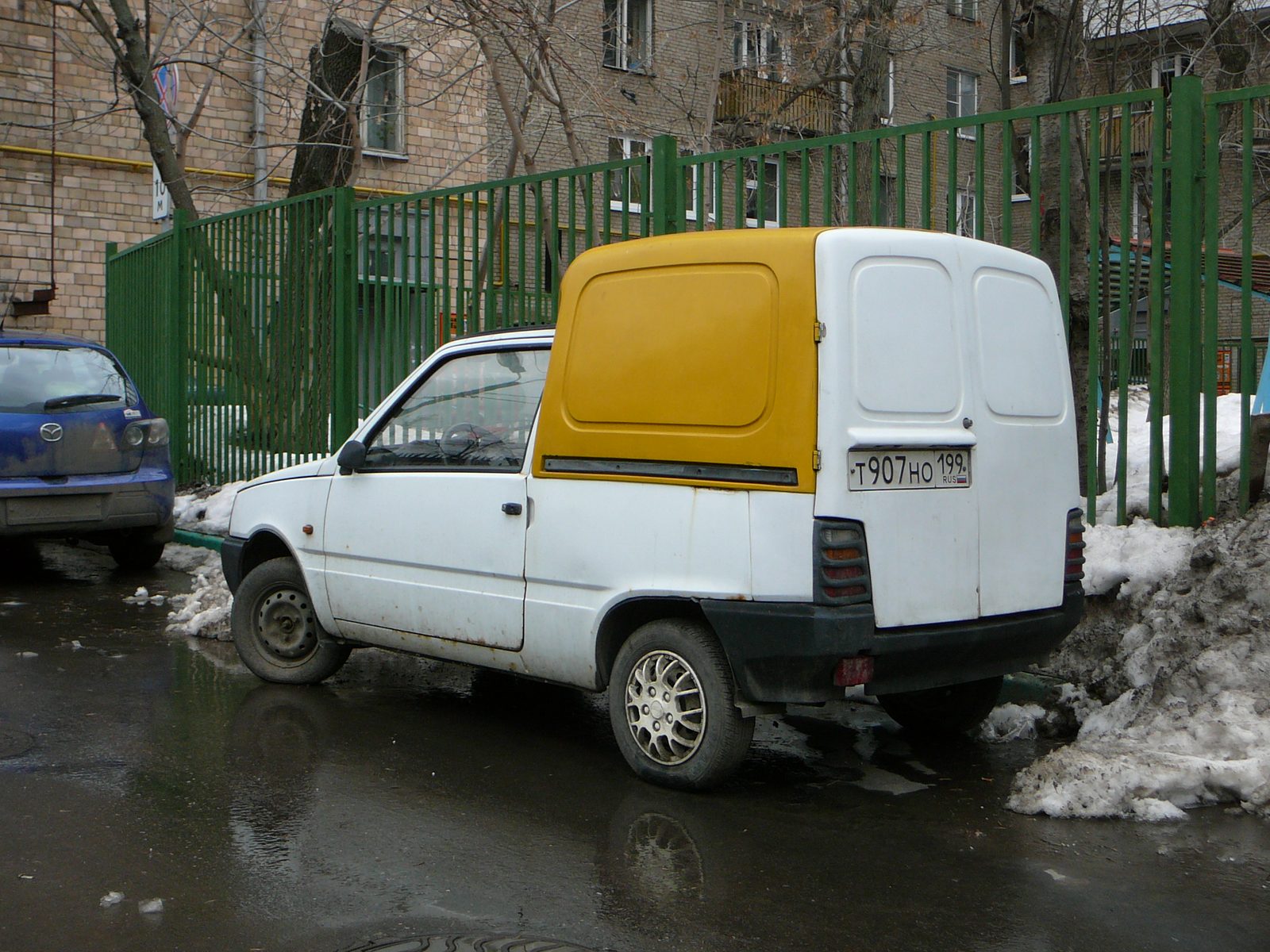
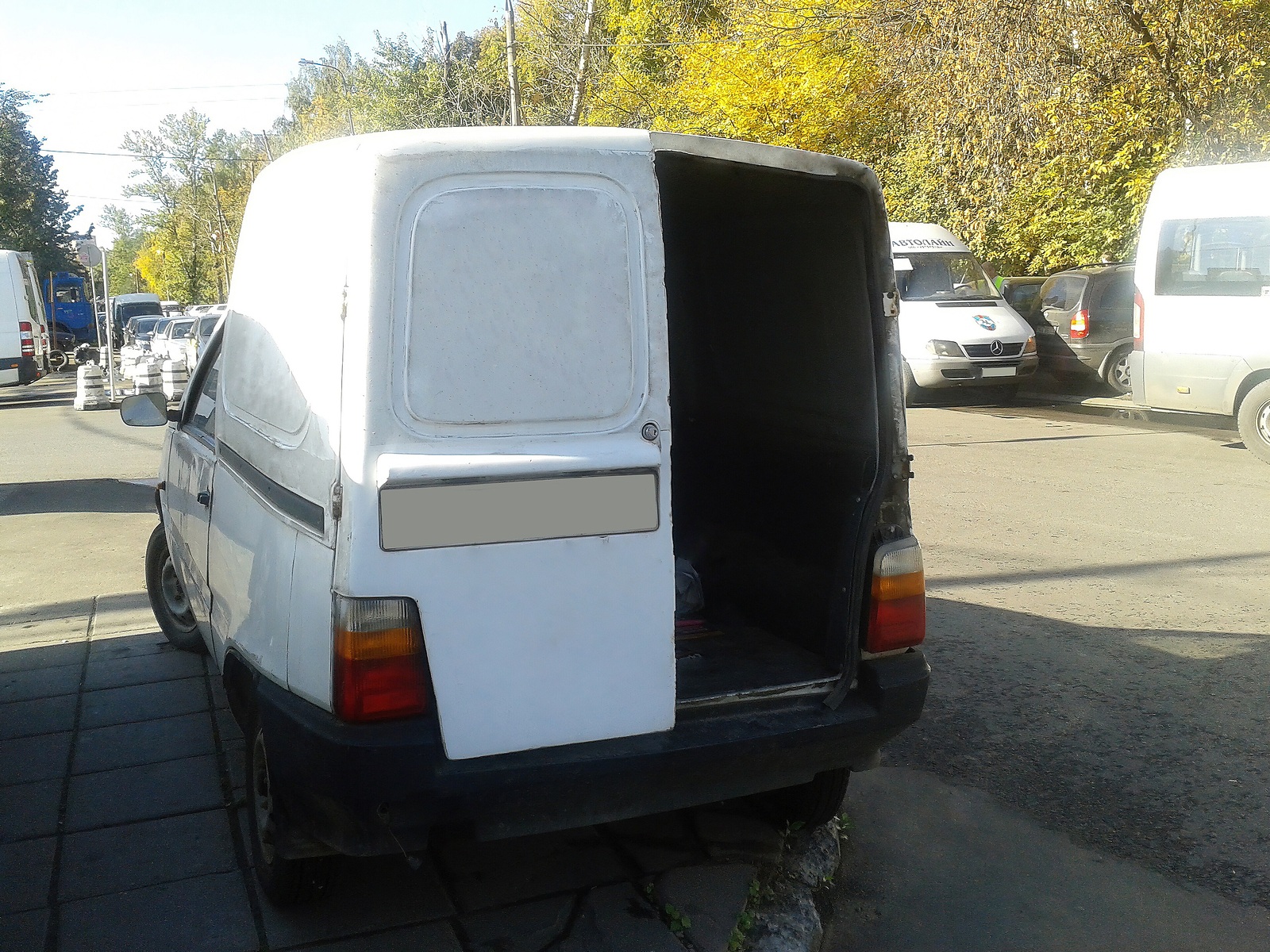
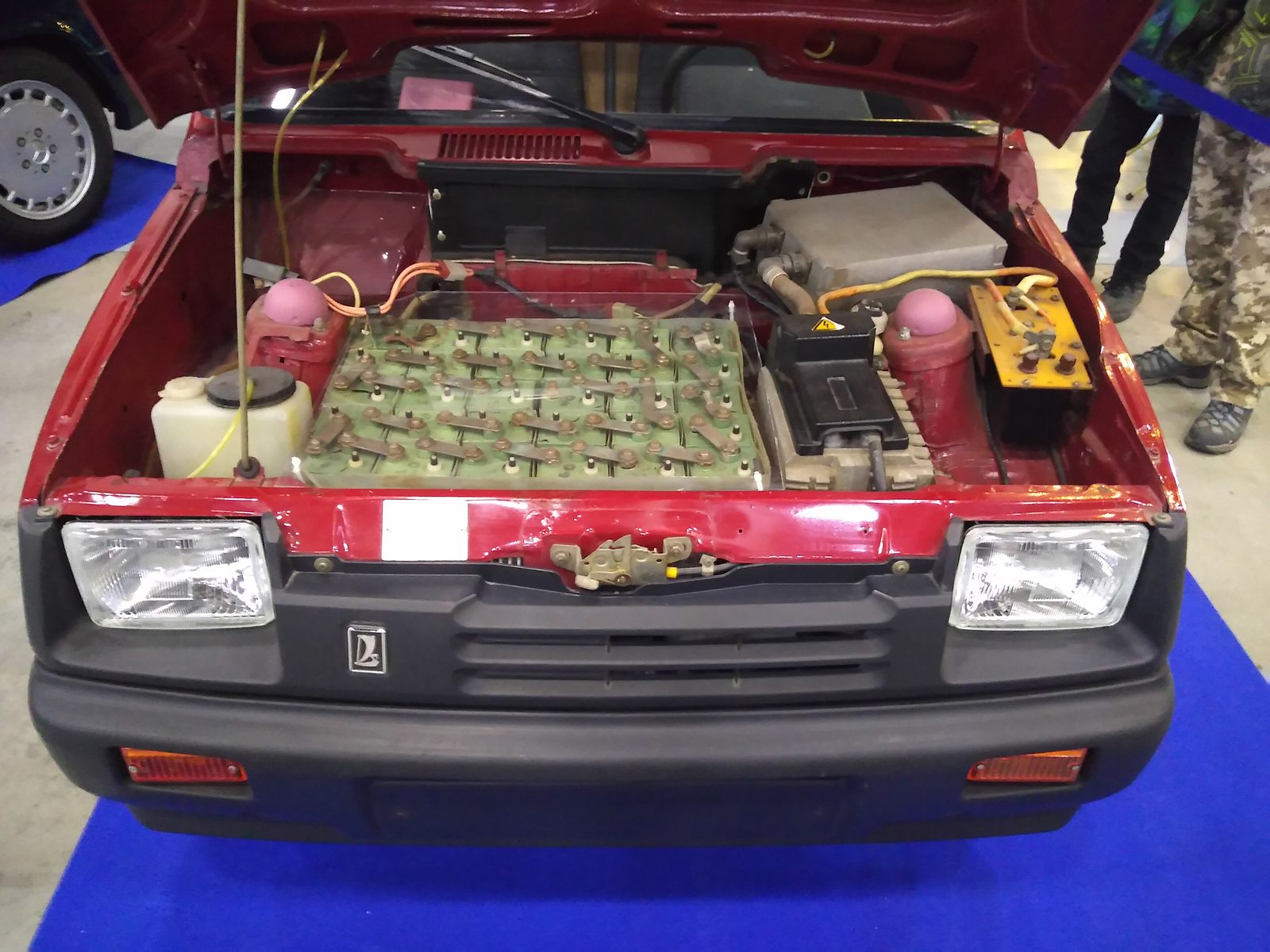
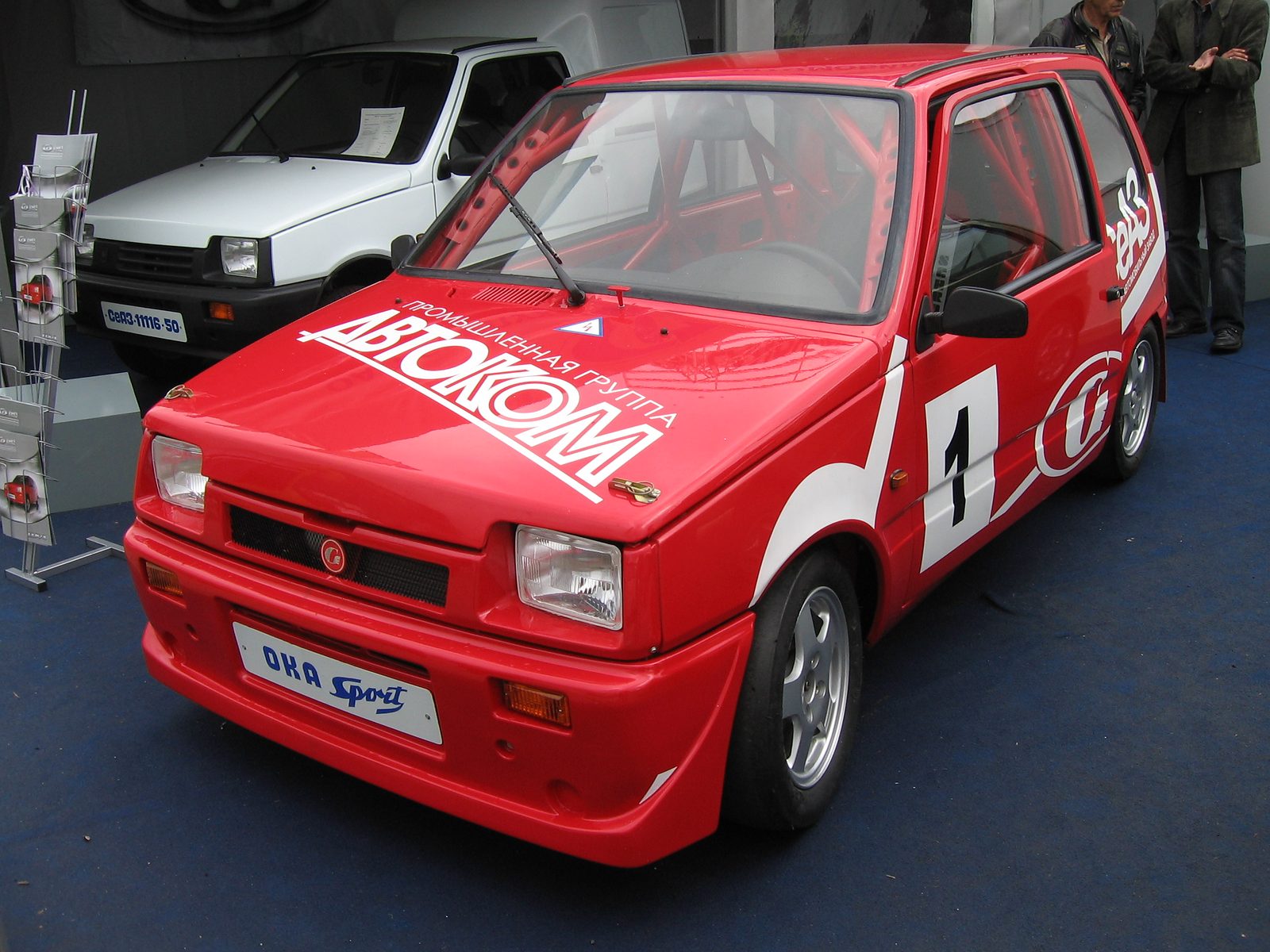
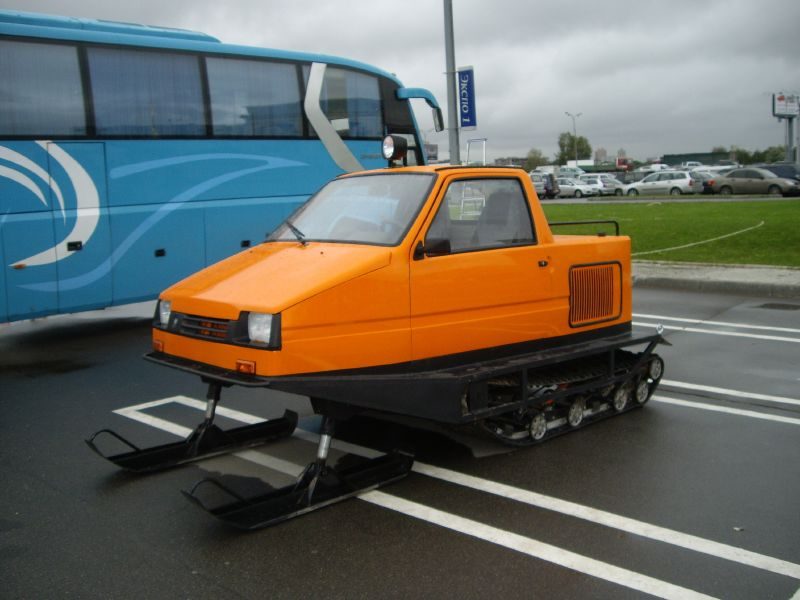
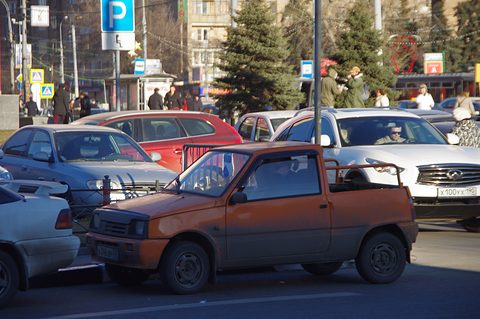
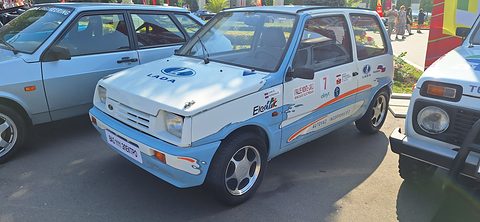
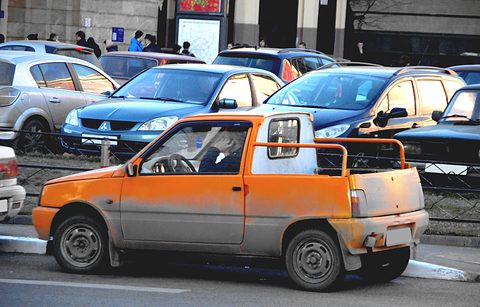
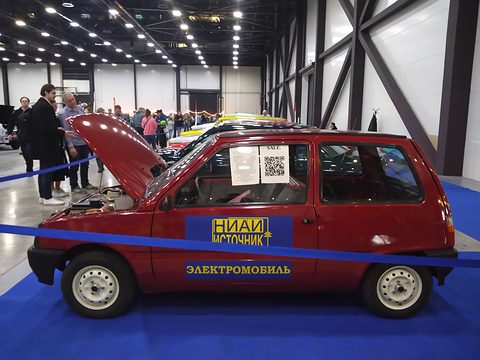
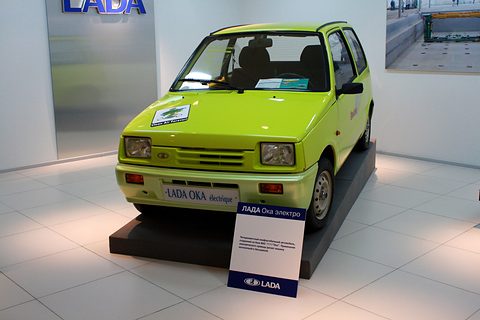
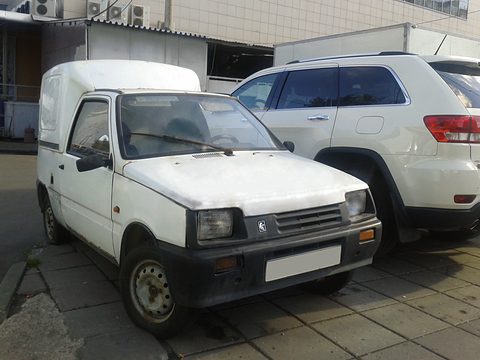
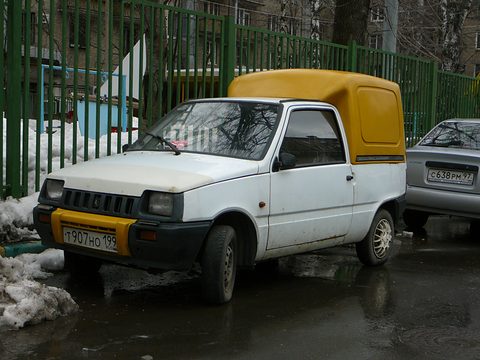
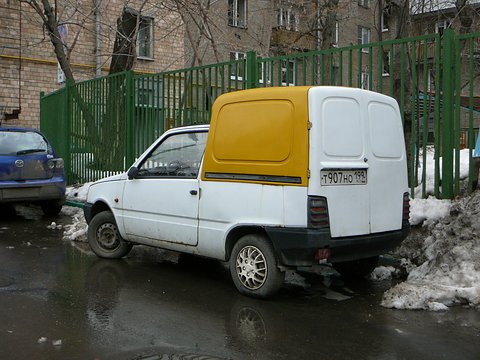
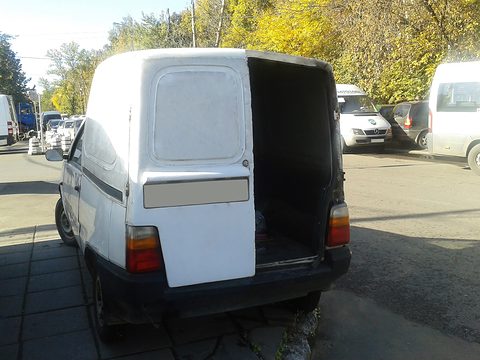
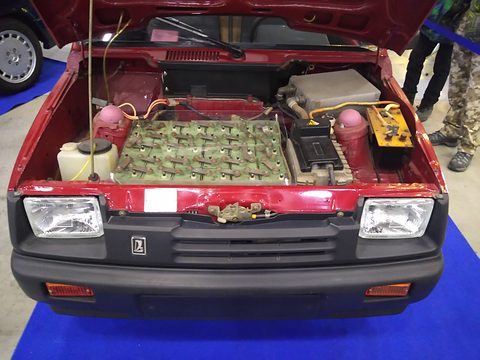
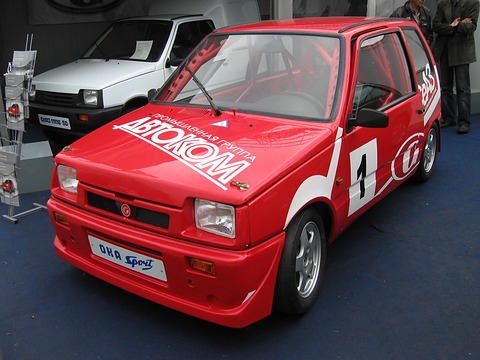
There were many variations. The battery-electric VAZ-1111E, shown in 1989, ran on 120 volts for about 100 km (62 miles) and was built to special order until 1998; it is among the electric microcars.source 4 There were the Toima van with a high plastic body, the Astro with a 1.1 litre Tavria engine, and, for novice racers, an Oka Sport with a roll cage.source 1source 3 Naberezhnye Chelny stopped in 2006, when its carburettor engine could not meet Euro 2 and the plant changed hands. Serpukhov, sold off by VAZ in 2005, fitted a Chinese FAW 1.0 litre three-cylinder, originally a Daihatsu design, with five speeds, as the SeAZ-11116. The price went up, demand collapsed, and in November 2008 SeAZ stopped building the Oka as unprofitable.source 1source 2source 3 Talk of reviving it, from AvtoVAZ in 2013 and from the trade minister Denis Manturov in June 2023, came to nothing.source 3source 4
Living with it
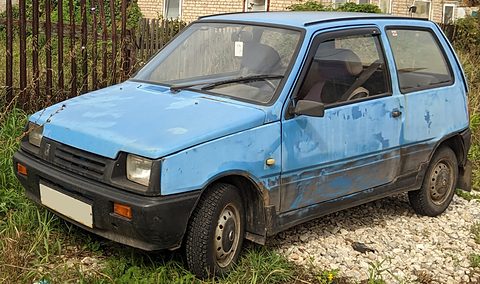
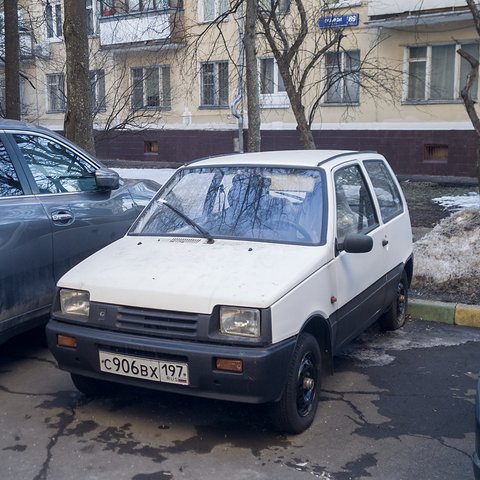
Za Rulyom kept about seven Okas, from different works and years. On the road they behaved decently, though 12-inch wheels suited Russian roads badly; the trouble was the building of them, with front discs that warped, electrics that failed and hoses that leaked, and the Serpukhov cars meant for disabled drivers were the worst. The staff coined a word, odnit, for a twin running on one plug, and liked the car’s compactness, its economy and its reliable engine.source 1 kolesa.ru calls it the queen of traffic jams, at home in the city but not off the tarmac.source 2 In Autoreview’s ARCAP crash tests of 2002 a Serpukhov car scored 1.4 points out of 16 and a Naberezhnye Chelny car 2: zero stars each, and the source of the nickname death capsule.source 3source 4
«Мне трудно воспринимать Оку раритетом.»