The story
History
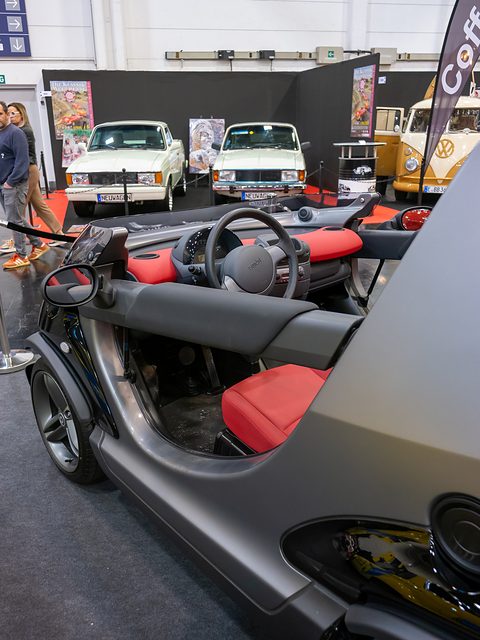
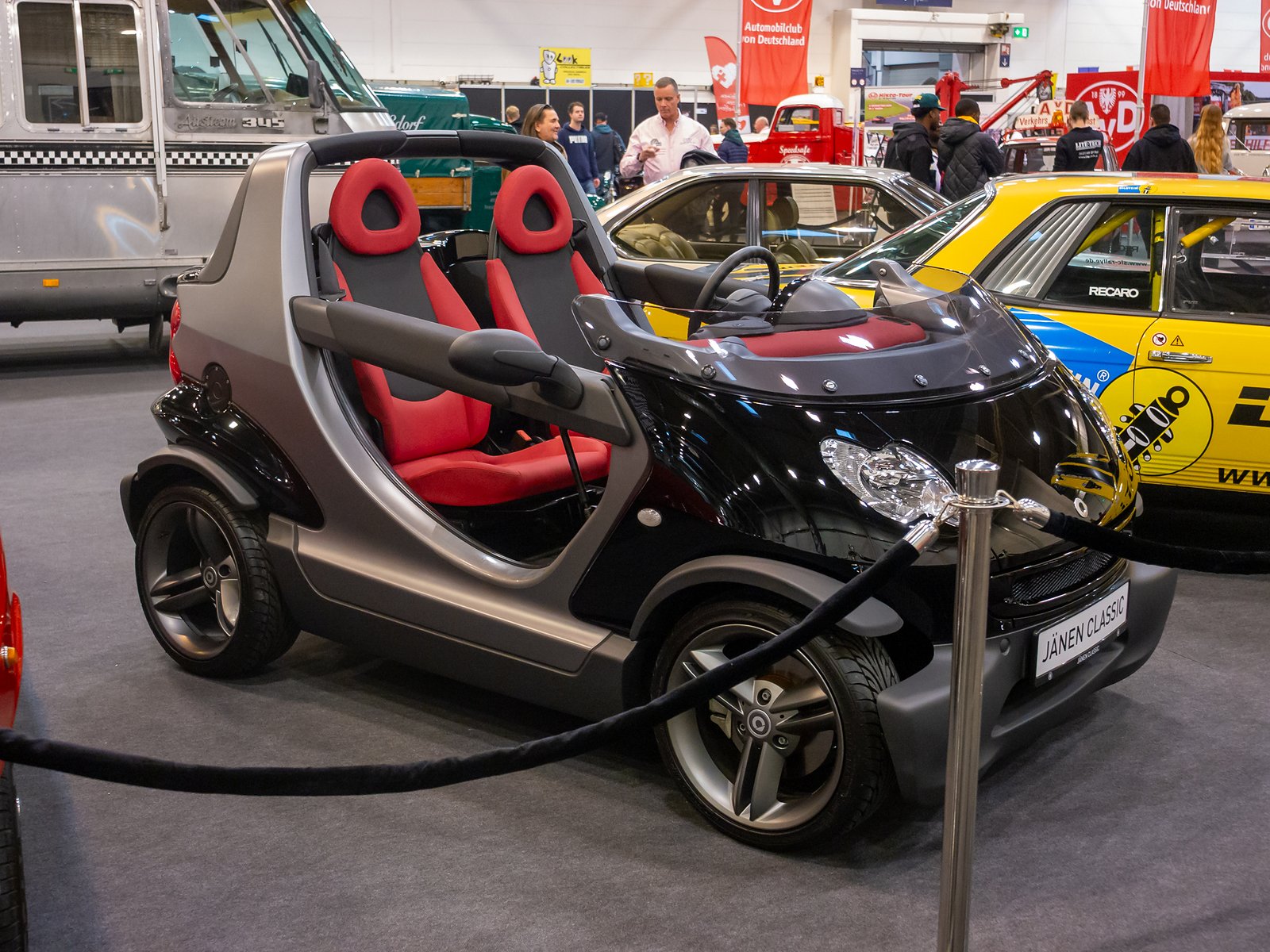
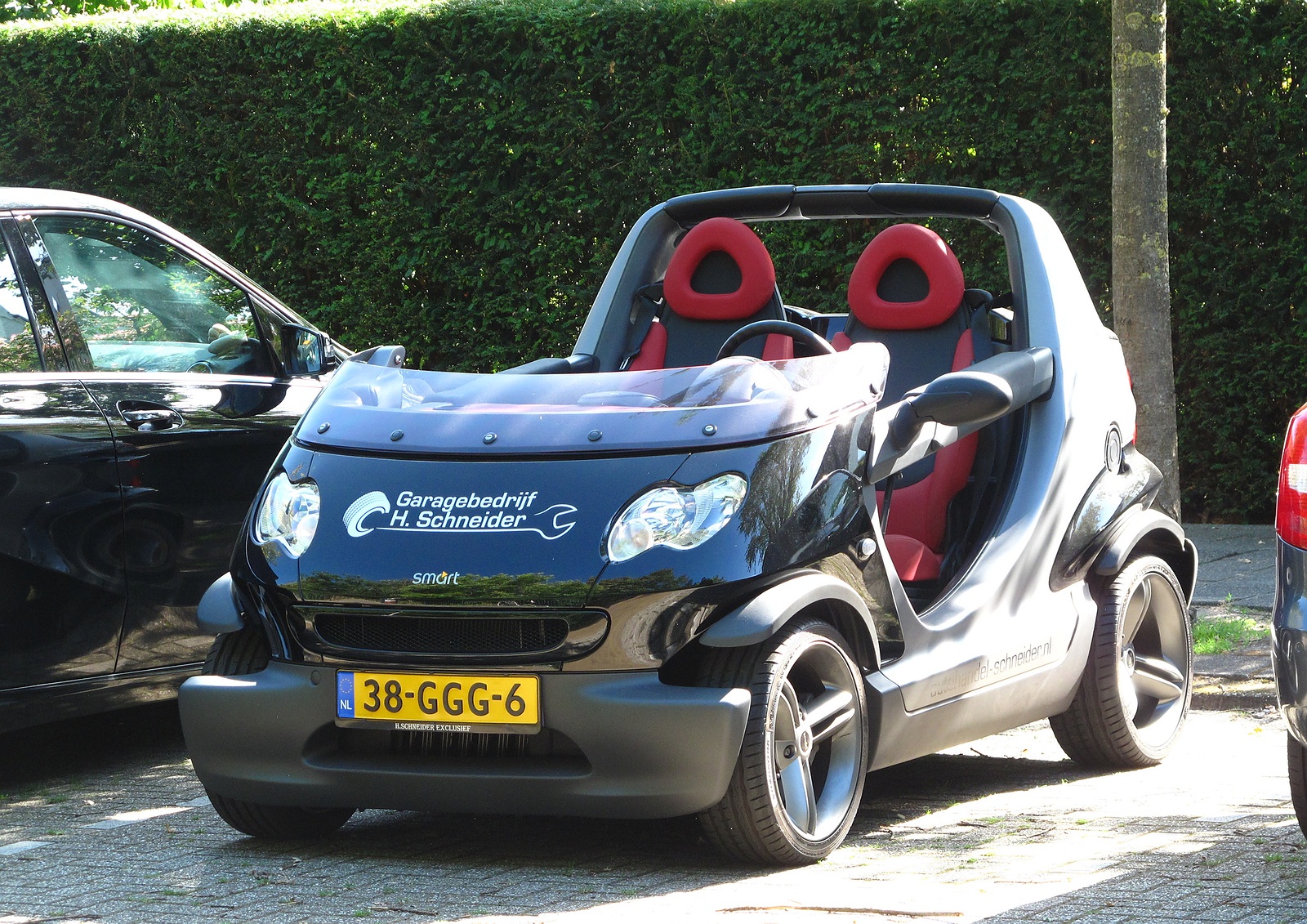
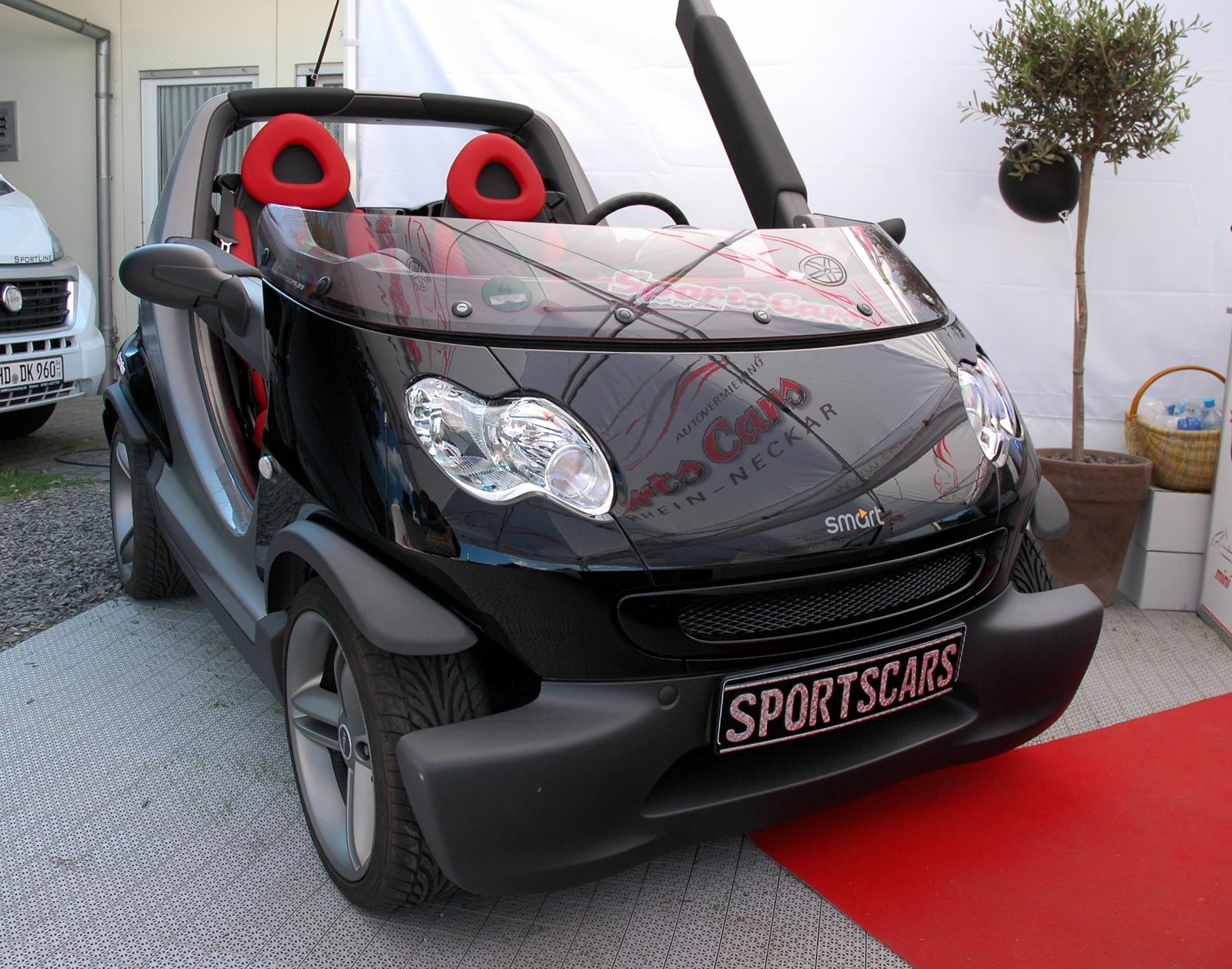
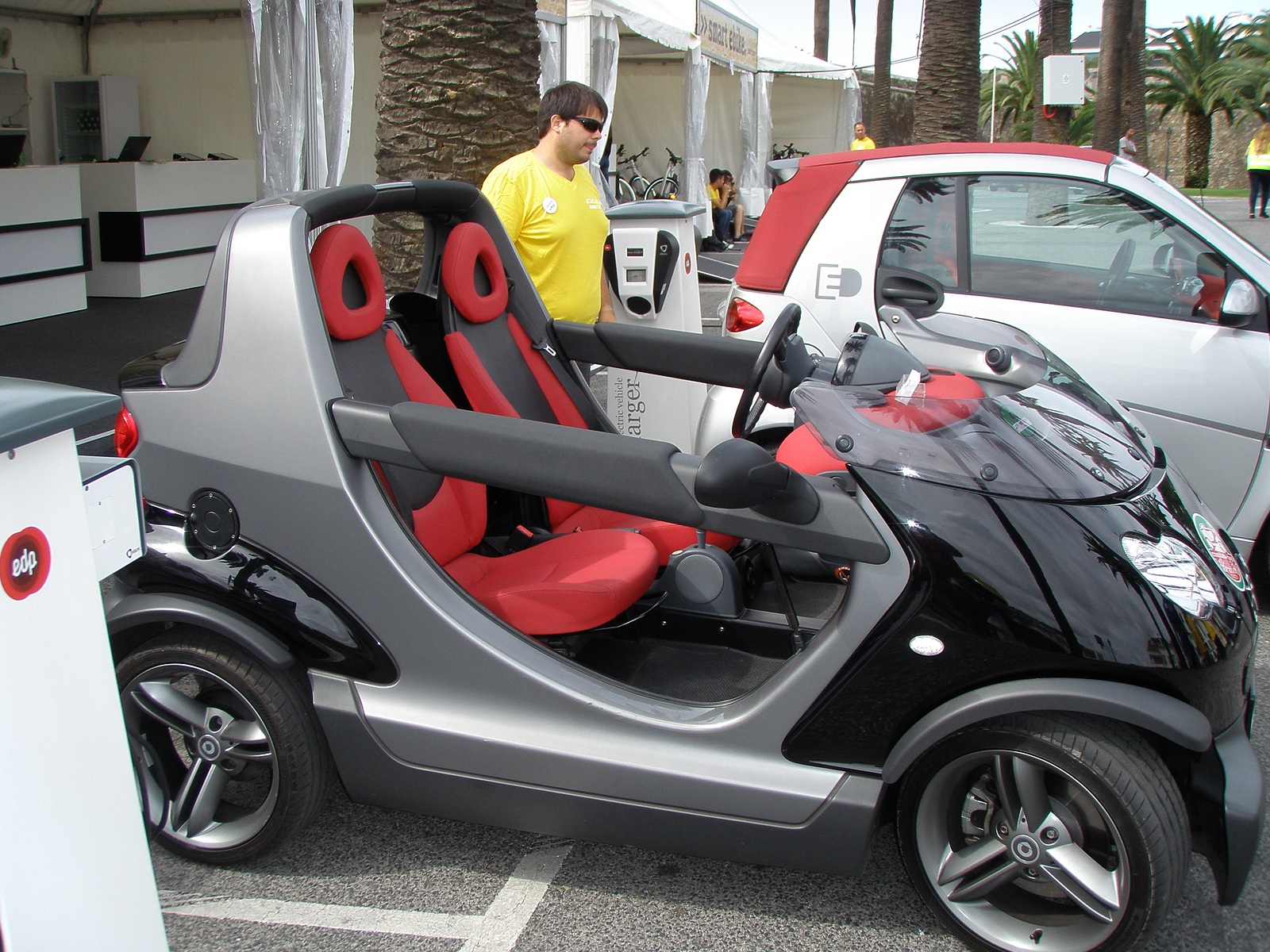
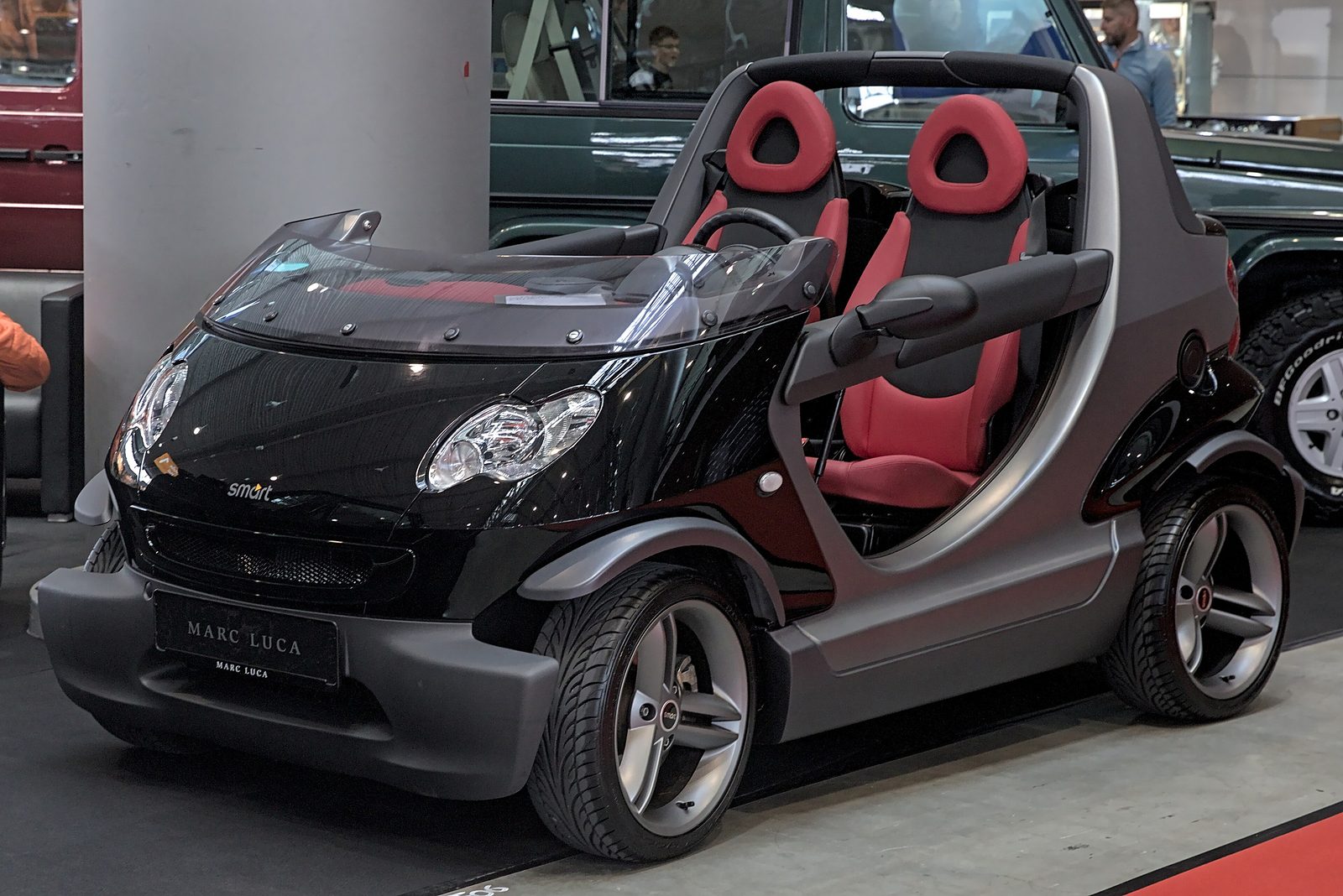
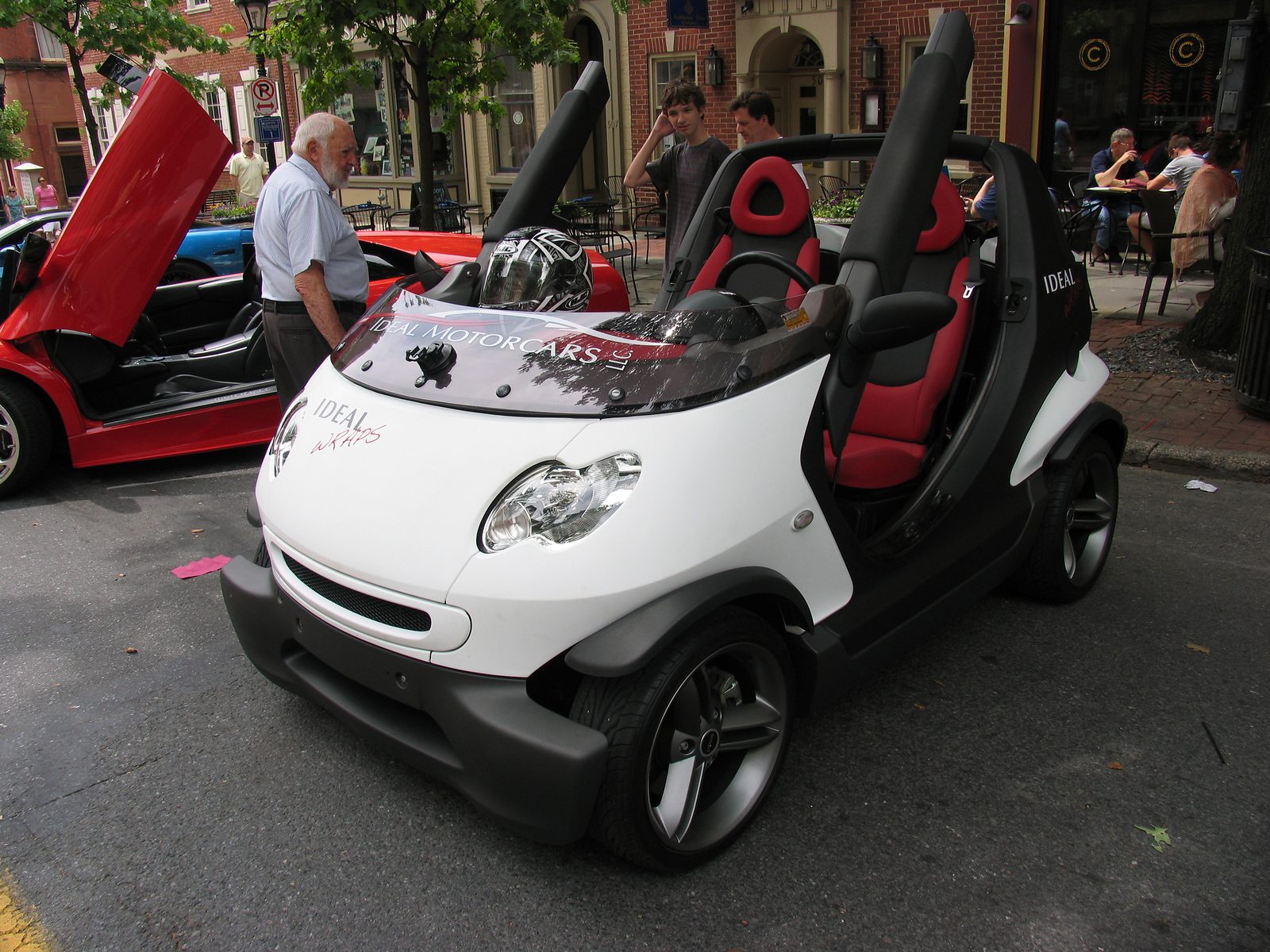
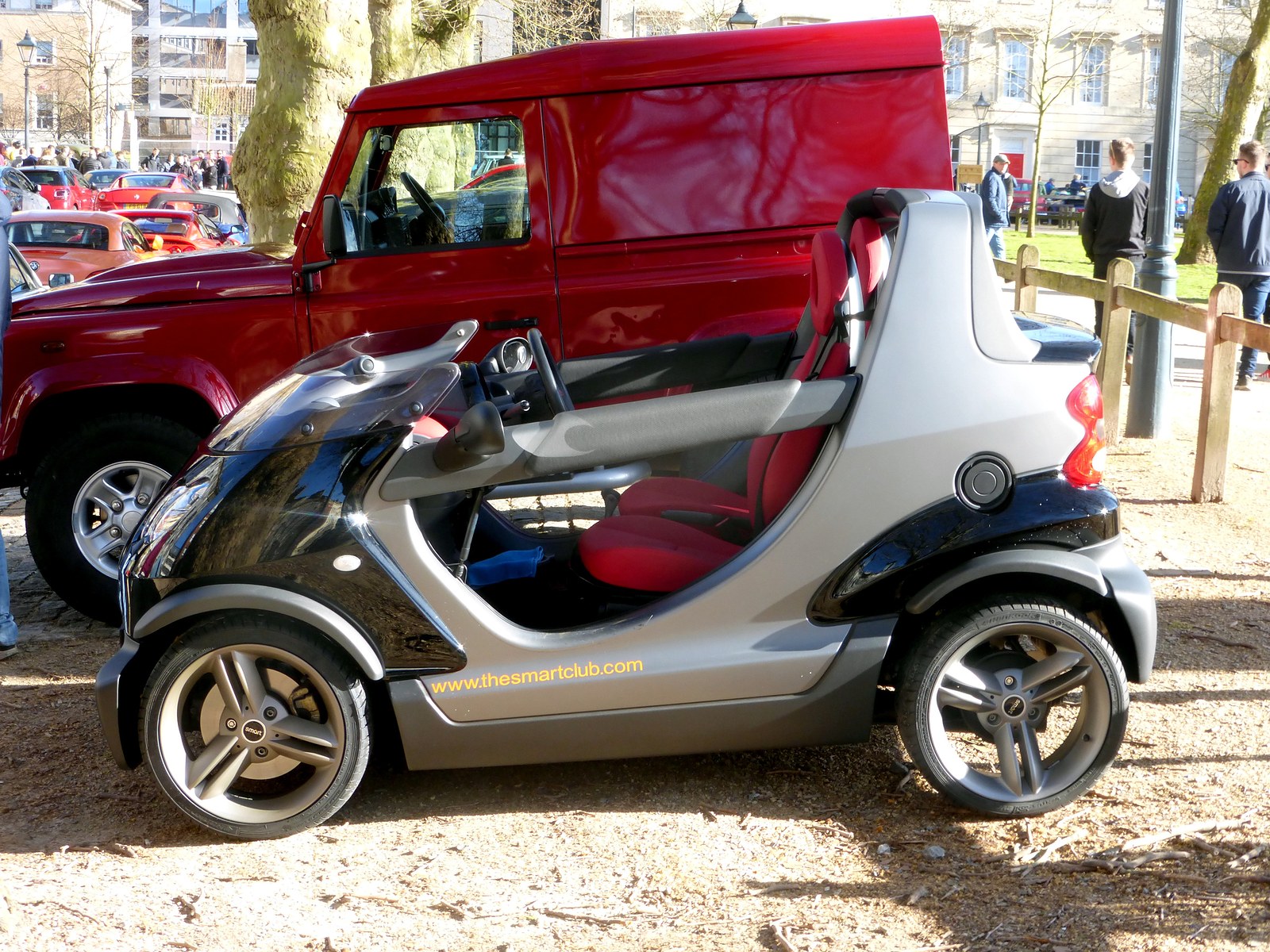
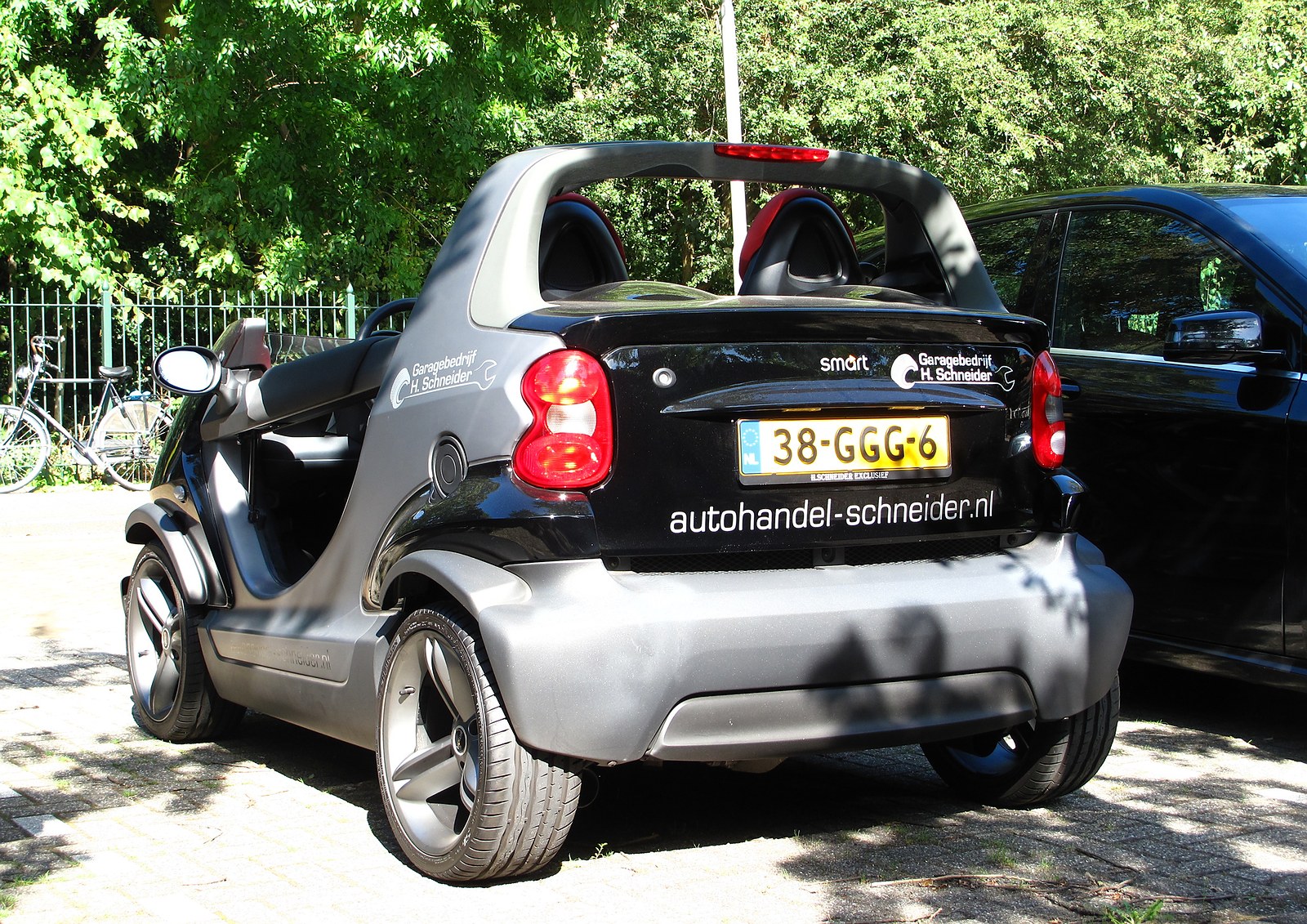
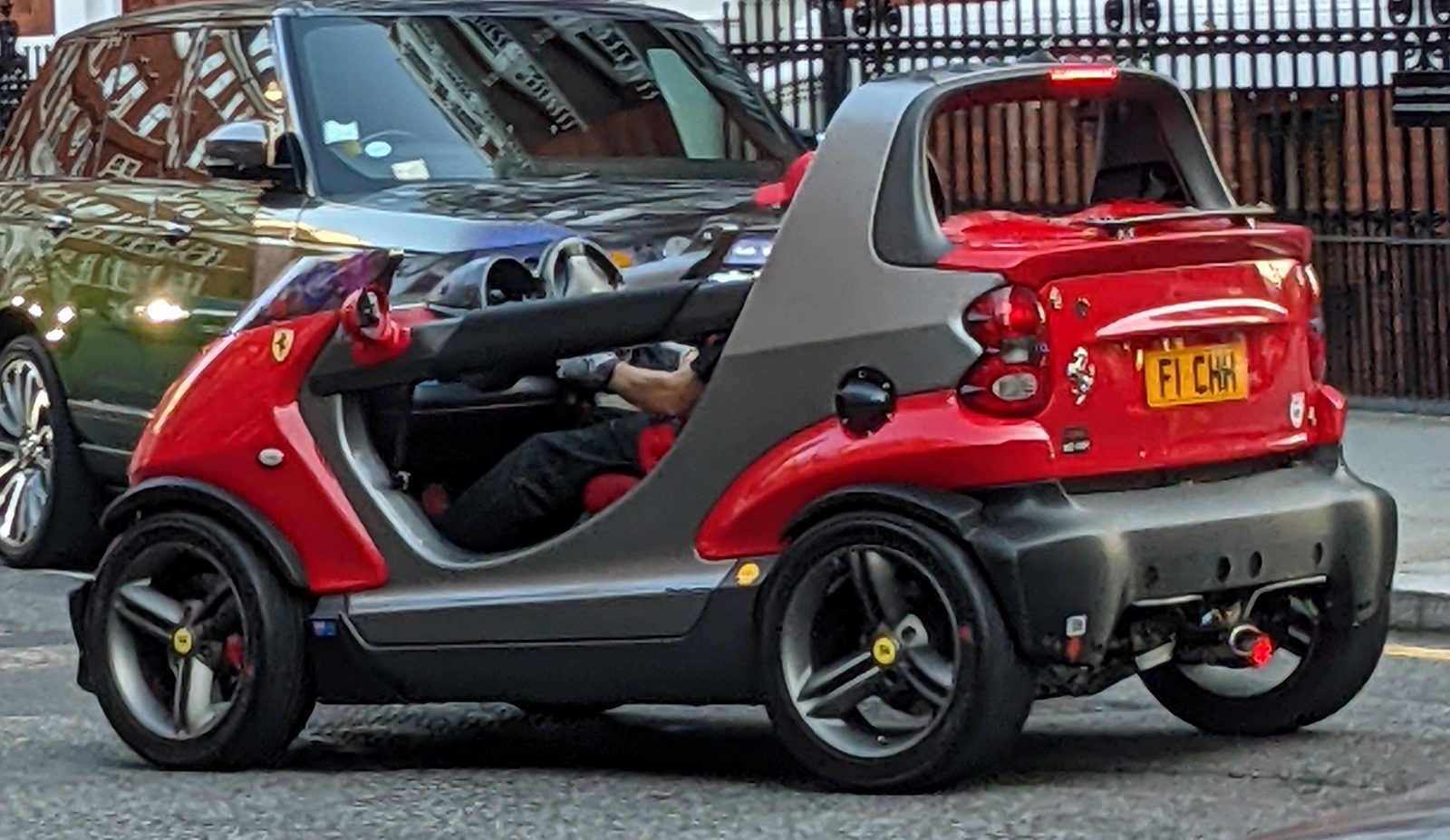
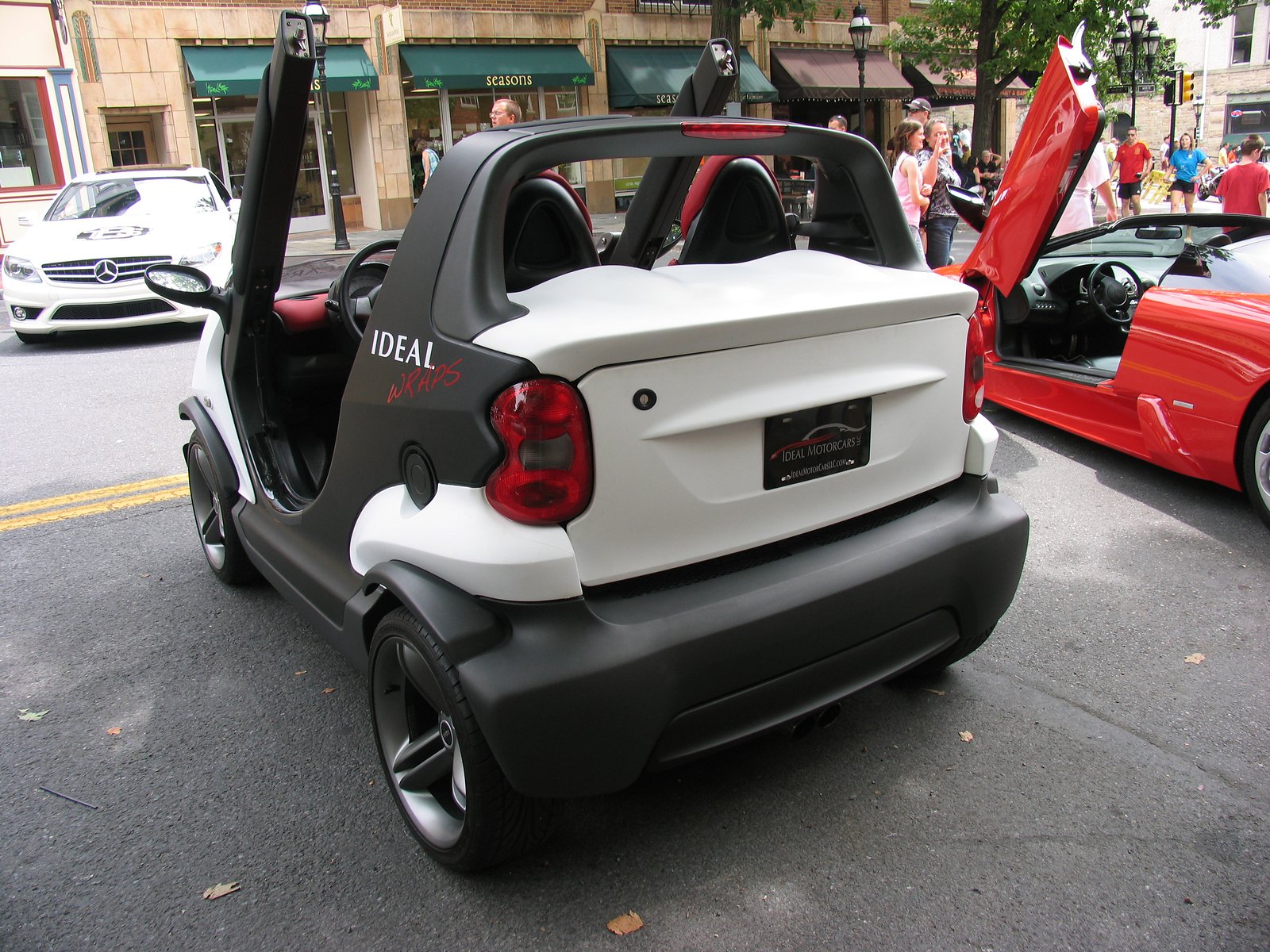
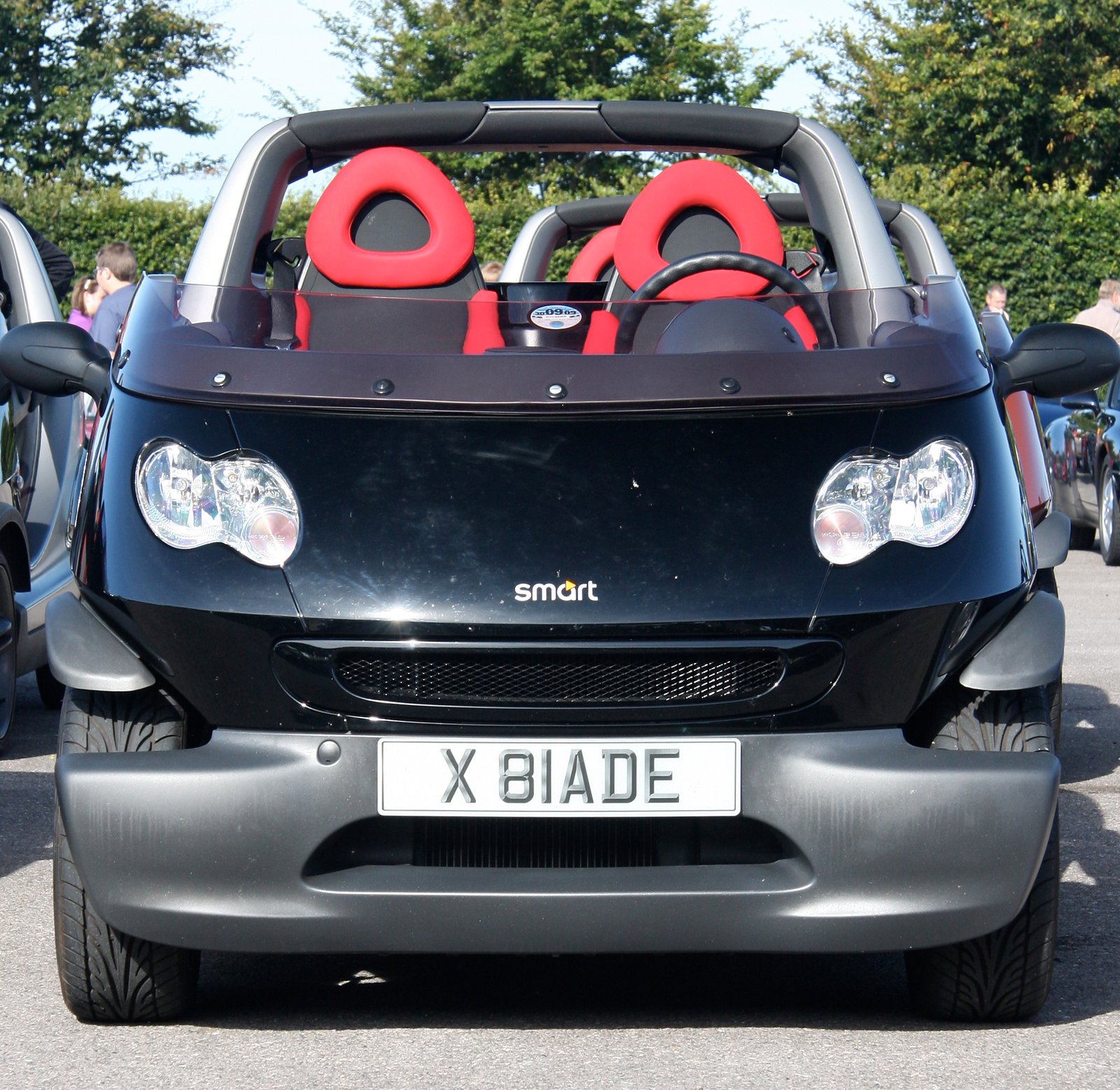
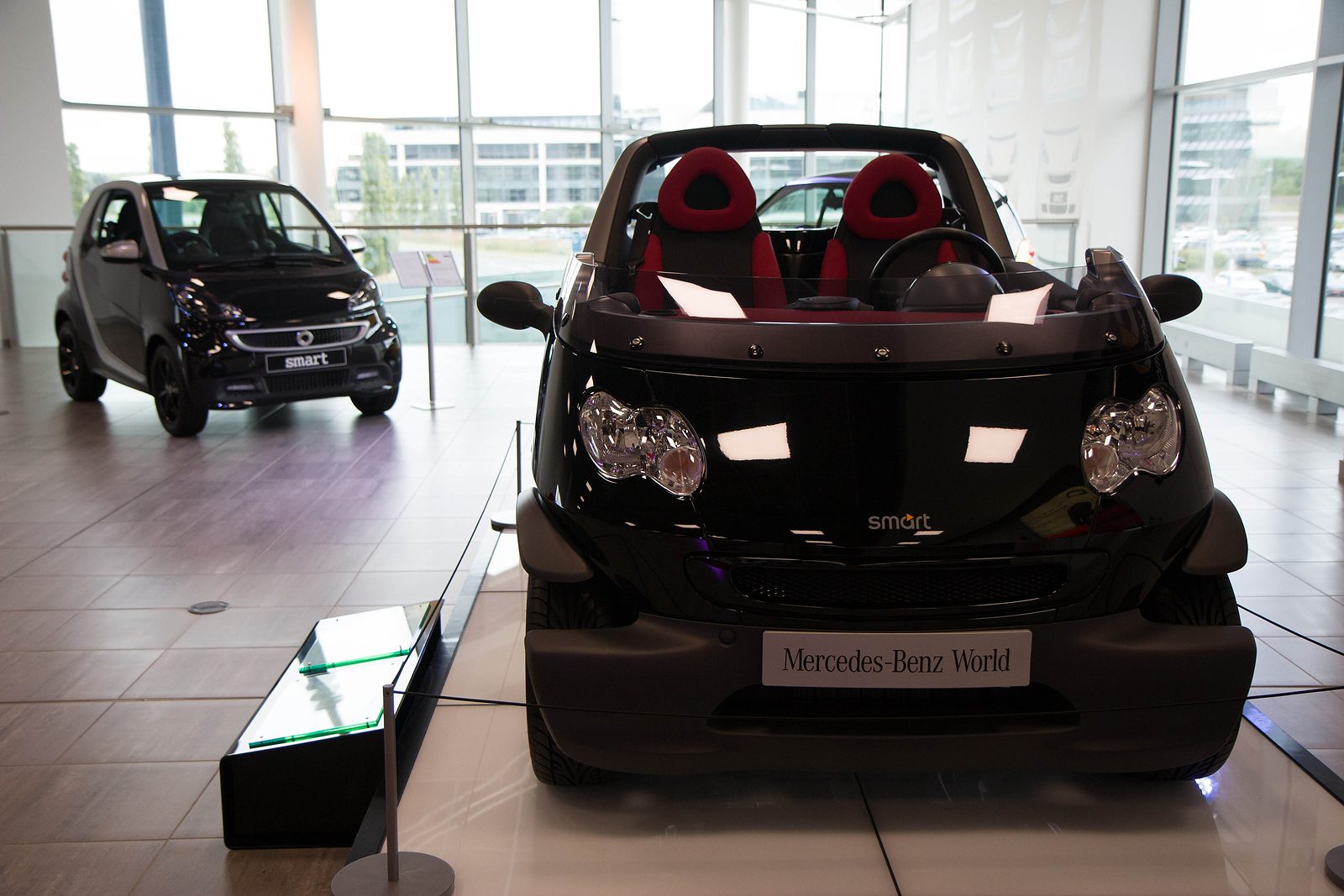
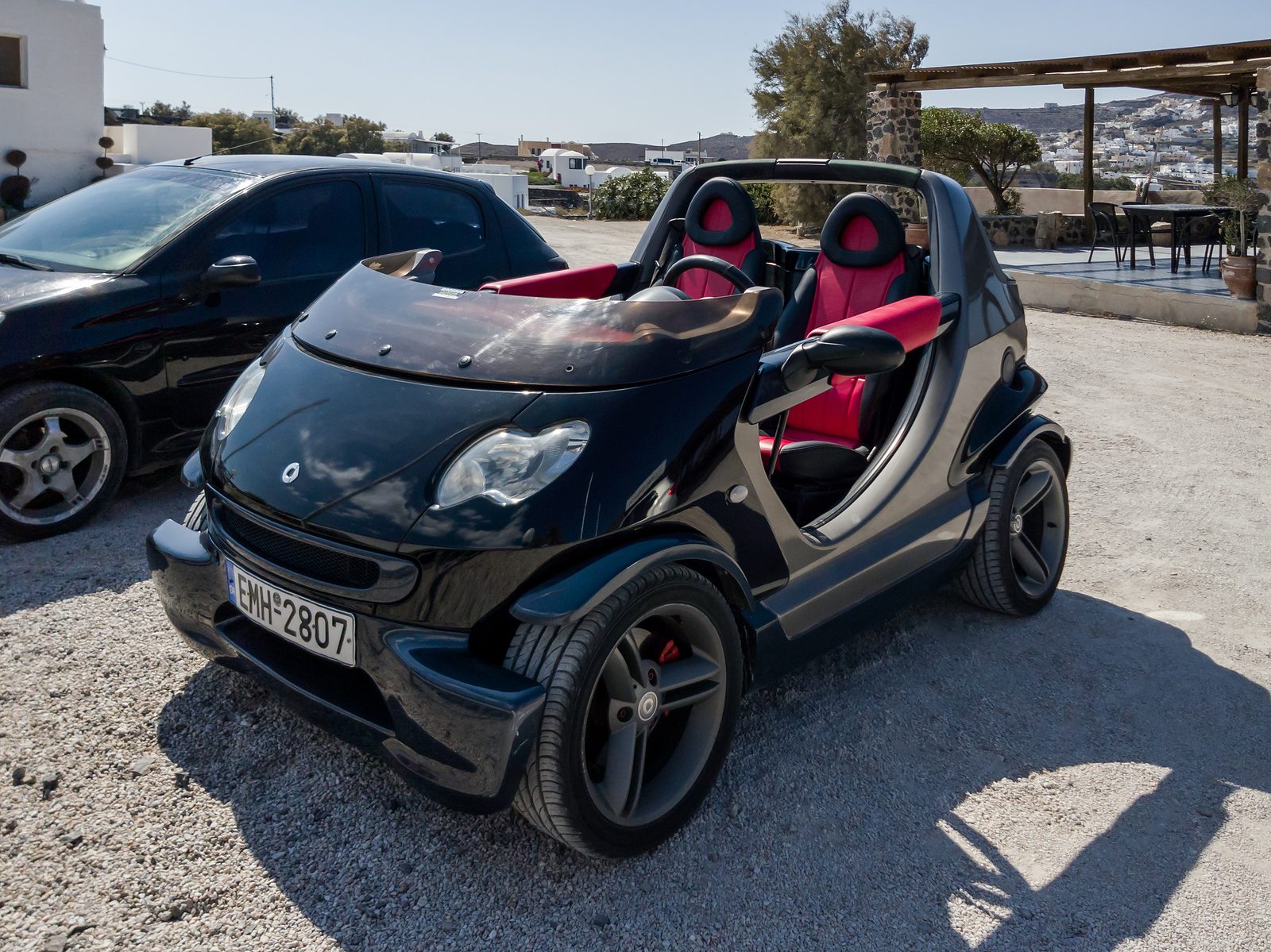
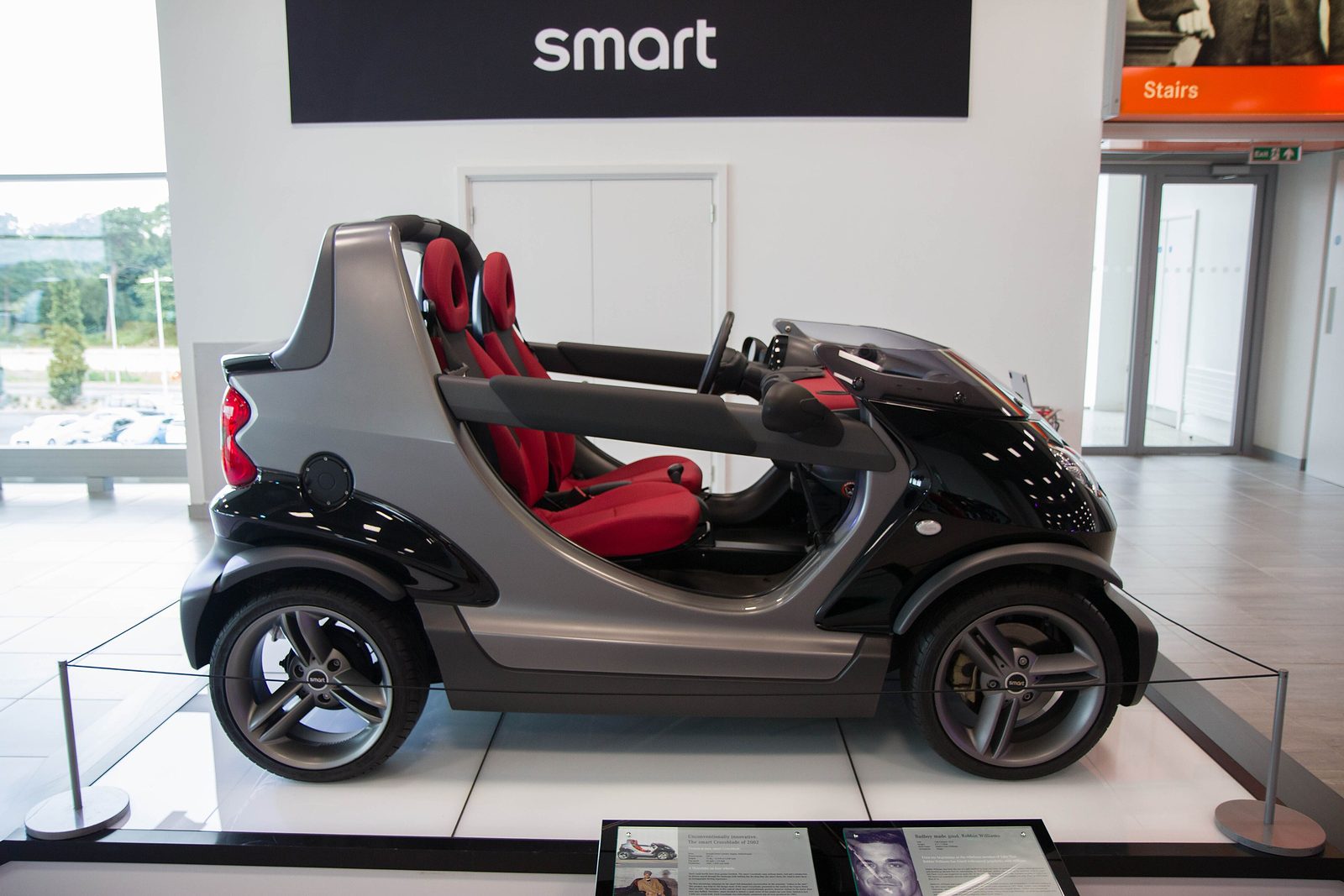
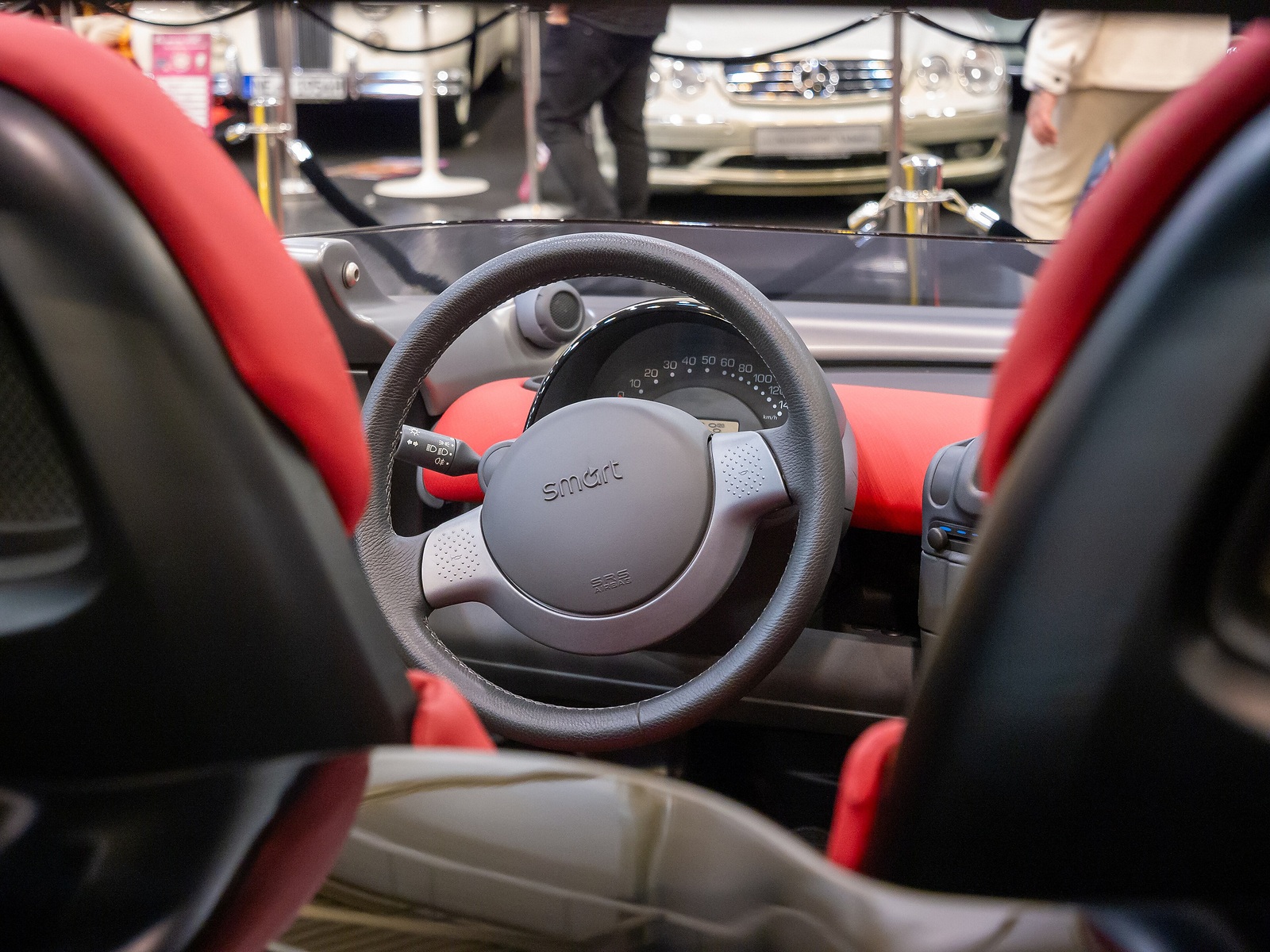
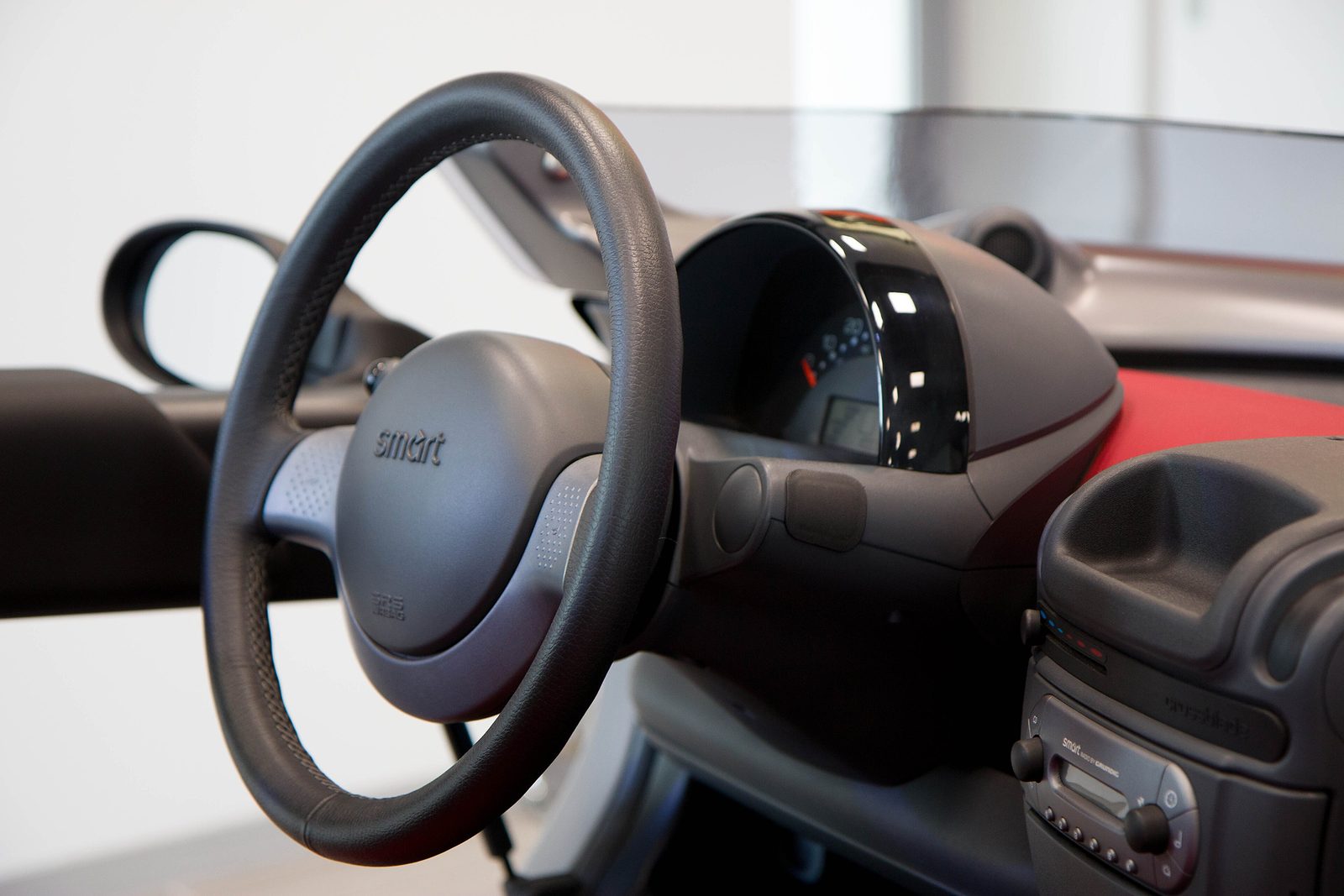
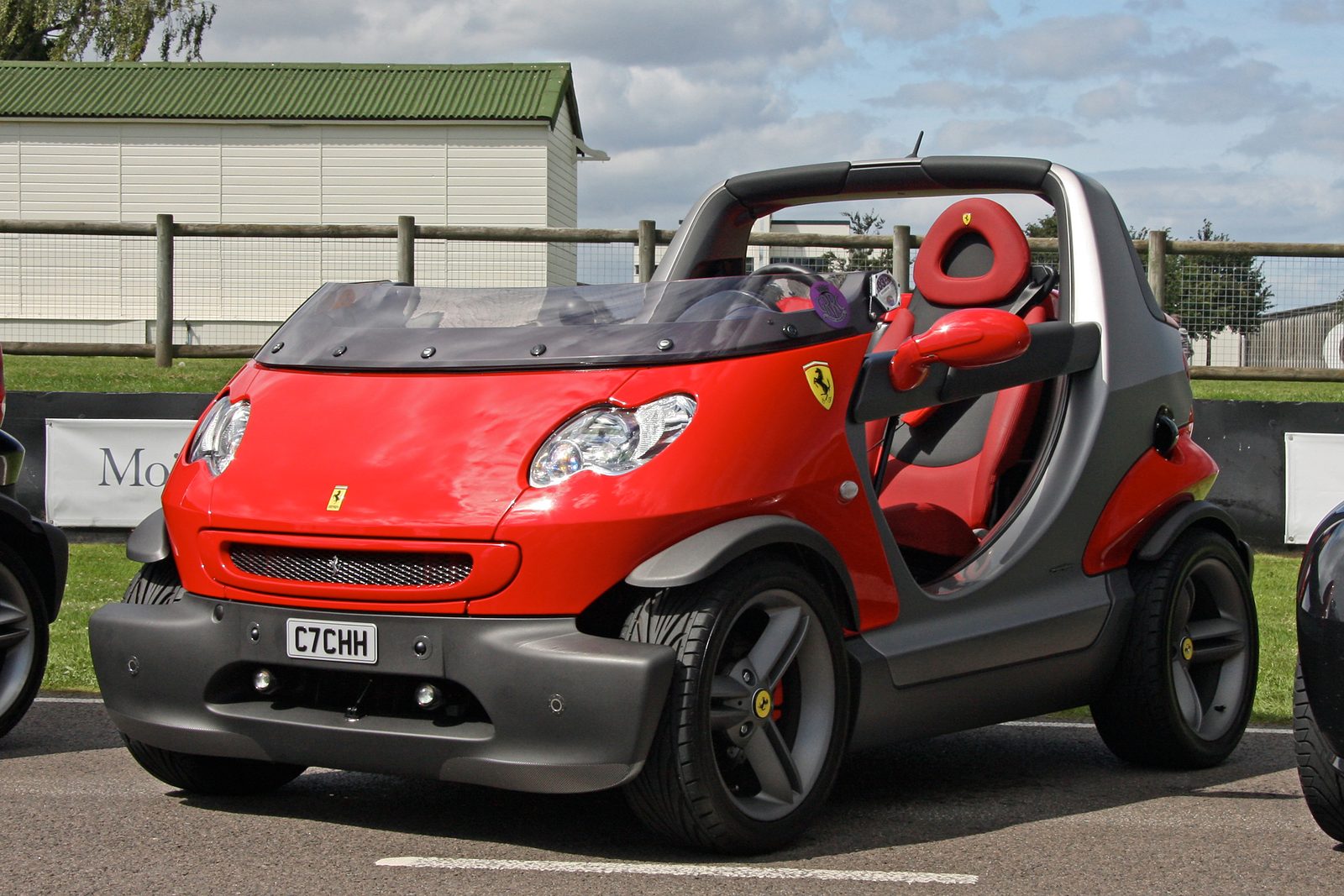
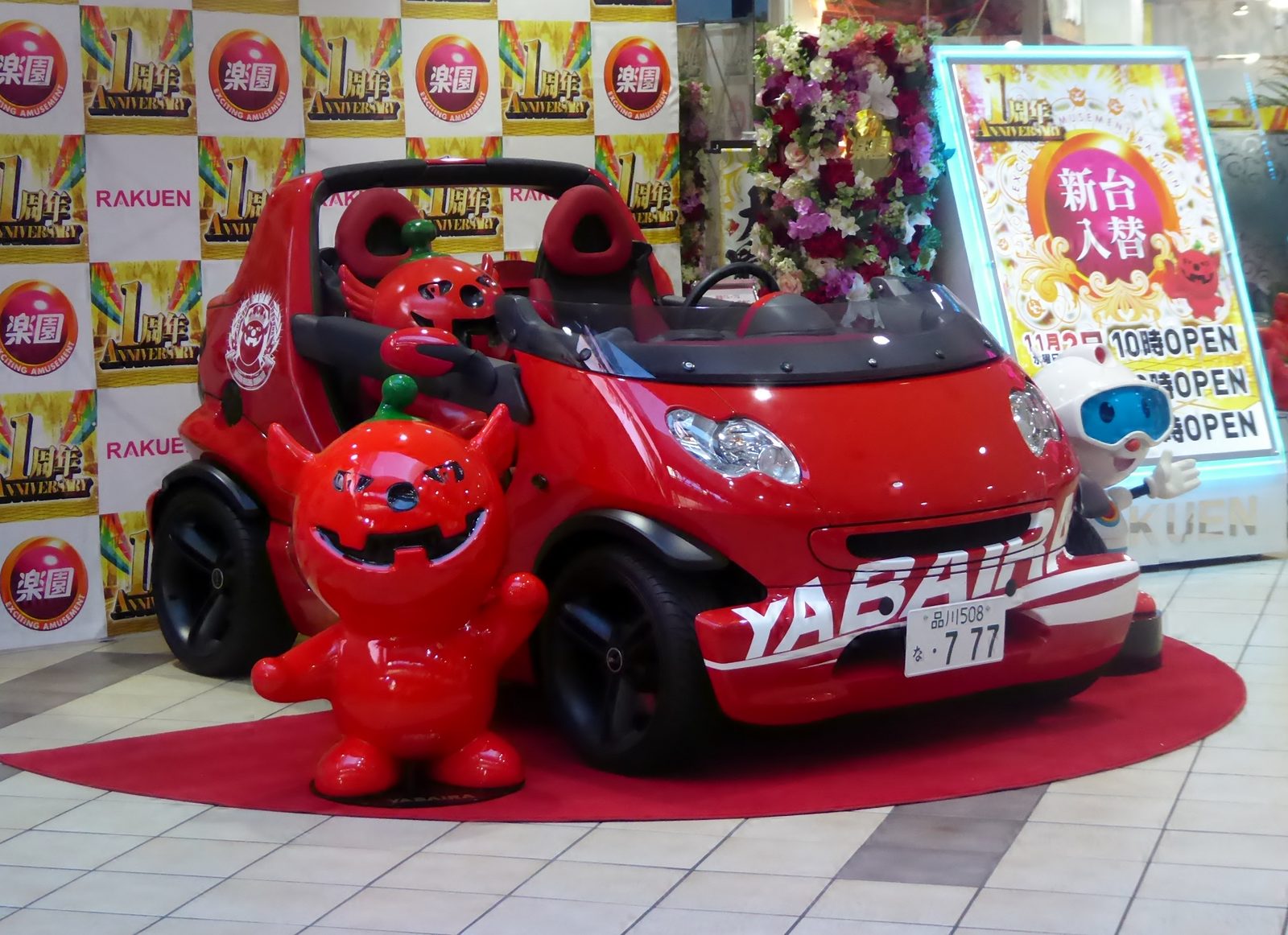
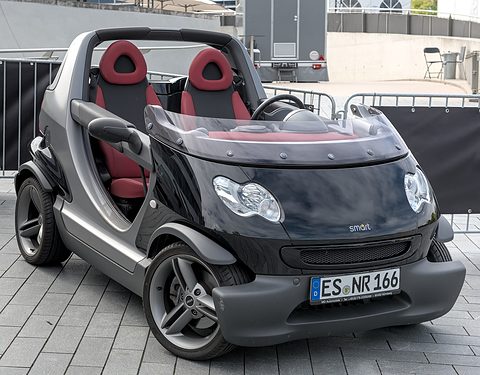
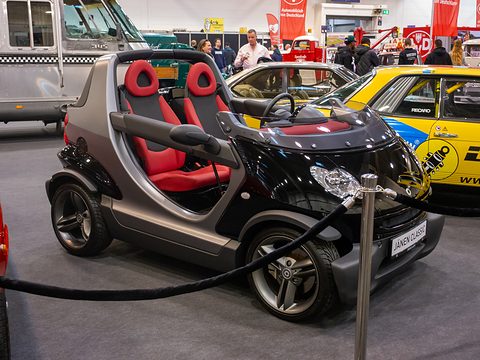
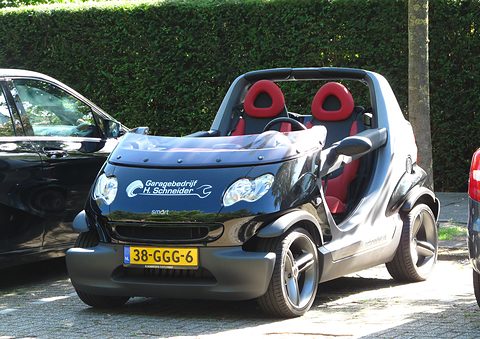
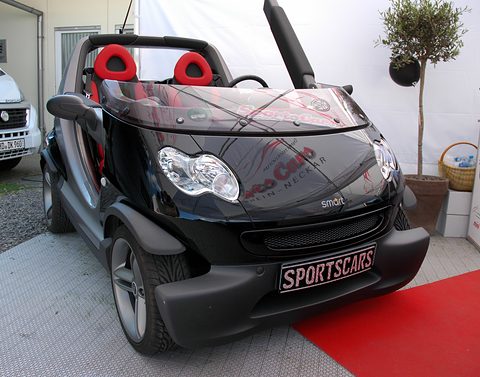
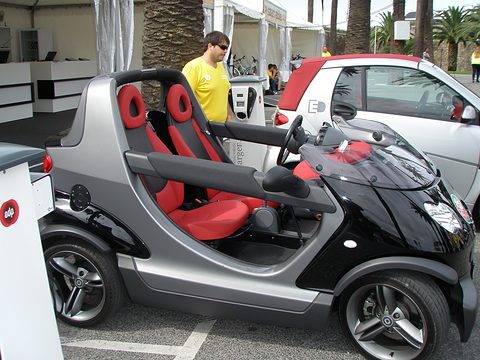
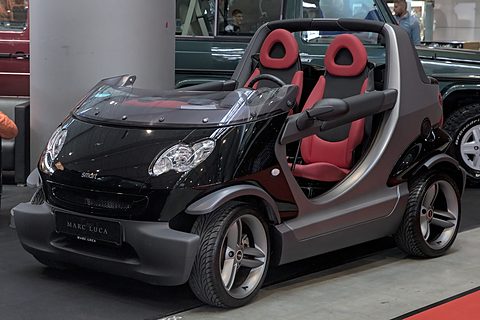
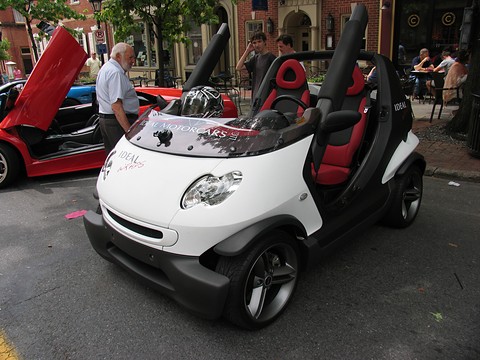
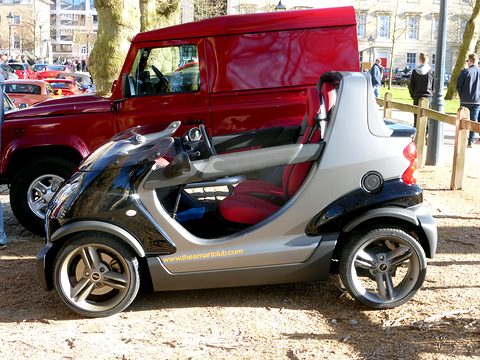
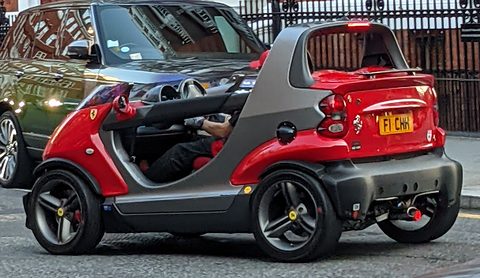
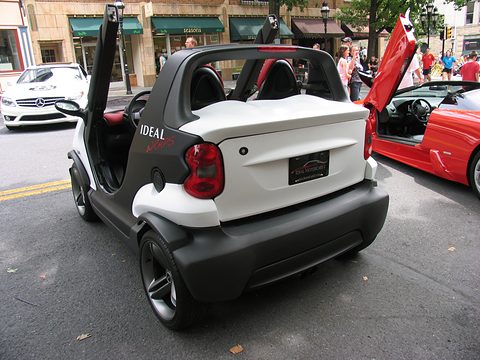
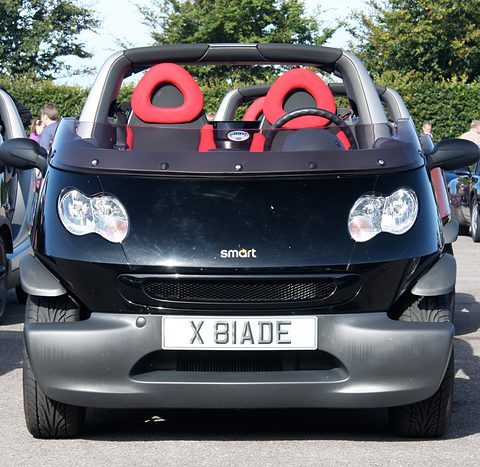
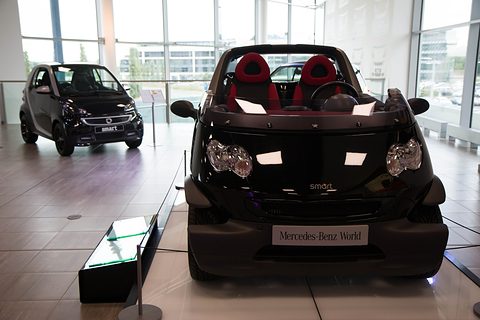
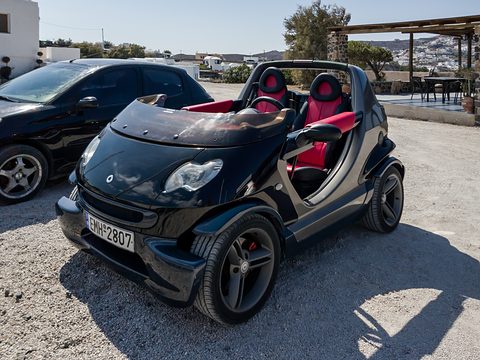
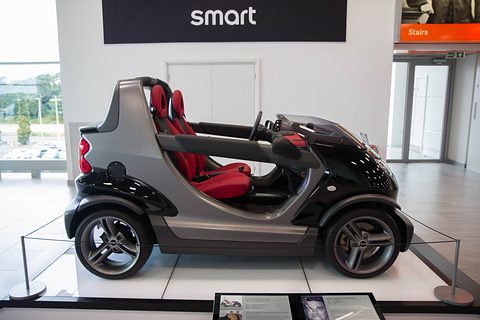
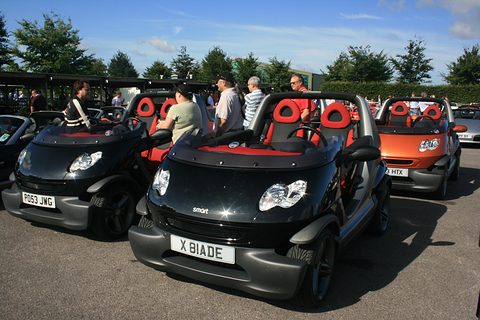
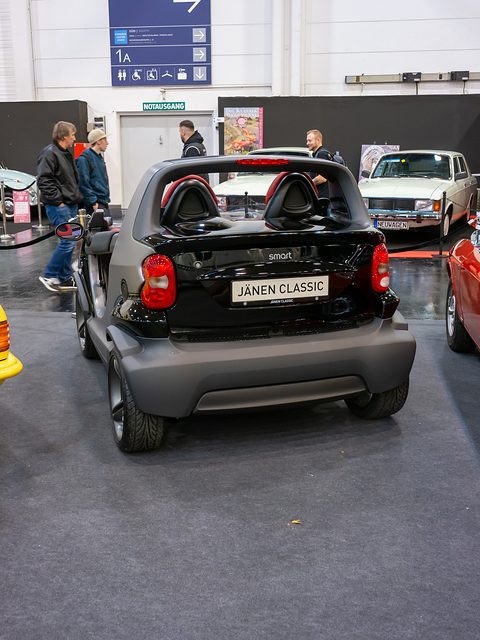
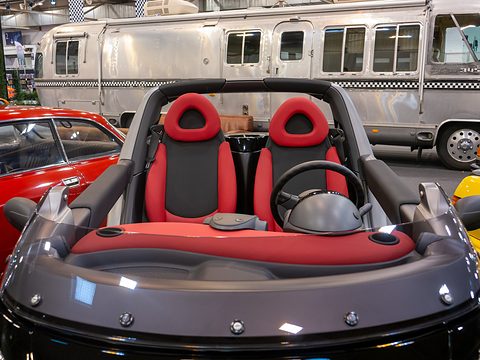
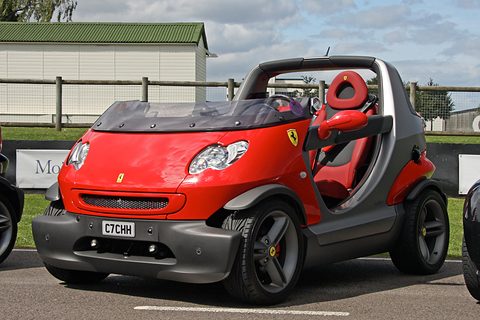
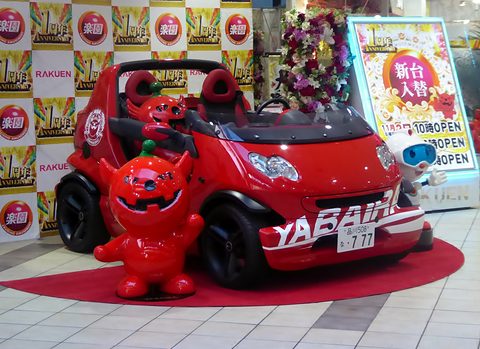
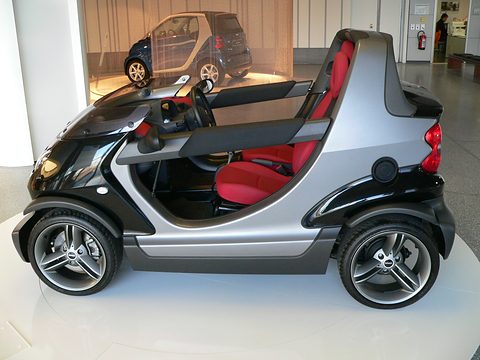
It began as a show car. At the Geneva Motor Show in March 2001 Smart showed how far the idea of its two-seater could be pushed: a City-Cabrio with no roof, no conventional doors and no proper windscreen.source 1source 2source 3 Where the doors should have been there were narrow side bars, the “blades” of the name, and in place of the screen a low deflector like a visor.source 4source 5source 2 Smart’s press release, as Jalopnik quotes it, presented the car as an expression of its philosophy, “minimise to the max”.source 3 Auto & Design names Federico Fachini as its designer, under Smart’s design director, Hartmut Sinkwitz.source 2
Life is earnest enough already.
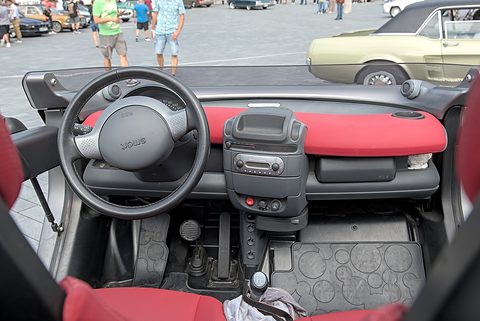
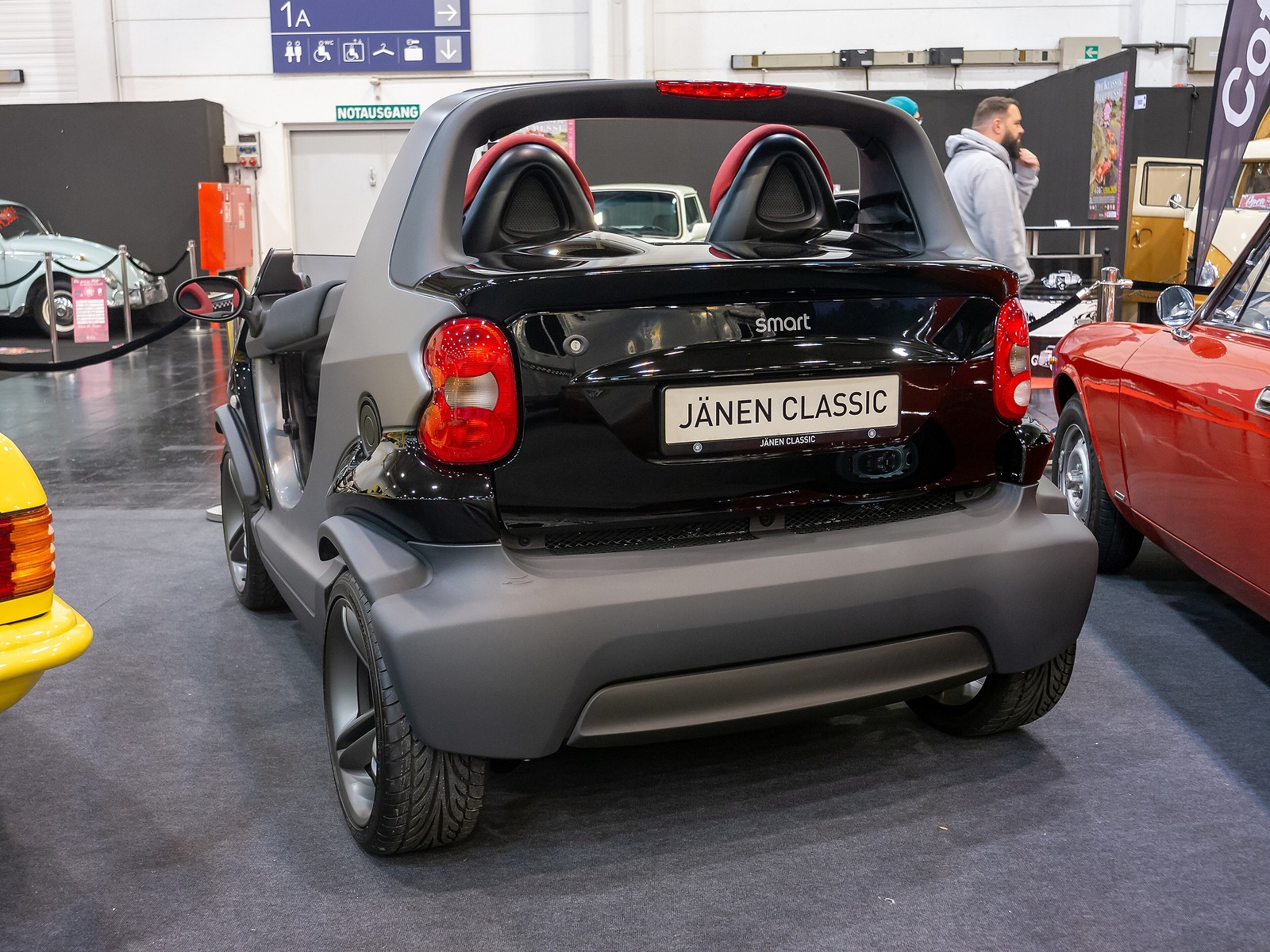
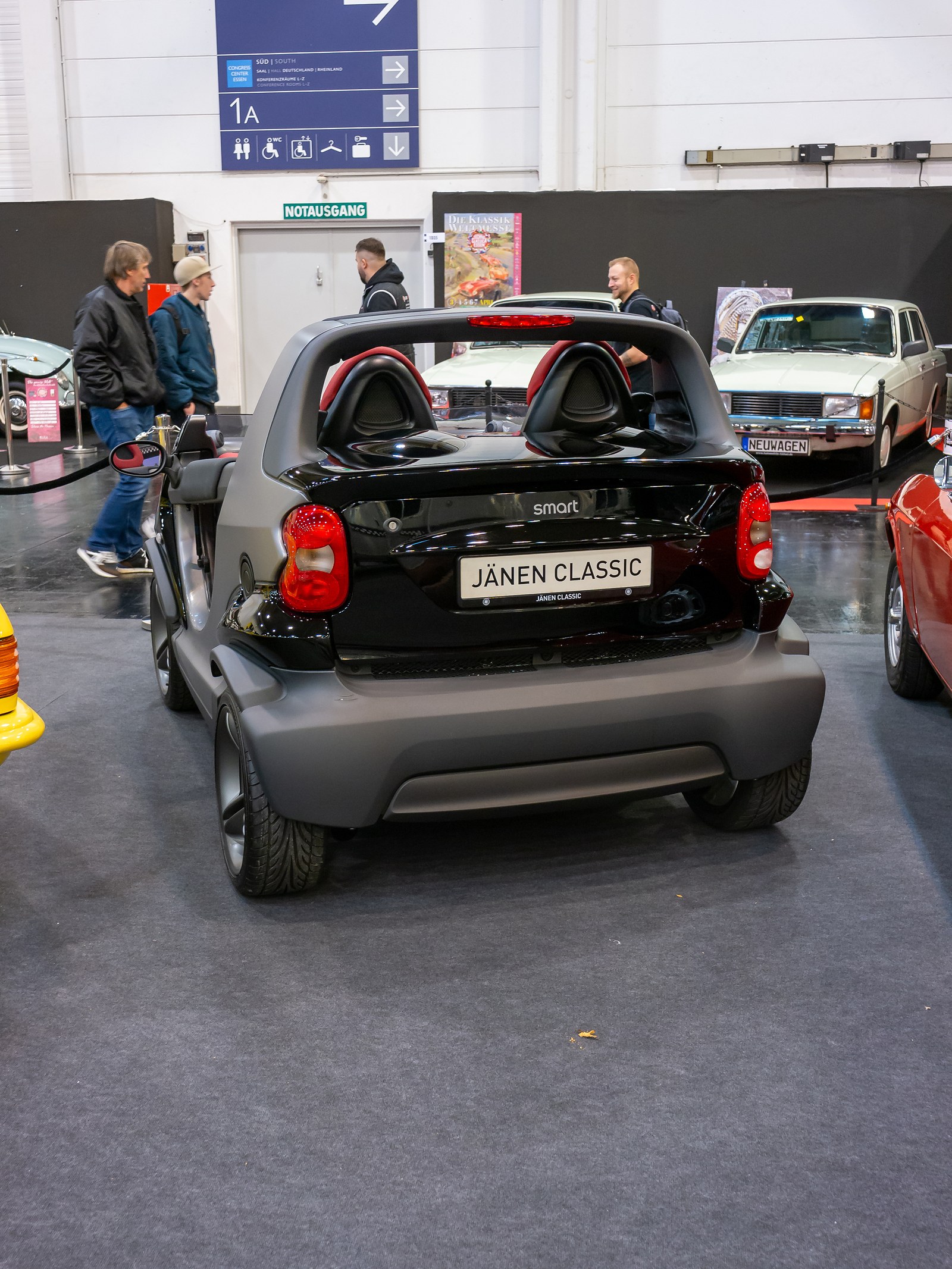
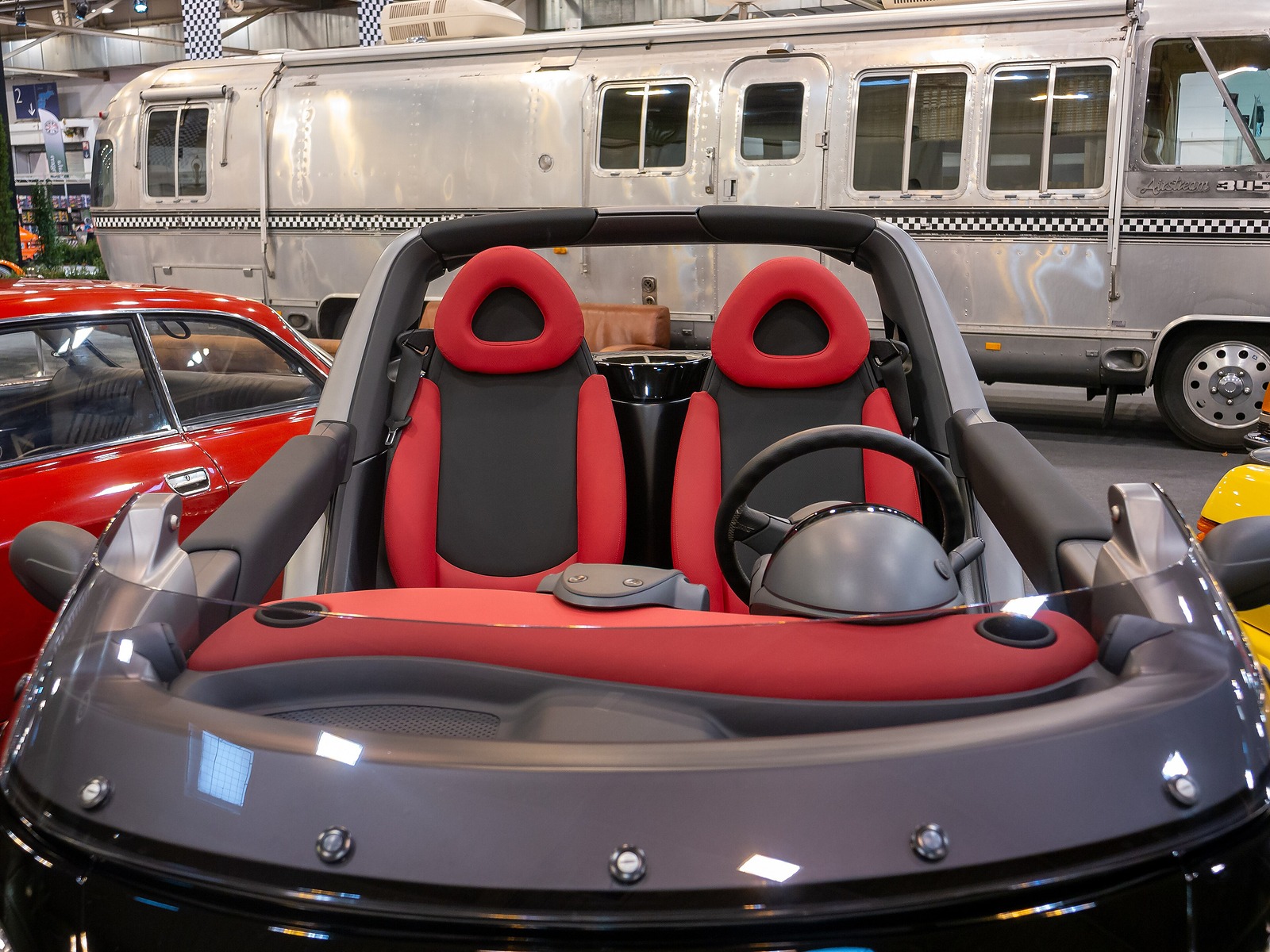
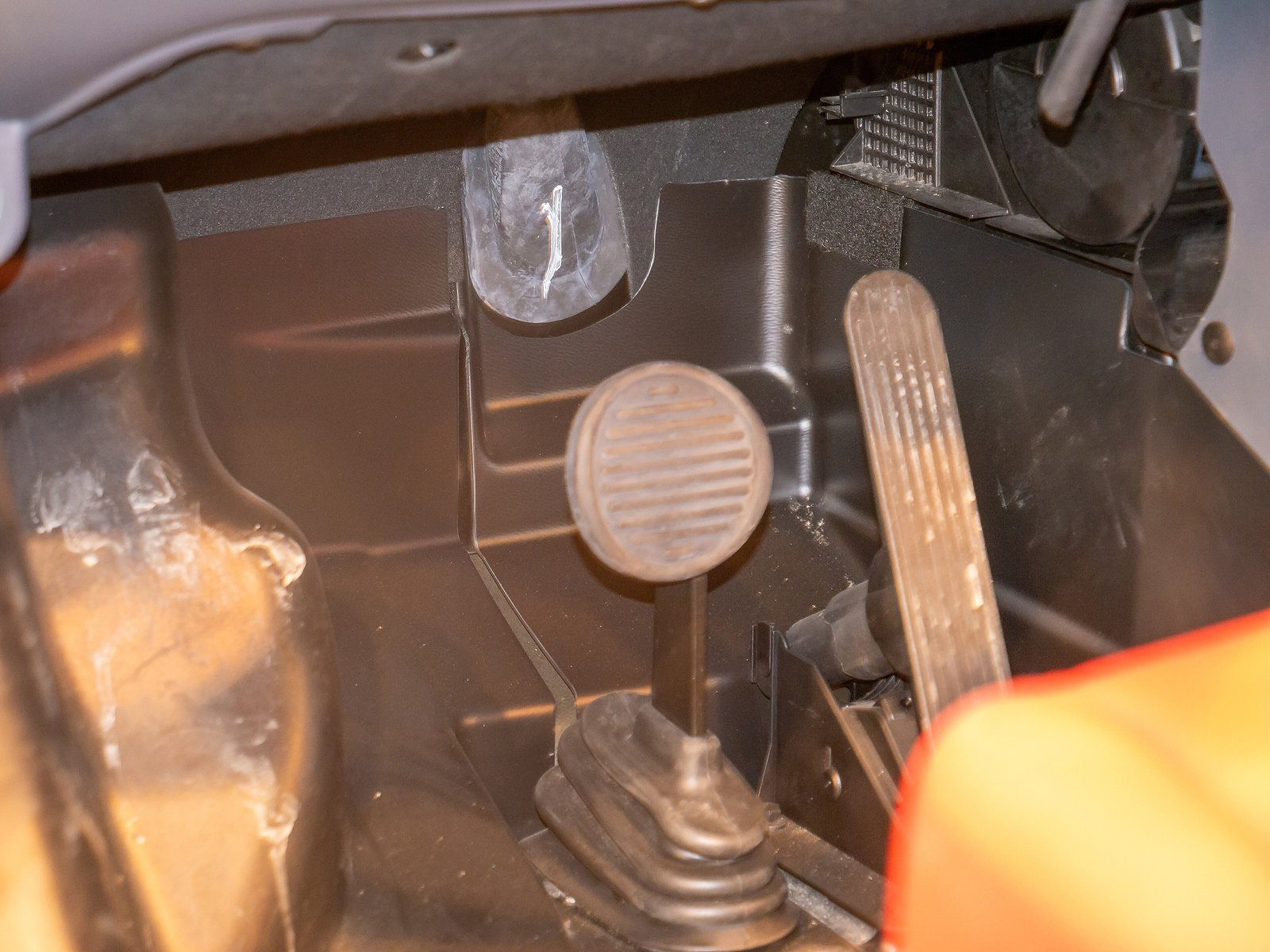
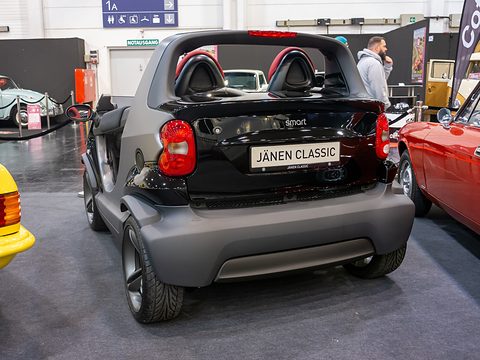
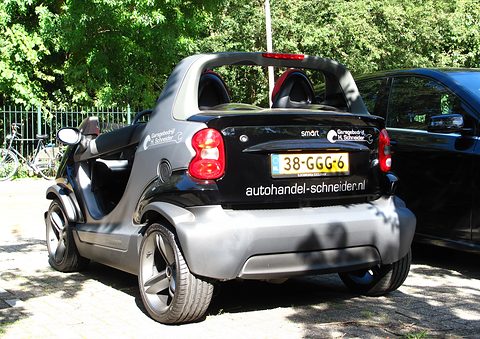
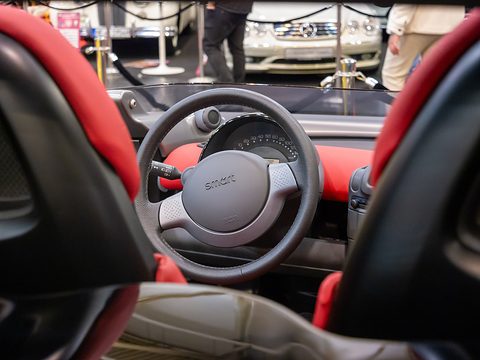
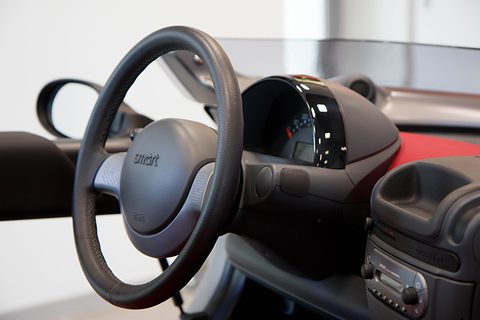
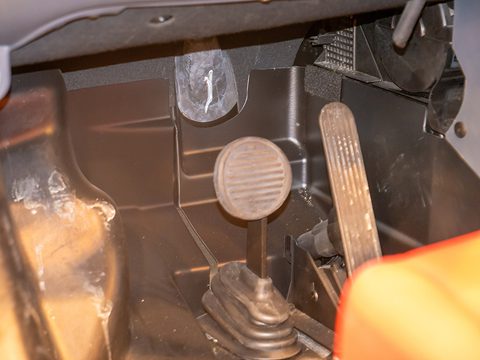
The engineering went to outside firms. Bertrandt AG was general contractor for the development, and Binz built the cars in a small series from the fortwo cabrio & pure.source 5 The changes made it weatherproof. The dashboard and the seat coverings were waterproofed, the floor became a single plastic moulding with four drain channels, and the air vents moved from the top of the dashboard to the bottom so that they would not fill with water. A removable cover kept rain off the cabin when the car was parked.source 5source 2 German Wikipedia adds that it could even be taken through a car wash.source 5 The concept’s LED tail lights did not survive; production cars used the City-Cabrio’s lamps and some of its panels.source 3source 6
Brabus power
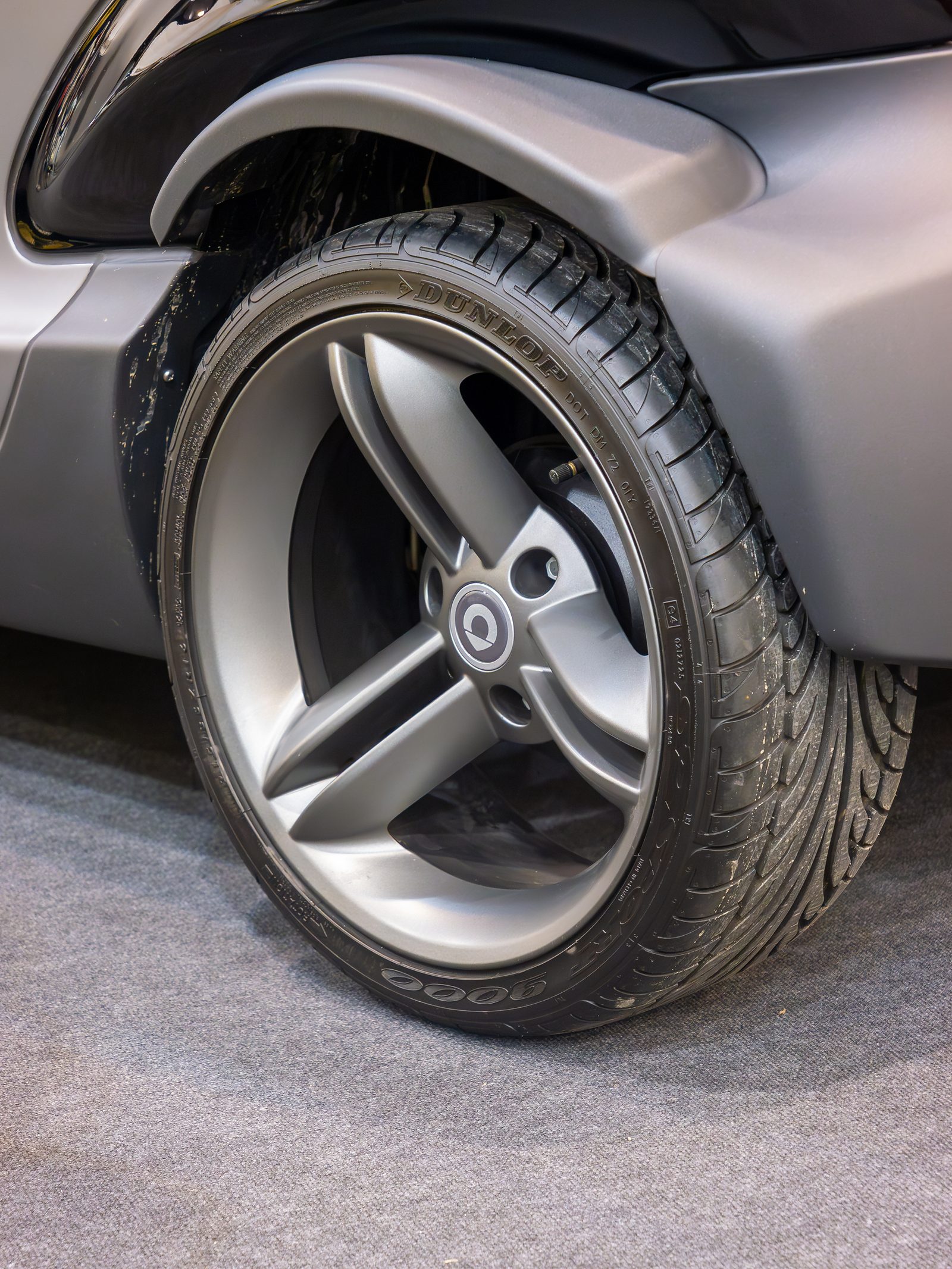
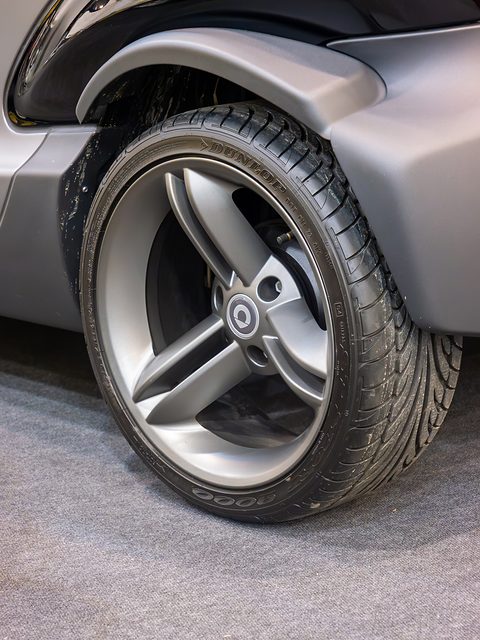
Behind the seats sat the 599 cc three-cylinder turbo, tuned by Brabus to 70 hp, ten more than the ordinary car, and driving the rear wheels through Smart’s six-speed sequential automated gearbox.source 4source 1source 6 It reached 135 km/h (84 mph).source 1source 6 English Wikipedia gives a weight of 740 kg (1,631 lb), and American sources about 726 kg.source 4source 1source 6 No source read gives its length, width or height.
The production car was shown at Geneva in March 2002.source 3 German Wikipedia dates the build from March 2002 to December 2003, with sales in Germany from June 2002 at €24,360; Auto & Design put the launch in July.source 5source 2 The Autopian gives about €21,000, roughly twice the price of a City-Cabrio, and says it was never sold in the United States.source 6 Auto & Design called it a caprice for enthusiasts that drove “very like a motorbike”, and warned that in rain you had to “run for cover”.source 2
A spiritual successor to fun vehicles like the Mini Moke, the Crossblade prioritizes joy and adventure over practicality.
Two thousand, give or take
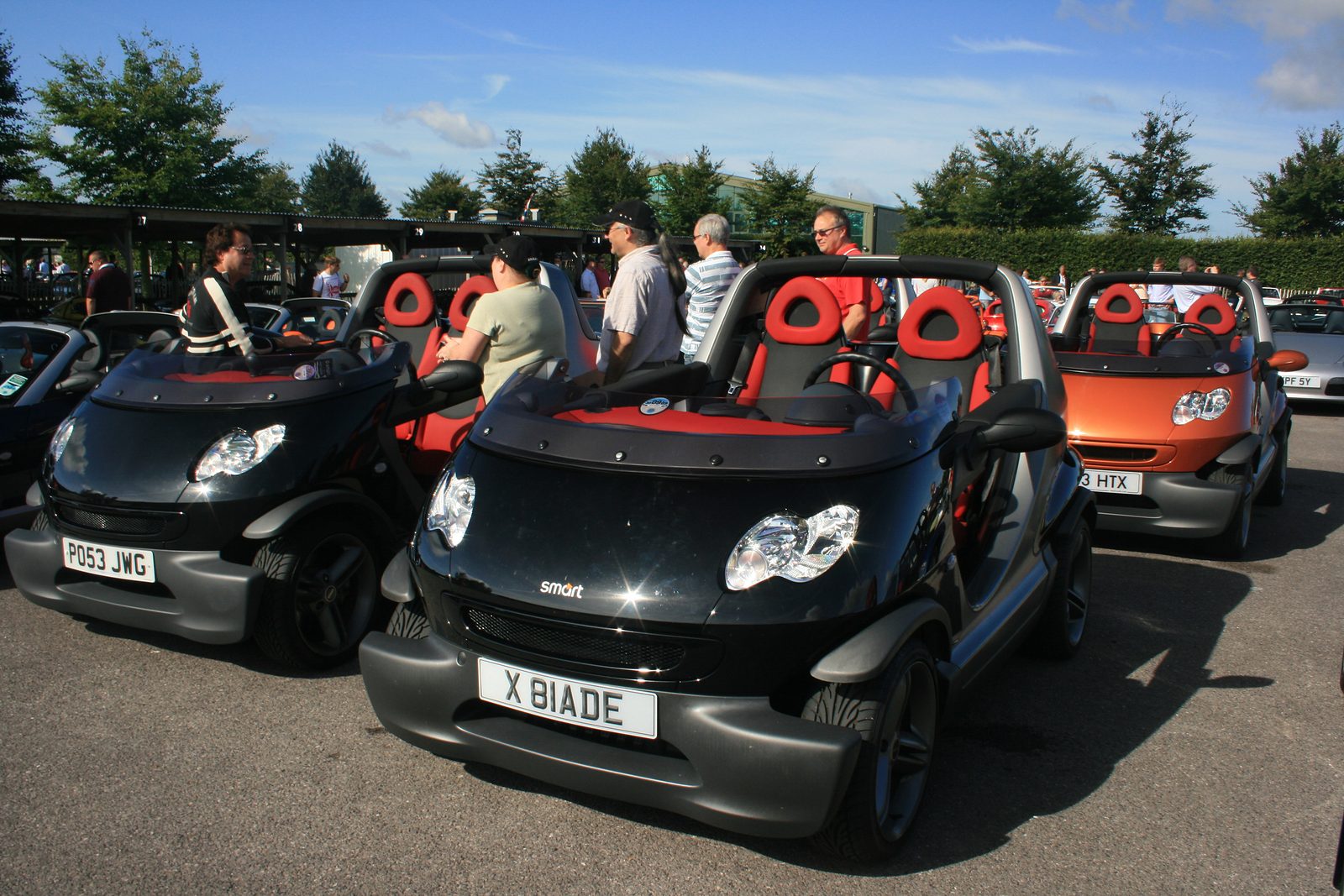
Smart announced 2,000 numbered cars.source 4source 1source 6 German Wikipedia says that only 1,995 were actually built, but gives no source, and no Smart or club record has been found to settle it.source 5 The highest number seen in the sources is 1,232, on a car offered for sale in the United States.source 6
Robbie Williams is part of the story, though the accounts do not agree on which car. German Wikipedia says car 0001 was shown on his 2002 tour and then auctioned on eBay, raising €51,049.99 for his charity, Give It Sum.source 5 English Wikipedia says that he bought car 008, and that Smart then used him to promote the brand and its new Forfour.source 4 They may be two different cars; no source read says so either way.
The idea came back for Smart’s 20th anniversary. At the Paris show in October 2018 it showed the Forease, a roofless concept with a cut-down windscreen meant to recall the Crossblade, followed by the Forease+, with a roof, at Geneva in March 2019.source 5