The story
History
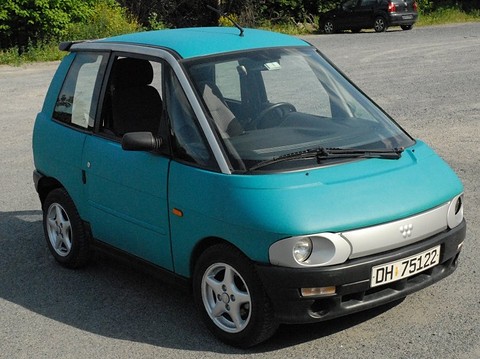
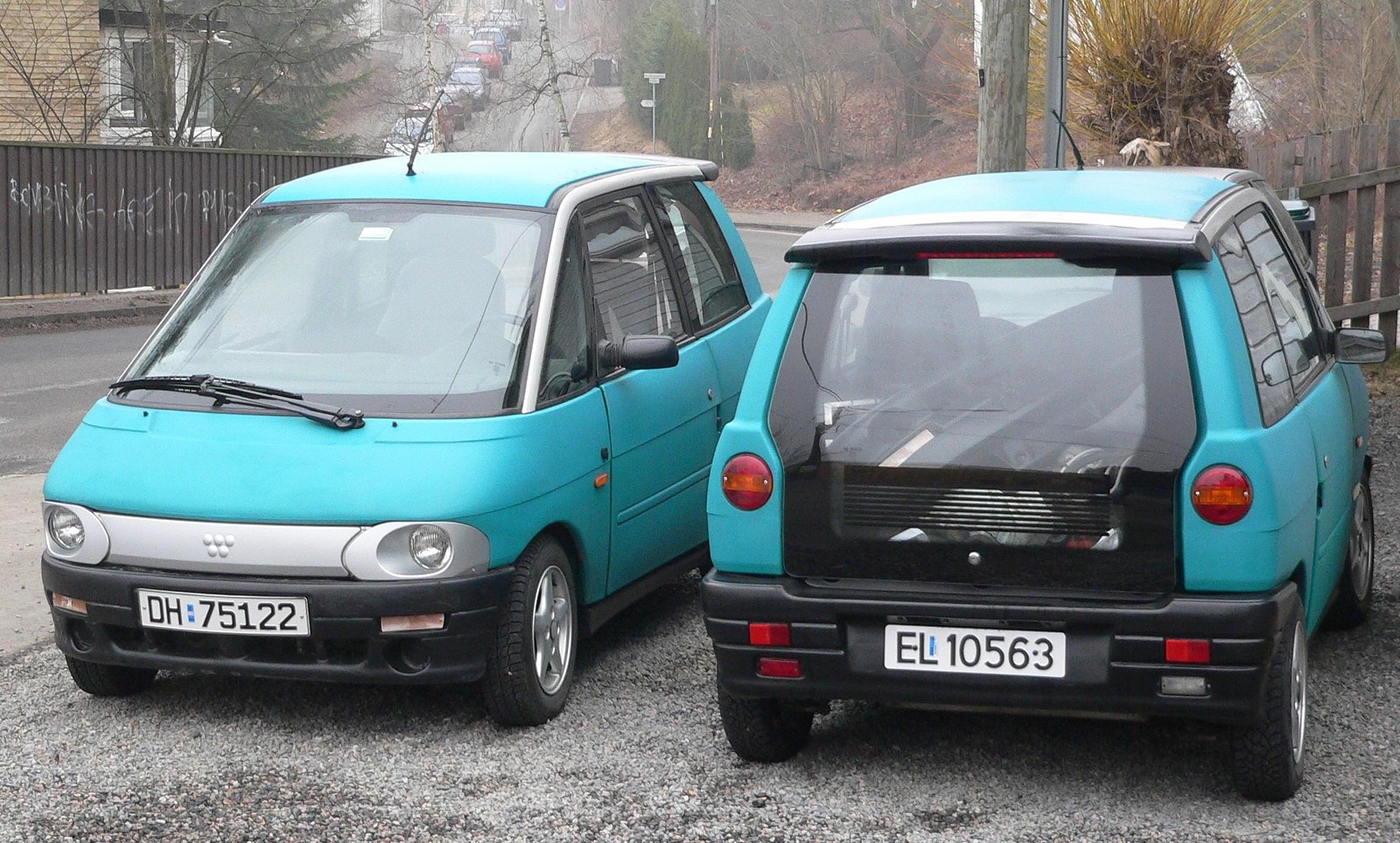
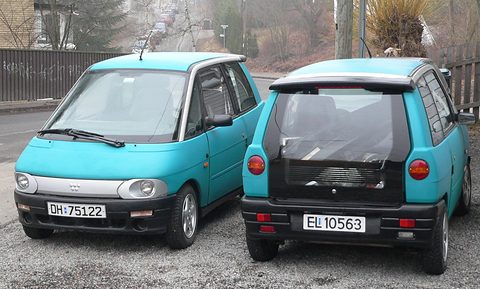
Pivco, the Personal Independent Vehicle Company, was founded in January 1991 at Bærum, in Norway. Its PIV2 had an aluminium chassis developed by Hydro Aluminium at Tønder in Denmark, a one-piece body moulded in polyethylene, nickel-cadmium batteries and a three-phase induction motor driving the front wheels, and ten of the 15 prototypes were ready for the Winter Olympics at Lillehammer in 1994.source 1 The PIV3 City Bee of 1995, sold as the Citi in the United States, followed: 120 were built, and 40 of them ran in the San Francisco Bay Area station-car demonstration of 1995–98.source 1 For the PIV4 Pivco took on Lotus as a consultant, with an ABS roof and a steel lower frame. The money ran out in 1999, just as development was finished.source 1
Ford’s TH!NK
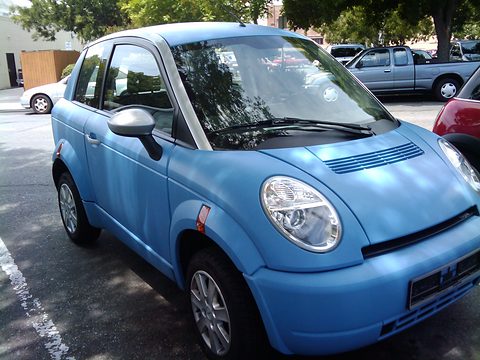
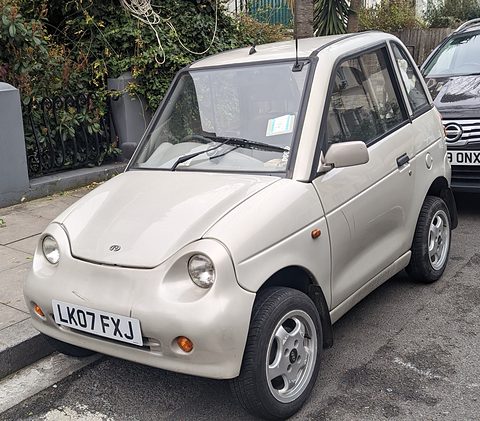
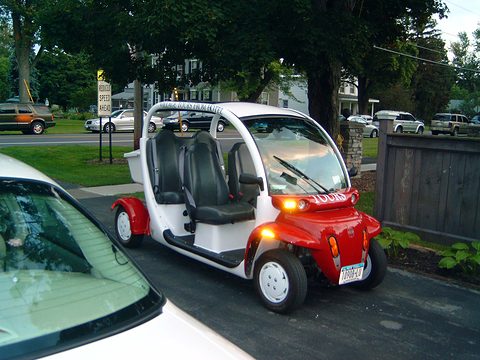
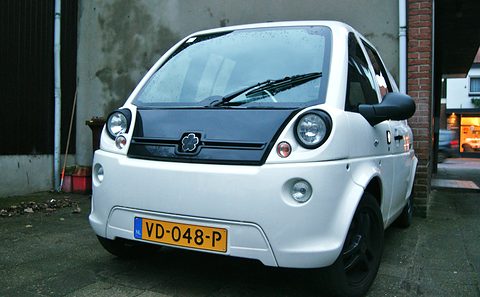
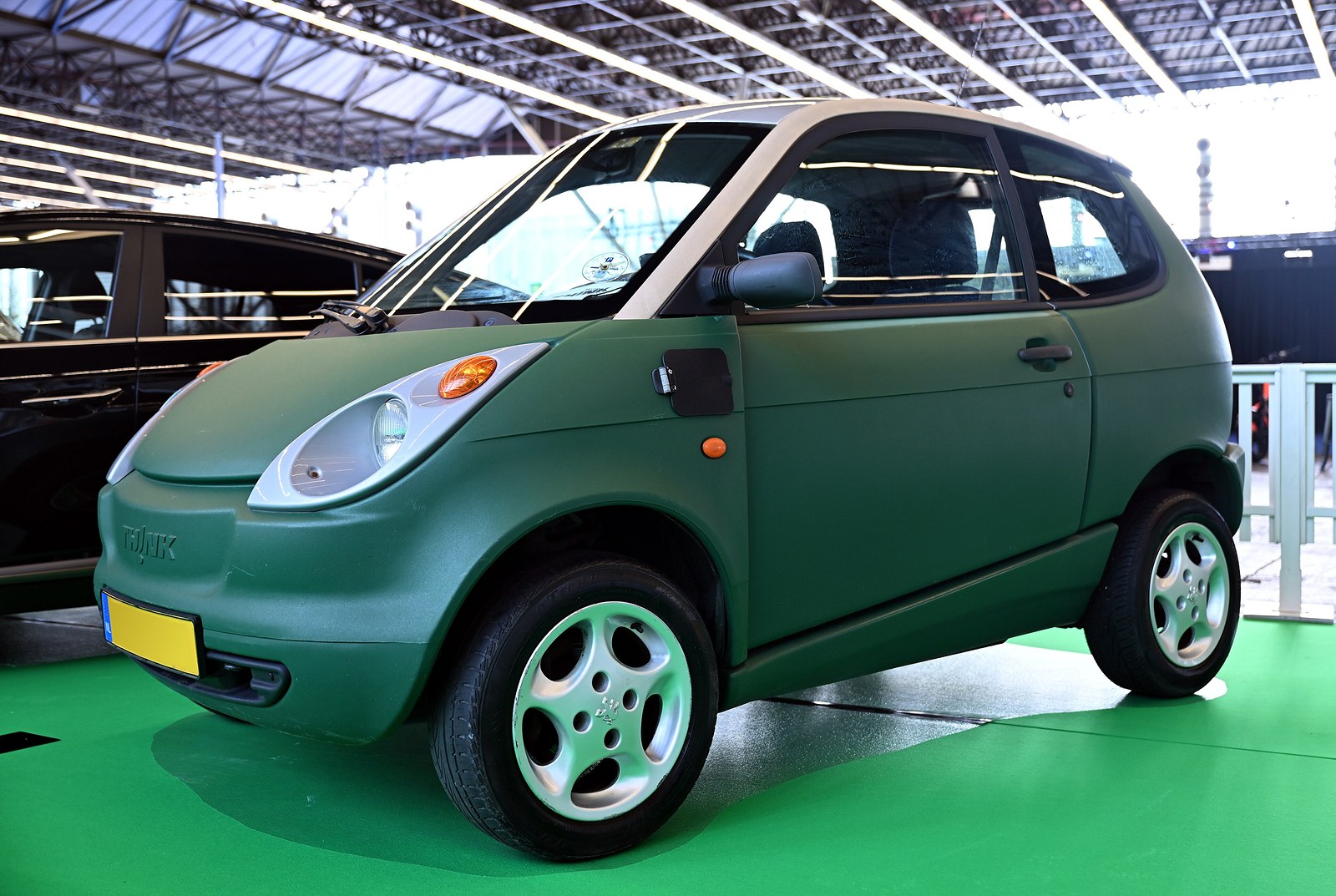
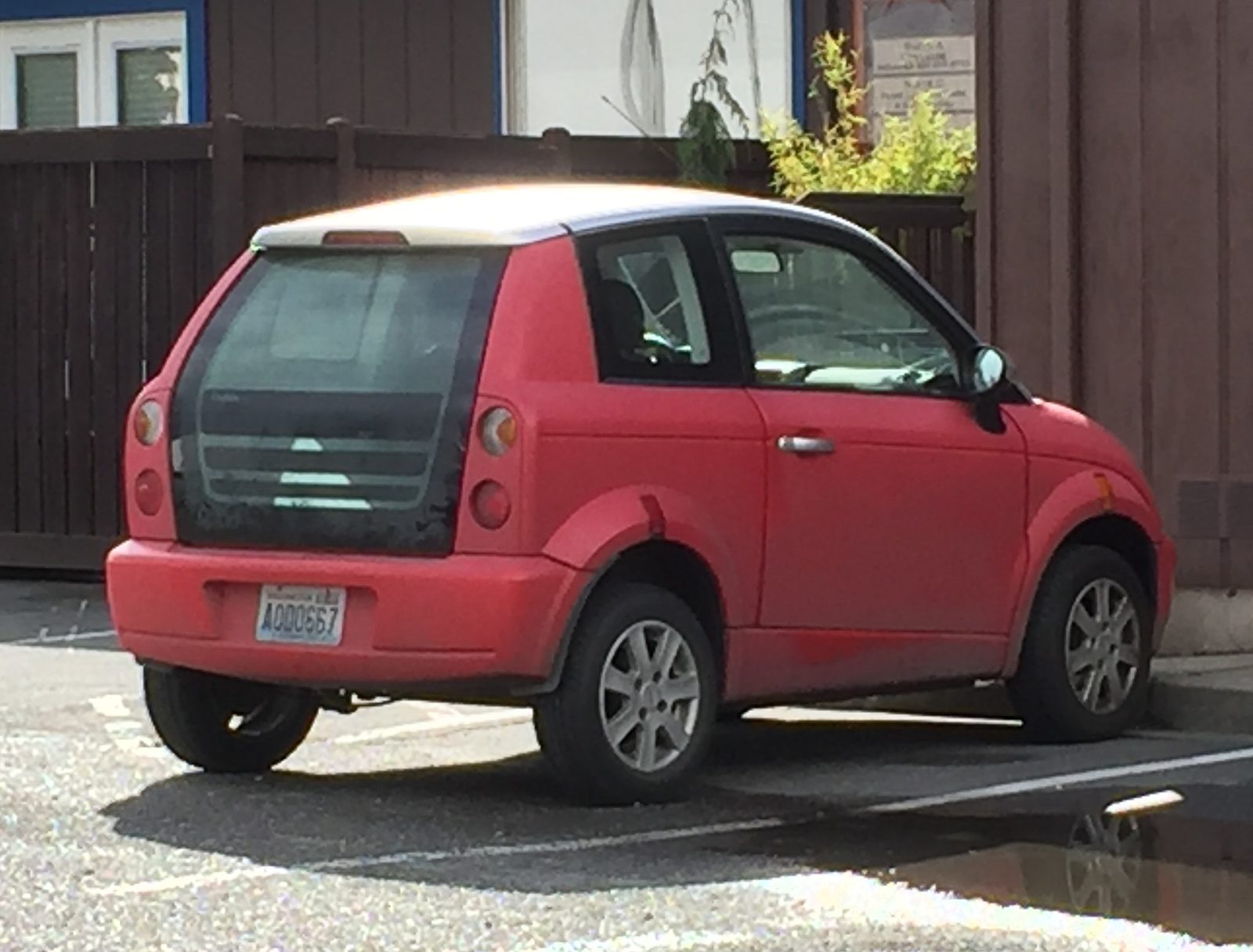
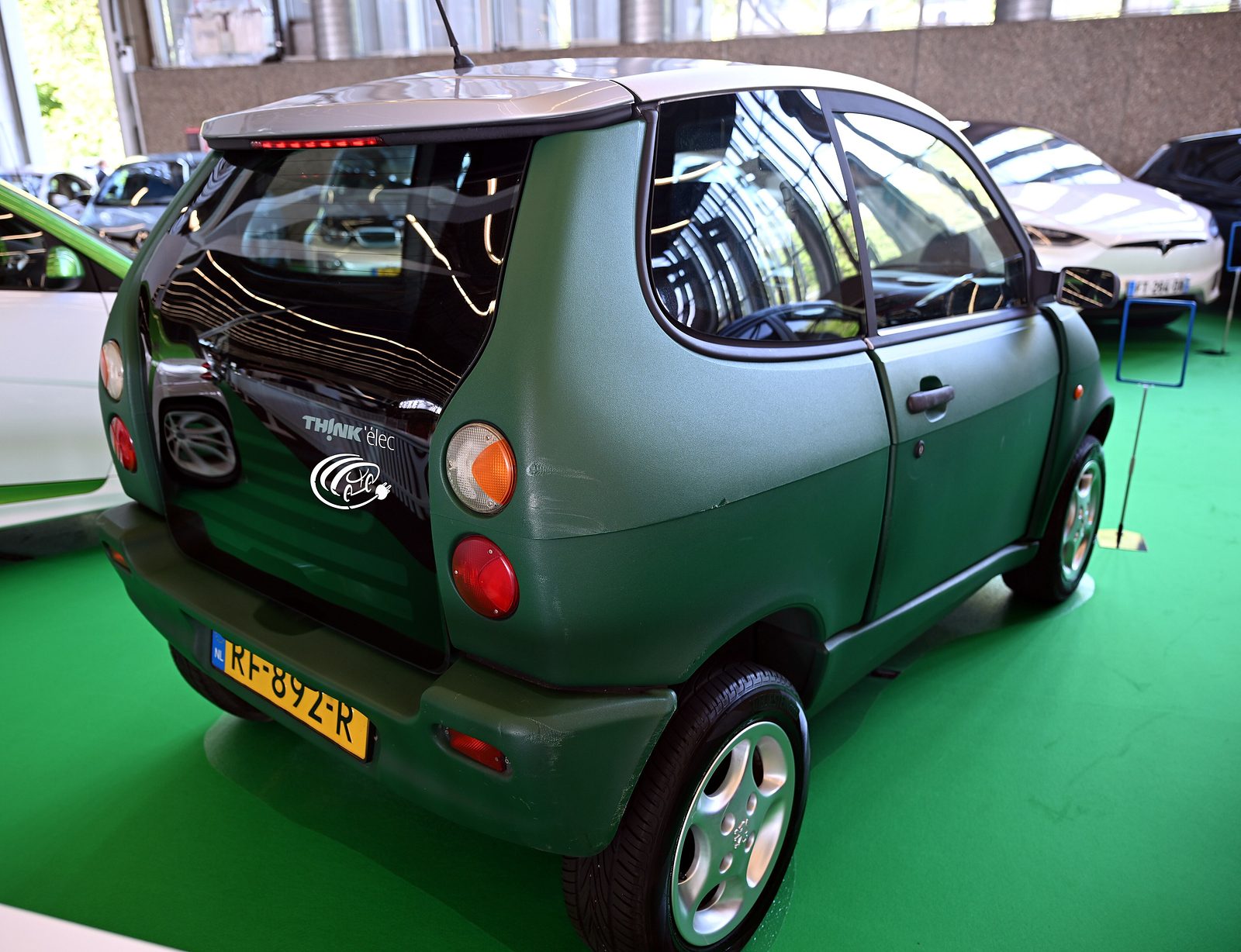
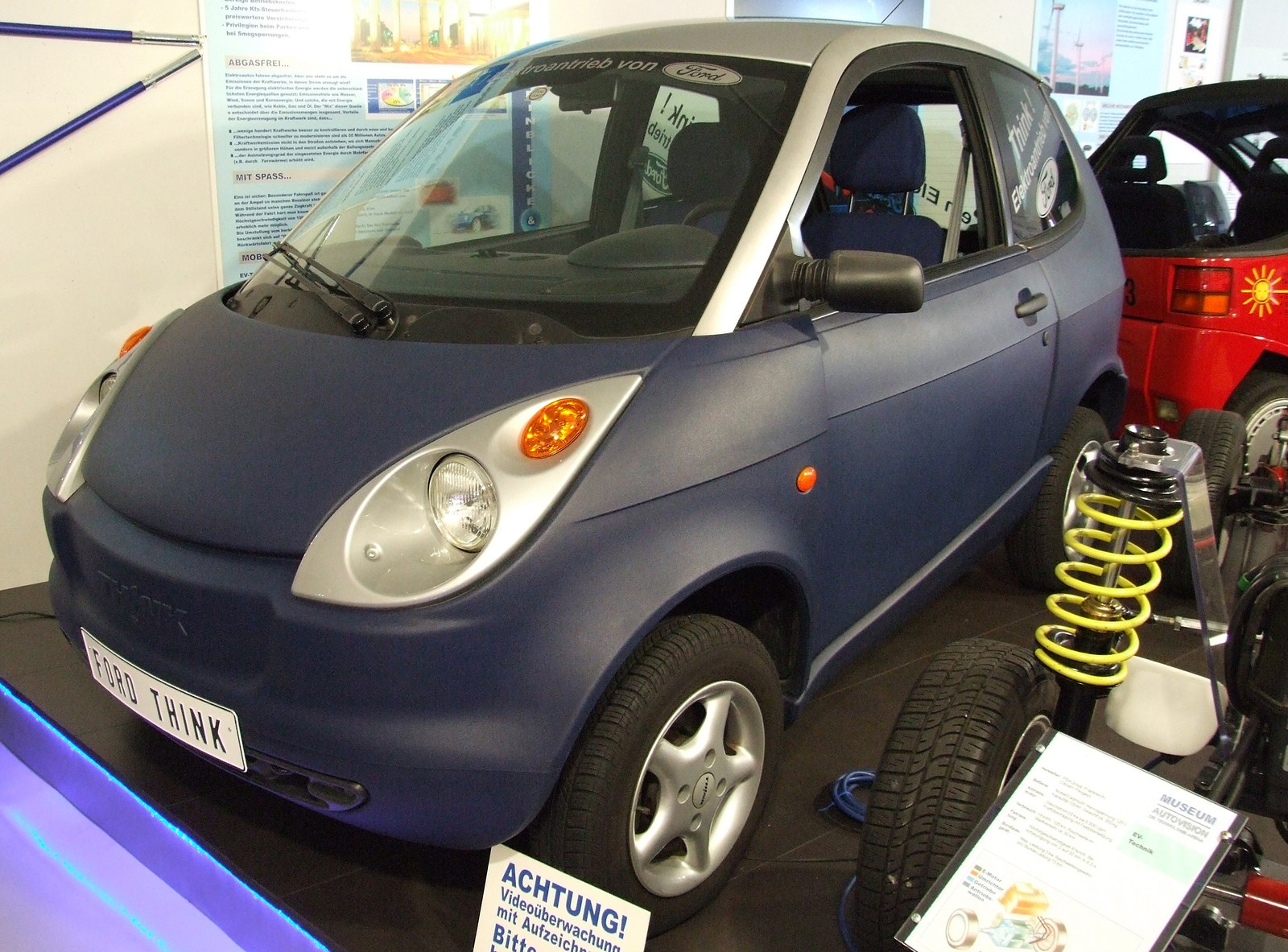
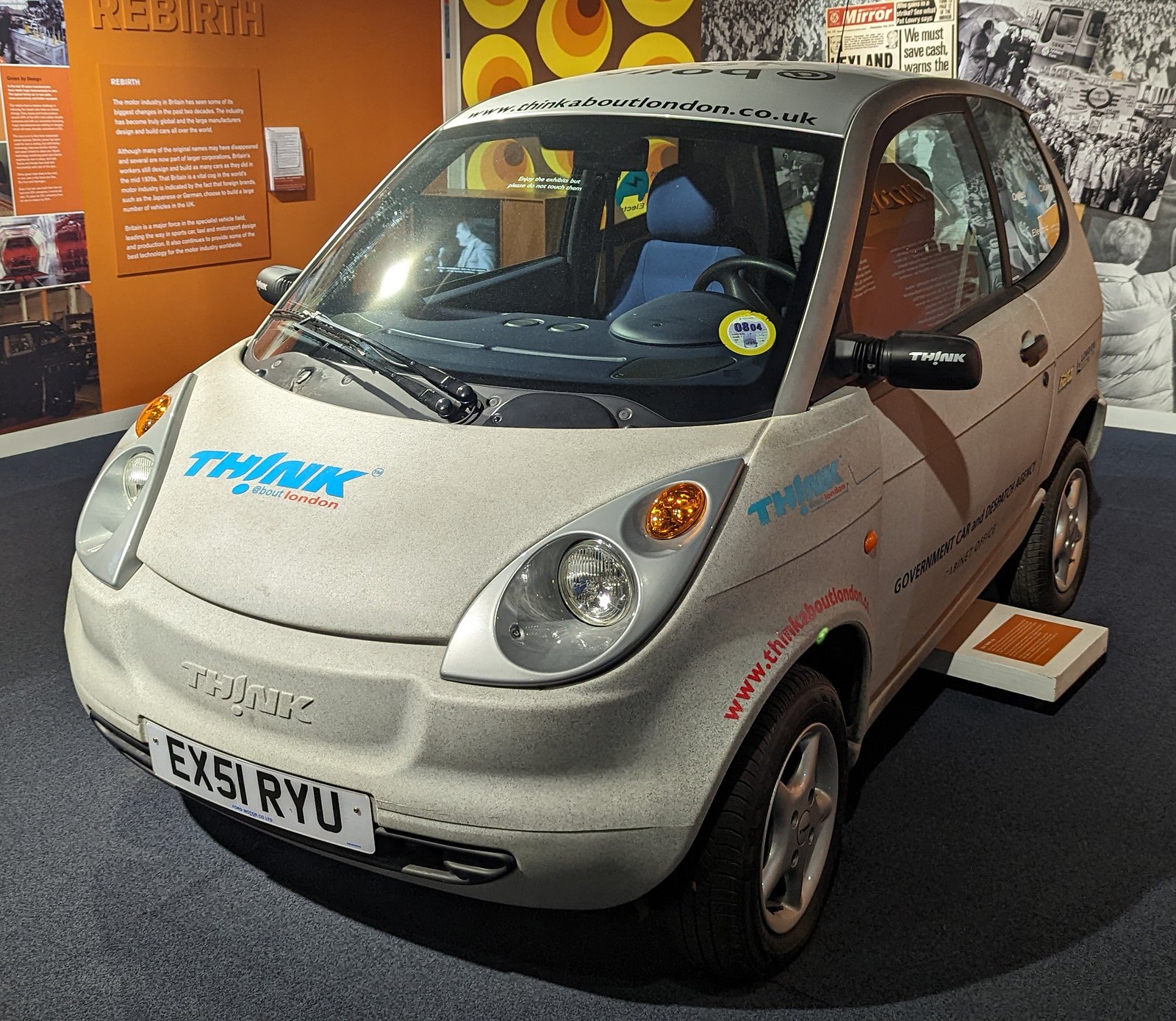
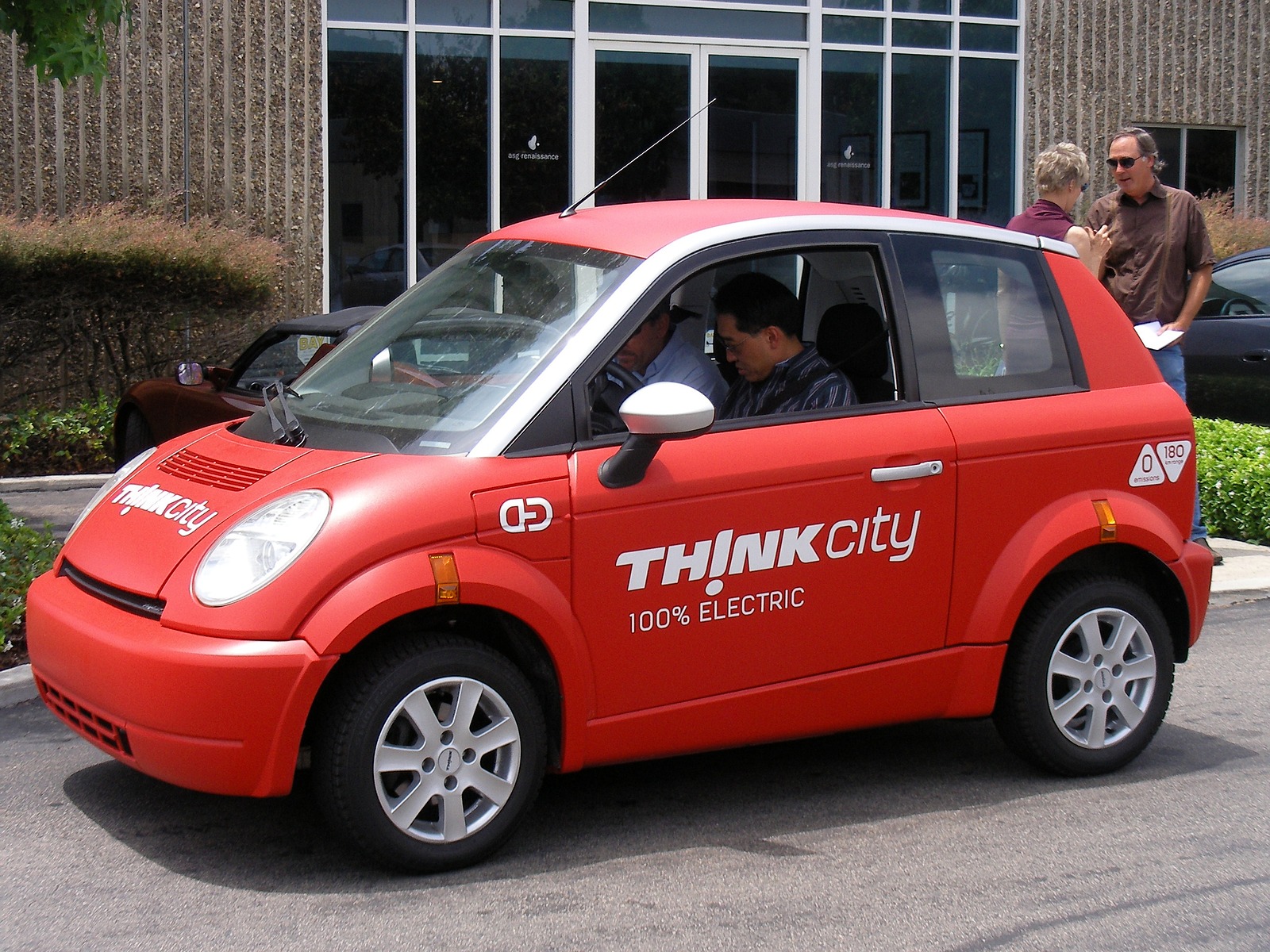
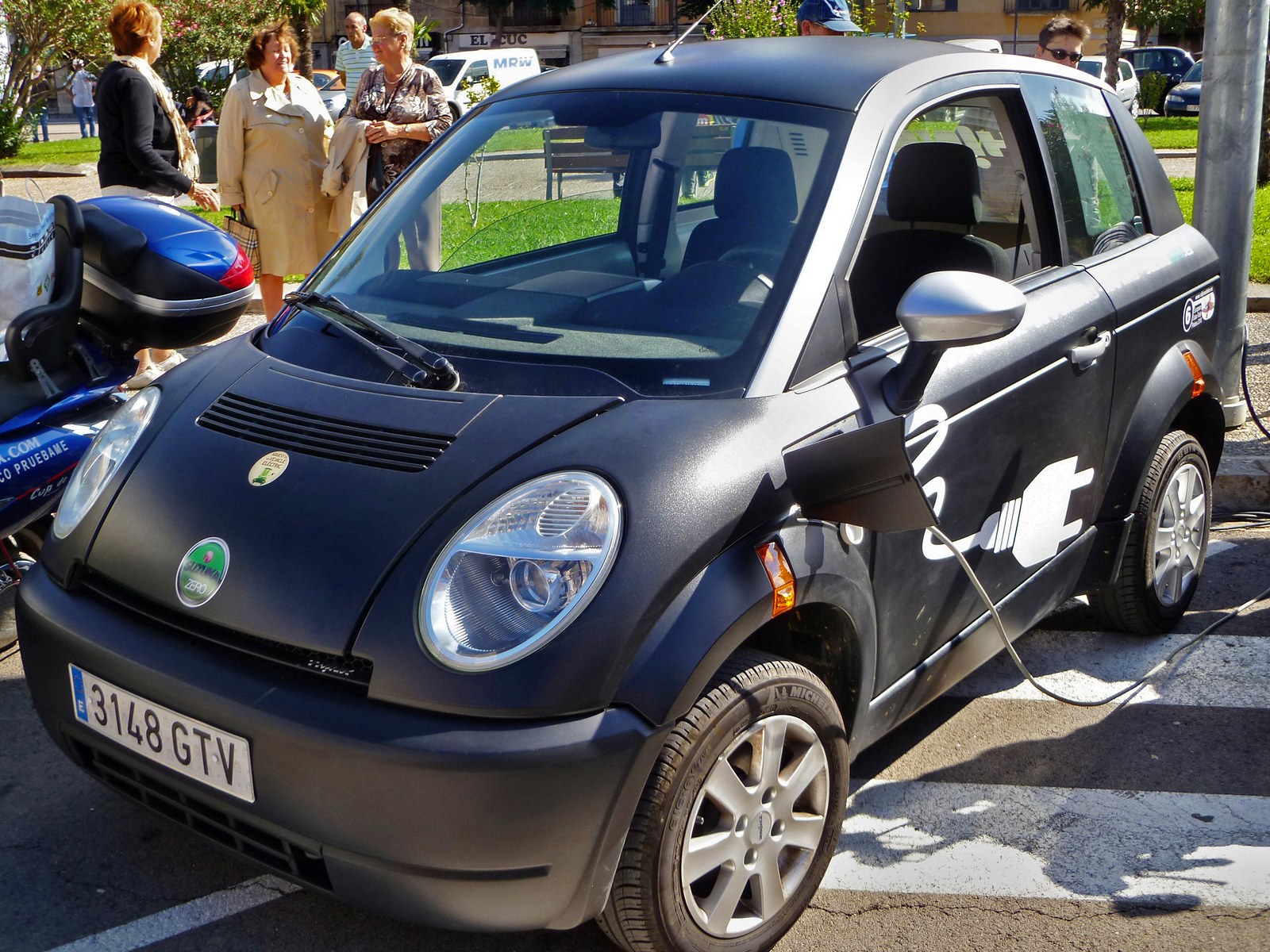
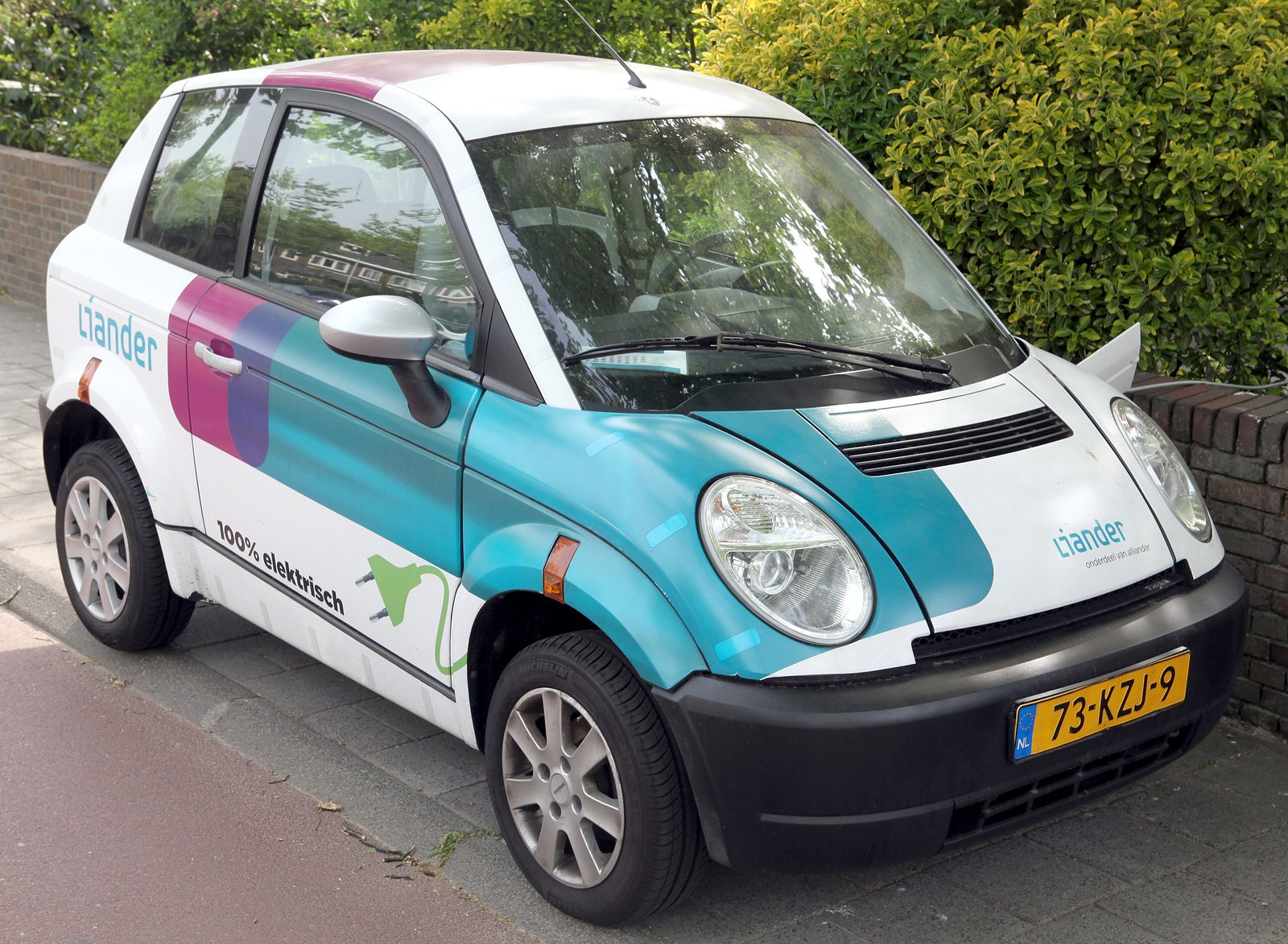
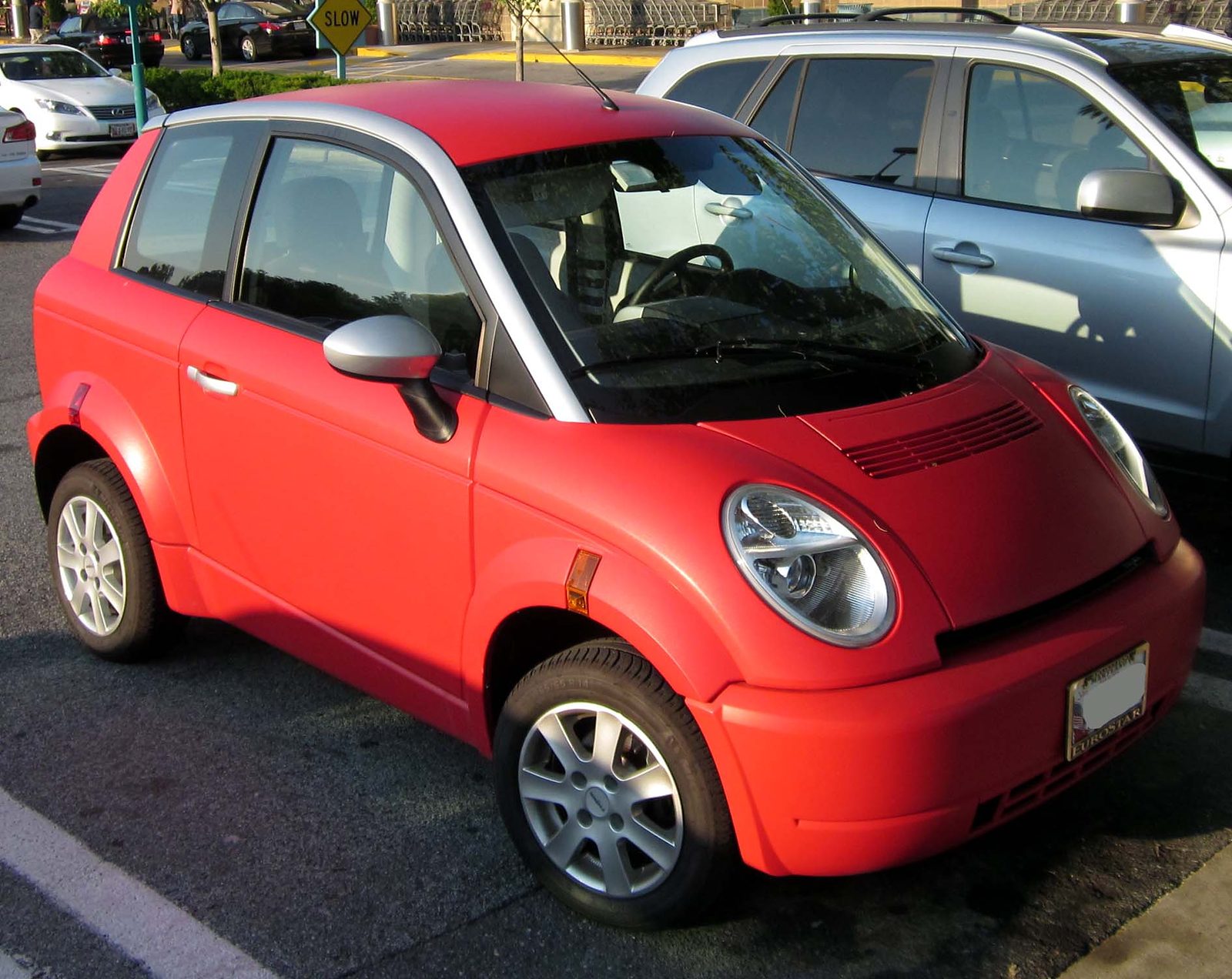
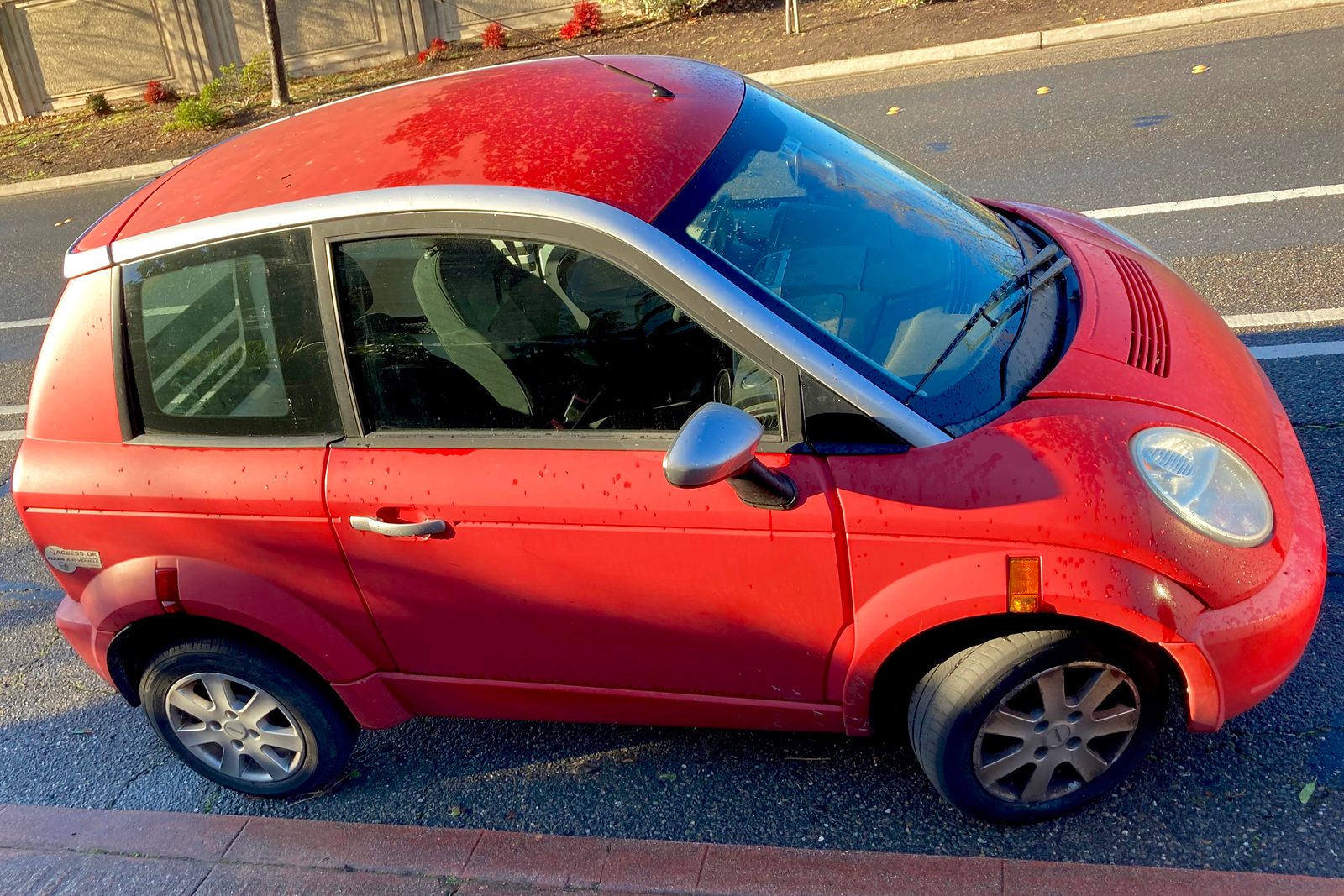
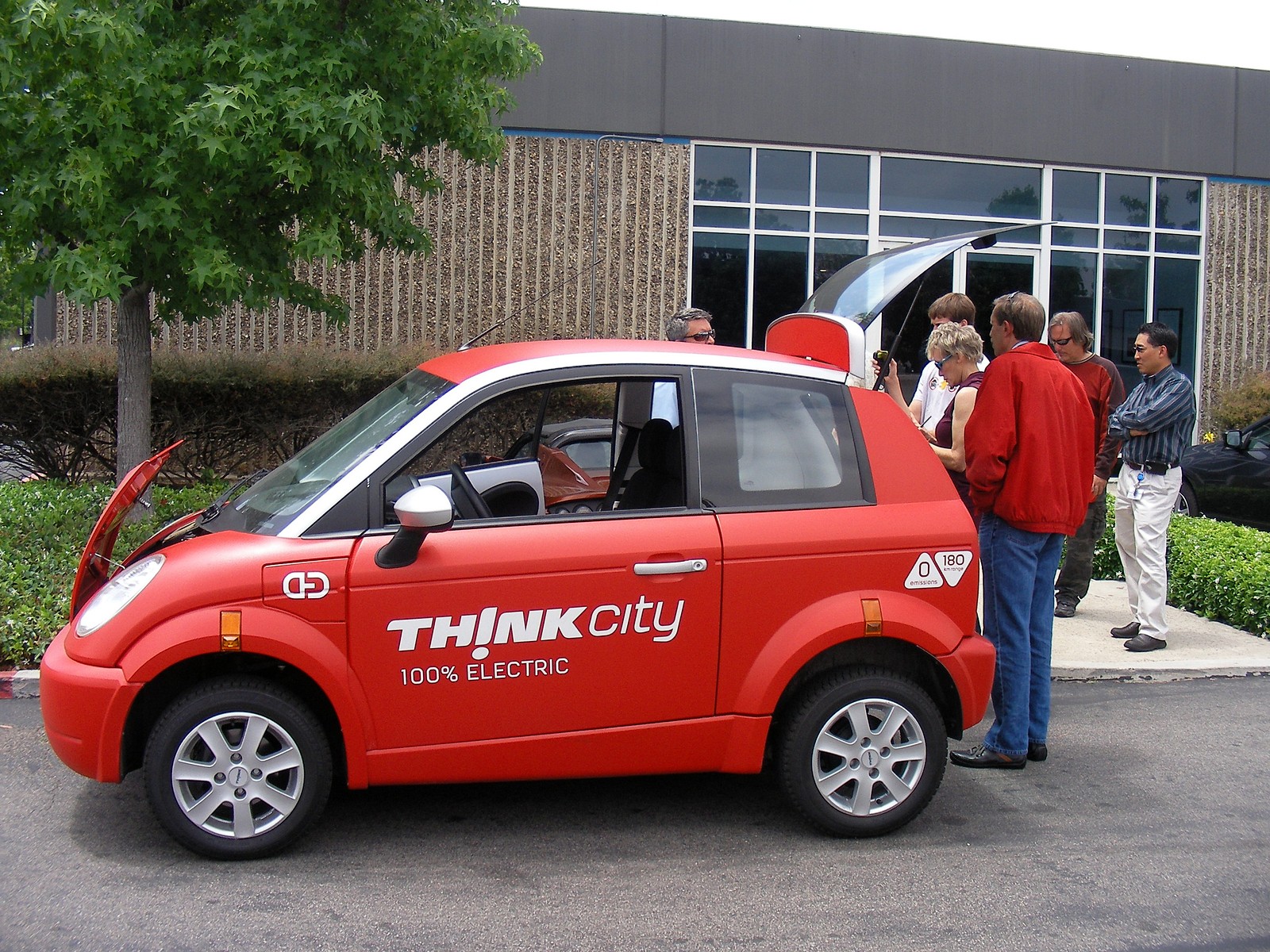
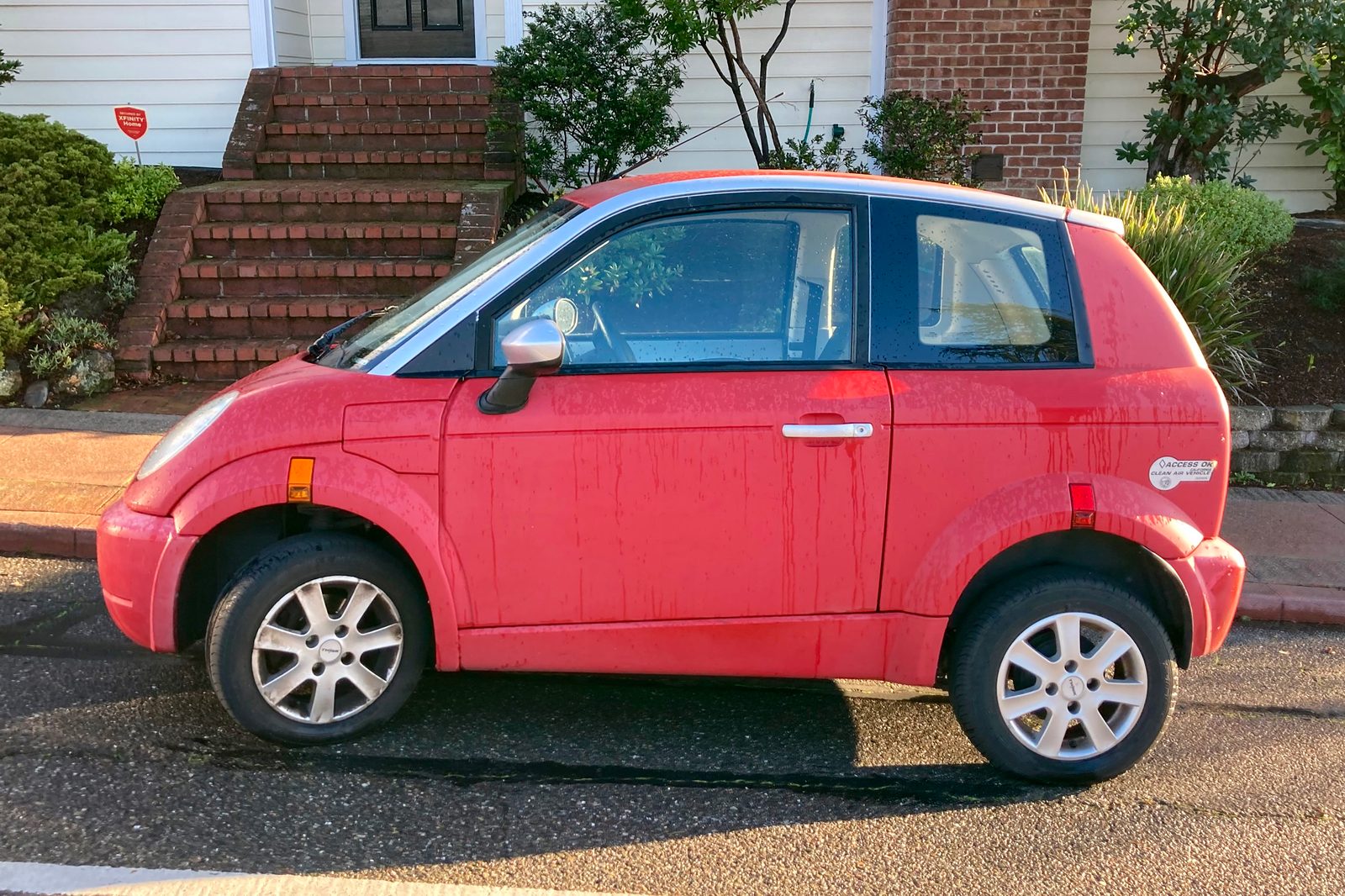
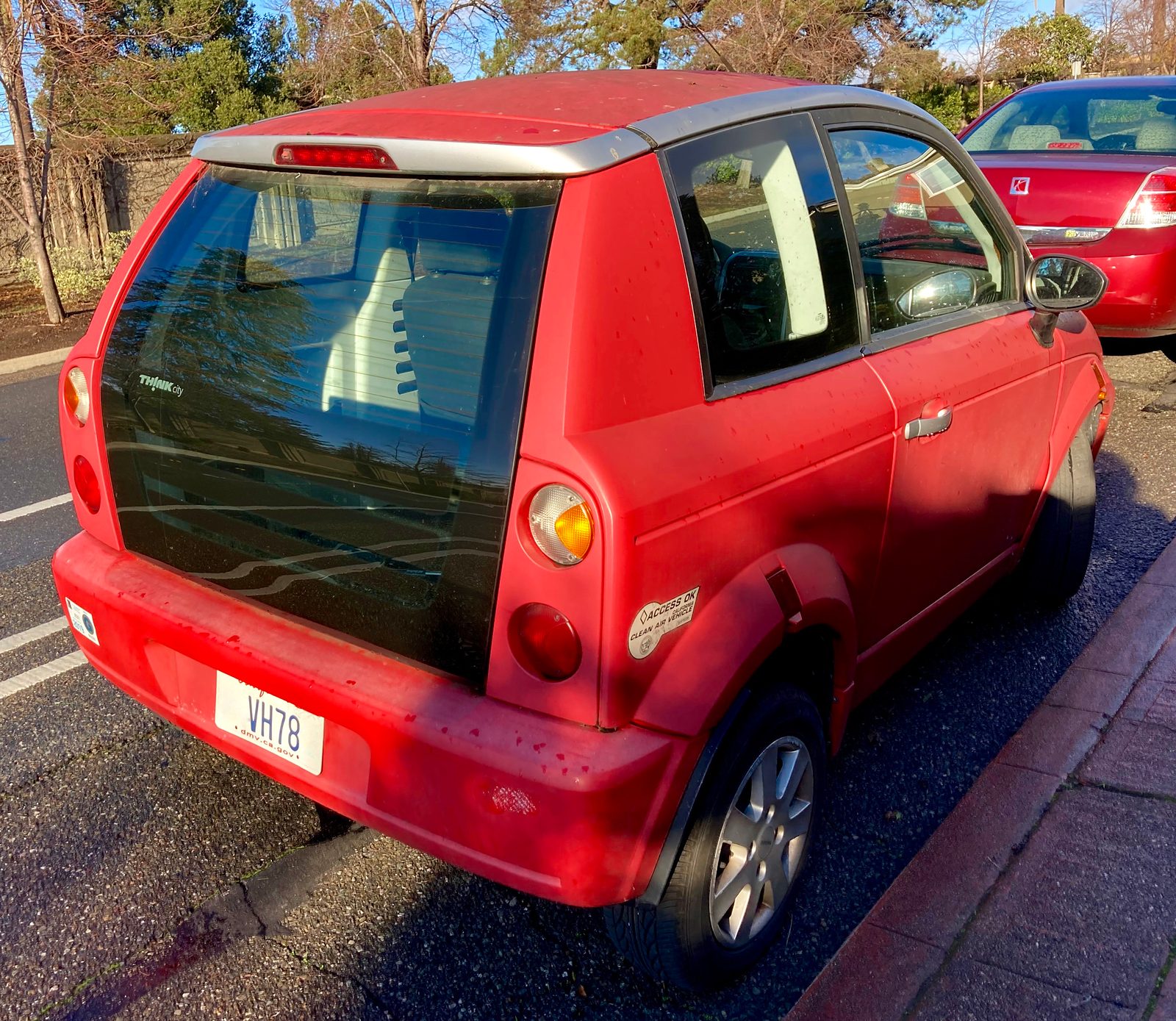
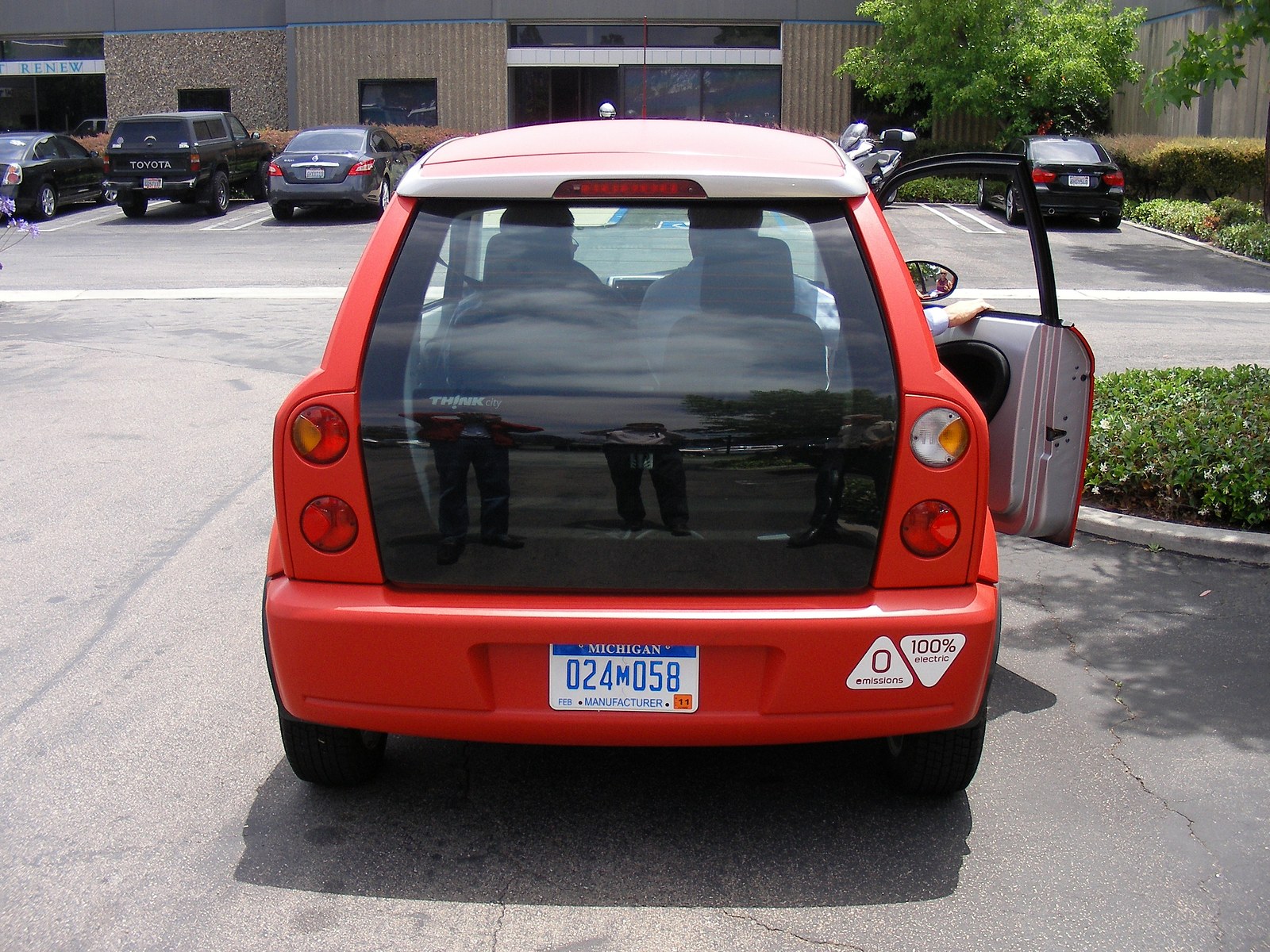
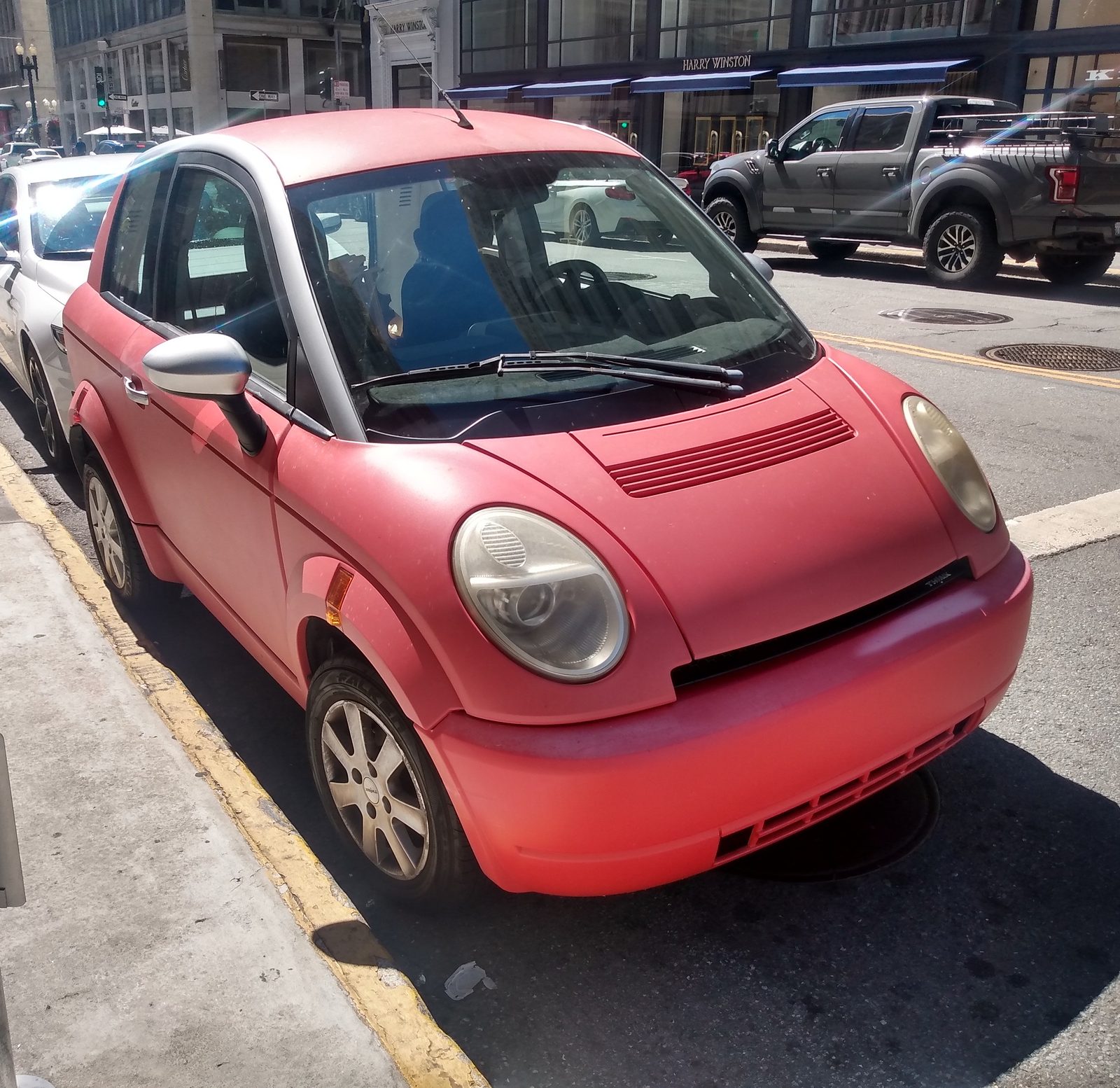
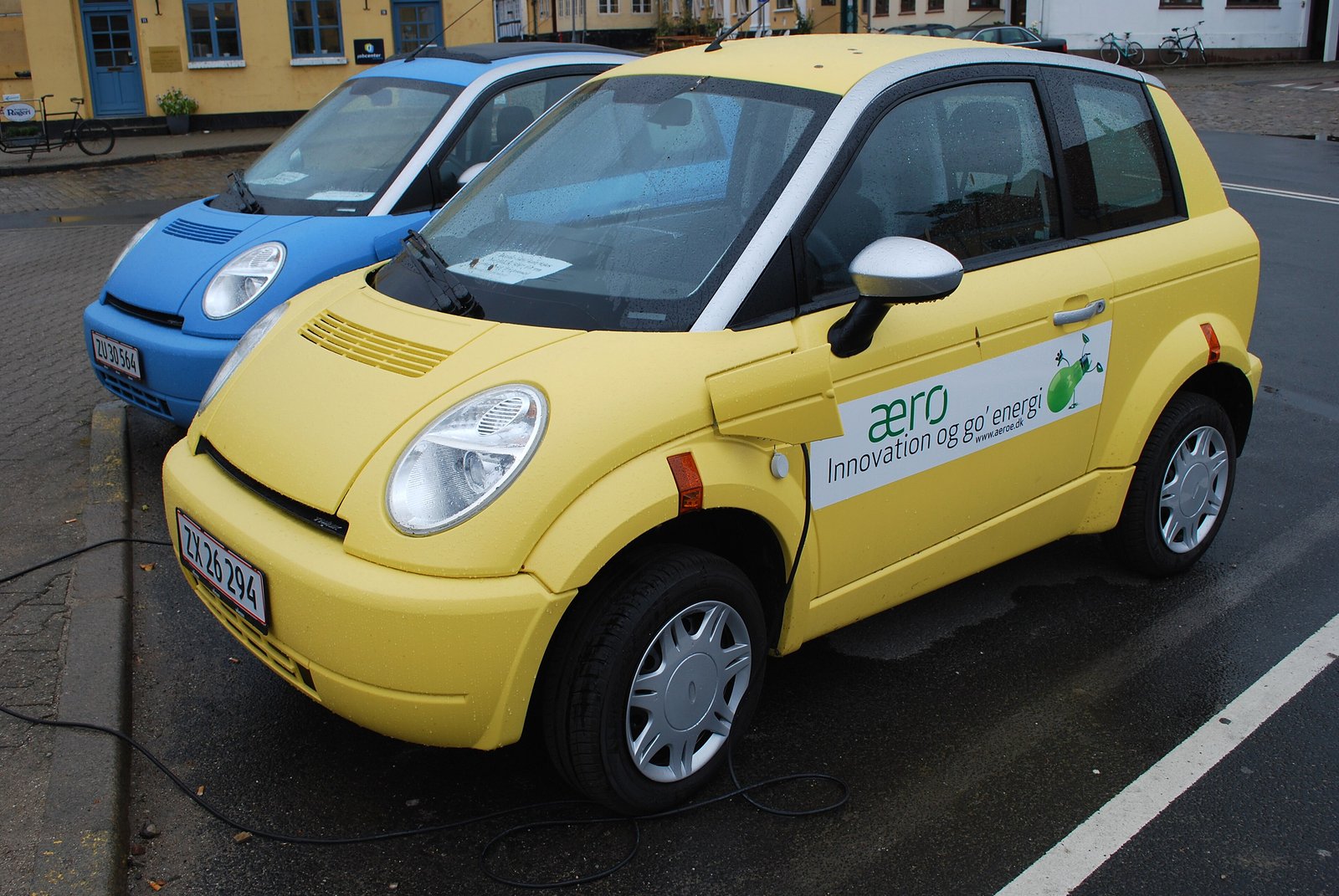
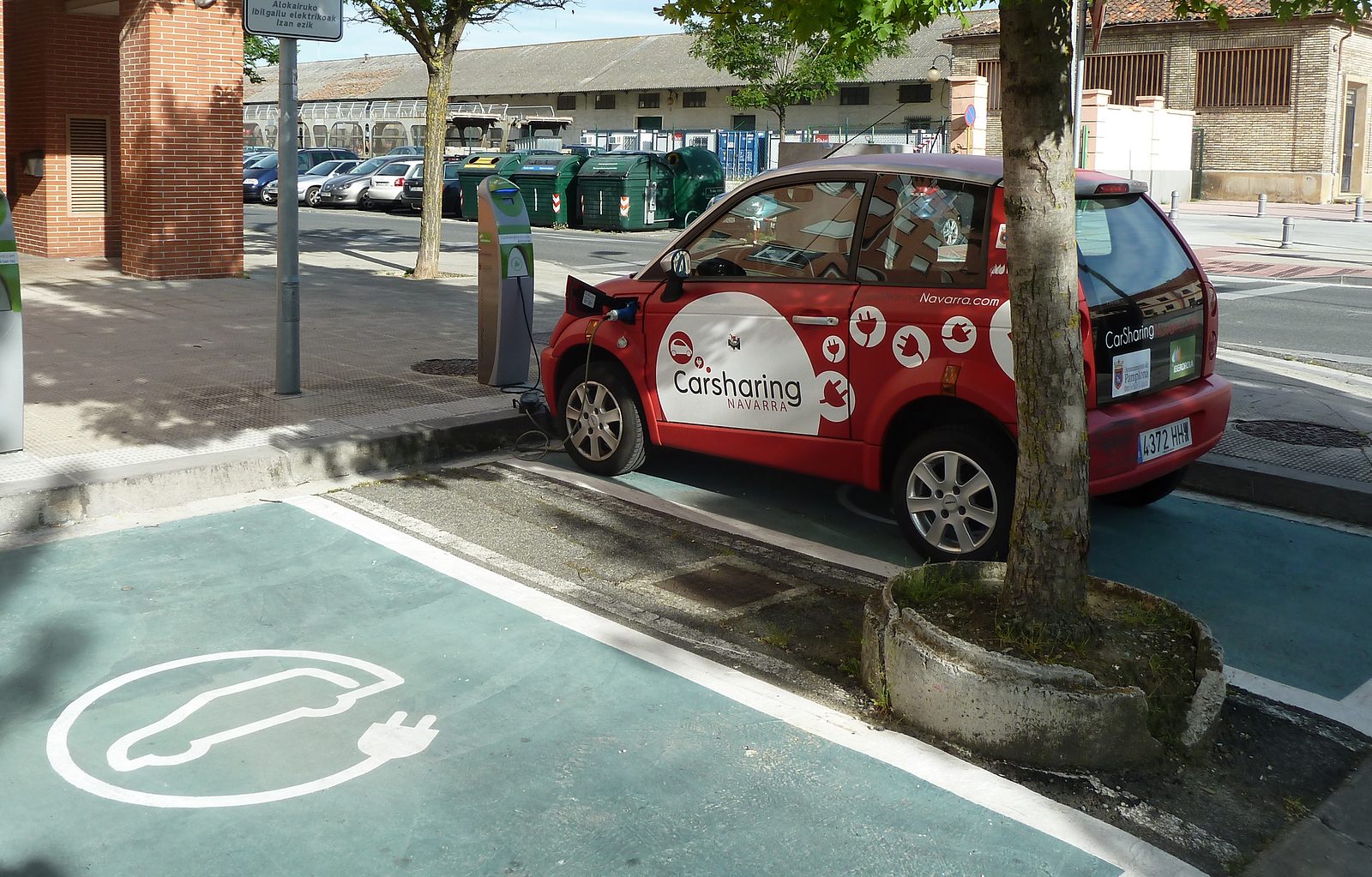
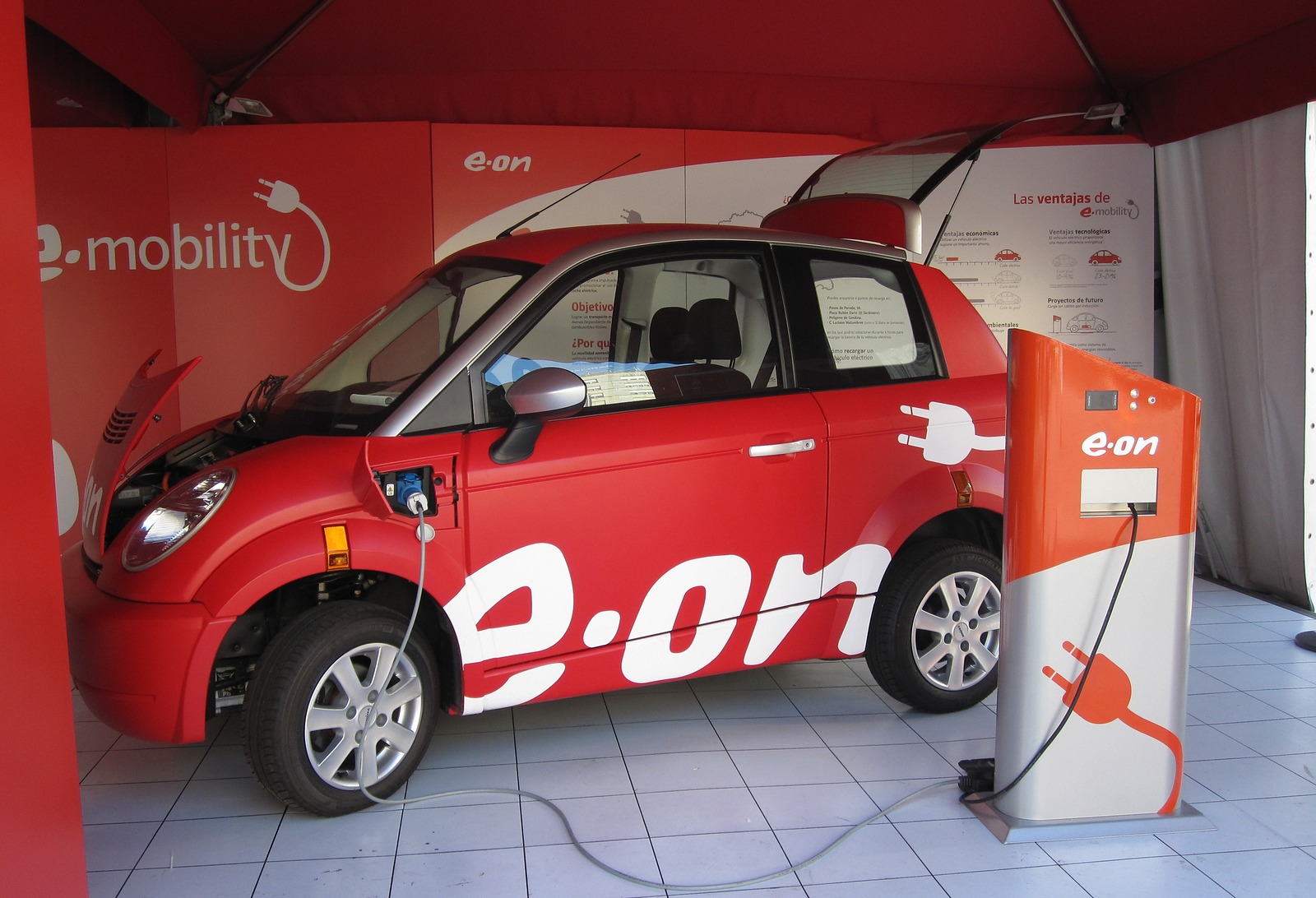
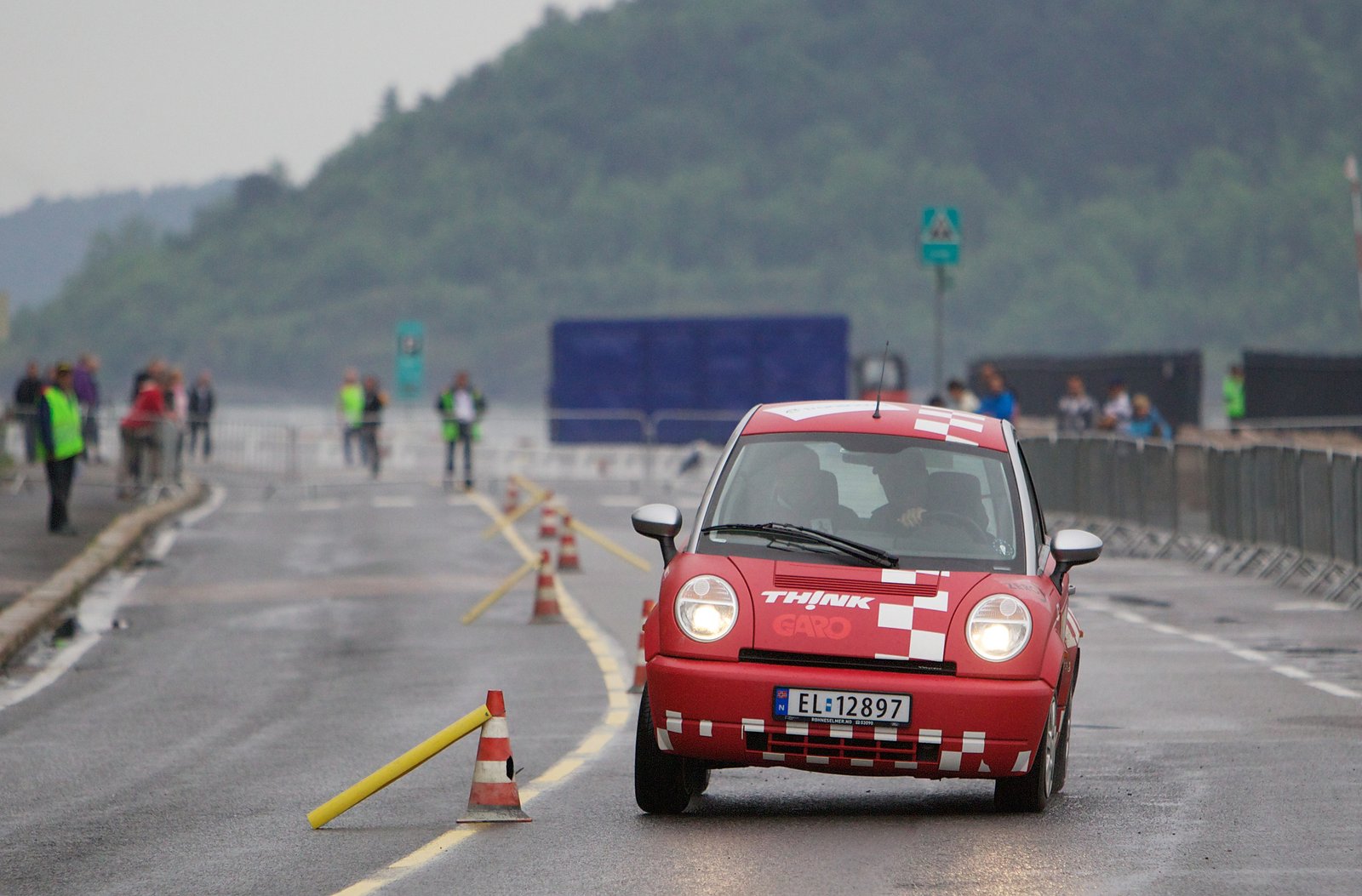
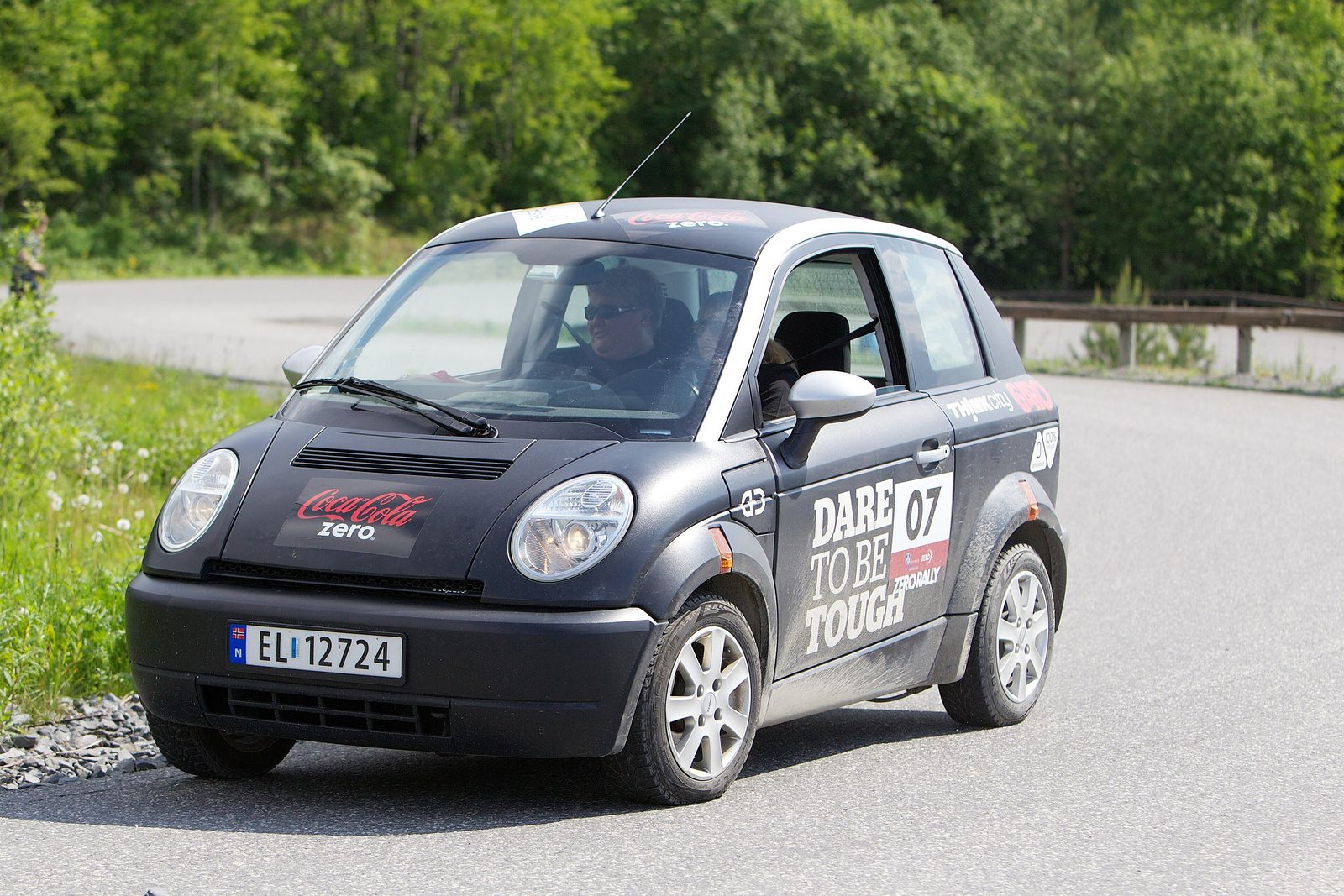
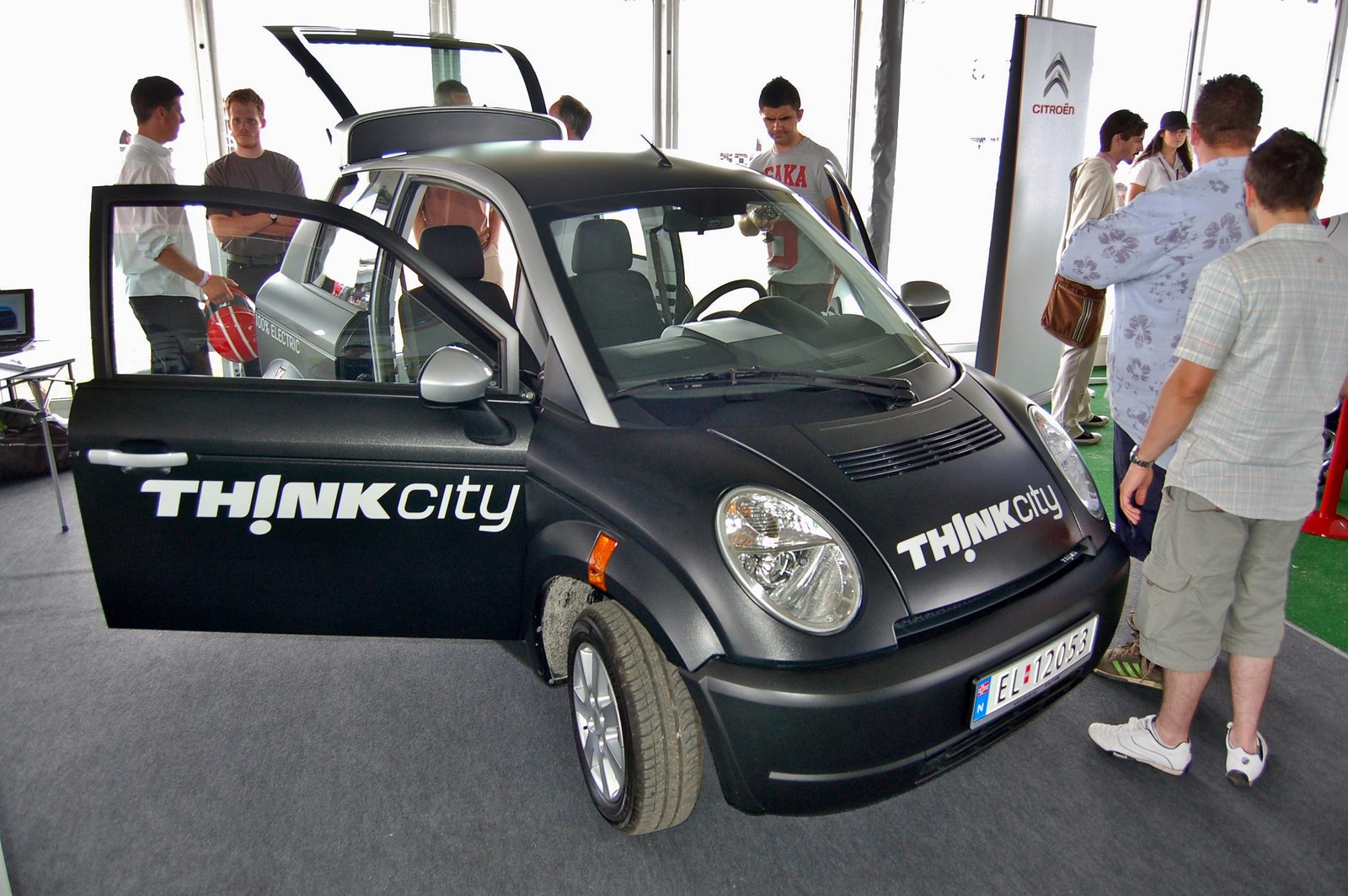
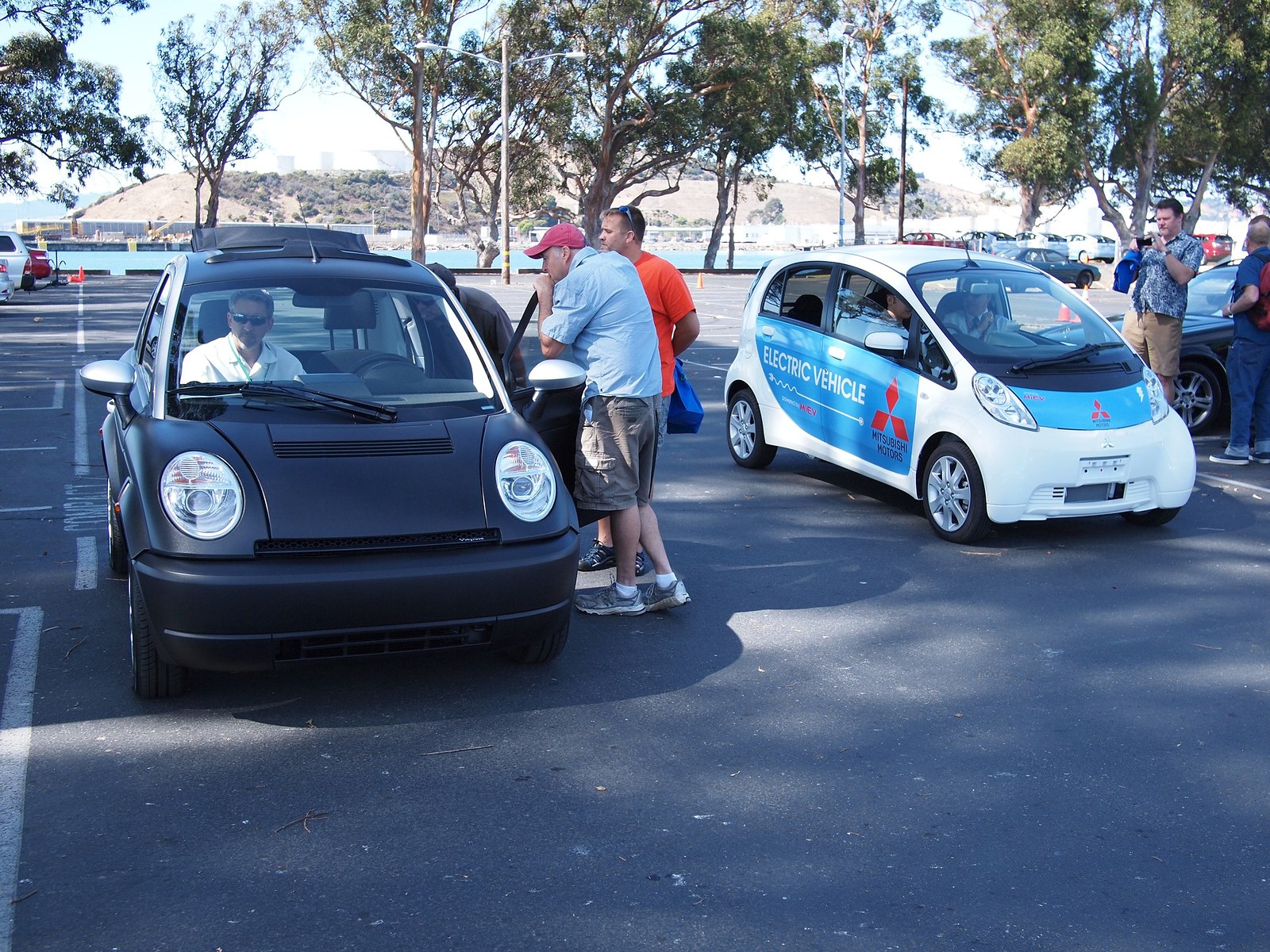
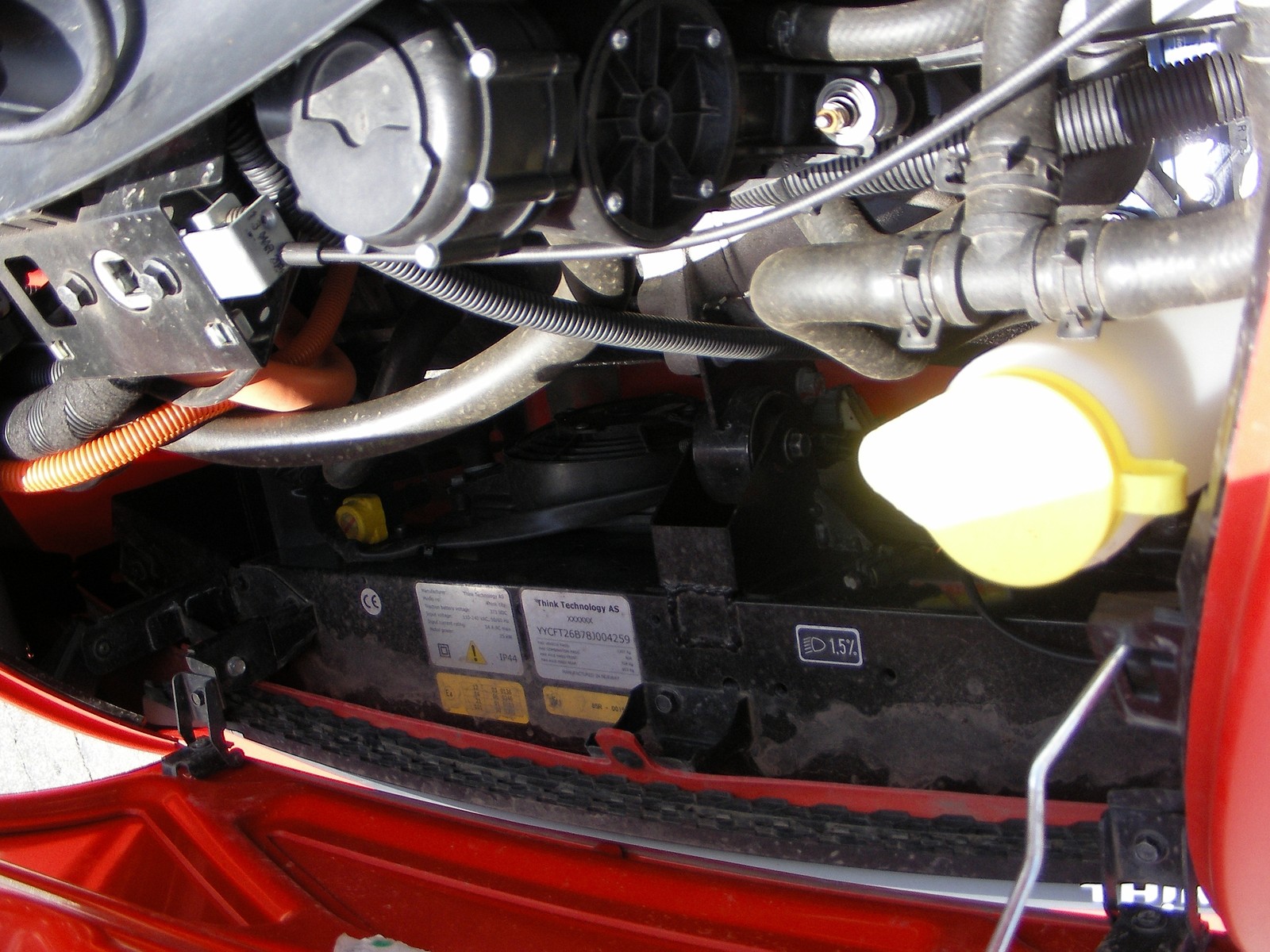
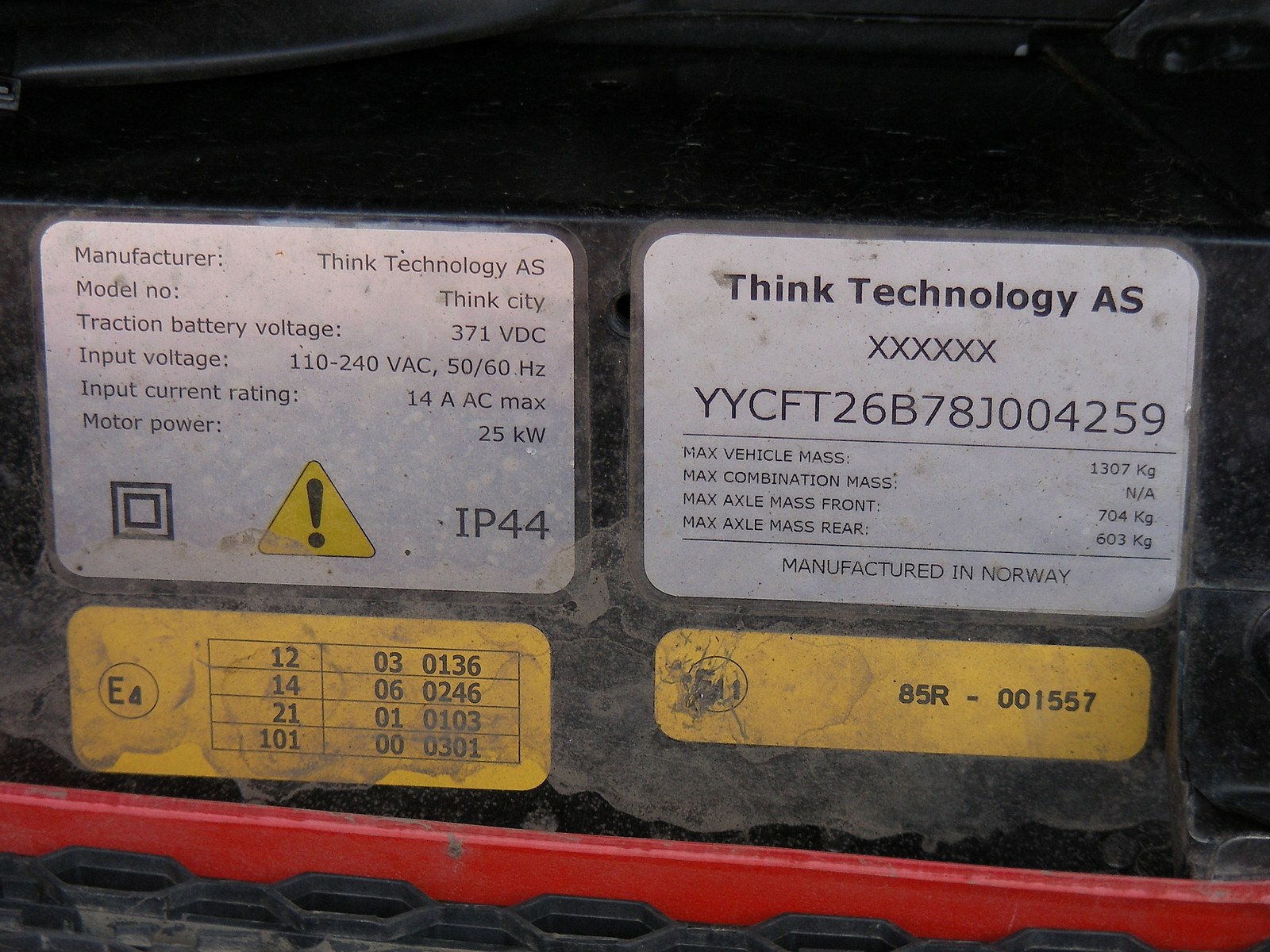
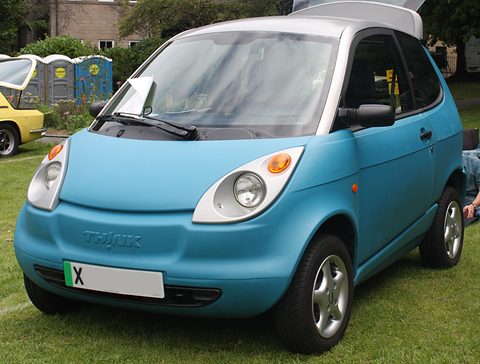
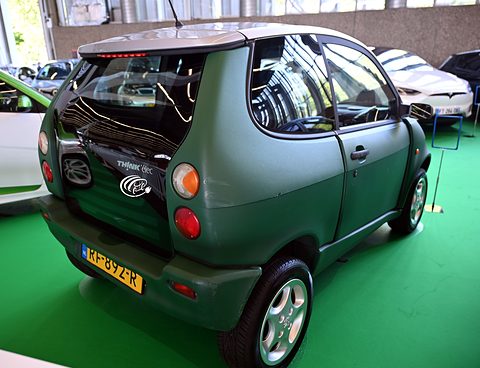
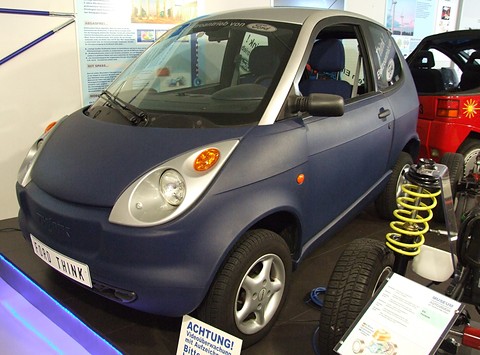
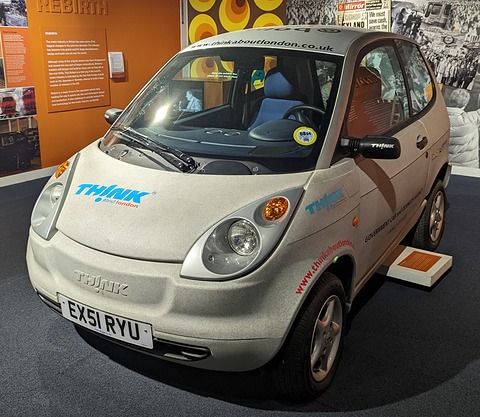
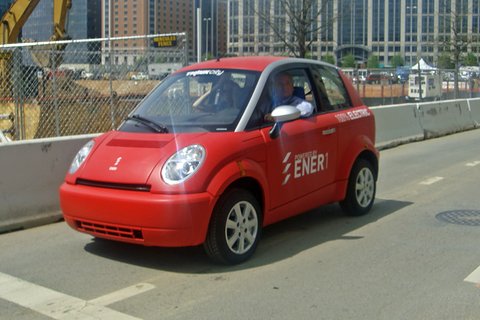
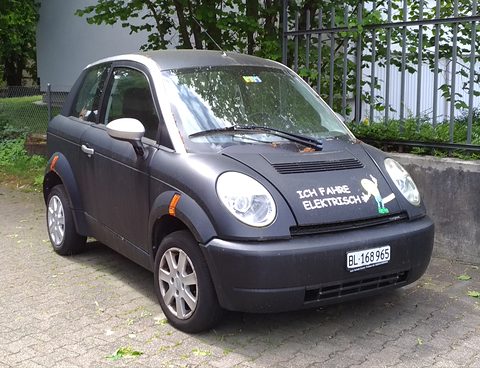
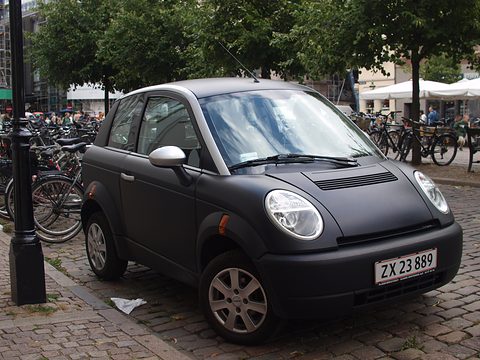
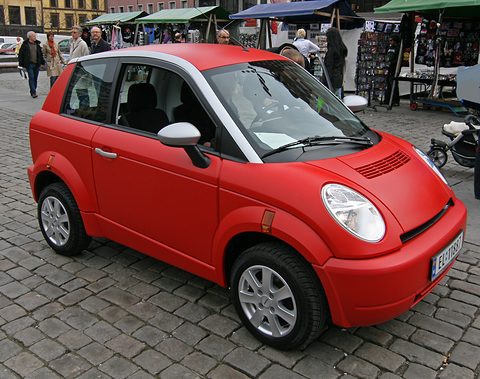
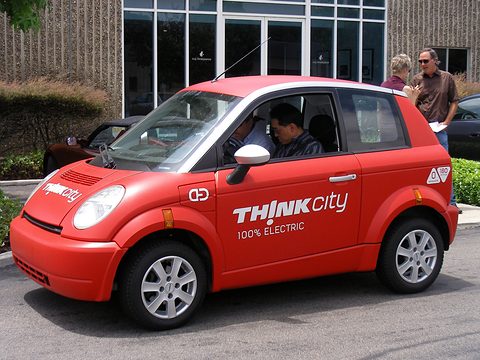
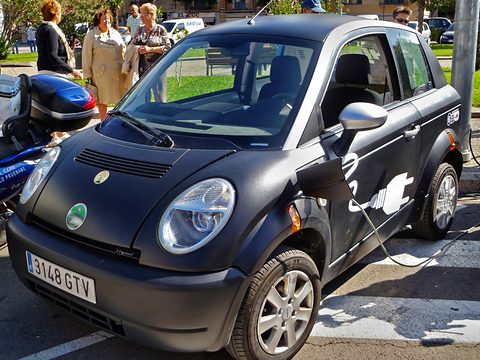
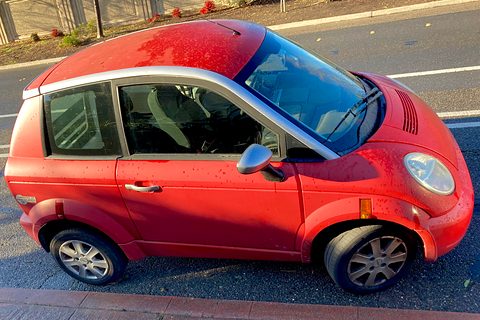
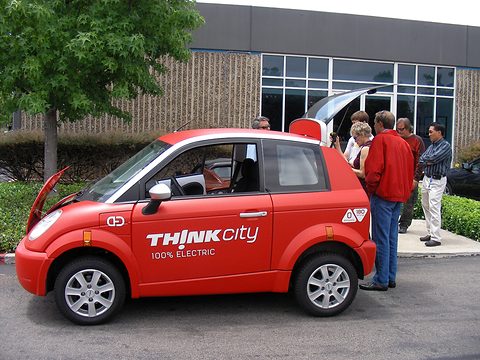
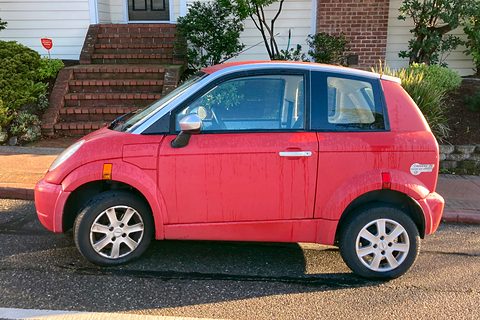
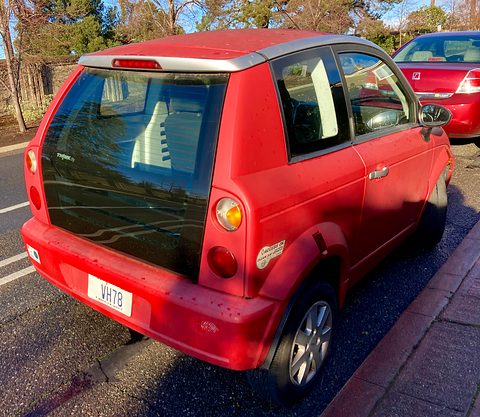
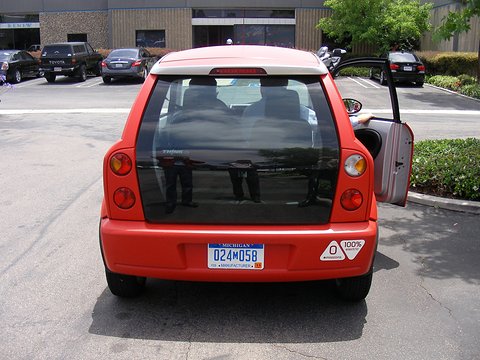
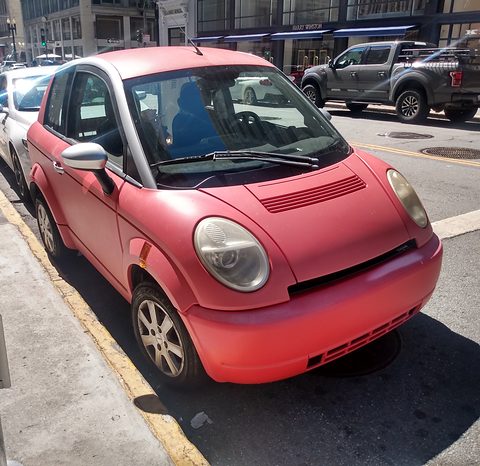
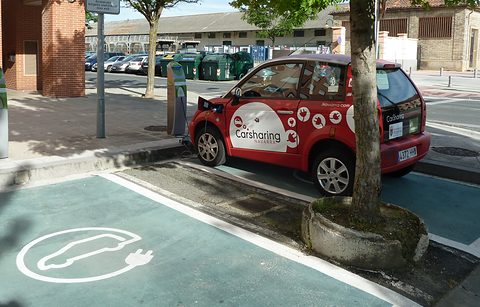
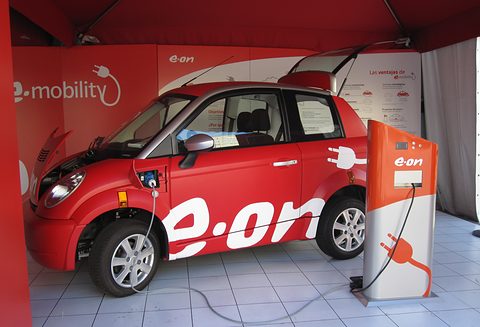
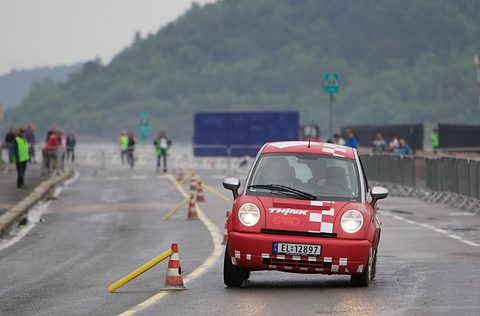
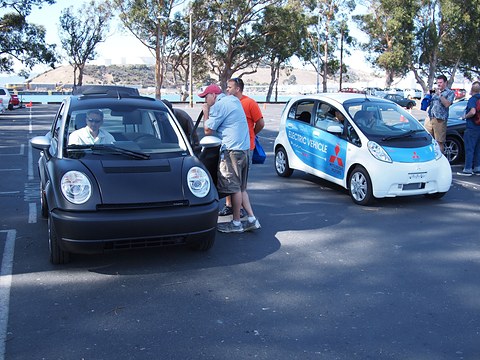
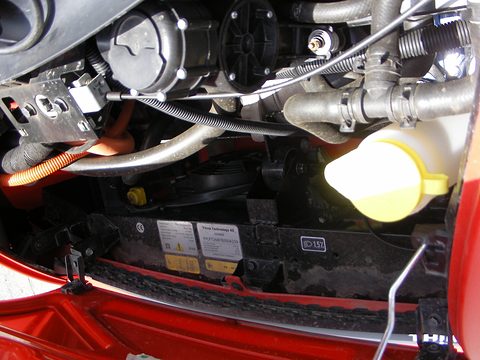
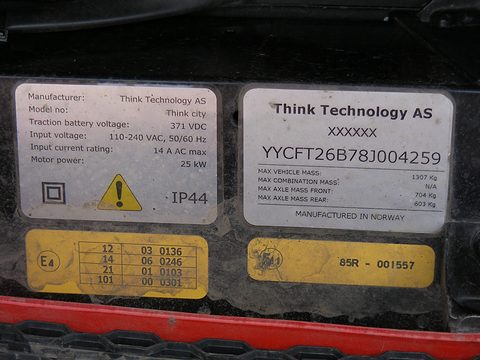
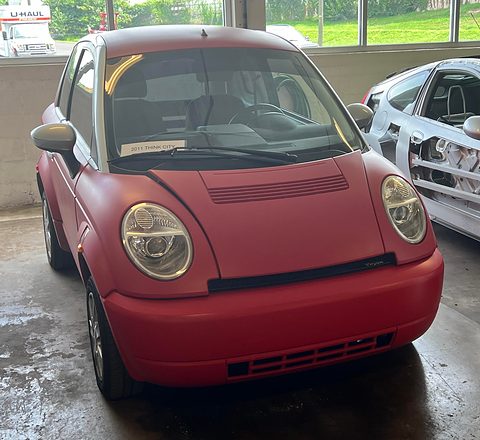
Ford bought the company in 1999, to meet California’s coming zero-emission mandate; English Wikipedia’s company history mentions an earlier stake of 51 per cent.source 2source 1 It sold the car as the TH!NK City, beside TH!NK electric bicycles and the TH!NK Neighbor, a low-speed vehicle of the kind the GEM was built for.source 1 From November 1999 to March 2002, 1,005 TH!NK Citys, type A266, were built at Aurskog and sold in 14 countries.source 3source 2source 1 The batteries were 19 water-cooled nickel-cadmium modules, good for about 85 km (53 miles) on a modified ECE 101 cycle, and the car weighed about 940 kg (2,072 lb).source 3source 1 Its top speed was 90 km/h (56 mph) by one Wikipedia, 100 km/h by the other.source 1source 3 It was one of the first production electric cars of the modern era, and it belongs to the story of the electric microcars.
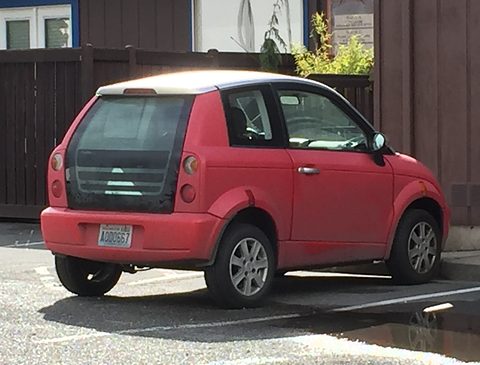
From late 2001 to April 2005 Ford ran the cars in a North American demonstration: 192 in California, some with Hertz, 109 in New York, 16 in Georgia and 52 in its own operations at Dearborn, with seven more outside the United States, 376 in all.source 1 Federal rules let them stay in the country only for the three years of the trial.source 2 When California softened its mandate, Ford gave up, and on 31 January 2003 sold the business to KamKorp, Kamal Siddiqi’s company.source 1
The end of the leases in 2004–05 brought the episode the car is remembered for. Ford planned to crush the American cars; Greenpeace protested, on the roof of Ford’s office in Norway among other places, and the company’s history says Ford shipped them to Norway instead.source 1 The article on the car tells it differently: about half scrapped and half exported.source 2 In Norway a used TH!NK was worth having, because electric cars there paid no taxes or road tolls, parked free and could use the bus lanes.source 1
Think Global
The company went into receivership in February 2006, and in March the Norwegian InSpire group of Jan Otto Ringdal and Jan-Olaf Willums bought it and renamed it Think Global. Tesla agreed in May 2007 to supply battery systems worth US$43 million, then withdrew on 2 November; assembly started again late that month.source 1 In March 2008 General Electric invested US$4 million and joined A123 Systems as a partner.source 1
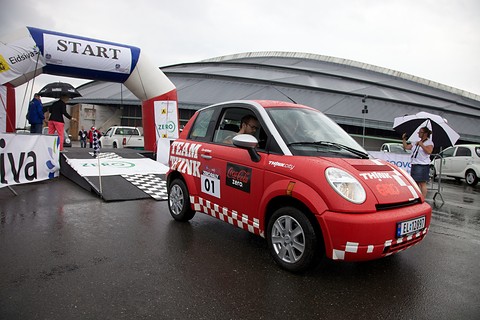
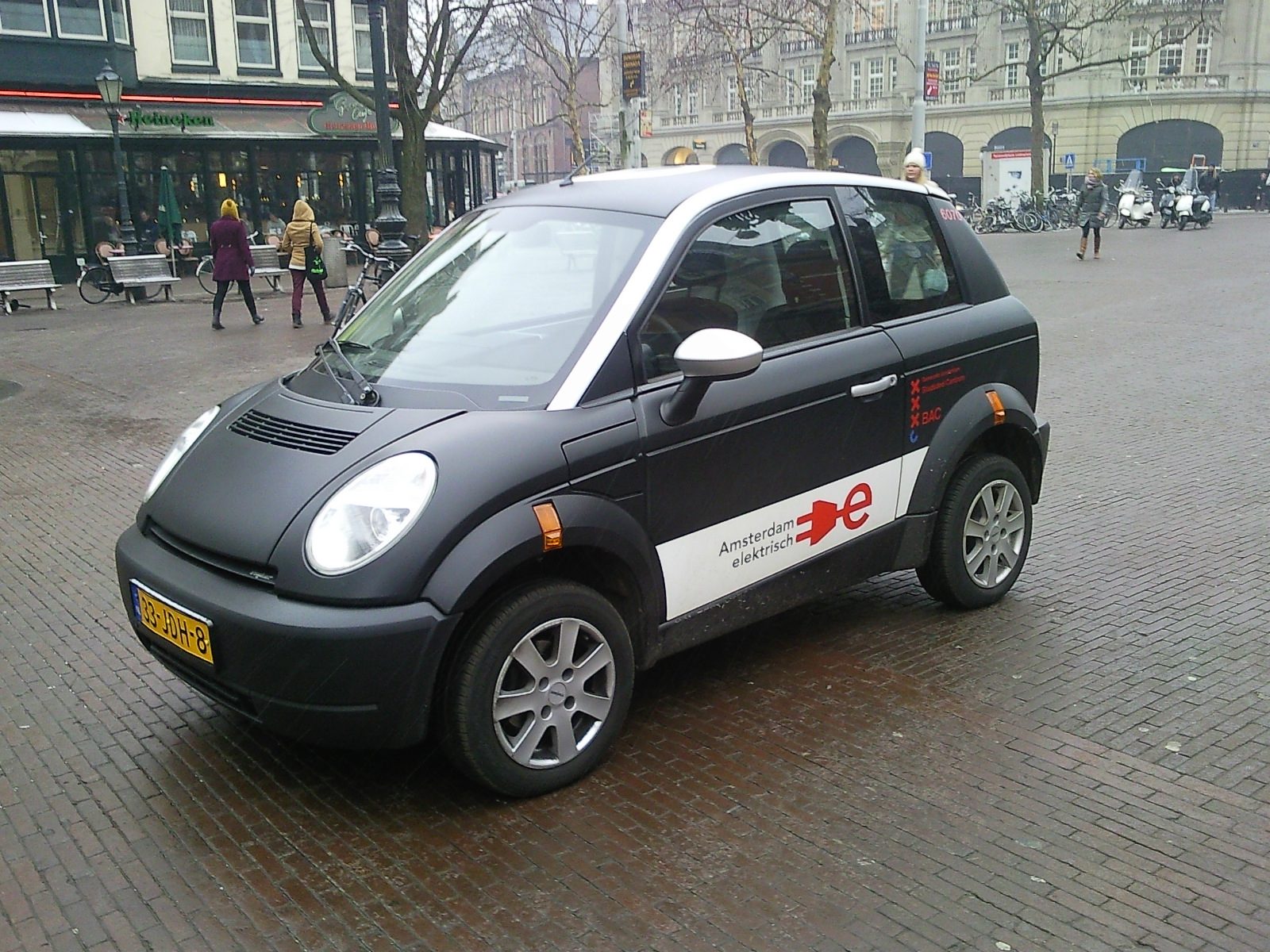
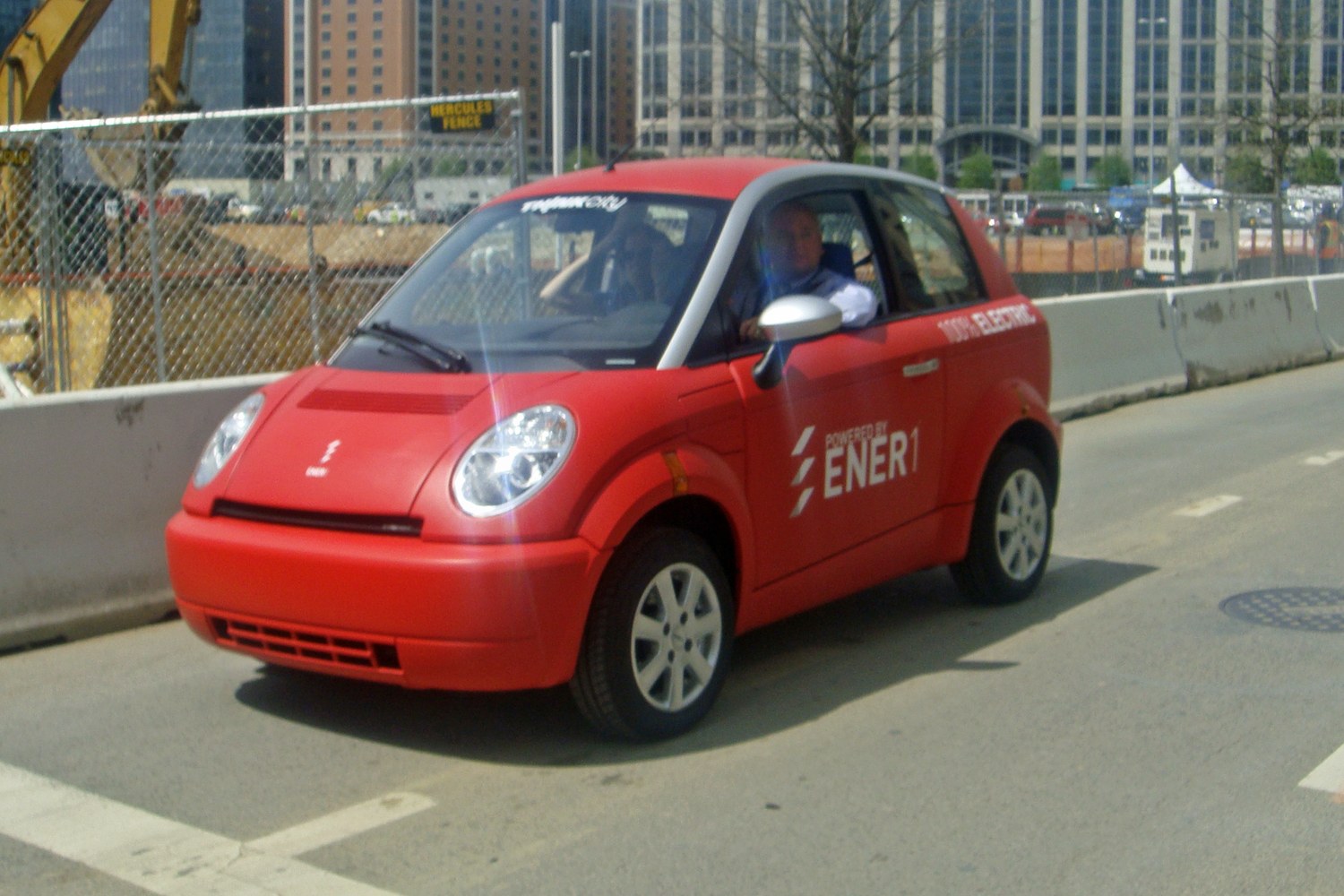
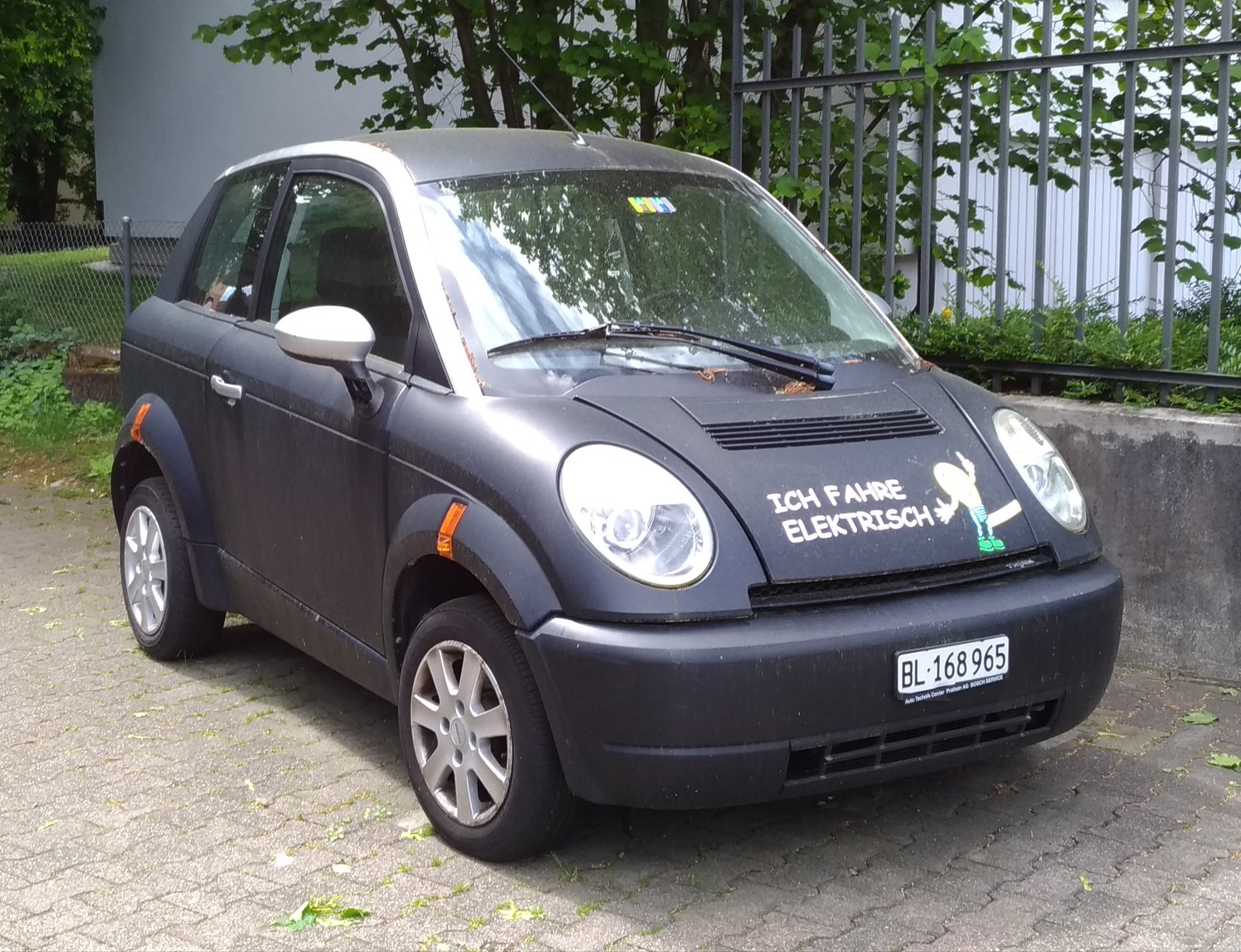
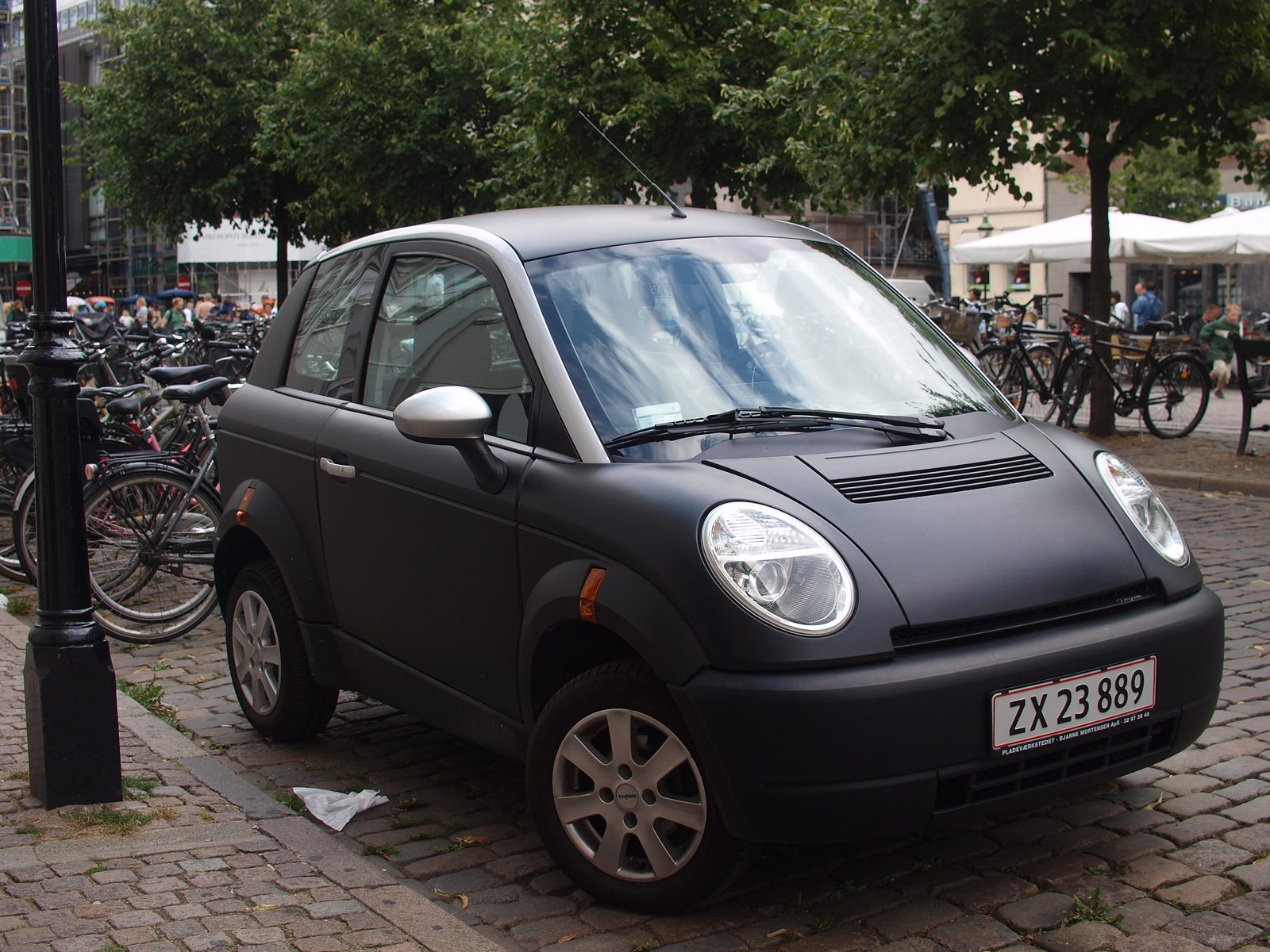
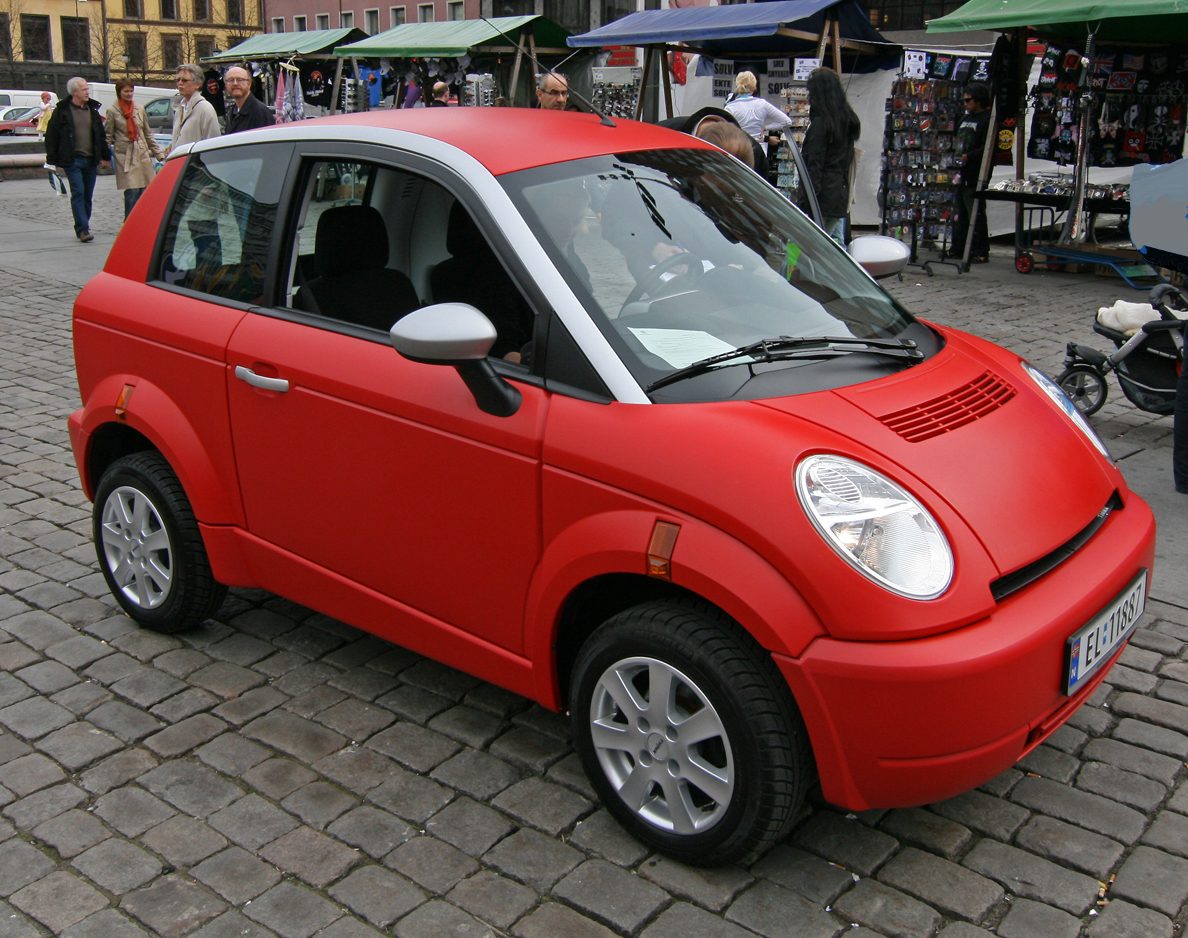
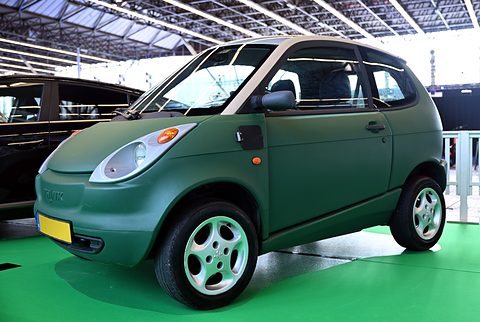
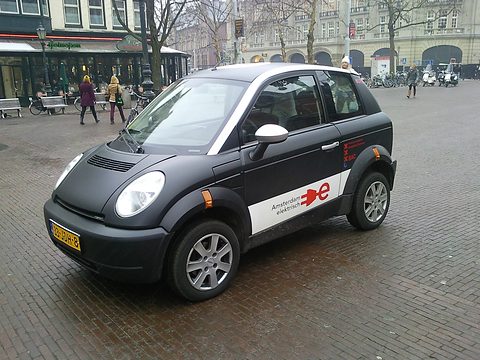
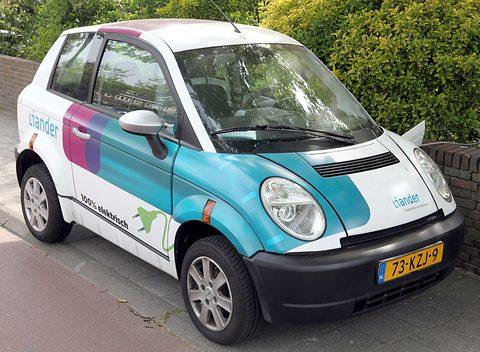
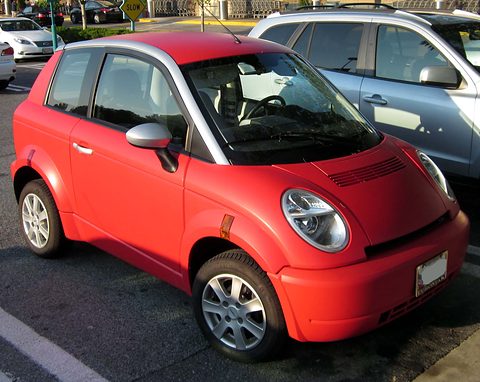
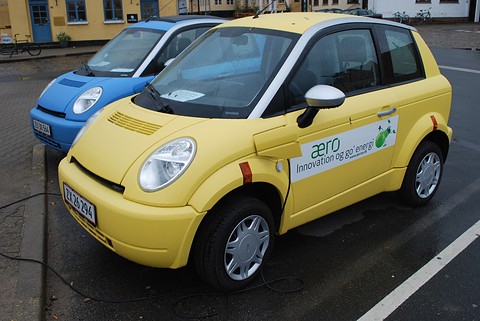
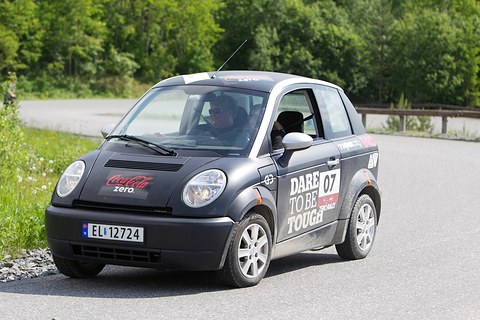
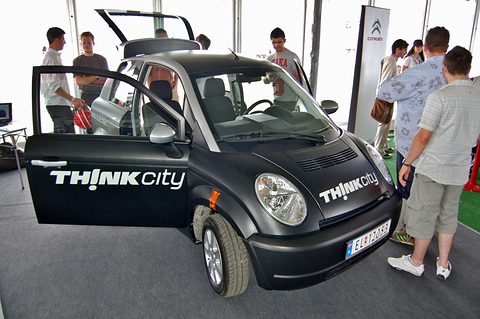
The new car, the A306, was certified for the highway, with a 34 kW motor; it reached 110 km/h (68 mph), and a 24 kWh Zebra sodium–nickel chloride battery or lithium-ion cells from EnerDel or A123 took it about 160 km (99 miles) between charges.source 2source 4 By early 2011, English Wikipedia says, it was one of only five crash-tested, mass-produced electric cars certified for the highway anywhere in the world.source 2 About 100 had been built for Norway by August 2008, and the British Prime Minister, Gordon Brown, came to Think’s presentation at that summer’s British Motor Show.source 2 On 15 December 2008 production stopped and half the staff were laid off, the company citing financial distress.source 2
It started again on 10 December 2009 at Valmet Automotive in Uusikaupunki, Finland, and by October 2010 the second generation had reached 2,500.source 2source 1source 4 On 24 November 2010 Think North America began building at Elkhart, Indiana, with bodies and chassis from Finland and EnerDel batteries from Indianapolis; the first 100 cost $41,695 each and went mostly to fleets in Indiana.source 2 The Lane Motor Museum notes power windows, power steering, a stereo and air conditioning, and interior parts from the Ford Focus to save cost.source 4 Finland stopped building in March 2011, and on 22 June Think went bankrupt for the fourth time in 20 years. Electric Mobility Solutions bought the assets in July and promised a restart in 2012 that never came; the last 150 American cars were sold off at $22,500, and Elkhart built its last car in August 2012.source 2source 1