The story
History
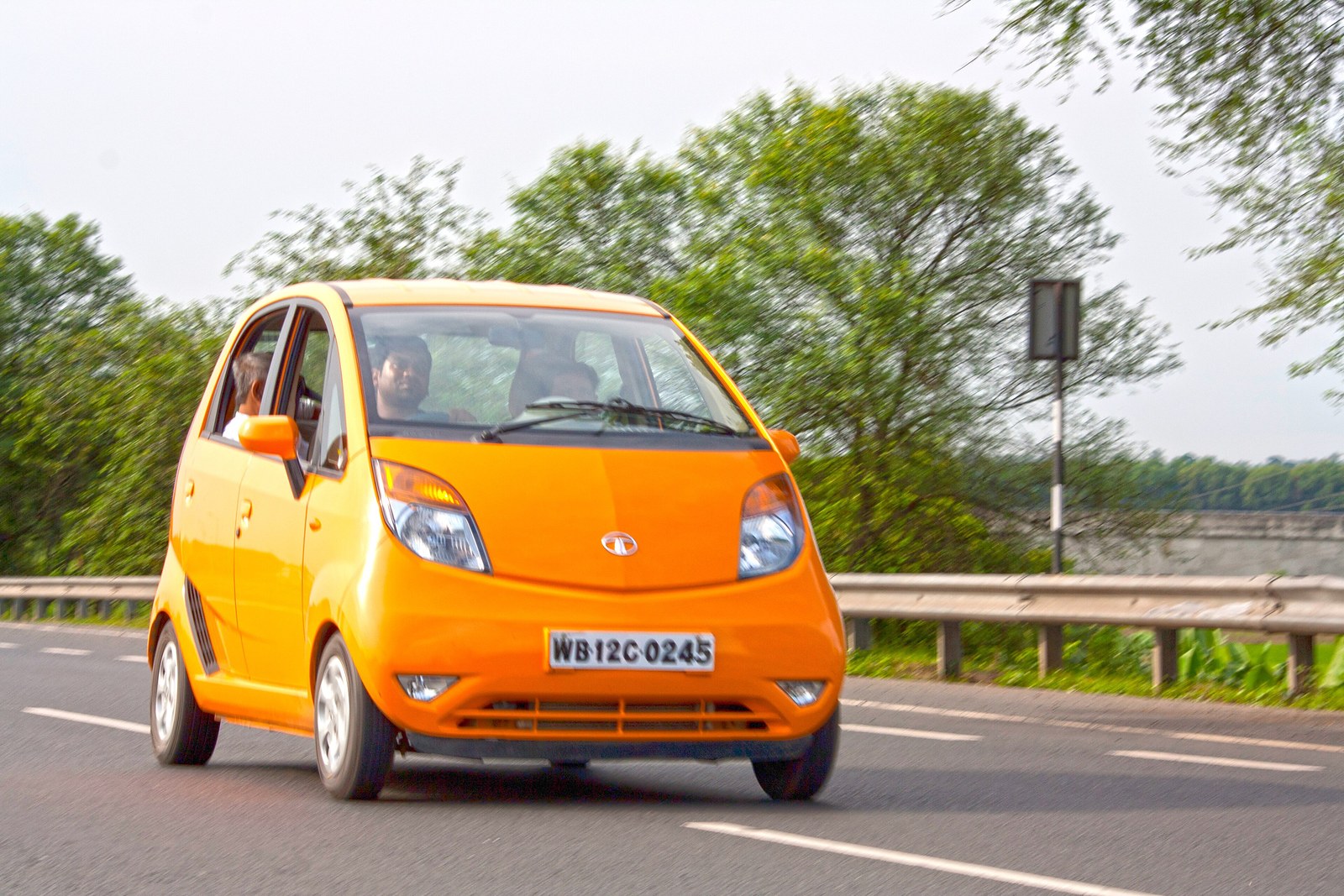
The Nano followed a truck. After Tata Motors launched its low-cost Ace in 2005, it set out to build an affordable car for India’s motorcycle and scooter riders.source 1 Business Today dates the start of the work to 2005, though Ratan Tata spoke at the unveiling of a project begun four years earlier.source 2source 3 English Wikipedia names Girish Wagh as project manager, and Justyn Norek of the I.DE.A Institute in Turin and Pierre Castinel of Tata’s own studio as its designers; the team filed 31 design and 37 technology patents.source 1
The concept started as a social issue and not as a business or philanthropy.
A promise is a promise
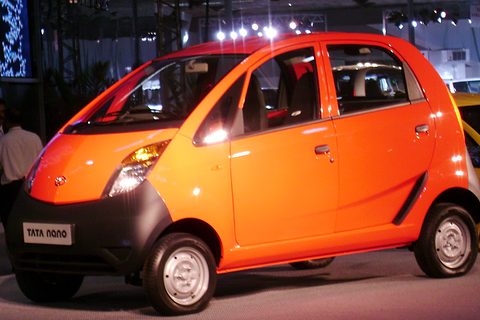
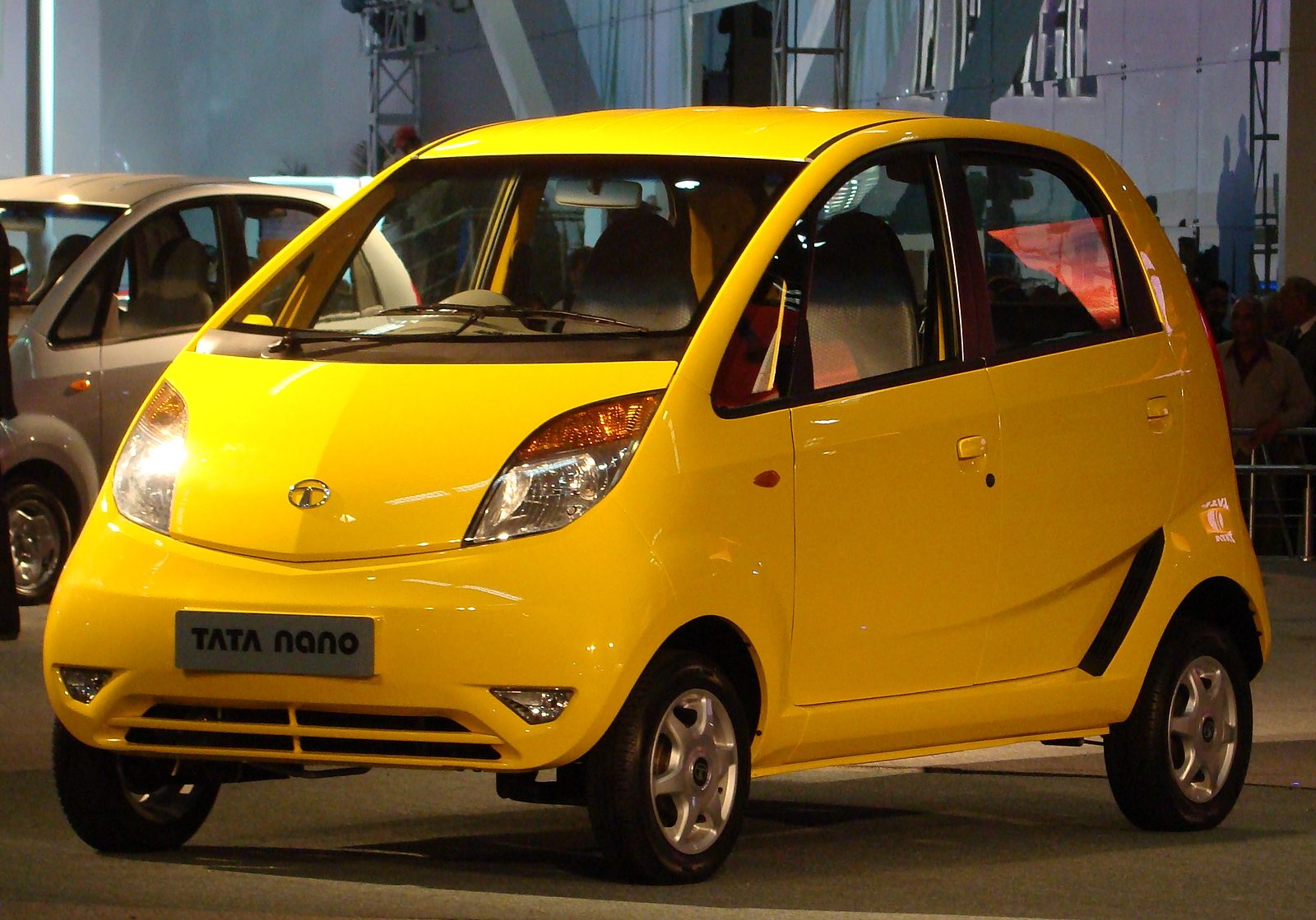
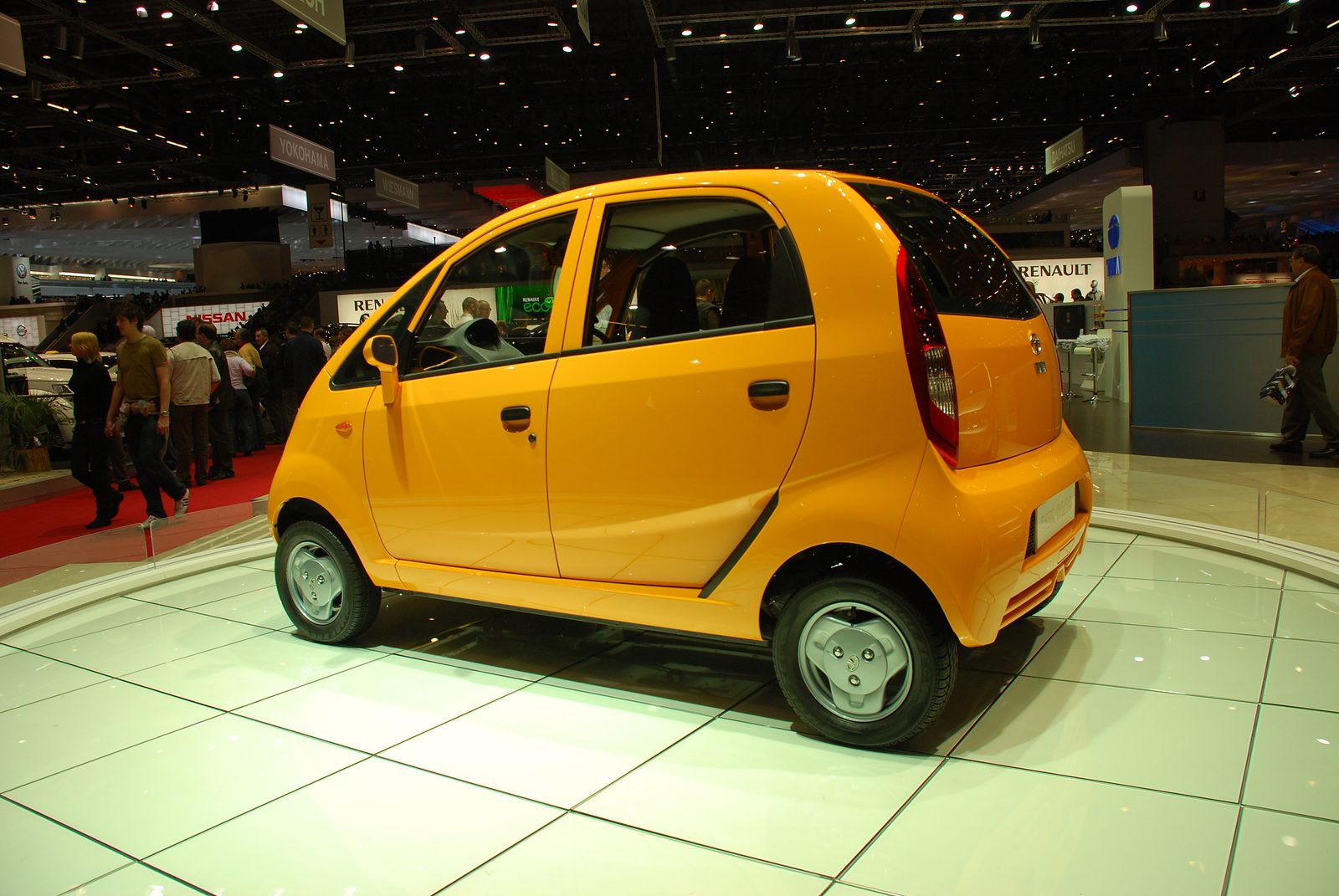
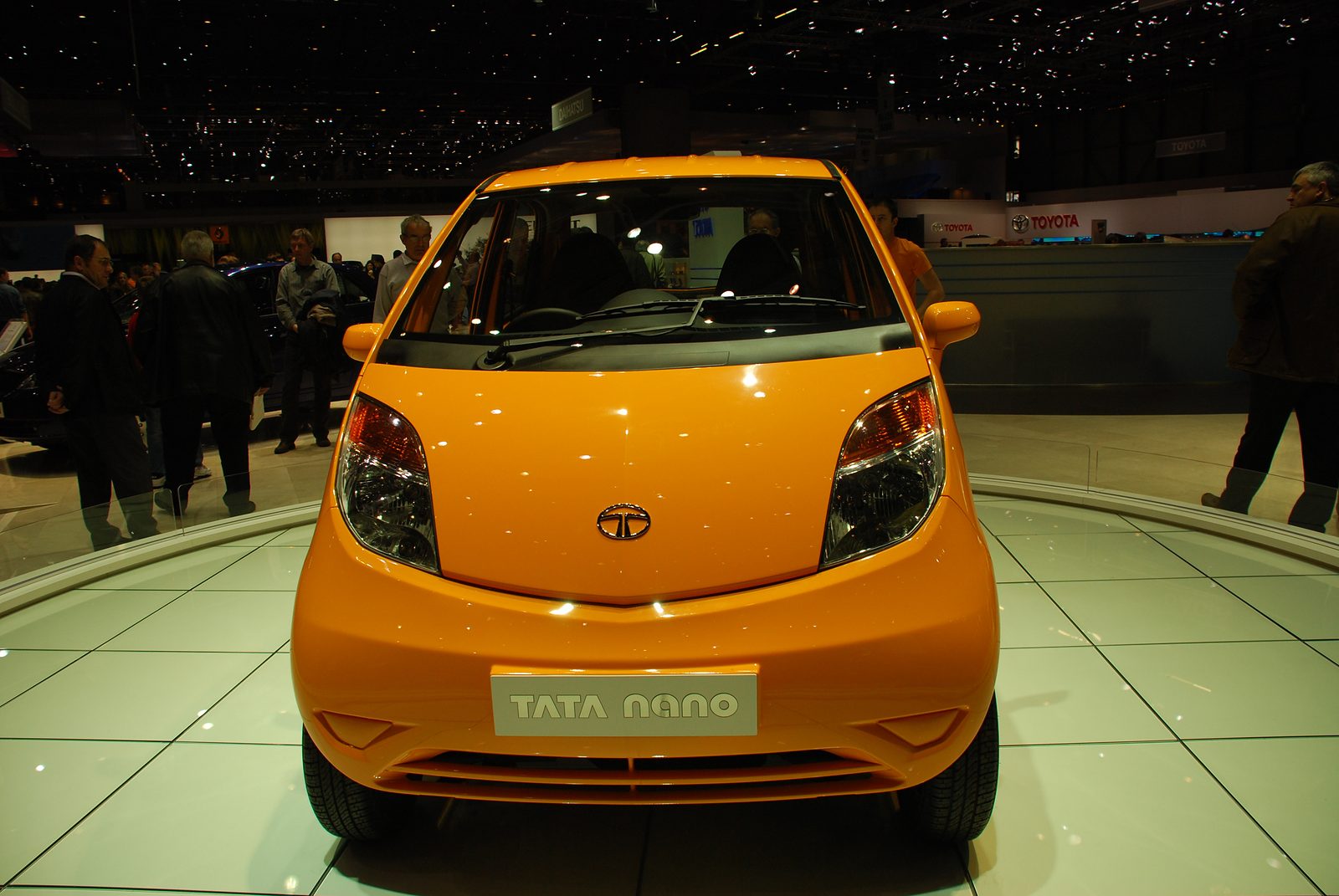
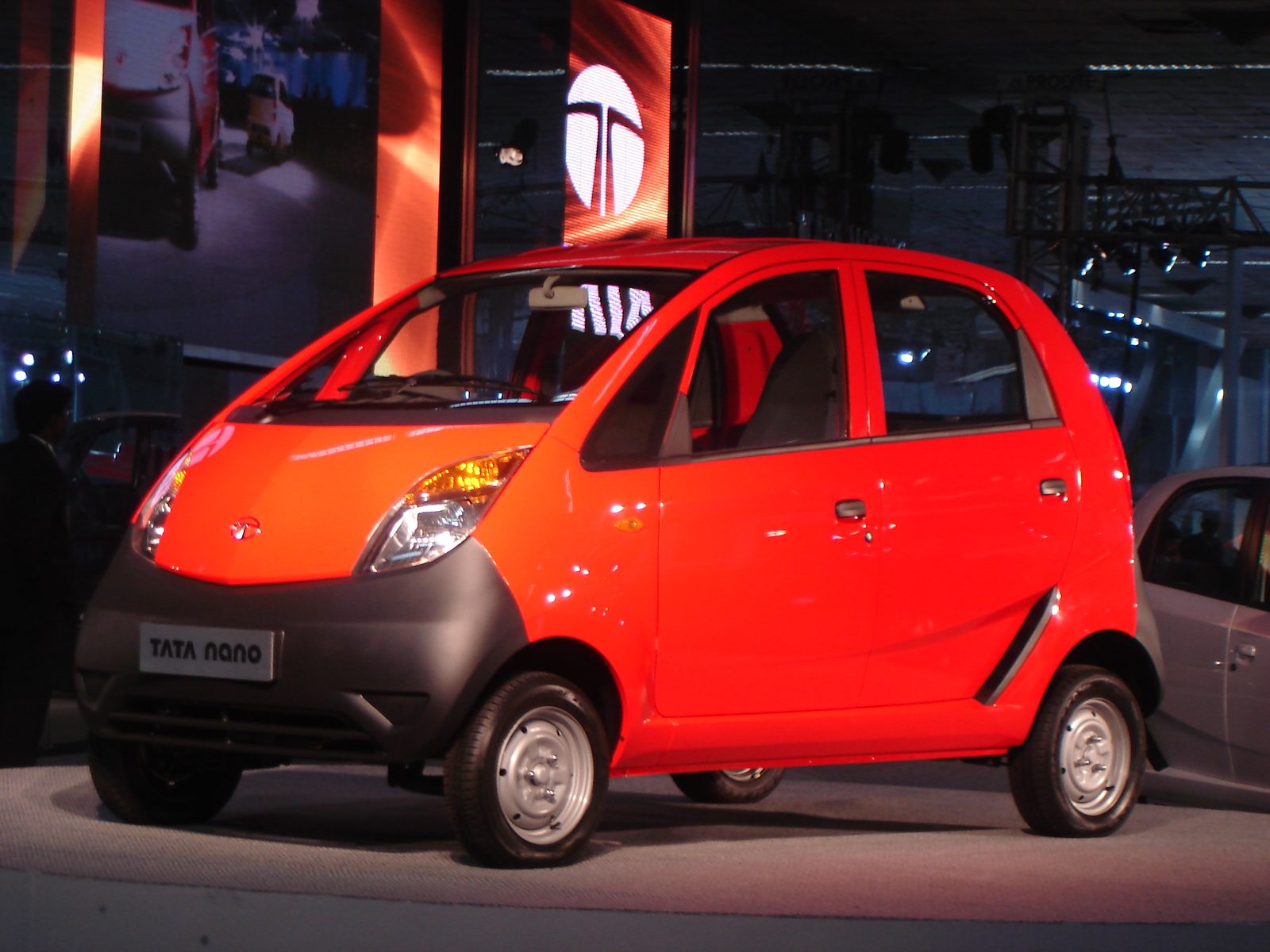
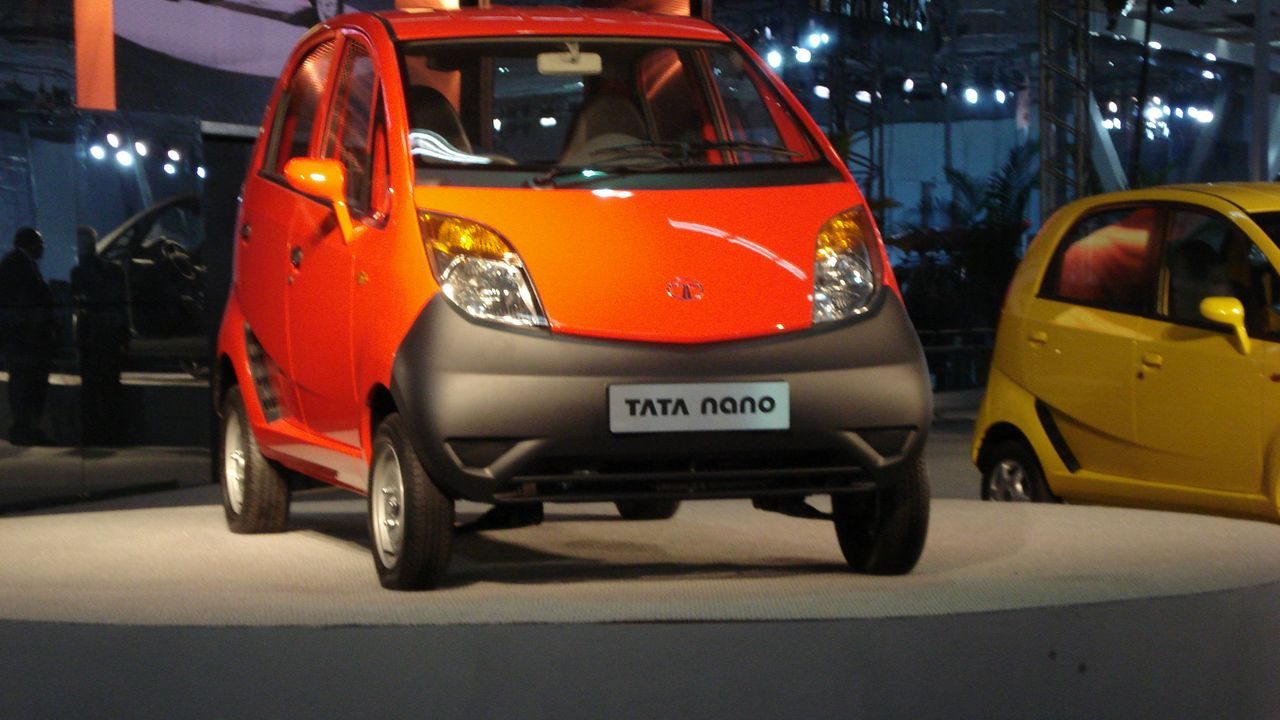
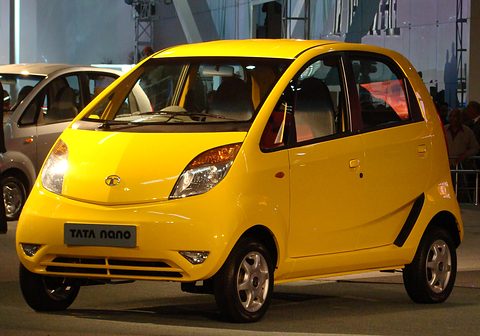
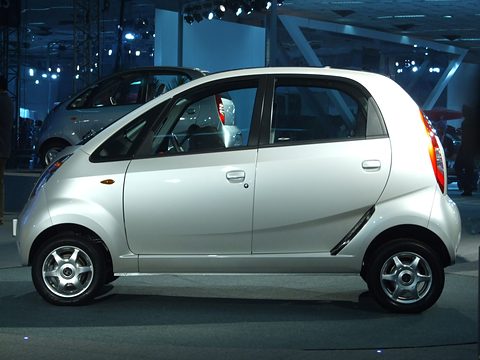
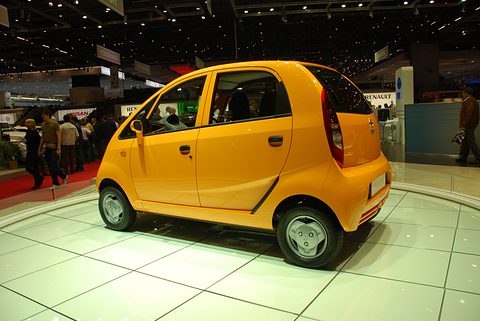
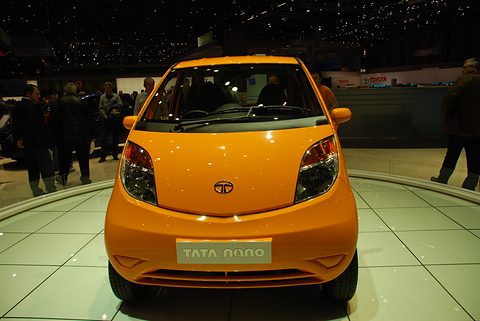
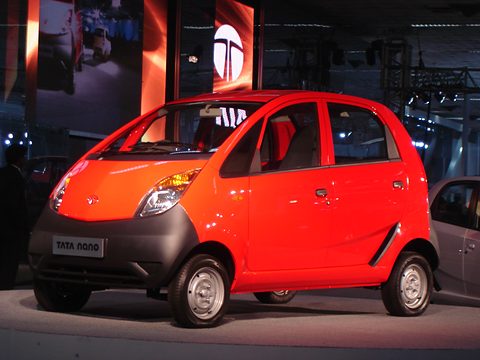
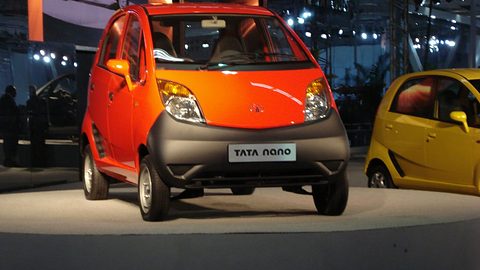
Ratan Tata unveiled the car on 10 January 2008 at the ninth Auto Expo in New Delhi.source 1source 3 The price was Rs 1 lakh at the dealer, before VAT and transport, about US$2,500 by the Tribune’s reckoning; on the road it would cost from about Rs 1.2 lakh. Three versions were announced, a standard car and two de luxe ones with air-conditioning, and a diesel was promised that never came. The plan was to sell in India for two or three years and then in Latin America and South-East Asia.source 3 CRISIL forecast that the Nano would grow India’s car market by 65 per cent, and sales of the Maruti 800 fell by a fifth after the unveiling.source 1
Since we started the project four years back, there has been a steep increase in input cost, but a promise is a promise.
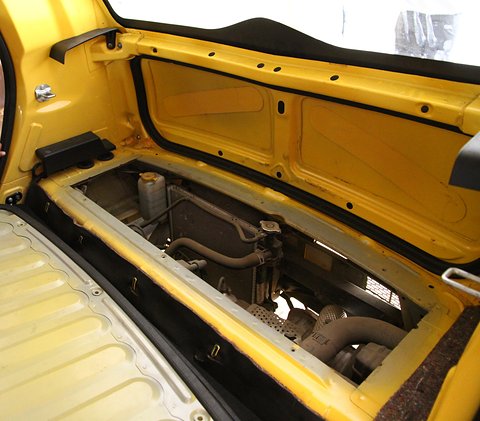
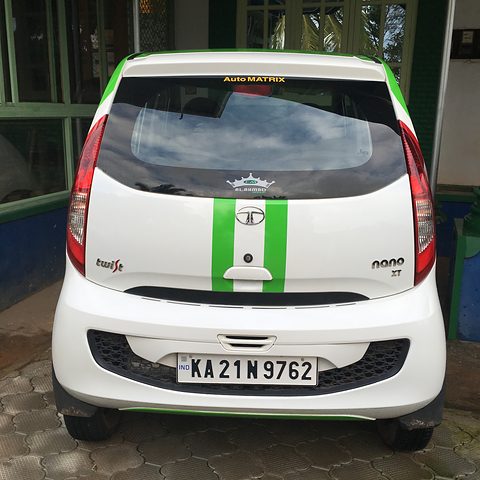
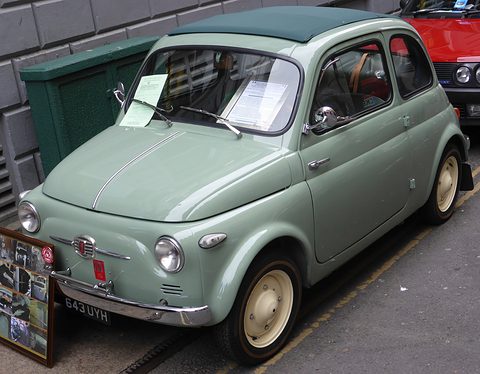
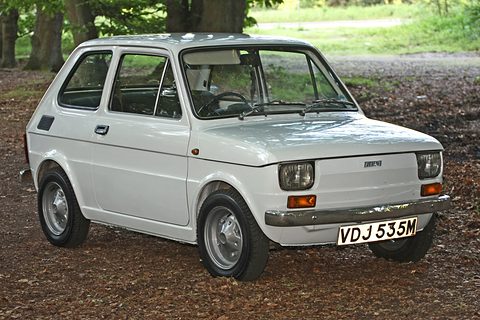
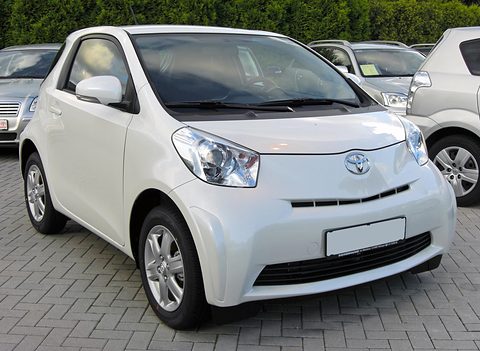
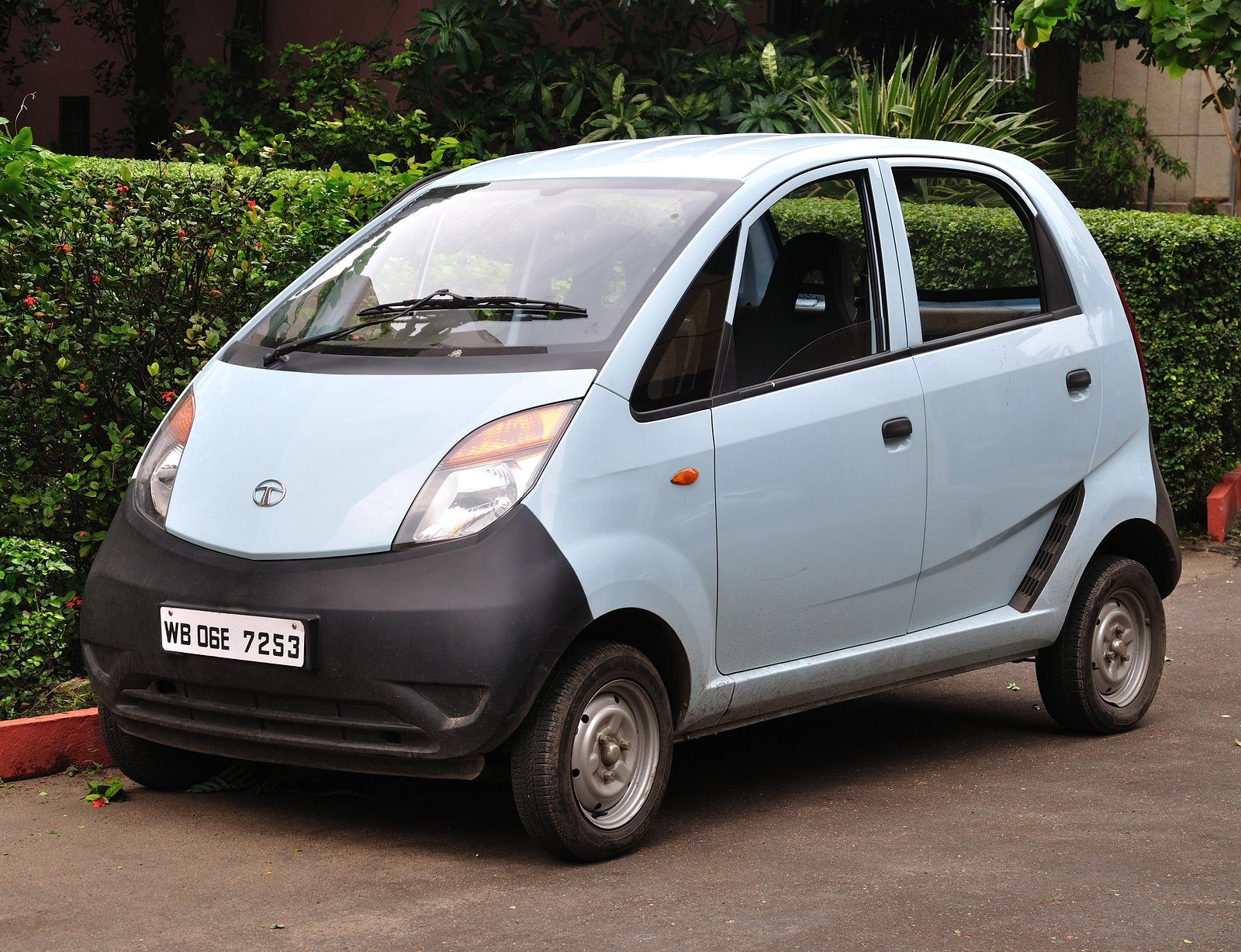
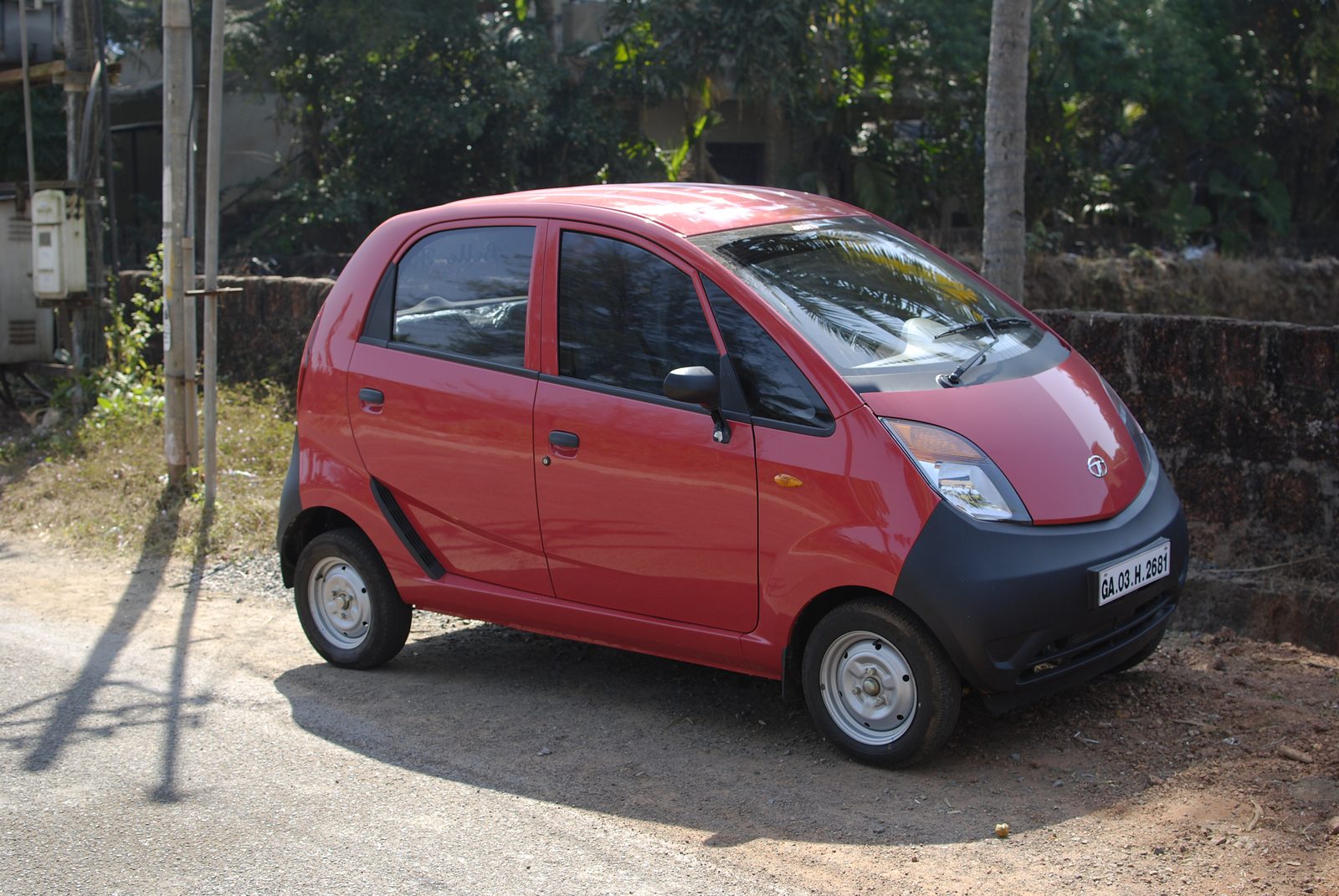
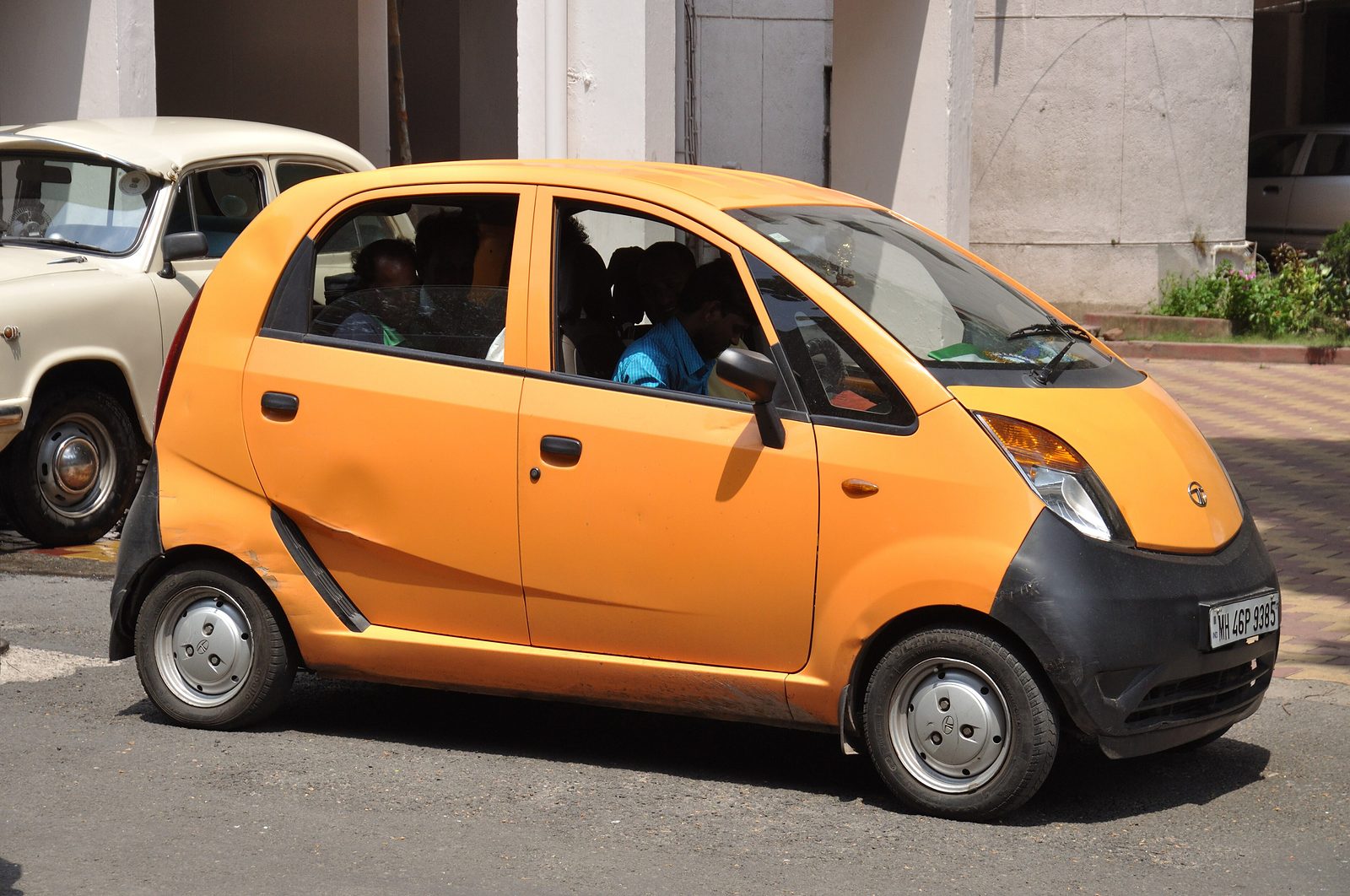
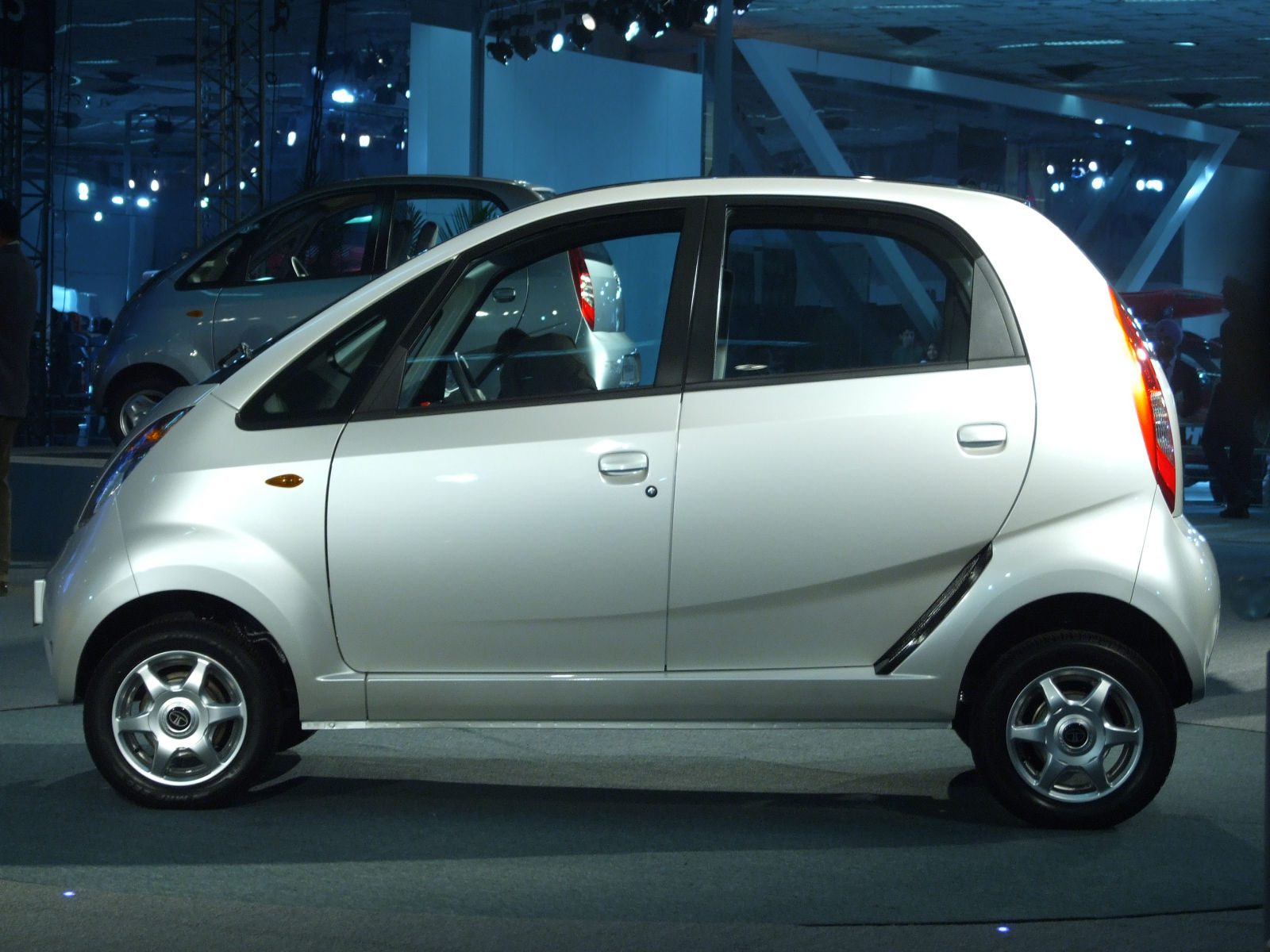
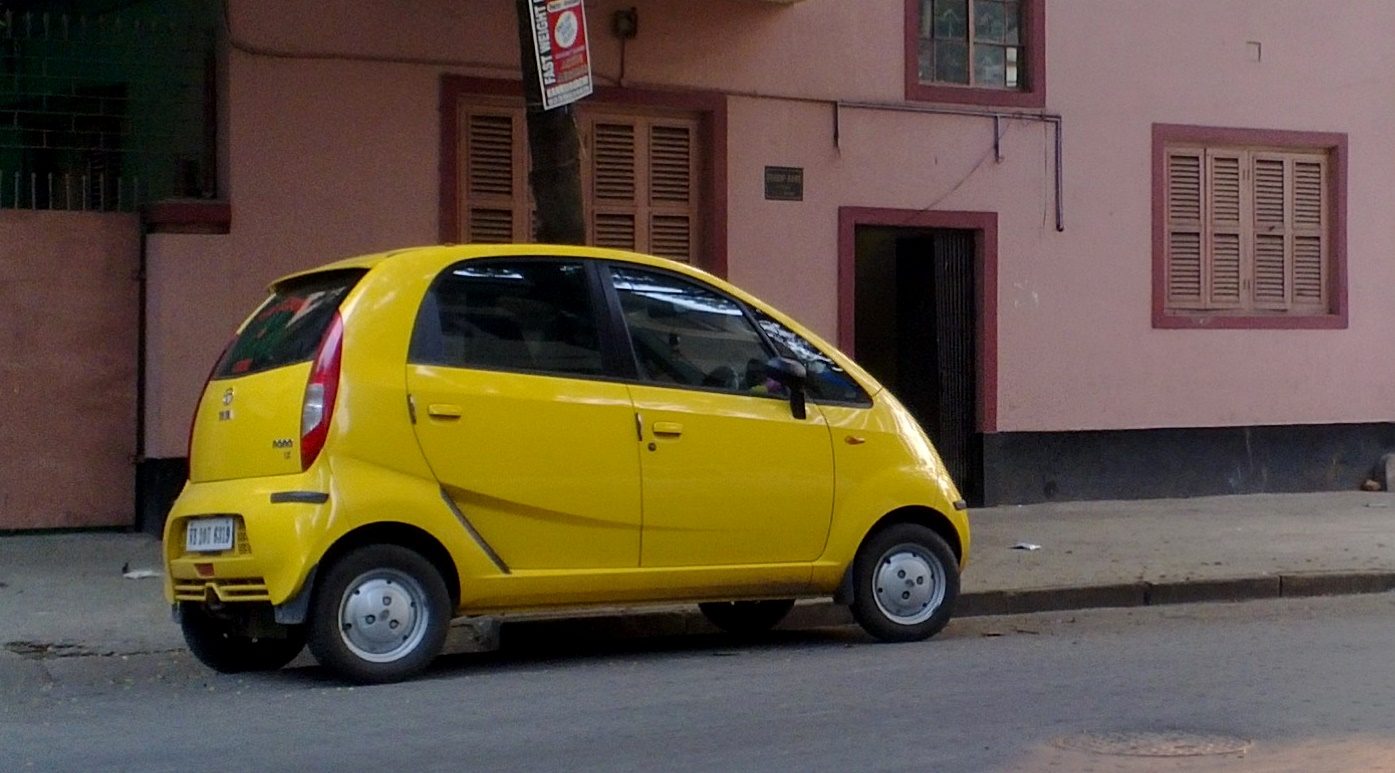
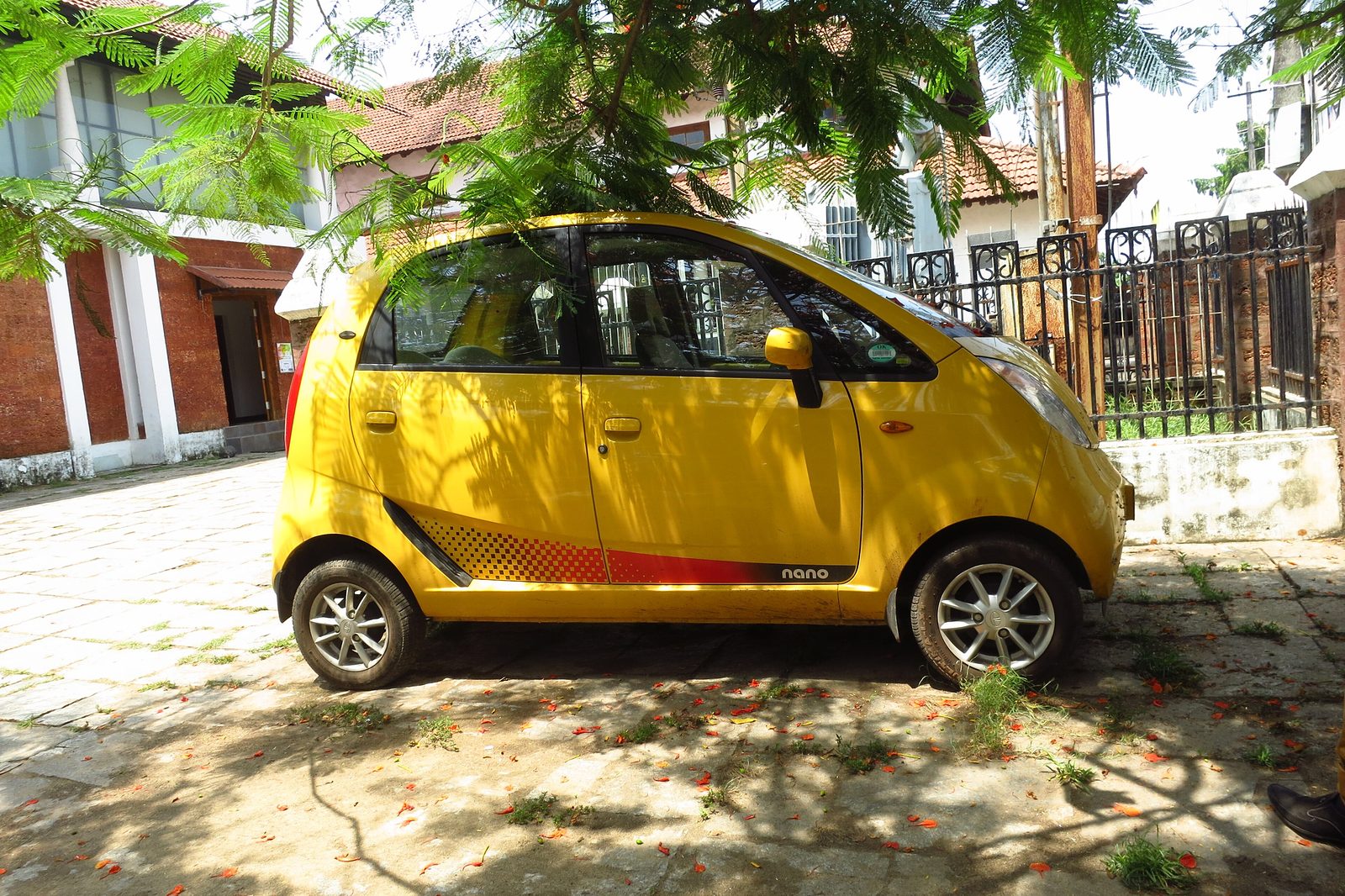
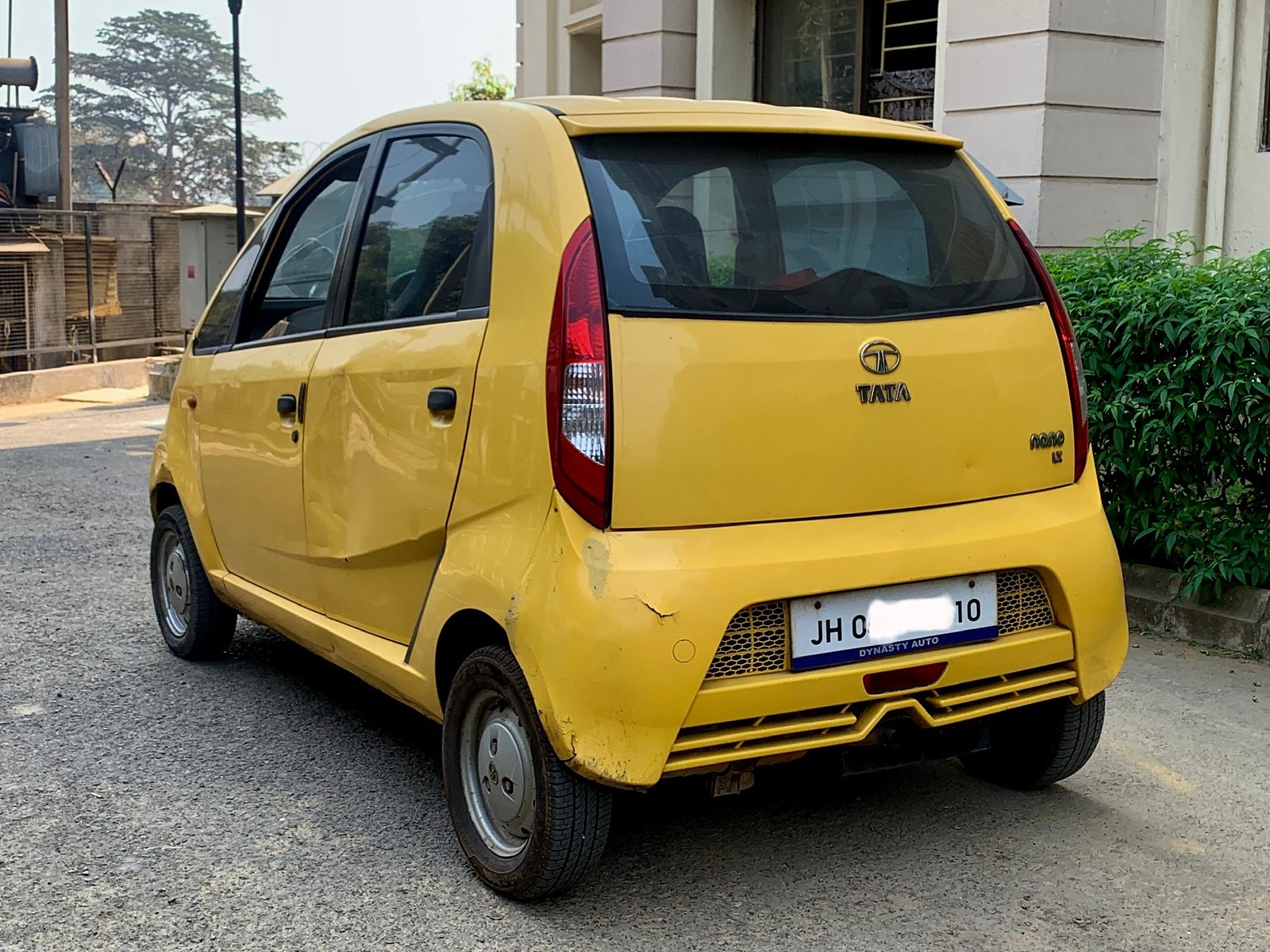
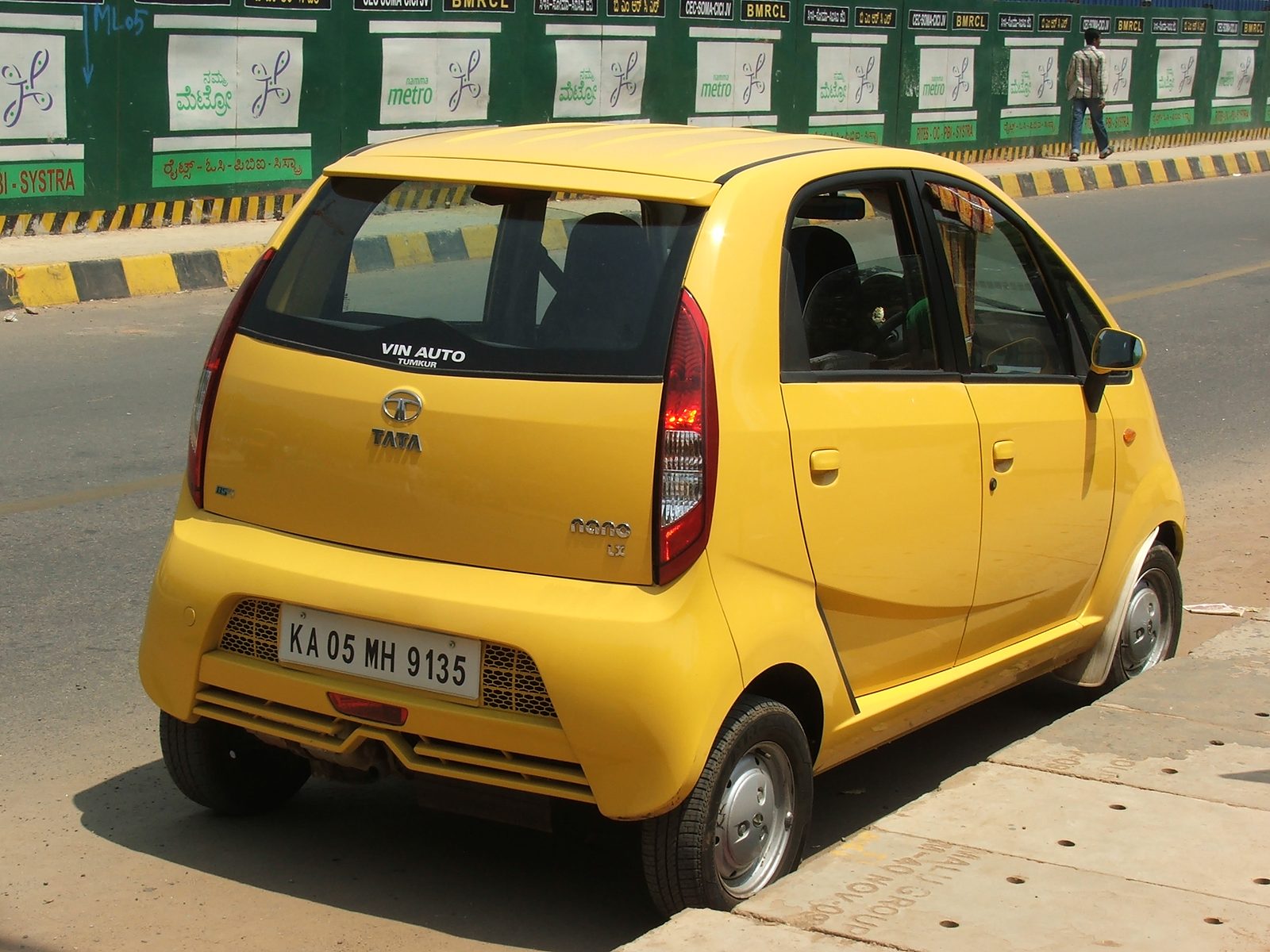
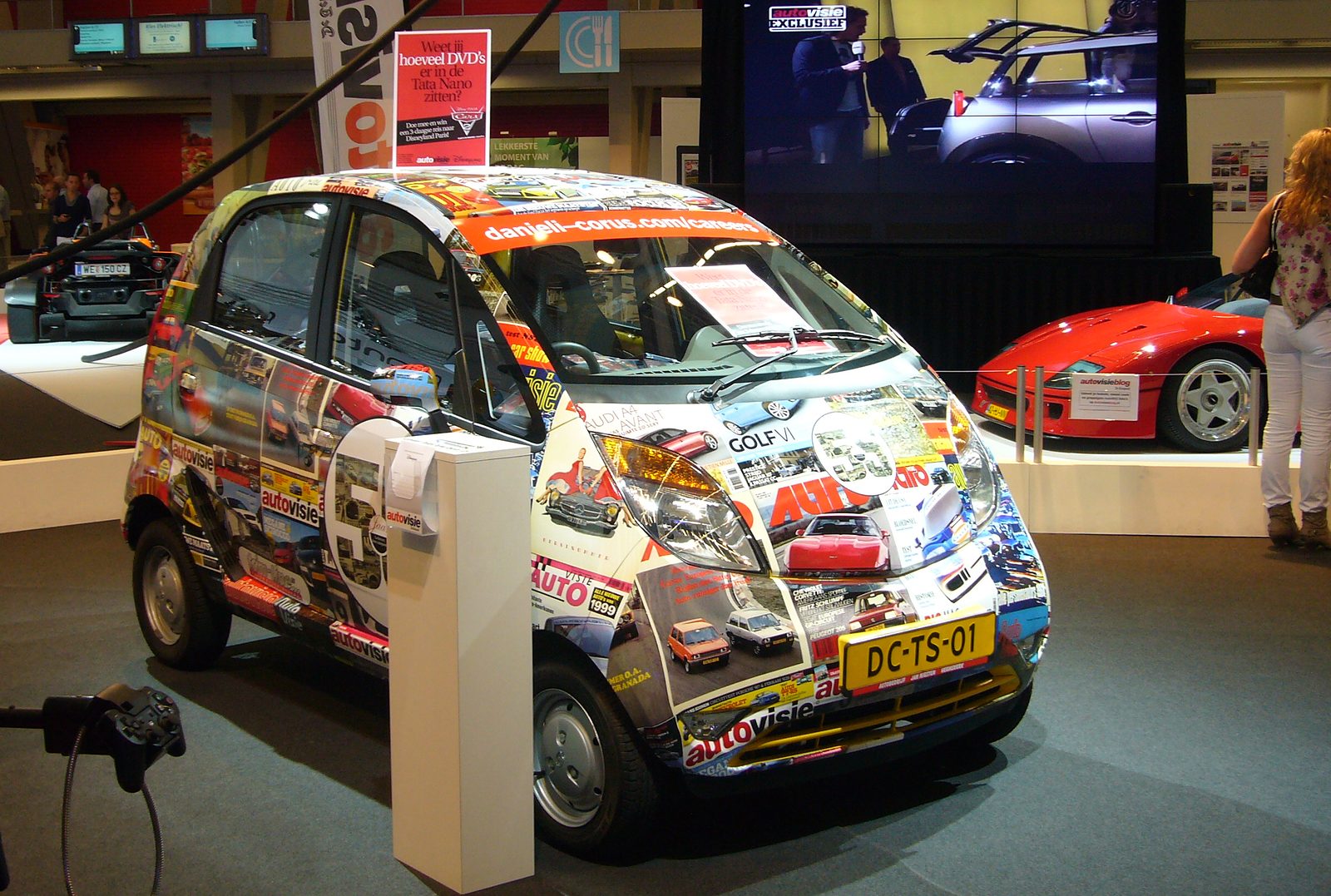
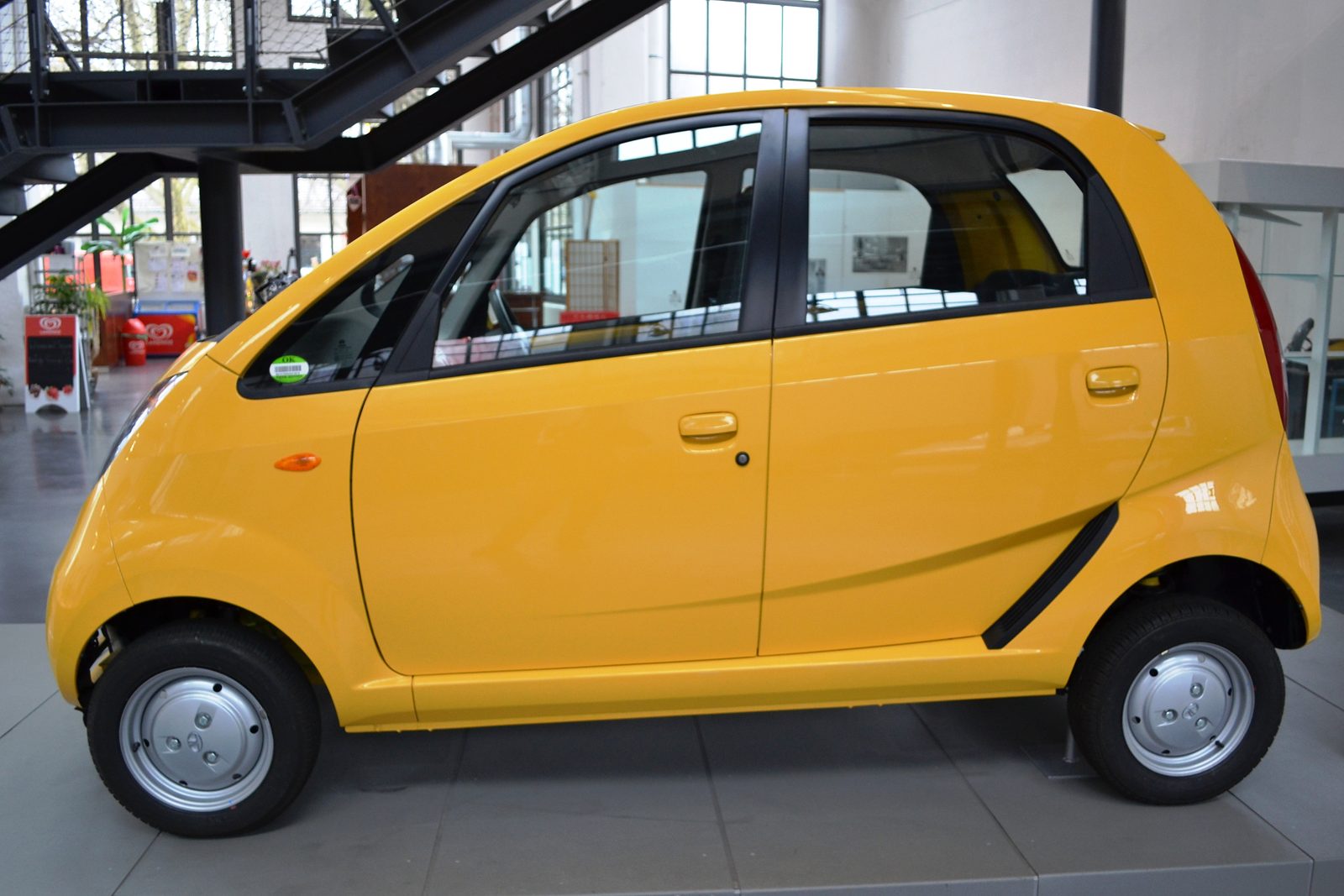
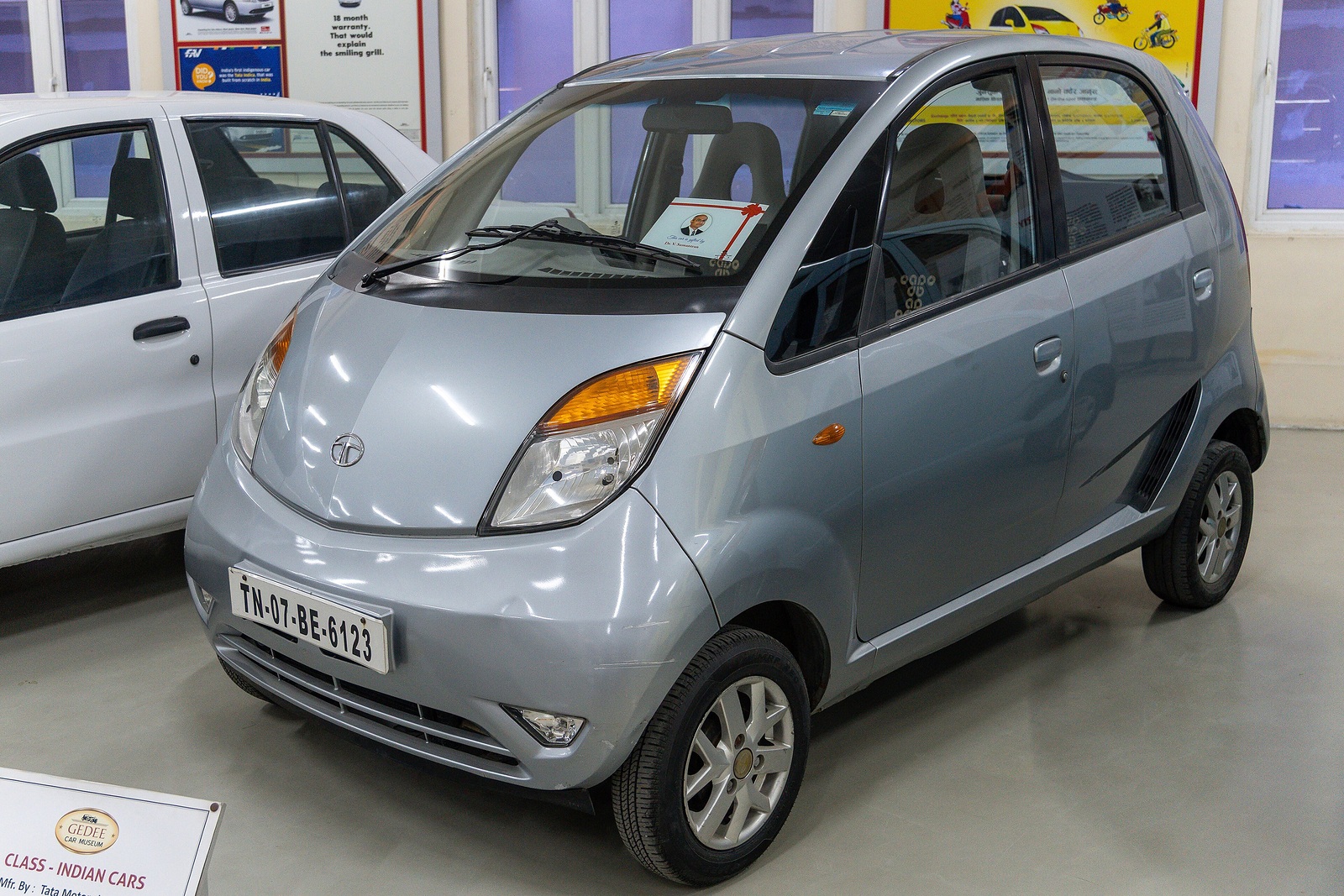
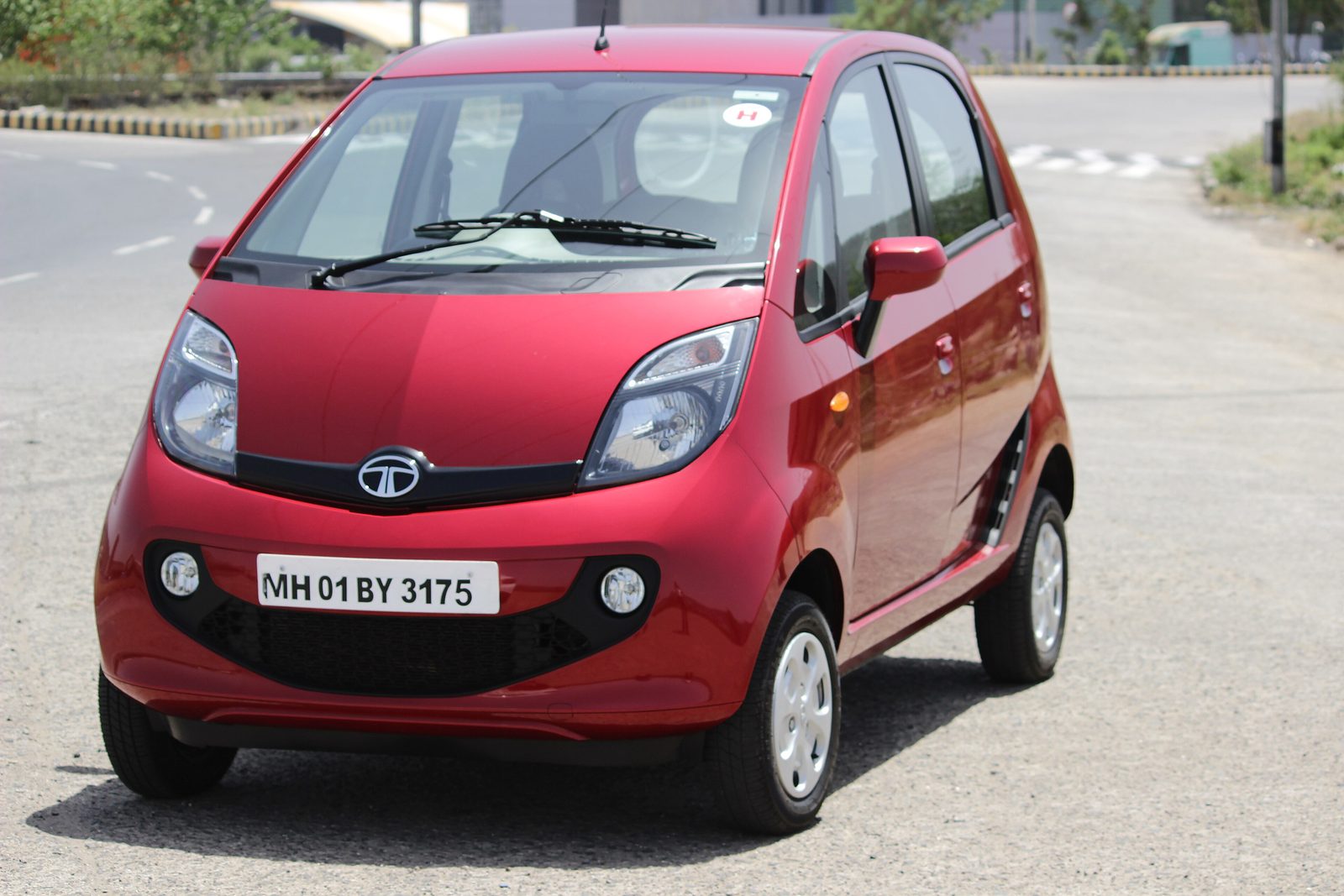
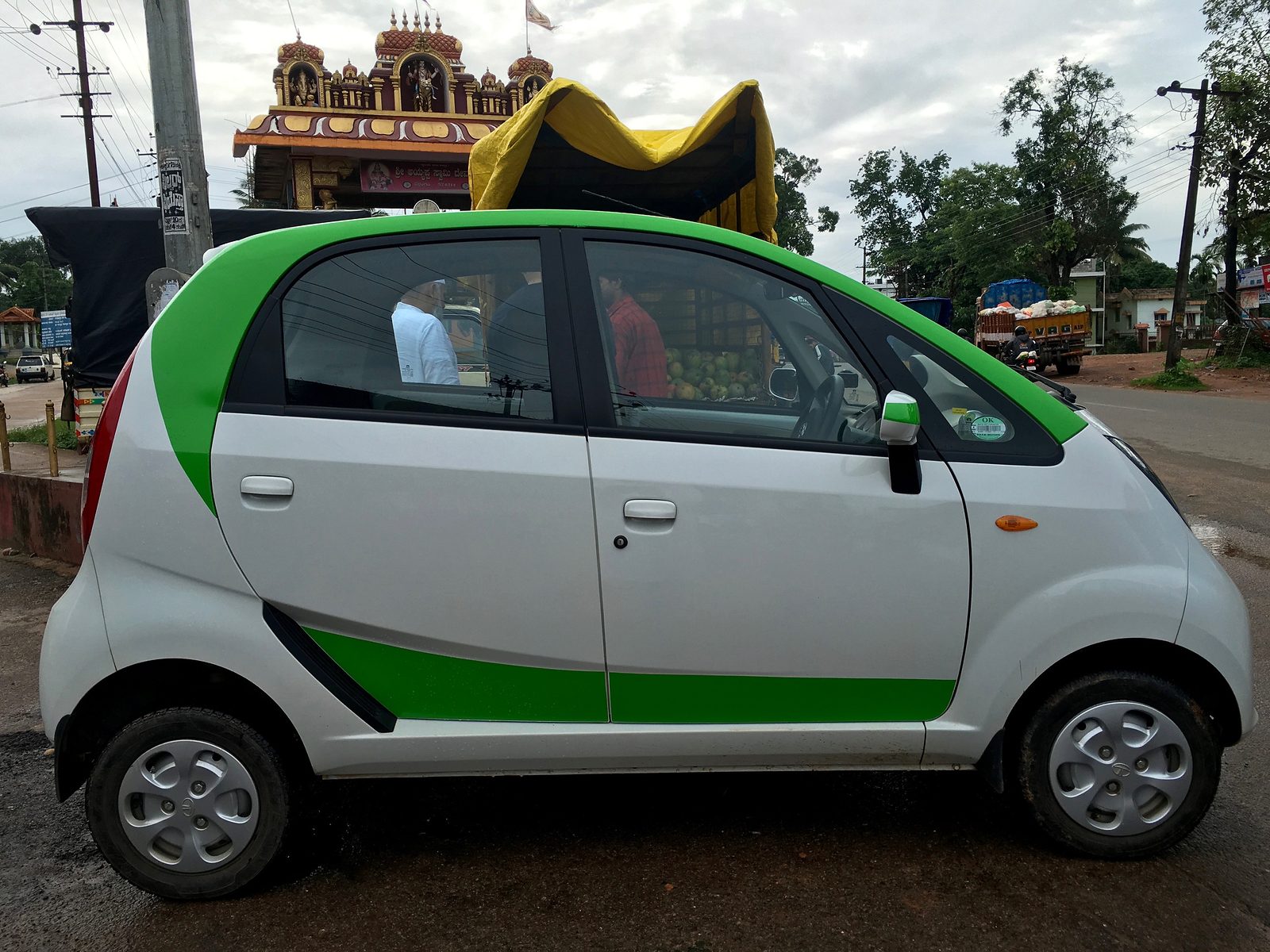
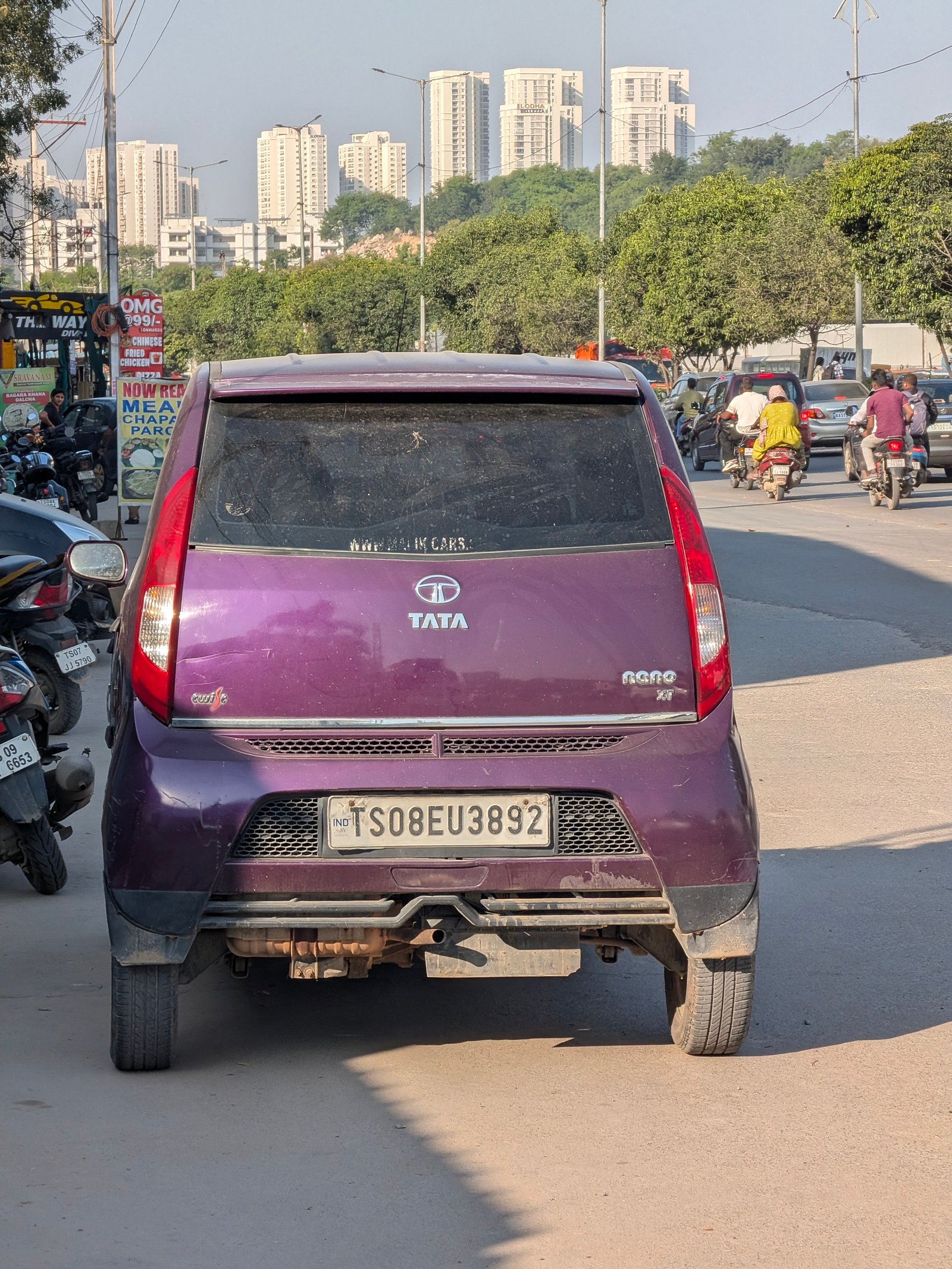
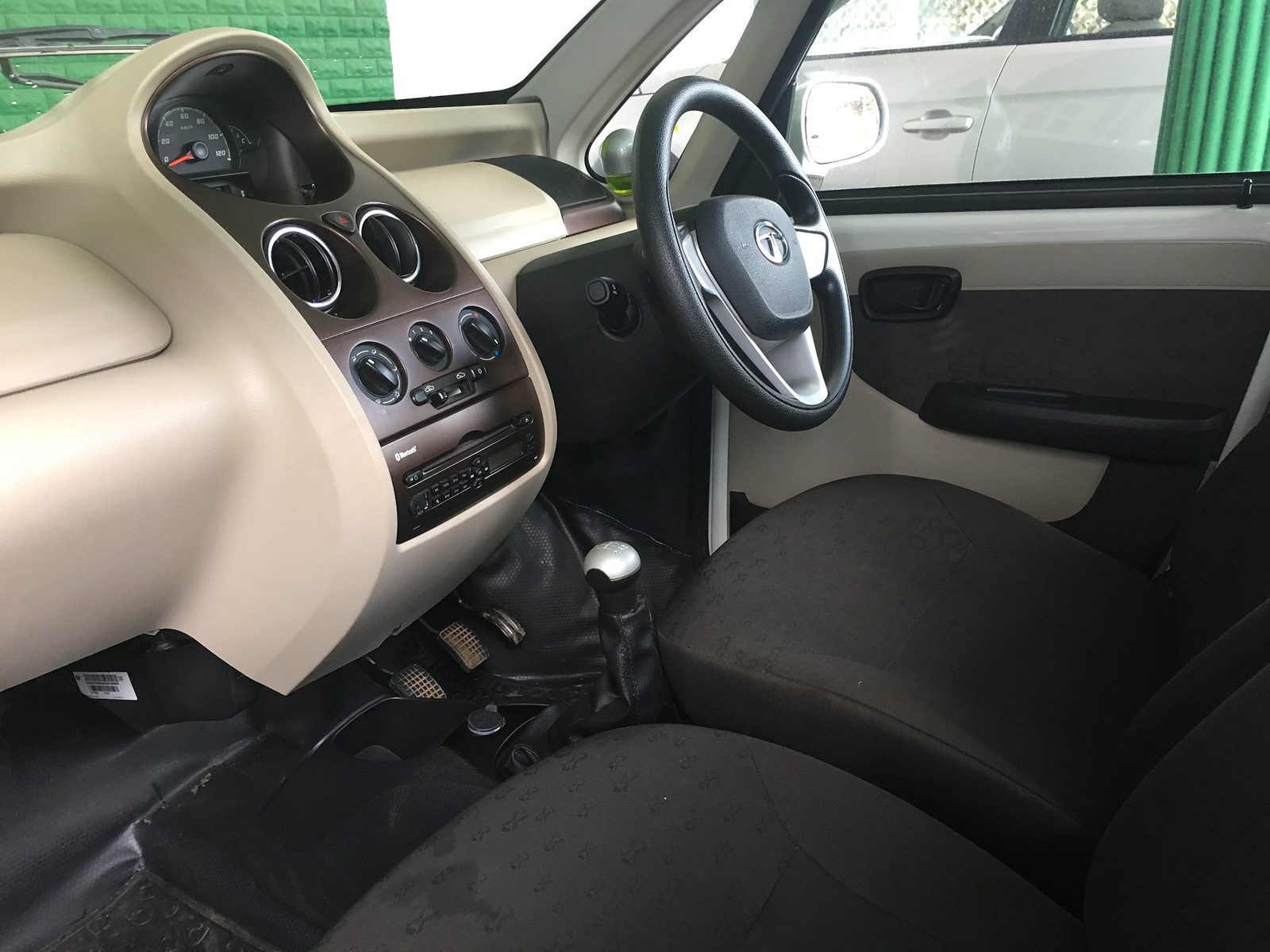
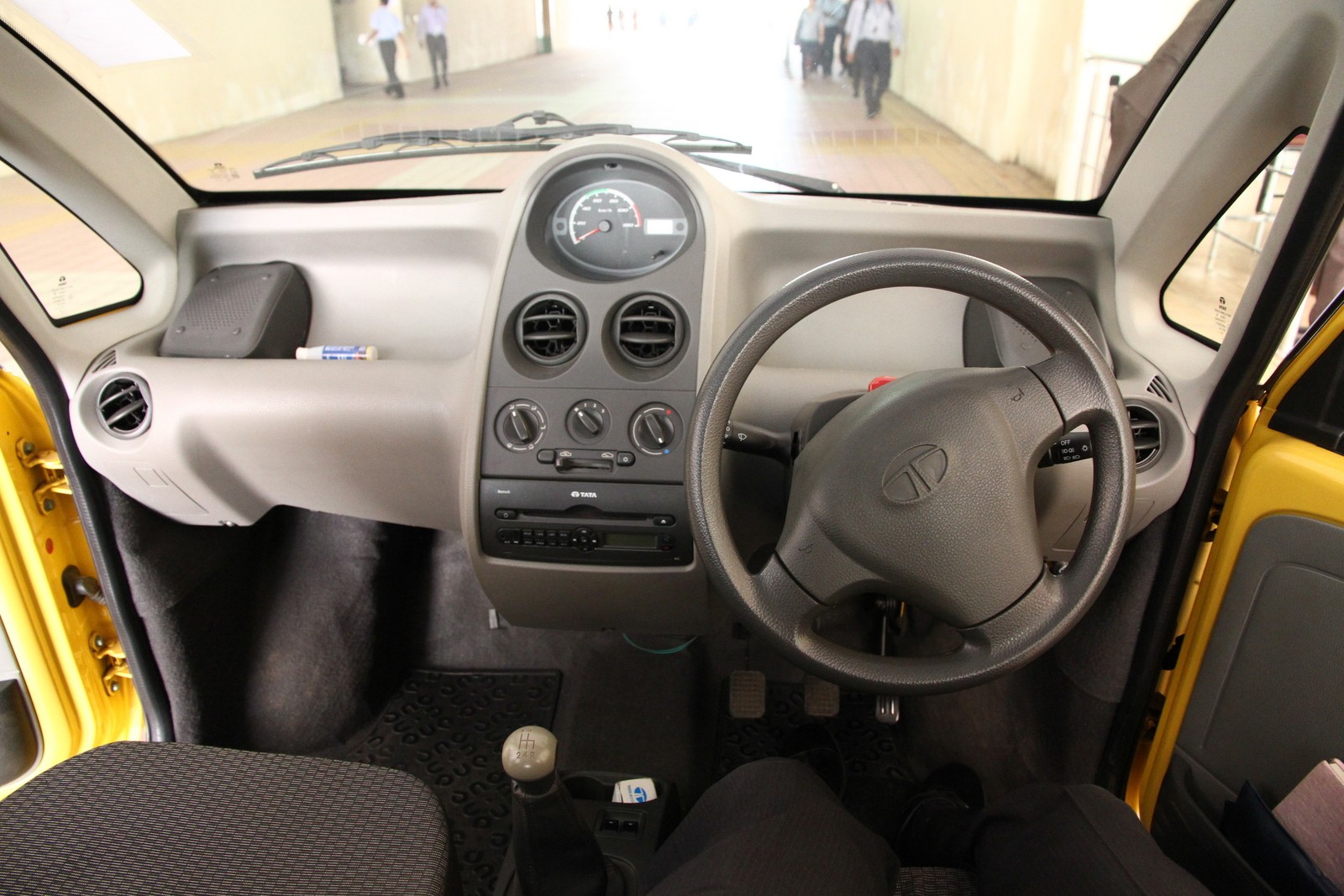
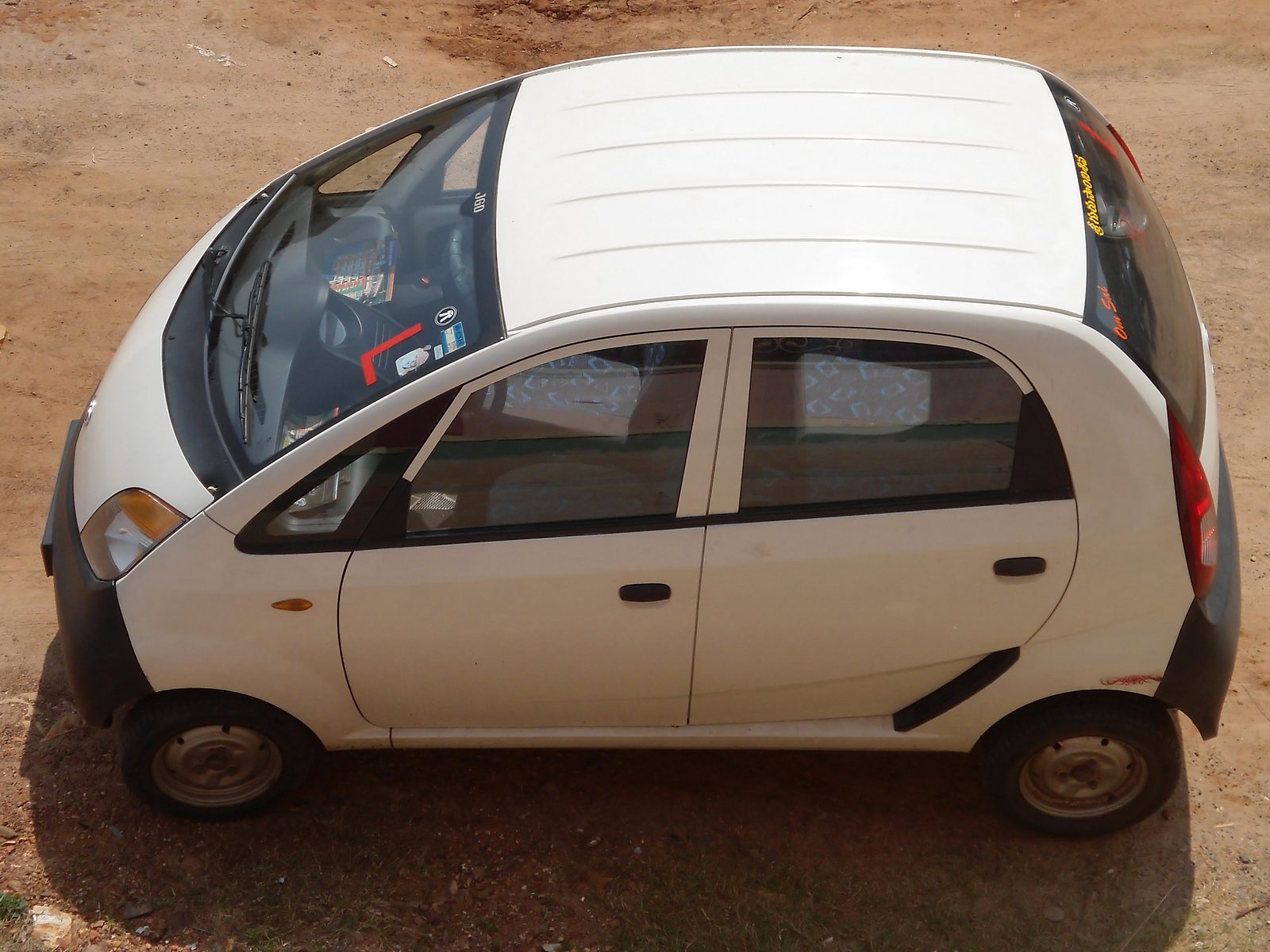
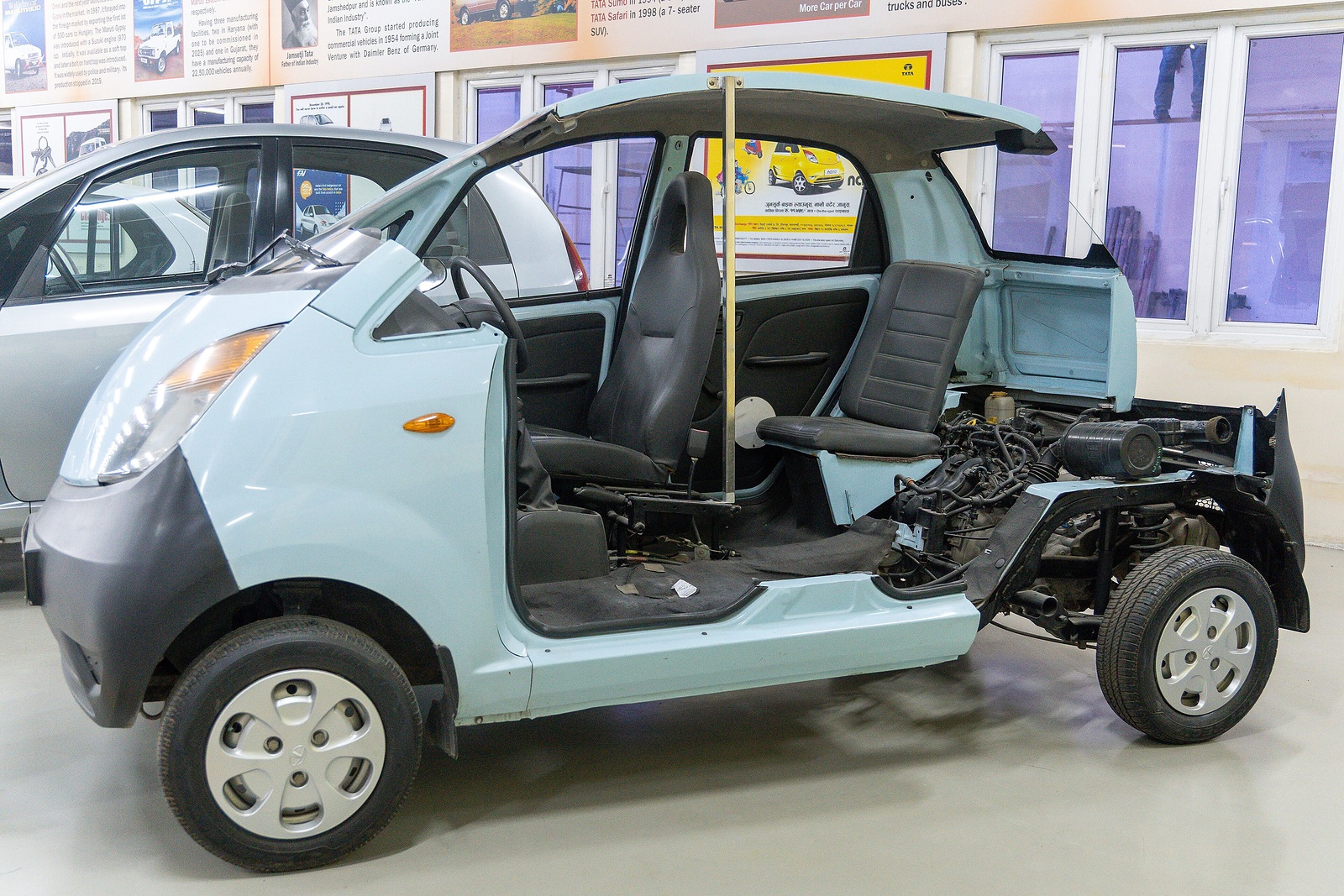
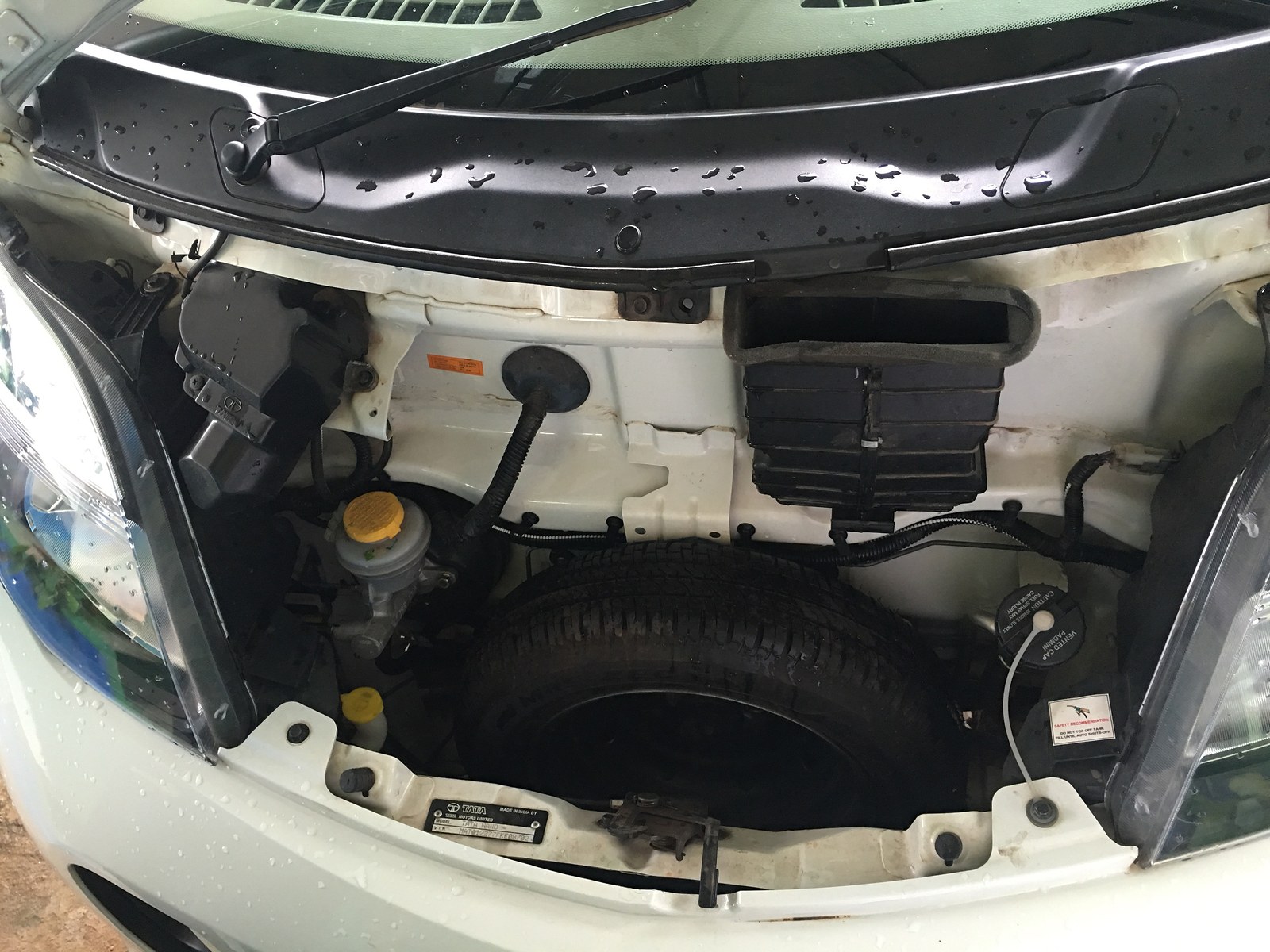
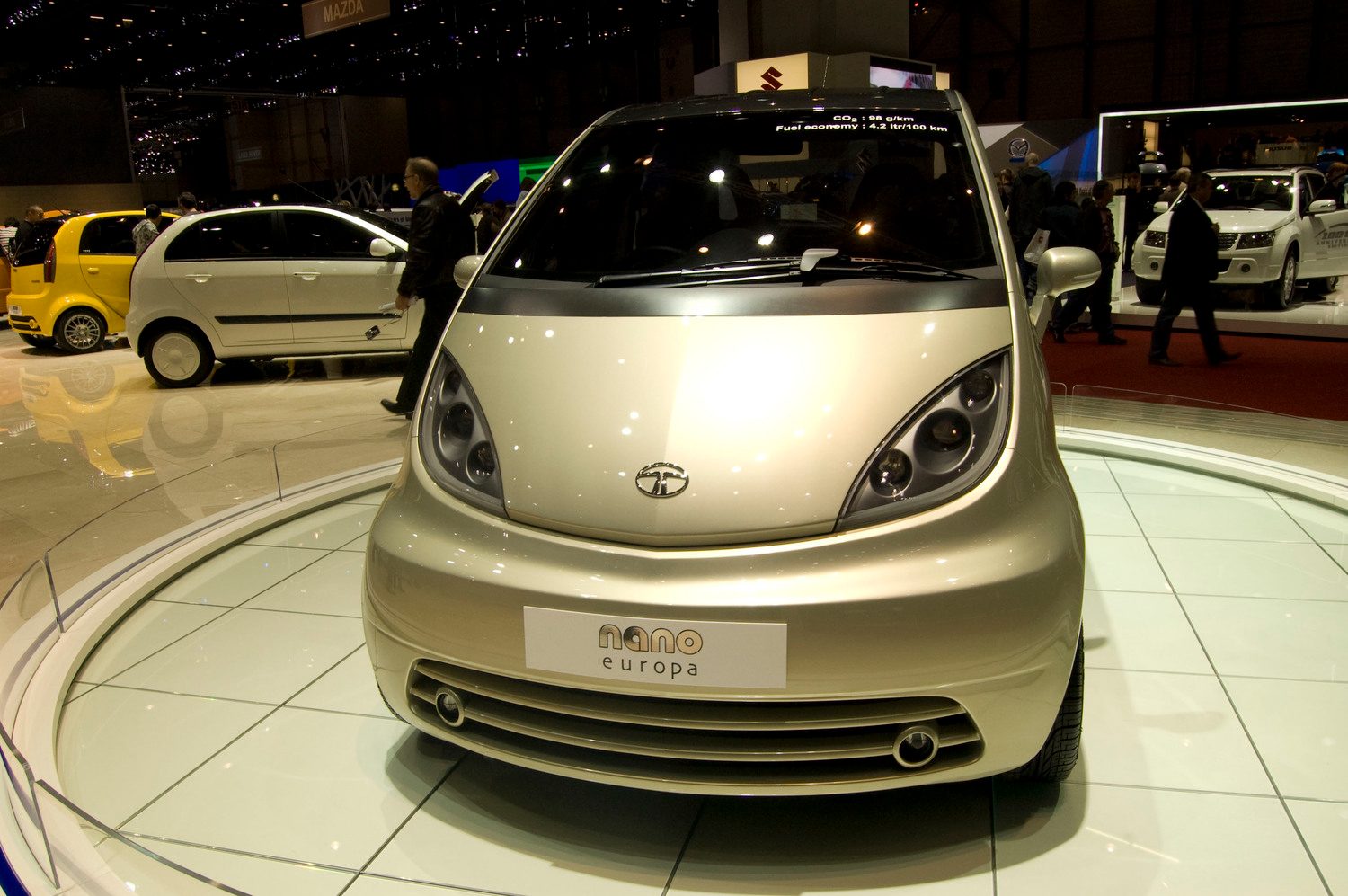
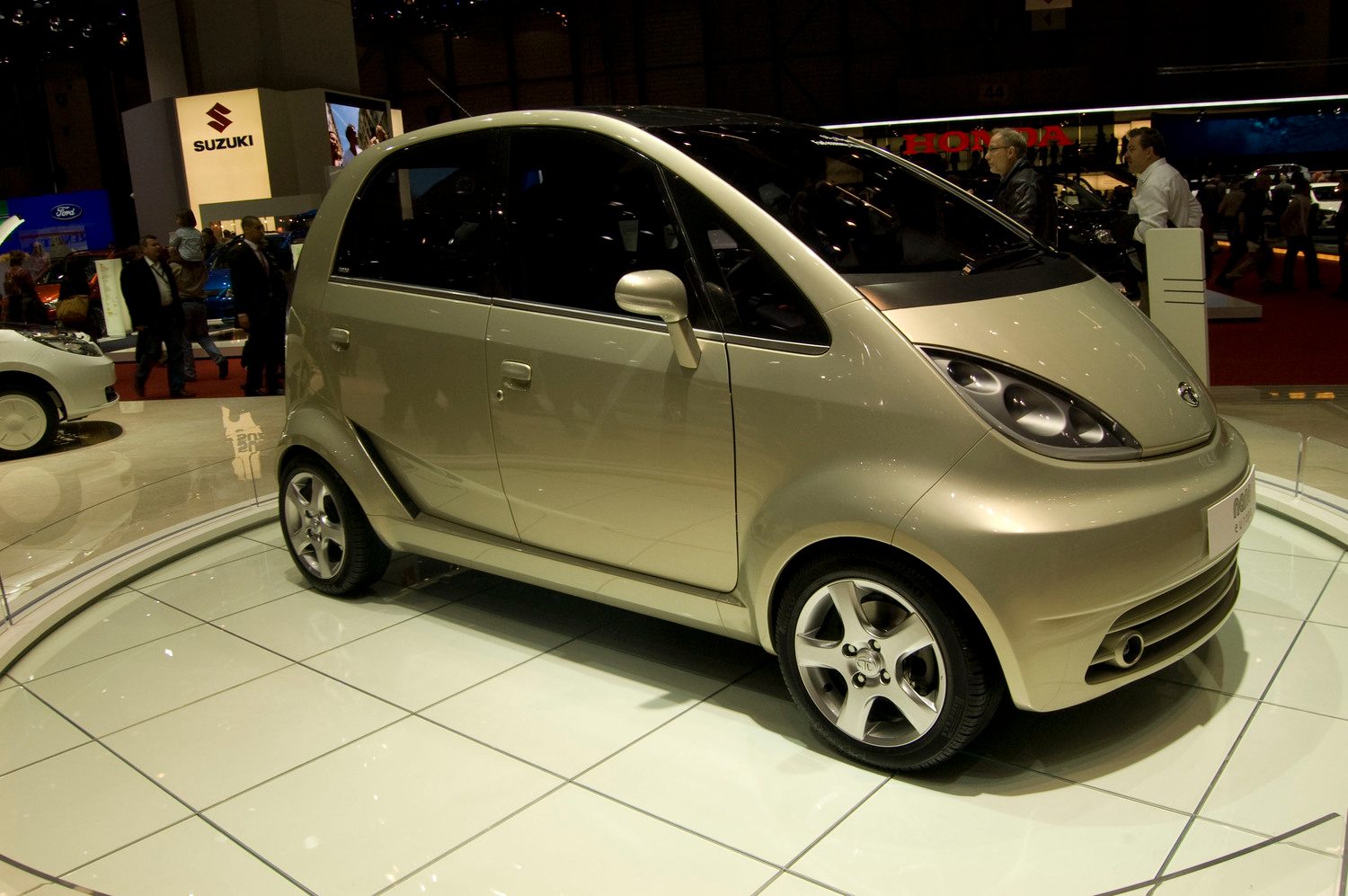
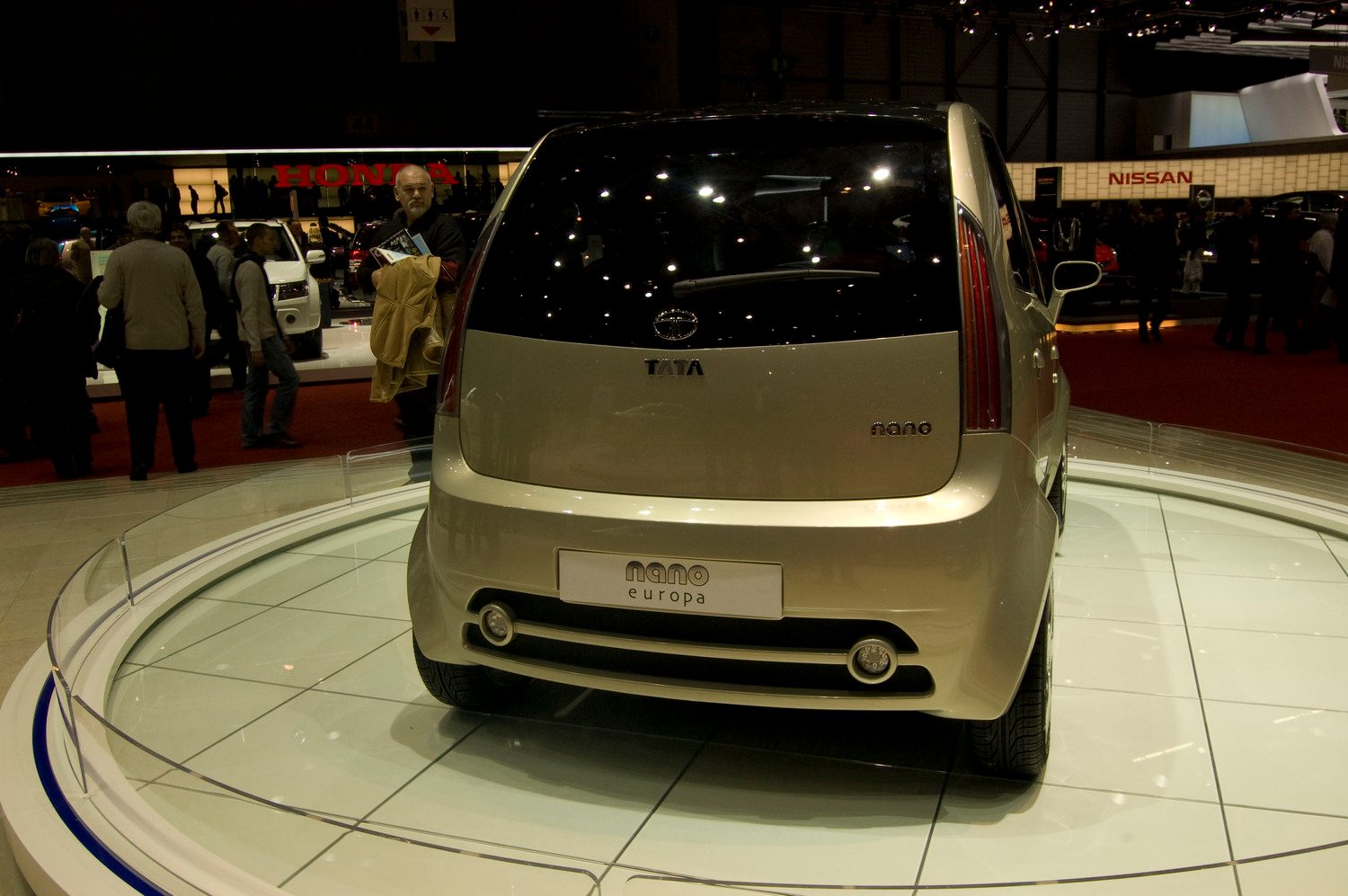
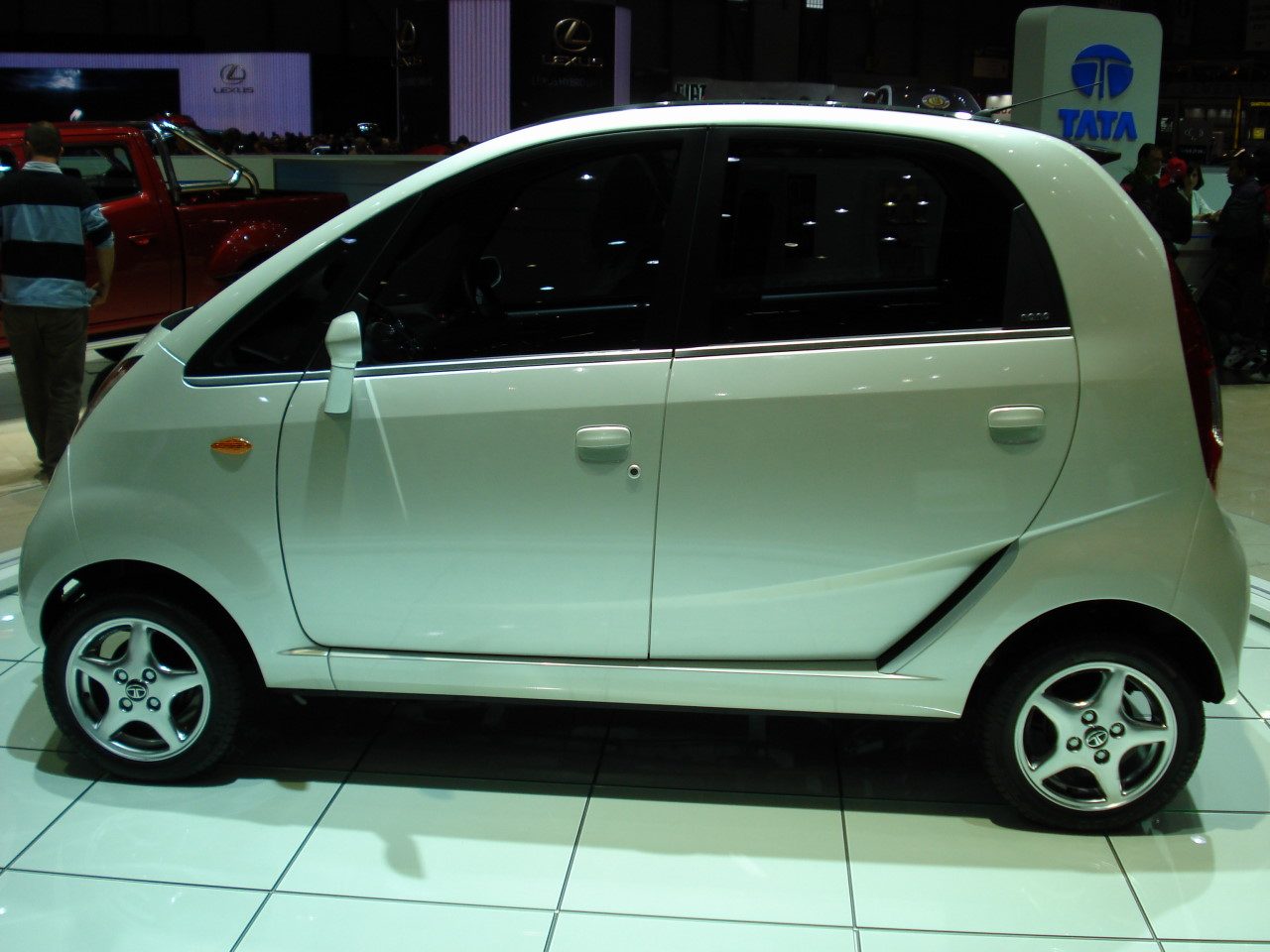
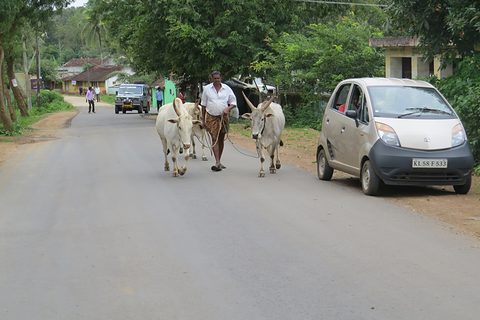
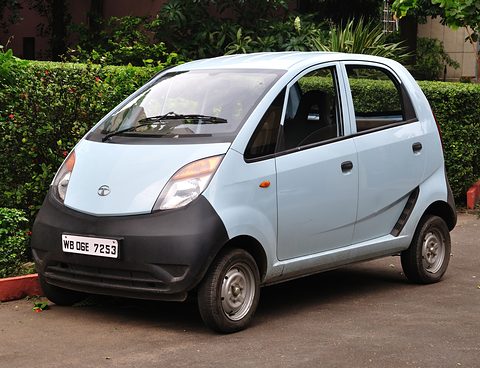
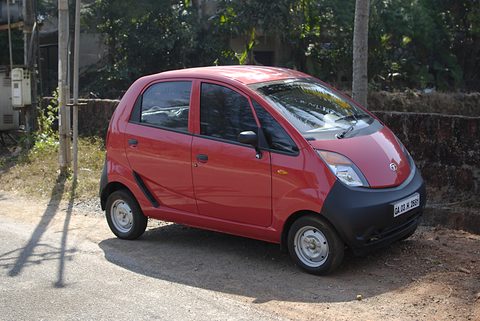
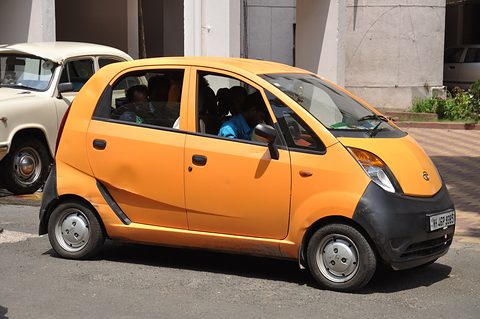
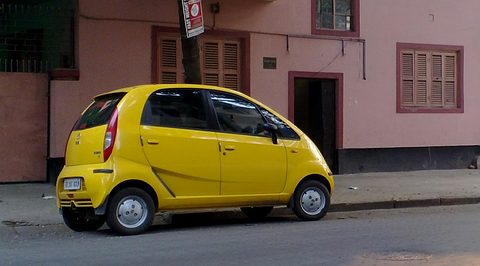
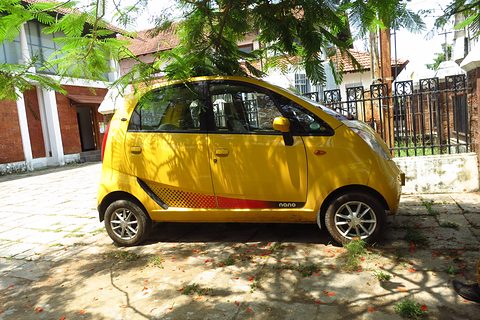
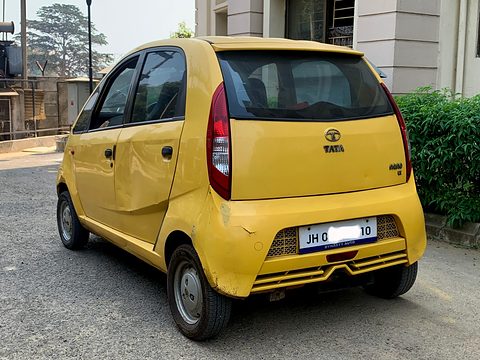
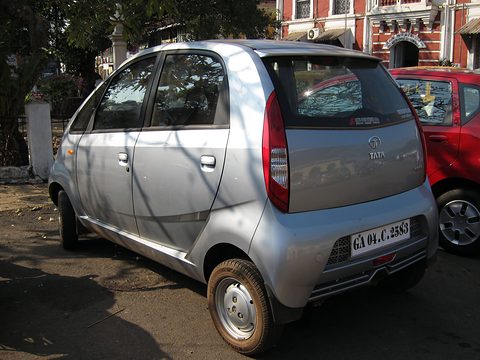
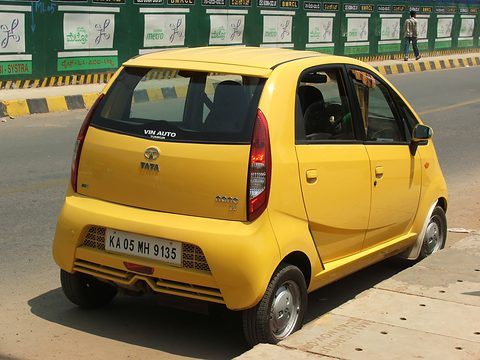
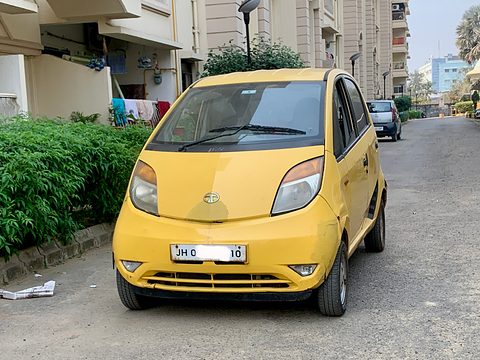
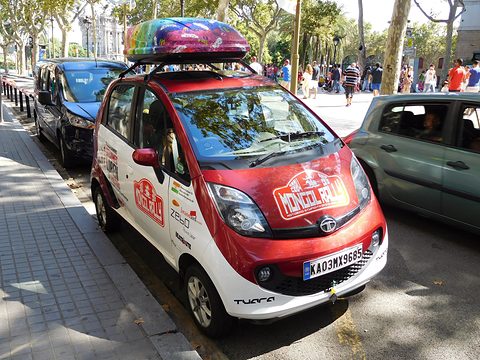
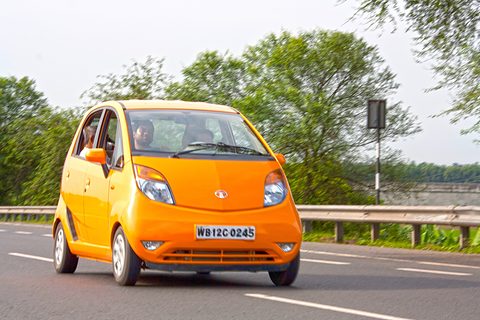
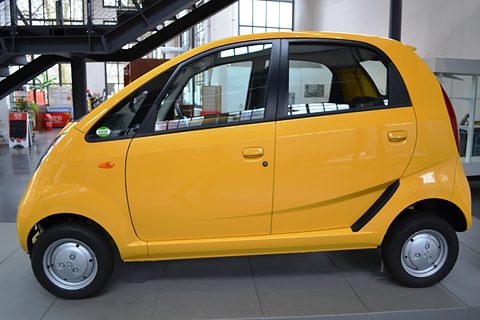
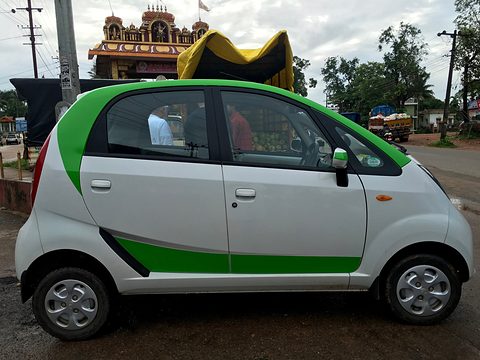
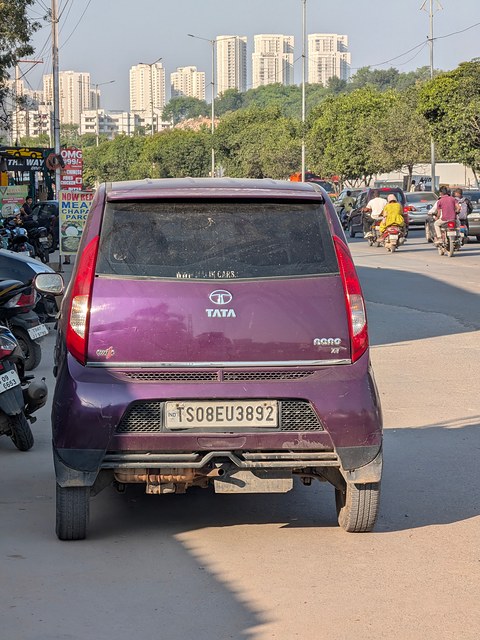
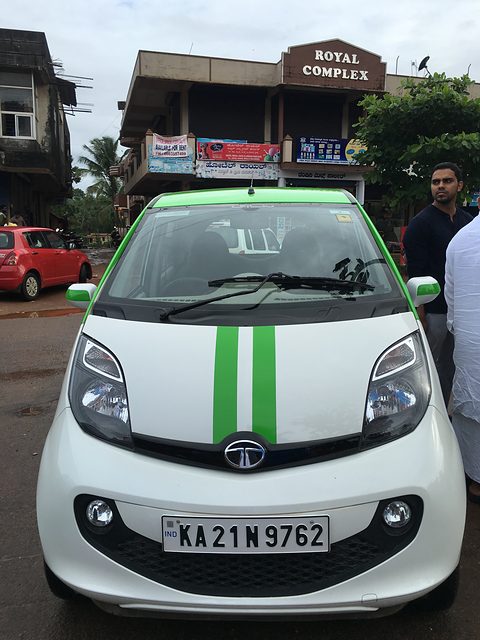
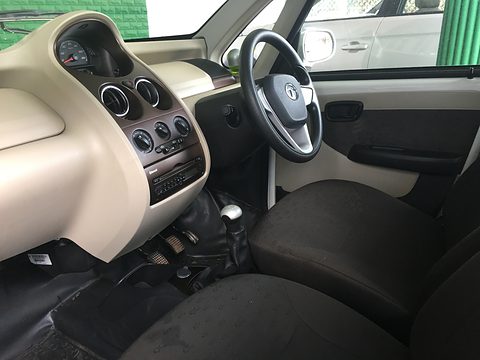
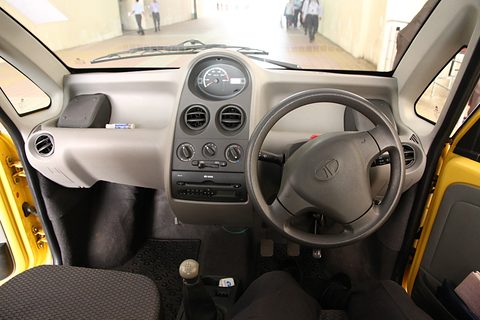
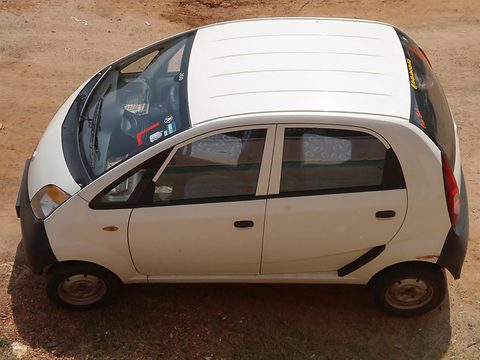
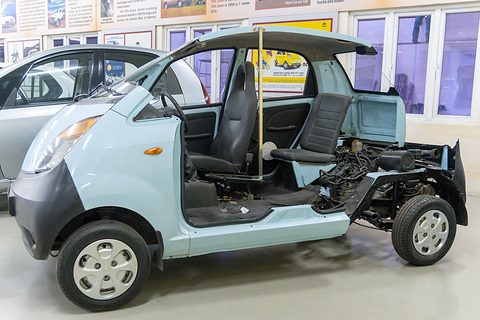
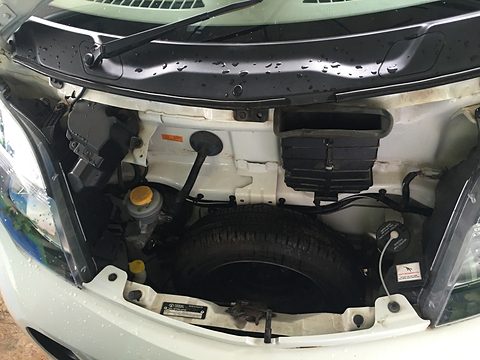
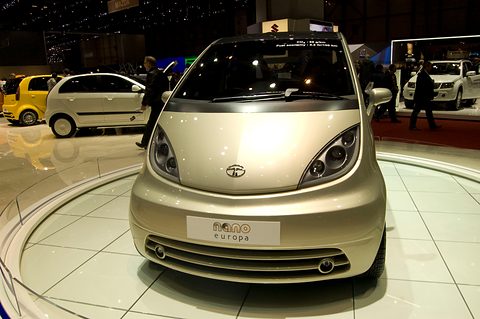
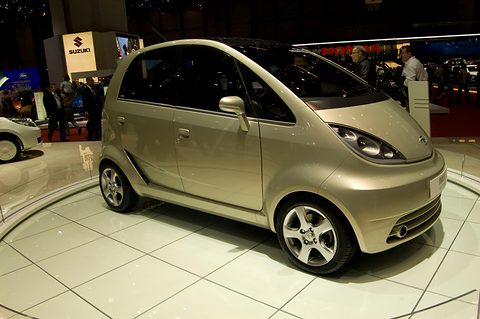
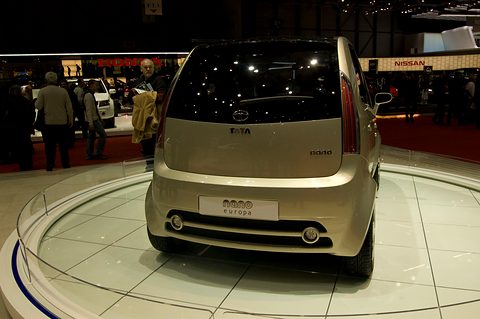
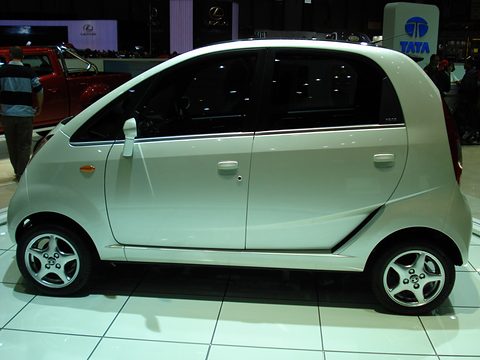
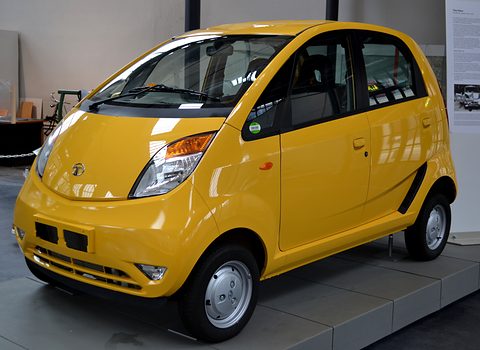
Getting to that price meant leaving things out. The 624 cc two-cylinder engine sat at the back, and Tata said it was the first car engine of its kind with a single balancer shaft. The car had one wiper, the base version one door mirror, each wheel was held by three nuts, there was no fuel cap on the outside, no airbag, and drum brakes all round; the boot was reachable only from within the car.source 1source 4 It was 3,099 mm (122 in) long, more than the Fiat Nuova 500 that serves as this site’s yardstick for a microcar, and it is here because it defined the ultra-low-cost car.source 1source 3source 4
Driven out of Singur
Tata announced in 2006 that the Nano would be built at Singur, about 30 km north of Kolkata in West Bengal.source 1source 5 Farmers protested that their land had been taken by force, the Trinamool Congress of Mamata Banerjee demanded the return of 400 acres, and construction stopped.source 1source 6source 5 In September 2008 Wards reported the state’s industry minister, Nirupam Sen, as saying that the “chances of the Singur plant’s completion are bleak”; it represented an investment of about US$350 million.source 5 That October, on the eve of Durga Puja, Ratan Tata pulled out of the nearly finished plant, citing a “heightened level of agitation and hostility”.source 6 Cars would come from Pantnagar in Uttarakhand instead, about 100 a day at first, and the first year’s target was cut from 50,000 to 15,000.source 5
Booked by lottery
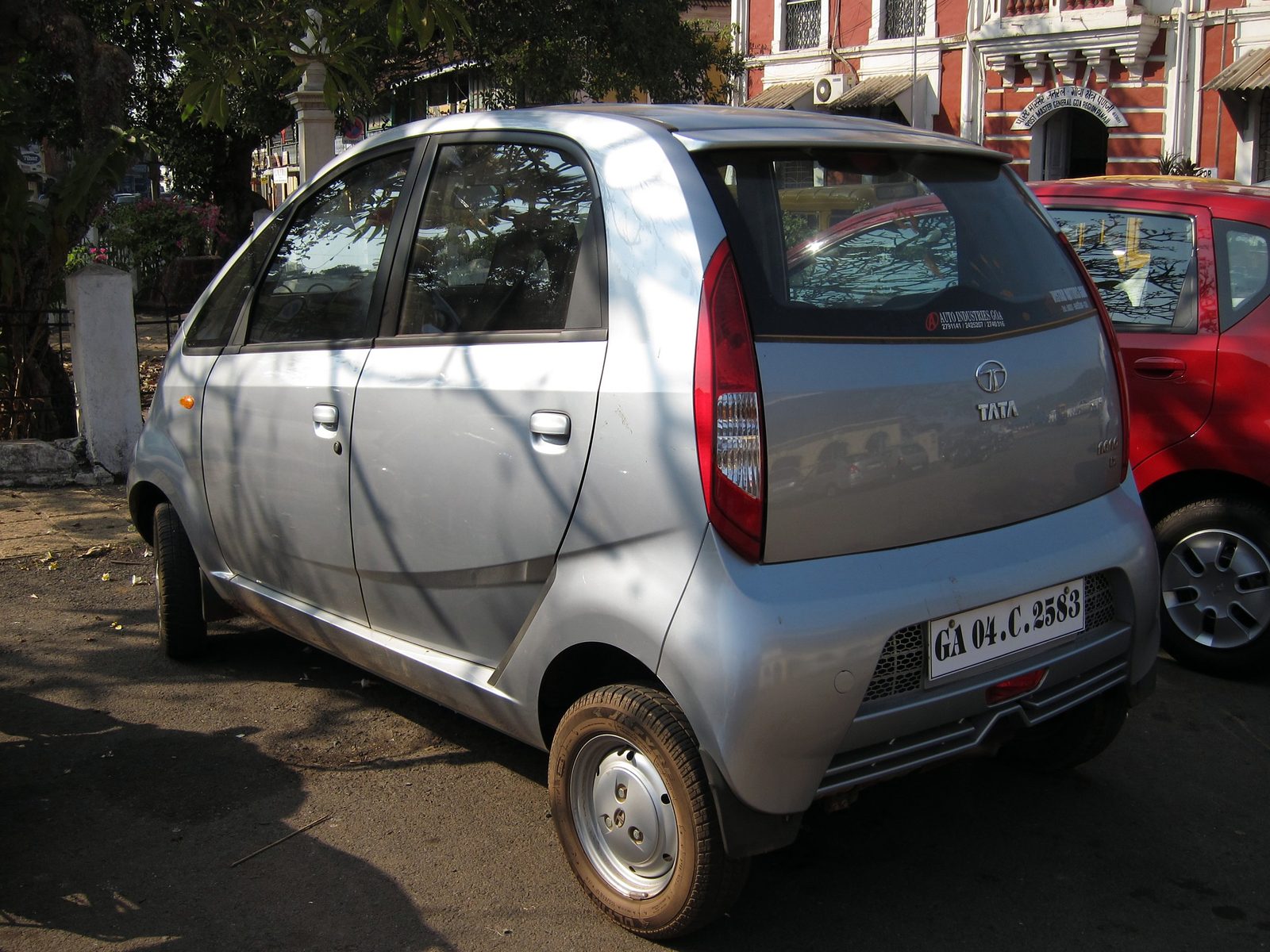
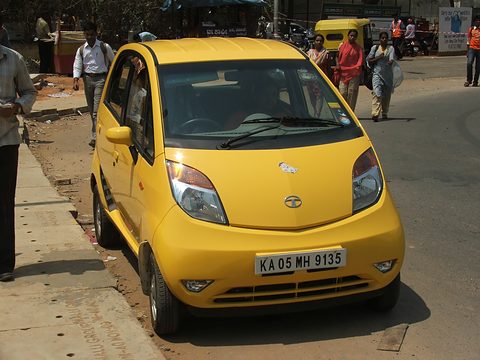
The commercial launch came in Mumbai on 23 March 2009, in Standard, CX and LX versions.source 4source 7 Booking was run through the State Bank of India at more than 30,000 outlets in 1,000 cities, with application forms at Rs 300, from 9 to 25 April.source 4source 8 There were more than 203,000 bookings, half of them for the LX and 70 per cent with finance, and the first 100,000 cars were allotted by draw.source 8source 7 Deliveries began in July 2009, when Ratan Tata handed over the first cars himself at a Mumbai dealer; the first customer, a customs official, received a silver LX.source 7source 9 Pantnagar could build only 50,000 a year.source 8 On 2 June 2010 Narendra Modi, then Chief Minister of Gujarat, opened the new plant at Sanand with Ratan Tata: 725 acres, with a 375-acre park for suppliers beside it, built in 14 months for an initial 250,000 cars a year.source 10source 11
Fires, stigma and a crash test
The buyers did not come in those numbers. Several Nanos caught fire; Tata blamed foreign electrical equipment fitted above the exhaust, refused a recall but offered a retrofit, and in December 2010 extended the warranty from 18 months to four years.source 1 English Wikipedia lists the rest: the car was still dear beside a motorcycle, the long waits put people off, and it carried the stigma of a poor man’s car when a used car of higher standing cost little more.source 1 Sales peaked at 74,527 in the year to March 2012.source 1source 2 That July Ratan Tata, about to retire, said the car had immense potential in the developing world but admitted that early chances had been wasted.source 1 In 2014 Global NCAP crash-tested an Indian Nano at the ADAC in Germany and gave it no stars for adults or for children.source 1
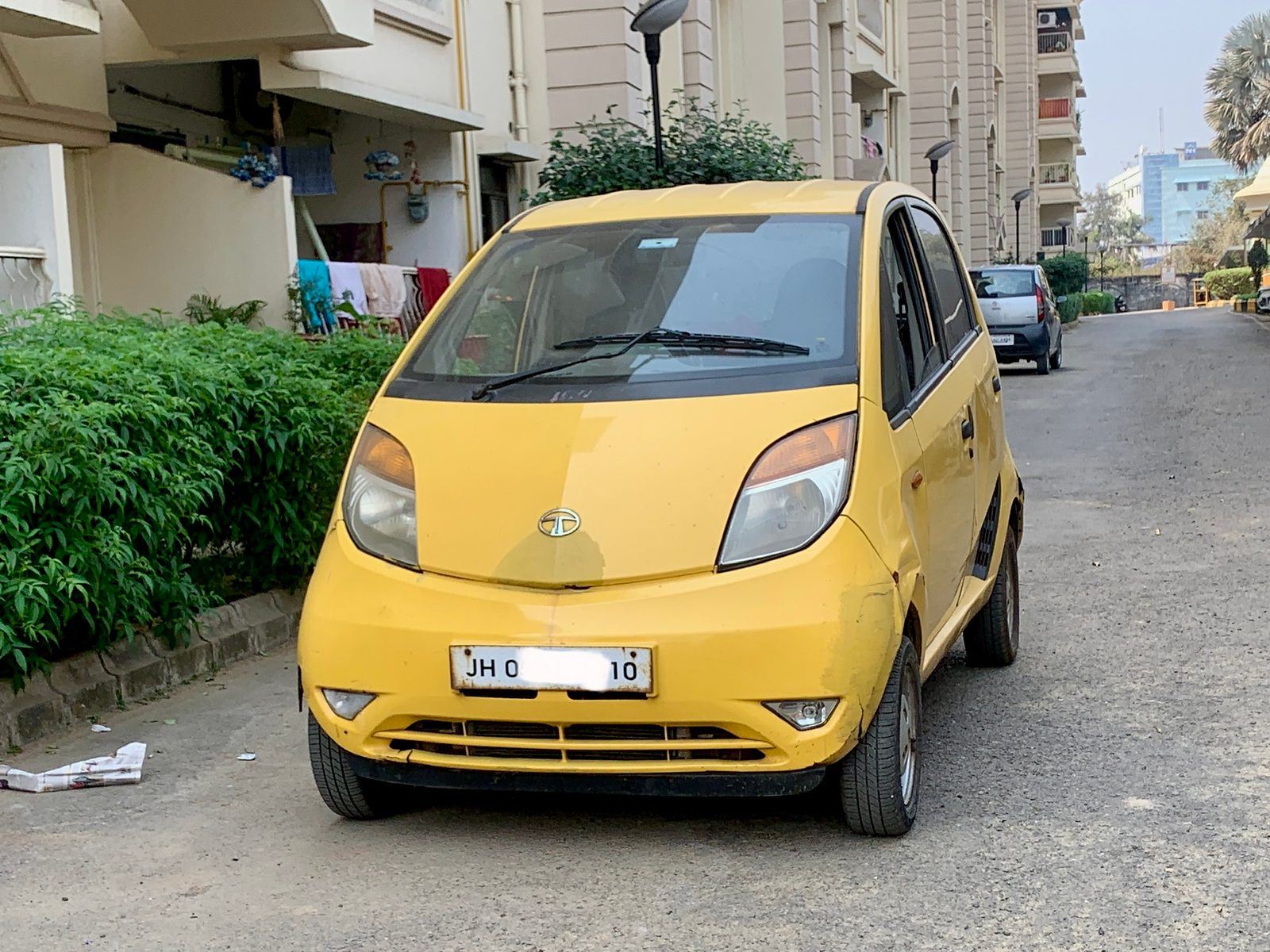
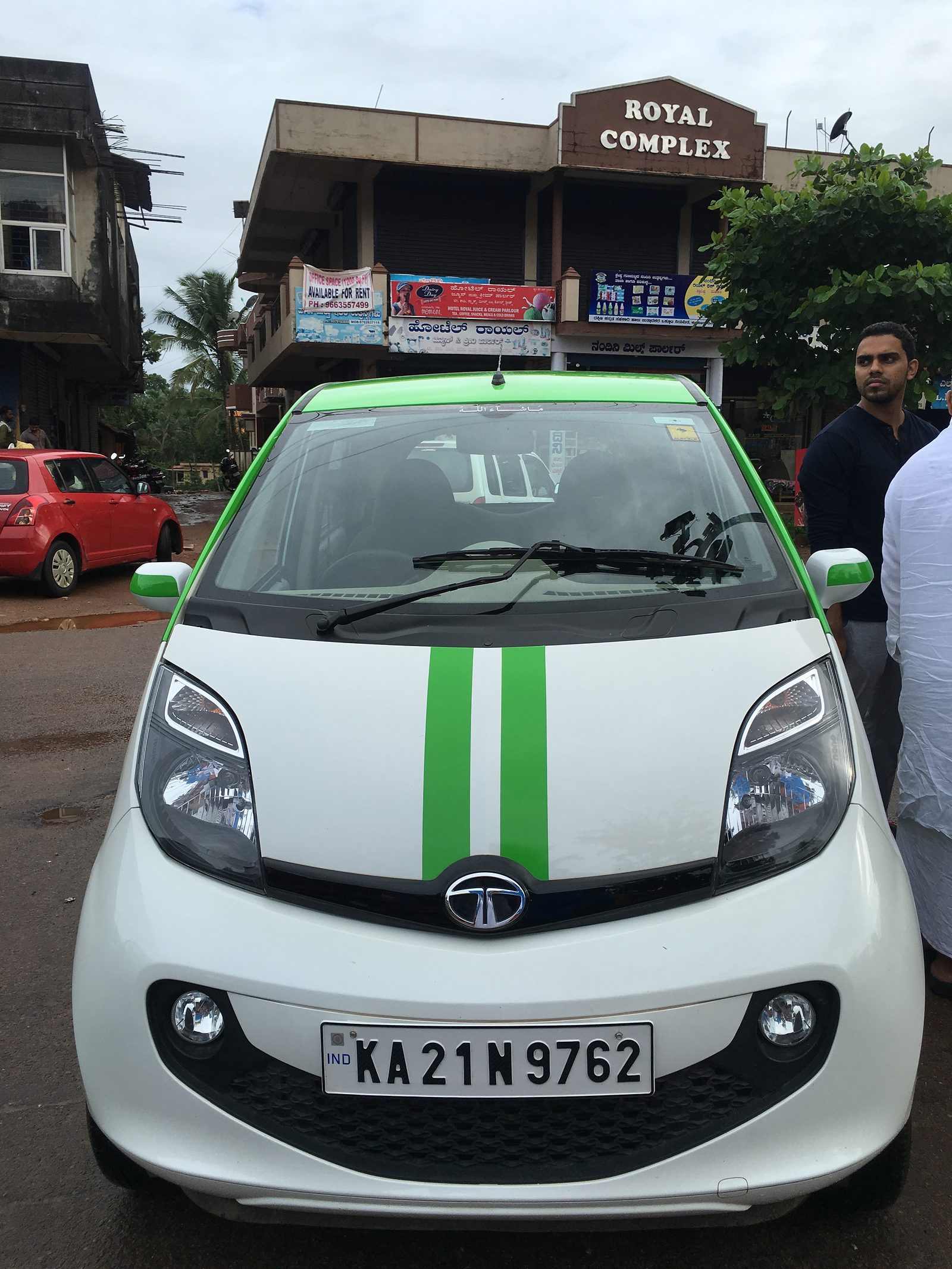
The GenX Nano of May 2015 answered some of the complaints, with an opening hatch at last, an optional automated manual gearbox and power steering, and sales rose a little.source 1 By 2017 the base price had roughly doubled, to Rs 2.25 lakh or more by Business Today’s figures, or about Rs 2.15 lakh by English Wikipedia’s, and Tata’s management admitted that the car lost money, saying it would go on building it out of emotional commitment.source 2source 1 One Nano was built in June 2018, against 275 a year before.source 1source 2 Sanand stopped regular production that July, 518 were sold in the whole of 2018, and January 2019 was the first month since the launch with none built or sold. Airbags became compulsory in April 2019, and new emission rules would have needed fresh investment.source 12 Tata issued no formal statement that production had ended.source 12 National Geographic’s Megafactories had made an episode about it, and Jay Leno showed one on Jay Leno’s Garage.source 1