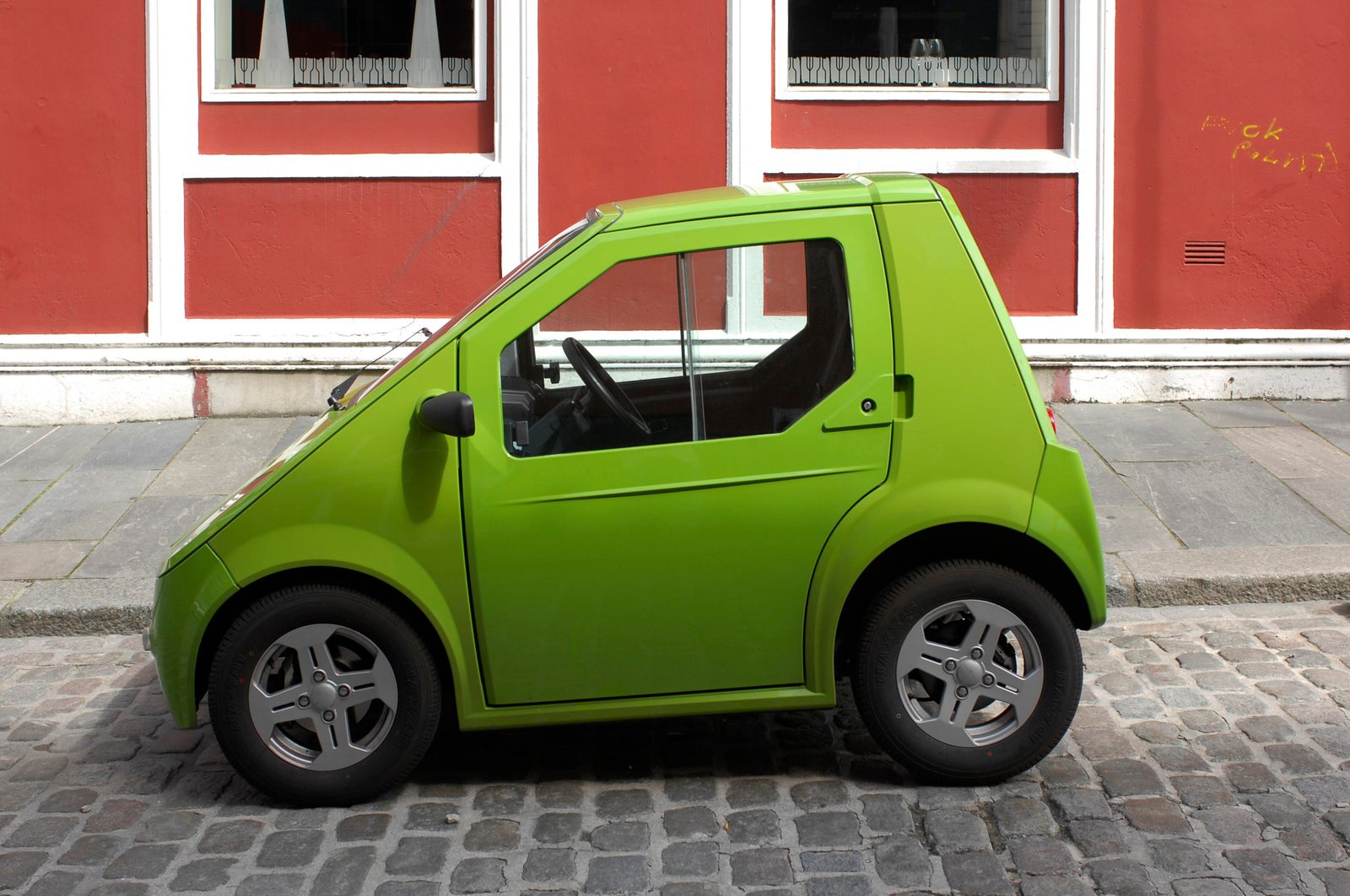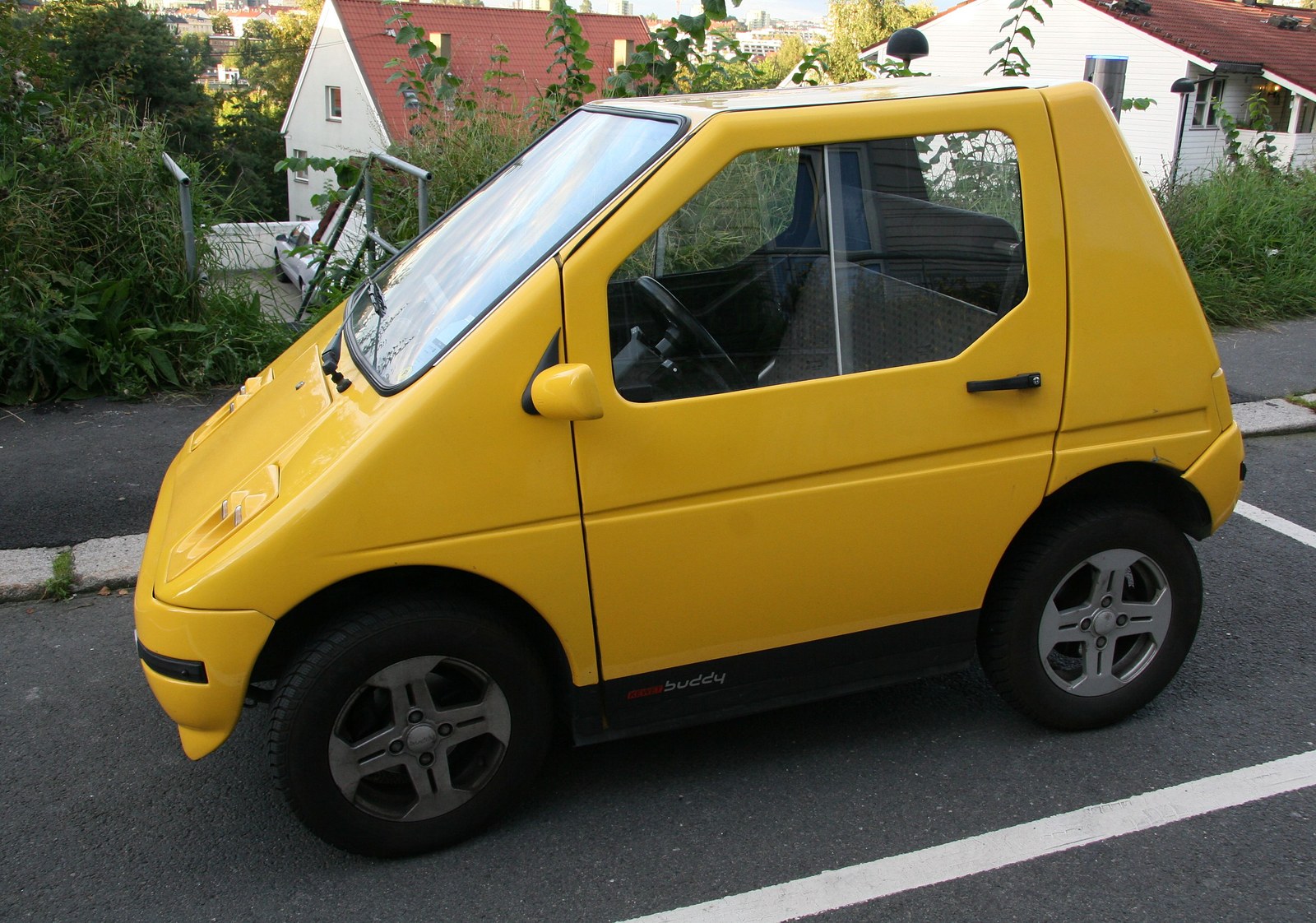
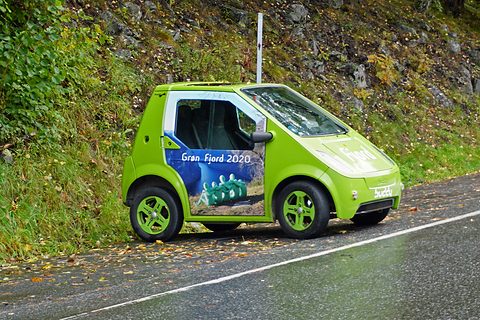
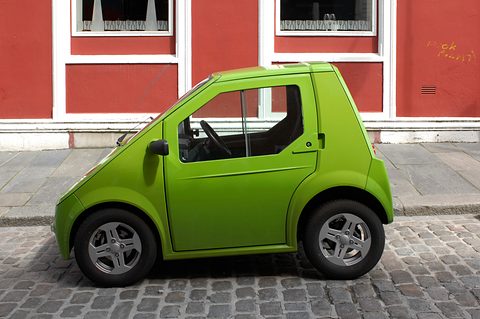
The story
History
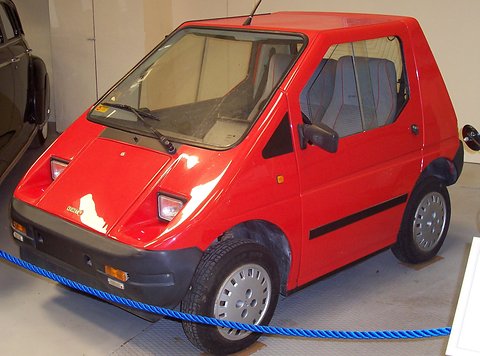
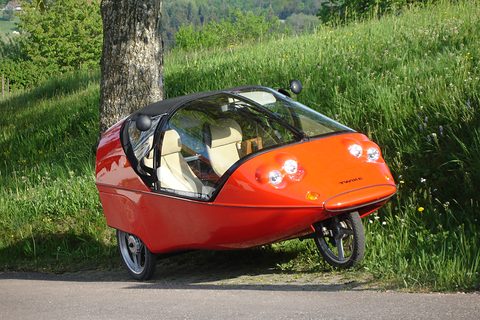
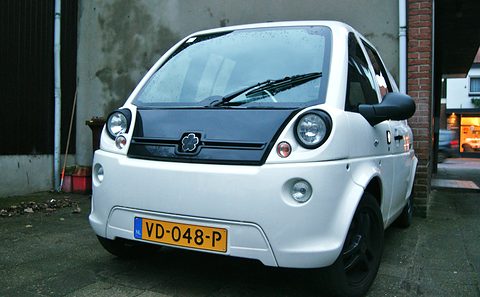
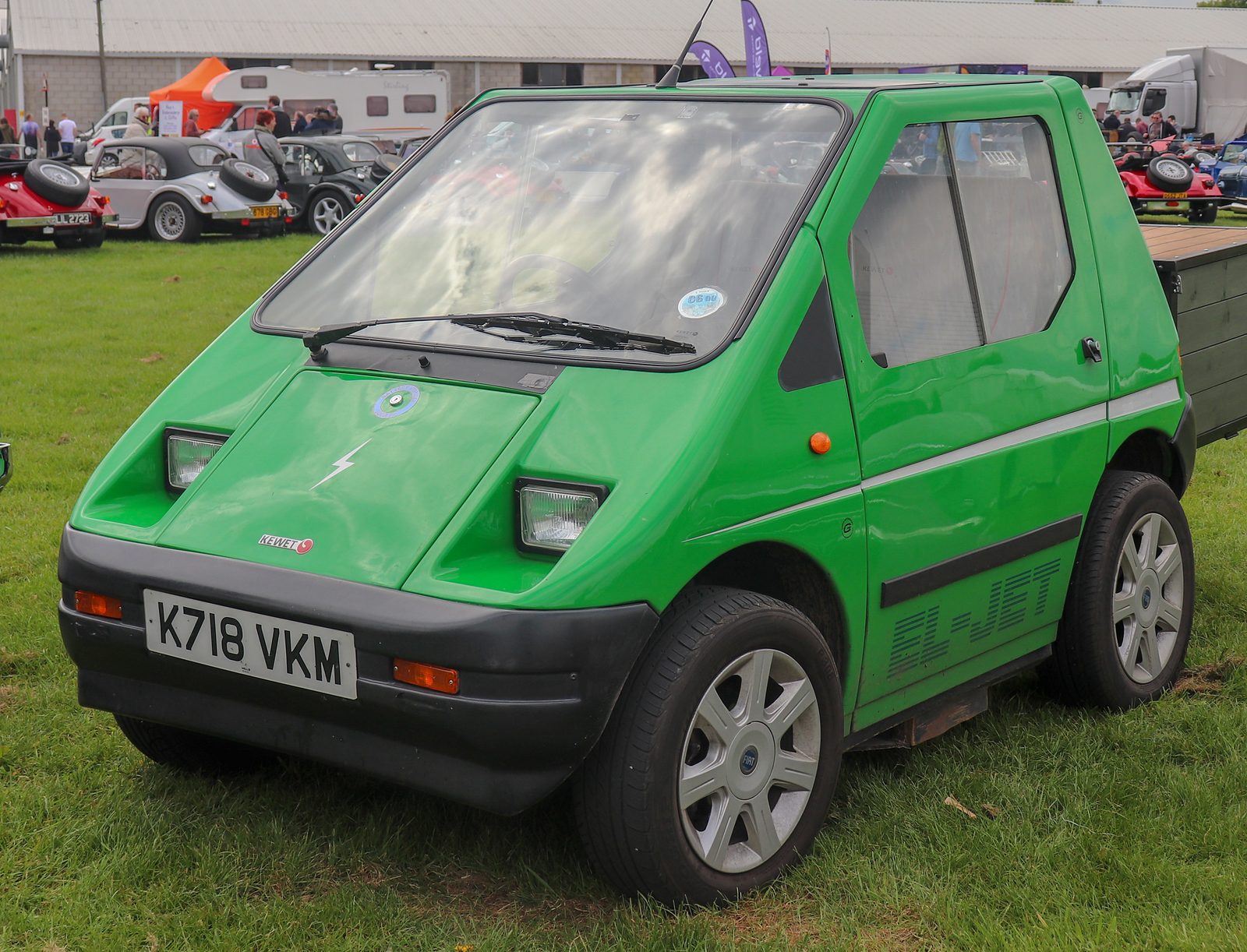
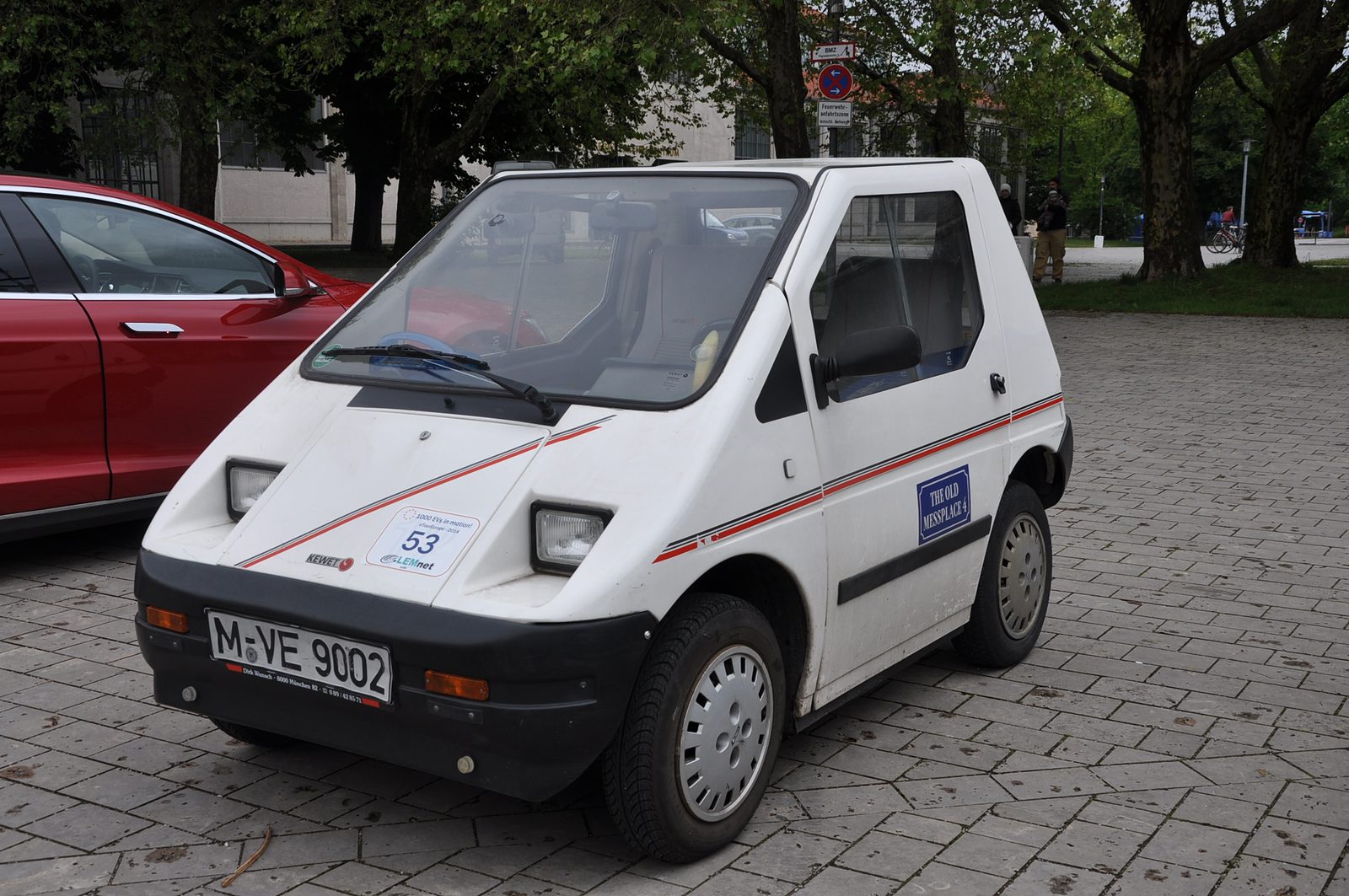
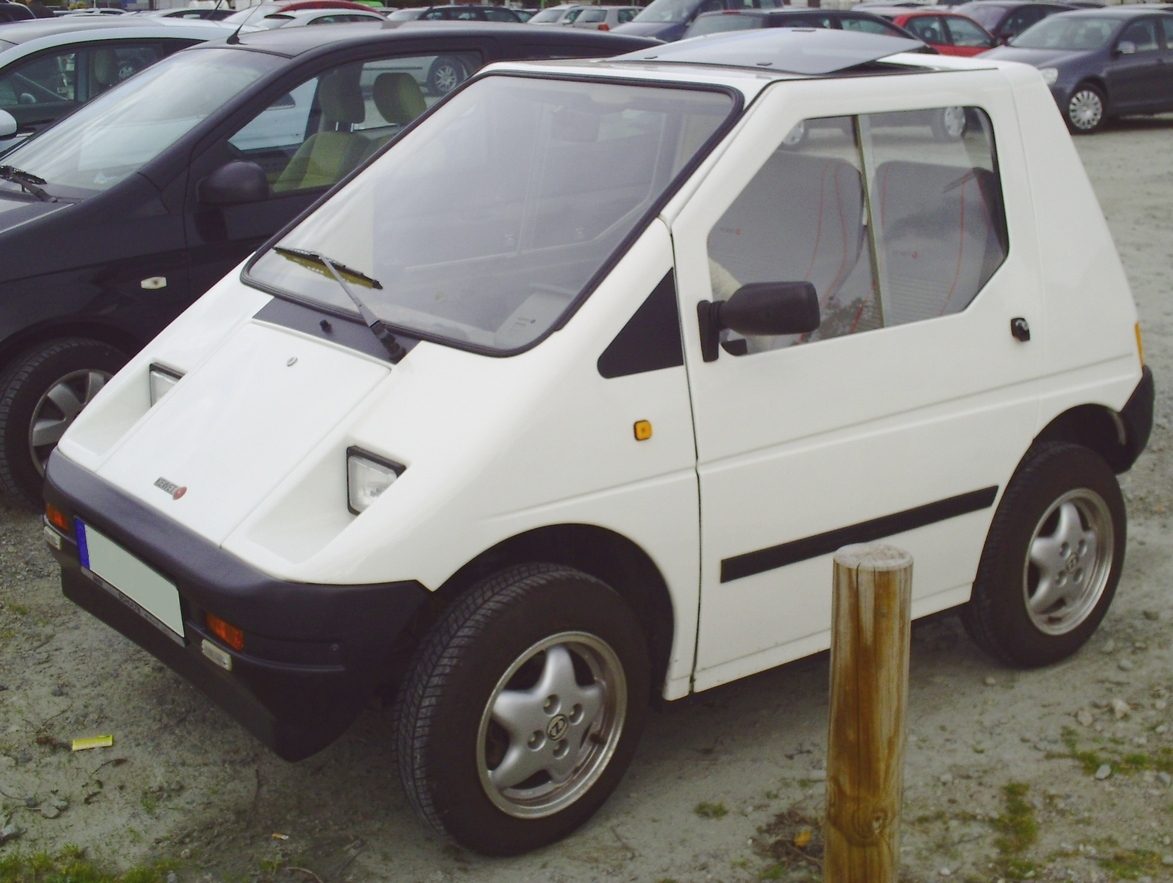
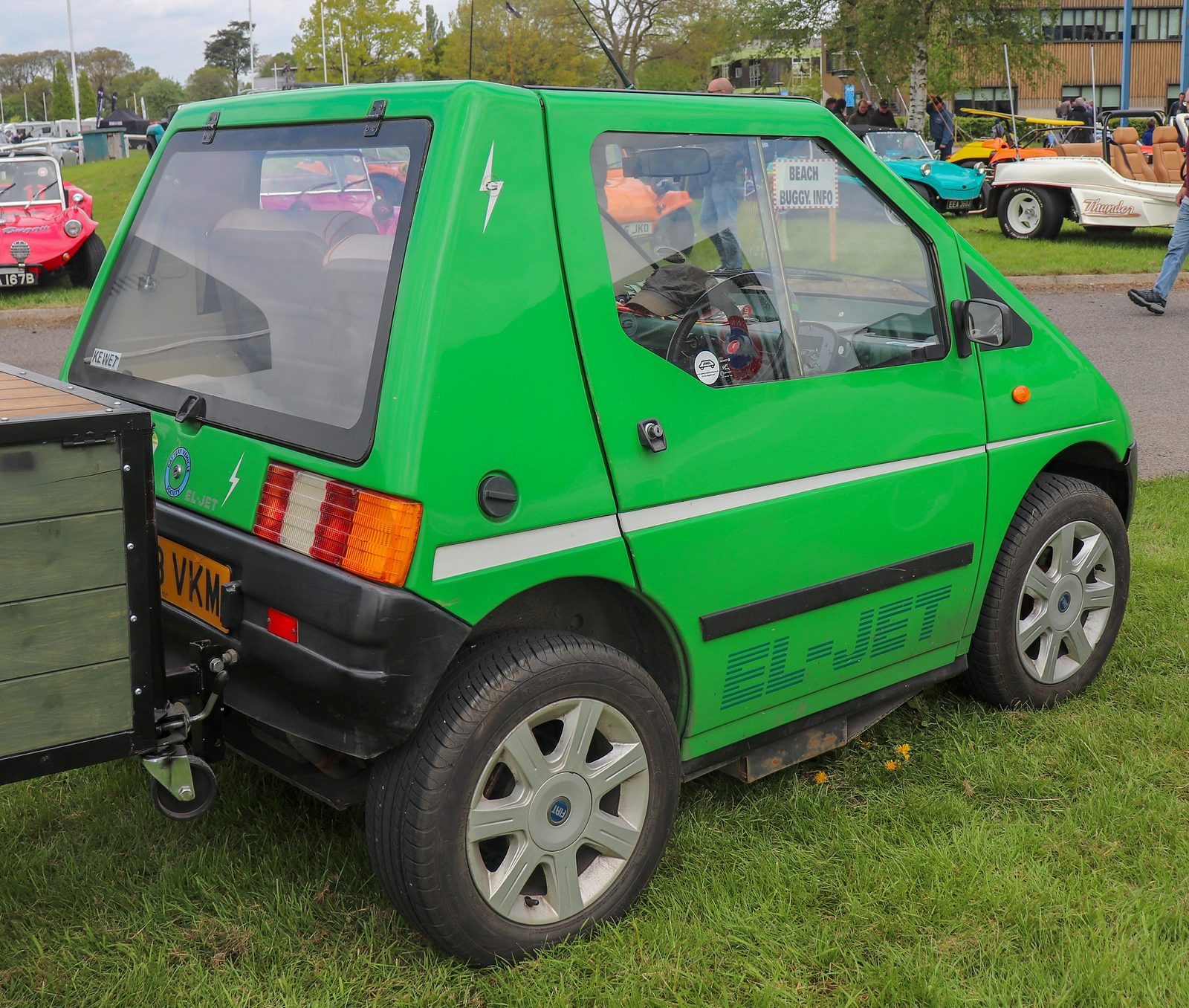
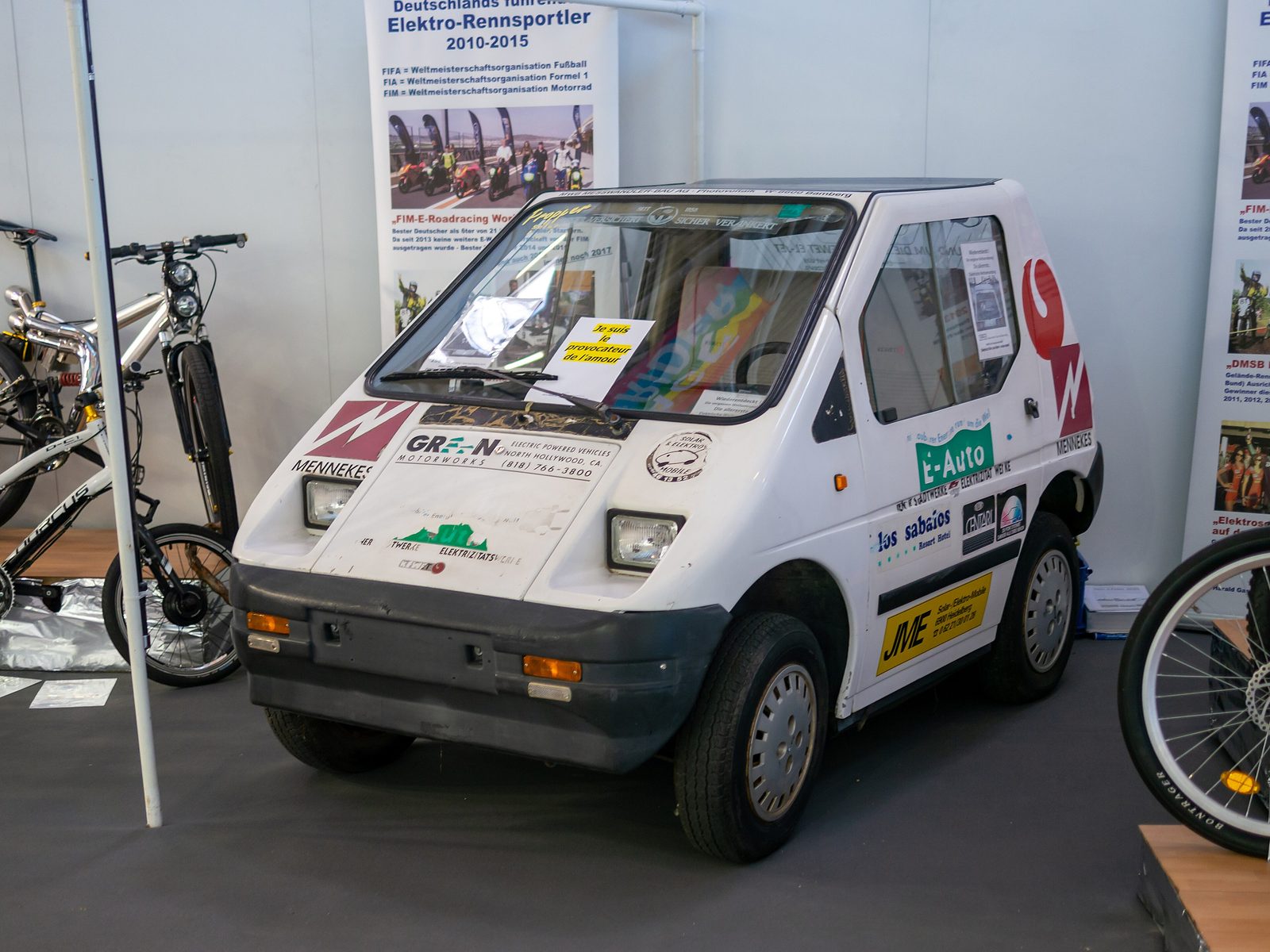
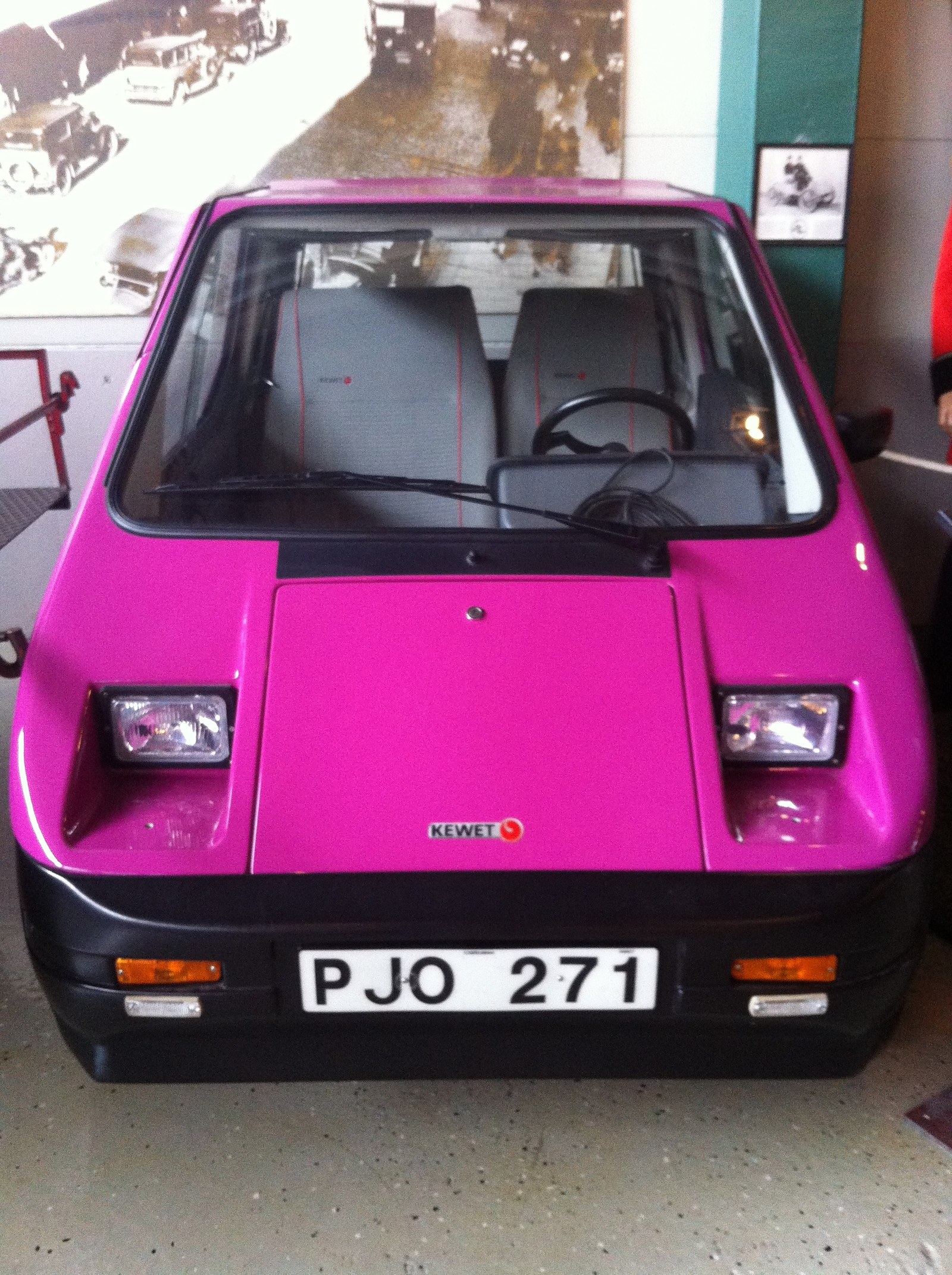
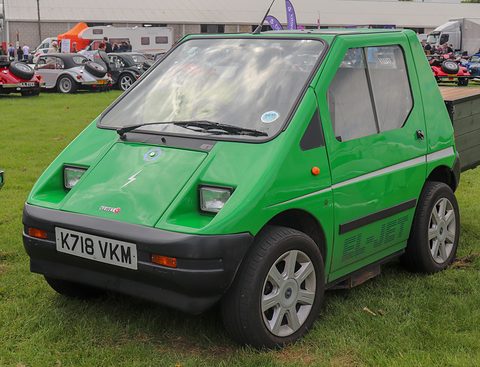
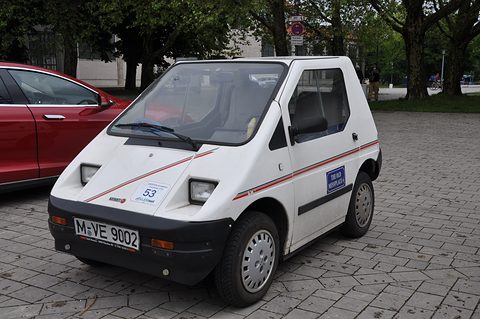
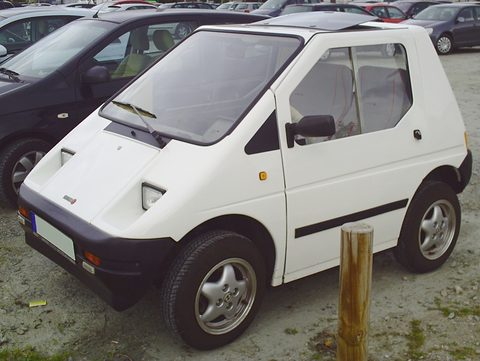
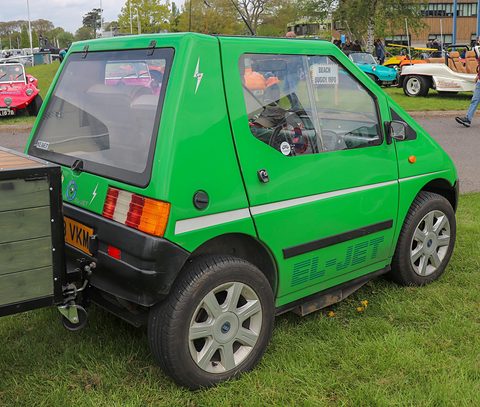
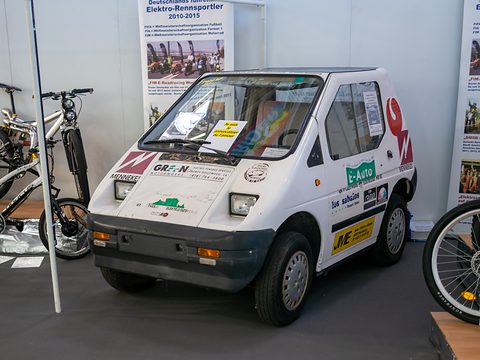
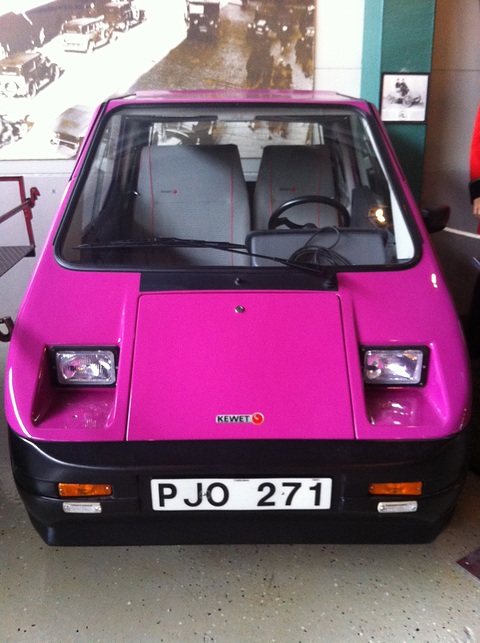
Knud Erik Westergaard had founded KEW Industries at Hadsund, in Denmark, in 1971 to make industrial washers and high-pressure cleaners. In 1988 the company was sold, and he founded a new one to build electric cars, and named it from his own initials: Knud Erik Westergaard Elektrisk Transport.source 1 The first Kewets left the Hadsund works in 1991.source 1source 2 They were two-seaters with a steel-tube frame and a body of splinter-free glass-fibre-reinforced polyester “with quite chic lines”, as the trade journalist Tor Ivar Volla put it, with independent suspension and disc brakes on all four wheels. Four 12 V batteries fed a motor of 7 or 10 hp at the back, and with the larger one the car reached 80 km/h (50 mph) and ran about 70 km (43 miles).source 3 English Wikipedia gives the first motor as 5 kW, with a four-speed manual gearbox.source 1 Later, as the El-Jet, it had 72 V and 12 kW, about 17 hp.source 3
About 500 were built in 1992 alone, and then output fell, because the home market and the markets nearby were full.source 3 In 1995 Westergaard moved to Nordhausen, in Thuringia, for the mass production that never came; the fifth stage of development brought no revival, and a van, the Citi-Van, died after a pre-series of 12.source 1source 3 When the German authorities would not give him enough tax relief or other support, he moved what production there was back to Hadsund.source 3source 2 In 1998, English Wikipedia says, Kewet went bankrupt; Volla puts it that Westergaard finished with the project after just over 1,000 Kewets had been built.source 1source 3 It had been sold in 18 countries, by Danish Wikipedia’s count, or type-approved in 20, by Volla’s.source 2source 3 The Hadsund buildings later became the Hadsund Lagerhotel, which housed Nilfisk-ALTO among others.source 2
Smått, søtt og alternativt er adjektiver som både passer på elbilen Kewet og på bedriftene som har stått bak den.
To Oslo
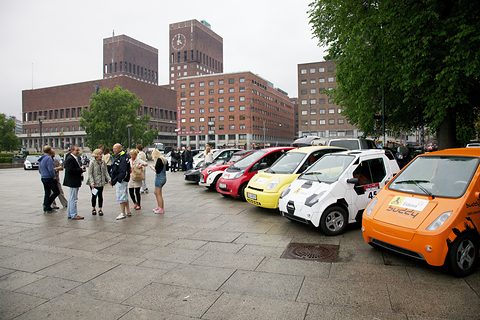
Kollega Bil AS of Oslo had sold the Kewet in Norway from the start, and became its importer in 1995. Norway’s own electric car, the Think City, was then on the way, and to Kollega Bil the Kewet looked like a developed and cheaper alternative.source 3 On 25 September 1998 it took over the Danish company, its production rights, its tools and its name, and revived the old model name, Citi-Jet. The maker’s own later account dates the takeover to 1999.source 3source 4 The Norwegian Public Roads Administration approved production in Norway on 20 June 2000, on a small line, building to order, set up with the research institute SINTEF in the Sandakerveien in Oslo.source 3 In the first half of 2002 only four new Kewets were registered in Norway, with 30 used cars imported and upgraded.source 3 Kollega Bil became ElBil Norge in 2003, and in 2005 its owners, among them its founders Jan-Petter Skram and Viggo Vargum and the investor Hafslund Venture, put NOK 12 million into a larger factory at Økern.source 5source 4
Three abreast
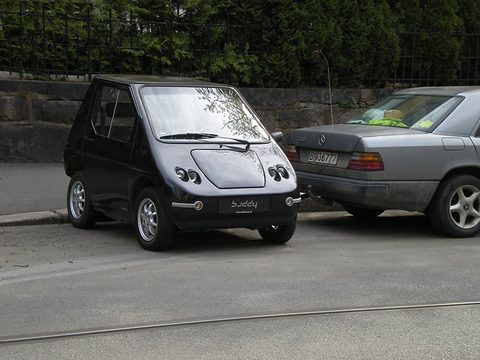
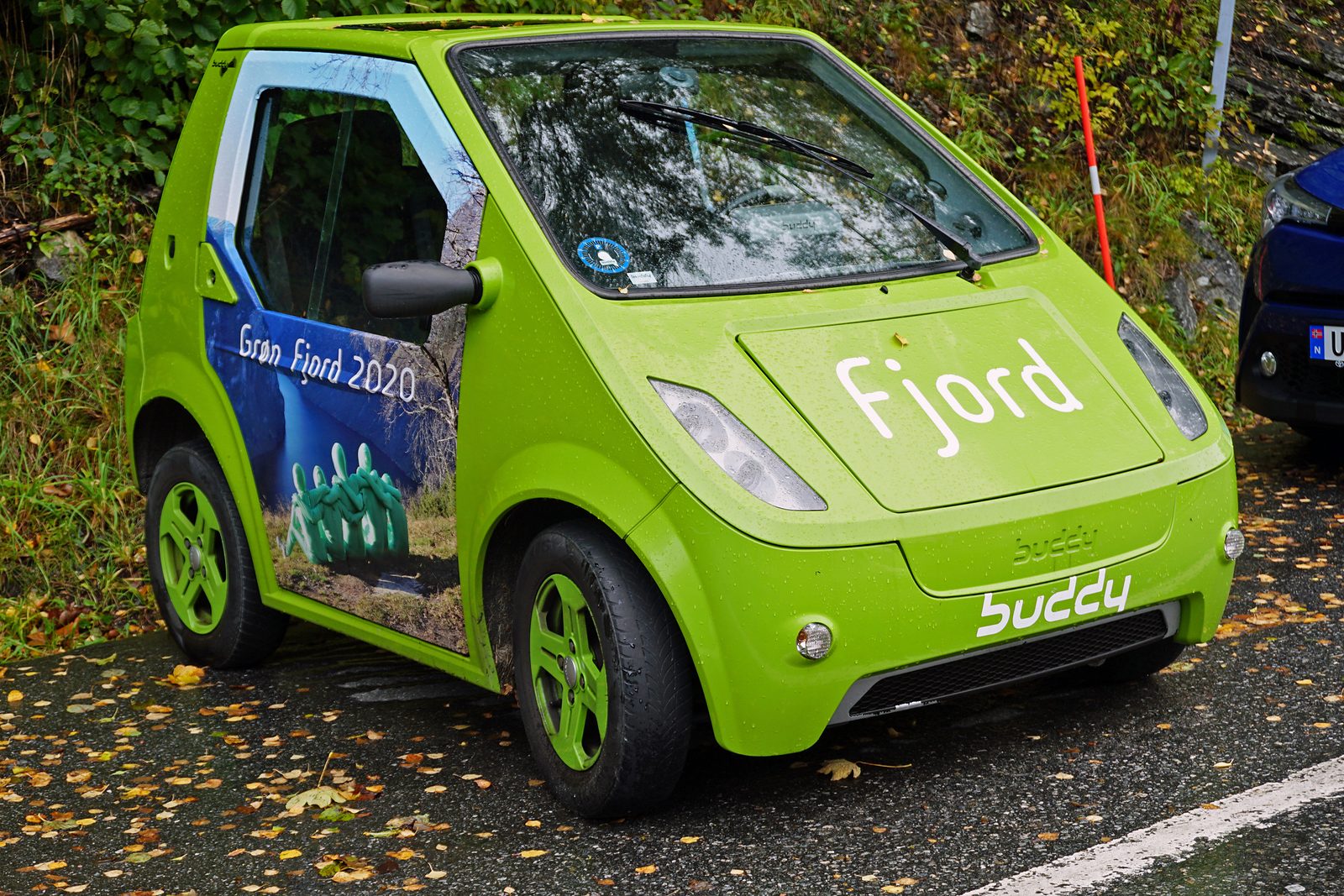
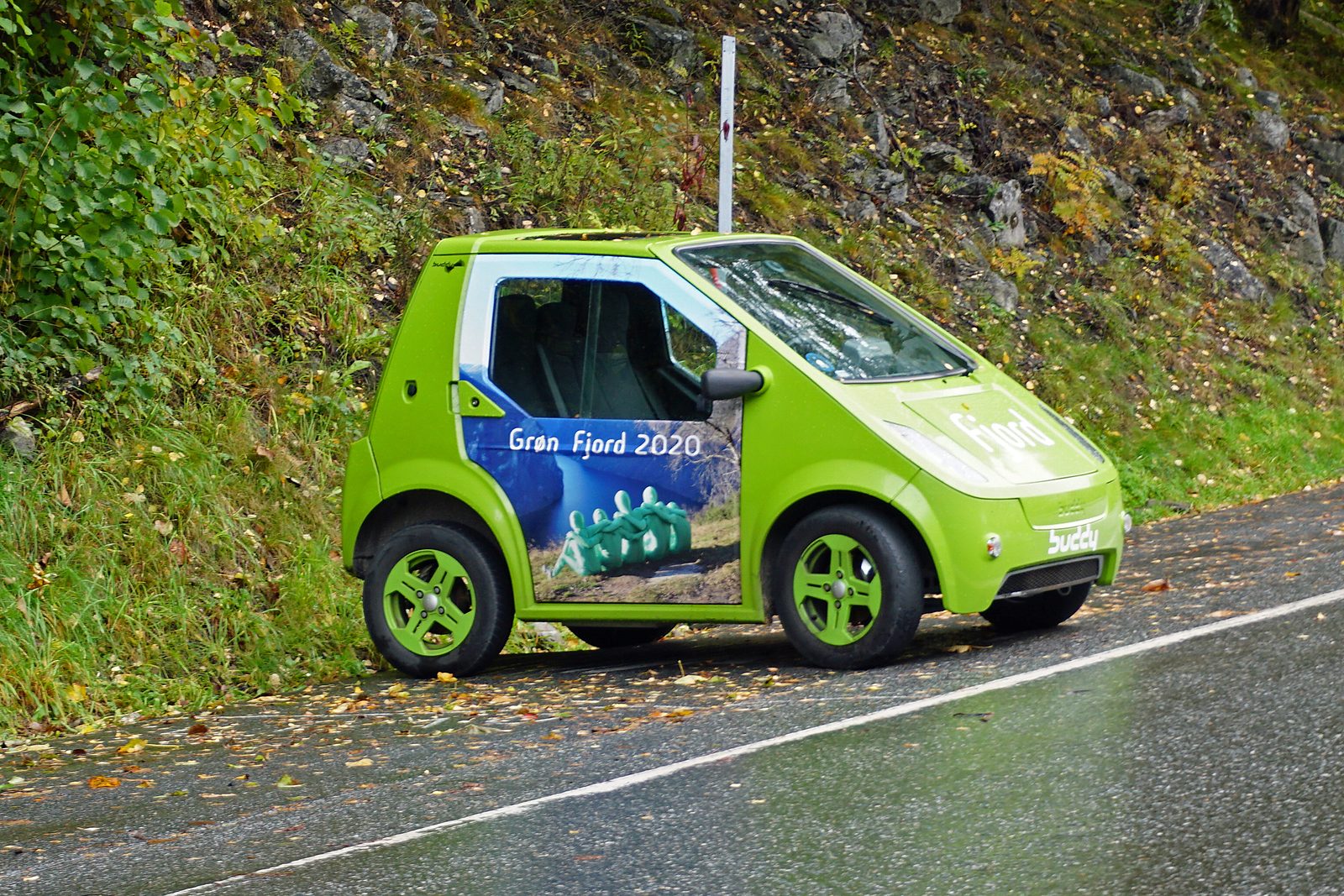
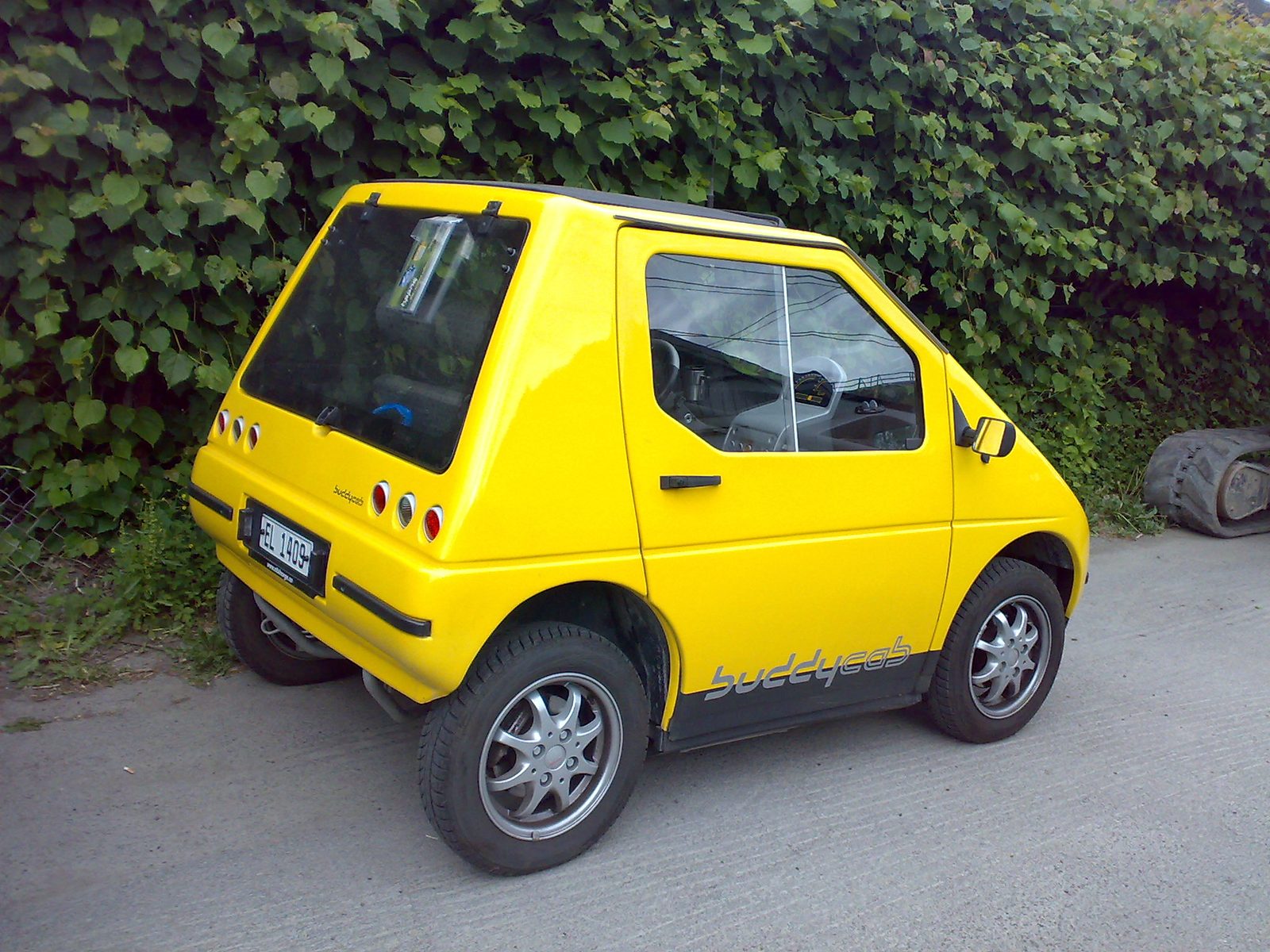
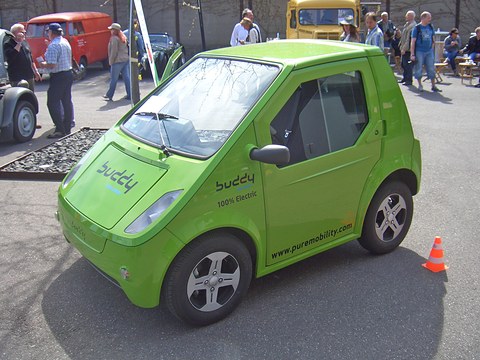
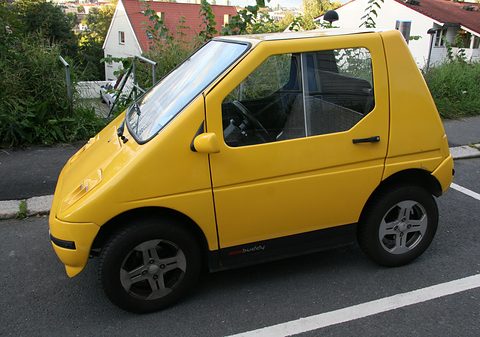
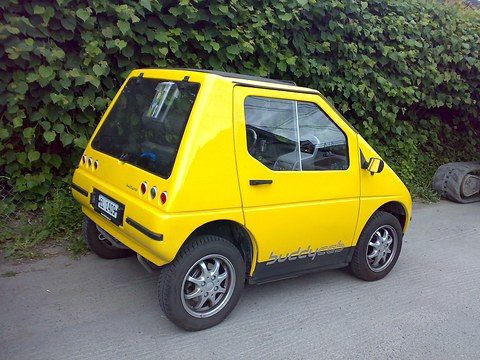
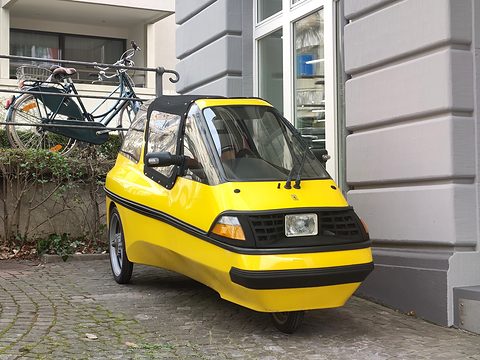
The sixth generation, the Kewet Buddy, was approved for Europe as a heavy quadricycle in 2005, launched at EVS21 in Monaco, and built from October 2005.source 5source 4 It seated three side by side in a car 2,440 mm (96 in) long, on a welded steel space frame clad in glass fibre and ABS, with a 13 kW motor and lead batteries good for 50–100 km (31–62 miles).source 5source 4 The maker described the boot like this.
The luggage compartment is designed around two cases of beer – or 6-8 bags of groceries.
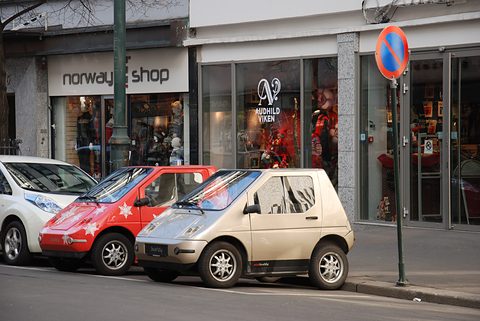
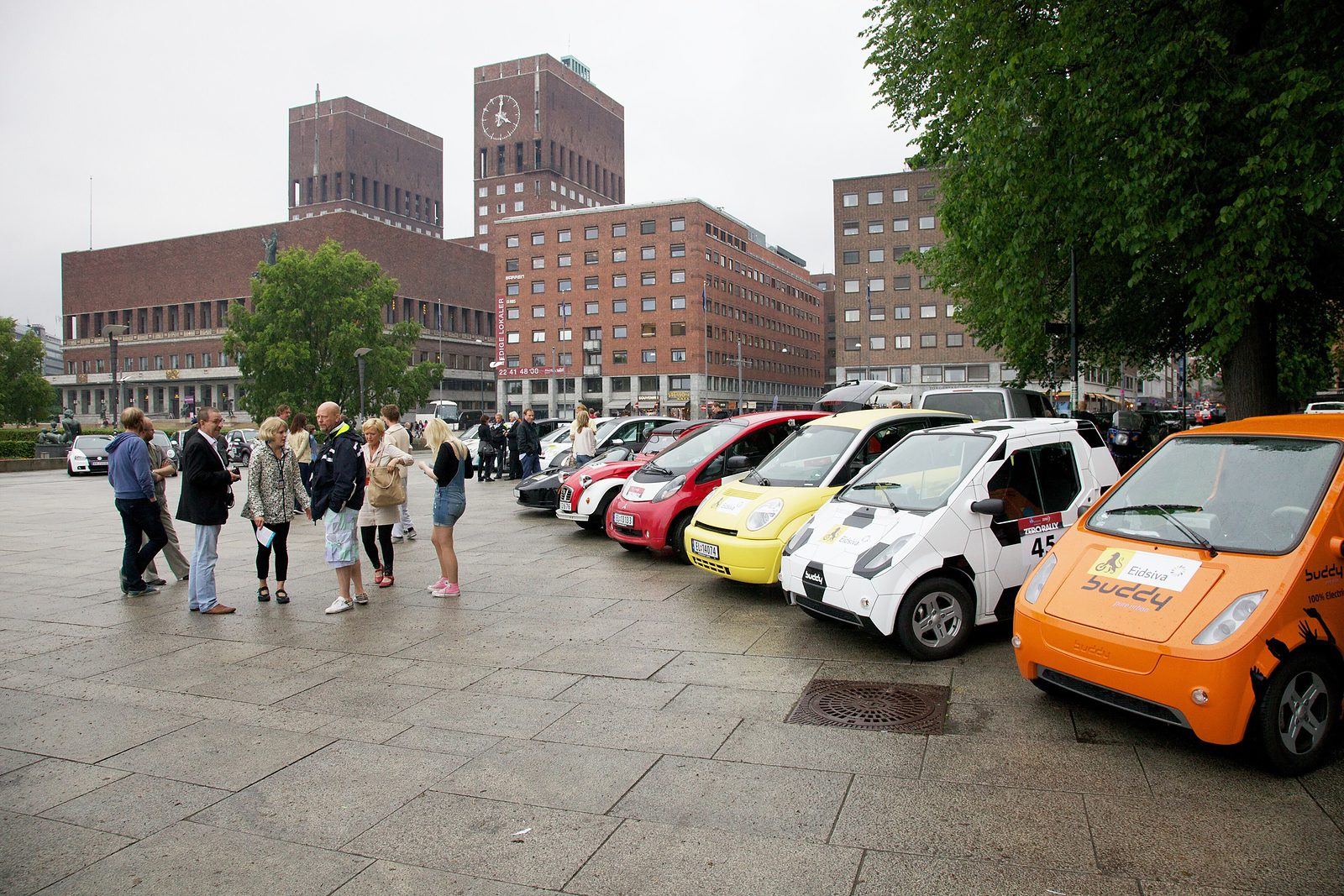
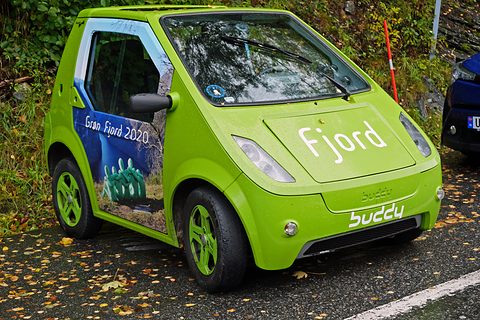
Norway made it pay. Electric cars there were spared taxes and road tolls, could park free and drive in the bus lanes, and the Buddy could be parked at right angles to the kerb in a motorcycle space.source 4source 5 By ElBil Norge’s count it ranked 29th among car brands in Norway in 2006, ahead of Jaguar, Fiat, Smart and Porsche.source 5 In 2007 Økern built five or six a week, against a theoretical capacity of 500 a year, and Kewets and Buddys made up a fifth of all the electric cars in Norway.source 5 About 80 per cent were delivered in strong colours, decorated with flowers, hearts, clouds or flames, and one car was covered in clouds to match its owner’s bedside lamp.source 5 The first 12 for Denmark went by boat to Copenhagen in December 2008; a plan for a factory in Portugal, to build 5,000 a year, came to nothing.source 5
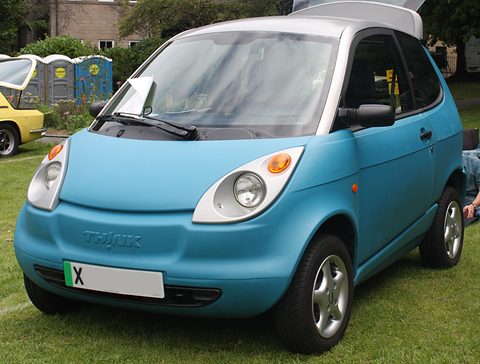
In 2010 the company, by then Pure Mobility, launched a restyled car as the MetroBuddy, and dropped the “Metro” for its confusing associations; later bodies were moulded in pDCPD polymer instead of thin glass fibre.source 5 It sold 125 in Norway in 2011, 6 per cent of the electric cars sold there that year.source 5 English Wikipedia says Pure Mobility was declared bankrupt in 2011 and liquidated in 2014; yet AVEM, reporting from EVS27 in Barcelona in November 2013, found the firm, as Buddy, still building the eBuddy in Oslo.source 5source 6 Only about 50 were registered that year. At about €20,000 the car was, its maker admitted, far too expensive to build in Norway, and it was looking for an industrial partner, with an offer from Turkey.source 6 Production ended after the 2013 model year.source 5
Opinions of its safety differ. The maker said its frame and safety cell had deformation zones front and rear; English Wikipedia, citing no source, says it had no proper deformation zones, no power steering, no brake servo and no airbags.source 4source 5