microcarfan
  • Electric microcar
  • Italy
  • Four wheels
  • Aluminium frame

Tazzari Zero

Also known as Tazzari ZERO

An aluminium foundry built this one, not a carmaker. The Tazzari Group of Imola, in Italy’s Motor Valley, cast the frame, put an electric motor ahead of the rear wheels and the batteries in the nose, and gave the driver four modes to choose from, one of them called Race.

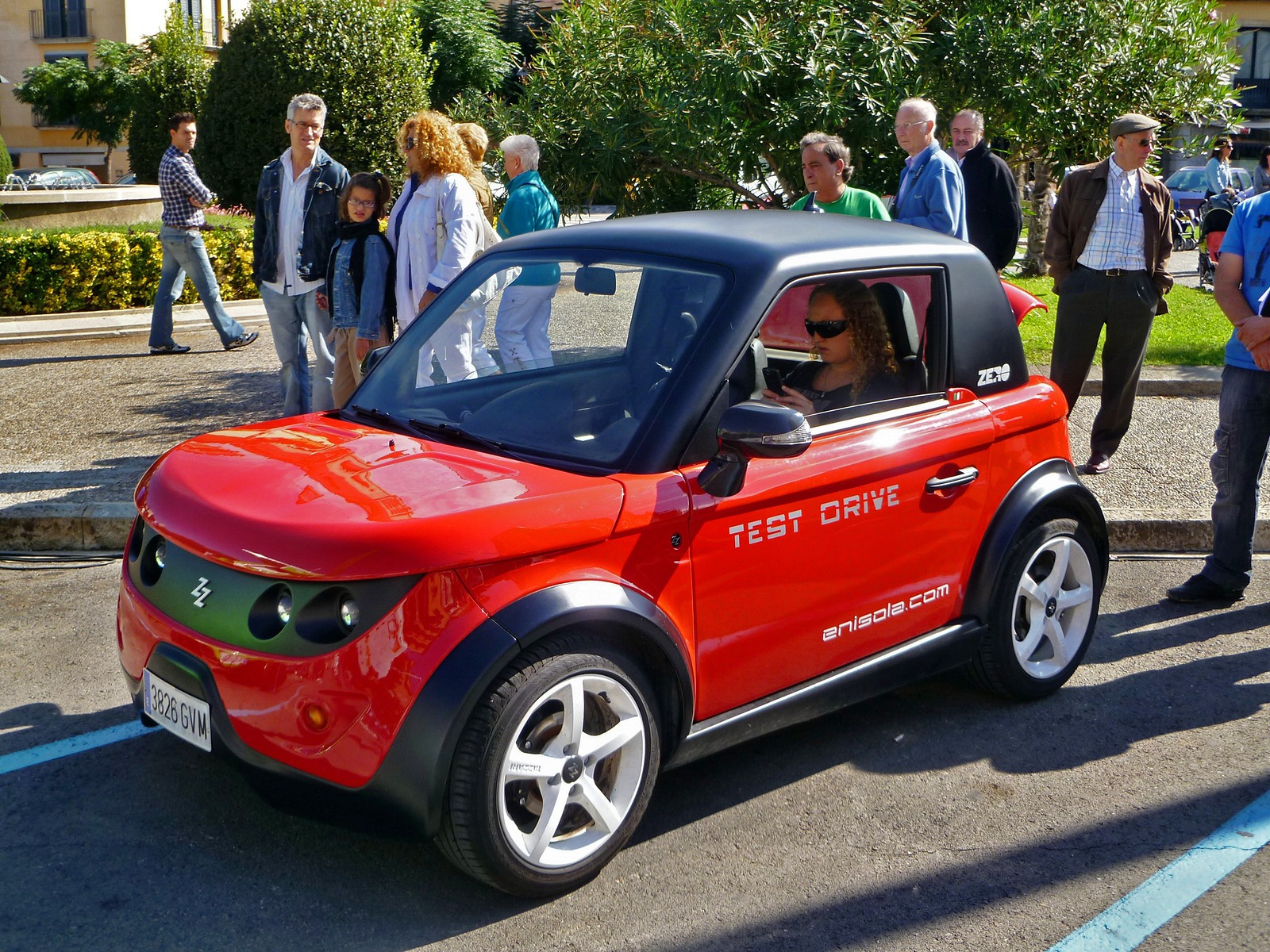
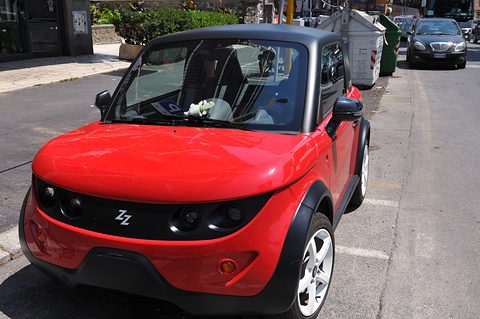
Red two-seat coupé with a black roof and ZZ badge, parked at the kerb of a sunny street.
A red Tazzari Zero with a black roof parked in a street in Rome, Italy, in July 2013.Photo: 罗布泊, CC BY 3.0, via Wikimedia Commons

At a glance

The spec plate

Tazzari Zero

Zero · Imola

Built
2009–?Launched in December 2009 and built from January 2010; when it ended is not established
Country
ItalyImola, Emilia-Romagna
Maker
Tazzari Group, ImolaAn aluminium-casting and engineering group; its electric division dates from 2006
Engine
Three-phase asynchronous electric motorA lithium iron phosphate battery of about 12.3 kWh in the nose
Power
15 kW20 PS; 150 Nm
Length
2,880 mm1,560 mm wide, 1,420 mm high
Weight
542 kgWith its 142 kg battery, by German and English Wikipedia; 545 kg and 617 kg elsewhere
Seats
2
Wheels
4Motor ahead of the rear axle, driving the rear wheels; batteries in the nose
Price new
about €20,000€20,300 plus VAT at the 2009 launch; £18,000 planned for Britain
Production
more than 700In use by May 2011, by Tazzari; no total found
Top speed
100km/h100 km/h103 km/h by English Wikipedia; 90 km/h in a 2009 preview

How big is it?

True proportion

2.88 m

It is 90 mm shorter than a Fiat 500, about 1.6 adults laid end to end, and twice the length of a Peel P50.

  • 1.56 m wide
  • 542 kg: about seven adults
  • A cast-aluminium frame under a plastic body
  • Two boots, of 30 and 150 litres
Drawn at true proportion. The track is 3.6 metres long; the adult stands at the same scale. The Peel P50 is the smallest production car, on every page for comparison.

The story

History

Tazzari cast aluminium for a living. The group, in Imola, is a foundry and engineering business, whose castings, km77 says, go to premium brands, and its website claims more than 60 years of history.source 1source 2source 3 In 2006 the brothers Erik and Rafael Tazzari set up a division for electric vehicles, on Erik’s initiative, and called the project ZERO; its stated priorities were “sport, fun, ecology”.source 4source 5source 1

Dovevamo pensare a un prodotto unico – qualcosa che ancora non era stato sperimentato in Italia.

Erik Tazzari, interviewed by Quotidiano.net, May 2011. In English: “We had to think of a unique product, something that had not yet been tried in Italy.”source 4

The design was shown online in 2008.source 6 In July 2009 The Truth About Cars previewed it as a two-seater with a glued frame of cast aluminium, developed with the University of Bologna, which also designed its battery-management system, and a motor in the middle driving the rear wheels. It would cost about €20,000, and a former Pirelli manager planned to import it to the United States in 2010, at first as a 56 km/h (35 mph) neighbourhood electric vehicle to save the cost of crash tests. Its writer, before he had driven it, liked its looks and likened it to an NSU TT.source 1 The Zero made its formal debut at the Bologna Motor Show in December 2009, priced at €20,300 plus VAT, with £18,000 planned for Britain and US$29,900 for America.source 7source 6source 1 Production began in January 2010.source 2source 4

Race, Rain, Standard, Economy

The motor, a three-phase asynchronous unit of 15 kW (20 PS) and 150 Nm, sits ahead of the rear axle and turns the back wheels through one reduction gear.source 7source 6source 8 The nose holds the battery, of lithium iron phosphate cells, about 12.3 kWh and 142 kg by German Wikipedia’s figures, which charges in about nine hours from a household socket or to 80 per cent in under an hour on three-phase current.source 8source 2 The maker claimed up to 140 km (87 miles) in Economy mode and a maximum of 100 km/h (62 mph); the other modes were Race, Rain and Standard.source 6source 8source 2source 4 There were two boots, of 30 and 150 litres, electric heating and windows and central locking, but km77 noted no ABS, no stability control and no airbags.source 7source 8source 2 It found that the modest motor gave solid, decisive acceleration, thanks to the car’s light weight and the electric motor’s instant torque.source 2 That weight is given as 542 kg (1,195 lb) with the battery, 545 kg, or 617 kg.source 7source 8source 1source 2

Its legal class is less clear. Spain registered it as a cuadriciclo, a quadricycle, and in the United States it was to be sold as a neighbourhood electric vehicle.source 2source 7source 1 Italian Wikipedia calls it a heavy quadricycle but labels that class L6e, which is the light one; with 15 kW and 100 km/h it cannot be a light quadricycle, and the question is unresolved.source 6

Seven hundred, then silence

In May 2011 Quotidiano.net reported more than 700 Zeros in use, with Germany and Asia its main markets, and a target of 1,000 by the end of the year; the group’s revenue had passed €6 million in 2010.source 4 The plans were many: a numbered special edition that spring, an open Zero Speedster 150 Italia in the national colours for the 150th anniversary of Italian unification, an M1 homologation in England so that 16-year-olds could drive it, and a four-seat Zero XL for 2012.source 4 The Speedster appeared, its roof removable or replaced by fabric, with stronger A-pillars and a roll bar across the car.source 6source 4 Whether the XL or the English version ever went on sale is not established. In 2014 the Zero earned one star in Euro NCAP’s tests of quadricycles.source 7 English Wikipedia calls it a concept car, which it was not: it was built and sold from 2010, by the hundred.source 2source 4

When the Zero ended is not known. Tazzari still trades as Tazzari EV, and its website now offers other models, the Zeromax, the Zeromax Cubo for city deliveries, and the Zero 4 Opensky and Zero 4 Buggy.source 3 The electric microcar from Imola may also have a Chinese descendant, the Arcfox Lite.
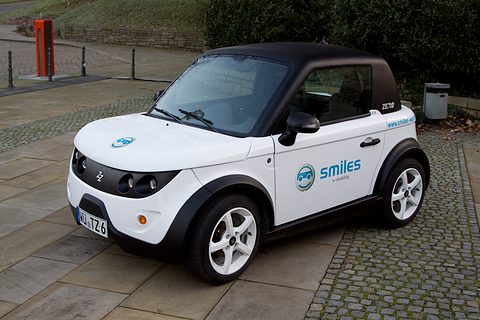
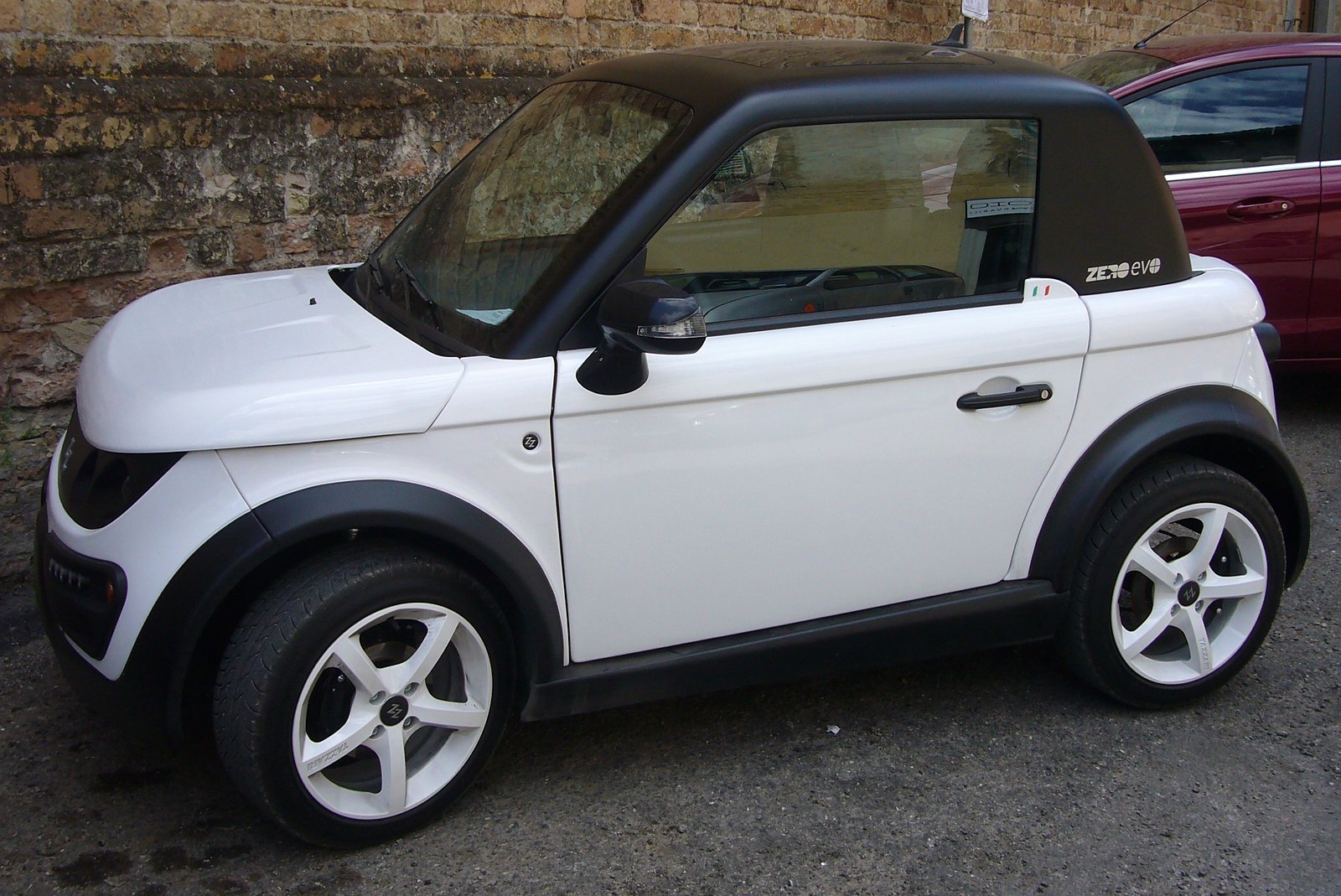
White two-seat coupé with a black roof and blue Smiles lettering, parked on stone paving.
A white Tazzari Zero in Smiles car-sharing livery in December 2009, the month of its launch.Photo: Ernesto Ruge, CC BY-SA 3.0, via Wikimedia Commons
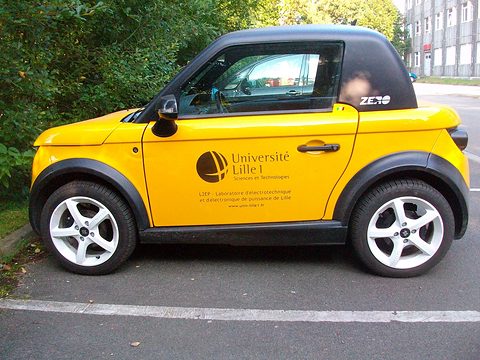
Side view of a yellow two-seat coupé with a black roof and university lettering on its door, parked by trees.
A yellow Tazzari Zero of the Université Lille 1 electrical-engineering laboratory in Lille, France, in September 2014.Photo: fdecomite, CC BY 2.0, via Flickr

Arcfox Lite

2017–⁠2020 · a record on this page

The Arcfox Lite may be the Zero’s Chinese descendant, but no one has said so on the record. Its line runs back to the Beijing Auto EX concept, shown at the Shanghai show on 20 April 2015 with production promised for 2016; it measured 2,880 by 1,560 mm, exactly the Zero’s length and width.source 9 CarNewsChina wrote that the EX was based on the Tazzari Zero. Asked about its cooperation with Beijing Auto, Tazzari answered that it preferred “to not disclose any information at this time”.source 10source 11 The ArcFox-1 concept at the Beijing show of 2016 was larger, at 3,027 mm, and CarNewsChina found it “bigger and better, but still clearly inspired by the Zero”; at the Guangzhou show that November, nobody on the stand had heard of Tazzari.source 10source 11

The production car was badged simply “Lite” when the official photographs came out on 22 August 2017, and went on sale late that year as the first model of Arcfox, a brand of BJEV, the electric arm of BAIC.source 12source 13source 14 It was a three-door two-seater, 2,986 mm long, with an aluminium-alloy frame and a body of carbon-fibre-reinforced composite and plastic panels said to be 40 per cent lighter, and, unusually for a Chinese electric car of 2017, it was not built on a petrol car. A 37 kW (49 hp) motor and a 16.4 kWh battery gave 110 km/h (68 mph), and LED panels front and rear could show the driver’s own words and pictures.source 12source 13source 14 After subsidies it cost from 93,800 to 106,800 yuan.source 13 It sold slowly: 472 in 2017, 588 in 2018, 599 in 2019 and 12 in 2020, about 1,670 in all.source 14 English Wikipedia lists the Zero as related, without a source; no source read confirms a formal licence, so the family tie is likely but unconfirmed.source 15

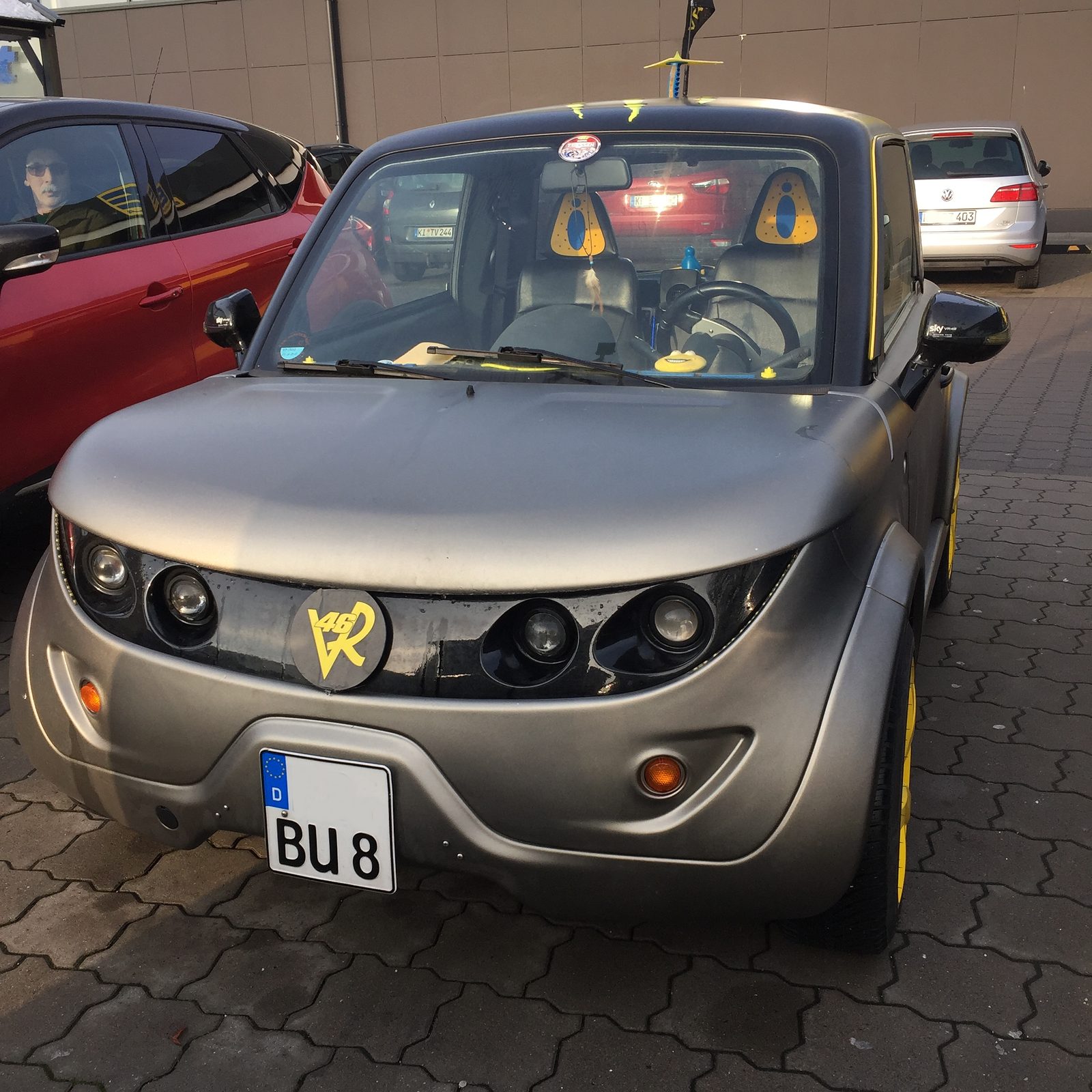
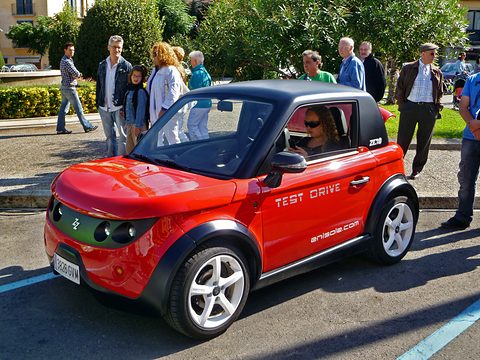
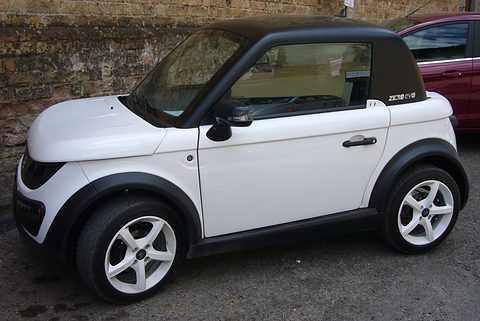
Pictures

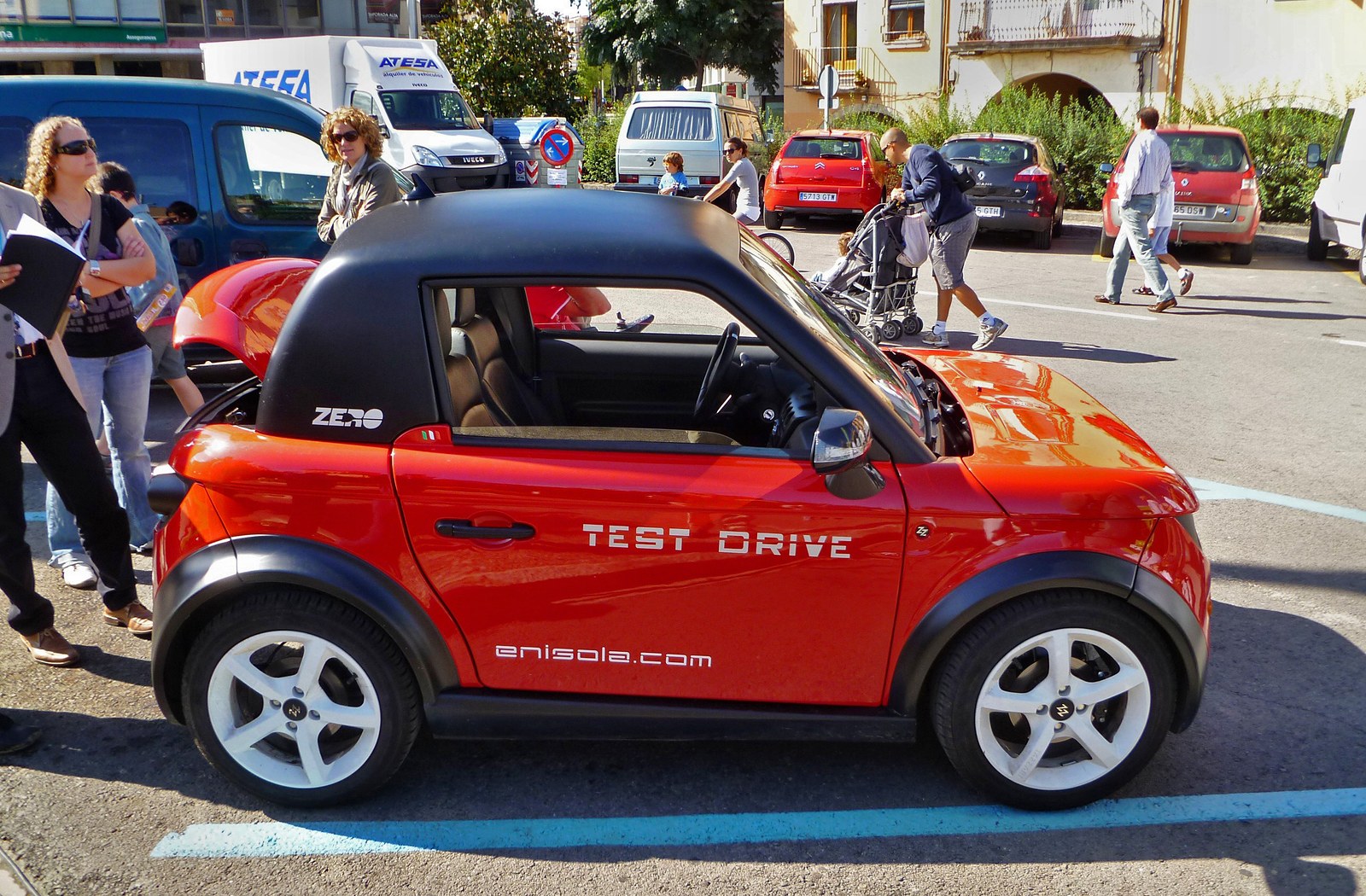
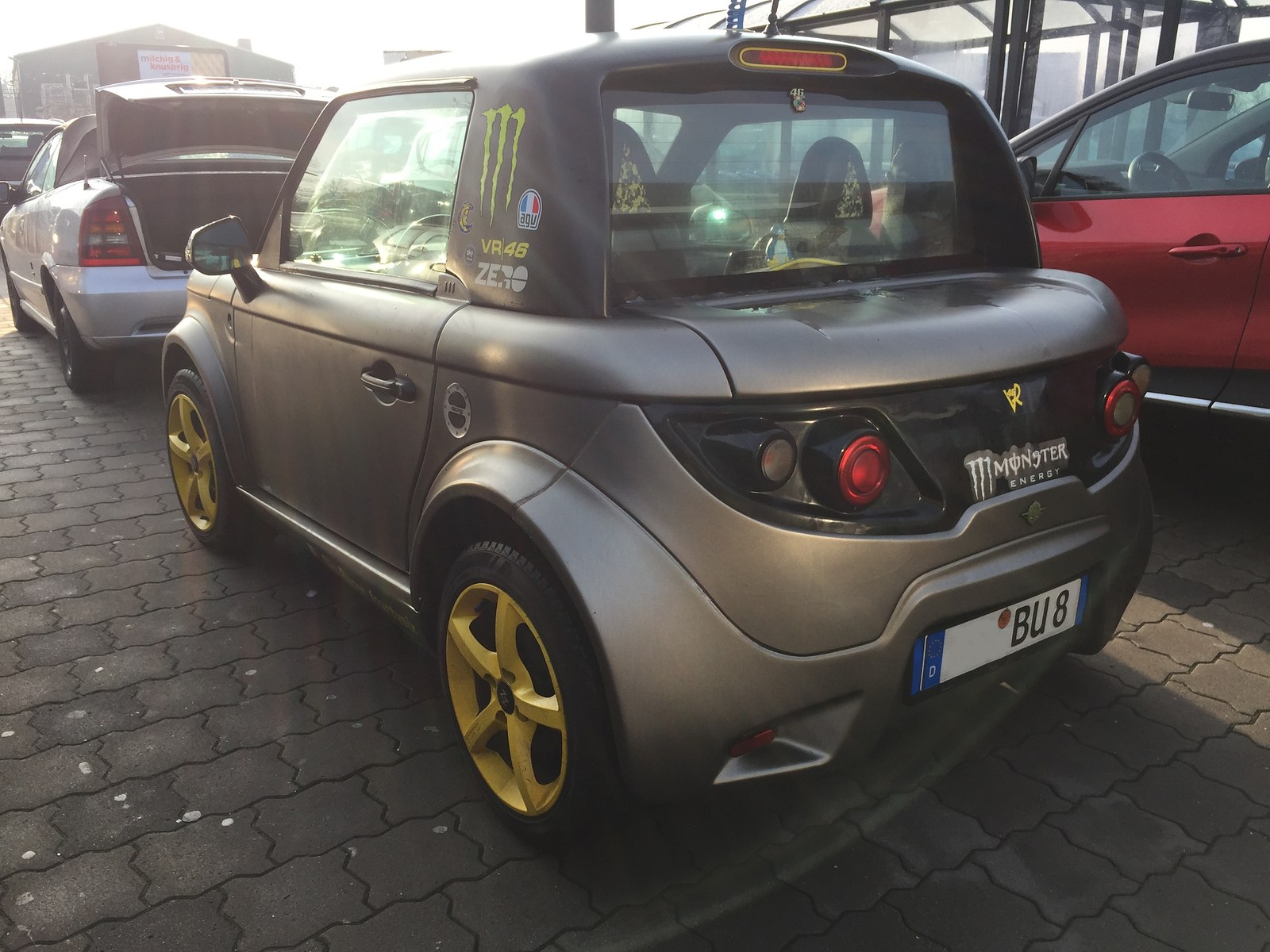
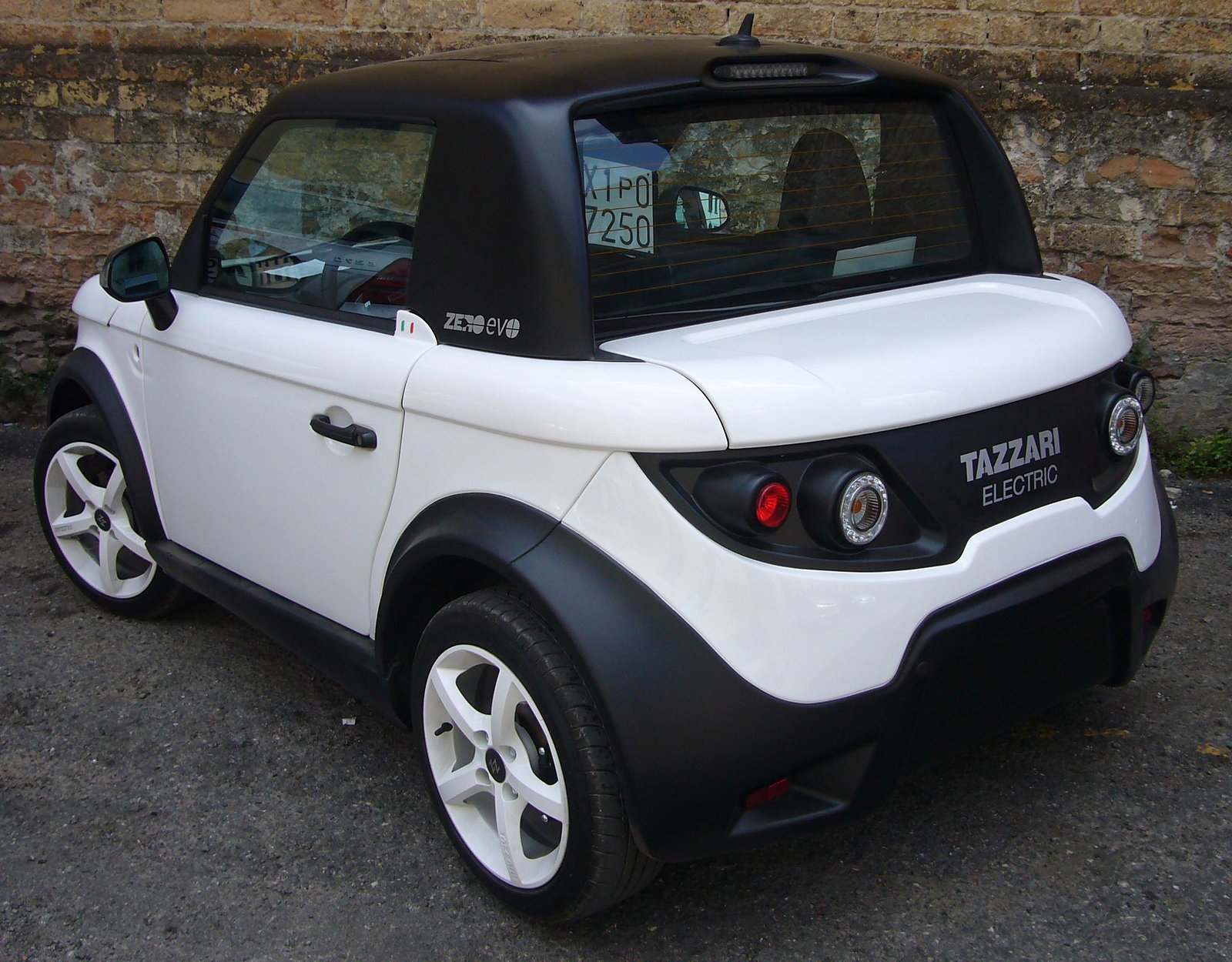
More photographs, old and new

Variants

The Zero and its plans

Zero versions
VariantYearsWhat differsHow many
ZeroFrom 2010; end not knownClosed two-seater, in three trim levels that differ mainly in equipmentMore than 700 in use by May 2011
Numbered special edition2011A numbered plaque, carpets, a touchscreenNot recorded
Zero Speedster 150 Italia2011Open, in the Italian colours; roof removable or replaced by fabric, stronger pillars and roll barA limited number, not recorded
Zero XLplanned for 2012Four seatsNot known whether built

Specification

The Zero of 2010–⁠11

Motor and battery

Motor and battery
MotorThree-phase asynchronous, ahead of the rear axle, single reduction gear, no gearboxsource 6source 8
Power15 kW (20 PS)source 6source 8source 2
Torque150 Nmsource 7source 8
BatteryLithium iron phosphate, 12.3 kWh, 142 kgsource 8Thunder Sky cells, 160 Ah at 80 V, by km77
ChargingAbout 9 hours at 230 V; to 80 per cent in under an hour on 400 V three-phasesource 7source 8source 2

Body and chassis

Body and chassis
FrameCast aluminium, glued, developed with the University of Bolognasource 8source 1
BodyTwo-door hatchback in plasticsource 8source 1
BrakesFour discs and regenerative brakingsource 8
SafetyNo ABS, stability control or airbagssource 2
Driving modesRace, Rain, Standard and Economysource 6source 8

Dimensions

Dimensions
Length2,880 mm (113 in)source 6source 2
Width1,560 mm (61 in)source 2
Height1,420 mm (56 in)source 2
Weight542 kg (1,195 lb) with the batterysource 7source 8545 kg by The Truth About Cars; 617 kg by km77
LuggageTwo boots, 30 and 150 litressource 8source 2

Performance and running

Performance and running
Top speed100 km/h (62 mph)source 6source 8source 2103 km/h by English Wikipedia
0–50 km/hAbout 5 ssource 6source 86 s by km77
RangeUp to 140 km (87 miles) in Economy, the maker’s figuresource 7source 8source 2
Price new€20,300 plus VAT (2009); £18,000 and US$29,900 plannedsource 7

How many were built?

The figures, with their source

More than 700 by May 2011No production total has been found. The only figures come from Tazzari, through a newspaper interview in May 2011: more than 700 in use, and a target of 1,000 by the end of that year.

  1. more than 700in use by May 2011One source

    Quotidiano.net, from Tazzarisource 4

  • Two sources agreetwo good sources give the figure
  • One sourcea good source, alone
  • Unconfirmeda lead only, not yet checked

Famous for

Three points

  1. From a foundry

    An electric car from an aluminium-casting firm, with a frame cast in Imola.

  2. A mode called Race

    Four driving modes: Race, Rain, Standard and Economy.

  3. Speedster 150 Italia

    An open Zero in the national colours for the 150th anniversary of Italian unification, 2011.

Survivors and collecting

Today

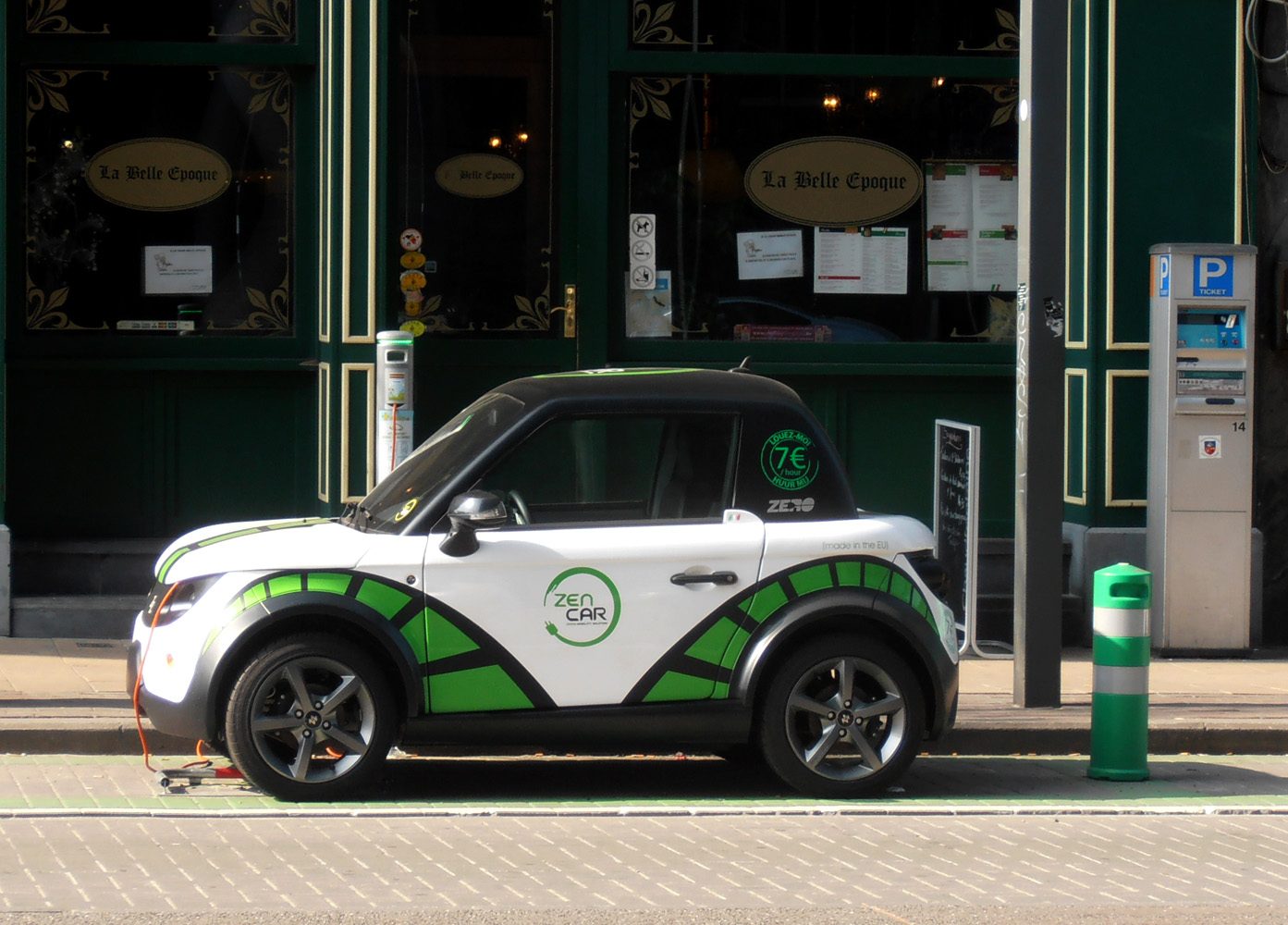
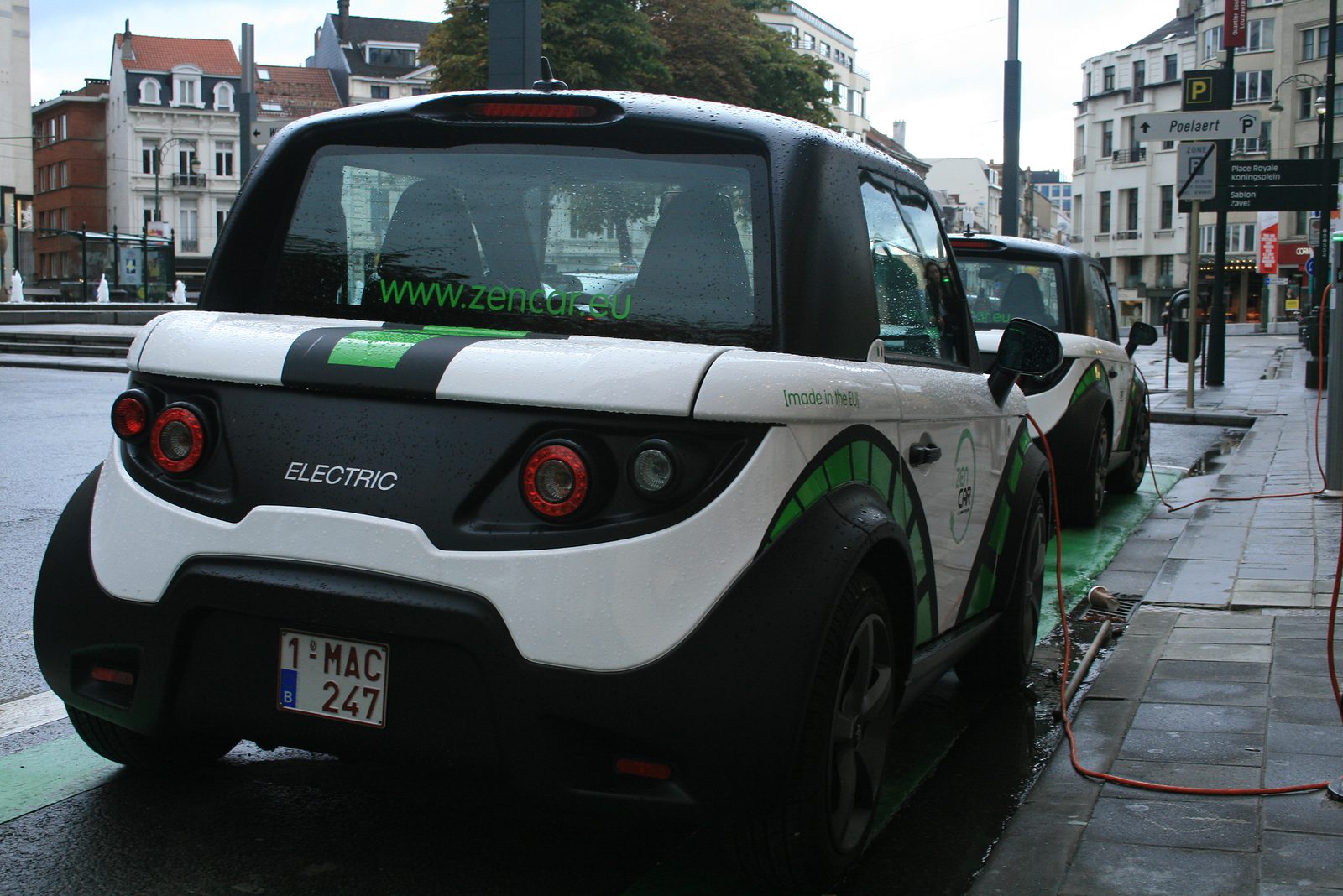
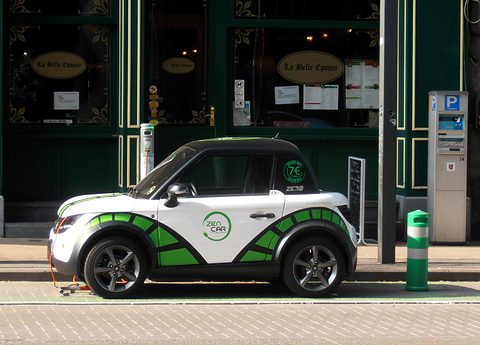
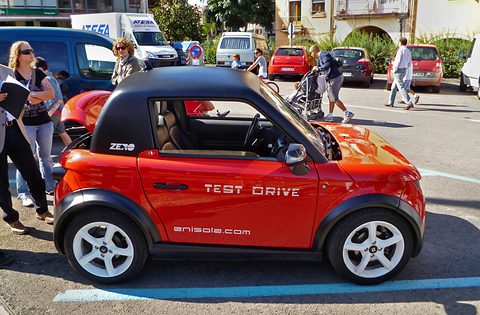
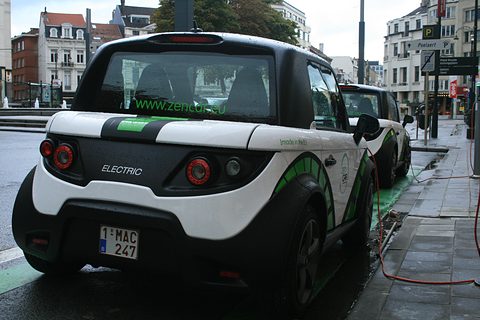
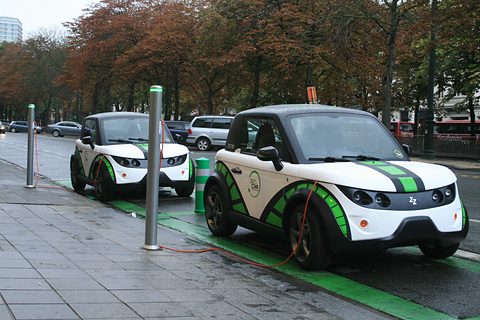
No survivor count, owners’ club or sale at auction has been found. In the pictures here, Zeros work in car-sharing fleets, Smiles in 2009 and Zencar on the Avenue Louise in Brussels in 2011, and one with a university laboratory in Lille in 2014.

Two white, green and black two-seat coupés plugged into charging posts in green bays beside a tree-lined avenue.
Two Zencar car-sharing Tazzari Zeros charging at kerbside bays on Avenue Louise, Brussels, Belgium, in September 2011.Photo: Jean-Etienne Minh-Duy Poirrier, CC BY-SA 2.0, via Flickr

Sources

Numbered as in the text

No full road test was read, and the newspaper and preview articles were read in summary. The Arcfox Lite rests on reports by CarNewsChina and sales figures from carsalesbase. Sources are given as plain text; the links are on the Credits page.

  1. Martin Schwoerer, “Tazzari Zero: Can an Urban EV Be Sexy?”, The Truth About Cars, 28 July 2009, read in summary.
  2. km77.com, “Tazzari Zero (2011): información general”, read in summary.
  3. Tazzari EV, official website.
  4. “Auto elettriche: i fratelli Tazzari puntano su Zero”, Quotidiano.net, Motori, May 2011, read in summary.
  5. A search-result summary of the company’s history, from an encyclopaedia infobox. A lead only.
  6. Italian Wikipedia, Tazzari Zero, read in full. Used as a lead.
  7. English Wikipedia, Tazzari Zero, read in full. Used as a lead.
  8. German Wikipedia, Tazzari Zero, read in full. Used as a lead.
  9. W.E. Ning, “Beijing Auto EX Concept debuts on the Shanghai Auto Show in China”, CarNewsChina, 20 April 2015.
  10. Tycho de Feijter, “This Is The Beijing Auto ArcFox-1 City Car Concept”, CarNewsChina, 12 May 2016.
  11. Joey Wang, “Beijing Auto ArcFox-1 EV Concept Hits The Guangzhou Auto Show”, CarNewsChina, 24 November 2016.
  12. Tycho de Feijter, “Official Photos Of The New ArcFox (?) LITE Mini EV For China”, CarNewsChina, 22 August 2017.
  13. Tycho de Feijter, “This Is The Arcfox Lite Premium Mini EV For China”, CarNewsChina, 6 November 2017.
  14. Bart Demandt, “Arcfox Lite China Auto Sales Figures”, carsalesbase.com, archived 2021.
  15. English Wikipedia, Arcfox Lite, read in full. Used as a lead.