The story
History
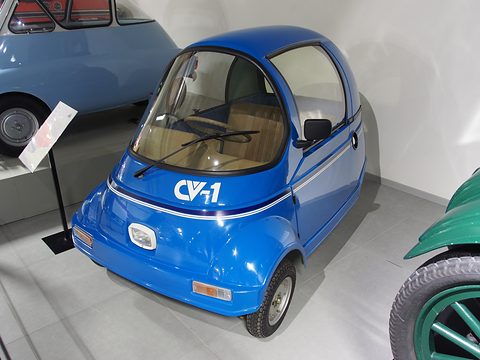
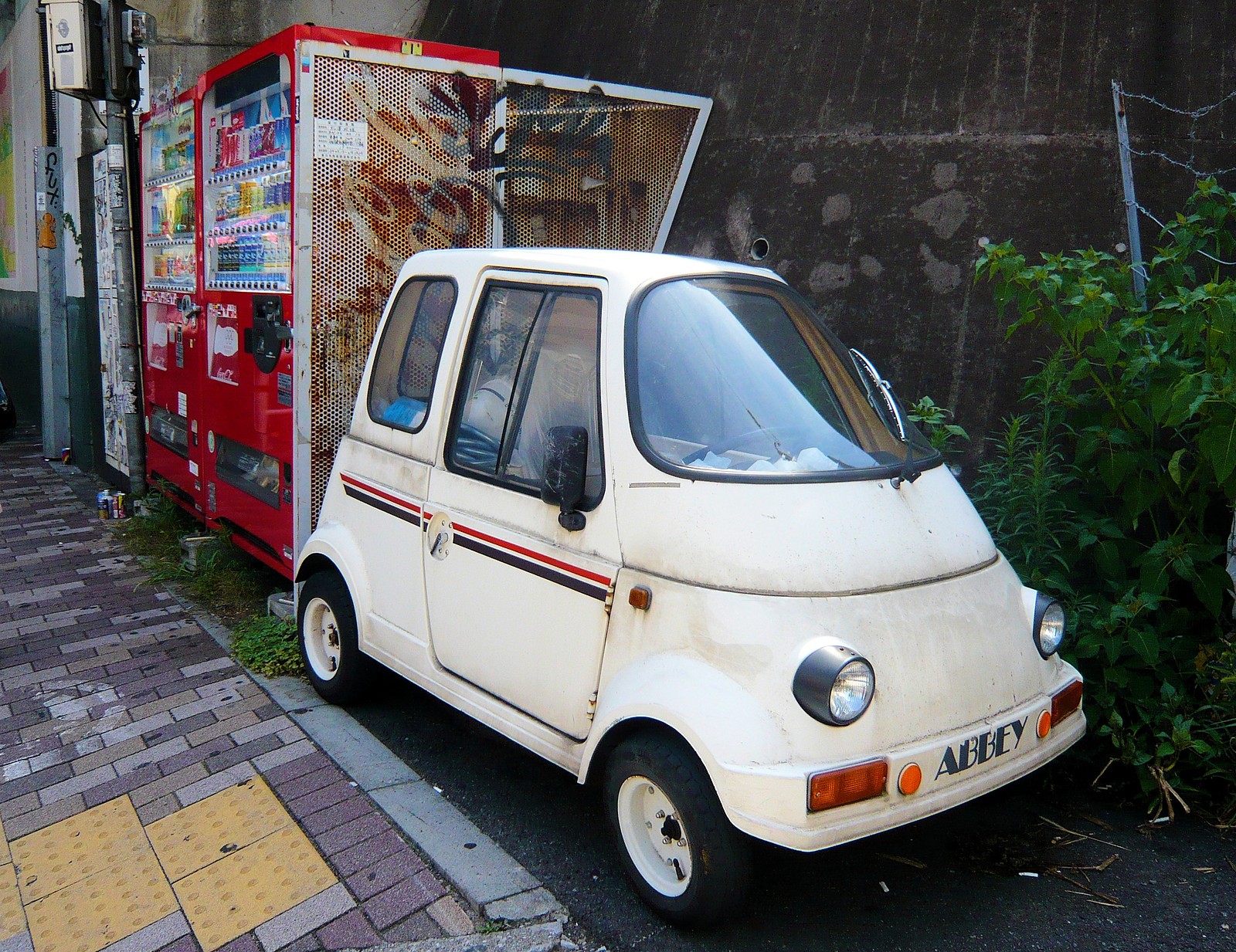
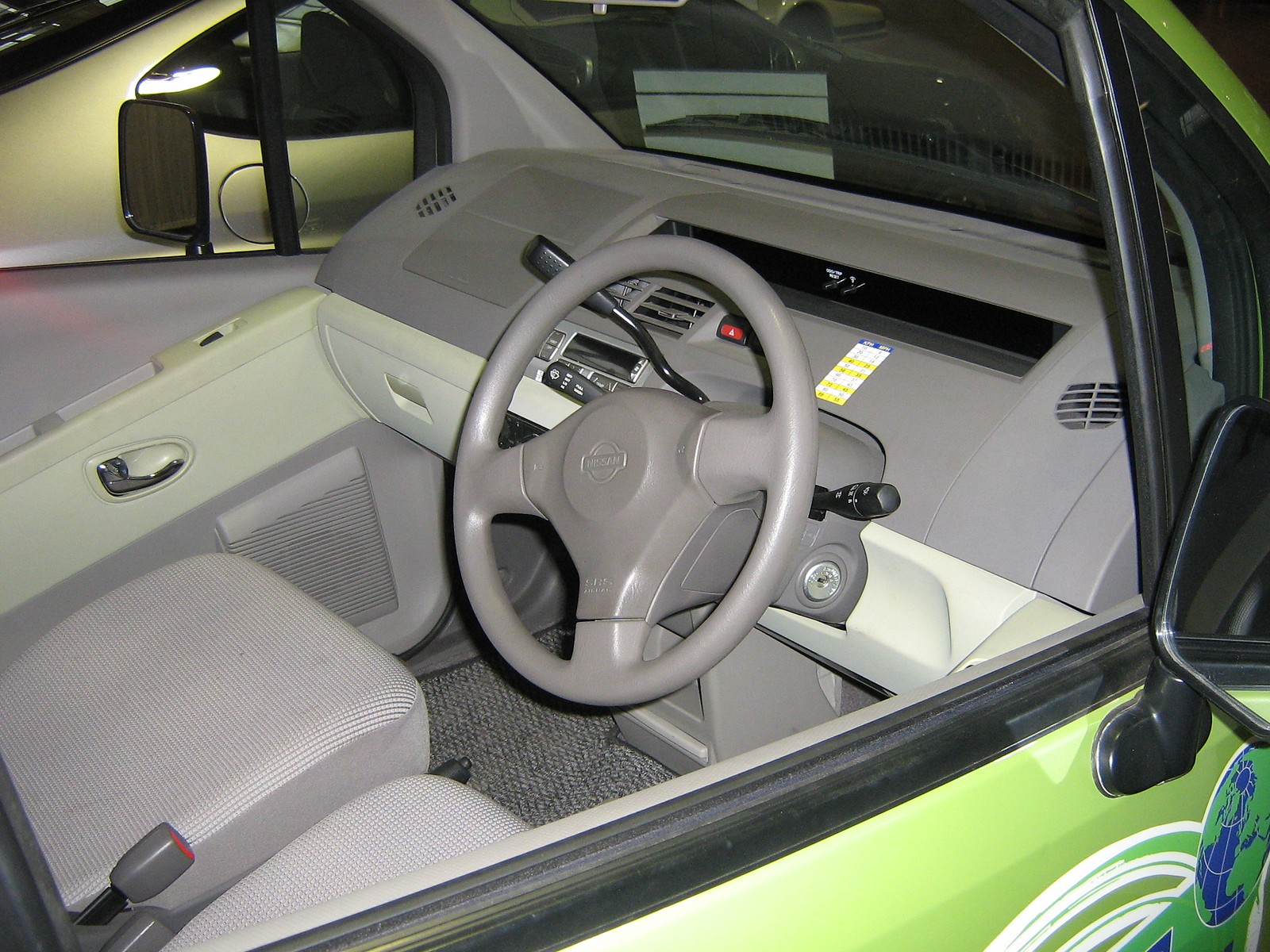
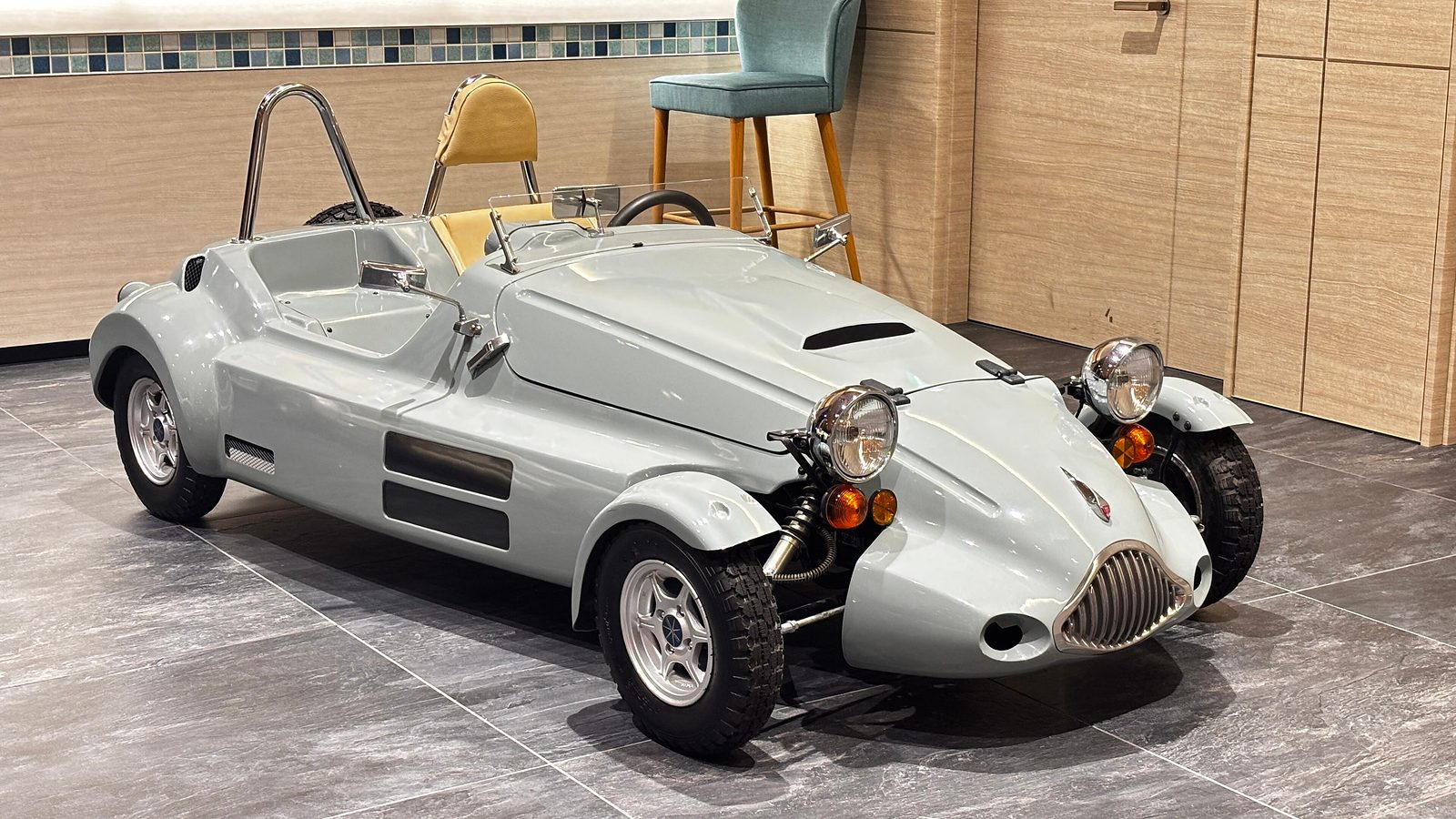
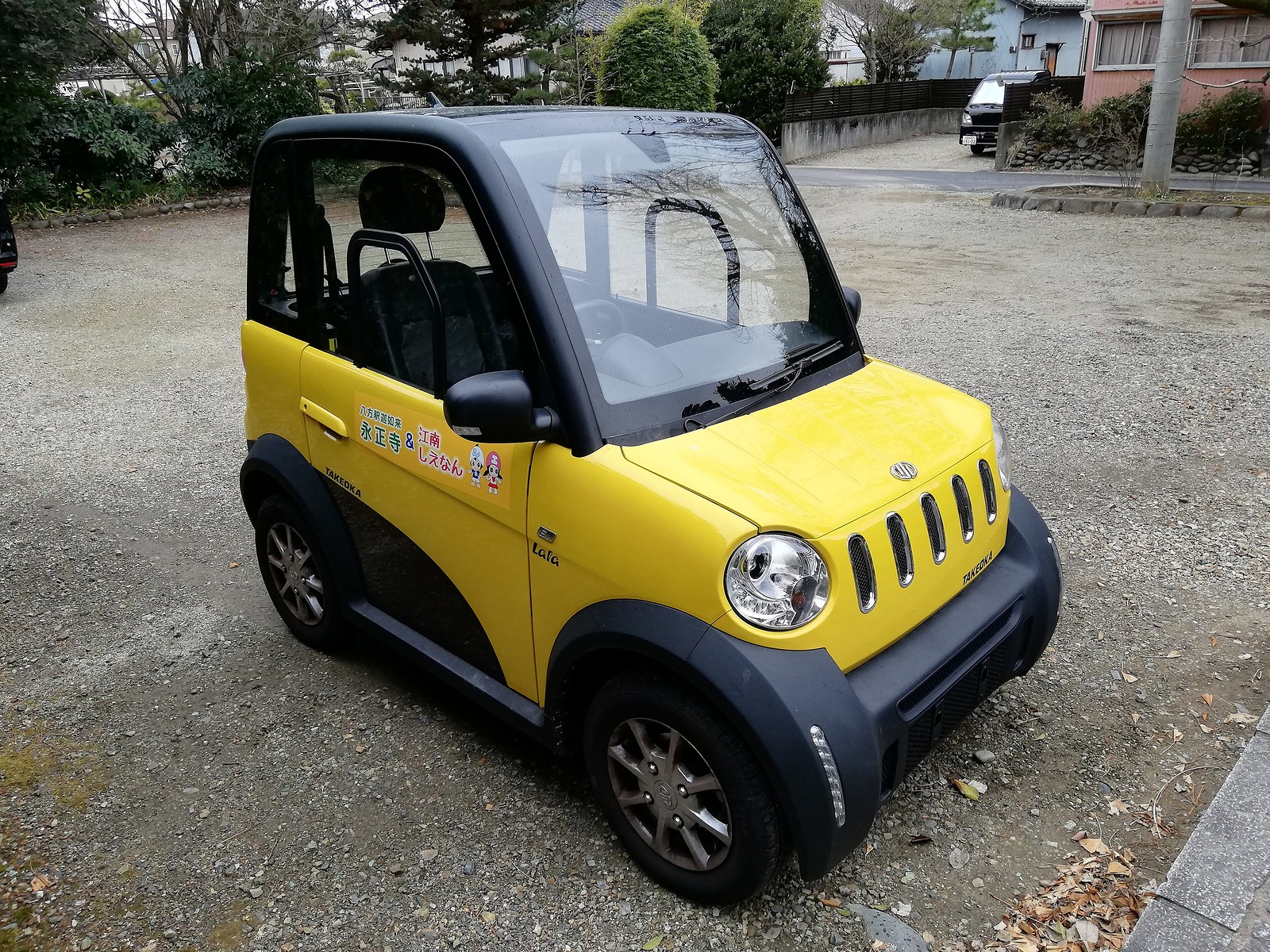
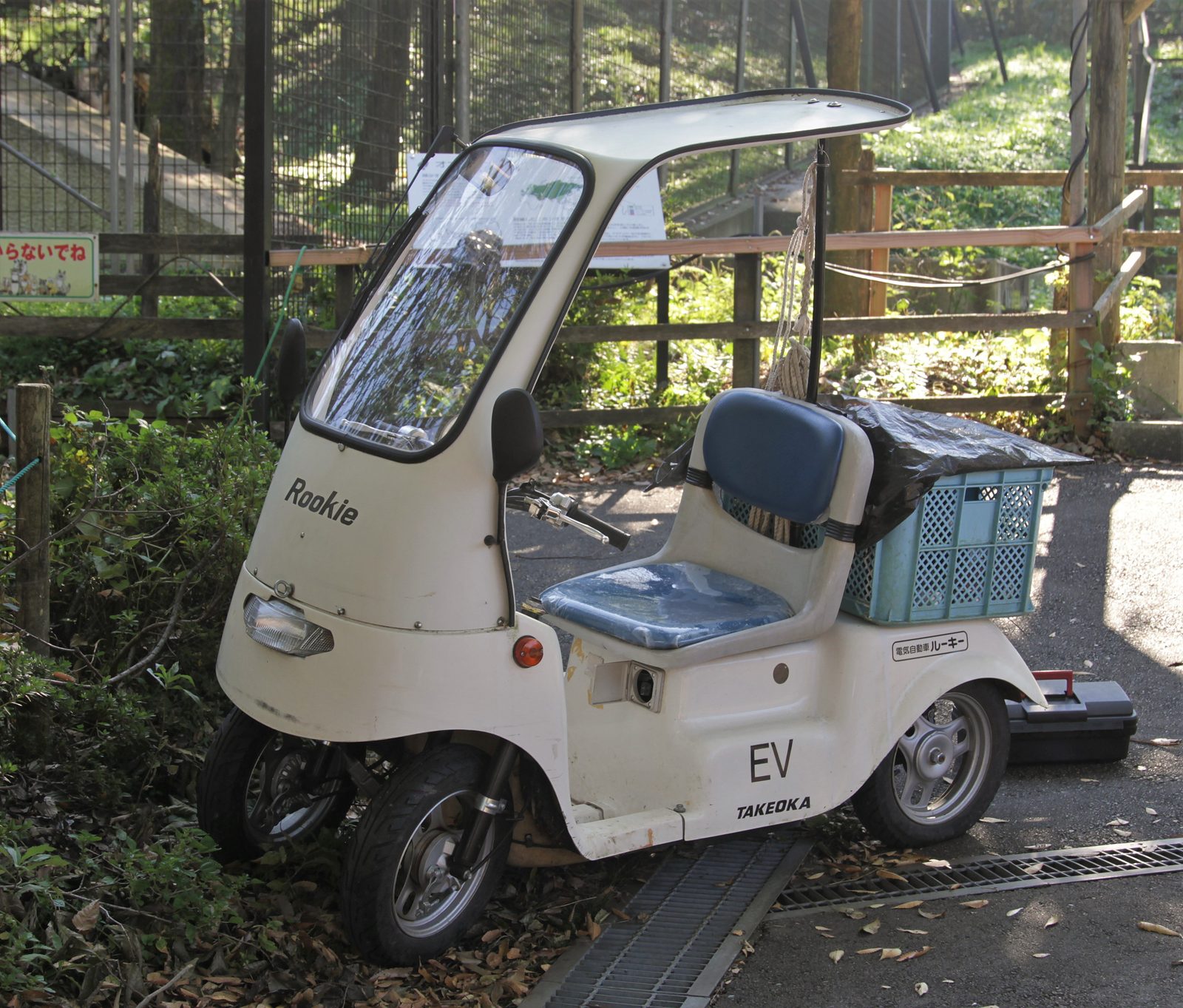
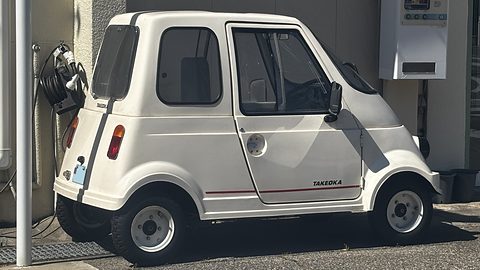
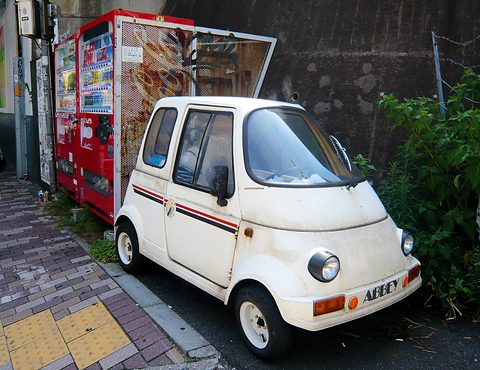
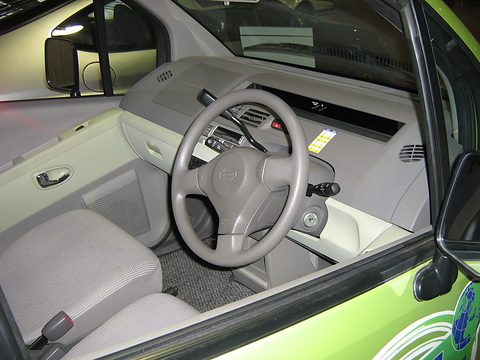
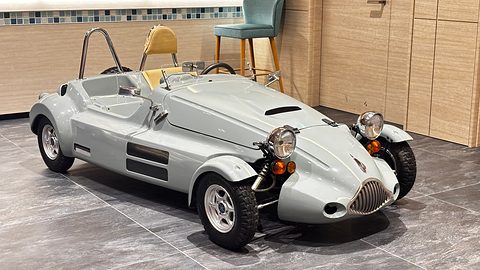
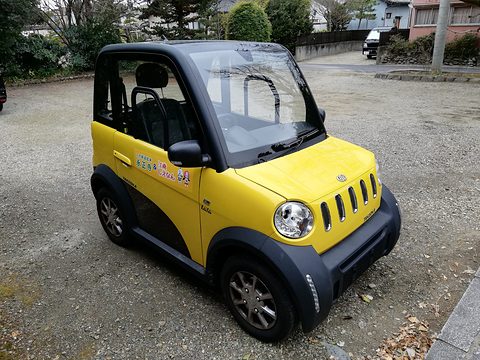
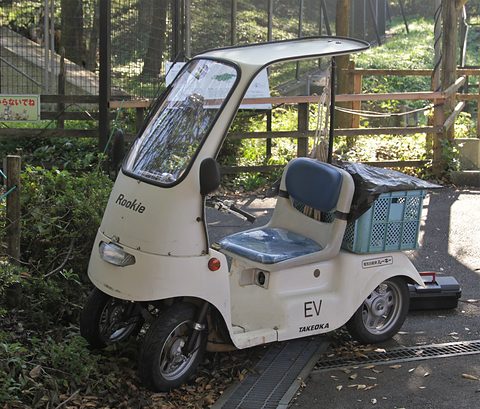
In Japanese law a minicar is two things at once. The Road Traffic Act treats it as an ordinary motor vehicle, so it needs a car licence and may do 60 km/h (37 mph); the vehicle law treats it as a moped, so it needs no inspection and no garage certificate, but may not use the expressways. It has one seat, and an engine of over 20 cc and up to 50 cc, or a motor of over 0.25 kW and up to 0.6 kW, and it may be as long as 2.5 m (8 ft 2 in), as high as 2.0 m (6 ft 7 in) and as wide as 1.3 m (4 ft 3 in).source 1 Some makers called theirs microcars, so as not to be confused with toy cars, which are also ミニカー.source 1 The class began as an all-weather moped, a scooter with a roof and extra wheels. Its boom of the early 1980s, when it could be driven on a moped licence, is told with the Japanese 50 cc minicars; it ended on 15 February 1985, when a car licence became compulsory.source 1
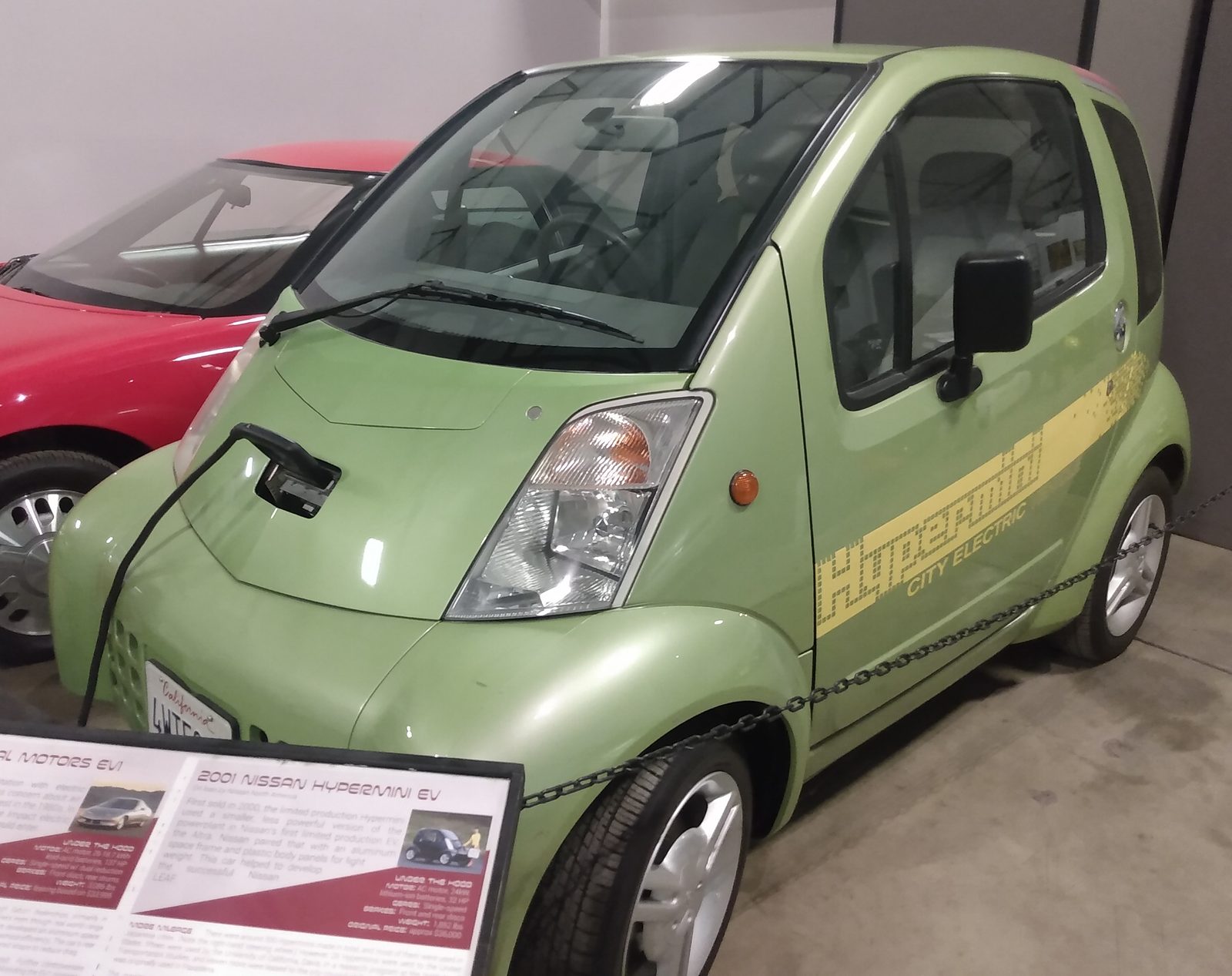
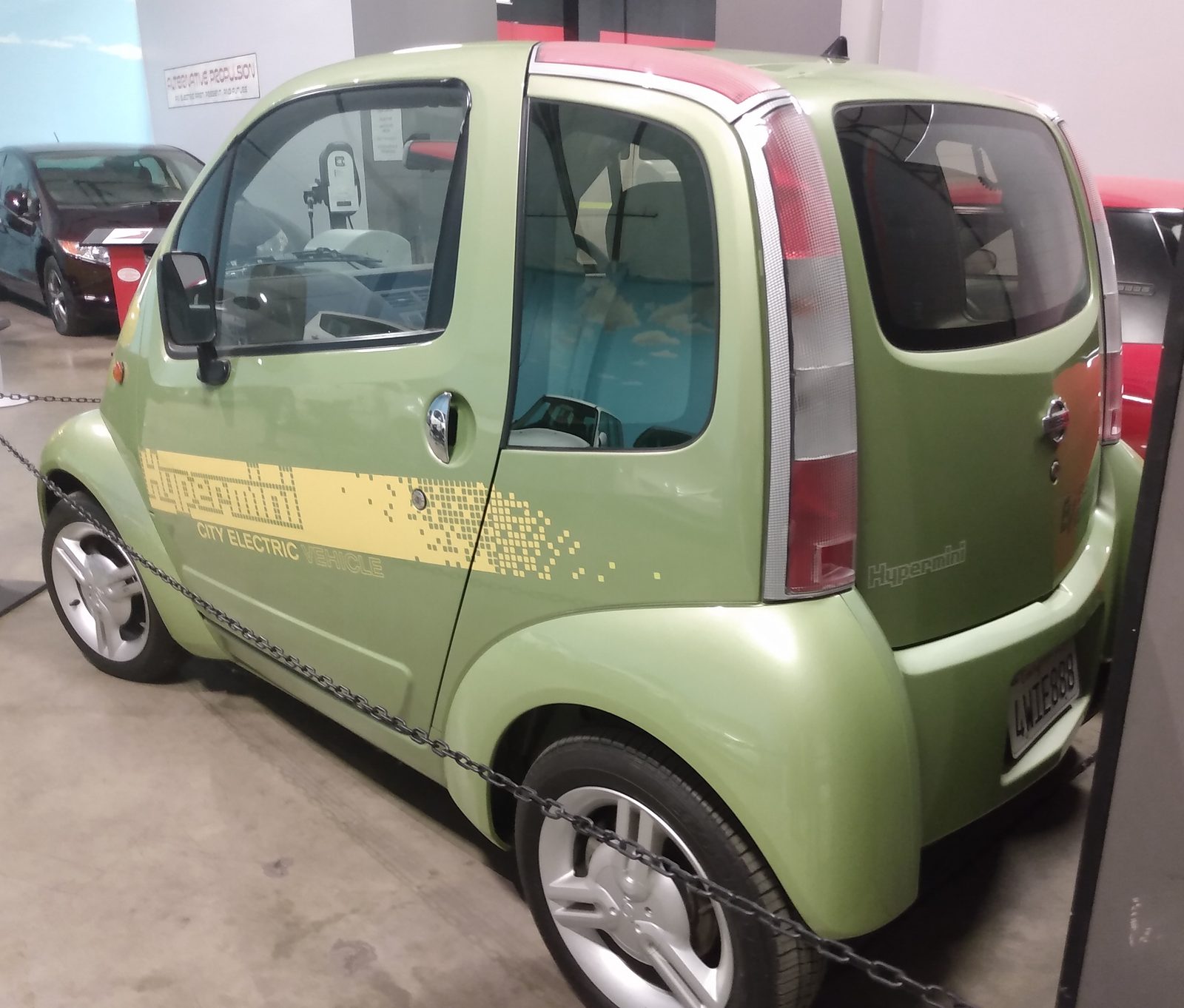
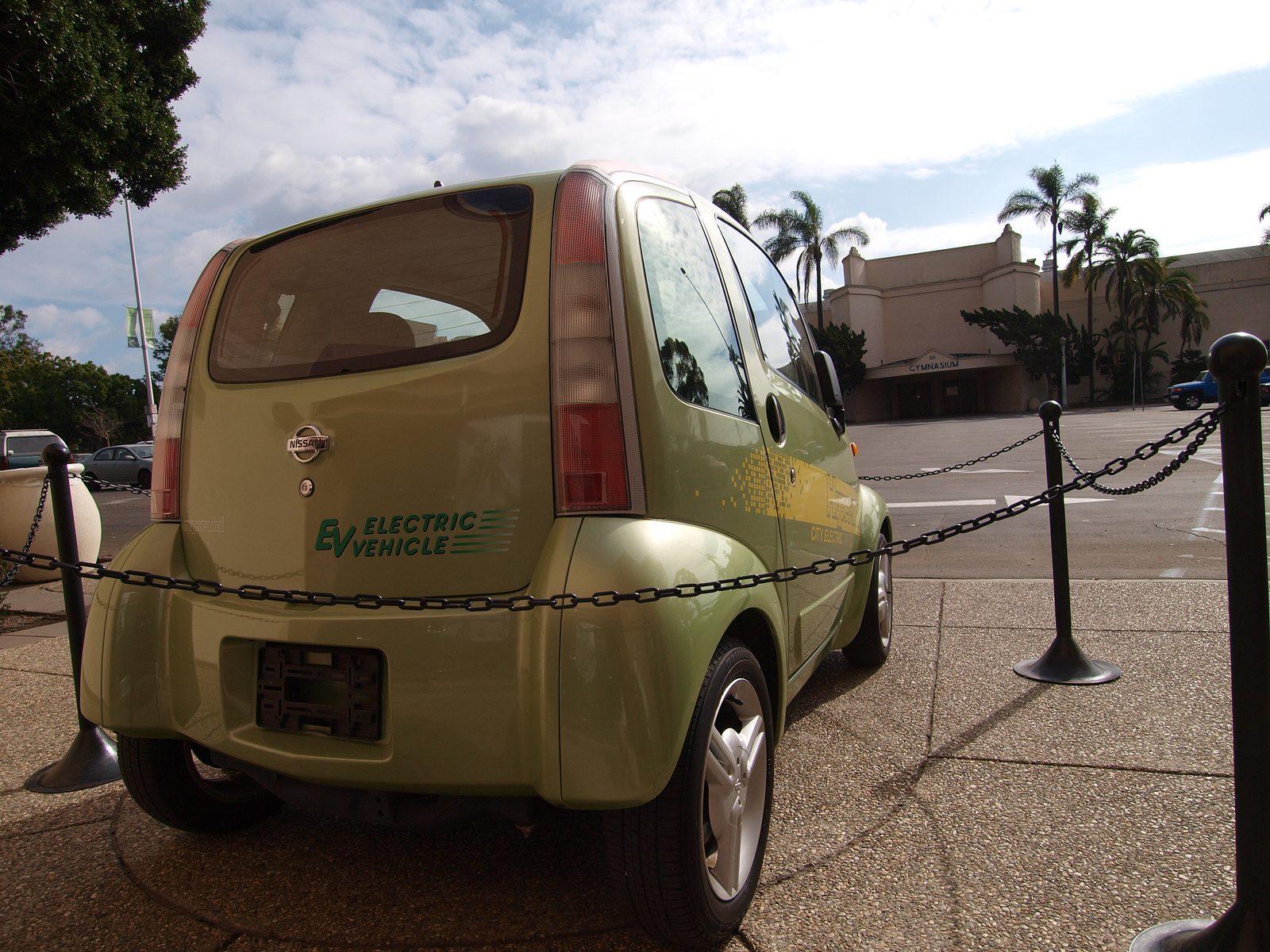
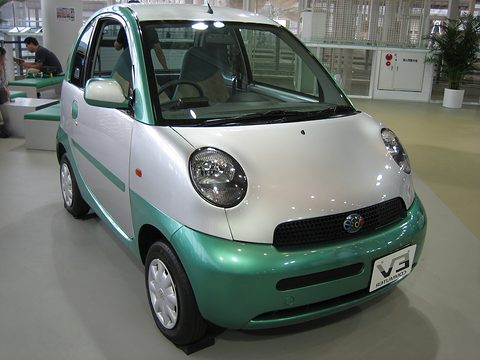
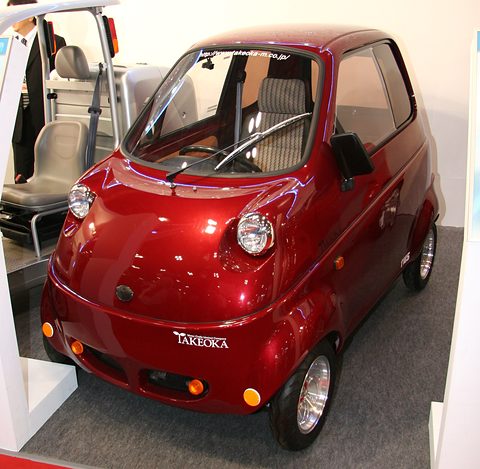
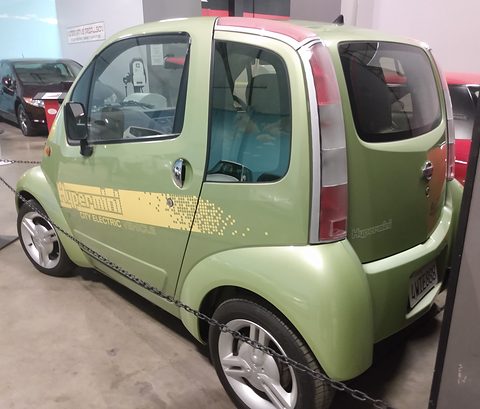
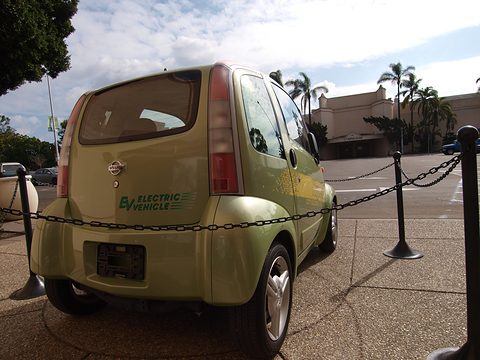
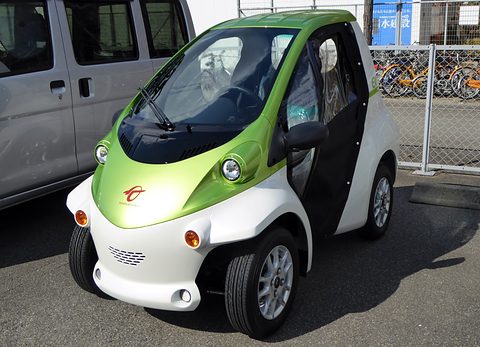
Exhaust rules of September 2007 then drove every maker of petrol minicars out of business except Takeoka, and electric minicars took over (more in electric microcars).source 1 From July 2012 7-Eleven bought Toyota Auto Body’s electric Toyota COMS in numbers for its deliveries, and put them on the streets.source 1 Tighter safety rules of April 2018 ended new registrations of kart-like minicars and required seat belts, and in June 2021 the load limit rose from 30 kg to 90 kg.source 1
The transport ministry, for its part, wanted room on the road for a new kind of small vehicle, and defined it like this.source 2source 3
自動車よりコンパクトで小回りが利き、環境性能に優れ、地域の手軽な移動の足となる1人~2人乗り程度の車両
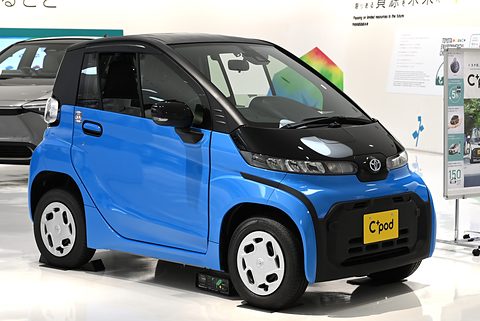
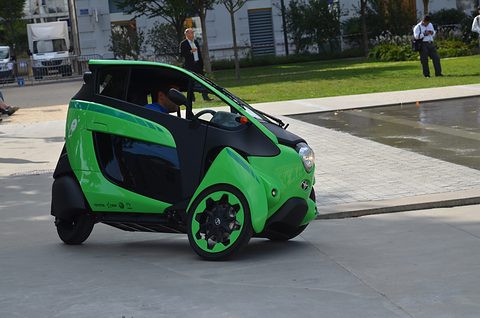
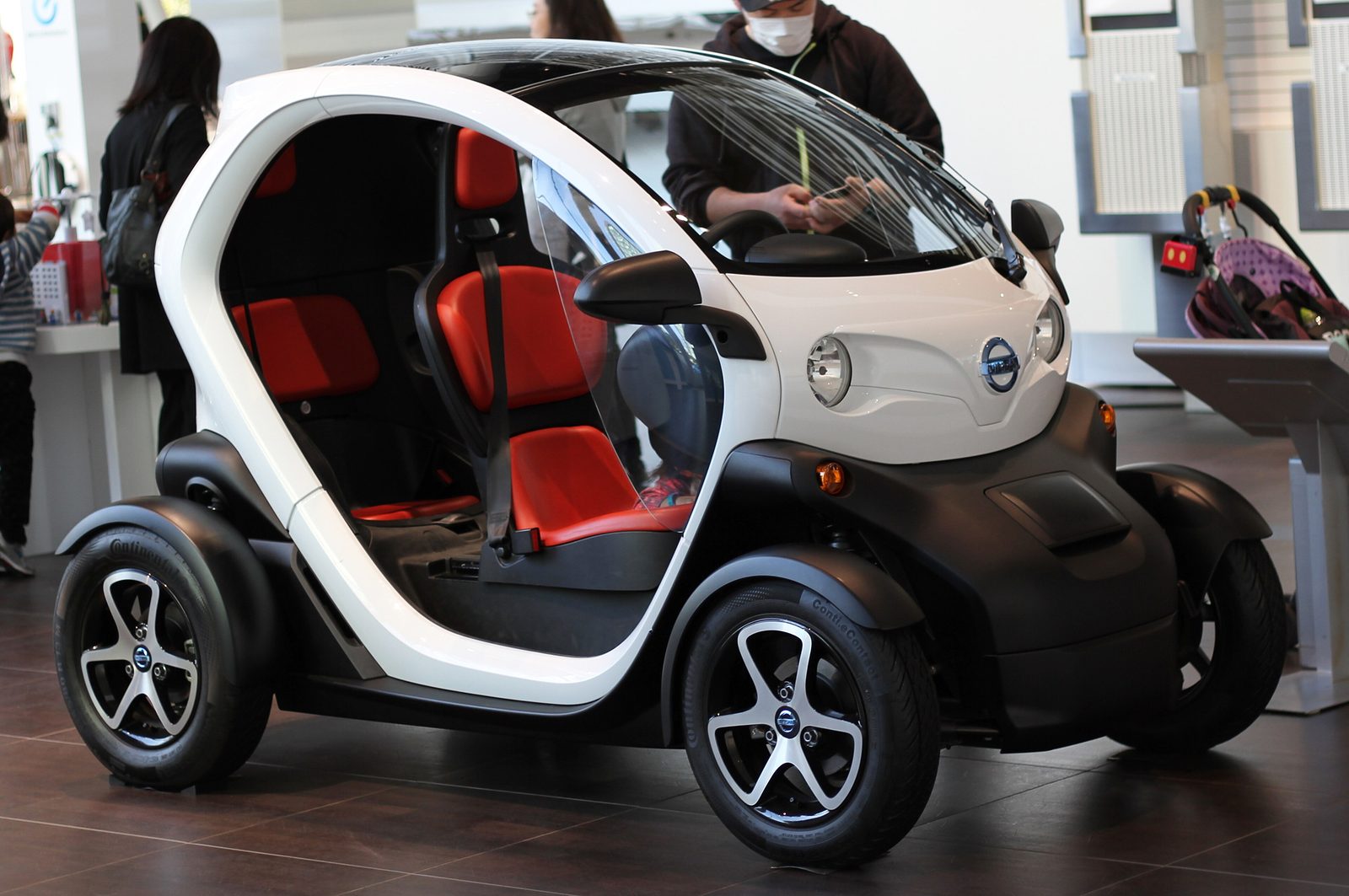
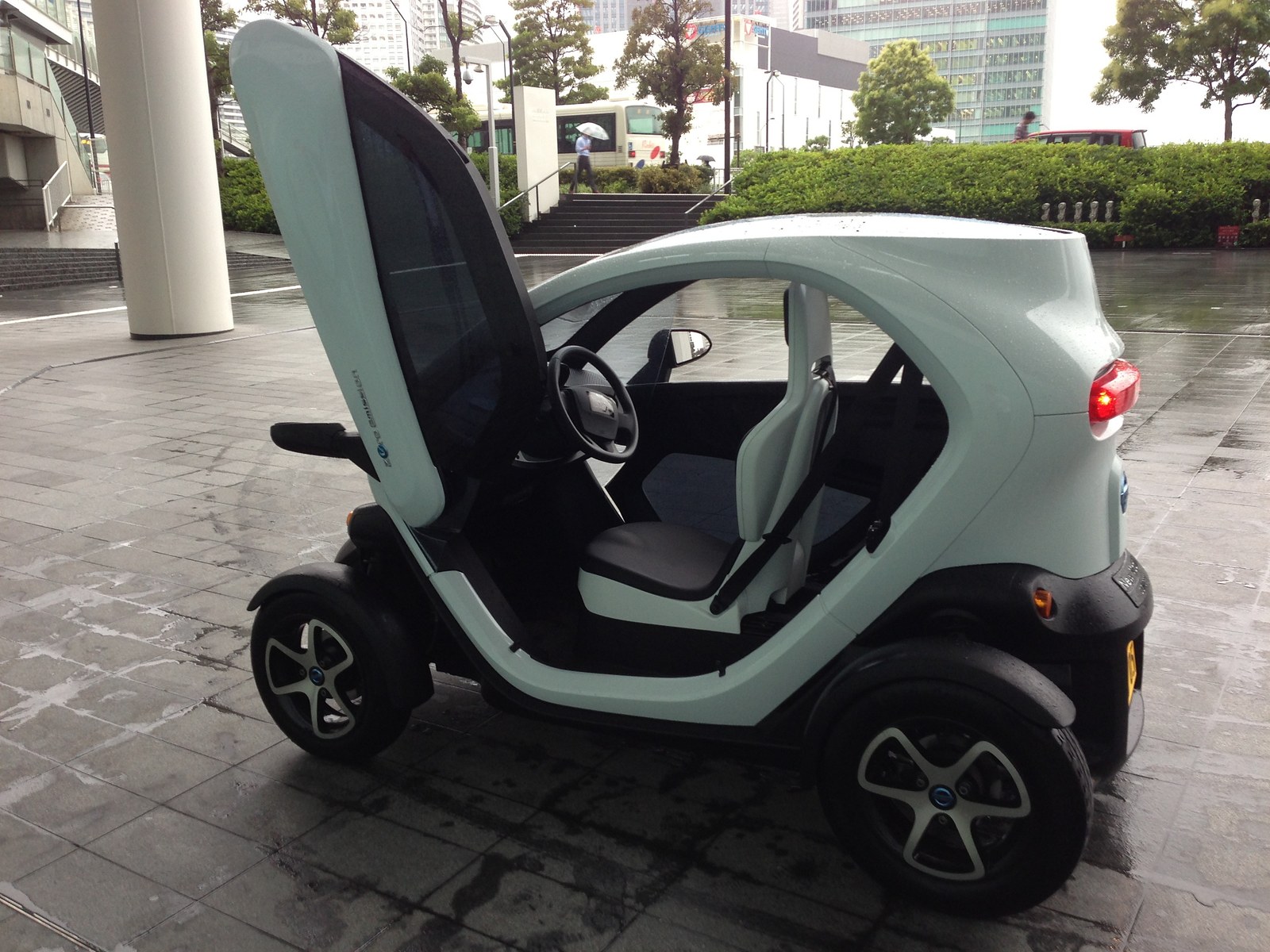
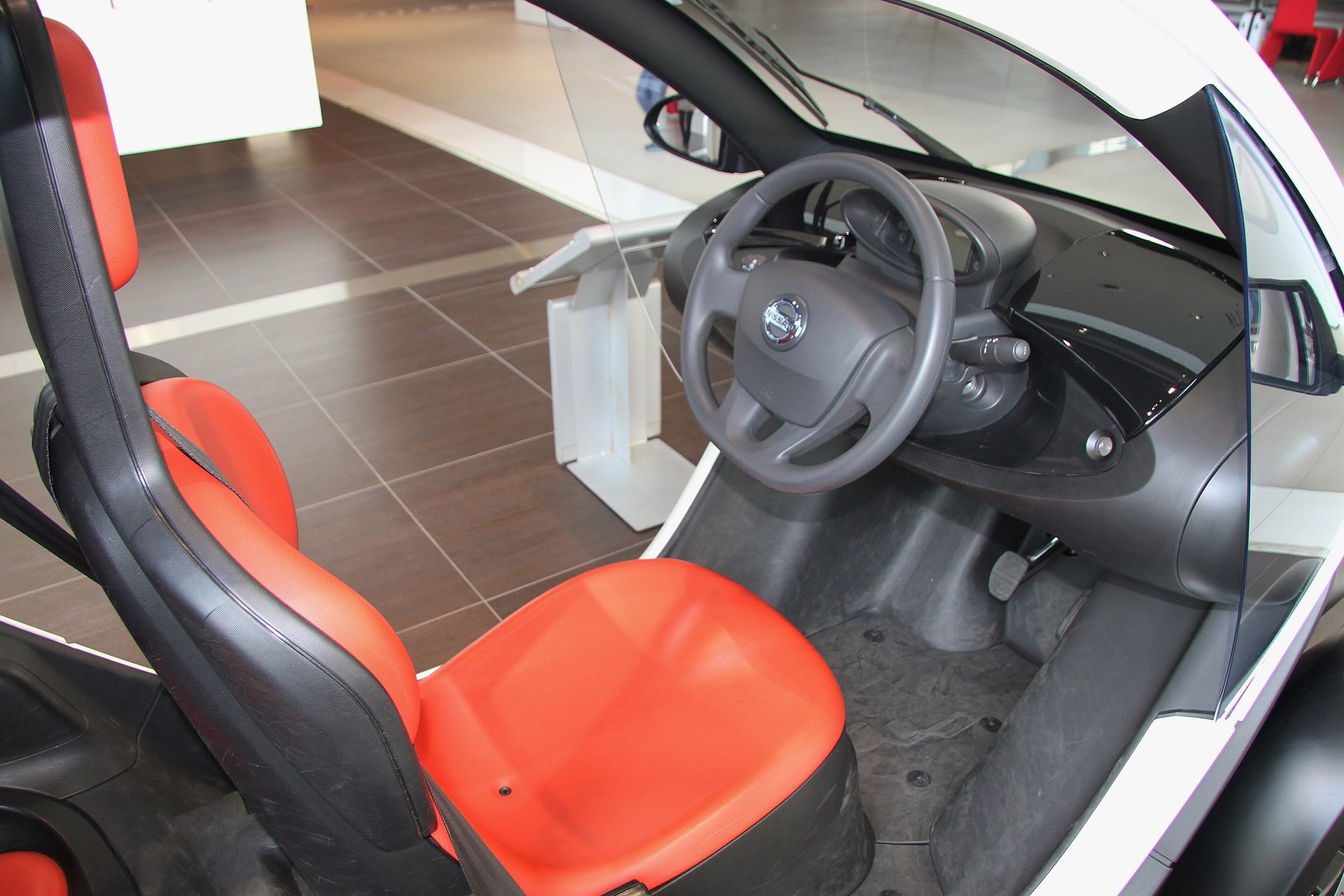
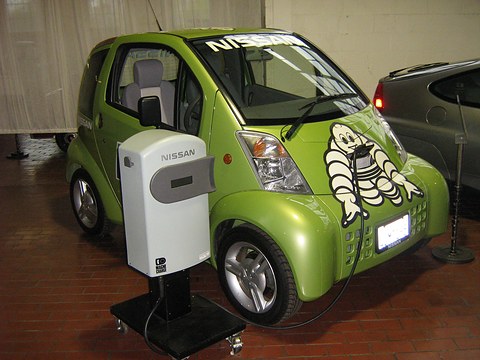
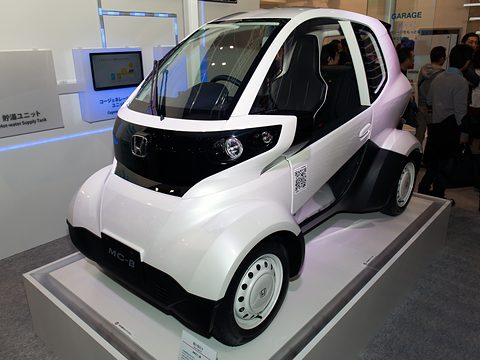
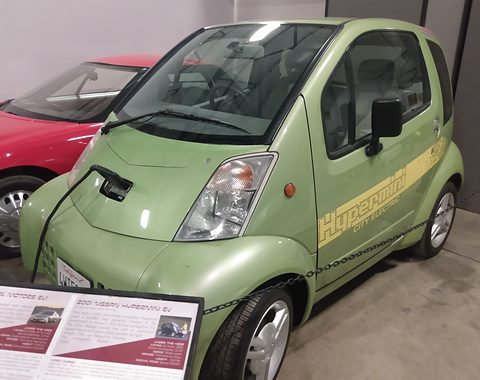
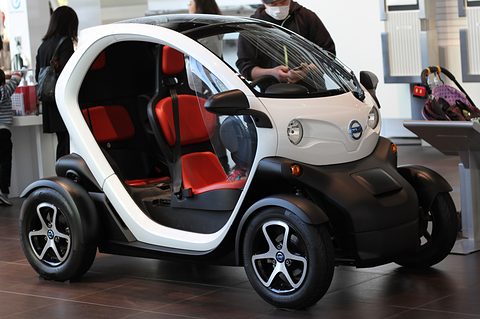
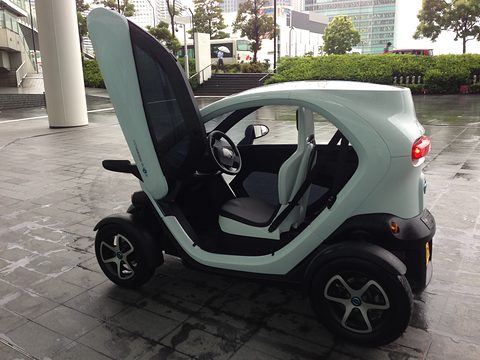
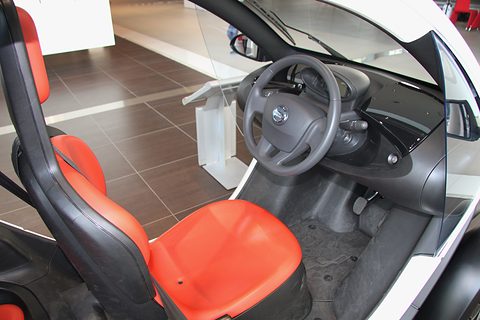
In January 2013 the ministry began to certify such vehicles, up to 3.4 m long and of 0.6 to 8 kW, for public roads in designated areas and on conditions.source 2source 3 Nissan put its version of the Renault Twizy, the Nissan New Mobility Concept, into a one-way car-sharing scheme in Yokohama from 11 October 2013, and in its first month 2,700 people joined.source 4 Toyota tried the tilting Toyota i-Road, which leans on its two front wheels and steers with its rear one, and showed a test version at the Tokyo Motor Show that year.source 5 A class of type-designated ultra-compact cars followed, and the Toyota C+pod, which Japanese Wikipedia describes as the first of them, was sold to companies and local authorities from 25 December 2020 until 2024.source 6 The cars follow in the order they appeared.
| Class | Speed | Power | Size |
|---|---|---|---|
| Minicar | 60 km/h, by law | Up to 0.6 kW, or 50 cc | 2.5 × 1.3 msource 2source 1 |
| Ultra-compact, type-designated | 60 km/h, by construction | Over 0.6 kW | 2.5 × 1.3 msource 2 |
| Ultra-compact, certified | Set for each car | 0.6–8.0 kW | 3.4 × 1.48 msource 2 |