microcarfan
  • Electric microcar
  • Japan
  • Two seats
  • Leased, not sold

Toyota C+pod

Also known as C+pod, Toyota C-pod

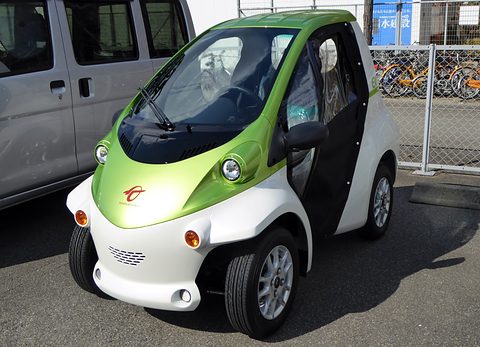
A two-seat electric car 2,490 mm (98 in) long, with a top speed of 60 km/h (37 mph), yet carrying the pre-collision safety system of a big Toyota. You could not buy one: for its first year it was leased only to companies, councils and other organisations.

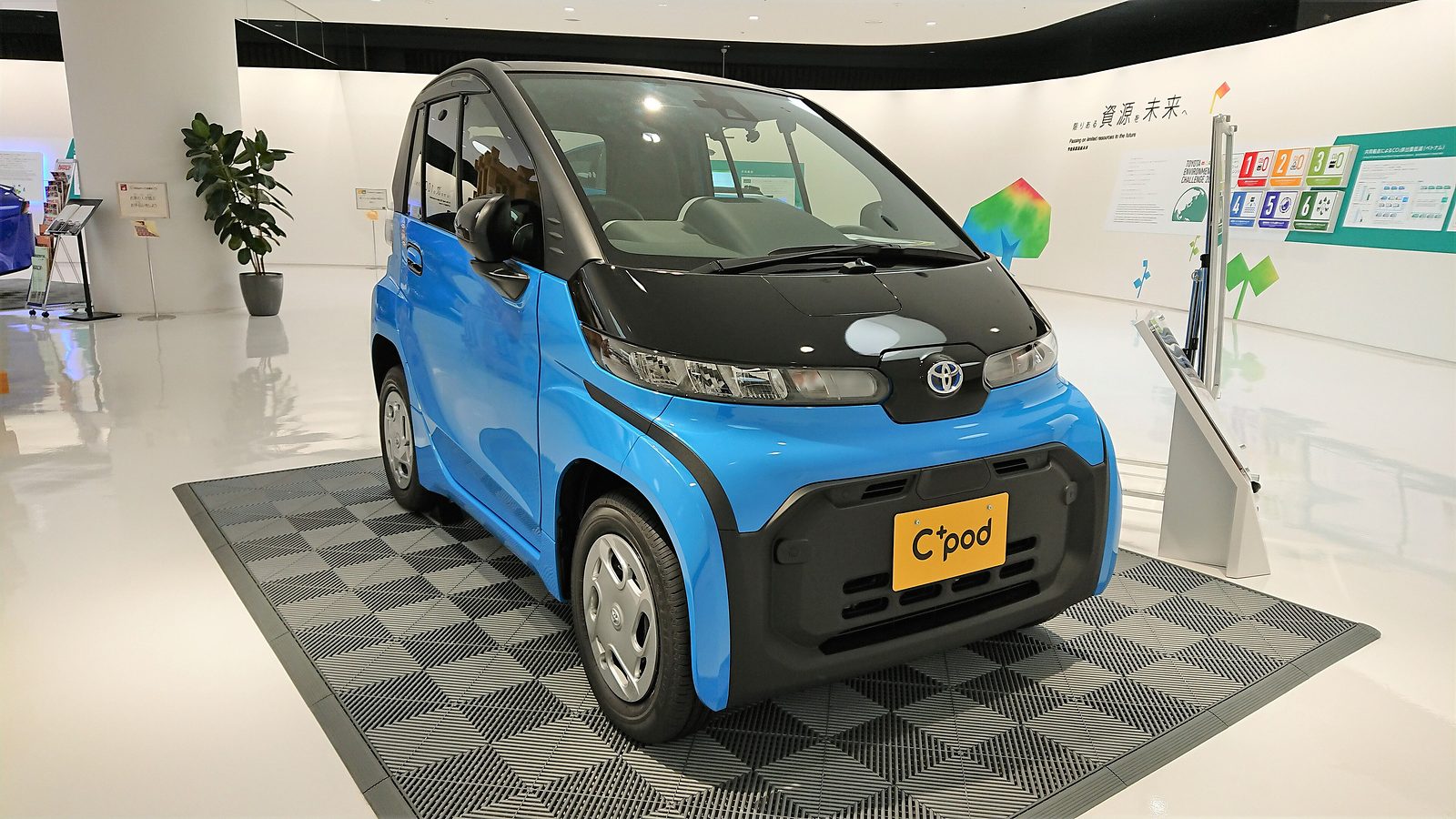
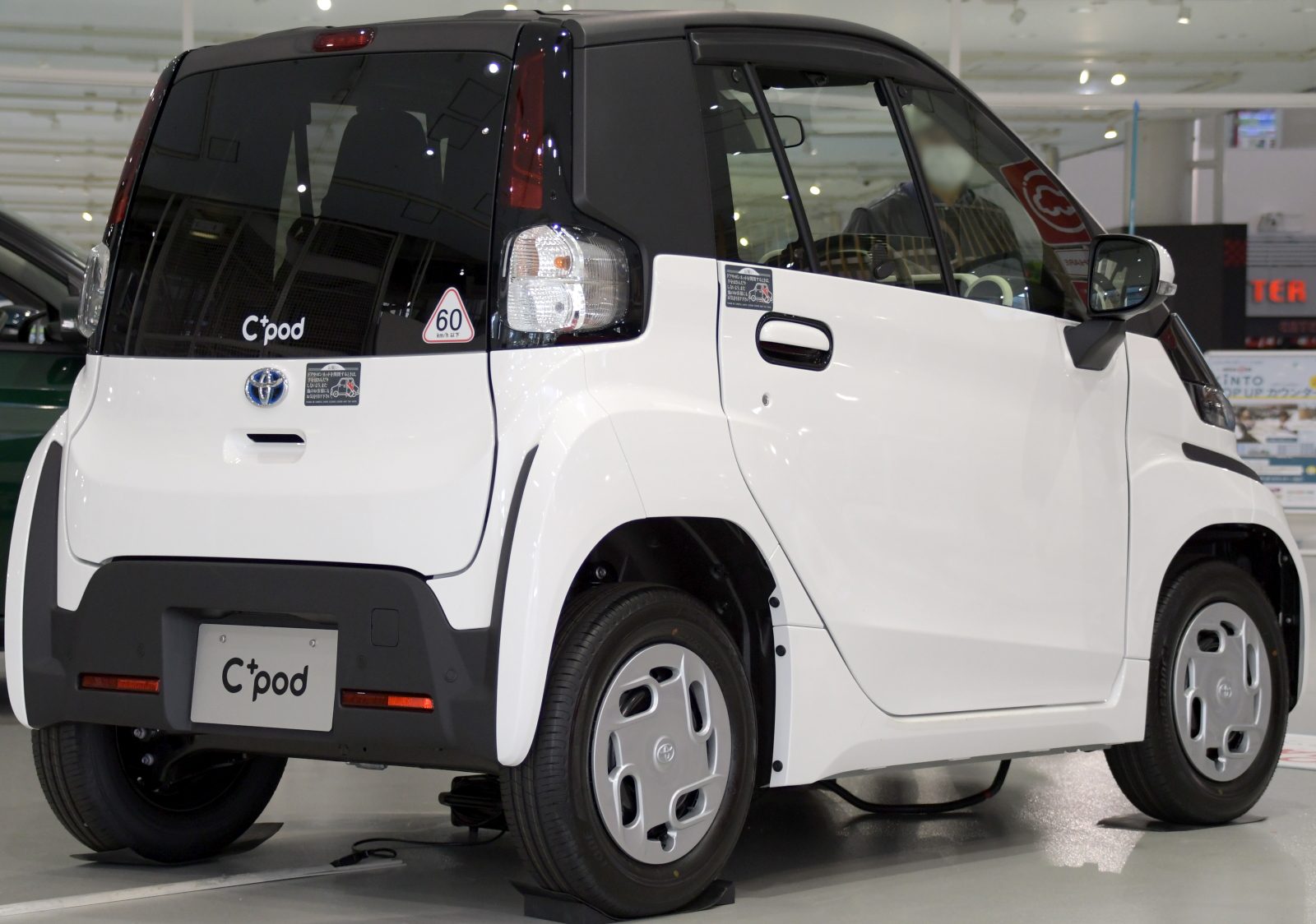
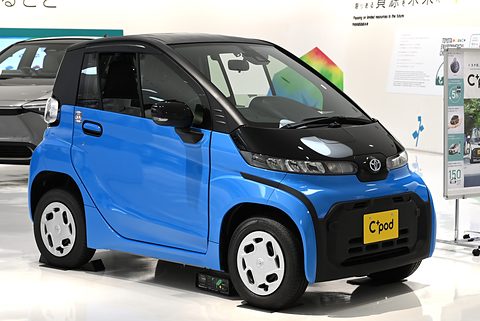
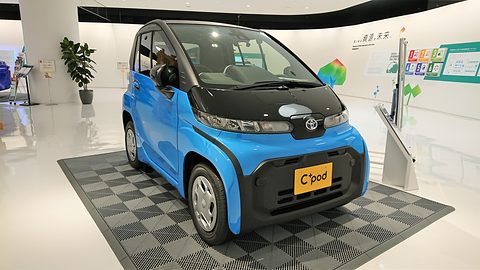
Bright blue tiny two-seat car with a black front and roof on a white floor, display panels behind.
A cyan Toyota C+pod G from the front three-quarter in an exhibition hall in Japan in April 2024.Photo: TTTNIS, CC0, via Wikimedia Commons

At a glance

The spec plate

Toyota C+pod

Ultra-compact BEV · Toyota City

Built
2020–⁠2024Launched to companies and councils on 25 December 2020; production ended on 19 July 2024
Country
JapanMotomachi plant, Toyota City
Maker
Toyota Motor CorporationAt the Motomachi plant, by Toyota’s release; Japanese Wikipedia names Toyota Auto Body
Engine
1RM permanent-magnet synchronous motorA 9.06 kWh lithium-ion battery
Power
9.2 kWMaximum, 12.5 PS; 2.6 kW rated
Length
2,490 mm1,290 mm wide, 1,550 mm high
Weight
670 kgThe X; 690 kg for the G
Seats
2Side by side
Wheels
4Motor at the back, driving the rear wheels
Price new
¥1,650,000–1,716,000X and G, with tax, December 2020; leased, not sold outright
Top speed
60km/h60 km/h

How big is it?

True proportion

2.49 m

It is 480 mm shorter than a Fiat 500, about 1.4 adults laid end to end.

  • 1.29 m wide
  • 670 kg: about nine adults
  • Two seats side by side, in a cabin 1,100 mm wide
Drawn at true proportion. The track is 3.6 metres long; the adult stands at the same scale. The Peel P50 is the smallest production car, on every page for comparison.

The story

History

Toyota previewed it as the Ultra-Compact BEV, a concept at the Tokyo Motor Show in October 2019.source 1source 2 Japanese Wikipedia names the designer as Takehiro Tanaka.source 2 The production car, the C+pod, was launched on 25 December 2020, at first only for corporate users, local governments and other organisations, and Toyota counted more than 200 such partners at the launch.source 3source 1source 2 It came with Toyota Green Charge electricity plans from Chubu Electric Power Miraiz, Kansai Electric and TEPCO Energy Partner, and could be shared through Toyota Share.source 3 Toyota planned two more kinds of ultra-compact vehicle beside it, one ridden standing and one linked to a wheelchair.source 3

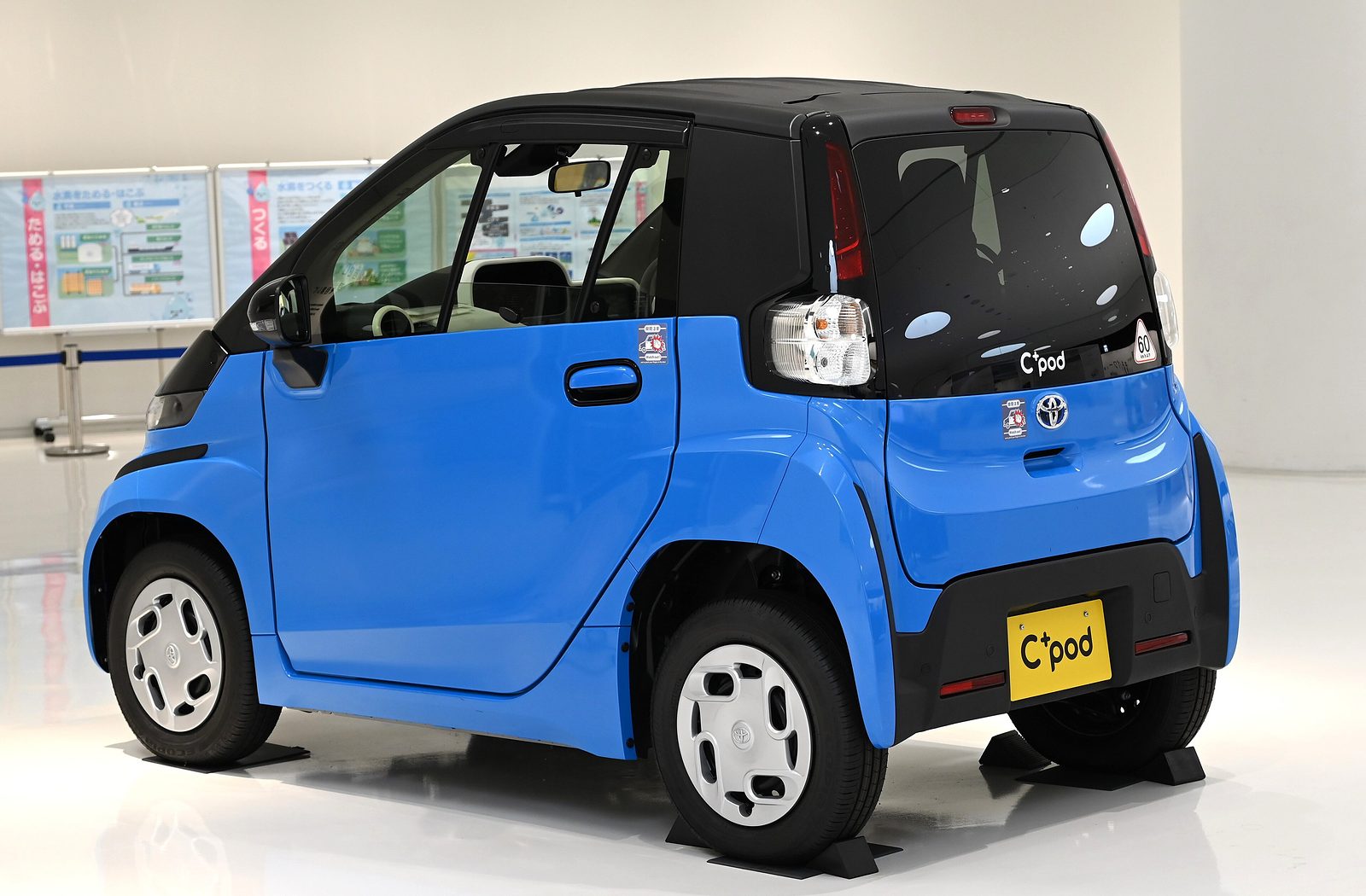
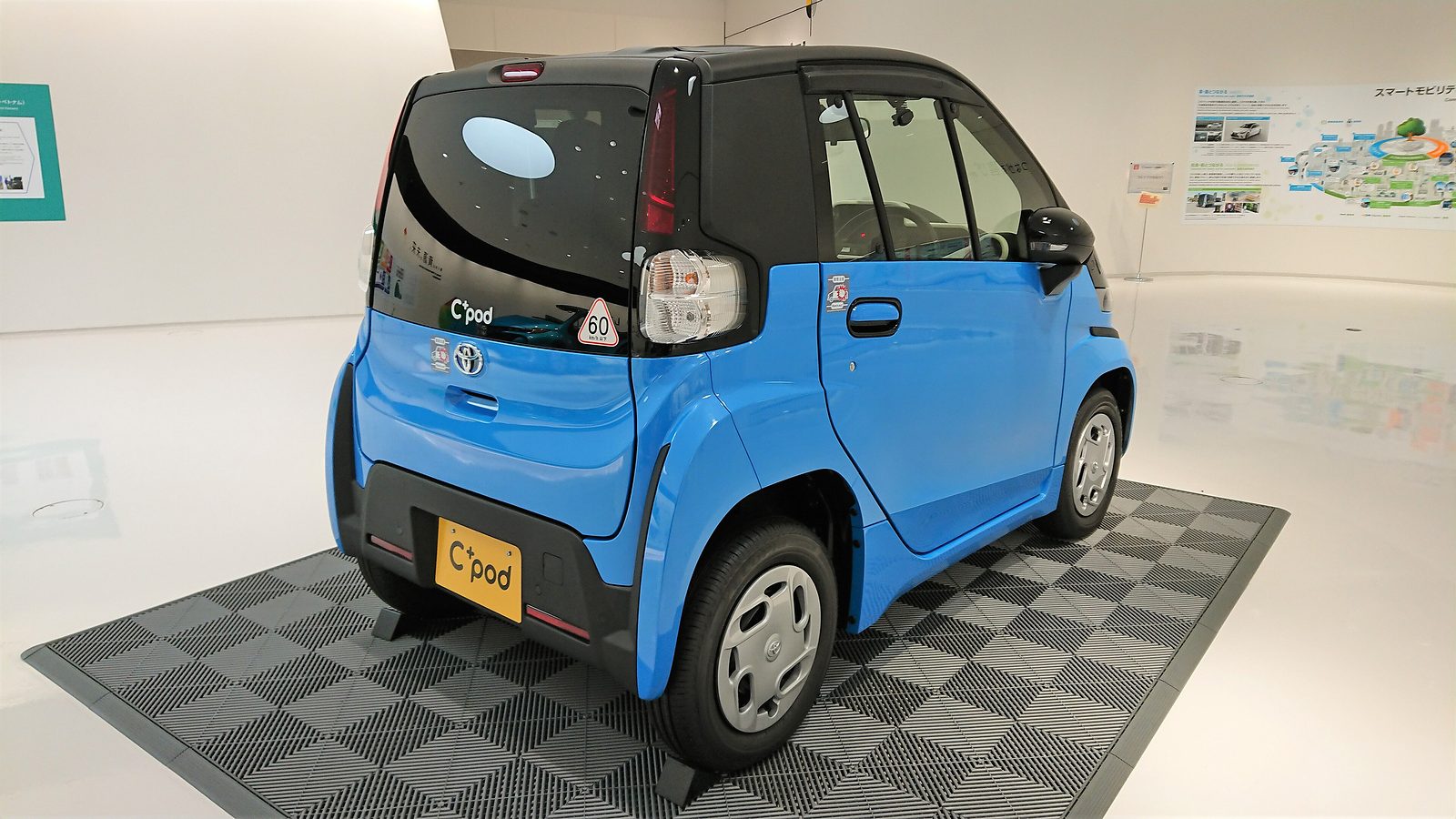
It is an electric microcar, but not quite a kei car. English Wikipedia calls it one, but Toyota and Japanese Wikipedia class it as a type-designated vehicle under the rules for ultra-compact mobility; it simply fits within kei dimensions.source 1source 3source 2 Two seats sit side by side in a cabin 1,100 mm (43 in) wide, behind resin outer panels, and the motor is at the back, driving the rear wheels.source 3source 4 Overall it measures 2,490 by 1,290 mm (51 in) and stands 1,550 mm (61 in) tall; it weighs 670 kg (1,477 lb) as the X or 690 kg as the higher G grade.source 3source 2source 4

Small car, big-car safety

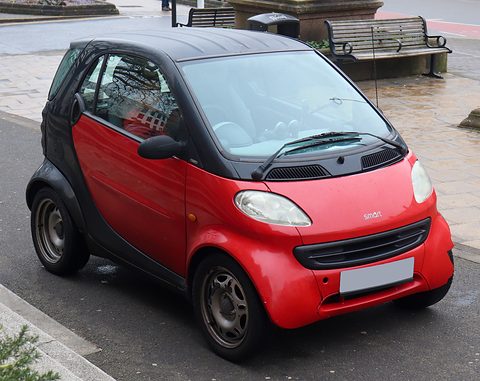
Its 9.06 kWh battery gives 150 km (93 miles) on Japan’s WLTC test, and the motor 9.2 kW (12.5 PS) at most and 56 Nm. It charges in about five hours at 200 V, or about 16 at 100 V.source 3source 2 What set it apart was the equipment. The body was built to spread the force of an impact from the front, side or rear, and the C+pod had Toyota’s Pre-collision Safety System, which looks out for pedestrians and cyclists, sonar with a brake to help when parking, and LED headlamps. A 1,500 W household socket was standard.source 3 It cost ¥1,650,000 as the X and ¥1,716,000 as the G, with tax.source 3source 4 auto motor und sport greeted it as an electric rival to the Smart for Japan, and praised its stiff, light plastic body as suited to narrow city centres.source 4

Open to all, then gone

On 23 December 2021 Toyota opened the C+pod to all customers, private people included, but still by lease: it was never sold outright, only leased through Toyota dealers and Toyota Rentals.source 1source 2 Japanese Wikipedia lists some of its work: home medical visits and publicity for the council of Toyota City, a relief car at Hanshin Koshien Stadium, the baseball ground, from 2022, and car-sharing in Japan and on Bali.source 2 English Wikipedia had reported that it would be dropped in the second quarter of 2024.source 1 Production ended on 19 July 2024 and sales on 9 August.source 2 Toyota’s explanation was brief.

had fulfilled a certain role as a small mobility vehicle
Toyota, on the end of the C+pod in 2024, in the English rendering given by English Wikipedia.source 1
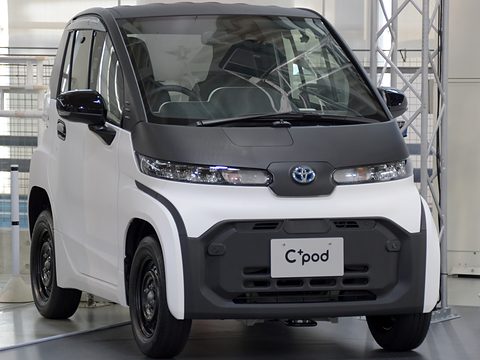
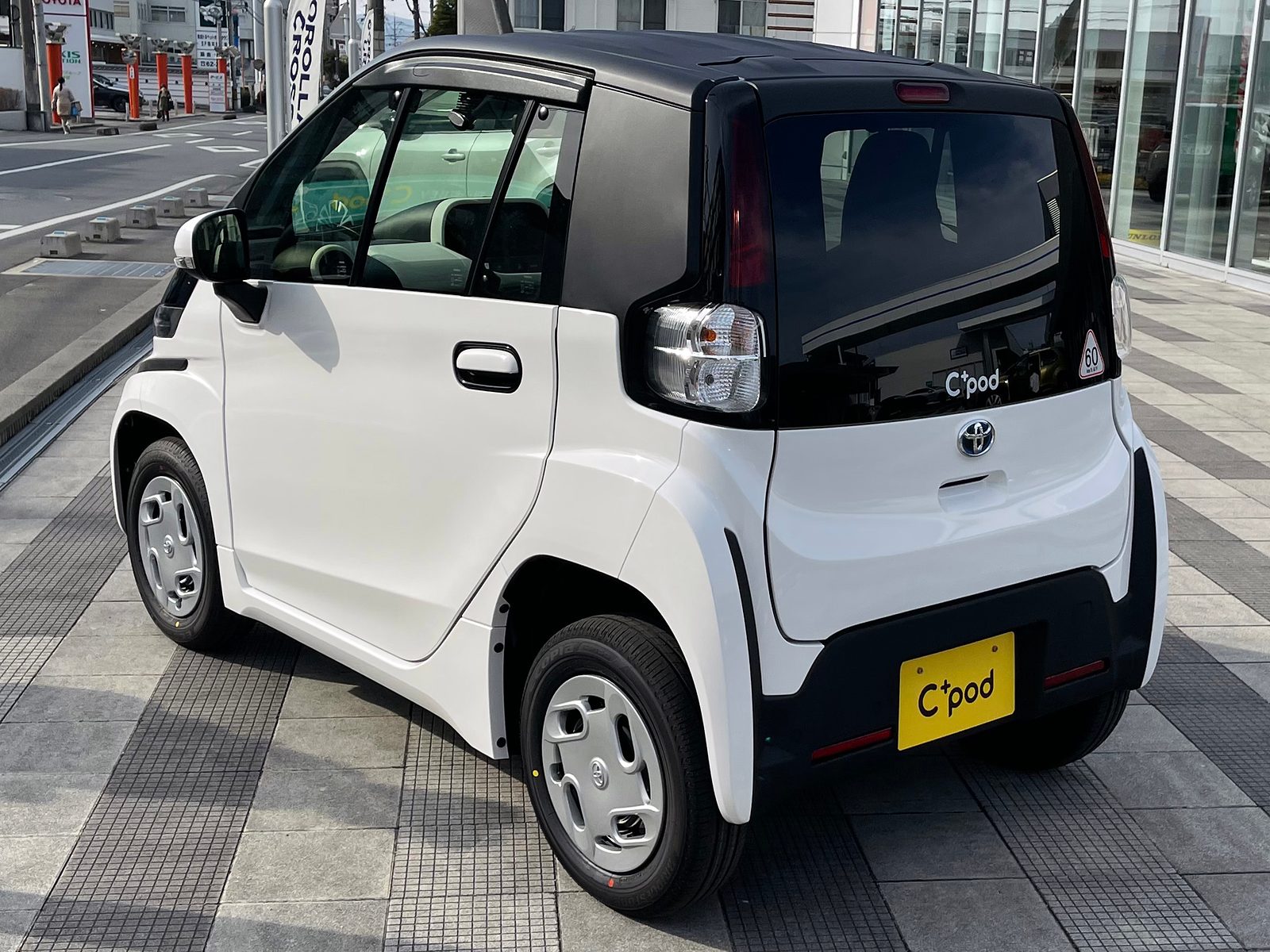
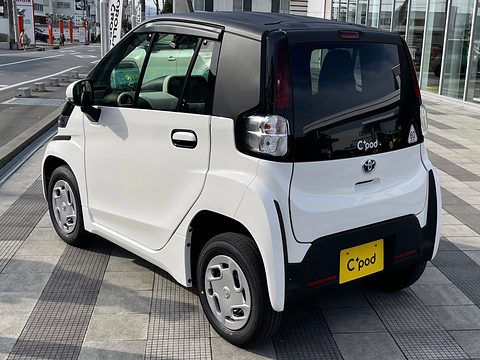
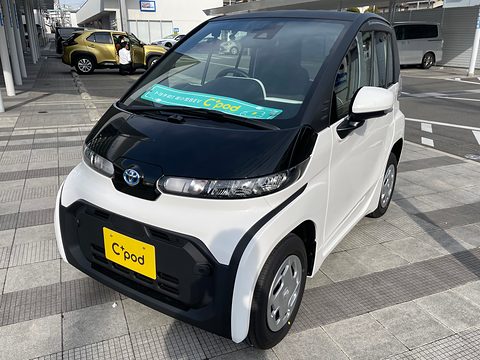
White tiny two-seat car with a black roof and a C+pod plate on dealer paving, other cars behind.
A white Toyota C+pod G with a black upper body at a dealer in Japan in January 2022.Photo: Tokumeigakarinoaoshima, CC BY-SA 4.0, via Wikimedia Commons
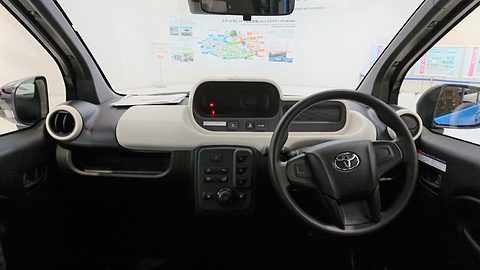
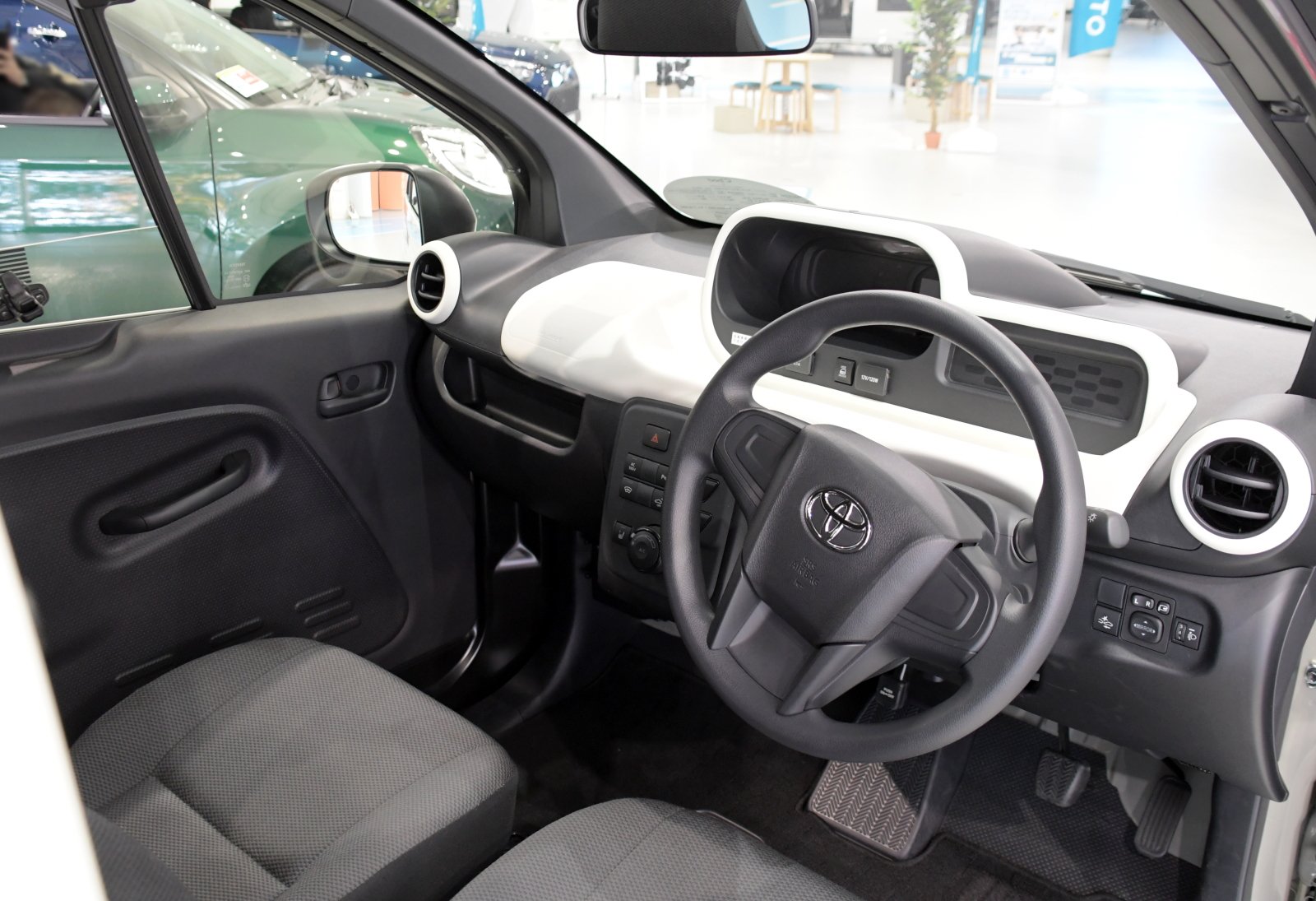
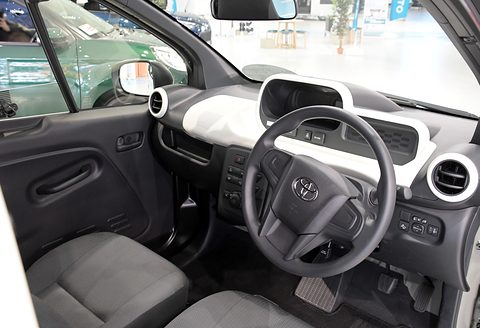
White and black dashboard with a centre instrument display, a Toyota steering wheel on the right and round vents.
The dashboard of a C+pod G, with its central instrument display, seen from behind the seats in a Toyota showroom in October 2022.Photo: 芯正, CC BY-SA 4.0, via Wikimedia Commons
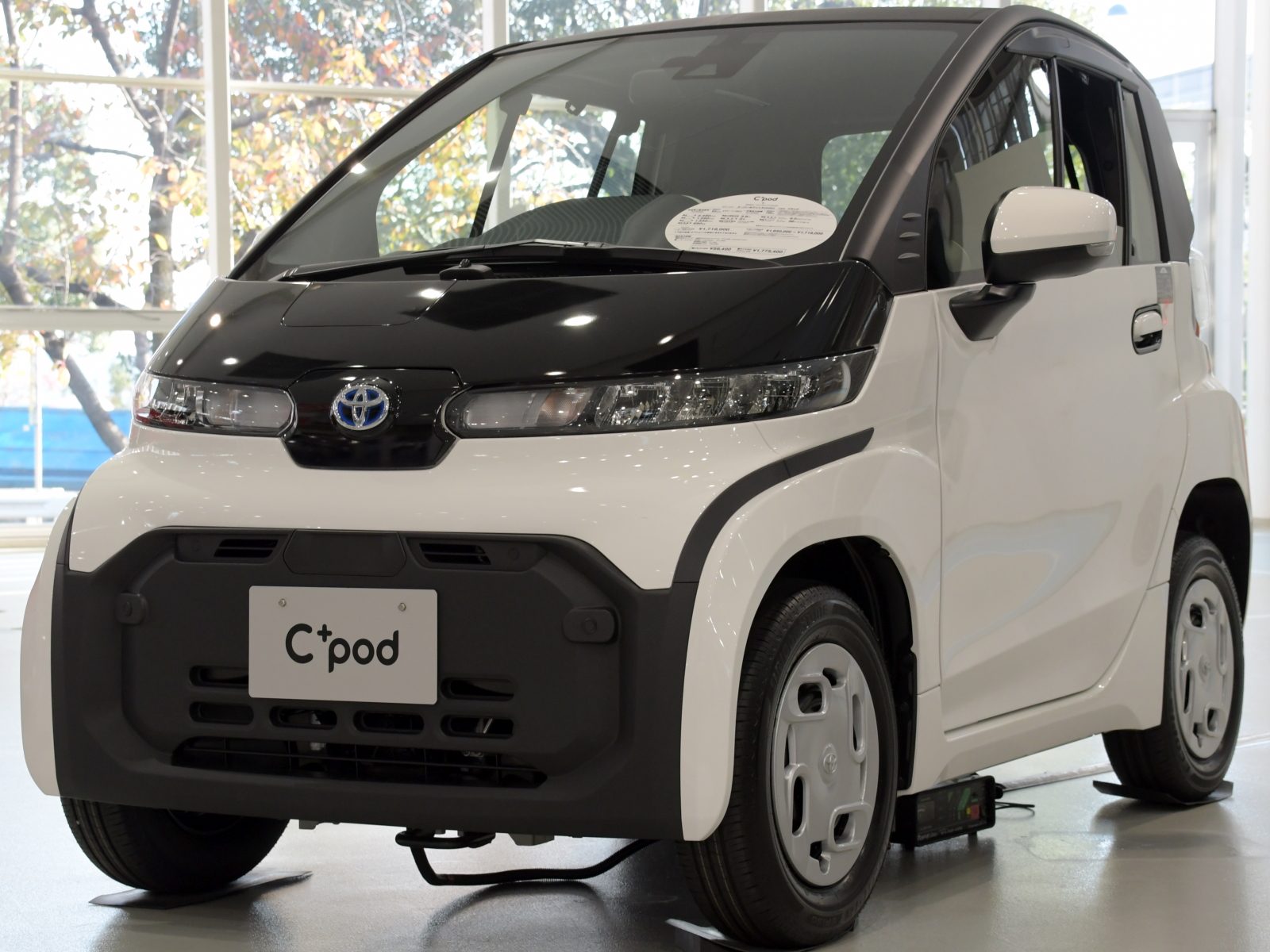
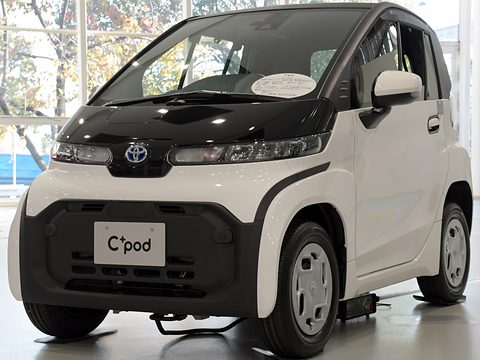
Front of a white tiny two-seat car with black steel wheels and a C+pod plate under a metal display frame.
A white C+pod X, the base grade, on black steel wheels, head-on in a showroom in Japan in November 2021.Photo: Ypy31, CC0, via Wikimedia Commons

Pictures

More photographs, old and new

Variants

Two grades

The C+pod
VariantYearsWhat differsHow many
Ultra-Compact BEV2019The Tokyo Motor Show conceptShow car
C+pod X2020–⁠24The base grade, 670 kgNot found
C+pod G2020–⁠24The higher grade, 690 kgNot found

Specification

From Toyota’s release of December 2020

Motor and battery

Motor and battery
Motor1RM permanent-magnet synchronous, at the rear axle, driving the rear wheelssource 3source 4
Power2.6 kW (3.5 PS) rated; 9.2 kW (12.5 PS) maximumsource 3source 2source 412.3 PS in some sources
Torque56 Nmsource 3source 2source 4
BatteryLithium-ion, 51 Ah, 177.6 V, 9.06 kWhsource 3source 2
ChargingAbout 5 hours at 200 V and 16 A; about 16 hours at 100 V and 6 Asource 3source 2

Body and chassis

Body and chassis
BodyTwo-door hatchback with resin outer panelssource 3source 4
SafetyImpact-dispersing structure front, side and rear; Pre-collision Safety System; clearance sonar with parking-support brakesource 3
EquipmentLED headlamps; a 1,500 W, 100 V household socketsource 3
Turning radius3.9 msource 3source 2source 4

Dimensions

Dimensions
Length2,490 mmsource 3source 2source 4
Width1,290 mmsource 3source 2source 4
Height1,550 mmsource 3source 2source 4
Wheelbase1,780 mmsource 3source 2source 4
Weight670 kg (X); 690 kg (G)source 3source 2source 4

Performance and running

Performance and running
Top speed60 km/hsource 3source 2source 4
Range150 km, WLTC class 1source 3source 2auto motor und sport says WLTP
Consumption54 Wh per kmsource 3
Price new¥1,650,000 (X), ¥1,716,000 (G), with tax, December 2020source 3source 4

Famous for

Three points

  1. Leased, never sold

    First to councils, companies and organisations, then from December 2021 to anyone, always by lease.

  2. Ultra-compact, not kei

    A type-designated ultra-compact vehicle, 2,490 mm long, with a top speed of 60 km/h.

  3. Big-car safety

    Toyota’s pre-collision system with pedestrian and cyclist detection, in a two-seater.

Survivors and collecting

Today

No count of C+pods built has been found, and no club or auction result has been found. Because every car was leased, most are likely to have gone back to Toyota, though no source says what became of them.

Sources

Numbered as in the text

No full road test has been found; the figures come from Toyota’s release, and the later history from the English and Japanese Wikipedia articles. No count of cars built has been found. Sources are given as plain text; the links are on the Credits page.

  1. English Wikipedia, Toyota C+pod, read in full. Used as a lead.
  2. Japanese Wikipedia, 「トヨタ・C+pod」 (Toyota C+pod). Used as a lead.
  3. Toyota Motor Corporation, release on the limited launch of the C+pod, 25 December 2020.
  4. “Toyota C+Pod: Elektro-Smart-Konkurrent für Japan”, auto motor und sport, 30 December 2020.