The story
History
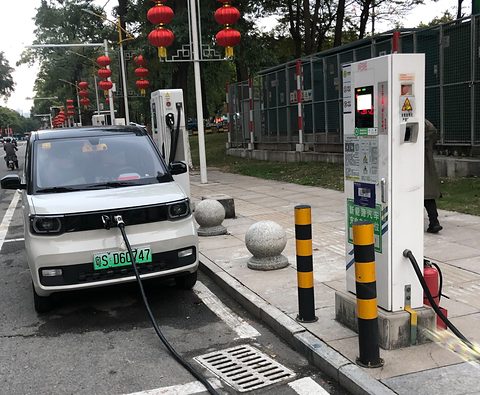
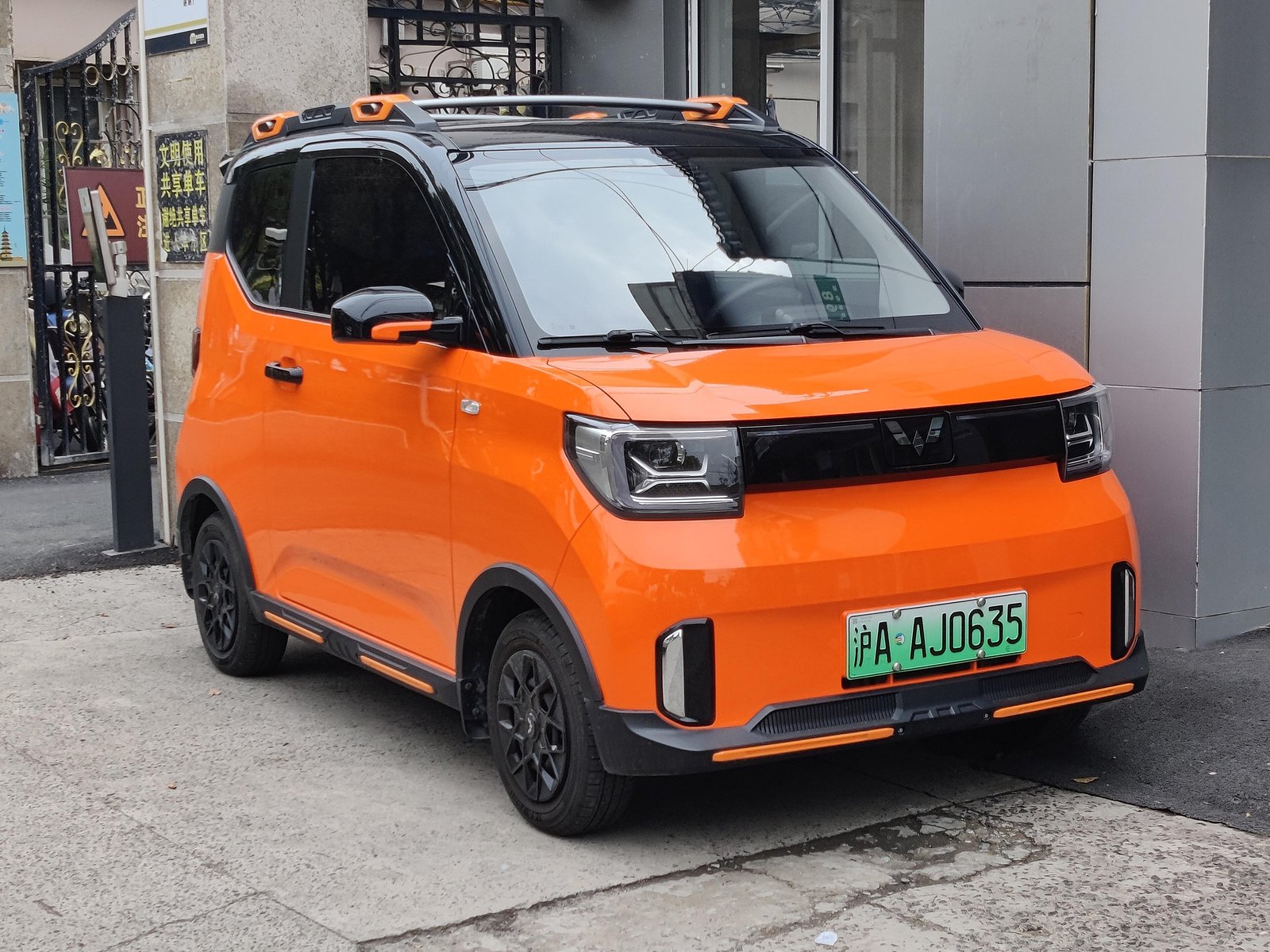
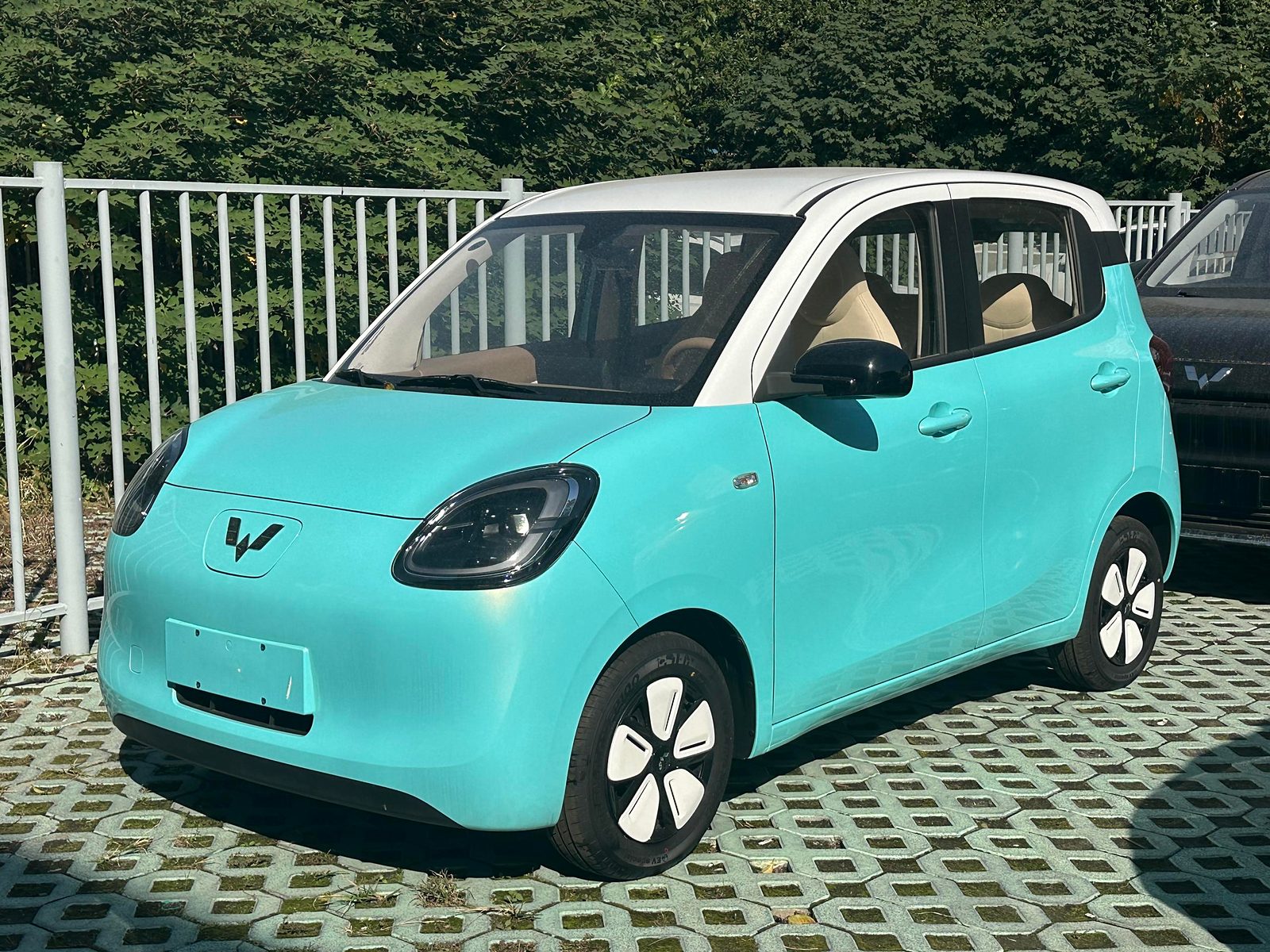
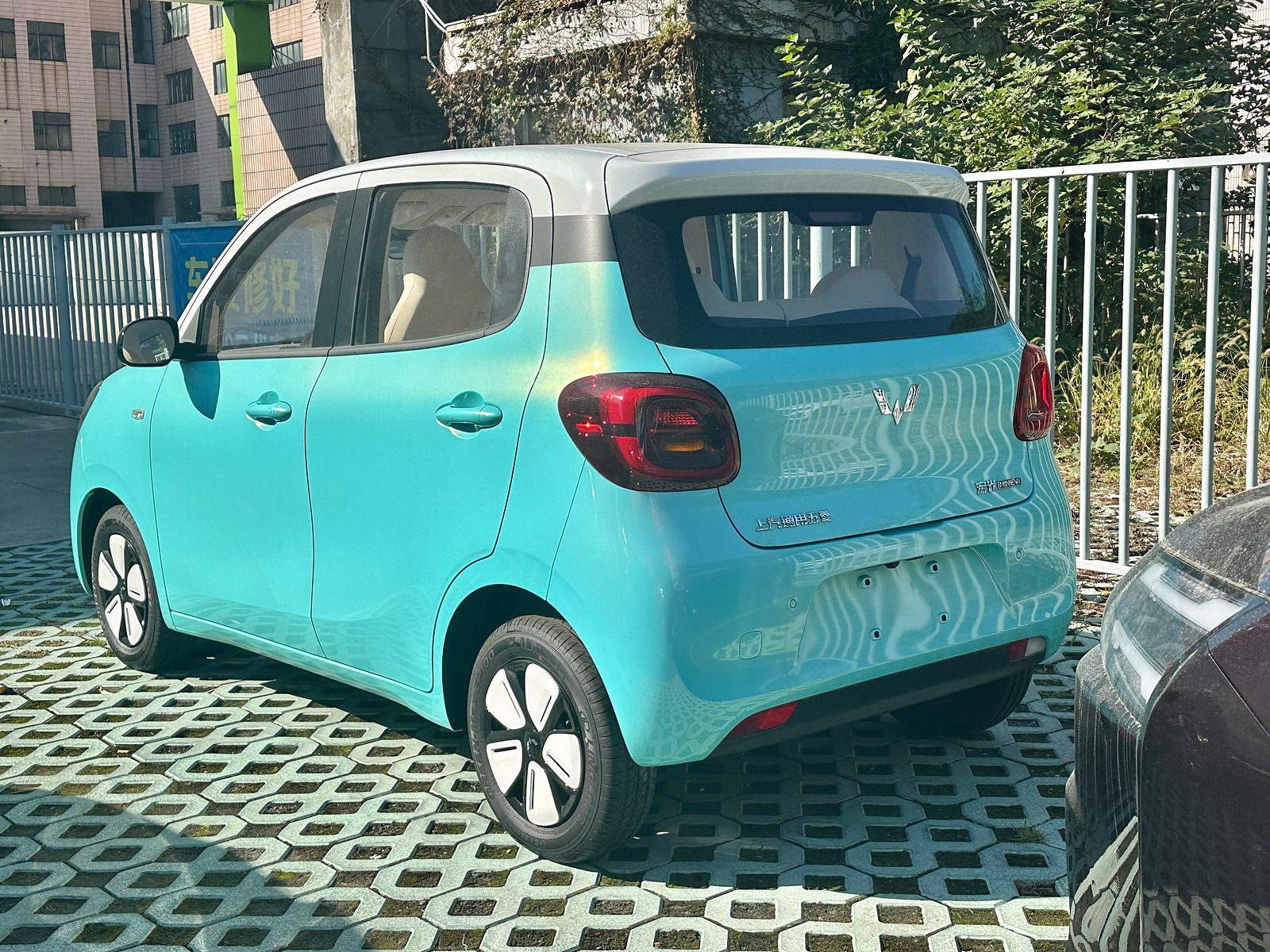
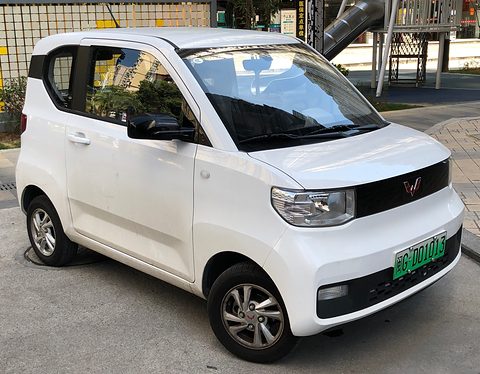
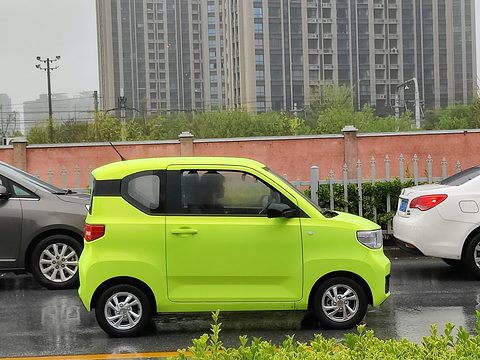
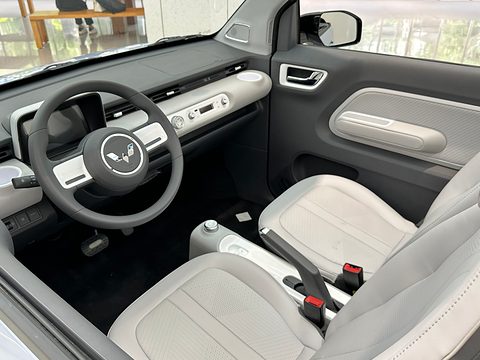
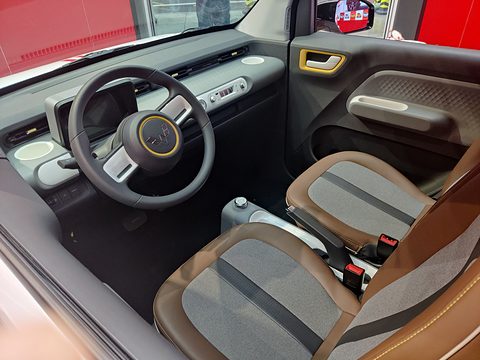
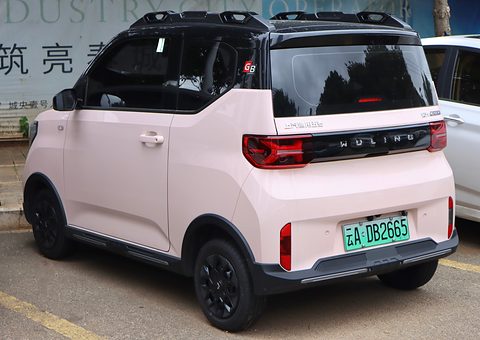
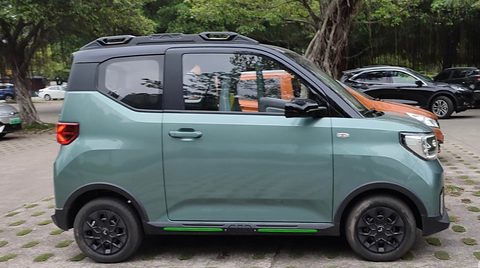
SAIC-GM-Wuling, the joint venture of SAIC Motor, General Motors and Guangxi Automobile, launched the Hong Guang MINI EV, as it first spelled the name, at the Chengdu Motor Show on 24 July 2020. It was the Wuling brand’s first four-seat new-energy car, and it came in three versions priced from CNY 28,800 to CNY 38,800, about US$4,200 to US$5,600.source 1source 2source 3 It was built at Liuzhou in Guangxi and at Qingdao in Shandong.source 1
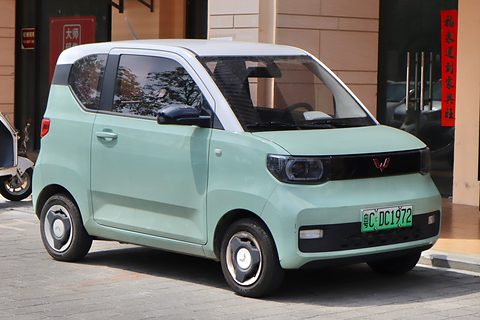
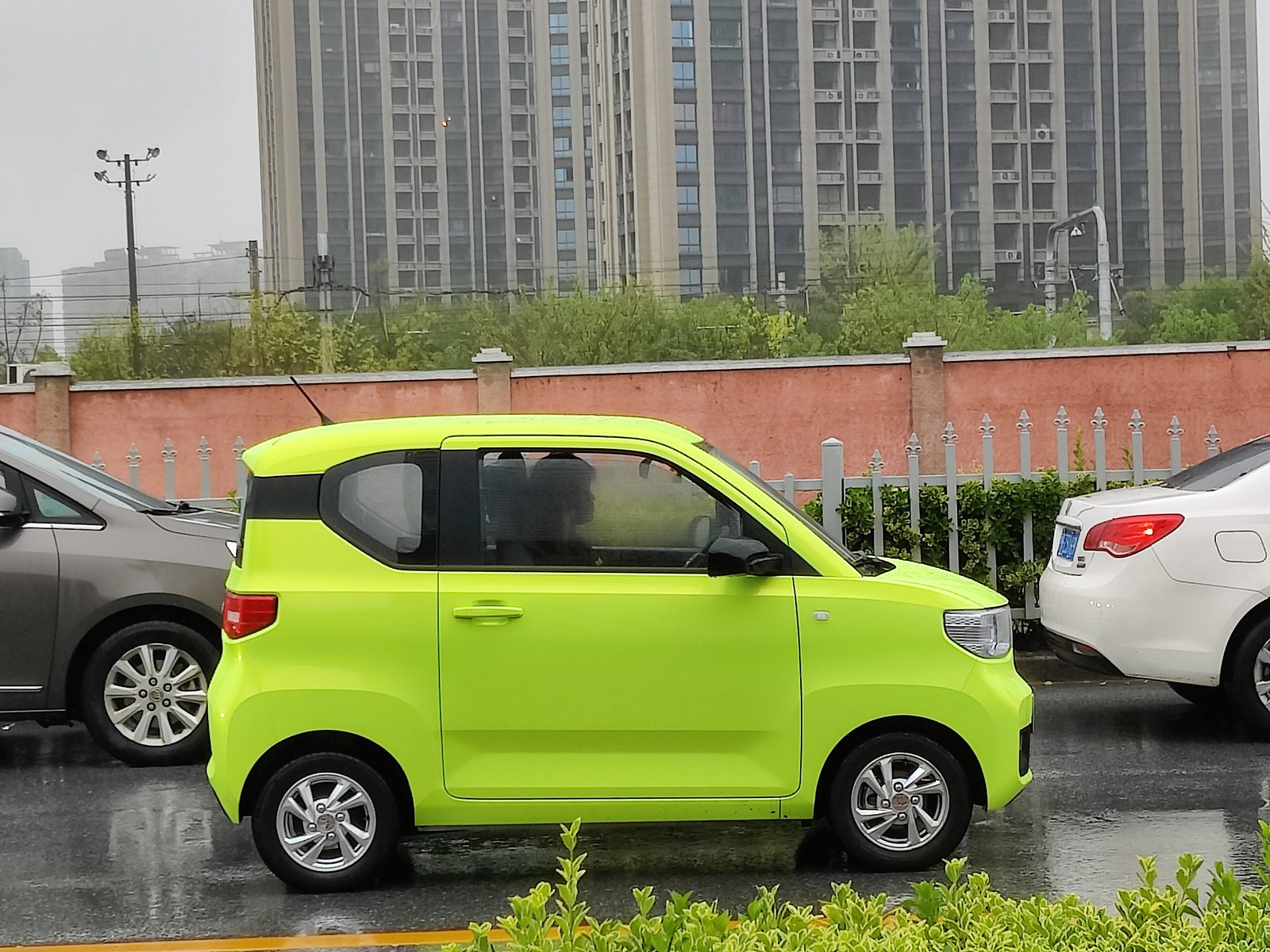
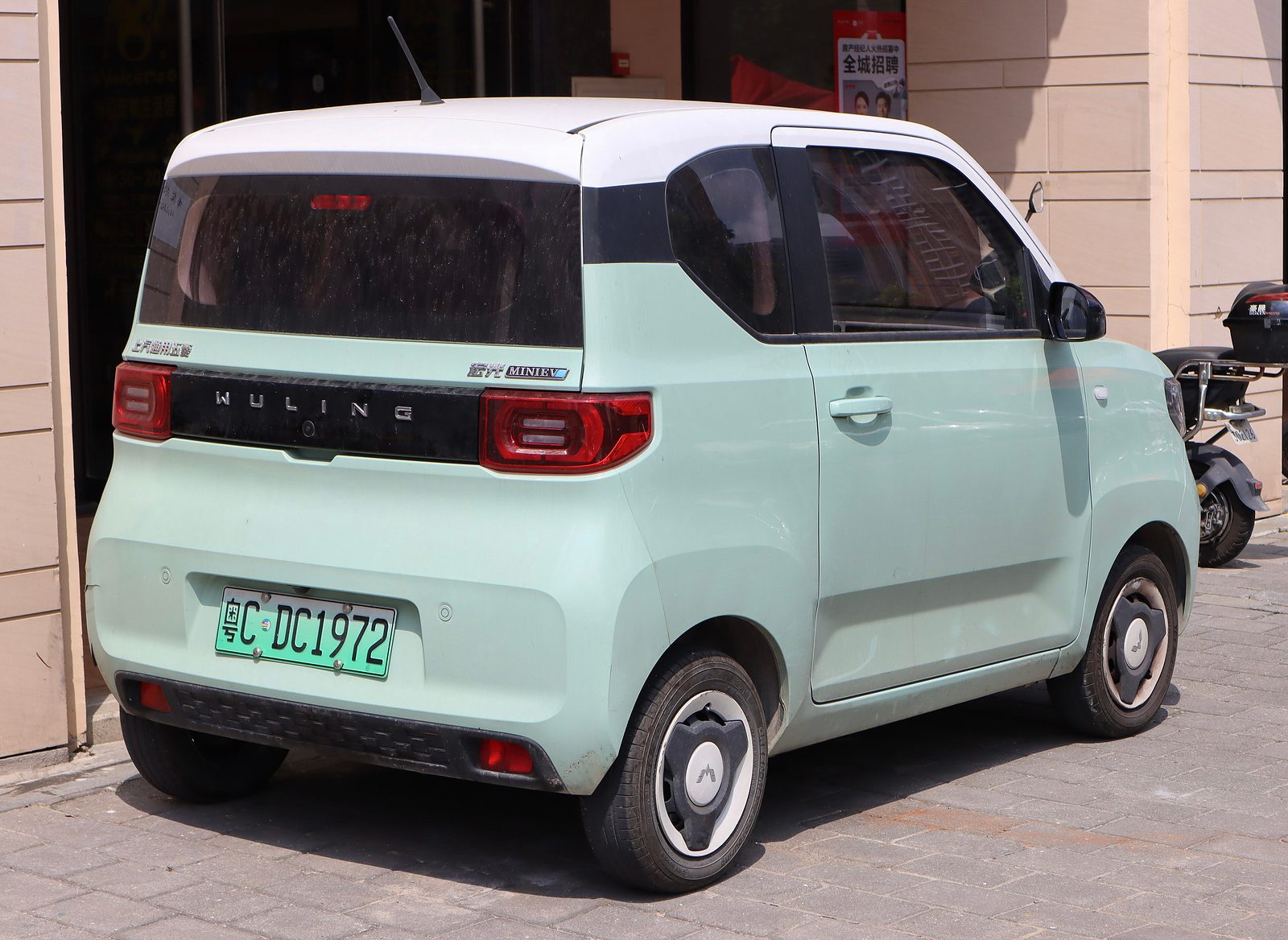
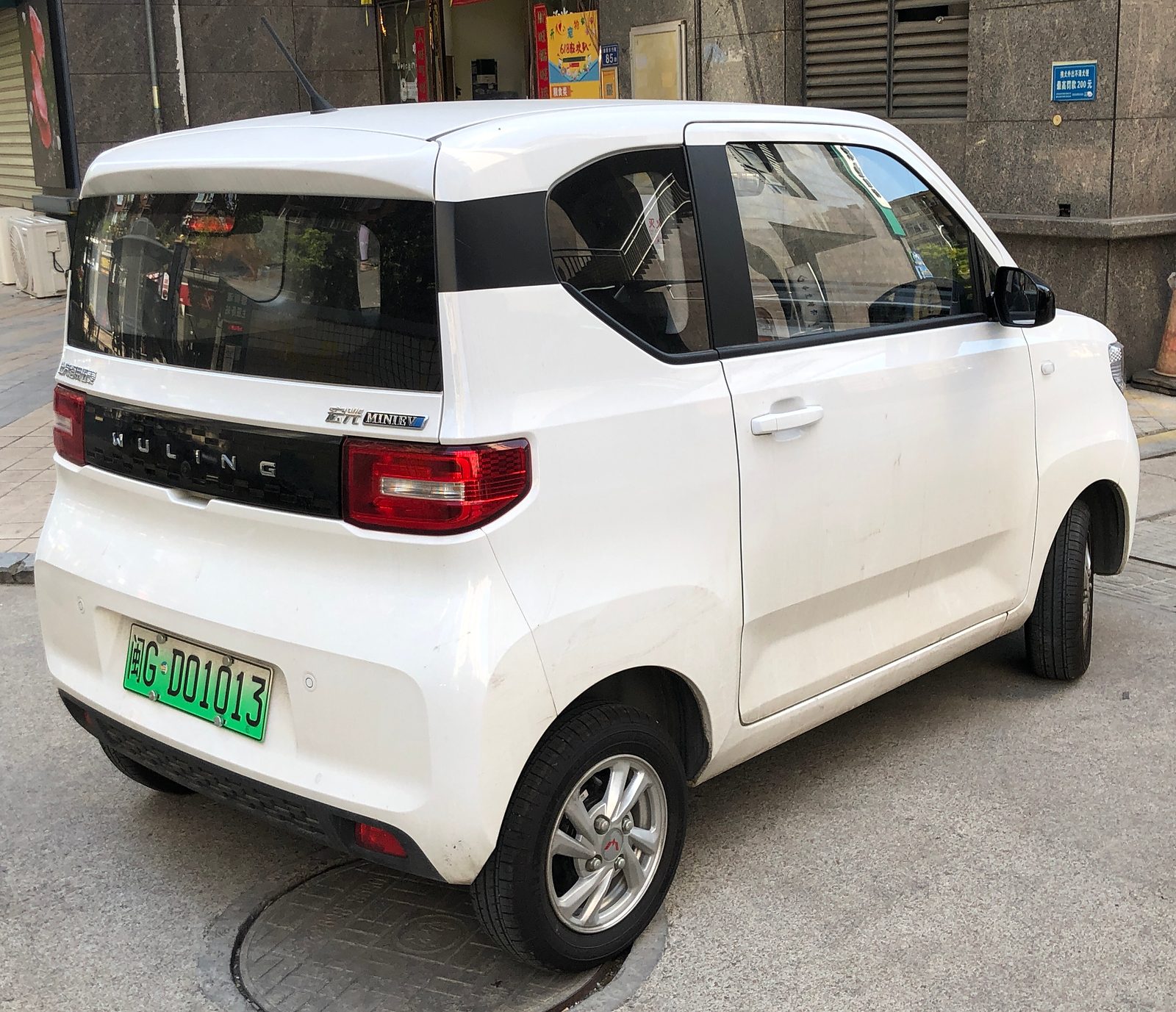
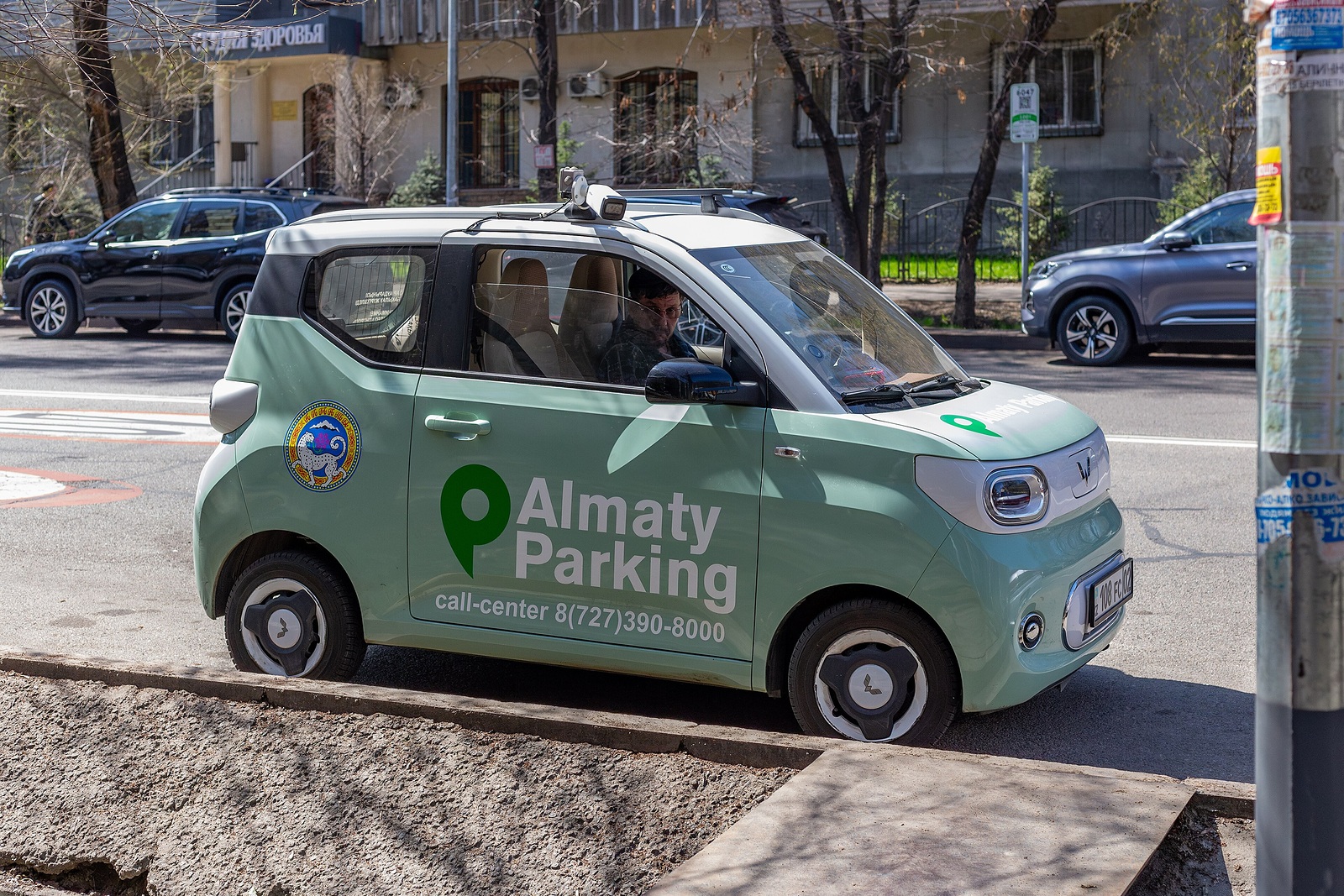
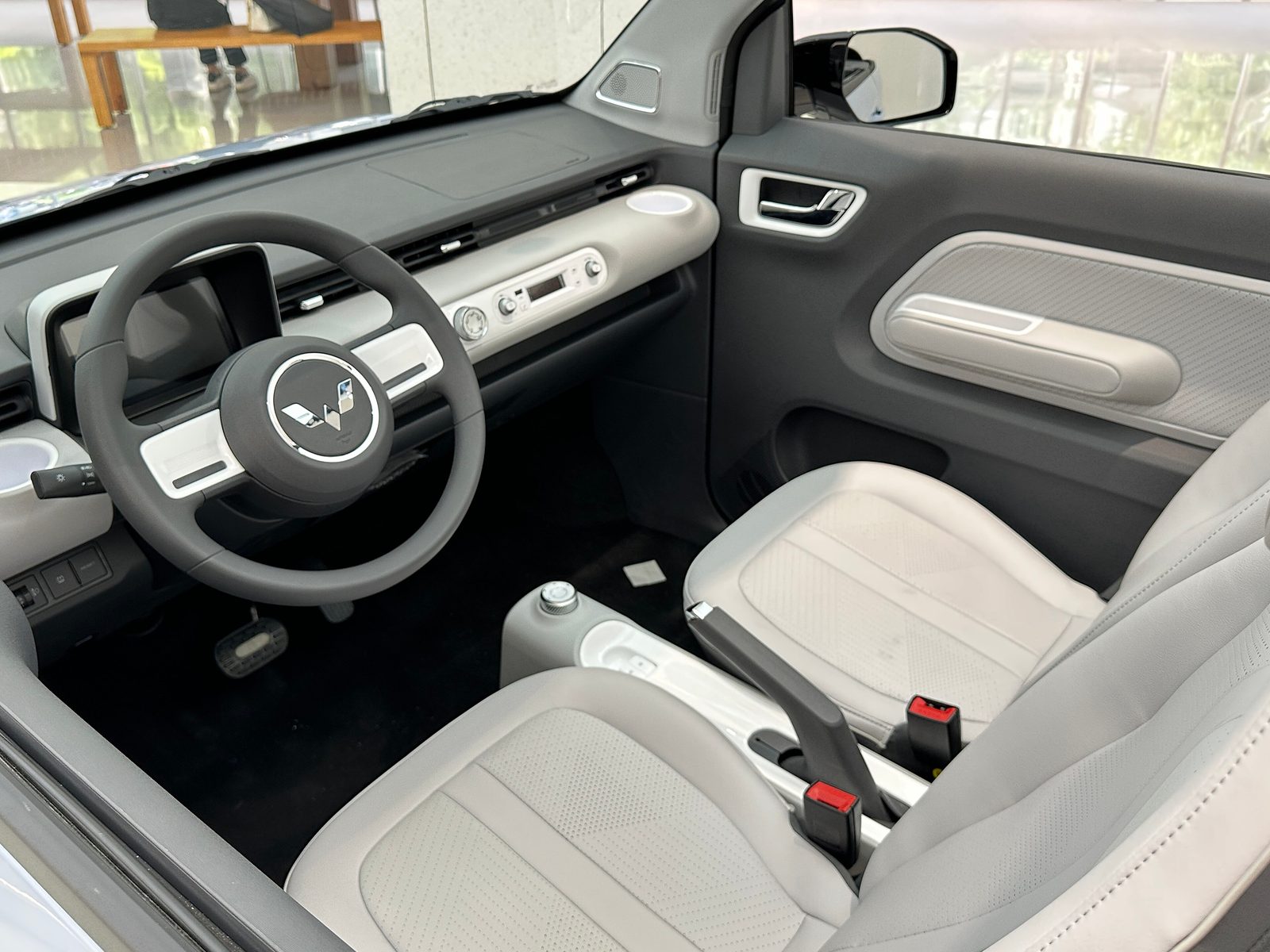
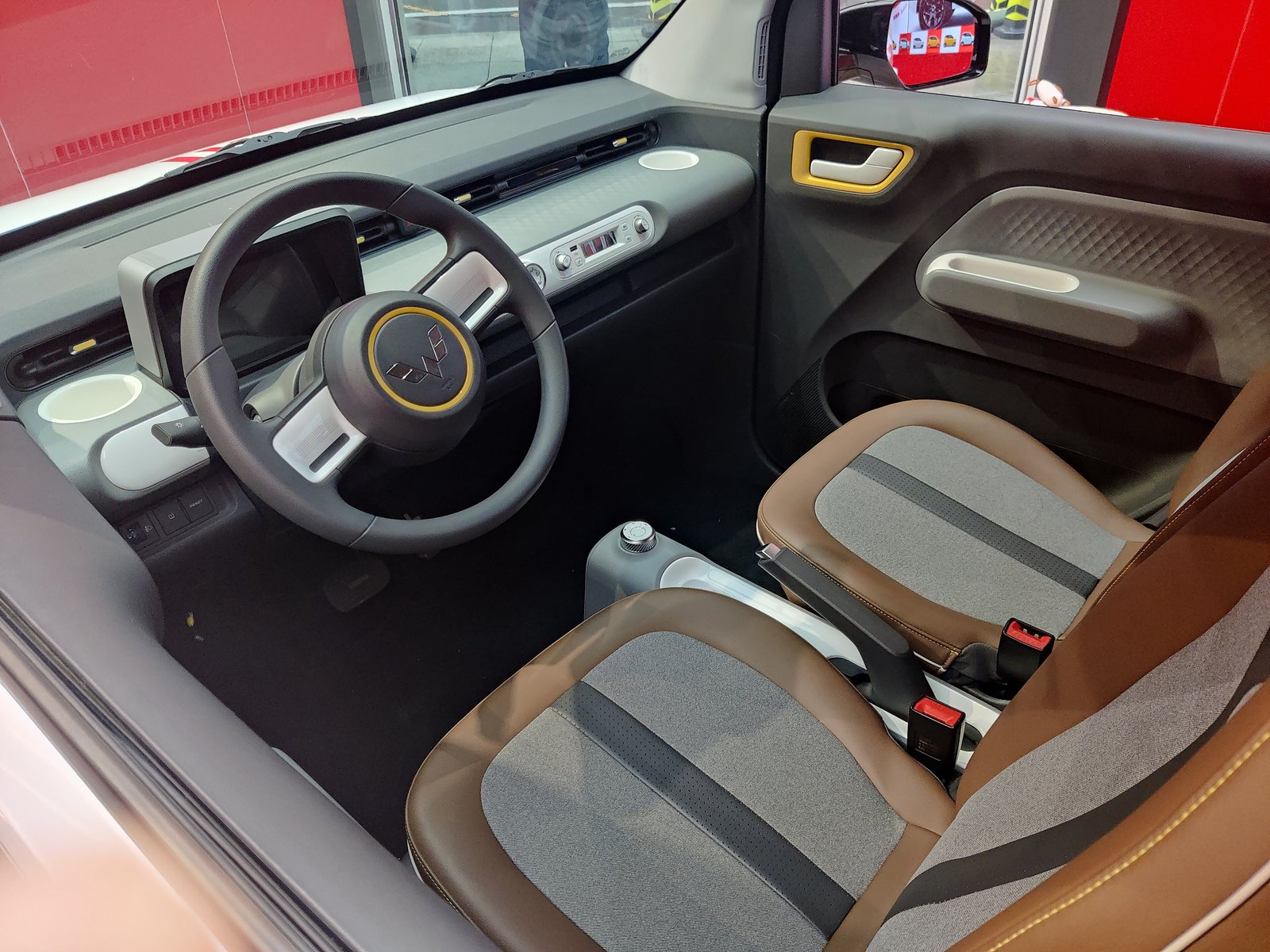
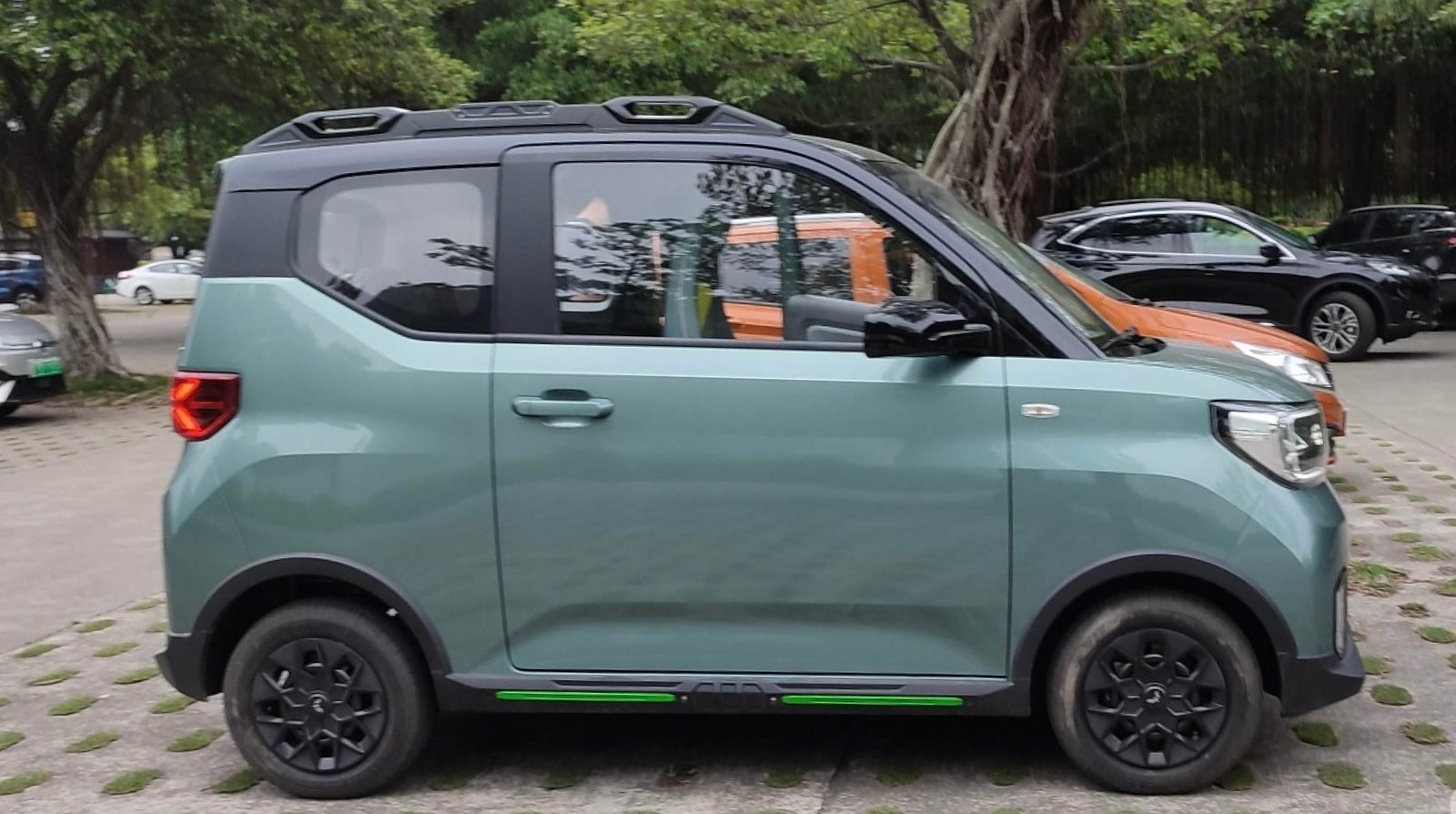
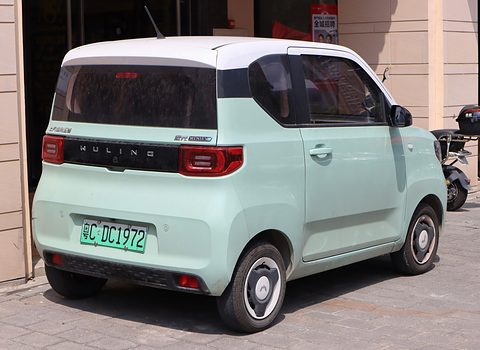
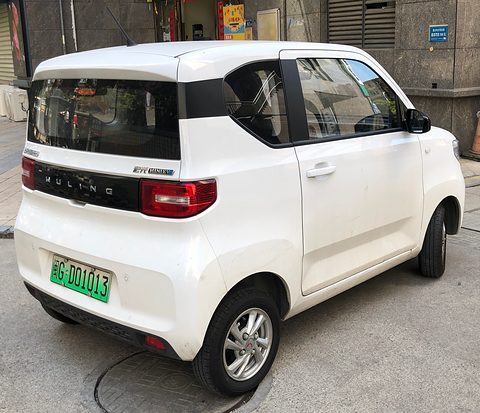
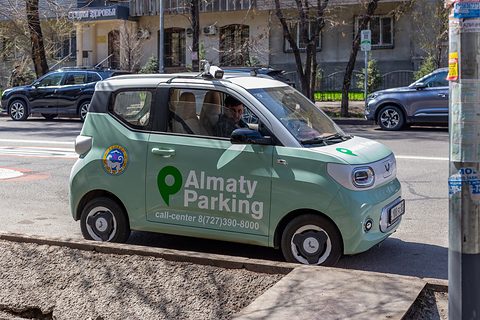
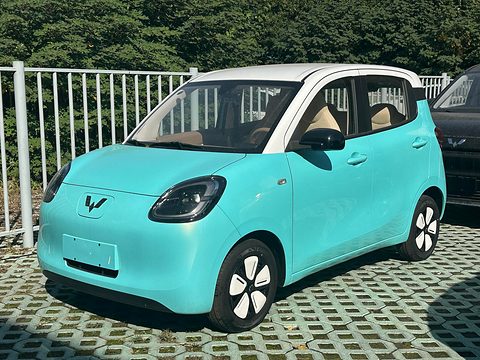
It is an electric microcar in size, but not in Chinese law: with a top speed of 100 km/h (62 mph) it is a regular passenger car, not one of China’s low-speed electric vehicles.source 1 Four seats, two and two, fit behind three doors in a body 2,917 mm long, 1,493 mm (59 in) wide and 1,621 mm (64 in) high, weighing 665 to 700 kg (1,466 to 1,543 lb).source 1source 2 The motor sits at the back and drives the rear wheels through a single speed; versions ranged from 15 to 30 kW, and the 20 kW (27 PS) motor gives 85 Nm. The batteries were small: 9 or 9.3 kWh for 120 km (75 miles) on the NEDC cycle, or 13.4 to 13.8 kWh for 170 km. It had ABS, a tyre-pressure monitor and rear parking sensors, but the early cars had no airbag at all.source 1
The best-selling electric car in China
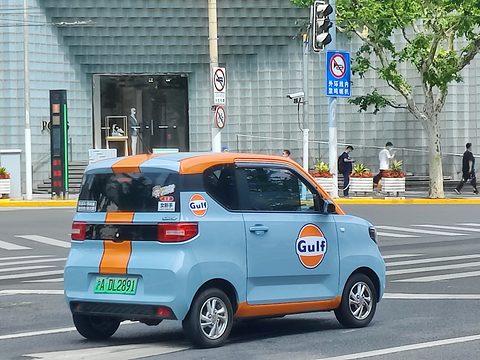
It sold at once. GM Authority reported 15,000 sold in the first 20 days and more than 50,000 orders, and in August 2020 the Mini EV outsold the Tesla Model 3 in China.source 3 By English Wikipedia’s figures 127,651 were sold in the second half of 2020, second among the world’s plug-in cars for those months; in January 2021 its 36,762 made it the world’s best-selling plug-in car, and over the whole of 2021 its 395,451 made it China’s best-selling new-energy vehicle.source 1 Cumulative sales passed 400,000 in October 2021 and 1.1 million by February 2023.source 4source 1 It became a cult car in China, widely modified by its owners and compared to Japan’s kei cars.source 1
Macaron, GameBoy, Cabrio
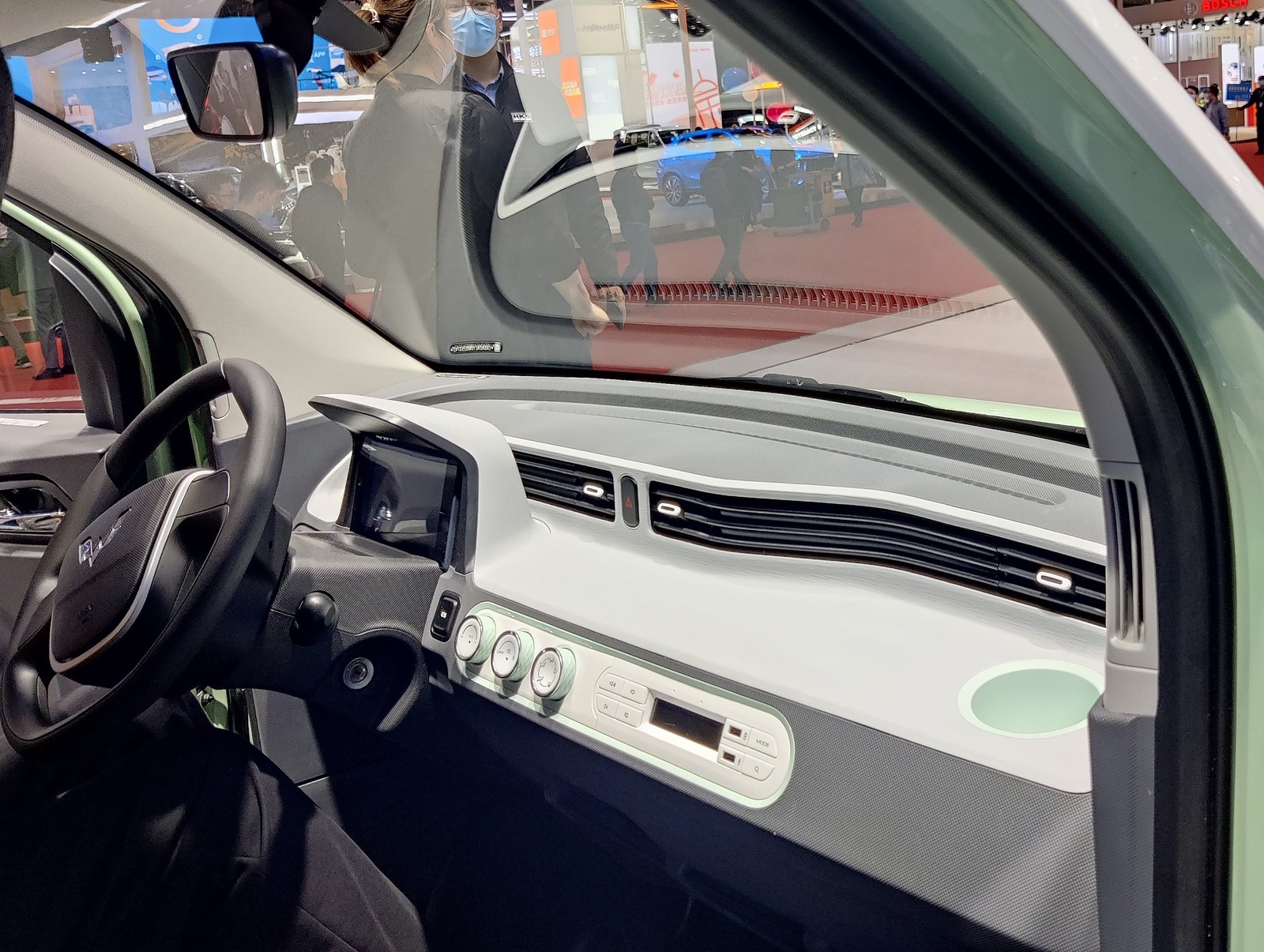
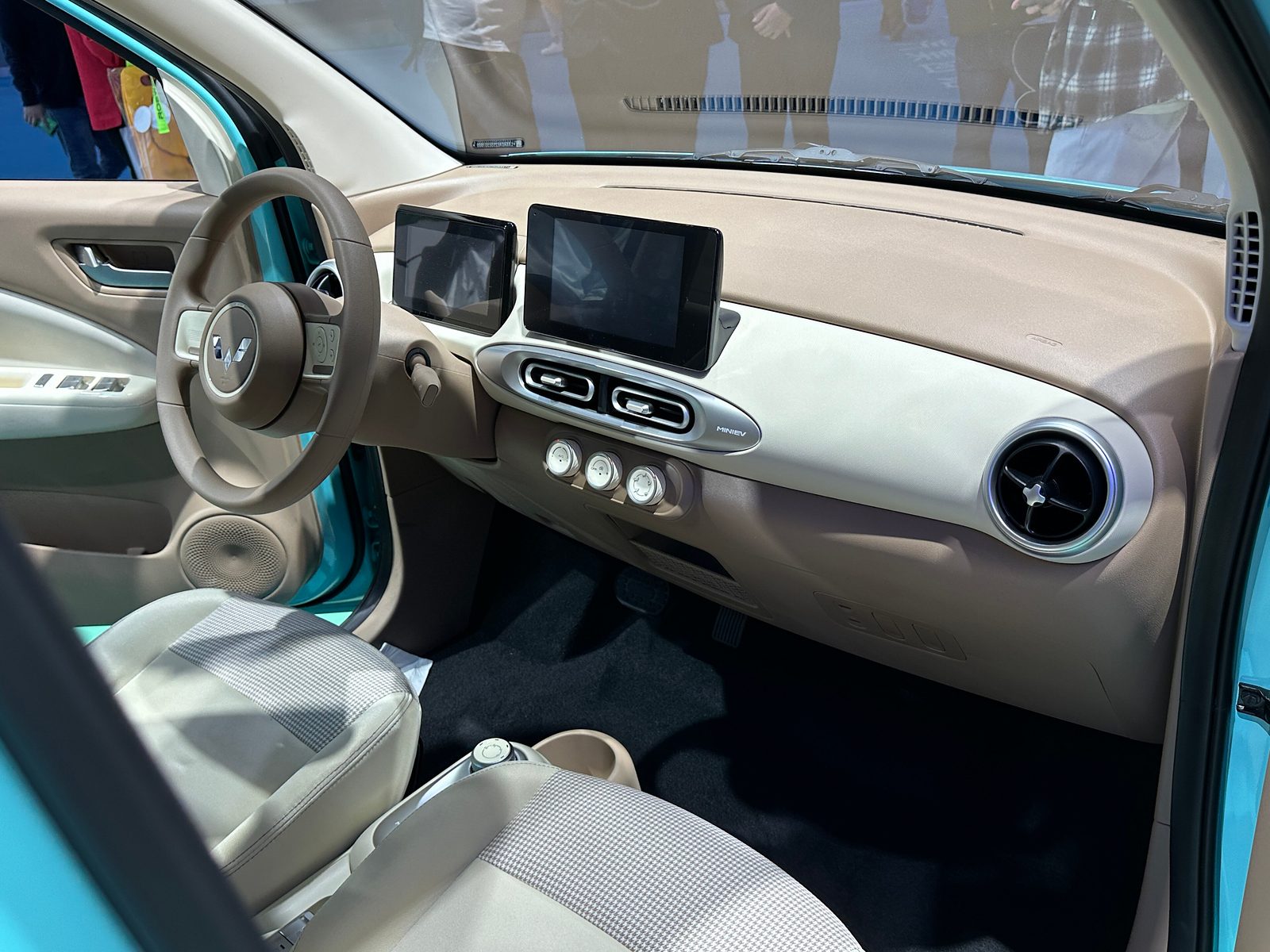
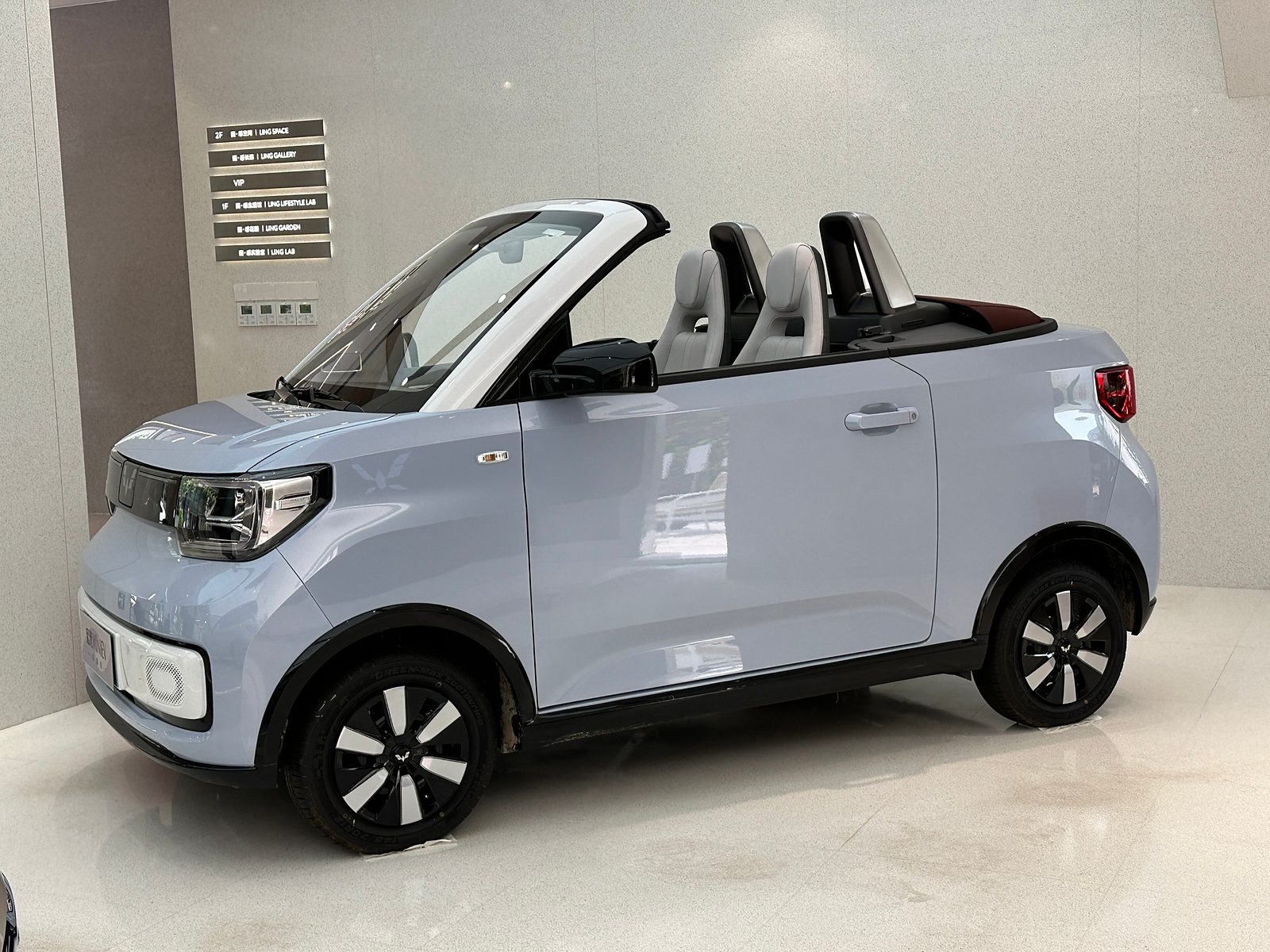
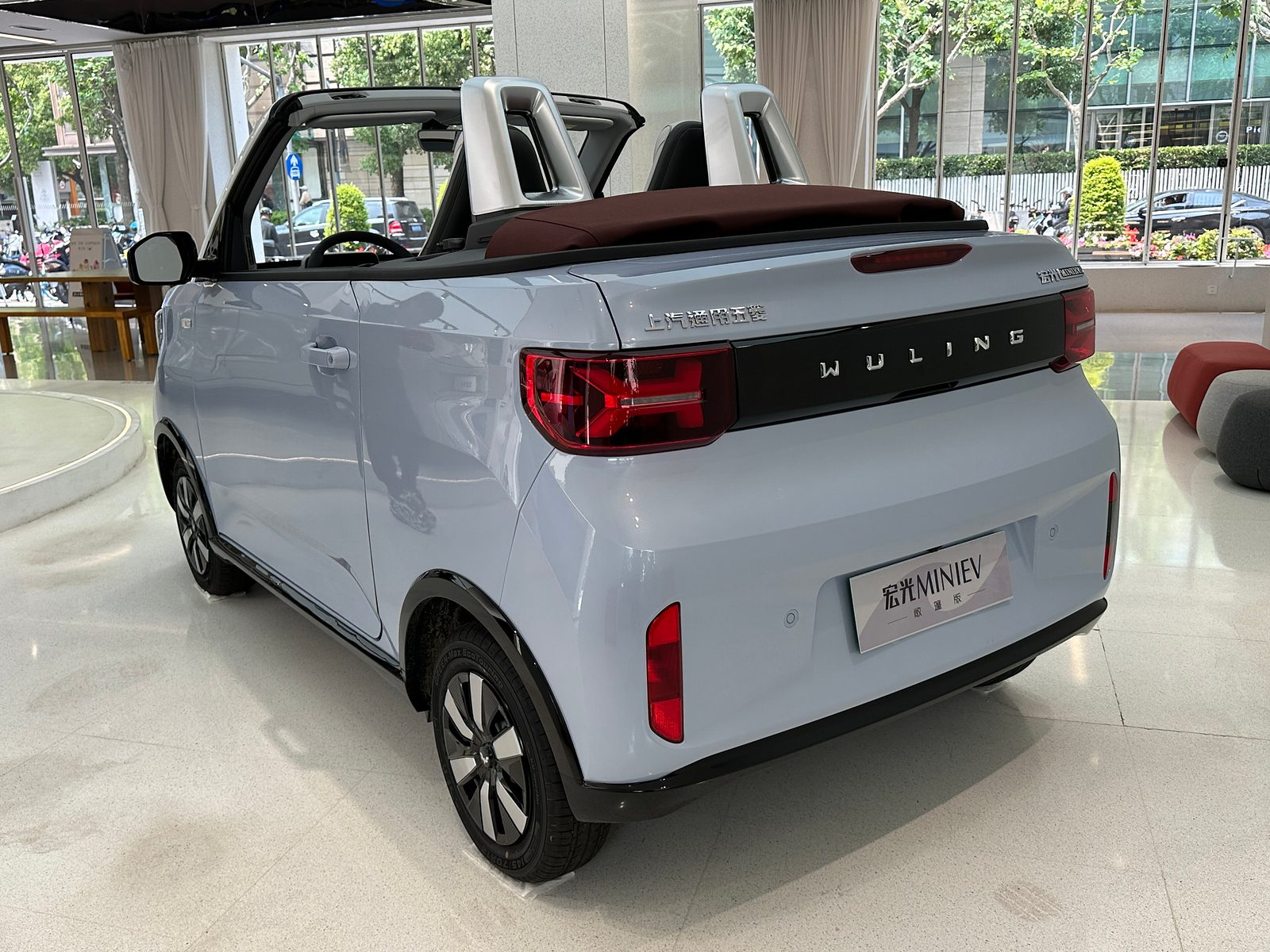
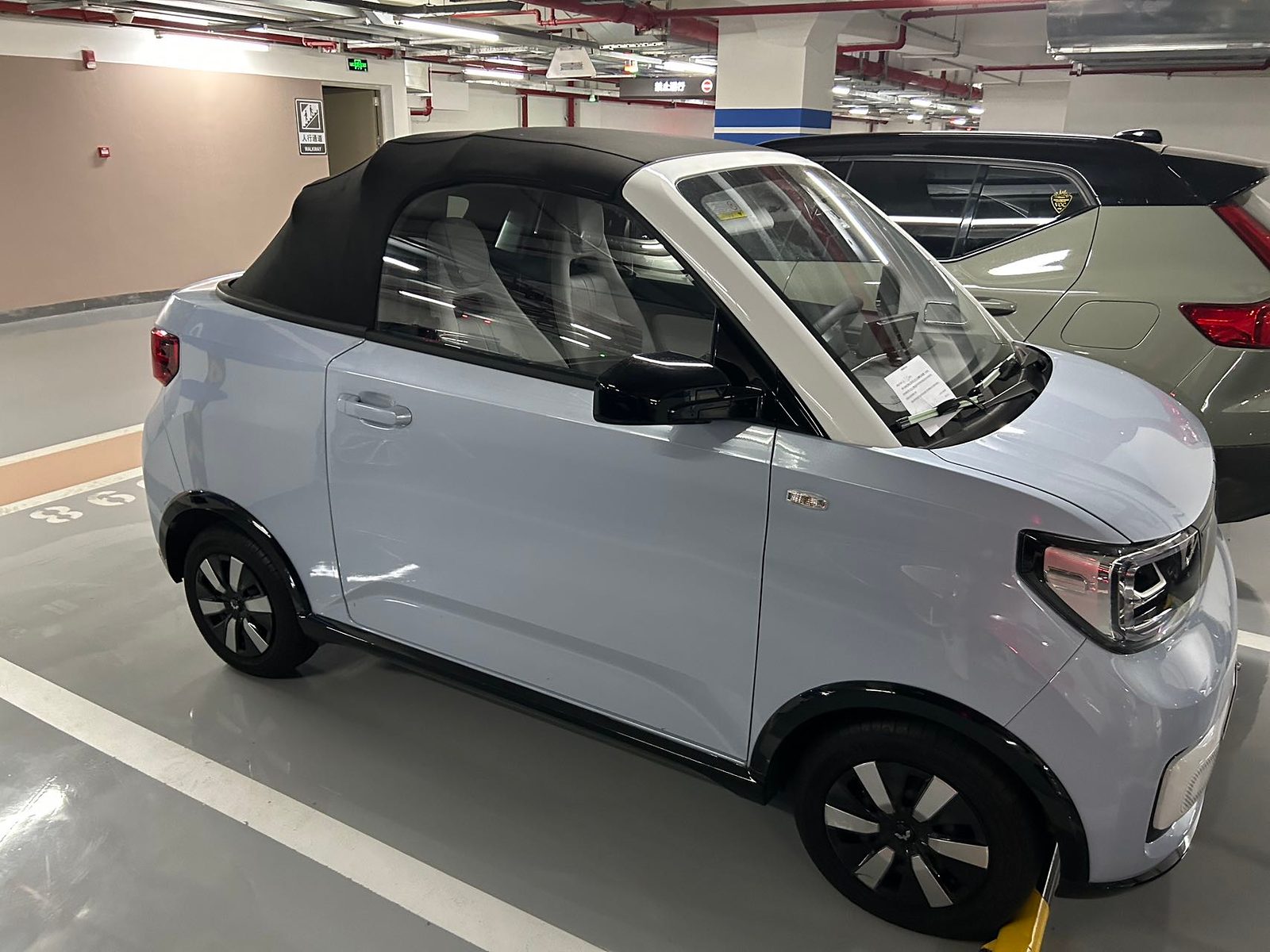
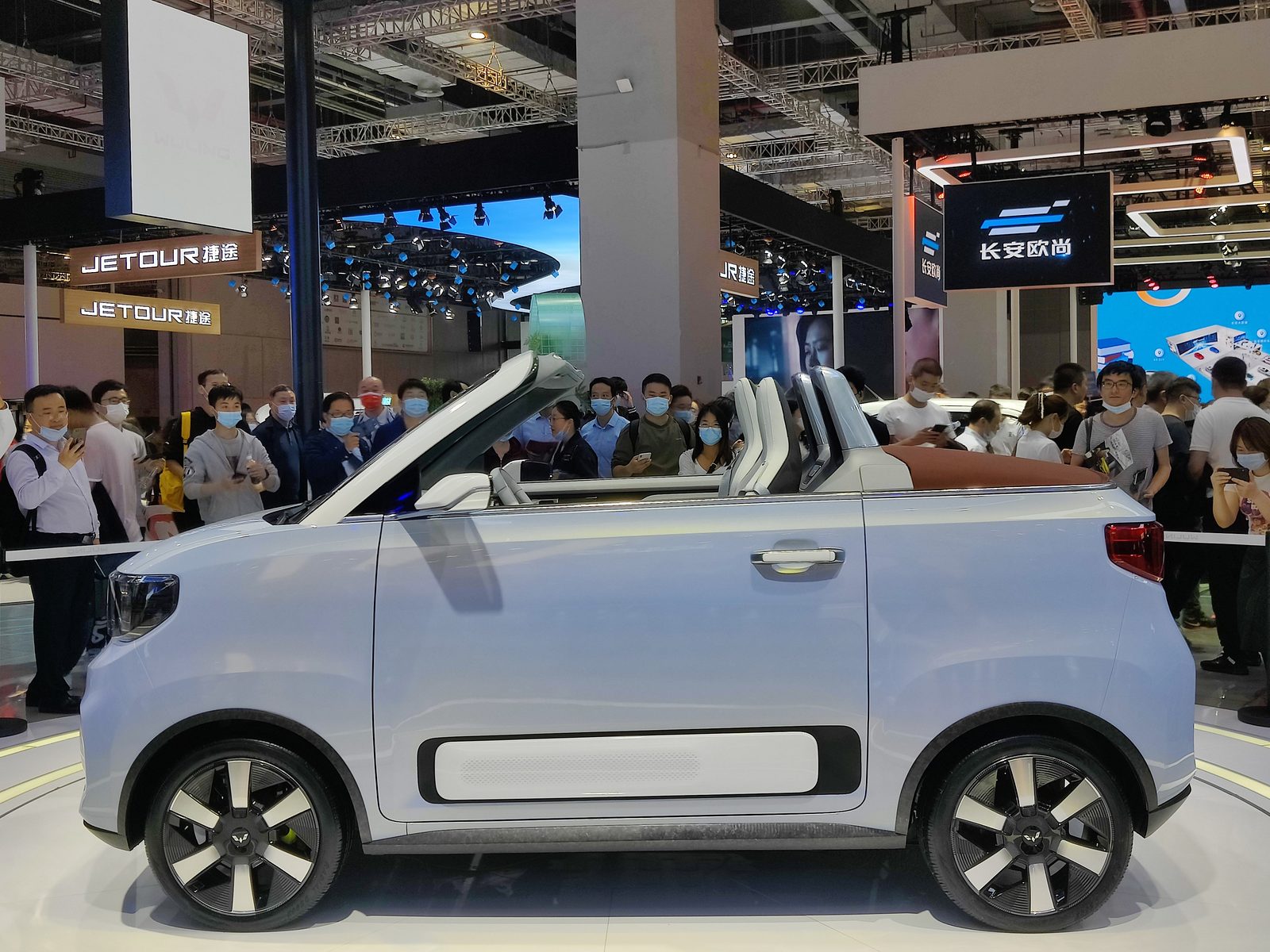
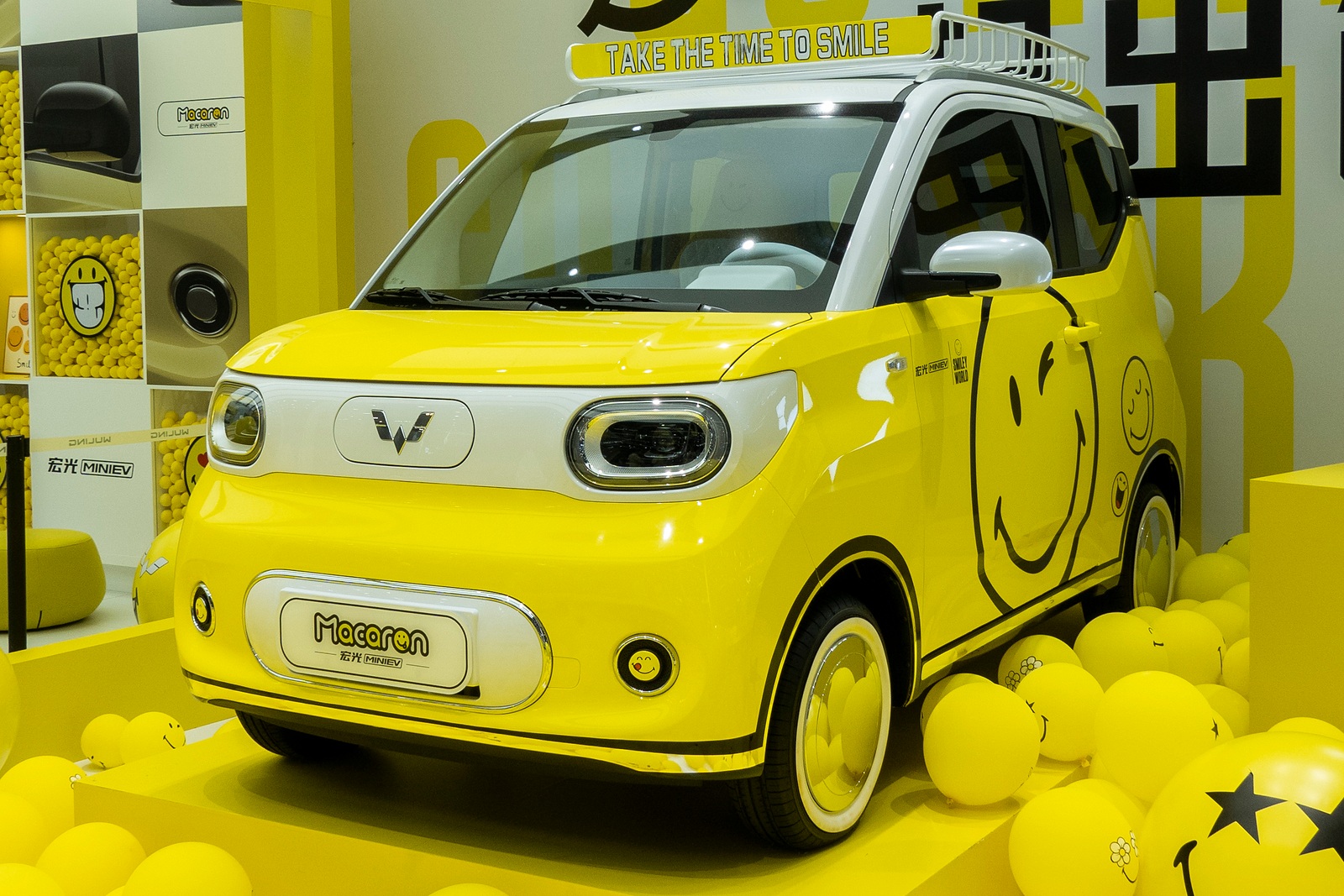
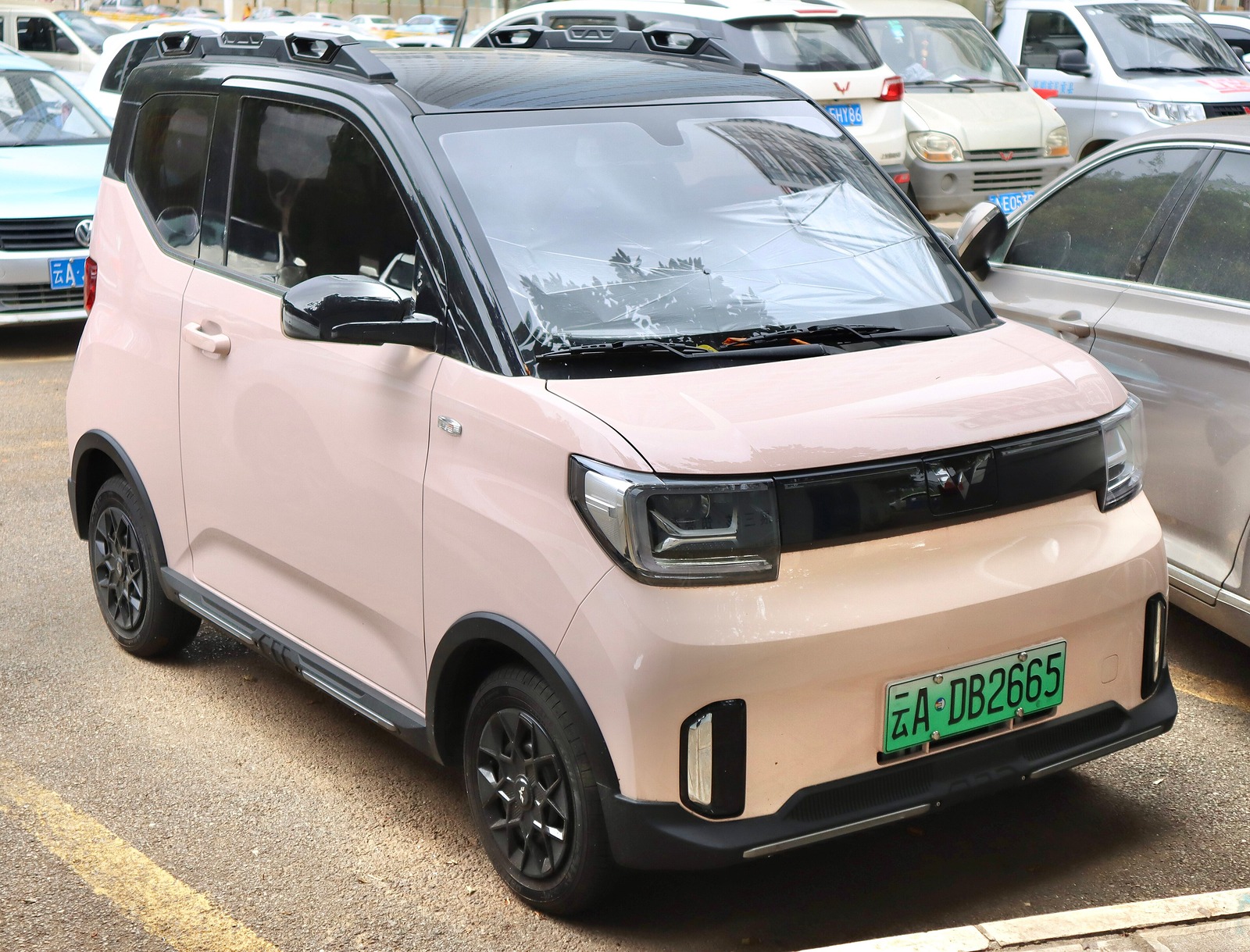
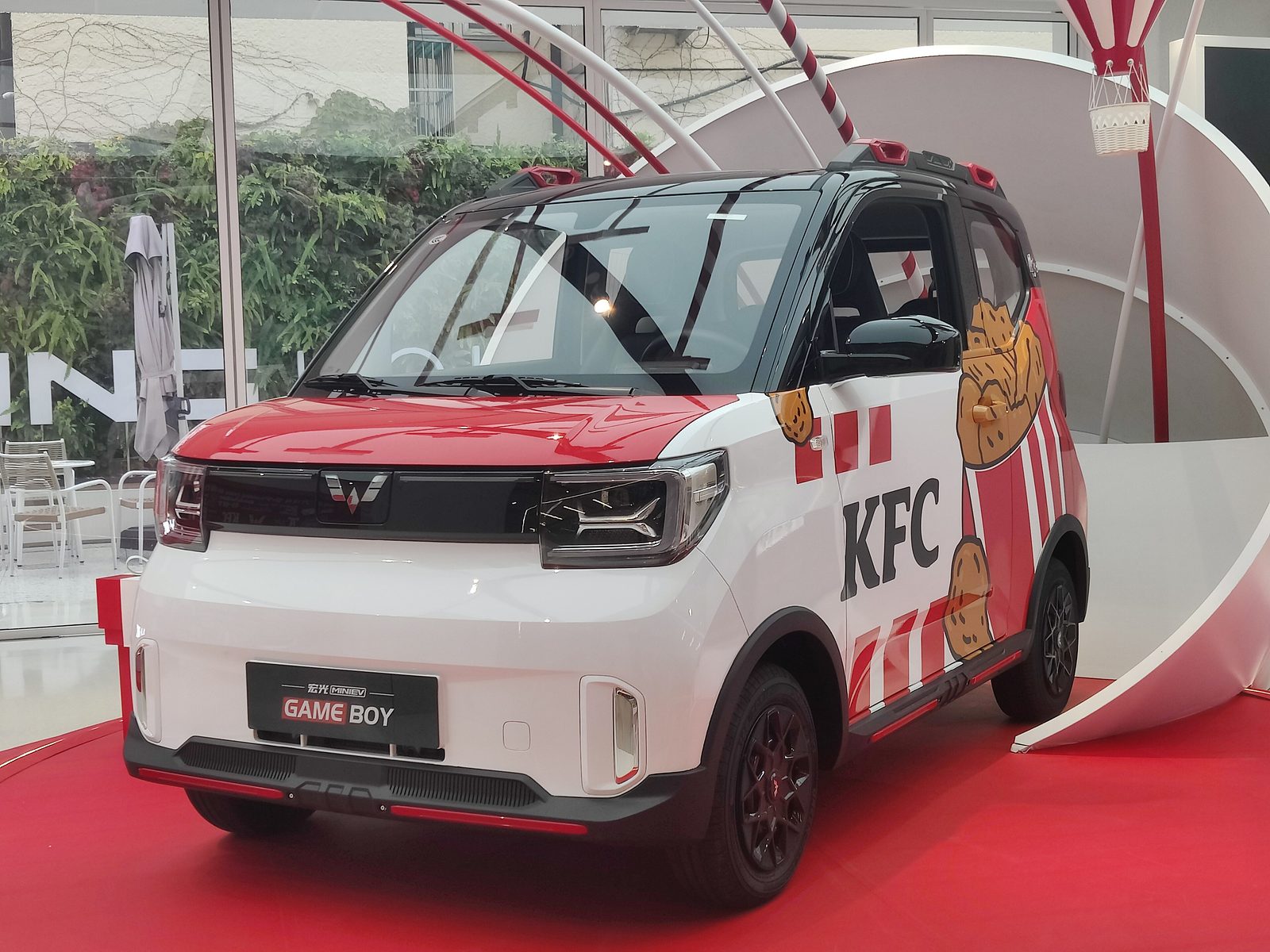
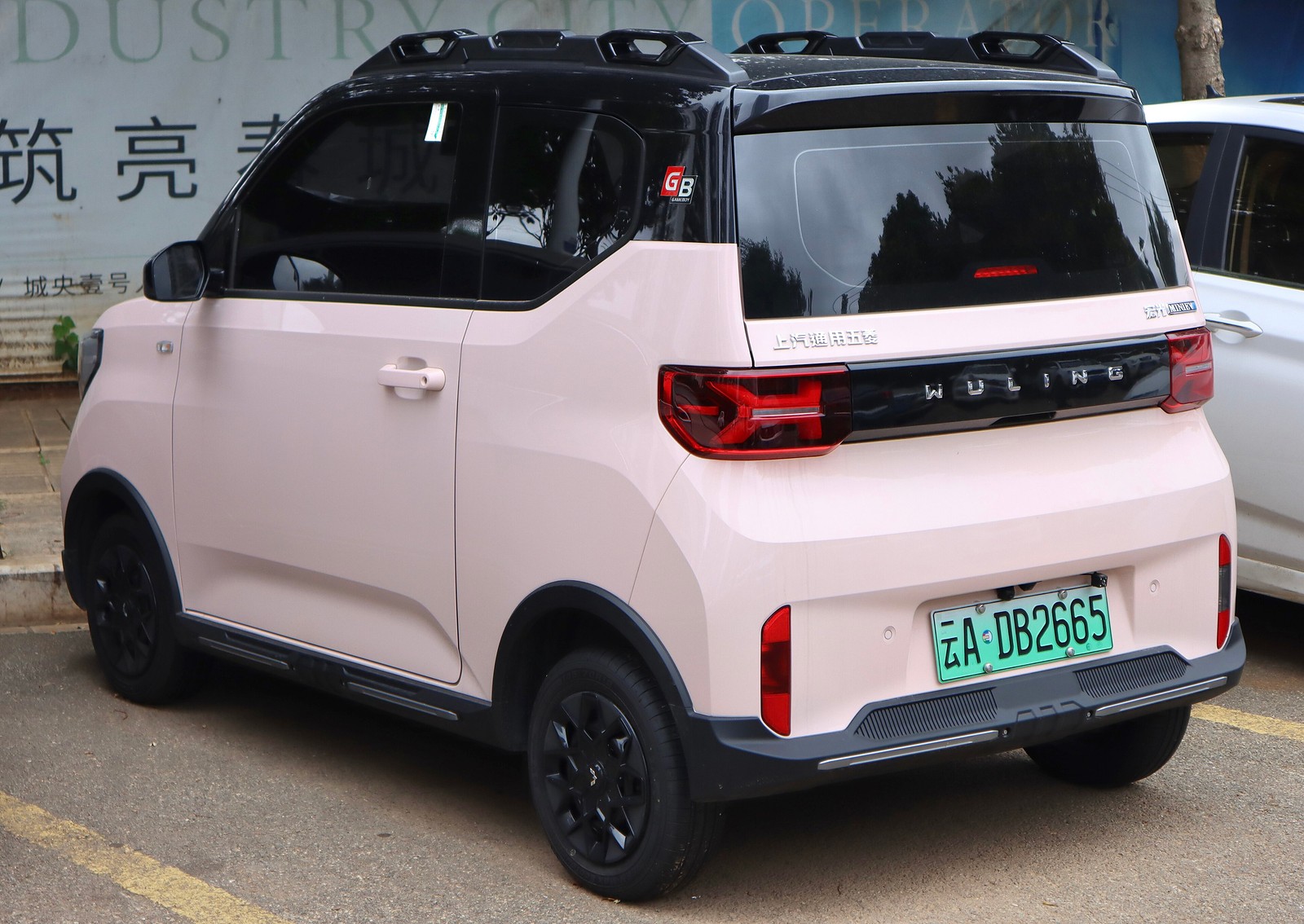
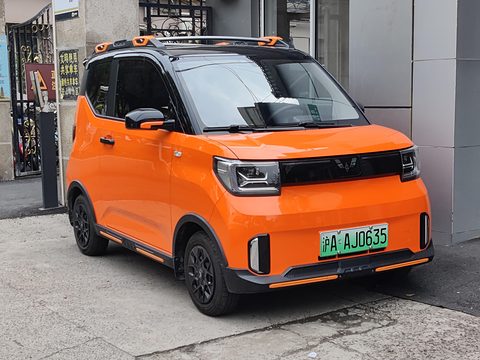
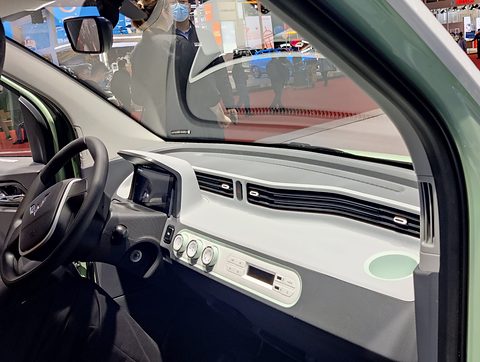
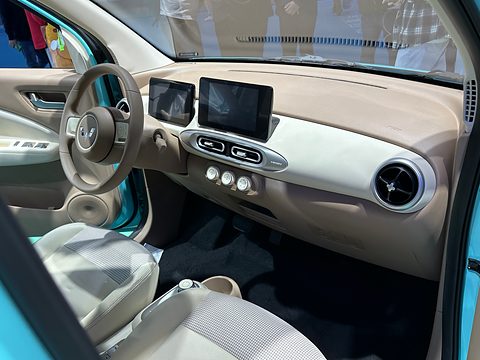
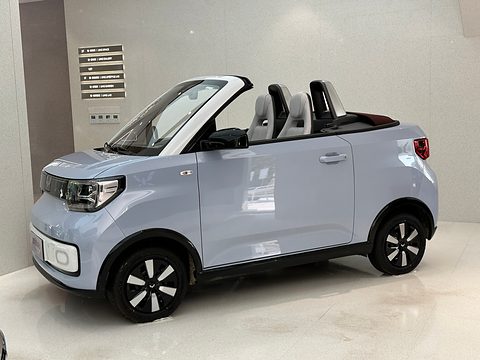
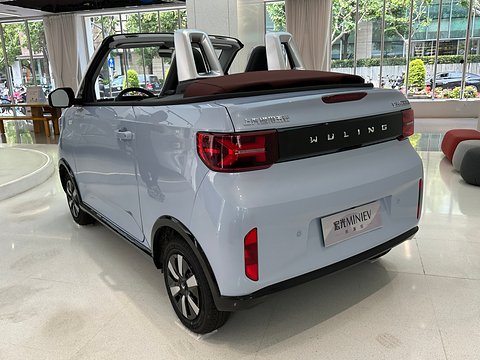
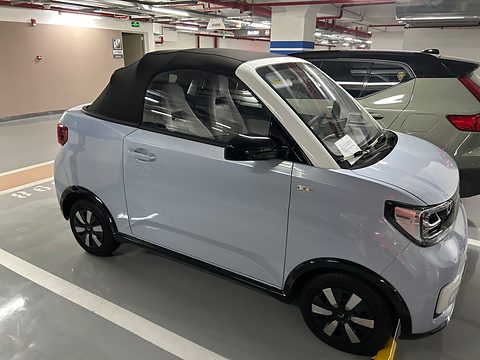
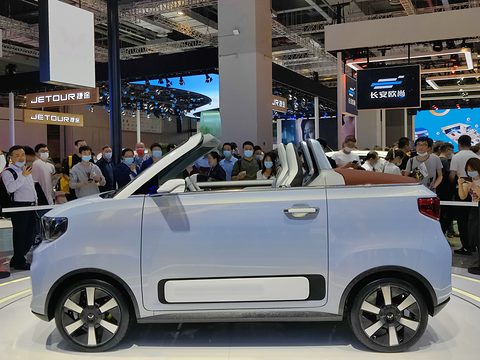
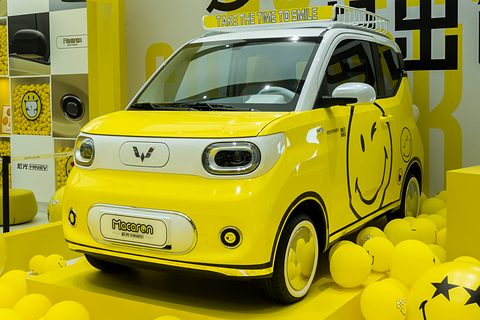
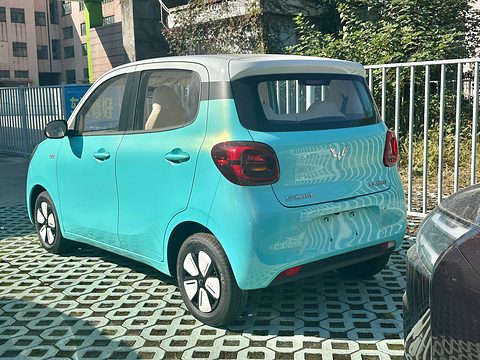
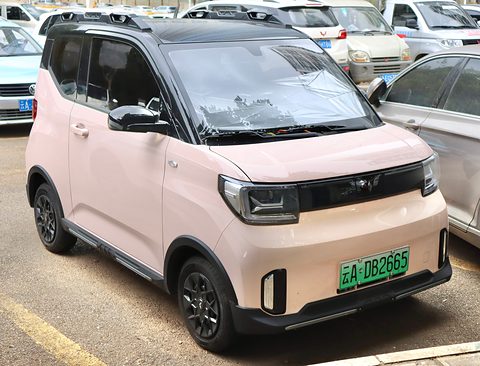
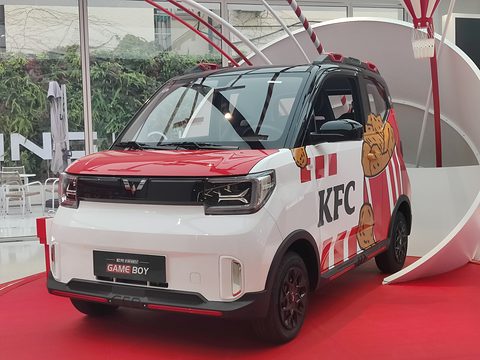
Wuling kept dressing it up. The Macaron edition of April 2021 came in pastel Pantone colours, avocado green, lemon yellow and peach pink, with a reversing camera and sensors and, now as standard, a driver’s airbag; a 2023 update added a passenger’s airbag, 215 km on the CLTC cycle and a fast charge from 30 to 80 per cent in 35 minutes.source 1 The GameBoy of March 2022, marketed as the third generation, was restyled and larger, at 3,061 to 3,089 mm, with 20 or 30 kW and batteries of up to 25.5 kWh. The Cabrio, a soft-top shown as a concept in 2021, went into production in September 2022: 3,059 mm long and 925 kg.source 1
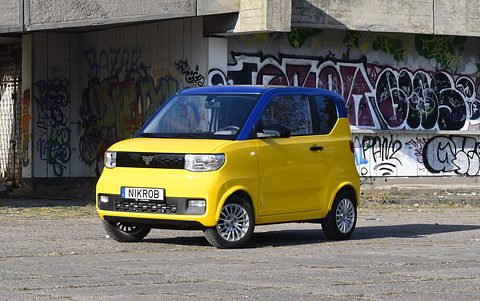
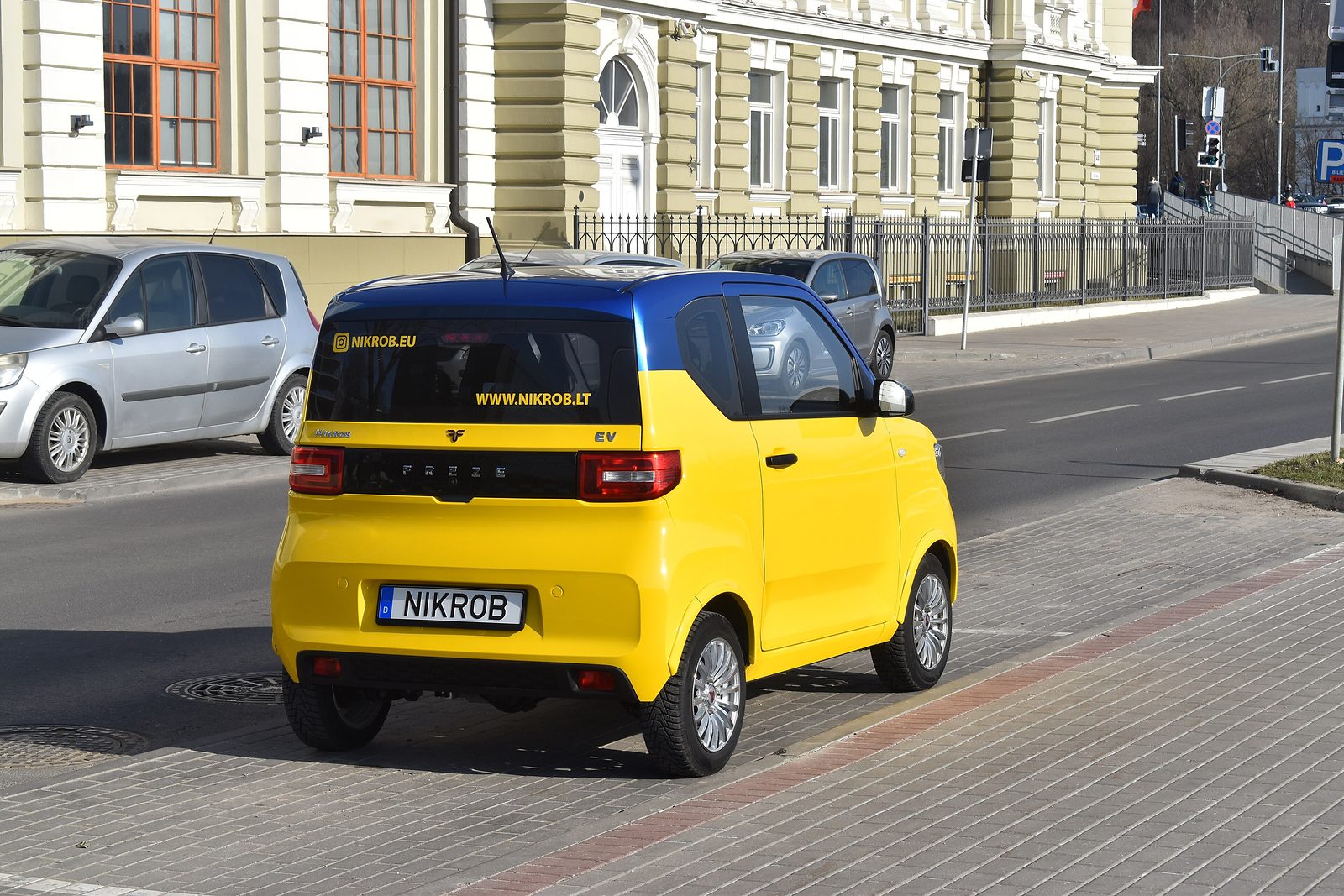
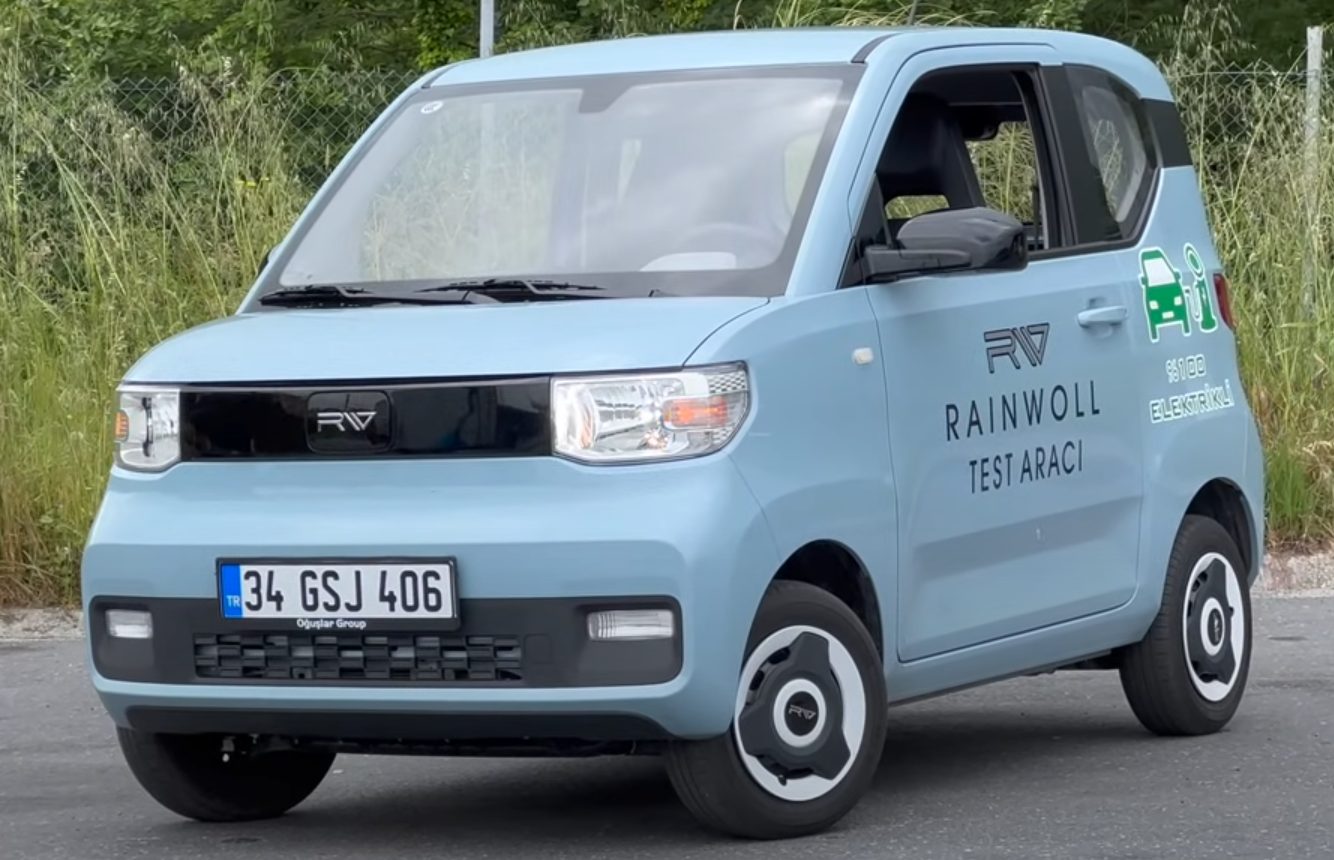
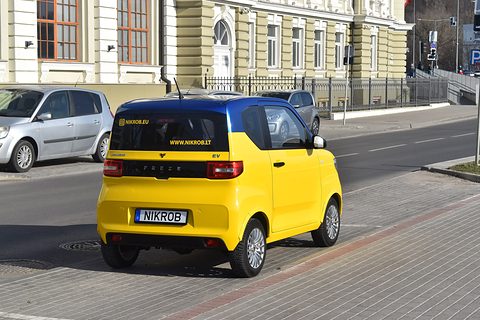
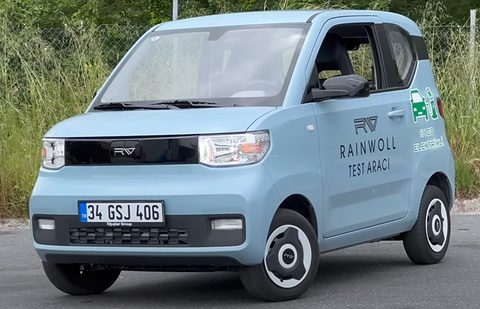
It also went abroad. Nikrob UAB assembled it in Vilnius as the Freze Nikrob from 2021, Turkey had it as the Rainwoll RW10 from 2023, and it was assembled too at Hưng Yên in Vietnam and at Cikarang in Indonesia.source 1 A second generation, coded E110C and marketed as the fourth, was shown in December 2024 and launched on 22 February 2025, with three or five doors, 3,043 to 3,268 mm long, and 9.2 to 26 kWh of lithium-iron-phosphate battery for 120 to 280 km. In 2025, every version together, China bought 424,983, the car’s best year. A facelift followed in February 2026, and in July 2026 the five-door went on sale as the Wuling Aira EV in Indonesia, including a Toy Story edition of 300 cars, and as the Wuling Macaron in Vietnam.source 1
The imitators
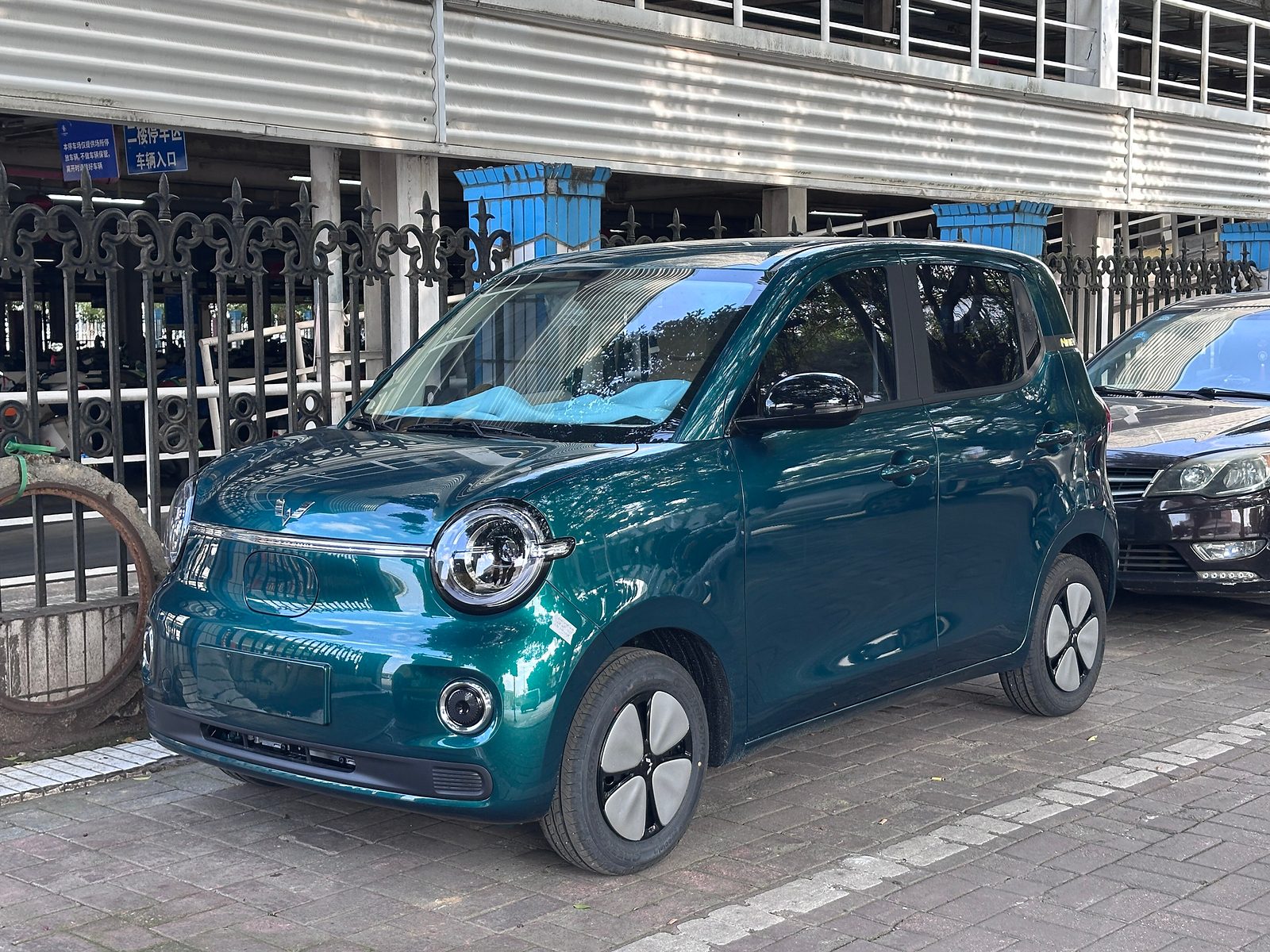
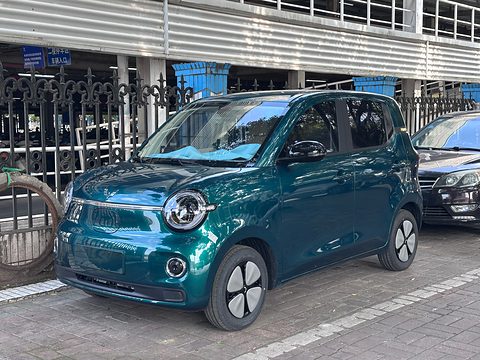
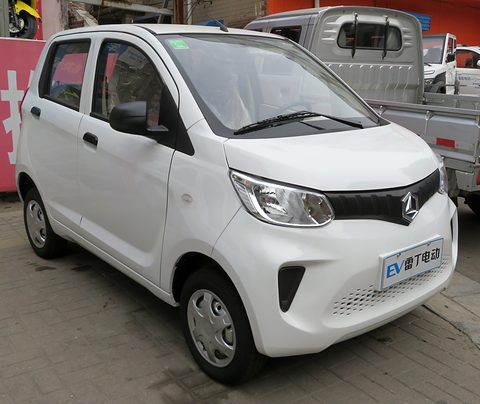
SAIC-GM-Wuling’s other brand, Baojun, had been selling small electric city cars since 2017, beginning in Liuzhou: the Baojun E100, the Baojun E200 and the E300, later the Baojun KiWi EV.source 5source 6 English Wikipedia names the Chery QQ Ice Cream, the Dongfeng Fengguang, sold abroad as the Fengon Mini EV, and the Geely Panda Mini EV among its imitators, and Wuling built a sister on the same platform, the Wuling Air ev.source 1source 7 Those cars, and three other small Chinese electrics, the Zhidou D2, the Kandi K12 and the Xiaohu FEV, have their own sections. Several of them, like the Mini EV’s own later versions, are a little longer than the original car.