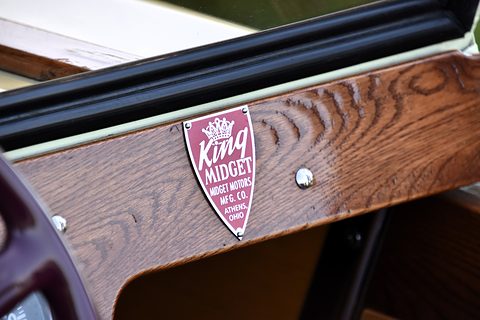
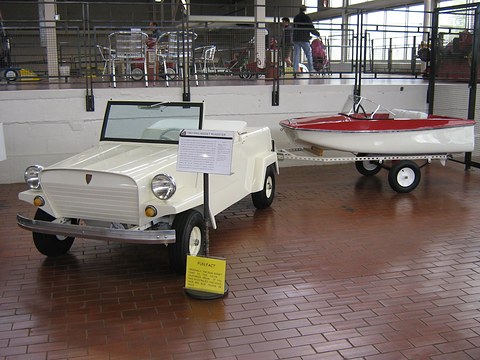
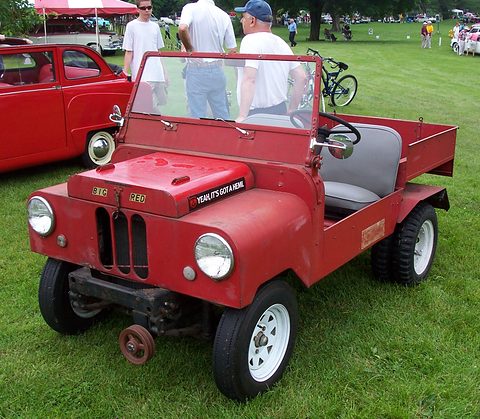
The story
History
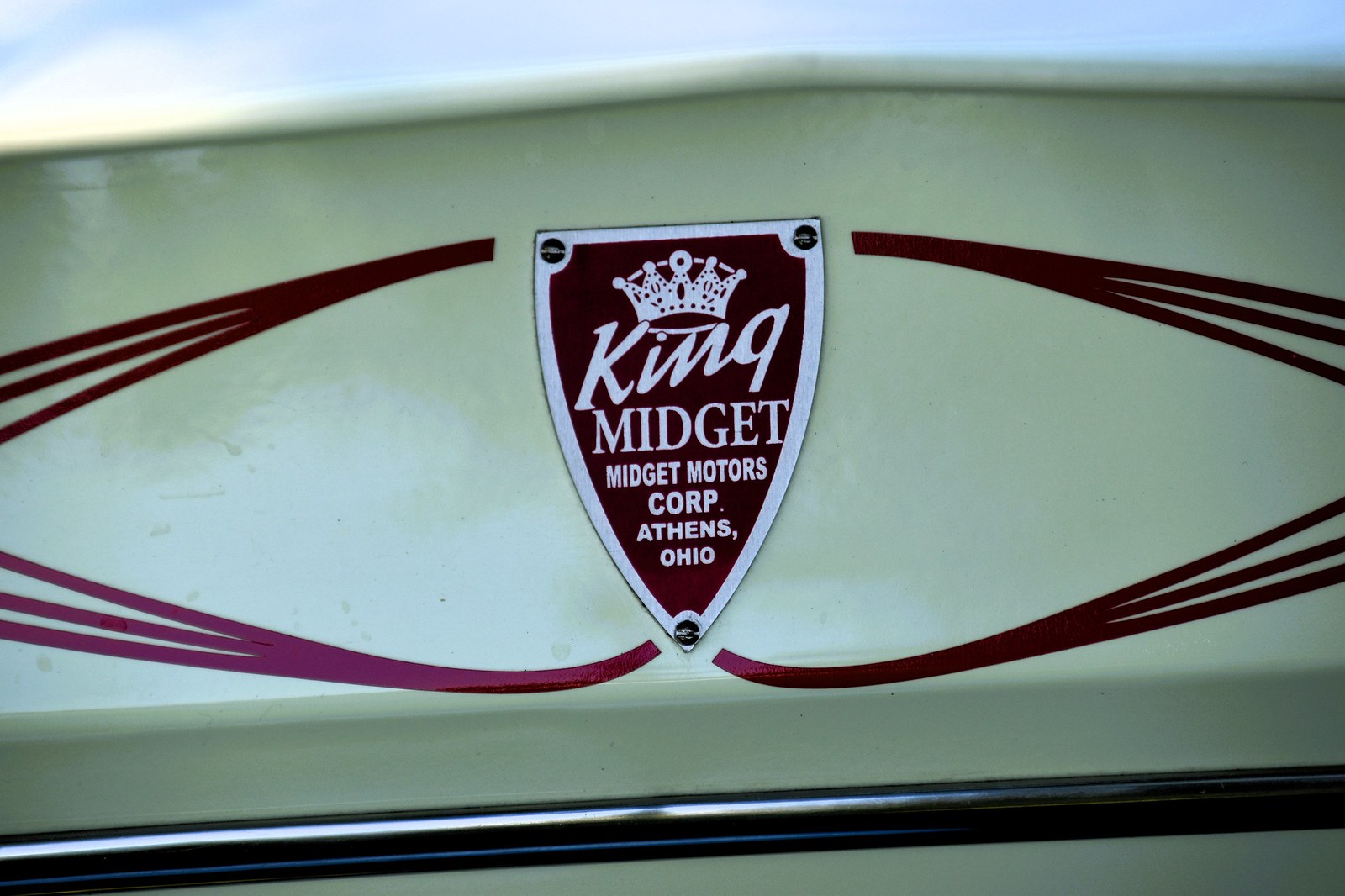
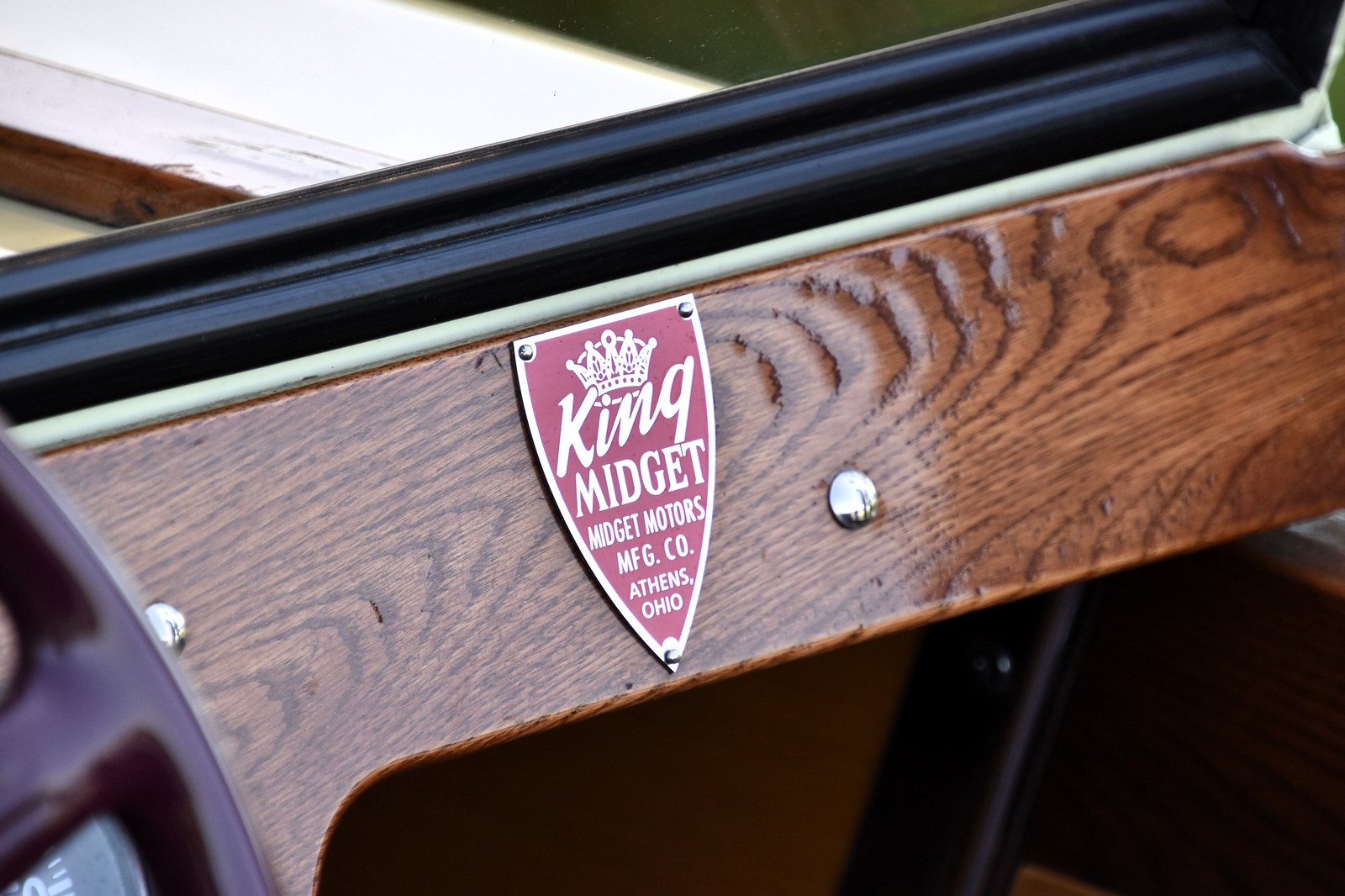
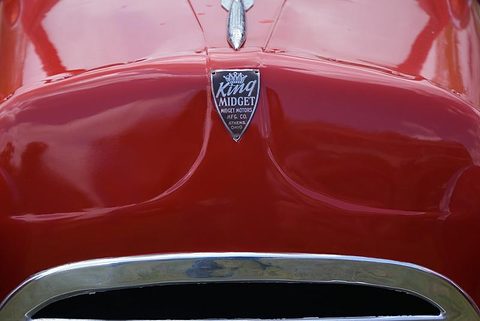
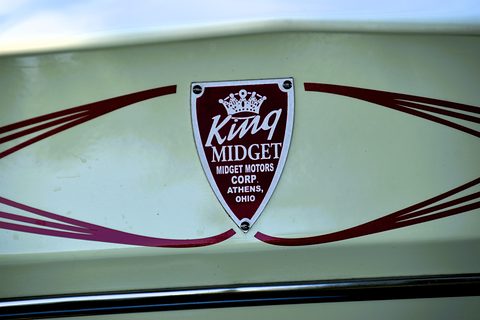
Claud Dry and Dale Orcutt met in the Second World War as members of the Civil Air Patrol in southern Ohio, flying patrols to look for suspicious vehicles and boats (see aircraft makers).source 1 English Wikipedia calls them aeroplane pilots turned car designers.source 2 Dry had come to Athens, Ohio, in 1930 as a linotype operator on the Athens Messenger, and both men were skilled mechanics who had already built motor scooters and small cars.source 1 Their first business, Midget Motors Supply, sold army-surplus wheels, tyres, bearings and used engines through a catalogue that came out every two months, the Midget Motors Directory, and built scooters: the Super-Cycle Deluxe, of 2¼ hp and 56 km/h (35 mph), and the 6 hp Highway Master.source 3source 4 By The Makes That Didn’t Make It’s account, that catalogue paid for almost all of the start of car production.source 5 The local paper’s story that they meant to build their car round one cylinder of a surplus aircraft engine is not borne out: the factory fitted Wisconsin and Kohler industrial singles. The name was reportedly thought of by Dry’s wife, Helen; RM Sotheby’s ties it to the car’s likeness to the midget racers of the oval tracks.source 5source 6
A kit in a crate
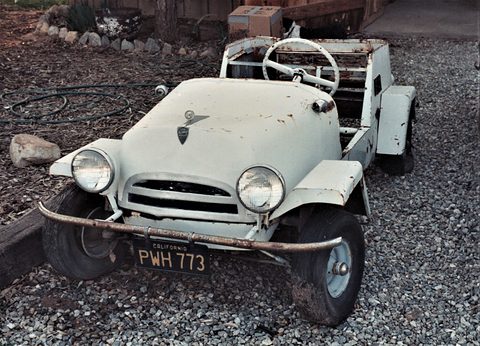
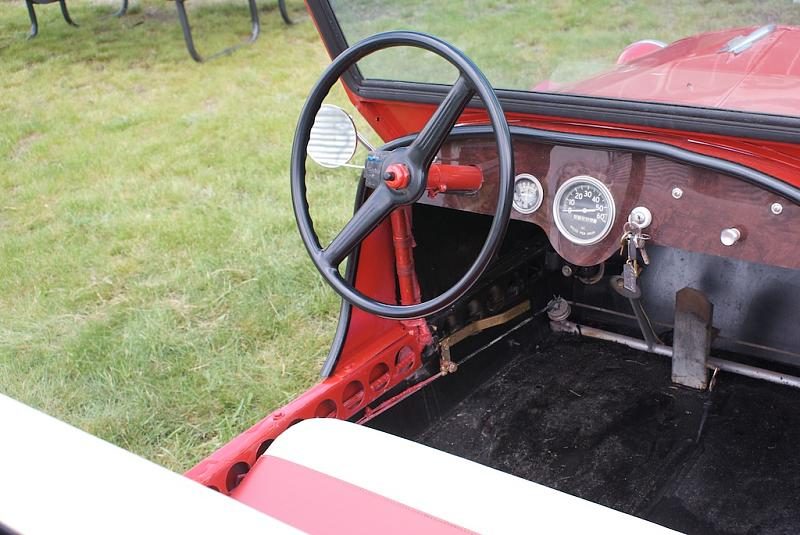
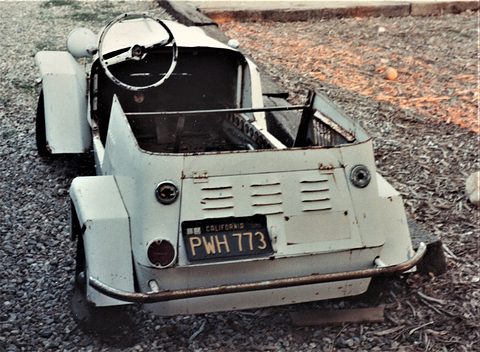
The first car, the Model I, dates from 1946 by most accounts; the Lane Motor Museum says the first was produced in 1947, and RM puts the first advertising and the $270 kit in that year.source 5source 2source 7source 6 It was a single-seater shaped like a dirt-track midget racer. The Athens tradition is that the first one was built on the top floor of a rented building on Richland Avenue and would not go down the narrow stairs when it was finished, which is why they decided to sell it as a kit.source 1 The paper adds that it went together in about 10 hours with no special tools.source 1
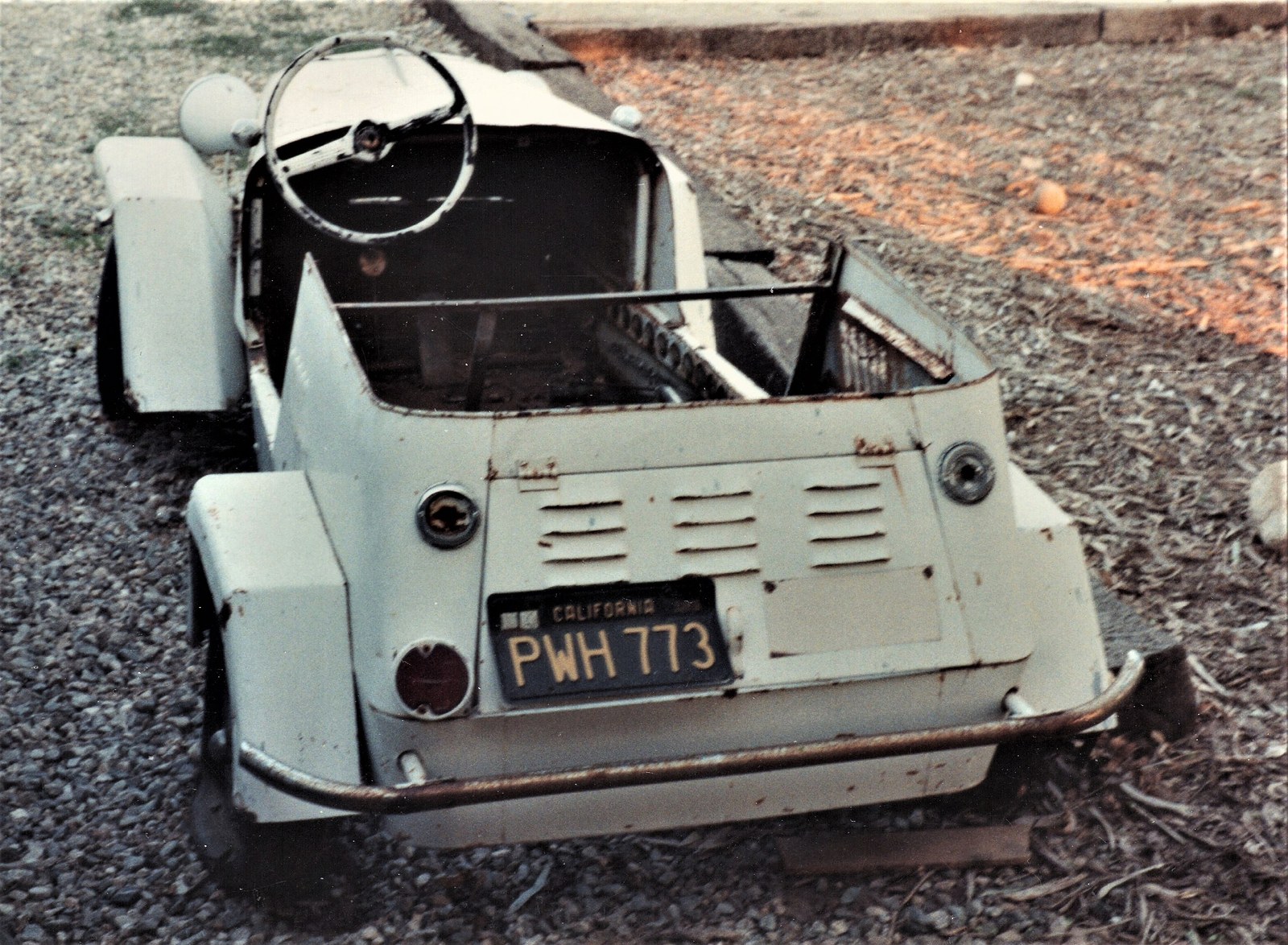
The factory engine was a Wisconsin air-cooled single of 6 hp (4.5 kW). Early cars could have a three-speed manual gearbox, but the firm soon made its own single-speed automatic, with a centrifugal clutch of Orcutt’s design and no reverse. The drive went to the right-hand rear wheel alone, with no differential, to save money.source 2source 8source 4 The track was 1,016 mm (40 in), and an advertisement of March 1948 claimed 72 km/h (45 mph) and 2.6 litres per 100 km (90 US mpg).source 9 A factory-built car cost $350, from 1947 by Wikipedia’s account or 1949 by RM’s, but only a handful of the roughly 500 Model Is were assembled at Athens.source 2source 6source 8source 5source 10 Some went to Mexico and to Central and South America, where petrol was scarce.source 1
No dealers, no local sales
Midget Motors sold almost entirely through small advertisements in the back of Popular Science, Mechanix Illustrated and Popular Mechanics. It had no dealers; cars went straight to the customer’s door, at first by rail.source 5source 2source 6source 1 Under the Rider Agent Plan an owner could show his car to likely buyers and earn a commission on each sale.source 6source 8 The one place it would not sell was Athens itself: there was no room for a showroom, and the partners did not want local people and students hanging about the works, or owners bringing their cars in for repair.source 1
In September 1949 Tom McCahill of Mechanix Illustrated, a man of 1.93 m (6 ft 4 in) and about 118 kg (260 lb), came to Athens and drove a single-seater round the town, up and down its steep hills and over kerbs.source 1 His report, in the January 1950 issue, was glowing, and it gave sales a great lift.source 10
Everything about the Midget is well designed to give the buyer as much as possible in real usable transportation at a minimum cost.
Two seats for $500
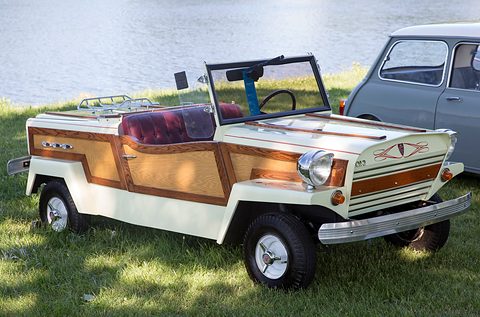
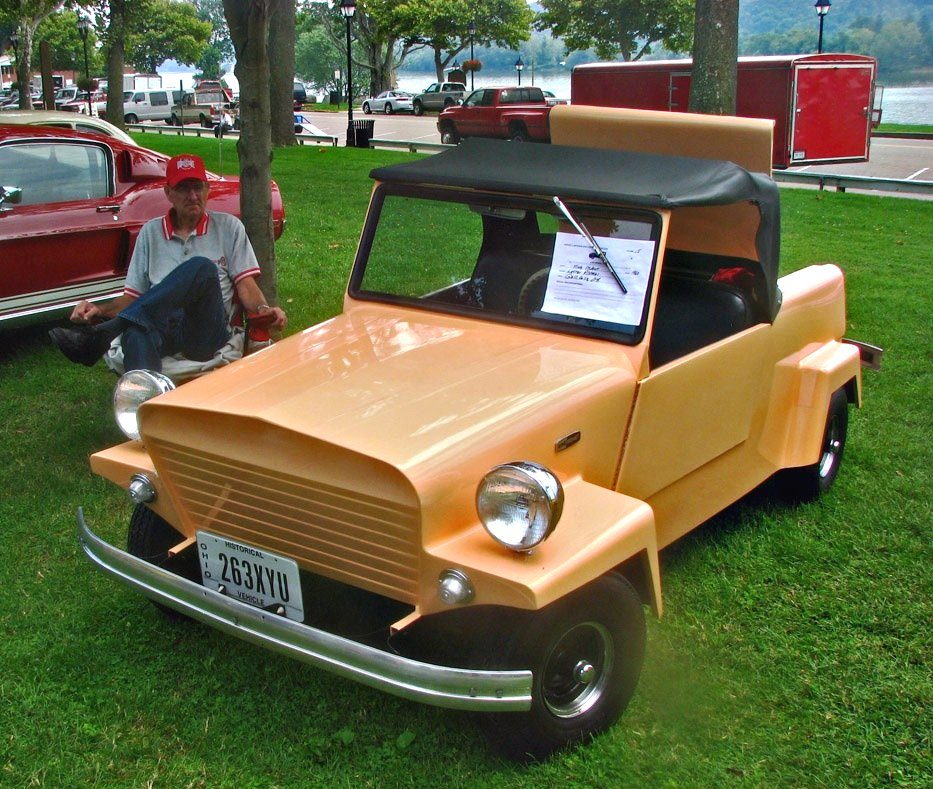
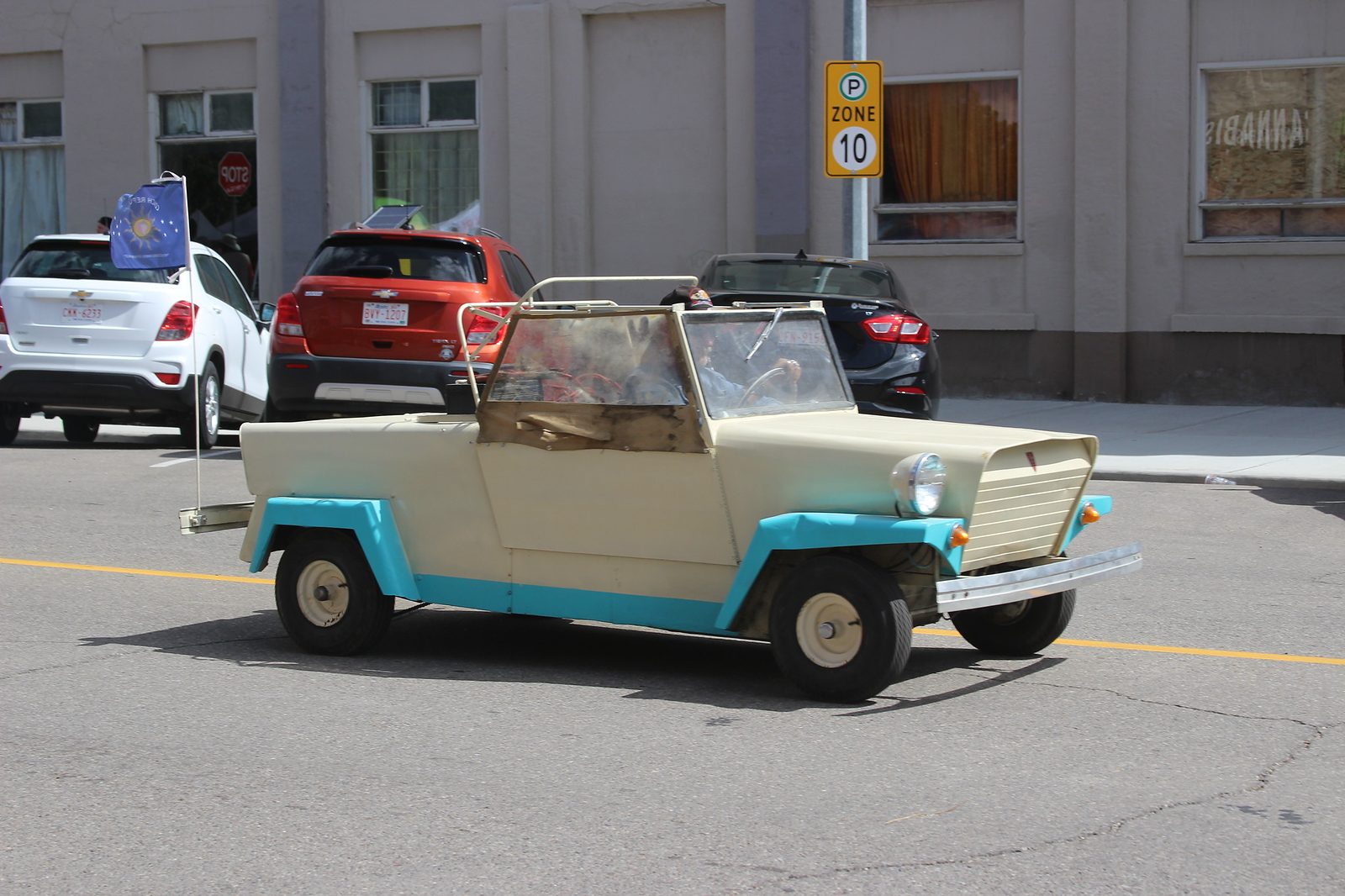
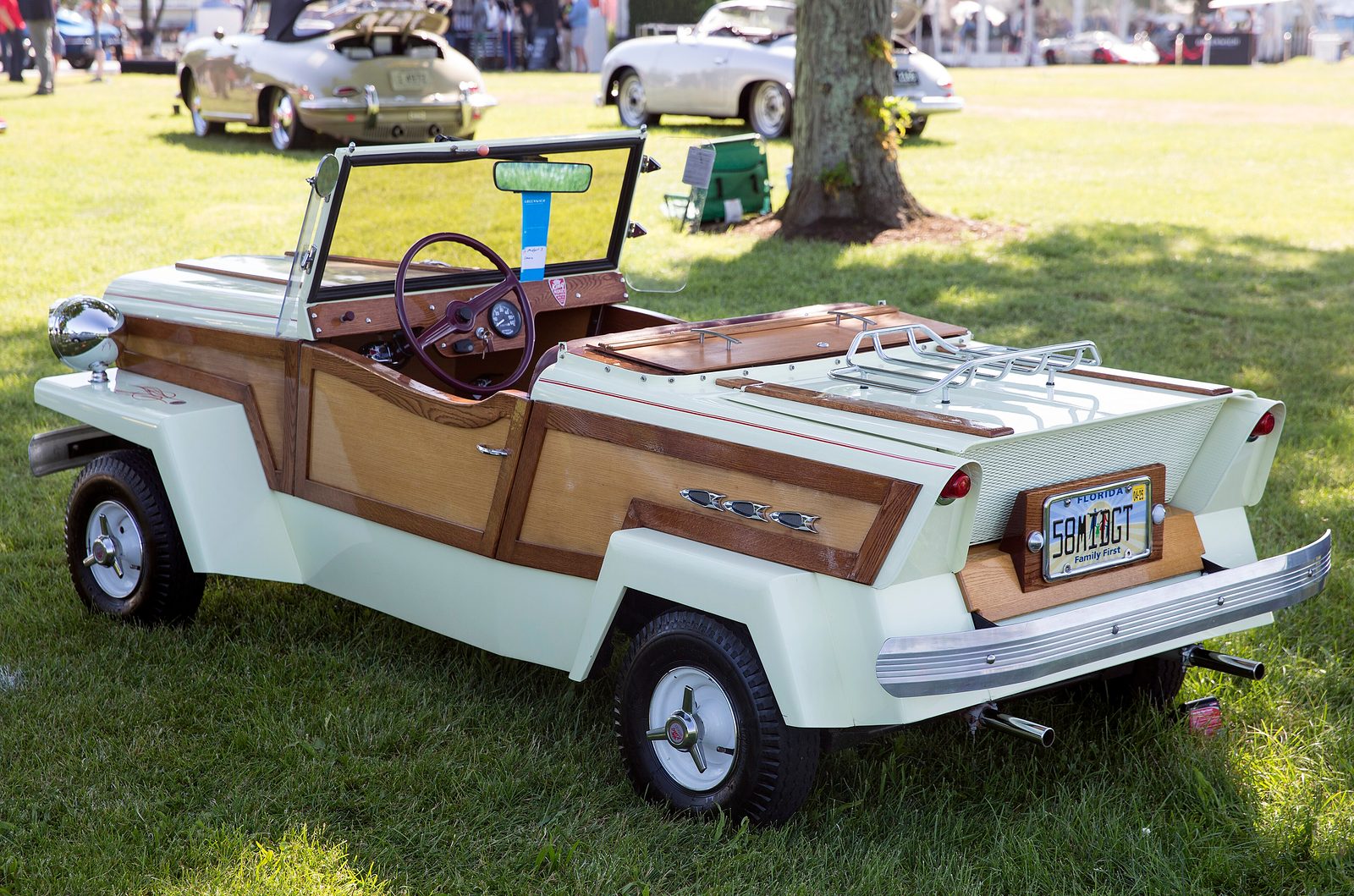
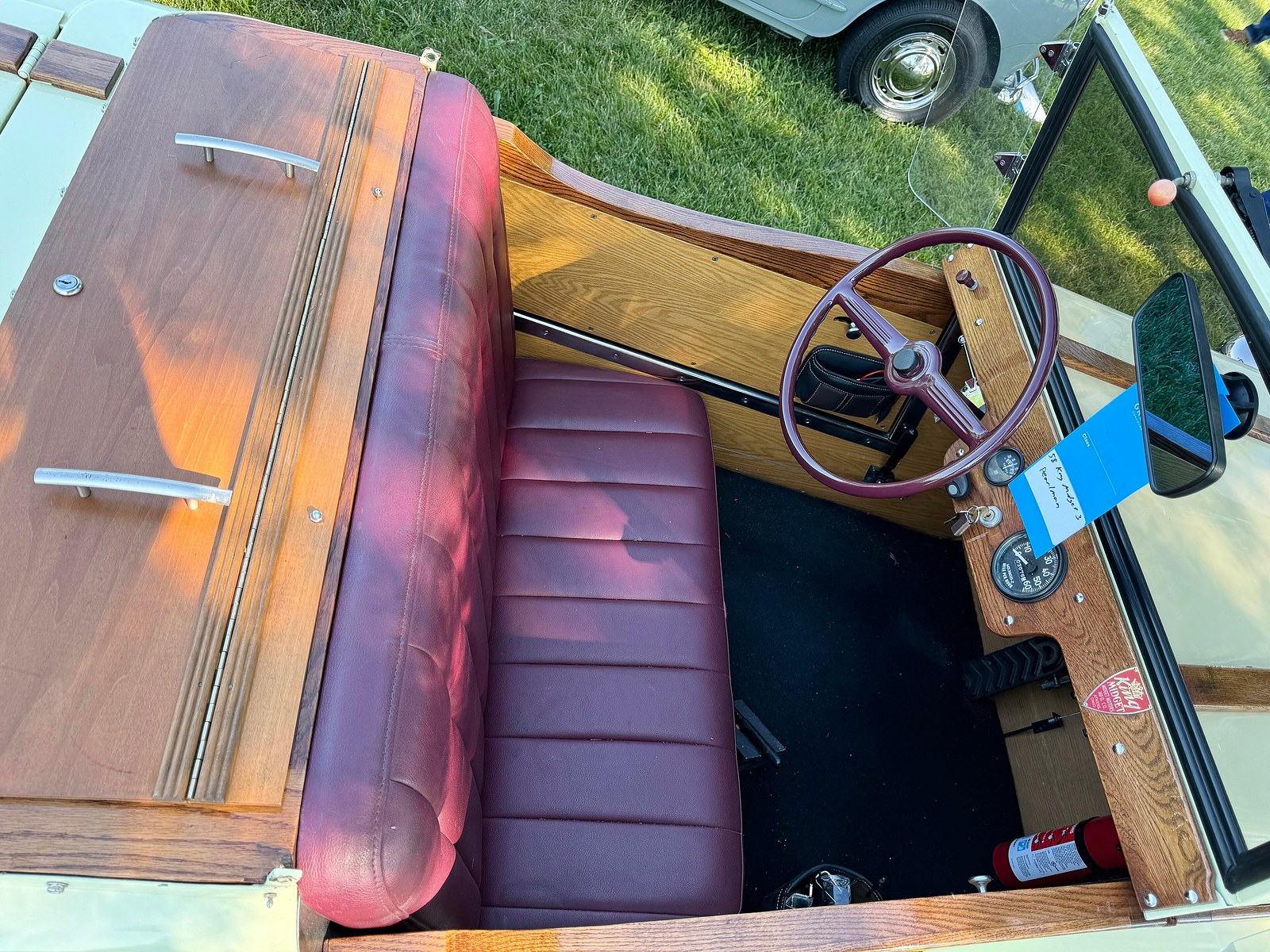
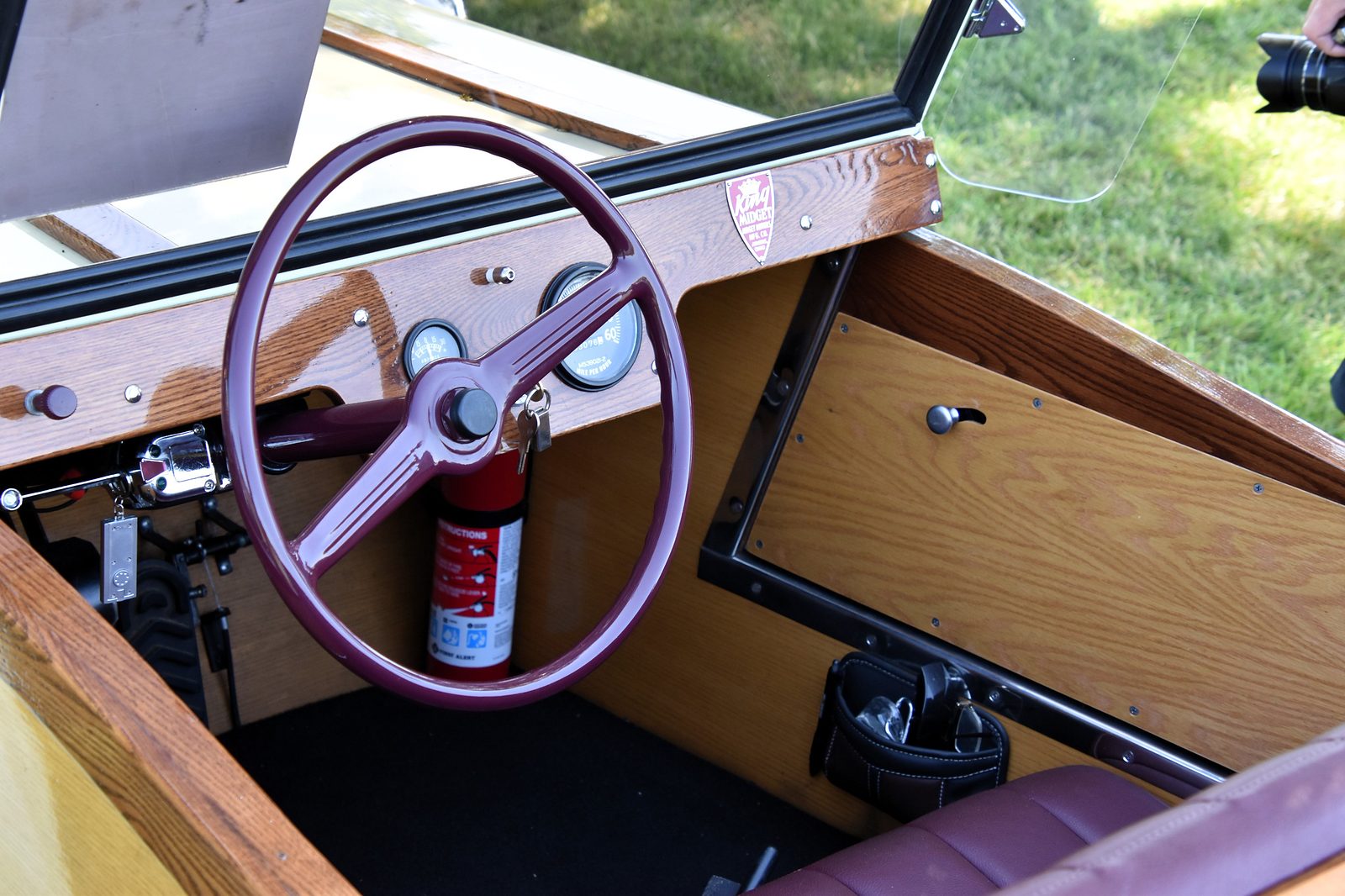
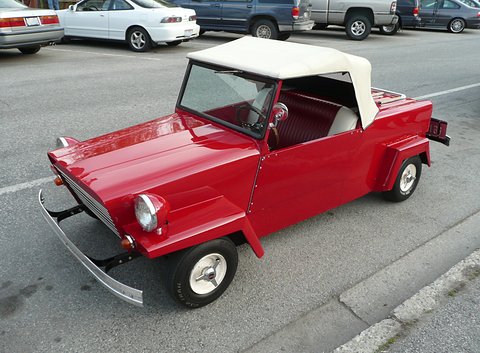
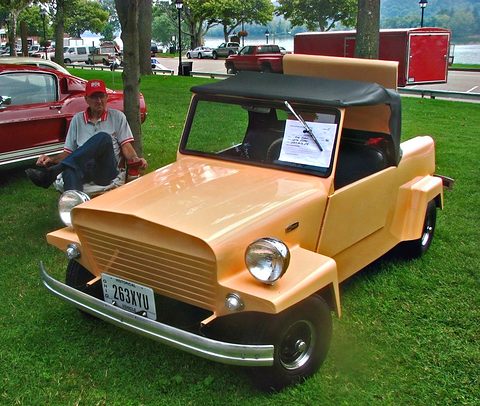
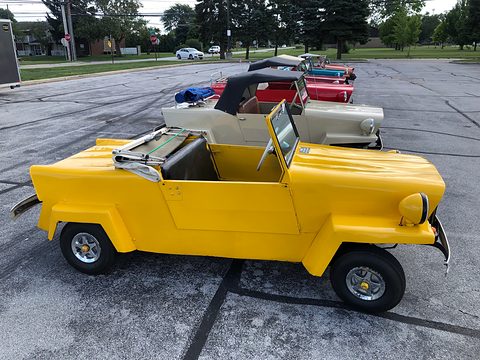
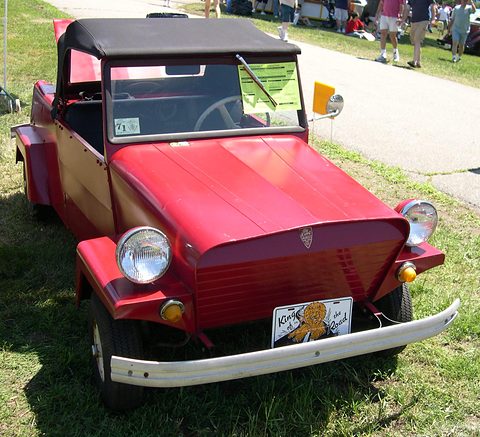
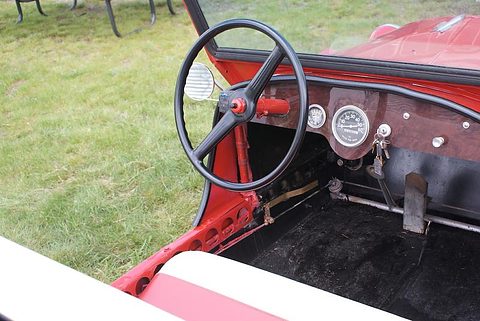
Customers wrote in asking for a two-seater. Work on one began in 1947, and nine prototypes were built before it was simple, light and economical enough.source 2source 4 The Model II of 1951 went on the cover of Popular Science that year.source 2 It had square-cornered wings that RM thought made it look like a Jeep, and it was meant for shopping or the golf course.source 11 The engine was a Wisconsin AENL side-valve single of 377 cc and 7.5 hp (5.6 kW), the wheelbase 1,829 mm (72 in), 20 cm (8 in) less than a Crosley’s, and the car 2,591 mm (102 in) long.source 2source 8source 9 It weighed 227 kg (500 lb), and the advertising made the most of it: a 500 lb car for $500.source 5source 2source 4 The price later rose to $550; a 1952 Crosley sedan cost $943.source 11source 8source 2 RM says the car was sized to stand on a 4 × 8 ft sheet of plywood, so that four would fit side by side on a railway wagon, though its published length is a little over eight feet.source 11
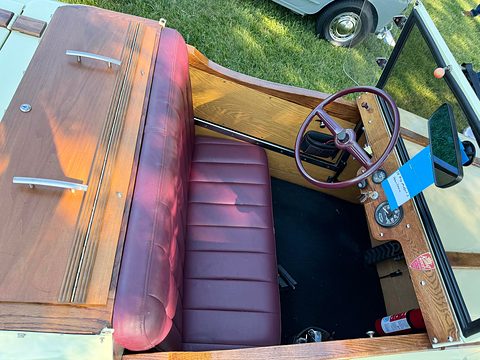
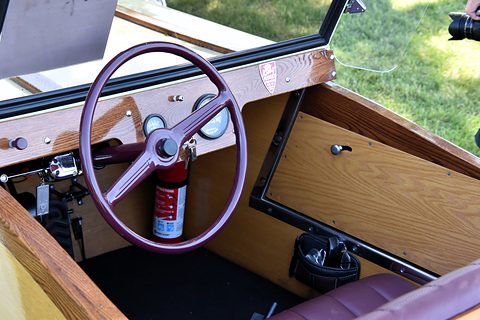
It came with almost nothing. A speedometer, reverse and an electric starter were all extras, as were a safety-glass windscreen, a top, a heater, turn signals, and doors of Philippine mahogany or steel.source 2source 11source 4source 10 The chain drive still went to one wheel, and only the rear wheels had brakes. Crosley in Cincinnati supplied the steering wheel and the silencer, and the top bows did not fold: they came off.source 11 The cars were painted in a single colour bought from Ford’s suppliers.source 4 Orcutt and Dry developed and patented a two-speed automatic with reverse, offered as an option soon after the launch and later fitted to every car.source 2 A buyer who collected his car could find the key tied to the battery cable, fill the tank and drive home.source 11
The Model II was a risk. The Makes That Didn’t Make It says it was financed with a $35,000 bank loan for a new factory of 11,000 sq ft (about 1,000 m²) to build complete cars.source 5 The Athens paper puts the move to a purpose-built plant at 21 Campbell Street, with 19 to 25 workers, at about 1949; the building still stands.source 1 Whether these are the same factory is not clear. Cars were built to order, in batches of about 25, so there was never stock waiting for a buyer: under its founders the firm made a profit every year and carried no debt.source 5 About 1,500 Model IIs were built to 1956, with a custom model into 1957.source 5source 10source 2 In the 1950s the partners also made the King Midget Junior and Trainer, tube-framed open four-wheelers for driver training, with Briggs & Stratton engines of 2¼ to 3 hp, an automatic clutch and reverse; they went in the early 1960s.source 2source 3
The Model III
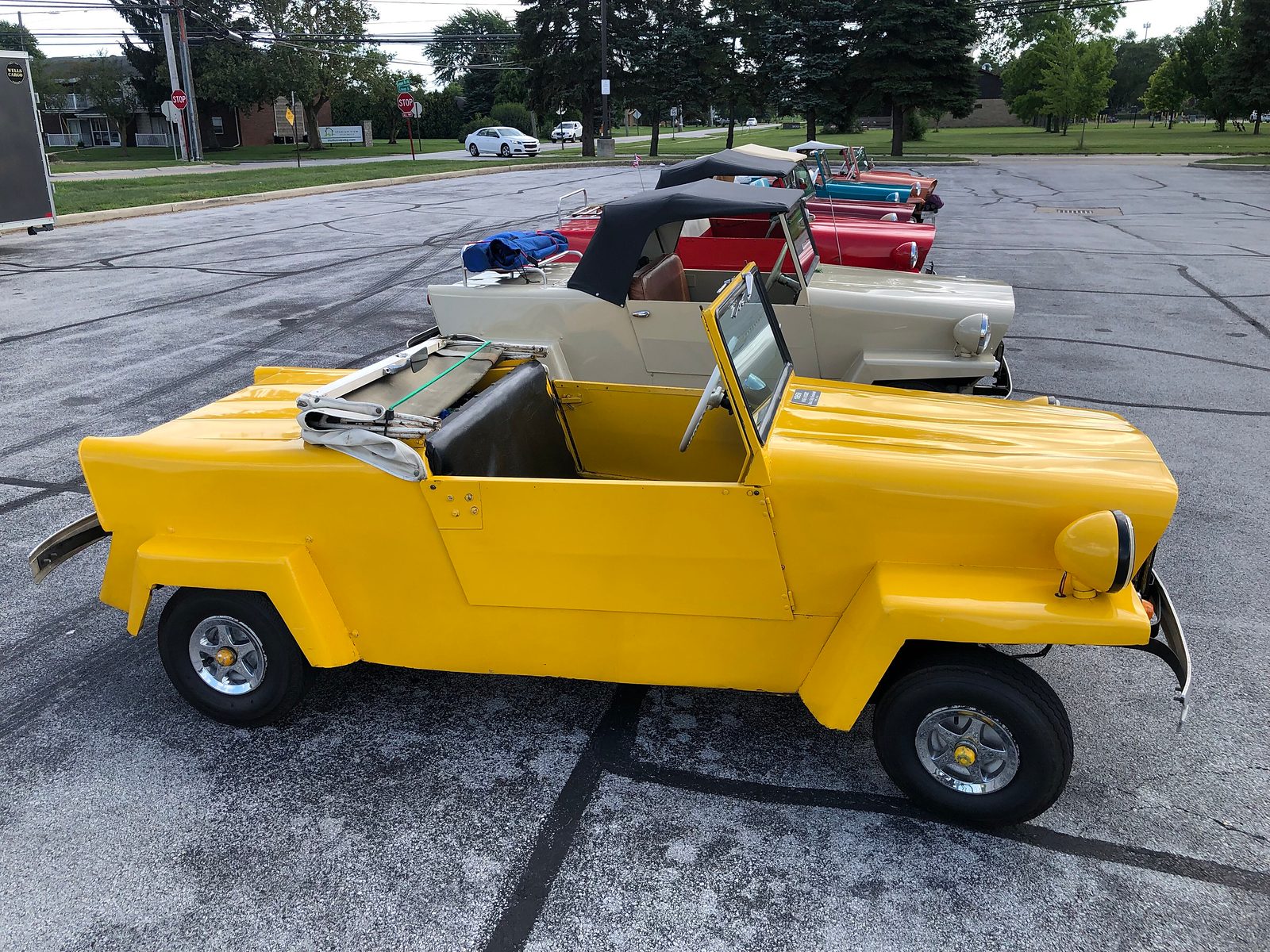
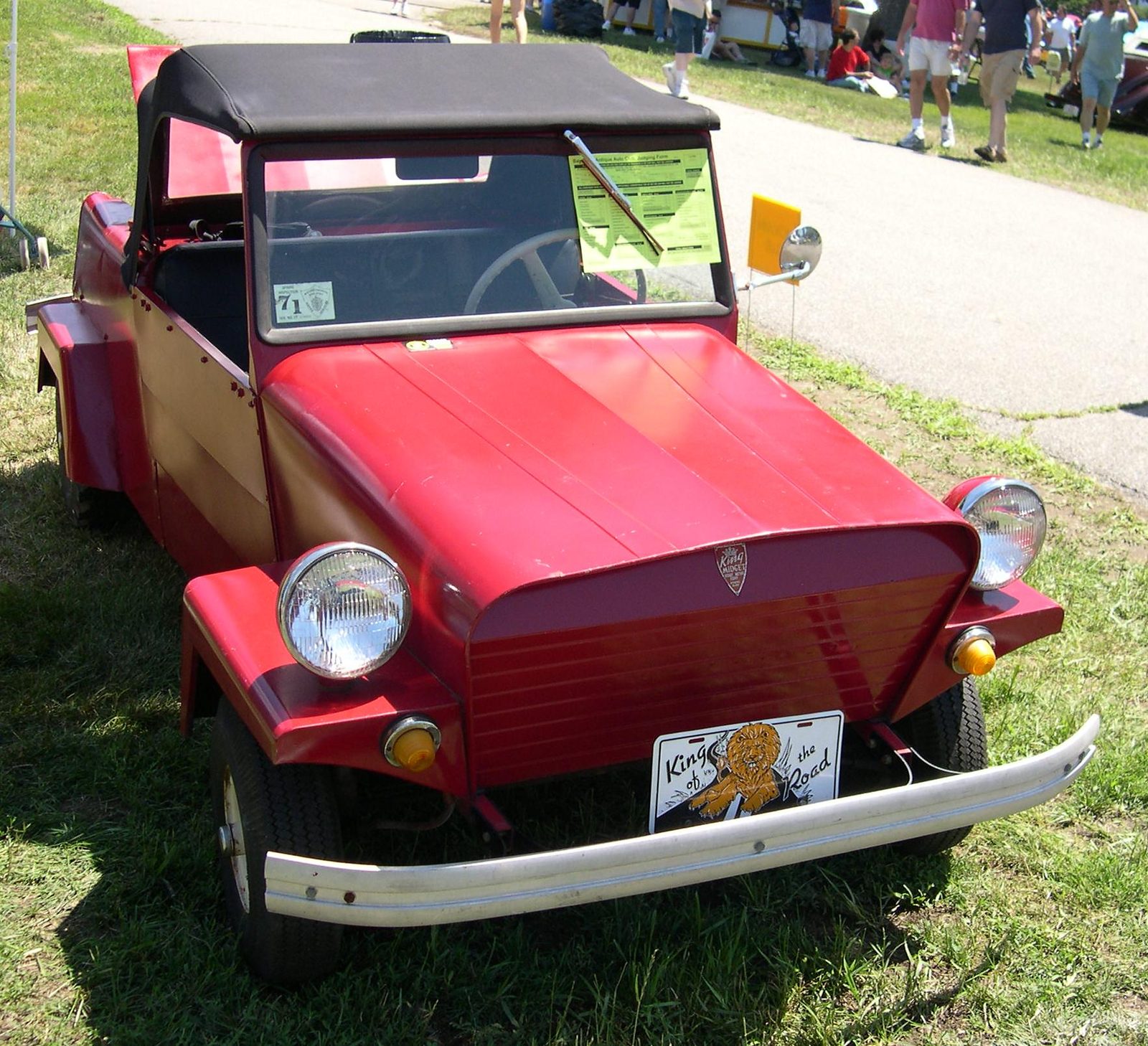
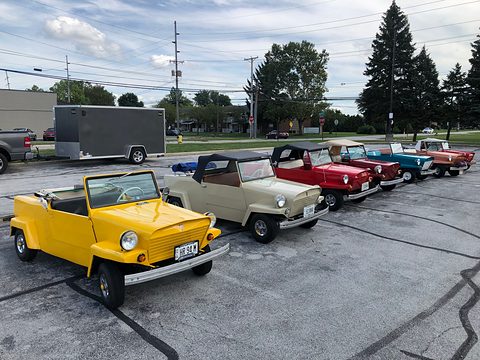
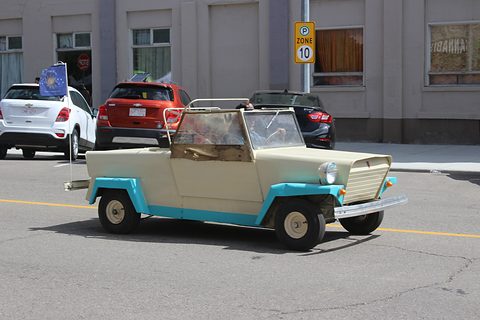
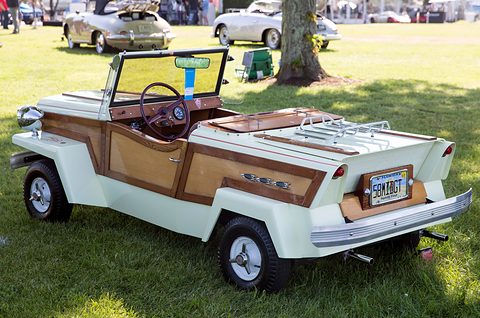
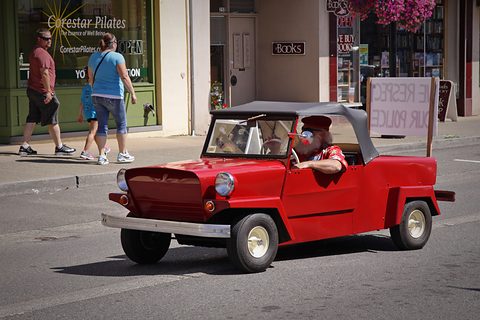
The last King Midget arrived in 1957, or 1958 by Hagerty’s date.source 5source 2source 8 Its steel body was welded to the frame, it had hydraulic brakes on all four wheels, and doors became standard. It was 2,972 mm (117 in) long on a 1,943 mm (76.5 in) wheelbase, with a Wisconsin single of 9.25 hp (6.9 kW) and the two-speed automatic.source 5source 2source 8source 9 In 1958 it cost about $900, when a Rambler American cost $1,775.source 2 RM’s catalogue traces the changes: aluminium doors instead of mahogany in about 1959, then steel; 12-volt electrics in 1961 (1966 by Wikipedia); in 1966 a Kohler K301 single of 12 hp in place of the Wisconsin (1967 by Hagerty); a vinyl top in black or white; and Ford colours, Corinthian White, Rangoon Red, yellow, blue and aqua. By the end a Model III could weigh 318 kg (700 lb).source 12source 8 There were even an electric wiper and washer, and a radio.source 10 The later advertisements claimed a more modest 3.9 litres per 100 km (60 US mpg).source 9 About 3,000 were sold.source 5
a little folded-steel crackerbox powered by a 9-hp motor
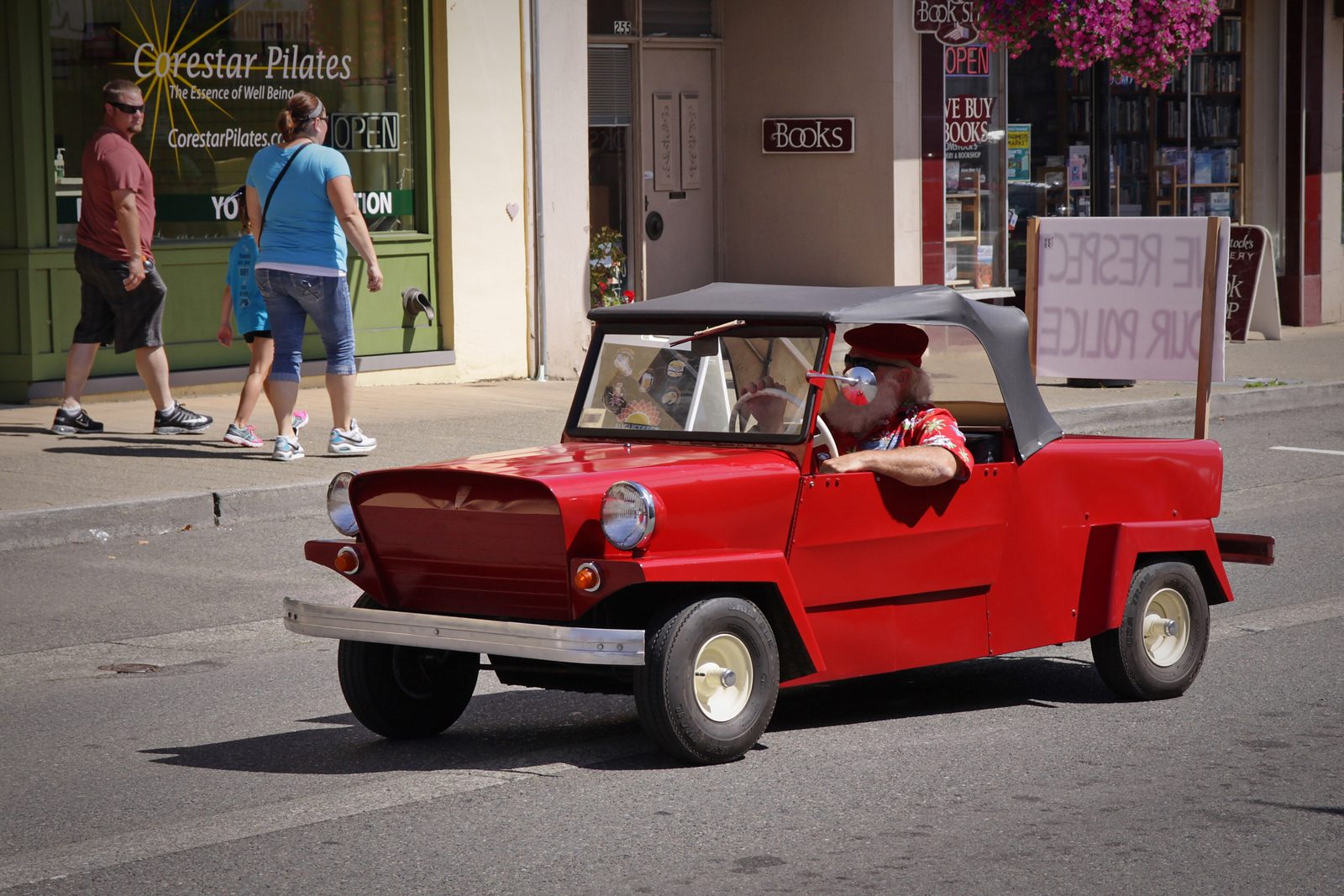
Owners took them a long way. The Athens Messenger tells of a US Air Force sergeant, James B. Gilmer III, who drove his across the country in four and a half days at the wheel, on $26.25 of petrol, and of another owner who took a 12,900 km (8,000 mile) camping trip towing a 3.7 m (12 ft) boat.source 1 Shriners drove them in parades.source 11
The end
By the middle of the 1960s sales were lagging, there was no money for a new design, and the founders, close to retirement, put the company up for sale.source 5source 10 The buyer, early in 1966, was a group of investors gathered by Joseph Stehlin, national sales manager of the Rootes Group’s American arm, who had reportedly met King Midget owners while testing a new Hillman Minx; Dry and Orcutt stayed on as consultants.source 5source 2 The new owners doubled the capacity and stopped building to order, and the stock of unsold cars grew. Midget Motors went bankrupt in 1969.source 5source 2source 8
Its production manager, Vernon Eads, bought what was left as the Barthman Corporation, moved to cheap rented space in Glouster, Ohio, and opened a plant in Florida. He planned a new car, the Commuter, a one-piece fibreglass body that looked like a dune buggy. Then a fire at the new Florida plant destroyed its only body mould. The 1970 run was 15 cars, three of them Commuters, and that was the end.source 2 The Lane museum puts the fire and the closure in 1969.source 7 The Makes That Didn’t Make It argues that the coming federal safety and emissions rules would have finished the car anyway.source 5