microcarfan
  • Electric microcar
  • United States
  • Four wheels
  • Battery electric

CitiCar

Also known as Sebring-Vanguard CitiCar, SV-36 and SV-48, “C-Car”

In 1976 the sixth-largest car maker in the United States, after General Motors, Ford, Chrysler, AMC and Checker, was a firm in Sebring, Florida, building a plastic wedge 2.4 m long that ran on golf-cart batteries.

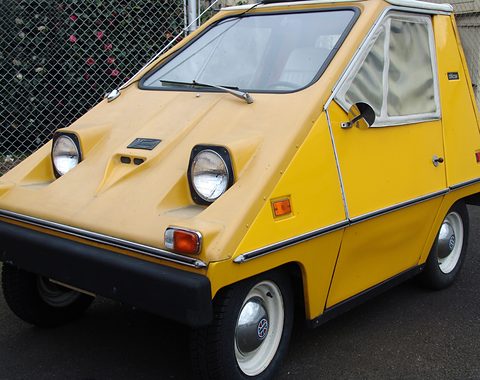
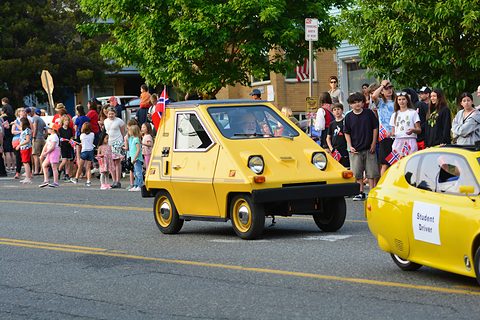
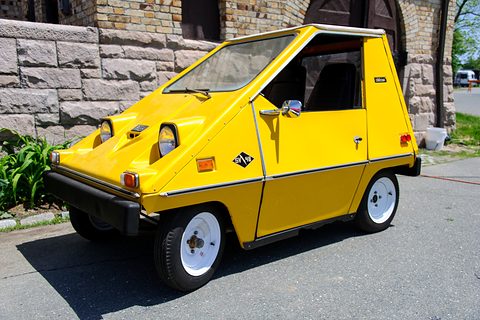
Bright yellow wedge-shaped electric two-seater with round headlamps and black bumpers, parked on tarmac beside a stone wall and plants.
A yellow CitiCar SV-48 in bright sunshine beside a stone building in 2014.Photo: Eric Kilby, CC BY-SA 2.0, via Flickr

At a glance

The spec plate

CitiCar

SV-36, SV-48 and 1976 cars · Sebring, Florida

Built
1974–⁠1982The CitiCar to 1977; the Comuta-Car and Comuta-Van to 1982
Country
United StatesSebring, Florida; the Comutas by Commuter Vehicles, Inc.
Maker
Sebring-VanguardFounded in 1973 by Bob Beaumont; Commuter Vehicles, Inc. from 1979
Engine
Series-wound DC electric motor2.5 hp Baldor in most SV-36s; 3.5 hp GE in the SV-48; 6 hp GE from December 1975
Power
2.5–6 hpBy model
Length
2,388 mm1,392 mm wide, 1,511 mm high
Weight
590 kgA 1976 car, weighed by NASA, with 236 kg of batteries
Seats
2
Wheels
4Motor on the rear axle, driving the rear wheels; no gearbox
Price new
$2,700The SV-36, 1974
Production
About 4,400All CitiCars and Comutas, 1974–⁠82; about 2,200–2,300 CitiCars
Top speed
51km/h51 km/h32 mph; 61 km/h (38 mph) claimed with the driver alone

How big is it?

True proportion

2.39 m

It is 582 mm shorter than a Fiat 500, about 1.4 adults laid end to end.

  • 1.39 m wide
  • 590 kg: about eight adults
  • Eight 6-volt golf-cart batteries under the seat
  • Room for four or five bags of shopping behind the passenger’s seat
Drawn at true proportion. The track is 3.6 metres long; the adult stands at the same scale. The Peel P50 is the smallest production car, on every page for comparison.

The story

History

Robert Gerald Beaumont was born in Teaneck, New Jersey, in 1932, served two years in the US Air Force and left business studies at Hartwick College for a job at a Chrysler dealership in Kingston, New York, which he later bought and ran for about twenty years.source 1 By his obituary’s account the lunar rover inspired him and America’s appetite for oil appalled him, and he sold the dealership to build cars.source 1 Small Cars Club tells of a moment of realisation at a petrol pump; MTDM says he first worked with small firms converting petrol cars to electricity; and Lancaster Insurance says that he had worked with Henney on its Kilowatt electric car in 1959–⁠60.source 2source 3source 4 In Sebring, Florida, an investor gave him land for a factory.source 2

Sebring-Vanguard, founded in 1973, began with the Vanguard Coupe, a golf-cart-like car closely copied from a Club Car runabout and built on Club Car frames and drives.source 5source 2 It was no immediate success, and Beaumont and the Florida designer Jim Muir refined it into the CitiCar.source 5source 4

A wedge on golf-cart batteries

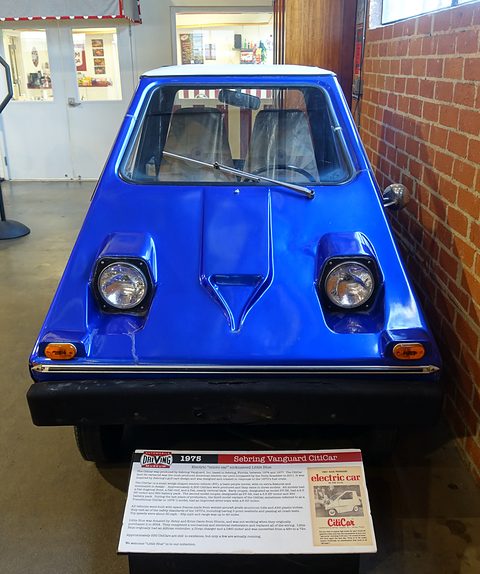
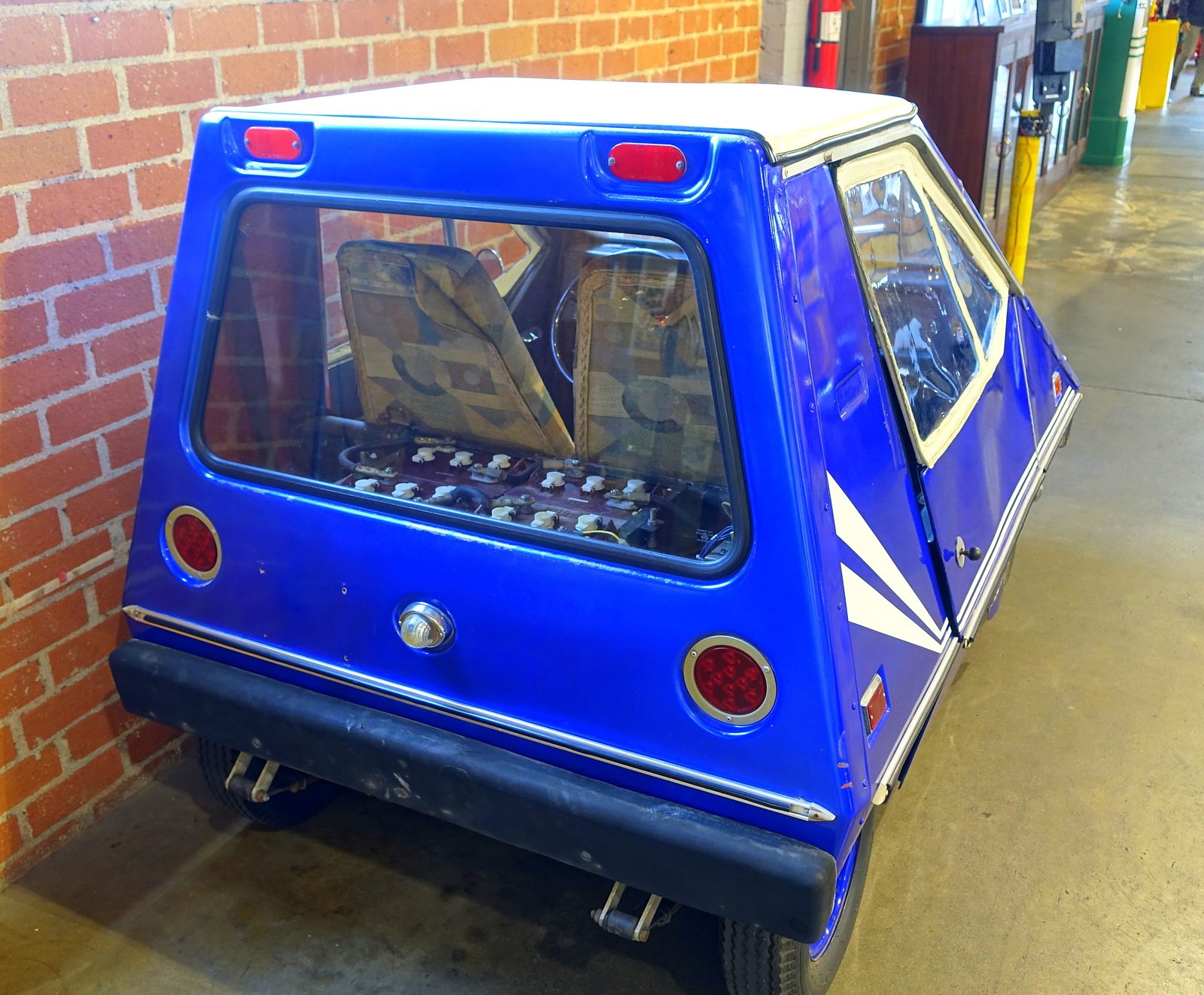
The CitiCar was launched in 1974, just as the Arab oil embargo was ending, for $2,700, about half the price of an average new car.source 1source 3source 4 Its two-seat wedge body was ABS plastic, which Beaumont’s obituary likens to a football helmet’s, on a frame of welded aluminium tube.source 5source 1 The first version, the SV-36, had six 6-volt batteries under the seat, 36 volts, and on most cars a 2.5 hp Baldor motor; it did 40–45 km/h (25–28 mph), and plastic side curtains served for doors.source 5source 3 Some cars had a propane heater of the kind used for camp stoves.source 6 On the early cars the defroster switch, fitted to meet the federal rules, was connected to nothing.source 5

From car 1501, in December 1974, the SV-48 carried eight batteries, 48 volts, and a 3.5 hp General Electric motor, and some SV-36s came back to be converted.source 5 With its top speed approaching 64 km/h (40 mph), sales took off.source 1

Everybody heard about what we were doing in Florida, and they came flocking to us like we were the salvation of the world.

Bob Beaumont, to the Baltimore City Paper in 2008, as quoted in his obituary in the Boston Globe, 2011.source 1

The car changed by serial number. Car 1751, in March 1975, brought indicators that cancelled themselves and a defroster that worked; car 2011 replaced the front disc brakes with drums; and from car 2781, about December 1975, the “Transitional” or 1976½ CitiCar had a 6 hp motor, a Dana axle, heater vents and better doors, some with sliding windows.source 5 MTDM and Lancaster call it the Hatchback Coupe and give it 6.5 hp.source 3source 4 In 1976 Sebring-Vanguard was America’s sixth-largest car maker by output.source 5source 1source 4

NASA and the baseball bat

In 1976 NASA’s Lewis Research Center tested one of two CitiCars bought by the Energy Research and Development Administration. Fully laden, it managed 51 km/h (32 mph), and it went 85 km (52.8 miles) at a steady 29 km/h (18 mph) but only 40 km (24.8 miles) flat out.source 7 The accelerator worked a three-step switch, from 24 volts through a resistor to 24 volts and then 48, and there was nothing in between.source 7

If the operator wishes to hold an intermediate speed, he must move the accelerator pedal and continually switch between the controller positions which bracket the desired speed. This makes holding the speed constant somewhat difficult.

F. J. Stenger, J. M. Bozek and R. F. Soltis, NASA Lewis Research Center, test report on the Citi-Car, October 1976.source 7

Hills, cold, wind or a heavy passenger cut its performance sharply.source 3source 4 Consumer Reports found it inordinately noisy and unreliable.source 1

foolhardy to drive

Consumer Reports, on the CitiCar, date not established, as quoted in Beaumont’s obituary in the Boston Globe, 2011.source 1

When Michigan officials wanted it banned from the roads, Beaumont took a baseball bat to the body and suggested they test an official’s Ford the same way.source 1 But with the safety questions and with oil cheap again, Sebring-Vanguard went bankrupt in 1977, or 1978 by MTDM’s date.source 1source 3 The car came back as the Comuta-Car and the Comuta-Van.

Beaumont moved to Maryland, ran a used-car business and lobbied Congress for electric cars; in the 1990s his Renaissance Cars built fewer than 25 Tropica electric sports cars, designed by Muir.source 3source 1source 4 He died at his home in Columbia, Maryland, in October 2011, aged 79.source 1 English Wikipedia says that no electric car built in North America after 1945 was made in greater numbers until the 2010s, and its shape lives on in the Danish Kewet and the Norwegian Buddy (see electric microcars).source 5
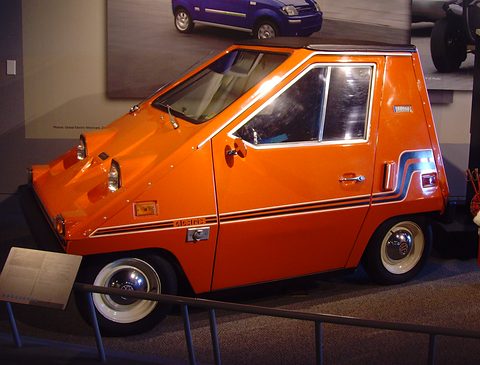
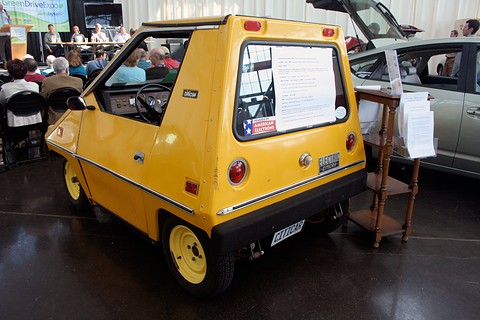
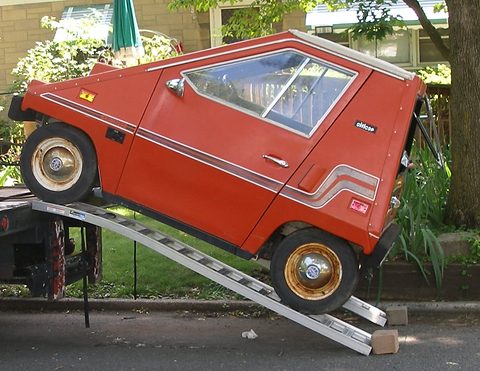
Orange wedge-shaped electric car with brown and white side stripes and whitewall tyres, on a museum floor behind a low rail.
A late 1976 CitiCar with the 6 hp motor, at the America on Wheels museum in 2010.Photo: Klaus Nahr, CC BY-SA 2.0, via Wikimedia Commons
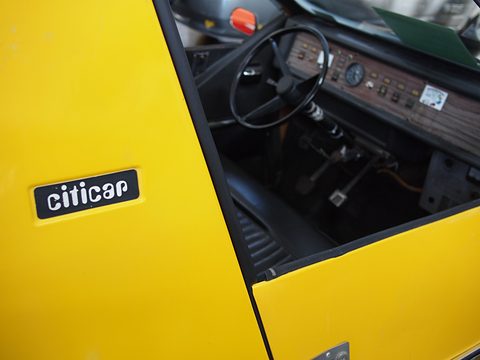
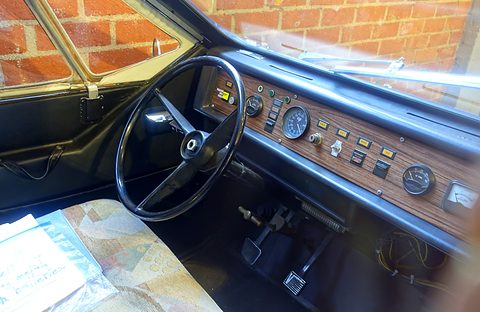
Interior of a small car: black steering wheel, woodgrain instrument panel with round gauges and a row of switches, patterned seat below.
The dashboard of a 1975 CitiCar, with its woodgrain panel and switches, at the Automobile Driving Museum, El Segundo, California.Photo: Daderot, CC0, via Wikimedia Commons

Comuta-Car

1979–⁠1982 · a record on this page

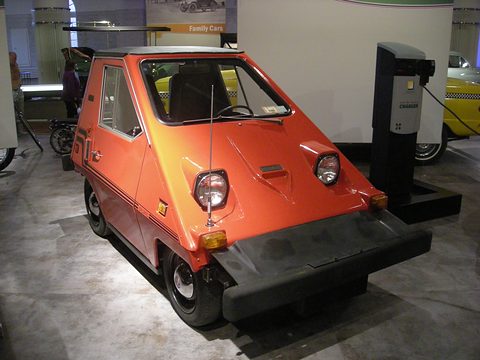
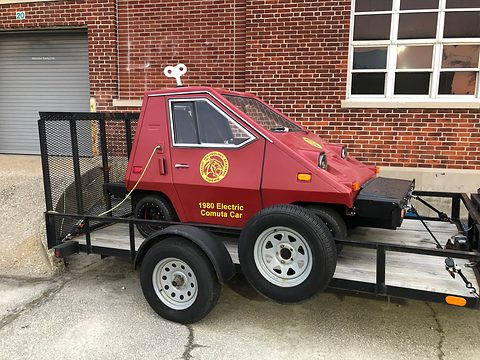
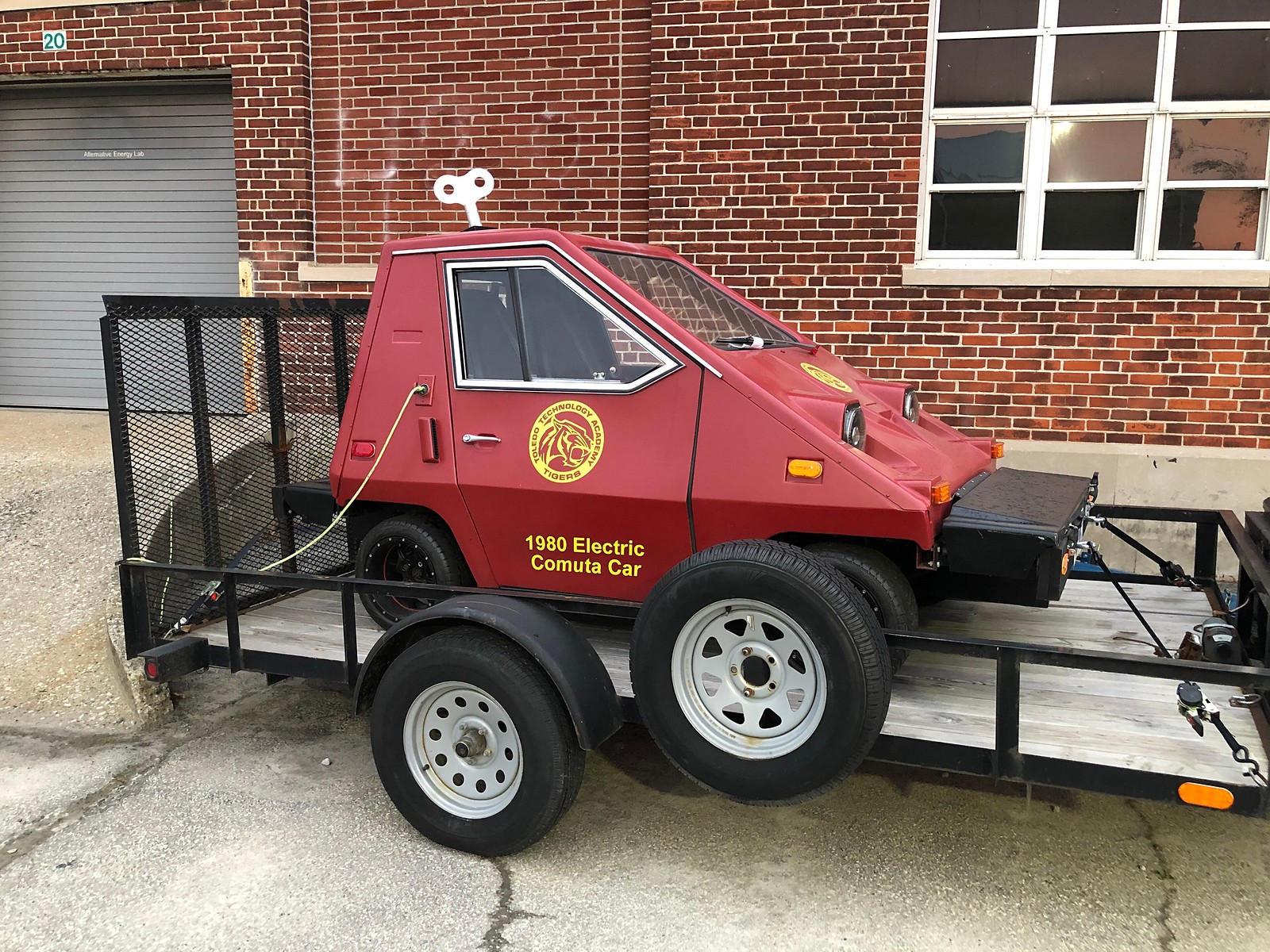
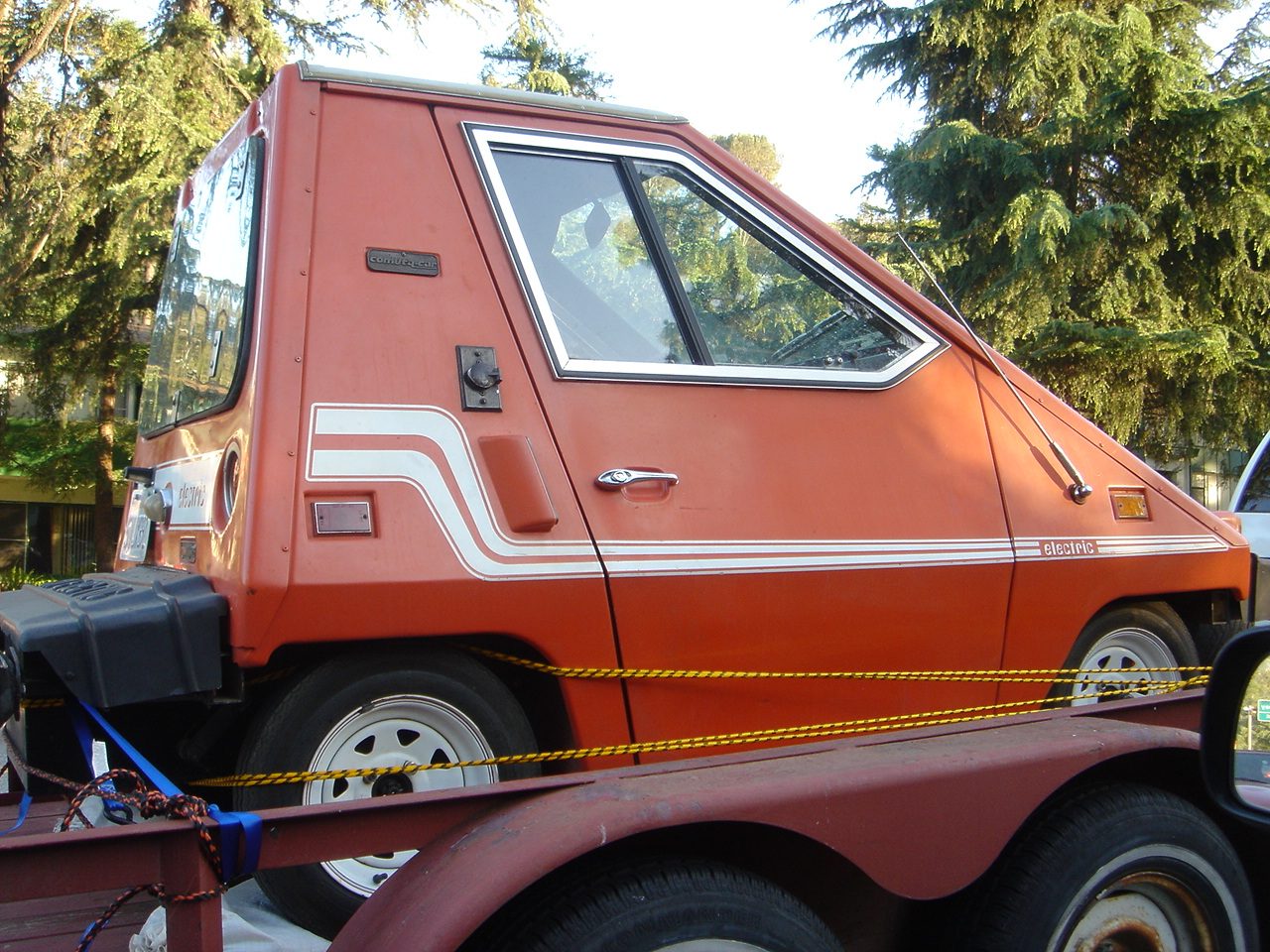
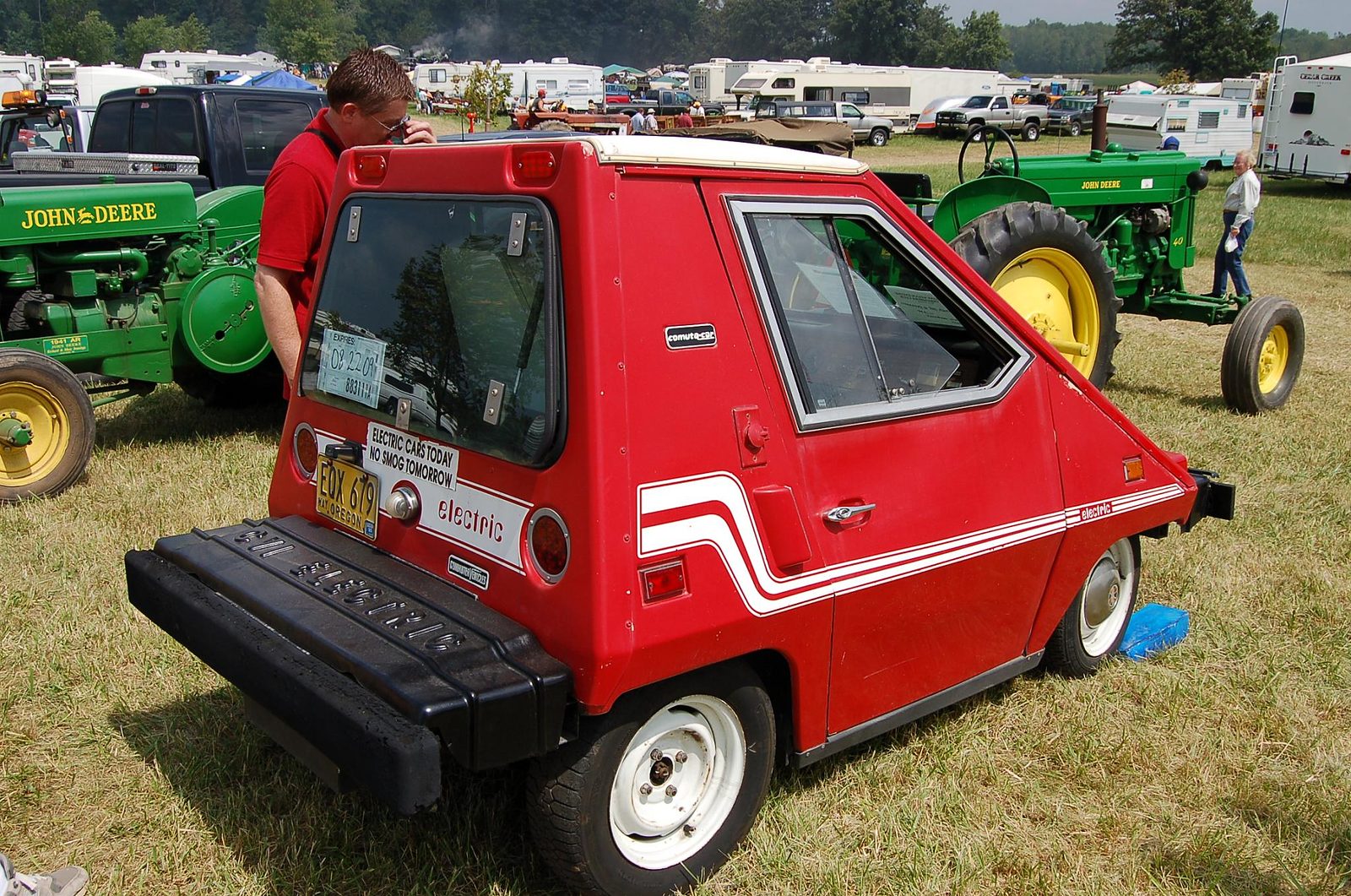
Commuter Vehicles, Inc., a New Jersey company whose parent, by Lancaster’s account, was the General Engines Company, bought the design at the bankruptcy sale and built it from 1979 as the Comuta-Car.source 5source 3source 4 MTDM says a cloud over some of Beaumont’s business dealings made the buyers change the name.source 3 It was the Transitional CitiCar with its batteries moved from under the seat into large impact bumpers, to meet the Department of Transportation’s rules, which made it about 410 mm (16 in) longer; extra frame members made a carpeted console between the seats, which now had belts.source 5source 4 The battery pack could be changed in about a minute.source 4 CVI quoted a range of 64 km (40 miles), 64–69 km/h (40–43 mph) and 35–40 cents for a night’s charge, and claimed that, since the average American commute was 36 km (22.5 miles) a day, the car met 70–75 per cent of driving needs.source 4 Some 1979 Comuta-Cars carry CitiCar serial numbers with an “A” added, probably dealers’ cars unsold at the bankruptcy and brought up to date.source 5 CVI stopped building them in 1982.source 5source 3source 4 A few may have been sold after January 1982 as kits, and in September 1984 a service bulletin replaced the stepped switch with a solid-state controller.source 5 English Wikipedia estimates about 2,144 Comuta-Cars and vans; MTDM says two thousand more after the CitiCars.source 5source 3 In 2018 the inventor Simone Giertz bought a Comuta-Car and named it Cheese Louise.source 4
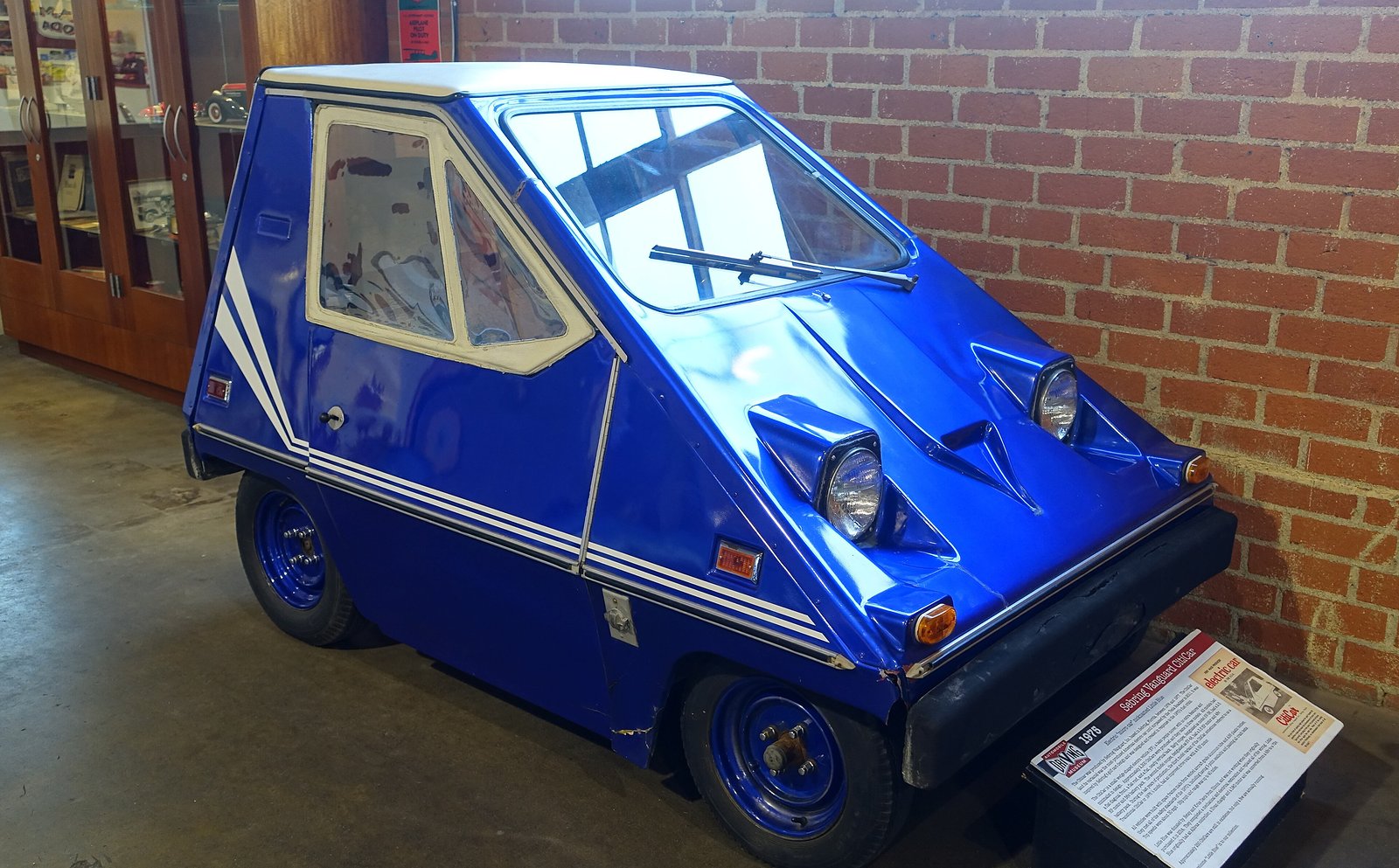
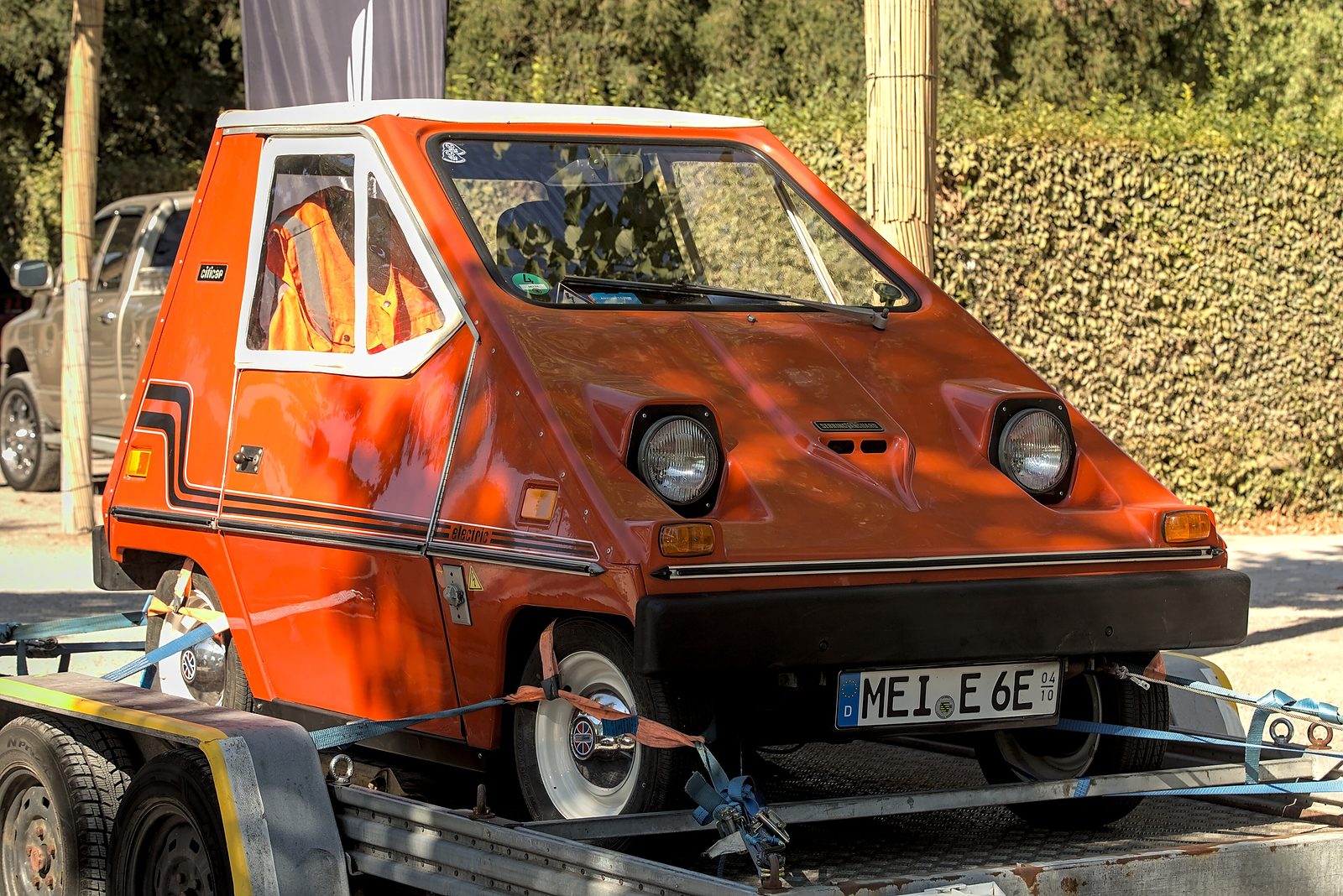
Orange-red wedge-shaped electric car with a deep black front bumper and a radio aerial, beside a charging post on a museum floor.
A 1980 Comuta-Car, with its battery-box bumpers, at the Henry Ford Museum in Dearborn, Michigan, in 2012.Photo: Michael Barera, CC BY-SA 4.0, via Wikimedia Commons

Comuta-Van

1977–⁠1982 · a record on this page

The first van was Sebring-Vanguard’s CitiVan of 1977–⁠79, on a longer wheelbase and with its own serial numbers; English Wikipedia reports a rumour that only 11 were sold as CitiVans, and more as Comuta-Vans in 1979.source 5 CVI’s Comuta-Van had swing-out side doors and a rear window that opened as a hatch.source 5 For the US Postal Service it built a right-hand-drive Postal Comuta-Van, 3,607 mm (142 in) long, with a 12 hp motor, 72 volts, a three-speed gearbox, sliding side doors and a single seat, though some sold to the public had a second.source 5 MTDM says some of the last several hundred vehicles went to the Postal Service, and that the relationship ended badly.source 3 The last Comuta of all, built by the factory in 1986, was a 72-volt pick-up made to special order and sold without a serial number.source 5
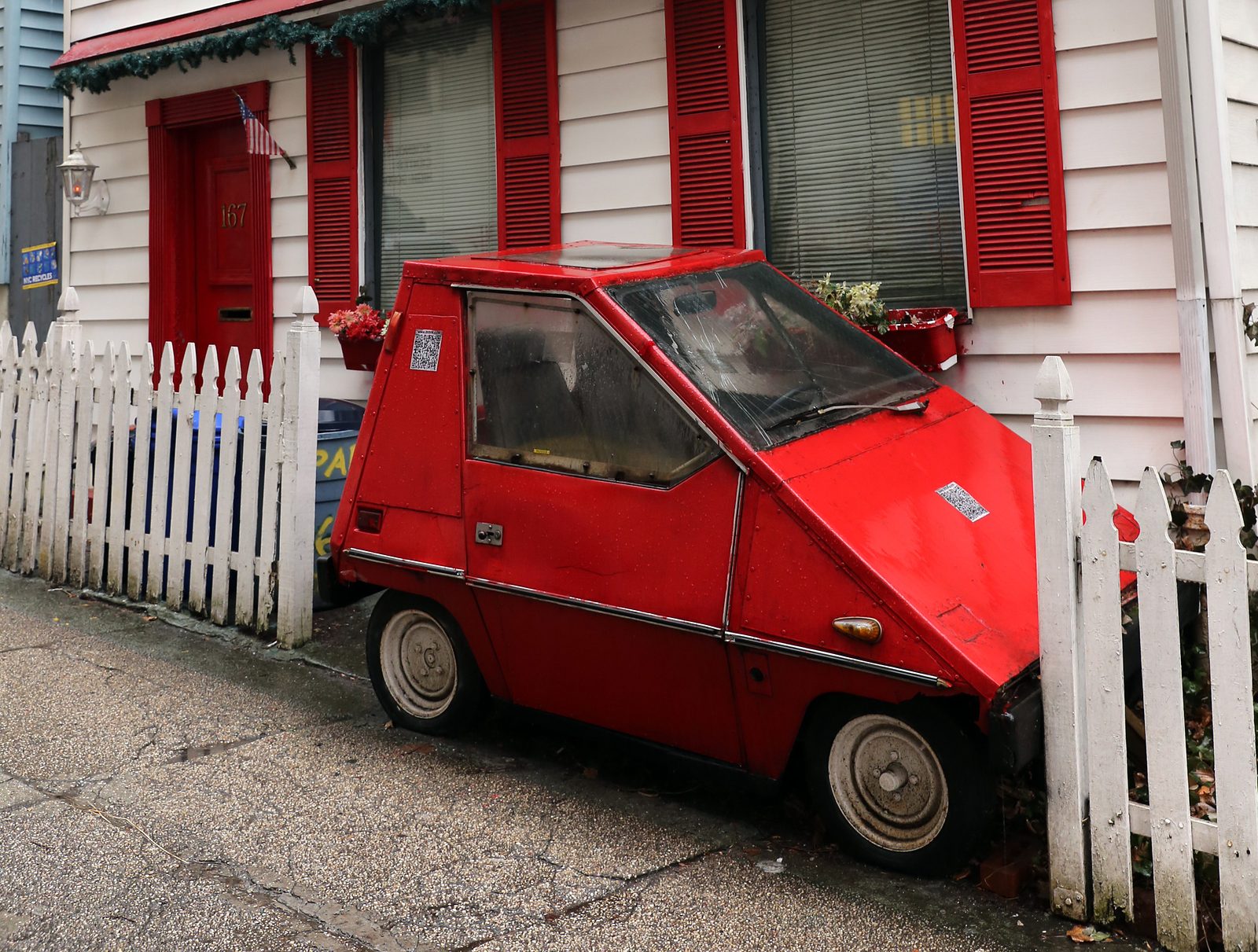
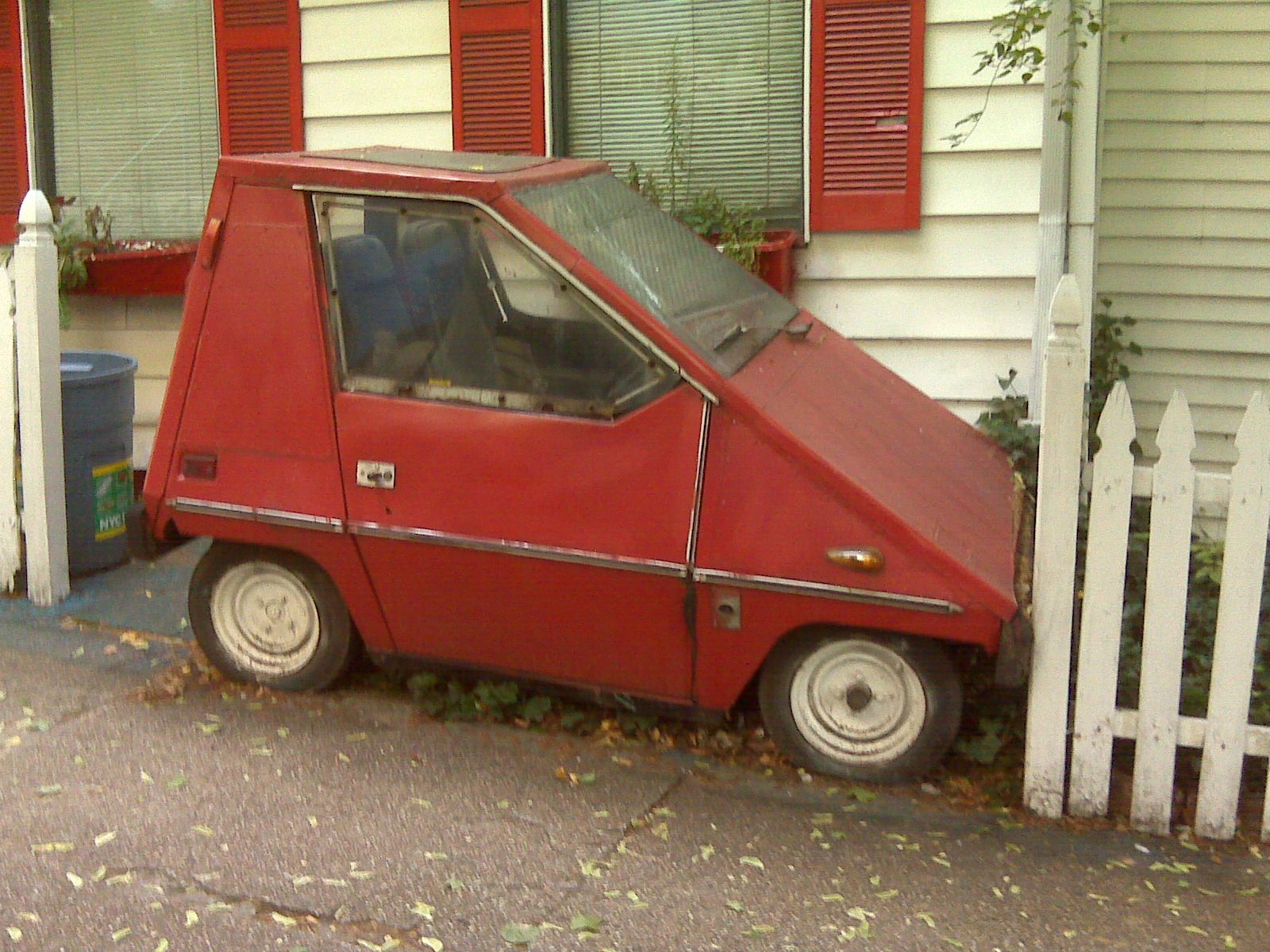
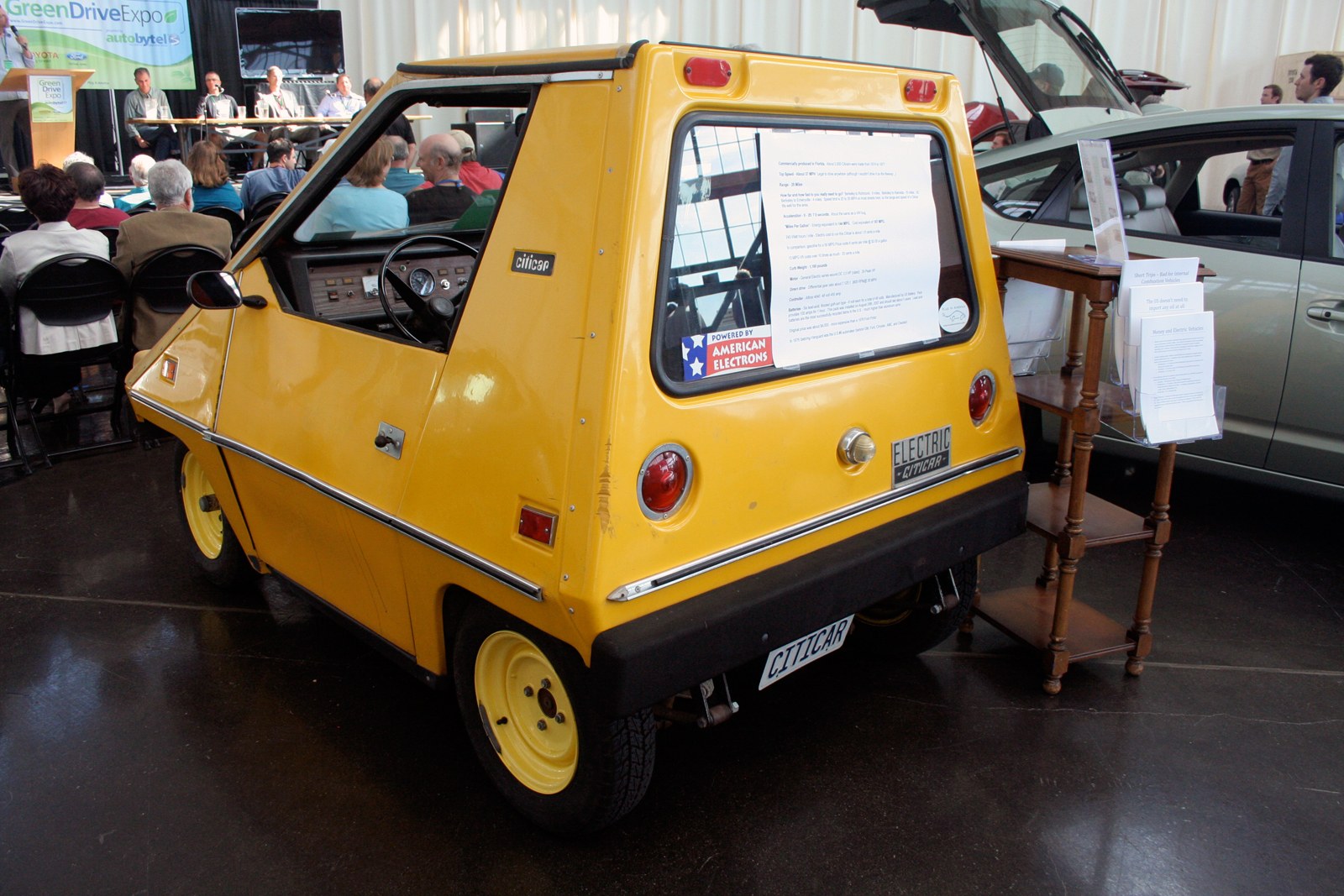
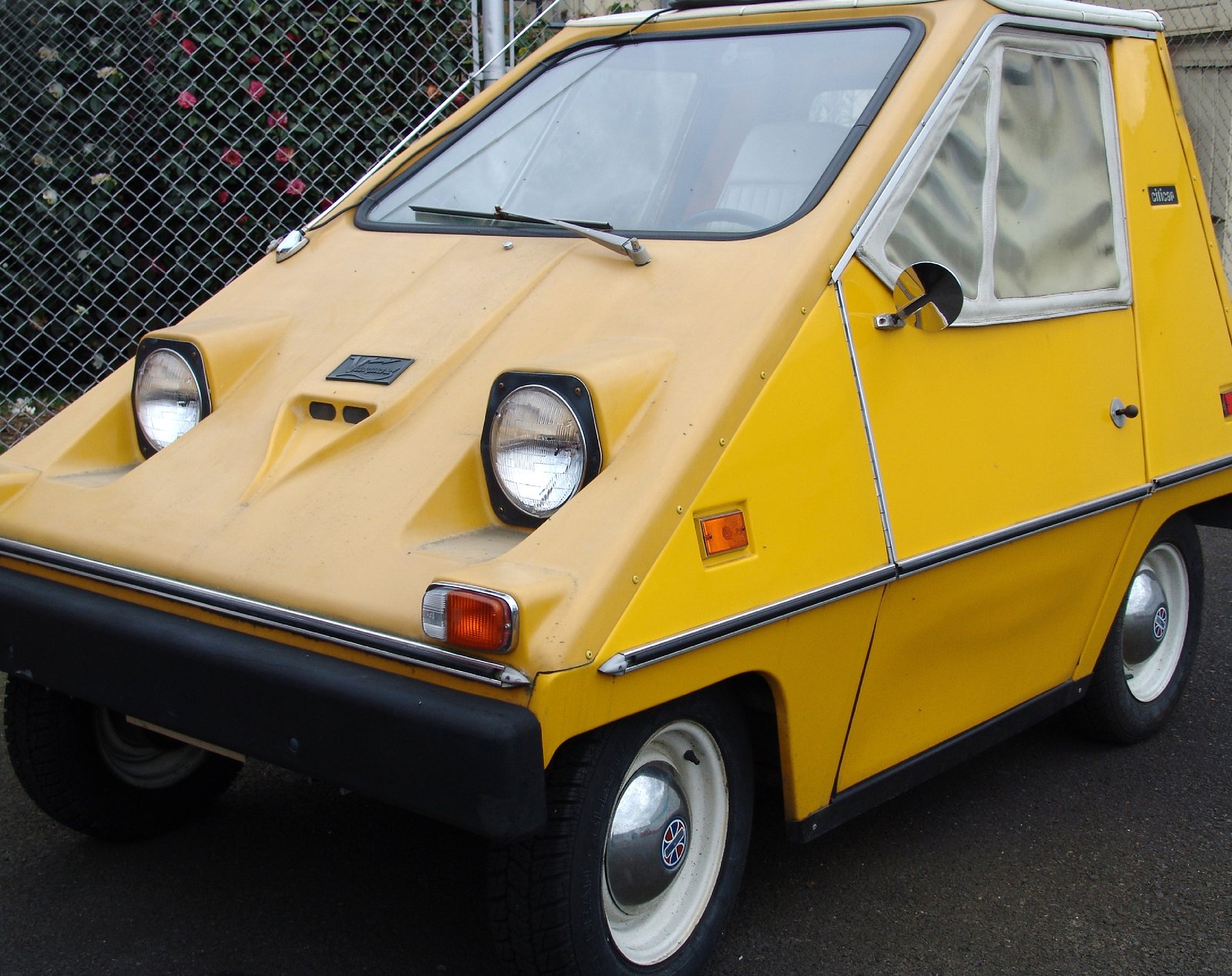
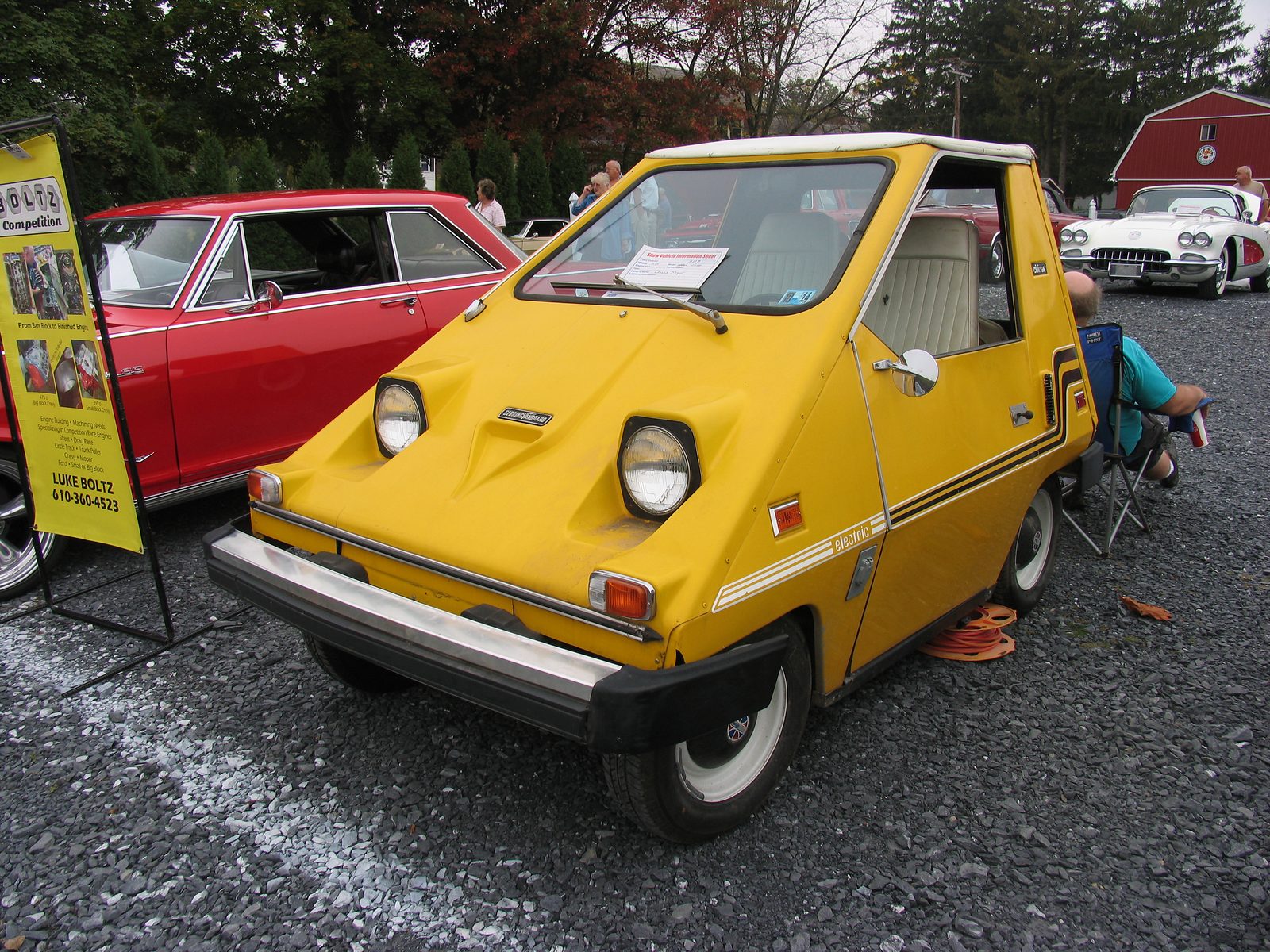
Pictures

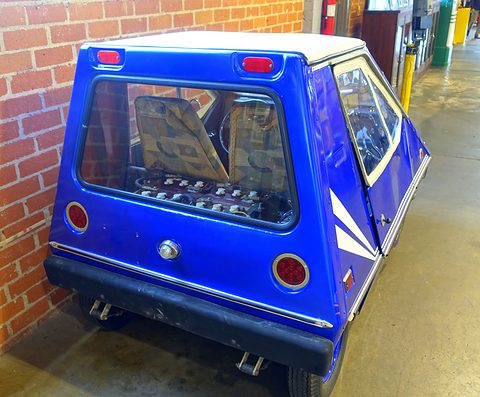
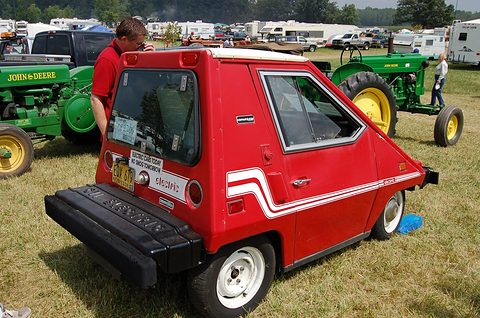
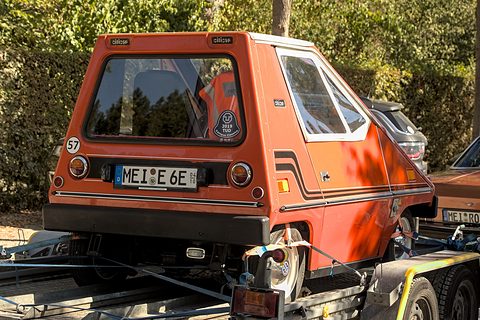
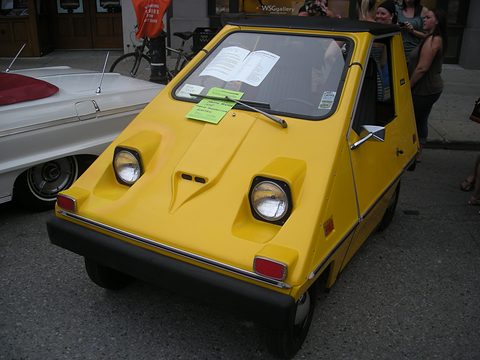
More photographs, old and new

Variants

Wedges by serial number

CitiCar and Comuta, 1974–⁠86
VariantYearsWhat differsHow many
SV-36197436 volts from six batteries; side curtains for doors; front disc brakesNot split
SV-481974–⁠75From car 1501: 48 volts, a 3.5 hp GE motor; drum brakes from car 2011Not split
Transitional, or 1976½1975–⁠77From car 2781: a 6 hp motor, a Dana axle, better doors with sliding windowsNot split
CitiVan1977–⁠79A longer wheelbase, its own serial numbersNot found
Comuta-Car and Comuta-Van1979–⁠82Batteries in big impact bumpers, about 410 mm longerAbout 2,144, by estimate
Postal Comuta-VanTo 1982Right-hand drive, 72 volts, a 12 hp motor and three gearsWithin the above
Comuta pick-up1986One special order, with no serial number1

Specification

The 1976 CitiCar, as tested by NASA

Motor and drive

Motor and drive
MotorGeneral Electric series-wound DC, 6 hp (4.5 kW) at 4,100 rpmsource 7
ControlA three-step contactor worked by the accelerator: 24 V through a resistor, 24 V, then 48 V; reverse by a switch on the dashsource 7
DriveNo gearbox: the motor bolted to the differential; 6.83:1source 75.17:1 standard on these cars by Wikipedia
BatteriesEight 6 V Exide golf-cart batteries, 48 V, 132.5 Ah, 236 kg (520 lb), under the seatsource 7
ChargingOn-board charger, 115 V, 8–10 hourssource 7

Body and chassis

Body and chassis
BodyABS (Cycolac) plastic on a welded aluminium-tube framesource 5source 1
SuspensionSolid axles on leaf springs front and rearsource 5
BrakesFront discs and rear drums, then drums all round from car 2011source 5
Tyres4.80-12source 7

Dimensions

Dimensions
Length2,388 mm (94 in)source 7“8 ft” in other sources
Width1,392 mm (54.8 in)source 7
Height1,511 mm (59.5 in)source 7
Wheelbase1,664 mm (65.5 in)source 7
Weight590 kg (1,300 lb); 794 kg (1,750 lb) fully ladensource 71,100 lb in the Globe’s obituary

Performance and running

Performance and running
Top speed51 km/h (32 mph) fully laden, measured; 61 km/h (38 mph) claimed with the driver alonesource 740–45 km/h (25–28 mph) for the SV-36
Range85 km (52.8 miles) at 29 km/h (18 mph); 40 km (24.8 miles) at full speedsource 7
BrakingFrom 48 km/h (30 mph) in 18 m (59–60 ft)source 7
Price new$2,700, the SV-36 in 1974source 3source 4

How many were built?

CitiCars and Comutas

About 4,400 of all kindsAbout 4,400 CitiCars, Comuta-Cars and Comuta-Vans were built from 1974 to 1982; 4,444 is the figure given by English Wikipedia and Lancaster Insurance. The CitiCars alone came to about 2,200–2,300: Bob Beaumont remembered 2,206, and the frame numbers, believed to run from about 1001 to about 3000, are consistent with it; that is our inference.

  1. 4,444all CitiCars and ComutasTwo sources agree

    English Wikipedia, citing wheels.ca; Lancaster Insurancesource 5source 4

  2. about 2,400Sebring-Vanguard’s electric carsOne source

    MTDMsource 3

  3. about 2,300CitiCars, to 1977Two sources agree

    English Wikipedia; Lancaster Insurancesource 5source 4

  4. 2,206CitiCars in three years, as Beaumont rememberedOne source

    Boston Globe obituary, 2011source 1

  5. about 2,144Comuta-Cars and Comuta-Vans, an estimateOne source

    English Wikipediasource 5

  6. 2,100CitiCarsOne source

    Elliott Museum labelsource 6

  • Two sources agreetwo good sources give the figure
  • One sourcea good source, alone
  • Unconfirmeda lead only, not yet checked

Famous for

Three points

  1. Sixth in America

    By output, Sebring-Vanguard was the sixth-largest US car maker in 1976.source 5source 1source 4

  2. The most built

    About 4,400 of all kinds, the most electric cars built in North America for decades after 1945.source 5source 4

  3. The baseball bat

    Beaumont answered calls for a ban by hitting the plastic body with a bat.source 1

Survivors and collecting

Today

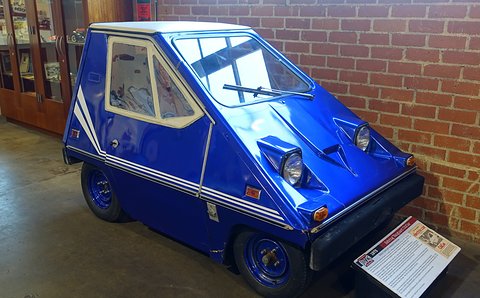
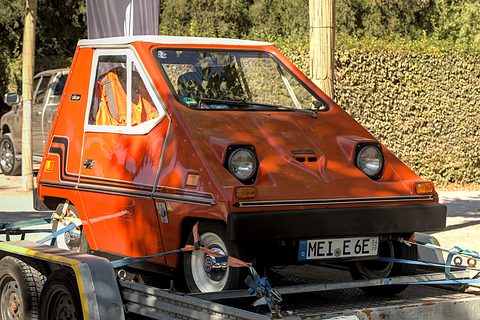
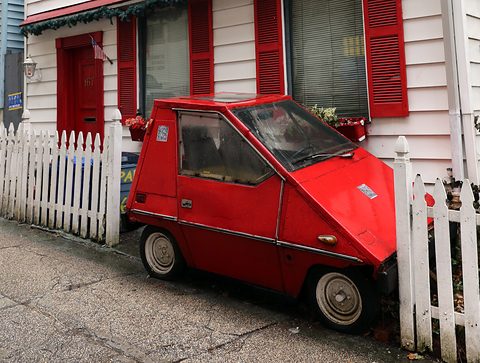
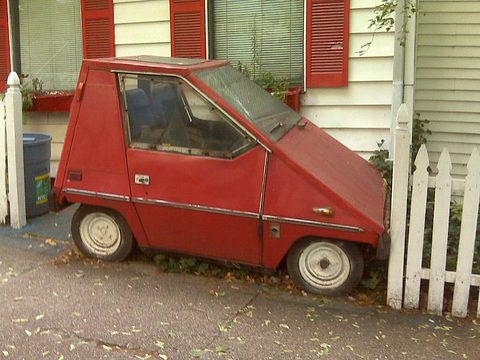
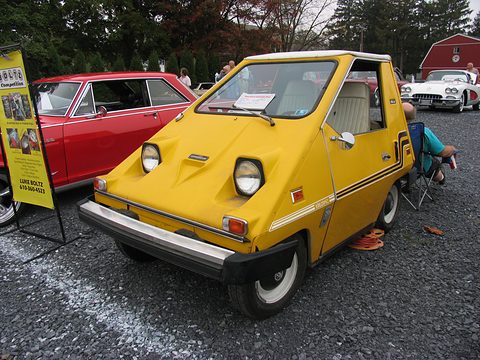
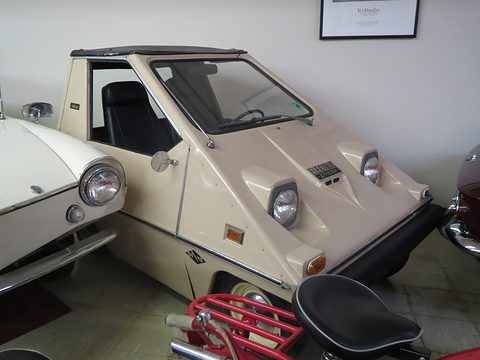
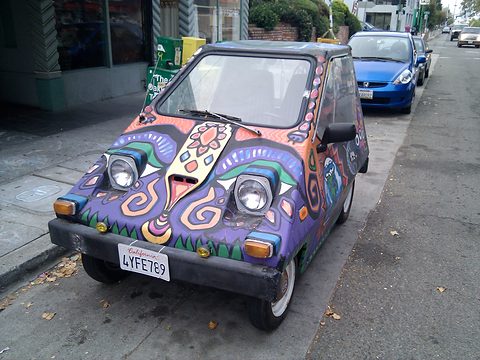
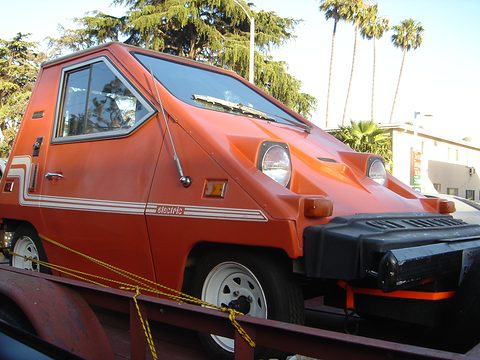
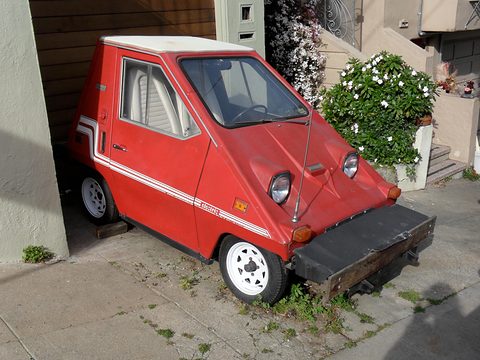
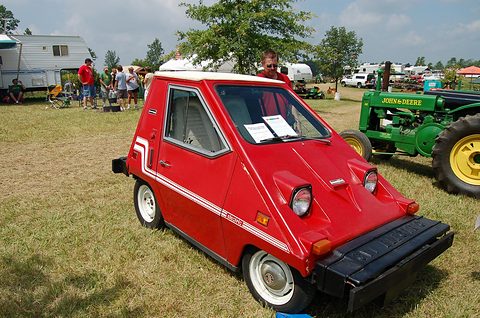
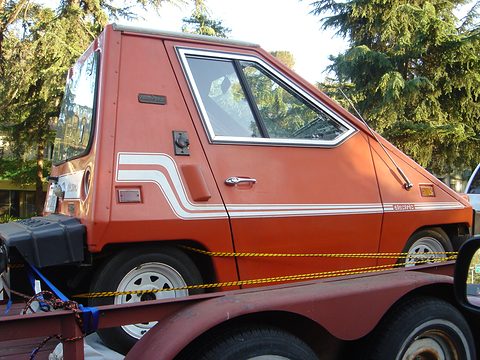
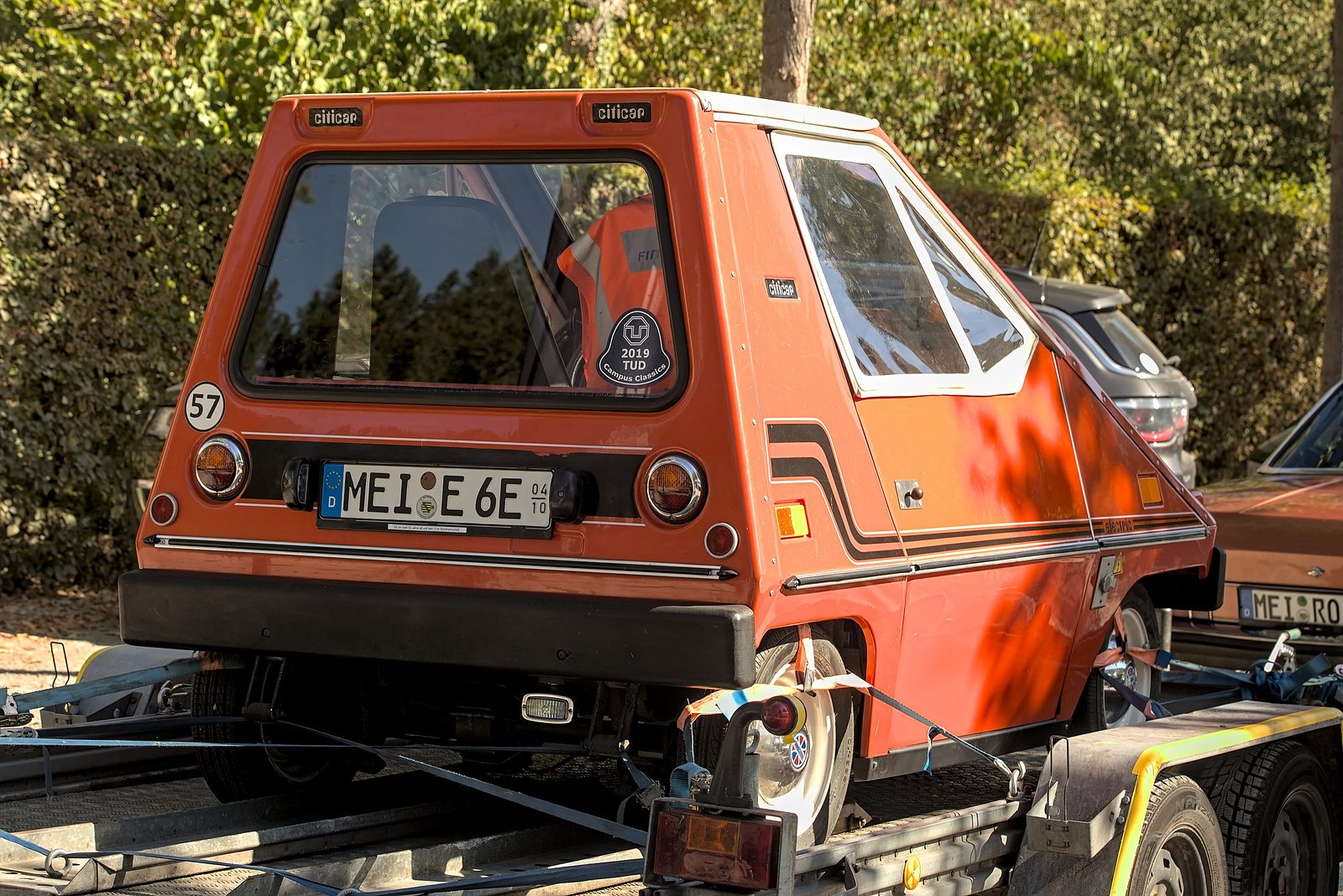
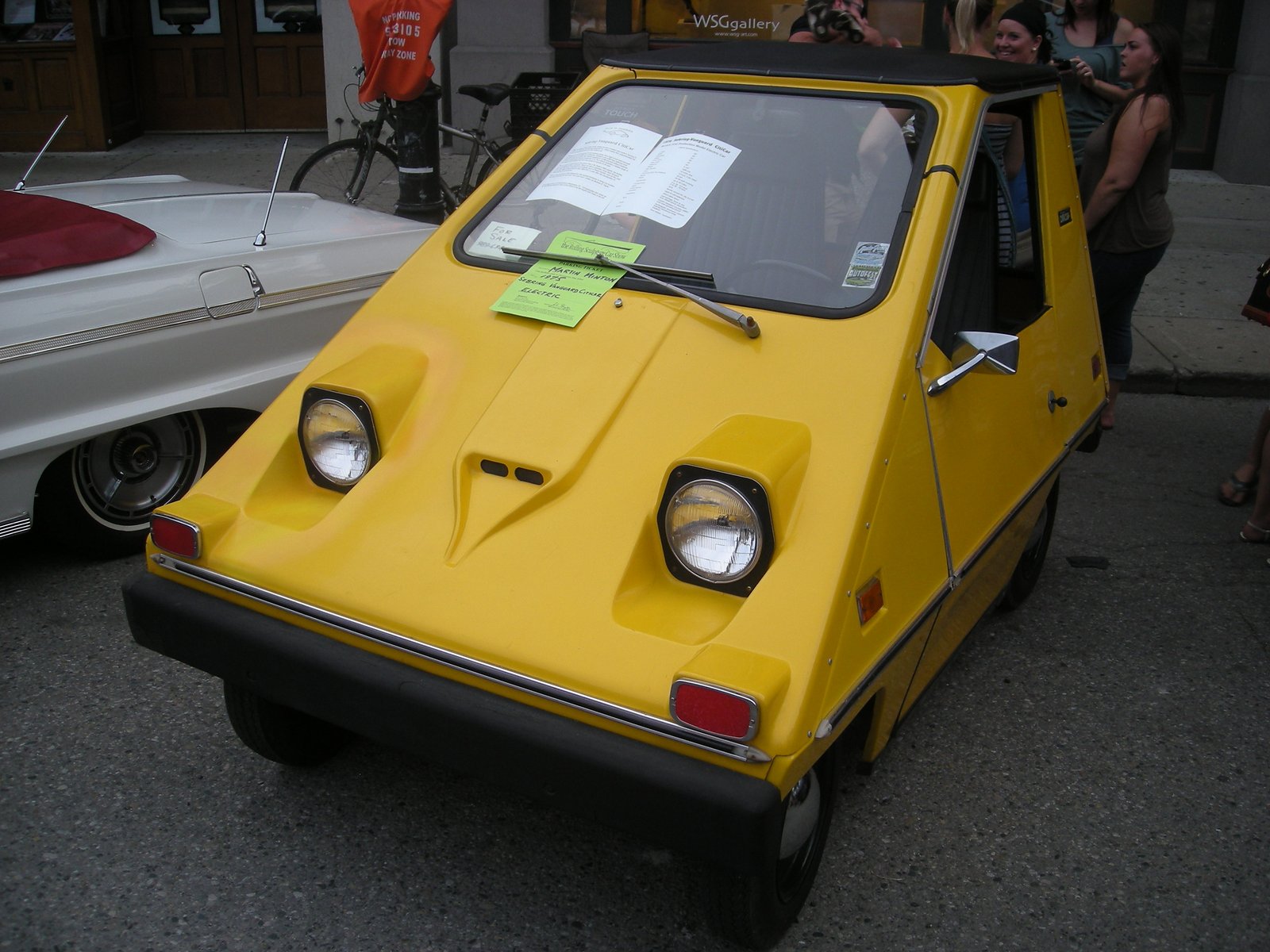
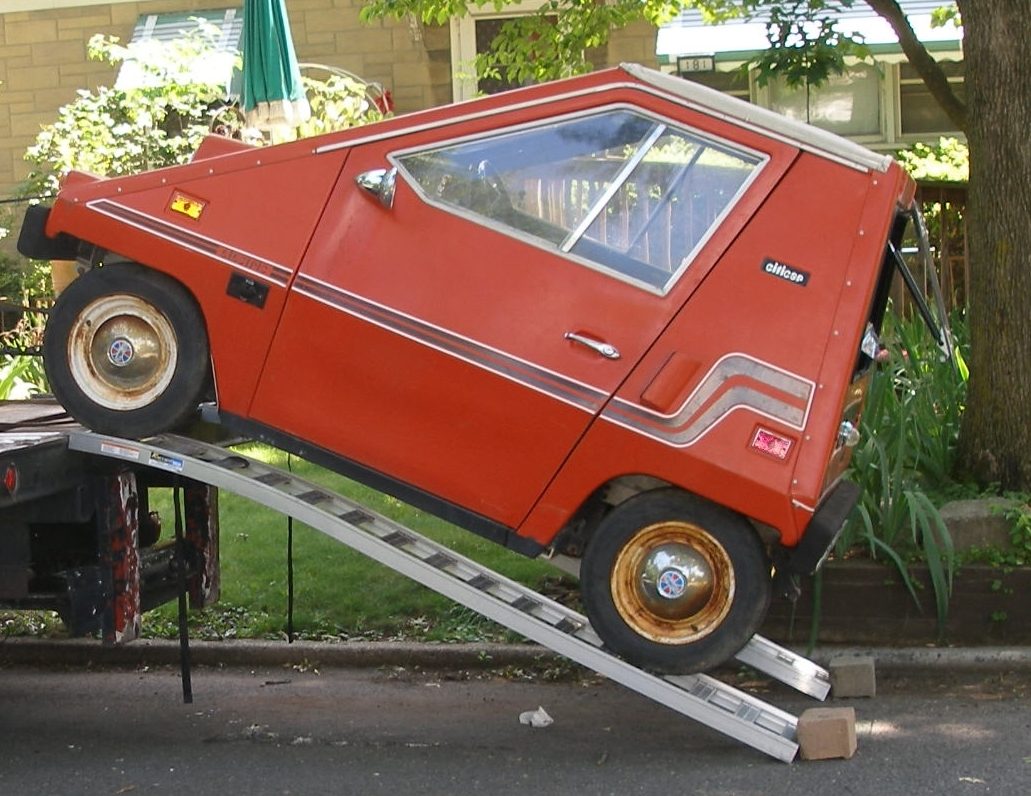
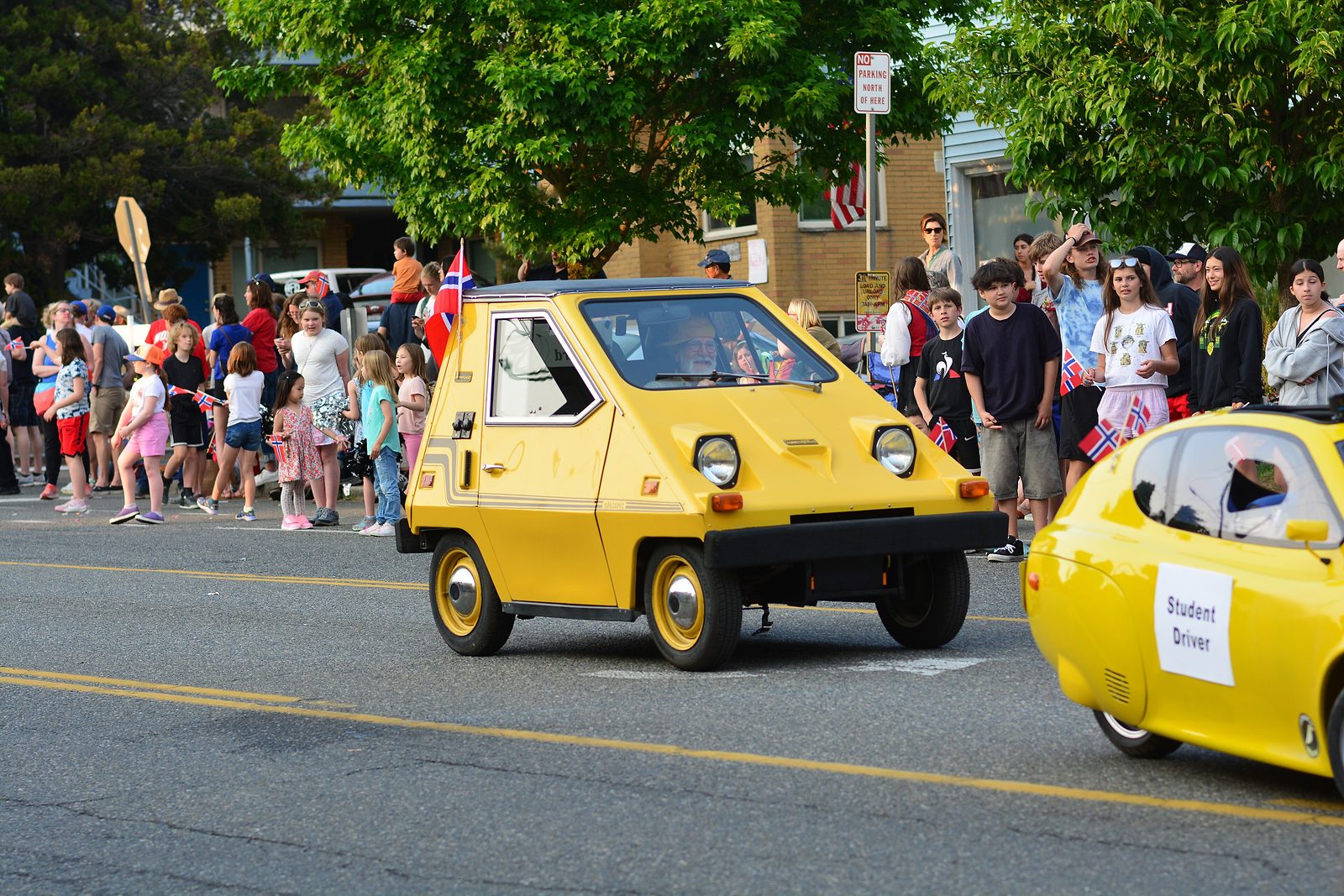
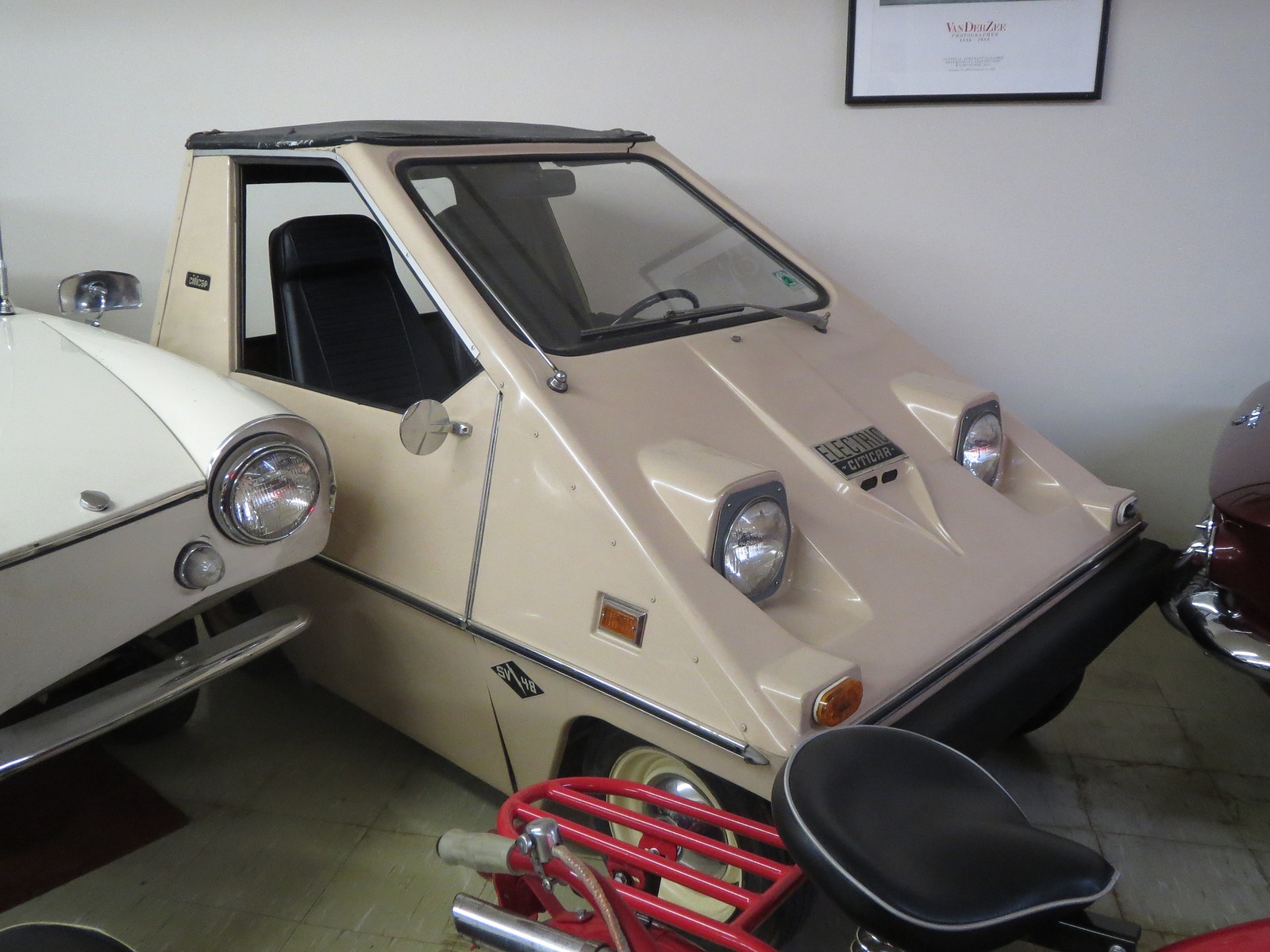
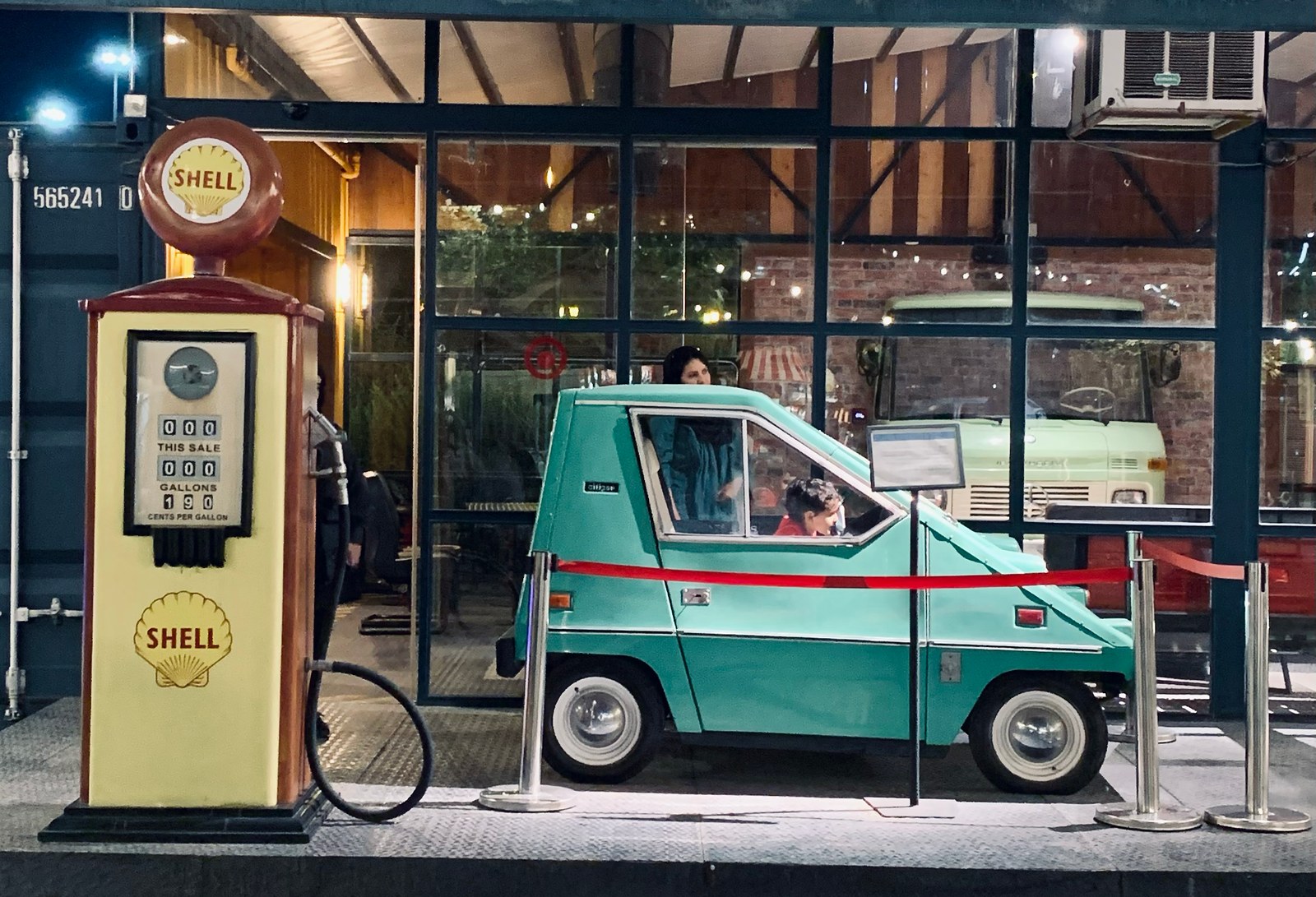
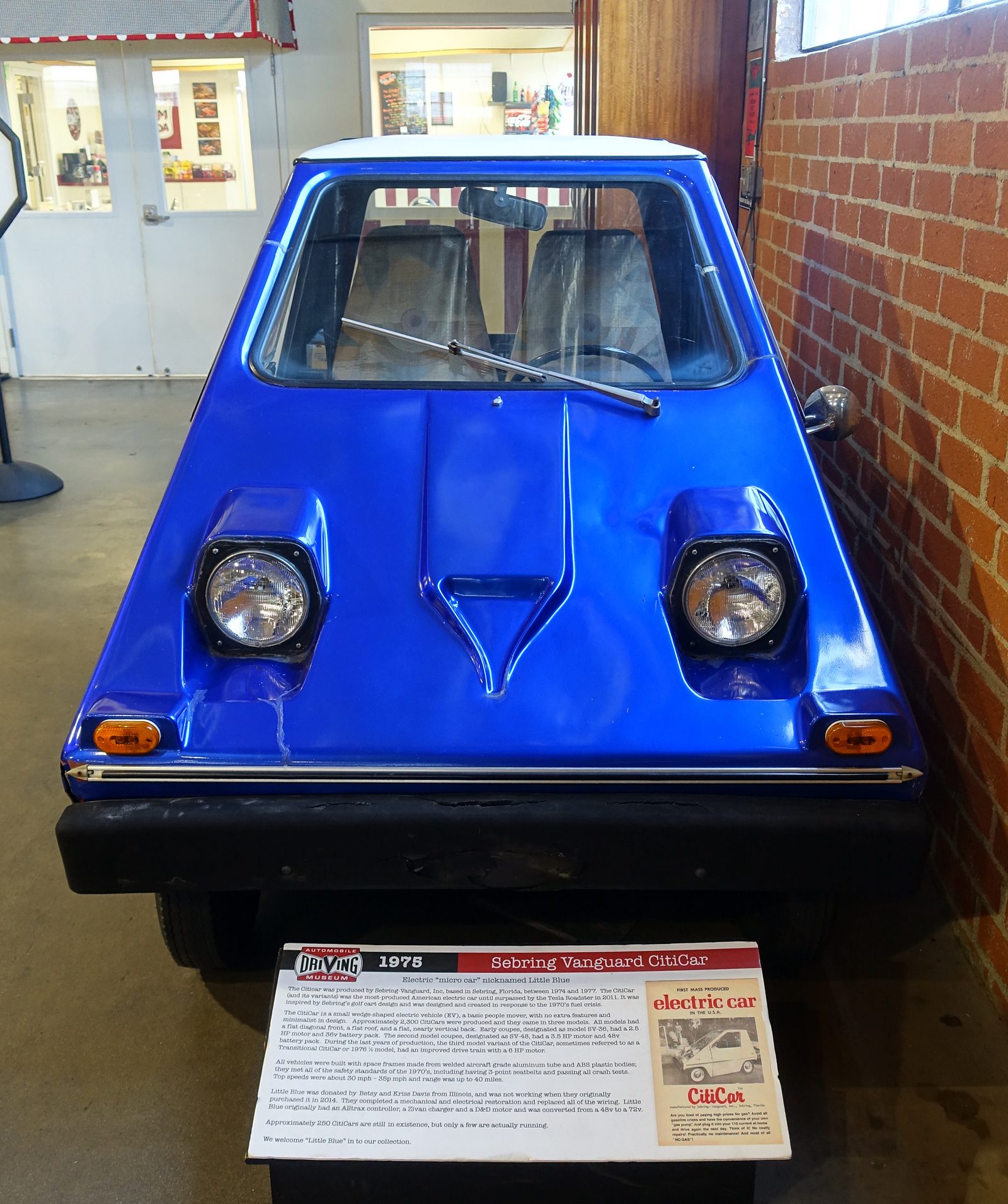
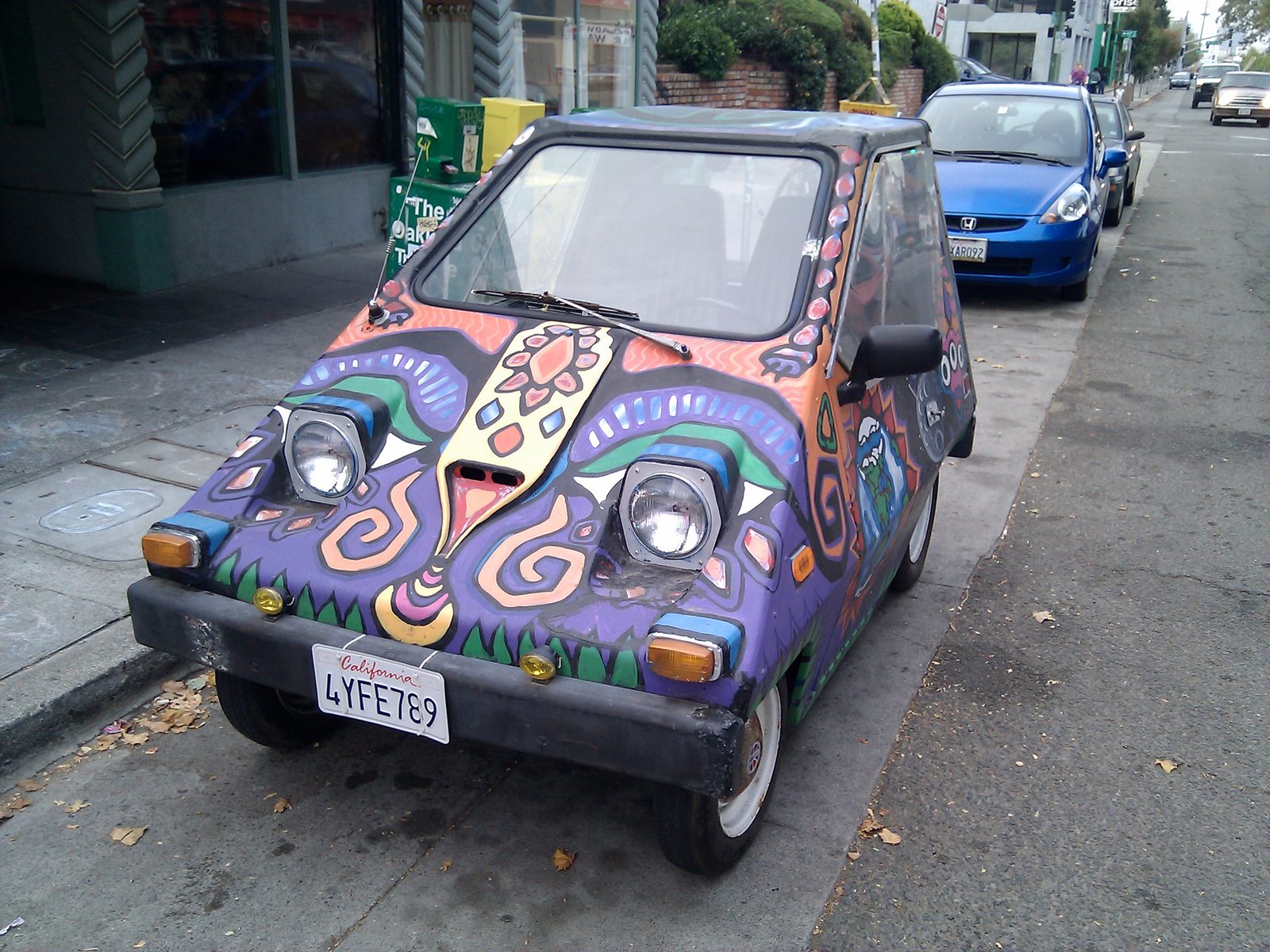
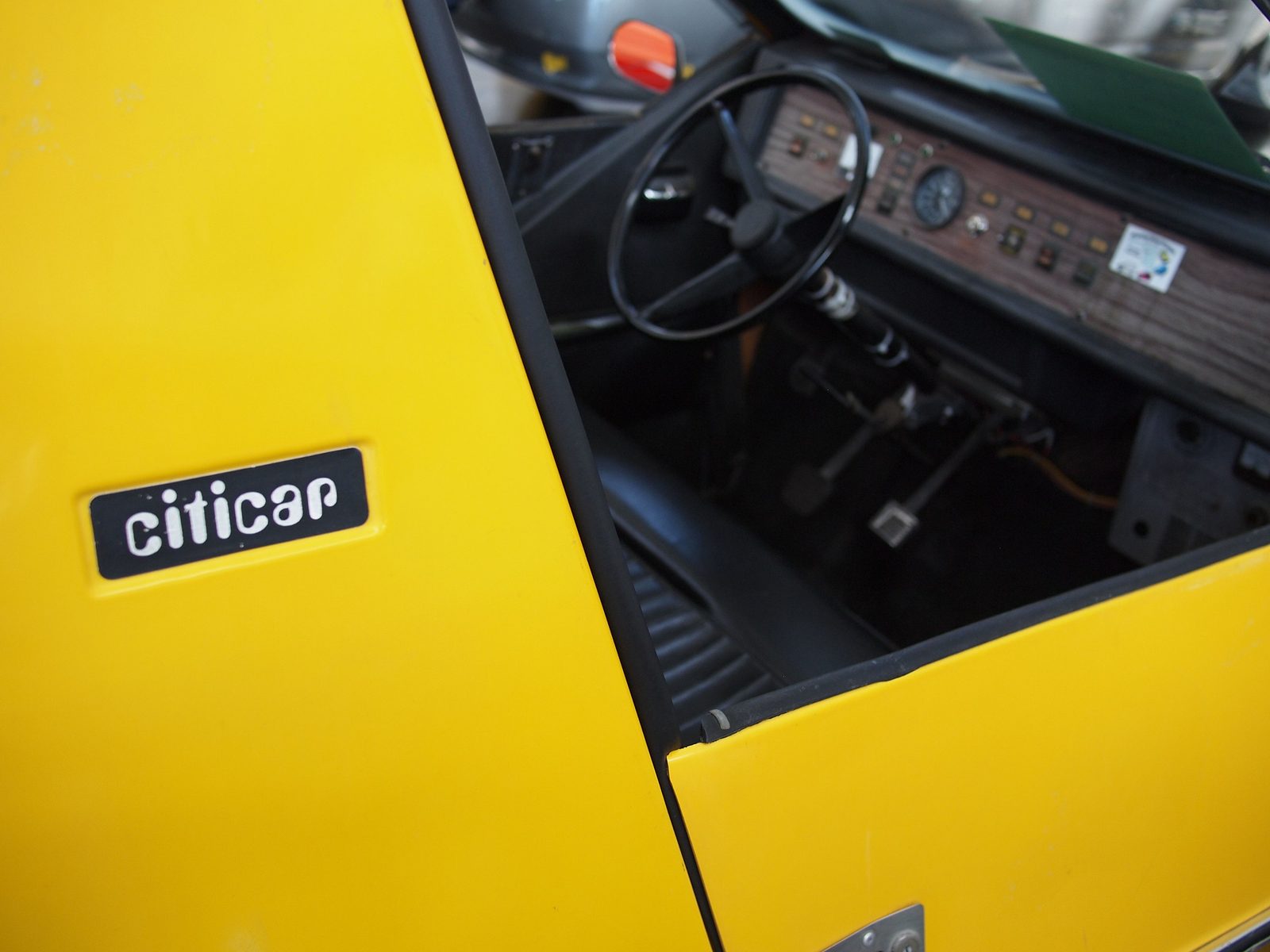
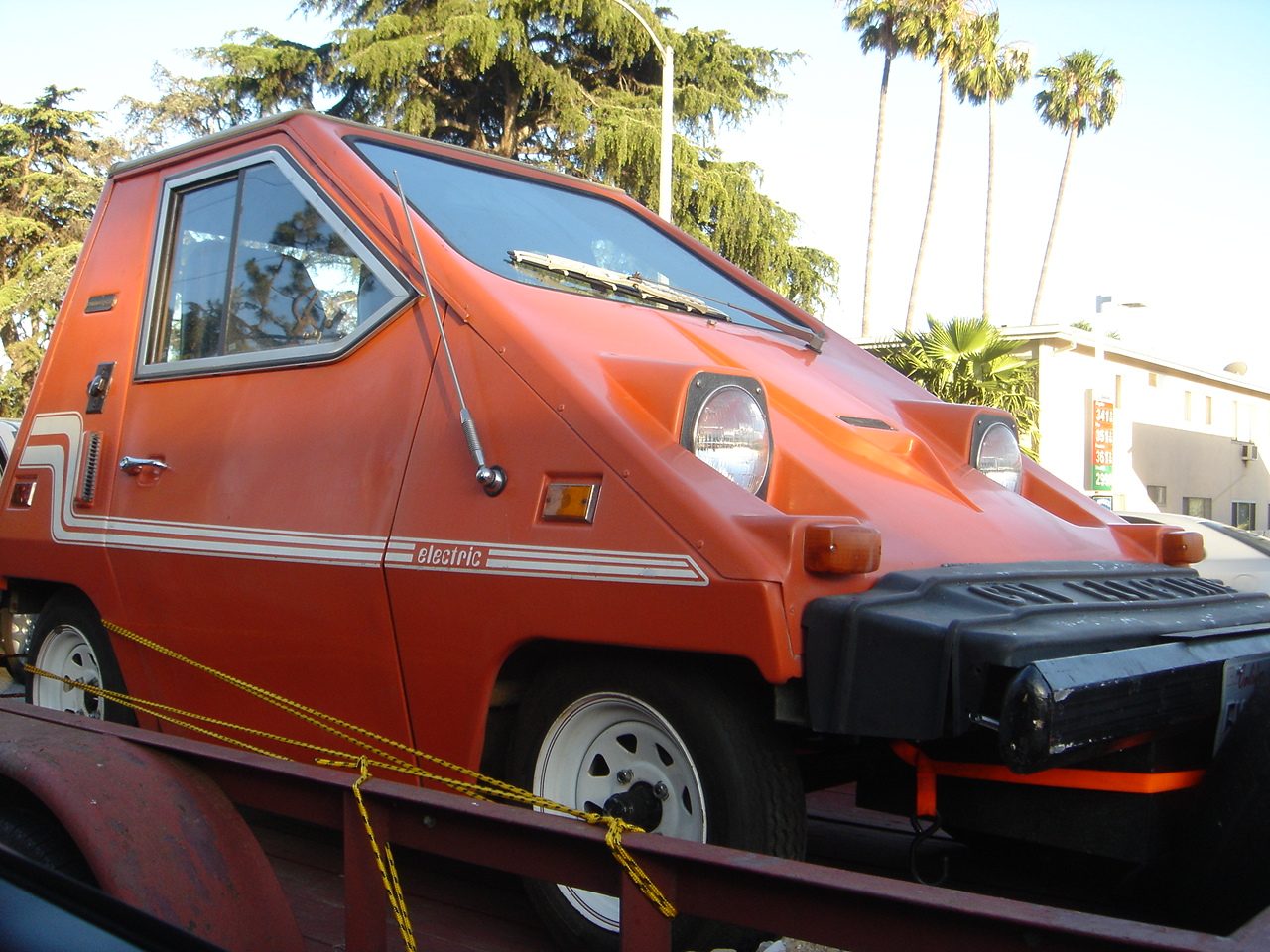
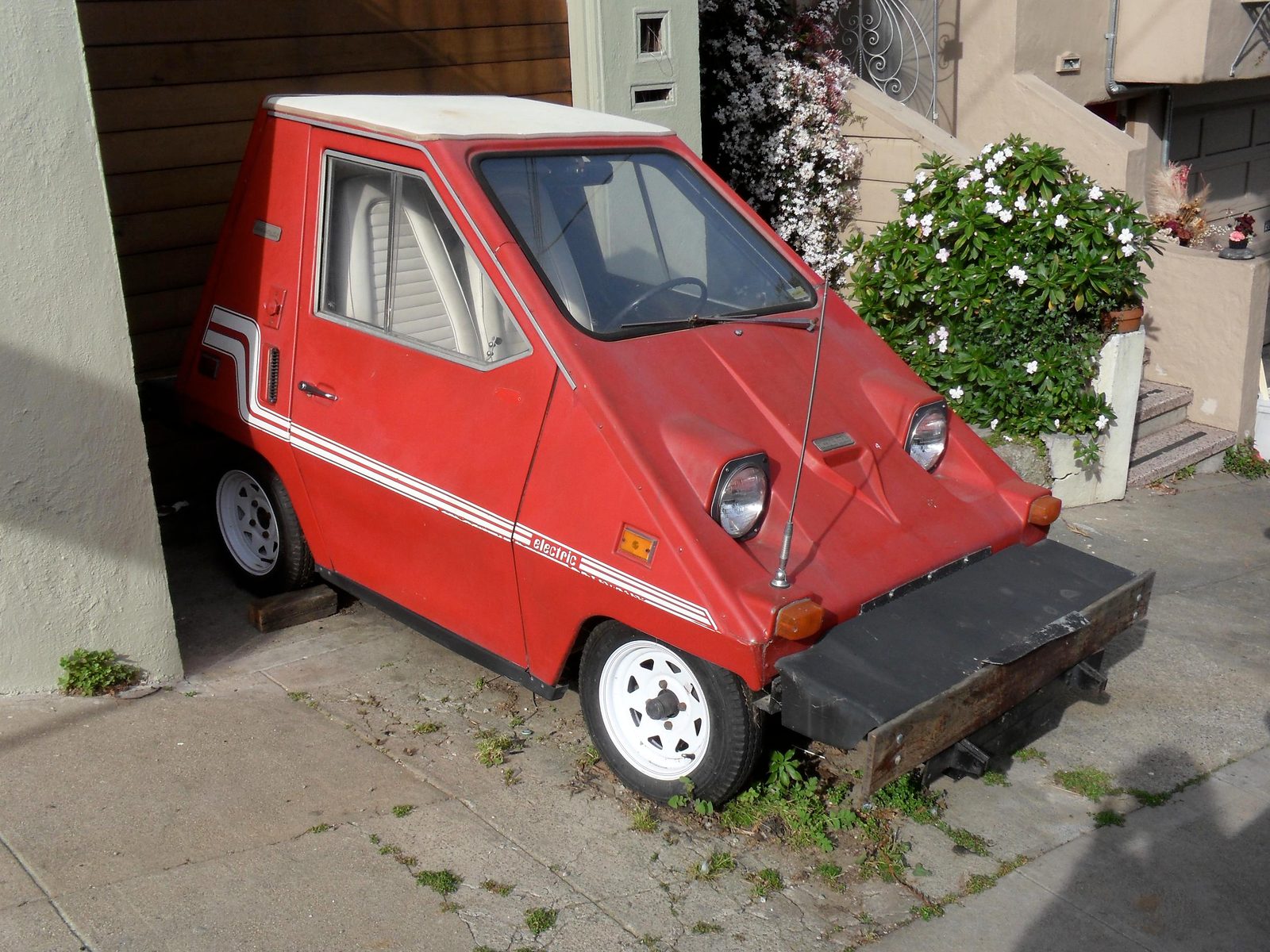
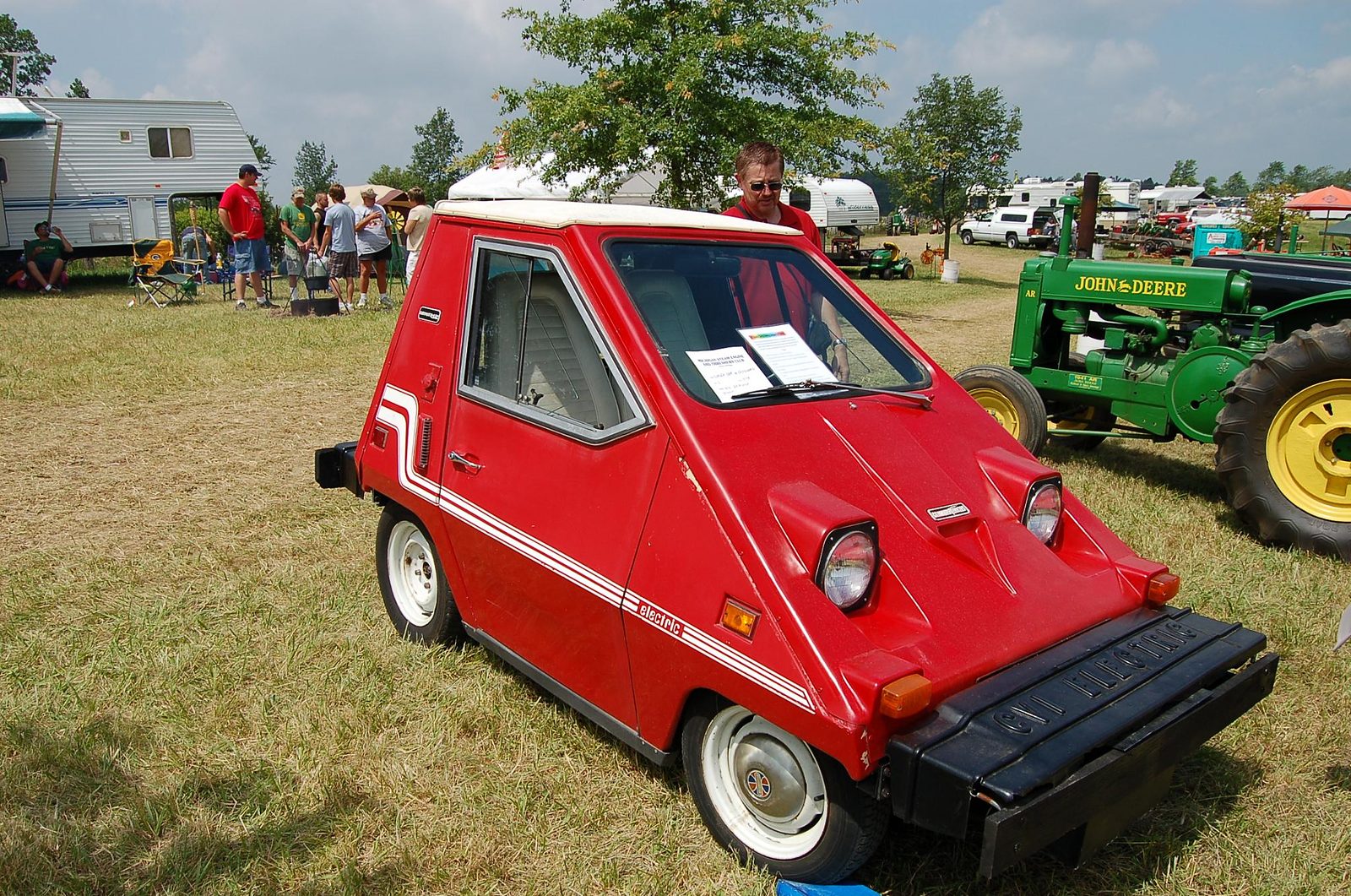
Many still run, though no count has been found. The frame numbers known from survivors ran in 2013 from 1040 to 2998, and a CitiCar Roster is kept.source 5 Owners of every kind of C-Car, as they call the CitiCars and Comutas together, meet online.source 5source 4 In 2009 an owner, Peter Crisitello, led half a dozen CitiCars to Beaumont’s home.source 1 The Elliott Museum in Stuart, Florida, has a 1975 CitiCar that has covered about 9,700 km (6,000 miles), with its side curtains and propane heater.source 6 No sale at a major auction has been found. This page’s photographs include CitiCars and Comutas in museums at El Segundo, California, and Dearborn, Michigan, and in a parade in Seattle.

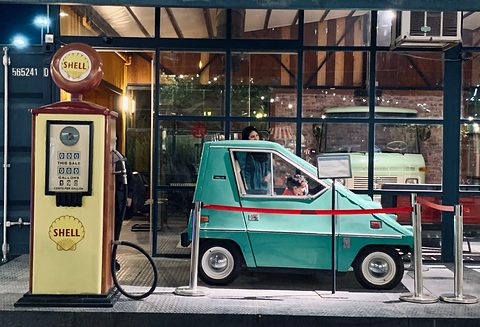
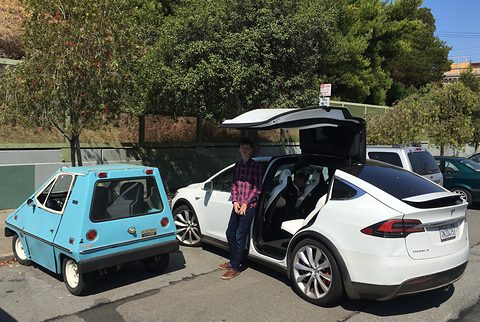
Small pale blue wedge-shaped car parked next to a white SUV with its rear doors raised like wings, a man standing between them.
A light blue CitiCar beside a Tesla Model X in San Francisco in 2016.Photo: Steve Jurvetson, CC BY 2.0, via Wikimedia Commons

Sources

Numbered as in the text

The figures for the car come from NASA’s test of 1976, a primary source; the serial-number changes from English Wikipedia, which draws on owners’ and service manuals and the CitiCar Roster. Beaumont’s story rests on his obituary. No period magazine road test was read, and the date of the Consumer Reports verdict is not known. Sources are given as plain text; the links are on the Credits page.

  1. “Bob Beaumont, at 79; creator of CitiCar, 1970s electric vehicle”, Boston Globe (New York Times News Service), 30 October 2011, read in full.
  2. Small Cars Club, “Vanguard Sport Coupe”, 23 December 2022, read in full.
  3. The Makes That Didn’t Make It, “Sebring-Vanguard”, read in full.
  4. Lancaster Insurance, “Staying Positive: The CitiCar walked so Tesla could run”, 14 April 2023, read in full.
  5. English Wikipedia, Citicar, revision of 18 September 2026, read in full. Used as a lead; it draws on owners’ and service manuals and the CitiCar Roster, and cites wheels.ca (2012) and NASA (1976).
  6. Historical Society of Martin County (Elliott Museum), “1975 CitiCar … Electric made in Sebring, FL”, read in full.
  7. F. J. Stenger, J. M. Bozek and R. F. Soltis, Results of Baseline Tests of the EVA Metro Sedan, Citi-Car, Jet Industries Electra-Van, CDA Town Car, and Otis P‑500 Van, NASA TM X‑73638, Lewis Research Center, October 1976, the Citi-Car section read in full.