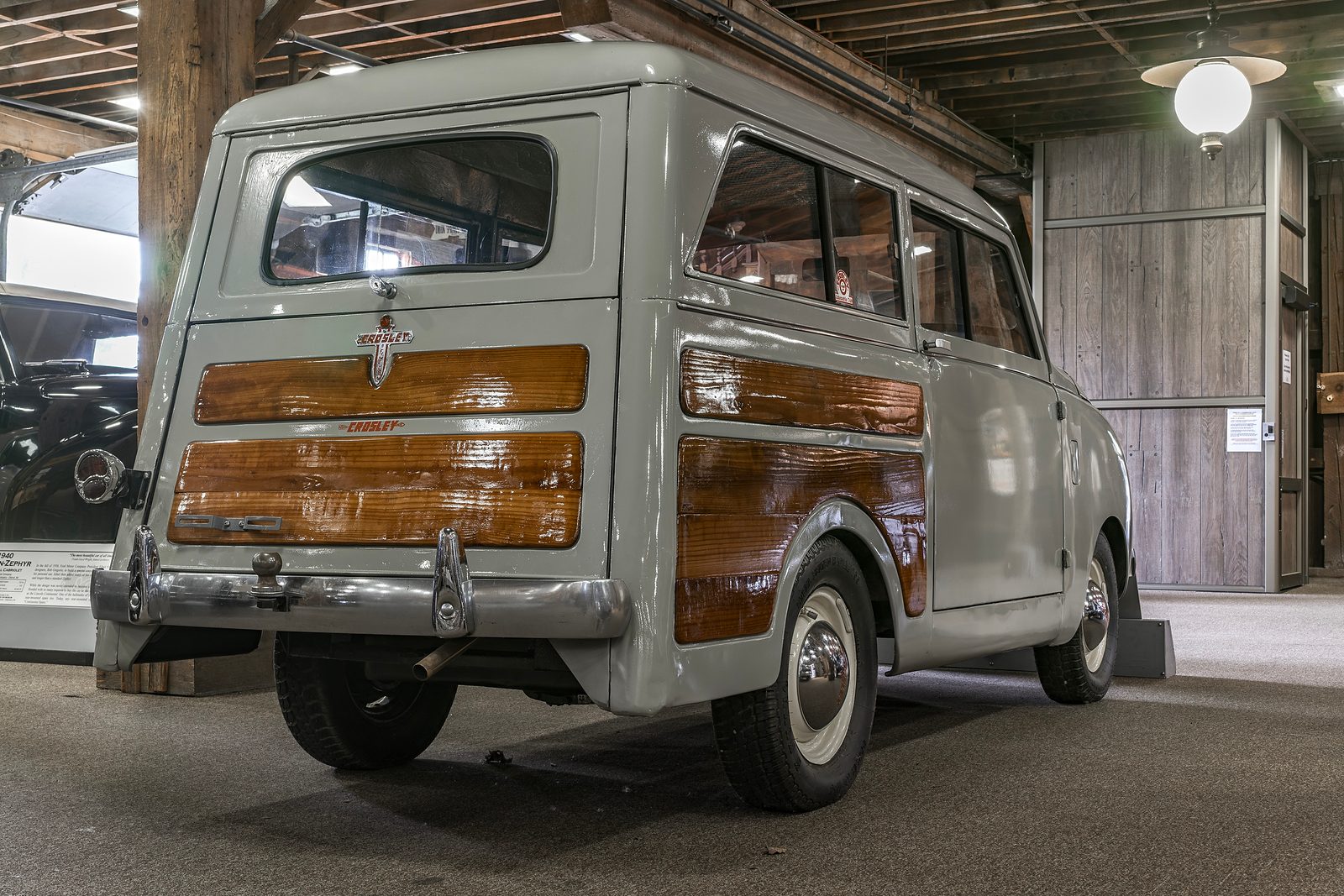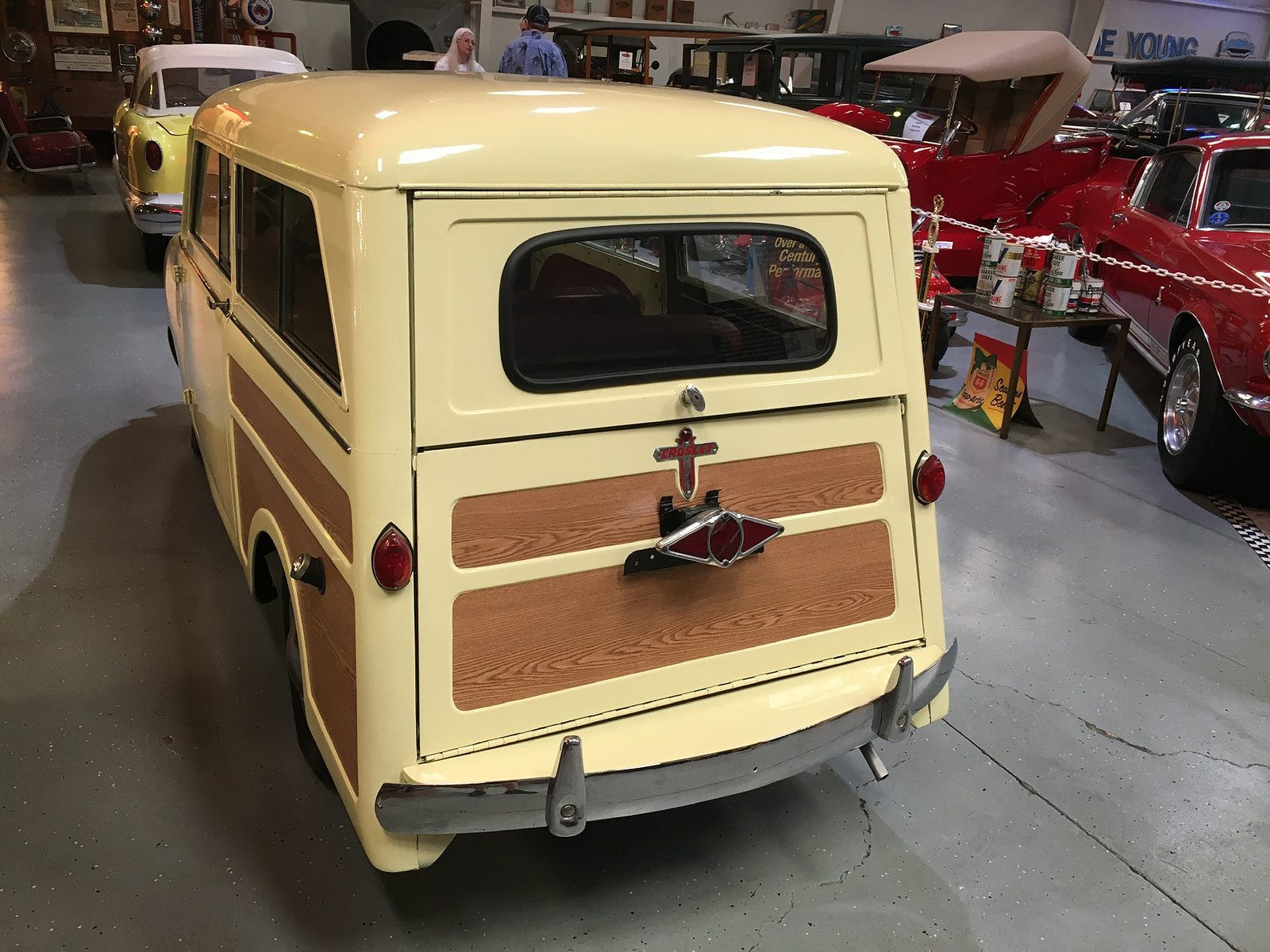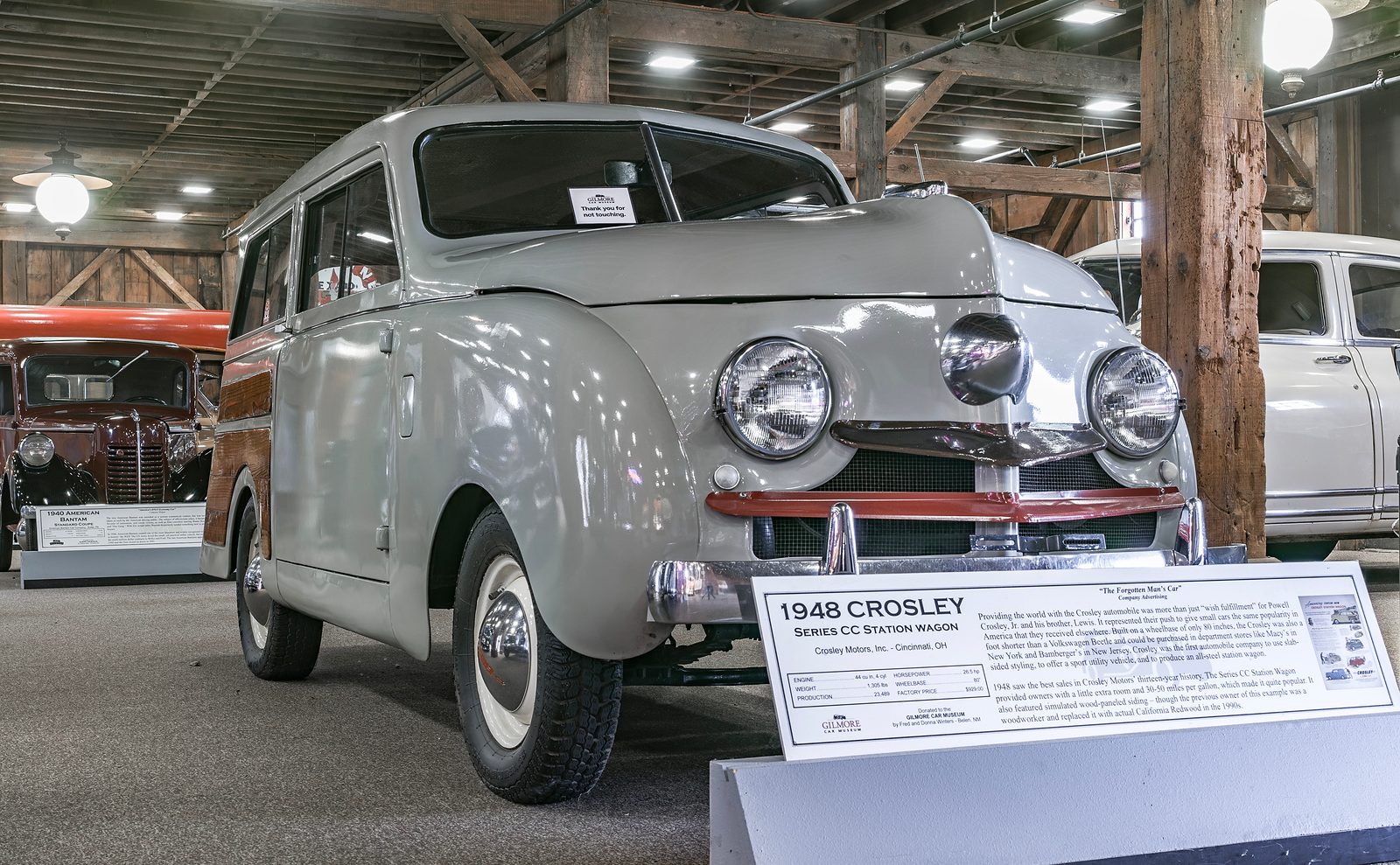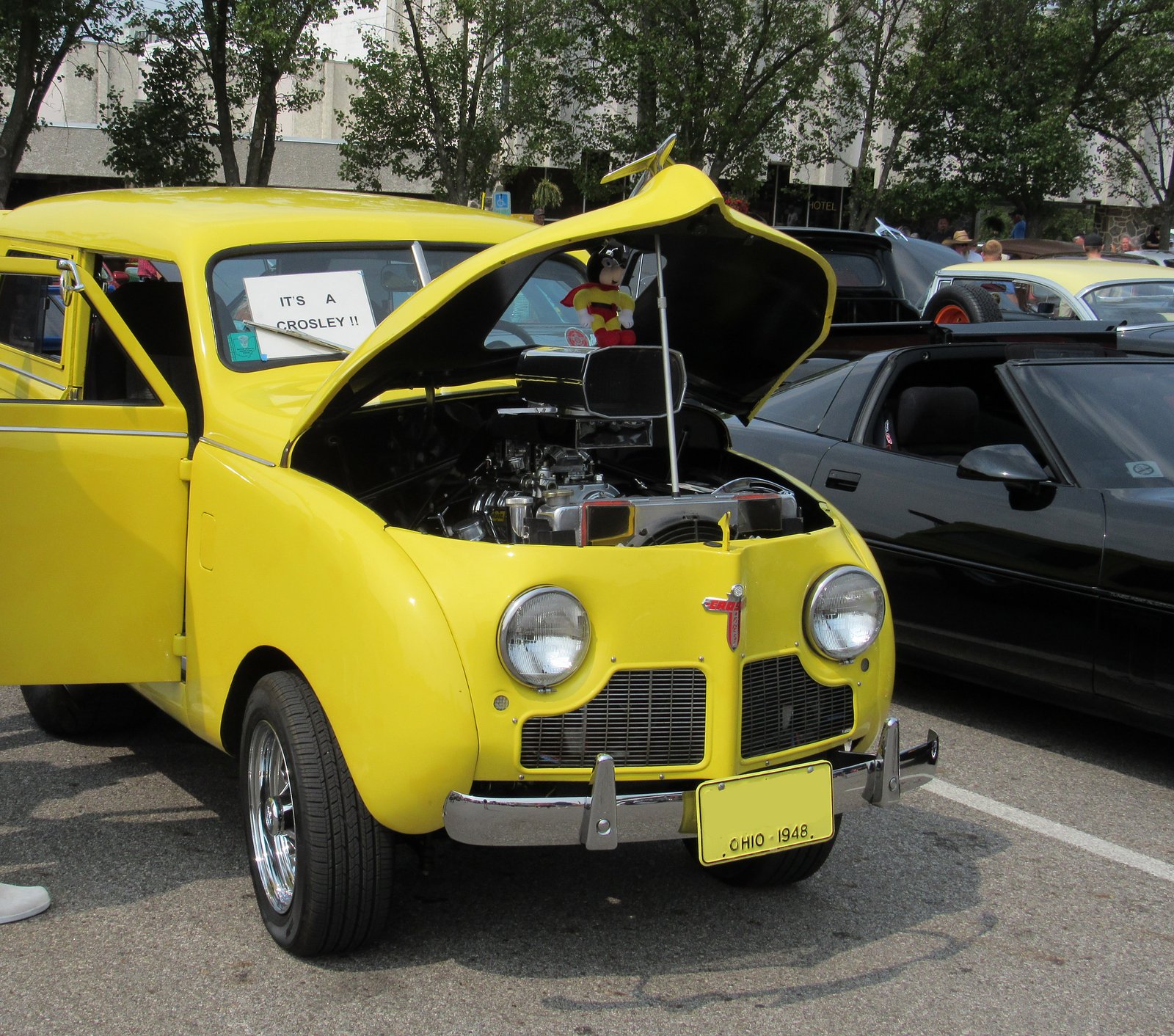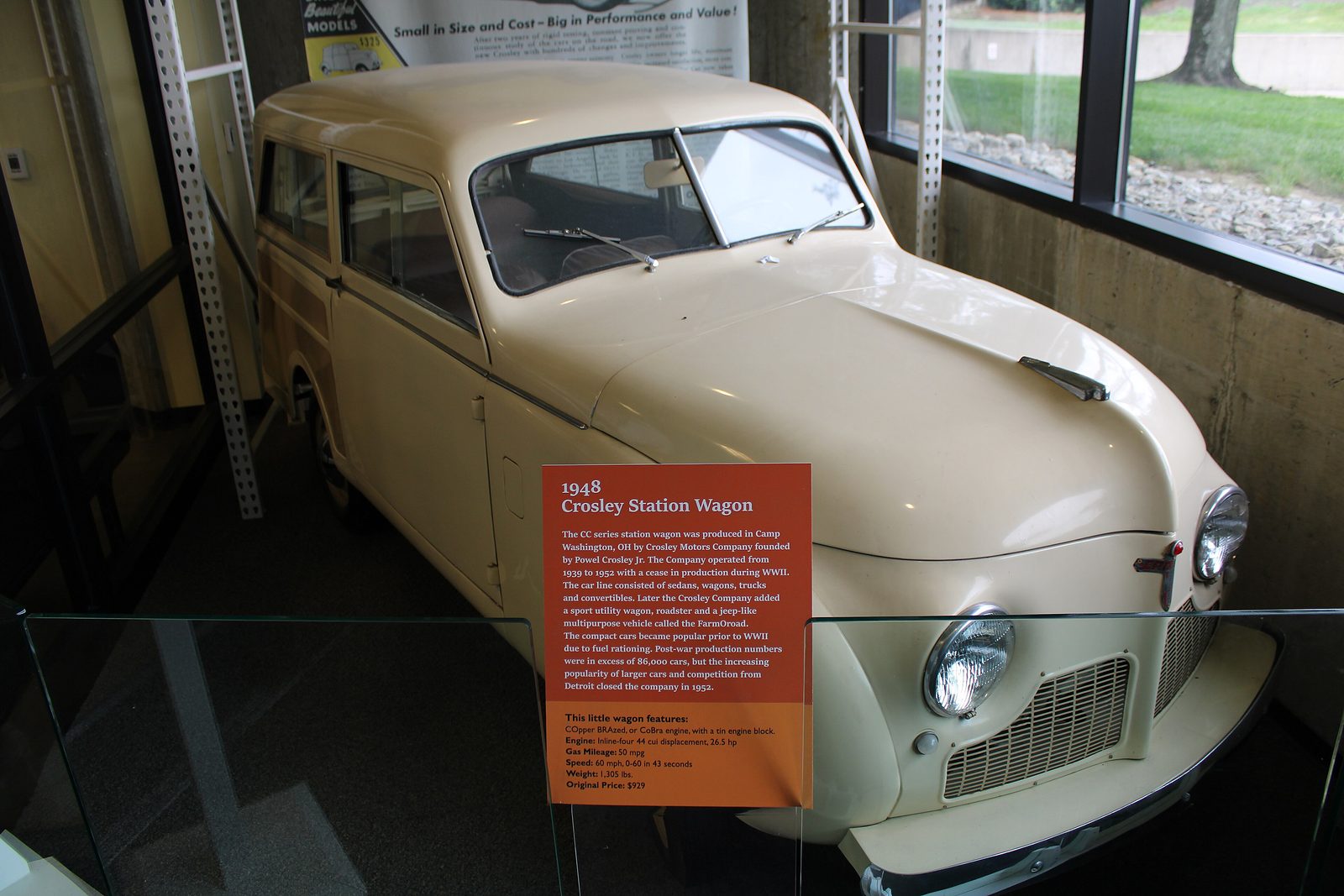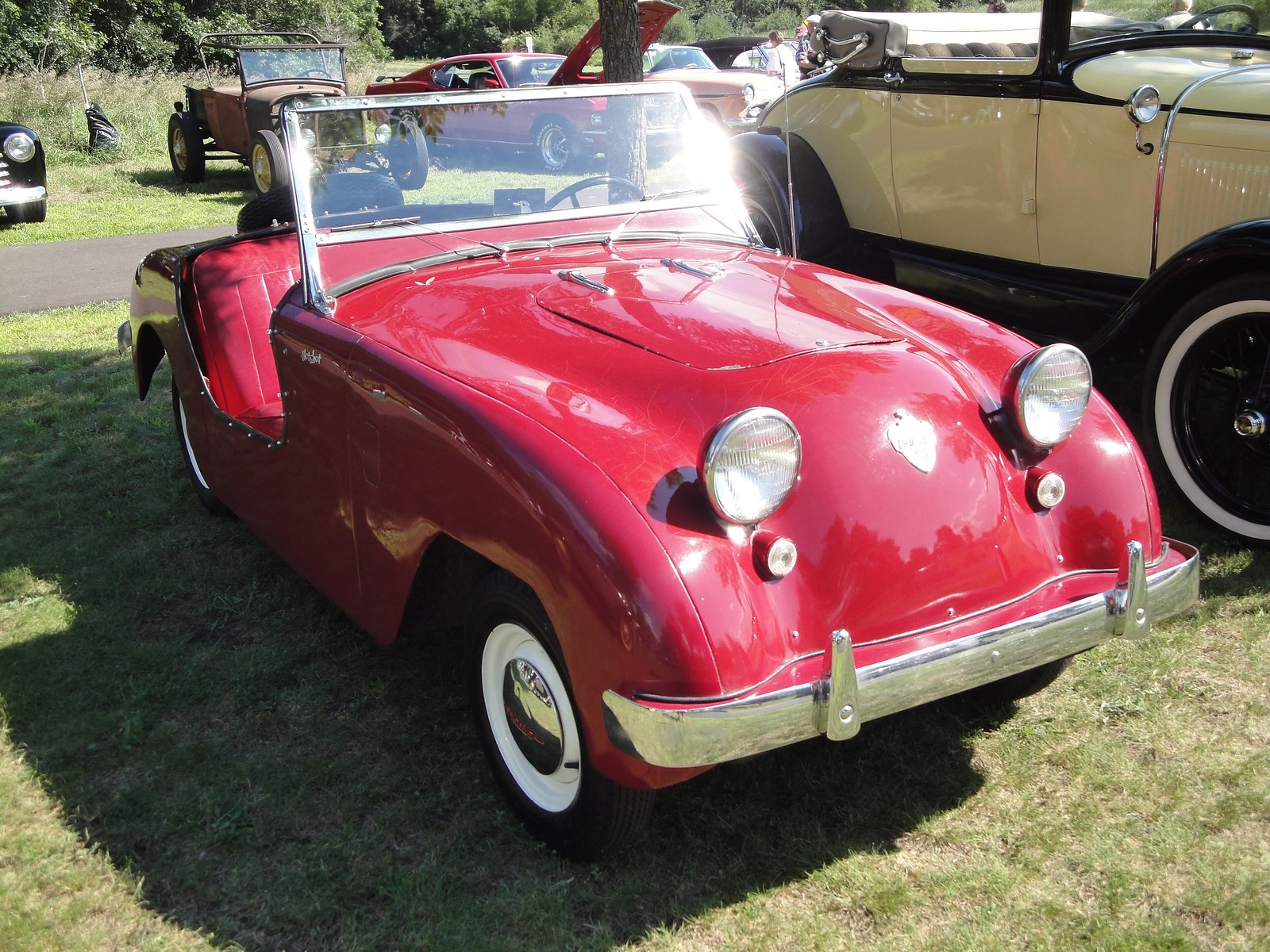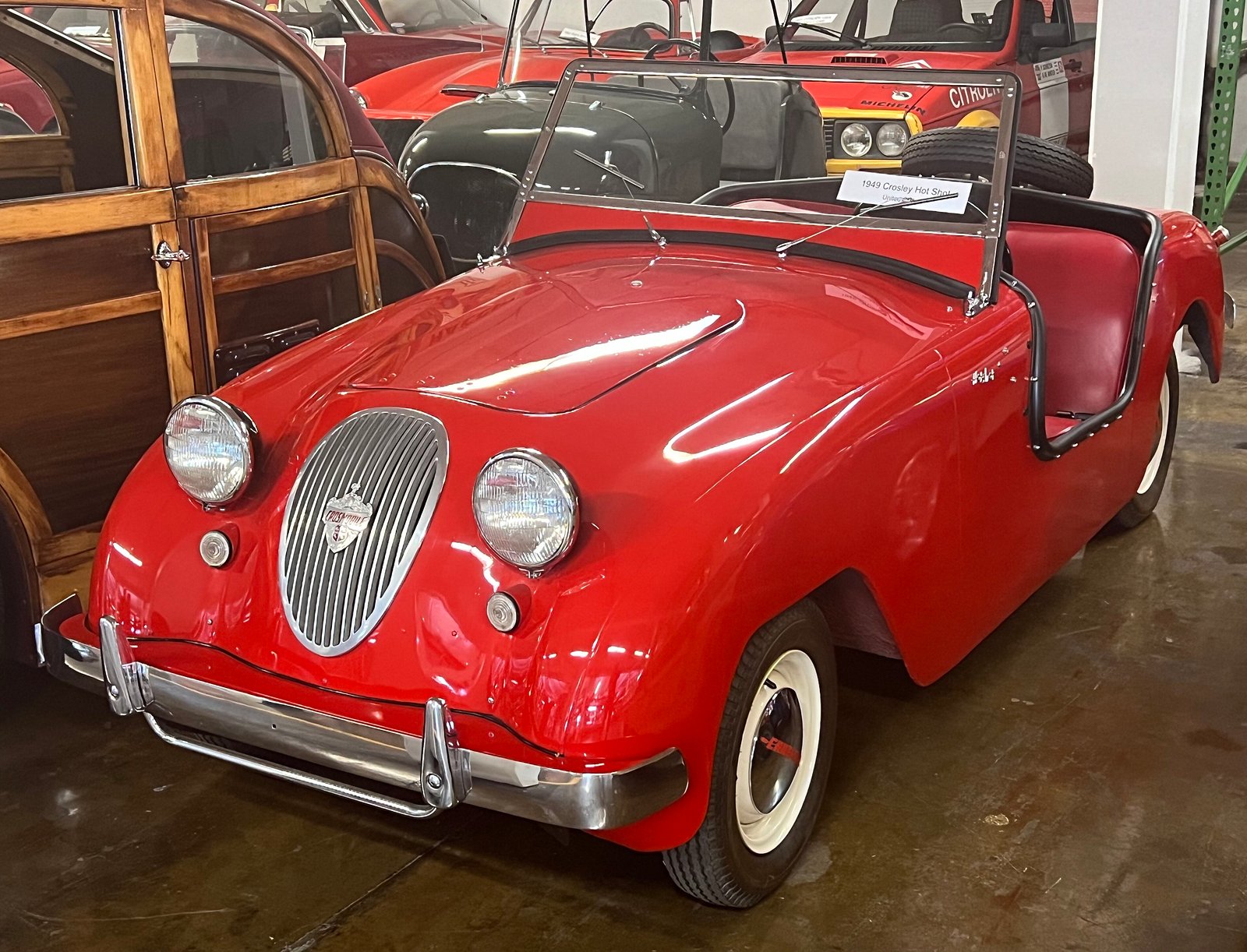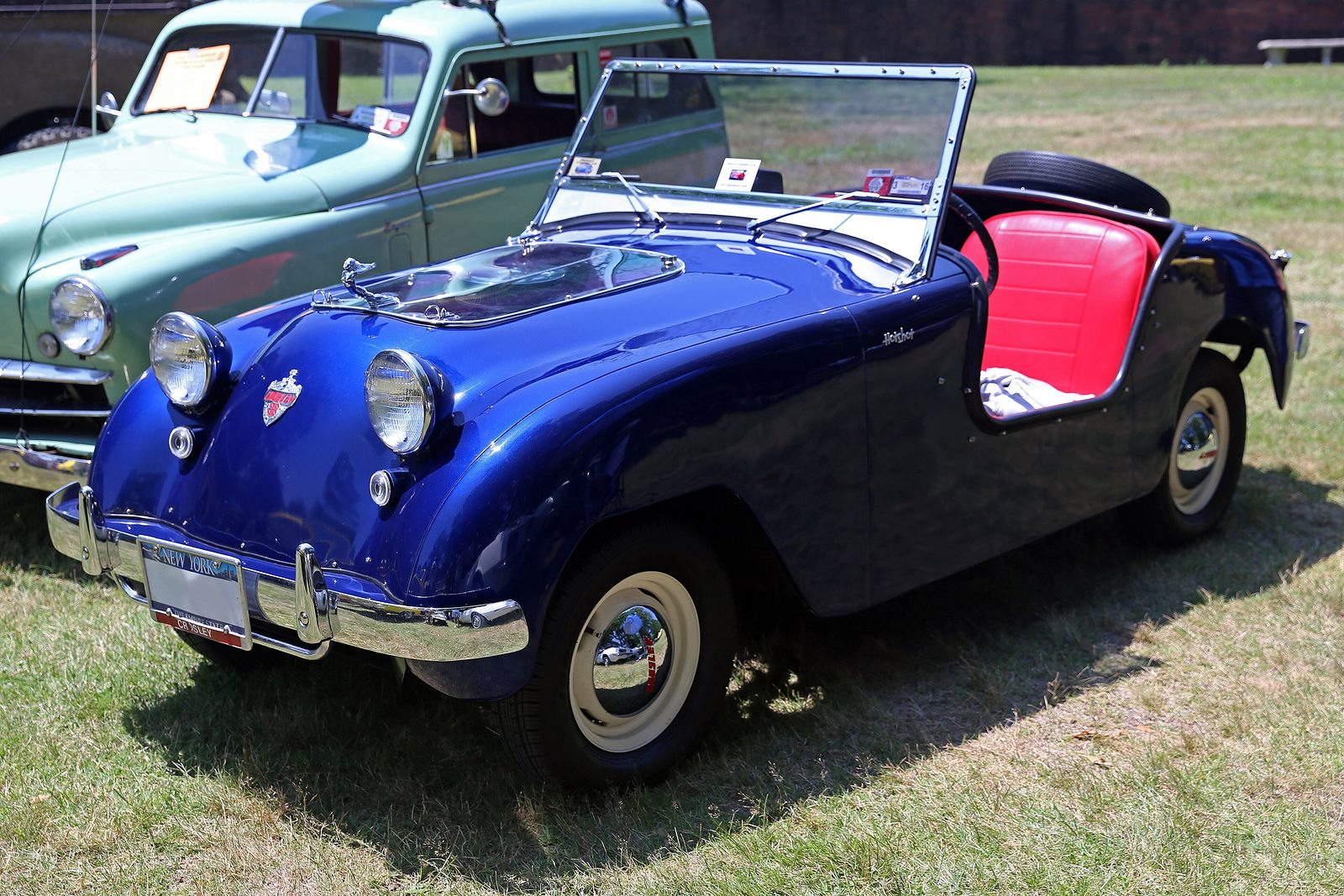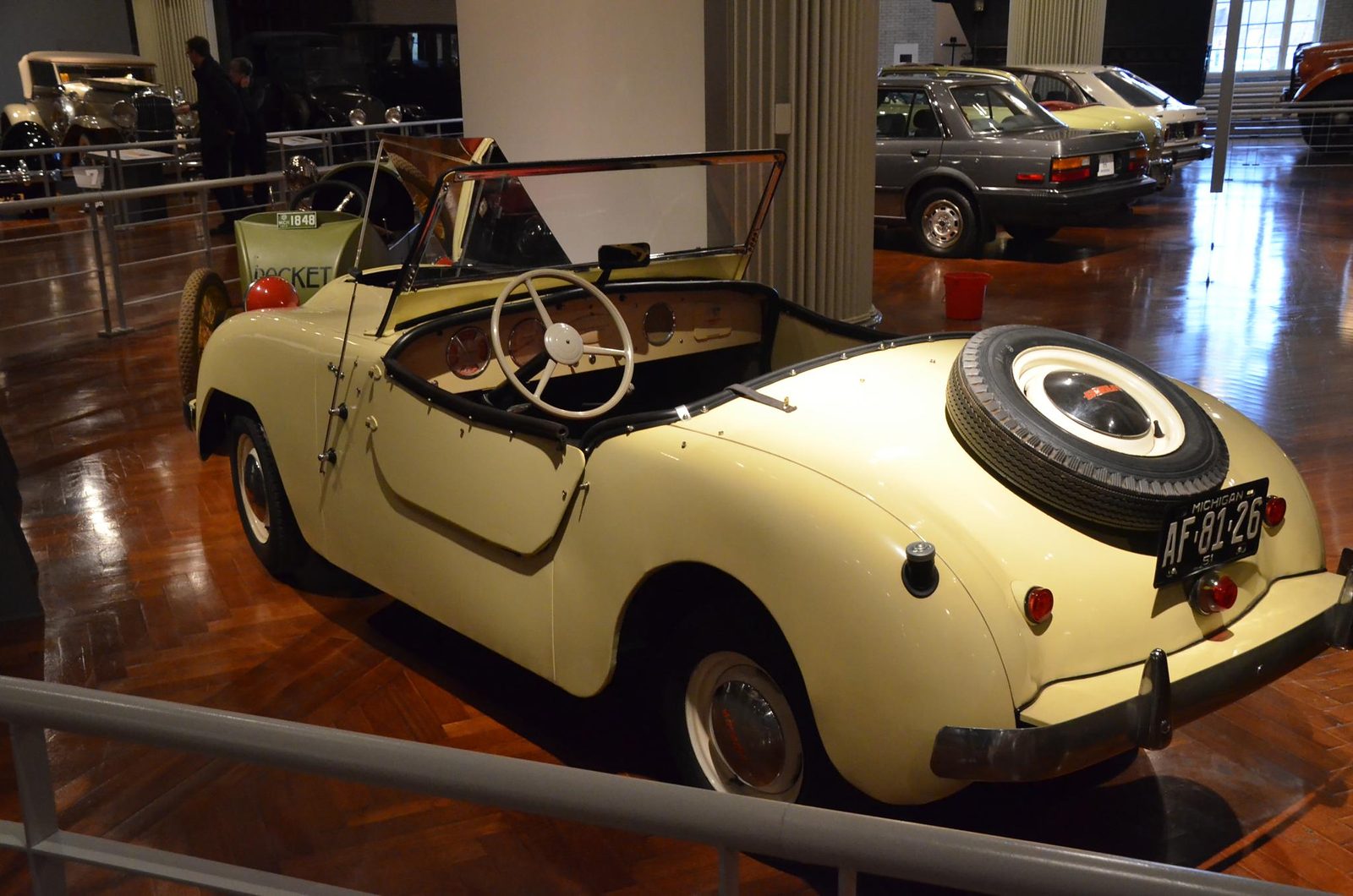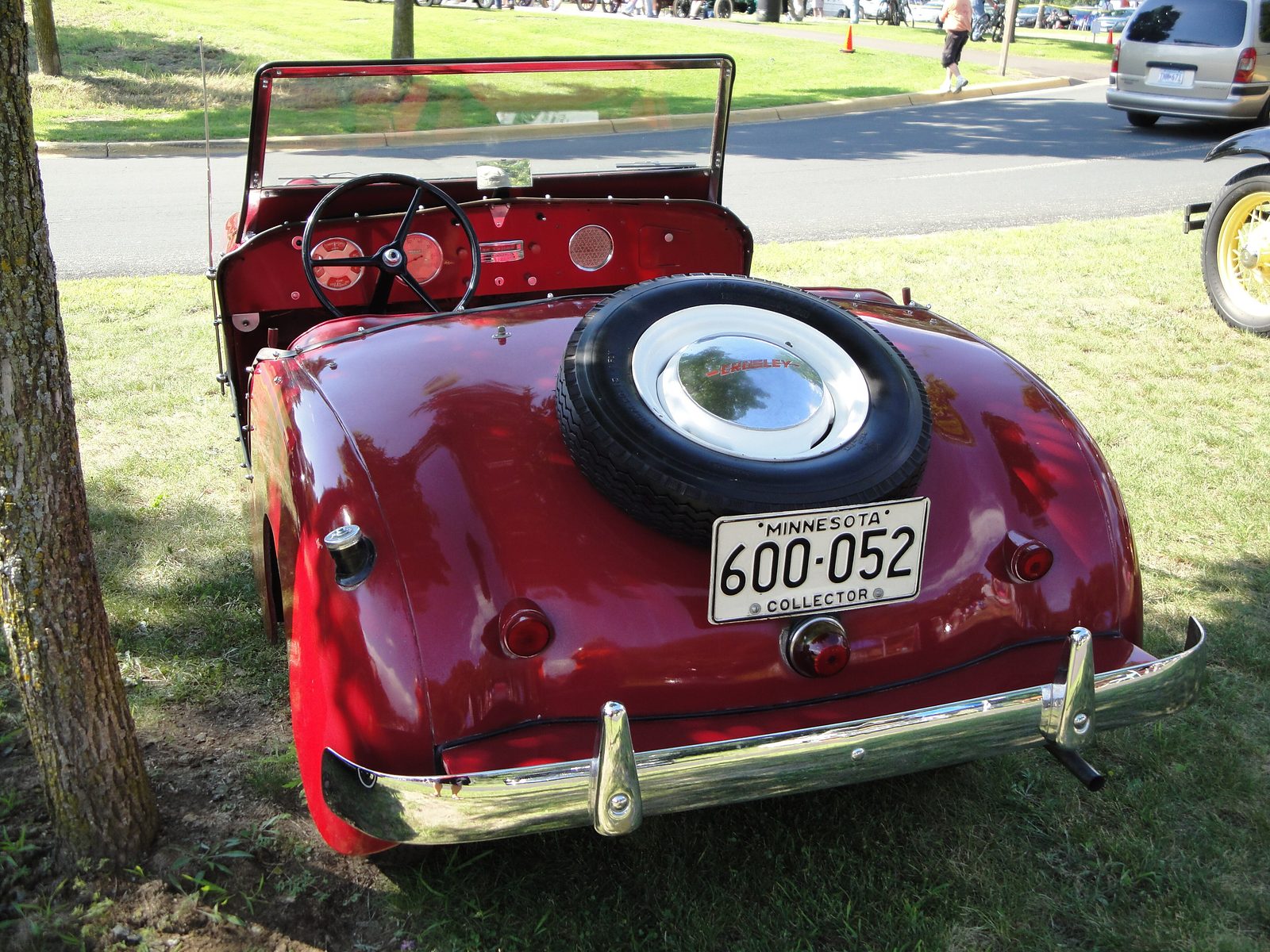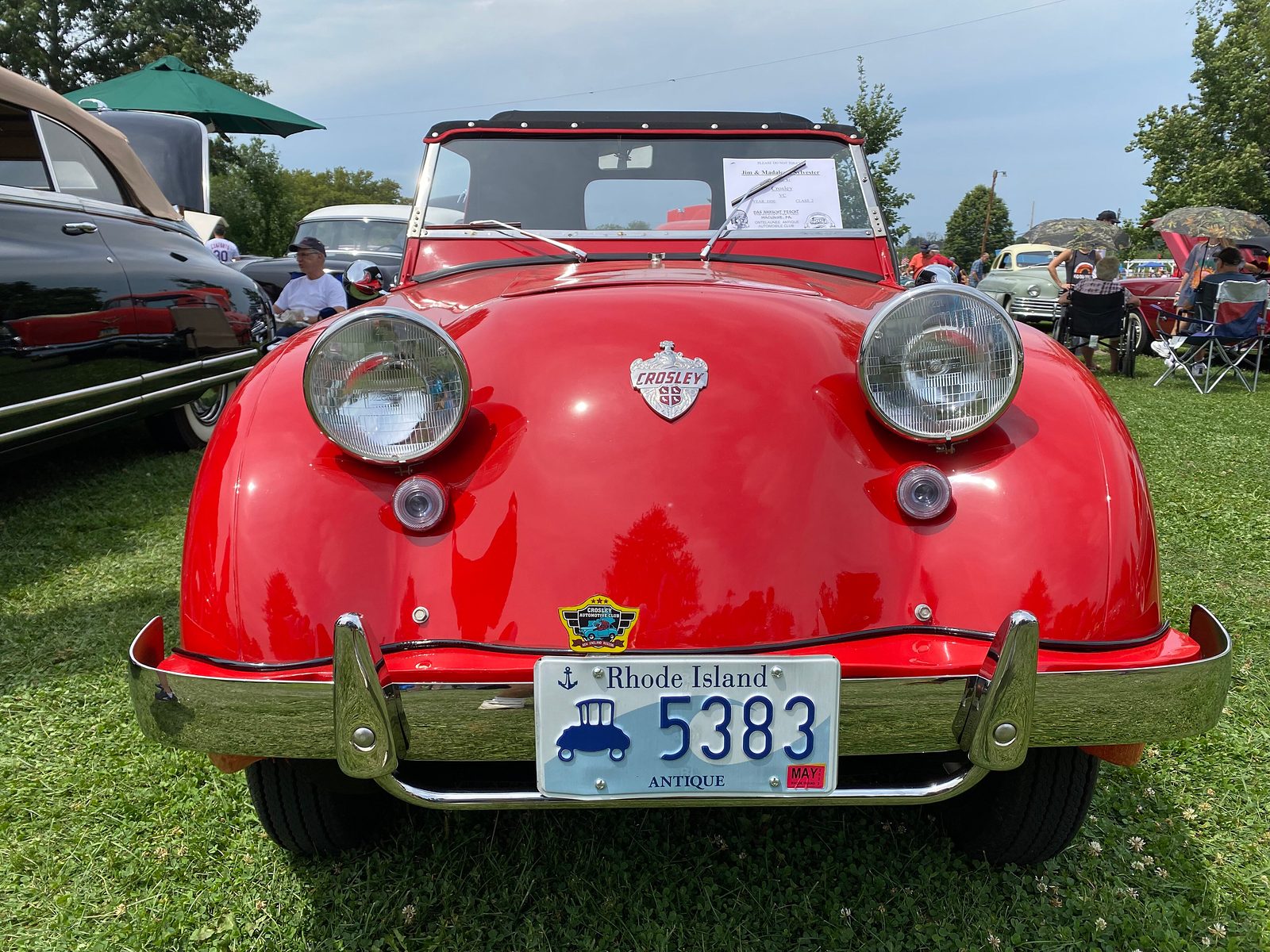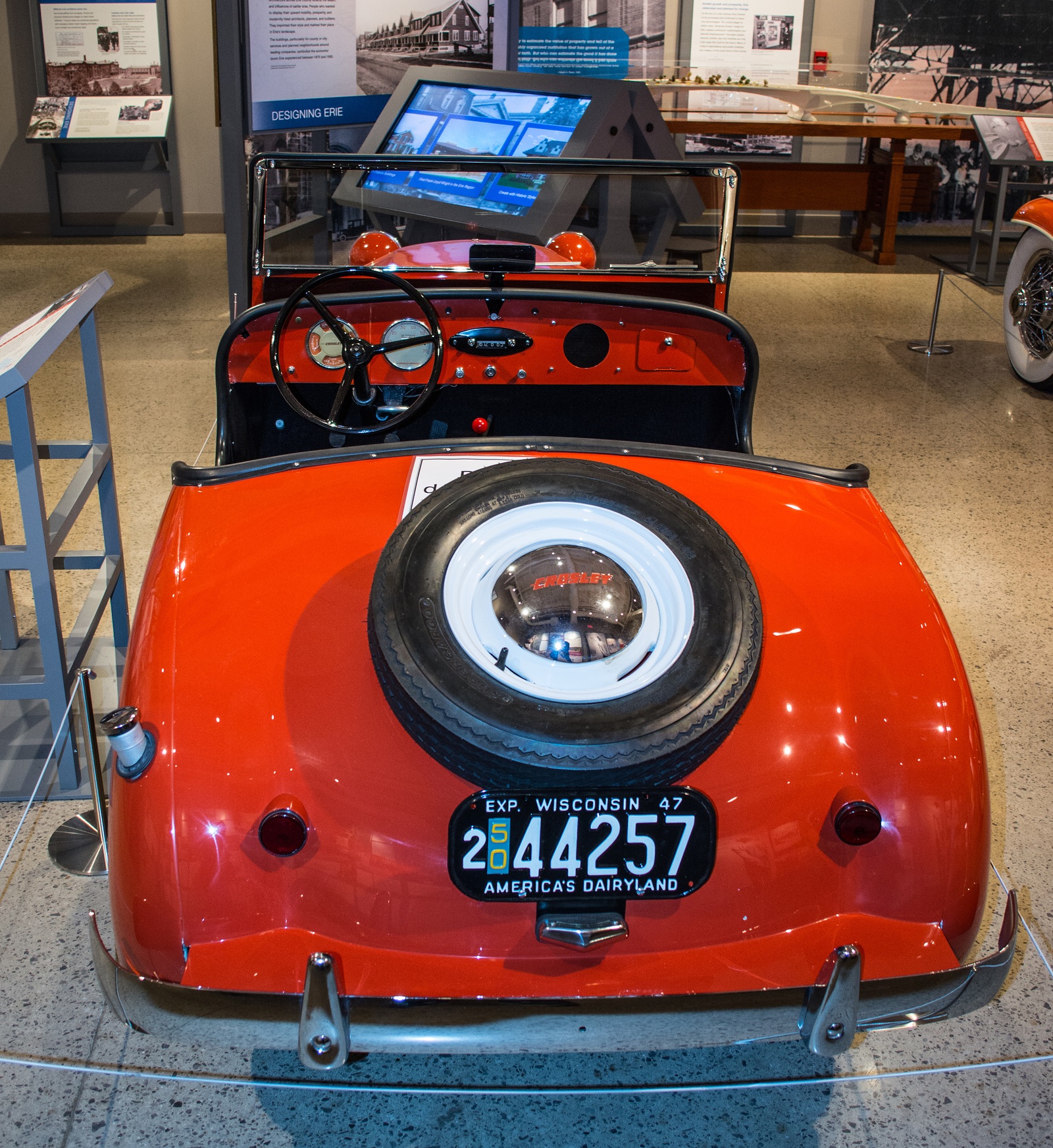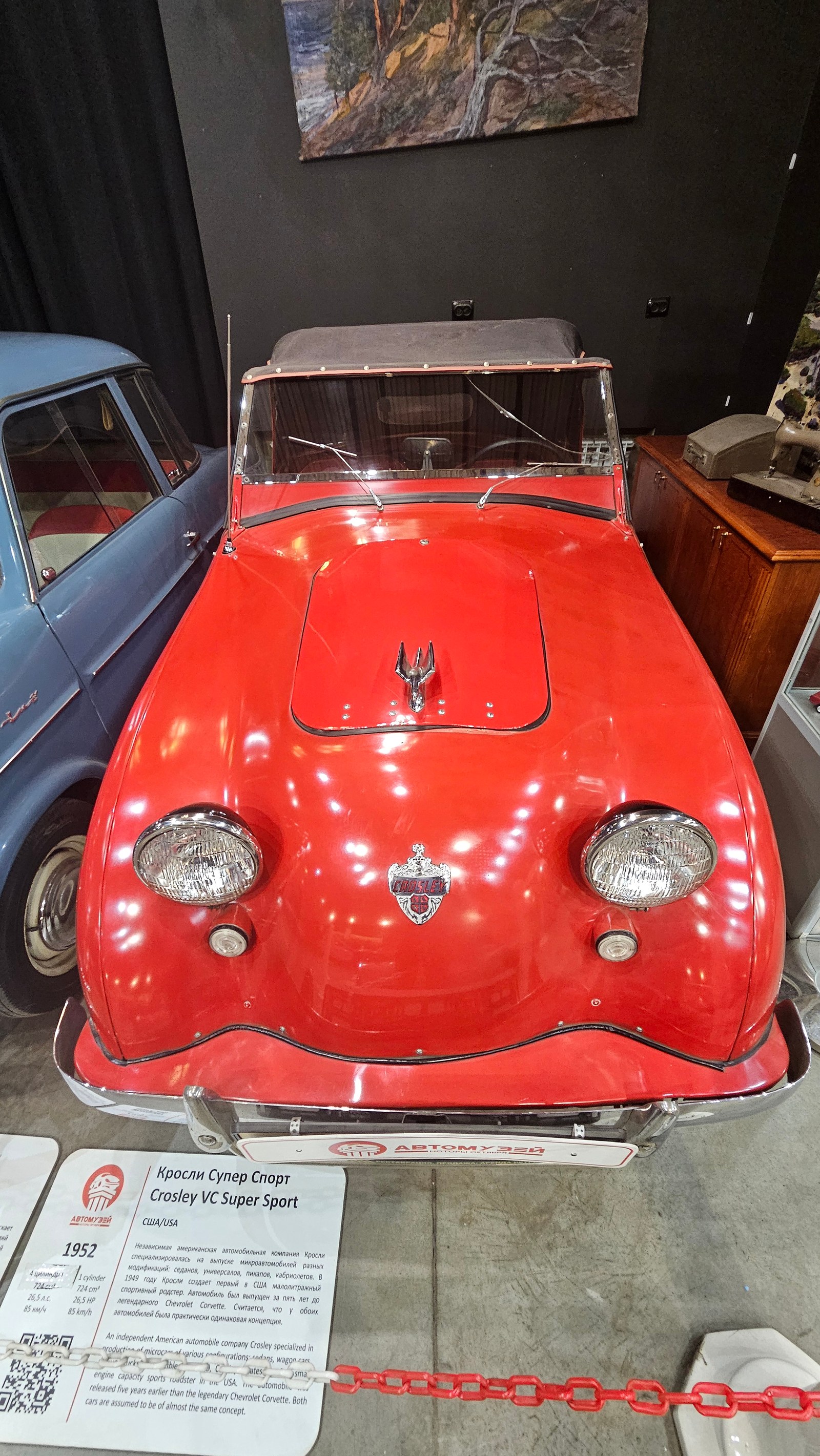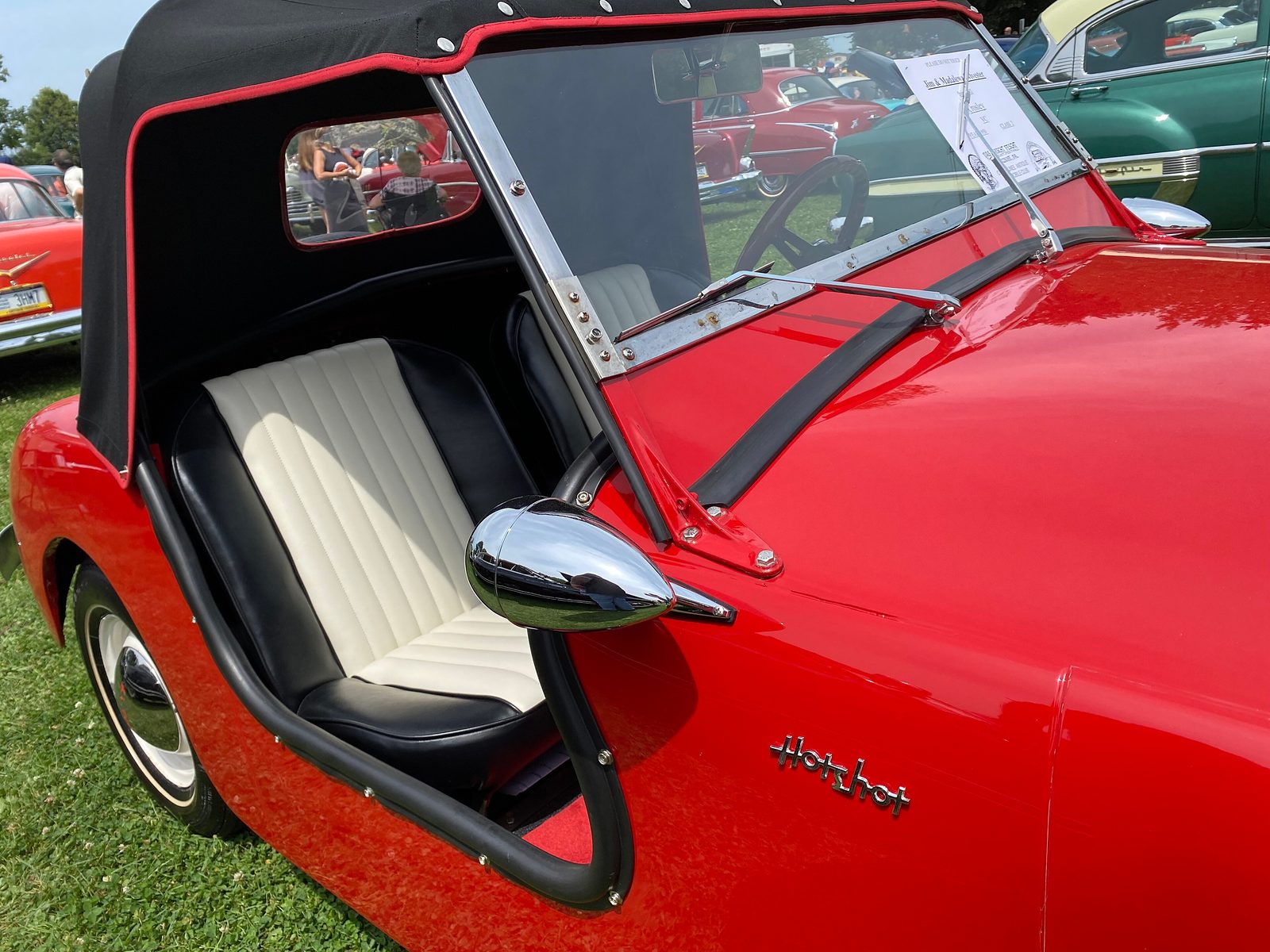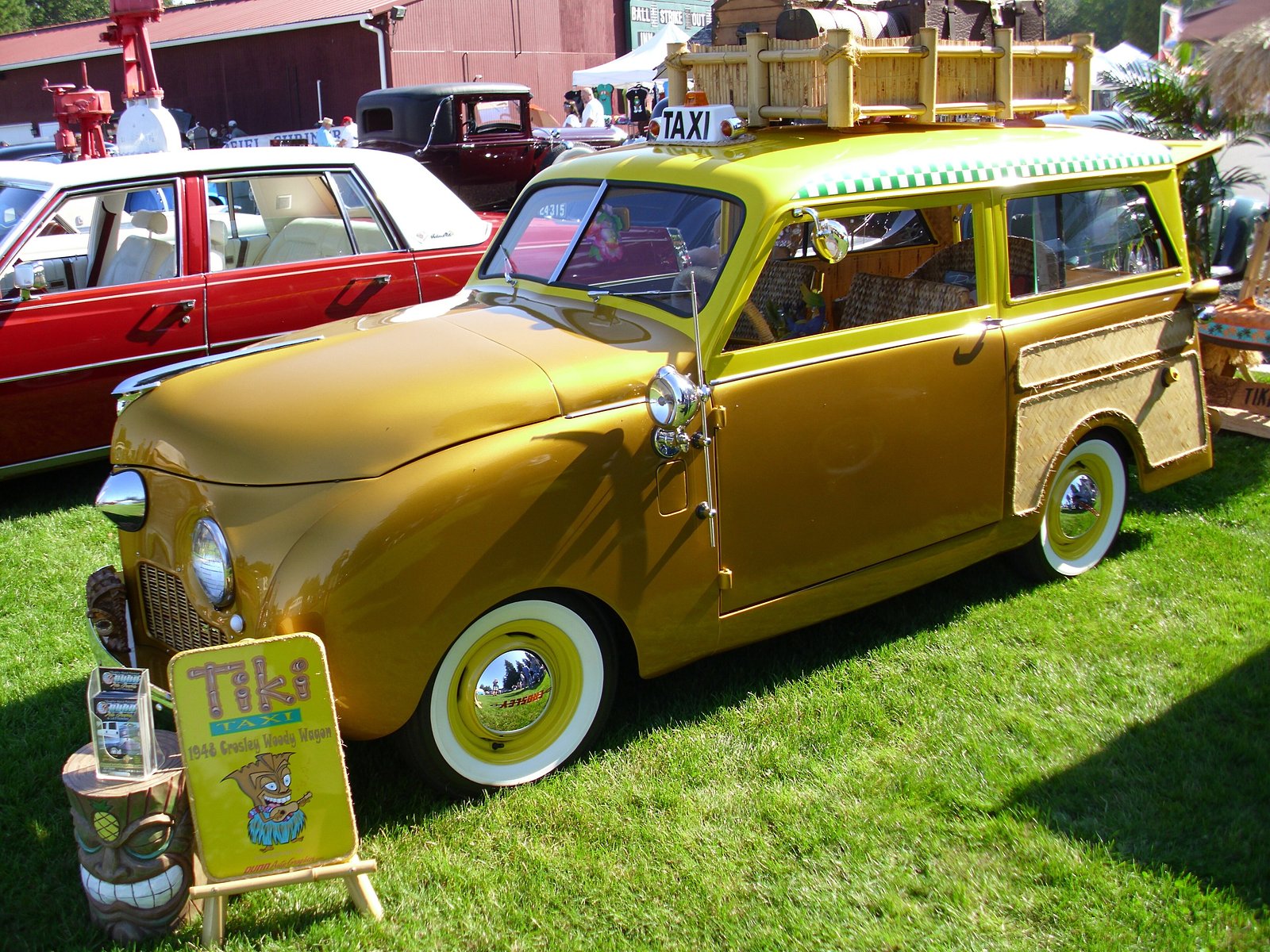
The story
History
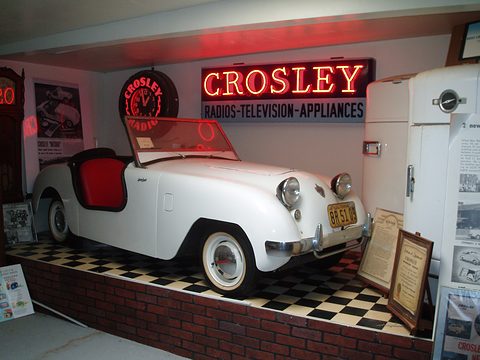
Powel Crosley Jr. was born in Cincinnati on 18 September 1886 and built a car at twelve. At 21, in 1907, he raised $10,000 for the Marathon Six, a $1,700 car that never got past a prototype in that year’s panic, and by Eyerman’s count he failed four times in seven years, a cyclecar of 1913 among them.source 1source 2 Then he made money. A car-accessory business of 1916 was worth $1 million within two years; in 1921 he sold the $20 Harko crystal radio and in 1922 started the station WLW in Cincinnati; by 1925 he was the world’s biggest maker of radios, and in the 1930s his Shelvador refrigerator had shelves in its door. He owned the Cincinnati Reds.source 1source 2 He wanted to do for cars what he had done for radios.source 1source 2
I have always wanted to build a practical car that would not only operate at low cost, but also sell at a low price.
Experiments began late in 1937, and the first prototype, the CRAD (Crosley Radio Auto Division), had a rear track of only 46 cm (18 in).source 1source 2 On 2 April 1939 his brother Lewis, an engineer, confirmed the rumours of a two-cylinder coupé at $395; a press release of 20 April spoke of a three-seater at $300. Neither was right.source 2 The car was shown at the Indianapolis Motor Speedway on 28 April 1939, to mixed reviews.source 1source 2
A sprayer engine and a yardstick
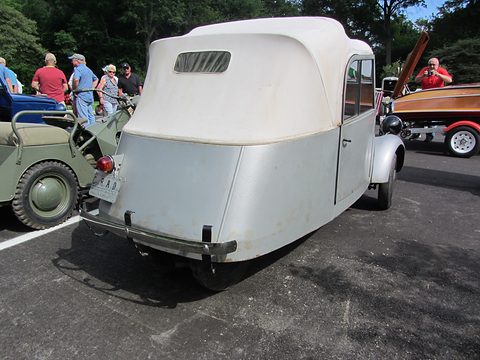
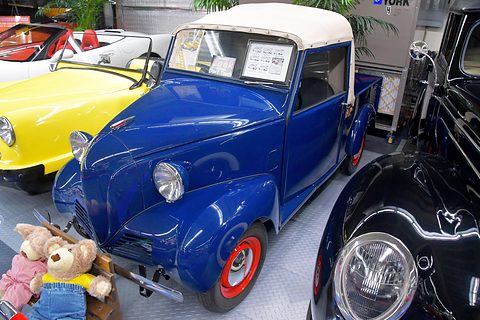
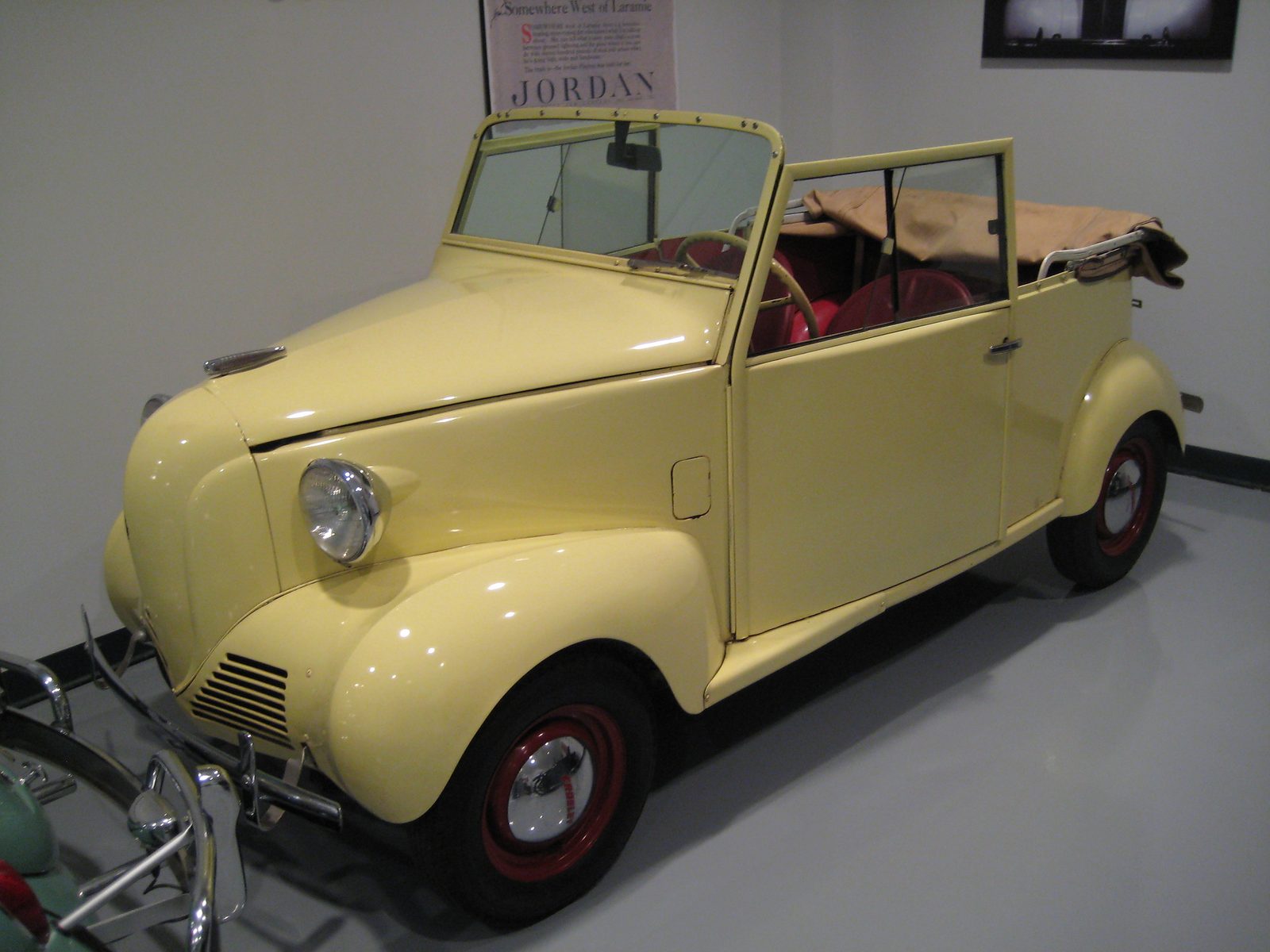
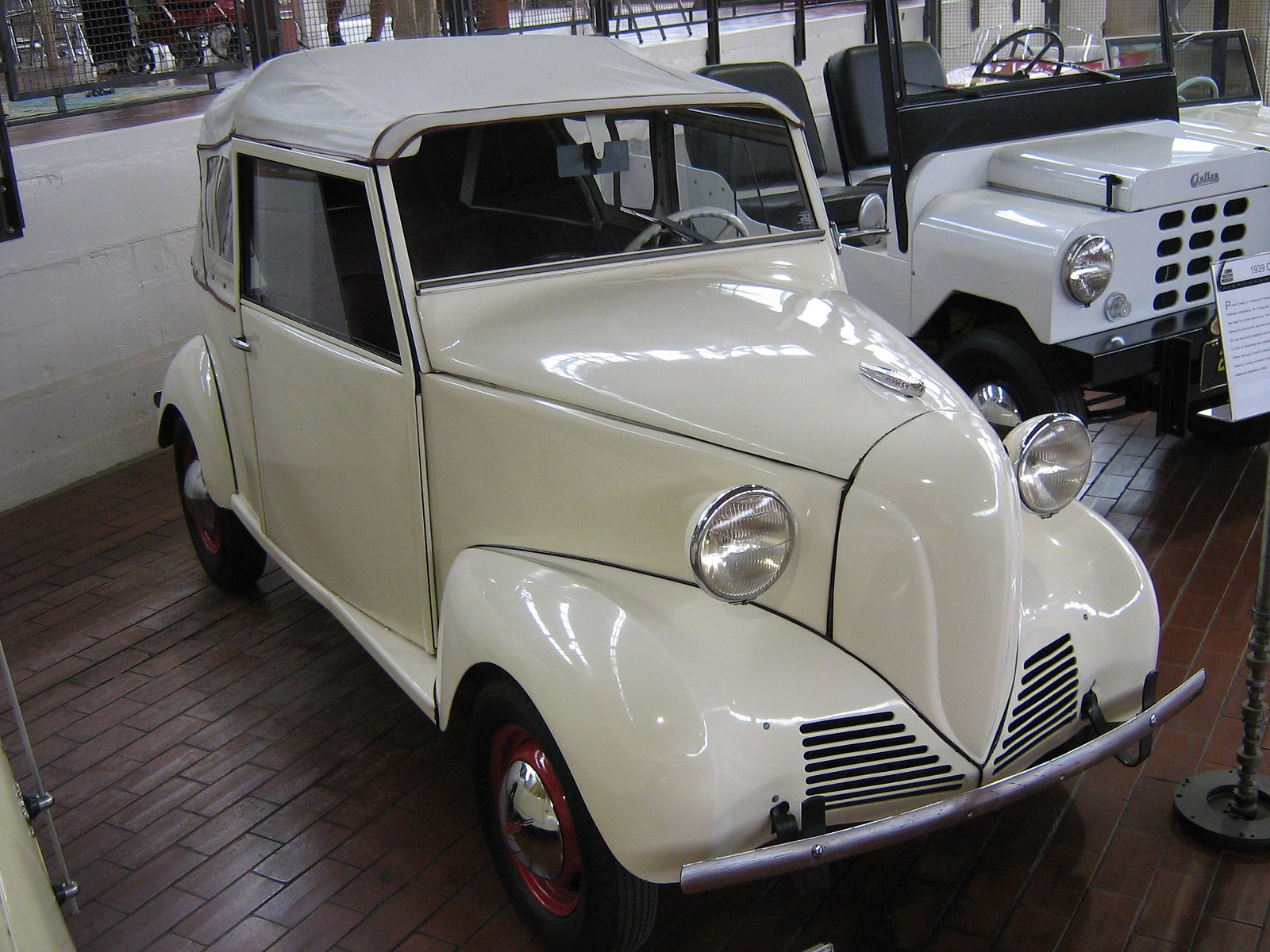
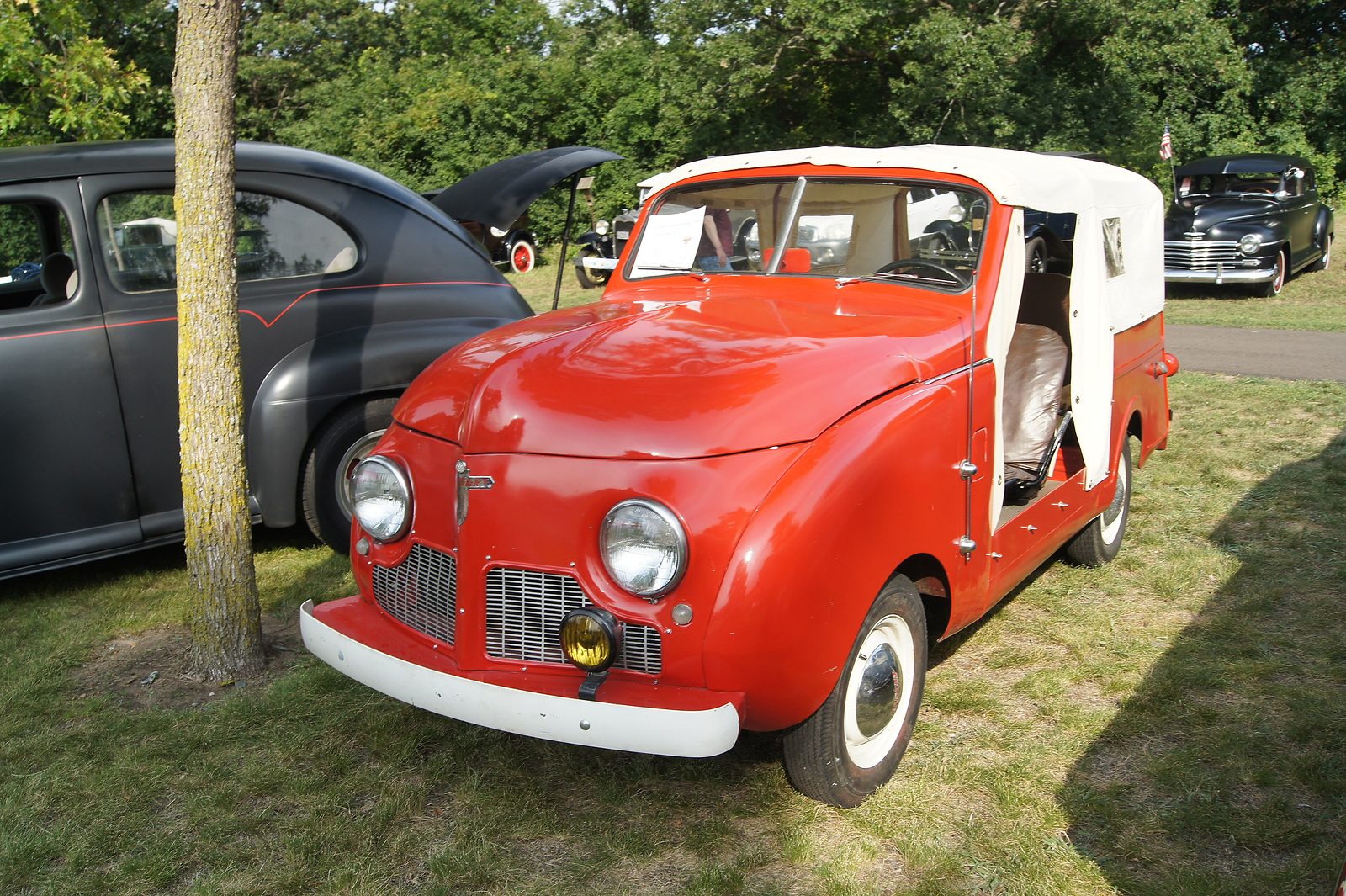
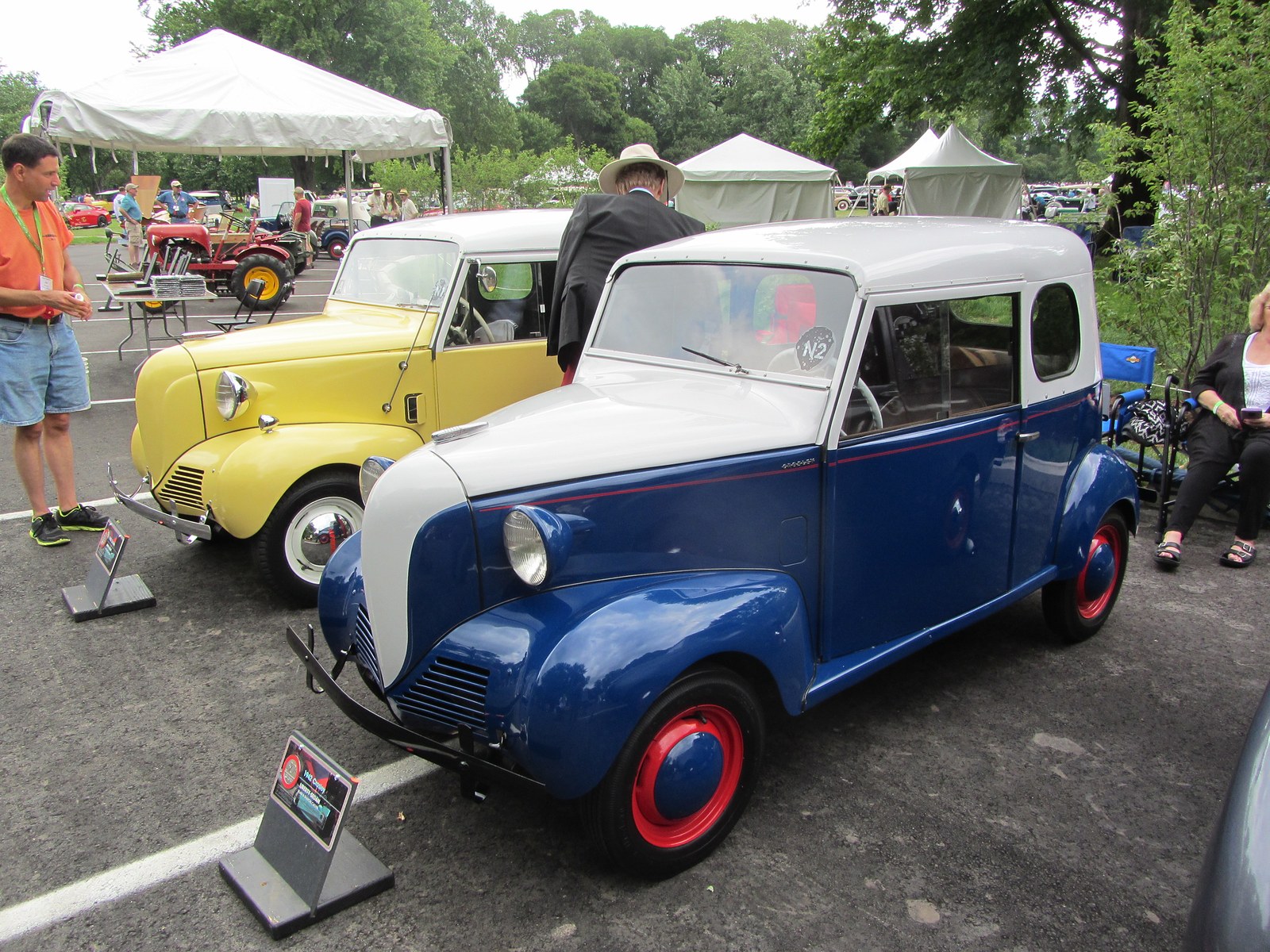
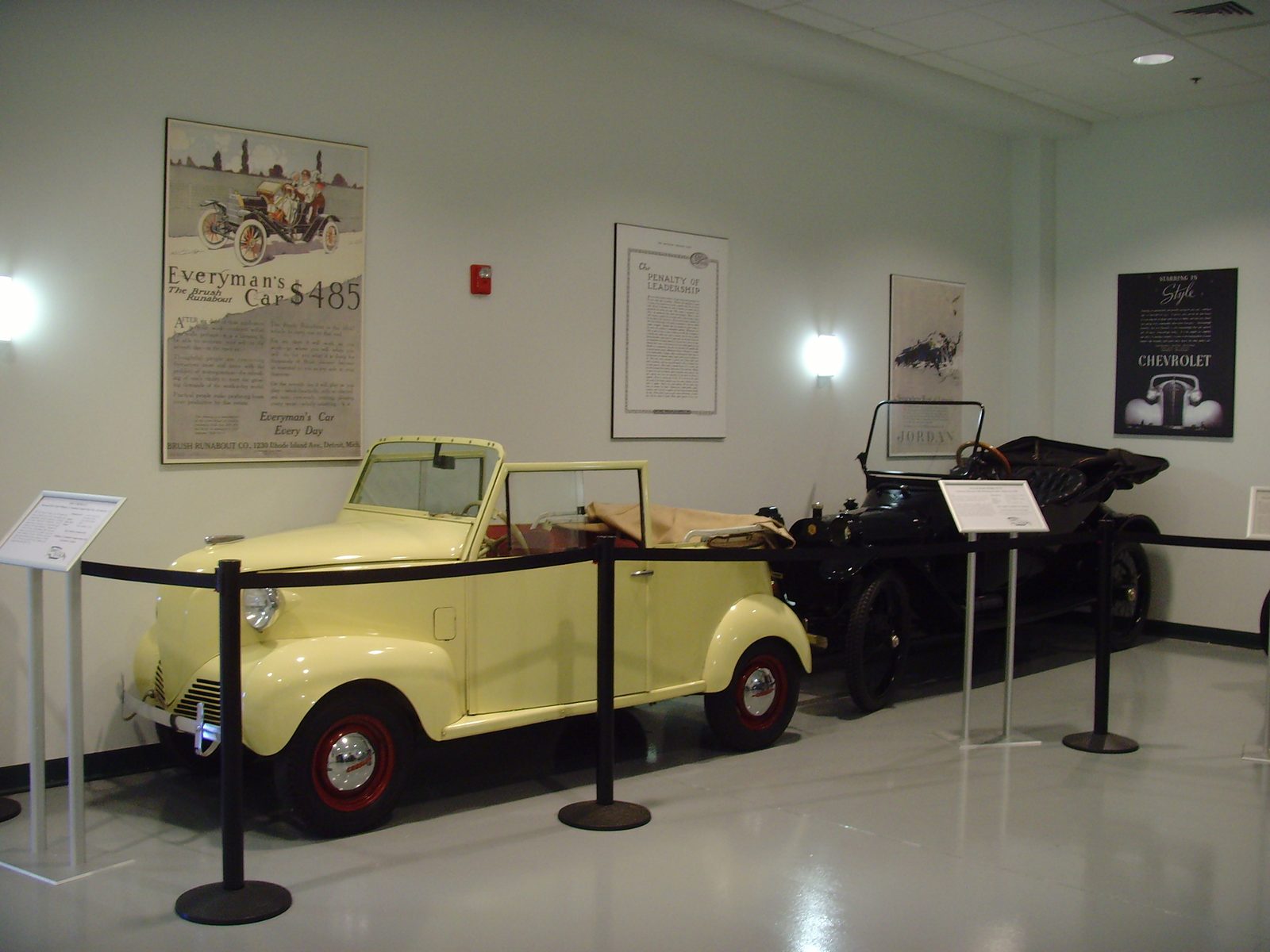
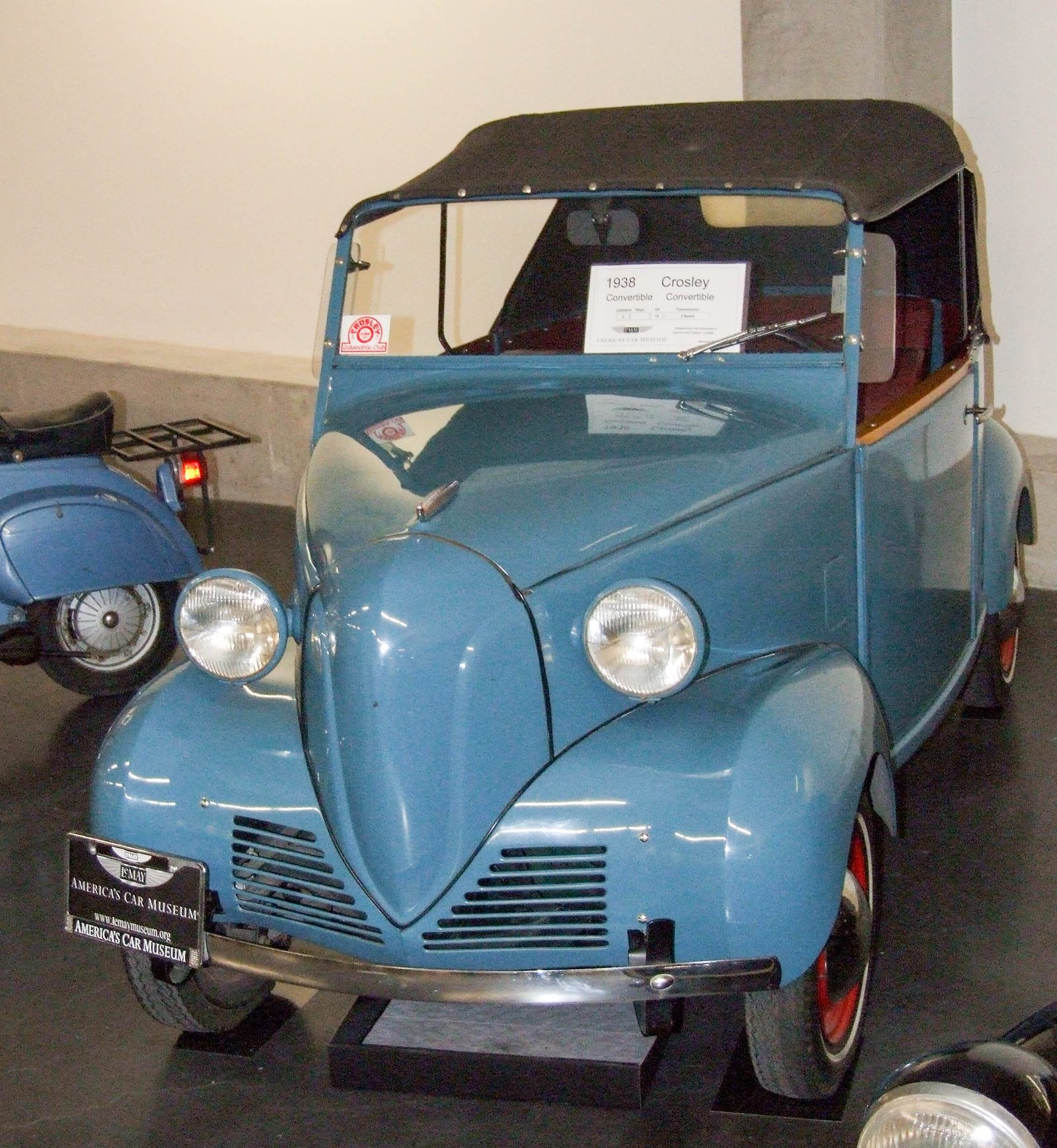
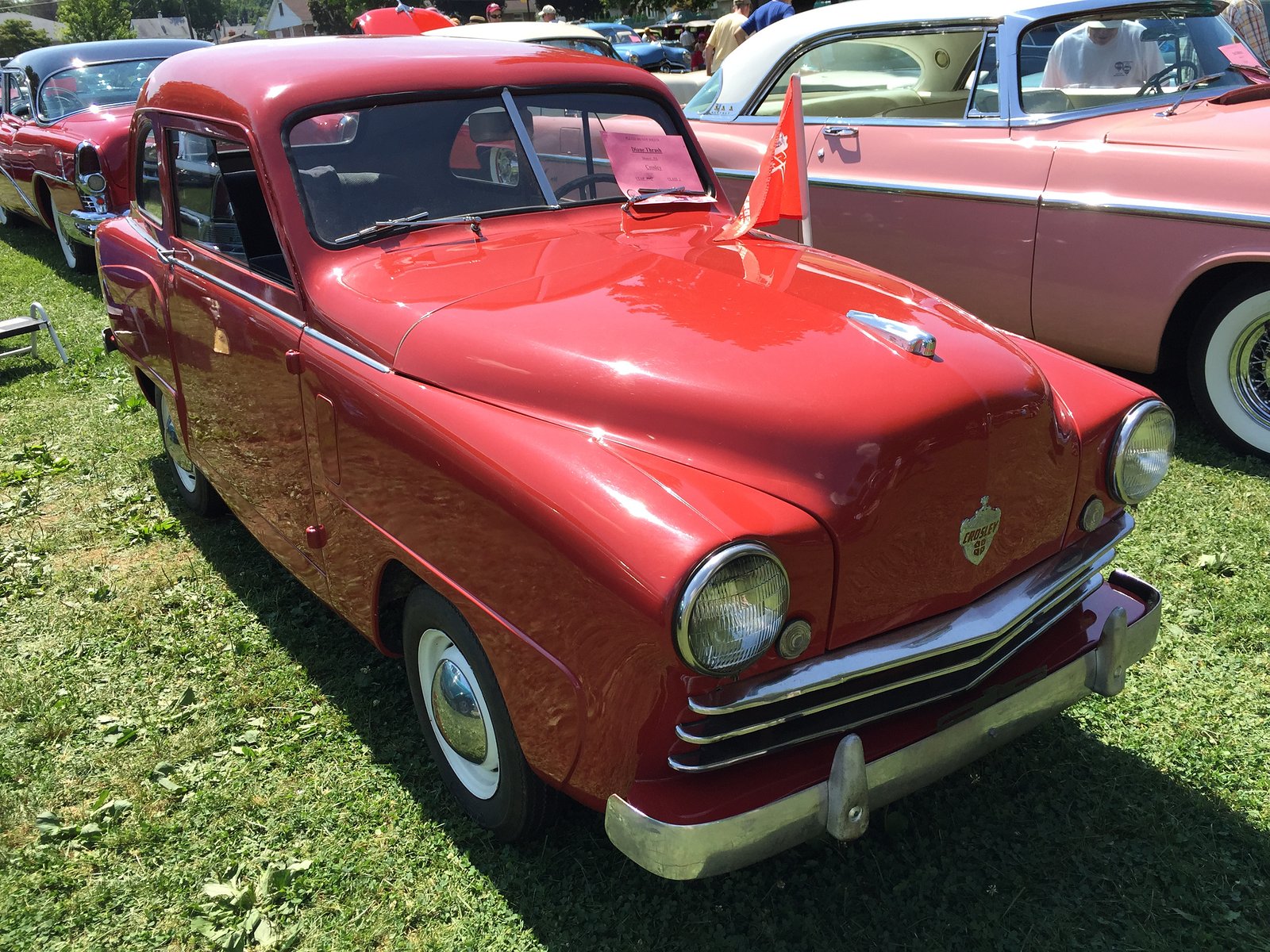
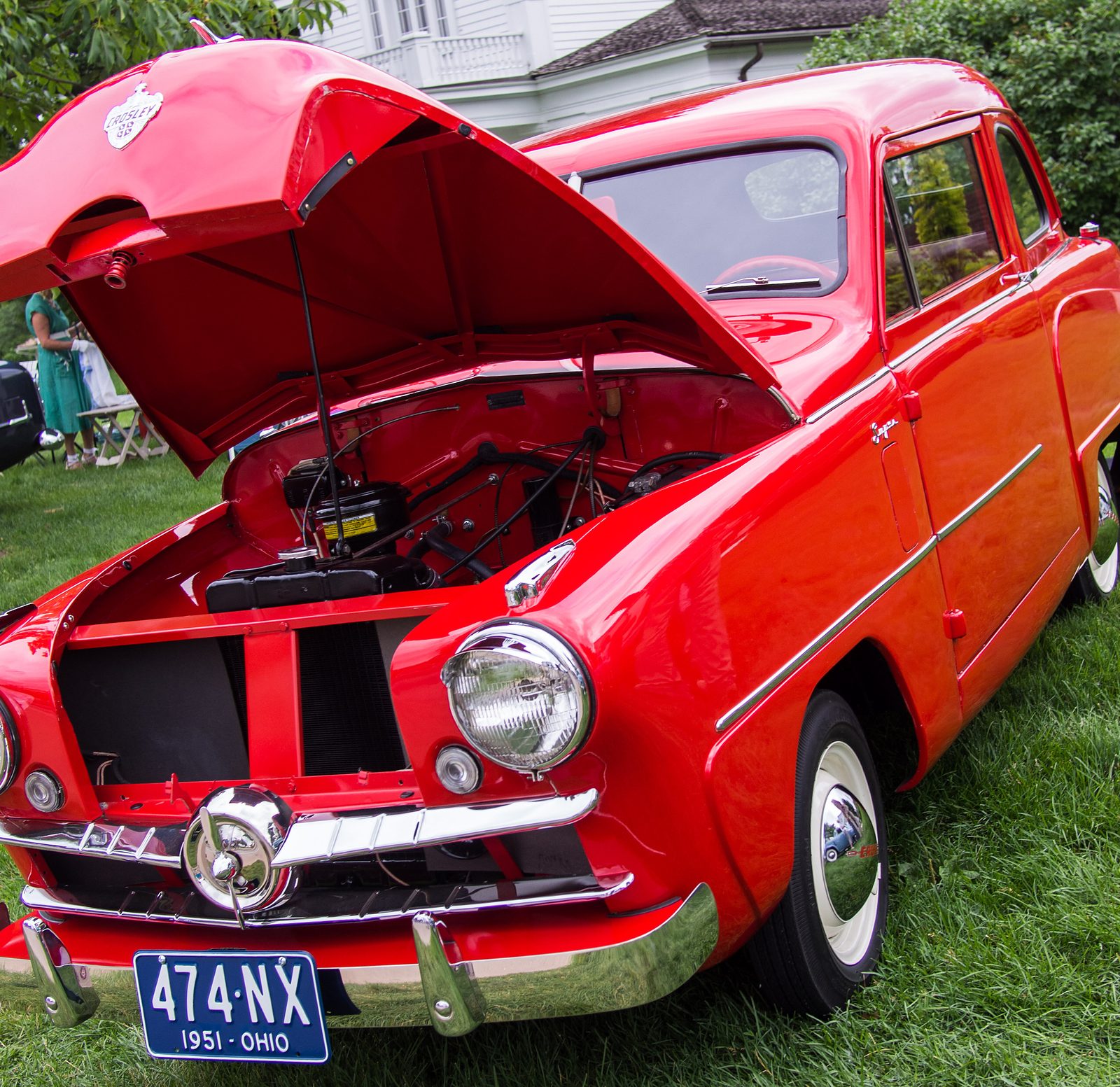
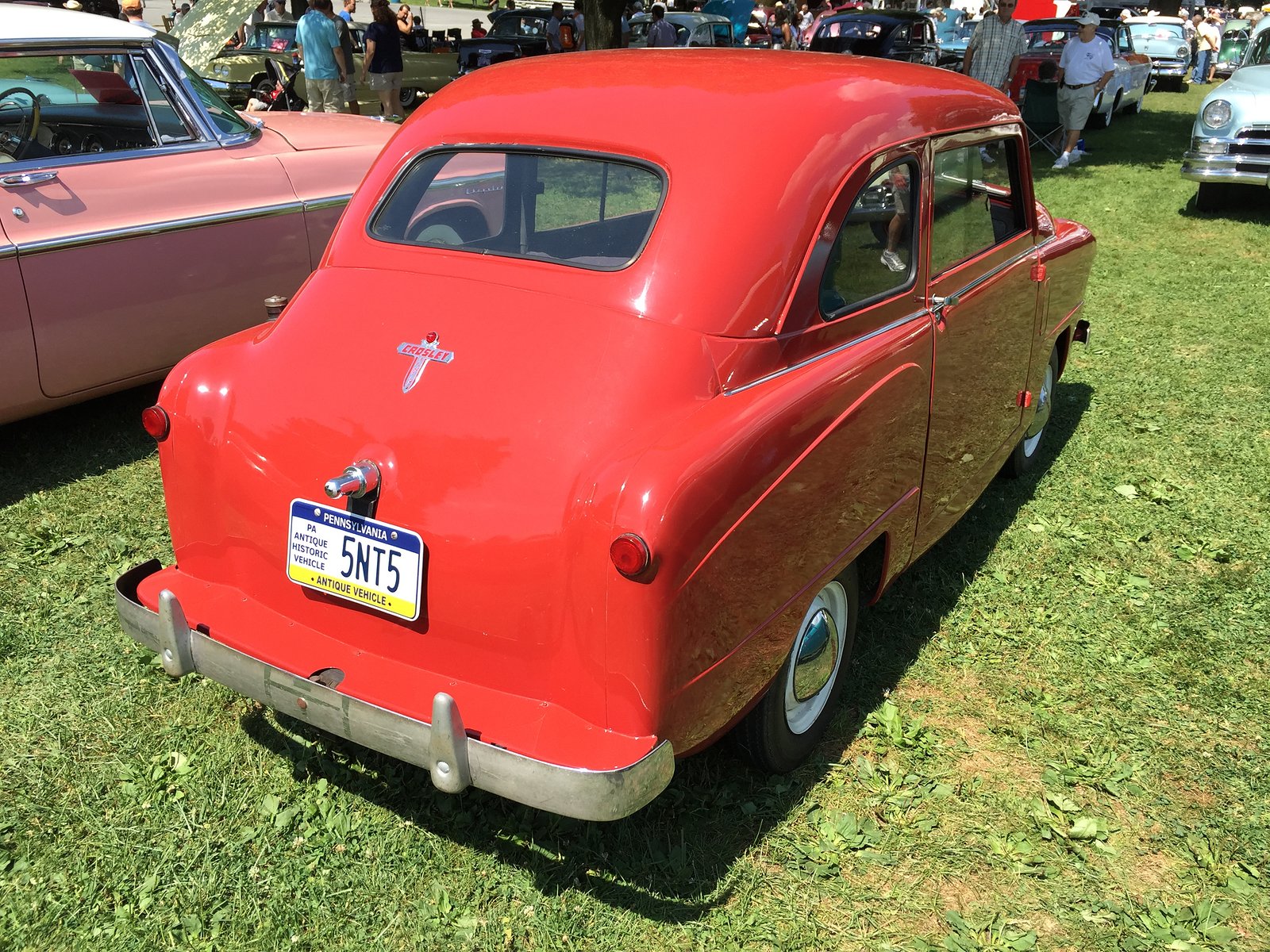
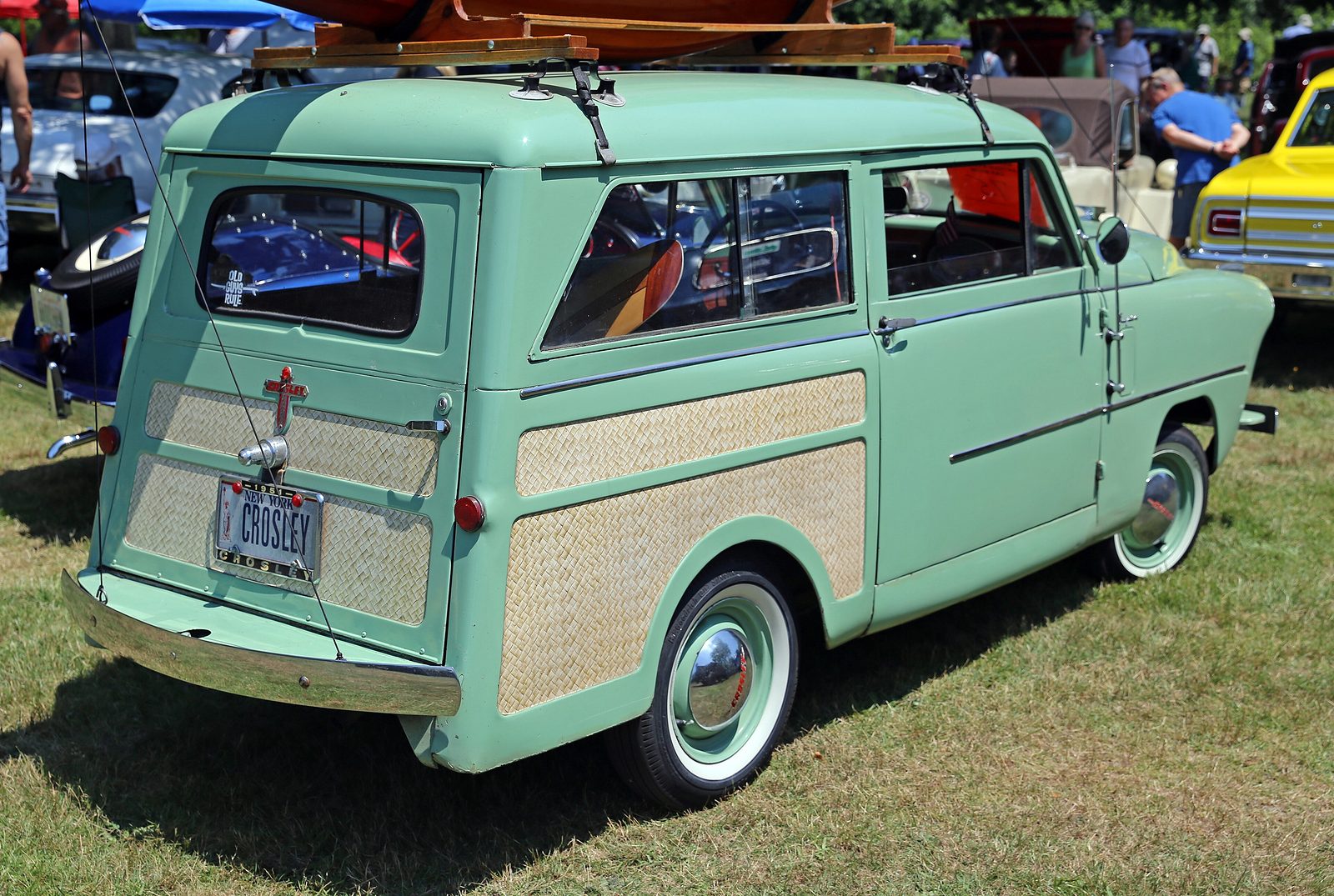
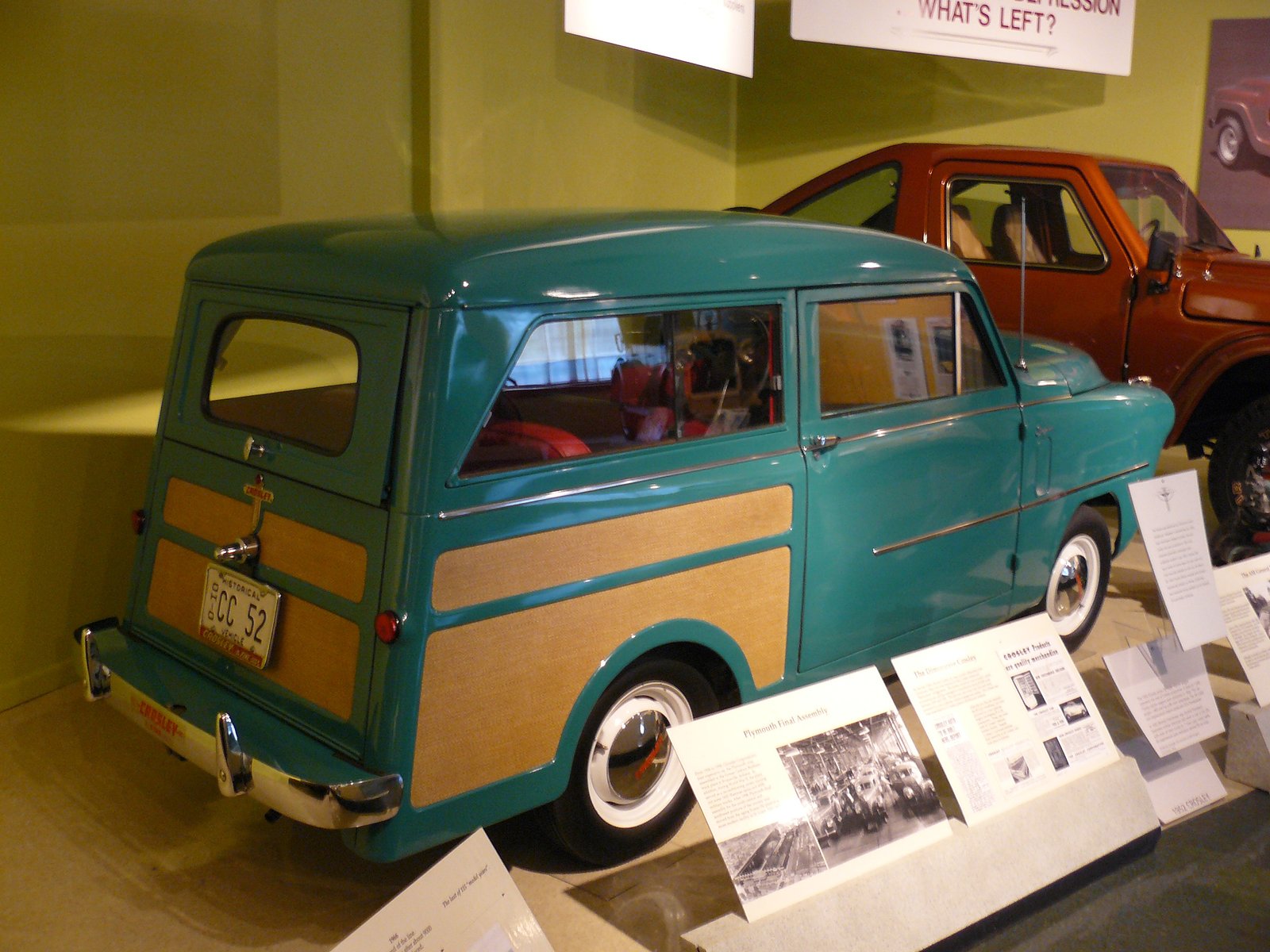
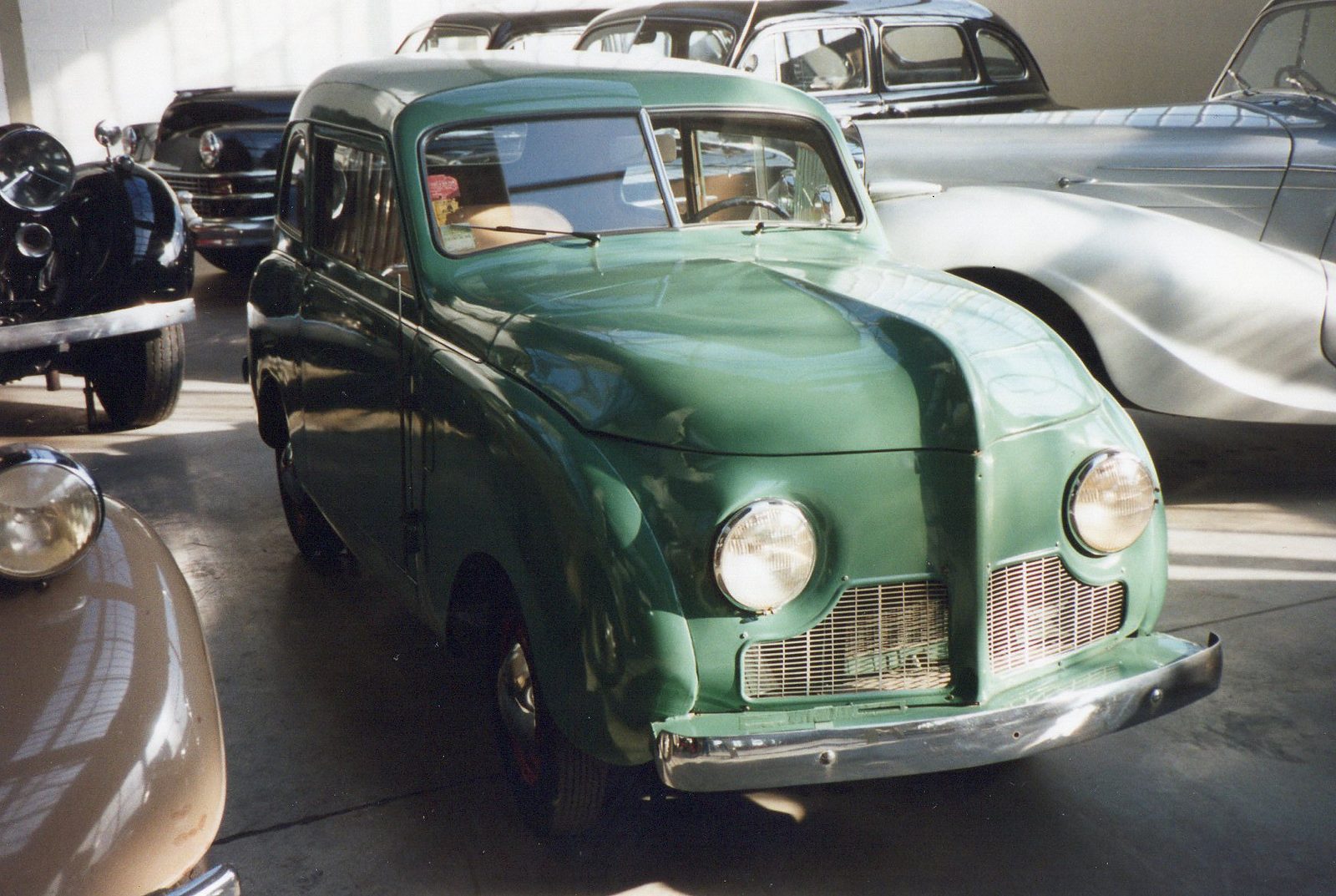
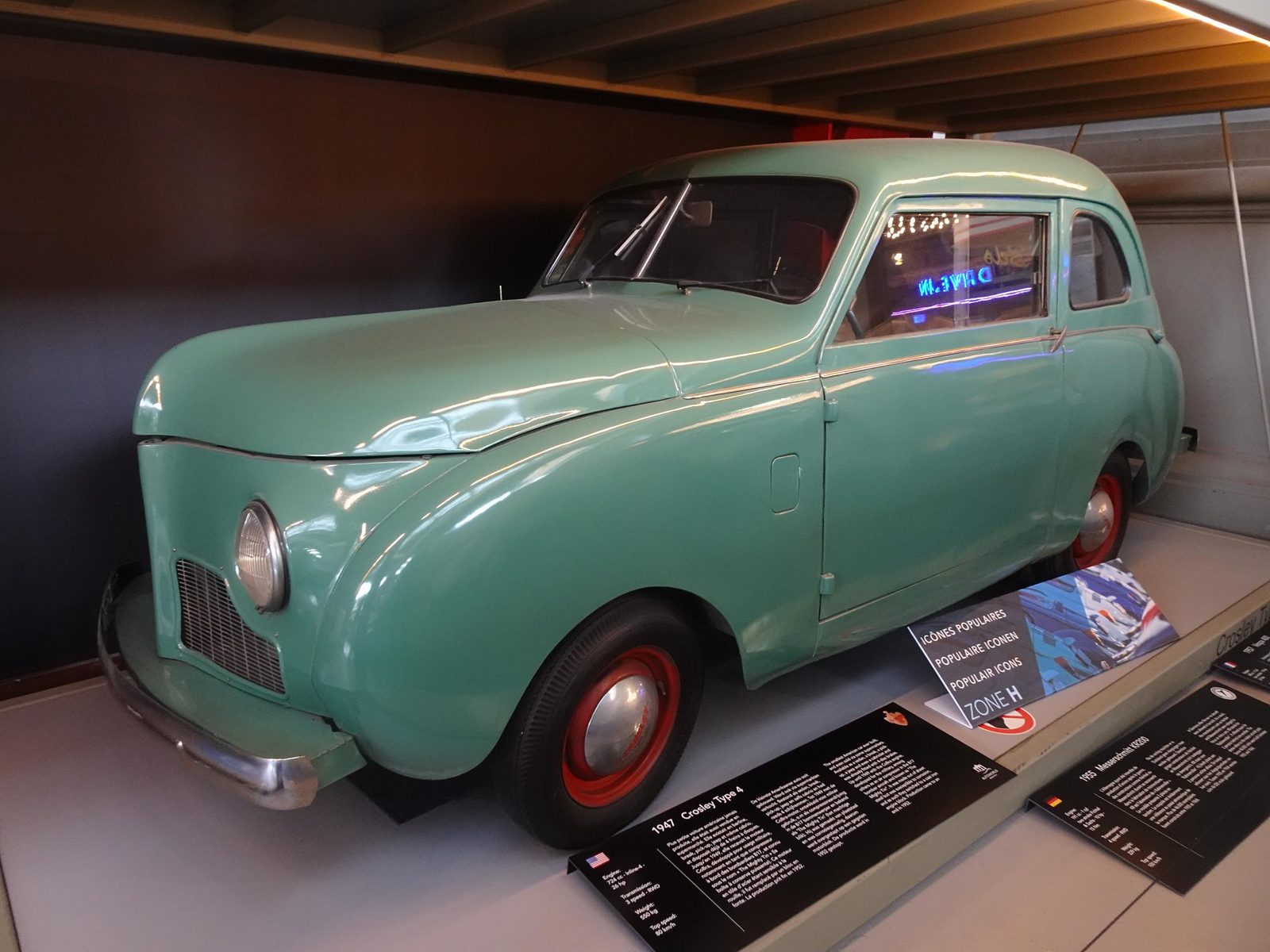
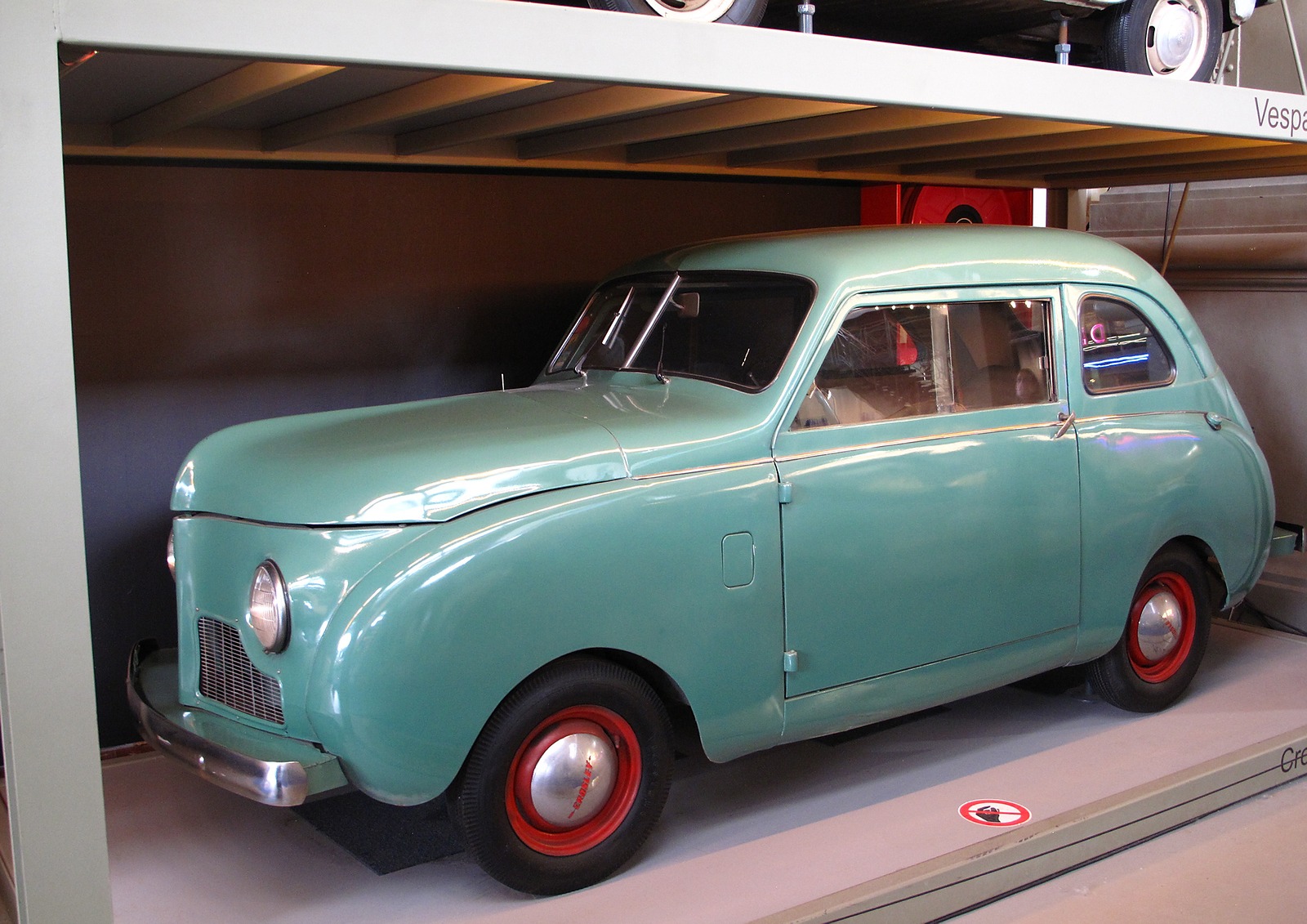
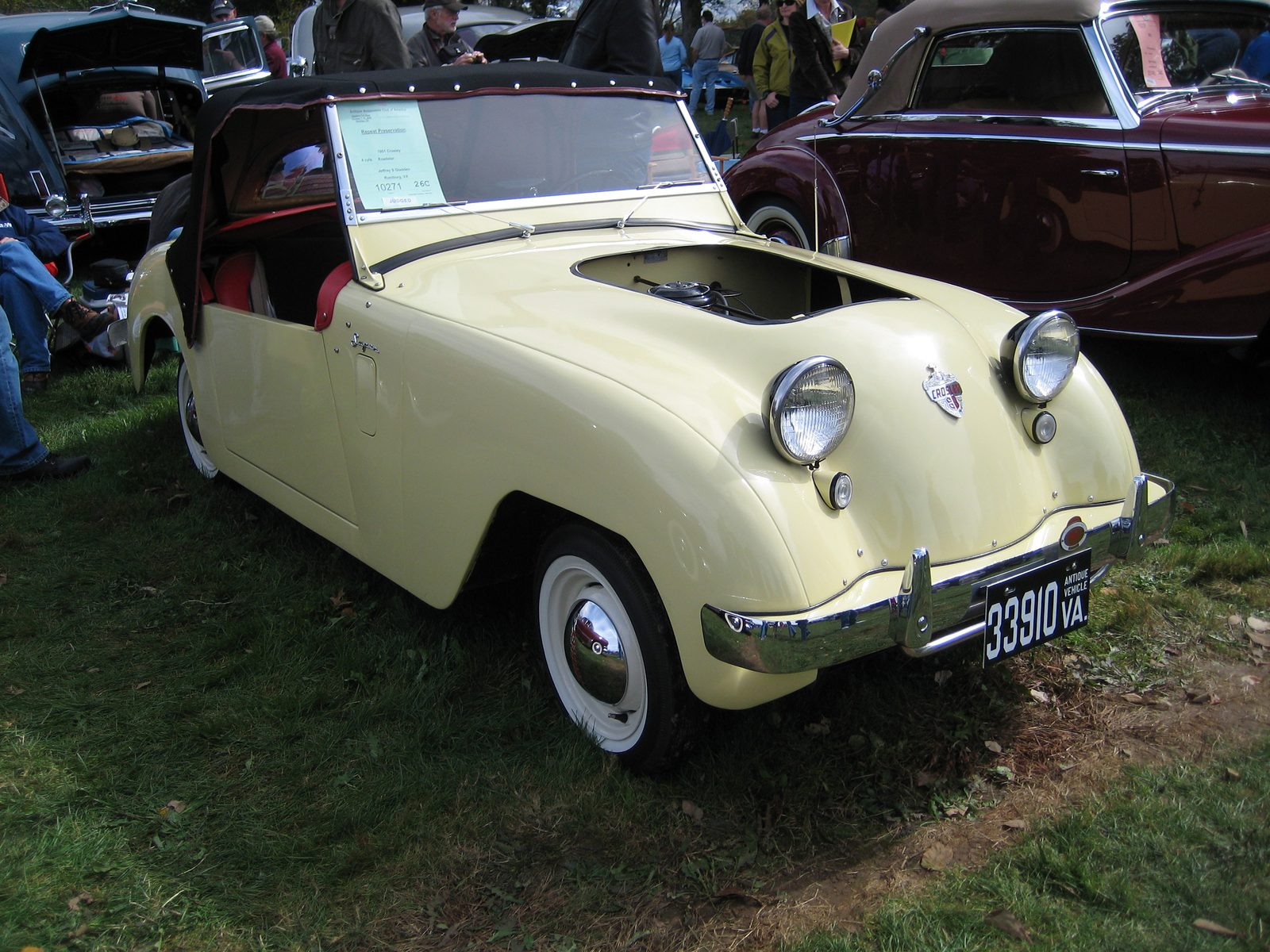
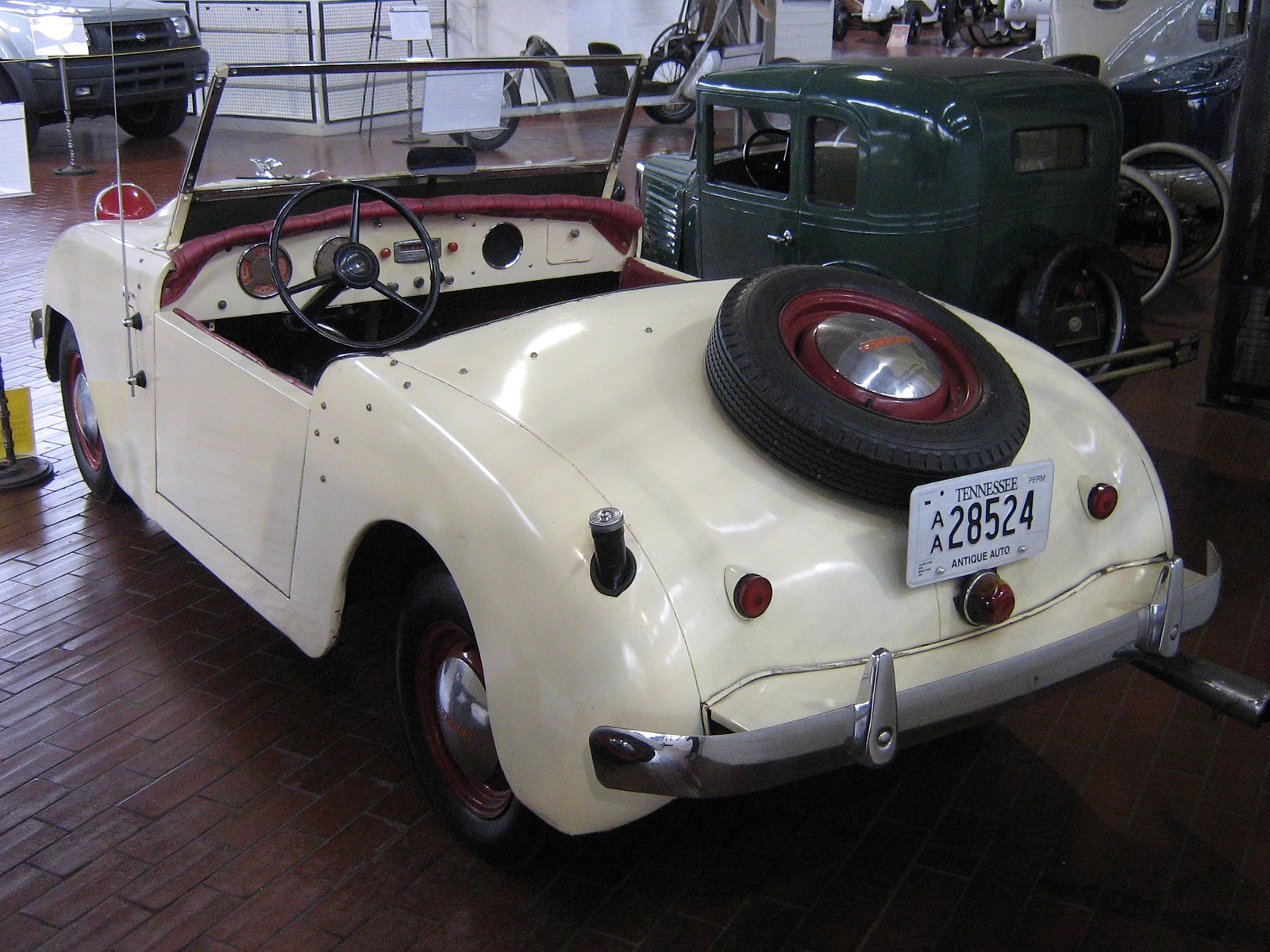
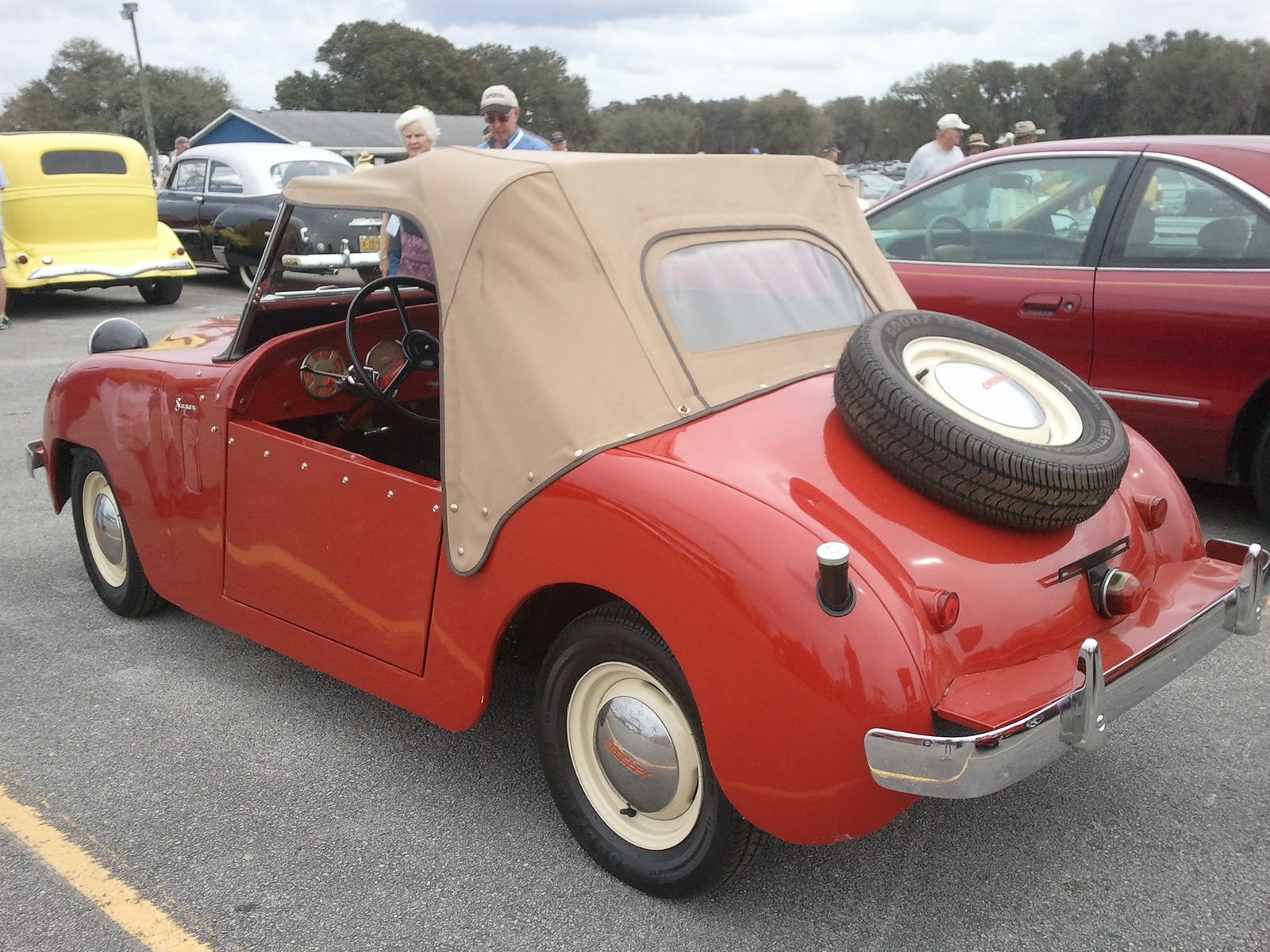
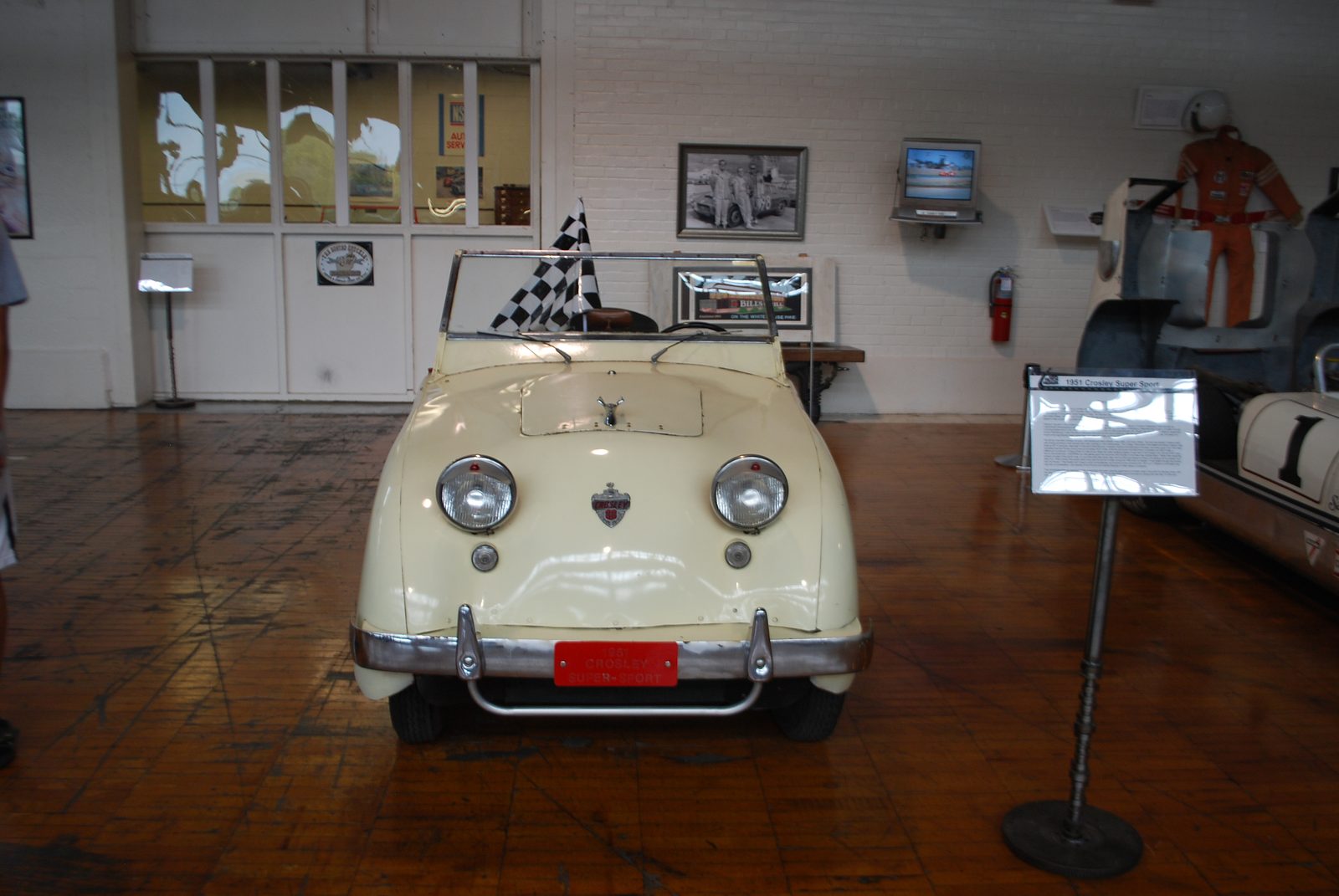
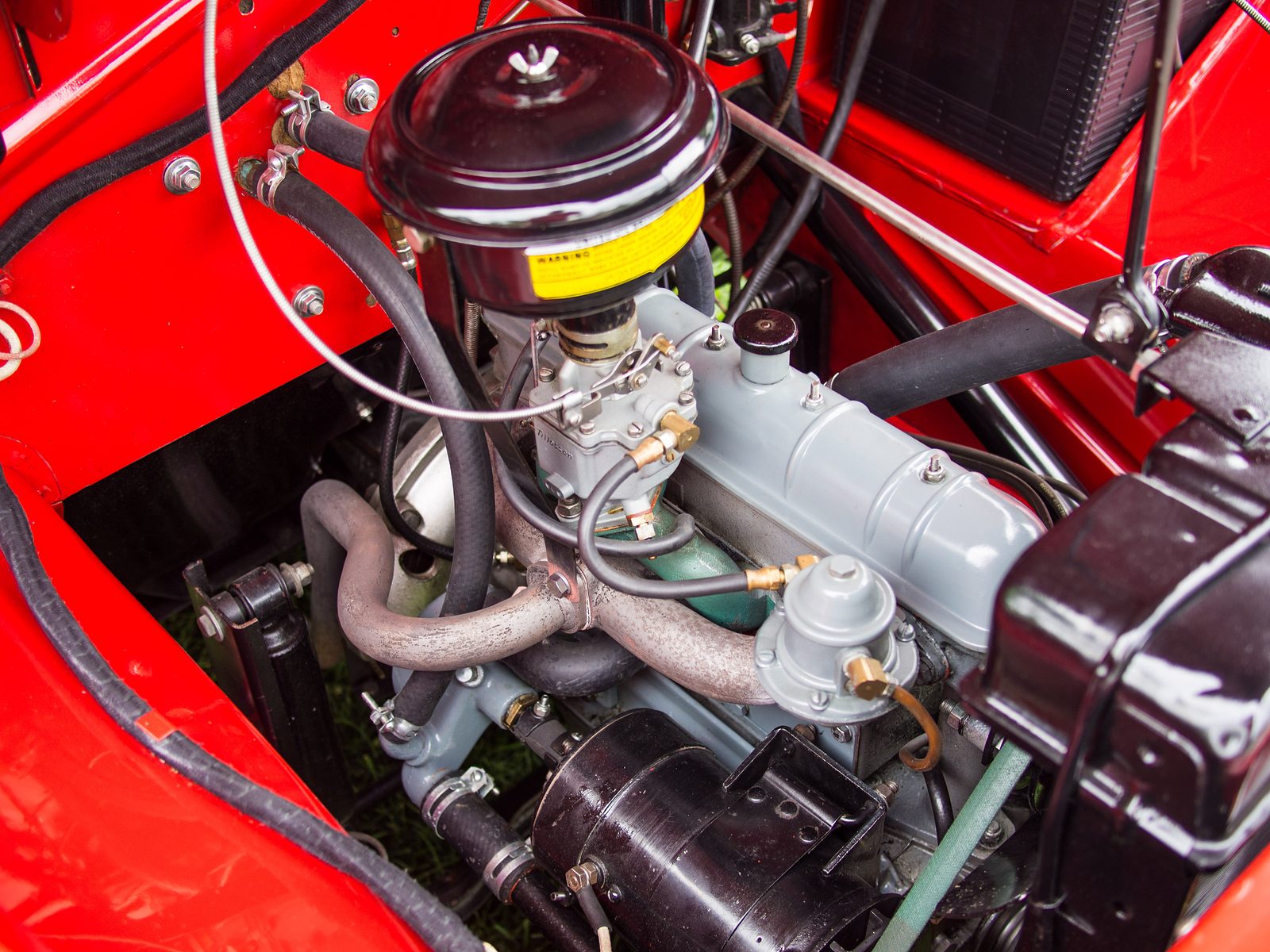
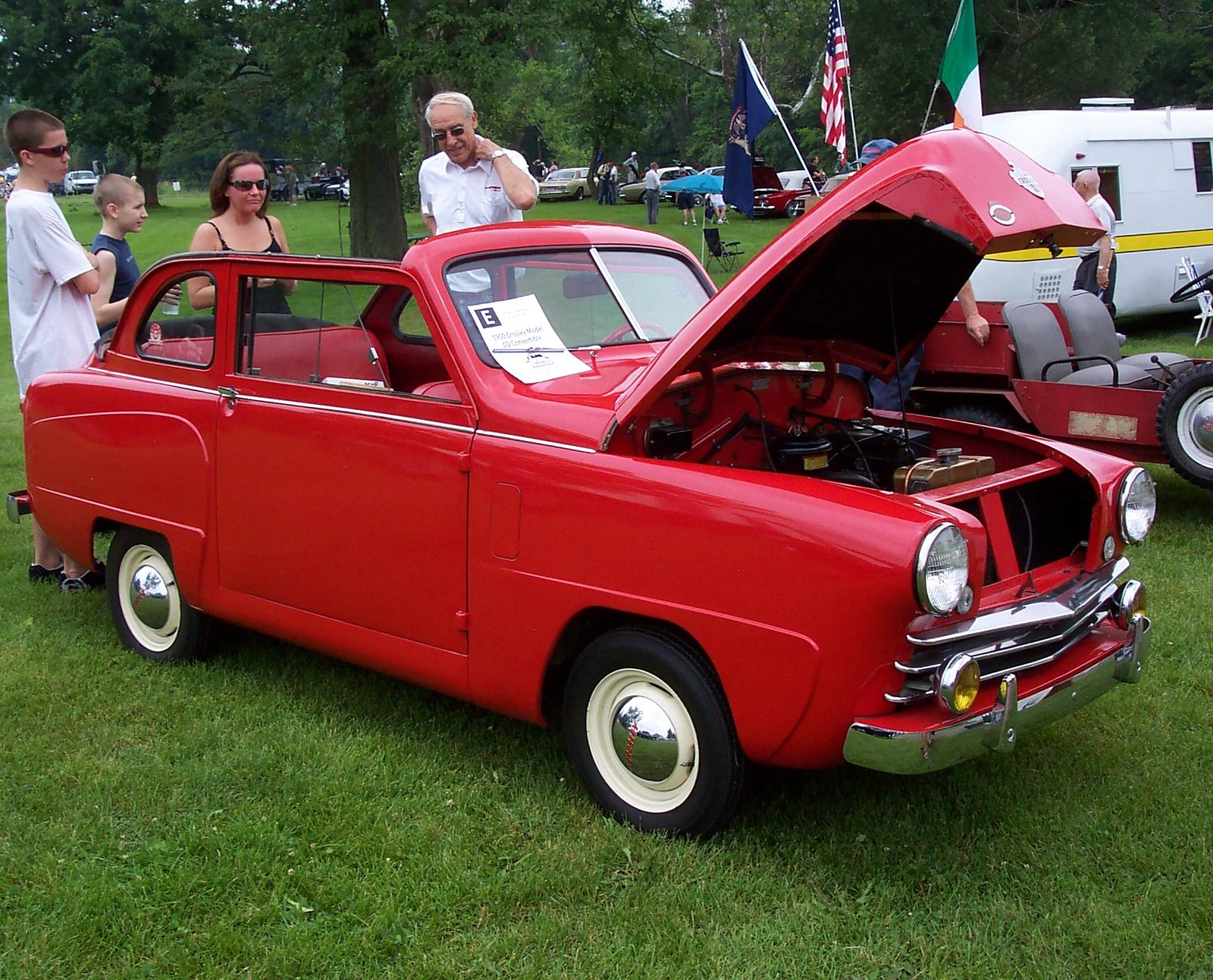
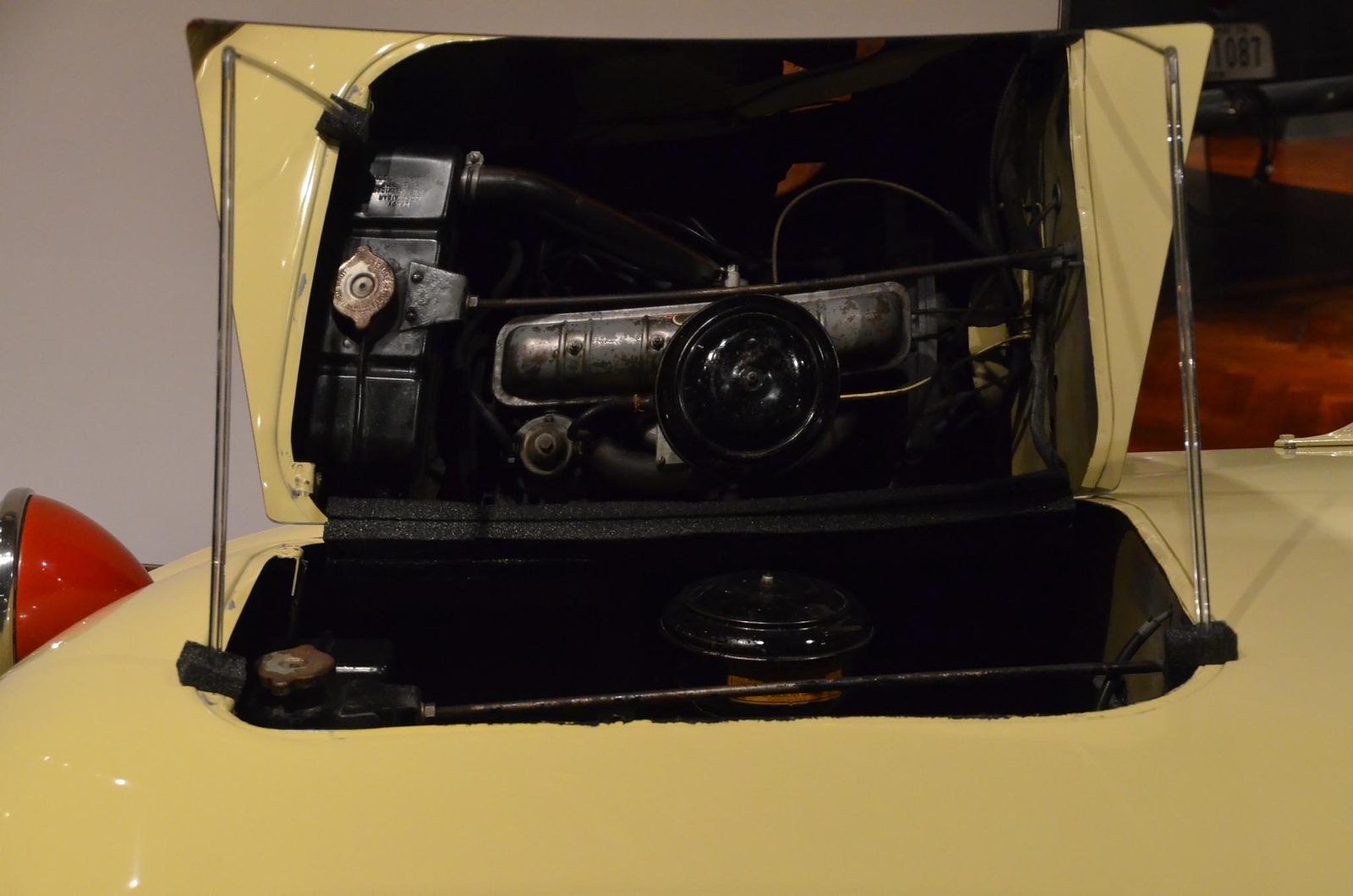
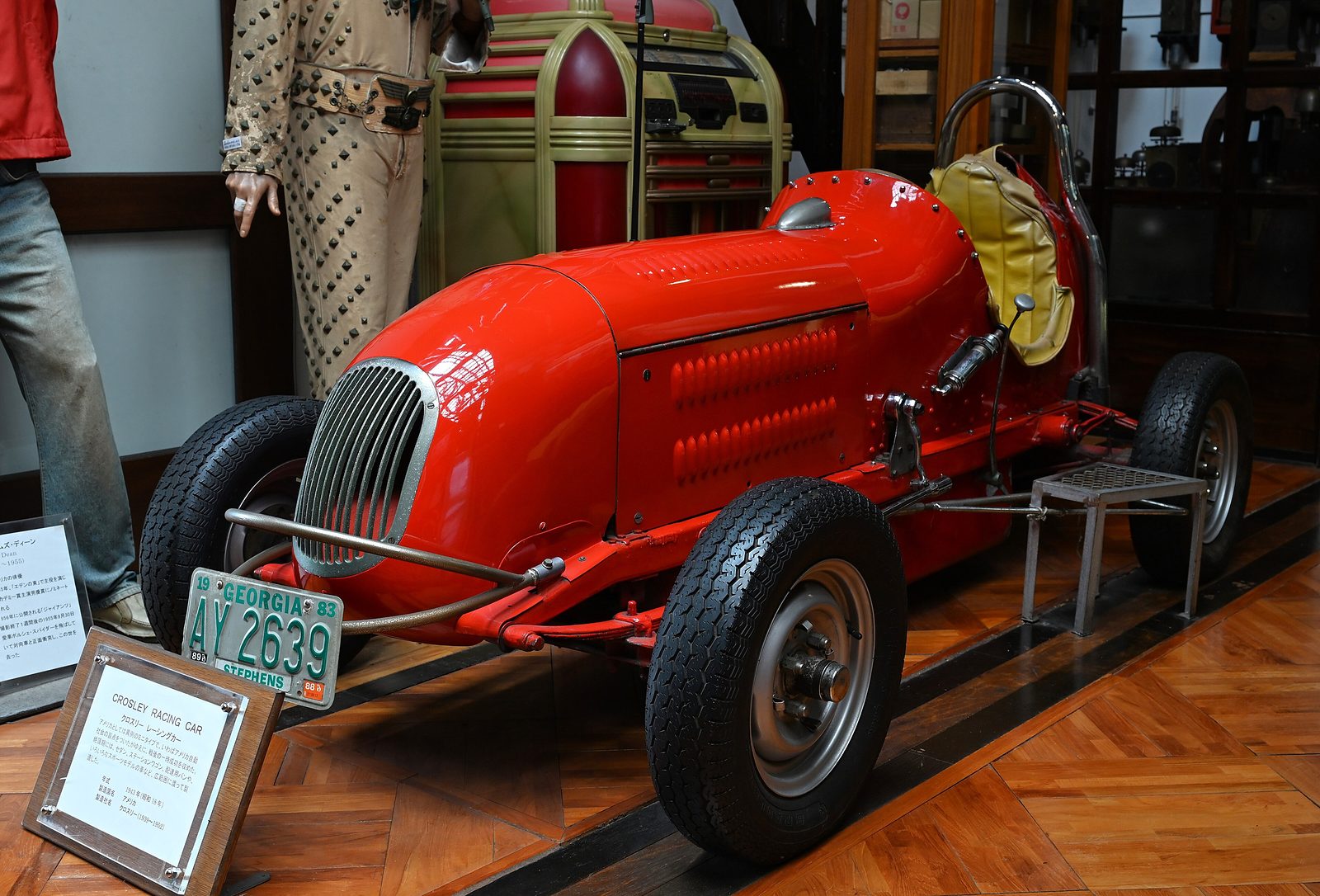
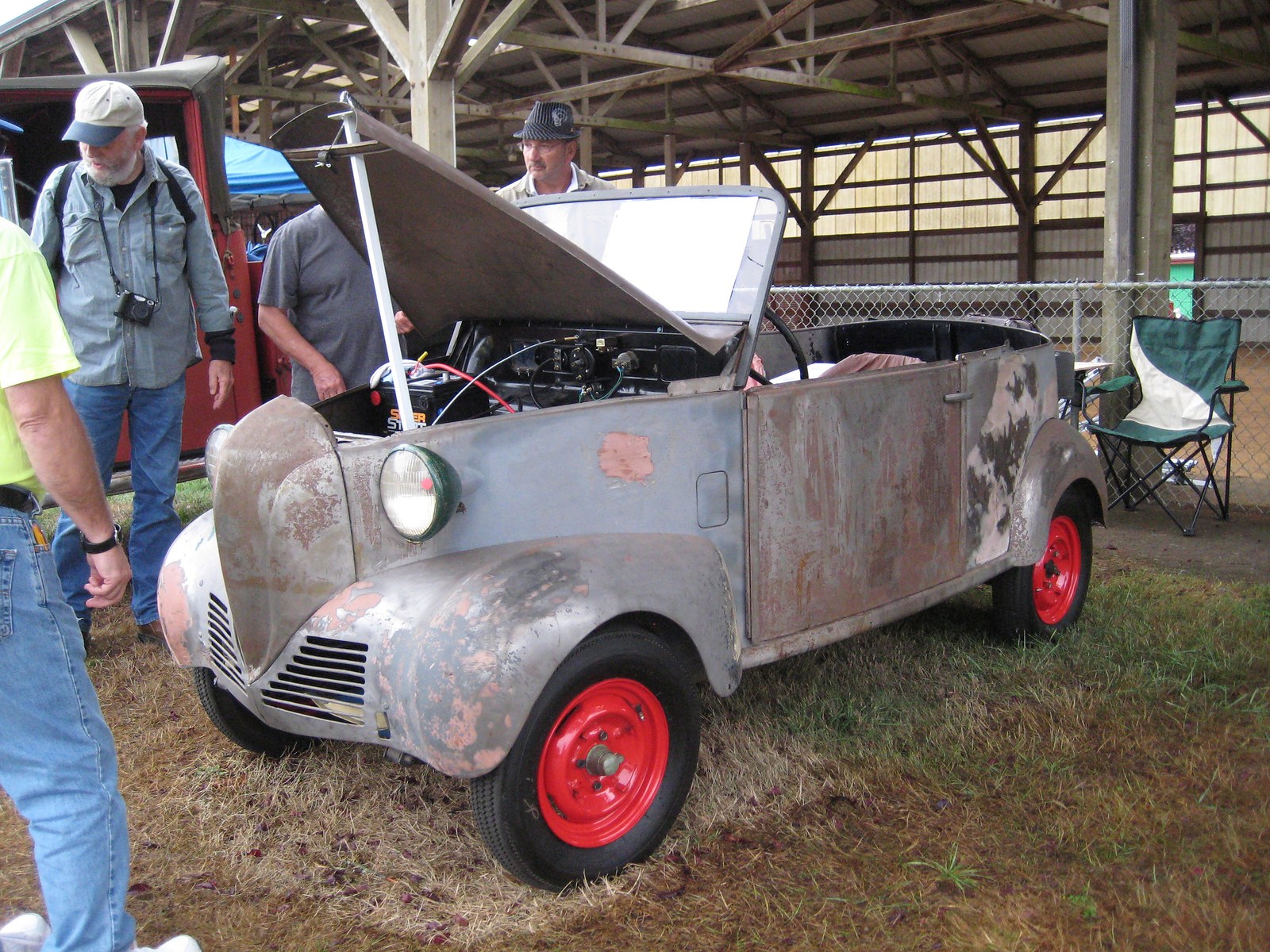
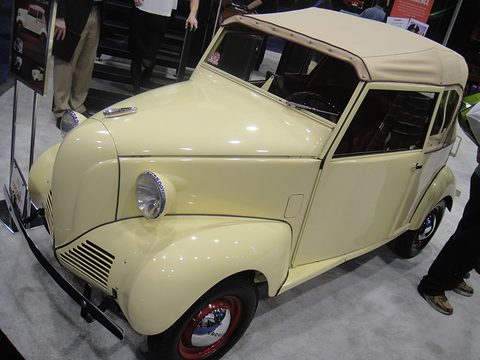
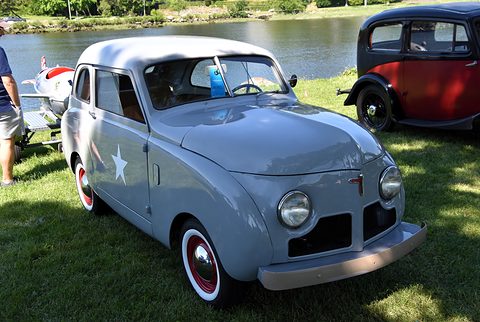
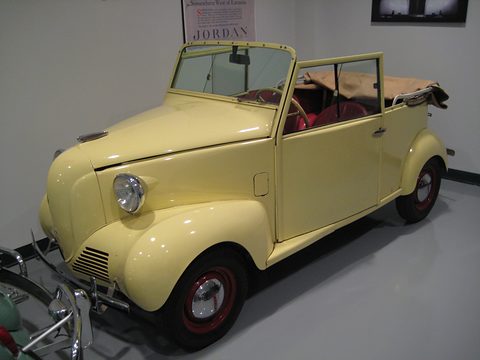
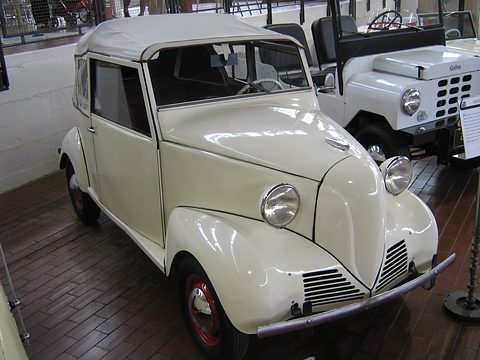
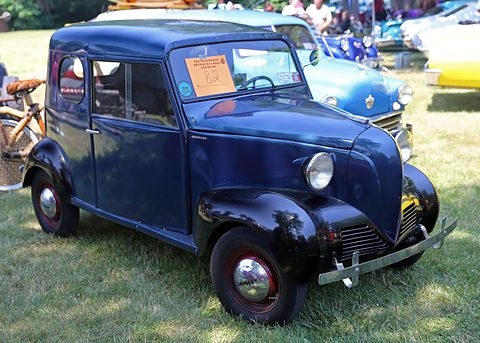
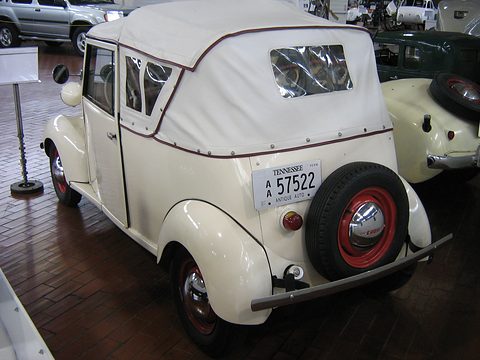
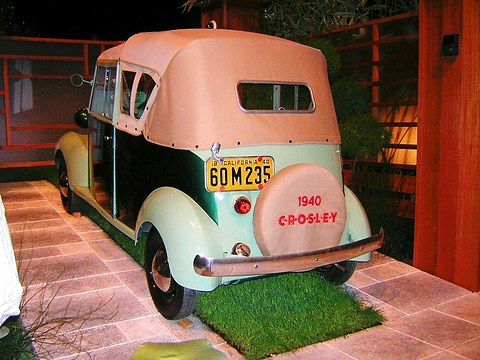
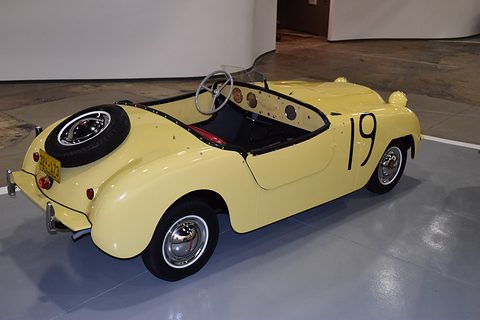
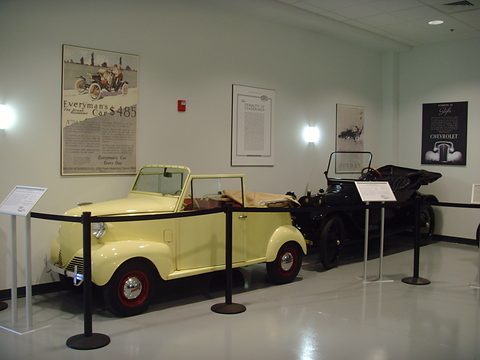
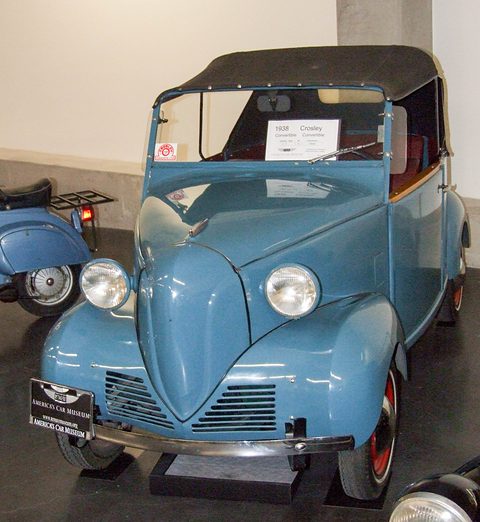
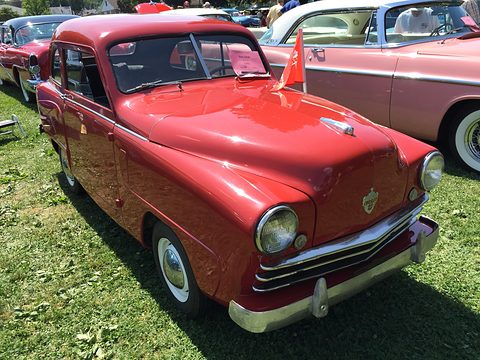
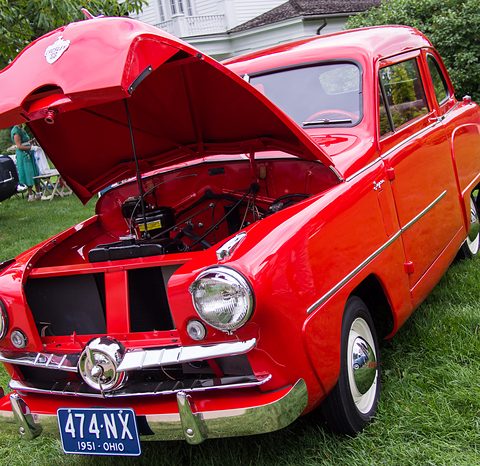
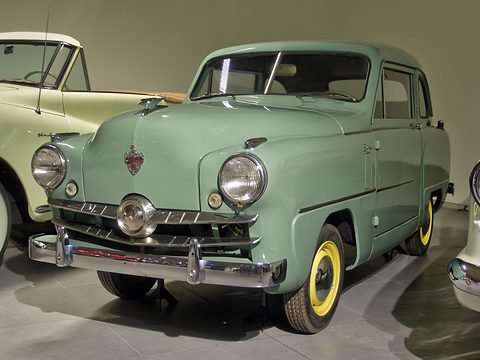
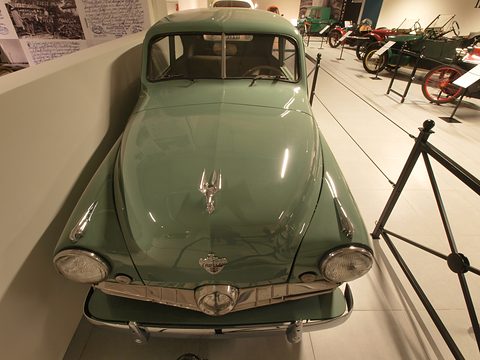
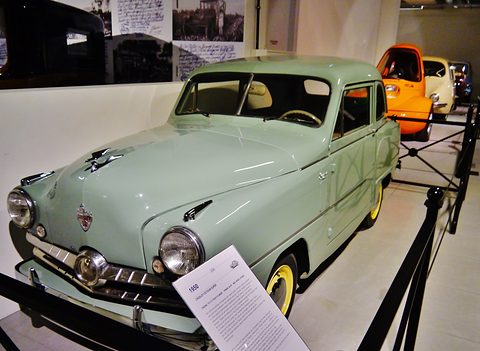
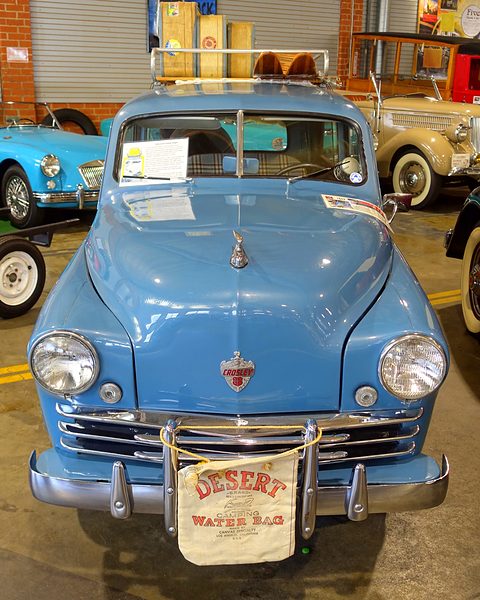
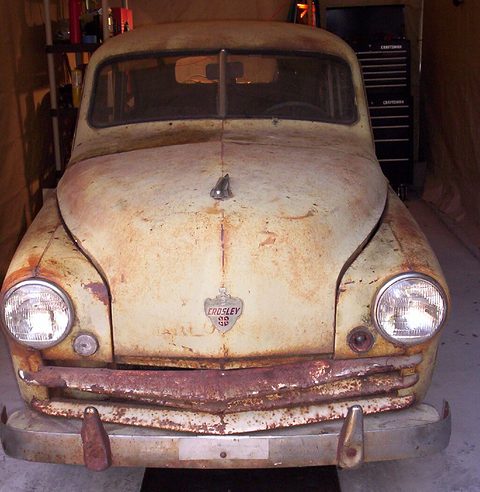
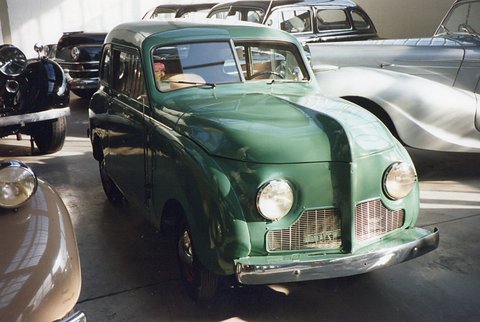
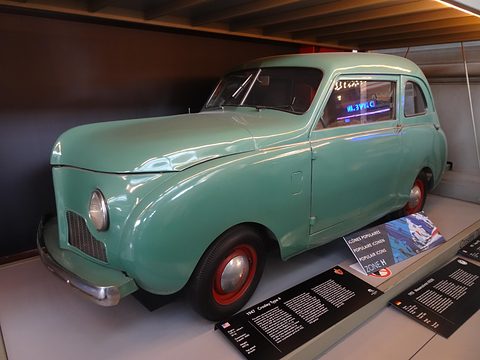
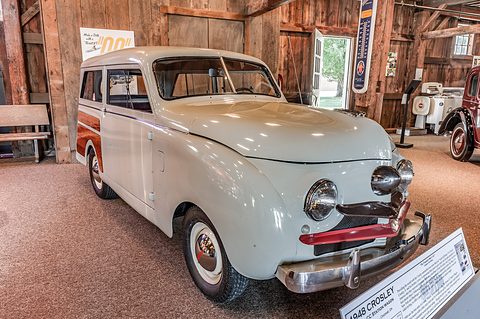
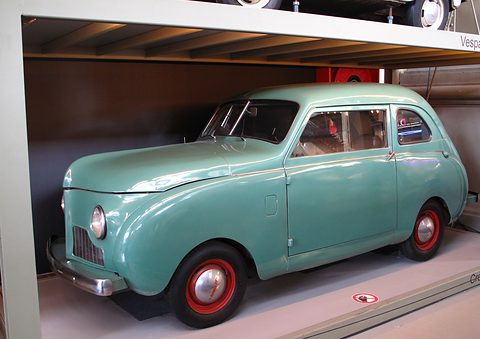
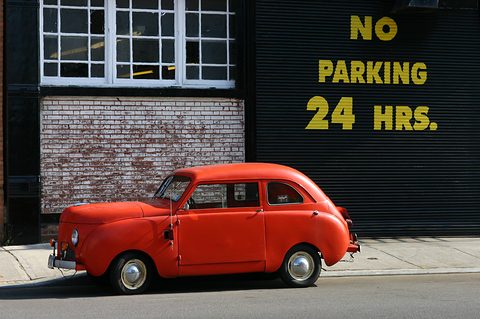
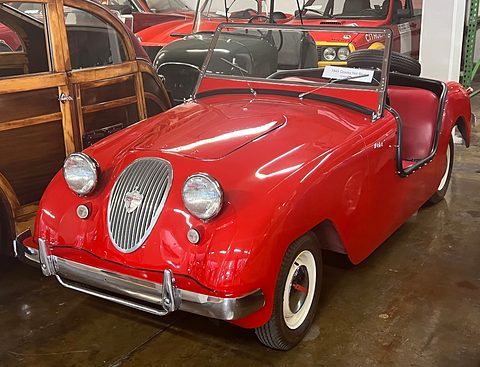
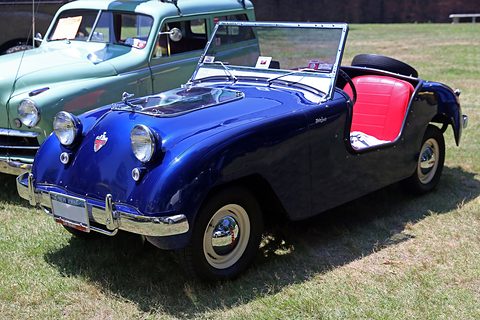
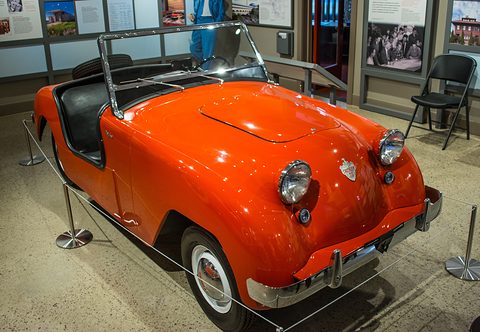
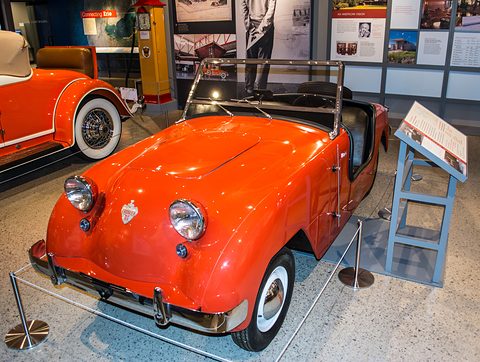
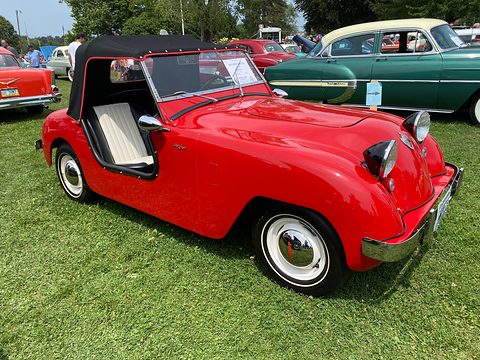
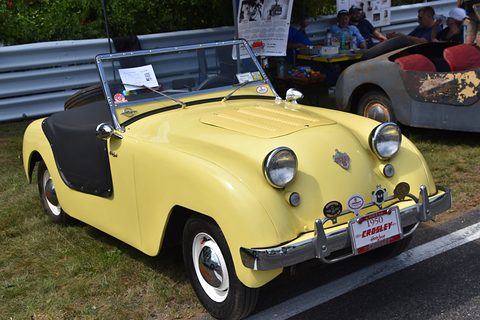
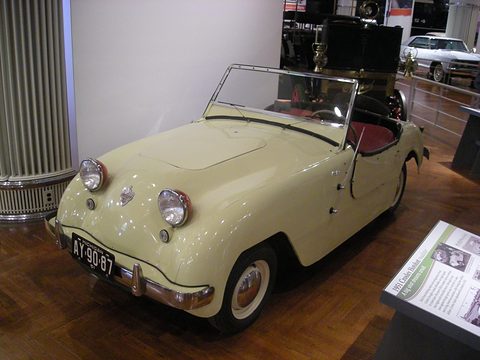
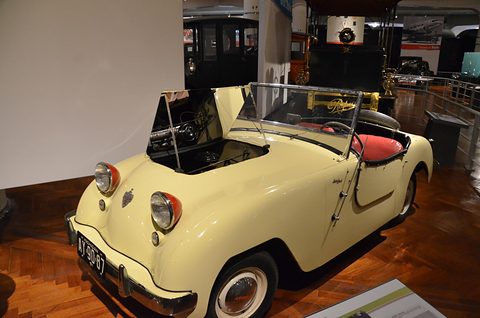
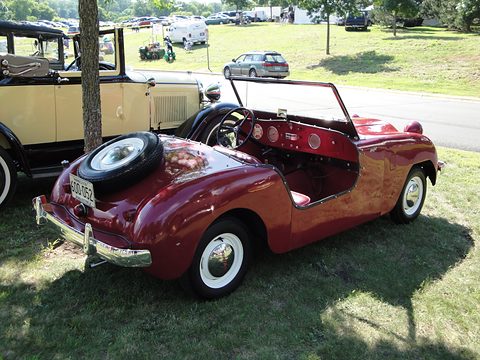
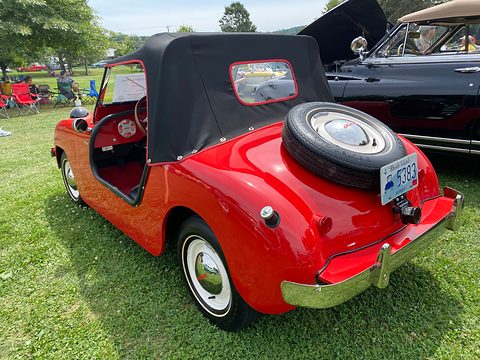
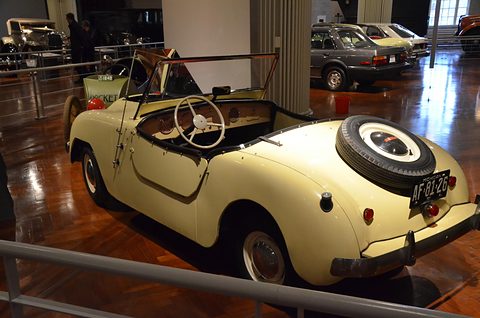
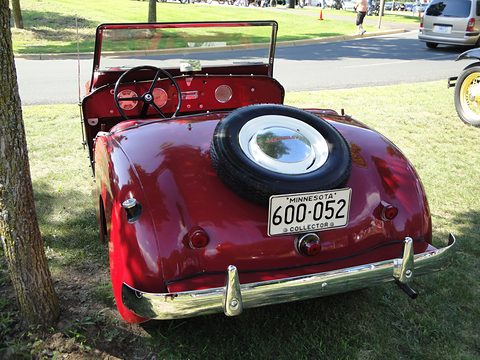
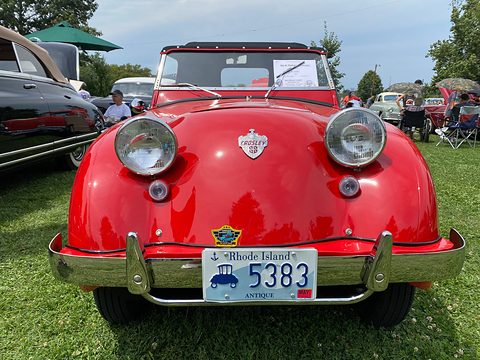
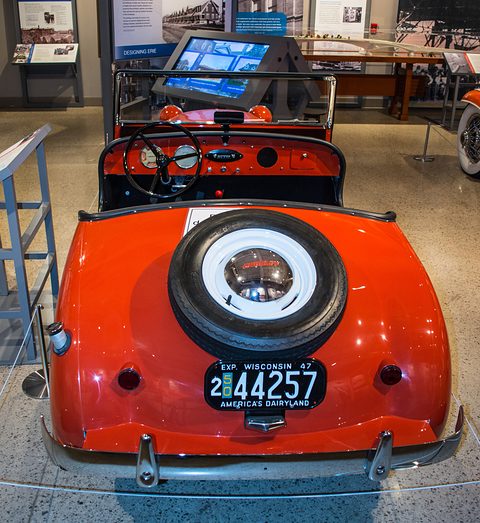
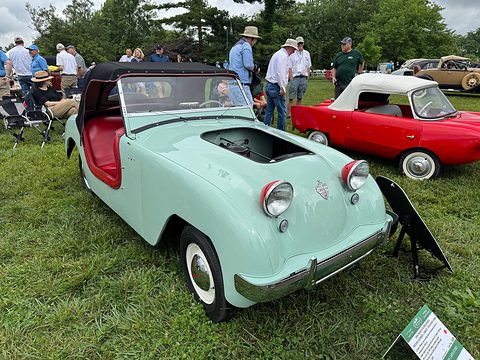
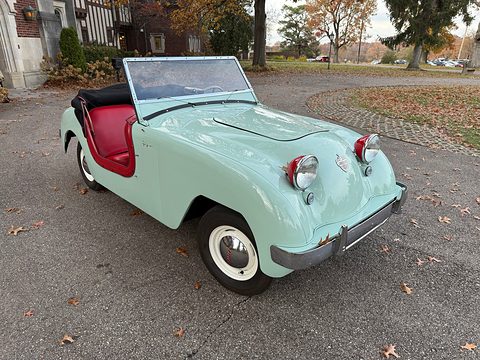
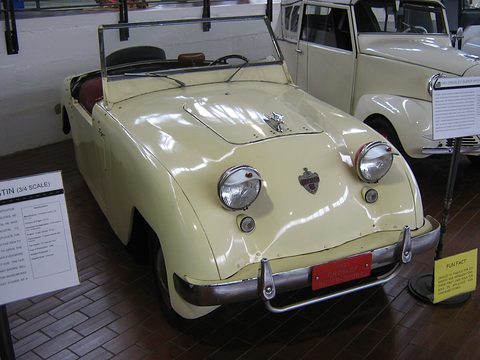
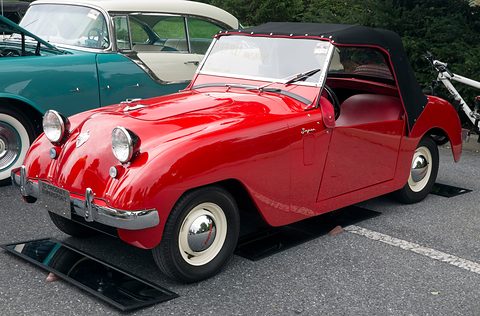
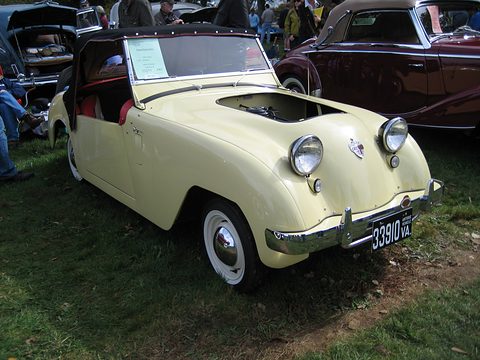
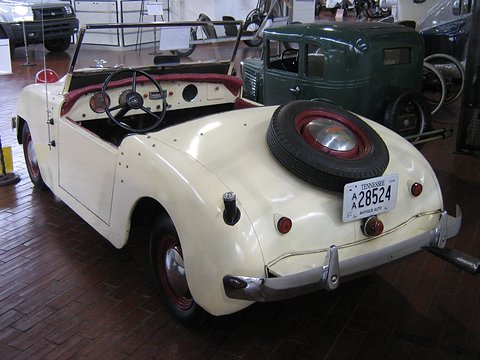
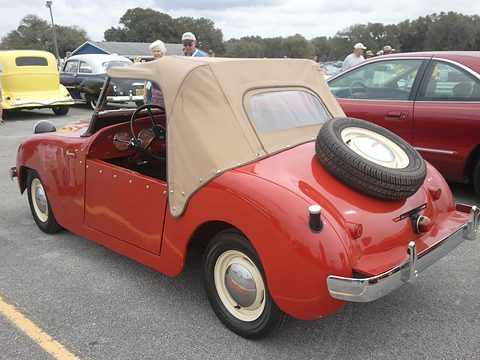
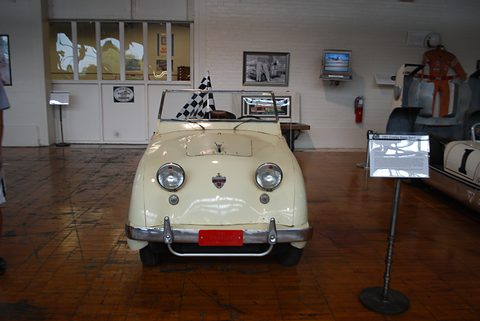
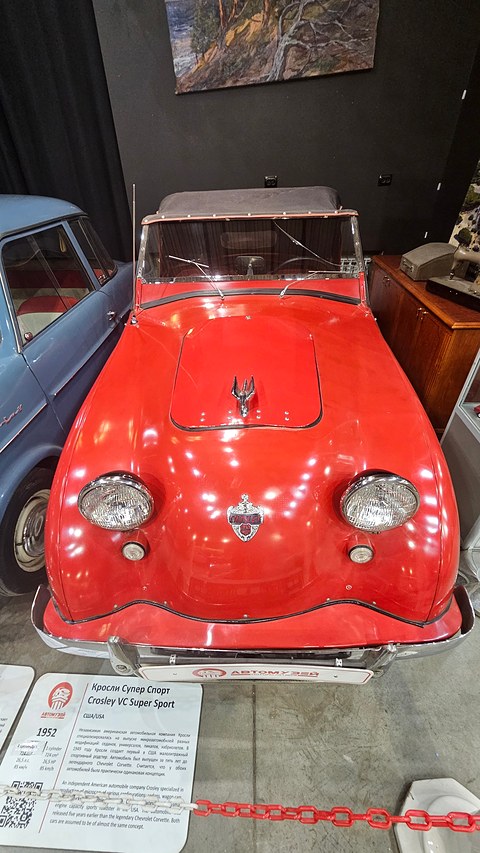
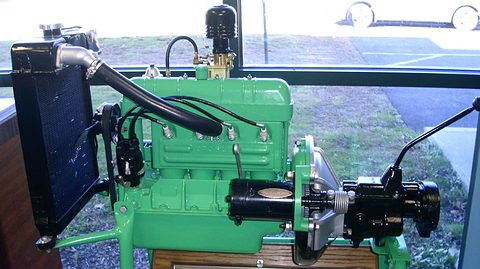
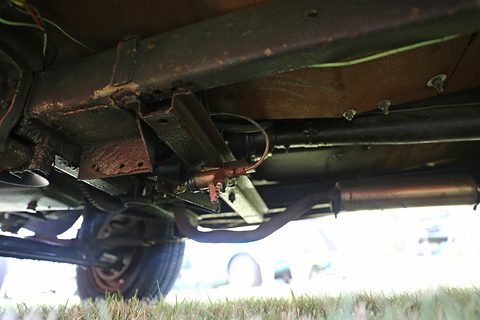
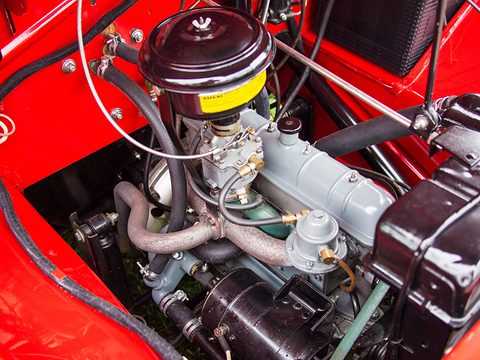
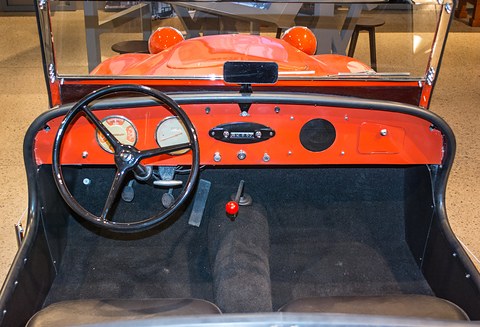
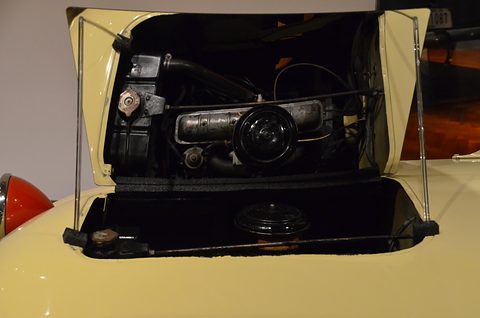
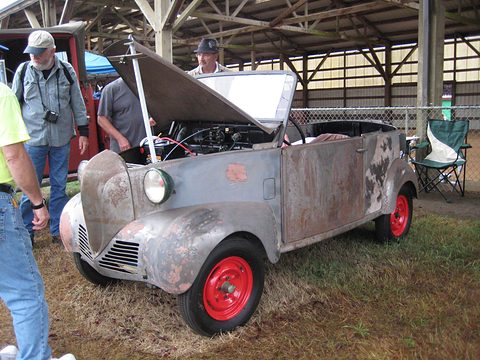
It was a convertible on a 2,032 mm (80 in) wheelbase, 1,220 mm (48 in) wide, weighing under 454 kg (1,000 lb): $325 as a coupé, $350 as a four-seat sedan.source 1source 2 The engine was a Waukesha Cub, an air-cooled flat twin with side valves designed for orchard sprayers, with its cooling fan built into the flywheel; the sources give it anything from 575 to 637 cc and from 12 to 14 hp. A Warner gearbox gave three speeds and reverse, and the car would do 80 km/h (50 mph); Crosley claimed 4.7 litres per 100 km (50 US mpg).source 1source 3source 4 The drive went at first through a torque tube with no universal joint, until gearboxes broke when a rear wheel dropped into a pothole and a joint was added, during 1939 by the club’s account or from 1941 by English Wikipedia’s.source 5source 1 The coupé’s 15-litre (four-gallon) tank sat under the bonnet and fed the engine by gravity.source 1source 5
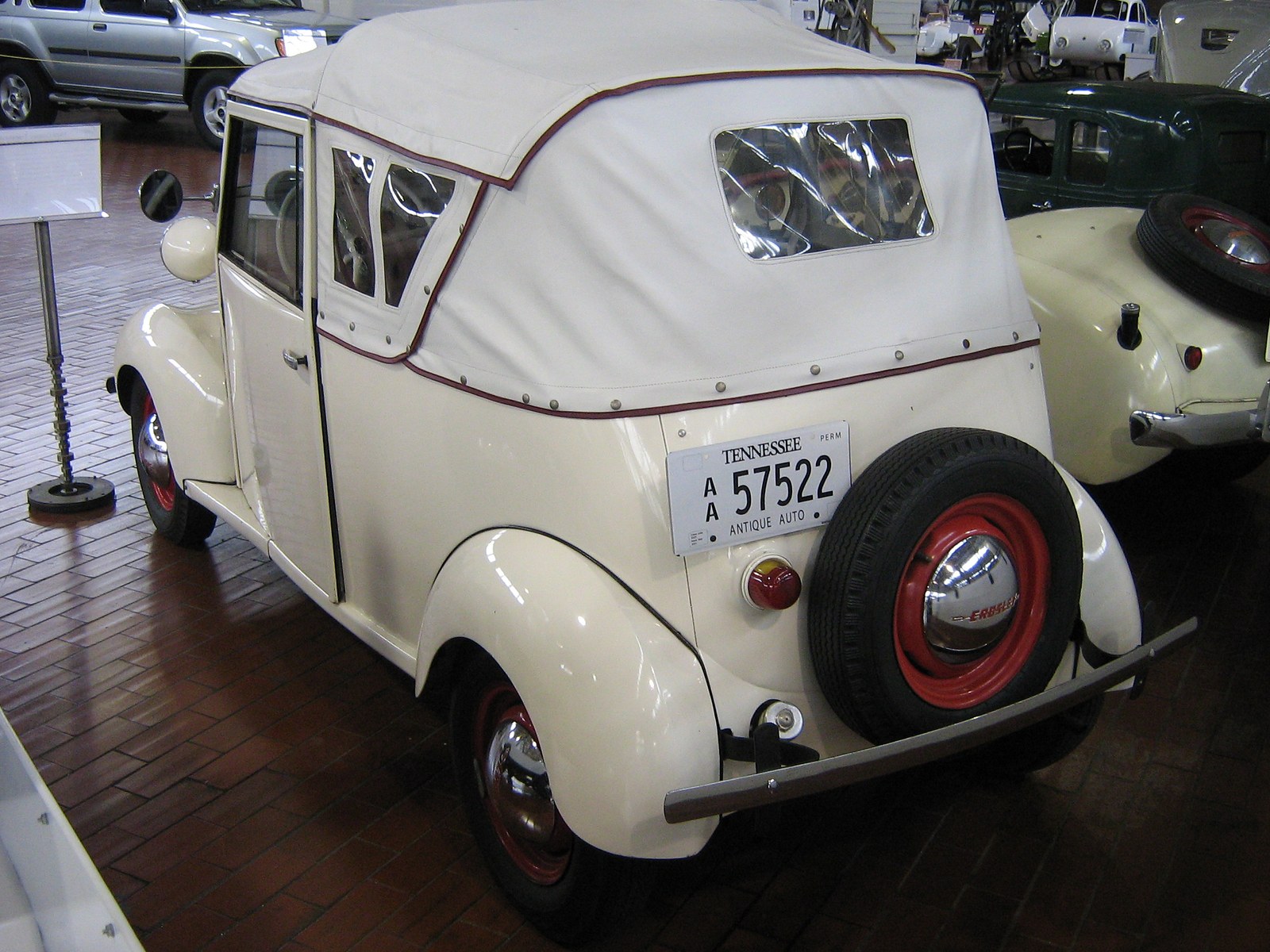
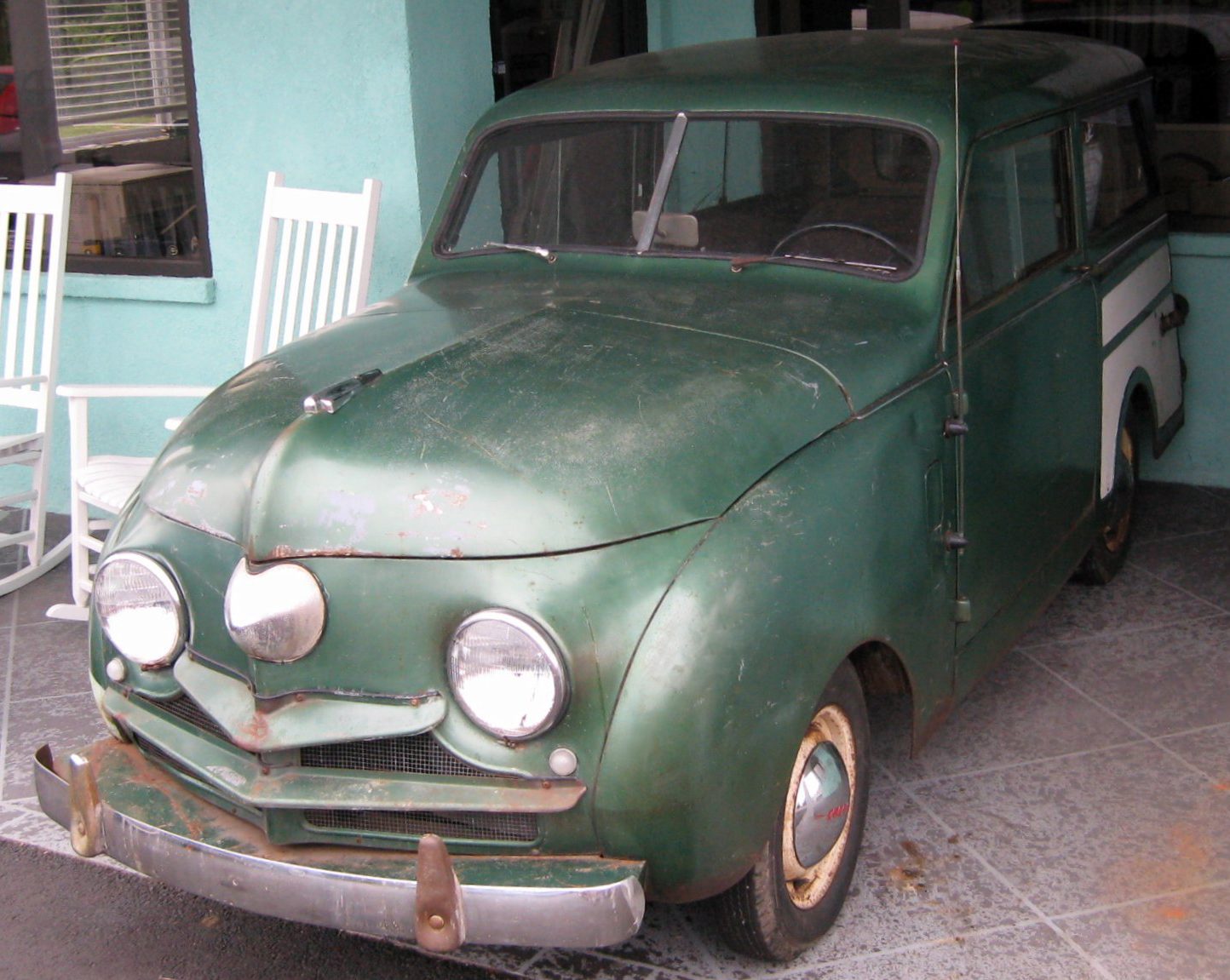
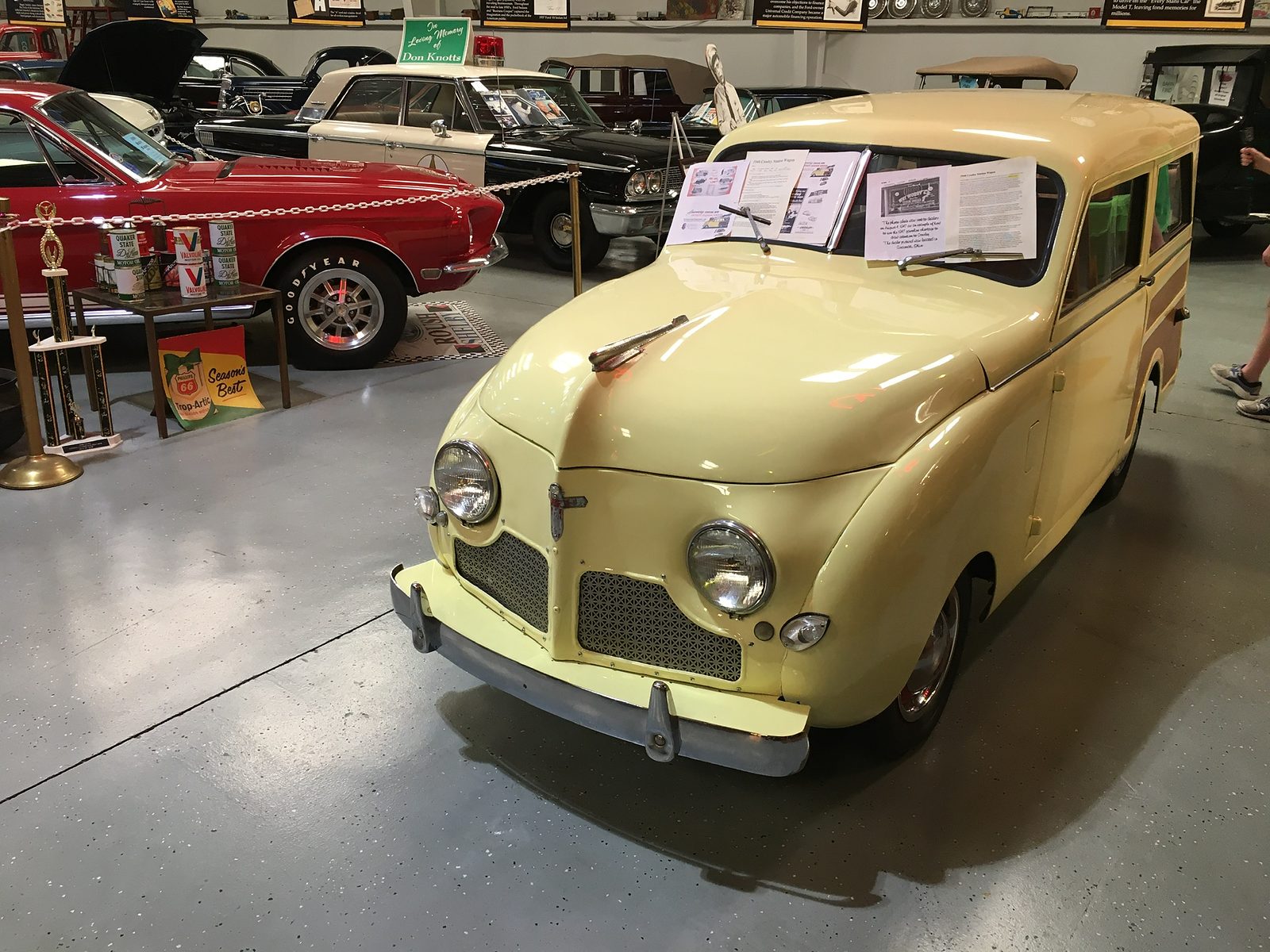
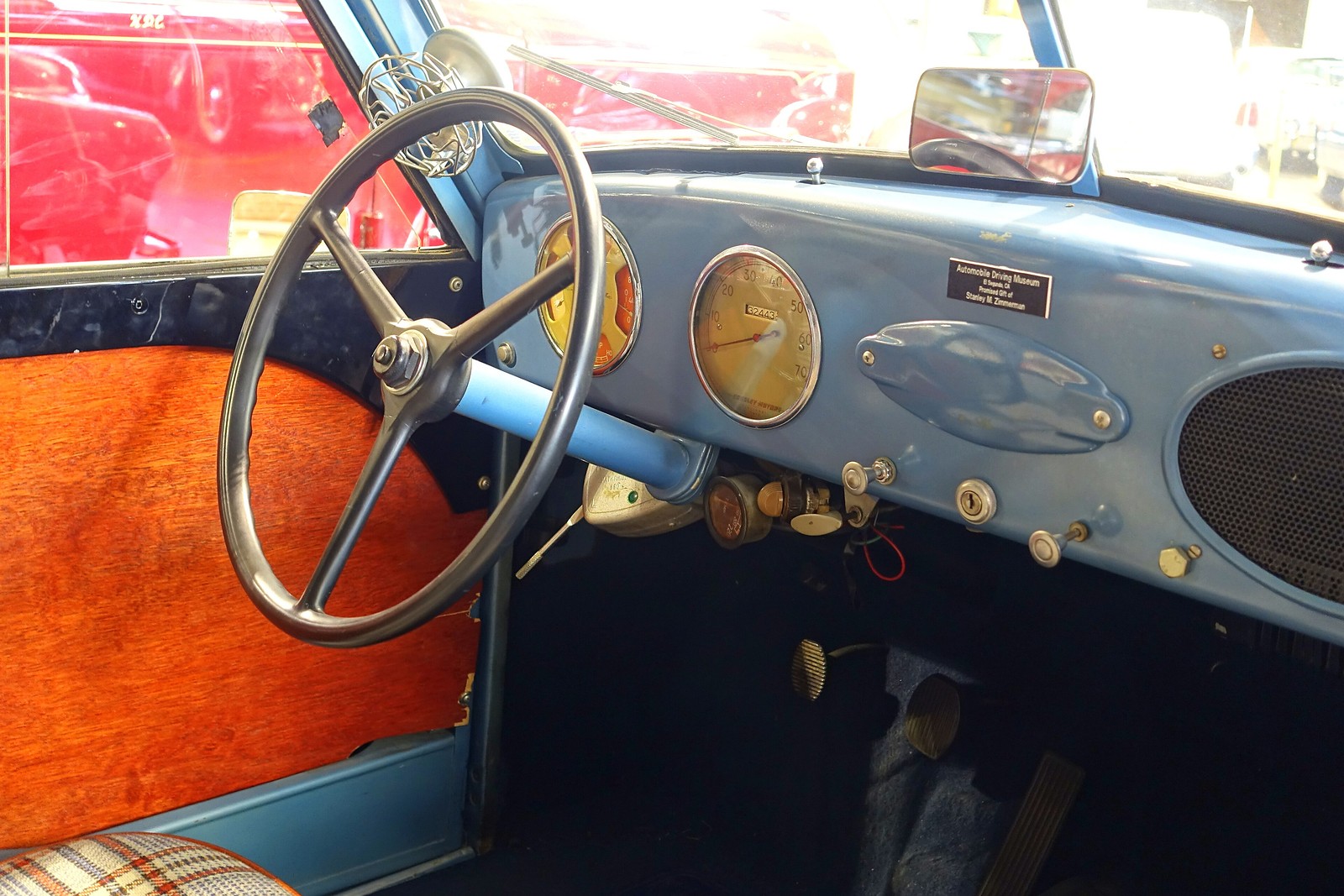
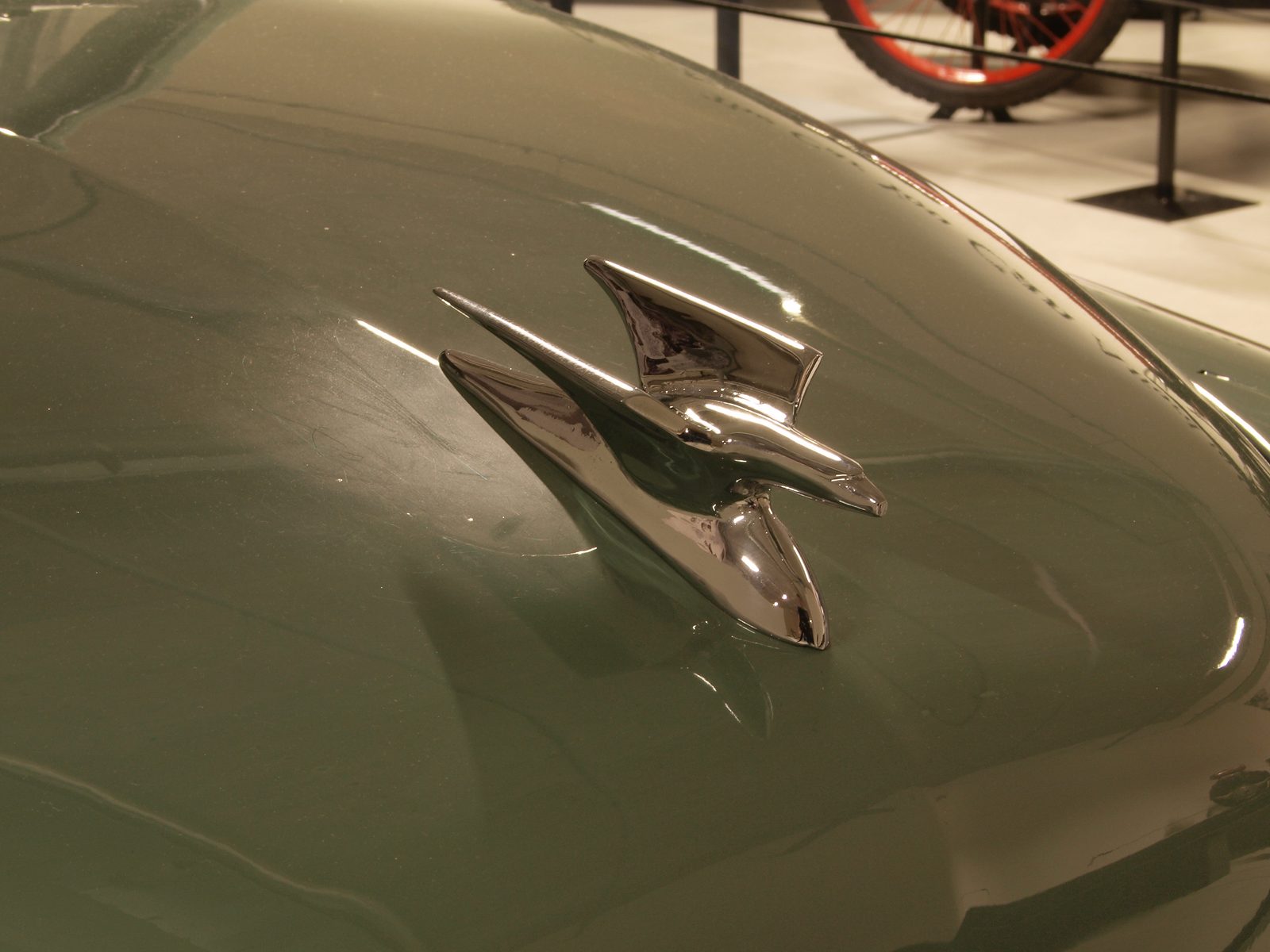
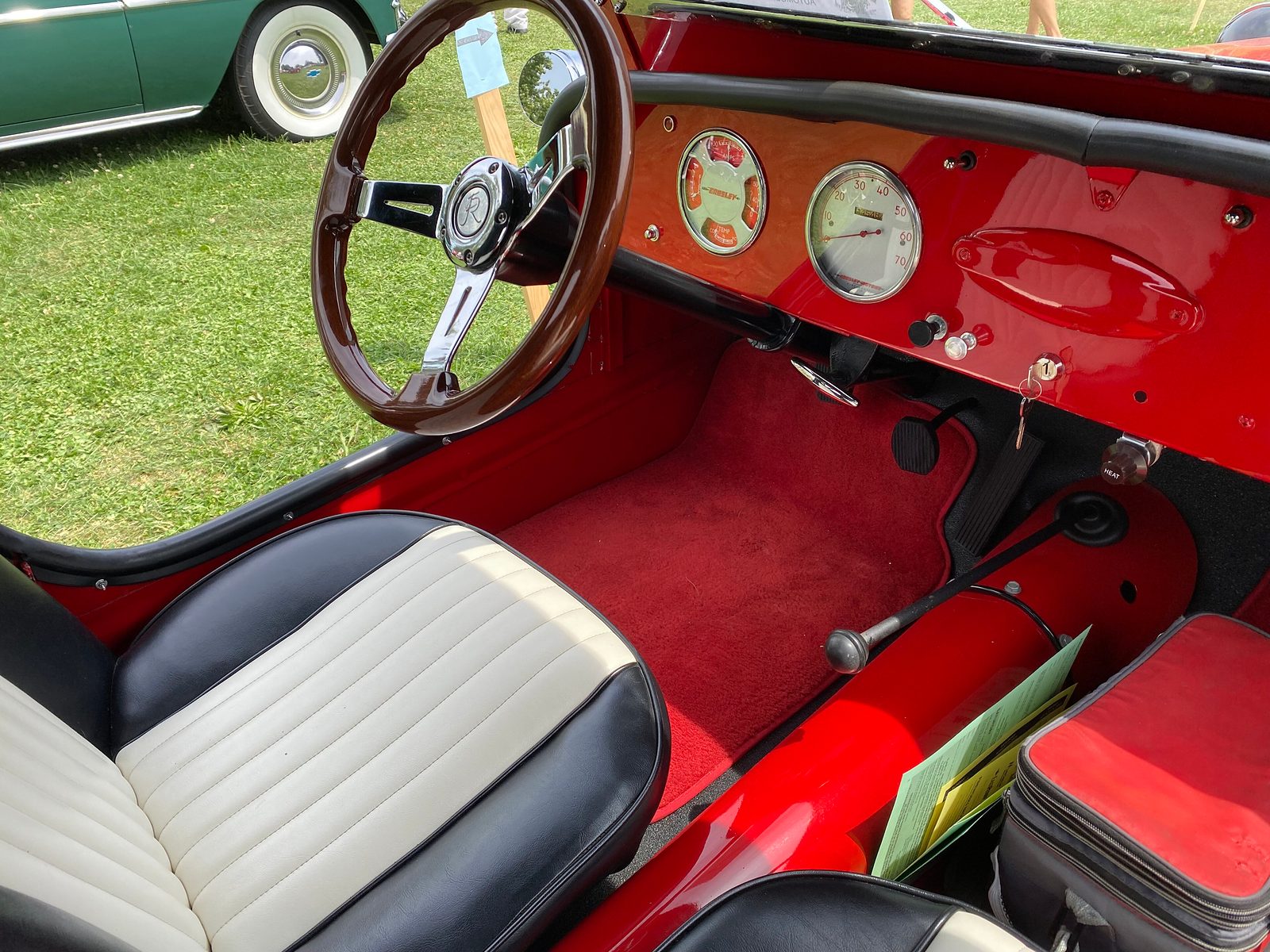
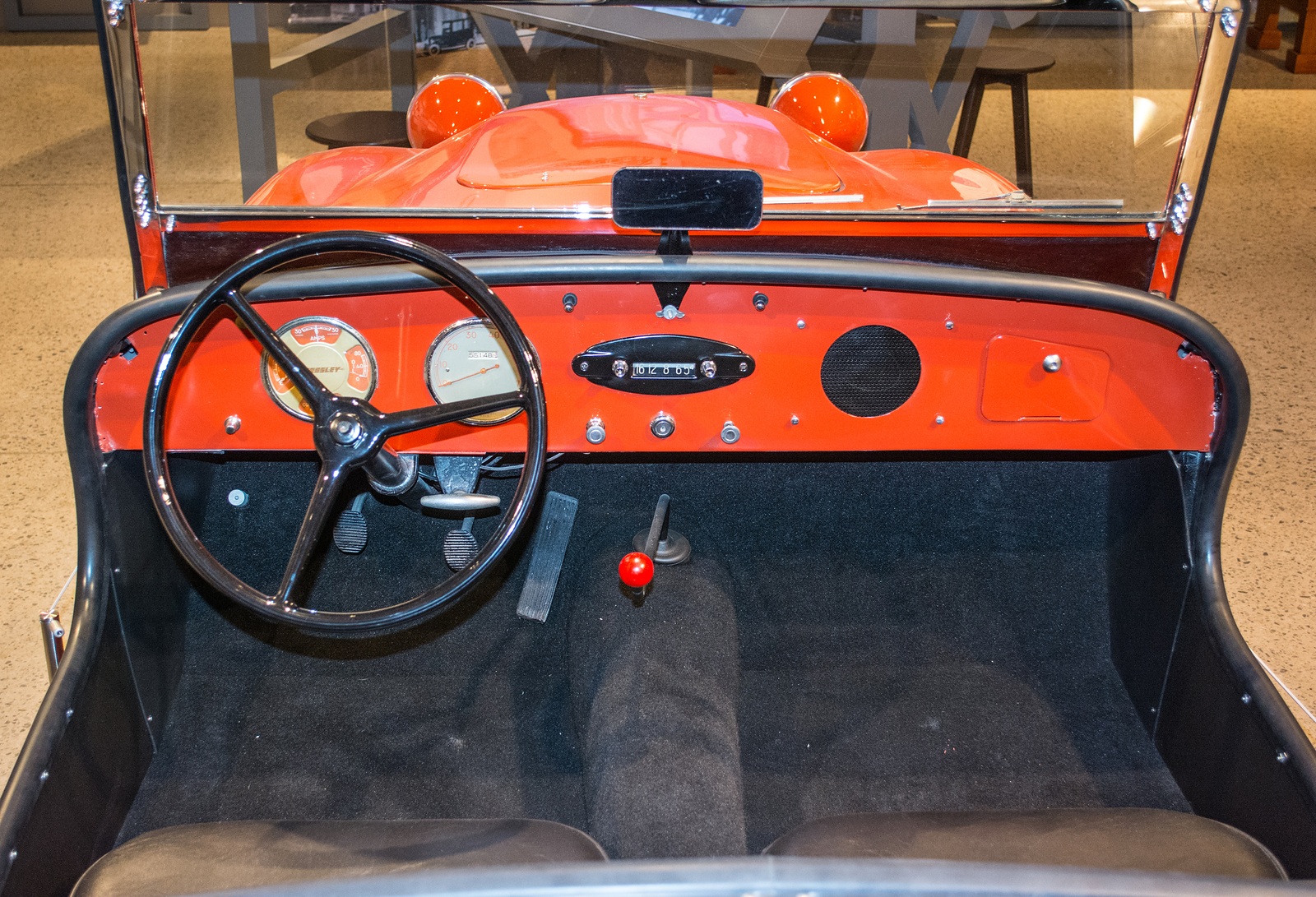
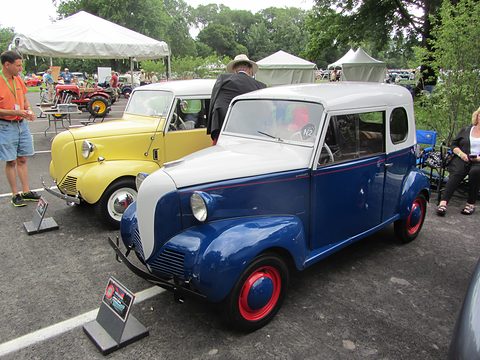
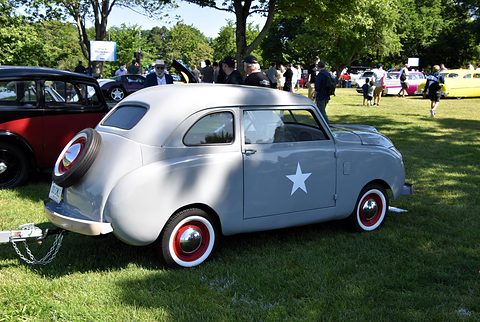
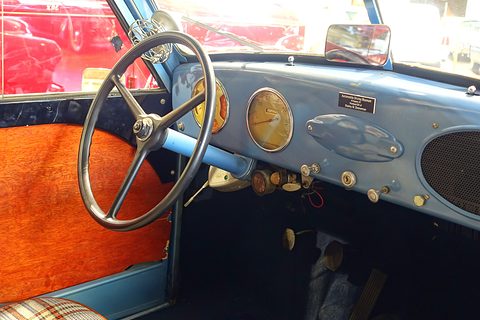
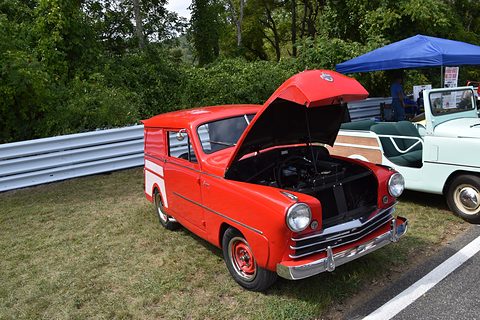
The club records the 1939 car’s oddities. The bonnet was propped open with a specially marked yardstick, 61 cm (24 in) long, which was also the fuel gauge. The wiper was worked by hand, the starter engaged by itself when you pressed a foot switch, the first cars had no door linings, and the twin shook so much that it cracked the rear wings, so braces were added in 1940. Cars came in grey, cream or blue, with red wheels and a black top.source 5source 2
Sold with the radios
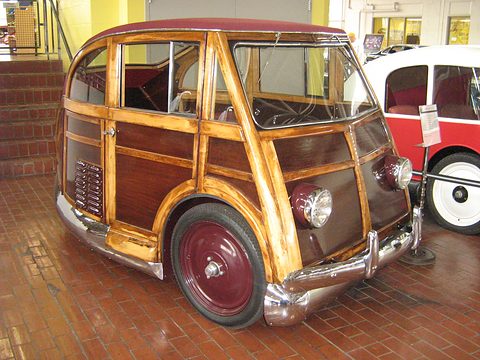
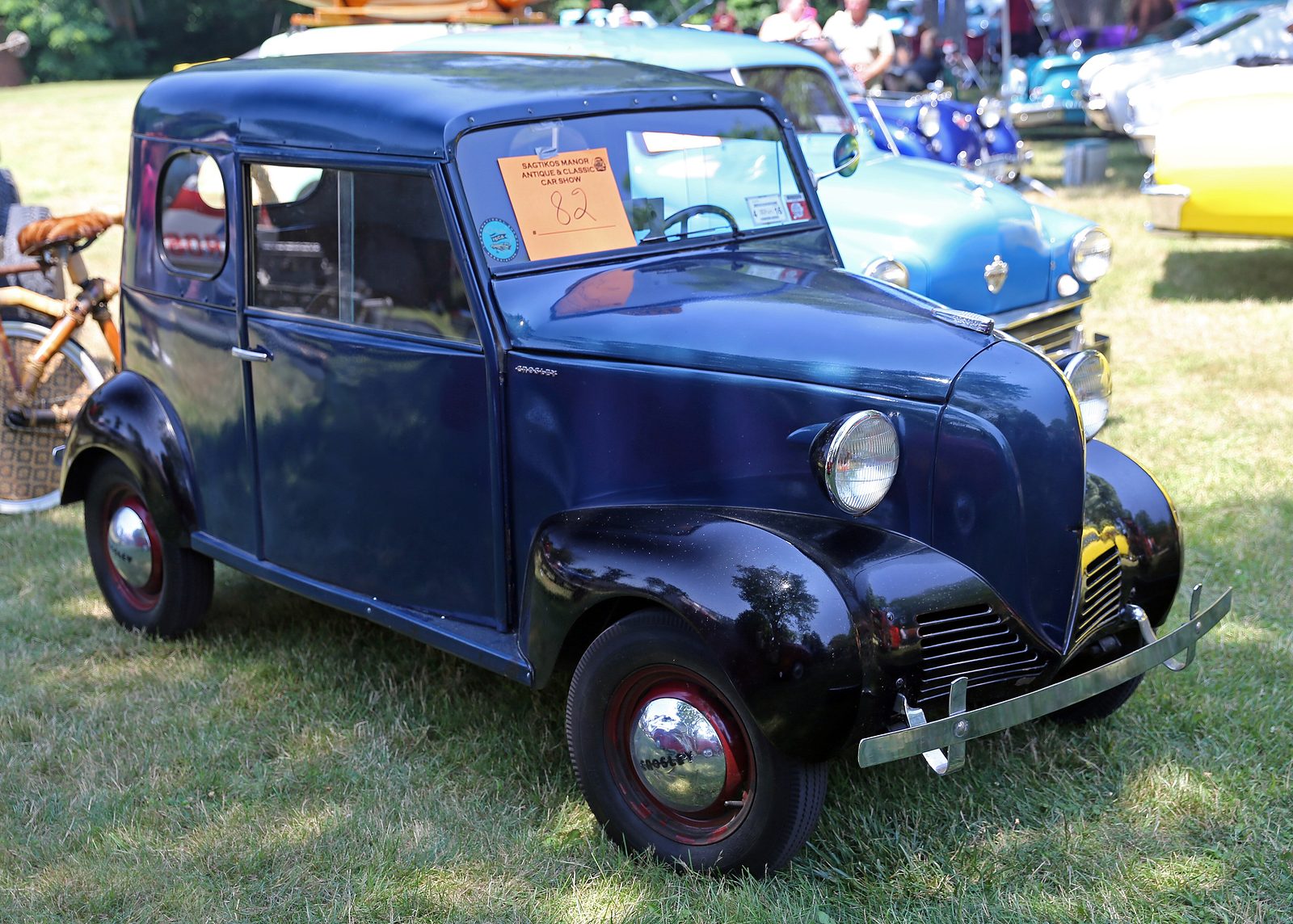
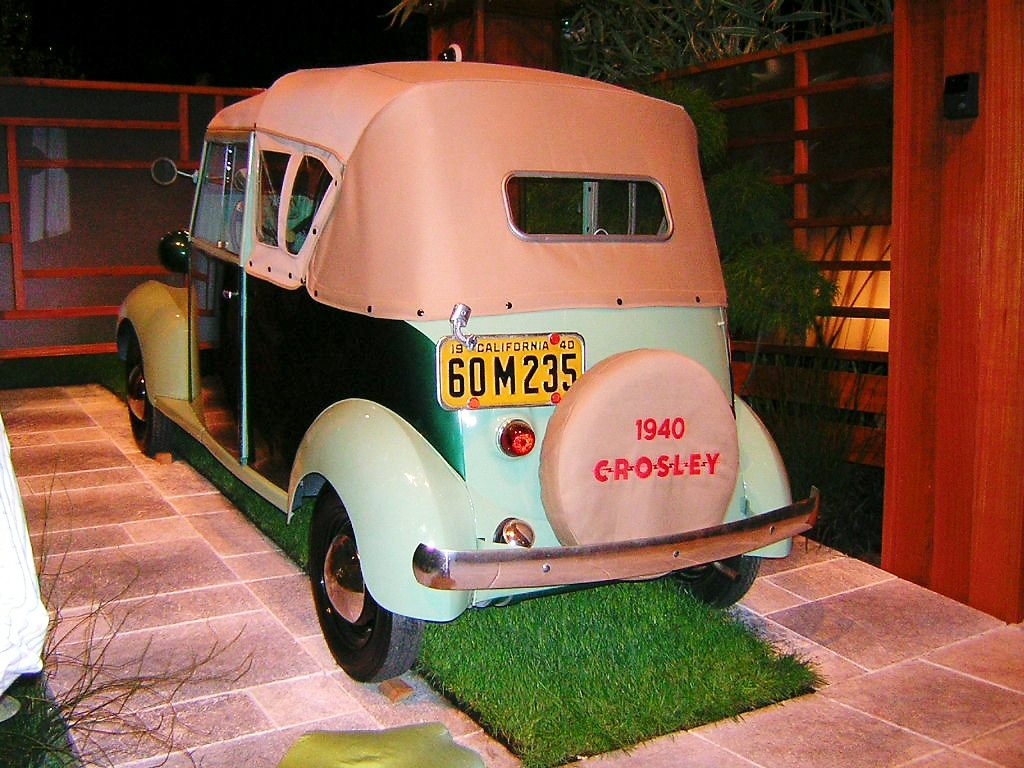
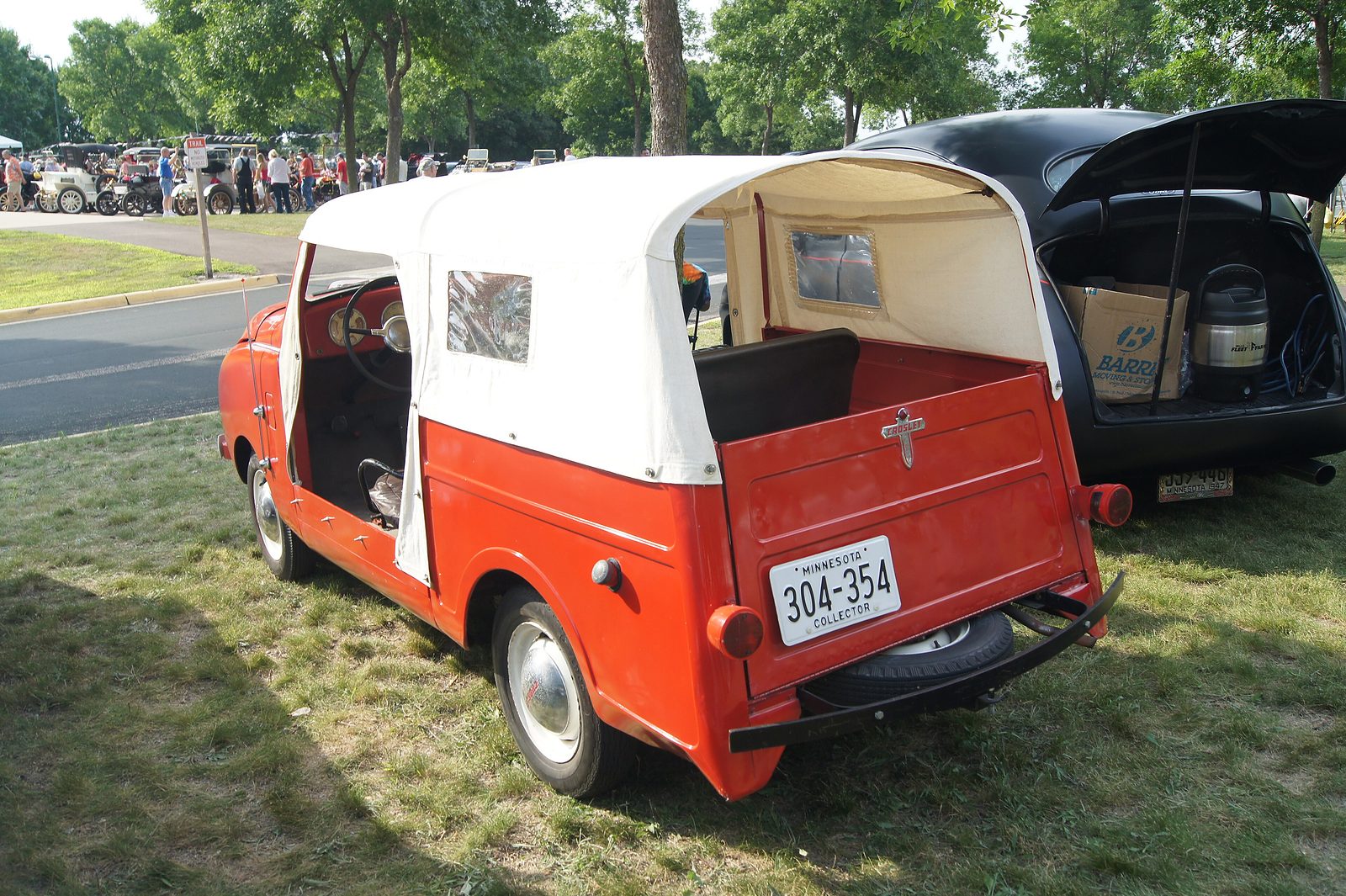
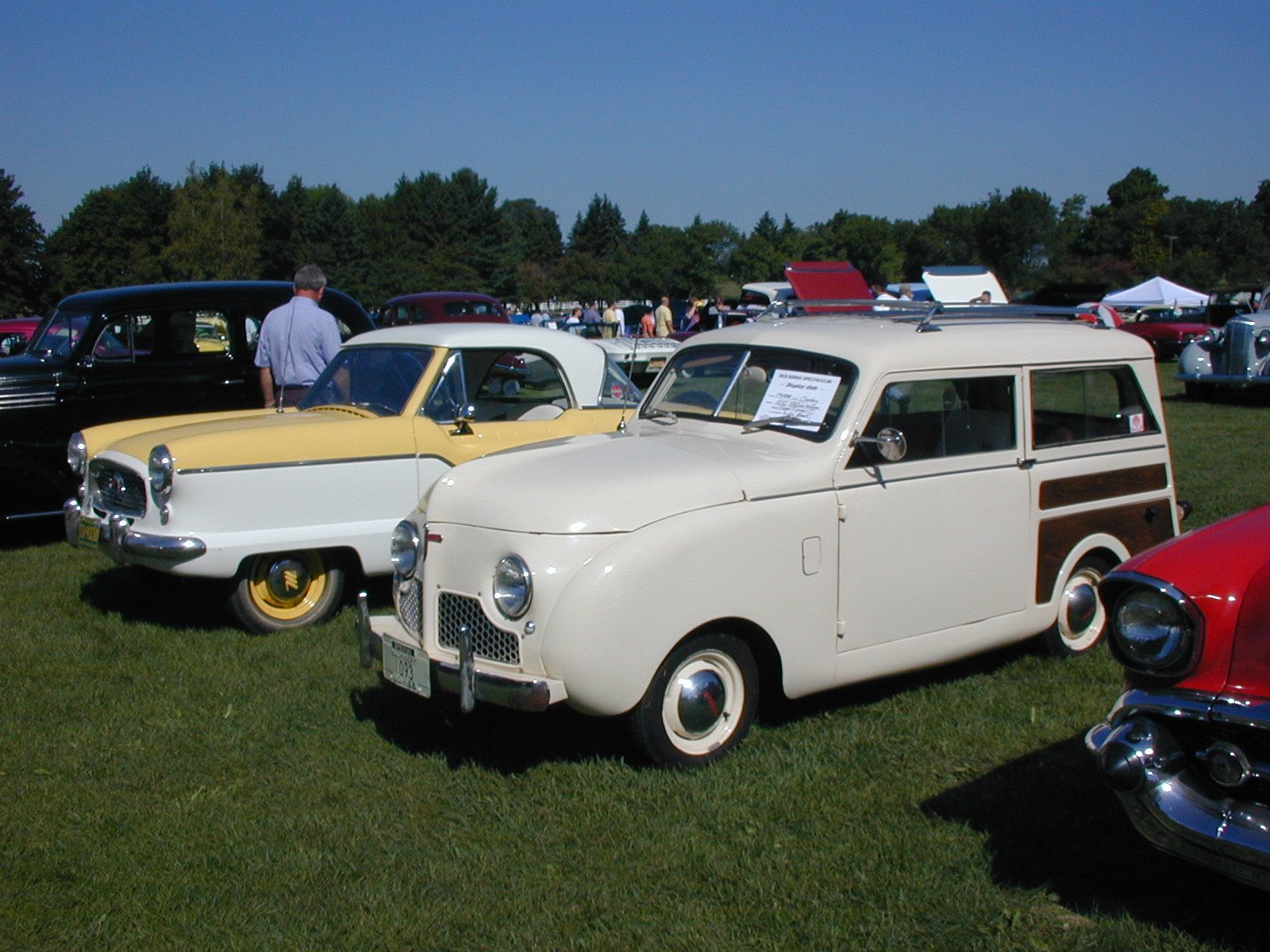
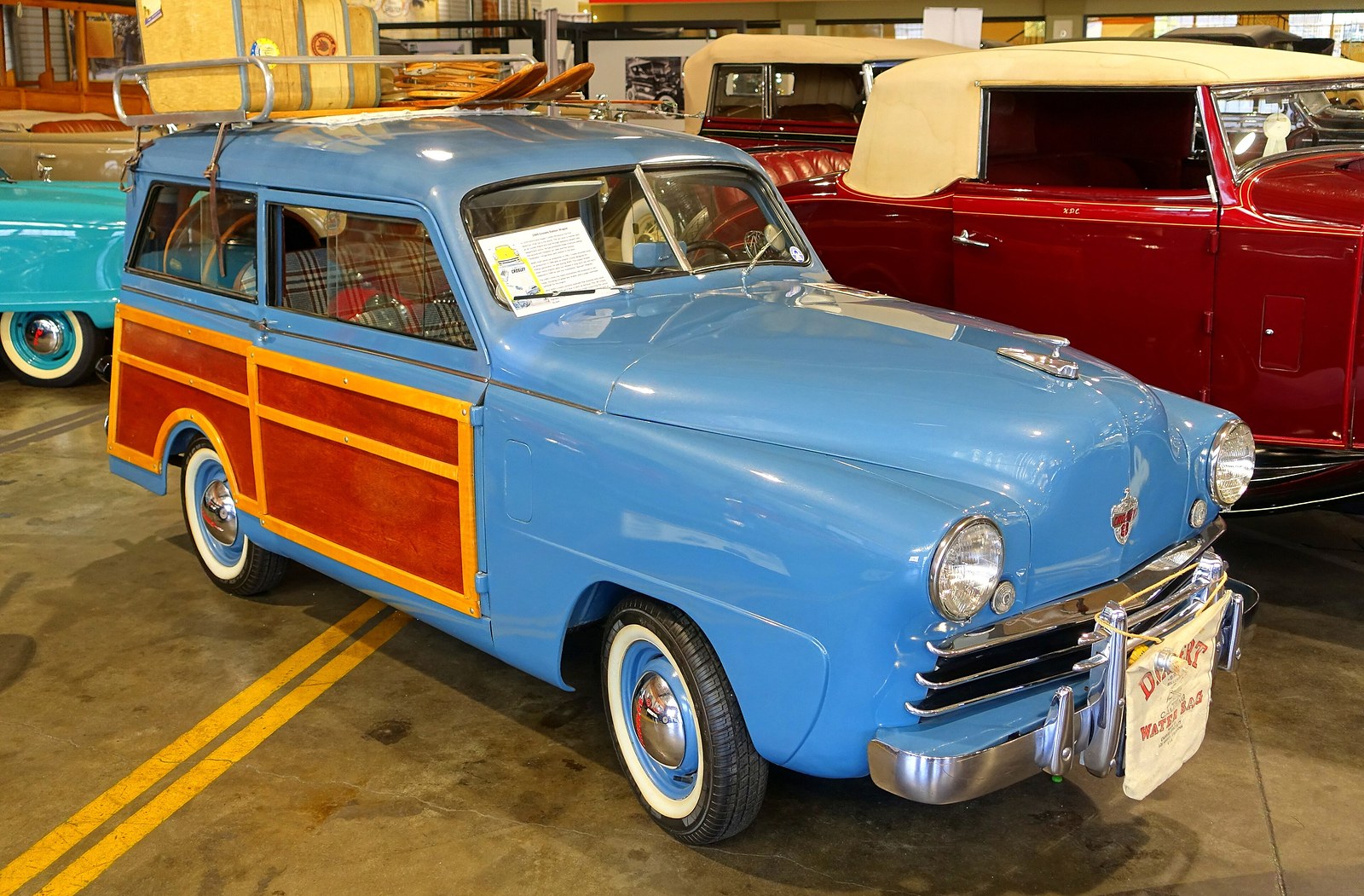
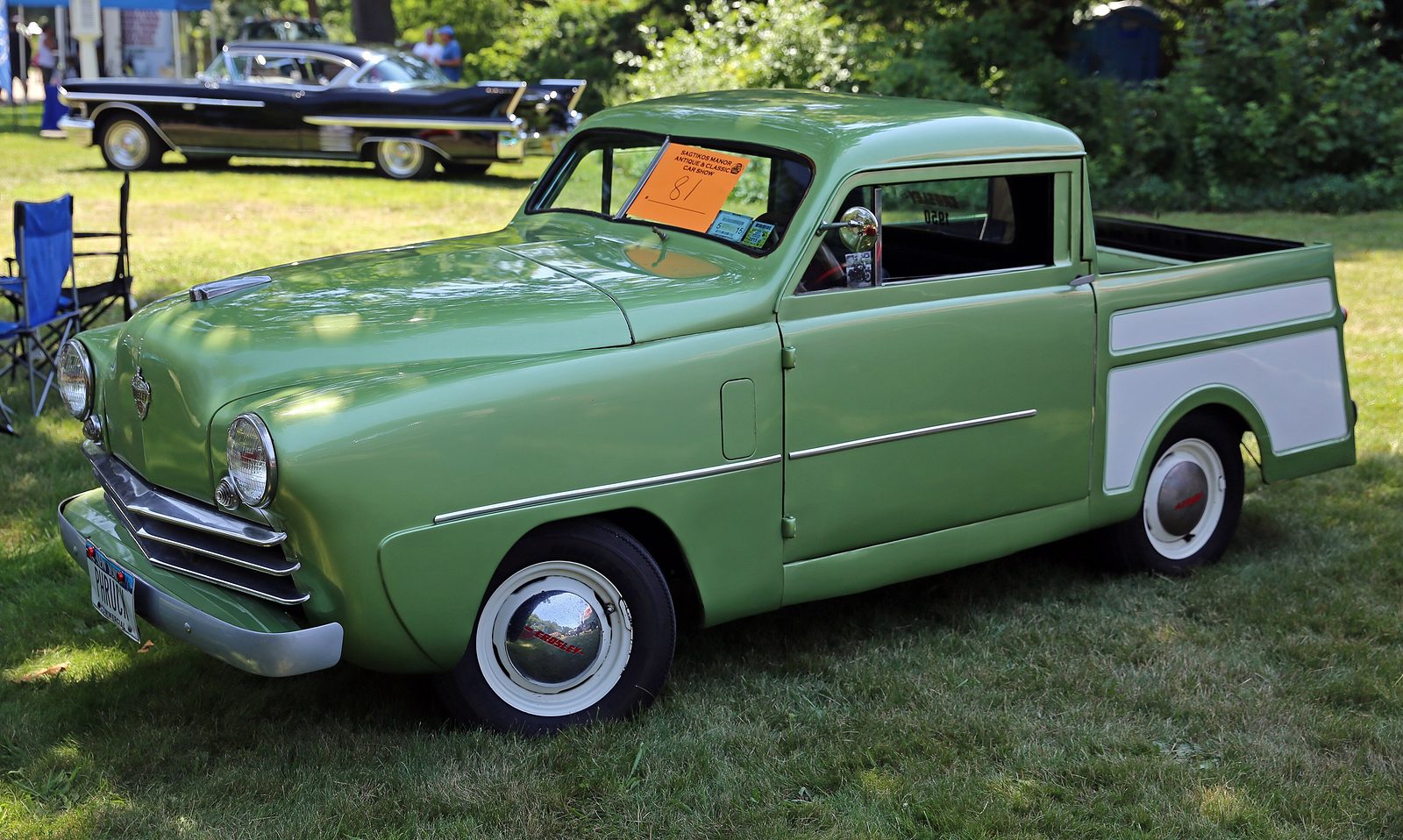
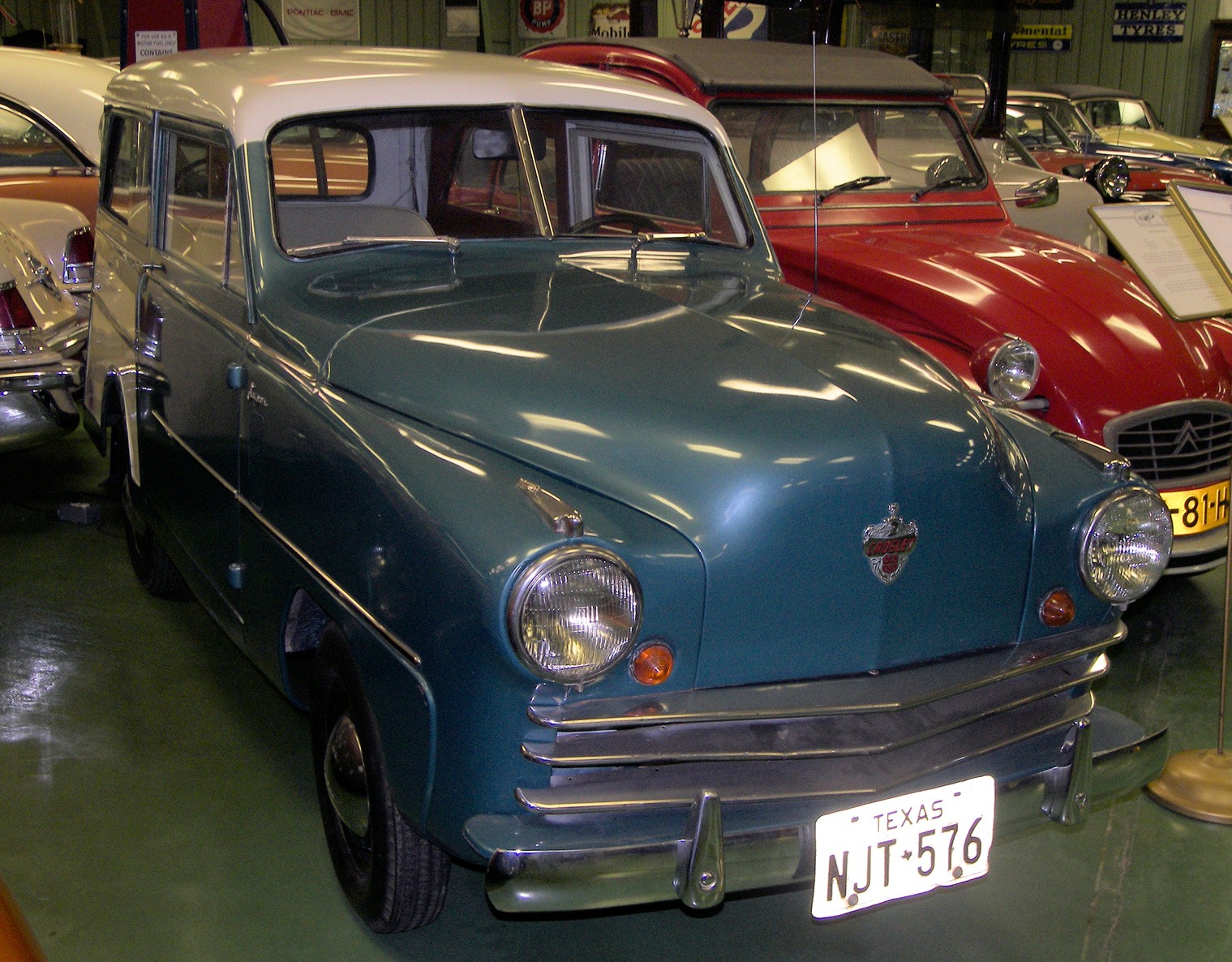
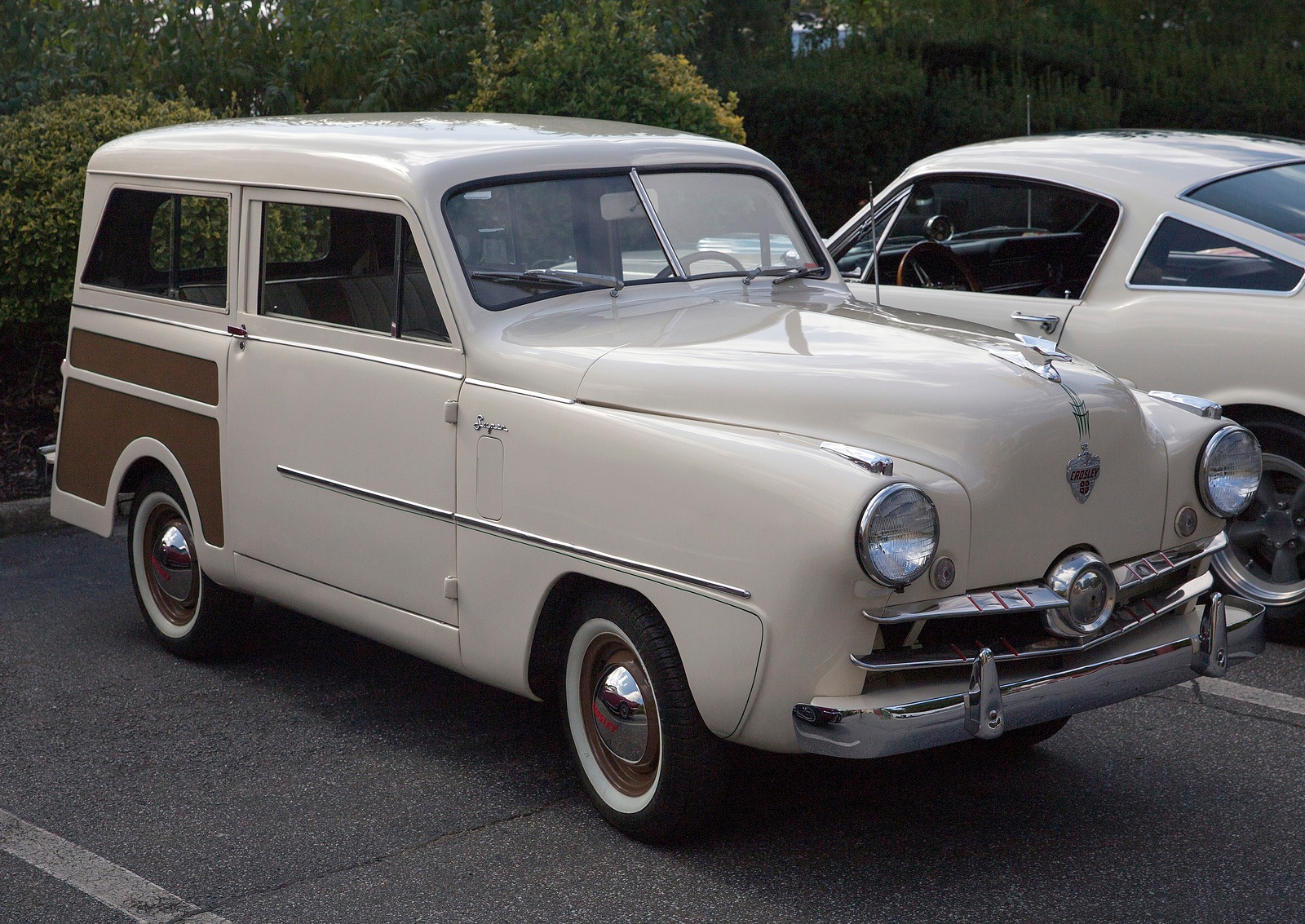
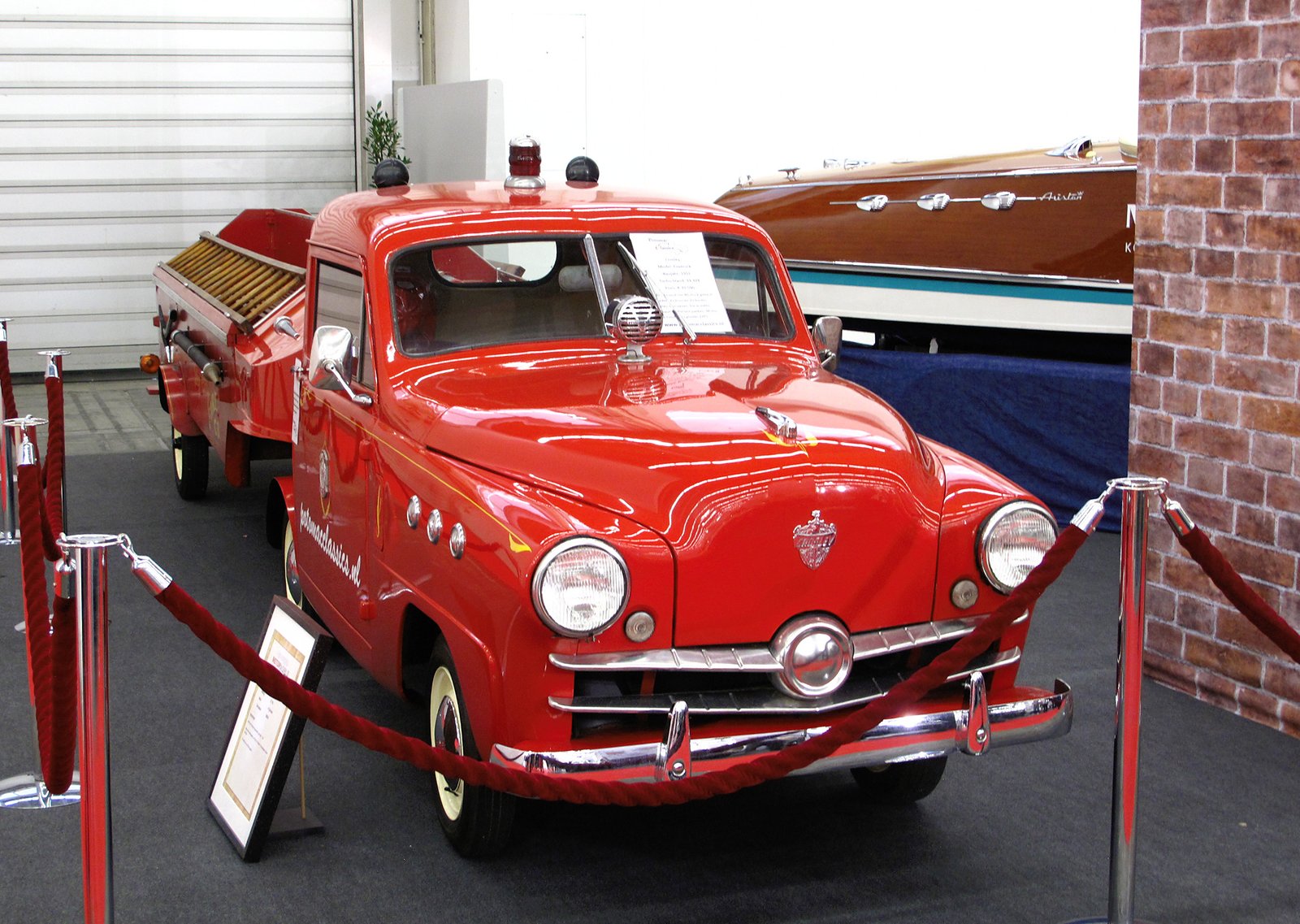
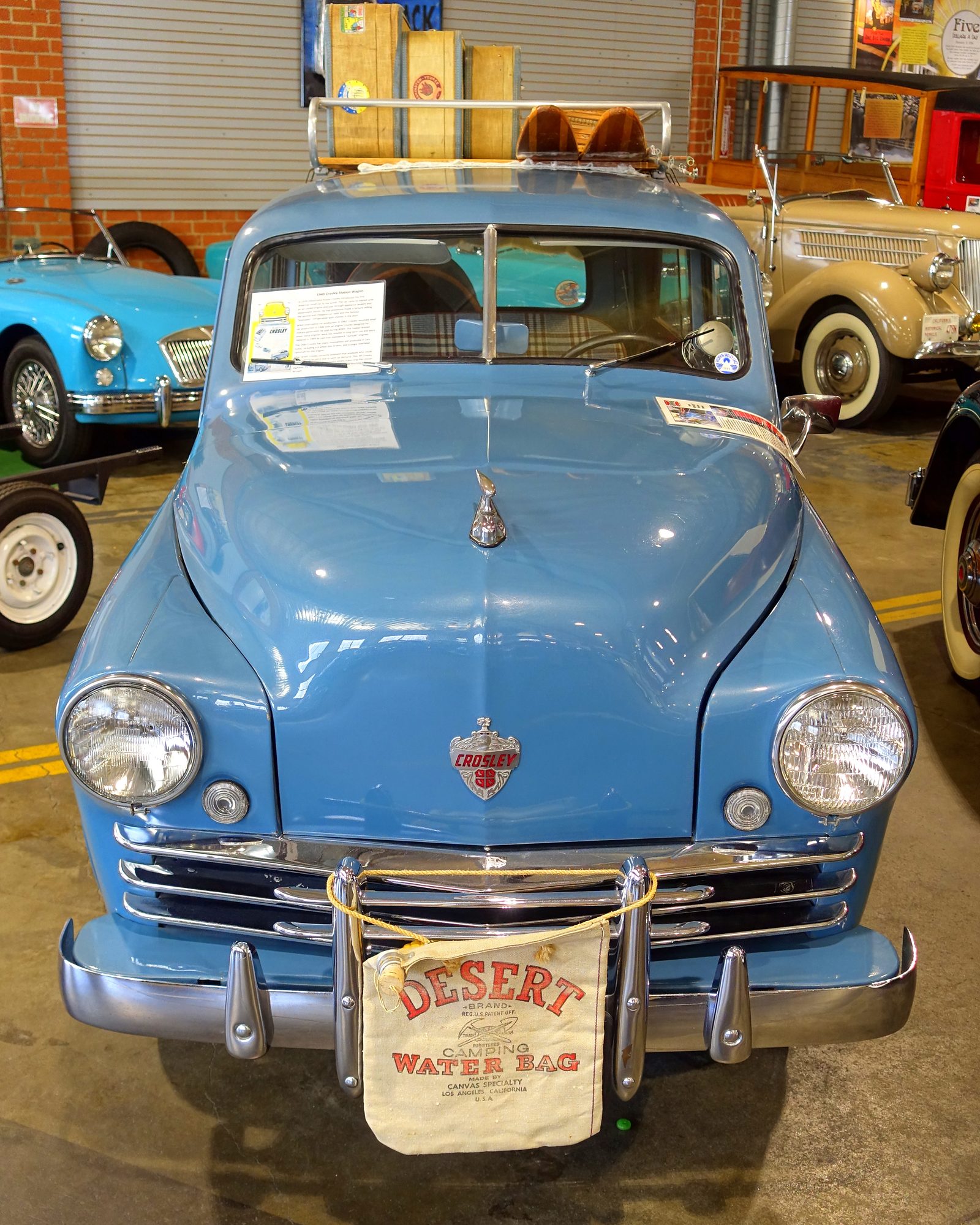
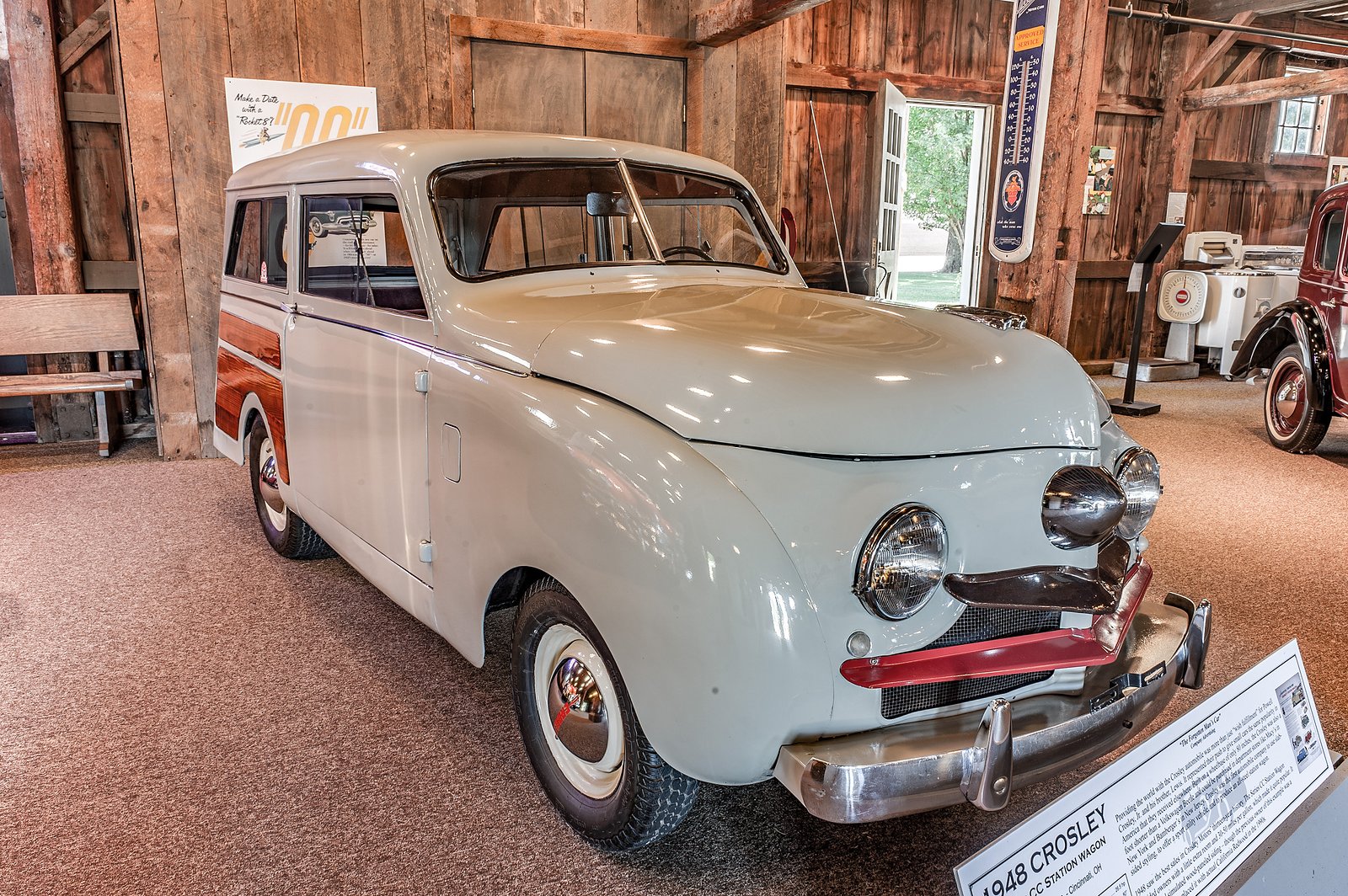
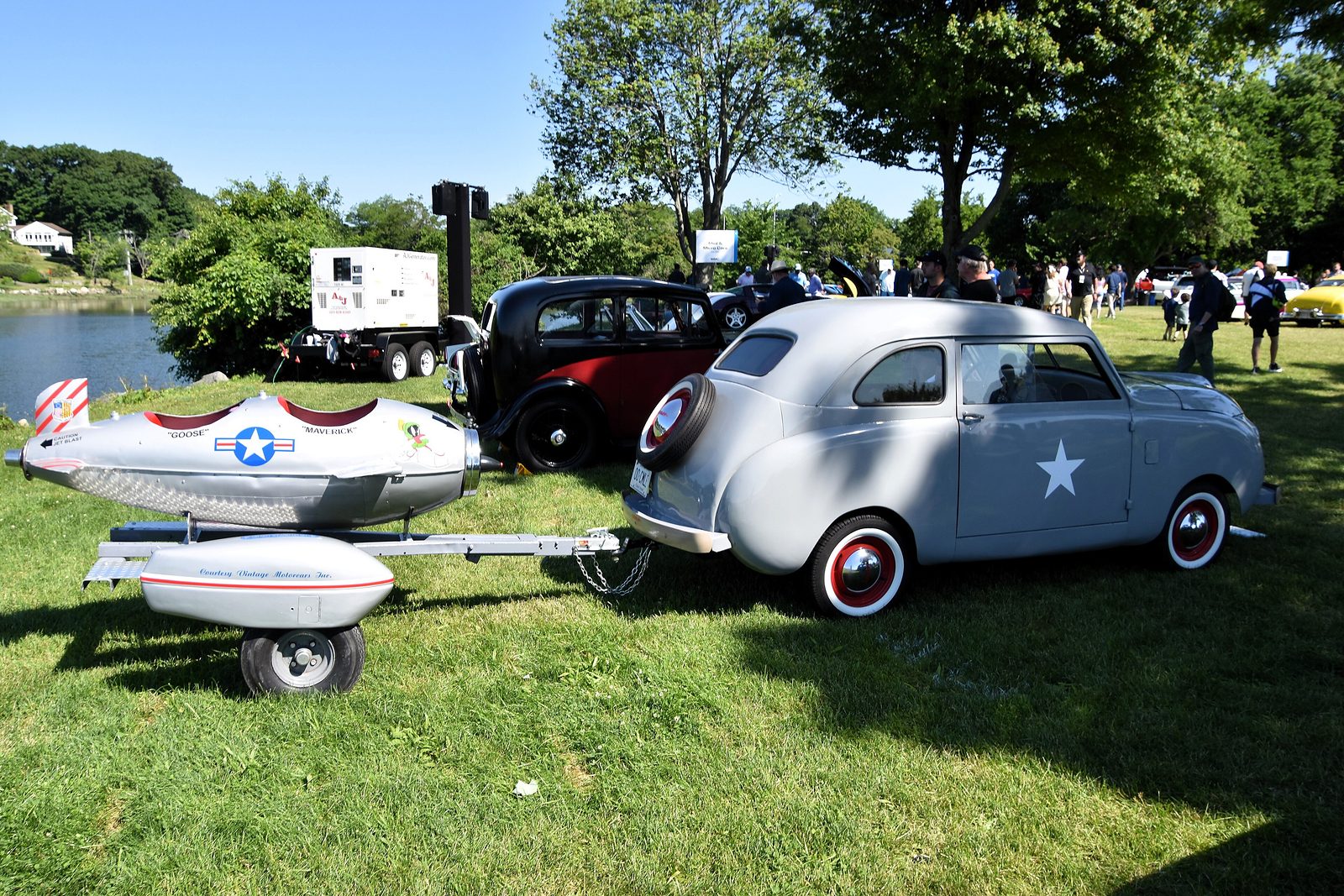
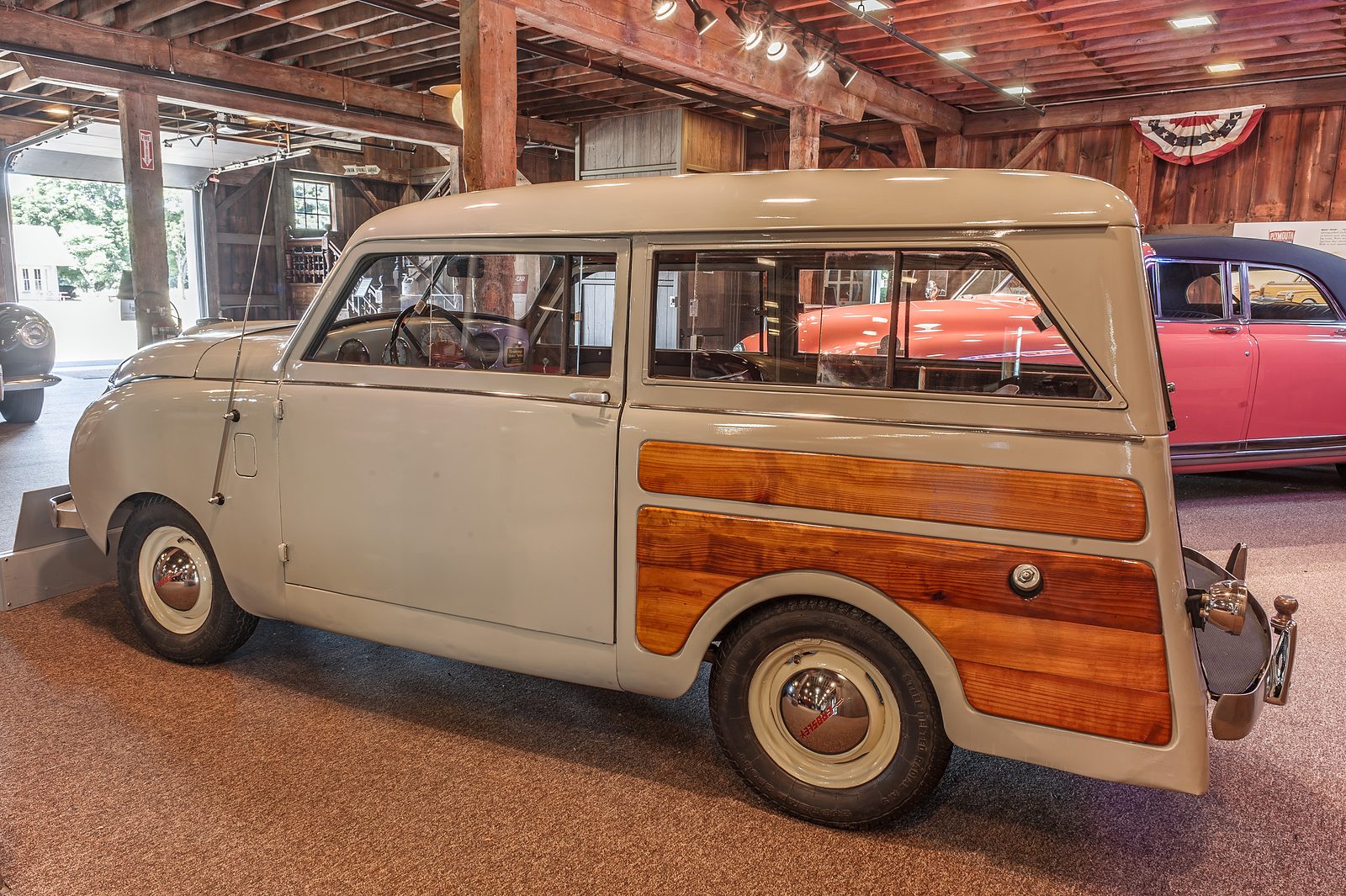
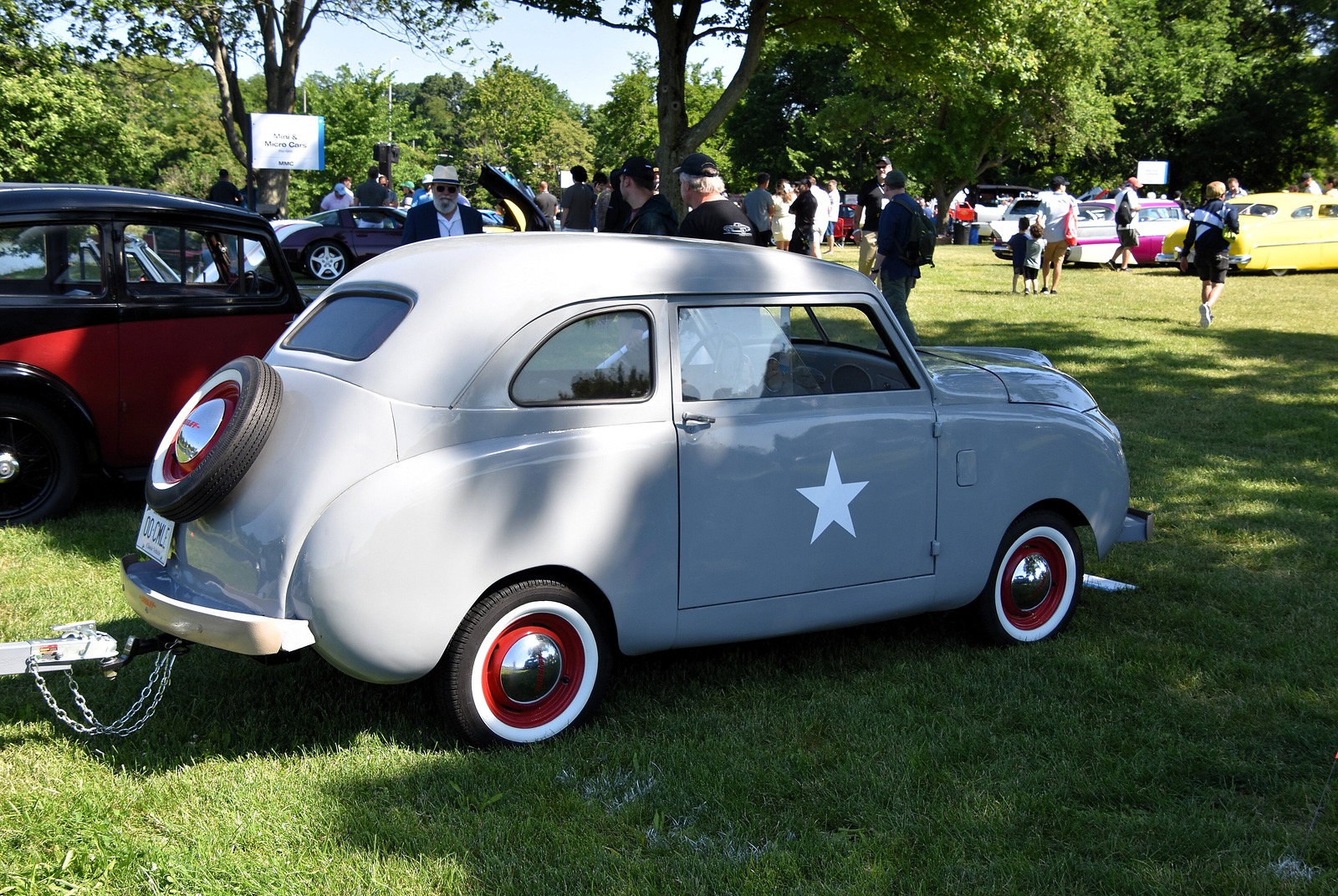
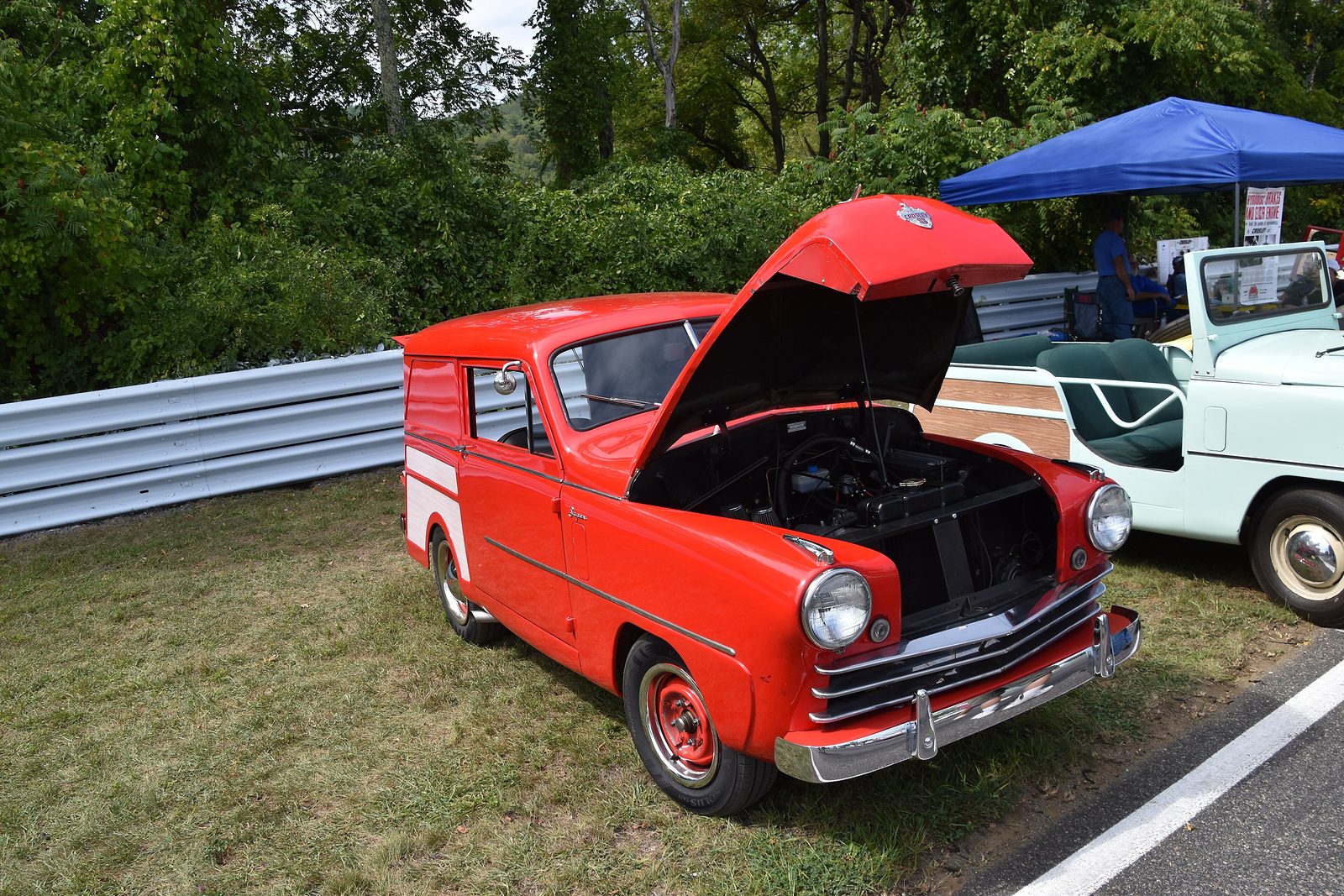
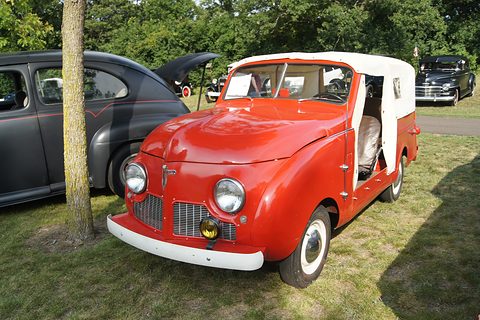
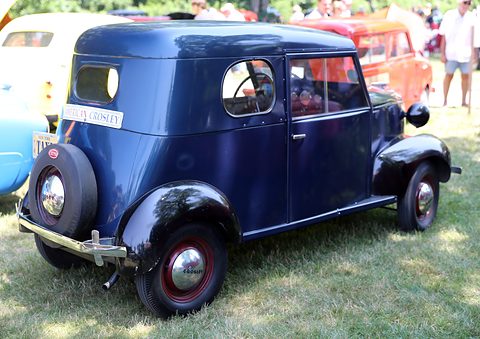
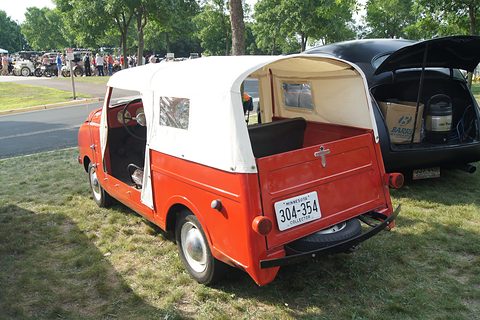
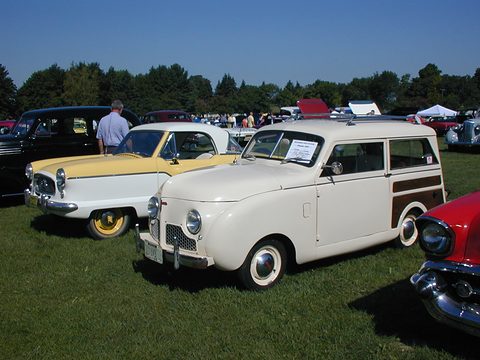
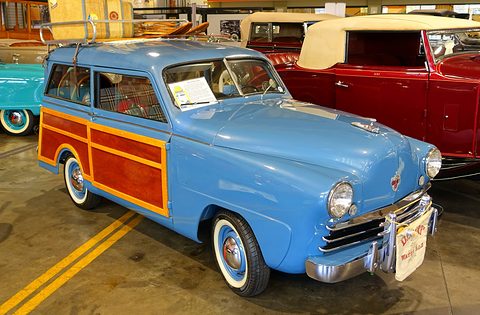
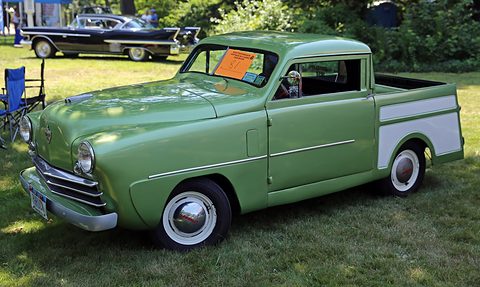
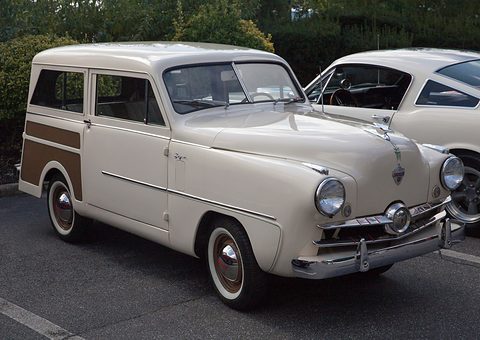
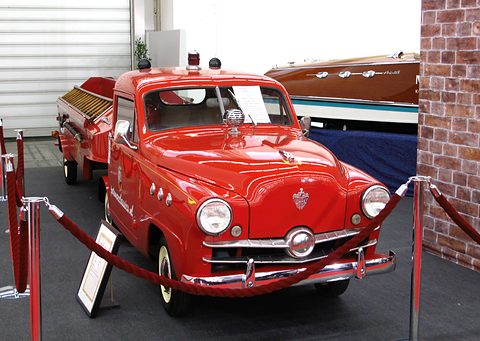
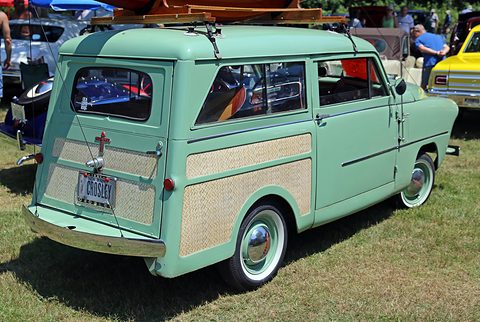
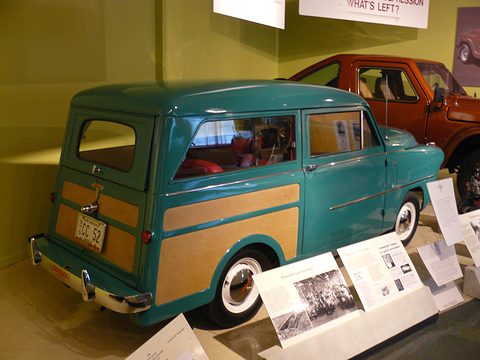
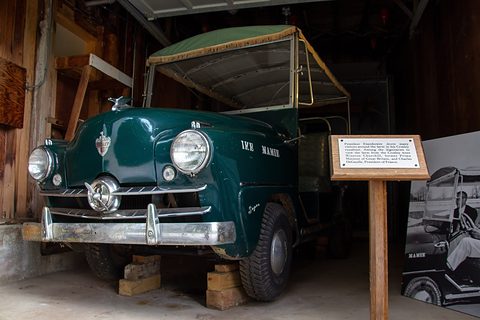
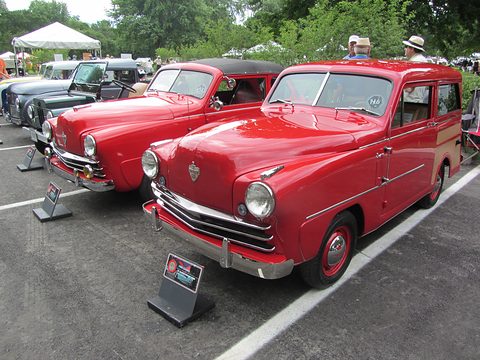
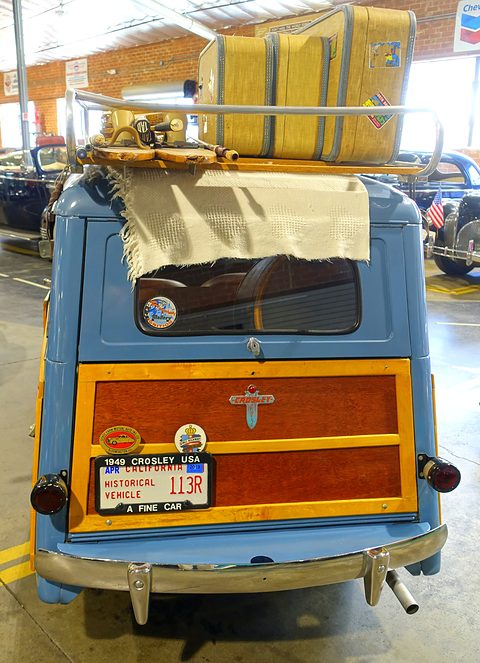
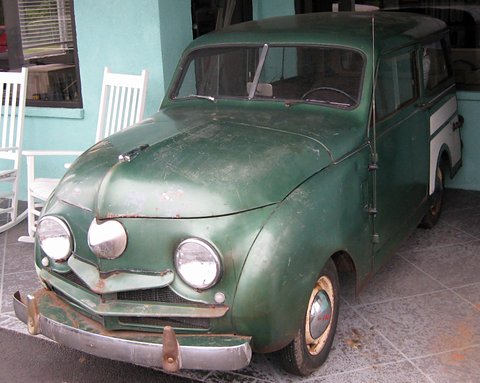
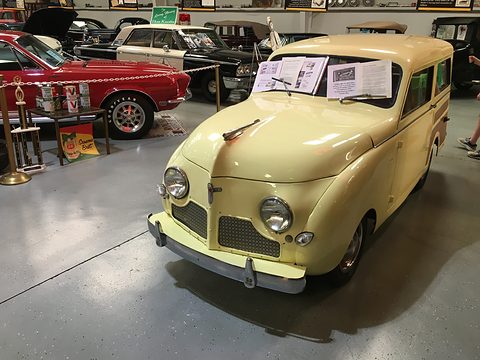
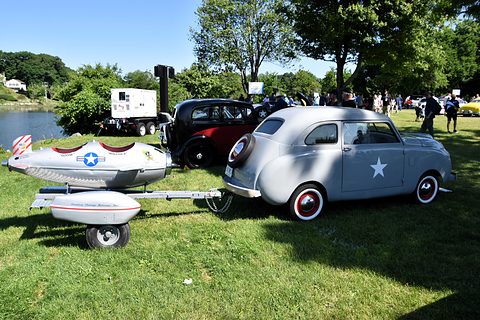
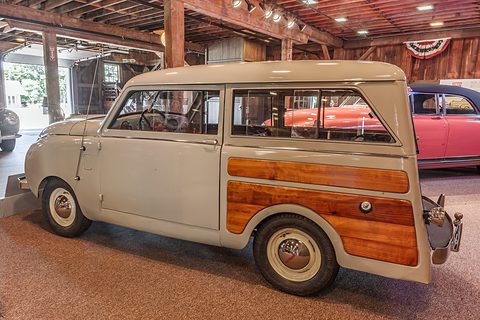
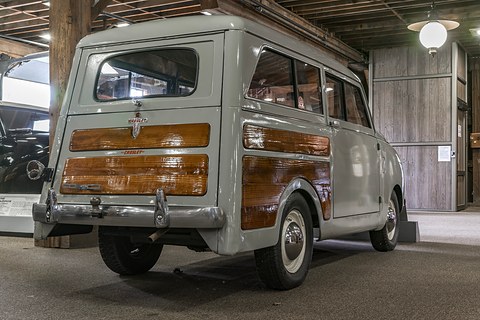
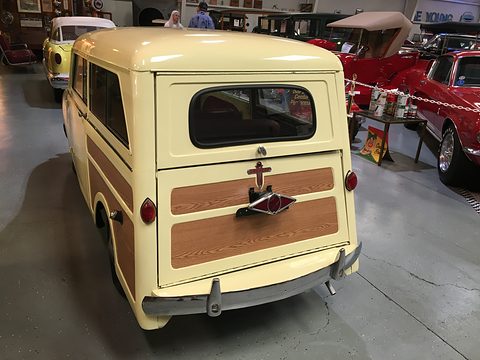
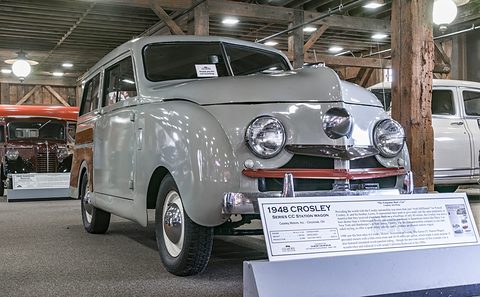
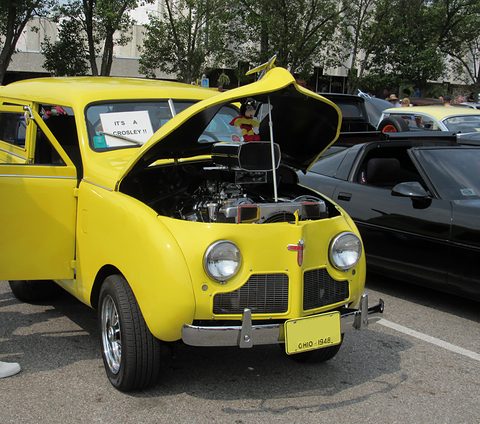
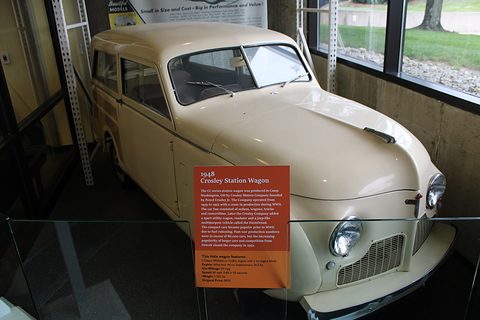
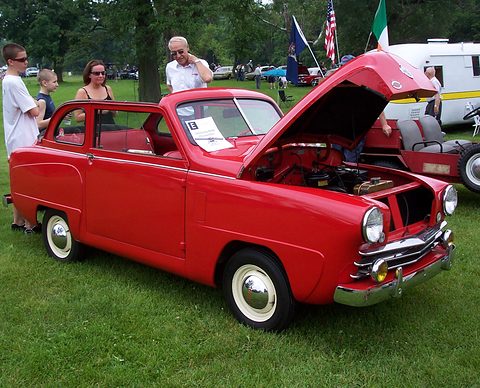
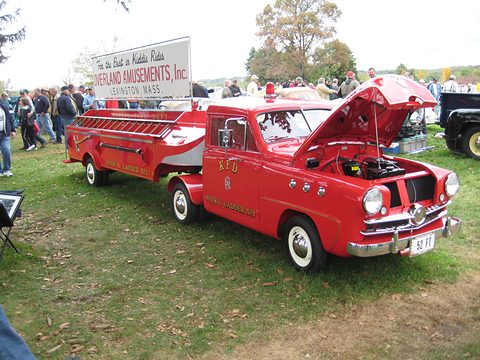
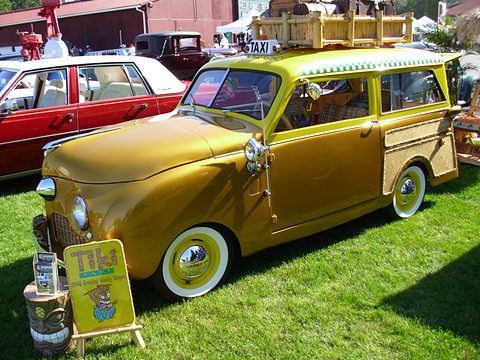
Crosley meant to sell it through department and appliance stores, with service at central depots, and on 14 June 1939 he named Macy’s in New York and Bamberger’s in New Jersey; Macy’s took 14 orders on the first day, and a factory showroom opened on East 44th Street.source 2 Car dealers soon took over.source 1source 3 Production was under way by 11 June, and 2,017 were built in the rest of 1939.source 1source 2 For 1940 came a van and a station wagon with a maple body, but only 422 cars.source 1source 2 The 1941 range, with the Covered Wagon, a convertible wagon whose rear seat came out, and the Parkway Delivery, with no roof over the driver, ran to ten bodies, and nearly 2,300 were built.source 1source 2 In 1941 the 147th Infantry tested a cut-down “Mosquito” sedan at Camp McCoy. Cannonball Baker drove a Crosley one-and-a-half times across the United States.source 2
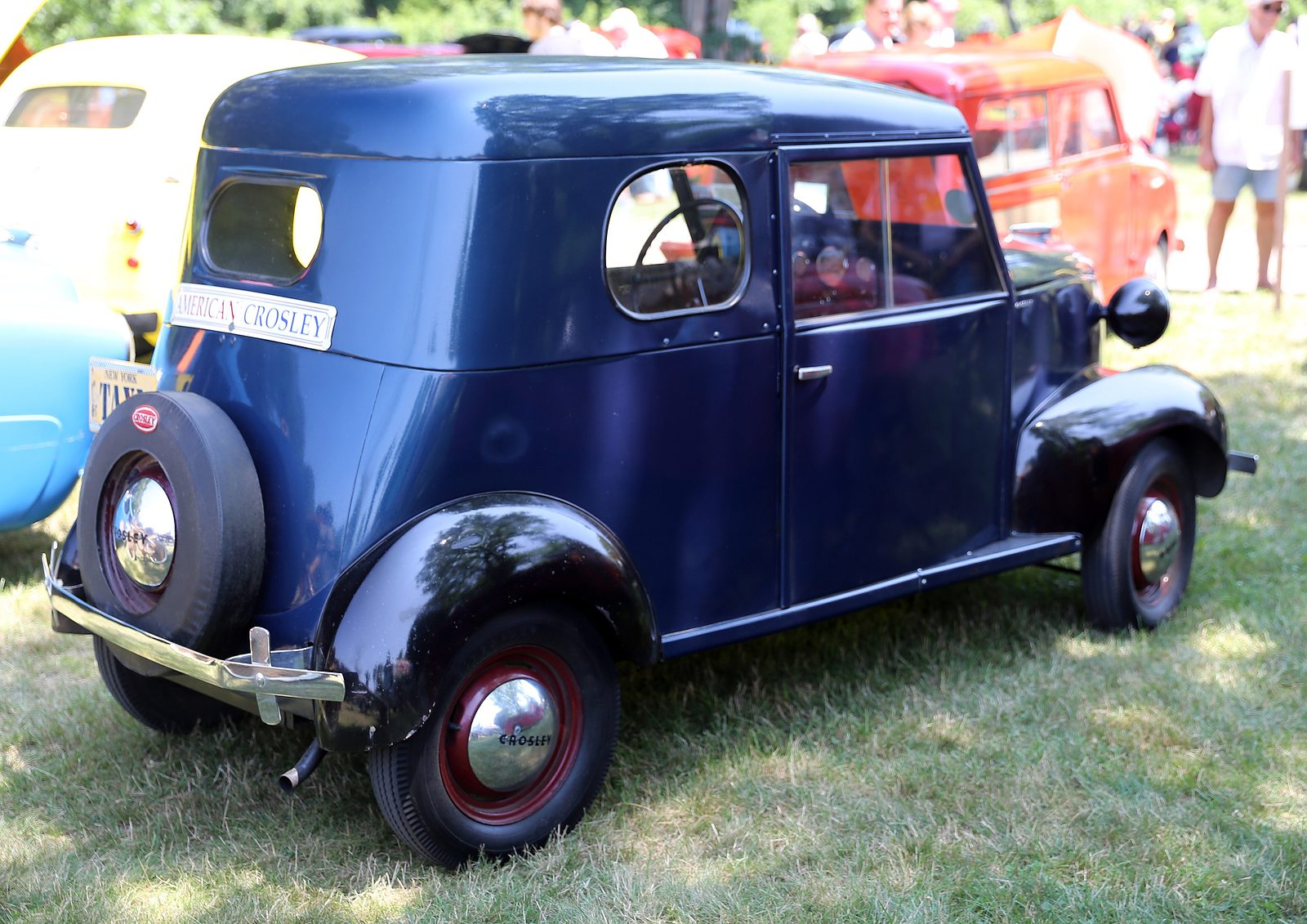
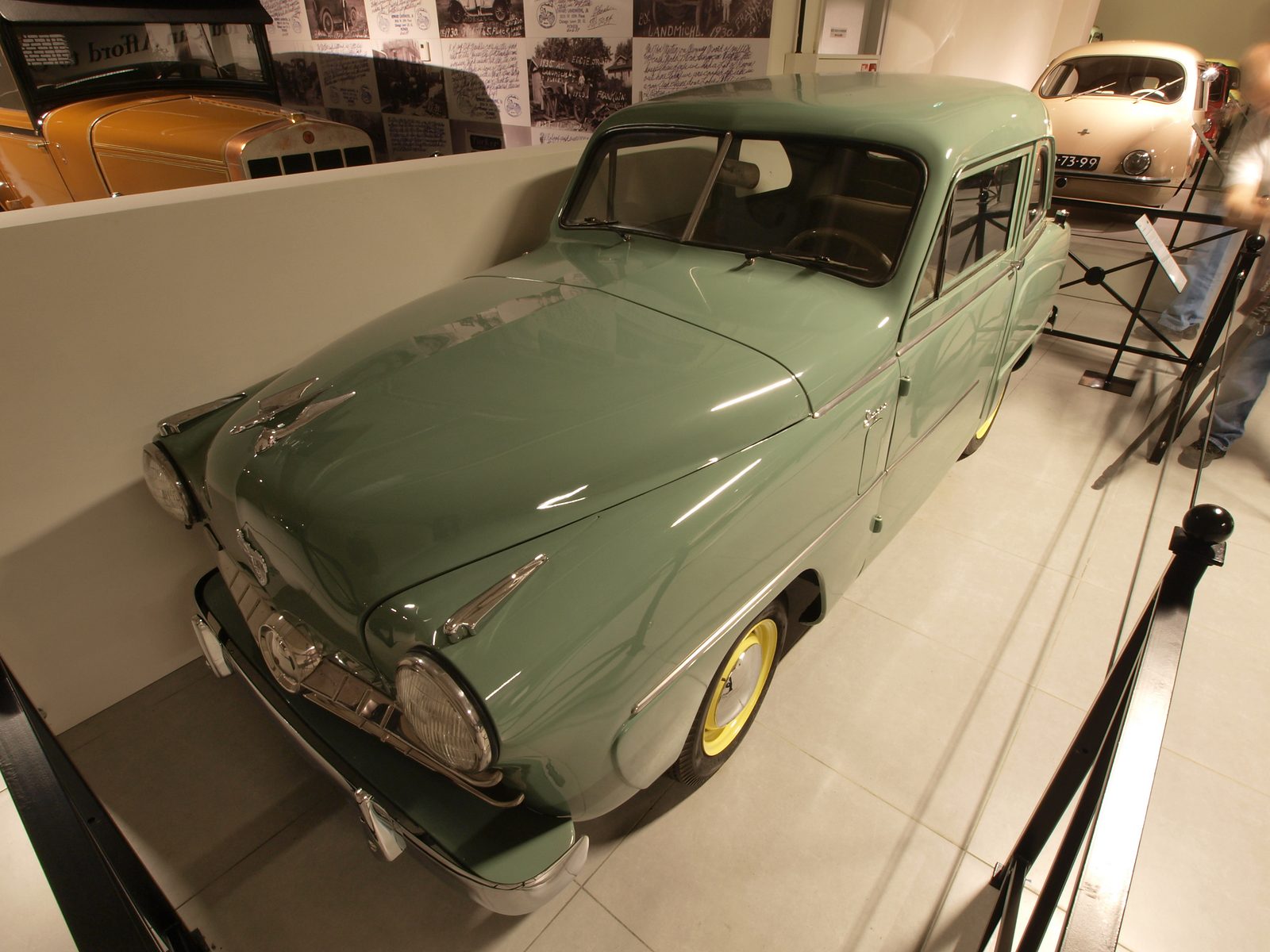
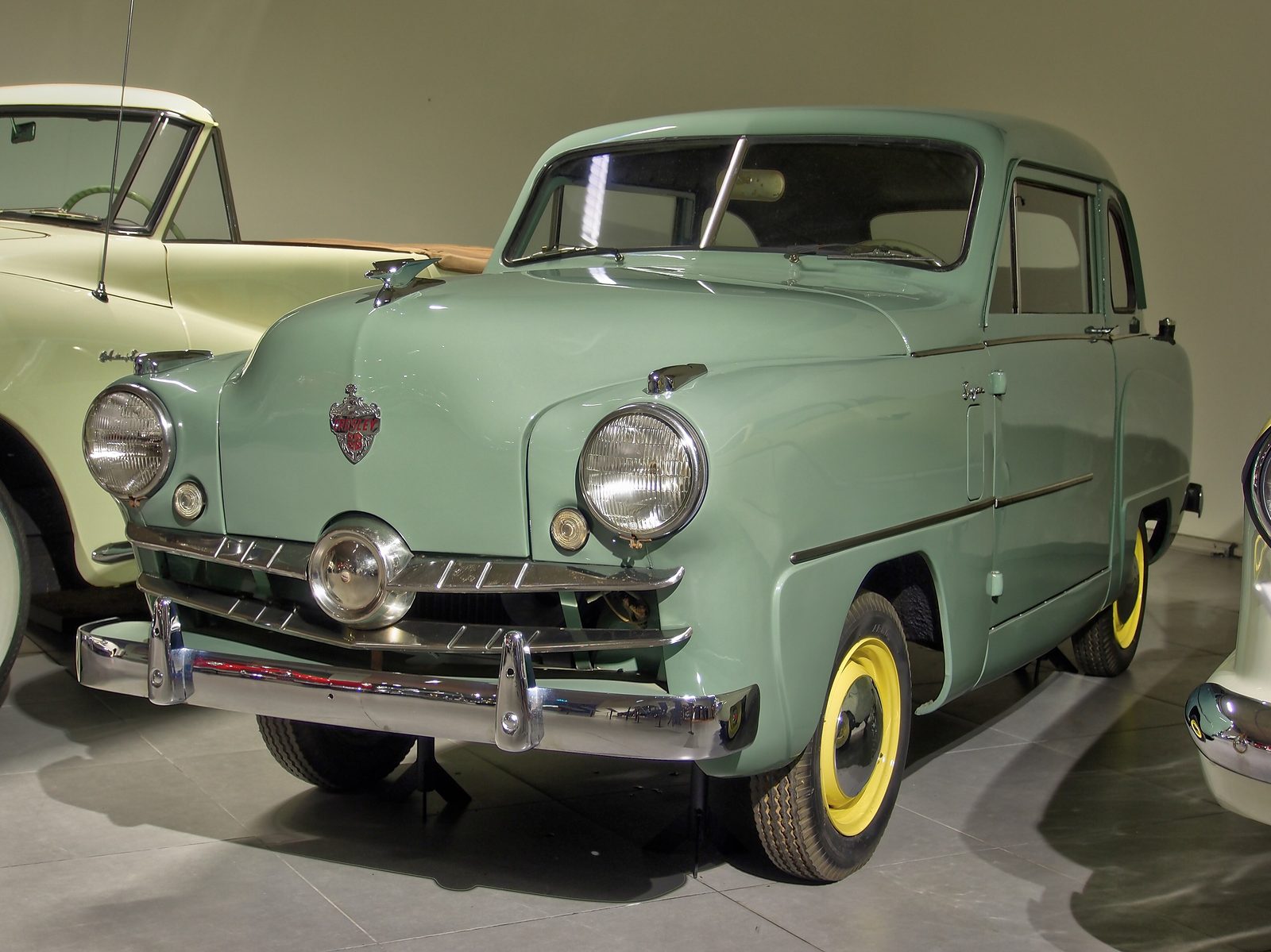
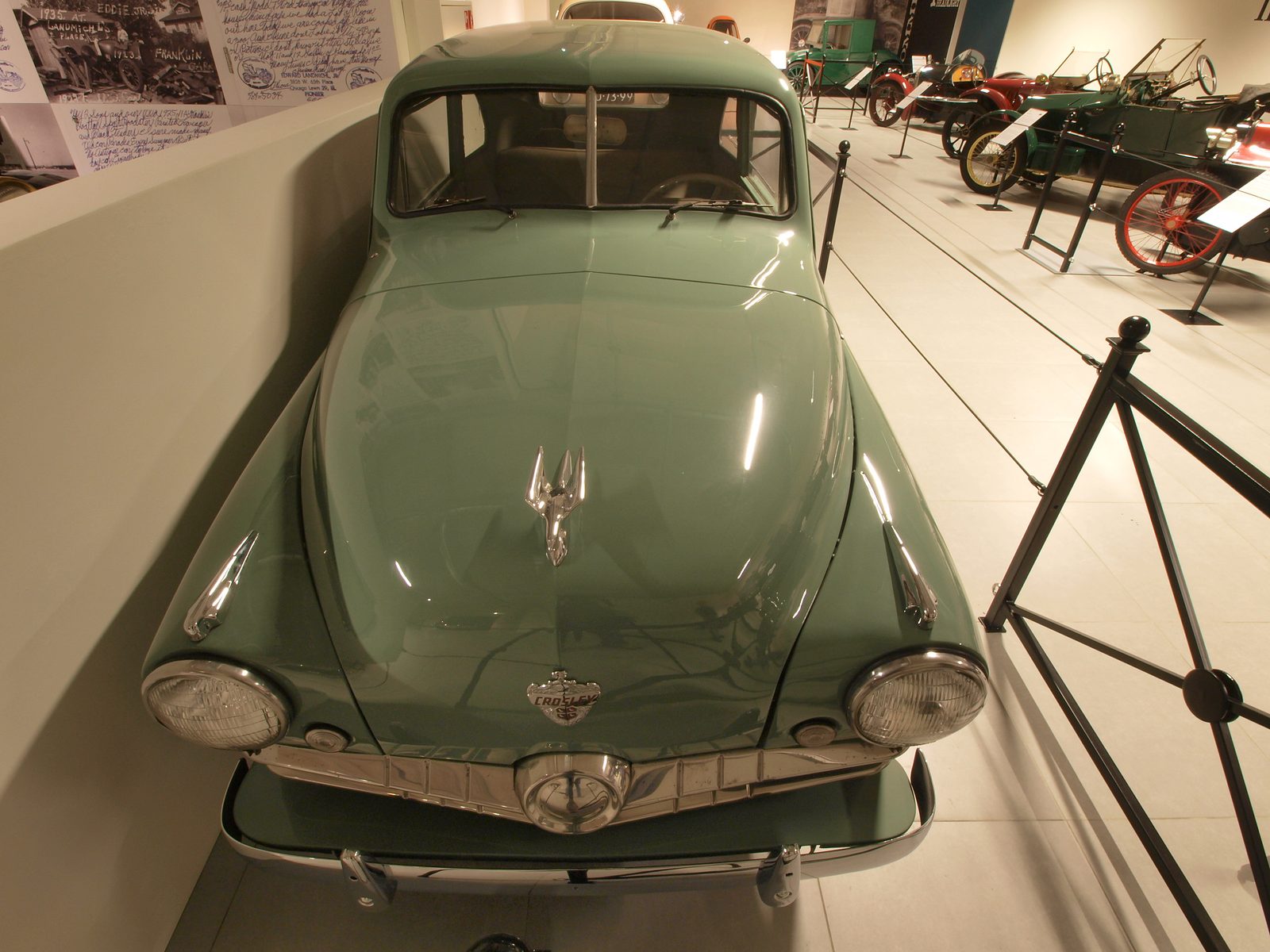
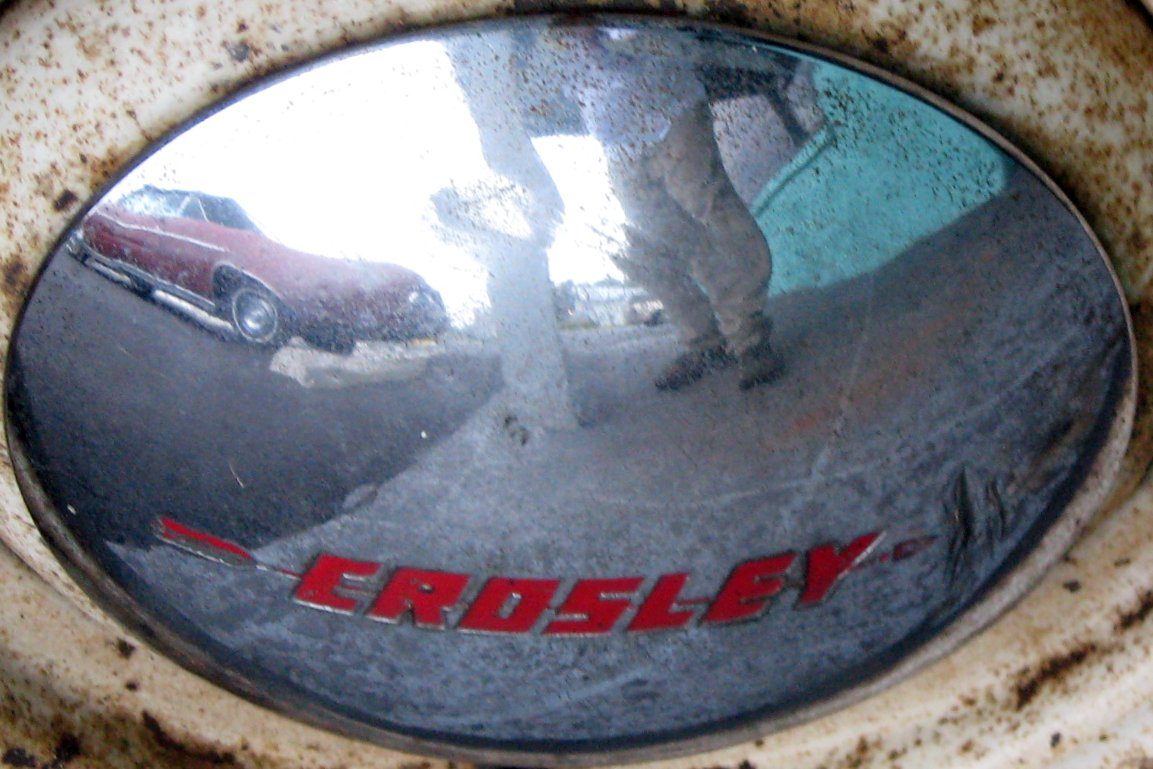
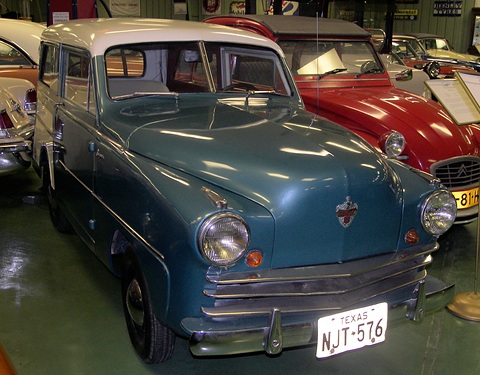
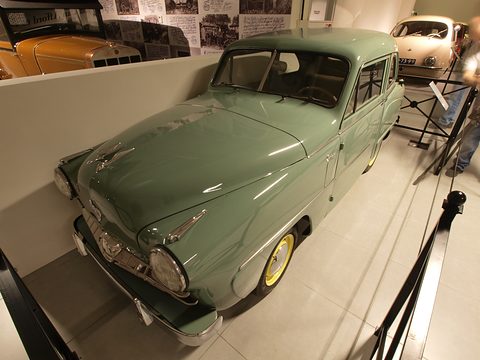
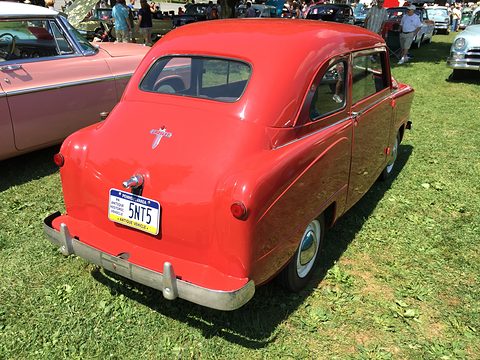
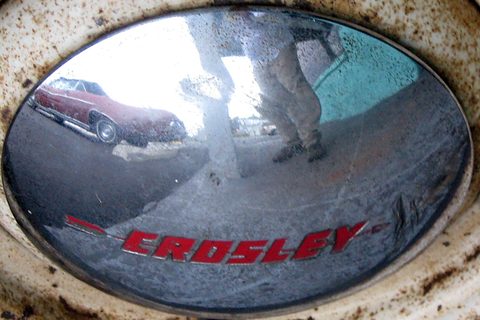
The CB42 of 1942 brought the Liberty Sedan, the first Crosley with a steel roof, and painted hubcaps, since chrome was restricted.source 1source 5source 2 About 1,000 were built before the stop in February 1942, and Crosley was the last American maker to stop building cars for civilians. With petrol rationed, a car claimed to use only 4.7 litres per 100 km (50 US mpg) had its appeal, and Crosley’s advertisements ran on into 1943.source 1source 2
War, and a tin engine
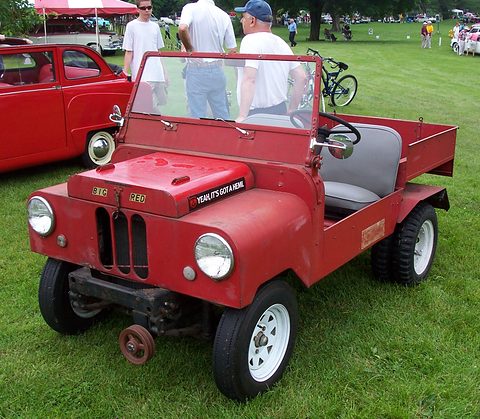
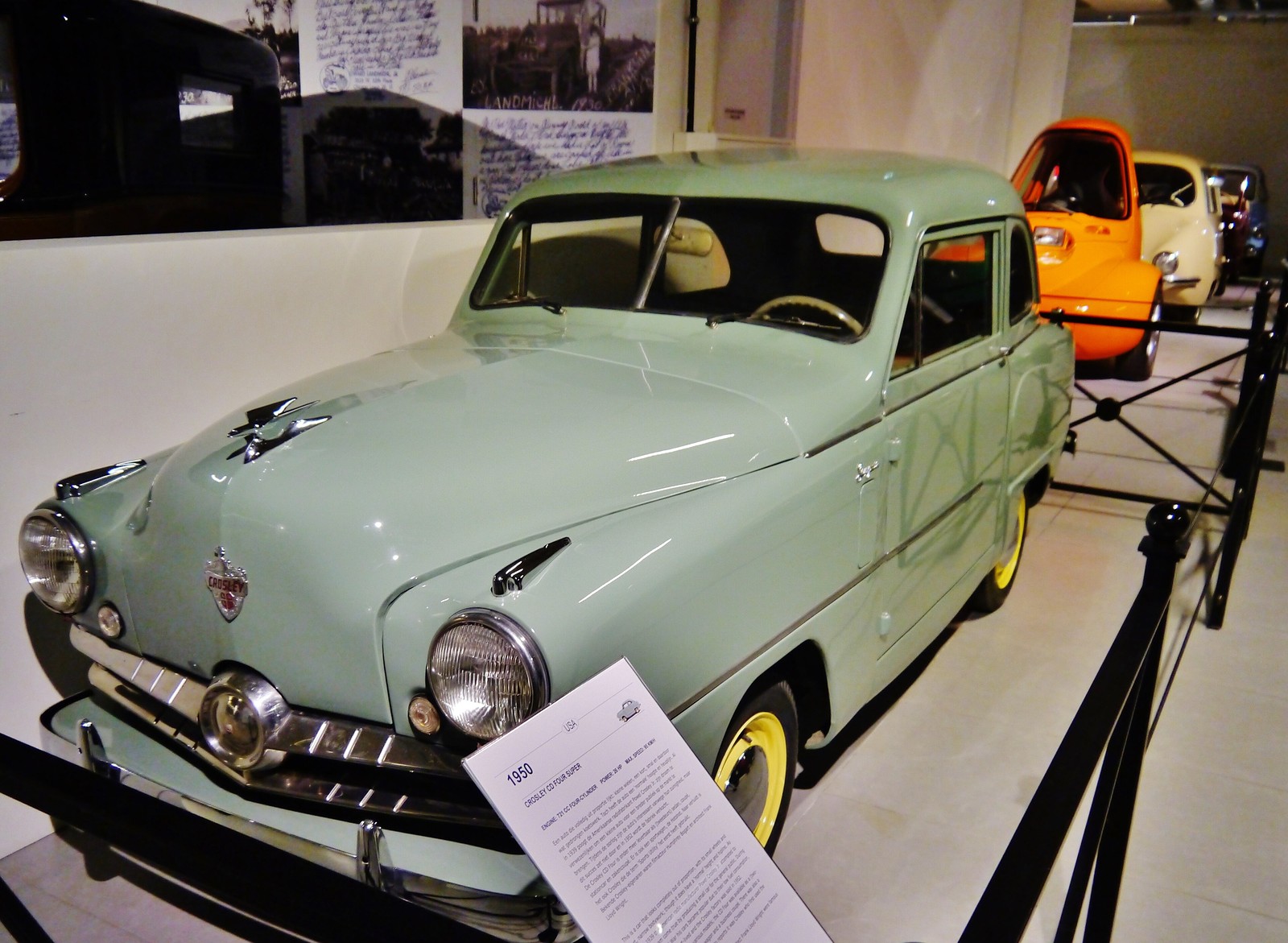
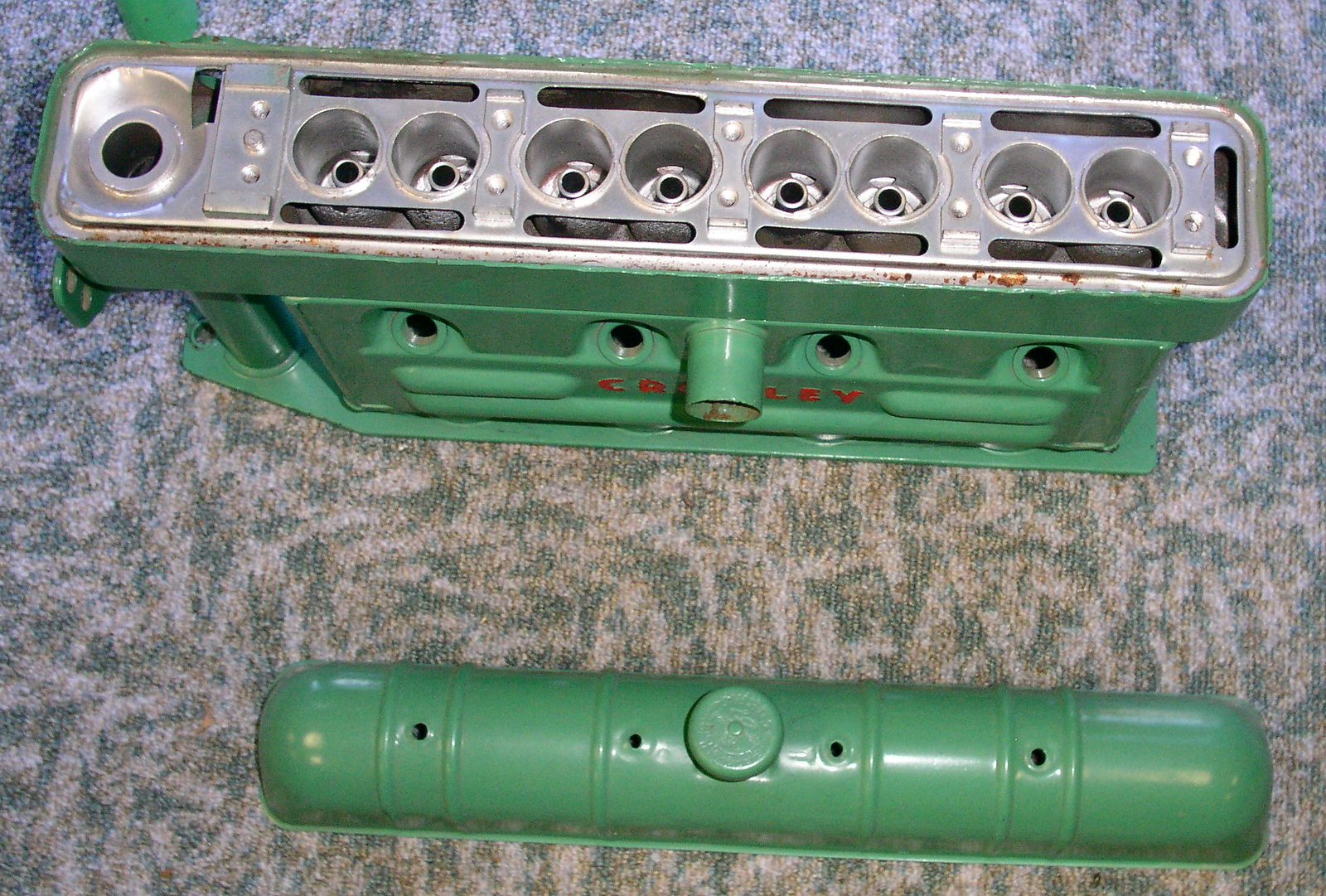
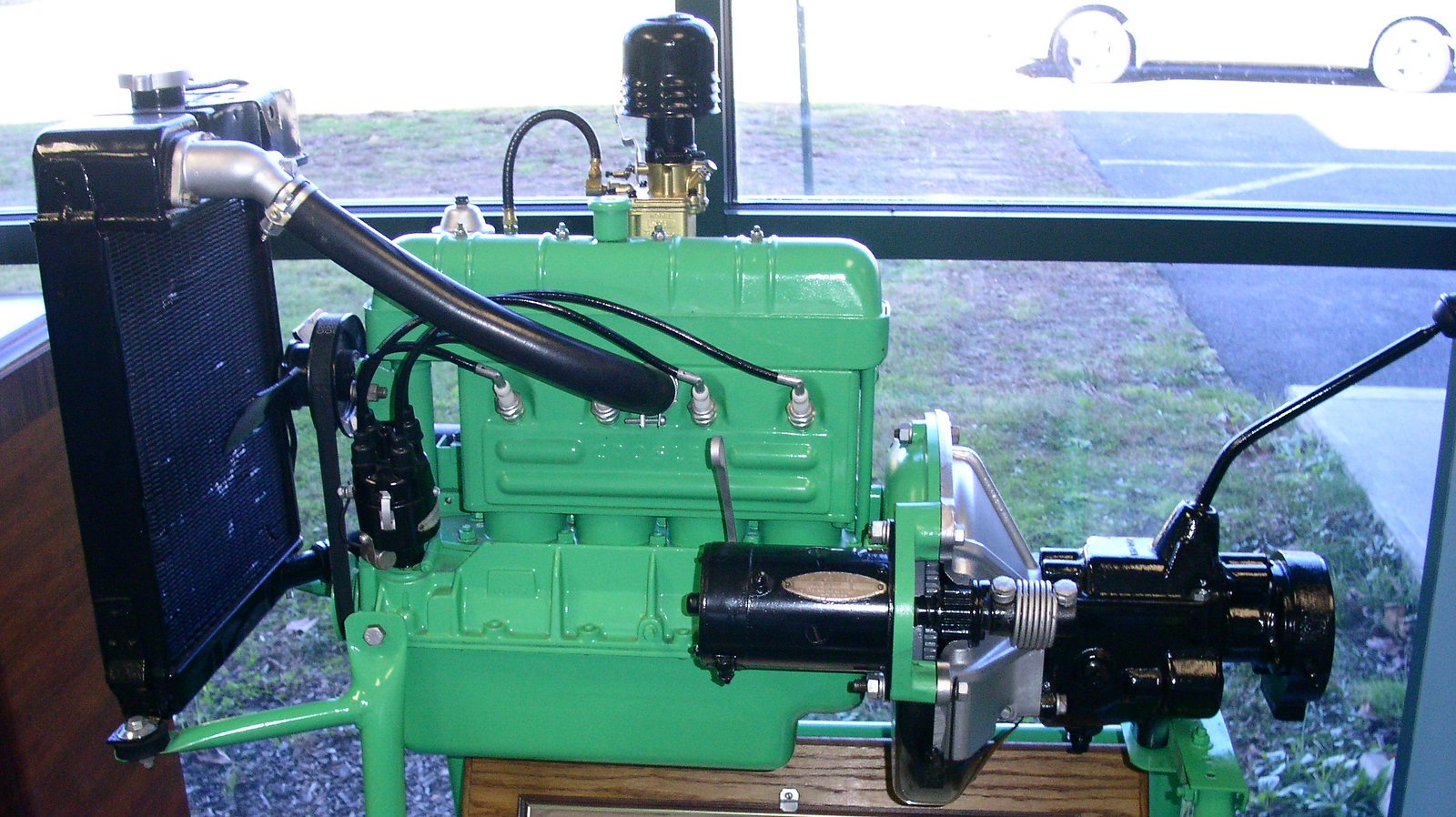
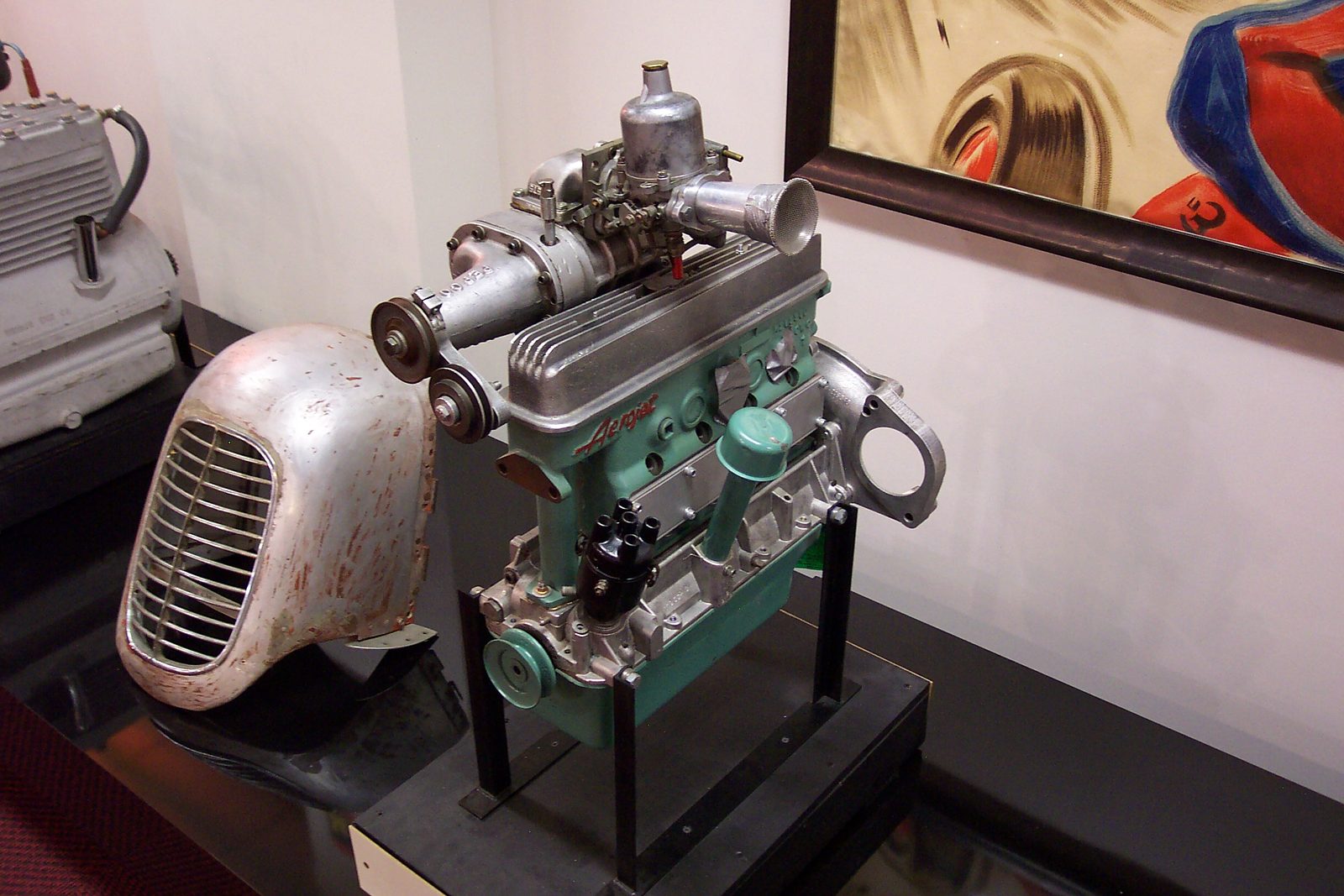
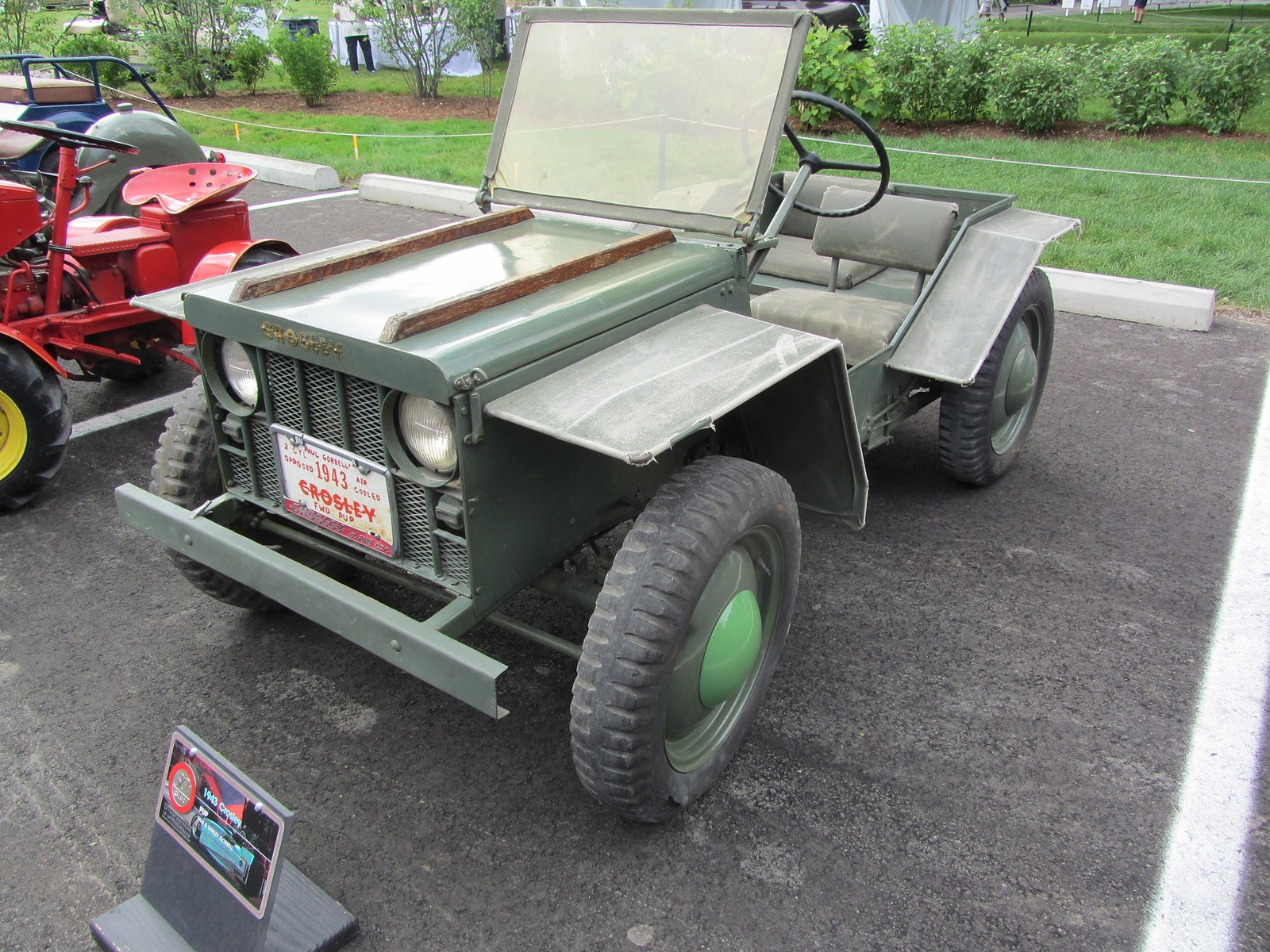
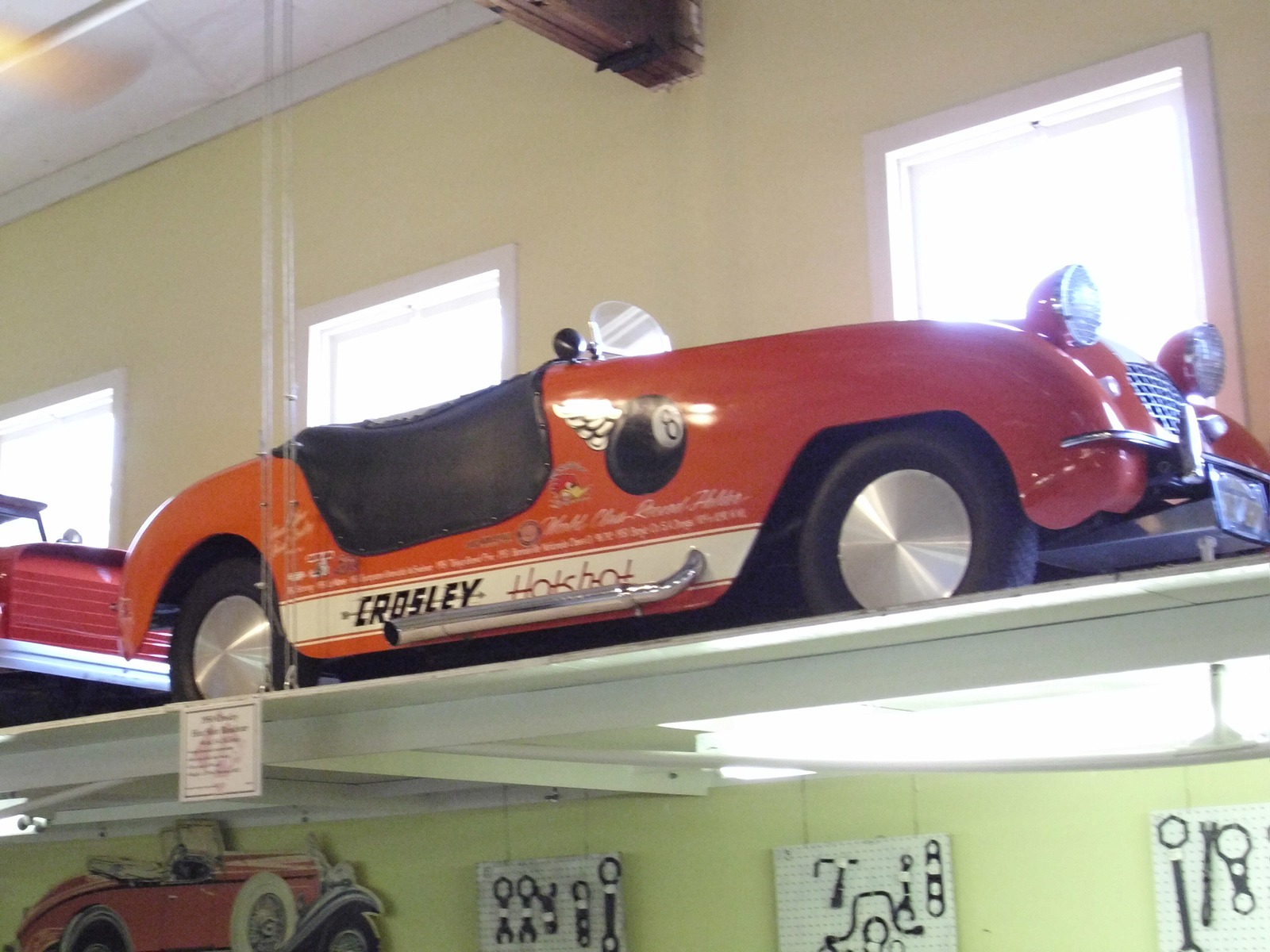
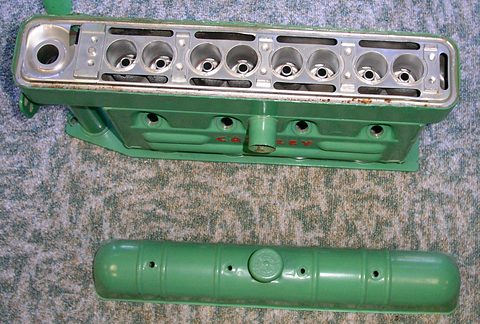
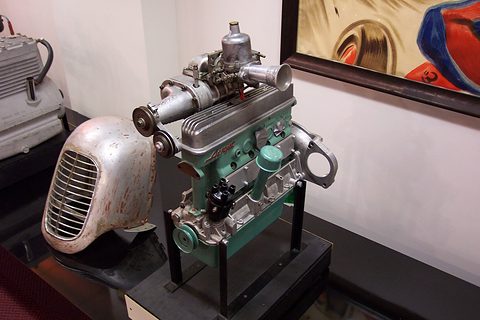
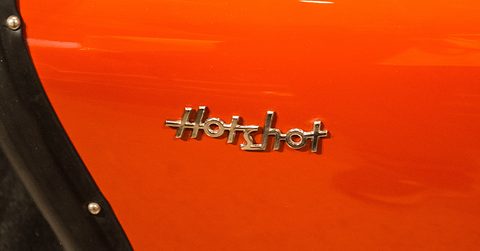
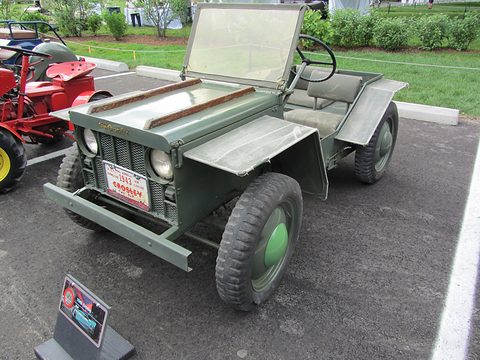
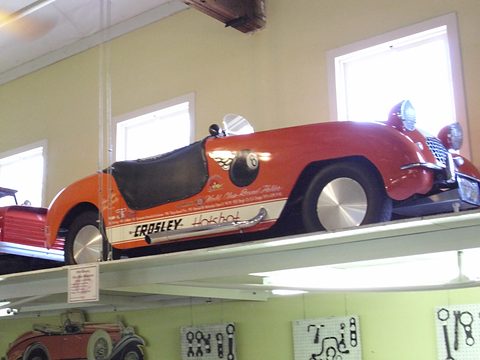
In the war Crosley made proximity fuzes, radios, field kitchens and powered gun turrets.source 1 It also built the CT-3 Pup, a one-seat four-wheel-drive runabout of 510 kg (1,125 lb) that could be flown in, with the Waukesha twin and a gearbox of six forward and two reverse speeds; 36 were built, six went overseas, and seven or eight survive.source 1source 2 In the summer of 1943 the chief engineer, Paul Klotsch, met Lloyd Taylor, whose overhead-cam four was built from sheet steel, and Crosley took an exclusive licence.source 2 On 20 June 1944 the radio business was sold and Crosley Motors stood alone.source 1source 2 Its post-war cars, longer than this site’s size rule allows, are told below: the CC and CD and the Hotshot.