The story
History
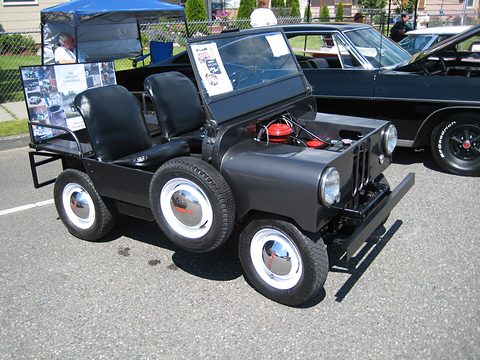
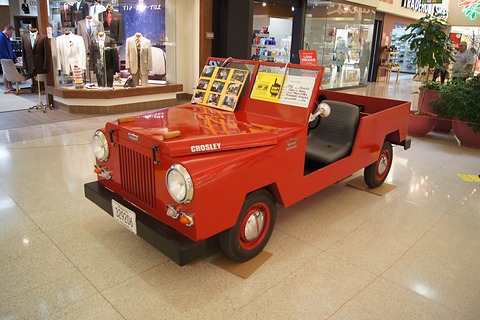
By 1950 Crosley had been building small cars for eleven years, and in the war it had made the Pup, a tiny four-wheel-drive runabout meant to be flown in.source 1 Its new machine took its cues from the Jeep and from the Pup.source 1source 2 The Farm-O-Road was announced to Crosley dealers on 20 July 1950, to take the company into farm and commercial work, and the announcement went out over Powel Crosley’s name.source 3source 1source 2
Here at last is the machine people have been longing for and wishing for — as a tractor, a powerful work horse for farming, plowing, cultivation, mowing, and so forth — a fast economical vehicle for road trips — a rugged truck for hauling and towing — a mobile power plant for sawing wood, spraying, etc., all combined in one lightweight, low-cost machine. That is the Crosley FarmOroad.
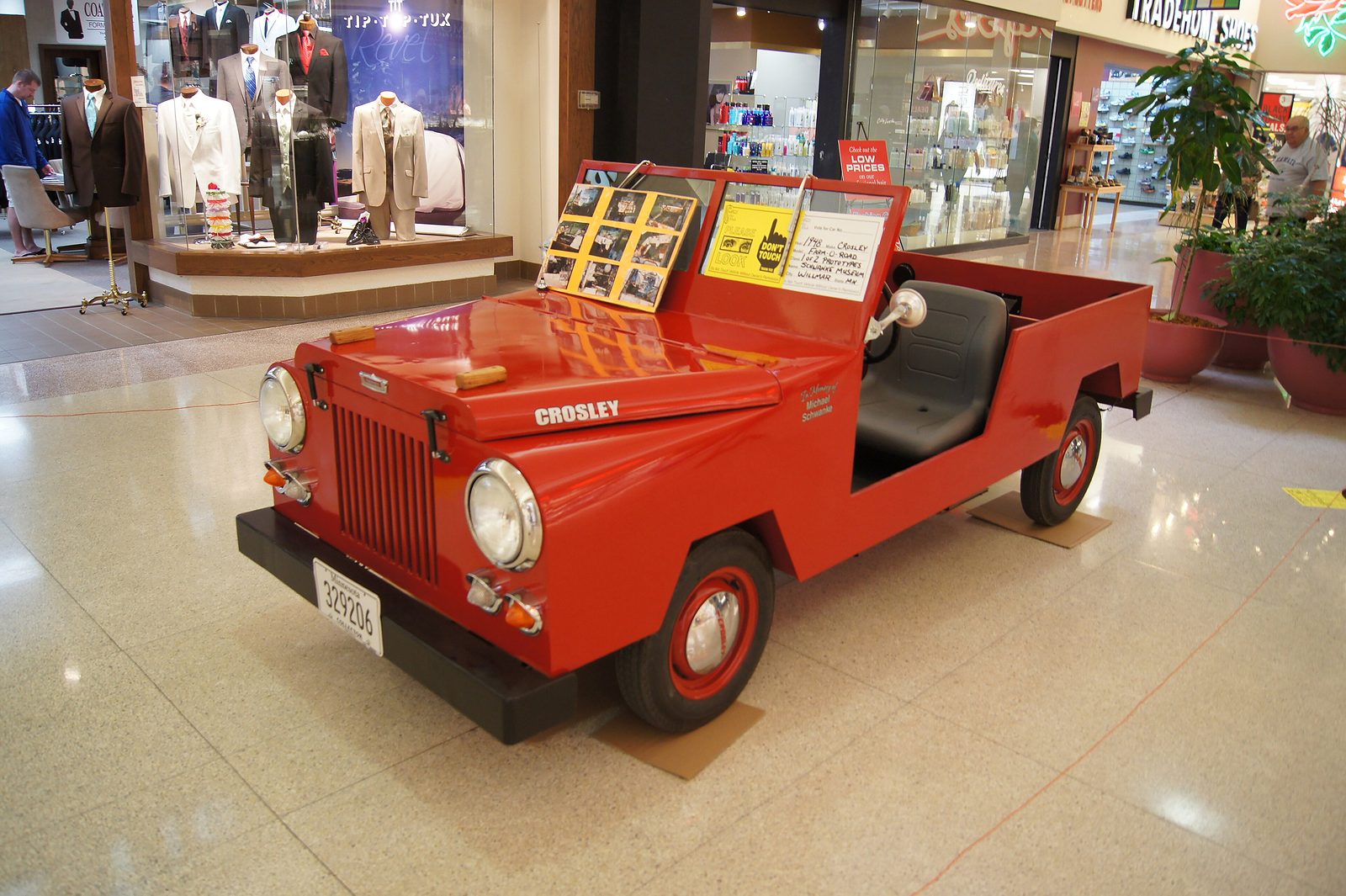
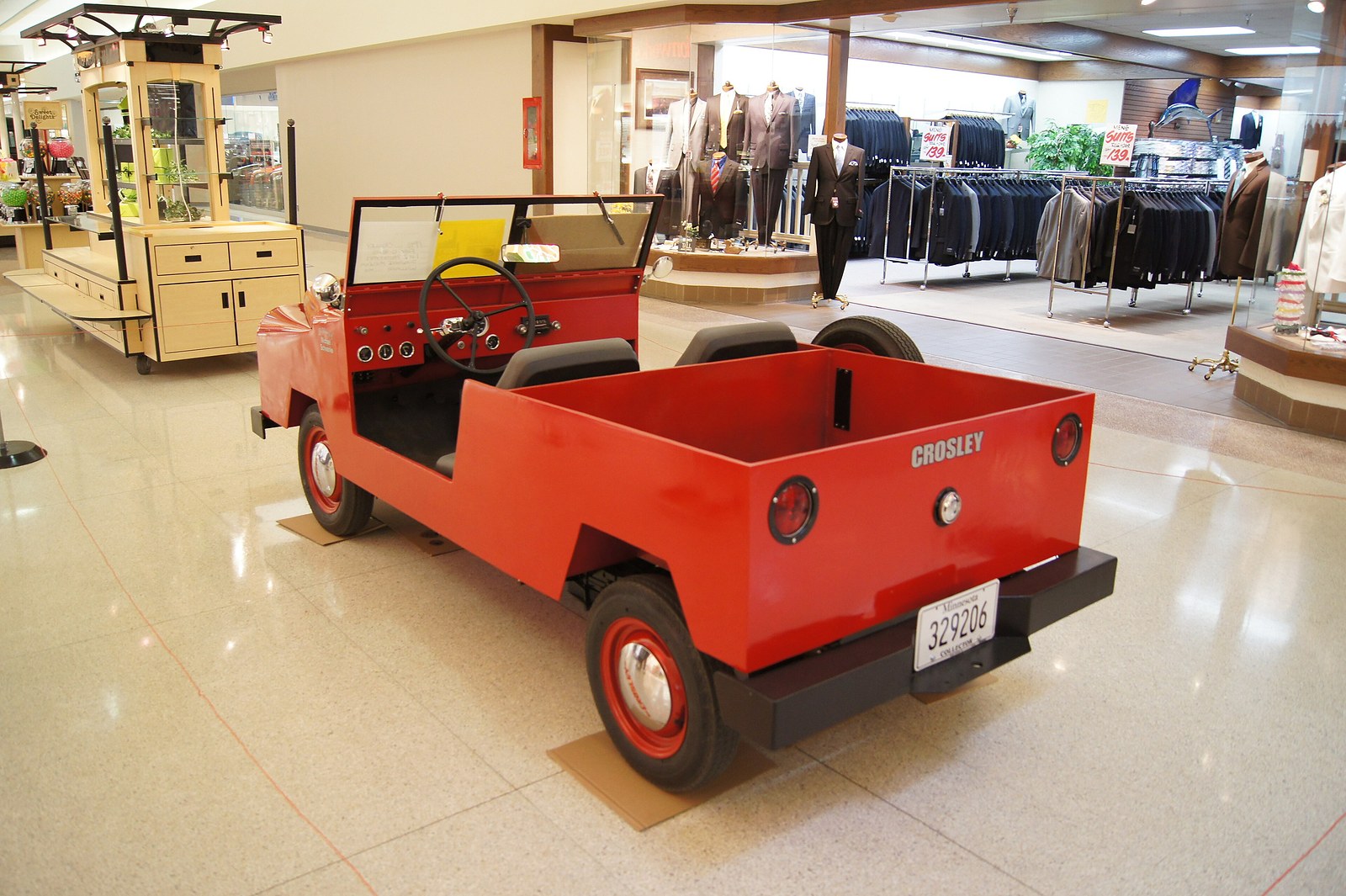
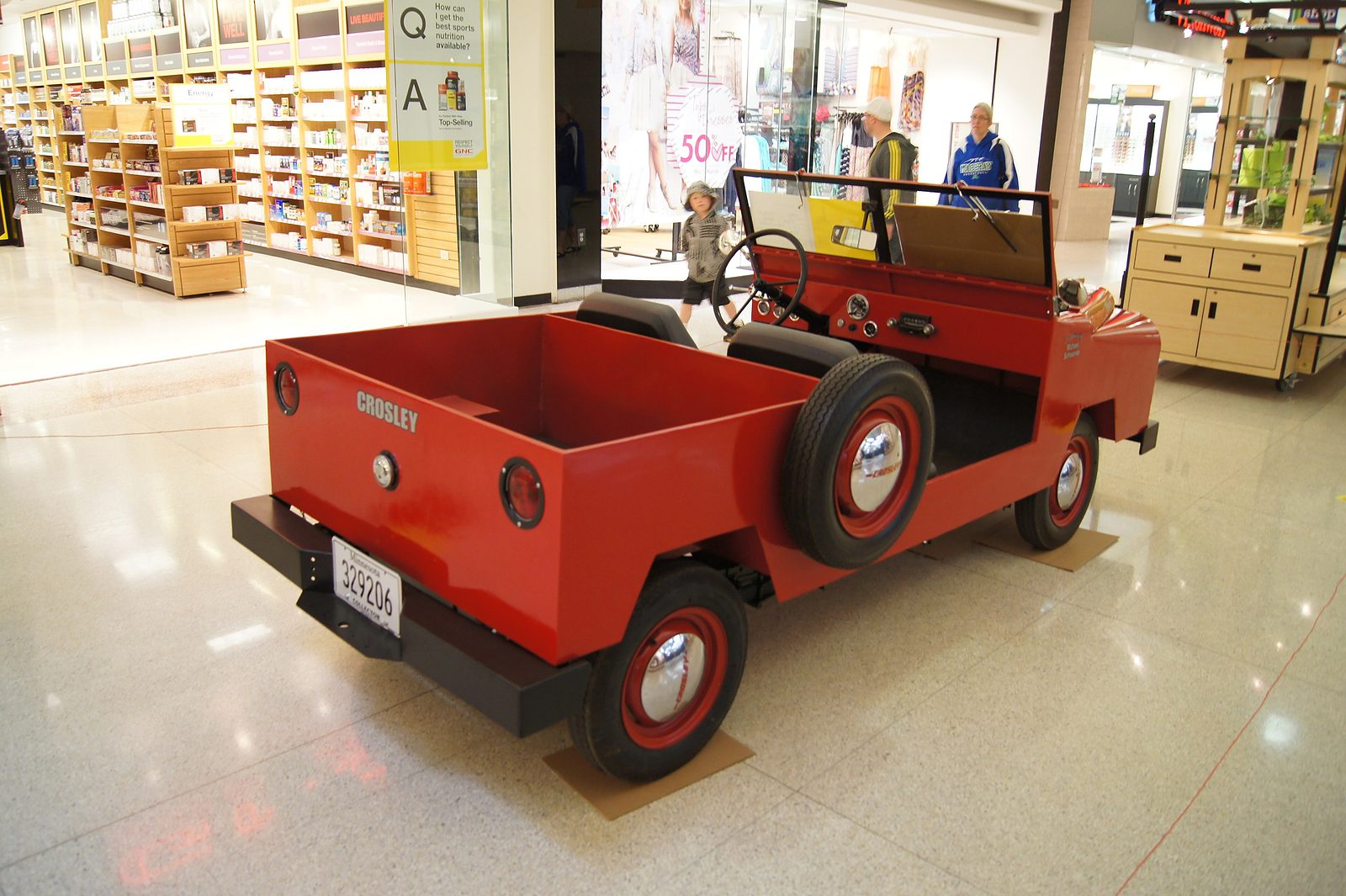
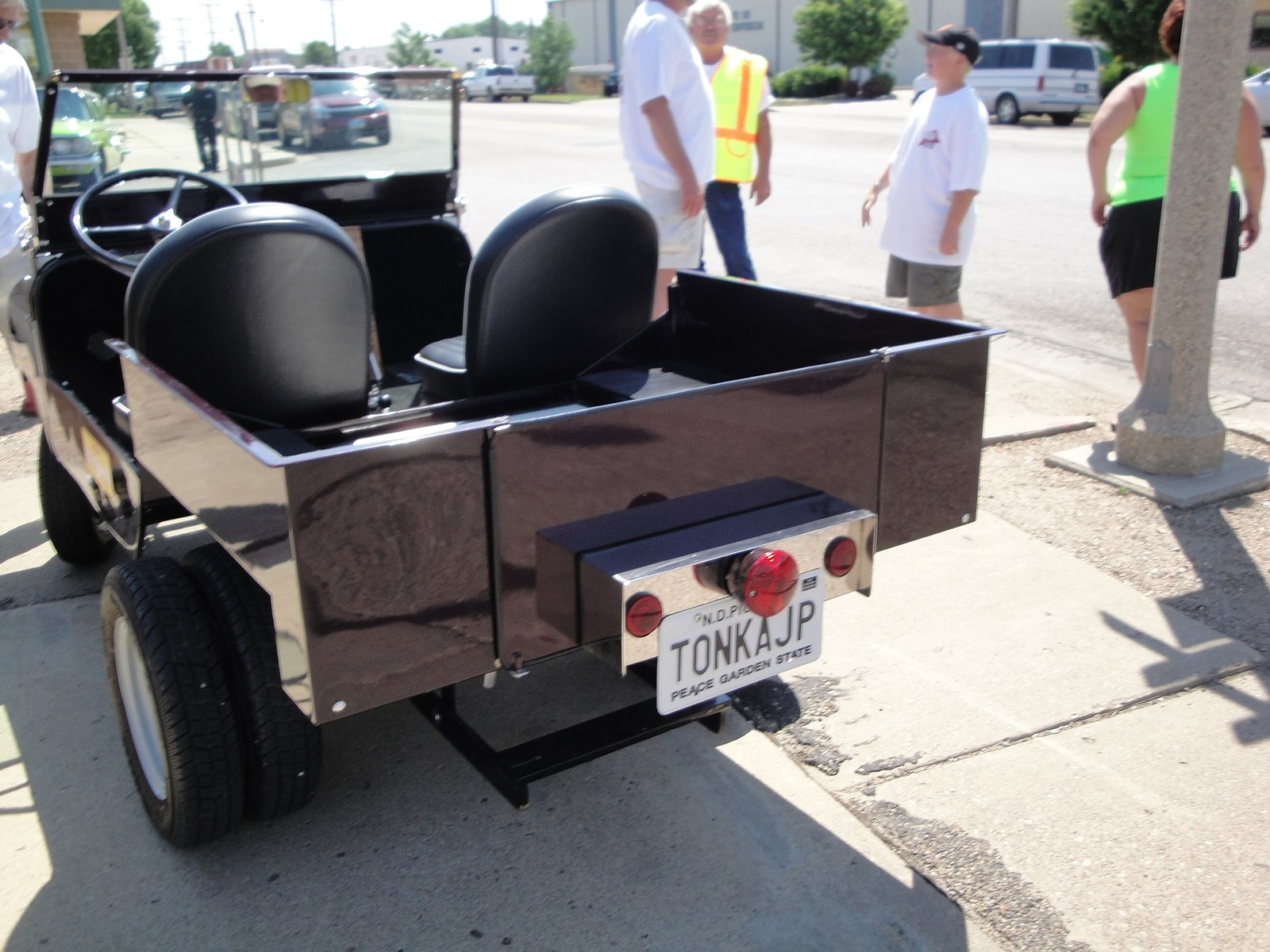
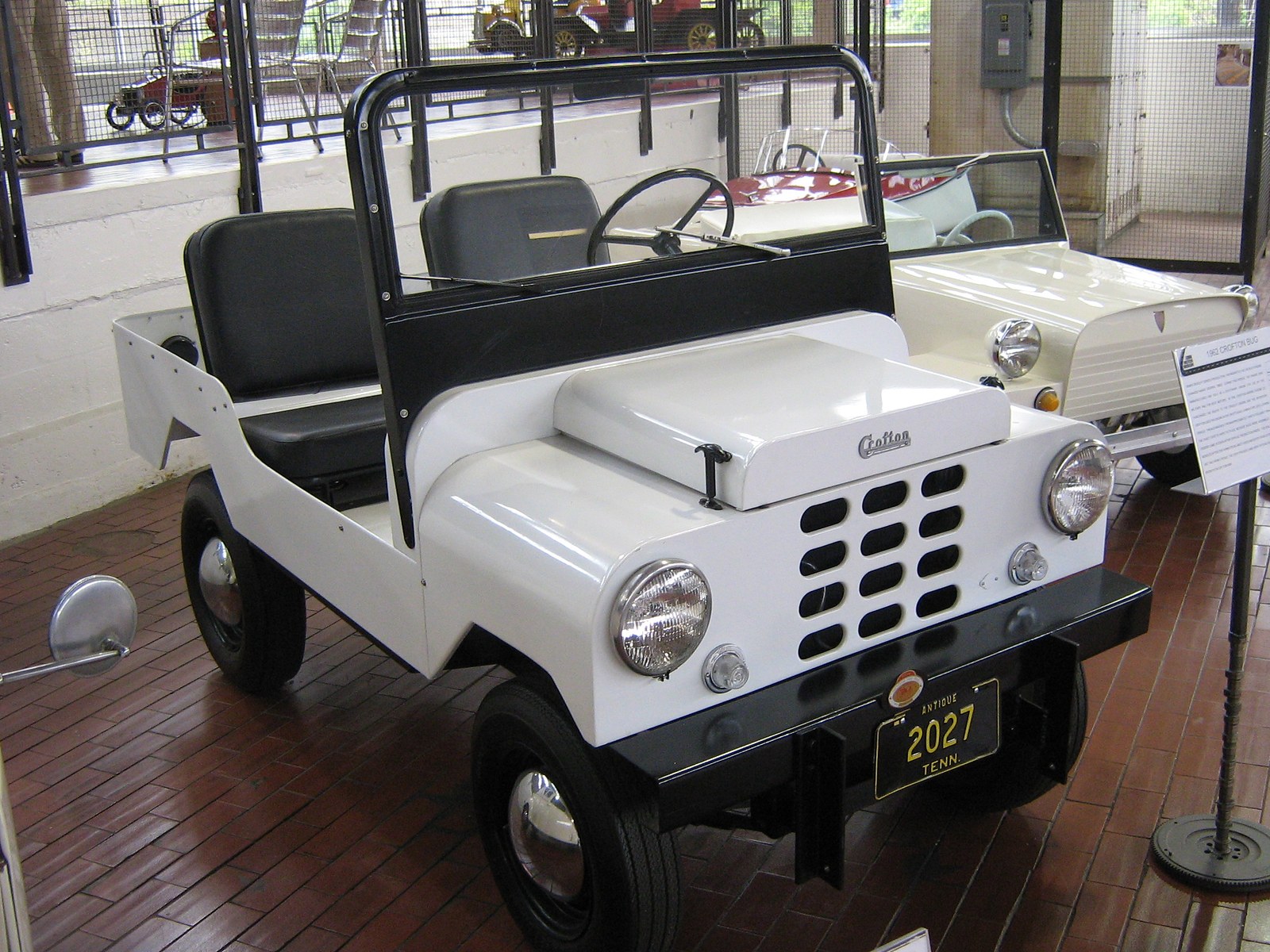
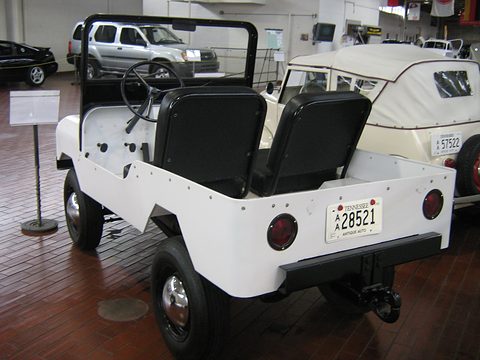
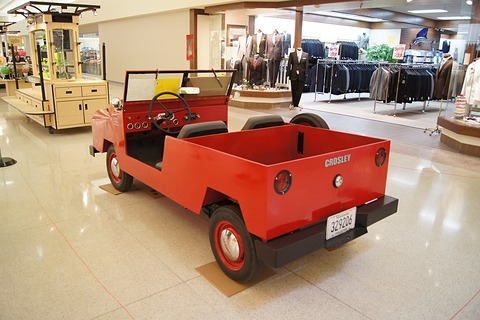
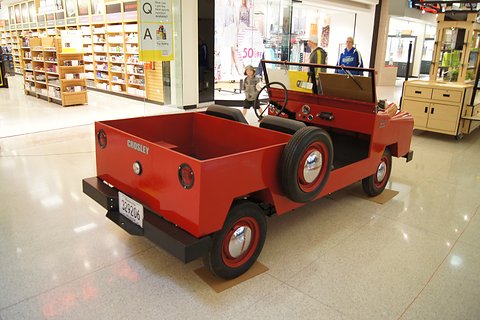
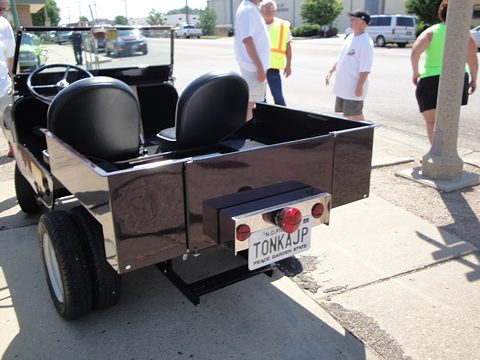
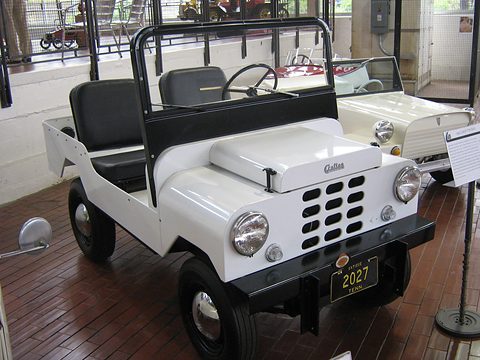
It sat on a strengthened Crosley sedan chassis with a wheelbase of only 1,600 mm (63 in), and without its load box it was 2,324 mm (91.5 in) long.source 4source 5source 2 The engine was Crosley’s overhead-cam four of 724 cc in its cast-iron CIBA form (see the Crosley CC), with 26.5 hp. A Warner three-speed gearbox fed a 4:1 range box, which doubled the ratios to six forward and two reverse and drove the power take-off.source 5source 1source 2 The lowest gear gave a crawl ratio of 70:1, and one lever could hold both rear brakes or either one alone, so that a spinning wheel could be checked.source 1 Lane’s museum says it could pull a 25 cm (10 in) plough through tough soil.source 5 It carried 227 kg (500 lb).source 1source 2
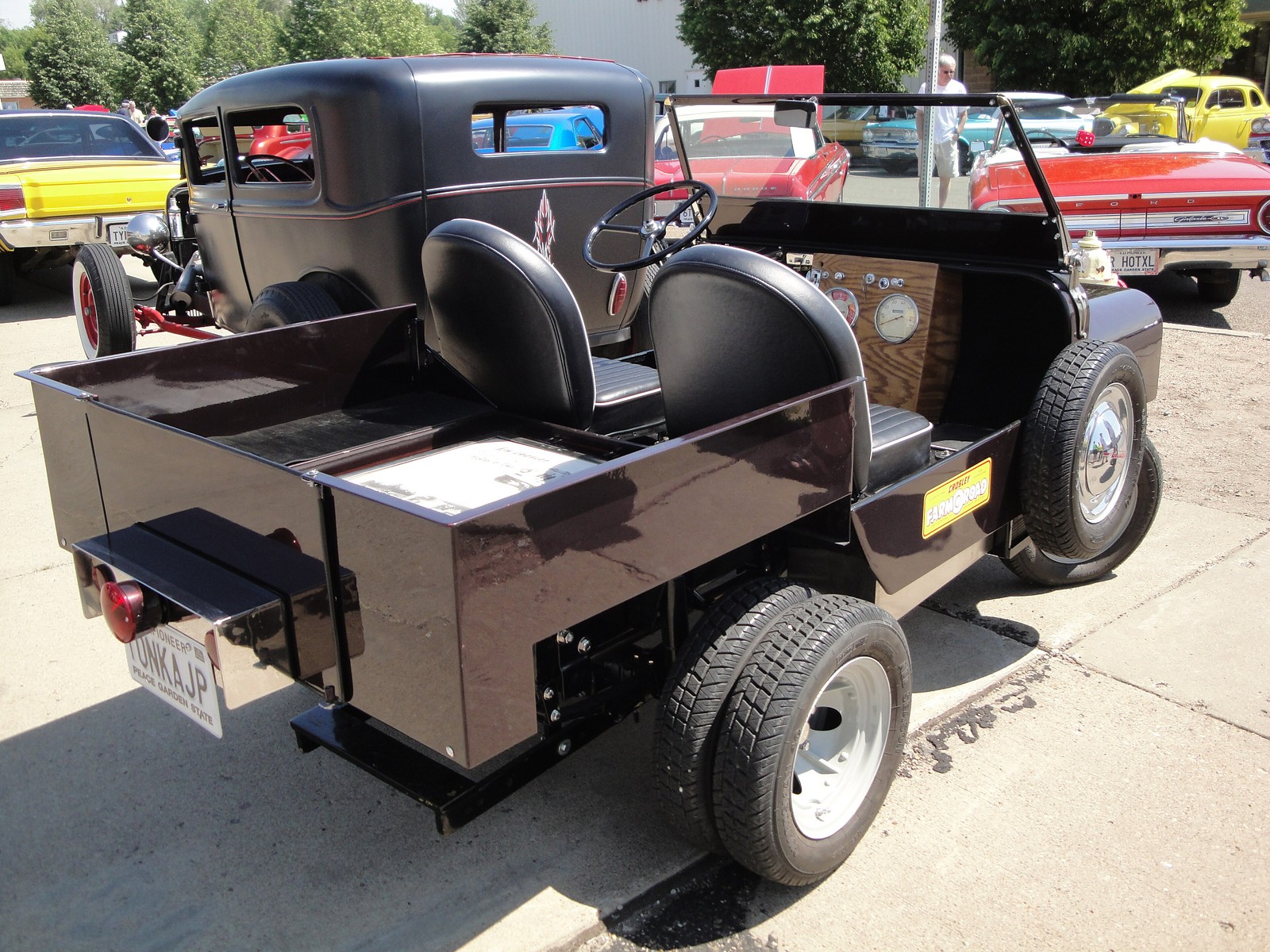
The FOR-1 cost $795, and the FOR, with a hydraulic system and a hydraulic drawbar, $939; the detachable load box was $25 more.source 1source 2 Then came the catalogue: front and rear power take-offs, dual rear wheels, Goodyear Sure-Grip farm tyres, a rear seat, a top and side curtains, ploughs, a disc harrow, a cultivator, reel and cutter-bar mowers, a hay rake, a seeder, a post-hole digger, a snow plough, and steel skis for the front tyres.source 3source 1source 2 The car itself was spare: one windscreen wiper, the right-hand one an option, and no heater or radio on offer.source 3source 2
It never had four-wheel drive. Jim Allen of FourWheeler tells the owners’ joke: asked whether it has four-wheel drive, the owner says yes, four traction tyres and all four powered. All four are on the back axle, as duals.source 1 The Makes That Didn’t Make It reckons it would go anywhere a mule and cart could, with less fuss and little more comfort.source 4
Three years, one car
The factory photographs show pre-production prototypes, which differed in detail from the cars that were sold. After that the Farm-O-Road hardly changed: only the serial number, on the driver’s side of the bulkhead, tells one year from another.source 3 When Crosley Motors stopped building cars in July 1952, the Farm-O-Road stopped with it.source 5source 1 Crosley went on making engines for a time to meet a government contract, and the engine was built by others until at least 1972.source 1 Small working vehicles like it are gathered under micro vans; FourWheeler and Wikipedia both see it as a forerunner of today’s side-by-side utility vehicles.source 1source 2