microcarfan
  • Kei car
  • Japan
  • Four wheels
  • Petrol or hybrid

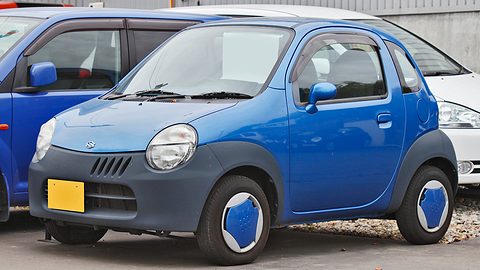
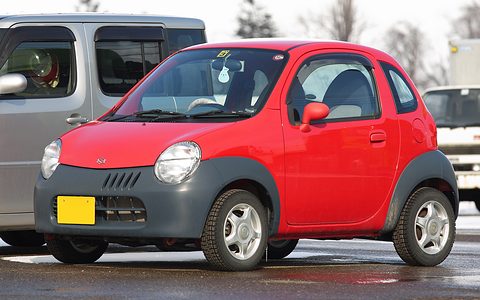
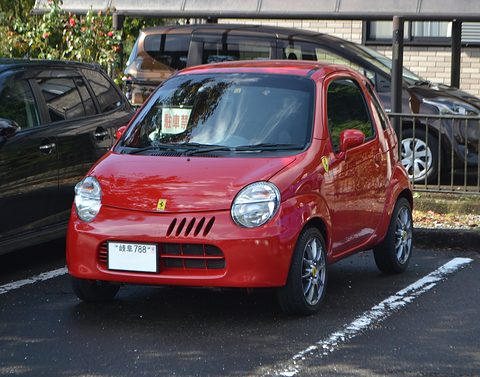
Suzuki Twin

Also known as EC22S

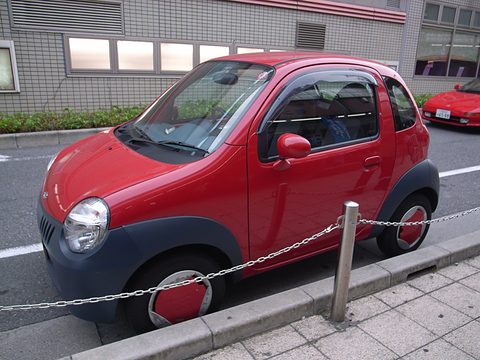
Two seats, 2,735 mm (108 in) from bumper to bumper, and in the hybrid version sixteen lead-acid batteries of the kind made for motorcycles. The cheapest Twin cost ¥490,000; the hybrid more than two and a half times as much.

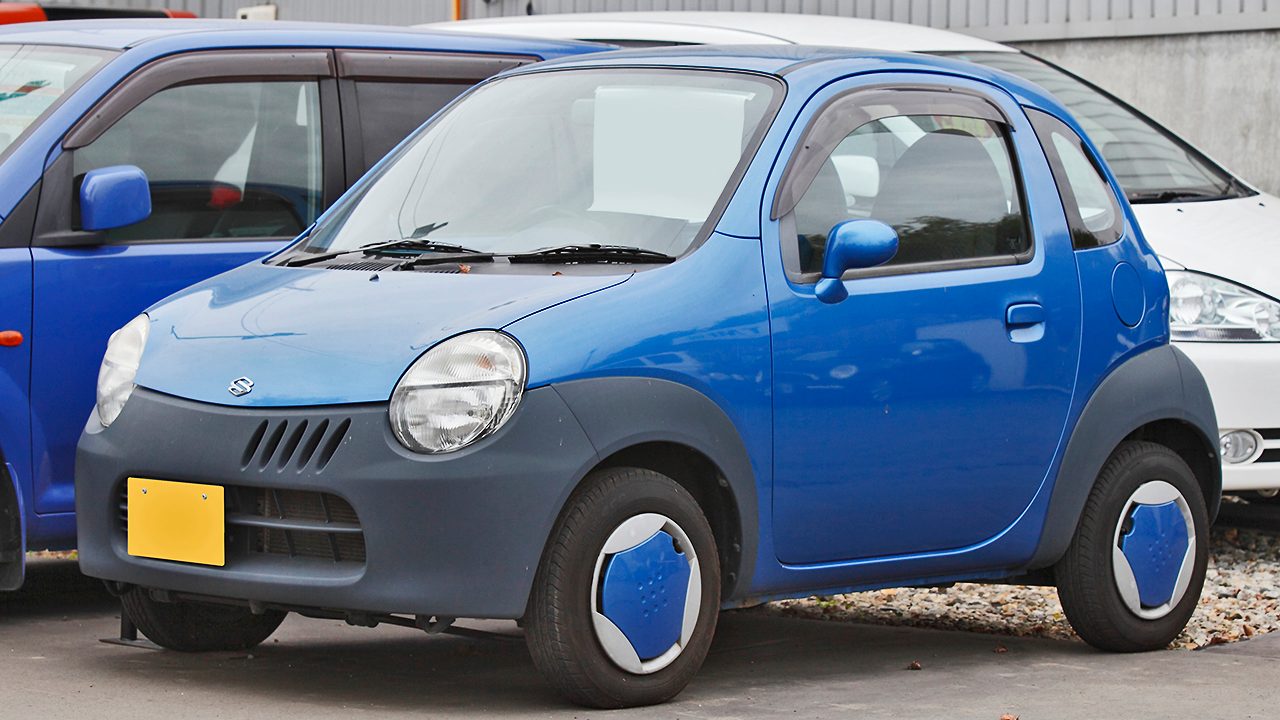
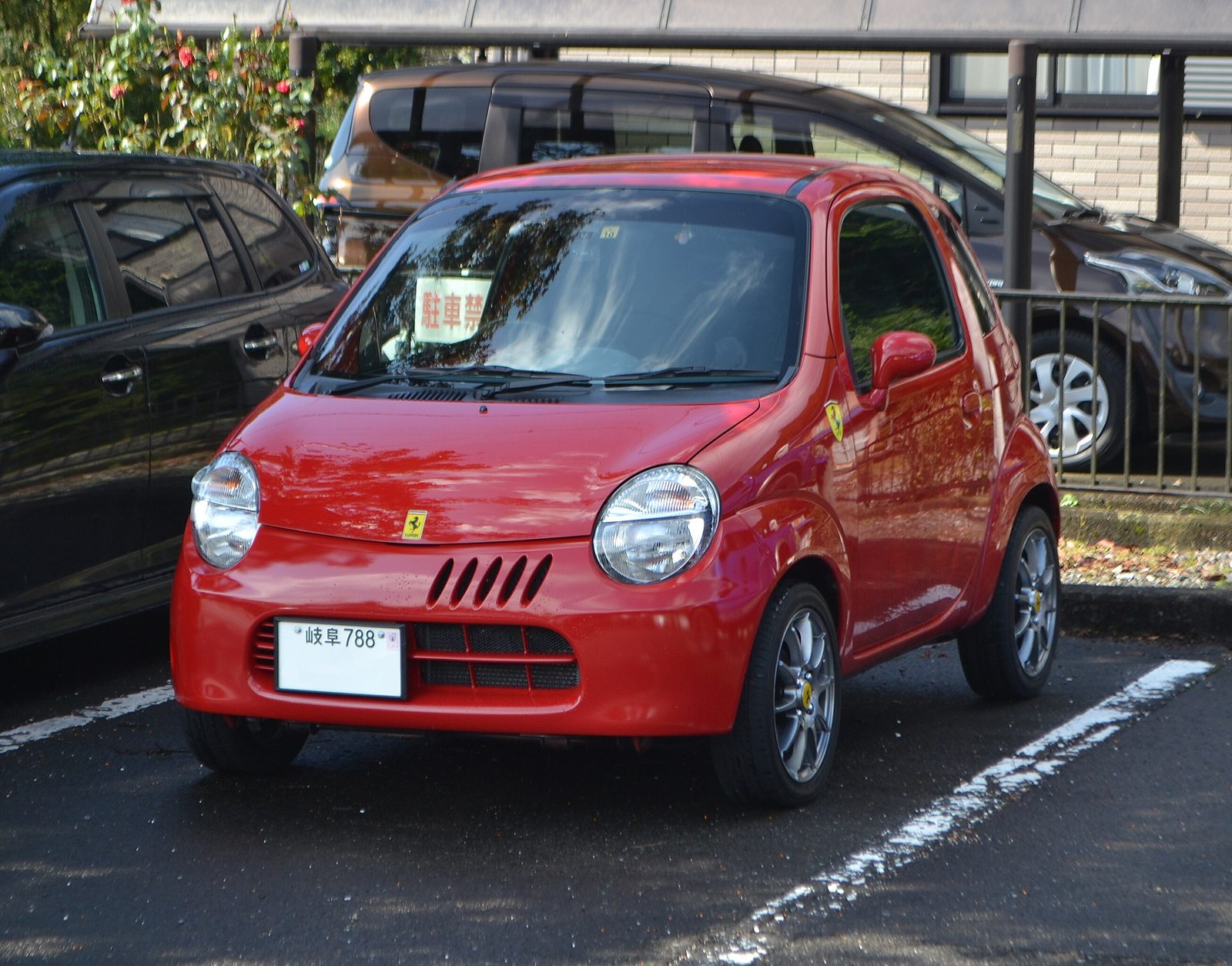
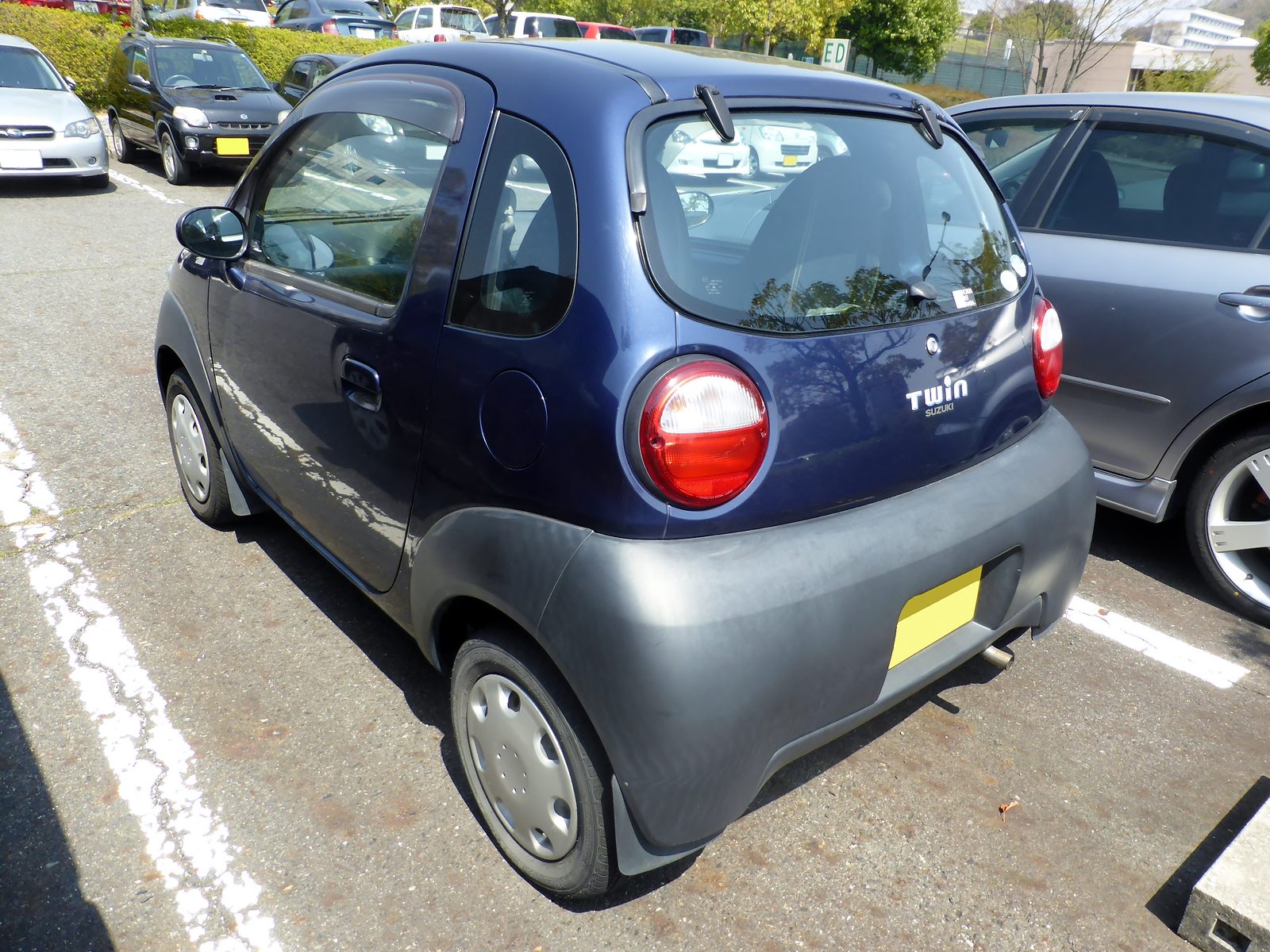
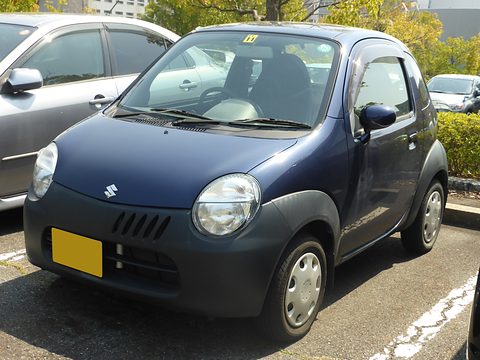
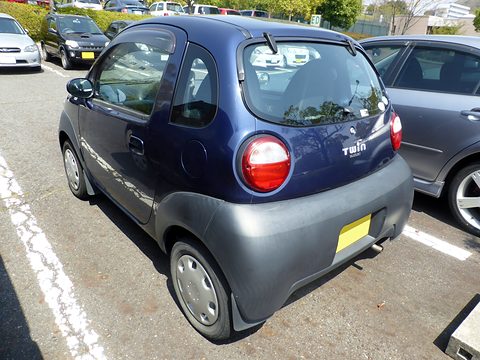
Dark blue tiny hatchback with a black lower body and steel wheels parked between other cars.
A dark-blue Suzuki Twin in a car park in Japan in April 2014.Photo: Tokumeigakarinoaoshima, CC0, via Wikimedia Commons

At a glance

The spec plate

Suzuki Twin

EC22S · Hamamatsu

Built
2003–⁠2005On sale from 22 January 2003; built to the end of August 2005
Country
JapanSuzuki Motor Corporation, Hamamatsu; the factory is not recorded
Maker
Suzuki Motor CorporationHamamatsu, Japan
Engine
658 cc three-cylinder DOHCThe hybrid adds a thin 5 kW electric motor between engine and gearbox
Power
44 PS32 kW; plus 5 kW of electric assistance in the hybrid
Length
2,735 mm
Seats
2
Wheels
4Engine at the front, driving the front wheels
Price new
¥490,000Gasoline A, before tax, January 2003; the hybrids ¥1,290,000 and ¥1,390,000
Production
10,106January 2003 to August 2005, all versions, by Japanese Wikipedia

Not yet recordedtop speed and weight.

How big is it?

True proportion

2.73 m

It is 235 mm shorter than a Fiat 500, about 1.6 adults laid end to end, and twice the length of a Peel P50.

  • Two seats, and a boot for one ordinary suitcase
  • A 3.6 m (11 ft 10 in) turning radius, which Suzuki called the smallest of any Japanese four-wheeler
Drawn at true proportion. The track is 3.6 metres long; the adult stands at the same scale. The Peel P50 is the smallest production car, on every page for comparison.

The story

History

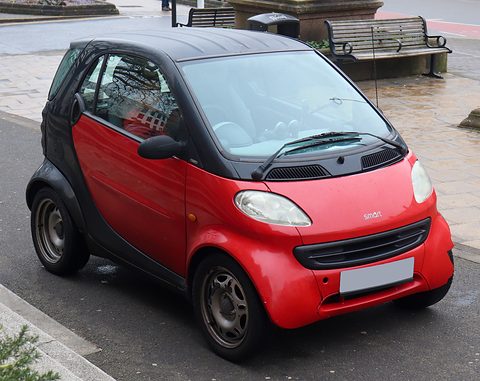
The Twin started as a show car, the Pu-3 Commuter of the 33rd Tokyo Motor Show in October 1999, and it kept the concept’s basic design.source 1source 2 A near-production car came to the Tokyo show of October 2002, and on 22 January 2003 Suzuki announced it and put it on sale across Japan as an economical, practical two-seat kei car.source 3source 1source 2 Its name was the English word, for its two power sources, petrol and electric, and its two seats.source 1 English Wikipedia calls it Japan’s answer to the Smart Fortwo’s City-Coupé, and a little longer than the Smart.source 3

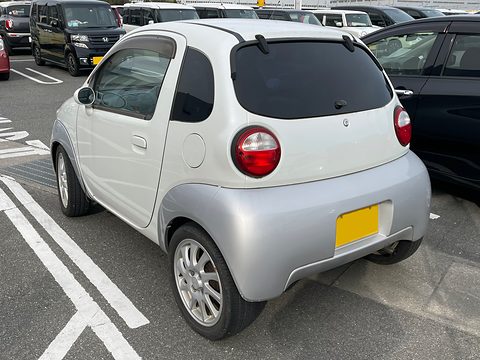
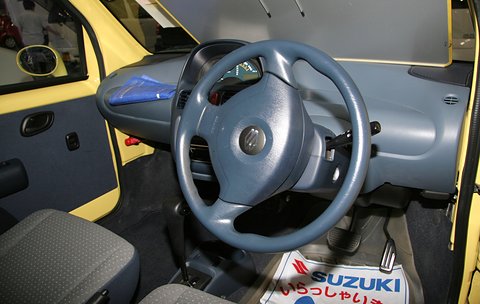
Suzuki made much of how little road it needed. At 2,735 mm its body was, the company said, the smallest of any Japanese kei car, and its 3.6 m (11 ft 10 in) turning radius the smallest of any Japanese four-wheeler, as tight as a cab-over kei truck’s.source 1source 2 The windscreen was set well forward for an airy cabin, with the instruments in the middle of a low, flat dashboard. The boot took one ordinary suitcase; fold the passenger seat forward and there was a flat floor long enough for something like a golf bag, and a lidded box under the boot floor.source 2 There was no tailgate. Only the rear glass opened, which let Suzuki fit a very stiff rear cross-member and bumper.source 1source 2 Underneath, it shared mechanical parts with the Suzuki Alto.source 1

国産軽四輪車としては最小サイズの車体を採用しながら2シーターとしたことで、室内は広く実用的に使え…

Suzuki’s press release announcing the Twin, 22 January 2003. In English: “By making it a two-seater while using the smallest body of any Japanese kei car, the interior is roomy and practical …”source 2

A hybrid on motorcycle batteries

Its claim to history is the hybrid. Suzuki’s release called it the first hybrid system on a kei car sold to the public, and it was the first production kei car to have one.source 3source 1source 2 Suzuki developed it in-house: a thin electric motor of 5 kW sat between the 658 cc three-cylinder and the four-speed automatic gearbox, and the engine stopped by itself at rest.source 1source 2 The battery was the surprise: sixteen maintenance-free 12 V lead-acid batteries of a motorcycle type, in two blocks of eight, for 192 V.source 1 On the Japanese 10·15-mode test the Hybrid A returned 34 km/l and the cheapest petrol car 26 km/l, and every version met the ultra-low-emission and 2010 fuel-economy standards that earned a tax cut.source 1source 2

The prices told against it. Before tax, the Gasoline A, with a five-speed manual and neither air-conditioning nor power steering, cost ¥490,000; the Gasoline B, with a three-speed automatic, ¥840,000. The Hybrid A, built to order from March 2003, cost ¥1,290,000, and the Hybrid B ¥1,390,000. All four had ABS.source 1source 2 English Wikipedia notes one economy of the cheapest cars: a single power window, on the driver’s side.source 3 Suzuki hoped to sell 200 a month.source 2

Small changes, then the end

In June 2003 Suzuki added the Gasoline V, an automatic with air-conditioning, power steering and power windows, and offered air-conditioning and power steering on the Gasoline A.source 1 Car and Driver drove a Twin that August and was mostly unimpressed: it found fault with the acceleration, the storage and the interior trim, and liked the headroom and the turning circle.source 3 The Series 2 of January 2004 brought more equipment, a colour called Cat’s Eye Blue and an entry price of ¥550,000, and the hybrid at last got a type approval of its own, having been registered until then as a modified petrol car.source 1

Neither version sold well. Japanese Wikipedia’s verdict is that the hybrid was too dear for the car’s size and performance, and that the cheap petrol car did little better.source 1 The hybrid was dropped in February 2005, production ended at the end of August, and the last cars were sold from stock that December, 10,106 Twins in all; English Wikipedia’s “until October 2005” is probably a slip.source 1source 3 Five years later, on 17 March 2010, Suzuki recalled every Twin built to replace the exhaust pipe, whose reinforcement could crack and break.source 1
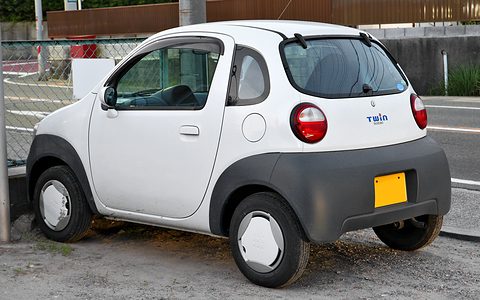
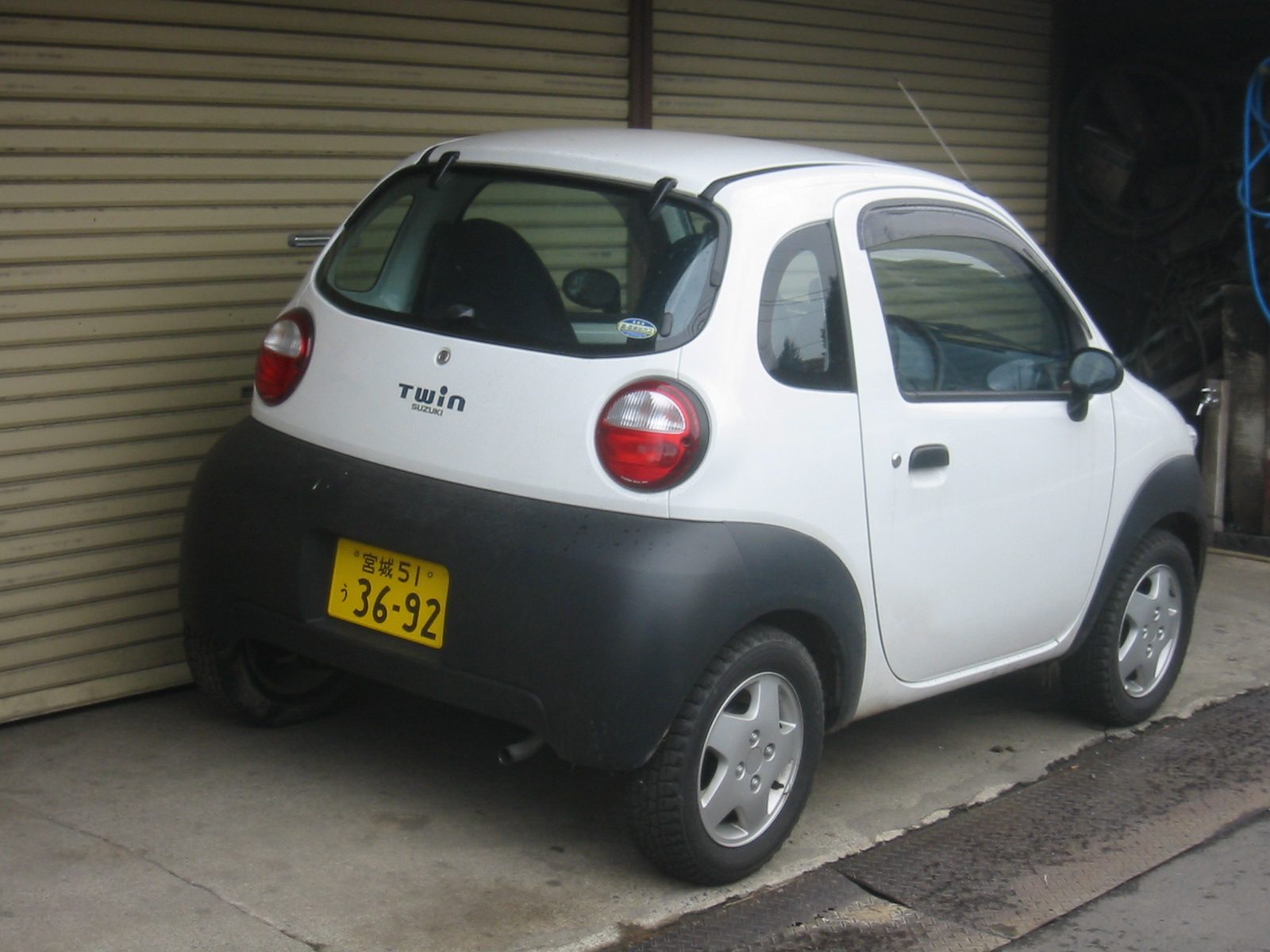
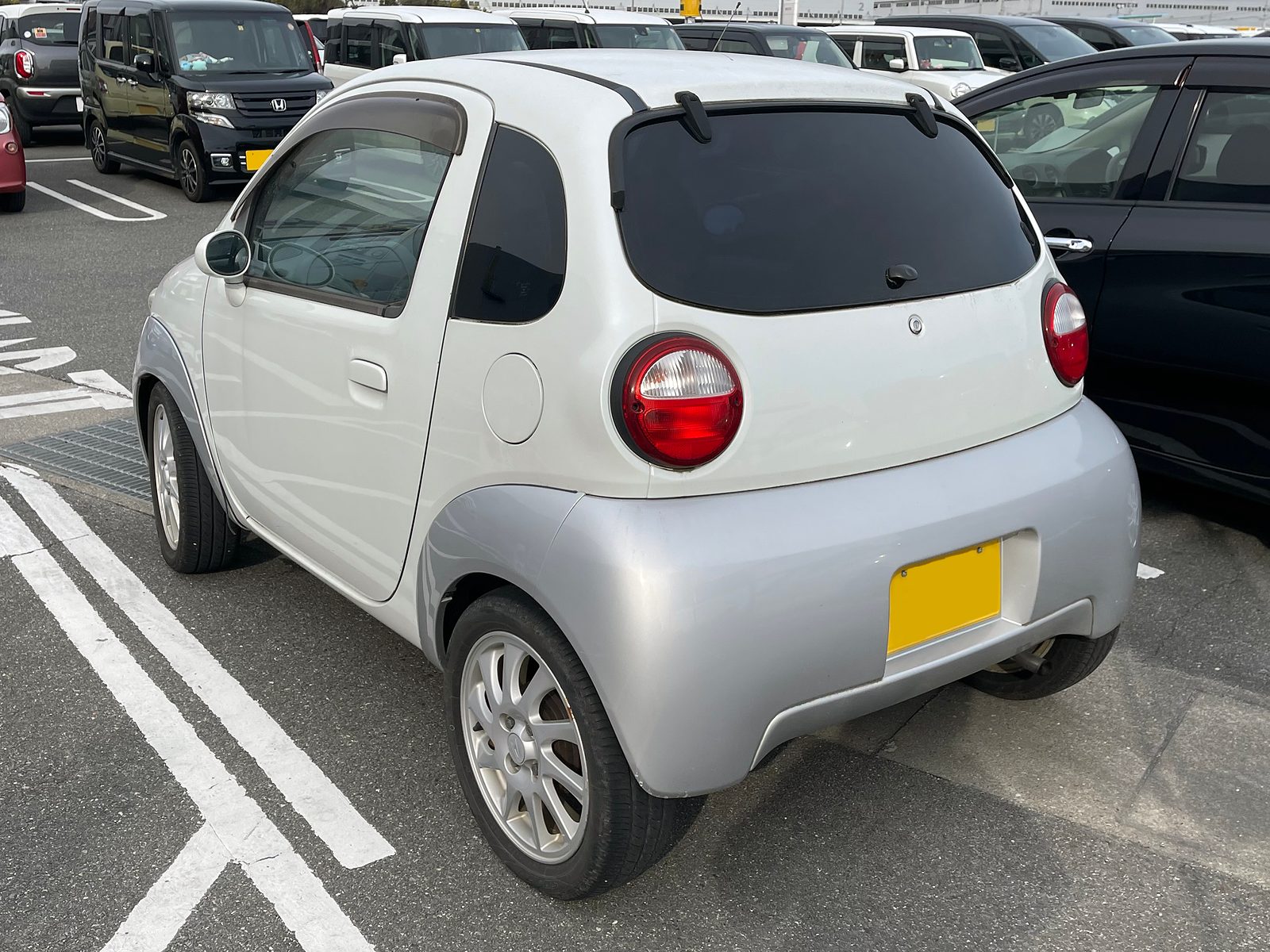
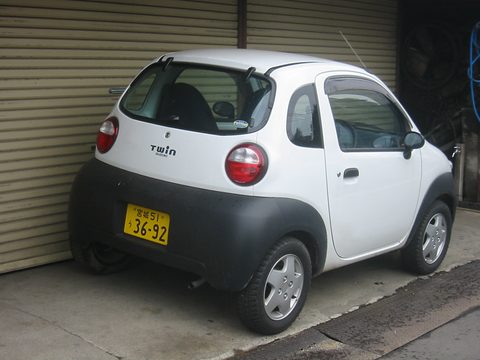
Rear of a white tiny hatchback with a glass hatch, round tail lamps and a grey lower body.
A white Suzuki Twin from the rear three-quarter, its rear glass the only opening at the back, in Japan in September 2008.Photo: Tennen-Gas, CC BY-SA 3.0, via Wikimedia Commons
Grey two-spoke steering wheel, a blue-grey dashboard and yellow door trim, with a Suzuki floor mat.
The cabin of a yellow Suzuki Twin, seen through the passenger’s door, in Japan in July 2010.Photo: TTTNIS, Public domain, via Wikimedia Commons

Pictures

More photographs, old and new

Variants

Petrol or hybrid

The Twin’s grades
VariantYearsWhat differsHow many
Pu-3 Commuter1999The Tokyo show concept the Twin came fromOne
Gasoline A2003–⁠05Five-speed manual; no air-conditioning or power steering at first, a power window for the driver onlyNot split
Gasoline B2003–⁠05Three-speed automatic, better equipped; a Colour Package from 2004Not split
Gasoline V2003–⁠05From June 2003: three-speed automatic, air-conditioning, power steering and power windowsNot split
Hybrid A and B2003–⁠05Four-speed automatic, a 5 kW motor and 192 V of lead-acid batteries; the A built to orderNot split; dropped February 2005

Specification

The Twin of 2003, by source

Engine and drive

Engine and drive
Engine658 cc three-cylinder DOHC, at the frontsource 1source 2
Power32 kW (44 PS)source 1
Hybrid motorA thin 5 kW motor between engine and gearbox, with automatic idle-stopsource 1source 2
Hybrid batterySixteen 12 V lead-acid units in two blocks of eight: 192 Vsource 1
GearboxPetrol: five-speed manual or three-speed automatic; hybrid: four-speed automaticsource 1source 2
DriveFront wheels onlysource 1

Body and chassis

Body and chassis
BodyTwo-door coupé; only the rear glass hatch openssource 1source 2
Seats2; the passenger seat folds flat into a load floorsource 3source 2
BrakesABS on all four wheels, standardsource 2

Dimensions

Dimensions
Length2,735 mm (108 in)source 1source 2
Wheelbase1,800 mmsource 1
Turning radius3.6 msource 1source 2
Width, weightNot confirmed by the sources read

Performance and running

Performance and running
Consumption34 km/l (Hybrid A) and 26 km/l (Gasoline A), 10·15 modesource 1source 22.93 and 4.54 litres per 100 km, as English Wikipedia converts them
Price new¥490,000 to ¥1,390,000 before tax, January 2003source 1source 2

How many were built?

The one figure, with its source

10,106 built10,106 in all, petrol and hybrid together, from January 2003 to August 2005, by Japanese Wikipedia. Its own source is not shown, and no split by version or by year has been found.

  1. 10,106all versions, January 2003 to August 2005One source

    Japanese Wikipediasource 1

  • Two sources agreetwo good sources give the figure
  • One sourcea good source, alone
  • Unconfirmeda lead only, not yet checked

Famous for

Three points

  1. The first hybrid kei car

    A thin 5 kW motor between engine and gearbox, and Suzuki’s own design.

  2. Lead-acid power

    Sixteen maintenance-free 12 V batteries of a motorcycle type, 192 V in all.

  3. ¥490,000

    The price of the cheapest Twin in 2003, before tax: no air-conditioning, no power steering.

Survivors and collecting

Today

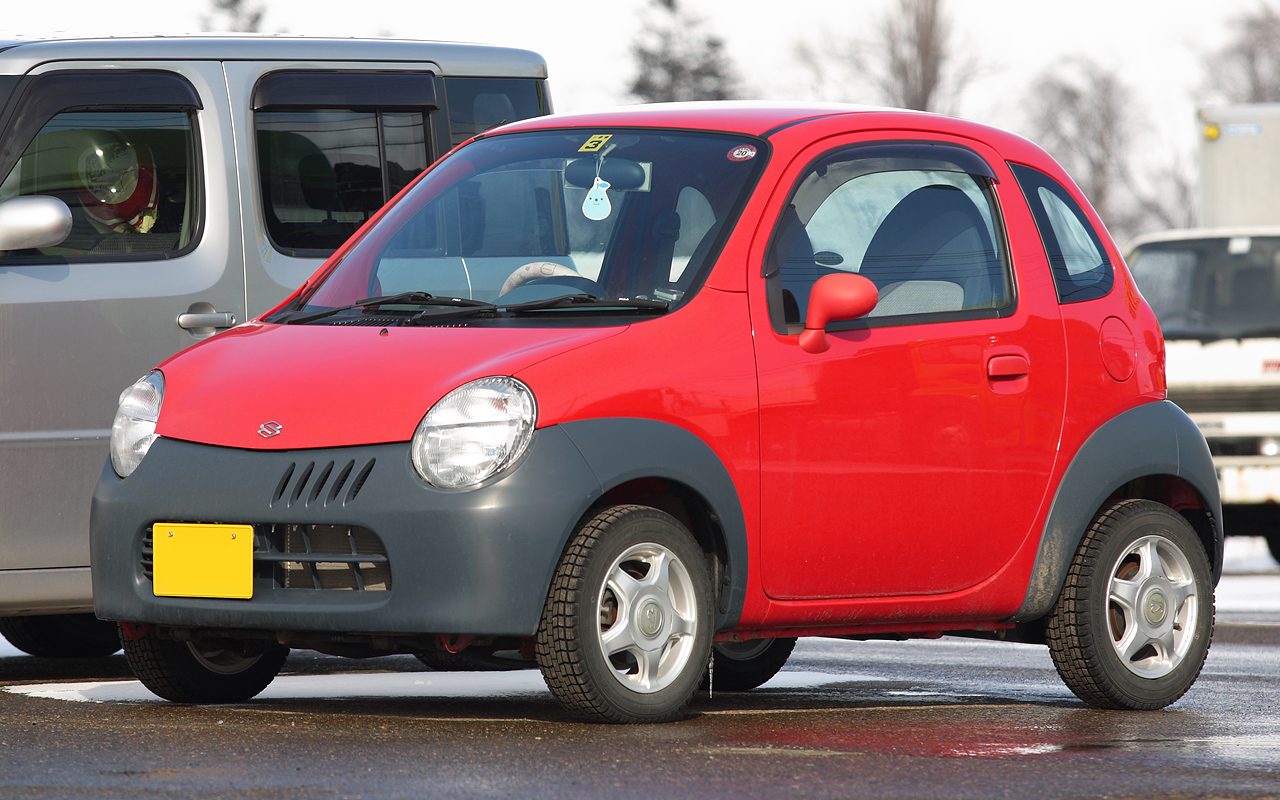
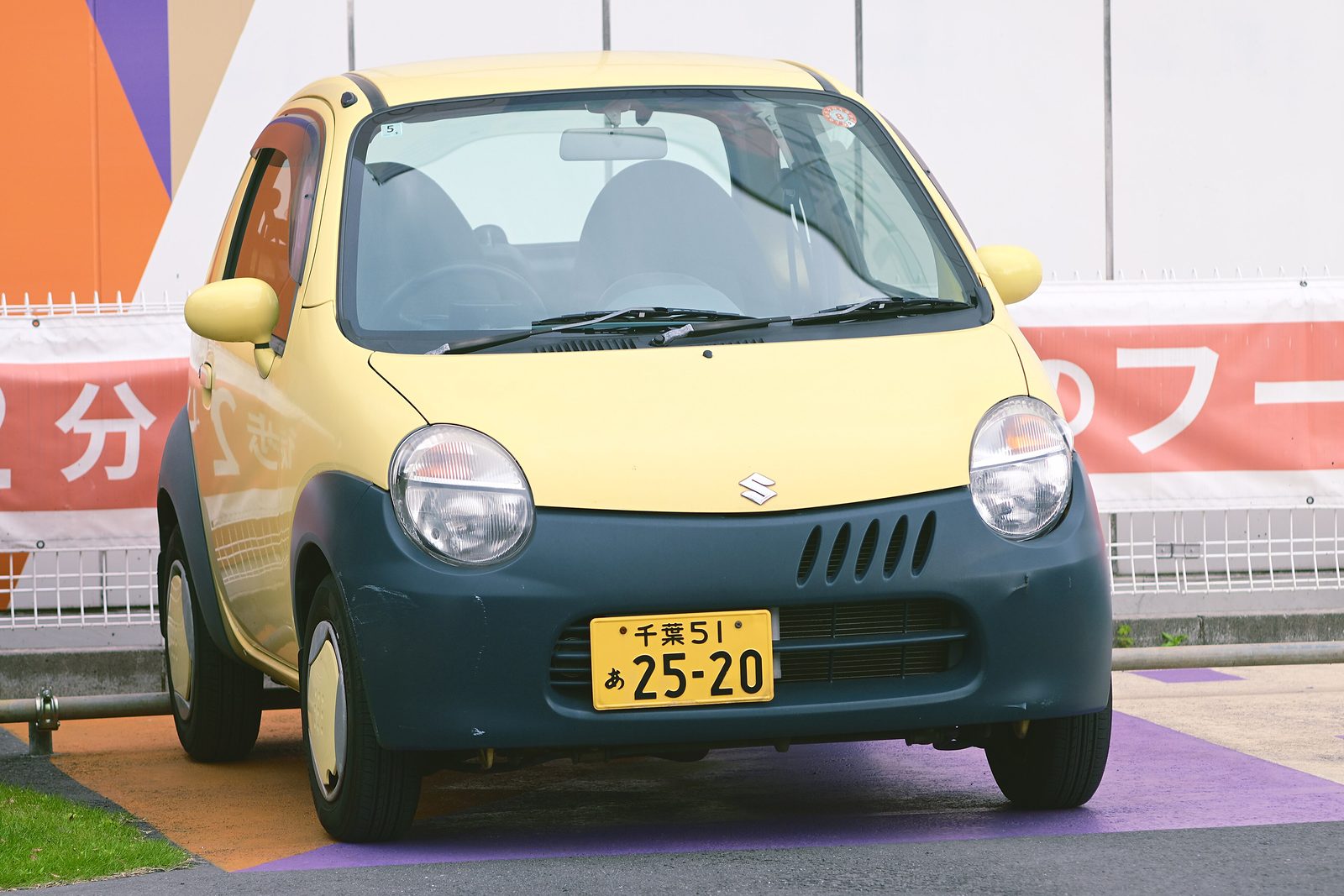
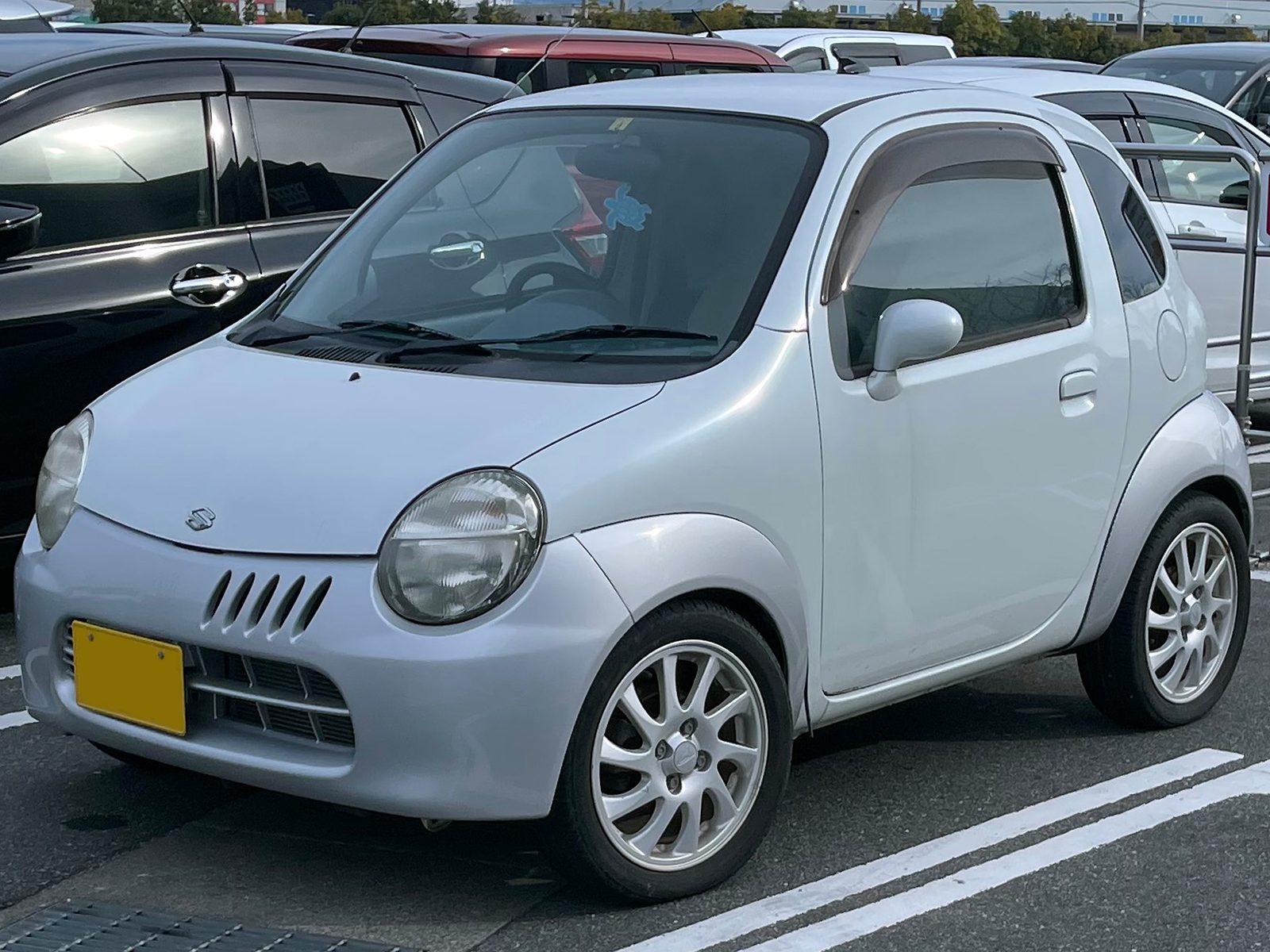
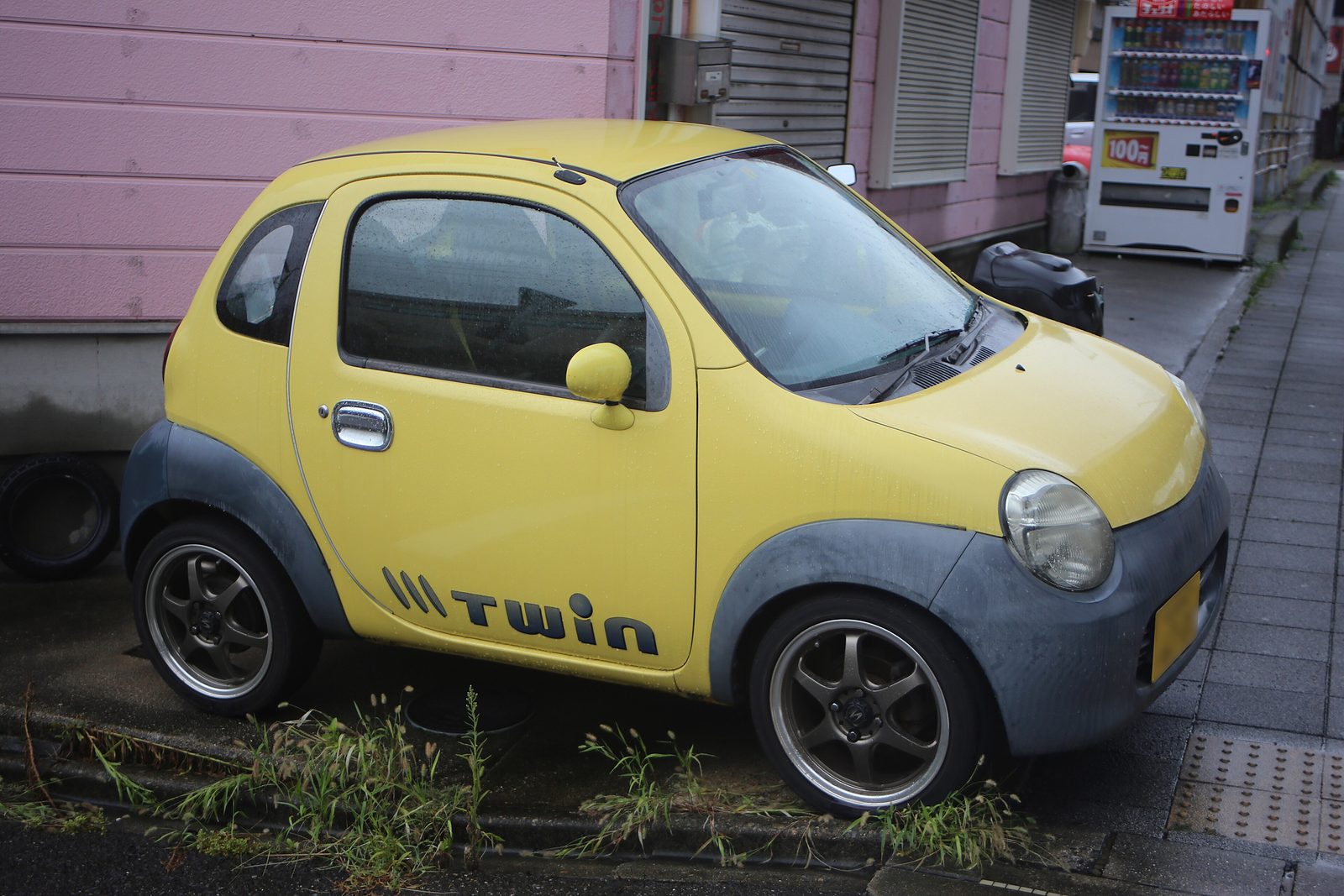
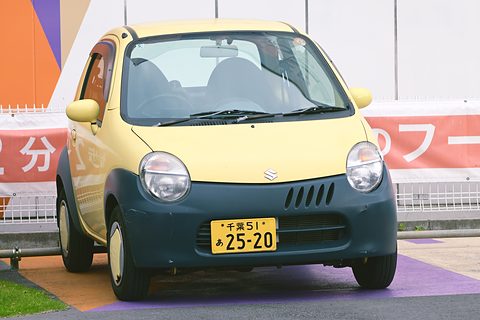
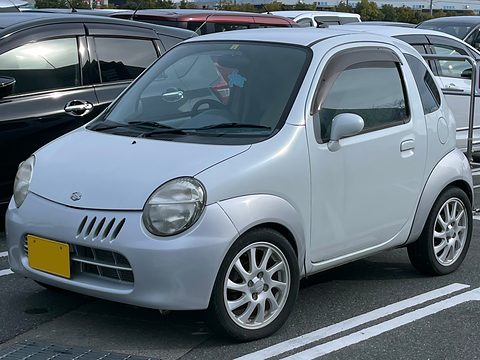
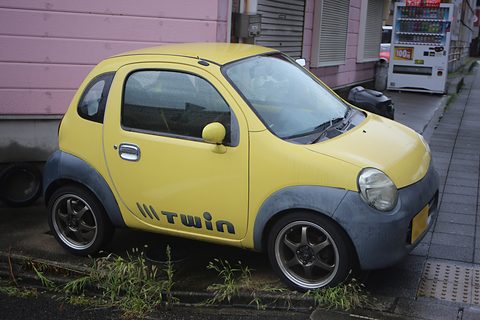
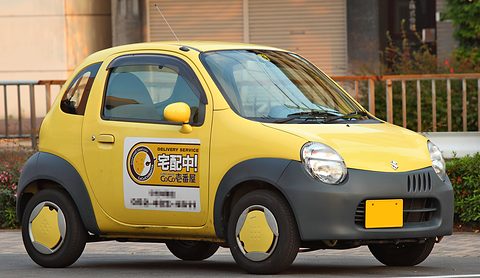
No survivor count, owners’ club or auction record has been found. The 2010 recall covered every car built, and the photographs on this page show Twins on Japanese streets, one of them in the livery of the CoCo Ichibanya curry-house chain’s delivery service.source 1

Yellow tiny two-seat hatchback with a grey lower body and a delivery-service sign on its door.
A yellow Suzuki Twin in CoCo Ichibanya curry-house delivery livery in Japan in June 2009.Photo: Tennen-Gas, CC BY-SA 3.0, via Wikimedia Commons

Sources

Numbered as in the text

The history rests on Suzuki’s own launch release and the Japanese and English Wikipedia articles; the Car and Driver test is known only through Wikipedia. Sources are given as plain text; the links are on the Credits page.

  1. Japanese Wikipedia, 「スズキ・ツイン」 (Suzuki Twin), read in full. Used as a lead.
  2. Suzuki Motor Corporation, press release 「経済的・実用的な2シーター軽乗用車「ツイン」発売」 (“The economical, practical two-seat kei car Twin goes on sale”), 22 January 2003, read in full.
  3. English Wikipedia, Suzuki Twin, read in full. Used as a lead.