The story
History
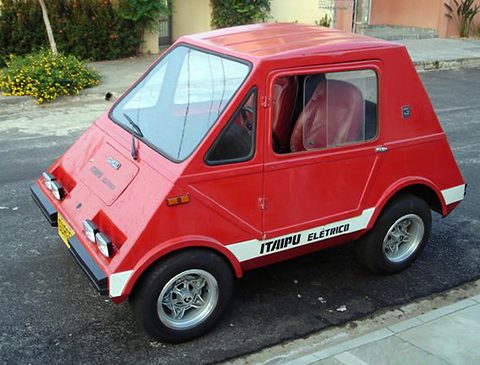
João Augusto Conrado do Amaral Gurgel, born in 1926, went on from the Escola Politécnica to the General Motors Institute in the United States, graduated in automotive engineering in 1953 with a specialism in reinforced plastics, and worked for Buick, on GM’s plant at São José dos Campos and for Ford do Brasil before he founded Gurgel in 1969.source 1source 2 His firm built Volkswagen-based jeeps and utility vehicles, the Itaipu electric car of 1974, and from 1983 to 1986 about 200 XEF minicars.source 3source 1
Cutting a car in half
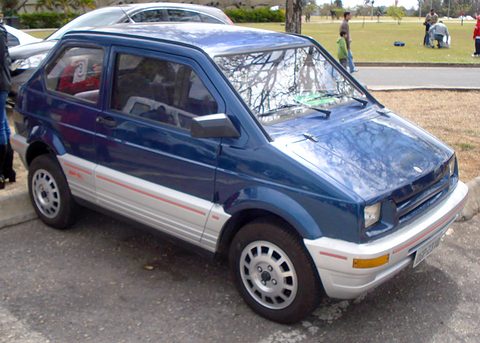
In April 1986 Quatro Rodas revealed his next idea, the CENA, for Carro Econômico NAcional: a family of a four-seat small car, a little jeep and a small van. The full-size drawing was 2.90 m long.source 2
Os carros pequenos têm, hoje, motor de 1.300 cilindradas, quatro cilindros e pesam pelo menos 900 quilos. Pois resolvemos cortar tudo isso pela metade: nossos carros terão motor de 2 cilindros, com 650 cilindradas e pesarão só 450 quilos.
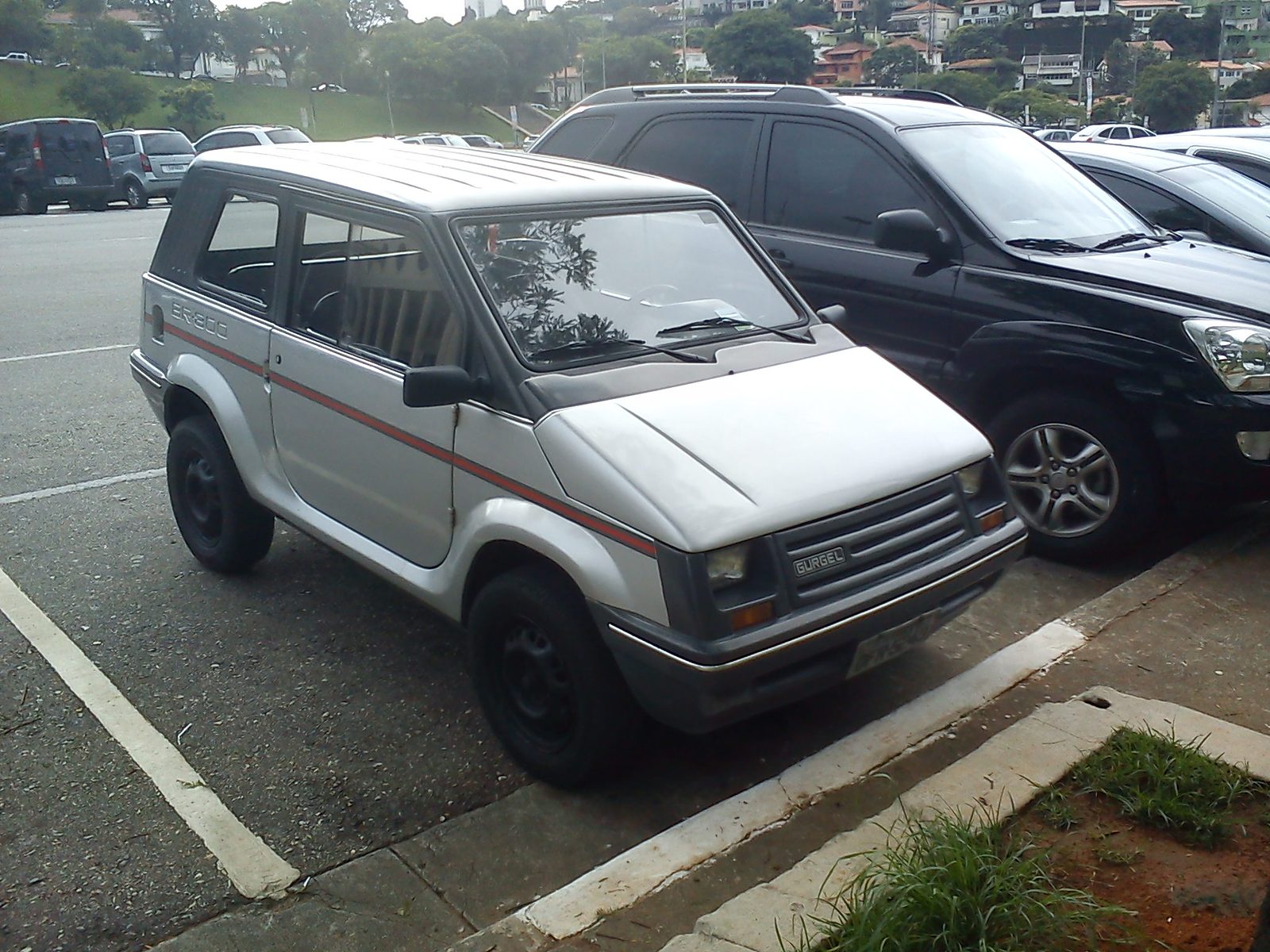
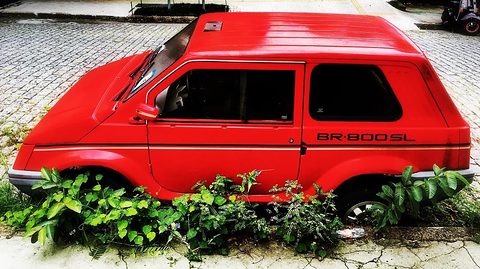
He aimed at about 30,000 cruzados, against 42,000 for a Volkswagen 1300.source 2 He first tried to build the Citroën 2CV’s twin under licence, but Citroën’s terms made an engine of his own the better course.source 4source 2 The timing helped: the new Ministry of Science and Technology was being set up, and the Volkswagen Fusca was going out of production in Brazil; the minister, Renato Archer, arranged finance from FINEP and a special low rate of the IPI tax.source 4 CENA prototypes drove in the Independence Day parade in Brasília on 7 September 1987.source 4 The 650 cc engine was dropped along the way, and only the 800 went into production.source 5 So was the name: Ayrton Senna went to law over CENA, which sounded too like his own, and the car became the BR-800, for Brazil and 800 cc.source 4source 6source 1
The car
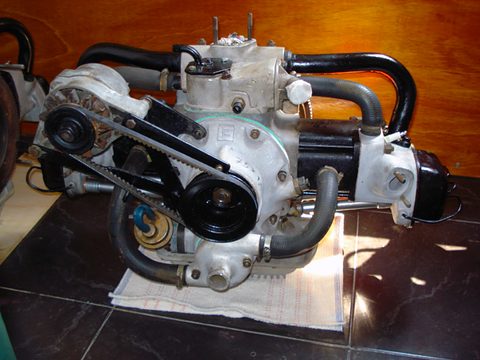
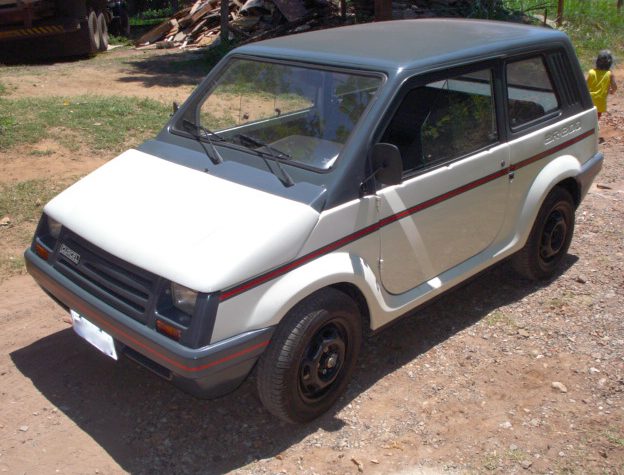
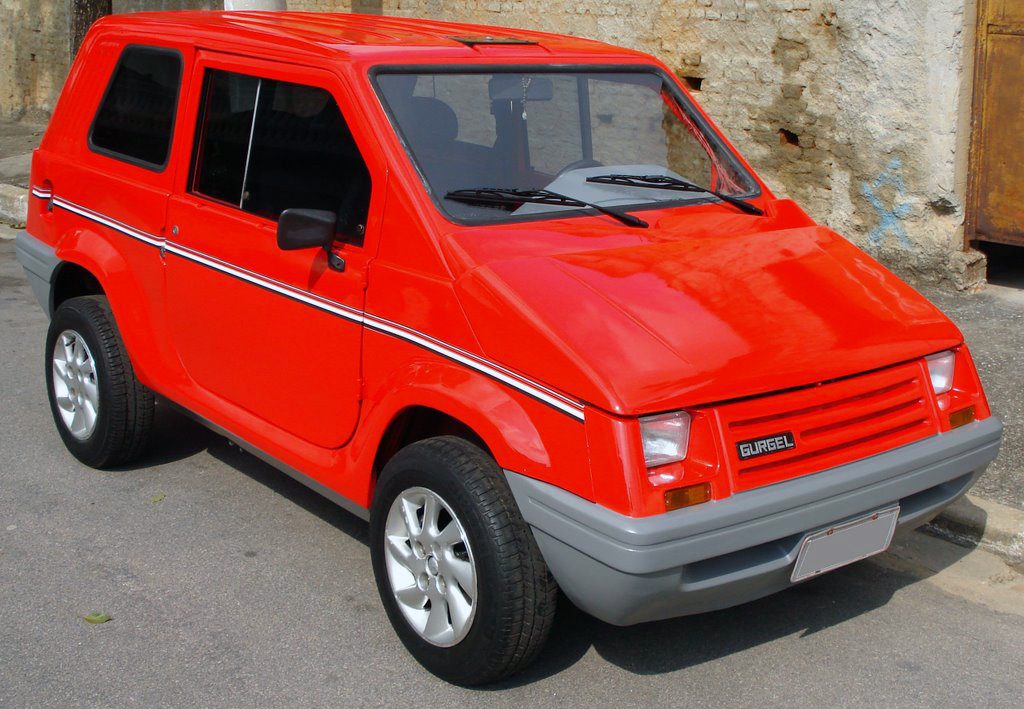
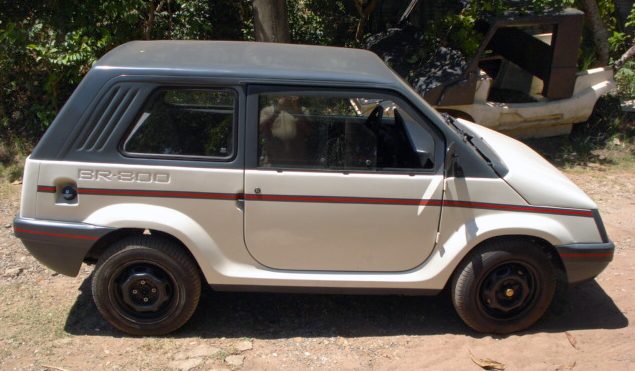
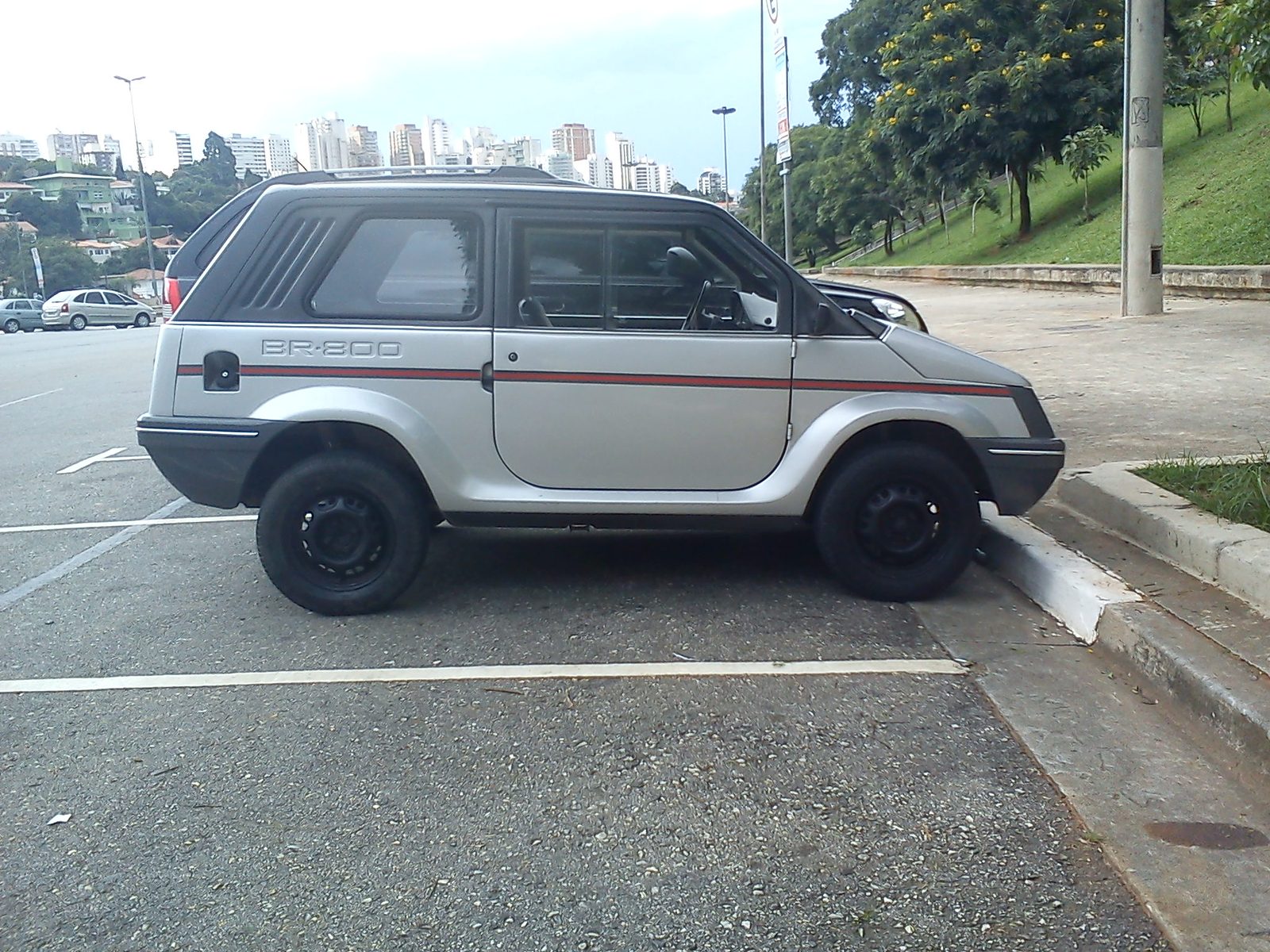
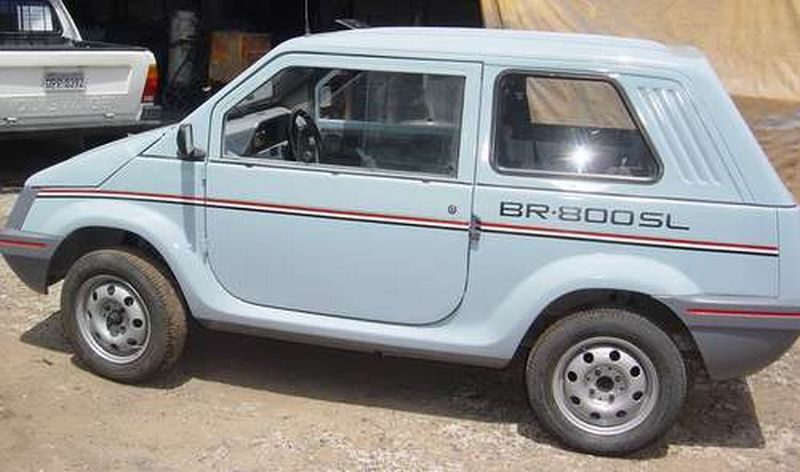
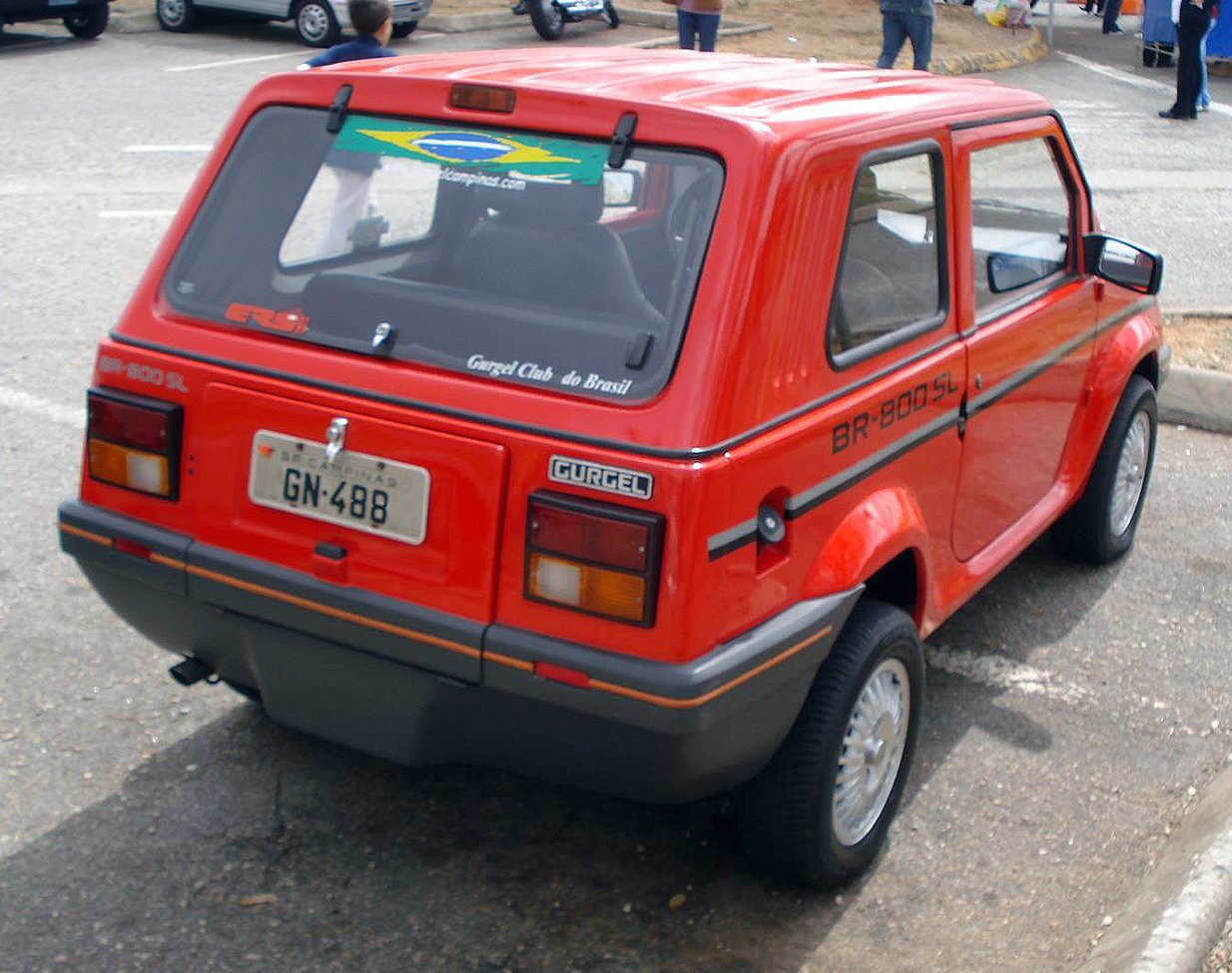
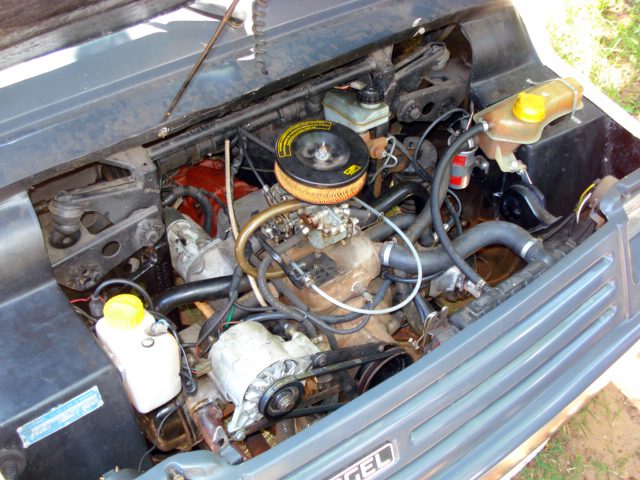
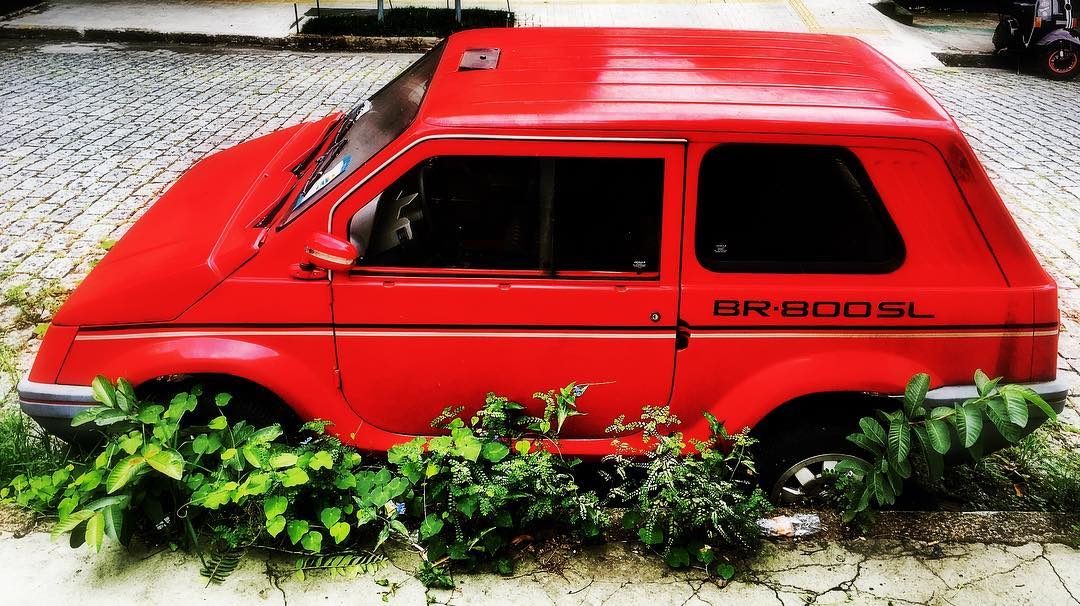
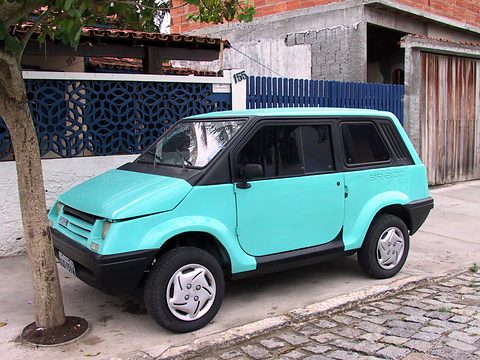
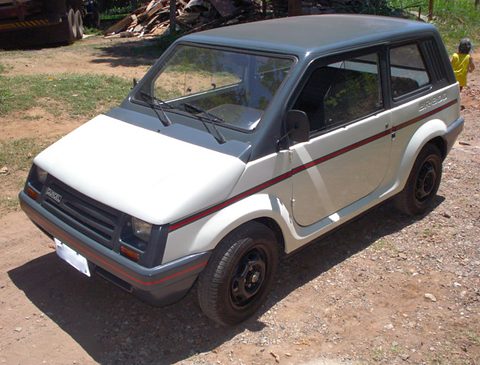
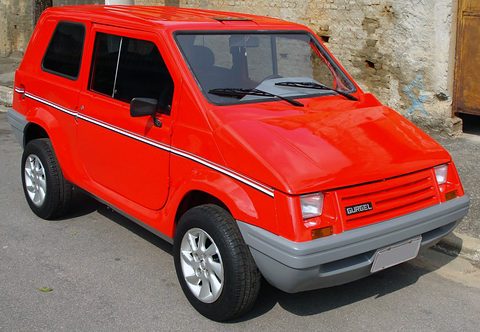
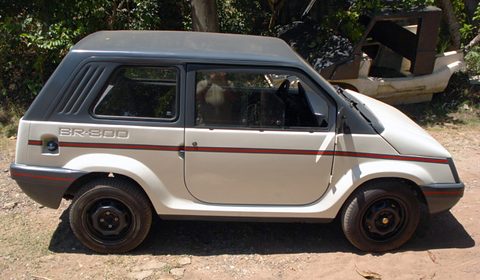
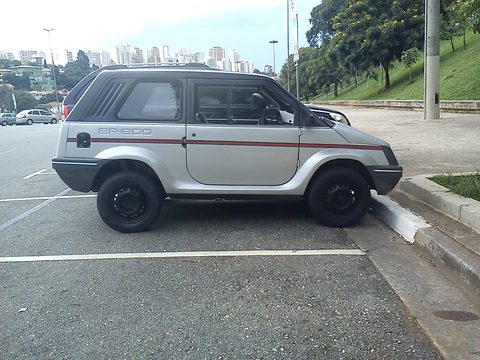
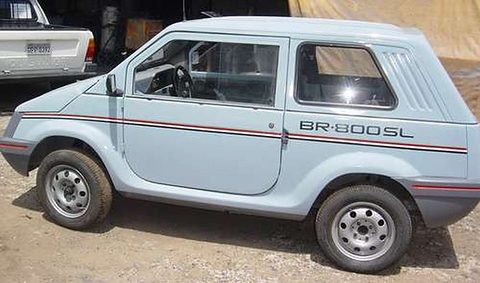
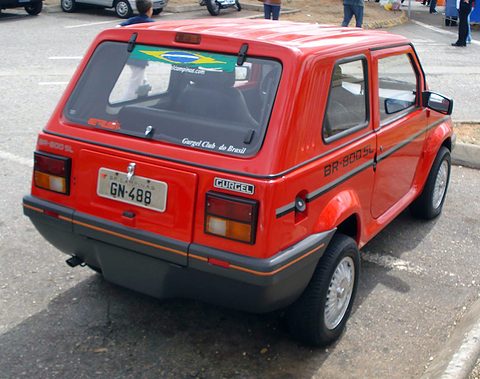
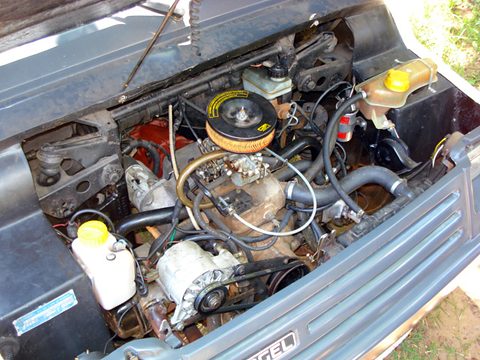
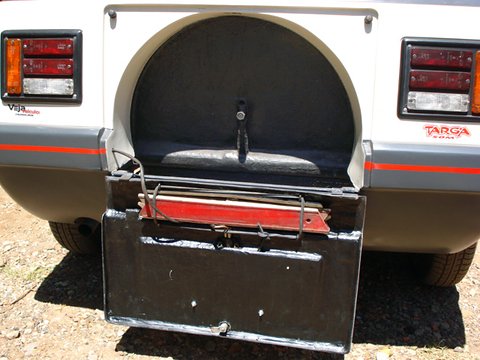
The engine was Gurgel’s own, the Enertron, a water-cooled flat-twin of 792 cc, in effect half a Volkswagen 1600 boxer with water jackets. In its first form it had no drive belts at all: the alternator sat on the crankshaft and the water and oil pumps were driven off the camshaft.source 5source 4source 6 Mounted at the front, it drove the rear wheels by way of a Chevrolet Chevette gearbox, propeller shaft and differential.source 4source 7source 6 The two-door body was glass fibre on a steel-tube chassis, with flat glass to save money and side windows that slid.source 5source 6 It was 3,195 mm (126 in) long and seated four.source 7source 5 The definitive car was shown at the 1988 São Paulo motor show and built from that year as a 1989 model, at Rio Claro.source 4
Sold with shares
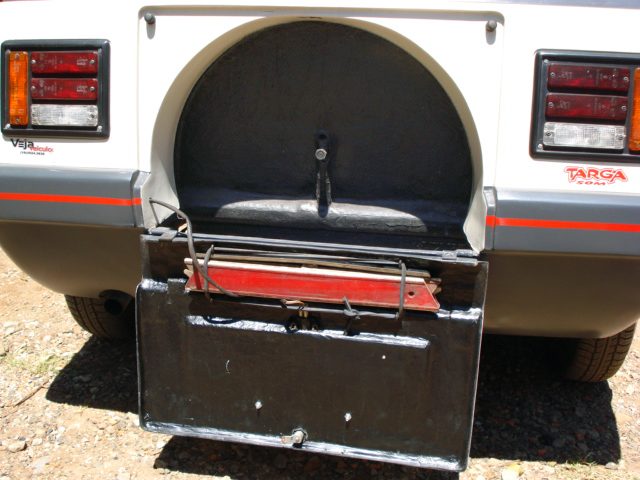
Gurgel Motores was floated on the stock exchange to pay for a bigger factory, and for the first two years a BR-800 could be bought only by a new shareholder: 750 shares per car, UPI reported in October 1988. That made it dearer than the much bigger Chevette, then Brazil’s cheapest car.source 5source 4source 6 Its advantage was the tax: an IPI of 5 per cent by Portuguese Wikipedia, or 7 by English Wikipedia, against 37–42 per cent for other cars, a privilege the multinationals attacked.source 5source 4 Autopapo puts the price at US$5,000–7,000, 20–30 per cent under a Gol, an Uno or a Chevette.source 6 The car changed constantly: in 1990 new tail lamps, an opening rear window and a new front suspension, the first having run in an oil bath; in 1991 a sealed radiator, inertia-reel belts, rubber engine mounts and a wholly new chassis.source 4source 7 From 1990 anyone could buy one.source 4source 7
The Uno Mille
Then the rule that made the BR-800 was turned against it. In 1990, under pressure from the big makers, President Collor’s government gave the low tax to every car of up to 1 litre, and in August 1990 Fiat launched the Uno Mille at a similar price.source 5source 4source 3 Imports were opened at the same time, and Gurgel stopped building its jeeps in January 1991.source 4 BR-800 sales fell to a trickle.source 5
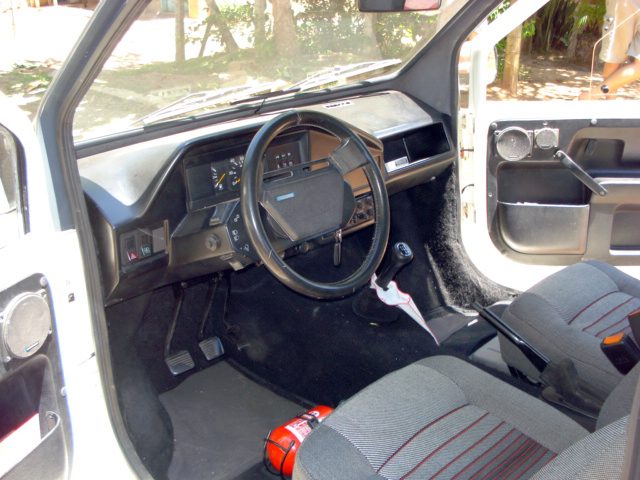
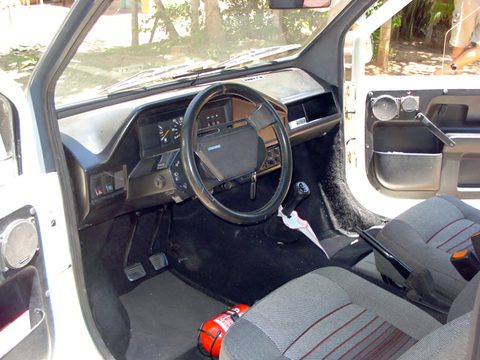
In April 1991 Quatro Rodas tested the BR-800 SL against the Gol, the Uno Mille and the Ford Escort. It was the new economy champion in town, at 12.2 km a litre, and so handy that it was 3.19 m long against the Uno’s 3.64 m. Little else pleased. The windows slid back and forth and would not open fully; the driving position suited only short people; the pedals were badly placed; the minor controls were unlit at night; the indicators did not cancel themselves, which was illegal; the engine was noisy and shook; and the Chevette brakes took 19.6 m to stop from 60 km/h. It was stable up to 60 km/h but needed care above.source 7
Os defeitos dão de goleada nas qualidades.
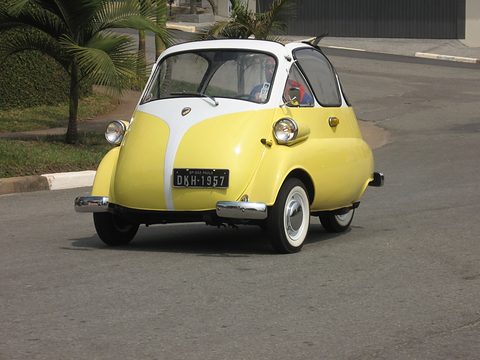
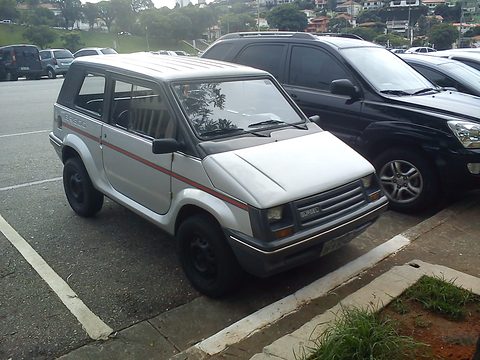
By the end of 1991 a restyled BR-SL had led to the Supermini of 1992, with wind-down windows, a boot lid and a wheelbase 10 cm longer; BR-800 production stopped, and the last cars left the dealers in 1992.source 5source 4source 3 A cheaper Delta, with an exposed chassis, an engine developed with Lotus and a factory in Ceará, was announced and never built.source 4source 8 Gurgel asked the federal government for a loan of US$20 million in 1993, went bankrupt in 1994 and closed in 1996; Autopapo dates the bankruptcy to 1995.source 1source 6 The BR-800 is still called the first 100 per cent Brazilian car, though its gearbox, axle and brakes came from the Chevette.source 4source 1source 7source 6 For an earlier claim to be Brazil’s first car, see the Romi-Isetta.