The story
History
Bianchi of Milan, founded in 1899, had made bicycles, cars and wartime lorries, and from 1939 trucks with Mercedes engines.source 1 To get back into cars it needed partners. On 11 January 1955, at the urging of its general manager Ferruccio Quintavalle, it formed Autobianchi in equal thirds with Fiat, which wanted a small car for more discerning buyers, and Pirelli, which wanted somewhere to sell tyres.source 2 The new company used Bianchi’s works at Desio, north of Milan, 140,000 m² with automated paint booths and room for about 200 cars a day.source 2 In 1958 Bianchi’s shareholders sold their stake to the other two.source 1source 2
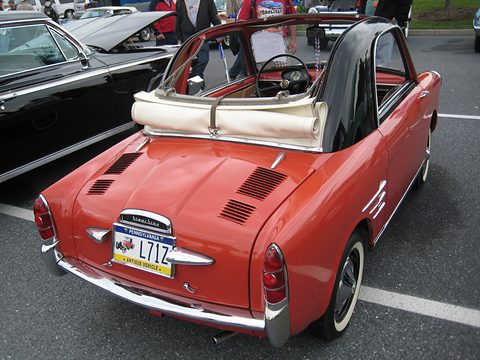
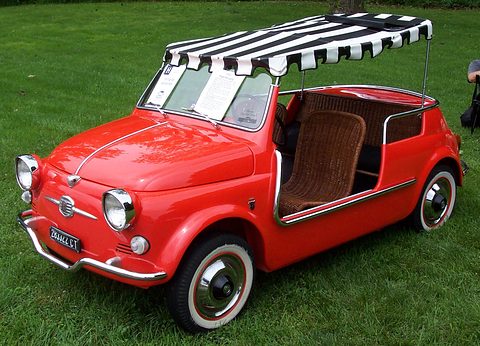
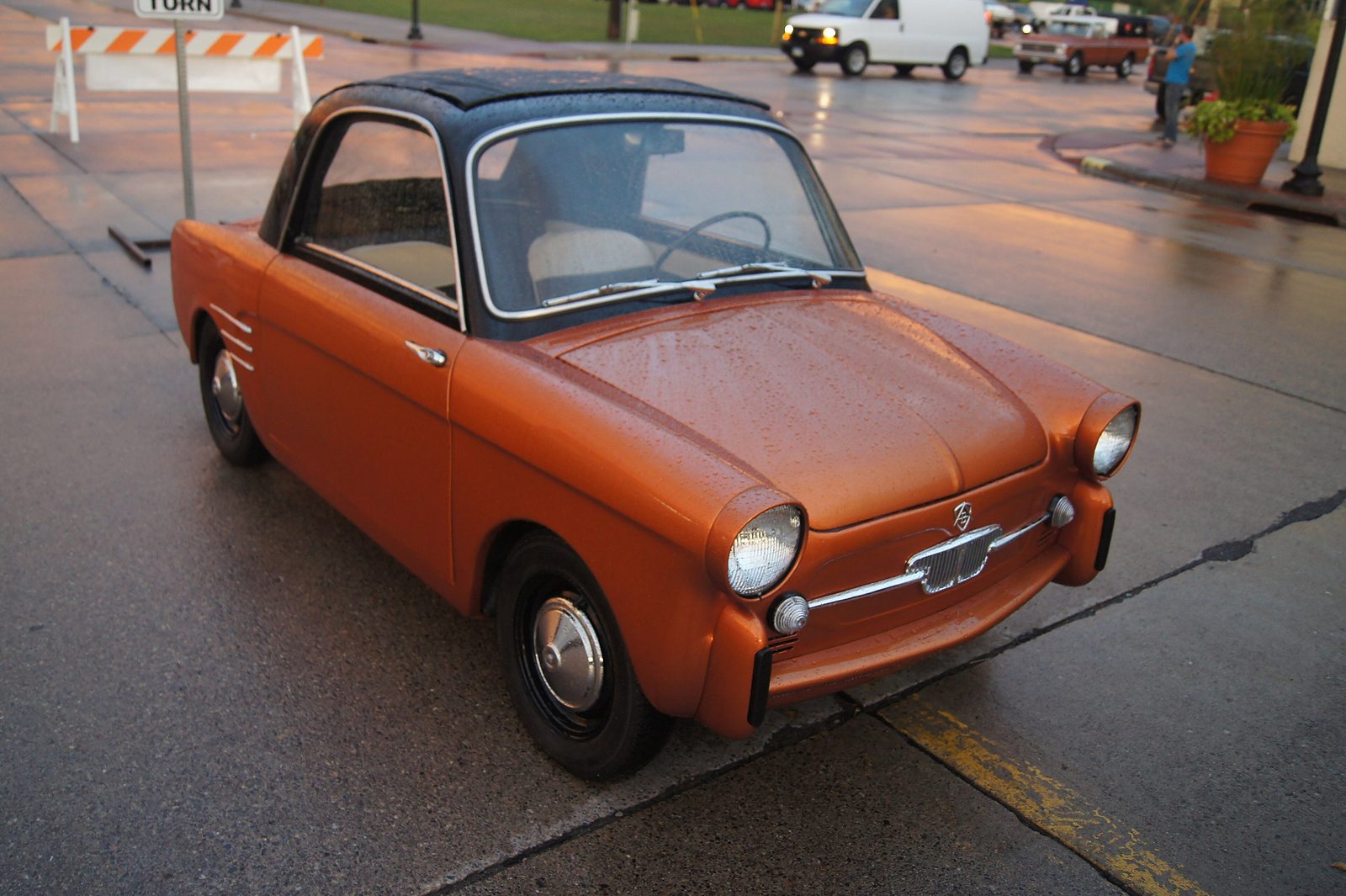
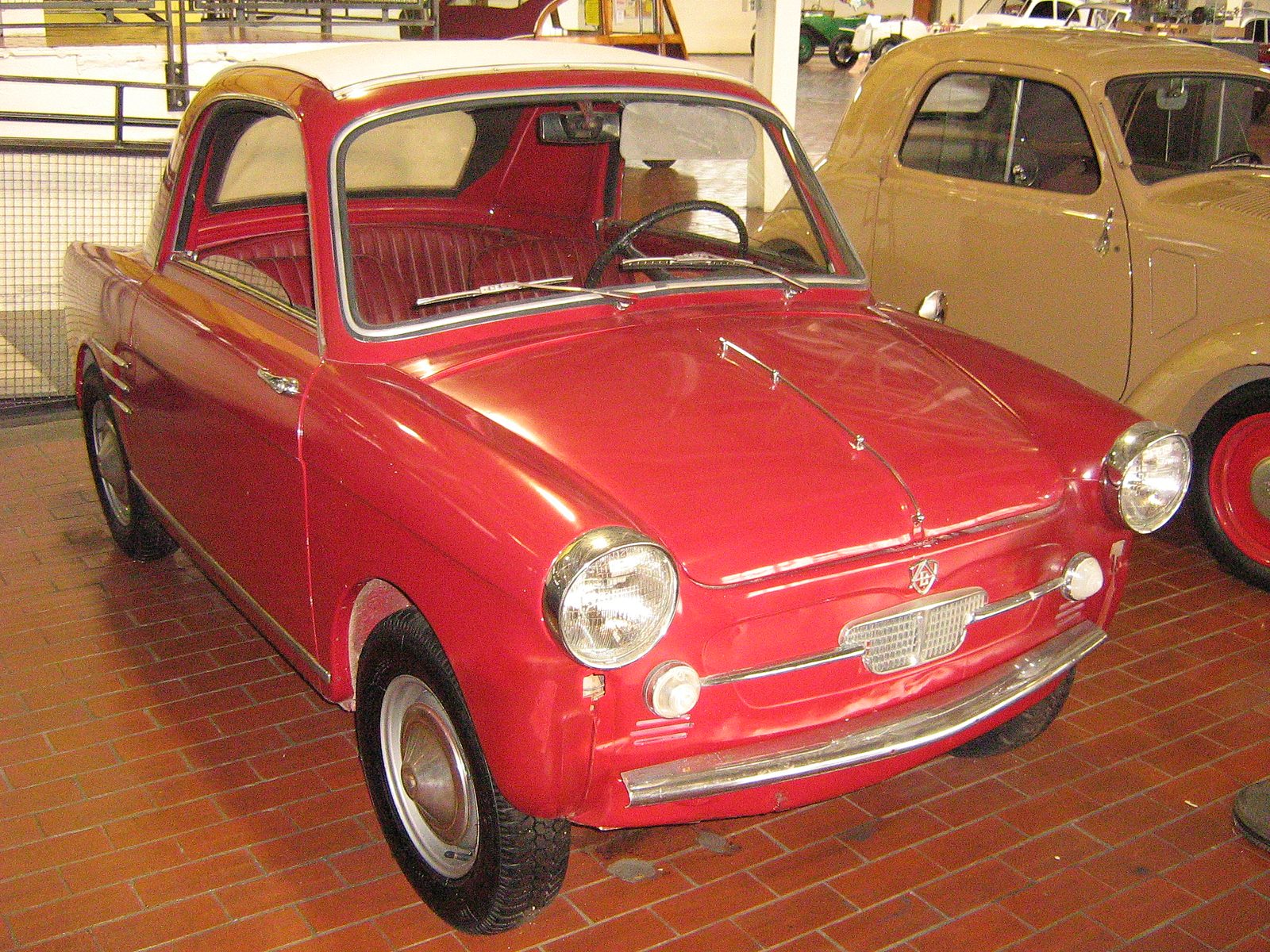
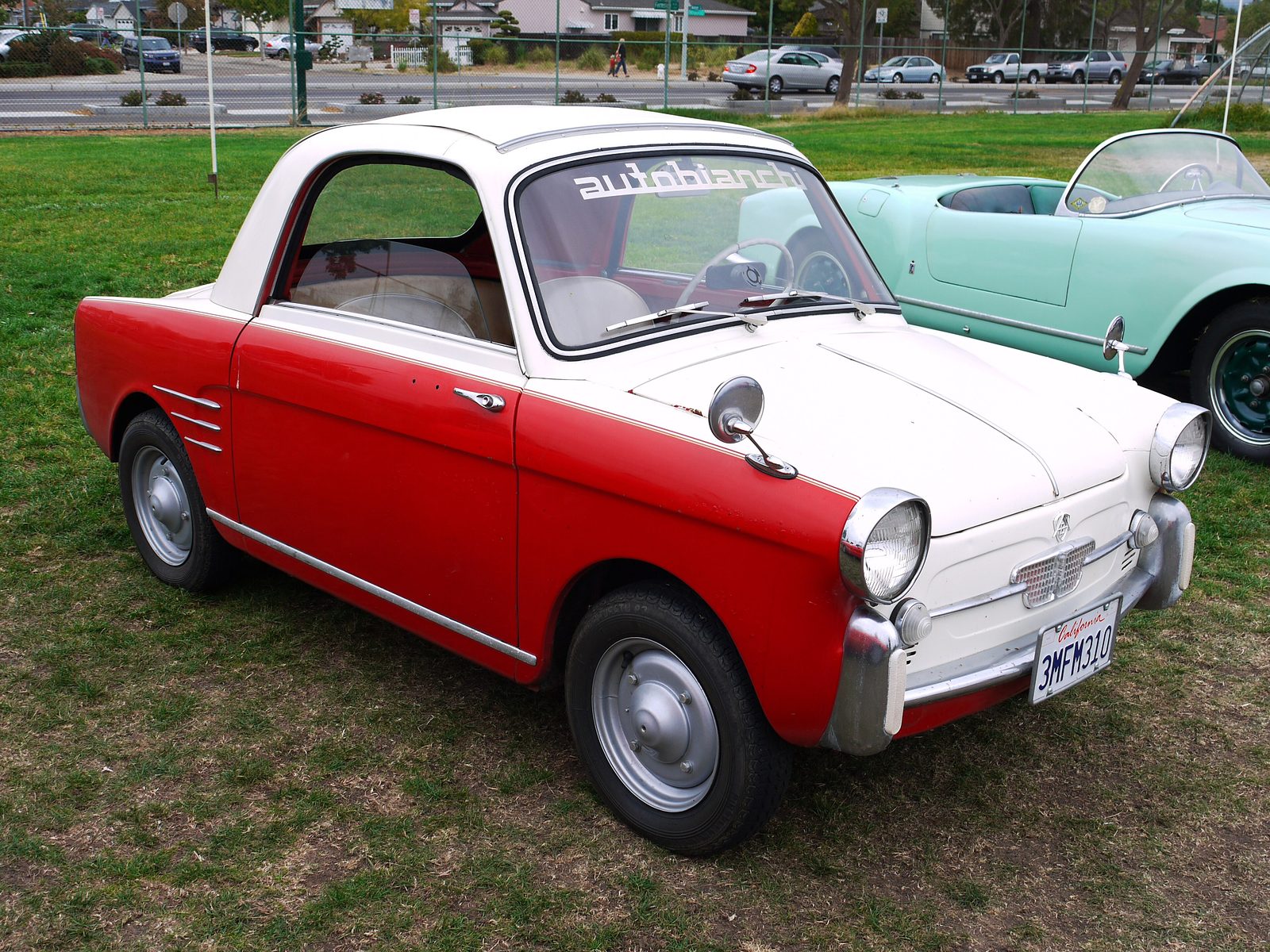
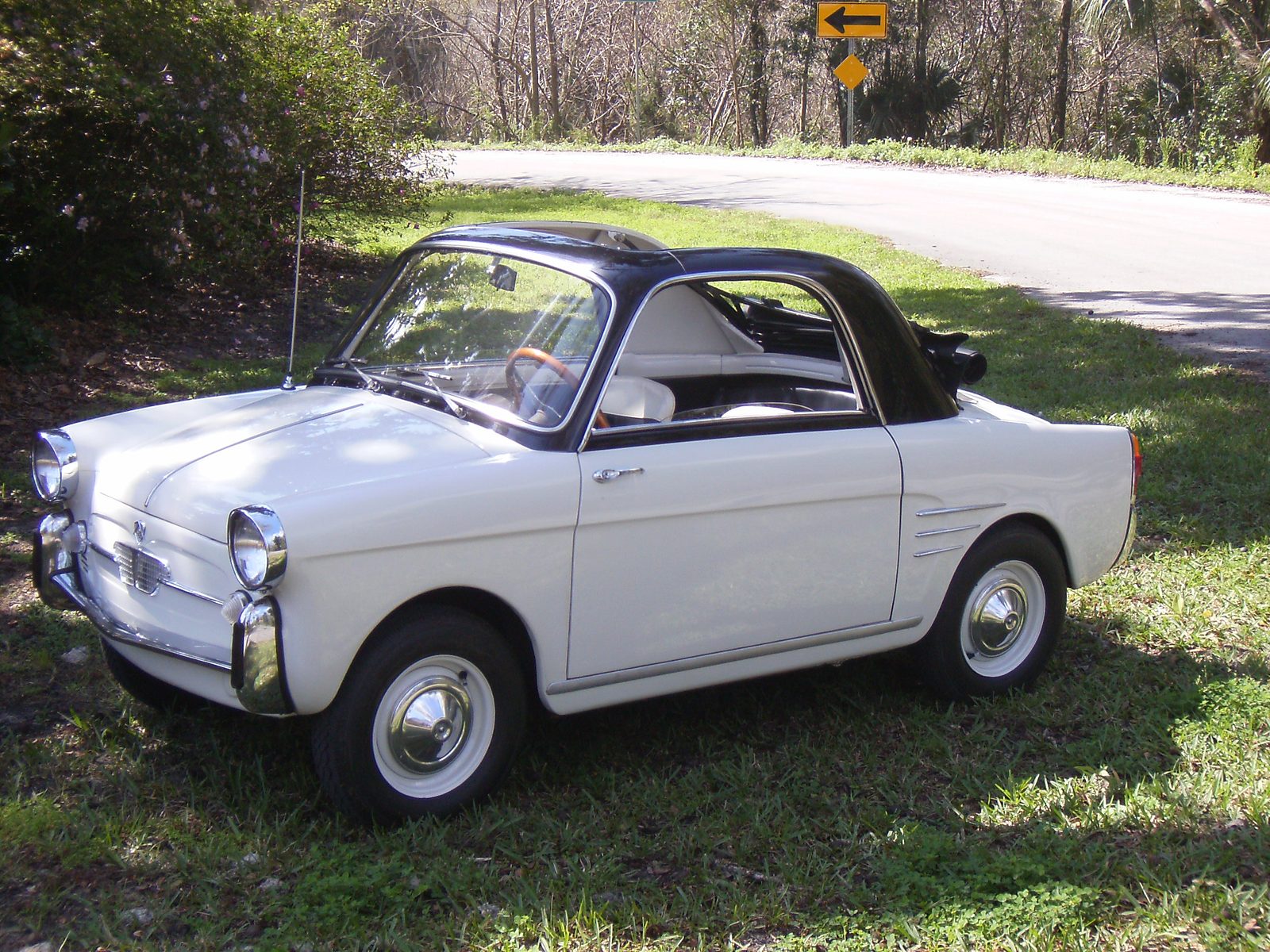
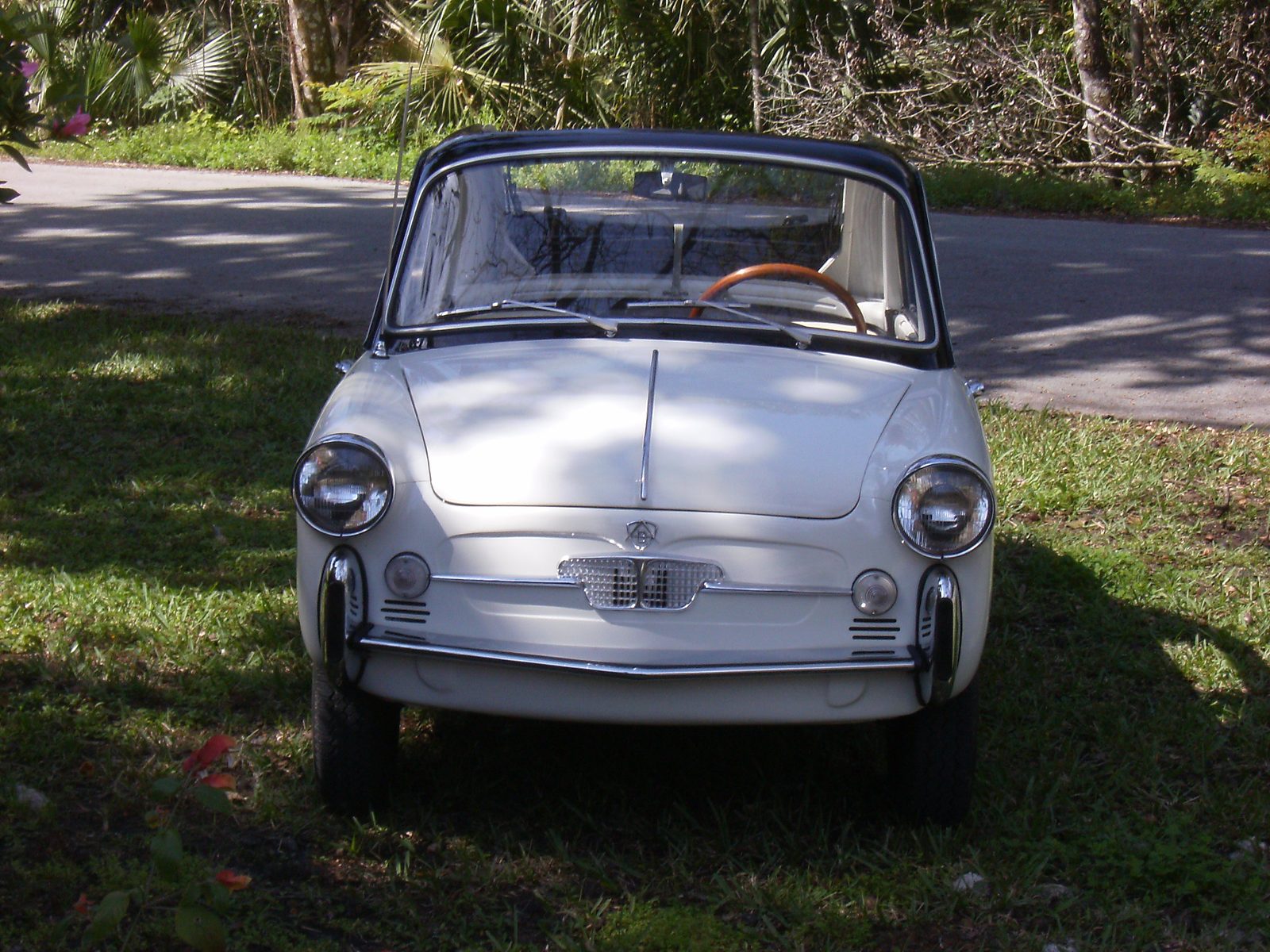
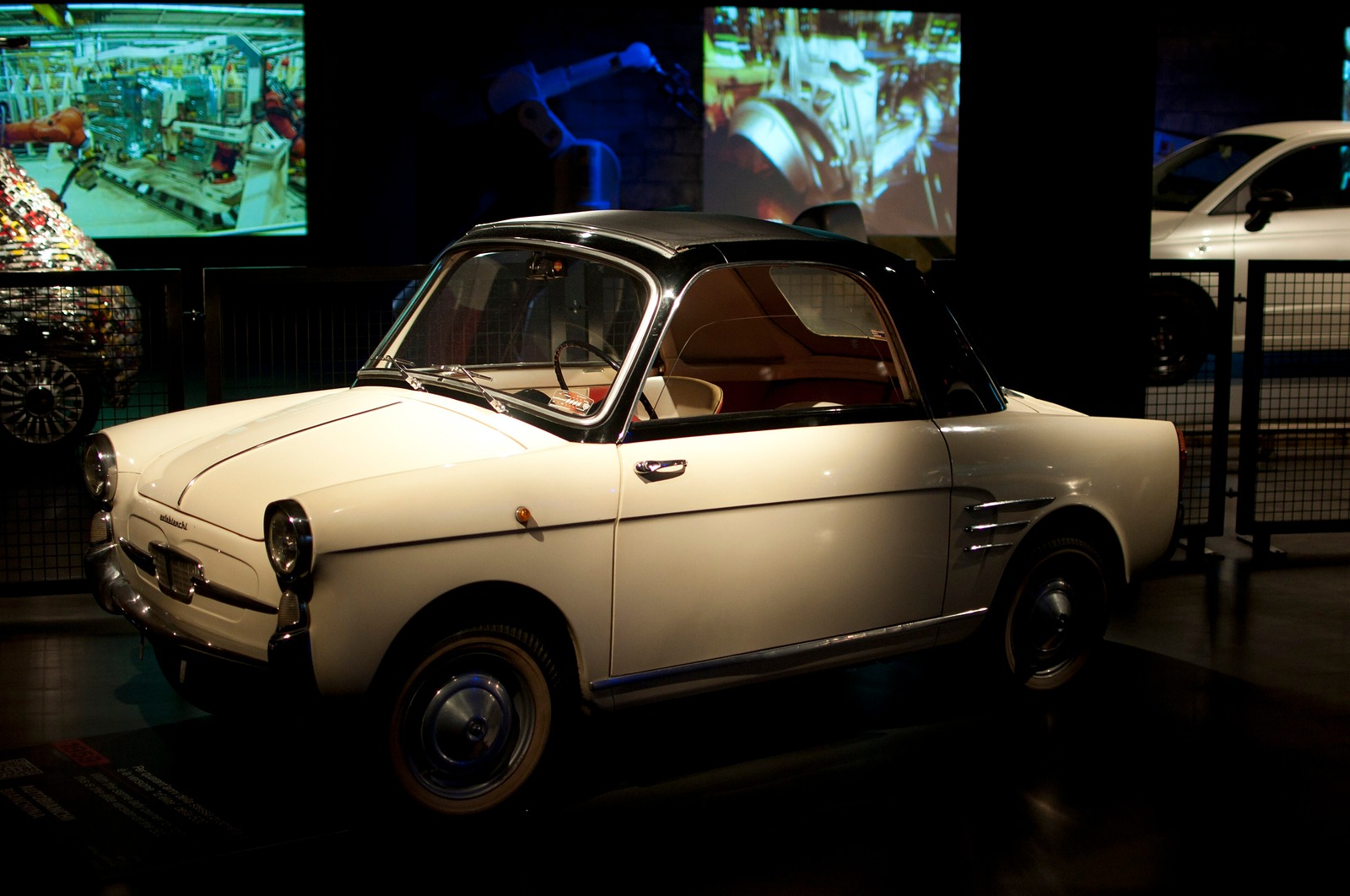
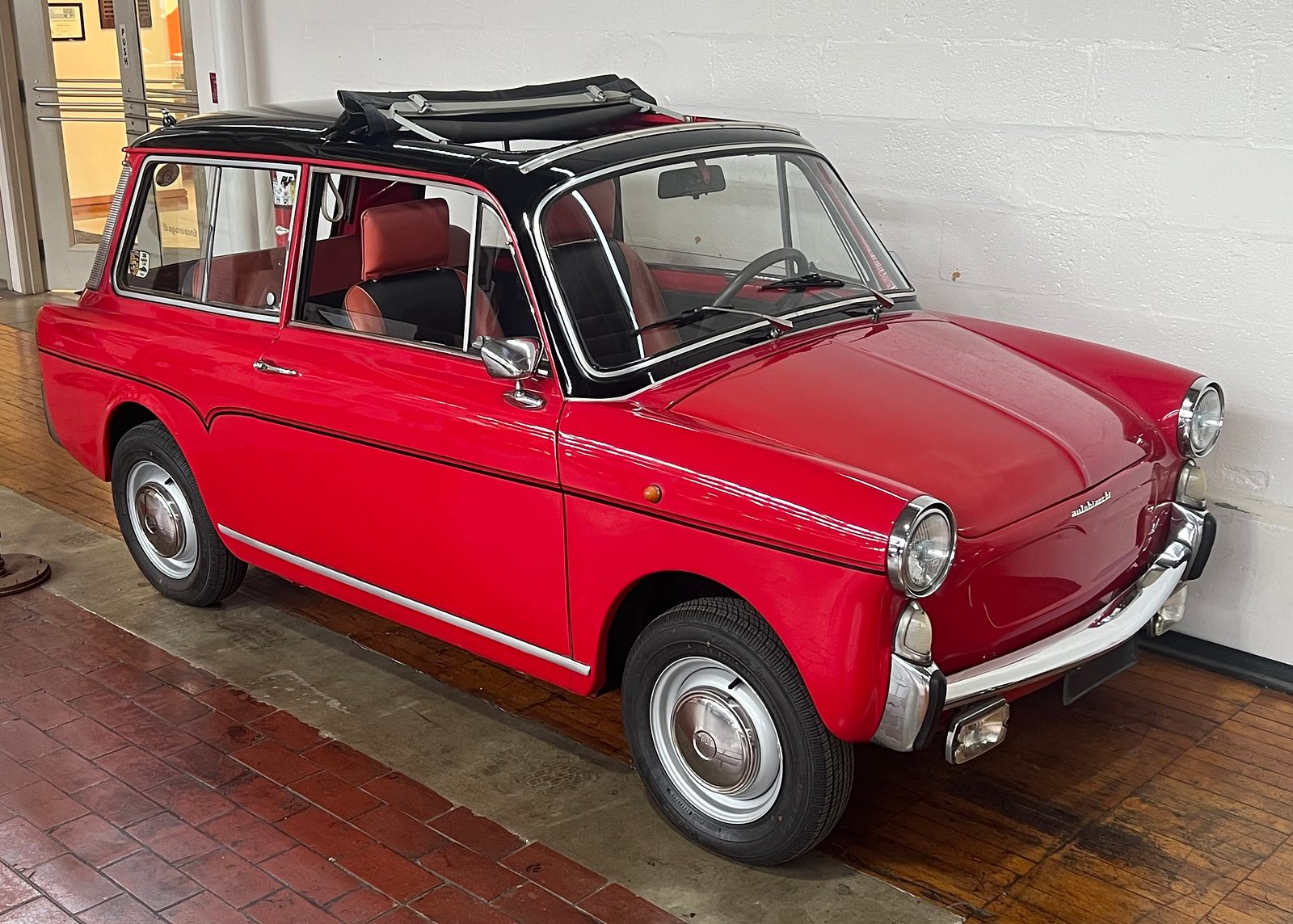
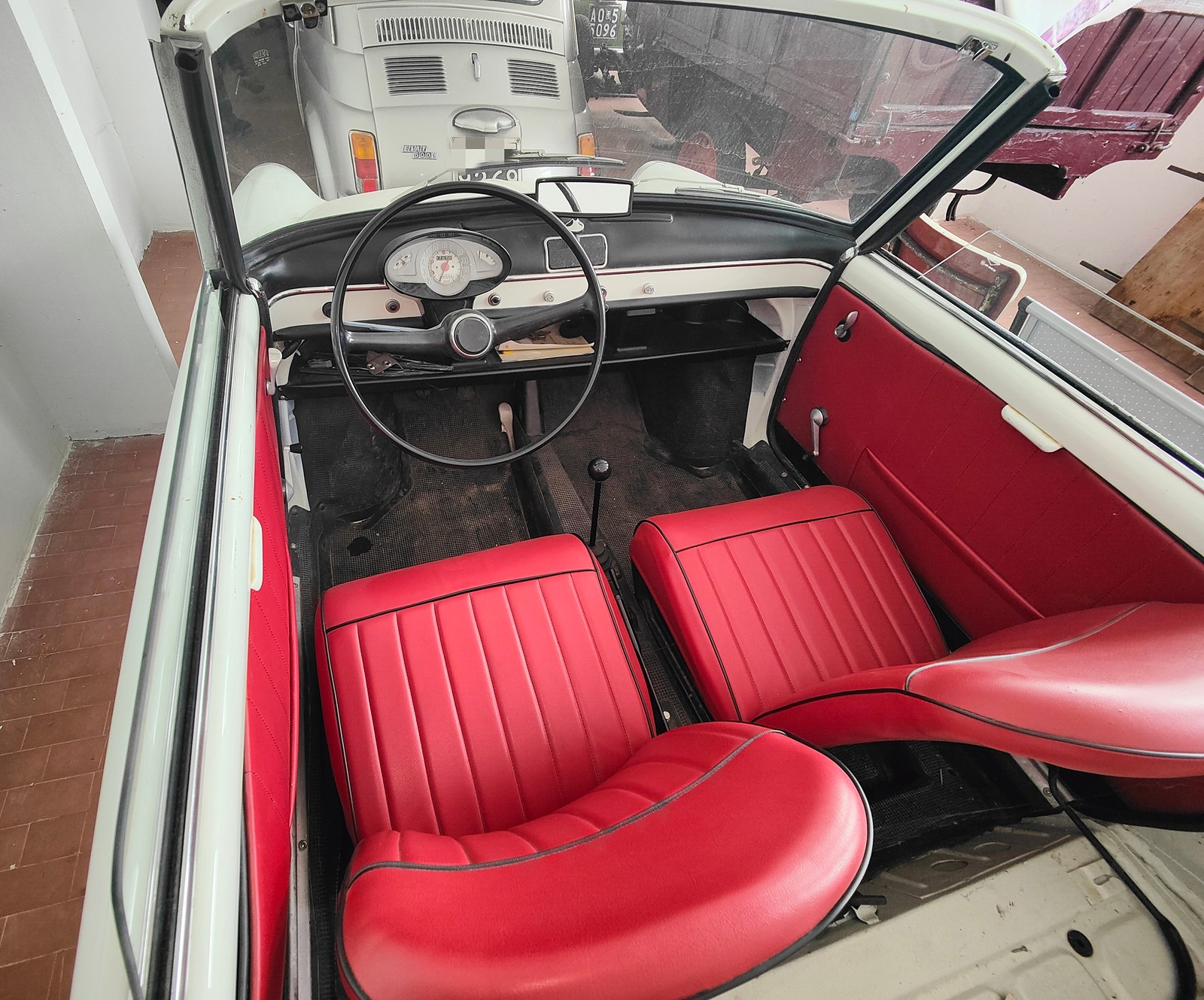
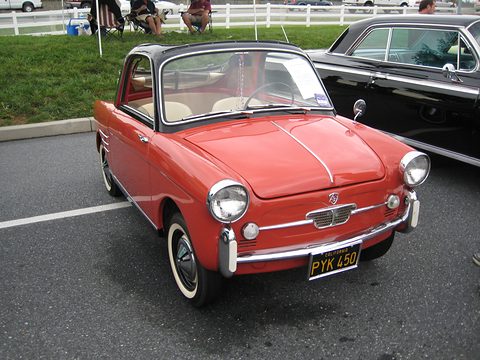
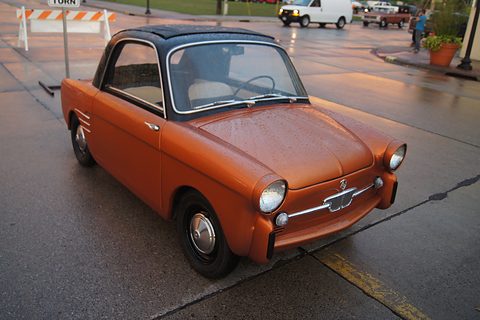
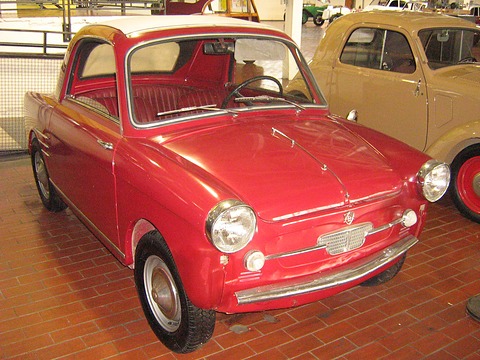
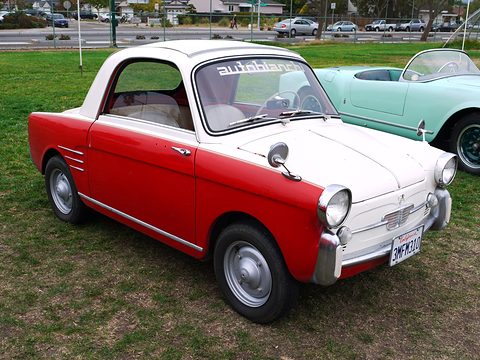
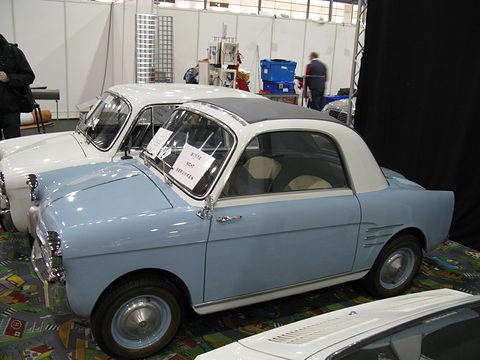
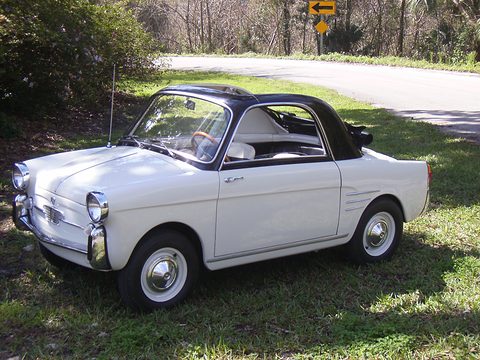
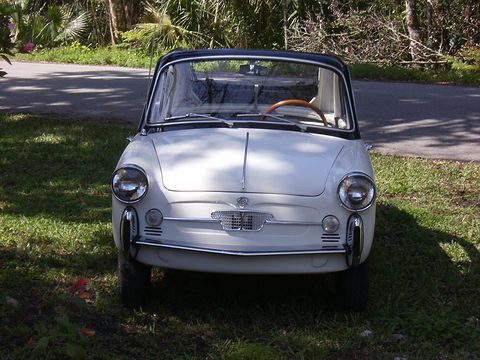
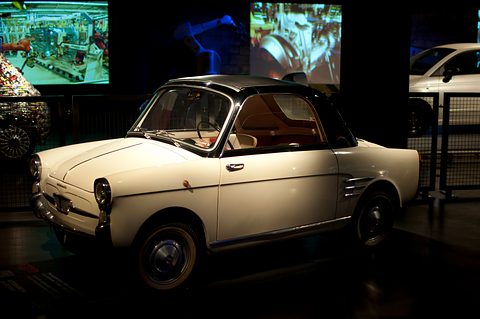
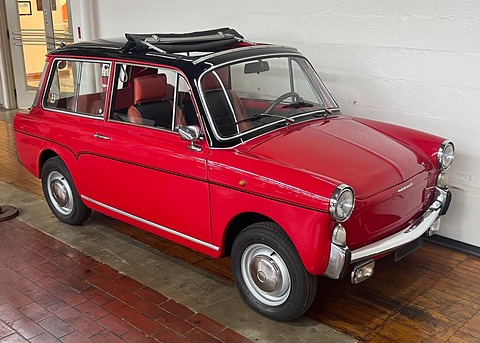
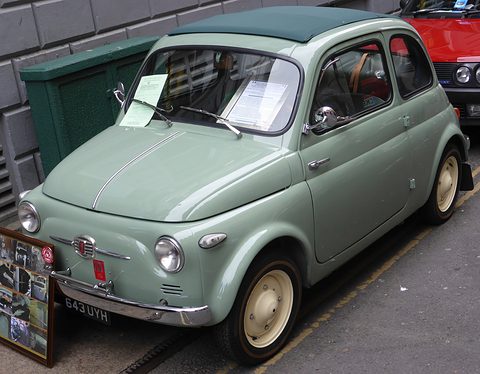
The first car was conceived as a luxury Nuova 500, on the Fiat’s floorpan and mechanicals.source 3 At 2,985 mm (9 ft 10 in) the Trasformabile was within 15 mm of the Fiat’s 2,970 mm, this site’s measure of a microcar.source 3source 4source 5 Its body was styled by Luigi Rapi.source 3source 4 On 16 September 1957 it was shown to the city’s authorities at Milan’s Museo della Scienza e della Tecnica.source 3source 2 At first there was one body, the Trasformabile: a little three-box coupé with tail fins, plenty of chrome, rear-hinged doors and a canvas roof that rolled back, Plexiglas rear window and all, over two seats. It came in two-tone paint, on Pirelli whitewalls, with the Fiat’s 479 cc twin at 15 CV.source 3source 2
Dearer, and still the better seller
It cost 565,000 lire, over 15 per cent more than the Fiat. Even so, in its first months it sold better than the Nuova 500, which Italian Wikipedia puts down to four things: its Milanese identity, the Bianchi name, a better finish, and 30 months of hire purchase from the finance house SAVA.source 3 About 11,000 were built in 1958, the first full year.source 2 In 1959 the engine went up to 16.5 CV.source 3source 4
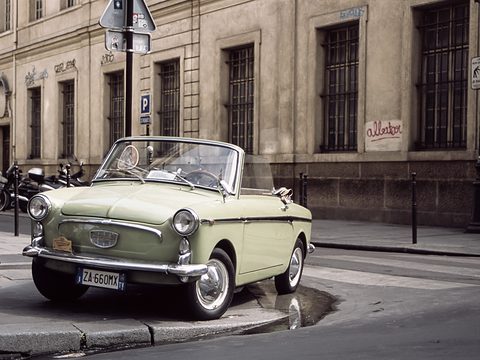
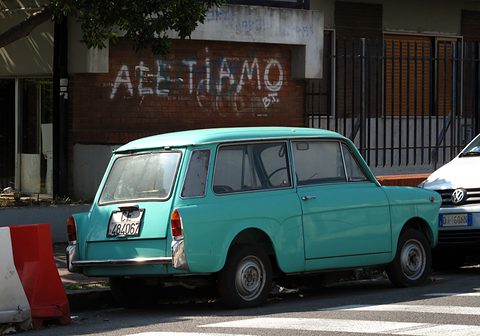
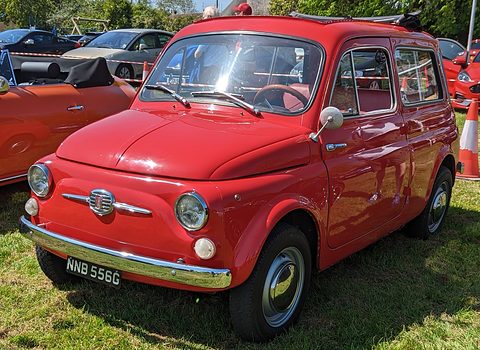
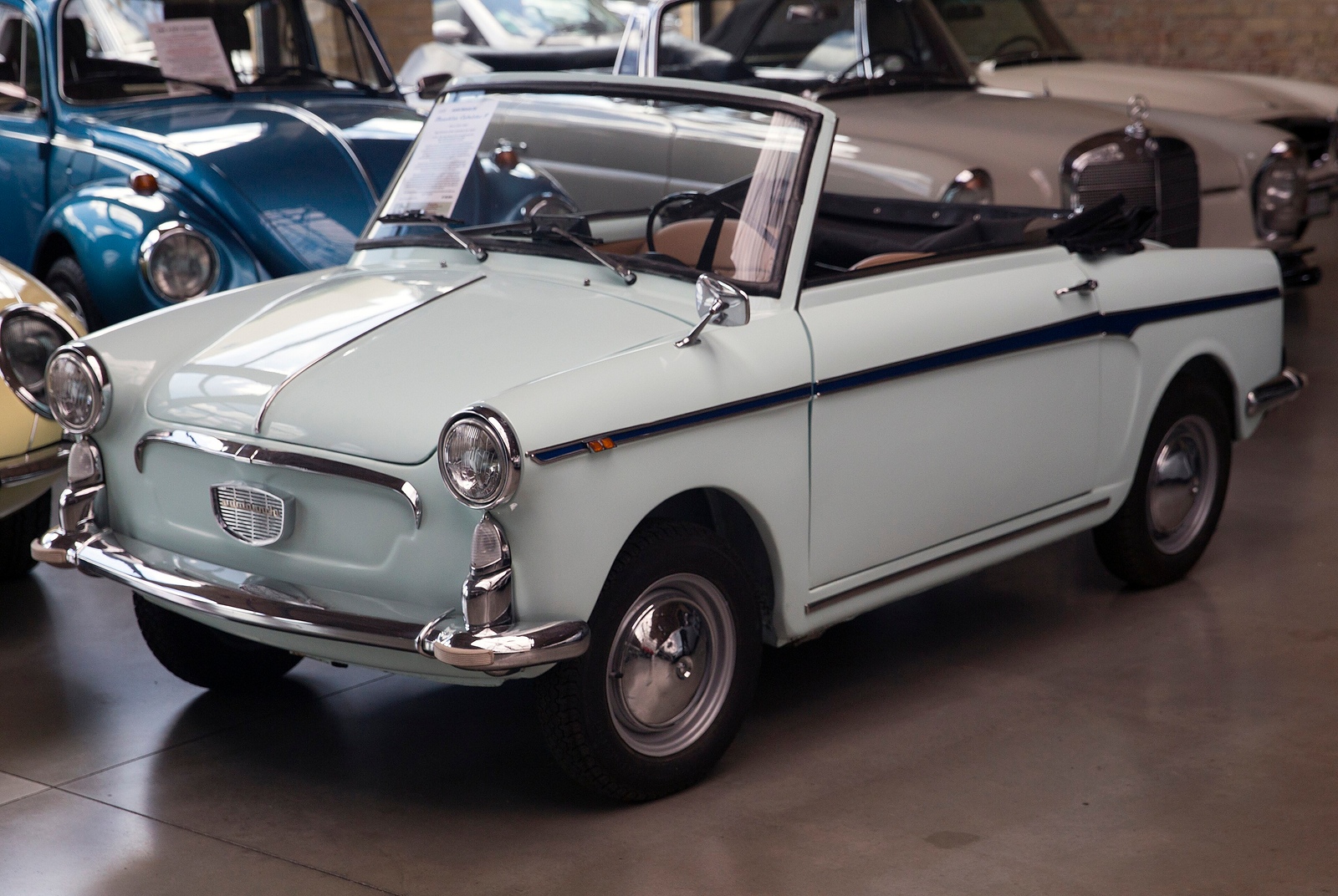
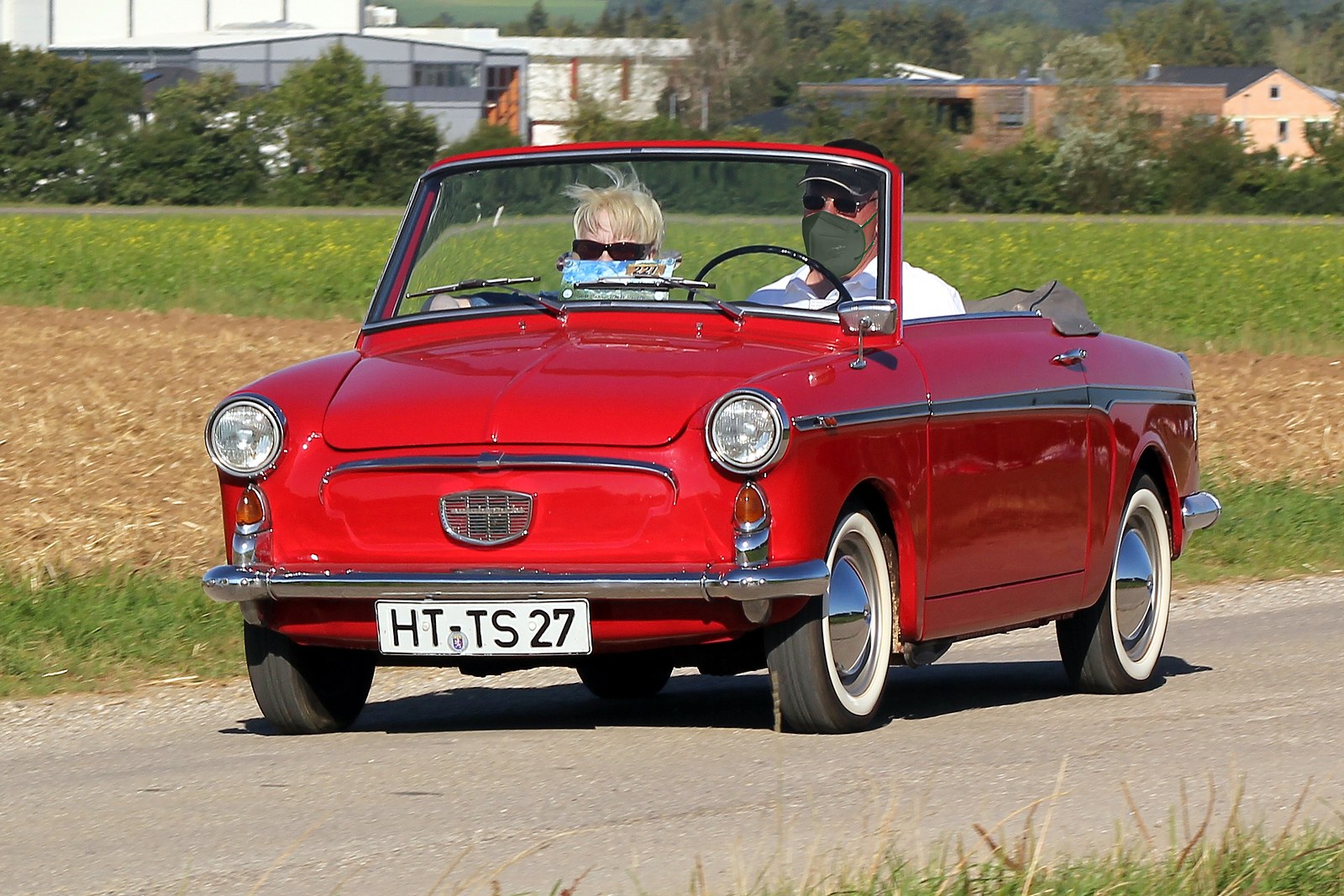
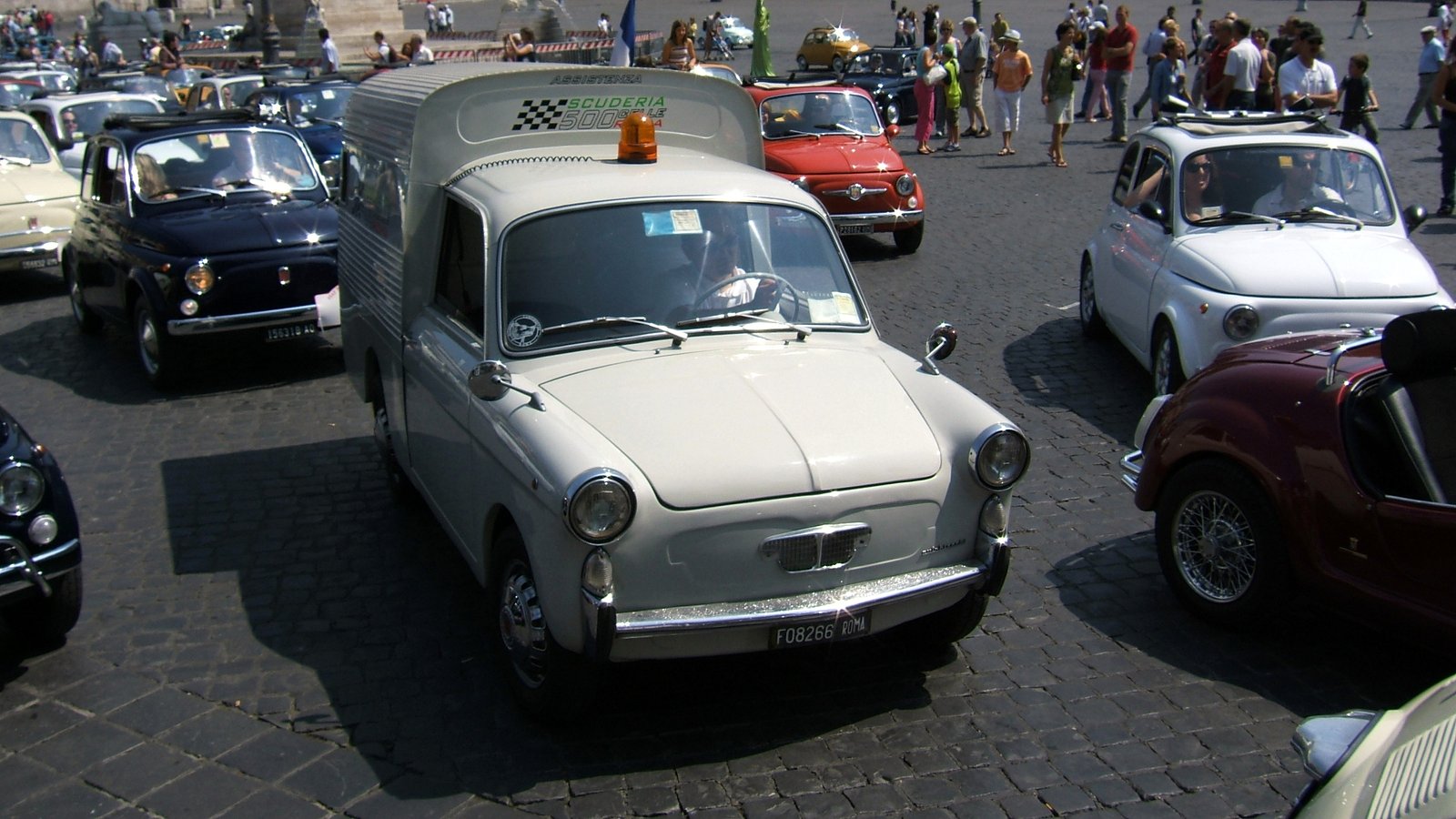
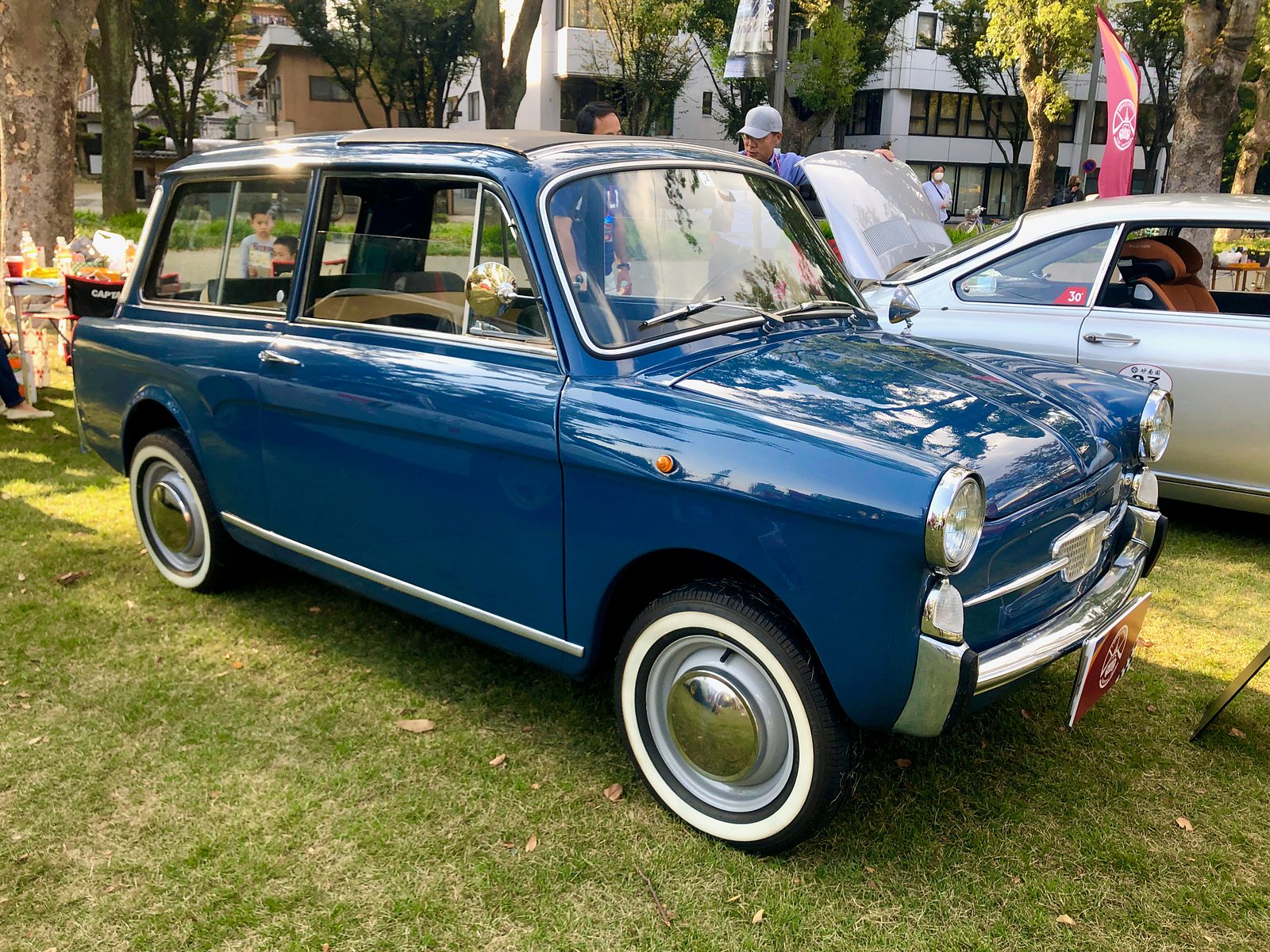
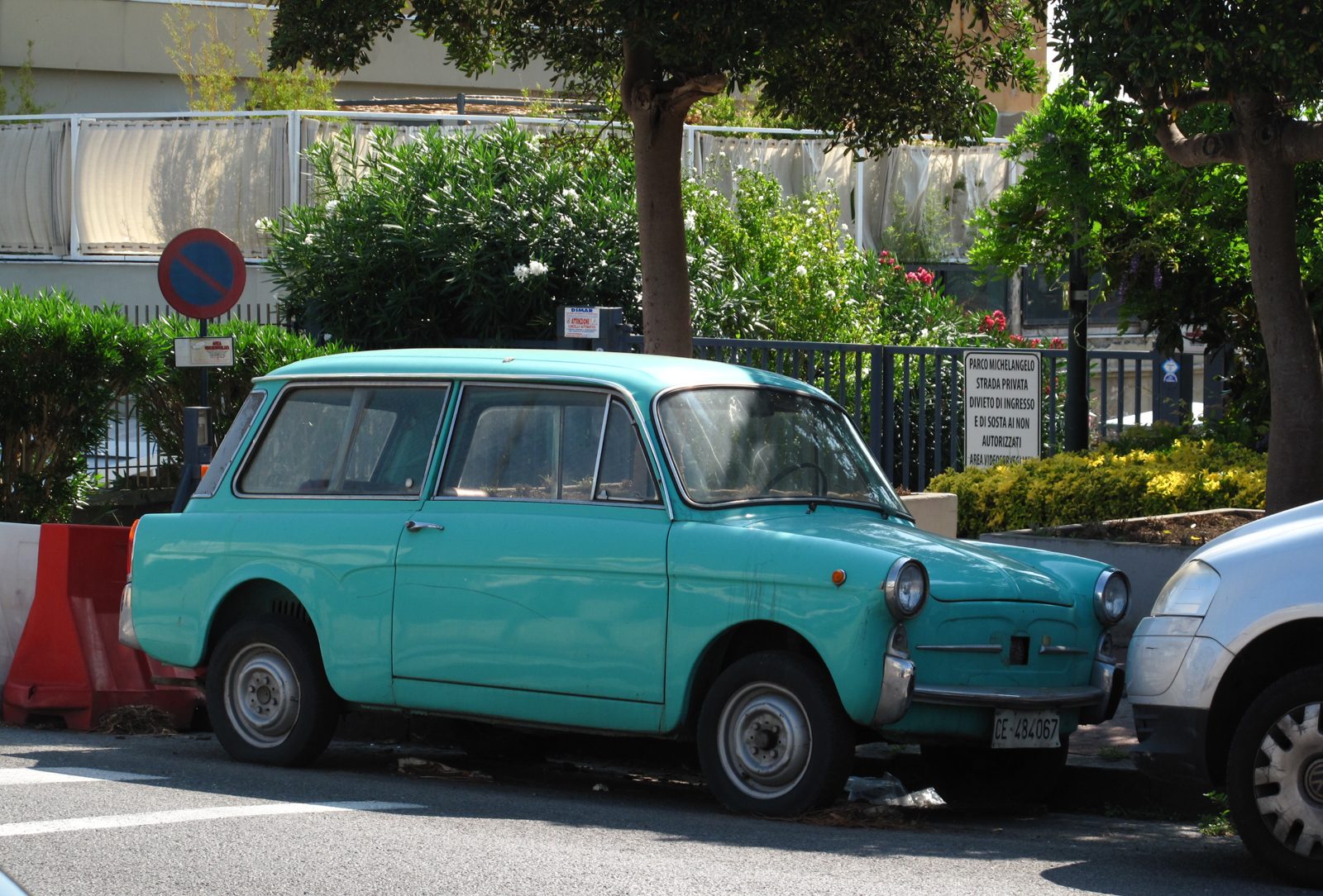
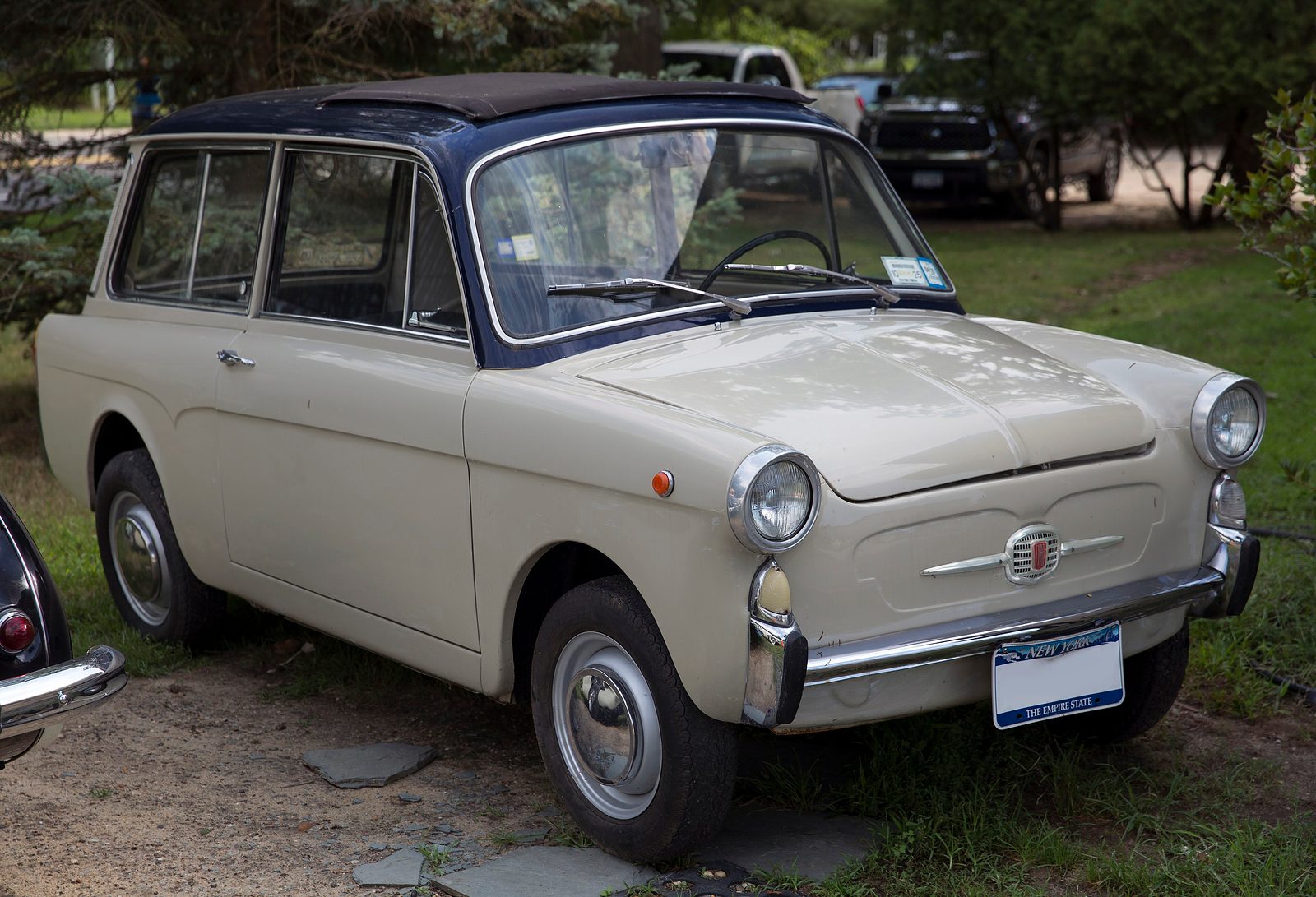
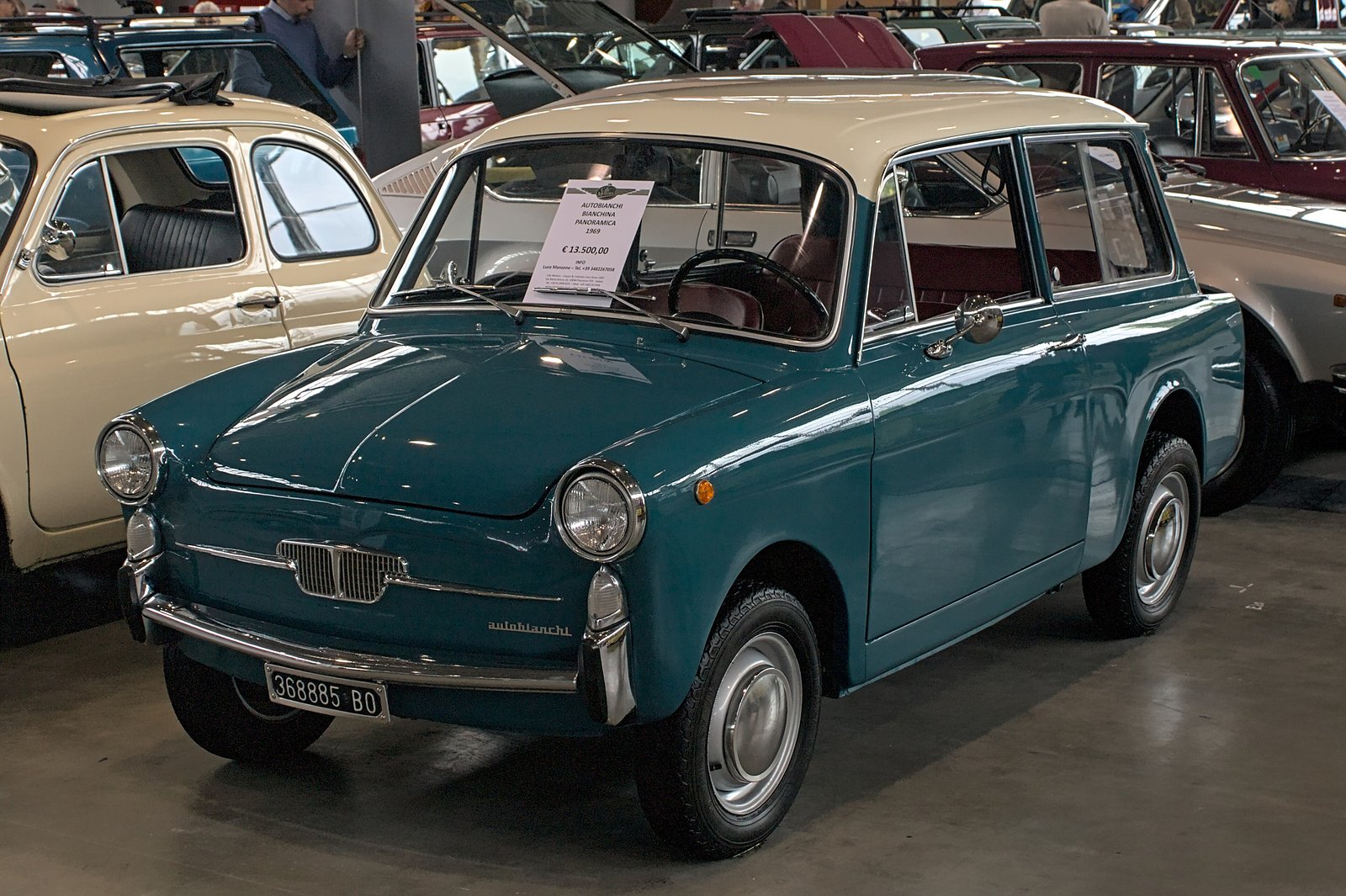
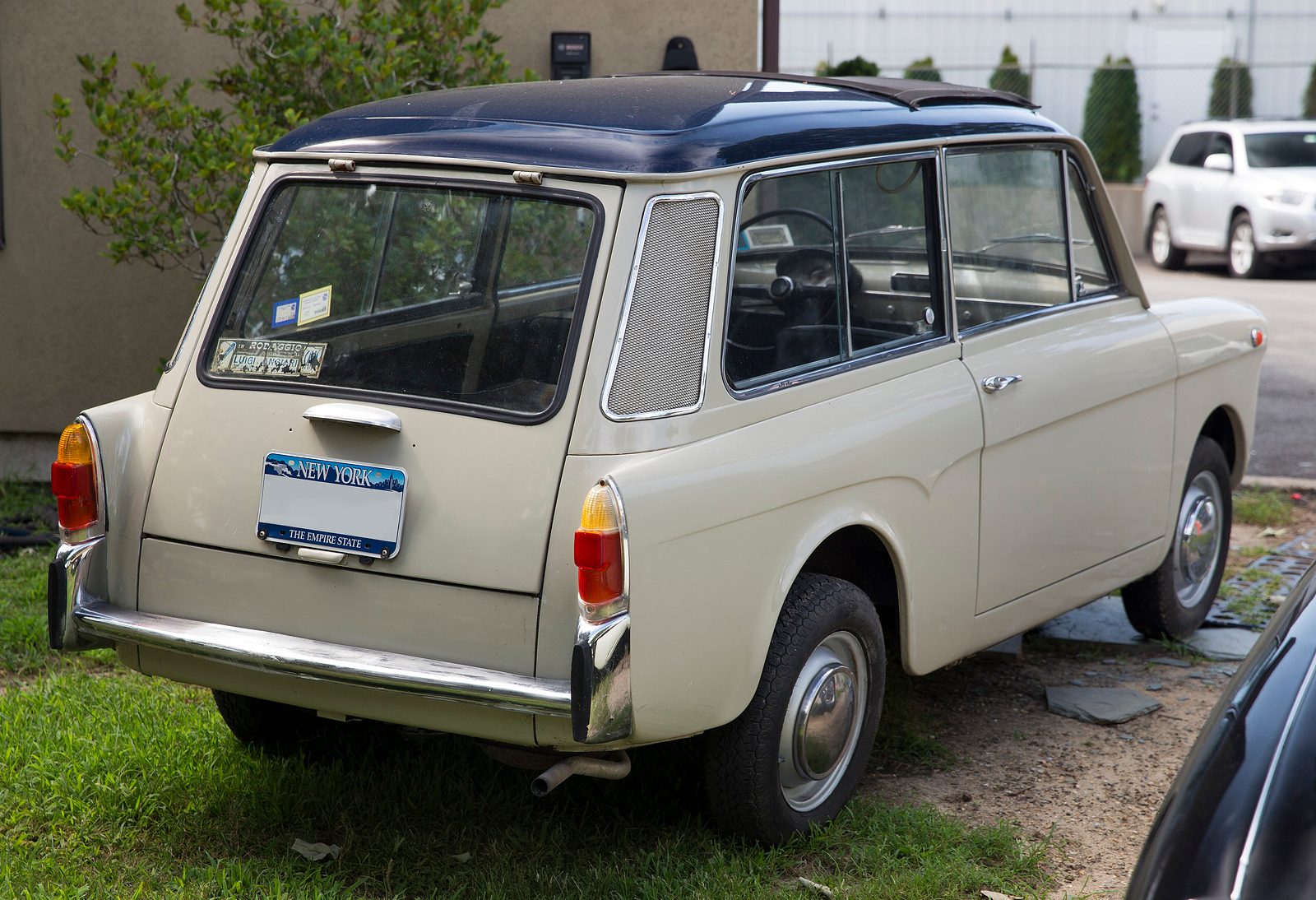
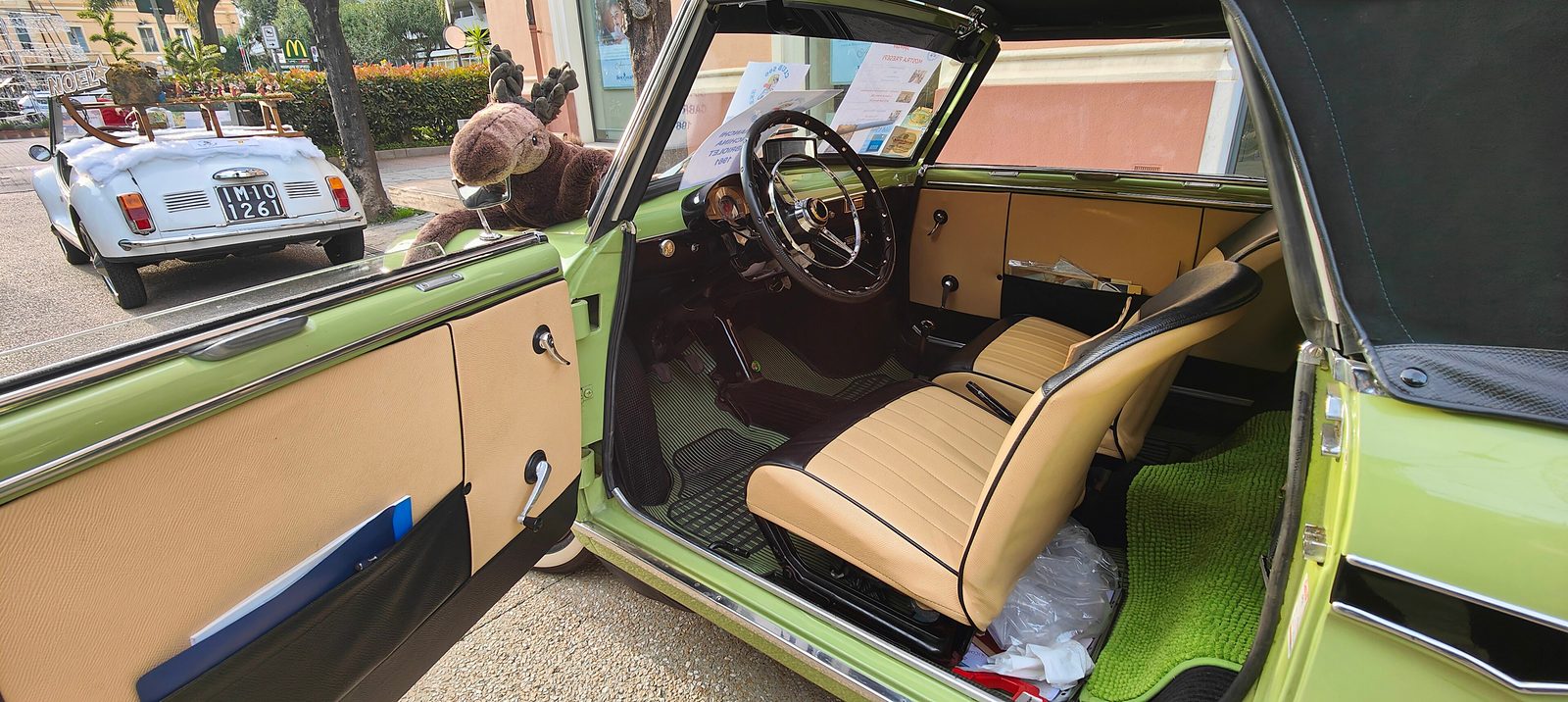
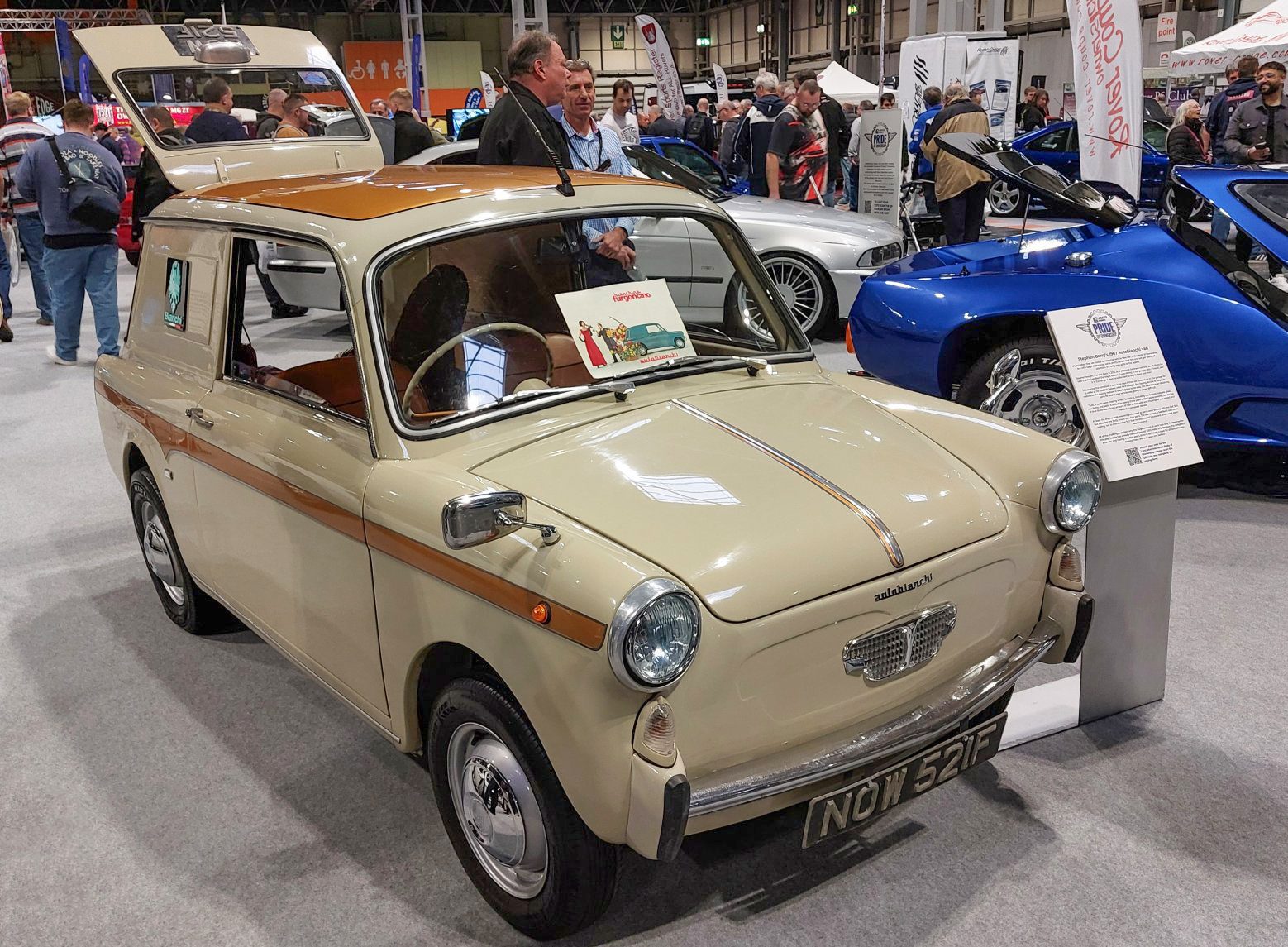
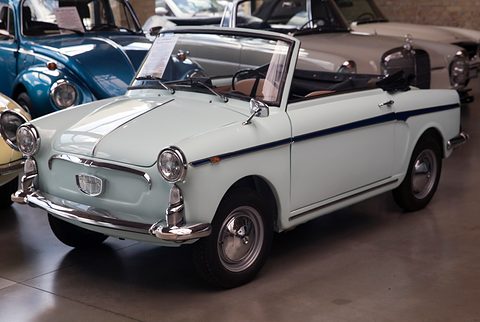
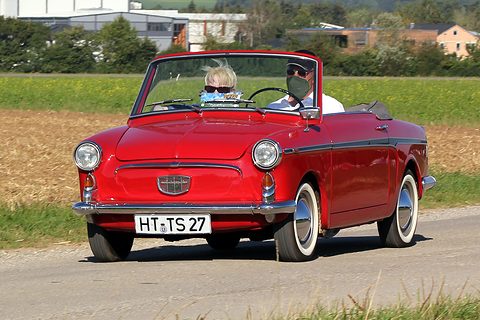
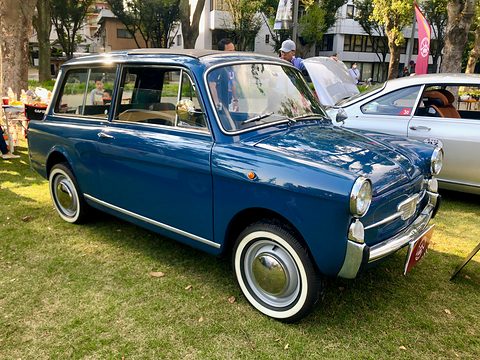
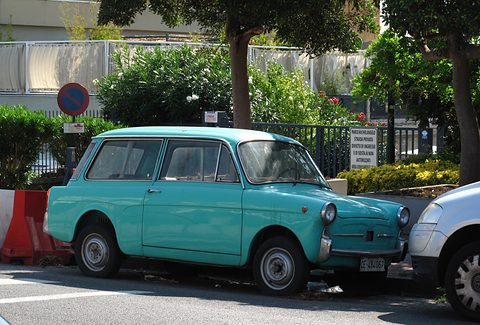
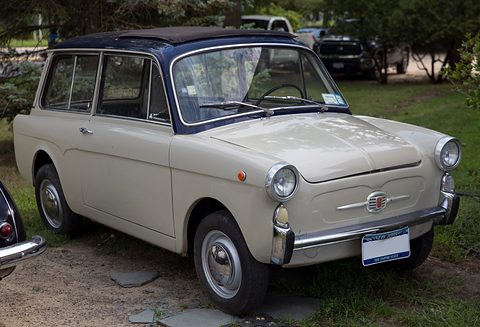
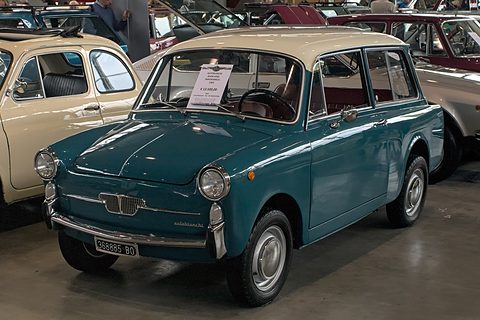
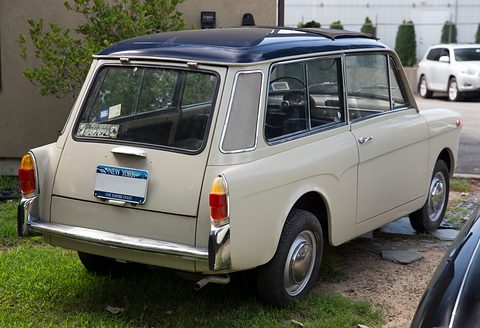
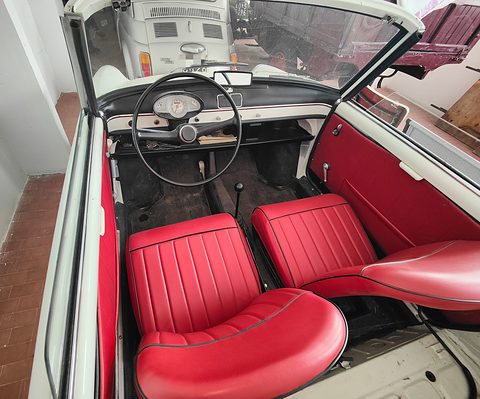
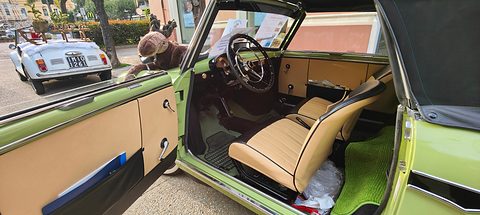
The range grew in 1960. The Cabriolet, introduced at the Geneva show according to the Weiner museum, had a proper folding hood with no fixed pillars at the sides, front-hinged doors, still more chrome and the 21 CV engine of the Fiat 500 Sport, with a hardtop for the winter.source 3source 1 The Panoramica was an estate built on the Fiat 500 Giardiniera, with its flat-laid engine and a wheelbase 100 mm longer.source 3source 4 The Trasformabile moved to 499.5 cc and 17.5 CV, with a two-tone Special at 21 CV, and Desio built just over 30,000 Bianchinas that year.source 3source 4source 1
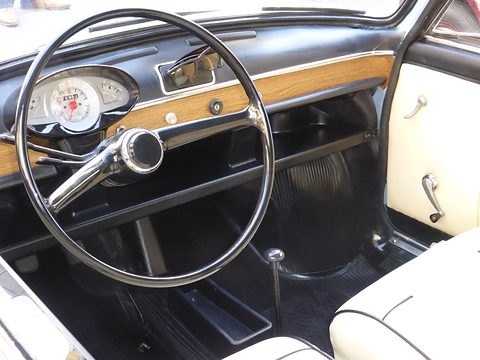
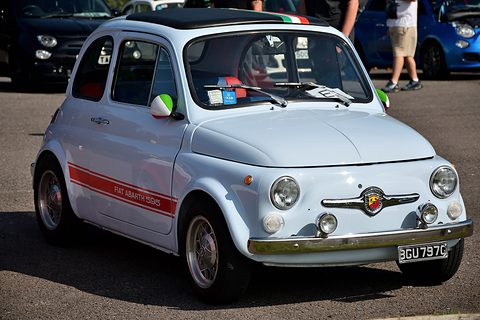
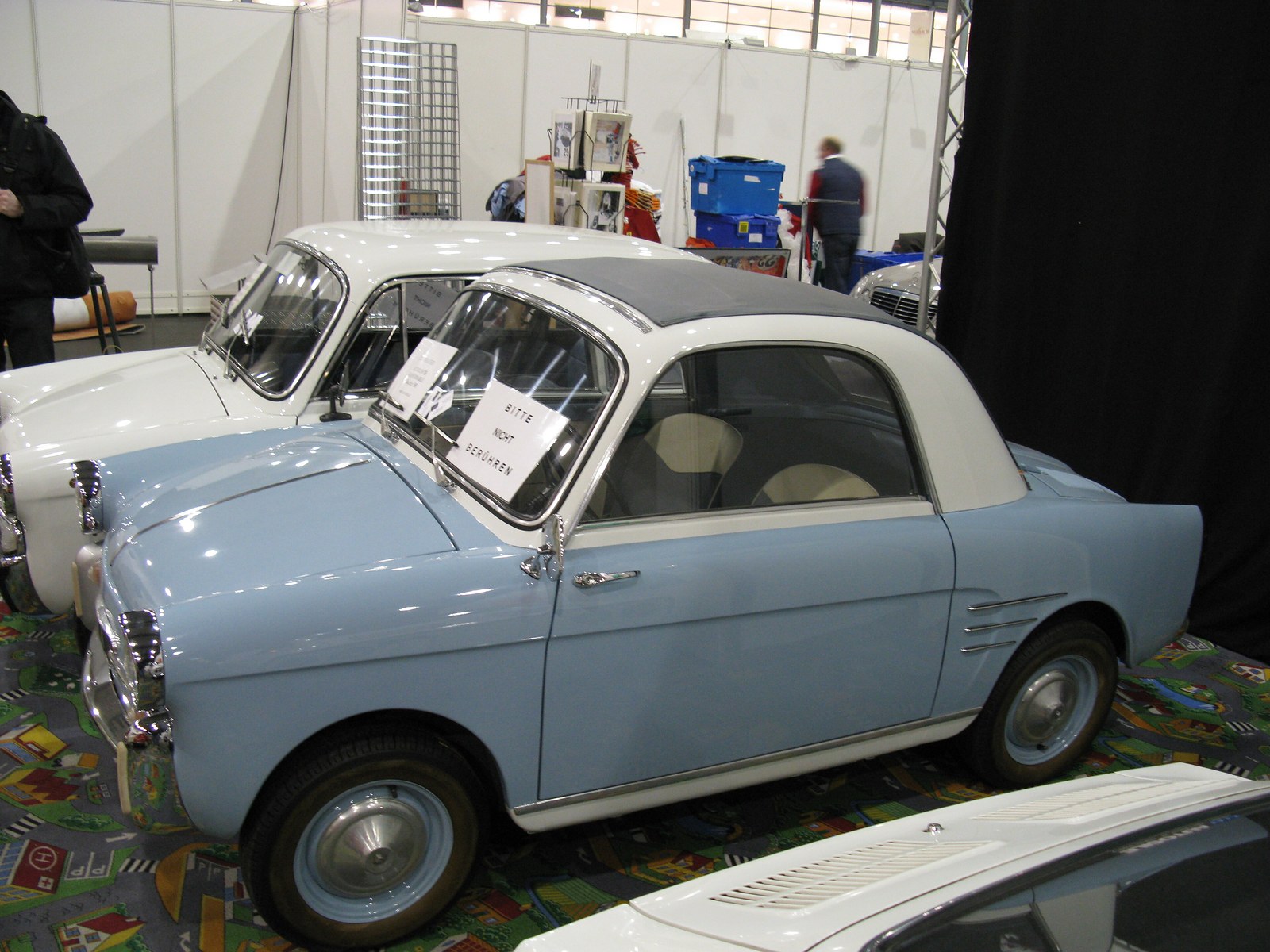
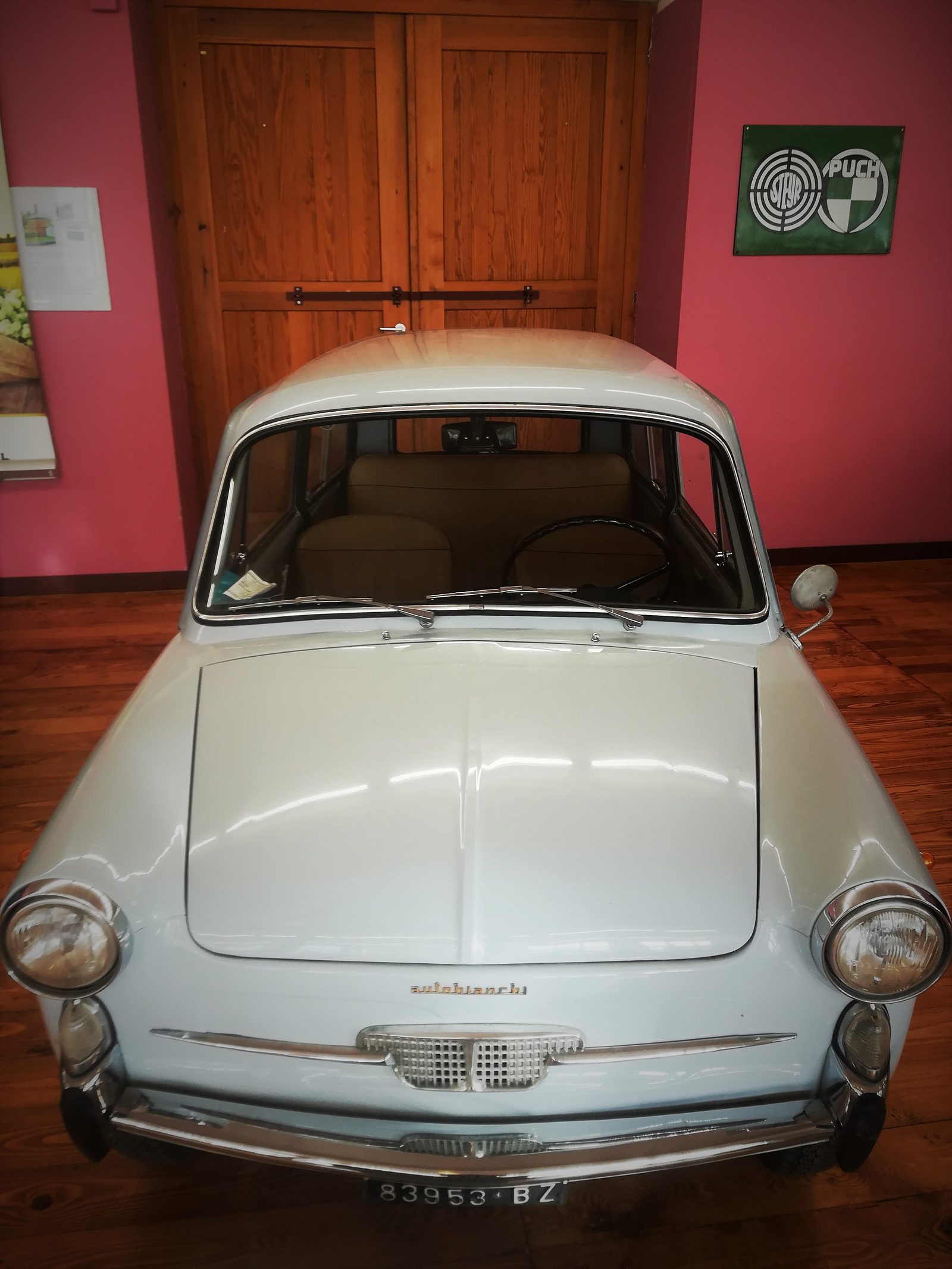
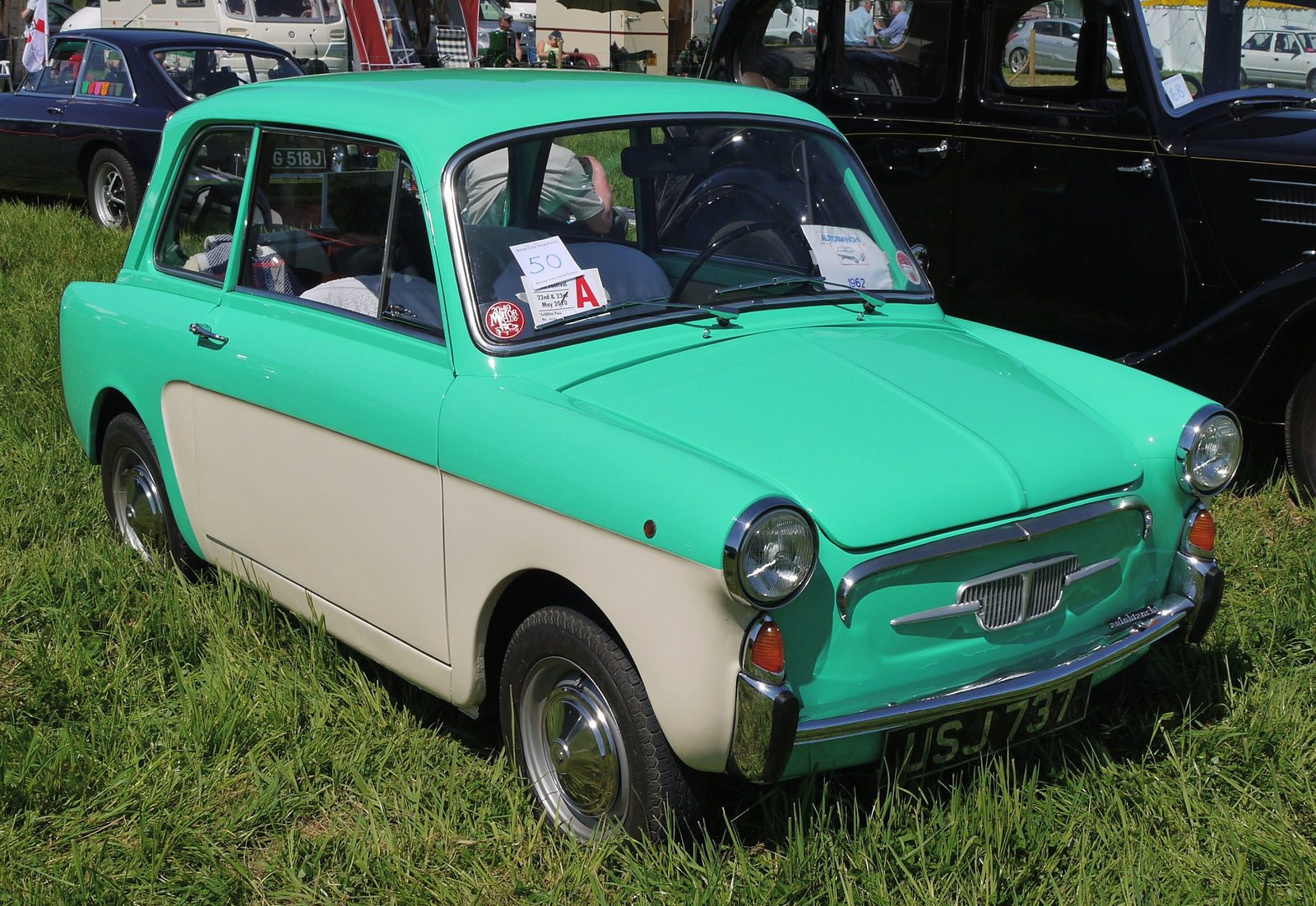
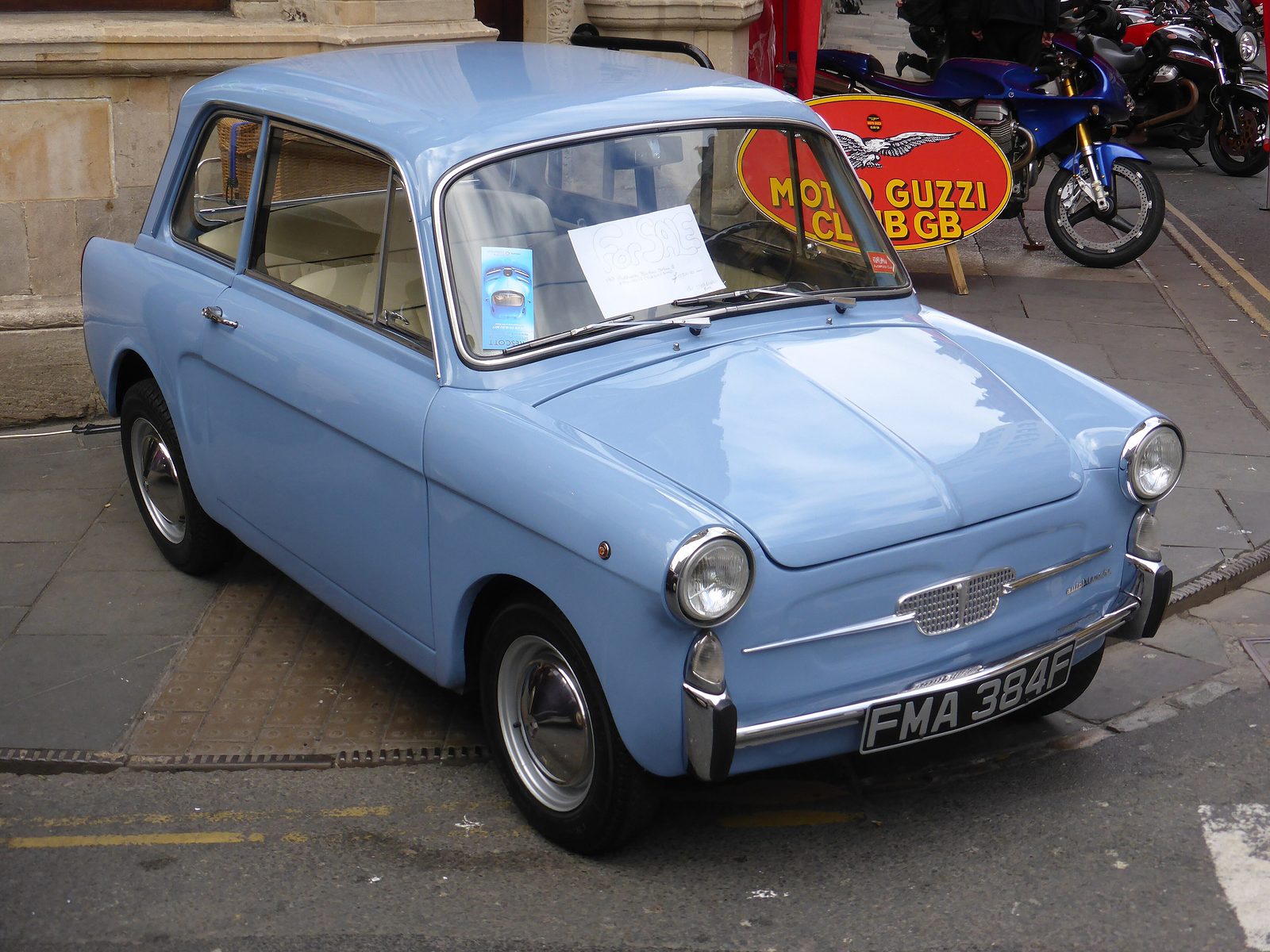
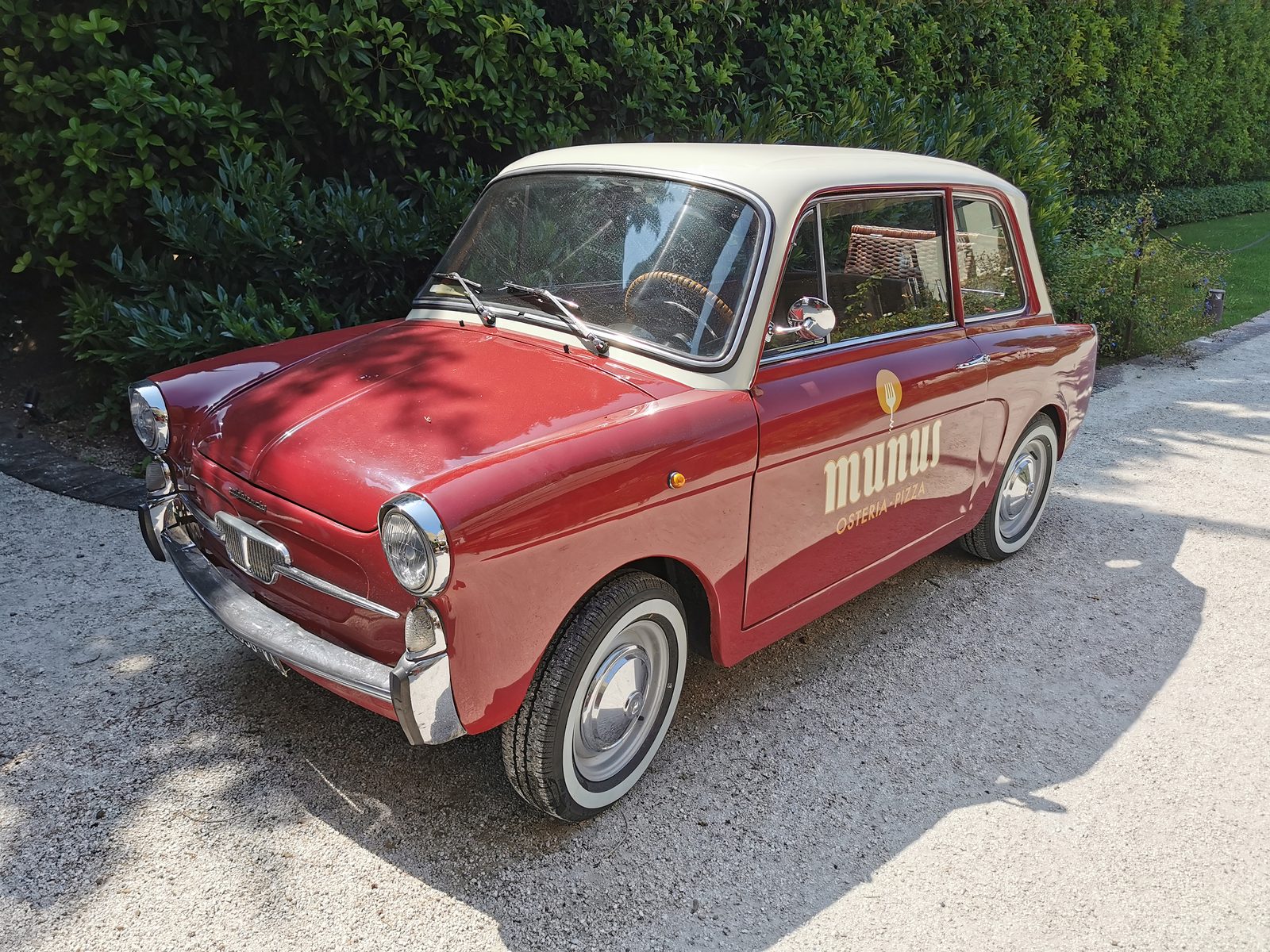
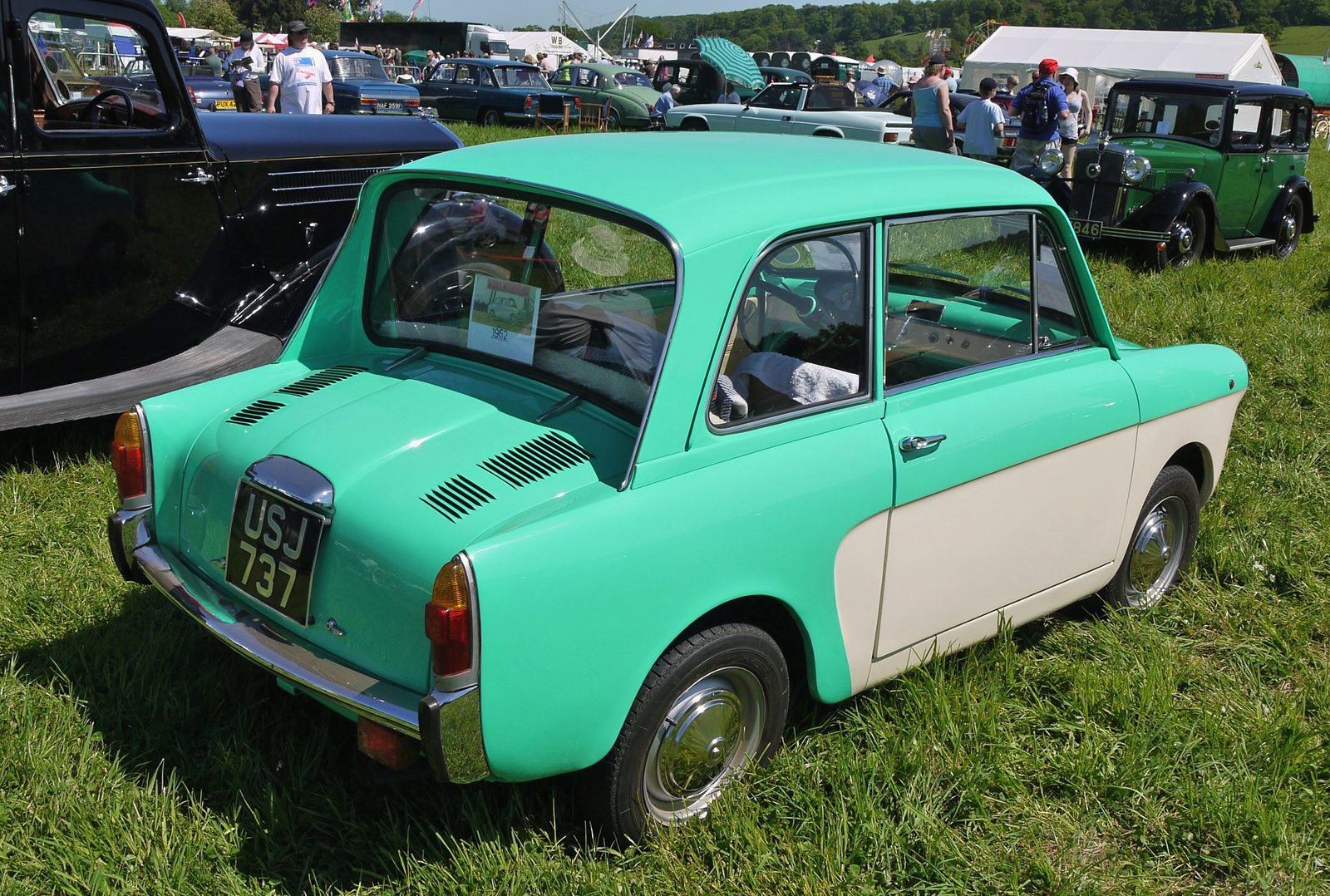
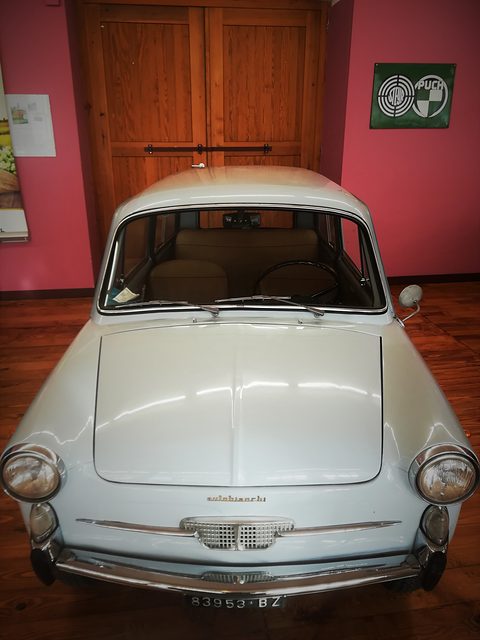
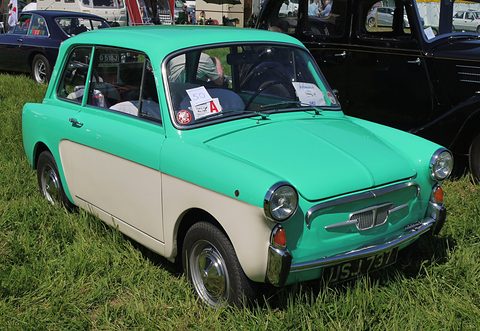
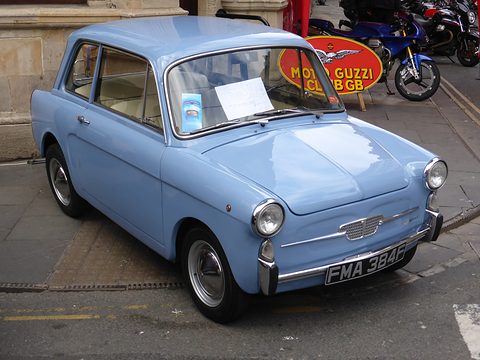
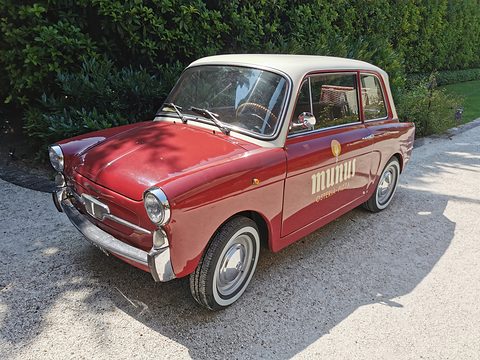
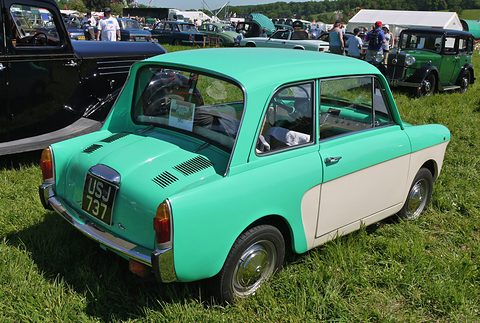
In 1962 the Trasformabile gave way to the 4 posti, a short closed saloon with a squarish steel roof and an almost vertical rear window under a peak. It became the public’s favourite, and the upright glass gave more headroom in the back than the contemporary Fiat 500 did. It is often listed as the Berlina, though Autobianchi never officially used the name.source 3 Every version now had footwells dished into the floor for rear passengers. A light facelift in 1965 brought a new badge on the grille and a dashboard with an imitation-wood strip, and the 4 posti and Cabriolet took the engine of the 500 F.source 3 The tall-roofed Furgoncino van has been called a forerunner of the Fiat Fiorino.source 3
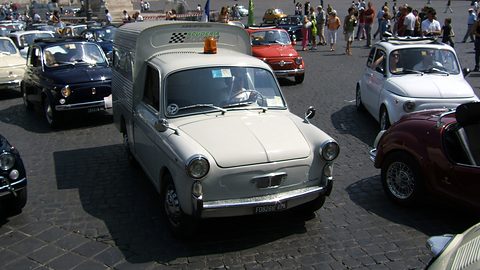
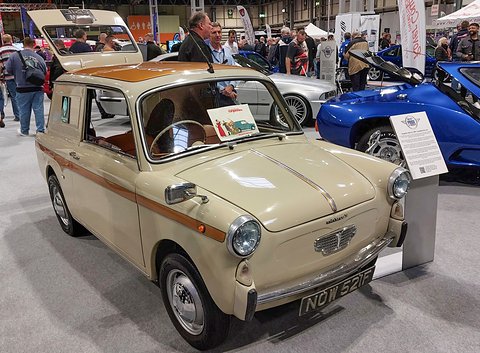
The estates and vans made up most of the output. By the clubs’ figures, 160,000 of the roughly 275,000 Bianchinas were Panoramicas, 75,000 of them D-type and 85,000 F-type, and there was a Panoramica with a canvas roof running its full length.source 4 The Furgoncino vans came with a low roof on the Panoramica body or with a tall rear body of their own; Italian Wikipedia dates both to 1960–69, while the clubs’ table has the low-roof van from 1965 and the tall one from 1970 to 1977.source 3source 4 Swiss buyers, by Automobil Revue’s catalogues, paid CHF 4,980 for the coupé in 1960 and CHF 5,500 for the Panoramica in 1963.source 5 The Weiner museum’s label has all four bodies on sale in 1958, which every other source contradicts.source 1
At the wheel, and the end
Mechanically a Bianchina drove as a Fiat 500 does, crash gearbox and all. The Special and Cabriolet, with the Sport’s livelier 21 CV engine, went past 105 km/h (65 mph).source 3source 5source 1 The range ended in 1969, the Cabriolet perhaps a year later. Its place at Desio was taken by the Fiat 500 Giardiniera, which Autobianchi built under its own badge until 1977, and Autobianchi’s next small cars were the A112 and the Y10.source 3source 4source 5source 1
The 4 posti also found a famous driver on screen. In Paolo Villaggio’s Fantozzi films the accountant Ugo Fantozzi drives a white one, usually dented, with a four-leaf clover stuck on it (more in microcars on screen).source 3source 4