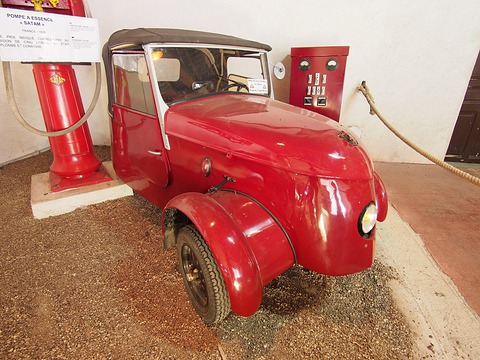
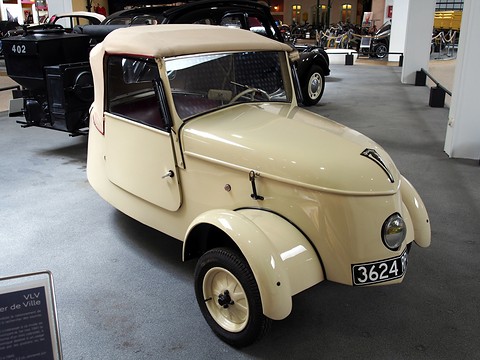
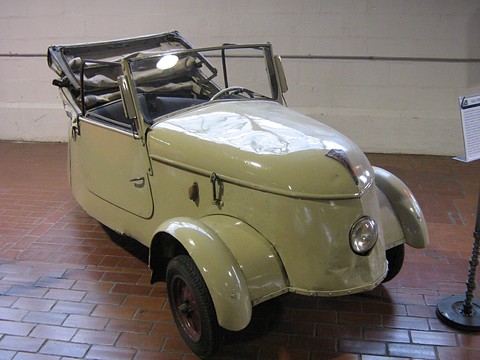
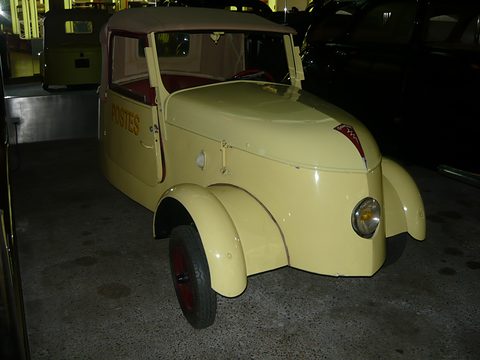
The story
History
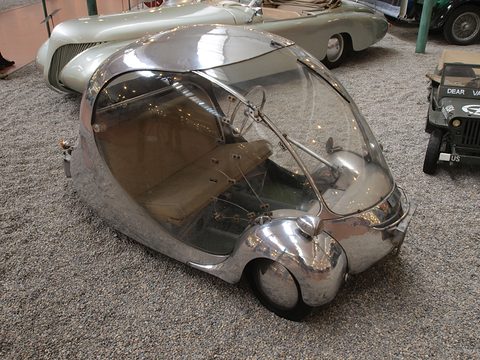
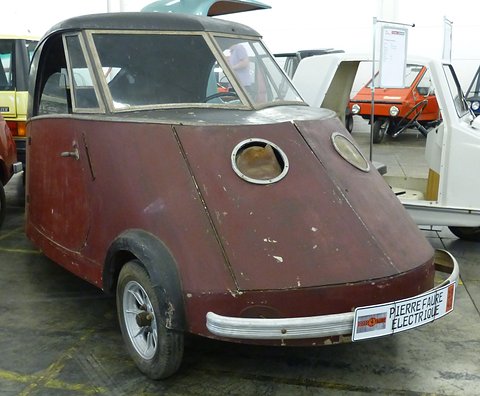
The armistice was signed on 22 June 1940. From the start of the Occupation petrol was all but forbidden to French civilians, and rubber tyres a year later; a driver needed a German Ausweis, a permit.source 1source 2 About 65,000 cars were converted to burn wood gas, and others ran on electricity: Breguet, Mildé-Kriéger and Georges Irat built electric cars, as did Pierre Faure and Paul Arzens, whose L’Œuf électrique was one of them.source 1source 2 Peugeot was the only large French maker to build one.source 1source 2 (The wider story is on our page of electric microcars.)
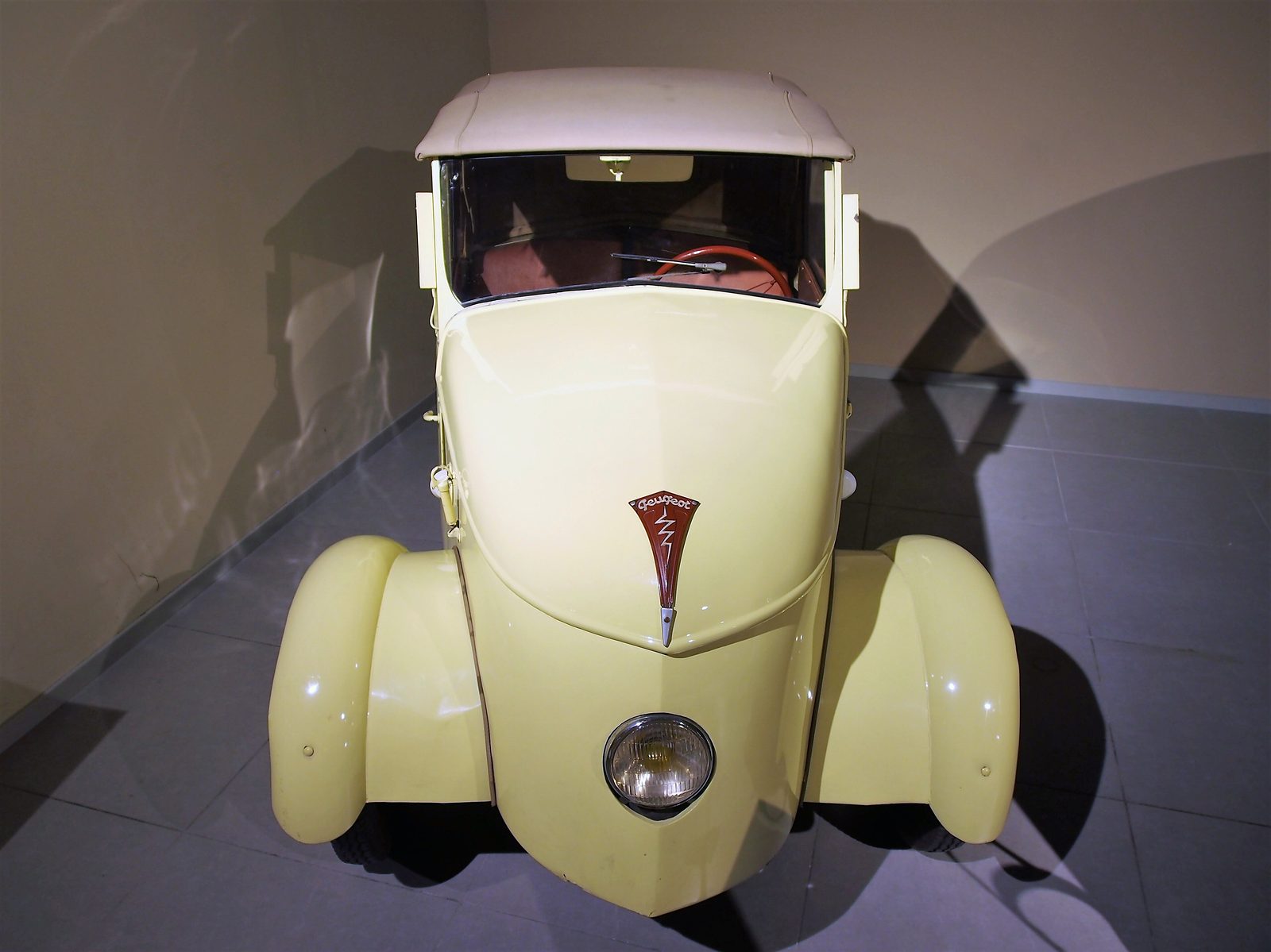
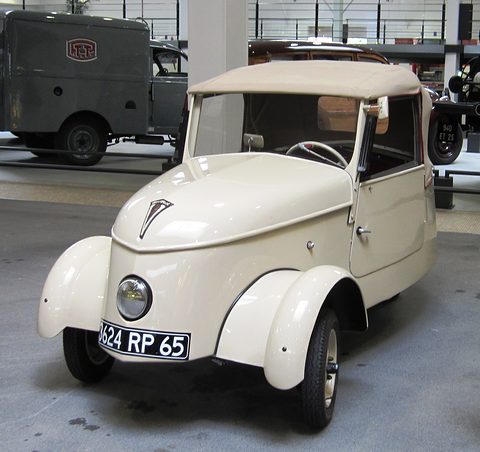
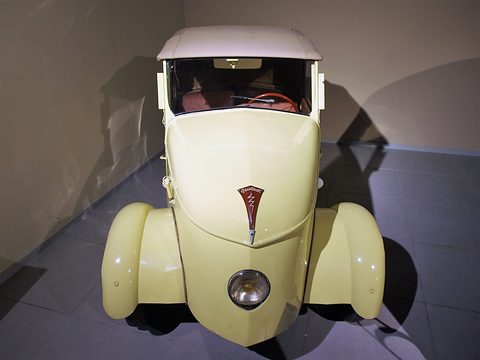
The Germans had taken over Peugeot’s works at Sochaux, so the car was built at its La Garenne works near Paris.source 1 RM’s catalogue notes the contrast: Peugeot’s factories were turned over to German war production while its drawing office worked in secret on cars for after the war, but the VLV was built openly and written up in the press.source 2 From the summer of 1940 its engineers aimed for the lightest car they could make, to stretch the range.source 1 The name said what it was: Voiture Légère de Ville, light town car.source 3source 4source 1 It appeared at the start of May 1941, with the lily of the valley, as Automobile Propre puts it.source 1 Its price has not been found.
Half of it battery
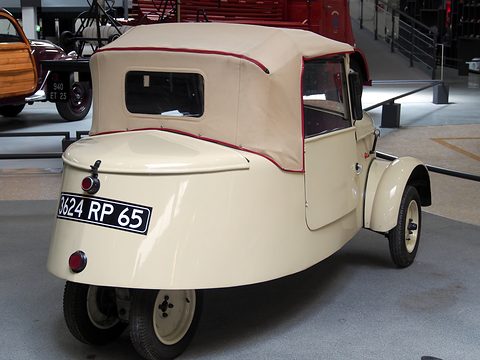
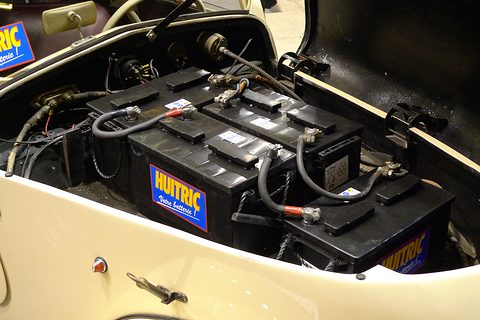
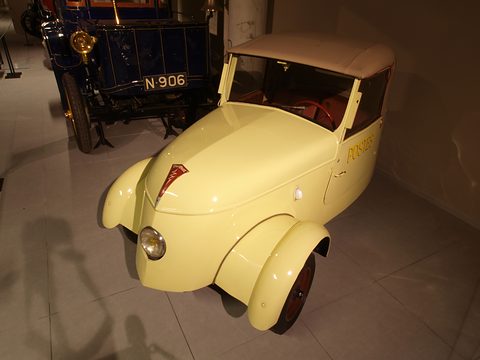
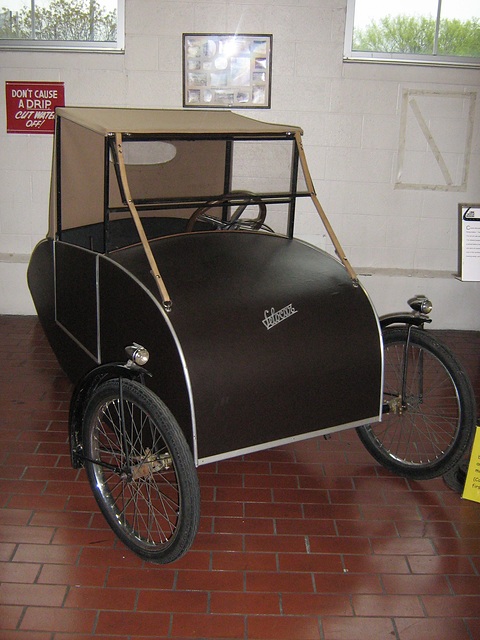
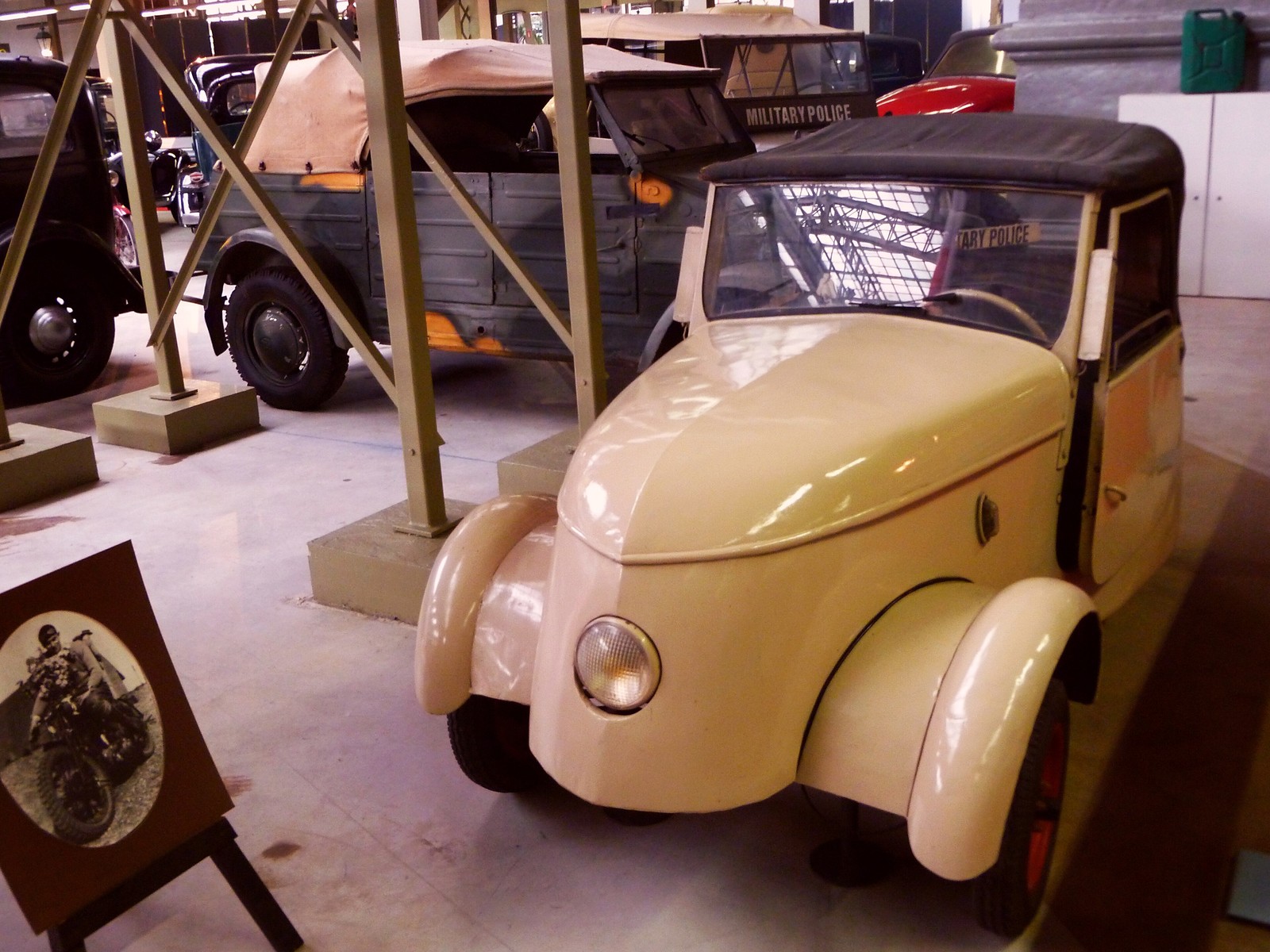
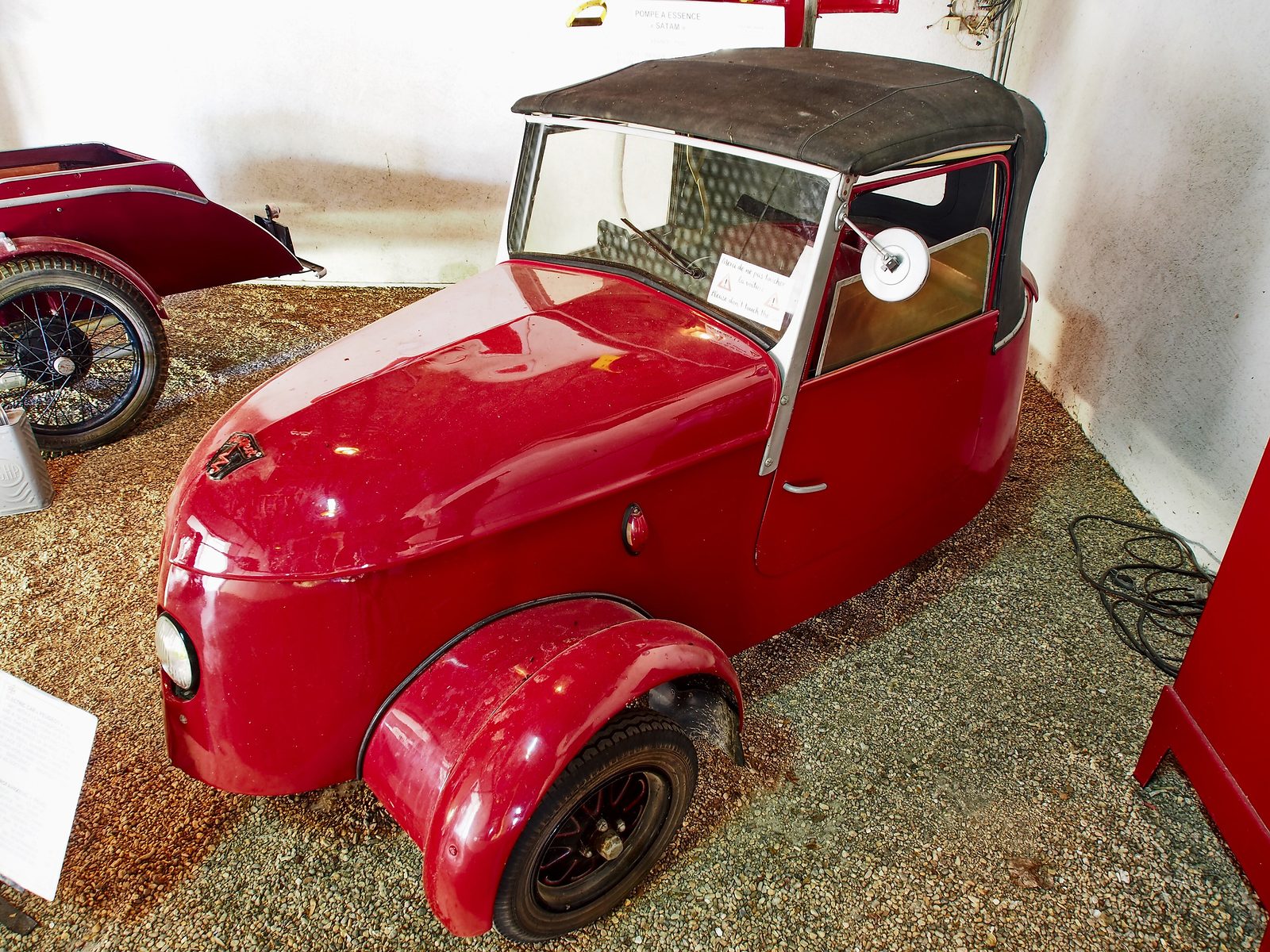
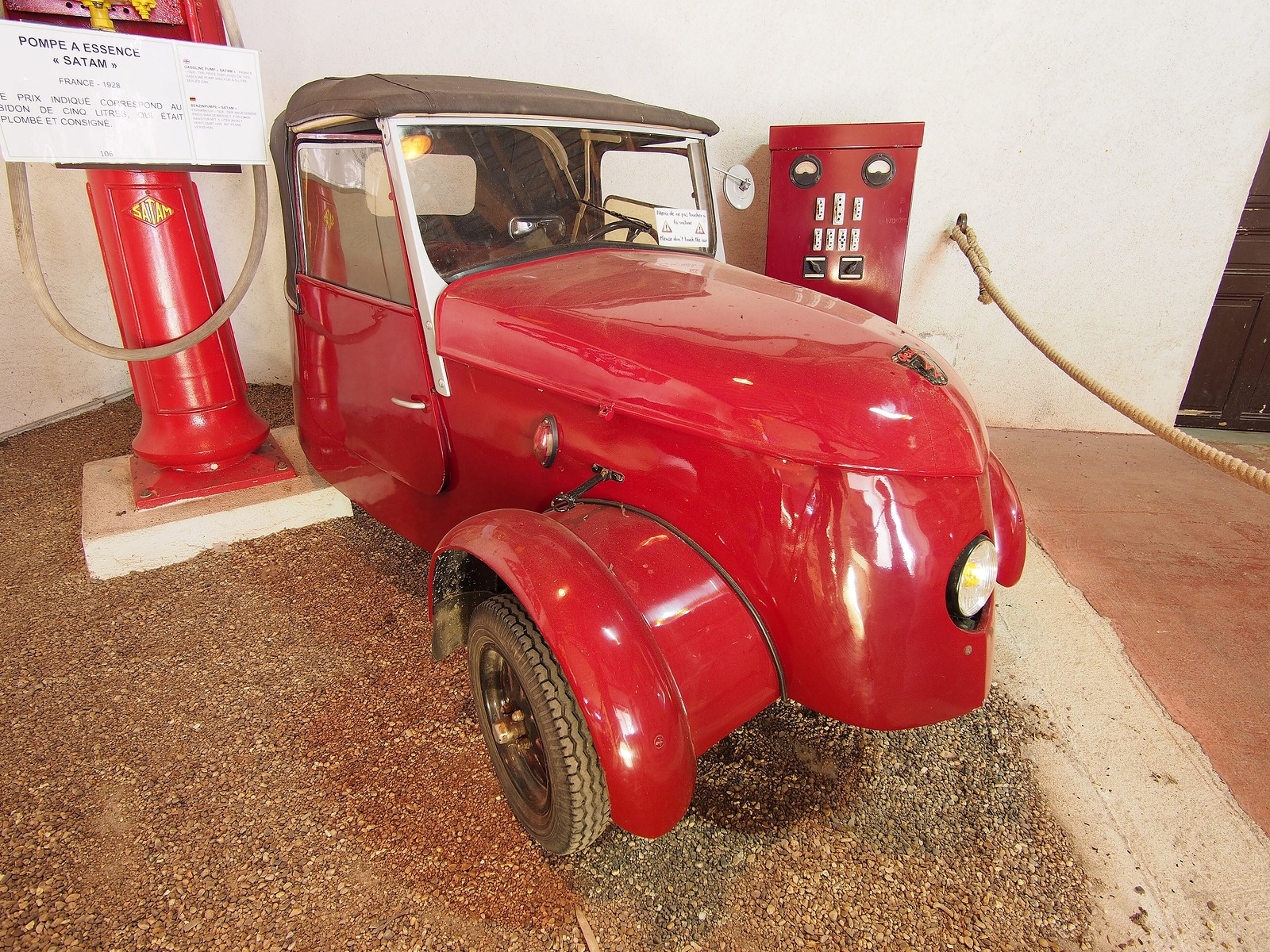
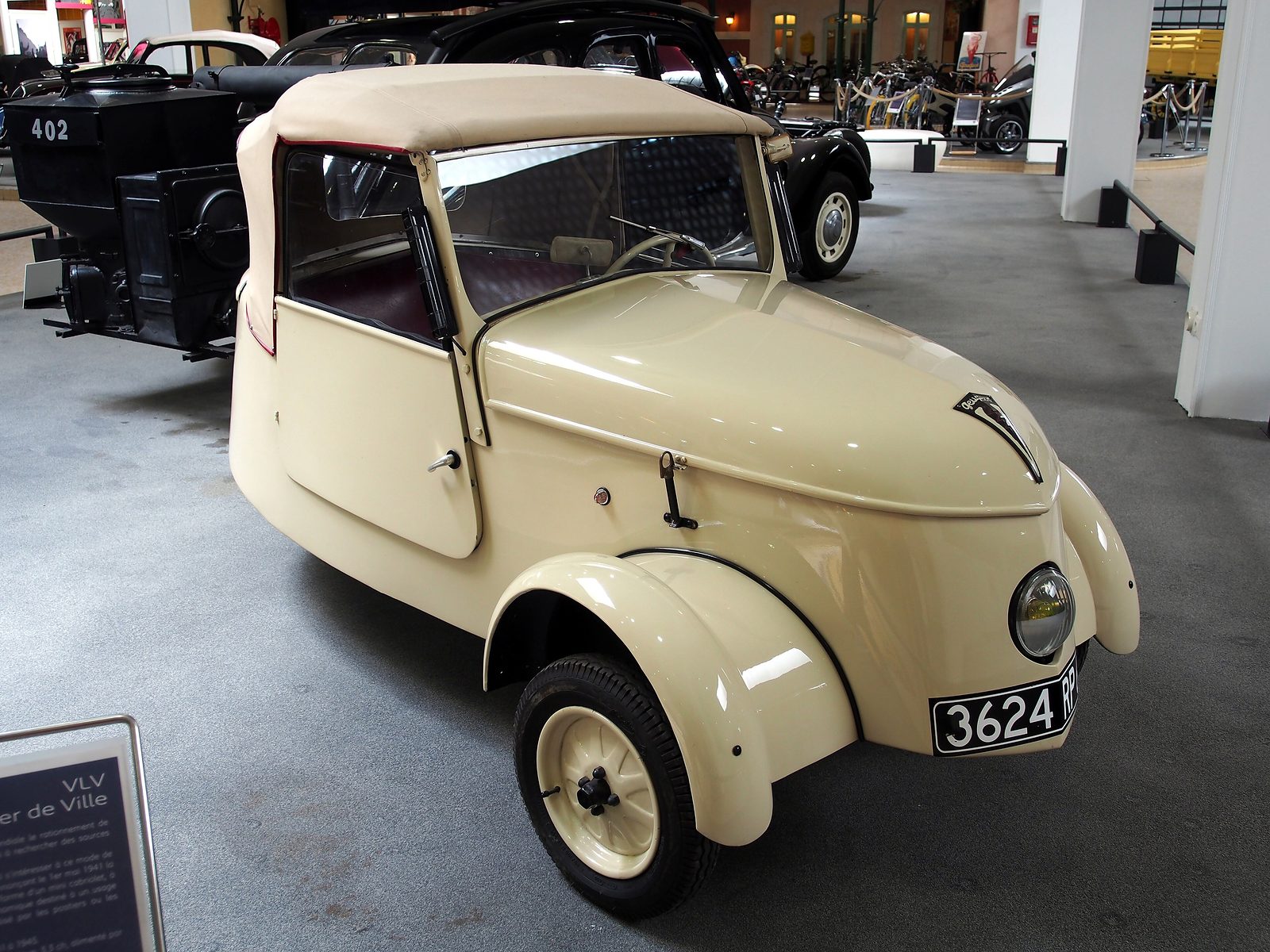
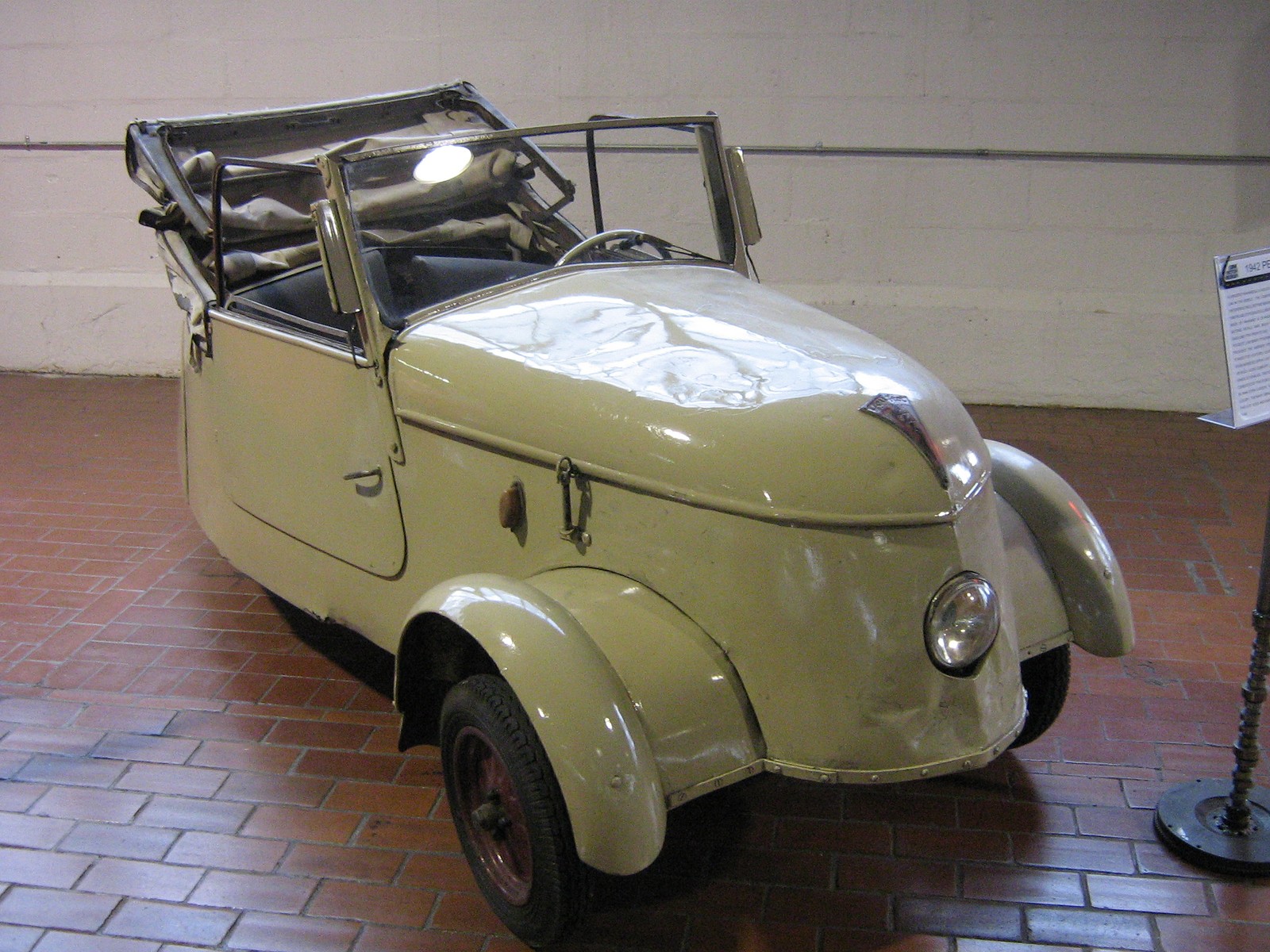
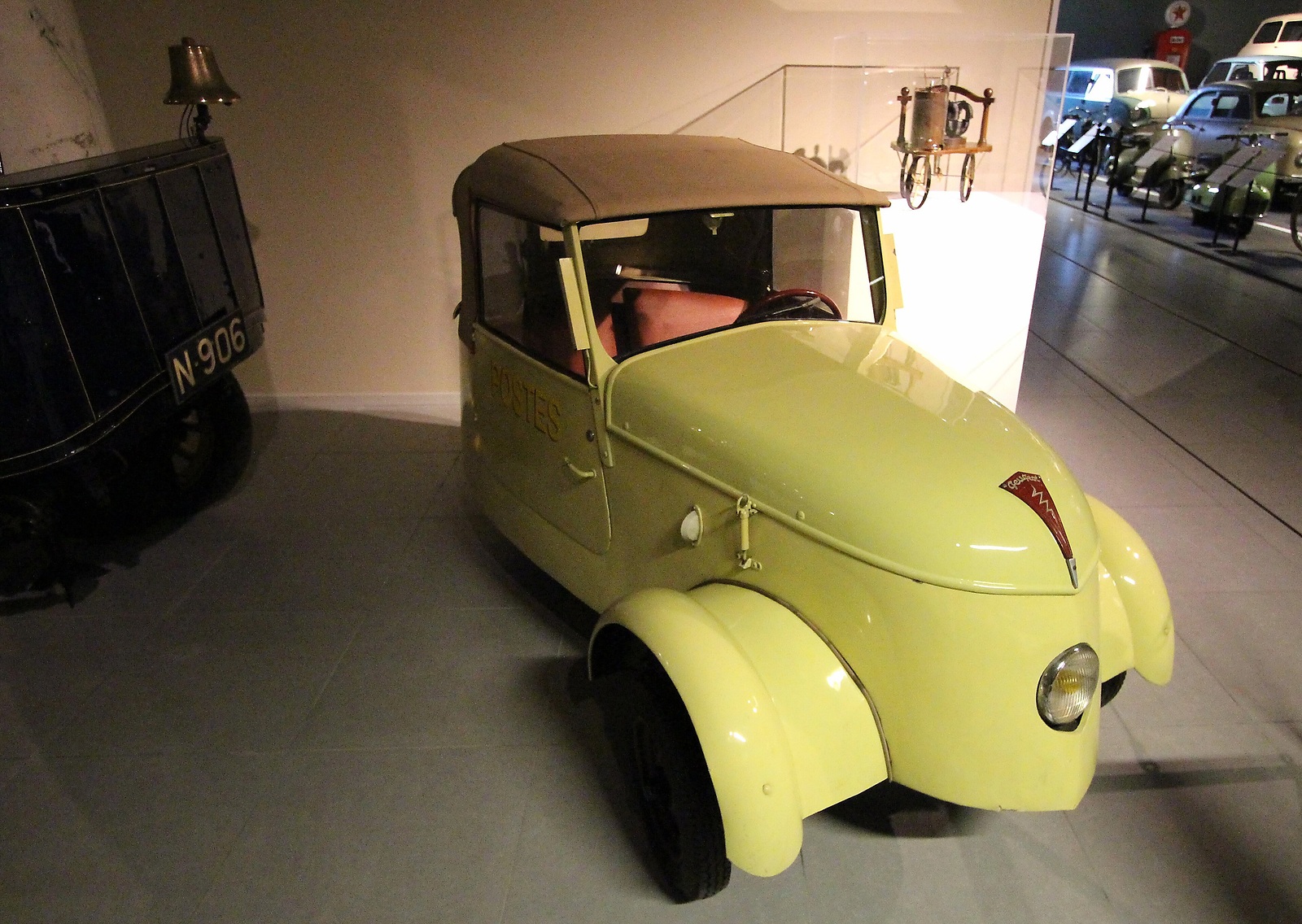
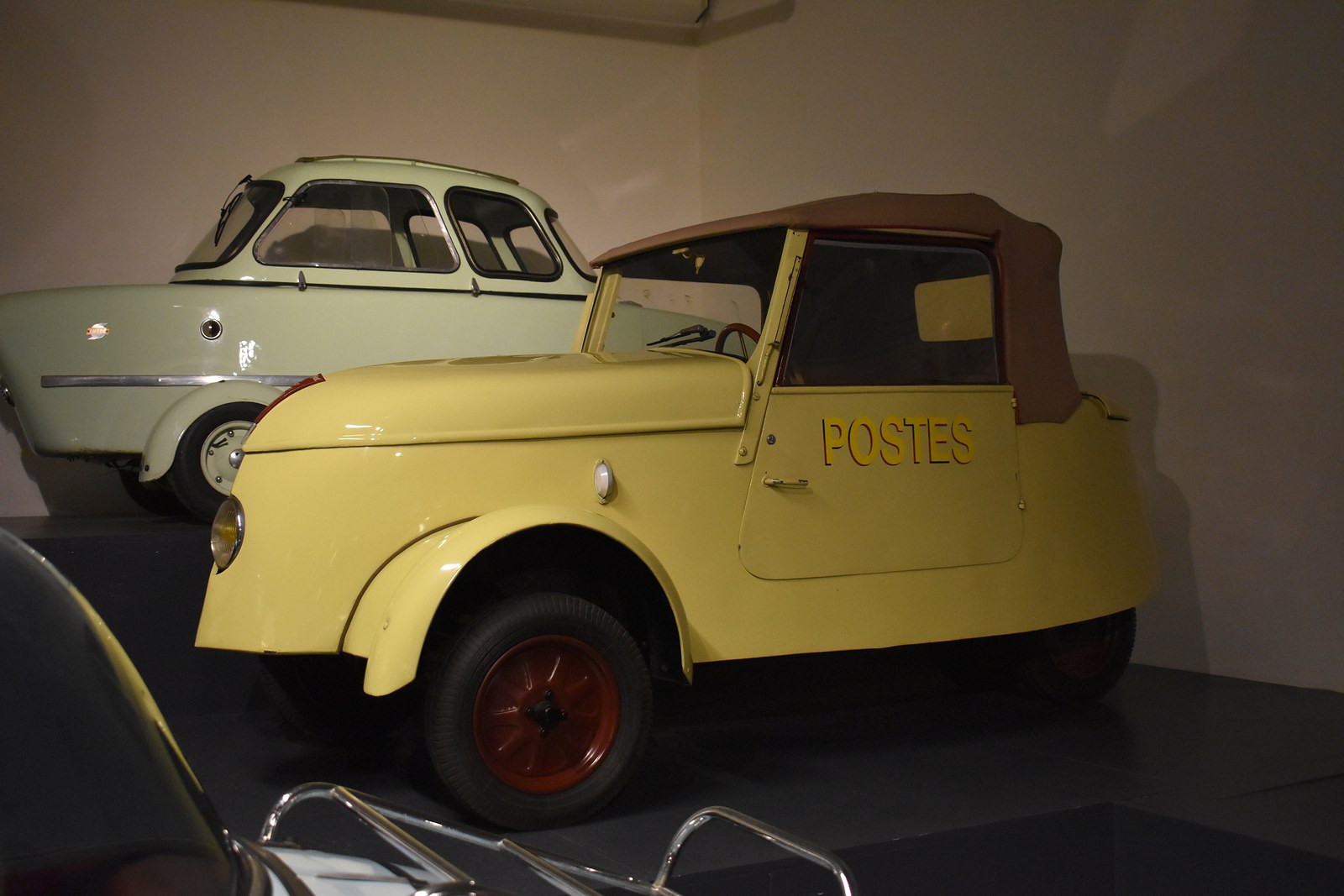
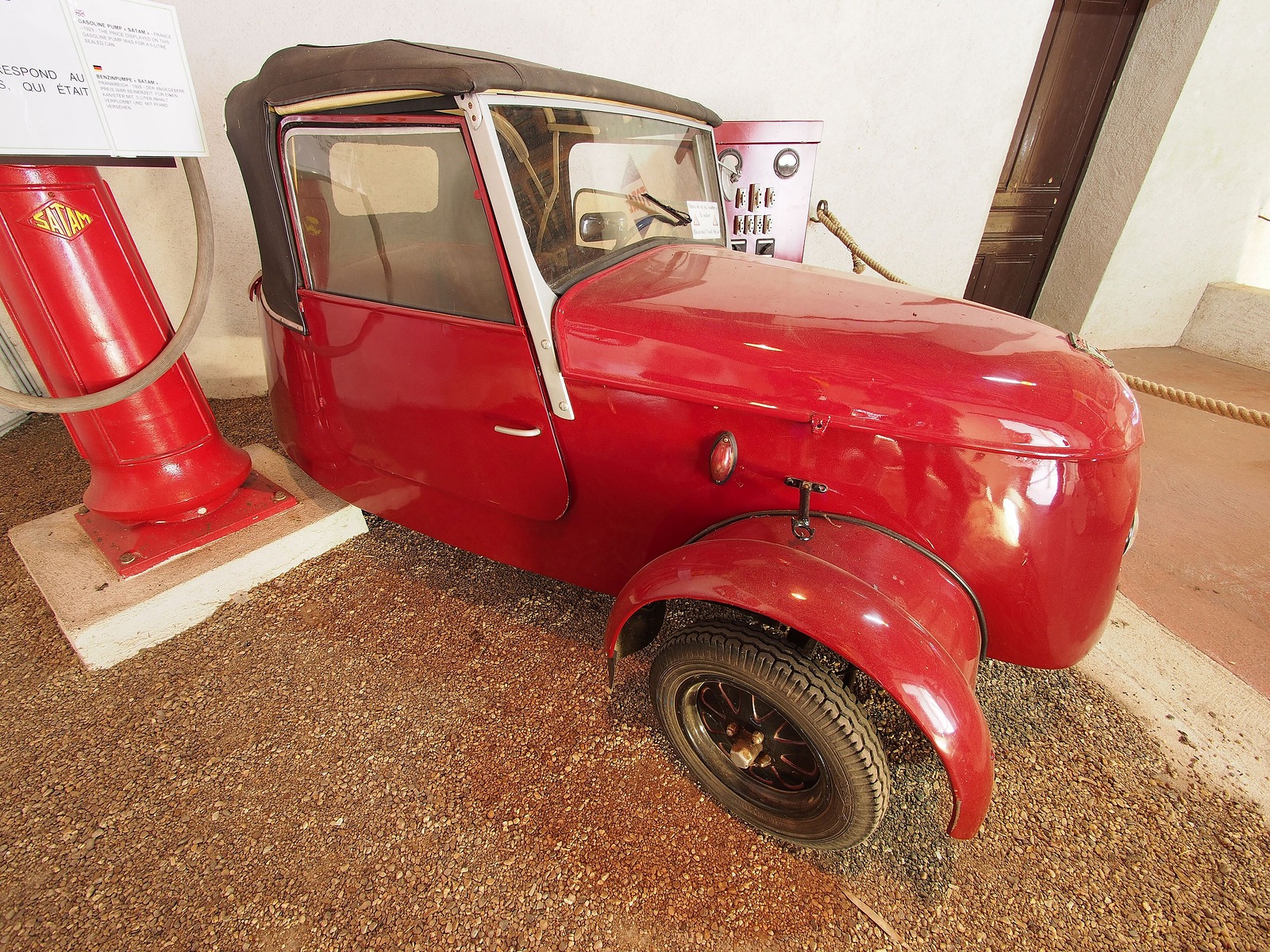
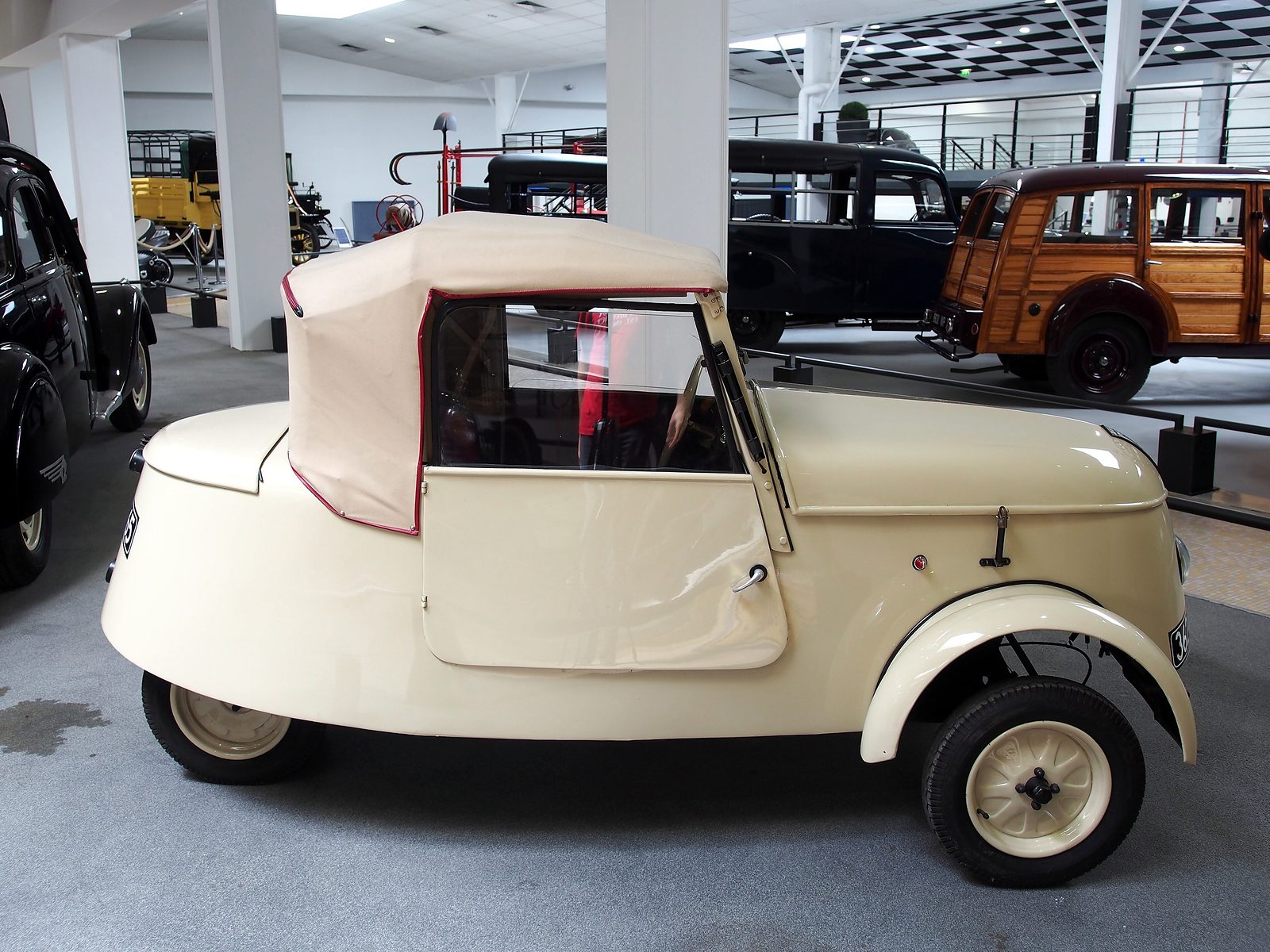
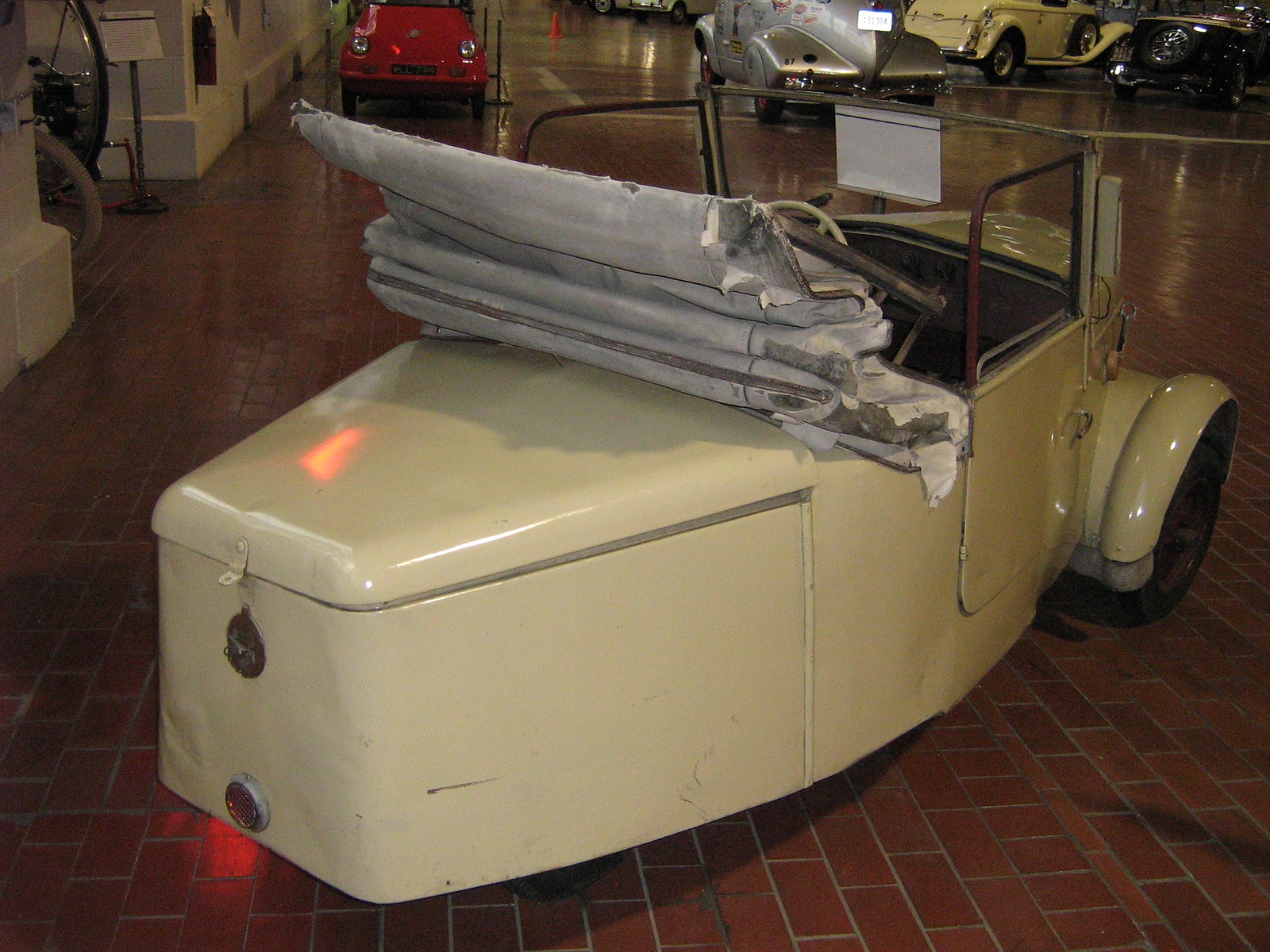
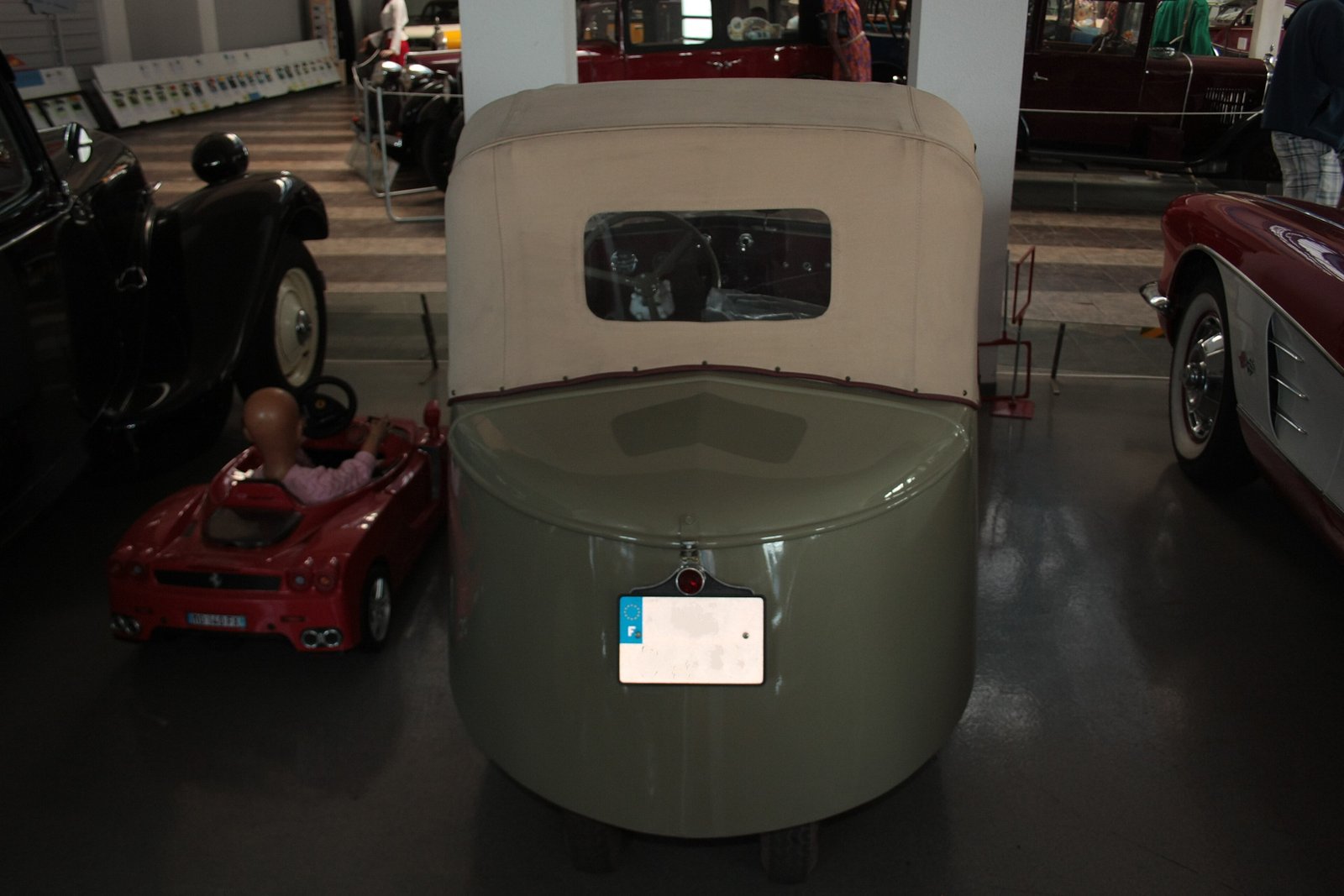
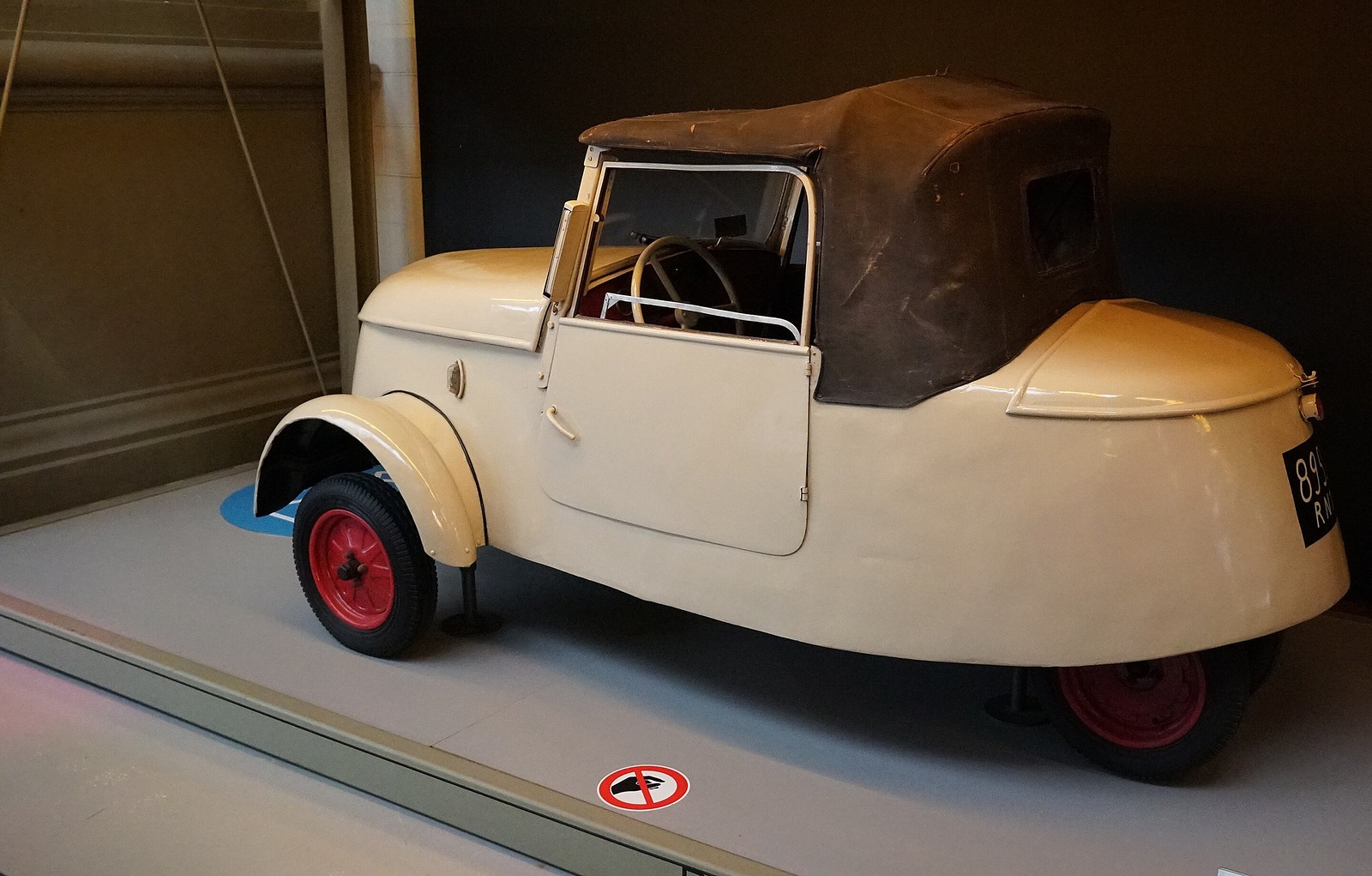
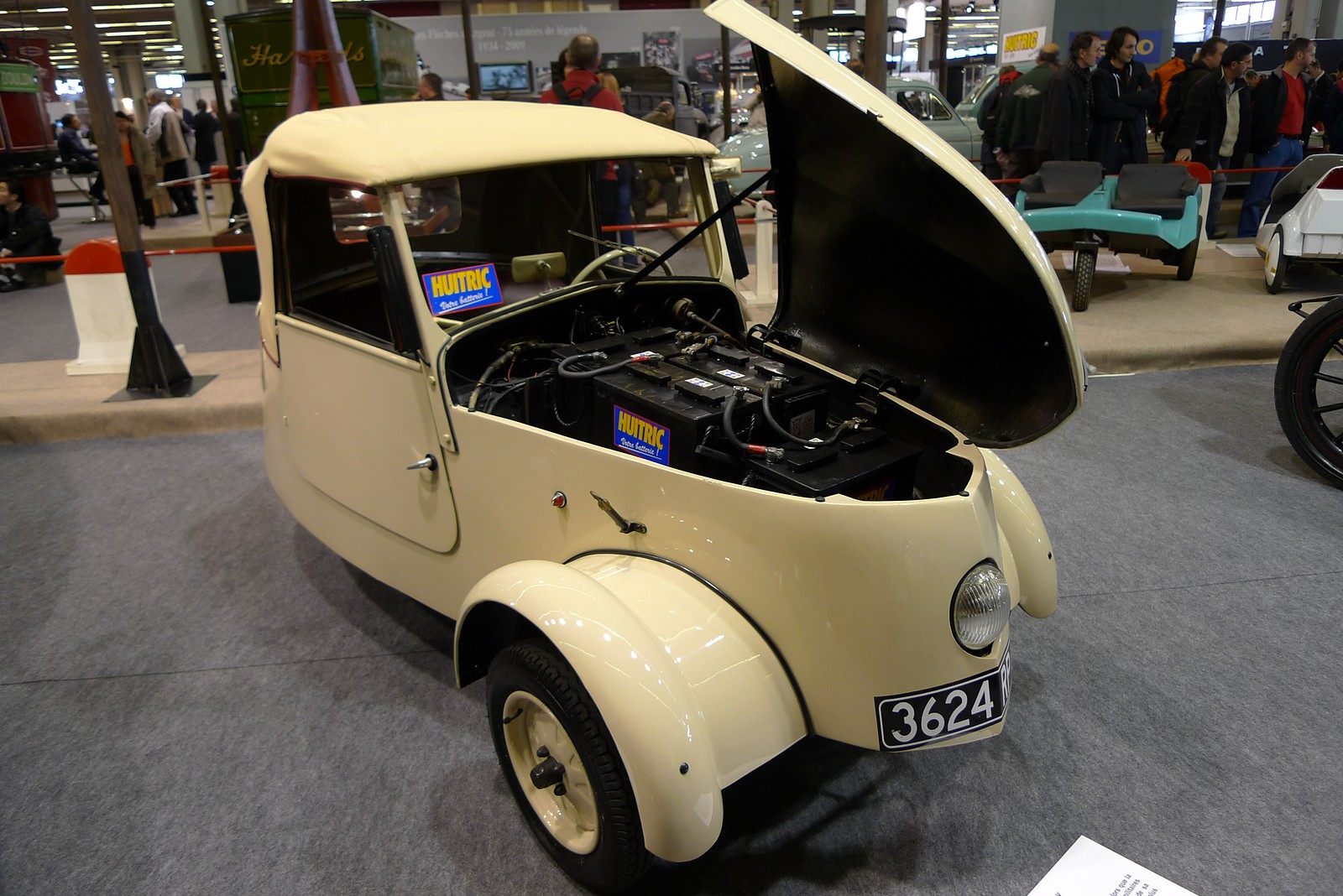
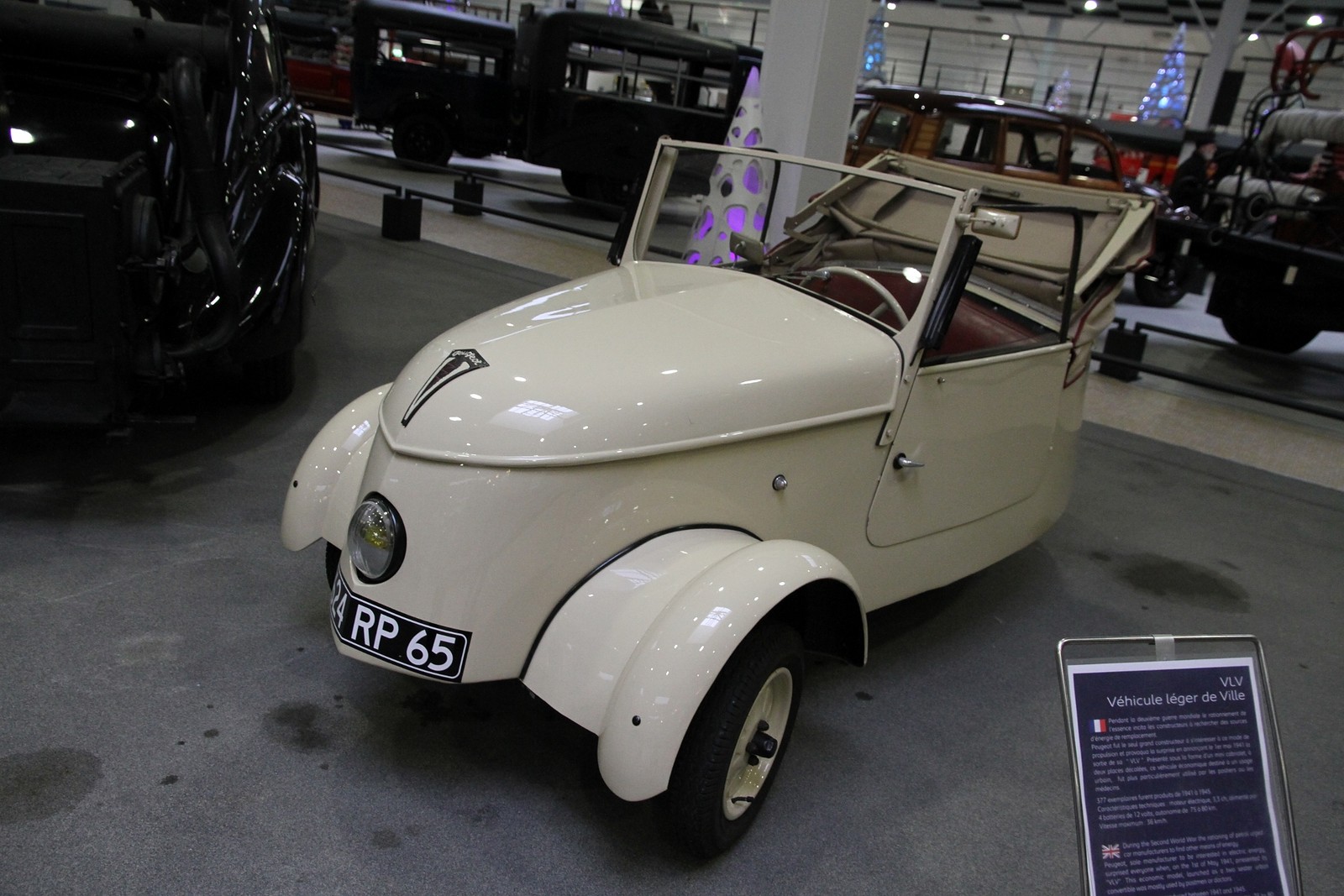
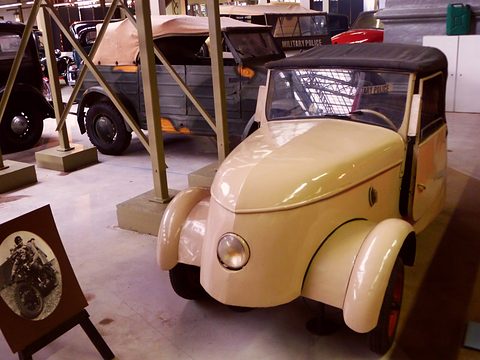
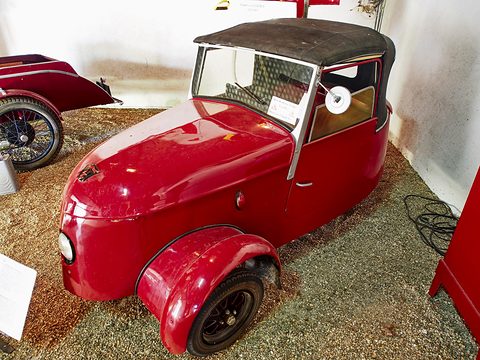
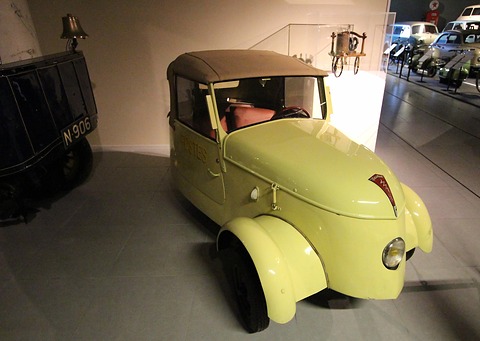
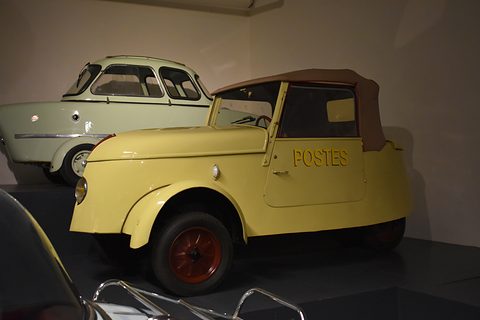
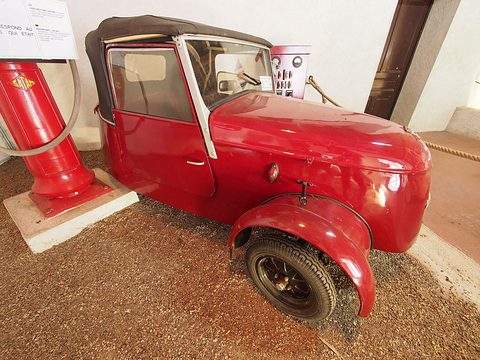
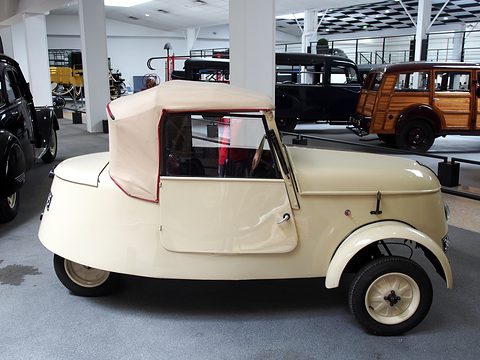
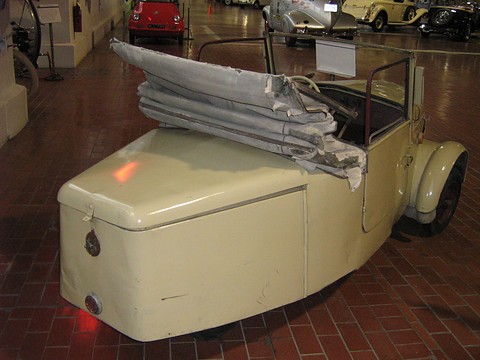
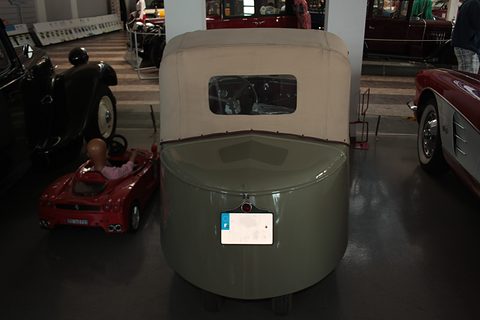
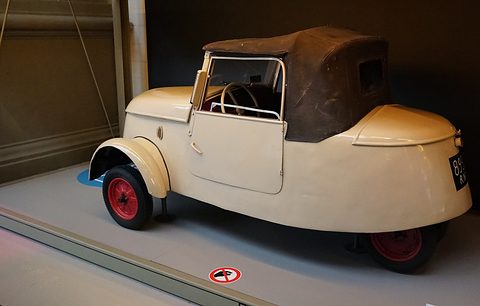
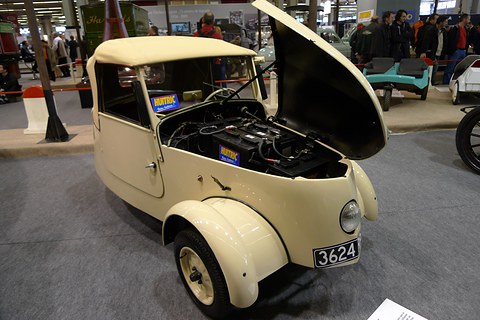
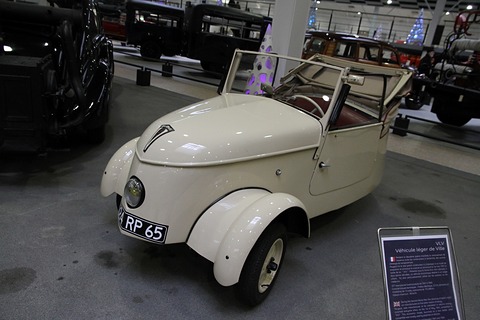
It was a tiny two-seat cabriolet with a folding top and a boat tail, 2,670 mm (8 ft 9 in) long and 1,210 mm (4 ft) wide.source 4source 1source 5 Under the bonnet were four 12-volt lead-acid batteries in series, 48 V and about 4 kWh, weighing 160 kg (353 lb), about half of the car’s 348 kg (767 lb).source 3source 4source 1source 2 They drove a Safi motor at the back, carried with the axle in a swinging cradle and turning it through a worm gear; it gave 1.3 hp continuously and 3.5 hp at its peak.source 4source 1source 5 The rear wheels were about 30 cm apart, 335 mm by German Wikipedia, close enough that no differential was needed.source 3source 4source 1source 2 It was charged from any 110–120-volt socket, in about 10 hours.source 4source 1
The sources agree on its range, 70–80 km (about 50 miles), but not on its speed: about 30 km/h by German Wikipedia, Automobile Propre and the Weiner museum, 36 km/h by French Wikipedia, 20 mph (32 km/h) by the Lane museum and RM.source 3source 4source 1source 6source 2source 5 Nor do they agree on what it was made of: a steel monocoque with only two strips stiffening the floor, by RM, or an aluminium body of about 180 kg, by Automobile Propre.source 2source 1
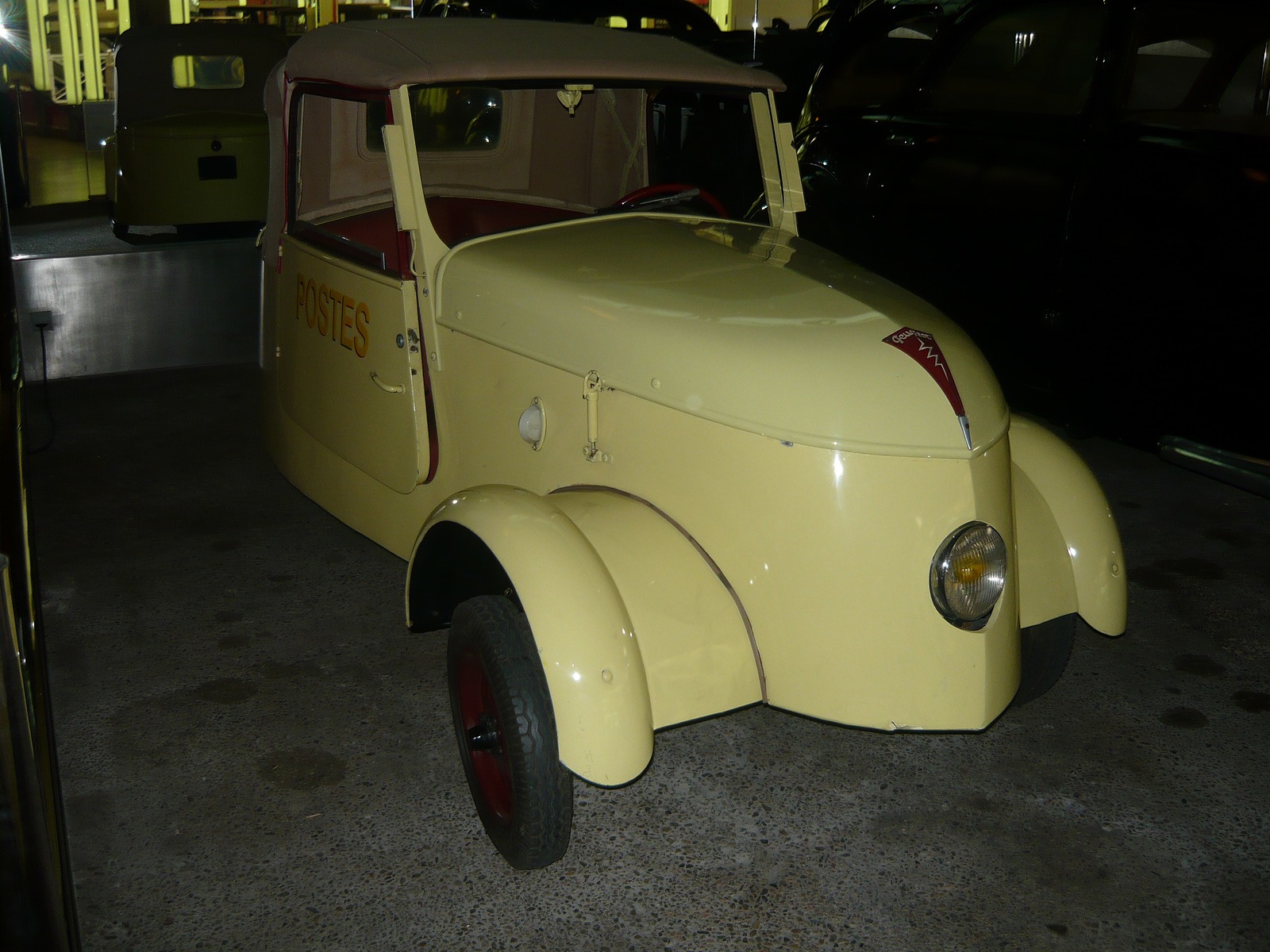
It was meant to carry a doctor’s bag, a few days’ food or the post, and La Poste used it, a step in a history of electric post vehicles that had begun in 1901.source 1 Doctors drove it too.source 1
Three pedals and a switch
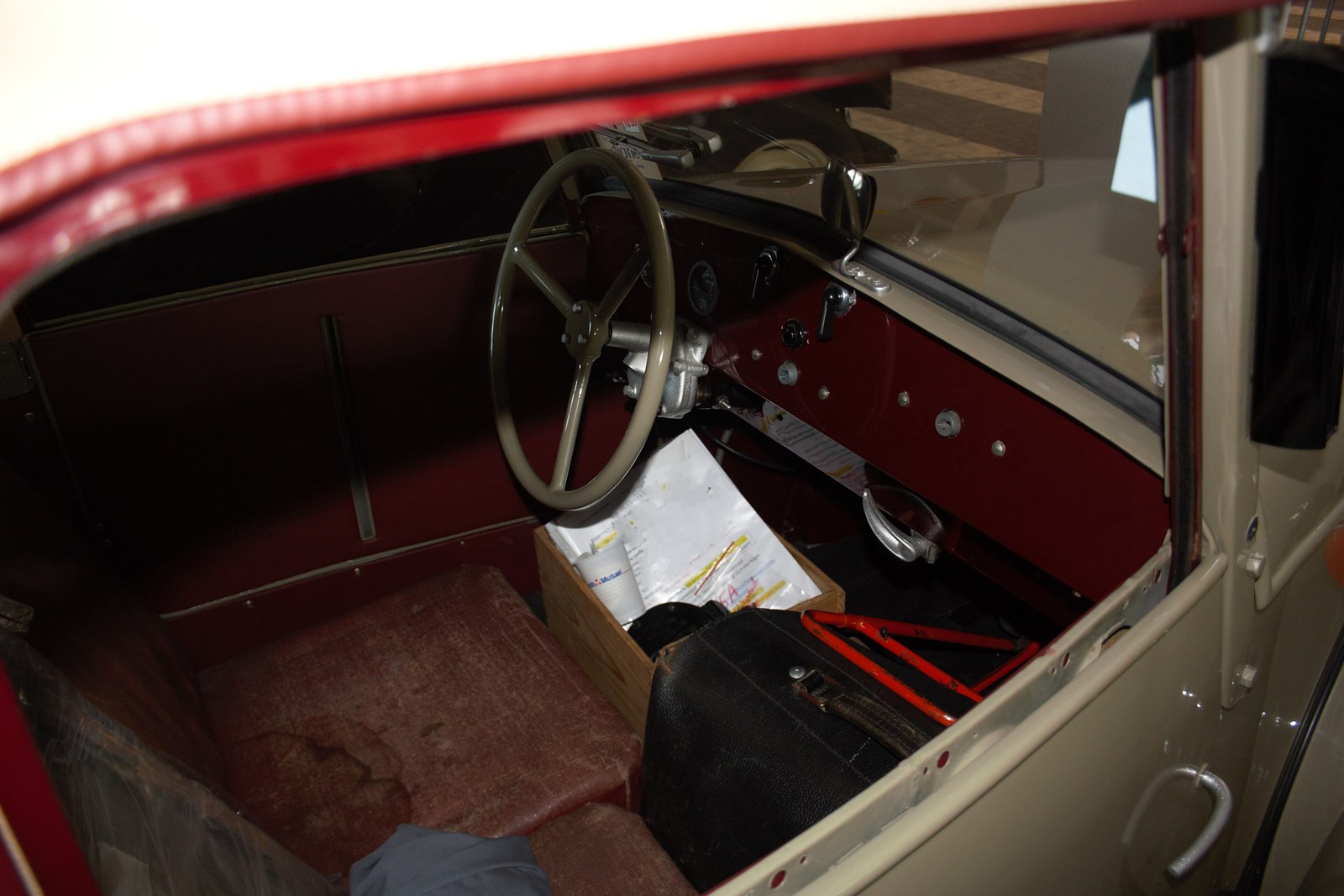
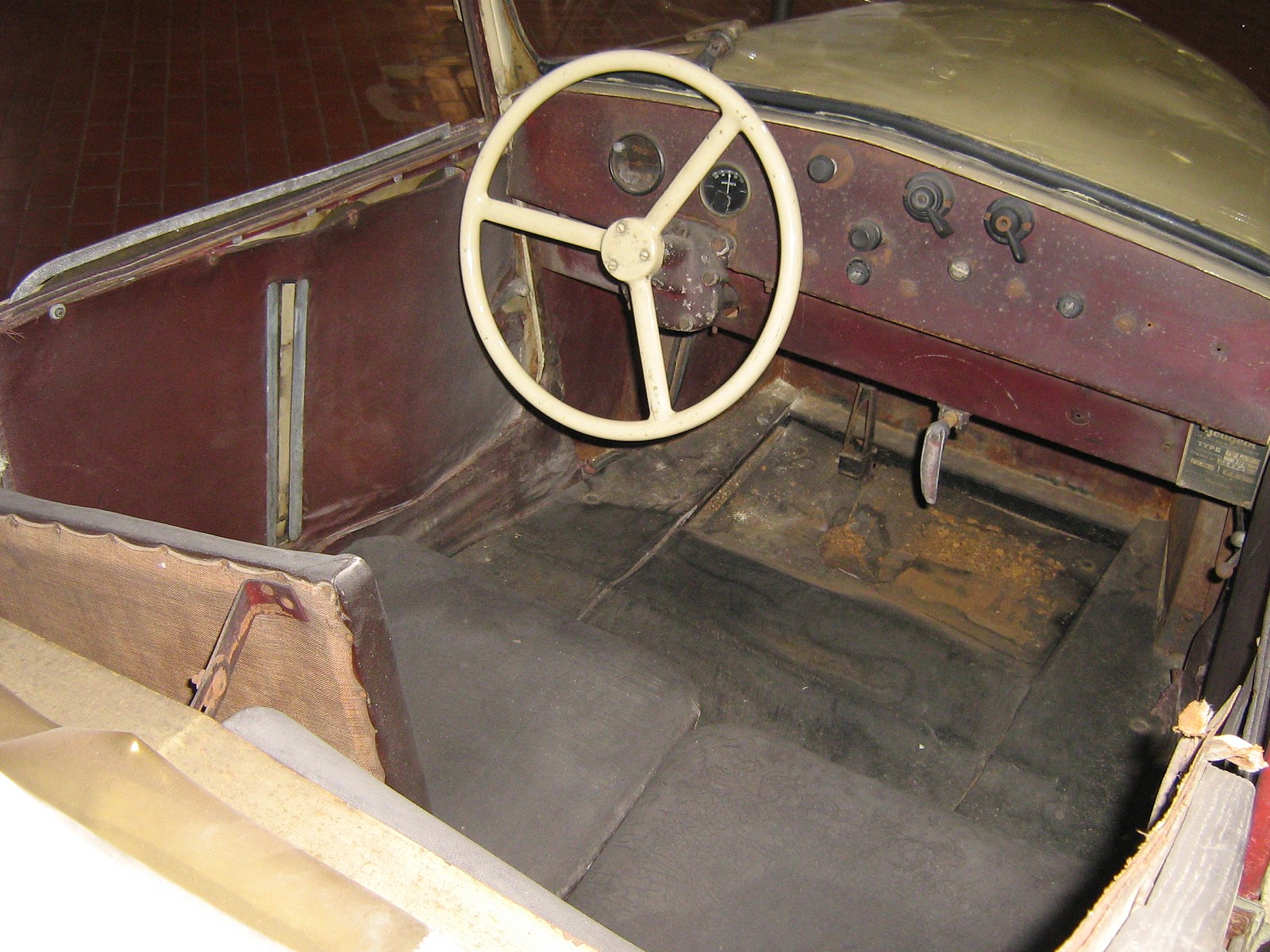
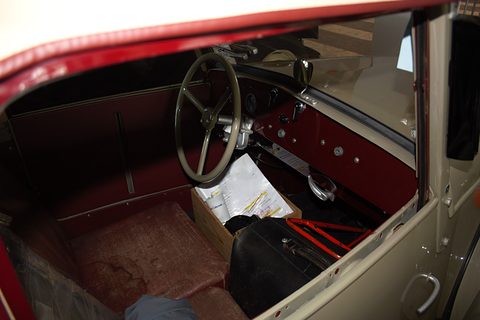
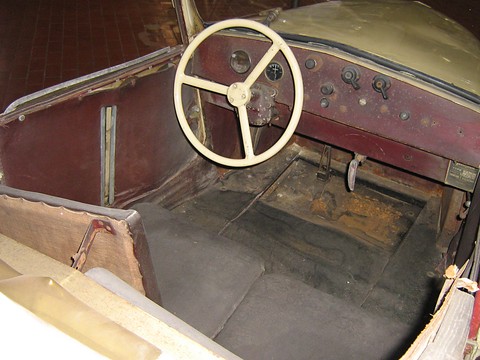
Automobile Propre drove a restored VLV in 2016. The brake pedal is in the middle. The pedal on the right starts the car and controls it, and must be pressed right down or let right up, because holding it half-way overheats the resistors, so the driver keeps the speed by pressing and releasing it. The pedal on the left, pressed with it, gives a boost of 15–20 per cent for hills and headwinds. Forward and reverse are chosen with a switch half-hidden under the seat, and the front of the folding top lifts to help a tall passenger in.source 1 There is a single hand-worked wiper, no rear bumper, and the side windows go up and down by a lever in the door.source 1source 2
Le pilotage d’une Peugeot VLV demande à apprendre de nouveaux gestes.
Vichy chooses another car
In July 1942, by French Wikipedia’s date, or that summer by Automobile Propre’s, the Vichy government forbade Peugeot to build electric cars. It favoured instead the Compagnie générale d’électricité and the battery maker Tudor, whose car, the CGE-Tudor, was designed by Jean-Albert Grégoire.source 3source 1 Peugeot went on in small numbers until February 1945, and 377 VLVs were built in all.source 3source 4source 1source 6source 5
After the Liberation nobody wanted it. The cars were neglected, and by Automobile Propre’s reckoning probably none would run without electrical work in the 1970s and 1980s; by 2016 several had been restored.source 1 Automobile Propre adds a joke: being electric, the VLV needed no hole for a starting handle, so it never got the central “0” of Peugeot’s numbered models.source 1